HOW WE CREATE VALUE
Aligned with our values
WHAT DRIVES US Inputs
People & Culture
Dedicated crew, shore staff, and leadership across the world; strong family-rooted and safety-focused culture
Financial Discipline
Fair procurement practices, lean operations, emphasis on sustainability, and strategic reinvestment
Technology & Data
Digital training platforms, ICT infrastructure, voyage performance tools, cybersecurity systems
Compliance & Certifications
ISO 9001, 14001, 45001, 50001; strong regulatory monitoring and sanction compliance systems
TMSA (tanker management) and RISQ (bulker management)
Fleet & Assets
A modern and diversified fleet of tankers and dry bulk vessels; technical management via Marine Trust Ltd. and Trust Bulkers Ltd.
Stakeholder Partnerships
Long-term relationships with charterers, suppliers, crew agencies, regulators, and local communities
TIMELINE
Original Ship Operating Group established 1974 Fleet expansion (Dry cargo, Tankers and Heavy Lift carriers)
New Office premises in Glyfada, Greece
Dedicated Manning Agent in Manila, Philippines
Certification & Delivery of first newbuilding Tanker
ISO9001 & ISO 14001 certification 2004 Dedicated Manning Agencies in Odessa, Ukraine & Mumbai, India
WHAT WE DO Activities
Ensure safe, efficient, and compliant maritime operations
Manage and maintain vessel performance and lifecycle
Engage and support seafarers and shore staff
Uphold ethical governance, transparency, and accountability
Reduce environmental impact through energy efficiency and innovation
Build lasting relationships with stakeholders and communities
WHAT WE CREATE Outcomes
Safe Operations & Strong Safety Culture
Low incident rates, Stop Work Obligation, continuous training
Community Engagement & Impact
Philanthropy in areas of presence, local partnerships, cultural respect
Long-Term Talent Retention
High crew retention, 24/7 support systems, a culture of inclusion
Trusted Partnerships
Transparent procurement, compliance-first business practices, reliable service delivery
Resilient Business Performance
Efficiency through lean processes and digital transformation
Environmental Responsibility
Lower CO₂ per vessel, recycling, energy-saving retrofits, digitalization
COO STATEMENT
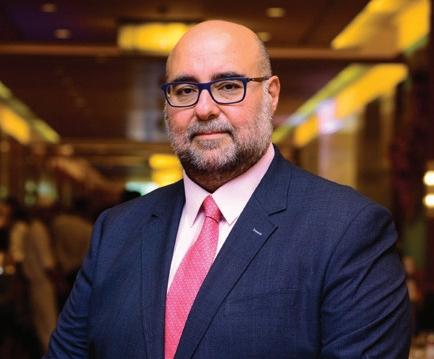
Welcome to our 2024 ESG Report.
Since our inception we have been committed to doing the right thing. Our strength has always come from our values — safety, trust, integrity, care — and from the people who live by them every day, both at sea and ashore.
This report reflects what we do, but most importantly how we do it — responsibly, and with a long-term view. It captures how safety is embedded in our culture, how our people remain our greatest asset and how we build relationships that last.
We have structured this report around three core pillars that shape our approach to responsibility and reflect who we are and how we operate: our people, our environment and our processes.
Our people are at the centre — from seafarers to office teams & external contractors — and everything we do is focused on keeping them safe, supported, looked after and empowered.
Our environment speaks to our continuous responsibility to reduce our environmental footprint and to operate with care for future generations, whether through compliance, performance improvements, or impactful changes.
Our processes represent the systems, ethics, and day-to-day practices that enable us to deliver safely and reliably — with a focus on effectiveness, efficiency, digital transformation, and cross-team collaboration.
These three pillars are combined in support of our wider mission: to be a trusted, peopleoriented maritime group, leading with safety, integrity, and excellence while evolving towards a sustainable future.
Evolution is key in achieving sustainability. We are growing, improving, welcoming new colleagues, strengthening bonds across teams, encouraging diversity and ensuring that our culture continues to guide us safely through
change. Each department, each team, each and every individual plays a role in keeping our seafarers safe and supported. Together we have built solid foundations on which we will continue developing our ESG strategy.
We thank everyone — at sea, in our offices, and in our wider network — who has contributed to this culture of care and responsibility over the years. We look forward to the road ahead, as we continue to grow with integrity and purpose.
Anthony Lambros Chief Operating Officer Centrofin
REPORT OVERVIEW & METHODOLOGY
This ESG Report marks a significant step in our group’s journey toward maintaining transparency. It reflects our commitment to highlighting how we operate responsibly across our core pillars: People, Environment, and Processes. Each section delves into our long-standing practices, recent initiatives, and areas identified for improvement, aligning with our mission to be a trusted, people-first maritime Company leading with safety, integrity, and excellence while evolving toward a sustainable future.
As we continue to grow and modernize, we recognize the importance of highlighting how we operate responsibly.
Our people are at the heart of everything we do. Over the past few years, we have intensified our focus on personnel welfare and engagement:
• Crew Engagement: Hosting forums in Manila, Mumbai and Athens, attended by large office teams, to foster open dialogue and feedback
• Office Staff Involvement: Utilizing surveys to gauge satisfaction and gather suggestions for improvement
• Well-being Initiatives: Prioritizing mental and physical health and promoting a culture of safety and responsibility
• Diversity and Inclusion: advancing diversity across all levels
• Training and Development: Investing in comprehensive training programmes
Listening to our people is crucial for fostering a safe and responsible culture. Through crew
forums, staff surveys, leadership visits on board, and direct feedback sessions, we ensure that the voices of our team are heard, valued, and integrated into our decision-making processes.
Our environmental efforts are primarily compliance-driven, ensuring full adherence to international regulations:
• Regulatory Compliance: Meeting standards set by the International Maritime Organization (IMO) and other regulatory and industry bodies
• Emissions Monitoring: Tracking and reporting emissions data as part of our commitment to environmental stewardship
• Sustainable Practices: Exploring opportunities to reduce our environmental footprint through operational efficiencies and technological advancements
We continuously strive to enhance our operational efficiency and governance:
• Digital Transformation: Implementing new Information and Communication Technologies (ICT) to streamline operations
• Simplification Project: Aiming to make instructions more user friendly and easy to navigate. Aiming to elevate our safety culture
• Enhanced Due Diligence: Conducting compliance and risk-based assessments and reports to ensure robust governance structures
In a dynamic maritime environment, we recognize that safe, efficient and transparent processes are crucial to maintaining operational excellence and stakeholder trust.
Our reporting is guided by international frameworks, it follows the International Maritime Organization (IMO) guidelines and the evolving EU Corporate Sustainability Reporting Directive (CSRD), thereby ensuring that our practices meet global standards of transparency and accountability.
Our three-pillar framework
1. People
3. Processes
2. Εnvironment
Regulatory Landscape
We acknowledge the evolving regulatory environment:
• The Corporate Sustainability Reporting Directive (CSRD) mandates comprehensive sustainability reporting, emphasizing both financial and impact materiality. The CSRD is an EU regulation that significantly expands the scope and detail of sustainability disclosures required from companies, aiming to improve transparency and accountability. It requires companies to report not only on how sustainability issues affect them financially but also on how their activities impact society and the environment. While implementation timelines have been adjusted, we remain committed to aligning our reporting practices with these standards.
Key Issues Addressed
This report focuses on several critical areas:
Safety: Upholding the highest safety standards for our crew and operations
Emissions: Monitoring and managing our environmental impact
Business Ethics: Ensuring fair treatment of all employees and stakeholders
Stakeholder Engagement
We recognise the importance of engaging with our diverse stakeholder groups:
• Seafarers and Crew Agencies: Collaborating to enhance crew welfare and operational efficiency
• Suppliers and Charterers: Building sustainable and ethical supply chains
• Regulators: Maintaining open communication to ensure compliance and mutual understanding We have been growing and evolving for over 30 years. As we continue to evolve, this report represents a springboard rather than a conclusion. We will build on this foundation by regularly assessing our progress and engaging with stakeholders to ensure our practices align with both regulatory expectations and our values.
People are at the heart of everything we do. Whether on board our vessels or ashore, we are committed to fostering a culture that prioritizes safety, integrity, inclusivity, and well-being. This commitment is not just a statement — it is embedded in our actions, decisions, and daily operations.
OUR COMMITMENT TO PEOPLE
Our approach to managing and engaging our people is shaped by our core values: Safety Focused, Integrity Driven, People Centric, Trustworthy, and Family Anchored. These values shape our everyday practices and interactions. We go beyond compliance to protect our crew and staff, acting responsibly and transparently to build long-term trust. We empower individuals to take initiatives and foster a supportive environment to new recruits/our family. Trustworthiness underpins our relationships, while our family-rooted approach aims to ensure that our people feel genuinely valued and connected.
LTIFs (Lost Time Injury Frequency) per 1,000,000 Hrs of Exp.
Tankers: 0.54
Bulk Carriers: 0.25
Overall Retention rate
Tankers: 91.8%
Bulk Carriers: 87.6%
Average job retention rate for key staff over a two year period 96.5%
ON BOARD AND ASHORE: A UNIFIED CULTURE
We believe that fostering a strong connection between sea and shore teams is essential for maintaining consistency and cohesion. To this end, we have developed structured forums, well-being initiatives, and programmes that promote shared values and mutual respect. Whether on board or in the office, our commitment to safety, integrity, and inclusivity remains unwavering.
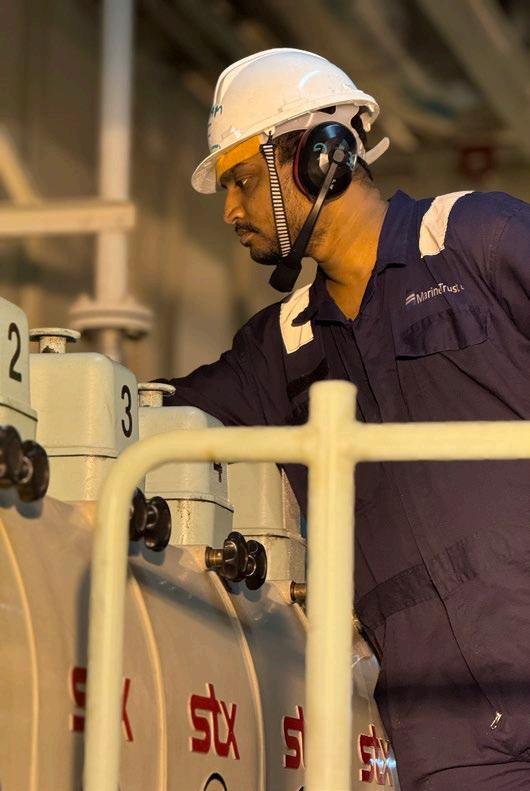
We are actively taking steps to strengthen communication and build a culture of mutual support. This is particularly important given our diverse workforce, which consists of more than 1,500 crew and employees in total.
Workforce
1,500 crew and employees
Our Head Office comprises a gender-balanced workforce of 140 people, with an average age of 40 and a diverse leadership team.
Retention is a key indicator of how our people value and support us. We maintain a crew retention rate with figures reaching 92% for tankers and 88% for bulk carriers, significantly above the industry average. Retention of senior officers is particularly strong, with Masters achieving a 100% retention rate across both tanker and bulk carrier fleets. Shore-based retention (95%) reflects our commitment to long-term career development.
WELL-BEING & SUPPORT: PRIORITIZING HEALTH AND SAFETY
Ensuring the well-being of our people is central to our culture of responsibility. Our approach to health and safety goes beyond merely complaying with regulations; we actively seek to create a working environment where our people feel secure, supported, and valued. To manage occupational health and safety risks, we have established comprehensive Occupational Health and Safety Programmes,
ensuring the well-being of our seafarers and staff.
We provide a 24/7 medical service that ensures online support for crew members. This telemedicine initiative has proven effective in increasing crew health awareness and highlighting the practical benefits of proactive healthcare.
Moreover, our Care & Welfare Programme has been expanded to include mental health awareness training for Care & Welfare Ambassadors, who play a vital role in promoting well-being and offering support where needed. We have also introduced a Mental Health Card on board for self-checks and peer support, fostering an environment where individuals feel comfortable addressing well-being issues.
Furthermore, the installation of high-speed internet allows our crew members to better connect to their families, thereby enhancing their well-being at sea.
ENGAGING IN AN OPEN DIALOGUE WITH OUR CREW: FORUMS AND LEADERSHIP VISITS
Maintaining open and transparent communication with our crew is vital to ensuring that everyone feels heard and valued. To this end, we have established annual Officer Forums at our recruitment locations, including Manila, Mumbai, and Athens. These Forums are more than just meetings; they are opportunities to strengthen bonds between seafarers and office staff, have fun together, share updates on safety and environmental standards, and address challenges collectively.
One of the unique aspects of our approach is that we manage our crewing agencies, giving us more effective control over recruitment and crew welfare. By managing these agencies directly, we can maintain consistent standards and build long-lasting relationships with our crew members.
Our commitment to safety is also evident in our training practices. Before embarking, senior crew members participate in briefings at our offices to familiarize themselves with updated procedures and technologies. This hands-on approach ensures that our teams remain aligned with the latest safety and operational standards.
SAFETY AND RESPONSIBILITY: BEYOND COMPLIANCE
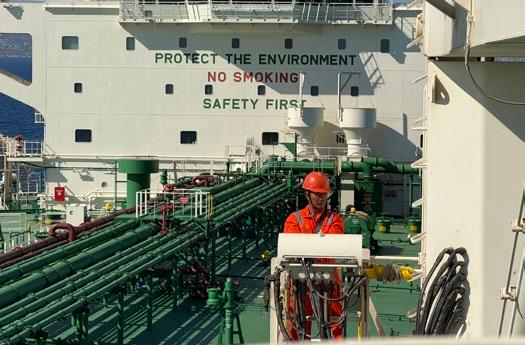
Safety is a non-negotiable priority for us. We continuously seek to foster a proactive safety culture, going beyond what is required to ensure that our people feel confident in identifying and addressing potential risks. We have partnered with peers in the ‘Goal Zero’ initiative, aiming to instil a safety-first mindset throughout the organization.
We also promote a Just Culture of accountability through our ‘Stop Work Obligation (SWO)’ policy, empowering any crew member to challenge unsafe practices without fear. This open culture reflects our commitment to safety as a collective responsibility.
DEVELOPING TALENT AND FOSTERING GROWTH
We actively encourage career development and mobility within our group. we believe that anyone can progress to senior roles, including captaincy, given the right training and experience. Our E-learning Platform plays a crucial role in this development by offering specific training resources that streamline learning.
Moreover, we foster a culture where employees are empowered to, suggest improvements and lead projects. This proactive mindset enhances efficiency and strengthens team dynamics, whether on board or ashore.
CASE STUDY: UKRAINIAN WAR RESPONSE – A DEMONSTRATION OF OUR VALUES
When the war broke out in Ukraine, we prioritized the safety and well-being of our Ukrainian office staff and crew members and their families. We facilitated their safe relocation, including not only logistical support but also emotional care, as families needed stability during a turbulent period.
Our response was guided by our core values:
Safety-Focused: We took decisive action to ensure physical and emotional safety.
Integrity-Driven: We maintained transparency and fairness throughout the relocation process, listening to the needs of our people.
People-Centered: We prioritized well-being by facilitating family reunions and supporting the integration of children into new educational settings.
Trustworthy: We remained consistent in our support, providing long-term solutions.
Family-Anchored: We treated each individual as part of our family, offering continuous care and reassurance.
LOCAL PHILANTHROPY
The Company’s commitment to social responsibility extends beyond the workplace.
We are proud to contribute to causes that are close to our hearts, supporting a diverse range of charities and non-profit organizations. Through financial donations, we aim to make a meaningful impact on the lives of individuals and communities in need.
Our charitable initiatives focus on medical organizations, vulnerable groups of people, children with special needs as well as cultural institutions and events. These contributions are part of our ESG strategy, reflecting our belief that a responsible, compassionate business is one that not only drives economic growth but also enriches society as a whole.
LOOKING AHEAD: SUSTAINING A PEOPLE-CENTRIC APPROACH
As we move forward, our passion and commitment remain unchanged. We recognize that fostering a safety-focused, inclusive, and supportive culture is not a one-time effort but an ongoing journey. We will continue to invest in training, wellness programmes, and community engagement, ensuring that our people feel valued, supported, and connected.
Our goal is to build on our achievements while remaining committed to the values that define us: safety, integrity, trust, and care.
EducationTrainingCentre , Zuarinagar,India
Our environmental responsibilities are deeply woven into our day-to-day decisions and long-term planning. True to our values — Safety-Focused, Integrity-Driven, People-Centric, Trustworthy, and Family-Rooted — we are taking steady and practical steps to minimize our environmental impact while maintaining operational excellence. Yet, we believe in progress over perfection — investing in cleaner technologies, smarter voyage planning, and building a future-ready fleet.
1. CO₂ Reduction Performance: Over the past year, we have successfully reduced our average CO₂ emissions per vessel, across both tanker and bulk carrier fleets. This was made possible through operational efficiencies and technological improvements. Our goal is to achieve an additional 1% CO₂ reduction per vessel annually.
2. In 2024, we improved fleet-wide fuel and voyage efficiency, helping reduce emissions through smarter routing and optimization.
Miles Laden (time vessels carried cargo):
Days Laden (days spent on loaded voyages):
These figures reflect improved voyage planning, minimized idle time, and increased productivity — all directly contributing to our CO₂ reduction goals.
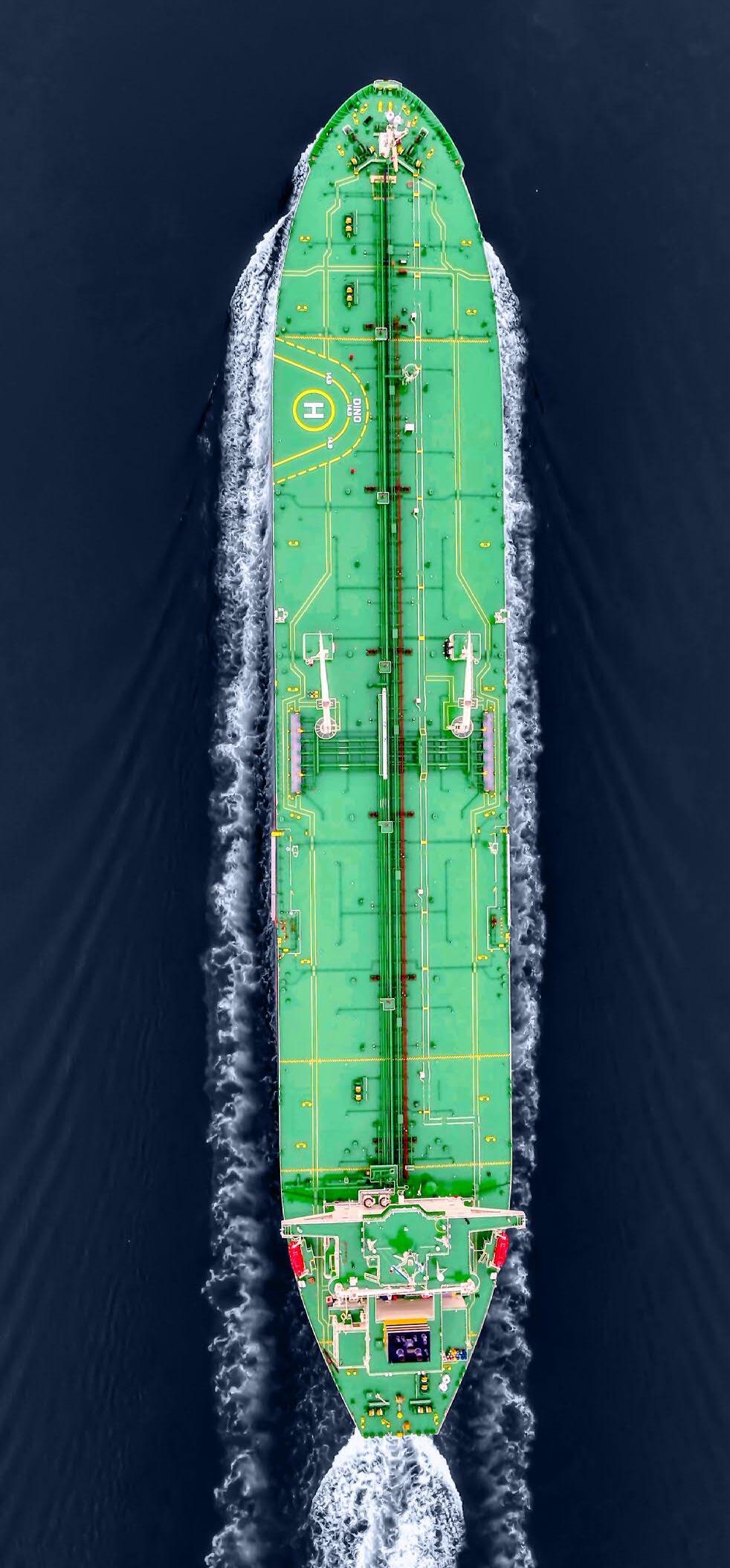
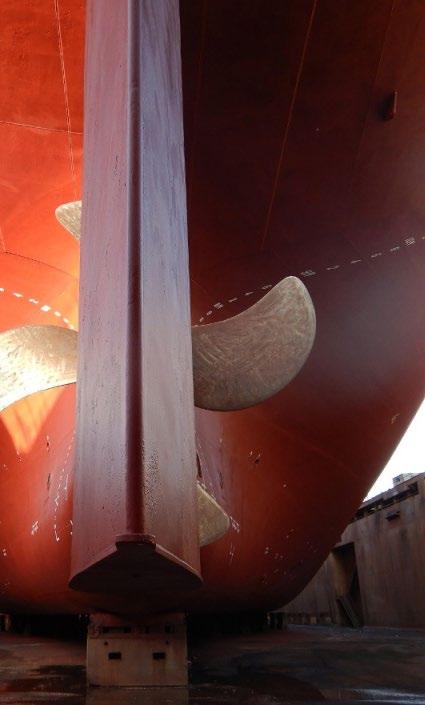
We are currently investing in a newer, more efficient fleet of tankers and bulk carriers. These modern vessels are not only built to comply with evolving environmental regulations but also to perform better across the board. They feature upgraded propulsion systems, enhanced fuel efficiency, and greater compatibility with emissions monitoring systems. This shift reflects our belief that safety and sustainability go hand in hand since a newer fleet is a safer one, and one that will allow us to operate with less environmental impact.
OUR MODERN FLEET: A PLATFORM FOR PROGRESS EMISSIONS & PERFORMANCE: DATA-LED IMPROVEMENTS
Environmental performance is not just monitored — it is actively managed. Our Environmental Management Team, which meets
quarterly, coordinates Company-wide efforts to improve both environmental and energy efficiency across vessel and shore operations. The team also evaluates emerging technologies and alternative fuel solutions, ensuring we stay ahead of regulatory and industry expectations. These efforts are underpinned by our integrated management system, which includes ISO 50001 (Energy Management) and ISO 14001 (Environmental Management) certifications. ISO 50001 provides a structured framework for monitoring energy performance and identifying efficiency opportunities, while ISO 14001 supports the systematic management of environmental responsibilities — from emissions control to waste reduction and regulatory compliance. Together, they ensure that energy and environmental performance are embedded into our daily operations and long-term strategy.
In practice, our environmental management approach includes a range of operational initiatives:
• Fleet-wide CO₂ emissions monitoring and reporting
• Ballast Water Management Systems to protect marine ecosystems
• Use of Selective Catalytic Reduction (SCR) to reduce nitrogen oxide emissions
• Voyage optimization, including weather routing and optimal arrival planning
• Continuous engine load control to improve efficiency
Through these tools and systems, we make data-driven decisions that reduce emissions, improve energy use, and support our long-term sustainability goals — without compromising safety or operational reliability.
OFFICE-BASED ENVIRONMENTAL CASE STUDY: ENERGY EFFICIENCY & RECYCLING
Our environmental commitment extends beyond our fleet and into the heart of our office operations. Since 2019, we have actively tracked and reported energy consumption at our Head Office as part of a broader sustainability roadmap. The insights gained through this process have led to a number of targeted efficiency upgrades. According to our 2019–2024 Energy Efficiency Report, we have implemented practical improvements including but not limited to LED lighting retrofits, air conditioning system optimizations, and greater reliance on digital workflows to reduce energy-intensive paper processes.
These efforts are guided by a structured Energy Management System aligned with ISO 50001, which supports continuous monitoring and identification of opportunities for reduction. Over time, we have successfully reduced both our energy use and operational footprint, setting a strong example of how everyday workplace practices can contribute to broader environmental goals.
Alongside energy efficiency, our recycling and waste reduction efforts have remained a consistent focus since 2004. What began with the safe disposal of electrical equipment has evolved into a Company-wide recycling programme embedded in daily office life. To date, we have responsibly recycled more than 55 tonnes of materials, including 30,930 kg of print paper, 24,162 kg of shredded paper, 626 kg of batteries, and 285 kg of lightbulbs.
This programme is supported by clear waste segregation guidelines, regular awareness initiatives, and internal monitoring to ensure participation across all departments. Staff are encouraged to actively contribute to these efforts, reinforcing a culture of responsibility and environmental stewardship within the workplace.
Together, our energy-saving practices and long-standing recycling commitment reflect a deep-rooted belief that meaningful environmental action begins with consistent, practical steps — and that change is most effective when shared by the entire organization.
DIGITAL SUSTAINABILITY & ICT
We believe that digitalization is a key enabler of sustainability — not only for reducing environmental impact but for improving agility and transparency across operations. Over the last decade, our ICT team has led a sustained transition toward a paperless office, supported by the digitization of forms, procedures, manuals, and approval workflows. Today, 50–60% of our operational documentation is digital, our goal is to reach 80% in the next two years.
Our internal “Paperless by Design” campaign, now in its tenth year, has helped shift everyday behaviours — from default digital filing to limited access printing — resulting in a significant reduction in paper use and waste. These savings are complemented by enhanced speed and accountability across teams, as digital
platforms improve version control, approvals, and audit readiness.
In parallel, we are investing in cloud computing infrastructure, which supports lower energy consumption, reduces hardware needs, and allows our systems to scale flexibly without additional server installation. This shift away from physical servers also reduces e-waste and frees up physical space in our offices, reinforcing our broader commitment to resource efficiency.
Together, these digital sustainability initiatives form a core part of our operational efficiency strategy. By simplifying processes and minimizing waste, we are creating a smarter, cleaner, and more future-ready organization — while embedding environmental thinking into the way we work every day.
Modern IT solutions and infrastructure ensuring resilience and seamless business continuity
Categorized all on board procedures by priority and function
All vessels and offices undergo scheduled regulatory inspections in compliance with international standards (e.g., ISM, ISO certifications).
Compliance is not just a responsibility for our Company— it is a standard we build upon. We operate under a structured compliance framework that ensures full alignment with both international maritime environmental regulations and regional ESG reporting mandates. This includes active implementation of and readiness for:
• IMO MARPOL Annex VI, which sets limits on air pollutants from ship exhausts and mandates the use of cleaner fuels
• EU Monitoring, Reporting and Verification (MRV) system for CO₂ emissions from maritime transport
• IMO Data Collection System (DCS), through which we submit verified emissions data for our fleet
• Preparations for compliance with EU Emissions Trading Scheme (EU ETS) rules for shipping, as well as upcoming Corporate Sustainability Reporting Directive (CSRD) requirements
Our Environmental Management System, certified under ISO 14001, ensures that environmental compliance is embedded across vessel and office functions, monitored regularly, and reviewed for continuous improvement.
We see governance not just as compliance, but also as a foundation for our aspirations and goals. Transparency, documentation, and internal accountability are integrated into our workflows and ESG oversight. Our Environmental Management Team also ensures that new regulations are operationalized early, so that we remain not just compliant — but proactive.
LOOKING
AHEAD: OUR RISKS, COMMITMENTS, AND GOALS
We acknowledge the environmental risks posed by global shipping, and we take ownership of our role in reducing emissions and improving efficiency. Commitments moving forward include: - A targeted 1% annual reduction in CO₂ per vessel - Increased cloud adoption and online workflows (target: 80% by 2026) - Continued investment in modern, efficient vessels - Exploration of alternative fuels and green technologies - Ongoing training for crew and office staff on new environmental tools.
The Processes pillar of our ESG framework represents the systems, ethics, policies, and practices that enable us to operate with integrity, resilience, and accountability. Our approach to governance is rooted in our values—Safety-Focused, Integrity-Driven, People-Centric, Trustworthy, and Family- Anchored—and reflected in how we embed transparency, compliance, and continuous improvement into every level of our operations.
Breaches to IT systems: 0
GOVERNANCE, ETHICS & COMPLIANCE
Our Company’s governance system is designed to uphold the highest standards of ethical conduct and legal compliance. Our Code of Conduct, Anti-Corruption, Sanctions, and Compliance policies guide decision-making across the organization. We follow national and international regulations diligently and maintain a strong sanctions culture reinforced by a dedicated Compliance Department that performs due diligence checks on a risk-based approach. Our governance framework also includes regular internal audits, regulatory inspections, and documented safety compliance.
CASE STUDY: SIMPLIFICATION & LEAN OPERATIONS
To improve consistency and eliminate inefficiencies, we launched a Company-wide ‘Simplification Project’ that spans both on board and office processes. This initiative focuses on consolidating procedures, optimizing training platforms, and eliminating redundancies. For example, training is now structured so that crew members attend only relevant modules, reducing overload and enhancing retention. Web-based procedural manuals are also categorized by priority—emergency, operational, or reference—to focus attention on safety and well-being.
BUSINESS ETHICS & POLICY FRAMEWORK
Our business practices are governed by integrity, transparency, and social responsibility. We have zero tolerance for bribery, harassment, or discrimination, and all employees are trained to uphold these standards through clear policies and ongoing awareness programmes. Our policies include commitments to Equal Rights and Opportunities, Anti-Harassment, Anti-Bullying, and a Just (No-Blame) Culture.
PROCUREMENT & OPERATIONAL EFFICIENCY
Our procurement process emphasizes value, traceability, and partnership. Our Purchasing Department was recently consolidated into a unified team, which maintains close communication with the Technical, Maritime Operations and SQE Departments. We require a minimum of three quotes for new suppliers, thereby ensuring quality and vave, and use software at the same time to streamline evaluations and consistently select trusted, cost-effective sources. This proactive planning also enables smarter port-based decisions, such as timing lubricant purchases to secure competitive prices.
CYBERSECURITY & IT GOVERNANCE
Digital infrastructure is central to our governance strategy. We have established a holistic, risk-based Cyber Risk Management System to
safeguard operations across ships and offices. We conduct continuous system monitoring and due diligence on all digital processes. These where implemented from day one of the COVID-19 lockdown, and continue to support our flexibility and resilience.
Governance at our Company is not confined to policies on paper. It is reflected in how we work, communicate, and improve together—always with the goal of building a trusted, ethical, and sustainable maritime business.
LOOKING AHEAD: OUR PLANS FOR THE YEAR AHEAD
As we close this Report, we also look to the future with a mindset of progress, learning, and shared responsibility.
Our vision remains rooted in being a trusted, people-first Shipping Company, leading with safety, integrity, and excellence, while evolving toward a more sustainable future. In that spirit, we are setting clear priorities for the year ahead.
Key Goals & Commitments for 2025
• At least 1% year-on-year CO₂ reduction per vessel, supported by better voyage planning, energy-saving technologies, and investment in a newer, more efficient fleet
• Implementation of the next phase of the Simplification Project, streamlining cross-departmental workflows, reducing duplicated training, and digitizing more procedures
• Continued rollout of safety culture initiatives across vessels and offices, including targeted training, feedback loops, and stronger alignment between crew and office teams
• Further engagement with seafarers and office staff via on board visits, surveys, and annual forums
• Enhanced data collection systems to better track environmental, social, and governance metrics
• We are actively preparing for upcoming regulatory frameworks, including CSRD, while continuing to progress our compliance with the EU ETS, which has been in force since 01/01/2024, to ensure sustained alignment and transparency
Ongoing Commitments
We remain committed to continuous improvement—not just in results, but in how we manage and measure them. This includes:
• Regular review and development of KPIs, especially in areas where data is still maturing
• Quarterly Environmental Management Team meetings to assess progress and adopt new practices
• Strengthening our governance structure to support ESG integration across departments
Future KPIs Under Development
We have recently concluded a five-year review of our ESG performance indicators, which will next be assessed in 2030. Building on this foundation, we will be developing new KPIs that reflect our evolving priorities and commitment to accountability. These may include indicators for well-being and mental health (such as crew satisfaction scores and usage of support services), ESG training completion rates across departments, and cybersecurity readiness and data resilience benchmarks. As part of this process, we are also integrating AI technology into our daily operations—both on board and ashore—to support smarter decision-making, streamline reporting, and facilitate training and support across all teams.
Our focus remains on progress and on maintaining transparency and consistency in how we measure, report, and improve.