CATHOLIC CONNECTION
The Journey to Christmas
The Journey to Christmas
PUBLISHER
Bishop Francis I. Malone
EDITOR
Sophia Romanski
EDITORIAL BOARD

Mary Arcement Alexander
Karla Alvarez
Dr. S. Germain Cassiere
Celeste Dickson
Karen Dill
Tristan Frisk
Jordan Harris
Diane Libro
Lucy Medvec
Lisa Miller
Jennifer Nix
Elise Reis
Noemi Saybe
Sr. Carol Shively
T.C. Veit
Mike Van Vranken
Volume 35 Number 5 THE JOURNEY TO CHRISTMAS
FOR CHRISTIANS IN AREAS OF CONFLICT Let us pray that Christians living in areas of war or conflict, especially in the Middle East, might be seeds of peace, reconciliation, and hope.
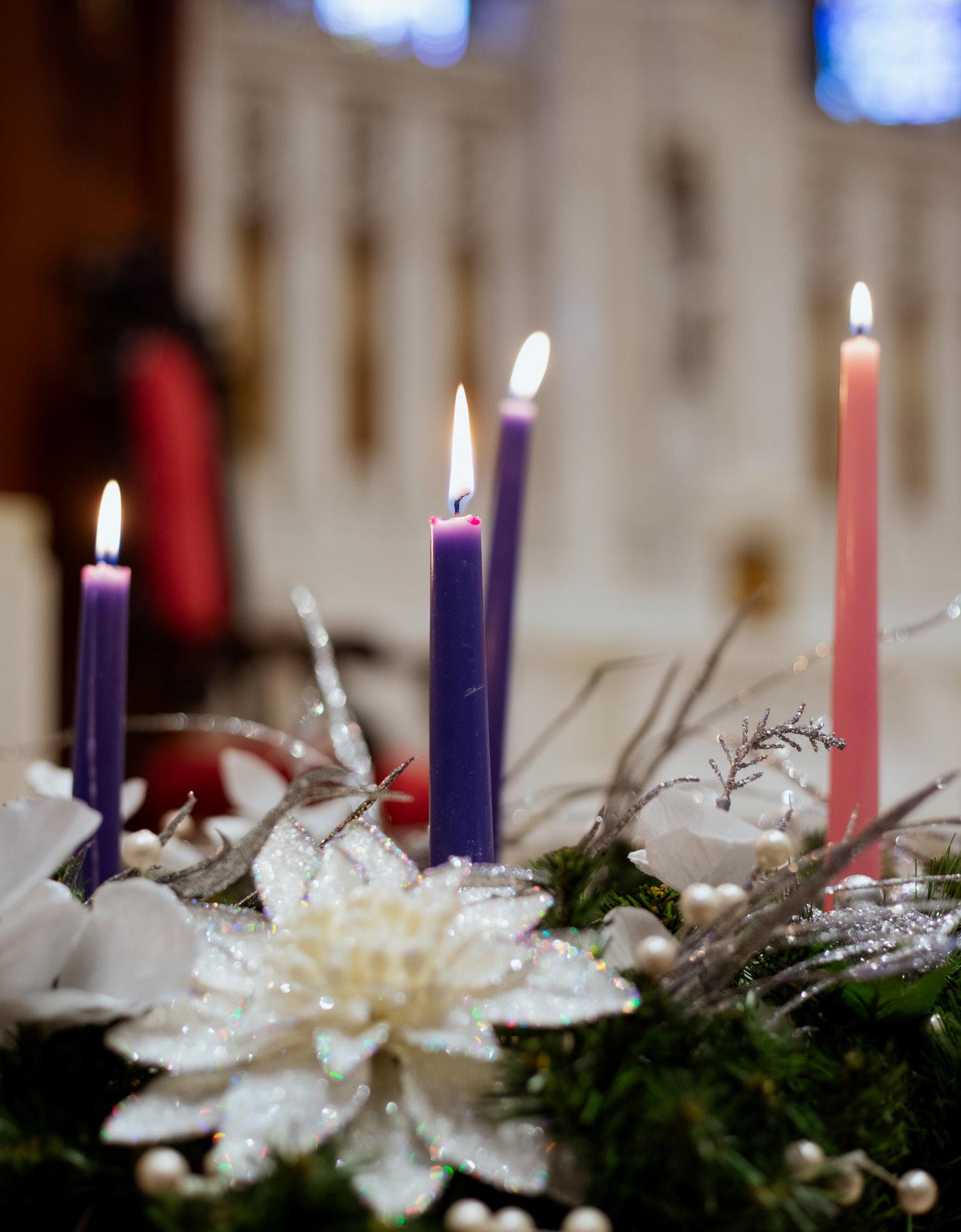
Cover photo: An Advent wreath burns brightly in the Cathedral of St. John Berchmans in joyful anticipation of the Nativity of Our Lord.
Photo by Sophia Romanski
SUBSCRIPTIONS & ADDRESS CHANGES
Blanca Vice bvice@dioshpt.org 318-868-4441
SUBMISSIONS
Sophia Romanski sromanski@dioshpt.org
The Catholic Connection is a member of the Catholic Media Association
The Diocese of Shreveport complies with Virtus' Protecting God's Children program (www.virtus.org). Online sessions are available. To report child sexual abuse by a cleric or church worker in the Diocese of Shreveport, call your loval law enforcement agency and Mary Arcement Alexander, Diocesan Victim Assistance Coordinator at 318-588-2120. Thank you for helping to keep our children and vulnerable adults safe.
The Catholic Connection is funded in part by a grant from the Catholic Home Missions Appeal and donations to the Catholic Service Appeal.
MISSION STATEMENT
The Catholic Connection is a monthly publication funded by your Catholic Service Appeal, mailed to every known Catholic household in the Diocese of Shreveport. Our mission is to advance knowledge and understanding of our Catholic faith among the faithful. We seek to foster the application of Christ's teachings and our Church's mission in our daily lives and to encourage our sense of Catholic identity within our family, parish, and faith community.
DECEMBER 13 & 14 RETIREMENT FUND FOR RELIGIOUS helps hundreds of religious communities provide for the current and future needs of senior members.
DECEMBER 24 & 25 DIOCESAN MISSION
IFIRM PRIESTS' FUND supports priests in the Diocese of Shreveport. 100% of donations to this fund remain in our diocese and directly support our priests.
Mass; Cathedral of St. John Berchmans, Shreveport; 11:00 AM
Catholic Charities of North Louisiana Joint Luncheon Meeting: Board of Directors & Members Board; Catholic Center, Shreveport; 12:00 PM
Episcopal Support Pause Gathering; Archdiocese of New Orleans Retreat Center, New Orleans
Help
Allow them to experience joy in their ministry.
Help them to become instruments of your divine grace.
We ask this through Jesus
and
as our
Give them the words they need to spread the Gospel.

The Church's Liturgical
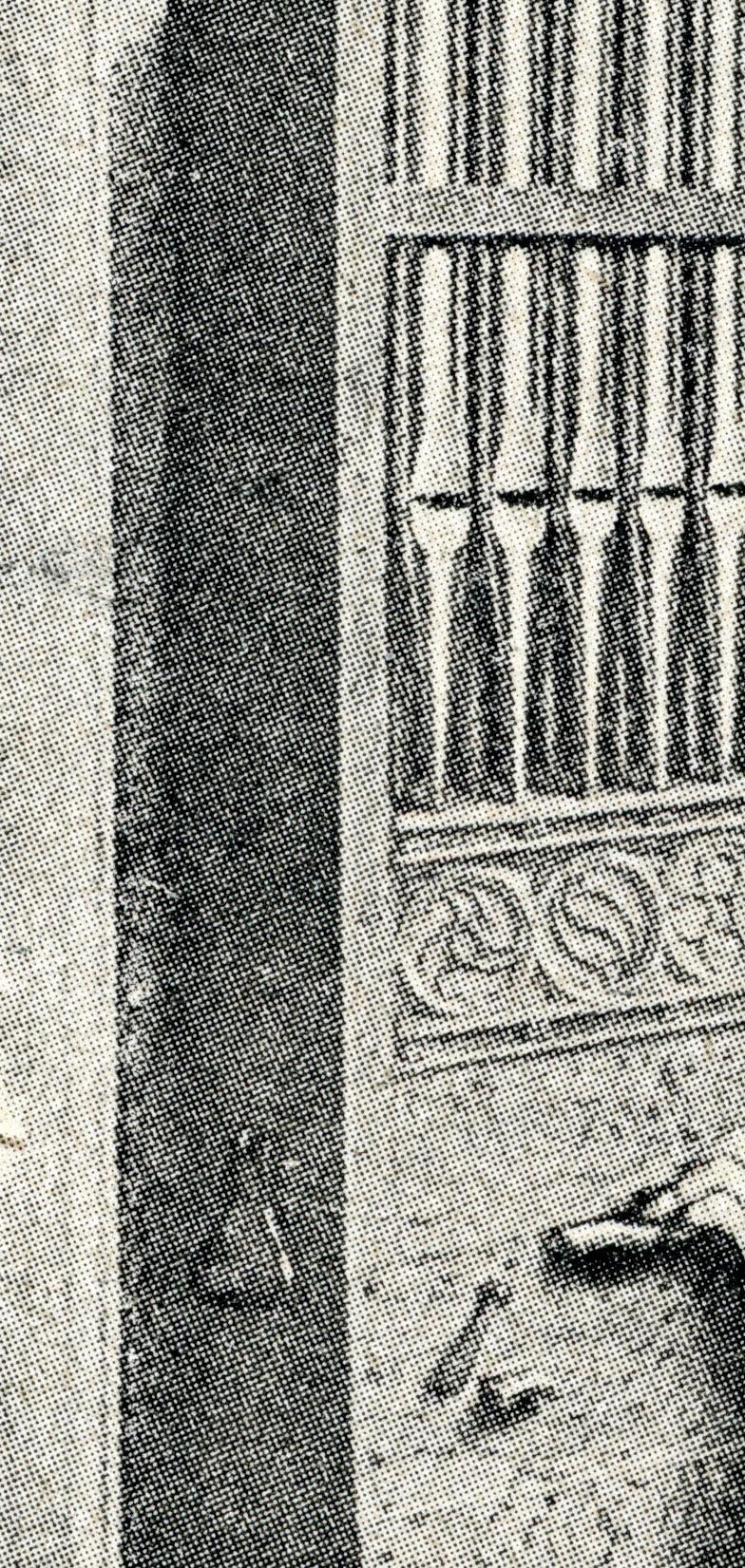
Music in Advent Local Catholic music expert Celeste Dickson guides us on a tour through traditional music for the season of Advent.

16
The Journey to Christmas is the Road to Bethlehem
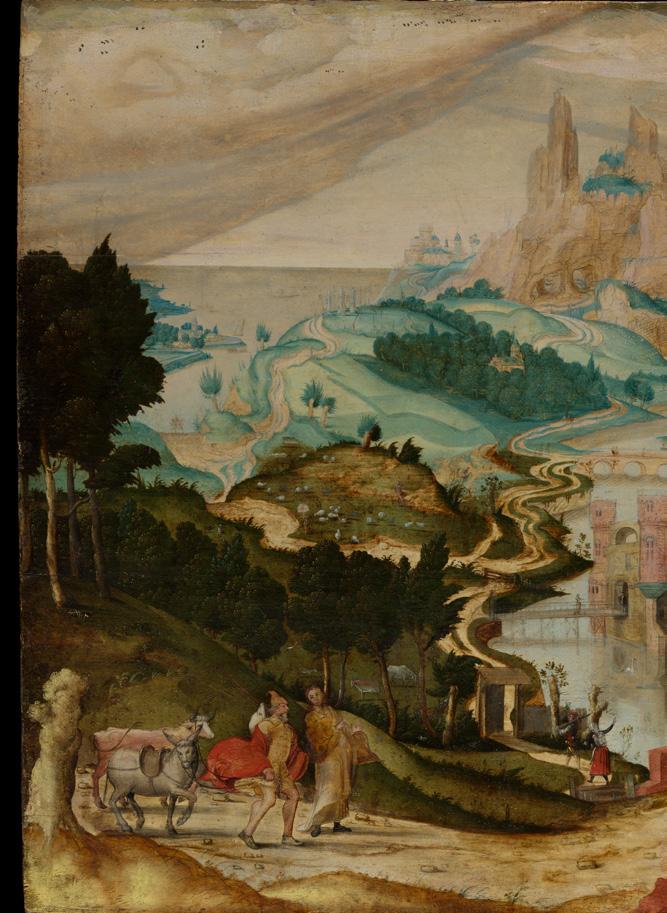
In this month's Thoughts from the Pew with Dr. Cassiere, reflect on the importance of repentence and renewal as we prepare to welcome our Lord into our hearts this Christmas.


Pictured here is me, riding shotgun as my sixteenyear-old brother drives us home from the dedication of the new St. Ann Church in Stonewall. For that roughly forty-five-minute drive, I placed my life entirely in the hands of a child who routinely threw up on me when he was a baby. I remember those days like they were yesterday.
So, I figure, if I can trust that guy (who, all told, is a very smart and competent young man, love you, buddy), to brave the lawless land of Louisiana highways, how much easier should it be to trust the King of the Universe?
In this season of reflection and repentance, we would do well to remember that the helpless little baby we celebrate every Christmas is the very same mighty and all-powerful God who cares for us every day. All He asks in return is that we choose to love Him so that we may one day join Him in heaven. We do this by turning our focus to Him, placing Him at the center of our lives, and abandoning our bad habits and worldly obligations. We can only do that by humbly asking for His grace.
19 Accreditation Process Takes Schools to First in the Nation Superintendent Sr. Carol Shively gives a tirumphant report on the successful Lumen Accreditation process for Catholic schools.
None of us will ever be perfect. In fact, most of us struggle immensely to be kind-of-not-terrible. We are easily distracted, sinful creatures. Even still, we have a perfect Father who loves us no matter what, and who will shower us with every gift and grace we could ever possibly need just so long as we ask, and trust Him to deliver.
"But seek first the kingdom of God and his righteousness, and all these things will be given you besides." — Matthew 6:33
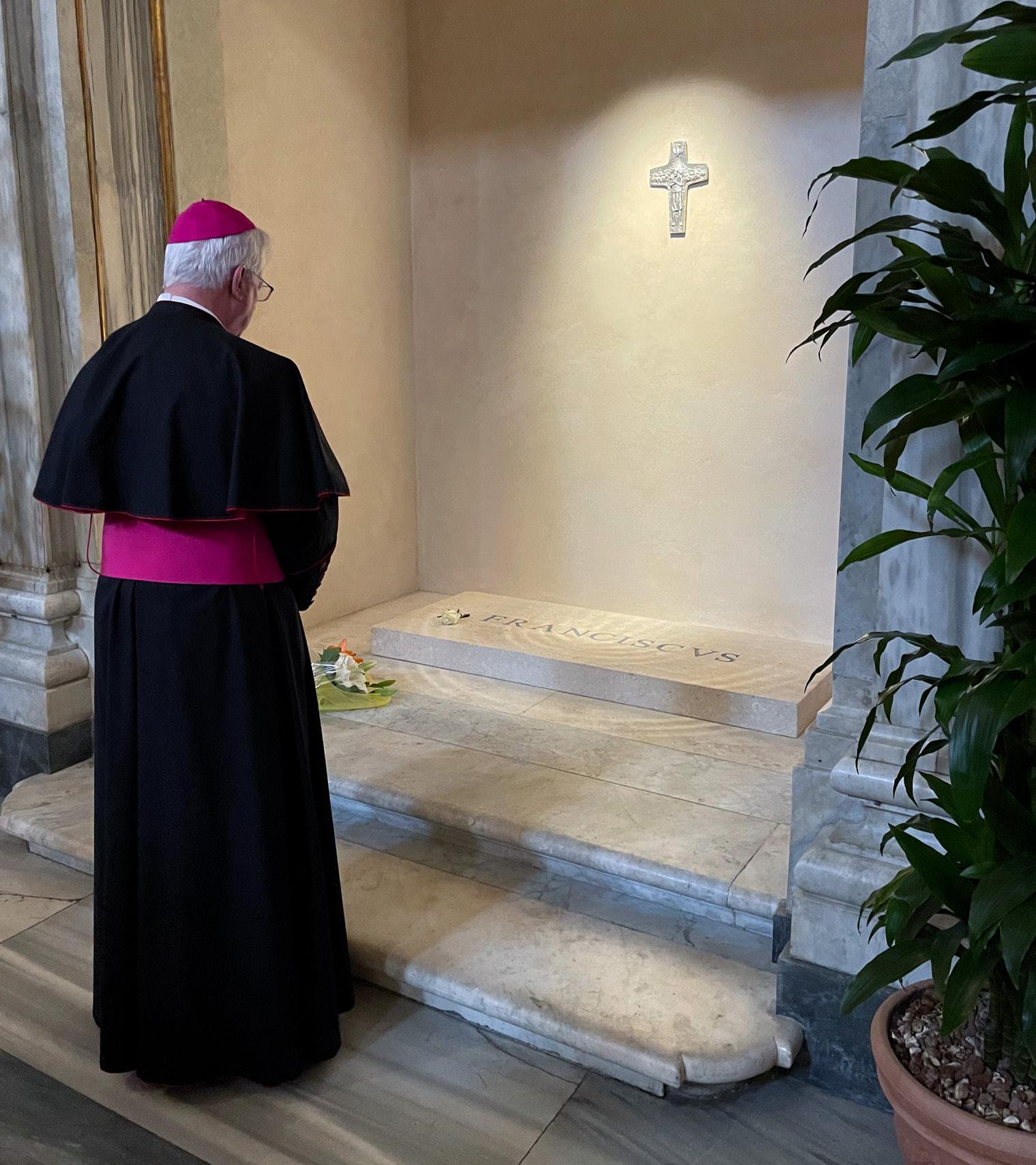
For the better part of my priesthood, I was assigned the role of emcee for bishop ceremonies, serving four bishops over four decades. So, I crossed paths with them many, many times in the sanctuary, especially when they conferred the Sacrament of Confirmation. Something I noticed early on was they crafted a sermon each year that they reused for the many Confirmation ceremonies they celebrated that year. As a bishop now for almost six years, I see the value in doing that, although some might accuse me of laziness for only creating one sermon to deliver each year.
But I took as my example those four bishops for whom I emceed. I particularly remember the first one, Bishop Albert Fletcher, who accepted me as a seminarian for the Diocese of Little Rock in 1968. He made it a practice to visit our seminary each year, and we seminarians sat in his presence as he gave us a reflection or “words of advice.” It was during my first year of seminary that he confessed (as it were) that he used the same sermon each year for Confirmations. He added, however, that he always used the occasion to teach confirmandi a prayer they should remember and use frequently. I can still recall the moment he taught it to us as if it was yesterday,
a prayer I’ve also taught as both priest and bishop to my confirmandi: “Lord, whatever You want for me, that is what I want for myself.”
It’s sort of the perfect prayer, useful during Confirmation, but also when prayed frequently throughout our lives. And I discovered over the years that this prayer is not just useful periodically but at countless times – so much so that its mere recitation when needed (and it’s needed often!) can get us through life’s most challenging or difficult times. Just think about it… as we move from one phase of life to another, as we face one challenge after another or deal with questions that often having us saying to the Lord, “What do you want from me?” this prayer is precisely what we need to find an answer to life’s mysteries: “Lord, whatever You want from me, that is what I want for myself.” And the marvelous thing about this prayer is that God WILL give us the answer we seek. After all, God does not want us to go about life drifting or aimless in our journeys. He desires that we seek Him out for the countless questions that enter our mind. The recitation of this prayer draws us into the mind of God Himself, giving us the answer to whatever dilemma or question we have.
So, what’s on your mind right now? What problem are you trying to resolve? What challenges are you facing? And how often have you thought that if you knew what God wanted from you, it would give so much more meaning to the prayers you send His way?
And, if we realize how much the Lord loves us, we would also be assured that He is ready with the answer to our prayer. Try it out… make it a daily prayer, and know that He knows our needs before we give them to Him.

Durante la mayor parte de mi sacerdocio, se me asignó el papel de maestro de ceremonias para las celebraciones episcopales, sirviendo a cuatro obispos durante cuatro décadas. Así que me crucé con ellos muchas, muchas veces en el santuario, especialmente cuando conferían el Sacramento de la Confirmación. Algo que noté desde el principio fue que cada año preparaban una homilía que reutilizaban para las muchas ceremonias de Confirmación que celebraban ese mismo año. Ahora, siendo obispo desde hace casi seis años, veo el valor de hacerlo, aunque algunos podrían acusarme de perezoso por crear solo una homilía para predicar cada año.
Pero tomé como ejemplo a esos cuatro obispos para quienes fui maestro de ceremonias. Recuerdo particularmente al primero, el Obispo Albert Fletcher, quien me aceptó como seminarista para la Diócesis de Little Rock en 1968. Él tenía la costumbre de visitar nuestro seminario cada año, y nosotros, los seminaristas, nos sentábamos en su presencia mientras nos daba una reflexión o “palabras de consejo”. Fue durante mi primer año de seminario cuando él confesó (por así decirlo) que usaba la misma homilía cada año para las Confirmaciones. Añadió, sin embargo, que siempre aprovechaba la ocasión para enseñar
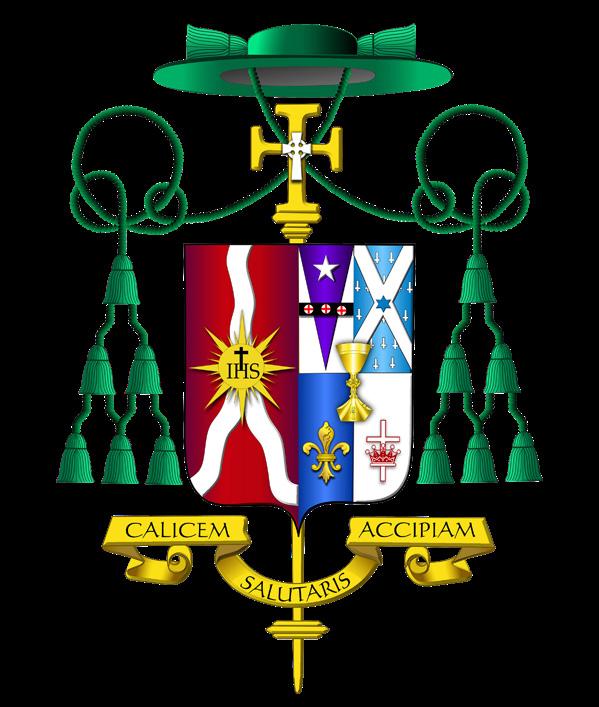
a los confirmandos una oración que debían recordar y usar con frecuencia. Todavía recuerdo el momento en que nos la enseñó como si fuera ayer, una oración que también he enseñado, tanto como sacerdote como obispo, a mis confirmandos: “Señor, lo que Tú quieras para mí, eso es lo que yo quiero para mí mismo.”
Es, en cierto modo, la oración perfecta, útil durante la Confirmación, pero también cuando se reza frecuentemente a lo largo de la vida. Y descubrí, con los años, que esta oración no solo es útil de vez en cuando, sino en innumerables momentos; tanto así que su simple recitación cuando se necesita (¡y se necesita a menudo!) puede ayudarnos a superar los tiempos más desafiantes o difíciles de la vida. Piénsalo… conforme pasamos de una etapa de la vida a otra, enfrentamos un desafío tras otro o lidiamos con preguntas que a menudo nos llevan a decirle al Señor: “¿Qué quieres de mí?”, esta oración es precisamente lo que necesitamos para encontrar una respuesta a los misterios de la vida: “Señor, lo que Tú quieras de mí, eso es lo que yo quiero para mí mismo.” Y lo maravilloso de esta oración es que Dios SÍ nos dará la respuesta que buscamos. Después de todo, Dios no quiere que vayamos por la vida a la deriva o sin rumbo en nuestro camino. Él desea que
lo busquemos para las innumerables preguntas que entran en nuestra mente. La recitación de esta oración nos introduce en la mente misma de Dios, dándonos la respuesta a cualquier dilema o pregunta que tengamos.
Entonces, ¿qué tienes en mente ahora mismo? ¿Qué problema estás tratando de resolver? ¿Qué desafíos estás enfrentando? ¿Y cuántas veces has pensado que, si supieras lo que Dios quiere de ti, tendría mucho más sentido la oración que le diriges?
Y si nos damos cuenta de cuánto nos ama el Señor, también podemos estar seguros de que Él está listo con la respuesta a nuestra oración. Pruébalo… hazla una oración diaria y recuerda que Él conoce nuestras necesidades antes de que se las presentemos.
Para obtener más información sobre las oportunidades del Ministerio Multicultural en la Diócesis de Shreveport y para encontrar nuestros horarios y lugares de misa en español, por favor escanee el código aquí.


Advent is a time to reflect on something that we normally do not have time for, or at least, we say we don’t. That is, it is a time to look forward to something new – the new encounter, the new relationship(s) with God and with others! Advent is not just another continual cycle among the many other cycles; it is a time to become prepared through a focus on looking forward to the new ways of encountering one another.
This is because Advent has to do with Hope, and it is fitting that it occurs in the last month of this Jubilee Year of Hope. Hope involves ushering in new ways of living out who we are, which means changing away from the old ways we have been living and turning toward new ways of relationship and encounter. This can only help us grow, and through it, trust more deeply in how we are saved both by God and with each other.
Thus, Hope means that God’s Saving Love, Jesus Christ who became Man, brings about not only a new saving relationship with Him but indispensably with each other; because love does not exist in one person but two or more since it only exists when it is shared, by giving and receiving. God’s Saving Love, Jesus Christ, can only unite us and never divide us.
Therefore in this Advent, we must never forget that our Hope lies in the fact that we must always look ahead not behind, to new encounters and ways of growth in our relationships, for Jesus Christ became Man to show us that His Love is eternally new, ever-refreshing, and ever-uniting!
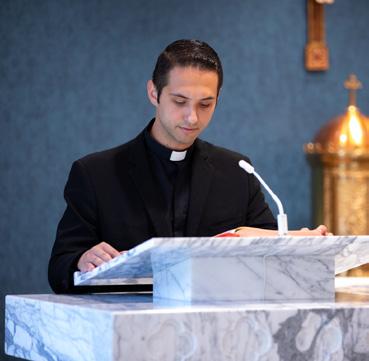
Tristan Frisk is a seminarian for the Diocese of Shreveport.

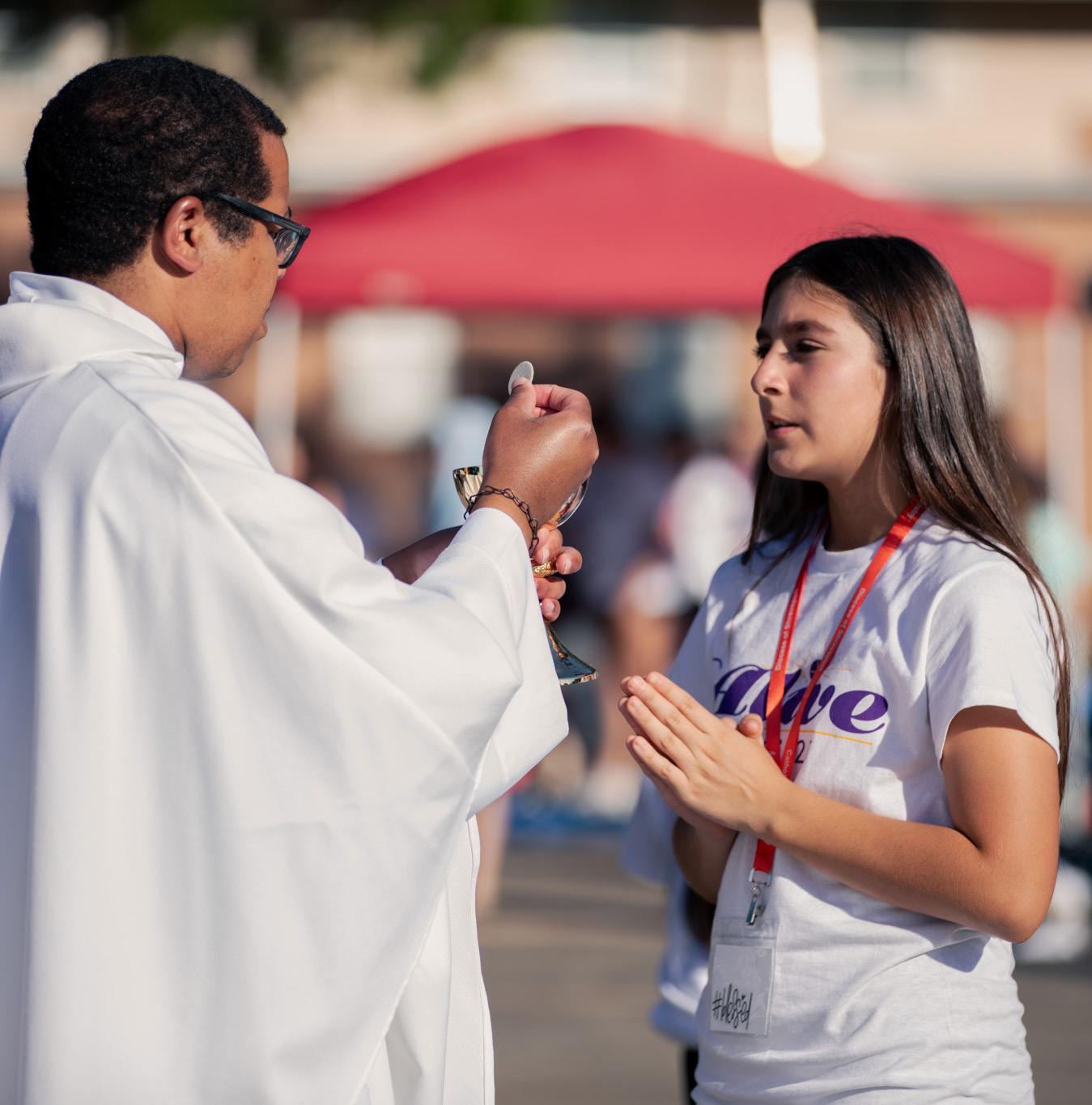
December is here, and the gifts of the season are all around us. Although it can be hectic, it is important that we take time to relax and enjoy the true gift of the season – the birth of Jesus.
As the year comes to an end, I invite you to note the gifts around us that build our faith – gifts that are made possible, in part, by your generosity to the Catholic Service Appeal. The gift of Education and Youth Ministry – Your gift to the Catholic Service Appeal gave tuition assistance to 99 students in our Catholic schools. It supported the annual Diocesan Youth Summit – a one-day conference for 160 students in grades 7-12 – and partly funded the summer camps for 126 youth in our diocese.
The gift of Faith Formation – Because of your generosity to the Catholic Service Appeal, our Faith Formation office supported our parishes in welcoming 308 new members into the Catholic Church through OCIA (Order of Christian Initiation for Adults).
The gift of Vocations – Your gift funds the formation of our future priests. Six seminarians are currently in seminary for the priesthood. In a time when many of our priests oversee multiple parishes, supporting our current and future seminarians has never been more important. Please pray for our priests, our seminarians, and men currently discerning the vocation of priesthood.
The gift of Community – Last December, over 160 men and women of multiple cultures gathered for a mile-long Marian procession to honor Our Lady of Guadalupe. This year’s
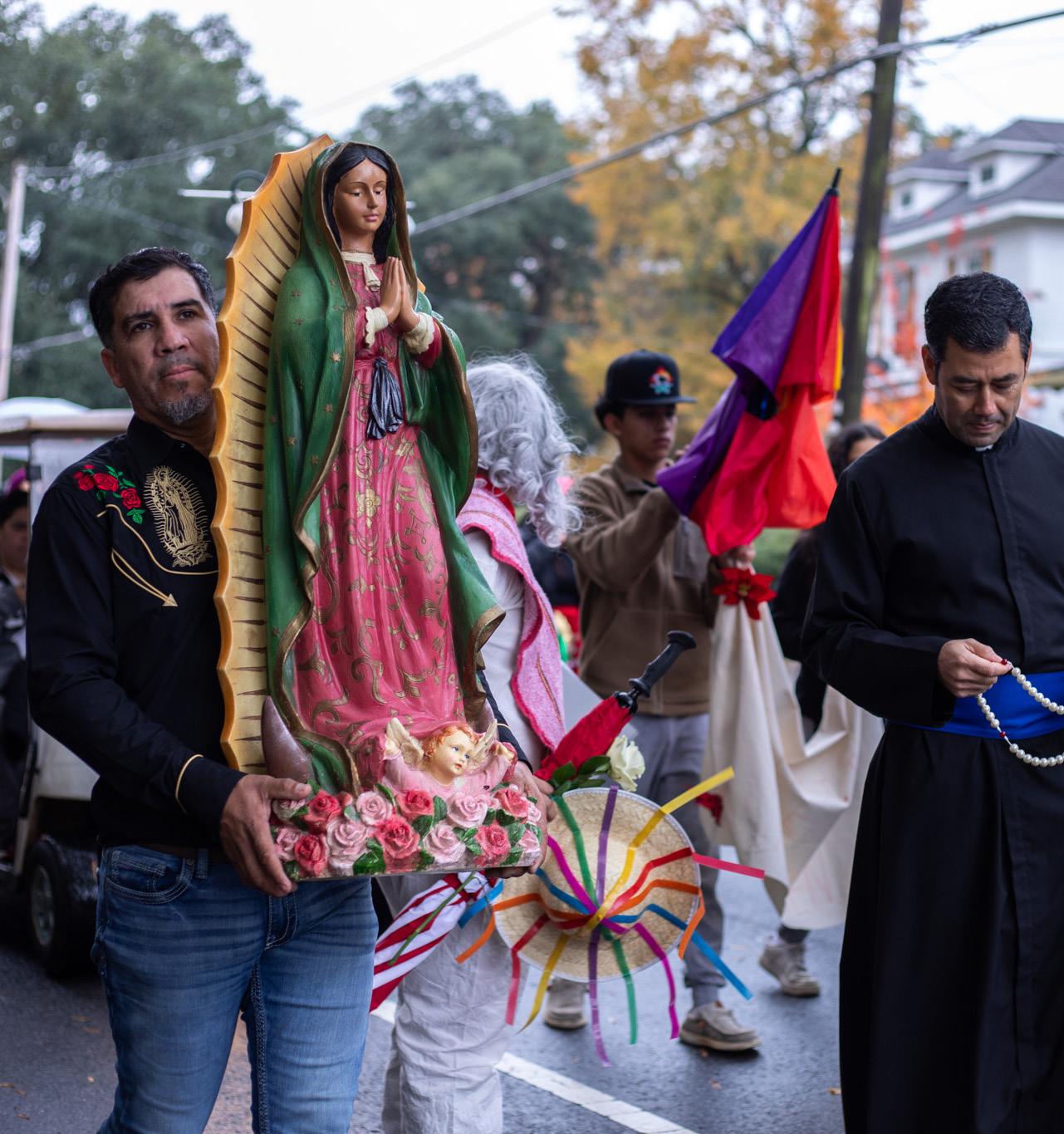
procession on December 13 will be even larger (come join us – it’s a wonderful event!). Through our Multicultural Ministry department, 233 Hispanic men and women attended spiritual retreats, and several parishes celebrated Multicultural Feasts to celebrate all the cultures in the community. Gifts to the Catholic Service Appeal fund this ministry that brings all of us together through our faith.
The gift of the Eucharist – The Mass is the best gift we receive from our faith. In 2025, over 8,200 Masses will have been said in our diocese. Considering that we only have 34 priests celebrating Mass in our diocese, this is truly an awesome gift that we cannot take for granted. Next time you are in Mass, say a prayer of thanksgiving for the gifts God has given us, especially the gift of His Son and of the Eucharist. Pray also for our priests and deacons who said “yes” to God and minister to us every day.
Thank you for your support of the Catholic Service Appeal. I wish you and your family many blessings during this season of giving!
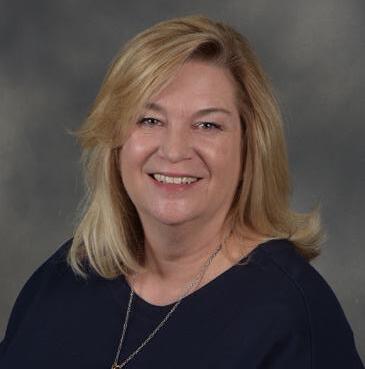
Lucy Medvec is the Director of Development and Stewardship for the Diocese of Shreveport.

Advent season for any social service agency is nonstop. Amid the whirlwind, I try to reflect daily on the good that is done and the joy that comes from opening our hearts to those in need. This year, Pope Leo XIV’s first official document, Dilexi Te (DT), an exhortation on love for the poor, is a perfect place to start.
He begins with an assertion that rings increasingly true the more I ponder it: “I am convinced that the preferential choice for the poor is a source of extraordinary renewal both for the Church and for society, if we can only set ourselves free of our self-centeredness and open our ears to their cry” (DT 7).
The pope says that serving the poor changes our lives and their lives, and it leads to growth in the Church. However, the work starts with a big “if”: we have to look outside of ourselves and listen.
Advent simplifies this, as we are surrounded by images of Jesus who was visibly born into poverty. As the Christmas story says, the infant was surrounded by animals and lay in a manger. His parents were laborers who had only a pair of turtledoves to offer at His presentation.
When Jesus began His ministry, He didn’t set up a fancy office in Capernaum; instead, He had “nowhere to lay his head” (Luke 9:58). “He presented himself to the world not only as a poor Messiah, but also as the Messiah of and for the poor” (DT 19).
As we grow closer to Christ in His poverty, it becomes easier to see Christ in those we serve. At Catholic Charities recently, we met a man who had been in and out of jail and battled addiction for most of his adult life. He would be easy to judge from a worldly perspective.
When he came to us, he was three months sober, in school and working, and seeking help to cover rent. He acknowledged his mistakes and asked only help to get to the point of stability. Through the lens of Christ, we see someone experiencing freedom from sin and that we can be part of the grace that keeps him on the right path.
With such acts of mercy, recipients also learn about Christ’s power. More than once clients have cried when they saw a bag of diapers or a new car seat that answered their prayer. Their faith grows – and so does ours.
“The poorest are not only objects of our compassion, but teachers of the Gospel. It is not a question of ‘bringing’ God to them, but of encountering him among them” (DT 79).
Jesus showed us how this worked as He built a community and inspired His followers, and the same works today. As we strengthen each other, followers of the poor Messiah will build a movement centered in love and solidarity.
“Christian love breaks down every barrier, brings close those who were distant, unites strangers, and reconciles enemies. ... A Church that sets no limits to love, that knows no enemies to fight but only men and women to love, is the Church the world needs today” (DT 120).
Love becomes tangible. Isn’t that what Advent is all about?

Diane Libro is the Executive Director of Catholic Charities of North Louisiana.

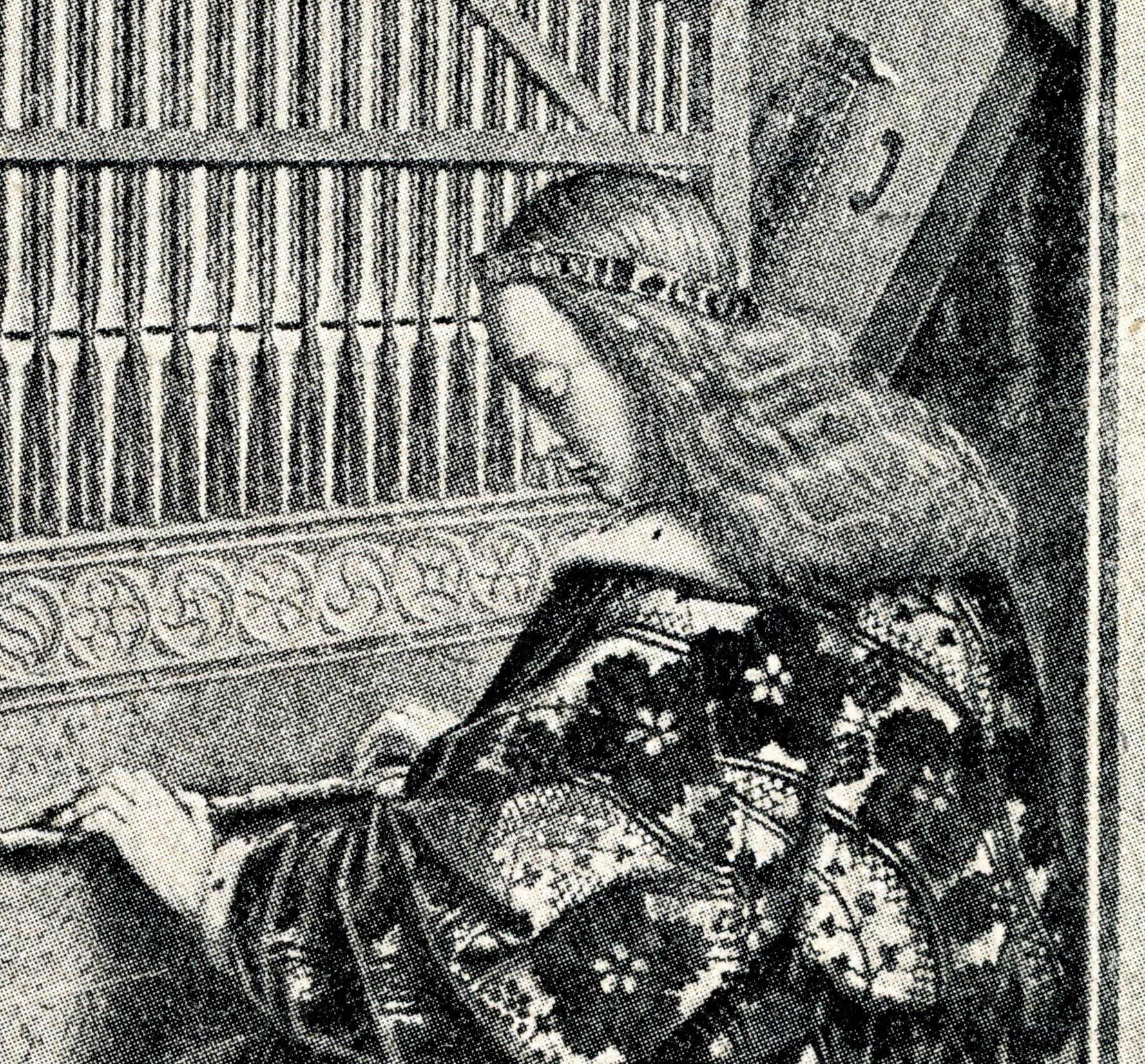
The Church’s liturgical year is rich in its treasuretroves of sacred music, and Advent is no exception. Advent comes from the Latin adventus, which means “a coming to.” We contemplate three “advents” of Christ our King: first, the Incarnation of Christ in earthly history (the Infant-God, the first Christmas); second, the coming of Christ here and now in His sacramental presence in the Eucharist; and third, His coming at the end of time to judge the living and the dead. All liturgical music in Advent can be interpreted through the lens of these "advents." There is also a running theme of nature; light and water appear repeatedly. Before diving into examples, we should briefly explain the Church’s teaching on liturgical music.
As Holy Mother Church formulates a cycle of readings and feast days for the liturgical calendar, so too does she provide musical literature to adorn that sacred action of the Mass. We should use the words and music given by the Church, which is primarily Gregorian chant, the official liturgical song of the Church, and listed in the USCCB’s General Instruction of the Roman Missal as the first option when choosing proper music for the Mass (The General Instruction of the Roman Missal, para. 48). This follows the instruction from the Second Vatican Council:
texts designated for use in the Mass according to the day or date). With these introductions, let us begin our tour.
Each Mass begins with an Introit, the Entrance antiphon. The First Sunday of Advent begins with the Introit Ad te levavi, “Unto you, Lord, I have lifted up my soul” (Psalm 25: 1-3). This text from Psalms sets the stage for these four weeks of waiting by an act of entrusting our hopes to the
“The Church acknowledges Gregorian chant as especially suited to the Roman liturgy: therefore, other things being equal, it should be given pride of place in liturgical services.” (Flannery, "The Constitution on the Sacred Liturgy, Sacrosanctum Concilium," para. 116)
This specific recommendation of the Church is why I heavily focus on the repertoire of Gregorian chant Advent. I also suggest devotional hymns that could be fitting additions to each Sunday’s music, because their place is not predetermined like the propers (the chants or
Lord. This psalm is used “whenever it is a matter of expressing human longing.” A hint at the coming Savior is made in the Communion antiphon: Et terra nostra dabit fructum suum, “Our earth shall yield her fruit” (Psalm 85:13). These elements of nature point to the super-natural reality to come. A “seed” is planted (Jesus in the womb of Mary) that needs for its growth light and water. When singing and praying this chant, we “whet our desire for the Lord, [which] should be a seed buried in fertile soil that brings manifold fruits at Christmas” (Parsch, The Church's Year of Grace, Vol. 1 Advent
to Candlemas)
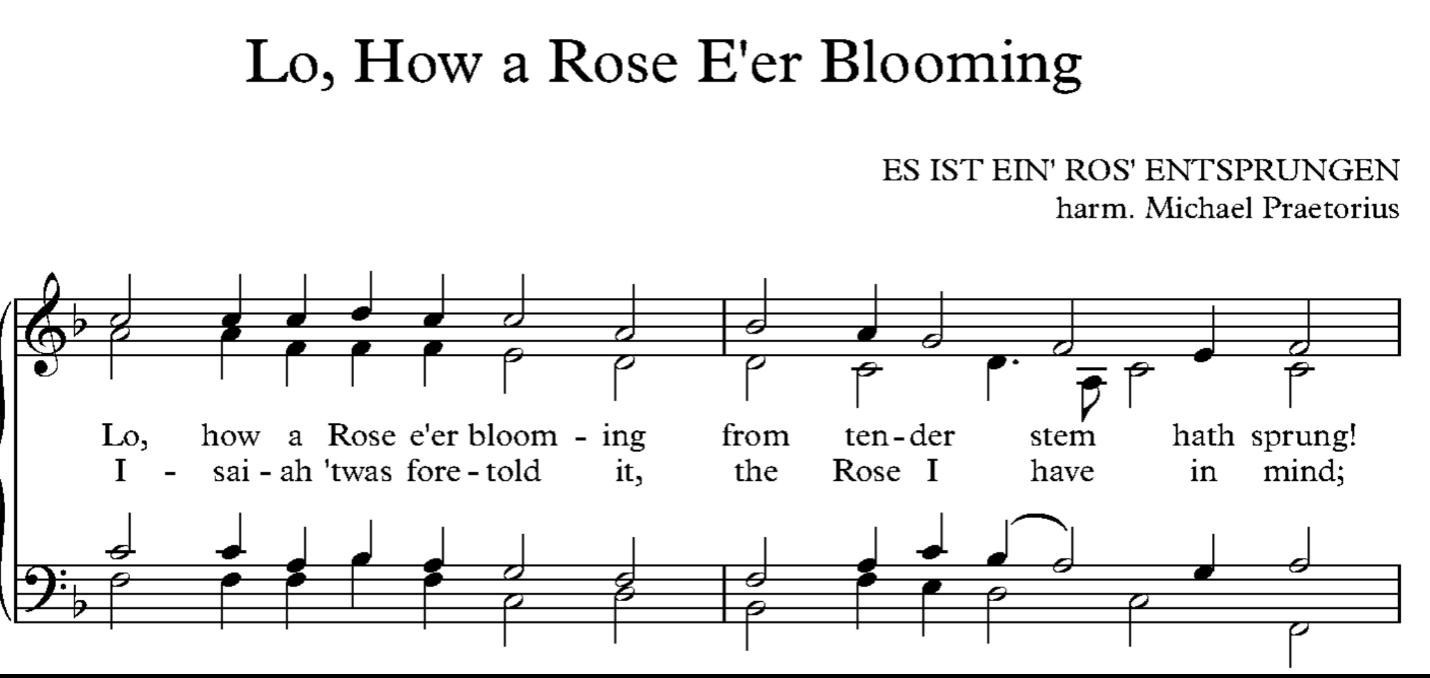
The German hymn Lo, How a Rose E’re Blooming is fitting for this Sunday, as this hymn’s text summarizes the Isaian prophecy that “a shoot shall come out of the stump of Jesse” (Isaiah 11:1). The song’s choral harmonies are tender and peaceful, reminiscent of our hope in God: “It came a floweret bright: amid the cold of winter, when half spent was the night.”
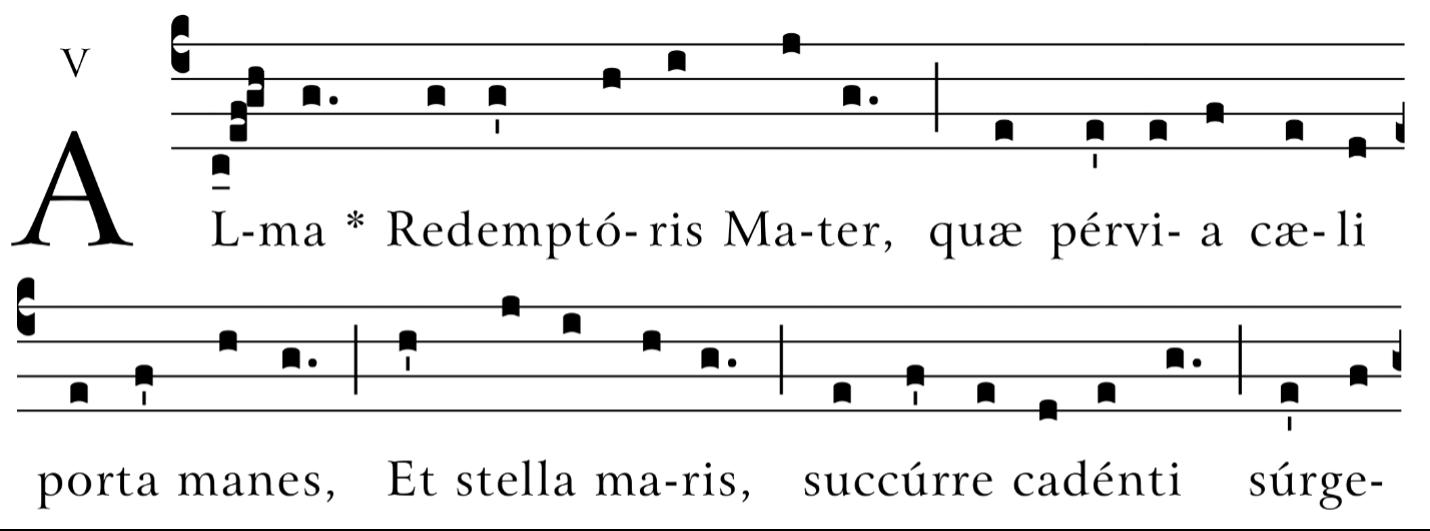
We have also at Compline (Night Prayer) the Marian antiphon Alma Redemptoris Mater. This Advent chant to Our Lady is meant to be sung at the conclusion of Compline but can and should be sung throughout Advent. Its opening melody features a long rising melisma. The growth in pitch symbolizes Our Lady, whose very body is growing to house Jesus in her womb. She is called pervia caeli, “gate leading to heaven,” and stella maris, “star of the sea.” Again, light and water
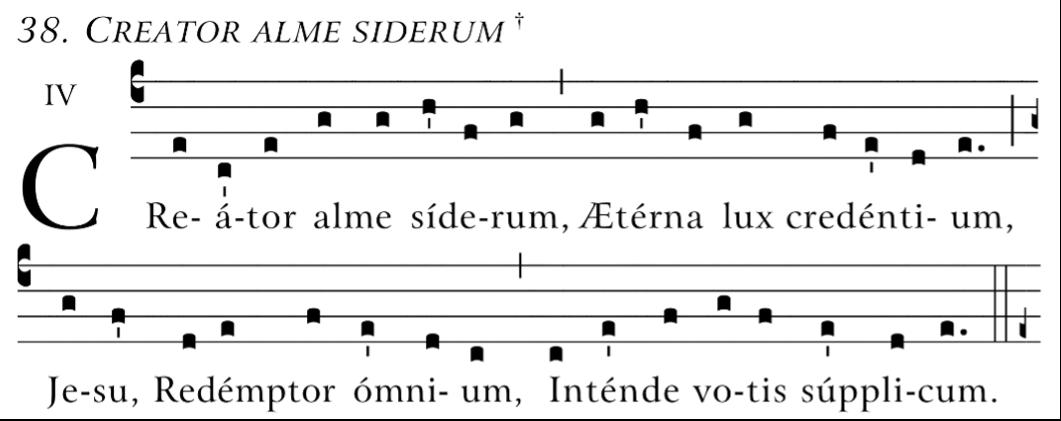
At the end of this First Sunday, the Liturgy of the Hours (also called the Divine Office) offers timeless musical pieces. At Vespers (Evening Prayer), the beginning hymn is an Advent classic: Creator alme siderum, Creator of the Stars of Night. This chant hymn, accentuating a major triad at the entrance, exudes a sense of peace and trust in the Creator of the world: “Creator of the Stars of night, thy people’s everlasting light; O Christ redeemer of us all, hear thy servants when they call.” Again, we have the theme of light, though not the fullness of the sun, yet. This is, rather, a quiet light like the star that the Magi followed to the Christ child.
The Second Sunday’s Introit begins, Populus Sion, “People of Zion, behold: the Lord is coming to save all nations” (Isaiah 30:19, 30). Of those three different ‘comings,’ this Sunday focuses on the Incarnation at the first Christmas. For the ‘people of Zion,’ advent had a kingly connotation in the Old Testament, which appears in the Communion antiphon of the Second Sunday (Jerusalem surge, Arise Jerusalem), wherein the people of Israel are commanded to stand and greet their promised Davidic King with the “joy that shall come to you from God” (Baruch 4:36).
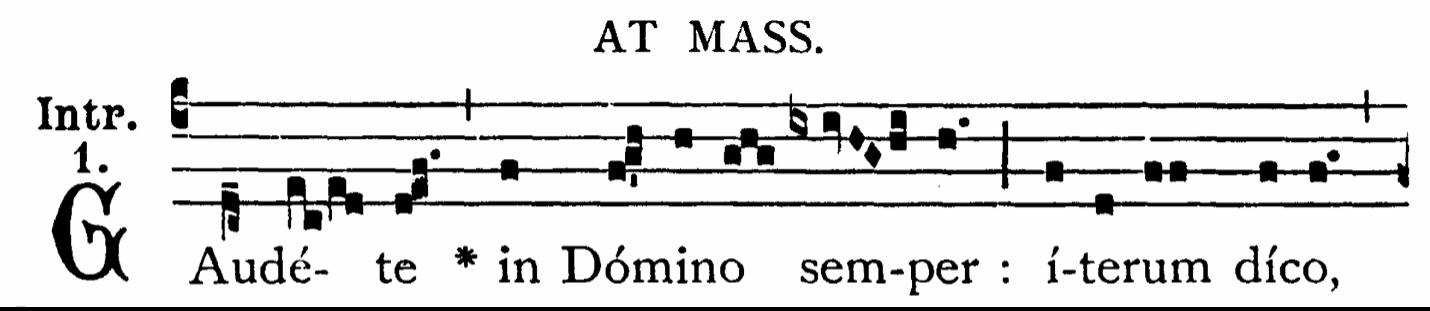
Onward to the well-known, rosecolored Gaudete Sunday, the Third Sunday of Advent. The Introit proclaims the theme: Gaudete in Domino semper, “Rejoice in the Lord always!” (Philippians 4:4,5) This joy is a solemn, sober joy. The striking chant portrays this by a minor-mode and its range being lower in the vocal register.
This antiphon is meant to shake us out of our complacency, harkening to the second adventus of Christ here and now, in His sacramental and Eucharistic presence. “The Lord is at hand!” says the scripture. The kingly connotation is heavily present in Psalm 85(84), which makes up the Offertory antiphon for this Sunday (Benedixisti, Domine). Here, “Jacob’s captivity” is ended by the liberation brought by the Messianic King. That hope and trust in our Heavenly King is repeated in the Communion antiphon, singing: Ecce Deus noster veniet, et salvabit nos, “Behold, our God will come
and he will save us” (Isaiah 35:4). A lovely communion hymn for today that fits well with the Eucharistic theme of this antiphon is Deck Thyself, My Soul with Gladness. This sung prayer prepares the heart to receive the King: the "decking" of our halls for Christmas should be an exterior sign of the interior reality of our souls, ready to welcome Jesus in the Eucharist. During this Third Sunday’s Week, the O Antiphons begin. From these is derived the hymn O Come, O Come Emmanuel. These antiphons are seven chants sung during Vespers on the days from December 17 to December 23. The historical development of these chants is deep and complex, but one traditional speculation gives way to a meditation on the Advent mystery. In these seven O’s, “the initial letter of each name for Christ spells S-A-R-CO-R-E, which in reverse reads ero cras (I will be tomorrow), a clever acrostic device with a particular meaning leading up to Christmas Eve that gets lost in English translation” (Fenner, "The Great Antiphons." Hymnology Archive). Either by divine inspiration or clever human invention, the musical and contemplative power of these O Antiphons is such that all Catholics should learn and pray with them on these days.
At Christmas, He will come as the Infant King, but He will also return at the end of time, at the second coming. Are we ready to pray these words truthfully? Can we welcome Jesus, the Judge and our Savior, to return like the rain?
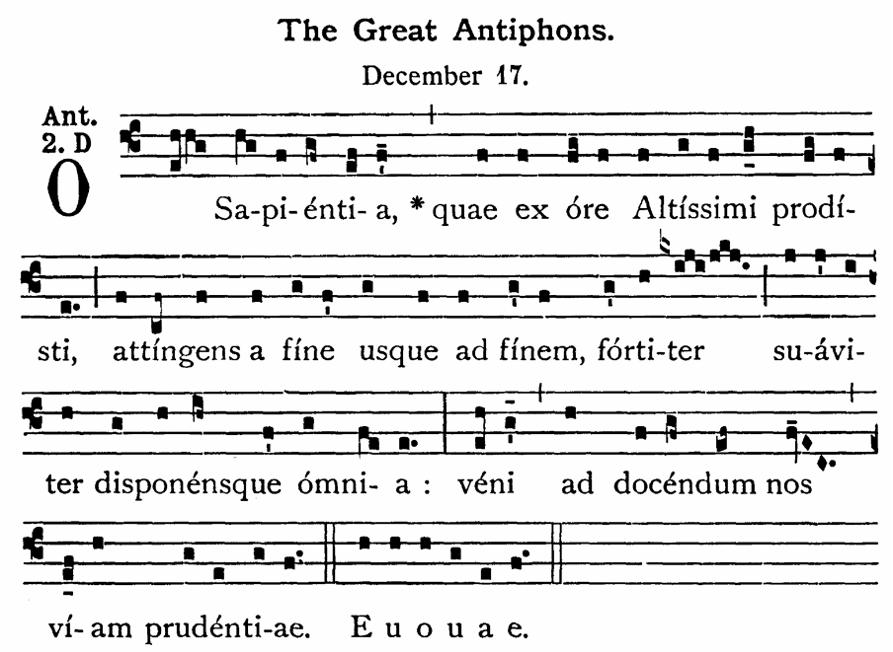
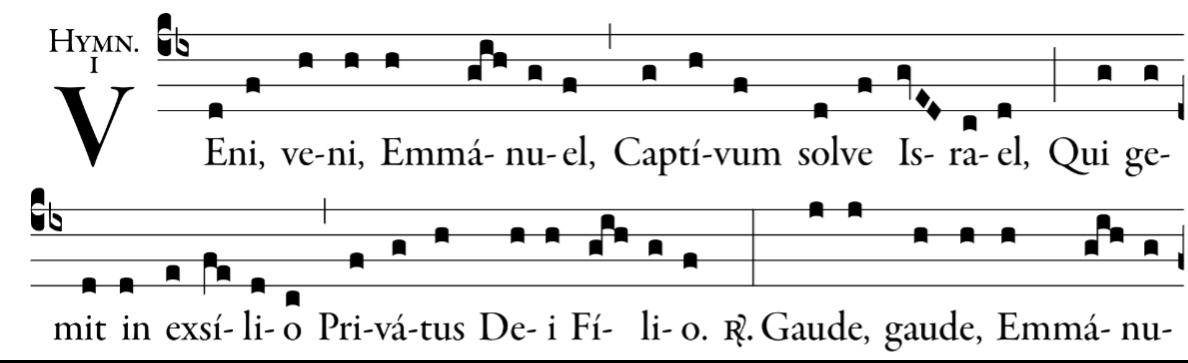
We finally come to the Fourth Sunday, called the Rorate Mass. Traditionally, this Mass was celebrated before dawn, lit only by candles. Experiencing the rising sun during the celebration of the Mass was a striking image of Advent’s meaning; we await in darkness the coming of the dawn of Christ. At the Offertory is sung the Ave Maria, the salutation that St. Elizabeth gave Our Lady at her Visitation. The Communion antiphon is the great prophecy from Isaiah, Ecce virgo concipiet, “Behold, a virgin shall conceive and bear a son, and his name shall be called Emmanuel” (Isaiah 7:14). This Sunday’s Introit, Rorate Caeli, again repeats this theme of light and water: “Skies, let the just one come forth like the dew, let him descend from the clouds like the rain” (Isaiah 45:8). The water, symbolizing Christ, grows heavier from dew drops to rain: He is almost here!
Celeste Dickson is a full-time mother to her daughter, Avila, and wife to her husband, Michael. They attend Holy Trinity Catholic Church, where Celeste assistts in Music Direction and plays the organ.
Every Advent, we Catholics are encouraged to prepare ourselves to celebrate the anniversary of Our Savior’s birth, in such a way that we feel our souls being prepared and repaired so that we may also be ready for His great return.
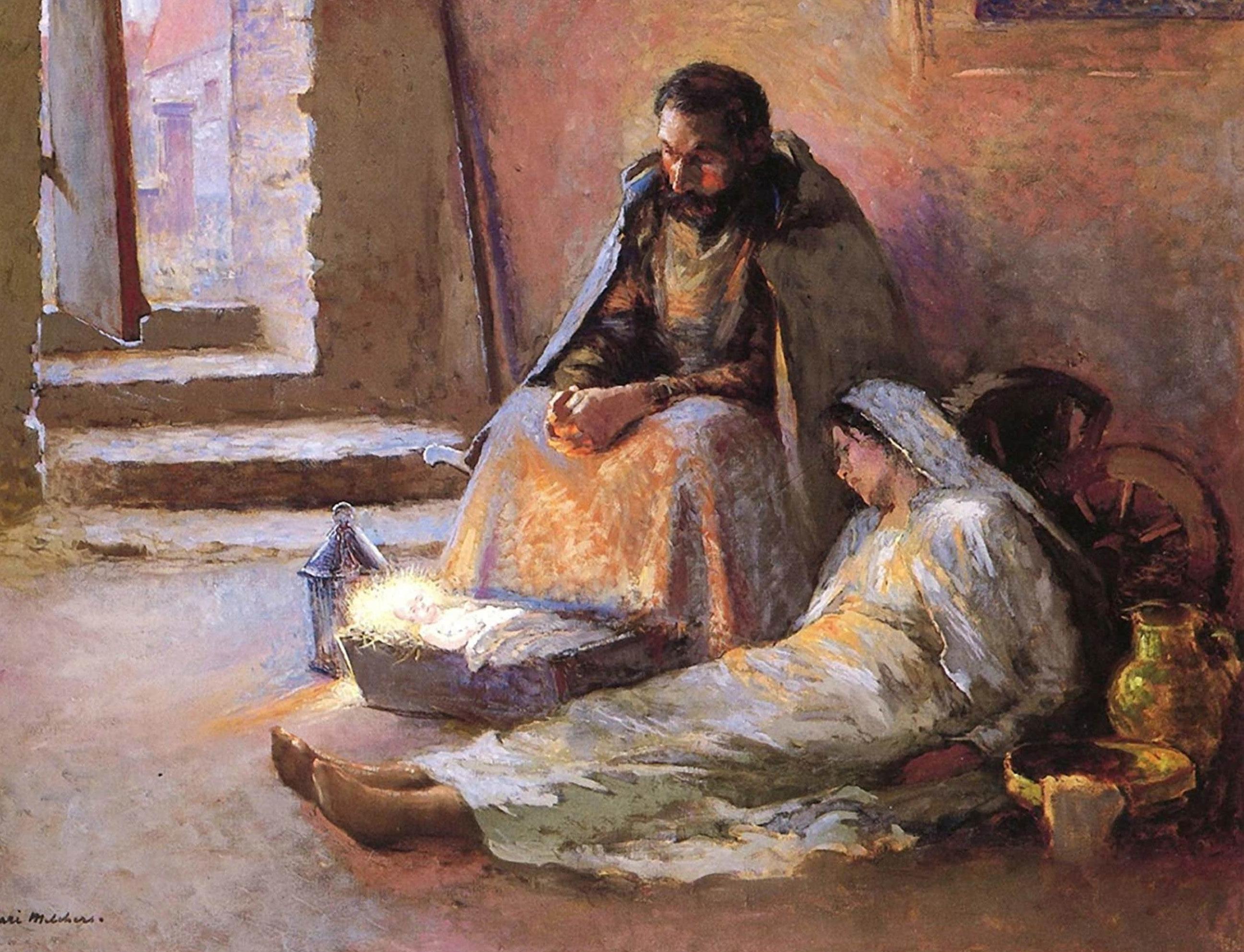
During the Advent and Christmas seasons, we read the well-known story of Christ’s birth – of a gentle, humble family with no place to lay their heads. We can envision the mother and her husband approaching the birth of the most precious Child while facing the threat of homelessness. Finally, that beautiful, perfect Baby is born in a simple manger – a place most people would never consider suitable for respite.
However, many homeless individuals in our area face this life every night. Some sleep under bridges with cars rattling above as they try to drift off to sleep, some risk the bugs and creatures hidden away in the woods, and others are forced to fight sleep and walk all night for fear of their vulnerability to unseen dangers cloaked in darkness. The Advent season ushers in both the celebration of Jesus and the arrival
of frigid temperatures – sometimes dangerously below freezing.
During winter’s deadly temperatures, Hope Connections is a no-questionsasked emergency shelter for anyone needing refuge from the cold. During my first winter assisting at the shelter last year, we spread roughly 100 cots across every space inside our walls so no person would be turned away, endangered by the subfreezing temperatures. It was both heartwarming and heart-breaking. While I left the shelter and lit a candle on my home Advent wreath, I knew people remained outside, suffering and lighting fires for survival.
Our Street Outreach team scoured the city to bring more people in from the dangerous cold. And I returned home to my Christmas tree’s warm glow. Thankful for the blessings I had, I remembered that instead of a festive decoration, a tree was some people’s only protection from brutal winter winds.
As I grow every day in a deeper knowing of who Jesus was, is, and always will be, I understand more why
He entered the world as He did – in the poorest of conditions. Through His teachings we know that the poor are a valued extension of Himself. From the beginning, He called us to search out those who have become vulnerable, poor, and homeless. To serve them is to serve Him.
I am thankful to see the blessings bestowed upon people experiencing homelessness. These blessings are from so many generous individuals who give all they can to help us serve this vulnerable population; especially during Advent as we prepare for the cold of the winter season and the eternal warmth of the love of God.

Jennifer Nix is a parishioner and catechist at St. Elizabeth Ann Seton Catholic Church in Shreveport and the Day Service Coordinator at Hope Connections.
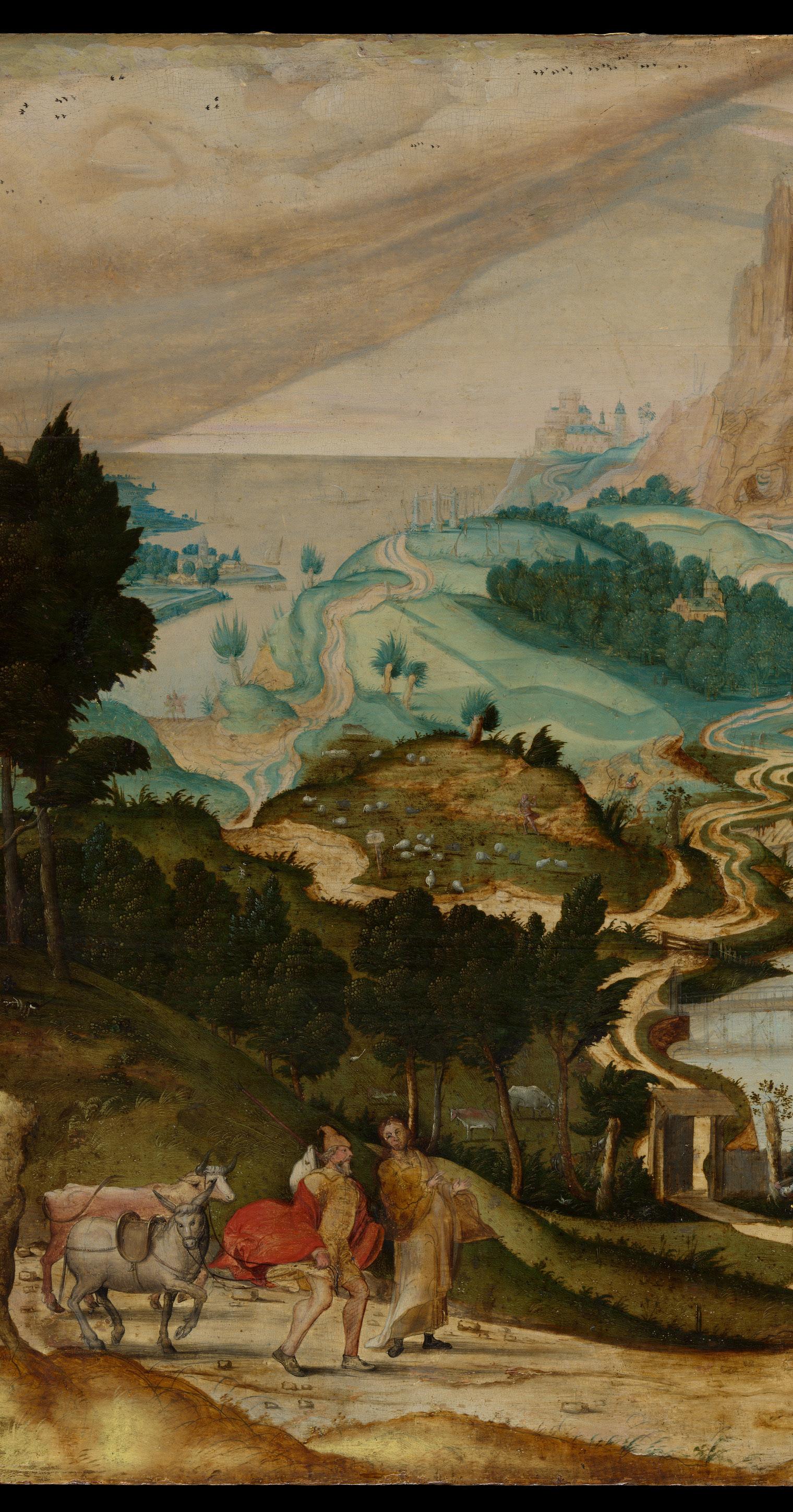
They say the journey of a thousand miles begins with the first step. The journey to eternity begins with the most recent act of repentance, a powerful and transforming mercy of God. Advent is that first step – a sacred stretch of road meant not for glitter but for grace, not for pre-Christmas frenzy but for the quiet work of faith. As we prepare our homes for Christmas – sweeping floors, trimming trees, and hanging wreaths – the Church calls us to prepare our hearts for Christ. The road to Bethlehem is not paved with sentiment or nostalgia, but with silence, prayer, and penance.
Few guides walk that road more surely than St. Alphonsus Liguori. In The Road to Bethlehem, his daily meditations turn Advent from a season of sentiment into a pilgrimage of the soul. Written in the saint’s unmistakable style— tender, direct, and aflame with love for the Infant Jesus—it leads the reader on a spiritual pilgrimage. St. Alphonsus invites us to gaze upon the humility of the Incarnation and let it pierce our pride, fostering a sense of humility and introspection. “The stable of Bethlehem was poor,” he writes, “but there was no pride within it; hence God was pleased to be born there.” God still seeks that same humility in every soul that welcomes Him.
Advent is not sentimental waiting; it is conversion in motion. St. Alphonsus reminds us that joy begins only after repentance. Each meditation follows a rhythm— consider Christ’s love, recognize one’s sins, and resolve to amend one’s life. He never separates the
crib from the Cross— the Child who lies in swaddling clothes will one day hang upon Calvary. When that truth sinks in, the tinsel fades, and the soul begins to hunger for grace rather than glitter.
Advent not only looks back to Bethlehem but forward to Christ’s return in glory. Each confession not only prepares the heart for Bethlehem but readies the soul for His final return.
Advent demands patience, humility, and honesty. It is a school of waiting that purifies desire. The world races toward December 25, but the Church strolls, candle by candle, toward the coming of Light. Each candle of the wreath marks a step of hope, peace, joy, and love—virtues that cannot be bought or wrapped. These virtues must be cultivated in silence, the same silence that reigned in Bethlehem’s stable.
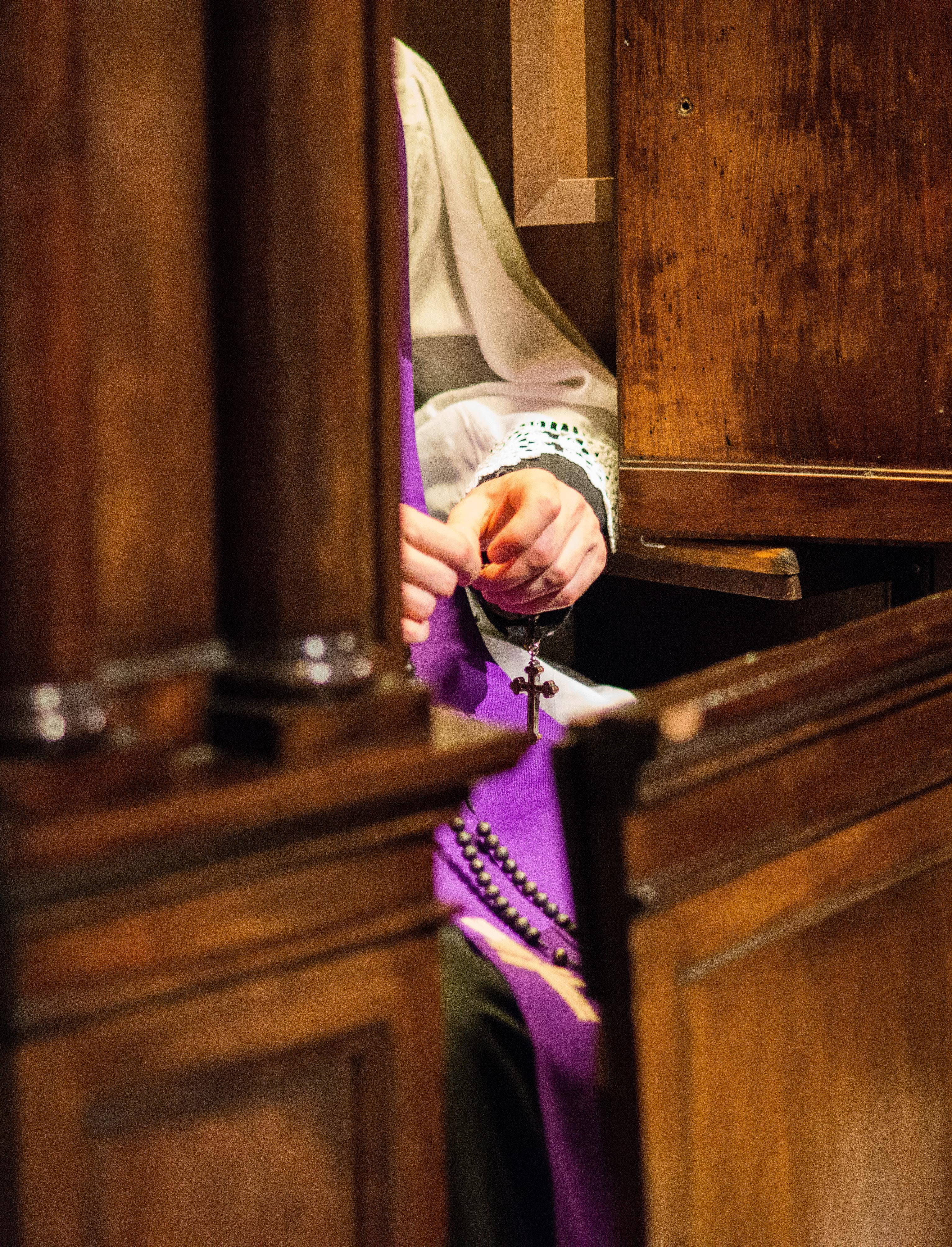
This penitential spirit finds reinforcement in Fr. Benedict Baur’s Frequent Confession, a small but luminous book that presents anew confession, not as emergency medicine but as ongoing prevention. Confession is both spiritual CPR and preventive medicine – reviving the soul in crisis and preserving it in grace. Baur teaches that every sincere confession “makes the soul more transparent to God’s light.” Advent, then, is the perfect season to return –repeatedly – to the confessional. Just as Mary swept a humble space for the Holy Child, we must clear the clutter of sin so Christ may find room in us. A clean soul is the finest Christmas gift we can offer Him.
Confession, in addition to cleansing the soul, also rekindles hope. We bring our weariness, our repeated failures, to the tribunal of mercy and hear again
the astonishing words, “I absolve you.” In that moment, eternity breaks into time. Heaven stoops low to lift the sinner. That is the real Christmas story repeated in every confessional encounter, a profound reminder of the transformative power of God's mercy.
In the quiet poverty of Bethlehem, the Holy Family teaches the art of interior readiness. Joseph obeys. Mary ponders. The shepherds listen. The Magi persevere. Each traveler on that sacred road shows how to prepare: obedience, prayer, listening, perseverance. St. Alphonsus captures it perfectly: “Every sigh for Jesus draws Him nearer to the heart that longs for Him.”
The journey is not complicated –but it requires honesty. It begins when we admit how far we are from Bethlehem and how deeply we need a Savior. Pride delays the trip; humility hastens it. The soul that kneels before grace travels faster than the one that charts its own sanctity. The saints advanced swiftly not by mastery, but by surrender – to God and to those who spoke for Him – for prayer covers ground that calculation never will. Advent reminds us that holiness is both a destination and a direction: toward the manger, toward the Cross, toward Heaven. It’s a simple path, but one that requires our full commitment and honesty. For it is humility and prayer that truly light the soul’s road to Bethlehem.
This Advent, take ten minutes a day with St. Alphonsus. Read one meditation slowly, preferably before the day's noise begins. Let his words remind you that God’s coming is both tender and demanding; tender in mercy, demanding in His call to change. Then, follow Fr. Baur’s counsel: confess not from fear but
from love. Each absolution renews the soul’s capacity for grace; each penance smooths one more mile of the road to Bethlehem.
You will find that repentance does not diminish joy; it deepens it. The soul that has been forgiven celebrates Christmas with a clean heart, able to love without fear. The world decorates trees; the repentant soul becomes one – rooted in faith, adorned with virtue, crowned with charity – for joy always grows where sin has been confessed and grace restored.
The lights, the gifts, the carols—all have their place. But none of it matters if the heart remains unprepared. Christ was born once in Bethlehem; He desires to be born again in every contrite soul. That birth begins with repentance. As you travel this Advent path, remember: the manger was clean, the hearts of Mary and Joseph were pure, and Heaven bent low because humility made room for God.
If you genuinely wish to keep Christ in Christmas, don’t merely say it – live it. Take the road St. Alphonsus walked – the road that begins in repentance and ends in a manger, where eternity first touched time.
S. Germain Cassiere,
MD, FACP
is a retired Internist and parishioner at the Cathedral of St. John Berchmans, writing on faith, virtue, and the Catholic spiritual life from the pew perspective.
Repentance is always a key component of our Advent journey. On the first Sunday of December this year, we hear John the Baptist say: “Repent, for the kingdom of heaven is at hand!” (Mt. 3:2). The late Fr. Daniel J. Harrington, S.J., was a former professor of New Testament at Boston College who was said to be one of the world’s leading New Testament Scholars, and he wrote, “The biblical idea of repentance involves a willingness to turn one’s life around in the sense of a complete reorientation” (Sacra Pagina, The Gospel of Matthew, p. 51). In our ongoing conversion, each Advent, we wake up to the call to experience “a radical reorientation of the whole life” (Glossary, “Conversion,” Catechism of the Catholic Church).
I invite you to sit with this calling for a moment and ask yourself: Am I ready to turn my life in a totally different direction and begin a radical reorientation to follow Christ? Is this really how I want to prepare for Christmas?
Devotional piety has always been a favorite for Catholics during Advent. But something Pope Leo XIV has shown us is that our devotions and praying are linked to social action.
Of course, this is nothing new to any Christian. Jesus rose early to pray, then went to work feeding, healing, forgiving, and loving everyone from every place. To follow Jesus is for us to do likewise. And for many of us, this means we should probably take pretty seriously our annual call to make a radical reorientation of our whole life.
Once we’ve made the commitment to turn our life in a new direction, we can ask: What would this radical reorientation of my whole life look like? Where do I even begin?
We begin by examining ourselves and trying to capture our full disposition toward this change. We candidly talk to God about surrendering our own agenda. We are searching for God’s will in our lives and not ours. We beg for the grace to detach from all our addictions to things, ideologies, and egos and to stand vulnerable before the Trinity. There, in the meek and humble manner of Jesus, we can see ourselves as God sees us. Our one authentic desire is to love God. We can only do this when we surrender everything, including ourselves, to Christ.
Once we’ve yielded to our divine Lord, we begin the search for how He wants
us to be transformed. Jesus’ preferential option always seemed to include the outcast, the poor, the rejected, the foreigner, and the sick. How can I reorient my life to also make these my preferences in wanting to help others? How can my devotional piety be oriented to lead me into action to help those who are suffering?
Repent! It’s an Advent calling that includes no ambiguity. It is our responsibility and our mandate to change the direction of our lives in a radical reorientation that prepares us to experience Christ being born in us, again and again. It’s not a New Year’s resolution. It is our ongoing conversion to repent, turn around, and reorient toward Christ.

Mike Van Vranken is a spiritual director for the Diocese of Shreveport and a teacher of new spiritual directors for the Archdiocese of New Orleans.
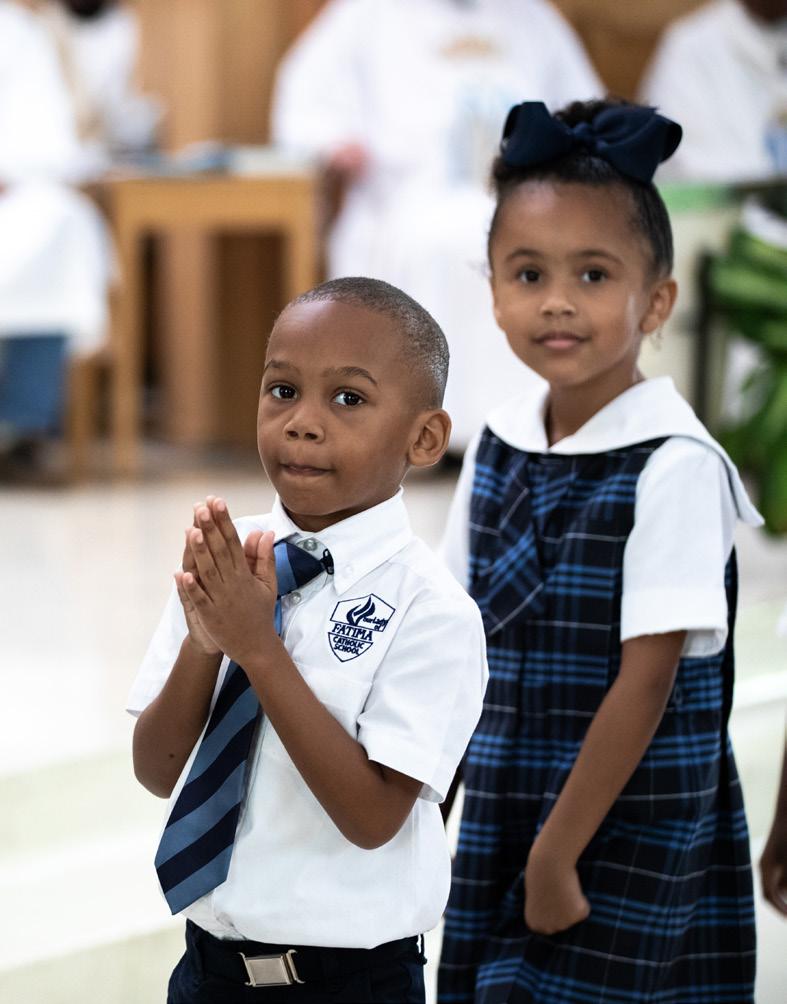

The eighteen-month Lumen accreditation process for the Diocese of Shreveport Catholic schools took an unprecedented step in October. After months of preparation, an accreditation team from the Catholic schools of Shreveport made a day-long visit to the Catholic schools in Monroe, then the Monroe schools’ team visited Shreveport’s Catholic schools.
“You are true pioneers,” commented Dr. Andrew Kremer from Lumen, the organization that accredits Catholic schools. “You are the first diocese to conduct an internal audit of your schools.” Teams from St. John Berchmans School, St. Joseph School, and Loyola College Prep visited the Monroe schools of Jesus Good Shepherd, Our Lady of Fatima, and St. Frederick High School. Two days later, teams from Monroe visited the Shreveport schools.
The teams arrived at each school in time to note how students are greeted upon their arrival, how prayer starts the school day, how students are taught, and how well the school operates.
“The highlight of the day involved the interviews with parents, board members, teachers, and students,” noted Dr. Laurie Salvail, principal of Loyola Prep. “Everyone was so positive, but the students were awesome.” Teams
noted, unanimously, that students were extremely articulate about their faith life and how their school nurtured that life. Teachers expressed that they worked in a Catholic school because it allowed them to share their faith with students, and parents and board members shared that they sent their children to the Catholic school because their children could pray, talk about their beliefs, and receive a values-based education.
Visting teams assessed academic excellence when they dropped in on classrooms and observed the quality of instruction provided. They watched student-led discussions and reports and hands-on lab exercises. “I got so many ideas and tips from my observations,” reported Stephanie Haney, principal at Our Lady of Fatima in Monroe. “I can’t wait to use these in our school.”
“The purpose of the internal audits was three-fold,” said Catholic Schools Superintendent, Sister Carol Shively. “First of all, we wanted to raise awareness and appreciation for what each of our schools is doing, whether it’s in Shreveport or Monroe. Secondly, we wanted to foster inter-school cooperation and cross-fertilization of ideas. And finally, we wanted to practice for the external audit that will take place in March, 2026. To be the first to do an internal audit was a real plus.”
Each school’s principal will receive an extensive visit report during the first week of November, then the schools will begin strategic planning based on the reports’ recommendations. A team of Catholic educators from around the country will conduct the final visits March 17-20, 2026.
The schools of the Diocese began the accreditation process in August, 2024, gathering reams of evidence, documentation, and assurances in preparation for the accreditation visits. While other dioceses in the United States also complete this process, the Diocese of Shreveport pioneered the internal audit. “The best part is that the schools are planning more collaborative activities for the future,” noted Sister Carol. “We all have a new appreciation of the state of Catholic education in the diocese.”
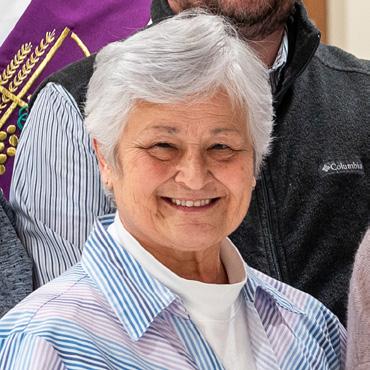
Sr. Carol Shively, OSU is the Superintendent for the Diocese of Shreveport Catholic Schools.

Are you someone who feels anxious during the holidays?
If you answered “yes,” know that you are not alone. I, too, have wrestled with a restless heart each December, and I still do at times. The season can bring more than joy: strained family relationships, distance from loved ones, the loss of a familiar seat at the table, and the pressure to find the right gifts for coworkers. And the endless stream of Christmas commercials seems to begin earlier every year, so that anxiety tries to steal our peace before Advent even starts.
When the world rushes to decorate, shop, and plan, God whispers a different invitation: Be still, prepare your heart; I am coming. Advent is, as the Church teaches, a season of waiting, conversion, and hope. It is not a checklist of perfect meals, immaculate décor, or flawlessly wrapped presents. True peace comes not from external perfection but the quiet certainty that Christ is near, even amid the noise.
The “Performance” Mentality and God’s Call to Presence
Many of us experience a “performance mentality”– the urge to prove ourselves, to achieve, to meet ever higher expectations. Virtue and Addiction explains that this mindset can turn every activity into a test of ability, leaving us anxious when we fall short. Advent reminds us that God does not ask for performance; He asks for our presence. He wants our hearts, not our perfect lists. As St. Francis de Sales wrote, when anxiety rises we should “commend ourselves to God and trust in His providence.” Jesus invites us to come just as we are – ready or not –because He is the ultimate gift, and our identity is found in Him alone.
This season, I challenge you to turn anxiety into charity: Invite a lonely soul from your parish to your Christmas dinner. Make that phone call and be a peacemaker. Share a humble gift –perhaps a paper ornament from the church tree, by giving it to a child who needs a toy. The act mirrors the very gift of the Incarnation.
Earlier this year, someone described anxiety as “living in fear of the future.”
The Church reminds us that we are children of God, and He always desires the very best for us. By attending Masses, greeting one another, and offering our prayers, we join the great liturgical celebration that lifts our hearts above worry.
May this Advent be a true pause of presence, a time to lay down the performance driven expectations and receive the peace that only Christ can give. Let us run to Him together, bringing our anxieties, our gifts, and our love and allowing the light of the Nativity to illuminate every corner of our lives.
If you don’t have anywhere to spend Christmas, send me an email, and you’ll have a seat at my table.
Merry Christmas, I am praying for you.
¿Ansiedad durante las
Eres alguien que se siente ansioso durante las fiestas navideñas?
Si respondiste “sí”, sabe que no estás solo. Yo también he luchado con un corazón inquieto cada diciembre, y todavía lo hago en ocasiones. La temporada puede traer más que alegría: relaciones familiares tensas, distancia de seres queridos, esta vez no te invitaron a celebrar como antes o la presión de encontrar los regalos adecuados para los compañeros de trabajo o familiares. La interminable cadena de comerciales navideños parece comenzar cada año más temprano, y la ansiedad intenta robar nuestra paz antes de que siquiera empiece el Adviento.
Adviento — una Verdadera Pausa de Presencia
Cuando el mundo se apresura a decorar, comprar y planear, Dios susurra una invitación diferente: “Estad quietos, prepara tu corazón; yo vengo”. El Adviento es, como enseña la Iglesia, una temporada de espera, conversión y esperanza. No se trata de una lista de comidas perfectas, decoraciones impecables o regalos envueltos a la perfección. La verdadera paz no proviene de la perfección externa, sino de la certeza tranquila de que Cristo está cerca, incluso en medio del ruido.
La Mentalidad de “Rendimiento” y el Llamado de Dios a la Presencia
Muchos de nosotros experimentamos una “mentalidad de rendimiento”: la necesidad de demostrarnos a nosotros mismos, de lograr, de cumplir expectativas cada vez más altas. Virtud y Adicción explica que esta mentalidad puede convertir cada actividad en una prueba de habilidad, dejándonos ansiosos cuando no alcanzamos la meta. Sin embargo, el Adviento nos recuerda que Dios no pide rendimiento; pide nuestra presencia. Él quiere nuestros corazones, no nuestras listas perfectas. Como escribió San Francisco de Sales, cuando la ansiedad surge debemos “encomendarnos a Dios y confiar en su providencia”. Jesús nos invita a venir tal como somos — preparados o no — porque Él es el regalo supremo, y nuestra identidad se encuentra solo en Él.
Una Invitación Concreta para Vivir el Misterio
Esta temporada, te desafío a convertir la ansiedad en caridad: invita a un alma solitaria de tu parroquia a tu cena navideña. Haz esa llamada hacia esa persona o personas y sé un portador de paz. Comparte un regalo humilde — tal vez toma el papel del árbol de la iglesia, y cómprale un juguete a un niño que necesite. El acto refleja el mismo regalo de la Encarnación. No intentes encajar ofreciendo chismes. No gastes mas de lo que tienes y recuerda que es Dios a quien debemos tener de invitado especial.
Confía en la Providencia del Padre
A comienzos de este año, alguien describió la ansiedad como “vivir con miedo del futuro”. La Iglesia nos recuerda que somos hijos de Dios y que Él siempre desea lo mejor para nosotros. Al asistir a Misas, saludarnos unos a otros y ofrecer nuestras oraciones, nos unimos a la gran celebración litúrgica que eleva nuestros corazones por encima de la preocupación.
Que este Adviento sea una verdadera pausa de presencia, un tiempo para dejar de lado las expectativas impulsadas por el rendimiento y recibir la paz que solo Cristo puede dar. Corramos hacia Él juntos, llevando nuestras ansiedades, nuestros regalos y nuestro amor, y permitiendo que la luz del Nacimiento ilumine cada rincón de nuestras vidas.
Si no tienes donde pasar la navidad, mándame un mensaje y tendrás una silla en mi mesa.
Feliz Navidad, estoy rezando por ti.
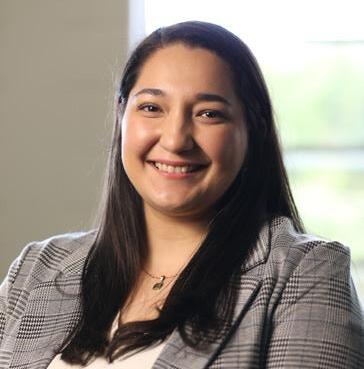
Karla Alvarez es la directora del Ministerio Multicultural de la Diócesis de Shreveport.
DECEMBER 2025 21
Whether in quiet contemplation or festive anticipation, Advent and Christmas invite the faithful into a rich tapestry of emotions. While the world proclaims, “Joy to the World,” and the Church immerses us in incense, colors, decorations, and tradition—all centered around placing Christ at the heart of our lives—many also carry a quiet ache during this season.
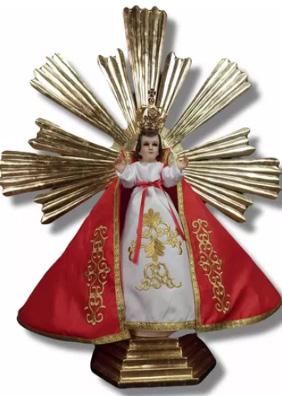
From the Philippines to the United States, Spain, Mexico, Colombia, and the Czech Republic, images of the Child Jesus are reverently displayed, and nativity sets are lovingly unpacked from attics or storage bins, nestled among ornaments and family heirlooms. Around the world, cultures celebrate a joyful season, while Christians seek to preserve sacred spaces, symbols, and the profound meaning of the Incarnation. But amid the celebration, what about those for whom Christmas is a reminder of sorrow?
Grief can surface in many forms: the absence of a loved one who has passed, separation from family due to deployment or unemployment, the weight of illness or loneliness, or even the quiet grief of those who feel forgotten. For some, nostalgia for what once was—combined with the reality of having no one to share the present with—can make this season feel more blue than bright. Even the loss of a beloved pet or the presence of mental illness, addiction, or homelessness can cast a shadow over the festivities. For many, Christmas comes and goes with little joy at all.
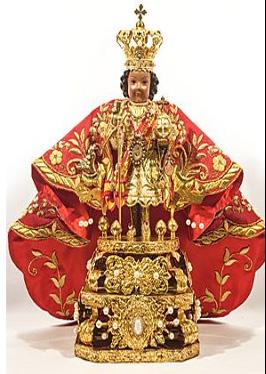
This contrast—between exuberant celebration and quiet suffering— makes it all the more important for the Church to remember the tender and merciful presence of the God who became flesh, a vulnerable infant, born into poverty, welcomed by few, and soon to flee from violence. His own family knew fear, uncertainty, and displacement—realities still experienced by many today. Each year on December 28, the Church commemorates the Feast of the Holy Innocents, honoring the memory of children lost to violence during Jesus’ infancy, reminding us that the Incarnation happened within a broken world.
Perhaps not all of us face persecution or tragedy at Christmas, but the Church acknowledges the quiet suffering of those among us who feel isolated or unseen. That’s why many communities are now offering Blue Christmas gatherings—gentle, prayerful spaces for those who find the season heavy. These are not celebrations filled with noise and gifts, but moments of peace, reflection, and healing.
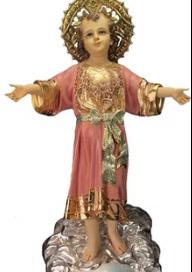
If you are new to the area, feeling lonely, grieving, or simply seeking a calm space to remember the true gift of the season, consider attending— or even hosting—a Blue Christmas gathering in your community. If you are reading this article at the beginning of the Christmas season and need more information, please contact: nsaybe@dioshpt.org
If you can’t shelter Him, you could perhaps let Him shelter you!
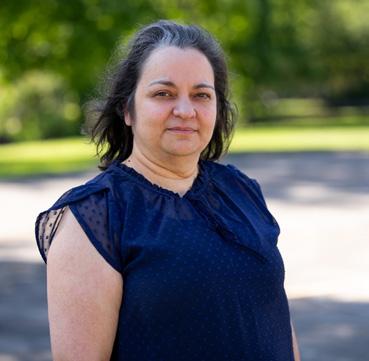
Noemi Saybe is the Director of Marriage and Family Life at the Diocese of Shreveport.
Ya sea en contemplación silenciosa o en alegre anticipación, el Adviento y la Navidad invitan a los fieles a vivir un abanico profundo de emociones. Mientras el mundo proclama “Alegría” y la Iglesia nos envuelve en incienso, colores, decoraciones y tradiciones —todo centrado en colocar a Cristo en el corazón de nuestras vidas—, muchos también cargan con un dolor silencioso durante esta temporada.
Desde Filipinas hasta Estados Unidos, España, México, Colombia o la República Checa, las imágenes del Niño Jesús se veneran con devoción, y los nacimientos son cuidadosamente sacados del ático o de cajas polvorientas, mezclados entre adornos y reliquias familiares. En todo el mundo, las culturas celebran una temporada alegre, mientras los cristianos tratan de preservar espacios sagrados, símbolos y el profundo significado de la Encarnación. Pero, en medio de la celebración, ¿qué pasa con quienes la Navidad les recuerda el dolor?
El duelo puede presentarse de muchas maneras: la ausencia de un ser querido que ha fallecido, la separación familiar por motivos de trabajo, desempleo o servicio militar, el peso de una enfermedad, la soledad, o incluso el dolor silencioso de quienes se sienten olvidados. Para algunos, la nostalgia de lo que fue —combinada con la realidad de no tener con quién compartir el presente— puede hacer que esta temporada se sienta más triste que luminosa. Incluso la pérdida de una mascota querida o la presencia de enfermedades mentales, adicciones o la falta de hogar puede ensombrecer las
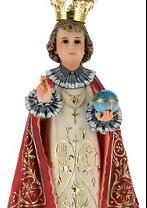
festividades. Para muchos, la Navidad viene y se va sin mucha alegría.
Este contraste —entre la celebración exuberante y el sufrimiento silencioso— hace aún más urgente que la Iglesia recuerde la presencia tierna y misericordiosa de un Dios que se hizo carne: un niño vulnerable, nacido en la pobreza, acogido por pocos y pronto obligado a huir de la violencia. Su propia familia conoció el miedo, la incertidumbre y el desarraigo—realidades que muchos siguen experimentando hoy. Cada 28 de diciembre, la Iglesia conmemora la Fiesta de los Santos Inocentes, honrando la memoria de los niños que murieron violentamente en los primeros años de vida de Jesús, recordándonos que la Encarnación tuvo lugar en un mundo roto.
Tal vez no todos enfrentamos persecución o tragedia en Navidad, pero la Iglesia reconoce el sufrimiento callado de quienes se sienten aislados o invisibles. Por eso, algunas comunidades están ofreciendo reuniones de una Navidad Gris—con
espacios tranquilos y de oración para quienes sienten el peso de estas fechas. No son celebraciones llenas de ruido y regalos, sino momentos de paz, reflexión y sanación.
Si eres nuevo en tu comunidad, te sientes solo, estás de luto, o simplemente buscas un espacio sereno para recordar el verdadero regalo de la temporada, considera asistir —o incluso organizar— una reunión de Navidad Azul en tu localidad. Si estás leyendo este artículo al inicio del tiempo navideño y deseas más información, comunícate con nosotros escribiendo a: nsaybe@dioshpt.org
Mas que arropar al Divino Nino, déjate arropar por El.
Noemi Saybe es la directora de Matrimonio y Vida Familiar de la Diócesis de Shreveport.
DECEMBER 2025 23
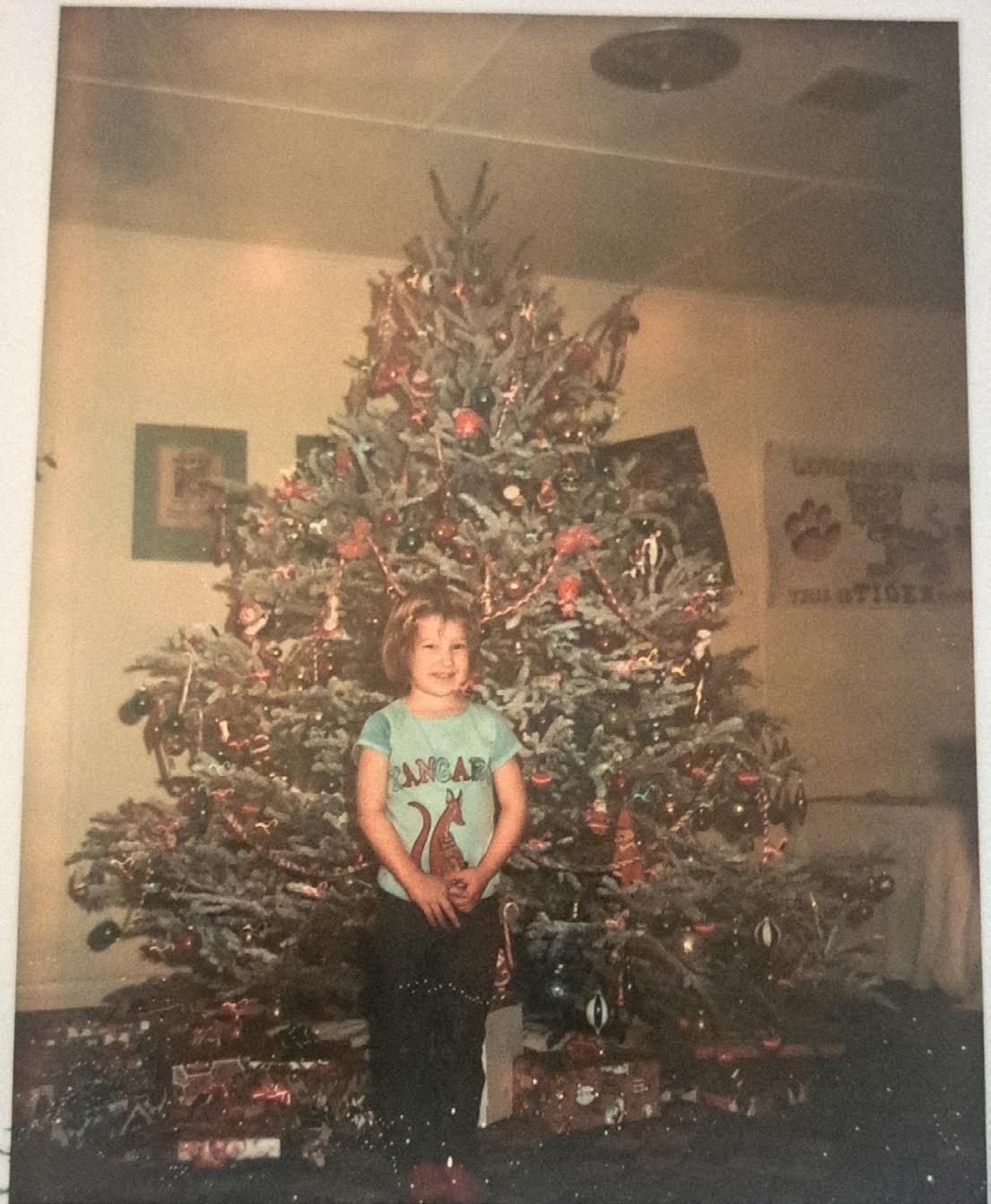
It’s December circa 1979, and I just received my letter from Santa Claus. As I read it, I paid extra attention to how Santa wrote his “t’s” and how his words seemed almost engraved into the page, all of it oddly familiar. Without much thought, I marched my then nine-year-old self right into my dad’s office as he sat at his desk. Placing the letter in front of him, I boldly proclaimed, “I know you’re Santa, Dad!”
Busted.
However, sometimes I think if I could go back in time to the moment my little mind was quickly putting the pieces of the puzzle together, I would grab that self by the shoulders, look her in the eyes, and plead with her to wait. Wait just a bit longer because once I acknowledge it, once I say the words out loud, there is no going back, and then just like that, the magic of Christmas is gone.
Or is it?
Even though Santa Claus isn’t real, even though we all know Christmas is about Christ and Christ alone, we must admit that when we believed, when a child believes, it is truly magical. Santa, his reindeer, the lights, trees, treats, winter wonderland, and of course, presents, lots and lots of presents, all bring the magic of Christmas to life — all because we first believe. What if all of that went away, or at least some
of it did? Would we lose the magic of Christmas? Could we still be joyous and playful? I like to believe we could, but it would have to look very different.
First, Santa would need to stay rooted as his “OG” self - St. Nicholas - and presents would need to be scaled way back to just three. We could still have the lights and pretend they are stars, much like the ones that guided the shepherds to Christ. Farm animals like the ones near the manger would replace reindeer. The trees would have more olives and figs than tinsel and ornaments. As for as the treats, well, they would be mostly fruits and honey (good news though, no one overindulges on fruit). While I am being somewhat facetious, I would actually love for us to strip away all the glitter and glam of modern-day Christmas, and in its place, bring back the original glory, the original beauty, the original magic that is the birth of our Savior, Jesus Christ.
day. Let us gather together with those we love most in this world and shower them with gifts that have meaning, sentimental value, intention, and love. God gave us the greatest gift when He chose Mary to bear in her womb sweet baby Jesus — the same Jesus who would grow up as both fully man and fully God, die on a cross 33 years later, and rise up on the third day to give us yet another incredible, priceless gift: salvation.
And she gave birth to her firstborn son and wrapped him in swaddling cloths and laid him in a manger, because there was no place for them in the inn. —
Luke 2:7
As December arrives soon, I encourage all of us to do our best to, if nothing else, pay closer attention to what is “divine inspired magic.” Let us focus on the Light of the world that is Jesus. Let us not think of ourselves, but rather those who are vulnerable, much like the Infant Child born Christmas

This story (excluding some minor embellishments) really happened.
That Christmas Eve had been a rainy, cold, windy, miserable day filled with tasks for me. Wrapping the presents, checking the list twice, making the dressing for the next day’s feast. You women reading this know the drill. By four o’clock, twilight was setting in, so I dressed in my holiday sweater to leave for Mass at St. Elizabeth Ann Seton.
My husband, Joe, and I arrived just in time to grab the two remaining seats in the last pew, against the wall, facing the right of the altar. Packed in tight with the congregation gathered to celebrate Jesus’ birth. People sneezed. Parents shushed their kids. Babies cried. And even with the furnace blasting out warm air, we felt the cold seep in from outside.
If you’ve visited our church, you might remember that the inside perimeter features an overhang around the walls, which houses the heating and cooling system. A vent every few yards spews out the appropriate climate for worship, and we sat directly under one.
The choir was glorious. The homily was jubilant. The spirit of Christmas was palpable. We stood to recite the Lord’s Prayer and exchange gestures of peace and goodwill with our fellow parishioners. And at that moment, an unexpected guest arrived.
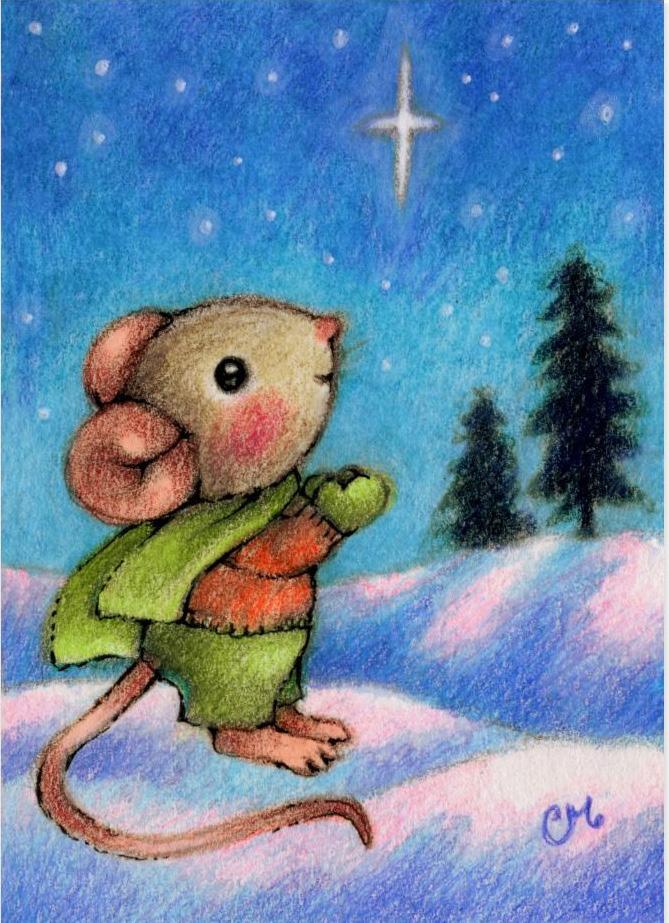
In my peripheral vision I saw a small, dark, and furry something drop from the vent to the floor next to my left foot. As the object froze momentarily, I realized in horror that it was a rat! Okay, maybe just a mouse, but a large one! Apparently seeking shelter from the storm, it found its way into the air duct and decided to drop in to our Christmas celebration.
As it scampered toward the altar, we knelt in preparation to receive Holy Communion. My husband and I exchanged horrified looks while I battled the hysteria rising within me – he was well aware of how rodents in general terrify me, rats (okay, mice) in particular. I grabbed his hand as we watched the commotion unfold in the pews before us.
We could easily see our visitor’s scampering progress toward the front
of the Communion line. The faithful’s bowed heads parted like the Red Sea, and people jumped up with muffled cries of confusion, surprise, and outright terror. Everything happened in a few seconds, but the scene unfolds in slow motion in my memory. Our priest, meanwhile, proceeded to the altar’s edge with the Eucharistic ministers. I had to decide: Do I dare take Communion and risk a rodent running up my leg? Or, do I miss the chance to fully celebrate my Savior’s birthday with Him?
I’m proud to say I took the high road. Bravely stepping into the line, I kept my eye peeled for the intruder, whose presence was made evident by the excited shuffling of communicants as it darted between people’s legs. I’m not one to leave Mass before the final blessing, but I beat a hasty retreat that night as the choir was launching into “Joy to the World.”
Outside in the freezing sleet, Joe and I reached the car and burst into hysterical laughter. As we drove home, we reflected on the event. Did the uninvited rodent want to kneel at the creche, alongside the figures of the oxen and sheep? Was it really as threatening as I imagined?
Recounting this unforgettable episode in our parish history, I’m now convinced that the mouse came to teach me something about our Creator and His Incarnation into our cold, often unfairly biased world; and something about welcoming unwanted strangers into our midst.
Karen Dill is a spiritual director for the Diocese of Shreveport and a parishioner at St. Elizabeth Ann Seton.
DECEMBER 2025 25
Thanks to our Recent Donors:
(005)2 Cathedral of St. John Berchmans Burse #2
James & Donna Barnard In memory of Dr. John Cocchiara
The Congregation of St. Johns Roman Catholic Church (008) St. Jude Parish Burse
Anonymous (011)2 Rev. David Richter Memorial Burse #2
Anonymous
Dorothy Jarzabek (022) Rev. Blane O'Neil, OFM
Memorial Burse
Anonymous In memory of Fr. Blane O'Neil
Tom and Becky Garza (023)2 Msgr. Edmund J. Moore
Memorial Burse #2
Patricia L McGraw
(024) Rev. Joseph Puthupally Memorial Burse
Edward & Cathy Dinger (049) Rev. Philip Michiels Burse
Mr. & Mrs. Donald J. Nici
Mr. and Mrs. Robert McGowen (050)2 St. Joseph Shreveport Mary's Workers Burse #2
James & Donna Barnard In memory of Dr. Raymond Dennie (054) Fr. Franz Graef Memorial Burse
Mr. & Mrs. James E. McKeithen (057) Father Robert Inzina Memorial Burse
Mr. & Mrs. James E. McKeithen (061) Sister Maria Smith, DC
Memorial Burse
Mr. Lyle Miller
Judge D. Milton Moore
Incomplete Burses:
(001) Fr. Mike Bakowski Burse #2 ($1450)
(002) Joseph & Antoinette Bakowski Burse ($3250)
(003) Sam R. Maranto Burse ($1750)
(004) Kathryn Atherton Cook Burse ($450)
(005) Cathedral of St. John Berchmans Burse #2 ($826)
(007) Dr. Carol Christopher Burse ($1200)
(008) St. Jude Parish Burse ($9400)
(009) St. John Berchmans Knights of Columbus Council 10728 Burse ($1550)
(011) Rev. David Richter Burse #2 ($7200)
(015) Bishop’s Seminarian Burse ($5735)
(016) Elaine Malloy Frantz Burse ($1000)
(017) Msgr. George Martinez Knights of Columbus Council 1337 Burse #2 ($2004)
(018) Knights of St. Peter Claver Council 144 Burse ($1500)
(021) Rev. Edmund "Larry" Niehoff Burse ($2350)
(022) Rev. Blane O'Neil, OFM Burse ($6000)
(023) Msgr. Edmund J. Moore Burse #2 ($4150)
(024) Rev. Joseph Puthupally Burse ($7750)
(025) Kathleen Hightower Burse ($800)
(027) Rev. Richard Lombard Burse #4 ($5000)
(028) Friends-n-Faith Burse ($750)
(029) Rev. Kenneth Williams Burse ($400)
(030) Ottis and Anne Krupa Littlejohn Burse ($9000)
(032) Madeline and Joe Tiller Burse ($8450)
(035) Dr. James V. & Rosemary C. Ward Burse #4 ($1970)
(036) Msgr. Earl Vincent Provenza Burse #6 ($3001)
(037) Manuel & Catherine Licciardi, and John & Beverly Miller Burse ($7000)
(038) The Malone Family Burse ($500)
(039) St. Elizabeth Ann Seton Knights of Columbus Council 9260 Burse ($800)
(045) Sister Martinette Rivers Burse ($600)
(046) Domestic Church Burse ($5000)
(047) Troops of St. George Burse ($6000)
(048) Rev. Joseph Kallookalam Burse ($5000)
(049) Rev. Philip Michiels Burse ($3450)
(050) St. Joseph Shreveport Mary's Workers Burse #2 ($395)
(052) Dr. Matthew Ragan Green, Jr. Burse ($1950)
(054) Fr. Franz Graef Burse ($5000)
(056) Hazel Iles and John Paul Woodley, Sr. Burse ($500)
(057) Father Robert Inzina Memorial Burse ($5000)
(058) Monsignor Warren T. Larroque Burse ($2500)
(059) ACTS of Northwest Louisiana Burse ($800)
(060) Father David Buss Burse ($2500)
(061) Sister Maria Smith, DC Burse ($3500)
(062) Joan E. Anderson Sneed Burse ($2000)
(063) Rev. Charles Glorioso Burse ($2000)

To donate to the Catholic Service Appeal, please scan here!
To donate to an established seminarian burse, please scan here!

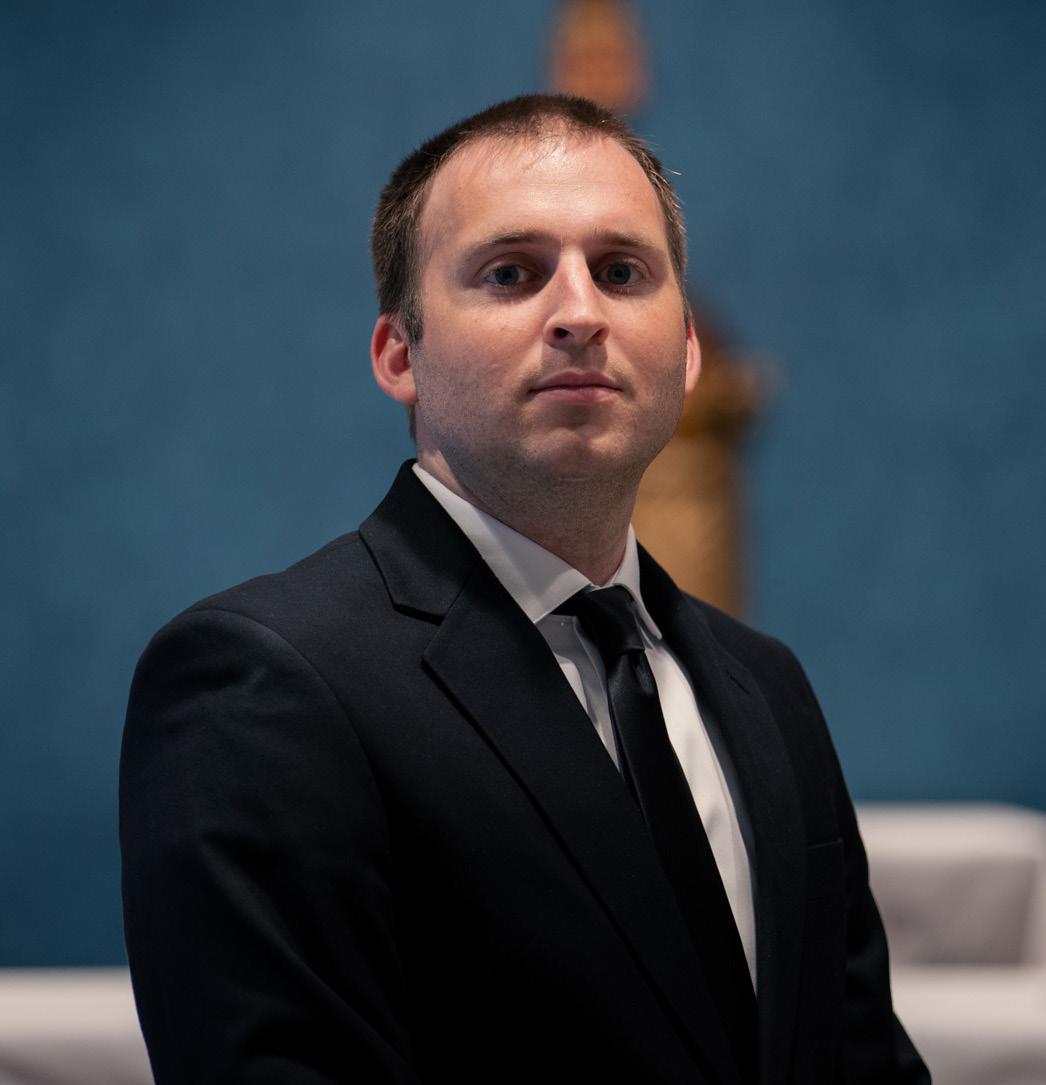
I am about three months into my propaedeutic year at Notre Dame Seminary. My favorite part of seminary, so far, is the weekdays (which is a first for me). I love my routine throughout the week. I attend Mass with my brothers who are quickly becoming family here. I feel genuinely supported by the community around me. I am able to receive spiritual direction and feel like I am really figuring out my call in life. I am immensely grateful for the generosity of the diocese and for this opportunity.
Gifts to the Diocese of Shreveport's Seminarian Burse Program create a legacy of giving in support of our seminarians. It currently costs an average of $50,000 per year to educate and support one seminarian and we are blessed to have six at this time.
A seminary burse can be opened with a donation of $250 or more. A burse is completed when it reaches $10,000. Once a burse is open, it can receive donations in any amount. Burses can be opened to memorialize a loved one, honor a priest, and represent a group or organization. Anyone can contribute to any of the diocese's incomplete burses.
For a list of incomplete and completed burses, please scan the QR code on this page or visit www.dioshpt. org/seminarian-burses
For more information on how to establish or contribute to a burse, please contact the Development Office at (318) 219-7260.

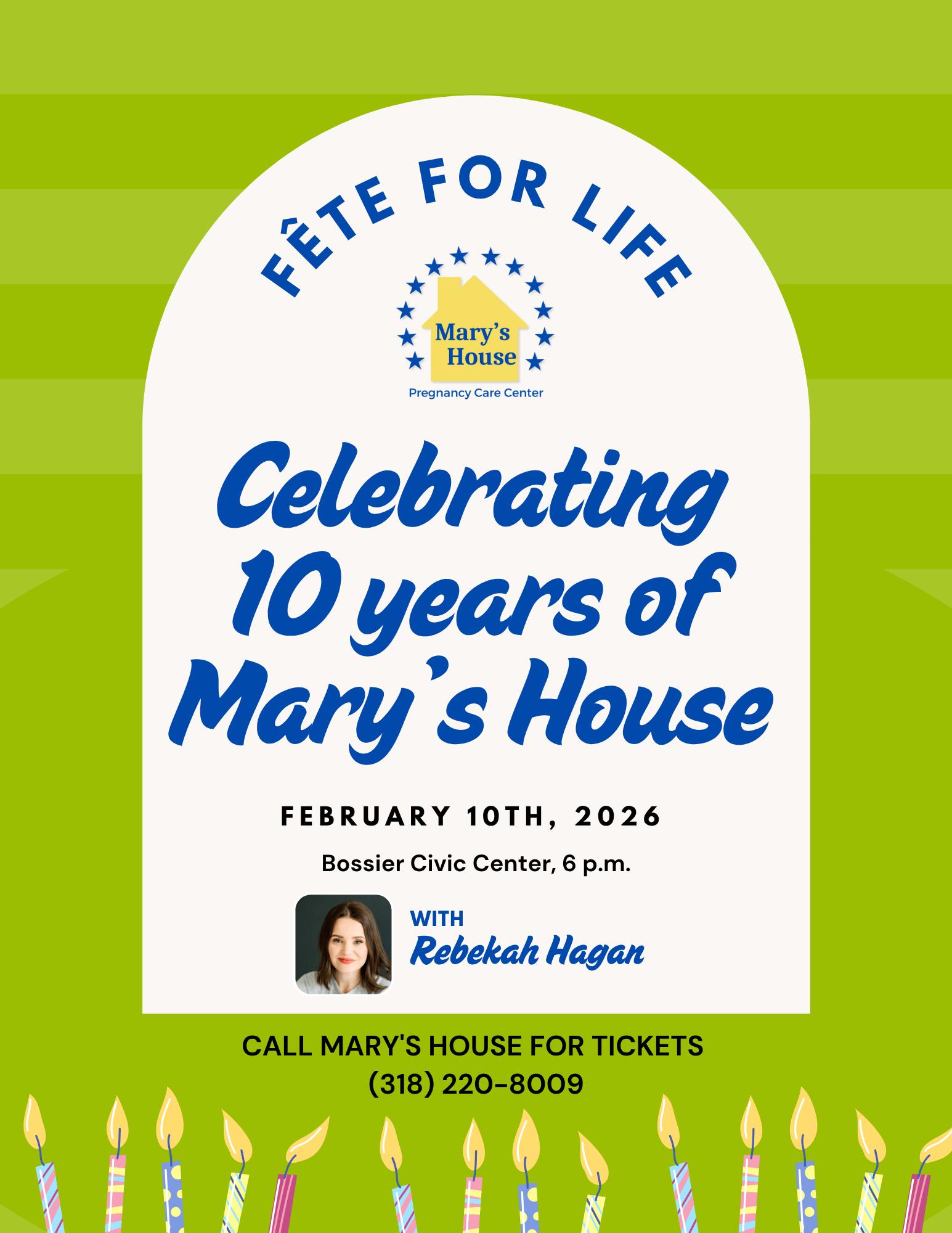
After your prayers, many resumes, and interviews with wonderful candidates, Mary’s House is happy to announce our new director, Jill Koeppen. Jill attends St. Jude Catholic Church in Benton and was an educator and assistant principal before she retired a couple of years ago. Jill was praying about what God wanted her to do when she received a group text asking her to pray that God send Mary’s House a new director. After praying about it, she applied! Jill will be in training with L’Anne, the current director, for six months to make Jill’s transition into the director role smooth. Thank you for your continued prayers.

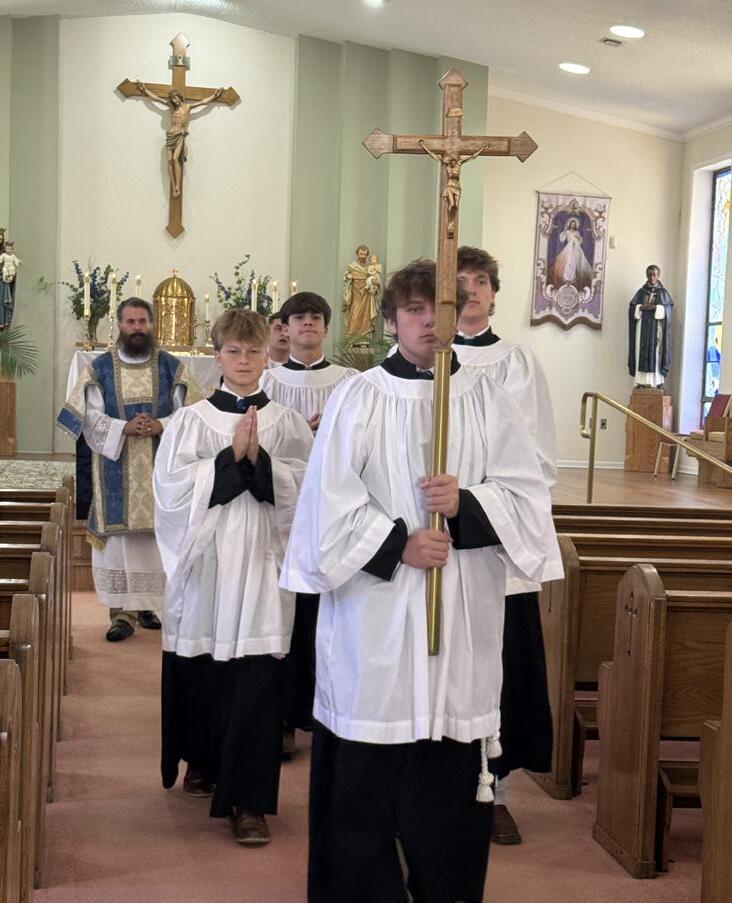
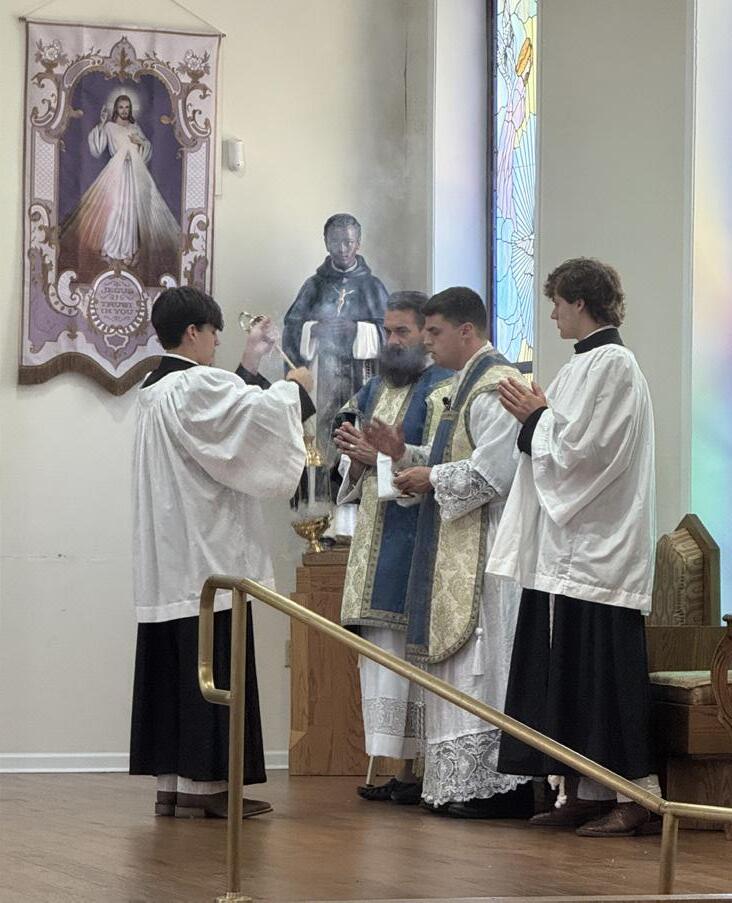
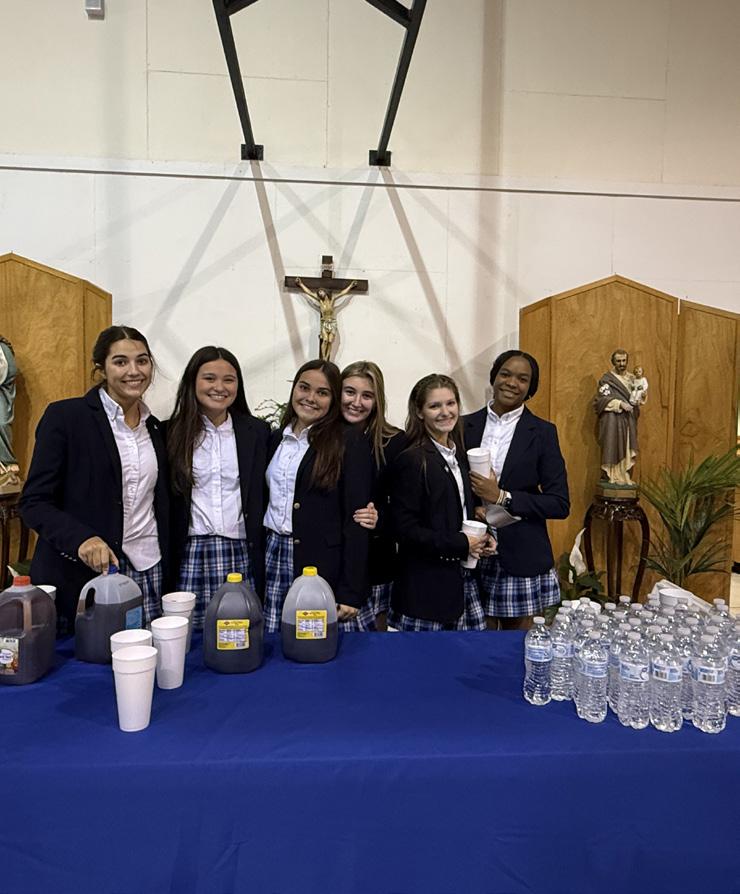
On Wednesday, October 15, 2025, students from St. Frederick High School in Monroe participated in a special Mass, a Blue Mass held at St. Joseph Catholic Church in Bastrop, Louisiana. The parish invited their participation through Mrs. Trejo, St. Frederick’s senior religion teacher, who immediately responded with enthusiasm, expressing that her students would be honored to be involved in such a meaningful experience.
The Blue Mass is a solemn Catholic tradition that honors public safety professionals — police officers, firefighters, and other first responders — who courageously serve and protect our communities each day. The liturgy also commemorates those who died in the line of duty and offers prayers for the safety and strength of all who continue to serve.
While rooted in Catholic faith and tradition, the Blue Mass welcomes attendees of all faiths, uniting the community in gratitude and prayer for those who dedicate their lives to others. The first Blue Mass was celebrated in 1934 as a tribute to the sacrifice and commitment of men and women who wear “the blue” in service to their communities. It is traditionally observed on the Feast of the Archangels — Michael, Gabriel, and Raphael — who are known for their protective, guiding, and healing gifts.
Reflecting on the experience, Mrs. Trejo shared, “Our students were deeply moved by the reverence of the service and the selflessness of those it honored. It was a powerful reminder that faith calls us to serve others with courage and compassion.”
Freshman Harrison Tarver added, “It was an awesome experience to be able
to honor the men and women who put their lives on the line for our safety each and every day. We should never take their service for granted.”
Participating in this sacred service was more than an act of faith for St. Frederick High School students — it was a lesson in gratitude and service, reinforcing the school’s mission to provide a Christ-centered education that inspires faith, leadership, and love for one’s community.
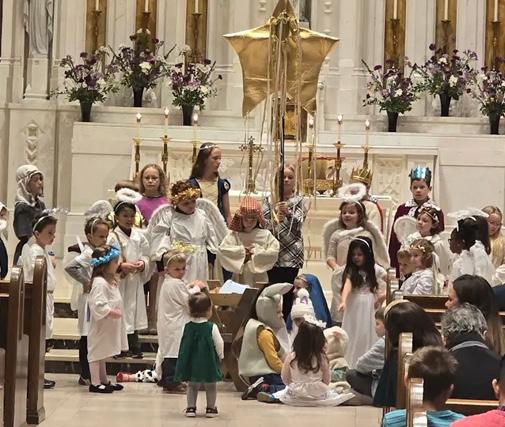
If there is one theme that runs throughout the Christmas season and is represented by both our Faith and secular society, it is family. Starting in Advent, we experience the best of familial anticipation as we prepare for our infant Savior’s birth. The eternal Logos, incarnate, fully human and fully divine, is presented in the meekness of the babe Jesus. Those of us who are parents have tasted in small portion the anticipation that all creation shared as God came forth in the manger cave some 2,000 years ago.
The Octave of the Nativity of the Lord begins on Christmas to highlight key members of our early Church family. The first of our new family to inherit the crown of Christian martyrdom was St. Stephen, remembered on December 26th. On the 27th, we recall the beloved apostle, John the Evangelist. He was often among the small group of apostles allowed by Jesus to witness exceptional events like the Transfiguration, and he is specifically mentioned as being loved by Jesus no less than six times!
Following John, on Dec. 28 we remember the horror of families torn apart with the Feast of the Holy Innocents. They were slaughtered by King Herod, the antithesis of a family man, who killed all he perceived as a threat to his power, including two of his sons and his mother, sister, brother-in-law, and grandfather-in-law—then, all two-year-
old and younger boys born in Bethlehem. Through Herod, we viscerally see the dangers that suspicion, impatience, anger, and violence can inflict on a family and in the world.
On the Sunday within the Octave of the Nativity, we celebrate the Feast of the Holy Family, a personal favorite. Like many of you, I enjoy traveling, and so I have for years found myself in the beautiful parish of St. Joseph's in Danville, Pennsylvania. This ornately painted Romanesque Church was the first location where I could stand up with my then-only son and young wife to receive the special blessing of families on this feast day. I look forward to this Mass annually and find it especially significant at this location.
The Octave ends with a decisive declaration about the family of God and our participation in it through the recognition of Mary as the Theotokos, the Mother of God. This title both affirms Christ’s divinity and that God saw fit to allow humanity a part in its own redemption. Preemptively saved by Christ before her immaculate conception, Mary was chosen by God for Jesus to receive the bone of her bone and the flesh of her flesh when He entered the world for our redemption. And with her title of Holy Mother of God, we know that in the same way that we are adopted sons and daughters of God the Father in Christ, so we are also adopted sons and daughters of our heavenly mother.
As the principal of St. John Berchmans Catholic School, from our family to yours, I wish you a holy and joyous Christmas Season! May we spend this season celebrating our Lord’s entrance into the human family and the anticipation of salvation it brings!

T.C. Veit is the principal of St. John Berchmans Cathedral School in Shreveport, LA.

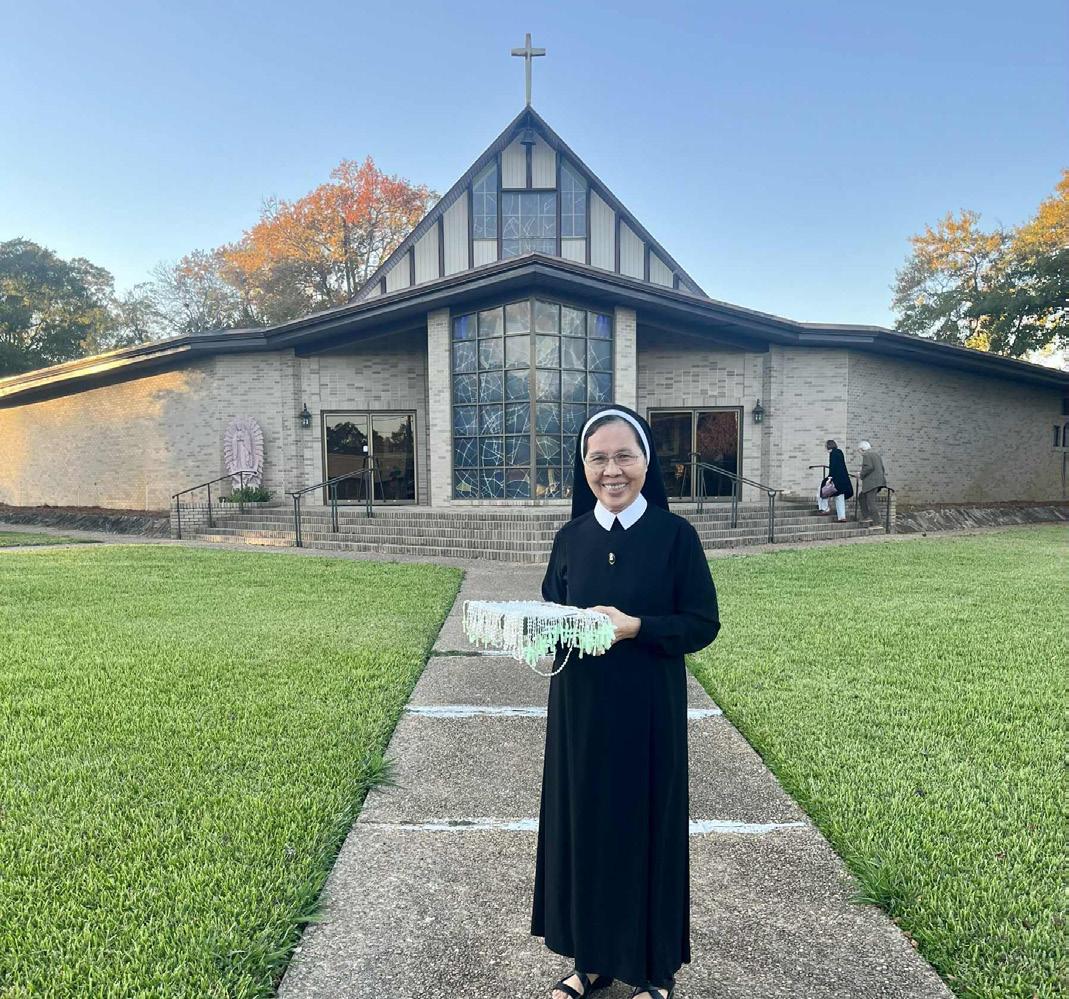
Sr. Mary Placidie, a Sister of the Daughters of Mary Convent in Phu Cuong Vietnam, gifted our sixth grade class with handmade rosaries. Twenty years ago, she made over 40,000 rosaries to give to everyone who needed a rosary in Vietnam and around the world.
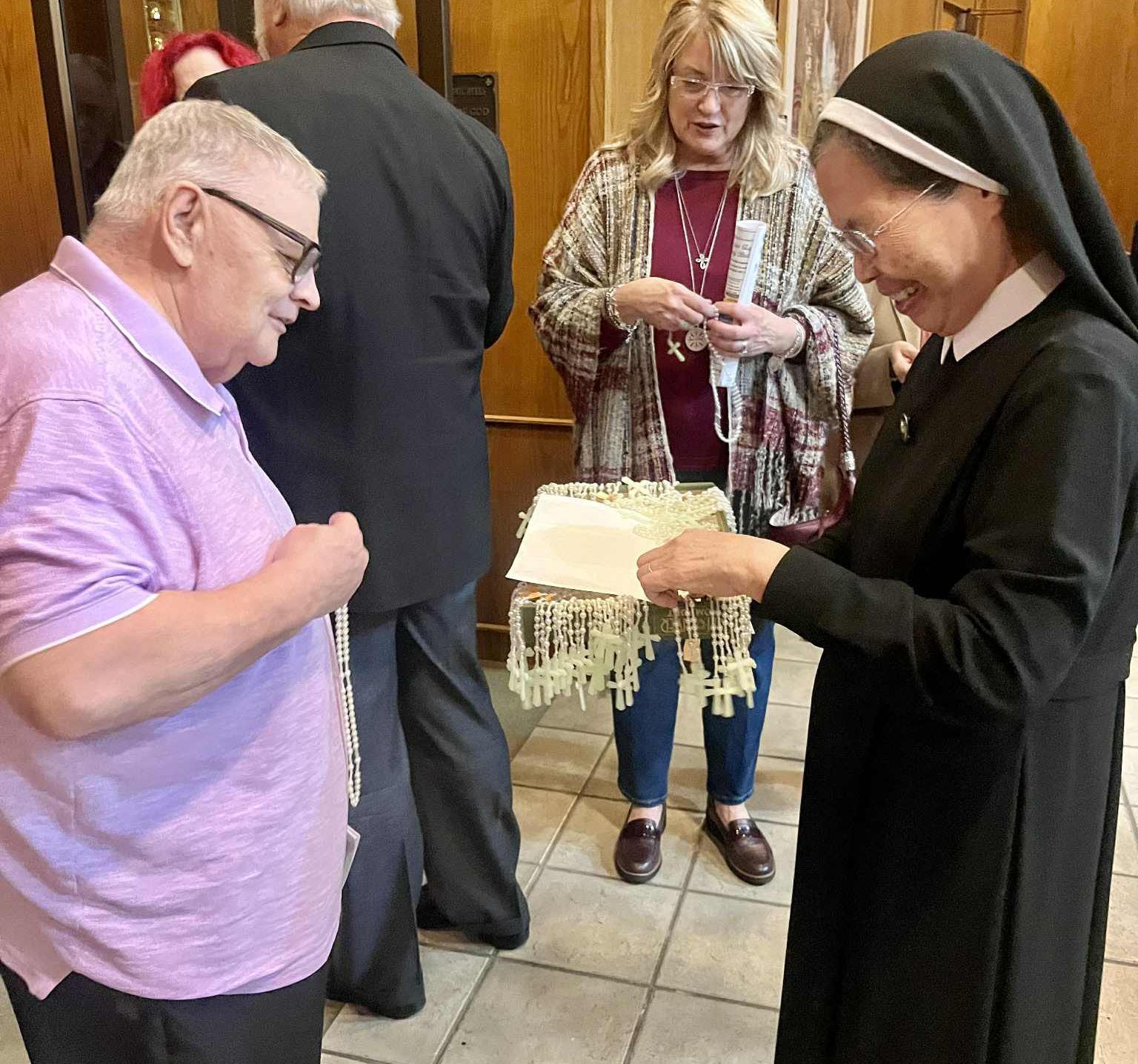
In the last two years, she has given St. Thomas Aquinas Catholic Church in Ruston 400 rosaries. In her visits to the U.S. over the past few years, she has donated over 700 rosaries and 700 Divine Mercy images to people here in the U.S.
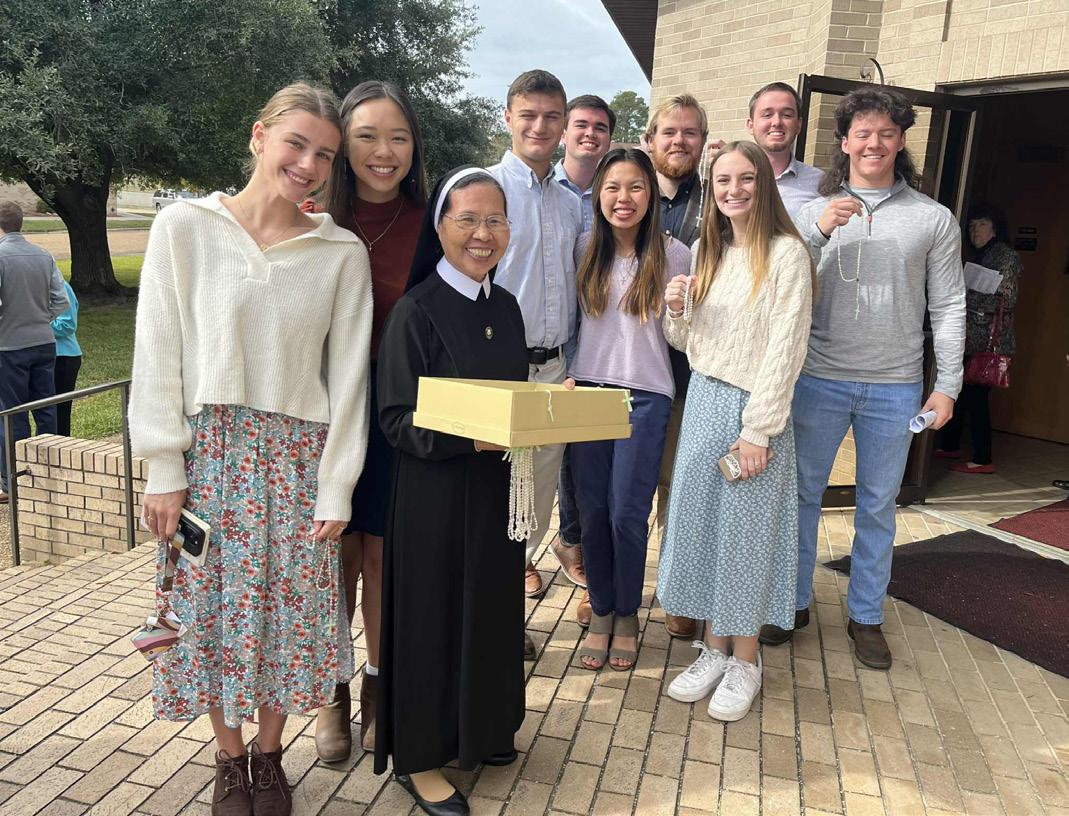
We are so thankful that Sr. Placidie donated the beautiful, blue-beaded and pearl holy rosaries to the students of Our Lady of Fatima Catholic School!
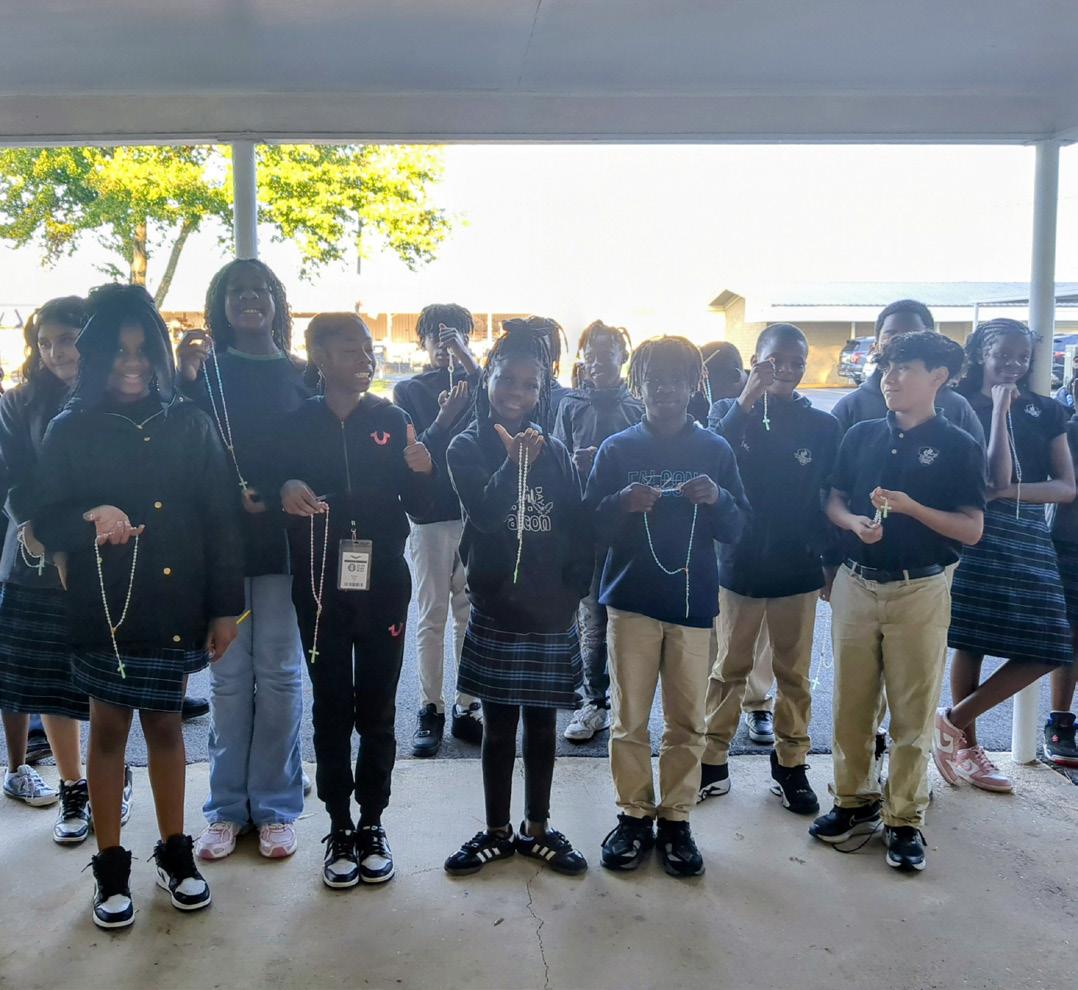
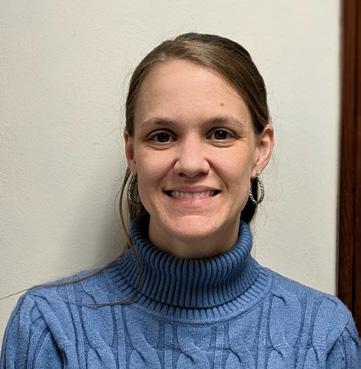
Elise Reis is the Math and 7th grade Social Studies teacher at Our Lady of Fatima Catholic School in Monroe, LA.

At Loyola College Prep, we believe that every student who wants a Catholic education should have the opportunity to receive one. That’s why we intentionally keep tuition below the actual cost of education and offer several forms of tuition assistance, to make Loyola accessible to more families.
“Don’t let finances be the reason you think Loyola isn’t an option,” said Dr. Laurie Salvail, Principal of Loyola College Prep. “We’re committed to working with families to make a Catholic education possible. With the support of our generous alumni, parents, and friends, we have a variety of programs designed to help make Loyola affordable for everyone who seeks this experience.”
Tuition Assistance Options
Loyola offers several types of financial support:
Need-Based Assistance Provided by Loyola The school’s primary tuition assistance program supports students who qualify for, but cannot afford, the full cost of a Loyola education. Funds are drawn from Loyola’s Endowed Scholarship Fund and Community Scholarship Fund, both supported by the generosity of alumni and donors who believe in the value of a Loyola education.
Outside Assistance Loyola also accepts two independent scholarship programs—ACE and ARETE—which provide need-based funding for students transitioning from public school. Families can apply directly through each program and designate Loyola College Prep as their school of choice. - Visit aretescholars.org and acescholarships.org for more information.
Diocesan Assistance Catholic families who apply for tuition assistance through the FACTS process are automatically considered for additional support from the Catholic Diocese of Shreveport.
Parishioner Discount Catholic families, regardless of income, may receive a $250.00 discount toward tuition as active members of their local parish.
Merit-Based Alumni Scholarships The Flyer Alumni Association and St. Vincent’s Academy Alumnae Association award annual scholarships to students who are children or grandchildren of Loyola College Prep, Jesuit Academy, St. John Berchmans Cathedral School, or St. Vincent’s Academy alumni. These merit-based awards recognize students who demonstrate strong character, faith, and involvement in their school and parish communities.
If you’ve ever thought a Catholic education might be out of reach, we encourage you to explore what’s possible at Loyola. The first step is to schedule an interview or private tour to learn more about our mission, community, and opportunities for financial assistance.
To schedule, contact the Loyola Admissions Office or call 318-226-6285. We look forward to meeting you and helping you discover why Loyola might be more affordable than you think.

Jordan Harris is the Director of Marketing & Communications at Loyola College Prep in Shreveport, LA.
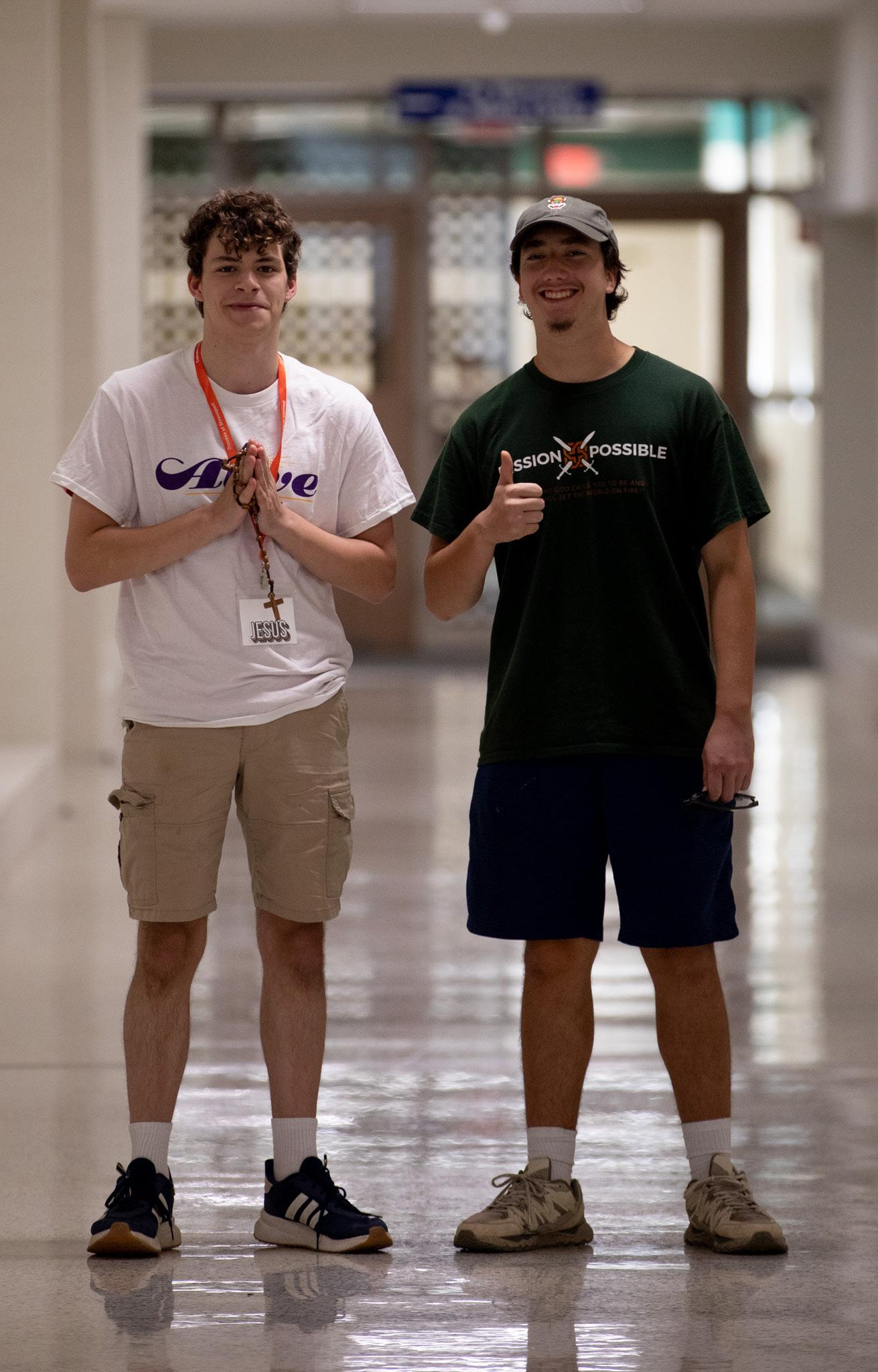



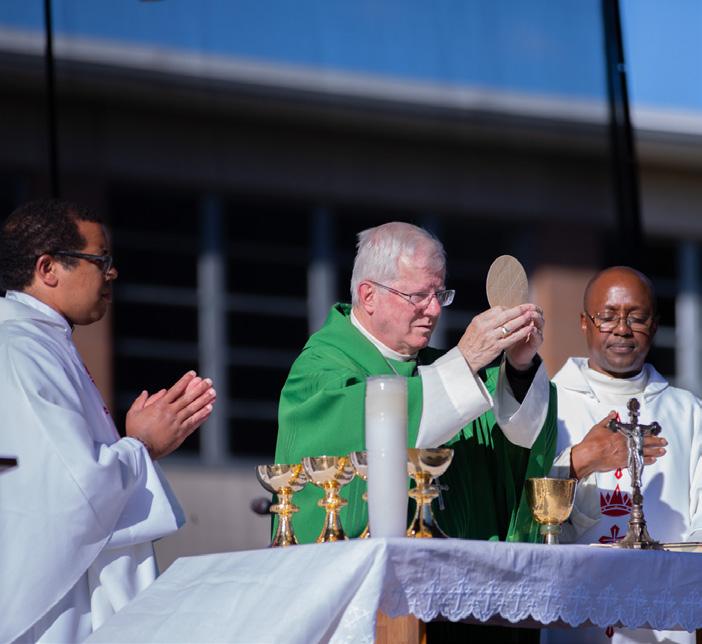
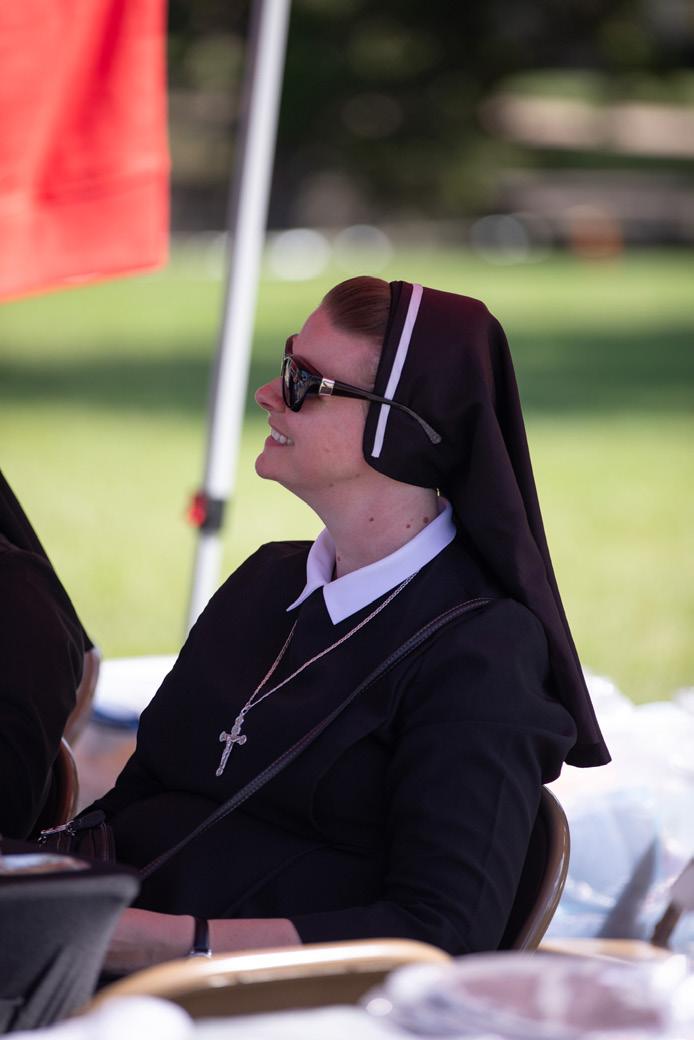

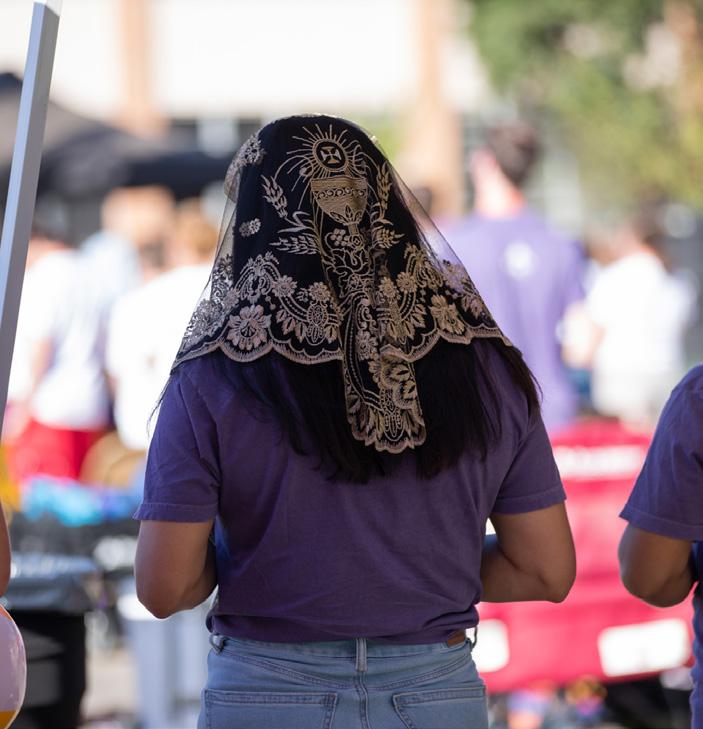
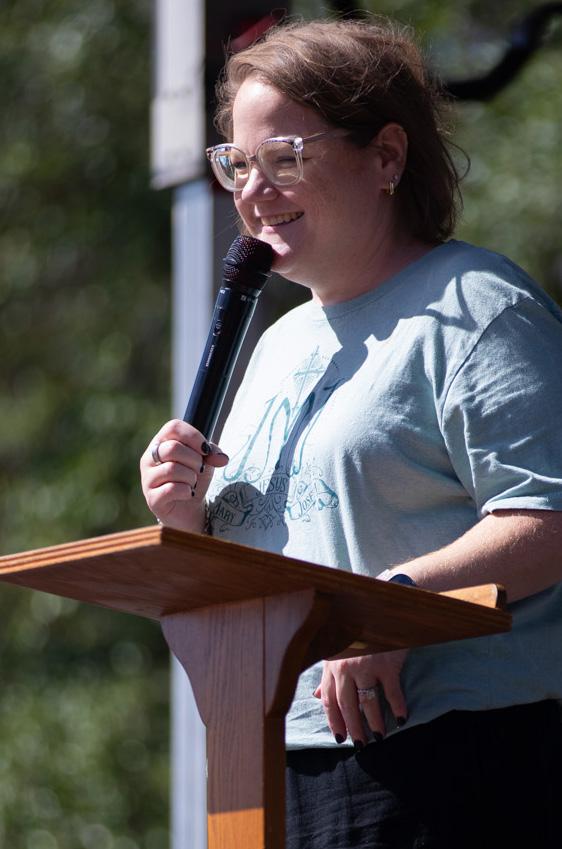



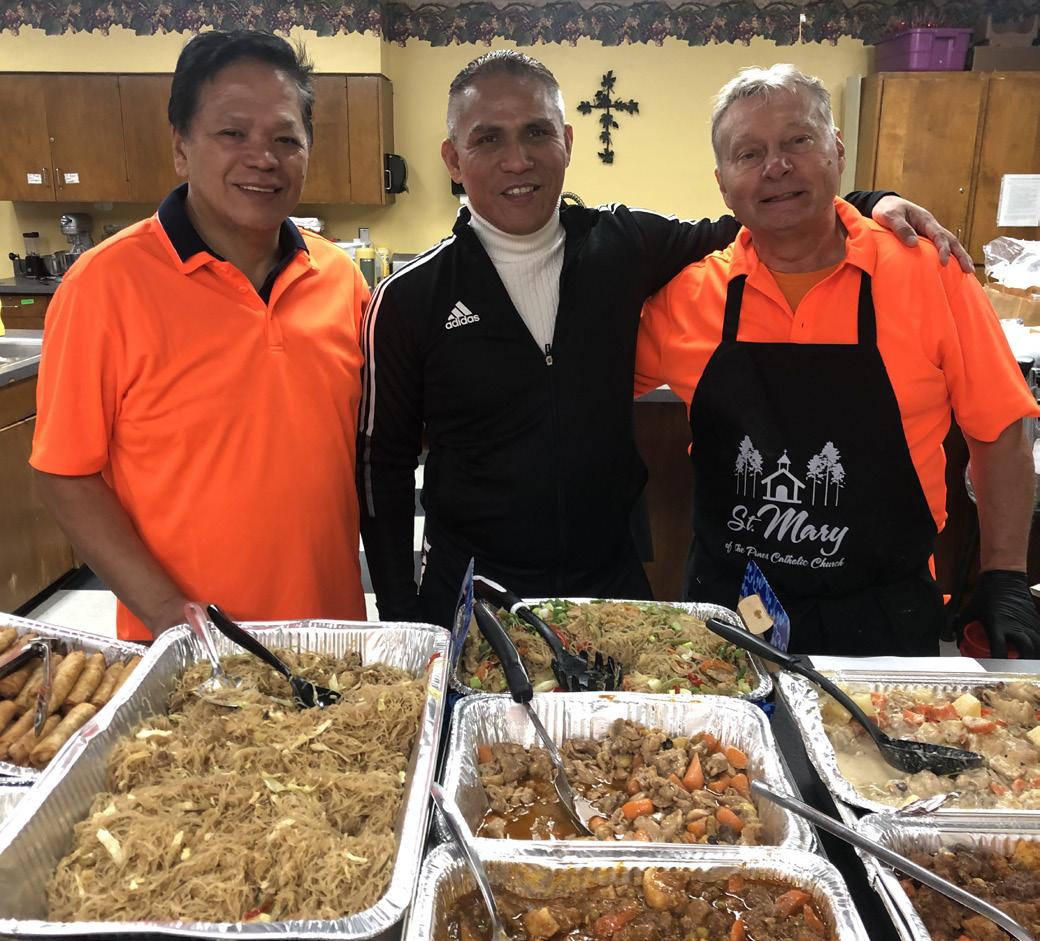
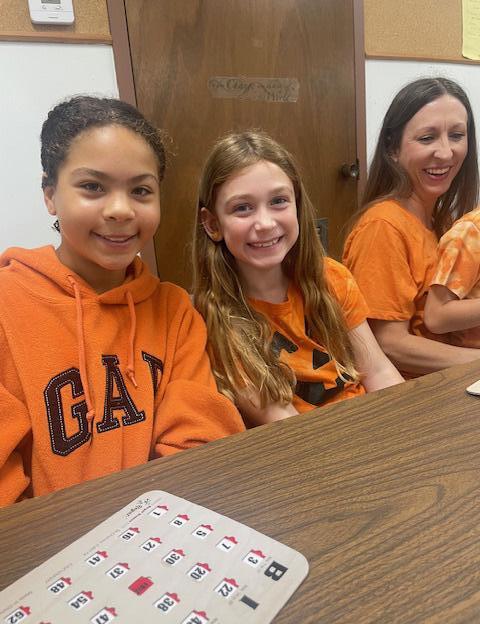
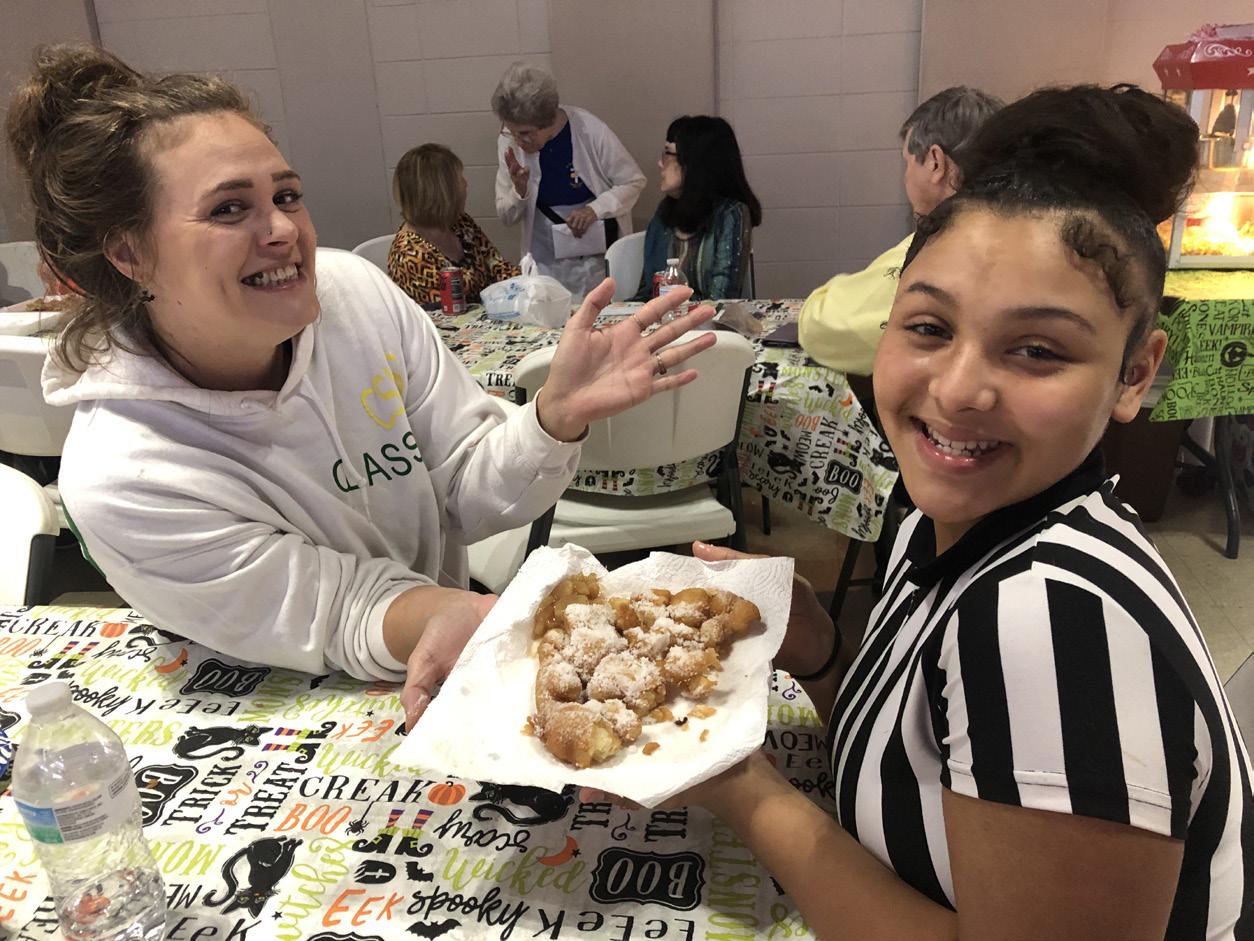
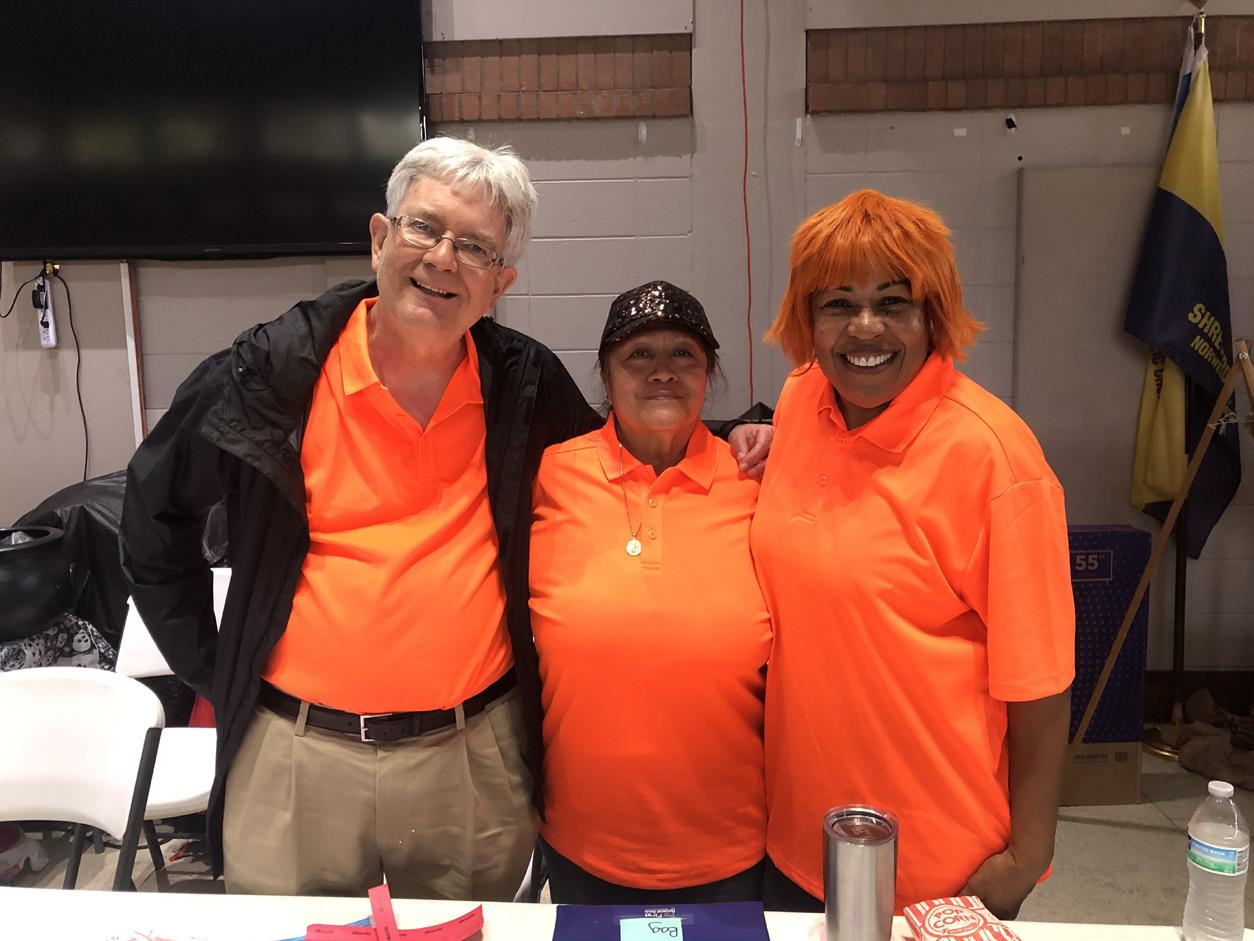
Fr. Mark Watson, Pastor, along with the parishioners of St. Mary of the Pines Catholic Church in Shreveport, LA, held their annual Fall Festival on Saturday, October 25, 2025. With plenty of food, drinks, games, and prizes a wonderful and fun time was had by all. Our Fall Festival was a great success!


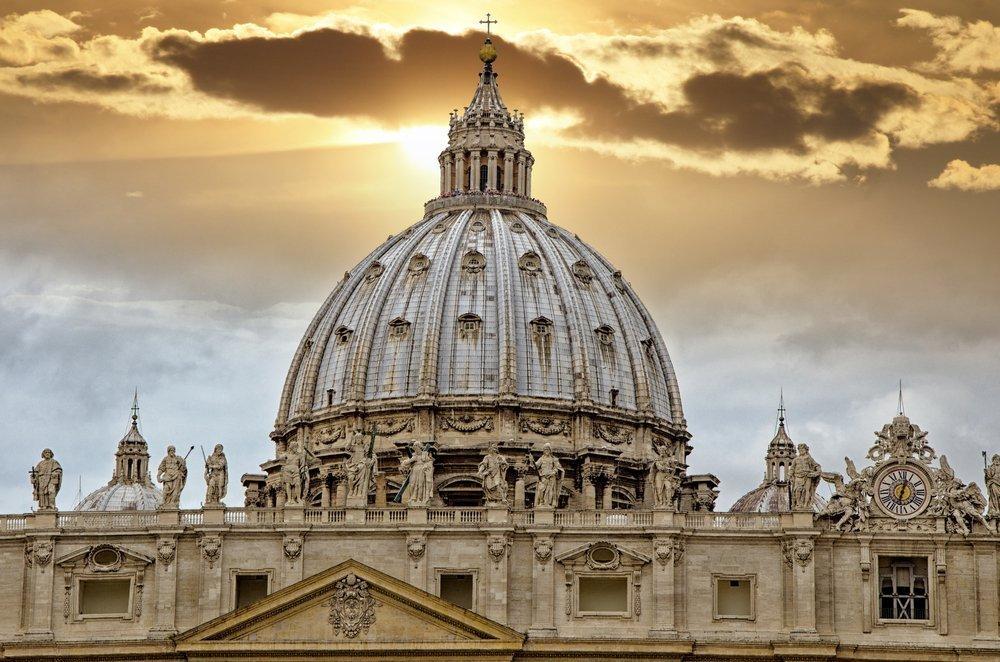
We welcome all pilgrims to the Cathedral during this final month of the Jubilee Year of Hope.
Pilgrimage Hours:
Monday-Friday, 11:00am-1:00pm Saturday, 2:30-4:00pm & by appointment

Jubilee Year Closing Mass Sunday, December 28, 2025, 5:30pm Cathedral of St John Berchmans
DIOCESE OF SHREVEPORT
3500 Fairfield Ave. • Shreveport, LA 71104
Catholic Connection USPS 024-824 is published monthly except for July by the Diocese of Shreveport, 3500 Fairfield Ave., Shreveport, LA 71104. Periodicals Postage PAID at Shreveport, LA 71102. POSTMASTER: Send address changes to Catholic Connection, 3500 Fairfield Ave, Shreveport, LA 71104.