Growing
Seafood: NOAA’sAquacultureProgram
Danielle Blacklock Director, Office of Aquaculture
U.S.
December 4, 2025
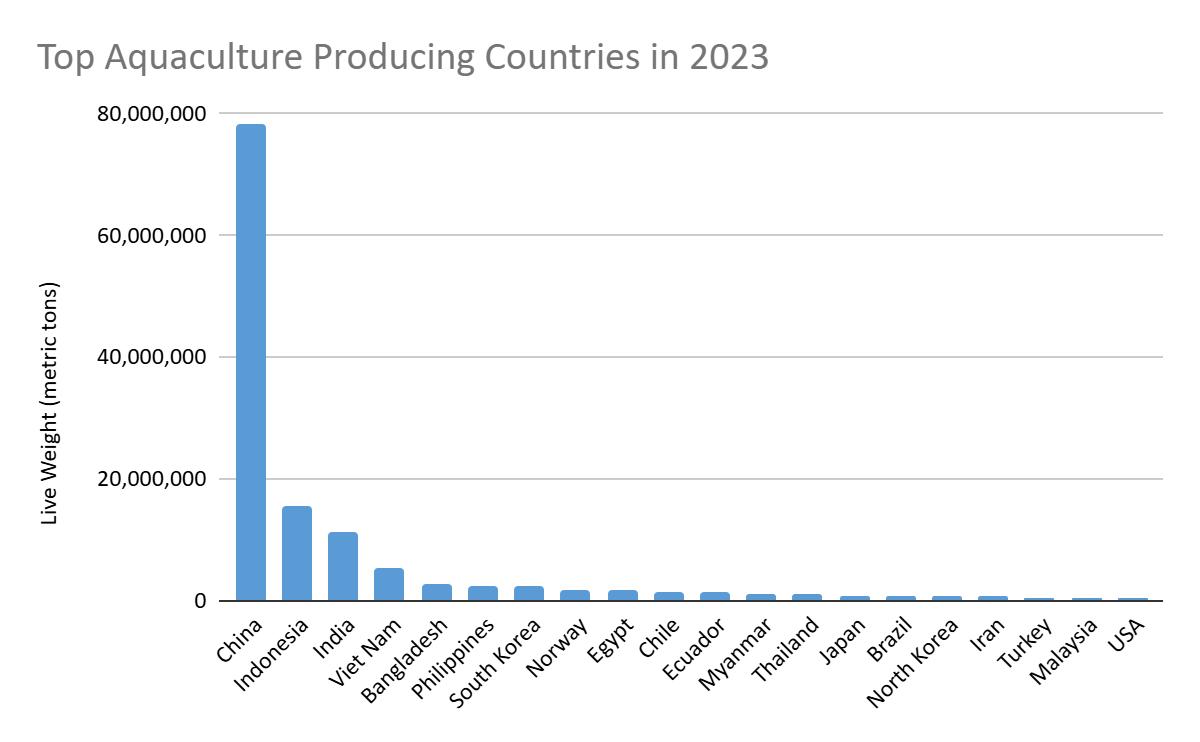
The U.S. consumes about $15 billion worth of imported farmed seafood annually.
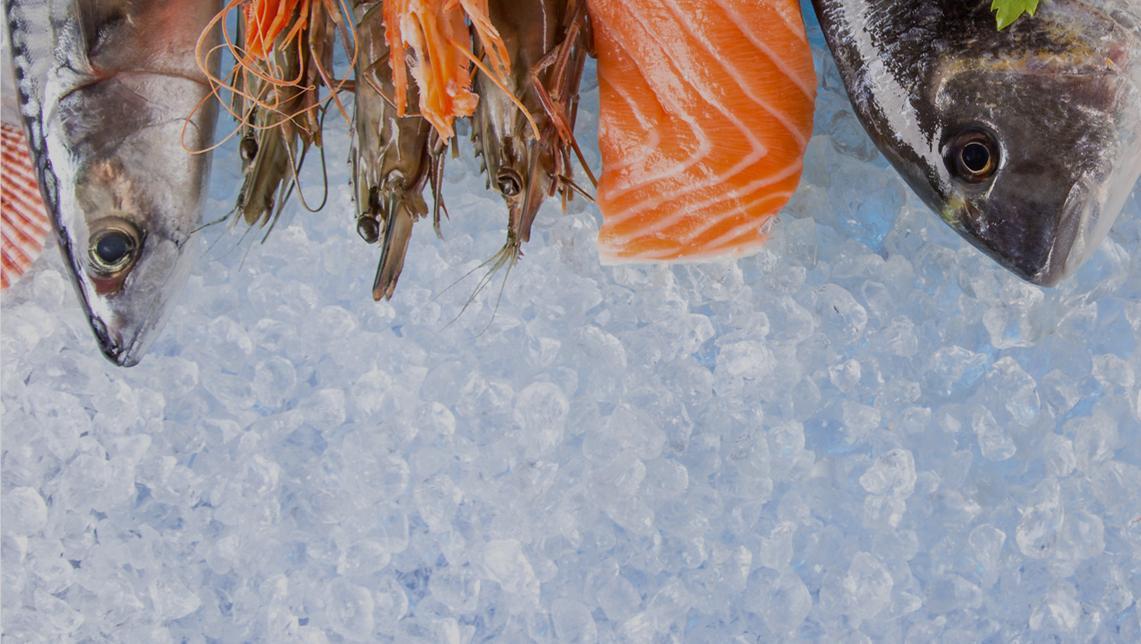
The total value of U.S. aquaculture production <$2 billion.

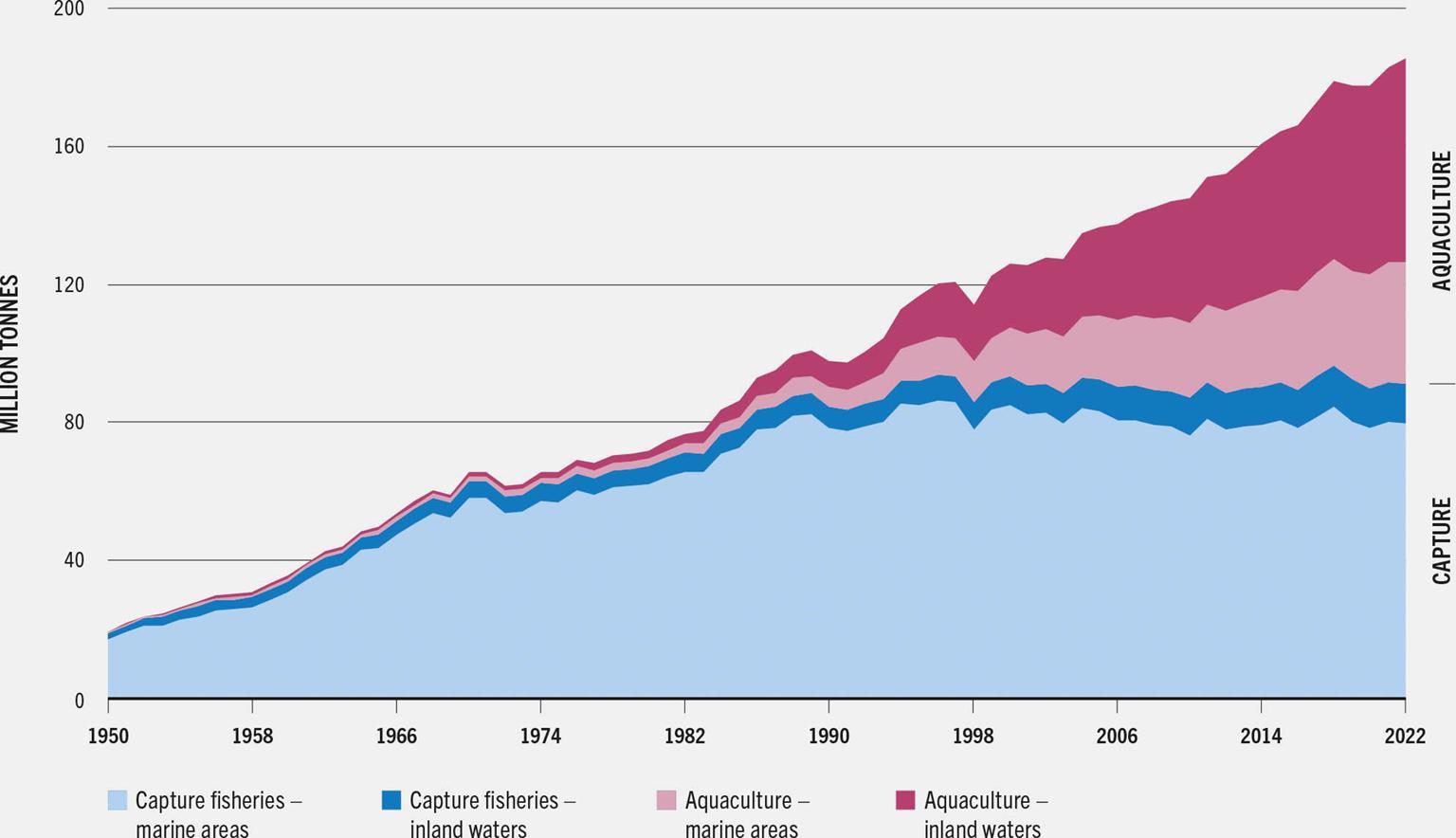
Farmed
Wild Harvest
E.O. 13921 Promoting American Seafood Competitiveness and Economic Growth
● NOAA Leads NEPA
● Aquaculture Opportunity Areas
● Aquaculture is agriculture
● Designated as critical infrastructure
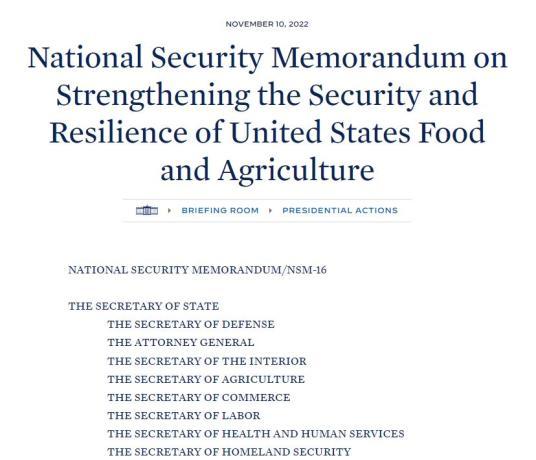
DHS recommends the growth of domestic aquaculture as one of six key national priorities to support domestic food system resilience.
Implementing EO 13921: Promoting American Seafood Competitiveness
and Economic Growth
Published a National Aquaculture Development Plan focused on Regulatory Efficiency, Research, and Economic Development
Published a compendium of federal grant assistance and finance programs applicable to aquaculture
Worked with USACE, supporting their publishing of new Nationwide Permits for seaweed, shellfish, and finfish
Published a regulatory guide for aquaculture in federal waters
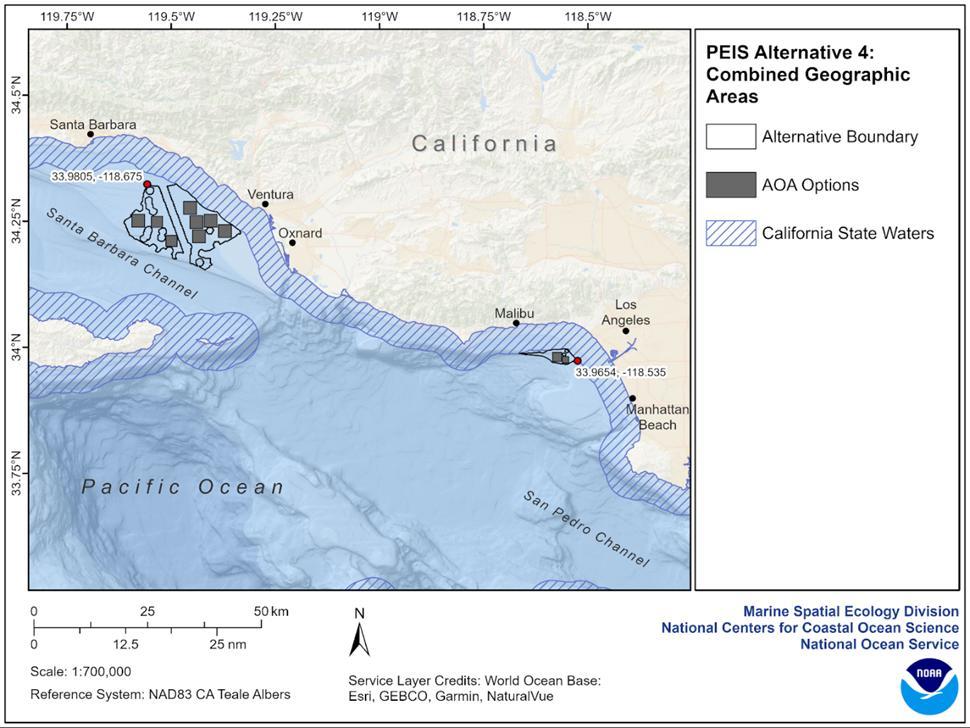
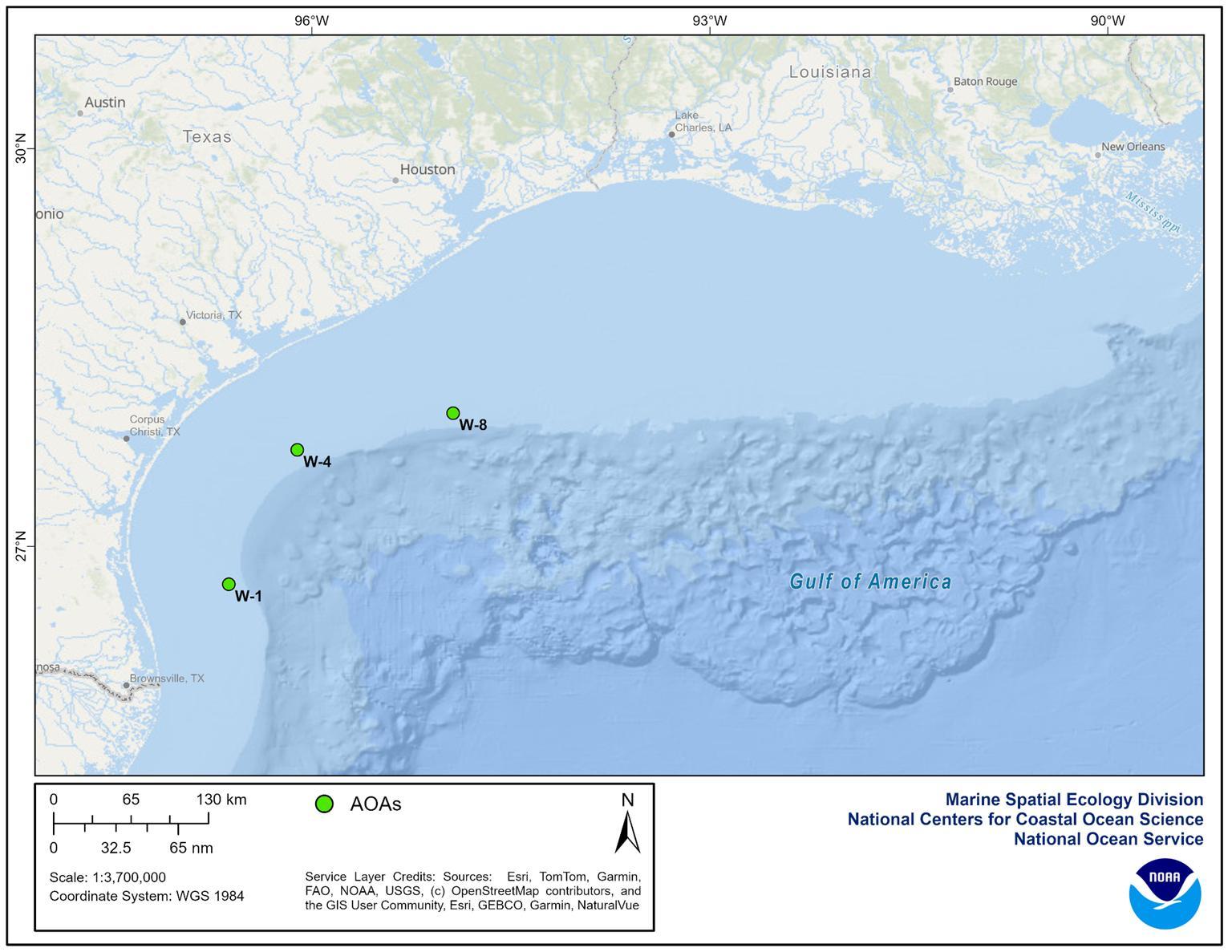
Identified Aquaculture Opportunity Areas (AOAs) in the Gulf of America and Southern California, and in process of identifying AOAs in Alaska State Waters
Updating the National Aquatic Animal Health Plan with USDA & USFWS
Executive Order 14276, 2025) “Restoring American Seafood Competitiveness”
April 2025 Executive Order calls for an America-First plan for wild-capture fisheries and aquaculture production.
● Section 4: (d) “The Secretary of Commerce, in consultation with the Secretary of Agriculture, shall develop and implement an America First Seafood Strategy to promote production, marketing, sale, and export of United States fishery and aquaculture products and strengthen domestic processing capacity. This program shall accelerate the Department of Agriculture’s efforts to educate American consumers about the health benefits of seafood and increase seafood purchases in nutrition programs.”
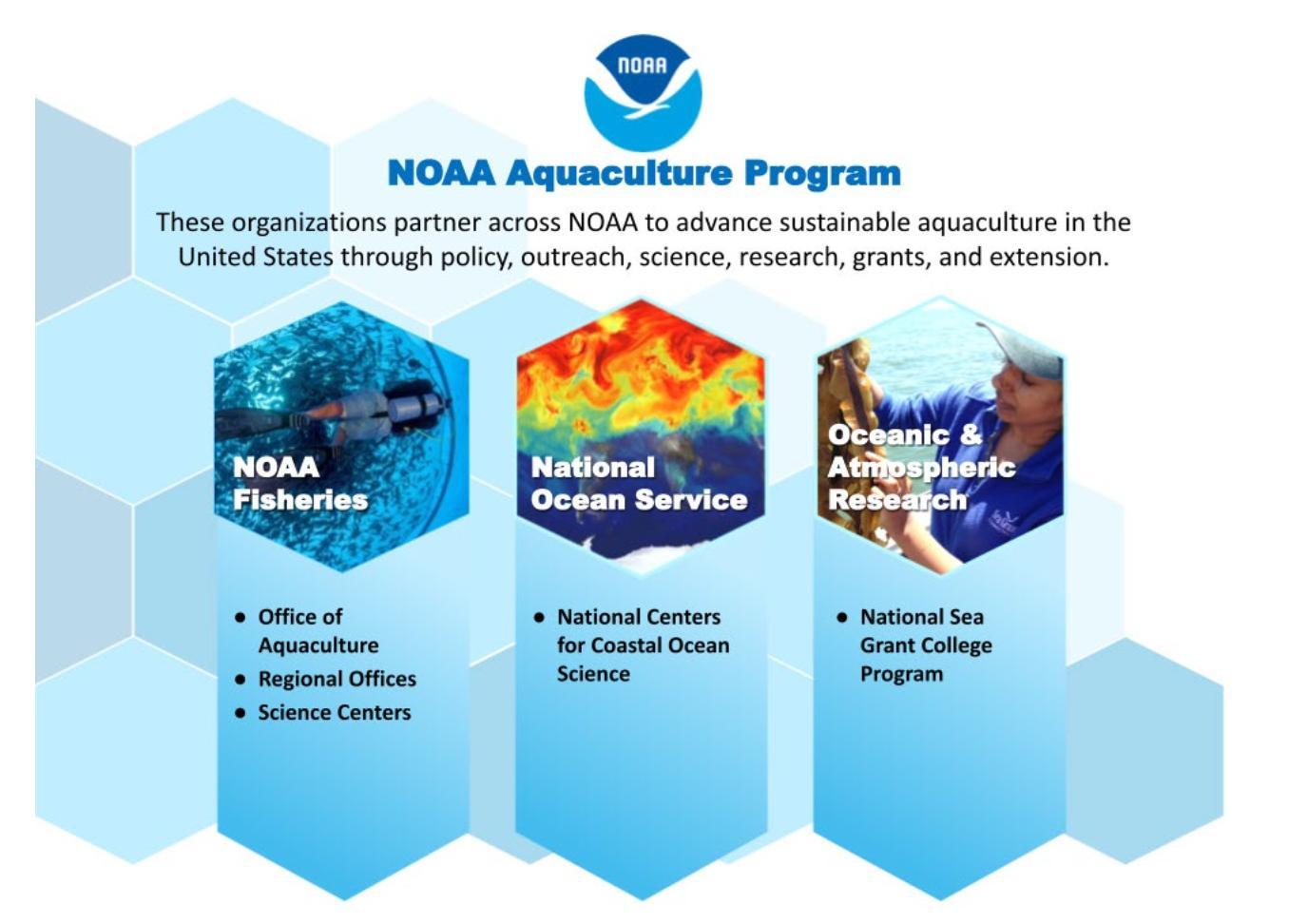
NOAA’s Aquaculture Program
Statutory Responsibilities and Legislative Drivers
The National Aquaculture Act of 1980 96-362. 94 Stat. 1198, 16 U.S.C. 2801, et seq.)
● Established aquaculture as a national policy priority for the United States.
● Calls for scientific, education, and policy initiatives that bolster domestic aquaculture production.
● Created an interagency Subcommittee on Aquaculture, through which NOAA coordinates with other federal agencies on regulatory, policy, economic, and science aquaculture related activities.
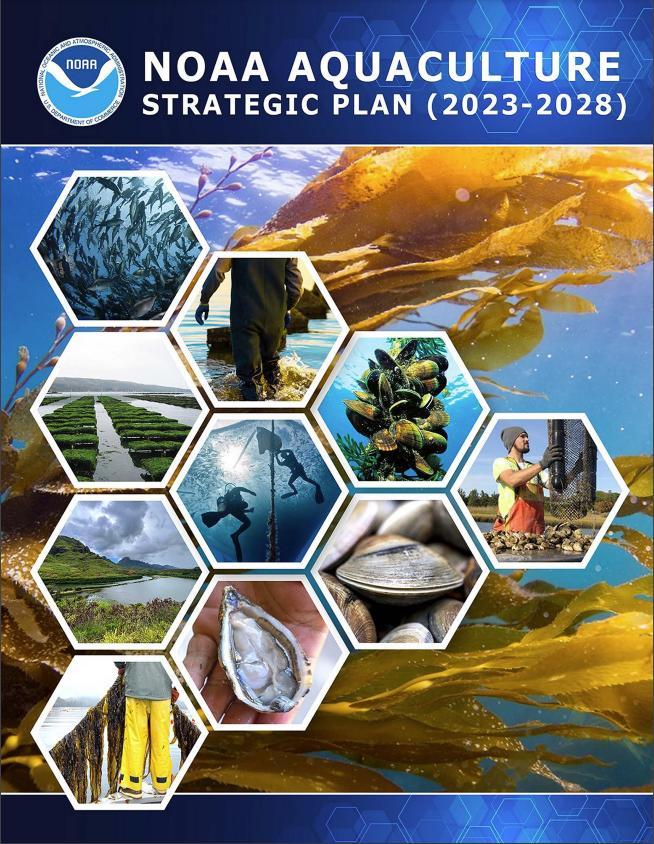
NOAA Aquaculture Strategic Plan

Manage Sustainably and Efficiently
Lead Science for Sustainability
Educate and Exchange Information
Support Economic Viability and Growth
Aquaculture Research
NOAA Aquaculture Research
Northwest Fisheries Science Center
- Finfish
- Shellfish
- Recirc. Aq. Sys.
- Genetics/Genomics
- Environmental Interactions & Stressors
- Native Species Enhancement
Southwest Fisheries Science Center
- Genetic Risk
Alaska Fisheries Science Center
- Macroalgae
- Shellfish- including hatchery
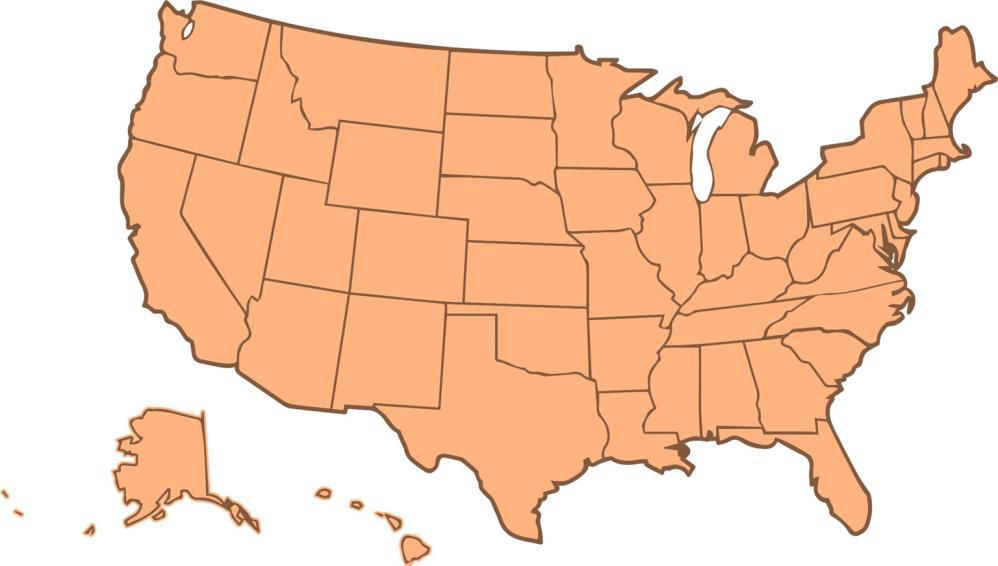
Northeast Fisheries Science Center
- Shellfish & Microalgae
- Environmental Interactions
- Breeding and Husbandry
- Engineering
NOS National Centers for Coastal and Ocean Science
- Siting analysis
- ESA interactions simulator
- Water quality modeling
- Benthic modeling
NOAA Aquaculture Research
Since 2019, NOAA has invested more than $2.3 million in funded marine aquaculture science and research in the U.S Caribbean.
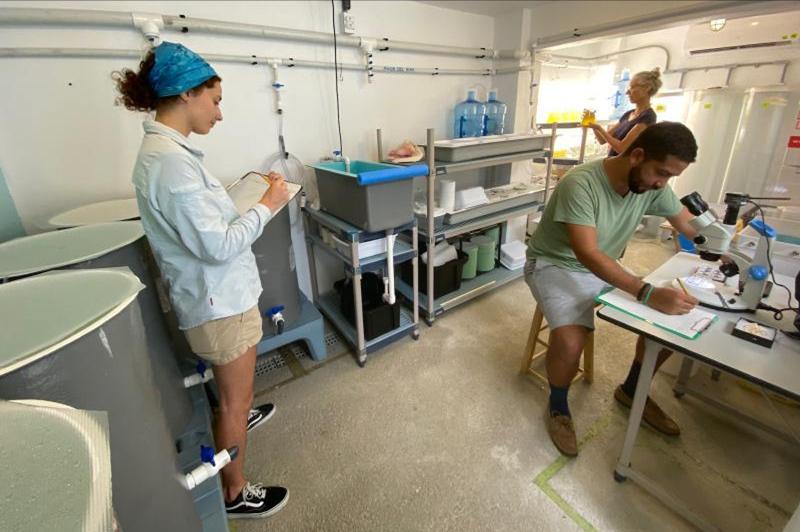
Inside Naguabo Queen Conch Hatchery in Puerto Rico. From left to right – Victoria Cassar, Hatchery Manager; Raimundo Espinoza, Executive Director, Conservación ConCiencia and Co-PI on SK NOAA grant; Megan Davis, Research Professor, Florida
Atlantic University Harbor Branch Oceanographic Institute and PI on SK NOAA grant.
Opportunities Started
Cooperative Institute Fostering Aquaculture Research and Marketing (CIFARM)
● Marine Aquaculture Demonstration
○ Implementing pilot projects and offshore test beds
○ NOAA aquaculture opportunity areas
● Aquaculture Engineering and Technology Development
○ Engineering and gear innovations
○ Engineering to minimize protected species interactions
● Environmental Observations, Modeling, Forecasting, and Aquaculture Management
○ Technologies and frameworks for cost-effective environmental compliance monitoring
○ Tools for farm management
● Risk Management and Vulnerability Assessment
○ Disease prevention and biosecurity measures
○ Risk assessment for investment and insurance
○ Increasing profitability through risk reduction
● Seafood Markets
○ Market research and economic analysis
○ Market strength and business planning
○ Market access and waterfront infrastructure
○ Community integration and market acceptance
Aquaculture Opportunity Areas (AOAs)
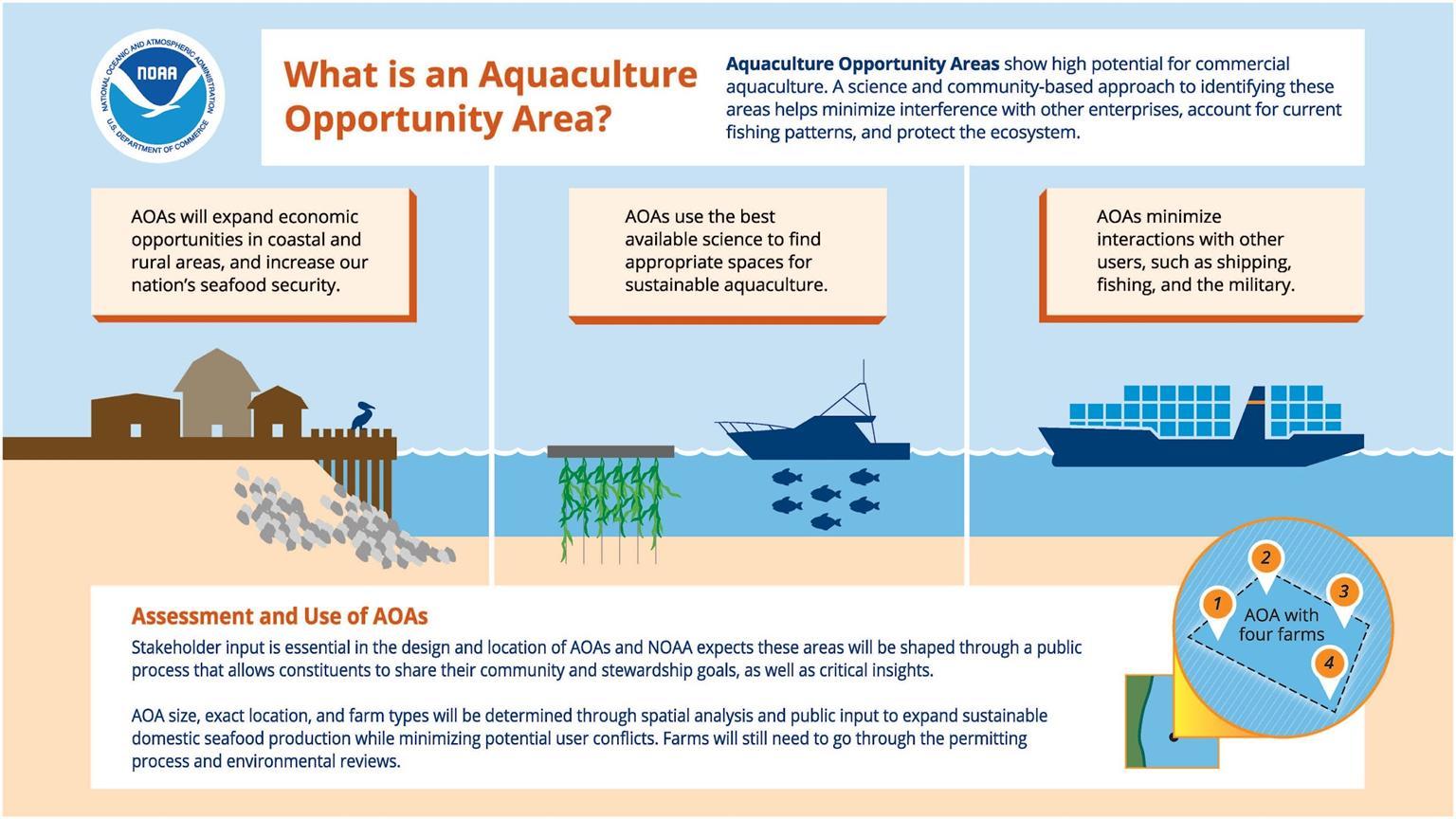
AOA Identification Announcement
Announced on Sept. 19th
● NOAA identified 13 Aquaculture Opportunity
Areas totaling more than 21,000 acres in federal waters
● Expected responses from interested parties
Southern California AOAs
Gulf of America AOAs

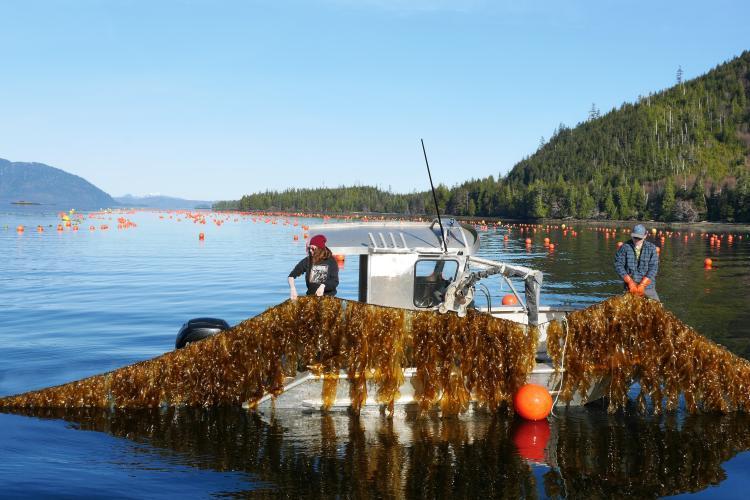
Alaska AOAs
Examples of Success and Building Blocks
Aquaculture in the Pacific Islands:
Natural Energy Laboratory of Hawaii Authority (NELHA)
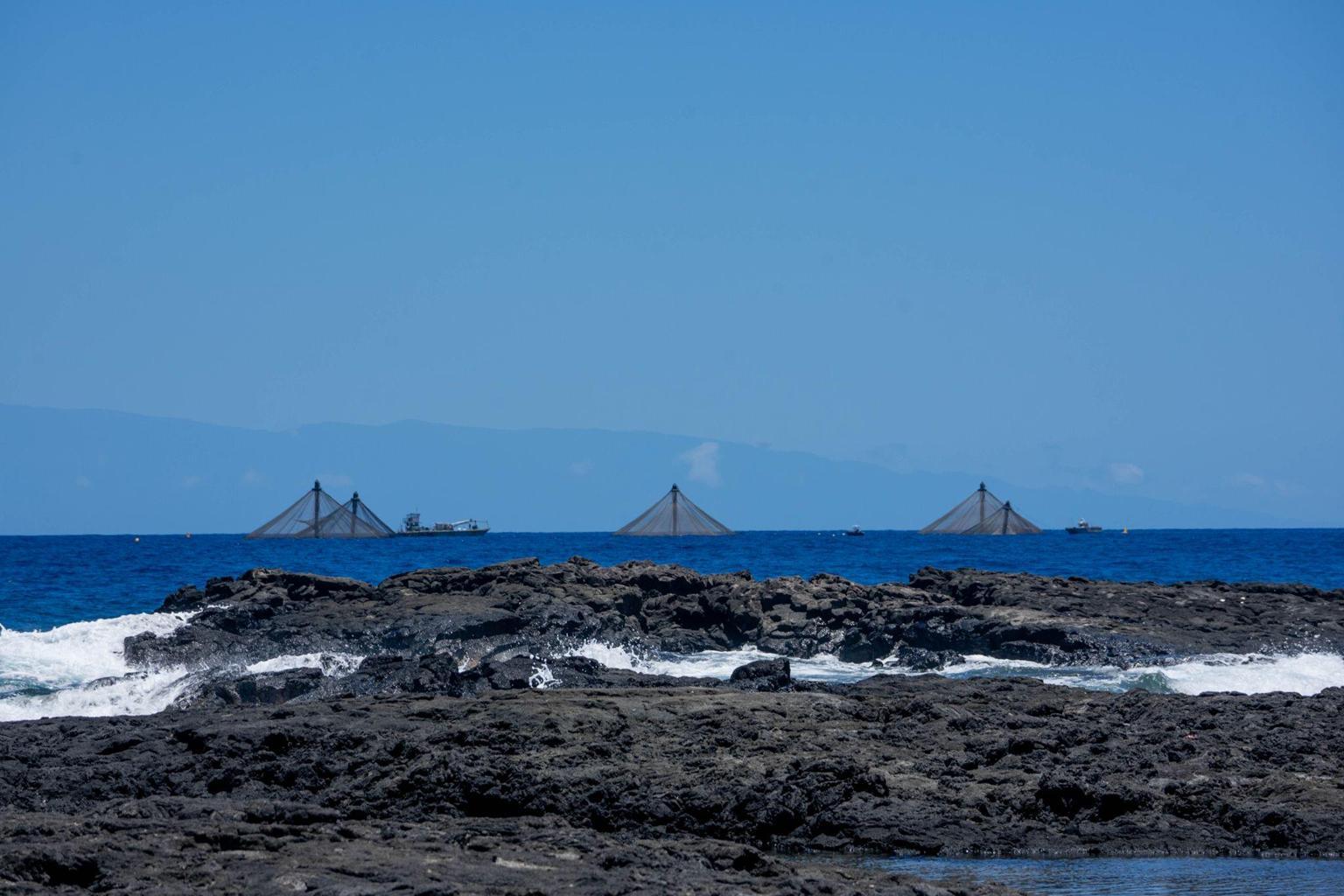
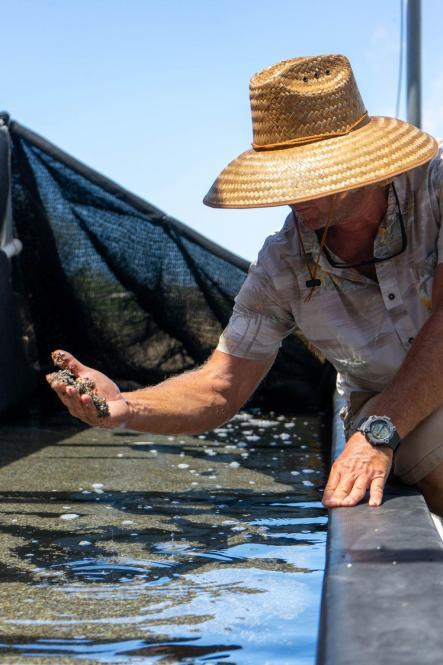
Aquaculture in the Pacific Islands: NELHA




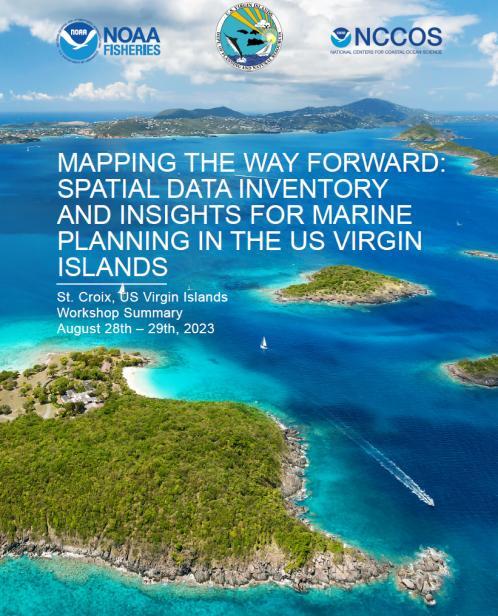
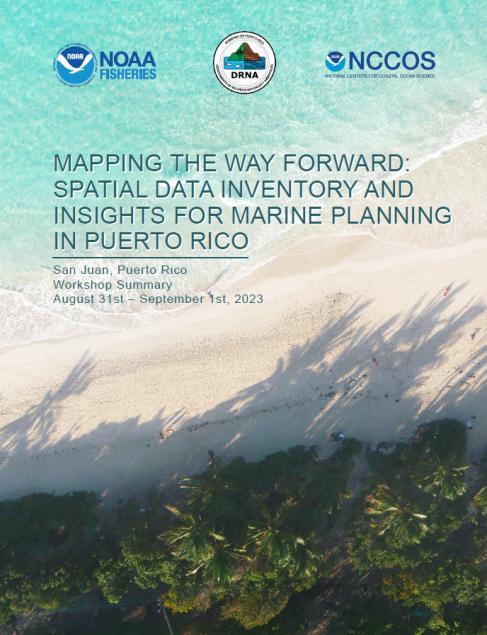
Marine Spatial Planning and Data Development


NOAA Fisheries Aquaculture Program Review
Virtual Listening Session Feb 2024
NOAA Draft National
Top Services:
● Support Economic Development for Aquaculture
● Identification of Aquaculture Opportunity Areas
● Regional Aquaculture Coordination
Seafood Strategy
● Regulatory Efficiency Policy and Implementation (NEPA Coordination, Interpretation and Practice.)
Top New Services:
● Socio-economics for aquaculture
● Partner and support state/territorial governments to enable aquaculture development
● Expand regional aquaculture support (RACs, NEPA, consultation biologists)
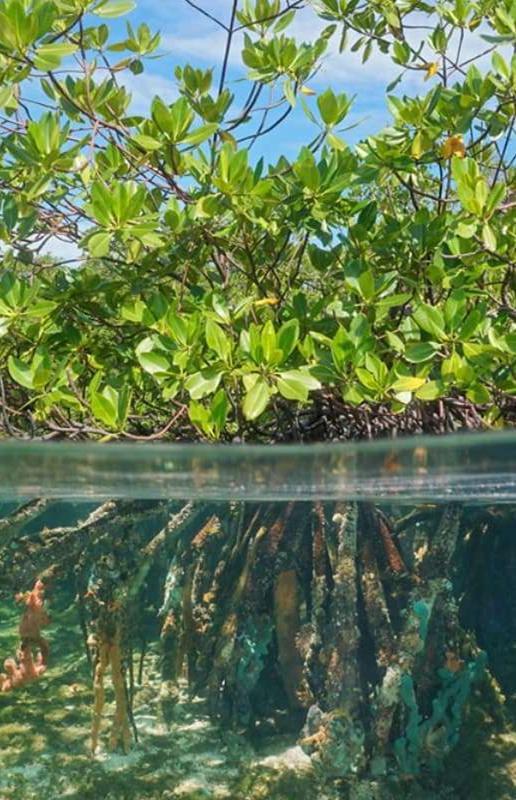
NOAA Aquaculture Resources for the Caribbean
NOAA Draft National
Andrew Richard, Aquaculture Coordinator
Southeast Regional Office
Seafood Strategy
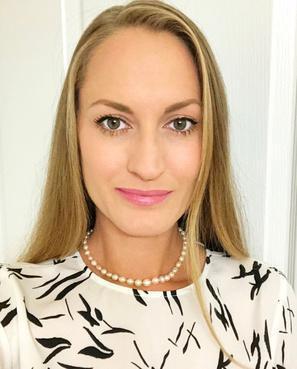
Kieley Hurff, Aquaculture Coordinator
Southeast Regional Office
back-up
Office of Aquaculture

Kristine Cherry Regulatory and Policy Branch Chief


Danielle Blacklock Director
David O'Brien Deputy Director
Ken Riley Science Branch Chief
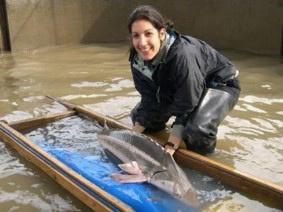
Phaedra Doukakis Policy Analyst


Elizabeth Scheimer Policy Analyst


Juan C. Levesque Natural Resource Specialist
Brian Fredieu Policy Analyst

Megan Ewald Communications Lead

Maylyn Hinson
Aquaculture Policy Fellow
Clete Otoshi Science Coordinator
Jarawanda Harris, Aquaculture Engagement

Marcy Cockrell Science Coordinator
Daniel Wieczorek Science Coordinator

Mark Rath Cooperative Institute Manager

Noah Boldt *Economist
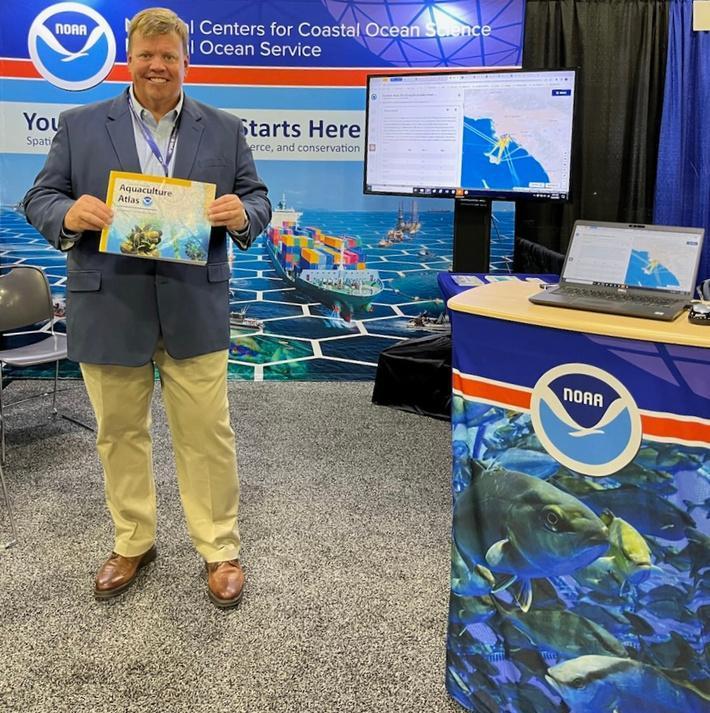
Ed Glazier
*Social Scientist
*=Contractor