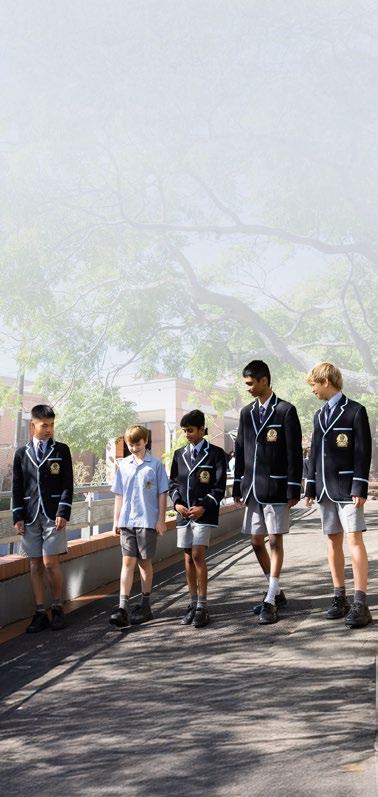


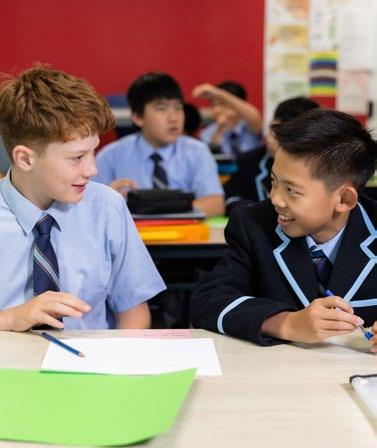

At our school, we believe in the power of being an upstander. An upstander acts, speaking out against injustice and supporting those in need, while a bystander simply observes what is happening.
We empower our students to be courageous, compassionate, and ready to stand up for what is right. Being an upstander helps to ensure every student feels safe, valued, and empowered to create positive change.
Speak up if you can. If you see something wrong and feel safe to do so, say something. You should try not to do anything that might endanger any of the people involved in the incident, including yourself.
1 Tell those doing the wrong thing to stop. You might say something like “Stop doing that”, or “Leave them alone”.
2 Walk away. If you don’t feel comfortable speaking out, you can walk away. It is even better if you walk away with a friend or a group of friends. By doing this, you are no longer providing an audience for this type of behaviour.
3 In the case of someone being targeted, walk away and take the person with you. You might say “Let’s get out of here” or “Come with me”.
4 Comfort anyone who may have been upset. Have a quiet chat with them to make sure they are OK.
5 Save evidence of the incident. This could be messages, emails or screenshots of social media conversations. Share them with a teacher.
6 Tell a teacher. This helps everyone involved and prevents the situation from getting worse. Your identity will remain anonymous, and the matter will be handled confidentially.
•
• Your parents
• Kids Helpline 1800 55 1800 or kidshelpline.com au/kids/get-help/webchat-counselling/
