_ The Wheel is moving at high speed, but with minimal noise / 04
_
Market Trends
Peanuts and World Food Security / 06
. The Food and Agriculture Organization releases its 2025 Food Security Report.
Peanut Professionals Coming Together in Istanbul and Dubai/ 10
. The Latest International Industry Events.
_
Peanut Market Data
Charts & Tables / 16
_
Peanut Farming
_ Producing Peanuts in a War Zone / 18
. Growing and transporting crops in Sudan has been challenging, to say the least
_
Peanuts as a Superfood
_ Daqwa, Peanut Butter… the Sudanese Style / 24
. Peanut butter serves as a delicious, rich dressing for fresh vegetables.
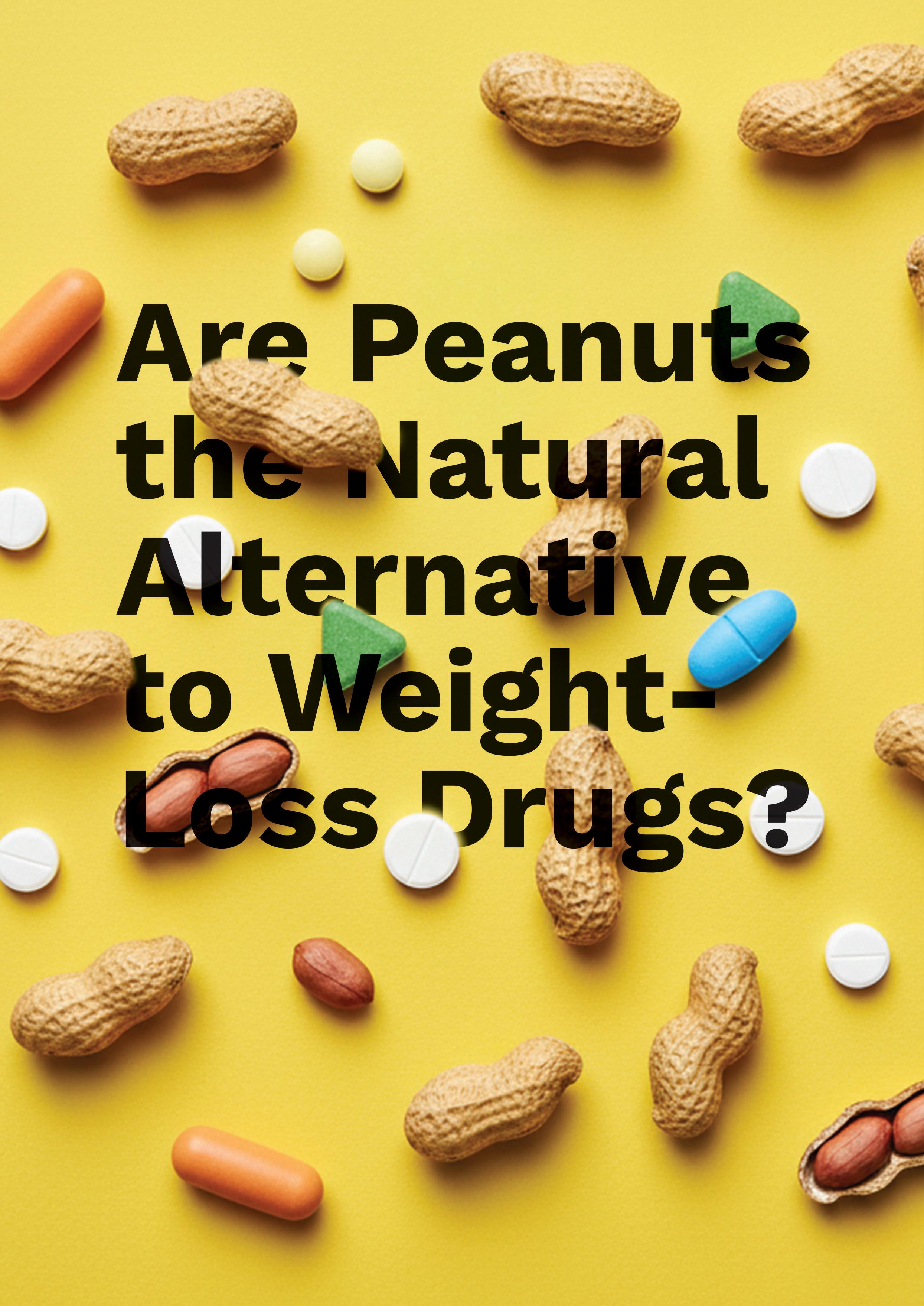
_ Are Peanuts the Natural Alternative to Weight-Loss Drugs? / 26
. The debate around GLP-1 and the food industry
_ Market Trends
This section of the wpm deals with the dynamics of the demand and supply of peanuts in the international markets. We will try to keep track of the changes in peanut consumption in the main areas of the world, the factors that can affect production, and the price shifts of the various peanut products.
_ Industrial Processing
This area of the magazine focuses on shellers as well as companies transforming peanuts into consumer products. We will focus on current industry standards, quality issues, new technologies and the different industrial solutions adopted by producing countries. A special section will be dedicated to new products and tools for peanut processing developed by the best manufacturers.
_ Science and Technology
The activities of the universities and other research institutes engaged in scientific research on peanuts are of paramount importance for the future of the business. We will follow the main discoveries, from the latest issues concerning peanut genetics to the development of projects on pathogens or the impact of peanut consumption on human health. The consequences of scientific research on the future of the industry are hard to overstate, so we will be putting them in perspective in order to try to understand where the sector is heading in the long term.
_ Laws and Regulations
The Laws and Regulations section of World Peanut Magazine analyses the impact of new legislation and regulations affecting the production and trade of peanuts. The main issues treated in this section are governmental measures directly affecting international trade (such as the introduction of tariffs or quotas), health safety issues (such as the establishment of Maximum Residue Limits for certain substances) but also legislation impacting distribution, packaging and sales.
_ Peanut as a Superfood
This section offers peanut professionals news and insights into the world of peanut consumption and all its aspects. Typical news is related to findings concerning the nutritional values of peanuts, the impact of peanut consumption on human health, and the development of peanut-based food.
_ Peanut Farming
The primary production is where the peanut business starts, of course, so we will have a dedicated section for all events, activities, techniques and equipment related to growing peanuts in different parts of the world. The general idea is to bring farming in the producing countries closer to all peanut professionals so that they can have a better grasp of the business from a grower’s perspective and maybe on what the future of peanut farming may look like.
Nº 17
The Wheel Is Moving at High Speed, but with Minimal Noise
The peanut oversupply seems to be here to stay for a few more months. The crops in the Northern Hemisphere are progressing well. They may end up with some quality issues, but they seem to promise plenty in terms of volume.
Down south, Argentina and Brazil seem to have taken notice that a sharp reduction in planting is needed to balance the table, as a 20–25% decrease is estimated in both countries—a move that will be very helpful in reducing the overall supply for the following season.
On a daily basis, Argentina and Brazil are seeing shipments of kernels and oils moving at high speed, showing that we do not have a demand shortage at all, which is great news for the market. The oversupply, combined with logistical and financial bottlenecks, has pushed prices down even below breakeven point, although they seem to have finally stabilized in the last period. China is playing a key role here by importing some excess lower-quality grades and oils. Both Argentina and Brazil are moving toward record exports this season. Keep monitoring the speed of exports from these countries, because the projected carryover into next season might be much lower than previously estimated.
The USA, with its bumper crop, continues playing its international trade game with Canada and Mexico, while tensions with China seem to be easing after the apparent understanding between Donald Trump and Xi Jinping. India is enjoying its fast-growing domestic market, while maintaining its exports to traditional destinations in the region.
The market appears to be boring and working in silence, but the wheel is moving at high speed—follow it closely, as consumption might be higher than estimated and carryover lower after all.
In this issue of the World Peanut Magazine , we explore peanut production and trade in Sudan through an interview with Islam Baasher, and we highlight a unique way peanut butter is consumed in the country. We then examine the role of peanuts in FAO’s 2025 Food Security Report, as well as recent international peanut events held in Istanbul and Dubai. Finally, we take a closer look at one of the most debated topics of recent years: the rise of weight-loss drugs and their impact on the food industry.
The Food and Agriculture Organization of the United Nations (FAO) has released its latest State of Food Security and Nutrition in the World report, showing early signs of progress in reducing global hunger — though deep inequalities persist across regions and income levels.
Updated global estimates point to a modest but notable decline in world hunger in recent years. In 2024, an estimated 8.2 % of the global population faced hunger, down from 8.5 % in 2023 and 8.7 % in 2022. The improvement was largely driven by gains in south-eastern Asia, Southern Asia, and South America, in contrast to a continuing rise in hunger across much of Africa and parts of western Asia.
Between 638 and 720 million people were undernourished in 2024, with a midpoint estimate of 673 million — around 22 million fewer than in 2022. Regionally, hunger affected 307 million people in Africa (20.2%), 323 million in Asia (6.7%), and 34 million in Latin America and the Caribbean (5.1%). While projections indicate a continued decline, 512 million people are still expected to face hunger by 2030, nearly 60 % of them in Africa.
Globally, around 2.3 billion people were moderately or severely food insecure in 2024 — 28 percent of the world’s population. This represents a gradual improvement since 2021, though regional disparities remain stark: food insecurity continues to rise in Africa, decline in Latin America and the Caribbean, and fall steadily in Asia. Across nearly all regions, rural populations and women are disproportionately affected.
Despite some improvements in access, food prices continued to rise through 2023 and 2024. The average cost of a healthy diet reached 4.46 PPP dollars per person per day in 2024, up from 4.30 in 2023 and 4.01 in 2022. Nevertheless, the number of people unable to afford a healthy diet declined slightly — from 2.76 billion in 2019 to 2.60 billion in 2024 — reflecting partial recovery in some regions. Yet, the burden increased sharply in Africa, where over 1 billion people (66.6%) cannot afford a healthy diet. Low-income and lower-middle-income countries remain the most affected.
Progress on child malnutrition is mixed. The global prevalence of stunting fell from 26.4 % in 2012 to 23.2 % in 2024, while wasting (6.6 %) and overweight (5.5 %) rates have remained largely xunchanged. On a positive note, exclusive breastfeeding for infants under six months rose markedly — from 37 % in 2012 to 47.8 % in 2023 — underscoring its long-term benefits for child nutrition.
Persistent global shocks — notably the COVID-19 pandemic and the war in Ukraine — have driven sustained food price inflation, amplified by higher energy costs and supply-chain disruptions. Between 2021 and 2023, food price inflation outpaced overall inflation, peaking at 13.6 % in January 2023.
Low-income countries were hit hardest, with inflation reaching 30 % in mid2023, eroding purchasing power and deepening food insecurity. Wage recovery has lagged, especially in conflict-affected economies, compounding household vulnerability.
High food prices have measurable nutritional impacts: a 10 % rise in food prices is associated with a 3.5 % increase in moderate or severe food insecurity and up to a 6.1 % rise in severe wasting among children under five. Rising prices for staple foods and oils have affected poor households most — particularly in Mexico, Nigeria, and Pakistan, where such foods dominate daily diets.
Policy Priorities
The FAO report stresses the urgency of coordinated policy action to prevent future crises and build resilient food systems. Key recommendations include:
_ Targeted fiscal measures, such as temporary tax relief and social protection programs, to shield vulnerable populations.
_ Coordinated fiscal and monetary policies to stabilize markets and contain inflation.
_ Structural and trade measures to enhance transparency, improve storage and transport, and maintain open, efficient markets.
Investment in data systems to better monitor prices and manage volatility.
_ Long-term investment in resilient agrifood systems, including research, infrastructure, and productivity improvements.
Peanuts and the FAO Food Security Agenda
FAO’s Strategic Framework 2022–2031 emphasizes transforming agrifood systems to make them more efficient, inclusive, resilient, and sustainable — delivering better nutrition and environmental outcomes while ensuring no one is left behind. Within this framework, peanuts (groundnuts) hold a special place as a crop of high relevance to both food security and nutrition, especially in developing regions.
Peanuts contribute significantly to calorie and protein intake in lower-income settings and offer market and value-chain opportunities for smallholder farmers. Policies that support peanut production, processing, market access, and quality assurance align directly with FAO’s goals for agrifood system transformation.
FAO dedicates significant attention to actions that enhance peanut productivity and safety. This includes the development of Good Agricultural Practices for peanuts and the monitoring of mycotoxin contamination in collaboration with the World Health Organization critical for ensuring both food safety and trade competitiveness.
As many peanut producers are smallholder farmers, supporting their productivity, access to markets, and resilience aligns with FAO’s broader vision of inclusive and sustainable agrifood systems — a crucial step toward achieving global food security and improved nutrition for all.
Peanut Professionals Coming Together in Istanbul and Dubai
The latest international industry events
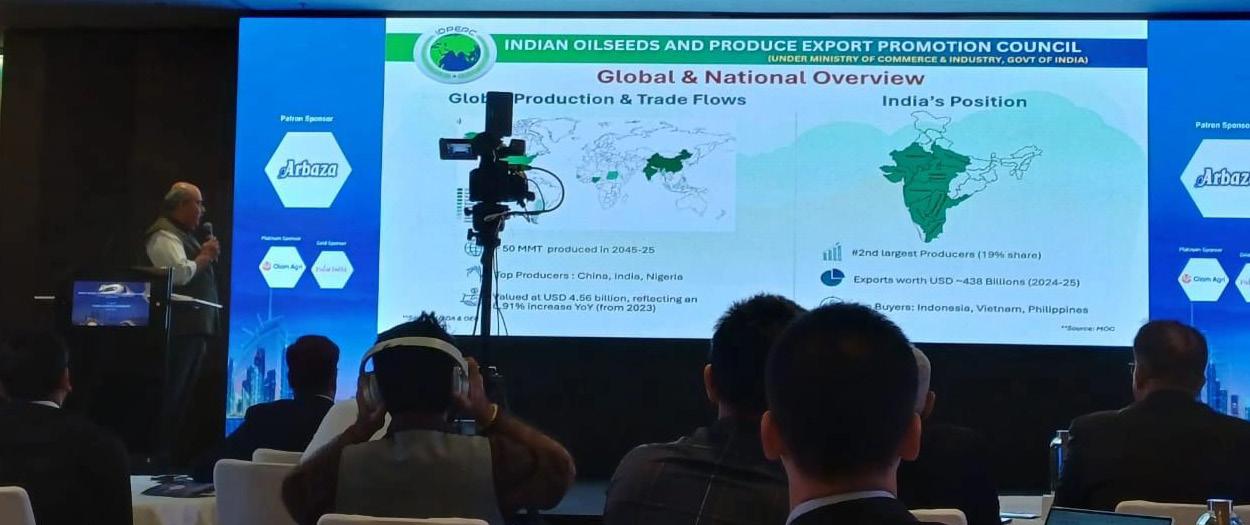
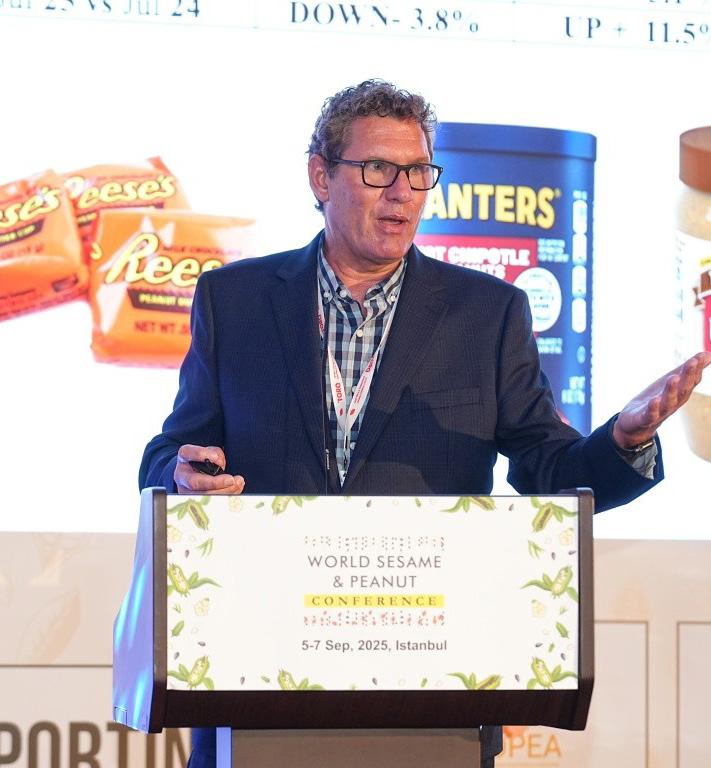
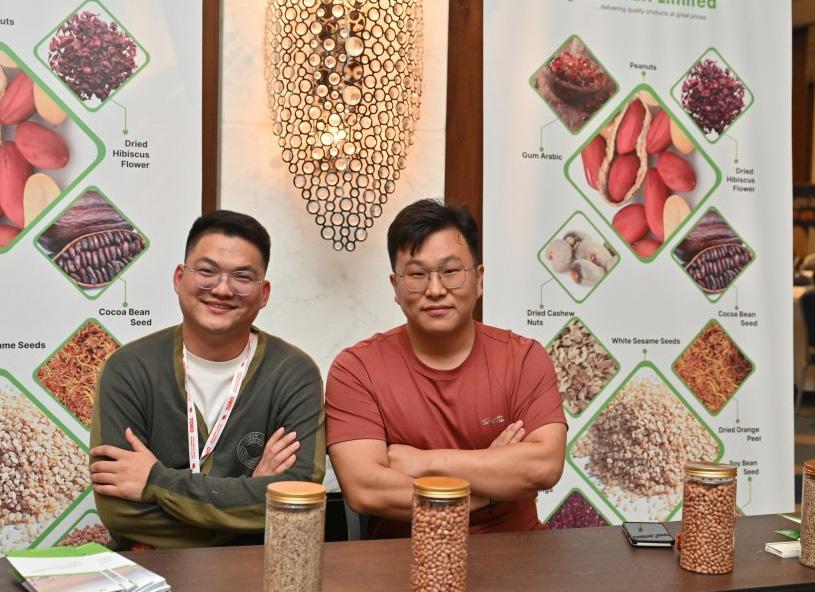
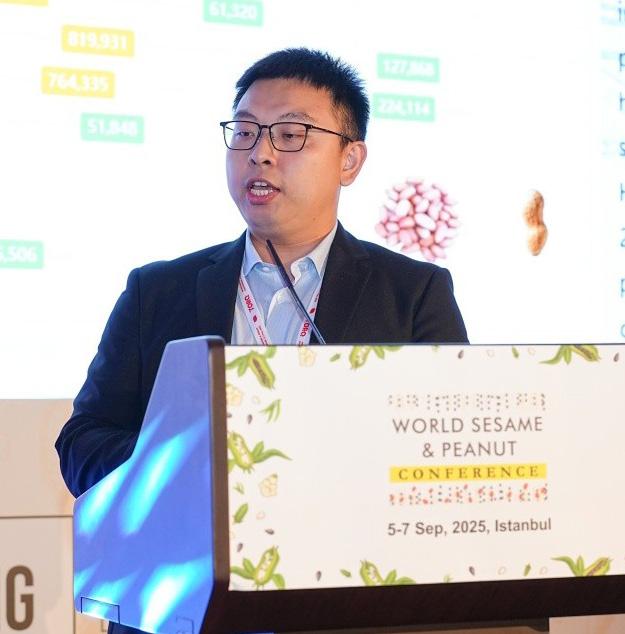
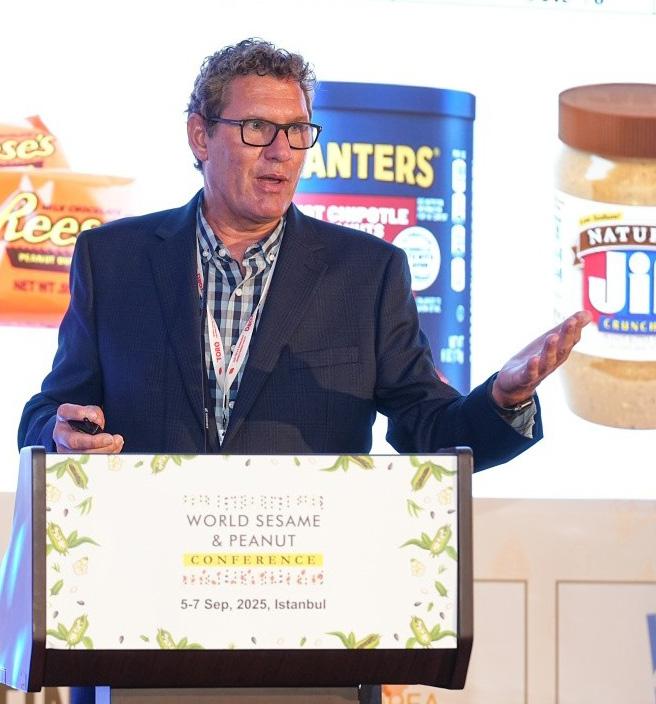
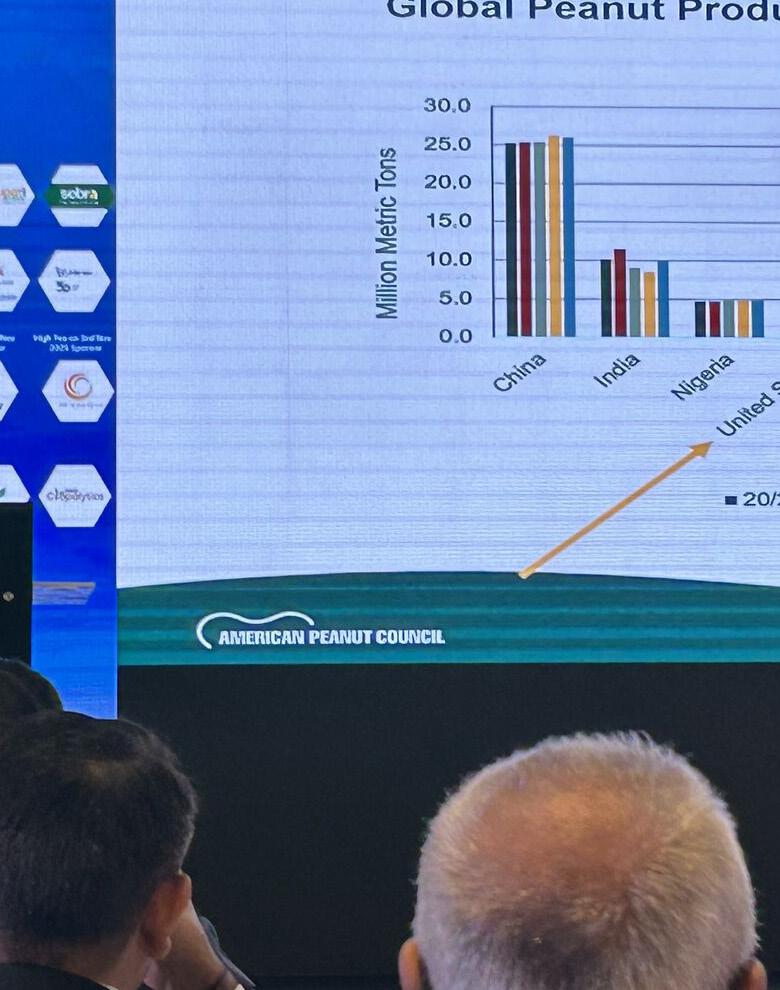
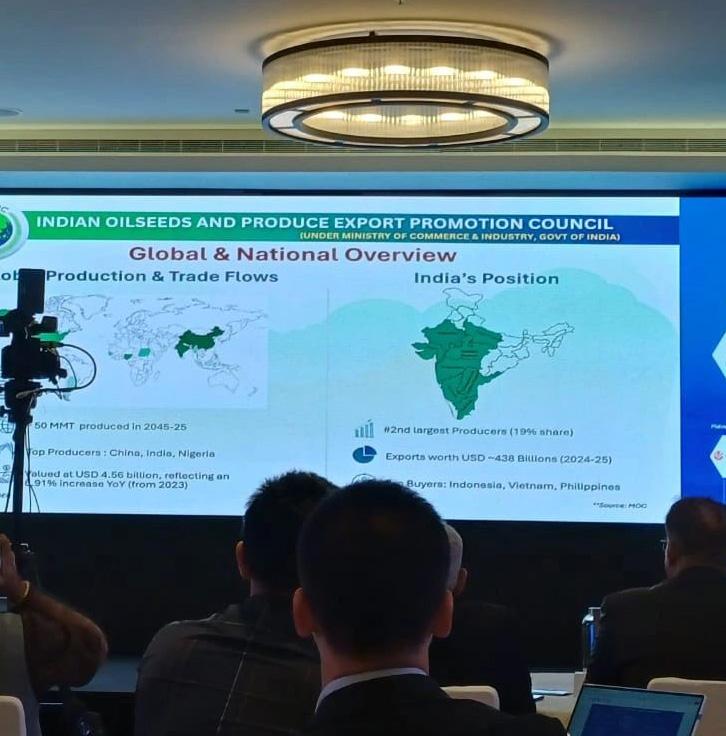
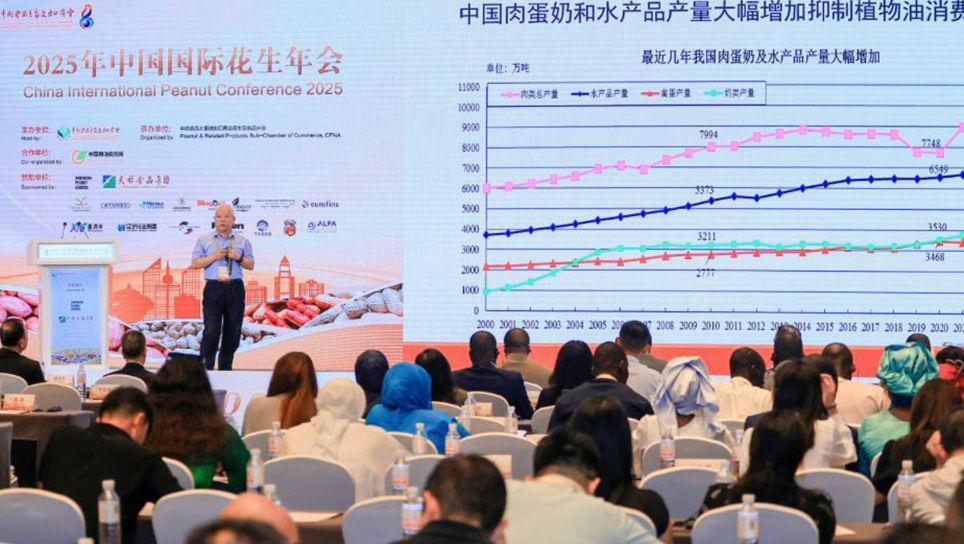
Over the past few months, the global peanut and oilseeds community has gathered at two key international events: the World Sesame and Peanut Conference in Istanbul (September 6–7) and the IOPEPC Global Oilseeds Conference (IGOC) in Dubai (October 31–November 2).
As information exchange and professional networking become increasingly essential in the industry, we take this opportunity to highlight and celebrate these two successful gatherings.
World Sesame and Peanut Conference. Istanbul
Eventell organized the fifth edition of the World Sesame and Peanut Conference at the Hyatt Regency Ataköy in Istanbul — an event that is quickly becoming a classic in the industry calendar.
On September 6, Ms. Nurcan Sayim, Chief Commercial Officer (CCO) of Aldebaran Commodities BV, opened the program with a presentation on the European Peanut Market.
The afternoon was dedicated to country-focused sessions featuring:
. Ryan Lepicier
CEO, National Peanut Board (USA) US peanut supply
. José Antonio de Souza Rossato
President, Brazilian Peanut Chamber Outlook for Brazil
. Kobe He
Senior Director, China Metaintl Corporation Market developments in China
. El Hadji Ndane Diagne
Director General, Sonacos SA Production in Senegal
. Mustakim Nagarwala
AgroX Gulf–Alfa Group Mozambique and Tanzania
. Islam Baasher
Bayrony Group (online)
Update on Sudan
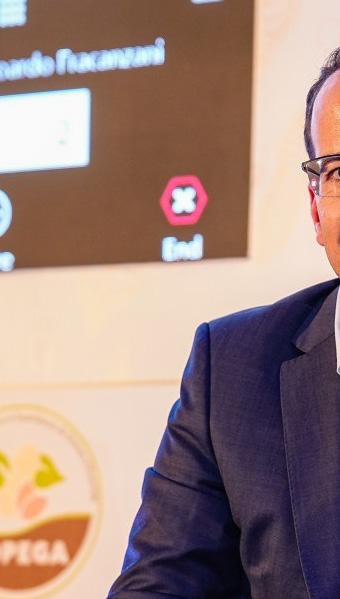
. Edoardo Franzani
Executive Director, Argentina Peanut Chamber (online)
Argentina crop overview
On the following day, Dr. Samara Sterling, Research Director at The Peanut Institute (USA), joined online to discuss the health benefits of peanut consumption.
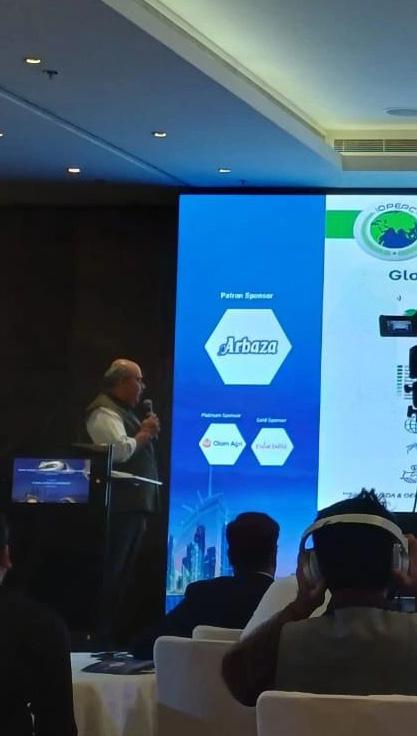
IOPEPC Global Oilseeds Conference. Dubai
The IOPEPC Global Oilseeds Conference (IGOC), organized annually by the Indian Oilseeds and Produce Export Promotion Council since 2019, focuses on India and its key markets while also featuring updates from major peanut-producing and exporting countries worldwide.
The seventh edition was inaugurated on October 31 by Mr. Sanjiv Sawla, Secretary of IOPEPC, at the Marriott Marquis Hotel, Dubai. The event included expert presentations from leading figures in India’s peanut industry such as Jahid Nagarwala (Alfa Group, Dubai) and Mr. Kanak Thakker (JKT Enterprises Pvt. Ltd.), who discussed the latest trends in peanut production and trade.
International perspectives were shared by:
. Louise McKerchar
American Peanut Council
. Mamoun Gaily
Sudanese Chamber of Exports
Vicky Xie
Qingdao Tianxiang Foods Group Co. Ltd.
. Edoardo Fracanzani
Argentina Peanut Chamber
. Chen Ying
China
Customs Brokers Association
Both events showcased the strong spirit of collaboration within the global peanut and oilseeds sector, underscoring the importance of continuous dialogue and partnerships across regions. As international trade dynamics evolve, these conferences remain essential platforms for sharing insights, building relationships, and advancing the industry’s collective knowledge.
peanut exports of brazil - kernels (mt). jan-sep
1202.42 + 2008.11
eu 27 imports, tm (shelled - 1202.42). jan-aug
eu 27 imports, tm (prepared hs 2008.11) . jan-aug
exports of argentina (tm 1202.42+2008.11). jan-sep
china future prices (settle value - rbm)
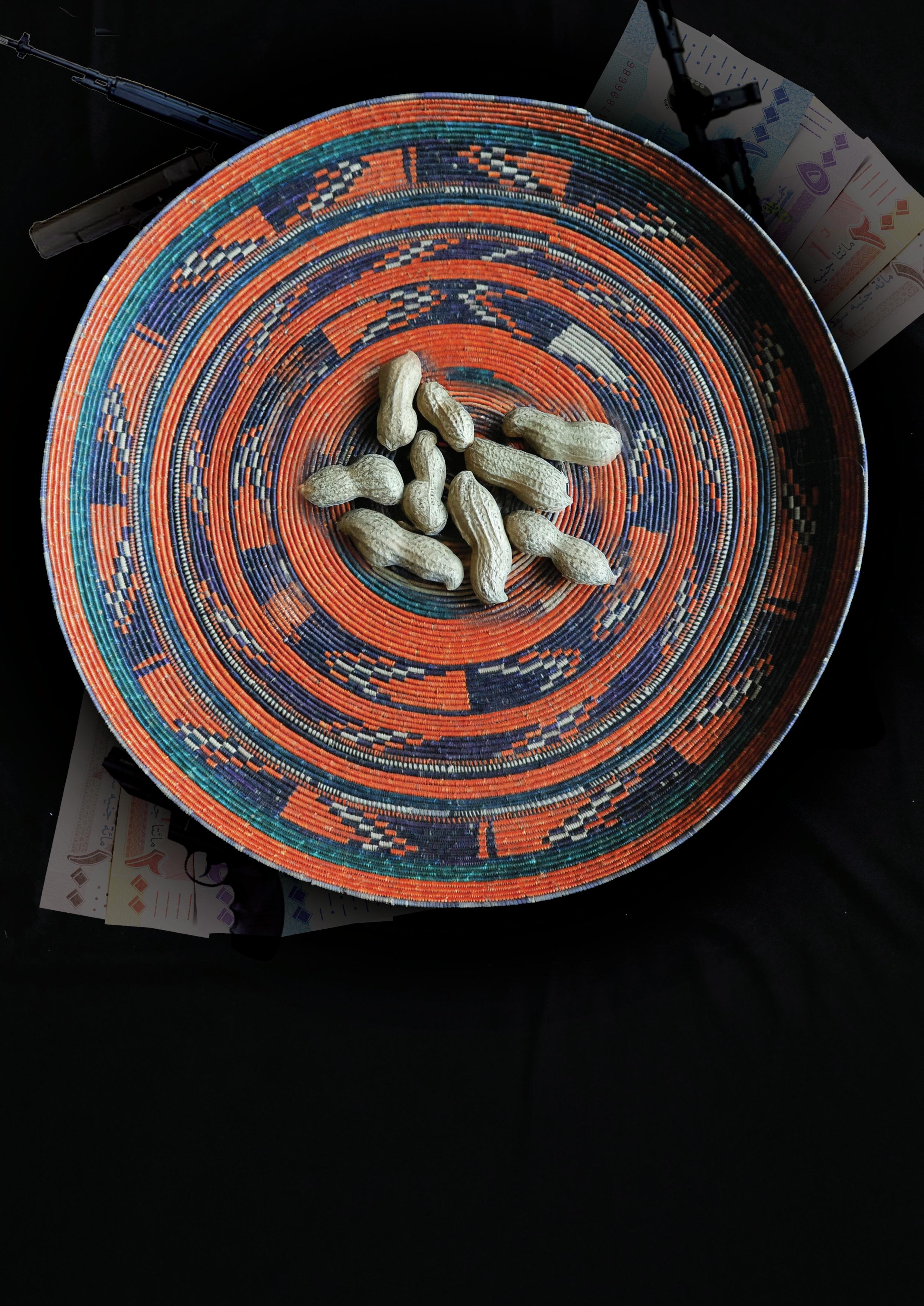
Producing Peanuts in a War Zone
Growing and transporting crops in Sudan has been challenging, to say the least
We spoke with ISLAM BAASHER, a supply chain and agricultural commodities professional with over ten years of experience in logistics, procurement, and market development—and a deep knowledge of this African nation.
With more than a million metric tons of production each year, Sudan is the tenth-largest peanut producer in the world and the third in Africa, after Nigeria and Senegal. We spoke about the country’s peanut industry with Islam Baasher, a supply chain and agricultural commodities professional with over ten years of experience in logistics, procurement, and market development—and a deep knowledge of this African nation.
// Islam, can I ask you to give us an overview of peanut production in Sudan? We have reliable production data starting from 2018–2019, when Sudan established a trade protocol for peanuts with China and exports really picked up. In 2019, production was around 1.3 million tons in-shell. It increased to 1.7 million in 2020 and reached 2 million in 2022 and 2023. Of course, starting in 2023, the war disrupted both production and trade.
// Right, I imagine the internal conflict must have affected the industry? Yes, the war has deeply affected peanut production. Around 90% of Sudan’s peanuts come from the western regions—Darfur and Kordofan—which are also the areas most affected by the conflict. The biggest problems for farmers are both producing the crop and also delivering it once it’s harvested. Sudan’s main port is in the northeastern part of the country, at Port Sudan, while most peanut production is in the southwest.
Frequently, fighters have blocked the roads to the port, making it risky to buy from production areas. And as you can imagine, each time you pass through a controlled zone, the fighting parties demand unofficial taxes. So, production costs have gone up significantly. By the time the product reaches the port, it’s often unfeasible because of the high costs.
All this makes it very difficult for the private sector to invest in farming. Many banks have been looted, and restoring confidence to fund these areas or issue loans is not easy. In many cases, it’s even difficult to identify who’s behind a transaction—sometimes a trader might be acting on behalf of the RSF, the paramilitary group.
// Many farmers must have suffered significant losses? In some cases, growers stored their peanuts right after the harvest. When the war began, many decided to keep their product in warehouses, believing it was safer than transporting it, as no one knew what was happening. But then RSF militants would find these stocks and threaten to burn the warehouses if owners refused to pay them.
There has also been intense fighting in the capital. It became very difficult to get goods to Khartoum—or out of it. Some tried using alternative routes, such as through Eldabba, in the northern state. That area became a new market for goods from the west. But at one point, RSF militants closed that road too, turning back any approaching trucks.
In short, everything became extremely difficult. Farmers were unable to access financing for cultivation. If you bought peanuts in the producing areas, getting them out was risky. Even if you managed to transport them, by the time they reached the port they were too expensive—while prices in China, Sudan’s main export market, remained low. In some cases the goods have been sent through Chad, with which Sudan shares a border, instead of being exported officially.
// How is production organized in general? Are there many small producers, or are large corporations also involved? TThere are a few large companies engaged in production. They have facilities for storage and sometimes processing, including oil pressing. But most cultivation is done by small- and medium-scale farmers, who sell their farmer stock in the nearest local market.
// And then there are the shellers…? Yes. When Sudan opened the trade protocol with China, the agreement was that Sudan would only export shelled peanuts. So we have shellers, as well as warehouses and other facilities in the supply chain. Whatever isn’t exported is typically used as animal feed.
// And what about local consumption? Is it a large share of total production, or relatively small? I don’t think there are official statistics, but if we look at overall production—more than a million tons of inshell peanuts—and consider that exports are around 300,000 tons shelled, we can infer that local consumption is significant, probably around half a million tons in-shell. Sudan has a strong domestic demand for peanuts. We use peanut oil widely, and there’s also a high demand for peanut butter—though it’s mostly homemade, by crushing peanuts, not the commercial kind found elsewhere.
// What would you say are the main challenges for the industry in Sudan (besides the war, of course)? The main issue is aflatoxin. China has a more tolerant acceptance rate for aflatoxin compared to Europe. Sudan can’t really compete in European markets because our aflatoxin levels are high. Exporting there is very risky—I think only one or two companies manage to do it. You can see it in the numbers: of all peanut exports, more than 90% go to China.
// Are there programs in place to reduce aflatoxin contamination? In many countries, like India with the ICRISAT institute, research is underway to find genetic and procedural solutions. Is there any collaboration between ICRISAT and peanut production in Sudan? To be honest, I’m not completely sure. However, there are companies working hard to tackle the aflatoxin problem, which, as we know, depends largely on post-harvest management. These firms are trying to collaborate with farmers by supplying them with materials and guidance—for example, explaining the importance of ensuring adequate drying time.
Before the war, there were also NGOs working with the private sector and farmers to improve post-harvest handling—giving peanuts enough time to dry, improving storage conditions, and helping with logistics. All of this helps reduce the risk of toxin formation. One organization in Sudan, called Samil, is working with the World Food Programme on the production of nutritious meals using peanuts. They’ve even set up a factory in western Sudan.
// Can you name some of the large companies operating in Sudan? One of the biggest is Darfood. Then there’s Marhaba, which focuses more on peanut oil, and Alpha, which is also engaged in farming and exports.
// Are these the companies that export to China? They probably have the largest market share, but trade with China has been fairly open to smaller producers as well. That’s what was great about the peanut
business in Sudan: margins were relatively good, and anyone—big or small—could participate in the trade.
// What about regulations in Sudan? I’m thinking of Senegal, where the government restricts exports during certain months. Yes, I understand that the government in Senegal bans exports during certain periods, mainly to give oil factories the right of first purchase, and then opens sales to exporters. Similar regulations were attempted in Sudan, but they weren’t well executed.
In some instances, oil factories faced supply shortages, and the Ministry of Trade tried to impose export limits, but this caused many problems—disruption of existing contracts, inconsistent enforcement, and poor product oversight. It’s often very difficult to go against the market. Over time, Sudan developed a very open peanut market. At one point, large Chinese buyers would come and purchase locally, sometimes bypassing exporters by partnering directly with local traders. Now, however, things are tough because of low prices in China.
// And in terms of varieties—what are the main types of peanuts produced in Sudan? We basically have two main varieties. The first, called Spanish, has a small kernel—about 90 to 100 pieces per ounce—and a higher oil content. It accounts for about 90% of Sudan’s total production and is the variety exported to China.
The second is called Ashford. It’s slightly larger, around 50 to 70 kernels per ounce, and is mainly produced in the Al Jazeera Scheme farms—a system established by the British in the 19th century. The Ashford variety is sold mainly in the Middle East, where it’s consumed as food or as a snack. Its price is usually a bit higher than the Spanish variety.
// If the conflict were resolved, do you think there’s room to increase peanut production in Sudan? II think there is. The safer the regions become, the more people will return to the fields and production will increase. But the big factor is the market. Sudan produces a lot of peanuts, but the main buyer, as we all know, is China.
When China’s production rises—say by 3%, which equals about a million tons—it affects everyone. Generally speaking, if demand increases, supply will follow. If demand is weak, production won’t grow.
As for the war, unfortunately, it doesn’t look like it will be resolved soon, especially in the key peanut-producing areas.
Daqwa, Peanut Butter…
the Sudanese Style
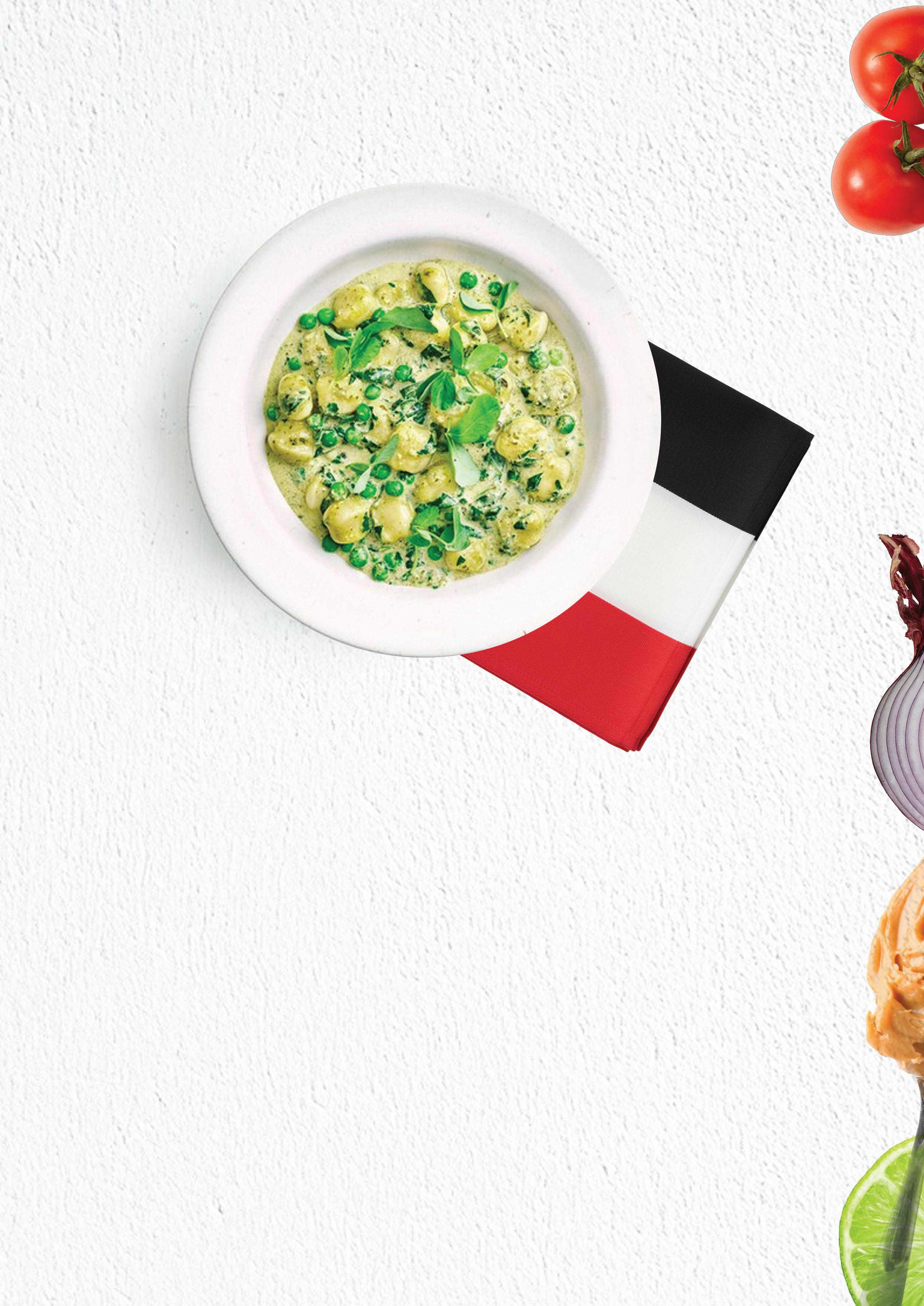
In our conversation with Islam (see interview on page 20), we discovered that much of the peanut butter consumed in Sudan is not eaten the way it is in the USA or Europe — spread on bread with jelly — but rather as part of a savory salad known as Daqwa, where peanut butter serves as a delicious, rich dressing for fresh vegetables.
INGREDIENTS
6–8 tablespoons of peanut butter (or cooking peanut paste)
2 tomatoes – diced
1 red onion – finely chopped
1 green pepper – diced
Salt and pepper – to taste
1 tablespoon of malt vinegar
3–4 tablespoons of olive oil
Juice of 1 lime
PREPARATION
(as suggested at www.sudanese.kitchen)
1. Add smooth or crunchy peanut butter to a bowl.
2. Pour in about 100 ml of water, let it soak for a minute, then mix into a smooth paste.
3. Add the diced tomato (with its juice), green pepper, red onion, malt vinegar, olive oil, and lime juice — from half to a whole lime depending on taste — then season with salt and pepper.
4. Mix until well combined. Taste and adjust the flavor or consistency by adding more of any of the ingredients before serving.
OPTIONAL VARIATIONS
Some consider sesame oil more authentic than olive oil.
Spring onion can be used instead of red onion for a milder flavor. Carrot can be added for a sweeter note.
Cooking peanut paste can replace peanut butter if preferred.
SPECIAL TIPS
Start by adding the juice of half a lime , then adjust to taste. To balance excessive tanginess, add a little more water and/or peanut butter to bulk out the sauce.
Daqwa pairs beautifully with fried meats and oven-cooked dishes
The
debate around GLP-1 and the food industry
The word glucagon-like peptide-1 receptor agonists—or, in short, GLP-1—has been ubiquitous in public debate for quite some time now, especially among nutrition experts, doctors, and journalists with an interest in dietary habits. We decided to take a closer look at this debate and try to understand what its implications for peanut consumption might be.
Drugs based on GLP-1 mimic the effect of a natural hormone that lowers blood sugar levels and reduces appetite, leading to weight loss. The best known of these drugs is probably Ozempic , distributed by Novo Nordisk since 2017 as an anti-diabetic medication for the treatment of type 2 diabetes. It has since become one of the top 20 prescription drugs in the United States.
Part of the attention surrounding the widespread use of GLP-1 products concerns their ripple effects on the food industry, as corporate executives and small business owners alike express concern that changing eating habits may affect their bottom lines.
According to a study published by FoodDive, households in which at least one member uses GLP-1 drugs have reduced grocery spending by 5–6% , with the largest cuts in calorie-dense foods such as sweets, salty snacks, sugary drinks, and other processed items. Another specialized outlet, FoodNavigator Europe, notes that many companies are adapting to the trend by developing new product lines for GLP-1 consumers—smaller portions, higher protein content, and more balanced nutrition.
A recent study published by Kantar, one of the world’s leading marketing agencies, underscores the scope of this phenomenon:
“In a country like the UK, where over one in four adults lives with obesity and the associated costs to the NHS run into the billions, these drugs represent a potential shift in how we think about public health. The government is already exploring the idea of prescribing them to unemployed individuals living with obesity, as a possible lever for wider societal change. This is not a niche phenomenon. It is a major shift that is beginning to ripple through every corner of society.”
The trend in the UK is particularly remarkable: usage of GLP-1 drugs in March 2025 rose to 4.1% of the population , up from 2.3% the previous year, while the grocery sector lost an estimated £136 million in sales. As Kantar notes:
“These numbers are not projections. They are real and happening now. One in five respondents say they would be willing to use GLP-1 medication for life… This is not a passing trend but a fundamental shift in consumer behaviour that brands, retailers, and manufacturers cannot afford to ignore, as it marks a broader cultural transformation unfolding in real time. These drugs are not just reshaping waistlines—they are reshaping mindsets, and the effects are measurable. Unless something major intervenes, such as significant supply chain disruption or serious unforeseen side effects, we will continue to see uptake rise.”
What about peanuts in this new trend? Many consumers immediately associate peanuts with the “salty snack” category—one of the food groups seemingly most affected by the rise of GLP-1. However, accurate information is essential here. The fact that peanuts are rich in calories is actually more of an advantage than a drawback. Of course, like any other food, they should be consumed in moderation—even the healthiest foods can be harmful in excess.
As nutrition scientist Samara Sterling, PhD, explains:
“While GLP-1s can promote weight loss, some research shows that up to 60% of that loss can come from lean mass rather than fat. That’s why it’s vitally important for users to closely monitor their diet to ensure they’re eating enough nutrient-rich foods, including those that are healthy sources of protein…”
Protein plays a central role in maintaining various body tissues— muscles, skin, bones, and cartilage. And, of course, peanuts are a major source of plant-based protein, in addition to fiber, unsaturated fats, and natural antioxidants.
As the Cleveland Clinic notes on its website:
“This legume can reduce cholesterol and help with weight loss and healthy blood sugar levels.”
If we also consider that numerous studies suggest peanuts may decrease the risk of developing type 2 diabetes, then perhaps they can indeed be seen as a natural and affordable complement—or even an alternative—to GLP-1 drugs.
The debate on GPL 1 in the media
PROS…
_Weight loss.
As in many countries obesity is regarded as a major cause for health concern, GLP-1 appears to be an effective way of losing weight and potentially leading a healthier lifestyle.
_ Additional health benefits.
According to several accounts, there are additional positive health impacts from GLP-1, such as reduced cardiovascular risk and improved liver health.
_ Quality of life.
Reports indicate increased mobility, better energy, and less hunger.
AND CONS
_ Side effects.
Mostly gastrointestinal (nausea, vomiting, and constipation).
_ Long-term uncertainty.
These drugs are relatively new, data regarding effects after many years of use is unavailable.
_ Cost.
These medications are usually rather expensive, and often are not covered within insurance plans or by government health systems.
_ Celebrity and social media influence.
A concern is that social media influencers and celebrity endorsements may be driving unrealistic expectations, cosmetic use, and, in general, narratives that lead to misuses by downplaying risks.
_ Stigma, perception of obesity.
Some debates focus on how obesity is viewed (lifestyle vs disease) and how stigma influences whether people seek treatments.
This issue of the World Peanut Magazine has been completed thanks to the efforts of:
Tracy Grondine
American Peanut Council, Jane Zheng
Qingdao Shengde Foods Co.
Kishore Tanna, Rutuparna Dole, Khushwant Jain India IOPEPC
Islam Baasher Sudan
Independent profesional
Gabriela Alcorta
Soledad Bossio
Javier Martinetto Diego Yabes
Edoardo Fracanzani
Sebastián Della Giustina
Argentina cam (Argentina Peanut Chamber)
Graphic Design and illustrations. Sebastián Della Giustina. ese-estudio.com.ar · @ese.estudio.ok
Typography. Journalist by Sergio Rodriguez / Work Sans by Wei Huang / Noto Sans /
Cámara Argentina del Maní 20 de Septiembre 855 “A”.
(X5809AJI) General Cabrera · Córdoba, Argentina Tel +54 358 4933118