
DRIVING THE FUTURE OF RAIL
BUSINESS TIMES
GREENBRIER COMPANIES
GREENBRIER COMPANIES
DRIVING THE FUTURE OF RAIL
HOW THE GREENBRIER COMPANIES ARE POWERING SUSTAINABLE FREIGHT
Project by: Malvern Kandemwa
Words by: Michelle Duncan
As global supply chains shift toward a more sustainable future, few industries have more potential to reduce emissions and improve efficiency than freight rail. At the forefront of this evolution stands The Greenbrier Companies, one of the world’s leading manufacturers and service providers for freight rail equipment. Headquartered in Lake Oswego, Oregon, Greenbrier stands at the
forefront of the global freight transportation industry. With a network of wholly owned subsidiaries and joint ventures, the company designs, manufactures, and markets freight railcars and marine barges across North America, Europe, and Brazil, delivering solutions that keep goods moving efficiently and sustainably around the world.
Greenbrier doesn’t just build railcars, it manages them end-toend. The company oversees a fleet of 445,000 railcars, providing management, regulatory compliance, and leasing services to rail-
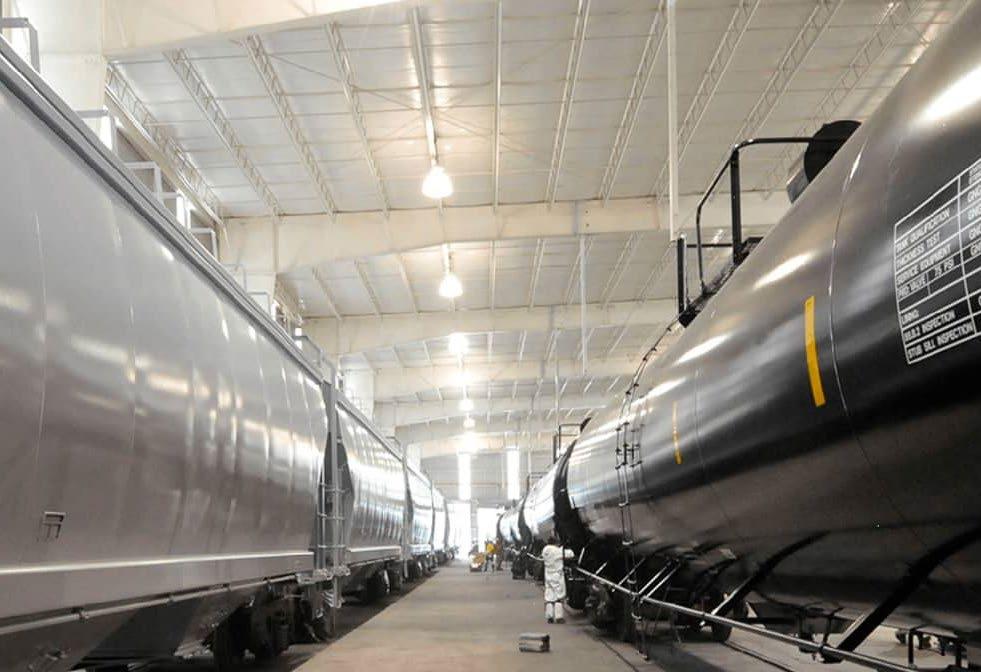
roads and private owners alike. Through its Wheels, Repair & Parts business unit, Greenbrier is a leader in railcar wheel services, refurbishment, repair, and retrofitting, ensuring that equipment stays safe, dependable, and efficient throughout its lifecycle. Its special-purpose subsidiary, GBX Leasing (GBXL), manages a portfolio of leased railcars sourced primarily from Greenbrier’s manufacturing operations. Combined, Greenbrier and GBXL operate a lease fleet of nearly 12,500 railcars, offering flexible, scalable solutions to meet the evolving demands of freight transportation customers.
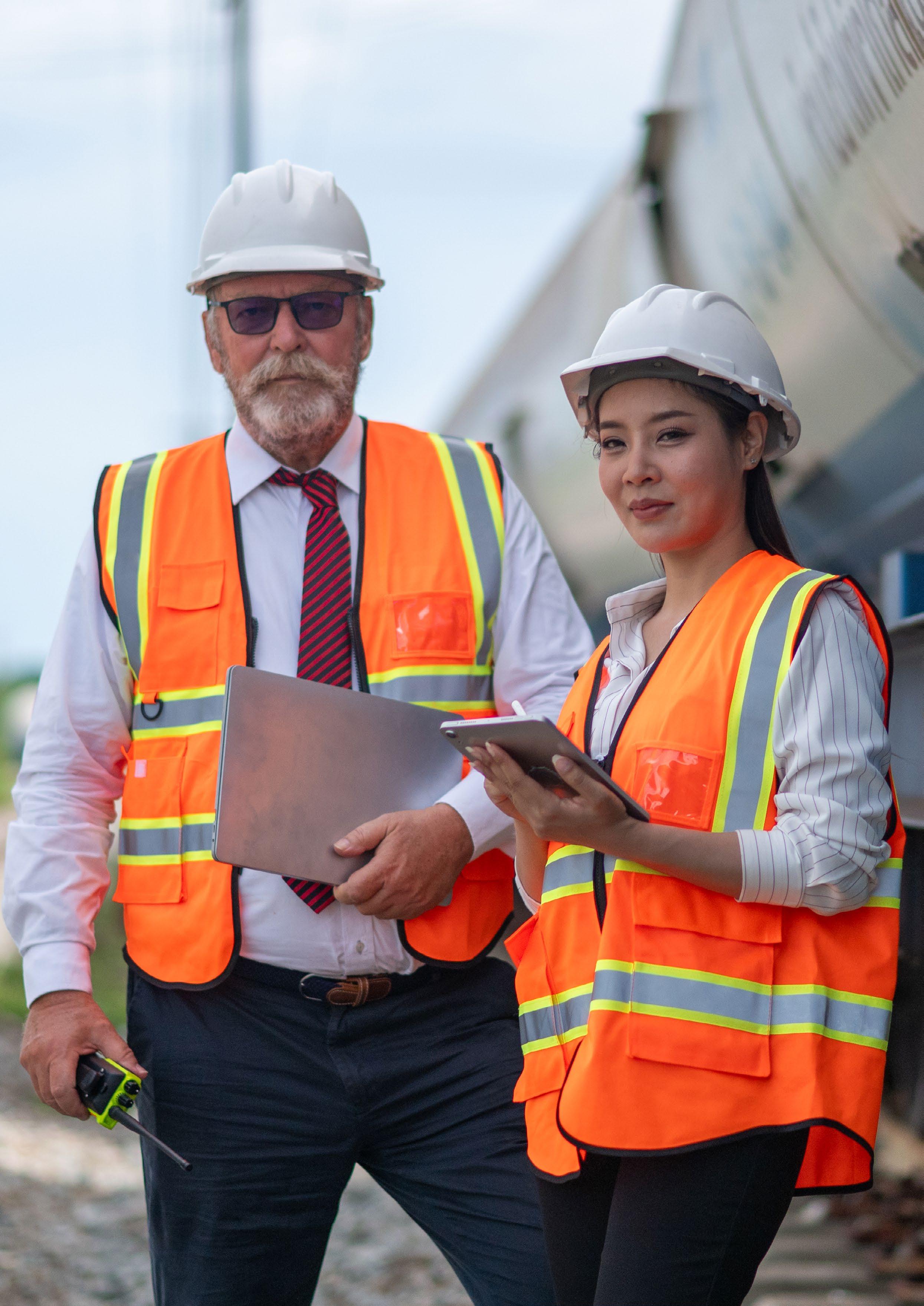
INNOVATION MEETS SUSTAINABILITY
Sustainability is at the heart of Greenbrier’s operations. From lightweight, fuel-efficient railcar designs to remanufacturing and refurbishment programs that extend asset lifecycles, the company is committed to reducing environmental impact while supporting customers’ efficiency goals. Every innovation is designed to maximize payload, minimize emissions, and streamline operations, reflecting Greenbrier’s vision of a smarter, greener freight industry.
Greenbrier’s international footprint allows it to combine global ability with local knowledge. Whether supplying railcars in
North America, Europe, or Brazil, or managing complex lease and maintenance programs, the company delivers consistent quality and reliability, positioning itself as a trusted partner for freight operators worldwide.
“Our goal is to provide solutions that help our customers succeed, while advancing the sustainability and efficiency of the global freight network,” says CEO Lorie Tekorius.
In its global operations, Greenbrier has also committed to reducing greenhouse gas emissions, improving water and energy use, and sourcing responsibly. Its 2024 Environmental, Social and Governance (ESG) report highlights progress toward reducing
waste, improving safety metrics, and increasing renewable energy usage at its facilities. With decades of experience, a commitment to innovation, and a focus on sustainable growth, Greenbrier continues to lead the way in freight transportation, powering industries, and economies across the globe.
Under the leadership of CEO and President Lorie L. Tekorius, Greenbrier is reshaping the way the industry thinks about sustainability not just in the products it builds, but in the systems that support them. When Lorie Tekorius joined Greenbrier 25 years ago, few could have predicted the transformative mark she would leave on the multinational freight railcar and marine barge manufacturer. To-
WILLIAMS
HAYWARD
PROTECTIVE COATINGS INC.
For over 40 years, Williams Hayward Protective Coatings has been proud to work alongside The Greenbrier Companies, sharing a commitment to sustainability, environmental stewardship, reducing emissions and hazardous waste, and creating safer and cleaner working environments across railcar coating operations and the communities in which its facilities operate.
WHPC has been a pioneer in waterborne low-VOC coatings within the rail industry since the 1950s, with the development of the first water-based, nonflammable, and nonhazardous latex primers SAFETY COAT™️ for ALCO Locomotive in Schenectady, NY, before the term “sustainability” gained widespread use. The company’s early focus on reducing emissions, minimizing hazardous waste, and improving working conditions reflected a practical belief that responsible manufacturing and longterm coating durability go hand in hand. Greenbrier has consistently demonstrated a similar outlook in its own operations, emphasizing continuous improvement, environmental awareness, and the well-being of the people working within its facilities. This shared approach has allowed the two companies to make a meaningful environmental impact together and maintain a working relationship that has lasted for decades, grounded in a shared vision of responsible manufacturing.
The relationship between WHPC and Greenbrier began in the 1980s, during a period when Greenbrier companies were expanding their roles within the railcar manufacturing and service sectors. WHPC was well established at the time, with approvals for its solvent and early water-based rail coatings with all major railroads and many car leasing companies—common customers to both organizations— making for a natural collaboration.
The years that followed in the late 1980s saw policy changes regarding industrial environmental impact. The Clean Air Act Amendments of 1990, alongside the evolving OSHA guidelines, brought significant progress in environmental and workplace safety expectations across industrial settings. These changes increased attention on air quality, hazardous emissions, and day-to-day working conditions inside coating and finishing environments, reinforcing the need for coating systems that could perform while reducing environmental and operator exposure concerns.
WHPC had already been working with the major railroads and Trailer Train Corporation (now TTX) to lower and eliminate VOC emissions in their rail coating systems, in anticipation of these regulatory shifts. As a result, WHPC was well-positioned as the industry began adopting coating systems that enhanced durability while significantly reducing environmental impact. As Greenbrier continued to expand its manufacturing and service footprint, WHPC’s coating systems became a consistent part of the railcar finishing process, supported by familiarity between teams, dayto-day application experience, joint customer satisfaction, and a shared commitment to responsible manufacturing.
WHPC is a family-owned company with roots extending back more than 100 years in protective coatings. From its early years, the company focused on developing coating systems that balance durability with practical, everyday usability in industrial environments. The introduction of waterborne coatings in the mid-20th century reflected WHPC’s long-standing interest in cleaner, safer workplaces well before environmental expectations became standard across the industry. Today, WHPC operates manufacturing facilities in the U.S. and EU and provides technical support to customers in the U.S., Mexico, Canada, the U.K., and the EU. This steady, long-term approach has shaped how WHPC
works and contributes directly to its relationship with Greenbrier, where familiarity, consistency, and shared outlook continue to support ongoing collaboration.
WHPC coating systems support both Greenbrier’s railcar manufacturing and ongoing maintenance and repair operations. The company supplies low- and zero-VOC coatings in both water- and solvent-based media, along with high-performance epoxies, polyurethanes, and acrylic/ vinyl/rubber coating systems designed for durability in general and severely corrosive service environments. These systems are selected for long service life and predictable performance in varying climates and operating conditions, helping reduce the frequency of recoating and maintenance cycles. This approach aligns with Greenbrier’s focus on building and maintaining railcars that are dependable, safe, and designed with sustainability in mind, while extending the longevity of its own and its customers’ rail fleet assets.
As Greenbrier continues to grow under the leadership of Lorie L. Tekorius and advances its focus on sustainability and operational responsibility, WHPC looks forward to continuing its support of these efforts.
Wayne E. Kurcz, President & CEO, Williams Hayward Protective Coatings, says, “The relationship remains grounded in steady progress and a long-term view of how manufacturing can support safer, cleaner, and more sustainable rail operations worldwide.”
ZERO HAZARDOUS WASTE GENERATION
NOT FLAMMABLE, TOXIC, OR HAZARDOUS
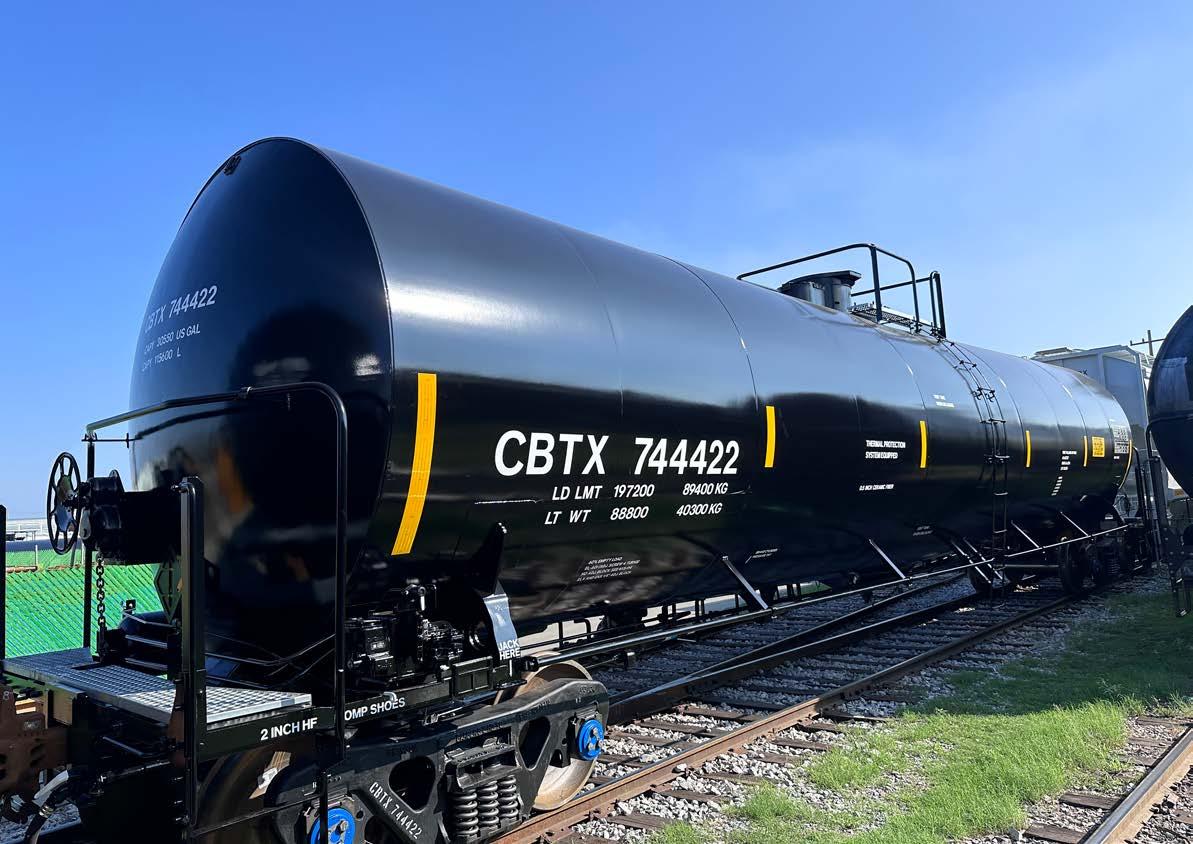
75-100% REDUCTION IN VOC EMMISSIONS
Coatings That Shape for Industry and

day, she stands as a trailblazer: the first woman in company history to serve as Chief Operating Officer, President, and CEO, guiding Greenbrier to become one of North America’s two largest freight railcar manufacturers.
Her leadership style combines strategic foresight with a deep commitment to people. Tekorius has overseen two large-scale acquisitions, global expansion, and the integration of thousands of employees, all while keeping the company’s culture of safety, innovation, and operational excellence. “Every decision we make must support both the business and our people,” she explains.
CHAMPIONING TALENT AND INCLUSION
Tekorius’ impact goes beyond operations. As COO, she launched Greenbrier’s first-ever mentoring and internship programs, alongside a company-wide training strategy designed to nurture talent across the organization. Her advocacy for inclusion and mentorship has earned her recognition in the broader business community: she was a featured speaker at Portland’s Mentoring Mondays, and delivered the keynote at the League of Railway Women conference, sharing insights on cultivating the next generation of leaders in a traditionally male-dominated industry.
“Creating an inclusive and engaging workplace isn’t just the right thing to do, it drives innovation and empowers our people to achieve more than they thought possible,” Tekorius says.
A VISION THAT EXTENDS BEYOND BUSINESS
Tekorius also leads Greenbrier’s community-giving strategy, which has contributed $1 million to local organizations. One highlight came in 2017, when she directed the company’s largest single charitable gift $400,000 to Providence Heart Institute’s Play Smart program, providing free heart screenings for youth. This partnership not only promotes healthier communities but also engages employees in meaningful volunteer and advocacy opportunities.
Under Tekorius’ guidance, Greenbrier is not only expanding globally but is also embracing sustainable manufacturing practices, energy-efficient designs, and circular economy initiatives. By integrating sustainability into every side of its operations from railcar production to refurbishment programs the company is redefining what it means to be a responsible leader in freight transportation. Founded in 1981, The Greenbrier Companies has long been a major player in the global freight rail sector, producing railcars, marine barges, and providing integrated services including leasing, management, and repair. But as the climate crisis and global logistics challenges redefine what is expected from transportation leaders, Greenbrier has committed itself to being part of the solution.
“Rail is already one of the most efficient ways to move goods, but we want to make it smarter, cleaner, and more sustainable,”
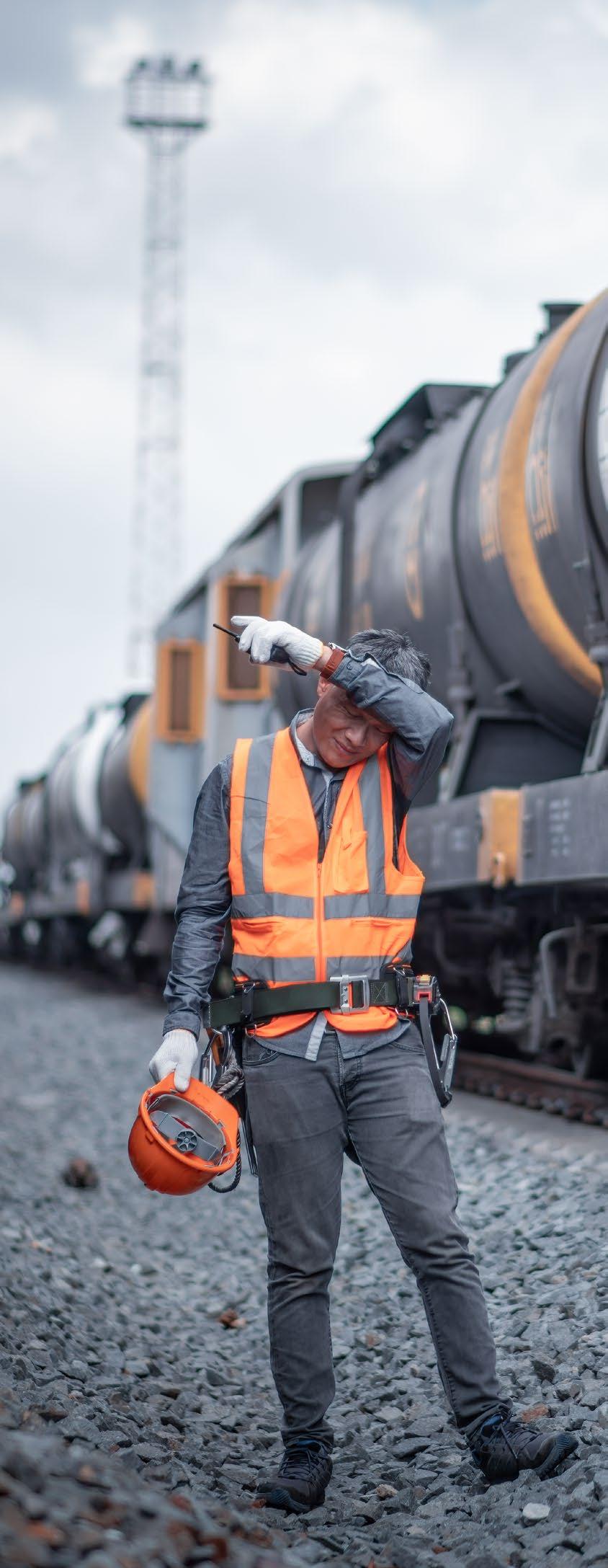
she says. “Our responsibility is to our customers, our employees, and the communities we serve today and for generations to come.”
With a legacy of strategic growth, employee empowerment, and community impact, Lorie Tekrius exemplifies the kind of visionary leadership that not only drives business success but transforms an entire industry.
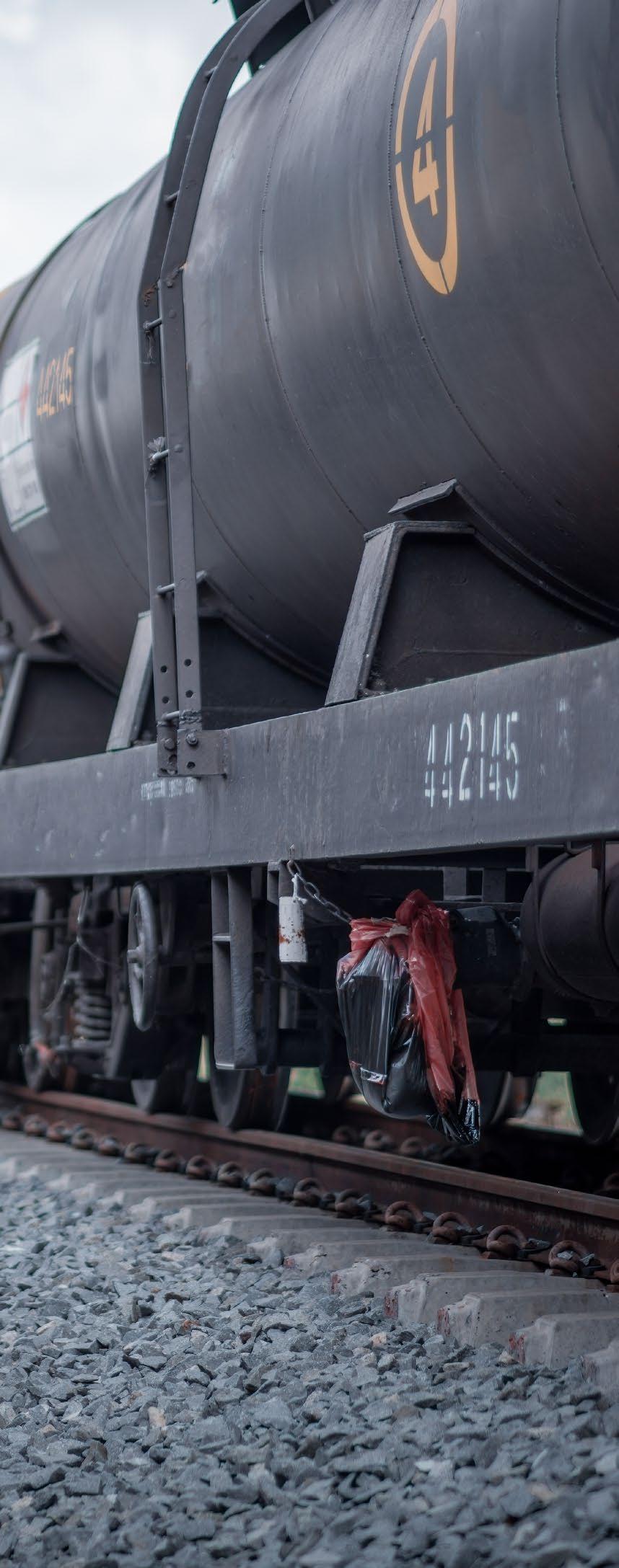
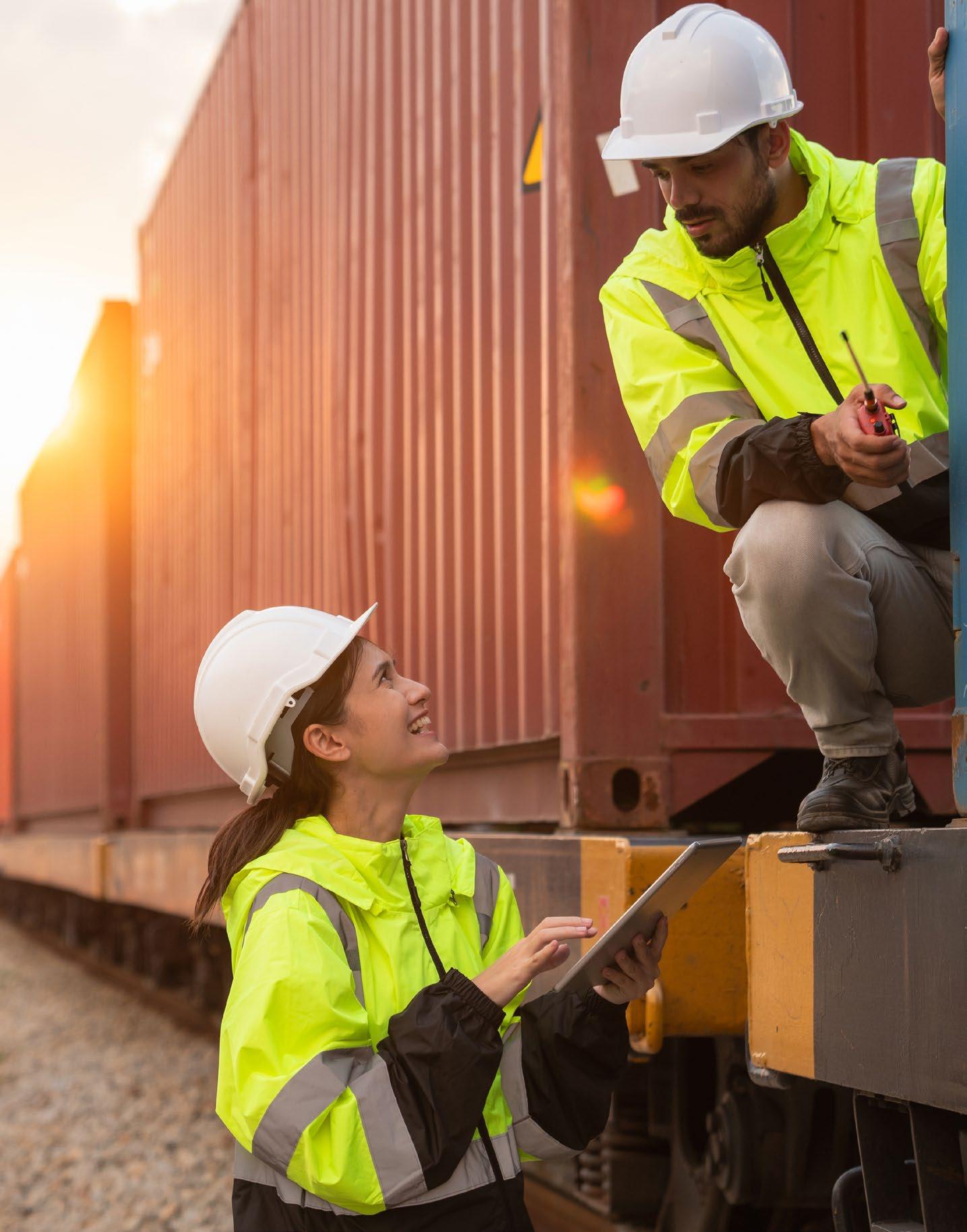
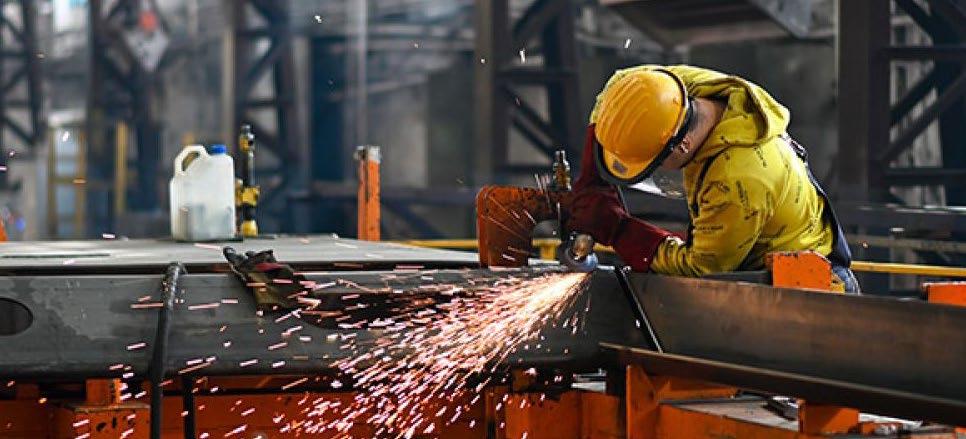
DESIGNING THE NEXT GENERATION OF RAILCARS
As industries pivot toward cleaner supply chains, rail is gaining renewed attention as a sustainable freight solution and Greenbrier is helping to lead that movement. Through continuous innovation, responsible manufacturing and a longterm commitment to sustainability, The Greenbrier Companies is ensuring that rail stays the backbone of efficient, low-carbon transportation.
“Freight rail has always been the most sustainable way to move goods,” the company emphasizes. “Our role is to make it even better, cleaner, safer, and smarter for generations to come.”
Beyond production efficiency, Greenbrier’s greatest sustainability impact comes from its design philosophy. Its new generations of railcars are built to be lighter, more durable, and more fuel-efficient, reducing emissions over decades of service. The company also leads in modular and manufacturable designs, allowing equipment to be upgraded rather than replaced, extending life cycles and reducing waste. Through advanced data analytics and engineering, Greenbrier helps customers choose configurations that maximize payload efficiency and reduce empty miles, further minimizing fuel consumption across networks.
Tekorius and her leadership team see a world where freight customers are under mounting pressure to decarbonize. Greenbrier is stepping in as a strategic partner, not just a supplier. Its leasing and management divisions collaborate with operators to improve asset use, while the company’s maintenance services keep equipment running at best efficiency.
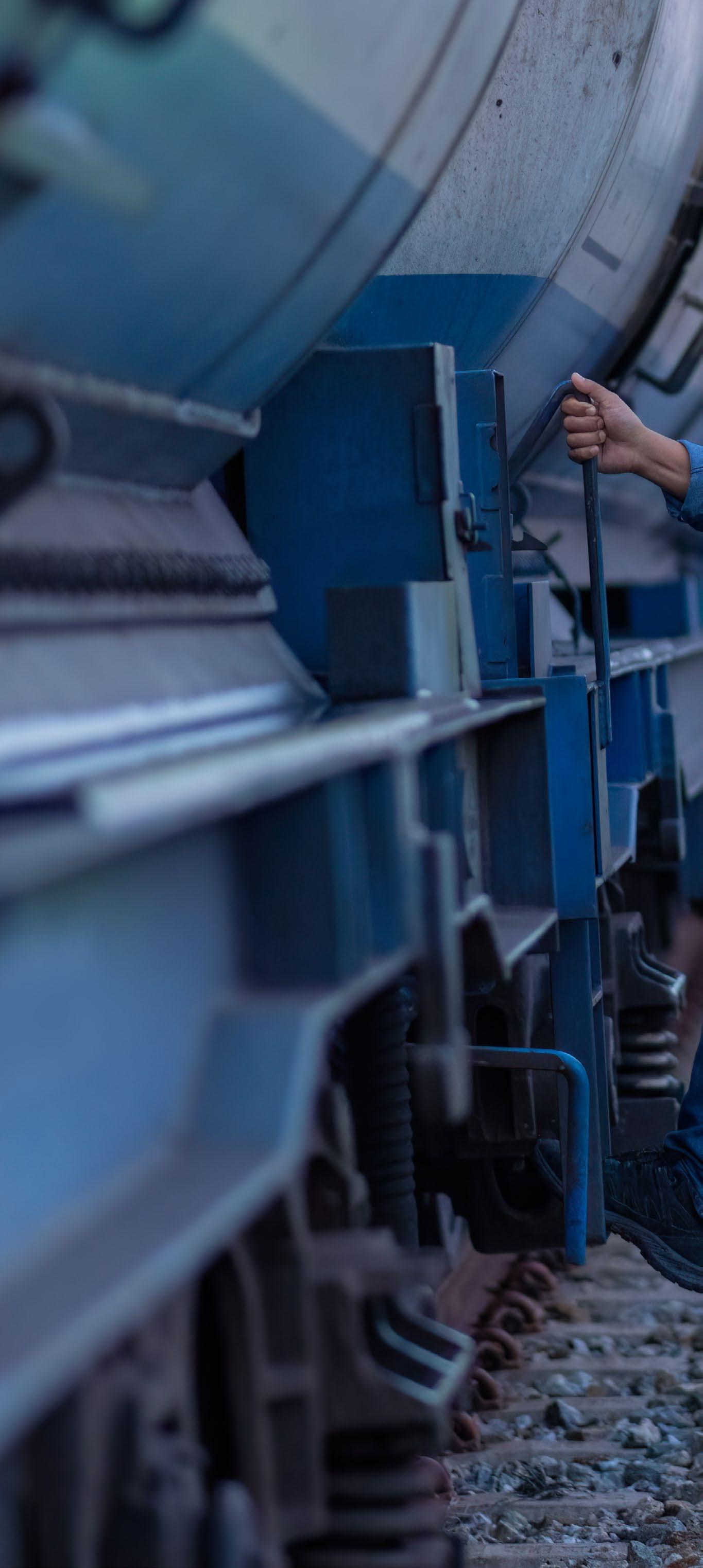
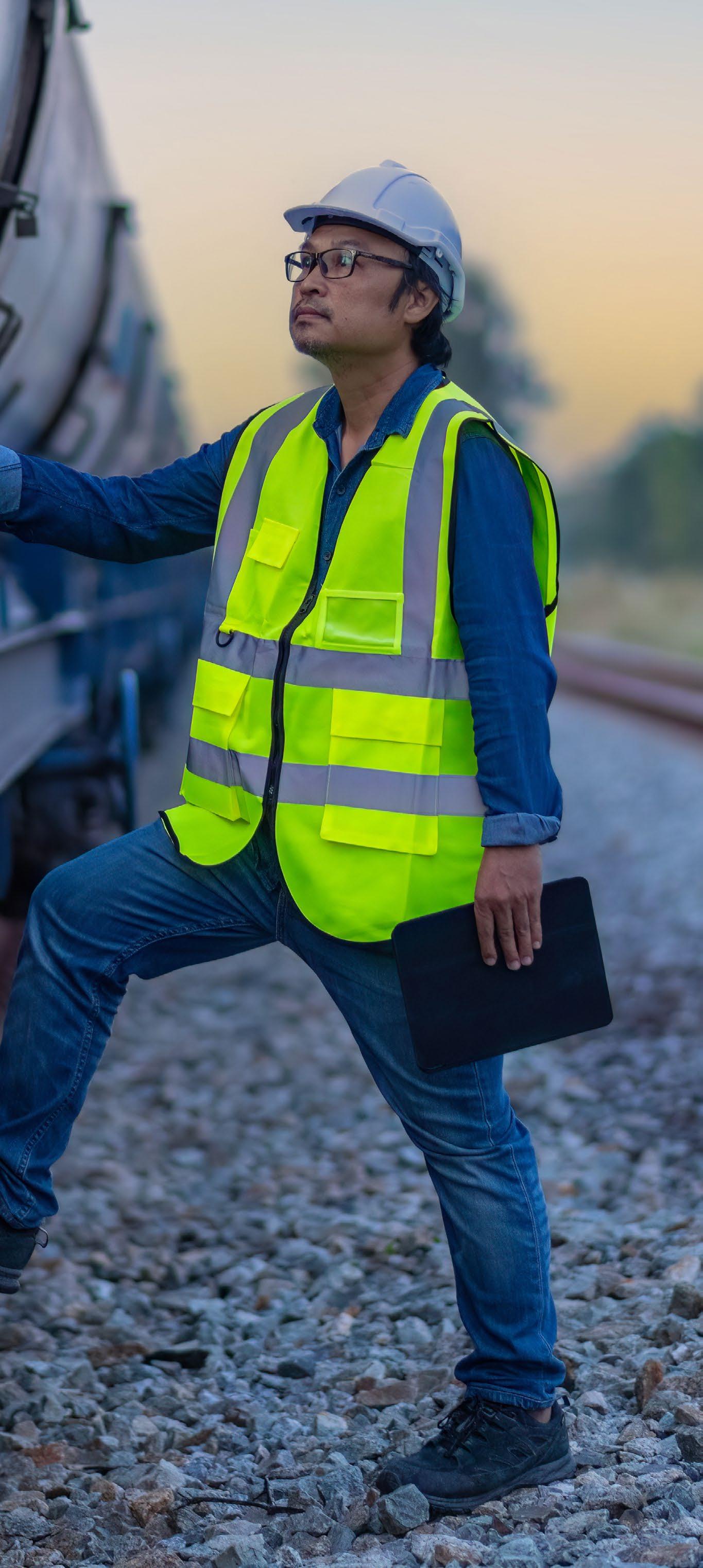
“As our customers transition to lower-carbon operations, we’re helping them with both the technology and the strategy to get there,” Tekorius says. “That’s what true partnership looks like in the age of sustainability.”
CIRCULAR ECONOMY AND LIFECYCLE RESPONSIBILITY
One of Greenbrier’s most forward-thinking initiatives lies in railcar recycling and refurbishment. Instead of scrapping retired equipment, the company dismantles and reuses key components, reducing waste and carbon intensity. Its facilities specialize in remanufacturing railcars, effectively giving them a second life and saving significant material and energy compared to new builds. This closedloop approach aligns with the company’s broader circular economy goals — where end-of-life products become the raw material for future innovation. From decarbonized manufacturing and digitalized operations to recycled railcars and resilient supply chains, The Greenbrier Companies is proving that freight can be both profitable and sustainable. It is a transformation powered by innovation, partnership and purpose and a leader determined to keep the company on track toward a greener future.