
BIRMINGHAM HIPPODROME

REPORT 24-25


ANNUAL SUSTAINABILITY REPORT
INTRODUCTION
At Birmingham Hippodrome, we believe culture has an important part to play in the fight against climate change, and we want to do our bit to create positive transformation. That’s why we’re working to Theatre Green Book sustainability standards. This industry certificate is recognised by theatre-makers and venues across the world as a measure of environmental best practice.
This year we have taken significant sustainability steps by launching our first public sustainability plan, the Theatre Green Book Preliminary Record, which can be viewed here and hiring our first ever Environmental & Sustainability Advisor as a full-time addition to our team. This compliments our long-term environmental work driven by the ISO 14001 Environmental Management Standard.
We’re excited to share our progress through this report and increase transparency about our successes and plans. Addressing our environmental impact will enable us to become more innovative, resilient and inclusive for everyone who visits or works with us. We want to foster a thriving culture of sustainability at Birmingham Hippodrome and inspire others to create change too.
Throughout this report, the word staff is used to refer jointly to our permanent employees, flexible workers, and volunteers
ANNUAL SUSTAINABILITY REPORT
THEATRE GREEN BOOK: MEETING PRELIMINARY STANDARDS
Theatre Green Book provides industry-specific guidance on sustainable practice, divided into three areas (Production, Operation, Building) with four tiers.
Birmingham Hippodrome began consulting Theatre Green Book (TGB) guidance in 2024 and has since built a strong relationship with TGB through attending their events, joining their steering groups, and supporting their environmental initiatives. In 2024-2025, we saw major advancements in our overall sustainability strategy and practice, including: Writing our first full sustainability report to the Board.
Successfully achieving ISO 14001: 2015 recertification for our Environment Management System.
Presenting on a staff engagement panel at TGB’s West Midlands event.
Creating a new staff working group, the Sustainability Champions, who meet every other month to advise on our sustainability strategy and policy.
Running our first Staff Sustainability Survey and presenting the results at our All Staff Day in September 2024.
Running our All Staff Day to TGB Advanced standard.
Achieving TGB Basic on our family musical, The Jingleclaw. Hiring our first ever Environmental & Sustainability Advisor.
By July 2025, we officially certified at TGB Preliminary by committing to reducing our environmental impact, forming a new green committee, and agreeing communications, action, and data plans for the organisation. Our Theatre Green Book Preliminary Plan outlining this commitment in more detail can be viewed here.
Now that we have exceeded Preliminary standard, we will be taking steps in the next year to get closer to achieving Basic.
THE JINGLECLAW

Total materials: 2159 kg Overall
Production tier: Basic
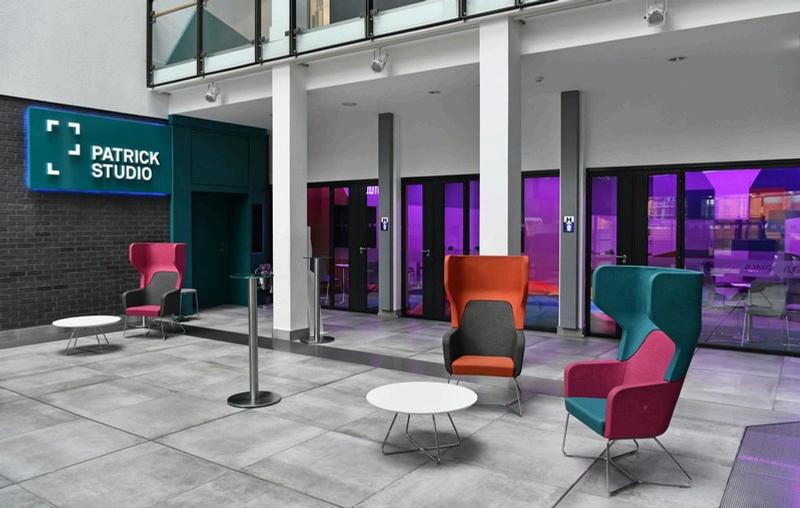
The Jingleclaw was the first full-scale show from our New Musicals Department, which played in our Patrick Studio in December 2024 To monitor our sustainability throughout the production process, we completed the TGB Production Calculator. Sustainability was discussed in each production meeting to keep it a priority and share learnings throughout development and design.
As this was our first in-house production, we had no house stock to pull from – which meant that our costumes got a 0% sourcing score However, we were able to store all the costumes, set and props for future use, meaning we scored highly across all destination categories

We used sustainable materials and processes wherever possible, including the show’s marketing materials. The Travel score accounts for all travel by the cast and crew to Birmingham for the show’s run (though not daily commutes).
After the show closed, our New Musicals team met with the Sustainability Advisor to share learnings and identify opportunities for improvement. For our next family musical, No Such Thing as Wolves (Winter 2025-6), we’ll be focusing on resource use and sourcing.
We have planned wraparound events focused on sustainability for our climate musical, Hot Mess, during its runs at the Edinburgh Fringe and in London in 2025.
FESTIVALS & SITES
Our annual festivals (Chinese New Year, B-SIDE Hip Hop Festival and Birmingham Weekender) are all tracked using the Julie’s Bicycle Creative Climate reporting tools and our team proactively seeks to produce them sustainably. In 2024–25, total emissions from Hippodrome Festivals & Sites activity was 163 tonnes CO₂e, measured through Julie’s Bicycle Creative Green Tools. This figure includes waste, water, energy and audience travel; the latter accounts for over 90% of these emissions.
OPERATIONS: PRELIMINARY
To provide a structure for improving our Operations, this year our Sustainability Advisor instituted regular catch ups with key departments (like Visitor Experience and Marketing/Communications) to plan environmental campaigns. This has resulted in successful engagement with many stakeholders on key sustainability changes, especially the increased recycling service ahead of the UK Government’s Simpler Recycling legislation coming into force in April 2025.
Internal engagement with sustainability comms have been especially successful thanks to our series of intranet blogs centring on sustainability themes, regular items in the staff newsletter, and support from our Green committees.
In the 2024-5 financial year we introduced new KPIs to assist with tracking key resources like paper, digital, and food, and will continue to build up our data using our Preliminary Data Plan (pages 5-6 of our Preliminary Plan) to set targets. We continue to report on waste and energy use and have created a procedure for tracking our business travel. In 2025-6, our KPIs will be: gas, electricity, and waste carbon footprint, proportion of waste diverted from energy recovery, % of building electricity consumed on stage, and business travel emissions equivalent.
You can learn more about our travel impact and initiatives later in this report.
BUILDINGS: PRELIMINARY
Like most theatres, energy is one of our largest emissions sources, so we’re pleased to have maintained a renewable electricity tariff while switching suppliers this year.
Our Sustainability Advisor and Head of Facilities have been working together to research decarbonisation options for our building with a primary focus on reducing use of and then moving away from gas.
BUILDING: CONTINUED
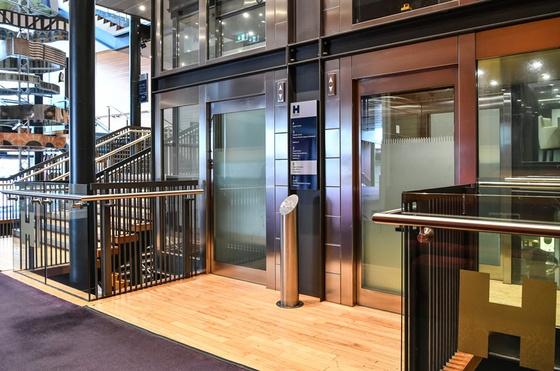
Several essential works with social and environmental sustainability benefits, such as upgrades to our audience lifts, are taking place in the next year.
As part of our continual improvement (supporting our ISO 14001 certificate), this year has seen ongoing maintenance programmes – replacing fluorescent lights with LEDs, checks to prevent pollution – with sustainability benefits. We benefitted from two energy audits in Autumn 2024, which have provided us with detailed information to feed into our capital works planning.
In collaboration with our Fundraising department, we are exploring suitable funding opportunities to accelerate pro-environment changes to our building.
OUR TEN COMMITMENTS TO CHANGE
Our Birmingham Hippodrome Theatre Green Book Preliminary Plan is centred on Ten Commitments to sustainability across the scope of our organisation. Each of these commitment statements have specific actions, with timelines and responsible persons, which will move us towards our goals.
Here’s a summary of our progress in each area during 2024-2025:
1. Data: We will capture and publish information on our greenhouse gas emissions to track our progress against set targets.
We are focusing first on Scope 1 (self-generated energy) and 2 (purchased energy) as they are our largest emissions sources which we have the most information about Our Preliminary Data Plan will help us to consolidate our internal measurements and reporting.
We started using TGB Trackers for the first time this year, which help us to measure ourselves against the industry standard. We will continue to measure internal engagement through our Staff Sustainability Survey, with a focus on reaching different partners in our building This first annual sustainability report is also a means to gather more useful data and hold ourselves accountable to our environmental ambitions.
2. Resource: We will ensure sustainability is a key consideration in our procurement and implement procedures to encourage our staff and contractors to reduce, reuse, and recycle wherever possible.
We have included sustainability in the specification or as an assessment criterion for several procurement processes and tenders this year.
We have successfully updated our recycling and waste infrastructure on site to comply with Simpler Recycling legislation and ran an engaging education programme to go alongside this, to help our staff and volunteers better understand why correct sorting into the different waste streams is important. This rollout received lots of positive feedback.
We are seeking ways to better manage our resources, such as swapping away from hard or impossible to recycle items and making inventories to prevent unnecessary purchases
OUR TEN COMMITMENTS TO CHANGE
3. Digital: We will assess and adapt our digital processes to improve efficiency and reduce our digital emissions. We want to continue monitoring the environmental impact of our emails and make these figures more accurate by considering internal emails and messaging platforms like Microsoft Teams
Now we have begun measuring the carbon impact of our website we are looking for ways to improve this.
4. Training: We will upskill our staff, empowering them to make sustainable choices in their work and encouraging innovation for the environment throughout our business activity.
We encourage staff to attend environmental learning opportunities (like webinars) and develop climate leadership skills through presenting in our environment working groups. Our Sustainability Champions have been working through Carbon Literacy Training provided online by WMCA to consolidate their understanding and encourage confident discussion with their teams about the environment.
We have refreshed our Welcome Workshop (staff induction) to better communicate our sustainability achievements and ambitions. Activities make it clear that everyone has an important role to play in caring for our environment at work.
5. Operations: We will monitor our building’s impact on the environment and start to reduce this through transformative capital works.
Learning more about our complex site using our research and data consolidation programme is helping us to identify priority areas for action and investment in the future This has included two site decarbonisation assessments from WMCA/Aston University and Midlands Net Zero Hub, which provided helpful insights into our building and operations.
Several essential works on the building which will create sustainability gains have gone out to tender and are expected to take place within the next year.
6. Communication: We will communicate with our staff, visitors, and external stakeholders about our actions to support sustainability.
We wrote a Communications Plan for our Preliminary Certification outlining how we engage with different groups.
Colleagues are regularly updated through channels including the monthly Staff Newsletter (featuring the popular Bin of the Month column!), the intranet site, intranet articles sent to staff email addresses, events, paper posters in busy areas and noticeboards, and on information screens around the building.
Visiting companies can find information about sustainable travel, food, and behaviour in the theatre in their Visiting Company Welcome Packs, provided in dressing rooms Visitors are updated via social media and the website.
We are working on expanding the net of our external stakeholder communication through digital methods such as our Artists newsletter, Fundraising newsletter, and e-Stages.
7. Visitors: We will encourage our visitors to make sustainable choices while engaging with our programme in our venue and beyond.
Sustainable travel is encouraged for the 200,000+ attendees of our Festivals & Sites activity, with clear information, incentives and partnerships designed to make low-carbon journeys easy and visible
Our paper materials (flyers, brochures) include messages encouraging visitors to pass on or recycle them.
We have partnered with You.Smart.Thing to offer the Ecoway travel assistant to visitors. This creates personalised travel plans prioritising low emissions and accessibility It is distributed in ‘Your Visit’ emails and available on our Getting Here webpages
OUR TEN COMMITMENTS TO CHANGE
8. Creative programme: We will measure the carbon impact of our in-house productions and festivals using trackers such as Theatre Green Book or Julie’s Bicycle, and make steps towards curating a varied programme which responds to the challenges and opportunities of the climate crisis.
We successfully measured The Jingleclaw in the TGB Production Tracker and achieved Basic on our first full-scale in-house produced show.
In addition to tracking all our festivals (Chinese New Year, B Side Hip Hop Festival, and Birmingham Weekender) with Julie’s Bicycle, from 2025 our festivals will be also tracked as productions under the TGB framework. This means we will apply the same sustainability principles to them as our wider creative programme, tailoring the guidance and frameworks to the unique nature of our Festivals & Sites activity.
By participating in national networks like the National Environmental Theatre Group, Without Walls Outdoor Environmental Responsibility Action Group, and TGB Steering and Touring Committees, we contribute to future sustainability innovations.
As members of the Without Walls Artistic Directorate we annually invest in the creation of new outdoor work alongside partners, prioritising work that addresses the climate emergency.
9. Partnerships: We will connect with arts organisations, local government, and others (such as community groups) responding to the climate crisis to offer mutual support and share best practice.
We co-organise the Sustainable Arts West Midlands (SAWM) network with the Midlands Art Centre, increasing communication and engagement with arts organisations across the region.
We work with the Southside Operations Group and Southside BID to monitor the environment in our immediate area and respond quickly to any issues
We are in regular contact with other arts organisations and national bodies (including UK Theatre) to learn and share knowledge. Our Head of Festivals & Sites consulted on creation of Theatre Green Book toolkits for Urban Arts Festivals and Site Specific & Outdoor Touring, sharing our practice to inform practical guidance which is now being adopted across the sector
10
Governance and Values: We will drive forward our organisational values through our leadership and embed sustainability into our governance structures, ensuring that the environment is considered in our key decision-making processes and all staff uphold these commitments.
Key policy changes and strategy decisions regarding sustainability undergo multiple rounds of scrutiny from the Sustainability Champions, HODs, and Directors to ensure collective buy-in and a representative governance system
We have appointed two Board champions for Sustainability who attend our Sustainability Champions meetings, providing insight to us and keeping the wider Board updated with sustainability projects.
Our refreshed Welcome Workshop and intranet sustainability content clearly convey that all staff must respect these commitments and work to prevent negative outcomes for the environment in their work.
Sustainable is one of our Values and Hippodrome Tomorrow is in our Strategic Core. Leadership meetings and Board reports include regular updates on sustainability We are completing the recommendations and actions from our most recent ISO 14001: 2015 audit
TRAVEL DATA

Across our work, travel to our venue by visitors and staff is one of our largest emissions areas. We’ve begun collecting data on travel and trends so that we can work towards solutions which are better for the environment.
Staff Travel Impact
Using data reported in the Staff Sustainability Survey 2025 we have made a first rough estimate of what our total commuting emissions may look like:
218 total tonnes CO2e per year.
This averages to 10 kg CO2e per employee every week.
NB: This does not include travel by visiting companies and is an estimate based on sample data in Staff Sustainability Survey 2025 Staff numbers as of 31st March 2025 Where respondents wrote in multiple vehicle options (e g ‘Tram or car’), the more polluting option was chosen to calculate maximum emissions
This figure is a rough approximation, meant to help us see trends over time and indicate the significance of commuting to our overall emissions, not meant to give a highly accurate result.
While travel is necessary to the way our organisation functions, it’s important we work on programmes to reduce its GHG impact through new and ongoing opportunities.
As you can see in the graph below our staff are already moving towards greater use of public transport, which tends to have significantly lower emissions than private vehicles. Over the two years we have run the Staff Sustainability Survey, combustion engine car use has almost halved.
Next year, we will be able to report precisely on the emissions of our business travel (travel by staff to locations other than the theatre or their usual workplace) thanks to a comprehensive tracking system we introduced for the 2025-2026 financial year.
We are exploring incentives for our staff to travel more sustainably
TRAVEL: VISITOR TRAVEL IMPACT
Visitor Travel Impact
Comparison to our visitor travel data shows that visitors skew more towards cars than public transport. This may be for a variety of reasons, such as visitors being more likely to travel together in groups (like families) and finding cars more convenient. Also given that anyone travelling to our shows will likely be travelling outside of busy commuting hours, car traffic may be more time-efficient or public transport less convenient
We are aware of the difficulty of travelling home via train after evening shows for some, as train services tend to be much less frequent and may have entirely ceased by late evening. We are working with Culture Central to make the case for improving evening public transport services.
Festival & Sites Travel Impact
Based on data from festival surveys 2024-5, we see broadly similar results, though walking is more popular than when attending our venue. The range of sites and locations used in our festivals may make a walking (among other options) more viable.
TRAVEL: FESTIVAL &
We work with partners such as National Express West Midlands and West Midlands Metro to offer travel discounts for visitors, provide free cycle parking and include bus stops, tram stops, and cycle hire stations on festival maps. Sustainable transport options are actively promoted through our website and social media alongside accessibility information for stepfree and public transport routes
Staff, volunteers and artists are encouraged to use public transport or car share, supported by pre-event briefings and travel planning. Local supplies are prioritised within procurement to limit transport distances, with site operations scheduled to minimise vehicle movements and deliveries consolidated where possible.