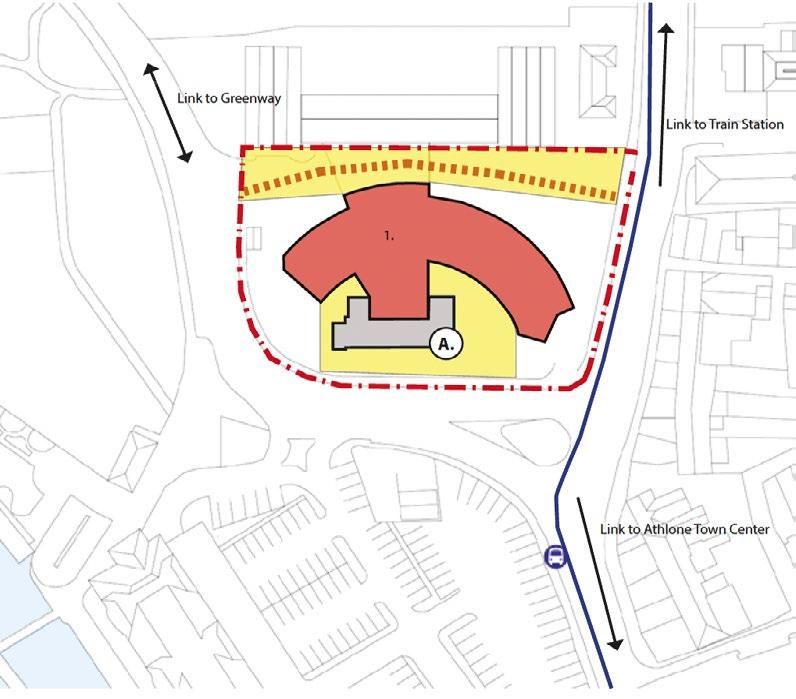
Campus Development Masterplan 2025–2040

As our first Campus Development Masterplan, approved by our Governing Body in September 2025, this document is a statement of intent on the part of our ambitious young university, a blueprint for growth from now towards the middle of the 21st Century.
The initiatives contained within this plan will enable progress in research, teaching , learning and campus life, while facilitating sustainable growth in student numbers and embodying the unified university.
Of course, this plan is not just about the buildings and facilities -it is ultimately concerned with the lives of those who will benefit from these developments. The implementation of this Masterplan will enable the transformation of the TUS student experience and the research, teaching and learning of the future; it will facilitate collaboration and engagement with the communities and stakeholders we serve in order to reinforce the regional economy and society of the future; it will build in the flexibility and adaptability necessary to meet the Higher Education needs of the future.
I believe that this plan will see a community of TUS campuses which are open, welcoming places for all, fostering creativity, diversity and belonging for years to come. Perhaps these is no higher aspiration that a university can have.
I would like to acknowledge the work of the Finance and Physical Development Committee of the TUS Governing Body, alongside that of the TUS Capital Development Unit and Estates Teams.
Prof. Vincent Cunnane President
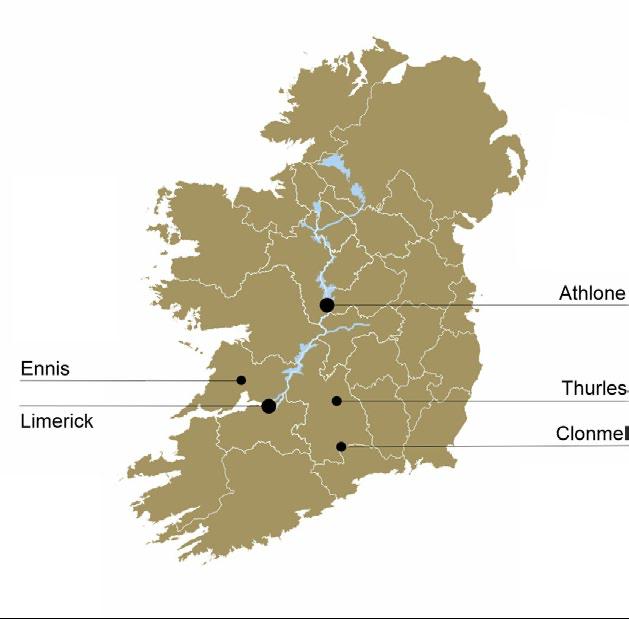
The Technological University of the Shannon was founded with a very clear purpose: to serve people and place. This Campus Development Masterplan 2025–2040 turns that purpose into physical reality. It sets out how we will develop and renew our seven campuses so that they remain vibrant places to learn, to work, to create, and to belong — and, just as importantly, so that they continue to act as anchors of social, cultural and economic life in Athlone, Limerick, Thurles, Clonmel and Ennis.
This plan is ambitious because our region is ambitious. It anticipates growth in student numbers, new forms of teaching and research, and the changing needs of industry and society. It commits to accessible, high-quality facilities and public realm, to safer, more sustainable movement across and between campuses, and to spaces that support wellbeing, inclusion and collaboration.
It also recognises that a university does not end at the campus boundary. Our approach to energy, mobility, housing, biodiversity and the public realm is intentionally aligned with the priorities of our local authorities and communities. While the plan acknowledges its limits it also sets out its intention to be nimble and adaptable, while keeping a clear focus on its strategic direction. In this regard, as we write, visionary developments are being advanced which have the potential to have transformative impacts on TUS namely the proposals for Athlone to be a sustainable Green City by 2040 with a much-enlarged Technological University at its heart, and the plans by Limerick 2030 for Cleeves Riverside Quarter.
This Plan is, ultimately, an investment in the future of our students and our region. It looks with confidence to what we can achieve, together, over the next 15 years. I wish to acknowledge the contributions of those who have assembled this Masterplan, including the TUS Capital Development Unit and Estates staff, COO Jimmy Browne and President Professor Vincent Cunnane, and of course my colleagues on the TUS Governing Body, in particular the members of the Finance and Physical Development Committee.
Josephine Feehily, Chair, TUS Governing Body


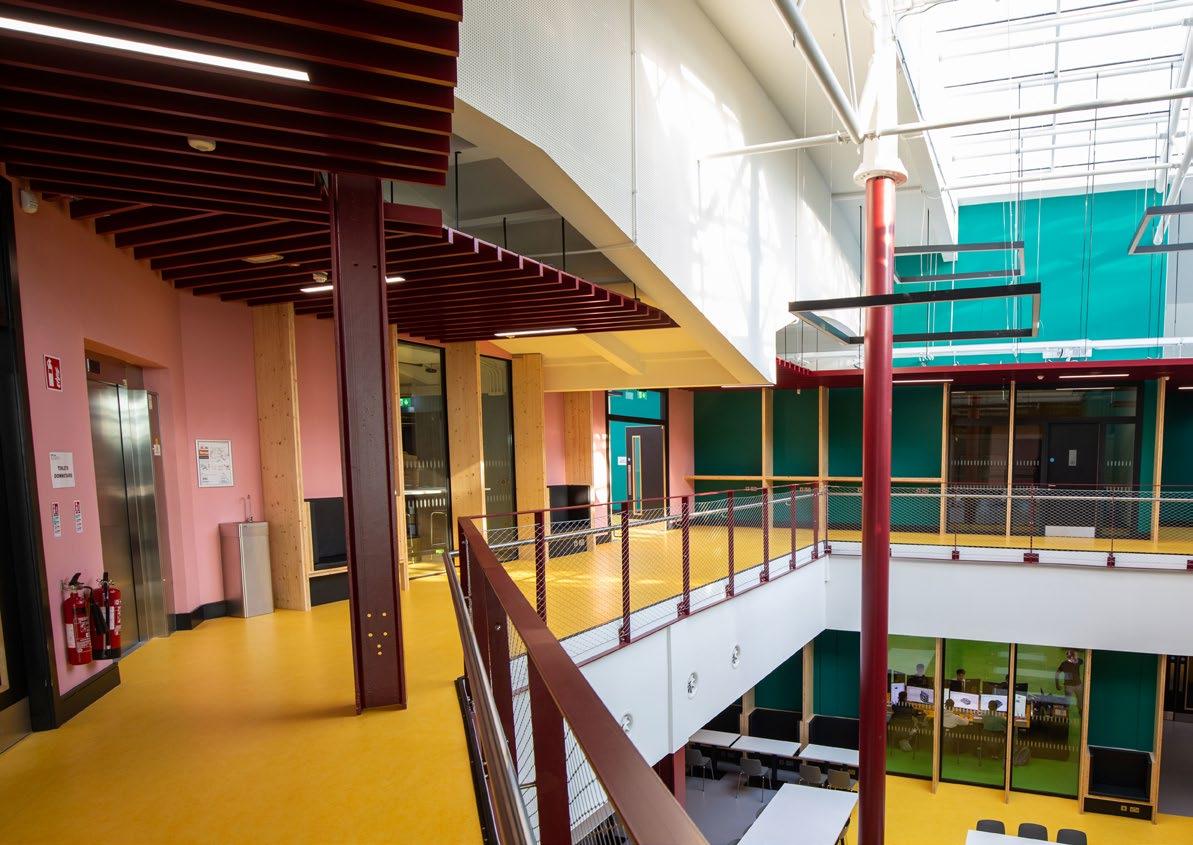
The Higher Education (HE) environment is one which is in a state of constant change and evolution. This is particularly true in the Technological University sector, which has resulted in the creation of a differentiated sector in Ireland –with a breadth of programme offering from Apprenticeships to Level 10 PhD Research and a remit to enable regional growth and development. As this new sector is emerging, it must respond to structural and organisational changes and provide for significant capacity expansion, which will continue to stretch both the human and capital resources of the institutions. This requires the sector to develop its spatial campuses in a way that supports the needs of current and future cohorts of students, staff and researchers.
This Campus Development Masterplan builds on the institutional history and previous successes and frames an ambitious plan across our network of campuses. The plan respects our organisational heritage and culture. It also delivers on the needs of the relevant local, educational, and business communities. TUS is a new institution, and this Masterplan further embeds the physical creation of a single university, with a single identity – a shared vision across multiple places.
TUS is building a new future imagined in a way which maximises the positive impact on our campuses’ communities and our regions. The delivery of the aspirations and projects set out in the plan will involve collaboration with a wide range of stakeholders. This Campus Development Masterplan 2025-2040 is an imagining of our collective future, which will create significant dividends for the learning and academic communities – creating modern vibrant places of learning, of which we will be proud of
Jimmy Browne Chief Operations Officer
This Masterplan sets out how TUS will shape its campuses in the years ahead. It provides a clear framework to guide new buildings, spaces, and infrastructure so that every project supports a sustainable and long-term vision for the University. This is not a short-term plan – it’s a roadmap that will guide decisions and investments well into the future. To make it work, we need commitment from every part of the University community: leadership, academic faculties, professional services, and students
Turning this vision into reality will depend on having the right structures and processes in place. That means strong governance, clear policies, and effective consultation, planning, design, procurement, and project management. Large-scale developments will always involve a wide range of risks. Our responsibility is not to avoid these risks but to manage them effectively, ensuring that projects are delivered to the highest standards of quality, safety, and value for money.
The benefits of pursuing this Masterplan are clear. Modern, high-quality facilities improve how we teach, learn, research, and work together. They encourage collaboration, innovation, engagement, progression and retention, and they give students, staff, and partners an environment they can be proud of. By investing in our built environment, we ensure that both today’s and tomorrow’s campus communities benefit from better experiences and outcomes.
The preparation of this Masterplan has been supported by the expertise and collaboration of a wide range of professional advisors. TUS acknowledges BKD Architects as Lead Masterplanner and thanks all contributing consultants for their valued input in shaping this framework for the future development of the University’s campuses.
This Masterplan is ambitious but necessary. Delivering it will take dedication and perseverance, but its success will shape a University that empowers people and strengthens the regions we serve.
Cormac Cloonan
Head of Capital Development
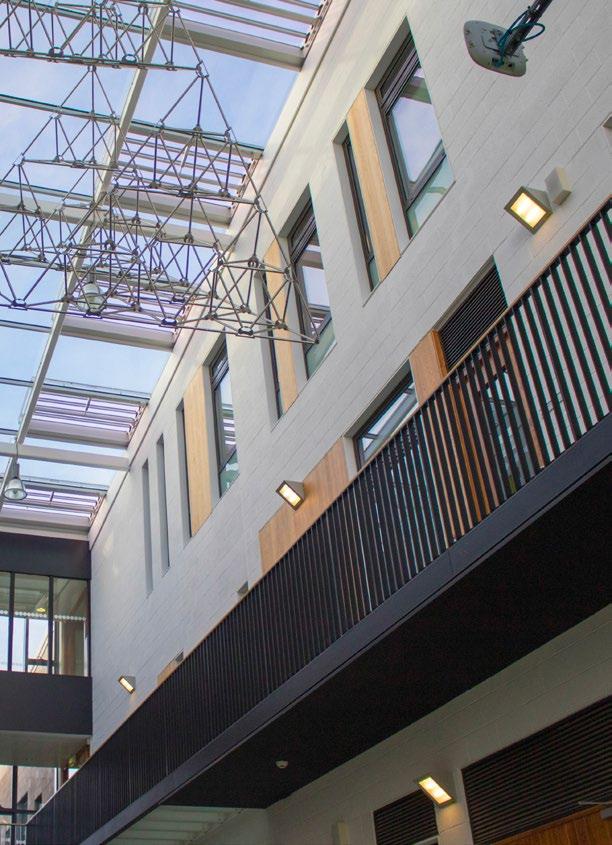
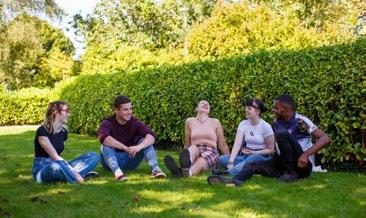
TUS is a single university with a unique distributed campus model. Unlike a traditional university centred on one main location, TUS is structured across multiple campuses, extending its presence and impact across the Midlands and Midwest. At the heart of this network sit the two principal headquarters of the Athlone campus in the Midlands and Moylish campus in the Midwest. These campuses act as administrative and academic anchors for the university, providing a focal point for leadership and coordination of large-scale teaching and research activity.
The strength of TUS lies in its distributed character. Each campus, regardless of size, contributes significantly to the identity, reach, and mission of the university. Campuses located at Thurles, Clonmel and Ennis play vital roles in extending the higher education opportunities to diverse communities and demonstrate how the TUS distributed campus model can ensure the benefits of a single University are accessible well beyond the regional centres. The TUS distributed campus model has also enabled the development of appropriate sites located outside of the principal campuses. These developments have created infrastructure to meet the growing needs of the TUS community and often help resolve the changing settlement patterns of development sites and local areas. This approach has seen the development of campuses at Clare Street, Georges Quay and more recently at Coonagh. Future planned campuses and developments are at an advanced stage for sites located at Cleeves campus Limerick and Northgate Street Athlone.
Collectively, the network of campuses form a single, integrated university. They are interconnected through shared academic programmes, research collaborations, and community partnerships, ensuring that students and staff experience TUS as one University, regardless of where they are based. This distributed model empowers TUS to respond with agility to regional needs, supporting industry, enterprise, and community development across a broad geography. This distributed model enables TUS to be deeply embedded in the economic, social, and cultural fabric of multiple towns and cities, creating a powerful and growing network of learning and innovation.
The masterplan builds on this unique campus model. It recognises the importance of both the regional headquarters campuses and the satellite locations, treating each one as an essential part of the whole. Together, they comprise TUS: a university without barriers, defined by its reach, its connectivity, and its commitment to regional impact.

Ambitious and balanced : creating places, transforming spaces and future proofing our campus communities. This Masterplan unifies the diverse estates of TUS under a single, integrated, and ambitious framework, building on the strengths, history, and potential of our campus communities while r ecognising the pivotal role the University plays in regional development and in shaping the experiences of its learners. It encompasses academic, research, social, cultural, sporting, catering, and administrative spaces to ensure the campus evolves in line with the University’s strategic mission, values, and changing needs, creating a cohesive and sustainable environment for all stakeholders.
The purpose of the Masterplan is to provide a strategic pathway for TUS’s future growth, aligning physical development with the University’s mission and evolving priorities. It establishes a structured yet flexible framework to guide coordinated development, support academic, research, and community objectives, enhance the student and staff experience, ensure accessibility and sustainability, and foster integration with our local communit ies. By presenting a clear approach to long-term planning and sustainable growth, the Masterplan also strengthens the University’s ability to secure the resources needed to deliver its vision.
Informed by the University’s strategic priorities, a successful Masterplan balances clear direction with adaptability, allowing the campus to respond to future changes, evolving needs, and unforeseen challenges, ensuring it can grow and evolve over time in step with educational, research, and environmental demands.
TUS is home to 15,500 students and a staff complement of approximately 2,000, full-time and part-time, across seven campuses in Athlone, Limerick, Thurles, Clonmel, and Ennis.
Established on October 1st , 2021, TUS has a strong regional focus and is a key driver of development and investment across the Midlands and Midwest. TUS is committed to developing a contemporary and vibrant technological university - a higher education institution that reflects the educational, social and economic needs of our regions and the communities we serve.
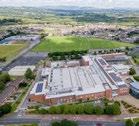
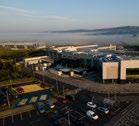
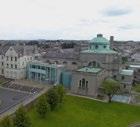
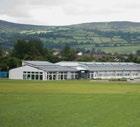
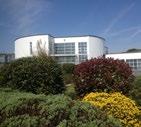
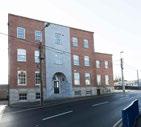
“TUS Vision to 2030 – To be a catalyst for sustainable change through education and research that transforms lives, our region and the world beyond.”
The TUS Strategic Plan 2023–2026 provides the essential context for this Masterplan, setting out the university’s ambitions, values, and priorities for the years ahead.
The plan is built around four priorities:
• delivering high-quality and flexible education;
• advancing impactful, applied research;
• fostering an inclusive organisation where people can thrive; and
• strengthening connections with industry, government, culture, and society
A strong emphasis is placed on climate action, with TUS committed to achieving recognised sustainability benchmarks and exceeding national energy and carbon targets. The Strategic Plan sets out the university’s ambition to be a connected, sustainable, and regionally embedded institution that delivers real impact for students, staff, and communities. Guided by its core values—being inclusive, supportive, ambitious, innovative, sustainable, and collaborative—TUS seeks to widen access, foster creativity and innovation, and build strong partnerships across society and industry.
This Masterplan is framed by that vision and seeks to shape the built environment of the university in ways that enable the Strategic Plan to be realised—creating campuses that are inclusive, sustainable, and transformative for the people and communities they serve.
Following the enactment of the Technological University Act 2018, TUS became the third Technological University in Ireland, formed through the merger of Athlone Institute of Technology (AIT) and Limerick Institute of Technology (LIT). Both institutions carried forward proud traditions of serving their regions, rooted in generations of teaching, learning, and community engagement. The origins of this story can be traced back to the 1850s with the establishment of the School of Ornamental Art and the Athenaeum Society. From these beginnings regional colleges developed across the Midlands and Midwest, expanding opportunities for higher education and shaping the social and economic fabric of their growing communities.
Over more than 175 years, a rich heritage of education, innovation, and civic contribution has emerged, deeply informed by the needs and aspirations of regional communities and enterprises. Inheriting this legacy, TUS now continues the journey begun in the 19th century, building on these traditions while fostering a modern culture of teaching, research, and engagement. The University also recognises its role as custodian of historic and heritage buildings and places, committed to their conservation, preservation, and where appropriate, sensitive adaptation so that future generations can experience and appreciate this legacy.
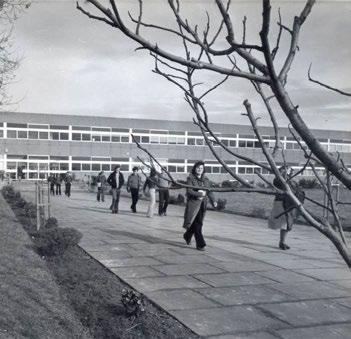
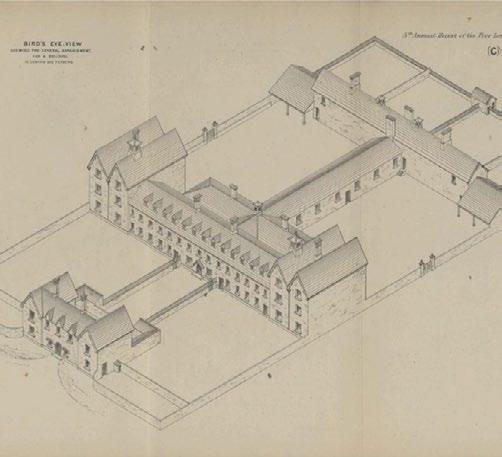
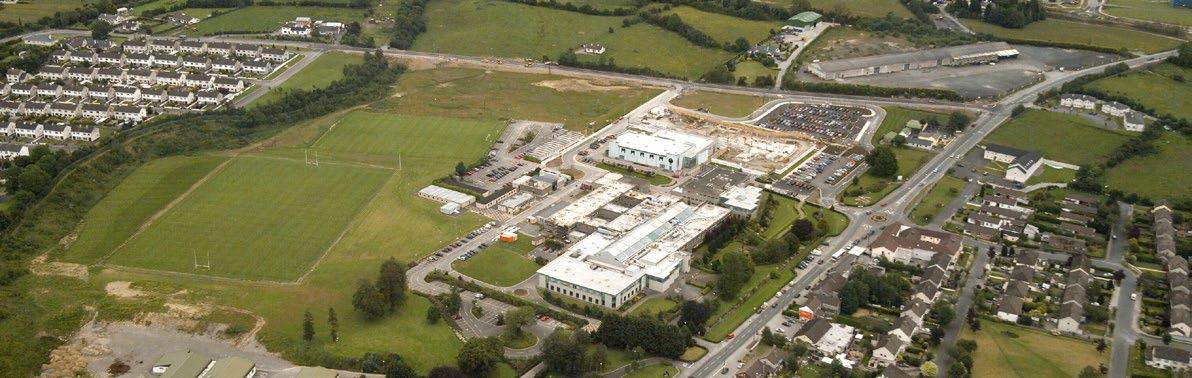
In 1970, the campus at the Midlands campus of TUS opened its doors as Athlone Regional Technical College as part of the national expansion of third level education. The campus was located on 42 acres of land on the eastern outskirts of Athlone town. The student population has grown from as few as 36 in its founding year to over 6,500 today.
The campus has also grown to include an additional seven-acre site in 2001 titled the East Campus. The building stock on the campus has also grown significantly since the year 2000, growing to over 70,000 square metres of building floor area today. Since the opening in 2025 or the Mary Ward Centre for Science, the Midlands campus building stock now exceeds 70,000 sqm.
As far back as the 19th century, The School of Ornamental Art (1852) and Limerick Athenaeum (1855) were promoting artistic and scientific learning.
By 1910, the Municipal Technical Institute, or “The Red Tech,” emerged, and growing demand in the 1970s led to a new technical education campus at Moylish, while artistic education continued in city-centre locations. The college was established by the Limerick City Vocational Education Committee (VEC) in 1975 as the Limerick Technical College. It was renamed the Limerick College of Art, Commerce, and Technology (Limerick CoACT) in 1980, designated a regional technical college in 1993, and achieved institute of technology status in 1997. In 2012, the institution merged with the Tipperary Institute, founded in 1998, adding campuses in Thurles and Clonmel and broadening its regional presence.
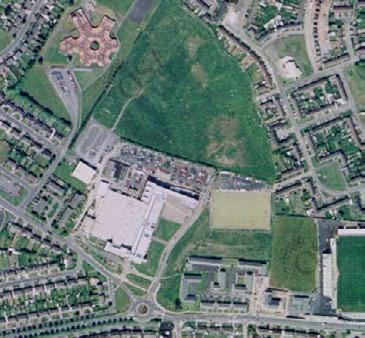
The masterplan acknowledges the presence of protected structures across the University estate, including significant buildings at the Clare Street campus, the Georges Quay Campus, at Northgate Street and at the proposed Cleeves Campus.
At Georges Quay, part of a designated National Monument also forms part of the campus, highlighting the responsibility to balance conservation with contemporary use. These heritage assets require sensitive management to ensure they remain in active use and continue to serve the needs of students and staff, while respecting their protected status. The challenge lies in maintaining relevance and functionality, including compliance with modern standards, without compromising historic character or placing undue pressure on energy performance.
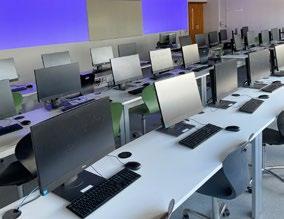
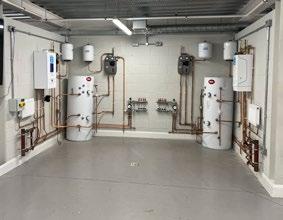
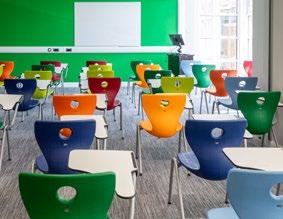
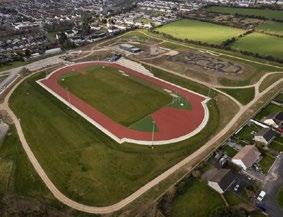
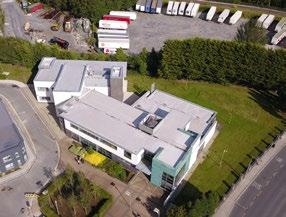
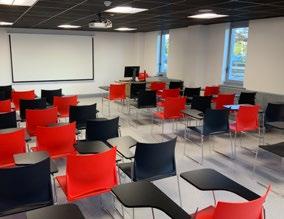
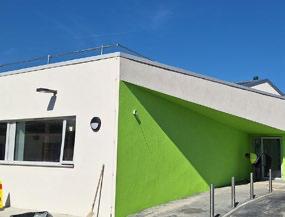
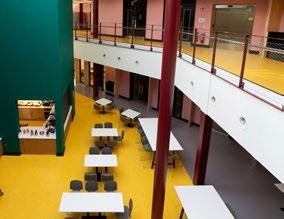
Since the establishment of TUS, a number of important developments have transformed the campuses, providing new and improved spaces to meet the university’s growing educational, research, and community needs.
The Campus Development Masterplan is informed by the projected future needs of TUS, including anticipated growth in student numbers, evolving academic requirements, and the strategic priorities of the University. While specific student demographic trends continue to evolve, it is expected that demand for access to high-quality higher education—both nationally and internationally—will increase over the coming decade.
To respond effectively to this growth, the TUS estate will be developed through a balanced and sustainable approach. This includes the construction of new facilities, the adaptive reuse and repurposing of existing buildings, and the optimisation of space to support modern teaching, learning, research, enterprise, and innovation activities.
The refurbishment and reconfig uration of existing assets will be central to enabling the University to accommodate future increases in student and staff numbers while promoting long-term sustainability and operational efficiency. This objective is further detailed in Section 8.0 of this Campus Development Plan.
In parallel, TUS will actively explore and assess opportunities for strategic land and campus expansion where such opportunities align with the long-term needs of the University. These opportunities may include engaging with suitable partners where there is a shared benefit and a demonstrable public good to be delivered. All such actions will be pursued in line with the principles of good corporate governance, value for money, and alignment with TUS’s institutional mission and regional impact.
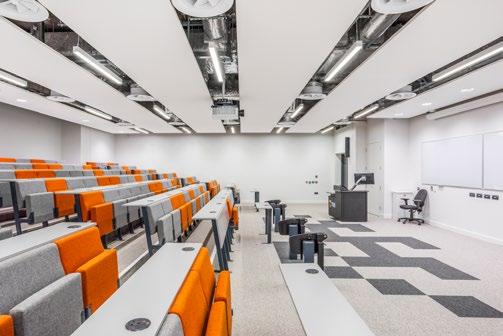
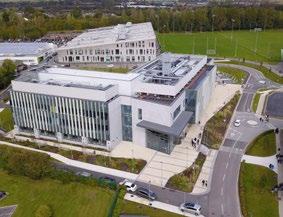
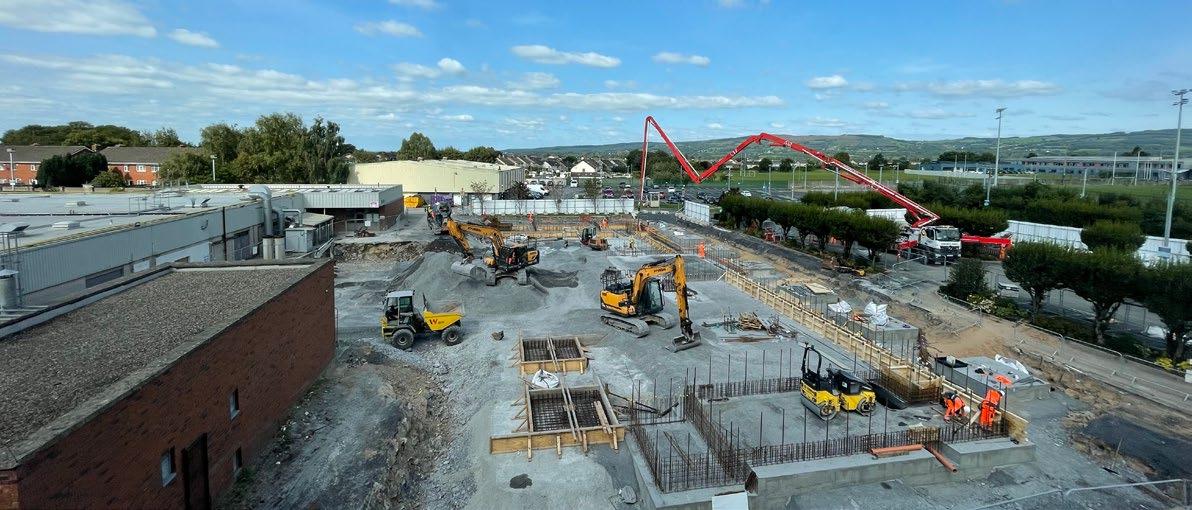
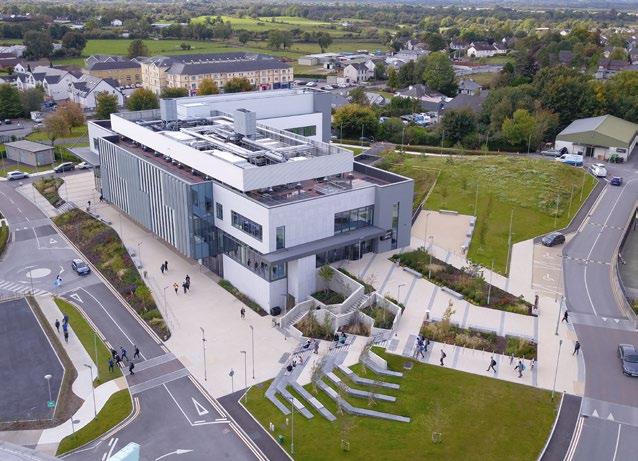
The Mary Ward Centre for Science at the Athlone campus is a transformative development which became operational in 2025. Delivered under the Higher Education PPP Programme (Bundle 1), this project marks a significant milestone in the evolution of the campus, building on the vision outlined in the previous masterplan. The development represents a substantial enhancement of the campus landscape, providing state-of-the-art facilities that will support the Faculty of Science and foster innovation, collaboration, and learning. Named in honour of Mary Ward, the pioneering 19th-century scientist and naturalist from the Midlands, the building celebrates her legacy and highlights the important role of women in science.
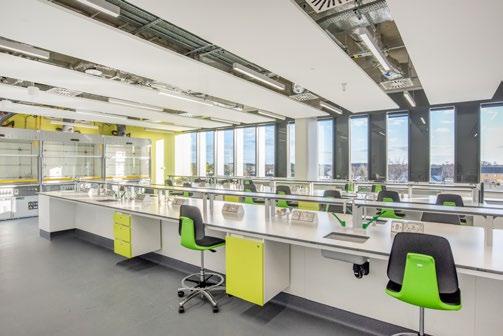
Delivering over 6,000sqm, the building includes cutting-edge laboratories, IT labs, a tiered lecture theatre, office spaces, collaboration rooms, and generous social learning areas. At full capacity, it can accommodate up to 1,000 students, serving as a hub of academic activity and modern education. Central to its design is the seamless integration with the existing campus infrastructure. A three-story main structure, with a screened plant area set back at roof level, anchors the development. Additional features include a 71sqm service building with an associated yard, strategically enhancing operational support.
The Mary Ward Centre of Science bridges the gap between the Main Building to its east and the Engineering Building to the north, with thoughtful landscaping addressing level differences and creating cohesive connectivity. A double-height foyer welcomes students and staff, leading to ground-floor collaboration and innovation spaces, while upper floors house advanced laboratories. A wide social stair in the Hellerup style promotes informal learning and social interaction, enriching the campus experience.Equally important are the Centre’s sustainable design features. The building avoids reliance on fossil fuels, instead employing high-efficiency heat pump technology, on-site solar PV generation, and rainwater harvesting systems. These measures not only reduce its environmental footprint but also demonstrate TUS’s commitment to climate responsibility and future-focused campus development.
Complementing the architectural innovation, a new main entrance plaza with tiered seating and enhanced landscaping elevates the campus environment, while improved pedestrian connectivity further integrates the Centre with its surroundings.
The Mary Ward Centre for Science embodies TUS’s commitment to academic excellence, innovation, sustainability, and student-centred development, positioning the Athlone campus as a leader in modern science education.
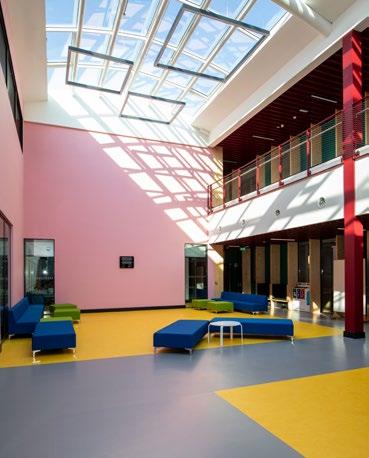
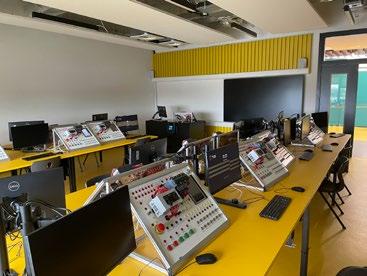
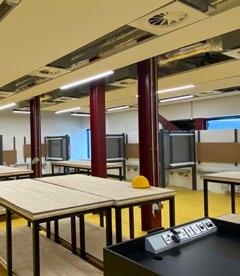
The Coonagh Campus opened its doors in September 2024, marking the delivery of a transformative 5,800sqm facility that represents the first phase of a new higher education campus at Coonagh on the northside of Limerick City. Accommodating students across apprenticeship, engineering and other programmes, the development provides stateof-the-art workshops, laboratories, lecture theatres, classrooms, tutorial spaces, student support facilities, catering, and generous social and peer-to-peer learning environments.
Situated at one of Limerick’s key city gateways, the Coonagh campus is strategically positioned for future expansion, with adjacent lands offering the potential for sports facilities and additional academic buildings. The redevelopment of the former Coonagh Cross Shopping Centre into a high-quality higher education facility underscores TUS’s commitment to sustainable regeneration, transforming underutilised lands into a centre of knowledge, skills, and innovation.
The Coonagh facility will ultimately accommodate more than 860 students, combining apprentices, undergraduates, postgraduates, and lifelong learners. By creating space for new apprenticeships and higher education programmes in manufacturing and electrical engineering, alongside expanded research and innovation capacity, the campus enhances programme quality, improves the student experience, and delivers the graduate output required to support Ireland’s economic growth.
It represents not only an investment in education, but also a strategic response to industry demand, reinforcing TUS’s role as a driver of skills, innovation, and opportunity in the Mid-West and beyond.
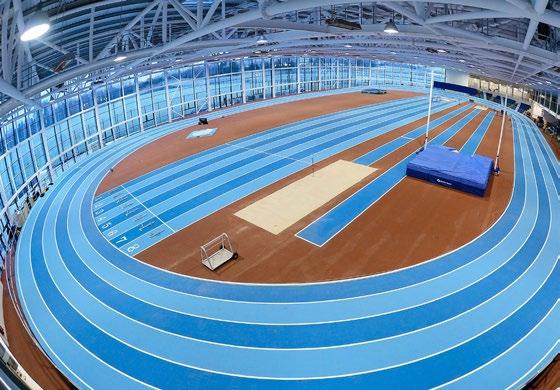
A higher education campus masterplan is a long-term strategy that outlines the physical development and spatial organisation of a higher education institution. It integrates academic, research, social, cultural, sporting, catering and administrative spaces to ensure the campus evolves to support the university’s strategic mission, values, and evolving needs, creating a cohesive and sustainable environment for all stakeholders. This inaugural TUS campus development masterplan serves a critical purpose to align and integrate the new institution through a vision for campus development and will be supported and enabled by this university-wide approach.

The need for a campus masterplan arises from growing student populations, evolving pedagogical and research trends, and increasing demand for high-quality educational facilities across the diverse and differentiated mission of a Technological University. It ensures that space is effectively utilised, addresses infrastructure gaps, enhances accessibility, and adapts to environmental and technological changes, supporting TUS’s long-term strategic goals.
The masterplan provides a high-level, strategic framework to guide the University’s physical development in alignment with its mission, values, and priorities. It sets the overarching direction for campus growth, while detailed design work will be carried out at the project level as individual developments are initiated.
By providing a structured yet flexible approach, the masterplan enables consistent progress over time, helping TUS meet both immediate requirements and long-term objectives while remaining adaptable to evolving educational, social, and environmental demands, as well as appropriate funding opportunities which may arise over the lifetime of the masterplan.
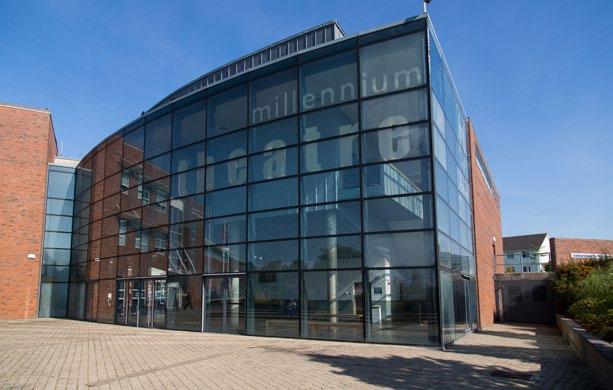
The limits of the Masterplan are defined by a combination of physical, financial, regulatory, and operational constraints. Development must work within the existing TUS landholdings, property boundaries, and infrastructure capacity, while also reflecting budgetary realities and funding availability. Statutory planning, building regulations, and environmental obligations further shape what is permissible, with sustainability, energy efficiency, and climate resilience placing important design requirements on future projects. The Masterplan must also balance the condition and limitations of existing assets with the need to maintain continuity of teaching, research, and services during phased development. Community relationships, transport impacts, and integration with the wider urban context create additional boundaries that must be respected. Finally, while these limits define scope and pace, the plan must remain flexible and adaptable, allowing TUS to respond to emerging opportunities, changing student and industry needs, and future policy directions.

The development of TUS campuses across Limerick, Westmeath, Tipperary, and Clare is shaped by a robust planning framework that spans local, regional, and national levels.
Each campus’s growth is guided by the relevant local authority development plans, which detail strategies for sustainable growth, infrastructure, and land use within those areas. At the regional level, TUS aligns its development with the applicable Regional Spatial and Economic Strategies (RSES), ensuring the university’s growth supports broader regional economic, social, and environmental goals.
Given the geographic distribution of TUS campuses, developments must align with all three RSES in operation across Ireland. On a national level, the National Planning Framework (NPF) and National Development Plan (NDP) provide overarching guidelines, ensuring that TUS’s development aligns with national priorities for sustainable infrastructure, planning, and development.
This masterplan is designed to deliver developments in alignment with the National Strategy for Higher Education to 2030, including fostering a unified tertiary education system. It reflects HEA policies, ensuring that our growth aligns with national and regional priorities. Guided by the Technological Universities Act 2018, the masterplan will facilitate TUS’s continued integration with regional development. The plan will also comply with the Quality Assurance Framework, overseen by QQI, to maintain high standards in teaching, research, and student experience. As we progress, the masterplan will adapt to emerging priorities set out in the new and future Programmes for Government, ensuring that TUS contributes to Ireland’s sustainable economic and social development across our regions.
Key stakeholders in the masterplan process include university students, staff, local communities, local authorities, and external partners such as architects, engineers, developers and relevent funding agencies. Stakeholder engagement processes have been undertaken in the course of the development of this masterplan. The input from the stakeholders has been adopted in the masterplan to create a comprehensive and inclusive plan that addresses diverse needs and priorities, ensuring that our campuses are functional, welcoming, and sustainable.
The impact of the masterplan will be cohesive, integrated campuses that enhances the university’s educational and research capabilities, provides a dynamic environment for student and staff engagement, clearly demonstrates that this is a single integrated institution and fosters strong links with the local community. It will serve as a model for sustainable development and adaptability, ensuring future growth and success.
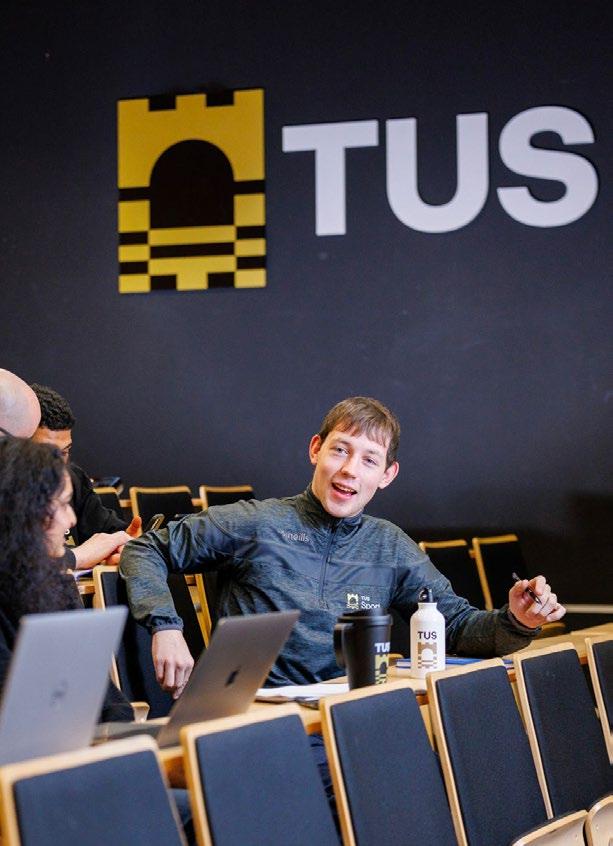
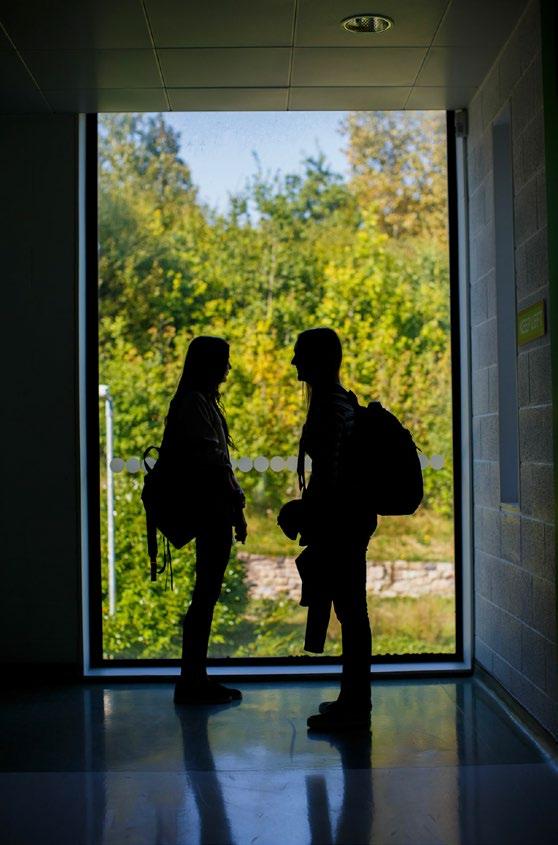
The Masterplan Principles provide the overarching guidance for the physical development of the campuses. They articulate the key considerations that will shape how buildings, landscapes, movement networks, and public spaces are designed and connected. Together, they ensure that future development is coherent, sustainable, and adaptable, while supporting the university’s academic mission and strengthening its relationship with the wider community.
MP 01 | Strategic Alignment - One University
All development will be guided by the TUS mission, vision, and strategic priorities, with each new building, external space, or infrastructure project reinforcing the University’s long-term goals. Campus growth will be planned to support academic excellence, research ambitions, and regional engagement, while also advancing the creation of an integrated university. To achieve this, consistent standards and design principles will be applied across projects, ensuring that the physical environment reflects and evidences the identity of TUS as a unified organisation.
MP 02 | Academic Excellence
Campus design must support high-quality teaching, learning, and research. Flexible, well-equipped spaces that accommodate different pedagogical approaches and research disciplines are essential to fostering innovation and promoting interdisciplinary collaboration.
MP 03 | Student-Centred Design
The student experience is at the heart of campus planning. Facilities will be accessible, inclusive, safe, and welcoming, providing spaces for learning, collaboration, recreation, and social engagement, enhancing both academic performance and overall wellbeing.
MP 04 | Sustainability & Climate Action
Sustainable design principles must be embedded in all aspects of campus development. This includes energy-efficient buildings, low-carbon technologies, resource-efficient infrastructure, climate-resilient landscapes, and the protection and enhancement of biodiversity — all aimed at reducing environmental impact and supporting the University’s sustainability ambitions.
MP 05 | Flexibility & Adaptability
Campus spaces will be designed to evolve with changing academic, research, and community needs. Buildings, landscapes, and infrastructure must accommodate growth, technological innovation, and shifts in pedagogy without compromising long-term functionality.
MP 06 | Integration & Connectivity
Development will promote physical and functional connections across campuses, linking departments, facilities, and open spaces. Strong internal connectivity, as well as integration with local transport networks and surrounding communities, enhances accessibility and fosters a cohesive campus identity.
MP 07 | Community Engagement
The campuses will actively support partnerships with local communities, industry and cultural organisations. Facilities will be designed to be shared where appropriate, with open, accessible layouts that include the removal of existing defensive campus boundaries, clearly signalling pathways into higher education and enabling collaboration, outreach, and social and economic development in the regions TUS serves.
MP 08 | Health, Wellbeing & Accessibility
Campus environments will prioritise the physical and mental wellbeing of all users. Accessible pathways, inclusive design, safe public spaces, and green open areas contribute to a healthy, supportive, and inspiring environment for learning, work, and recreation.
MP 09 | Heritage & Identity
New developments will respect and reinforce the University’s history, character, and unique sense of place. Heritage assets should be preserved, and architectural design will elebrate and strengthen the identity and visual coherence of the campuses.
MP 10 | Economic Efficiency & Deliverability
Masterplan proposals should be economically viable and realistically deliverable. Cost-effective solutions, phased development, and efficient use of resources help ensure that projects can be implemented successfully and sustainably.
MP 11 | Innovation in Design & Technology
Buildings and infrastructure should incorporate innovative design and emerging technologies, supporting modern teaching, research, and operational practices. Smart solutions can enhance sustainability, efficiency, and user experience across the campus.
MP 12 | Resilience & Risk Management
Development should anticipate and mitigate risks from climate change, natural hazards, and operational challenges. Resilient planning ensures that the campus can continue to function effectively under changing conditions and future uncertainties.
Ref. Principle
MP 01 Strategic Alignment - One University
MP 02 Academic Excellence
MP 03 Student-Centred Design
MP 04 Sustainability and Climate Action
MP 05 Flexibility and Adaptability
MP 06 Integration and Connectivity
MP 07 Community Engagement
MP 08 Health, Wellbeing, and Accessibility
MP 09 Heritage and Identity
MP 10 Economic Efficiency and Deliverability
MP 11 Innovation in Design and Technology
MP 12 Resilience and Risk Management
The TUS Masterplan Outcomes define the tangible results that the masterplan seeks to deliver. They translate the Masterplan principles into clear spatial, environmental, and functional outcomes for the campuses. These outcomes provide a basis for measuring success, ensuring that future projects contribute to a cohesive campus environment, enhance the quality of student and staff experience, and create long-term benefits for the surrounding community.
MO 01 | Enhanced Learning and Research Environments
Campus spaces are designed to support high-quality teaching, learning, and research. Flexible classrooms, laboratories, studios, and collaborative spaces enable interdisciplinary work, innovation, and the delivery of modern pedagogical and research practices.
MO 02 | Improved Student Experience
Students benefit from inclusive, safe, and engaging environments that encourage social interaction, collaboration, and personal growth. Welldesigned learning and recreational spaces foster a strong sense of community and belonging, enhancing overall academic performance and satisfaction.
MO 03 | Health, Wellbeing, and Safety
Campus developments prioritise the physical and mental wellbeing of all users. Accessible pathways, safe public spaces, natural light, and outdoor green areas promote healthy lifestyles and a supportive environment for learning, work, and recreation.
MO 04 | Sustainability and Environmental Stewardship
By embedding energy-efficient design, low-carbon technologies, and sustainable infrastructure, the campus reduces its environmental footprint. Green spaces, biodiversity initiatives, and climate-resilient landscapes contribute to environmental protection and long-term sustainability.
MO 05 | Stronger Connectivity and Integration
Well-planned circulation, transport links, and pedestrian pathways improve movement within and between campuses. Integration with the local community, industry, and cultural assets ensures that the University remains connected and accessible to both internal and external stakeholders.
MO 06 | Operational Efficiency and Flexibility
Flexible, adaptable spaces allow TUS to respond effe ctively to changing educational, research, and community needs. Efficient use of infrastructure optimises resources, reduces maintenance costs, and ensures long-term value from investments.
MO 07 | Community and Regional Impact
The campuses actively support regional economic, social, and cultural development. By providing facilities for outreach and collaborative initiatives, TUS strengthens its role as a catalyst for regional growth and innovation. Campuses will feature welcoming, permeable perimeters and easy, inviting access to campus spaces, fostering inclusive environments that maximise engagement and impact for local communities and the wider region.
MO 08 | Identity, Heritage, and Sense of Place
Preservation of heritage assets and coherent architectural design reinforces the University’s identity. Well-integrated developments respect history while creating a distinctive, inspiring campus environment that fosters pride among students, staff, and visitors.
MO 09 | Innovation and Future-readiness
Incorporating emerging technologies, digital infrastructure, and smart solutions prepares the campus for future teaching, research, and operational demands. Innovative spaces encourage creativity, entrepreneurship, and cutting-edge research.
MO 10 | Adaptability to Change
The campus is designed to respond to evolving needs, technological advances, and environmental challenges. This ensures resilience, longterm relevance, and the ability to accommodate new opportunities without compromising existing functions.
MO 11 | Economic Sustainability and Deliverability
Projects are cost-effective, practical, and phased to ensure deliverability. Strategic resource allocation maximises value for money and supports the long-term fin ancial sustainability of campus developments.
MO 12 | Enriched Cultural and Social Life
Through the integration of social, cultural, and recreational facilities, the campuses promotes engagement, collaboration, and a vibrant community life, enriching the experience of all users and strengthening universitycommunity links.
Ref. Principle
MO
MO
MO
MO
MO
MO
MP
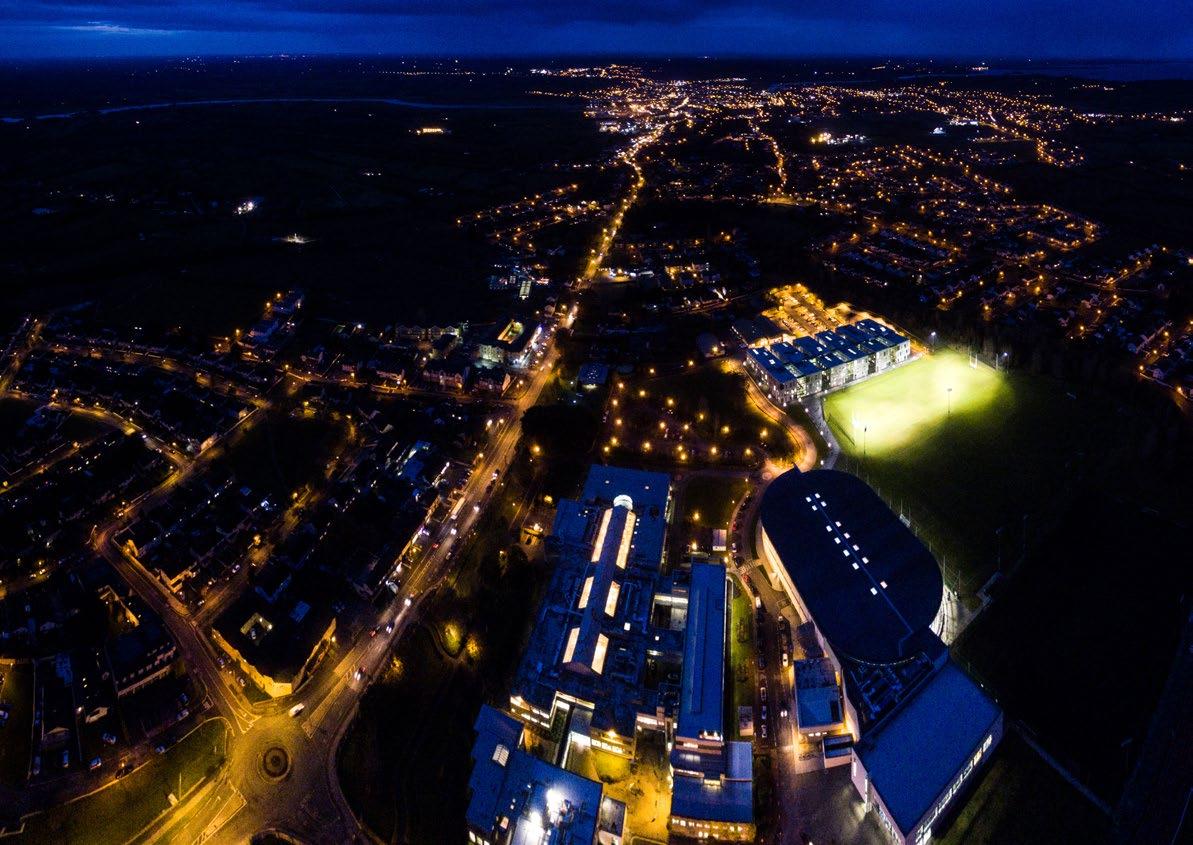
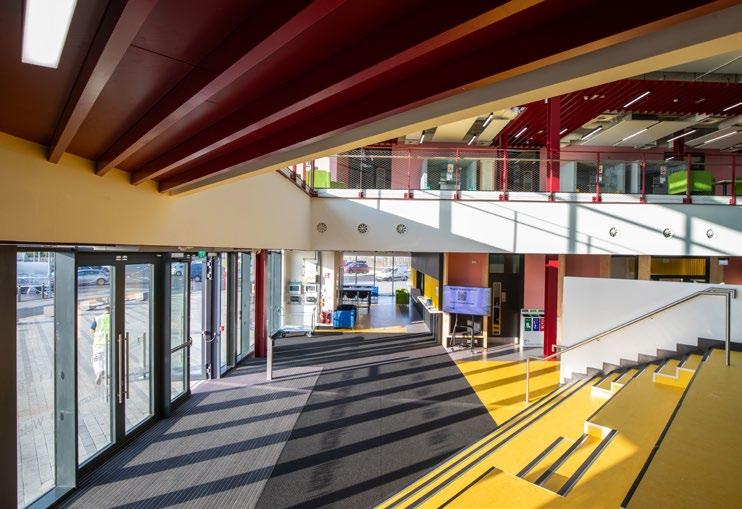
A modern higher education campus should be designed with a peoplecentred approach, prioritising the well-being, comfort, and engagement of students, staff and visitors alike. This philosophy shapes every aspect of design, from the campus layout to the materials used in construction.
As outlined in section 3.0, one key principle is creating adaptable, flexible spaces that foster collaboration and inclusivity. These spaces should support a variety of teaching and learning methods, from traditional lectures to hands-on, experiential learning. Open-plan spaces, natural light, and smart technologies enhance the learning experience while promoting interaction between students, faculty, and the surrounding community.
As outlined in section 9.0, incorporating Universal Design principles is critical, ensuring that the campus is accessible to all individuals, regardless of their abilities or disabilities. These principles focus on designing environments that are usable by the widest range of people, providing equitable access to buildings, spaces, and services. Universal Design fosters inclusivity by removing physical and sensory barriers and supporting the autonomy of all campus users.
TUS may apply suitable methodologies to the design, construction, and operation of developments, e.g. the WELL Building Standard or Fitwel, as potential approaches focused on human health and wellbeing. This approach provides a useful framework for modern campus development. This approach also emphasises the integration of natural elements, air quality, lighting, and acoustics to improve the physical and mental wellbeing of users. WELL’s emphasis on promoting active movement, through features like walking paths and fitness areas, aligns with the increasing recognition of physical health in educational settings.
Moreover, modern campuses must prioritise sustainability through the adoption of green building certifications like LEED (Leadership in Energy and Environmental Design) or BREEAM. These standards ensure that new developments minimi se environmental impact by focusing on energy efficiency, sustainable materials, and water conservation.
By applying these principles, future developments can create dynamic, sustainable, and inclusive environments that support the diverse needs of the campus community, fostering a thriving academic and social ecosystem.
State-of-the-art digital infrastructure is mission-critical to the success of a technological university. At TUS, the development of a robust and intelligent digital campus ecosystem will play a central role in meeting regional and national needs for digitalisation, enabling 21st-century learning and research, and delivering on national policy objectives for the creation and growth of technological universities.
As the nature of higher education evolves, the digital capacity of institutions becomes increasingly central to their academic, societal, and economic impact. Modern technological universities must extend their reach beyond traditional disciplines, activities, and geographical boundaries. Their internal systems and infrastructure must support seamless interaction with students, enterprise, industry, and the wider research community—without structural or digital limitations.
TUS’s multi-campus network demands a high-performance, fully integrated digital ecosystem to deliver an equitable, consistent, and high-quality learner experience across all locations. This digital connectivity will also enable strategic engagement with regional stakeholders and foster collaboration across campuses, industries, and communities.To remain relevant and competitive in the digital age, technological universities must adopt innovative operating models that meet the needs of digitally sophisticated learners. The 21st-century student expects high levels of connectivity, flexible access to learning, and meaningful interaction through digital platforms. TUS must therefore not only meet but exceed these expectations—both in its physical infrastructure for both professional services and academic delivery.
Investment in a strong digital identity and comprehensive infrastructure— including advanced equipment, software platforms, and digital learning environments—will underpin TUS’s commitment to a learner-centred,
technology-enabled academic experience. This infrastructure will enable flexible, high-impact learning across various media and channels, using contemporary pedagogies and digitally enabled modes of delivery.
TUS’s digital infrastructure will also enhance operational effectiveness and improve engagement through technologies such as mobile connectivity, cloud computing, smart devices, virtual and augmented reality, artificial intelligence, predictive analytics, telepresence, location sensing, and data warehousing. These capabilities will strengthe n relationships with both internal and external users and create a dynamic, responsive academic environment.
Future campus developments will prioritise the integration of smart technologies and enhanced digitalisation, ensuring the highest quality network connectivity. A robust, resilient, and diverse network infrastructure will be a core objective in supporting the teaching, learning, research, and social dimensions of the campus experience. TUS will ad opt development methodologies that enable new buildings to achieve recognised network accreditations, including standards such as RCDD, UL 2900, ISO/IEC 147632, and ISO 30146. It will also pursue certifications such as WiredScore for all new campus developments, and SmartScore for student accommodation.
Cybersecurity will be embedded at every stage of the design and implementation process, with comprehensive safeguards to protect data, ensure integrity, and maintain operational reliability. By combining advanced digital systems, accredited infrastructure, and robust security protocols, TUS will deliver seamless digital connectivity and ensure readiness for emerging technologies. This will position the university to provide a secure, adaptable, and engaging digital campus ecosystem—supporting learning, innovation, collaboration, and vibrant campus life across all locations.

The public realm of a contemporary campus should be a vibrant, inclusive, and adaptable space that fosters collaboration, creativity, and community engagement. At TUS, we acknowledge that the public realm on our campuses requires significant improvement and investment to meet the evolving needs of our students, staff, and the surrounding community. Our vision is to create spaces that prioritise accessibility, ensuring that everyone—regardless of ability or background—can fully participate in campus life. A well-designed public realm blends functionality with aesthetics, offering spaces for both social interaction and individual reflection, seamlessly connecting academic, social, and recreational areas.
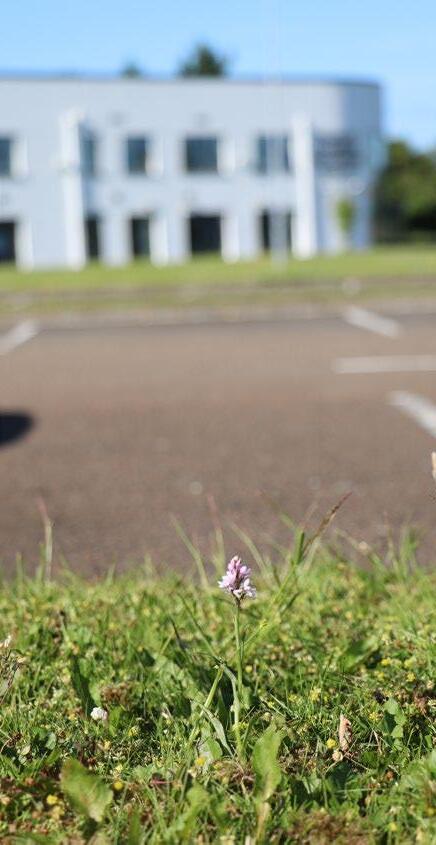
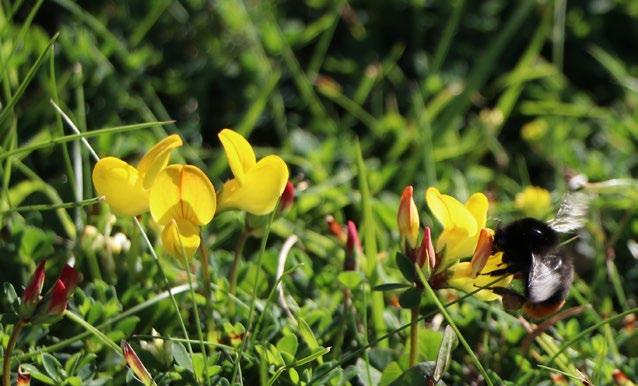
Central to this vision is the integration of biodiversity as a fundamental parameter. Green spaces should not only serve as places for relaxation and reflection but also act as habitats that support local flora and fauna. The inclusion of native plants, pollinator-friendly gardens, and biodiverse landscapes will enhance ecological health, creating a thriving natural environment across the campuses.
Where feasible, TUS will aim to deliver a net gain in biodiversity through its developments (and campus operational initiatives e.g. no mow, avoiding pesticides, installation of bird boxes, bat friendly lighting, etc.) by embedding ecological enhancements at project level, supported by a broader campuswide approach to improving environmental quality over time. To support this, TUS will explore the deployment of Biodiversity Net Gain (BNG) methodologies as outlined in Biodiversity Net Gain in Ireland (CIEEM, 2024), ensuring a consistent and evidence-based approach to assessing ecological impacts and identifying opportunities for enhancement. Biodiversity corridors can link green spaces, promoting wildlife movement and strengthening the relationship between urban and natural ecosystems.
Sustainability remains a core focus, integrating green spaces that promote well-being, provide shade, and encourage environmental stewardship. Outdoor areas should be designed to support various activities—be it outdoor classes, informal gatherings, or quiet moments of study. Green corridors, landscaping, and pedestrian pathways help create a sense of tranquillity while maintaining a clear connection between buildings and the natural environment. Sustainable design practices, such as the use of rainwater harvesting, energy-efficient lighting, and native plants, should be incorporated throughout the campus.
The public realm should also be a place for cultural expression and diversity, hosting events, performances, and exhibitions that reflect the campus’s broader community. Public art installations, dynamic spaces for markets or festivals, and venues for performances can bring together students, faculty, and the local community. Interactive and flexible spaces encourage engagement, with areas for collaboration, relaxation, and recreation. Furniture and seating should be strategically placed to foster spontaneous interaction while also considering the needs of students, faculty, and visitors for quiet study or informal meetings.
Investing in the public realm is a critical step toward enhancing the overall campus experience. By placing biodiversity at the heart of this transformation, these spaces will not only strengthen the connection between the built environment, academic experience, and broader community but also contribute meaningfully to environmental resilience and ecological sustainability.
Ref. Description
PBRL 01 Public Realm Strategy & Development Plan (all campuses)
PBRL 02 Biodiversity Masterplan Athlone Campuses
PBRL 03 Biodiversity Masterplan Limerick Campuses
PBRL 04 Biodiversity Masterplan Tipperary Campuses
PBRL 05 Phase 01 Works Athlone Campuses
PBRL 06 Phase 02 Works Athlone Campuses
PBRL 07 Phase 03 Works Athlone Campuses
PBRL 08 Phase 04 Works Athlone Campuses
PBRL 09 Phase 01 Works Moylish Campus
PBRL 10 Phase 02 Works Moylish Campus
PBRL 11 Phase 03 Works Moylish Campus
PBRL 12 Phase 04 Works Moylish Campus
PBRL 13 Phase 01 Works Coonagh Campus
PBRL 14 Phase 02 Works Coonagh Campus
PBRL 15 Phase 03 Works Coonagh Campus
PBRL 16 Phase 04 Works Coonagh Campus
PBRL 17 Phase 01 Works LSAD Campuses
PBRL 18 Phase 02 Works LSAD Campuses
PBRL 19 Phase 01 Works Tipperary Campuses
PBRL 20 Phase 02 Works Tipperary Campuses
PBRL 21 Phase 03 Works Tipperary Campuses
PBRL 22 Phase 04 Works Tipperary Campuses
Effective transport and mobility are central to creating connected, accessible, and sustainable TUS campuses. Building on the ambitions of the previous masterplan, the university is committed to integrated solutions that strengthen connections between campuses and enhance links with the surrounding region. Enhanced public transport services, pedestrian-friendly pathways, and cycle-oriented infrastructure will reduce reliance on private vehicles while promoting more sustainable modes of travel.
Sustainable transport will be a core focus. Sustained investment in electric vehicle charging, shared mobility services, and carpooling opportunities aim to reduce environmental impact, ease congestion, and support inclusive, efficient commuting for students and staff. In collaboration with local authorities and transport providers, TUS will optimise mobility infrastructure to benefit both the campuses and the wider community.
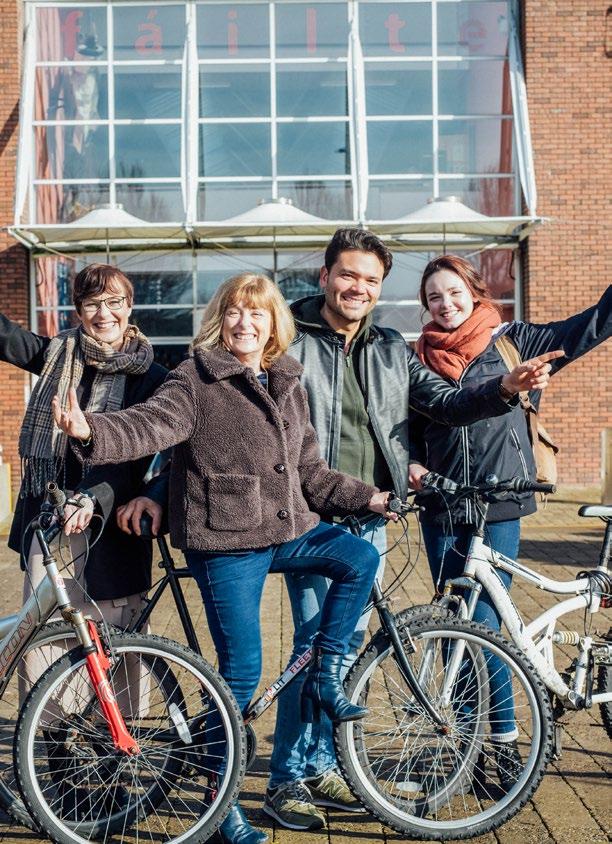
Active travel will also be prioritised. By expanding safe, accessible walking routes and secure cycling facilities, the university seeks to make walking and cycling safer, more convenient, and an integral part of daily campus life. These initiatives support broader objectives of promoting healthy lifestyles and reducing carbon emissions.
To ensure intuitive movement across campus, wayfinding and signage will be enhanced, creating clear, accessible, and welcoming routes for all users.
Looking ahead, TUS will continue to develop transport and mobility infrastructure that balances sustainability, accessibility, and convenience. Through strategic partnerships and targeted investment, these efforts will strengthen the university’s role as a regional leader in sustainable travel while improving the daily experience of students, staff, and visitors alike.

As outlined in section 3.0, a key principle of the TUS Masterplan lies in its adaptability and flexibility, ensuring it remains responsive to emerging opportunities and evolving needs. While the masterplan provides a robust framework to guide the university’s long-term growth, it is intentionally designed to avoid rigidity or narrow application. This approach enables it to accommodate unforeseen developments, adapt to changing academic and research priorities, and integrate new technologies or sustainability measures as they arise.
The masterplan establishes clear principles and a strategic vision that inform decision-making, while leaving room for innovation and creative problemsolving. Proposed developments can evolve within this framework to better align with future demands, ensuring that campus infrastructure, facilities, and spaces remain relevant, functional, and forward-looking.
By prioritising flexibility, the masterplan ensures that TUS can proactively respond to challenges, seize opportunities, and continue to support its mission of excellence in education, research, and community engagement.
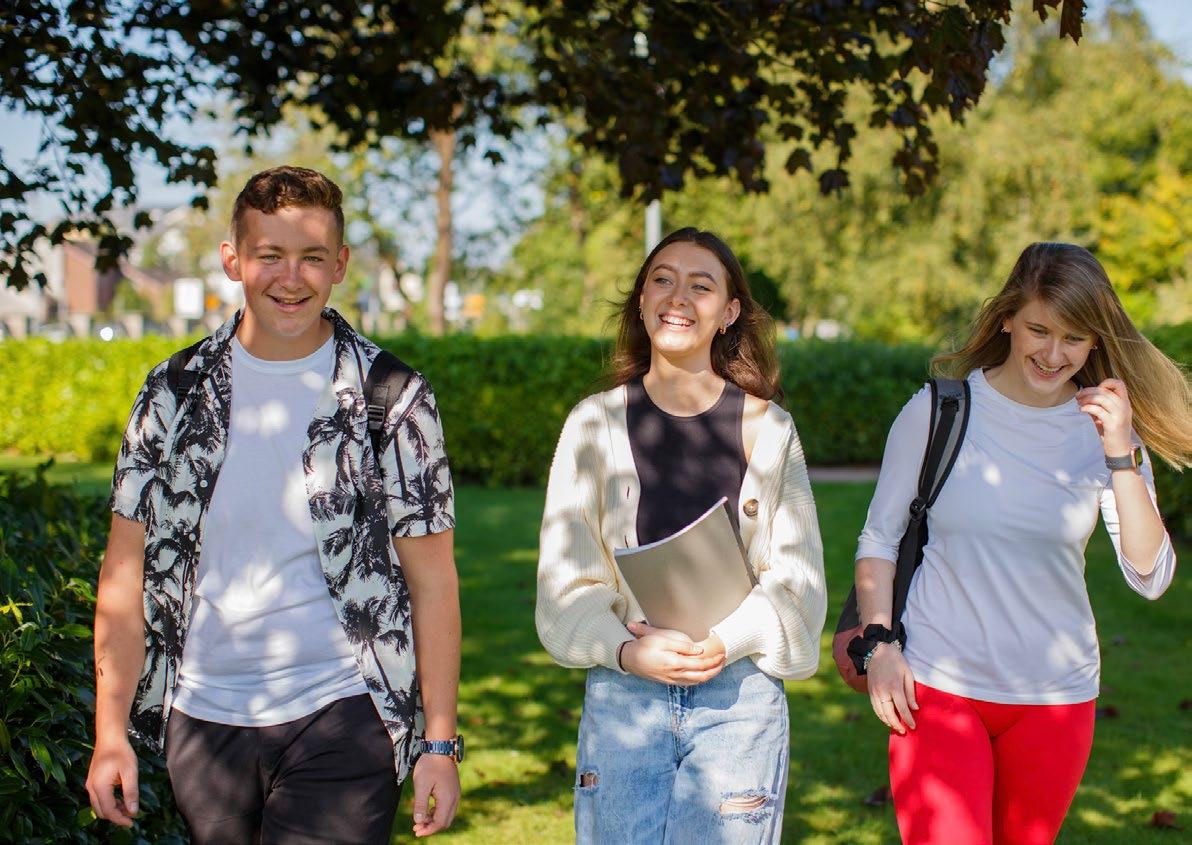
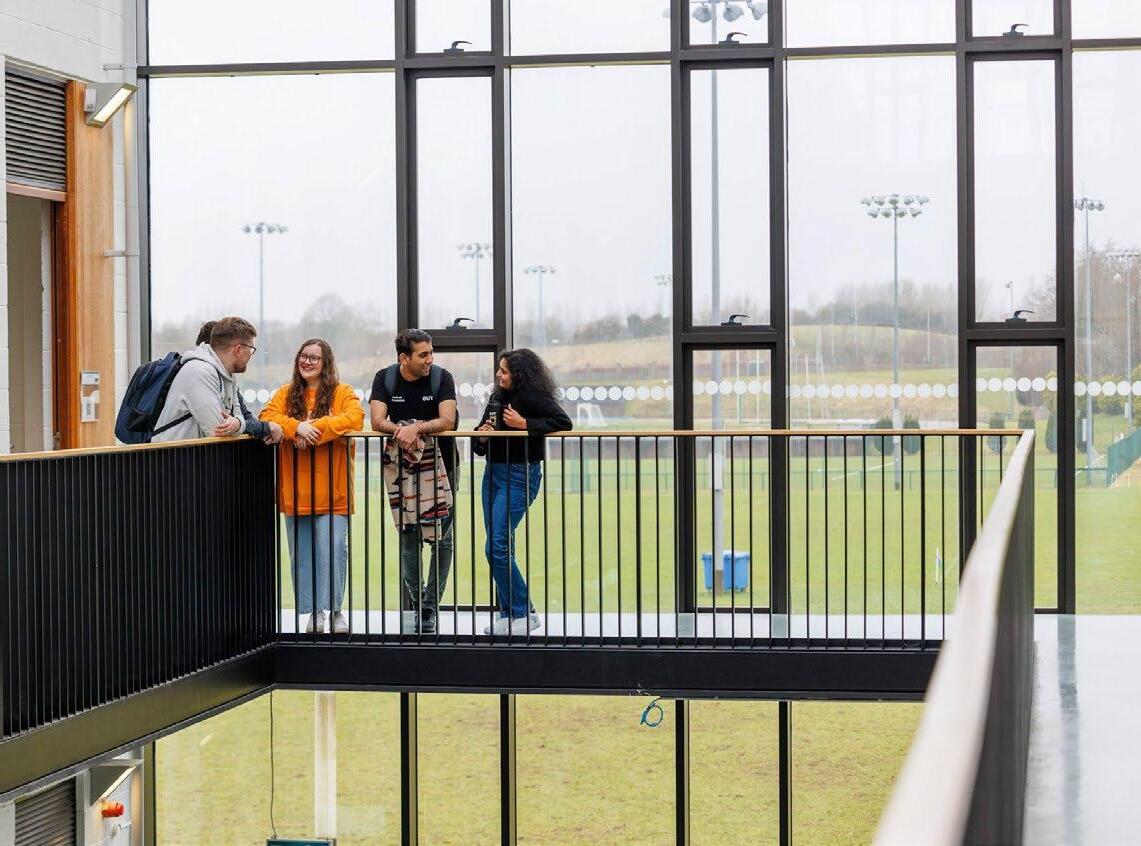
Students are the core of any campus, and a well-designed masterplan places their needs, experiences, and aspirations at the forefront. The campus environment should inspire learning, foster collaboration, and create a sense of belonging, enabling students to thrive academically, socially, and personally.
The masterplan aims to incorporate flexible, state-of-the-art spaces tailored to diverse learning preferences. Classrooms, lecture theatres, laboratories, workshops, study areas, and libraries must seamlessly integrate technology to support individual study, collaborative group work, and hybrid learning. Informal areas like lounges, common rooms, and outdoor gathering spots are equally vital, encouraging interaction, creativity, and interdisciplinary engagement.Accessibility and ease of movement across the campus are key priorities. A high quality public realm, with usable pathways, bicycle-friendly infrastructure, and effective public transit connections, creates a sustainable and user-friendly environment.
Holistic student well-being is supported through access t o green spaces, wellness centers, fitness fa cilities, and catering offerings. By fostering a safe, inclusive, and vibrant atmosphere, the ma sterplan seeks to ensure that students are active in a physical environment that supports achievement of their full potential and succeed both during their time on campus and beyond.
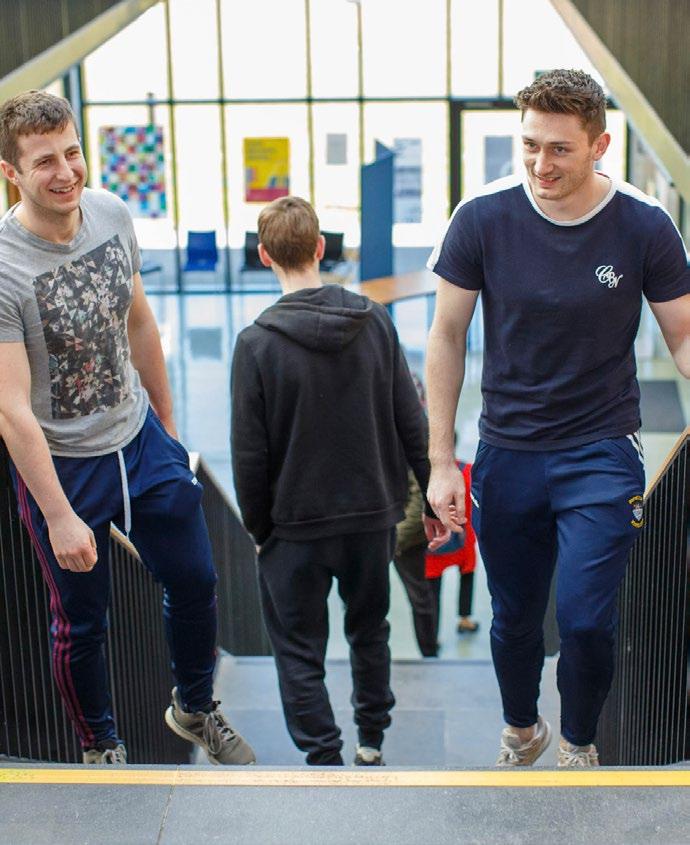
Staff are central to the life of the campus, shaping its academic, cultural, and social environment through teaching, research, and support roles.
The masterplan prioritises their needs by providing flexible, high-quality workspaces that balance productivity, collaboration, and well-being. A variety of spaces—including quiet areas, collaborative zones, and informal meeting points—supports a dynamic and interconnected workforce. Access to efficient mobility, such as well-designed pathways, parking, and public transport connections, reduces commuting stress, while on-campus resources, professional development facilities, and training spaces further support staff growth. Green spaces, fitness facilities, and other amenities enhance well-being and work-life balance, fostering a thriving and engaged staff community integral to the success of the campus.
Visitors are an essential part of the campus experience, whether attending conferences, research presentations, cultural events, or sporting activities. The masterplan seeks to make the campus a destination of choice by providing diverse, high-quality spaces that cater to academic, research, cultural, social, and sporting events. Clear signage, convenient parking, and accessible transport links ensure ease of navigation, while dedicated event spaces, cultural venues, and modern sports facilities encourage engagement and return visits. This approach creates a welcoming, vibrant environment that inspires participation and supports the university’s broader mission.
Community integration is an important consideration aiming to strengthen physical connections between the campus and its surrounding neighbourhoods. By removing physical and social barriers, enhancing pathways, and creating accessible points of engagement, the masterplan promotes interaction with local communities and wider higher education networks. This approach fosters a more inclusive and connected campus, benefiting staff, students, visitors, and the wider community alike.
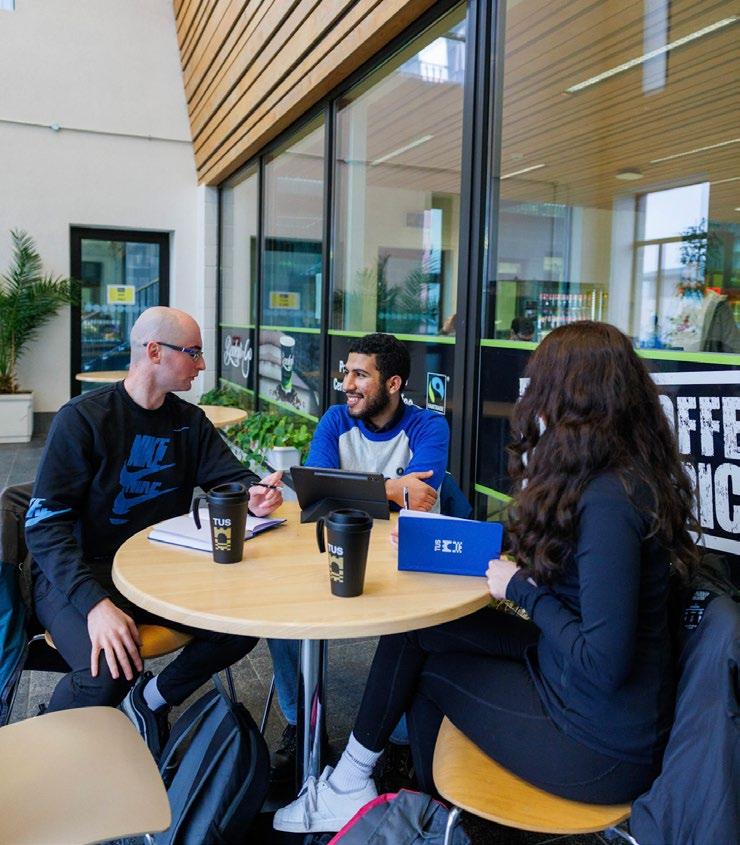
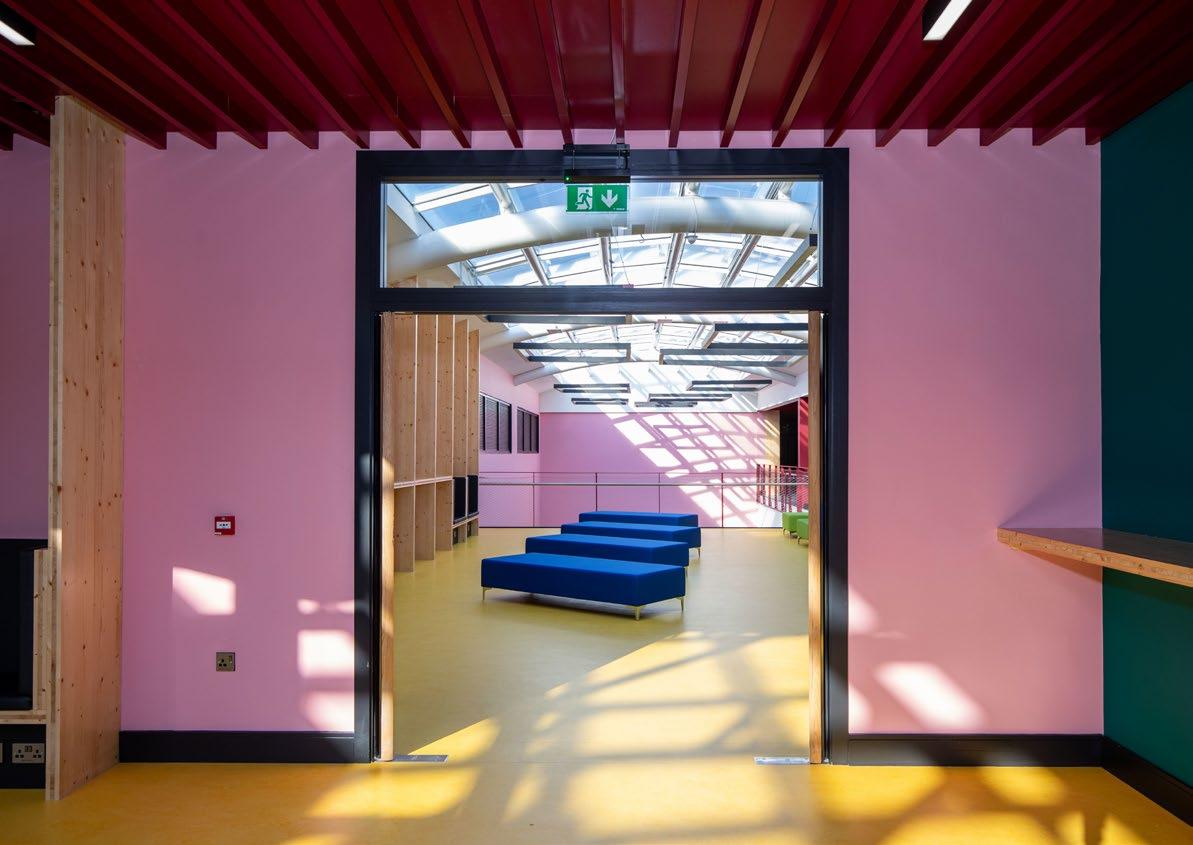
A central objective of this campus masterplan is to prioritise the development of social learning spaces as a foundational element of the university’s built environment. These spaces are as critical to the academic mission as the lecture hall, laboratory, studio or workshop, providing dynamic, adaptable environments that support collaboration, self-directed learning, and interdisciplinary engagement.
Social learning spaces are designed to complement formal teaching spaces, recognising that learning extends far beyond the classroom. These areas foster creativity and innovation by encouraging spontaneous interactions and collaboration among students and staff. Strategically integrated into campus fabric, they can transform hallways, courtyards, and shared zones into vibrant hubs for connection and exploration. Whether it’s a breakout area near a suite of lecture rooms, a collaborative pod off a corridor, or touch-down spaces near cafes, these environments create opportunities for knowledge-sharing and new ideas to emerge.
The adaptability of social learning spaces is key to their success. Designed to respond to a variety of needs, they can host group discussions, quiet study, or moments of reflection, mirroring the non-linear and evolving nature of modern learning. As such, they must be thoughtfully incorporated into campus planning and design, ensuring they are accessible, inclusive, and technologyenabled while maintaining a focus on fostering human connection.
Social learning spaces also play a critical role in shaping campus culture. By facilitating collaboration across disciplines, promoting informal mentorship, and nurturing a sense of community, they enrich the overall student and staff experience. The recognition of these types of spaces and their priority in this masterplan reflects a commitment to creating an environment where formal and informal learning coexist, reinforcing the TUS mission to prepare graduates for the complexities of an interconnected world.Embe dding social learning spaces as a masterplan objective ensures the campus supports not only education but also connection, innovation, and discovery at every level of its development.
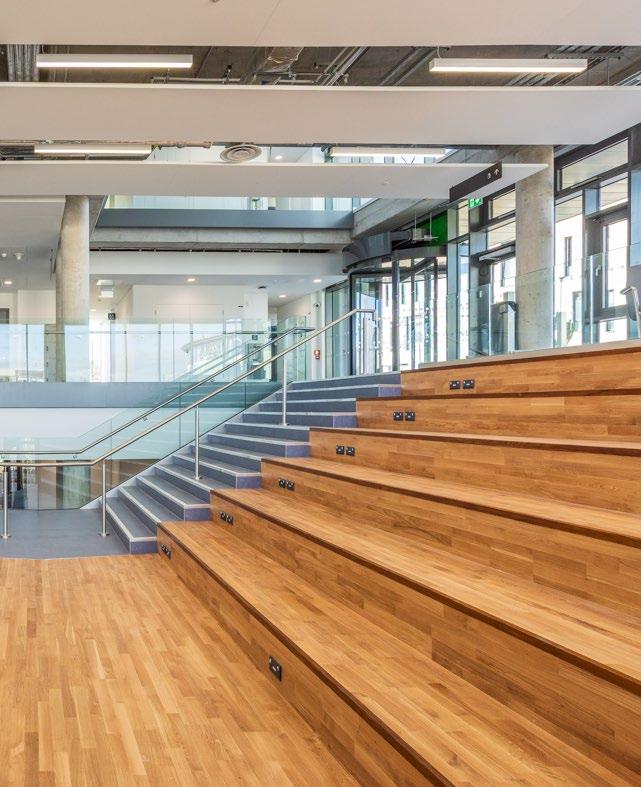
As TUS continues to grow, land availability on campus presents a signific ant constraint to accommodating new academic, research, and support facilities. Vertical upward extensions to existing buildings offer a strategic solution, enabling the university to expand capacity without requiring additional land. By carefully assessing structural capacity, circulation, and functional requirements, vertical additions can provide flexible, high-quality spaces that respond to evolving teaching, research, and community needs.
In addition to addressing space constraints, vertical extensions provide an opportunity to maximise the value of embodied carbon in existing structures. Reusing and expanding upon the existing building fabric avoids the carbonintensive processes associated with demolition and new construction, contributing to the university’s broader sustainability objectives. Thoughtful design can integrate energy-efficient systems, natural light, and ventilation strategies, further enhancing environmental performance while creating attractive, functional spaces.
Vertical extensions also allow for strategic densification of the campus, supporting a compact, walkable environment and strengthening connections between facilities. By carefully considering impacts on the surrounding context, views, and heritage, these additions can enhance the campus skyline and create distinctive, legible landmarks that contribute to campus identity.
Overall, vertical development provides a practical and sustainable approach to future growth, balancing operational efficiency, environmental responsibility, and spatial optimisation. By embedding this approach within the masterplan, TUS can respond to changing academic demands while safeguarding the long-term value of its existing building stock and minimising environmental impact.

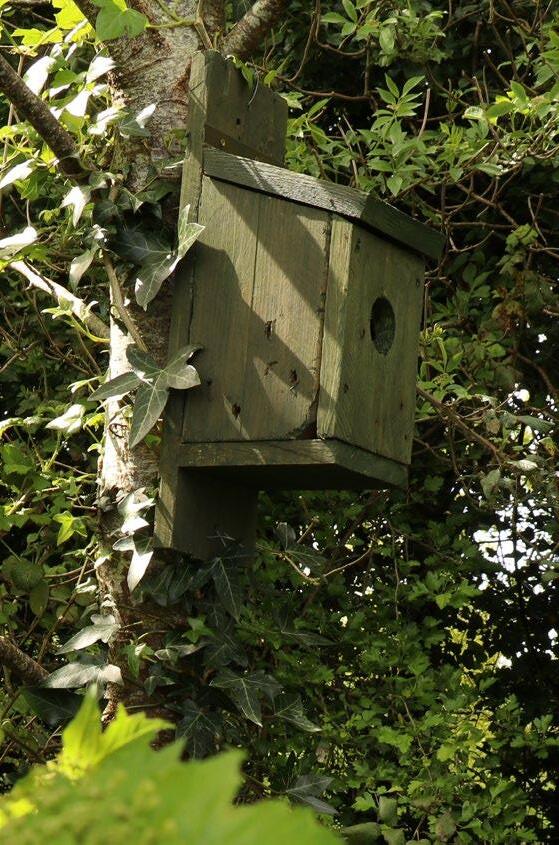
Sustainability is at the heart of this masterplan, reflecting the TUS commitment to fostering a resilient, low-carbon future in alignment with global and institutional responsibilities. Guided by the United Nations Sustainable Development Goals (UN SDGs), this plan embraces environmental, social, and economic sustainability to create a campus that not only supports education but actively contributes to a more sustainable world. The masterplan is aligned with the objectives of the TUS Climate Action Plan and retains the flexibility to evolve as necessary to meet current, emerging and future strategic objectives.
A key focus is on decarbonisation, striving to minimise the campus’s carbon footprint through energy-efficient buildings, renewable energy integration, and sustainable mobility solutions. New developments will prioriti se passive design strategies to optimise natural light, ventilation, and thermal performance, reducing reliance on non-renewable energy. Additionally, all new projects will consider whole life carbon and e mbodied carbon, assessing the environmental impact of materials and construction processes across their entire lifecycle to inform sustainable choices.The principles of circularity and resource conservation will be embedded in design, construction and operational practices. Materials will be sourced responsibly, with an emphasis on reducing waste and reusing or recycling where possible. Water conservation measures and green infrastructure, such as rainwater harvesting and permeable surfaces, will support local biodiversity and mitigate environmental impact.
Aligned with SDG 11 (Sustainable Cities and Communities) and SDG 13 (Climate Action), the campus will promote sustainable transportation, including cycling infrastructure, electric vehicle charging stations, and enhanced public transport connectivity. Green spaces and biodiversity corridors will create a healthy and vibrant environment, supporting wellbeing and fostering a connection to nature. This masterplan commits to embedding sustainability objectives in all campus developments, ensuring projects actively address energy efficiency, reduce emissions, and account for both operational and embodied carbon. By doing so, the campus will meet p resent needs while inspiring future generations to prioritise sustainability in all facets of their lives.
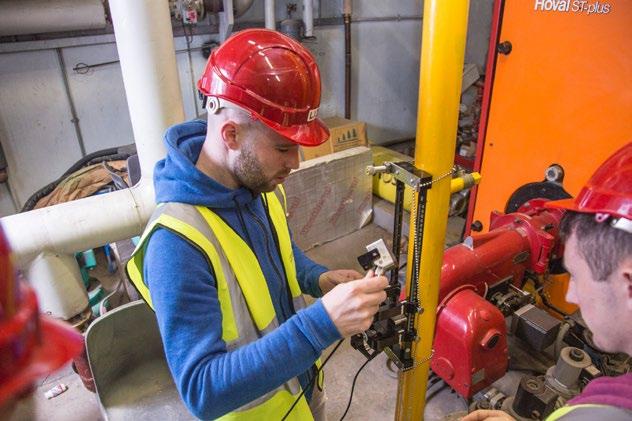
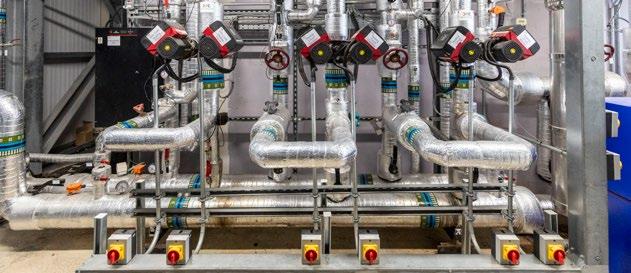
TUS aligns its energy and carbon reduction strategies with the EU Energy Efficiency Directive (EED) and with national frameworks including the Public Sector Energy Efficiency Strategy, the Climate Action Plan, and the National Energy & Climate Plan. These are reinforced by the Climate Action Mandate and the Climate Action and Low Carbon Development (Amendment) Act 2021, and are underpinned at institutional level by the TUS Climate Action Roadmap and the application of Green Public Procurement (GPP) criteria in all sustainable procurement practices. TUS is also adhering to the national prohibition on fossil fuel-based heating systems in public buildings introduced in 2023.
Ireland’s public sector is required to achieve a 51% reduction in greenhouse gas emissions by 2030 and to reach climate neutrality by 2050. The key 2030 targets include:
• a 50% improvement in energy efficiency
• a 51% absolute reduction in emissions
In response, TUS’s strategy for existing buildings prioritises refurbishment and upgrades to achieve BER B or higher as a stepping stone towards Near Zero Energy Building (NZEB) performance by 2050. For new buildings, compliance with TGD Part L 2021 is mandatory, with targets of BER A2–A3, and naturally ventilated buildings expected to achieve performance at the higher end of this range.
Decarbonisation Strategy
The following high-level strategies will guide capital development projects as TUS works to decarbonise its built environment:
• Eliminate fossil fuel heating: Replace existing fossil fuel-based systems with electric solutions,
• primarily air-source and ground-source heat pumps, enabling low-carbon operation in line with the decarbonisation of the national grid.
• Develop low-carbon energy networks: Assess the potential of campus energy centres to deliver district heating, creating shared infrastructure that supports the transition of multiple buildings to sustainable systems.
• Explore geothermal potential: Investigate the use of deep boreholes for geothermal heat sources, supporting long-term, low-carbon heating solutions that reduce reliance on external energy supplies.
• Upgrade and optimise existing assets: Improve building performance through targeted upgrades such as LED lighting with smart controls, highefficiency heating plant, and advanced air-handling units with variable speed drives and heat recovery.
• Expand renewable generation: Maximise on-site renewable energy by installing photovoltaic (PV) arrays on new and existing building roofs and extensions.
• Leverage smart energy management: Enhance performance through continuous monitoring, building management system (BMS) optimisation, real-time data analytics, and smart controls to ensure efficiency gains are sustained over time.
The decarbonised electricity grid necessitates enhanced electrical infrastructure, including increased supply capacity and potential new substations. This ensures that TUS can support current and future energy demands while maintaining compliance with national energy and climate targets.
Passive design principles, low-energy systems, and renewable technologies will be maximised to comply with TGD Part L 2021 and NZEB directives. The combination of building efficiency measures and grid decarbonisation forms the backbone of TUS’s approach to long-term energy resilience and carbon reduction.
The masterplan supports the implementation of the TUS Energy Policy and the delivery of legal obligations, including ISO 50001 certification and compliance with SI 426 energy audits, by ensuring that new buildings and infrastructure are designed and operated to meet these standards.
Achieving these objectives may involve collaboration with the private sector, leveraging technical expertise, investment, and innovative delivery models to realise scalable, cost-effective energy solutions. TUS will engage with energy providers, technology partners, and local authorities to explore partnerships that align with its sustainability ambitions and regulatory requirements .
TUS is committed to exploring innovative approaches to energy provision across its campuses to support sustainability, efficiency, and resilience. Given the significant energy demands of its buildings, the University will investigate the potential for district heating networks powered by renewable energy sources. Such systems can provide centralised, low-carbon heating and cooling, reducing reliance on individual building systems while optimising energy use across the estate.
In line with this, TUS has an ambition to participate in, or lead, clusters of nearby public bodies and other organisations in progressing district heating opportunities, strengthening regional collaboration and impact. The development of district heating will be guided by the aim for energy resilience, ensuring that critical campus operations remain secure and reliable in the face of supply fluctuations or disruptions. Opportunities to integrate renewable sources, such as biomass, solar thermal, or geothermal, will be carefully assessed to maximise environmental benefits while maintaining operational efficiency.
Through these initiatives, TUS aims to reduce carbon emissions, enhance energy efficiency, and strengthen the long-term resilience of its campus infrastructure, while demonstrating leadership in sustainable energy management within higher education estates.
Through these initiatives, TUS aims to reduce carbon emissions, enhance energy efficiency, and strengthen the long-term resilience of its campus infrastructure, while demonstrating leadership in sustainable energy management within higher education estates.
The following table provides a schedule of specific Climate Action objectives:
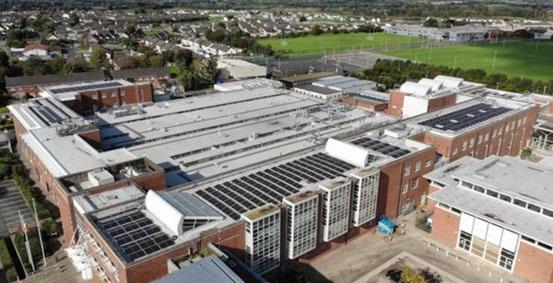
In June 2021, planning permission was secured for the installation of a major solar photovoltaic (PV) system on the Moylish Campus. Supported by a 30% SEAI grant, the project began in September 2021 and was completed by January 2022.
The system includes 370 roof -mounted monocrystalline PV panels across Blocks 1, 3 and 5, with a total capacity of 166.5 kWP . This renewable energy investment is expected to generate around 7.3% of the campus’s annual electricity demand for the main building.
The project represents a significant step forward in reducing reliance on grid electricity and lowering carbon emissions. With a projected payback period of approximately ten years and a panel lifespan of 25 years, it delivers both environmental and financial benefits.
This initiative also demonstrates the University’s commitment to sustainability and energy efficiency, creating a visible and practical example of renewable energy in action on campus.Case Study Heat Pump & Solar PV Installation at Athlone Campus
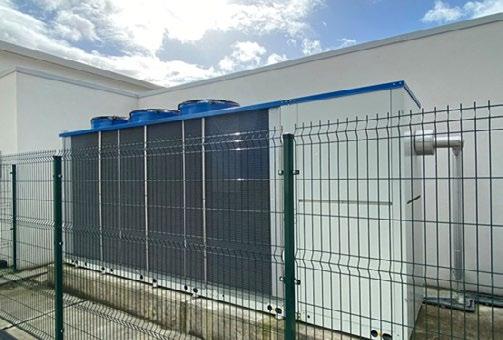
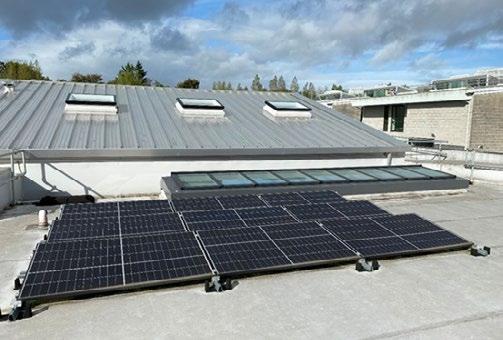
The Applied Polymer Technologies (APT) Extension & Retrofit project was completed in September 2023 following a significant extension and deep retrofit of the former Auburn 2 building.
An air source heat pump serves the heating and hot water requirements for the building and replaces the oil- fired boiler which heated the original building. A 3.9kWp photovoltaic panel array (PV) was installed on the roof of the new extension of the building to offset the additional electricity requirements resulting from the heat pump installation.
The high-quality thermal upgrade together with the usage of air to water heat pumps, both removes the dependence on CO2 producing fossil fuels and provides a long- term sustainable approach to this project which aligns with the Universities vision for the campus.
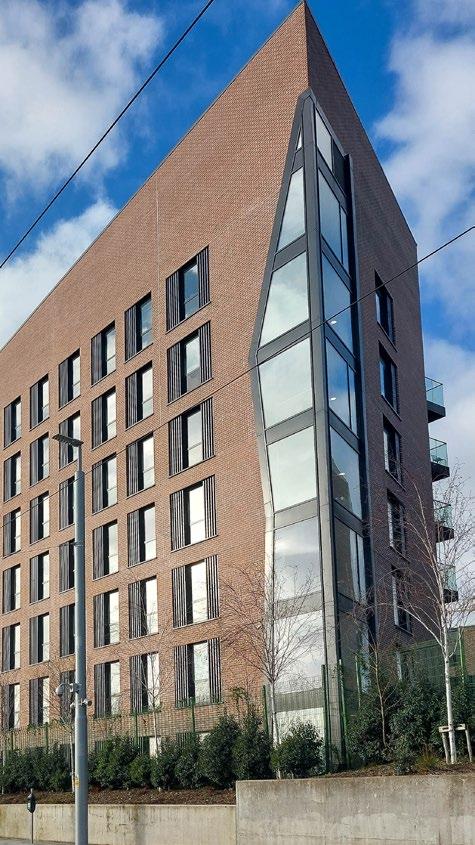
There is a significant and growing shortage of student accommodation, particularly in areas with growing student populations. Athlone and Limerick are experiencing increasing demand for student housing, placing pressure on local markets. TUS’s expanding student base requires more purposebuilt student accommodation (PBSA). National policies, such as the National Development Plan 2021-2030 and Housing for All strategy, stress the need to address this shortage to support higher education and local communities.
Expanding student accommodation on and off-campus is crucial to meet growing demand. High-quality accommodation provides students with a stable living environment close to their studies, fostering a sense of community. By developing both on-campus housing and collaborating with private developers, TUS can alleviate housing shortages and improve the student experience, attracting more domestic and international students.
Student accommodation at TUS should include on-campus housing and private sector partnerships to increase availability. On-campus housing ensures proximity to academic and support services. Off-campus options, including private developments, will ease local housing ma rket pressure and provide students with flexible living choices. Mixed-use de velopments may also meet housing needs while benefiting the local economy.
Increasing student accommodation will improve the student experience, enhance retention, and reduce pressure on local housing markets. Diversifying delivery models will create sustainable, affordable housing options for a growing student population. National policies, including Housing for All, support these initiatives, beneÞting the region and strengthening TUS’s role as a key economic and educational driver.
TUS commits to continue engagement with key stakeholders, including the Department of Further & Higher Education, Research, Innovation & Science, the Higher Education Authority, the Department of Housing, Local Government and Heritage, local authorities, and private operators, with the objective of delivering the necessary quantity, and quality PBSA to meet our students needs.
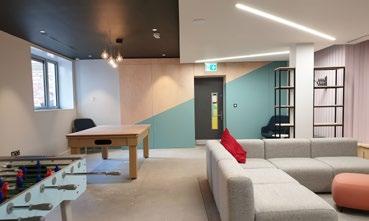
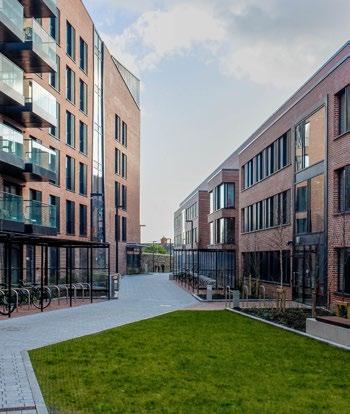
TUS is committed to ongoing investment in its existing building stock to enhance the campus environment and ensure it meets the evolving needs of students and staff. Many areas of the campus have suffered from a lack of investment, which has led to outdated facilities that no longer support modern educational practices. The masterplan acknowledges space utilisation outcomes and commits to addressing underutilised areas through adaptation or re-purposing, while prioritising the progressive upgrade of energy performance across the estate. To address these challenges, TUS will continue to refurbish, retrofit, and repurpose existing spaces to create more dynamic and flexible learning environments that foster collaboration and innovation.
The focus will be on maximising the potential of the current estate, utilising every corner of the campus to support teaching and learning. Many of the existing spaces are inward-facing, with rigid layouts that limit interaction and adaptability. TUS’s strategy will involve opening up these areas, breaking down barriers, and creating more fluid, adaptable environments that support a range of academic activities. This approach aligns with the university’s commitment to student-centered learning, where spaces are designed to enhance engagement and collaboration, as well as responding to emerging academic delivery needs and new programme requirements.
The ongoing refurbishment and re-purposing of facilities will allow TUS to meet both academic and student expectations, ensuring that the campus is not only a place of study but also a vibrant community hub. Modernising existing facilities is crucial to maintaining TUS’s competitiveness within the higher education sector. By upgrading and retrofitting spaces, TUS will enhance the quality of its educational offerings, support cutting-edge research, and continue to provide a welcoming environment for students.
The following is an indicative schedule of foreseeable projects:

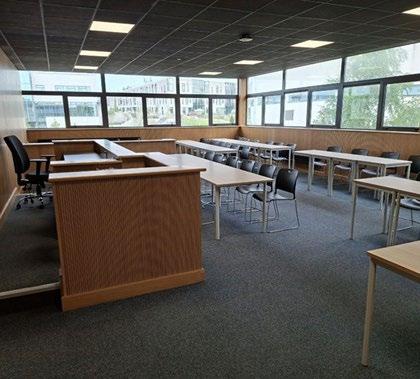
The project involved the repurposing of an existing physiotherapy teaching space into a fully functional moot court room, supporting the growing law and business programmes at TUS Athlone campus.
The new facility provides students with a professional, practice-based learning environment that mirrors real courtroom settings. The space is aligning with the objectives of space utilisation, enhanced student experience, altitude charter andcross-disciplinary teachingresources. A flagship teaching facility that enhances the academic reputation of TUS’s law and business programmes which allows for improved student employability through simulated legal practices.
The moot court provides students with opportunities to develop advocacy, negotiation, and legal reasoning skills in a realistic environment.
This flexible space demonstrates TUS’s commitment to enhancing student experience, academic excellence and innovation, strategic space optimisation and interdisciplinary learning opportunities.
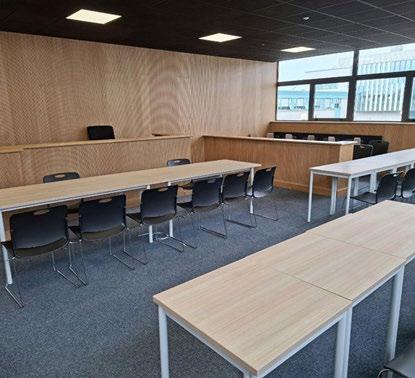
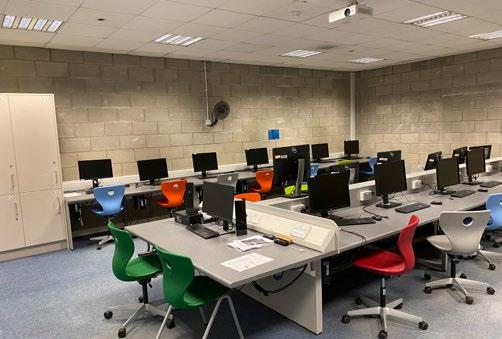
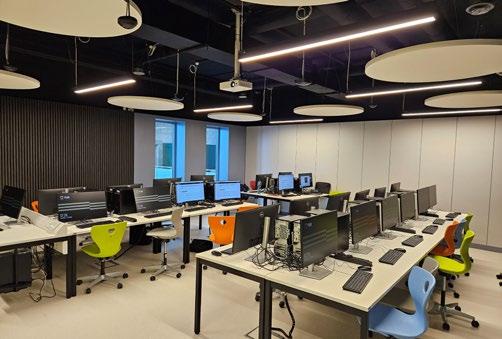
The refurbishment of Room 4B.07A at the Moylish Campus set out to transform a sub-standard space that had long provided a poor userexperience into a modern, comfortable and digitally equipped teaching environment befitting a contemporary University. Aspart of Phase 1, the project introduced a new mechanical ventilation system to improve indoor air quality, along with full-height glazing overlooking the nearby atria to bring borrowed natural light into a room that had previously relied solely on artificial lighting. Interior finishes were upgraded throughout, creating a brighter, more inviting space that promotes comfort and productivity.
Together, these interventions have delivered a significantly enhanced environment for students and staff, supporting better teaching and learning outcomes. Looking ahead, Phase 2 willextend the footprint of the room into the adjoining space, allowing the creation of a larger, collaborative and active learning teaching room. This new facility will be
designed to accommodate multiple teaching pedagogies, promote group work and flexibility, and ensure the effective utilisation of valuable campus space. In doing so, the project reflects the University’s widercommitment to modernising its estate, providing high-quality environments that encourage innovation, collaboration and academic excellence.
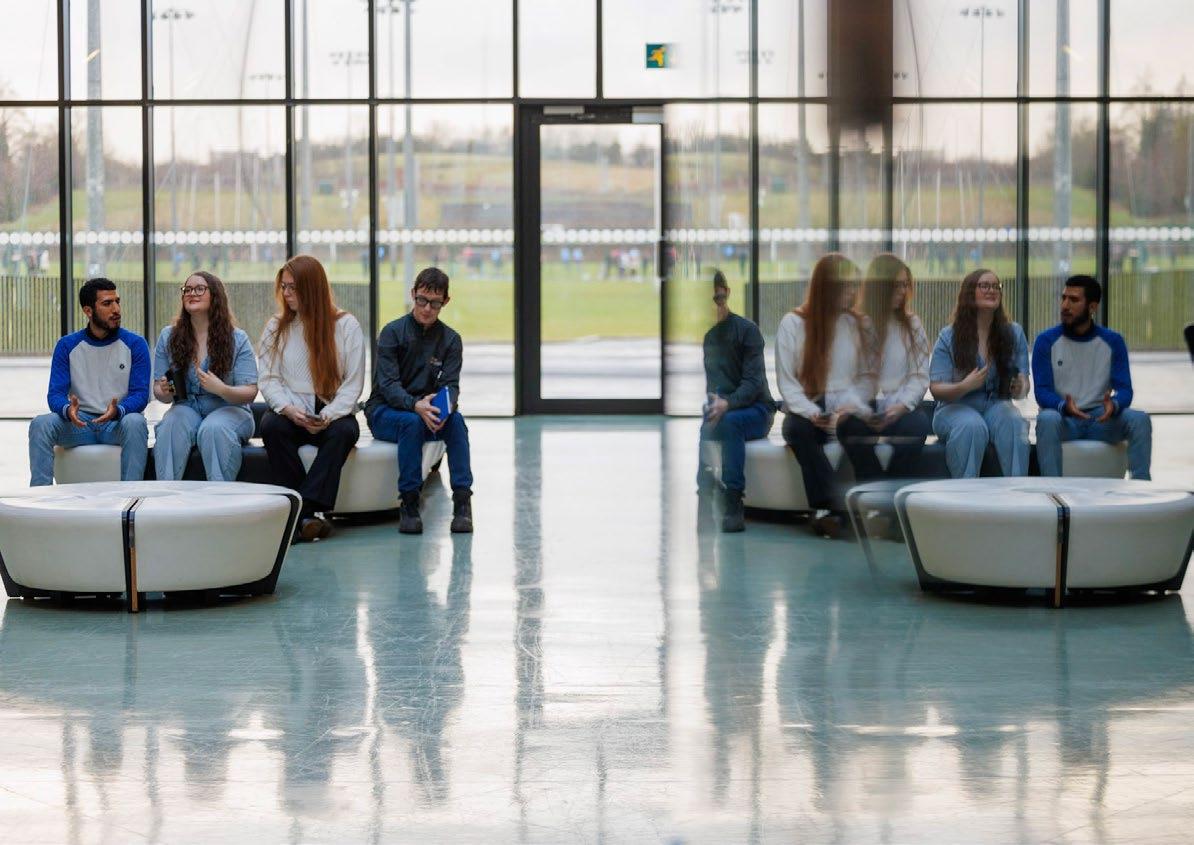
By embracing universal design principles, TUS aims to create an equitable environment where every individual can fully participate in academic, social, and cultural activities.
This masterplan places Universal Design (UD) at the heart of campus development, recognising the diversity of the student population and affirming the right of all learners to access inclusive, supportive, and enabling educational environments. UD is defined as the design of products, environments, programmes, and services that are usable by all people, to the greatest extent possible, without the need for adaptation (United Nations, 2006).
TUS is committed to embedding UD across all aspects of the learner experience in alignment with the Altitude Charter — a Higher Education Authority (HEA)-commissioned framework developed through the PATH initiative. The Charter provides a roadmap for embedding UD systemically in tertiary education and is grounded in seven principles across three domains: the built environment, products and services, and information and communication technologies (ICT). Its overarching vision is of institutions where “all learners are transformatively included through Universal Design in education.”
By embracing universal design principles, TUS aims to create an equitable environment where every individual can fully participate in academic, social, and cultural activities.
This masterplan specifically aims to deliver on two key pillars of the Altitude Charter:
Pillar 3: Physical Environment – The masterplan will promote the inclusive design ofbuildings, public realm, circulation routes, learningspaces, and facilities. This includes applyingaccessibility principles from the earliest stages ofplanning and design, ensuring campusinfrastructure supports autonomy, dignity, andparticipation for all students, staff, and visitors.
Pillar 4: Digital Environment – Themasterplan acknowledges the digital campus as acritical part of the learner experience. It willsupport the integration of universally designeddigital infrastructure, systems, and platforms toensure that all learners can engage equitably withteaching, learning, and support services— whetheron campus or online.
Through these commitments, the masterplan sets a strategic direction for a campus that is both physically and digitally inclusive, ensuring that the future TUS environment enables success for all learners and aligns with national best practice in Universal Design.

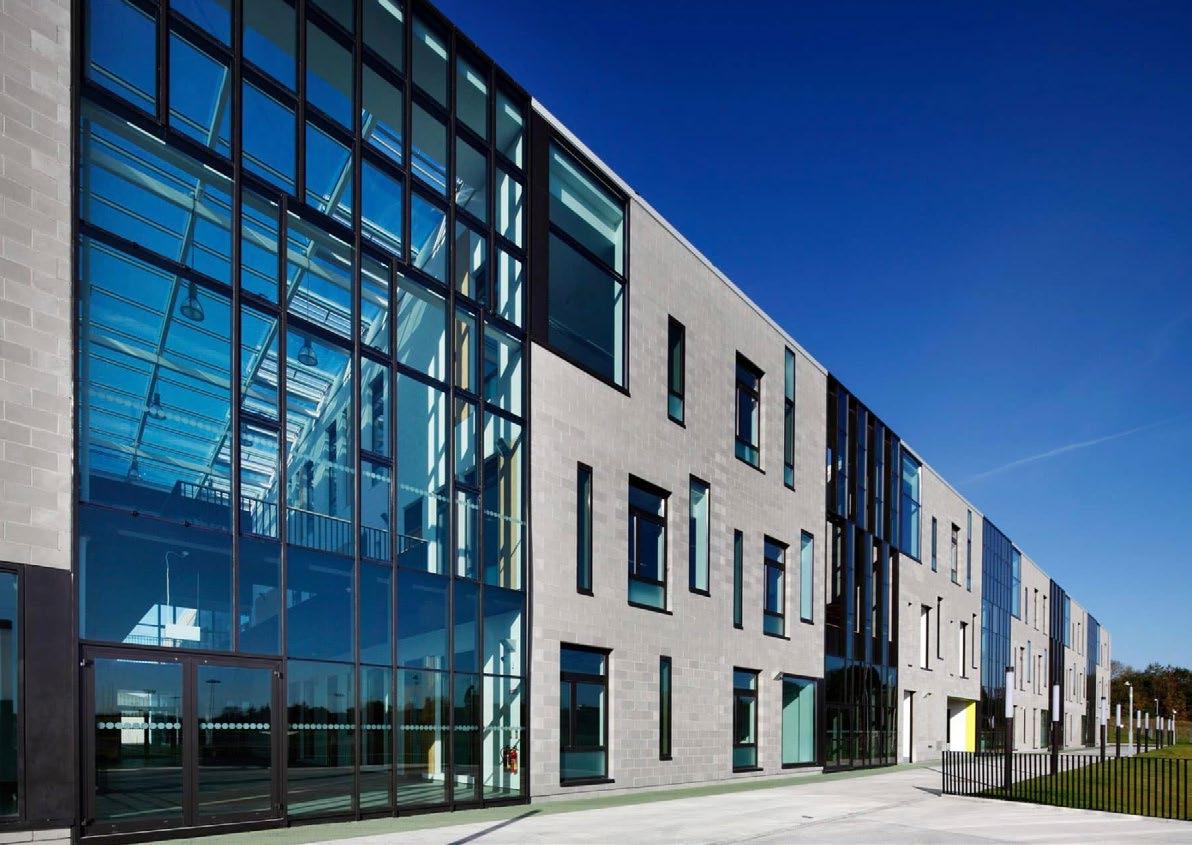
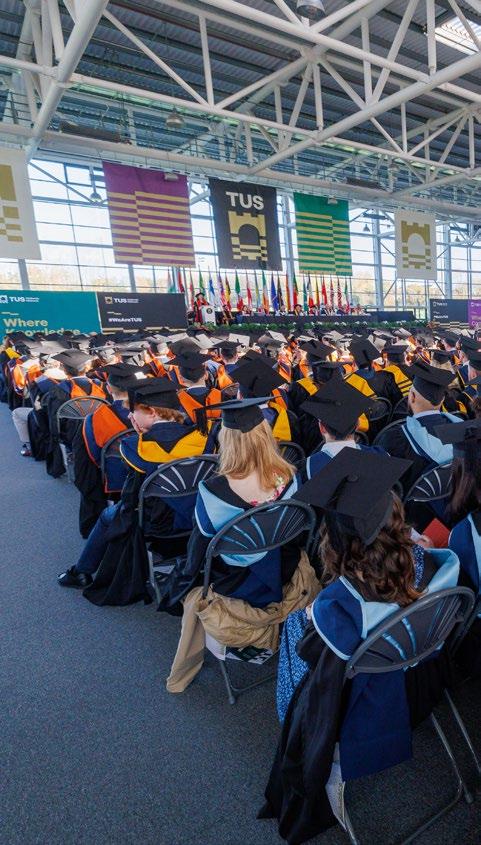
Through this Masterplan, TUS has identified a series of strategic priority projects that will act as catalysts for transformation across our campuses. These projects represent bold steps in shaping a vibrant, sustainable, and futurefocused university environment. Collectively, they will redefine how our campus supports teaching, research, innovation, and community engagement, while also strengthening our role as a driver of regional and national development.
The developments outlined in this section will deliver far-reaching benefits: from creating dynamic learning and research spaces, to enhancing cultural, sporting and social life on campus, to deepening connections with our surrounding communities. Some projects are already well advanced and moving into delivery, while others remain at the conceptual stage, allowing for further innovation and refinement. Each project should therefore be understood in the context of its stage of development, with advanced projects supported by visual material such as drawings, imagery, and representations.
These are not ranked in sequence; rather, they represent a portfolio of priorities, each essential in its own right. Together, they chart a bold and ambitious course for the TUS estate - one that invests in people, places, collaboration and partnerships, ensuring TUS continues to thrive and inspire for decades to come.
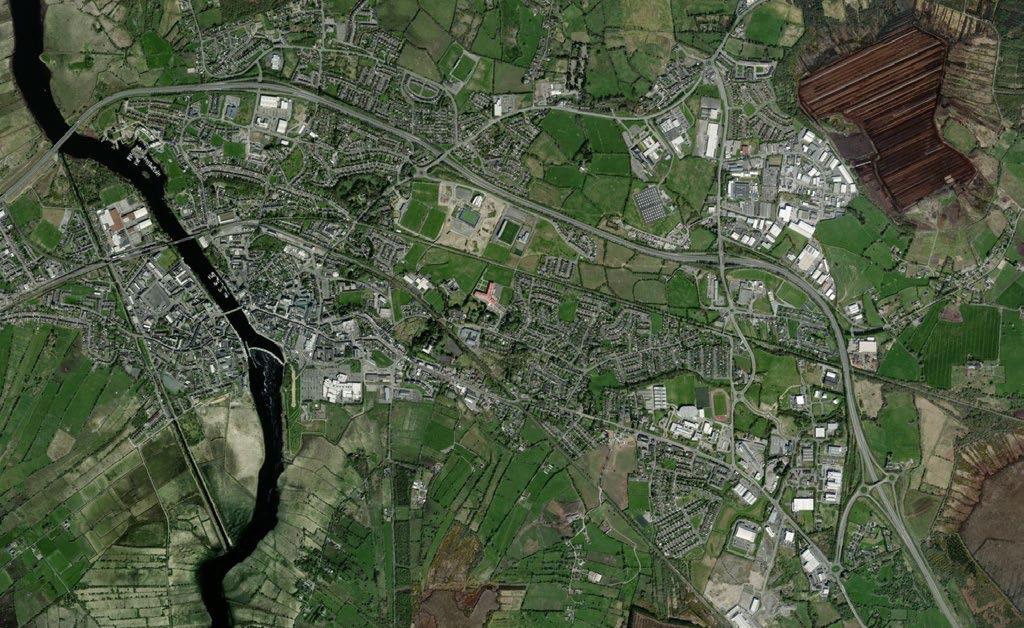
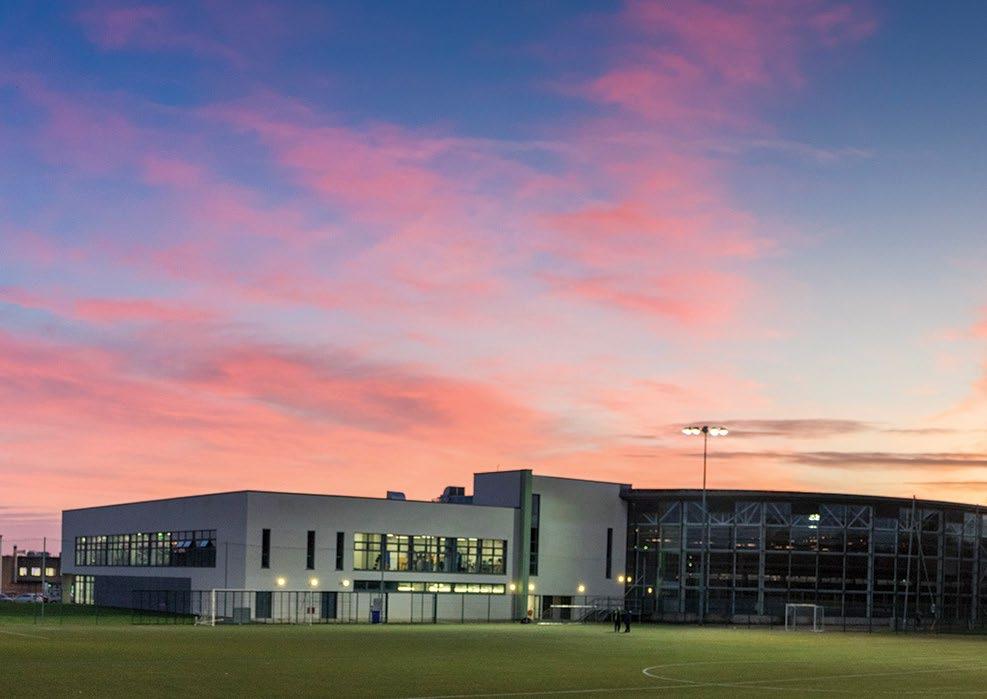
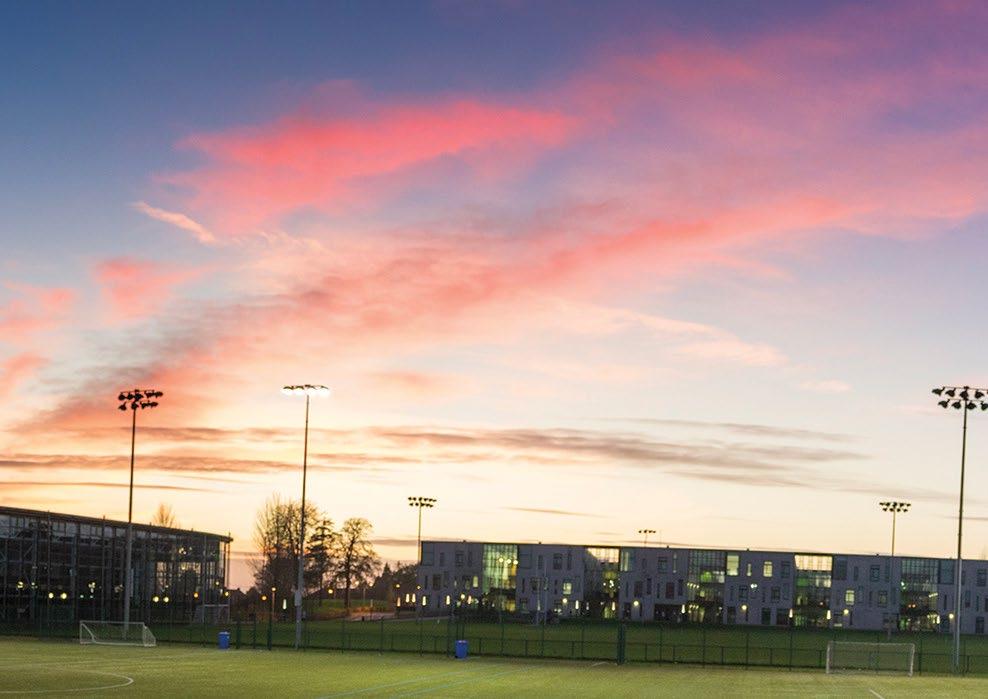
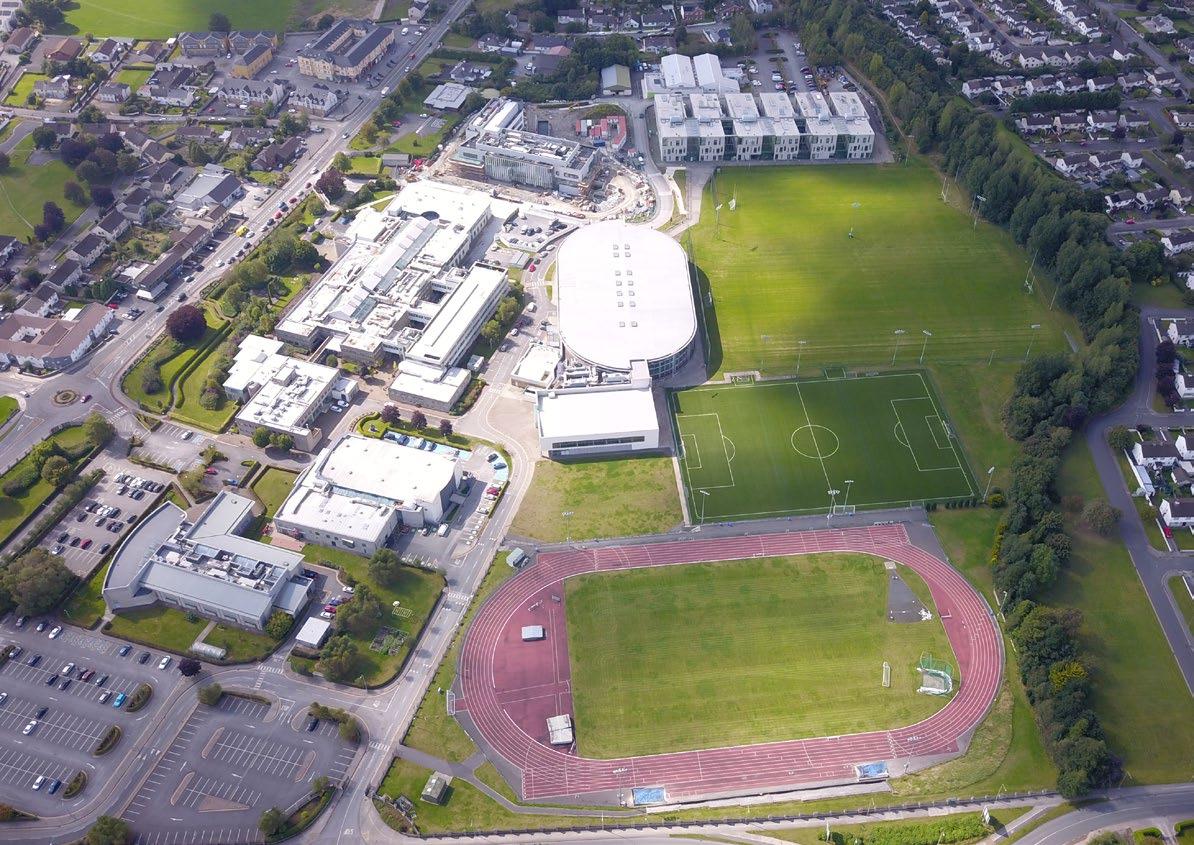
Located on the eastern edge of Athlone, the 50-acre main and east campuses are home to 6,500 students and are renowned for their welcoming, inclusive culture that empowers students to reach their full potential.
Offering over 200 industry-focused courses across various delivery modes, programs range from higher certificate to PhD, including unique offerings like Ireland’s only dedicated microbiology degree.
It’s also a natural choice for athletes, boasting world-class facilities like the International Arena, which features Ireland’s first international-standard indoor athletics track. Recent developments include new facilities for polymer research and healthcare, as well as the 6,000sqm Mary Ward Centre for Science, which opened in 2025 and accommodates 1,000+ students with advanced labs, lecture theatres, and collaborative spaces.
The campus is a hub for innovation, with programs in cutting-edge fields such as virtual reality, robotics, and pharmaceutical science. As the TUS masterplan considers future growth, it remains attentive to emerging development concepts in the wider region, including recent proposals imaging how Athlone might evolve into Ireland’s first Green City.
The proposal for Athlone is based on a visionary masterplan to deliver a new, sustainable city designed to accommodate a population of 100,000 by the year 2040. If this ambitious plan is realised Athlone will be transformed into a city of green spaces, active travel, and self-sustaining neighbourhoods. Natural habitats will be restored, and infrastructure will be designed to adapt to climate change, mitigate flooding, and reuse rainwater through advanced “sponge city” design.
In the plan the road networks will prioritise electric and autonomous transport, while the river will become a key part of local mobility. Services and amenities will be accessible within a 15-minute walk or bike ride for all residents.
I.
J.
K.
L.
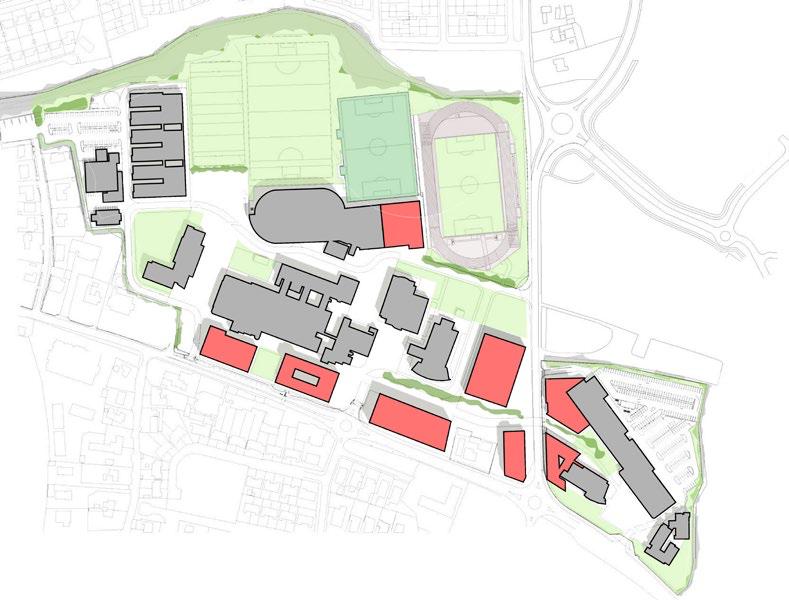
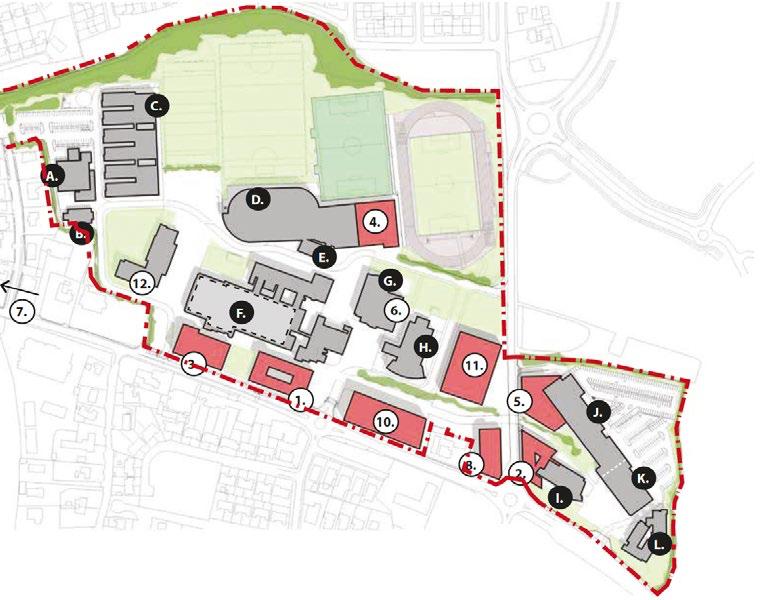
1. Back Garden of Mary Ward Centre for Science
2. Library Square
3. Central Quad
4. Entrance Gateway
5. Campus Square
6. East Campus Quad
7. East Campus Gateway Sqaure
8. Integration with Athlone Active Travel Path Finding Routes
9. Future Gateway
10. Future Full Pedestrianisation
11. STEM Plaza
12. Campus Walkway Route
13. Connection to Old Rail Trail Greenway (Potential for future Student Accomodation)
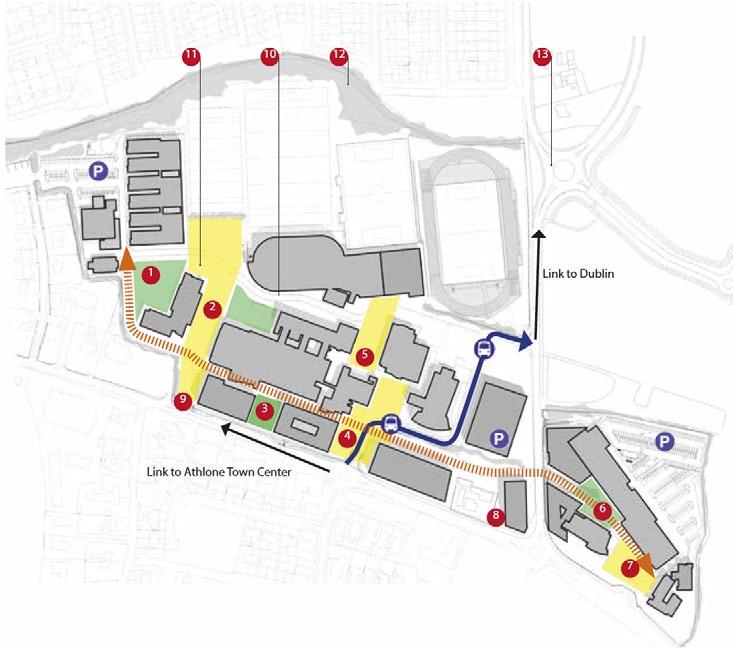
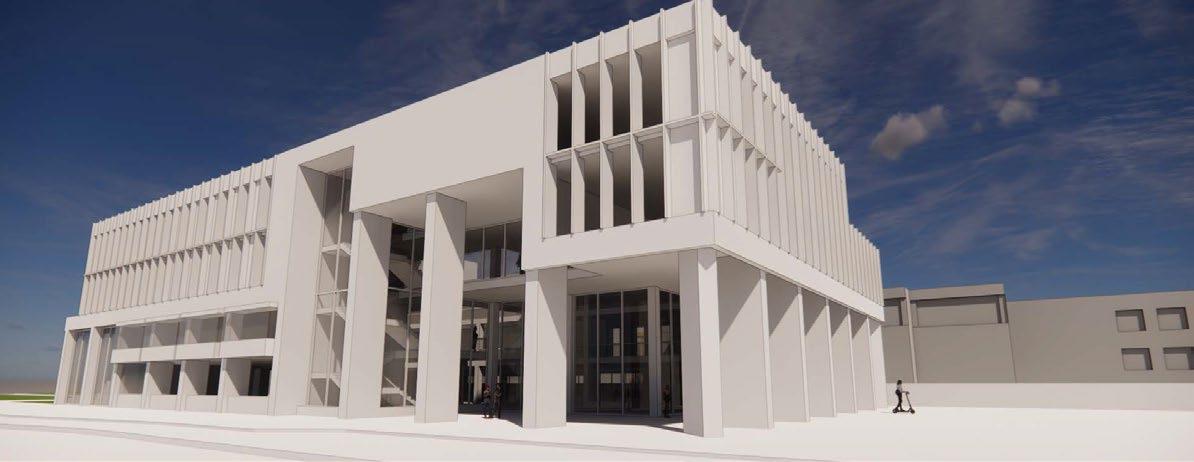
The original arrival and access point to the Athlone campus was located at the central entrance of the 1970s building, south of the campus on Dublin Road. As the campus expanded, this point was relocated several times and is now in an unfavourable location in the Main Building complex. Previous masterplans have identified a solution. Additionally, growing demand for space to support core campus activities requires repurposing existing areas. To support these changes, new teaching, research, and support spaces are needed. Addressing both the arrival point and core activity spaces is essential for the campus’s future development.
The development of new spaces for teaching, research, and support will significantly increase capacity for undergraduate programs and expand research activities, enhancing the campus’s overall functionality. A key component of the project is the creation of a prominent arrival point, improving both the campus’s visibility and efficiency. This new gateway will provide a clear, welcoming entry for visitors, students, and staff, reinforcing the TUS identity. Critically, the project will enable better use of existing building stock by repurposing existing spaces, optimising resources and supporting long-term campus growth.
The proposed development to meet the need would construct a new four-storey building adjacent to the main vehicular and pedestrian gate to the main Athlone campus. The building would incorporate generous arrival hall, main reception
and waiting areas, break-out spaces, significant multi-purpose teaching and learning spaces, collaboration spaces, research spaces, office capacity, support services spaces and other ancillary spaces. The building would be designed to be used by all Faculties and Deprtments. The development would create upwards of 5,000sqm of new floor area on the campus and would create coh erent connection and permeability into the existing main building complex.
The new arrival building will increase campus capacity, providing a welcoming gateway for students, staff, and visitors. It will streamline access, improve campus navigation, and strengthen TUS’s identity. By optimising space usage, the building will support future growth and enhance operational efficiency, facilitating a more functional and cohesive campus experience.
At Moylish, an equivalent University Commons building is envisioned as a signature development, complementing its counterpart in Athlone. Together, these two landmark arrival buildings will embody the identity of TUS, creating a strong sense of place and a unified expression of the University’s mission and values
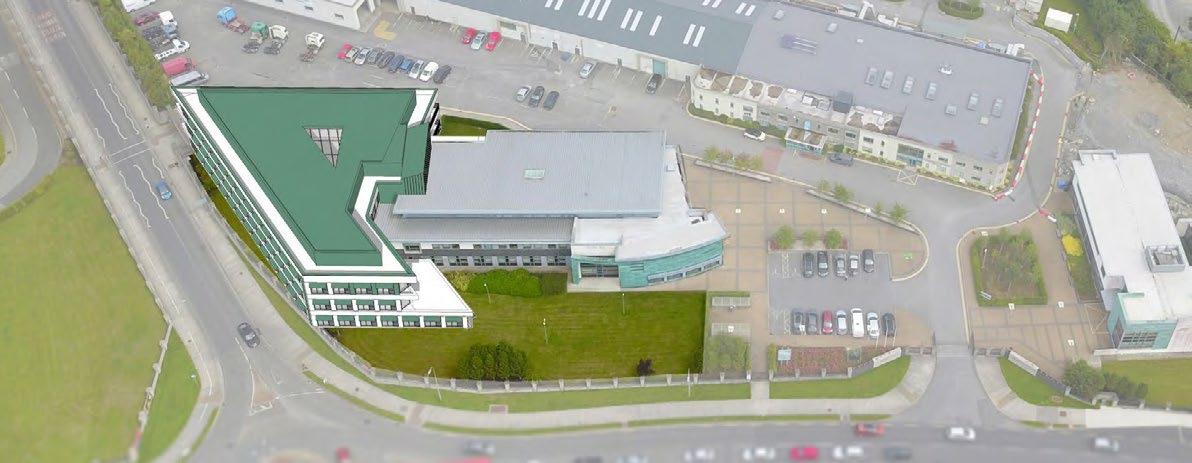
Public health services in Ireland are expected to sustain significant losses of nursing and other healthcare staff by the end of the current decade as a result of pending retirements and staff mobility. Concurrent with the reduction in staff levels, the demand for health services related to population growth and other factors is increasing, further compounding the demands on the Irish health system. There is a critical need for the state to ensure a pipeline of suitably trained and qualified nurses in various disciplines are available.
The higher education sector must address the growing demand for healthcare professionals, and TUS is committed to this goal. In 2023, the Department of Nursing increased its intake of undergraduate nursing students, aligning with WHO guidelines recommending an annual 8% rise in nursing graduates. Without further expansion, a significant shortfall in nursing staff is projected by 2030, increasing reliance on foreign-trained nurses from developing countries, contrary to WHO recommendations. The proposed project will enhance capacity to meet workforce needs, ensuring a sustainable supply of qualified nurses and reducing dependency on international recruitment from the Global South. The proposed development will provide the necessary physical space and infrastructure to expand the Department’s capacity, accommodating up to 800 additional students.
To meet the identified need, the concept envisages constructing a three-story extension, primarily on the west side of the existing structure, adding approximately 3,500sqm of gross internal floor area, and other ancillary spaces to serve the new extension and the campus.
The proposed development will significantly enhance campus capacity, accommodating up to 800 additional students and addressing critical healthcare workforce demands. Modern, purpose-built facilities will improve the learning environment, fostering hands-on training and collaboration. This expansion will elevate the enduser experience, offering state-of-the-art resources and infrastructure, ensuring students are well-prepared for professional excellence in healthcare.
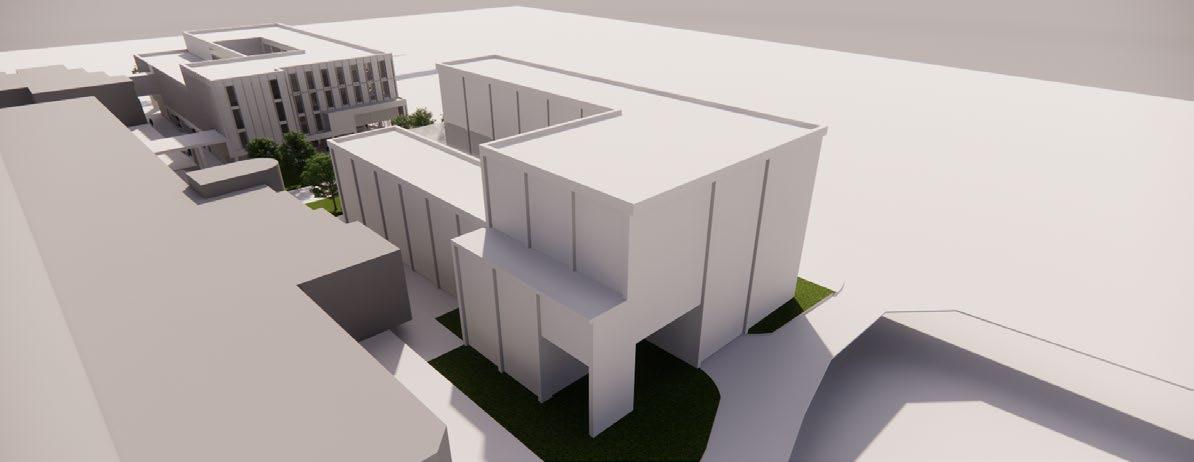
The Library at the Athlone Campus currently is comprised of 1,000 sqm of floor space with a maximum capacity of 225 learners. This provision falls well short of meeting both current needs and growing demand. The need for a new library facility has been identified in two previous masterplans for the Athlone campus.
The development of a new library at the Athlone campus is designed to address the critical need for expanded physical space and increased learner capacity, accommodating a growing student population. In addition to offering more room, the project aims to integrate state-of-the-art technology enhancements, ensuring the library supports a wide range of digital learning tools and resources. The new facility will also focus on improved functionality, providing flexible study areas, collaborative workspaces, and specialised research zones, all essential for fostering a dynamic learning environment in a modern higher education campus. This development will ultimately create a more efficient, versatile, and student-centred resource amenity.
The development is envisaged to deliver circa 4,500sqm of floor area in a four-storey structure located to the southwest of the main campus building, designed to complement the proposed Plaza Building to its east, and to provide a positive presence on the Dublin Road. This strategic placement will help enclose the proposed Central Quad, which will serve as a new focal point for the campus. This design will create a cohesive, visually striking campus core, blending functionality with aesthetic appeal.
The concept library development at the Athlone campus will provide the physical space needed to transform the student learning experience, providing modern facilities, increased capacity, and cutting-edge technology. It would foster collaboration, support academic success, and enhance the campus’s overall appeal, positioning the institution as a leader in higher education innovation and student resources.
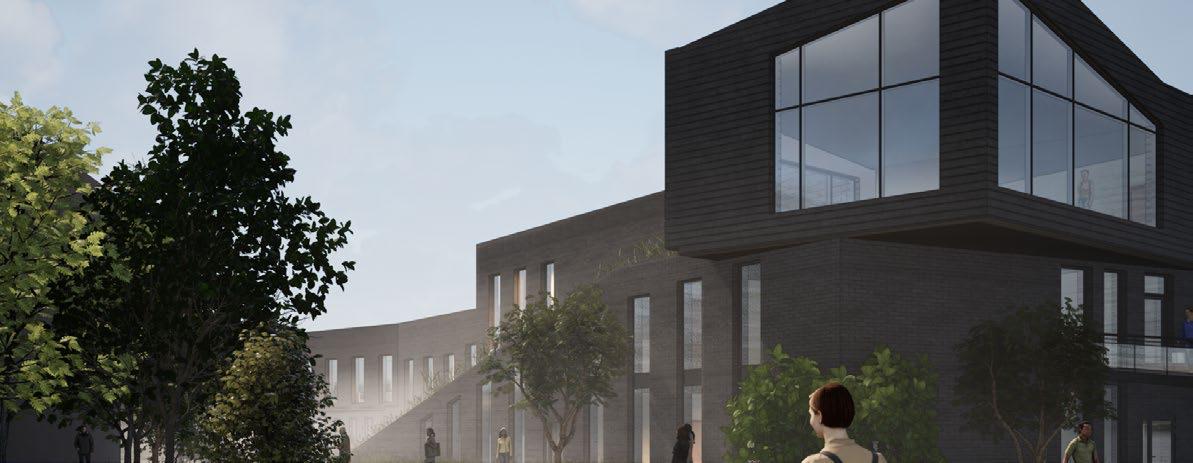
The International Arena was originally conceived to include a multi-purpose sports hall and other facilities at its eastern end. The Arena currently houses the indoor 200m athletic track and infield, upper warm-up track, main gym, high performance gym, indoor-cycling studio, aerobics studio, sports science lab, dressing rooms, reception, and other ancillary spaces. The building has been in operation at the campus since 2013 and facilitates a wide range of sporting, academic, research and commercial activity.
The proposed development would provide a multi-purpose sports hall and related facilities to support a range of recreational, athletic, academic, research, and community activities on campus. It would To enable the existing hall in the John Count McCormack Centre to be decommissioned and that space to be re-purposed for a variety of support services and student life activities, expanding on and integrating with the development of the Students’ Union centre, and the medical and counselling facilities in the building in recent years; this re-purposing of space is linked to the University Commons Building and how the campus functions for users’ long term.
The proposed development would create a striking focal point at the University Road entrance, engaging with the public domain and establishing a dynamic campus identity. Its inclusive sports facilities and multi-purpose spaces are accessible to all students, fostering collaboration and community. A new campus plaza, featuring landscaped, pedestrian-friendly spaces, will further enhance this welcoming environment, serving as the campus’s central hub and promoting connectivity and activity. The project underscores the college’s commitment to innovation and 21st-century infrastructure.
This proposed development is a key component of the campus masterplan, enabling the strategic repurposing of existing spaces to achieve broader benefits. By consolidating sports and multi-purpose functions into a state-of-theart facility, it unlocks opportunities for other areas to be reimagined, fostering a cohesive arrangement of spaces and functions. Accessible to all students, it enhances collaboration, well-being, and community engagement while serving as a vibrant focal point, reflecting the campus’s innovative and inclusive vision.the-art resources and infrastructure, ensuring students are well-prepared for professional excellence in healthcare.
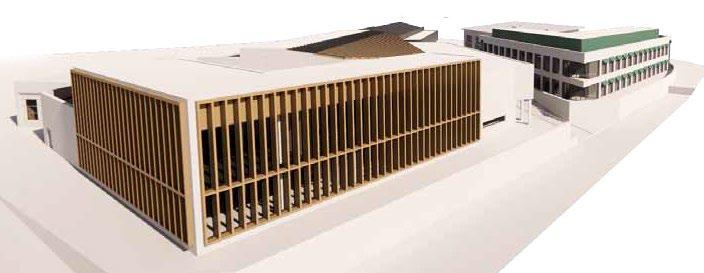
The Trades Building at the Athlone East Campus has undergone significant upgrades over the past decade to expand teaching and ancillary facilities, accommodating a growing apprentice cohort. Enhancements included new workshops, classrooms, offices, storage, preparation spaces, and a roof replacement in 2019. However, the building is now at maximum capacity, with fragmented or absent administrative and support spaces. Addressing these gaps is crucial for future growth and improved functionality.
The proposed Trades Building expansion aims to increase TUS’s capacity for apprentice training in existing and emerging disciplines. Building on prior improvements, the project will enhance functionality and optimise space use. It seeks to connect teaching areas with management, administrative, and support services, and establish a defined, welcoming entry point, creating a cohesive, accessible facility.
The proposed concept envisions a 3,000sqm extension to the western edge of the existing Trades Building, designed to enhance the facility’s capacity and functionality. The extension will include applied practical workspaces, such as workshops, classrooms, and ancillary areas, efficiently integrated with the existing structure to create a more cohesive and efficient building. Thoughtfully designed in relation to the planned adjacent Nursing Building extension, these two developments will not only complement each other architecturally but also establish a new access route and improved permeability, serving the east campus and enhancing overall connectivity.
The Trades Building expansion will increase capacity to support growing demand for apprentice training in existing and new crafts. It will enhance the functionality of the facility by integrating practical workspaces with administrative and support areas, improving cohesion. Additionally, it will create a clear arrival point and strengthen campus connectivity through improved access routes.
Currently, student-related services departments are scattered across segregated areas of the main building complex in suboptimal arrangements. The John Count McCormack Centre, originally envisioned as the campus’s student centre, continues to hold that purpose as a vital objective— one that is even more relevant today. Significant investments in the building have already been made, including the creation of a dedicated Students’ Union space in 2014 and the development of a state-of-the-art medical and counselling facility on the first floor in 2021. Delivering the proposed new multi-purpose hall as part of the International Arena extension would enable the decommissioning of the aging hall in the McCormack Centre, constructed in the 1980s and now at the end of its lifecycle.
The vacated space offers a unique opportunity to consolidate all student-related services into a single, centralised hub. The goal for the refurbished John Count McCormack Centre is to bring core student services and activities together in one location, making them easily identifiable and accessible to students. This project will create modern, state-of-theart spaces for these functions in a central position at the heart of the Athlone Campus. By relocating these services, the current main building spaces can be repurposed for other functions, while ensuring seamless integration with the planned University Commons Building.
The development will involve decommissioning the multi-purpose hall in the John Count McCormack Centre and repurposing the vacated area into a two-storey structure dedicated to housing student-related services and associated functions. These spaces will be seamlessly integrated with the existing Students Union area and the medical and counselling services currently operational in the building. Additionally, the development may include an extension to the west elevation, serving as the primary arrival point, and enhancing connectivity with the surrounding public realm for greater accessibility and visibility.
This development consolidates key student-related services into a centralised location, enhancing accessibility and the overall student experience. The repurposed space will improve the existing main building by freeing up valuable areas that can be reallocated for other essential activities. The upgraded John Count McCormack Centre, along with the extension to the International Arena, will enhance the campus’s public realm, creating a more welcoming and functional space for students and visitors alike. The improved connectivity between these spaces will foster a cohesive, integrated campus environment, supporting the university’s growth and development.as a vibrant focal point, reflecting the campus’s innovative and inclusive vision.the-art resources and infrastructure, ensuring students are well-prepared for professional excellence in healthcare.
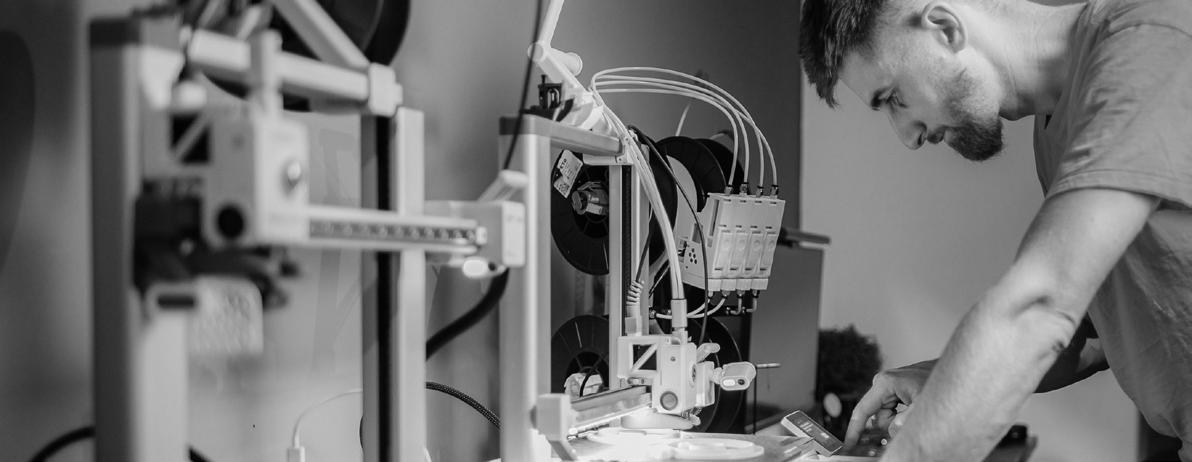
TUS is committed to supporting enterprise, innovation, and economic development across the Midlands. One of the strategic initiatives to support this commitment is the development of a Midlands Technology Campus/Centre (MTC) — a collaborative, multi-partner facility that will enhance regional innovation capacity, stimulate industrial research, and strengthen the Midlands’ competitiveness as a knowledge-driven economy.
The concept of the MTC responds to the identified need for a large-scale, purpose-built Innovation and Research Hub in the Midlands-comparable in scale and ambition to those in Ireland’s primary urban centres. While the region is home to a strong industrial base and supported by existing infrastructure, including TUS’s teaching and research capacity, the Applied Polymer Technologies Centre, and the IMR’s advanced manufacturing lab, there remains a clear need for a dedicated facility to drive research, innovation, and collaboration between academia and industry.
The MTC will be designed to support a broad range of applied research, prototyping, and business development activities, offering flexible spaces such as industrial research bays, applied research laboratories, collaborative research environments, and pilot-scale facilities. It will also provide incubation spaces for early-stage FDI and secondstage indigenous companies, along with essential support functions including seminar rooms, meeting spaces, a café, and business support infrastructure.
TUS will explore a range of potential locations for the MTC, including options on existing TUS campuses and new sites elsewhere in the Midlands that may be suitable for this strategic development. Any decision on location will be informed by the long-term needs of TUS, regional development goals, and the potential to maximise public value through strong governance, value for money, and partnership opportunities.
The development of the MTC will significantly advance TUS’s strategic objectives, positioning the University as a central driver of innovation-led growth across the Midlands. It will attract investment, support local enterprise, foster highvalue employment, and provide a platform for the development and adoption of new technologies—contributing to a resilient and dynamic regional economy.
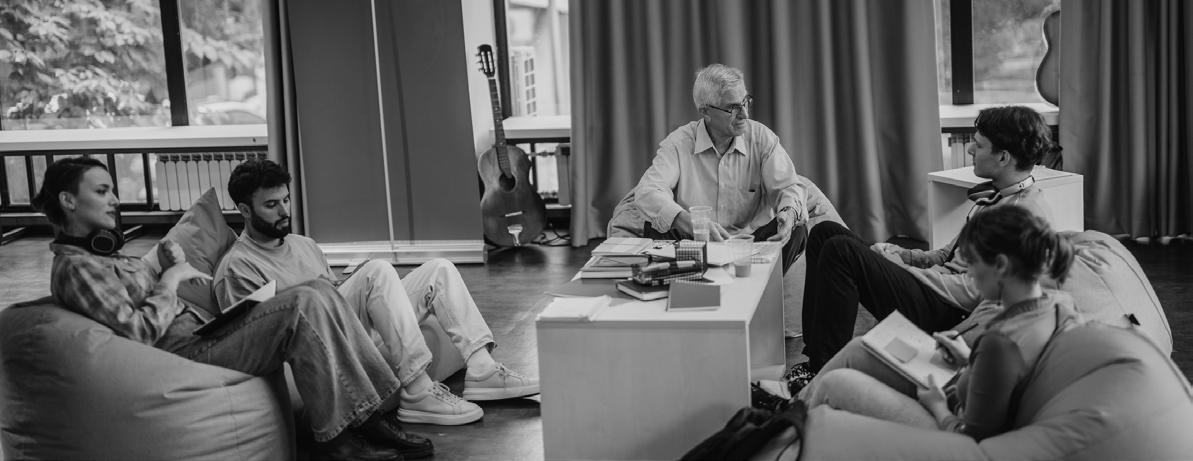
Currently TUS lacks a dedicated, centralised location for graduate studies, which has resulted in postgraduate students experiencing a fragmented academic environment. Without a clearly identifiable and accessible hub, postgraduate students are often dispersed across various buildings, limiting opportunities for collaboration, community-building, and engagement with faculty and peers. This lack of cohesion can diminish the overall student experience and hinder the ability of the university to create a strong, supportive postgraduate network. To address these challenges, a dedicated Graduate School Building is essential.
The Graduate School Building aims to provide a centralised, purpose-built space specifically designed for postgraduate students. It will enhance the experience for master’s, doctoral, and research students by offering a dedicated environment for academic learning, research collaboration, and professional development. By providing a clearly identifiable and accessible space, the building will serve as a focal point for postgraduate education at TUS, fostering a sense of community and offering students the resources needed to excel in their studies and research.
The Graduate School Building is envisaged as a circa 3,000 sqm, three-storey facility located adjacent to the main campus. Designed with flexibility in mind, it will include modern workspace accommodation, seminar rooms and associated facilities that can be adapted to the needs of various disciplines. Collaborative spaces, quiet study areas,
and advanced digital infrastructure will encourage engagement and interaction. Sustainable design features will enhance the environmental responsibility of the building, while its central location will make it easily accessible to students, faculty, and visitors.
This new development will significantly improve the postgraduate experience at TUS by providing a cohesive, dedicated space for students to learn, collaborate, and innovate. It will foster academic excellence and increase the university’s capacity to attract high-calibre students. The building will also strengthen TUS’s reputation as a hub for advanced research, enhancing its ability to foster industry partnerships and contribute to cutting-edge innovation across disciplines.
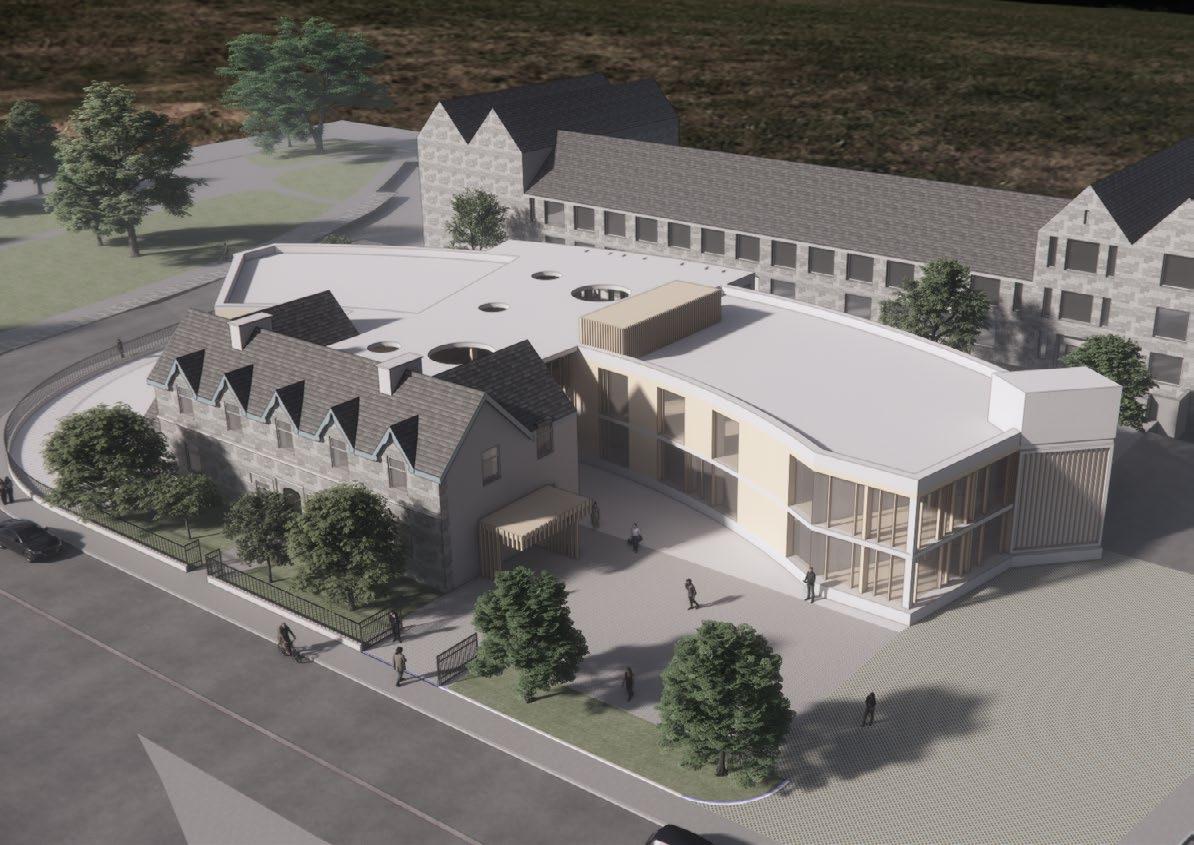
The TUS property at Northgate Street, Athlone, has been vacant for nearly 15 years. The site includes a protected building, the former Workhouse’s administration block, along with deteriorating extensions added in the 1930s, 60s, and 90s. This has led to the site becoming an eyesore and a hotspot for antisocial behaviour. In partnership with Westmeath County Council and other stakeholders, TUS plans to revitalise both the site and the historic building for community use.
TUS and project partners aim to create a transformative facility in Athlone Town Centre, supported by the ATIM Cluster, focusing on digitisation and sustainability. This hybrid space will offer acceleration, demonstrator, and community hub areas, providing businesses with cutting-edge tools for product development, process improvement, and training. The facility will feature the “Nexus,” a collaborative space for innovation and entrepreneurship, and “Flow,” a public showcase of virtual tools and machine learning applications to drive digital adoption and regional business growth.
The project will resurrect and refurbish the protected Workhouse building, preserving its historical significance. Adjacent to the refurbished structure, a new state-of-the-art extension will provide flexible spaces for business, higher education, research, and community engagement. Developed in partnership with local stakeholders, including Westmeath County Council, this facility will foster regional innovation, collaboration, and sustainable growth, driving economic development across the Midlands. The development will strengthen TUS’s presence in a prominent town centre location, creating new higher education spaces. It will refurbish a derelict building, generating employment and business opportunities for the local community and the Midlands. The site will accommodate up to 200 people and offer spaces for training, meetings, and social activities, while enhancing collaboration with regional industry stakeholders to support local economic growth.
Proposed Pedestrian Route / Campus walkway
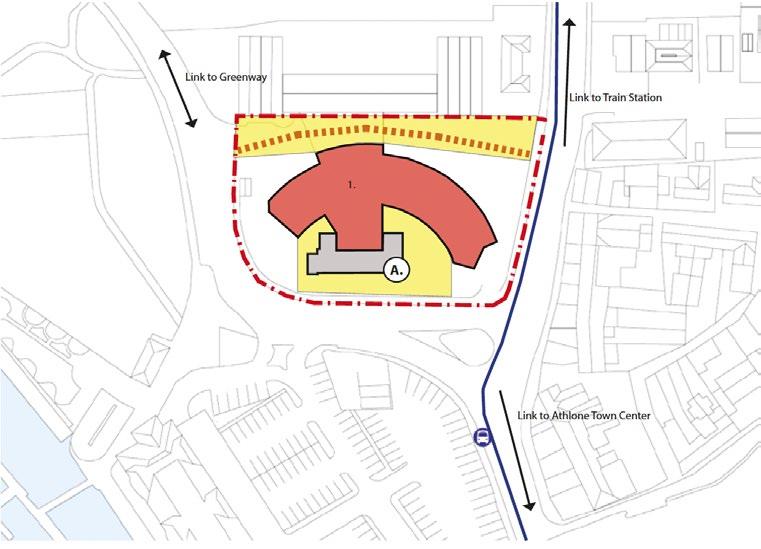
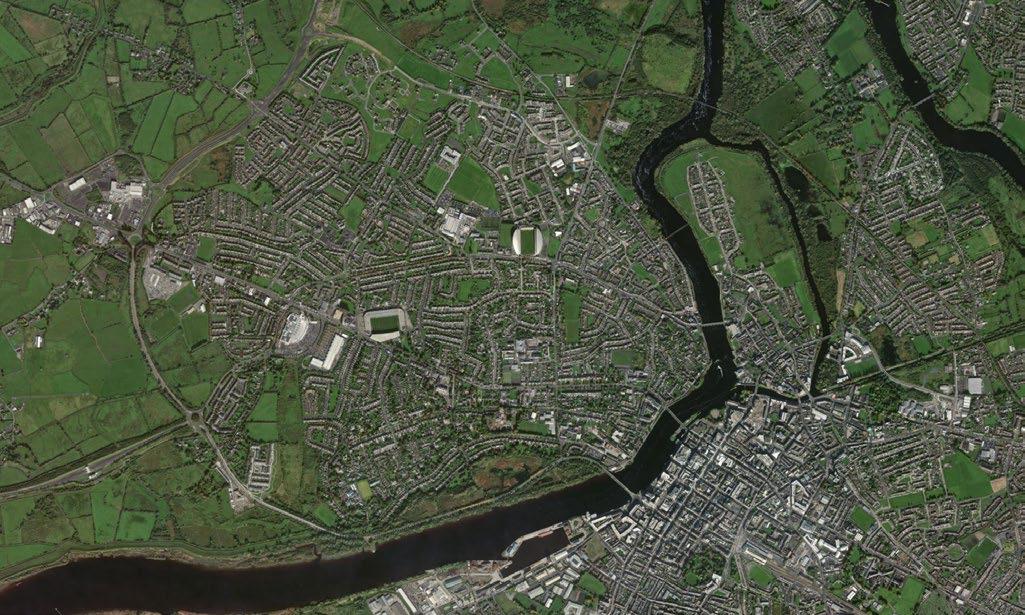
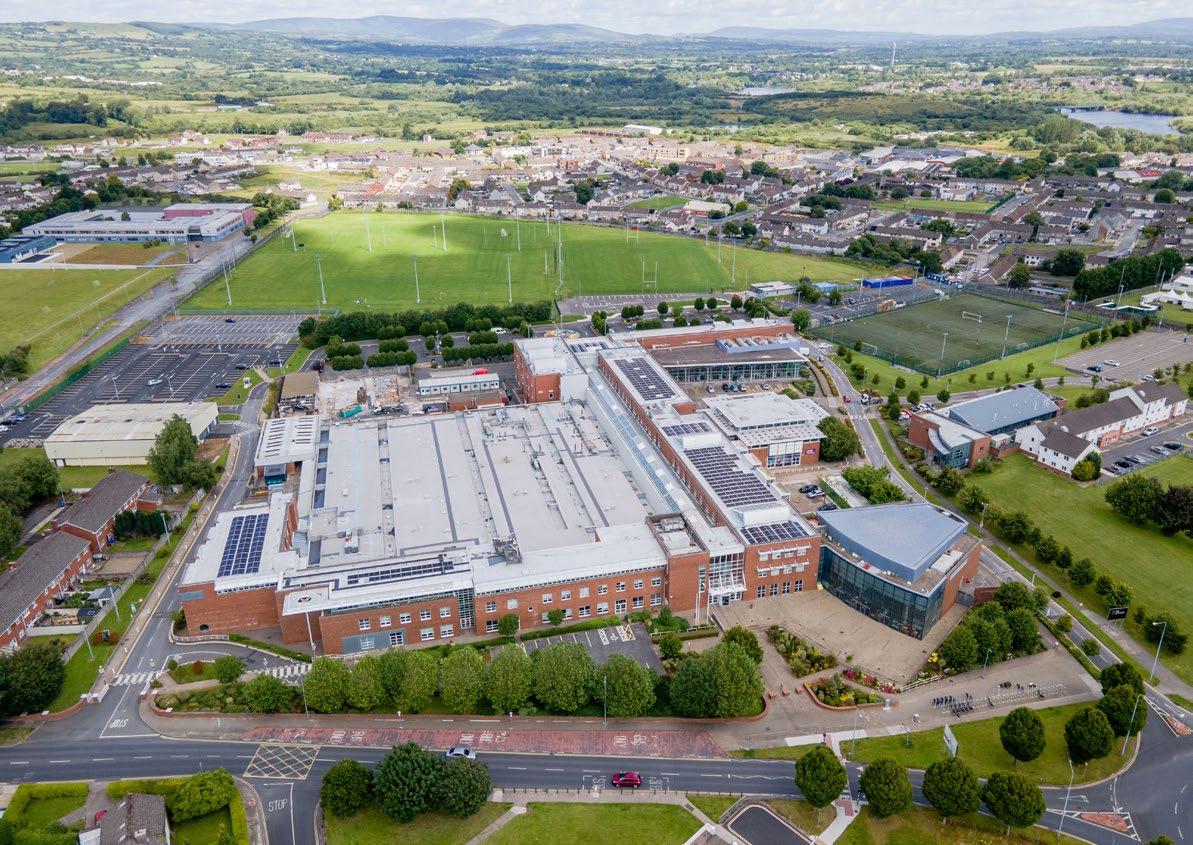
Located on the northwest outskirts of Limerick city, Moylish Campus is the largest of TUS’s Midwest campuses, with over 6,500 students across three faculties. Situated near iconic venues like Thomond Park and the TUS Gaelic Grounds, Moylish offers a vibrant environment enriched by sporting, cultural, and educational events.
Modern lecture theatres blend practical, hands-on learning with theory, while “The Street,” the campus hub, buzzes with activity as students connect with friends, lecturers, and peers. The state-of-the-art Millennium Theatre serves as a lecture space by day and transforms into a premier venue for concerts, drama, and live entertainment by night.
The campus also features impressive sports facilities, the Hartnett Enterprise Acceleration Centre hosting 20+ start-ups, and the Students’ Union Building with relaxation spaces, a games room, and Wired FM, the campus radio station. Despite its size, Moylish fosters small class sizes and a welcoming, supportive atmosphere for an exceptional student experience.
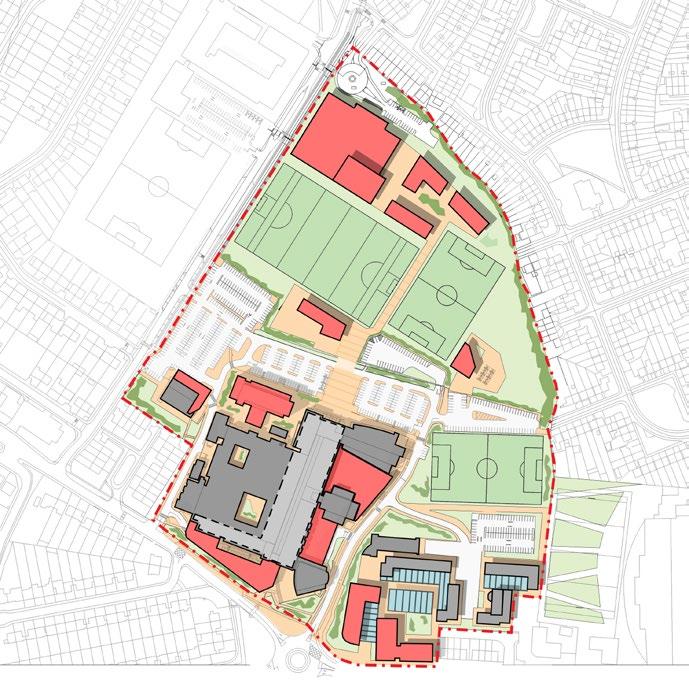
1.
3.
4.
5.
6.
7.
8.
9.
10.
11.
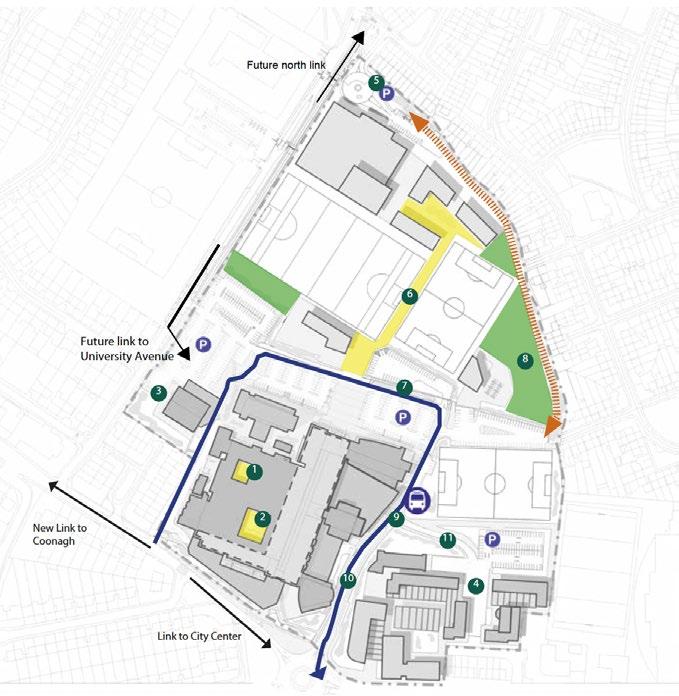
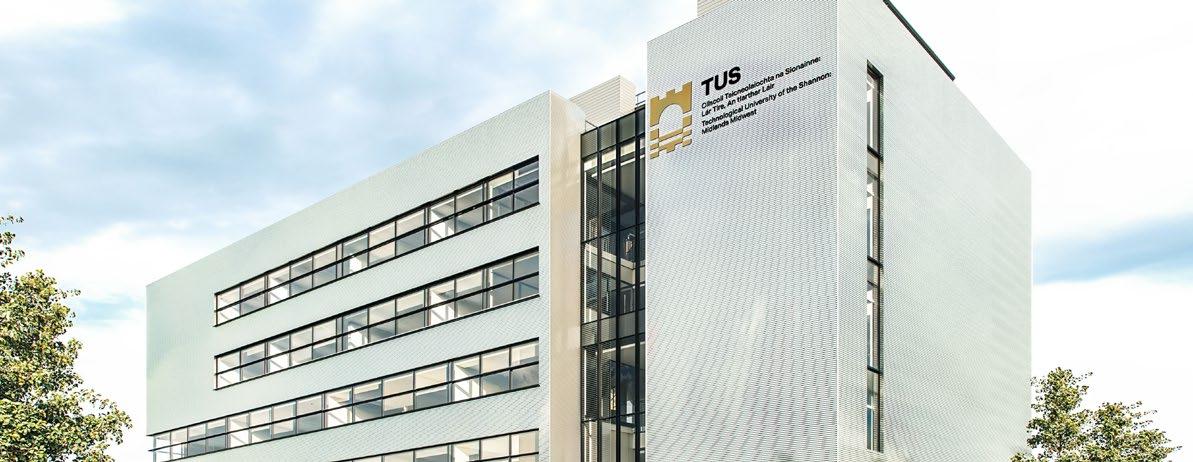
The Applied Science & Information Technology Building (ASIT) on the Moylish campus is central to TUS’s growth as a multi-campus Technological University. The 5,196 sq.m. development will enhance the northern aspect of the campus, creating a focal point for Applied Science and IT programs while addressing critical deficits in student and staff facilities. Consistent with the previous campus masterplan, the building will deliver vibrant, accessible learning environments, supported by extensive planning and consultation.
The ASIT Building will expand TUS’s teaching and research capacity to accommodate increased student enrolments at undergraduate and postgraduate levels, meeting regional demand for skilled graduates in IT, pharmaceutical, and life sciences industries. This demand aligns with recent investment in the Midwest region, underscoring the need for graduate output and industry-relevant research.
The project will create 693 student places, modern computer labs, and collaborative learning spaces. Removing outdated prefabricated structures will enable library and learning space upgrades, creating a fit-for-purpose educational environment.
Complementary to the completed Phase 1 of the Coonagh Campus, the development will reduce spatial and traffic demands at Moylish, and enable the continuing repurposing of Aula Maxima. Together, these developments have enabled the removal of temporary facilities and enhance TUS’s capacity to deliver its objectives.
The ASIT Building aligns with strategic goals, including mobility management reporting to Limerick City and County Council, ensuring sustainable campus operations. This critical infrastructure will strengthen TUS’s position as a leader in technological education and research, fostering regional and national growth. The building achieved planning permission in 2024 and construction commenced in 2025 as part of the Higher Education PPP Programme (Bundle 2).
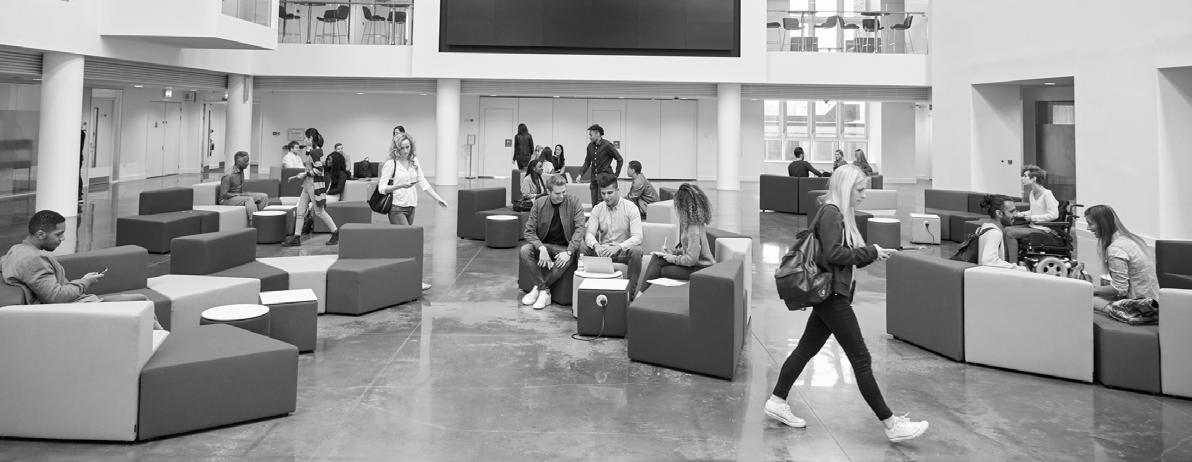
As TUS Moylish campus continues to expand, there is a growing need for integrated spaces that support both academic and community functions. The University Commons Building will address this need by enhancing the campus’s capacity and functionality. With an emphasis on repurposing existing spaces and introducing new facilities, the development will provide essential space for teaching, research, and student support, accommodating the increasing student body and fostering greater campus cohesion. This project aligns with the principles of optimising resources and creating a more connected, accessible campus.
The University Commons Building will primarily address the need for additional, higher-standard teaching capacity, significantly enhancing the Moylish campus’s academic and research functions. While its core focus is on expanding teaching spaces, a key component of the development will be creating a central, welcoming arrival point for students, staff, and visitors.
This will improve campus accessibility and visibility, reinforcing TUS’s identity. The building will also feature flexible multipurpose spaces that foster collaboration and support a variety of campus activities, further solidifying the university’s role as a dynamic, innovative institution.
The University Commons Building will be a three-storey facility designed to meet TUS’s growing academic, research, and community needs. Located between the Green Rooms and Aula Maxima, it will feature flexible teaching spaces, research areas, offices, and support services. The building will provide a prominent reception area and collaboration spaces, adding circa 4,000sqm of usable space while seamlessly integrating with the existing building, fostering innovation and enhancing functionality.
This facility will enhance the overall campus experience by increasing capacity and streamlining access to key services. It will improve circulation within the Moylish campus, reinforcing TUS’s presence and identity in the region. By optimising space usage and creating collaborative environments, the University Commons Building will support future growth, enabling the university to adapt to evolving academic needs and fostering a more cohesive, integrated campus for students, staff, and the local community.
At Athlone, an equivalent University Commons building is envisioned as a signature development, complementing its counterpart in Moylish. Together, these two landmark arrival buildings will embody the identity of TUS, creating a strong sense of place and a unified expression of the University’s mission and values.

In 2000, a new library was proposed as part of its Campus Development Plan. The project was central to the campus submission during the 2003 Kelly Review of higher education capital projects and was subsequently approved. Today, there is an urgent need to upgrade the current library to support a growing student population and to develop a modern facility that meets the institution’s future needs. Minor refurbishment work was undertaken in 2023, however a significant intervention is now required.
The project would redevelop and modernise the library by redesigning the existing space in Moylish Campus by extending ind refurbishing the existing space to bring it in line with the vision set out in the National Strategy for Higher Education to 2030. This would To develop the state-of-the-art Library & Information Resource Centre which will accommodate a range of learners and learning styles encouraging active learning in a modern and vibrant environment, ri ch in information and library resources.
To create a state-of-the-art library, a comprehensive redesign and refurbishment of the existing spaces is essential. The current facility is insufficient to meet the needs of the growing student population. Extending the library with additional floor space on the east side, coupled with the reintegration of ground floor space following the relocation of IT labs to the ASIT Building, will provide modern, flexible spaces. This expansion will significantly boost capacity, improving the overall student learning experience.
Delivering the library project will provide a modern, spacious, and adaptable learning environment, enhancing student engagement and academic success. It will accommodate the growing student population, offer diverse study spaces, and support collaborative learning, ultimately improving the overall educational experience at the campus.
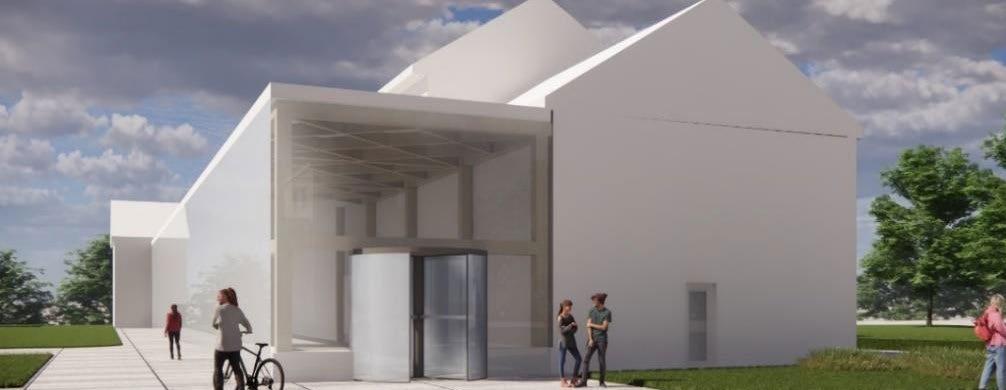
Block 12, 13, 14, and 15, located at the Moylish Campus, were constructed in 1997 and serve various disciplines. Facilities include offices, classrooms, bathrooms, kitchenettes, storage, Postgrad student areas, support services, music technology studios, and comms rooms. While functional, the buildings are energy inefficient and suboptimal for users. A previous masterplan proposed their demolition, but evolving sustainability priorities now favour retaining them to leverage their embodied carbon. Progress has already been made with enhancements to Block 13 in recent years.
To decarbonise and improve energy efficiency, the strategy involves developing new atria through south-facing extensions that harness thermal gain. These projects will significantly enhance room layouts, improve circulation routes, and address legacy compliance issues. They will transform substandard teaching, learning, and working spaces into modern, high-quality environments essential for a contemporary higher education campus.
The design intent for the four teaching blocks includes selective double-height glazed atria, linking corridors, or skywalks to transform utilisation and circulation. Retrofitting introduces renewable energy through heat pumps and roof-level PV arrays, alongside upgraded building systems. High-performance materials will replace building envelopes, while interiors will be fully refurbished to create high-quality spaces. The surrounding public realm will be enhanced, improving connectivity across the campus.
The proposed intervention replaces inefficient layouts with modern systems suited to a 21st-century higher education campus, incorporating social, informal learning, breakout, exhibition, and community spaces. Enhanced public realm landscaping creates inviting, user-centred outdoor spaces with greenery, seating, and pathways. Façade openings provide sub-waiting zones and extended functional areas. These upgrades unify fragmented layouts, strengthen the blocks’ campus connectivity, and reduce their carbon footprint, transforming them into energy-efficient facilities. This progress enables TUS to meet climate action commitments and advance sustainability goals.
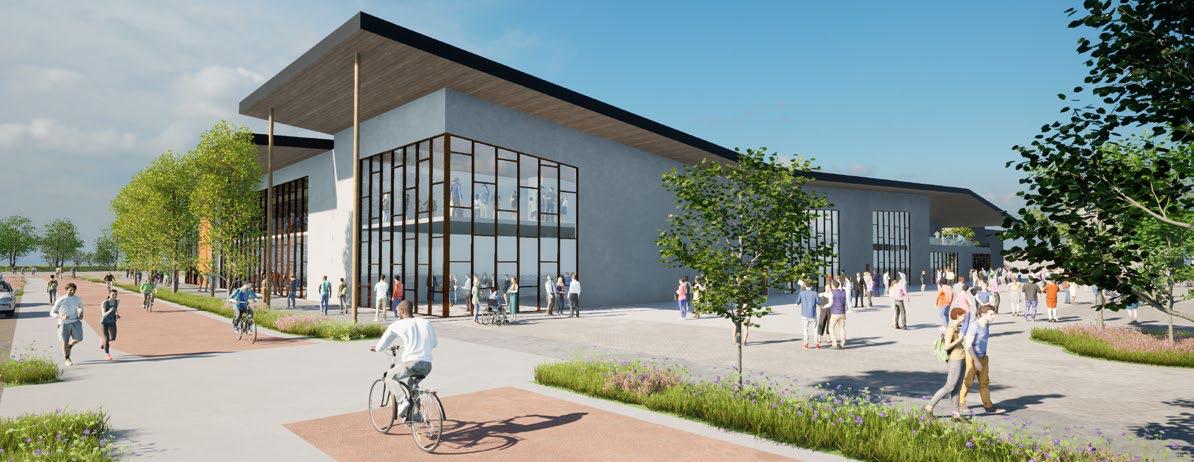
The Gateway Forum building is strategically positioned to connect the TUS Moylish campus with the surrounding north-side Limerick communities. Located adjacent to an area with significant social need, the building will serve as a bridge between the university and the local population, fostering greater inclusion and cohesion. The facility is part of a broader campus vision to drive social transformation through education and community engagement, leveraging the strong cultural ties Limerick has with sport.
The building is designed to meet two key objectives: first, to provide state-of-the-art sports facilities that support both student and community engagement, and second, to create versatile spaces for cultural, educational, and social activities. The facility will help address the lack of sporting infrastructure in the area while offering spaces for a wide range of community functions. The facility will provide a centre foe the University access and pre-entry activities and programmes - further strengthening the access to education activities and role of TUS. By bringing education and community services together in one location, it aims to create a dynamic and integrated environment that serves both groups.
Inspired by Limerick’s renowned sporting culture, the development will feature basketball courts to international standards, and multiple other indoor sports, offering a unique venue for local and campus sports. The building’s design will emphasize openness and accessibility, making it a welcoming space for diverse community groups. In addition to the sports facilities, the venue will offer multipurpose rooms for events, educational activities, student life facilities, student support services, cultural gatherings, reflecting the community’s multifaceted needs.
This facility will provide significant benefits to both the campus and the wider community. It will increase access to sporting and recreational opportunities for students and residents of the northside of Limerick, enhancing social cohesion and community health. By fostering collaboration between educational institutions and the community, it will also promote lifelong learning and offer a platform for social, cultural, and educational development, helping to bridge gaps and support local growth in a sustainable way.

Similarl to the Athlone campus, the Moylish Campus lacks a dedicated central space for postgraduate studies, resulting in a fragmented student experience. Postgraduate students are spread across various areas, diminishing opportunities for collaboration and community-building. The absence of a focused graduate school space limits the potential for fostering innovation and academic growth.
he Limerick Graduate School Building aims to create a vibrant, purpose-built space dedicated to postgraduate learning ind research. It will provide a unified environment for graduate students, offering flexible study and collaborative spaces, research facilities, and academic support services. The building will enhance the student experience, promote interdisciplinary engagement, and support TUS’s mission to advance research and innovation across various fields.
Located adjacent to the main vehicular entrance on the Old Cratloe Road, the circa 3,000sqm Limerick Graduate School Building will have a prominent, welcoming presence at the Moylish Campus. The three-storey facility will feature flexible, open paces for individual and group work, research labs, seminar rooms, and modern amenities. The building’s design will prioritise sustainability and accessibility, providing a cutting-edge environment that aligns with TUS’s commitment to excellence in higher education.
The Limerick Graduate Studies Building will elevate the postgraduate experience by offering a dedicated, accessible space for academic and research activities. It will foster a stronger sense of community, collaboration, and academic achievement. The building will also serve as a visible landmark for the Moylish Campus, reinforcing TUS’s commitment to research excellence and innovation while enhancing the campus’s presence in the city.
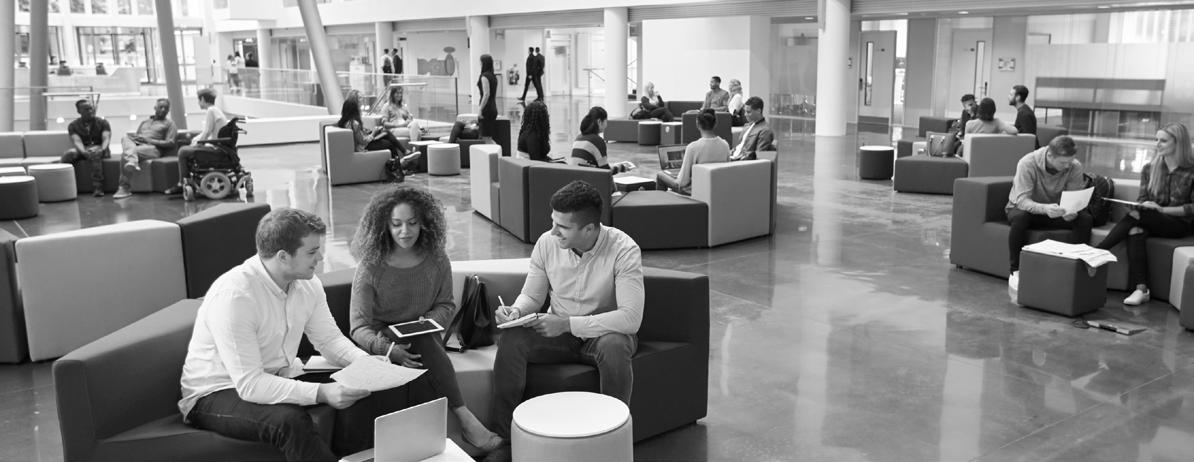
There is a significant gap in student-centred facilities at the Moylish Campus and the masterplan seeks to address this deficiency with the development of a dedicated Student Life Building. The proposed ca. 3,000sqm, 3-4 storey structure will be strategically located at the heart of the campus, between the planned ASIT building and the sports pitches, along the proposed central walkway. The walkway will serve as a vital axis linking key areas of the campus, including future student accommodation blocks on the northern edge, making the Student Life Building a focal point of campus life.
This building will also serve as the central hub for student-focused amenities and services across the Midwest campuses of TUS. Acting as the headquarters for facilities at the Coonagh, and Limerick City Centre campuses, it will ensure a consistent, high-quality student experience throughout the region while fostering strong connections between the various campuses.
The building needs to be designed with the diverse needs of students in mind, and will provide a dynamic and multifunctional environment. It will feature a modern Students’ Union space, fostering representation, advocacy, and access to essential services. Collaboration areas and bookable group study rooms will promote teamwork and academic engagement, while vibrant social spaces will encourage community-building and interaction. A café and potentially a student bar will offer welcoming spaces for relaxation and connection, complemented by other studentcentric amenities tailored to enhance daily life on campus.
This development underscores TUS’s commitment to a holistic student experience. By addressing the current deficiency in student-focused spaces, the Student Life Building will act as a catalyst for creating a stronger sense of community. Its central location, integration with future developments, and role as a regional HQ will ensure it becomes the heart of the campus, shaping the student experience for years to come.

The proposed extension and renewal of the Sports Hub building aims to significantly enhance the existing facilities and improve the overall user experience. The extension will wrap around the north and east facades, creating a new footprint to accommodate essential upgrades, including a modern arrival and reception space, expanded gym areas, medical facilities, and updated dressing rooms. This redevelopment will address the growing demand for enhanced sports and wellness facilities at the campus while improving accessibility for all users, and the enhanced facility will also provide additional teaching spaces to support the growing portfolio of Sports related programmes.
In addition to the extension, significant enhancements will be made to the existing rooms and building facades. The building, which has been in poor condition for some time, requires substantial investment to bring it up to modern standards. These improvements will include the correction of non-compliance issues, ensuring that the building meets all relevant health, safety, and accessibility requirements.
The extended Sports Hub will provide a more welcoming and functional space for students and staff, enhancing the campus’s overall sports and wellness offering. It will serve as a key hub for physical activity, offering a diverse range of facilities to support the health and well-being of the student body. The updated design will improve both the aesthetics and functionality of the building, creating a vibrant and dynamic environment that encourages fitness and community engagement. By addressing these critical infrastructure needs, the renewal and extension of the Sports Hub will ensure that TUS Moylish Campus remains a leading destination for students pursuing an active, healthy lifestyle.
Subject to the sequence of delivery of other planned campus developments, the Sports Hub building development will also ensure the building can be easily and efficiently re-purposed for other activity and needs if the need arises.
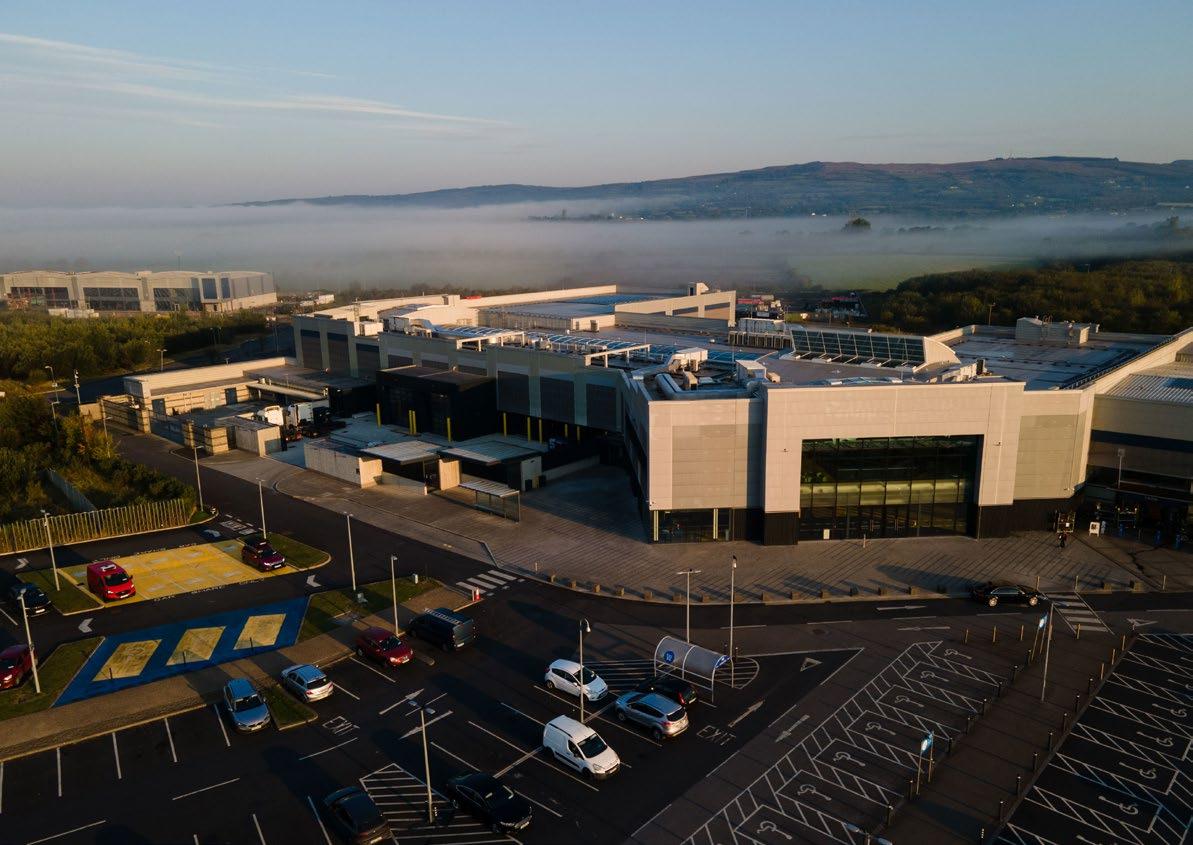
Located on 40 acres on the northside of Limerick City, the Coonagh Campus is the Midwest’s newest campus with state-of-the-art learning and research facilities, it currently accommodates up to 800 students in engineering courses, with significant potential for expansion. This campus embodies TUS’s mission to go beyond traditional education by fostering collaboration between academia, industry, and research. Facilities are designed to support co-learn-ing, innovation, and industry engagement, offering spaces for training, seminars, and idea exchange.
The main building complex is comprised of the newly operational 5,800sqm cutting-edge engineering facilities, and there are additional adjoining shell and core spaces for future program expansion. Planned developments will further enhance capacity for education and research. The northern section of the campus is envisioned as the City North Sports Campus, featuring a diverse range of sports facilities to benefit both TUS students and the wider community.
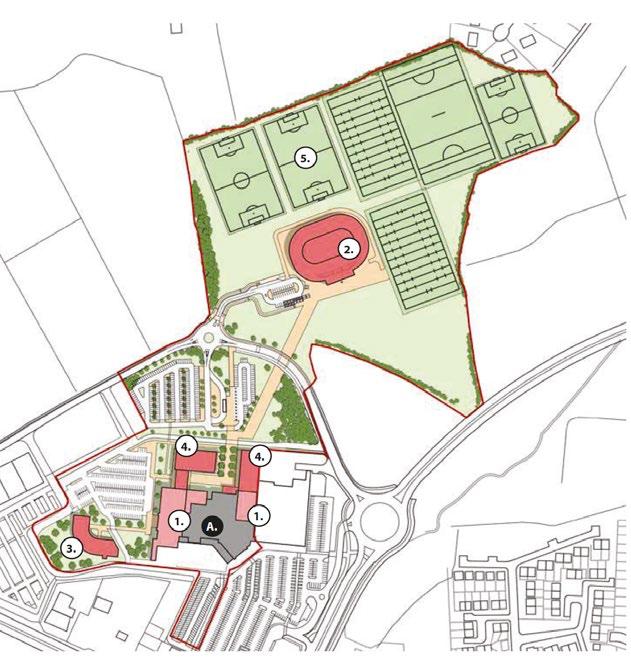
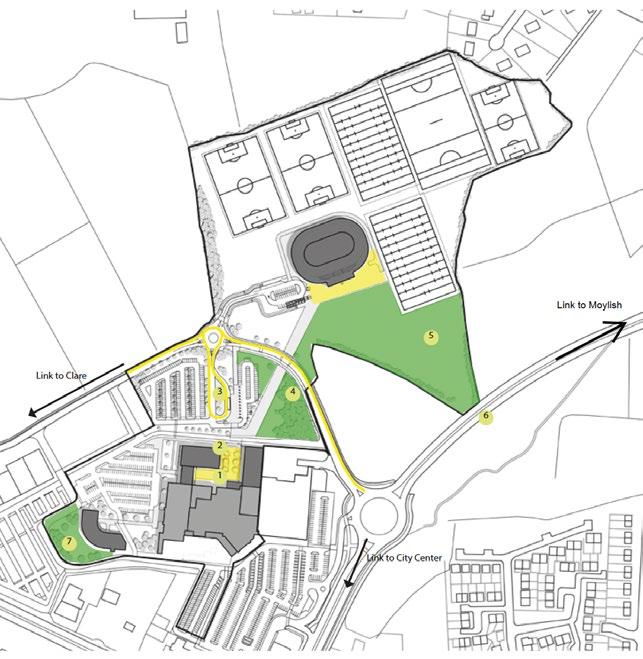

The completion of the Phase 2 Fit-Out project at the Coonagh Campus in 2024 has created circa 5,800sqm of state-ofthe-art facilities for apprentices, general teaching spaces, and other engineering disciplines. The building complex at Coonagh envisages further ‘fit-out’ projects to the remaining vacant shell and core spaces, located to the east and west of the newly finished space. The fitting out of these spaces would yield approximately 1,585sqm of floor area in the east block and 4,365sqm in the west block.
The proposed future fit-out phase(s) at Coonagh would allow TUS to expand apprenticeship training across existing disciplines and introduce new crafts on campus. These upgraded spaces would also support student capacity growth in engineering and related programs, while providing modern facilities to replace activities currently housed at Moylish.
The vacant shell and core east and west blocks would expand the newly completed 5,800sqm facility. The project includes the addition of first-floor structures and a full fit-out of both ground and first floors with labs, workshops, material stores, prep areas, offices, collaboration spaces, self-directed learning areas, and other ancillary facilities. The new floor area in the east and west blocks would integrate seamlessly on the same floor plates with the recently completed phase 2 spaces, to ensure the most effective arrangement of spaces is achieved.
Completing future fit-out projects at Coonagh will expand capacity for apprentices, students, and staff, enabling TUS to meet industry needs at local, regional, and national levels. These developments will optimise the investment already made in the building, enhancing the value of these high-quality spaces for future learners. Increasing student numbers at Coonagh will also allow heavily utilised spaces at Moylish to be repurposed for other needs. Furthermore, plans to enhance campus facilities at Coonagh, including the City North Arena and the proposed North Block extension, will complement and support the success of future fit-out phases, ensuring long-term benefits for TUS and its stakeholders.
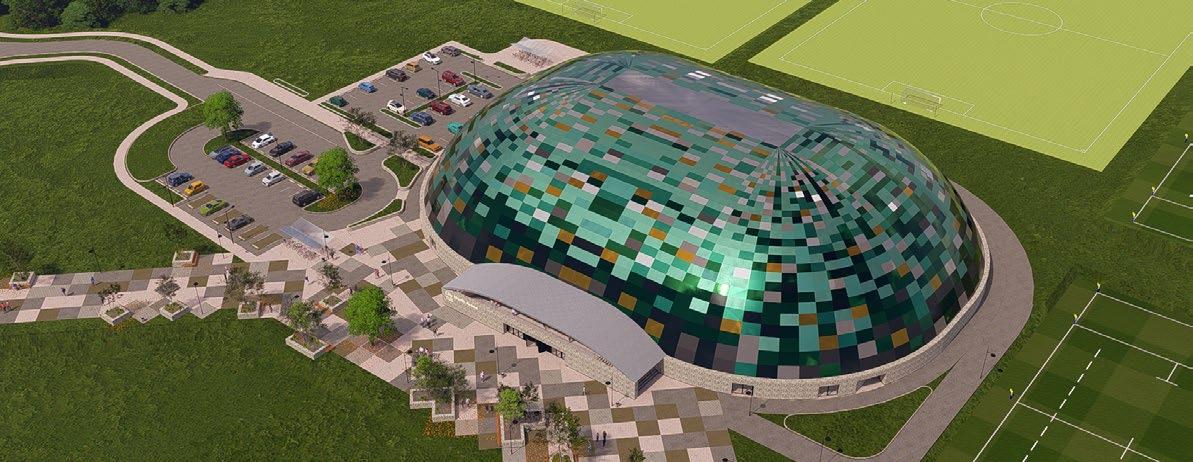
The TUS Midwest campuses currently lack a suitable venue for large-scale events such as graduations, exams, inductions, open days, and career fairs. This also limits hosting large community, cultural, or commercial events, constraining strategic objectives. Events rely on off-campus facilities or rented spaces like marquees, which fail to provide an optimal experience.
The proposed development would address these challenges. While Ireland plans a National Velodrome and Badminton Centre at Sports Campus Ireland in Dublin, no similar facility is planned outside the capital.
The proposed development will deliver significant outcomes, addressing TUS’s commitment to meeting local and regional needs. It will increase cycling participation in the region and boost indoor track cycling activities. The proposed new building will enable TUS to host signature events in a high quality, on-campus environment. This versatile space will support academic excellence, foster stronger community ties, and enhance the campus’s role as a key hub for education, recreation, and regional collaboration.
The building will be Phase 01 of the development of the City North Sports Park at Coonagh.
The facility will include a 200m indoor cycling track, reception, changing rooms, multi-purpose rooms, toilet facilities, spectator seating, storage areas and other ancillary facilities, car park facilities and high quality public realm. The building will comprise approx. 7,000sqm in floor area and would utilise an inflatable dome for the bulk of the main superstructure similar to other recently developed sports facilities around the country and worldwide.
The proposed project will establish a unique facility on a higher education campus in Ireland, with significant regional impact. It aims to boost participation in indoor track cycling among amateur cyclists, promote other indoor sports, and foster community engagement. Hosting this facility at TUS is a distinctive opportunity that, combined with existing sports amenities, will greatly enhance the campus’s overall sports offering for students, staff, and the wider community. This initiative reflects TUS’s commitment to meeting regional needs and promoting active, healthy lifestyles
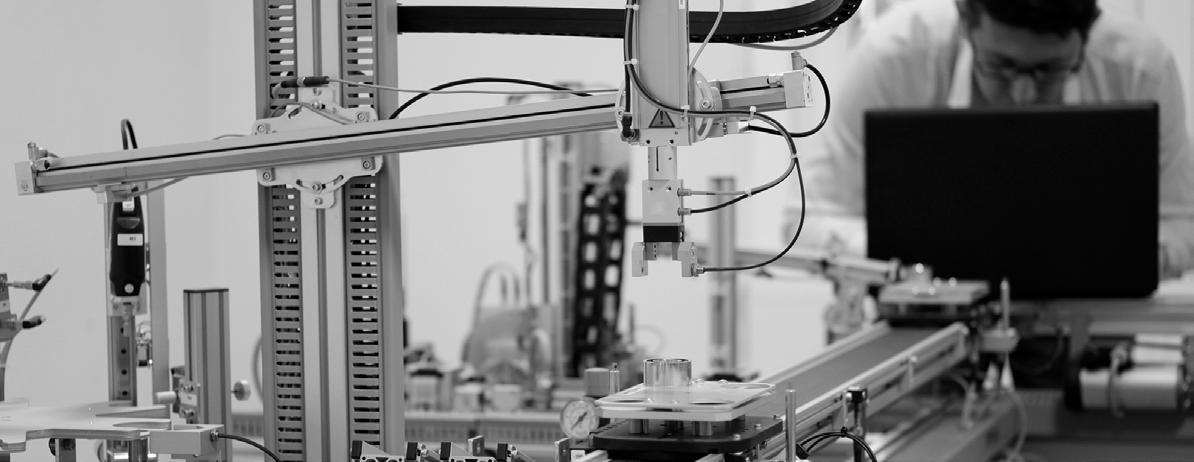
The Coonagh Campus is envisioned as a cutting-edge hub for engineering education and innovation, designed to meet the dynamic needs of industry. The recently completed development focused on apprenticeships and undergraduate programs, featuring workshops, laboratories, and teaching spaces that promote hands-on learning. TUS aims to position the campus as a leader in engineering excellence by integrating state-of-the-art technology, fostering industry collaboration, and offering future-ready programs. To continue its growth, TUS recognises the need to develop dedicated research facilities that will drive innovation, support industry needs, and enhance skills development and workforce readiness in the Midwest region and beyond. The strategic location of the Coonagh campus provides an ideal environment for engineering research to flourish, furthering impactful innovation and advancing skills development.
The proposed Research Building at Coonagh is envisioned to drive research excellence and deliver practical solutions through collaborative projects and strong industry partnerships. Building on TUS’s established emphasis on multidisciplinary research, the facility aims to support sustainable advancements in key sectors such as energy, manufacturing, and digital technology. By fostering deeper engagement in academic and industry-based training and research, TUS seeks to nurture the next generation of researchers and skilled professionals, ensuring its contributions have a meaningful and lasting impact on the regional and global economy.
To meet the growing demands of TUS, the propsoed Research Building will be developed at the Coonagh campus, located on the southwestern edge. This facility will be central to the Institute’s diverse research initiatives, and will aim to accommodate flexible, modular spaces designed to foster innovation, collaboration, and applied research. Equipped with state-of-the-art laboratories, training areas, and meeting rooms, the building will create an integrated environment where academia and industry can collaborate seamlessly.
The new Research Building will significantly bolster TUS’s research capabilities, reinforcing its leadership in engineering research, digital engineering, and advanced manufacturing. This development will support the ongoing expansion of research activities, industry partnerships, and training programs, driving economic growth and innovation in the region. Serving as a hub for industry-driven research and education, the facility will promote the digital and green transformation of SMEs, while facilitating the development of sustainable technologies to address pressing global challenges.
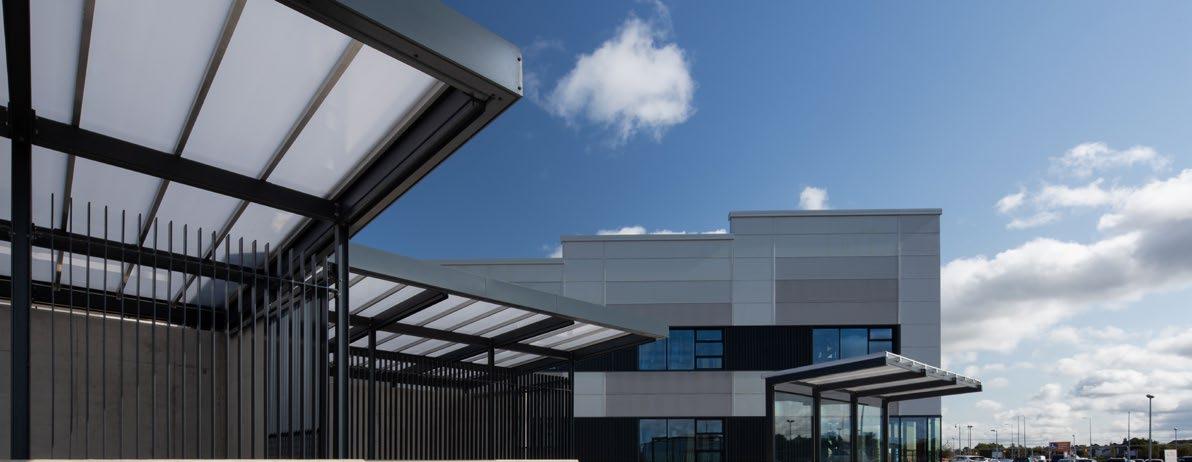
The North Block Extensions at Coonagh Campus will be a key addition to the Coonagh campus, strategically located to face the Clare Hills and the City North Sports Campus. Situated circa 1 km from the main Midwest campus at Moylish, it will serve as a central arrival point, significantly enhancing connectivity through the soon-to-be-completed northern distributor road, linking Coonagh more effectively with Moylish and the surrounding region.
This extension will become the heart of the Coonagh Campus, providing a focal point for student, faculty, and visitor engagement. The North Block will accommodate the Faculty of Engineering in the Midwest, offering modern office accommodation, collaborative spaces, classrooms, laboratories, and an arrival hall with reception. These spaces will support dynamic teaching and research across various engineering disciplines.
Seamlessly integrated with existing operational areas at Coonagh, the North Block Extensions will complement future facilities, including those for apprenticeship training and other engineering functions. Additionally, as some spaces at Moylish are vacated for re-purposing, the North Blocks will help absorb academic and operational functions, contribvuting to the efficient use of resources across both campuses.
Over time, the North Block will solidify its role as the core of Coonagh Campus, not only providing critical infrastructure but also fostering a vibrant environment for academic growth, professional development, and community engagement, while supporting regional connectivity and educational excellence
Clare Street (a reused 18th century convent) provides a dramatic environment for the TUS Faculty of Limerick School of Art & Design with an adapted church space as the school’s gallery. The building is largely cellular and this has the effect of concealing the energy associated with an art school.
The building is set within shared formal gardens bounded by stone walls. The campus occupies a historic site that includes the former Magdalene Laundry building and its surrounding grounds. The buildings are arranged around an open courtyard and are listed as protected structures under the Record of Protected Structures Sites & Monuments Record. The buildings were formally used as a nunnery and include a 1930s church building which is now adapted as a multi-use exhibition and teaching venue for the Art School.
The buildings are predominantly narrow plan with floor plates of 10 metres resulting into single sided circulation. The cellular nature of the rooms with high ceilings creates fine teaching spaces for studios but present challenges for future change.
The buildings are set within 2.3 hectares of campus land and have dedicated parking and set down facilities. The buildings have a number of fine lime trees which further add to the collegiate setting of the campus buildings. TUS has recently acquired the former laundry building on the south side of the campus directly off Pennywell Road.
The campus is well integrated into the surrounding area, offering access to green spaces, pathways, and outdoor areas that encourage creativity and reflection. The blend of historical architecture and contemporary educational facilities creates a unique atmosphere that enhances the learning experience. The site’s location also allows for easy access to Limerick’s city centre, further connecting the campus to the dynamic cultural and economic life of the city.
1.
2.
3.
4.
5.
6.
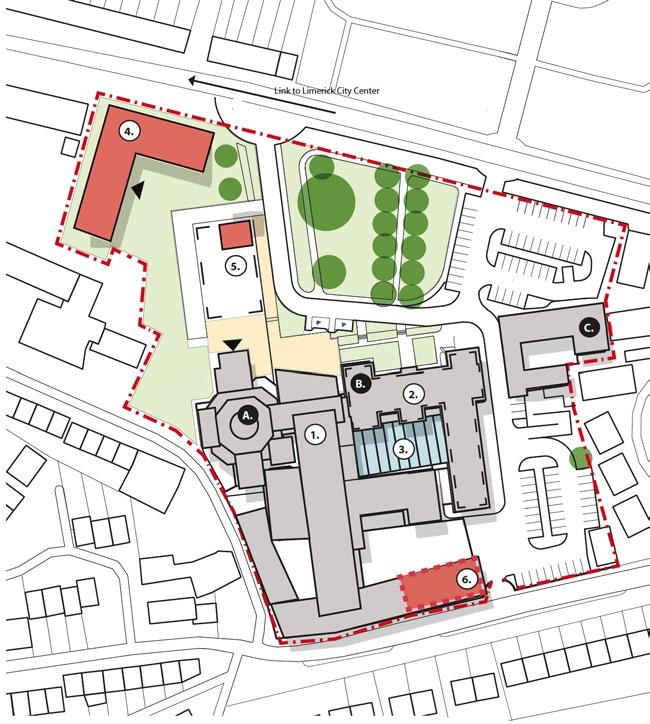
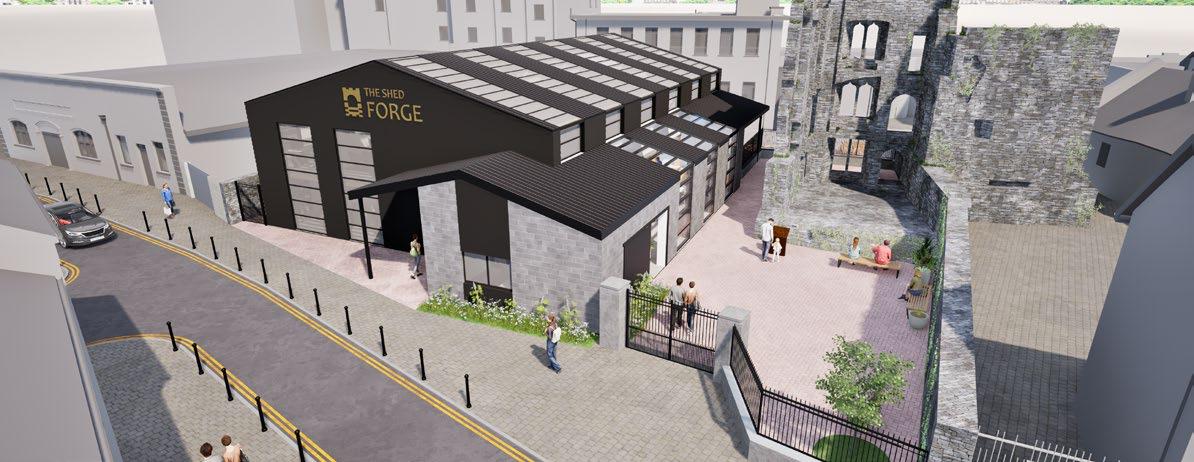
Forge Design Factory (FDF) is an innovative regional design centre operating across the Midlands and Midwest and is part of the Design Factory Global Network (DFGN) of over 40 global design factories and the first of its kind in Ireland. FDF brings together a diverse array of stakeholders, including academics, researchers, public bodies, and industry partners.
The FDF needs to expand its services and range of operations through a Hub and Spoke model; building resilience and innovation capabilities through design and connecting regional networks. The hub will connect the Midlands and Midwest, supporting the growth of a robust design ecosystem across the regions. With a focus on digitalisation and digital transformation, green transformation for enterprise, innovation diffusion, international collaboration on research, development and innovation, and improving the national/regional enterprise research and innovation systems, FDF will contribute to the national strategy for smart specialisation.
The proposed development will establish a central hub and infrastructure for the Future Design Factory (FDF), modelled on the internationally renowned Design Factory concept. The FDF will be strategically located in regenerated spaces of the storage shed building at George’s Quay and the recently acquired Laundry Building at the rear of the Clare Street Campus, adjoining Pennywell Road. Together these two developments will deliver circa 1,400sqm of new floor space. These co-locations ensure the FDF aligns seamlessly with local authority plans and supports urban regeneration efforts.
The Forge Design Factory (FDF) addresses diverse stakeholder needs by providing resources, expertise, and collaborative opportunities to drive innovation, growth, and social impact. It responds to the urgent need to upskill designers for evolving industry demands while emphasizing design’s critical role in enhancing competitiveness, fostering innovation, and delivering user-centric, sustainable solutions. Regional and national strategies further highlight the importance of leveraging design to support economic growth and address social and environmental challenges.
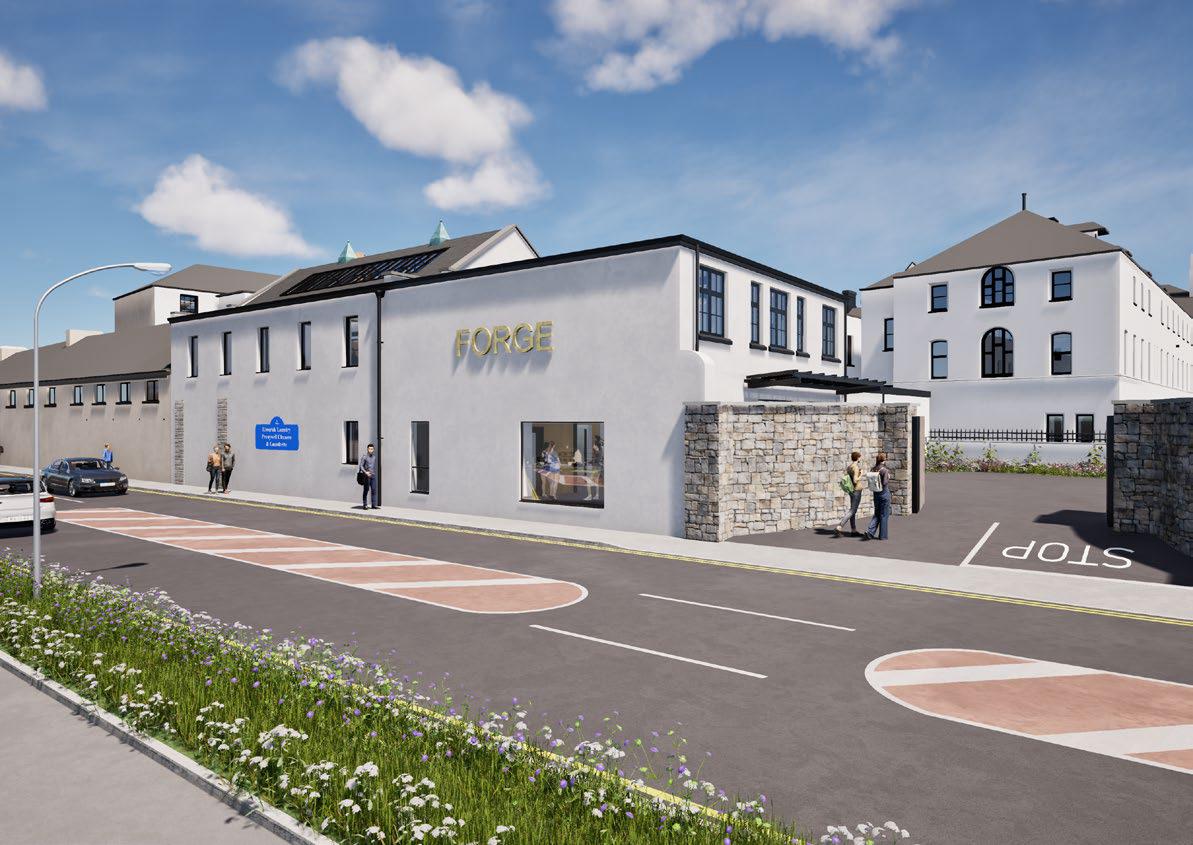
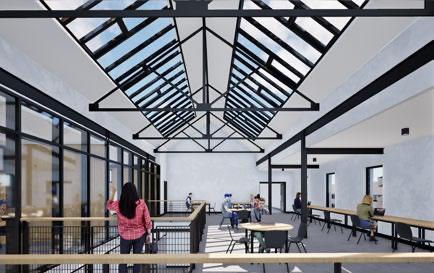
George’s Quay is located along the Abbey River on King’s Island. It is located in a central location within Limerick’s medieval core. The main campus building is a protected 1930s brick structure in the Dutch modernist style. The building was formerly used as a school and is two storey structures with four-metre floor to ceiling studios on the first floor. The main building is organised around a central staircase core, with a small yard to the rear. The building has several informal car parking spaces accessed from Creagh Lane. The building is on a landlocked site of 0.2 hectares which backs onto Mary Street, immediately adjacent to the historically significant Fanning’s Castle which is also located on the campus. To the rear of the campus is an unoccupied storage shed. The shed’s ground floor is 3 metres above the ground floor level of the George’s Quay building.
The central location of the Georges Quay campus, in the heart of Limerick City and overlooking the river, gives the Faculty of LSAD a unique setting that combines cultural vibrancy with a strong urban identity. This riverside aspect not only enhances the daily experience of students and staff but also reinforces LSAD’s role as a visible and accessible hub for creativity, engagement, and collaboration within the city.
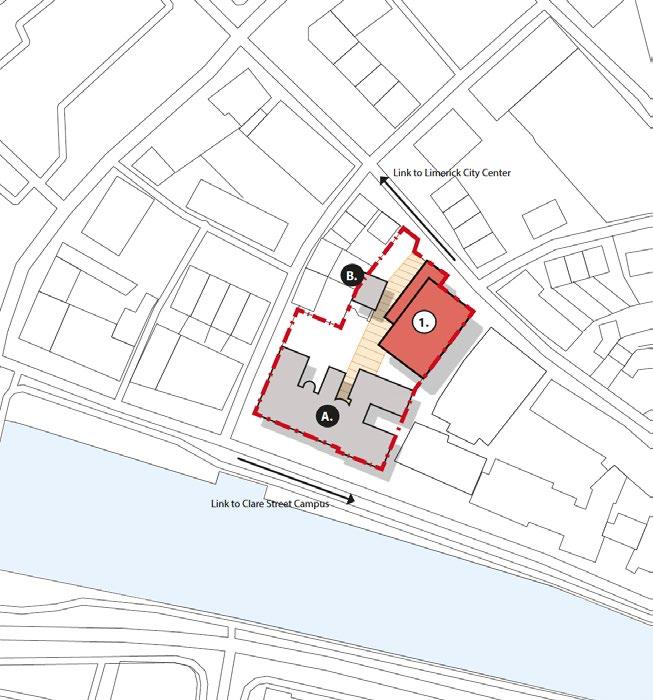
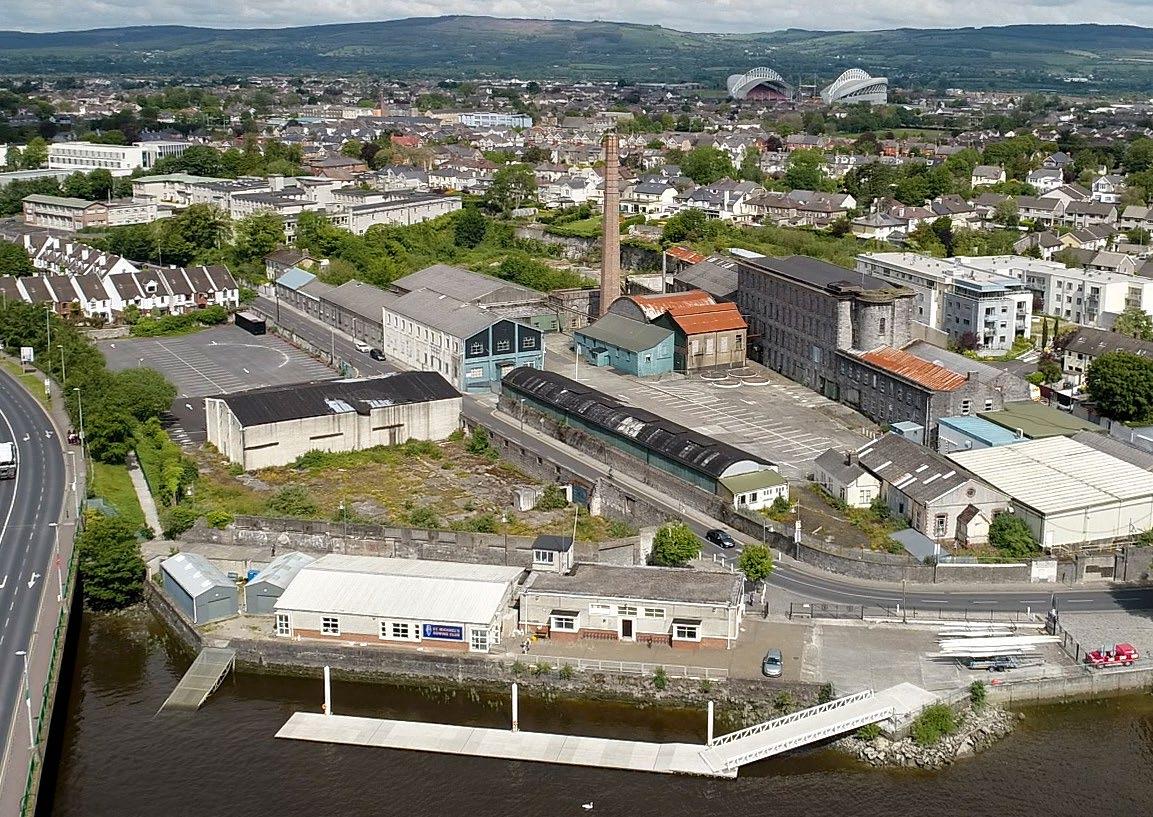
The Cleeves Riverside Quarter is a 4.3 hectare site located on the northern bank of the River Shannon in Limerick City. The site boasts a rich industrial heritage; established in the 19th century, it was a key site for Cleeves Condensed Milk Company, a major player in Ireland’s dairy sector. At the heart of the site is the former Flax Spinning Mill, built between 1851 and 1853 by J.N. Russell, prominent flour milling entrepreneurs. This impressive 15bay, four-story structure, made from locally quarried cut limestone, began production in 1853. By 1855, a weaving complex was added west of the Spinning Mill, transforming it into an integrated Spinning and Weaving Millone of Ireland’s largest industrial buildings at the time. The site’s distinctive chimney, constructed in 1860, was reduced in height by 30 feet in 1960.
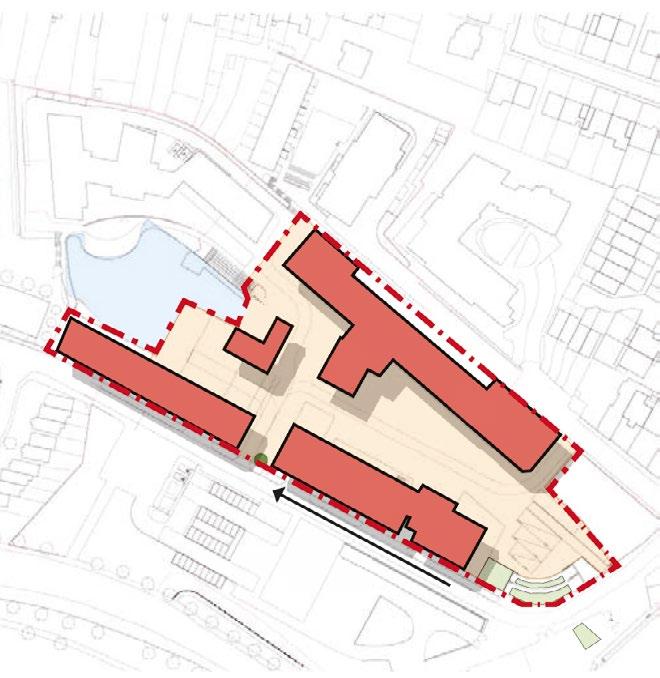
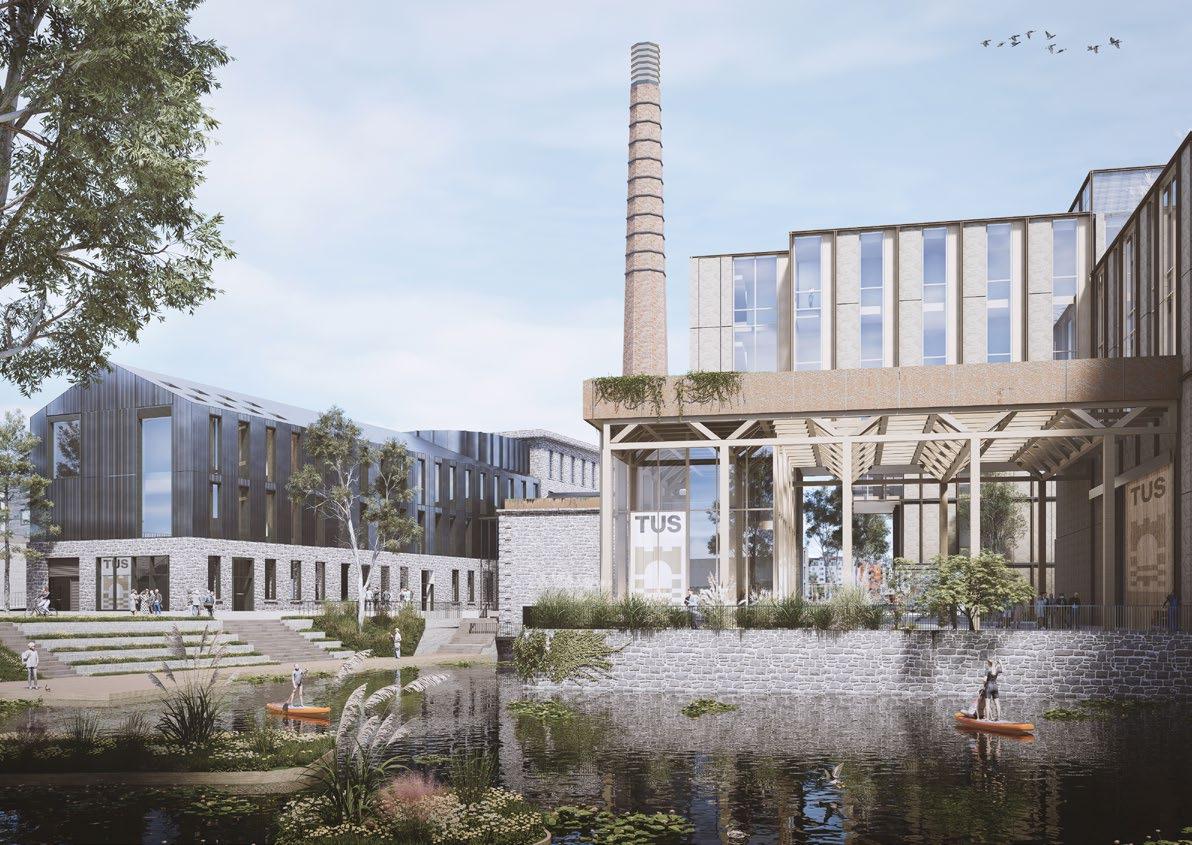
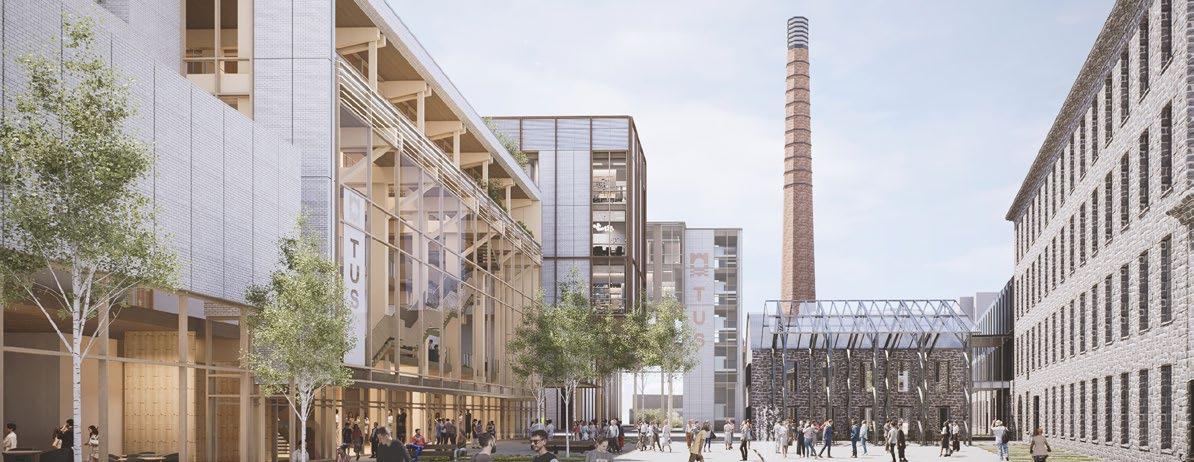
The site’s 170-year history reflects five distinct phases of industrial use, evident in its remaining structures:
• Phase 1: Flax (1833-1877)
• Phase 2: Flour (1877-1890)
• Phase 3: Condensed Milk (1890-1927)
• Phase 4: Dairy Disposal Co. (1927-1974)
• Phase 5: Golden Vale (1974-2011)
Milk processing ceased in 2011, marking the end of industrial activity on the site. While there have been temporary uses since, the location has largely remained vacant, awaiting redevelopment.
The proposed Cleeves Riverside Quarter project will revive the site via a transformative mixed-use development. This ambitious project integrates residential units, workplaces, educational facilities, student accommodation and cultural amenities, while preserving the iconic Cleeves Flaxmill and other historic industrial structures. TUS in partnership with Limerick Twenty Thirty DAC will develop the core of the site into a new higher education campus as the heart of the development.
TUS has ambitious plans to expand undergraduate, apprentice, and postgraduate student numbers across all faculties, necessitating enhanced facilities for both staff and students. To support this growth, the existing campus masterplan outlines a significant expansion of the city centre footprint, aligning with strategic objectives. This growth, combined with the need to address substandard conditions in some current spaces, highlights the urgency for solutions that ensure sufficient capacity while delivering high-quality, modern facilities to meet the evolving needs of the university community.
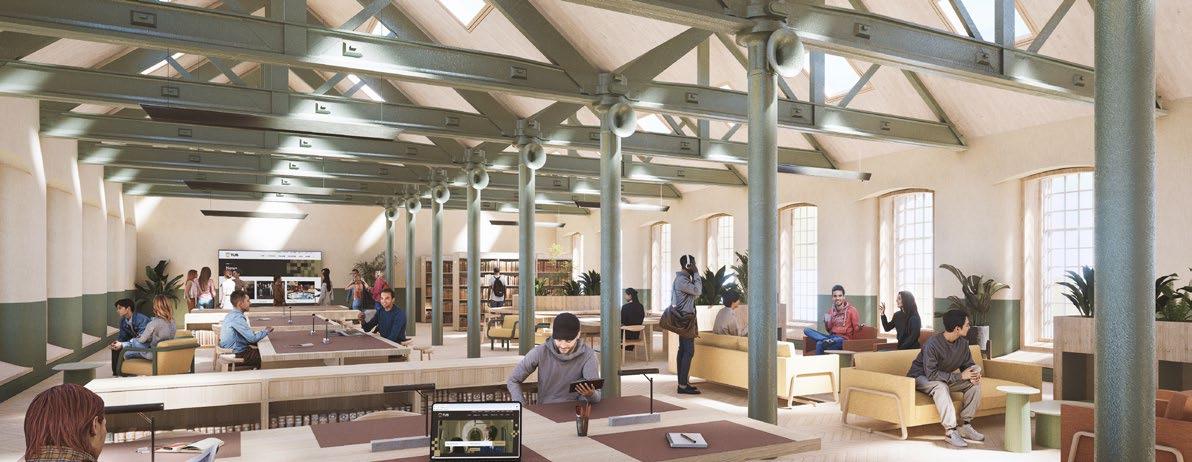
To support the growth of student capacity, TUS is exploring, in partnership with Limerick Twenty Thirty the potential development of a higher education campus on the Cleeves site as part of a multi use development including student accommodation. This strategic development will not only provide exceptional teaching, learning, and working environments for students, staff, and visitors but also foster stronger connections with the wider community. By embedding itself in the heart of Limerick, TUS will create opportunities for cultural, commercial, and community engagement, reinforcing its role as a dynamic and innovative institution. This flagship development underscores TUS’s commitment to excellence and its vision of shaping a thriving, inclusive future for both the university and the city.
The proposed TUS Cleeves Campus will transform the historic site into a vibrant hub for education and innovation. Central to this development is the retrofitting of the iconic Flaxmill building, complemented by modern new-build facilities. Together, these will create a state-of-the-art, multi-use campus, blending Limerick’s industrial heritage with cutting-edge infrastructure. This redevelopment supports TUS’s strategic goals for student growth, providing dynamic spaces to live, work, and learn while contributing to the revitalisation of the city centre.
The potential development offers a unique opportunity to repurpose protected structures and create innovative, accessible facilities that will contribute significantly to the city’s growth. TUS’s plans align with previous masterplans, which envisions substantial growth in the city centre footprint to support an increase in undergraduate, apprentice, and postgraduate student numbers.
This expanded campus will not only facilitate student growth but will also further enhance the vibrancy and purpose of the area, cementing Cleeves Riverside Quarter as a cornerstone of Limerick’s future. By blending historic and modern spaces, it fosters innovation, collaboration, and inclusivity, strengthens TUS’s presence in Limerick, and contributes to the city’s cultural and economic revitalisation.
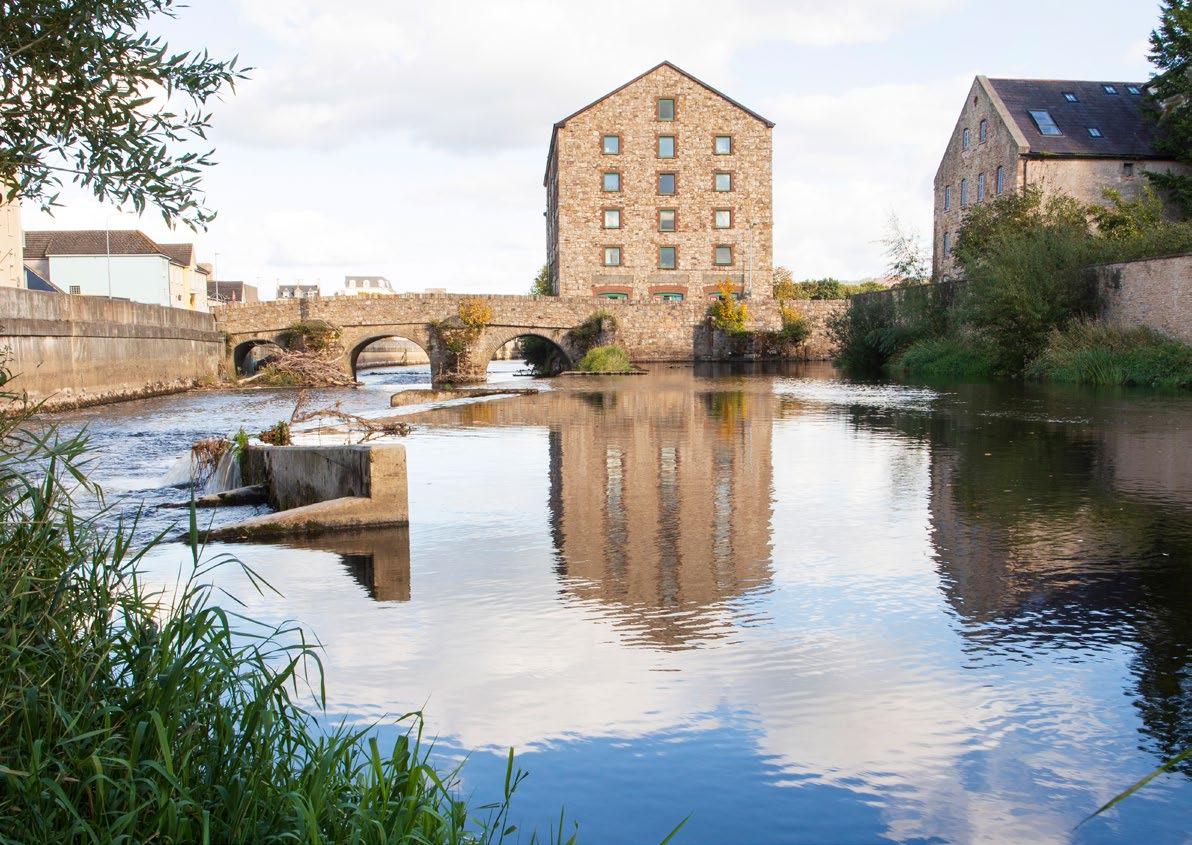
The Clonmel Campus is a hub of creativity and technical innovation, located in the heart of the Golden Vale in South Tipperary. While compact, the campus fosters a friendly, relaxed, and dynamic learning environment, offering cutting-edge programs in Game Art & Design, Digital Animation, and Creative Media and User Experience Design.
The campus’s focus on innovation is matched by its commitment to student well-being and lifestyle. Adjacent to the campus, the newly completed €5 million Clonmel Sports Hub includes a 400-metre IAAF-standard athlwetics track, skatepark, and walkways, providing excellent facilities for fitness and recreation.
Nestled within a scenic valley surrounded by the Comeragh Mountains and Slievenamon, the campus benefits from proximity to the Suir Blueway, offering 21km of trails for walking or cycling. Clonmel Digital Campus truly exemplifies TUS’s blend of technical excellence and accessibility in a vibrant, student-friendly environment.
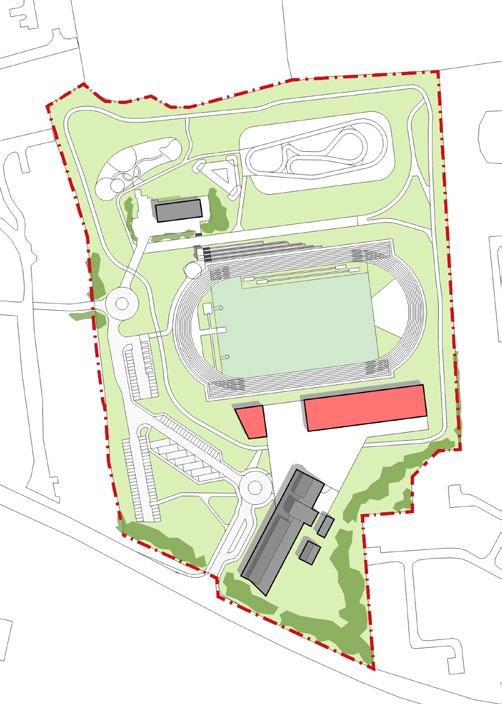
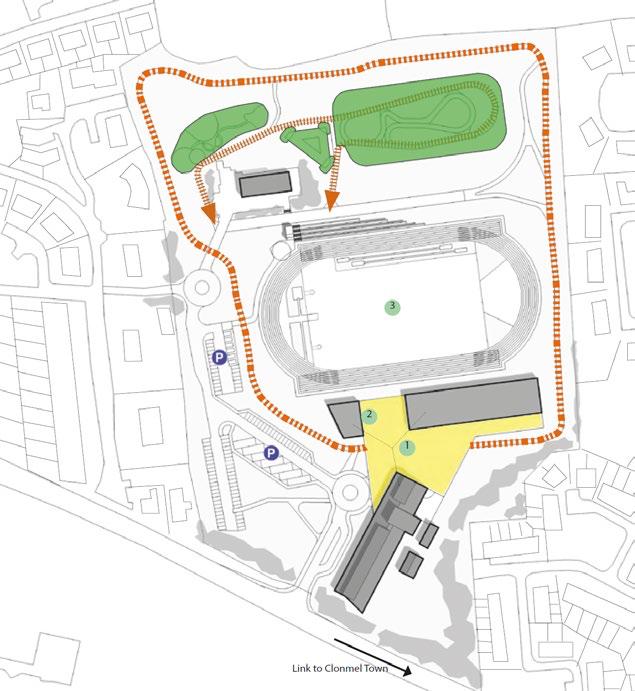
In partnership with Tipperary ETB, TUS seeks to establish Clonmel Connected Campus— the first fully integrated tertiary FET/Higher Education (HE) campus in Ireland. Located at the heart of Clonmel on the regenerated Kickham Barracks site, this pioneering development will encompass over 10,00sqm and will cater to 1,300 full-time equivalent students (900 FET and 400 HE), with a staff of 75-90. The campus will offer flexible and adaptable learning opportunities across the FET/ HE spectrum, benefiting over 4,500 students annually by 2036.
The campus will not only serve as an innovative hub for education and training but also as a vital community resource, offering a variety of social and cultural events. It will feature modern, adaptable teaching spaces, workforce development-focused facilities, and cutting-edge digital infrastructure centred around a digital learning hub. The inclusion of a library, multifunctional learning spaces, meeting rooms, and social areas will foster a dynamic student experience. Notably, the campus will include “Black Box” spaces designed to transform to meet local industry needs.
Sustainability will be central to the design, with a proposed district heating system that will serve the campus, a new Regional Garda Station, and nearby civic buildings. Universal Design principles will ensure accessibility for all, creating a welcoming, inclusive environment for students at all levels, from levels 1-10. This state-of-the-art campus will play a crucial role in regional workforce development, educational advancement, and community engagement, significantly enhancing Clonmel and its surrounding areas. The regeneration of Kickham Barracks will bring lasting positive impact, aligning with the vision of a unified tertiary education system in Ireland.
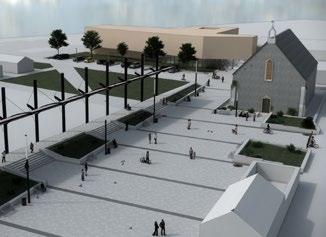
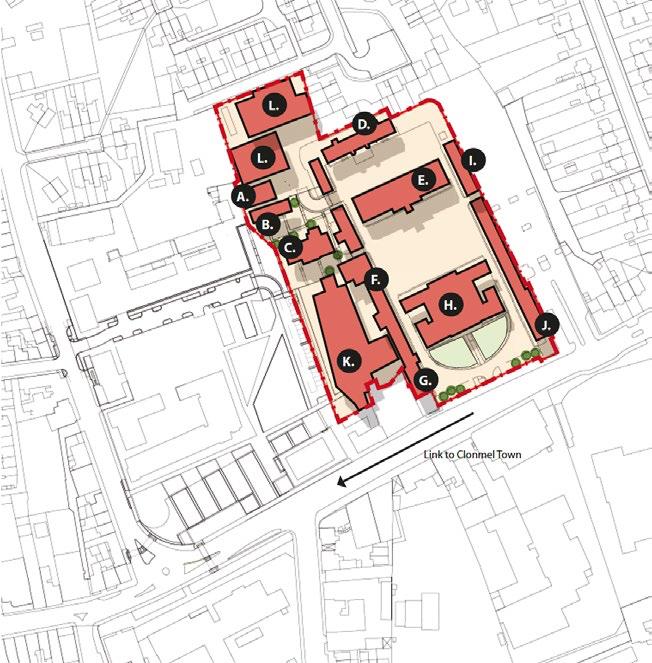
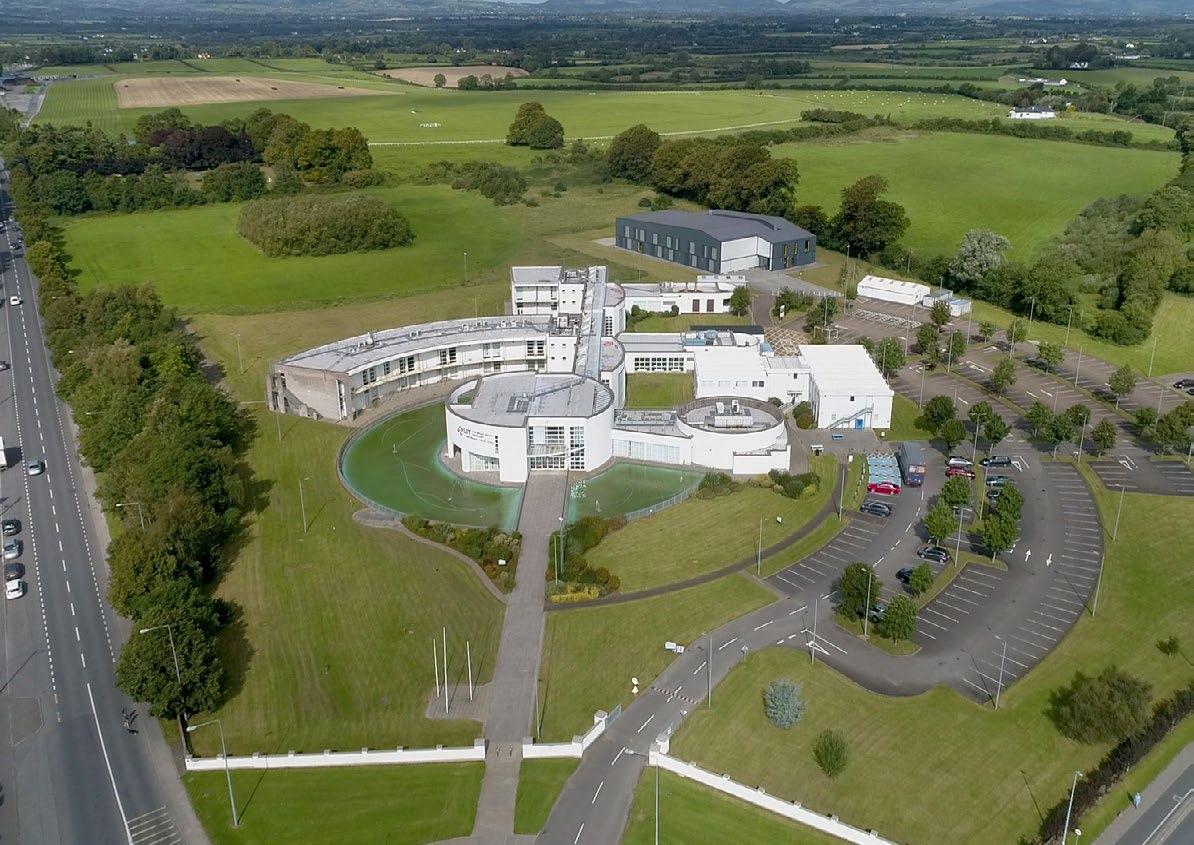
The Thurles campus offers a student-focused, welcoming environment with modern facilities, including a 200-seat conference centre, lecture theatres, computer suites, science labs, and specialist games development labs.
The campus’s standout feature is the state-of-the-art SportsLab, a 2,000-square-metre strength and nditioning facility built to the highest international standards. Key features include a 45m six-lane sprint track for speed training, a Paralympic area, Olympic lifting platforms, cable machines, and cutting-edge sports technology systems like GPS and micro-electromechanical systems. It also boasts five functional screening kits, weights, and a variety of exercise equipment. Planned expansions include an indoor clay court tennis facility and enhanced GAA amenities in partnership with various key stakeholders.
Thurles campus is also home to the Thurles Chamber Enterprise Centre, fostering innovation and business growth. Located on the Nenagh Road, it sits adjacent to the Tipperary Technology Park, creating a dynamic hub for education, sports, and enterprise development.
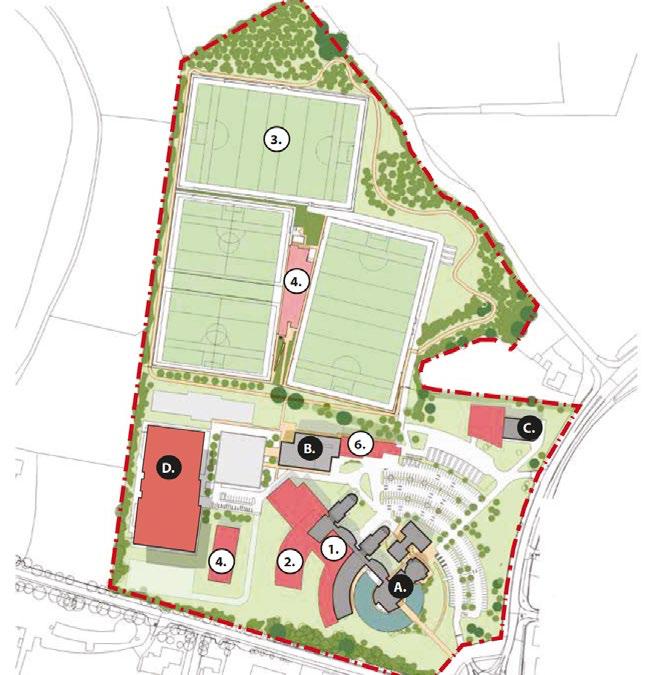
1. Potential location for new mobility hub directly linked to campus plaza, access road and exercise loop.
2. Hard and soft landscaping to public plaza linking the campus buildings. Provides outdoor learning / social spaces.
3. Biodiversity Zones
Squares / Plazas
Soft Landscaping / Gardens
Proposed Bus Route
Proposed Pedestrian Route / Campus walkway
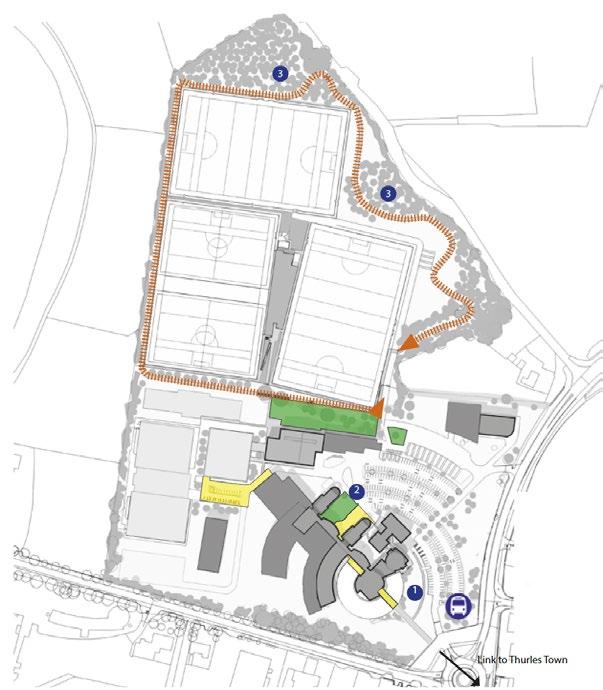
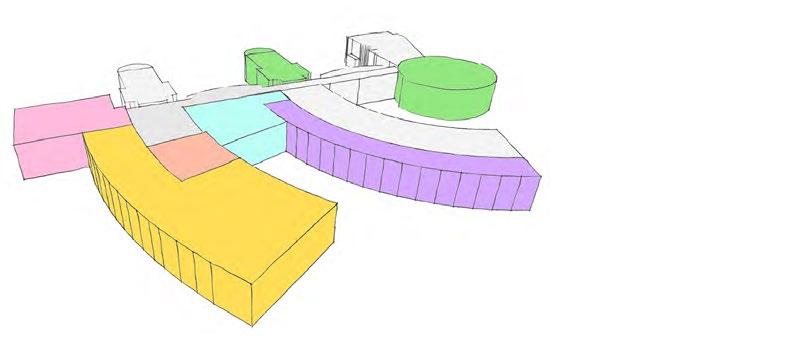
The Thurles Connected Campus is envisaged as a partner development to the Clonmel Connected Campus. The concept reflects the collaborative relationship between TUS and Tipperary ETB. This innovative initiative aligns with the national policy for a unified tertiary system, combining Higher Education (HE) and Further Education (FE) on a single, integrated campus in Thurles. A new Memorandum of Understanding underscores TUS and Tipperary ETBs shared commitment to developing seamless pathways from FET to HE.
The Connected Campus will consolidate FET provision and expand the TUS Thurles campus, creating a vibrant, stateof-the-art learning environment for over 2,000 full-time and part-time learners. The development will deliver 3,292sqm of new two-storey facilities and refurbish 730sqm of existing space. This includes specialist teaching spaces, staff accommodation, a multipurpose hall, and a social hub with collaboration and dining areas, designed to enhance the holistic student experience.
The shared campus concept emphasizes adaptable, multifunctional spaces, fostering collaboration and connection between HE and FE students and staff. This integration will drive progression opportunities and support national, regional, and local priorities in education and training, while the improved infrastructure will enable growth in critical areas such as nursing, climate action, and IT.
For Tipperary ETB, the project will create a state-of-the-art FET College of the Future, consolidating and expanding FET provision, raising its profile, and supporting learner progression pathways. Enhanced collaboration and professional development opportunities for HE and FE staff will lead to innovation and creativity, benefiting learners through improved technical and specialist expertise. The Connected Campus is a transformative initiative, positioning Thurles as a hub of tertiary education excellence.

Ireland faces a significant shortfall of apprentices across key sectors, with demand outpacing supply due to rapid industry growth, evolving skills needs, and a lack of sufficient training infrastructure. This gap threatens economic competitiveness, highlights the need for targeted investment, and underscores the importance of promoting apprenticeships as a viable career pathway.
TUS seeks to expand its apprenticeship training capacity at the strategically located Thurles campus to address Ireland’s critical skills shortage and support regional economic development. Leveraging Thurles’ central position, this initiative provides industry-aligned, hands-on training, ensuring a pipeline of skilled professionals while strengthening the regional workforce and fostering sustainable economic growth.
The proposed development at the Thurles campus involves repurposing and refurbishing underutilized spaces within the existing main building complex, alongside the construction of modern extensions to create a state-of-the-art apprenticeship training facility. This initiative will provide industry-focused workshops and labs, classrooms, and collaborative spaces while preserving the character of the original structures. The project reflects a commitment to sustainable development, optimizing existing resources to address Ireland’s growing demand for skilled apprentices and workforce training.
This development will enable TUS to increase apprenticeship training numbers, addressing regional skills shortages and boosting economic growth. Its strategic Thurles location supports potential future collaboration with Tipperary ETB, alleviating their space deficit and fostering shared resources. Such partnerships enhance training capacity, optimize facilities, and drive workforce development in the region.
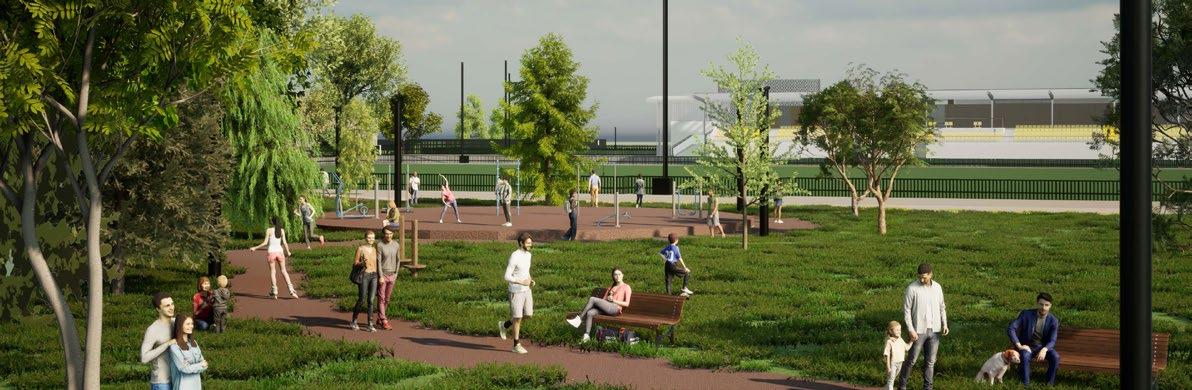
In partnership with Tennis Ireland, Tipperary GAA, and Tipperary County Council, TUS seeks to develop the Thurles Sports Campus at undeveloped land at the Thurles campus. Following a successful funding application to the LargeScale Sports Infrastructure Fund (LSSIF) in 2020, a design team was commissioned to prepare a planning application for the Thurles Sports Campus. Planning permission for the proposed development was achieved in July 2023.
The purpose of the proposed multi-sport, multiple-facility centre of excellence is a collaborative initiative to deliver state-of-the-art sports infrastructure, fostering athletic development, community engagement, and regional sports excellence through shared resources and partnerships.
This project will deliver a comprehensive sports complex at the TUS Thurles Campus, including a tennis centre with six covered clay courts, a floodlit 4G all weather pitch with a covered stand for 600 spectators, a sand-carpet pitch with a 400-seat covered stand, another sand-carpet pitch with open viewing for 500 spectators, and a lit, measured-distance walking/running track with outdoor exercise stations. Additional facilities include a multi-purpose building housing office, meeting rooms, and treatment spaces, as well as an extension to the state-of-the-art Strength and Conditioning facility already on site. The development leverages the existing sports facilities and infrastructure, such as parking and services, enhancing the campus’s overall amenities.
The Thurles Sports Campus will enhance regional sports infrastructure, promote community engagement, and provide state-of-the-art training resources for TUS students, tennis, GAA, the local and regional community and other activities. It will support athlete development, attract events, strengthen partnerships, and position the campus as a hub for excellence in sports, education and community engagement.
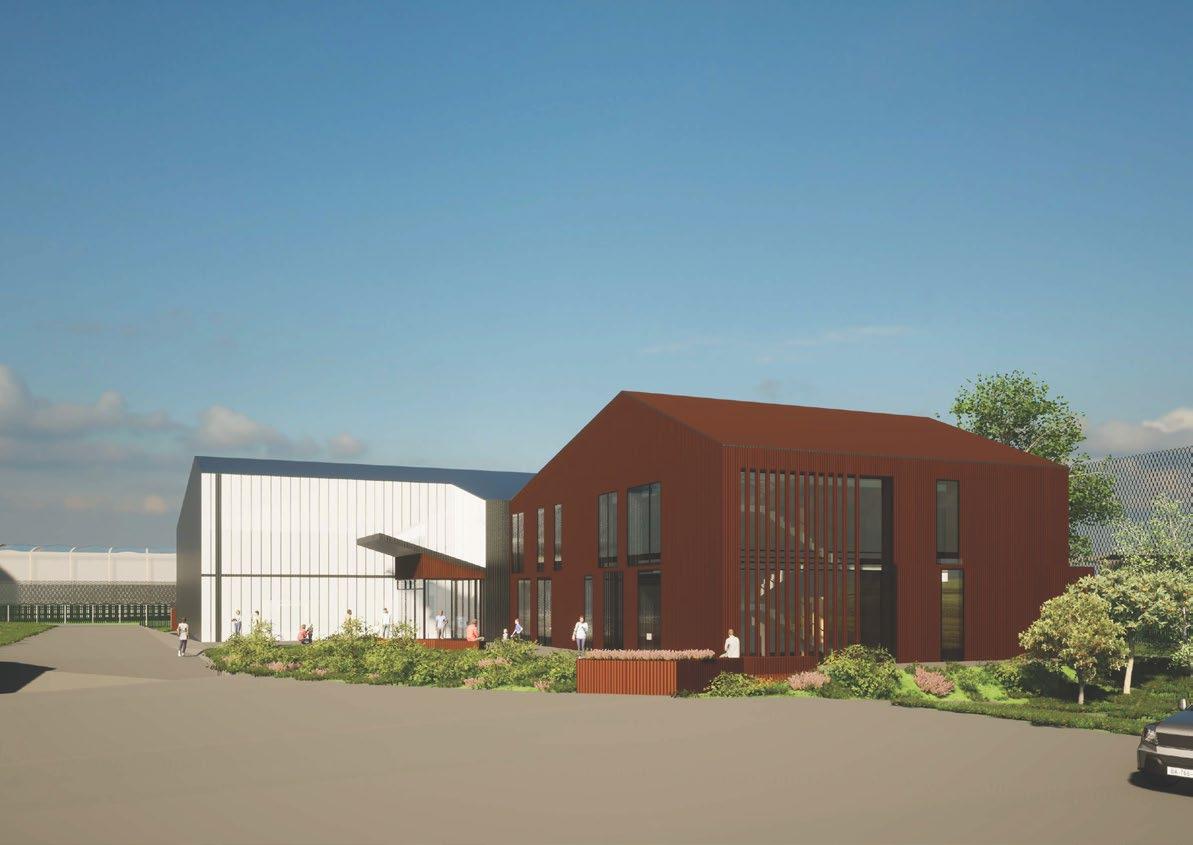
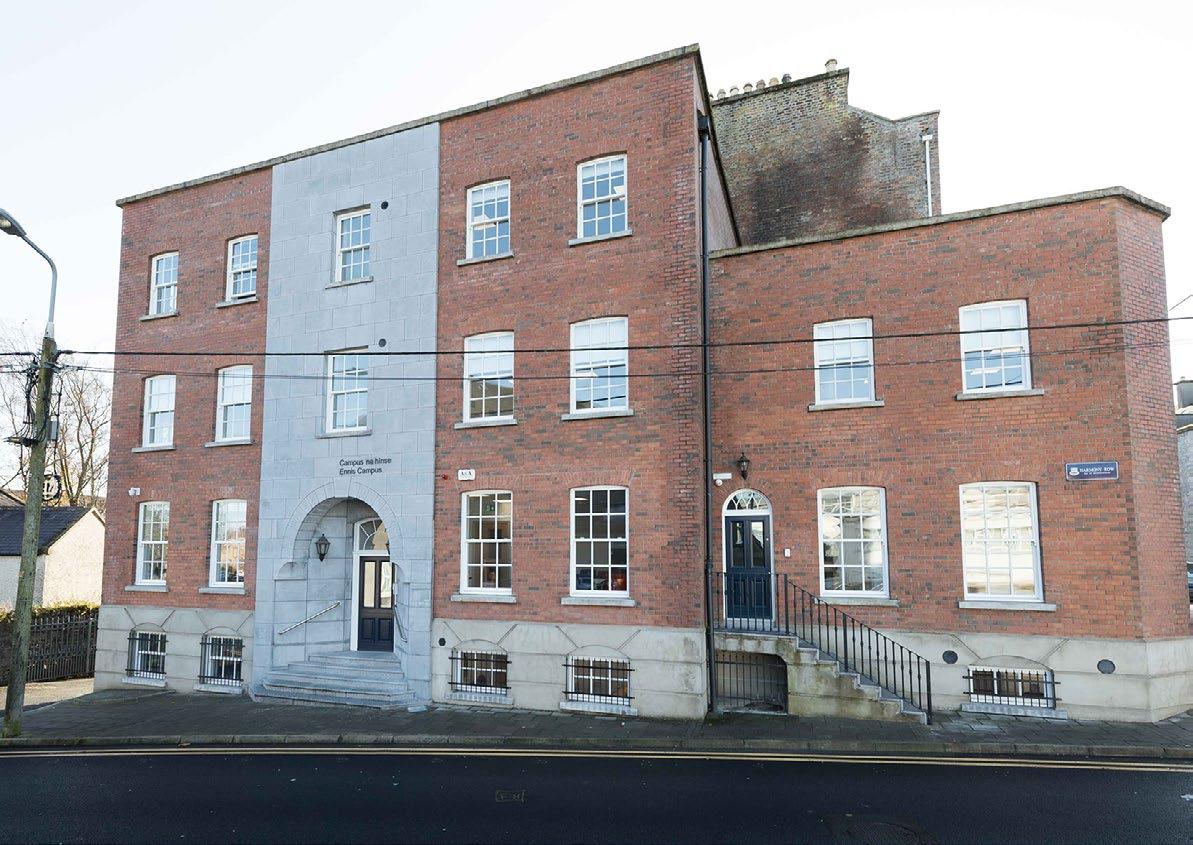
The Ennis Campus, located on historic Bindon Street in the heart of Ennis, offers a unique blend of tradition and modernity. Set on one of Ireland’s finest late-Georgian streets, the recently refurbished campus retains its historic charm while featuring contemporary, state-of-the-art facilities.
Now a vibrant university town, Ennis hosts Social Care Work degrees at Level 7 and Level 8, available through the CAO. The campus’s small class sizes and welcoming atmosphere provide an ideal environment for personalized learning, fostering strong connections between students and faculty.
With dedicated spaces for lectures, study, and recreation, the Ennis Campus ensures that students can fully embrace the TUS experience while enjoying the rich cultural and social life of this bustling urban centre in County Clare. TUS will continue to explore opportunities for expansion and growth in Ennis and across County Clare, building on the campus’s strong foundations to further support regional educational, social, and economic development.
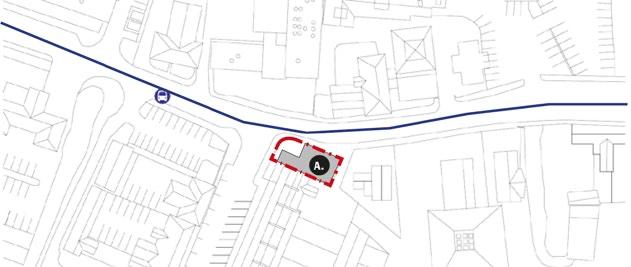

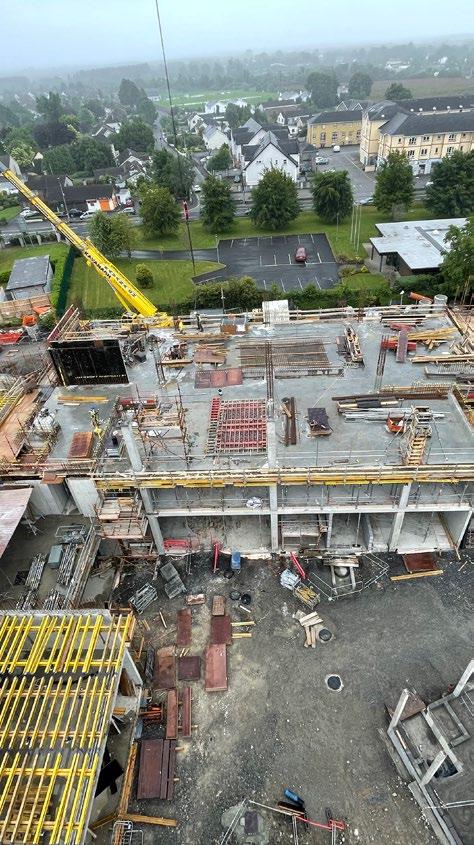

The implementation of TUS’s masterplan represents a substantial, long-term commitment to the university’s growth and development. The plan includes a vast range of developments, many of which are technically complex and challenging, requiring careful coordination, expertise, and significant financial investment. To fully realise the ambitions set forth in the masterplan, TUS must commit to a process that spans many years, with the majority of developments taking place over decades. Given the scale of these projects, their realisation will require ongoing dedication, with each phase building on the previous to ensure the future success of the University.
This masterplan is not a starting point but an evolution of previous planning documents. While it is designed to align with the current strategic plan, it is crafted with an eye towards the future, taking into consideration long-term growth and development. The immediate lifecycle of the masterplan is set at 15 years; however, its vision extends well beyond this period, recognising that the lifecycles of the buildings and spaces delivered will far outlast the planners, designers, and even the users of these facilities.
To support the delivery of the masterplan, TUS has established the Capital Development Unit (CDU), which will oversee and lead the planning, execution, and monitoring of all campus developments. The CDU will ensure that each project complies with the Government’s Infrastructure Guidelines, the Capital Works Management Framework, and all relevant statutory, mandatory, and best-practice requirements. A central responsibility of the CDU is to ensure that every development aligns with the University’s strategic objectives and operational priorities.
The CDU will work closely with TUS Academic Faculties and Departments, as well as Professional Support Services Units, to coordinate planning and implementation. This collaborative approach ensures that projects are informed by academic and operational needs and that the best possible outcomes are achieved across all developments.
The CDU will work closely with the regional Estates Departments to ensure that developments meet operational facility management plans and requirements. By maintaining a close working relationship with the Estates teams, the CDU can ensure that the physical spaces created through the masterplan will be effective, efficient, and fit-for-purpose in the long term. This collaboration will help the University maximise the use of its spaces while ensuring that they remain adaptable to evolving educational and operational needs.
A critical component of the implementation process is early-stage project planning. The CDU will routinely conduct project appraisals, feasibility studies, and development plans as part of the standard procedure for each development. These assessments are essential to determine the viability of proposed projects, helping to align the final outcome with the university’s needs and objectives. By laying the groundwork in the early stages, the CDU will ensure that each development is well-planned, well-executed, and aligned with the long-term goals of TUS.
1.
3.
4.
5.
6. Review
Furthermore, TUS has established a set of procedures and policies for capital development to guide all projects, ensuring consistency, transparency, and alignment with best practices. The university’s approach to capital development includes a thorough evaluation of risk. Each capital project introduces a certain level of risk, which TUS must effectively manage to ensure that developments are delivered on time, within budget, and in accordance with the university’s strategic objectives. By identifying and addressing potential risks early in the process, TUS can optimise the efficiency and value of each project, ensuring that it
As part of its ongoing commitment to strategic planning and development, the masterplan will be reviewed at 5 year intervals, in 2030, 2035 and 2040. The reviews will allow TUS to assess the progress of the masterplan’s implementation and identify areas that may need updating or amending. Following the publication of the review report, elements of the masterplan may be adjusted to reflect any new strategic priorities, evolving needs, or changes in the wider higher education landscape. By continually adapting and refining the masterplan, TUS will ensure that it remains aligned with its long-term vision for growth and development, positioning itself as a leader in higher education for years to come.


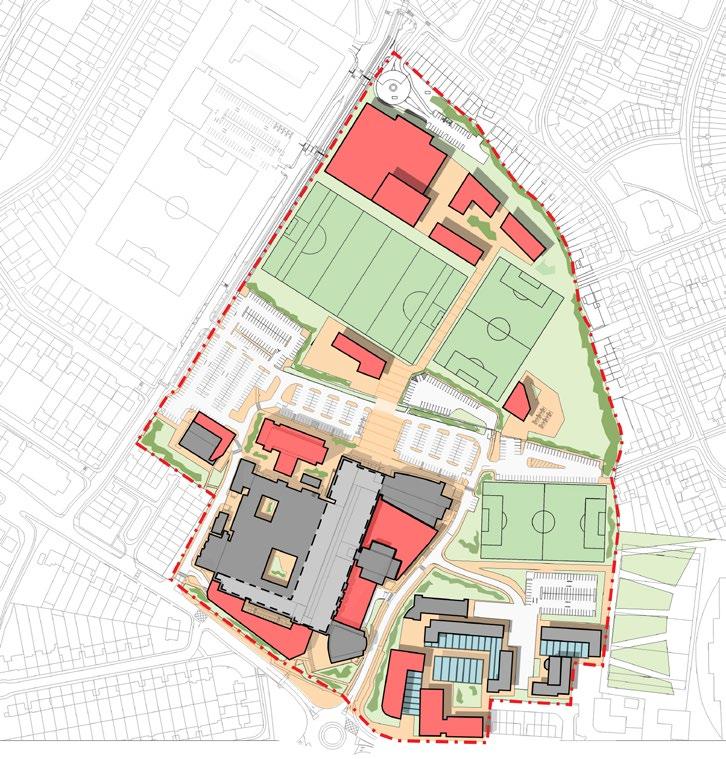
Existing Buildings Key
A.
B. Estates Store (Auburn Building)
C. Engineering & Informatics
D. TUS International Arena
E. Goods Inwards & Energy Centre
F. Main Building
G.
H.
I.
J.
K.
L.
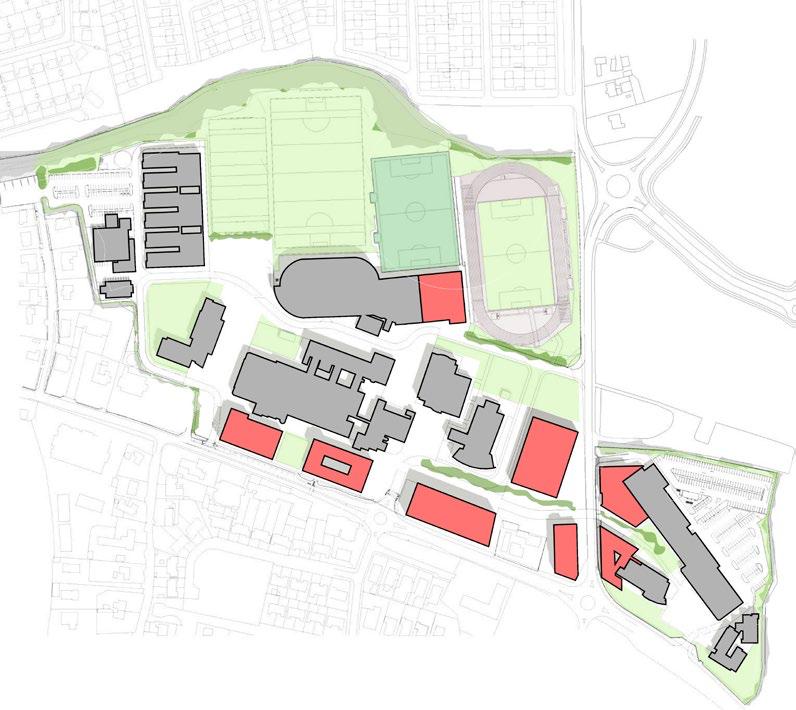
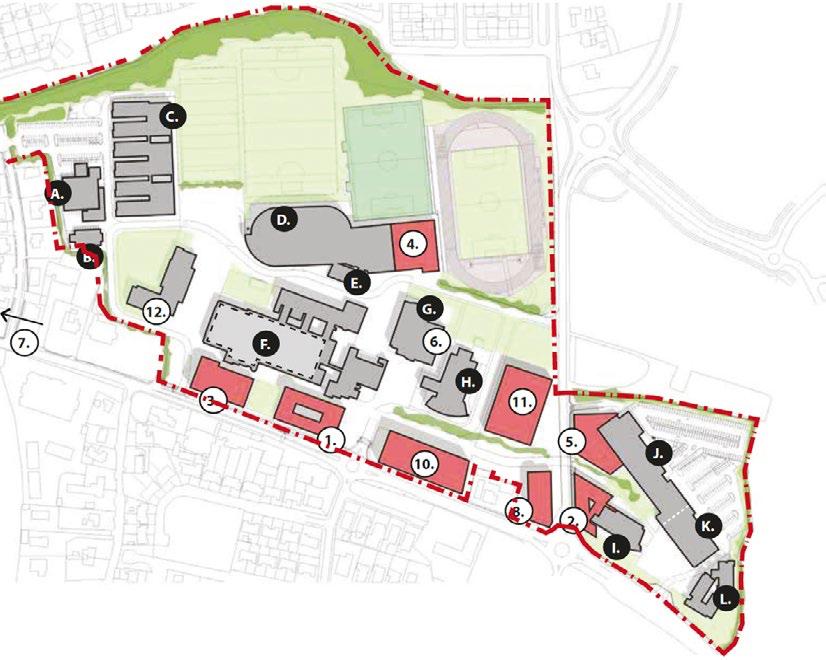
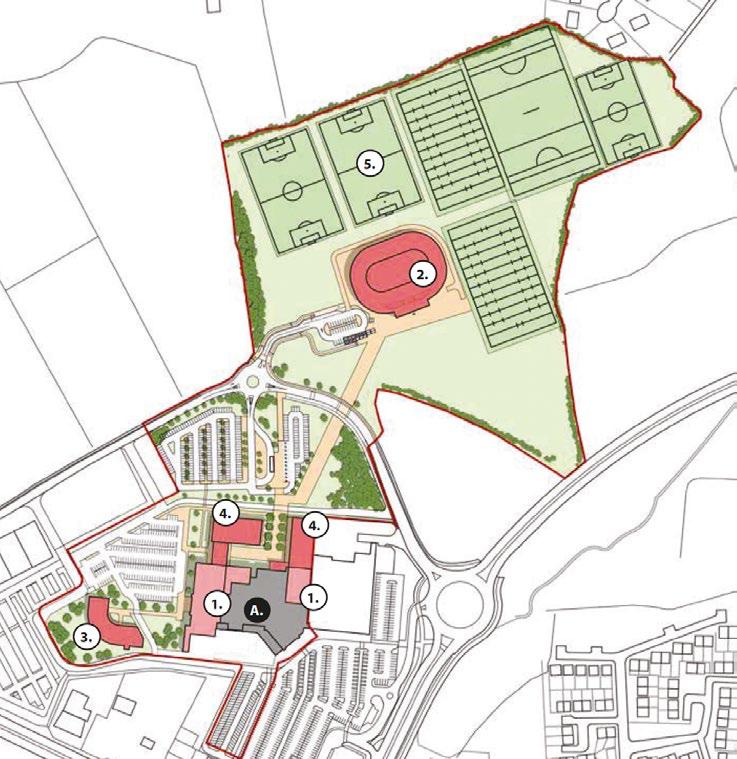
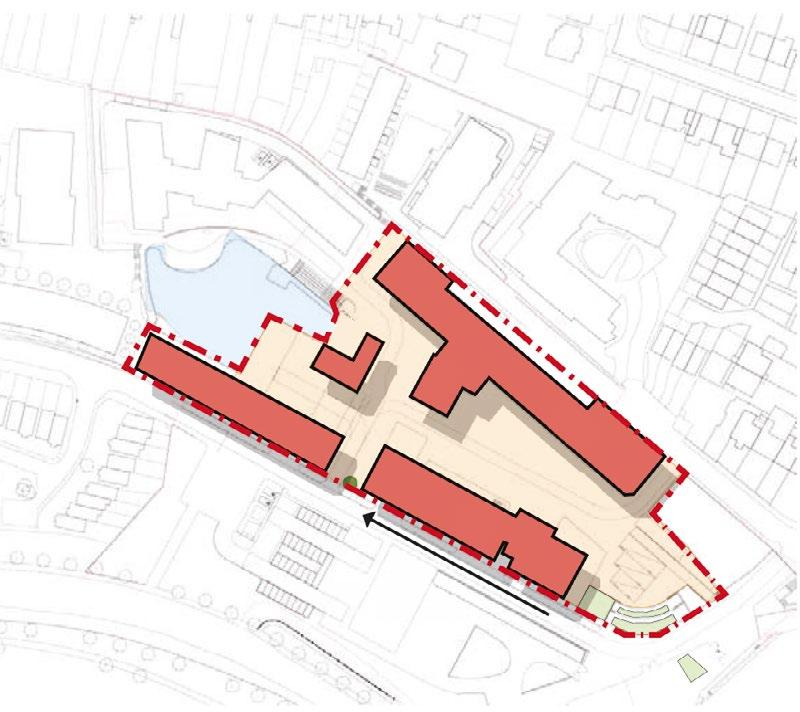
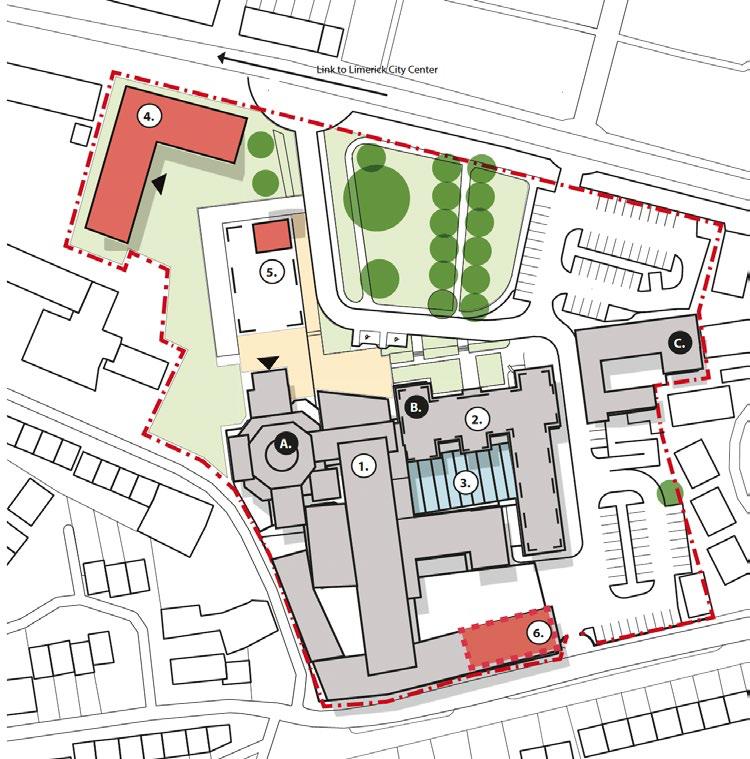
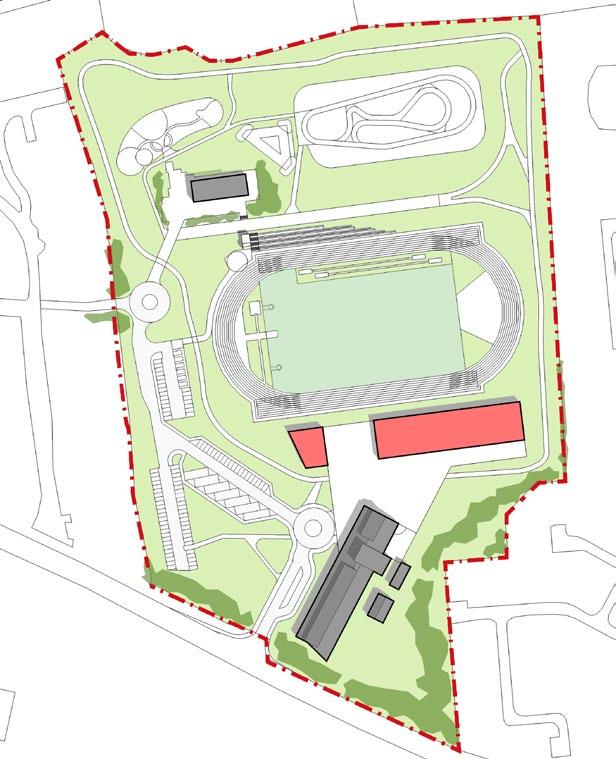
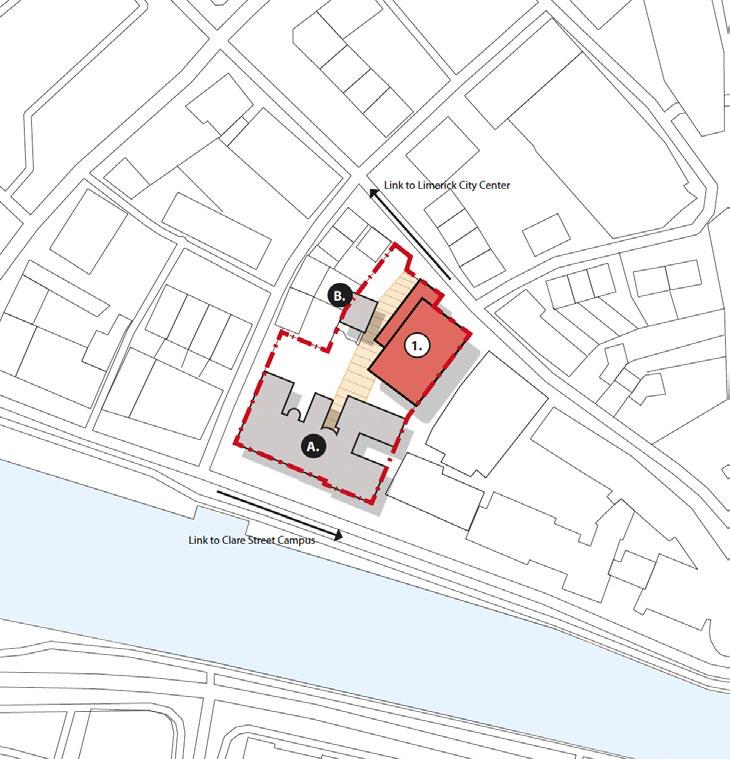
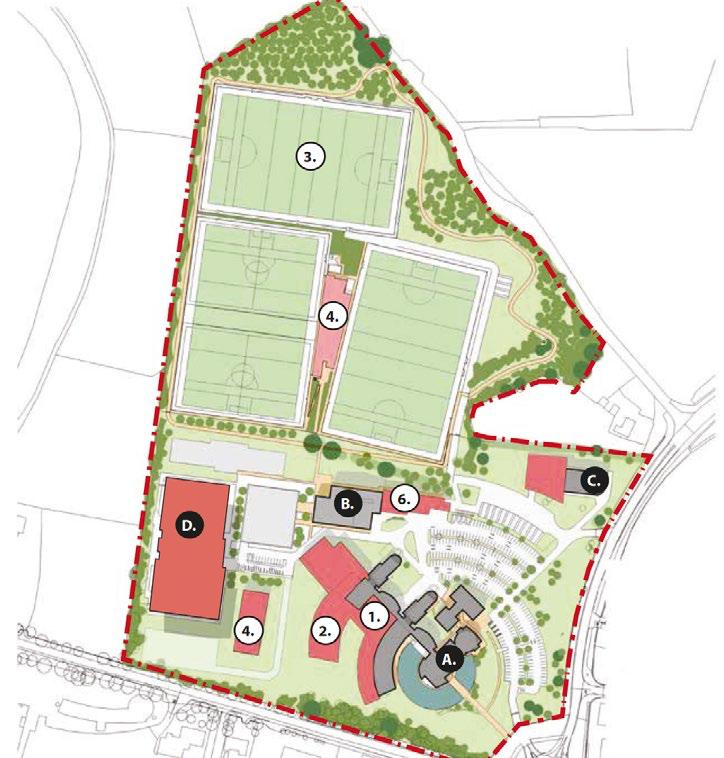
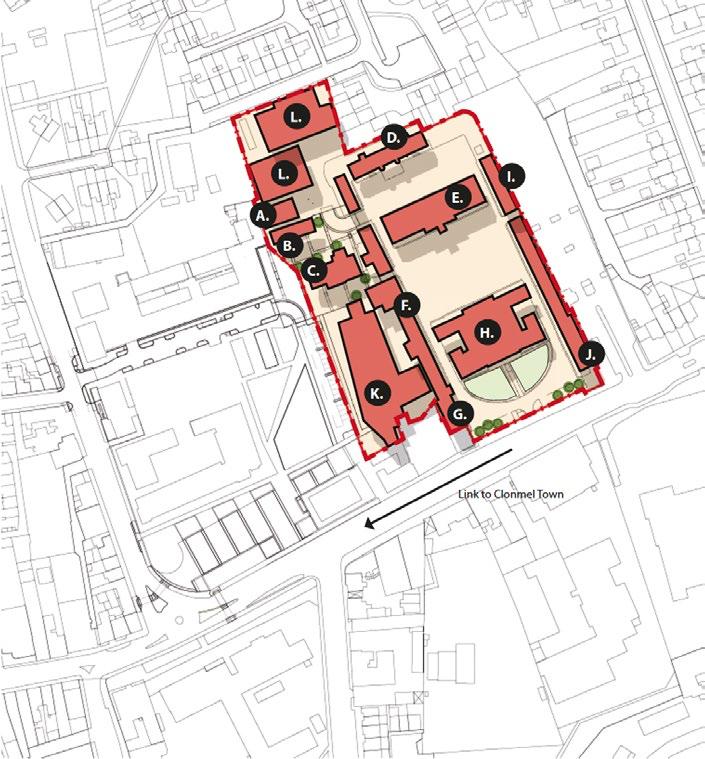
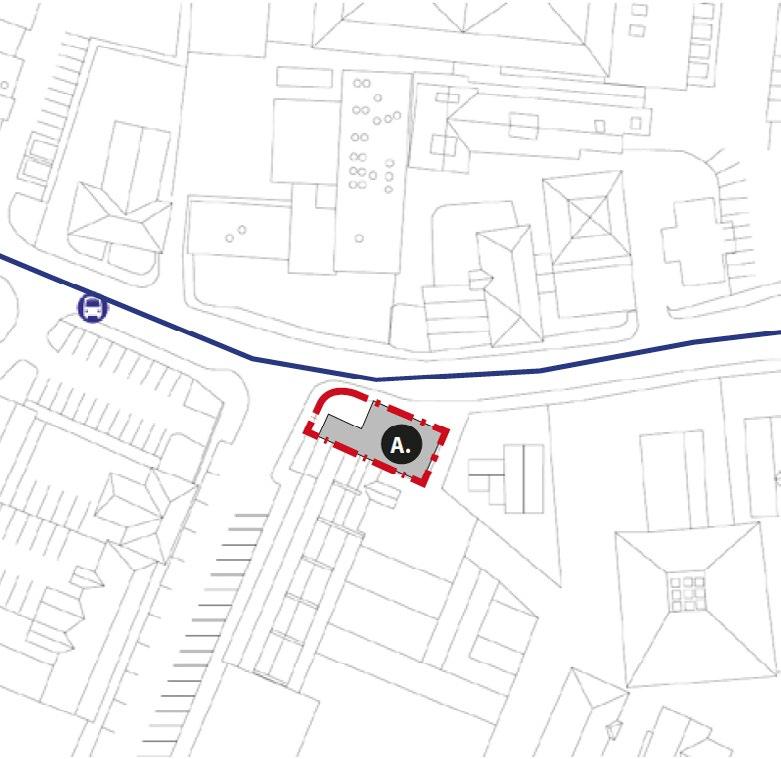
Masterplan 2025–2040 Northgate Street Campus
1. Proposed future buildings A. Existing campus building
Proposed new active boundary
Squares / Plazas Soft Landscaping / Gardens
Proposed Bus Route
Proposed Pedestrian Route / Campus walkway