
PROTECT WHAT MATTERS MOST THIS WINTER

Janelle Guthrie
Hannah Cassara
PRINCIPAL
Lena Anderson
Janelle Guthrie
Hannah Cassara
PRINCIPAL
Lena Anderson
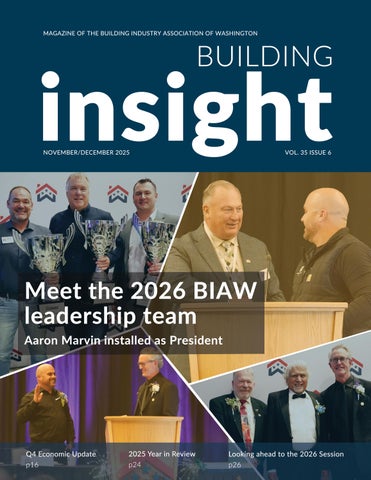
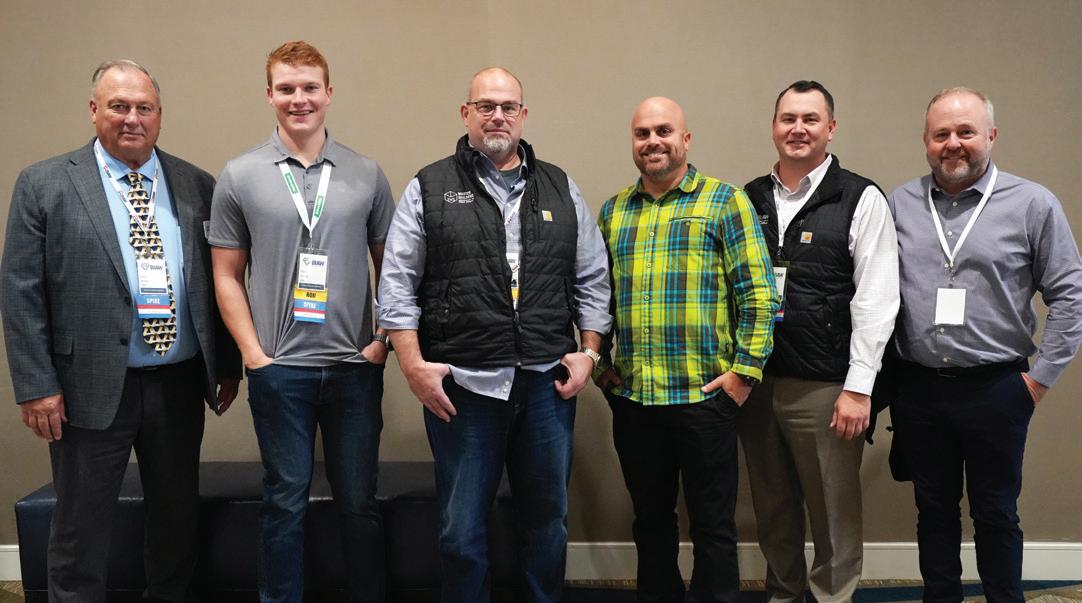
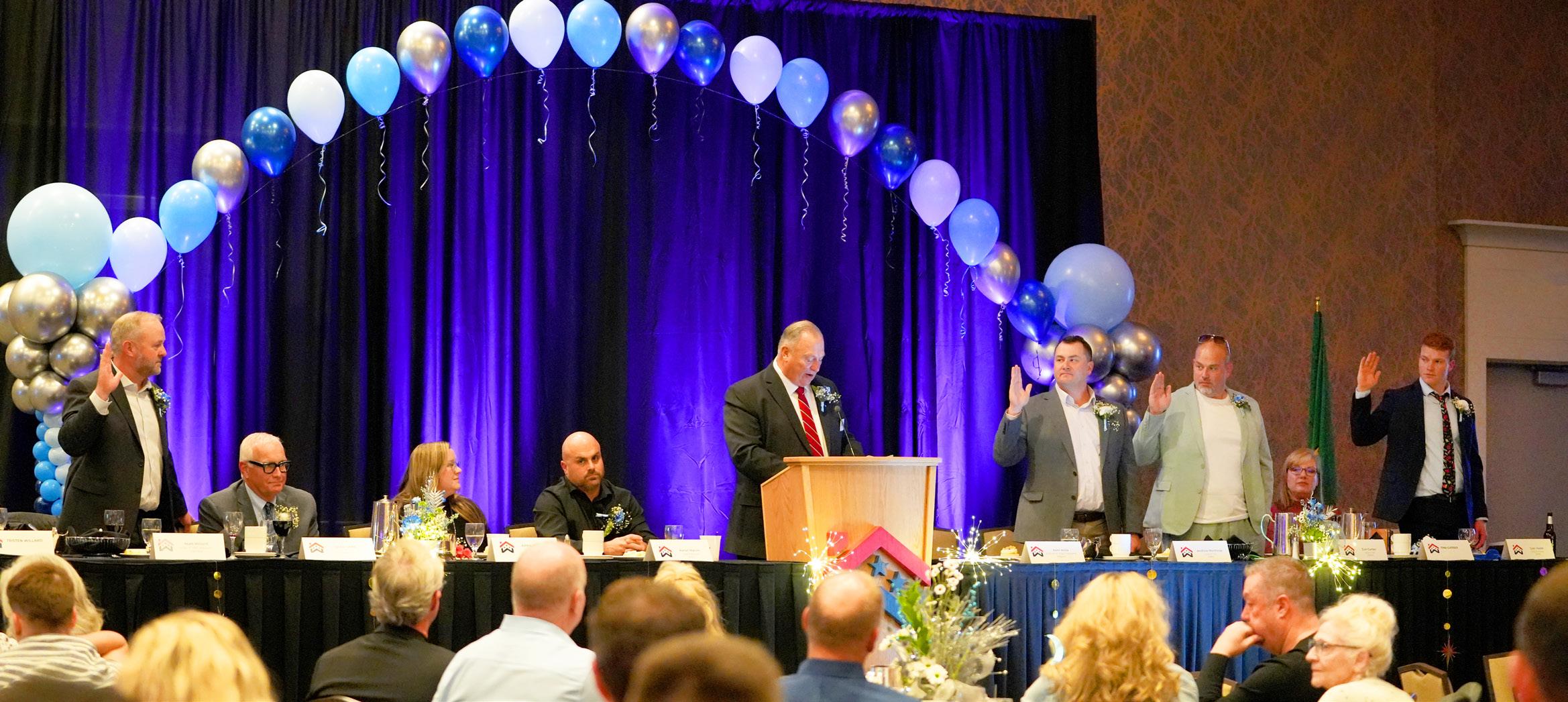
Led by President Aaron Marvin, the 2026 BIAW Senior Officers bring a combination of leadership, expertise, and fresh ideas from all across our state to strengthen the homebuilding industry.
EXECUTIVE
Greg Lane
Al Audette
VP
Janelle Guthrie
VP - BUSINESS DEVELOPMENT
Bart Hansen
VP
Jan Himebaugh
VP
Stephen Hyer
ROII
Jenn Kavanaugh
VP
Ashli Penner
LEGISLATIVE DIRECTOR
Andrea Smiley
BIAW MANAGEMENT CONTACT US
hannahc@biaw.com
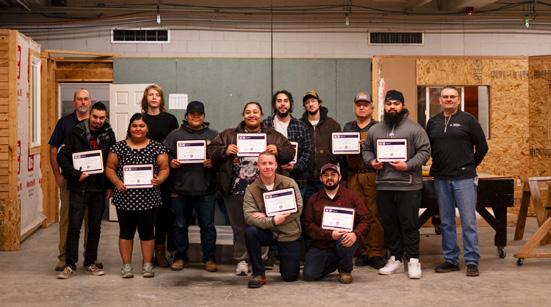
From launching the BuildStrong Academy of Pierce County, powered by HBI, to continuing the fight to defend Initiative 2066, take a look at what we accomplished together this year.
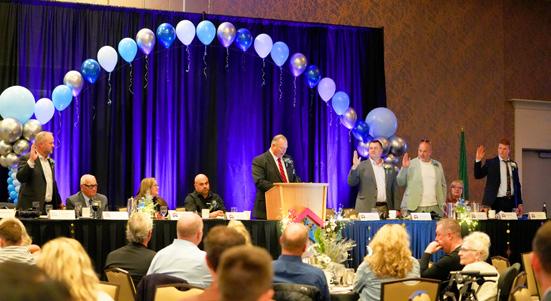
from the 2025 BIAW Fall Board Meeting included installing our 2026 President Aaron Marvin, honoring the 2025 Builder, Associate and Remodeler of the Year winners, and inducting our newest members of the BIAW Hall of Fame. Read more starting on page 10.
As always, we want to hear from you! We invite you to take a quick survey about your thoughts on Building Insight. Happy reading!





Kent Arola President
A little over a year ago, I kicked off the 75th Anniversary of the Building Industry Association of Washington— and my term as your BIAW President with three main priorities:
n Members first—Recruitment and retention
n Supporting and expanding our Professional Women in Building councils
n Advocacy
It’s been quite a year, and I’ve been so proud to serve as your leader.
Membership
When it comes to membership, I’m proud to say we continue to add new members with a total of 8,289 as of Oct. 31.
We don’t just attract new members. Member satisfaction remains high. In fact, we’re in second place among home building associations of our size with an 82.6% retention rate!
As your president this year, I’ve enjoyed meeting so many of our members at meetings and events across the state.
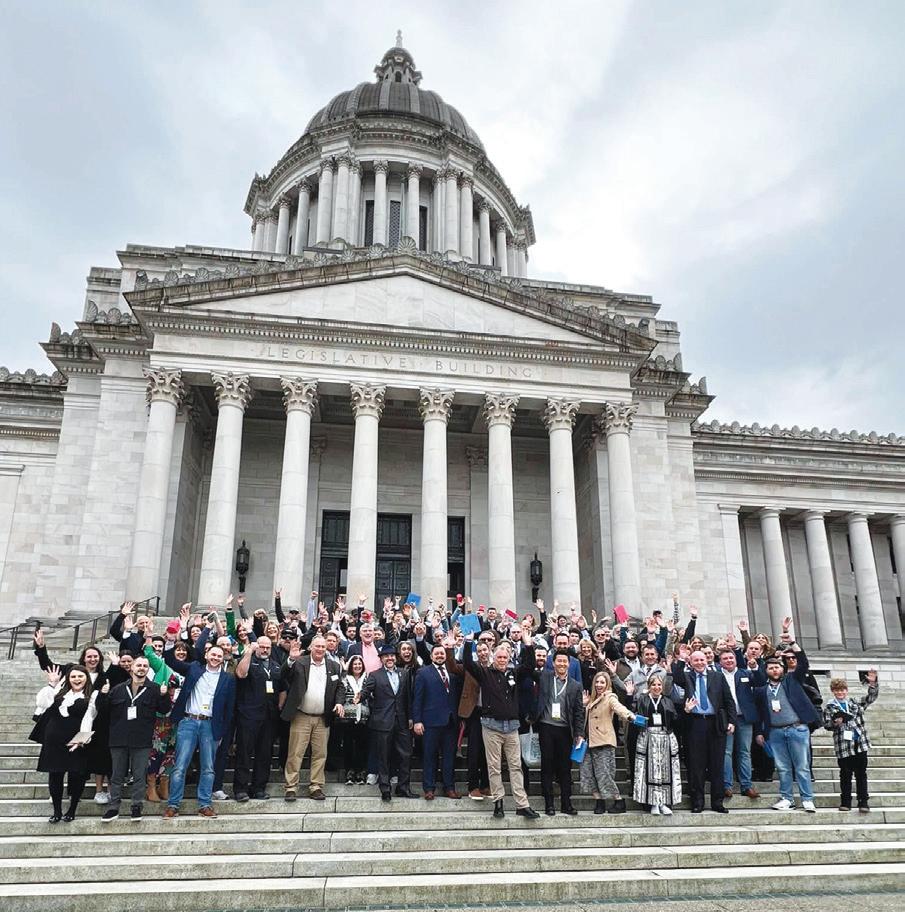
Finally, I’d like to recognize the strength of our advocacy efforts. Working with Washington’s state legislature and supporting our local association government affairs efforts is an ongoing challenge.
BIAW LEADERSHIP
PRESIDENT
Thank you for welcoming me! Members are the foundation of our association –and your work to recruit and retain our members is critical.
Politicians come to Olympia every year, claiming they’re going to fix Washington’s housing shortage, only to pass more legislation and taxes, making it harder to build housing.
FIRST VICE PRESIDENT/TREASURER
Aaron Marvin
SECOND VICE PRESIDENT
Nick Gilliland Kent Arola
THIRD VICE PRESIDENT
Matt Willard
SECRETARY
Andrew Northrop
IMMEDIATE PAST PRESIDENT
Jay Roberts
Professional Women in Building
One way we continue to attract and retain members in our association is through our successful Professional Women in Building (PWB) councils. In just a few short years, our councils have exploded from just two in 2023 to 10—including the PWB State Council we chartered last year and our newest chartered council from the Home Building Association of Tri-Cities.
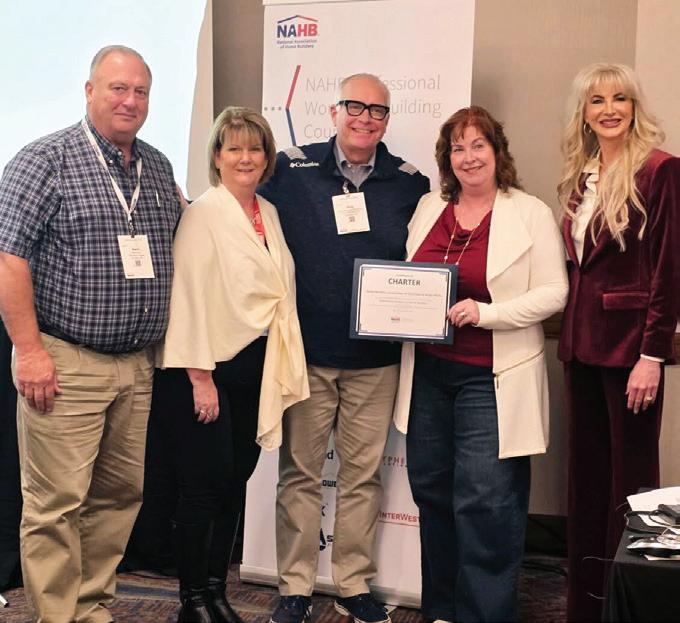
I was proud to be part of the team that collected the charter from the National Association of Home Builders (NAHB), alongside our 2025 PWB State Council Chair Juli Bacon, newly elected 2026 PWB State Chair Debbi Boyd, and Executive Vice President Greg Lane, at the NAHB Fall Meetings in Denver.
Thankfully, BIAW’s External Affairs team and our excellent contract lobbyists are working for us, helping BIAW members fight back and share our voices.
With their expertise, we continue to have highly effective Legislative Hill Days like we did in 2025, where we can tell our
stories and help lawmakers understand what it takes to build homes people can afford!
Advocacy is more than lobbying the Legislature – though that’s clearly one of our greatest strengths.
It also involves all of our other work to advocate for our members and our industry, including:
n Launching a new BuildStrong Academy to train the next generation.
n Continuing the battle to protect natural gas as an energy choice.
n Working with L&I to support our ROII participants.
n Creating new education programs to help members better navigate the business climate here.
n Keeping members informed of news and opportunities through our new website, blog, newsletters, social media and magazines.
n Working on new opportunities to help members in their businesses.
All of this work makes BIAW one of the best building industry associations in the nation, with the best staff supporting us.
At the BIAW Fall Board Meeting in early November, I passed the gavel to 2026
BIAW President Aaron Marvin. In his speech, he talked about stepping into leadership so his children could enjoy the American Dream in Washington.
Aaron represents the next generation of home builders. He grew up working with his dad and eventually formed ACT Builders with his parents. Now, he wants to make
sure his children and their children can continue to buy homes in Washington state.
Like all of us, he understands the fundamental importance of home building in the state of Washington.
As I prepare to complete my year as your leader, I look forward to moving into the past president’s role with pride and optimism. Our association is in good hands as we move into the next 75 years!
Dealmakers gathers the most influential home building leaders for a dynamic morning of housing intelligence and networking Hear from industry leaders, learn what’s driving demand, and leave ready to make smarter decisions and the playbook you need to stay ahead in 2026









Greg Lane Executive Vice President
As we enter the holiday season and reflect on the past year, I feel deep gratitude for the privilege of my role in this association and an appreciation for each of our members. I am truly honored to serve the hardworking and vital community of people and businesses that make up BIAW.
One of the activities I enjoy most is traveling around our state to talk with members about the challenges they face when it comes to building homes for Washington’s families. I genuinely value the time I get to spend with all of you, whether it’s at a local association event, BIAW board meeting, or NAHB event, celebrating your successes and learning how BIAW can better serve you.
Preparing for challenging times
As we look ahead to the next year and beyond, it’s no secret that economic conditions will become more difficult for our industry and our members. While the full extent of the future is hard to predict, I encourage our members to take action now and begin preparing for slower business. Taking proactive steps today will help businesses stay resilient during a slowdown and be better able to capitalize when conditions strengthen.
As always, BIAW will be at the forefront in Olympia, pushing back against policies that drive up costs and fighting for a regulatory and economic environment that allows our members to weather challenging times. Our advocacy team is gearing up for the upcoming session, and we’ll continue working year-round to protect your ability to build and succeed.
On a more positive note, I want to congratulate the Washington Home Builders Foundation and its partners on the wonderful success of the first year of the BuildStrong Academy of Pierce County, powered by the Home Builders Institute. Four groups of job-
ready students have now graduated from the Academy with their PreApprenticeship Construction Training (PACT) certificates.
The Academy’s efforts elevate BIAW’s commitment to building a strong workforce pipeline in Washington state. The students graduating are gaining nationally recognized training and certifications and are ready to be put to work.
If you are looking for workers, I encourage you to consider the students graduating from our BuildStrong Academy of Pierce County. We need more members engaged in hiring these highly qualified students in order to help the next generation of builders thrive. Look for notices from WHBF Director Al Audette about opportunities to meet and interview these fantastic students.
Lastly, I’d like to extend sincere thanks to 2025 BIAW President Kent Arola and 2025 BIAW Second Vice President Nick Gilliland for serving on the senior officer team this year. We appreciate all the hard work you put into your roles and all the sacrifices you and your families have made to help lead our association.
And thank you to each of our members for a wonderful year of collaboration and commitment to protecting the American Dream for Washington families. I look forward to working alongside you all again in 2026, and I wish you all a wonderful and safe holiday season with your loved ones.
CESCL (Certified Erosion & Sediment Control Lead)
February 11 | Online
CESCL Recertification
February 13 | Online
CAPS I - Marketing & Communicating with Aging-In-Place Clients
March 11 | Tumwater
CAPS II - Design Concepts for Livable Homes and Aging-In-Place
March 12 | Tumwater
CAPS III - Details & Solutions for Livable Homes and Aging-In-Place
March 13 | Tumwater
CESCL Recertification
March 20 | Online
Certified Lead Renovator - Initial
March 23 | Kennewick
Certified Lead Renovator - Refresher
March 23 | Kennewick
Project Management
April 16 | Bellingham

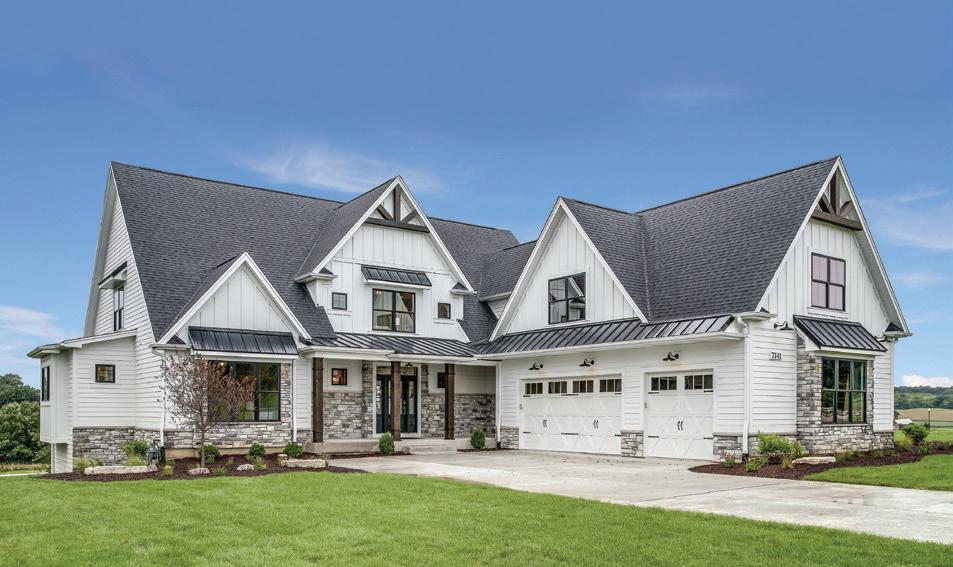
YOUR HASSLE-FREE SOLUTION TO RISK MANAGEMENT
Scan the QR code to learn more and register.
- Minimize liability and reduce financial risk.
- Attract more buyers and boost the home’s value.
- Wide range of warranty options and terms.
- Our free mediation process resolves about 95% of claims.
John Felbaum / 800.247.1812 x2633 / sales@rwcwarranty.com www.rwcwarranty.com
by Janelle Guthrie Vice President - Communications
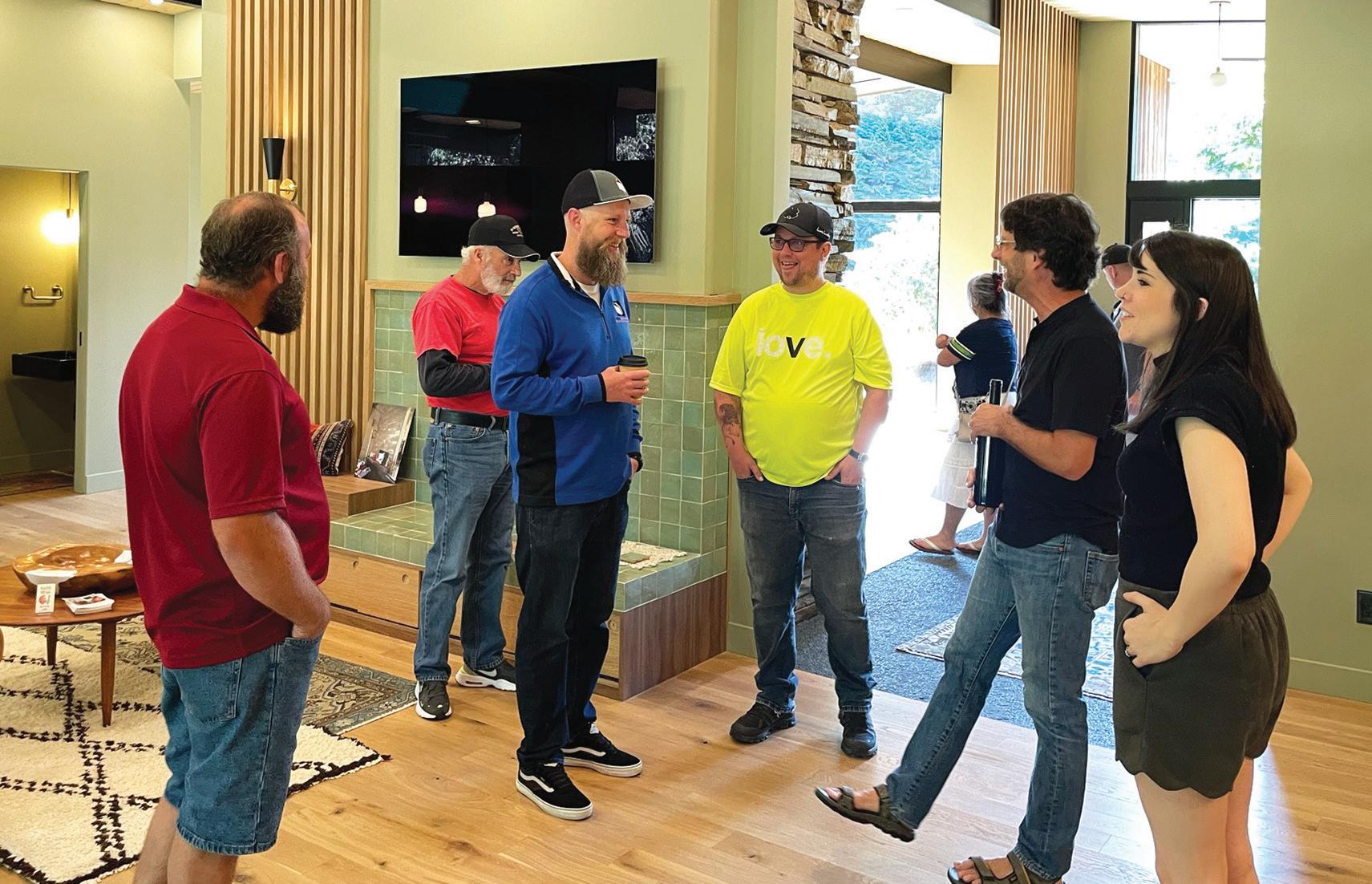
As BIAW wraps up its 75th anniversary, a new generation of industry leaders is weighing in on what comes next. Their visions differ, but they converge on one belief: BIAW’s advocacy and leadership will matter even more in the decades ahead.
“There is a real value in what BIAW does for the construction industry,” said BIAW Certified Builder Kai Fyrst, owner of First Finishers LLC and state director for Olympia Master Builders.
He sees associations growing even more important as fewer young people enter the trades and clients look for builders backed by trusted organizations.
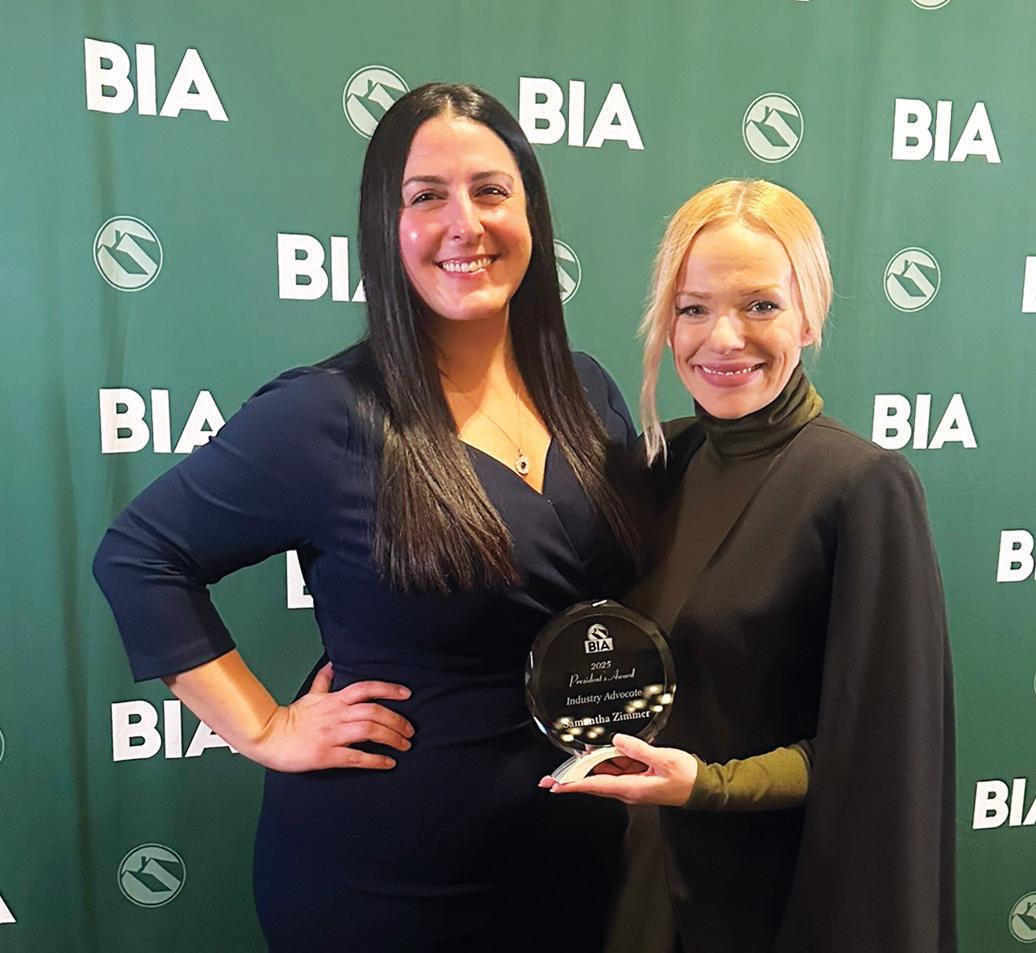
Individual builders can’t fight legislative fires alone. With how fast regulations, fees, codes and policies are shifting, we need an organization that understands real world impacts on housing and not just theory.
— Luke Shifflett, NPBA President
Policy, politics and the path forward
Building Industry Association of Clark County President Alexa Lee of Tapani Inc. predicts a future shaped by sharper cycles: harder downturns, followed by meaningful collaboration and eventual improvement. She stresses the need for diplomacy, especially across political lines, noting that long-term relevance depends on building relationships with both parties.
Her call to action: diversify leadership, especially on boards, and make space for younger voices.
“Hard times will come,” she says. “Fiscal responsibility will be important. Diversifying investments and diversifying the boards that oversee will be the best and most important way. Make it exciting for the “younger side of the demographic” to rise up!”
North Peninsula Builders Association
President Luke Shifflett, BIAW Certified Builder and owner of Titan Builders, LLC, says the policy landscape presents both urgency and opportunity.
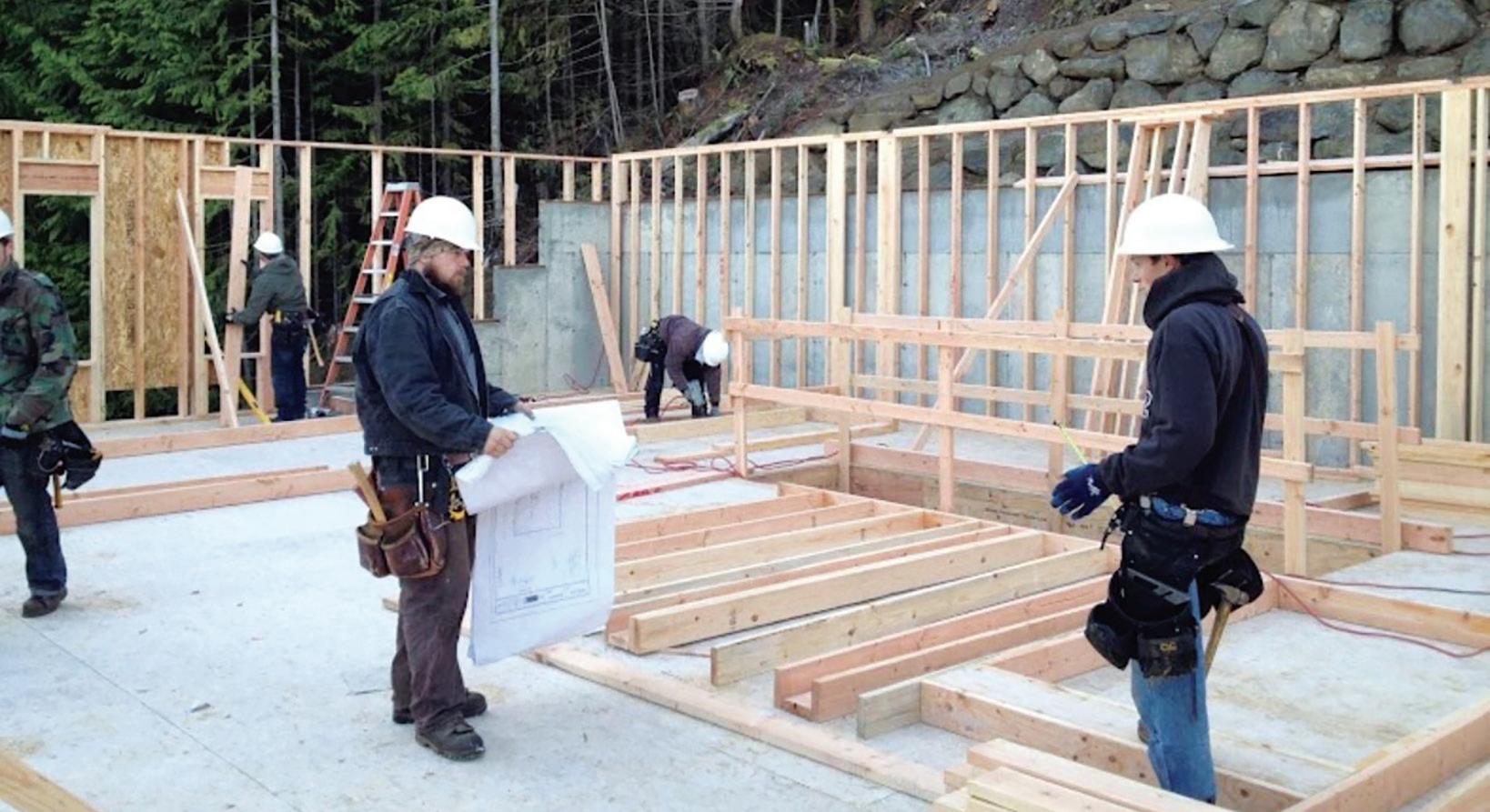
“BIAW gives us a unified voice,” he says. “Individual builders can’t fight legislative fires alone. With how fast regulations, fees, codes and policies are shifting, we need an organization that understands real world impacts on housing and not just theory.”
Shifflett sees value in providing lawmakers with data—permit timelines, fee comparisons and real-world cost impacts—to cut through misconceptions about housing affordability.
Workforce: The challenge of a generation
The workforce crisis stands out as the most pressing issue for nearly every emerging leader.
Fiscal responsibility will be important. Diversifying investments and diversifying the boards that oversee will be the best and most important way. Make it exciting for the “younger side of the demographic” to rise up!
— Alexa Lee BIACC President
Fyrst worries about too few young people entering the trades, while Shifflett warns that shrinking labor pools could squeeze out small and mid-sized builders.
Pierce County Professional Women in Building (PWB) Chair Stephanie Prosser, owner of Prosser Construction, predicts BIAW will become a statewide training and innovation hub. With hundreds of thousands of skilled workers needed nationally, she says the association must lead the push to rebuild the trades pipeline.
That means stronger school partnerships, youth outreach, short-format digital content, mentorship and flexible membership options.
“We have to highlight the cool factor of the trades,” she says.
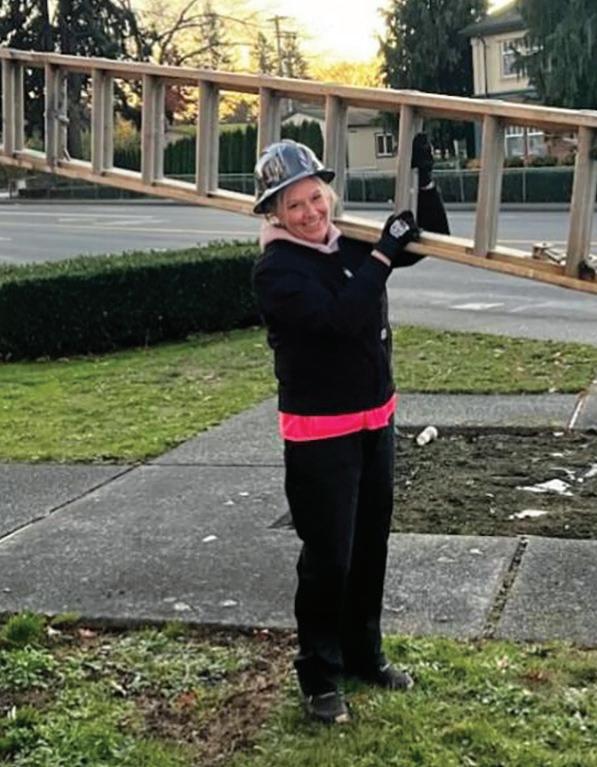
Shifflet agrees, urging the association to “bring glory to what we do—like a hero” so kids look at tradespeople like first responders and say, “That’s what I want to be when I grow up!”
Technology, innovation and the next era of building
While technology poses challenges, it also brings immense potential. Prosser expects BIAW to evolve into a more tech-forward, education-focused organization—one that embraces tools like AI, robotics and modern construction methods.
April Moore of Mountain Pacific Bank sees both risk and reward. Currently serving as Second Vice President at Skagit/Island County Builders Association, she’s concerned about the rapid shift toward digital learning in schools and emphasizes the need to ensure students still discover trades careers.
“The opportunity for careers in the trades is something that needs to be talked about and given opportunity with seeds of knowledge from people who actually are in this industry.
April Moore
SICBA
“The opportunity for careers in the trades is something that needs to be talked about and given opportunity with seeds of knowledge from people who actually are in this industry,” Moore said.
Every leader interviewed agreed that the work of building—and defending— housing will only grow more complex.
Yet these emerging leaders share confidence that BIAW is ready. If BIAW continues to adapt, elevate new voices and lead on workforce, technology and policy, its next 75 years will be even more impactful than the first.
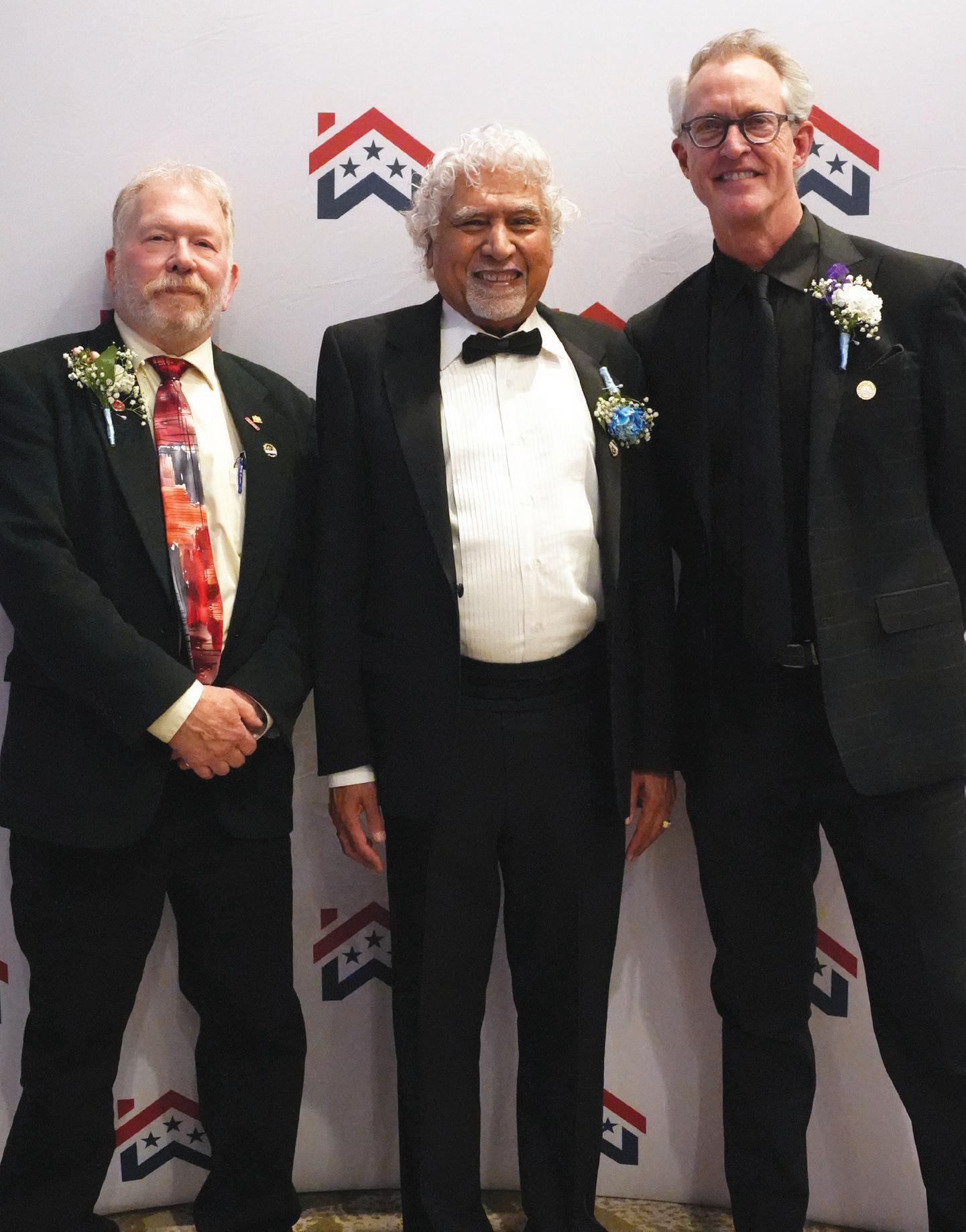
The BIAW Hall of Fame recognizes outstanding individuals who have made significant and lasting contributions to the association over the course of their careers. Celebrating lifetime achievements in the home building industry, induction into the Hall of Fame is a tremendous honor.
At this year’s Fall Board Meeting in Vancouver, BIAW honored the last 2024 Hall of Fame inductee, 2010 BIAW President Matthew Clarkson, and its newest inductees, 2013 BIAW Second Vice President Bob Kagy and 1988 BIAW President Zak Parpia.
Soaring Eagle Homes Building Industry Association of Clark County
Matthew Clarkson’s passion for the construction industry began over 30 years ago, leading him to establish a successful custom home building company that he runs alongside his wife, Cheri. Recognizing early that engaging with like-minded professionals was a key to success, Clarkson joined the Building Industry Association of Clark County (BIACC) in 1997.
Since then, he has held numerous leadership roles, including BIACC Vice President in 2002 and President in 2003, and has been honored with Lifetime Director status. At the state level, Clarkson has served as BIAW Treasurer, First Vice President, and President in 2010. He currently sits on BIAW’s Past Presidents’ Council and has served as chair of the Bylaws & Nominations Committee for over five years.
Alongside his wife, Clarkson has long supported local housing initiatives, including the Non-Homeless Shelter of Clark County and Family Promises of Clark County, helping families and children secure safe and stable housing. His company has contributed to numerous BIACC Parade of Homes projects and other local association fundraisers.
In addition to his philanthropic efforts, Clarkson has been a strong advocate for the building industry, providing written and in-person testimony on key legislative issues and serving on BIAW’s Legislative Policy Committee. His leadership during 2009 and 2010 left a lasting mark on the industry, shaping BIAW’s trajectory for years to come.
Clarkson’s dedication and impact have been recognized with multiple honors, including BIAW Builder of the Year (2017), BIACC Builder of the Year (2018), and Life Director of BIAW (2019). His legacy is one of leadership, service, and lasting influence on Washington’s homebuilding industry.
Print NW
For nearly three decades, Bob Kagy has been one of BIAW’s most dedicated leaders and advocates. After joining Olympia Master Builders (OMB) through his printing business, ABC Printing, Kagy quickly discovered the power of participation. He’s been on OMB’s board since 1988 and on the BIAW board since 1998, including serving as BIAW Secretary in 2012 and Second Vice President in 2013.
Leveraging his unique position as the owner of a printing company specializing in campaign direct mail, Kagy developed closer relationships with candidates and political consultants across Washington. Much of his work was done behind the scenes—quietly but effectively advocating for smart legislation and helping to stop harmful proposals threatening the industry.
Three-time chair of the Washington Affordable Housing Council (2001-2002, 2009-2010, 2015–16), his tireless advocacy helped elect pro-housing candidates and shape policies that benefit all stakeholders, ensuring that housing remains a priority on the state’s agenda.
An active Rotarian, who served as President of the Lacey Rotary in 1994-95, Kagy worked with OMB to build the Lacey Centennial Train Station, Olympia’s train station and Huntamer Park’s main stage. He more recently led Rotary efforts to bring clean water to Bolivia, chaired Lacey’s Committee on Homelessness, and co-founded the Pacific Northwest Mushroom Festival and the Hawks Prairie Club.
Twice named OMB Associate of the Year, Kagy also earned OMB’s Norm Paulsen Memorial Award and Hall of Fame honor for his leadership and professionalism. He also earned the BIAW Associate of the Year Award in 2008.
Through the years, Kagy has remained guided by a deep belief in BIAW’s mission. His leadership, integrity, and behind-the-scenes influence have left a lasting legacy that continues to shape our work today.
Master Builders Association of King & Snohomish Counties
Born and raised in Bombay, Zak Parpia discovered his passion for building while working summers for his uncle, an architect. Frustrated by corruption in India’s construction industry, he moved to the US to pursue new opportunities. He earned his master’s degree from Washington State University in just two semesters, writing a thesis on the critical path method for home construction and gaining hands-on experience on Spokane job sites.
After graduation in 1976, Parpia managed RC Construction in Spokane, growing it into the area’s largest home builder. In 1979, he founded Himalaya Homes, launching a lifelong commitment to building high-quality, affordable housing for first-time buyers. His company’s model—maintaining close, long-term relationships with homeowners—reflects his belief that affordability and quality can coexist and that builders help shape lasting communities.
Parpia quickly became a respected industry leader, serving as president of the Spokane Home Builders Association (SHBA) in 1983, BIAW in 1986, and the Master Builders Association of King and Snohomish County (MBAKS) in 1997— making him the only person known to have led all three. A two-term member of the Washington State Building Codes Council and a Rotarian since 1982, Parpia’s influence extends beyond construction into civic leadership and philanthropy.
An All-Time Big Spike with over 1,500 Spike credits, recognized as Builder of the Year by the SHBA, BIAW, and MBAKS, Parpia’s legacy includes pioneering work in affordable housing, transformative leadership within the BIAW, and a commitment to strengthening both the industry and the communities it serves. With decades of service, Parpia has inspired builders across the state, expanded association membership, and helped elevate the public image of the homebuilding profession.

Every November, the National Association of Home Builders (NAHB) celebrates Spike Appreciation Month, shining a spotlight on members who excel at recruiting and retaining their peers. These dedicated Spikes play a vital role in the growth and vitality of Home Builders Associations (HBAs) across the country, helping to strengthen our community and ensure the ongoing success of our association. Congratulations to this year’s Top Spikes! BIAW 2025 Top Spikes
1. Tyler Haase - 31 | SHBA
Haase Landscape, Inc.
2. Kathleen Frazer - 23 | KBA
Reliable Storage
3. Jeffrey Kuster - 15 | OMB
Kuster Homes and Remodeling LLC
4. Scot Savary - 12 | MBAPC
Builders FirstSource
5. Scott Walker - 11 | MBAPC
Rush Residential, Inc.
6. Andrew Northrop - 10 | SHBA
Spokane Hardware Supply, Inc.
7. Levi Snyder - 9 | SHBA
Monogram Homes
8. Rick Hjelm - 8 | MBAPC
Phase II General Contractor, Inc.
8. Alexa Lee - 8 | BIACC
Tapani, Inc.
8. Aaron Magula - 8 | HBATC
Dream Builders LLC
8. Ian Laughlin - 8 | KBA
Laughlin Development LLC

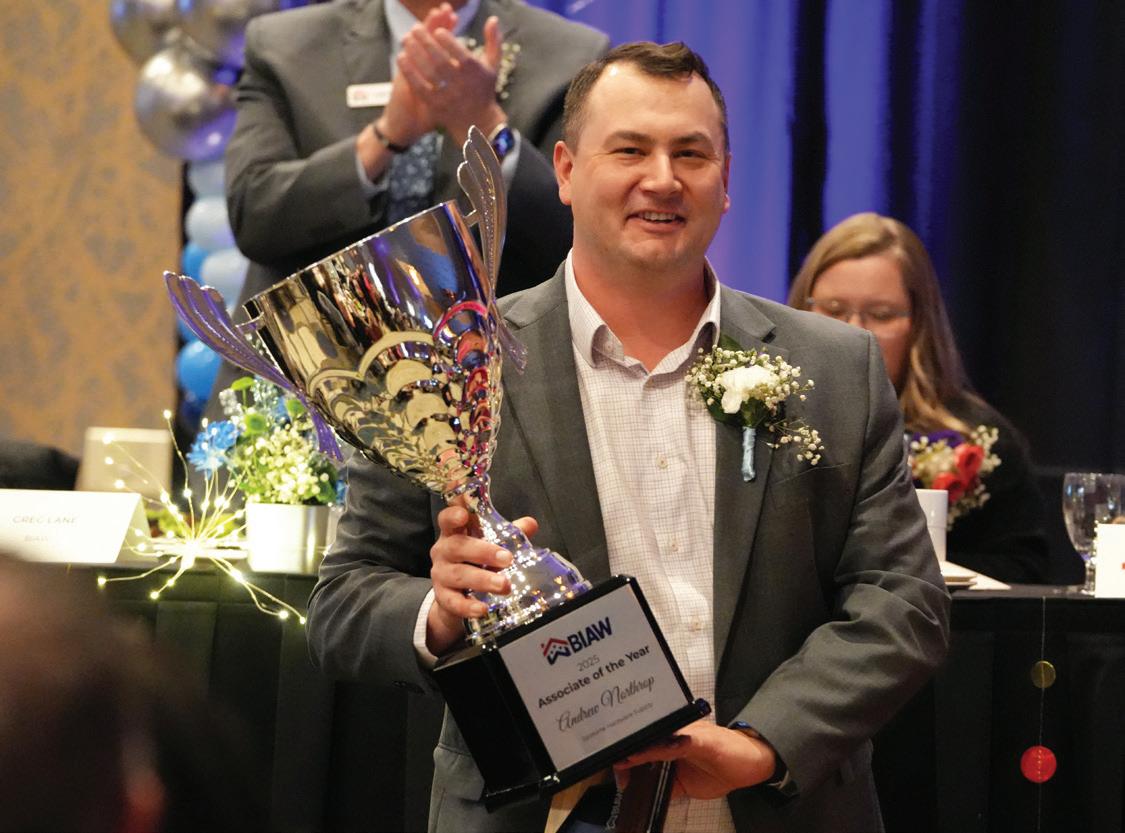
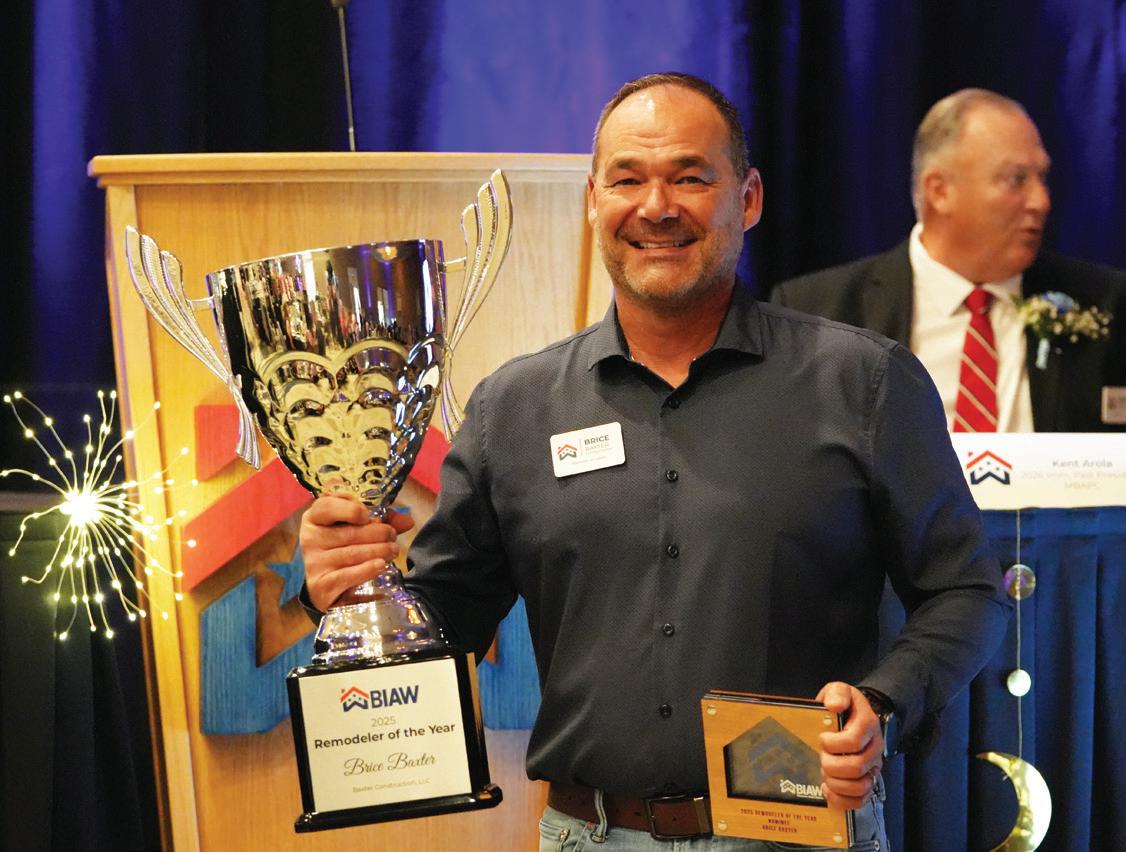
BIAW recognized its 2025 Builder, Associate and Remodeler of the Year Award winners during the annual Installation and Awards Gala on Nov. 11 in Vancouver.
Past recipients in each category selected this year’s honorees, voting based on their contributions to the home building industry, BIAW and their local associations. The awards honor men and women who have made significant and lasting contributions to BIAW and the homebuilding industry, reflecting the best of Washington’s homebuilding industry.
Scott Walker, Certified Builder Master Builders Association of Pierce County
Rush Residential, Inc.
With over 35 years in construction, Scott Walker has served as Vice President of Rush Residential, Inc. for the last 15 years. Together with his team, he manages all aspects of the company’s residential portfolio, including land selection and development, in-house plan design, product and supplier selections, vertical construction, and sales and marketing.
A long-time board member for the Master Builders Association of Pierce County, Walker served as the association’s president in 2020 in addition to sitting on and chairing several committees. He has been honored with the association’s Top Recruiter award in 2025, 2023 and 2022, as well as Master Builders Pierce Builder of the Year in 2023. At BIAW, Walker has served on several committees, including as chair of the Legislative Policy Committee.
Walker is very active in his community, avidly supporting South Sound CARE Foundation, which supports those with cancer in Pierce County, volunteering for Habitat for Humanity Build Days alongside his company, and helping with several other organizations, including Make-A-Wish Foundation, Wreaths Across America, and more.
Andrew Northrop
Spokane Home Builders Association
Spokane Hardware Supply, Inc.
Spokane Hardware Supply was founded in 1945 by Andrew Northrop’s greatgrandfather, making him the fourth generation to lead the company. With over 20 years of leadership in the building materials industry, Northrop has a proven track record of enhancing customer satisfaction and operational efficiency.
Currently serving as BIAW’s 2025 Secretary, Northrop is also the newly installed BIAW 2026 Second Vice
President. In addition to serving as a state director, he serves on the Legislative Policy Committee and has previously served on the Associate Advisory Council and the Membership Committee.
Actively involved with his local homebuilders association as well, Northrop currently serves as the Spokane Home Builders Association’s (SHBA) Second Vice President. He has been instrumental in reshaping the association’s image and messaging and has been a significant positive force in strengthening the association. He received SHBA Volunteer of the Year in 2023 and was the association’s Top Recruiter in 2024.
Outside of the industry, Northrop also supports the East Central Business Association and the Spokane Business Association, as they work to fight against policies that stifle business in the city of Spokane.
Brice Baxter, Certified Builder Central Washington Home Builders Association
Baxter Construction
With over 40 years in the industry, Brice Baxter founded Baxter Construction as a one-man handyman and remodeling service in 1995. Today, the company serves as Central Washington’s Premier restoration contractor, offering 24/7 restoration and remediation services for water damage, mold, wind and storm damage, and fire and smoke damage, as well as bath and kitchen remodeling and roofing.
A BIAW Certified Builder, Baxter has been actively involved with both BIAW and his local homebuilders association, the Central Washington Home Builders Association (CWHBA), for years. He has served on BIAW’s Membership Committee, Legislative Policy Committee, Washington Affordable Housing Council, and Executive Committee. He has also been a state director for the past five years.
At CWHBA, he has served on the Government Affairs Committee,
Young Professionals Council, Political Action Committee, and as chair of the Membership Committee. He also regularly sponsors several association events each year.
In his community, Baxter is an active supporter and volunteer for Perry Tech’s construction program, serves on the Trinity Family Fellowship Board and volunteers and sponsors Operation Christmas Child and Youth with a Mission.
Each year the Associate Advisory Council recognizes outstanding contributions by associate members in their community, as nominated by their local associations with STAR Associate Awards. Congratulations to this year’s winners!
Jamie Howsley, Jordan Ramis Building Industry Association of Clark County
Madeleine Pelson, Traditional Design Central Washington Home Builders Association
Candice Cotterill, First Fed Bank Jefferson County Home Builders Association
Carla Lee, Capstone Home Loans Building Industry Association of Whatcom County
Kathleen Frazer, Reliable Storage Kitsap Building Association
Debbi Boyd, Real Estate of the South Sound Olympia Master Builders
Marco Vega, Skagit Landscaping Skagit/Island Counties Builders Association
Dwight Weigelt, ActionCOACH Northwest Spokane Home Builders Association
Rowdy Yates, Total Energy Management HVAC & Electrical
Home Builders Association of Tri-Cities
From all across our state, the 2026 BIAW Senior Officers combine leadership, expertise, and fresh ideas to strengthen the homebuilding industry.
Our 2026 president, Aaron Marvin, brings decades of hands-on construction experience and deep family roots in the industry to his term. As a co-founder of A.C.T. Builders, he has seen the challenges of building from every angle.
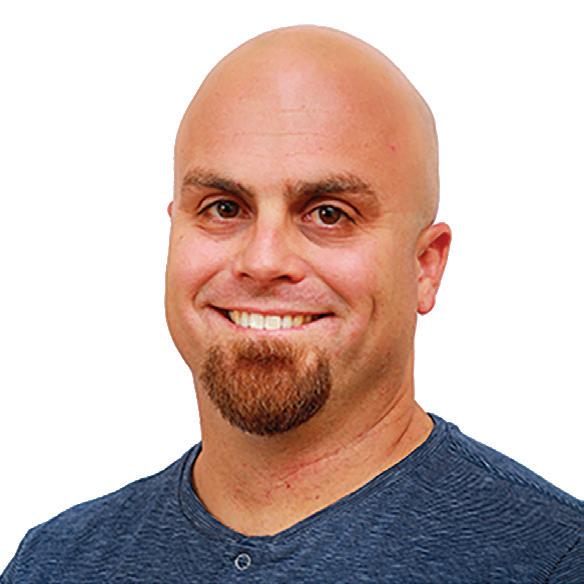
Building Industry Association of Clark County
Aaron Marvin of A.C.T. Builders, LLC, is a family-focused community leader with 30+ years in construction. He and his wife, April, have been married nearly 20 years and have three children: Carson, Kamble and Tiko. Marvin coaches youth soccer and heads “Food+Water+Shelter,” a nonprofit that provides food, education, housing, and sustainability in Malawi, Africa. Actively involved in the Building Industry Association of Clark County, he co-founded A.C.T. Builders, LLC, with his dad in 2004. He earned a BS in Business and Social Science with a minor in Economics from Warner Pacific College in 2004 and played collegiate soccer from 2000-2004. In his free time, he enjoys mountain biking, soccer and family time.
Marvin’s top priorities for next year focus on shaking up the status quo, engaging and supporting the next generation of builders and entrepreneurs, and working to make Washington a state where builders, their children and grandchildren can live, work and build a better future for generations to come.

Central Washington Home Builders Association
Matt Willard founded Town and Country Homes on the belief that providing shelter for families is still one of the most important businesses of the 21st century. Willard and his wife, Tristen, started the company in 2002 in Kittitas County, where they raised three boys who are all currently enrolled in college in Washington state. A Certified Builder, Willard was President of CWHBA in 2008 and 2009 and received CWHBA Builder of the Year honors in 2006 and 2010. He has served on most BIAW committees, including the Washington Affordable Housing Council and the Legislative Policy Committee, which he chaired in 2019. He served on the Members Services Corporation board starting in 2020 and was elected MSC President in 2024. Willard also enjoys skiing, hiking, hunting, and fishing and has a successful ranching and farming business.
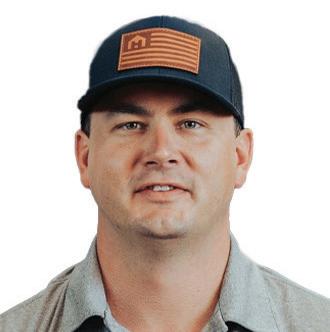
Spokane Home Builders Association
Andrew Northrop, CEO of Spokane Hardware Supply, Inc., has over 20 years of leadership in the building materials industry, driving growth and operational success. Actively involved in industry associations, he serves on the Spokane Home Builders Association Executive Committee as Second Vice President. He’s also a member of BIAW’s Legislative Policy Committee, focusing on advocacy, and serves on the board of the North American Building Material Distribution Association. A fourth-generation industry leader, Northrop is dedicated to community service, with past roles supporting the YMCA and Bite2Go, reflecting his commitment to impactful leadership. Outside of work, he is a devoted father to his three children and also works as a fly-fishing guide.
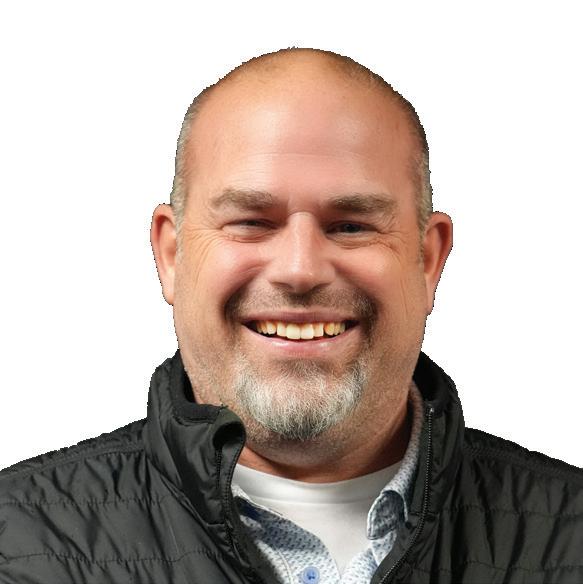
Master Builders Association of Pierce County
Dan Garber of Redline Services Group has been an active member of the Master Builders Association of Pierce County for over 20 years. He served as the association’s 2022 President and currently serves as a Lifetime Director. An active participant in workforce development efforts, Garber is chair of MBAPC’s workforce development foundation, Building Opportunities for Learning the Trades (BOLT), which works to bring new talent into the building trades through scholarships, internships and mentoring. He also serves on BIAW’s Bylaws & Nominations Committee.

Spokane Home Builders Association
As Vice President/Project Manager of Haase Landscape, Inc. in Spokane, Tyler Haase represents the third generation of his family to lead the company. Following his family’s legacy of active involvement in professional and community organizations, Haase serves on the board of the Spokane Home Builders Association (SHBA), chairing the SHBA Next: Young Professionals Council, and will move into the association’s Second Vice President role in 2026. At the state level, he serves on BIAW’s Membership Committee. Outside of work, Haase enjoys the outdoors—he is an avid golfer and snow skier who takes full advantage of the recreational opportunities in the Spokane region.

Master Builders Association of Pierce County
Kent Arola has owned his residential construction company, Wind River Homes, for 20 years. He has served as a BIAW director for 14 years, participating on the Washington Affordable Housing Council since 2012, as a member of the Legislative Policy Committee since 2016, and as LPC chair in 2020. Arola has served in several leadership positions at his local, Master Builders Association of Pierce County (MBAPC), state and national levels. He has earned numerous awards and accolades, including BIAW Builder of the Year in 2023, multiple MBAPC REX Awards, BIAW Excellence in Remodeling Awards, MBAPC Member of the Year in 2015 and Recruiter of the Year four times.
by Noah Blanton President, Oregon Direct Operations WFG National TItle Insurance Company
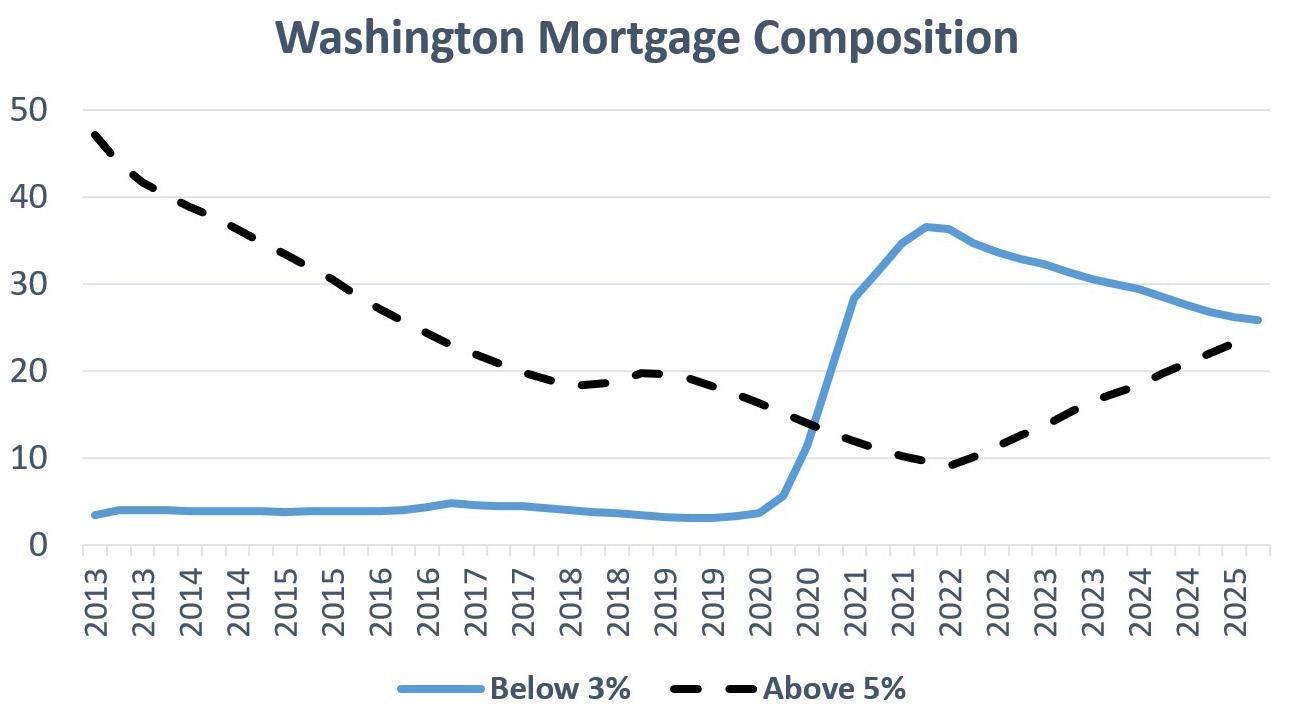
Across the country, the influence of pandemic-era rates is declining, with most markets now having the cohort of outstanding mortgages above 5% as high or higher than the cohort with a rate below 3%. Existing housing stock turnover in Washington is at historic lows, even as new construction pulls back. The consumer is confused and unable to decide what the economy means to them. Meanwhile, the Fed has made a pivot.
The brief period of governmentstimulated rates during COVID produced a strong effect on the post-pandemic market. The term “rate lock” became ubiquitous while its real-world impact significantly hindered transaction velocity. In most markets, including Washington state, that influence has passed its peak. The percentage of mortgages above 5% now equals that below 3% (Figure 1). Soon, sellers will buy into a market where interest rates are substantially the same as the home they are moving from. This will have a normalizing effect on housing.
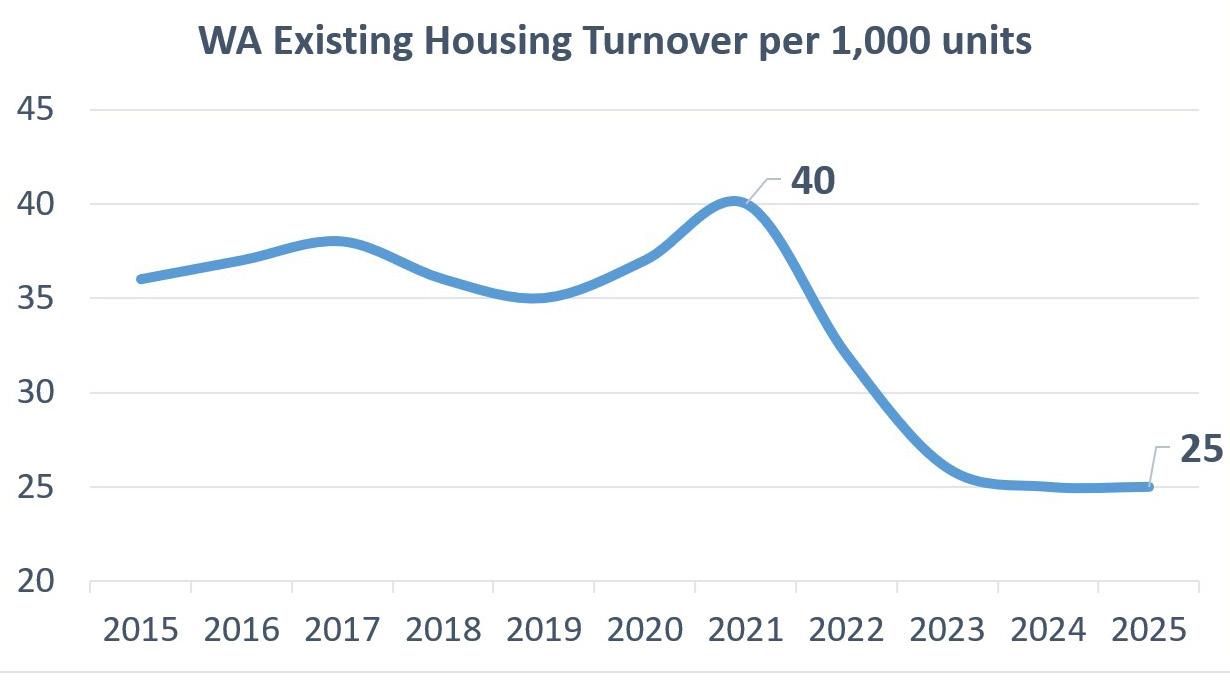
Not surprisingly, once historic low rates became a thing of the past, existing housing turnover declined rapidly (Figure 2). From a pandemic high of 40 per thousand, the market today sits at only 25 of every 1,000 homes in the state turning over each year. Expect to see this number rise in the coming year, as the interest rate environment referenced above begins to normalize housing consumption.
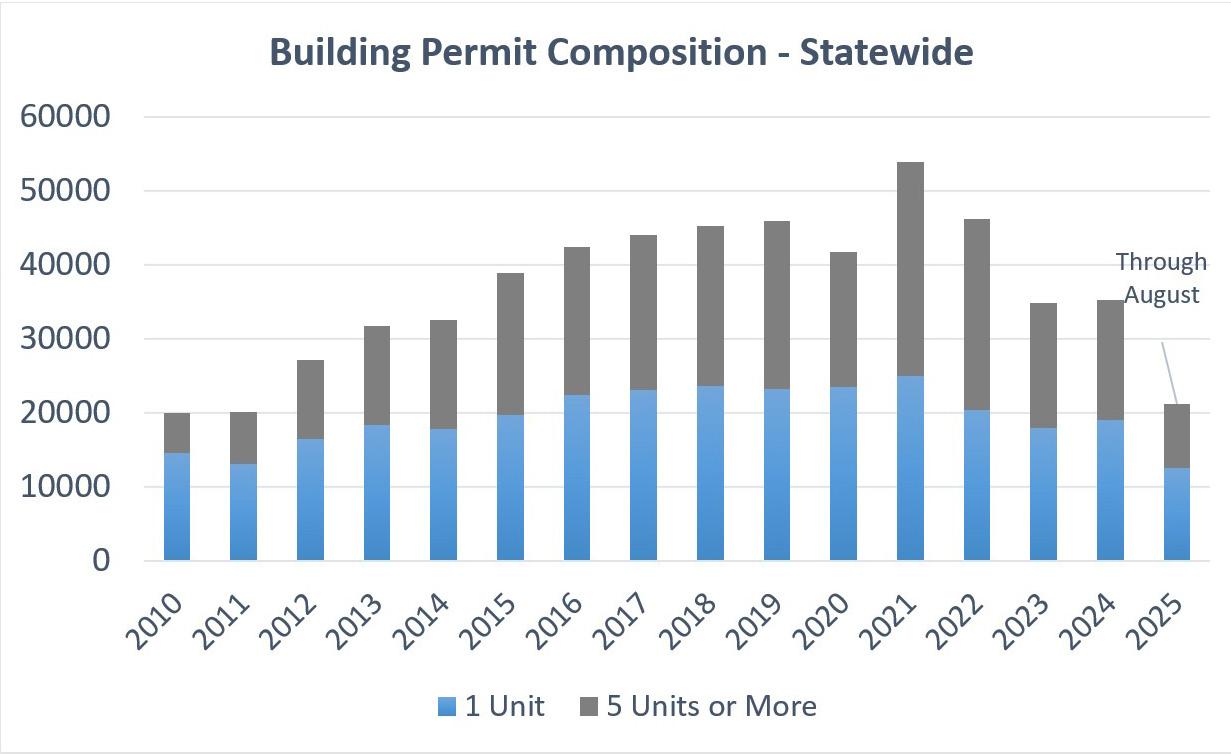
For the fourth consecutive year, newly constructed units of housing in Washington state will decline. While the largest portion of the decrease comes from multifamily, single-family has also produced fewer units or is flat. We should assume we are in the fourth year of a cycle of unknown duration. The shutdown of the Federal government leaves us with permitting data only through August,
with updates to come before the end of the year (Figure 3).
In the Pacific Northwest, the number of monthly sales in the largest metro areas, which previously tracked closely, disassociated in mid-2021 and remains separated beyond historical norm. The Seattle Metro area, fueled by better job creation and stronger migration, produces significantly more new home sales than the Portland Metro area (Figure 4).
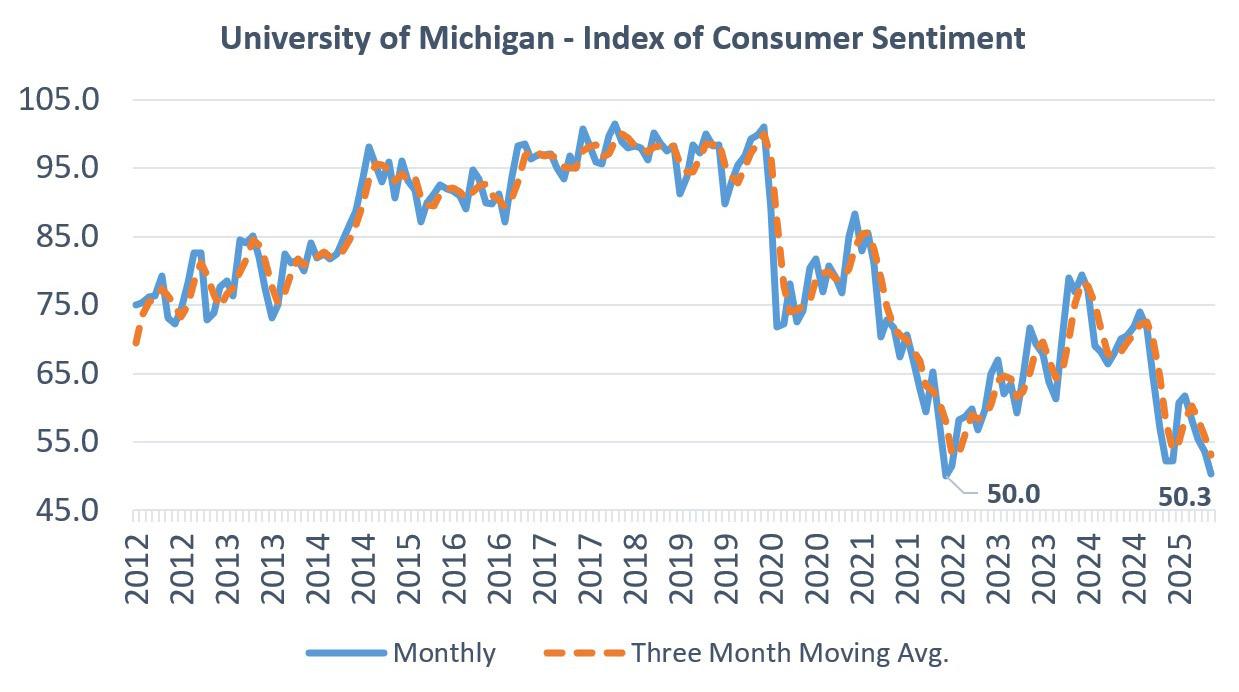
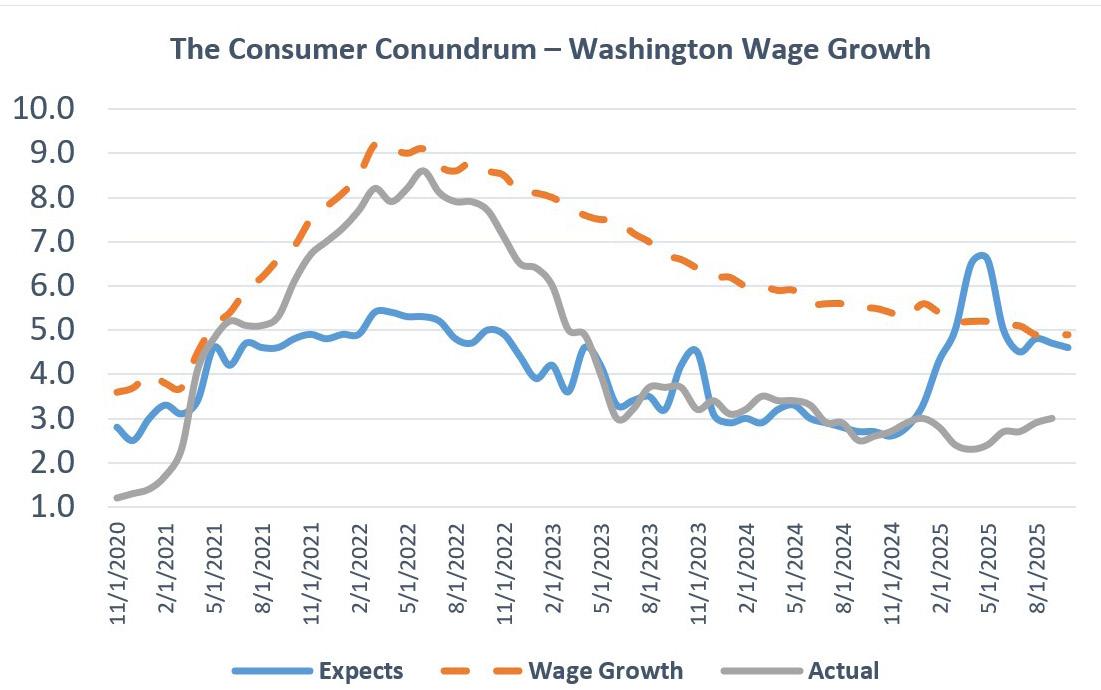
Despite low unemployment, a strong stock market, and solid wage gains, consumers remain unconvinced. The latest University of Michigan Consumer Sentiment Index is essentially tied with its lowest level in recent history - the same level reached when inflation was 9% (Figure 5).
There is still a sharp gap between what the economic data shows and how consumers feel. A major reason is inflation expectations. After spiking to the highest level since the 1980s, consumers still expect inflation a year from now to be higher than the peak of pandemic inflation, even though that outcome is extremely unlikely. Confusion about what drives inflation and the broader economy is shaping this perception.
Meanwhile, wage growth has largely kept pace with inflation, though many consumers don’t feel or recognize this.
Closing the gap between expectation and reality will be a defining economic story of 2026.
In October, the Federal Reserve announced two changes to how it manages its balance sheet:
1. When its Treasury bonds mature, it will now reinvest that money into new Treasury bonds.
2. When its mortgage-backed securities (MBS) pay down, it will also reinvest that money into Treasury bonds.
This means the Fed will start building up its holdings of U.S. Treasury bonds again instead of letting them shrink.
Because we already know the typical amount of principal payments coming
from mortgage-backed securities each year, we can estimate how quickly the Fed’s Treasury holdings will rise. In effect, this shift is a return to balance sheet expansion, a form of quantitative easing.
More demand from the Fed for Treasury bonds generally pushes Treasury yields down. And because mortgage rates tend to move in the same direction as the 10year Treasury yield, this will likely help ease and stabilize mortgage rates.
BIAW has teamed up with WFG National Title Insurance Company’s Noah Blanton to offer quarterly economic forecasts to assist members in making decisions for their businesses. Contact him for more information at (503) 431-8506 or nblanton@wfgtitle.com.
by Riley Helean External Affairs & Research Coordinator
ManyWashingtonians remember Bertha. The largest tunnel-boring machine ever built, Bertha came to Washington in 2013 as part of the $3.1 billion project to replace Seattle’s iconic, but earthquake-prone, SR 99 Alaskan Way Viaduct with a deep downtown tunnel. It was the single most expensive infrastructure project ever to be completed in Washington.
Bertha had an almost mythical quality to her. She wasn’t just built to save Seattle traffic – she had “13 times the power of a space shuttle’s engines,” and was “big enough to swallow the secondlargest boring machine.” Bertha even had her own Twitter account, run by the Washington State Department of Transportation (WSDOT).
So, who defeated Bertha? Who gave us the silence that stalled her engines?
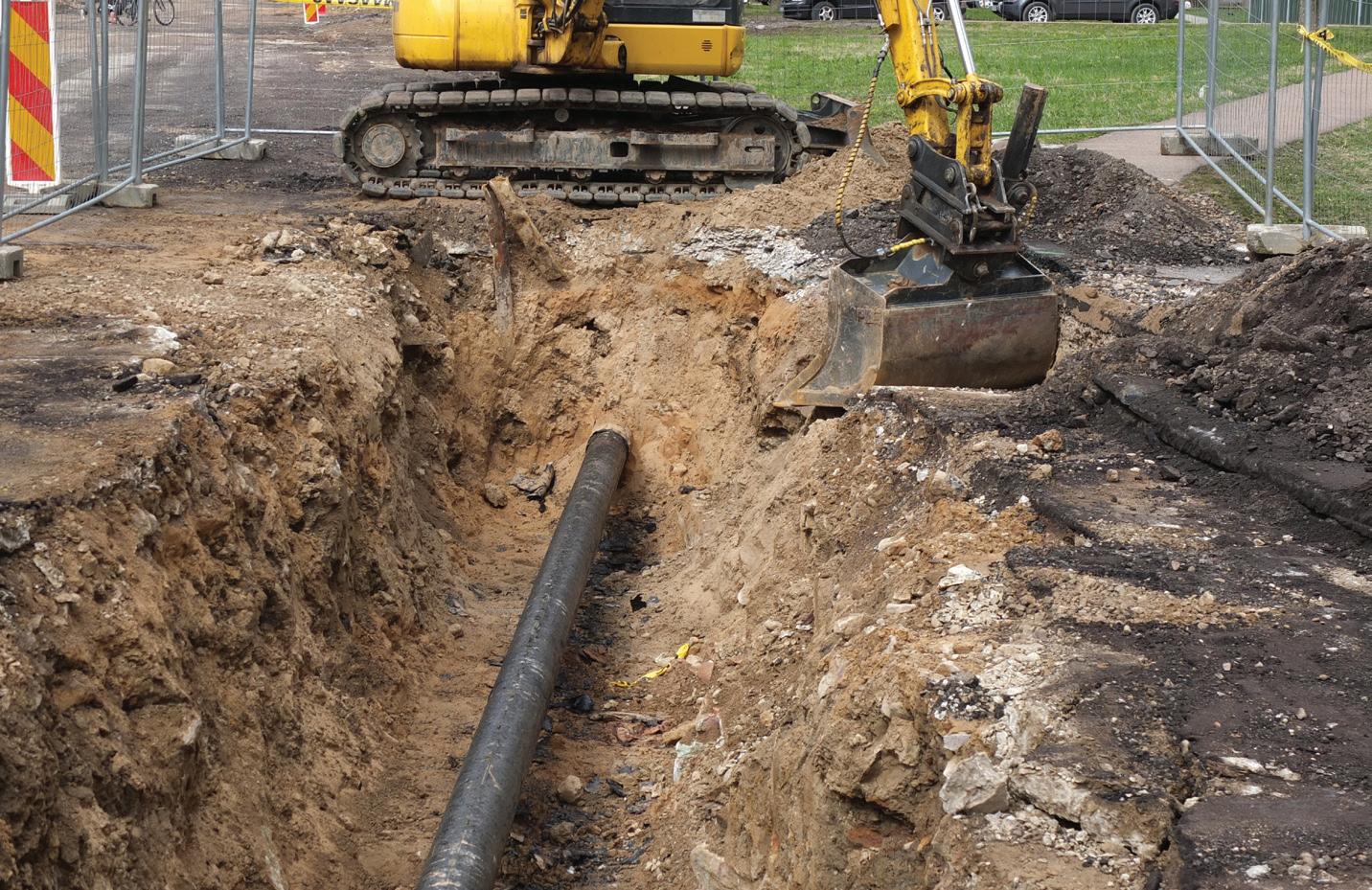
The answer: An unmapped, unknown 119-foot steel well casing buried deep underground.
For days, the pipe jammed gears and slowed progress as the crews pushed forward to avoid delays. This led to catastrophic failure and overheating, stalling the project for over two years and requiring a massive rescue operation. Bertha’s defeat showed how even the most well-funded projects can be derailed. One unmapped and forgotten steel pipe brought a $3.1 billion plan to a halt.
Though Bertha eventually resumed her work, the incident revealed a larger issue: fragmented knowledge of Washington’s underground infrastructure systems. Across the state, developers, planners and legislators face similar blind spots— not necessarily with tunnel machines, but with water pressure and sewer capacity.
As Washington pursues its land-use goals, a critical obstacle remains: nobody really seems to know what lies underground. Absence of infrastructure data
The Washington Center for Housing Studies studies and supports effective land use policies to expand housing access. Amid the growing affordability crisis, local jurisdictions have explored expanding Urban Growth Areas (UGAs) to allow for more development. Even when jurisdictions plan for
increased growth within existing UGA boundaries, the areas covered by service providers do not necessarily guarantee that those providers have the pipe infrastructure or service capacity to accommodate additional development. Once a builder is required to pay to extend infrastructure, any potential for affordable development often disappears. In some cases, the project is no longer financially viable.
Similarly, statewide legislators have considered ways to sensibly expand access to buildable lands across the state. Yet, these efforts are often undermined by a pervasive challenge: the lack of comprehensive, accessible infrastructure data. Similar to the delays caused with Bertha, the absence of reliable information has become a quiet but significant barrier to planning and growth.
The Center’s report, “Invisible Infrastructure,” functions as an “antistudy,” exploring the consequences of these data limitations on housing affordability, public safety, and long-term growth. Drawing from experiences in Washington and other states, it highlights the need for coordinated, transparent data systems to support responsible and efficient growth planning.
The report found that no comprehensive or standardized regional or statewide dataset of underground infrastructure exists. There is even less information from private utility providers due to significant liability and operational concerns
Beyond Bertha, the report found several other instances that showed the practical cost of not knowing where infrastructure is located.
On Mercer Island, the city hired an engineering consultant who discovered a 12-inch water main intended for a new subdivision performed more like a fourto-six-inch line due to an unmapped fourinch reducer. Identifying and resolving this bottleneck required specialized inspections, delaying construction and increased costs.
In Spokane, workers struck a one-inch gas line during routine construction
near Gonzaga University, necessitating the evacuation of 1,350 students and an emergency response. Both incidents highlight how incomplete or inaccessible data not only delays housing development but also poses immediate public safety risks.
The fragmented state of infrastructure data is a persistent bottleneck for housing affordability and urban growth in Washington. Municipalities seeking to expand UGAs or add housing units frequently encounter roadblocks; not due to physical infrastructure limits, but because jurisdictions lack reliable information about existing systems.
Without clear, consistent data on water, sewer and fire flow capacities, many cities must plan “blindly,” leading to delays and additional costs. These delays directly exacerbate the housing crisis by slowing the creation of new units and restricting the sensible expansion of buildable land.
Addressing the infrastructure data-gap challenge would require an approach centered around standardization and incentivized participation.
New legislation could mandate data sharing by private utilities, clarifying that aggregated or anonymized planning-relevant infrastructure information can be released without compromising security or customer privacy.
A compromise policy could be incentives established for private utilities to participate actively in data sharing. Grants, tax credits or regulatory benefits can offset the financial and operational costs of data management, encouraging smaller utilities to contribute without compromising their operational priorities.
Washington could look to Minnesota’s approach through the Minnesota Utilities Mapping Project, which created an open-source platform integrated with the state’s one-call system to provide real-time mapped visualizations of underground utilities.
By leveraging Washington’s similar existing one-call system, Dig Safe, Washington could develop an integrated, real-time utilities mapping system to improve data sharing, reduce utility damages and enhance management of water and infrastructure resources.
Ideally this could result in a centralized, secure Geographic Information System (GIS) platform developed at the state or regional level to integrate infrastructure data from public and private providers, similar in scope to the Department of Commerce’s Washington State Zoning Atlas.
Washington’s housing affordability crisis is underscored by a variety of causes, and the inaccessibility and fragmentation of critical infrastructure data is not yet a widely discussed issue. However, without accurate, standardized and shared information on water, sewer and fire systems, policymakers often operate in the dark.
Ultimately, it’s Washington residents who pay the price through higher housing costs, delayed construction and increased public safety risks.
Read the full report and more at housingstudies.biaw.com.
BIAW’s Washington Center for Housing Studies delivers in-depth research and data-driven policy analysis on the high costs of homebuilding in Washington State. The Center empowers policymakers, industry leaders, and the public with trusted insights—from impact fee analyses to affordability indexes—on what drives housing prices upward and how regulatory reforms can make homeownership more attainable. Its mission is to spark actionable solutions—streamlining regulations, reforming impact fees, expanding financing for workforce housing, and improving planning frameworks—so more Washington families and workers can access quality housing at fair prices.
by Janelle Guthrie Vice President - Communications
This year, BIAW’s Member Services Corporation (MSC) invested $50,000 in five Main Street Washington organizations dedicated to revitalizing historic business districts, supporting local businesses and attracting economic development.
“Strong communities are the foundation for a strong building industry,” said BIAW Executive Vice President Greg Lane. “By investing in Main Street organizations, we’re not only helping preserve the unique character of our towns but also supporting the businesses and families who live and work there. It’s another way BIAW members are
building Washington’s future.”
Main Street Washington, part of the national Main Street America program, has supported community-driven economic development since 1984. Today, 39 Main Street organizations operate across the state, each focused on preserving local character while fostering growth.
Investing where members live and build
Each year, MSC directors provide $10,000 contributions to five organizations in areas where BIAW members live, work and build homes.
Throughout 2025, BIAW leaders, MSC Directors and BIAW staff visited each organization to celebrate these $10,000 investments and learn more about their work.
Roslyn Downtown Association
Served by the Central Washington Home Builders Association (CWHBA), the Roslyn Downtown Association strengthens Roslyn’s historic core by supporting businesses and enhancing downtown vitality. BIAW’s 2024 Past Second Vice President Nicole Ahola from CWHBA represented BIAW at the Roslyn Downtown Association’s Donor Appreciation Brunch in August.
Mount Vernon Downtown Association
The Mount Vernon Downtown Association (MVDA), served by the Skagit/Island Counties Builders Association (SICBA), supports, develops and builds vibrance in downtown Mount Vernon through advocacy and events like the annual Tulip Festival Street Fair.
BIAW Vice President of Business Development Bart Hansen presented MVDA leadership with the donation on Sept. 26.
Stevenson Downtown Association
The Stevenson Downtown Association, served by the Building Industry Association of Clark County, preserves the charm of Stevenson while encouraging new business opportunities and community events. Hansen joined BIAW Past President, NAHB State Representative, and MSC Director Tracy Doriot in visiting with Stevenson Downtown Association Executive Director Kelly O’Malley-McKee and her team on Sept. 30.
The group took a tour of downtown projects to learn ways the Stevenson Downtown Association works to support local businesses.
“The Stevenson Downtown Association, a volunteer-powered non-profit Main Street organization, works to promote and revitalize Downtown Stevenson and enrich the local heritage through placemaking and business support,” McKee said. “Thank you to everyone for your generous support through the Main Street Tax Credit Incentive program. We will put it to great use revitalizing our downtown.”
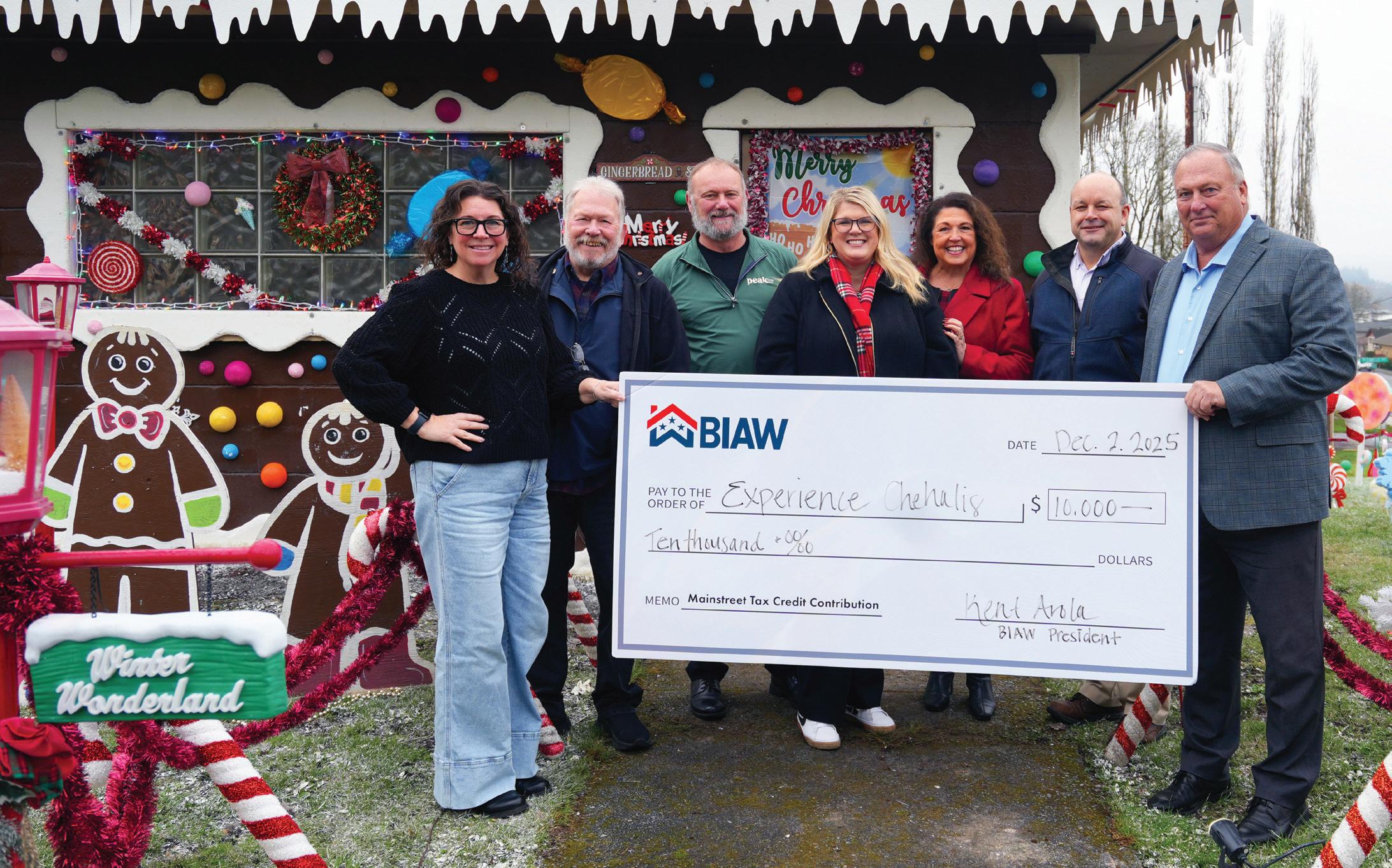
Served by the Olympia Master Builders (OMB), Experience Chehalis works year-round to strengthen Chehalis and its historic downtown, focusing on economic development and creative promotion.
Thanks to generous donations through the Main Street Tax Incentive program and other funders, Experience Chehalis has among other things:
n Hosted an annual Earth Day Community Clean-up.
n Awarded seven façade improvement grants, one safety and security grant, two digital marketing grants, one micro-façade grant and one small event grant.
n Celebrated Chehalisfest, bringing families and others together for activities, live music and food and shopping with more than 70 vendors.
On Giving Tuesday, Dec. 2, BIAW President Kent Arola and 2013 Second Vice President and MSC Director Bob Kagy stopped by to visit Experience Chehalis Executive Director Annalee Tobey, Board Vice President Michael Ervin and OMB Executive Officer Angela White at the Chehalis Gingerbread House. BIAW’s Vice President of Operations Steve Hyer and Vice President of Communications Janelle Guthrie joined to celebrate the $10,000 contribution to Experience Chehalis.
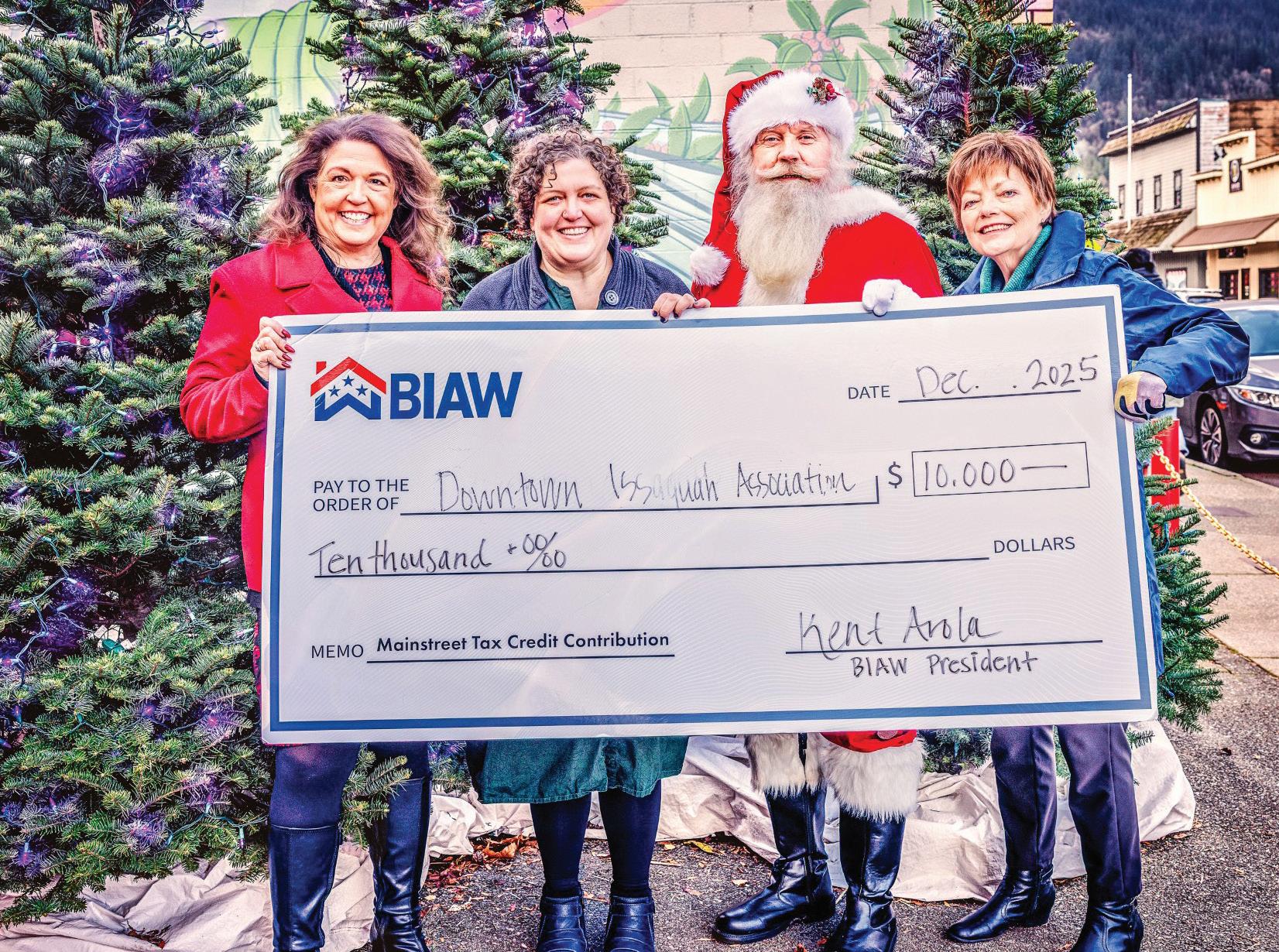
Finally on Dec. 6, Guthrie joined leaders of the Downtown Issaquah Association to celebrate their $10,000 gift. Served by the Master Builders of King and Snohomish County (MBAKS), the DIA is the heartbeat that galvanizes the entire Issaquah community—protecting culture, strengthening small businesses,
and ensuring downtown remains a thriving, welcoming place for all. Funds from the Main Street program support community programming that promotes economic vitality, downtown beautification, a welcoming environment, and entices visitors.
Guthrie joined DIA Board Member Judy Ecklund and Alison Lang for a photo with Santa at the Historic Shell Holiday Shop, where Lang serves as curator.
A smart investment
In addition to helping Main Street programs thrive, MSC directors leveraged the Main Street Washington Tax Credit Incentive Program to secure a $37,500 Business & Occupation (B&O) tax credit—75% of their total investment. BIAW began this annual investment in 2024.
The program allows any Washington business to contribute up to $250,000 annually to Main Street organizations or the statewide trust fund in exchange for a tax credit, creating a win-win for local communities and businesses alike. Learn more:

by Patrick Hanks Codes & Policy Manager
There’s a new economic and revenue forecast for Washington state, and it shows a deepening slump for residential building. The November forecast also shows another dip in revenue over the next four years, totaling about $970 million. This means legislators will likely face a deficit when crafting the 2026 supplemental budget next session.
The changes between forecasts can be better understood when compared to
the March 2025 forecast, which is what informed legislators when crafting the 2025-27 biennial budget this year. The Washington Economic and Revenue Forecast Council creates quarterly forecasts (for the WA fiscal year starting on July 1) that serve both the executive and legislative branches.
Updated projections show residential construction is up slightly for the 2025 calendar year from the September
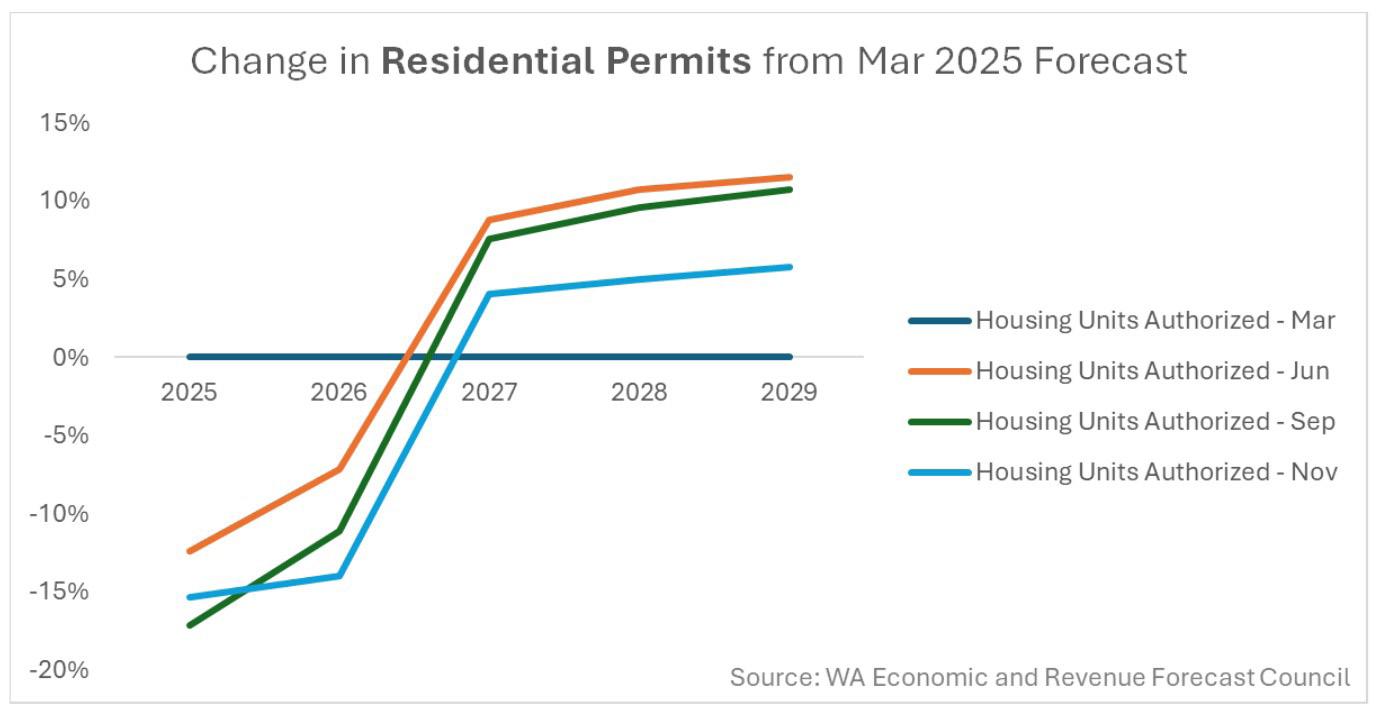
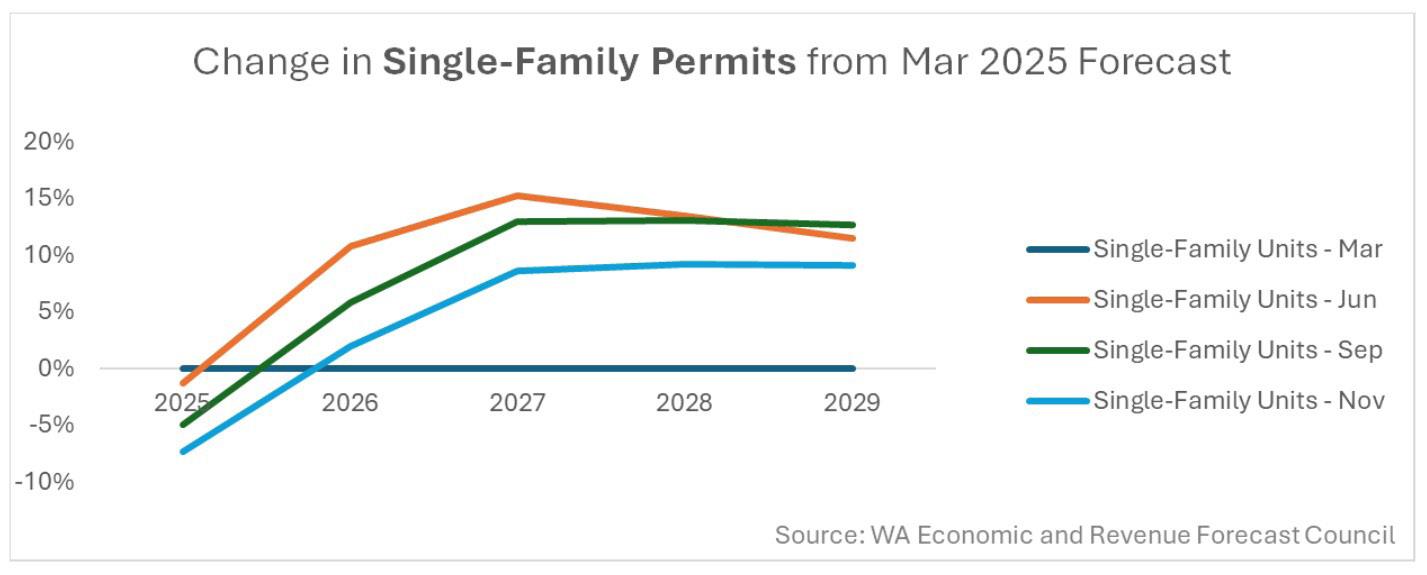
forecast, but it remains far below the original March projection.
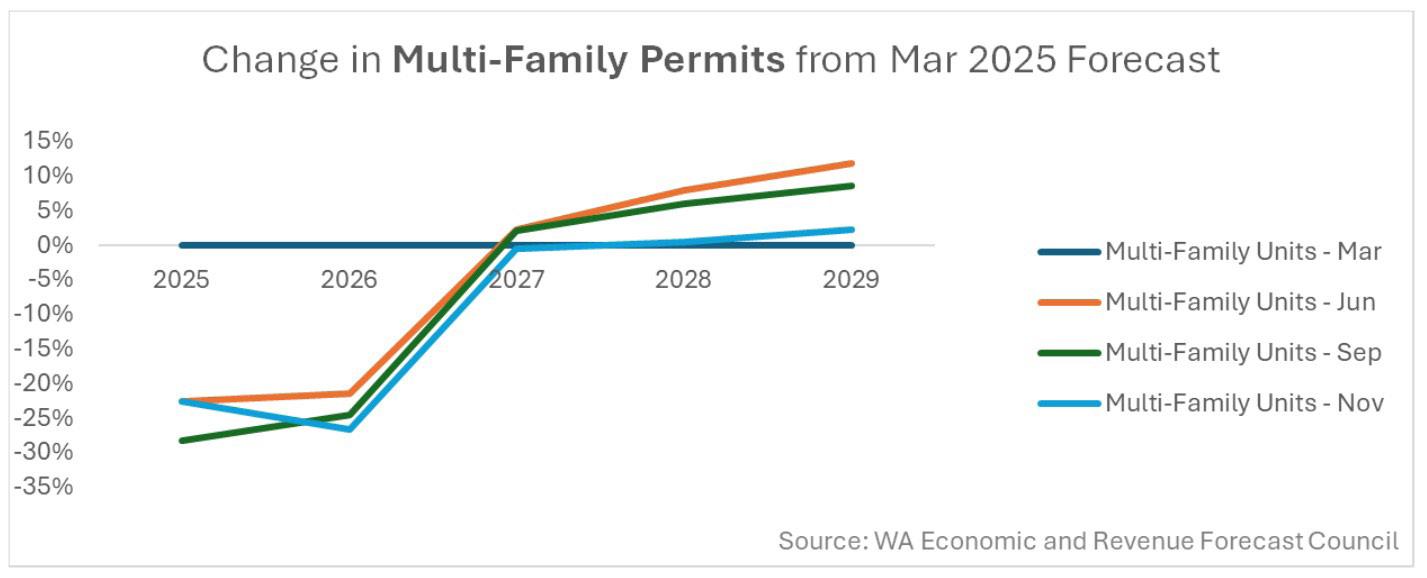
Things are expected to get worse in 2026 before slightly rebounding above March projections in 2027 and beyond. This contributes to lower projections for revenue from permit fees as well as real estate excise, business & operation and sales taxes. Based on the most recent November forecast, the state expects an average of 36,258 residential housing units to be authorized each year between 2025 and 2029. A 2023 Department of Commerce report estimated that Washington needs more than 50,000 new residential units annually to keep pace with population growth.
Breaking down those residential construction projections shows that single-family units are expected to have a 7.38% reduction in 2025 from the March forecast. Then single-family units will rebound and grow from 2026 to 2029. However, these are only units authorized by permits, and not all permits end up being built.
Most of the drop in residential construction projects is driven by multifamily development. The November forecast has multi-family development up from the September forecast in line with the June forecast. However, this was still 22.73% below the March forecast. Then the November forecast paints an even tougher picture for multi-family development with authorized units dropping in 2026 and barely reaching the original projections in March for 2027 and beyond.
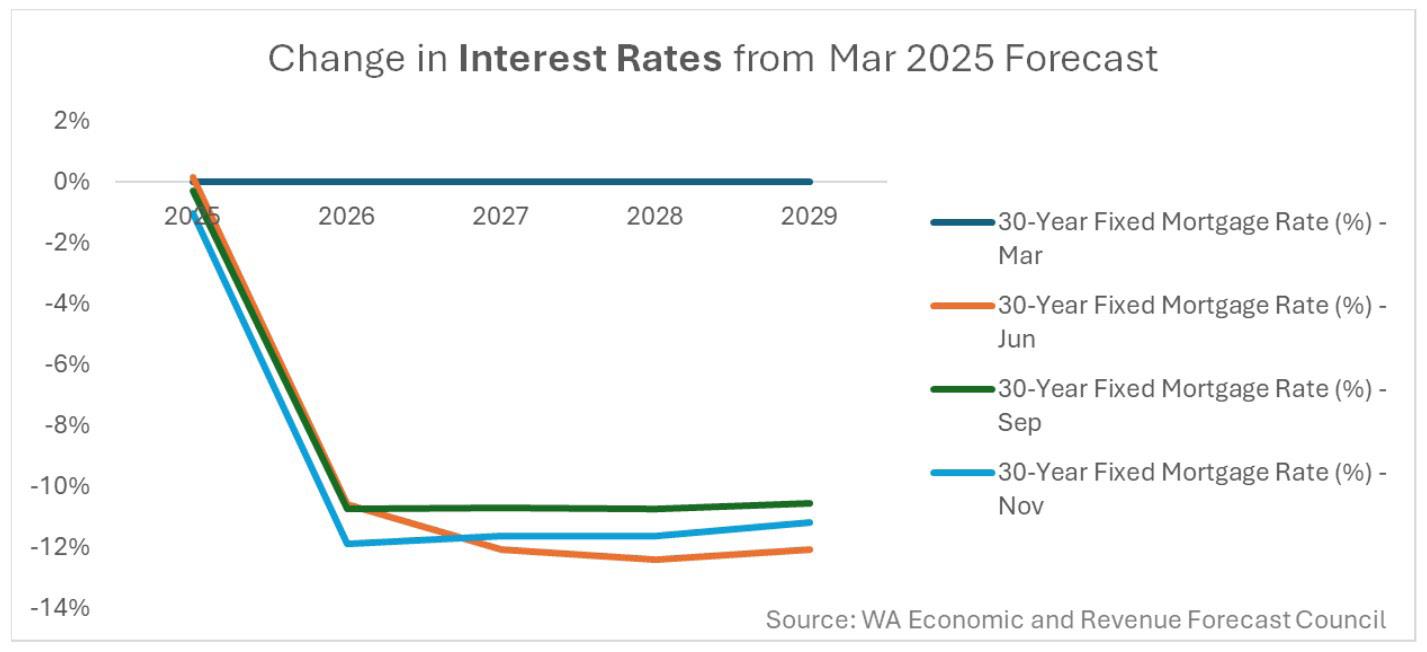
It is important to note that these worrying projections for residential construction are factoring in decreasing interest rates for 30-year fixed mortgages. While interest rates are important in the development, construction, and sale of new housing units, there are other factors that affect the housing sector. Lowered interest rates can spur housing demand and construction. With the projections showing a particularly tough situation for multi-family development, the Legislature should put a continued focus on reducing barriers and lowering costs for multi-family residential construction.
Forecasts since March show overall revenue growth coming from the largest tax increase in Washington state history, passed by the Legislature earlier this year. However, each subsequent forecast lowered the amount of growth expected. Because the March forecast is used by legislators to draft the state’s budget
and tax increases, the June forecast better reflects what they would have expected in terms of revenue growth. The November forecast has revenue going up slightly for the current biennium. But the overall revenue outlook over four years is
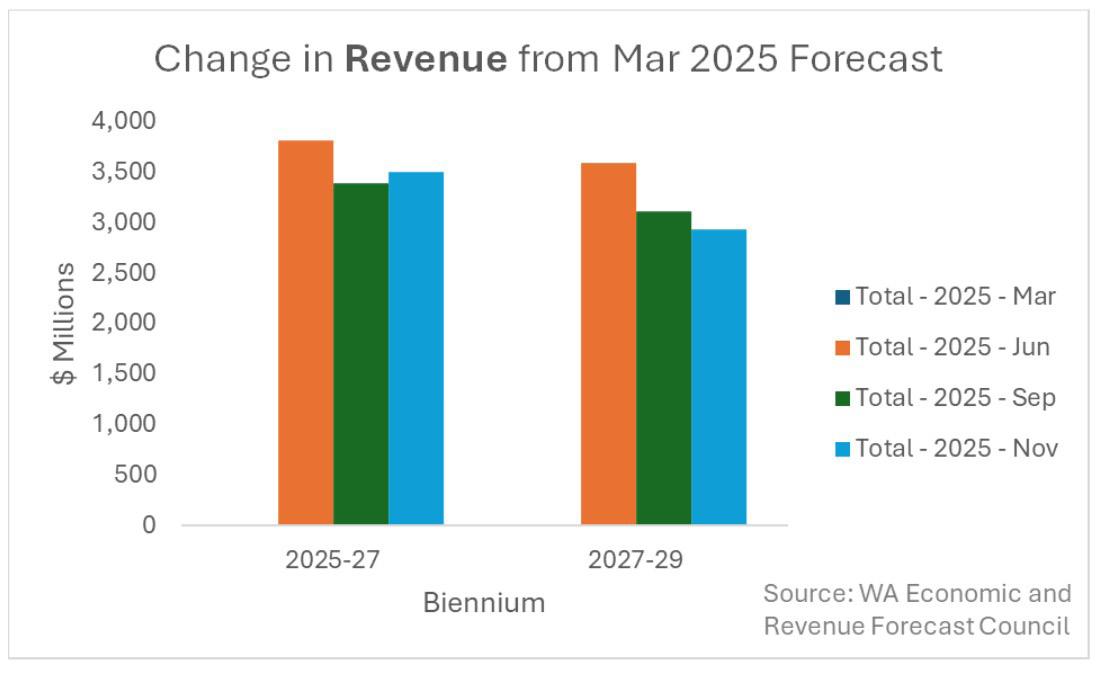
worse. This means that overall revenue is projected to be about $970 million lower than expected from June.
The $970 million revenue drop will likely contribute to a deficit facing Governor Ferguson and the Legislature as they seek to create a supplementary budget for 2026. The government should always explore ways to reduce inefficiencies and unnecessary spending, but lawmakers are already discussing additional tax proposals to balance the budget.
It’s clear that the massive tax increases passed this year are not producing the desired revenue increases. In fact, it’s likely they are contributing to reduced economic activity. The Legislature should consider ways to support the economy and restore confidence in the state’s business environment. Supporting growth in housing production will not only help address our housing affordability crisis but also help generate more revenue for the state. That’s a win-win for Washingtonians.
n Kent Arola, owner of Wind River Homes and a longtime member of the Master Builders Association of Pierce County, was sworn in as 2025 BIAW President.
n BIAW kicked off the 2025 legislative session focusing on tax restraint, increased supply and regulatory fairness.
n Governor Bob Ferguson signed two new executive orders on his first day in office to help clear the path for residential construction. One focused on permit reform and another directed a review of regulations that affect housing.
n BIAW opened its construction trades training academy and launched its first cohort of classes on Feb. 3, 2025, providing post-secondary students and transitioning adults from across the greater Puget Sound access to industry-driven training at no cost. The academy was founded in partnership between the Washington Home Builders Foundation (WHBF), BIAW, the Home Builders Institute (HBI), Master Builders Association of Pierce County’s Building Opportunities for Learning the Trades (BOLT) Foundation, Goodwill of the Olympic and Rainier Region and the City of Tacoma.
n BIAW officially celebrated its 75th Anniversary on Feb. 18. Originally chartered as the Home Builders Association of Washington State in 1950, the association evolved into the Building Industry Association of Washington in 1987.
n On Feb. 21, BIAW filed a lawsuit in Thurston County Superior Court, asking the court to require the State Building Code Council to enter into emergency rulemaking to speed compliance with Initiative 2066.
n The 2025 NAHB International Builders Show took place Feb. 2527 in Las Vegas with hundreds of Washington home builders, staff and associates among the record 81,000 in attendance. During the event, new Professional Women in Building (PWB) councils for BIAW, the Spokane Home Builders Association and Kitsap Building Association received their charters, and the Master Builders Association of Pierce County PWB won best PWB Council for their size.
n Builders from across Washington traveled to Olympia for BIAW’s annual Legislative Action Day on March 11—a powerful opportunity to advocate for policies that support the home building industry’s work to build homes families can afford.
n BIAW hosted its 2025 Winter Board Meeting March 10-12 at the Hotel Murano in Tacoma. During the event, BIAW hosted its annual Legislative Action Day, celebrated BIAW’s 75th anniversary with new SWAG and the “BIAW 75” signature cocktail, and inducted Daimon Doyle into the BIAW Hall of Fame.
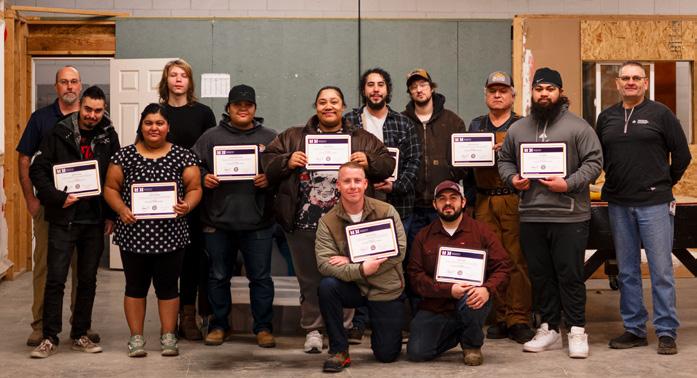
n The first graduates of the BIAW trades training academy received their PreApprenticeship Certificate Training (PACT) in Construction on March 28. Thirteen members of the group received PACT Core and Occupational Safety and Health Administration (OSHA) 10 certification, while nine continued on to receive Construction certification.
n BIAW joined Senate Republicans, real estate professionals, landlords, renters and others at a news conference on April 9 to fight property tax increases. Gina Carlson, owner of Dunamis Interiors and Design-Build, spoke on behalf of BIAW and the Olympia Master Builders.
n The 105-day 2025 legislative session ended Apr. 27. The BIAW advocacy team was instrumental in passing seven good building industry bills and killing six high-profile non-tax-related bills.
n BIAW and the Washington State Attorney General’s Office filed their notice of appeal to the Washington State Supreme Court on May 27 in the constitutional challenge to Initiative 2066.
n BIAW joined several other leading trade associations in Washington in writing a letter to Attorney General Pam Bondi urging the US Department of Justice to act on President Trump’s executive order protecting American energy from state overreach.
n ROII announced its 2025 refund results, delivering over $24 million to participating companies. The 2023 plan year 1st adjustment earned 41%, the 2022 plan year 2nd adjustment earned 42%, and the 2021 plan year ended with a final adjustment of 46%.
n The Washington Home Builders Foundation awarded $60,000 to support the next generation of builders, including $30,000 in scholarships to 17 students and $30,000 in grants to nine construction training programs across Washington.
n BIAW won two Association Excellence Awards (AEA) from the National Association of Home Builders (NAHB) for outstanding work in 2024: the
Initiative 2066 campaign was awarded Best Government Affairs Effort –Regionally, and the Bracket Battle won Best Membership Recruitment/ Retention Plan.
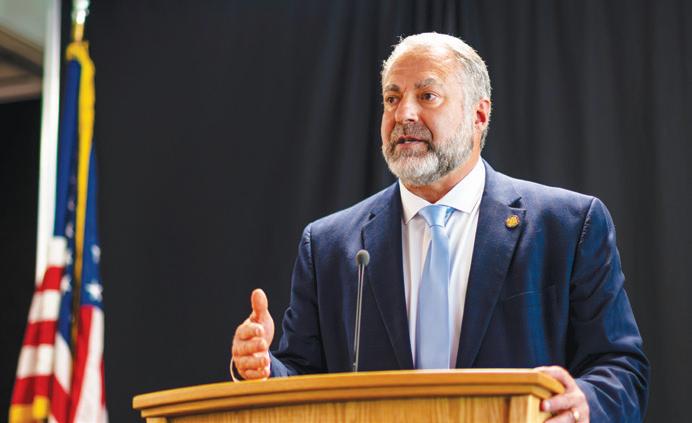
n At BIAW’s 2025 Summer Board Meeting in Spokane, the US Department of Housing and Urban Development’s Region IX Administrator Chris Patterson spoke, the group celebrated the state’s top recruiters with the annual Spike Party, the winners of the 2024 Excellence in Remodeling Awards were recognized, and Tri-Cities builder Kyle LaPierre was inducted into the BIAW Hall of Fame.
n BIAW and the Attorney General’s Office filed formal grounds for direct review of the constitutional challenge to Initiative 2066 with the Washington Supreme Court on June 11.
n Gov. Bob Ferguson appointed Puyallup homebuilding leader Tom Young to the Washington State Building Code Council (SBCC). Young brings over 40 years of experience in residential and commercial construction, land development, and management to his service on the SBCC.
n NAHB named BIAW Executive Vice President Greg Lane its Gary Komarow Executive Officer of the Year. Association leadership announced the award at the 2025 Association Management Conference in Atlanta on Aug. 19. The Executive Officers Council also confirmed Lane as the 2026 President of the Executive Officers Council.
n BIAW contributed a $10,000 grant to strengthen downtown Roslyn, one of five contributions to Main Street Washington organizations aimed at revitalizing downtown districts across the state.
n The construction trades training academy graduated a third class of 11 job-ready workers on Aug. 29.
n The Washington State Supreme Court announced on Sept. 3, it will accept direct review of the lawsuit challenging the constitutionality of Initiative 2066.
n BIAW contributed a $10,000 grant to strengthen downtown Mount Vernon, another one of five contributions to Main Street Washington organizations as part of Washington’s Main Street Tax Incentive program.
n BIAW leaders stopped by the Stevenson Downtown Association on Sept. 30 to deliver a $10,000 donation to support small businesses in Skamania County as one of five contributions to Main Street Washington organizations across the state.
n The Washington Policy Center honored BIAW with its 2025 Champion of Freedom award, WPC’s highest honor, for 75 years of leadership and the successful fight to protect natural gas in Washington.
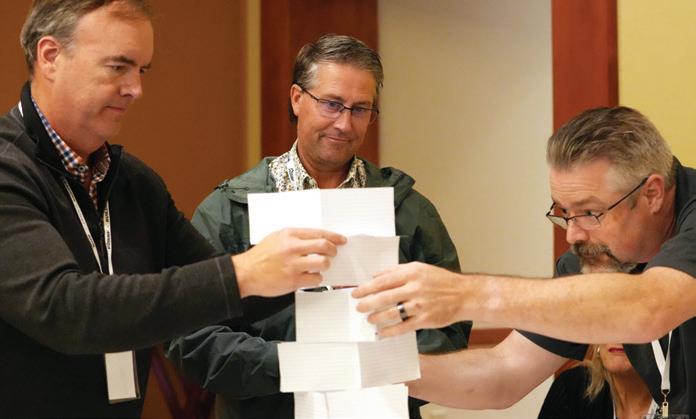
n A record number of building industry leaders and staff from across NAHB’s Area 15 gathered in SeaTac for the 2025 Building Leaders Summit. Speakers, including keynote Jim Roman and leaders from NAHB and BIAW, shared tips on public speaking, strategic planning, membership recruitment, advocacy and more.
n On Oct. 20, local builders, students, instructors and other supporters of the trades celebrated the Washington Home Builders Foundation construction trades training academy officially becoming the BuildStrong Academy of Pierce County Powered by HBI. This change aligns the academy with the nationally recognized BuildStrong Academy network and strengthens its partnership with the HBI, the leading provider of residential construction training and education in the country.
n On Nov. 3, the Washington State Supreme Court scheduled oral argument in the case challenging the constitutionality of Initiative 2066 for the morning of Jan. 22, 2026.
n During the 2025 BIAW Fall Board Meeting, BIAW held its last 75th Anniversary celebration, members heard from Todd Myers of the Washington Policy Center, Scott Walker of Gig Harbor’s Rush Residential, Inc., was honored as the 2025 Builder of the Year, Brice Baxter, owner of Yakima’s Baxter Construction, was honored as the 2025 Remodeler of the Year, and Andrew Northrop, CEO of Spokane Hardware Supply, was honored with the 2025 Associate of the Year Award. BIAW also celebrated as Matthew Clarkson, Bob Kagy and Zak Parpia were inducted into the BIAW Hall of Fame.
n On Giving Tuesday, BIAW President Kent Arola and 2013 Second Vice President Bob Kagy joined Experience Chehalis Executive Director Annalee Tobey and Board Vice President Michael Ervin at the Chehalis Gingerbread House to celebrate a $10,000 contribution to Experience Chehalis, one of five contributions to Main Street Washington organizations across the state.
n On Dec. 6, BIAW celebrated its final $10,000 Main Street contribution with a stop in Issaquah for photos with Santa and Mrs. Claus at the Historic Shell Station with the Downtown Issaquah Association.
by Andrea Smiley Legislative Director
A new year means a new legislative session. On Monday, Jan. 12, lawmakers will convene in Olympia for an intense 60-day session. Despite $9 billion in new taxes signed by Governor Bob Ferguson last year, our state continues to face a massive budget shortfall, largely from a mismatch between spending obligations and tax collections.
Even with the Senate’s lead budget writer, Sen. June Robinson, warning colleagues that new spending requests would not be entertained, progressives have and will almost certainly continue to advocate for a variation of a “wealth tax.”
While most of our work this year will likely be playing defense on legislation that harms the residential construction industry, we hope to see a few bills pass the finish line:
n HB 1164 requires local governments to expand their urban growth area boundaries to include parcels that are adjacent to urban infrastructure and have adequate capacity to connect to service.


n HB 1345 would allow detached ADUs to be constructed outside of Urban Growth Areas, if certain conditions (such as water adequacy) are met.
n SB 5613 directs local governments to adopt non-subjective development regulations by 2029.
n SB 5729 seeks to limit the number of third-party reviews requested during the determination of completeness check of a permit application.
In addition, BIAW’s Legislative Policy Committee adopted the following legislative priorities that will shape our advocacy in 2026:
A pause on statewide building codes for 10 years
n Pause new code updates for 10 years after the 2024 edition and move to a six-year code cycle.
n Reform council membership and code adoption process.
Since 2009, code changes have added over $40,000 to new home costs and have priced out more than 80% of Washington families’ ability to purchase a home.
Washington needs a decade of code stability to build one million homes. Let’s focus on building, not rewriting rules.
n Require local governments to costshare by limiting how much a project (50%) can be paid for with collected impact fees.
n Tie fee updates to comprehensive plan cycles to ensure consistency with capital facility plans.
n Replace lien-based deferrals with promissory notes.
More access to buildable lands
n Expand land supply by reforming the Growth Management Act and allowing diverse options like rural ADUs.
With only 3.7% of land open for housing, expanding growth areas (even to 10%) could dramatically improve affordability.
Real permit reform
n Allow licensed professionals to certify code compliance to fast-track project approvals.
n Encourage the use of AI by permitting authorities to streamline permit intake.
Subdivision reform & streamlining
n Allow administrative plat approval, clarify pre-application meetings, and encourage concurrent review of plats and construction plans to reduce costs, speed approvals, and expand infill housing.
Clear & objective development standards
n Require local development codes to use clear, measurable, and objective standards. The goal is to remove subjective interpretation, provide predictable outcomes, and deliver faster, more affordable housing approvals.
Please don’t forget to register for the weekly Legislative Briefing Calls every Tuesday during session. Full details and registration: http://cal.ae/sgehdew
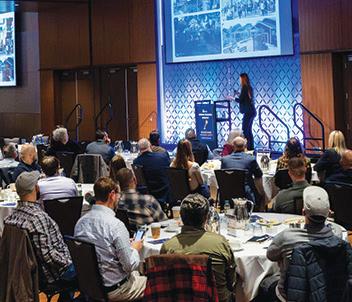
[1a] The Master Builders Association of King & Snohomish Counties (MBAKS) hosted its annual Housing Solutions Breakfast on Oct. 14 at the Meydenbauer Center in Bellevue. The event featured guest speaker Justine Underhill, an economist, journalist, filmmaker, and Council Member from Falls Church, VA.
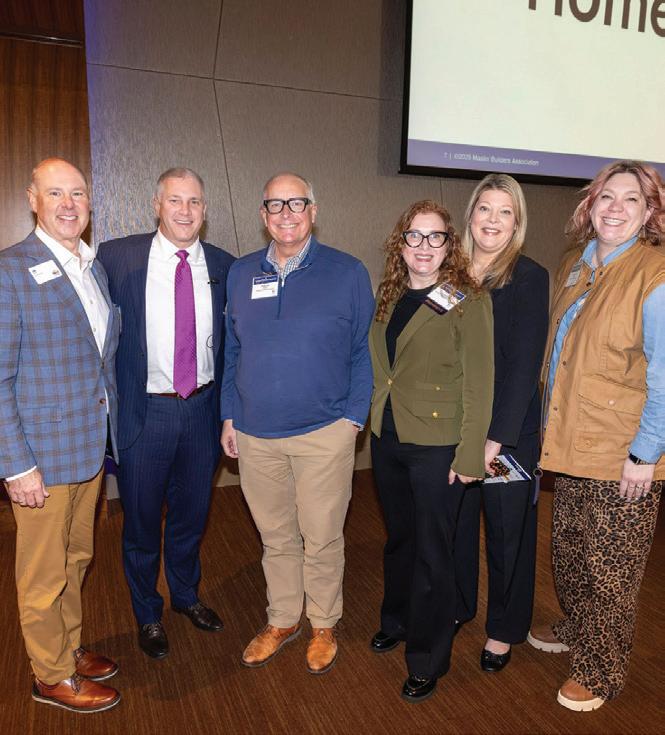
[1b] (l to r) NAHB President and CEO Jim Tobin, MBAKS Executive Director Jerry Hall, BIAW Executive Vice President Greg Lane, 2025 MBAKS President Jennifer Tennyson, MBAKS Government Affairs Director Jennifer Anderson, and BIAW Vice President – External Affairs Jan Himebaugh at MBAKS’s Housing Solutions Breakfast. Photo credit: Maurice Photo
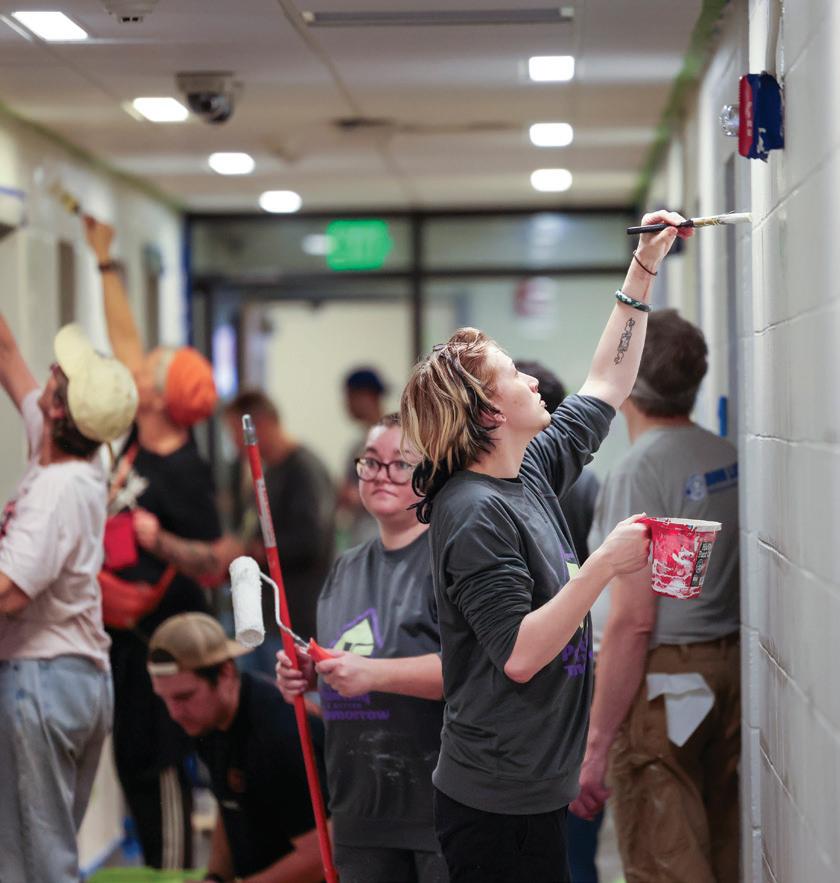
[2] On Saturday, Nov. 15, MBAKS members and community volunteers painted interior spaces at Domestic Violence Services of Snohomish County. Painting a Better Tomorrow, or PBT, is a one-day event that brings MBAKS and other volunteers together to paint a local service organization’s facility.
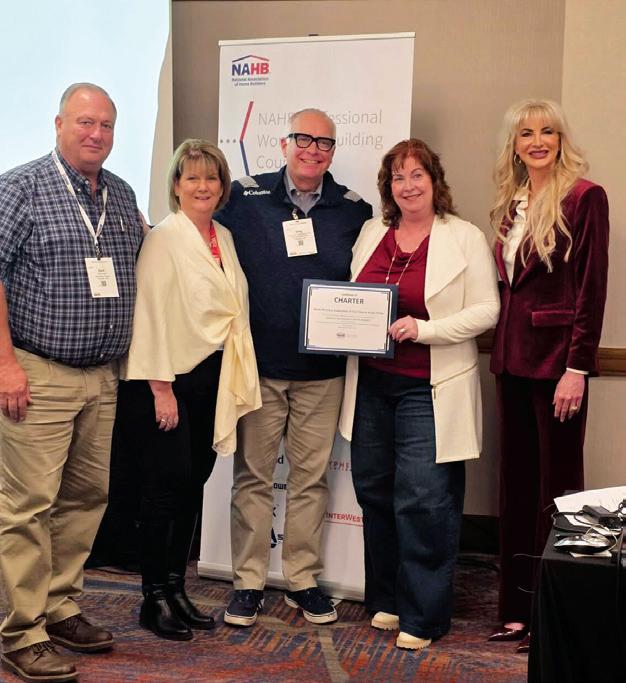
[3] BIAW leaders celebrated as the Home Builders Association of Tri-Cities (HBATC) Professional Women in Building (PWB) Council received its NAHB Charter at the NAHB Fall Meetings in Denver, Colorado, Nov. 17-19. HBATC’s charter makes 10 total PWB councils statewide, including the PWB State Council. (l to r) BIAW President Kent Arola, State PWB Council Vice Chair Debbi Boyd, EVP Greg Lane, State PWB Council Chair Juli Boyd and 2025 NAHB PWB Chair Carrie DeWeese.
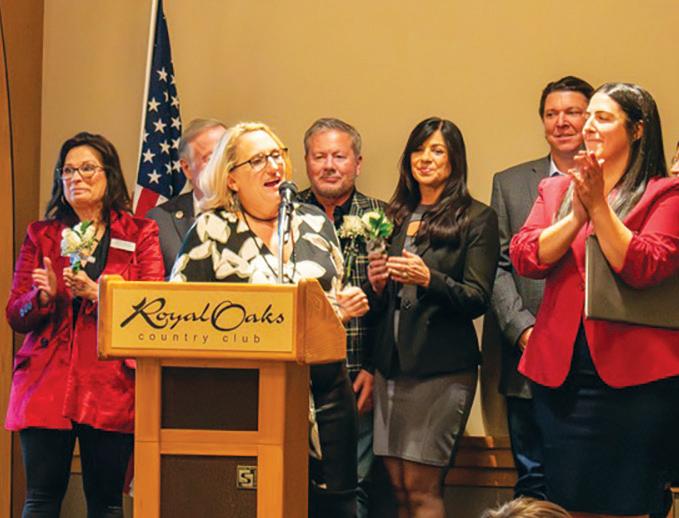
[4] The Building Industry Association of Clark County (BIACC) installed Alexa Lee of Tapani, Inc. as the association’s 2026 Board President during its annual President’s Awards and Officer Installation Dinner on Nov. 20. Lee is celebrated as the second female president in the history of the association, accepting a second year term. In addition to Lee’s role, BIACC’s 2026 officers were formally installed: Max Booth was installed as Vice President, Nicole Hinton-Duke as Vice President Secretary, Dave Campos as Vice President Treasurer, Mark Kroll as Vice President Associate, and Tracy Doriot as Immediate Past President.


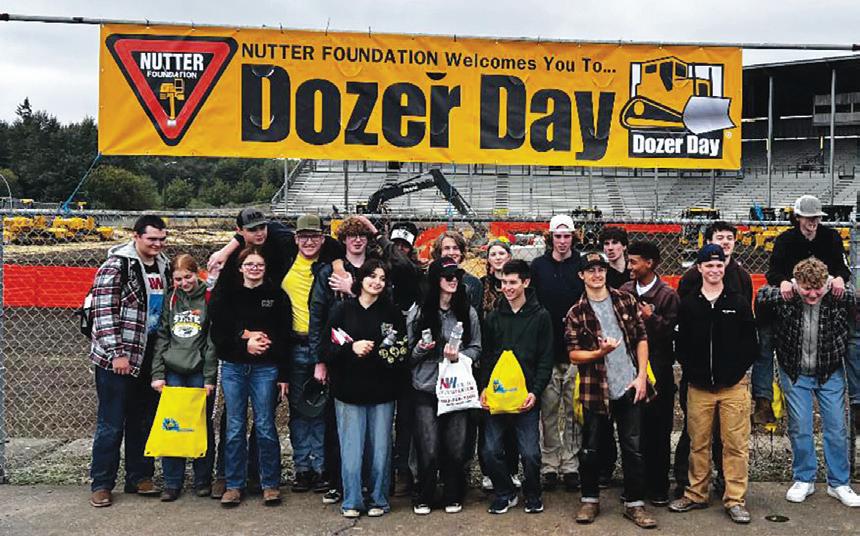
[5] BIACC’s Building Futures Foundation served as a Diamond Sponsor for Dozer Day Vancouver Oct. 4-5 at the Clark County Fairgrounds. More than 1,000 students experienced the excitement of the construction industry firsthand — operating machinery, meeting industry professionals, and exploring careers that build our communities.
[6] The Spokane Home Builders Association (SHBA) Remodelers Council held its Sporting Clay Shoot on Oct. 23 at Landt Farms in Nine Mile Falls. It was a fun-filled day of shooting and socializing, ending with a taco bar lunch and awards.
[7] The Central Washington Home Builders Association (CWHBA) hosted its 2025 Tour of Homes Sept. 13-21, with over 3,200 visits and 10 stunning in-person homes. Pictured: Connie Falon of Compass Financial and Patricia Guizar of GB Builder 3 volunteered as ticket takers.
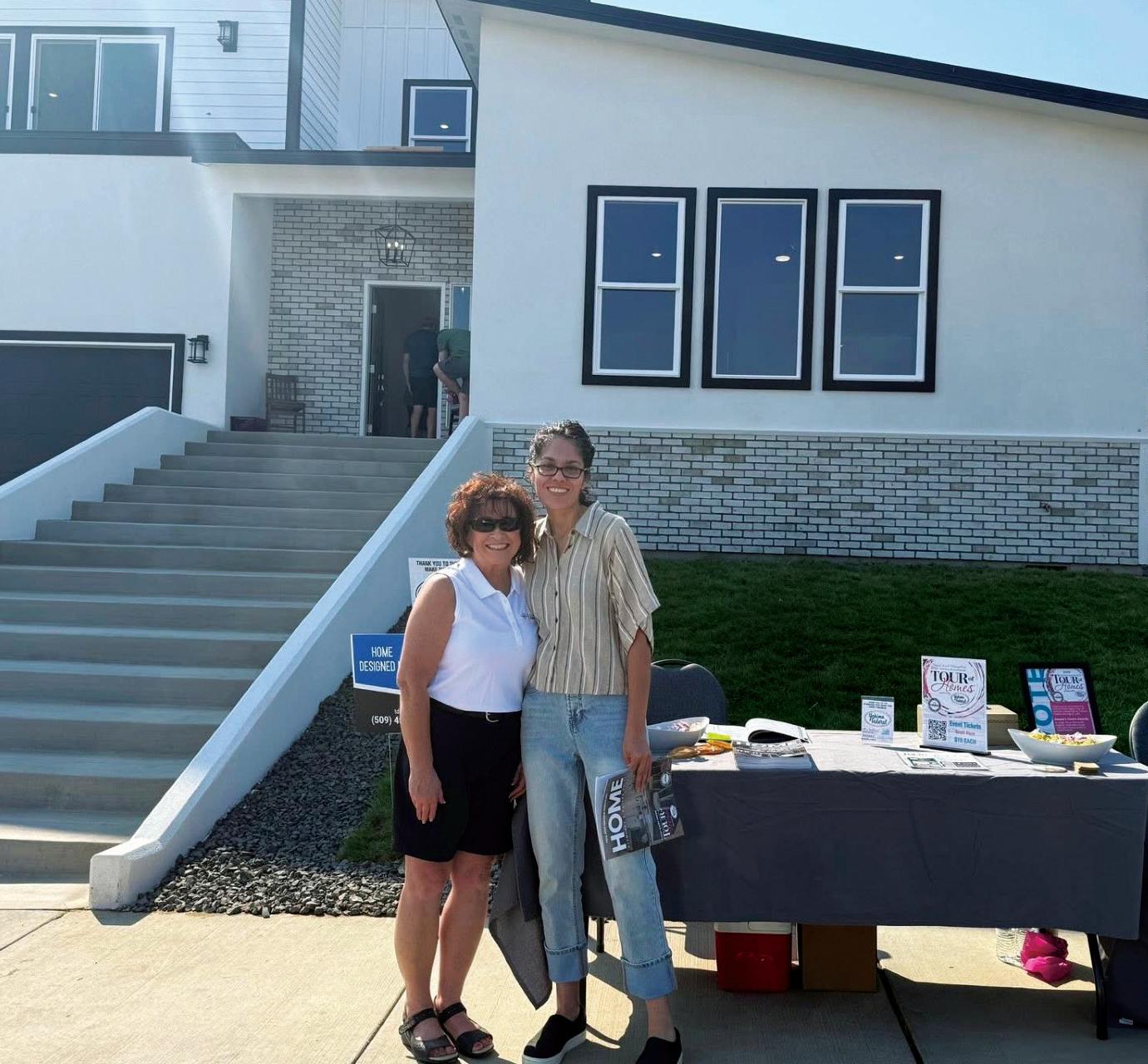
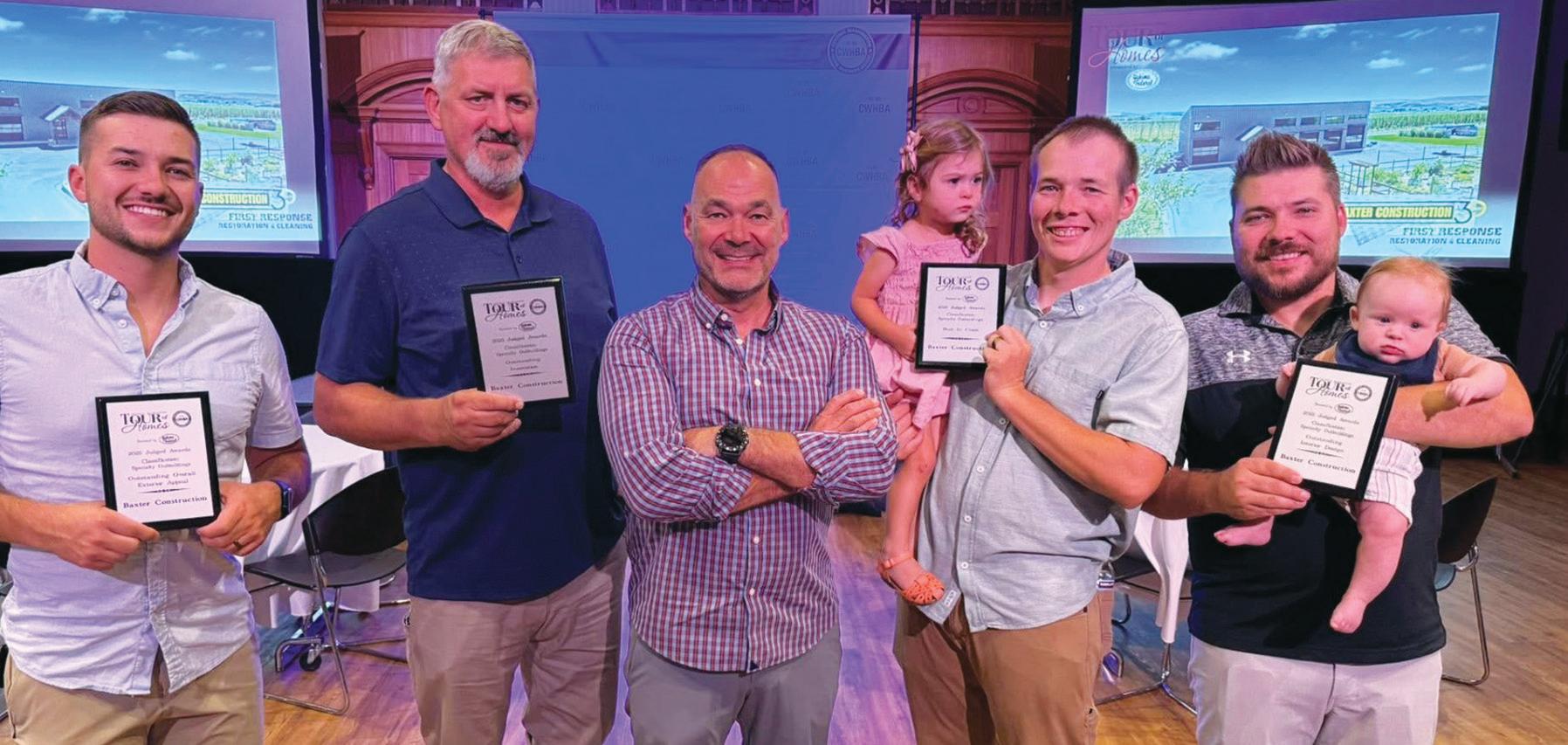
[8] CWHBA proudly presented 29 awards to its talented builders during its Tour of Homes Appreciation & Awards Night in recognition of their creativity, innovation and craftsmanship. The crew at Baxter Construction took home several awards.
[9] CWHBA Government Affairs Director Andi Hochleutner hosted a candidate meet-and-greet on Oct. 8 as an opportunity for the public to get to know the local candidates. The event brought a packed house, great conversations and meaningful connections.
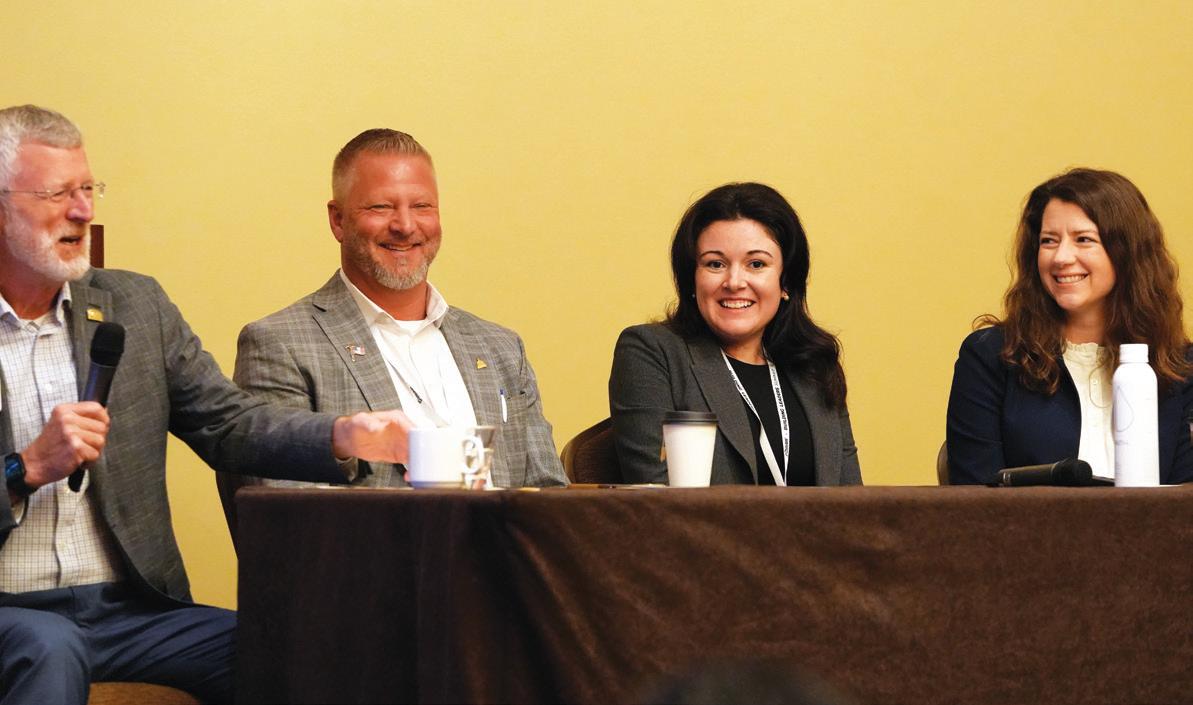
[10] BIAW hosted the 2025 Building Leaders Summit at the SeaTac Hilton, Oct. 15-17, bringing together nearly 100 building industry leaders and home building association staff from Washington, Idaho, Oregon and Hawaii for sessions on public speaking, advocacy, membership, leadership, communications and strategic planning. (l to r) NAHB First Vice Chair Bill Owens, National Area Chair for Area 15 and BIAW Past President Jay Roberts, BIAW Spike Party Chair Madeleine Pelson and NAHB Director Leadership Training & Development Rachel Branson.

by Jenn Kavanaugh ROII Director
The holiday season is upon us. With the shopping frenzy at its peak, this is the perfect time to start shopping for a retro group or re-evaluate your current retro program. When evaluating which retro group fits best for your company, here are a few things to consider.
Program performance
This one is pretty simple – how good are retro groups at earning refunds, and do they offer side-by-side comparisons with
multiple years of history? ROII provides nine years of group refund history, and if you’re in another retro group, we will provide you with a comparison.
You also want to pay attention to how much of the group refund participants are actually receiving. While we can’t speak for other retro groups, we can speak for ROII, and we make our refund report front and center on our website. Below is a chart that shows the range of
refunds ROII participants received and what was paid out so far for plan years that aren’t complete.
ROII participant refunds are weighted on performance, which means the better a company performs (premium compared to claim costs) for a plan year, the more refund they can earn. The low end of the range represents companies that barely qualified for a refund, and the high end represents top performers.
“I can’t speak highly enough about the support I receive from the ROII program. Business owners go through difficult things all the time, from COVID, to regulations, to workers’ comp claims and employee issues and ROII helps with everything. The refund I get is really the cherry on top - it’s really nice, but it’s the support I receive as a business owner that makes all the difference for me.
— Rick Stewart, Stewart Roofing Co.
Retro groups should be more than just refunds. It’s important to know what services they provide to help you protect your employees, lower your upfront costs, and help you run your business more efficiently. Below is a list of services that ROII provides in-house:
n In-house Claims Assistance
Every ROII participant has a dedicated claim representative that helps them through every single aspect of a claim. We anticipate what L&I or doctors will need, and we make sure they have it so they can make a decision and move the claim along.
n In-house Safety and Prevention
ROII’s safety field representatives work one-on-one with participants to assist with high frequencies of injuries or alarming injury trends that could impact retro refunds, L&I rates, or employee productivity. Field staff assessments are personalized and specific to the needs of each participant. We don’t judge our success on how many visits we make, but on whether we have made a true impact on reducing the frequency and severity of injuries.
n Education
It’s essential for ROII to empower our participants to have control over their own safety performance, and education is a big piece of that. We offer a variety of classes aimed at helping companies work safer, understand their own risks and run smarter, safer companies.
Every retro program provides additional services to participants, and none of them are giving these services away for free. Any retro program that tells you otherwise is lying. The real difference is how groups structure their fees and whether services are included or cost extra.
ROII charges 1.5% of a company’s annual L&I premium as an enrollment fee each year. The remainder of our costs are taken out of the overall group refund from L&I. Some retro groups take nothing upfront and take all of their operating costs out of the refund they get from L&I. If a retro group is contracting with a ThirdParty Administrator (TPA), their total operating cost depends on what their TPA is charging them for their services.
Is the retro group managed by the group sponsor (in-house), or is the group outsourcing its management to a TPA? If they are outsourcing, how many other retro groups does the TPA manage?
ROII is operated by ROII/BIAW staff and has been since our program started in 1982. We control how we operate our program, what services we offer and how to best advocate for our participants and members. We know the program and the needs of our members better than any
TPA. And ROII knows the construction industry because that is who we are, and that’s all we do.
Who is my participation supporting?
A business association sponsors every retro group, and every sponsor takes a piece of the overall refund to benefit their association.
ROII is sponsored by BIAW and supports all 14 local home builders’ associations across the state. In 2025 alone, BIAW and our local associations received over $4.5 million from ROII to further these efforts. This money is crucial for BIAW and our locals to provide all of the services, advocacy and support they provide to their members and the building industry at the state and local levels.
Transparency
Last but certainly not least, how easily can you get answers to all of these questions from a retro group when asked? Or, in other words, how up-front and honest is the retro group about how much things cost, where the money goes and how they really perform? Retro is complicated, but too many groups hide behind this fact and limit the information they are willing to share or try to simplify too much. If you’re going to do a thorough evaluation of programs, you need the facts, whether they’re complicated or not.
Start the new year off right by visiting ROII.com to fill out our inquiry form at the top of the page to get your comparison or to get started. If you have any questions or want more information about the program, don’t hesitate to contact us at enroll@roii.com or call (360) 352-7800. Happy shopping!
by Bob White ROII Safety Services Director
This story begins with an 18-year veteran roofer perched 20 feet above the forest floor during bow hunting season for deer. Here’s his story, in his own words:
While sitting high in a tree stand, a threepoint buck presented himself well within bow range. As I tried to raise my body enough to draw back my bow, I did not realize how far off-center I had become, and before I knew it, I was hanging just below the tree stand next to the fir tree. After 15 years of hunting, I had never fallen or thought of wearing fall protection, even though I worked as a professional roofer for many years. But, thankfully, this time I did.
Just one year before this incident, I had started working for a new employer. The pay was excellent, and the roofing company always had work available. The only downside was the owner had a 100% tie-off rule whenever a fall hazard was in effect. I slowly got used to the safety rule; it was just another part of getting the job done. After a few months, I no longer thought about it anymore. Fall protection was just an automatic task.
After getting over the initial shock of falling, I was able to work my way back into a seated position in the tree stand. As I sat thinking about what had just happened, I realized the only reason I did not end up on the forest floor with possible broken bones was that my employer had instilled in me a habit that had become second nature. I also began to think about what might have happened had I not been tied off. There’s no workers’ comp out here.
What if my injuries prevented me from ever working again?
Fast forward to today, I look back and think about how I was reluctant to use fall protection and how frustrated I was with an employer who was always harping about safety. Thanks to my employer, I avoided a potentially devastating injury and took with me safety habits that will remain with me for the rest of my life.
At ROII, prevention is a top priority, and our mission is to help you find and implement effective safety strategies to help prevent devastating injuries. That’s why ROII offers specific safety classes free to ROII participants. We offer these free classes to help you stay at the top of your safety game.
If you’re a ROII participant, you can register for any BIAW Education classes that are ROII-sponsored at BIAW.com
If you are an ROII participant and would like to receive my regular safety updates, including ideas for safety topics, please contact me at (360) 352-7800 ext. 109 or bobw@biaw.com.
Not an ROII participant? Visit roii.com to learn more.




Russ Rehm
Doulos Construction
Skagit/Island Counties Builders Association

Larry Myers
Larry Myers Garage Doors
Building Industry Association of Clark County

Josh McCallister
Clark County CESCL Services
Building Industry Association of Clark County

Morris Bush
Taseca Homes
Building Industry Association of Clark County
James Youngsman
Comfort Glow Heating
Skagit/Island Counties Builders Association

Greg Helmes
Generation Homes NW
Building Industry Association of Clark County

Brian Warner
Elite Wood Works Inc.
Building Industry Association of Clark County
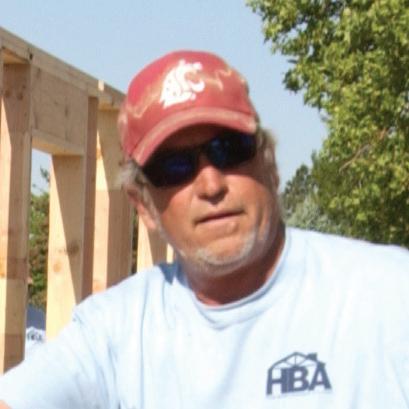
Brad Butherus
2010 HBATC President
Home Builders Association of Tri-Cities

Brent Emory
E&E Lumber
Skagit/Island Counties Builders Association

Nick Massie
Rotschy, Inc.
Building Industry Association of Clark County
Lower Columbia Contractors Association

Jesse Grover
Summit View Pressure Washing
Building Industry Association of Clark County
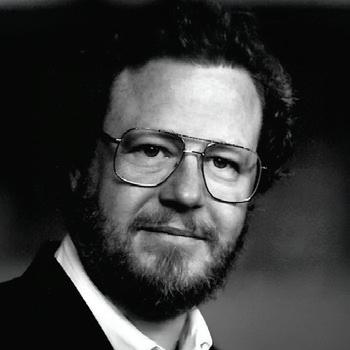
Bill Childress
1995 BIAW President
Olympia Master Builders

We encourage you to step out of the hotel between meetings and experience Seattle Southside, a global hub of international dining, unique attractions, and plenty of opportunities to bond with your colleagues. Whether you have a few hours or a free afternoon, you’ll find plenty of curiously wonderful microadventures in Seattle Southside.
For cocktails with a colleague, we especially love JOEY, Rendition, or Copperleaf Restaurant & Bar. Download Explore Seattle Southside’s Happy Hour Trail to discover deals at more than 20 bars and restaurants in the area.
Close to your hotel, Sharps RoastHouse is renowned for its slow-roasted meats, homemade sourdough pasta, and extensive bar menu. 13 Coins, featuring tall leather booths and a cool, retro vibe, has been a Seattle-area institution since 1967 and remains open past midnight. Within 5 minutes from your hotel, Westfield Southcenter Mall and the surrounding area feature nearly 100 more restaurant options. And near the Puget Sound Waterfront, Anthony’s HomePort & Lower Deck is everyone’s favorite waterfront restaurant.
If you have a few hours to kill, check out the following “microadventures”—quick, unique experiences you can squeeze into an hour or two.
A Sweet Adventure: Take a tour of Seattle Chocolate Factory and see how this locally-owned business makes its famous Maeve and jcoco chocolates.
Sky’s the Limit: Visit the Museum of the Flight, the world’s largest nonprofit aviation museum, and walk inside dozens of massive vintage planes.
Beachside Bliss: For scenic views of the ocean, head to Des Moines Beach Park and the neighboring marina, where you’ll find a beach, a long pier perfect for strolling, and a grassy park.
Stop and Smell the Roses: The Highline SeaTac Botanical Garden, just minutes from the airport, is a tranquil oasis with a traditional Japanese garden, rose garden, and plenty of other flowers to admire.
Miles of Trails: If you’re up for a power walk, check out one of dozens of paved, forested trails around the area, such as the Interurban Trail and the Green River Trail.
Retail Therapy: Shop at Westfield Southcenter Mall, the largest shopping center in the Pacific Northwest, featuring over 140 retail stores, numerous dining options, and a movie theater.
We are looking forward to welcoming you to Seattle Southside in March! Get more ideas for exploring Seattle Southside at our website, SeattleSouthside.com