2026 SPIRITS INDUSTRY OUTLOOK
Adapting to a New Era of Drinking
State of the Industry
The global spirits industry is navigating a period of fundamental change. Euromonitor notes that converging pressures—from lingering pandemic effects and geopolitical volatility to inflation and sober curiosity—underscore a structural shift impacting alcoholic beverage categories. While global spirits volumes continue to decline, IWSR (formerly known as International Wine and Spirits Record) reports the downward trajectory is slowing (from -2% in 2024 to -1.3% in 2025). Despite category-wide declines, spirits are expected to gain share within total beverage alcohol, benefiting from premiumization, the success of ready-to-drink cocktails, and the rapid expansion of low- and no-alcohol offerings.
While overall alcohol consumption continues to face pressure, emerging behaviors, demographic shifts, and evolving channels are reshaping what growth looks like and where it will come from next. Gen Z is gaining influence, with new attitudes and behaviors when it comes to drinking. Health consciousness is fueling the moderation movement and driving demand for better-for-you options. Premiumization is evolving beyond price to encompass authenticity and experience. And increasingly casual drinking occasions are shifting when and where people enjoy spirits.
*The brands mentioned in this report are trademarks of their respective owners. Inclusion of these brands in this report is not meant to imply an association with or endorsement from the respective trademark owners.
This report outlines the demographic shifts, channel dynamics, and spirits industry trends that distilleries, distributors, and spirit brands should consider in order to succeed in today’s challenging marketplace.
Demographic Dynamics
Who is Driving Change?
Shifting demographics are redefining the spirits category, with Gen Z and affluent consumers emerging as the most influential growth drivers. Together, they are reshaping alcohol consumption around moderation, premium quality, and values-led experiences rather than volume or excess.
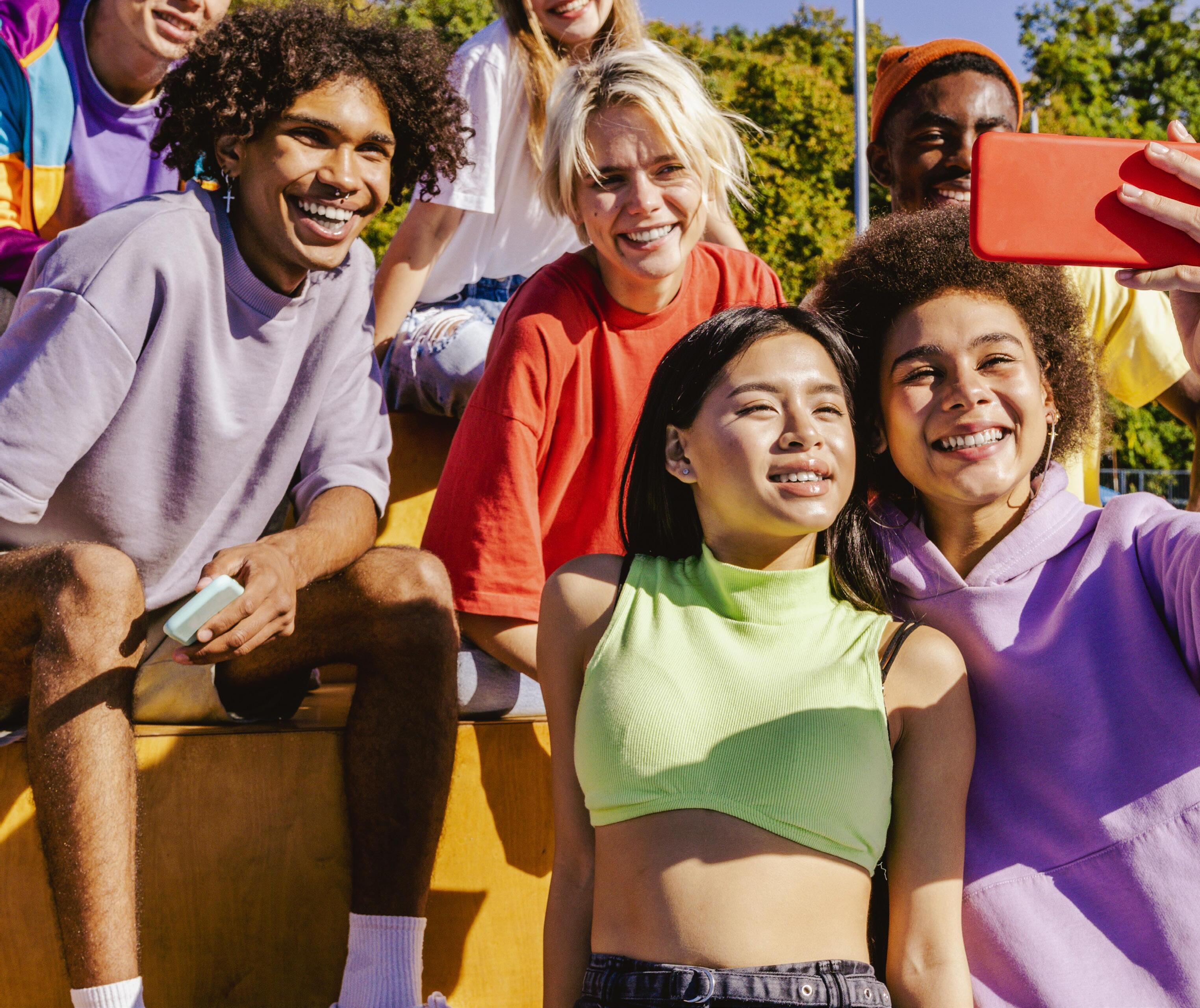
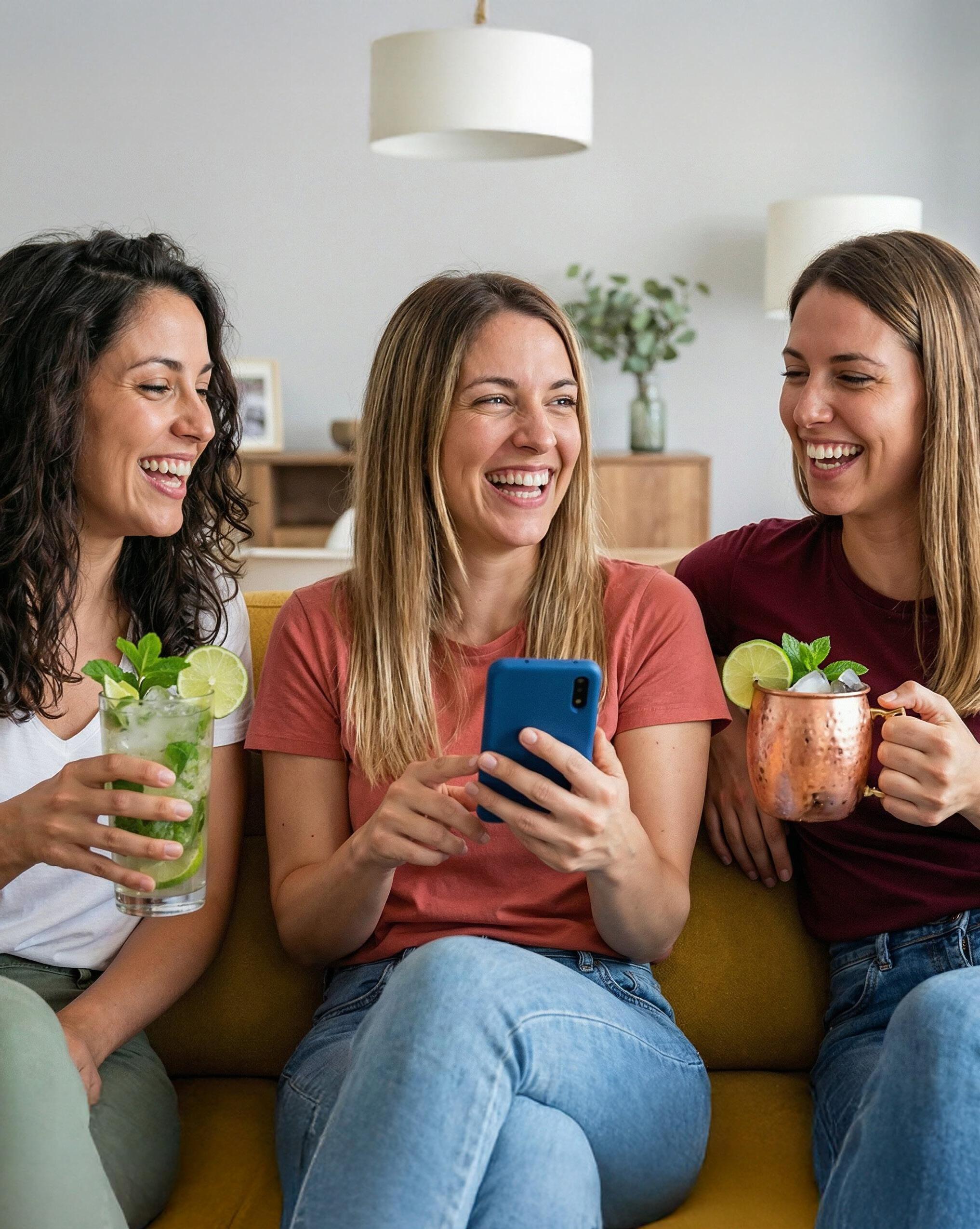
Demographics are playing a central role in reshaping the spirits landscape—particularly the growing influence of Gen Z and affluent consumers. Gen Z is drinking less alcohol than any generation before it, but that does not equate to disengagement. As Mintel explains, “They’re not anti-alcohol. Young people are just drinking differently… They are prioritizing balance over restriction… They want to enjoy social and downtime occasions, but still feel good the next day.” This generation values moderation, authenticity, sustainability, and experiences that align with their identity and wellbeing.
At the same time, growth is increasingly concentrated among affluent consumers. NielsenIQ reports that households earning $100K or more are driving the majority of U.S. alcohol category growth. For these consumers, premiumization matters—not as a symbol of excess, but as a reflection of quality, craft, and authenticity. NielsenIQ suggests, “Premium cues—origin, sustainability, craft—should be front and center. Assortment depth and storytelling matter more than price alone.”
Gen Z wants a spectrum of alcohol options, from full-strength to lowABV to non-alcoholic. (Mintel)
Channel Dynamics
Where Is Growth Emerging?
According to IWSR, “Channel shifts offer a note of optimism, with the on-premise showing nascent growth in some key markets, and digital platforms wielding a growing influence on both online and offline purchasing decisions.”
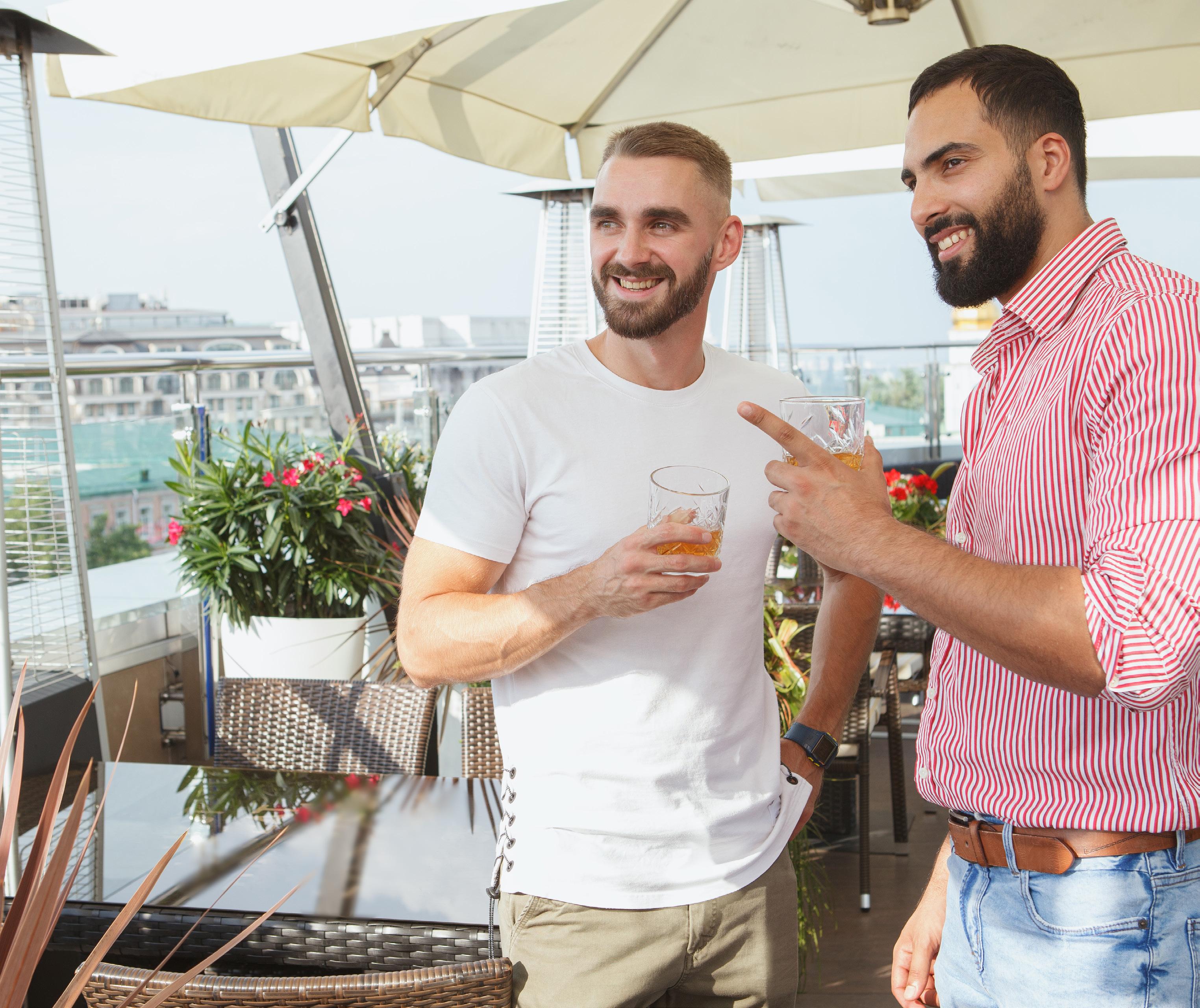
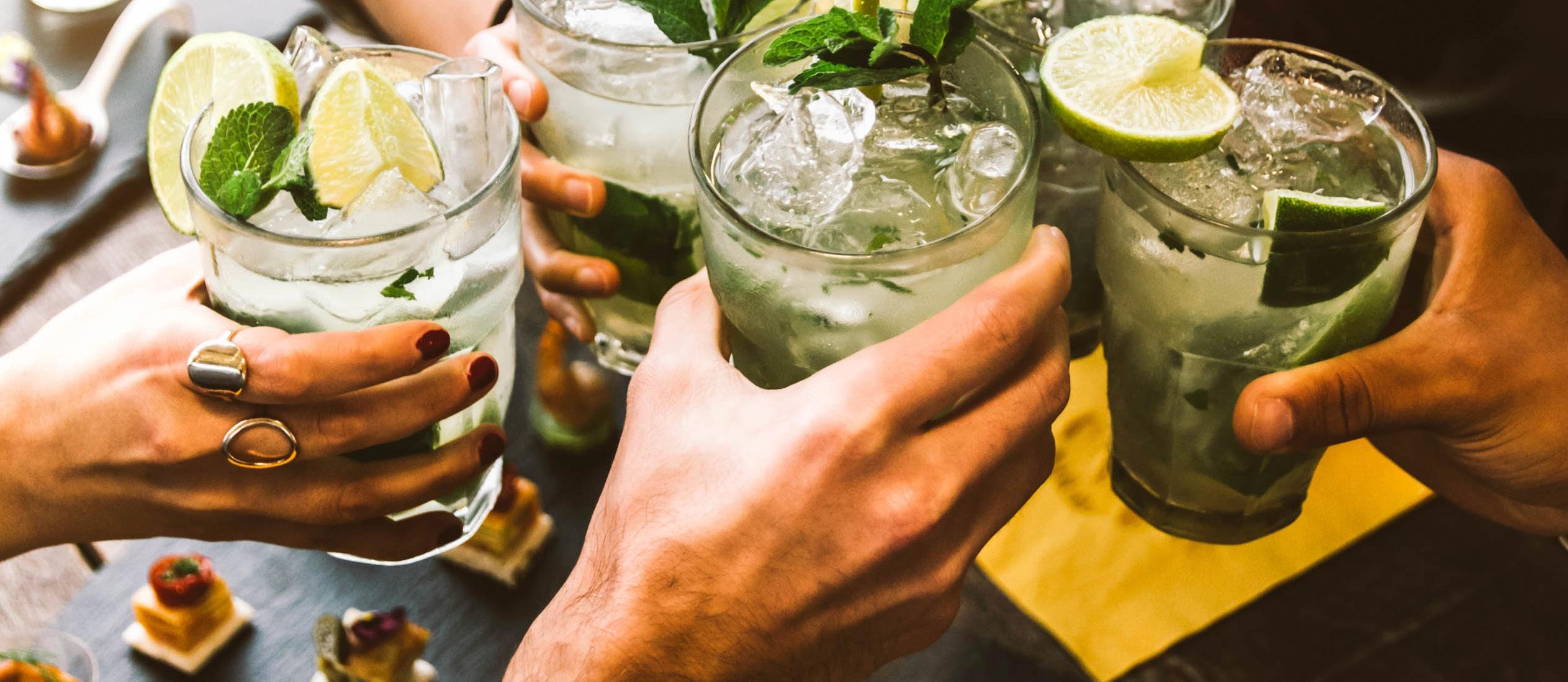
Off-premise preferences are evolving
Both Mintel and NielsenIQ have found that consumers are gravitating toward convenience and large-format outlets (i.e., warehouse clubs and mass merchants) for their alcohol purchases, with NielsenIQ estimating that these emerging channels will gain up to 2.6% share in the U.S. by 2027.
They suggest that “Winning brands will optimize for immediacy—cold placement, single-serve formats, and impulse-ready packaging. Convenience is no longer just a distribution strategy—it’s a growth engine.”
On-premise is showing encouraging signs
Spirits are gaining share from other alcohol categories in U.S. bars and restaurants. NielsenIQ On-Premise Measurement (OPM) data found that spirits gained 0.6% share last year and now account for 46.9% of total alcohol spending.
Their latest report suggests that tequila and nightclub culture are fueling growth in ultra- and premium-tier spirits. RTDs—despite holding just 1.4% share—have surged 40.3% year-over-year in onpremise value sales. IWSR adds that millennials are especially interested in going out as their personal finances improve, benefitting scotch, whiskey, and liqueurs.
Digital platforms are gaining influence
Social media is shaping product discovery and influencing purchase decisions through shareable experiences, product recommendations, and authentic lifestyle-focused content.
According to IWSR, “Meanwhile, digital platforms are now playing a pivotal role in driving offline sales, with more consumers turning to online research to guide their in-store purchases. According to [their] research, 63% of online alcohol buyers conduct extensive research before making a purchase – a trend increasingly echoed by offline shoppers.”
Berlin Packaging tracks product and packaging trends throughout the year to best help our customers succeed. Here’s what we see impacting the spirits industry right now.

Wellness-Minded Consumption
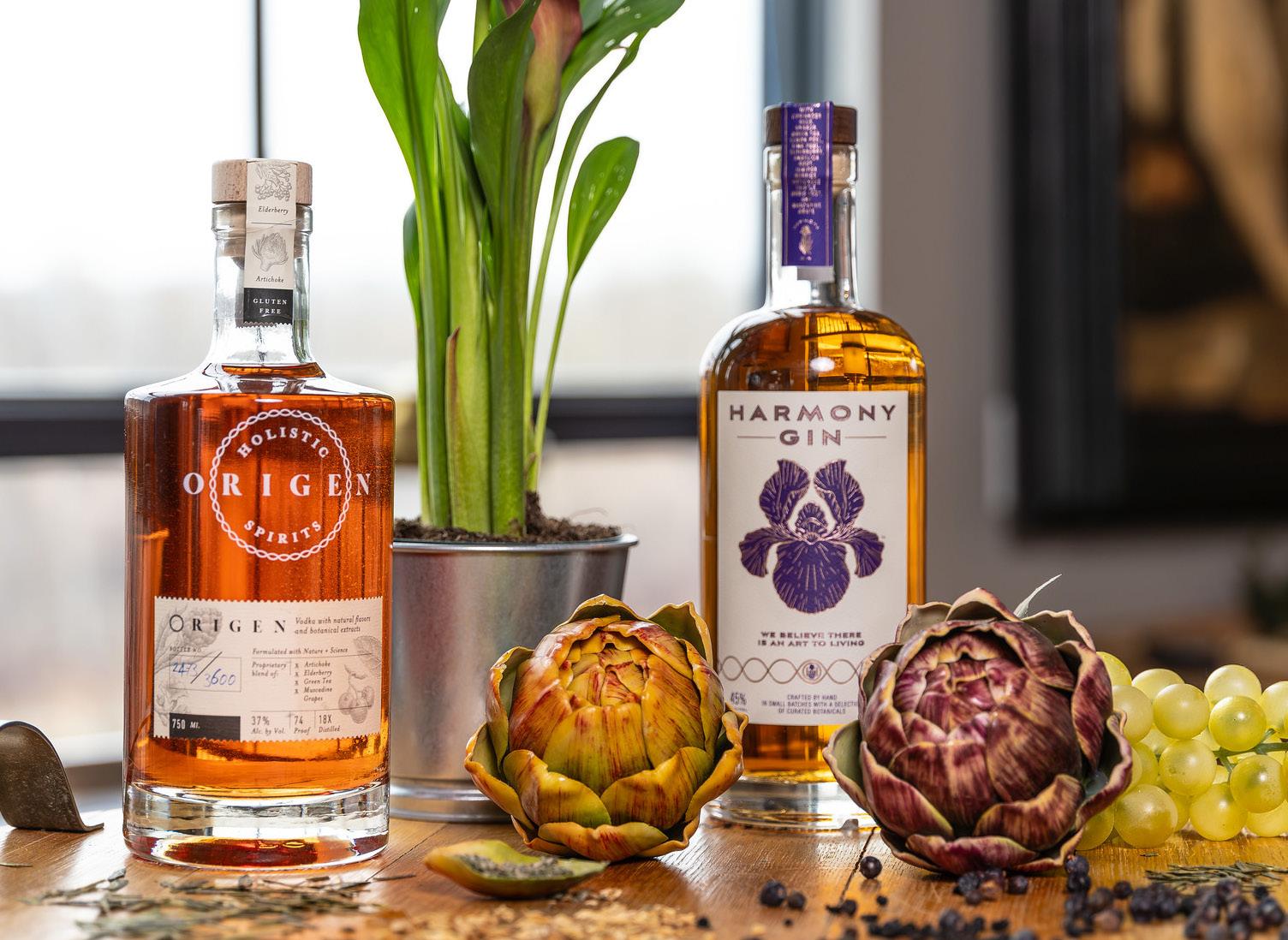
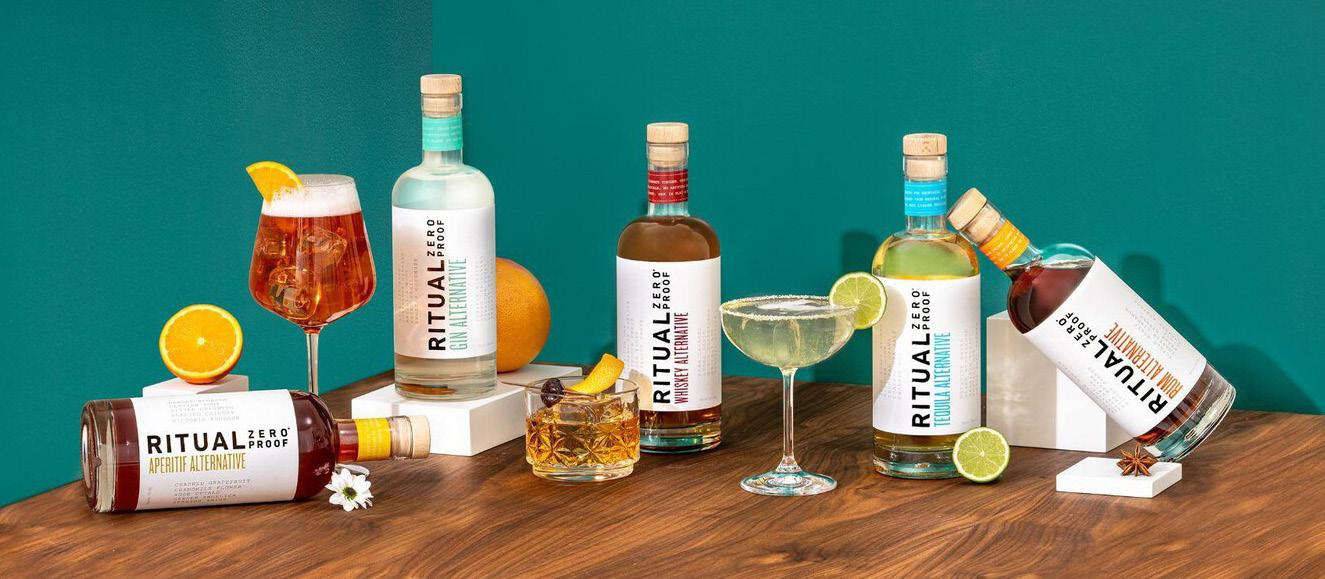
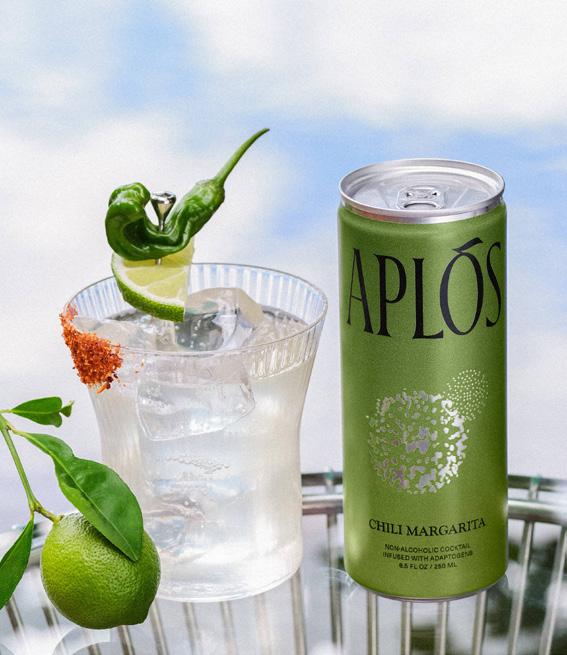
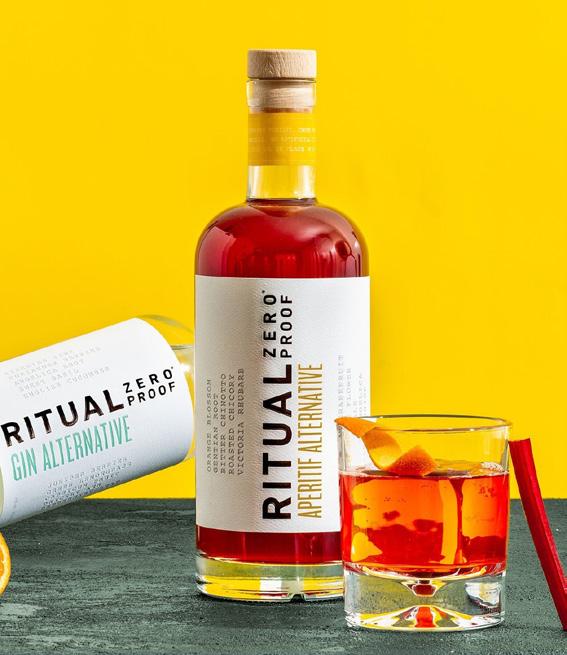
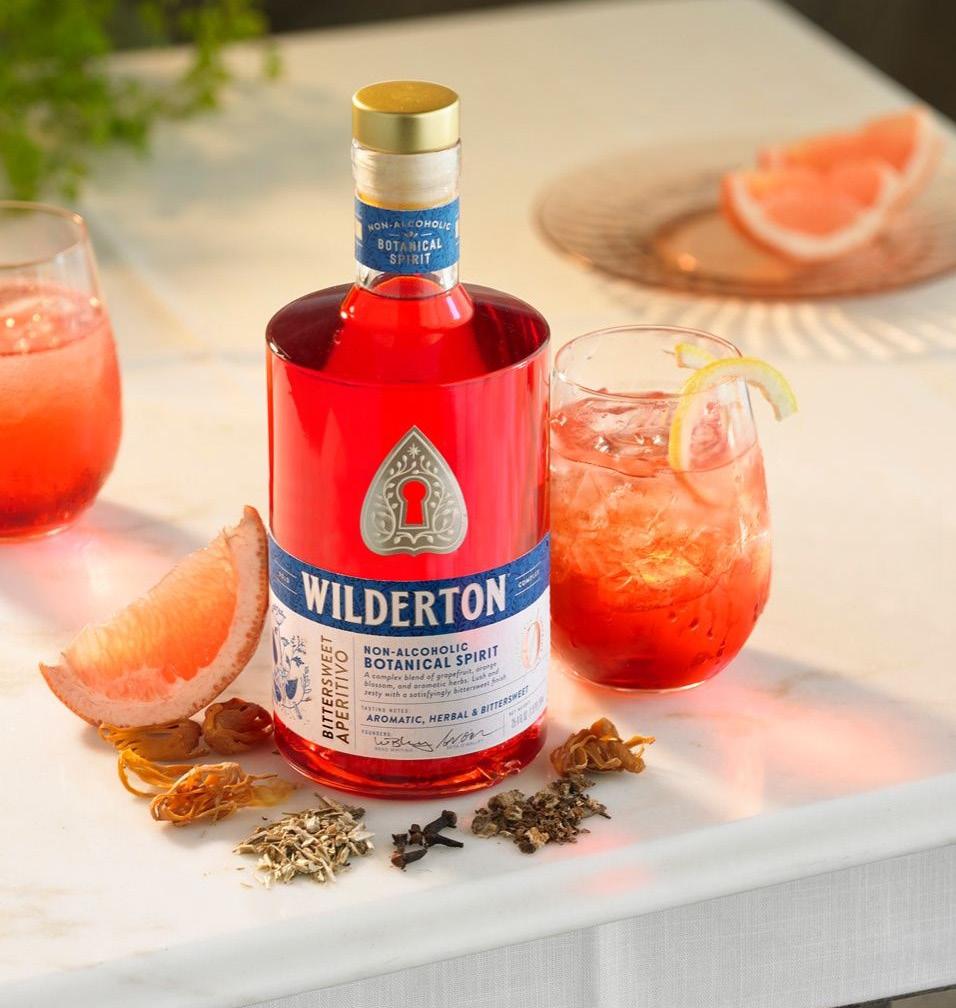
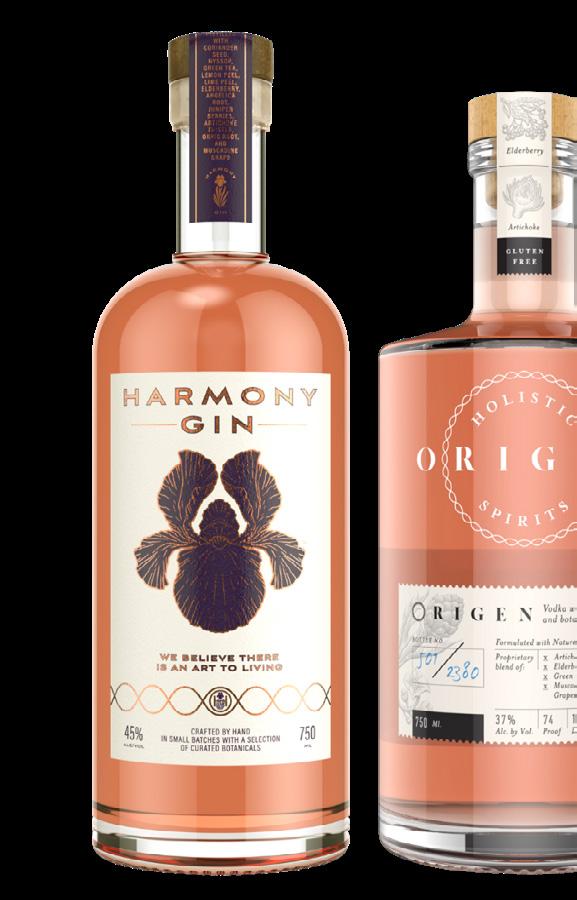
Health and wellness are key drivers across almost every consumer packaged goods category. Within alcoholic beverages and spirits, they are driving the moderation movement. According to NielsenIQ, 30% of U.S. consumers who say they are drinking less report doing so to improve their health. Beyond consuming less, people seek lower-ABV and reduced-sugar options, along with interest in better-for-you formulations with cleaner ingredients and added benefits. Mintel notes that “Spirits aren’t just for socializing. They can also help Gen Z unwind, recharge or enhance their mood in mindful ways.” Non-alcoholic spirits and mocktails are surging. According to Euromonitor, “non-alcoholic adult beverages are witnessing skyrocketing performances and are becoming embedded in drinking rituals,” with U.S. non-alcoholic spirits volume growing 69% in 2024 alone.
Packaging is responding with smaller formats, non-alcoholic solutions that mimic their ABV counterparts, and greater ingredient transparency. When developing healthier options, it’s important to promise the same taste and cocktail experience as traditional spirits. Berlin Packaging provides stock packaging solutions for Wilderton and Zero Proof from our spirits catalog, helping brands maintain aesthetic consistency and familiarity across alcoholic and non-alcoholic lines. Single-serve pack sizes help consumers control their portion size and moderate their alcohol intake. And clear messaging communicates healthier product attributes and differentiates from the competition.
“Consumers are moderating due to health & wellness, GLP-1 medications, cannabis use, and cultural shifts.” (NielsenIQ)
Premium, Redefined
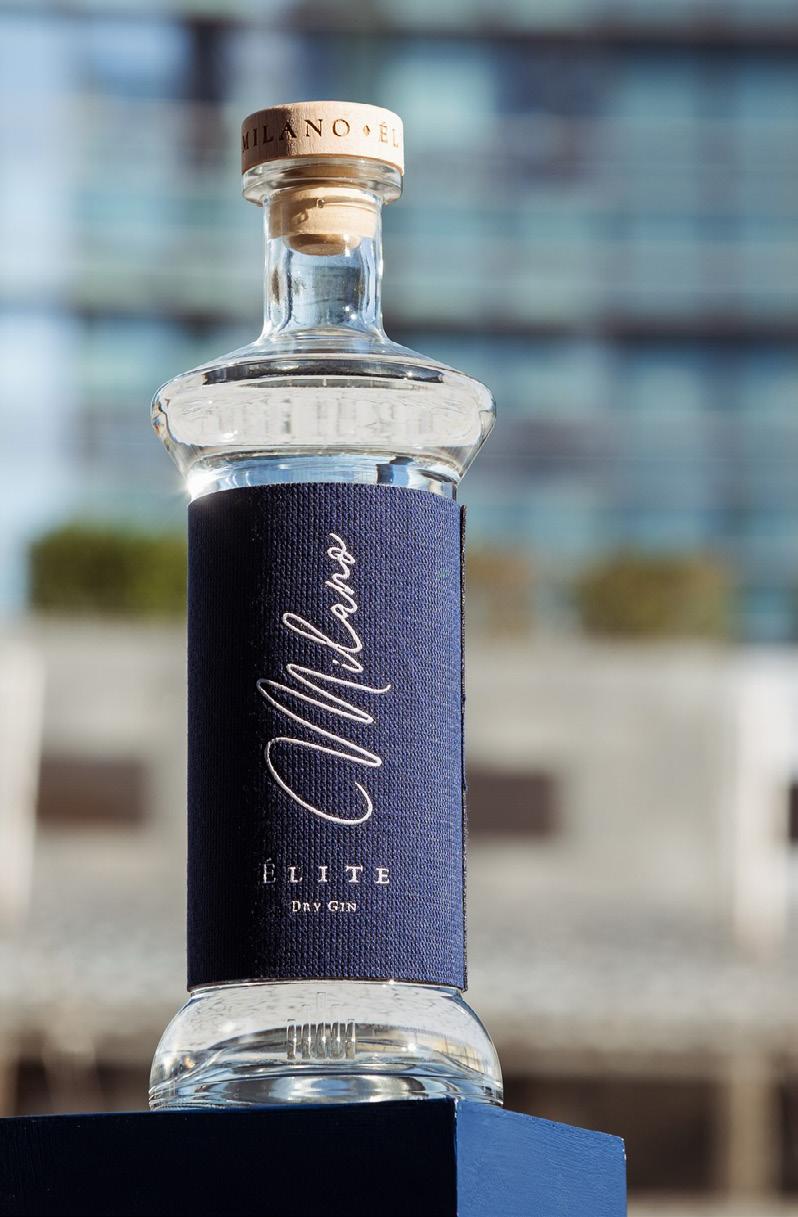
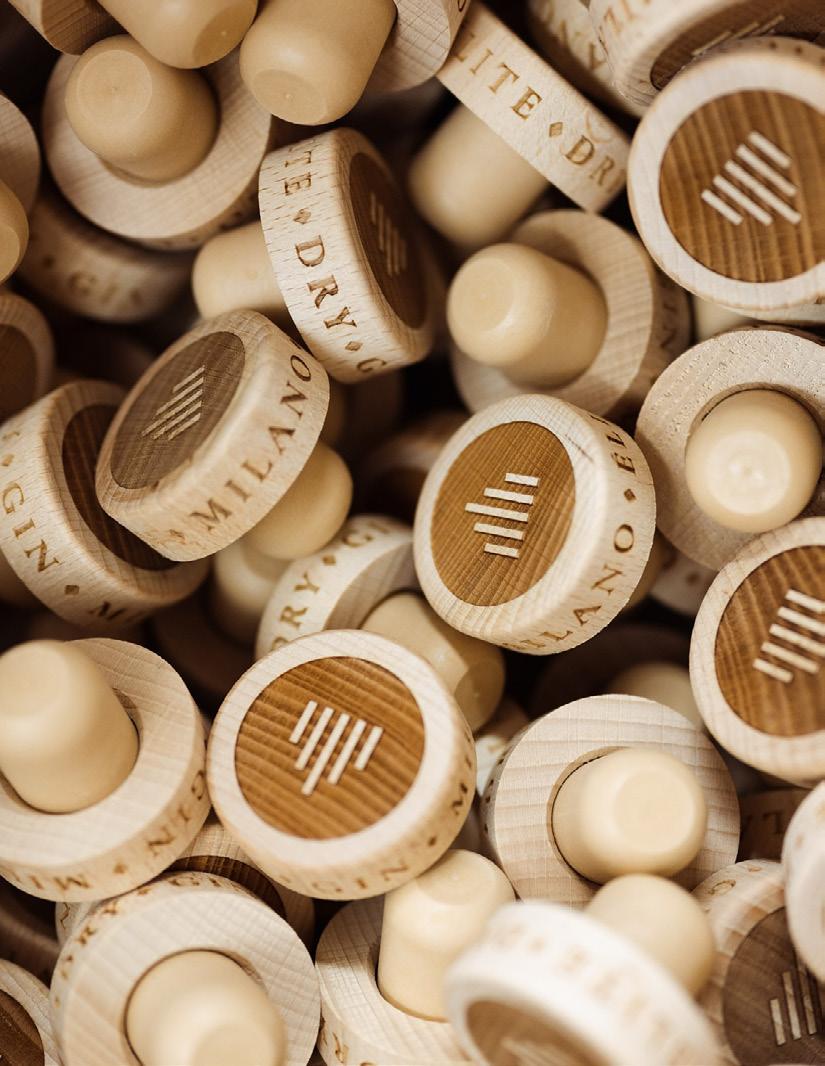
Premiumization—always meaningful in the alcoholic beverage space—is evolving. Today’s consumers associate premium quality with value, not price. As NielsenIQ explains, “Premiumization is no longer about price alone but about perceived value—consumers are willing to pay more for quality, authenticity, and experience.” Even amid budget pressures, consumers want less but better. A recent NielsenIQ study found that more than 60% of consumers would rather have one or two luxury or super-premium drinks than several lower-quality options. Looking ahead, Martin Raymond of The Future Laboratory predicts that value will be defined by depth—ingredient provenance, storytelling, and the ability to transform moments into meaning.
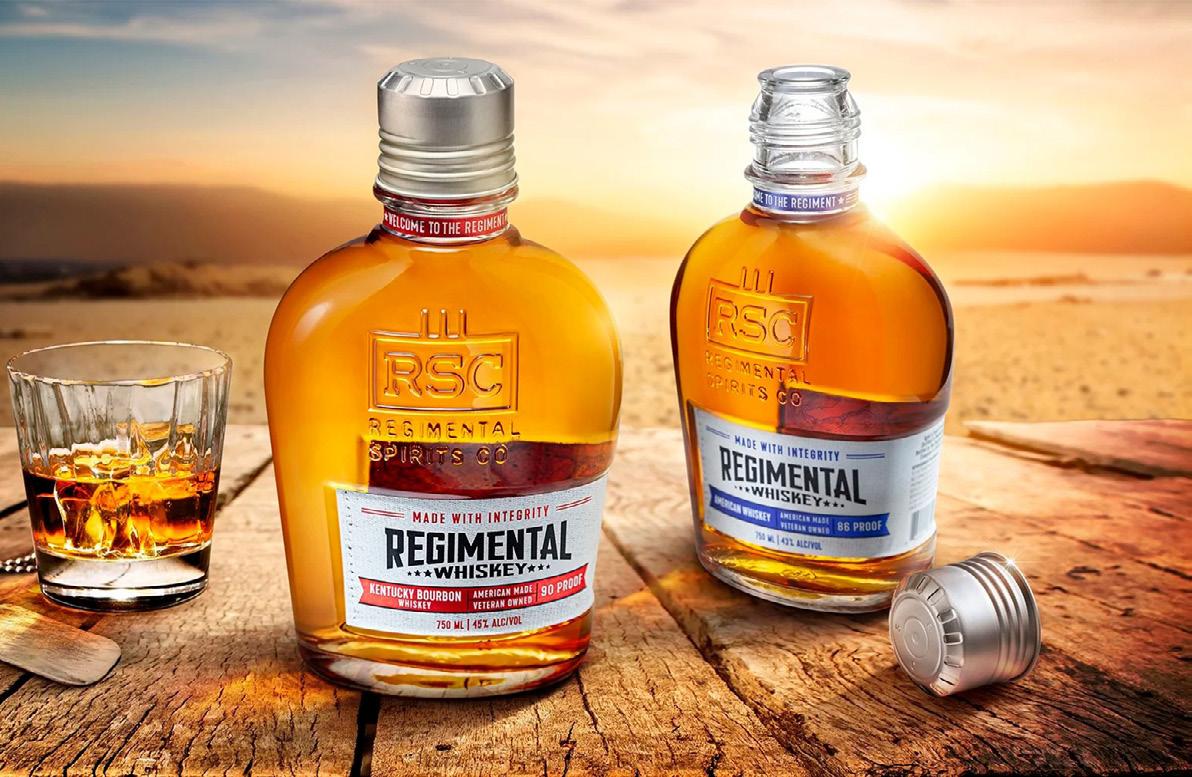
A new Bacardi study found that 77% of consumers check ingredient origin labels seeking locally sourced ingredients, highlighting the importance of craft and transparency. Packaging plays an important role in communicating value, from authentic branding and distinctive structures to bespoke designs and luxurious secondary packaging that reflect a brand’s history and provenance. Studio One Eleven® created a custom packaging solution for Regimental Spirits that speaks to the brand’s military heritage. The canteen-inspired bottle is paired with a canvas-textured label. A strong brandmark, battle-flag graphic, and patriotic color palette tell a compelling story.
Good value remains the #1 factor for consumers when choosing a drink. (NielsenIQ)

Elevated Experiences
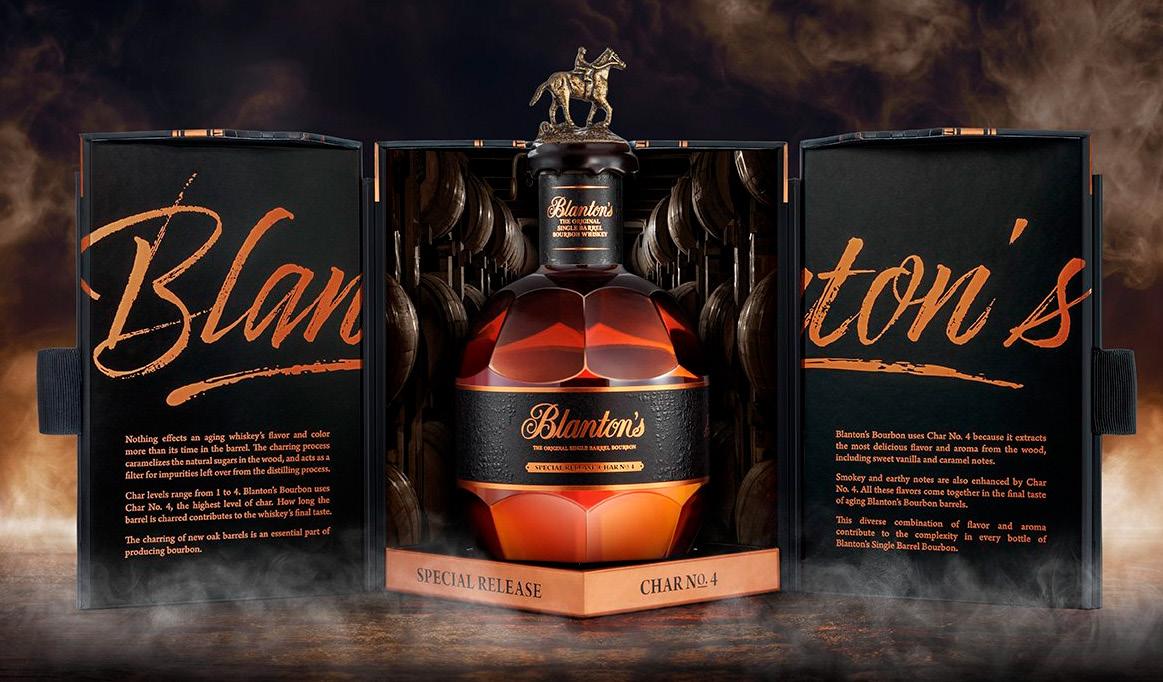
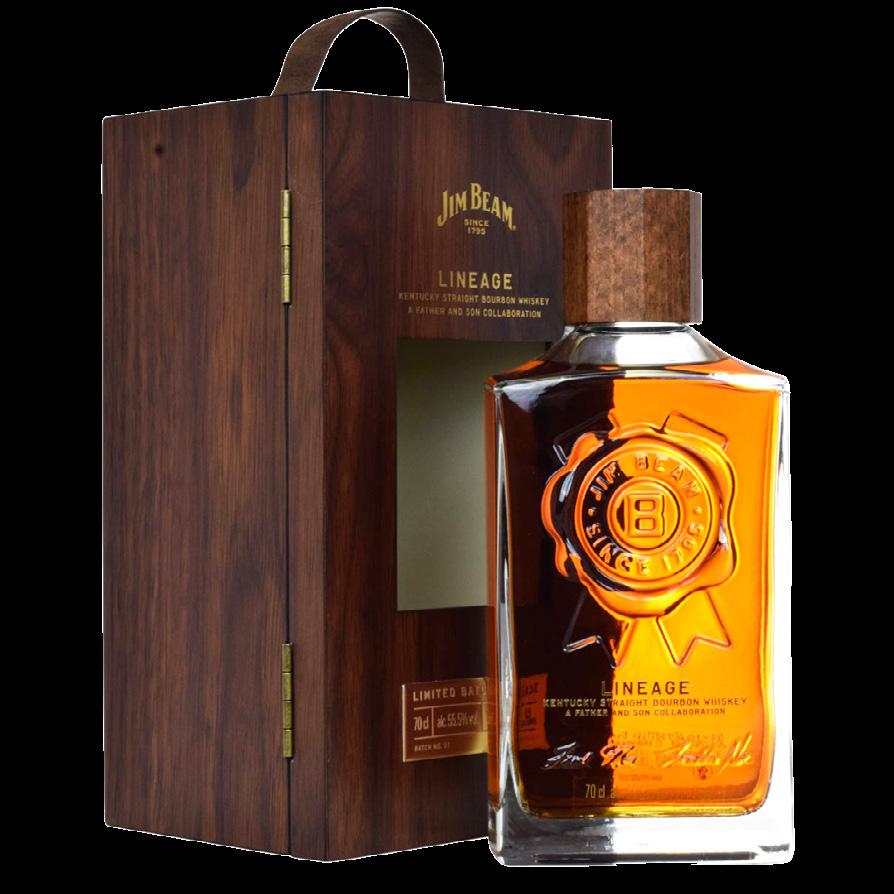
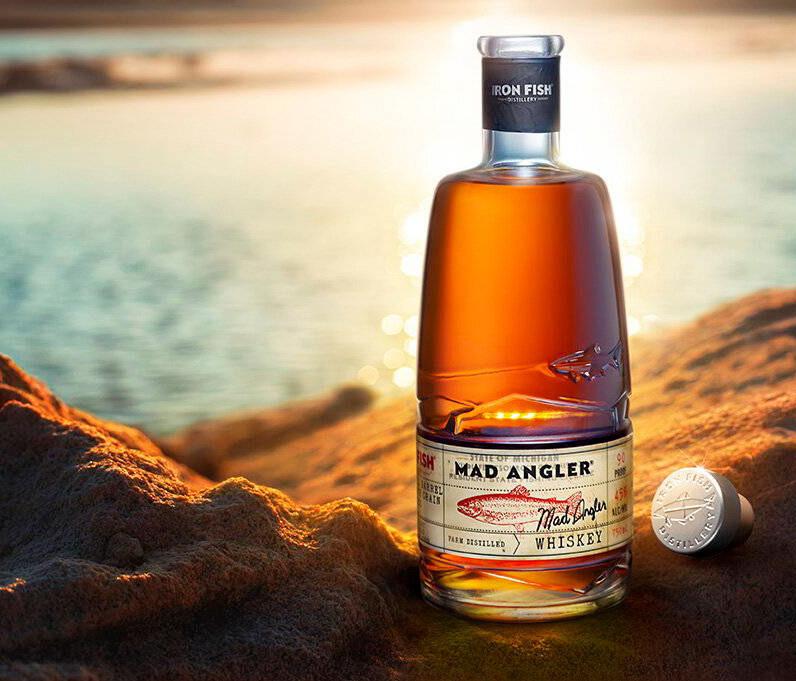
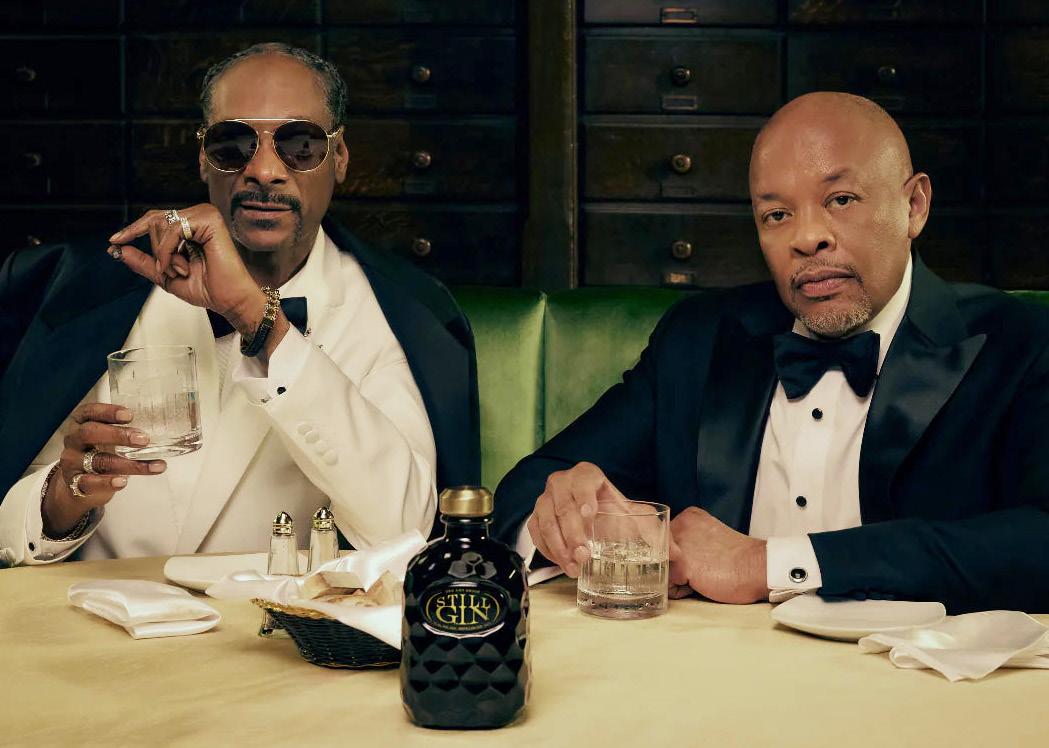
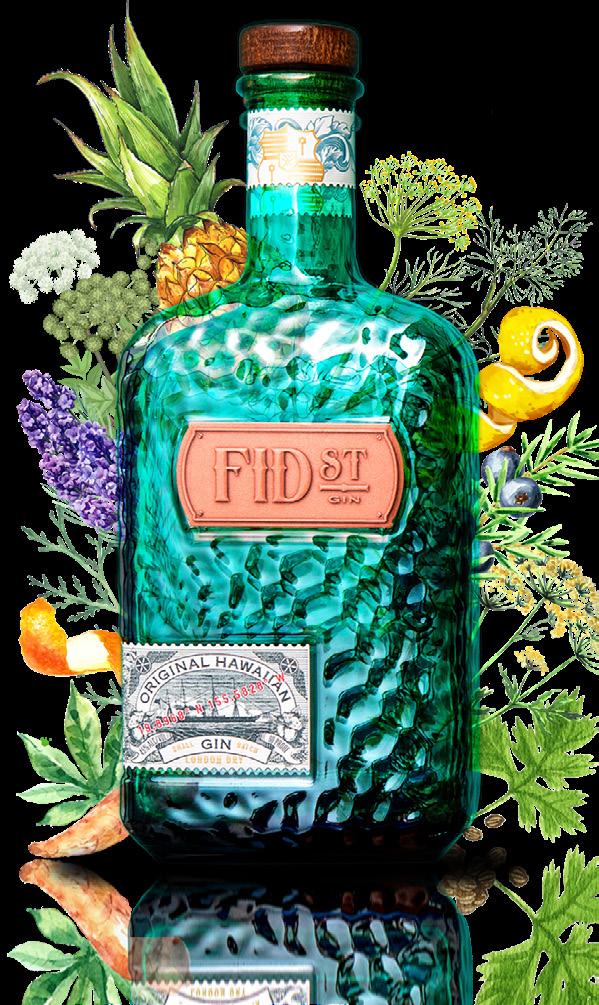
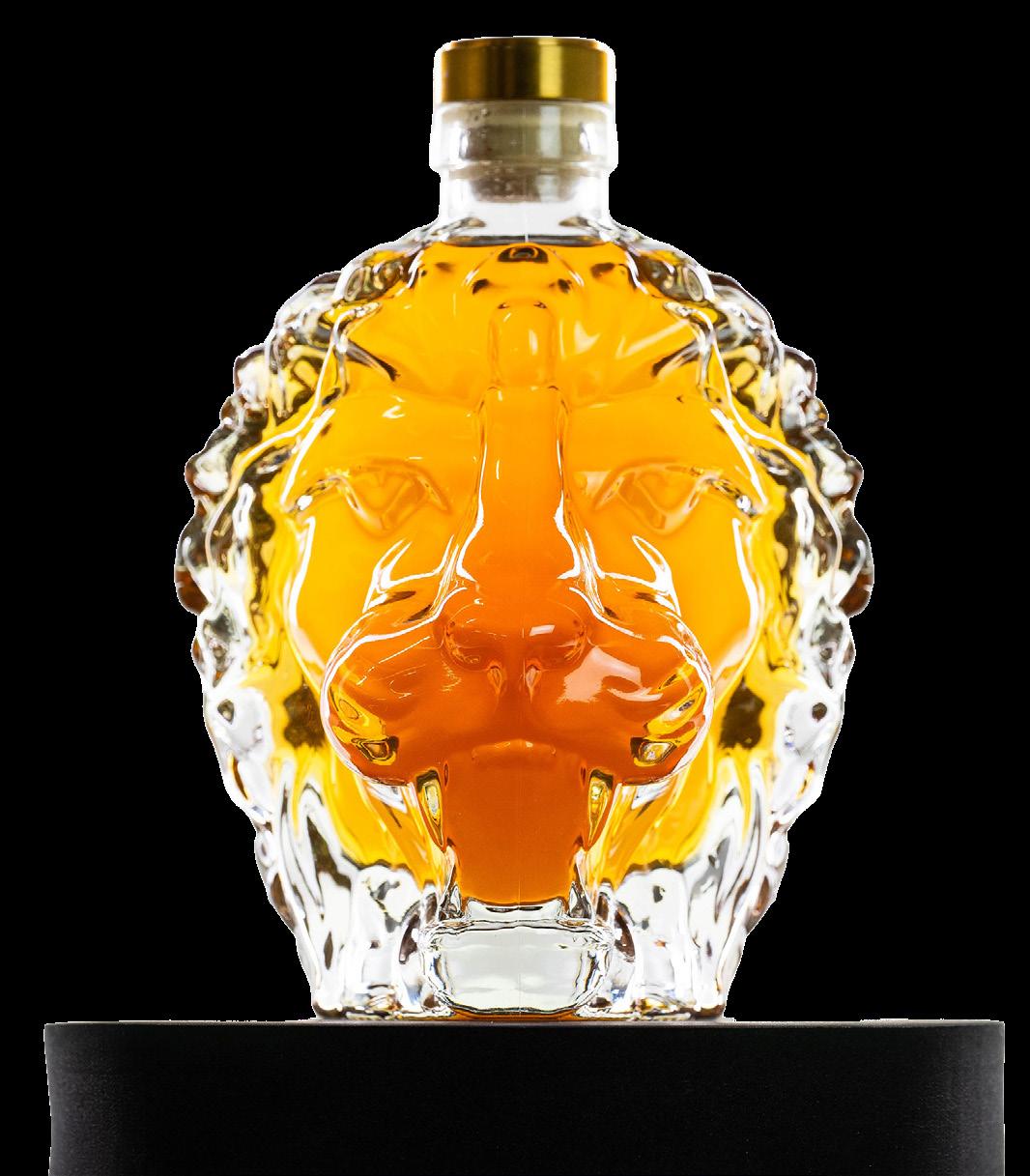
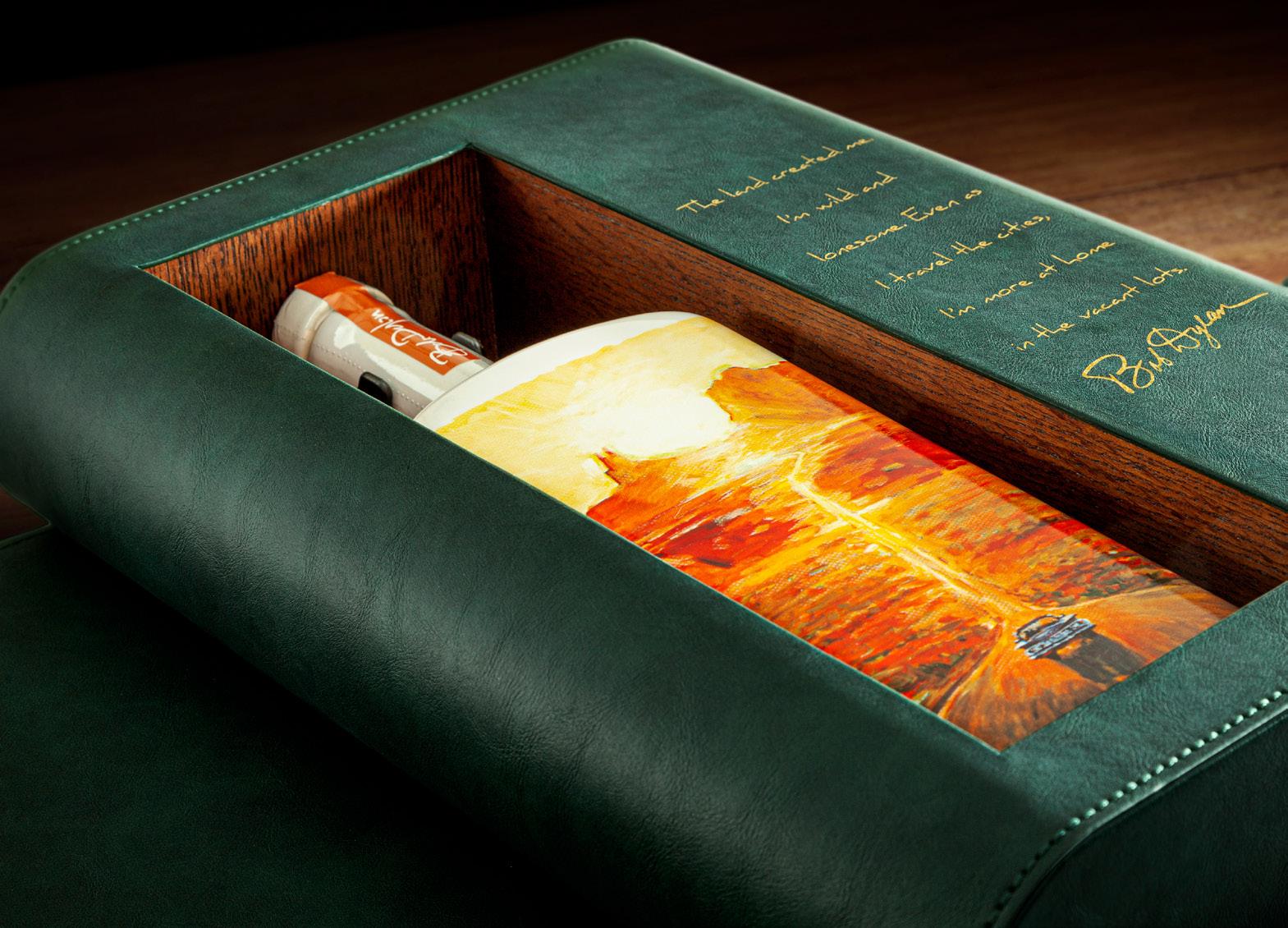
Taste alone is no longer enough for spirits brands. Consumers increasingly seek experiences that engage the senses and spark discovery. Luke Tegner of IWSR describes innovation as “strategically fundamental” to the future of alcoholic drinks businesses. Brands and bars are responding with immersive cocktail concepts, playlist pairings, pop-ups, and multisensory elements like scent, sound, and narrative. Maximalist mixology—featuring dramatic garnishes and high-impact presentation—is on the rise, alongside growing appreciation for multicultural flavors and culinary traditions. According to Mintel, “Global alcohols are a means to exploring new cultures. Gen Z want options that deliver authentic craftsmanship and unique regional expressions.”
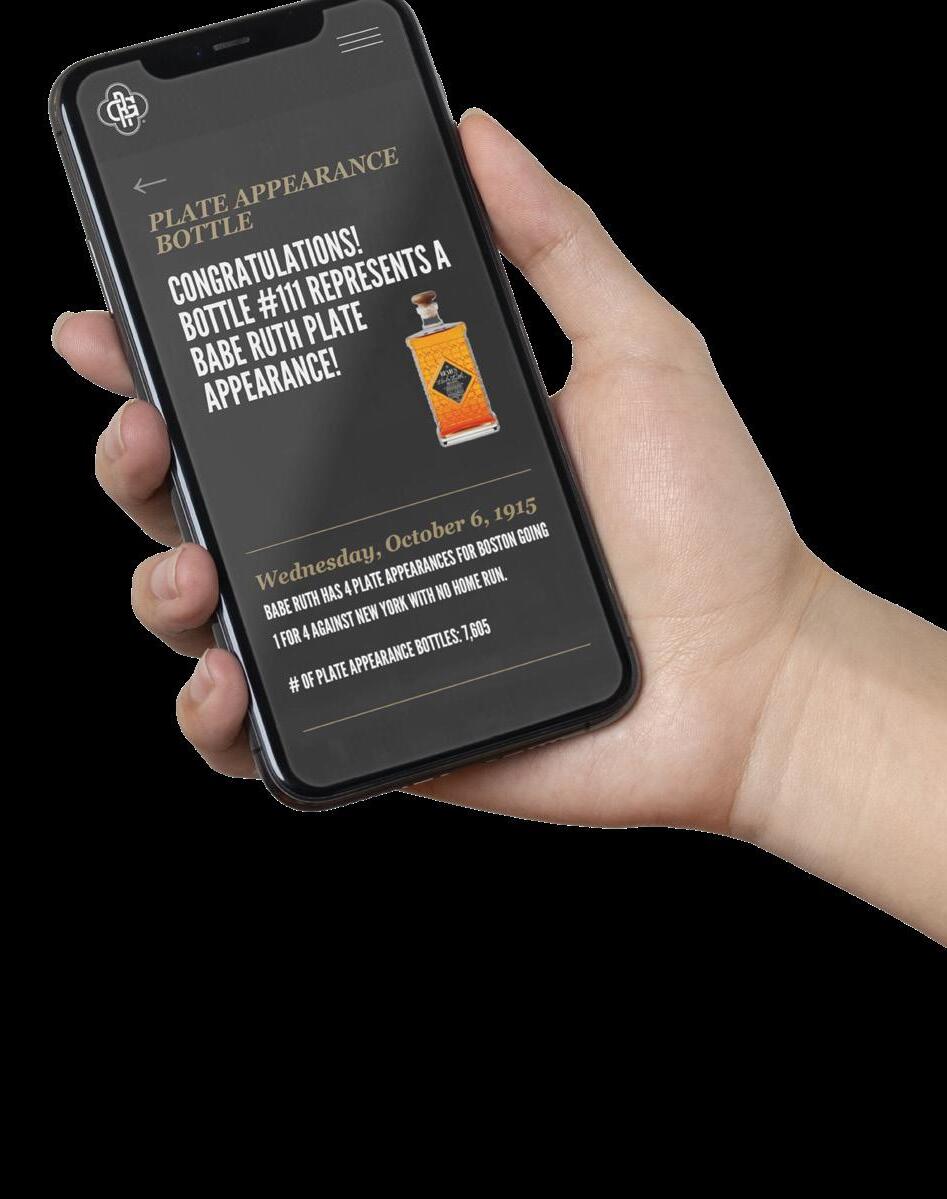
Packaging innovation, including limited editions, unexpected design, and digital enhancements such as QR codes and AR, is becoming a key differentiator. Studio One
Eleven developed custom packaging for Remus Babe Ruth Reserve. The special collector’s edition has a limited release of 10,624 bottles, one for each of the Babe’s plate appearances. Each bottle is numbered and has a QR code on the back label that allows consumers to scan and find out the outcome of their bottle’s numbered plate appearance. This gives consumers a chance to hunt for “home run bottles,” or even more uncommon expressions, creating a more engaging brand experience and a sense of personalization and exclusivity.
“No
longer just vessels for a taste experience, cocktails and drinks brands are transforming into full spectrum lifestyle experiences that blend fashion, music, design, travel and sport into cohesive cultural identities.” (Bacardi Limited Report)
Casual Celebrations
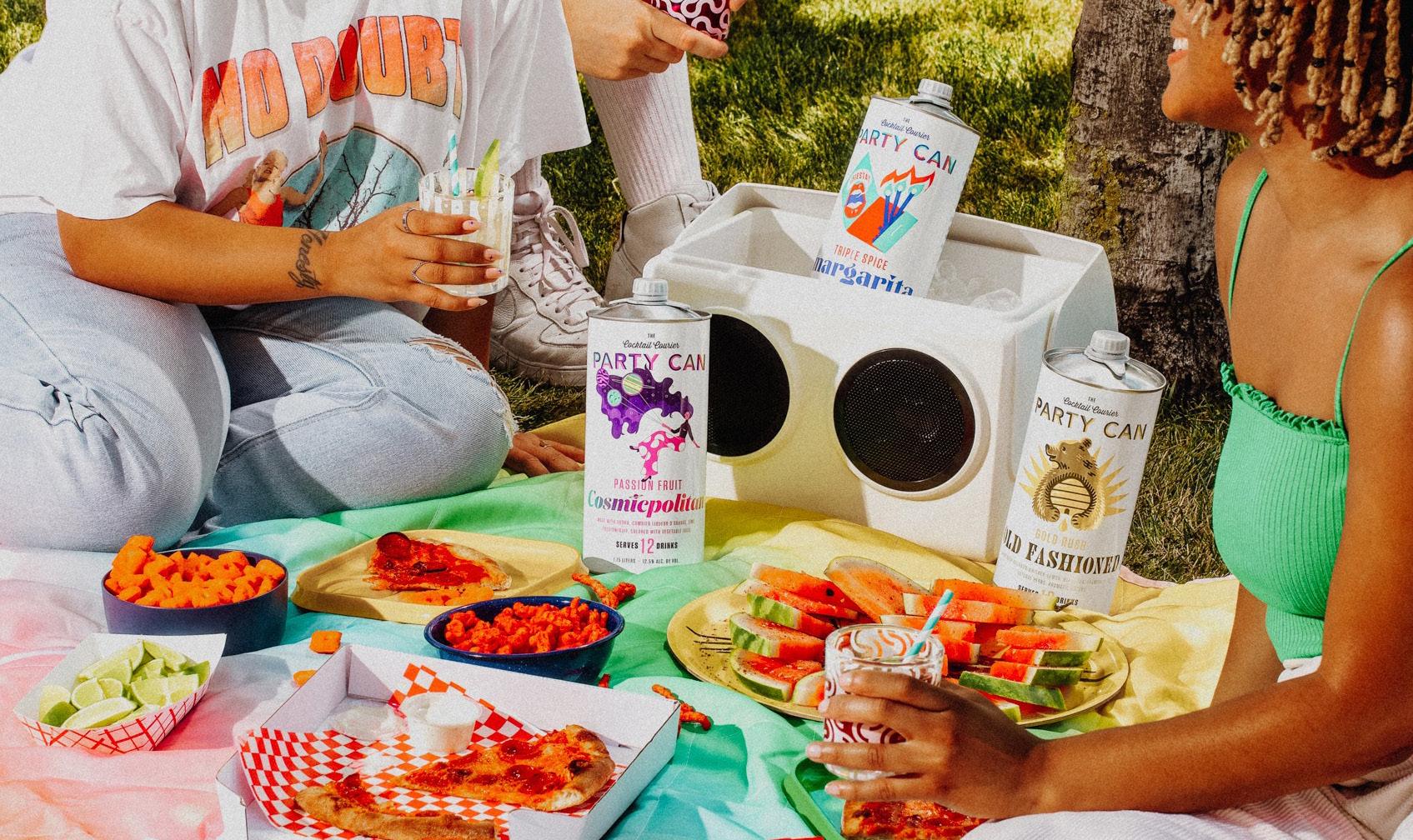
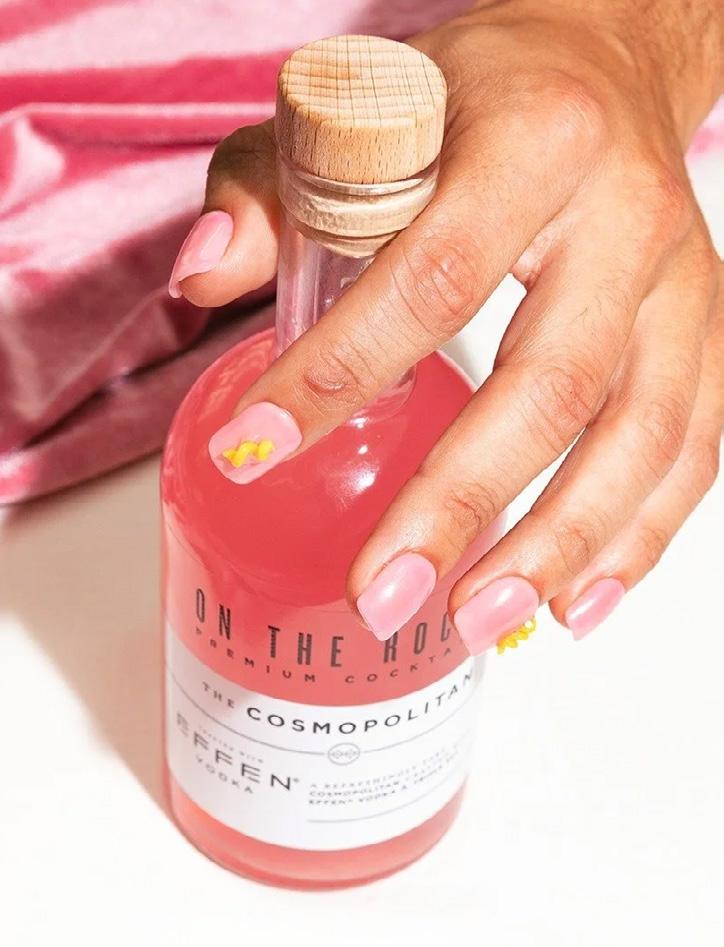
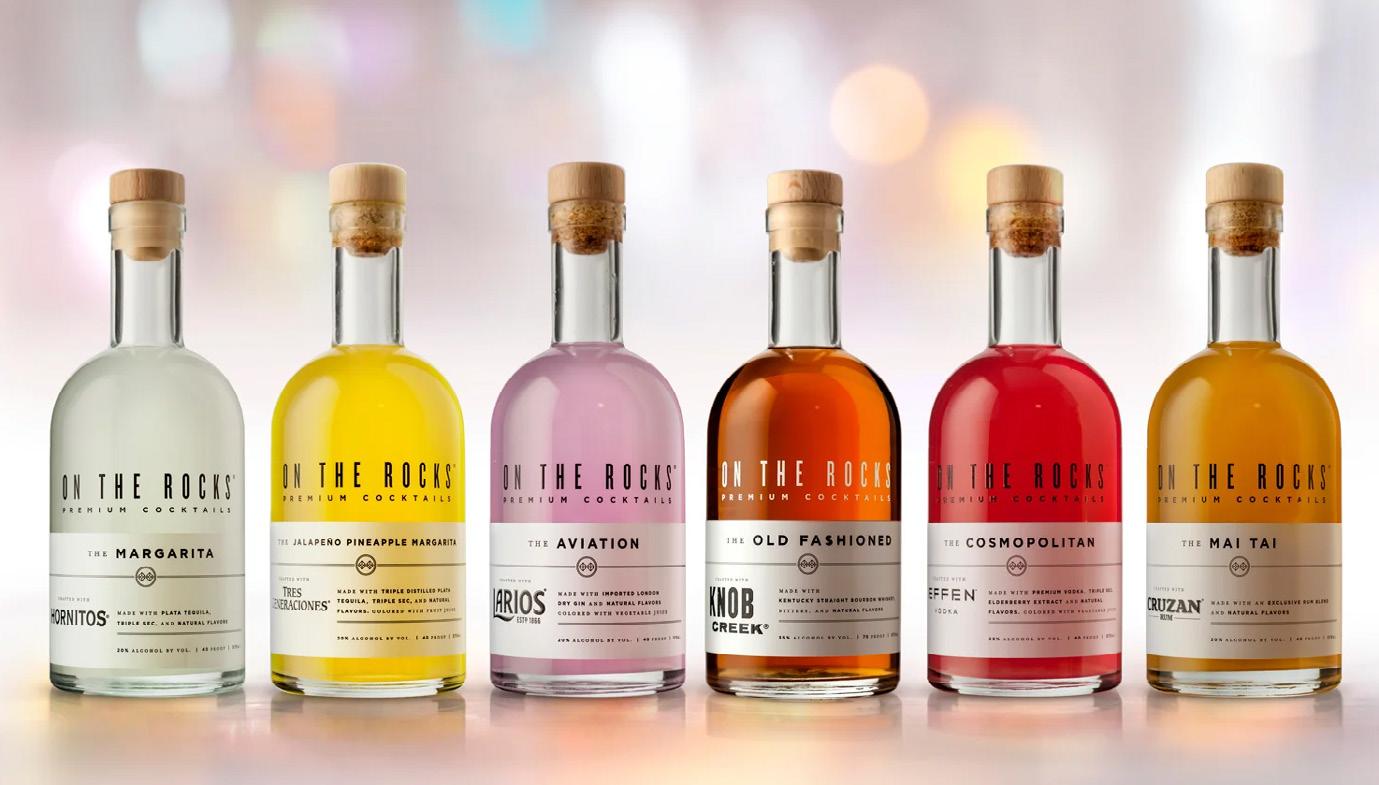
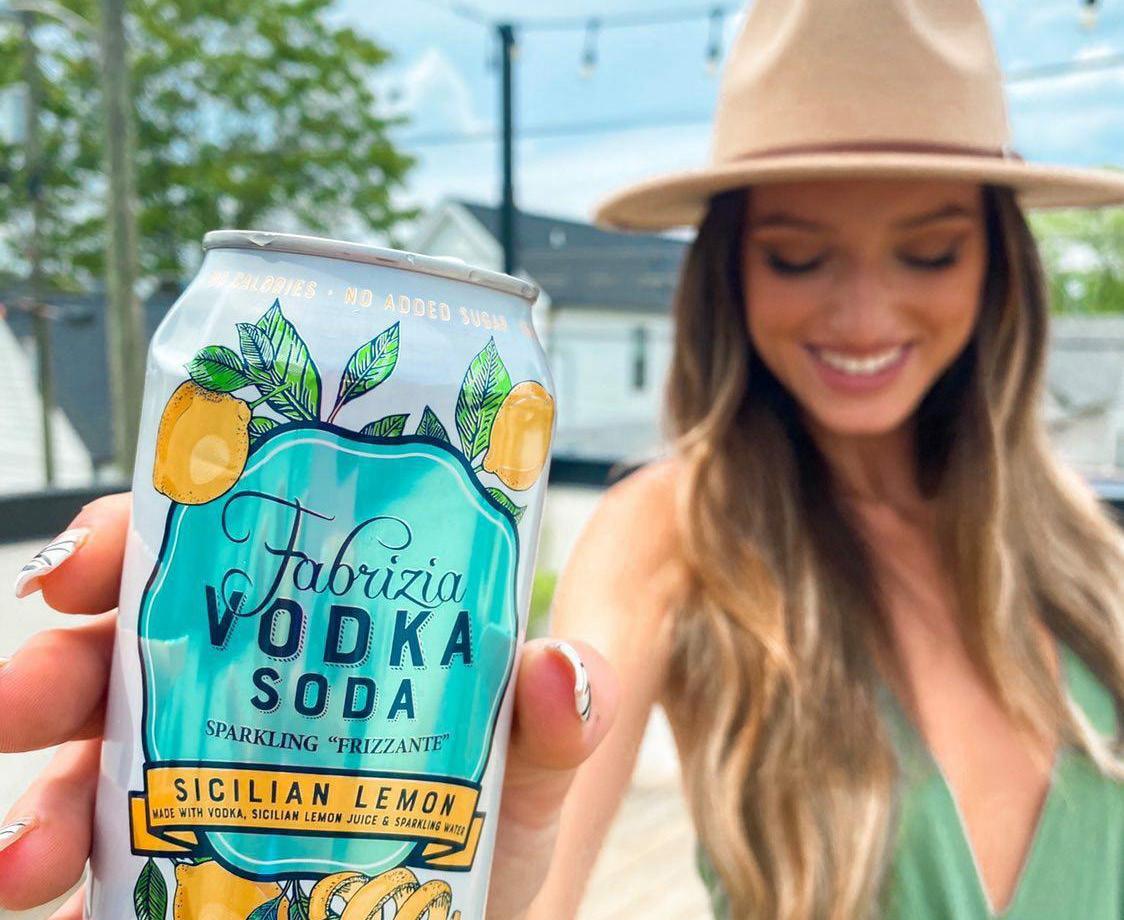
Consumers are increasingly gravitating toward more relaxed and spontaneous drinking occasions that fit seamlessly into their calendars and lifestyles. A recent Bacardi study found that “happy hour is having a cultural renaissance as earlier-day indulgence replaces late-night excess,” with the rise of late afternoon “daycaps” celebrating the end of the workday. IWSR notes a broader shift from formal occasions to casual settings, benefiting categories like aperitifs, rosé, Prosecco, and bitters. Ready-to-drink (RTD) beverages are also thriving within this context, fueled by spritz culture, mood-based cocktails, and a preference for smaller serves.
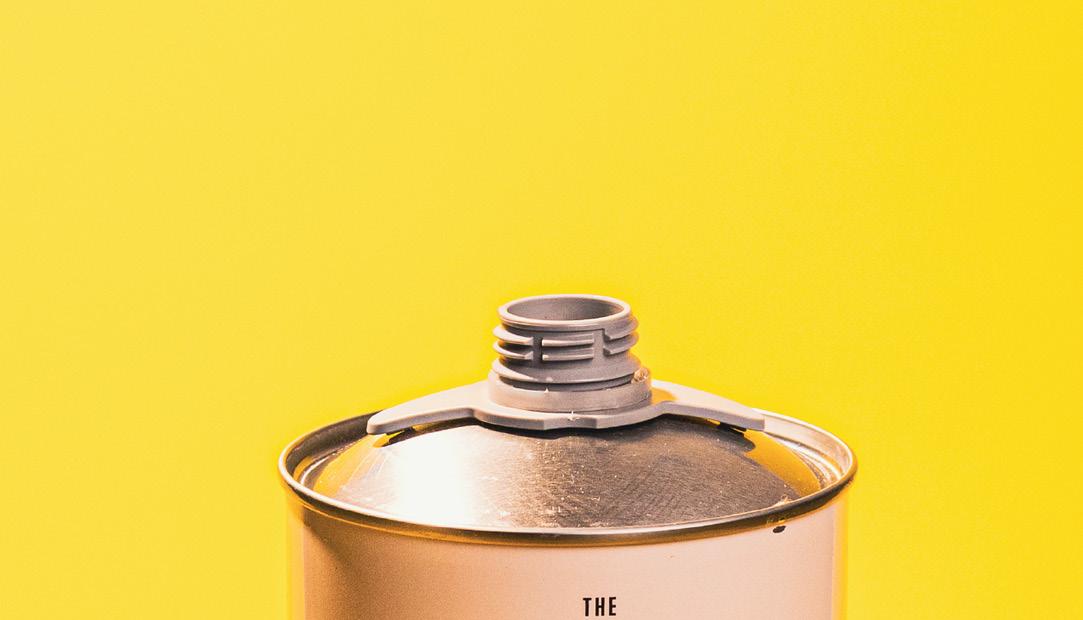
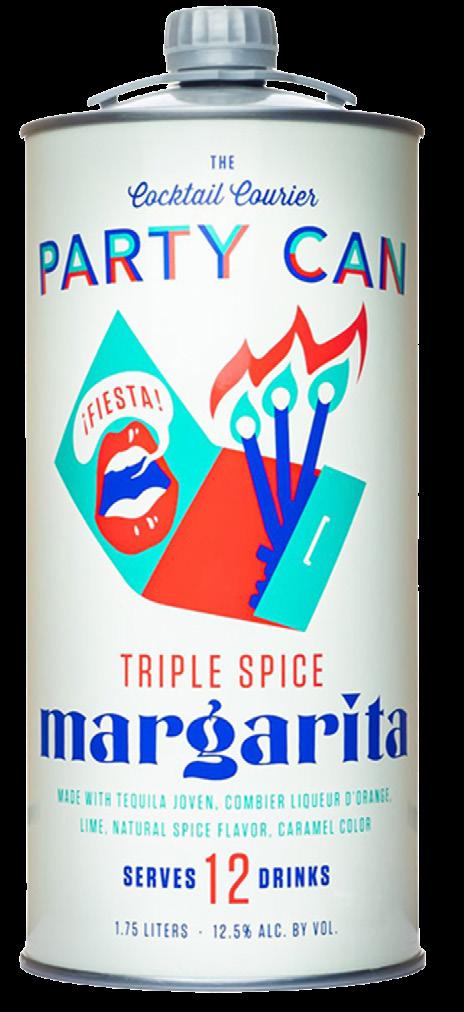
These behavioral changes have packaging implications, driving demand for approachable design, convenient formats, and single-serve sizes that support relaxed, everyday enjoyment. Spontaneous, earlier-day drinking happens across locations—parks, rooftops, casual bars, and at home. This is leading to demand for easy-to-carry, easy-to-chill, and easy-to-open packs, including RTDs. Beyond single-serve, casual party formats are gaining prominence. Berlin Packaging supplies packaging for Party Can, a multi-serve RTD designed for shared occassions anytime, anywhere.
“Changing social norms, economic constraints and a preference for relaxed, versatile beverages are driving this shift.” (IWSR)
The spirits industry moves fast. We stay ahead of the trends so you don’t have to. Contact your local Packaging Consultant for insights tailored to your brand.
Looking Ahead
The spirits industry is not simply contracting—it is evolving. Demographic shifts, particularly the rise of Gen Z and affluent consumers, reflect changing attitudes toward drinking. An omni-channel approach is now essential, blending convenient off-premise access, premium on-premise experiences, and compelling digital engagement. Wellness-minded consumption is reshaping portfolios, premium is being redefined through authenticity and experience, innovation is expanding beyond flavor into immersive storytelling, and casual celebrations are replacing traditional drinking rituals.
To keep pace, brands must leverage these emerging trends—and Berlin Packaging is here to help. With tens of thousands of stock components, exclusive offerings, custom design services, sustainability expertise, quality-control capabilities, and end-to-end supply chain management, we’re more than a packaging supplier. We’re a full-service business partner positioned to help brands win in 2026 and beyond.
Anything Is Possible®
With over 100 years in the packaging industry, more than 2,000 packaging professionals and a global network of suppliers and warehouses, we offer 50,000+ SKUs of plastic, glass, and metal containers, closures, and dispensing systems across all markets for customers just like you.
Berlin Packaging combines the best elements of manufacturing, distribution and logistics, and value-added service providers to deliver cost-effective packaging solutions to our customers. Our mission is to improve our customers’ net income through packaging products and services. We are the world’s largest Hybrid Packaging Supplier®.
Best Elements of a Manufacturer Distribution & Logistics Value-Added Specialty Services
Value-Added Specialty Services
Our compelling suite of solutions addresses your needs and unlocks profit.
• Custom Design & Innovation
• Quality Service Management
• Global Sourcing & Services
• Inventory Management Services
• Sustainable Packaging Solutions
• Berlin Financial Services