An Anglican community inspiring every learner every experience every day
Vision
To be a leader in Christian education that is characterised by a global vision that inspires hope
Values
Commitment
Compassion
We acknowledge the Dharug, Darkinjung, Wonnarua and Yolŋu peoples who are the traditional custodians of the land on which Barker College, Darkinjung Barker, Ngarralingayil Barker and Dhupuma Barker stand. We pay respect to the Elders past, present and emerging of the Dharug, Darkinjung, Wonnarua and Yolŋu nations and extend that respect to other Indigenous people within the Barker College community.
Editors
Dr Matthew Hill
Dr Timothy Scott
Editorial Assistant
Susan Layton
The Barker Institute
About the Barker Institute
• The Barker Institute exists to use the rich intellectual resources of Barker College to facilitate learning and growth through the School and the wider community.
• As a research centre the Barker Institute conducts education research and offers consultancy services to individuals, departments, and leaders in the school to assist decision making and reviews using research methods bespoke to the Barker context.
• As a publication house the Barker Institute provides and facilitates dissemination opportunities for staff, students, academics and community members to share their work in various forms internally and externally in journals and at conferences and events.
• As a learning hub the Barker Institute enables professional learning and support for staff in schools, especially associated with research activities. Students, teachers and community members come together as learners at Barker Institute events.
About the Learning in Practice Journal
As a leader in Christian education, Barker College aims to both demonstrate and inform best practice. This journal was developed to showcase a range of initiatives and research projects from across the School. It explains the rationale behind innovations in practice and archives pivotal developments in Barker’s academic, co-curricular and pastoral realms.
From the Head of Barker College
The Barker Institute brings greater clarity and colour to the culture that shapes our shared life.
For just over a decade, the Barker Institute has been a vital part of our school’s story, fostering a culture focused on learning by bringing together Barker’s rich intellectual resources and guiding them toward the growth of students, staff, families, and the wider community. Established in 2014 with a vision that research, reflection, and practice should strengthen one another, the Barker Institute now sits firmly within the cultural fabric of Barker, helping us think deeply about who we are becoming and how we shape the educational lives of the young people in our care.
The weave of this fabric is revealed in the daily pattern of school life: in the respect we show, the compassion we extend, and the fairness with which we act. These qualities, long valued within Barker’s Christian heritage, call us to treat each person with dignity and to use our gifts in service of others. They are evident not only in formal occasions, but in the many quiet decisions and interactions that define our shared life and shape the opportunities available to young people in our care. Over time, such gestures create a sense of warmth and belonging, particularly for those who are new to our community or finding their place within it.
By pulling together different threads into this weave, the Barker Institute brings greater clarity and colour to the culture that shapes our shared life. Through rigorous research,
thoughtful scholarship, and the open sharing of ideas with colleagues across Australia and beyond, the Institute sharpens our understanding of our impact and deepens our commitments. Its work shows that schools flourish when adults collaborate, learn from one another, and listen carefully to the experiences of students. Whether examining character development, equitable approaches to learning, the role of AI, or our ongoing work in refugee and Indigenous education, the Barker Institute ensures that our culture remains reflective, outward-looking, and grounded in purpose. For this I am profoundly grateful.
As you engage with this year’s volume of Learning in Practice, I hope you sense the clarity of thought, generosity of spirit, and commitment to service that underpin the work of the Barker Institute. I commend this year’s volume to you and invite you to join us in the ongoing task of shaping a culture in which all young people can learn, grow, and flourish.
Phillip Heath AM Head of Barker College
From the Editors
The 2025 volume of Learning in Practice reflects a year in which innovation, inquiry, and community shaped the work of the Barker Institute.
Across research, pedagogy, and professional learning, a consistent theme emerged: in a world that is rapidly changing socially, technologically and educationally, schools must design learning environments that support whole-person development while remaining attentive to what students, teachers, and families need now. This volume brings together contributions that illustrate how Barker is engaging with these questions through research, reflection, and practice.
We open with Hill’s “A Year in Review,” which highlights key innovations of 2025, including the establishment of the Parent Institute and the Institute’s broader commitment to exploring what an education for an AI rich future should entail. Scott, Hill, and Layton’s Year 9 Barker Journey study continues the longitudinal work that has become a hallmark of the Institute. Their findings show how students nearing the end of Middle School increasingly view flourishing as relational, integrated across academic and co-curricular life, and shaped by shared responsibility when navigating emerging technologies such as AI.
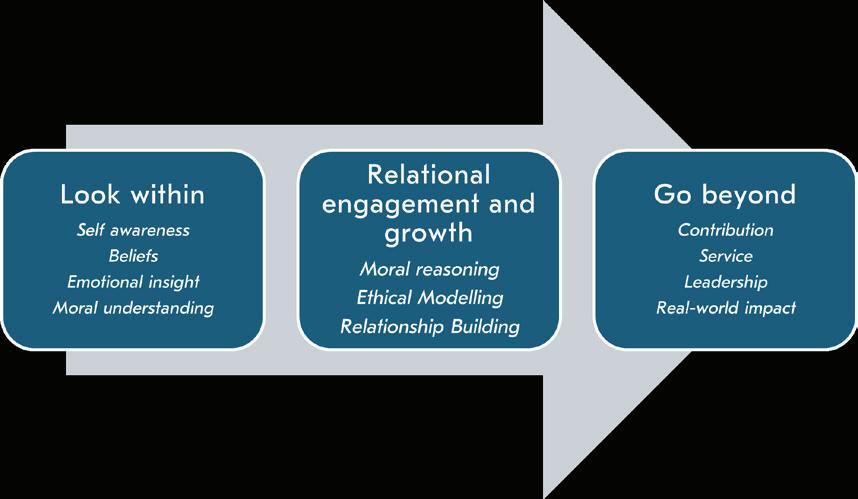
Several articles examine how character, belonging, identity, confidence, and inclusion are cultivated in practice. Lovell’s account of the inaugural full year of the Character and Enterprise program highlights haow service, partnership, and mentoring strengthen student formation while shaping the staff who guide them. Gibson’s article introduces the “Look Within and Go Beyond” model, offering a developmental continuum for character education. Scott contributes two articles reflecting on teacher practice following one year teaching History to refugees: one centred on disciplinary learning and belonging through relational pedagogy, and another on how AI enabled translanguaging practices that expanded access to historical knowledge. Young’s two contributions report on coeducation research in Mathematics and English, demonstrating how confidence, enjoyment, and engagement can be strengthened through cyclical, student-centred design.
Further disciplinary and specialist perspectives add further depth to this volume. Driver’s exploration of outdoor education shows how challenge and connection enhance wellbeing and resilience. Low’s case study on the Alexander Technique
illustrates how somatic awareness and ensemble belonging transformed one student’s learning trajectory. Ross’ article on teaching the pronunciation of Classical Latin demonstrates how spoken language practices deepen students’ linguistic and textual understanding. Matters’ examination of Indigenous Data Sovereignty offers a timely reminder of the ethical responsibilities that underpin contemporary research.
This year also includes an experimental section in which authors collaborated with AI to develop academic articles based on professional learning workshops. Hill’s investigation into AI assisted marking, Mifsud’s case study of AI supported Italian study, Milkins’ work on AI enhanced rubrics, and Clifton’s exploration of AI as a practical drafting partner for task design in Health and Movement Science collectively probe how AI is reshaping assessment, independent learning, retrieval practice, and teacher preparation.
Finally, we are pleased to introduce a new section on book reviews, reflecting the wide reading undertaken by Barker staff as part of their professional growth.
We warmly invite readers to engage with these articles and to be in touch as we continue the conversation about learning, flourishing, and innovation at Barker.
Dr Timothy
Scott
Principal Research Fellow Barker
Institute
Dr Matthew Hill
Director
Barker Institute
The Barker Journey: Reporting on the Seventh Year of our Decade Long Longitudinal Study The Barker Journey – Year 9, 2025
Deepening Student Flourishing through Community, Integrated Experience, and Responsibility
Dr
Research
Chantelle Denyer
Research and Relections on Practice: Refugee Education
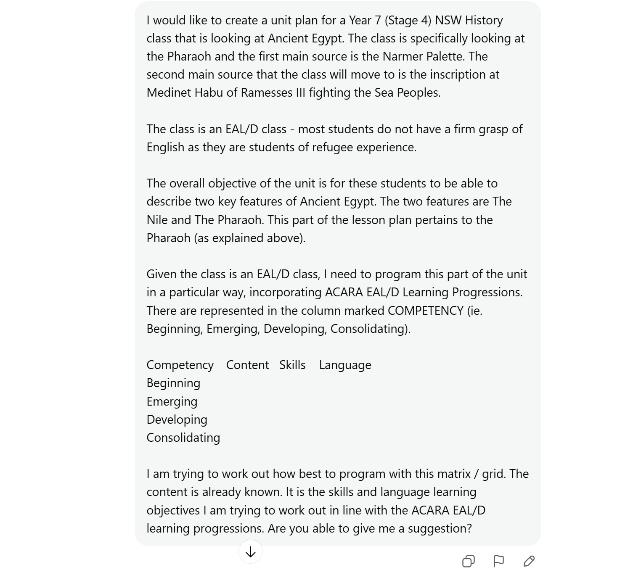
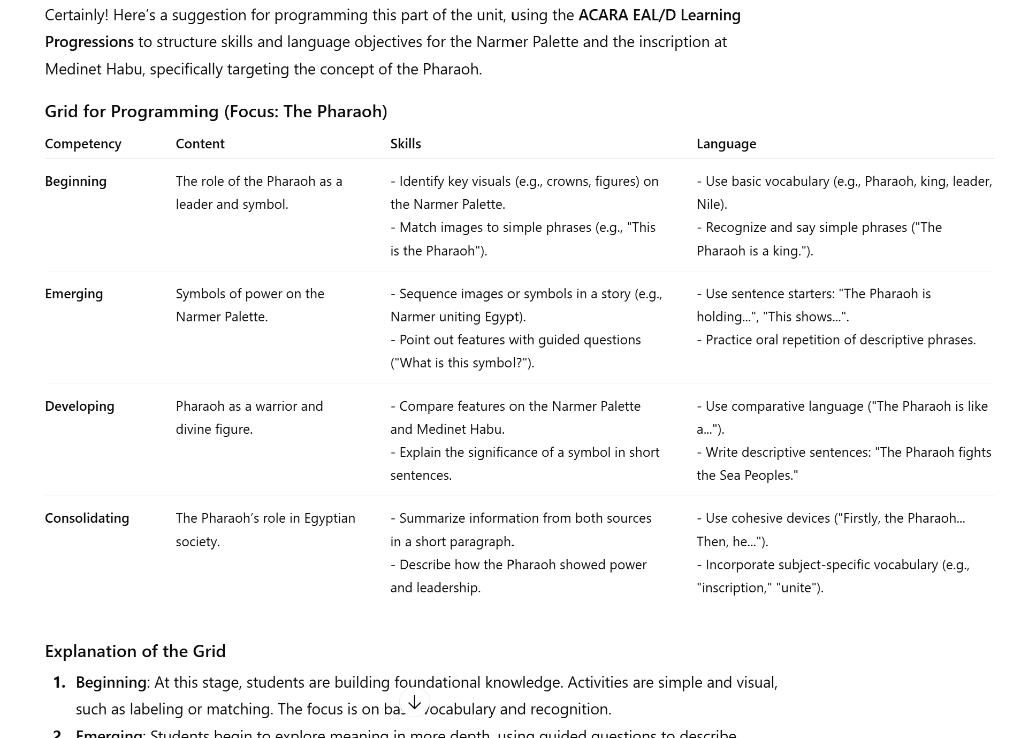
Learning and Belonging: Lessons from a Year of Teaching History 99 to Students with Refugee Experience
Dr Timothy Scott
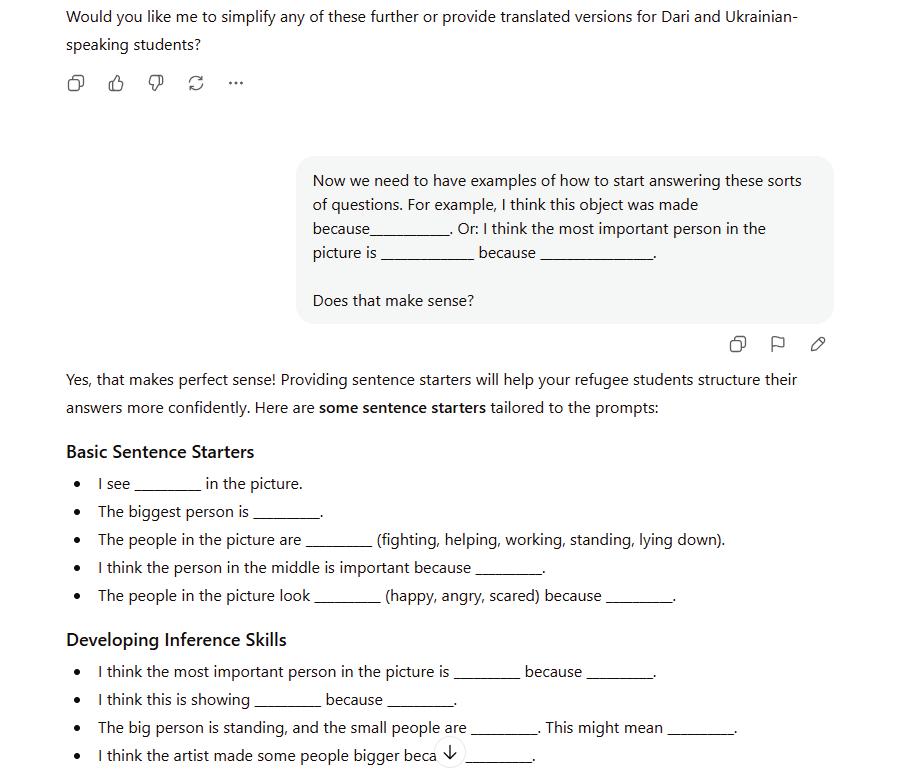
Language and Access: Reflections on using AI to Enable Translanguaging 113 for Refugee Students in the History Classroom
Dr Timothy Scott
Research and Relections on Practice: Coeducation
Enhancing Engagement and Enjoyment in English 133
Amy Young
Enhancing Confidence and Changing Culture 143
Amy Young
Research and Reflections on Practice: Experimenting with Generative AI in Academic Writing
AI in Action: Practical Tools for Teachers with examples from Health 157 and Movement Science
Sarah Clifton
Can AI Do My Trial Marking? Investigating Accuracy, Consistency, and Practical 165 Affordances in School Assessment
Dr Matthew Hill
Self-directed Learning Using AI: An Expanded Case Study of 173 an Italian Learning Journey
Dr Andrew Mifsud
Rubrics 2.0: AI-Enhanced Feedback for Learning 181
Timothy Milkins
Book Reviews
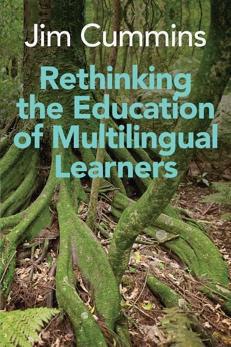
Jim Cummins (2024) Rethinking the Education of Multilingual Learners:
Reviewer: Dr Timothy Scott
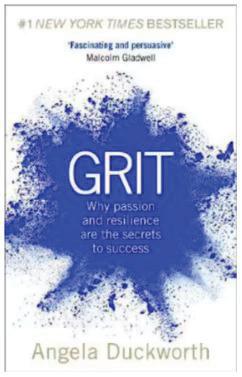
Angela Duckworth (2017) Grit: Why Passion and Resilience are the
the Secrets to Success Reviewer: Therri Ellison
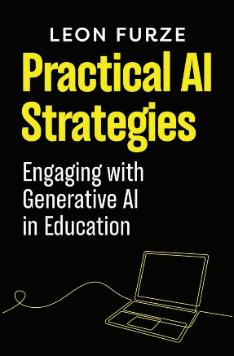
Leon Furze (202) Practical AI Strategies: Engaging with Generative
AI in Education Reviewer: Tim Milkins
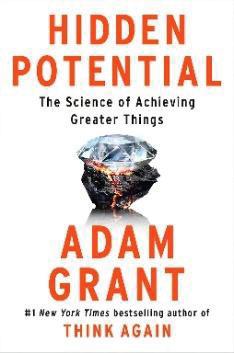
Adam Grant (2023) Hidden Potential: The Science of Achieving Greater Things
Reviewer: Susanna Matters
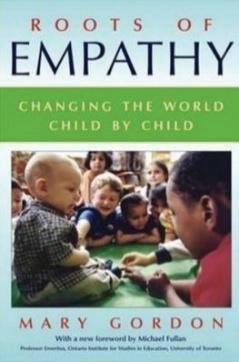
Mary Gordon (2005) Roots of Empathy: Changing the World Child by Child
Reviewer: Belinda Piper
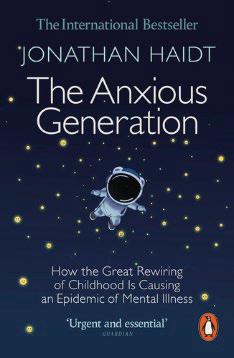
Jonathan Haidt (2023) The Anxious Generation: How the Great Rewiring of 206 Childhood is Causing an Epidemic of Mental Illness Reviewer: Phil Mundy
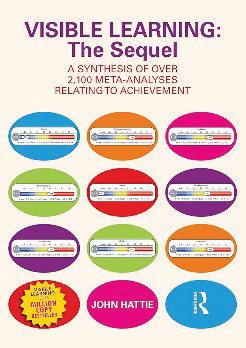
John Hattie (2023) Visible Learning: The Sequel. A synthesis of over 2,100 208 meta-analyses relating to achievement Reviewer: Dr Matthew Hill
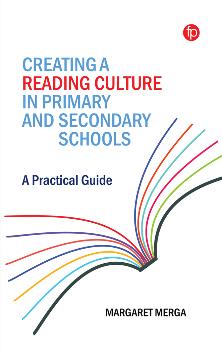
Margaret K. Merga (2023): Creating a Reading Culture in Primary
and Secondary Schools: A Practical Guide Reviewer: Claire Elliot
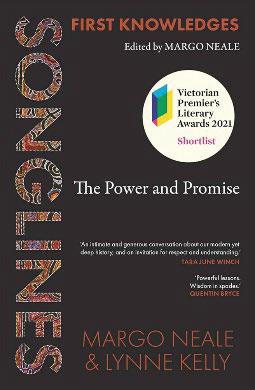
Margo Neale and Lynne Kelly, (2020): Songlines: The Power and Promise
Reviewer: Susanna Matters
Melissa Robins (2024) The Let Them Theory
Reviewer: Melissa Brady
From the Director Barker Institute
A Year in Review: The Barker Institute in 202 5
Dr Matthew Hill Director Barker Institute
Abstract
Innovation was a theme for the Barker Institute in 2025, with a particular goal to meet the evolving needs of various stakeholders. The first example of this is the birth of the Parent Institute, following similar principles, values, and processes as the Barker Institute but with a sole focus of connecting and supporting parents in our l ocal and wider community. T he second is demonstrated in the various sections of our journal , Learning in Practice , where we have experimented with new formats to increase kn owledge sharing and collaboration in education. These have emerged from consultation with students, staff and parents which has revealed ongoing uncertainty about the role of education for an unknown future. All agree that education is important (and in our context, deeply value the Barker education experience) but not all are sure about what this should look like. Three emerging themes include (1) the need to support the whole person and the whole community , (2) the need to develop character and values alongside knowledge and skills, and (3) th at an AI - free education will not prepare people for an AI - rich world. It is a privilege to explore these themes and the questions that arise with students, staff, parents and experts who all come together as learners through the Barker Institute.
Introduction
The Barker Institute exists to use the rich intellectual resources of Barker College to facilitate learning and growth through the School and the wider community. It achieves this as a research centre conducting educational research and consultancy, as a publication house facilitating dissemination of influential ideas, and as a learning hub providing opportunities for growth for staff, students, and parents.
Progress and Impact across Research Domains
The Barker Institute Research Agenda details purposes and processes of our research in addition to the five research domains that define our scope.
Coeducation
This domain explores the transition to and impact of coeducational learning environments. It investigates how coeducation influences academic outcomes, wellbeing, and character development, drawing on Barker’s experience as a fully coeducational institutio n. 2025 marked 50 years of coeducation at Barker , a milestone celebrated throughout the school. This anniversary provides an important context for all Barker Institute research and activities.
Our research contributes to the intellectual narrative around boys’ education, girls’ education, and of course, coeducation.
Ms Amy Young, Research Fellow (Coeducation), has continued with her work exploring confidence and self - efficacy in learning has had a significant impact Building on previous research in Maths education, the projects associated with her research have broadened across various academic departments, engaging with each discipline’s gender stereotypes, and deconstructing barriers to learning. A particular highlight for 2025 was when Young’s research was shared through the Teachers’ Guild of New South Wales at the Guild Research Conference and her being a finalist for the Guild Resear ch Award . Young’s work was published in the Guild’s journal Teachers’ Frontiers.
The Barker Journey Study, now in its seventh year, continues to track the first coeducational cohort of Year 3 2019 as they experience a decade of coeducation at Barker . Further information about this project for 2025 can be found later in this report.
Humanitarian Education
Focused on supporting linguistically and culturally diverse students, including those from First Nations and refugee backgrounds, this domain examines how schools can foster inclusive, culturally responsive learning environments that promote equity, justic e, and global citizenship.
In 2025 the impact of research in this domain was most prominently seen through our relationship with Marri Mittigar, Barker College's coeducational special assistance school for children and young people of refugee experience . Through weekly opportunities to teach and consult at this school, Dr Timothy Scott , Principal Research Fellow, has been implementing and reviewing supportive teaching practices There has been a particular focus on translanguaging. For 2025 this began with dissemination at multiple g atherings in Europe including the Educa tional Collaborative for International Schools (ECIS) Leadership Conference in Stuttgart, Germany, followed by taking up an invitation to publish different learning and teaching strategies for a culturally and linguistically diverse environment for the journal Literacy Learning: the Middle Years and culminating in a session at the AISNSW Education Research and Leadership Symposium. This work is equally impactful in special assistance schools and in all educational settings, where we recognise and respond to the diverse learning needs of every student.
We were thrilled to partner with Corey Tutt OAM, a Kamilaroi man and founder of DeadlyScience, which supports remote schools with science books and telescopes and inspires young Indigenous people to pursue STEM through mentorship. Corey presented a keynote at a public event at Barker exploring the relationship between Indigenous Cultural knowledge and Science. This enhances cultural awareness for teachers, students and parents impacting teaching for positive change.
Character and Enterprise Education
This area investigates how schools can cultivate virtues, values, and practical competencies in students, preparing them to be ethical, confident, and compassionate contributors to society. Barker has continued to innovate how to incorporate validated processes into an integrated program for Character and Enterprise development. Through the work of Mr Peter Gibson and Mr Mark Lovell, along with a team of Barker educators, Year 10 students at Barker have been challenged and grown to connect their talents, pa ssions, and hearts to
projects producing meaningful change in the world. Through regular classes and timely immersions Barker students are looking inward in order to go beyond themselves and even our school community to serve others.
Barker contributes to the growing national and global dialogue on character education by sharing its progress and insights, helping to shape approaches that are relevant to the experiences of today’s students and the world they will inherit. Opportunities have included through a public event on Educating for Global Stewardship (keynoted by Mr Phillip Heath AM, and social commentator Stephen McA lpine), the 2025 National Character Education Summit , and further character initiatives which, like Barker, are approaching this issue from an academic perspective. The Barker Institute has been delighted to support and help develop the School’s initiatives in character education.
Research and impact in the character and enterprise education domain was accelerated through a study tour including a visiting research fellowship at four schools in Germany and Switzerland . For example, c ollaboration with leaders at Schule Schloss Salem has highlighted diverse opportunities for character - based entrepreneurial service from school students, and Barker has had a growing presence in the RoundSquare network of schools. In 2026 Barker will proudly host the prestigious Round Square International Conference enabling ongoing growth for both the Barker community and the world. The Barker Institute looks forward to participating in this event.
At Barker, education has always been more than merely transmission of knowledge. Academic success is only a part of the Barker experience. The blend between academics and curriculum education is a recurring theme of the annual Barker Journey Interviews. The students, now in Year 9, continue to share how all aspects of schooling are contributing to their development. Consistent with this observation, the Barker Institute was proud to host a book launch for Barker’s seventh Headmaster , Dr Neil Tucker. Speakin g on his book Educating for Humanity: The Holistic Principle , Dr Tucker shared how the collection of experiences contributes to personal development . This was especially relevant for our Character and Enterprise Education program. Research by the Barker Institute has deepened understanding of student attitudes, achievement, and engagement with school values, leading to positive changes in policy, academic and cocurricular programs, and teacher – student relationships. This will continue to be a prominent feature of Barker Institute research for years to come.
Inclusive Education
Research in this domain aims to understand how educational practices can be adapted to meet the diverse needs of all learners, including those with disabilities, learning differences, or exceptional talents, ensuring equitable access to meaningful learning . Increasingly, the broader educational community is recognising that learners have their unique set of needs, and this diversity is present in every class to varying degree s. D ifferentiation and ongoing exposure to best - practice literature is therefore es sential for all teachers and pastoral carers.
This year there has been continued success with supporting gifted learners, showcased through a community event with psychologist Dr Min h Nguyen - Hoan. Barker remains proactive in identifying and supporting students with giftedness across one or more domains , facilitating excellence and supporting growth across all aspects of their holistic education. Increasingly parents of gifted students are choosing Barker , providing the School
with an exciting opportunity to continue to develop best practice programs of supporting diverse giftedness and contributing to a national conversation.
Robotics and AI Education
This domain examines the integration of emerging technologies into education, focusing on how robotics and artificial intelligence can enhance learning experiences and prepare students for a rapidly evolving digital future With student voice the centre of much of the Barker Institute’s research, it is clear that today’s students are acutely aware that they need an education that deliberately enables them to flourish in a robotics and AI driven world.
Workplaces worldwide are undergoing experimentation and professional development to ensure they thrive through an AI revolution, and education al institutions may be the mo st important. Generative artificial intelligence has already changed the educational landscape , providing immense benefit to students through enhanced individual and collaborative learning opportunities and increased teacher capabilities and efficiencies and Barker will continue to harness the power of AI to facilitate sustained, meaningfu l, deep learning for its students. Through targeted professional learning, including a whole - staff AI conference, it is clear to the Barker community that l earning empowered by AI does not always mean learning with AI. Through our journal and network conferences, w e will continue to share our stories of training students to master AI rather than becoming reliant or a servant of this powerful new technology.
Ongoing R esearch
There are too many individual and group projects to list every activity here, but two other topics should be mentioned.
The Barker Journey, the flagship project of the Barker Institute is nearing its exciting conclusion. In only three years, we will have a decade’s worth of annual data collection from interviews, supported by occasional triangulating survey data , following students on their journey from Year 3 all the way to finishing school in Year 12. Every year we share the annual report but are eagerly looking forward to a collection of publications at the culmination of the project. The article on the Year 9, 2025 Barke r Journey has been published in this volume of Learning in Practice which is our seventh article on this project to date.
This year we were privileged to host Dr Leisa Aitkin, a clinical psychologist and researcher in the psychology of hope. Hope was the theme of Barker’s faith week as a Christian school in the Anglican tradition. The foundation of the Christian faith that underpins and infuses each part of the holistic education offered at Barker continues to be an important topic of research for the Barker community and therefore the Barker Institute. We look forward to sharing mo re in this space over the coming years.
Data Informed Decision Making
The Barker Institute continued to impact the Barker community through various reviews and data collections to inform decisions and practice. Feedback from staff was elicited through two wellbeing pulse checks, and student feedback was elicited in multiple domains for example students reflecting on their classroom experience.
With regards to the student feedback on classroom experience, in 2025 alone, reports have been generated from a total of 5271 sets of responses from a total of 1167 students. Teachers
have had the opportunity to reflect on how students are experiencing their class, compared to other classes of the same subject, and all classes in that grade. This personalised comparative data has been particularly valuable to staff as they can see when their students seek further challenge or require additional feedback or support. Academic departments have used aggregated data to plan goal setting and professional development. Wellbeing leaders have been given the opportunity to work with the small grou p of students who feel disconnected from the classroom. The Curriculum & Academics team have used aggregated data to support departments, measure various success criteria, and inform policy and training for 2025 and beyond.
Publication
Publications included dissemination of Volume 8 of the Barker Institute Journal , Learning in Practice , and the publication of Volume 9 , authored by Barker staff. This year also saw the publication of the 202 5 student journal Scientific Research in Schools , and showcasing Noteworthy , the Barker College Literary Journal.
The Barker Institute has been excitedly working with other groups to publish Barker student work , and we look forward to sharing some of this in the first half of 202 6
Collaboration & Community
The Barker Institute has continue d with strong involvement in the Research Invested Schools national network. We sincerely thank those who organise gatherings including the national gathering Ivanhoe Grammar and Scotch Grammar schools this year. Together we should be proud of what this network has become and hope that it can continue in its current manner of support and collaboration .
2025 saw the Barker Institute moving further afield with a three - week study tour in Germany and Switzerland. It started with presenting and collaborating at the ECIS Leadership Conference in Stuttgart, Germany, where Barker was recognised for its holistic education with a global focus. Particularly valuable was a week where two of us were welcomed as international visiting scholars at Leysin American International School in Switzerland . This visit included mini- conferences, research meetings, professional l earning, class visits, and time to research and write. We sincerely thank Dr Paul Magnuson and his colleagues for their hospitality. Collaborative visits were also held with Schule Schloss Salem in Germany, and The International School of Geneva (Ecolint) in Switzerland . The success of the Barker Institute’s study tour saw Dr Timothy Scott invited to share insights from the Barker Journey in a webinar conversation with ECIS’ Director of Professional Learning Sarah Kupke. The session e xplored how student voi ce and shared values shape flourishing in schools, highlighting the Barker Institute’s contribution to global educational dialogue.
The Parent Institute
The Parent Institute has emerged from the Barker Institute following a similar model to the Barker Institute but with a focus on supporting parents . It was launched at a large Term 1 event featuring Dr Jenny Brown. Jenny Brown founded the Family Systems Institute, authored the best - seller Growing yourself up and created the ‘Confident Parent Course’. The Parent Institute is firmly founded on wisdom and practices shared by Jenny Brown.
The premier and repeated offering of the Parent Institute is the ‘Confident Parent Course’. Two cohorts of parents have now completed this training facilitated by expert Barker Staff. This four - week course builds capacity in parents to lead their families, accepting they cannot control either their children, or the circumstances their children encounter. A new cohort is invited for a Term 1 Confident Parent Course in 2026.
Further events for parents included ‘Fueling Healthy Kids: Simple Nutrition for Busy Parents’, ‘Sleep for Better Health, Resilience and Performance’, ‘Avoiding and Breaking Free from Tech - Enabled Addiction’ and ‘Brave Parenting Conversations in the Middle School Years’. Through the Parent Institute, Barker Hosted the internationally renowned ‘Watoto’ Choir of orphaned children sharing songs and a message of faith and hope. After visits and workshops with students during the day they performed a concert wit h Barker Students bringing the community together.
The work of Mrs Becky Shu must be acknowledged in coordinating Parent Institute activities along with the volunteered time and wisdom of various other Barker staff including Mrs Lisa Chalmers, Mr Martin Conway, Rev Andrew Brown, Mrs Susan Layton, and Mr Pe ter Gibson. We look forward to continuing to grow this exciting new endeavour.
Closing reflections
I have, and always will, consider this line of work a great privilege. We stand on the shoulders of giants when we translate knowledge from their academic publications to our everyday practice. Our events are only valuable due to the audience who chooses to attend. We rely on honest reflections and feedback from staff and students alike. Our journal authors appropriate their time to invest in knowledge - sharing , recognising it as a positive outworking of their role. The Barker community has invested in the B arker Institute, and it is a privilege to lead the Barker Institute to support the Barker community as we invest in education here , and around the world.
The
Barker Journey
Reporting on the seventh year of our decade long longitudinal study
The Barker Journey – Year 9 2025 Deepening Student Flourishing through Community, Integrated Experience, and Responsibility
Dr Timothy Scott
Principal Research Fellow Barker Institute
Dr Matthew Hill
Director Barker Institute
Susan Layton
Research Assistant Barker Institute
Abstract
For the seventh consecutive year the Barker Journey has followed a group of students on their educational journey. Reporting on 2025, this article shares the experiences of Year 9 students concluding Middle School and reveals how their understandings of learning, wellbeing, and responsibility have matured across three years of secondary schooling. Continuing to use grounded theory and semi-structured interviews with the longitudinal cohort, the present study identifies three key findings. First, students view flourishing as fundamentally relational, grounded in kindness, belonging, and shared values. Second, they experience academic and co-curricular life as integrated, with growth emerging through the balance and interplay of diverse opportunities. Third, students recognise that the responsible use of Artificial Intelligence requires discernment, independence, and partnership with teachers. Together, these findings demonstrate the value of sustained school-based research in illuminating how adolescents navigate an increasingly complex educational landscape. The study highlights how student voice can inform leadership, wellbeing structures, and pedagogical design, offering insights relevant to schools seeking to cultivate environments where young people flourish
Introduction
2025 marks the seventh year of the Barker Journey, a pivotal moment as students conclude Middle School and reflect on their first three years of secondary education. It is a stage that carries both a sense of completion and anticipation: completion, as students consolidate their early experiences of secondary school; anticipation, as they prepare to enter the senior years with growing maturity and confidence. Placed within the longer arc of the Barker
All authors contributed to the article’s conception and design. Material preparation, data collection and analysis were performed by Timothy Scott, Matthew Hill and Susan Layton. The first draft of this manuscript was written by Timothy Scott and all authors commented on the preceding versions of the manuscript. All authors read and approved the final manuscript.
Journey, clear continuities are visible. The importance of kindness, community, and belonging, first voiced in primary years, remain central. The relational focus that defined the transition into secondary schooling in Year 7 continues, now enriched by the perspective of students who have navigated increasing academic and social responsibilities. New emphases have also surfaced: the integration of academic and co-curricular life as equally formative, and the recognition that the effective use of emerging technologies such as Artificial Intelligence (AI) requires discernment, balance, and integrity.
The impact of such findings is threefold. First, they show how flourishing deepens in Middle School through relationships, integration, and responsibility, shaping students who value both personal growth and community contribution. Second, they provide insight into how schools can best support young people at this juncture, by sustaining environments that hold together academic challenge with co-curricular breadth. Thirdly, by guiding students in the wise use of new technologies without diminishing independence. In this way, the Barker Journey continues to inform not only how students experience their education in the present, but also how schools can prepare them for a future where flourishing is both personal and collective.
This article explores all of this across three main sections:
1. 2025 Year 9 Barker Journey described in their own words. Following explanatory statements pertaining to methodology and data collection, the article presents responses to the questions asked of the students in the Barker Journey cohort in the semi-formal interviews. The emphasis in this section is the presentation of the students’ narratives about their year at school
2. Key Findings. This section situates students’ insights within the wider academic literature, drawing on research related to community, integrated learning experiences, and responsible engagement with emerging technologies to illuminate the themes that surfaced across the interviews
3. Key Impacts The final section considers how these findings inform practice at Barker and contribute to broader conversations about student voice, values-rich education, and the design of environments that cultivate belonging, balance, and responsible engagement, now and into the senior years
Methodology
P r in c ip le s o f G r o u n d e d T h e o r y
Grounded Theory continues to guide the analysis of data in this project. Originally articulated by Glaser and Strauss (1967), this qualitative approach prioritises generating insights from the data itself rather than testing preconceived hypotheses. Such an approach is particularly apt for the longitudinal nature of the Barker Journey, which seeks to trace student experiences across time and allow patterns to surface naturally. This flexibility ensures the study can attend to evolving dimensions of student life as the cohort advances through schooling. Given that this group represents Generation Alpha, described by McCrindle, Fell and Buckerfield (2021) as likely to embody characteristics of being global, mobile, digital, visual and social, the research provides a valuable opportunity to observe if, when, and how these traits might appear in practice. To date, the findings suggest that while students are strongly social, their engagement with digital modes of learning is
hesitant, with other predicted attributes yet to become prominent. By adopting the iterative processes of data collection and analysis central to grounded theory, the study remains open to emerging qualities and ensures that conclusions are rooted in the authentic, lived experiences of students as they move through their educational journey (cf. Cook-Sather, 2006).
C
o lle c tin g in f o r m a tio n in 2 0 2 5
The data collection process in 2025 continued in line with earlier years. The core group of 30 students who have participated since the beginning of this study again took part in semistructured interviews, depending on their availability. The semi-structured interviews included ten guiding questions focused on the students’ experiences of Year 9. Conducted face-to-face with the consent of both parents and students, the interviews invited reflection on highlights and challenges of the year and how challenges were addressed. Students were asked to provide three words to describe the ideal Barker student and three words to describe Barker as a school, followed by an explanation of why those particular words were chosen. Several students engaged critically with this task, offering justification for the priority or order they gave to certain words. As in previous years, all participants were also asked to select which of the Barker values (Commitment, Compassion, Courage, Integrity, or Respect) they regarded as most important, explain why that value was significant to them, and provide an example of when they had seen it demonstrated.
The conclusion of Year 9 marks the end of Middle School (Years 7-9) at Barker and provides a natural point for students to look ahead to the senior years. In the past, the end of Year 9 coincided with students moving from single-sex to coeducational schooling, but since Barker became a PreK-12 coeducational school in 2022 this transition is no longer relevant. Therefore, a whole year group survey was not undertaken. Instead, the Barker Journey interviews included a targeted follow-up question, first asked in 2023, inviting students to reflect on what they hoped to gain from their Middle School years (Years 7-9). The same set of options from 2023 was re-presented, enabling continuities and changes in student responses to be identified.
The 2025 Year 9 Barker Journey Described in Their Own
Words
What gives shape to The Barker Journey are the narratives students offer about what learning, teaching, and schooling mean to them. While teachers and families might offer their own perspectives, this story remains about the students themselves. At the conclusion of Middle School, Year 9 students speak from a vantage point that looks both backwards and forwards. They can reflect on three years of secondary schooling while anticipating the challenges and opportunities of the senior years. Several described 2025 as a year of consolidation, with one noting that it was a time to “just get on with school” (Student 9G). This echoes the Year 8 finding of a “business as usual” mindset, but with the added maturity of having settled into the rhythms of secondary school.
Yet beneath this sense of routine, students revealed deeper currents shaping their experience. They spoke of the importance of kindness and respect: “Everyone’s always looking out for everyone” (Student 1G). Building out from the experiences with Year 8, community and values remain at the centre of flourishing. Students highlighted how academics and co-curricular pursuits are not separate but mutually reinforcing, with one student explaining:
I love playing basketball, but I also really value academics… I want to get a mix of things”
Student 4G
And they expressed a growing sense of responsibility in their approach to learning, particularly in relation to AI:
It helps, but you can’t just rely on it – you have to think for yourself.
Student 8G
In their own words, then, Year 9 students present themselves not only as consolidating their early secondary experiences but also as preparing with confidence and maturity to enter the senior years of schooling where the educational landscape is both evolving and complex.
P o s itiv e s in 2 0 2 5
When reflecting on 2025, students highlighted a wide range of positives that shaped their final year of Middle School. Foremost among these were the transformative experiences of camps and excursions, especially the Extended Stay program which entails students embarking on an 18-day journey to Central Australia. The focus of this program is to develop student character and deepen their relationships with each othe. It was this program that was mentioned more than any other highlight. Alongside these, they valued the breadth of academic and co-curricular opportunities that allowed them to pursue passions and develop agency, as well as the strong sense of belonging that came with being Year 9s at the top of Middle School. Taken together, these themes reveal a clear progression: environments rich in opportunity created the conditions for transformative experiences, which in turn deepened connection, belonging, and leadership. In this integration of opportunity, transformation, and community, students found the space to flourish.
When looking back on their experiences of 2025, students identified several positives that shaped their final year of Middle School. Central to their reflections was the strength of community and the importance of friendships, with many emphasising how support from peers and teachers made them feel a strong sense of belonging. One student explained: “It’s the people that make Barker so great – friends and teachers always look out for you” (Student 4G). Students also pointed to opportunities for growth, noting how they had developed independence and maturity as they prepared for the transition into the senior years. As another student put it: “Year 9 is where you start to step up and get ready for what’s ahead” (Student 9B). Academic and co-curricular pursuits were seen as equally valuable, with highlights ranging from classroom achievements to sporting, musical, and leadership opportunities that enabled them to build confidence and deepen skills. These reflections show that for Year 9 students, 2025 was not only a year of looking back over the journey of Middle School but also a time of where flourishing continued through connection, personal development, and the integration of academic and co-curricular life. The valuing of these diverse experiences underscores the importance of an educational environment that fosters both community and growth, equipping students for the years ahead.
Students frequently spoke about the wide range of opportunities available to them across academic and co-curricular settings. They valued the breadth of choice, noting how it allowed them to strike a balance that suited their own interests and circumstances. This
diversity fostered a sense of agency, giving students the freedom to pursue passions in ways that felt personally meaningful.
I’m in the senior school big band for jazz and my rock band called [….]… music is just my biggest passion… I’ve been making my own music at home, which I hopefully plan to release later this year.
Student 7B
Student 7B’s reflection illustrates what happens when enthusiasm for a discipline is combined with developing capability. In this case, musical opportunities at school have nurtured a love of the art form that extends beyond the classroom, inspiring independent creativity and the courage to share it more widely. The student’s comment highlights the empowering effect of diverse opportunities. They encourage students not only to participate but to take initiative, explore new possibilities, and grow in confidence as they shape their own pathways. Student 8G echoed this, observing that the diversity of choice itself could feel uncertain. Yet having greater ownership over what to pursue was ultimately empowering: “It’s OK to second guess yourself, but you should still give it a go in case you discover something.”
This insight points to a broader theme. It is not only the challenges themselves but also the very diversity of opportunity that can feel daunting. The richness of choice asks students to navigate ambiguity, but in doing so students learn to embrace uncertainty as part of growth.
“Balanced education… with basketball, I’ve only grown, going into more teams and playing more times a week. Even if sometimes I get stressed, learning how to balance school and sport is a life skill that will actually help me in the future.”
Student 4G
This suggests that empowerment and enjoyment arise not simply from excelling in one area, but from navigating the breadth of opportunities on offer. Such opportunities might entail pursuing a passion, embracing the uncertainty of choice, or learning to balance competing commitments. In doing so, students experience the integrated growth of skills, confidence, and identity that characterises flourishing in an environment rich with opportunity. This environment of choice and agency provided the foundation for experiences that students repeatedly described as transformative, and none more so this year than camps and excursions.
Although a wide range of opportunities shaped student experiences, the most frequently identified positives were camps and excursions. The Extended Stay Program and the locallyoffered alternative HomeBase and Warrah Program stood out as transformative moments of the year. Students often described these experiences as transformative, were examples used repeatedly by students of transformative experiences. These provided contexts for growth, friendships and unique experiences. One student felt that the pacing of the events themselves helped a great deal.
I really enjoyed Extended Stay… I got a lot closer to my mates over in my group… and my leader was really funny as well. It was a nice pace because normally at camps it’s “bang, bang, bang”, but this was more relaxed.
Student 7B
Having the opportunity to experience life at a different (slower) pace, which in turn allowed for friendships to develop more deeply, was not the only thing on which students commented. Learning how to be present in the moment was one reflection reported by one student:
Extended Stay was just a cool experience… being in Alice Springs itself was sort of cool… probably just like to be able to take in where you are and actually enjoy what you’re doing at that point in time
Student 12B
The development of skills and capabilities such as teamwork and leadership were also reported. When asked about a highlight for 2025, and why, one student stated:
Probably Extended Stay… teamwork skills and leadership skills because we each got a chance to be a leader in our group… I got to be head stockie [stockman] twice, which was really fun.
Student 7G
These reflections suggest that camps and excursions become transformative precisely because they take students out of routine and into spaces where relationships, reflection, and responsibility converge. In these moments, students experience not only friendship and fun but also deeper growth in resilience, leadership, and perspective, all hallmarks of flourishing that extend well beyond the camp itself. The connections built and the responsibilities embraced in these contexts flowed naturally into another area students identified as a defining positive of 2025: a strong sense of belonging and informal leadership in the Middle School. A S t
Alongside transformative experiences and opportunities to pursue passions, students consistently highlighted the importance of connection and belonging, especially as they stepped into Year 9 at the top of Middle School.
I like being like the leaders of the middle school… even though I’m not a leader, it’s still good being in Year 9 at the top of Middle School.
Student 17G
Belonging and informal leadership roles, such as house activities and mentoring, were seen as clear positives.
I think I’ve made quite a few new friendships… especially because of Home Base and being in different classes and electives. I feel like a lot more opportunities this year to do all sorts of things.
Student 8G
Finding a good group of friends last year really helped, so I came into this year having that support system. I think that helped a lot.
Student 4G
Community, fun, and finding out… probably the community, just because I feel like it’s important to actually have people around you to support you and deal with things.
Student 12B
Students deeply value being connected, supported, and given opportunities to lead. The sense of belonging and informal leadership that came with being Year 9s provided not only stability and encouragement but also a context for growth in responsibility, identity, and confidence, qualities at the heart of what it means to flourish.
Across these three themes of empowerment through diverse opportunities, transformation through camps and excursions, and belonging through leadership and connection the voices of students reveal a coherent picture of flourishing in Middle School. What they valued most were the environments and experiences that enabled them to grow as learners, friends, and leaders. Their reflections underscore that flourishing does not emerge from only one of either academics or co-curricular life in isolation, but from the integration of opportunity, transformation, and community that together shape the Middle School journey.
C h a lle n g e s in 2 0 2 5
While students identified many positives in their Year 9 experience, they also spoke candidly about the difficulties they faced. These challenges were not expressed as overwhelming, but rather as obstacles to be navigated within the wider context of flourishing. Interviews revealed recurring themes of increased academic demands, time pressures in balancing commitments, and the emotional ups and downs of adolescence. Students described moments of stress around assessments, the challenge of managing competing priorities, and the complexity of friendships as they neared the end of Middle School.
I n c r e a s e d a c a d e m i c d e m a n d s
Students frequently mentioned the growing academic load, the pressure of assessments, and the difficulty of balancing these demands with co-curricular activities. Yet this came as little surprise to the interviewees. In speaking about the increase in academic expectations, the Barker Journey cohort did so with a tone of acceptance, recognising that as they grow older, the demands of school naturally increase. Student 2G identified how a greater focus on time management and planning has helped navigate those expected increases Student 8G concurred:
It’s definitely harder this year because we get more homework and the assessments feel more serious. You have to manage your time better or it builds up fast.
Student 8G
Increased academic demands also included timing, and the general busyness of school life. One student stated:
There’s just been more work this year, like a lot more assessments at once. It’s kind of stressful trying to keep up when everything’s due at the same time.
Student 7G
While another student explained that:
[s]ometimes it’s just tiring, like after sport training I still have a bunch of work to do and it’s hard to focus, especially when tests are close together.
Student 13B
However, students indicated that while 2025 had brought with it an increase in academic demands, they had thought through how to work through challenges such as the seriousness of assessments, the busyness of school life or the ebbs and flows of the year’s assessment schedule.
If I get stressed, I just go and talk to my friends or my mum about it. Once you’ve said it out loud, it’s easier to go back and get it done.
Student 8G
Student 7G explained how “writing everything down that’s due so I don’t forget” enabled a better ‘chunking’ approach to completing work, completing “little bits each night instead of all at once”. Student 13B spoke of an approach that sought to reduce any sense of panic.
When I get behind, I just make myself do one subject at a time and not look at the rest. It helps me calm down and actually finish something.
Student 13B
A recurring insight from the Barker Journey study is that students no longer distinguish between the academic and the co-curricular; together, they form one learning experience that shapes their sense of balance and growth. Many noted a tension felt between academics and involvement in sport or music, describing it as both rewarding and demanding. Student 2B explained:
Some days I go straight from training to music and then have to do homework after. It’s hard to fit it all in…
Student 2B
Similarly, another student reflected:
It gets really busy around sport season. You’re trying to do assignments but then you have games on Saturdays and training most afternoons.
Student 6B
Student 15B felt that it was a positive to have so many activities, even if it could be “a bit much sometimes”. Student 15B continued, observing that it felt sometimes there was no break from school, that there was always something on. However, Student 13B revealed an emerging maturity to this challenge whereby the co-curricular activity was used as a break:
I kind of use sport as a break from work now. When I’m training, I don’t think about school, and that helps me focus better later.
Student 13B
Student 6B and Student 8G also reflected this growing self-management and awareness of limits:
I just try to plan everything out on Sunday night so I know what days I’ve got training and what nights I can do homework.
Student 6B
I’ve learnt to say no to some things. I still do the stuff I love, but not everything, otherwise I’d burn out.
Student 8G
Balancing school and co-curricular commitments is accepted as part of school life, with students recognising that through this, they learn to manage time, prioritise, and find equilibrium amid busy schedules.
Several students identified challenges relating to anxiety, home life, and navigating peer relationships in Year 9. For some, these pressures were linked to feeling less connected as a year group or to social tensions that emerged as students grew older and more aware of peer dynamics.
There’s a lot more drama this year. Everyone’s older and people talk about each other more, so it can get stressful
Student 14G.
Student 4G similarly observed that maintaining positivity and kindness were key to feeling a sense of belonging. Others spoke of more personal moments of anxiety, such as the unease of walking into class without knowing who to sit with or the impact of negative interactions online; “It’s not always easy to stay positive when people say stuff online or in group chats” (Student 7B). Amid these challenges, however, students also recognised the importance of support networks, both within school and beyond. Student 6G shared: “I’ve got a whole circle now of people helping me out. Way better than last year.” Such comments reveal a cohort learning to manage social complexity and wellbeing with growing selfawareness and resilience.
Several students spoke about how they manage such pressures and how they look after their wellbeing. One student described the importance of seeking help when needed:
If I’m having a bad day, I usually go to the wellbeing centre or talk to my head of house. They actually listen and give advice.
Student 6G
Others shared strategies for maintaining balance and protecting their mental health, such as limiting phone use or spending time with people who make them feel supported.
I’ve started leaving my phone in another room at night so I can just sleep and not think about all the messages
Student 5G
Student 14G explained: “I try to stay with people who make me feel good about myself and not get caught up in arguments.” These comments reveal a growing self-awareness about how social environments affect emotional wellbeing. For some, connection meant empathy and quiet understanding:
Empathy is a big thing… people lack empathy, especially now… I think respect and empathy are things we should keep trying to show
Student 4G
Student 7B echoed this, appreciating friends “you can be chill with… you can drop your guard completely.” There is an emerging maturity in recognising, and responding to, the social and emotional challenges of adolescence reflected in these comments, highlighting not just the challenges that students might be facing but they are active in seeking, thinking through, and enacting ways to navigate the challenges themselves
B e in g a t s c h o o l in 2 0 2 5
This year, students described Barker as a kind, welcoming, and supportive community where care and belonging remain central to the experience of school life. Kindness, compassion, and encouragement were the most common descriptors, with Students 2G, 6G, 9G, and 5G emphasising how these qualities shaped daily interactions. Student 2G linked kindness with inclusion, describing a culture where both staff and peers make everyone feel part of the community. For Student 6G, the idea of being “supportive” captured what it meant to be learning in a place where people are ready to help one another academically and personally. Similarly, Student 9G noted that “everything stems from kindness,” connecting this with what the students perceive as the school’s inclusive ethos Student 5G explained that compassion allows people to be welcoming. This pattern continues the emphasis on relationships and care that students prioritise as crucial to their experience of learning and teaching: for students, school must be place where kindness underpins belonging, and where students feel known, valued, and supported.
Barker was also described as a school of opportunity, growth, and enjoyment. Students 14G, 15B, 7G, and 3B spoke of the range of experiences available and how these shape their development. They drew on academic and cocurricular examples. For Student 15B, the Extended Stay program stood out as an example of personal growth and independence, while Student 7G highlighted the breadth of subject choices as evidence of an environment that encourages exploration. Students like 8B and Student 3G referred to the variety of opportunities and the encouragement they receive from teachers to try new things. Others, including Student 14B and Student 7B, stressed the enjoyment that comes from being active and creative, linking fun to motivation and engagement. The perspective that emerges is one where students value a dynamic and forward-looking school environment, one that offers challenge and excitement in equal measure, balancing high expectations with the joy of participation and discovery.
B e in g a s tu d e n t in 2 0 2 5
As with previous years, student descriptions of the ideal Barker student surrounded the themes of character and connection. Consistent with their depiction of being at school in 2025, the Barker Journey cohort identified kindness, respect, empathy, and friendliness as core traits that define how students should relate to one another. Several spoke of being kind and welcoming as the foundation of community, with Student 1G highlighting that “helping a Year 7 know where to go” and “making new friends” were important parts of being friendly. Student 7B described kindness as “a very good thing to stick by,” while Student 17G saw it as fostering “lifelong friendships.” Many recognised empathy and respect as linked qualities. Student 4G emphasised that “with respect you show empathy,” and Student 9G described respect as “everywhere… in friends, in doing work, in listening to
teachers.” For others, compassion and understanding were key to the Barker ethos; Student 12G observed that “friends help you if you don’t understand something,” and Student 14B added that “if a person is understanding…everyone is happier.” Ethical and relational qualities remain the measure of what it means to be a student.
At the same time, some students continued to see ambition, diligence, and resilience as defining features of the ideal student. Many highlighted effort and persistence as central to success: Student 4B valued being “dedicated” and “trying your best,” while Student 12B described a strong-willed student as one who, when results fall short, “doesn’t shut down but tries even harder next time.” Student 10B spoke of commitment as “essential your whole life,” while Student 6G linked ambition with the drive to “get through” school and the importance of mutual support in doing so. Others, such as Student 16G and Student 5G, connected possessing integrity and respect with a sense of responsibility to others, such as peers, teachers, and to the broader community. Student 16B described being a student in 2025 as working towards making a caring community. For many, being a student means balancing personal ambition with community contribution The combination, as Student 3B observed, means being involved in a way that provides one with a wider perspective on what it is to learn. These reflections on what it means to be a student in 2025 naturally invite a broader view of how students have come to understand their growth across Middle School
In 2023, when the Barker Journey cohort were in Year 7, students were asked what they would value most in their time in Middle School (Scott & Hill, 2023, p. 21). Students were given four options from which to choose Now that the students are concluding their Middle School journey, this question was revisited. The same options were presented, and students were asked which of the four options they had come to value most over the past three years Figure 1 presents a comparison of answers provided by the Barker Journey students in 2023 with those provided in 2025.
Balanced education (a mix of what happens in the classroom and what happens before and after school activities)
Comparison of what students valued in Middle School 2023 2025
Focus on my wellbeing and the provision of a safe and caring school environment.
Quality teaching and learning I received. I will have spent at least three years growing into and becoming a part of the Barker community.
Figure 1: Comparison of what students valued most over three years of Middle School, 2023-2025.
A clear continuity can be observed between the aspirations expressed by students in 2023 and what they articulated in 2025. In Year 7, many anticipated that the Middle School experience would offer a balanced education, a mix of classroom learning and co-curricular opportunities. This remains a valued aspect of schooling. In their interviews, students such as Student 4G and Student 7B continued to emphasise the importance of balance, explaining that managing study, sport, and music “is worth it in the long run” and helps them “not to overwork.” Others, including Student 16B, noted that what began as an abstract ideal in Year 7 had become a lived discipline built on learning to balance commitments well, reducing stress, and fostering growth. Those who maintained a focus on quality teaching and learning, such as Student 4B, Student 8B, and Student 10B, did so with greater discernment. These particular students recognised teachers’ skill, care, and clarity as central to their academic confidence. Across the Barker Journey cohort, consistency over time signalled maturity: early expectations became reflections grounded in experience, showing an increased understanding of balance and quality learning as interdependent elements of what academic research identifies as flourishing (cf. VanderWeele, 2017).
The interviews in and around the comparison of what students were looking towards in 2023 and what they reflected on having come to value most in 2025 showed that, for many, the meaning of community has expanded. Whereas in 2023 “becoming part of the Barker community” was just an anticipated outcome, by 2025 it had become a relational and emotional anchor. Student 8G and Student 3G both described valuing the friendships,
teacher connections, and co-curricular experiences, such as Extended Stay and Robotics, that enabled them to feel part of the school. Student 12G and Student 14B reflected that they now recognise the breadth of that community, extending across years and programs. Shifts in emphasis also revealed confidence and self-awareness: Student 6B and Student 2B moved from valuing quality teaching to prioritising wellbeing, having come to see personal balance and mental health as prerequisites for learning. Conversely, Student 15B moved in the opposite direction, trusting that Barker’s supportive culture allowed a focus on academic growth. In these instances, students shared the conviction that belonging and learning are inseparable. The integration of community, wellbeing, and balance illustrates their understanding of schooling as one in which flourishing arises from the interconnection of care, friendship, and purposeful learning.
These reflections on what students have come to value in their Middle School years naturally lead to an exploration of the values they believe underpin those experiences. As students spoke of balance, community, and wellbeing, they also articulated the personal qualities that make such an environment possible. When describing what it means to flourish within Barker, students repeatedly invoked the language of the school values (Courage, Compassion, Commitment, Integrity and Respect) seeing them not as abstract ideals but as traits lived out daily in classrooms, on sports fields, and in friendships.
Figure
In interviews with the Barker Journey cohort, students spoke of Courage, Compassion, Commitment, Integrity and Respect as values that shaped the moral and relational character of student life. Their importance to building an environment that enables flourishing saw the project team revisit the question which values were considered by students to be the most important and which were considered by the students to be the most visible throughout 2025. Figure 2 visually represents their responses to those questions.
This year, the Barker Journey cohort saw Courage and Commitment as the most prominent values in school life, both inside and outside the classroom. Last year, Respect and Compassion emerged as core values (Scott et al., 2024, p. 21). Courage was particularly visible, especially when participating in opportunities such as the Extended Stay Program, a residential program where students elected to travel to Central Australia for three weeks. Being willing to step outside one’s comfort zone was viewed as courageous by many and a learning experience in and of itself. Student 10B spoke of the three-day hike as a particular example. Student 7B spoke about how being an introvert made the prospect of three weeks away daunting, particularly due to engaging with other students that were not normally a part of his usual social group. However, Student 7B reflected that this was a positive, transformational experience, helping him to appreciate more what he had and who he was as an individual. Equally present in discussions was the connection made between Courage and taking ownership of academic decisions, such as choosing electives. Student 16B commented on how so many of the wider Year 9 cohort “do what they can and take all opportunities that they can.” Student 4G observed that peers were now willing to take risks. This was not limited to subject selection but also participating more actively in learning activities; “people are more willing to put their hands up and like not be embarrassed when they share their ideas” (Student 4G).
Some students perceived connections between the school’s values, seeing many as interrelated. For example, Student 8G identified Integrity as the most important individual value but explained that it also encompassed Commitment and Compassion. For this student, such a conclusion was shaped by an experience on the Year 9 HomeBase program. There, she observed how a peer, determined to prepare a meal for her group, demonstrated a clear commitment to doing the right thing in response to help offered to her. Lacking some of the required equipment, classmates responded with compassion, lending what was needed. This act of kindness invited a reciprocal sense of responsibility. By returning the borrowed items with care and honesty, the student demonstrated that Integrity is not a stand-alone value, but one that emerges through the interplay of commitment and compassion. These patterns, visible in how students speak about community, balance, values, and growth, form the basis of the three key findings identified in this year’s analysis.
Key Findings
At the core of this year’s Barker Journey story is deeper student flourishing. In Year 9, students articulated experiences of learning, teaching, and schooling in increasingly mature and interconnected ways, centred on the idea of growth. This builds on the Year 7 finding that students sought nurturing learning relationships (Scott & Hill, 2023) and the Year 8 finding that, while education was evolving in response to influences such as artificial intelligence, students continued to seek flourishing (Scott et al., 2024) This year’s narrative reveals a more grounded understanding of what flourishing looks like in practice. Students now see flourishing as relational, integrated, and responsible. This aligns with
VanderWeele’s (2017) conceptualisation of flourishing as encompassing happiness and life satisfaction, character and virtue, meaning and purpose, close social relationships, and health. To flourish as a student is to be in a state shaped by participation in community, the balance of diverse experiences, and the thoughtful use of emerging technologies.
Flourishing for these students is not simply about happiness or success, but about the conditions that allow growth to deepen. Their reflections show that belonging to a supportive community remains central, but that community is now understood as sustained by shared values and mutual care. Likewise, the boundaries between academic and cocurricular life have blurred even further, with students describing these as integrated experiences that together enable balance, purpose, and enjoyment. Finally, the presence of artificial intelligence in their learning has prompted reflection on responsibility and independence: students recognise that flourishing in a digital age requires wisdom, integrity, and human agency.
Flourishing implies not only having virtue in a dormant state but also expressing it; therefore, it constitutes an activity rather than a state. Moreover, cultivating one’s flourishing is not just a self-interested activity. Many of its constitutive virtues necessarily (logically and/or empirically) include other people: say, compassion. In some other virtues, such as friendship, the self–other distinction even becomes blurred, with friends constituting ‘second selves’.
Kristjánsson (2019), p.9
Flourishing individuals, good relationships, proficient leadership, healthy structures and practices, and a sense of belonging can all potentially empower the generation, preservation and transmission of knowledge
Vanderweele & Case (2025), p.13
Kristjánsson (2019) and Vanderweele & Case (2025) provide a starting point for this finding, emphasising that flourishing is inherently relational, sustained not in isolation but through shared values, mutual care, and a sense of belonging within a broader community. This aligns with what students in the Barker Journey research repeatedly articulated. Learning is most meaningful when it is embedded in trusted relationships and sustained by a valuesrich environment. For these students, flourishing was not simply about achievement or individual well-being but about being known, supported, and connected to peers, to teachers, and to the ethos of the school itself. Relationships became the context through which values such as kindness, respect, and responsibility were both encountered and enacted. Thus, flourishing emerges not only as an internal condition but as a social practice, shaped and nurtured within the culture and relational structures of the school community.
Flourishing and its place in education has been increasingly a point of interest in the literature (For example: Brighouse, 2009; Carr, 2021; de Ruyter et al., 2022; Ellyatt, 2022; Pawelski, 2022; Seligman et al., 2009; Siegel, 2023; VanderWeele & Case, 2025; J. White, 2011; Wortham et al., 2021) This growing body of work reflects a move away from conceptions of education that are narrowly focused on academic attainment or economic productivity, toward a broader vision of schools and universities as places where human flourishing is cultivated. There has been, according to Kristjánsson (2025), a convergence of cultural, academic, and policy shifts. Culturally, there is renewed interest in the good life
and virtue ethics; academically, flourishing has become a unifying concept across philosophy, psychology, and education and at the policy level, influential organisations like the OECD are reframing educational aims around human well-being. These elevate flourishing from a marginal ideal to a central goal in contemporary educational discourse flourishing is understood here as encompassing not only intellectual growth, but also the development of relationships, values, meaning, and well-being, positioning education as a central context for nurturing the whole person. Central to this perspective is the recognition that flourishing is inseparable from community and relationships. Rather than viewing education as an individual pursuit, these accounts highlight the ways in which belonging, shared purpose, and values shape students’ capacity to thrive. This resonates strongly with the voices of students in the present study, who consistently identified community, relationships, and values as key to their flourishing.
C o m m u n i t y a n d f l o u r i s h i n g
Students indicated that being a part of a community is key to flourishing. Vanderweele & Case (2025) note that students described flourishing as deeply tied to feeling included, supported, and connected within the school environment. Community was not treated as a background feature, but as an active presence that shaped their sense of identity and wellbeing. This was observed in the Barker Journey interviews. For example, when asked what three words would be used to describe the school, and which of those words was the most important, one student replied:
Community, fun, and finding out… probably the community, just because I feel like it’s important to actually have people around you to support you and deal with things.
Student 12B
Further resonance between the students’ identification of community as key to flourishing and what recent literature, such as Vanderweele & Case (2025) or Kristjánsson (2025) state, is to be found in the sense of belonging that comes with being in a community. The words of Students 2G and 17G stand as good examples. These students, in individual interviews, shared that being a part of a community has made the biggest difference in their engagement in learning and their enjoyment of school. 30% of the Barker Journey cohort stated that what they valued most was “growing in, and becoming a part of, the Barker community (see Figure 1). Their comments echo what scholarship posits: that students experienced school as a place where shared values, respectful relationships, and a sense of belonging enabled them to grow and feel safe (cf. VanderWeele & Case, 2025).
R e l a t i o n s h i p s a n d f l o u r i s h i n g
In this view, flourishing emerges through participation in a relational and inclusive culture, rather than through individual success alone. Goodenow & Grady (1993) identify such a culture as being personally accepted, respected, included, and supported by others in the school social environment. From the student’s point of view, then, relationships are as equally crucial. This is a continuity in the present study. Throughout this project, student interviews have shown the importance of social interaction in the learning process (cf. Scott & Hill, 2021, 2022, 2023). Student 4G commented that having a good group of friends coming out of Year 8 meant that 2025 started positively. Similarly, Student 7B stated how, as an introvert, having a good group of friends meant there were people to go to when there was no charge in their social battery.
I like having people that I can go to without needing to have a full social battery… I can just be chill with some of my friends… you can drop your guard completely.
Student 7B
For students, flourishing at school entails having “face-to-face” social networks and opportunities to engage with them in different contexts For example:
I think I’ve made quite a few new friendships… especially because of Home Base and being in different classes and electives. I feel like a lot more opportunities this year to do all sorts of things.
Student 8G
A recurring insight from the interviews is the centrality of relationships in how students understand flourishing at school. Scholarship consistently emphasises that flourishing is deeply social: VanderWeele (2017) identifies close social relationships as one of the five core domains of human flourishing, while Stevenson (2022) argues that social learning matters because it enables young people to connect to their community and the wider world. This aligns with Allen et al.’s (2018) research on school belonging, which shows that relationships shape both academic and social outcomes:
qualities such as teacher supportiveness and caring, presence of good friends, engagement in academic progress and academic and social support from peers and parents are all important contributors to a sense of belonging
Allen et. al (2018), p.5.
Students in the present study echoed these themes; for example, Student 8G described the value of being able to work with and communicate alongside peers, demonstrating an emerging understanding of how community connection supports their learning and wellbeing.
V a l u e s a n d f l o u r i s h i n g
Students used the school values as the language and framework for describing what flourishing looks like in practice, a pattern consistent with research showing that valuelanguages provide young people with the conceptual and emotional vocabulary to make sense of their experiences (cf. Kristjánsson, 2018, 2019). Even though they did not use the term “flourishing,” their reflections on what helps them feel connected, supported, and ready to engage were consistently articulated through values-based vocabulary. Students described Integrity in terms of doing the right thing and being trustworthy; Courage as stepping into challenges across academic, social, and co-curricular spaces; Respect as foundational to positive interactions; and Compassion as essential to caring for peers. These values shaped how students narrated their experiences: Student 8G, for example, emphasised the importance of being “open minded, kind, [and] caring,” while Student 12G pointed to friendships as the support that helps you “get through everything.” In each case, students used the values to make sense of why certain relationships or moments mattered, reflecting broader findings that values provide an interpretive lens through which young people articulate relational, emotional, and behavioural dimensions of wellbeing (cf. Arthur et al., 2014; M. A. White & Kern, 2018). The Barker values thus operate as a conceptual and linguistic scaffold through which students articulate the conditions that allow them to thrive at school. According to the Barker Journey cohort, values have an important role to play in what it means to flourish.
Students’ talk about what helps them thrive consistently clusters around the values. This indicates that the school’s values function as the interpretive framework through which flourishing is understood (cf. Lee & Huang, 2021). Across the 2025 interviews, the values were not abstract ideals but lived touchstones that students used to interpret their experiences of belonging, growth, and challenge. Integrity emerged as the value students most admired and sought in others, while Courage was described as the value most visible in everyday school life, whether through trying new subjects, speaking up in class, or navigating complex social situations. Student 2G, for instance, highlighted “kindness and inclusion” as the most important qualities in the community, and Student 3G attributed their enjoyment of school to an “encouraging” environment created by teachers and peers. These accounts demonstrate that students view flourishing as something enacted within a valuesrich culture: a way of being supported, known, included, and guided by shared norms that shape how relationships function and how they understand their place within the community. This interpretation aligns with scholarship showing that values-rich school cultures orient students toward their community, strengthen belonging, and foster the conditions for flourishing (cf. Berkowitz & Bier, 2007) In this sense, the Barker values provide a moral framework that helps students interpret what it means to flourish in the middle years of schooling.
F in d in g 2
The Barker Journey project has traced an emergent pattern where participation in cocurricular activities complements academic endeavour (cf. Scott et al., 2024; Scott & Hill, 2023). This pattern was present again this year. The feelings the Barker Journey cohort expressed about the academic and co-curricular spheres of their schooling experience resonate with what literature tells us about the interplay of academics and co-curricular activities; that the experience of one can contribute to growth in the other resulting in a positive impact on the concept of self of secondary school students (Bloomfield et al., 2020, pp. 114–115; see also: Cooper et al., 1999; Darling et al., 2005; Eccles et al., 2003; Eccles & Barber, 1999; Fredricks & Eccles, 2008; Holland & Andre, 1987; Videon, 2002). Plainly put, when skills, relationships, and identity formation flow across multiple domains of school life, students report stronger senses of belonging, capability, and self-understanding – all constituent elements of student flourishing (Kristjánsson, 2019; VanderWeele, 2017; VanderWeele & Case, 2025)
Although the Barker Journey cohort stopped short of naming academics and co-curriculars as one domain, their reflections left little doubt that they experience the two as interconnected contributors to their growth. This was particularly clear when the students were asked to reflect on what they were looking forward to in Middle School in 2023 compared to what they said they had enjoyed the most out of their three years in Middle School in 2025. In 2023, the most popular choice of the Barker Journey cohort was that they were looking forward to the quality teaching and learning that they would receive. In 2025, at the end of their Middle School journey, the students most commonly reported that they had appreciated the balanced education that they had experienced (see Figure 1). In their interviews, students spoke about what mattered most to them, those moments that shaped their confidence, friendships, motivation, and sense of who they were becoming. In their discussions, they moved fluidly between classroom learning, sport, music, drama, leadership roles, and community events. No hierarchy appeared in their language. The satisfaction of improving in a subject sat alongside the pride of a performance or the challenge of a sporting season, each referenced as contributing in meaningful, complementary ways to
their development. This reflects an emerging realism in how Year 9 students locate their learning. They see it in the totality of school life rather than in isolated academic or cocurricular silos. Their reflections suggest that flourishing is experienced through the integration of diverse opportunities. For them, it takes place through the balance, rhythm, and interplay between what happens inside and outside the classroom rather than through any one activity in isolation.
Students also articulated how co-curricular experiences supported the competencies they were refining in Year 9, particularly organisation, time management, and teamwork. For example, several students described how navigating busy schedules taught them to manage deadlines more effectively or to remain composed under pressure, understandings they then applied to academic contexts. Student 4G spoke about this most clearly:
Balanced education… even if sometimes I get stressed… learning how to balance school and stuff is a life skill that will actually help me in the future.
Student 4G
In this sense, skills gained “outside the classroom” were not outside their learning; they were transferred back into their academic work, shaping the discipline, confidence, and relational maturity needed for success in Year 9. This reciprocal reinforcement echoes broader discussions in the literature about whether academic performance drives co-curricular engagement or vice versa (Hunt, 2005; Shulruf, 2010) The experiences are considered mutually informing.
Rather than compartmentalising their experiences, then, the Year 9 students described a schooling environment that feels naturally integrated, one in which academic and cocurricular pursuits collectively support their development and flourishing. Working across different settings, such as the classroom, the music ensemble, the sporting field, the House competition, meant students could connect their achievements to a broader narrative of who they are becoming, reinforcing a desire to develop as well-rounded individuals. For Student 7B, this was very much to be found in Music.
“I’m in the senior school big band for jazz and my rock band… music is just my biggest passion… I’ve been making my own music at home which I hopefully plan to release later this year.”
This finding, then, resonates with Blomfield and Barber’s (2010) work, which links cocurricular participation with school belonging, academic aspiration, and positive peer relationships, as well as with Blomfield Niera and Barber’s (2012) identification of traditional co-curricular activities as rich sites of identity exploration. The Barker Journey cohort’s reflections similarly indicate that the interaction between academics and co-curriculars provides the conditions in which they feel most connected, motivated, and ready to grow. For this group, flourishing takes shape through the integration of experiences that challenge, support, and extend them across multiple arenas of school life.
Students often look to one another to decide how to behave, but they also look to the teacher, and when they see a focus on learning being modelled and
Student 7B
learning occurring, this can make a big difference in their choices. Every time educators help a student to learn authentically, that student will contribute to the beliefs of peers and potentially influence their behaviour toward integrity.
Gallant & Rettinger (2025), p.23
While their recently published book on the challenges to responsible student academic engagement presented by generative AI is oriented to those in higher education, Gallant & Rettinger (2025) challenge teachers at every sector to reconsider how to support students to learn with integrity and subsequently to reshape teaching habits accordingly (p.8). Their rationale for focusing on universities, however, aligns closely with what secondary students in the Barker Journey cohort express These students revealed a desire to use AI ethically and in ways that enhance their learning. Crucially, they do not see this as a task they must navigate independently. Rather, students regard the use and integration of AI as a collaborative process. It is something undertaken with teachers, not separate from them.
In conversations about AI and education, some students articulated a distinction between surface-level completion and deep, meaningful learning. In those instances, the recurring point of discussion was that learning must involve personal cognitive effort and the capacity to think independently. Student 12G drew a sharp line between “fast and efficient learning” and “deep and meaningful learning,” stressing that the latter “you have to think… [for] yourself.” This mirrors Selwyn’s (2024) argument that educational uses of AI must be framed around human judgement, as AI alone cannot cultivate the reflective and interpretive work that underpins learning:
It makes good sense for educators to try to disconnect themselves from the apparent imperatives of AI-driven educational ‘transformation,’ and instead work to slow down discussions around AI and education, and introduce an element of reflection and nuance.
Selwyn (2024), p.12.
Similarly, Student 10B described deep learning as involving “ethical questions” and conceptual exploration beyond basic recall, resonating with Perrotta and Selwyn’s (2020) argument that AI in education must be understood relationally, embedded within the human, social, and institutional dynamics of schooling rather than treated as a transactional tool for quick answers. Several students tied deep learning to discussion, community, and shared meaning-making Student 3G valued “classroom discussions… where everyone can share,” while Student 8G linked deep learning to “long meaningful conversations with class and teacher.” Guilherme’s (2019) view that AI cannot substitute for the relational and interpersonal dimensions of learning is strongly reflected here. Students are not opposed to AI, but they recognise that deep learning is anchored in human interaction, reciprocal dialogue, and the cognitive work of struggle, interpretation, and shared inquiry.
Students consistently described AI as most beneficial when it clarified ideas, extended understanding, or supported organisation, rather than when it produced work on their behalf. Student 16G noted that AI was helpful if a teacher was not available or if one needed quick explanations or formulas (cf. Deng et al., 2025). For others, such as Student 4G, AI served as a useful catalyst for idea generation. Such descriptions align with Yim and Su’s (2025) scoping review, which found that AI tools in K-12 are most commonly used as learning supports or scaffolds that assist idea formation and clarification, rather than as substitutes for students’ own thinking. Yet concerns about over-reliance were equally strong (cf.
Šedlbauer et al., 2024). Student 15B had observed that, to many students, using AI often meant inputting a question and then cutting and pasting the answer. In turn, this meant a lack of developing learning, research or writing skills, echoing Kosmyna et al.’s (2025) finding that delegating too much cognitive work to AI results in “cognitive debt” that impairs deeper understanding. Several students described how heavy reliance on AI weakened memory and independent thinking. When asked about advice that might be given to a new Year 7 students about using AI, Student 9G warned “if you depend on it too much [you’re] not able to think for yourself.” These concerns reflect was is presented in Gouseti et al.’s (2025) systematic review, which concludes that unguided or uncritical AI use can undermine student agency and raise concerns around academic integrity, especially when AI displaces rather than supports the learner’s own cognitive work.
Perhaps the strongest pattern in student responses was their emerging sense of responsible use. Nearly every student offered advice for younger learners, reflecting a developing ethical awareness and maturing self-reflection. One student offered:
Don’t use it to write all your work… use it for ideas or to find information… if you just copy it, you’re not really learning anything.”
Student 17G
Student 16B cautioned Year 7s not to cut and paste answers from AI because “then you don’t understand it,” while Student 2G warned that AI used for “the wrong purpose” undermines learning, yet used well “could help… like the calculator!” This perception is consistent with Gallant and Rettinger’s (2025) argument that integrity in the age of AI depends on cultivating habits of responsible engagement rather than prohibition. Students also emphasised the need for limits: Student 1B argued there “definitely should be a limit,” and Student 7B stressed that AI should provide “ideas, [and] research help” rather than answers. This mirrors Crawford et al.’s (2023) contention that ethical AI use must be intentionally modelled and framed by educators through explicit, values-led guidance, rather than left to students’ unaided judgement. Importantly, several students expressed distrust of AI’s accuracy Student 6G “didn’t like AI” because it meant having to “change everything anyway,” consistent with Montenegro-Rueda et al.’s (2023) finding that ChatGPT’s tendency to generate inaccurate or fabricated information (so-called “hallucinations”) poses a significant challenge for its use in educational settings. The overall theme is clear Students are not anti-AI, but they believe it must be used in partnership with teachers, within boundaries, and with an emphasis on understanding rather than outsourcing. This aligns with Lee and Kwon’s (2024) conclusion that effective AI learning in K-12 requires active teacher mediation, clear instructional scaffolding, and explicit engagement with the social and ethical contexts of AI.
In conclusion, these three findings offer a coherent picture of how young people experience flourishing in the middle years of schooling. They also point to implications that extend beyond Barker’s context. The following section considers how the insights generated through the Barker Journey might inform educational practice, leadership, and the design of environments that support adolescent development.
Impact of the Key Findings
Students’ emphasis on kindness, respect, empathy, and belonging confirms that flourishing is not a solitary achievement but a shared, relational one. The consistency with which students have voiced these priorities across several years of the Barker Journey strengthens the reliability of this insight and demonstrates how longitudinal school-based research can help schools identify enduring patterns that might otherwise remain anecdotal. Middle School is a developmental period in which identity, social understanding, and emotional literacy are actively forming. Students’ reflections show that flourishing at this stage depends on being known, supported, and connected within a values-rich community. For schools, this means community and values cannot remain peripheral or symbolic; they must be embedded into the daily structures, routines, and interactions that shape school life.
Practically, this calls for leaders and teachers to recognise community-building and valuesformation as core educational work. It invites schools to align pastoral programs, wellbeing initiatives, and classroom practices around a clear question: What does it look like for young people to flourish together, not just individually? Here the Barker Journey offers more than observation; it provides a research-backed rationale for ensuring that existing structures, such as house systems, mentor groups, camps, and co-curricular programs, are grounded in a shared values language that students themselves identify as foundational. In such environments, flourishing is sustained not by isolated interventions but by a coherent culture in which relationships and values are consistently lived.
The finding that students experience their academic and co-curricular lives as interconnected challenges schools to reconsider the assumptions informing program design. When students draw equally on classroom learning, sport, music, leadership roles, performances, camps, and community events to explain their growth, they are articulating a holistic understanding of their development. Skills such as time management, collaboration, perseverance, and confidence are forged in the movement between academic and co-curricular settings. By tracing this pattern over time, the Barker Journey informs schools’ abilities to move beyond rhetorical commitments to “balance” and instead understand how young people genuinely integrate experiences across domains.
For schools, the implication is clear: co-curricular programs should not be framed as extracurricular, nor treated as secondary to academic life. Instead, schools can design environments where the interplay between academic and co-curricular experiences is made explicit, intentional, and valued. This may involve timetabling and resourcing decisions that acknowledge the formative impact of these experiences, as well as reflective practices that help students identify how skills developed on the stage, field, or during camps transfer to the classroom. The Barker Journey findings give school leaders a research-informed basis for recognising these connections within reporting, curriculum design, and pastoral structures. Such integration supports a realistic and healthy understanding of balance in adolescence, enabling students to develop as well-rounded individuals who see their learning as unified rather than fragmented.
Students’ nuanced views on Artificial Intelligence reveal an emerging ethical literacy: they appreciate the clarity and efficiency AI can provide, yet they are conscious of the risk of
overreliance and the erosion of independent thinking. This has significant implications for how schools will approach digital literacy, academic integrity, and pedagogy in an AI-rich environment. The Barker Journey contributes to national and international conversations about AI in schooling by offering grounded, student-derived evidence about how young people are navigating this landscape. While some observe their practices to be naïve, their thinking is not. Intellectually, they know the opportunities and challenges, so Middle School is a crucial period in which habits of effort, originality, and responsibility take shape
In practice, this means schools must do more than regulate AI use; they must teach it and facilitate positive practices. Clear guidelines, explicit instruction, and opportunities for dialogue create space for students to consider when and how AI adds value, and when it risks undermining their learning. Professional learning for teachers remains essential, ensuring they can design tasks that require authentic thinking, model responsible use, and respond appropriately when students misuse AI. In this way, the Barker Journey findings inform, rather than merely describe, the development of AI frameworks and digital literacy strategies. They point toward using AI within boundaries, in partnership with teachers, and with an emphasis on understanding rather than outsourcing. Schools that adopt such an approach help cultivate the discernment and integrity necessary for young people to flourish as learners in a technology-saturated world. The impact of these findings underscores the central contribution of the Barker Journey: that sustained engagement with student voice provides schools with insights that deepen over time and meaningfully shape educational practice.
Concluding Comments
As the Barker Journey cohort concludes Middle School, this seventh year of the study reaffirms once again the value of listening closely and consistently to student voice. What students shared about flourishing, balance, community, and responsibility reveals not only the conditions that support growth in adolescence but also the ways these conditions strengthen over time when they are intentionally cultivated. The longitudinal nature of the Barker Journey allows these patterns to be seen with clarity. The centrality of relationships, the integration of learning experiences, and the need for guidance in navigating emerging technologies are not isolated observations but maturing themes in students’ lives. The Barker Journey draws such insights together, demonstrating how school-based research can shape educational practice from within, offering evidence that is grounded in the lived experience of students and responsive to the evolving landscape of schooling. As the cohort moves toward the senior years, the study will continue not only to document students’ experiences, but to illuminate how schools might design environments where young people are supported to flourish post-graduation with integrity, confidence, and connection.
References
Allen, K., Kern, M. L., Vella-Brodrick, D., Hattie, J., & Waters, L. (2018). What Schools Need to Know About Fostering School Belonging: A Meta-analysis. Educational Psychology Review, 30(1), 1–34.
Arthur, J., Harrison, T., Carr, D., Kristjánsson, K., & Davison, I. (2014). Knightly Virtues: Enhancing Virtue Literacy Through Stories Research Report. Jubilee Centre for Character and Virtues.
Berkowitz, M., & Bier, M. (2007). What Works In Character Education. Journal of Research in Character Education, 5, 29–48.
Bloomfield, C., Harreveld, B., & Fisher, R. (2020). Hesitant hopes: How a comprehensive approach to learning impacts on the transition hopes of marginalised young people in an alternative learning programme in regional Australia. British Educational Research Journal, 46(1), 75–91. https://doi.org/10.1002/berj.3568
Brighouse, H. (2009). Education for a flourishing life. In D. L. Coulter & J. R. Wiens (Eds), How Do We Educate? Renewing the Conversation (pp. 59–71). Blackwell.
Carr, D. (2021). Where’s the Educational Virtue in Flourishing? Educational Theory, 71(3), 289–407.
Cook-Sather, A. (2006). Sound, Presence, and Power: ‘Student Voice’ in Educational Research and Reform. Curriculum Inquiry, 36(4), 359–390.
Cooper, H., Valentine, J. C., Nye, B., & Lindsay, J. J. (1999). Relationships between five after-school activities and academic achievement. Journal of Educational Psychology, 91, 369–378. https://doi.org/10.1037/0022-0663.91.2.369
Crawford, J., Cowling, M., & Allen, K.-A. (2023). Leadership is needed for ethical ChatGPT: Character, assessment, and learning using artificial intelligence (AI). Journal of University Teaching and Learning Practice, 20(3). https://doi.org/10.53761/1.20.3.02
Darling, N., Caldwell, L., & Smith, R. (2005). Participation in school-based cocurricular activities and adolescent adjustment. Journal of Leisure Research, 37, 51–76. https://doi.org/10.1080/00222216.2005.11950040
de Ruyter, D. J., Oades, L. G., Waghid, Y., Ehrenfeld, J., Gilead, T., & Singh, N. C. (2022). Education for flourishing and flourishing in education. In O. Ergas, T. Gilead, & N. C. Singh (Eds), Reimagining Education: International Science and Evidence Based Education Assessment. UNESCO MGIEP.
Deng, R., Jiang, M., Yu, X., Lu, Y., & Liu, S. (2025). Does ChatGPT enhance student learning? A systematic review and meta-analysis of experimental studies. Computers & Education, 227, 105224. https://doi.org/10.1016/j.compedu.2024.105224
Eccles, J. S., & Barber, B. L. (1999). Student council, volunteering, basketball, or marching band: What kind of extracurricular involvement matters? Journal of Adolescent Research, 14, 10–43.
Eccles, J. S., Barber, B. L., Stone, M., & Hunt, J. (2003). Extracurricular Activities and Adolescent Development. Journal of Social Issues, 59(4), 865–889. https://doi.org/10.1046/j.00224537.2003.00095.x
Ellyatt, W. (2022). Education for Human Flourishing A New Conceptual Framework for Promoting Ecosystemic Wellbeing in Schools. Challenges, 13(2). https://doi.org/10.3390/challe13020058
Fredricks, J., & Eccles, J. (2008). Participation in Extracurricular Activities in the Middle School Years: Are There Developmental Benefits for African American and European American Youth? Journal of Youth and Adolescence, 37, 1029–1043. https://doi.org/10.1007/s10964-008-9309-4
Gallant, T. B., & Rettinger, D. A. (2025). The opposite of cheating: Teacing for Integrity in the Age of AI. Univeristy of Oklahoma Press.
Glaser, B. G., & Strauss, A. L. (1967). The Discovery of Grounded Theory: Strategies for Qualitative Research. AldineTransaction.
Goodenow, C., & Grady, K. (1993). The Relationship of School Belonging and Friends’ Values to Academic Motivation Among Urban Adolescent Students. The Journal of Experimental Education, 62(1), 60–71. https://doi.org/10.1080/00220973.1993.9943831
Guilherme, A. (2019). AI and education: The importance of teacher and student relations. AI & Society, 34(1), 47–54. https://doi.org/10.1007/s00146-017-0693-8
Holland, A., & Andre, T. (1987). Participation in Extracurricular Activities in Secondary School: What Is Known, What Needs to Be Known? Review of Educational Research, 57(4), 437–466. https://doi.org/10.2307/1170431
Hunt, H. D. (2005). The effect of extracurricular activities in the educational process: Influence on academic outcomes? Sociological Spectrum, 25(4), 417–445. https://doi.org/10.1080/027321790947171
Kosmyna, N., Hauptmann, E., Yuan, Y., Situ, J., Liao, X.-H., Beresnitzky, A., Braunstein, I., & Maes, P. (2025). Your Brain on ChatGPT: Accumulation of Cognitive Debt when Using an AI Assistant for Essay Writing Task. https://doi.org/10.48550/arXiv.2506.08872
Kristjánsson, K. (2018). Virtuous Emotions. Oxford University Press.
Kristjánsson, K. (2019). Flourishing as the Aim of Education: A Neo-Aristotelian View (1st edn). Routledge.
Kristjánsson, K. (2025). Flourishing, Education, and the Good Human Life: The Search fora Theoretical and Practical Synthesis. British Journal of Educational Studies, 73(5), 575–595.
Lee, C.-K., & Huang, J. (2021). The relations between students’ sense of school belonging, perceptions of school kindness and character strength of kindness. Journal of School Psychology, 84, 95–108. https://doi.org/10.1016/j.jsp.2020.12.001
Lee, S. J., & Kwon, K. (2024). A systematic review of AI education in K-12 classrooms from 2018 to 2023: Topics, strategies, and learning outcomes. Computers and Education: Artificial Intelligence, 6, 100211. https://doi.org/10.1016/j.caeai.2024.100211
McCrindle, M., Fell, A., & Buckerfield, S. (2021). Generation Alpha: Understanding Our Children and Helping Them Thrive. Headline.
Montenegro-Rueda, M., Fernández-Cerero, J., Fernández-Batanero, J. M., & López-Meneses, E. (2023). Impact of the Implementation of ChatGPT in Education: A Systematic Review. Computers, 12(8). https://doi.org/10.3390/computers12080153
Pawelski, J. O. (2022). The positive humanities: A focus on human flourishing. 151(3), 206 –221.
Perrotta, C., & Selwyn, N. (2020). Deep learning goes to school: Toward a relational understanding of AI in education. Learning, Media and Technology, 45(3), 251–269. https://doi.org/10.1080/17439884.2020.1686017
Scott, T., & Hill, M. (2021). The Barker Journey Year 5 2021: The experiences of ‘digital natives’ in a digital classroom. Learning in Practice, 5(1), 20.
Scott, T., & Hill, M. (2022). The Barker Journey Year 6 2022: Community and Belonging. Learning in Practice, 6(1), 39–63.
Scott, T., & Hill, M. (2023). The Barker Journey – Year 7, 2023 Nurturing Learning Relationships. Learning in Practice, 7(1), 11–38.
Scott, T., Hill, M., & Layton, S. (2024). The Barker Journey Year 8 2024: Looking to Flourish in an Evolving Educational Landscape. Learning in Practice, 8(1), 13–24.
Šedlbauer, J., Činčera, J., Slavík, M., & Hartlová, A. (2024). Students’ reflections on their experience with ChatGPT. Journal of Computer Assisted Learning, 40(4), 1526–1534. https://doi.org/10.1111/jcal.12967
Seligman, M. E., Ernst, R. M., Gillham, J., Reivich, K., & Linkins, M. (2009). Positive education: Positive psychology and classroom interventions. Oxford Review of Education, 35(3), 293–311.
Selwyn, N. (2024). On the Limits of Artificial Intelligence (AI) in Education. Nordisk Tidsskrift for Pedagogikk Og Kritikk, 10(1). https://doi.org/10.23865/ntpk.v10.6062
Shulruf, B. (2010). Do extra-curricular activities in schools improve educational outcomes? A critical review and meta-analysis of the literature. International Review of Education, 56(5), 591–612. https://doi.org/10.1007/s11159-010-9180-x
Siegel, H. (2023). Education’s aims. In J. Beale & C. Easton (Eds), The Future of Education: Reimagining its Aims and Responsibilities. Oxford University Press.
Stevenson, M. (2022). Education for Human Flourishing. Centre for Strategic Education.
VanderWeele, T. J. (2017). On the promotion of human flourishing. Proceedings of the National Academy of Sciences, 114(31), 8148–8156. https://www.pnas.org/doi/pdf/10.1073/pnas.1702996114
VanderWeele, T. J., & Case, B. (2025). Academic flourishing and student formation. International Journal of Wellbeing, 15(2), 1–29.
Videon, T. M. (2002). Who Plays and Who Benefits: Gender, Interscholastic Athletics, and Academic Outcomes. Sociological Perspectives, 45(4), 415–444. https://doi.org/10.1525/sop.2002.45.4.415
White, J. (2011). Exploring well-being in schools: A guide to making children’s lives more fulfilling. Routledge.
White, M. A., & Kern, M. L. (2018). Positive education: Learning and teaching for wellbeing and academic mastery. International Journal of Wellbeing, 8(1), 1–17. https://doi.org/10.5502/ijw.v8i1.588
Wortham, S., Ha, S., & Alexander, J. (2021). Wholeness as a developmental goal. Mind, Culture, and ACtivity, 28(3), 254–267.
Yim, I. H. Y., & Su, J. (2025). Artificial intelligence (AI) learning tools in K -12 education: A scoping review. Journal of Computers in Education, 12(1), 93–131. https://doi.org/10.1007/s40692-023-00304-9
Declaration of generative AI and AI-assisted technologies in the writing process
During the preparation of this work the author(s) used ChatGPT and CoPilot in order to edit existing text for grammar, spelling or organisation, and to validate and offer feedback on existing ideas. After using this tool, the author(s) reviewed and edited the content as needed and take(s) full responsibility for the content of the published article.
Learning in the Digital Age with AI-powered Feedback on Primary School Writing
Chantelle Denyer Junior School Co-ordinator of Cocurricular Activities
Abstract
This study examines the integration of Microsoft Copilot, an AI-powered feedback assistant, into primary school writing instruction. Effective feedback is essential for better learning outcomes, yet traditional methods often reach their limits due to factors such as lack of time, class sizes, and students’ limited feedback skills. Drawing on current research and classroom examples, this article explores how generative AI can deliver instant, tailored feedback, help differentiate learning goals, and foster student agency and independence. While the benefits include reduced teacher workload to focus on other important aspects of learning and improved student engagement, limitations such as reliability, academic integrity, and the need to develop feedback literacy are discussed. The recommendations emphasise the need for clear guidelines and ethical practices to ensure teacher oversight such that AI tools enhance learning without compromising creativity or critical thinking.
Introduction
Effective feedback, both positive and performance-gap based, is fundamental to student learning and improved outcomes (Faulconer et, al. 2022). Sutton (2012) discusses the importance of ‘feedback literacy’ and defines it as ‘the ability to read, interpret and use written feedback’ (p.3). He argues that teaching students how to perceive, evaluate and act on feedback should be an integral part of a teacher’s pedagogy.
Primary school classroom teachers are responsible for delivering syllabus content and then analysing and reflecting on student work samples to assess their understanding. They are required to provide tailored feedback to each student to support their learning in order to achieve learning outcomes, based on their individual learning needs. It takes considerable time to give individual feedback to all students, and key learning moments may be missed due to large classroom sizes, time constraints, teacher-student ratio, workload or the students’ inability to interpret the written feedback (Wang and Cheng, 2022; Tran, 2025).
With advancements in artificial intelligence (AI), tools such as AI-powered assistants have the potential to streamline student feedback practices. Such an example is Microsoft Copilot, a generative AI tool that can be used during writing tasks by students to provide instant feedback, differentiate and personalise learning goals and encourage student agency and independence (Microsoft, 2024), subsequently developing a student’s feedback literacy. This focus study will explore the potential of using Microsoft Copilot as a feedback assistant during writing tasks. Drawing from current research and literature, it will discuss
the benefits and possible challenges that may occur when incorporating this technology in the classroom.
Instant Feedback to Enhance Writing
Microsoft Copilot has emerged as a powerful AI tool capable of improving the quality and effectiveness of feedback in student writing (Tran, 2025). By drawing on large language models and search engines, Microsoft Copilot can analyse language patterns and provide feedback to support students in writing tasks, offering suggestions to improve spelling, vocabulary, grammar, and sentence structure (Tran, 2025; Romano et al., 2024). According to Rowland (2023), AI generative systems provide continuous and immediate feedback throughout all stages of the writing process, from brainstorming to proof reading. Research has shown that students who engage with these platforms significantly outperform those using traditional learning methods, with many reporting that they felt supported, highly engaged in the process and confident when engaging with the platform for further feedback (Asad et al., 2024; Chen, 2024, Microsoft, 2023).
The ability to provide real-time, tailored feedback is particularly beneficial for young writers. Within my context, a practical example of using Microsoft Copilot in the classroom is during a lesson focused on expanding simple sentences with adjectives. For instance, when students type their simple sentence into the platform, Microsoft Copilot can provide instant feedback, suggesting improvements to the writing such as expanding vocabulary, correcting spelling or ensuring accurate punctuation. This immediate guidance helps students to see how small changes can make their sentences more engaging for the reader. By receiving feedback in real time, students can experiment with their sentence structure and word choice as they write, rather than waiting for teacher corrections later. The interactive and responsive nature allows students to build confidence and improve the quality of their work. Simultaneously, it alleviates pressure for teachers to provide immediate feedback to every student, allowing more time for targeted and deeper instruction. Figure 1 is an example of how Microsoft Copilot can provide immediate feedback to students to enhance their writing.
Figure 1: Screenshot of Copilot’s response to a student’s query about sentence structure
Figure 2: Screenshot of student conversation with Copilot, discussing feedback on sentence structure
Supporting Differentiation and Personalised Learning Goals
Microsoft Copilot fosters highly personalised interactions with its user, responding to their inquiries on various writing aspects, serving as an on-demand support system tailored to independent needs (Chen, 2024; Esfandiari, 2024). This function provides a space for feedback that is differentiated for the students, targeting their learning at the appropriate level. Its ability to learn the students’ learning styles and identify areas of difficulty, results in customised advice and recommendations tailored to each student’s needs across multiple genres of writing (Pisarek, 2024; Shi and Aryadoust, 2024).
The platform’s function of understanding and providing tailored learning goals for writers will undoubtedly enhance the understanding of content and improve learning outcomes. For example, students are able to input their current learning goals into the chatbot, ask for Microsoft Copilot’s feedback, then question their next steps to further improve their writing. This personalised interaction with the platform allows students to receive tailored goals aligning to their individual needs.
Below is an example of an interaction with the Microsoft Copilot platform, seeking feedback on current goals and next steps to further improve writing.
Figure 3: Screenshot of student conversation with Copilot, discussing adjectives
Figure 4: Screenshot of student conversation with Copilot use of conjunctions and adverbs in writing
Not only does Microsoft Copilot support the learner by providing personalised learning goals differentiated to students’ needs, but it also supports the classroom teacher. As mentioned previously, the use of Microsoft Copilot to provide instant learning goals and feedback helps teachers by reducing workload, offering timely insights, and enabling more targeted instruction (Labadze et al., 2023).
Encouraging Student Agency and Independence
The use of AI-powered assistants in learning provides students with an interactive platform for real-time engagement, fostering autonomy and student agency (Asad et al., 2024). Students actively participate in their learning through a hands-on approach that encourages them to take ownership of their education, promoting independence and self-management (Esfandiari, 2024). Traditional feedback methods require time for teachers to mark and respond to work samples, often providing feedback after the lesson has concluded. Integrating Microsoft Copilot into writing lessons enhances learning outcomes by allowing students to engage with the platform in real time, develop new understandings, and take responsibility for their learning progress.
The AI in Education Microsoft Study (November 2023), Figure 5, highlights how AI tools are being utilised across different roles in education, benefiting leaders, educators, and students in distinct ways. Educators leverage AI for lesson planning (24%), brainstorming new ideas (22%), and simplifying complex topics (20%), which helps differentiate instruction and feedback, therefore saving time. Students, on the other hand, rely on AI for summarising information (35%), assisting with assignments (32%), and obtaining quick feedback (26%) to enhance their writing skills. These insights demonstrate the growing role of AI in supporting instruction, streamlining tasks such as providing and receiving feedback, and fostering student independent in learning.
across different roles in education, benefiting leaders, educators, and students
Figure 5: How AI tools are being utilised
Potential Challenges and Limitations
Although there has been research into the benefits of incorporating Microsoft Copilot into the teaching and learning process, there are some challenges that need to be considered. Chen (2024) notes the limited research available around the use of AI-assisted tools across different subjects or learning environments. This therefore makes it challenging for teachers to understand the true benefit of incorporating platforms such as Microsoft Copilot into their teaching pedagogy. AI-generated feedback can also be lengthy and overwhelming for some students, with the risk of feedback becoming overly generic (Tran, 2025). Within my context, this poses a challenge for young writers, as it requires critical thinking skills and strong comprehension to understand and apply Microsoft Copilot’s suggestions to their writing, leading back to Sutton’s (2012) argument of the importance of ‘feedback literacy’.
Additionally, there are concerns around the consistency, reliability and rigid manner of the feedback given to the user, with AI-powered responses producing biased answers with similar, repeated structures (Barrot, 2023; Tran, 2025). Thinking about young writers, feedback that is similar in its structure will not hinder their growth as a writer, as students work towards similar outcomes. However, in a high school or university context, careful consideration must be taken into account to ensure that mature writers do not loose their personality within their written work, or the feedback given is not reliable.
There is also a growing concern for teachers around the academic integrity of students’ writing when engaging with AI, with fears of decreasing a students creative and critical thinking skills (Barrot, 2023; Zainurrahman, 2024). As a Year 2 teacher, it is my responsibility to educate the students around appropriate use of Microsoft Copilot, and model this accordingly. As young writers start to experience the world of AI-assisted tools, it is essential that students develop a clear understanding of what it means to uphold writing integrity and to ensure creative and critical thinking skills are nurtured and maintain throughout their writing journey.
Referring again to the November 2023 study conducted by Microsoft, Figure 6, identifies key concerns surrounding AI usage in education. The most significant issue for both leaders (24%), educators (42%) and students (52%), is the concern for plagiarism and cheating, with the second issue being the reliance of AI tools during learning. This raises questions about a students’ ability to develop independent critical thinking skills. These findings emphasise the importance of balancing AI’s benefits with ethical considerations.
Figure 6: Key concerns surrounding AI usage in education as identified by Microsoft
Future Recommendations
Taking into account the advancements of AI-powered assistance within the classroom context, teachers must develop a strong awareness and understanding of how platforms such as Microsoft Copilot can benefit both student learning and their own pedagogical approach to teaching writing. Establishing clear guidelines around the use of Microsoft Copilot is vital, whilst guiding students on how they can use the platform to enhance their writing, without compromising writing integrity (Barrot, 2023; Microsoft, 2023)
The use of AI technology in the classroom requires thoughtful consideration with informed decisions around its use, without falling into the trap of reliance and convenience (Alhardbi, 2023). Teachers must critically evaluate the impact on improved learning outcomes to ensure the use of Microsoft Copilot is beneficial to the learner’s experience. Furthermore, Barrot (2023) suggests teachers should share best practice and experiences with their colleagues, to build their confidence and proficiency when using AI effectively in the classroom.
Concluding Comments
This study has highlighted the potential benefits of incorporating AI-powered tools, specifically Microsoft Copilot, into classroom practice for feedback on student writing. The findings suggest that this technology can alleviate pressure on teachers to provide timely feedback. Moreover, it offers instant support to students, creates personalised and differentiated learning goals and instruction, and develops student agency and independence through interactive engagement. By guiding students to take responsibility for their learning, AI-powered tools contribute to improved learning outcomes.
Given these insights, it is important to acknowledge the concerns surrounding the use of AI assistant tools during the writing process. Teachers must develop clear guidelines,
educate young writers on the importance of academic integrity, and support learners to ensure meaningful engagement with Microsoft Copilot.
Educators must take proactive steps to ensure responsible use to AI-powered assistant tools. School should prioritise steps to lead towards ethical use and create clear guidelines of appropriate use in the classroom. Now is the time for teachers and school leaders to engage in conversations around its use, to improve learning outcomes in writing and shape the future of AI in education.
References
Alharbi, W. (2023). AI in the Foreign Language Classroom: A Pedagogical Overview of Automated Writing Assistance Tools. Education Research International, 2023, 1–15. https://doi.org/10.1155/2023/4253331
Asad, M. M., Shahzad, S., Shah, S. H. A., Sherwani, F., & Almusharraf, N. M. (2024). ChatGPT as artificial intelligence-based generative multimedia for English writing pedagogy: challenges and opportunities from an educator’s perspective. The International Journal of Information and Learning Technology, 41(5), 490–506. https://doi.org/10.1108/IJILT-02-2024-0021
Barrot, J. S. (2023). Using ChatGPT for second language writing: Pitfalls and potentials. Assessing Writing, 57, 100745. https://doi.org/10.1016/j.asw.2023.100745
Chen, W.-Y. (2024). Intelligent Tutor: Leveraging ChatGPT and Microsoft Copilot Studio to Deliver a Generative AI Student Support and Feedback System within Teams. https://doi.org/10.48550/ARXIV.2405.13024
Cheng, E. C. K., Koul, R. B., Wang, T., & Yu, X. (Eds.). (2022). Artificial Intelligence in Education: Emerging Technologies, Models and Applications: Proceedings of 2021 2nd International Conference on Artificial Intelligence in Education Technology (Vol. 104). Springer Nature Singapore. https://doi.org/10.1007/978-981-16-7527-0
Escalante, J., Pack, A., & Barrett, A. (2023). AI-generated feedback on writing: insights into efficacy and ENL student preference. International Journal of Educational Technology in Higher Education, 20(1), 57. https://doi.org/10.1186/s41239-023-00425-2
Esfandiari, R., & Allaf-Akbary, O. (2024). Assessing interactional metadiscourse in EFL writing through intelligent data-driven learning: the Microsoft Copilot in the spotlight. Language Testing in Asia, 14(1), 51. https://doi.org/10.1186/s40468-024-00326-9
Faulconer, E., Griffith, J., & Gruss, A. (2022). The impact of positive feedback on student outcomes and perceptions. Assessment & Evaluation in Higher Education, 47(2), 259–268. https://doi.org/10.1080/02602938.2021.1910140
Labadze, L., Grigolia, M., & Machaidze, L. (2023). Role of AI chatbots in education: systematic literature review. International Journal of Educational Technology in Higher Education, 20(1), 56. https://doi.org/10.1186/s41239-023-00426-1
Microsoft. (2023). AI in education: A Microsoft special report. https://cdn-dynmedia1.microsoft.com/is/content/microsoftcorp/microsoft/final/en-us/microsoft-product-andservices/microsoft-education/downloadables/AI-in-Education-A-Microsoft-Special-Report.pdf
Microsoft Education Team. (2024, January 23). Meet your AI assistant for education: Microsoft Copilot. https://www.microsoft.com/en-us/education/blog/2024/01/meet-your-ai-assistant-for-educationmicrosoft-
Pisarek, M. (2024, June 7). Revolutionizing Education: The Benefits of Microsoft CoPilot. Orchestry. https://www.orchestry.com/insight/benefits-of-copilot-for-education
Romano, S., Angius, R., Kerby, N., Bouchaud, P., Amidei, J., & Kaltenbrunner, A. (2024). A Dataset to Assess Microsoft Copilot Answers in the Context of Swiss, Bavarian and Hessian Elections. Proceedings of the International AAAI Conference on Web and Social Media, 18, 2040–2050. https://doi.org/10.1609/icwsm.v18i1.31446
Rowland, D. R. (2023). Two frameworks to guide discussions around levels of acceptable use of generative AI in student academic research and writing. Journal of Academic Language and Learning, 17(1), T31–T69.
Shi, H., & Aryadoust, V. (2024). A systematic review of AI-based automated written feedback research. ReCALL, 36(2), 187–209. https://doi.org/10.1017/S0958344023000265
Sutton, P. (2012). Conceptualizing feedback literacy: knowing, being, and acting. Innovations in Education and Teaching International, 49(1), 31–40. https://doi.org/10.1080/14703297.2012.647781
Tran, T. T. T. (2025). Enhancing EFL Writing Revision Practices: The Impact of AI- and Teacher-Generated Feedback and Their Sequences. Education Sciences, 15(2), 232. https://doi.org/10.3390/educsci15020232
Wang, T., & Cheng, E. C. K. (2022). Towards a Tripartite Research Agenda: A Scoping Review of Artificial Intelligence in Education Research. In E. C. K. Cheng, R. B. Koul, T. Wang, & X. Yu (Eds.), Artificial Intelligence in Education: Emerging Technologies, Models and Applications (Vol. 104, pp. 3–24). Springer Nature Singapore. https://doi.org/10.1007/978-981-16-7527-0_1
Zainurrahman. (2024). A Guide to Microsoft Copilot for Writing. https://doi.org/10.5281/ZENODO.14028953
What is the point of Outdoor Education?
Kathryn Driver Dean of Year 9
Abstract
Outdoor education is often seen as a positive but not critical addition to an Australian education. It conjures up images of campers in tents nestled between trees, kayakers inexpertly making their way down rivers and hikers crossing plains or summiting mountains. It seems fun. It does not seem all that necessary. However, what if outdoor experiences provided opportunities that cannot be found in the classroom? What if elements of character and resilience, connection and engagement, health and hope, could be developed much more effectively outside rather than inside? What if even academic results were enhanced? If that’s the case, then an intensive and wellintegrated outdoor education program is well worth including in any school experience.
An Australian Education – the challenges
Education in Australia in 2025 is a paradox. It is reliant on the mass schooling model of the 19th century, guided by the concept of indoor learning, a four-walled classroom and a teacher embedding content by direct instruction. However, the expectations on the Australian education system go far beyond 19th century priorities of imparting and testing knowledge, facilitating moral development and preparing young people for an increasingly industrialised workforce. Educators today realise that there is a need and an expectation for schools to support academic excellence in addition to educating the whole person, catering for the individual, fostering collaboration and community, promoting character, and engaging a range of co-curricular and pastoral offerings designed to stimulate students physically, emotionally, socially and spiritually.
One patent challenge in achieving this is that students who are engaged in lessons learn well, but students in Australia – particularly in the Middle School years (Willms, 2015) – are experiencing a trend towards disengagement. Beyond behavioural and associated academic challenges, educators also must confront the reality of a global decline in adolescent mental health. According to the World Health Organisation, one in seven 10–19-year-olds experiences a mental disorder. Depression, anxiety and behavioural disorders are among the leading causes of illness and disability among adolescents (WHO, 2015). A final challenge is that Australians are moving indoors. In 2021 90.3% of the population was classified as urban (ABS, 2021). Although this does not preclude spending time in nature, our youth are in fact spending less time outdoors than ever. This retreat into the home is more of a concern than one might think, bringing an increased risk of dislocation and isolation, chronic stress and depression (Moll et al , 2022).
Declining engagement and academic performance, declining mental health and declining participation in nature are disturbing realities for Australian adolescents. There is no clear and obvious solution, but there are things that educators can do to better fortify our students and mitigate against these trends, particularly by advocating for a robust, purposeful and graduated suite of outdoor education experiences. Research tells us that outdoor education assists students in three key ways: by providing them with cognitive, emotional, behavioural and social gains, by deepening their relational bonds, and by enabling them to become better stewards and navigators of our environment, the great world beyond our doors.
Fortifying Self
Being in the outdoors fortifies students. One important benefit is the positive impact on physical and mental health. Opportunities to amplify physical health may be obvious. Nature provides room to move and places to go to, a motivation to explore and new environments to traverse. An outdoor environment also has clear benefits for mental health, augmenting both hedonistic wellbeing related to finding pleasure and avoiding pain and, arguably more significant, eudemonic wellbeing related to finding meaning and purpose (Mann et al., 2022). Nature exposure has been associated with lower overweight rates, better cognitive development and lower emotional difficulties in children, even when controlling for socioeconomic status (Moll et al., 2022). UNICEF puts it simply: “more time playing outside is linked to much higher levels of happiness” (in Mann et al , 2022). If being outdoors benefits children, surely learning outdoors has the potential to deepen these gains.
An additional benefit to productive time in the outdoors is the character development that is achieved in a myriad of ways. This is most prevalent in research literature on this topic. Students in more remote and challenging settings are confronted by their inner selves in the most wonderful and difficult ways. Isolation from everyday life and from the abundant stimuli that can distract the mind leads to self-reflection and then self-perception, a rare opportunity for students to learn who they are and, in particular, where they are weak and where they are strong. This unveiling of self assists with self-esteem, self-efficacy, emotional regulation, resilience, a willingness to take on challenges, good decision making, and skills of leadership (Mann et al , 2022). These are helpful traits to have while grappling with challenges in the outdoors, but they are also helpful traits to have while learning in the classroom, relating in the playground and on the sporting field, and eventually coping with the rigours of adult life.
A study about the restorative effects of exposure to nature on children and adolescents claims that “one of the most documented effects of exposure to nature is physical and psychological restoration”, where restoration “refers to the recovery or strengthening of adaptive resources that are being spent in meeting the demands of everyday life” (Moll et al., 2022). A child’s resources are depleted when they spend energy, focus, enthusiasm and capacity getting the tasks of life done, in particular at school but also in the course of a busy life. Restoration is required for that child to function well, providing them with the opportunity to clear their head, experience cognitive quiet, let their mind turn to matters at hand and then reflect on themselves, on new possibilities, on future goals. But how can this happen when the demands of each classroom are high and the opportunities for rest are low? What is needed is an environment that imposes relatively few demands on cognitive load and that has properties that assist rejuvenation. What is even better is an environment
that is ‘instorative’ – not just renewing resources but strengthening the resource pool so that there are reserves for later. This is found outside.
A significant benefit of learning outdoors for a child in the context of the Australian education system is, perhaps surprisingly, a boost in academic capacity and performance. This is in part because participation in outdoor education supports engagement and connection within the school community – that often-missing link between teaching and learning. A study of over 78,000 United States students in 160 schools showed that a 1% increase in engagement at school was associated with a 6% increase in reading and an 8% increase in mathematics achievement, even when controlling for socio-economic status. Public school students in NSW who reported higher engagement in Year 7 were 7 months ahead in reading performance in Year 9 (in Mann et al., 2023). Research into the efficacy of the Glengarry program run by The Scots College since 1989, a six-month residential and outdoor learning experience for Year 9 students, provided some weight to the idea that intensive outdoor education experiences augment the cognitive skills of creative and critical thinking. Students reported that open-ended challenges and activities like hiking that provided time to think, facilitated creativity, flexibility and the need to adapt to thrive (Mann et al., 2023). These were muscles being flexed that could then be applied to academic study.
One study into lessons in nature gives some insight into the potential of outdoor education to boost academic outcomes (Kuo et al., 2018). It may be assumed that more time in the classroom provides more hours of learning which leads to better test scores, or that lessons in nature leave students ‘keyed up’ and unable to concentrate. However, this study found that taking students out of the classroom to experience lessons in nature actually amplified their engagement not just in those lessons but also in subsequent lessons within the classroom context. This is because lessons in nature are gently absorbing, inducing a state of “soft fascination” that rejuvenates attention. They foster intrinsic motivation, improve selfdiscipline and impulse control, provide stress relief and reduce the rate of ‘redirects’ where teachers are required to address poor behaviour, allowing them to teach for longer periods uninterrupted. The restorative and ‘instorative’ elements that flowed from lessons in nature led to an increase in student motivation and engagement: “classroom engagement was significantly better after lessons in nature than after matched, classroom-based lessons” (Kuo et al., 2018). The study hypothesised that nature’s short-term effects on psychological processes could translate into significant boosts in long-term academic outcomes. And if this is the outcome of individual lessons in nature on subsequent learning, then imagine the benefits that are to be reaped from a coordinated and intensive outdoor education program that engages all students.
Fortifying Relationship with Others
Being in the outdoors fortifies students’ relationships with each other. There is growing evidence of the impact of exposure to nature on sociability, including positive inter-personal interactions and prosocial behaviour (Moll et al., 2022). This is because outdoor learning provides students with the skills to enjoy successful friendships and build a healthy camaraderie. In the close community often generated in outdoor settings, students are required not to champion their own interests but look to group endurance and success to thrive. This means students need to be truthful, charitable, tolerant and modest in relation to others. It also gives them motivation to look after each other and create an environment where “the stronger help the weaker, the competent the less competent and the stoic the discouraged” (Hewison, 2014). Additionally, there are some indications that learning about
others in the outdoors can result in enhanced inclusion of disadvantaged people (OEA, 2023), which means that students who may feel more isolated in the classroom context have increased opportunities to make connections with others, elicit more understanding from others and have their needs met in a more holistic way.
One of the key benefits of the Glengarry experience is the increase in social skills of communication and collaboration that are amplified in an intense residential environment and while students are tackling challenging adventurous activities. These skills are increased in spite of, perhaps even because of, the fact that the students are not necessarily friends prior to this experience. One of the students noted, “just being with those same people… it was thick with real community, that you just cannot get back here [at school]” (Mann et al., 2023). In addition to the strengthening of bonds among peers, the teacher-student relationships are also enriched through the Glengarry program. Another student said, “You are a lot more… emotionally connected with the teachers… and it is just so much easier to have a conversation with them” (Mann et al., 2023). The close connection among both students and teachers at Glengarry was deemed to be the strongest contributing factor to student motivation and engagement, the building blocks of learning. The study concluded that “engagement recognises that the student is not just an intellectual vessel waiting to be filled, but also needs a positive emotional climate and supportive web of peer and teacher relationships in order for effective and lasting learning to occur” (Mann et al., 2023). While not documented in the same way, the social gains made among the Year 9 cohort and between students and teachers during Barker’s Extended Stay Program are very clear. And this translates to the classroom, where students experience deeper connection to the school by being deeply connected to each other.
Fortifying Relationship with Nature
Finally, being outdoors fortifies students’ relationship with their environment. In an age when there is significant concern about environmental degradation and fears about the future of our planet, this is an important relationship to strengthen. While the primary purpose of outdoor education experiences conducted within the school context may be related to character and relationships, an incidental benefit is that students come to appreciate the natural world in which they live. They have the opportunity to forge positive environmental behaviours, including practices that foster stewardship, sustainability and conservation (Mann et al., 2022). They are able to develop a deeper awareness and admiration of indigenous culture, including the ways in which indigenous people interact with the land and its resources. Because outdoor education involves challenge, it also teaches students how to assess risk in a safe context and develop the skills to navigate our vast and diverse country successfully.
Additionally, there is something unique about learning about the outdoors in the outdoors. When a Geography or Science student heads outside to examine nature through their particular lens, they are outside looking in – observing only. When they are immersed in outdoor education, they are inside looking out – observing, experiencing, creating, adapting (Hewison, 2014). Australia is a different type of classroom, one of the largest and most impressive of its kind in the world. Learning in this environment is not simply a transfer of knowledge in static conditions but is based on the intervention of experiences, including the use of all of the senses (Yildiz, 2022), to learn not just about our planet but how to be a good and capable human within it. As one researcher put it, “spending time in natural settings… is good for human and planetary wellbeing” (Mann et al., 2022).
Conclusion
There are challenges to providing students with a robust outdoor education program. A clear challenge is the pressure to prioritise students’ time in the classroom in the effort to achieve greater academic outcomes. There is a cost associated with travelling to a location with the isolation and adversity required to stretch students, which threatens exclusion of those with the least who would perhaps benefit the most. There is also a possibility that students will leave a very special experience in the outdoors with a newfound close community without the worries and pressures of life at home, to return deflated when faced with the humdrum of life and school.
However, it is worth tackling these challenges because of all the benefits that an outdoor education program provides. Perhaps more than traditional schooling, it can address student disengagement, academic slide, declining mental health, and the great retreat indoors by building students’ internal capacity, by strengthening their relationships with others in a genuine community, and by equipping them to engage well with and in our planet. There is also that more intangible quality that is gained when children move outdoors. Dickens wrote of one of his long walks out of London: “Mile after mile I walked, without the slightest sense of exertion, dozing heavily and dreaming constantly” (Dickens in DeSilva, 2021). For outside is where imagination takes flight.
References
Angus M, McDonald T, Ormond C, Rybarcyk R, Taylor A, Winterton A. (2009). The pipeline project: Trajectories of classroom behaviour and academic progress: A study of student engagement with learning. Mount Lawley, Western Australia: Edith Cowan University.
Australian Bureau of Statistics (2021). https://www.abs.gov.au/statistics/people/population/historicalpopulation/latest-release
DeSilva, J. (2021). On the Link Between Great Thinking and Obsessive Walking. Literary Hub. Available: https://lithub.com/on-the-link-between-great-thinking-and-obsessive-walking/
Hewison, T. (2014). The Great Outdoors. Teacher Magazine. Australian Council for Educational Research. Available: https://www.teachermagazine.com/au_en/articles/the-great-outdoors
Kuo, M , Browning, M , Penner, M., (2018). Do lessons in nature boost subsequent classroom engagement? Refueling students in flight. Frontiers in Psychology, Vol 8.
Mann J., Gray T., Truong S., Brymer E., Passy R., Ho S., Sahlberg P., Ward K., Bentsen P., Curry C., Cowper R., (2022). Getting Out of the Classroom and Into Nature: A Systematic Review of Nature-Specific Outdoor Learning on School Children's Learning and Development. Frontiers of Public Health, Vol 10.
Mann J , Gray T , Truong S., (2023). Does growth in the outdoors stay in the outdoors? The impact of an extended residential and outdoor learning experience on student motivation, engagement and 21st century capabilities. Frontiers in Psychology, Vol 14.
Moll A , Collado S , Staats H , Corraliza J A., (2022). Restorative effects of exposure to nature on children and adolescents: A systematic review. Journal of Environmental Psychology, Vol 84.
Outdoor Education Australia. (2023). The value of outdoor ed in schools. Available: https://outdooreducationaustralia.org.au/2023/04/08/the-value-of-outdoor-ed-in-schools-2023/
Willms JD. (2015). Student Engagement and Wellbeing in NSW. NSW Education & Communities, Centre for Education Statistics and Evaluation.
World Health Organisation. (2015). Available: https://www.who.int/news-room/factsheets/detail/adolescent-mental-health
Yildiz, K. (2022). Experiential learning from the perspective of outdoor education leaders. Journal of Hospitality, Leisure, Sport & Tourism Education, Vol 30.
The “GT AID”: A Rubric for Evaluating the Suitability of Assessments for Gifted Learners
Amanda Eastman Christian Studies Teacher
Abstract
The GT AID is a rubric that teachers can use to test the effectiveness of summative assessments for intellectually gifted learners. It was developed as part of a research project for a Master in Gifted Education, to evaluate how successfully our assessment program meets the individual needs of the School’s diverse cohort. The title of the rubric, the “GT AID”, is an acronym drawn from five essential components of effective assessment (Goalsdriven, Thought-provoking, Authentic, Interests- and strengths-based, Diagnostic). These components were drawn from a synthesis of literature on gifted education, differentiation and assessment. The resulting rubric can be used by teachers to ensure their assessments adequately engage, extend and enrich all students.
Introduction
In recent years, Barker College has been working to cater more effectively to the individual learning needs of our gifted students. Annual, standardised, external testing has shown a significant percentage of each cohort is mildly gifted or higher. Accordingly, Barker staff have engaged in Professional Learning opportunities pertaining to the needs and characteristics of gifted learners. This has resulted in new initiatives and more effectively differentiated learning programs. An area for further development is to test whether the School’s assessment program is in line with best practice in gifted education.
Why is this Focus on Assessment Necessary?
Gifted learners require the right catalysts to transform their inherent potential into talent (Gagne, 2018). They are at risk of disengagement and underachievement if their needs are not met through effective programs and differentiated learning experiences (Betts & Neihart, 2010; Callahan, 2017; Heacox & Cash, 2020). However, there remains considerable disjunction between research and practice in the area of suitable summative assessment for gifted learners. Progress has been made in terms of assessments to identify giftedness, but not assessments which measure, track and inform their learning (Cao et al., 2017). This research bridges that gap by identifying the key features of effective assessments for gifted learners, and creating a tool that can be used by teachers to develop more suitable tasks.
A review of assessment procedure is necessary to mitigate potential underachievement amongst intellectually gifted students. Assessments can contribute to underachievement in the following ways. Tasks that are not suitably challenging create patterns of intellectual laziness and generate a fixed mindset (Wormeli, 2023). Furthermore, messaging around assessments can be harmful for students’ wellbeing (McMillan, 2016). Given the
comprehensive range of learning needs within the School, including a large gifted population and a twice exceptional subset, both teaching and assessment need to adequately cater for individual diversities. It is worth noting that the School has taken valuable measures to increase and improve our use of formative assessment throughout teaching and learning programs. These ongoing tasks are critical in the pursuit of assessment for learning. This research pertains specifically to summative tasks, which have the potential to undermine motivation, achievement and self-worth.
A review of literature on giftedness, differentiation and assessment was conducted to identify the most pertinent characteristics of effective summative assessment. There was strong support for assessments that naturally self-differentiate by incorporating more choice, challenge and authenticity. These features can not only reduce underachievement in gifted learners but also facilitate growth for students across the learning continuum. The research was conducted with practicality and efficiency in mind – looking for recurring themes that would maximise impact whilst also considering the demands on teachers’ time and resources. The five common principles that emerged are as follows. Assessments suitable for both gifted learners and their peers should be goals-driven, thought-provoking, authentic, interest / strengths-based, and diagnostic.
Principle 1: Effective Assessments are Goals-Driven
Working backwards from desired outcomes is an essential process in the development of assessments that move every learner forward effectively. This component has been placed first on the evaluation tool, as the research repeatedly emphasised the importance of learning goals as a starting point (Brighton et al., 2022; Stambaugh, 2018; VanTassel-Baska & Hubbard, 2021; Wormeli, 2023). There was consensus that learning goals should be clearly communicated, observable and specific. They should also ideally be informed by syllabus outcomes (Moon et al., 2020; Sulak et al., 2022). This benefits all learners, but linking criteria explicitly to the process of goal setting and striving is essential to the talent development process for gifted students (Olszewski-Kubilis et al., 2022; Stambaugh, 2018).
Outcomes should go beyond just describing the desired product. They should also reflect the process involved and the effort applied (Brighton et al., 2022; Brown, 2022). Additionally, they should include both knowledge AND skills, including thinking skills (Brown, 2022; VanTassel Baska, 2014), 21st century skills (Brighton et al., 2022) and psychosocial skills (Heacox & Cash, 2020; Olszewski-Kubilis et al., 2022). In particular, developing psychosocial skills such as academic resilience early in the educational journey can prevent disengagement and underachievement later (Heacox & Cash, 2020; Olszewski-Kubilis et al., 2022). Furthermore, going beyond content and incorporating transferrable skills taps into the nature and depth of gifted student learning (VanTassel-Baska, 2021).
The outcomes should be communicated in a graduated way, clearly articulating the characteristics of each performance level (Moon et al., 2020). Gifted children should be able to work towards more advanced outcomes (Brighton et a., 2022; McLeod, 2005; Moon et al., 2020; Wormeli, 2023). This can be achieved by using outcomes from higher grades or combining less complex standards to add complexity (Heacox & Cash, 2020). Report grades should still reflect mastery of grade-level outcomes, with a way of acknowledging the effort involved in working beyond (Wormeli, 2023).
Principle 2: Effective Assessments are Thought-Provoking
The most common mandate in the research on assessment for gifted learners was adequate challenge and complexity. This is consistent with general literature on giftedness, which advocates strongly for daily challenge (Rogers, 2007, Nicholas et al., 2024). Many authors warned of the "ceiling effect" whereby standardised assessments do not give gifted students the opportunity to showcase the depth of their ability (Brighton et al., 2022; Brown, 2022; Sulak et al., 2022). In contrast, "encouraging of an intellectual stretch will entice your gifted / advanced learners to gladly perform" (Wormeli, 2023, p.171). In order to achieve this, the research suggested a shift away from standardised tests towards performance-based measures, portfolios and product assessments (VanTassel-Baska, 2021). For example:
Several curriculum models employed in gifted education involve product development as part of the instructional design and expected outcomes, rather than a paper-and-pencil test, so that students can integrate more complex thinking and demonstrate their learning in ways that represent appropriate expectations for gifted students involving advanced content, sophisticated processes, and authentic production. (Brown, 2022, p.170)
A high ceiling can be achieved through developing open-ended questions with more than one possible answer, and requiring deep thinking through analysis, synthesis and/or evaluation (Moon et al., 2020; Stambaugh, 2018; VanTassel-Baska, 2014; Wormeli, 2023). These high expectations can be applied for all students, with scaffolds available for assistance as needed (Missett, 2018).
Principle 3: Effective Assessments are Authentic
Authenticity was also a recurring theme throughout literature on giftedness, especially recent works with a focus on talent development. Authentic tasks emphasise practical "application of their learning instead of passive recitation of knowledge" (Brighton et al., 2022, p.175). They explore real-world problems that have meaning to students beyond the classroom (Hains-Wesson & le Roux 2024) and are most effective when created for a genuine audience (Heacox & Cash, 2020; VanTassel-Baska & Hubbard, 2021). They also promote talent development by mimicking what professionals in that domain would produce (Olszewski-Kubilius et al., 2022; Stambaugh, 2018). This engages and benefits all learners, but gifted students in particular, as it requires problem solving skills, creative thinking and transferral of knowledge to new scenarios (Colthorpe et al., 2021; Tomlinson & Moon, 2012; VanTassel-Baska, 2021).
The research also points to two additional benefits of authentic tasks. Firstly, when the task is contextualised within the local community, opportunities emerge for gifted students to be mentored by professionals in the field (Brighton et al., 2022). The benefits of mentoring for gifted students are widely recognised (e.g. Tan et al., 2021). Secondly, contextualisation is a helpful way to limit the potential for students to rely on generative Artificial Intelligence (Bower et al., 2024; Lawrie, 2023; Shah, 2023).
Principle 4: Effective Assessments are Interest- and Strengths-Based
The idea that "choice can be a powerful motivator" (Brighton et al., p.182) was purported repeatedly. In summary, assessments should allow students to follow their passions and choose various pathways to demonstrate mastery (Sulak et al., 2022; Wormeli, 2023). This is beautifully captured in the claim that “education is about providing choice and opportunity
in rich learning environments… it’s about the intrinsic motivators like passion, choice and interest.” (Wormeli, 2023, p.228). This is particularly true for gifted students, who can be intensely curious and at risk of disengagement (Worrell, 2018). "From gifted underachievers, we've learned that the true key to motivation is not grades, but interest" (Heacox & Cash, 2020, p.172). It is important to note that while the product may have flexibility, it should still fulfil specific unit objectives (Moon et al., 2020; VanTassel-Baska & Hubbard, 2021).
Allowing flexibility in mode of delivery also benefits twice expectational learners and gifted students who are not native English speakers (Heacox & Cash, 2020). The importance of a strengths-based approach is well documented (Foley-Nicpon & Kim, 2018). For example, where writing provides a barrier, students should be able to demonstrate their mastery using visual / oral modes or assistive technologies. Teachers may also need to consider other adjustments such as graphic organisers to support executive function or quiet spaces to minimise distractions (Dehn, 2014; Moon et al., 2020).
Principle 5: Effective Assessments are Diagnostic
This research was designed to focus on summative assessment (rather than pre-assessment or formative-assessment), but a closer review of the literature showed that summative assessment also has an important diagnostic function. A common misconception appears to be that summative assessments mark the endpoint in a unit of work and do not have implications for future learning. In contrast, effective differentiation occurs when “summative assessments serve as pre-assessments” (Moon et al., 2020).
Wormeli aptly describes even summative assessments as a "pivotal instruction tool" (2023, p.67), which should be used to advance learning, not merely document it. This can be achieved when teachers give effective feedback, and use data to design subsequent instruction (Brown, 2022; Wormeli, 2023). Specifically, assessment data should be used to plan for grouping, pacing and curriculum compacting, which can vastly assist and engage gifted learners (Brown, 2022; Rogers, 2007; Steenbergen-Hu et al., 2016).
Furthermore, the nature and communication of results should support a growth mindset (Dweck 2006; Ricci, 2017; Sanguras, 2017). McMillan’s (2016) analysis of how assessments are perceived by students showed that our approach to grading significantly impacts academic self-perception, motivation and general wellbeing.
In particular, gifted students often require support to build academic resilience, and messaging around assessment tasks can contribute to this (Mofield, 2018; Olszewski-Kubilis et al., 2022). In fact, Subotnik et al., (2011) argue that mindset and psychosocial skills are actually more crucial catalysts for talent development than ability.
Growth in both psychosocial skills and academic performance should not only be measured in isolation, but also be tracked longitudinally (VanTassel-Baska, 2021). The focus should be on developing resiliency and persistence over time (Olszewski et al., 2022). This use of longterm data to track student growth is inadequate in many gifted programs (Cao et al., 2017; VanTassel-Baska, 2014). The data should also be used to communicate a cognitive profile and potential growth areas to parents (VanTassel-Baska & Hubbard, 2021). In these ways, the assessments should be used to inform future practice, not just summarise past acquisition.
Application: the Development of the “GT AID” Rubric
These five recurring themes were synthesised into a clear, graduated rubric which teachers can use to develop assessments that self-differentiate for both gifted learners and their peers. The resulting product is shown below in Figure 1. It has been given the title the GT AID, which uses an acronym of the components to aptly describe the rubric’s purpose.
Figure 1: The GT AID: A rubric for evaluating the suitability of assessments for gifted learners
It is recommended that teachers evaluate their assessments using this tool in order to identify areas for improvement. However, there are questions which require further consideration beyond the scope of this inquiry. For example:
• Do the same assessment principles apply as students in NSW approach the Higher School Certificate? At what stage should assessments mimic HSC examinations, even if the principles above are compromised?
• Is it possible to effectively incorporate more flexibility and authenticity into all KLAs, or do some subjects warrant more closed-ended tests? If so, how can students with precocious mastery be challenged and extended in these subjects?
• What does a fair and effective marking criteria look like when students have flexibility in content and/or product?
• Do student, parent and teacher perceptions of assessments match the findings in the literature?
• How can data be used to track the effectiveness of assessments in eliciting potential? For example, do assessment results correlate more closely with aptitude when assessments follow this design?
Conclusion
A review of research yielded suggested strategies for designing assessments which provide a high ceiling for all. The recurring key principles included backward mapping from carefully selected outcomes, adequate complexity and challenge, authentic problems and products, elements of student agency, and using data to promote growth mindset and inform subsequent differentiated practice. These principles have been developed into an evaluation tool to assist with translating research into classroom practice which transforms intellectual potential into observable talent.
References
Betts, GT & Neihart, M 2010, ‘Revised profiles of the gifted and talented’, <https://www.qagtc.org.au/sites/www.qagtc.org.au/files/media/documents/Neihart%26Betts_PROFI LES-BEST-REVISED-MATRIX-2010.pdf>.
Bower, M, Torrington, J, Lai, JWM, Petocz, P & Alfano, M 2024, ‘How should we change teaching and assessment in response to increasingly powerful generative Artificial Intelligence? Outcomes of the ChatGPT teacher survey’, Education and Information Technologies, vol. 29, no. 1, pp. xx–xx, <https://doi.org/10.1007/s10639-023-12405-0>.
Brighton, CM, Hock, M & Moon, TR 2022, ‘Project-based assessments: Tasks and rubrics’, in SK Johnsen & J VanTassel-Baska (eds), Handbook on assessments for gifted learners, Routledge, New York, pp. 175–194.
Brown, E 2022, ‘Performance-based assessments for secondary gifted students’, in SK Johnsen & J VanTassel-Baska (eds), Handbook on assessments for gifted learners, Routledge, New York, pp. 158–174.
Callahan, CM & Hertberg-Davis, HL (eds) 2017, Fundamentals of gifted education: Considering multiple perspectives, Taylor & Francis Group, New York.
Cao, TH, Jung, JY & Lee, J 2017, ‘Assessment in gifted education: A review of the literature from 2005 to 2016’, Journal of Advanced Academics, vol. 28, no. 3, pp. 163–203.
Colthorpe, K, Gray, H, Ainscough, L & Ernst, H 2021, ‘Drivers for authenticity: Student approaches and responses to an authentic assessment task’, Assessment and Evaluation in Higher Education, vol. 46, no. 7, pp. 995–1007, <https://doi.org/10.1080/02602938.2020.1845298>.
Davis, GA, Rimm, SB & Siegle, D 2014, ‘Creativity II: Teaching for creative growth’, in GA Davis (ed.), Education of the gifted and talented, Pearson, Boston, pp. 223–243.
Dehn, MJ 2014, ‘Supporting and strengthening working memory in the classroom to enhance executive functioning’, in S Goldstein & JA Naglieri (eds), Handbook of executive functioning, Springer, New York, pp. 495–508.
Dweck, CS 2006, Mindset: The new psychology of success, Random House, New York.
Foley-Nicpon, M & Kim, JYC 2018, ‘Identifying and providing evidence-based services for twice exceptional students’, in SI Pfeiffer (ed.), Handbook of giftedness in children: Psychoeducational theory, research and best practices, 2nd edn, Springer International, Cham, pp. 349–362.
Gagne, F 2018, ‘Academic talent development: Theory and best practices’, in SI Pfeiffer, E ShaunessyDedrick & M Foley-Nicpon (eds), APA handbook of giftedness and talent, American Psychological Association, Washington DC, pp. 163–183.
Ghosh, S, Brooks, B, Ranmathugala, D & Bowles, M 2020, ‘Authentic vs traditional assessment: An empirical study investigating the difference in seafarer students’ academic achievement’, Journal of Navigation, vol. 73, no. 4, pp. 797–812, <https://doi.org/10.1017/S0373463319000894>.
Hains-Wesson, R & le Roux, S 2024, ‘Bridging teacher knowledge and practice: Exploring authentic assessment across educational levels’, Education Sciences, vol. 14, no. 8, p. 894, <https://doi.org/10.3390/educsci14080894>.
Heacox, D & Cash, RM 2020, Differentiation for gifted learners: Going beyond the basics, revised & updated edn, Free Spirit Publishing, Minneapolis.
Johnsen, SK & VanTassel-Baska, J 2022, ‘Using assessment as a framework for standards-based program development in gifted education’, in SK Johnsen & J VanTassel-Baska (eds), Handbook on assessments for gifted learners, Routledge, New York, pp. 1–18.
Jung, JY & Worrell, FC 2017, ‘School psychological practice with gifted students’, in M Thiekling & CE Wood (eds), Handbook of Australian school psychology, Springer International, Cham, pp. 575–593.
Kaplan, SN 2017, ‘Differentiating with depth and complexity’, in CM Callahan & HL Hertberg-Davis (eds), Fundamentals of gifted education, Routledge, New York, pp. 270–278.
Lawrie, G 2023, ‘Establishing a delicate balance in the relationship between artificial intelligence and authentic assessment in student learning’, Chemistry Education Research and Practice, vol. 24, no. 2, pp. 392–393, <https://doi.org/10.1039/D3RP90003G>
McMillan, JH 2016, ‘Section discussion: Student perceptions of assessment’, in GTL Brown & LR Harris (eds), Handbook of human and social conditions in assessment, Routledge, New York, pp. 221 –243.
Mofield, E 2018, Teaching tenacity, resilience, and a drive for excellence: Lessons for social-emotional learning for Grade 4–8, Prufrock Press, Waco.
Moon, TR, Brighton, CM & Tomlinson, CA 2020, Using differentiated classroom assessment to enhance student learning, Routledge, New York, <https://doi.org/10.4324/9780429452994>.
Nicholas, M, Skourdoubmis, A & Bradbury, O 2024, ‘Meeting the needs and potentials of high-ability, high-performing, and gifted students via differentiation’, Gifted Child Quarterly, vol. 68, no. 2, pp. 154–172, <https://doi.org/10.1177/00169862231222225>.
Olszewski-Kubilius, P, Worrell, FC & Subotnik, RF 2022, ‘Assessment of talent development trajectories’, in SK Johnsen & J VanTassel-Baska (eds), Handbook on assessments for gifted learners, Routledge, New York, pp. 240–254.
Ricci, MC 2017, Mindsets in the classroom: Building a growth mindset learning community, Prufrock Press, Waco.
Rogers, KB 2007, ‘Lessons learned about educating the gifted and talented: A synthesis of the research on educational practice’, Gifted Child Quarterly, vol. 51, no. 4, pp. 382–396, <https://doi.org/10.1177/0016986207306324>.
Sanguras, L 2017, Grit in the classroom: Building perseverance for excellence in today’s classrooms, Prufrock Press, Waco.
Shah, P 2023, AI and the future of education: Teaching in the age of artificial intelligence, John Wiley & Sons, Hoboken.
Stambaugh, T 2018, ‘Curriculum and instruction within a talent development framework’, in P OlszewskiKubilius, RF Subotnik & FC Worrell (eds), Talent development as a framework for gifted education: Implications for best practices and applications in schools, 1st edn, Routledge, New York, pp. 95–127.
Steenbergen-Hu, S, Makel, MC & Olszewski-Kubilius, P 2016, ‘What one hundred years of research says about the effects of ability grouping and acceleration on K–12 students’ academic achievement: Findings of two second-order meta-analyses’, Review of Educational Research, vol. 86, no. 4, pp. 849–899, <https://doi.org/10.3102/0034654316675417>.
Subotnik, RF, Olszewski-Kubilius, P & Worrell, FC 2018, ‘Rethinking giftedness and gifted education: A proposed direction forward based on psychological science’, Psychological Science in the Public Interest, vol. 12, pp. 3–54, <https://doi.org/10.1177/1529100611418056>.
Sulak, TN, Johnsen, SK & VanTassel-Baska, J 2022, ‘Curriculum-based assessments’, in SK Johnsen & J VanTassel-Baska (eds), Handbook on assessments for gifted learners, Routledge, New York, pp. 148–157.
Tan, LS, Tan, JY & Chia, TT 2021, ‘Fostering and developing talent in mentorship programs: The mentor’s perspectives’, in SR Smith (ed.), Handbook of giftedness and talent development in the Asia-Pacific, Springer, Singapore, pp. 809–831, <http://doi.org/10.1007/978-981-13-3041-4_36>.
Tomlinson, CA & Moon, TR 2012, ‘Differentiation and classroom assessment’, in JH McMillan (ed.), SAGE handbook of research on classroom assessment, SAGE Publications, Thousand Oaks, pp. 415 –430.
VanTassel-Baska, J 2014, ‘Performance-based assessment: The road to authentic learning for the gifted’, Gifted Child Today, vol. 37, no. 1, pp. 41–47, <https://doi.org/10.1177/1076217513509618>.
VanTassel-Baska, J 2021, ‘An overview of alternative assessment measures for gifted learners and the issues that surround their use’, in J VanTassel-Baska (ed.), Alternative assessments with gifted and talented students, Sourcebooks, Naperville, pp. 11–22.
VanTassel-Baska, J & Hubbard, GF 2021, ‘Learning assessments for gifted learners’, in JL Roberts, TF Inman & J Robins (eds), Introduction to gifted education, Routledge, New York, ch. 9, <https://doi.org/10.4324/9781003235859>.
Wormeli, R 2023, Fair isn’t always equal: Assessment and grading in the differentiated classroom, 2nd edn, Stenhouse Publishers, Portland.
Worrell, F 2018, ‘Motivation: A critical lever for talent development’, in P Olszewski-Kubilius, RF Subotnik & FC Worrell (eds), Talent development as a framework for gifted education: Implications for best practices and applications in schools, 1st edn, Routledge, New York, pp. 253–279.
Reflection on Integration of the Alexander Technique in Instrumental Learning: Involvement in Music Ensemble in Enhancing Student’s Well-Being
Sheau-Fang Low
Violin Pedagogue and Alexander Technique Teacher
Abstract
Success in school begin from ensuring the well-being of the student is met (Schnell et al., 2025). This article is a retrospective account of how weekly violin lesson that incorporated Alexander Technique (AT) and involvement in string ensemble positively changed the school experience of a student who almost dropped out of school in Year 7. AT is a form of somatic training, where the neuroplasticity of learning is being modified, and it often includes body mapping and constructive thought processes to assist in enhancing coordination (Alexander, 1985; De Alcantara, 2013; Roig-Francoli, 2023). The incorporation of the AT complimented the more conventional instrumental teaching approaches and met the unorthodox learning needs of the student. These private violin lessons were necessary in scaffolding the student’s instrumental skills for him to meet the challenges of the string ensemble repertoire. Senior students who shared a mutual violin teacher with Andy (name has been changed) were encouraged to befriend him, which offered additional peer- support and mentorship in string ensemble. These was crucial in offering him a sense of belonging (Harrington, 2021; Marrick, 2024).
Through these constructive milieus, the student felt being empowered to navigate the challenges of high school. His improved coordination meant he was less clumsy among his peers, and the mixed year group in ensemble allowed for subtle intervention from older peers in forming friendship group. This case study demonstrated the potential of AT in changing the learning outcome of students and the power of music ensemble in offering students a sense of belonging. It has significant implications on our current school and social culture that focus primarily on examination results; and presents alternative constructive approaches to teachers to assist more students to thrive in our schools.
Key terms
A le x a n d e r T e c h n iq u e : A step-by-step method discovered by F.M. Alexander. When understood and utilised, this simple and practical process provides us with choices to respond to the many stimuli in our daily lives., thus improving the use of our whole self.
B o d y - M a p p in g : A person's mental representation of his/ her physical body. An accurate body-mapping allows for greater ease in movements and helps reduce pain.
Introduction
Educational research in recent years has demonstrated the importance of students’ wellbeing in ensuring success in students’ learning outcome at school (Schnell et al., 2025). Many schools in Australia offer music ensemble as co-curricular options for students due to the various musical and social benefits. Current studies have validated the values of music ensemble participation, particularly in promoting the well-being of the participants (Harrington, 2021; Marrick, 2024).
The Alexander Technique (AT) is a step-by-step process of mindful self-observation discovered by F.M. Alexander, a Shakespearean actor. It provides the learner with increased awareness on how the mind and body interact in activity. This process can be learned through guided instruction in noticing how our unconscious habits have interfered and hindered our constructive reactions to a specific stimulus (Alexander, 1985). The AT has been utilised in many performance institutions/ schools to improve the performance of musicians and actors (De Alcantara, 2013; Davies, 2019; Madden, 2017). There are also some published materials on body-mapping which improve students’ instrumental playing (Conable, 2000; Buchanan & Hays, 2014; Johnson, 2009) However, there are currently no studies on the integration of the AT in instrumental learning at school which subsequently contribute to the well-being of the student.
Parameters of this
article
This article is a retrospective account based on weekly lesson records and dairy entries over a period of six years compiled by the author, an experienced violin pedagogue who was an AT teacher trainee at the time. Andy was assigned to have a weekly violin lesson, with lesson length varying from 45 minutes to 60 minutes. There were also video recordings of Andy’s violin solo performance over the six-year period which demonstrated the improvement he made. Other informal data source included emails and messages communication with Andy’s mother, the school’s Director of Strings, classroom teachers, as well as communication from Andy years after he had finished school.
Other positive influences on Andy which is beyond the scope of this paper include the supportive home environment. Andy has three older siblings, who are high academic achievers and play a musical instrument to high level. Being the youngest in the family meant that his parents were less anxious and more understanding of the additional support Andy needed. These were crucial learning partnership for Andy in fostering the safe environment to meet his learning needs.
Background of Student Prior to Private Violin Lesson Integrating the AT
The high school Andy attended has a tradition of starting the school year with a three-day music camp. For new Year 7 students, this music camp was their introductory camp to high school. Conversely, starting the camp on the wrong foot could have negative implications for a new student. Andy gave his peers and teachers a false first impression of him at the music camp, because he would often accidentally bump into objects around him. In one such instance, he unfortunately broke the bow of a fellow-student and scratched the instrument of another peer.
When school started, Andy tried hard to adjust to high school routine and make new friends. However, it appeared that the harder he tried, the more he found himself getting into
trouble at school. He had a reputation of missing classes and received two detentions when he turned up for his first violin lesson.
Andy shuffled his feet into the studio, with his mum urging him from behind. He greeted me politely, but his voice was mumble, and his gaze seemed to avoid direct eye contact with me. … I was rather appalled by Andy’s violin playing posture – his left elbow leaning on his torso and his violin almost pointing down to the floor, and he was gripping his bow so hard which made his tone rather scratchy. He is really asserting too much effort in his violin playing. … I wonder why he seemed so surprised that the 45 minutes lesson has ended so quickly.
Lesson note 6 March 2018
I recalled making a deliberate choice to acknowledge his effort and consciously made small suggestions which he had a good chance of accomplishing. Some basic body-mapping on the left-arm being separated from his torso somewhat improved his violin posture (Low, 2023 & 2025). This positive rapport in the first lesson had a strong impact on Andy as from that point he would make an effort to turn-up to his weekly violin lesson – usually late in the first year but gradually improved over the years.
Key Factors in Improving the Well-Being of Andy
There are three identifiable main factors which were significant in assisting Andy in those difficult early months in high school: (i) reliable body mapping, (ii) peer support in music ensemble and (iii) somatic learning – the application of the AT. Each of these is being further elaborated in the following paragraphs.
R e lia b le b o d y m a p p in g
Body mapping is the mind’s representation of how we are physically. One of the questions I asked Andy’s mother in the first lesson was whether Andy was going through a growth spurt, which his mother confirmed. This alluded to his clumsiness around objects and people around him. His brain had not quite registered the extra centimetres he has gained in the short space of time.
When the body map is accurate, the movement dictated by the map will look and feel free, poised, easy and balanced [It] is comprised of three aspects: structure, function and size. That is what our body is like, what it does and how big it is. … errors [in body mapping] causing pain, injury and limitation.
Johnson 2009, p. 14.
I brought in activities such as “How far apart do you think your arms are in between two music stands” and “How many violins tall are you” into violin lesson. Andy was pleasantly surprised to learn that in all cases, he had significantly under-estimated his arm length and how tall he has grown into.
The updated body-mapping enabled him to navigate his surroundings better and significantly reduced accidents with objects around him. A more accurate body-map also encouraged him to fill the space, rather than have a hunched posture to fit into his perceived height. Over time he began to look more confident in his strides and developed more ease with his arm movements when playing the violin.
P e e r s u p p o r t in m u s ic e n s e m b le
Several studies have demonstrated the benefits of being part of a music ensemble beyond improving music skills (Harrington, 2021; Merrick, 2024). The collective act of rehearsals and performances often foster musical identity within ensemble participants and gave them a sense of belonging. There was “… the sense of support and encouragement participating in their music provided them along the way. … the collective of peers and staff” (Merrick 2024, p.11). The middle school string ensemble in Andy’s school rehearses twice a week and has several performances throughout the year, which provided much bonding opportunities for the ensemble participants and with staff members.
Coincidently I was teaching the leader and another senior student in the middle school string ensemble in Andy’s first year of joining the ensemble. After some discussion with those senior students, they agreed to befriend Andy. The willingness of senior students and the ensemble leader, who the other students respect, to initiate interaction with Andy was a crucial step in cultivating his sense of belonging. This was especially important in gradually changing the perceptions of the other students, particularly after their initial unfavourable experiences with Andy at the music camp. Overtime, Andy was able to expand his peer group and began to form friendship with students in his year group. Being a member of music ensemble became part of his identity throughout his high school career. S o m a t ic le a r n in g – t h e a p p lic
“Postural reflexes have more widespread significance than is generally realised, since they enter into and modify other physical processes, such as breathing and the circulation, and even affect mental activity” (Todd 2017, p. 36). There is no separation between the body and the mind in the AT, as the mental and physical states are intrinsically linked. The basic processes of the AT are to provide students with the opportunity for constructive change based on the decision to stop and think differently in particular situations (Alexander, 1985; Vineyard, 2006; Westfeldt, 1998). Modern science describes the mechanism for constructive process for changing habits of thinking and moving in learning as neuroplasticity.
Often, anxiety or low self-esteem is associated with a sense of losing control and stiffness. Andy’s foot shuffling, mumbling voice and eye gaze avoidance in the first lesson indicated probable anxiety and low self-esteem. There was also rigidness in his violin playing movements and constant fidgeting which suggested stiffness and low muscle tone. Bodymapping was useful in clarifying for Andy the moving joints and encouraged subtle movements to prevent stiffness. Further AT processes such as Inhibition – the prevention of undesirable states of mind and body and Direction – the new thinking that promotes improved functioning; assisted Andy in recognising some of his unconscious habitual patterns (Low, 2023). There was slight physiological improvement after each lesson and he often walked out of lesson feeling more energised, which explained the special effort he would make in turning up to violin lesson each week.
The AT processes that were reiterated in various violin learning scenarios reinforced to Andy that if he were to stop and allow himself to return to an optimal state of his Primary Control – ease of the head/ spine relationship which facilitates the integration of the whole body and mind in activity; he could do the activity of his choice with greater ease (Low, 2025). These AT processes empowered Andy with choice, where he could contemplate constructive alternatives rather than reverting to his unconscious habitual stiffening when he stumbled in his violin playing. As his skills in violin playing improved, so did his social confidence.
Concluding Thoughts
This article focuses on the transformation in well-being of a student through the integration of the AT in instrumental learning, combined with involvement in music ensemble. The inclusion of the AT processes provided Andy with a renewed perspective about his body mapping, his unconscious habits, and improvement in his violin performance. The AT processes enhanced his involvement and experience in music ensemble. All these combinations resulted in positive well-being outcomes which improved the general wellbeing of the student.
Although there are other variables that might have contributed positively to these changes, they are beyond the scope of this article. A larger sample size of students with comparable background could extract more clearly patterns of intervention that would improve the wellbeing of the students.
The AT is an indirect procedure for teaching the recognition of unconscious habitual responses, so that a person is empowered with choices s/he can make with optimal coordination. Further exploration in offering AT lessons to more teachers and students would allow for more students to experience these positive outcomes, both in their wellbeing and performance enhancement in their chosen endeavour.
Acknowledgements
The author would like to thank Andy (not the student’s real name) and his parents for giving permission to relate Andy’s high school learning journey in this article. The author wishes to also acknowledge the feedback from Dr Timothy Scott in reviewing this article
References
Alexander, F., 1985, The use of self (revised edition), Victor Gollancz. Buchanan, H. J., & Hays, T., 2014, The influence of body mapping on student musician’s performance experiences. International Journal of Education & the Arts, 15(7), accessed 8 September 2025 <http://www.ijea.org/v15n7/>
Conable, B., 2000, What Every Musician Needs to Know About the Body. Chicago: GIA Publication. Davies, J., 2019, ‘Alexander Technique classes improve pain and performance factors in tertiary music students’, Journal of Bodywork & Movement Therapies, vol. 24, no. 1, pp 1-7, accessed 23 May 2019 <https://doi.org/10.1016/j.jbmt.2019.04.006>.
De Alcantara, P., 2013, Indirect procedures: A musician’s guide to the Alexander Technique (2nd edition), Oxford University Press.
Harrington, A., 2021, ‘Aspects of Ensemble Participation and Feelings of Belonging among New Horizons Members’, Contributions to Music Education, vol. 46 p19-34, accessed 11 October 2025 < https://files.eric.ed.gov/fulltext/EJ1305216.pdf>
Johnson, J., 2009, What Every Violinist Needs to Know about the Body. Chicago: GIA Publications.
Low, S., 11-13 July 2025, ‘Stop: Revive your String Teaching with the Alexander Technique’, [conference presentation], AUSTA Golden Jubilee National Conference, Sydney, accessed 29 August 2025 < https://www.austa.asn.au/austa-national-conference-2025-presenters>
Low, S., 2023, ‘The embodied pedagogy: Preliminary personal reflection of incorporating the Alexander Technique in string teaching’, Barker Institute Learning in Practice, vol. 7, no. 1, pp 3-7 accessed 20 September 2024, <https://barker.institute/documents/121/The_embodied_ pedagogy_Preliminary_personal_reflection_of_incorporating_-_PRINT.pdf>
Madden, C., 2017, ‘Glimpsing the collaboratives: Alexander Technique teachers working with teachers of other disciplines’, in C Madden & K Juhl (eds), Galvanizing performance: The Alexander Technique as a catalyst for excellence, Singing Dragon, London, pp. 262 – 276.
Merrick, B., 2024, "I love playing music, it's challenging and I meet new people". Investigating cocurricular music participation, student wellbeing and connection in the secondary school setting, Australian Journal of Music Education, volume 56, issue 2, pages 36-51, accessed 12 October 2025 <https://research.ebsco.com/c/vc64c5/viewer/pdf/vfrecaekgf>
Roig-Francoli, J., 2023, Make Great Music with Ease: The Secret to Smarter Practice, and Living a Happier Life. Creative Muse Publishing, USA.
Schnell, J., Saxer, K., Mori, J. et al, 2025, Feeling well and doing well. The mediating role of school engagement in the relationship between student well-being and academic achievement. European Journal of Psychology Education 40, 48, accessed 30 August 2025, https://doi.org/10.1007/s10212 -02500947-5
Todd, M., 2017, The Thinking Body: A Study of the Balancing Forces of Dynamic Man. (reprint from 1937 edition), Martino Fine Books, Eastford USA.
Vineyard, M., 2006, How you stand, how you move, how you live. Da Capo Press, Cambridge.
Westfeldt, L., 1998, F. Matthias Alexander: The man and his work. Mouritz, London.
World Health Organization, 2025, “Promoting Well-Being.” World Health Organization, 2025, www.who.int/activities/promoting-well-being. Accessed 3 Nov. 2025.
The Importance of Indigenous Data Sovereignty to Contemporary Research
Susanna Matters Gifted & Talented Coordinator
Abstract
Maggie Walter, a Palawa woman from Lutruwita, has contributed seminal research to the academy about Indigenous Data Sovereignty throughout her career. As a founding member of Maiam nayri Wingara (Maiam nayri Wingara, 2018), a collective which advocates for Indigenous Data Sovereignty in Australia, Walter personifies a transformative research paradigm in her demonstration of the nexus between Critical Indigenous Studies and activism for self-determination (McKinley & Tuhiwai Smith, 2019).
The initial part of this paper will explore Walter’s justification of Indigenous Data Sovereignty as based upon the connection between Indigenous data and policy, and it will be contextualised with examples from Australia as an Anglo-colonised nation state (Walter et al., 2022). The latter part of this paper will discuss the alignment between data sovereignty and an Indigenous Research Paradigm, asserting the need for both in contemporary research.
Key terms
In d ig e n o u s d a t a : information or knowledge, in any format or medium, which is about and may affect Indigenous peoples both collectively and individually
S o v e r e ig n t y : the inherent right of Indigenous peoples to govern themselves
G o v e r n a n c e : the systems by which peoples organize themselves to make decisions, manage resources, and maintain social order
Introduction
Walter’s conceptualisation of Indigenous Data Sovereignty is reliant on three interconnected yet distinct terms which need to be defined from the outset of this paper. Firstly, Indigenous Data “refers to information or knowledge, in any format or medium, which is about and may affect Indigenous peoples both collectively and individually” (Maiam nayri Wingara, 2024, para. 2). It is far more than just population data (Walter, 2016). Secondly, Indigenous Data Sovereignty “refers to the right of Indigenous people to exercise ownership over Indigenous Data. Ownership of data can be expressed through the creation, collection, access, analysis, interpretation, management, dissemination and reuse of Indigenous Data” (Maiam nayri Wingara, 2024, para. 3). Thirdly, Indigenous Data Governance “refers to the right of
Indigenous peoples to autonomously decide what, how and why Indigenous Data are collected, accessed and used” (Maiam nayri Wingara, 2024, para. 4).
In Australia, Indigenous Data Sovereignty seeks to centre the “priorities, values, cultures, worldviews and diversity” (Maiam nayri Wingara, 2024, para. 4) of Aboriginal and/or Torres Strait Islander Peoples. In doing so, it also seeks to disrupt the dominant deficit narrative about First Nations peoples which has pervaded public discourse, policy and research since colonisation (Walter, 2016; Walter & Russo Carroll, 2022). Deficit discourse is harnessed by the settler-state to justify its legitimacy in the absence of ceded sovereignty and fuels systemic racism (Tuhiwai Smith, 2012; Sripakash, 2022; Walter, 2016). At a time where artificial intelligence, Open Data and Big Data are increasingly discussed and utilised, as a movement, Indigenous Data Sovereignty presents an important opportunity today to mitigate the risk of further marginalisation of Indigenous peoples (Walter et al., 2020).
The Governance of Data and Data for Governance
Walter et al., (2022, p. 226) observe “data and policy have a symbiotic relationship”, neither being free from positionality. This is because they are human artefacts; tools of a state to organise its population (Walter & Russo Carroll, 2022). Thus, both data and policy are going to reflect what a state decides to make visible (Walter et al., 2022). For example, Indigenous Australians were not counted in the census until the passing of the 1967 referendum (Lovett et al., 2022).
For the state, the collection and analysis of data is an easily justifiable action to instigate the creation of policy (Walter & Russo Carroll, 2022). Data, especially in a numerical format, can camouflage its social, cultural and racial dimensions and seemingly present an objective reality (Walter, 2016). In drawing upon Scott’s (1998) thesis, Seeing like a State, Walter and Russo Carroll (2022) explain that the state must create an over-simplification of complex, abstract and localised social practices to achieve any feasible organisation of its people. However, this rationalisation results in the standardisation of realities that do not accurately represent society (Walter & Russo Carroll, 2022). In other words, methodology influences results. Data for governance must be interrogated through the lens of positionality because it exemplifies the state’s interests. The idea that numbers are subjective and nuanced is not readily acknowledged by the state, particularly in those governed by ideologies which value innovation and scientific progress (Scott, 1998). These states encourage confidence in a “presumed rational design for social order” (Walter & Russo Carroll, 2022, p. 5).
Historically, as a mechanism of settler-colonialism in Canada, Australia, Aotearoa New Zealand and the United States (CANZUS countries), Indigenous peoples have been viewed as an inferior sub-population (Walter & Russo Carroll, 2022). Resultingly, data is used to objectify an Indigene as a problem to be solved (Walter et al., 2020). This framing serves the purpose of positioning the colonial state as a legitimate and needed establishment, ostensibly performing its moral duties by taking responsibility for its population; an act of utilitarianism (Lovett et al., 2022). Walter (2016, p. 80) argues that this political and social narrative is sustained by data which emphasises Indigenous “disparity, deprivation, disadvantage, dysfunction and difference”.
In analysis of data about Indigenous Australians, and subsequent commentary, Walter et al., (2020) present the BADDR (Blaming, Aggregate, Decontextualised, Deficit and Restricted) model. Walter argues that BADDR data dominates the political landscape and is
perpetuated through the media, particularly in the online environment with increasingly open access (Walter et al., 2020). According to Walter (2018), this data is characterised in the following ways: (1) blaming data exists in a binary of comparison between Indigenous and non-Indigenous Australians, normed against an imposed national standard (2) aggregate data at federal and state levels promote the idea of a pan-Indigenous identity and experience (3) decontextualised data fails to provide important social and cultural background knowledge (4) deficit data justifies governmental priorities (5) restricted data is held internally by both government and non-governmental organisations away from Indigenous communities and families.
In her article for the Griffith Review (2018), Walter sums up the status quo in Australia as ‘the Indigenous data paradox’; there is a multitude of data about Aboriginal and/or Torres Strait Islander Peoples and yet there is a paucity of data for or by them. Importantly, she does not disagree with the data per se, rather she questions whether it provides a holistic and strengths-based view of the individual experiences of Indigenous Australians aligned with their worldviews (Walter et al., 2022). This situation leads to a critique of Indigenous policy in Australia based on two assertions. Firstly, there is a disconnect between the largely non-Indigenous policy makers and the “objects of the policy” (Walter & Russo Carroll, 2022, p. 3). Secondly, from this standpoint, although one can choose to assume good intent, Indigenous policy is an imposition nonetheless (Walter & Russo Carroll, 2022). Positioned as minority groups within a deficit data driven narrative, Indigenous communities are disempowered to resist policy, and an ideology of ‘welfare colonialism’ reigns (Tuhiwai Smith 2012; Walter & Russo Carroll, 2022). Unsurprisingly, under these circumstances, “Indigenous policy and policy failure are synonymous” (Walter & Russo Carroll, 2022, p.6).
Policy failure, and even its risk, further exacerbate the power imbalance between the nonIndigenous majority and Indigenous communities within CANZUS countries (Walter & Russo Carroll, 2022). This is because policy failure is used as evidence to both strengthen lowexpectations of Indigenous success and capability, and to justify the authority and responsibility of the state (Walter & Russo Carroll, 2022). Additionally, policy-makers become accustomed to failure which encourages immediate action derived from a ‘problem solving’ mentality, rather than a gradual, purposeful deepening of understanding of the strengths and goals of Indigenous communities (Walter & Russo Carroll, 2022). A selffulfilling cycle of policy and policy-failure therefore emerges (Walter & Russo Carroll, 2022). From this quagmire, data sovereignty presents itself as a disrupting force.
Indigenous Data Sovereignty as a Way Forward
With the ‘governance of data and data for governance’ conundrum well established, Walter et al., (2020) take a solutions-focused approach by identifying the data needs of Aboriginal and/or Torres Strait Islander peoples. These needs are listed as follows (Walter et al., 2020): (1) lifeworld data which reflects both collective and individual identities (2) disaggregated data which allows for localised planning (3) contextualised data which indicates the social structures implicated in Indigenous disadvantage (4) Indigenous priority data which captures the priorities and agendas of communities (not just levels of disadvantage) (5) available amenable data that is accessible and relevant to the needs of communities. By identifying the gap between current data practice, and that which is needed, Walter (2016) posits Indigenous Data Sovereignty as enabler of positive Indigenous futurities. Grounded in the United Nations Declaration on the Rights of Indigenous Peoples (2006), and the FAIR (Findable, Accessible, Interoperable, Reusable) and CARE (Collective benefit, Authority to
control, Responsibility, Ethics) principles (Walter et al., 2020), Indigenous Data Sovereignty seeks to endorse self-determination by empowering communities to shape a political-social agenda according to their ways of knowing, being and doing.
In an Australian context, Maiam nayri Wingara (Maiam nayri Wingara, 2018) has developed Indigenous Data Governance protocols and principles to foster data sovereignty in political and research contexts. These guidelines have already been integrated into the AIATSIS Code of Ethics for Aboriginal and Torres Strait Islander Research which states “ownership management and communication of research data and results should be negotiated between Indigenous Peoples and the researcher or other parties based on the principles of Indigenous Data Sovereignty” (AITSIS, 2020, p.19).
Walter et al., (2022) argue that Australia’s Closing the Gap policy, with its comparative data approached normed against a non-Indigenous standard is an example of policy failure. For instance, within this framing, Aboriginal and Torres Strait Islander health needs to progress at a faster rate than non-Indigenous health for the ‘gap’ in life expectancy to be closed. Lovett et al., (2022) cite this example to recommend that the policy focus needs to be shifted to analysis of outcomes within Indigenous communities. Further, in 2019, a national audit found that the monitoring of Closing the Gap since 2015 has not been effective. Both scenarios point to an opportunity for Indigenous Data Sovereignty and Indigenous Data Governance (Lovett et al., 2022). This was acknowledged in the 2020 Closing the Gap report which stated, “improving access to and collection of data to increase transparency” was a needed next step (Commonwealth of Australia, 2020, p.9). Closing the Gap eventuated out of advocacy groups lobbying the federal government and yet within this policy the nation state is positioned as either an ‘overlord’ or perhaps, at best, a ‘saviour’ (Stewart, 2020). Walter et al., (2022) are hopeful that Indigenous Data Sovereignty will lead to a paradigm shift in the data/policy nexus from which Closing the Gap is conceived.
The Case for Indigenous Data Sovereignty in Contemporary Research
The interconnection between data and policy has thus far been clearly illuminated. However, policy and research share both a necessity for evidence and a practical outcome. As a nonIndigenous settler on Guringai land, the author sees potential for Indigenous Data Sovereignty to influence contemporary research and its socio-political applications. In its mission to centre and retain governance of Indigenous voices and worldviews, data sovereignty essentially rejects the validity of western methodologies as a way to engage with Indigenous communities. Indigenous Data Sovereignty respects the role of an ‘insider’ and calls for contemporary research about Indigenous peoples to be undertaken from this standpoint at a grassroots level which honours local ways of knowing, being and doing (Foley, 2003; Walter et al., 2022). This perspective presents a new direction to the academy where traditionally disciplines have employed and upheld western theories and methodologies which position Indigenous peoples as objects of study from a colonial gaze (McKinley & Tuhiwai Smith, 2019). Consequently, Indigenous Data Sovereignty supports the further evolution of an Indigenous research paradigm (Pidgeon, 2019).
The Indigenous research paradigm “reclaims research by and for Indigenous peoples and provides a model that non-Indigenous scholars could learn from to inform their research paradigms when working with Indigenous communities” (Pidgeon, 2019, p. 421). Pidgeon’s (2019) Indigenous wholistic framework draws upon the principles of responsibility, relevance, respect and reciprocity to demonstrate how cultural integrity can be maintained in research
by focusing on community protocols and participation. The Indigenous Data Sovereignty principles align with these objectives in their intent to ensure data structures are accountable to and protective of Indigenous peoples, and enable self-governance (Maiam nayri Wingara, 2018). For example, Walter (2020) discusses the role of tagging traditional knowledge and biocultural labelling in acknowledging Indigenous communities which hold authority to disseminate cultural information. As this approach is adopted, research output will increasingly reflect localised knowledges because it will require more direct engagement with Indigenous knowledge-holders in its process. Both these outcomes assist with the decolonisation of research.
Indigenous Data Sovereignty also has implications for publicly funded research. Research grants are often awarded to projects which inform ‘evidence-based’ policy (Walter et al., 2022). Banks (2018, p.1) explains that ‘evidence-based’ policy “makes systemic provision for evidence and analysis”. Therefore, Indigenous statistics and research need to be coded in a way which makes them visible in their own right, rather than as a subset within other disciplinary categories - as was the case in Australia until 2020 (Walter et al., 2022). Without this layer of accountability, public monies can be spent in the name of Indigenous policy without actually utilising Indigenous research. Further, publicly funded research which draws upon the principles of Indigenous Data Sovereignty could incentivise increased Indigenous participation in higher degree research. Growing Indigenous voice and governance in the “knowledge production chain” (Barney, 2018, p. 919) strengthens the robustness of ‘evidence-based’ policy and sends the affirming message to Indigenous peoples that their ways of knowing, being and doing are valued within universities and institutions.
Conclusion
This paper has used an Australian context to highlight the opportunity for Walter’s conceptualisation of Indigenous Data Sovereignty to assist in centring the experiences and voices of Indigenous Peoples in policy and research. Granting Indigenous communities, the right to self-govern data seeks to disrupt the prevalent deficit narrative of the settlercolonial state which positions the Indigene as a passive object or problem to be solved (Walter et al., 2022). Indigenous Data Sovereignty opens the door for meaningful representation of the diverse strengths, priorities and worldviews of Indigenous communities to be reflected in public discourse. The two-way connection between governance and data can be harnessed to achieve positive outcomes for Indigenous Peoples when underpinned by the principles of Indigenous Data Sovereignty.
References
AIATSIS. (2020). AIATSIS Code of Ethics for Aboriginal and Torres Strait Islander Research. https://aiatsis.gov.au/sites/default/files/2020-10/aiatsis-code-ethics.pdf
Banks, G. (2018). Whatever happened to “evidence-based policymaking”? The Mandarin. https://www.themandarin.com.au/102083-whatever-happened-to-evidence-based-policymaking/ Barney, K. (2018). “We need more mob doing research”: developing university strategies to facilitate successful pathways for Indigenous students into Higher Degrees by Research. Higher Education Research & Development, 37(5), 908–922. https://doi.org/10.1080/07294360.2018.1467382
Commonwealth of Australia. (2020). Closing the Gap Report. Commonwealth of Australia.
Foley, D. (2003). Indigenous Epistemology and Indigenous Standpoint Theory. Social Alternatives, 22(1), 44–52.
Lovett, R., Jones, R., & Maher, B. (2022). The intersection of Indigenous Data Sovereignty and Closing the Gap policy in Australia. In M. Walter, T. Kukutai, S. Russo Carroll, & D. Rodriguez-Lonebear (Eds.), Indigenous Data Sovereignty and Policy (pp. 36–50). Routledge.
Maiam nayri Wingara. (2018). Indigenous Data Sovereignty Communique. Indigenous Data Sovereignty Summit, 20th June 2018, Canberra, ACT.
McKinley, E. A., & Tuhiwai Smith, L. (2019). Towards Self-Determination in Indigenous Education Research: An Introduction. In E. A. McKinley & L. Tuhiwai Smith (Eds.), Handbook of Indigenous Education (pp. 1–15). Springer Nature.
Pidgeon, M. (2018). Moving between theory and practice within an Indigenous research paradigm. Qualitative Research, 19(4), 410–436. https://doi.org/10.1177/1468794118781380
Scott, J. C. (1998). Seeing Like a State: How Certain Schemes to Improve the Human Condition Have Failed. Yale University Press.
Sriprakash, A., Rudolph , S., & Gerrard , J. (2022). Learning whiteness : education and the settler colonial state. Pluto Press.
Stewart, G. T. (2020). A typology of Pākehā “Whiteness” in education. Review of Education, Pedagogy, and Cultural Studies, 42(4), 1–15. https://doi.org/10.1080/10714413.2020.1773177
Tuhiwai Smith, L. (2012). Decolonizing Methodologies: Research and Indigenous peoples. Ventura, California Content Technologies Inc.
Walter, M. (2016). Data politics and Indigenous representation in Australian Statistics. In T. Kukutai & J. Taylor (Eds.), Indigenous Data Sovereignty: Toward an agenda (pp. 79–97). ANU Press.
Walter, M. (2018). The Voice of Indigenous data. Griffith Review. https://www.griffithreview.com/articles/voice-indigenous-data-beyond-disadvantage/
Walter, M. (2020). Delivering Indigenous Data Sovereignty. Enrich-Hub.org. https://www.enrichhub.org/blog/delivering-indigenous-data-sovereignty
Walter, M., Kukutai, T., Russo Carroll, S., & Rodriguez-Lonebear, S. (2022). Indigenous Data Sovereignty and Policy. Routledge.
Walter, M., Lovett, R., Maher, B., Williamson, B., Prehn, J., Bodkin-Andrews, G., & Lee, V. (2020). Indigenous Data Sovereignty in the Era of Big Data and Open Data. Australian Journal of Social Issues, 56(2), 143–157. https://doi.org/10.1002/ajs4.141
Walter, M., & Russo Carroll, S. (2022). Indigenous Data Sovereignty, governance and the link to Indigenous policy. In M. Walter, T. Kukutai, S. Russo Carroll, & D. Rodriguez-Lonebear (Eds.), Indigenous Data Sovereignty and Policy (pp. 1–20). Routledge.
lingua Latina vivat! Teaching the Pronunciation of a Classical language
Matthew Ross Head of Classics and Indigenous Languages
Abstract
Pronunciation is a vital part of understanding a language’s function and form. Even where the primary access to that language is via written text, as in the case of Latin and Ancient Greek, printed symbols remain as markers of a spoken medium. The NSW Classical Languages K-10 Syllabus (2022) provides outcomes that require students to demonstrate their understanding by responding to texts in the target language or by applying their knowledge of sound-symbol correspondences when confronted with an ancient text. This article examines the role of teaching the pronunciation of Classical Latin as an effective tool for promoting student understanding of texts and for communicating about texts in the target language. The article reviews two student samples of spoken Latin from Stage 5. The analysis of these samples and the attendant teaching strategies will support the thesis that spoken Latin provides a rich strategy for promoting greater linguistic and textual awareness for beginner and intermediate students of the language.
Introduction
Pronunciation is a vital part of understanding a language’s function and form. Even where the primary access to that language is via written text – as in the case of Latin and Ancient Greek – printed symbols remain as markers of a spoken medium (Sidney Allen, 1978, pp78). The NSW Classical Languages K-10 Syllabus (2022) provides outcomes that require students to demonstrate their understanding by responding to texts in the target language or by applying their knowledge of sound-symbol correspondences when confronted with an ancient text (Outcome CL5-UND-01). This article will examine the role of teaching the pronunciation of Classical Latin as an effective tool for promoting student understanding of texts and for communicating about texts in the target language. The article will review two student samples of spoken Latin from Stage 5 (Years 9 & 10). The analysis of these samples and the attendant teaching strategies will support the thesis that spoken Latin provides a rich strategy for promoting greater linguistic and textual awareness for beginner and intermediate students of the language.
A Description of the Segmental and Supra-Segmental Features of Pronunciation
An intricate design underpins the relationship between segmental and suprasegmental features of pronunciation. Phones, grounded in articulatory features, represent the physical utterances used by all languages. The articulation of these sounds within a particular language context, such as English, provides a mental awareness of the effect of these sound
combinations for the speaker. Segmental features of pronunciation, comprising vowels and consonants, in turn provide the foundation for our understanding of suprasegmental aspects such as syllables, stress, rhythm and prominence.
Classical languages, like modern English, can be analysed both in terms of phones and phonemes. However, English has a deep orthography where in Latin there is far greater correlation between letters and sounds. English symbols and sounds do not always correspond (eg thro u gh /u:/, tho u gh / əʊ/), whereas Latin letters generally only represent one consonant sound (Mountford, 1962, p.5). There are some exceptions to this pattern, yet unlike English, the spelling of Latin words is nearly completely phonemic (Sidney Allen, 1978, pp.7-8).
Evidence for the pronunciation of Latin vowels and consonants during the Classical period (100BC-100AD) can be found in commentaries by grammarians, inscriptions showing trends in phonology as well as puns, wordplays and transliterations from ancient Greek. Whilst Latin spelling does not distinguish between long and short vowels, it is possible to infer such distinctions by comparing the use of the interchangeable Greek words such as φέρω (fero : I carry), ὁ χορός (chorus: dance). The omega at the end of fero suggests that Romans would have pronounced this vowel as a long [o] in Latin, as distinct from the short vowel (omicron) which was articulated in chorus. Using this type of evidence, we can identify phonemes from the spoken language. A phoneme is a contrasting sound that, when substituted for another, produces a new word (Reed & Levis 2015, pp.112-128). In Latin the voiceless bilabial plosive [p] is a phoneme for the voiced sound [b]. The two contrasting sounds constitute a minimal pair. As such the noun turba ['tur.b ʌ] (crowd) could be potentially confused with the adjective turpia ['tur.pi.ʌ] (dirty). Understanding these segmental features of Latin provides an important foundation for successful pronunciation and communication in the language.
Moving to the suprasegmental features of pronunciation, an accented or stressed syllable is given prominence within a word. A change in pitch, duration, volume or vowel quality will affect the way that the syllable is heard and will increase its prominence for the listener (Rogerson-Revell, 2011, p.138). In English, stress may be placed upon the first syllable of a disyllabic word to indicate a noun eg. record /'rekɔ:d/, and on the second syllable for a verb – eg. record /rek'ɔ:d/. The accented syllable is pronounced longer and is marked by a change in pitch. In Classical Latin, stress fell upon the penultimate syllable – save where the penultimate syllable contained a short vowel, and then the antepenultimate incurred the accent. This is known as ‘The Penultimate Rule’ (Sidney Allen, 1978, p.83). Students are taught to accent the first syllable in the Latin word for ‘slaves’ - servi ['ser.wi:], whilst the second syllable contains a long vowel. The unstressed nature of the final syllable is important, as it encourages listeners to differentiate between long and short final vowels –which carry alternative grammatical meanings in an inflected language – eg via ['w ɪ ʌ] means ‘street’, but via ['w ɪ.ɑ:] means ‘on the street.’ Syllable stress is a fundamental aspect of Latin pronunciation, which assist students to communicate in the classroom with simple comprehensible sentences.
Analysis of Two Student Samples of Latin Pronunciation
Student 1 (Sample 1) successfully distinguishes been the pronunciation of a consonantal ‘i’ (voiced, palatial, fricative) in Latin and the short form of the vowel ‘i’. In responding to the
target text (paragraph 2 on page 92 of the Cambridge Latin Course Book II), Student 1 gave the following answer at the end of her audio recording:
iuvenes sunt in urbe Alexandriae.
(The young men are in the city of Alexandria.)
['j ʊwenε :s]…['ɪn]
However, when reading the printed passage aloud, Student 1 did not identify the voiceless, bilabial, plosive [p] in combination with [s] at the end of the word urbs ['ʊrps] (Sidney Allen, 1978, p.21) but did correctly articulate the voiced [b] in the alternative accusative form for ‘city’ urbem ['ʊr.bẽ]. Student 1 also omitted to nasalize the final vowel [e], as required in Classical pronunciation where the bilabial nasal [m] falls at the end of a word (Sidney Allen, 1978, pp.30-31). In a similar vein, Student 1 did not reproduce the velar, nasal [ŋ] that is required for the pronunciation of the consonant cluster in
in g ens turba semper urbem complet.
(A huge crowd always fills the city.)
['iŋ ε:ns] . ['kɒm.plet]
Rather, this student articulated [in.genz]. The distinct pronunciation of the phones [n] and [g] could potentially create confusion for a listener in the Year 9 class who might well hear two alternative Latin words ['in] (in) and ['gε:ns] (family). In relation to suprasegmental awareness Student 1 lacked a strong command of The Penultimate Rule for accenting Latin words. Her pronunciation placed stress, via a pitch change, on the final syllable [k ɒm.'plet]. Whilst this may not inhibit her communicative purpose within the setting of a beginner classroom, the suprasegmental aspect of syllable stress will become very important for students who wish to recite Latin texts in public reading competitions.
Sample 2 is a recording of Student 2 reading a Latin text of three lines from Seneca’s play Medea in preparation for a public performance of the passage at the annual Year 10 Latin reading competition. The text reads as follows.
concesso iuuenes, ludite iurgio ,
107 Indulge, young men, in tolerated insults, [kon.'kε:s.so] ……………. ['ju:rg ɪɒ]
hinc illinc, iuuenes, mittite carmina:
108 to and fro, young men, toss answering verse: rar a e s t in dominos iusta licentia.
Rarely is licence sanctioned against our masters. ['rɑ:.r ε :s t ] .['jʊ s.tʌ ] [lɪ.'ken.tɪ ʌ]
109
Student 2 failed to distinguish between the quality of the long and short forms of the vowel [o] in line 107. The first two instances of this vowel are long [əʊ], as in the English boat. In the recording he erroneously applied this pronunciation [əʊ] to the final syllable in iurgio – which, as a short vowel, is rightly represented by the phone [ ɒ]. It has been observed that the position of a short [o] at the end of a word is unusual for speakers of English. This poses a particular challenge for readers of Latin texts who are not used to this placement of a short vowel. (Sidney Allen, 1978, p.50)
In English, connected speech – in the form of elisions – can be a source of confusion in relation to changing verb tenses (Rogerson-Revell, 2011, p.176). However, in Latin poetry, elisions provide an important mechanism that enables the poet to arrange his or her verse in accordance with the prescribed metre. Student 2 successfully recognised the elision that can be found at ['rɑ:.r ε :s t ] in line 109. The juxtaposition of two vowels at the end of one word and the beginning of the next is a feature of Roman poems and oratory. Whilst Student 2 pronounced this aspect of the line correctly, he could have emphasised the complementary natures of the elided phrase and the final ['jʊs.tʌ] [lɪ.'ken.tɪ ʌ]. It would have been desirable to read all three words with an equal emphasis – at a suprasegmental level – to express the anticipation and excitement of young men being permitted to mock their masters during the wedding celebration.
In comparing the two samples, it was evident that both students were working hard to come to terms with the rules for pronouncing Latin. Both samples demonstrate that each student needs to work on the distinction between long and short vowels. They could also develop greater awareness of suprasegmental features of pronunciation – such as syllables and word emphasis. Student 1 was able to distinguish between the phones [j] and [ɪ] based on the common orthography found in the Latin letter ‘i’. Student 2 successfully applied the rules of elision to Seneca’s verse drama. It should be recognised that each student was using spoken Latin in different contexts. Both were using the target language to reinforce their understanding of different texts. The stakes for Student 1 were lower in the classroom context, whereas for Student 2 there was a greater imperative for precise pronunciation –which is one of the key marking criteria in a Latin reading competition.
A Proposal for Teaching to Improve Intelligibility of Pronunciation
The first student (Student 1) is a fourteen-year-old native English speaker who has been learning Latin, as a second language, in high school for 2 years. She is a member of a Year 9 class of fourteen students, and she is learning to pronounce words and phrases in the target language. Her pronunciation learning goal is to c o m p r e h e n d and answer questions in Latin from the teacher relating to target (L2) texts. She is required to convey her understanding of the Latin text by giving a short oral response in Latin.
The second student (Student 2) is a native English speaker who has also been learning Latin, as a second language, at high school for 3 years. He is learning to pronounce Latin as he will be delivering a public recitation of a text (Seneca’s Medea) as part of an inter-school competition for students in Year 10. He is a member of a class of nine students, who are preparing the p e r f o r m a n c e of this text as a choral passage. The group will be assessed on the accuracy of their pronunciation and the expression used to read the passage.
To strengthen the Latin pronunciation skills of both Student 1 and Student 2, a scaffolded reading activity, based upon a scripted role-play or drama, will be proposed. This multimodal task will initially encompass intuitive and imitative methods of teaching pronunciation to students in the Year 9 and 10 cohort. It will also entail students participating in elements of the physical approach. Students will be required to practise their pronunciation, targeting specific rules, by using online Apps and recording their work on an audio file for teacher feedback. There will then be an opportunity for students to perform their chosen drama in front of class peers and to gain further feedback on the effectiveness of their Latin pronunciation.
Conclusion
This essay has examined the role of spoken Latin as a teaching tool for gaining greater understanding of a text written in the target language. Oral drills can be used to interrogate texts by asking students questions in Latin. Dramatic recitations can also be used to assess student understanding of the purpose of a text. In both cases, the accurate pronunciation of Classical Latin can provide students with a rich insight into the nature phonology of the language and its performative role in Roman society. Whilst the student samples demonstrate some steady progress, it will be necessary to engage both students with further opportunities for speaking Latin – to consolidate and develop their knowledge of the rules of pronunciation.
References
Cambridge Latin Course, Book II (2023) 5th Ed, University Printing House, Cambridge, UK
Mountford JF. (ed) (1962) Kennedy’s Revised Latin Primer, Longman, Harlow
Reed, M., & Levis, J. (2015). M. Reed & J. Levis (Eds.), The handbook of English pronunciation (pp. 1–551) Rogerson-Revell, P. (2011). English phonology and pronunciation teaching. Continuum.
Seneca, L. A., & Fitch, J. G. (2018). Tragedies. Volume I: Hercules. Tojan Women. Phoenician Women. Medea. Phoedra (Revised 2018.). Harvard University Press.
Sidney Allen W. (1978) Vox Latina: A Guide to the Pronunciation of Classical Latin, CUP, Cambridge
Character and Enterprise Education
Character in Action: The Look Within and Go Beyond Model – Bringing Wise Heads, Loving Hearts and Useful Hands to Life
Peter Gibson Head of Character Education
Abstract
The previous article in this series explored the ‘what’ and ‘why’ of the Wise Heads, Loving Hearts, Useful Hands conceptual framework (Gibson & Lovell, 2024). This article turns to the ‘how’, the pedagogical strategies and classroom practices that bring this vision to life. Named Look Within and Go Beyond, the new and practical model includes intentional pedagogies placed on a continuum that target character growth as students travel a journey from inward self-awareness and understanding to outward service, leadership, and meaningful contribution. Inspired by Lickona’s holistic approach (Lickona, 1991), this continuum connects isolated activities into an intentional, developmental path of character formation. This article shows how educators can scaffold learning across phases from self-awareness to relational engagement, and community impact done by embedding character into lessons, relationships, and realworld experiences. A series of teaching and learning strategies are helpfully presented in three tables in the body of this article. Ultimately, students flourish when they see themselves as contributors, embracing servant leadership to turn personal purpose into shared action for the common good. By guiding students from within to beyond, we cultivate the kind of people the world needs most.
Introduction
Character education is foundational to the purpose of schooling (Lickona, 1991). Schools do more than prepare students for exams; they shape the kind of people students become thereby shaping future society. As James K. A. Smith reminds us, education is not merely about transferring information but ultimately about personal formation (Smith, 2009). Teachers, therefore, are not simply knowledge-deliverers but character-formers, guiding students’ character development.
In an era of rapid change, moral uncertainty, and advancing technology, developing young people’s character is arguably more important than ever. As such, it is important that intentional pedagogies targeted at character growth are developed. Research shows positive outcomes where this has been done successfully, finding that students demonstrate more positive behaviour, deeper motivation for what is admirable, more mature moral reasoning, healthier peer relationships, and increased engagement in their academic studies among other school programs (Arthur, Fullard & O’Leary, 2022). Such outcomes highlight a deeper truth: that character education is essential not only for individual success but for cultivating the kind of school culture and society we aspire to build (Berkowitz, 2011). Young people need clear thinking, deep empathy, and a sense of purpose to navigate complexity and contribute meaningfully to the world. The Wise Heads, Loving Hearts, Useful Hands
framework (see Gibson & Lovell, 2024) offers a conceptual approach to character education that develops students intellectually, emotionally, and practically - preparing them not just for success, but for a flourishing life. The Look Within and Go Beyond model takes the Wise Heads, Loving Hearts, Useful Hands framework further, ensuring that the three pillars of character education it describes can be integrated in practice and not conceived or viewed as separate, distinct or discrete.
Rationale for the Model, Look Within and Go Beyond
The Look Within and Go Beyond Model was developed at Barker College over an 18-month period as a practical methodology for implementing the Wise Heads, Loving Hearts, Useful Hands Framework. Designed to help teachers translate this framework into classroom practice, the model integrates insights from contemporary research, evidence-based pedagogy, and the lived experiences of teachers and students. At the heart of the model is a continuum that positions character education strategies along an inward-to-outward trajectory. This enables teachers to select and sequence strategies according to students’ developmental needs, beginning with self-awareness and reflection (Look Within), progressing through moral reasoning, ethical modelling and relationship development (Relational Engagement and Growth), and culminating in community action and service (Go Beyond). Figure 1 visually represents this.
Importantly, this model, as a continuum, helps educators design integrated learning sequences connecting stages, rather than treating them as isolated. For example, a unit might begin with students journaling about their values (inward), moving to debates on ethical dilemmas (Relational Engagement and Growth), and conclude with organising a community initiative (outward). Such scaffolding reinforces the interplay between thought, motivation, and action an interplay central to enduring character formation (Lickona, 1991; Kristjánsson, 2015; Flavin, 1996; Veevers, 2011). The Look Within and Go Beyond Model also supports long-term planning across subjects and year levels. By mapping learning experiences along this continuum, schools can embed character formation within curriculum and culture, ensuring that learning is developmentally appropriate and socially meaningful. Hence, the model moves character education beyond abstract ideals toward lived experience, equipping students as self-aware, compassionate, and ethical contributors to society.
The Look Within and Go Beyond Continuum
Figure 1: The model of character in action: Look Within and Go Beyond
Table 1: Look Within Teaching Strategies
Key Strate g ies
1. Explicit teaching of virtues
2. Awareness of personal character strengths
3. Teach social & emotional skills
Activities & Exam p les
Classroom “virtue of the week” with posters/reminders.
Direct instruction of virtues, vices, golden mean.
Character Strengths survey and reflection
Role-playing conflict resolution scenarios.
Mindfulness or empathy meditation sessions.
Reflective journaling and discussions.
Refe re n ce
Arthur et al., (2017); The Jubilee Centre for Character and Virtues (2022);
VIA Institute on Character. (n.d.)
Durlak et al., (2011); Berkowitz (2011)
4. Virtue reminders & habituation through practice
5. Reflection on personal experience
6. Goal-setting, coaching
7. Gratitude practise
8. Growth Mindset
Habit stacking charts to track daily acts of kindness or self-control.
Story-based scenarios to explore moral imagination.
Mapping of personal experiences and the key learning moments.
Coaching conversations to set personal character goals.
Creating personal mission statements.
Writing gratitude letters to family or teachers.
Gratitude circles in class discussions.
Growth mindset workshops including “learning from failure” activities.
Resilience-building challenges or journaling.
9. Reflective journaling and discussions
Journaling prompts asking students to reflect on a time they showed courage or kindness.
Reflective group discussions on moral choices.
Kristjánsson (2015); The Jubilee Centre for Character and Virtues (2022); Clear (2018)
Kristjánsson (2015); Arthur et al., (2017)
Cummins (2025); Arthur et al., (2017)
Kristjánsson (2015); The Jubilee Centre for Character and Virtues (2022)
Dweck (2006); Duckworth et al., (2007)
Kristjánsson (2015); Arthur et al., (2017); The Jubilee Centre for Character and Virtues (2022)
The Look Within and Go Beyond approach begins with an emphasis on self-awareness and moral reflection, yet its strength lies in how the three pillars of Wise Heads, Loving Hearts, and Useful Hands interact rather than unfold in sequence. Each element informs and deepens the others. Through Wise Heads, students learn to think clearly about virtue, and understand how emotion and context shape ethical decisions. Through explicit teaching of
virtues and coaching-style questions students develop the intellectual clarity to identify and pursue the good.
Loving Hearts brings this understanding to life through empathy, gratitude, humility, and a commitment to personal growth, cultivated through social and emotional learning practices such as gratitude journaling, reflection circles, and building habits by linking them to established routines. Such activities invite students to internalise values and affirm the importance of character over achievement. Meanwhile, Useful Hands embodies these dispositions in action; students practise virtue through goal setting, responsible decisionmaking, and everyday acts of service.
The dimension of Relational Engagement & Growth represents the outward expression of Look Within and Go Beyond, where inner reflection naturally extends into moral reasoning, ethical dialogue, and community engagement. Rather than a separate phase, this domain broadens the inward focus of two of the three pillars of character education – Wise Heads and Loving Hearts – into relationships and shared responsibility. Here, students’ inner growth begins to find practical and relational expression through ethical reasoning, and collaboration within their school and wider community.
Through Wise Heads, students refine their capacity for ethical discernment by engaging in Socratic discussions, case studies, and moral dilemma conversations that challenge them to weigh competing values and consider the consequences of actions. Loving Hearts finds expression through empathy and respect in relationships, as students participate in peer mentoring, collaborative decision-making, and friendships of mutual accountability. Role models and exemplars, both historical and contemporary, further inspire moral aspiration and imagination. At the same time, Useful Hands takes form through cooperative activities, simulations, and service opportunities that translate moral understanding into practical action. This integrated movement between reflection, reasoning, and relationship strengthens intellectual clarity, moral sensitivity, and social responsibility. It illustrates how the inner growth cultivated through Wise Heads and Loving Hearts flows outward through Useful Hands, reinforcing the continuum’s dynamic interplay between self and community. In this way, character formation is experienced not as a series of steps but as a living process in which thought, feeling, and action continually inform one another.
Arthur et al., (2017); Lamb et al., (2021); The Jubilee Centre for Character and Virtues (2022)
Kolb (1984); Thomas (2000); Kristjánsson (2015)
Arthur et al., (2017); Cummins (2025);
Fielding (2004);
Cummins (2025); Priestley (2013)
Lamb et al., (2021); Arthur et al., (2017)
Thomas (2000); Johnson & Johnson (2009); Cummins (2025) Priestley (2013)
Go Beyond represents the outward expression of character learning The Go Beyond dimension emphasises contribution, service, leadership, and real-world impact. It empowers students to act ethically and purposefully, making a tangible difference in their communities and beyond. Students might engage in service-learning projects, advocacy campaigns, or experiential learning that tests resilience, deepens empathy, and develops practical skills. Whether organising a community initiative, launching a student-led social enterprise, or tackling a design challenge for social good, these experiences invite students to practise servant leadership and responsible citizenship.
With intentional structures for collaboration and guided reflection, such experiences nurture agency and responsibility while cultivating a lifelong commitment to meaningful action. Character education becomes enacted and lived – an active process of serving the common good through wise, compassionate, and skilful engagement. Reflective practice remains vital, embedding experience and reconnecting Useful Hands with Wise Heads and Loving Hearts. With deliberate time and teacher guidance, reflection transforms activity into deep learning, linking action to purpose and personal growth. Too often in schools, this space for reflection is lost amid curriculum pressures, yet it is here that action matures into understanding (Arthur et al., 2017; Cummins, 2025; Rest, 1986).
Conclusion: Within and Beyond
This article has explored how the Look Within and Go Beyond model, as a continuum, can be used by any school to bring the three pillars of character education (Wise Heads, Loving Hearts, Useful Hands) to life. By mapping strategies across Look Within (self-awareness and personal insight), Relational Engagement & Growth (relationship and moral building), and Go Beyond (community-facing and impact), educators can scaffold deep and enduring formation opportunities. As Lickona (1991) reminds us, this work is not peripheral to education, it is central to our purpose. Character must be embedded in every facet of school life: in lessons, relationships, rituals and culture, and real-world experiences. Look Within and Go Beyond provides a means to make this happen.
As teachers, we are called to till the soil of character in every lesson, training session, and encounter, to cultivate within students Wise Heads that discern, Loving Hearts that care, and Useful Hands that serve. By guiding students to Look Within and Go Beyond, we do more than educate; we grow the kinds of people the world needs most.
References
Arthur, J., Kristjánsson, K., Harrison, T., Sanderse, W., & Wright, D. (2017). Teaching character education: What works. Jubilee Centre for Character and Virtues.
Arthur, J., Fullard, M., & O’Leary, C. (2022). Teaching Character Education: What Works Research Report, Berkowitz, M. W. (2011). What works in values education. In T. Lovat, R. Toomey, & N. Clement (Eds.), International research handbook on values education and student wellbeing (pp. 531–548). Springer. https://doi.org/10.1007/978-90-481-8675-4_31
Cummins, P. (2025). A life of purpose (Character education series: Book 1). Amba Press.
Cummins, P. (2025). The pathway to excellence (Character education series: Book 2). Amba Press.
Cummins, P. (2025). Leading for tomorrow’s world (Character education series: Book 3). Amba Press.
Cummins, P. (2025). Make a difference (Character education series: Book 4). Amba Press.
Duckworth, A. L., Peterson, C., Matthews, M. D., & Kelly, D. R. (2007). Grit: Perseverance and passion for long-term goals. Journal of Personality and Social Psychology, 92(6), 1087–1101. https://doi.org/10.1037/0022-3514.92.6.1087
Durlak, J. A., Weissberg, R. P., Dymnicki, A. B., Taylor, R. D., & Schellinger, K. B. (2011). The impact of enhancing students’ social and emotional learning: A meta -analysis of school-based universal interventions. Child Development, 82(1), 405–432.
Dweck, C. S. (2006). Mindset: The new psychology of success. Random House.
Eyler, J., & Giles, D. E. (1999). Where's the learning in service-learning? Jossey-Bass.
Fielding, M. (2004). Transformative approaches to student voice: Theoretical underpinnings, recalcitrant realities. British Educational Research Journal, 30(2), 295–311.
Flavin, M. (1996). Kurt Hahn's schools and legacy: To discover you can be more and do more than you believed. Middle Atlantic Press.
Gibson, P. & Lovell, M. (2024). Wise Head, Loving Hearts, Useful Hands: A Framework for Character Education. Learning in Practise, 8(1). September
Johnson, D. W., & Johnson, R. T. (2009). An educational psychology success story: Social interdependence theory and cooperative learning. Educational Researcher, 38(5), 365–379.
Kolb, D. A. (1984). Experiential learning: Experience as the source of learning and development. Prentice Hall.
Kristjánsson, K. (2015). Aristotelian character education. Routledge.
Lamb, L., Brant, J., & Brooks, E. (2021). How is virtue cultivated? Seven strategies for postgraduate character development. Oxford Character Project, University of Oxford.
Lickona, T. (1991). Educating for character: How our schools can teach respect and responsibility. Bantam Books.
Priestley, D. (2024). Entrepreneur revolution: How to develop your entrepreneurial mindset and start a business that works. Capstone.
Smith, J. K. A. (2009). Desiring the kingdom: Worship, worldview, and cultural formation. Baker Academic
The Jubilee Centre for Character and Virtues. (2022). A framework for character education in schools (Revised ed.). Jubilee Centre for Character and Virtues.
Thomas, J. W. (2000). A review of research on project-based learning. Autodesk Foundation.
Veevers, N., & Allison, P. (2011). Kurt Hahn: Inspirational, visionary, outdoor and experiential educator. Brill Sense.
VIA Institute on Character. (n.d.). VIA character strengths survey & resources. https://www.viacharacter.org/
Youniss, J., & Yates, M. (1997). Community service and social responsibility in youth. University of Chicago Press
Hope, Purpose, Action: Teacher Insights from the 2025 Character & Enterprise Program
Mark Lovell Character & Enterprise Program Coordinator and English Teacher
Abstract
Year 10 students at Barker participate in a year-long Character & Enterprise program consisting of fortnightly timetables lessons with mentors, and a year-long partnership with a local charity or social enterprise in which they seek to provide innovative solutions to meet genuine current needs. This article summarises the experience for 2025, the first full year of the program, before exploring the reflections of ten of the staff involved in the program as captured in ten diverse blog articles where they shared their experience. What emerges from these ten sources is a strong case for character education, and that staff see the practice of service as foundational for personal formation. In turn, these elements enable students to adopt a global perspective, and highlights the transformational process experienced by the staff mentors as they worked alongside students participating in the program.
The 2025 Character & Enterprise Program: A Year of Formation and Impact
2025 marked a watershed moment for Barker College with the launch of its full-fledged Character & Enterprise Program. A week-long pilot program for 20 students in 2023 grew to trialling four intensive programs with groups of Year 10 students in 2024. This laid the foundations for the 2025 program, which saw every Year 10 student engaged in Character & Enterprise classes each fortnight with a dedicated Character Mentor. These classes took place alongside visits to an assigned partner organisation to innovate solutions to current business issues, taking students on a journey that was as rigorous as it was transformative.
Term 1 invited students to survey the landscape of character. They explored virtue literacy, practised the art of excellent conversation, and reflected on personal values. Ethical frameworks such as utilitarianism, deontology, and virtue ethics, provided scaffolds for Socratic dialogues on famous dilemmas. Alongside this, students visited one of 28 partner organisations, including local charities and social enterprises, with which they would work for the remainder of the year. On these visits the students immersed themselves in the stories, challenges, and aspirations of those who serve our communities. These encounters became the spark for creative thinking, igniting ideas that would later mature into projects designed to make a tangible difference to each organisation.
Term 2 invited students to examine aspects of their own strengths, stories, and emerging sense of purpose. This was not an exercise in self-absorption, but a way of understanding how these qualities could be brought to bear in service of others. Alongside this reflective work, students continued to develop their innovation concepts, drawing on insights from
their initial organisational visits. The term culminated in a key milestone: delivering concise, professionally framed elevator pitches to representatives of their partner organisations. These presentations provided valuable feedback, sharpening ideas and strengthening their potential for real-world impact.
After the winter recess, Term 3 shifted decisively from ideation to execution. Students undertook the rigorous task of developing comprehensive business plans. These were structured proposals detailing objectives, strategies, and projected outcomes for their innovations. This phase culminated in the Final Pitch and Workshop Event at Wesley Conference Centre, a setting chosen to reflect the professional standards expected of the occasion. Attired in formal business dress, students presented their proposals before panels of partner organisation representatives. These presentations demanded not only clarity of thought and persuasive communication, but also composure under critical evaluation, a task emblematic of the resilience and adaptability the program seeks to cultivate.
Finally, Term 4 brought the culmination of the year through something known as Impact Week, a period where ideas moved decisively from concept to reality. Across the cohort, stories of impact began to flow, and projects that had lived on paper for months were now embodied in action, bringing benefit to communities and deepening students’ sense of agency. This was not simply the completion of tasks but the fruition of a yearlong process. Innovation translated into service, and learning expressed itself in contribution. Following these experiences, students engaged in structured reflection, crafting personal vision statements and habit-based action plans to anchor their growth beyond the program. The year concluded with and exhibition during which students shared their journeys through professionally designed posters as visual narratives that testified to creativity, resilience, and the formation of character.
Through the Lens of the Staff Mentors
The impact of this curriculum was felt beyond the students participating in the program. Many staff who stepped into the role of Character Mentor with curiosity and courage discovered new dimensions of their vocation. Throughout the year, several staff wrote for the Barker Institute blog, giving insights into the philosophy and practice of the Character & Enterprise Program. What follows utilises those reflections as the source material to investigate how staff mentors perceived the program and their own experiences.
Foundations and Frameworks: Why We Built This Program
L a y in g t h e F o u n d a t io n s
The decision to embed Character & Enterprise into the curriculum was neither incidental nor cosmetic. It was a deliberate response to a gap in contemporary education, a gap Philip Mundy, Director of Curriculum Strategy, drawing on the work of Brooks (2025), identifies with clarity:
Schools spend more time teaching professional knowledge than they do social and spiritual knowledge.
Mundy (2025)
Mundy argues that happiness and wellbeing are tethered not only to material security but to the health of the society in which we live. In affluent contexts, he warns, utilitarian
knowledge often eclipses the formation of purpose and connection. The Program seeks to redress this imbalance by integrating character education into a structured academic framework:
The Barker Character & Enterprise program seeks to address this shortfall by developing an intentional, curricular approach to giving students experiences in which they develop a better understanding of their values and of their ability to contribute to society.
Mundy (2025)
While a timetable innovation was significant, this ostensibly logistical shift was in fact a primarily philosophical one. As Mundy notes:
Traditionally, a ‘more is caught than taught’ approach has applied to spiritual or character education… The Barker program aims to change that.
Mundy (2025)
Daniel Batchen complements this vision with a process-oriented lens. For him, character is not downloaded; it is developed through practice:
Character Education cannot be done purely through the process of downloading ideas… These ideas must be tested exercised into being.
Batchen (2025)
Batchen’s three-phase framing (Internalisation, Germination, Actualisation) charts this journey. Ideas are first received and wrestled with, then shared and refined, and finally enacted in authentic contexts (cf. Gibson & Lovell, 2024):
We want our lessons on Character to start with an idea and end with an impact.
Batchen (2025)
He reminds us that teachers themselves inhabit this cycle:
From being introduced to this framework in 2023 until now, we as a team have continually sought to understand the ideas for ourselves, share and iterate within our team before creating experiences for students
Batchen (2025)
Peter Gibson, Head of Character Education, adds conceptual depth, introducing hope and purpose as orienting principles:
Hope gives us vision. Purpose gives us direction. Together, they inspire action rooted in meaning.
Gibson (2025)
For Gibson, hope is not passive optimism but active trust; a belief that transformation is possible even through hardship:
Hope is not passive. It’s not mere optimism. It is active and it demands imagination, trust, and courage.
Gibson (2025)
Purpose, in turn, is discovered through commitment and service, pulling us beyond selfinterest into meaningful responsibility (Lickona, Schaps & Lewis, 2003).
Purpose answers the ‘why’ behind what we do. It’s formed not just in grand moments, but in the quiet decisions of everyday life.
Gibson (2025)
If the above reflects address why this program exists, let us now consider why character matters at all. Woo Ruiz offers a compelling argument:
Success is rarely an accident; rather it is the product of opportunity, hard work, and character.
Woo Ruiz (2025)
Drawing on Gagne’s Differentiated Model of Giftedness and Talent (2004) and Gladwell’s Outliers (2008), Woo Ruiz observes that while ability and opportunity are necessary, they are insufficient without the intrapersonal catalysts of resilience, empathy, and integrity:
While some students possess exceptional gifts in specific areas, all have the capacity to develop the personal attributes that underpin sustained success.
Woo Ruiz (2025)
Character, she insists, is not ornamental but essential:
It is not only who a person is, but who they choose to become how they evolve through challenge, and how they demonstrate integrity, empathy and resilience when tested.
Woo Ruiz (2025)
Ben Singleton deepens this claim with philosophical precision:
Character is the practical outworking of who a person is internally.
Singleton (2025)
For Singleton, character is revealed in the “moments that matter”: in victory and defeat, in abundance and adversity.
During life’s trials, character is the difference between whether we take responsibility or blame others, whether we show courage or turn a blind eye.
Singleton (2025)
Crucially, character is not fixed. It is formed, actively or passively, through the choices we make and the influences we absorb:
Rather than uncritically internalising the thousands of messages we are exposed to daily, the classroom plays a valuable role in equipping students with the tools to exercise agency in developing their character.
Singleton (2025)
S e r v ic e a s S o u l- W o r k
If character is forged in practice, service is its crucible. Rhys Williams reframes service not as a transactional act but as a formative discipline (Lickona, Schaps & Lewis, 2003):
Service isn’t just about what you do for others it’s also about who you become through the act of serving.
Williams (2025)
In a culture obsessed with metrics, Williams offers a necessary provocation:
Measuring service by its utility alone is like trying to judge a poem by how well it explains chemistry.
Williams (2025)
The value of service lies not in efficiency but in empathy, in the slow work of entering another’s world:
When students serve, they step into someone else’s world. They feel the weight of someone else’s needs. They give their time and effort without expecting anything in return.
Williams (2025)
Service, Williams concludes, is:
The training ground of the soul a practice that reveals and refines who we are becoming.
Williams (2025)
Character shapes how our students engage with life “beyond the Mint Gates”. A reference to the school’s front gates and an analogy used at Barker to describe a student’s postschool life, “beyond the Mint Gates” is a phrase that seeks not to link what Barker does with its immediate local environment but also on a global level Samantha Blood, Round Square Coordinator, situates Barker’s program within the network of Round Square, and therefore a global context:
Round Square is not just a club. It is an opportunity for all students to develop themselves, to grow as leaders and to have their eyes opened to exciting possibilities.
Blood (2025)
Through conferences, exchanges, and collaborative projects, students encounter diverse cultures and perspectives. They learn that virtue is not a local dialect but a universal language:
This decision (to join Round Square) has opened the door to new partnerships, global engagement, and transformative learning experiences that shape not only what our students know, but who they become.
Blood (2025)
Student voices echo this impact. One Year 11 student reflects:
Round Square’s impact on me has been positive… it helped me to get a better understanding of who I am, who I want to be and my leadership skills.
Finally, the most elucidating testimonies come from those who taught the program. Lisa Chalmers, Director of Health and Wellbeing, stepping into the classroom for the first time, writes:
Teaching is everything all at once. It’s like rubbing your tummy and patting your head, juggling and standing on one leg.
Chalmers (2025)
She confesses the vulnerability of the venture:
Some days, it took every ounce of Courage just to walk into the room. Other days, I leaned heavily on Compassion mostly for myself.
Chalmers (2025)
Yet the reward was profound:
Over the year, I’ve watched them grow and mature as they’ve explored who they are, where they fit in the world, and how they want to live with intention, with kindness, with reflection, and with the courage to live a real and whole life.
Chalmers (2025)
At the end of the year, what do I hope my students have learned from me? That they matter. That their lives are important.
Chalmers (2025)
Emma Scarlis, Assistant Coordinator of the Character & Enterprise program, echoes this discovery:
Losing a sense of purpose in any career can quietly erode your enthusiasm, making once-meaningful tasks feel routine.
Scarlis (2025)
But in teaching Character & Enterprise, she found renewal:
Ironically, in teaching students about their character and motivations, they helped me reconnect with mine.
Scarlis (2025)
Conclusion: Look Within, Go Beyond
As 2025 draws to a close, the Character & Enterprise program reflects Barker’s enduring belief that education is not defined only by what students know, but also by who they become because of it. Through the integration of intellectual rigour, moral imagination, and practical action, we have invited our young people into a journey shaped by hope and purposeful contribution; a journey that calls them to look within and go beyond.
References
Batchen, D 2025, Look Within, Go Beyond, Barker Institute, viewed 30 November 2025, <https://barker.institute/news/look-within-go-beyond/>.
Blood, S 2025, Round Square and Character Education at Barker, Barker Institute, viewed 30 November 2025, <https://barker.institute/news/round-square-and-charactereducation-at-barker/>.
David Brooks, “Opinion | Why More People in the World Are Feeling Hopeful (except Us),” The New York Times, August 7, 2025.
Chalmers, L 2025, From Clinic to Classroom – My First Year of Teaching, Barker Institute, viewed 30 November 2025, <https://barker.institute/news/from-clinic-to-classroom-myfirst-year-of-teaching/>.
Gagné, F. (2004). Transforming gifts into talents: The DMGT as a developmental theory. High Ability Studies, 15(2), 119–147. https://doi.org/10.1080/1359813042000314682
Gibson, P 2025, Defining ‘Hope’ and ‘Purpose’, Barker Institute, viewed 30 November 2025, <https://barker.institute/news/defining-hope-and-purpose/>.
Gibson, P & Lovell, M 2024. Wise Heads, Loving Hearts, Useful Hands: A Framework for Character Education. Learning in Practice, Volume 8.
Gladwell, Malcolm. Outliers: The Story of Success. New York: Back Bay Books, 2008.
Lickona, T., Schaps, E., & Lewis, C. (2003). CEP’s eleven principles of effective character education. Washington, DC: Character Education Partnership.
Mundy, P 2025, Teaching for the Soul: Character in the Curriculum, Barker Institute, viewed 30 November 2025, <https://barker.institute/news/teaching-for-the-soul-character-in-thecurriculum/>.
Scarlis, E 2025, Reigniting Purpose in the Classroom, Barker Institute, viewed 30 November 2025, <https://barker.institute/news/reigniting-purpose-in-the-classroom/>.
Singleton, B 2025, A Teacher’s Perspective on Character Education, Barker Institute, viewed 30 November 2025, <https://barker.institute/news/a-teachers-perspective-on-charactereducation/>.
Williams, R 2025, Service: Beyond Utility, Into Character, Barker Institute, viewed 30 November 2025, <https://barker.institute/news/service-beyond-utility-into-character/>.
Woo Ruiz, A 2025, The Role of Character in Student Success, Barker Institute, viewed 30 November 2025, <https://barker.institute/news/the-role-of-character-in-studentsuccess/>.
Disclosure of AI Usage
The first synthesis of the ten blog articles which constitute the second half of the above article was generated using Microsoft Copilot 365 in response to the following prompt:
“I am writing a 2000-word academic article which synthesises some of the key themes and ideas from the attached ten articles, each composed by individual teachers. Identify and extract two representative pull-quotes from each article, and credit the author for each quote. Organise these quotes under 4-5 thematic sub-headings that reflect the conceptual structure of the blogs. Additionally, propose an outline that integrates these themes within the narrative of the Character & Enterprise Program’s development and implementation throughout the year. The goal is to create a foundation for an article that combines these articles in a way that honours their original composition with my own analysis and comments as Program Coordinator.”
This process provided a structured set of themes and suggested quotations, which served as a foundation for the author’s own analysis and narrative development, using the suggested quotes. All content was subsequently reviewed, refined, and edited by the author, who takes full responsibility for the final published article.
Refugee Education
Learning and Belonging: Lessons from a Year of Teaching History to Students with Refugee Experience
Dr Timothy Scott Principal Research Fellow Barker Institute
Abstract
This article presents a reflexive teacher - researcher account of teaching lower secondary History at Marri Mittigar, Barker College’s “school - within- a - school” for students from refugee backgrounds. Drawing on literature in refugee education, translanguaging , and disciplinary History, it examines how learning unfolded in a multilingual, culturally diverse classroom where students were simultaneously developing English, navigating resettlement, and rebuilding educational continuity. Three interrelated themes s tructure the discussion: History as a space for connection and recognition; translanguaging as a pedagogical and ethical stance that affirms students’ linguistic repertoires; and the balancing of curriculum rigour with responsive and relational teaching . Classroom vignettes illustrate how disciplinary learning, language practices, and relational pedagogy interacted to support students’ sense of belonging, agency, and intellectual engagement. The article argues that practices developed in this specialist con text have wider implications for schools seeking to design flourishing - oriented environments that integrate academic excellence, inclusion, and recognition of students’ identities and knowledge.
Introduction: Context, Purpose and Positioning
We have a collective responsibility to ensure education plans take into account the needs of some of the most vulnerable children and youth in the world –refugees, internally displaced children, stateless children and children whose right to education has been compromised by war and insecurity. These children are the keys to a secure and sustainable future, and their education matters for us all.
António Guterres, United Nations High Commissioner for Refugees in UNESCO (2016), p.13.
Gueterres’ call to action is a powerful one because it directs attention to the educational responsibility borne by schools that welcome children whose learning has been disrupted by conflict, displacement, and loss. It challenges educators to consider not only access to schooling, but the quality of the learning environments we create and the pedagogical choices that shape students’ experiences. For students from refugee backgrounds, education is not simply a pathway to academic achievement; it is also a m eans of rebuilding continuity, forming relationships, and re - establishing a sense of identity and belonging. Responding to this call requires approaches that attend to language, culture, and care, and
that recognise the potential of classrooms to become places of stability and flourishing. It is within this context that the experience of teaching History at Marri Mittigar offers insight into how curriculum, relationships, and multilingual practice can i ntersect to support learners navigating new beginnings.
Marri Mittigar is Barker College’s “school - within- a - school ” designed to support students from refugee backgrounds as they transition into Australian schooling. It provides a learning environment where students develop English proficiency while also participating in the broader academic and social life of the schoo l. Within this setting, the History classroom has offered a distinctive lens through which to understand the ways learning unfolds for students who are simultaneously acquiring a new language, navigating a new culture, and rebuilding a sense of continuity after periods of disruption. For the author, w orking in this context has highlighted the complexity of learning for newly arrived students, as well as the possibilities that emerge when curriculum, language, and relationships are brought together in thoughtful ways. This article presents a reflexive a ccount of that experience, drawing on the author’s perspective of a teacher - researcher who has engaged in ongoing, systematic reflection on classroom praxis throughout the year. In taking this approach, the article seeks not only to describe classroom practice but also to examine how meaning is constructed in the everyday interactions, instructional decisions, and pedagogical adaptations that shape teaching and learning in a refugee educat ion setting (cf. Scott, 2025)
Teacher research has long been recognised as a meaningful form of professional inquiry that strengthens both practice and scholarship. Cochran - Smith and Lytle (2009) argue that teacher research is grounded in the belief that knowledge about teaching emerges through close engagement with the realities of classrooms, where teachers generate insights through disciplined reflection on their own work. Zeichner (2007) similarly emphasises that reflective practitioners contribute to educational knowledge when they make their situated insights public and available for critique. This article is situated within that tradition. It brings lived experience in the Marri Mittig ar Lower Secondary History classroom into conversation with established research in refugee education, translanguaging, and disciplinary History, with the aim of contributing to wider discussions about inclusive pedagogy in culturally and linguistically di verse contexts. The reflections offered here centre on three interrelated themes that emerged across the year: the role of History in helping students build connection and recognise themselves in broader human narratives; the pedagogical and relational val ue of translanguaging; and the ongoing work required to balance curriculum demands with the care necessary to support students who have experienced significant disruption. These insights are not presented as generalisable claims but as situated understandi ngs that may inform practice in similar settings.
Refugee Education and Inclusive Pedagogy: A Brief Literature Frame
Reviews suggest that ‘best practice’ comprises a holistic model addressing learning, social and emotional needs of refugee - background students with a focus on inclusiveness and the celebration of cultural diversity.
Block et. al., (2014), p.1371 .
Teaching students from refugee backgrounds requires close attention to the educational, social, and linguistic contexts that shape their learning. Research highlights that refugeebackground learners bring considerable strengths, including multilingual cap abilities, resilience developed through adversity, and diverse cultural knowledge. At the same time,
they often face barriers related to interrupted schooling, forced migration, trauma, and the challenges of settlement in a new environment. Matthews (2008) emphasises that schools play a stabilising role for young people who have experienced disruption by providing predictable routines, supportive relationships, and opportunities to rebuild academic identities (also see: Bajaj et al., 2023) Naidoo (2012) similarly argues that the school environment is crucial to the educational success of refugee students and that teachers must recognise both the challenges and the assets these learners bring. Thus, a consistent theme across the literature is the importance of belonging. Taylor and Sidhu (2012) demonstrate that schools must actively create emotional and relational security to enable academic engagement, while Block et al., (2014) highlight the strong link between wellbeing, peer connections, and academic adjustment. Such studies point to the importance of pedagogical approaches that are inclusive, relational, and culturally responsive when teaching students from refugee backgrounds.
Language sits at the centre of these considerations. Many refugee - background students are emergent bilinguals or multilinguals who are developing English proficiency while also drawing on their first languages as cognitive and cultural resources. Contempor ary scholarship positions translanguaging as a valuable pedagogical approach that builds on these linguistic repertoires. T ranslanguaging is described as the intentional use of learners’ full linguistic resources to support meaning - making, identity express ion, and deeper conceptual understanding (Cenoz & Gorter, 2021; Cummins, 2021; Garcia & Wei, 2014) . A cknowledging and incorporating first - language knowledge strengthens comprehension and academic achievement, particularly in content - rich subjects such as History where abstract concepts, diverse source materials, and complex vocabulary are central to learn ing. Alongside language, the literature emphasises the importance of teacher reflexivity in culturally and linguistically diverse settings. Reflexive practice requires teachers to examine their assumptions, consider how students experience the classroom , and adjust pedagogy in response to learners’ needs. This stance is especially important in refugee education, where sensitivity, responsiveness, and cultural humility are essential. The following sections bring these research perspectives into conversati on with experiences from the History classroom at Marri Mittigar to illustrate how disciplinary learning, language practices, and relational approaches intersect in day - to - day practice.
History as Connection: Knowledge, Identity, and Recognition
For many refugee - background students, engagement with History can serve as a powerful means of locating themselves within wider human narratives (cf. Bajaj, 2023) . Historical inquiry allows learners to encounter continuity and change across cultures, to recognise familiar patterns, and to draw upon linguistic and cultural knowledge that is often overlooked in mainstream classrooms. A consistent observation from the Marri Mittigar History classroom over the past year made by the author was that students connected most strongly with content when they could identify elements of their own identities, experiences, or cultural heritage within the material. Such recognitio n supported both emotional engagement and cognitive access, creating meaningful pathways into disciplinary thinking. A vivid illustration of this took place during an introductory unit on Ancient Egypt. When students examined images of early writing systems, several Dari - speaking students noticed characters in the hieratic script that resembled letters from their own language. What began as an introduction to aspects of ancient Egyptian civilisation developed into a sustained discussion about writing system s, orthography, and the ways languages convey cultural meaning. Students compared features of Dari script with what they observed in the Egyptian
source, demonstrating that disciplinary reasoning in History is strengthened when students can draw on the breadth of their linguistic and cultural repertoires.
The learning exchange described above aligns closely with Honneth’s (1995) account of recognition within the sphere of solidarity. Honneth argues that individuals develop agency and self - esteem when their abilities, traits, and contributions are affirmed as socially meaningful within a community. According to his account, recogn ition enables individuals to see themselves as possessing capacities that are valued by others, which in turn supports greater participation and engagement. In the instance from the Marri Mittigar classroom, students were not simply observing an ancient sc ript. They were experiencing their linguistic knowledge as valued, relevant, and legitimate within the discipline of History. Their contributions were taken seriously, and their expertise became a resource for the whole class. This recognition strengthened their sense of belonging and positioned them as competent participants in the learning environment. A second example occurred when students analysed two visual sources, one containing written Dari and the other Ukrainian. Students immediately began identi fying letters, explaining pronunciation rules, and comparing orthographic features. Ukrainian - speaking students taught the teacher specific letters and described how silent markers shaped pronunciation. In this exchange, expertise shifted. Students who wer e still developing English proficiency became linguistic authorities, demonstrating the epistemic value of their multilingual knowledge.
This shift in expertise reflects Paris & Alim’s (2017) conception of culturally sustaining pedagogy, which positions students’ linguistic practices not merely as support tools but as central resources to be maintained, valued, and extended. In the Marri Mittigar classroom, the act of analysing historical sour ces became inseparable from multilingual meaningmaking. Students interpreted visual materials by drawing on linguistic knowledge from Dari, Ukrainian, and English, and in doing so they demonstrated disciplinary skills such as identifying features, recogni sing patterns, and articulating interpretations. Their multilingual talk allowed them to operate as informed contributors rather than passive recipients of historical knowledge. This illustrates how historical inquiry can invite contributions from multiple knowledge domains. Students were engaging in the core practices of the discipline, yet they were doing so through linguistic pathways that affirmed their identities and cultural expertise. These interactions reveal that culturally sustaining pedagogy is n ot ancillary to disciplinary learning but intertwined with it. When students’ linguistic repertoires are welcomed into the History classroom, their engagement deepens, their confidence grows, and the analytical work they undertake becomes more sophisticate d. The History classroom becomes a space where disciplinary knowledge and cultural knowledge work in mutually reinforcing ways.
Connections between cultural heritage and historical understanding were also observed by the author when the class studied medieval castles. To broaden the study of European castles and create entry points connected to students’ backgrounds, the class examined structures such as the Akkerman Fortress in Ukraine and the Herat Citadel in Afghanistan. Thes e sites enabled students to engage with the Middle Ages through landscapes and histories that were culturally familiar. Students conducted research in their first languages and produced explanatory posters in English. This process illustrated Cummins’ (2021) principle that conceptual understanding transfers across languages, allowing learners to draw on existing knowledge while developing new academic language. It also enabled students to take intellectual ownership of the material, with several explaining confidently the fortifications connected with their cultural heritage. These examples suggest that
History, when taught responsively, becomes a site of identity affirmation as well as disciplinary learning. H istorical thinking has been described as involving the analysis of perspectives, the making of inferences, and the situating of evidence within broader contexts (Lévesque, 2008; Seixas & Morton, 2013; Stearns et al., 2000) . For refugeebackground students, these analytical practices are enriched when they draw on linguistic and cultural resources that resonate with their lived experiences. The Marri Mittigar examples demonstrate how History classrooms can be places where students experience recognition, contribute valued expertise, and build connections that support both academic engagement and belonging.
Translanguaging as Pedagogy and Praxis
In classrooms with refugee - background students, translanguaging has emerged as a central pedagogical approach that enables learners to access content, express understanding, and participate meaningfully in academic dialogue.
Pedagogical translanguaging is a theoretical and instructional approach that aims at improving language and content competences in school contexts by using resources from the learner’s whole linguistic repertoire. Pedagogical translanguaging is about activ ating multilingual speakers’ resources so as to expand language and content learning.
Cenoz and Gorter (2022) , p.1.
García & Wei (2014) conceptualise translanguaging as the flexible and purposeful use of a learner’s full linguistic repertoire to support meaning - making. In the Marri Mittigar History classroom, translanguaging occurred naturally as students drew on multiple languages to interpret sources, explain concepts to peers, and negotiate new vocabulary. Rather than limiting classroom talk to English, students shifted between languages in ways that clarified ideas and deepened engagement with disciplinary content (cf. Scott, 2025) . This multilingual movement was not incidental. It enabled learners to maintain access to prior knowledge stored in their first languages while incrementally building English proficiency. Cummins (2021) argues that developing academic language in an additional language is strengthened when students are able to draw on well - developed first - language resources, particularly in subjects requiring conceptual complexity. In this sense, translanguaging function ed both as a cognitive bridge and an identity - affirming practice. Students were able to enter historical inquiry with confidence because their linguistic knowledge was treated as an asset rather than a barrier. This perspective shifted the classroom from a deficit view of language to a capacity - based approach that honoured students’ multilingualism.
Translanguaging , then, was observed to reshape the social dynamics of the classroom. When students explained ideas in Dari or Ukrainian before translating them into English, patterns of authority and expertise shifted. Students who were still developing English proficiency became leaders in gr oup discussions, often taking responsibility for ensuring that peers understood key terms or concepts. This redistribution of expertise aligns with research that positions translanguaging as a practice that affirms student identities and redistributes powe r in culturally diverse classrooms. García & Wei (2014) posits that translanguaging disrupts the hierarchical privileging of the dominant language by legitimising the linguistic practices that students use in their everyday lives. In the Marri Mittigar classroom, this meant that students’ cultural and linguistic know ledge shaped the learning environment in meaningful ways. The author saw s tudents taking pride in
demonstrating how specific words or grammatical structures operated in their home languages and collaborated to compare linguistic features across scripts. These moments supported a sense of mutual recognition and reinforced the relational culture of the c lassroom. Translanguaging therefore served not only as a linguistic strategy but as a relational and ethical orientation that recognised students as contributors to the collective learning process. It helped establish a classroom ethos grounded in respect, cooperation, and shared intellectual work.
The use of translanguaging also supported the development of historical thinking skills. Many aspects of History require students to make inferences, recognise patterns, analyse source material, and construct interpretations. These forms of reasoning are s trengthened when students can access the full scope of their cognitive resources. When students discussed historical content in their first languages before producing responses in English, they were able to reason more flexibly and precisely. For example, multilingual group talk often led to more nuanced interpretations of visual sources because students could compare concepts across languages and identify subtleties that might have been obscured by English alone. This aligns with Cummins ’ (2021) assertion that conceptual understanding is not tied to any single language system but transfers across languages when students are given opportunities to use their linguistic repertoires in cognitively demanding tasks. In the Marri Mittigar classroom, tra nslanguaging therefore functioned as a tool for disciplinary engagement. It supported the development of analytical skills central to History while maintaining access to prior knowledge and lived experience. This demonstrates that translanguaging is not pe ripheral to disciplinary learning. Instead, it enhances students’ ability to interpret evidence, evaluate claims, and construct historical arguments with clarity and depth.
The integration of translanguaging into classroom practice required ongoing reflexivity. Reflexive teaching involves examining assumptions, considering learners’ perspectives, and adjusting pedagogy responsively. In refugee education, such reflexivity is e ssential because learners’ linguistic trajectories, emotional landscapes, and cultural experiences vary widely. As a teacher - researcher at Marri Mittigar, the author’s own reflexive practice involved continually assessing how language choices influenced pa rticipation, how groupings supported or inhibited learning, and when translanguaging facilitated rather than complicated understanding. This reflection also extended to the integration of digital tools. The use of AI - assisted translation required careful a ttention to accuracy, register, and cultural nuance. While AI tools provided quick access to vocabulary in Dari or Ukrainian, they sometimes introduced inaccuracies or flattened meaning. Reflexive decision - making therefore involved determining when AI - supp orted translanguaging was appropriate and when more guided, teacher - mediated support was necessary. These considerations highlight translanguaging as both a pedagogical strategy and a professional stance. It demands sensitivity to students’ linguistic iden tities, attention to power dynamics, and a commitment to ensuring that classroom practices support genuine comprehension (cf. Garcia & Kleyn, 2016; Paris & Alim, 2017) . In this way, translanguaging becomes an orientation to teaching that aligns with culturally sustaining pedagogy and contributes to an environment where multilingual students can flourish academically and personally.
Balancing Curriculum and Care: Responsive and Relational Teaching
Teaching refugee - background students requires a continuous balancing of curriculum expectations with the pastoral and relational needs of learners who are navigating
significant transitions. In the Marri Mittigar History classroom, this balance shaped day - today practice. The NSW History syllabus is academically demanding, with clear expectations for developing disciplinary knowledge, conceptual understanding, and anal ytical skills. At the same time, many students were adjusting to unfamiliar cultural norms, new routines, and the emotional impact of past disruptions. Naidoo explored situations where student may be attending school for the first time and takes the positi on that:
students for whom schooling has not been part of their past experience or part of the set of knowledges and dispositions derived from the family and/or home life may find particular difficulties in acculturating to the articulated and hidden expectations o f school life and academic study.
Naidoo (2009) , p.267.
Noddings (2005) argues that care must be enacted through receptivity and attentiveness, elements that become essential when students are rebuilding a sense of security in schooling. Responsive and relational teaching therefore involved adjusting lesson pacing, revisiting key vocabulary, and explicitly modelling historical language structures to support confident participation. These were not simplifications of the curriculum but deliberate strategies that preserved cognitive challenge while maintaining emotional safety. I n this context, rigour and care worked together rather than standing in tension.
Responsive and relational teaching also drew on trauma - informed principles. Research indicates that refugee - background students may carry the effects of past trauma into the classroom, which can influence attention, working memory, and tolerance for challe nge (Rutter, 2006) . Trauma - informed pedagogy does not involve probing students’ personal histories; instead, it focuses on creating predictable, trustworthy, and flexible learning environments. Relationships are key to this.
It is through relationships that we can help young learners to feel safe, and it is through relationships that we can help young learners to emotionally regulate.
Howard (2022) , p.20 .
This translated in the History classroom via established routines, clear signalling of transitions, and offering choices for how students engaged with content. These practices align with research identifying safety and structure as foundations for effective learning among refugee students (Block et al., 2014) When students felt secure in their relationships with teachers and peers, they were more willing to attempt demanding historical tasks. Responsive and relational teaching therefore required an ongoing awareness of how classroom structures interacted with s tudents’ emotional readiness and a willingness to recalibrate expectations when necessary to sustain engagement.
Differentiation played an important role in supporting responsive and relational teaching. Refugee - background students often have uneven educational histories, leading to wide variation in literacy, academic language, and critical thinking skills. Tomlinso n (2014) argues that effective differentiation provides multiple pathways to shared understandings. In the Marri Mittigar classroom, tasks were designed to allow students to demonstrate historical thinking through varied modes, including visual analysis, oral expla nation, multilingual annotations, and scaffolded writing. These approaches enabled students at different stages of English acquisition to engage in common disciplinary work. Group activities could be structured to draw on students’ complementary strengths , allowing peer support through
shared language or conceptual understanding. Differentiation of this kind recognised diverse learning trajectories while maintaining the integrity of the History curriculum. Research indicates that such practices enhance engagement and self - efficacy becaus e learners see themselves as capable of meeting academic expectations (Naidoo et al., 2018) . The intention was not to reduce challenge but to widen entry points so that all students could participate meaningfully .
R esponsive and relational teaching required a reflective stance toward the interpersonal dimensions of the classroom. Meaningful learning for refugee - background students is often anchored in relationships characterised by trust, respect, and reciprocity. Ta ylor and Sidhu (2012) highlight relational belonging as a key predictor of academic engagement for refugee learners. In the Marri Mittigar classroom, this involved understanding students’ personalities, interests, and aspirations, and recognising how these shaped their connecti on to History. Small gestures, such as greeting students in their first languages or acknowledging culturally significant events, strengthened their sense of being known and valued. Reflexive practice also involved noticing subtle signs of student discomf ort or disengagement and responding through adjustments in pacing, grouping, or task design. Such responsiveness relied on careful observation and informed professional judgement. Responsive and relational teaching therefore emerged as a practice that brou ght together curricular aims, linguistic and cultural considerations, and emotional awareness. In this environment, students could take intellectual risks because they understood that their learning and wellbeing were both held with care.
The unpredictability of the classroom also formed an important dimension of responsive and relational teaching for the auth or . For refugee - background students, learning does not occur in isolation from the unfolding realities of their countries of origin, and teachers must remain alert to how external events shape students’ emotional and cognitive readiness for school.
It is difficult to concentrate in the class when your mind is not at peace…you need peace in your heart before you can do all these things. (High School student)
Cassity (2013) p.95.
Overnight, hometowns may be bombed, political situations may deteriorate, or family members may come under threat, and students can arrive in the classroom carrying the weight of news that fundamentally alters their sense of safety and stability (cf. Sheikh & Anderson, 2018; Adams & Kivlighan III, 2019; Ellis et al., 2020) . Such volatility requires teachers to hold their pedagogical plans lightly, recognising that what was appropriate or possible one day may need modification the next. Responding with care involves attuned observation, a willingness to adjust expectations, and the capacity to create space for students whose attention, energy, or motivation may fluctuate unpredictably. This does not diminish academic rigour; rather, it positions rigour within a humane pedagogy that acknowledges the broader circumstances shapi ng learning. In this sense, pedagogical responsiveness becomes inseparable from an ethical attentiveness to the whole student, ensuring that educational encounters remain grounded in compassion, flexibility, and respect for the complex realities refugee - ba ckground learners navigate beyond the school gates.
Implications for Schools: Towards Educational Environments of Flourishing
The insights emerging from the Marri Mittigar History classroom carry implications that extend well beyond a single specialist program. They raise broader questions about how schools can create educational environments that support the flourishing of refug eebackground students and, by extension, all learners within diverse school communities. The Barker Journey study has consistently shown that flourishing is grounded in relationships, values, and belonging, and that students learn most deeply when they fe el connected to their peers, teachers, and the broader life of the school (Scott et al., 2024; Scott & Hill, 2023) . These findings resonate with pedagogical approaches evident at Marri Mittigar, where relational safety, culturally responsive content, and linguistic affirmation contributed to meaningful engagement. This suggests that practices developed in refugee - spec ific contexts can inform whole - school approaches to teaching and learning. The Marri Mittigar experience therefore serves as a model for how schools might integrate academic rigour with an ethic of care in ways that strengthen both access and engagement. B y recognising the value of relational pedagogy and responsive curriculum design, schools can move toward learning environments that support students’ academic, personal, and social development in holistic and sustainable ways.
VanderWeele’s (2017, 2022) multidimensional model of flourishing provides a useful framework for interpreting these implications. His model identifies five domains of human wellbeing: happiness and life satisfaction, mental and physical health, meaning and purpose, character and vi rtue, and close social relationships. Although students in the Marri Mittigar classroom did not articulate their experiences using this terminology, the conditions that supported their learning align closely with these domains. The affirmation of linguisti c identity contributed to a sense of meaning and purpose. Supportive relationships with peers and teachers strengthened social connection. Opportunities to integrate cultural knowledge into disciplinary work enabled students to exercise character, agency, and intellectual curiosity. Understanding learning through the lens of flourishing therefore moves the focus beyond academic achievement alone. It allows schools to consider how disciplinary learning, relational practice, and cultural responsiveness intera ct to support students’ broader wellbeing. In this way, flourishing becomes both an educational goal and a means by which to understand the impact of pedagogical decisions. The Marri Mittigar experience suggests that when schools cultivate conditions aligned with these domains, refugee - background students demonstrate strong academic engagement and a growing sense of ide ntity and belonging.
Two areas stand out as particularly significant within these implications: relationships and language (cf. Brubacher, 2025) . The History classroom became a space where students felt recognised, valued, and safe to take intellectual risks. This reinforces research on relational pedagogy, which emphasises that belonging and trust are key elements of inclusive education for refug ee - background students. Taylor and Sidhu (2012) note that schools must actively cultivate belonging through relational practice. The examples described earlier demonstrate that relational safety can be constructed not only through pastoral structures but also through curriculum design and responsive te aching. When students encounter content that reflects their cultural and linguistic identities, they are more likely to experience a sense of connection and intellectual agency. Language offers a second major implication. Translanguaging practices supporte d both access and engagement, enabling students to work with complex historical ideas while drawing on their linguistic strengths. García and Kleyn (2016) argue that translanguaging benefits all learners by promoting flexible thinking and deeper disciplinary understanding. The Marri Mittigar examples challenge schools to
rethink monolingual classroom norms and to consider how embracing linguistic diversity can strengthen learning across subjects. Mainstream implementation of translanguaging would require professional learning, collaborative planning, and a shared belief in the cognitive and cultural value of multilingualism.
The use of AI tools also carries implications for schools seeking to support multilingual learners (Ojeda - Ramirez et al., 2024) . AI - assisted translation and resource development proved helpful in the Marri Mittigar classroom, but they required careful oversight to ensure accuracy, nuance, and cultural relevance. This suggests that schools need clear guidelines for AI use that take into account linguistic diversity, ethical considerations, and the importance of maintaining student agency. AI should not be viewed as a replacement for teacher expertise or relational practice. Instead, it may enhance learning when embedded within a ped agogical framework grounded in care, reflexivity, and respect for multilingual identities. Finally, organisational structures matter. Marri Mittigar’s “school - within- a - school ” model created a relationally rich and academically focused environment that enabled students to pursue the same disciplinary goals as their peers while receiving the linguistic and pastoral support necessary for success. However, the principles that under pinned this model are not limited to specialist settings. Valuing student identit y, incorporating cultural knowledge, enabling multilingual meaning - making, maintaining high expectations alongside high support, and designing tasks that balance rigour with accessibility can benefit all learners. These insights indicate that inclusion and academic excellence are mutually reinforcing aims. When schools integrate relationships, language, and disciplinary learning in intentional ways, students are more likely to experience the belonging, confidence, and agency that contribute to flourishing.
Conclusion : Reflexive Insights and Future Directions
Reflecting on the experience of teaching History at Marri Mittigar highlights the richness and complexity of working with refugee - background students in a multilingual and culturally diverse setting. The examples explored throughout this article show that disciplinary learning, linguistic practice, and relational pedagogy are closely intertwined. History became a space where students could connect with broader human stories and recognise aspects of their own experiences and identities. Translanguaging enabl ed them to interpret content through their full linguistic repertoires, strengthening both access and intellectual engagement. At the same time, balancing curriculum expectations with practices of care supported students’ sense of safety, belonging, and ag ency. These combined elements created learning conditions that align with broader understandings of human flourishing, where academic growth is supported by meaningful relationships, cultural affirmation, and opportunities for students to exercise their st rengths. Seen together, these dynamics demonstrate that teaching in refugee education requires a nuanced, responsive approach that honours both the demands of the discipline and the lived realities of learners.
From a teacher - researcher perspective, the year’s work underscored the importance of reflexivity. Brookfield (2017) argues that reflective practice r equires teachers to interrogate their assumptions, interpret classroom interactions critically, and remain attentive to the experiences of their students. This stance was essential in the Marri Mittigar classroom, where pedagogical decisions were shaped by close observation of students’ linguistic needs, emotional cues , and responses to historical content. Reflexivity also involved recognising the limits of one’s own knowledge and learning from the linguistic and cultural expertise that students brought to the classroom. The insights generated through this
inquiry point to the value of continued research in refugee education, including long - term investigations into the impact of translanguaging on disciplinary learning, the potential for AI tools to support multilingual pedagogy ethically, and the ways school structures can maintain the relational conditions that foster belonging . The Marri Mittigar classroom offered daily reminders that education can be a bridge for students rebuilding a sense of identity and place. When students were invited to see themselv es within the discipline, trusted to use their linguistic knowledge, and supported through caring relationships, they participated as capable and confident learners. These moments offer guidance for designing pedagogies and school environments that enable all students to flourish.
References
Adams, M. C., & Kivlighan III, D. M. (2019). When home is gone: An application of the multicultural orientation framework to enhance clinical practice with refugees of forced migration. Professional Psychology: Research and Practice, 50, 176 – 183. https://d oi.org/10.1037/pro0000230
Bajaj, M. (2023). Strategy 2: Honor Histories and Heritages. In M. Bajaj, D. Walsh, L. Bartlett, & G. Martinez (Eds), Humanizing Education for Immigrant and Refugee Youth: 20 Strategies for the Classroom and Beyond (pp. 37 – 43). Teachers College Press.
Bajaj, M., Walsh, D., Bartlett, L., & Martinez, G. (Eds). (2023). Humanizing Education for Immigrant and Refugee Youth: 20 Strategies for the Classroom and Beyond. Teachers College Press.
Block, K., Cross, S., Riggs, E., & Gibbs, L. (2014). Supporting schools to create an inclusive environment for refugee students. International Journal of Inclusive Education, 18(12), 1337 – 1355.
Brookfield, S. D. (2017). Becoming a Critically Reflective Teacher (2nd edn). Wiley. Brubacher, K. (2025). Translanguaging as a (re)imagining of students of refugee background and trauma. Intercultural Education, 36(5), 582 – 596. https://doi.org/10.1080/14675986.2025.2514358
Cassity, E. (2013). Voices shaping education: Young African refugees in Western Sydney high schools. International Education Journal: Comparative Perspectives, 8(3), 91 – 104.
Cenoz, J., & Gorter, D. (2021). Pedagogical Translanguaging. Cambridge University Press; Cambridge Core. https://doi.org/10.1017/9781009029384
Cenoz, J., & Gorter, D. (2022). Pedagogical Translanguaging. In Elements in Language Teaching. https://doi.org/10.1017/9781009029384
Cochran - Smith, M., & Lytle, S. L. (2009). Inquiry as Stance: Practitioner Research for the Next Generation. Practitioners Inquiry.
Cummins, J. (2021). Rethinking the Education of Multilingual Learners: A Theoretical Analysis of Critical Concepts. Multilingual Matters.
Ellis, B. H., Abdi, S. M., & Winer, J. P. (2020). Mental health practice with immigrant and refugee youth: A socioecological framework. (pp. xiii, 152). American Psychological Association. https://doi.org/10.1037/0000163 - 000
Garcia, O., & Kleyn, T. (Eds). (2016). Translanguaging with Multilingual Students: Learning from Classroom Moments. Routledge.
Garcia, O., & Wei, L. (2014). Translanguaging: Language, Bilingualism and Education. Palgrave Macmillan. https://doi.org/10.1057/9781137385765
Honneth, A. (1995). The Struggle for Recognition: The Moral Grammar of Social Conflicts (J. Anderson, Trans.). Polity Press.
Howard, J. A. (2022). Trauma - Aware Education: Essential information and guidelines for educators, education sites and education systems. Australian Academic Press.
Lévesque, S. (2008). Thinking Historically: Educatng Students for the Twenty - First Century. University of Toronto Press.
Matthews, J. (2008). Schooling and settlement: Refugee education in Australia. International Studies in Sociology of Education, 18(1), 31 – 45.
Naidoo, L. (2009). Developing social inclusion through after ‐school homework tutoring: A study of African refugee students in Greater Western Sydney. British Journal of Sociology of Education, 30(3), 261– 273. https://doi.org/10.1080/01425690902812547
Naidoo, L. (2012). Refugee action support: Crossing borders in preparing pre - service teachers for literacy teaching in secondary schools in Greater Western Sydney. International Journal of Pedagogies and Learning, 7(3), 266 – 274. https://doi.org/10.5172/ijp l.2012.7.3.266
Naidoo, L., Wilkinson, J., Adoniou, M., & Langat, K. (2018). Refugee Background Students Transitioning Into Higher Education. Springer. https://doi.org/10.1007/978 - 981- 13- 0420 - 0
Noddings, N. (2005). The Challenge to Care in Schools: An Alternative Approach to Education. Teachers College Press.
Ojeda - Ramirez, S., Ritchie, D., & Warschauer, M. (2024). AI Literacy for Multilingual Learners: Storytelling, Role - playing, and Programming. The CATESOL Journal, 35. https://doi.org/10.5070/B5.35861
Paris, D., & Alim, H. S. (2017). What is culturally sustaining pedagogy and why does it matter. In D. Paris & H. S. Alim (Eds), Culturall sustaining Pedagogies: Teaching and Learning for Justice in a Changing World (pp. 1 – 21). Teachers College Press.
Rutter, J. (2006). Refugee Children in the UK. Education in an Urbanised Society. Open University Press.
Scott, T. (2025). It’s not just about teaching history: Reflecting on the use of pedagogical translanguaging in a history classroom for students of refugee experience. Literacy Learning : The Middle Years, 33(2), x – xiv.
Scott, T., & Hill, M. (2023). The Barker Journey – Year 7, 2023 Nurturing Learning Relationships. Learning in Practice, 7(1), 11– 38.
Scott, T., Hill, M., & Layton, S. (2024). The Barker Journey Year 8 2024: Looking to Flourish in an Evolving Educational Landscape. Learning in Practice, 8(1), 13 – 24.
Seixas, P., & Morton, T. (2013). The Big Six: Historical Thinking Concepts. Nelson Education.
Sheikh, M., & Anderson, J. R. (2018). Acculturation patterns and education of refugees and asylum seekers: A systematic literature review. Learning and Individual Differences, 67, 22 – 32. https://doi.org/10.1016/j.lindif.2018.07.003
Stearns, P. N., Seixas, P., & Wineburg, S. (Eds). (2000). Knowing Teaching & Learning History: Naitonal and International Perspectives. New York University Press.
Taylor, S., & Sidhu, R. K. (2012). Supporting refugee students in schools: What constitutes inclusive education? International Journal of Inclusive Education, 16(1), 39 – 56.
Thomlinson, C. A. (2014). The Differentiated Classroom: Responding to the Needs of All Learners. ASCD. UNESCO. (2016). Education 2030: Incheon Declaration and Framework for Action for the implementation of Sustainable Development Goal 4: Ensure inclusive and equitable quality education and promote lifelong learning opportunities for all. UNESCO.
VanderWeele, T. J. (2017). On the promotion of human flourishing. Proceedings of the National Academy of Sciences, 114(31), 8148– 8156. https://www.pnas.org/doi/pdf/10.1073/pnas.1702996114
VanderWeele, T. J. (2022). The Importance, Opportunities, and Challenges of Empirically Assessing Character for the Promotion of Flourishing. Journal of Education, 202(2), 170 – 180. https://doi.org/10.1177/00220574211026905
Zeichner, K. (2007). Accumulating Knowledge Across Self - Studies in Teacher Education. Journal of Teacher Education, 58(1), 36 – 46. https://doi.org/10.1177/0022487106296219
Declaration of generative AI and AI - assisted technologies in the writing process
During the preparation of this work the author(s) used ChatGPT and CoPilot in order to edit existing text for grammar, spelling or organisation, and to validate and offer feedback on existing ideas. After using this tool, the author(s) reviewed and edited the content as needed and take(s) full responsibility for the content of the published article.
Language and Access: Reflections on using AI to Enable Translanguaging for Refugee Students in the History Classroom
Dr Timothy Scott Principal Research Fellow Barker Institute
Abstract
G enerative AI is a powerful tool in enabl ing a translanguaging pedagogy in a multilingual History classroom for refugee - background students. O ne of a pair from this volume that reflects on practice in a refugee education setting (see: Scott, 2025b) , this article focuses on how AI - supported translanguaging expanded access to disciplinary knowledge, strengthened students’ linguistic confidence and fostered a sense of belonging grounded in the recognition of their home languages. While translanguaging has long been understood a s an ethical and relational approach to learning, its implementation in classrooms with multiple first languages is often constrained by time, expertise and resource limitations. The article argues that AI helped overcome these ba rriers in in the secondary H istory classroom by generating multilingual scaffolds, differentiated materials and culturally responsive supports that were not previously feasible. At the same time, it highlights the limits and risks of AI and emphasises the continuing responsibility of teachers to veri fy accuracy, curate meaning and uphold relational pedagogy. The article concludes that AI can meaningfully enhance translanguaging across various academic disciplines and student ages and backgrounds when guided by intentional, ethical and studentcentred practice. Rather than replacing pedagogical translanguaging , AI enabled it to take place.
Introduction : A P ersonal S tart to U sing T ranslanguaging in the C lassroom
Nobody spoke like I did. When I went out, it was like standing under a waterfall of strange sounds. The waterfall was cold. It made me feel alone. I felt like I wasn’t me anymore.
Kobald and Blackwood (2015), p.5 .
These words come from Cartwheel, the girl at the centre of Kobald and Blackwood’s story My Two Blankets , and they capture with striking clarity the emotional dislocation that accompanies linguistic displacement. They reflect not only Cartwheel’s bewilderment, but the lived experiences of newly arrived students who enter classrooms carrying unfamiliar sounds, unfamiliar expectations, and an altered sense of self. The themes of Cartwheel’s story have personal resonance for this author when his own children began schooling in Germany , following an international move. One child entered the local German Kindergarten; the other attended a m English - German bilingual primary school where core
subjects such as Mathematics were taught in German . Their early reflections , such as the youngest explaining “Daddy, they don’t talk like I do” , echo the book’s imagery of being in a place that is strange and disconnected from language and culture . It ma kes visible how profoundly language structures belonging, confidence, and engagement. These experiences foregrounded the ways linguistic familiarity anchors identity and stability, particularly during periods of transition. They also revealed that linguistic access is not merely a pedagogical consideration but a relational one, shaping how students see themselves and how they participate in the life of a classroom.
Such insights formed an important backdrop for pedagogical translanguaging practices in 2025 at Marri Mittigar, Barker College’s special assistance “school within a school” for students from refugee backgrounds . These students must navigate far more significant ruptures than those experienced in international mobility ; they find themselves managing displacement, trauma, disrupted schooling, and the urgent need to acquire English , often while simultaneously developing or recovering literacy in their own firs t languages. For them, the “waterfall of strange sounds” Cartwheel describes is not metaphorical but a daily reality, shaping emotional readiness and the capacity to access , retain, recall, and apply disciplinary ideas. Recognising this dual challenge of linguistic unfamiliarity and cultural dislocation became essential in designing a pedagogy that honoured students’ full linguistic repertoires. Translanguaging, in this context, functioned as an appro ach that both affirmed identity and rebuilt academic confidence. The author’s earlier experience teaching German in an international sch ool helped in understanding how this might work . In one notable instance, a student struggling with the German dative case achieved understanding only when the explanation was reframed through Polish, the language he knew most intuitively. Instead of struggling through English (his third language, or “ L3 ”) about how to construct the dative case in German, which happens through changes to definite and indefinite articles , the author asked the student to think about what happens in Polish : how do you know who does what to whom ? The student pointed out that such a thing is achieved entirely through noun endings ; there are no definite or indefinite articles in Polish . The comparison inherent in this exchange is outlined in Table 1.
Table 1: Comparing the way “who does what to whom ” takes place in German and Polish
Language How grammatical roles are marked
Example ( NominativeDative - Accusative)
What the student recognised
German
Polish
Conceptual Bridge
Case is marked through changes to definite and indefinite articles . Nouns usually stay the same.
Case is marked entirely through noun endings Polish has no definite or indefinite articles .
Der Mann gibt dem Kind den Ball.
Mężczyzn a daje dzieck u piłk ę .
Reframing German through Polish allowed the student to draw on the grammatical system he knew best.
German shows who does what to whom via article changes (der → dem → den).
Polish shows who does what to whom via noun endings (- a → - u → - ę).
Understanding that both languages signal case, but through different mechanisms , helped the German dative “click.”
Drawing on the grammatical logic of his strongest language became the conceptual bridge he needed to understand what was taking place in German. For the author, it was a moment that seeded what was years later to manifest as an important truth: conversational proficiency in English , or any language , does not guarantee access to deeper conceptual or disciplinary learning. Students’ linguistic histories fundamentally mediate how understanding is constructed.
Yet implementing translanguaging pedagogies in refugee - education contexts presents practical challenges. Scholarship points out while wanting the best for their students, teachers often feel they lack proficiency in students’ first languages, bilingual resources are limited, and preparing differentiated materials across multiple scripts is time intensive (Wilkinson and Langat, 2012; Miller, Windle and Yazdanpanah, 2014; Kaukko, Wilkinson and Kohli, 2022) . Unlike bilingual programs built around two predictable languages, the aim of the author was to establish his History classroom at Marri Mittigar a s a multilingual space in which several linguistic repertoires coexist ed , each carrying different levels of literacy, familiarity, and emotional resonance. This reflect ed Marri Mittigar’s teaching and learning philosophy. Supporting equitable access in such an environment requires sustained pedagogical responsiveness (DeCapua, 2016; For training pre - service teachers in this space for refugee students, see: Naidoo, 2012) . Early use of digital tools, such as online translators and Microsoft’s immersive reader, demonstrated that rendering key terms into a student’s home language could significantly increase comprehension. These experiences raised a central question: could emerging generative AI technologies extend such possibilities, enabling multilingual scaffolds to be created fluidly, accurately, and responsively within the constraints of classroom time and teacher exper tise? This question emerged in response to the class room context being one where English was students’ shared L2, with conversational proficiency developing quickly and academic English requiring more explicit support. In Cummins’ (2021) terms, students’ Basic Interpersonal Communicative Skills (BICS) advanced readily, while their Cognitive Academic Language Proficiency (CALP) required sustained and differentiated instruction. This article argues that generative AI made translanguaging no t only feasible but central to the intellectual and relational life within the History classroom, expanding access, recognition, and equity for refugee - background learners through a pedagogy grounded in justice, responsiveness, and care.
Translanguaging as Pedagogical and Ethical Stance
Translanguaging extends beyond the level of instructional technique (Cenoz, 2017) . It represents a pedagogical stance that acknowledges and values the multilingual realities of contemporary schooling. In classrooms characterised by linguistic diversity, it offers an authentic response to the range of languages that students use to make meaning. For any teacher to adopt a translanguaging approach to their teaching is to reflect a belief that students’ full linguistic repertoires are central to their cognitive and academic development, not peripheral to it (Cummins, 2021) . This is especially significant for refugee - background learners whose experiences of displacement and cultural disruption can unsettle their sense of identity and belonging (cf. Ota, 2014) . For these students, translanguaging affirms that the languages they bring, shaped by personal history and cultural tradition, are valuable intellectual resources. It signals that knowledge can be constructed in multiple ways and that identity remains pre sent in the pursuit of academic understanding. In this way, the author observed how translanguaging is as much an orientation toward learners as it is a
method of instruction. It reflects a commitment to seeing students in the fullness of who they are linguistically, culturally and personally, and it positions language as a bridge into learning rather than a barrier that must be overcome.
For the author, t he re is an ethical dimension to translanguaging in the Marri Mittigar classroom which is grounded in a commitment to social justice. Refugee - background students often arrive with experiences of trauma, interrupted schooling and significant obstacles to participating equitably in education. Ensuring that they have the same quality of access to disciplinary knowledge as their peers elsewhere is therefore a moral obligation rather than an optional enhancement. Translanguaging contributes direc tly to this obligation by making academic content comprehensible and by affirming the identities of students whose first languages have often been marginalised in formal schooling contexts. The visibility of students’ L1s in worksheets, vocabulary lists, and lesson materials communicates that their linguistic histories are legitimate and valued. Belonging emerges when students see that who they are and the languages they possess matter in the academic space (Bajaj, 2023; Bartlett and Bettney, 2023) What was observed was students often respond ing, in practice, with curiosity, pride , and increased willingness to engage when given opportunities to process ideas in L1 before expressing them in English. These moments reinforce the relationship between linguistic recognition and emotional readiness to learn. Translanguaging therefore oper ates at the intersection of ethics and pedagogy, honouring cultural identity while creating the conditions necessary for equitable access to complex disciplinary ideas.
The disciplinary nature of History intensifies the need for a pedagogical translanguaging stance. Historical inquiry requires students to interpret nuanced texts, analyse perspectives, navigate specialised vocabulary and work with abstract concepts. For learners whose English proficiency is still developing, particularly those b uilding CALP , these demands can be overwhelming. Translanguaging serves as a bridge between conversational English and the complex academic language of History, enabling learners to access and interpret ideas that would otherwise remain inaccessible. Bilingual vocabulary lists, multilingual prompts and opportunities to discuss concepts in L1 provide students with plausible entry points into demanding classwork. When these practices we re embedded, noticeable changes occurred. Students demonstrated greater confidence, attempted more sophisticated language structures and sustained cognitive engagement for longer periods. Their ability to work with disciplinary concepts grew alongside thei r linguistic proficiency. These pedagogical demands also highlighted a practical reality: enabling students to work multilingually at this level of complexity required forms of support that exceeded what a teacher could produce alone. This tension, between the ethical obligation to uphold linguistic access and the practical constraints of multilingual classrooms, formed the backdrop against which the potential of generative AI began to emerge.
The Practical Challenge of Planning Multilingual Lessons
Before teaching History to refugee - background students at Marri Mittigar, the author had already recognised that pedagogical translanguaging would be central to creating an equitable and meaningful learning environment. The decision to adopt translanguaging was made early, but it quickly became clear that implementing it in a multilingual classroom would be exceptionally demandi ng without significant planning support. Previous experiences in 2020, when supporting a newly arrived Chinese , Mandarin - speaking s tudent in a mainstream Year 10 History class, had shown the limitations of relying solely on online
translators or the goodwill of colleagues to produce basic definitions or instructions (see: Scott, 2020) . Those early experiences demonstrated that translanguaging was pedagogically promising but practically constrained. Entering a context where students spoke Dari, Ukrainian and varying levels of English made the challenge much larger. It was at this point, e ven before the first lesson, that the author recognised the potential value of generative AI. AI appeared capable of supporting the multilingual preparation work that would otherwise take hours or be beyond reach entirely. The initial planning for units such as Ancient Egypt was therefore deliberately shaped in partnership with AI, which became integral to designing the resources needed for the desired translanguaging classroom ACARA ’s (2015) EALD Learning Progressions were specifically referenced to help guide ChatGPT in providing a useful desired outcome.
Figure 1: First attempt by the author at planning a unit of work for refugee students, aligned with ACARA (2015) EALD Learning Progressions. See Figure 2 to see the response to this query.
The realities of the Marri Mittigar classroom quickly confirmed the need for this early adoption of AI . Supporting students who spoke Dari or Ukrainian and only limited English required materials that operated across several linguistic repertoires at once. Even with AI assisting in the initial production of texts, close attention still had to be paid to syntax, clarity and readability in each language, as well as to the cultural appropria teness of particular terms. Students’ development across the EALD learning progressions, ranging from Emerging to Co nsolidating (see: ACARA, 2015) , meant that differentiated versions of tasks were still necessary. Although consistent lesson structures helped stabilise planning routines , building a full repertoire of multilingual and multi - level resources remained demanding. AI had eased the initial burden, but it had not removed the intellectual and pedagogical complexity of designing lessons that were responsive to the specific profiles of refugeebackground learners . AI was therefore not a late addition, but a foundational tool: from the outset it enabled the creation of multilingual and differentiated materials at a scale and speed that made translanguaging feasible. At times, opportunities to participate remained limited, especially when activities required English - only scaffolds or when switching activity types created new demands that could not be met in time. Moments of disengagement were not a reflection of student potential but of the limits of what could be produced within the constraints of a vailable tools, professional judgement and planning time.
Using AI for multilingual lesson planning from the outset required threading a careful path through professional tensions , especially the internal conflict between pedagogical aspirations and the realities of time and context. There was a strong commitment to honour the linguistic and academic needs of students through responsive and relational teachin g.
Figure 2: ChatGPT response to the author’s query in Figure 1
Prepar ing to teach a class in multiple languages , particularly those in completely different base scripts, is a considerable challenge never to be underestimated. Feelings of guilt occasionally emerged when entering the classroom with translanguaging resources that felt incomplete, even when they were the best possible within the time available. Ethical discomfort was particularly acute when English - only compromises had to be made, to meet translanguaging needs, especially when such compromises might risk limiting students’ access to disciplinary knowledge. Before the widespread availability of generative AI, such compromises were far more common: tasks had to be simplified, translations reduced to key words, or visuals used in place of rich bilingual explan ation. It was precisely to avoid these limitations that, from the outset of teaching at Marri Mittigar, the author integrated AI - assisted translanguaging into planning and delivery. The central question guiding planning remained constant: how could student s without strong English proficiency succeed in History and find joy in learning it? With AI used deliberately from the beginning, translanguaging became possible in ways that aligned with pedagogical ideals rather than conflicting with them. AI did not re move the pressures, but it provided a viable path through them, enabling the teacher to design meaningful multilingual learning from the very start .
AI as a Pedagogical Partner
The use of generative AI significantly transformed what could be produced for the translanguaging classroom. Early experimentation saw the author attempt a mix and match vocabulary activity that required definitions of key historical terms in Dari and Ukrainian (cf. Scott, 2025a) . While online translators such as Google Translate offered initial possibilities, concerns about accuracy made the author hesitant to use them . ChatGPT was used to confirm translated definitions, and in so doing an unexpected advantage was revealed . Alongside the translations came contextual explanations that clarified historical meaning.
Figure 4 : Part of a discussion thread where the author used ChatGPT to confirm the rendering of a key historical term
Th ese sorts of moment s suggested that AI could operate not only as a linguistic tool but also as an interpretive one, capable of supporting both comprehension and disciplinary understanding. This capacity became more powerful in the refugee classroom . AI provided quick translations into multiple languages, supported revisions for clarity, and produced differentiated English readings aligned with EALD learning progressions. It offered guidance on appropriate vocabulary choices and helped resolve questi ons of meaning that were otherwise difficult to verify. Although final formatting still required teacher intervention, AI
reduced the time needed to prepare multilingual resources and made it possible to create materials that would have been impractical or impossible to produce manually. The author’s methodology began to change as a result. Lesson planning became a dialogue with AI, framed by clear historical and linguistic objectives, which enabled more ambitious and responsive translanguaging design.
Figure 5: Example of dialogue with ChatGPT as the author integrated differentiation within EALD lesson design. The author was in discussion with AI to produce prompts at Emerging, Developing and Consolidating level of the EALD Learning Progressions.
AI also became a significant tool for differentiation. It produced Emerging, Developing , and Consolidating versions of readings and tasks, each tailored to the linguistic demands of the History curriculum. Syntax could be simplified, vocabulary adjusted for CALP levels and scaffolds generated across multiple tiers of complexity. This enabled students not only to access content but to engage with historical thinking tasks in ways that preserved intellectual expectations. AI helped build bilingual and dual - language materials that allowed students to understand a text in L1 while gradually increasing their confidence in English. For example, in a lesson on the Narmer Palette, students worked with a See - Think - Wonder routine. In response to the author’s queries, AI supplied question prompts and provided a scaffold that guided students in structuring responses, which supported deeper engagement with the visual evidence. In another lesson on the unification of Egypt under Narmer, AI generated a dual - language reading passage. Students encountered the ideas
first in L1 and then in differentiated English versions that prevented cognitive overload. This approach made it possible for students to bridge their linguistic gaps while still engaging in source - based historical interpretation. Activities such as D ictagloss es were also strengthened through AI - generated texts. AI condensed a much longer text , inappropriate for refugee students to work with, to a form that would support an environment that fostered listening in L2, determining meaning through discussion in L1, and producing a written response in L2. These examples illustrate how AI expanded what could be attempted in History lessons, moving differentiation from a matter of necessity to a matter of possibility.
Table 2: Dictagloss lesson plan overview resulting from dialogue with ChatGPT
Lesson Title : Introducing Ancient China
Objective
Students build listening, comprehension, and writing skills by reconstructing an English text after discussing it in their first language (L1)
Method
Dictagloss supported by translanguaging. Students hear a short English text, read to them twice. They discuss meaning in L1, then co - write a version in L2.
English text (Result of using AI to simplify for use by refugee students whose language background is not English)
When China was first settled, almost 4000 years ago, it was made up of many little kingdoms, each with its own ruler. This meant that for many years, nobody controlled all of China.
The kings who ruled the kingdoms often fought to become more powerful and to own more land. In the end, the most powerful king controlled the whole country and became known as the emperor of China. The Chinese believed that emperors were the ‘sons of heave n’, who had been chosen by the gods to rule.
The position of emperor was usually handed down to the eldest son or nearest male relative. When China was ruled by the same family for a long period of time, this period was called a dynasty. Each dynasty was named after the family who ruled during that t ime.
The ancient Chinese believed that their land was the centre of the universe. They called their country ‘The Middle Kingdom’.
Mindmap. A summary of the classroom conversation following two readings of the text above , and an opportunity for students to discuss the meaning in L1. This was used as a prompt by students for the paragraph rewrite of the above text in L2 . It was an interim step between listening in L1 and discussing in L2 before recalling (in writing) in L1.
The mindmap pictured in Table 2 was a departure from the original lesson plan. T he planning of a Dictagloss activity to support literacy as well as historical knowledge development was adapted during lesson implementation in response to the linguistic levels presented by the participating students. This is despite AI having been asked to verify the lesson plan as a suitable one for the Marri Mittigar History classroom.
The relational impact of AI was equally significant. By reducing the instructor’s cognitive load associated with planning and preparing multilingual materials, AI created space for more sustained interpersonal engagement. The author found he had an increased focus on observing students, responding to their needs and supporting their emotional as well as academic development. AI - generated resources allowed students to feel seen and valued, particularly when they encountered materials that reflected their lin guistic identities. S ome s tudents became more willing to attempt complex English structures because they had first processed ideas in their home language. There were also moments of shared humour and linguistic insight, such as when a Ukrainian translation of the word “bishop” appe ared as “elephant”. Students quickly identified the error as a misalignment with the chess piece rather than the ecclesiastical office, which prompted a lively discussion across language groups. On another occasion, the Ukrainian word for “dragon fruit”, which emerged in the context of class discussions about food , history and cultures , became the basis of an ongoing joke within the classroom because of the reaction it elicited from some of the Ukrainian students. ChatGPT was asked to explain .
Figure 6: Explanation about why dragon fruit w as thought to be so funny by Ukrainian students.
These moments contributed to the sense that pedagogical translanguaging was not simply a linguistic practice but a relational one that shaped classroom culture (cf. Moloney and Saltmarsh, 2016) . Accuracy remained a priority, and translations were routinely crosschecked, phrasing was adjusted to accommodate cultural sensitivities , and explanations reworked when needed. It was evident that AI did not replace translanguaging. Rather, i t enabled translanguaging to take place in ways that honoured students’ identities, expanded access to disciplinary ideas and created a more equitable and inclusive History classroom.
Limits, Risks and Responsibilities
The use of generative AI in translanguaging brought considerable benefits, but it also revealed important limitations. The author observed the degree of AI’s effectiveness depended heavily on the quality of the prompts provided (cf. Selwyn, 2024) . Because AI could not reliably infer historical or linguistic context, precision about the intended meaning, the disciplinary focus and the learning purpose for each task was crucial . This was particularly evident when dealing with specialised vocabulary drawn from syllabus glossaries or historical terminology, where subtle distinctions mattered. If instructions lacked clarity, AI’s output could miss the mark or introduce unintended m eanings. This need for precision underscor es the fact that at this point AI can amplify teacher expertise but cannot replace it. There were also limitations related to formatting, structure and the readability of worksheets. While AI could provide translated or simplified text quickly, the author found it was often necessary to refine layout, adjust phrasing or correct inconsistencies to ensure that the final resource matched the needs of the class. These constraints did not diminish the value of AI, but they highlighted that its use required thoughtful curation and a clear s ense of p edagogical purpose rather than automatic reliance on its outputs.
Recognising the risks associated with AI became an important part of the author’s practice. One of the most significant risks was the temptation to treat translanguaging as only a matter of providing interlinear translations rather than supporting students to use their full linguistic repertoires. Overuse of AI - generated multilingual text s risked overwhelming students with information, particularly on worksheets or slides that contained several languages at once. The teacher addressed this by carefully edit ing each resource to reduce cognitive load and by shifting towards alternative representational tools. For example, during a unit on Ancient China, icons were introduced to convey task requirements such as video, reading, note taking or discussion. Figure 7 is an example of a PowerPoint slide indicating that students were to copy the highlighted text into their notebook s .
These visual cues acted as a form of language that eased comprehension for students who struggled not only with English but sometimes with literacy in their own L1. There were also instances where students misunderstood AI - generated definitions because the y selected , on their own without teacher support or explanation, the first response to their query rather than the historically appropriate option . This occurred most often in bilingual glossary tasks and in the instances where words carried multiple meani ngs across languages. These experiences reinforced that accuracy could not be assumed, and that translanguaging required ongoing dialogue with students to clarify meaning. Ethical considerations followed naturally from these risks , such as being responsible for verifying accuracy, maintaining disciplinary integrity and ensuring that AI supported rather than hindered cognitive engagement. For example, see Figure 8.
Figure 7: Example PowerPoint slide that has Ukrainian, Dari, and Farsi on display. The pencil icon in the top right corner signals for students to copy the highlighted text into their workbooks to be used as a reference in future discussions about the Great Wall of China.
Figure 8: Cross - checking an English - Dari translation from another online translator through ChatGPT to ensure
An observed yet unintended result of using AI was the reconceptualisation of the author’s role as not just being a History teacher but in fact a History - and - Language teacher. This notion of teachers embracing a language - focused approach appears in the literature (Bartlett and Bettney, 2023, p. 34; Bettney and Bartlett, 2023) . One practical expression of this was having students develop their own bilingual glossaries. From the first week of class, students kept a personalised glossary, and time was given in each lesson for writing new terms in both English and their L1. Each ter m was defined in English using the L1 as the conceptual starting point, used in an English sentence, and represented with an icon to aid memory. Students often used AI tools for the initial translation step, but the work of writing, defining, and applyin g the term remained firmly with them. This balance reinforced that translanguaging was not a technological shortcut, but a deliberate pedagogical approach that centred meaning - making, writing, and student agency. It also exemplified the broader shift in pr actice required by the move from History teacher to History - and - Language teacher.
This reconceptualisation expanded what could be achieved within a multilingual classroom, yet it also underscored how translanguaging fundamentally depends on relational work. AI can assist with materials, but it cannot build the trust required for student s to take risks in a new language or to discuss unfamiliar historical content. The willingness to incorporate students’ L1s into lessons signalled respect for their identities and created an environment where they felt known and valued (Bajaj, 2023; Bartlett and Bettney, 2023) . The bilingual glossaries heightened this relational dimension: as students translated, defined, and experimented with new disciplinary terms, teacher visibility and interaction became even more important. Ensuring contextual accuracy required close dialogu e, negotiation of meaning, and responsive guidance. Through this, student agency was maintained, identity supported, and AI remained a tool that expanded access to knowledge rather than narrowing it. Subsequently, there emerges a foundation from which to work regarding the mitigati on of misconceptions about AI’s role in multilingual classrooms ; the belief that translations alone constitute translanguaging, that AI can replace teacher judgement, or that accuracy is automatically guaranteed is not sustained by the author’s experiences. Instead, AI can be as a powerful partner in multilingual pedagogy, but only when used with discernment, relational sensitivity, and a clear commitment to supporting equitable and rigorous learning for all students.
Reflection on Language, Identity and Pedagogy
Looking back over the year, what surprised this author most was the intensity and immediacy of students’ positive responses to translanguaging supported by AI. The first time Dari or Ukrainian appeared on the screen there was a n obvious , positive shift in the room. Engagement lifted almost instantly, and students began to move fluidly between their home languages and English as they worked to make sense of historical ideas. This bilingual movement signalled a growing confidence and a willingness t o take intellectual risks. Students who had initially been uncer tain about the demands of History began to express enthusiasm for learning ; it is believed shaped in part by the emotional affirmation that came from seeing their languages treated as legitimate academic tools. One moment that has stayed with the author over the course of this year: w hen double - checking whether it was acceptable to the students that their L1s be regularly a part of their learning History , one student replied that a previous teacher at another school had told them they were not allowed to us e their home language in class. The astonishment at this revelation, combined with the delight students expressed at being allowed to draw on their linguistic identities,
highlighted how powerful it was for learners to see their languages validated rather than restricted. This response became a turning point in understanding the relational power of translanguaging.
AI - supported translanguaging also deepened the teacher’s understanding of students’ identities. As students encountered History through both L1 and L2, their sense of belonging to the school community visibly strengthened. Many appeared to flourish when their linguistic and cultural identities were acknowledged, and this affirmation influenced their confidence in English as well. For these students, being recognised as Ukrainian , Iranian, or Afghan was not just a matter of language. It was a marker of digni ty and acceptance. The author also came to appreciate more fully the relationship between language and learning. It became clear that learning occurs most meaningfully through the language that feels safe and familiar. Conceptual access was inseparable from linguistic access, and stud ents’ developing English proficiency could only be supported by acknowledging the role of their home languages in shaping comprehension. This period prompted a further shift in the author’s sense of professional identity. The w ork rekindled a sense of purpose and reinforced the ethical responsibilities inherent in teaching students from refugee backgrounds. The author saw his role expand from that of instructor to designer, mediator and co - learner (cf. Garcia, 2009, p. 156) . The practice strengthened existing beliefs in relational pedagogy and illuminated the radical hope that emerges when language becomes a bridge to belonging rather than a barrier to participation (cf. Scott, 2023, p. 64ff) .
The experience also revealed broader challenges that refugee - background students face beyond language itself. Students navigated the trauma of displacement, the demands of acculturation and the cognitive burden of re - entering formal schooling after disrupt ion. Kaukko, Wilkinson and Rohli expressed this observation, quoting a leading teacher from Australia, in this way:
These children [refugee students] do not come to school ‘ready to learn’ from a safe and secure environment. The learning at first can be a real struggle. But we can create those safe and secure places for them.
Ruben, male, teacher in a leadership position, Australia quoted in Kaukko et al., (2022) p.740.
Within such a context, translanguaging became both an academic scaffold and a relational gesture that acknowledged the complexity of students’ lived experiences. Students frequently taught the teacher unexpected things, such as linguistic nuances or cultural references embedded in their alphabets or symbols. These exchanges deepened classroom relationships and created moments of trust, humour and openness. Over time, the classroom became a collaborative space where students supported one another across lang uages, demonstrating resourcefulness and generosity in their learning. Such moments illustrated that translanguaging is fundamentally relational. It requires patience, coconstruction and a willingness to move slowly enough for meaningful understanding to take place. When students engaged in activities such as recalling English passages in L1 before reproducing them in English, it became evident that translanguaging could only flourish when students felt safe enough to take risks together. The most importan t insight from the experience is that translanguaging takes time, but the investment is worthwhile. With AI as a supportive tool, teachers can create classrooms that honour linguistic diversity, nurture identity and foster authentic learning that meets stu dents where they are.
Conclusion
[Refugee students] wanted their teachers to know who they were, where they came from, what they had experienced, and what their goals and interests were, because this knowledge would improve their relationships and teachers’ instruction.
Daniel and Zybina (2019), p.359.
The reflections in this article suggest that AI - enabled translanguaging can help teachers respond to this invitation with greater depth and intentionality. By making it possible to incorporate students’ L1s into the centre of disciplinary learning, generat ive AI supported a pedagogy in which students’ histories, linguistic identities and aspirations were not peripheral supplements, but integral to how knowledge was accessed and constructed. Importantly, the use of AI did not diminish the relational labour r equired to know students personally. Instead, it created conditions in which this knowledge could be enacted more fully and consistently, as language became both a means of comprehension and a sign of recognition. The multilingual materials made possible t hrough AI allowed students to encounter History from a place of familiarity and dignity, while giving the teacher more space to observe, listen and respond. In this way, AI sharpened rather than replaced the human dimensions of translanguaging, ensuring th at equity and belonging remained central to the learning experience.
At the same time, the author’s experiences resonate strongly with Selwyn’s (2024, p. 12) urging to “slow down, scale back and recalibrate” the wider educational conversation about AI. In the Marri Mittigar classroom, AI was not approached as a mechanism fo r rapid transformation, nor as a substitute for teacher judgement. Instead, it was integrated cautiously and incrementally, with each use tested against students’ responses and revised in light of ethical, relational and disciplinary considerations. This s lower posture ensured that AI functioned as a genuine pedagogical partner, enabling translanguaging without dictating its form. Such reflections underscore that AI - enabled pedagogical translanguaging is most powerful when guided by a clear moral horizon. Generative AI can expand access to historical knowledge, strengthen students’ linguistic confidence and deepen their sense of belonging, but only when used in ways that honour student a gency, uphold disciplinary integrity and sustain relational pedagogies o f care. For teachers of refugee - background learners, this offers both encouragement and challenge: AI can open new possibilities for language and access, yet it is ultimately the commitment to knowing students, listening to their stories and designing for their flourishing that determines whether these possibilities become realities.
References
ACARA (2015) English as an Additional Language or Dialect Teacher Resource: EAL/D Learning Progression: Foundation to Year 10. Australian Curriculum, Assessment and Reporting Authority (ACARA). Available at: https://docs.acara.edu.au/resources/EALD_Learni ng_Progression.pdf.
Bajaj, M. (2023) “Strategy 2: Honor Histories and Heritages,” in M. Bajaj et al. (eds.) Humanizing Education for Immigrant and Refugee Youth: 20 Strategies for the Classroom and Beyond. New York and London: Teachers College Press, pp. 37 – 43.
Bartlett, L. and Bettney, E. (2023) “Strategy 1: Utilize Translanguaging in English Language Development,” in M. Bajaj et al. (eds.) Humanizing Education for Immigrant and Refugee Youth: 20 Strategies for the Classroom and Beyond. New York and London: Teac hers College Press, pp. 31 – 36.
Bettney, E. and Bartlett, L. (2023) “Strategy 11: Address School Language Policies,” in M. Bajaj et al. (eds.) Humanizing Education for Immigrant and Refugee Youth: 20 Strategies for the Classroom and Beyond. New York and London: Teachers College Press, pp . 104– 110.
Cenoz, J. (2017) “Translanguaging in School Contexts: International Perspectives,” Journal of Language, Identity & Education, 16(4), pp. 193 – 198. Available at: https://doi.org/10.1080/15348458.2017.1327816.
Cummins, J. (2021) Rethinking the Education of Multilingual Learners: A Theoretical Analysis of Critical Concepts. Bristol: Multilingual Matters.
Daniel, S. and Zybina, M. (2019) “Resettled Refugee Teens’ Perspectives: Identifying a Need to Centralize Youths’ ‘Funds of Strategies’ in Future Efforts to Enact Culturally Responsive Pedagogy,” The Urban Review, 51. Available at: https://doi.org/10.1007/ s11256 - 018- 0484 - 7.
DeCapua, A. (2016) “Reaching Students with Limited or Interrupted Formal Education Through Culturally Responsive Teaching: Reaching Students with Limited/Interrupted Education,” Language and Linguistics Compass, 10, pp. 225 – 237. Available at: https://doi.o rg/10.1111/lnc3.12183.
Garcia, O. (2009) “Education, Multilingualism and Translanguaging in the 21st century.,” in T. SkutnabbKangas et al. (eds.) Social Justice through Multilingual Education. Multilingual Matters, pp. 140 – 158. Available at: https: //doi.org/10.21832/978184769 1910 - 011.
Kaukko, M., Wilkinson, J. and Kohli, R.K. (2022) “Pedagogical love in Finland and Australia: a study of refugee children and their teachers,” Pedagogy, Culture & Society, 30(5), pp. 731 – 747. Available at: https://doi.org/10.1080/14681366.2020.1868555.
Kobald, I. and Blackwood, F. (2015) My Two Blankets. Richmond, Victoria: Little Hare Books. Miller, J., Windle, J.A. and Yazdanpanah, L.K. (2014) “Planning lessons for refugee - background students: Challenges and strategies,” International Journal of Pedagogies and Learning, 9(1), pp. 38 – 48. Available at: https://doi.org/10.1080/18334105.2014.1108 2018.
Moloney, R. and Saltmarsh, D. (2016) “‘Knowing Your Students’ in the Culturally and Linguistically Diverse Classroom,” Australian Journal of Teacher Education, 41, pp. 79 – 93. Available at: https://doi.org/10.14221/ajte.2016v41n4.5.
Naidoo, L. (2012) “Refugee action support: Crossing borders in preparing pre - service teachers for literacy teaching in secondary schools in Greater Western Sydney,” International Journal of Pedagogies and Learning, 7(3), pp. 266 – 274. Available at: https:// doi.org/10.5172/ijpl.2012.7.3.266.
Ota, D.W. (2014) Safe Passage, how Mobility Affects People & what International Schools Should Do about it. Summertime Publishing.
Scott, D.T. (2020) “My two blankets: Considering the importance of using home languages in today’s classroom in support of student learning and wellbeing,” Learning in Practice: The Barker Institute Journal, 4(1), pp. 161– 167.
Scott, T. (2023) Towards a Pedagogy for Radical Hope: Developing a Whole School Approach to Refugee Education. Sydney: Barker Institute (Learning in Practice Supplementary Volume). Available at: https://bit.ly/RadicalHope2023.
Scott, T. (2025a) “It’s not just about teaching history: Reflecting on the use of pedagogical translanguaging in a history classroom for students of refugee experience,” Literacy Learning : the Middle Years, 33(2), pp. x – xiv.
Scott, T. (2025b) “Learning and Belonging: Lessons from a Year of Teaching History to Students with Refugee Experience,” Learning in Practice, 8(1).
Selwyn, N. (2024) “On the Limits of Artificial Intelligence (AI) in Education,” Nordisk tidsskrift for pedagogikk og kritikk, 10(1). Available at: https://doi.org/10.23865/ntpk.v10.6062.
Wilkinson, J. and Langat, K. (2012) “Exploring educators‘ practices for African students from refugee backgrounds in an Australian regional high school,” The Australasian Review of African Studies, 33(2), pp. 158– 177.
Declaration of generative AI and AI - assisted technologies in the writing process
During the preparation of this work the author used ChatGPT to edit existing text for grammar, spelling or organisation, and to validate and offer feedback on existing ideas. After using this tool, the author reviewed and edited the content as needed and t akes full responsibility for the content of the published article.
Enhancing Engagement and Enjoyment in English
Amy Young Research Fellow (Coeducation) Barker Institute & Mathematics Teacher
Abstract
Previous research was invested in measuring and developing confidence and support for all Mathematics students in a co - educational context (Young, 2023). This continued with new initiatives in 2024 and a cyclical process was developed applicable to enhanci ng a targeted student attribute within any curriculum area. In 2025 this cyclical process occurred with the English department of Barker College where the faculty leaders chose enjoyment, engagement, and joy as the target student attributes. This article d escribes the process, the application in a new context (English), the results, and comparisons with English and Mathematics. One purpose of this article is to give other academic leaders within the school or beyond some insight into how the research was im plemented in English, with a view to considering how they may apply a similar process in their context which may provide valuable insights from students and staff that inform directions for enhancing engagement and confidence in a way that blends with exis ting faculty goals.
A C yclical P rocess for A ttribute E nhancement
After a period of two years research into enhancing confidence in Mathematics (Young, 2023) the cycle to enhance a target student attribute shown in Figure 1 was developed. The work in Mathematics focused on the target attribute of confidence and included various activities such as data collection and analysis, sharing results with staff, students and parents, further reading of the research literature, responding to newly identified needs, and seeing how these activities related and enhanced each other. Th is naturally led to the model below.
Identify need* (research gap, context)
Practical initiatives, cultural change
Gather data (qualitative and quantitative)
Target Attribute: Building Confidence
Analyse findings
Disseminate to teachers, students, parents
Figure 1: The cycle to enhance a target attribute. While the process is cyclical it should begin with the stage of identification of the need indicated with an asterisk.
Stage 1 is to identify a research need, likely through observations and experience and then supported through reviewing wider literature to see whether others have achieved similar goals in comparable contexts. In Mathematics there is only a small amount o f research into specific interventions that build mathematical confidence in coeducational secondary Australian schools (Young, 2023). However, the research does show that self - efficacy, “ your belief in your ability to plan and execute what you need to do to achieve a desired outcome” supports achievement (Bandura, 1977, 1995), and that motivational and social factors such as self - efficacy may be malleable through targeted interventions, hence self - efficacy, or confidence, was chosen as the target attribut e (c.f. Wang et al. , 2013, as cited in OCED 2015).
Stage 2 is to gather data from multiple sources, with a focus on student voice. Based on the school and departmental context, this could be done through surveys, interviews, focus groups, or informal discussions with students, teachers and parents.
Stage 3 is to analyse the findings to identify repeated themes as well as insightful ideas that may only be voiced by one or a few students. Analysis also collects direct quotes from students to present back to teachers. Throughout this process, a mixed me thods approach involving qualitative and quantitative data has shown to be particularly effective at instigating change.
Stage 4 is to disseminate findings as a springboard for change. Initially in Mathematics, findings were shared with the faculty. Later, selected findings and advice were shared with both students and parents in multiple contexts. Wider literature has shown that vicarious experience (seeing others succeed) and emotional connection do increase self - efficacy which in turn increases achievement (Bandura, 1997) and so it is hoped that using student quotes and examples of successful teaching related to the target attribute will build teacher and student self - efficacy (Edwards, 2025), however research into the usefulness of sharing student quotes and perspectives to build self - efficacy for teachers is lacking (Eldh et al., 2020). Nevertheless, the experience in our Mathematics context indicates that teachers, parents and students respond emotionally to other people’s stories alongside the literature and quantitative data, and so sharing stories can be effective to enhance change.
Stage 5 involves developing formal and informal practical initiatives based on the findings as well as wider research literature to enhance the target attribute in the specific context. In Mathematics we introduced a formal group work project in Year 8 Ter m 1 which has been running for the last 2 years. In addition, based on student feedback about what supports their confidence, teachers have informally made changes in their own classrooms. These include providing more explicit encouragement, incorporating more group work, reducing the frequency of competitive activities, and providing more positive feedback to students.
Out of stage 5, and from continued data collection, further research needs are identified (Stage 1) and the cycle continues. One example from student feedback in 2024 was that exam stress might be limiting performance, particularly among the top Year 12 cl asses. A pilot intervention to equip students to manage their stress during and around examinations was developed and implemented in cooperation with the school psychology team, with a number of students reporting that they used these strategies effectivel y in their Trial and HSC examinations.
Applying the C yclical P rocess with the English D epartment to E nhance E njoyment, E ngagement, and Joy
Immediately it must be acknowledged that the process was developed by a Mathematics teacher within the Mathematics faculty. However, the need to enhance confidence and engagement applies to all classrooms. It is the researcher’s knowledge of this process a nd of student engagement developed through this that enabled successful application to another subject area. We must be clear, however, that the English teaching expertise resides solely in that faculty and has been deliberately sought out to enable this p roject to succeed. The English teachers’ expertise, humility, passion for excellence, and collaboration are acknowledged with gratitude.
The first three stages of the model shown in Figure 1 were employed in 2025 to gain insight into student experience and respond to it. These are Identifying the need (refining the target attribute/s), data collection through lesson observations, teacher insights, and student interviews and dissemination of findings back to the English faculty. The final stage of practical initiatives is in the planning stage at present with possibilities for further professional discussion within the English faculty around the target attributes during 2026. It is important to note that the stages of the model overlap and inform one another, for example classroom observations both identified/helped refine the target attributes while also yielding data about what works well to increase engagement, which informed student interview questions and will inform practical initiatives moving forward in 2026.
To identify the need and based on the wider literature on confidence and engagement (c.f. Bandura 1997, OCED, 2015), English faculty leaders were consulted about which aspects of confidence and engagement they wanted to enhance. The target attributes of en gagement, enjoyment, and joy were chosen, with consideration of the specific classroom activities found in Mathematics that might support the development of such attributes such as group work and questioning (from both students and teachers). Next, a brief outline of the research history and process was shared at a faculty meeting, along with a short staff survey. A volunteer group of teachers was recruited, and classroom visits made to each, with observations paying attention to the chosen attributes and activities, as well as giving the researcher valuable understanding of how English lessons work. After the observations, volunteer teachers participated in interviews with the resear cher to share their thoughts around what hinders and what helps the target attributes develop. This combination of research activities both refined the direction for the main data collection (student interviews) and form ed part of the data collection . This will be discussed in the results.
The main planned activity for data collection was student interviews. After consultation with faculty leaders and given resource constraints, four groups were chosen for interviews: Year 7 girls, Year 7 boys, Year 12 girls, and Year 12 boys. English teache rs were asked to nominate a student or two, both girls and boys, who might have lower engagement. The goal was to have a collection of students across different streams to get a broad set of responses. Given the resource constraints as well as the difficul ty identifying students of other genders , they were not explicitly included in interviews. Future research should come up with a way to include their perspectives.
Findings were disseminated to staff during an English faculty meeting, largely via the medium of sharing direct student quotes. It is hoped that using quotes increases emotional engagement which in turn increases personal reflection and motivates change.
The R esults from D ata C ollection in English C lass O bservations, and T eachers and S tudent Interviews
Lesson observations in English revealed that many outstanding teaching and learning practices were already in place, including many to support student engagement and enjoyment. Two observed strategies stood out as enhancing engagement and enjoyment where s tudents were involved in creating a collective understanding of content through develop ing ideas or creat ing a product through a teacher guided whole class discussion or working in small groups. These strategies were echoed by both teachers and students in interviews. There were other stand - out features among the English lessons observed including amazing detailed learning sequences that linked previous lessons to the current learning, clear learning outcomes and structure for the lesson explained at the start, excellen t classroom management, asking students for contributions while also providing opportunities for students to ask questions and informal interactions between teacher and students during independent work to increase engagement and support learners with quest ions.
As with most mathematics lessons, there were a few students who did not readily volunteer themselves to contribute or seek teacher support. Strategies to engage these students will be sought though the student interview questions. It also became apparent t hat there are different types of contributions and questions in the classroom including volunteering an answer (usually dominated by a handful of students), asking a clarifying question (common in some classes, rarer in others), and offering an insight or alternative often as a response to teacher’s or another student’s comment. These types of questions have different depth and functionality, though all show engagement to some extent.
Volunteer Teachers ideas were shared in a group interview. The discussion was wideranging. Strategies to increase engagement included:
• Need to get organic buy in from students by connecting with their experience. Rather than focusing on the context of text production, focus on the interactions between the text and our current context
• As teachers, refrain from doing all the work for the students. Instead, make learning student centred, let them take agency and voice in creating the content.
• Provide choice of activity and difficulty
• Use short snippets of text that they might find engaging, and examples were given.
• Choose senior texts that are more diverse
Student interview results will be discussed first by group, to reveal common themes. It is important to recognise that these groups are only a small sample (29 participants in total from different levels of ability and year groups ), so results should not be interpreted as representative of their sub - populations. Rather the goal was to get a broad collection of views of secondary English students and look for themes, then compare and combine this with other data sources and the lite rature to enhance teacher practices to support engagement, confidence, enjoyment and joy in English.
The groups were year 7 boys (n=12), year 7 girls (n=6), year 12 boys (n=5) then year 12 girls (n=6). The first interview with 12 year 7 boys had too many students for each to be heard on all the questions, so groups were reduced to five or six participants after this. Participants were asked to share in turn their responses to some questions around confidence and enjoyment of English
Different interview groups tended to focus on a different aspect of the research as seen in the summaries below. This is in part due to the group nature of the interviews – once one person shared an idea, this influenced the thinking and responses of those that followed as they tended to stay with a similar idea and expand on or contradict it. Further, variation in the exact questions aske d to each group, depending on time available and the responses given, makes it difficult to draw conclusions based on co mparison between groups.
Year 7 girls said that their engagement and enjoyment was increased by supportive teachers who used deliberate strategies to help students ask and/or answer questions. They mentioned encouragement, random selection, and support from peers via ‘phone a frie nd’. They were interested in eliminating bias in who answers the questions. One girl said that she often knew the answer but did not want to volunteer as she would stand out. Instead, she really liked that her teacher used random selection for which studen t will answer so that everyone gets a turn. They also liked to have a clear lesson outline and a mix of listening and doing. Many from this group really enjoyed creative writing, or silent reading, but did not like being read to for a whole lesson.
Here are some quotes from year 7 girls that illustrate these ideas.
“I'm really enjoying English at the moment. I like our teacher, we kind of analyse what we're doing or kind of explains what we're doing before we start it and then we begin and then we do it step by step. So it's really easy to understand and it's good ca use it's like half the time we're listening and then half the time we're doing so, I feel like it's a good mix and it helps you.”
“I still try to answer and someone can help me if I get it wrong”
“I just try my best because I know that my English teacher is very supportive”
“Sometimes I stay after class to ask a question and teacher will answer it”
“…read Coraline aloud 1 by 1. But if some of us don't feel comfortable, then he'll allow us to skip.
“…walk around the room and ask us questions if we need help or not”
“I like that she like tells us what we're going to do for the day because that really prepares me and I know what I'm doing… at the start of the lesson, she'll put up a little list”
Year 7 boys talked about things they liked and didn’t like from their teachers. They liked relevant age - appropriate content, differentiation (e.g. Friday is ‘choice of activity’ day), an excited teacher to help them be excited, and supportive strategies fr om the teacher (eg ‘pass it on’ if you can’t answer a question). Most year 7 boys really enjoyed co - constructing
a paragraph as a class because it gives a communal sense of achievement. On the other hand, one boy found large - group activities like constructing a paragraph to be slower than his desired pace and would prefer to do this independently or in smaller groups , not as a whole class. It seems that co - construction of ideas was favoured by most if not all, as long as the pace was suitable.
Here are some quotes that illustrate some of the ideas from this group.
“Teacher, like, he gives us stuff to do for certain people. Like, if you're behind, he'll let you, like, catch up if you're not too sure on something. He’ll let people go ahead if they feel they can. You can choose to go ahead or you can stick with him.”
“We also do a lot of whole class work together. We'll all put something into the paragraph that the teacher will type out. And then we also sort of, I don't know, get a sense of achievement at the end. Like you've all made this.”
“My teacher always says that there is no question that is wrong. Whatever question is asked, he takes it and applies it on to what we're learning so that it can make people feel more confident to ask questions. He likes to answer the questions for the peop le who struggle to kind of talk. He gives them questions and lets them expand on it while giving them support. I think it's helped a lot of people - you get more confident to ask or answer questions.” (‘likes’ removed for readability)
Year 7 boys did warn of risks that could reduce engagement including when the teacher does not control the class and enforce a questioning procedure, when the teacher invests too heavily on interesting but seemingly unrelated things to get student attention, or if the teacher does not employ strategies to help students all contribute.
Year 12 boys like collaborative work focusing on one part of the essay at a time, doing practice and/or any sort of writing in class (e.g. write about a memory), getting feedback (including positive and constructive feedback from peers), having a variety o f tasks (e.g. make a music playlist about the themes of this short story), reviewing an exemplar essay (or part of an essay) after writing their own, and interactive conversation style lessons.
“Breaking it apart. So we'll just work on the intro. That way we can lock in. Get that down pat, I guess, and get feedback on that. And then from there, we know how our intros should look. We would do one (intro) and then get “work ons” and then probably do a second one in the same lesson. And that would probably be the same with the body paragraphs as well. And I seem to like it that way, a bit better. Rather rather than just writing a who le essay.”
When asked for suggestions to make class more engaging, Year 12 boys responded in line with the things they enjoyed. Most students mentioned that they wanted class to be interactive, not just listening to the teacher but doing things themselves. Some sugge sted that too detailed a focus on one part of the text meant not having enough time for everything, so suggested less depth and more content coverage. Another asked for negative, specific feedback on how to improve. They invited even more collaborative wor k rather than the teacher giving the answers. When asked what motivates them students mentioned the ideas already mentioned in this paragraph, highlighting getting good
feedback, collaborative work (“time to tackle it in small groups”), independent reading at the start of the lesson, and more specific rubrics.
Year 12 girls talked about how much they enjoyed engaging with the social issues and the deeper ideas revealed in a text and how these applied to their own experiences and contexts. This was a standout feature that boosted enjoyment and motivation. They also enjoyed understanding the author’s context of creation and e njoyed feminist perspectives and female authors (e.g. Standard English poets, Extension 1 feminist literature). When invited, this group also had ideas of ways to increasingly foster enjoyment, engagement, and joy. They suggested spreading the discussion of big ideas over multiple lessons to avoid brain overload, providing even more time in class to practice writing, the creation of shared resources across an entire course and more specific indi vidualised feedback. They also wanted time to discover and learn things for themselves by doing, rather than listening to the teacher.
Some quotes from year 12 girls that illustrate some of these concepts:
“I think the best parts when they like, ask us like grab with some really like complex like social issues”
“I feel like I would like if we have a kind of, yeah, just a general, this is how we're interpreting the text. This is how we kind of want you to write it about and then make up your own mind.”
In English students have said their engagement and enjoyment is enhanced through a range of teacher strategies. In general, the interviewed students said that they enjoyed or were mor engaged when:
• There is a balance of listening and doing
• They can develop their own understanding independently or collaboratively
• They can discuss the big ideas (but be mindful of cognitive load)
• The teacher uses creative and alternative tasks
• Complex skills are practiced one at a time, because this reduces feeling overwhelmed and unsure
• There is a positive and structured environment along with suitable activities/resources
• They get clear positive and negative feedback (especially mentioned by Year 12 students)
The O verlap between F indings in English and Mathematics
Over the last 3 years in Mathematics, a repository of student feedback has been gathered through survey, interviews, observations and anecdotal evidence and shared with the
faculty. In response the Mathematics D epartment have implemented changes to enhance confidence around the following themes.
• Questioning: supporting all students to ask questions
• Peer - relationships: helping students support each other (reducing unhelpful banter and increasing task focus)
There are themes that were seen in both English and Mathematics and are likely just part of excellent teaching. Students find a supportive teacher and good classroom management important in their engagement with learning. They also find working with peers can help them to engage with the work and enjoy their learning. Whi le not a leading theme in Mathematics, students, particularly at the higher levels of senior Mathematics did talk about enjoying a balance between listening to the teacher and time to compl ete practice in class, as was also mentioned for English. As in English, students also mentioned that creative and alternative tasks in Mathematics increased their engagement.
There is also significant overlap between the different data sources from English: faculty ideas, classroom observations, and student interviews. The key themes from all these sources are that there are a lot of positive strategies already in place in many classrooms, that for many students their engagement increases during group work or collaborative creation of knowledge, and that classroom management matters.
The overlap between English and Mathematics findings and the usefulness within English supports the applicability of this cyclical process to other faculty areas. However, it is important to note that the subject expertise remains with its teachers, and the research process works to bring to light student experience of successful strategies already being used to build the target attributes so that the faculty can expand on these.
There were also areas where Mathematics and English can learn from each other. Students described more explicit strategies from English teachers that support student contribution and questioning while Mathematics students gave more detailed examples of way s teachers encourage and support them individually. This could be for a variety of reasons including the different ways data was gathered, but it shows that cross - pollination of ideas between subjects may be fertile ground for future research.
Future D irections
Future directions fall into three categories: within the English faculty, in the wider school, and in Mathematics. Within English, the final stage of the cycle from Figure 1 is scheduled for next year, where the faculty takes time to discuss different idea s that students have suggested and implement them. Through sharing the research findings with the English faculty, it is clear that there are many teachers with great skill in one or more of the areas listed, and that they seek to develop these further. Ne xt year the research will continue by seeking and sharing amongst the English faculty some of the great ideas that they are already implementing. This can serve two purposes – boosting the confidence of teachers
who are already doing many of these things and encouraging everyone to try different things to increase engagement and enjoyment. Perhaps there will even be another target attribute or a more specific target attribute that English would like to research, and the cycle can continue.
In the wider school, this cyclical process could be implemented in several interested faculties to discover what they are doing well in engaging and building the confidence of their students and how they can further enhance this.
The research processes will also continue in Mathematics. For example, a promising new direction is managing stress and anxiety, particularly around examinations. In 2025 we conducted a pilot intervention with 45 Year 12 Extension 2 mathematics students in conjunction with the Psychology Team with some students reporting successfully using the strategies learnt in their examinations to improve their experience and performance.
Conclusion
While some of the findings seem obvious and a normal part of quality teaching, it is hoped that by seeking and sharing student voice the reader has been reminded of the importance of engagement, confidence and enjoyment, and has been given some ideas (from students and colleagues) that can be used in any lesson. More broadly, the application of the cyclical process targeting a chosen student attribute has been shown to be applicable across diverse academic environments (English and Mathematics). As individu al educators, and educational researchers and leaders, we can make a difference to student engagement and build their confidence to support their learning.
References
Bandura, A. (1997). Self - efficacy: The exercise of control. W. H. Freeman and Company.
Edwards, F. (2025). The development of teacher self and collective efficacy through a research practice partnership project. Professional Development in Education, 1 – 17. https://doi.org/10.1080/19415257.2025.2574058
Eldh, A. C., Årestedt, L., & Berterö, C. (2020). Quotations in Qualitative Studies: Reflections on Constituents, Custom, and Purpose. International Journal of Qualitative Methods, 19. https://doi.org/10.1177/1609406920969268 (Original work published 2020)
OECD. (2015). The ABC of Gender Equality in Education. In PISA. OECD. https://doi.org/10.1787/9789264229945 - en
Young, A. (2023). Confidence and support for all Mathematics students in a co - educational context. Learning in Practice 7 (1), pp.47- 60.
Enhancing Confidence and Changing Culture
Amy Young Research Fellow (Coeducation) Barker Institute & Mathematics Teacher
This article was originally published in the Teachers’ Guild of New South Wales Teachers’ Frontiers, Vol 2, Special Issue December 2025, pp.35-45.
Abstract
Classrooms should be positive and supportive places for all learners, equipping students with the personal attributes and skills to enjoy and succeed. The research aimed to enhance engagement and confidence among learners in secondary mathematics. Literature indicates that there are some gender-based differences in confidence and achievement in mathematics in Australia, so results are analysed by gender. However, this research takes the standpoint that there is much overlap between the experiences of different genders, and that strategies designed to build mathematical confidence among girls will build confidence for many students in other groups. As such, the interventions described may be productively applied to single sex, coeducational, primary, and secondary contexts. The process of seeking and sharing student experiences, with teachers, students and parents to build confidence and increase engagement in learning has led to a model for changing culture that is now being applied in secondary English. The research is situated in a secondary school in Sydney that has recently become fully coeducational pre-K to Year 10.
Introduction
This research has evolved from 2022-2025 through an ongoing cycle of collecting and responding to student voice. This article will first discuss some of the background literature around gender differences in self-efficacy and achievement in mathematics in Australia and other countries and specific strategies to build mathematical self-efficacy, highlighting the research gap for the secondary school context. Second, the research context and theoretical framework will be described. Next, and the main section of this article, the method, intervention and results will be discussed. Then the model for cultural change developed will be described along with how it is being applied in the English faculty. To conclude, some of the impacts and limitations of the research will be discussed.
Literature Review
Student performance and beliefs about mathematics, including gender differences, have been extensively studied in many different contexts. In countries with top mathematical performance such as China, Singapore and Finland, girls perform as well as boys overall and at the highest levels, while in Malayasia, Thailand and Iceland girls even outperformed boys (PISA, 2012, as cited in Buckley, 2016). However, this is not the norm – in most countries, including Australia, boys outperform girls, even more so at the highest levels
(OECD, 2015; c.f. Mullis et al., 2020, as cited in Chang, Chen & Fan, 2022). In Australia, girls are generally “less engaged with mathematics and more fearful of the subject, less likely to pursue mathematics courses (particularly at higher levels), less likely to choose career pathways that involve mathematics and more likely to be outperformed by their male peers” (Buckley, 2016, p3). On the other hand, there is some evidence that the gender gap is closing over time in countries that embrace gender equality (Mullis et al., 2020, as cited in Chang, Chen & Fan, 2022). Nevertheless, these concerning gender-based differences underpin the need for research into supporting all students, especially those who feel less confident, to increase their engagement and confidence in the mathematics classroom.
In the past, such trends have been attributed to fundamental biological or psychological differences in brain structure and function. While such differences may exist, recent research focuses on the overlap in the structure of male and female brains, and that each brain is unique, not part of a gendered continuum from male to female (Joel et al., 2015, as cited in Buckley, 2016). The diagram below of two normal distributions illustrates the point that there is significant overlap between characteristics of males and females, so that strategies targeting females should also benefit many males, and vice versa.
Combined with research into brain plasticity (ability to change and develop), the concept of an “intrinsic male aptitude” for mathematics is no longer supported by research and has been rejected in Australia (ACT Schools Authority, 1985, as cited in Buckley, 2015). Differences in mathematical achievement do not equate to differences in capacity to learn, nor is inherent gender difference considered a valid reason to support single sex education. Rather, motivational and social factors are likely to be significant and have become a focus of study (Buckley, 2016, p6).
The reasons for existing gender-based differences in achievement are multifaceted. They include mathematical self-efficacy (belief in capability to solve problems), self-concept (belief that you are good at mathematics), anxiety, enjoyment of mathematics, the value of mathematics for your future career, views of mathematical intelligence as fixed or incremental, sense of belonging and attributions of success/failure to luck, effort or skill. Student beliefs are likely influenced by experiences, parents, teachers and peers.
Some promising interventions are reviewed that addressed one or more of the underlying reasons for gender-based differences in achievement, but there are few in Australian secondary contexts. Zakariya (2022) reviewed nine intervention studies to improve mathematics self-efficacy, of which only one (Brisson et al., 2017) was conducted among secondary students (aged 13-14 years). This intervention involved writing a short text and reading quotes about the utility of mathematics and showed positive effects on self-efficacy
Figure 1: Diagrammatic representation of two overlapping normal distributions offering one model of representing gender-based similarities.
even after 5 months. Riley (2024), in a secondary Ugandan context, used role modelling in film to successfully challenge gendered norms through viewing a movie about a young woman overcoming obstacles to achieve her dreams. In primary students in the Unite d States, social influences from parents were identified: “female students aged five to seven years old were more likely to underperform in a mathematics test if their mothers endorsed negative gender stereotypes about mathematics” (Tomasetto, Alparone, & Cadinu, 2011 as cited in Buckley, 2016, p.7). A more recent large scale French study has found that gender differences in mathematical performance, while absent when students start formal schooling, appear within 4 months (Martinot et al., 2025). Aikens and Kulaki (2023) used group work as a mechanism to build self-efficacy among undergraduate biology students in the United States with some positive results.
The basis for pursuing the present study from this literature is that motivational and social factors may be malleable with targeted interventions (Bandura, 1997; Lee et al., 2021; Buckley, 2016; Wang et. al. 2013, as cited in OCED 2015; Dweck & Master, 2008, as cited in Todor, 2014). However, the best options for an Australian secondary context are not clear. The present research aims to support all students to learn given their individual and unique makeups and to challenge and influence the thinking of all stakeholders in order to build student confidence. Successful strategies from the literature and theory are combined to underpin new and innovative strategies appropriate to the context and resources available, with the added focus of using student voice and story to create emotional connection and change mindsets.
Research Context and Theoretical Framework
Identify need (research gap, context
Practical initiatives, cultural change
Gather data (qualitative and quantitative)
Building Confidence
Analyse findings
Disseminate to teachers, students, parents
This research has evolved over 3 years with the initial project conducted in Term 4 2022, the first year that the school was fully coeducational. Prior to this, girls were part of the school in senior years only. The proportion of girls is increasing and at the time of research was approximately 35%. Each year since 2022 the project has been extended, and new directions developed based on the findings from the previous work. This action research has used and developed an iterative cycle of change in response to school priorities and
Figure 1: Cycle for Cultural Change (Building Confidence)
qualitative and quantitative data collected (see Figure 2). One finding has been that sharing student experiences through quotes and storytelling seems to enhance emotional connection or ‘buy-in’ and motivates change.
Data collection included formal and informal discussions with colleagues and students, a whole secondary survey (n=1492, 2022), other smaller surveys and group and individual interviews (n=57, 2022-2024).
Method, Intervention and Results
The method, interventions, and results are interleaved and will be presented, as the results of one component informed the method of the next, leading to new ideas for interventions and new questions to pursue.
The following discussion is structured around five main categories which will be discussed in turn, indicating where they fit in the chronology of the research. They are the initial survey, interviews, disseminating findings to change culture, other specific interventions in mathematics and expanding to English. Many of these had multiple purposes, for example developing mathematical group work lessons was designed to enhance teacher skills and attitudes as well as build confidence among students; dissemination of data was designed as an intervention to change culture of thought and to build confidence for one or more groups of stakeholders.
1 C r o s s - s e c t io n a l S u r v e y
The results that follow were used to inform our specific context and are not intended for school comparison. Comparison would be difficult anyway since data from other schools around these issues is sparse. Instead, it is hoped that as a case study, insight given into a particular place and time may generalise to other contexts.
This research began with a whole of Years 7-11 secondary survey in Term 4 2022. The hypothesis was that the experiences and beliefs of our students would show similar trends to those found in wider research. In addition to validation of these wider trends, more specific direction for future interventions and insight into the culture and mindset of our students was sought.
The 2022 survey was completed by 1452 out of a possible 1694 (86%) secondary students, with 50 survey items based largely on Forgasz and Leder’s (2020) Australian ‘Attitudes to Mathematics’. Survey items required a “yes/neutral/no” response. Given that girls form about 34% of the cohort, responses were analysed and reported as proportion of girls or proportion of boys with a particular response. For example, if 15 out of 50 girls gave a particular response that would be reported as 30% of girls. Survey items included questions about student perceptions of:
• Confidence and feeling nervous
• The value of mathematics, including for their future
• Aspiration for senior math courses
• Reasons for success/failure
• Desire for group/independent work/competitions
• Social referencing
• Enjoyment, pace, competitions
• Views of intelligence
A sample of the strongest results will be given, followed by results that were consistent with or in contrast to the wider literature. G l o b a l l y S t r o n g e s t R e s u l t s
The strongest responses were that almost all students do not feel criticized by peers for doing well in mathematics, think it is important to do well in mathematics, believe that their teacher does enough examples for them to confidently start on the work and know what to do to improve in mathematics. Other items with the strong responses include “I learn better when I can discuss mathematics with a friend” and “Knowing mathematics will help me get a job”.
As expected from the literature, proportionally fewer girls than boys chose the most confident responses, however this varied between question and individual differences around confidence in any student was more pronounced than any gender differences. Interestingly, more detailed analysis showed that proportions of girls’ giving the positive response increased with year and ability levels indicating growth with age and mathematical experiences at this school. Also consistent with the literature girls generally had lower aspirations than boys for future mathematics study and were more likely to attribute success to external factors such as a good teacher or easy work (c.f. Loyd, Walsh & Shenhi, 2009) Again, some subgroups showed difference, for example higher proportions of Year 11 girls than boys agreed with “I feel comfortable in class to ask questions or say I don’t understand”, although both genders had over 60% agreement.
The literature and staff perceptions suggested that girls more than boys would prefer collaboration (c.f. Younger, 2016). Surprisingly, the survey results found that high proportions of both boys and girls enjoy collaboration, with about 62% agreeing with “I learn better when I can discuss mathematics with a friend”, with more boys in some year groups. Similar but slightly higher proportions of girls than boys agreed with “I prefer working with friends on mathematics questions rather than working on my own” and more boys (38%) than girls (30%) agreed that “when doing mathematics questions, I prefer to work on my own”.
Analysis of the free text responses from students about how their teacher could help them learn and enjoy mathematics more provides further support for collaboration and yielded prominent themes of wanting more group work, more fun, more games, and more explanation. Group work provides all of this and was chosen as an intervention (see section 4).
2 . In t e r v ie w s
Following on from the 2022 survey, more detailed data was collected through interviews about what supported or reduced confidence. 57 students were interviewed over 2 years with the bulk of interviews among groups of year 12 students, some who had moved to an easier course, and some who had completed the most challenging course (Extension 2) Key themes from the interviews, with supporting student quotes for some, were:
• Group work/collaboration is important for many students, including top perfomers.
“Friends and teachers offer different explanations. Surround yourself with friends who can explain things.” (Year 12 top course student on what helps his success)
• Emotional connection, explicit encouragement and support are key methods for building confidence and the teacher has a significant role in this.
“Teaching is not gendered. It’s not like ‘Girls do you understand?’ She always says ‘Personal progress not competition’. She shares different styles of solving problems and collaborates with us. She asks for help from us, and models how to collaborate and seek help. She notices your effort. She builds connections, and knows what is going on in people's lives, subjects, families. She makes you feel important.” (collection of quotes from Year 12 top course girls)
• Some students find it hard to ask for help so explicitly asking them questions can be helpful. In one class, the teacher has adopted strategies to support question asking:
“She comes and checks on us, what we are having trouble with. It allows for us to ask questions in a more private, more comfortable way ” (Year 12 top course student)
• Some students may benefit from psychological support to reduce anxiety in mathematics lessons and exams (see section 4)
• Parents and teachers may benefit from advice around building confidence
“My mum doesn’t think I should be doing Extension 2. My brother and sister are really good at mathematics. She doesn’t think I’m good enough.” (Year 12 student who chose not to do Extension 2)
“I lost confidence in Year 10, I think I got 55%.…. My next teacher said it is ok to be stuck. It is part of learning. They were encouraging, answering my questions. I was putting the work in. The more you get it, the more fun it becomes. I didn't do the practice questions before. When you get better it makes you believe you are better. I had to build confidence by practice.” (Year 12 Advanced mathematics student)
“In Year 9 I had a positive teacher and I did better. (In answer to “What turned around the dip in mathematics in Year 8?)” (Year 11 student)
3 D is s e m in a tin g f in d in g s to c h a n g e c u ltu r e
Quotes and themes from the interviews were collected and shared with mathematics teachers, school leadership, selected students and parents.
In 2023, year 10 was chosen for 2 interventions. First, the whole year group had a presentation about confidence, which shared survey and interview findings around building your own confidence and that of your peers. Second, individual interviews were conducted with top 20 year 10, where students were asked to rank themselves in the year group, then their actual rank was shared. One student in the top 20 ranked herself as about 200. This discussion about a possible mismatch between confidence and capability was used as a springboard for encouraging these students to choose the highest mathematics course for Year 11.
Also in 2023, the top Year 11 girls were invited to a lunch with the Deputy Principal and two female mathematics teachers as role models. All present shared what they loved about mathematics. Girls were told they had been invited because we believe they were excellent candidates to take Extension 2 mathematics for Year 12. All students present chose to do so.
A public community event “Confidence is Key: A celebration of Mathematics” was organised in 2023 for students and parents from K-12. It involved solving engaging mathematical puzzles as a family, followed by a presentation on building confidence which over 200 people attended. Parents and students learnt about some of the survey findings, the link between confidence and performance and strategies to build self-efficacy through mastery experiences, vicarious learning, social persuasion and emotional and physiological states.
In addition, in 2025 emails were sent to the parents of the top Year 11 and 12 cohorts after in-class interventions around setting yourself up for success in a challenging course (Year 11) and managing exam stress (Year 12).
Throughout the research period, new findings have been shared with and discussed among the mathematics faculty. Individual staff have changed their classroom behaviours (for example alternating who they ask questions of between boys and girls, explicitly encouraging girls around subject choice and performance, utilizing more group work and fewer competitive activities). New faculty initiatives have been developed such as group work. Informal feedback highlighted the power of sharing student stories to motivate change.
Findings have also been shared with other groups of teachers both within and beyond the school, through written publication (Young, 2023), at a TeachMeet, with the school leadership, and most recently at the Teachers Guild of NSW research awards.
4
From the numerous interventions that have been conducted, those considered most generalisable will be discussed: group work, and a joint initiative with school psychologists to support top achievers in managing exam stress.
Based on the survey results and the mechanisms for building self-efficacy, it was decided to trial active, fun group work. It was hypothesized that this could support mastery experiences, increase positive social persuasion from peers and the teacher, provide
positive affective experiences (fun, movement, practical where possible) and provide vicarious experiences of the success through peers both within and beyond a student’s group, that is, it could build self-efficacy. While there are elements of group work in every Mathematics classroom, there was an exciting opportunity to explore the effects of enhancing this with a particular cohort of students.
After the 2023 Year 9 group work pilot a new intervention was designed for 2024 for all year 8 classes. Lesson content was developed collaboratively by the entire mathematics faculty over two of our weekly meetings, and teachers were also briefed on the need to explicitly teach group work skills in mathematics, including giving each group member a role to play. One of the highlights was having staff themselves collaborate to develop the lessons. Student comments in the post survey indicate a wealth of benefits such as:
• “Connecting with your peers and having fun”.
• “Getting a chance to see how others work and understand questions giving me a new way of learning”
• “Being able to collaborate and get help or help others”
• “I get to work on my communications skills with people and learn to work with other people”
• “One positive thing is that we often have very hands-on tasks along with this, which really anchors knowledge for me. I find that often when I relate experiences with certain concepts I memorise them better”
The second initiative that has helped top performing (Extension 2 Mathematics students), particularly those with lower confidence, was explicitly teaching skills to manage stress before and during exams to the 45 students in the top course. School psychologists and teachers shared about brain chemistry, strategies to reduce anxiety such as deep breathing, visualization and identifying and replacing self-talk that increases anxiety with messages to yourself that increase confidence. At least 8 students report having used one or more of these techniques in exams to increase their confidence. One girl who improved dramatically attributed her success to teacher encouragement, working hard, seeking help, and managing exam stress. The girl who rated herself as 200th in Year 10 ended up achieving the top trial examination mark in Extension 2 and said that this was made possible for her by using breathing during the examination to keep herself calm and clear minded.
5 . E x p a n d in g t o E n g lis h
Given the success in the mathematics faculty of gathering student data and sharing with the faculty, followed by individual and group changes, this research was extended in 2025 to the English faculty. A cycle for cultural change to build confidence was developed (see Figure 2) to summarise the processes from mathematics and scaffold similar processes in other faculties.
In the English faculty, the leadership identified “Increasing joy” for both staff and students as the desired goal. Through discussions with staff, classroom observations and group student interviews among year 7 and 12, clear themes emerged:
• Students engage more through interactive, collaborative learning
• Creative and alternative tasks generate interest and enjoyment
• Along with a positive and structured environment and resources
In particular, Year 7 girls enjoyed clear lesson outlines, a mix of listening and doing, writing creatively and supportive teachers.
• “They walk around the room and ask us questions if we need help or not”
• “Half the time we're doing so, I feel like it's a good mix and it helps you”
• “She like leaves out what we're going to do for the day because that really prepares me and I know what I'm doing”.
Year 7 boys liked a teacher who knows them and differentiates learning, who gets excited because that helps them get excited, supportive teachers and co-constructing a paragraph.
• “If she can get us excited about what we're doing or to think we're doing something really good, then I think that that can boost our confidence or engagement in the activity.”
• “My teacher always says that there is no question that is wrong…He likes to answer the questions for the people who like struggle to kind of talk. He gives them questions and lets them expand on it while giving them support. I think it's helped a lot of people - you get more confident to ask or answer questions.”
Year 12 students responses echo these sentiments. In addition, boys talked about preferring scaffolded sequenced supported learning while girls enjoyed engaging with deep ideas about life. Students from both genders wanted more time in class to practise rather than just listen and also wanted more detailed feedback.
The English faculty already incorporates times when teachers share with each other what is working well, and will now narrow this focus to strategies to increase enjoyment, particularly around supporting co-creation of knowledge and questioning routines.
Impact and Limitations
In some ways it is difficult to assess the impact of the research as it is so broad and multifaceted. However, the clear survey and interview evidence shows what students enjoy and what affects their confidence. Anecdotal evidence suggests that students and teachers are making changes that boost student confidence and engagement.
One of the limitations of this research is the difficulty of measuring increased engagement and relating that to a specific intervention rather than other factors. A further limitation is the researcher’s bias and subjectivity. Nevertheless, it is hoped that both teachers and students are changing their thoughts and feelings about the importance of building confidence, and that some of these ideas may be useful to you, the readers, in your various contexts.
References
Aikens, M. L., & Kulacki, A. R. (2023). Identifying Group Work Experiences That Increase Students’ SelfEfficacy for Quantitative Biology Tasks. CBE Life Sciences Education, 22(2). https://doi.org/10.1187/cbe.22-04-0076
Bandura, A. (1997). Self-efficacy: The exercise of control. W. H. Freeman and Company.
Bong, M., & Skaalvik, E. M. (2003). Academic Self-Concept and Self-Efficacy: How Different Are They Really? Educational Psychology Review, 15(1), 1–40. https://doi.org/10.1023/a:1021302408382
Borgonovi, F., & Pokropek, A. (2019). Seeing is believing: Task-exposure specificity and the development of mathematics self-efficacy evaluations. Journal of Educational Psychology, 111(2), 268–283. https://doi.org/10.1037/edu0000280
Brisson, B. M., Dicke, A.-L., Gaspard, H., Häfner, I., Flunger, B., Nagengast, B., & Trautwein, U. (2017). Short Intervention, Sustained Effects: Promoting Students’ Math Competence Beliefs, Effort, and Achievement. American Educational Research Journal, 54(6), 1048–1078. https://doi.org/10.3102/0002831217716084
Buckley, S. (2016). Gender and sex differences in student participation, achievement and engagement in mathematics. Student Learning Processes. https://research.acer.edu.au/learning_processes/18
Chang, T. T., Chen, N. F., & Fan, Y. T. (2022). Uncovering sex/gender differences of arithmetic in the human brain: Insights from fMRI studies. Brain and Behavior, 12(10), e2775. https://doi.org/10.1002/brb3.2775
Forgasz, H., & Leder, G. (2020). ISSUES IN THE TEACHING OF MATHEMATICS Gender and Mathematics. https://www.education.vic.gov.au/Documents/school/teachers/teachingresources/discipline/mathe matics/MTT_Gender_and_Mathematics.pdf
Lee, J., Lee, H. J., Song, J., & Bong, M. (2021). Enhancing children's math motivation with a joint intervention on mindset and gender stereotypes. Learning and Instruction, 73, 101416. https://doi.org/10.1016/j.learninstruc.2020.101416
Martinot, P., Colnet, B., Breda, T., Sultan, J., Touitou, L., Huguet, P., Spelke, E., Dehaene-Lambertz, G., Bressoux, P., & Dehaene, S. (2025). Rapid emergence of a mathematics gender gap in first grade. Nature, 643(8073), 1020–1029. https://doi.org/10.1038/s41586-025-09126-4
OECD. (2015). The ABC of Gender Equality in Education. In PISA. OECD. https://doi.org/10.1787/9789264229945-en
Riley, E. (2022). Role Models in Movies: The Impact of Queen of Katwe on Students’ Educational Attainment. The Review of Economics and Statistics, 1–48. https://doi.org/10.1162/rest_a_01153
Todor, I. (2014). Investigating “The Old Stereotype” about Boys/Girls and Mathematics: Gender Differences in Implicit Theory of Intelligence and Mathematics Self-efficacy Beliefs. Procedia - Social and Behavioral Sciences, 159, 319–323. https://doi.org/10.1016/j.sbspro.2014.12.380
Lloyd, J., Walsh, J., & Shenhi. (2009). The causal relationships between attribution styles, mathematics self-efficacy beliefs, gender differences, goal setting, and math achievement of school children. Journal of Education and Psychology, 3(2), 95–114. Retrieved from https://www.scu.ac.ir/files/5Shehni_Yailagh.pdf
Young, A. (2023). Confidence and support for all mathematics students in a coeducational context. Learning in Practice, 7(1). Retrieved from https://www.learninginpractice.org/articles/confidencesupport-math-coeducational.pdf
Younger, M. (2016). Effective pedagogies for girls learning: A review of recent research. Girls Day Schools Trust. Retrieved November 2024 from https://www.gdst.net/research/Effective-Pedagogiesfor-Girls-Learning.pdf
Research and Reflections on Practice
Experimenting with Generative AI in Academic Writing
Experimenting with Generative AI in Academic Writing
Dr Matthew Hill
Director Barker Institute
As Generative Artificial Intelligence continues to impact all sectors, the Barker Institute and Barker teaching community is proactively exploring the impact on education. We do this while using AI ourselves and therefore must consider its impact on academic thought and academic writing. Universities are grappling with this tension: how do we maintain human accountability and reliability of processes while enhancing capabilities and efficiencies using AI?
I personally believe all industries are in an intermediate period where (ethical and responsible) experimentation is key. Individuals must experiment with AI in our own practises to see what it may do and be ready for new applications. Organisations and teams must explore how AI changes their processes and output. Students, in a supported, nuanced, and restricted way, must also experiment with AI so they may know the affordances for particular tasks including the overarching task of learning.
Therefore, in this year’s volume of Learning in Practice, we have experimented with the use of Generative AI in the research, writing and dissemination process. The decision to do this was made following a professional learning day run at Barker College on practical applications of AI in education. Four of the day’s presenters (myself included) have utilised AI to produce a research article.
The two principles that authors were to adhere to included:
1. Maintain transparency: authors were to state the specific AI, describe how it was used, and include specific prompts (ensuring replicability)
2. Maintain accountability: authors are ultimately responsible for accuracy, conclusions, citations, and ethical considerations,
This year, we made the decision that all four articles would go through a standard peerreview process that involved no AI assistance. This does not necessarily need to be a rule for journals or reviewers, but we considered it important as a safeguard as we experimented with a new method of article production.
Ultimately, I found the exercise of writing my own article with AI, and editing a journal within which there was a section specifically for academic writing that had used AI, to be exciting. As an author, AI afforded me strengthened ideas and implications. As a reviewer and editor, the discussions I had with the authors who contributed to this section of Learning in Practice about what attributions were required enthused me about the possibilities of using AI in the research and writing process. If the principles of transparency and accountability are maintained, there will be, I am sure, many positive impacts to come from the use of AI in research and publishing.
AI in Action: Practical Tools for Teachers with examples from Health and Movement Science
Sarah Clifton Director of Professional Learning
A Abs t r act
Teachers face many challenges including balancing curriculum coverage, assessment demands and diverse learner needs within limited time. AI is not a substitute for teaching; rather, this article demonstrates how it can serve as a drafting partner that reduces preparation load for practices already supported by research. Two principles underpin this approach: learning depends on thinking, and students learn more when tasks require explanation, comparison and application (Willingham, 2023; McCrea, 2019; CESL, 2025). Retrieval strengthens memory, as spaced, low-stakes practice consolidates understanding and supports transfer (Bjork & Bjork, 2020; Jones, 2022). When used carefully, AI can help teachers design tasks that promote deep thinking, sustain retrieval, clarify expectations, and provide calibrated support. This article explore these themes and offer practical ways to adopt AI responsibly with examples relevant to the Health and Movement Science course.
In t r oduct i on: Des i gn in g f or Thi n k in g an d Con n ect i on
Learning improves when students are required to think hard about ideas and connect new knowledge to what they already know. Tasks that involve comparison, explanation, analogy and misconception repair are particularly effective (Willingham, 2023; McCrea, 2019; CESL, 2025). AI can assist by generating first-draft prompts and organisers that teachers then refine for accuracy and context. For example, compare–contrast questions, analogy-based explanations, and misconception checks can be drafted quickly, along with concept maps that link prior and new learning.
Research underscores the value of these strategies. Generative tasks deepen processing (Willingham, 2009), and advance organisers can reduce cognitive load by providing a scaffold for integrating new ideas. AI’s role is to accelerate the drafting process so that teachers can include more thinking-rich tasks without sacrificing quality.
Table 1: Using AI for designing thinking and connection activities in the new Year 12 Health and Movement Science Course.
Desi gni ng for Th i nk i ng and Connecti on i n Year 12 Heal th and Movement Sci ence PROMPT
Context
You are a Secondary School Teacher preparing a lesson for students aged 16 to 17. You are to look for a hook to begin a topic that would be relevant this age student in a NSW school setting for the Health and Movement Science Stage 6 HSC courseHealth in an Australian and Global Context.
Learni ng Goal
The students are learning about impact of technology on health and health services in Australia, and you are to capture their interest and attention on the topic at the very beginning of the unit before teaching the content.
E Expectati on: Format | Tone | Perspecti ve | Constrai nts
Find AUSTRALIAN articles, videos and images that would appeal to a teenage student to capture their interest on this topic. Articles should be short and attention grabbing and current, within the last 2 years. Provide the links.
Resu l t
Short Video: How Wearable Technology is Revolutionising Sports and Fitness
Article: Wearable and Health – Syndey University Research Project (2025)
Connection Activity: Features of the Apple Watch 11.
Refl ecti ons
• Applying the CLEAR framework for prompting markedly improved the relevance, engagement, and diversity of AI-generated resources, far surpassing my initial attempts earlier in 2025.
• Once suitable resources were identified, AI also supported their integration into lesson plans as targeted teaching strategies.
• Compared to traditional Google searches, this approach was significantly more efficient and pedagogically aligned.
Embeddi n g R et r i eval P r act i ce
Retrieval practice is one of the most effective strategies for long-term retention, especially when spaced and varied (Roediger & Butler, 2011; Jones, 2022). AI can streamline the creation of short recall sets, mixed-difficulty question banks and simple spacing plans. These tools make it easier to embed retrieval as a routine feature of lessons through quick quizzes, retrieval grids or flashcards, without adding significant preparation time. The key is to keep retrieval frequent, brief and low stakes. Teachers should still review responses themselves to ensure accuracy and relevance. AI can reduce the administrative burden, but professional judgement drives the learning impact.
Table 2: Using AI for embedding retrieval practice in the new Year 12 Health and Movement Science Course.
Emb ed d i ng Retri eval Practi ce i n Year 12 Heal th and Movement Sci ence PROMPT
Context
You are teaching the NSW Stage 6 Health and Movement course.
L Learni ng Goal
The goal is for the strategy to support students to learn terminology and definitions
E Expectati on: Format | Tone | Perspecti ve | Constrai nts
Outline ten fun ways for students to learn terminology. Use the glossary of terms provided.
Resu l t exampl es
Gl ossary Bi ngo – Students mark terms on their cards as you read definitions.
Q u iz -Q ui z -Trad e – Students quiz each other with term/definition cards and swap.
C Ch arad es or Pi cti onary: Heal th Tech Edi ti on – Act out or draw terms for classmates to guess.
C Create a Meme or Comi c – Illustrate a term in a funny or creative way.
“ W h o Am I?” Sti ck y N ote Game – Guess the term on your back by asking yes/no questions.
Refl ecti ons
Prompting AI for ten ideas generated a diverse range of teaching strategies. Selecting one, Glossary Bingo, and prompting further led to the instant creation of 20 unique terminology cards, ready for classroom use. This process not only supported effective recall but also provided the resources needed to embed the strategy directly into the lesson
Cl ar i f yi n g Succes s Cri t eri a an d Sup p or t i n g R ef l ecti on
Students benefit from clear, accessible descriptions and models of what quality looks like with opportunities to reflect on their progress (Boxer, 2019). Formative assessment research highlights the importance of explicit criteria and feedback loops for improving outcomes (Wiliam, 2011). AI can help draft success criteria, short exemplars and reflection templates that prompt learners to identify strengths and improvements, set goals and future actions. These drafts should always be edited to align with stage, course and subject-specific language and standards. AI can also assist in drafting comment banks or marking guides, but consistency depends on providing detailed documentation, criteria and frameworks for AI to interpretate, and teachers to carefully edit the final product.
Table 3: Using AI to design marking criteria
AI Desi gned mark i ng cri teri a i n Year 12 Heal th and Movement Sci ence
Sti mu l u s :
An 8-mark short-answer question on the health status of Australians “Evaluate the current health status of Australians in both an Australian and global (OECD) context. (8 Marks)”
A teaching-team-generated checklist for strong writing in Health and Movement Science
Answer the question
Accurate interpretation and address of the specific question.
Includes relevant syllabus terminology, dot point, including syllabus examples
Addresses key verb using relevant joining words
Resu l ts
Content
Facts | Relevant, Accurate Detailed.
Writing
Clear and easy to read
Cohesive – sticks to the question throughout
Applies content through relevant example/s
Paragraph structure includes elements of PEEL
Succinct, no repetition, every sentence adds value.
Refl ecti ons
For a class-based activity, this took less than five minutes of minor adjustments levels and terminology. It was then very effective as a resource for the teacher and the students in preparing for, and evaluating, the work. Some further refinement would be needed for a formal assessment task.
Di f f er en ti at i on
Differentiation is most effective when it maintains common outcomes while varying scaffolds and complexity (Boxer, 2019; CESL, 2025). AI can generate tiered versions of a task such as a worked-example pathway for novices, a core pathway with reduced cues, and an extension pathway requiring transfer to a new context, along with supports like sentence starters or graphic organizers (Boxer, 2019; McCrea, 2019). Cognitive Load Theory explains why novices benefit from worked examples while more experienced learners thrive on open-ended tasks (Sweller, 2011). AI can speed up the preparation of these variations, but teachers remain responsible for diagnosing needs and fading scaffolds over time.
Table 4: Using AI to differentiate
Di fferenti ati on th rou gh provi di ng a scaffol d i n answ eri ng a qu esti on i n Year 12 Heal th and Movement Sci ence
Inpu ts
The short-answer question: “Evaluate the impact of technology on Australia’s health and health care system. (12 Marks)”
A prompt requesting scaffolding for a student needing support including breaking down the question using the SCUBA method, using the PEEL paragraph structure, providing a visual organiser connecting ideas to form paragraphs that will answer the question, and a series of sentence starters
Resu l ts
Refl ecti ons
This is an excellent resource for students requiring additional support, and AI has produced something meaningful in significantly less time that it would have taken a teacher to produce on their own. AI can tailor this to different questions, and this was really clear for the sentence starters. Additional prompting was required to improve the headings of the visual organiser table.
Saf eguar ds an d P r of es s i on al Judgemen t
AI should be used for small, well-defined tasks, with every output checked for accuracy and contextual fit. Transparency with students about when and why AI was used models ethical practice and digital literacy. Ultimately, the quality of learning depends on teacher expertise, not the tool.
Con cl us i on
Through four concrete examples, this article demonstrates AI can serve as a drafting partner that reduces preparation load for teaching practices supported by research. While these are for the Health and Movement Science course, teachers will immediately see the broader applicability for any course. Teachers are encouraged to experiment with AI, while maintaining authority over the final instruction and resources they deliver as part of their teaching practice.
R ef er en ces
Bjork, R. A., & Bjork, E. L. (2020). Desirable difficulties in theory and practice. Journal of Applied Research in Memory and Cognition, 9(4), 475–479.
Boxer, A. (2019). The researchED Guide to Explicit and Direct Instruction: An evidence-informed guide for teachers. John Catt Educational.
Jones, K. (2022). Retrieval Practice Primary: A guide for primary teachers and leaders. Hachette Learning. McCrea, P. (2019). Memorable Teaching: Leveraging Memory to Build Deep and Durable Learning in the Classroom. John Catt Educational.
Roediger, H. L., & Butler, A. C. (2011). The critical role of retrieval practice in long-term retention. Trends in Cognitive Sciences, 15(1), 20–27.
Sweller, J. (2011). Cognitive load theory. In Psychology of Learning and Motivation (Vol. 55, pp. 37–76). Academic Press.
Willingham, D. T. (2009). Why Don’t Students Like School? Jossey-Bass.
Willingham, D. T. (2023). Outsmart Your Brain: Why Learning is Hard and How You Can Make It Easy. Gallery Books.
Wiliam, D. (2017). Embedded Formative Assessment (2nd ed.). Solution Tree Press.
U s e of AI an d Pr omp t s in Ar ticl e Aut h or s hi p
This article was developed from a live conference presentation, with the recording uploaded to Microsoft Copilot (M365). Copilot was prompted to draft the article in the style of the Barker Institute Journal, using the recording (video and audio) of the conference presentation and author-supplied references only. There is no single prompt to share, rather it was an iterative discussion involving a series of over 50 prompts with various levels of refinement and requesting further output.
In summary, AI was used to:
Acti vi ty
Draft the article from the conference presentation
Structure the article and generate section headings.
Draft a literature review from the presenters selected references
Ind i cati ve prompt
Turn this presentation into a journal article for the Barker Institute Journal, Learning in Practice, with similar style and headings to the journal articles (see barker.institute/publications/the-barkerinstitute-journal.)
Using only the supplied references, draft a literature review to suit the presentation slides and audio.
All AI-generated text was reviewed and revised by the author to ensure accuracy and alignment with professional standards. No new sources were introduced by AI, and the final manuscript underwent standard peer review.
Can AI Do My Trial Marking?
Investigating A ccuracy, C onsistency, and P ractical A ffordances in S chool A ssessment
Dr Matthew Hill Director Barker Institute
Abstract
Artificial Intelligence (AI) offers compelling efficiencies for marking assessments such as rapid processing, scalable workflows, and the potential to reduce inter ‑marker variability. Yet the central question remains: is it accurate? This article reports on a school - based investigation in the NSW Year 12 Science Extension context, where human marks were compared with outputs from Copilot (M365), and, in contrast, Goo gle Gemini. Using the syllabus, question rubrics and student scripts (n=14), Copilot produced individual question marks, descriptive statistics, and personalised feedback within minute s. In this small study, Copilot’s total marks showed a high correlation (~0.91) with the human marker and strong alignment on many short answer items; by contrast, Gemini ’s totals were substantially more generous and showed little to no correlation with either the human marks or Copilot ’s. The discussion surfaces how differences in rubric interpretation (e.g., “explicit links to Source 7 ”) and holistic marking practices shape agreement, and how a short, iterative “training” regimen can improve convergence. It is concluded that while AI will not replace school based formal assessment in the near term, it possesses specific affordances , especially at scale , for accuracy, consistency and rapid feedback, and it can serve as a powerful tool for teacher development and student formative feedback. This brief exploratory case study also presents opportunities for thorough research into the accuracy of AI for markin g student assessment.
Introduction
School - based marking demands time, care, and fairness, especially when balancing consistency across many markers with nuanced qualitative criteria. The promise of AI is not simply speed; it is consistency . That is, one ‘marker’ applying criteria uniformly across a large set of papers. This project asked a straightforward question: Can AI mark our trial exams? And more precisely: can it do so with acceptable accuracy relative to expert teachers? The work reported here focuses on a formal Year 12 Assessment Task for the Science Extension course involving short answer and essay tasks, drawing on the syllabus, question rubrics, and student responses.
Literature Review
Recent reviews identify three persistent limitations of traditional grading (time consumption, subjectivity/bias, and limited scalability ) and argue that AI can mitigate these pressures by accelerating turnaround, standardising application of criteria, and enabling more targeted formative feedback at scale ( See Figure 1, Deepshikha, 2025).
1: Three key challenges of traditional grading (Deepshikha, 2025)
As expected, AI has different advantages across different task types (Figure 2). For decades computer programs have existed that can mark multiple choice papers, but AI is showing great promise for short answer and essay responses where rubrics and exemplars are explicit . C reative tasks with open, aesthetic criteria still demand richer human judgement (Source: Deepshikha, 2025).
Figure 2: The spectrum of objective to subjective types of grading. Automated grading can readily be done by computer programs (even before AI) but the question remains how effectively AI can mark essays or creative assignments (Source: Deepshikha, 2025).
Comparative studies show encouraging but task sensitive alignment between AI and human markers. In handwritten chemistry exams, researchers reported high agreement between AI and human graders, with weaker reliability on numerical and graphical items , areas that remain sensitive to notation parsing and diagram interpretation (Cvengros & Kortemeyer, 2025). In a programming context, GPT 4 achieved ~80% agreement with human graders, suggesting that constrained problem spaces with well defined correctness criteria are
Figure
conducive to convergence (Szwamel et al., 2025). For short answer pharmacology questions, very high correlations (r ≈ 0.93 – 0.96) were observed between AI and human scores, reinforcing the importance of clear, discrete criteria (Manathunga, 2025). By contrast, the evaluation of German language essays (Years 7 – 8) yielded a more moderate r ≈ 0.74, consistent with the higher interpretive load and holistic judgement characteristic of extended writing (Sessler et al., 2025).
Critically, benchmarks for AI accuracy should be calibrated against human – human agreement. In a secondary chemistry study, the correlation between two human experts was ~0.75, while ChatGPT vs each human was 0.56 – 0.57 (Ade Ibijola, Chikezie, & Oyelere, 2025). Two implications follow: (1) perfect AI – human agreement is neither realistic nor necessary; thresholds for acceptability should reference established inter rater reliability among humans; and (2) AI provides a single, consistent marker, potentially red ucing variance introduced by multiple human markers (especially valuable at scale ) provided that rubric language, exemplars, and boundary definitions are explicit and locally validated (Cvengros & Kortemeyer, 2025; Deepshikha, 2025).
Methods
Materials and prompts
In this study four inputs for Copilot were assembled:
1. the Science Extension syllabus and glossary,
2. the exam questions (7 short answer + 1 essay worth 15 marks; total 50),
3. the student responses (n=14), and
4. the rubric for each question.
Copilot was given the following prompt: I gave my students a task called "2025 Alternative Science Extension Processing Task - With rubric". Their responses are in the document "2025 Science Extension Processing Full responses". Please mark each response individually according to the rubric provided. You may refer to the science extension syllabus for context.
Workflow
1. Initial marking and analytics: Copilot generated per student, per question marks and descriptive statistics, then produced 300 ‑word personalised feedback for each student.
2. Accuracy check: Human marks (the teacher) were uploaded, and Copilot computed correlations, agreement rates (exact and within ±1 mark), and identified items with the largest divergences.
3. Cross model comparison: The same package was submitted to Google Gemini; Copilot subsequently analysed alignment among Teacher, Copilot ‑1, Gemini, and Copilot 2.
Results
Marks, analysis and feedback were delivered with impressive speed, detail, and personalisation
Copilot produced a complete marks table within minutes and offered cohort ‑level patterns (e.g., where students tended to meet or miss top - band criteria) and tailored 300 word feedback per student. The feedback referenced question purposes and common themes, not just scores, aligning with Barker’s feedback culture. This aligns with broader findings that AI can compress turnaround times, standardise criteria application, and scale formative commentary (Deepshikha, 2025).
Overall correlations between markers
Table 1 summarises the overall correlations between each marker. Copilot’s results were highly consistent with the human marker, while Gemini’s marks showed no meaningful correlation with either the human or Copilot marks.
Table 1: Correlations of scores for the four markers (Copilot (M365) marked the assessment twice based on the same prompt with slightly different results 1). The accuracy of these correlations was verified independently with Microsoft Excel.
Agreement varied by item. Short - answer questions such as Q7 – Q8 exhibited low exact agreement (e.g., ~21%) but 100% within ±1 mark, a practically negligible difference for grade outcomes given the banding and aggregation. Conversely, the extended response (Q10, 15 marks) showed lower with in- one - mark agreement (~50%) and lower exact agreement (~29%), reflecting the holistic judgement and composite criteria involved. This pattern conforms to the literature: greater interpretive load in extended writing tends to reduce tight alignment (Sessle r et al., 2025), while AI – human agreement strengthens where criteria are discrete and visible (Manathunga, 2025; Cvengros & Kortemeyer, 2025).
Explanation of divergence – how explicit is explicit ?
The largest single source of difference emerged around the requirement in the rubric for students to make “explicit links to Source 7” in Q10. There were similar patterns of difference for other questions which had rubrics that required reference to the st imulus. A group of human markers would often find them discussing what sort of reference is considered explicit . For example, it could be conspicuous signalling (e.g., “In Source 7…” or direct
1 For a discussion on why Large Language Models can produce slightly different responses to the same prompt, consider asking your favourite AI. The similarity of responses can be adjusted (this is known as the “Temperature” setting, and this would be an impo rtant consideration when using AI for high - stakes marking.
quotation s ), alternatively accurate use of information traceable to Source 7 is arguably a more meaningful reference (though possibly not “explicit”) . It is unsurprising that AI’s own assumptions about this led to different conclusions. This definitional gap cascaded into systematic scoring differences and lower agreement on Q10.
Similar patterns occurred when a rubric required students provide a “comprehensive” assessment, or to correctly define glossary terms such as “induction” and “deduction”. Just as a human teacher would, AI was willing to accept alternative wording from stud ents should it have the same meaning as the glossary definition, however the acceptable level of divergence from the syllabus definition was never made explicit and therefore there was greater difference for such questions. Both relate to the need for inte rpretation (which both Humans and AI can achieve) and the difficulty associated with coherence between different markers.
AI recommended calibration takeaways
Without prompting, as part of the analysis, Copilot offered “Calibration takeaways (so we can converge quickly)”. This demonstrates the intuition - like nature of AI’s response, recognising that this may be something we desire even though we never asked for it. Four suggestions to improve calibration between Copilot and Human markers included discussing checklists for full - mark answers, defining “comprehensive” and “thorough”, providing exemplar paragraphs to the rubric, and going through responses with the m ost common marks to see which ones should be bumped up slightly from 3 - 4 in Question 8. Experienced markers would recognise these as the exact conversations that may take place in a marking team or marking centre.
Discussion
AI marking must have a form of human oversight
The successful marking of Copilot (M365) with a relatively simple prompt demonstrated the impressive abilities of AI in grading. However, the comparative failure of Google Gemini (in this specific circumstance) demonstrated that oversight is needed. An inv estigation into why Google Gemini was not immediately able to conduct this task successfully was beyond the scope of this project 2. However, the implication is clear: just as an employer would review an employee’s output before submission, teachers must have applied sufficient checks that they can reliably say that the AI is achieving what was desired. Some may interpret this as ever y mark needs to be checked (AI should only be used for double - marking or personalised feedback), but it is also valid that a calibration cycle is applied to ensure that the AI is marking sufficiently reliably before being deployed on a larger cohort.
Accuracy benchmarks should be human referenced
The decisive lens for interpreting AI accuracy is human – human reliability. In the Nigerian secondary chemistry study, human vs human correlations were ~0.75, whereas ChatGPT vs human were 0.56 – 0.57 (Ade Ibijola, Chikezie, & Oyelere, 2025). The correlation for this present study (~0.91) exceeds many reported human – human benchmarks for comparable
2 The author is confident that Google Gemini has the capability to perform such a task effectively with very minor changes to the prompt. However, the purpose of this exploratory study was to investigate the results returned with minimal training, and a very basic prompt that any teacher new to AI may produce.
tasks, suggesting that “acceptable” AI accuracy should be judged relative to human inter rater baselines, not an unattainable standard of perfect agreement (Deepshikha, 2025).
Holistic marking requires interpretation, so it is a good thing that AI interprets rather than applying a formula and recognising key words
The Science Extension rubric , like rubrics in English and Humanities , requires holistic judgement. In practice, strong responses may mix criteria across bands (e.g. meeting some criteria of the top band, but others in the third - top band), forcing an interpretive rather than formulaic judgement. The teacher’s generosity (e.g. , granting ‘explicit links’ for broad engagement) versus Copilot’s stricter threshold (or vice versa) can produce consistent skew. AI can be coached to match local convention by clarifying thresholds and exemplars and iterating these adjustments is likely to raise correlation and reduce systematic differences. However, a word of caution, this is the very same challenge with holistic marking that occurs with human marking teams. Markers constantly ask each other “what do you mean by comprehensive? ” or “is there a definition of explicit? ”. While I am a strong advocate for defining terms, senior markers know to avoid providing a formula for what constitutes comprehensive or explicit as that undermines the holistic approach. We must be careful of turning AI into a traditional computer program through overly - explicit training.
Where AI shines now: consistency, speed, and formative value
AI’s distinctive afford ance is consistency: a single, trained agent applying identical criteria across many scripts, reducing variance from fatigue, drift, and heterogeneous interpretations among multiple markers.
Applications for school - based assessment
AI should not replace human markers but could be deployed alongside human markers in the following ways:
1. Provide rapid feedback to students: Even for formal assessments, AI can quicky provide a provisional response on where students have done well and where they can improve, while they await a teacher’s final judgement.
2. Use dual marking for essays: Pair human and AI marks on extended responses; adopt disagreement flags for targeted human review. While this does not reduce the time spent by human markers (unless it could replace situations that currently require double marking from humans) it has the potential to improve the accuracy of the final marks as discrepant results can be identified and reviewed.
3. Leverage AI for formative feedback: Deploy AI for first pass comments and cohort diagnostics; reserve human time for edge cases and summative decisions.
4. Teacher development: Teachers can test their marking against a consistent AI baseline, revealing interpretation gaps and aiding moderation.
Applications at a state - wide level (e.g. HSC marking)
At statewide scale , AI’s consistency, coupled with speed, could materially improve reliability and throughput. The human effort and investment could be focused on the calibration cycles and training of AI and once pilot moderation has demonstrated convergence between human markers and the AI, AI could be deployed to mark tens of thousands of student responses consi stently and quickly.
Conclusion
For Barker College’s Science Extension Processing Task, Copilot delivered fast, detailed and largely accurate marking with a high correlation (~0.91) against the human marker, while Gemini’s outputs diverged substantially. The key determinant of alignment was rubric clarity and shared interpretation, not the concept of AI itself. With modest investment in training (definitions, exemplars, weighting), AI can become a consistent, scalable, and pedagogically valuable partner in assessment , not a replacement for teachers’ expertise, but as a tool that enhances it. At statewide scale, the gains in efficiency and consistency are particularly promising; in classrooms, student feedback and teacher calibration stand to benefit immediately.
References
Ade - Ibijola, A., Chikezie, I. J., & Oyelere, S. S. (2025). Journal of Science Education and Technology. doi:10.1007/s10956- 025 - 10223- 2
Cvengros, J., & Kortemeyer, G. (2025). Automated grading of handwritten chemistry exams using AI: A comparative study. Computers & Education, 213, 105123. https://doi.org/10.1016/j.compedu.2024.105123
Deepshikha, D. (2025). A comprehensive review of AI - powered grading and tailored feedback in universities. Discover Artificial Intelligence, 5(1), 1 – 18. https://doi.org/10.1007/s44163 - 025 - 00517- 0
Manathunga, K. (2025). Authoring and enactment of mobile pyramid - based collaborative learning activities. British Journal of Educational Technology, 56(2), 345 – 367. https://doi.org/10.1111/bjet.12588
Slesser, G., McTaggart, S., & McAuley, A. (2025). Exploring the role of affective engagement in online learning environments. Educational Technology Research and Development. https://doi.org/10.1007/s11423 - 025 - 10123 - 4
Szwamel, K., Kowalska, W., Mazur, E., Janus, A., Bonikowska, I., & Jasik - Pyzdrowska, J. (2025). Determinants of burnout syndrome among undergraduate nursing students in Poland: A cross - sectional study. BMC Medical Education, 25, Article 178. https://doi.or g/10.1186/s12909- 025 - 07718- 2
AI use and prompts
This article was originally presented in a live format for a school - based AI conference. A screen and audio recording was uploaded to Copilot (M365).
1. The student responses were first marked by humans (expert teachers)
2. AI prompts used during data collection and analysis:
a. I gave my students a task called "2025 Alternative Science Extension Processing Task - With rubric". Their responses are in the document "2025 Science Extension Processing Full responses". Please mark each response individually according to the rubric prov ided. You may refer to the science extension syllabus for context.
b. Compare my marks with your marks for the assessment.
c. (Prompt 2A was then given to Google Gemini)
d. (Prompt 2A was then given again to Copilot (M365))
e. Here are my marks, Google Gemini’s marks, and marks that Copilot gave on a previous occasion. Compare each of these marks.
Self - directed Learning Using AI: An Expanded Case Study of an Italian Learning Journey
Dr Andy Mifsud Director of Digital Learning Innovation
Abstract
This single case study evaluates the effectiveness of a large language model (LLM) tutor (ChatGPT) for self - directed learning in a secondary school context. The learner (Andy) intentionally adopted the role of a conscientious high school student, using ChatGPT to study Italian through short, focused micro sessions . Using dated excerpts from the chat archive (17 sessions across 16 days), we analyse study patterns (session frequency, duration, task mix), learning processes (retrieval practice, memorisation, guided Translatio n), and tutoring dynamics (pacing control, feedback strictness, continuity). Findings indicate that an LLM tutor can support efficient self - study when (i) the learner specifies a clear operating protocol (e.g., one question at a time, strict marking), (ii) content is sufficiently rich (poetry/song memorisation; literary Translation), and (iii) brief sessions are chained through rolling error logs. Strengths included immediacy, adaptable pacing, and sustained motivation via micro wins ; limitations concerned occasional leniency, session continuity, and phonetic feedback. We discuss implications for secondary teachers seeking to incorporate AI into homework, independent practice, and flipped models, and we offer a practical protocol suitable for Years 9 – 12.
Introduction
Generative AI tools now sit inside students’ study routines as readily available tutors. While concerns about shortcutting persist, work in self - regulated learning (SRL) and memory suggests that when students set goals, monitor progress, and practise retri eval in spaced bouts, durable learning improves (Zimmerman, 2002; Roediger & Karpicke, 2006; Cepeda et al., 2006; Cepeda et al., 2008; Carpenter et al., 2012). LLMs can amplify these mechanisms by compressing feedback latency and adjusting pacing turn by t urn, provided clear protocols constrain the interaction. Early syntheses and field trials report positive effects of LLM - supported study on performance and engagement, especially for well - structured tasks (Hattie & Timperley, 2007; Kasneci et al., 2023; Deng et al., 2024; Vanzo et al., 2024/2025).
Research questions:
1. Under what protocols and content choices does an LLM function as an effective microtutor for a motivated secondary learner of Italian?
2. What challenges emerge in day - to - day use that teachers should anticipate?
Literature Review
This section provides a brief overview of literature associated with four key areas: selfdirected learning, spacing and retrieval practices, feedback, and LLMs as tutors. Selfdirected/SRL models emphasise goal setting, strategic planning, monitoring, and reflection; these capacities are aligned with independent AI - mediated study (Zimmerman, 2002). Spaced practice and test enhanced learning reliably improve long - term retention; micro sessions and rolling quizzes provide a natural vehicle (Roediger & Karpic ke, 2006; Cepeda et al., 2006; Cepeda et al., 2008; Carpenter et al., 2012). Timely, specific feedback is a strong lever for achievement; LLMs can deliver immediate, iterative feedback but may drift toward leniency without explicit prompting (Hattie & Timperley, 2007; Kasneci et al., 2023). Finally, meta - analytic and school - based studies suggest positive effects for LLM - mediated homework tutoring, particularly in domains with clear correctness criteria (Deng et al., 2024; Vanzo et al., 2024/2025).
Methods
Design
Single - case study with autoethnographic features: The researcher (Andy) deliberately roleplayed a motivated secondary student (Years 9 – 12 band) studying Italian with an LLM tutor in short micro - sessions.
Participant and context
• Learner : Andy, an adult researcher adopting a conscientious student identity to surface classroom - relevant dynamics.
• Chat transcripts from “Research Sandbox” (17 Italian learning sessions over 16 unique days; 20250722 to 20251110, UTC).
• Derived analytics (see Data processing and analysis): session - level timing and task type coding; excerpt selection.
Procedure
Each session began with a pinned protocol (strict marking, one item at a time, stop on error, and elicit self - explanation before revealing the rules). Sessions typically followed a retrieval → targeted drill → stretch task sequence (translation or memorisa tion), ending with a short recap. A rolling error log informed spaced review on subsequent days. See Appendix 1 for details on data processing and analysis.
Ethics, reflexivity, and AI disclosure
The researcher is also the participant, adopting a student stance to foreground classroom transferable practices. The researcher maintained reflexive memos; quotes are attributed to
“Andy” and “ChatGPT.” We disclose that ChatGPT (GPT - 5, OpenAI, 2025, Pro mode, using its code - interpreter and text - analysis capabilities) also assisted in drafting this article.
Results
1. Study patterns and routines
Sessions were short (median 11.2 minutes), often stacked, and typically opened with retrieval before moving to focused drills and a stretch task. This cadence yielded frequent “ micro wins” and momentum without fatigue. Strictness needed periodic repriming; continuity across days benefited from session headers and an external error log.
2. Contextual translation support in Fontamara
In literary work, the LLM provided not just literal Italian ↔English mappings but contextual glosses sociolinguistic terms, regional references, and narrative framing.
20250722 06:02 Preface setup and key terms
Andy: “We will start at the prefazione. Pronta?”
ChatGPT: “‘contadini poveri’ = i cafoni, termine chiave nel romanzo, indica braccianti agricoli poveri, spesso sfruttati. … Marsica = zona storica dell’Abruzzo; lago di Fucino = bonifica storica.”
20250722 06:29 Idiom nuance
ChatGPT: “Letteralmente ‘out of hand’, ma idiomaticamente means ‘remote/isolated’…” (glossing the local expression before comprehension checks).
20250722 06:33 Scene setting and symbolism
ChatGPT: “This paragraph sketches a symbolic vertical geography: the church and piazza at the top (spiritual/social power), the crumbling palace (faded aristocracy), and a steep road that is hard to climb literally and socially.”
20250709 06:29 Authorial stance
ChatGPT: “You’re being told the village is both typical and singular; shared oppression but distinct identities the narrator’s stance toward the cafoni is sympathetic, not contemptuous.”
These excerpts illustrate Translation plus context, the kind of framing usually supplied by a teacher: terminology (cafoni), geography (Abruzzo/Fucino), idioms, and social symbolism.
3. Dante: micro - memorisation with meter and meaning
For Dante, the tutor interleaved sound and sense: short recitation targets, stress patterns, and compact glosses.
20250912 06:15 Opening the cycle
Andy: “Let’s start a new chat so I can learn to recite the first section of Dante’s Inferno in Italian.”
ChatGPT: “Perfetto! We’ll focus on the opening hendecasyllables (11syllable lines) and chunk them for recall.”
20250912 21:58 Adding the following line with gloss
Andy: “OK, let’s review what we’ve learnt and add the next line.”
ChatGPT: “…che nel pensier rinova la paura! gloss: which in thought renews the fear; we’ll recite twice, then you translate.”
20250913 04:10 Two stanza consolidation
Andy: “Give me the whole next stanza together with the first.”
ChatGPT: “Let’s put the first two stanzas of Inferno I together… (Italian lines) + compact English gloss; quick stress check.”
Together with the Fontamara cycle, these demonstrate the LLM supporting retrieval, explanation before reveal, and rich input in short, sustainable bursts.
Discussion
The observed micro - tutoring routine brief, spaced sessions anchored by retrieval and error - log review converges with established evidence on spacing and test - enhanced learning (Roediger & Karpicke, 2006; Cepeda et al., 2006, 2008; Carpenter et al., 2012). What appears distinctive in LLM tutoring is controllability: the learner can pin strictness, throttle pacing (“one item at a time”), demand self - explanations, and move between discrete modes (drill ↔ Translation ↔ memorisation) with negligible setup cost. These properties align with the conditions under which feedback works best (Hattie & Timperley, 2007) and are consistent with early syntheses showing positive effects for LLM - mediated study (Deng et al., 2024; Vanzo et al., 2024/2025). The case also highli ghts practical risks, including leniency drift, continuity gaps, and phonetic issues. Workarounds such as session headers, external error logs, and occasional human checks proved helpful but added overhead.
Implications for U pper S econdary S chool T eachers
LLM mediated self - study is well - suited to homework and independent practice when structured as short sequences that open with retrieval, immediately address misses with targeted drills, and end with a stretch (a translation line or a recitation check). For flipped models , assign an explain before reveal routine at home (the LLM elicits the student’s rule before giving the rule), and use class time for spot checks and oral production. For catchup or extension , the same structure personalises micro paths. Te achers should establish a strict policy (marking every error, including articles and accents), maintain an external error log to preserve continuity across days, and plan for phonetic support (using minimal pairs and occasional human listening).
Box 1. Microtutoring protocol (copy/paste)
1. Role: “You are my strict Italian tutor for a Year 10 student.”
2. Pacing: “ One item at a time . If I err, stop; make me correct it before advancing.”
3. Feedback: “Mark every error (agreement, tense, article, accent). Ask me to explain the rule before revealing it.”
4. Order: “Start with 3 items from my error log , then 2 new items on today’s target.”
5. Exit ticket: “End with a 60 - second mixed retrieval quiz.”
Prompting in prose. Example: “Please test me on passato prossimo vs imperfetto with five cloze sentences strict marking, one at a time, and ask me why before you explain the rule.” For memorisation: “Hide the next two lines of Inferno I. Prompt me to recite, mark any missing word, then ask for an English gloss.” For Translation: “Gi ve one English→Italian sentence with pronomi clitici ; if I err, ask me to explain first.”
Assessment and accountability. Maintain a visible error log (date, item, my answer, correct form, rule broken, next review). Include weekly offline checks (teacher or peer) to moderate AI judgements and provide occasional phonetic feedback.
Limitations and Future Work
This is a single - case study in one language conducted over a modest timescale. Continuity relied on external prompts and logs. Text - only feedback constrained phonetics. Future work should experimentally compare strict vs. lenient marking prompts, integrate audio - enabled models, and measure long - term retention and transfer.
Conclusion
With a clear protocol, rich content, and disciplined use of an error log, an LLM can function as a practical and motivating micro - tutor for secondary learners of a foreign language. The core affordances immediacy, pacing control, and on - demand explanation map well onto spacing, retrieval, and feedback literatures. Attention to strictness, continuity, and phonetics is essential for classroom adoption.
References
Carpenter, S.K., Cepeda, N.J., Rohrer, D., Kang, S.H.K. & Pashler, H. (2012) ‘Using spacing to enhance diverse forms of learning: Review of recent research and implications for instruction’, Educational Psychology Review, 24(3), 369 – 378.
Cepeda, N.J., Pashler, H., Vul, E., Wixted, J.T. & Rohrer, D. (2006) ‘Distributed practice in verbal recall tasks: A review and quantitative synthesis’, Psychological Bulletin, 132(3), 354 – 380.
Cepeda, N.J., Vul , E., Rohrer, D., Wixted, J.T. & Pashler, H. (2008) ‘Spacing effects in learning: A temporal ridgeline of optimal retention’, Psychological Science, 19(11), 1095 – 1102.
Deng, R., Jiang, M., Yu, X., Lu, Y., & Liu, S. (2024). ‘Does ChatGPT enhance student learning? A systematic review and meta - analysis of experimental studies’, Computers & Education, 105224.
Hattie, J. & Timperley, H. (2007) ‘The power of feedback’, Review of Educational Research, 77(1), 81 – 112.
Kasneci, E., Seßler, K., Küchemann, S., Bannert, M., Dementieva, D., Fischer, F., et al. (2023) ‘ChatGPT for good? On opportunities and challenges of large language models for education ’, Learning and Individual Differences, 103, 102274.
Vanzo, A., Pal Chowdhury, S. & Sachan, M. (2024/2025) ‘GPT4 as a homework tutor can improve student engagement and learning outcomes’, arXiv 2409.15981; extended version in ACL 2025.
Zimmerman, B.J. (2002) ‘Becoming a self - regulated learner: An overview’, Theory Into Practice, 41(2), 64 – 70.
Appendix 1. Data processing and analysis
We combined computational text analysis with targeted qualitative review.
Corpus construction . The exported conversations.json was parsed to extract message text, role (user/assistant), and UTC timestamps. Conversations were flagged as Italian learning if they met two conditions: (i) presence of Italian - specific markers (e.g., passato prossimo, imperfetto, pronomi clitici, traduci/translate, Fontamara, Dante ), and (ii) a minimum Italian function word density (≥20 items such as il, la, che, non, essere, avere ) to exclude metaplanning threads. The study window was then limited to July – November (per the learner’s note and archive dates).
Timing . To approximate contiguous study time, we computed active minutes by capping inter- message gaps at 180 seconds and summing these capped gaps within a session. This reduces inflation when a chat remains open during breaks.
Task coding . Messages were tagged by rule - based heuristics (verified by spot checks) into retrieval (quiz/cloze/test me), Drill (conjugations/practice items), Translation (guided English ↔ Italian), Memorisation (poem/lyrics/recite), and meta - prompting (strictness/rules). Codes were aggregated to produce a task mix for each session. We also inspected sequences for the recurring macro pattern retrieval → drill → stretch, verifying on exemplars where retrieval/drill markers co - occurred with literary content.
Excerpt selection . We extracted short, dated Andy→ChatGPT pairs illustrating (i) strict marking, (ii) retrieval first openings, (iii) error log revisits, (iv) memorisation checks, (v) guided translation with elicited self - explanation, and (vi) contextual glossing (e.g., Fontamara’s cafoni ; Dante’s meter/symbolism).
Quality and limitations . Heuristic classification can mis - tag conversational uses of words like “quiz”; we mitigated this by conservative thresholds and manual review of exemplars. UTC time normalisation obscures local schedules. The single coder design is balanced by an explicit audit trail (scripts and exports in supplementary files), but inter - rater reliability was not calculated.
Corpus snapshot . Across 17 sessions/16 days, we observed 495.0 active minutes (median 11.2 minutes). Message level coding: Drill 30.7%, Retrieval 23.5%, Translation 19.6%, Memorisation 20.3%, Meta 5.9%.
Appendix 2: AI Prompts
Crafting Prompt : This prompt was used to construct the initial framework of the research article, modified to correct spelling:
Co - write an article with me for a K - 12 education research journal. The topic SelfDirected Learning with AI in Secondary Education: A Case Study of an Italian Learning Journey. I need you to go deep into all project chats within the conversations file (upl oaded as a JSON) and do a deep research analysis of all of our conversations and chats that were focused on my Italian learning journey. The whole focus of the article should be that I (the researcher) was taking on the role of a motivated secondary school student. The research should highlight the challenges and opportunities of using AI for self - directed learning. The structure should follow the typical format of a research journal article. The literature review should be concise, but it must include in - text citations (in the Harvard style) and a comprehensive reference list at the end of the article. The data should be pulled from our conversations, illustrating the various ways we have been learning Italian. You can quote me and you (ChatGPT) from this p roject. Ensure you check through all our chat files to capture everything. Here is a suggested abstract with more information: Abstract. This single - case study evaluates the effectiveness of a large language model (LLM) tutor (ChatGPT) for self - directed le arning in a secondary - school context. The learner (Andy) intentionally adopted the role of a conscientious high - school student, using ChatGPT to study Italian across short, focused microsessions over 17 days. Using dated excerpts from the chat archive, we analyse study patterns (session frequency, duration, task mix), learning processes (retrieval practice, memorisation, guided Translation), and tutoring dynamics (pacing control, feedback strictness, continuity). Findings indicate that an LLM tutor can supp ort efficient self - study when (i) the learner specifies a clear operating protocol (e.g., one question at a time, strict marking), (ii) content is sufficiently rich (poetry/song memorisation; literary Translation), and (iii) brief sessions are chained thro ugh rolling error logs. Key strengths included immediacy, adaptable pacing, and sustained motivation through microwins; core limitations concerned occasional leniency, session continuity, and phonetic feedback. We discuss implications for secondary teacher s seeking to incorporate AI into homework, independent practice, and flipped models, and we offer a practical set of prompts and routines suitable for Years 9 – 12.
Refinement : This prompt was used to refine the overall structure and add some missing elements
This is excellent, but a few additional points: 1) I think we need to add a little more in the analysis section about how we analysed the data. 2) A few more excerpts on Fontamara and Dante would be good, particularly in the sense that ChatGPT was able to provide me with contextual understanding of phrases (for example, in Fontamara, understanding the nuance around the term ‘cafoni’). 3) The article needs to be academic in layout, so I am questioning the heavy use of dot points. It might be OK, but could yo u please perform a check to see if the use of dot points is acceptable, or if using paragraphs would be more suitable (I’m happy with either approach if this is appropriate)? 4) Also, I want to be clear that I collaborated with ChatGPT in the creation of t his article, so please do include all my prompts as a new appendix item. Thank you.
Rubrics 2.0: AI - Enhanced Feedback for Learning
Timothy Milkins Director of Accreditation and Technics Innovation
Abstract
The integration of artificial intelligence (AI) into assessment and feedback practices is reshaping how educators design tasks, generate feedback, and support student learning. This article explores the concept of “Rubrics 2.0”, assessment rubrics intentio nally crafted to guide human learners and AI tools in concert. It argues that when teachers design assessment tasks with clearly mapped learning units and wellstructured rubrics, the benefits accrue across three key areas: student clarity, teacher efficie ncy, and reliable AI - enhanced feedback. Discussions include how rubrics must remove ambiguity and embody objective criteria, how teachers must first train AI systems using exemplar responses across performance levels, and how AI can deliver feedback struct ured around strengths, areas for improvement, final evaluation, and recommended grade. Drawing on recent meta - analysis and research from Australia, the UK, and the USA, as well as practical action research, it is concluded that AIenhanced feedback support s student engagement, teacher professional growth, and assessment consistency, provided teacher oversight remains central.
Introduction
Assessment rubrics have long anchored high - quality teaching and learning by making expectations explicit, supporting reliable grading, and providing meaningful feedback. For students, rubrics clarify what success looks like; for teachers, they offer a desi gned framework of expectation, for judgement and reflection. In the age of generative AI, rubrics now have an additional function: they instruct machines as well as learners.
When teachers design assessment tasks aligned to the taught content of a learning unit, and craft rubrics that precisely describe observable evidence of performance from a planned series of learning events, both student and teacher benefit. The student rec eives clear, granular reference points for success. The teacher gains a structured, consistent framework that informs feedback, moderation, and grading. In this context, “Rubrics 2.0” describes rubrics that are pedagogically sound, AI - compatible, and human - centred. They are designed not just for marking, but for learning.
Why Rubrics Matter in AI Contexts
In AI - enhanced assessment, rubrics perform three interrelated functions: translation, calibration, and feedback generation.
Translation
Rubrics translate the qualitative language of professional judgement into structured, machine - readable logic. Descriptors such as “good understanding” or “shows insight” are too vague for consistent human or AI interpretation. Instead, descriptors must spe cify observable behaviours. For example: “draws connections between two or more sources and synthesises ideas to support an argument”.
Panadero et al., (2023) found that rubrics designed to articulate performance expectations through detailed descriptors improve student outcomes and self - regulation. The authors explain that the moderate improvement in academic performance and the small bu t positive effect on self - regulated learning stem from the clarity rubrics provide. By making performance expectations explicit, students gain a better understanding of what is required, which directly guides their efforts and allows them to monitor their own progress.
Crucially, the meta - analysis suggested that the positive effects were not significantly dependent on the curriculum or subject area. Instead, the benefits were attributed to the direct impact of rubric design features that promote self - regulation. Specific ally, the authors' moderator analysis found that factors related to the structural design of the rubrics, such as the number of assessment criteria or the number of performance levels, did not significantly influence the effect size. The most important fac tor appears to be the act of using the rubric as a communication and self - assessment tool (e.g., through self - and peerassessment), which compelled the students to internalise the criteria and monitor their learning. Rubrics thus become a communication to ol between teacher, learner, and machine.
Calibration
Before an AI can reliably assess or provide feedback, teachers must teach it what quality looks like. Calibration involves modelling exemplar responses across performance levels and linking these exemplars to rubric criteria. Once trained on such examples, the AI learns to interpret descriptors in the intended pedagogical context. Xie et al., (2024) emphasise that rubric design and calibration are integral to reliable AI marking workflows. They found that performance improved significantly when AI systems w ere exposed to multiple annotated exemplars at different achievement levels.
It was through reflecting on the identifiable impact of the training of AI on exemplars that I rationalised that it might even be better to not just train the AI using exemplar, but to get the generative technology to undertake the task itself, then critiq ue its own responses against specific and targeted rubric criteria. The rationale for thinking of this method came from extensive work and a range of experimentation undertaken with an evolving, commercially developed AI platform (Edexia) aimed at providin g feedback on student work, and assessment grades based on teacher - designed rubrics. Getting this system effectively calibrated on larger tasks, or tasks with a range of rubric requirements linked to subject matter expertise, proved time consuming and chal lenging, hence the need to rethink how we are asking a generative technology to understand the task, calibrating its measurements, and how it formed its feedback for the teacher, for the student, and for the measurement process.
Feedback Generation
Once calibrated, the AI can generate feedback mapped directly to rubric criteria, providing immediate, criterion - referenced commentary. This enhances both speed and consistency. However, teacher oversight remains crucial: the AI can describe what occurred, but only the teacher can interpret why it matters pedagogically.
The University of Melbourne notes that rubrics make expectations transparent and empower students to understand the connection between feedback, outcomes, and criteria. As with the comment above in Calibration there is a need to deliberately design and specify the feedback that the generative technology will create against the calibrated grading. Through the experience of action research the be s t feedback was presented when explicit scenarios, types and quantities were specified. The beginning of the prompt began with:
“Against the criteria of the marking rubric analyse the appropriateness and subject matter of the response, how the response fulfils the requirements of the task requirement type, and justify why it demonstrates specific rubric outcomes.”
To enhance this grading prompt to include feedback evolved required:
Analyse the submitted task and provide feedback that identifies the identifiable strengths against the subject matter and the response type. Include feedback on what were the three most impactful aspects for improvement and provide strategies to do this. F inally, provide a general comment that evaluates the whole of the task against the marking rubric. This final comment should be written to guide a teacher comment, include a highlight of the greatest success aspect of the submission, an identifiable area f or improvement, and an outline of an impactful submission enhancement.
A final enhancement that was identified to be included for the strongest responses was,
Provide an enhancement strategy that lifts the response above the requirements of the top marking rubric grade.
Designing Effective AI - Compatible Rubrics
For AI to function effectively within assessment systems, rubrics must eliminate ambiguity and adopt objective, observable, and structured criteria. The following design principles highlight the value of high - quality rubrics for both students and teachers.
1. Clarity and Observability
For students, a well - written rubric provides a detailed roadmap for success. It outlines exactly what evidence or performance is required for each grade band. For AI, these same descriptors act as interpretive signals. Colvin et al. , (2016) found that students use rubrics to self - evaluate and plan effectively when criteria are clear and measurable.
2. Alignment with Learning Outcomes and Task Design
A high - quality rubric is only meaningful when it directly aligns with the learning outcomes and content taught during the unit. When students see this connection, they can focus their efforts on the most relevant skills and knowledge.
For teachers, designing tasks and rubrics in tandem transforms assessment from a separate event into a continuation of teaching. The rubric becomes the backbone of learning design, a tool for planning, instruction, feedback, and evaluation. The criteria wi thin a rubric should reflect learning outcomes and correspond to the content and activities students have been taught and have practised.
3. Structured Formatting
Consistent tabular formatting helps both humans and machines interpret rubrics predictably. Columns define performance levels, rows define criteria, and verbs signal cognitive demand. Repetition of structured language supports moderation and machine parsin g. In reviewing a range of university outlines for rubric design it has been consistently identified that well - structured rubrics ensure expectations are explicit and consistently applied. Most of these included references to logical and consistent numeric al ranges, unambiguous and objectively defined rubric definitions, and language that is readable and accessible for the intended audience and capability level.
4. Feedback Potential
Rubrics 2.0 embed feedback potential directly into their structure. Each criterion should guide both assessment and response, allowing teachers or AI systems to provide feedback across four dimensions:
• Strengths of the response relating to appropriate response type, application of subject matter and topical expertise, and how known learning outcomes are linked to the requirements of the task.
• Areas for improvement along the same aspects identified in the point above.
• Final evaluation against the rubric from the perspective of an overall task assessment against the rubric and in consideration of all rubric definitions.
• Recommended grade or mark as justified from the final evaluation above.
To link the above rubric design, focussed in understanding the task requirements from both the students and the teacher’s perspectives, into a tool for a generative AI technology to use we have to start considering how the rubric is framed against how the AI is designed, calibrated and informed to respond. To help with this I created some Design Principles (Table 1) as a frame to help with writing a Marking rubric and for what feedback to ask for. This aligns with the principles of Clarity, Structure, Obje ctivity, Alignment and Feedback Potential.
Table 1: Design Principles for Rubric and Feedback Enhanced AI - Compatibility
Principle Focus AI Application
Clarity Observable, measurable actions
Structure Consistent table format
Objectivity
Improves interpretation accuracy
Enables predictable parsing
Criteria based on evidence and behaviour Reduces bias and ambiguity
Alignment Linked to syllabus outcomes or specific content areas
Ensures pedagogical and content integrity
Feedback Potential Builds in formative commentary Supports student growth
AI - Enhanced Feedback in Practice
The professional learning workshop on AI - Enhanced Feedback introduced a five - stage process aligning rubric design, task structure, and feedback generation. The process culminates in teacher - mediated feedback, reaffirming human agency in digital assessment ecosystems.
Table 2: The Five - Stage AI Feedback Process
Stage
Teacher and AI Action
Outcome
NOTE : All additional stem and scenario material for this question was already preloaded, as well as the course Syllabus, Specifications Document and required subject specific content.
1. Context Provision Provide the AI with the full assessment context task brief, stimulus, learning outcomes, and rubric criteria.
Sample Prompt:
Ensures contextualised, syllabusaligned feedback anchored in authentic learning tasks.
Consider the uploaded images, scenario, and the following statement:
The following internal company memo was prepared for employees within a software development company.
2. Task Performance
3. SelfGrading
Ask the AI to complete the task or generate exemplar responses across performance levels.
Validates rubric clarity, models expectations, and highlights ambiguous descriptors.
4. Feedback Generation
Sample Prompt:
Write a detailed response the following HSC Style question, "Evaluate the social, ethical and legal issues for both MetroWave and their clients resulting from the data breach incident."
The response needs to follow the requirements of the EVALUATE keyword. Length should be approx. 300 - 500 words
Direct the AI to assess its exemplar against the rubric.
Tests internal consistency and reveals where descriptors may require refinement.
Sample Prompt:
The following is used to define a full mark range of 7 - 8 marks for the above question:
• Comprehensively evaluates the social, ethical AND legal issues resulting from the data breach.
• Makes continual reference to the stimulus and demonstrates an in depth understanding of how developing and implementing safe and secure software can affect people and enterprises
Analyse your sample response to evaluate if it fulfils these requirements. Validate and support the analysis with evidence and explanation.
NOTE: Repeat the cycle of response generation for each of the different rubric - based mark ranges.
Instruct the AI to provide criterion - based feedback including strengths, areas for improvement, final evaluation, and suggested grade.
Produces structured, criterionreferenced feedback ready for teacher review.
Sample Prompt:
For each of the following student work samples evaluate the response against the marking rubric and provide the following feedback:
• The Marking Criteria range that best aligns to this response
• The strengths of the response
• Areas for improvement
• An overall evaluation
• A recommended mark for the response
5. Teacher Feedback Ask the AI to draft a sample teacher feedback statement suitable for student communication. This should highlight the strongest aspects of content and identify no more than three specific areas for improvement. The teacher reviews, personalises, and approves the comment.
Reinforces human oversight, professional judgement, and relational authenticity.
Sample Prompt:
After evaluating all the feedback points, write a Sample Teacher Comment that highlights general response structure, an impactful strategy to enhance the subject matter content of the response, and a comment on the structure of the response against the tas k requirements.
Sample Feedback Generation
The feedback outlined in Figure 1 below is a sample of what is generated by an AI asked to provide feedback using the 5 - stage feedback process. What then follows are two sample teacher comments.
AI
generated Feedback from the first four stages of the 5 - stage process
Figure 1:
-
Sample Teacher Feedback Statements
The following are feedback statements generated by AI.
Sample (i)
Outstanding response. You have provided a comprehensive evaluation of the social, ethical, and legal issues resulting from the data breach, clearly linked to the MetroWave scenario. Your discussion of both immediate and long - term impacts for MetroWave and its clients is thoughtful and well developed. To improve even further, focus on refining clarity and grammar for greater professionalism.”
Sample (ii)
You have made a good start by identifying social, ethical and legal issues and referring to the MetroWave scenario. To improve, try to explain why these issues are serious and how they affect both the company and its clients. Make sure to use clear languag e and relevant terms from the syllabus. A strong evaluation needs to weigh up consequences and demonstrate deeper insight.”
Re - framing the Feedback Loop
The inclusion of Stage 5: Teacher Feedback from the Feedback In Practice table identified above (Table 2) transforms AI from a mechanistic grader into a pedagogical partner. The AI synthesises data; the teacher interprets it through professional judgement and communicates feedback in language that motivates and guides the learner.
The five - stage process therefore establishes a continuous calibration loop:
• Stages 1 – 3 build shared understanding of task context and quality.
• Stage 4 generates criterion - based draft feedback.
• Stage 5 humanises and contextualises that feedback for the student.
The sample feedback comments generated by the taught AI proved to be valuable, and remarkably accurate in identifying key areas for improvement by the student. I found that through cross - checking this comment against my previously human - marked grades and c omments that there was considerable accuracy and validity in advice. The AI comments were sometimes able to identify elements that, as a human, I had missed due to cognitive load matters. On top of this, through considering all stages of the identified AI generated feedback comments I was able to better shape and inform each individual student with targetted strategies to improve in the future. This has since seen the students adopt the feedback, reshape and adapt their approaches to similar questions in a ssessment tasks, and improve their final responses.
This model has demonstrated significant benefits when developing and piloting, including faster turnaround times, increased student engagement with feedback, and improved consistency across marking teams. Teachers report that the process enhances their own evaluative thinking, as they reflect on how rubric language translates into feedback
dialogue. The most significant element of this model is that it keeps the teacher as human overseer and validator of feedback, comments and accuracy.
Balancing Human and AI Judgement
While AI can analyse text with speed and precision, it lacks contextual empathy and pedagogical nuance. Teachers interpret creativity, tone, and intent. These are aspects that remain beyond, or are a stretch for, machine capability. Panadero et al. , (2023) confirmed that rubrics produce their strongest outcomes when integrated with teacher feedback cycles, not as stand - alone assessment tools.
AI should thus be understood as an assistant marker, not an autonomous assessor. Teachers remain responsible for moderation, validation, and ethical application. When used in the rubric design process collaboratively, AI can enhance consistency, profession al growth, and collective calibration.
Conclusion
Rubrics 2.0 represent an evolution in assessment practice, uniting human expertise with intelligent technology. When rubrics are clear, structured, and aligned with learning outcomes, they empower students to learn more effectively, support teachers in del ivering high - quality feedback, and enable AI systems to enhance efficiency without compromising educational integrity.
Rubrics 2.0 reimagine assessment as a collaborative partnership between pedagogy and technology. When teachers design clear and observable criteria that reflect the content and intent of the learning program, rubrics become both instructional guides and as sessment frameworks. The five - stage AI feedback model demonstrates that automation and calibration only have value when they are guided by human interpretation and professional judgement.
High - quality, AI - compatible rubrics improve the consistency and transparency of assessment while deepening teachers’ evaluative practice. Through calibration, exemplar tasks, and explicit criteria, teachers refine their understanding of quality and strengt hen the alignment between learning design, teaching, and feedback. For students, this clarity enhances motivation, self - regulation, and confidence. For teachers, it supports reflective practice and a shared professional language around assessment.
The addition of Stage 5: Teacher Feedback into the AI loop reinforces that technology must remain human - centred. The AI assists with precision and speed, while the teacher ensures context, compassion, and authenticity. Together, they produce a richer learn ing experience grounded in trust, clarity, and continuous improvement.
As education systems across Australia and beyond explore AI - supported assessment, the principle remains timeless: clarity of expectations, fairness of judgement, and feedback that fosters growth. The true power of Rubrics 2.0 lies not in automation but in amplification, using AI to deepen, not diminish, the human connection at the heart of teaching and learning is maintained.
Reference s
Biggs, J., & Tang, C. (2011). Teaching for quality learning at university (4th ed.). Open University Press. https://books.google.com/books/about/EBOOK_Teaching_for_Quality_Learning_at_U.html?id=VC1F BgAAQBAJ
Colvin, E., Bacchus, R., Knight, E. B., & Ritter, L. (2016). Exploring the way students use rubrics in the context of criterion referenced assessment. In M. Davis, & A. Goody (Eds.), Research and Development in Higher Education: The Shape of Higher Educati on (Vol. 39, pp. 42 - 52). Higher Education Research and Development Society of Australasia.
https://research.monash.edu/en/publications/exploring - the- way - students - use - rubrics - in- thecontext - of - criterio
Panadero, E., Jonsson, A., Pinedo, L., & Fernández - Castilla, B. (2023). Rubrics and self - regulation in higher education: A meta - analysis. Educational Psychology Review, 35(1), 45 - 67. https://link.springer.com/article/10.1007/s10648 - 023 - 09823 - 4
University of Melbourne. (n.d.). Assessment rubrics: Learning design and assessment resources. Teaching and Learning Innovation. https://www.unimelb.edu.au/tli/learning - design - andassessment/assessment - and - feedback/assessment - rubrics
University of Queensland. (n.d.). Creating and using rubrics. Institute for Teaching and Learning Innovation (ITaLI). https://itali.uq.edu.au/teaching - guidance/assessment/creating - and - using - rubrics
University of Reading. (n.d.). Assessment criteria and rubrics. Centre for Quality Support and Development (CQSD). https://www.reading.ac.uk/cqsd//media/project/functions/cqsd/documents/ade/tandl - resources/prp - assessment - criteria- andrubrics.pdf
Wilfrid Laurier University. (n.d.). Designing clear rubrics. Teaching and Learning Resources. https://researchcentres.wlu.ca/teaching - and - learning/building/designing - clear - rubrics.html
Xie, C., Niu, Z., Xue, R., & Guan, J. (2024). Exploring rubric - based calibration for AI - assisted assessment. arXiv preprint arXiv:2405.19694. https://arxiv.org/abs/2405.19694
Australian National University. (n.d.). Designing and using rubrics. Centre for Learning and Teaching. https://learningandteaching.anu.edu.au/resource - collection/designing - and - using - rubrics
Files and Resources related to this article
The following is a list of resources that I used to teach the LLMs, both in relation to the feedback generation and the formation of this professional article:
HSC course theoretical notes and course glossary term definitions.
Prompts used in the development of this article
1. You are an outstanding educational research and classroom teacher. You are highly skilled in the use of AI technologies to increase efficiency and efficacy.
It is time to create a journal article titled, "Rubrics 2.0: AI Enhanced Feedback for Learning and Grading". This article is to be based upon the workshop content presented in the Workshop Powerpoint slides attached (Rubrics2.0_AIEnhancedFeedback_20250926) , and the AI Feedback Prompt Cheatsheet (PDF) also attached. use the accompanying journal article, Hill_2025_Learning_in_Practice_AI_Marking.docx, as a writing style guid and referential template.
NEVER use any ems dashes.
Write in Australian English
Provide some academic references to other contemporary educational professionals, particularly from the Australia, UK or the USA.
For every reference provide a REAL link to the source.
2. Redevelop the article to include:
• reference to the fact that a person needs to teach the AI to perform the task at a range of levels before setting it to assess or grade (Why Rubrics Matter in AI Contexts section)
• The need to remove all ambiguity and form structured and objectively - based criteria in a rubric (Designing Effective AI - Compatible Rubrics)
• Explain the benefits of getting AI to provide a range of feedback content areas such as, Identify the strengths of the response, Identify areas for improvement, Final evaluation against core rubric criteria, A recommended mark / grade, and a sample feedbac k statement that a Teacher should give the student that include three items/areas for improvement.
• search online to find additional reference report from associated educational journals, blogs or research
• Remove all ems dashes
3. 1. Authorship and affiliation – should the article be listed as: Timothy Milkins, Director of Accreditation and Technics Innovation
2. Keywords – would you like to include the following, or adjust them? Yes please include.
3. Yes
4. Redevelop this article to be approx 3000 words in length. Keep much of the current versions content but include reference to the value of high quality marking rubrics to students who are undertaking the assessment task as it provides clearly articulated an d granular reference to what's required from the work they submit. It should also include reference to the inherent value to a teacher of designing an effective task with clearly mapped rubric criteria that are representative of the content that's been tau ght as a part of the design of a learning unit. When this is done the teacher can use the well - structured and designed rubric to inform their feedback, grading and marking. Maintain and add additional validated academic reference to substantiate this addit ional content
5. In the article add 5th stage to the AI Feedback process. This 5th stage should be titled, Teacher Feedback. This includes asking the AI to provide a sample feedback statement the teacher could give the student. The comment should be structured to highlight the strengths of content, whilst providing a maximum of 3 areas for improvement.
6. N ow embed this content into the article
7. Yes, generate the extended article here in full for proofing
8. Present all the references used in this article in APA7
9. Review this article and prepare an appropriate 3 paragraph conclusion:
10. Yes merge 1 and 2
11. Rewrite to remove all ems dashes and ensure language style and use is the same as the rest of the document. It should be in Australian English
12. Rewrite to consider inclusion of the following conclusion content: “Rubrics 2.0 represent an evolution in assessment practice, ……”
Book Reviews
Jim Cummins , 202 4
Rethinking the Education of Multilingual Learners: A Critical Analysis of Theoretical Concepts
Dr Timothy Scott Principal Research Fell ow Barker Institute
Number of pages: 464
Suggested audience: This book is f or anyone who teaches in or leads educational settings with students of language backgrounds other than English, or students whose fluency in English is accompanied by access to varied additional languages .
30 - word summary : This book presents where multilingual educational research er Jim Cummins’ ideas came from, how they developed , how they were received by others, and th eir impact on teaching practice.
Review:
For those working with multilingual students, this is an important text. Jim Cummins’ career in the field of bilingual / multilingual education research and practice has spanned over 40 years, a period throughout which he has put forward a number of highly influential and theoretical concepts. The distinction between conversational fluency and academic language proficiency is but one example. In Rethinking the Education of Multilingual Learners , Cummins provides a personal account of how these ideas develop ed and the credibility of the critiques they generated. It is the combination of his personal critical reflection on the ideas and concepts that have shaped the way educators approach bilingual and multilingual learners and how they have been received by t he academic community that makes this volume so valuable.
Cummins states that the book’s purpose is “to follow up the synthesis of theory, research, policy, and instructional practice related to the education of bilingual and multilingual students that he outlined in two previous books some twenty years ago” (p.x xxiii). Cummins acknowledges that over that time, the field has undergone significant change, with progress in research, theory, policy, and teaching practices globally. Researchers largely agree on the legitimacy of bilingual education for majority and mi nority students; opposition often reflects ideological bias or lack of evidence. He explains that theoretical shifts include adopting dynamic models of bi/multilingualism and recognising translanguaging as a key, though debated, concept. Instructional prac tices increasingly acknowledge the value of drawing on students’ full linguistic repertoires, even in diverse classrooms. These developments are explored in 11 chapters, organised into three parts.
The first part is entitled Evolution of a Theoretical Framework: A Personal Account and provides some background and insight into the origins of the theoretical constructs Cummins has proposed over the past 45 years. Specifically, Cummins describes how he came to develop and posit constructs such as the threshold hypothesis, the linguistic interdependence hypothesis, and the difference between basic interpersonal communicative skills (BICS) and cognitive/academic language proficiency (CALP). The critical re flection he offers in this section of the book help show how these frameworks came into being, the empirical data upon which they were based, how they changed over time, and the implications for educational policy and practice. It is the personal reflectio n so clearly articulated in this section, engaging with academic scholarship, which this reviewer found a valuable aspect of this book.
Part 2, titled Critical Analysis of Competing Theoretical Claims, moves from narrating the development of theoretical constructs and frameworks to a more analytical exploration of the fundamental issues and the validity of how phenomena related to the educ ation of minoritised students are framed. This section is not independent of Part 1; the content of Part 1 informs Cummins’ critique of his own critics in Part 2. Across the four chapters in this part, Cummins argues that the theoretical constructs of acad emic language, linguistic interdependence, and additive bilingualism are all consistent with empirical data. He takes the time to examine the key arguments that his ideas have raised within the academy and address their claims methodically, applying three criteria to his evaluation: (a) empirical adequacy (b) logical coherence, and (c) consequential validity. The visible consistency in approach, throughout what is the most complicated part of this book, leaves the reader assured of the legitimacy of Cummins ’ critiques. The way in which Cummins’ compares the two major interpretations of translanguaging (pp.271 - 288) is an example of this.
Instructional Practice in Dialogue with Theoretical Concepts is the title of the last part of this book. It comprises of one lengthy chapter, addressing how the theoretical concepts discussed throughout Rethinking the Education of Multilingual Learners aff ect instructional practice as well as how practice has informed theory. Teachers are prioritised in this volume as knowledge creators when it comes to pedagogical translanguaging. Noteworthy, then, is the discussion in this chapter of different approaches to translanguaging that have been used in the classroom with impact. Indeed, most of the chapter consists of examples of translanguaging drawn from classroom practitioners, making the chapter a pertinent one to those educators seeking to understand how eff ective pedagogical translanguaging might look in their classrooms. At Barker, this contributed to the development of a learning environment supportive of multilingual learners across the school. Specifically, there has been direct application in profession al learning and practices at Marri Mittigar, Barker’s special assistance school for students of refugee experience to support their social and emotional wellbeing as well as their understanding of subject specific concepts and content.
Some concluding comments. 464 pages is a hefty read, but there is a great deal that can be taken from this volume in both theory and practice. The appendices and notes at the end of each chapter consist of veins as rich to mine as the chapters themselves, reflecting the thoroughness and rigour evident throughout the book. For this reviewer, ultimately the value and importance of this volume for educational researcher, practitioner and policy maker is that it is Cummins reflecting on Cummins; he presents whe re his ideas came from, how they developed and were received by others, and the impact that they have had on teaching practice.
A ngela D uckworth , 2017
Grit: Why Passion and Resilience are the Secrets to Success
Therri Ellison Coordinator Teaching - Staff Covers and Society & Culture Teacher
Number of pages: 440
Suggested audience: While this thoroughly interesting book is useful for educators which can be applied for use in any subject area. It is also very useful for parents, particularly Chapter 10. Educators can see how talent and grit differ and how regardless of the level of ta lent an individual has, grit can be grown. For parents, the idea of wise parenting is explored being both supportive and demanding at the same time.
30 - word summary : Duckworth explores the power of passion and perseverance in achieving long - term goals. Duckworth argues that talent alone isn't enough; sustained effort and resilience (or “grit”) are key to success.
Review:
Duckworth writes from a personal perspective about the research that she has done. She compares the results of her research with other similar studies and the thing that makes this book especially interesting, engaging, and persuasive are the stories and e xamples that sit alongside the research to generate meaning from the results.
Obviously, the premise of this book is passion and resilience bringing success and this is reinforced in Chapter 2 where Duckworth is concerned with educators and parents alike being distracted by talent. Specifically, it challenges the notion that talent alone leads to success, arguing that sustained effort is the driver of positive, long - term, success. By shining a spotlight on talent, we risk leaving everything else in the shadow. We inadvertently send the message that these other factors (like grit) don 't matter as much as they really do (p.39) This theme continued into Chapter 3 where Duckworth examined the fact that effort it counts twice. Put simply:
Talent x Effort = Skill, and Skill x Effort = Achievement, so
Talent x (Effort) 2 = Achievement (p.51).
As an educator, the chapters that resonate most strongly for me are those on practice and hope.
Chapter 7 Practice: It is uncontroversial that the more one practises the better they get (another whole chapter focuses on this). However, the crucial idea is that it isn't about the frequency or volume of the practice it is about how experts practice dif ferently to achieve peak performance. This chapter is on deliberate practice. Deliberate practice involves focusing on improving any specific weakness by intentionally seeking out challenges they cannot yet meet (p.246). In this chapter Duckworth illustrat es this with student spelling bee participants and draws on a very interesting historical example of Benjamin Franklin and how he used deliberate practice to become a better writer.
Chapter 9 Hope: This chapter hit home for me in a surprising way. The thesis is that grittier people are those that can get up after falling and continue to persevere. The optimistic teacher continues to try and find ways to help her students improve while the pessimistic teacher assumes there is nothing that can be done to help her students (p.217). These are the extreme sides that Duckworth presents. Duckworth extends this to look at fixed versus growth mindsets. A fixed mindset about one’s ability leads to pessimistic explanations of adversity which then leads to giving up on challenges or avoiding them. A growth mindset leads to optimistic ways of explaining adversity that leads to perseverance and seeking out new challenges. This chapter provides lesson s in hope for both individuals trying to succeed, and those supporting young people to achieve their goals.
It may be easy to see that grit is an essential characteristic, and encouragingly Duckworth proposes various ways that grit can be developed. Examples include:
• Children who participate in extracurricular activities tend to develop more grit. This is generally to do with the fact that they learn to work with others and to build perseverance while they are having fun. Duckworth quotes studies showing “that kids who are more involved in extracurriculars fare better on just about every conceivable metric. They earn better grades and have higher self - esteem and are less likely to get in trouble and so forth” (p.269).
• To develop more grit. you need to surround yourself with grittier people. T he bottom line on culture and grit is if you want to be grittier find a gritty culture and join it. If a leader wants people in their organisation to be grittier, they must create a gritty culture (p.296).
• There are two pathways for grit development. Either from the inside out, where one cultivates their own interests, develops a habit of daily challenge - exceedingskill practice, and connecting work purpose beyond themself. Or from the outside in , where one’s parents, coaches, teachers, bosses, mentors, friends play active and passive roles in the grittiness of the individual (p .326).
Importantly for me it is the way that we as teachers can learn to develop grit in our students by what we do and how we do it.
Leon Furze, 2024
Practical AI Strategies: Engaging with Generative AI in Education
Tim Milkins Director of Accreditation and Technics Innovation
N u mb er of pages: 223
Su ggested aud i ence: This book offers a practical and ethically grounded overview of how Generative AI is impacting education, with strategies for classroom use, policy development, and assessment design. It draws on current research and educational frameworks to help educators and schools respond thoughtfully to the challenges and opportunities presented by AI technologies. The book is ideal for teachers, school leaders, curriculum planners, and policy makers who are seeking to understand, implement, or guide the use of AI in education in ways that enhance teaching, enrich learning, safeguard student wellbeing, and maintain professional integrity.
30-w ord su mmary: Leon Furze’s Practical AI Strategies is a timely, accessible read that prompts readers (educators) to engage ethically, creatively, and practically with Generative AI, supporting innovation, pedagogy, and assessment reform.
Revi ew :
As leaders in education, we are called to engage meaningfully with the forces shaping the future of teaching and learning. Few topics are as urgent and transformative right now as Generative Artificial Intelligence (GenAI). In Practical AI Strategies, Leon Furze offers an intelligent, highly readable, and deeply practical guide that helps educators and school leaders respond to GenAI not with fear or resistance, but with professional insight, pedagogical purpose, consideration of practical applicability, and ethical clarity.
Furze begins with a grounded explanation of what GenAI actually is, explains large language models (LLM’s), prompts, and AI-generated content in a way that is both respectful and informative. For educators who haven’t had the opportunity to explore the technical side of AI, this first section is an ideal primer. Short, sharp and to the point, it frames GenAI not as a threat to teaching, but as a tool that, when understood and guided carefully, can support creativity, differentiation, and workload reduction.
What makes this book particularly valuable is its sustained focus on ethics. In Part 2, Generative AI ethics, Furze explores algorithmic bias, misinformation, environmental costs, copyright, and student data privacy. As someone deeply interested in quality educational practices and outcomes, I appreciate that Furze insists these conversations are not just for tech companies or policy makers, they are essential for us as educators and must inform any decision we make about AI integration and assimilation in schools.
Part 3, entitled “Assessment and School Guidelines”, is a particularly interesting section to read. While it is true that I am heavily invested in assessment strategies and design, I value this section because it allows the reader to explore thoughts about what positive changes AI technologies can offer (a) learning, (b) the demonstration of outcomes, and (c) redefining cheating. I found that this section encouraged me to rethink assessment design in ways that restore trust, creativity, and authenticity to the learning process and outcomes wishing to be assessed. His practical frameworks such as the AI Assessment Scale (p 47-51) can directly support conversations in teaching teams and subject areas, and has been used previously to inform aspects of the development of Barker’s assessment policies. Beyond assessment there is content to stimulate thought on school-wide AI guidelines, how to prepare students for ethical AI use both in and beyond the classroom, and finally, how to enable educators to leverage generative AI technologies to improve efficiencies and enhance their pedagogical toolkit.
For those of us passionate about pedagogical innovation, Parts 4 and 5 are a treasure trove loaded with potential application methods. This is a very practical section of the book. Furze shares a range of GenAI strategies that can enhance planning, differentiate instruction, support collaboration, and elevate student engagement. He also explores the use of AI in visual design and image generation, encouraging us to embrace emerging tools in a way that still upholds the professional judgement and expertise of the teacher.
The final section, on the future of GenAI, offers a forward-thinking view of multimodal AI tools that can generate text, audio, video, 3D assets, and even code. For educators working in digital technology, design, STEM, and the arts, this is a particularly exciting (and practical) look ahead. Furze’s concluding message is one I strongly support: we do not need to become AI experts, but we do need to lead with vision, integrity, and pedagogy at the centre.
As a digitally enabled nerd of teaching, I believe it is essential for educators to engage intellectually with texts like this, not only to inform our own understanding, but to lead meaningful, future-focused professional conversations across our school and with our students.
Margo Neale and Lynne Kelly, 2020
Songlines: The Power and Promise
Susanna Matters
Gifted & Talented Coordinator
N u mb er of pages: 207
Su ggested aud i ence: Secondary school students, teachers and parents
30-w ord su mmary: Songlines: The Power and Promise makes the complexity of Indigenous knowledge systems explicit. The authors assume little or no understanding of Songlines on the part of the reader, and, thus, one can view this text as an accessible invitation to engage with First Nations’ knowledges and cultures.
Revi ew :
Songlines are an elaborate, interwoven knowledge system which span across Country. Neale and Kelly describe the knowledge within Songlines as being ‘indexed’ by geographic features, and yet, Songlines are far more than a map. They are both physical and metaphorical routes which relay meaning about the interdependence of living and nonliving things. Songlines are created by ancestor spirits, sustained by knowledge holders, transmitted experientially, and activated by a return to Country Songlines are embodied through landmarks, storytelling, art, artefacts, song, dance, and ceremony. Songlines are enacted, exchanged and agile; evolving to encompass new understandings. Through a Western gaze, Songlines are viewed as a construct of oral cultures. While they are an effective and nuanced exemplar of orality, Songlines are also far more than verbal communication. Songlines are a way of being, knowing and doing in Indigenous Australian cultures.
Historically, the distinguishing factor between Songlines and western knowledge systems was the presence of written script as a means of documentation. Neale and Kelly explain that if both Indigenous and non-Indigenous Australians aim to observe and preserve knowledge for later recall than the interactive, novel, sequential, emotional, multi-modal and associative properties of Songlines need to be acknowledged as effective mnemonics. Neale and Kelly further justify the enduring value of Songlines within their suggested paradigm of a ‘third archive’. The ‘third archive’ is an integration of both Indigenous Australian and western knowledge systems aiming to combine their respective advantages.
Songlines: The Power and Promise is a compelling and courageous effort to overcome the limitations of discussion based in dichotomies and cultural differences, imagining positive futurities for all Australians. However, there are some conceptual elements which need
further critical engagement. Firstly, as a cultural construct, Songlines have inherent value separate to the ‘third archive’. While the ‘third archive’ may be a fusion of knowledge systems, it cannot overcome the individual cultural standpoints of an ‘insider’ or an ‘outsider’. This means that the ‘third archive’ will still be accessed and understood through either an Indigenous or non-Indigenous lens, and thus, Neale and Kelly’s suggestion that Songlines will unite all Australians in a common understanding of the country is problematic.
The maintenance of cultural integrity is also an important argument for ensuring localised knowledge is correctly attributed within the ‘third archive’. This is because Indigenous knowledge holders are selected based on a wide range of factors including genealogy, roles and responsibilities within communities. If the ‘third archive’ belongs to all Australians, there is a risk that the accuracy of Songlines will be harmed. Neale and Kelly attempt to address this issue by stating that the ‘third archive’ needs to be initiated and managed by Indigenous communities. However, this once again, brings into question the plausibility of Songlines truly belonging to all Australians.
Ultimately, Songlines: The Power and Promise effectively makes visible the sophistication of Songlines as an integrated Indigenous knowledge system. The ‘third archive’ presents an opportunity for a ‘both ways’ approach to shape a more reconciled future for Australians. However, the ‘third archive’ alone is not sufficient to overcome the challenges of personal biases and perspectives.
M ary Gordon 2005 (1 st E dition )
Roots of Empathy: Changing the World Child by Child
Belinda Piper Senior Admin istrator – Learning Team
Number of pages: 264
Suggested audience: In his foreword, Michael Fullen (Professor Emeritus, Ontario Institute for Studies in Education, University of Toronto) suggests, “If you are an educator, a parent, a politician, please read this book.” (p. xiv) I agree with him, but would also add that really any human who yearns for a more peacef ul, kind world should read this book.
30 - word summary: The book Roots of Empathy describes an evidence - based classroom program on empathy which began in Canada in 1996 and has since expanded internationally. The quote “Love grows brains” (p. 18) succinctly sums up both the book and the program.
Review:
Roots of Empathy highlights, advocates for, and rigorously defends (see the extensive Notes and Reference sections) the fact that educating children in empathy deserves at least equal prominence in school education as the teaching of literacy and numeracy. While ideally this education should occur from as young an age as possible, the themes and examples the author provides throughout the book confirm that working on developing and expressing empathy is worthwhile at any age.
The Roots of Empathy program itself is rather unique: it centres around a young baby and its parent paying regular visits to a school class over a period of one year. The activities and learning taking place in the classroom before, during and after the ba by’s visits are closely linked to the academic curriculum while also being interwoven with opportunities to explore emotions. The aim is to plant the seeds of empathy from an early age, and to help students discover, accept and express that emotion is asso ciated with all facets of learning and life.
In the program, the presence of the baby serves as is a tangible and visceral illustration for the students. The author and program instructors gently emphasize that babies don’t have an “agenda” when it comes to their reactions and responses to other peop le and their surroundings – they simply respond genuinely to the world around them and the people in it. The author encourages participants in the program and the reader to consider what babies might say to bullies, teachers, and parents, and what their vi ews on infant safety might be.
The program also highlights the importance of authentic communication (“speaking from the heart” (p. 129)) and inclusion. It identifies today’s abundance of instantly and constantly
accessible technology as a threat to authentic communication, which to be meaningful requires “…time and focus and active awareness.” (p.133). A school’s policy around student use of mobile phones on campus is not to be only about helping students focus on their schoolwork, but about nurturing and developing connection and communication amongst the students.
This book cites many studies and other publications, stating that there is “…a strong body of evidence that links the development of empathic skills with academic success.” (p.26) and drawing on multiple publications to highlight the direct link between em pathy training in the classroom and improved academic outcomes in all areas. It provides, and encourages, further reading. This resonated strongly with me as I have a firm belief in the power of the caring classroom, and further exploring the links between empathy and holistic school outcomes (academic and otherwise).
The author reminds the reader that “A child’s confidence … is dependent on … the quality of nurturing she receives from a loving adult” (p.17) and all teachers and school role models should be seeing themselves as these adults who may provide quality nurtu ring.
The author identifies several themes which recur at the core of the program:
• The importance of family (in all senses of the word “family”)
• The privilege of working with children
• The universal need for love and belonging
• The value of education [for children]
• The power of the arts
These fundamental themes align well with Barker’s own values and strong sense of community, both within our campuses and beyond. The Roots of Empathy program, its themes and lessons complement Barker’s Raising Respect framework, our recently released Paren ts and Guardians Charter (Charter in the Spirit of Partnerships), our Strategic Plan, and our commitment to know our students as learners and recognise their needs as young people.
The author postulates that “We tend to undervalue the role of emotion in our lives and see being emotional as a fault.” (p.39) She urges us to take great care in making sure the classroom is a safe place of trust (p.37), encouraging adults to teach childre n the vocabulary they need to be able to describe their feelings. She also stresses the importance of children and young people (and adults!) being able to recognise emotions in both themselves and others, placing focus on “Nurturing an ease in reading and expressing emotion...” (p.37). “We cannot afford to underestimate the critical role of empathy in moral development…” (p.27), and while I am not necessarily proposing that babies are introduced to our classrooms on a regular basis, understanding the princ iples of the program and implementing them in an authentic way may be invaluable. Roots of Empathy suggests ways to incorporate the teaching of empathy into the classroom along with evidence - based reasons why we should be doing so. Helping our students to feel understood, and to understand, are skills which will stand them in good stead to become compassionate, empathic, empowered adults – and what more could we ask for?
Jonathan Haidt, 2023
The Anxious Generation: How the Great Rewiring of Childhood is Causing an Epidemic of Mental Illness
Philip Mundy Director Curriculum Strategy
N u mb er of pages: 464
Su ggested aud i ence: This book gives an overview of recent research on the effects of social media on teenagers. It cites a wealth of recent studies to argue that there is now sufficient evidence to connect causally the rise of social media with the rise in teenage mental illness. The book is useful for parents as well as teachers and school decision makers who are monitoring children’s use of social media and are trying to develop an appropriate response.
30-w ord su mmary: Haidt argues that the nearly continuous access smartphones give children to the internet and social media has directly led to a significant increase in mental illness.
Revi ew :
A social psychologist by training, Jonathan Haidt currently teaches at the NYU Stern School of Business. He has written several books, many threads of which he picks up and expands on in The Anxious Generation. Haidt asserts the digital revolution has led to “the most rapid rewiring of human relationships and consciousness in human history” (p.17). He says we have seen a shift from a play-based childhood to a phone-based childhood Critically, Haidt asserts that not only does this shift deprive kids of the benefits of active play but also that phones and social media also have had their own a negative effect on kids. This double whammy, he asserts, has caused the significant rise in mental health issues over the past decade. Questions about the extent of the mental health crisis have challenged researchers over this period of time and clear evidence on the effects of social media has been elusive. Haidt marshals significant evidence for both in his book.
Haidt argues that the decline in a play-based childhood was already in motion before the rise of the smartphone but that it accelerated with the large-scale rollout of mobile devices. He asserts the major problem with this shift is children need to experience frequent challenges to become strong adults. Like trees in the enclosed Biosphere 2 that broke under their own weight because they were never exposed to the stresses of wind, Haidt argues that “kids are antifragile” (p.72) and need challenges to develop strength. He argues that the “psychological immune system”, like the immune system itself, needs exposure to inevitable bumps and challenges of human interaction to develop properly. Overprotected
children do not develop resilience, and he sees “few indications that the phone-based childhood develops antifragility.” (p.81)
Haidt has written about the dangers of overprotection before in the Coddling of the American Mind (Lukianoff & Haidt, 2018), but in the Anxious Generation, he argues that social media and mobile devices have introduced the “Four Foundational Harms” (p.113) and have made the problem of shifting childhood patterns much worse. He defines these harms as social deprivation, sleep deprivation, attention fragmentation, and addiction (p 113) In particular, he argues that “experimental studies show that social media use is a cause, not just a correlate, of anxiety and depression” (p 170) He cites some clever studies, such as one in Spain that tracked the roll out of high-speed fibre-optic internet over time in different provinces against hospital discharges in those areas. It found a clear connection between the roll out and the rising rates of poor mental health. Similar studies have followed the roll out of different social media platforms and even specific influencers across college campuses and different nations Haidt argues girls have been more significantly affected than boys, with heavy internet users being three times more likely to be depressed than non-users. But boys have also seen a decline in their mental health
Haidt proposes several solutions. To expose children to challenges that help build social skills and resilience, he suggests increasing their mobility by encouraging them to go out on their own, initially on public transport and then driving. He suggests chores at home don’t just get things done but build maturity by introducing children to the work of adulthood. A part time job can help build maturity, even if it is a challenging experience, he argues, as does finding leadership opportunities that build connection and empathy.
To address the specific problems of mobile devices and social media, he suggests several measures, but a few stand out. In person activities have long been known to provide a protective effect against mental illness (Twenge, 2017) But they have become especially important offsets to the isolating effect of social media, and both schools and parents should encourage in person activities He also says schools should ban phones and is clear this means phones are secured somewhere away from students for the entire day, not just in their pockets or bags He also states strongly that parents should limit their children’s use of any type of media on a sliding scale and suggests delaying access to social media until kids are 16.
The Anxious Generation provides a provocative analysis of the effects of social media on children as well as the longer-term effect of a decline of play-based childhoods. Each chapter provides a helpful summary at the end, and the final section, Part 4, provides some helpful tips for schools, parents, governments, and society in general. Until only very recently, good evidence on the rise of social media has been in short supply. Haidt provides a succinct summary of the wide range of evidence about the significant mental health crisis we are facing and the clear role of phones and social media in the process.
References:
Lukianoff, G., & Haidt, J. (2018). The Coddling of the American Mind: How Good Intentions and Bad Ideas Are Setting Up a Generation for Failure. Unabridged. New York, NY: Penguin Audio.
Twenge, J. M. (2017). iGen: Why today's super-connected kids are growing up less rebellious, more tolerant, less happy and completely unprepared for adulthood and what that means for the rest of us. Atria Books.
John Hattie, 2023
Visible Learning: The Sequel. A synthesis of over 2,100 metaanalyses relating to achievement
Dr Matthew Hill Director Barker Institute
N u mb er of pages: 512
Su ggested au di ence: This book is particularly helpful for educational decision makers as a reference manual. It can be pulled off the shelf to be able to clearly see the relevant meta-analyses for various possible impacts on learning in schools from streaming/grouping, to class sizes, to reading programs. Chapters 1, 2 and 16 give the context and author’s reflections helpful for academic leaders in schools as they consider school policies around teaching and learning.
30-w ord su mmary: Hattie analyses the meta-analyses (1300 more than book one) clearly presenting what positively impacts learning. Doesn’t tell schools what to do, but insists they evaluate the impact of programs
Revi ew :
In 2008, Hattie published his groundbreaking book Visible Learning: A synthesis of over 800 meta-analyses relating to achievement. The 2023 sequel extends Visible Learning 1 (VL1) in two important ways.
1. Visible Learning: The Sequel is more powerful as a reference for various effect sizes relating to achievement with over 2100 meta-analyses, rather than the over 800 meta-analyses in VL1.
The profound aspect of Hattie’s work is the high-level statistical approach. When seeking to decide if an intervention, program or strategy is effective, it is important not to use one single study of the method in action. The purpose of single studies is to contribute to a broad research knowledge base. Many of these studies can be drawn together in a review article often underpinned by the methodology of a meta-analysis. Decision makers should seek out these review articles or meta-analyses. What Hattie does is one step further abstracted. He draws together over 2100 meta-analyses and makes them accessible in in one single manual. While you will not learn the specifics of what makes, for example, scaffolding or service learning effective, but to give a score (a Cohen’s d effect size) for in terms of how the strength of the relationship to determine how beneficial it might be.
Important is the interpretation of these effect sizes. Over 93% of factors have a positive influence and therefore a positive effect size, but that does not mean they are all worth investing in. He describes the value of 0.4 as a “hinge-point”, which is approximately the average of all the effect sizes. Factors with effect sizes less than 0.4 are not necessarily bad for students (the fact that the effect size is positive means that the factor has a positive influence on achievement), but it does mean that it provides a less than average return and therefore it may be better to spend time and energy investing in factors higher on the list
The top factors are deliberately not listed here, for reasons that will become clear in the rest of this book review, though a quick online search will produce a list of all factors, and they are fascinating!
2. Visible Learning: The Sequel includes valuable reflections from Hattie from his high-profile academic, consulting, and speaking work with Visible Learning over the last 15 years. (Chapters 1-2, and Chapter 16: Conclusions)
According to Hattie, VL2 gives “more attention to the big underlying story” (p.3) which includes more in terms of the role of schools in contextualising what comes from the metaanalyses he includes. He bemoans people simply focusing on an initiative because it has a high effect size, or ignoring a factor with a low one, as every school and every classroom has their own needs. What is his alternative? To emphasise evaluation. “The mantra from VL1 remains: Visible Learning involves teachers seeing learning through the eyes of the students and students learning to become their own teachers. It is more than how we teach and much more about the impact of our teaching” (p.8) and “The dominant VL claim is to know thy impact, which feeds the motivation of why most of us become educators and goes to the core of schooling” (p.436).
Consistent with this call for knowing thy impact, Hattie claims “among the most significant improvements over the last ten years is that research evidence is now a regular topic for discussion in schools” (p 4). While specifically he is referring to engaging with external literature, at Barker (for example through the Barker Institute) we deliberately integrate both external and internal research evidence to best evaluate and plan for meaningful learning to take place.
Chapter 16 provides Hattie’s conclusions in 15 pages I found countless pearls of wisdom including an outstanding table on “Changing the core questions about teaching and learning” (Table 16.2) calling on schools to ask less “about teaching” and more about “the impact of teaching”, less about “surface or deep” learning, and more about “right proportions of surface and deep” learning, less about “how students engage in doing the work” and more about “how student think, know and solve problems” (p.438)
Reading Chapters 1-2, and Chapter 16 are a must as it provides Hattie’s reflections, and a guide for how to use the book. The rest of the book forms a great reference manual for academic leaders to investigate when the particular topics arise. Another particularly helpful section is the 16-page Appendix A (pp 441-455) which provides a list to key meta-analysis in many of the topic areas – a great reference for those considering how to implement such programs with maximum benefit.
Margaret K. Merga 2023
Creating a Reading Culture in Primary and Secondary Schools: A Practical Guide
Su ggested au di ence: Individuals interested in encouraging and promoting reading, particularly educators, who are all responsible for establishing a reading culture. The initial chapters particularly provide an excellent overview of the state of reading and strategies to promote reading at a classroom level The latter half of the book is more relevant to educational leaders, and teacher librarians as it focusses on the implementation of a whole school reading culture.
30-w ord su mmary: Merga addresses the decline in literacy by emphasising the power of creating a strong reading culture. Drawing on research, she identifies strategies to support reading. Merga illustrates how a school reading culture can counter falling reading rates, foster lifelong learning, and strengthen students’ literacy for academic success.
Revi ew :
The book’s initial chapters address the importance of reading and offer research supported practices relevant and applicable to all teachers who want to promote reading. The latter half of the book looks at whole school implementation and change management. The final chapters address evaluation and reporting.
The book advocates for creating a whole school reading culture, citing research into environmental factors, expectations and responsibilities and real-world advantages to being literate and engaging in ongoing literacy capacities. Margaret Merga worked with an independent girl's school in Sydney to implement a K-12 reading culture and this book is a product of that collaboration. As students spend a significant amount of time at school, their school experiences and the school’s culture build their capacity to be life-long learners. She advocates for schools providing “a space where reading is supported, encouraged, normalised and valued” (p. xviii). Merga argues that students engaging in independent reading outside of study are investing in building and maintaining their literacy and cognitive skills.
Reading is a social practice that is influenced by parents, teachers and friends. By engaging in practices that promote reading we have the capacity to emphasise the social acceptability
of reading and influence children’s reading practices and identities. She argues that valuing reading increases the social position of reading, stating that “in the same way schools celebrate their sporting victories, reading cultures celebrate reading and readers, situating reading as a socially desirable practice” (p. 3).
Merga highlights two key concepts that impact reading Expired expectation, where students perceive a withdrawal of expectations they read for pleasure, leading to the conclusion that reading is not important. Orphaned responsibility, where parents view reading as the responsibility of teachers. She delves into data on literacy performance, sliding literacy and reading frequency. In Australia, 54% of 15-year-old students only read ‘if they had to’. Merga argues that due to literacy skills having transferable value schools need to provide opportunities for students to read.
Merga investigates research supported practices and how they promote a reading culture. There are links between providing opportunities for regular silent reading and the volume of reading and achievement. Merga is balanced in her approach, acknowledging that silent reading is perceived as a ‘fluffy pedagogy’, but that it provides students with the opportunity to extend their literacy skills and highlights key principles to ensure that students are exposed to high-quality reading experiences. Teacher modelling is powerful and positively impacting students. However, this is not always observable with a reported lack of transparent dialogue around sharing reading, books and literature with students. Merga (2023, p. 45) quotes Tovey (2022, p. 286) ‘before teachers can intrinsically motivate their students to become avid readers, they need to, themselves, experience reading enjoyment’. Some simple strategies she highlights that all teachers could introduce into their classrooms are; talking about reading in the context of pleasure, demonstrate interest in students reading, visibly read, talk about books and share book recommendations and read aloud to students.
The book offered practical information on the importance of advocating for reading at all levels of schooling. Reading is declining nationally, but I felt motivated by the book, as Mr Heath mentioned at the start of the term, “Each person within our community - whether teaching staff, support professionals, students, or families - serves as both architect and inhabitant of the culture we collectively create” and hopefully each individual can do something to signify reading is valued and enjoyed at Barker College.
Adam Grant, 2023
Hidden Potential: The Science of Achieving Greater Things
Susanna Matters
Gifted and Talented Coordinator
Number of pages: 304
Suggested audience: Hidden Potential: The Science of Achieving Greater Things is an enjoyable, easy and fulfilling read, offering fascinating case - studies and practical strategies for improving one’s performance. I particularly recommend this book to Senior School students and their parents who are supporting the development of hab its of excellence within study routines. While gifted education specializes in the top ten per cent of cohorts, Grant posits that we all have great distance to travel in our learning if we reflect on character skills and the cultures in which learning design takes place.
30 - word summary : Drawing from various studies about and stories of success, Grant provides pearls of wisdom to help all budding learners. He advocates for developing character skills through scaffolding and positive learning cultures.
Review:
My choice of summer reading material certainly highlighted the notion of making deliberate choices to achieve one’s personal best. Hidden Potential: The Science of Achieving Greater Things by Adam Grant contains many pearls of wisdom to help all budding learners. His book examines the character skills, scaffolding and cultures needed for students to thrive and manifest their potential.
As underachievement is an issue in Gifted Education, I picked up Grant’s work ready to glean the key take - aways especially relevant to my role at the College as the K - 12 Gifted and Talented Coordinator. Let me be clear; this is not because I’m suggesting f or a moment that only gifted learners have potential. At Barker, we have a mission to inspire every learner, every day. In a culture of academic care, we have high expectations of all our students. However, I am also a firm believer that a rising tide lift s all boats. In this spirit, while Grant’s book is relevant and helpful to all learners (and if anyone at all finds this review resonating with them, I highly encourage them to read the book and apply it for themselves) there are strong associations with g ifted education and it is full of strategies I endorse for the students with who I spend most of my time working.
Across Australia, Gifted Education is informed by Gagné’s Differentiated Model of Giftedness and Talent (2020). Its premise is that raw, innate potential is transformed into achievement (talent) through intrapersonal, environmental , and chance factors (Gagné, 2020). In Hidden Potential: The Science of Achieving Greater Things , Grant focuses
significantly on the intrapersonal and environmental components of transforming potential into performance (these are the two areas labelled as “Catalysts” in Gange’s model .
To begin with, Grant looks at the character skills (Gagné’s intrapersonal catalyst) which impact one’s temperament and motivation to learn effectively. He reflects on the importance of tenacity, agility of thinking, and a collective purpose stating that ‘the people who grow the most aren’t the smartest people in t he room. They’re the ones who strive to make themselves and others smarter’ ( p. 235). He recommends that such learners should try new methods, sit with the discomfort of the unfamiliar, and embrace mistakes and imperfection as a given of any process. Grant also reflects on the importance of absorbing an abundance of new knowledge and skills, while filtering out unhelpful feedback and information based on the principles of credibility, familiarity and care.
Later in his work, Grant discusses techniques used to overcome obstacles in acquiring expertise (Gagné’s environmental catalyst). These include transforming regular practice into play, adapting routines, being proactive about rest and recovery. Interesting ly, Grant also explores the importance of seeking multiple mentors. He observes that momentum in learning can be increased when different perspectives are harnessed. Grant also reflects on the power of teaching as a learning tool. He recommends the process of expla ining as a route to deeper understanding, as well as building one’s confidence by coaching others.
Finally, Grant points to individualising learning as a needed condition of productive school systems which zone in on the potential in students. He holds up Finland’s education system as including best practices. These practices include personalised learni ng which plays to student interests, and the ‘looping’ of teachers (‘looping’ refers to a teacher following a student through multiple years of schooling). At Barker, our Individualised Learning Staff, Heads of House, and Classroom Teachers work closely to gether to enable both these principles. For our gifted learners, we are committed to a K - 12 pathway; offering ‘value add’ each year by tracking progress and participation, compacting curriculum, and enabling a smooth transition from Junior School into Seni or School.
Gagné’s Differentiated Model of Giftedness and Talent (2020) may focus on gifted learners but the idea of talent development as a process of transforming potential to performance through intrapersonal and environmental catalysts can be extrapolated to appl y to all learners. In this way, enabling and celebrating gifted learners doesn’t leave children behind. Lessons from gifted education can inform and benefit the academic care of all learners. In 2025, following the advice in Hidden Potential: The Science of Achieving Greater Things , Barker staff are ready to collaborate and teach with the goal of unleashing the potential of our students.
References:
Gagné, F. (2020). Françoys Gagné - Professional website. Dmgt - Mddt. https://gagnefrancoys.wixsite.com/dmgt - mddt
Mel Robbins, 2024
The Let Them Theory
Melissa Brady Head of Curriculum & Academics
N u mb er of pages: 257
Su ggested aud i ence: Anyone who is becoming increasingly annoyed/frustrated by what is going on around them and are looking for strategies on how to let it go. I am not convinced that much of the advice provided here is applicable or appropriate in a school setting.
30-w ord su mmary: This is your classic piece from the self-help genre and can be summed up in the adage ‘you can’t control what others say, do or think, you can only control your reactions’.
Revi ew :
A subtitle of this book could be ‘Let me repeat myself over and over again’, or ‘Let me accept the poor behaviour of others and do nothing to change things for the better’. Robbins’ Let Them, is the latest ‘it’ book in the self-help genre and espouses the view that all human interaction is essentially about control: who has it, who wants it and at what point do you ‘let them’ have it and focus on the things you can control.
It starts with a promising premise learning to let go of control and allow others to be who they are. It’s about not sweating the small stuff and recognising that you can only control you and getting upset only upsets you, not the person doing the thing (or not doing it) that’s bothering you. Despite the overall worthwhile thought, I am left wanting at how this is developed (or not developed) through the book.
Firstly, while we should let the little things go, the book offers no concrete strategies about what to do about the big things that do require intervention and change – grief, danger, disappointment, unprofessional behaviour. It also leans towards letting some behaviours and attitudes go unchallenged because you can’t do anything about it. I reject that as an idea. I think we do have the power to change things for the better and how can we do that unless we challenge things?
Secondly, I have difficulties with how the message is delivered. The biggest hurdle in Let Them is repetition. The central idea is revisited so frequently, and in such similar ways, that it starts to lose its impact. Many chapters feel like slightly tweaked versions of the same lesson, which could’ve been delivered more powerfully in a shorter, more concise format. There are references to ‘studies’ and ‘experts’, but typically ‘experiences’ are used as evidence in the book. could provide a level of relatability for some,and are clearly meant to
be heartfelt. However, they become so frequent and detailed that they sometimes feel more like stream of consciousness thoughts. At points the references to her children become irritating and potentially embarrassing for her children. Her epiphany to ‘let them’ do their thing came when her son was going ‘to prom’ and had left the organisation to the last minute. Cue mum trying to save the day, her son being embarrassed by her behaviour, husband was irritated and daughter frustrated. Poor kid. The one that really had me raising my eyebrows, was the claim that people all over the world are getting ‘let them’ tattoos as they are so taken with the idea. Whilst I’m very happy to let them do that, I am confused by it as nothing in this book is revolutionary or particularly insightful and tattoos last forever. Winona forever 1, anyone?
Ultimately, at some point of course we do need to decide what we will let go and what we will challenge, knowing full well that we can’t fight all the battles. This is a genuine issue that needs to be wrestled with in a variety of contexts. Robbins suggests adjusting our own behaviour, controlling what we can do it, rather than what others are doing. Robbins doesn’t really get into when ‘let them’ should have limits, although there are some references to letting people at work do their thing, not bailing them out and then watching it implode. I’m not convinced that this is sound advice. Similarly, rather than being annoyed by other road users’ bad driving, just concentrate on your own because they don’t know you think they’re a bad driver and even if they did, they probably wouldn’t care. This part I can get on board with (until they hit another car of course).
There are a lot of pages and a lot of words to say what Elsa said: ‘Let it go’. Sadly, it’s a ‘ no ’ from me.
1 Gen X reference to Johnny Depp. Ask someone old.
About the Authors
About the Authors
Sarah Clifton is the Director of Professional Learning at Barker College and Personal Development and Health Education teacher. She supports evidence informed teaching and assessment across PreK–12, with interests in classroom design for thinking, feedback and reflection, and pragmatic uses of AI to reduce workload while improving learning.
Chantelle Denyer is a primary school educator in the Junior School at Barker College. She holds a Bachelor of Arts/Bachelor of Education (Primary) from the University of Newcastle and is currently completing a Master of Education (Leading and Leading) with UTS. She has also completed Certificate II in Auslan through TAFE NSW and has been recognised by the AIS as an Experienced Teacher. Chantelle has taught across London and New South Wales in both public and independent schools, bringing more than a decade of diverse experience to her practice. Since joining Barker, she has served as the Year 2 Grade Coordinator and now holds the position of Junior School Co-Curricular Coordinator. She is also a member of the College of Coaches and has undertaken professional learning workshops with Growth Coaching International.
Kathryn Driver is an experienced Modern History teacher and a Dean of the Middle School, a role she has held since 2019. She oversaw a review of Barker’s pastoral care system in 2017, prior to the extension of coeducation across the school. In 2021 she led a working group that investigated best practices in behaviour management, which resulted in the Promoting Positive Relationships framework that we use today to inform a healthy school culture. In 2024 she was awarded a Foundation Travelling Fellowship to explore extended stay programs in Adelaide and Cairns, in order to enhance the Year 9 extended stay experience. This contributed to a revised program of outdoor education in the Middle School, alongside the introduction of the HomeBase program. Her passion for outdoor education, and the myriad benefits this offers to students, is reflected in the article she has produced to advocate for the preservation and promotion of learning in nature.
Amanda Eastman has taught History, Learning Support and Christian Studies at Barker College. From 2012 – 2014 she was the Assistant to the Director of Studies, overseeing the implementation of the Australian Curriculum. In 2017, she began working as the Assistant to the Director of the Barker Institute, contributing to initiatives such as the Barker Journey longitudinal research project and the editing of the Barker Institute journal. She has also enjoyed participating in a variety of Barker’s cocurricular activities such as softball, touch football, hockey, snow sports, boarding, Crusaders and Focus On. She is currently working part time at Barker, whilst studying for a Master in Gifted Education and teaching undergraduate education students.
Peter Gibson serves as the Head of Character Education at Barker College. Previously, he held key positions, including Head of Senior School (Deputy Principal) at Shellharbour Anglican College and Head of Boarding at Trinity Grammar School. Throughout his career, Peter has fostered academic excellence through a Growth Mindset approach to learning, enhanced student wellbeing through the development of whole-school pastoral care programs, and enriched school life for students through extensive implementation of co-curricular initiatives and programs. In his current role, Peter is leading an innovative concept in Character and Enterprise Education, aimed at equipping students with the values, skills, and mindset needed to flourish in an ever-changing world. He is also leading the integration of the Round Square across the K-12 curriculum, enhancing global stewardship, student leadership, and personal development into the heart of the School’s ethos.
Dr Matthew Hill is the Director, Barker Institute with a focus on professional learning, research, and innovation in the school. He teaches Physics and the new Science Extension course at the School which introduces students to scientific academic research. Matthew’s doctorate reflects his passion for science education focussing on Representational Fluency amongst physics students at school and university. He has published in leadership, education, and science journals and been involved in course development and teaching at The University of Sydney and The University of Western Sydney. He has also completed a Graduate Diploma in Divinity at Ridley College in Melbourne.
Ms Susan Layton is a Research Assistant with the Barker Institute. After completing a double degree in Arts and Business from Deakin University, she studied Mandarin in Taiwan under a graduate scholarship awarded by the Australian Vice Chancellors Committee. She has worked for Government and private business in Asia, the UK and Australia. Susan is excited about the opportunity to approach current and future issues facing education from a research perspective.
Mark Lovell is the Coordinator of the Year 10 Character and Enterprise Program and teaches English at Barker College, where he has also acted as a Head of House and is involved in the School’s debating program. Prior to joining Barker, he worked as a residential Boarding Master at Shore School. Mark holds four degrees: a Bachelor of Arts in English and Latin and a Bachelor of Secondary Education from the University of Sydney, a Diploma of Biblical Theology from Moore Theological College, and a Master of Arts in Liberal Arts from St John’s College, Annapolis, where he was a Ramsay Postgraduate Scholar. He has received multiple scholarships and academic awards, including the annual Distinguished Essay Prize from the Graduate Institute at St John’s College. His professional and scholarly interests focus on education, faith, and the human condition, and particularly the role of schools in the formation of character.
Sheau-Fang Low’s passion for violin pedagogy is reflected in her Master degree research thesis. This also led her to pursue further training and gaining certification in the Suzuki Method, the Colourstrings Method and Dalcroze Eurhythmics. She has given presentations at numerous workshops and conference on various aspects of violin teaching for more than two decades. Sheau-Fang did her Alexander Technique teacher training with Greg Holdaway and Anne Finlay at the BodyMinded Alexander Technique School. She gained her Alexander Technique International teaching certification, under the guidance of Cathy Madden and Lucia Walker. Currently an AMEB (NSW) string examiner and violin pedagogue/Alexander Technique teacher at Barker College, she is sought after for her ability to adapt her teaching to suit the various learning styles of her students.
Susanna Matters is the Gifted and Talented Coordinator at Barker College working across Kindergarten to Year 12. In 2015, Susanna received the New South Wales Teachers’ Guild Certificate of Excellence for Early Career Teachers. In 2017, she was awarded with excellence a Master in Gifted Education from the University of NSW and named the Australian College of Educators NSW Young Professional of the Year. In 2020, Susanna completed a Professional Certificate of Educational Neuroscience from the University of Melbourne. She is passionate about developing culturally-responsive models of giftedness, and is currently completing a Master of Indigenous Education at Macquarie University.
Dr Andrew Mifsud is the Director of Digital Learning Innovation and a Music teacher at Barker College. His doctoral research was an ethnographic study on student perceptions and experiences of secondary school blended learning environments. This research used cultural-historical activity theory to theorise an expansion of the learning activity based on resolving internal and external contradictions. Andrew has also been involved in social learning sites, digital learning, and music education research projects. He has presented this work at national and international education conferences. Andrew is the past recipient of the ASME Music Educating for Life Award and Outstanding Professional Service Award for his work promoting professional learning in the music education community. Andrew is a Teacher Coach at the College of Teachers at Barker. He is currently interested in studies on the use of artificial intelligence and the intersection with the growing field of neuroscience research.
Timothy Milkins is an experienced educational leader whose work spans curriculum design, STEM innovation, and the integration of emerging technologies in education. He has contributed to the development of technology curriculum and syllabi with NESA, and is recognised for his expertise in mechatronics, robotics education, and AI-enhanced pedagogies. His research focuses on assessment practice, artificial intelligence in learning, and the design of rubricdriven feedback systems that strengthen teaching and student outcomes.
Timothy’s contributions have been acknowledged through major accolades, including ISTE’s “Making It Happen” Award, the Professional Teachers’ Council NSW “Outstanding Professional Service” Award, and an Honorary Fellowship from The Teachers’ Guild of New South Wales.
Matthew Ross is the Head of Classics and Indigenous Languages. During his 12 years at Barker, Matthew has taught Latin, Greek and Darug Dalang (the language of the Dharug people). He is passionate about bringing ancient languages to life and sharing these with his students. Matthew is also interested in linguistics and teaching strategies for neurodiverse learners. He has recently completed a Graduate Certificate in Education through the University of New England.
Dr Timothy Scott has held various leadership roles in schools in Australia and abroad for the past 24 years, alongside teaching history and modern languages. He is currently Principal Research Fellow at the Barker Institute, the schoolbased educational research centre at Barker College. His research interests include intercultural and interlingual learning and teaching, refugee education, and the role of student voice in improving educational practice. Tim believes embedding research informed practice has become increasingly important and is the mark of contemporary schools, empowering their teachers as experts and enabling their learners to flourish. He is also one of the lead researchers for the Barker Institute’s ongoing, decade-long longitudinal study, the Barker Journey. Concurrently with his educational research responsibilities, Tim teaches History and Global Studies at Barker. Tim’s PhD investigated socio-political influences on contemporary German conceptions of history and archaeology.
Amy Young is a Mathematics teacher in the Secondary School at Barker College and has a strong interest in catering to difference and engaging students in the classroom. Amy has worked on the project “Girls in Maths@Barker” (2022, 2023) and is now working on “Enhancing Confidence in Co-Education”. This year she was a finalist for the Teachers’ Guild of NSW Research awards and presented “Enhancing Confidence and Changing Culture”, and her paper will be included in Teachers Frontiers’ Volume 2, Special Issue December 2025. She has completed a Master in Gifted and Talented Education. As part of this master’s, Amy published “Building a whole school approach to professional experience: Collaboration and community” in the Asia Pacific Journal of Teacher Education through a joint project between Macquarie University and the Association of Independent Schools (AIS). She is an AISNSW Experienced Teacher and has been teaching since 2007.