

Annual Report 2024 - 2025


Annual Report 2024 - 2025

In 2024-25, the Ashland Center for Nonviolence brought in some amazing speakers and scholars, continued to grow and deepen our peace scholars program, and recommitted ourselves to the core principles of nonviolence and peacemaking.
I recently had the chance to reflect on the phrase “Let there Be Peace on Earth and Let it Begin with Me.” It’s a song that was written by Sy Miller and Jill Jackson in 1955 and is often associated with the Christmas season. The angel and the heavenly host proclaimed peace on earth to shepherds in the region of Bethlehem. The Miller and Jackson interpretation not only encourages self-examination and self-criticism, but also empowers each of us to be a part of the peace that is coming. Like Gandhi’s “Be the change you want to see, ” we are taken from the thought of the overwhelming character of violence and conflict in our world and given a task: start with ourselves.

In one of the most influential recent books on conflict resolution, The Anatomy of Peace by The Arbinger Institute, the authors begin by observing a common assumption when facing conflict, whether within families, at work, or at the geopolitical scale. It is usually assumed that others must change. The authors think this is a mistake that results in conflicts continuing as root causes go unaddressed or even are perpetuated in attempts to solve the very problems that they are causing.
If the root causes of all conflict including the ones that we feel most powerless to address are the same, overcoming them can certainly begin with me. The authors of The Anatomy of Peace identify bitterness, envy, indifference, and resentment, although the list can be expanded to include greed, fear, the need to control, and so on. Their point is that conflict cannot just be identified by actions since conflict refuses a heart at peace and nurtures a heart at war. Identifying these things gets us thinking about root causes. Wars can be hot or cold, violent or not violent. But a war that is cold and not outwardly violent is still a war. A heart at war refuses to believe the humanity of other people and sees them as objects and obstacles. A heart at peace emphasizes our shared humanity, looks for ways to cooperate, and commits to finding shared solutions to problems.
Nonviolence is about so much more than not being violent. It is about cultivating a heart at peace, open to discovering forms of violence within ourselves that we did not know to call violence; welcoming truth from strangers, including enemies; and looking for what is good and beautiful in ourselves and around us. The Arbinger Institute and countless others who put in the hard work to resolve (or reframe) conflicts will point to this work as usually being arduous and drawn out, especially since hearts at war can be resistant to embracing an alternative. But there’s no shortcut around dealing with the root causes, which is why peace on earth begins with each of us.
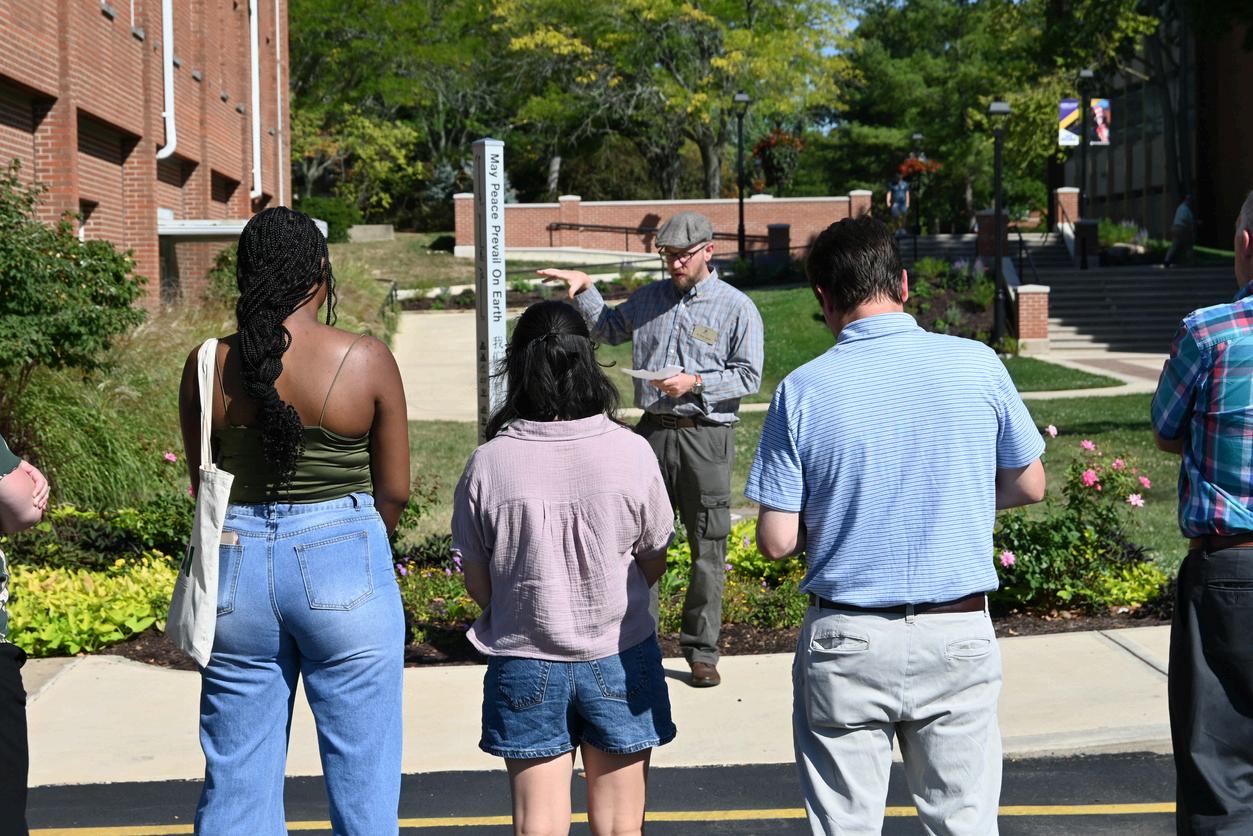
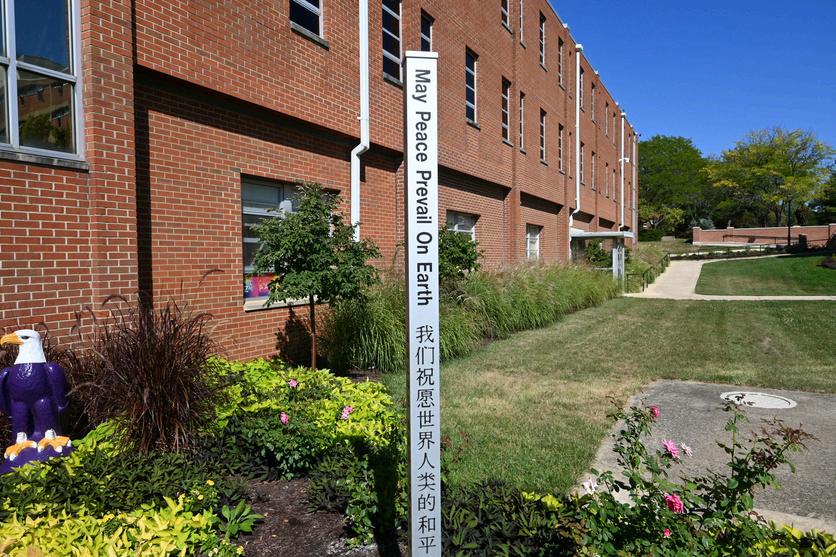
Over the past year, ACN continued to serve our mission of promoting peace and nonviolence through education as well as other meaningful events. In the Fall, we started the academic year with our largest cohort of peace scholars to date. We also put a peace pole in the ground outside of our offices in Bixler Hall and dedicated it to Phil Lersch, a true advocate for peace and friend of ACN, now of beloved memory. Dr. Jake Newsome came to Ashland and spoke about his work as a historian, looking into how LGBTQ+ people were treated in Germany during the Holocaust. In February, a group of us, including several peace scholars, attended the Rotary Peace Summit where I served on a panel discussion. Dr. Matthew Lee, our conference keynote, spoke about his work related to human flourishing. Scholars and practitioners made our conference on “The Science of Peace” a truly exciting event. With this theme, we got to explore some dimensions of peace that we had not focused on much in recent years. Ben Jealous of the Sierra Club was our keynote speaker in March, giving us hope, as well as work to do, for the future of the natural world. Finally, we held an open mic night where several talented people of all ages contributed songs of peace for our enjoyment. It was so much fun, we’ll definitely do it again next year!
With another year in the books, I’m again filled with gratitude for all of the good will and positive energy that so many of you have put into the work that we share.

Peace,
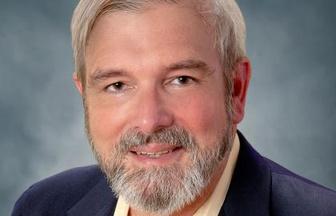
Craig Hovey, ACN Executive Director

The Ashland Center for Nonviolence at Ashland University promotes alternatives to violence through programs, education, training and building relationships that foster awareness and consideration of issues related to nonviolence and social justice, and supports ways to create a caring community that is inclusive and just.
We seek a world in which human conflict at all levels can be resolved without resorting to violence and in which social justice can be realized.
We seek a world in which human conflict at all levels can be resolved without resorting to violence and in which social justice can be realized.
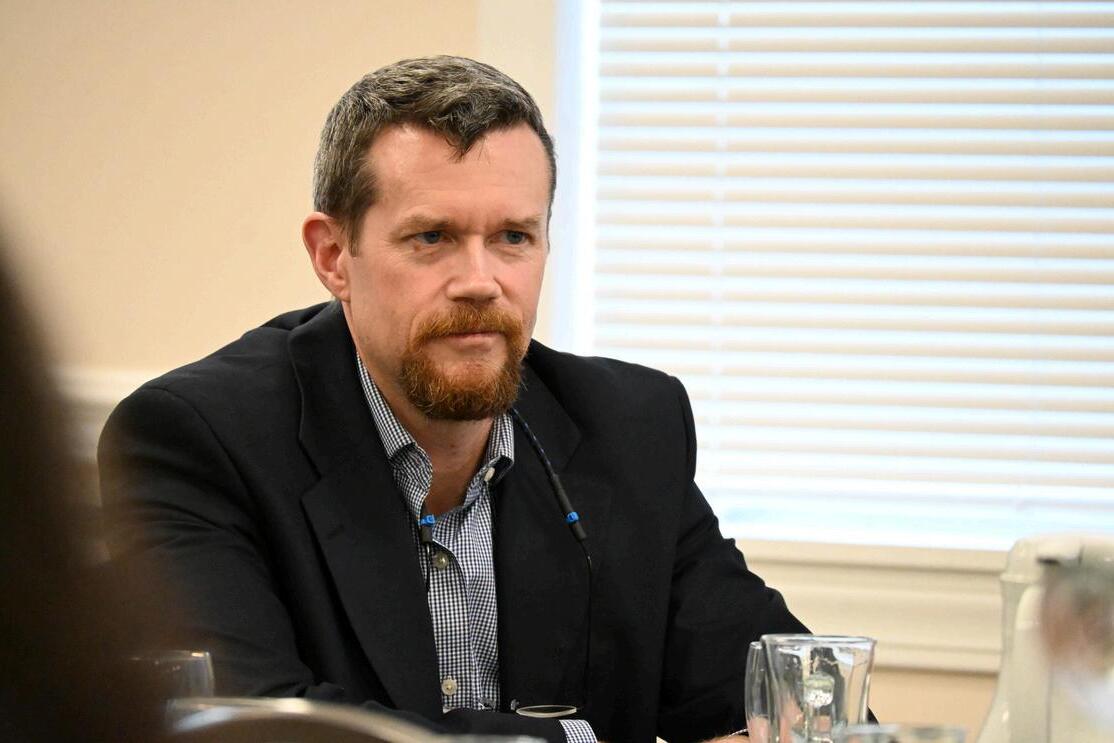

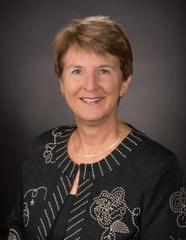
Craig Hovey Executive Director


Wim Laven Steering Committee



September 12, 2024 - Peace Pole Dedication
September 30, 2024 - Annual Meeting
October 1, 2024 - “In the Shadow of the Pink Triangle: Holocaust History & LGBTQ+ Rights Activism” with Dr. Jake Newsome
February 1, 2025 - Rotary Community Peace
Summit: Dr. Hovey presents, peace scholars attend
February 13, 2025 - Documentary Screening “Third Harmony”
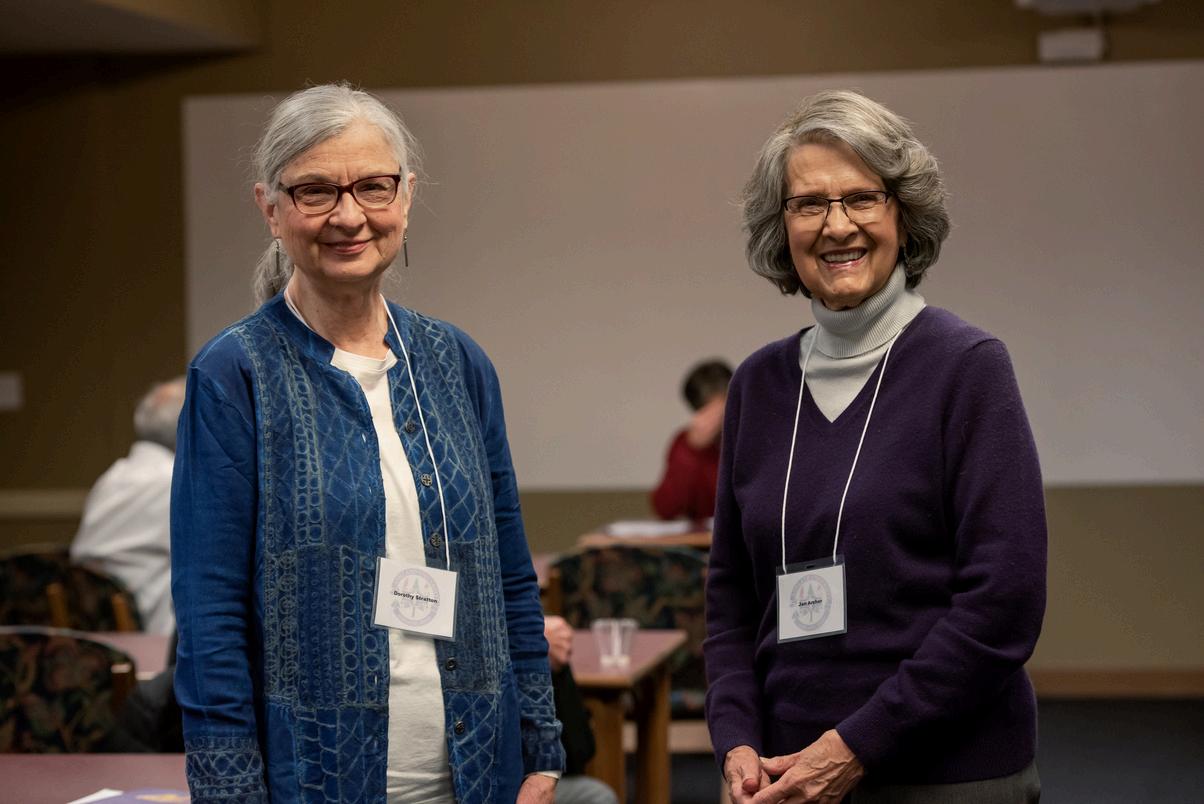
February 21, 2025 - 10th Annual John D.
Stratton Conference The Science of Peace
Keynote: Dr. Matthew Lee, “What is Ecosystem-Wide Flourishing and Why Does it Matter to Peace?”
February 22, 2025 - 10th Annual John D.
Stratton Conference The Science of Peace
March 19, 2025 - Steering Committee Meeting
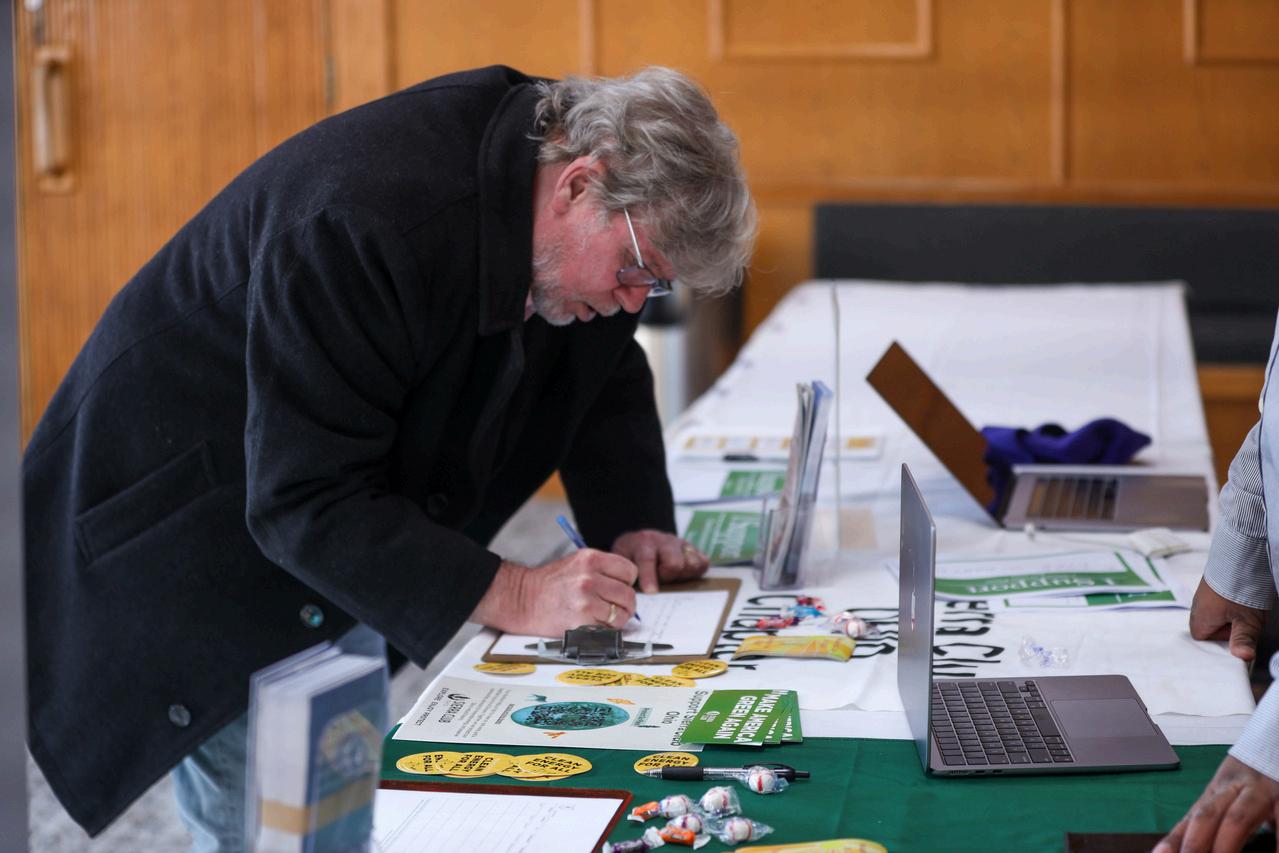
March 26, 2025 - "Winning for the Earth" with Ben Jealous of the Sierra Club
April 1, 2025 - Playing for Change: Open Mic Night




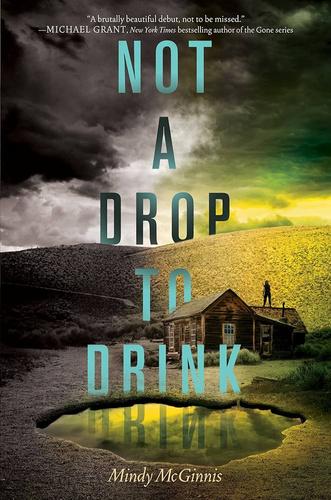
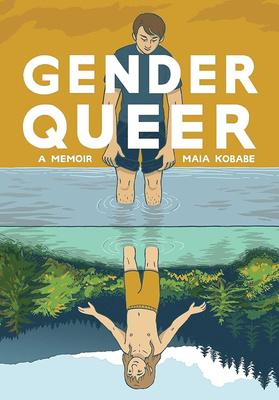



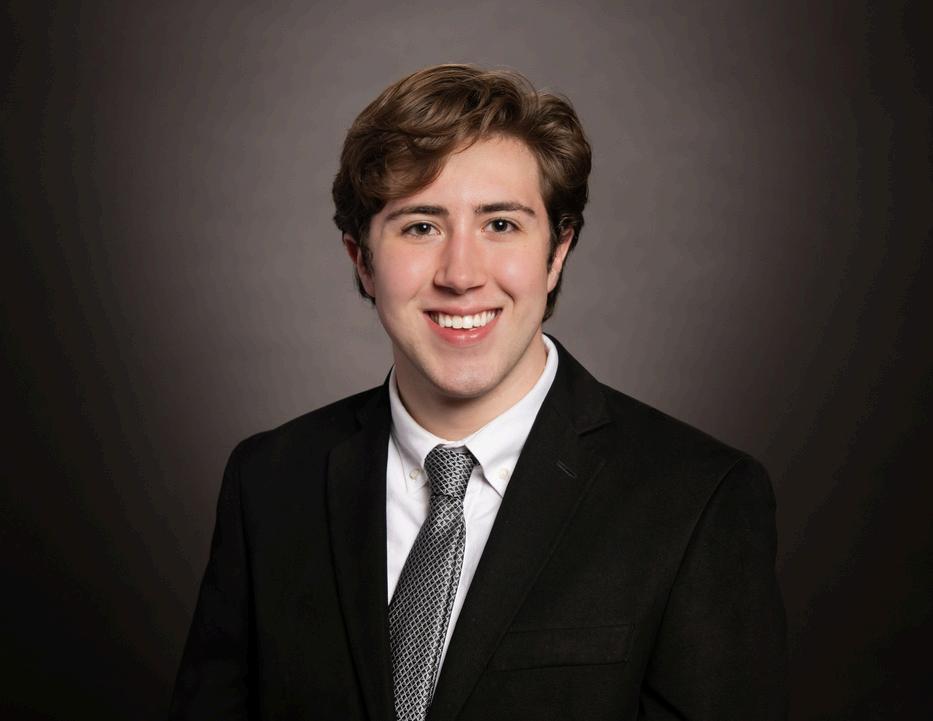
“The Community Conversations Book Club has been a great way to connect with others in ACN and discuss interesting books related to current social issues in America, which I would not have read otherwise ”
Reid Opel, class of 2026






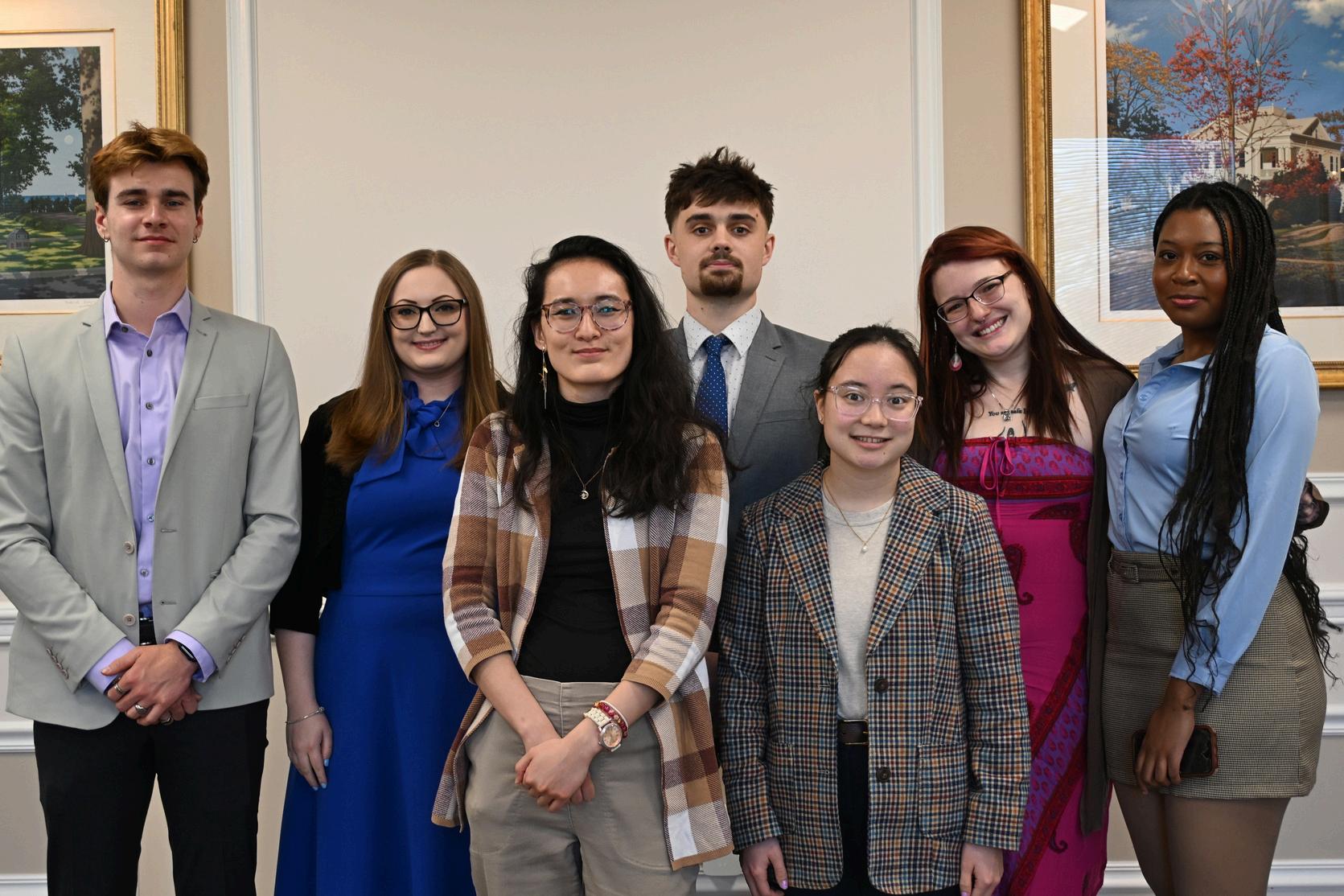
“Being a peace scholar allowed me to learn how to apply peace within the field of criminal justice It was super beneficial to do events such as the restorative justice circle to help show how I could help bring peace into that field.”
“ACN has provided opportunities for me, my peers, and other individuals to discuss how nonviolence can endure even in the most conflictual situations. This has allowed us to open our minds to a more peaceful worldview that has not always seemed like an option in the midst of our own experiences and humanity”
The purpose of the Ashland Center for Nonviolence Peace Scholar Program is to enrich a student’s knowledge of nonviolence, skills for leadership and opportunities for peace-related experiences. It empowers self-motivated learners to pursue their interests, develop their understanding and skills and translate their passions into meaningful action.
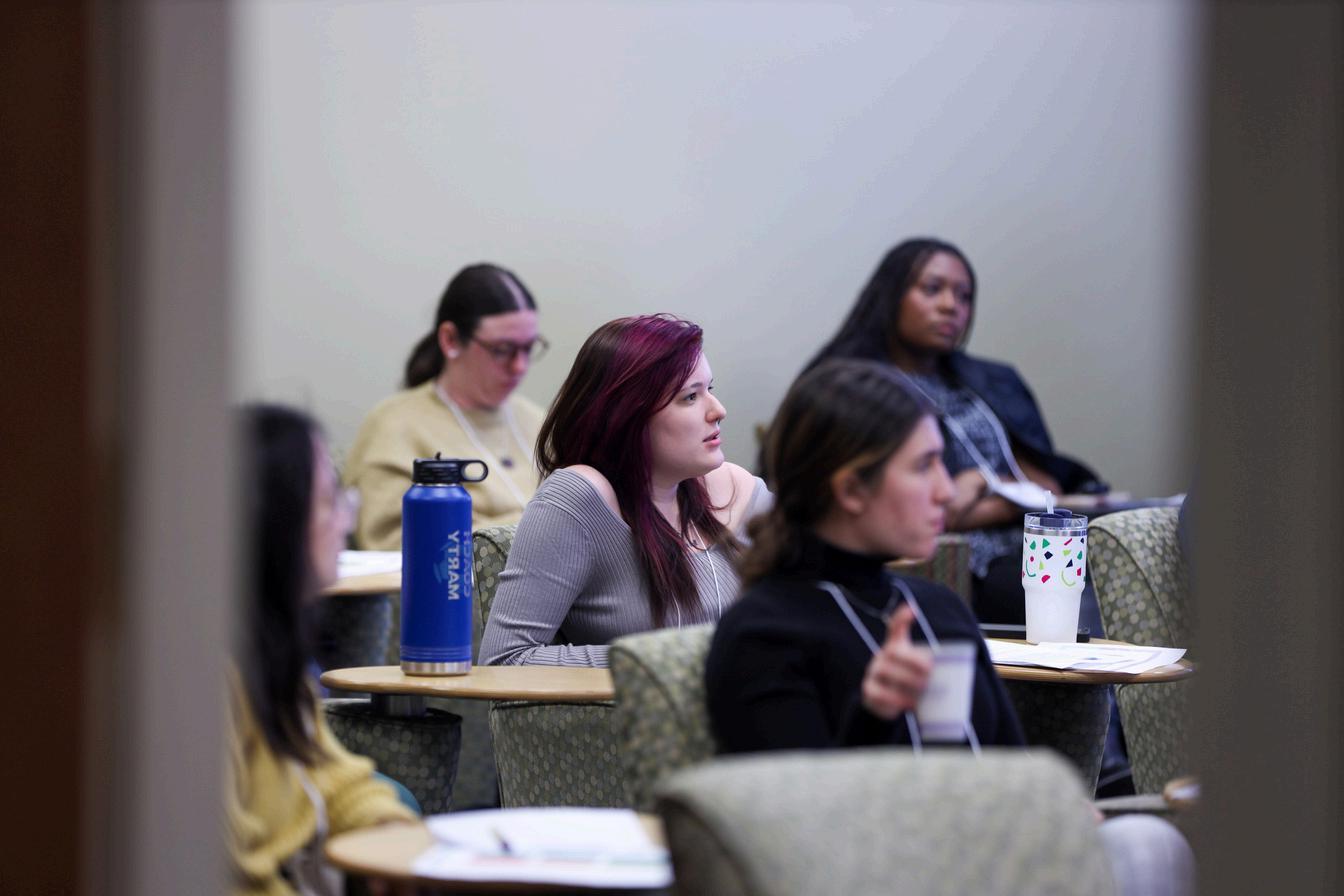
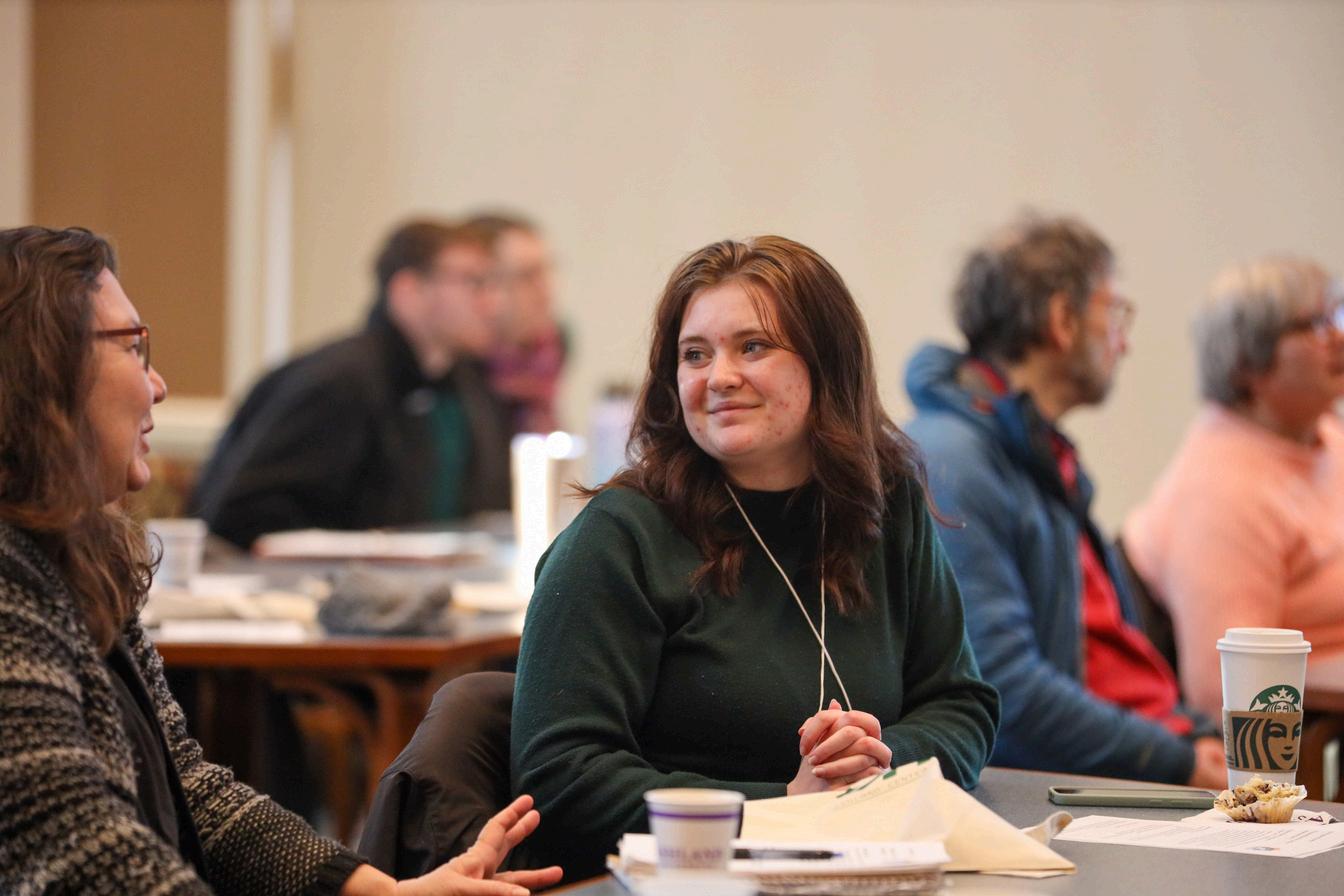

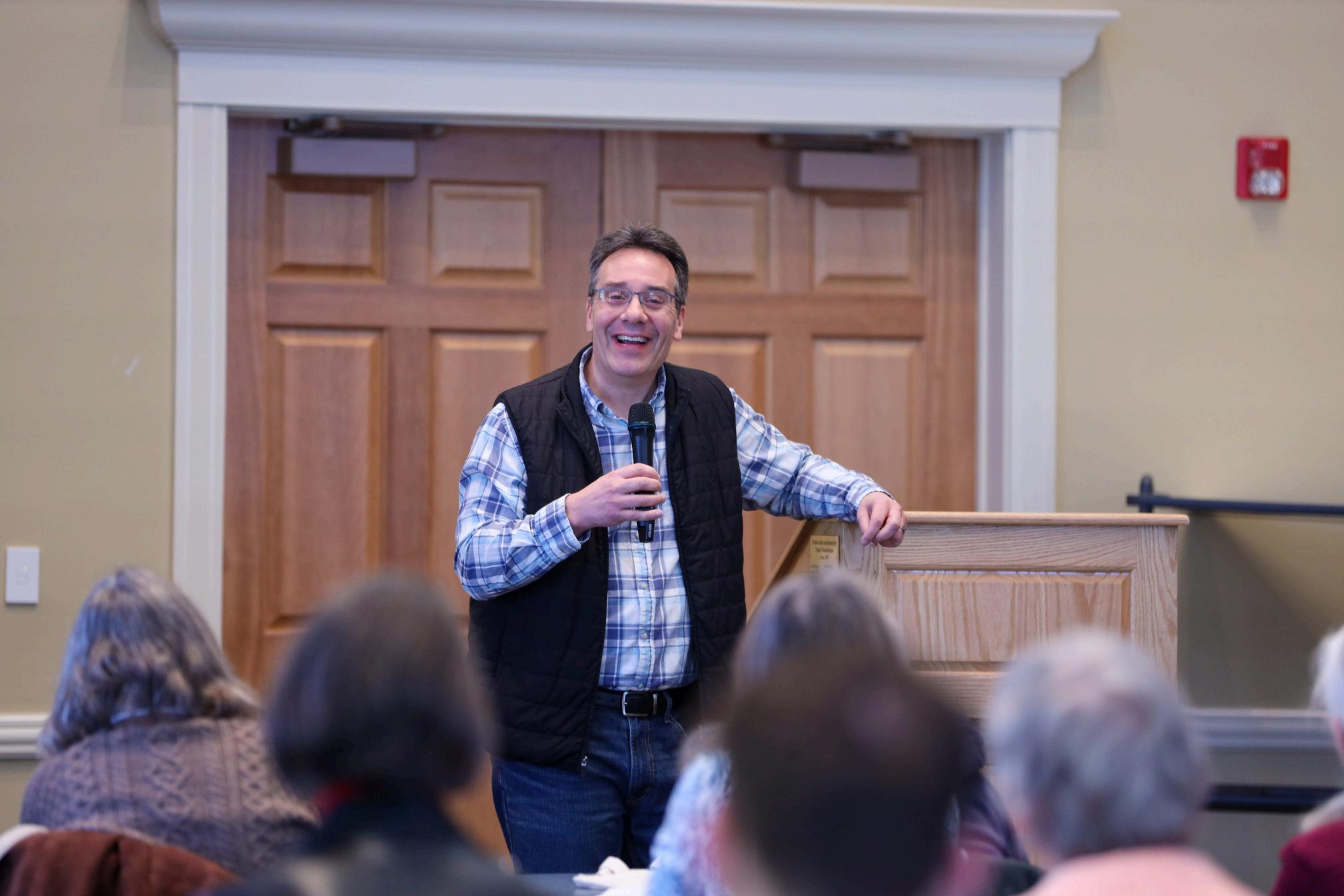
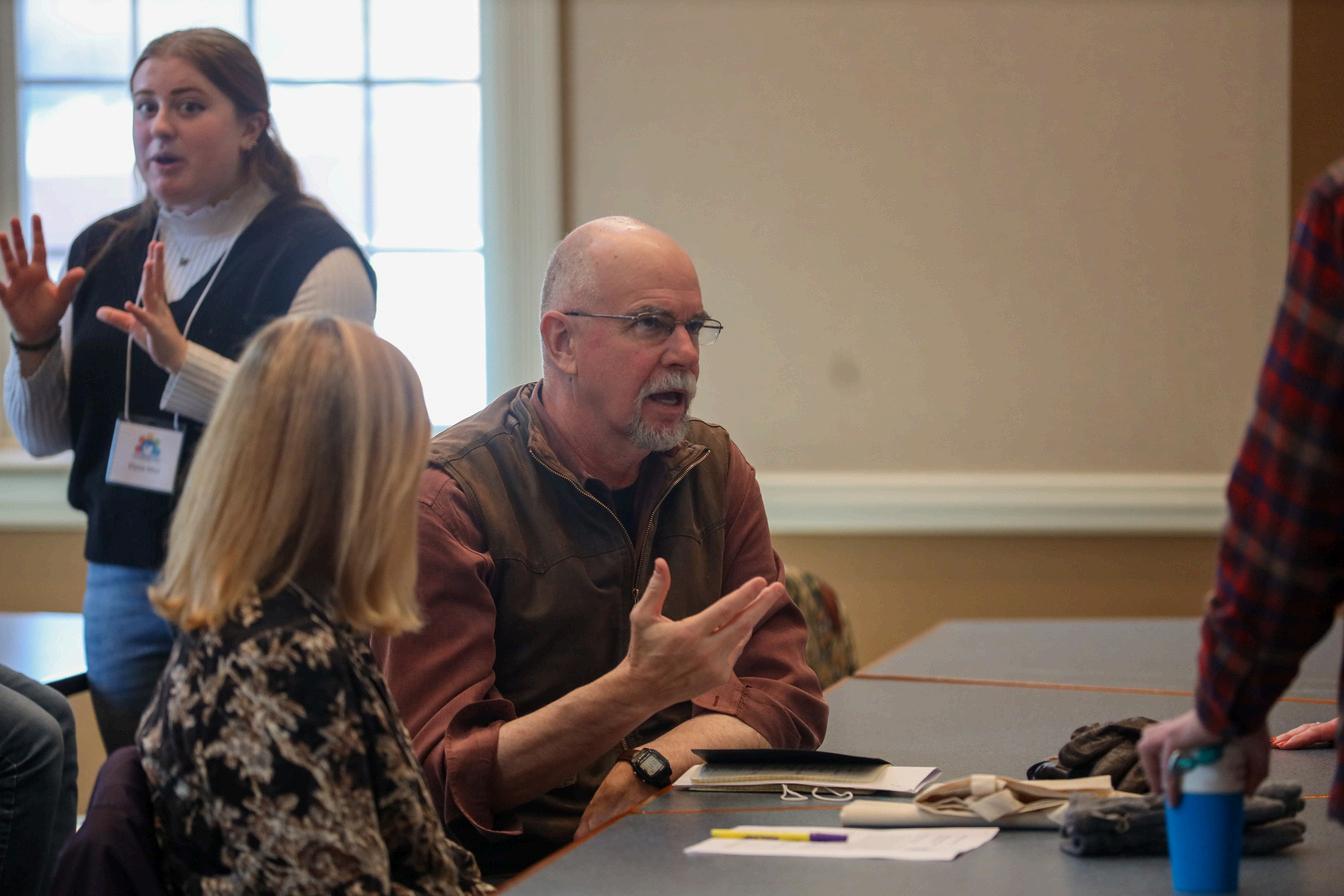
“The presentations were both informative and motivating.” —Conference Attendee

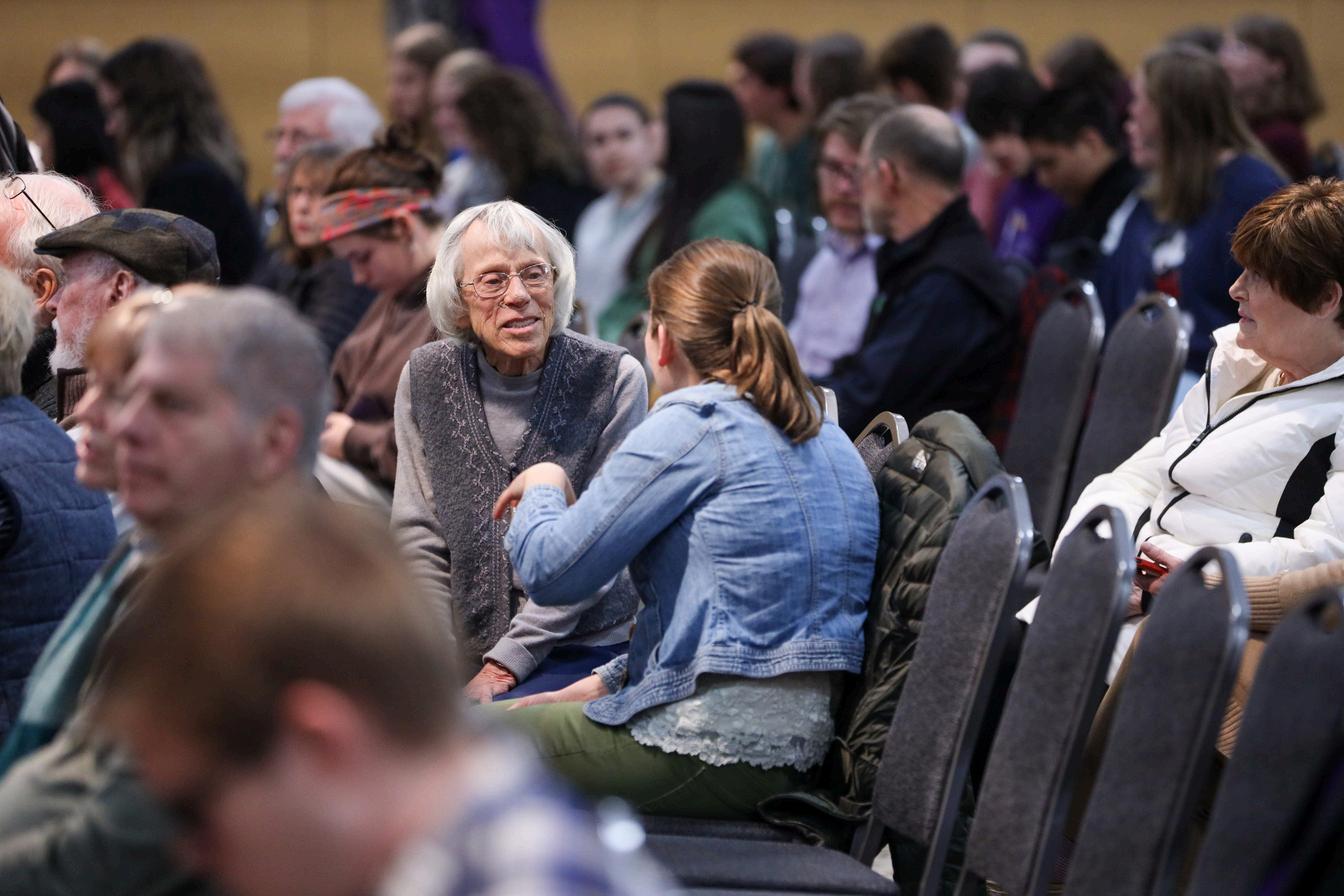
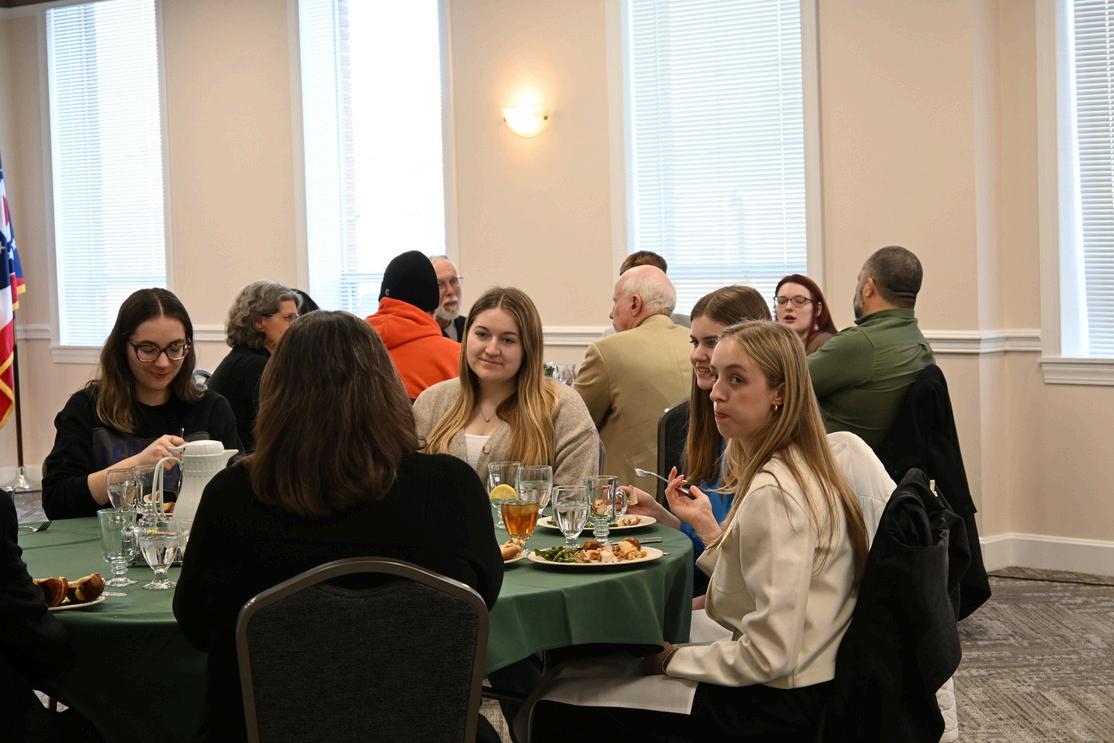
The 10th Annual John D. Stratton Conference, The Science of Peace, was a remarkable success, bringing together scholars, practitioners, and students from across disciplines to explore how science and technology can contribute to peacebuilding. The exchange of ideas was vibrant and inspiring, highlighting how the methods of research, data science, environmental studies, and engineering can intersect with the humanities and social sciences to foster a more just and peaceful world.
The conference featured a keynote address by Dr. Matthew T. Lee of Baylor and Harvard Universities, whose insights into human flourishing and compassion set a hopeful and thoughtful tone for the event His talk and the subsequent sessions generated meaningful dialogue and collaboration among participants, emphasizing the promise of interdisciplinary approaches to understanding and practicing peace.
In every way, The Science of Peace embodied the mission of the Ashland Center for Nonviolence encouraging dialogue, creativity, and cooperation in pursuit of a nonviolent world. The event was both intellectually engaging and deeply heartening, marking ten years of the Stratton Conference as a continuing catalyst for innovation and hope in peace studies