

Auckland Theatre Company receives principal and core funding from:
ATC Creative Learning also thanks the ATC Patrons and the ATC Supporting Acts for their ongoing generosity
Please note
• Eating and drinking in the auditorium is strictly prohibited.
• Please make sure all cell phones are turned off.
• Please don’t bring school bags to the theatre.
• Photography or recording of any kind is strictly prohibited.
Synopsis
P.07
About The Play
P.15
About Anton Chekhov
P.16
Talking to The Director P.18
Māori Land March 1975
P.21
Characters
P.22
Set and Lighting
P.28
Costume Design
P.32
Music and Sound Composition
P.34
Post-show Activities
P.38
Reading and Resources
P.42
ATC Creative Learning
P.43
Curriculum Links
P.43
Venue: ASB Waterfront Theatre, 138 Halsey Street, Wynyard Quarter, Auckland City
School Matinee: Thursday 21 and Thursday 26 June 2018, at 11am.
Running Time:
3
2 hours and 30 minutes, including a 20-minute interval.
Post-Show Forum: Takes place in the theatre immediately after the performance (15 – 20 minutes).
Suitability: This production is suitable for Year Levels 11 - 13.
Advisory: Contains occasional use of strong language.
season of
Written by Anton Chekhov
Adapted by Albert Belz, Tainui Tūkiwaho, Philippa Campbell and Colin McColl
Louisa (Lulu) Alison Bruce | Pōata Jones — Rāwiri Paratene | Tips Ian Mune
Wiremu — Te Kohe Tūhaka | Charlotta — Hera Dunleavy | Leo — Andrew Grainger
Wikitōria — Maria Walker | Kōwhai — Krystal-Lee Brown | Peter Trafford — Eli Kent
Matu — Joe Dekkers-Reihana | Anna — Indigo Paul | Himiona — Justin Rogers
Passer-by — Wayne Hapi | The Dog — Pipi
Director — Colin McColl | Set and Lighting Designer — Tony Rabbit
Costume Designer — Elizabeth Whiting | Sound Composer — John Gibson
Production Manager — Joel Crook
Company Manager (Maternity Cover) — Eliza Josephson-Rutter
Stage Manager — Chanelle Muirhead | Assistant Stage Manager — Natasha Hoyland
Technical Manager — Kevin Greene | Lighting Operator — Zach Howells
Props Master — Becky Ehlers | Set Construction — 2Construct
Associate Director — Lynne Cardy | Youth Arts Coordinator — Nicole Arrow
Teaching Artists — Ava Diakhaby and Holly Hudson | Education Pack Writer — Lynne Cardy
Production designs courtesy of Tony Rabbit and Elizabeth Whiting Design — Wanda Tambrin | Production Images — Michael Smith

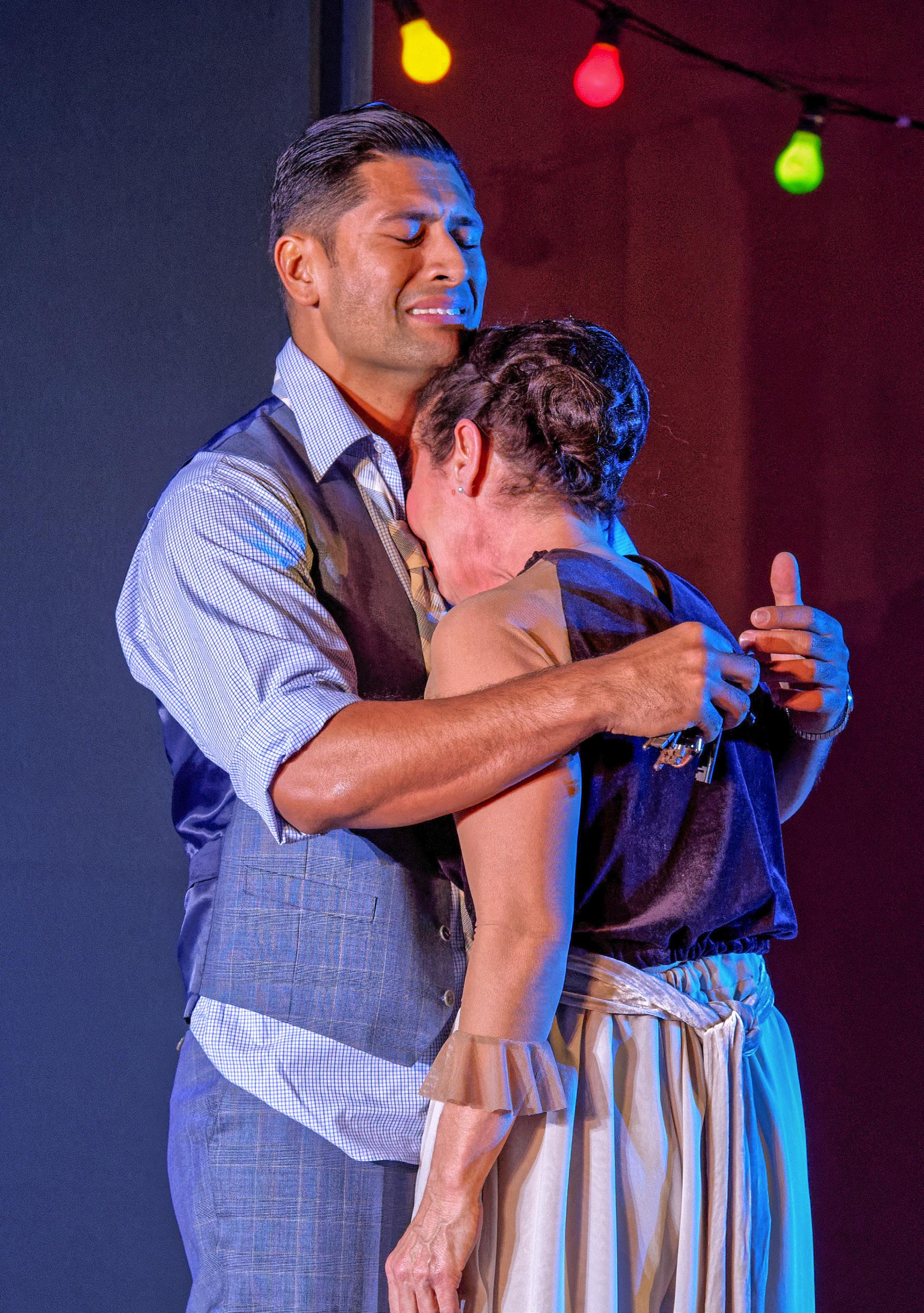
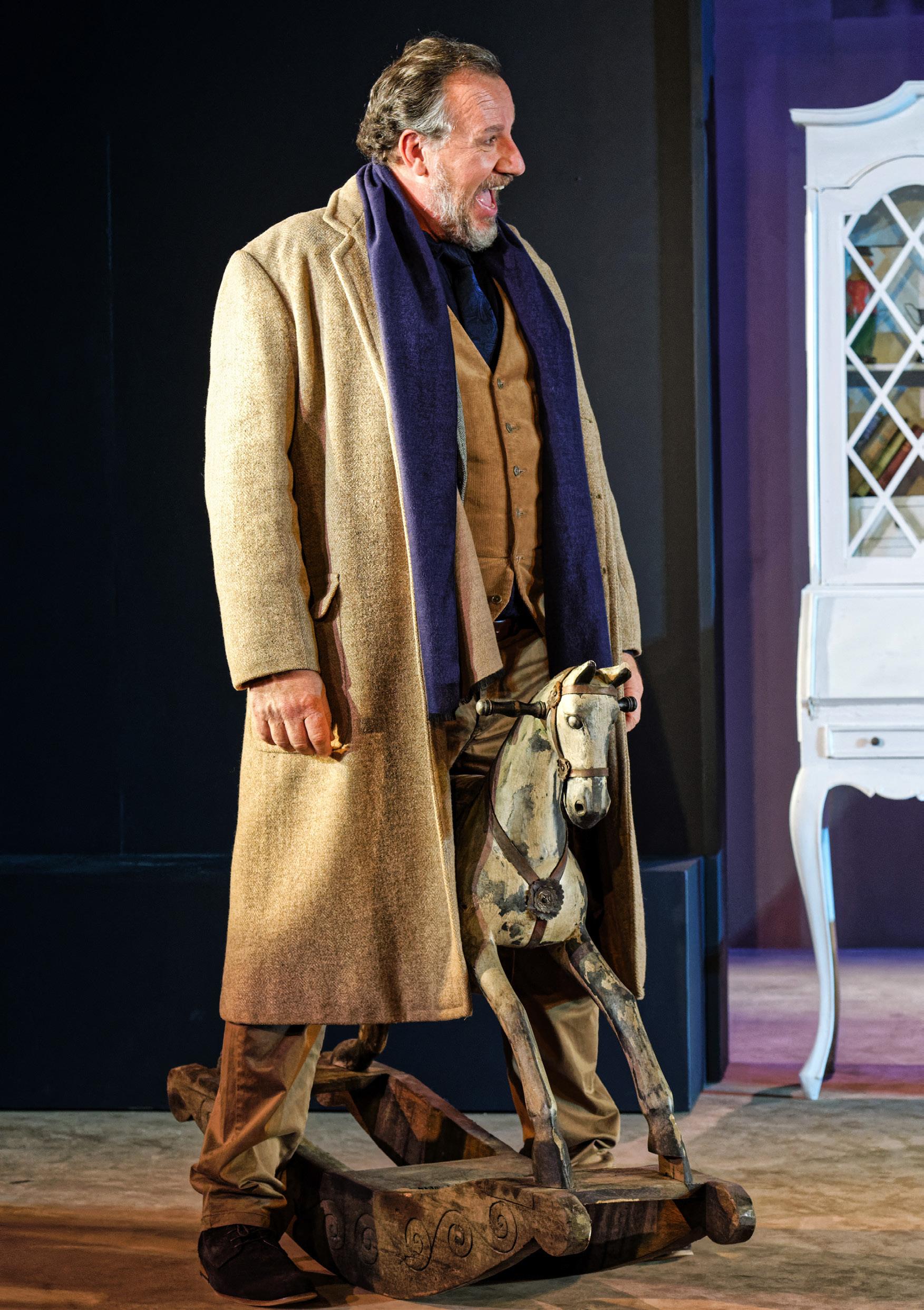
Early Spring, 1975 in the Gaye family homestead in Hawkes Bay, New Zealand. In the early hours of the morning Wikitōria anxiously awaits the return of her adopted mother Louisa from a fiveyear self-imposed exile in Paris following the death of her young son, Grish. She busies the household help, Kōwhai, to prepare for Louisa's imminent arrival. Kōwhai wakes up sleeping visitor Wiremu (a local businessman who has grown up around the family). Suddenly everyone arrives. Louisa has been brought home by Anna, her 17-year-old daughter, Anna’s governess Charlotta and by her assistant, Matu. Kōwhai and Wikitōria are delighted to see Anna, and Kōwhai confides to her that local cow-man Himiona has proposed to her (again), and that Grish’s ex-tutor, Peter Trafford, is staying on the premises. The family gather in the old playroom with other members of the household; Louisa’s brother Leo and elderly caretaker Tips. They are also joined by neighbour Pōata Jones and by Wiremu, who has a proposition for the debt-ridden family. Leo and Louisa are broke and the home they have inherited, and their land (including
the beloved cherry orchard) is to be sold. Wiremu proposes that they cut it down and build a hotel – this will bring income to the property and help pay off their debts. But Leo and Louisa are unconvinced. Like their optimistic neighbour Pōata, they believe ‘something will come along’ to help them out of their situation. Wikitōria delivers two telegrams from Louisa’s lover in Paris and Louisa rips them up saying she’s done with him. Peter Trafford appears and Wikitōria brings him to her mother. This is the first time Louisa has seen her son’s tutor since the little boy drowned.
Pōata Jones asks Louisa for money, and she instructs Leo to give him some. She goes off to bed and the others leave too. Alone together, Leo and Wikitōria discuss the family’s financial situation. Leo blames Louisa’s unconventional lifestyle (and her ex-partner) for their money woes but changes the subject when Anna appears, sleepy, in the doorway. Leo is then bustled off by Tips and he reluctantly goes to bed.
Wikitōria confides in Anna that while they were away she let some strangers stay on the property – marchers from the Land March – but Anna has fallen asleep.
In early Summer at the jetty by the lake Matu is lounging around with Kōwhai while Himiona looks longingly on, playing his guitar. He is desperate to talk to Kōwhai in private, but she only has eyes for Matu. Charlotta watches them and wishes for better company, but no one is listening to her. She and Himiona leave and Matu
and they hear music in the distance – a country band. Wiremu is at the end of his tether with them but he tries to join in. Leo tells them that he has been offered a job at the bank in town and Louisa tries to convince Wiremu to marry Wikitōria. Tips appears with a jacket for Leo, followed by Anna and Peter, then Wikitōria.
“The world is full of so much. We have these huge forests. We have boundless open fields. We can see the deepest, furthest horizons. Look around you. Look. We should be giants.” (Wiremu, Act Two)
flirts with Kōwhai until he hears the others returning and fobs her off.
Louisa, Leo and Wiremu arrive having just enjoyed a long lunch in town. Wiremu is still trying to convince them to build a hotel on the property but they are unmoved, each exclaiming about how hopeless they are with money. Leo is convinced their rich Aunt ‘up North’ will bail them out, whilst Louisa despairs of her past mistakes – particularly with her love life. She talks about her first husband who drank himself to death, and her lover (the one in Paris) who has used and abused her for her money. She pulls out another telegram and tears it up. Leo comforts her,
Wiremu engages Peter in a philosophical discussion until they are interrupted by a strange sad sound in the distance and everyone stops to listen. Their reverie is upset by the arrival of a stranger, a passer-by from the Land March. Louisa gives him money when he asks for it, much to Wikitōria’s dismay, and the stranger leaves chanting “not one more acre of Māori land!” They are all a little shaken by the encounter and everyone leaves except Peter and Anna. Peter talks of his beliefs – he backs the Māori cause - and Anna is captivated. They embrace, but Wikitōria interrupts them, calling for Anna. They run off together, leaving Wikitōria to appear alone on the jetty.
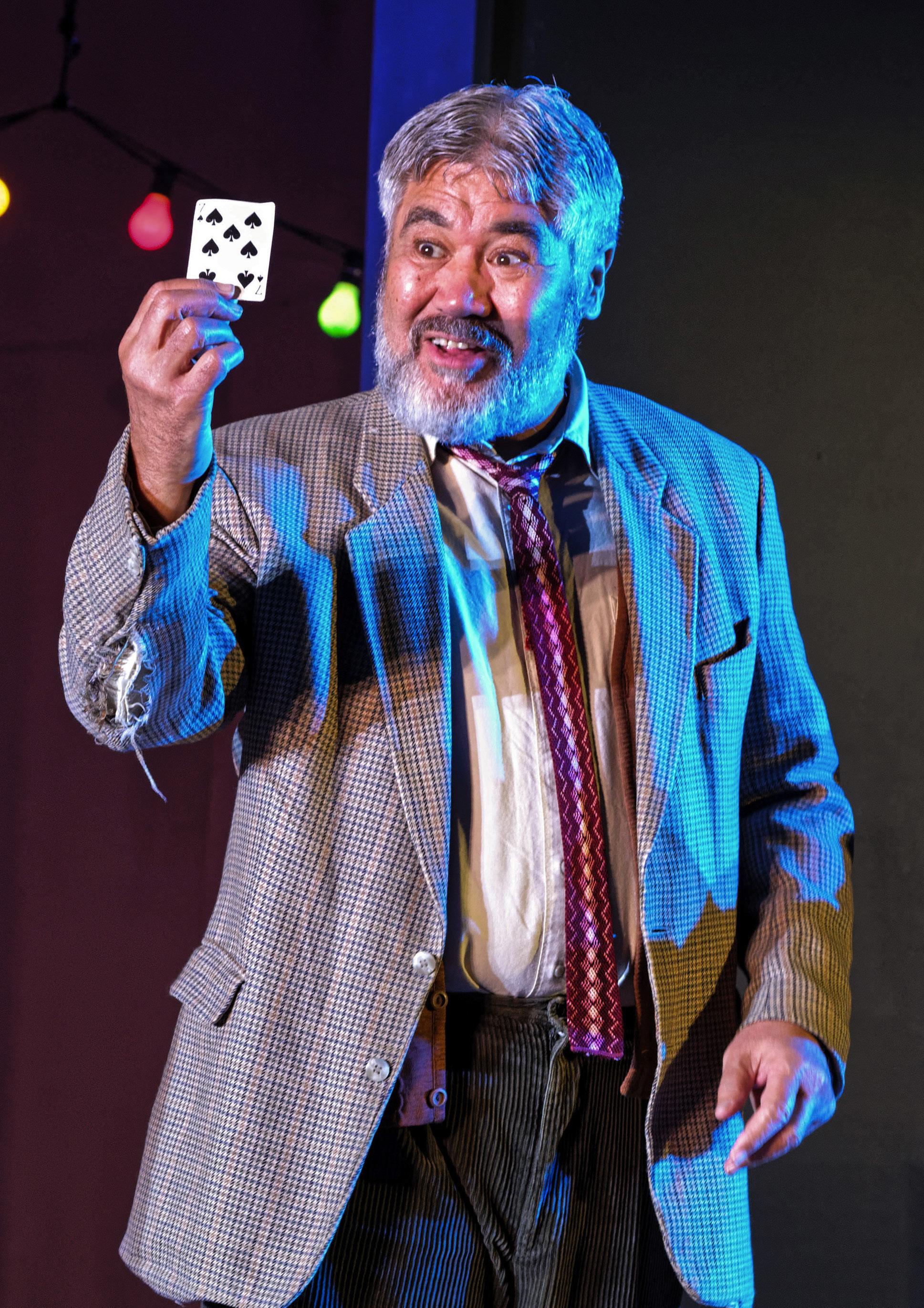
Late Summer, at the house. A party is in fullswing. The band that Leo and Louisa heard earlier is playing in the ballroom. Everyone is dancing. Pōata Jones, Peter and Wikitōria take a break on the verandah. Pōata is worried about paying back the money he owes. Louisa comes in with Charlotta. She is anxious, awaiting Leo’s return from town from the auction of their property. Charlotta distracts her with magic tricks. Louisa encourages Wikitōria to marry Wiremu, but Wikitōria gets cross, and says she wishes she had money of her own so that she could escape and travel. Louisa and Peter talk together. She confides her anxiety about the auction, and he tells her to let the past go, and to confront the truth. She tells him how important the cherry orchard is to her, and when another telegram falls out of her pocket Peter retrieves it. She tells him she gets one every day and confesses that she still loves the man in Paris, no matter how badly he has treated her. Peter reproaches her and Louisa turns on him. Peter runs off, come back, and runs off again, falling over. Tips appears, and Louisa asks him where he will go when the cherry orchard is sold. Matu begs Louisa to take him with her if she goes back to Paris. Anna appears to say that someone has said the cherry orchard is sold, then she disappears again, to dance with Peter. Himiona tries to talk to Kōwhai until Wiremu arrives, a little drunk, followed by Leo. When Louisa quizzes them they tell her that yes, the cherry orchard has been sold, and eventually Wiremu proclaims that he has bought it. He is excited and delighted that the land is now his and he can carry out his plans to develop it. He wants everyone to join the party. Louisa is in shock and falls to the floor, to be comforted by Anna.
Autumn, the playroom. The room is littered with packing boxes and the furniture has gone. Wiremu has brought champagne, but only Matu drinks it. Peter is looking for his boots, and even he won’t join Wiremu for a drink. Anna appears. She tells Wiremu to wait until they have gone before chopping down the cherry orchard and asks whether Tips has gone to the hospital. No-one seems to know. Wiremu leaves and Louisa, Leo and Charlotta enter. Anna tells her mother she is excited about her new life and Louisa says she feels much better now. She will be going back to Paris, and Leo will be working in the bank. Charlotta wonders what she will do now. Wiremu appears and she asks him for a job. He doesn’t answer her directly but he has employed Himiona to help him run the estate now.
Pōata Jones appears. He has his chequebook out and repays both Wiremu and Louisa for past loans. He has had some unexpected luck with his land and come into money. Louisa has another attempt at convincing Wiremu to propose to Wikitōria. He agrees to it, but when he is left alone with her they both become tongue-tied, and the idea dissolves into nothing. Himiona calls him away. Everyone bustles out of the house, saying their last goodbyes. The house is empty. The sound of chainsaws starts up. Suddenly there are footsteps and Tips appears, muttering and grumbling. He settles himself on one of the boxes and lies down. A strange sad sound is heard in the distance.
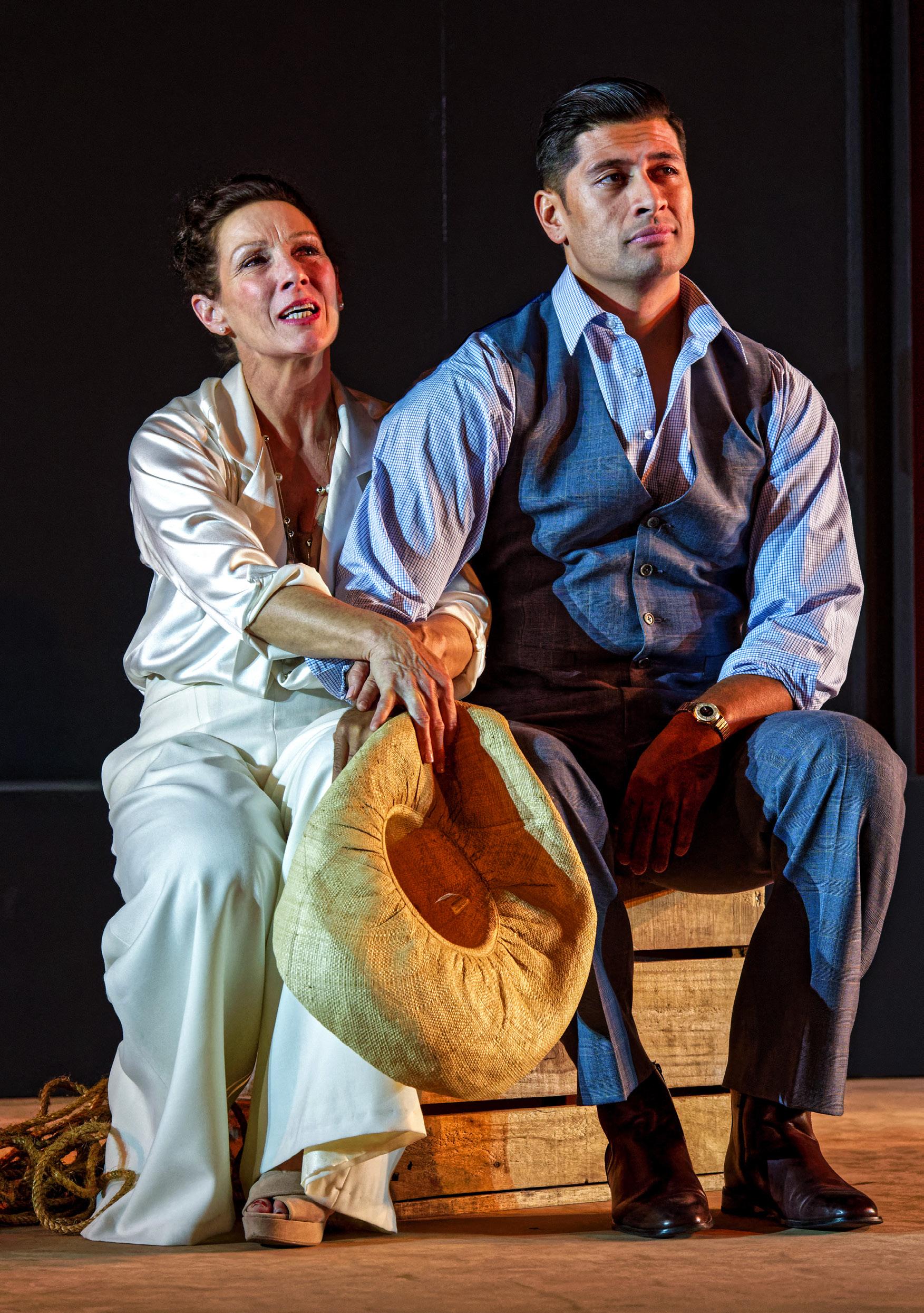
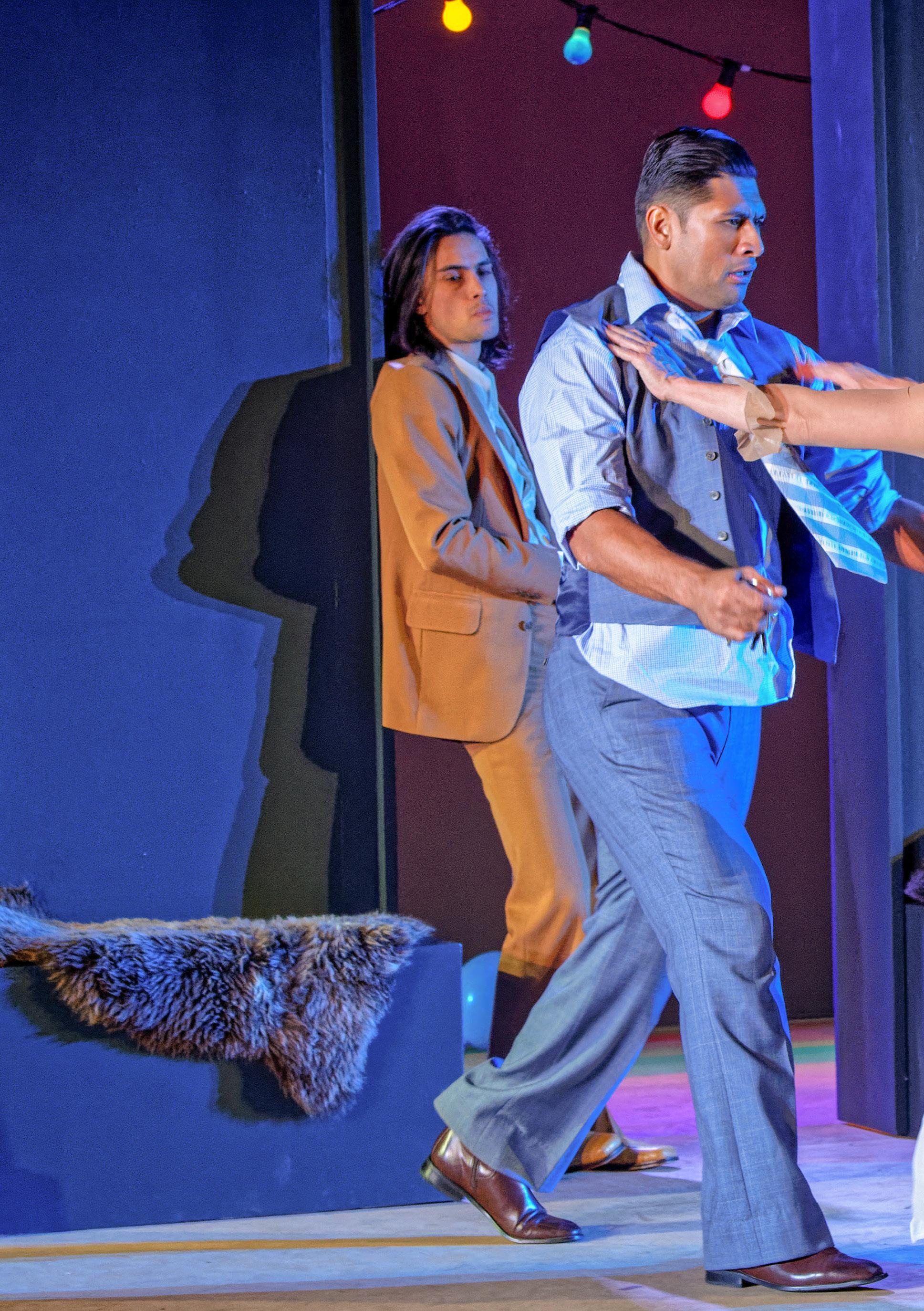
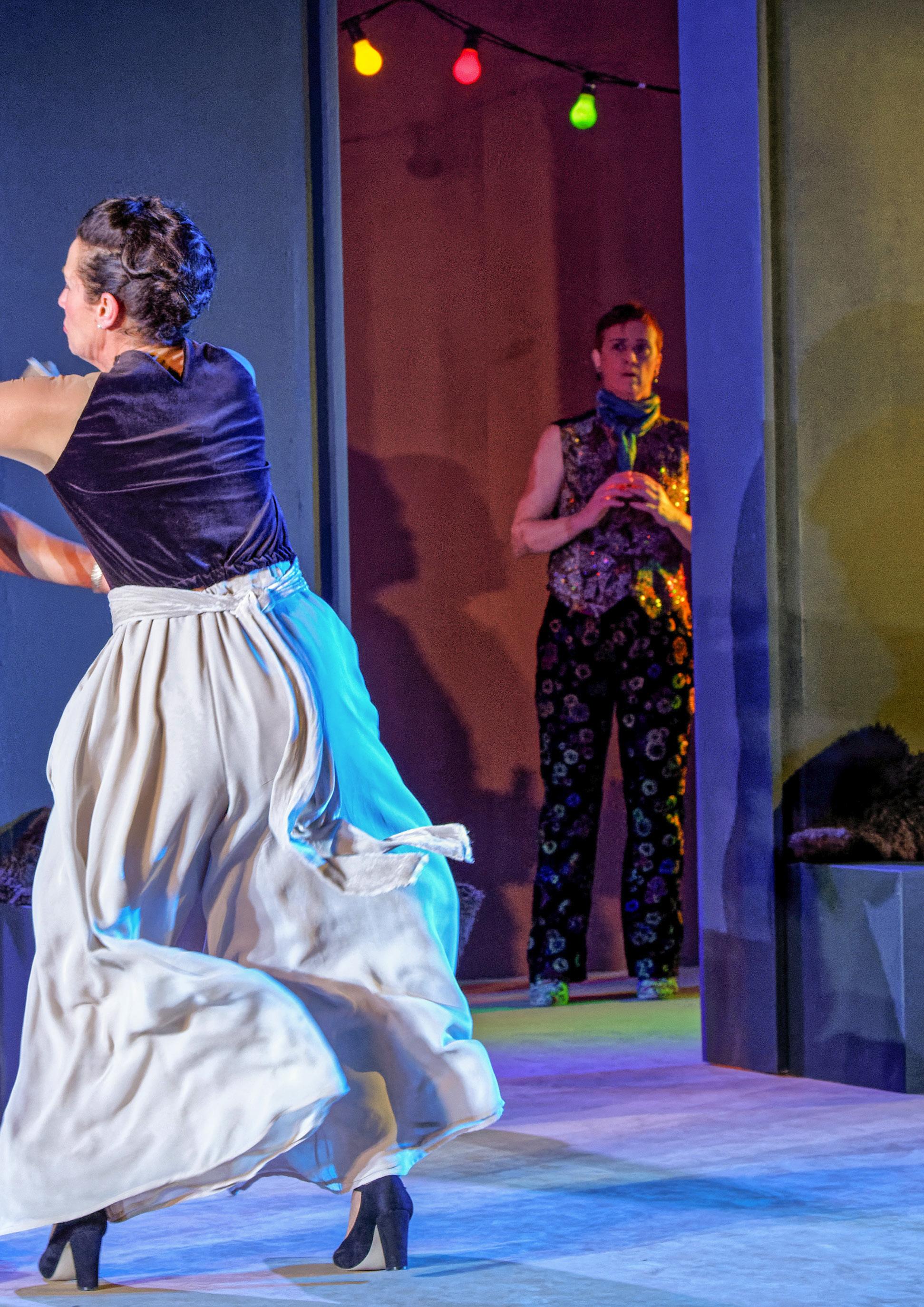
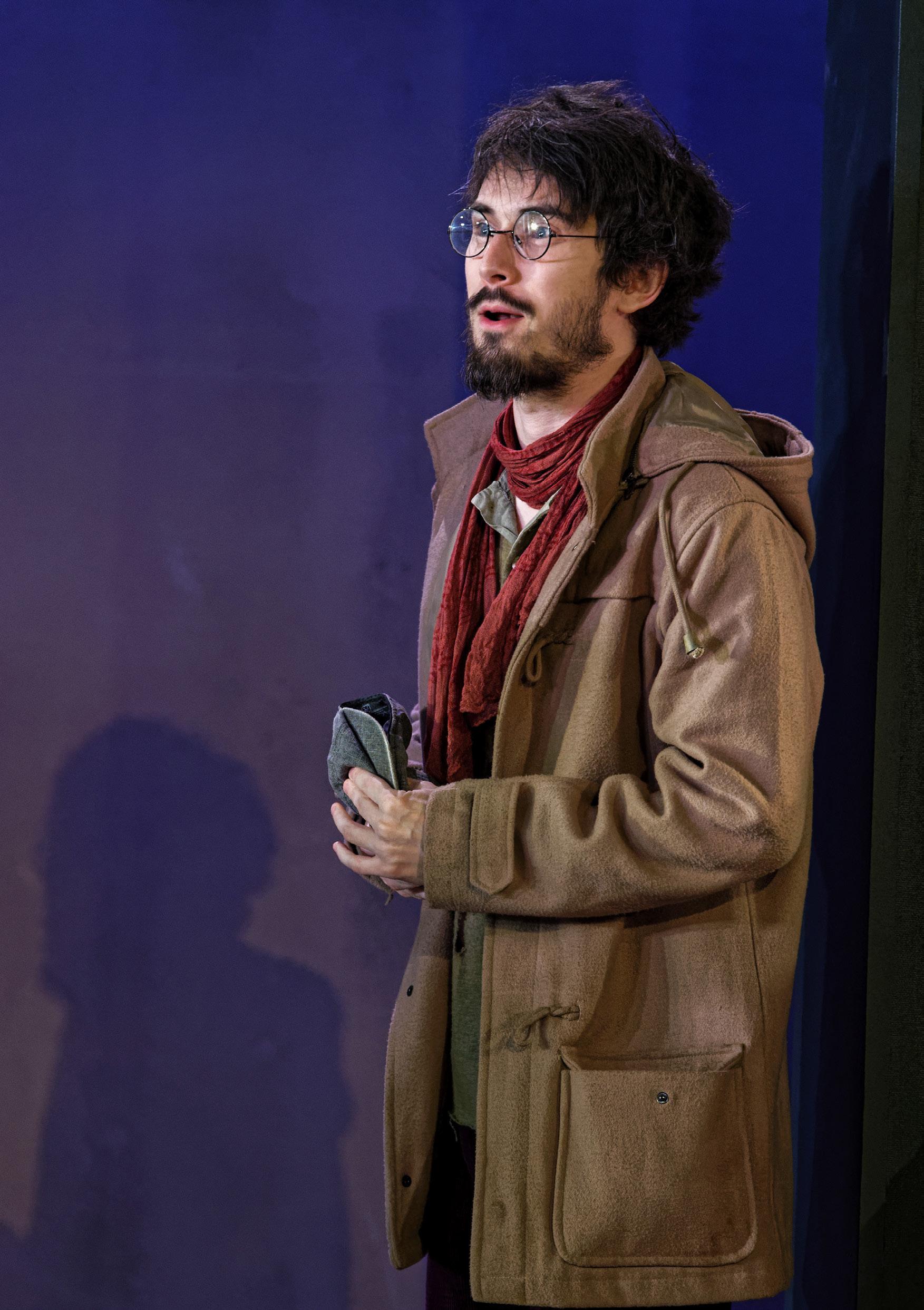
The Cherry Orchard, Moscow Art Theater, 1904
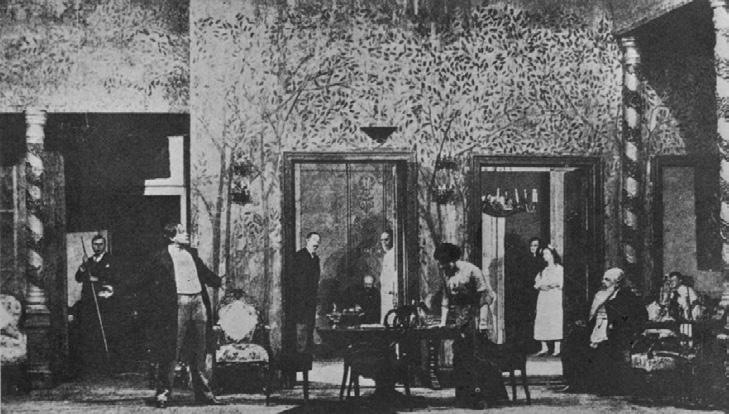
“a comedy, in places even a farce”
THE CHERRY ORCHARD is Chekhov’s final play. It was first performed and published in 1904 and Chekhov insisted that the play was “a comedy, in places even a farce,” but subsequent productions often treated it as a tragedy, including the first production directed by Stanislavski for the Moscow Art Theatre. Chekhov hated this production, but critics were divided. It was popular at the boxoffice and was subsequently presented all over Russia and beyond. Shortly after the play debuted, Chekhov’s health declined (he had tuberculosis), leading to his death in July of that same year.
One of Chekhov’s most popular plays, The Cherry Orchard is presented all over the world in various adaptations and translations (including in Afrikaans and Punjabi), as well as in several film and television versions.
This adaptation by Tainui Tūkiwaho, Albert Belz, Philippa Campbell and Colin McColl, relocates the action from late 19th century Russia to rural Hawkes Bay in the mid-1970s. While some names (and references) have changed to reflect this setting, the characters, scenes, plot, and structure remain faithful to the original play.
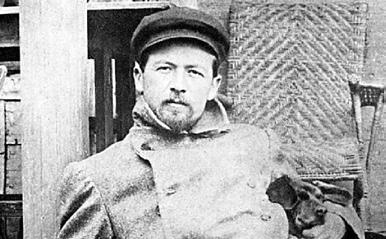
ANTON CHEKHOV is the most frequently produced playwright after William Shakespeare. Born in 1860 in Taganrog in Southern Russia into the first generation of a family of freed serfs, Chekhov’s father ran a grocery-store and his mother was a story-teller. In 1876, due to his father’s bankruptcy, the family shifted to Moscow, but Anton stayed on to finish school.
In 1879 Chekhov entered medical school in Moscow, and supported his family through freelance writing; producing hundreds of short stories and comic pieces for popular publications.
Practicing as a Doctor from the mid1880s, Chekhov began writing more serious stories and won great popular and critical acclaim, including literary prizes. Eventually he realized he could make a good living from his stories and dramatic writing. His early plays were short farces (Ivanov and The Wood Demon), but from the late 1890s onwards he collaborated with Constantin Stanislavski and the Moscow Arts Theater on his great works
The Seagull, Three Sisters, Uncle Vanya and The Cherry Orchard
Chekhov lived at a time of great social change. Russian society was harshly divided; the poor lived in miserable conditions, the middle-class (bourgeoise) was rising, the rich were on the brink of collapse and revolution was in the air. He took his social responsibilities very seriously. He chronicled the conditions of the poor, supported hospitals and libraries, and built schools.
Chekhov wrote about real people. His characters were beautiful and flawed, liars and truth-tellers, but he wrote about them without judgment. His unique insight into human nature and his ability to see comedy and tragedy in life’s small moments was as revolutionary as the times he lived in, and secured his place in literary history and in the hearts of the Russian people.
Maxim Gorky famously wrote that "in the presence of Anton Pavlovich, everyone felt an unconscious desire to be simpler, more truthful, more himself".
For more about Anton Chekhov, his life, and times, see this short video by the National Theatre of Great Britain: www.youtube.com/watch?v=aKKYtByZlx8
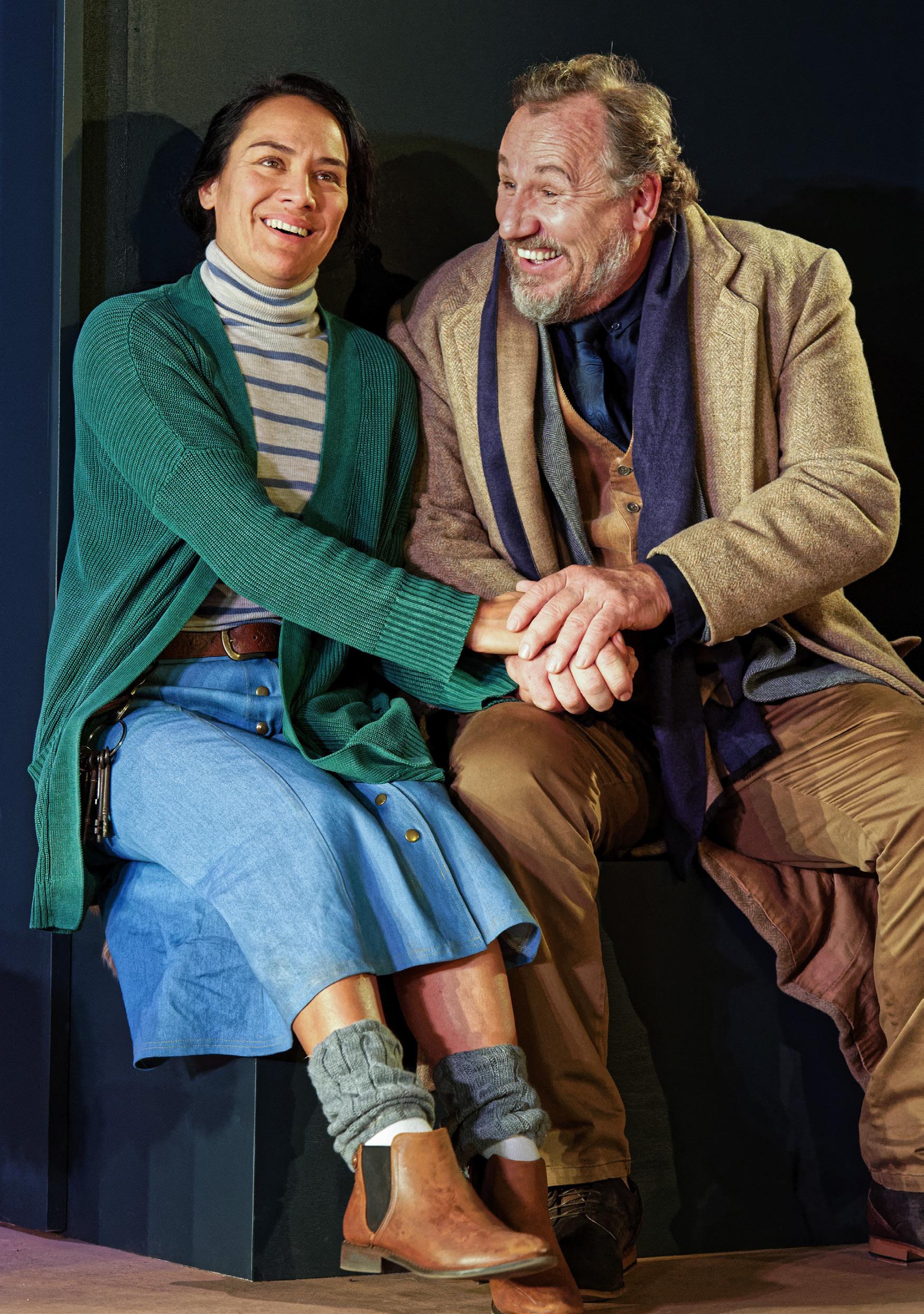

COLIN MCCOLL has directed The Cherry Orchard several times before, but never for Auckland Theatre Company. When considering how he could interpret this classic work he read many translations, and thought about how to put the story into a New Zealand context so that the audience could experience it afresh.
“I looked at lots of new translations, but it quickly became clear that none sounded like they were coming from Aotearoa/ New Zealand. They didn’t sound like us. This was no good because what was revolutionary about Chekhov at the time he was writing, the turn of the 19th century, was that for the first-time actors on stage sounded exactly like people in the audience. They didn’t speak in a heightened way, they sounded real.
If you look at the original Russian script the speech is often marked by a phrase followed by dot-dot-dot, then another phrase, and dot-dot-dot. These ellipses signify how we all talk in conversation; rambling on, getting off the point – like real speech. This was revolutionary at the time. Most of the English translations I read put the text into neat and tidy sentences, and it doesn’t sound like us – it’s not a kiwi thing. So, I thought we just have to make it from here. Then I thought, if we are making it from here why isn’t it about some great social change that has happened in New Zealand rather than pre-revolution Russia? And I started thinking about the 1970s and 1980s, and the Māori Renaissance when more people starting using Te Reo and the resistance to that from some Pākehā New Zealanders. And then I remembered some
of my childhood spent with my Aunt and Uncle in the Hawkes Bay where they were cow-man gardener and a housekeeper for a family who owned a big stately home, and I thought why couldn’t the family in The Cherry Orchard, who put themselves into debt, be one of these families and for the Lopakhin character, who has become Wiremu in our version, to be a Māori businessman – and what would that mean?
So, we went deeper with this idea, and invited (Māori playwrights and theatremakers) Tainui Tūkiwaho and Albert Belz to get involved in researching and adapting the play through this lens, and it’s very interesting. A whole land issue comes into our version which isn’t in the original because of course a lot of those sheep stations were on what was originally Māori land, stolen from them. Leased from them first and then stolen from them. So, it gives another layer and depth to the play that it interesting to us. So that’s where we came from with this idea. I wanted to test it – to be sure I wasn’t just appropriating something – but Tainui and Albert,
Philippa (Campbell, ATC Literary Manager) and I had robust conversations about the adaptation and this is where we got to, and what we took to the design team.”
Colin sees The Cherry Orchard as ‘a thousand glimpes into the lives of this extended family’ and he likes the wide simple staging he and set designer Tony Rabbit have come up with as it suggests the expansiveness of the big house without detracting from what’s going on between the characters.
Pushing the action forward onto the forestage will bring the actors closer to the audience and hopefully achieve the intimacy Colin is after. While the panoramic staging is a challenge for the actors at times, he enjoys the randomness of it, which he sees as ‘just like life’, and in rehearsals he has enjoyed the process of the actors finding their way around the space.
You can hear Colin and the team talk more about the play, and the process of adapting it and staging it and watch the cast rehearse a scene here: www.facebook.com/TheATC/ videos/10156312877784054/
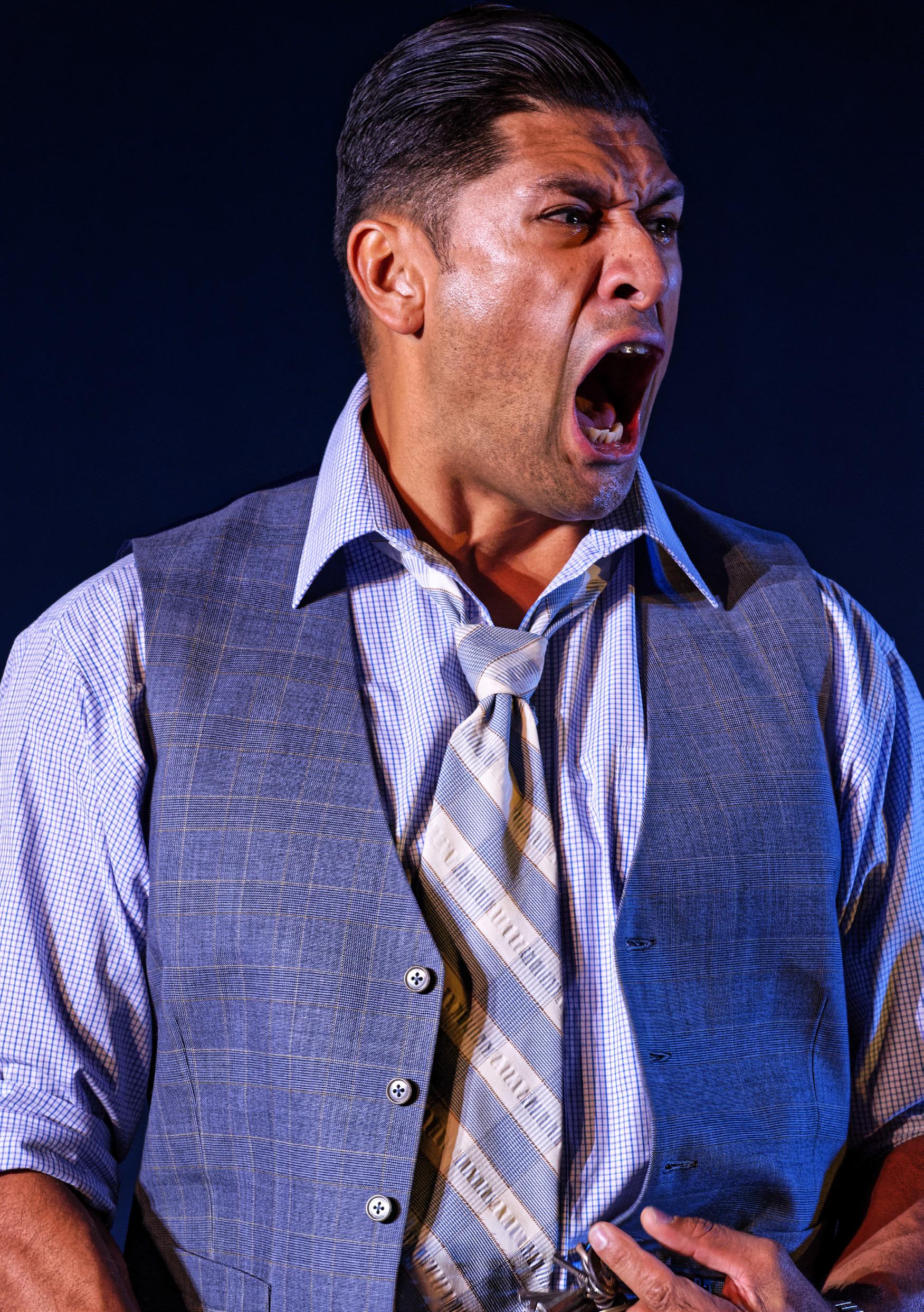
"Not one more acre of Maori land!"
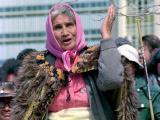
IT’S HARD TO BELIEVE now how repressed Māori language and culture was in Aotearoa/New Zealand, even as late as the 1970s. All that changed in 1975, starting with the historic land march led by 79-year-old Te Rarawa leader Whina Cooper. The land march (hīkoi) left Te Hāpua in the far north on 14 September for the 1000km walk to Parliament in Wellington. The primary aim of the hīkoi was to protest ongoing Māori land
alienation and to air concerns over the historic sale of Māori land and the control of land still in Māori hands. Amongst the marchers was young actor and activist Rawiri Paratene (who plays Pōata Jones in this production). The hīkoi quickly grew in strength as more people joined to offer moral support. Approximately 5000 marchers arrived at Parliament and presented a petition signed by 60,000 people to Prime Minister Bill Rowling.
Following the march, government institutions began to change their approach to dealing with Māori concerns, paving the way for the Māori ‘renaissance’, including; the occupation of Bastion Point, the Māori Language Act (when Te Reo was given the status of official language in New Zealand), the kohanga reo movement, and the Waitangi Tribunal.
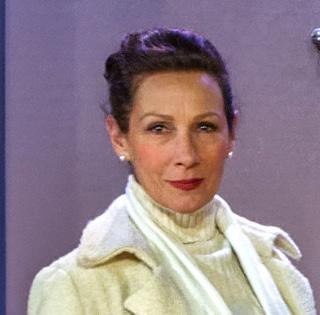
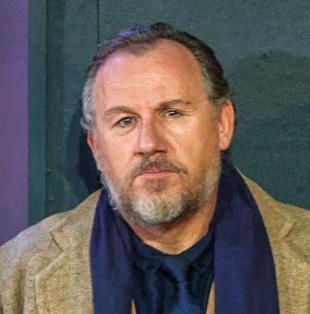
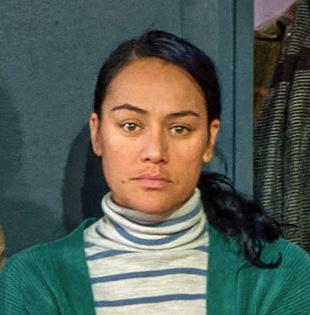

There are 13 characters in this adaptation of The Cherry Orchard. We asked Colin to describe them, and tell us how their names correspond to those in the Russian.
LOUISA/LULU (Lyuba Ranyevskaya)
Pākehā. Her name means Love – and love is her strength and her downfall. Men love her, she’s in her element in the company of men, women are much more of mystery to her. She’s sentimental, easily distracted but kind, sexy and great fun to be with. Sometimes she appears vague but isn’t really. She senses what’s coming but chooses to ignore it – there has been too much change in life in recent years. She’s also distracted by constant telegrams and phone calls from her lover in France. She adores being back home but it also brings back sad memories of her son drowning in the local river.
LEO (Leonid Gayev)
Pākehā. Louisa’s stay at home brother. Private school educated. Sense of entitlement but has no interest in running the farm or any economic necessities. A snob. Displays a sense of privilege even
though he’s penniless. Leo is an alcoholic, infantile, a stoner and possibly gay (it’s never mentioned but Matu alludes to it.) Leo loves playing billiards – it’s his default comfort action. Loves his sister, although he knows she’s as hopeless as he is. Tries to appear optimistic for the sake of his nieces.
WIKITŌRIA (Varya)
Half-caste Māori. The love child of Louisa’s dead husband and a Māori farm worker. Fighting a losing battle as the selfappointed housekeeper of the estate. Staff hate her. She has submerged her doubts about her parentage in her work. Attempts to keep the household running despite the lack of funds. The family have married her off to Wiremu in their heads – it’s sort of expected she will marry him but the proposal she’s been seeing as a way out of this mess never comes. She’s fierce with the workers she believes are ripping off the
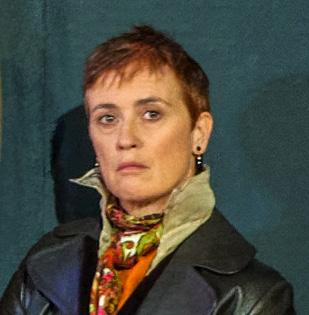

place but kindly to family members. She embarrassed by her Māori-ness, doesn’t speak Te Reo and is frightened and fearful of the cultural revolution she sees coming.
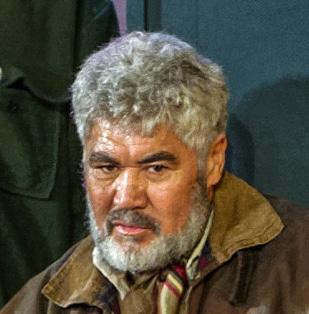
Māori. His drunken, abusive father was a farm-hand on the estate. When he bashed up his son, Louisa took pity on the boy and personally attended to his wounds. He was a bright observant child and keen to learn. Louisa and her late husband used their connections to arrange a sports scholarship for him to a boarding school. He’s forever grateful to her. He’s been successful in his business and is now quite wealthy. He’s smart enough to begin to understand the injustices his people have had to endure in the past. Deep down he wants to redress the balance. He’s wellliked by the Pākehā family but he always feels a bit awkward in their company. He genuinely wants to help them out of their financial trough. He’s more than a little in love with Louisa, not so comfortable around women who are his contemporaries.
Pākehā. German originally. Has had a colourful transient, slightly hippy life, including working in a circus. Did some early childhood education and ended up as an older “woofer” on the estate. Has been appointed to travel to France with Anna because she speaks French and German. Loves the nature in New Zealand and the Māori people. Likes to sunbathe topless. Pragmatic. Appears philosophical but is somewhat anxious about what the future holds for her now she’s getting older. Loves her little dog. Interested in the Women’s Liberation movement but apolitical.
Māori. Daily help at the homestead. Craves excitement. Has ideas above her station. Pursued by Himiona but excited by the return of Anna, Louisa and especially Matu – who’s family are neighbours of her family. He toys with her. She’s besotted. She’s in the movie of her life. Has lady-like airs (from being around the family) but gauche underneath. Takes herself very seriously and is therefore very funny.



HIMIONA (Yepihodov)
Māori. Cow-man /Gardener on the estate. Doesn’t have much to do with the family, comes to the homestead only to deliver milk and veggies but has taken to finding excuses to hang around because he’s besotted with Kōwhai. He purports to being well read but nothing he says seems to make sense. He has an affected way of speaking. To some he’s a laughable buffoon. To Wikitōria he’s an irritant. Wiremu, though, finds him quite useful and eventually promotes him to look after the locked-up house. He’s clumsy, gets drunk too often – but he can play a mean guitar and has a beautiful soulful singing voice.
PŌATA JONES (Simeon Pistchik)
Māori. A neighbouring farmer. Bumbling. Seems like the classic bludger but in the end pays back all that he owes. Anxious about the future of farming in the area. Loves Louisa and her family – they have a long history. Is constantly promoting his daughter. Has a bit of an unreciprocated crush on Charlotta.
MATU (Yasha)
Māori. Good looking. Worked on the farm as a youth but has been chosen to accompany Charlotta and Anna to Paris to bring Louisa home. Paris has changed his life - they’ll never keep him down on the farm again! Finds being back home boring and doesn’t want to contact his family. He’s ambitious, vain, and beautifully dressed. Possibly bi-sexual; certainly, an opportunist. Louisa likes having him around because she looks good on his arm. Although she’s too trusting of him. Leo does not trust him – Matu knows too much about Leo.
ANNA (Anya)
Pākehā. Louisa’s teenage daughter. Slightly spoiled, indulged but at heart a healthy country girl. Impressionable. Privileged but critical of people with money and particularly the sycophants that hang around them. She likes to hang out with her dead brother’s tutor Peter – and hangs on his views and visions for the future. Possibly learning Te Reo.
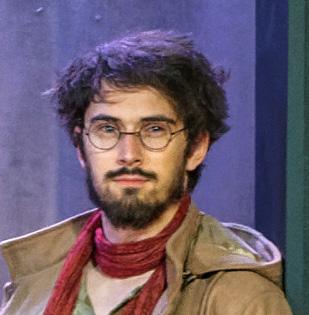
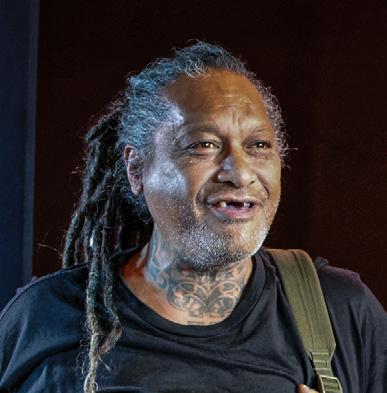
Pākehā. Early 30s. Student. Identifies with the Māori cause and land grievances. Some basic Te Reo. Former tutor to Louisa’s son, Grish. Been kicked out of university for protest action. Thinks of himself as an activist doing his bit to change the world but happy to hang out with Louisa’s family and enjoy their bountiful hospitality and food. Lusts after Anna under the guise of converting her to the Māori cause.
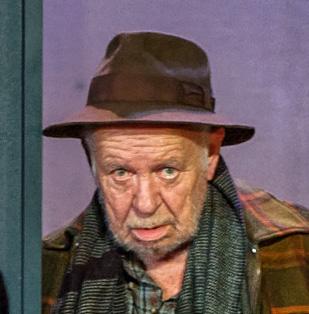
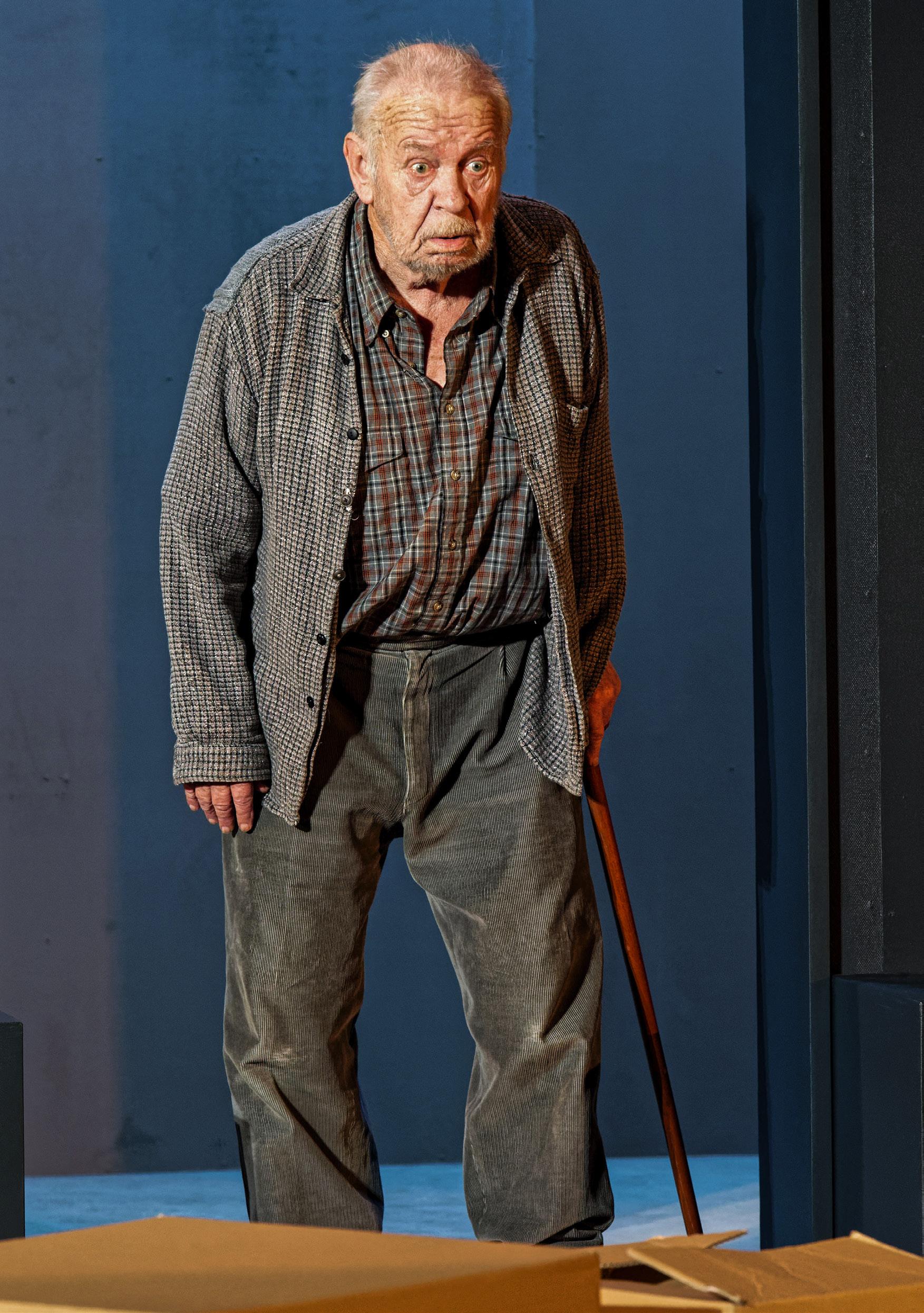
A former manager of the cherry orchard when it was productive. Made lame after a tractor driven by Leo (when he was child) fell on his leg. Family have let him stay on in a shepherd’s cottage. Makes himself useful as a driver and odd jobs man. To them he’s slightly irritating but a link to the past.
PASSER-BY Māori. Looks like a gang member. but isn’t despite his heavily moko-ed face. He’s trying to catch up with 1975 Land March. Drunk. Spent a little too long down at the local pub – and needs to short cut across country to meet his pickup. Polite.
• Which characters stood out to you?
• List the qualities you remember about them; their physical or vocal characteristics, or specific lines they said.
• Were there particular relationships that you recall (for example: the unrequited love between Wiremu and Wikitōria or Himiona and Kōwhai)? How did the actors embody these relationships, and how did they use the space to do so?
At the design presentation on the first day of rehearsals, set and lighting designer Tony Rabbit talked about the various inspirations for the set design, and showed a video about a historic home in Masterton, Brancepeth House, that matches the setting he and Colin envisioned for this production; a sprawling colonial house, with gardens and orchards and outbuildings. You can see that video here: www.stuff.co.nz/life-style/homeproperty/91321331/Historys-HouseBrancepeth
He went on to tell the assembled company that while this research was one of many starting points he has no interest in recreating what the house looks like, or what that house might be. He’s interested in the feeling of the house. Therefore he has settled on a non-literal setting for the Gaye homestead; a simple pared-back ‘psychic’ space, an environment that responds to and uses the architecture of the ASB Waterfront Theatre auditorium, and highlights the actors, and the story they tell.
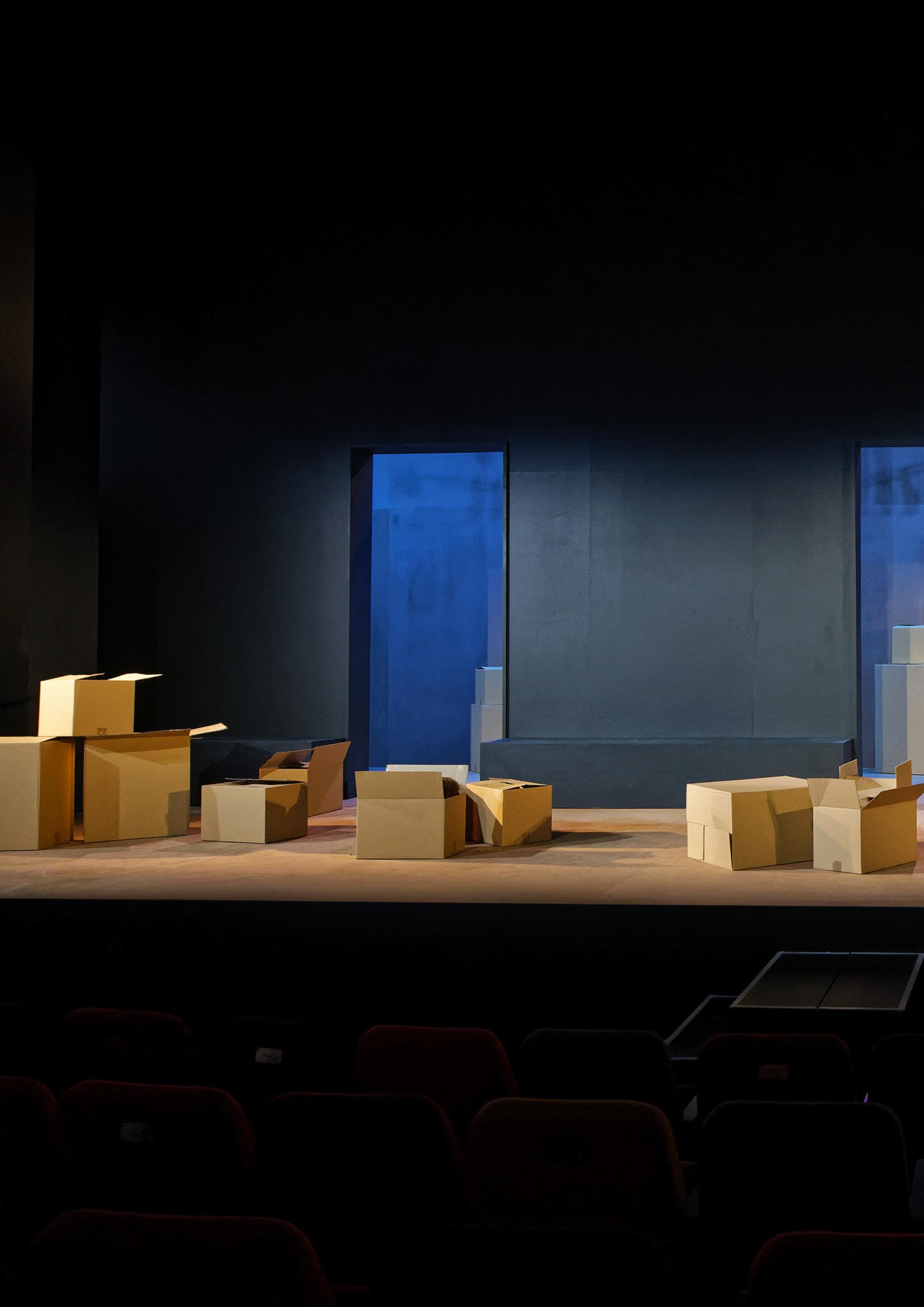
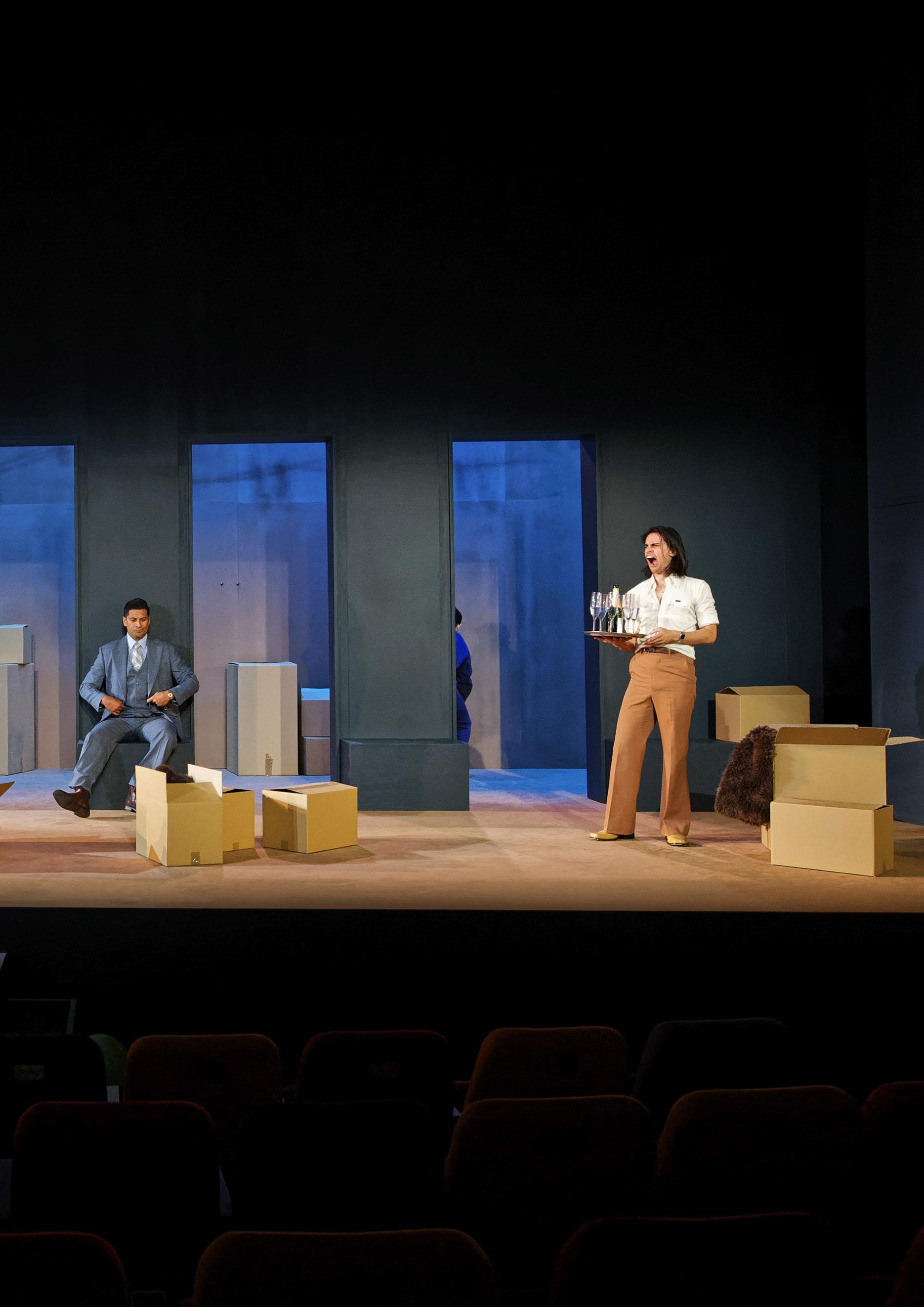
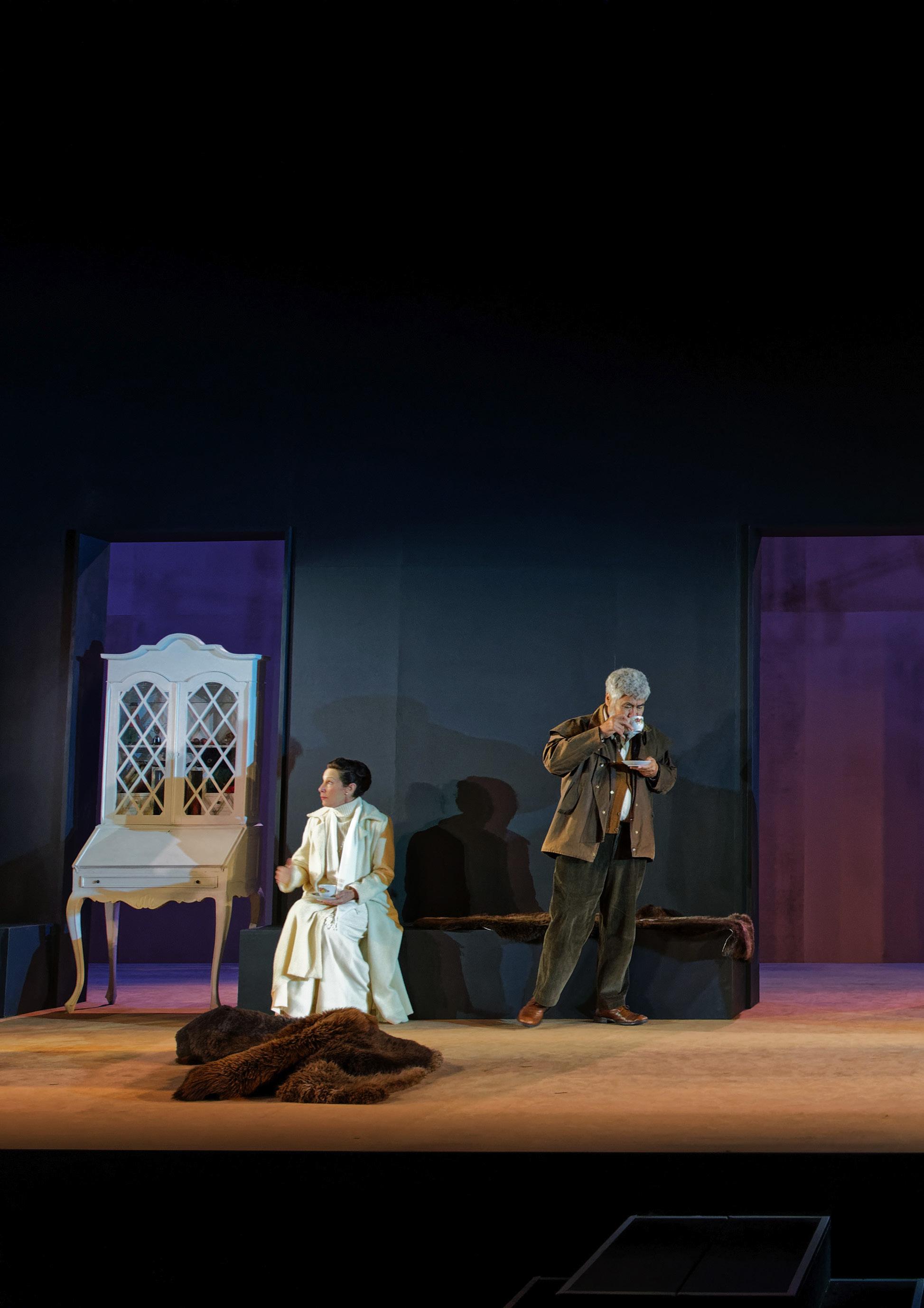
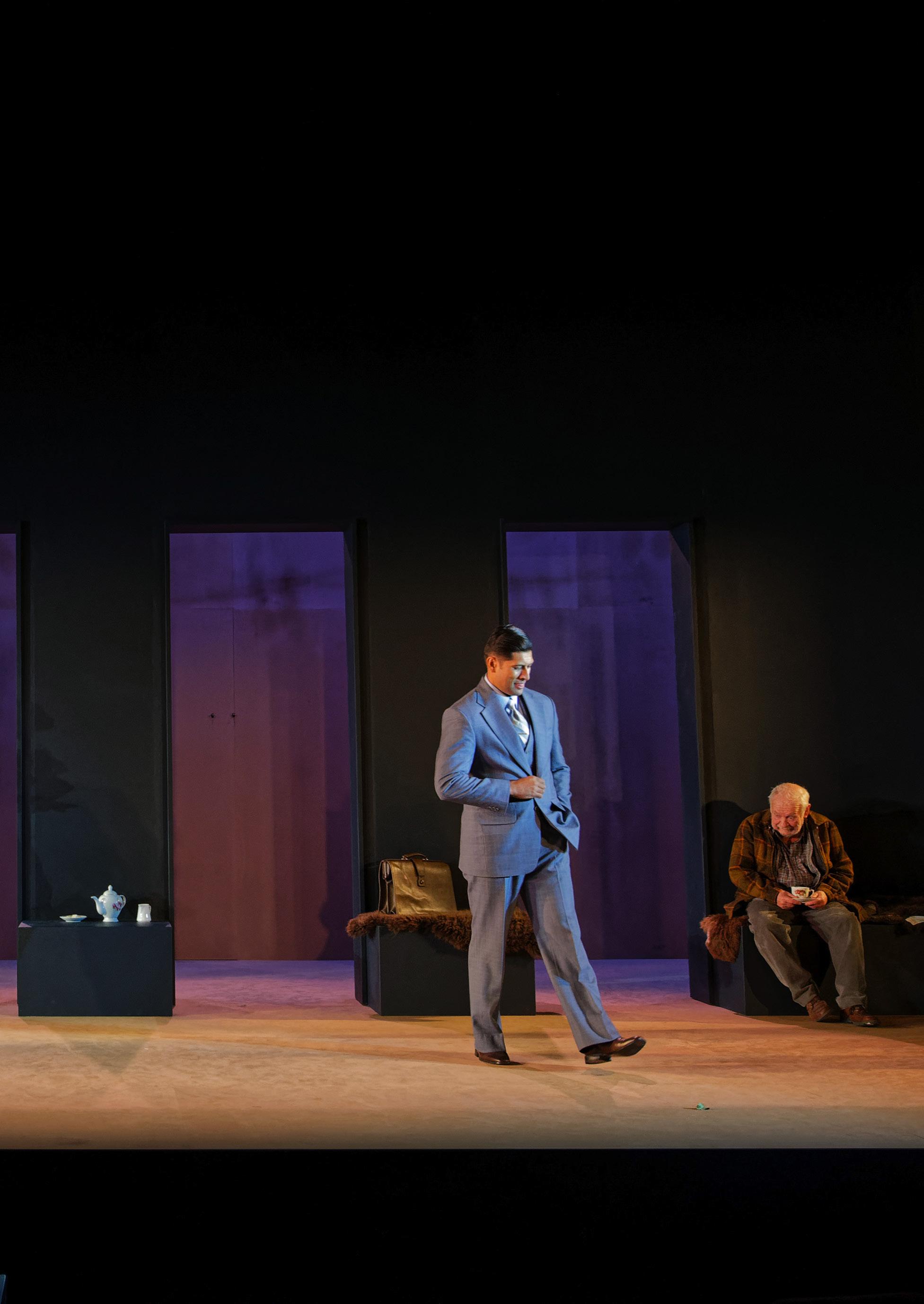
Most of the action takes place in front of the proscenium, on the forestage. This brings the actors very close to the audience, so the relationship is intimate. Just behind the proscenium a black wall contains four doorways that provide the architecture of the house and function as exits and entrances (as well as spaces for characters to watch each other from). Further upstage, a second wall forms a corridor for the other areas of the house, glimpsed through the doorways, where a parade of comings and goings and other ‘offstage’ action happens (like the dancing in the party scene). The walls are the same colour as the theatre proscenium, creating a seamless link between the onstage world and the auditorium.
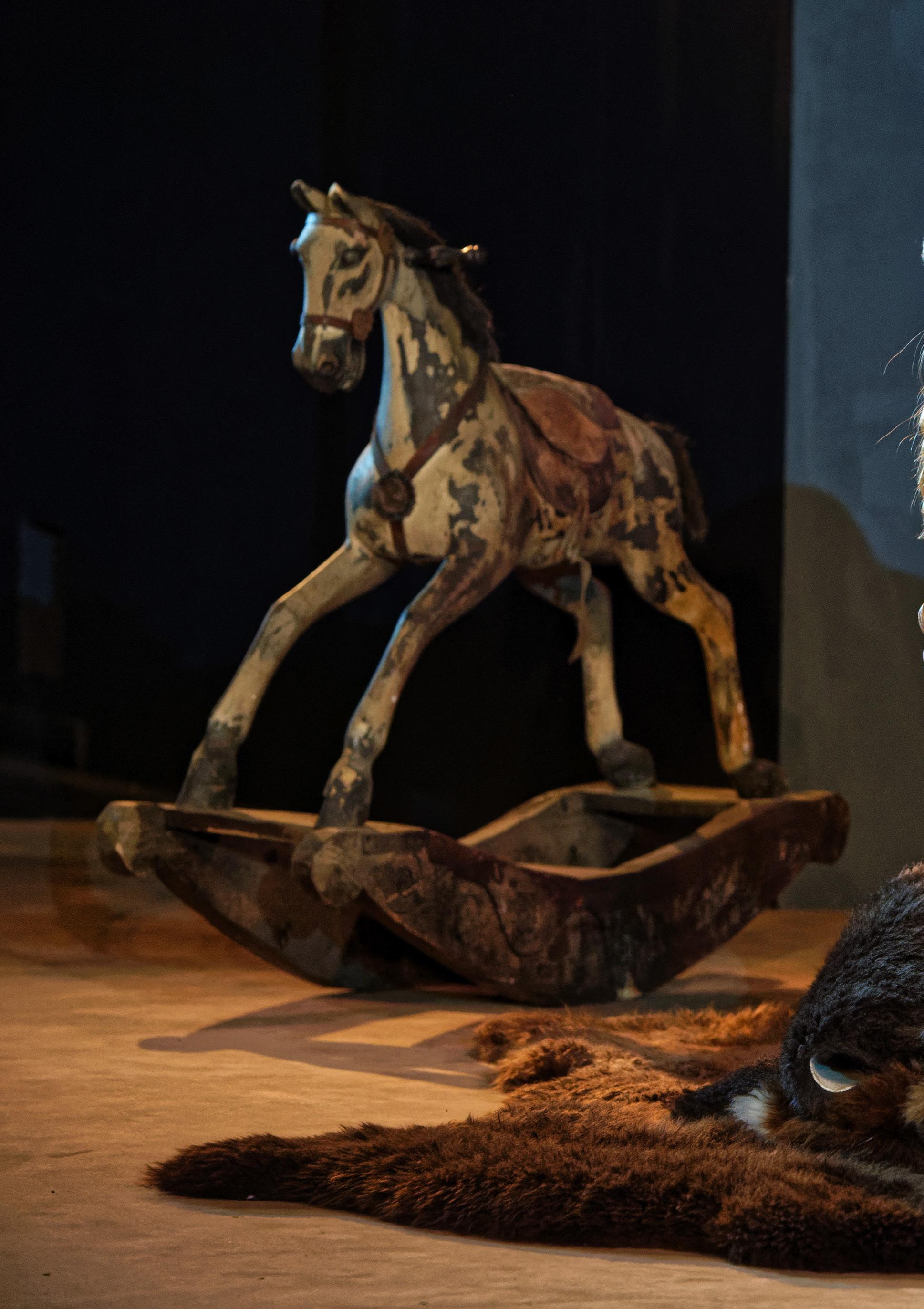
Practical seating in the form of benches sit between the doorways but otherwise stage furniture is also minimal, and emblematic, giving an indication of each location. In Act One there’s a rocking horse and writing desk in the playroom, and a pile of sheepskin rugs on the floor.
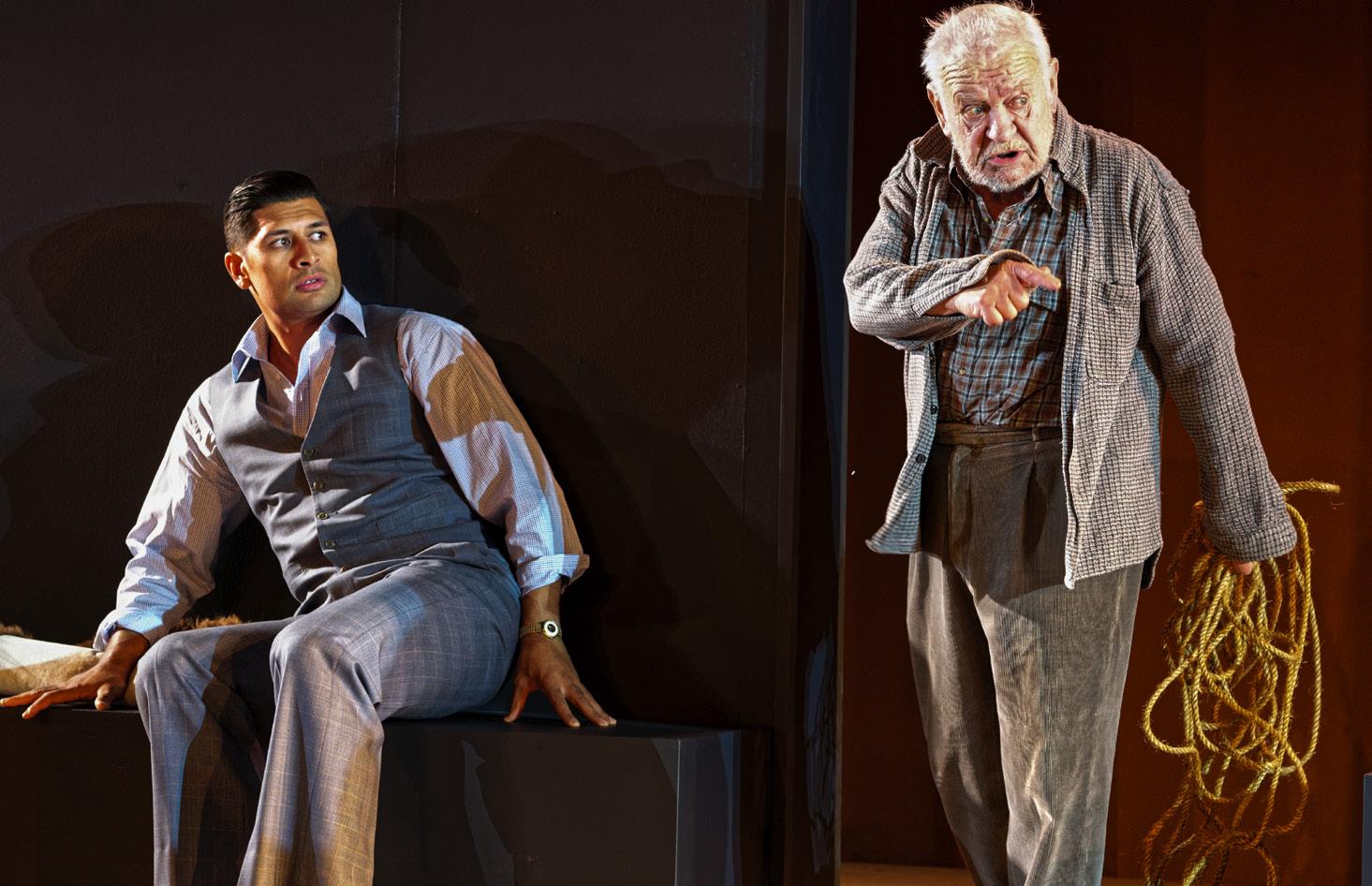
At the jetty in Act Two an old wooden boat is seen in the background, and a crate in the foreground. Props also help to create the setting; a picnic basket, and towels for the swimmers, an old length of rope for Tips. At the party in Act Three there are balloons and a festoon of lights, and in the final act the stage is littered with packing boxes as the family prepares to depart. Lighting is used sparingly throughout. Tony said he is more concerned with lighting the actors than lighting the scenery. He is inspired by a series of portraits by photographer Pierre Gonnord, who lights his subjects in such a way that they look like they are in old master paintings, rather than contemporary photographs. You can see some Gonnord images here: https://mymodernmet.com/ pierre-gonnord-old-master-portraits/ What excites Tony about these images is how the background ‘doesn’t get in the way’ and the faces shine out, and this is how he intends to light the actors in the production.
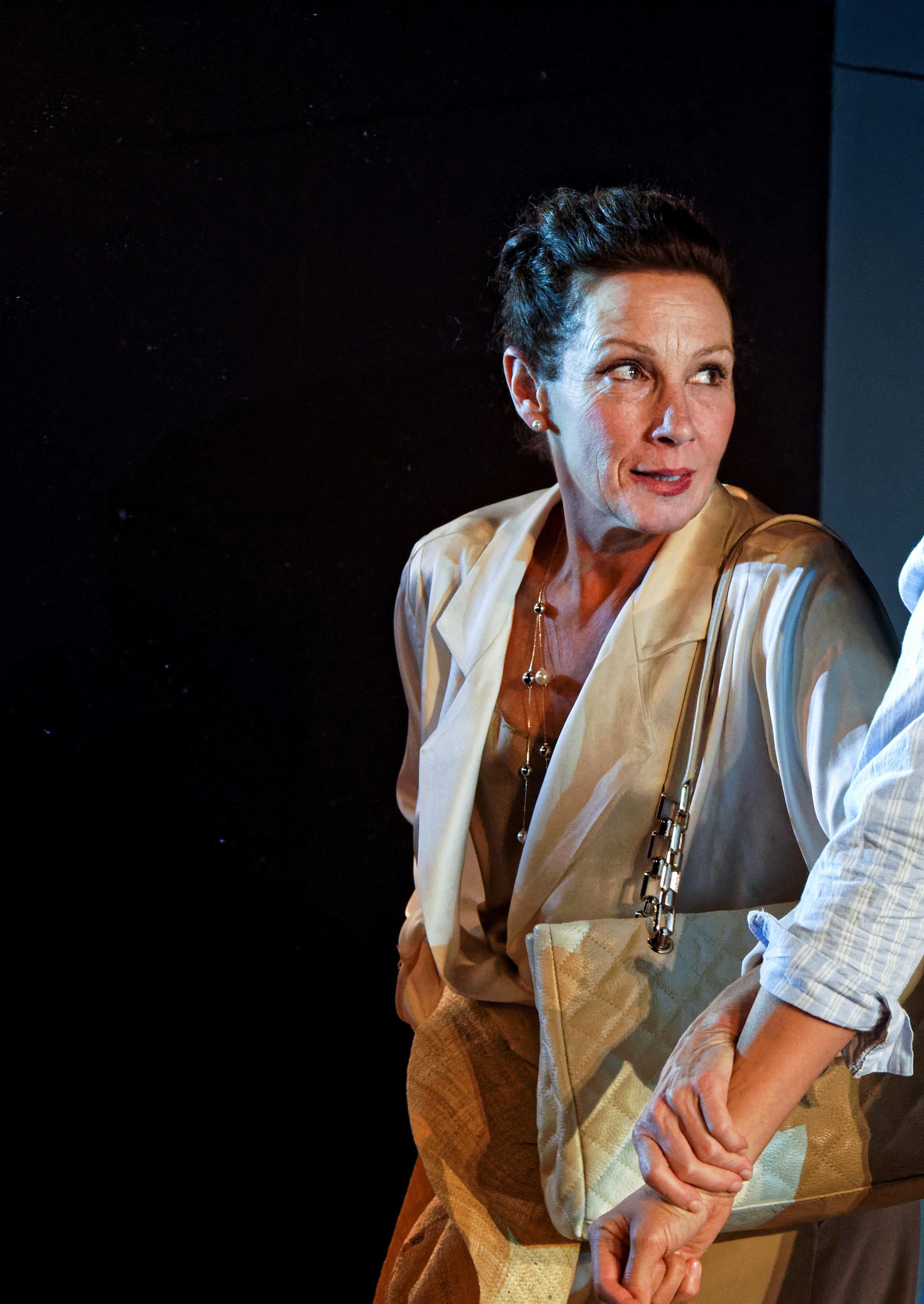
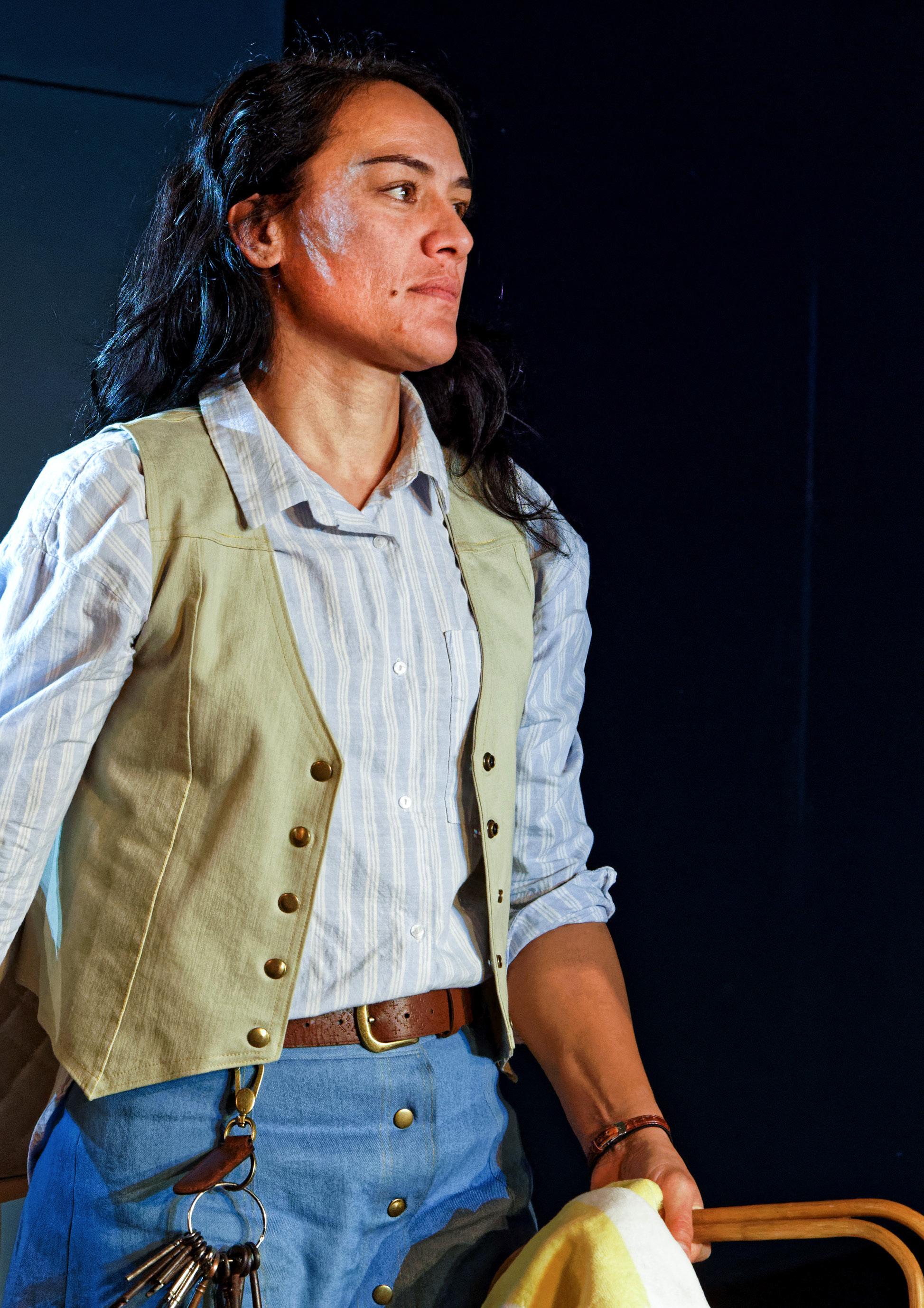
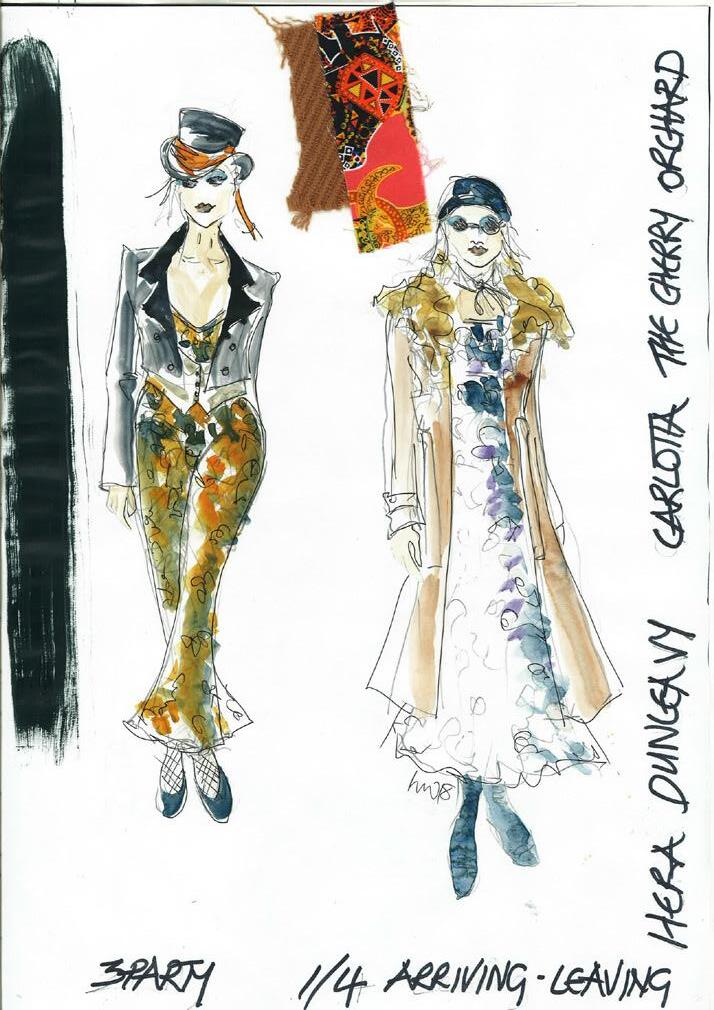
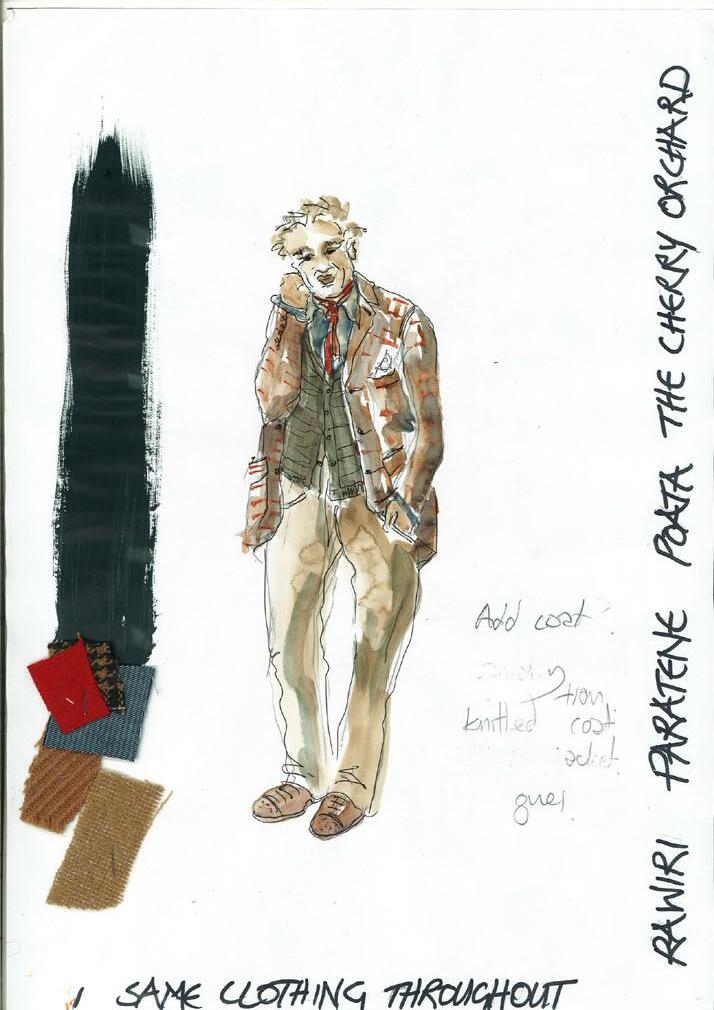
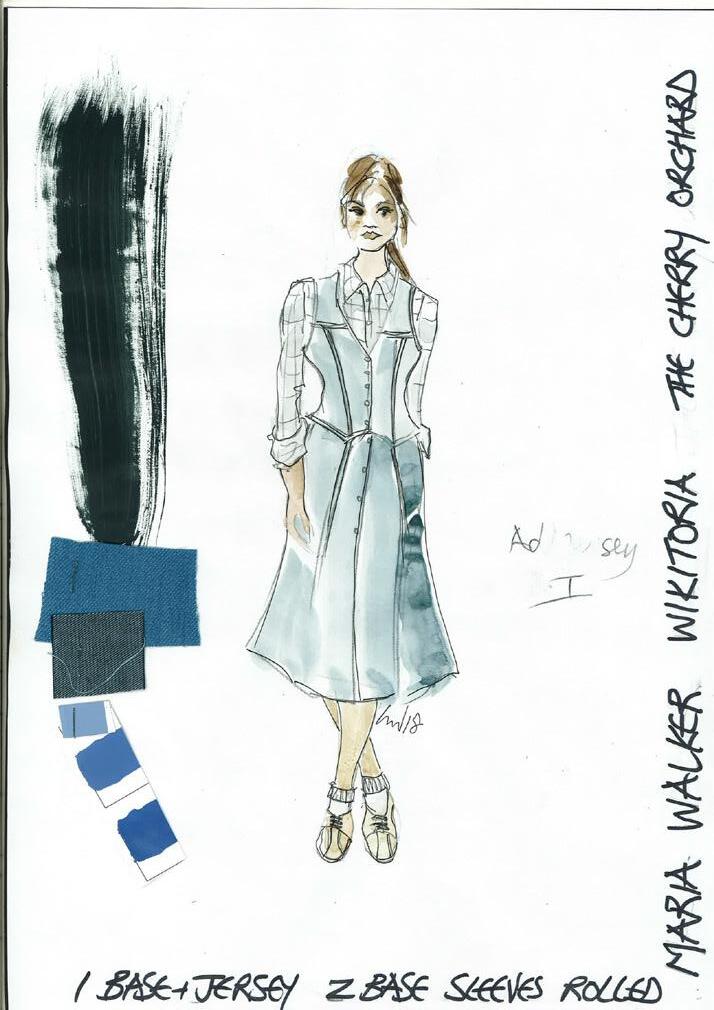
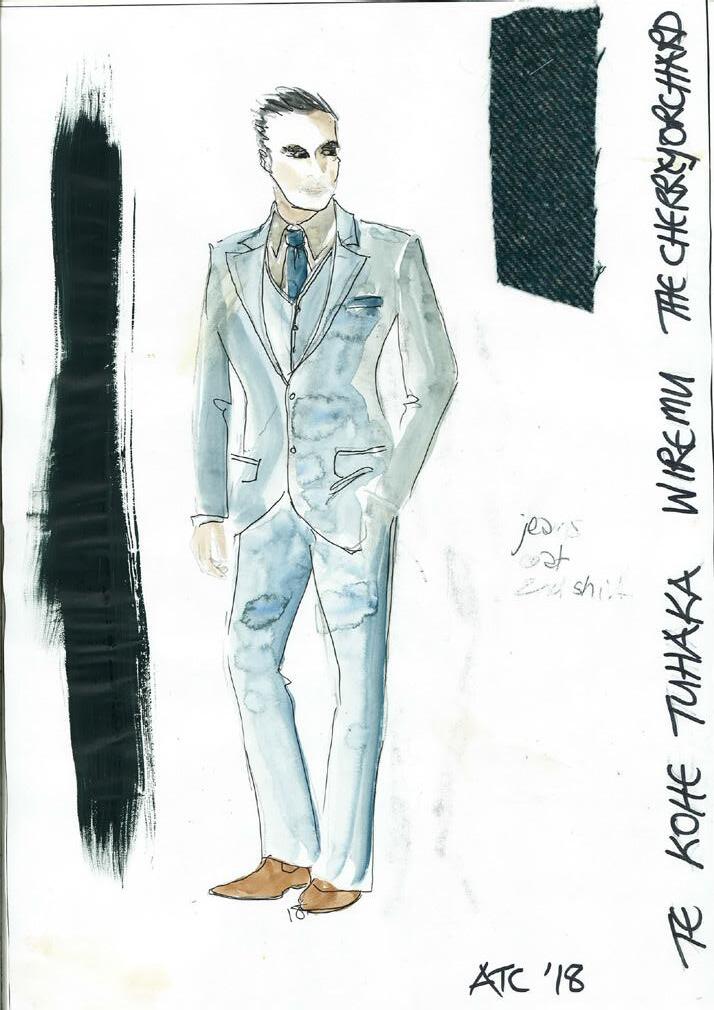
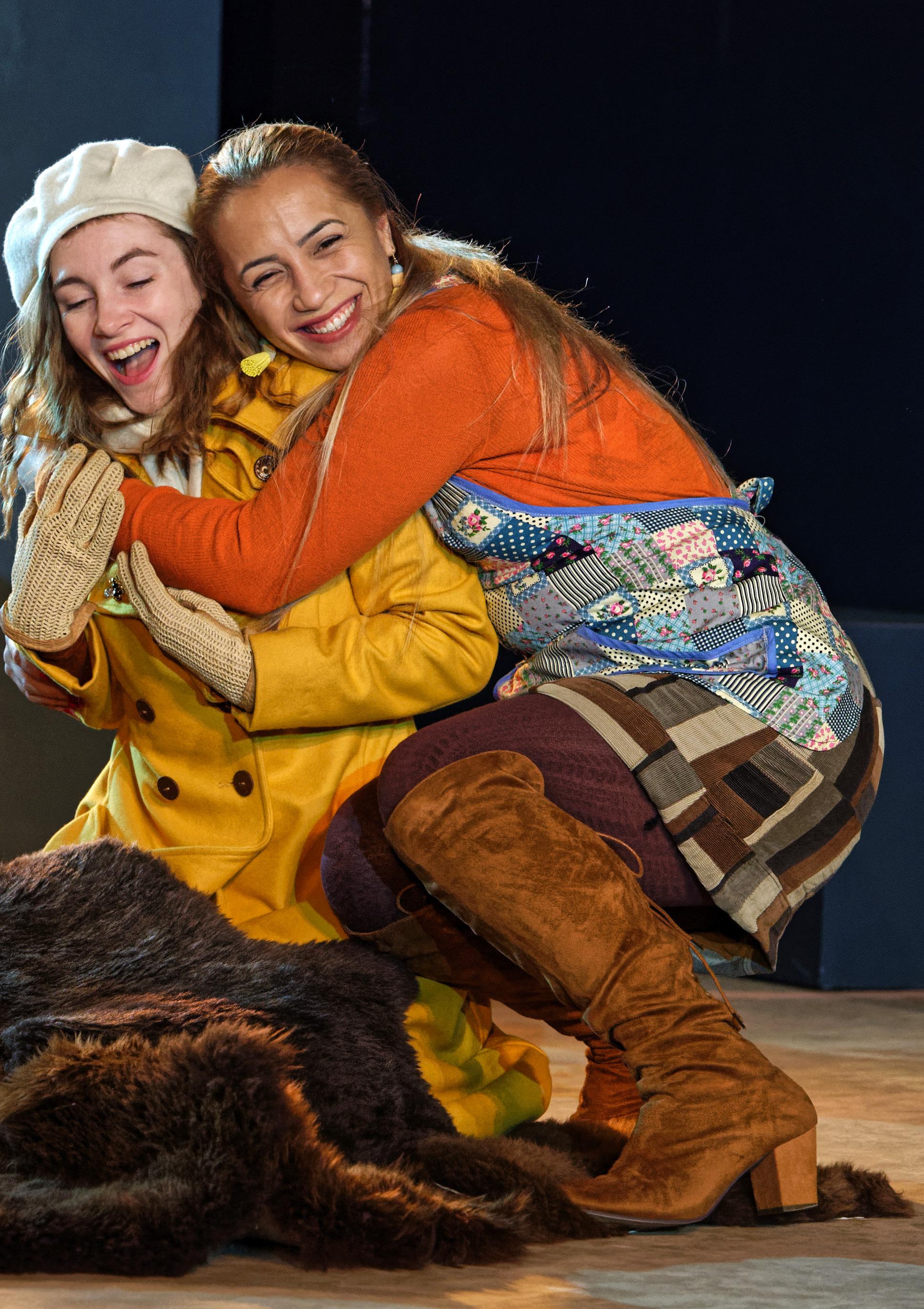
Before the first day of rehearsals, costume designer Elizabeth Whiting created mood boards and preliminary sketches for each character to help inform her design choices. These were shared around at the design presentation, actors eagerly checking out her ideas for their costume. Costume brings colour into the overall design of the production. The 1970s setting influences the silhouette and colour palette of the costumes, in subtle ways, without being slavish to the era. Some characters, like Louisa, have several costume changes to reflect the season, and time passing, while others, like the Passer-by, are in one look. Comic elements (like Himiona’s plastic bag clad feet) are incorporated, as is the necessity of the right kind of jacket for Charlotta to conceal her magic tricks.
Chekhov’s ‘diamond like writing’, dynamic dramatic structure and nonjudgmental attitude to his characters inspires Music and Sound composer John Gibson.
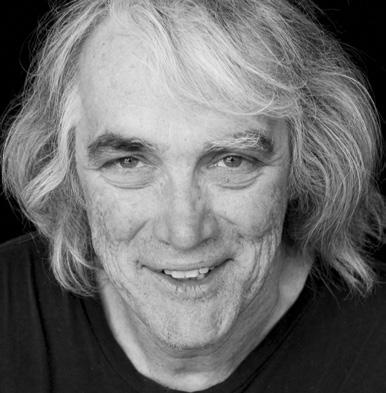
According to John, “Only two writers displayed no judgement on their characters; Shakespeare and Chekhov. A Doctor, Anton Chekhov knew people too well to judge them. He knew that people are big liars, especially to themselves. People love to talk and don’t listen to others.”
John thinks that each character in The Cherry Orchard has a unique rhythm and tempo, “like a chamber orchestra of soloists. Kōwhai is a flute, Louisa a violin and Leo a bassoon, Pōata is a French horn…”
And there’s an underlying musical structure that serves the play:
“Chekhov employs a four-act structure. Whenever you see this in a great poem or a play you can be sure there is a symphony lying behind it. The first act is an allegro as all the characters and ideas arrive, but the tempo slows down as the night draws
on and everyone gets tired. The second act is an adagio or largo on a leisurely hot summer’s night. The next is a dance movement later in the year; a rondo. The final is driven by the impatient rustle of leaving; an aba song form with a double coda - the first tragic, the second comic. These kaleidoscopic changes of forms make the play leap and dance no matter what the content is.”
John sees that inside each act there is a constant breakdown into smaller sections. Here’s how he breaks down Act One:
• A prelude that becomes a comic trio
• Enter all in a short tutti
• Then a series of duets where the love relationships are set up
• Then a full ensemble that diminishes, ending in a trio.
And what of the sound effects and music in the play?
Chekhov’s most famous sound effect punctuates the play in the second and
fourth acts; “a distant sound …coming as if out of the sky, like the sound of a string snapping, slowly and sadly dying away.” John thinks of this ‘like a sound effect from a looney tunes cartoon’ – “it’s the sound of something being broken which every character responds to in their own way – but it also demonstrates Chekhov’s observational brilliance about our ability to be completely oblivious and deluded to any form of reality.” To create the sound John snapped and recorded a couple of bass strings in his piano keys.
In the party in Act Three, the band, the ‘Mahana Independent Light Orchestra’ is actually a live 1969 recording of the Kohatiki band from the West Coast.
John says they are ‘completely mad and utterly New Zealand with some strange instruments; a whistler, a weird trumpet and violin and everyone encouraged to join in - a real backwoods community orchestra like you find in small communities.
THINKING ABOUT the performance you have seen, recall what scenes or specific moments stood out for you. It could be something you enjoyed, or something that confused you. What was it about it that you remember most?
• Make a list of these moments/scenes/characters/transitions.
• As a class, discuss the impact these moments had on you.
• How would you describe the play to a friend?
MAKE A LIST OF THE PRODUCTION TECHNOLOGIES; Set, Lighting, Costume, Props, or specific effects (eg: haze) used in this production.
• How was it used?
• What impact did it have?
• If you were to re-stage a stand-out scene what would you do differently?
MAKE A LIST OF DRAMA ELEMENTS (Action, Tension, Mood, Time etc), and Conventions (monologues, direct address etc), used in this production.
• How were they used?
• Why do you think the director/designer made these choices?
• What impact did they have?
EXTENSION ACTIVITY:
• How successful do you think this adaptation from Russia to Aotearoa/New Zealand, is? What themes were highlighted? What new information did you receive about New Zealand society in the 1970s?
• If you were to adapt a classic play in a new way, which play would you choose, and how would you do it? In groups come up with a pitch for your production that takes a well known classic (perhaps The Cherry Orchard ) and transplants it to a new setting. Think about common themes; why does the new setting 'fit' with the original, and how does it open up the play to new audiences? What needs to change and what stays the same? Present your pitch back to the class.
• What are you still wondering about Auckland Theatre Company’s production of The Cherry Orchard ? Send us your questions! Email Nicole Arrow, Youth Arts Coordinator: nicole@atc.co.nz
• The Oxford Illustrated History of Theatre (p341 - 379), John Russell Brown (1995)
• Chehov Plays, translated by Elisaveta Fen, The Penguin Classics (1954)
• Poata: Seeing beyond the horizon, Tama Te Kapua Poata, edited by Prue Poata
• https://blog.tepapa.govt.nz/2015/10/13/it-wont-be-a-lonely-walkcommemorating-the-40th-anniversary-of-the-not-one-acre-more-hikoi/
• https://teara.govt.nz/en/photograph/1989/1975-Māori-land-march
• http://nzetc.victoria.ac.nz/tm/scholarly/tei-HilMaor-t1-body-d7-d8.html
• https://www.Māoritelevision.com/news/regional/1975-Māori-land-marchspecial-moment-nz-history
• https://www.radionz.co.nz/national/programmes/teahikaa/ audio/201774903/1975-land-march-commemorating-40-years
ATC CREATIVE LEARNING promotes and encourages teaching and participation in theatre and acts as a resource for secondary and tertiary educators. It is a comprehensive and innovative arts education programme designed to nurture young theatre practitioners and audiences. Whether we are unpacking a play, creating a new work, or learning new skills
we are encouraging habits of thinking that foster acts of imagination to take place.
ATC Creative Learning has direct contact with secondary school students throughout the greater Auckland region with a focus on delivering an exciting and popular programme that supports the Arts education of Auckland students and which focuses on curriculum development, literacy, and the Arts.
ATC EDUCATION activities relate directly to the PK, UC and CI strands of the NZ Curriculum from levels 5 to 8. They also have direct relevance to many of the NCEA achievement standards at all three levels. All secondary school Drama students (Years 9 to 13) should be experiencing live theatre as a part of their course work, Understanding the Arts in Context. Curriculum levels 6, 7 and 8 (equivalent to
years 11, 12 and 13) require the inclusion of New Zealand drama in their course of work. The NCEA external examinations at each level (Level 1 – AS90011, Level 2 – AS91219, Level 3 – AS91518) require students to write about live theatre they have seen. Students who are able to experience fully produced, professional theatre are generally advantaged in answering these questions.