| Atlanta • Celebrating 50 years!
President’s Message

This year, the Garden marks a golden milestone: 50 years of cultivating beauty, community and a deep-rooted commitment to conservation. From modest beginnings as a small garden tucked into Piedmont Park, the Garden has flourished into a nationallyrecognized leader in horticulture, education, innovation and conservation —with more than 30 acres of worldclass collections, exhibits and natural escapes in the heart of the city.
Yet, botanical gardens don’t grow themselves. They’re envisioned and nurtured by people. And ours has been a half century-long labor of love led by visionaries, volunteers, horticulturists, artists, scientists, donors and a fiercely passionate community.
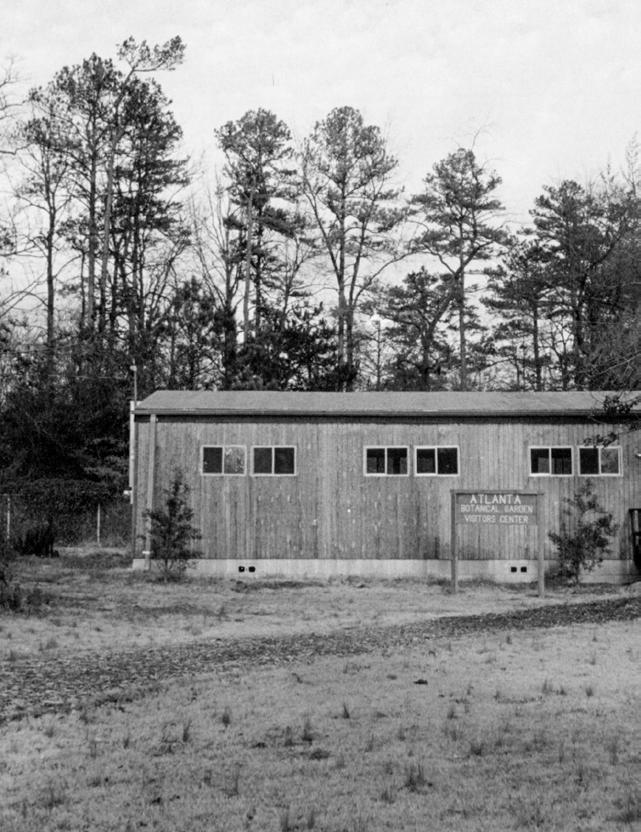
It officially started in 1976, thanks to a group of dedicated volunteers and civic leaders who believed that for Atlanta to be a great city it needed a botanical garden. With heart and ambition, they shared their vision with city leaders and carved out a living museum of plants that would decades later become a cultural cornerstone of Atlanta. The “trailer days” are still fondly remembered by volunteers, donors and members who enjoyed the early aspirations of this young garden and visited the “allpurpose” trailer that served as headquarters and visitor center.
By the early 2000s, under the leadership of a staff and board with a bold strategic vision, the Garden began to blossom nationally – introducing blockbuster exhibitions, building an award-winning Canopy Walk and opening the Gainesville Garden to further our mission statewide.
It would be impossible to mark this golden anniversary without honoring the people who built the Garden—literally and metaphorically. The volunteers who’ve clocked thousands of hours deadheading roses and guiding school tours. The staff with a shared vision of innovation and excellence. The horticulturists and scientists who’ve introduced groundbreaking plant collections and conservation programs. The artists and architects who’ve turned our space into a living gallery. The donors whose generosity has fueled every expansion and exhibition. And especially you – our faithful members – who continue to support us year in and year out. We stand on the shoulders of the founders and all who came after them.
Whether you were here on day one or found us through our most recent Garden Lights, Holiday Nights, this milestone belongs to you. The Garden is not just a place. It’s a purpose, a passion and a promise to always keep growing.
As we dig into our next chapter, one thing is certain: The Garden will continue to be Atlanta’s sanctuary, with roots as deep as its dreams. I can’t wait for the celebration to begin!
Mary Pat Matheson Anna and Hays Mershon President & CEO
Golden jubilee
A seed is nurtured into a blooming bouquet – showered with national acclaim along the way
Marketing: Jessica Boatright
Editor: Danny Flanders
Designer: Bo Shell
Membership Manager: Claudia McDavid
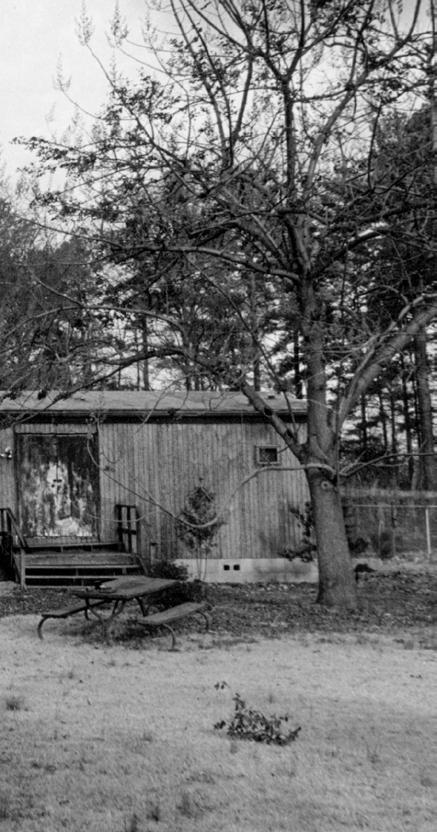
One of two modest trailers that once served as the Garden’s visitor center, administration offices and gift shop.
The Garden turns 50 in 2026, and the Gen Xer is celebrating a milestone that would never have occurred had it not been for the vision, hope and tenacity of a handful of enthusiastic volunteers who set out in the ‘70s to give the city an attraction it deserved.
Along the way, a popular institution has blossomed into a world-class botanical garden, fueled in part by an awe-inspiring signature orchid collection, its behind-the-scenes plant conservation work and its popular community outreach programs – all in an effort to connect people with plants. The M.O. is simple: “By making that connection, the lives that the Garden touches are more likely to grow invested in our mission of saving the planet –not just for themselves but for generations to come,” said Mary Pat Matheson, the Garden’s President & CEO.
That connection often requires baby steps, and no one knew that better than the early volunteers who pushed city fathers and residents to support the development of a public garden in a corner of Piedmont Park.
Humble beginnings
Like many urban parks in the late 1900s, Piedmont was in a state of disrepair, far from a pastoral urban oasis. Yet, along the western edge stood a glimmer of hope – a few greenhouses that served the city’s parks with young plants.
By the 60s, gardening enthusiasts, intrigued by the greenhouses, began developing small gardens around them. As these demonstration gardens flourished, a small group of park volunteers pitched the idea of developing a botanical garden.
Fiercely leading the cause was Barbara Humphries, who rallied the troops from a small but diverse group – businessmen, horticulturists, lawyers, homemakers – and set out to convince city fathers to lease them 33 acres near the greenhouses. The one-year agreement would lay the proving ground for demonstrating their resolve, which ultimately prompted the city in 1980 to extend its lease for 50 years.

“It was an adventure,” attorney Ben Greer, who negotiated the lease, said in a 2011 interview. “A real adventure.”
By 1976, the Garden was established as a nonprofit organization, and Atlantans began to take note. The site became a beehive of activity, and at its hub was a modest house trailer, which served as office, visitor center and gift shop, and where a stray cat dubbed “Blossom” took up residence. The group of volunteers received a jolt in 1979 when the board hired an enthusiastic Ann Crammond as executive director. A master plan for the Garden was developed, and Crammond led a skeletal staff in creating a series of nine demonstration gardens.
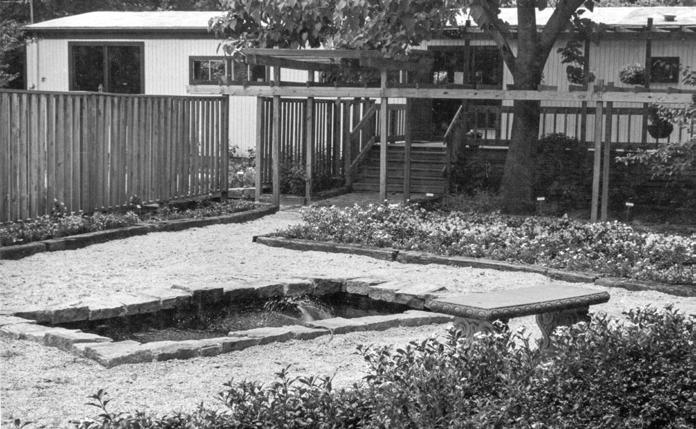

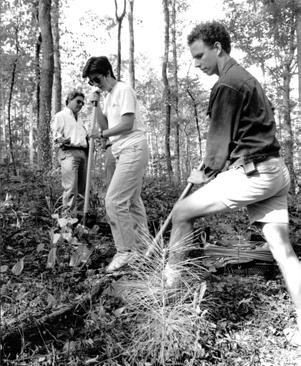
Top: Early horticulture team members, including Gainesville Garden Director Mildred Fockele, center, dig plants for the Garden. Above: The Garden began as a series of small display gardens.
Right: Then-Fuqua Conservatory Superintendent Ron Determann with Blossom the cat.
Ann Crammond
| Atlanta • Celebrating 50 years!
90s growth spurt
As the Garden’s education mission evolved, more indoor space was needed for offering classes, and a second trailer was wheeled in. That growth prompted supporters to raise $3.6 million to build a new visitor center with offices and meeting space called Gardenhouse, by 1985 giving the Garden a brick-and-mortar presence.
It wasn’t until four years later, however, that the Garden received its biggest fuel for

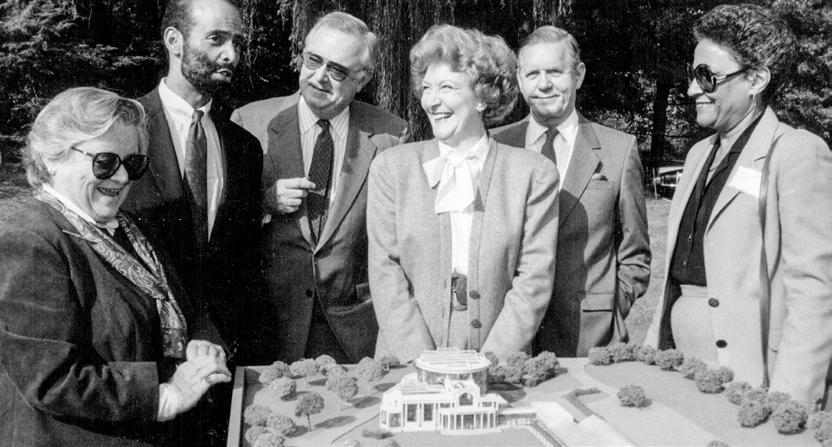
growth when avid gardener and trustee Dottie Fuqua asked Crammond what it would take to put the garden on the map. The answer was an indoor facility for plants. Fuqua convinced her husband, businessman J.B. Fuqua, to donate $3.5 million for developing a conservatory for showcasing rare and endangered plants.
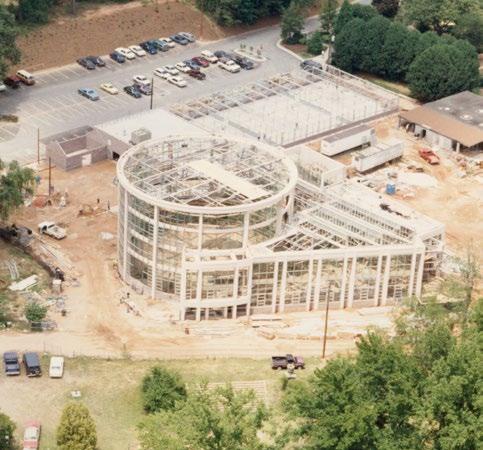
Crammond retired in 1990 and was succeeded by Alston Glenn, under whose leadership the Garden expanded gardens, displays and staff, and became one of the first in the country to develop an innovative children’s garden. The growth of the 90s was capped by the addition of the Fuqua Orchid Center, housing the largest indoor collection of species orchids on permanent display in the United States. Glenn retired in 2002, and
Mary Pat Matheson, the highly regarded executive director of Red Butte Garden and Arboretum in Salt Lake City, was hired, charged with running the Garden as a business with a nonprofit platform. Quickly hailed as a visionary, she saw massive growth potential. But before that could happen, she would be forced to solve the Garden’s number one problem: parking.
Landlocked by Piedmont Park and Piedmont Avenue, the Garden launched plans for a shared multi-story parking deck on a blighted hillside in the park. Yet the notion of building a deck on an acre of greenspace drew criticism by surrounding neighborhoods and a court battle. In the end, the Garden prevailed, and the SAGE (Safety, Access and Greenspace Expansion) Parking Facility is considered a shining example in urban planning , sustainable design and community partnerships.
Alston Glenn
Ann Crammond (left) discusses plans for a new conservatory with Dottie and J.B. Fuqua (center) and Atlanta City Council members.
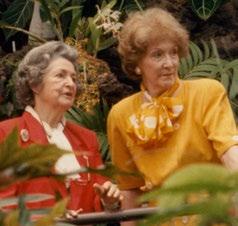
First Lady Lady Bird Johnson and Dottie Fuqua in the Tropical Rotunda
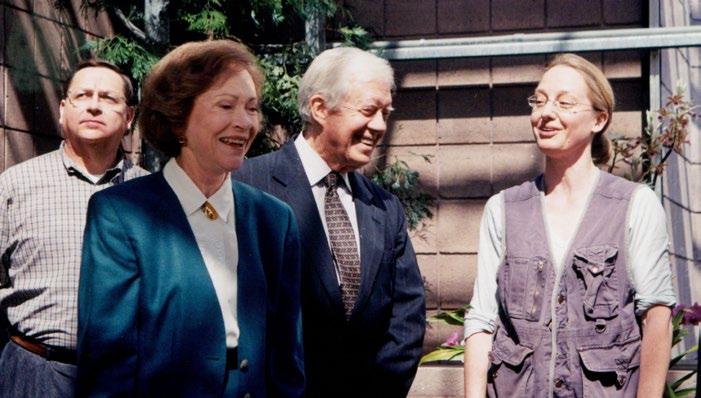
First Lady Rosalynn Carter and President Jimmy Carter tour the Fuqua Orchid Center with Becky Brinkman, who today still serves as manager of the Garden’s orchid collections.
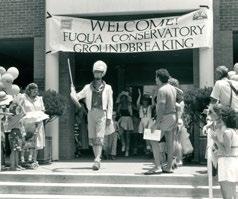
The Fuqua Conservatory, anchored by the Tropical Rotunda, opened in 1989.
Doubling the Garden pleasure
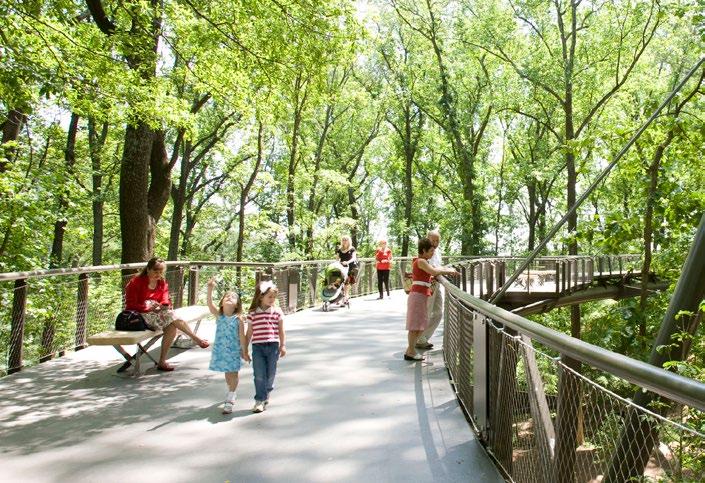
For years, the Garden sought to expand into neighboring Storza Woods, but an entry road and steep grade change separating the two posed a huge challenge. Finally, planners suggested building a suspension bridge over the road that would connect the two sites, doubling the Garden’s size.
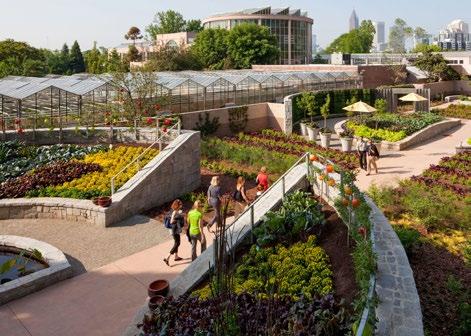
A year later, after the Canopy Walk was completed, a new entrance, marked by the addition of a new visitor center, was created, and the old parking lot freed up land to create an Edible Garden for presenting cooking demonstrations.


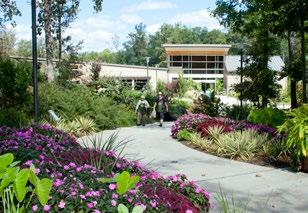
Meanwhile, the Garden was taking steps to develop a second botanical garden in Gainesville on 168 acres that Charles and Lessie Smithgall had donated as a means for protecting the land in perpetuity. An initial phase of the garden, with display gardens, visitor center, amphitheater and greenhouses, opened in 2015.
Construction of the Canopy Walk and Cascades Garden
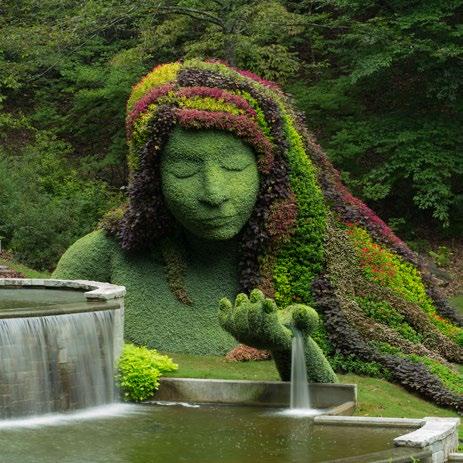
Earth Goddess became a permanent installation in the Cascades Garden after the Imaginary Worlds mosaiculture exhibition debuted in 2013-14.
Canopy Walk
Edible Garden Gainesville Garden
Mary Pat Matheson, 2008
| Atlanta • Celebrating 50 years!
Mission work emphasized
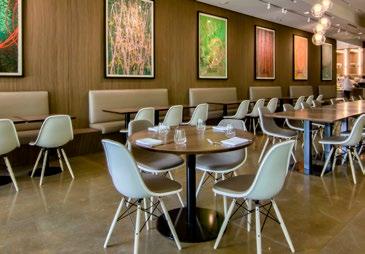
For the past decade, the Garden has enjoyed meteoric growth, thanks to Matheson’s vision and leadership in recruiting highly successful summer art exhibitions, a wildly popular holiday light show and phenomenal community support. A restaurant and Skyline Garden were added, the Children’s Garden was renovated, and Gardenhouse was expanded to serve an ever-growing staff.
At the same time, plant collections were enhanced with new spaces such as the Anne Cox Chambers Garden, honoring the lifetime trustee and avid supporter; educational and community programs were expanded; and the plant conservation mission was emphasized. The Southeastern Center for Conservation was created as a hub for collaboration with partner institutions involved with critical research.
Today – as the Garden embarks on its next 50 years – further growth is under way to connect the site with the nearby Atlanta Beltline. By adding nearly 8 acres of gardens that will place the Garden contiguous with the 22-mile loop around the city, the Garden will offer two entrances by 2028 for welcoming guests in its never-ending mission of connecting people with plants.
Turning 50 never looked so good.
ACKNOWLEDGEMENT
Special thanks to Olive Wilson Robinson, whose Atlanta Botanical Garden: A Glorified Timeline 1976 – 2015 was an invaluable resource.
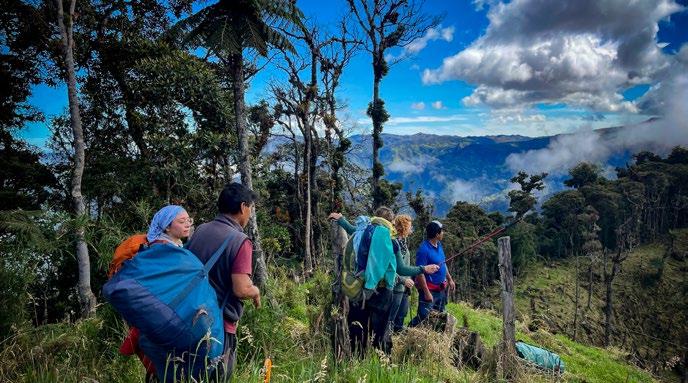
Conservation team members conduct field work in the cloud forests of Ecuador.
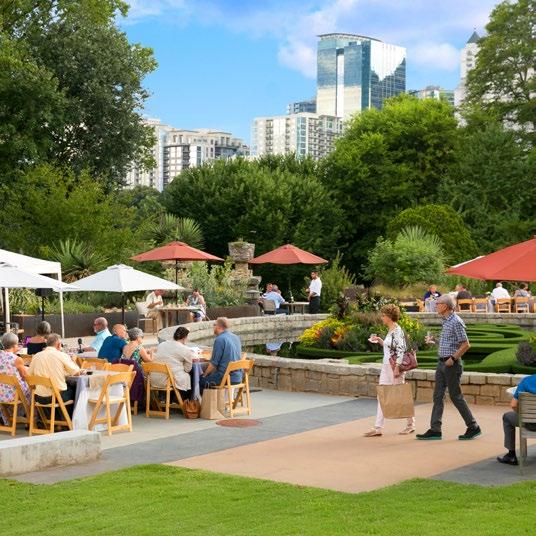
Skyline Garden completed in 2017
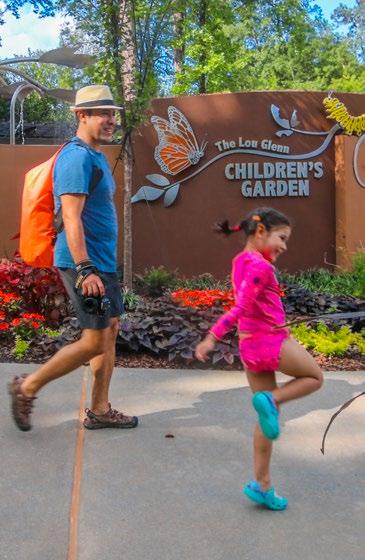
Children’s Garden renovation completed in 2016.
Longleaf restaurant completed in 2016.
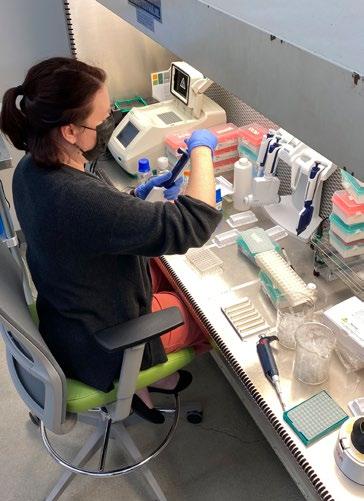
The Garden’s Southeastern Center for Conservation opened with a new micropropagation lab and training facilities in 2019.
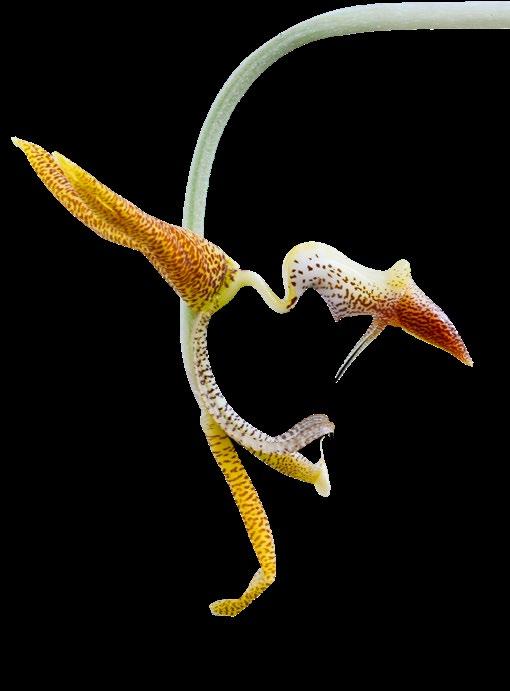
Gongora, one of the Garden’s five Nationally
Gardens
Garden reflections
For founding volunteer, the mission was fueled by youthful enthusiasm
Thinking about the birth and incubation of the Garden gives me joy, contentment and sweet melancholy. It was so exciting to start from scratch. There was nothing there but a bonsai garden, a garden for the blind, mature trees and lots of open space.
Projecting a world-class garden onto this locale took imagination. Creating it took grit and determination. A passionate love of horticulture was the heart. Two modest trailers were the facilities: Administration in one – the one whose roof was punctured by a large patio umbrella sent aloft by a storm –and a second for meetings.
Youthful enthusiasm energized early involvement. Twenty- and thirty-some things organized the Hedgerow Gang to do mostly cleanup but also to socialize, setting a connective tone for the Garden. Funded by $500 from the garden shop The Potted Plant, the group’s sessions were filled with sweat, laughter and camaraderie. The Hedgerow Gang disbanded when Peggy Martin organized the Garden Associates.
Memorable Garden director and garden clubber Ann Crammond embodied an unwavering commitment and never shirked a skirmish:
• With City Hall to lease the property, to fence in the entire Garden, to remove the two city greenhouses;
• With nighttime trespassers who contin ually cut the new fence along Westminster Drive that blocked their access to the woods. (Crammond replaced it over and over until they gave up!);
• With runners and Piedmont Park regulars who were furious that one route into and out of their park was cut off.
The first water feature was created by ceramic artist Chris Sibley. Friends helped with the installation and snuck back in after dark to christen it with a little partying. The fountain’s enchanted faces were featured on the earliest Garden post cards.
Gardenhouse was the first building, and

Tom Woodham is a retired writer and editor for Veranda magazine and a lifetime Garden trustee. He was a founding member of the Garden and an original volunteer. The former Atlantan divides his time between Cashiers, N.C., and Pompano Beach, FL.
Dottie Fuqua and Peggy Martin share a light moment off the dance floor.
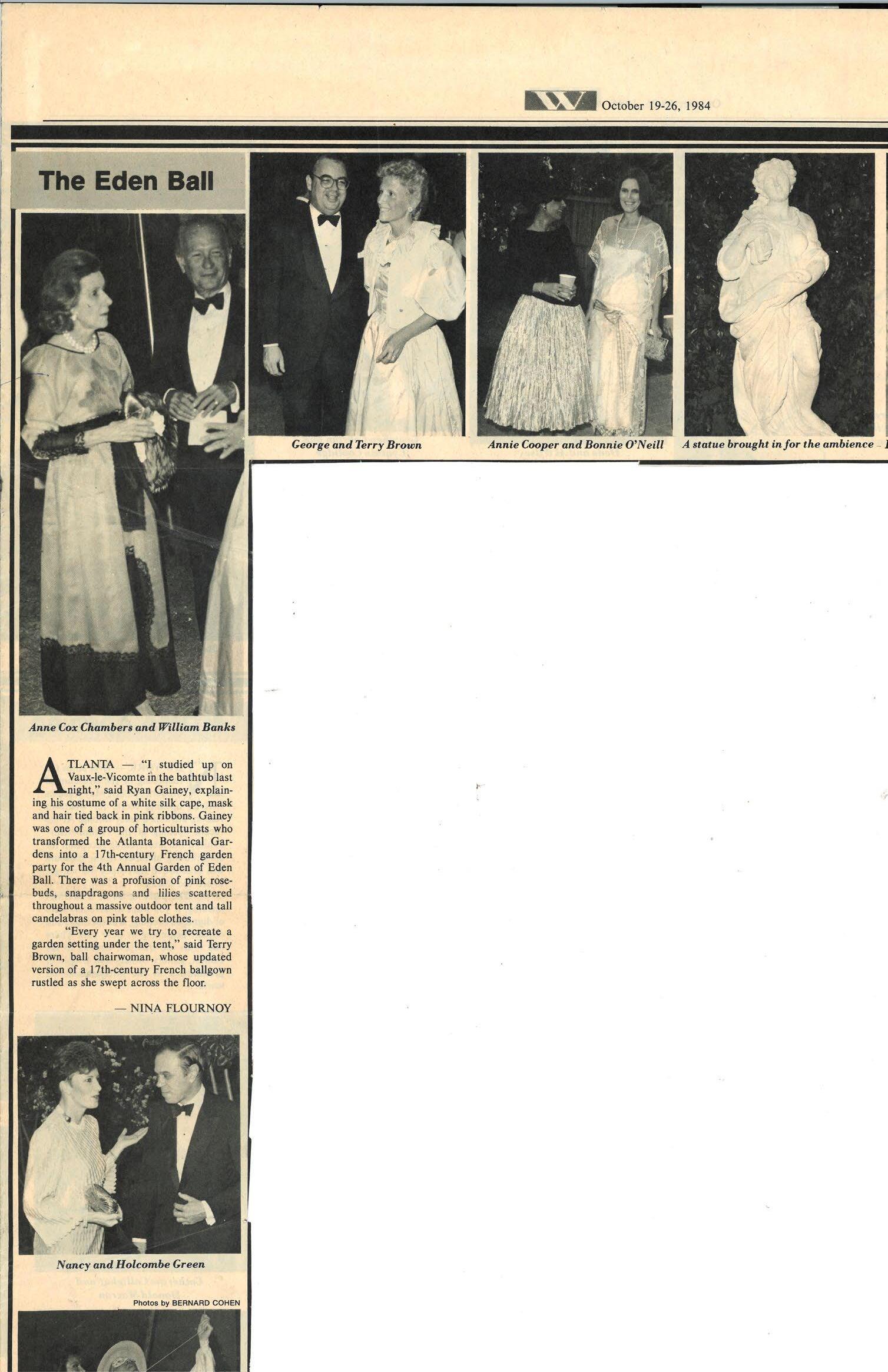
Anne Cox Chambers and William Banks, 1984 Garden of Eden Ball.
Anniversary lends perfect opportunity to double the bulb wattage
Turning 50 deserves a special celebration, so what better time to double the size of Atlanta Blooms!, the Garden’s annual spring bulb extravaganza, with nearly 140,000 tulips and daffodils?
The oval Great Lawn, the sprawling heart of the Garden in front of the Fuqua Conservatory, is a hub of activity year-round with numerous gatherings and activities for kids and adults. It’s a workhorse that endures constant foot traffic, yet has to look great. Having not been renovated in more than 10 years, it was time the lawn was treated to a facelift.
Such an extensive project requires removing all of the existing turf. So last year a bulb (the light kind) went off with Garden horticulturists who wondered: Why not plant the lawn with swaths of tulips and other bulbs before installing new sod?
The idea stuck, and for the first time ever, more than 139,000 bulbs are being planted this winter on the Great Lawn and in adjacent garden beds for creating a major 50th-anniversary photo op come March and April. That’s about double the
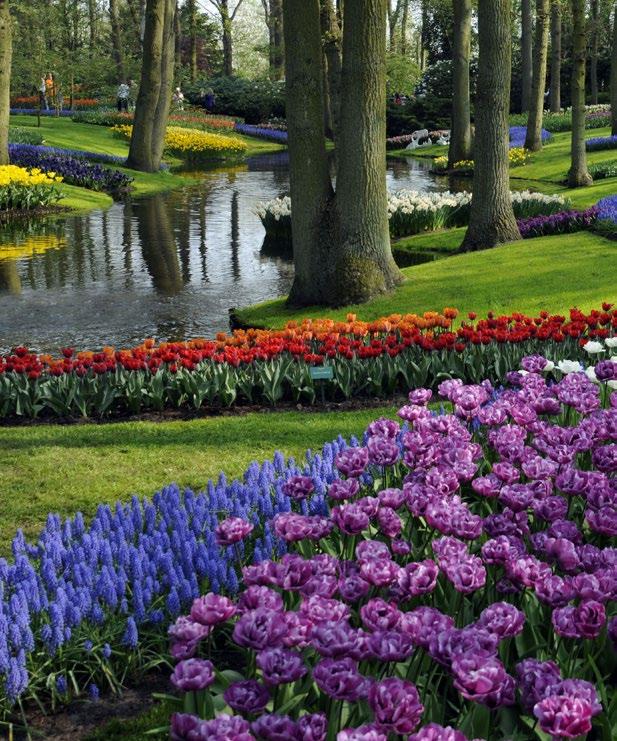
number of tulips, daffodils, crocuses and hyacinths that were planted throughout the Garden last spring. Talk about tulip mania! The effect is expected to be an immersive experience in blooms like none other the Garden has undertaken.
To create this one-time event celebrating the Garden’s golden jubilee, this Atlanta SUPER Blooms! needed to be a springtime display Atlanta has never seen. So staff collaborated with Jack de Vrooman of De Vrooman Garden Products, a major bulb supplier for Keukenhof Gardens of the Netherlands, world renowned for its bulb displays, to design a plan inspired by a Keukenhof display.
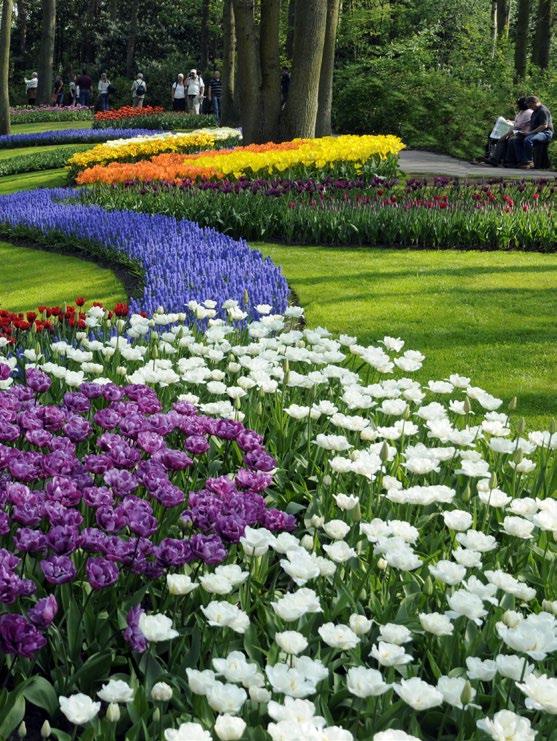
The Great Lawn will feature 51 different varieties of bulbs in a warm-color blend of tulips and hyacinths that circle through a cool-color blend of tulips and daffodils. Longtime favorites like Tulip ‘Daydream’, ‘Blushing Beauty’ and ‘Sunlover’ will join new beauties including ‘Dafeng’, ‘Paleis Het Loo’ and ‘Jennie Butchart’. Tulip ‘Paul Sherer’, considered the darkest tulip available, will return again this year in the lawn display.
In addition to the Great Lawn, more than 69,000 tulips and other spring bulbs will be displayed in annual beds throughout the Garden as usual. Royal Horticultural Society award winners Tulip ‘Ballerina’, ‘Menton’ and ‘Foxtrot’ will be flowering in other areas of the Garden. The Anne Cox Chambers Flower Walk will be awash in an ombre
VINE ARBOR
Floral tribute!
Flower show salutes Garden’s 50th anniversary with Heirlooms
Nothing offers the promise of spring like a flower show, and when it marks a special occasion, all the more reason to celebrate the coming season.
With the theme Heirlooms, the Atlanta Botanical Garden Flower Show salutes the Garden’s 50th anniversary during the floral showcase and competition February 20 – 22.
Chaired by Julie Fox and Kim Nagy, the biennial event features the region’s most exquisite creations in the competitive divisions of Floral Design, Horticulture, Botanical Arts and Photography. In addition, guests won’t want to miss non-judged displays of Ikebana, the Japanese art of flower arranging, as well as educational exhibits on the Garden’s orchid conservation efforts.
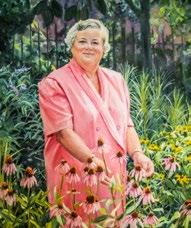
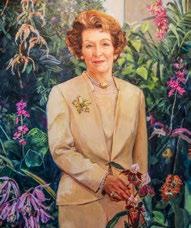
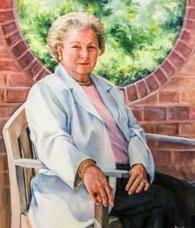
Many of the competitive categories highlight the anniversary theme with references to heirloom plants, antiques and vintage illustrations. There’s even an art-as-inspiration Portraitures competition in which participants are asked to interpret oil portraits of three of the Garden’s original leaders –executive director Ann Crammond and supporters Dottie Fuqua and Peggy Martin – in floral design.
Entries for Horticulture classes, or competitions, that do not require pre-registration will be held in person February 18 – 19. Classes that require online pre-registration are filled, though many offer waiting lists.
Last year, The Garden Club of America awarded the show its prestigious status of Sanctioned non-GCA Major Flower Show, reserved for organizations whose flower shows meet set criteria and rise to the caliber of a GCA Major Flower Show. It joins the Philadelphia Flower Show, Newport Flower Show and New England Fall Flower Show in this distinction.
display moving from warm colors to cool. And the Edible Garden will return once again to Holland-style rows of tulips – which are edible.
Get ready to enjoy a springtime in the Garden unlike any in 50 years – before the turf returns!
Amanda Bennett Vice President, Horticulture & Collections
“Our heartfelt thanks go to the legions of volunteers and committee chairs who have dedicated their time to ensuring the show’s success,” Garden President & CEO Mary Pat Matheson said.
Member tickets to the show, which benefits the Garden’s International Plant Exploration Program, are available for purchase online. For more information, visit abgflowershow.org.
Ann Crammond
Dottie Fuqua
Peggy Martin
The Great Lawn’s unprecedented 2026 bulb design is inspired by displays at Keukenhof Gardens. The Garden worked with long-standing Keukenhof supplier De Vroomen Garden Products to achive a similar design, above.
GREAT LAWN VINEARBOR
orchid daze
Hybrids lead artful path to celebrated flagship species collection
Orchid Daze, the Garden’s annual celebration of its beloved signature plant collection, opens on Valentine’s Day with a dazzling burst of color and fragrance filling gallery-like spaces.
The exhibition transforms the Fuqua Conservatory and Orchid Center into three interlocking modernist galleries featuring vibrant orchid hybrids and culminates in a sumptuous display of the Garden’s permanent collection of species orchids. The latter, representing 2,000 species, is extraordinary in depth and breadth, reflecting the Garden’s commitment over the past 38 years to building its flagship plant collection.
Upon entering the Conservatory Lobby, guests will experience a modernist-inspired gallery featuring a warm
Valentines in the Garden
Celebrate 50 years of love stories that have blossomed at the Garden while toasting its own milestone, surrounded by fragrant orchids, live music, dancing, sweets and surprises, at Valentines in the Garden. Revisit five decades of romance through fashion, florals and music while being among the first to explore Orchid Daze, the Fuqua Orchid Center’s annual celebration of its renowned, beloved orchid collection. For tickets, visit atlantabg.org.
Saturday, Feb. 14, 6 – 10 p.m.
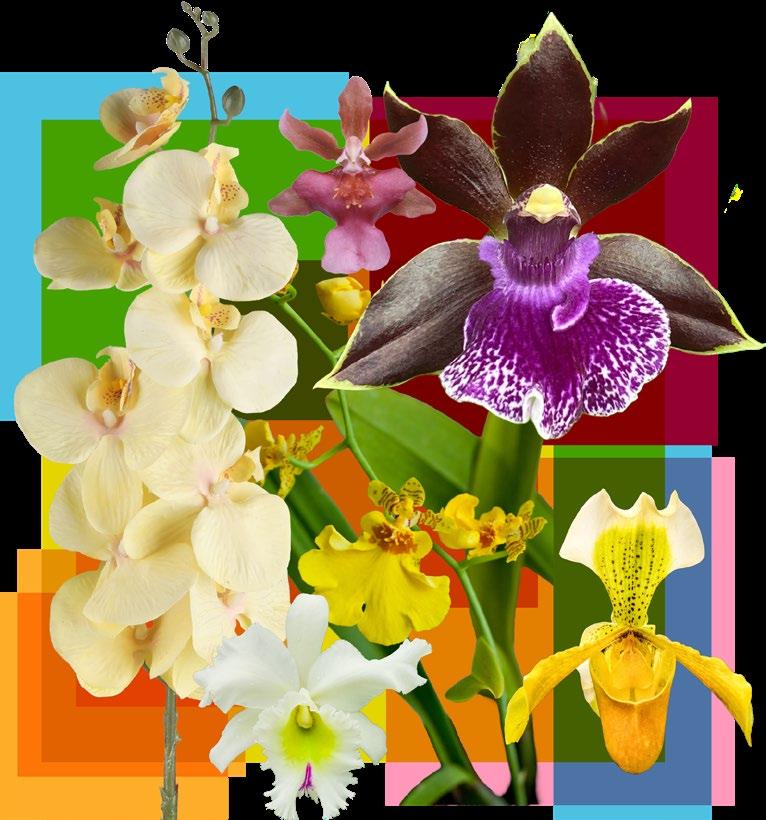
palette of yellow, tangerine and scarlet orchids. The gallery walls are embedded with living Cattleya, Dendrobium and Pansy orchids in portrait-like niches.
Adjoining the Conservatory Rotunda is a grand glass hallway rising two stories. Here, the gallery becomes a labyrinth of walls with insets of graceful arching Moth Orchids and Cattleya orchids.
The passage opens into a sunlit Atrium where the orchid palette changes to include yellow and wine-colored Slipper Orchids and Dancing Lady Orchids.
A reflecting pond encircled by Zygopetalum orchids is framed by a pavilion of heavy beams and geometric orchid columns. Beds of fragrant orchids, bromeliads and other lush tropicals surround the interior.
In the Orchid Display House, visitors are greeted with a cool-toned palette of pink Oncidium and blue-violet Dendrobium nobile orchids framed in a theatrical setting by shimmering translucent panels.
Orchid Daze
Saturday, Feb. 14 – Sunday, April 12
After experiencing these galleries of stunning orchid hybrids – designed by Tres Fromme of 3Fromme Design, with assistance from Wilson Carroll of More Than Matter – guests are sure to be inspired to explore the Garden’s magnificent permanent collection of 2,000 orchid species, only about 10 percent of which are regularly on display. Orchid Daze brings this globe-spanning collection into view via two looping pathways meandering through the Orchid Display and Tropical High Elevation houses.
Finally, the Orchid Display House leads to an interpretative gallery, where visitors will discover the behind-thescenes story of the Garden’s orchid conservation efforts, learn about orchid biology and discover the history of the orchid collection and the Orchid Center.
Becky Brinkman Fuqua Orchid Center Manager
Encore!
After 20 years, Niki de Saint Phalle’s massive works take a second bow
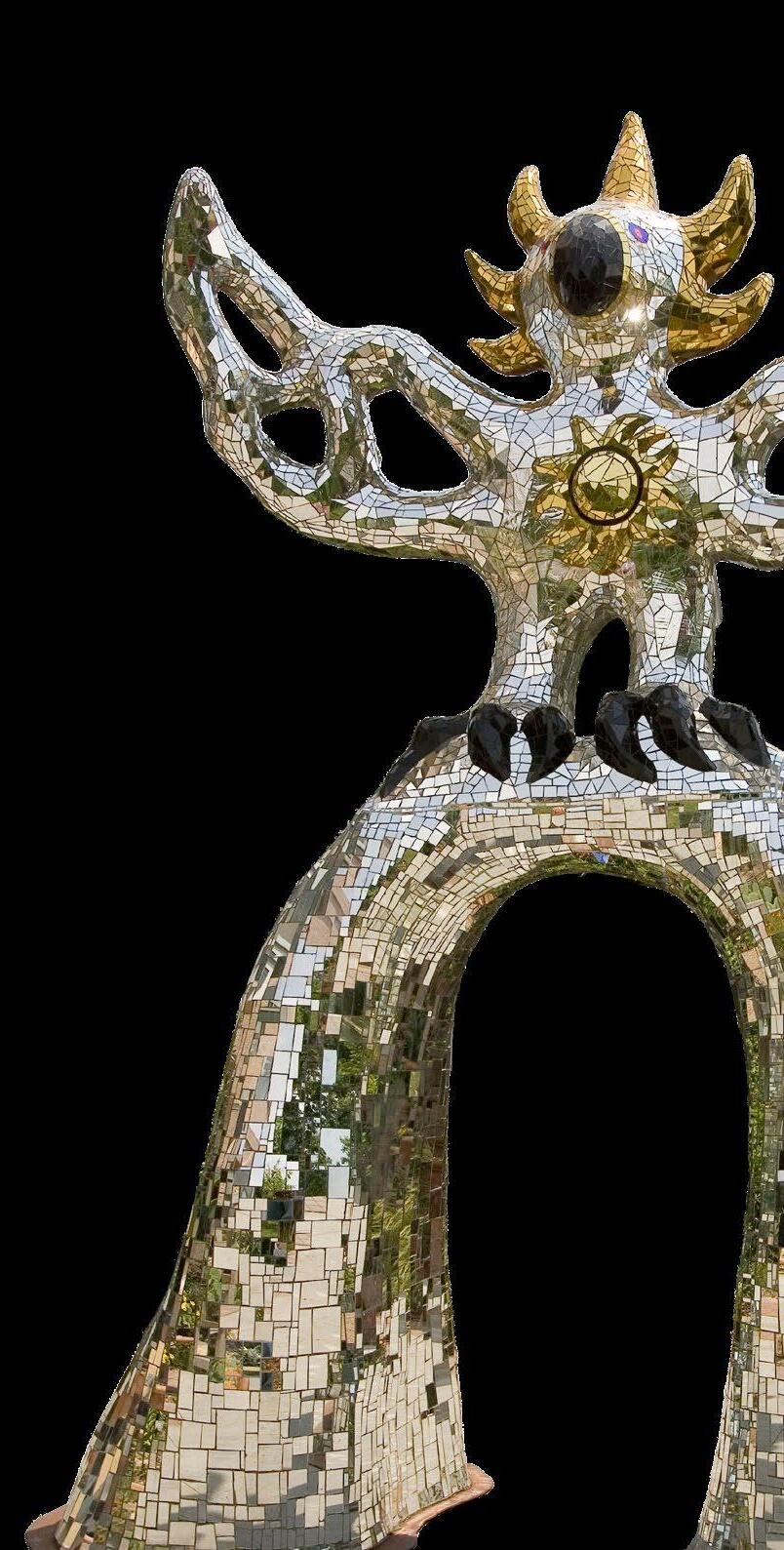
In a year of anniversaries, what better way to celebrate the Garden’s 50th than an encore exhibition of artist Niki de Saint Phalle’s monumental sculptures that debuted at the Garden 20 years ago this spring.
The French sculptor, who died in 2002, was known as one of the first female sculptors of massive works, particularly her “Nanas” – light-hearted, whimsical and colorful large-scale sculptures of females, animals and monsters.
This year’s exhibition, presented May 9 – September 6, will feature 42 works in what’s believed to be the largest showing of the artist’s art ever presented in North America. Most will be on loan from the Niki Charitable Art Foundation and others from private collections.
“Those who saw the 2006 exhibit are going to relish experiencing these fun, joyful sculptures again, and those who didn’t are in for a major treat!” said Garden President & CEO Mary Pat Matheson.
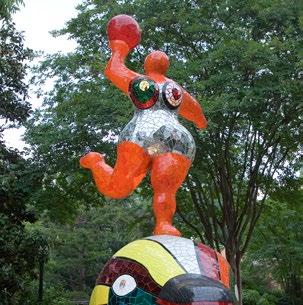
The often-playful, extremely colorful sculptures range from Grand Step Totem, weighing in at 2,000 pounds, and the Large Yelling Man, towering as 16.5 feet, to small wall hangings of reliefs measuring 2 feet square.
The most iconic of the pieces – all displayed throughout the Garden as well as Conservatory, Orchid Center and Gardenhouse Gallery – will be The Three Graces frolicking in the Skyline Garden pond.
In addition, an interpretive exhibit on the artist and her work will be on display near the entrance to the Orchid Display House.
Gallery celebrates 50th with Garden-inspired art
The Garden is a favorite destination for lovers of art combined with nature – from Dale Chihuly’s magnificent glass sculptures to Niki de Saint Phalle’s exuberant Nanas – and in March ABV Gallery will celebrate the Garden’s 50th with an exhibit of original art.
The East Atlanta gallery, founded in 2009 by renowned Atlanta artist and muralist Greg Mike, represents a collective of more than 500 artists worldwide, some of
whom will draw inspiration from the Garden’s plant collections to create work for the monthlong exhibit. Participating artists will visit the Garden to explore the collections as they create a one-of-a-kind piece.
ABV and the Garden collaborated most recently on a 2022 mural in Midtown inspired by the exhibition Origami in the Garden
For exhibition-related previews and events, visit atlantabg.org.

atlanta happenings

Botanical Drawing Program
Beginning Tuesday, Jan. 13
Learn to draw under the guidance of artist Carol Anne Sutherland. Beginning with principal drawing of the natural world in black and white, the courses develop technique until students gain the ability to dynamically capture majestic trees in graphite pencil and intricate orchids in colored pencil. Upon completion of the program, students will earn a Botanical Drawing Certificate. Visit atlantabg.org for details.
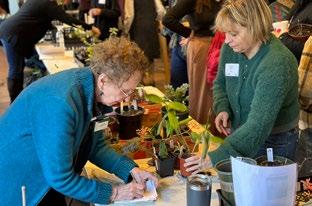
Spring Gardening Symposium & Plant Sale
Saturday, Jan. 24, 8 a.m. - 4 p.m.
Ready to get into a springtime frame of mind? Join the Garden for a full day of new ideas from seasoned experts. The annual daylong event features five presentations and three local plant vendors. To register, visit atlantabg.org.
Camellia Show
Saturday, Jan. 31, 1– 5 p.m.
Sunday, Feb. 1, 10 a.m. – 5 p.m.
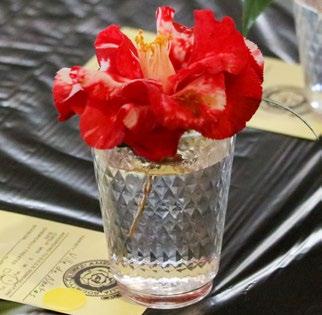
Explore dozens of cut specimens during the North Georgia Camellia Society’s 77th annual Camellia Show and Plant Sale, one of the largest and oldest shows in the nation. The sale will feature rare and unusual camellia plants. To enter camellias in the show, contact president@ northgeorgiacamelliasociety.org.
Orchid Daze
Saturday, Feb. 14 – Sunday, April 12
Explore a world of hybrid color and fragrance filling gallery-like spaces and culminating in a display of the Garden’s signature orchid species collection.
Valentines in the Garden
Saturday, Feb. 14, 6 – 10 p.m.
Celebrate your sweetie during a romantic evening surrounded by fragrant orchids, live music, dancing, sweets and surprises. For tickets, visit atlantabg.org.
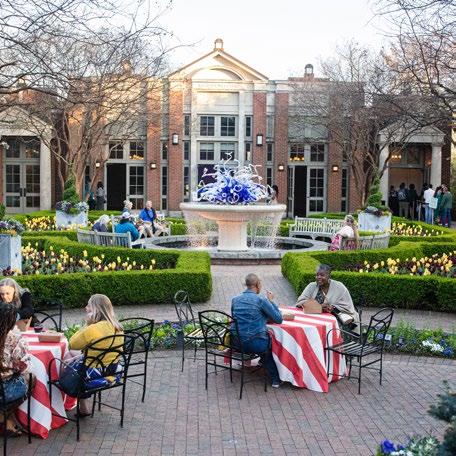
Atlanta SUPER Blooms!
March - April
In celebration of the Garden’s 50th anniversary, the Great Lawn is transformed into a massive display of tulips and daffodils with twice the number of spring bulbs featured in previous years’ displays.
Vanilla Sunday
Sunday, March 8, 1 - 4 p.m.
Surround yourself with the aromas and flavors of vanilla during a celebration of the orchid that yields this delicious spice. Savor an afternoon of vanilla cooking demonstrations along with plant discovery and sensory experiences, then taste a mini vanilla sundae. For details and related events, visit atlantabg.org.
Atlanta Orchid Society Orchid Show
Friday, March 13 – Sunday, March 15, 9 a.m. – 5 p.m.
Explore unusual and rarely seen species and hybrids of orchids during the annual show in Day Hall. Details at atlantaorchidsociety.org.
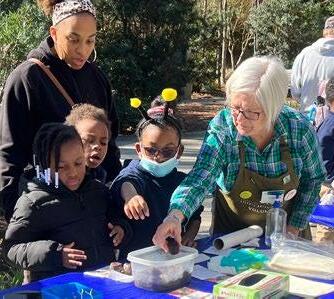
Sprouting Scientists
Tuesday, March 17, 10 a.m. - Noon
Little ones can be scientists, too! Visit for hands-on learning stations focusing on the natural world. Hosted in partnership with the Atlanta Science Festival.
Spring Break Family Fun
Monday, April 6 - 10, 10 a.m. – Noon
Need an exciting family activity during spring break? Visit the Garden and enjoy the wonders of springtime with fun, seasonal family activities.
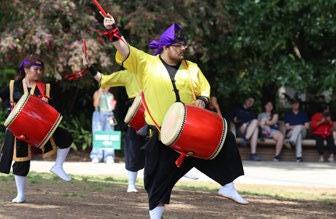
Atlanta Haiku Festival
Saturday, April 18, 10 a.m. – 2 p.m.
Celebrate the connection between art and nature through haiku in the Garden. The festival begins with an online poetry competition in February, then features a variety of activities and programs in April, culminating with the festival.
ATLANTA
Gardening for Birds
Whether they’re making a pit stop during migration or they’re perennial species, birds are a joy to watch all year. In this class, students will learn how to attract more birds to their gardens by providing sources of food, water and shelter.
atlantabg.org
Earth Day
Wednesday, April 22, 10 a.m. – Noon
Enjoy engaging family activities celebrating nature and the plants all around us.
Alston Lecture: David Mizejewski
Tuesday, April 28, 7 p.m.
Naturalist David Mizejewski shares how to create a beautiful garden or landscape that fits into the local ecosystem and supports birds, butterflies, bees and other wildlife neighbors.
Mizejewski will discuss native plants, the four components of habitat and sustainable gardening.
The Philip and Elkin Alston Lecture Series is made possible by generous support from the estate of Elkin Goddard Alston

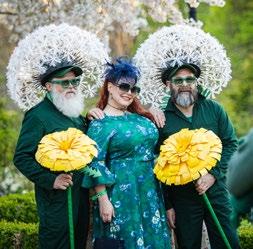
Friday, March 27, 5 – 9 p.m.
Enjoy cocktails, refreshments, live music and entertainment while celebrating the Garden’s 50th.
GAINESVILLE
Flower Photography Workshop
Discover the art of capturing nature’s most colorful subjects! Whether using a smartphone or traditional camera, this hands-on workshop covers the basics of composition, lighting, focus and perspective to bring out the best in every bloom.
gainesvillegarden.org
| Gainesville
A Note from the Director

While celebrating our 10th anniversary in 2025 was quite memorable – including the wonderful Emmy Lou Harris concert and our first-ever holiday light show, Gainesville Glows: Lanterns & Lights – we are very excited about the coming year!
I must thank our incredible staff and volunteers who helped make Gainesville Glows a huge success. From working in the rain and cold helping to assemble and install the lights in the amphitheater to staff working extra shifts to greet and assist guests, it was a real team effort. Gainesville Glows certainly exposed many visitors to the Garden for the first time, and it is our hope that they will return during the year to enjoy the Garden and many activities that we have planned.
We will continue to expand our JuneFest and FallFest family festivals –filled with family performances, music, vendors, plants and food – as a great way to enjoy the Garden. We look forward to hosting a performance of Hadestown by the Gainesville High School theater department in May and celebrating Mother’s Day with special offerings.
The Garden is hoping to add some new, exciting programming such as “pop-up” events that focus on food and the delicious varieties of vegetables in our Edible Garden. With assistance from University of North Georgia education interns, we will offer expanded drop-in Discovery Stations on the weekends. And we hope to present small-scale musical acts on an evening in late spring and early summer, complete with pre-ordered picnic boxes. It should be a great way to enjoy the Garden and some good music!
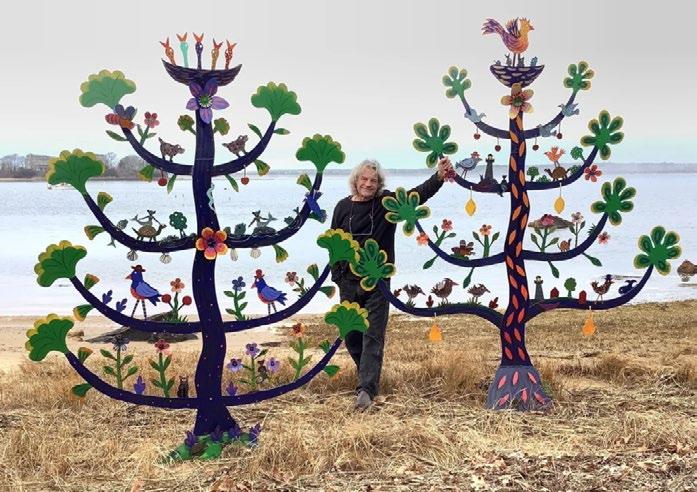
Our summer exhibition will feature fanciful folk art sculptures by New England artist Alfred Glover. From May through August, members and visitors will be enchanted by his sculptures of flora and fauna in metal and wood nestled among the gardens.
Looking forward to seeing you in the Garden in 2026!
Mildred Fockele Gainesville Garden Director
Fabled folk art
Sculptor seeks to tell story through flora and fauna
The Gainesville Garden will feature a landscape of whimsical and enchanting flora and fauna this spring with the sculptures of Cape Cod artist Alfred Glover.
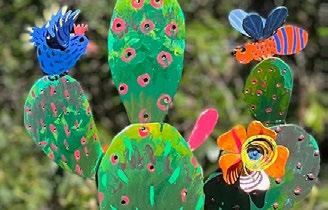
Wild & Wonderful: Folk Art by Alfred Glover, presented May 16 – August 30, will showcase a dozen sculptures of folk art inspired by exotic plants and animals seen by the artist on his travels as well as stories and memories from his childhood.
Glover uses materials that function well outdoors – wood and recycled aluminum from fuel tanks – to create his sculptures. His imagery is mostly animals combined with a variety of colorful foliage, fruits and dazzling flowers – all incorporated into metal trees, trellises and garden gates. The tree sculptures are populated with whimsical birds, fish, snakes, dogs and other creatures that are “at home” in the sculpted tree shapes.
Glover often combines a sculpture with an original story or imaginative, short fable that he concocts to accompany a new piece he has created.
“These ideas and visions all come to me in my mind’s eye as I am creating, as
Wild & Wonderful: Folk Art by Alfred Glover Saturday, May 16 - Sunday, Aug. 30
though it is some sort of spiritual magic and awakening!” Glover has said. “This spiritual magic reveals itself to me when the piece is complete. Many of the pieces tell a story, yet I do not know the story until the cast of characters reveals itself to me.”
Some of Glover’s permanent works are displayed at Children’s Hospital Boston, Falmouth Hospital and Long Pasture, a Massachusetts Audubon Sanctuary.
His Gainesville exhibit will be accompanied by fun programming, including family-friendly scavenger hunts for searching for common elements in Glover’s sculptures.
Mildred Fockele Gainesville Garden Director
Artist Alfred Glover combines sculpture with imaginative stories.
Wild Gingers
Try these Asarums in a woodland landscape
Asarum, commonly known as Wild Gingers, are small, deer-resistant perennials perfect for the woodland garden.
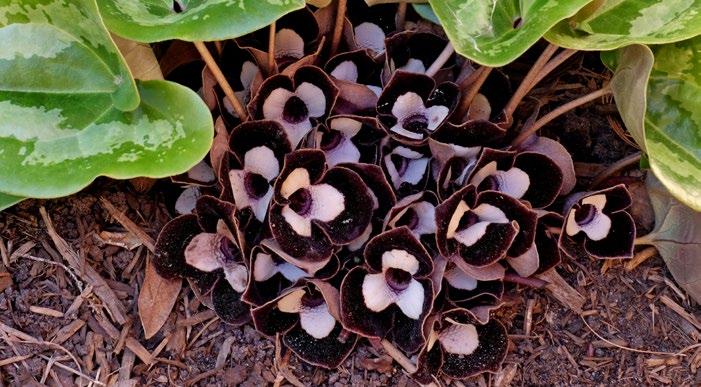
Many have spectacularly patterned, mostly evergreen foliage with striking silver spots and scrolling. Along with its interesting foliage, Asarums can have very unusual flowers, which tend to hide under the foliage but are worth searching for. They are usually a reddish-brown color but can be almost black with white accents or even a yellowish color.
Though Asarums grow across the Northern hemisphere, their highest diversity is in east Asia and North America. The most commonly found Asarum in this country is Asarum canadense which is widely found throughout the eastern United States. In spring the small, reddish-brown flowers arise at the base of the plant almost at ground level. A. canadense forms a slow growing, dense, ground cover over time in shade to part shade. Another U.S. native is Asarum
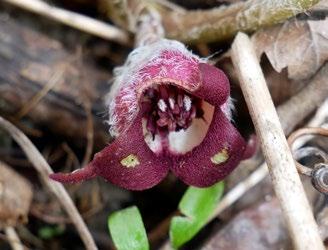
speciosum that occurs in limited populations in the Southeast but is more common further north. It has evergreen foliage with varying degrees of silver scrolling on top. The foliage tends to stand up more than that of other species making it easier to see the flowers at the ground. The large quarter sized flowers are bigger than other native Asarums and resemble an owl’s eyes when open. Two varieties of A. speciosum include ‘Woodlander’s Select’ and ‘Bloodshot Eyes’.
Two more interesting Asarums include some of the Asian species and their varieties. One is Asarum yakusimense ‘Sarlaac’ which is native to Japan. ‘Sarlaac’ has shiny green evergreen foliage with an almost alienlike crinkled yellowish flower with tiny red spots. Another is A. maximum, or the Panda Face Ginger, which has
Education Classes
January - April
Knowledge blooms at the Gainesville Garden! Topics include gardening, art and more.
Gainesville Glows: Lanterns & Lights
Through Sunday, Jan. 4, 5 – 10 p.m.
In its dazzling debut, the Gainesville Garden’s holiday light show transforms the enchanted woodland into a winter wonderland with an unforgettable new tradition filled with sparkling displays, festive music and family-friendly fun! Tickets available at gainesvillegarden.org.
Girl Scout Badge Day
Saturday, March 28, 10 a.m. – 2 p.m.
Come solo or with a troop to complete fun garden-inspired activities that help reach badge requirements!
Story Time and Sensory Bins
April Wednesdays, 10 a.m. – Noon
Enjoy Story Time on the visitor center terrace and the sensory bin in the Children’s Garden.
Fairytale Friday Parade
Friday, April 10, 11 a.m.
Dress up as your favorite fairytale character–fairies, dragons, knights, princesses–and enjoy magical family fun, including the fairytale parade in the Children’s Garden for strolling to music and bubbles. Mini-photo sessions available upon registration.
large heart-shaped glossy foliage with two big silvery-green spots on each side of the center. The flowers match the common name very well, being a striking combination of velvety black with bright white center.
It’s always fun to spread open the foliage in the spring to reveal these amazing hidden beauties.
Ethan Guthrie Horticulture Manager
gainesville happenings
Asarum maximum
Asarum canadense
membersonly
QUESTIONS? Call 404-591-1539 or email membership@atlantabg.org
Member Moonlight Stroll
Monday. March 2, 5 – 8 p.m.
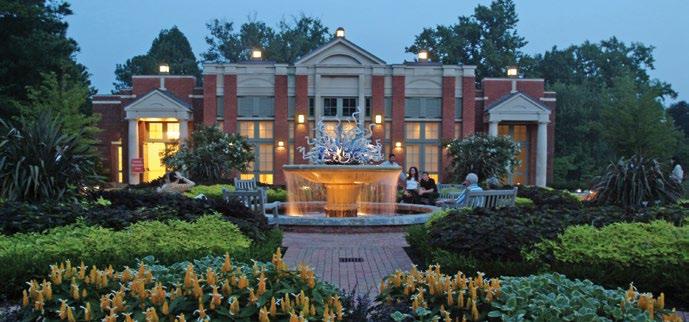
In celebration of the Garden’s 50th anniversary, it’s reviving a popular event from the past for this year’s member spring evening! Celebrate the full moon with live “moon-themed” music, surprise entertainment and glow-in-the-dark crafts, culminating in a group moonlight stroll over the Canopy Walk.
DIRECTOR’S CLUB & ABOVE
Orchid Daze Soirée
Thursday, March 5, 5:30 – 8:30 p.m.
Enjoy an elegant cocktail reception with entertainment, tasty hors d’oeuvres and desserts, and savor the season’s most stunning orchids featured in the exquisite annual exhibition. To upgrade to Director’s Club or one of the Circle levels of membership, call 404-591-1538.
CONTRIBUTING & ABOVE
Light Bites & Garden Insights
ATLANTA: Monday, Feb. 2, 5:30 – 8 p.m.
GAINESVILLE: Friday, April 10, 10:30 a.m. – Noon
Contributing-level members and above are invited to a presentation by Garden experts while enjoying light refreshments. Look for an email with details. To upgrade to the Contributing level, call 404-591-1544.
Garden Center Discounts
Take advantage of one of the many perks of membership – a 10 percent discount at select garden centers, including Garden*Hood, North Georgia Native Plant Nursery, Beech Hollow Wildflower Farm, Petal and Pond, and Pike Nurseries.
Extra! Extra!
Go behind the scenes at the Garden with PlantIntel, the annual publication dedicated to sharing staff stories of “science in action.” The March issue highlights miletones and memorable moments in the Garden’s critical mission work. Read the magazine online at issuu. com/atlantabotanicalgarden or pick up a copy in the Hardin Visitor Center.
commonground
SUPPORT THE GARDEN AS A VOLUNTEER!
Discovery Volunteer Training
Saturday, Jan. 31, 1 – 4 p.m.
Teach Garden visitors about plant collections, conservation work and current exhibitions. Volunteers have talking points and materials to provide information and answer questions to enhance the guest experience. Volunteer days and times are flexible, with a requirement of two shifts per month.
Docent Tour Guide Training
Fridays, Jan. 23 – March 13, 9 a.m. – 12:30 p.m.
Learn to lead school groups on guided tours of the Garden. Volunteers must commit to leading two 90-minute tours a month, available on weekday mornings and afternoons. Docents also are invited to monthly lunch meetings and field trips.
Outdoor Kitchen Resource
Assistant Training
Saturday, March 21, 1 – 3 p.m.
Assist chefs in the Outdoor Kitchen with food prep, offering samples and serving dinners. Opportunities for weekday evening classes, weekend daytime demonstrations and during food festivals and special events. Two shifts per month required.
To learn more contact volunteer manager Josh Todd at jtodd@atlantabg.org.
During the holidays, I received several pots of tulips bulbs and daffodils for indoor forcing. The blooms are now dying. Will the bulbs rebloom next year? Unfortunately, forced tulip bulbs will not rebloom in Zone 8, Georgia’s cold hardness zone, because tulips require warm summers and very cold winters. Your daffodils will not re-bloom in the container, but instead consider planting them outside for the next spring bloom season. After the foliage has died down, allow the soil to dry out and the bulb to go dormant. You can store the bulb in a cool dry place until planting in late fall. Then plant the bulbs as you would any other spring bulbs.