ATIKOKAN PROGRESS ATIKOKAN PROGRESS
Volume 74, Number 47

Atikokan-Quetico, Canoeing Capital of Canada

Volume 74, Number 47
Atikokan-Quetico, Canoeing Capital of Canada
M.McKinnon
The province conducted a proactive compliance inspection at the hospital's extended care wingovereightdaysinJuly
It was the most comprehensive inspection the facility has undergone since before the pandemic, and for the most part reflected very well on the care beingprovidedhere.
In many ways, the pandemic was a wake-up call for the province with regard to the state oflong-termcare.Manyfacilities were unable to contain COVID19 outbreaks, and the death rates at many were simply unacceptable.Itledtheprovincetomakea wide range of reforms, including anewinspectionprogramandthe hiring of dozens of additional inspectors.
The inspection was residentcentred and included direct discussion with residents. It was designed to focus on residents' care needs and the home's programs and services Inspectors observed residents and their care and followed a standard set of inspectionprotocols.
The inspectors work in pairs, andtheirvisitsareunannounced. A full inspection usually takes about seven days to complete. Theymetwithadministratorsand staff, toured the home, reviewed records,andjustobservedday-todaycareandconditions.
Homesareexpectedtofollow a long list of care protocols, which are basically operating standards set by the provincial government During this visit, inspectors conducted a detailed review of the way the hospital washandlingfourteenprotocols: Medication management; Food, nutrition and hydration; Safe and secure home; Quality
improvement;Painmanagement; Restraints and personal assistance device management; Resident care and support services; Skin and wound prevention and management; Residents' and familycouncils;Infectionprevention and control; Prevention of abuse and neglect; Staffing, training, and care standards; Residents' rights and choices; Reportingandcomplaints.
Inspectors also observed residentstoseeiftheyaregetting the assistance they need with activities of daily living as per theirplanofcare,suchasbathing, personal care, dress, continence care, and bowel management They reviewed residents' clinical records, observed medication administration practices, drug storage areas, and drug destructionanddisposalareas.
They observed a full meal service focusing on residents receiving the correct menu items and the assistance they require. Theyverifiedthefallsprevention and management program at the home was in compliance with legislativerequirements.
Theyobservedhowstaffinteracted with residents, looking to ensure care was provided with courtesy,respect,anddignity
Non-compliance
The inspection report, which can be found online at https:// PublicReporting ltcHomes net, runs to eighteen pages and lists thirteen specific shortcomings, only one of which rose to a level requiringacomplianceorder The inspectors found the residentstaff communication and responsesystemwasnotuptosnuff, notingtwospecificproblems:
•Therewereanumberofareas
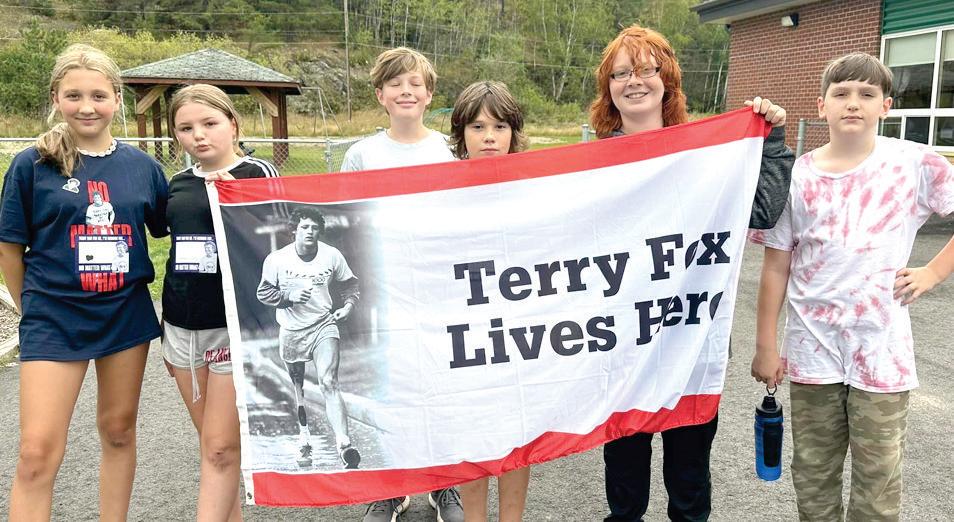
TERRY FOX RUN St. Pat's School's twentieth annual Terry Fox Run on Friday pushed the school community's total contribution to cancer research over the $28,000 mark. Here, Ava Goodman,
McMillan,CallumMinor,OwenAllen,AlexKnowles,andIanDaviscarrytheflagfortheevent.Northern LakesstudentshittheroadforTerry
tomorrow (ST PAT'SSCHOOLPHOTO)
Tammy Faykes, chair of the
A t i k o k a n H o u s i n g a n d Homelessness Committee made the following presentation to CouncilMonday:
The severe lack of affordable housing,andsocialhousingunits, has resulted in a rising crisis of homelessness affecting vulnerable individuals, youth, seniors andfamilies.
Our community like many others in our district is experiencingsignificanthousingshortages, butwhatmakesoursituationeven more pressing is that we do not have a local shelter or warming place for out of the cold in the winter months to support those whoareunhoused.
Letmefirstoutlinethefacts: Thehousingcrisisinour communityfromthefrontline
Overthepastfiveyears,since the Atikokan Housing & Homelessness Coalition was formed,
Rwe've seen a noticeable rise in homelessness, despite being a small town Without a local shelterorwarmingshelterforout of the cold, those experiencing homelessness have limited to no
optionsfortemporaryrelief,often resortingtolivingincars,staying nights at the post office, couch surfing,orsleepingoutdoors.
The rental market is also a
See‘Homelessness’,page2
M.McKinnon
Council is aware Atikokan has a homeless problem, and is willing to work with the housing and homelessness coalition to helpfindsolutions.
Mayor Ferguson, who is part of the coalition board and represents Atikokan on District of Rainy River Services Board, notedtheTowntransfers$72,000 a month to the board to support social services and land ambulancecosts.
“I am always pressing the services board for more social housing inAtikokan, but funding isscarce,”hesaid.Hewentonto note that the Town would make zoning changes if any proponent were to come forward with a housingproposal.
Council ended up supporting (bythenarrowestofmargins)the Ontario Aboriginal Housing Services proposal to develop a supportivehousingprojectherein
See‘Councilwilling’,page2
StoryandphotosbyMaryandDaveElder
ecently, a friend asked about two large blackish
birds she had seen on the edge of the highway Theyhadbrightredheadsandawhitishbill.
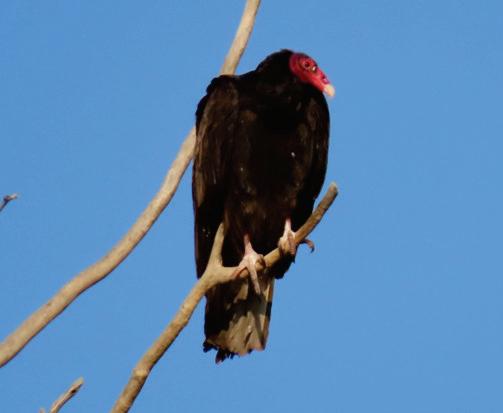
Herfirstthoughtwasthattheywerebarnyardturkeys butthatdidnotseemright,soshegaveusacall.Thebirds she had seen and described were Turkey Vultures, common summertime residents in our area.They are sonamed after their naked red heads and dark brownishblackbodiesthatresembleaturkey Thebirds our friend hadseenhadundoubtedlyfoundaroad-killedanimaland were busy doing what they do: cleaning up carcasses of anythingthatisdead.
Vultures are found throughout the world mainly in temperate and tropical areas.All are large to huge birds thathaveanunparalleledabilitytosailendlesslyintheair using wind and uprising air currents to stay aloft with almostnomovementoftheirbroadwings.Curiously,they are absent from Australia, and the vultures of Europe, Africa,andAsiaareonlyslightlyrelatedtothosefoundin NorthandSouthAmerica.Strangelyenough,NewWorld
vulturesappeartoberelatedtostorkswhereasOldWorld vulturesarerelatedtobirdsofprey
TurkeyVulturesarefoundacrosscentralandsouthern NorthAmerica.Themore northerly populations migrate southintoCentralandSouthAmerica,returninginearly spring.Thebirdsinourareausuallyarriveabouttheend ofAprilandleaveforthesouthinSeptember Theyarea common summer sight, most often seen soaring effortlessly on wide-spread wings. In profile, the wings are held in a distinct vee shape, are seldom flapped, and the bird tilts from side to side as it sails overhead, a distinctidentificationcharacteristic.
BeforeEuropeanscametoNorthAmerica,theeastern half of the continent was covered in magnificent hardwood forests. The thick impenetrable canopy of greenstretchedfromsouthernCanadatotheGulfCoastof theUnitedStates. Thisforestpresentedachallengetoa bird that fed on dead things lying on the forest floor but completely hidden beneath the crowns of the trees
Frompage1
barrier for many at risk individualsfacinghomelessness.
Lack of social housing units, especially single dwelling units has been identified in our community for many years and has been brought to the attention of the District of Rainy River Services Board, but with limited funds allocated throughout the region our town seems to fall shortoffundingopportunities.
We have also witnessed renters to be very selective on who they rent to Being in a smaller community makes this difficult for people with limited fundsoronsocialassistance. Impactofhomelessnessonour town
Theabsenceofalocalshelter exacerbates the hardships faced byourmostvulnerablecitizens.
There is a lack of temporary housing Individuals who lose their homes or are acutely homeless have nowhere to go in our community The closest shelter with more resources than what we can offer is in Fort Frances, (winter only) or in Thunder Bay, which creates another barrier, transportation to safely get them to a more appropriatelocation.
There are significant health and safety risks. Living without shelter exposes people to severe weather, physical insecurity, and poor health outcomes, which increasesthestrainonemergency services and local health care facilities.
It all contributes to economic
and social instability Families and individuals who cannot afford rent are at risk of being displaced, and employees are findingithardertoremainintown duetorisingcosts,andappropriate housing. This may have a contagion effect on local businesses, schools, and the broader community
Possiblerootcausesofthe housingshortage
Therisingcostofconstruction has slowed down new developments, especially affordable socialhousingunits.
Are Atikokan's zoning laws outdated? This can restrict more diverse and affordable housing developments, such as multifamily units and mixed-use housingandsingleunits.
There seems to be a lack of government funding, incentives, andfairdistributionofaffordable and social housing in smaller communities like ours. This has made it extremely difficult to buildorsubsidizehousing.
TheNeedforAction: Recommendations
While the situation is challenging,it'snotwithoutsolutions. Weproposethefollowingactions to address the immediate and long-term needs of our community:
•Acknowledge that there is a housing and homelessness crisis inthecommunityofAtikokan.
•Modernize zoning regulations to allow for higher-density housing, including more multifamily homes, single affordable
units,modularhousing,andmore affordableseniorhousingunits.
•Explore community partnerships to encourage the conversions of under-utilized buildings,likeNorthStarSchool.
•HavetheAtikokanreponthe servicesboard(MayorFerguson) provide regular up-dates at every Councilmeeting.
• Develop emergency solutions:
- Support homelessness initiativeswithinthecommunity
-Designateandwaivethefeefor threetentsitesatBunnellPark duringitsopenseason.
-SupporttheAtikokanHousing& Homelessness Coalition in establishing a temporary indoor shelter during the colder months or in extreme weatherconditions.
- Pursue and advocate both Provincial and Federal Funding for housing and homelessnessinitiatives.
- Request that the provincial government consider reviewing the housing application process to explore alternative ways to verify income or reduce the reliance on the NoticeofAssessment,suchas allowing applicants to submit otherformsofdocumentation likebankstatements,orsocial assistanceconfirmation.
- Identify and address other barriersthatcanmakethehousing application process more accessible, equitable, and supportive of the individuals whoneedhousingthemost.
Wednesday,Sept.25
Outersovernight
NorWest Animal Clinic, 2747393
St. Patrick School open house, bookfair,5-6:30pm
Family swim, 6 pm; Aqua Fit, 7:15pm
PioneerCentre:VONexercise9 am; Needlework 10 am; Bingo 11am;Games1pm
Thursday,September26
Optometrist,345-3455
Terry Fox Run, Northern Lakes School
a.m. p.m.
Sept. 25 6:58 6:57
Sept. 26 7:00 6:55
Sept. 27
Mood Walk walking group, 10 am (Patricia Dunnet 597-2015 orJackieKing597-3916)
Open house, Northern Lakes School,5:30-7pm
LionsClubTVBingo,6:30pm
Publicswim,7pm
AES: Allison Lupton (Celtic), 7:30pm,St.Pat'sSchool
PioneerCentre:Pole-walking11 am;Canasta,6:30pm
Friday,September27
Optometrist,345-3455
PADay,bothschools
Potluckdinner,5pm,PioneerCtr
PioneerCentre:Walkfit9am
Saturday,September28
Ski hill work party, 9 am, 5980646 or shanefiore76@ gmail.com
Fall Family Festival, Library
greenspace,1pm
Openhouse,1pm,PioneerCtr
Walleyefishfry,Legion.5:30pm (advanceticketsonly)
Sunday,Sept.29
Openhouse,1pm,PioneerCtr
Familyswim6pm;AquaFit,7:15
Frompage1 conjunction with the ANFC, but nothing has happened on that front since the approval was granted.
Theservicesboard(whichalso has a rep on the coalition) provides the coalition with $10,000 lastyeartohelpitsupportthosein emergency situations, and the coalition was able to find some emergencyshelter
The Town also allowed the coalition to use a few spaces at Bunnell Park as temporary
emergencyhousing.Thecoalition providedtentsforseveralpeople.
“Last year we provided emergency shelter for seven people,”saidFaykes.“Butweare not equipped to provide the supportstheyneed.”
Some people were referred to Fort Frances or Thunder Bay, where more support is available, but of course transportation is an issue.
“Every homeless experience is so different,” she said. “It is a verycomplexissue.”
Pressreleases
The District of Rainy River Services Board officially opened thenewlynamedHOPECentreat 324 Victoria Ave., Fort Frances last week The name, which stands for Housing, Opportunity, Progress,Empowerment,reflects thevisionoftheservicesboardto create a hub of essential services and housing support for the community
HOPE Centre will house a rangeofessentialservices,including the Safe Bed program alreadyprovidedbytheCanadian Mental Health Association and newtransitionalhousingservices offered by the services board Additionally, it will continue to house the Out of the Cold Warming Centre, operated seasonally to provide crucial supportduringcoldermonths.
“The completion of this project represents a transform-
ative step in supporting those facing homelessness in our district,”saidSandraWeir,integrated services manager and housing/ homeless lead with the services board.“Byprovidingtransitional housing and critical services, we are not only offering immediate relief but also laying the
See‘Hope Centre’,page4


Monday,Sept.30
RecycleDay
Truth and Reclamation Day Walk,1pm,ANFC(mall)
Pioneer Centre: VON exercises 9am;Bingo11am;Games1pm
Tuesday,Oct.1
Author Eric Walters, 6:30 pm, Library
Publicswim,7pm
Pioneer Centre: Resistance bands 10 am; Tai Chi, polewalking11am
Wednesday,Oct.2
Family swim, 6 pm; Aqua Fit, 7:15pm
PioneerCentre:VONexercise9 am; Needlework 10 am; Bingo 11am;Games1pm
Oct.6-BenefitconcertforCarrie Zacharias, 3-6 pm, Museum
LogCabin
Players: Nick Warren, Bryan Ribey, Barry Smith, Brad Example,ColleenSmith
Oct. 7 - 10 - Screen for Life Coach, Family Health Team, 807684-7777


M.McKinnon&C.Dickson
Earlier this summer, we started looking into reports of damaged forests in several different areas around Atikokan, damage which seemed principally focused on balsam fir and whitesprucestands.
We reached out to forester Renee Perry (with MNRF here), and she connected us withVance Boudreau,aterrestrialmonitoring technicianwiththeMinistrywho studies forest health in the northwest.Theysuggestedpeople were most likely seeing the impacts of the spruce budworm, whichhasbecomeevidentinthis areathepastcoupleofyears.
“The spruce budworm comes out in the spring and begins to feed on the needles produced the previousyear,”Boudreautoldus.
“Once new growth begins to develop, the tiny caterpillar then feedsonthose.Consecutiveyears of severe feeding will reduce the health of the tree, making it susceptible to other secondary insectsanddiseasesthatwilllead toeventualdeath.”
The Ministry tracks this pest closely, and though the insect is now making its presence felt in this area, it has found nothing abnormal.
“Thesprucebudwormisanaturallyoccurringforestdefoliating insect native to North America and Ontario Natural cycles of budworm outbreaks will occur every thirty to forty years. The northwestern portion of Ontario began noticing defoliation in 2023.”
“In 2023, approximately 119,000hectaresofmixedspruce and fir stands were defoliated in the northwest region of the province The area of damage ranged from the Manitouwadge area in the east to the Atikokan areainthewest.”
Thetotalextentofsprucebudworm infestation in Ontario was actuallydownin2023(2,029,039 ha in 2022 to 1,983,041 ha in 2023, per the MNRF's annual
forest health conditions report), with more than ninety percent of thatconcentratedinthenortheast.
TheTimmins,KirklandLake,and Hearst-Cochrane-Kapuskasing districts were hardest hit, with over a million hectares showing signsofinfestation.
The Ministry has been conducting aerial spraying in the northeastforthepastfouryears.It uses Btk (Bacillus thuringiensis subspecies kurstaki),abacterium found naturally in soils It is ideally suited for use as a biological pest control agent to combat a variety of forestry and agriculturalinsectpests.
Btk works only against a specificgroupofinsects,lepidopterans (these include the gypsy moth, spruce budworm, and tent caterpillar) Btk produces a crystal which becomes toxic when ingested into the alkaline gut of lepidopterans in their larval (caterpillar) stage It does not affect adult moths or butterflies, other insects (including honeybees), fish, birds, or mammals (includinghumans).
There are other subspecies of Bt that work only on other specificspeciesofinsects,suchas mosquitos, blackfly larvae, and Coloradopotatobeetles.
Otherforestpests
TheMinistrytracksanumber of other forest pests, and reports annuallyonitsfindings.
Jackpinebudworminfestation was down significantly in 2023, to45,294haversus130,674hain 2022.DefoliationandtreemortalitywasheaviestintheRedLake, Sioux Lookout, and Kenora districts.
For a third consecutive year, moderate to severe defoliation caused by forest tent caterpillars increased,thistimefrom261,155 hain2022to407,188hain2023.
Most of that (almost eighty percent)wasinthenortheast,but the area of defoliation did more thantripleinthenorthwest,rising toover89,000ha.
SandiKrasowski,Local JournalismInitiativereporter, TheChronicle-Journal
The Nuclear Waste Management Organization (NWMO) has recognized the growing discussions from communities in Northwestern Ontario with concerns about the safe transportation and long-term storageofspentnuclearwaste.
InAugust, a deputation made to Thunder Bay city council by membersofOntarioNuclearFree Thunder Bay and Environment North resulted in council agreeing to review transportation standards for the movement of hazardous goods within city boundaries.
In response, the NWMO reiterated its commitment to
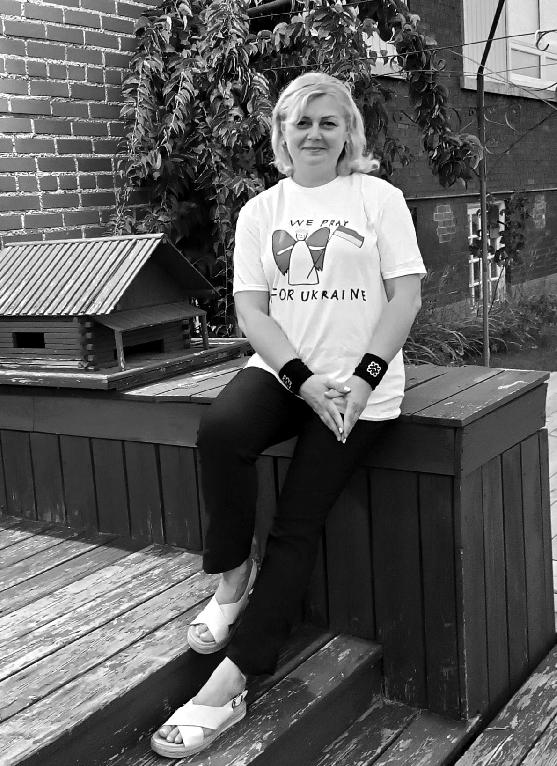
TetianaYarmolytska
IwanttosharemystoryofhowIendedupon thiscontinentwithmytwochildreninyour hometownofAtikokan,whichwelcomedmeinto itsfriendlyfamily
Atthebeginningofthewar,IwasintheCzech Republic,andmychildren,YaroslavandDana, wereinUkraine,inthecityofKyiv.Onthe morningofFebruary24,2022,Icalledhome. Danawasstillsleeping,andIsaid:“Daughter, wakeup,thewarhasstarted.”
Shecriedandsaid:“Mom,takeusawayfrom here.”
IpromisedthatIwasalreadyflyingtothem, andinthemeantime,theyhadtomovetotheir father'splacewiththemostnecessarythingsthey couldquicklypackbecauseRussiantankswere alreadyapproachingKyiv,soldierswere everywhere,andmasspanicreigned.Itwastoo dangeroustostayinahigh-risebuilding.
Idecidednottowastetime:Iwouldgoto them,andtheywouldcometome.Weagreedthat theirfatherwouldbringthemtome.Butthecity wasalreadysurrounded,andtheonlywayoutwas throughtheUkrainianrailway Therewereno ticketsattheticketoffices,anditwasimpossible togooutsideduringthesirens.
Ifoundapersonwhomanagedtogettickets, andthechildren,alongwiththeirfather,wentto thetrainstation,wheretherewasacrazycrowd: peopledesperatelytryingtogetintothecarsto savetheirlives.Thetraincarswereovercrowded; peopleweresleepingstandinginthedoorsand aisles.
BeforereachingLviv,thetrainstoppedina fieldduetoanairraidalarm,andnooneknewfor howlong.PeopleinWesternUkraineknewthat thistrainwascarryingchildrenandbegan bringingfoodfromtheirhomes,whateverthey had,tofeedthechildren.Afteraday,theywerelet intoLviv
TransferringtothetrainheadingtoPolandwas evenmoredifficultbecauseacrowdfromallover Ukrainehadgatheredthere,andinanattemptto boardthecar,mysonYaroslavwastrampled.He wasbarelypulledoutfromunderpeople'sfeet.He criedalotandsaidhedidn'twanttogoanymore. Itwasdecidedtotryagainthenextday
Thenextday,theymiraculouslyboardedthe trainevenbeforeitwasannouncedthatitwould evacuaterefugees.IamverygratefultotheCzech Republicbecausemymanagementorganizeda busthattookmychildrenfromPolandsinceafter fourdaysontheroad,theirlegswereswollenand hadturnedblue-theyneededadoctorandrest. Theywereprovidedwithmedicalassistance,and westayedintheCzechRepublicuntilmywork permitexpired.
Itwasimpossibletoexistwithoutmoney,soI decidedtolookforacountrythataccepted Ukrainianswiththerighttowork.Thechoicefell onCanada,andinMarch2023,thethreeofus flewtoToronto.
Thesurprisesdidn'tendthere.Itturnedoutthat
withoutknowledgeoftheEnglishlanguage,itwas extremelydifficulttofindajob,andonlyafter threemonthsofsearchingdidIaccidentally receiveajobofferfromTetianaMaksymenko aboutapositioninAtikokan.That'showIended upinyourtown,whichwelcomedmewith warmthandcare,forwhichIamverygratefulto allofyou.
AttheAdultLearningCentre,Iattendedguitar lessonswithJinxStus,Englishclassesingroups withBrendaHainey,andlessonswithKiraSulkko. Inaddition,IpreparedfortheCELPIP(Canadian EnglishLanguageProficiencyIndexProgram)test forimmigration.IalsoturnedtoKateryna Nedashkivskaforhelpwithvariousissues.We wereprovidedwithcomputers,andifneeded,we weregiveninstructionsandvideomaterialstohelp uslearnhowtorenewworkpermitsonourown.
IalwaysturntoAndreaMaggrahfor consultationsonthetaxsystem,whichisnewto me,andshealwayshelpswithmyquestions.Iam verygratefultotheAdultLearningCentrefortheir support.Theideaofcreatingacommunitycenter isveryimportanttomebecauseitwillhelpus integrateintosocietyalongwithlocalresidents.
ThesituationinUkraineconstantlykeepsmy childrenandmeonedge,butwebelievethat Ukrainewillwinbecausetoomanylovedonesand relativeshavegiventheirlivessothatwecould live.Evenwhenmyson'sfrienddiedinUkraine, hewassupportedbyeveryone,bothatschooland attheAdultLearningCentre.
Iamalsoimmenselygratefulforthe understanding.Wesmileatyouontheoutside,but inside,weareverywounded,anditstillhurtsus, andthispainhasn'tgoneawayyet.Ukrainianswill behealedonlybyvictory.Ifonlyyouknewwhat happinessitistobeborninCanadaandnothave suchatreacherousneighbour
Goodlucktoallofyou!
safety and the importance of ensuringtheprocessforselecting a repository site is based on partnership and consent, through itsowndeputationtocouncil.
Joanne Jacyk, the NWMO's Ignace site director, and Caitlin Burley, director of strategic programs and transportation, made the presentation on September 9, aiming to “correct some of the falseclaimsmadetocouncil.”
Vince Ponka, NWMO's regional communications manager for Northern Ontario, said theywantedtogiveThunderBay council accurate, fact-based information about the deep geological repository project before they voted on the See‘NWMO’,page9

To commemorate the National Day of Truth and Reconciliation, the Rainy River District School Board has produced a t-shirt featuringtheworkofKristyCameron,aMétis artistfromAtikokan.
Cameron'sdesignreflectshercommitment tointegratingIndigenousthemesandhistorical contextintoherart: Dreamcatcher:isasymbol that protects children from negative dreams. Fireweed: signifies the strength of resilience. Dragonfly: is a symbol of wisdom and the ability to adapt, promoting growth and healing.
All K-12 students from the Rainy River District School Board will be receiving this tshirt to wear as staff and students walk on Monday,September30,torememberthelives lost and to reflect on how we can foster reconciliationinourcommunities.
(RAINYRIVERDSBPHOTO)
by Twyla Carolan

ForsomeweirdreasonIendedupwithabunchofJalapeñoson purpose,butwithnorealplanforthem.Somewhereinthebackof myheadwastherecollectionofsomethingcalledcowboycandy Everyonewhobroughtitupasarecipethattheycannedwith Jalepeños,didsowithloveandwithevidentsalivation.
Ihavewaterbathcannedalotinthepast,buthavenotdoneany foralongtimesoamabitrusty.However,whenIseethese Jalapeños,IfeelthatturningthemintoCowboyCandywouldbea greatthingindeed.AndIamtotallyreadytotrythisnewtome recipe.
TheTastingTable.comreports:Mostagreethatcowboycandy originatedinTexasahundredyearsago.AccordingtoWWH Ranch,theoriginalsellerofcowboycandy,thecondimentwas madein1922byMindieHeironimus,whopossessedasurplusof jalapeñosfromhergardenanddecidedtopickletheminasweet andtangysyrup.
Thehistoryisfun.Andit wasnotedthatMindie's jalapeñoplantsweresixfeet tall.Whichalmostmakesme wanttomovetoTexas.Butnot quite.ThoughIwillbemaking cowboycandy
ThisrecipefromFood.com isafive-starcommunitypick:
CandiedJalapenoor CowboyCandy
Ingredients:3lbs jalapeños,freshandfirm;2 cupscidervinegar;6cups granulatedsugar;½teaspoon turmeric;½teaspoonceleryseed;3teaspoonsgranulatedgarlic;1 teaspoongroundcayennepepper

Wearinggloves,removethestemsfromallofthejalapeno peppers.Theeasiestwaytodothisistosliceasmalldiscoffofthe stem-endalongwiththestem.Discardthestems.
Slicethepeppersintouniform⅛-¼inchrounds.Setaside.
Inalargepot,bringcidervinegar,whitesugar,turmeric,celery seed,granulatedgarlicandcayennepeppertoaboil.Reduceheat andsimmerforfiveminutes.
Addthepepperslicesandsimmerforexactlyfourminutes.
Useaslottedspoontotransferthepeppers,loadingintoclean, sterilecanningjarstowithin¼inchoftheupperrimofthejar
Turnheatupunderthepotwiththesyrupandbringtoafull rollingboil.Boilhardforsixminutes.
Usealadletopourtheboilingsyrupintothejarsoverthe jalapenoslices.Insertacookingchopsticktothebottomofthejar twoorthreetimestoreleaseanytrappedpocketsofair Adjustthe levelofthesyrupifnecessary Wipetherimsofthejarswitha clean,damppapertowelandfixonnew,two-piecelidstofinger-tip tightness.
*Ifyouhaveleftoversyrup,anditislikelythatyouwill,you maycanitinhalf-pintorpintjars,too.It'swonderfulbrushedon meatonthegrilloraddedtopotatosalador,or,or…Inshort,don't tossitout!
Placejarsinacanner,coverwithwaterbytwo-inches.Bringthe watertoafullrollingboil.Whenitreachesafullrollingboil,setthe timerfortenminutesforhalf-pintsorfifteenminutesforpints.
Whentimergoesoff,usecanningtongstotransferthejarstoa coolingrack.Leavethemtocool,undisturbed,for24hours.When fullycooled,wipethemwithaclean,dampwashcloththenlabel. Allowtomellowforatleasttwoweeks,butpreferablyamonth beforeeating.Ordon't.
Ican'twaittogetabatchintheworks,orhalfbatchbecause eventhoughIhavealotofjalapeños,Idon'tthinkIhavethree pounds.That'salotofjalapeños.
Fallisagreattimeofyeartotryoutanexperimentalbatchor twoofpreservingrecipesyou'venevertriedbefore.Thefallharvest foodsareabundantandthepricesareusuallythebestoftheyear Here'stotryingsomethingnewandperhapsfindingyournew favouritecanningrecipe.
Twyla Carolan is a physiotherapist, kinesiologist, and a writer You can contact her at twyla.carolan@outlook.com. Or check out her Instagram @twylaandchewy

Frompage1 intheunitwherestaffcouldnot hearbellalarmsorbedalarms, andtheyfurthernoted“thishad beenanongoingissuefor approximatelytwoyears.”
The system as it is set up allows staff to cancel a resident call at the nursing desk. This is not allowed; provincial regulationspermitscallstobecancelled onlyatthepointofactivation.
The compliance order requiresthehospitalto:
A) Conduct a documented assessment of the resident-staff communication and response system to determine which location(s) in the home it is not audibletostaff.
B) Develop and implement a documented plan to address the deficienciesidentifiedinpartA).
C) Develop and implement a documented plan to ensure the resident-staff communication and response system can only be de-activated at the point of activation.
The inspectors issued eleven written notices, five of which were concerned with specific incidents they had observed. For instance, there was some ambiguity in one resident's plan of care:itlistedtwospecificwaysin which that resident should be assisted with a certain activity of daily living, only one of which wascorrect.
Three notices involved the incorrect handling of certain reports.
Theothersinvolvedtheroom temperature falling below 22°C, the legislated minimum, in a numberofplacesonanumberof occasions; the call system issue identified earlier; and a new stafferstartingworkwithoutfirst having been provided with infectioncontroltraining.
Finally, there was one matter the hospital was able to rectify while the inspectors were on scene. On two occasions, they noteddoorstotwonon-residential areas (a treatment room and a janitorial room) were left unlockedoropen.

it's not searchlights, it's criss-crossing airplane vapour trails.
Frompage2 groundwork for long-term stabilityandindependence.”
The Ontario government is providing more than $1.1 million in homelessness prevention funding to support the project, which is re-purposing a desanctified church Additionally, Ontario's social services relief fundsupportedthisproject.
The transitional housing program will open its doors to residents this fall. Residents will have access to services such as employment support and mental
health and addictions counselling. Operating from November untilApril,thewarmingcentreis an 'out of the cold' program that operatesduringthecoldestnights oftheyear
District of Rainy River Services Board has been allocated $1,133,300 in homelessness prevention funding this year, an increase of $592,800 from 202223.
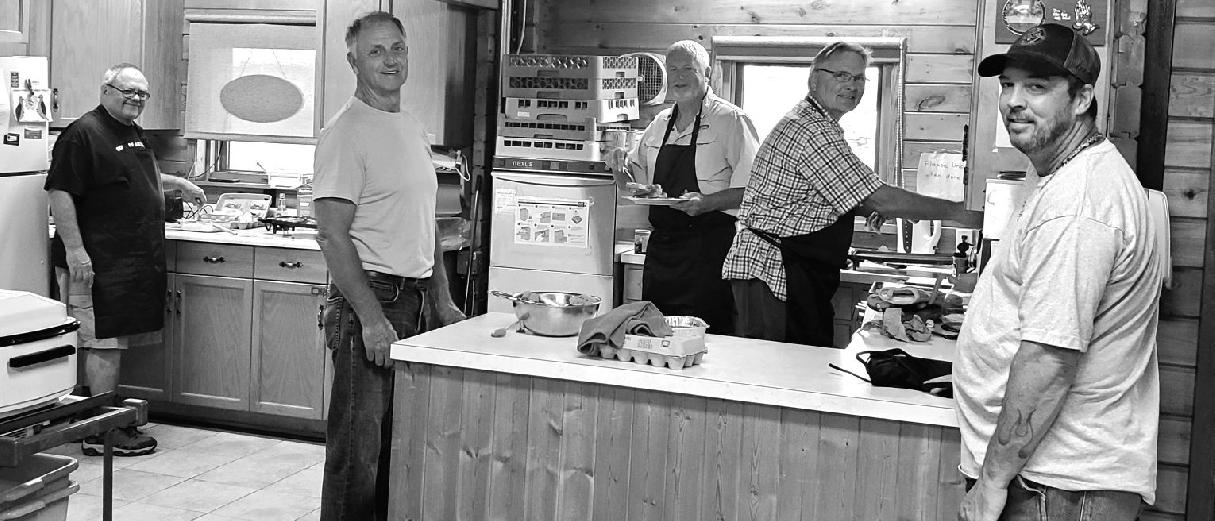
GOOD COOKIN' Thirty-one men enjoyed the second free men's breakfast at the Pioneer Centre last week, and gave the new cooks: Nelson Boutilier, Don St. Pierre, Bob Nault, Rick Geurts, and Johnny Sheets,highmarks.Thenextmen'sbreakfastissetforTuesday,October8at9am.Youdon'thavetobea PioneerClubmembertoattend.(PIONEERCLUBPHOTO)
OntarioMinistryofEnergy
The Ontario government and Wataynikaneyap (Watay) Power, a First Nations-led company madeupoftwenty-fourIndigenous communities, are advancing the secondphaseoftheWatayPower Transmission Project, which is the largest Indigenous-led and lengthiestgridconnectionproject in Ontario's history Through the second phase of this partnership between Ontario and Watay Power,SachigoLakeFirstNation willbecomethelatestcommunity to connect to clean, reliable, and affordable energy, ending the community's reliance on costly diesel-poweredgenerators.
“Ontario needs to generate, store,andtransmitmorepoweras wefaceunprecedentedgrowth.It isapriorityforourgovernmentto expand and connect clean and affordable energy to some of the most remote northern communities, helping improve the quality oflifeofFirstNationsaswework to displace all diesel generators with clean electricity,” said Stephen Lecce, Minister of Energy and Electrification. “We are proud to support WataynikaneyapPowerandSachigoLake First Nation in the largest Indigenous-led energy project in our province's history that will connectnortherncommunitiesto clean and reliable energy, unlocking jobs and opportunity forgenerationstocome."
About 1,800 kilometres of transmission line are being built by Watay Power Transmission Project through a government loanofupto$1.34billionforthe project's construction costs to service the remote populations. Once built, the Watay transmission line will connect more than 18,000 people in sixteen remote communities and estimated to avoid 6 6 million tonnes of greenhouse gas emissions per year, equivalent to taking almost 35,000carsofftheroad.
Sachigo Lake Chief Simon Tait said: “On behalf of Sachigo
New transmission lines will ultimately connect 18,000 people in sixteen remote Indigenous communities to affordable energy
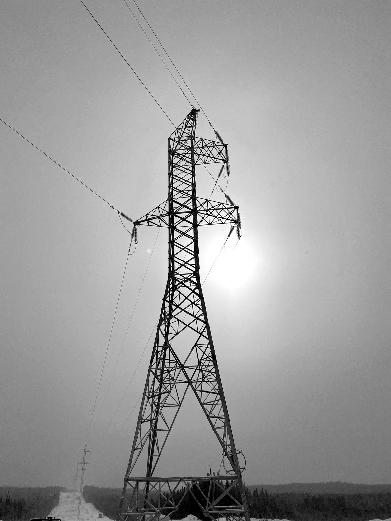
RT064, a dead-end tower (four legged) on Deer Lake First Nation Homelands, part of the 1,800-kilometre Wataynikaneyap Power transmission system. (WATAYPOWERPHOTO)
Lake community members, includingElders,youth,andland keepers,wearesopleasedtocelebrate the community's connected totheprovincialpowergrid.With thisconnection,wearenolonger constrained by the limits of the dieselgenerators.”
The project achieved its first major milestone with the early connection of Pikangikum First Nation in December, 2018 Construction on the rest of the project commenced in February 2020 and was substantially completed in summer 2024. The Watay line is estimated to contributeover$1billiontoOntario's GDPbyconnectingcommunities toaffordableelectricityandwellpaying local jobs. Since the pro-
($1.674).
ject's conception, nearly one thousand First Nation members workedonbuildingtheline.
“As someone who has lived and worked as a nurse in remote Indigenous communities across Canada, I can attest to how critical it is to have reliable infrastructureincludingaccessto clean, affordable energy,” said Greg Rickford, Minister of Northern Development and Minister of Indigenous Affairs and First Nations Economic Reconciliation “The Watay Power Transmission Project has beenamajorpriorityduringboth my federal and provincial chapters, and I'm proud that our government,undertheleadership of Premier Ford, is unlocking unprecedented economic reconciliation opportunities for FirstNationsacrosstheNorth.”
The government is fostering partnershipswithIndigenousand First Nation communities to not onlysupporteconomicgrowthin the region but also enhance environmental and health benefits for these communities through emission reductions, enhanced electricity reliability, and the elimination of carcinogenicdiesel.
“We are so pleased to be celebrating with Sachigo Lake FirstNationtoday Thishasbeen a remarkable journey, which startedoverthirtyyearsago,”said Margaret Kenequanash, CEO of Wataynikaneyap Power “We havefollowedtheChiefs'mandate to bring cleaner, more reliable power to remote First Nations, with First Nation-led and majority owned infrastructure on theHomelands.”
AtikokanAlcoholicsAnonymousmeets Wednesdays(7:30pm)andSundays (7:30pm-openmtg.),atCommunity Fellowship,FrontSt. Contacts: Mike 597-8250 Alverne 597-4470
Ifyouthinkyoumayhaveadrinking problem,wecanhelp





Ihavealwaysbeenafanofsciencefiction. Growingup,myheroeswerewriterslikeIsaac Asimov,ArthurC.Clarke,andRobertHeinlein. Theseweremenwhoimaginedaboldfuturefor humankind,whosawusreachingforthestars,literally aswellasfiguratively
Andwhiletheirheadsoftenseemedtobeinthe clouds,theyalsohadafirmgraspofwhatmightbe possible,scientifically-speaking,andtheywerealways willingtowrestlewiththeday-to-dayquestionsofhow togetthingsdone.
Inshort,theywerenotlikeanyoneIknew
AtleastuntilIgottoknowVicProkopchuk.
Thiswasayoungmanwholovedtofly…Andwho tookaflyeroncomingnorthwhenhewastwentyyears old.Herehewastodiscoveraplacewhereopportunity onthegroundwasasboundlessastheskybeforehim whenhewasatthecontrolsofhisairplane.
SteepRockIronMineswerestillintheearlystages ofdevelopment,sohegotinonthegroundfloor developingacommunicationsystemforoneofthe largestindustrialdevelopmentprojectsinthecountry.I canonlyimaginehowthistwenty-one-yearoldmust haverevelledinthischancetofigureoutwhathecould do.
Onethinghedidlearnwasthathewantedtoknow more,sohestartedstudyingelectricalengineering.
The1950ssawthedawnoftheageof telecommunications,andelectricalengineeringwasall aboutthefuture.NoneofthiswaslostonVic.
In1955,hestartedOntario'ssecondcableTV system.Talkaboutaudacity.ButViccouldsee televisionwasthetelecomrevolutioncometolifeinthe livingroomsofNorthAmerica.Justbecausewewere
hundredsofkilometresfromthenearestbroadcasterwas noreasonforAtikokanitestogetleftbehind.People herewouldhappilypaytobehookeduptotheworld throughtheirtelevisions...Andheknewhowtomake thatareality
Thatwasthefirstofatleasteightbusinesseshe startedorsalvagedduringhislifetime,andarguablythe mostsuccessful.Buthebroughtthesamespirittoallof them:WhatdopeoplewantandhowcanIhelpprovide it.
Atikokanwasabitofa differentplacethen.Itwas farmoreself-reliant,andfarmoreisolatedthanitis today Asaresult,whensomethingwasneeded-beit anevening'sentertainment,askihill,oranarenapeoplebandedtogetherandworkedtomakeithappen. Aninnovative,candospirittookhold.
Therewasavibrantbusinesscommunity,courtesyof Vicandatleastadozenmoreentrepreneuriallyminded souls.Itrubbedoffontheeducationsystem–howelse canyouexplainOuters.
Itwaseveninstitutionalizedwiththecreationof QueticoCentre.And,ofcourse,Vicwasinvolvedthere, too.
In1986IdecidedIwantedtomakeAtikokanhome, andVic,alongwithhispartnersMadgeandthe Fontanas,tookachance,takingmeonattheProgress. Prettyquickly,circumstanceschanged,andIwas suddenlyatthehelmoftheenterpriseaseditor.Iwasn't particularlywellqualified...Ithink,Ihope,Vicsawin mesomethingofthatyoungmanwhowaschallengedto setupacommsystemataminethirty-fiveyearsearlier
Heletmehavemyhead,andforthatIwillbe forevergrateful.
Wedisagreedmorethanonceaboutthebestwayto

dothings,butwewerealwaysabletoseeoneanother's pointofview,andworkthingsout.
Vicwasabusinesspersonfirst-Idon'tthinkheever lostmoneyforverylongonanyofthebusinesseshe operated-buthewasalsoafierce,fierceAtikokanite. Hewasamongthosewhofoughthardestforan industrialfutureforAtikokanonceitbecameclearthe daysoftheironmineswerenumbered.
Andthat'swhy,in1982,heboughttheAtikokan Progress.TheProgresshadbeenpartofthepushto growanddevelopAtikokanformorethanthirtyyears, andhedidnotwanttoseethatresponsibilityfallinto thehandsofsomeone,orsomecorporateentity,outside thecommunity
HerecognizedAtikokanneededanewspaper, neededatravelagency,neededamodernmotel...and hisvisionandcandospirithelpedensureAtikokanhad themall.Hewasneverafraidtoinvestinthe communityhecalledhome.
Vicwasalwayspushingtoexplorewhatwasgoing tocomenext.Irememberthatin1989or1990hewas allexcitedaboutthishand-heldpersonalplannerhe'd pickedupsomewhere.Youcouldkeeptrackof appointments,namesandaddresses,phonenumbers.It hadcalculatorfunctions,aclock,analarm...Remember, thisisatimewhenwewerestillmarvellingatthe technologyoffaxmachines;theBlackberryhadyetto bedreamedof,letalonetheIPhone.
Thislittleelectronicgadgetwasjustthemost amazingthing...itmadehiseyeslightup,itwouldgo whereverhewent.Hewassoenamouredhegaveoneto Madgeforherbirthday
IrememberMadgerollinghereyeseversoslightly whenshetoldusaboutthisgift....but,shewasn'treally surprisedorputout.Sheknewthemanshemarried.
VicProkopchukwasamanwhocouldseethingsthe restofusdidnot.
We,andAtikokan,wereveryfortunatetohavehim.
CanadianMedicalAssoc.
On September 18, the Canadian Medical Association (CMA) apologized for its role, and the role of the medical profession, in past and ongoing harms to First Nations, Inuit, and Métis Peoples in the health system.
In presenting the apology, CMA president Dr. Joss Reimer spoke of the association's commitment to accountability, and to working with Indigenous Peoples to do better in the spirit of humility and reciprocity
The apology was delivered at a ceremony in Victoria, BC, on the traditional territory of the ləkʷəŋiʔnəŋ speaking people of Songhees and Xwsepsum Nations and shared publicly via livestream. Here is a small part of that apology:
TheCanadianMedicalAssociationisdeeplysorryfortheharms FirstNations,Inuit,andMétisPeopleshaveexperiencedand continuetoexperienceintheCanadianhealthsystem.
TheracismanddiscriminationthatIndigenouspatientsand healthcareprovidersfaceisdeplorable,andwearedeeplyashamed. Asthenationalvoiceofthemedicalprofession,wearesorryforthe actionsandinactionsofphysicians,residents,andmedicalstudents thathaveharmedIndigenousPeoples.
Werecognizethesignificantpowerthatphysicianshavehad historically,andcontinuetohave,inthehealthsystem.Physicians playacriticalroleintheprovisionofhealthcare,andtheyhave obligationsandaccountabilitiestopatients,thehealthsystem,and society Asanassociation,ourpurposeistosupportthemedical professionandcreateamoresustainable,accessible,andequitable healthsystemforallpatientsandproviders.Infailingtoaddress systemicanti-Indigenousracisminhealthcare,wehavefailedto fulfillthispurpose.
Wehavenotliveduptotheethicalstandardsthemedical professionisexpectedtoupholdtoensurethehigheststandardof careisprovidedtopatientsandtrustisfosteredinphysicians, residents,andmedicalstudents.WerealizewehaveleftIndigenous Peoplesoutofthathighstandardofcare.
ToIndigenousPeopleslivinginCanada,weapologizetoyou. Wearesorry Wearesorrywehavelostyourtrustandfortheharms you,yourancestors,yourfamilies,andyourcommunitieshave experienced.Weacknowledgetherearerippleeffectsonfuture generations.
WetakeownershipoftheCMA'shistory,andwearecommitted torightingourwrongsandrebuildingourrelationshipona foundationoftrust,accountability,andreciprocity Weaccept responsibilityfortheCMA'sactionsandinactions.
Weknowthereisnothingwecandototakebackwhathasbeen See‘ ’,page CMAapologizes 8
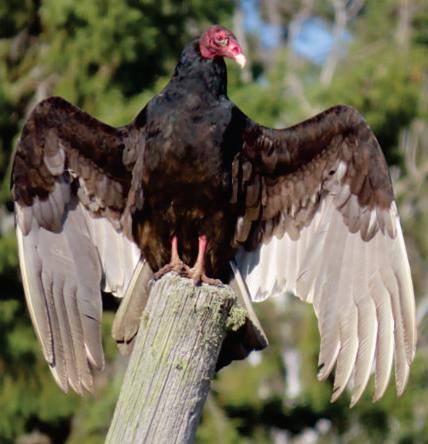
A perched Turkey Vulture appears quite hunchbacked and looks rather sinister
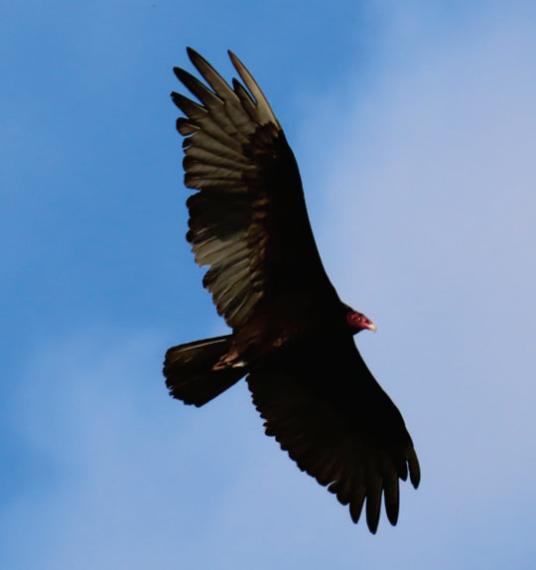
Turkey Vultures can soar all day on their broad wings in their constant search for food. The wings are rarely flapped.
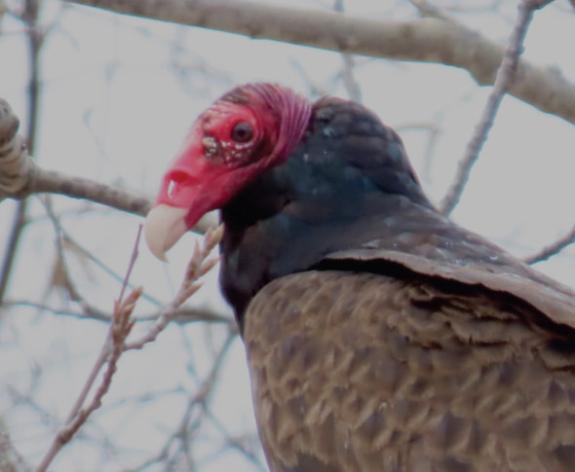
The featherless head of the Turkey Vulture helps keep the bird clean when feeding on decomposing carcasses.
Frompage1
Turkey Vultures solved this problem by developing a strong sense of smell, a very unusual ability not found in many other birds.
When an animal dies, decompositionofthebodybegins almost immediately and as the process proceeds, chemical activity generates odors. These volatileodorsspreadquicklyand widely and theTurkeyVulture is abletodetectthemataconsiderable distance. The vulture will quarterbackandforth,following thescenttrailtoitsstrongestpoint above the tree canopy and will then descend to the ground and beginitsmeal.
Other vultures find food by seeing it from above or noticing theactivitiesofothervulturesand followingthemtoafoodsource.
Turkey Vultures have benefited from the settlement of the land. The great forests with their solid green canopy were largely cleared for farmland
Farming practices generated a no-longer-hidden food source making the finding of a meal much easier In addition, the myriad of roads and highways that now crisscross the land provide an unlimited and continuous source of food: roadkilled creatures of every kind. Scentis stillthemeansby which the Turkey Vulture finds a meal, butaccessisconsiderablyeasier
One of the best places to see
Turkey Vultures is at the town landfill site. When you are there dropping off refuse or recyclables, look up and see if you can pick out the vultures soaring overhead with both Common RavensandBaldEagles.Likethe ravensandtheeagles,thevultures havelearnedthataneasylunchis availablethere.
Turkey Vultures begin breeding activities in the spring soon after they arrive from the south. Theywillquarterthelandseeking outasuitablesiteforthelayingof their eggs. A variety of sites are usedandincludelargehollowsin big trees, cavities made by uprooted trees, on the ground under thick shrubbery and in big enough niches and cavities among the rock debris found at the base of cliffs Man-made structures are also used such as accessibleabandonedhousesand shedsinruralareas.
No nest is made and the two blotch-covered eggs are laid on whatever the bottom of the nesting site is covered with. The youngvulturesarecoveredwitha thick white down that is slowly replacedbyfeathersastheygrow Food is collected by the parent vultures and regurgitated for the nestlings.Theyoungfledgewhen about ten weeks old and once on the wing, are identical to their parents except for their naked heads which are darkish gray ratherthanred.
Diningastheydoonless-thanfreshfare,TurkeyVultureshavea natural immunity to the many pathogenetic bacteria that inhabit a decomposing dead animal Should we attempt such a meal, serious illness would assuredly result The featherless head is another means of dealing with an aging and somewhat messy carcass in that the inevitable soiling of feathers during feeding andthedifficultyincleaningthem isavoided.
Duringtheearlymorning,itis notunusualtoseeTurkeyVultures perched on a dead tree top or another exposed perch facing the rising sun with wings widespread. To conserve energy, the vulture can lower its body temperature during the night and aftersunrise,theheatfromthesun assistsinreturningbodytemperature to normal levels. On cloudy days,vultureswillremainatroost foralongerperiodoftimebefore taking flight to begin the daily searchforfood.
Another oddity they have is theirinabilitytovocalize.Beyond a low hiss or grunts when disturbed at the nest, they are essentiallysilent.
Whilenotlikelytowinaprize for best-looking or best-behaving bird, Turkey Vultures do perform an important function in the natural world by assisting in the recycling of nutrients and the returnofdeadbodiestothesoil.

September30,1954
•FernFortinwillbuildan outdoorrinkonopenlandbetweenMapleCresand SpruceRd.HebuilttherinkinDonParklastyear
•TheAtikokanProgressisnowlocatedinnew quarters,itsthirdhomesinceitdebutedin1950. Wearenowinabasementstructureatthecorner ofBurnsandNiven.Thefirsthomewasasmall framebuildingonClarkSt.beforemovingontoto FrontStreet.Thenewbuildingcanbeexpandedas thecommunitygrows.
September24,1964
•Thedanceclubhas46children,4to16,takinglessonsinballet,tap,and baton DonMcKinnoncomesinfromFortWilliam andisassistedbythreeseniorstudents(Janice Boileau,LeslieGauthier,andDianeCoulombe).
•Installationofadequatestreetlightingon SteerolaLanebetweenNeptuneandMercurywas approvedbyCouncilinresponsetoarequestfrom theZionLutheranChurch.
September26,1974
•AgroupfromFortFrances islookingatmoving14housesfromtheoldNorth ColdstreamMinepropertyatBurchellLaketo Atikokanandputtingthemupforsale.
•TheNorthwesternHealthUnitwillprovide internalmouthguardsforusebyhockeyplayers andothersportsparticipants.Mouthimpressions willbemade,senttoWinnipeg,thentheguard wouldbesentdirectlytotherecipient.
•Pope'sAngelscapturedthebestofsevenmen's fastballplayoffovertheSteepRockFlyers.Some oftheplayersincludeKenCox,RickSekulich, RodEkstrom,RickStus,AbGeorge,Terry Dennis,DaleRobertson,andJerryDuhamel.
September26,1984
•ChurchoftheGoodShepth herdwillcelebrateits30 anniversarythisweekend
•SixtyrunnerscompetedintheKnightsofColumbusrun/walkforarthritisandcollected$4,600. LarryGashinskiandsonDannywerethetop pledgeearnerswith$1,000betweenthem.Theresa PerronandPatThorsoncollected$350and$332 respectively Thetoppledgeearnerintheyouth wasJeremyDicksonwith$201.Crossingthe
Compiled from the Progress archives by Christine Jefferson-Durand finishlinefirstwasRandyMakarenko,followed byLarryGashinskiandJohnMcInnis.
•TwentyAtikokanLionstooktothestreetsand raised$700duringtheirannuallightbulbsale.
•AtikokanwasCanada's'hotspot',forthethird timethissummer,with27.1°ConSeptember19. September26,1994 •BillandTerriBellhave openedBumpertoBumperautopartsshop.
•ShannonMcLeodhasjoinedthecounsellingstaff atCommunityCounselling.
September27,2004
•NorthStar(JKtogradesix) has155students.Thehighschoolhas285with another50ingrade7and8.St.Patrick's(JKto gradeeight)has186students.
•Around25volunteersspentthedayburning brush,fillingholes,andclearingundergrowthat The Pines onPickerelLakeinpreparationfora prescribedburn. The Pines,abeautifulstandofred pinesinQueticoPark,werepartofamassiveblowdownthatleveledthousandsoftreeslastsummer Theprescribedburnreducestheriskofanout-ofcontrolforestfire.TheMNRwilldoeverything theycantoprotectthetreesstillstanding.
•Forty-onepeopleparticipatedintheannualTerry FoxRunandraised$1,991.39forthecause.
September29,2014 •After65years,theLegion LadiesAuxiliaryisstillgoingstrong.Theyserve thewidercommunity,aswellasAtikokanveterans, withbursaries,sponsorshipofyouthgroups,support forthehospital,itsextendedcarewing,andlocal andregionalprogramsforseniors.
•After55yearsinAtikokan,IdaStewartismoving toKelowna,BC.Idaisnow94yearsold.
•AtleastadozenAtikokaniteswereamongthe 700-plustoparticipateinthefifthrunningofthe MileswiththeGiant,theannualThunderBay marathon.SomeoftherunnersincludeStephanie Cornell,RobinSampson,ScottCoutts,Karen Gannon,SheldonHaw,LeahNix,ArlaSmitsnuk, SylvieCyr,TammyStamler,MissyHaw,and BrittanyEmms-Richards.
•Gasthisweekherecost$1.439/litre.
MarkPavilons,Local JournalismInitiativereporter, KingWeeklySentinel
Prostate cancer is the most commonlydiagnosedcancer-and thirdleadingcauseofcancerdeath - among Canadian males. That shouldsetoffsomealarmbells.
It's Prostate Cancer Awareness Month at the Canadian CancerSociety It'ssomethingall husbands, fathers, brothers, unclesandevensonsshouldtake notice of. A tremendous amount of progress has been made in the fight against prostate cancer, but it's still the most commonly diagnosedcancer
On average, 91% of those diagnosed with prostate cancer are expected to survive at least five years after their diagnosis. Survival is nearly 100% if the cancer is detected before it has spread Roughly27,900Canadians areexpectedtobediagnosedwith prostatecancerthisyear
It's one of the least preventable cancers, making advancements in treatment so important. That's why hospitals, research centres and the Society are all investing in research to ensure people can live longer, fuller lives Investments in the best prostate cancer research in Canada has helped to cut the prostatecancerdeathratebyfifty percent since 1995 through improvements in early detection andtreatment.
MyStory
Duringmyongoingbattleand treatment for prostate cancer,
Frompage6
done.Wecanonlymoveforward-beginningwithourcommitmentto work in partnership and reciprocity with Indigenous Peoples to advancereconciliationinhealthcare.Wehumblyacknowledgeweare onalearningjourney-wewillmakemistakesdespiteourbesteffortsbutwecommittoacknowledgingthosemistakes,learningfromthem, andcontinuingforwardinameaningful,tangible,andsustainedway
ThiswouldnotbepossiblewithoutthegraciousnessofElders, KnowledgeKeepers,andIndigenouspartnerswhohavesharedtheir teachings,knowledge,andtruthswithus.Theircouragetotrustand takestepsalongsideusdoesnotgounnoticed.Theyhaveguided, pushed,andkindlysharedwithuseventhoughithasbeen,without adoubt,anemotionally,spiritually,andmentallytaxingprocessto relivepainfulmemoriesandshareintimatecommunityknowledge. Theirkindness,honesty,strength,andwillingnesstosharewill neverbeforgotten.Aswebeginourunlearningandrelearning,we humblytaketheseteachingswithusandholdthemattheforefront ofourinteractionswithIndigenousPeoplesintheCMA'sfuture commitmentsandwork.
The CMA apology is contained in an eleven-page document available at www.cma.ca, along with a good deal of supporting material. The full apology includes specific details on actions the association will take to advance Indigenous health and to support its ongoing commitment to meaningful reconciliation.
Ihaveavoidedreadingdetails,data, and life expectancy projections. Nodoubttheypaintaratherbleak picture. Imagine being told you havethreetofiveyearstolive!My oncologistssaytheyareattacking it on several fronts - hormone therapy, immunotherapy, and my currentstintofchemo.
ACTscanfollowingthechemo will help tell my tale, but my medications will likely continue for the rest of my life. I've also exploredseveralnaturalremedies and supplements that may help. I keep an open mind, and naturopathic approaches have been used for centuries What haveIgottolose?
A recent phone call from an oncologist at Princess Margaret [the cancer centre at Toronto General] said they will continue to stand by and be available for futuretreatment.Ididastintfora GUNS [Genomic Umbrella Neoadjuvant Study] trial for six monthswhichseemedtoworkat the time. But alas, the cancer reemerged.
This treatment has been used intheU.S.formorethanadecade andyetit'sstillbeingtestedhere. Researchisaggressiveinthisarea and new trials, drugs and procedures are constantly being uncovered. That's good news, I suppose.
Princess Margaret is a world leaderincancerresearchandtheir team of prostate cancer specialists are likely second to none. They share a special bond with
theStronachCancerCentreoutof SouthlakeinNewmarket,soIwas fortunatetogetmytreatmentsand care close to home. Many of the oncologistsarepartofaclose-knit group in this speciality I've alwaysfeltIwasingoodhands,at PMandSouthlake.
While it was once typically a disease found in men in their seventiesandbeyond,theprostate cancer rates are increasing in youngermales,someasyoungas theirmid-forties.Iwasdiagnosed at fifty-nine. You wouldn't know I'm infested with this disease, or
See‘Prostatecancer’,page11


M.McKinnon
The nuclear industry likes to push its excellent safety record with thousands of nuclear shipments. But the vast majority of those shipments are for medicalpurposesinvolvingafew ounces of radioactive material.
Some of it may be more radioactive,ounceforounce,but the shipments of used nuclear fuel will involve tonnes of radioactivematerial.
No one, anywhere, has ever considered moving 100,000 tonnesofusednuclearfuel1,500 kilometres, as would be required if the deep geological repository were to be located in north-
western Ontario Such a transportationprojectisordersof magnitude greater than anything ever before undertaken with materialthishazardous.
In its preliminary transportationplan,releasedinDecember 2021, the NWMO estimates it will take over 30,000 trips to movetheusednuclearfueltothe finaldisposalsite.Itisexploring three different transportation packages:
1. The 'Used Fuel Transportation Package' houses 192 used fuel bundles (total of over four tonnes of used nuclear fuel) and will weigh 35 tonnes when assembledfortransport.
2.The'DryStorageContainer Transportation Package' houses 384usedfuelbundles(morethan ninetonnesofspentfuel)andwill weigh 100 tonnes when assembledfortransport.
3.The 'BasketTransportation Package'willcarry120usedfuel bundles (more than 2½ tonnes of used fuel) and will weigh 28 tonnes when assembled for transport.
There are any number of unknowns about this transport, beginningwithwhetheritiseven doable.
The used nuclear fuel is fragile. How will it react being shipped 1,500 kilometres? The fuel is in ceramic form and contained in metal tubes. It has spenttwelvetotwentymonthsin thecoreofthenuclearreactorand up to seven years cooling in water Itisfarmoredangerous(in
terms of the amount and variety ofradioactivematerialitemits)in its spent form than it is when it firstwentintothereactor
Will it stand up to the stops and starts, high speeds, and bumps and vibrations of a longdistance trip on public roads or raillines?(Whentheusednuclear fuelismovedfromthereactorto the cooling pool and then to dry storage, the shipments are very shortdistances,andmostlyoccur at reduced speeds on controlled accessroads.)
Itisvitalthatthespentfuelnot be damaged The Essential CANDU: A Textbook on the CANDU Nuclear Power Plant Technology,a1,500-pagetreatise prepared by the University Network for Excellence in NuclearEngineering,states:
“Damaged fuel can release highly radioactive substances into the irradiated fuel bay and alsopotentiallyintotheairabove. Such radiological contamination must be controlled to acceptably low levels to protect the workers andthegeneralpublic.Therefore,
Frompage3 amendment to the recommendation from the IntergovernmentalAffairscommittee.
“There is a strong internationalsafetyrecordfortransporting used nuclear fuel,” Ponka said. “For close to sixty years, therehavebeenmorethan20,000 shipments worldwide, and none havecausedharmtopeopleorthe environment as a result of the releaseofradioactivematerials.”
Statistics from the Canadian Nuclear Safety Commission show there are currently 34,000 radioactive shipments in Canada each year made in Type B packages, which are designed to the same standard as the packages used for moving Canada's usednuclearfuel.Materialssuch as medical radioisotopes and industrial gauges account for seventy-three percent of radioactivematerialsontheroad. Shipments relating to nuclear medicine are seventeen percent ofshipments.
Ponka said some of these shipments are more radioactive than the used nuclear fuel the NWMOwillbeshippingandare safely shipped on highways everyday
“There are many crosscountry shipments like uranium hexafluoride and uranium ore concentrate that move across the country and therefore would necessarilytravelthroughNorthwesternOntario,”headded.
During the deputation, Jacyk stated: “Siting a facility arbitrarily near an existing nuclear site would disregard the voices of nearby communities and First Nations.That'snotright.”
Ponka says this differs from opposition from many Northwestern Ontario First Nations andcommunitieswhoarevoicing concernsaboutsitingarepository
facilityintheNorthwest.
“Theproximityprincipleconflicts with the values and priorities that Canadians identified as importantinsitingausednuclear fuelrepository,thatsiteselection should only proceed in an area withinformedandwillinghosts,” hesaid.“Sitingadeepgeological repository in an area close to a nuclear reactor without first having a site selection process is notright.”
Ponka said the site selection processisdesignedtoensurethat thehostcommunities-thosemost directlyimpactedbecausethesite isintheirterritory-areinformed and willing hosts before they evenstarttheregulatoryprocess.
“Once a site is selected later this year, there is a ten-year regulatory process where the regional voice becomes very important and engagement in the successful siting area will continue,”hesaid.
Burleytoldcouncil:“Whenit comes to transportation, we'll have many more years to answer questionsandevolveourplan.”
TheshippingofCanada'sused nuclearfueltoarepositorywon't beginuntilthemid-2040s.
Ponkapointedoutthatbefore any used fuel is transported, the NWMO'stransportationprogram mustmeetstringentsafety,security, and emergency management regulations set by Transport CanadaandtheCanadianNuclear Safety Commission, which ensure public safety during normaltransport.
“The shipments would use Type B packages that have been certified for use by the Canadian Nuclear Safety Commission,” he said. “The transportation packagesforusedfuelmustalsomeet rigorous international standards set by the International Atomic
degradation and damage to bundles must also be limited to acceptablylowlevels.”
It also notes that material fatigue(crackingintheusedfuel bundles) “ would be a consideration mainly during transportation of irradiated fuel bundles, e g , to sites for dry storageand/orlong-termdisposal orisolation.”
Ialsohavetowonderroughly how many times these transportation packages can be reused Their interiors will be exposed to a great deal of radiation;atsomepointtheywill alsobecomeradioactivewaste…
The NWMO believes this amount of used nuclear fuel can be safely shipped 1,500 kilometres.
Butithasnoideawhetherthe transportation packages it is exploring will be able to do the job. It could well be that moving hundreds of nuclear fuel bundles suchadistancebyroadorrailwill break them down (material fatigue) leaving them so radioactive once they reach their destination that they will be impossibletohandlesafely,even by remote control in environmentally-sealedfacilities.
When will they know, rather than simply believe, they can actuallymovethisstuffsafely?
Well, that's at least twenty yearsaway
Are the communities on the Bruce Peninsula, around Pickering,andaroundDarlington notinformedandwillinghostsof nuclear facilities already? Those communitiesareexperiencingthe real economic benefits of the nuclear industry And they have the expertise on site to ensure usednuclearfuelissafelystored.
Itappearsrightnowthatfewer than one thousand people will be needed for the NWMO to consider the Ignace - Wabigoon Lake Ojibway Nation area a willing host for this 100,000 tonnesofspentnuclearfuel.(Just under 500 Ignacians voted in favour this summer At some point the 740 members of Wabigoon Lake FN will get to vote, so if four hundred of them voteinfavour…)
Whytaketheriskofhaulingit 1,500 kilometres to a place with absolutely zero experience in dealingwithnuclearmaterials?
AsWetheNuclear-freeNorth concludes,whatbenefitisthereto shipping this material to the northwest?
Energy Agency, including passingextremetestsdesignedto demonstrate their ability to withstandsevereimpact,fire,and immersioninwater.”
He added that transportation planning over the next twenty years will be a dynamic and collaborative activity, with opportunities for everyone interested to provide input, ask questionsandraiseconcerns.
By that time, if they have settled on a site in the northwest, they will have spent hundreds of millionsofdollars,bringinggreat pressuretomakeitwork…. Willinghosts?
TheNWMOsaysitwouldbe unfair to subject the current host communities to the long-term storageofnuclearwaste.Itinsists that“informedandwillinghosts” must be in place before it even starts the regulatory process for thedeepgeologicalrepository

TheANFC pilot program will assist in completing Secure Certificate of Indian Status applications for people already registered under the IndianAct.

Hours: 10 am to 4 pm
Thursday, October 3
Monday, October 7
Thursday, October 17
Monday, October 21 Monday October 28
To book your appointment, please call 807-324-0206 or email: health@anfc.ca






Available Services
~Wash & Fold Laundry
~Special Event Catering
~Industrial Laundry
~Document Shredding
~Mail Delivery ~Janitorial
www cl-atikokan.ca
597-2179

The family of the late Ron Doran would like to thank all family and friends for the kindness and compassion shown during the recent loss of our beloved brother, uncle, father, grandfather and cousin. Thank you to everyone for your calls, flowers, food trays, and the donations to Ron's charity in his memory
We extend our sincere appreciation for the care given from Palliative Care to Ron in his final days at home, Nikita you truly were an asset to your profession. We would also like to thank the Northwest Funeral Home for the compassion and understanding during this incredible hard time
Thank you Marla, for being there with Ron, going through his journey with your head held high, you truly are an angel
To our family in Wawa, you made us feel so welcome, and the great meals you made for us during our time putting Ron to rest.
A huge thank you to our cousin Deb, who kept us focused on what Ron meant to each and every one of us, you are a true team leader
To Ron's neighbours, Fran, Adam, Jack, and Don. Thank you for being there when Ron needed you most.
Ron will be truly missed by so many people and those whose lives he touched throughout his life
God bless you all The Doran family
In
In loving memory of Louise Clement March, 1930 - Sept. 2014
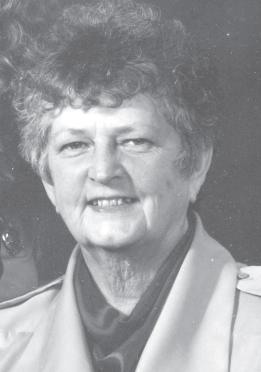
Louise, Mom, Grandma
We can no longer
See you with our eyes, Touch you with our hands, But we feel you in our hearts
Forever - Love ... Wray, Albert, Susan, Kristina and families



OPP
The OPP has launched Footprints Northwest, a pivotal initiative aimed at strengthening supportforvictimsofcrime.
As part of a comprehensive strategy to combat intimate partnerviolence,theFootprintgrants project will provide current, relevant, and culturally sensitive training to children, youth, and educators across various communitiesintheregion.
“The Footprints Northwest project brings together victimcentered resources from around the Northwest Region into a collaborativehub,”saidInspector Ben Curtis “Individually, the organizations involved touch the lives of victims in each community everyday. This funding createsacoalitionthatwillhavea profound and positive impact for people at their most vulnerable moment, immediately and for yearstocome.”
The Footprints Fund aims to empower survivors of intimate
partner violence by providing them with the financial means to leave abusive situations and establish safety and independence. The fund would address theurgentandlong-termneedsof survivors, helping them rebuild theirlives.
By fostering community collaboration, this initiative provides direct and vital support to high-risk victims of intimate partner violence The women's shelters in th
ed communities will manage the grant funding for both the educational and operational aspectsoftheproject.
Individuals experiencing intimate partner violence are not alone If you or someone you know needs assistance, local resourcesareavailabletoprovide support.TheOPPcanbereached at 1-888-310-1122 across Ontario. In cases of immediate danger, please dial 9-1-1 for urgentassistance.
Frompage8
takingchemo,frommypleasantdemeanor Surprisingly,I haven'tfelt horriblyillatallduringthistimeandI onlymissedahandfulofdaysat work(onewasformysurgery).
For me, staying busy is the key I went through several bouts of depression and deep sadness about my plight. But when it became obvious,mywifeandfamilytoldmetochangemyattitude.Theywere right,ofcourse.Suffering,inwardlyandoutwardly,isn'thelpful.So, like turning a switch, I just went with the flow and take every day, week,monthasitcomes.Sure,thereareemails,calls,appointments, injectionsandpills,butthatismy“newnormal.”
Removing the heaviness of it all is rather uplifting. I try to enjoy the little things and not worry about dishes, scrubbing toilets, and takingoutthetrash,eventhoughIstilldothoseregularly.I stillfind groceryshoppingtobeadepressingexperience,butI'msuremostof usdothesedays.
Whilethere'sno'cure' formycancer,thosespecialistsinmycorner say they will throw everything they have at it.And should any new drugtrialsortreatmentsarise,I'llbepartofthem.Everyonetellsmeto be hopeful, stay strong and that “you've got this.” Kind word to be sure. But really, my fate lies in the hands of my caregivers, modern medicineandGodHimself.
But maintaining a sense of hope, staying positive and attaining a levelofcalmandserenityinthefaceofallofthis,isequallyimportant. Men,don'tignorethis.Gettested.
To all those going through this, you are not alone. There are knowledgeableandpassionatepeopleinyourcorner
Full Gospel Assembly 135 Maple Cres. Sunday Service at 11 am. CoffeeFellowship@10:30beforetheservice.807597-6421. Riverview United Church All are welcome to worship with us! SundayService10:30am.OfficehoursTuesdayandThursday9amnoon.597-6004.PastorSusanGirard
AtikokanCommunityFellowship410FrontSt.FellowshipSunday 10amandThursday,7pm.ContactBrad(598-0546)orMarilyn(5976469)Ricci.
Church of Jesus Christ of Latter Day Saints For details on sacrament meetings on-line contact Colin Lindsay at 597-8044, or SarahYoungat598-0744.
FaithLutheranChurchDivineServiceSunday,Sept.29,10:30am. Oct. 1: TALL meets, 1 pm. Love at First Sight, Love That Lasts (Genesis29:20)Godlovedusatfirstsight,frometernity AndHehas given us Jesus so that we can know His love. Hear Rev Dr Daniel PaavolaontheLutheranHour93.1FM@8:30am.Streamingaudio and podcasts at www lutheranhour ca (Check out www.lhm.org/dailydevotions.asp,too).418O'BrienSt.597-4225. FirstBaptistChurch88MapleCres.SundayService11am.Contact: GlenStrom597-2098.
St. Patrick's RC Church Mass schedule: Saturday, 4 pm, and Sunday, 10 am at the church. Weekdays: Tuesday 6:30 pm (the last Tuesday each month is Healing Mass with anointing as requested), Wednesdays 10:30 am (October 2 atAspen Court, Oct. 9 Rivercrest Terrace, Oct. 16AGH), Thursday and Friday 9 am. Father Innocent Umezika.597-2197.Contact:RickGeurts598-1495

EmploymentOpportunity:PublicLibrary StudentLibraryPage
Duties: Circulation, shelving, program implementation Qualifications: Grade 8 graduate, strongcomputerskills,goodinterpersonalskills.Five totenhoursperweek,afterschoolandSaturdays.
Submit resume to: Tracey Sinclair, CEO, Atikokan Public Library Box 2550, Atikokan, ON P0T1C0Orviaemailtracey@aplibrary.org
Deadline:FridaySeptember27,5pm.
JobPosting:Arenaattendant,casual ArenaAttendant-Casual (CUPELocal87job description) shall be a qualified employee who shall operate,maintain,andservicetheequipmentlocated in the Atikokan Community Arena; make ice, maintainthebuildingingoodrepair;keeprecordsof ice use as required; and other related duties as requiredbytherecreationdirector Thejobshallbegin approximately October 1 each year and last until approximatelyMay1(dependingoniceconditions).
This position will be expected to work evenings and weekends with a varied schedule. CUPE Local 87-12 pay rates, job description and working conditionswillapply Currentpayrateis$31.53/hr(a shift differential of $0.55/hr shall apply to shifts on eveningsandweekends.)
If interested, please submit a detailed resume by mail,oremail,inconfidence,byFriday,September 27 at 4 pm to: Leah Fraser, Deputy Clerk/Human Resources Administrator, Town of Atikokan, 120 Marks St , Box 1330, Atikokan, ON P0T 1C0 jobs@atikokan.ca
We thank all applicants, however only those selected for interviews will be contacted. Personal information is collected under the authority of the Municipal Freedom of InformationandProtectionofPrivacyActandshallonlybe used for candidate selection. Accommodations of persons with disabilities are available for all parts of the recruitment and selection process. Applicants need to make theirrequiredaccommodationsknowninadvance.
StudentJobPosting:ArenaAssistant('RinkRat')
TheCommunityServicesDepartmentiscurrently seekingtohiretwoArenaAssistants('RinkRats')for the2024/2025season.Thesuccessfulcandidateswill be required to assist the Arena Attendants with ice maintenance, facility clean-up, and other miscellaneous duties as assigned, as well as snow clearingandicemaintenanceatoutdoorrinks.Hours mayvarydependingonicetimescheduling.
Pleasesubmitadetailedresumebymail,oremail, in confidence, by Friday, September 27 to: Leah F
Administrator,TownofAtikokan,120MarksSt.,Box 1330, Atikokan,ONP0T1C0 jobs@atikokan.ca
Landfillhours
MondaythroughThursday:10am-5pm.Friday andSaturday:Closed.Sunday:10amto5pm. DumptokensareavailableattheTownoffice, Johnson'sESSO,NorthernVariety,andAtikokan Newstand.BagtagsareavailableattheTownoffice andtheNewstand.)
TheAtikokan Public Library seeks a
Responsibilities:
•Establishespoliciesandplansforthelibrary
•Initiatesandoverseesthebudgetprocess
•Promotesandadvocatesforthelibrary withinthecommunity
•Hiresandevaluatesthe CEO
•Attendsallboardmeetingsand participatesindiscussion
•Readsboardminutesofpreviousmeeting
•Servesoncommitteesasassignedbyboardchair
•Supportsintellectualfreedom
Apersonisqualifiedtobeaboardtrusteewhois: a)isatleasteighteenyearsold;b)isaCanadian citizen;c)aresidentofthemunicipality;d)isnot employedbytheboardorbythemunicipality Applytoboardchair:
ChrisSpilchuk,c/oAtikokanPublicLibrary, Box2550,Atikokan,ONP0T1C0 oremailtracey@aplibrary.org

Atikokan Public Library
Dutiesinclude:Circulation,Collectionmaintenance,Programassistance,Reports,Shelving, Staffsupervision,Inter-libraryloanassistance
10-20hoursperweekstartingwage
$21.42
Qualifications:Grade12education,Customer serviceexperience,Computerskills, Self-motivated
SubmitrésumétoTraceySinclairat tracey@aplibrary.org orBox2550,Atikokan,ONP0T1C0
Formoreinformationcall807-597-4406
DeadlineFriday,September27,5pm
*Noscavengingispermittedatthelandfill.No personshallremoveanyitemormaterialfrom thesite,includingscrapmetalitems.*
Council meets next on Tuesday, October 15, at 4:30 pm with a committee-of-the-whole meeting followedbyaregular(resolution-passing)session. You can watch the meeting live on any online computerordevice.Gotowww.atikokan.ca,clickon 'Town Administration', and choose 'Agendas and Minutes'.Oncethere,choose'LiveStream'toviewthe meeting. The meetings are also livestreamed and archived on the Town's new YouTube page at www.youtube.com/@TownofAtikokan.
Areyoureadyforanemergency?
Do you know what to do if disaster strikes? The Town, the province and the federal government are workingtogethertohelpresidentsbereadyshouldan emergency (forest fire, a major power failure, a hazardous material spill, flood, major property damage (winds, tornado, explosions), or influenza epidemic)threatenAtikokan.Itisimportantyouknow howtorespond.
An 'Emergency Plan and Home Preparedness' brochureisavailableattheTownoffice.Furtherinfo isavailableattheTownwebsite(www.atikokan.ca)or the Emergency Measures Ontario website (www.ontario.ca/page/be-prepared-emergency). TheTownusestheVoyentAlert!emergencyalert systemthatwillsendatextmessagetoyourcelphone should an emergency situation (tornado, chemical spill, etc) arise We encourage all residents and businesses to go to https://voyent-alert com/ca/ community/#registrationtosignup.Ifyoudonothave Internet access, please contact a friend or family member to help add your contact information to the emergencydatabase.YoucanalsocalltheMunicipal Officedirectlyat807-597-1234forassistance.
All-terrain vehicles - ORVs andATVs, including two-upATVs, side-by-sideATVs, and utility-terrain vehicles (UTVs) - are 'street legal' inAtikokan. (See the by-law for full details; the fine for a nonconforming ATV is $110.) The driver must have a validdriver'slicence,andhaveinsuranceontheATV All riders - including drivers and passengers of all ages - must wear a helmet and use a seatbelt or foot rests,whereapplicable.
Reducedspeedlimitsapply-amaximumof20km/hr onTownstreetsandroadswitha50kphlimit,and50 km/hronroadswithlimitsgreaterthan50kph.Operationbetweenthehoursof11pmand6amisnotpermitted ATVs are not allowed on areas meant solely for pedestriantraffic(sidewalks,footpaths,footbridges, etc ), boulevards, cemeteries, municipal parks (including the golf course), or bike, horseback or snowmachine (A-1) trails. Use on private property requirestheconsentoftheowneroftheproperty
Thisisashortsummaryoftheby-law;afullcopy oftheby-lawisavailableattheTownoffice,oratthe web site, www.atikokan.ca. Use of ATVs is also governed by the provincial HighwayTrafficAct, the Off-Road VehiclesAct, the Provincial OffencesAct, and the Insurance Act, and users should be familiar withtheirresponsibilitiesunderthoseActsaswell.

CATPEOPLEAdelineRichard,whodressedupfortheoccasionasacat(theshowwas aboutacatnamedBavela)andhersisterLilah,withStickandBow,KrystinaMarcouxand JuanSebastienDelgado,whokickedofftheACESseasonatSt.Pat'sSchoollastMonday Bavelagetsaround-shevisitedhalfadozencountriesduringtheshow-lookingforadvice onhowsheshouldgoaboutparticipatingintheDayoftheDeadFestivalinherArgentine home.Thisoriginalstoryfeaturedvirtuosoperformances(oncelloandmarimba)byStick &Bowalongwithdelightfulanimation.NextuponACEScalendariswildandwonderful musicofMr Mark,onWednesday,October23.
M.McKinnon
Marathon, which is undergoing significant population growth as at least one new mine comes on stream, has seen the opening of two new apartment complexes over the past few months,bothofthemconstructed by CGV Builders, the firm that builtAspenCourthere.
Ontario Aboriginal Housing Services (OAHS) has opened a three-storey apartment complex withthirtyaffordabletwo-bedroom
“Wildflower; pick up your pretty little head,
it will get easier, your dreams are not dead.”
CandaceGreen
Thosemomentswhenwewanttoquit aredifficulttohold.Wefeeldefeatedand helpless.Thehopesandthingswelooked forwardtoareseemingoutofreach.We forgethowitfeelstobeexcitedand eagertotakeonwhatevertheworld sendsus.Wemayviewwhatis happeningasdarkandpainful.
Eachlivingbeingontheearth experiencesjoyandsadness.Weallare giventhosemomentswhenitfeelsas thoughtheworldisending.Justaswe aregivenmomentswhentheworldis nothingbutsunshineandjoy Thenthere arethosecountlessmomentsofin betweenwheredaytodaylifelives. Waking,washingourface,brushingour teeth,sweepingthefloor,goingtowork, goingtoschool,eatingdinner,goingto bed…theordinary,thebeautiful mundane.
Thesearethespecialmomentswhere pastandfuturedonotexist.Only secondsandminutes,likethepauseafter
units. The new structure has a scenic view of Lake Superior, exceedsnationalenergycodestandards, and has rent set at eighty percentofthemarketmedian.
Priority access is being given to Indigenous residents facing homelessness or living in overcrowdedconditions.
It was constructed for an estimated $12 3 million The company provided the land, and the Town of Marathon, the
~ Nikki Rowe
adeepbreathin.Thesearethemoments wherewearegrounded,andtheearth keepsusstill.Thesearethemoments whenthepassingoftimehaslittletodo withwhatreallymatters.Wecanseeour situationmoreclearly Wecan understandthatnoteverythinggoesour way Wecangrabontowhateverweneed togetthrough.Wecanquietlysitanddo nothing,ifthatiswhatneedstobedone.
Themindfulmindseeksoutthe middle.
Themiddlewherethereisnorightor wrong,goodorbad,blackorwhite. Wherefeardoesn'toverridetheneedto seebeauty Whereangerdoesn'tcover love.Whereacceptanceisembraced.We nolongerfeeldefeated.Whenwestand onourtiptoes,weseethosedreams again.Wefeelhopeslowlytricklein. We liftourhead.Wetakeabreath.Wetakea step.
Inthatmomentwecanwhisper,“Iam goingtobeokay.”
Canada Mortgage and Housing Corp., and the Ontario government($1.7millionfromitssocial services relief fund) were also partnersintheproject.
The province has allocated $31,120,500 in funding for OAHS this year, an increase of $8,620,500from2022-23.
CGV Builders has also completed a fifty-unit apartment complexintheNorthShoretown.
The Gendron Northshore Living complex has the same basic design as the OAHS structure, with each suite having its own heating and air conditioning controls. Fifteen of the apartments will have rent set at eighty percent of the market ($695 for a one-bedroom, $834 for a two-bedroom), with the remainderat$1,400and$1,600a month.