ATIKOKAN PROGRESS ATIKOKAN P


M.McKinnon
Thetouristinformationcentre won't open this summer, Town CAOJasonYoungconfirmedlast week.
The operation has been handled the past few years through the Atikokan Economic Development Corp Its staff supervised a tourism intern who in turn oversaw the operation of the bureau. But that position has been vacant since September, when Jordan Ekstrom was recruited by the province as a NorthernDevelopmentofficer
The departure of community economic advisor Katie Hannon about the same time, along with the apparent dissolution of the tourism advisory committee, meant no one looked into applying to the Canada Summer Jobsprogramtohirestudentsfor thisyear'soperation.
Tourism Atikokan, formed undertheguidanceoftheAEDC, took over operation of the centre in2019.Thepandemiccloseditin 2020, and since then the number of visitors has been gradually increasing.Thetotalnumberwas near pre-pandemic levels last year: 1,017 people stopped in overfiftydaysduring2023.That includedsevendaysinJunewhen volunteersstaffedthecentre.
The building is owned by the Town, which has made several fruitless attempts to interest a businessinoperatingthere.Ithas never staffed the operation; prior totheAEDCtakingonthatjobthe Chamber of Commerce (now defunct)hiredandsupervisedthe staff. The Chamber concluded in 2017 that the cost of running the centrewastoohighrelativetothe returnitgenerated.
At this point, theTown is unsurewhattodowiththefacility
“What is next? What is the long-term goal for that building?
M.McKinnon
The women of Riverview United Church are collecting dressesthatwouldbesuitablefor prom use. The idea is to have a greener prom, and maybe a little moreaffordable,too.
TheyareknownasCinderella dresses, and it's an idea that has been gaining in popularity all over North America Giving dresses twenty, thirty, even forty yearsoldanewlifehasbeenahit
See‘Cinderella’,page2
This is something Council needs to look at; I will encourage them to include it in the [upcoming] organizational review,” said the CAO.
M.McKinnon
The Mercury Ave culvert replacement could cost as much as $3.5 million, one and a half million dollars more than the original tender, treasurer Brandy CoulsontoldCouncilonMonday
The Town spent $1.3 million
on the project last year and is budgeting $2.2 million more this year
“Thatisbasedontheinvoices and change orders I have seen to date, but there are things still under dispute,” she said. “Based onalltheinformationIhavenow, I am projecting we will have to spend$2.2millionthisyear.”

PETVALUWALKFORDOGGUIDESHerearesomeofthefifteenpeopleandsevendogswhoturned out Saturday to raise money for the Lions Foundation of Canada Dog Guides program.All participating dogsreceivedaDogWalkbandanaandaswagbagforparticipating.BySaturdayafternoon,over$3,600 hadbeencollected,andorganizerswereconfidentthatthetotalwouldfinallyexceed$4,000.
“Each year we do better than the year before,” said Lion Barbara Olson. “It was definitely a success havingthewalkonMainStreet;weweremuchmorevisibleonourendeavortoraiseawarenessandfunds fortheneedoftheDogGuidesprogram.”
Sapawe: A single-industry company town
Local history brings the stories of inhabitants and place back to life.
Lois
Fenton,
Curator
MuseumofAtikokan
Canadian history, particularly northern Ontario history,ispredominatelyaboutresourceextraction. Have you ever envisioned the small, isolated communitiesbuiltaround industry?one
Living as we do, with access to Highway 11, Internet and television, the early forestry-based community of Sapawe of 1943 seems like another world. When J.A. Mathieu purchased the Evans Estateholdings,hebeganwithaloggingcampanda portablesawmill.
Situated beside Lake Sapawe, the town eventually had a general store (owned by the company), a railway sectional house, two elementaryschools,achapel,coffeebar,andabunk houseforsinglemenworkingatthemill.Homesin the town were owned by the mill. The community was dominated by the mill and accessible only by railwayuntil1954.
Theworkforceandmanagementcamefromwell beyondthetownandfromoutsidethecountry After theSecondWorldWar,J.A.Mathieumaintainedhis workforce by recruiting from Displaced Persons camps In1947Canadabeganacceptingdisplacedpersons and political refugees from war-torn Europe
Almost200,000peoplewereadmitted Thepost-war economicboominCanadacreatedalabourshortage
The community of Sapawe benefitted from the building boom and existed until the mill passed ownership to Domtar Residential construction, whichhadbeendormantduringtheDepressionand through the war, suddenly boomed as returning
Remembering Sapawe opens at the Museum of Atikokan tomorrow at 2 pm. There will be special video presentations at 3 pm and 6 pm.
veteransmarriedandhadfamilies.
Domtar entered into an operating agreement in 1967andassumedmanagementresponsibilities. Sapawe gradually diminished, but not in the hearts and minds of the people who lived there. Childhood memories are of leisurely summer days spent swimming in the lake and the freedom and safety of a close-knit community Those who recountedearlydaysrememberpartiesanddances, peoplewhowereneighboursandfriends.
Especially in our fast-paced modern world we needlocalhistoryforcontext;peopleareinfluenced by their surroundings, and relationships with friends, neighbours and workmates can be just as importantasthoseofbloodormarriage.
Local history can make a place feel like home. Sometimes there is no rhyme or reason, simply an inexplicable pull By trying to understand the historyofalocalenvironmentandculturewelearn whythingsarethewaytheyaretoday
Thisexhibit, Remembering Sapawe,isofatime goneby,aclear-eyedlookatthecommunitybefore 1970. There are few single-industry towns now, even rarer are those with a population who remember living in one and who have a record of theirhistory
PDR Contracting won the job to replace the culvert in March, 2023 (almost two months before the culvert failed) for $2 31 million.Thatincludedreplacinga sectionofseweronPineCrescent, work the Town estimated would costabout$350,000.
That tendering process was about the only thing to go smoothly on the project The failure of the culvert meant the replacement had to start on emergencybasis.Whenwhatwas left of the old culvert was removed, it became apparent the design that PDR bid on (a design prepared by Kresin Engineering for the Town) wasn't going to work. The new culvert had to be re-designed.
At least a half dozen other complications have dogged the projectsince.Whatwassupposed to be a two or three month job is nowintoitstwelfthmonthwithno endinsight.
“There is a lot of finger pointinggoingonrightnow,”said public works director Tyler Dziarmaga.Hewentontosaythe Town granted PDR Construction several extensions on the project, butnonesinceOctober
“The tender contract includes provisions for a $3,000 a day [penalty] if the project is not completed on time Will that provision apply?” asked councillorJimJohnson.
“That's under dispute,” said directorDziarmaga.
“The scope of the project has changedsignificantly,”saidCAO Jason Young “We will get a fulsomereportfromtheengineers oncetheprojectiscomplete Itcould be up to one and a half million dollars extra, but we won't know untileverythingiscomplete.”
Even with the extra cost, plus almost $8 million in other capital work slated to be completed this year, treasurer Coulson was able to present a budget that will keep thetaxincreaseinthefourpercent range.
M.McKinnon
Atikokan Minor Hockey wrapped up its most successful seasoninalmostadecadewithan annual meeting last week It attracted nineteen members, and for the first time in memory, an election was required to fill the boardofdirectors.
“We'vehadalotofgrowthand exciting things happening the pastcoupleofseasons,andIthink
See‘AMHA’,page2
“Despite knowing they won't be here for long they still choose to live their brightest lives”
CandaceGreen
Lookingoutmywindow,theredpinedrips withwetsnow.Isinginmyhead April snow showers bring May flowers…Iamthinkingabout flowers.Ithinkaboutthebeautifulcoloursthat willdresstheearth.
Thisshortpoembringsmebacktoanold photograph.Meandmysisterstandinginfrontof afieldofsunflowers.Tallandbright,astrong windbarelymovingthem.Wearesmilingandmy hairisblownacrossmyface.Ablinkintime,not forgotten.
Someflowerslastallsummerandsomeonly briefly Theircolourandbeautystillglow regardless.Thisisnotunlikeus;noneofknows thelengthoftimewewillbegiftedwith.Flowers don'tknoweitherandyettheybloom,breathe colour,andwithacceptancefallbackintothe earth.Therearelessonstobelearned. Thereare manyteachers,somenotrealizingthattheyare teaching.Icanbringmyawarenesstothelessons andtheteachersthatsurroundme.Itisabout makingthechoicetodoso.Itisaboutpushing
A M H A
From page 1
~ Rupi Kaur (sunflower)
awaydistractions.ThenIcanseemoreofwhatis outsideandinsideofme.
Theabilitytomakechoicesissomethingwe allhave.Ofcourse,therearethingsnotwithinour control.WhenIthinkaboutthethingsIcan't control,Irealizetherearestillchoiceswithin thoseexperiences.Icannotcontroltheweather norstopthewetsnowfromfalling.Icanchooseto viewthisasanaturalprocessinwhichnaturehas beenpartofforlongerthanforever
Icannotcontrolhowothersmayfeel,thinkor behave.Icanchoosetonotspendenergyintrying tocontrolothers.Icannotcontrolthelengthof timeIhaveonearth.Icanchoose,likethe sunflower,tolivethebestlifepossible.
WhenIbringmyselfbacktoamindfulway,I feelasenseofrelief.
Itisinthemoment;Iamalive.
Itisinthemoment;Icanlaughorcry
Itisinthemoment;Icanseethestartofspring Itisinthemoment;Ihearthegentlesoundof mybreath.
everyonejustwantstokeepthatgoing,”said NikitaMatichuk,whowasreturnedas presidentoftheassociation.
All of the executive are returning, with a little shuffling of positions: vice-president is Stacey Wood, secretary is Marlys Morden, treasurer is Alexis Matichuk, and Erin Williams is registrar Four new directors at large were elected:AlysonAllen,Andrew St. Pierre,JeremyLesperance,andSarahThorne. TheyjoinEricaLantinandJenniferWiens.
The organization had ninety-one players registered this past season, with thirty adult
volunteers.Allminorhockeyvolunteersthese days are required to complete the Respect in SportforActivityLeaderstrainingprogram,as well as position specific training for coaches, managers,trainers,andofficials.
The association hosted two tournaments thispastseason,andhopestoseethatgrowto threenextyear It ended the year in a solid financial position, and, thanks to the efforts of Stacey Wood,adoptedanewconstitutionthatclearly spells out the roles and responsibilities of boardmembersandvolunteers.
Wednesday,May8
Lionsmeet,Legion,5:30pm
Familyswim,6pm
PioneerCentre:VONexercise9 am; Balance & strength, needlework 10 am; Bingo 11 am;Pool1pm.
Thursday,May9
Community food bank, 1 - 2:30 pm,Mall
Exhibit opening: Remembering Sapawe, 2 pm, Museum of Atikokan (video presentations 3and6pm)
Lions Club Bingo, 6:30 pm, ShawCable
PioneerCentre:Guitarlessons4 pm,Canasta,7pm, Friday,May10
May 10-14 - Screen for Life Coachhere,807684-7777
Celebration of Life: Jackie Masson,11:30am,Legion Mother's Day Koffee House (Karaoke, koffee & kake), $5, PioneerCtr
PioneerCentre:WalkFit9am Saturday,May11
ASCC Walleye Hatchery open house,10am-4pm,LittleFalls
Communityyard&craftsale,10 am-3pm,Fix-itClub
Electric Vehicle Show, Noon - 4 pm,Arenalot
Community spaghetti supper, Pioneer Ctr (sponsored by Faith Lutheran), free, all welcome, 5 pm
HAGITVBingo, Shaw Cable 8, CKPR&CHFD,5pm Sunday,May12
Mother's Day Tea, 2 pm, Legion Hall
Family swim 6 pm,Aquafit 7:15 pm
Monday,May13
RecycleDay
Cribbage tournament, $5, 1 pm, PioneerCtr
Faith Lutheran food bank, 12:30pm,Mall
PioneerCentre:VONexercise9 am; Muffin Monday 10 am; Bingo11am;Cards1pm Tuesday,May14
Last day! Screen for Life Coach here,807684-7777
Publicswim,7pm
Pioneer Centre: Resistance bands 10 am; Tai Chi 11 am; Crafts1:30pm;Bridge6:30pm Wednesday,May15
NorWestanimalclinic,274-7393
Lock-out tag-out training, EmploymentCtr,597-2485
Mom&Me,11am,Library
Community Living Atikokan BBQ, 118 Gorrrie St All
welcome, 5 - 6:30 pm. Food bankdonationsappreciated. Familyswim,6pm
PioneerCentre:VONexercise9 am; Balance & strength, needlework 10 am; Bingo 11 am;Pool1pm.
May 16-17 - Optometrist, 3453455
May20-VictoriaDay
Auxiliarymeets,6:30pm
TheANFC pilot program
will assist in completing Secure Certificate of Indian Status applications for people already registered under the IndianAct.
Appointments at Revive every Monday 10 am to 2 pm (May 13 & 27) and alternate on Sundays 10 am to 3 pm (May 19)
Walk-in appointments are welcome.
Scheduled appointments on alternate Thursdays 4:30 to 6:30 pm (May 16 & 30)
To book your appointment, please call 807-324-0206 or email: health@anfc.ca
Frompage1 -andgiventherecurringnatureof fashiontrends,prettystylish,too.
“This is great, and I think the younger students especially will be interested,” said teacher Sheri Dragan She is the staff connection for this year's prom, Masquerade at Midnight, which will be held Saturday, May 31 at theGrillatLittleFalls.
“Therewassometalklastyear about developing a stockpile of dresses,”shesaid,addingthatone idea was to reach out to other

small towns “Trading dresses with them would make it less obvious when someone was wearing a used or borrowed dress.”
The women at RUC will acceptdressesthisweek.Youcan bring them to the church Thursday morning or call 807 597-6004 to arrange to have a dresspickedup.
Dresses will be available to thepubliconMay11from7to9 pm. A goodwill offering will be accepted.







None of us is anything alone, but we are everything together!
William Hanlon's address at the raising of the flag marking Community Living Month in Atikokan.
CommunityLivingMonthisaprovince-wide,annualawareness campaignthattakesplaceeachMaytopromoteauthenticinclusion forpeoplewhohaveanintellectualdisability
Peoplewithintellectualdisabilitiesfacechallengesintheir cognitivefunctioningthataffectsareasofdailyliving.Becauseof this,theycanoftenfacenegativestereotypesandassumptionsthat underestimatetheirstrengths,contributions,andpotential.
CommunityLivingAtikokanbelievesinpromotingasenseof belongingthroughacceptanceofpeople.Westrivetobuildinclusive citizenshipthroughindividualizedsupports,andareguidedbythe principlesofrespect,dignity,equality,andtheinherentrightsof people.
Ourmissionistoinspire,encourage,andnurture.
Inspirebymotivatingsomeonetowanttodoorexperience somethingtheyneverhavebefore.
Encouragebygivingsupport,advice,confidence,andhope.
Nurturebyprovidingallthenecessaryrequirementstohelpa personbecomevaluedandmeaningfulintheircommunity
TheteamatCommunityLivingAtikokanhaslearnedalotfrom thosetheysupport.Thismonthisatimetorecognizeandcelebrate allthecontributionstheyhavemadeasvaluedmembersofour
community.Itisalsoatimeto raiseawarenessaroundthe issuesthatimpacttheirlives andopportunitiesandto advocateforauthentic inclusion.
Noneofusisanything alone,butweareeverything together!Thisiswhyitgives usgreatpleasuretobeapartof raisingourflagforalltosee.
M.McKinnon
ThenextroundoftheSplitthe Pot lottery promises to be the biggest yet, as the number of participatinghospitals(andsmall towns)hasreachedfifty-eight.
TheMarchdrawsawfifty-one hospitalsandthirteengrandprize winners split over $2.1 million. The first draw, which ended in December, saw twenty-two participating hospitals split $1.2 million with the thirteen grand prizewinners.
ThebasicideaoftheSplitthe Pot Lottery is that half of ticket purchases go to the hospitals involved, and half goes to the prize winners When you buy your tickets you specify which hospital foundation will benefit (i.e.,getshalfwhatyouspendon tickets). You can also choose to have all the hospitals involved benefit.
Atikokan General Hospital Foundation got on board for the seconddraw Therewasonelocal winner who took home a $1,000 earlybirdprize.
This time out, the organizers (Ascend Fundraising Solutions and the Grand River Hospital Foundation)aremakingtheearly bird prizes richer, increasing the total from $76,000 to $100,000. Therewillbeeight$2,500prizes, ten $5,000 prizes, and three $10,000prizes,withthefirstearly birddeadlinecomingMay16.
Thirteen winners will share half the pot in the grand prize draw, which will occur June 21 (deadlinetobuytickets:June20).
See‘SplitthePot’,page5

CommunityLivingMonthinAtikokanbyraisingthe
honours of raising the flag, while
M.McKinnon I wasn’t sure what to expect from Indigenous Ingenuity, the exhibitionthatgracedLittleFalls Community Centre last week Given that Science North was involved,Iwasconfidentitwould be worth visiting, and I wasn't disappointed.
When I arrived, science communicators Brianna Halvorsen and Nebin Wabasse urged me to be sure to check out the short videos in the the Wigwam Theatre MostfeaturedIndigenous knowledge keepers sharing their experience, one-on-one with a youngerperson.(Asmartideafor the presentation: as an adult, I didn't feel I was being lectured; and I am sure the kids attending theshowwouldidentifywiththe youngstersinthevideo.)
The knowledge keepers includedVictoriasOrpik(shewas making an amauti, winter wear with a built-in back pack for carrying a child), JessicaArngak (shewasskinningaseal),JeanSt. Onge (a trapper; he told his granddaughterifheweretryingto trap her he would use an IPod as bait), and Jacques Kurtens (he was demonstrating goose calls, and advised that because their sight was poor and their sense of perceptionwasbad,itwasbestto walklikeagoosewhencalling…)
DuncanKree,thefirstIndigenous Canadian to earn a doctorate inmechanicalengineering,talked about the various ways his Mohawk ancestors designed and builtbowandarrowsets.Surgeon Stanley Vollant, an Innu, spoke about the remedies his ancestors foundintheirterritories,andeven mentioned how some have been incorporated in modern medicine.AndNormaKaasi,acitizen of the Vuntut Gwich'in First Nation who was raised and educated in Old Crow, the most northerly community in the Yukon, told how her grandfather warnedofcomingchangestothe landscapedecadesago–changes wenowrecognizedastheeffects ofclimatechange.
Thevideoswereallshort,shot ontheland,andverywatchable.
There were several hands-on activities for youngsters: igloomaking, bow hunting, tipi building, and wild rice harvesting,amongothers.
An interactive map of North America showing the different Indigenous peoples and where they called home, the language theyspoke,andwhattreatiesand reservestheywereinvolvedwith was fascinating. “All of Turtle Island is the traditional territory of one or more indigenous nations…”itnoted.
Therewerethreeorfourstory
boxes that offered some traditional insight into things like tapping trees for their sugary sap (a valuable source of calories in thespring,whenfoodwasscarce and winter supplies, if any, running low), and the Three Sisters (beans, corn, and squash, three food sources that, when grown together, support good healthysoil).
Therewasalotoffascinating informationsharedinthegraphic boards, too I was especially taken with the source of many place names Many western names are adaptations of Plains Cree terms (Saskatchewan: a
corrupted version of 'river with swift current', Winnipeg (muddy waters), and Manitoba (straits of the Great spirit), but Mohawk (Toronto:wheretherearetreesin the water) and Cree (Abitibi: where the waters separate), also madethelist.
Inshort,IndigenousIngenuity did justice to its subject matter, offeringaninformativeandnovel mix of science and culture in a veryapproachableformat. With one day to go, the exhibition had welcomed 307 people, including 201 students andteachersfromthetwoschools here.

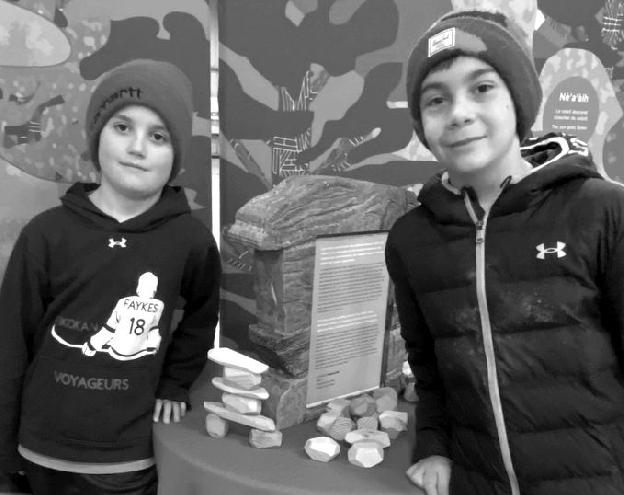
StudentvisitstoLittleFallsRecCentre,whereScienceNorthsetupitsIndigenousIngenuityexhibition, kepttheBluecoatshoppinglastweek.Above,NorthernLakesstudents
and
theirhandatbuildinganinukshuk,whileSt.Pat'sSchoolKindergartenersEdwardBoyceandDanielWood checkoutthewildricedisplay Below,sciencecommunicatorNebinWabasseworkswithBriarCuppand BrinWeirastheytryouttheethicalhuntingdisplay (SCHOOLPHOTOS)



Therearealotofitemsonthemarketthatcanmakelifesomuch easier Theproblemis,tryingthemalloutcanbeexpensiveandtime consuming.HerearesomeofmyrecommendeditemsthatI'venot onlytrialed,butcan'tlivewithoutthemnow:
BrabantiaTasty+universalcan,jar,bottleopener.Youcan useitonGatoradetypelids,aswellasonsmall,tomedium,to largerjarlids.Lookingatit,youwouldn'tthinkitwouldbeas absolutelyhelpfulasitis,butIusethisopenerallthetime.
MasonJarandBottleOpener.I'vewantedthisopenerforyears. However,withyearsofsearchingantiquestoresandsecond-hand
shopsI'dneverfoundone.And whatIcouldfindonlinewas$50 ormore.Crazyprices.Butwhen thepricesstarteddropping,I pickedupacoupleat$20each, whichiswellworthittome.I reallylovetheseopeners.
Theydon'tseemtocomewith instructions,butonceyouknow howtousethemtheyaresuper easy Youplacetheouterarmson topofthecanninglidedgesas youtuckthesmallprotrudingtab underthelidedge.Begentlesoas nottowarpyourcanninglid,and slowlyeasethelidoffthe vacuum.

Youcanalsousetheseonregularsealedjars,tobreaktheseal, withtheouteredgearmsontopofthelid.Dependingonwhichones youbuy,youmightbeabletouseitrightsideuporyoumightneed toflipitupsidedownfortheprotrudingtabtoreachunderthelid, thenyouagaineasetheliduntilthevacuumreleasesandthejar handopenseasily Thehandleendusuallyhasabottlejaropener builtin.
KitchenMamaelectriccanopener Thiscutsthecanopenin suchawaythatyouareleftwithnosharpedges.It'sstupefying reallyhowitaccomplishesthisandmakesmewonderwhyallcan openersdon'tdothisforthesafetyofhandlingthesharp-edgedbits oncethecanisopened.
WhenIboughtthiscanopenerIreallydidn'texpectittobeas awesomeasitis.AnduntilIstartedusingthisopener,Ialsodidnot realizehowhardamanualcanopenerisonyourhands.
QuadBurst:Multi-DirectionalLEDLight.Youcangetthese asTri's,aswell.EasilyfoundatCanadianTireandHomeDepot. Thesearemarketedasbeing800%brighterthanaregular60W bulb.Thesetransformedthedarkcornersofmybasementtowell-lit andeasytoworkinareas.Andtheyapparentlyuselessenergythan a60Wbulb.
BarrinaT5LEDShopLightPlugandPlayutilityshoplight (4FT,2200lm,6500K(SuperBrightWhite),20W)…thislight systemhasalotofotherdescriptors,butyougettheidea.Thesecan beusedinalinkingsystem,oreachcanbesetupindividually.I purchasedthesewhenoneofmyregularfour-footglassfluorescent lightsburntout.Irealizeddisposingofthebulbsafelywas problematicandsourcinganewglasslighttubeandgettingithome safelywouldbeachallenge.Nottomentionthelightingitselfcould besoimproved,soIboughtthesetotry
Iabsolutelyadoretheseandputtheminallmyworkareas, whichincludesworkshop,kitchenprocessing,andsewingareas. Youcanhangthemfromtheceiling,butalsoonthewalleither horizontallyorvertically Youneedtodecidehowtoattachthem.I tendtousethemetalstrappingwithholes.
TubShrooms.Wherehavethesebeenmyentirelife?Ifyouhave anyoneinthehousewithlongerhairthatgetstrappedinthetub drain,youdefinitelyneedoneofthese.IwasveryskepticalwhenI firsttrialeditbecauseIthoughtitwouldendupblockingthedrain, butitdoesn't.Whatitdoesdoistrapthehairperfectlysoitdoesn't startheadingdownthedrain,gettingcaughtupinthemetal crosspieces.
TomaketheShroomnicertoclean,oncedonemyshower,I usuallypullitupandletitdry ThenbeforemynextshowerIclean thedriedhairfromitandputtheShroombackinthedrain.Itisso muchbetterthanpullingwethairfromtheShroomor,shudder,the drain.YoucanpurchasethesefromAmazonorTemu.
ThesearejustafewitemsI'vetrialedandnowcan'tlivewithout. I'minterestedtoknowwhatitemsmakeyoureverydaylivingeasier
Pleaseemailmeattheaddressbelow AndifIreceiveenough replies,I'llputtogetheranarticlefeaturingthoserecommendedcan't livewithoutitems.
Twyla Carolan is a physiotherapist, kinesiologist, and a writer
You can contact her at twyla.carolan@outlook.com. Or check out her Instagram @twylaandchewy
M.McKinnon
That little snowstorm at the end of April brought a total of 18.5 millimetres of moisture and pushed the monthly total to bang on the thirty-year average for 1971-2000,42.9mm.Itwasthe secondmonthinarowofnormal levelsofprecipitationhere.
Temperature-wise, it was a degreeandahalfwarmerthanthe historical norm, with an average dailymeantemperatureof3.8°C. That's five months in a row of a degree or more warmer, and nineteen months out of the past twenty-two.
April included fourteen days withhighsovertendegrees,butit never quite reached twenty - the warmestitgotwas19.6°Conthe twenty-second The month startedcold-itfellto-12.2°Con thefirst-butitnevergotthatcold again. April Fools' Day was the only day when the mean temperature was below the freezingmark(-3.1°C).
Untilthesnowstormhitonthe twenty-ninth,therewasnotmuch happening on the precipitation front.Therewassomerainonthe seventeenth (almost seven millimetres)andagainoverApril 26-27 (11.3 mm). The snow on the ground had disappeared by April 15; and the ten to fifteen centimetres that fell on the twenty-ninth disappeared pretty quickly
Provincially, temperatures average a degree or so warmer than normal from Fort Severn to Windsor It was very wet in the near north: Sudbury got almost
M.McKinnon
For the week ending May 6, the average price for a litre of unleadedfuelinOntariofell5.2¢ to$1.663.Thenorthernpremium was 6.2¢ (average price in the south: $1.656; northern average: $1.718.)
The average price fell seven centsinToronto($1.665),Ottawa ($1.645), and Windsor ($1.633), 4.4¢ in London ($1.654), 3.5¢ in Atikokan($1.774),2.4¢inNorth Bay ($1 674), 1¢ in Timmins ($1.79), 0.4¢ in Sault Ste. Marie ($1.7071), and 0.1¢ in Kenora ($1.639). It rose 8.7¢ in Sudbury ($1.747)and0.3¢inThunderBay ($1.702).
Ontariodieselpricesaveraged $1.599,down2.4¢.Theywereup 1.1¢inThunderBay($1.688)and down4.5¢inAtikokan($1.774).
three times its normal precipitationat190mm(thatincluded38 cm of snow, double the usual April total). It was up to fifty percent wetter in the south. Most of the northwest was at normal levelsoralittlebelow
There were two significant storms, both extended low pressure systems, per Environment Canada's monthly review(oursdidn'tmakeit).
From April 2 to 5, the northeast and the south were hit with strong winds followed by heavy snow and then heavy rain. At its peak, more than 300,000 Hydro One customers were without power (five Toronto hospitals lost power for five
hours),numeroushighwayswere closed, and school buses were shut down. Urban flooding hit a number of areas in Toronto, and stormwater forced bypasses of sewageinseverallocales. Much the same area was hit again on April 12-13 with a drenchingspringstorm.Thewind (gusts of up to 100 km/hr) and rain (Kirkland Lake reported 64 mm)combinedwithsnowmeltto wreak havoc by flooding roads, sewage systems and basements. Several municipalities and townshipsdeclaredemergencies, highwayswereclosed(including Hwy 11, a major artery), and 135,000 Hydro One customers wereleftwithoutpower





Kenora area OPPreport that drug overdoses in the region remain higherthanusual,andsyndromicsurveillanceshowsthatLakeofthe Woods Hospital's emergency room continues to see an increase in visitsrelatedtodrugoverdose.NorthwesternHealthUnithadalerted thepubliconApril22aboutanotedincreaseinoverdoseevents,and thathasnotimproved.
“Anydrugpurchasedthroughillegalsourcescanresultinoverdose and death,” said Donna Stanley, director of health protection at NorthwesternHealthUnit.“Thedrugyouthinkyoupurchasedmaybe contaminatedorlacedwithfentanylorotherdrugsthatmakeopioids stronger OPP have indicated there may be a 'bad batch' of opioids / fentanylinthearea.”
AlthoughtheriskisbeingreportedintheKenoraarea,peopleacross theregionareurgedtotakemeasurestodecreasetheirrisk,including carryingNaloxonewhenusingdrugsandnotusingdrugsalone.
The province has committed an extra six million dollars to build andmaintainforestaccessroadsthisyear,pushingtotalfundingover $59million.
Theroadsgiveforestoperatorsaccesstotimberstands,butarealso widely used by mining companies, tourism operators, hunters and fishers,campers,andberrypickers.Thereareover19,500kmofforest accessroadsacrosstheprovince.
Randy Gerritsen ofWaterdown pleaded guilty to obstruction of a conservation officer, possessing fish that have been skinned so the speciesisnotidentifiable,andpossessingoverhislimitofwalleye.He wasfinedatotalof$7,550.
Harry Gerritsen of Caledonia pleaded guilty to hunting moose withoutalicence,possessingfishthathavebeenskinnedsothespecies is not identifiable, and possessing over his limit of walleye. He was finedatotalof$6,550.
WaynePottleofBiarcliffe,Texas,wasconvictedofpossessingfish thathavebeenskinnedsothespeciesisnotidentifiableandforhunting withoutalicenceonhisperson.Hewasfinedatotalof$1,500.
JeffreyReaganofCombermerewasconvictedofpossessingover hislimitofwalleyeandwasfined$2,600.
ThecourtheardthatonSeptember30,2021,conservationofficers were conducting inspections during remote aerial patrols north of Geraldton and landed at Kellow Lake. The officers contacted Pottle andReagan.Pottlestatedhewashuntingbearbutdidnothaveabear tag with him. Officers inspected ten bags of frozen skinless fillets. HarryGerritsenstatedhewashuntingmoosebutdidnothaveamoose licence.RandyGerritsenrefusedtoproviderelevantinformationthat hewaslegallyrequiredtoprovidetoconservationofficers,obstructing themfromconductingtheirinspection.
See‘Briefly’,page6
Frompage3
Onewinnerwillgetthirtypercent of the total ticket sales (the first draw winner took home $621,215; the second draw winner$1,077,915).Twowinners willsplittenpercentoftheticket sales, and ten winners will share tenpercent.
Theremainingfiftypercentof theticketsaleswillgotothefiftyeight hospitals running the lottery,lessthecostofthelottery
The ticket buying options have changed some, too. They willrangefromfivefor$20tosix hundred tickets for $100 Intermediate buys are fifty for $50andtwohundredfor$75.
“Split the Pot is the largest partneredfundraisinginitiativein Ontario, which means players
NWCLegalClinic
Thefederalgovernmenthasa new Canadian Dental Care Plan (CDCP), which will help some Canadians pay for certain dental costs.Therearerulesaboutwho's eligible, what's covered, and whencoveragestarts.
To qualify for the program, youmust:
•·not have access to other dental insurance,forexample,froma pension, group, employer, or personalplan,
•·haveafamilynetincomeofless than$90,000,
•·be a Canadian resident for tax purposes,and
•·havefiledataxreturninthepast year
If you have a spouse or common-law partner, they must alsoqualify
If you have dental coverage through a provincial social program, such as Healthy Smiles Ontario, Ontario Disability Support Program, or the Ontario SeniorsDentalCarePlan,youcan still qualify for the CDCP The

two plans will be coordinated. This means you will not be covered for the same service
government will have more detailsonthislaterthismonth. You must qualify for the CDCPeachyear Thegovernment will say later how you can reapply For more information on this benefit visit www StepsTo Justice.caandsearch'dental'.
have the power to make a big impact and provide vital support for hospitals province-wide,” noted a release from the AGH Foundation “Everyone's a winner! Patients, hospitals, and lucky players alike all benefit when we come together to play SplitthePot.”
All ticket sales are online at https://SplitThePot.ca.




Frompage5
The investigation and DNA testing revealed Harry Gerritsen possessed eleven walleye over his limit, Randy Gerritsen possessed eleven walleye over his limit and Jeffrey Reagan possessed thirteen walleyeoverhislimit.
JusticeofthePeaceNancyTullochheardtheGerritsenportionof the case remotely in the Ontario Court of Justice, Geraldton, on January10,2024.JusticeofthePeaceTobeyMeyersheardtheReagan andPottleportionofthecaseremotelyintheOntarioCourtofJustice, GeraldtononFebruary27,2024.
Afterthirtyyearsofnegotiation,andaSupremeCourtrulinginits favour, Lac Seul has settled its claim against the federal government for compensation for the flooding of more than 11,000 hectares of reserve lands. The flooding began with the development of the Ear Falls hydroelectric dam beginning in 1930. Eventually, it led to the floodingofaboutone-fifthofLacSeul'sreservewithoutconsent.
In 2021, the Supreme Court concluded that Canada breached its obligation to preserve and protect Lac Seul's interest in the reserve, whichincludedanobligationtonegotiatecompensationforLacSeul, given the value of Lac Seul's reserve land to the hydroelectricity project.
Lac Seul will receive total compensation of $234 million for Canada'sbreach,andthefloodedlandswillremainpartofLacSeul's reserve.
The Atikokan Progress is a member of the National NewsMedia Council, which is an independent organization established to deal with acceptable journalistic practices and ethical behaviour. If you have concerns about editorial content, please contact Michael McKinnon (597-2731, progress@nwon.com).
If you are not satisfied with the response and wish to file a formal complaint, visit the web site at mediaCouncil.ca or for additional information, call toll-free 1-844-877-1163.

M.McKinnon
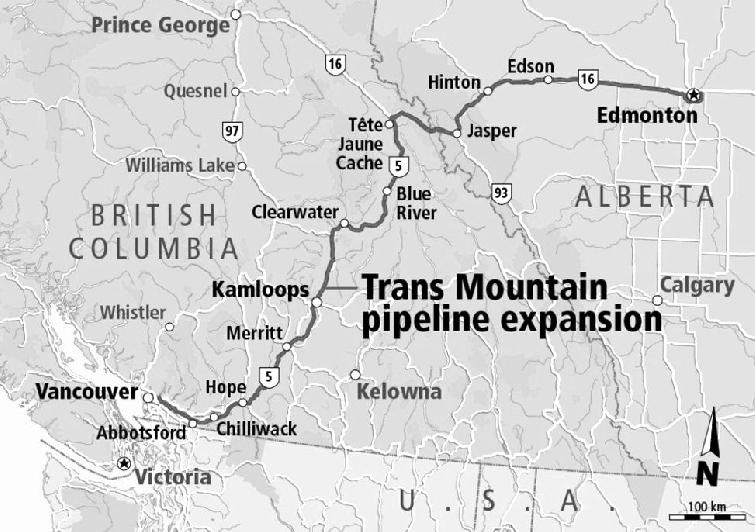
CrudeoilfromAlbertawillsoonstartflowing tothewestcoastviatheexpandedTransMountain pipeline.
TheexpansionisaboontoCanada'soil industry.Itwillnowbeabletoshipmorethan tripletheamountofcrudeoilfromEdmontonto Burnaby,BC:upto889,000barrelsofoileach day,enoughtofilltwotothreeoiltankersperday FromthereitwillgotoAsianmarketsaswellas theU.S.
Canadianoilproduction,alreadyatrecord levels,isexpectedtoincreasetenpercentormore overthecomingyearasaresultoftheexpanded pipeline.Andasanaddedbonus,theexpansion willlikelyendtheover-supplyproblemsthathave forceddownthebasepriceofwesternCanadian crudeoil.(Thatmeansmoremoneyforoil companiesandforprovincialandfederal governments.)
Theprojectwasfirstproposedin2011and facedalongseriesofregulatoryhurdles.The pipelinepassesthroughsomeofthemostrugged andmostpristineterritoryinthecountryanddrew strongoppositionfromenvironmentalgroups.It passesthroughFirstNationterritories,whereit alsofacedstrongopposition.
TheTransMountainpipelineexpansionwas oneoffournewpipelinesonthedrawingboard then,anyoneofwhichwouldhavehelpedrelieve thebottleneckthatAlbertaoilproducerswere facingingettingtheirproducttomarket.
But,onebyone,theotherthree(Northern Gateway,AlbertatoKitimat;EnergyEast,Alberta toNewBrunswick;andKeystoneXL,Albertato Nebraska)wereabandoned.
KinderMorgan,thefirmspearheadingthe TransMountainexpansion,hungin,andwon federalapprovalin2016.Thegovernmentof BritishColumbiafoughttheproject,butfinally fellinlineinearly2017.
Butoppositiontothepipelinecontinued through2018,whichledKinderMorgantoaskthe federalgovernmentforaclearpathforwardforthe project;withoutthat,itwassimplytooriskyforits investors,saidthecompany Thefedsresponded bybuyingouttheprojectfor$4.4billion Canadian.Itplannedtofinishbuildingthepipeline andthensellitbacktotheprivatesector
Soonafterthat,theFederalCourtofAppeal blockedtheproject,rulingthatthegovernment hadfailedtoadequatelyconsultIndigenousgroups andthattheNationalEnergyBoardhadfailedto adequatelyconsidertheimpactoftheincreasedoil tankertrafficonthewestcoastthepipeline expansionwouldcause.
Thatshutdownconstructionformorethana year,asthegovernmentscrambledtosatisfythe appealcourt'sconcernsandtheNationalEnergy Boardheldaseriesofreconsiderationhearings. Theyfinallyconcludedthat,withsome156 conditionsandsixteennewrecommendations,the projectshouldgoahead.Constructionstarted againlateinthesummerof2019.
Therestartwaschallengedbyseveral Indigenousgroups,butinearly2020thecourtof appealruledagainstthem.
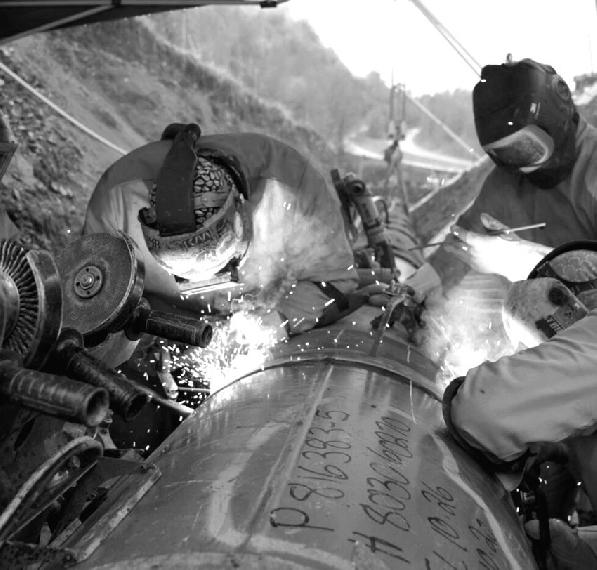
The 'golden weld' making the completion of the expanded Trans Mountain pipeline last month.
The expansion includes twelve new pumping stations, 980 km of new pipe, and nineteen new storage tanks (most of them in Burnaby, B.C.). It will more than triple the amount of oil flowing from Alberta to oil tankers on the west coast to up to 889,000 barrels per day
blockingitsdevelopmentisclearlyapoliticalleap toofarinthecurrentclimate.Thisgovernmenthas stakeditsclimatechangeprogramonthecarbon tax,whichishelpingtoreduceemissions-but seemstobelosingbroadpublicsupport,despite thefairnessbuiltintothesystem.
Politically,supportingtheexpansionofthe pipelinehasbeenadisaster Thegovernmenthasn't wonanyfriendsintheoilpatch.Somebegrudging appreciationwasheardlastweekfromthewest, butthegovernment'sinsistenceonstrict environmentalprotectionsstillrankles,andthe industryblamesthefederalgovernmentforthe failureoftheotherthreepipelines.
Andthegovernment'ssupportforthepipeline hasbeenroundlycondemnedbyenvironmentalists andatleastsomeFirstNations-groupsusually partofthisgovernment'scoreconstituency
SoTrudeaumanagedtoangerbothhis opponentsandhisfriendsbybuyingthepipeline.
Whenthepurchasewasannounced,the governmentbelieveditcouldrecoupthe investmentbysellingtheexpandedpipelinetothe privatesectoronceitwasoperating.Butthehuge costofbuildingtheexpansion(DidKinder Morgananticipatetheproject'scostswereaboutto runofftherailswhenitchosetosell?)meansthe governmentisunlikelytorecoverthecostof buildingtheline.
And,ofcourse,it'sthegovernment.Theprivate sectorwilllow-ballanyoffersfortheasset.(There isalreadygripingintheoilindustryaboutthe chargesbeingleviedtousethepipeline.)
Longdistancepipelinesaredifficult, dangerous,andexpensivethings.Eventheoil industryrecognizesthatanothermayneverbe built.
Trudeauhadtoknowhewouldpayasteep politicalpriceforsupportingtheconstructionof thisexpansion.Buthisgovernmentconcluded, rightlyorwrongly(historywilldecide),that gettingthelinedonewasinthenationalinterest. Soitwentahead,despitethepoliticalcost.
Somecallthateffectiveleadership.

Theconstructiondelays,thenew environmentalprotectionrequirements,the pandemic,andallkindsofunexpectedissueson theground,combinedtopushupthe costoftheprojectdramatically Originallyestimatedat$7to$8 billion,thefinalcostisgoingto approach$35billion.

TheTrudeaugovernment concludedin2018thatitwasinthe nationalinteresttogettheexpanded pipelinebuilt.Itisacompromise solution(theindustrywantedtwoor threenewpipelines),butexpanding anexistinglineclearlypresentsthe leastimmediateenvironmentalrisk.
Accessingmoreoilsands petroleumwillnotbegoodfroma climatechangeperspective.But
MikeStimpson,Local JournalismInitiativereporter, ThunderBaySource
As a community vote on nuclear waste concluded, residents of Ignace were talking about the deep geological repository's otherpotentialhostmunicipality
The Municipality of South Bruce, in southwestern Ontario near Lake Huron, on Monday published the hosting agreement it negotiated with the Nuclear WasteManagementOrganization The South Bruce agreement promises far more than what Ignace would receive if it is selectedashost.
IfSouthBruceisselected,the municipalitywouldreceiveabout $418 million over the project's 138-yearlife,accordingtodocumentsreleasedbySouthBruce.
The comparison figure for Ignace is approximately $170 million.
Reaction on social media included Ignace residents saying thedivergentfiguresmakeIgnace lookeitherfoolishoranattractive bargain NWMOregionalspokesperson Vince Ponka said there's morenuancetothesituation.
“The thing to realize is that South Bruce has triple the population and approximately triple the geographical size,” he told Dougall Media in an interviewWednesday
In fact, the population
disparity is even greater: almost 5,900 in South Bruce in 2021 versus1,200inIgnace,according toCanada'smostrecentcensus.
So, said Ponka, “if you break down that agreement on a per capitabasis,Ignaceactuallyfares much, much better than South Bruce.”
Another important difference is that the southwest site being considered is entirely within the boundaries of South Bruce, he said. The Ignace-area site is, by contrast, well outside the township'sboundaries.
“The hosting agreement was negotiated between the NWMO and Ignace to meet the demands that(Ignace)sawthattheywould require to host this facility, to meettheinfrastructureneedsthat Ignace would require,” Ponka said.
Ignace Mayor Kim Baigrie also noted that her township wouldbegettingmoremoneyon apercapitabasis.
“I've always said you can't compare the communities because everyone has a different scenario, and we do have a different scenario than South Bruce,” she said Tuesday in Ignace as a five-day community vote on hosting the repository wasdrawingtoaclose.
TheRevellsitewestofIgnace and the South Bruce location are
the two finalists in site selection for a nuclear waste repository to be constructed hundreds of metres below ground level. Both m u n i c i p a l i t i e s m u s t communicate their continued willingness to be host communities to the NWMO beforeasiteischosen.
If South Bruce voters decide inareferendum(setfor October 28) that they are not willing to continue as a potential host community, the industry-funded NWMOwouldremita$4-million exitpaymenttothemunicipality If the Township of Ignace declaresitselfnotwilling,theexit paymentwouldbe$5million.
If South Bruce is willing but not selected, it is to receive $8 million;Ignacewouldreceivethe same amount if willing but not selected.
In addition to the municipalities, nearby First Nations must be willing to participate in order for a site to be selected. For the RevellLakesite,WabigoonLake Ojibway Nation must express willingness. The potential First Nations partner for the South Bruce site is Saugeen Ojibway Nation.
TheNWMOhascommittedto selecting a site by December 31, 2024.Constructionisprojectedto beginaround2034andtakeabout tenyearstocomplete,Ponkasaid.
SandiKrasowski,Local JournalismInitiativereporter, TheChronicle-Journal
A group calling themselves the First Nations Land Defence Alliance was joined on April 30 by about 150 supporters in Thunder Bay to rally against radioactive nuclear waste transportandstorageintheNorth.
The Nuclear Waste Management Organization has targeted one site near Ignace, in the Wabigoon River watershed, and another near South Bruce in southern Ontario, as potential sites for storing all of Canada's radioactive nuclear waste A decision on one of the two sites will be made by the waste management organization by the endoftheyear
Much work has been done between the waste management organizationandtheTownshipof Ignace to help the community better understand the transportation and storage details
Meanwhile, neighbouring First Nationcommunitiesarespeaking out against the proposal with concerns about the risks of transportation accidents and long-term leaks. Leaders in the communities have rejected what they call a “controversial project”, and have stepped up theirfighttoprotecttheirpeople, land, water, and way of life from industrialimpacts.
On Tuesday, their voice becamelouder
Chief Rudy Turtle, of Grassy Narrows First Nation, said his community is very concerned about a potential catastrophe stemming from a leak in the storage area that he says could spreadintheNorthwest,contaminatinganimals,fish,andwater
“I'veseenthedesignandhow deep they're going to go, but we met with the consultant and he disagrees with their (NWMO) assessment,” Turtle said “He gave us an example of one site where thirty years after it was installed,itcracked,anditstarted leakingintothewatershed.”
“Our message today is we don'twantthenuclearwastetobe put(near)Ignace,Ontario.”
Chief Wilfred King of Kiashke Zaaging Anishinaabek, also known as Gull Bay First Nation, said it's important that First Nations align with the idea of bringing nuclear waste into NorthwesternOntario.
“The science isn't good enoughtoconvincemethatthisis a safe way to deposit nuclear material,” King said. “In no way would we have ever realized this coming to fruition someday and not knowing the dangers of nuclear waste. As a signatory to theRobertsonSuperiorTreaty(of 1850), we feel they (the Nuclear Waste Management Organization) need our consent to transportthattoourterritory.”
King pointed out there has
Frombottomofthispage
“With any resource development, there are always risks no matter how much guarantee is given that they're safe,” McKay said.
He said concerns for the alliance are also about the transportation of nuclear waste andpointedoutthetrackrecordof railandtransportaccidents.


been no communication between the First Nations and the waste managementorganization.
Coun. Samuel McKay, with Kitchenuhmaykoosib Inninuwug,alsoknownasKI,andBig Trout Lake, added it is important fortheirvoicestobeheard.
“We are deeply concerned abouttheprotectionofourenvironment, not only for us, but it's for everybodyingeneral,”hesaid.
He added that there has been some recent communication between his community and the Nuclear Waste Management Organization, which is telling themtheprocessissafe.
Concludedattopofthispage





Compiled from the Progress archives by Christine Jefferson-Durand May13,1954 •HennepinMiningCompanyhasagreedtosellland intheeastendtotheTownshipfor$13,000.Thelandisslatedfor industrialuse.
•IronCityCleanersisofferingeight-hourservice.Pantsorskirts 69¢,shirts49¢,andcoats$1.49.
May7,1964 •Aftertenyearshere,Rev.JohnFreeman,ministerof RiverviewUnitedChurchismovingtoFlinFlon,Manitoba.
May9,1974 •JaniceMatichuk,thefirstfemaletoearnanhonours diplomaasaforestrytechnicianatSaultCollege,wasnamedthe school'sathleteoftheyear.Shedisplayedoutstandingand exemplaryleadershipandabilityinbothacademic(80%average) andathletic(slo-pitch,badminton,curling,tennis)endeavors.
•ThepublicschoolboardacceptedresignationsfromteachersPaul Humphries,Mrs.KatherineBrown,Gilbert(Bud)Dickson,Mrs. GraceHancock,andMrs.HelenCook.
May9,1984 •LeavingtheirteachingpositionsinAtikokaninclude highschoolgymteacherGailRoyceandMarksSt.schoolteacher BrianMorris.RetiringareArtHiebert,BethMarr,andHazel Waldie.
•TheAtikokanGeneratingStationhasreceiveditsfirstshipmentof coal.
•IGAFoodlandisoffering24cansofcokefor$7.49,12litresof powderTidefor$9.49andCampbell'smushroomsoupfor49¢/can. M&CMotorshasa1984Pontiac1000for$6,983anda1984 PontiacAcadianfor$6,979.AtikokanMaintenanceisoffering Cragmontpopfor$5.90/case,and48rollsoftoilettissuefor$21.50. Tom-BoyFoodshastwotinsofcarnationevaporatedmilkfor$1.19 and10poundsofpotatoesfor$1.69.
May9,1994 •TheAHSSeniorBandreturnedtriumphantlyfroma Minneapolismusicfestival.Thegroupbroughthomeasilverfor theircompetitionpiece,aswellastheSpiritofMinneapolisAward. th
•TheAtikokanLionscelebratedtheir40 anniversaryofserviceto thecommunity
•TheCaesarChallenge,whichwouldhaveseenBillBaxter wrestlingabearhasbeencancelled.Minorhockeyhadbookedthe showasafundraiser,butchargeshavebeenlaidbytheSPCAafter ashowlastweekinChelmsford.
May10,2004 •Formeremployeesandotherunsecuredcreditorsof thebankruptProboardLtd.willgetnothingoutofthesaleofthe plant'sassets,asitwillrealizelessthantheamountowedtosecured creditors.Theassetsarevaluedat$4.3millionwhile$8.4millionis owedtocreditors.
•AgroupfromtheRockyBayReservehasbeguntwoyearsof extensivetrainingwiththeAtikokanSportsmen'sConservation club'shatchery Theyplantousealltheinfotheylearnandapplyit totheirownhatchery
May12,2014 •CommunityLivingAtikokanboughtanew,larger vanforitsclientsanddonateditsoldervantothePioneerCenterto serveasaback-uptothehandi-van.
•MikeRantahascompletedthe175kmroadportagefromGolden toLakeLouise,thentotheSaskatchewanRiverCrossing.Hehas encounteredsnowsquallsandverywetdaysonhistripfromthe WestcoasttotheEast.
•St.Pat'sgirlswontheRainyRiverDist.AthleticAssoc.basketball championshipsinFortFranceswhiletheAHSjuniorboystopped theboys'side.
•TheNorthStarSchoolreadingchallengesaw122studentsread over6,000books.Thestudentsthengottosquirtasmuchpainton principleBethFairfieldastheycouldinthirtysecondbursts.
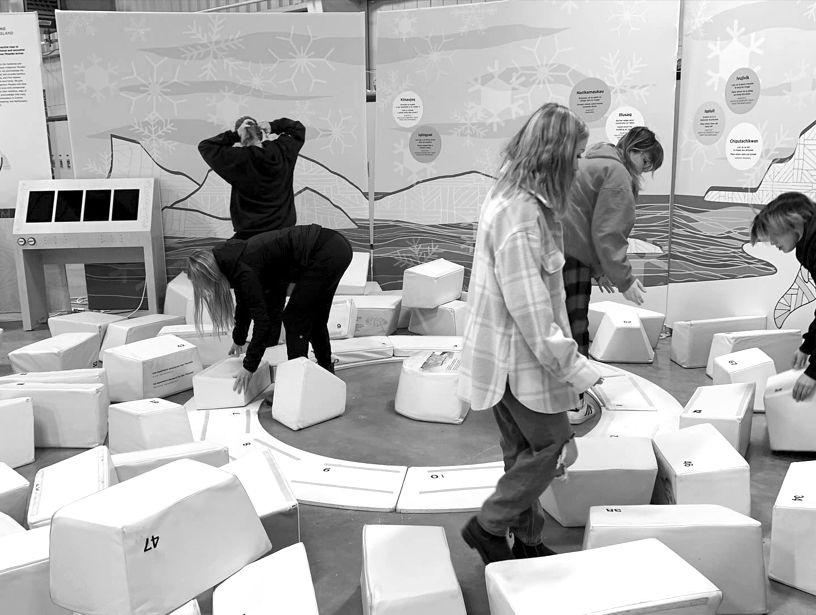
One of the highlights for the students visiting the Indigenous Ingenuityexhibitionlastweekwas theopportunitytobuildanigloo.A collectionofpre-shapedblocksof snowneededtobeassembledjust so to create a comfy abode. At right, the secondary NBE English class (Understanding Contemporary First Nations, Métis, and Inuit Voices), starts work.At left, St. Pat's grade two students Kodi McMillan and Mariia Gumeniak enjoy a moment inside the newly constructed shelter (SCHOOL PHOTOS)
1 800 668 6868




M.McKinnon Ontario announced school boardfundingallocationsforthe 2024-25 school year late last month, and the boards serving Atikokan will see increases that will not keep pace with inflationarypressures.
Core funding for the Rainy RiverDSBwillrisejustovertwo percent to $46 million. But on a per student basis, that funding increase falls to just over one percent ($23,408 per student) The board is projecting a one percent increase in its student population in the coming year (1,966).
Fundingforspecialeducation willrisemorethansevenpercent (to$6.16million)andtransportation funding will increase five and a half percent (to $3 6 million). Both of those amounts are included in the $46 million total.
TheNorthwestCatholicDSB will see total funding rise just overoneandhalfpercentto$27.2 million. It is projecting a two
percent decline in enrolment (to 1,086),soonaperpupilbasisthe increased funding works out to almost a four percent boost (to $25,034perstudent).
It will also see a significant increase in special education funding (8.7% to $4.35 million). The increase to transportation funding is more modest (2.9% to $1.7million).
The Consumer Price Index, oneofmanymeasuresofinflation calculated by Statistics Canada, rose just under four percent during the calendar year 2023. It climbed 6.8% in 2022 and 3.4% in2021.
In its release about school fundingfor2024-25,theMinistry of Education called the $29 billion total the largest investment ever in Ontario's education system.
The province recently undertook a comprehensive review of education funding and recommended changes. The new Core Education Funding model now
clearly identifies key funding pillars which support studentsfromclassroomstaffingtoschool board administration These changesmakeiteasierforparents andguardianstounderstandhow funding is allocated and strengthensschoolboardaccountability onhowthesefundsarespent.
“As we go back to basics in Ontario schools, we are stepping up with additional investment to boostreading,writing,math,and other STEM disciplines,” said Stephen Lecce, Minister of Education. “We are also delivering a more transparent funding model while continuing to increase investment in publicly funded schools to the highest levels ever recorded, so that all students can graduate into goodpaying careers With historic investmentstostrengthenliteracy and math skills, we are ensuring Ontario classrooms focus on improvingtheacademicachievementofeveryOntariostudent.”
“We are not an option. We are a necessity.”
ONA
The Ontario Nurses' Association (ONA) and its 68,000 members including registered nurses, nurse practitioners and registered practical nurses, will mark Nursing Week 2024 by demanding respect and recognition.
“Wearenotanoption.Weare a necessity That's ONA's theme for Nursing Week 2024 and our message to health-care decision makers,” said ONA president Erin Ariss, RN. “ONA members have signalled that this year's events will do more than celebrate nurses' dedication, expertise and achievements. We aregoingfurthertotellOntarians the brutal truth about the desperate need to recruit and retain nurses in this province - a reality the Ford government and too many employers are still denying.”
NursingWeekisMay6to12. Ariss and ONA's board of
directors will be criss-crossing Ontario throughout the week to support local Nursing Week events.
“There is no health care without nurses,” saidAriss. “We are there for our patients, residents, and clients through enormous challenges in every sector of healthcare, determined to provide the safest, highestquality care we can This determination has earned us the trustofthepublic,yetemployers andgovernmenthaveabusedour dedication and devalued our skills.”
“This year, we say no more. We demand respect and recognition and more importantly, we demand government action to address Ontario's chronic and severe nursing shortage in every sector ThisNursingWeek,weare fighting for our profession, to ensurehigh-qualitypublichealth careisthereforthosewhoneedit,
in
AtikokanAlcoholicsAnonymousmeets Wednesdays(7:30pm)andSundays (7:30pm-openmtg.),atCommunity Fellowship,FrontSt. Contacts: Mike 597-8250 Alverne 597-4470
Ifyouthinkyoumayhaveadrinking problem,wecanhelp
Notice is hereby given that Hydro One Networks Inc. –Forestry Services will be commencing brush control operations in your vicinity. The work will include the selective treatment of undesirable vegetation that would, if left, grow into the conductors. Every effort will be made to leave compatible low growing vegetation, which will assist in reducing future maintenance requirements.
Feeder: M1S
Location of Work: Rainy River Unorganized, Bennett, Freeborn and Atikokan
Date of Application: May 15 to July 31, 2024
Pesticide Trade Name: Garlon RTU, Aspect
Guarantee: Triclopyr 144g/L, Picloram +2, 4-D 97.5+360g/L
PCP Act Registration Numbers: 29334 and 31641
Name of Pest: Undesirable Vegetation (Brush and sucker growth from stumps)
If you have any questions or concerns, please contact
nowandinthefuture.”
ONA represents more than 68,000 registered nurses and health-careprofessionals,aswell as 18,000 nursing student affiliates, providing care in hospitals, long-term care facilities, public health, the community,clinics,andindustry










& FABRICATION


Railings, interior & exterior metal decor Regular and specialty work. Will look at any challenging jobs. Call Jerry’s Artistic Metal at 598-0081 Let me “steel” your imagination. j5p L O O K I N G F O R
YARD SALE & CRAFT SALE: Saturday, May 11th, 10 am to 3 pm. Rent a table (large work table $20, smaller table $10) Set-up Friday, May 10th from 12 to 4 pm. For more info phone Bruce James 807-5972532. m8c


Atikokan Native Friendship Centre
1 Full Time Permanent is seeking:
G WALKER: Twice a day starting May 20th for 3 months, in the Lone Pine area For more information call Terry at 807598-1420 m8p The Atikokan Native Friendship Centre is currently accepting resumes for the position of Akwe:Go Coordinator The position supports youth 7-12 years of age by providing one-to-one and participant-based services. The coordinator ensures the effective delivery of the program such that the needs of the urban Indigenous children and youth in the program are provided with tools and offered healthy activities which will build upon and foster their inherent ability to make healthy choicesinaculturallysensitivemanner
202 Main Street W.


Email: maureen@bell-law.ca Website: www.bell-law.ca
Please submit your cover letter, resume, and contact information for two work references and one personal reference in confidence to: Tiffany Maki, Program Manager
The preferred method of application is by email: programs@anfc.ca For more information regarding this position, please call or email: Phone 1-807-597-1202.
The deadline for applications is Wednesday, May 29, 2024.

Full Gospel Assembly 135 Maple Cres. Sunday Service at 11 am.
CoffeeFellowship@10:30beforetheservice.Officehours:MondayThursday,9am-2pm. 597-6421.PastorIsaiahBirnstiel. Riverview United Church All are welcome to worship with us! Sunday Service 10:30 am. ScottWoods Band concert Sept. 18. Roof benefit. Office hours Tuesday and Thursday 9 am-noon. 597-6004. PastorSusanGirard
AtikokanCommunityFellowship410FrontSt.FellowshipSunday 10amandThursday,7pm.JoinusforacommunitydinnerSaturday, May25,5:30pm.Menu:ChickenKiev(orcordonbleu),corn,Caesar salad. Open to all; completely free. Contact Brad 598-0546 and Marilyn597-6469Ricci.
Church of Jesus Christ of Latter Day Saints For details on sacrament meetings on-line contact Colin Lindsay at 597-8044, or SarahYoungat598-0744.
FaithLutheranChurchDivineServiceMay12at10:30am.May13: Food bank, 1 pm. May 15: extended care breakfast at AGH, 8 am. BrownbagBiblestudy,1pm. Unforecastable (Acts9:31).HearRev Dr Michael Zeigler on the Lutheran Hour 93.1 FM @ 8:30 am. Streaming audio and podcasts at www.lutheranhour.ca. (Check out www.lhm.org/dailydevotions.asp,too).418O'BrienSt.597-4225.
FirstBaptistChurch88MapleCres.SundayService11am.Contact: GlenStrom597-2098.
St.Patrick'sRCChurchMassscheduleSaturday,4pm,andSunday, 10 am.Weekdays:Tuesday 6:30 pm (the lastTuesday each month is Healing Mass with anointing as requested), Wednesdays 10:30 am (May15atAGH,May22atFotheringhamCourt,May29-9amatthe Church, June 5 at Aspen Court), Thursday and Friday 9 am. Father InnocentUmezika.597-2197.Contact:RickGeurts598-1495
MinistryofHealth
As temperatures start to climb, it is time to take precautions to prevent tick bites andreducetheriskofcontracting Lyme disease and other tickbornediseaseswhenenjoyingthe outdoors.
Lyme disease and other tickborne diseases can cause potentially serious infections if you're bitten by an infected blacklegged tick, commonly calledadeertick.Ifyouhaveany symptoms such as fever, headache,chills,muscleandjoint pain, fatigue and an expanding circular rash that resembles a bulls-eye, consult a health care providerassoonaspossible.
“As we start enjoying the warmer weather again, it is importantthatwealltakestepsto protect ourselves and loved ones from tick bites and tick-borne diseases,” said Sylvia Jones, Deputy Premier and Minister of Health. “Blacklegged ticks are continuingtospreadtonewareas of the province, but by being proactive,wecancombattherisk they pose and safely enjoy the beauty of Ontario over the comingmonths.”
If you are living, working, visiting, or enjoying outdoor activitiesinawoodedarea,oran area with tall grass and bushes (including city gardens and parks) you are at greater risk of being bitten by a tick. You can protect yourself from tick bites by:
• Wearing light-coloured clothing, so it's easier to spot ticks.
•Wearinglong-sleevedshirts, long pants tucked into your socks, closed-toed shoes, or any specialclothingdesignedtorepel ticks.
• Applying insect repellent containing DEET or icaridin on your exposed skin and your clothes.
• Checking yourself, your children, and your pets for ticks after being outdoors. Any ticks

www.atikokan.ca
Requestforproposal:Gardeningservices
The Town of Atikokan is seeking gardening servicesforitsplantersandminiparks.Copiesofthe RFP are available at Town Hall or by email: info@atikokan.ca.
Proposals marked 'Town ofAtikokan Gardening Services' may be mailed, emailed or dropped off to: Tom Hainey, Community Services Manager, 120 MarksSt.,Box1330,Atikokan,ON P0T1C0.Email: info@atikokan.ca
Closingdate:Extended
Landfillhours
MondaythroughThursday:10am-5pm.Friday andSaturday:Closed.Sunday:10amto5pm. TokensareavailableattheTownoffice,Johnson's ESSO,NorthernVariety,andAtikokanNewstand. BagtagsareavailableattheTownofficeandthe Newstand.)
*Noscavengingispermittedatthelandfill. Nopersonshallremoveanyitemormaterial fromthesite,includingscrapmetalitems.* Questions?Emailwaste@atikokan.caorcall (807)597-1234ext. 236
CouncilMeetings
Council will meet next on Monday, May 13, at 4:30 pm with a committee-of-the-whole meeting followedbyaregular(resolution-passing)session.


Proudly presents the exhibit opening for “Remembering Sapawe”
Featuring wonderful memories of growing up in Sapawe
JoinusforanOldFashioned Pie&IceCreamSocial Thursday,May9 2:30pm-6:30pm
Videoshowingsoforalhistoriesat3and6pm
Admission$5atthedoor
DonationstotheMuseumofAtikokan aregratefullyaccepted
Parkedoncrosswalk*Parkingprohibited(contraryto sign) * Park obstruct traffic * Park in handicap zone (withoutvalidpermit)
ATVBy-law
found should be removed promptly
•Puttingyourclothesonhigh heat in a dryer for at least ten minutes before washing them, afterspendingtimeoutdoors.
Ticks are very small and hard tosee.Whenfound,atickshould be removed immediately using fine-tipped tweezers to grasp the tick as close to your skin as possible without crushing it Once you have removed a tick, wash your skin with soap and waterandthendisinfectyourskin and your hands with rubbing alcoholoraniodineswab.Before disposingofthetick,callorcheck the website of your local public healthunittogetadviceonhowto identify the tick. You can also submit a photo of the tick to etick.caforidentification.
“As areas where ticks can be foundcontinuetogrow,so dothe risks of tick bites and tick-borne diseases,”saidDr KieranMoore, Chief Medical Officer of Health. “By being vigilant, wearing appropriate clothing and doing routinetickchecks,wecanavoid tick bites and ensure our trips outsidearesafeandhealthy,inthe monthsahead.”
If you have any health concerns after a tick bite, consult a health care provider as soon as possible Most cases of Lyme
disease can be treated successfullywithantibiotics,and pharmacists have been able to prescribe medication to treat tick bites to prevent Lyme disease sinceJanuary1,2023.
Today’s headlines a blur?
Shop CNIB for magnifers and other products for life with vision loss

You can watch the meeting live on any online computerordevice.Gotowww.atikokan.ca,clickon 'Town Administration', and choose 'Agendas and Minutes'.Oncethere,choose'LiveStream'toviewthe meeting.
The meetings are also livestreamed and archived atwww.youtube.com/@TownofAtikokan.
PoolSchedule
Monday:Lengthswim8-11am AquaFit10-11am Tuesday:Earlybirdswim6:30-7:45am.Length swim,Parents&Tots9:30-11:30am.Publicswim 7-8pm.
Wednesday:Lengthswim8-11am.AquaFit1011am.Familyswim6-7pm.AquaFit&Length swim7:15-8:15pm
Thursday:Earlybirdswim6:30-7:45am.Parents &Tots,Lengthswim9:30-11:30am.Publicswim 7pm.
Friday:Lengthswim8-11am.AquaFit10-11am Sunday:Familyswim,6-7pm.AquaFit,length swim7:15-8:15pm.
Swimclub:Tues,Wed.,Thurs.4:30-6pm.Sat.9 am-noon.
Fees:Daypass$6.25,youth$3,familyswim$5, public swim $2 Monthly pass: $36 75, family $45 15, youth $21 Season pass: Adult $264 60, family $325, youth $142.80. To rent the pool (great forkids'birthdayparties-$63perhour)call597-1234 ext.229or232.(01/24)
Parkingoffences
Per By-Law No 08-11, the following are prohibitedatalltimes:*Parkedmorethan30cmfrom acurb*Parkedonasidewalk,footpath,boulevard* Park detached trailer on street * Park left wheels to curb*Parkedfacingwrongway*Parkedwithin3m of fire hydrant * Parked blocking a driveway or laneway * Parked within 10m of an intersection *
All-terrain vehicles - ORVs andATVs, including two-upATVs, side-by-sideATVs, and utility-terrain vehicles (UTVs) - are 'street legal' inAtikokan. (See the by-law for full details; the fine for a nonconforming ATV is $110.) The driver must have a validdriver'slicence,andhaveinsuranceontheATV All riders - including drivers and passengers of all ages - must wear a helmet and use a seatbelt or foot rests,whereapplicable.
Reduced speed limits apply - a maximum of 20 km/hronTownstreetsandroadswitha50kphlimit, and50km/hronroadswithlimitsgreaterthan50kph. Operationbetweenthehoursof11pmand6amisnot permitted.
ATVs are not allowed on areas meant solely for pedestriantraffic(sidewalks,footpaths,footbridges, etc ), boulevards, cemeteries, municipal parks (including the golf course), or bike, horseback or snowmachine (A-1) trails. Use on private property requirestheconsentoftheowneroftheproperty
Thisisashortsummaryoftheby-law;afullcopy oftheby-lawisavailableattheTownoffice,oratthe web site, www.atikokan.ca. Use of ATVs is also governed by the provincial HighwayTrafficAct, the Off-Road VehiclesAct, the Provincial OffencesAct, and the Insurance Act, and users should be familiar withtheirresponsibilitiesunderthoseActsaswell.
Openairburning
A burning permit is required for any burning withintheTownofAtikokan(By-law21-99),January 1 to December 31. Burning includes the burning of leaves, grass, brush, bonfires, incinerators; any burning of commercial or industrial origin; and any burning during community events. Open air burning permits may be acquired at the Town office, 120 MarksSt,MondaythroughFriday,8:30am-4:30pm
Town Office Hours Monday to Friday, 8:30 am to 4:30 pm Phone: 597-1234
Public Works will be flushing fire hydrantsthroughouttownbeginning April29,foraboutFOURweeks Thehydrantflushingprogramisvery importanttothemaintenanceofthe waterdistributionsystem.During thisprocess,itisnotuncommon forayellow,brownorreddishtint toappearinthewater Harmless mineraldepositssettleinwater mains,andflushingthesystemstirs depositscausingthediscoloration. Flushingremovesthesedimentsfrom the mains and helps to improve the water qualityinthedistributionsystem.

Youmaynoticeamorepronouncedchlorinetaste or odour in the water during springtime flushing. This is because free chlorine has a more noticeable chlorinetasteandodour
Ifyouencounterdiscolouredwater,shutthewater offandwaitseveralminutes.Afterwaiting,checkthe clarity by running cold water for a few minutes,
allowing new water to work its way into your pipes. In some cases, there may be slight discoloration for a few hours. This affects only the appearance of the water; it does not affect water tasteorquality
Avoid washing laundry during flushing; wait until the water runs clearatthetap,thenwashaloadof darkclothesfirst Hotwatertankscan holddiscolouredwaterforsometime after the cold water runs clear Flush yourhotwatertanksbyrunningthehot waterforafewminutes.
If you see the Public Works crew flushing a hydrant on your street, avoid running tap water and using the washing machine or dishwasher until the flushingiscompleted.Theremayalsobeatemporary drop in water pressure. Please drive carefully if you seetheflushingcrewworkinginyourarea.
For more on the flushing program, contact Tyler Dziarmagaat597-1234ext230.

Pressrelease
Constructionissettobeginon the Lake Superior National Marine Conservation Area administration and visitor centre in Nipigon. Once complete, this landmark building will serve as
Parks Canada'
mary operations base and visitor reception area for Lake Superior National Marine Conservation Area.
Saturday,thefederalminister Patty Hajdu gathered with Indigenous and community members to participate in a ground-breaking ceremony to kick off construction of the $37 millioncentre.
“Construction of this landmark, net-zero building will create a permanent space to welcome visitors to our region and showcase the intricate history, ecology, and cultures of the land and waters of Lake Superior,” said Hajdu, MP (Thunder Bay - Superior North). This project is an exciting blend of conservation, economic development through tourism, and sustainable ecological design We look forward to welcoming the public to this spaceinthenearfuture!”
Thenewcentrewillbeaplace for connection and visitor discovery, and Parks Canada's firstPassiveHousePlus,net-zero carbonbuild.Thiseco-conscious project will serve as Parks Canada's central base for management, resource conservation, visitor experience, maintenance, and law enforcement activities.
The centre will welcome Canadians and visitors from around the world, facilitating meaningful visitor experiences by sharing the rich history of Indigenous peoples and coastal communities in the area, along with stories from above and below the surface of Lake Superior
Constructionisanticipatedto take two years. The work has been formally awarded to Finn
Way General Contractor Inc. of Thunder Bay following a competitive process The contract includes initiatives that will promote employment opportunitiesanduseofsuppliers and contractors within local Indigenouscommunities.
Lake Superior National Marine ConservationArea, once fullyestablished,willbepartofa nation-wide system of protected areasmanagedbyParksCanada, andwillbeapproximately10,000 square kilometres in size, occupying almost 13% of the largest freshwater lake in the worldbysurfacearea.
This marine conservation area protects rich, natural and cultural heritage and contains remarkablefeatures,including:
• the connection between Indigenous Peoples and the lands, waters, and resources spanningthousandsofyears;
• the cultural heritage of First Nations, Métis, and EuroCanadian fur-traders and settlers;
• amazing biodiversity with over 70fishspeciesandrarearcticalpineplants;
•uniquegeologicalformationsof columnar basalts, shatter cones and sea caves coupled with dramatic terraced landscapes, Superior Shoals, andsomeoftheworld'soldest knownrocks;and,
• seventy known archaeological
s i t e s v a r y i n g f r o m pictographs to grave sites, shipwrecks,andmore.
“In a country blessed with twenty percent of the world's freshwater,LakeSuperiorstands alone as the largest freshwater lakeontheplanet,”saidMinister of Environment and Climate
Change Canada Steven Guilbeault “Lake Superior National Marine Conservation Area will be a keystone in our Canada-wide network of protected areas managed by Parks Canada Celebrating,

managing and preserving this majesticandbreathtakingbodyof water requires a showcase administrationandvisitorcentre, another example of how the government of Canada supports the protection and celebration of nature and biodiversity from coasttocoasttocoast.”