Hina Matsuri celebrates girls’ day in colorado ENCHANTED OVEN MAKES ‘AROUND THE WORLD’ CAKE
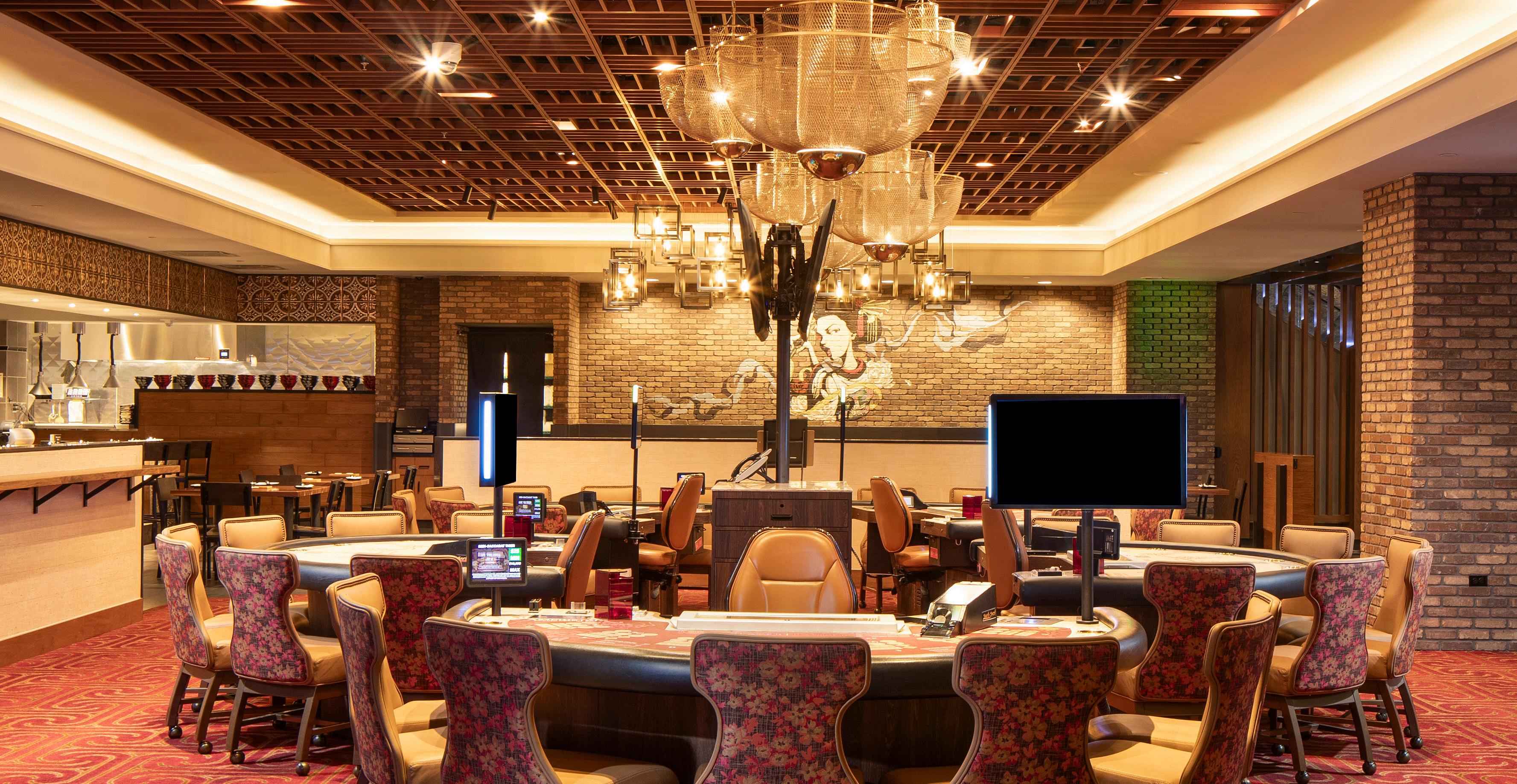
Celebrate Lunar New Year at Ameristar—where luck, prosperity and exciting baccarat action await. Enjoy our festive holiday decor and don’t forget to pick-up your limited-edition LNY players card to start the year with good fortune.
ASIAN AVENUE - PRESIDENT’S NOTE
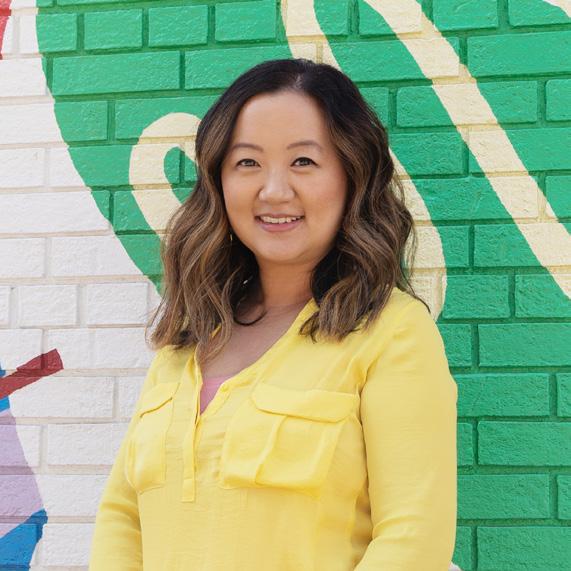
Annie Guo VanDan, President Asian Avenue magazine
Connect with us! asianavemag@gmail.com @asianavemag
As we prepare our special 20th Anniversary Issue, we want to hear from you. Please send your photos and memories of Asian Avenue to AsianAveMag@gmail.com.
We will feature a selection of reader reflections in our upcoming print and digital editions to celebrate the community that made these 20 years possible.
As we welcome the Year of the Horse, this issue of Asian Avenue Magazine celebrates not only Lunar New Year, but the resilience and evolution of Colorado’s Asian American, Native Hawaiian, and Pacific Islander communities.
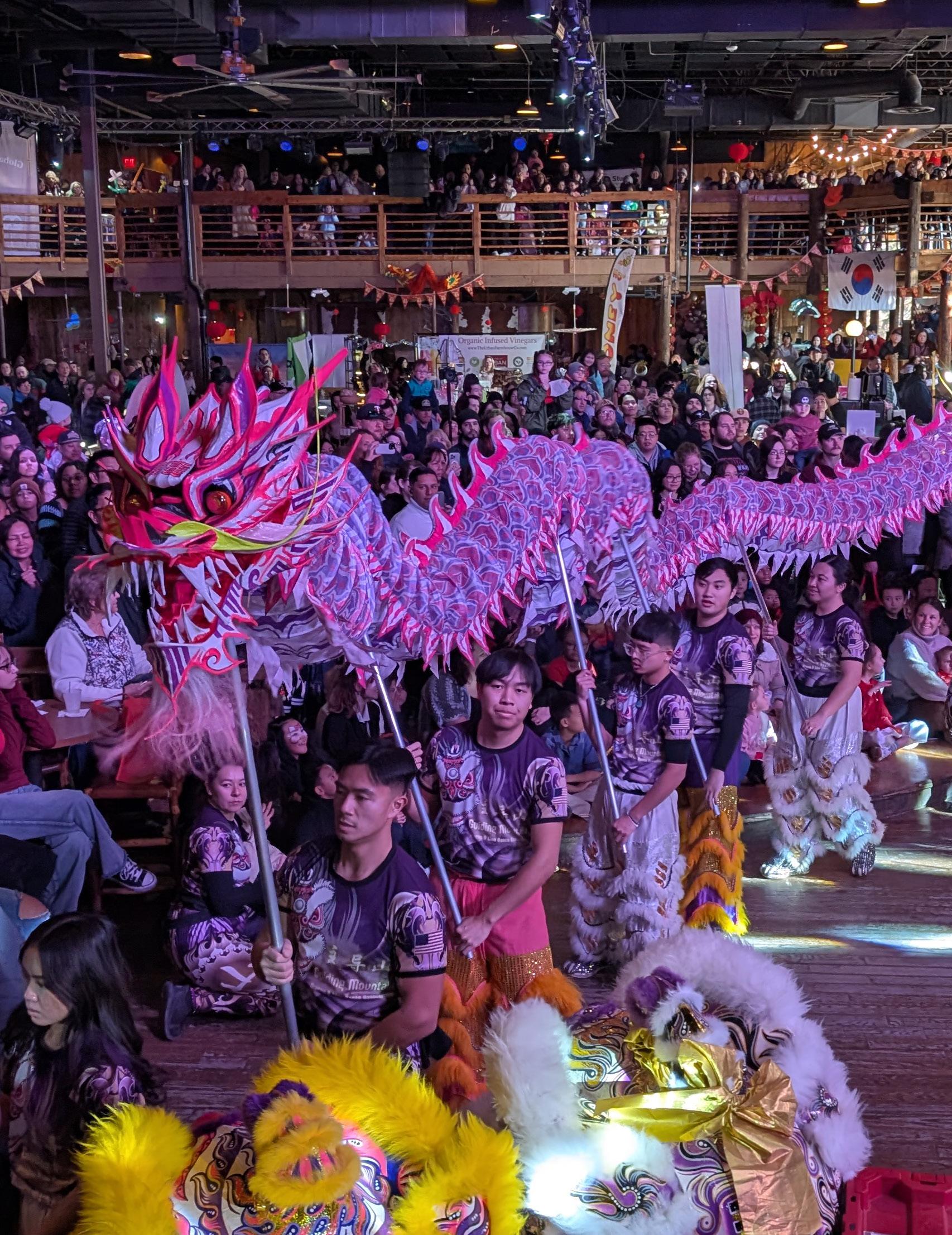
Lunar New Year has always been about gathering, yet how we celebrate continues to transform. From lion dances along South Federal to lively night markets in Aurora, our community is showing up with renewed pride and visibility—sharing our traditions openly and inviting the broader public to celebrate alongside us.
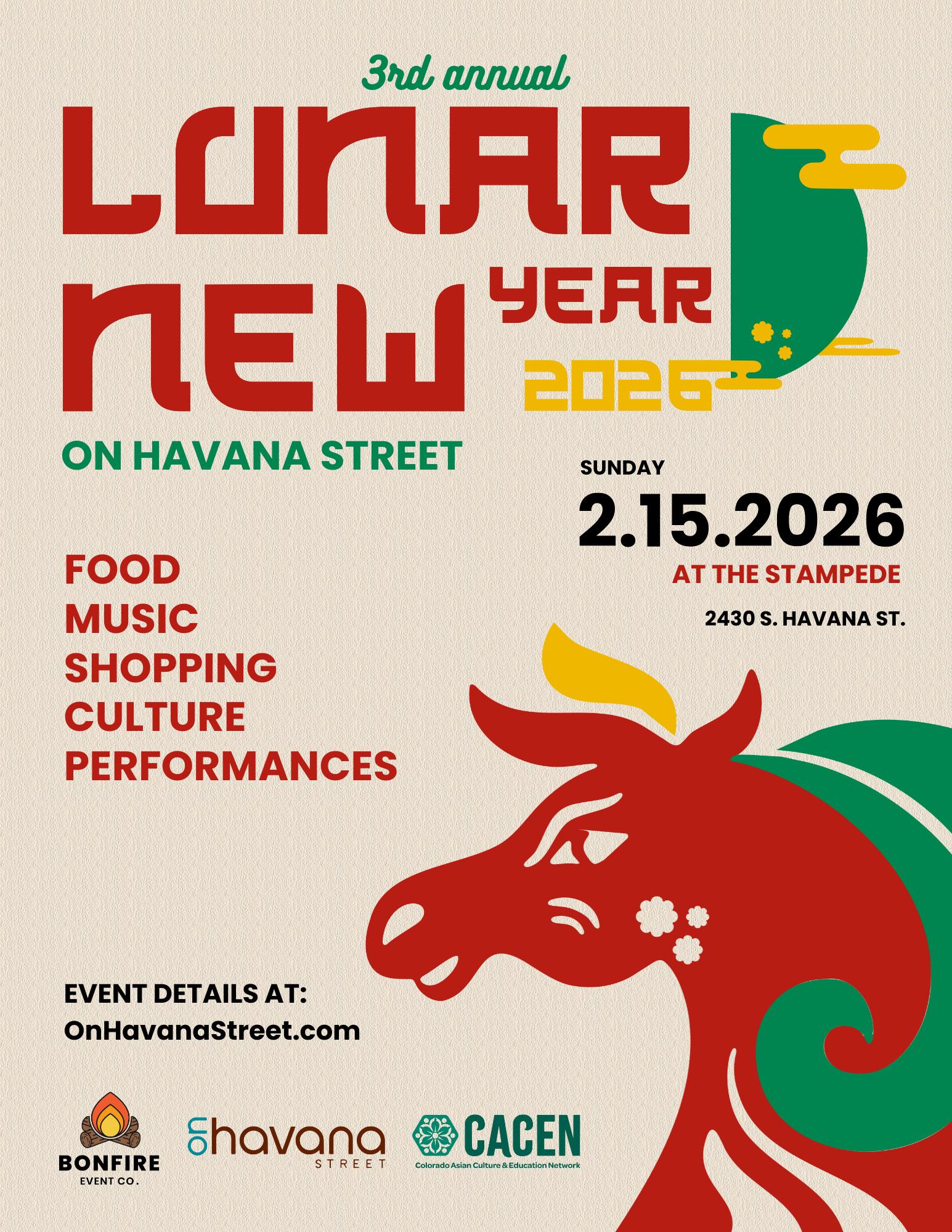
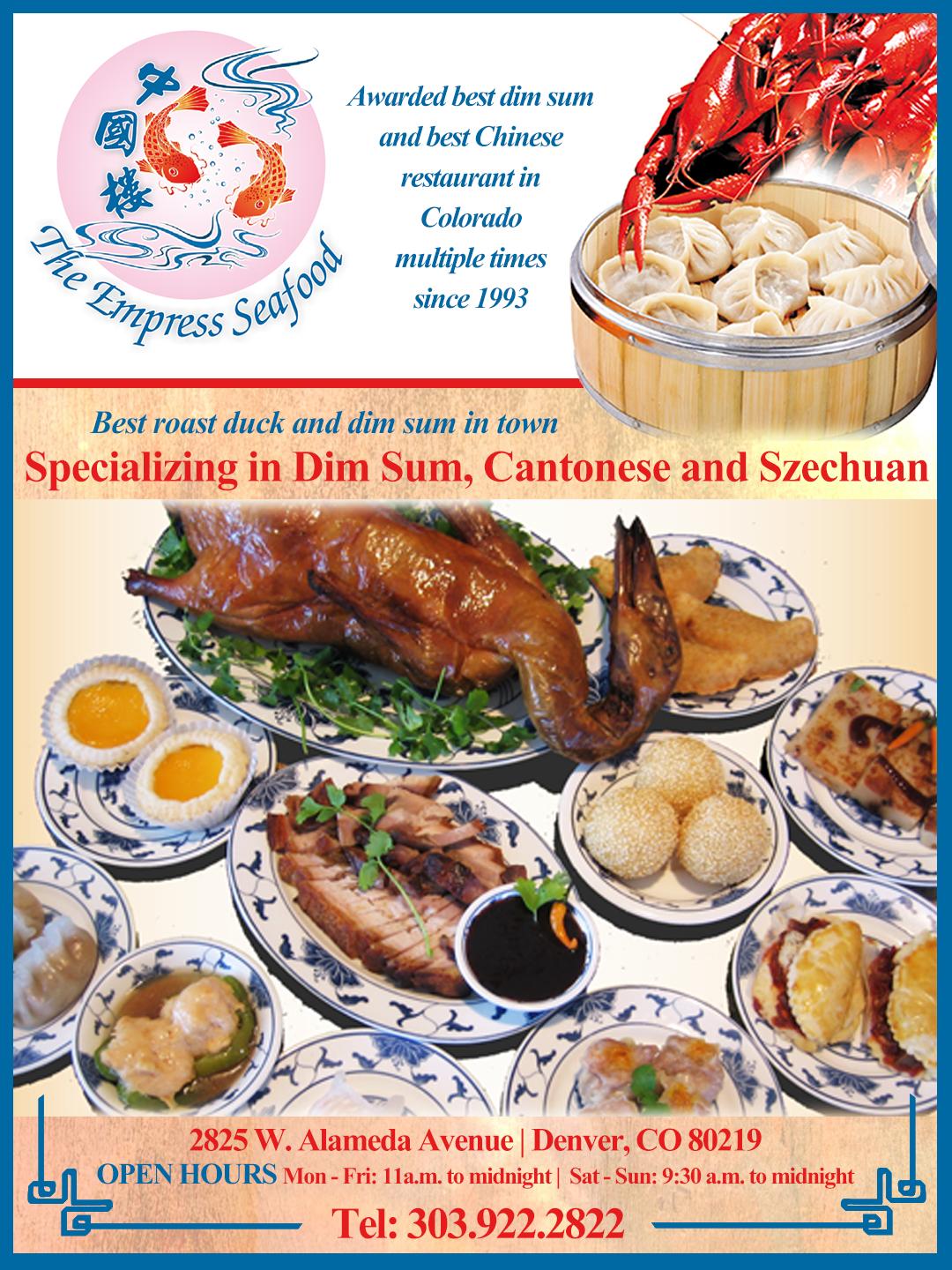
This evolution is especially evident in our journey at CACEN (Colorado Asian Culture Education Network). Many of us fondly remember the Lunar New Year banquets at Empress Seafood Restaurant—multi-course feasts that brought generations together. Today, CACEN has expanded that legacy through largescale collaborations with On Havana Street and Bonfire Event Co. at the Stampede, reflecting a shift toward open-air festivals and inclusive cultural experiences that honor our past while embracing growth.
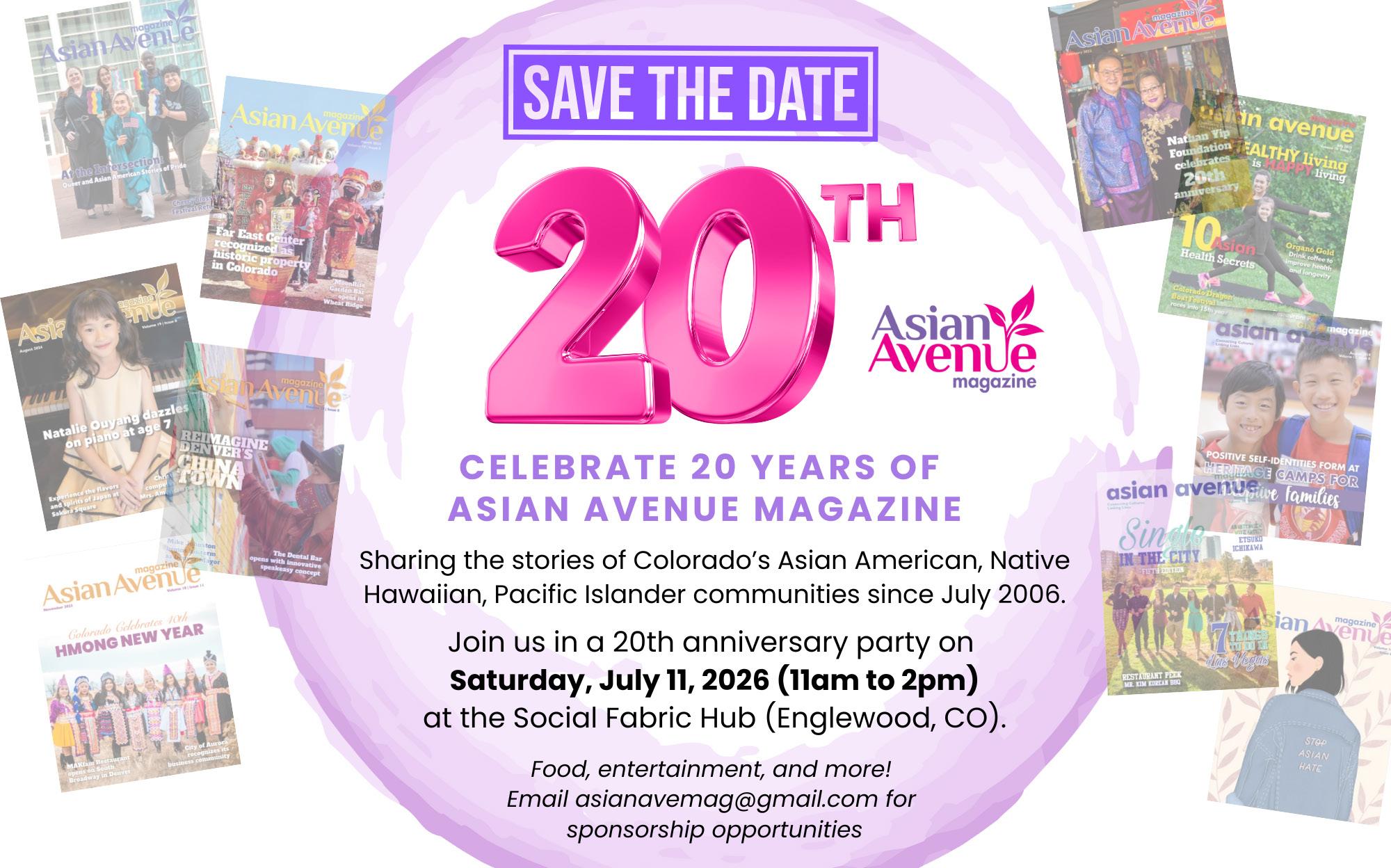
In that same spirit, we are proud to share that 2026 marks the 20th anniversary of Asian Avenue Magazine. What began as a small platform to uplift AANHPI voices has grown into a cultural touchstone for our community. This milestone belongs to our storytellers, partners, and readers who have supported us every step of the way. We invite you to join us throughout the year as we celebrate the past and look ahead to the next 20 years of connection and impact.
Wishing you a year of strength, momentum, and boundless prosperity.
With gratitude and pride, Annie Guo VanDan (President) and Christina Yutai Guo (Publisher)
Colorado’s community bank—local decisions, lasting relationships, genuine care.
ASIAN AVENUE TEAM
Publisher & Founder CHRISTINA YUTAI GUO President ANNIE GUO VANDAN Editorial Director
MARY JENEVERRE SCHULTZ
JANE LY JON NGUYEN
JESSALYN LANGEVIN
JADYN NGUYEN KAI VONG
on the cover
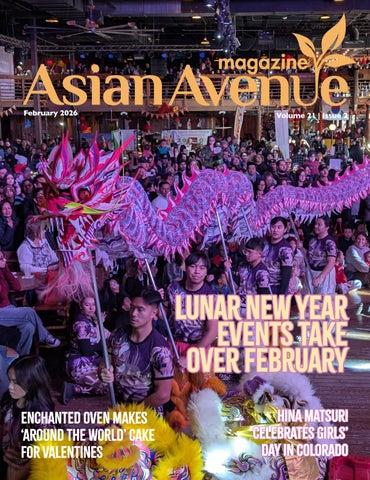
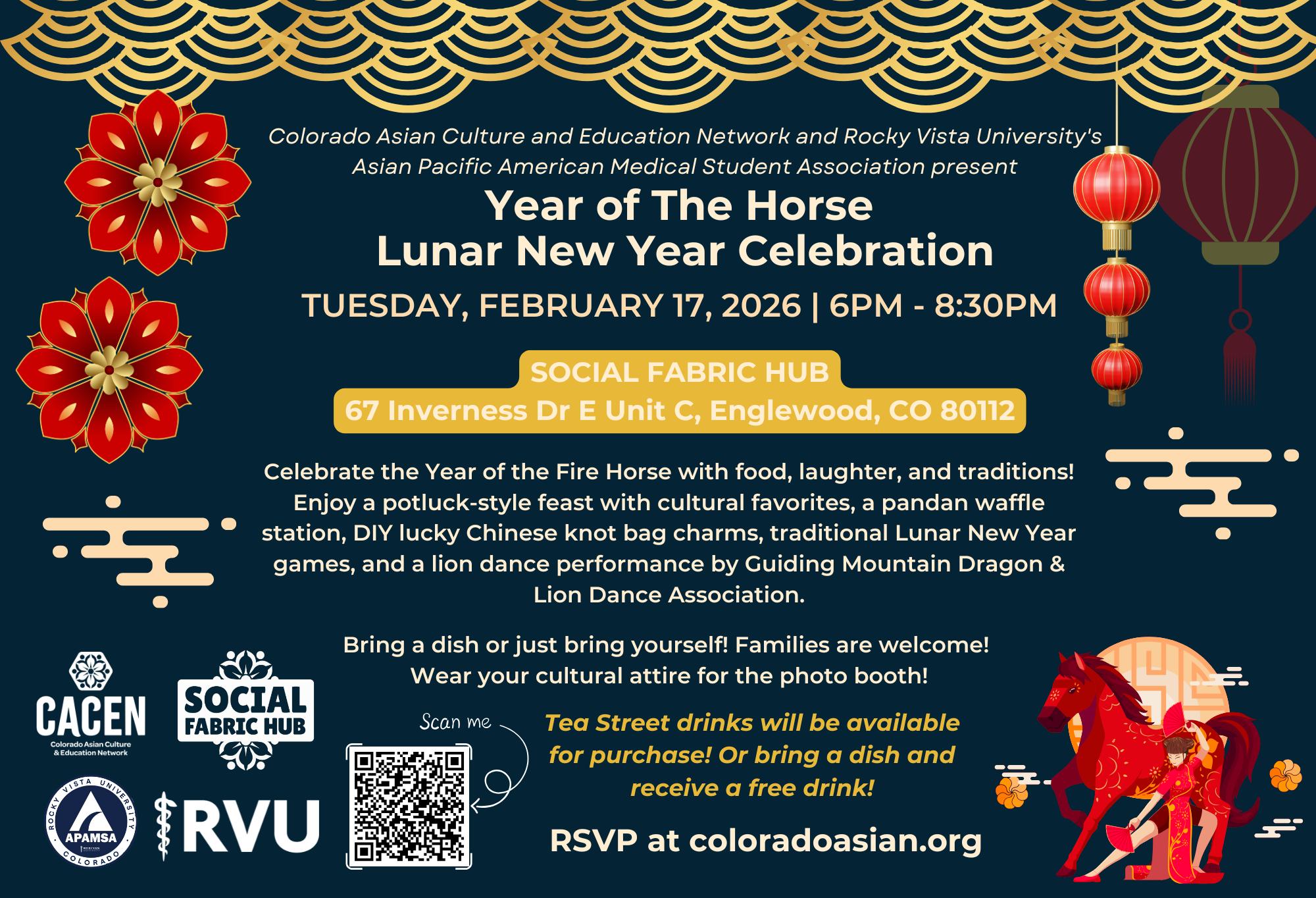
Lunar New Year falls on February 17, 2026 as we welcome the Year of the Horse. Starting this month, celebrations across Colorado will take place to honor this state holiday! Enjoy cultural traditions and foods, pass our red envelopes to children, and don’t clean on new year’s day!
Asian Avenue magazine (ISSN 1932-1449) reserves all copyrights to this issue. No parts of this edition can be reproduced in any manner without written permission. The views expressed in articles are the authors’ and not necessarily those of Asian Avenue magazine
Looking to promote your business? Asian Avenue magazine offers businesses a costeffective way to reach consumers in the Denver/Boulder metro areas and beyond. For more information, call 303.937.6888 or e-mail us at asianavemag@gmail.com for our media kit and ad rates. Send story ideas to asianavemag@gmail.com.
Asian Avenue magazine is in association with the Colorado Asian Culture and Education Network.
18 TRAVEL: Take that weekend trip to Santa Fe, New Mexico, it’s good for your soul 20 ON SCENE: Taiwanese Chamber of Commerce invites Giant Group to lead a seminar at the Governor’s Mansion 21 ON SCENE: Kokoro Restaurants and Masaru Torito receive the MLK Jr. Business Award for their service and care towards their customers and community
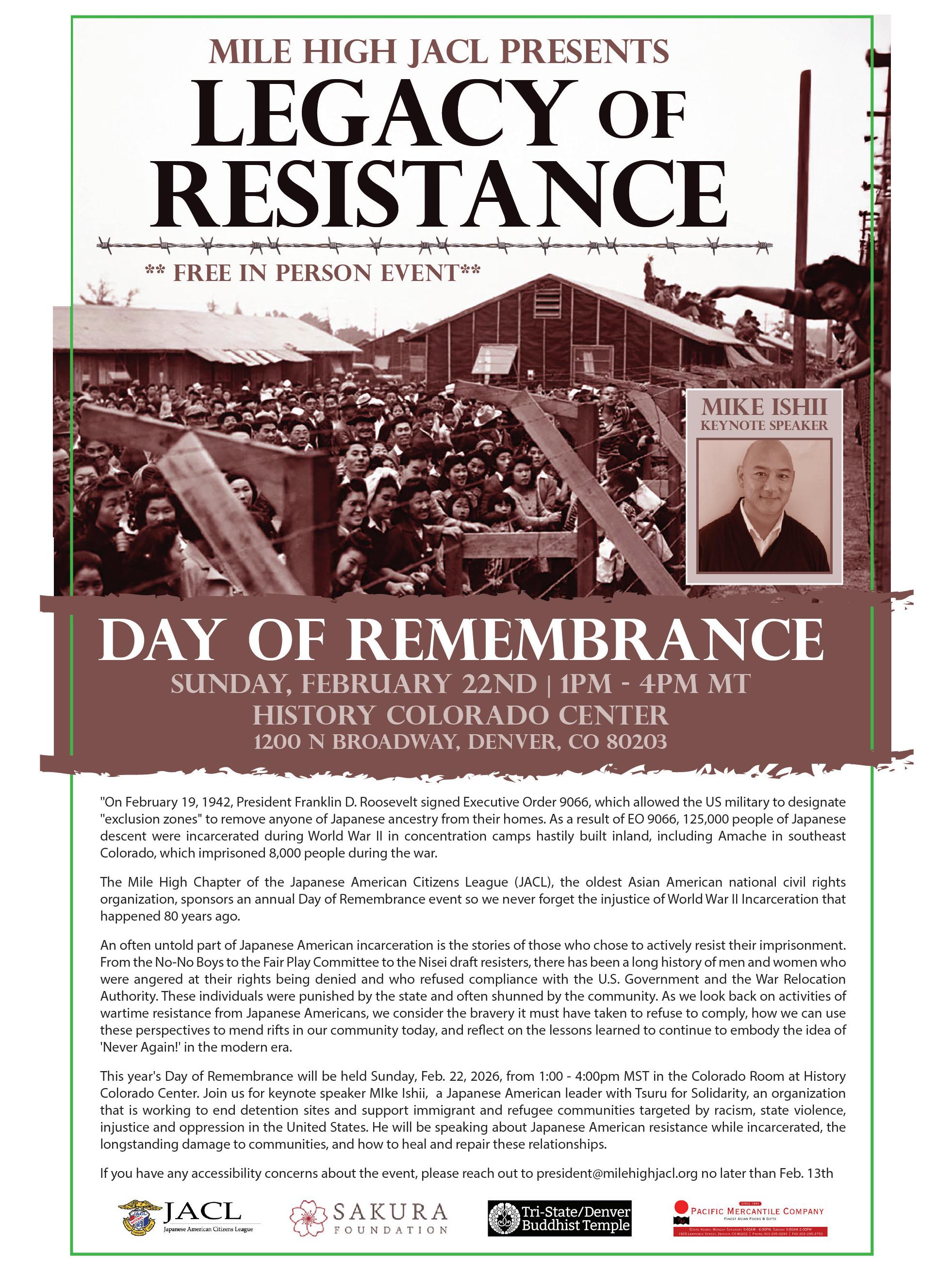
Japanese American Groups Collaborate to Uncover the Truth of Executive
Order 9066 and WWII Incarceration
In remembrance of Executive Order 9066, the Japanese American Resource Center of Colorado (JARCC), Simpson United Methodist Church, Tri-State/ Denver Buddhist Temple, and the Mile High Japanese American Citizens League (JACL) invite the community to engage with Rachel Maddow Presents: Burn Order (www.ms.now/rachel-maddow-presents-burn-order).
This six-episode podcast examines the U.S. government’s decision to incarcerate Japanese Americans during World War II, exploring the executive order behind it, the powerful figures who advanced it, the resistance that challenged it, and the attempts to erase this history. To support shared reflection, weekly listening and discussion guides—with prompts and questions—will be available online to help individuals, families, and small groups process what they are hearing, learning, and feeling as the series unfolds. Links to these guides are available on Eventbrite (link below) and through the participating organizations.
On Saturday, February 21, the community is invited to gather for a community potluck luncheon beginning at 11:30 a.m. at Simpson United Methodist Church (6001 Wolff St, Arvada). This gathering offers an opportunity to continue the conversation, share reflections, and participate in a facilitated discussion connecting the themes of the series to the present. The potluck is free—please bring a dish to share and your curiosity.
The following day, Sunday, February 22, the Mile High JACL Day of Remembrance will take place at the History Colorado Center (1200 Broadway, Denver), from 1:00–4:00 p.m.
RSVPs are encouraged via Eventbrite: www.eventbrite.com/e/listening-toward-remembrance-communitypotluck-tickets-1981543026534
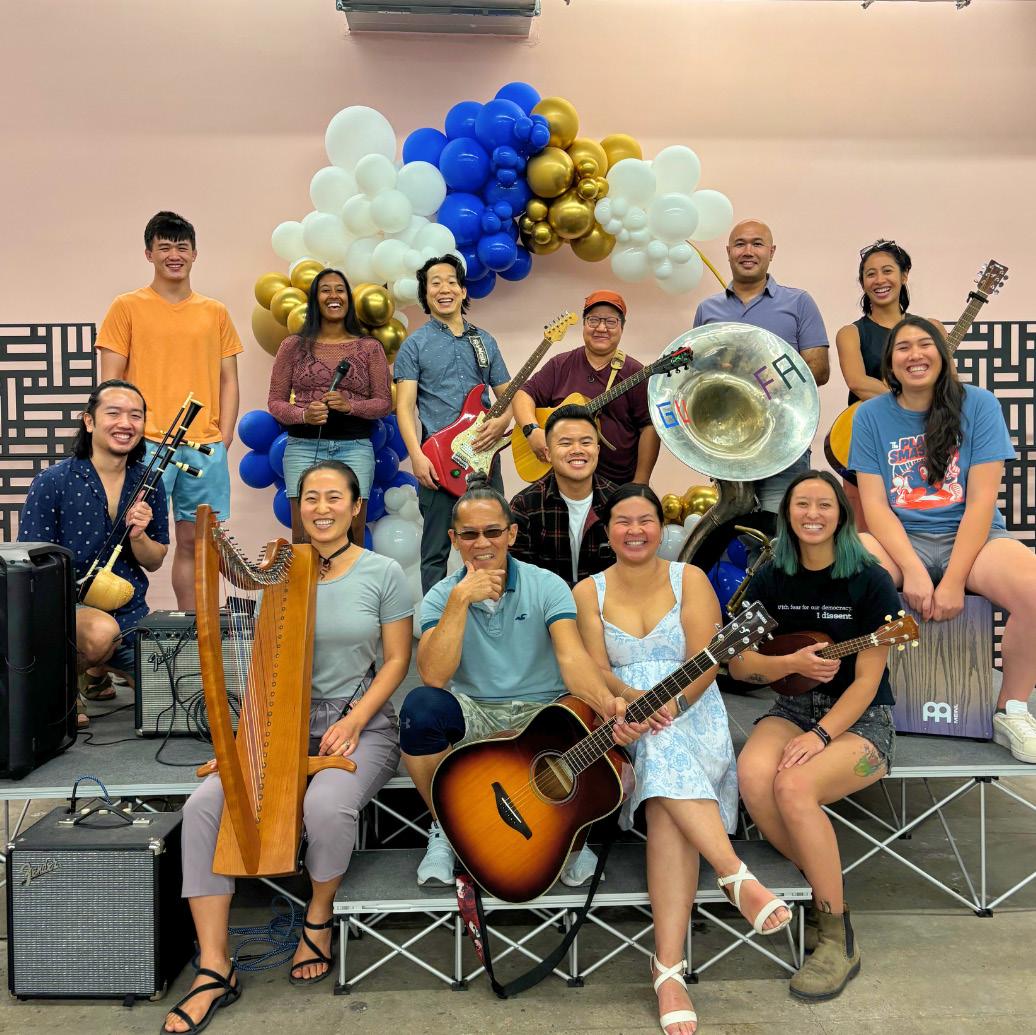
AVID organized a jam session for AA & NHPI musicians
The Power of Showing Up: Asian Americans Creating Connection in Denver
By Jadyn Nguyen
Twenty years ago, Denver’s Asian American community looked very different.
Colorado Dragon Boat was still in its early years, having been founded in 2001. H Mart wouldn’t open its first Aurora location until 2004. For many Asian American kids growing up in the mid-2000s, cultural affirmation was scattered and limited.
Globally, BTS did not dominate playlists; they did not exist. No K-Pop Demon Hunters. No Simu Liu on the big screen as the strong, confident, and capable superhero.
Asian Americans were largely boxed into the “model minority” narrative. A stereotype that made them visible, but misunderstood.
So what did it mean to be Asian American back then?
For many, it meant navigating identity quietly and learning who you were without seeing many reflections around you. Today, the environment has grown because of passionate leaders who love bringing people together.
Asian Vibes In Denver (AVID) is recognized as a safe space where people can show up fully as themselves. Their mission statement is “to create a community built upon principles of inclusion and belonging, and which fosters solidarity and
support, within the Asian American & Native Hawaiian Pacific Islander (AA & NHPI) diaspora in the Denver metro area.”
In a conversation with Laura X. Williams, she understands why a shared feeling of belonging matters as a queer Chinese American adoptee.
Laura notes, “I believe community building is an essential part of the human experience and when we feel connected to something larger than ourselves, that’s spiritual.” She helps organize AVID events with Stephanie Agtarap, Chris Thai, Morgan Strychalski, Natalie Norton, Jo Wang, Tico Del Rio, and Justin Oshita that promote community wellbeing.
It is the coordination and care of the AVID organizers that helps make the community inclusive. When you visit AVID’s website you’ll notice a “Safety Matters” link that directs to a form where community members can submit confidential concerns that the AVID organizers review every week. Systems like this ensure AVID remains a safe and welcoming space for people seeking identity-based community!
With events such as support groups, outdoor outings, civic engagement, mutual aid, and partnerships with other local BIPOC organizations, AVID conscientiously creates AA & NHPI intersectional spaces in Denver.
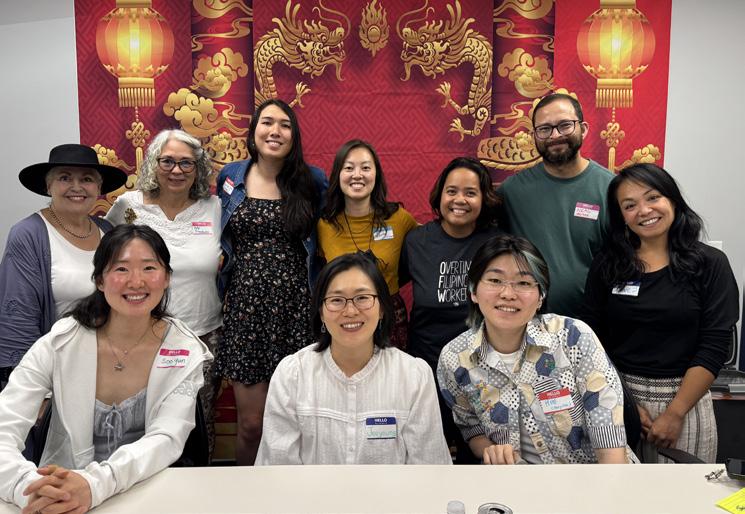
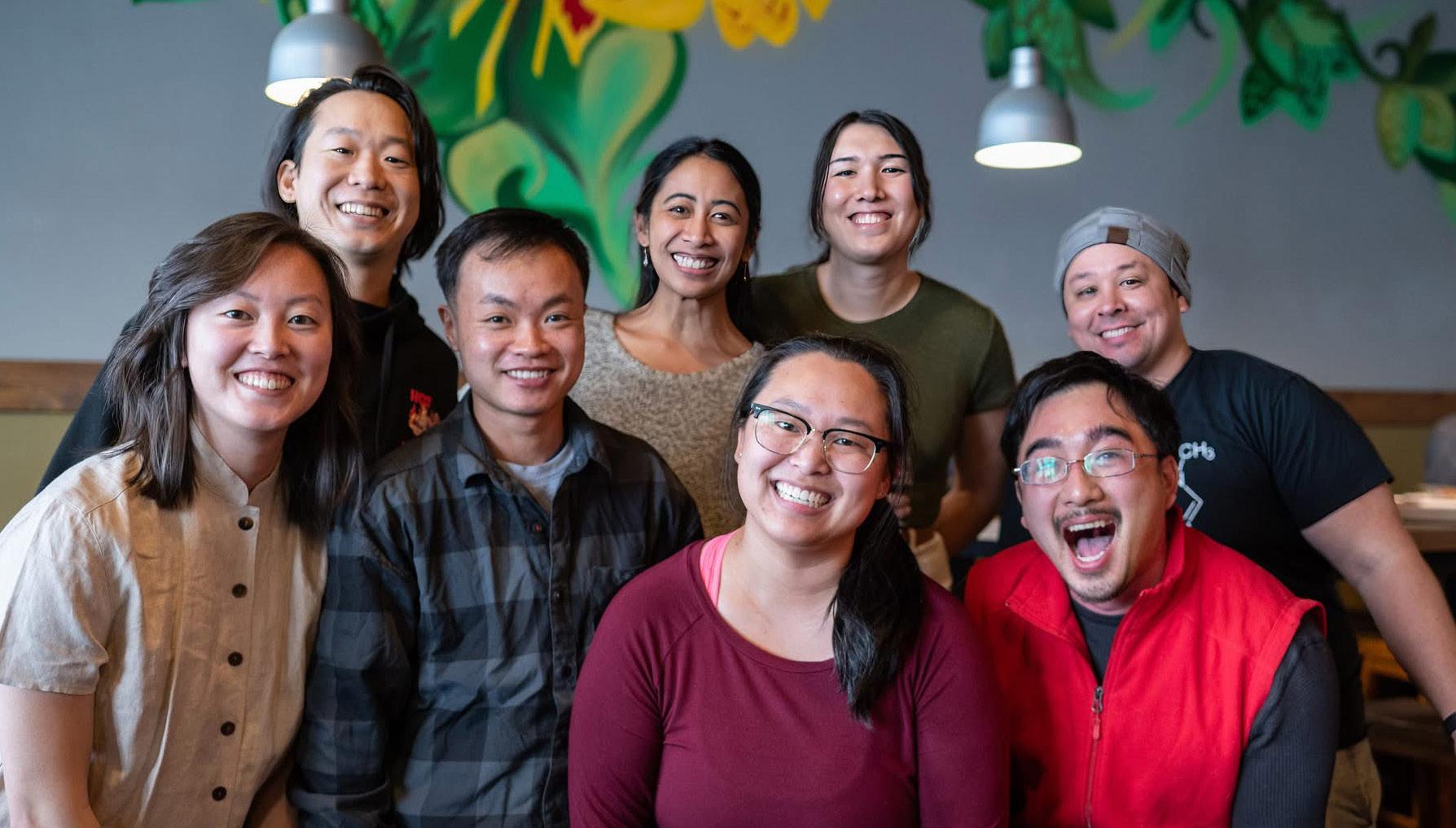
Asian Vibes in Denver
Back: Justin Oshita, Stephanie Agtarap, Natalie Norton, Tico Del Rio
Front: Laura X. Williams, Jo Wang, Morgan Strychalski, Chris Thai
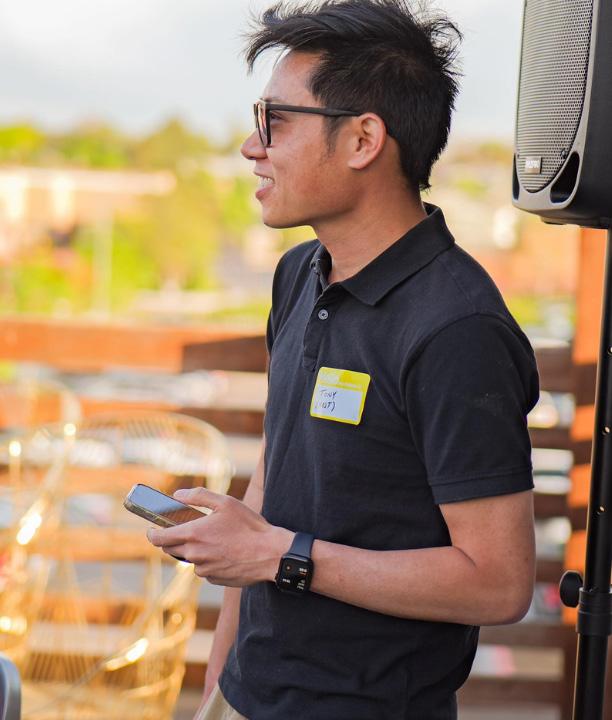
Tony Tran, founder of the Denver Asian Scene (DAS), was born and raised in Colorado, where he attended Standley Lake High School and CU Boulder. Feeling as though a shared Asian community identity was missing in Denver, he set out to build it.
His community building journey began by writing a newsletter rounding up Asian events happening across Denver. Events hosted by organizations like AVID, Filipino American Community of Colorado, or ACEL-Denver (Asian Corporate & Entrepreneur Leaders) were popping up every week. What was missing was visibility and easy access.
Tony has traveled and seen places like California’s “seaside” Asian communities, where pop culture and bubble tea formed a recognizable Southern California Asian identity. He wondered: “why can’t Colorado have that too?”
In many ways, it already does.
That connection is becoming more tangible through spaces like the Social Fabric Hub, a pan-Asian community center created by the Colorado Asian Culture and Education Network (CACEN). Since March 2025, the hub has served as both a physical gathering place and a symbol that says Asian Americans should feel proud of their unique identities.
From bubble tea shops like Tea Street, to historic sites like Sakura Square, to faith-based spaces like the Denver Sikh Gurudwara, to food communities like Denver Hungry-Hungry Asians, Asian gathering spaces have always existed. People just needed to find them.
At the heart of all these efforts is something simple: people looking for other people to do life with. During and after the pandemic, Colorado’s AA & NHPI population has continued to grow. Those new to Denver have been proactively seeking ways to meet new friends through outdoor activities with Outdoor Asian, mahjong get togethers with Honour Tile Society, and learning about tea at Hearth and Seoul.
Through the Denver Asian Scene (DAS), friendships have formed organically. One organizer, Randall, found his ski buddies simply by showing up and socializing at DAS events. Tony is intentional about this; people follow their interests, and relationships naturally grow from there.
Our relationships, after all, are mirrors. They reflect who we are, who we’re becoming, and what we value.
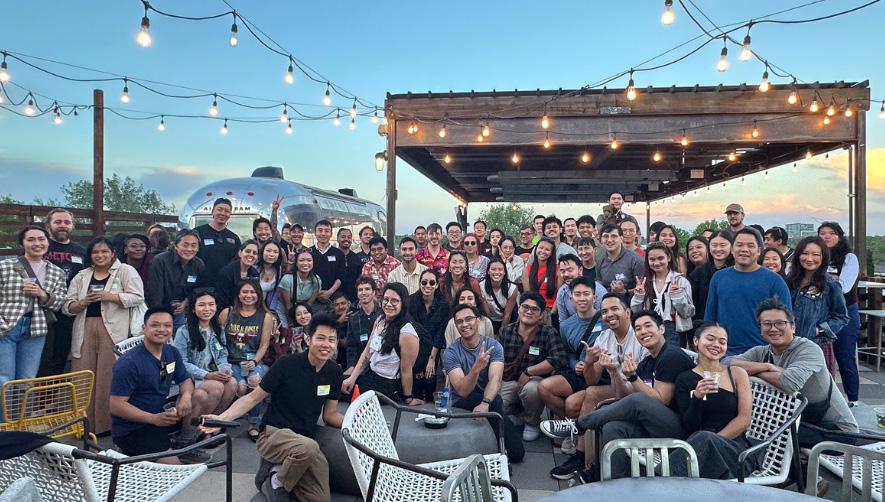
Today, Denver’s Asian American community is thriving. CACEN has honored 100 heroes through its annual Asian American Hero awards. The Social Fabric Hub has quickly become a sought-after gathering space, hosting events with nonprofit partners like Asian Girls Ignite to karate tournaments! Asian Vibes in Denver and the Denver Asian Scene continue to grow, hosting consistent events and drawing thousands into the community.
While twenty years ago H-Mart was just getting started and Asian representation felt distant, today the reflection looks different. Denver’s Asian American community is visible, vibrant, and connected—we’re finally seeing ourselves more clearly.
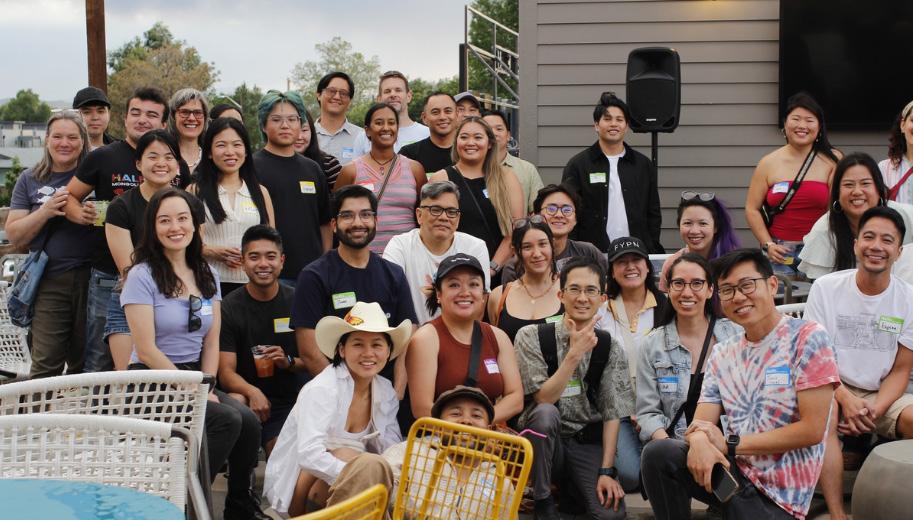
Tony Tran (right), founder of Denver Asian Scene, organizes events across Denver for Asian American community members to come together to meet and build connection.
Bite-Sized Luck: The Lunar New Year Plate
The Lunar New Year (Spring Festival) isn’t just about the fireworks—it’s about the symbolism on your plate. In many Asian cultures, the name of a dish often sounds like a word for luck, wealth, or health. Here are four must-have “lucky” bites to kick off the Year of the Horse:
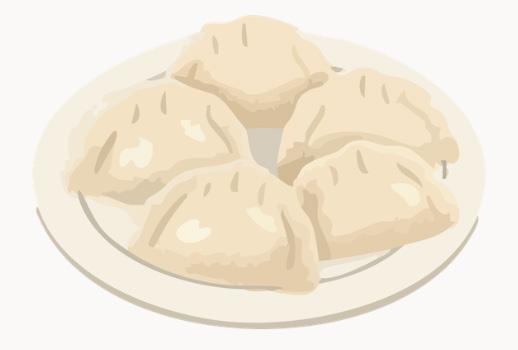
1. Dumplings (Jiaozi) | Wealth
Because they are shaped like ancient silver and gold ingots, eating dumplings is said to bring prosperity. The Pro Tip: Legend says the more dumplings you eat during the New Year celebrations, the more money you can make in the coming year. (No pressure!)
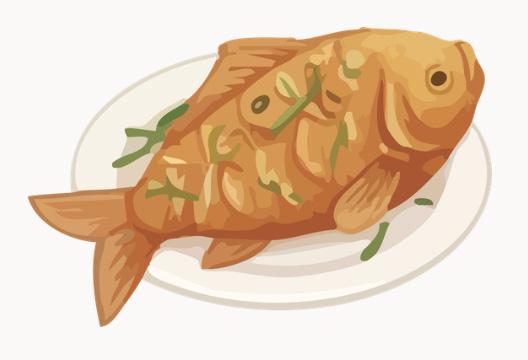
2. Whole Fish (Yu) | Surplus
In Mandarin, the word for fish sounds like the word for “surplus” or “extra.”
The Tradition: It is common to serve the fish whole (head and tail
By Mary Jeneverre Schultz
intact) to symbolize a good beginning and end to the year. Don’t finish the whole thing! Leaving a little left over ensures you’ll have a surplus in the year to come.
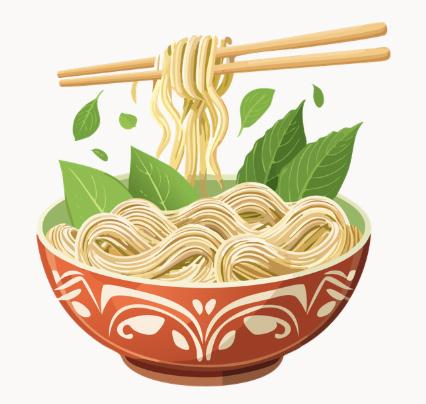
3. Longevity Noodles (Changshou Mian) | Long Life
These aren’t your average ramen noodles. Longevity noodles are extra-long and uncut.
The Rule: Whatever you do, don’t break or cut the noodle while cooking or eating. A broken noodle symbolizes a life cut short—so keep those slurping skills sharp!
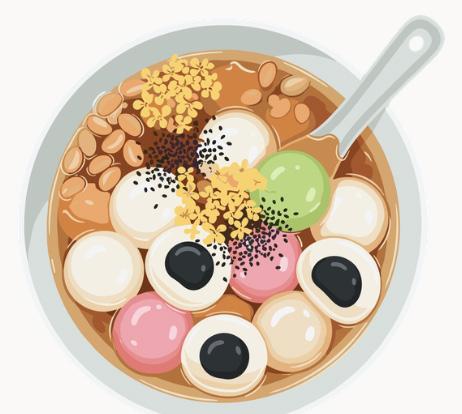
4. Sweet Rice Balls (Tangyuan) | Family Unity
Commonly eaten during the Lantern Festival (the final day of celebrations), these round, chewy treats represent togetherness and family reunion.
The Texture: Soft, sticky, and usually filled with black sesame or peanut paste, they are boiled in water and then toppings can be added. They serve as a sweet reminder that family sticks together.
Food for Gifts
Did you know? Oranges and Tangerines are displayed and gifted because their gold color represents wealth, and the word for “tangerine” sounds like the word for “luck.”
From dumplings folded with care to noodles stretched long for luck, Lunar New Year foods remind us that what we eat is never just about taste—it’s about memory, meaning, and hope. Whether you’re honoring family traditions passed down for generations or discovering these flavors for the first time, gathering around the table is a way to welcome the new year.
Dive in, find your next favorite dish, and tag us in your culinary adventures using #AsianAvenueEats and @AsianAveMag
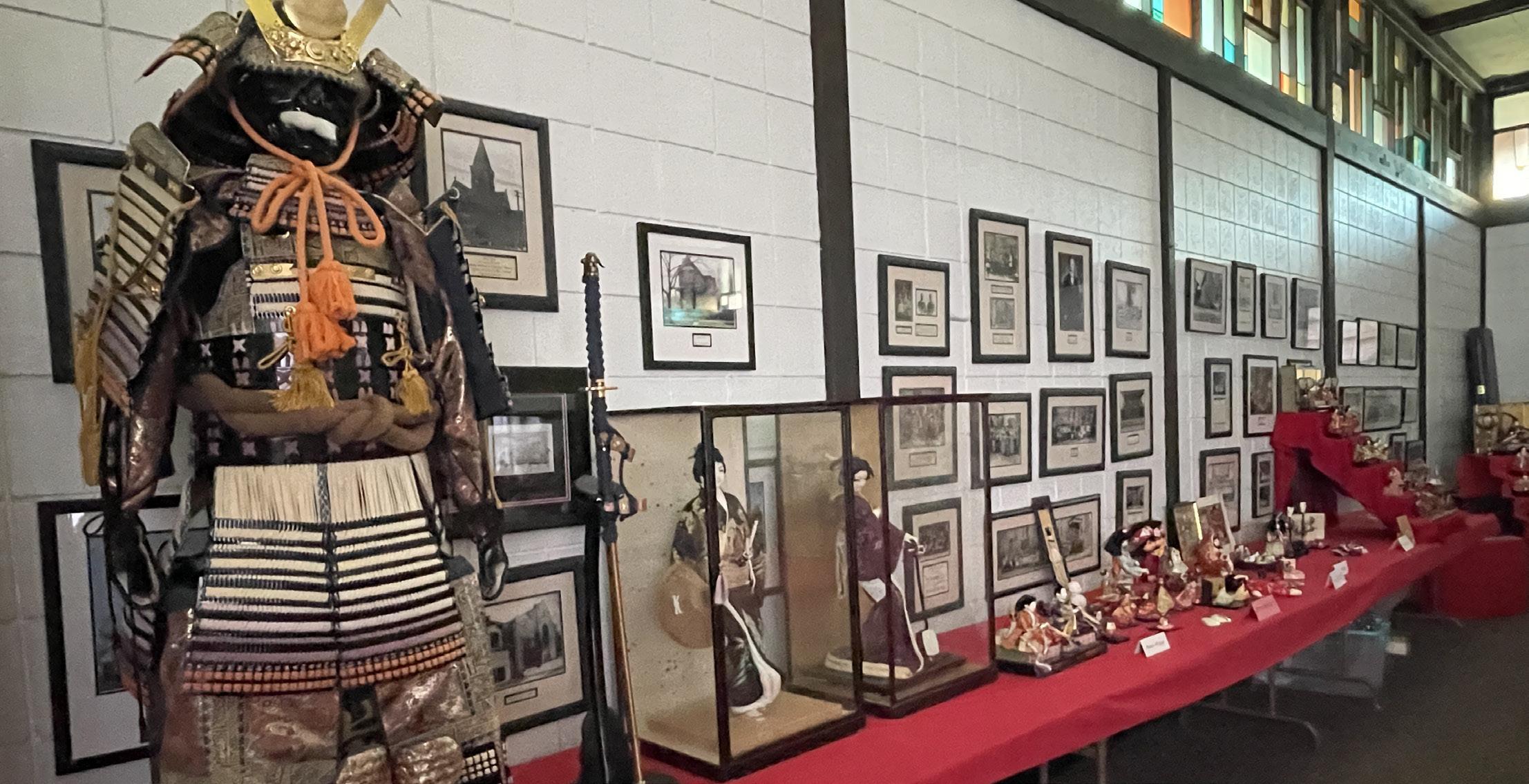
Hina Matsuri in Colorado: Celebrating Girls’ Day
Hina Matsuri (Doll Festival or Girls’ Day), observed in Japan on March 3, is a centuries-old celebration that dates back to the Heian period (794–1185). In its earliest form, families used simple paper or straw dolls in a purification ritual, sending them down rivers to carry away misfortune and harmful spirits.
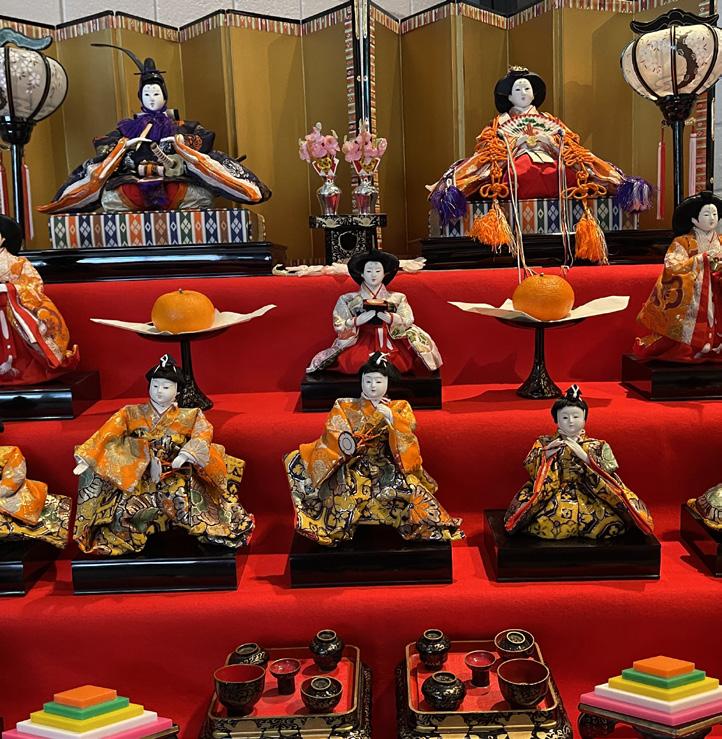
By the Edo period (1603–1868), the custom evolved into the elaborate displays many recognize today: ornate arrangements of hina dolls, often placed on a seventier stand with the Emperor and Empress at the top, honoring girls and offering prayers for their health and happiness.
Colorado’s Hina Matsuri Festival began in 1968, thanks in large part to Japanese-born Reverend Jonathan Fujita. His vision was to keep traditional Japanese culture vibrant for Japanese Americans while also inviting the broader community to learn, observe, and participate. Hosted at Simpson United Methodist Church, Hina Matsuri has been celebrated on the first
full weekend of March for more than five decades, offering what many consider a rare and meaningful cultural experience in the United States.
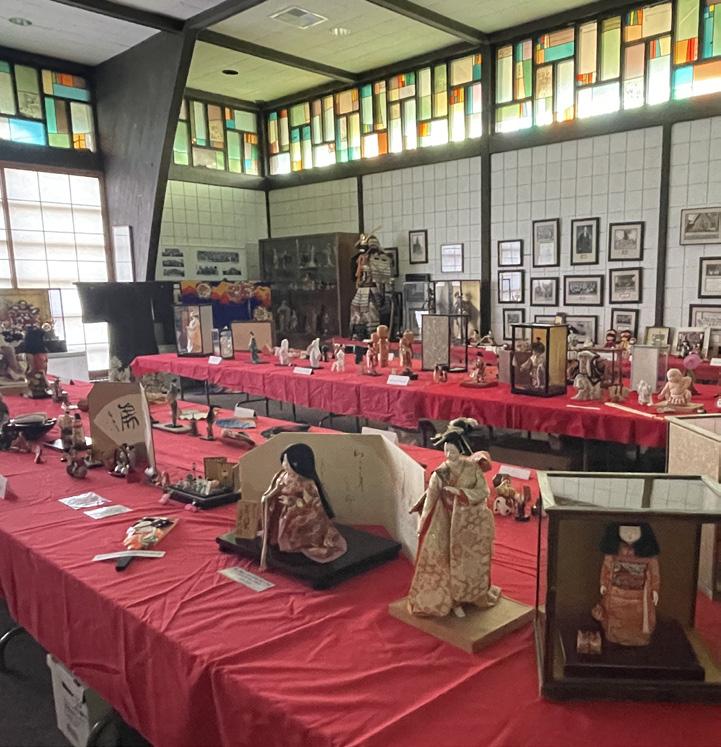
Hina Matsuri at Simpson is more than a doll display. Each year, Japanese and Japanese American groups from across Denver are invited to participate through music, dance, martial arts, ikebana (flower arranging), and the tea
dance) group as a junior high student in the late 1970s. She later joined the group herself and was eventually invited to serve on the Hina Matsuri committee.
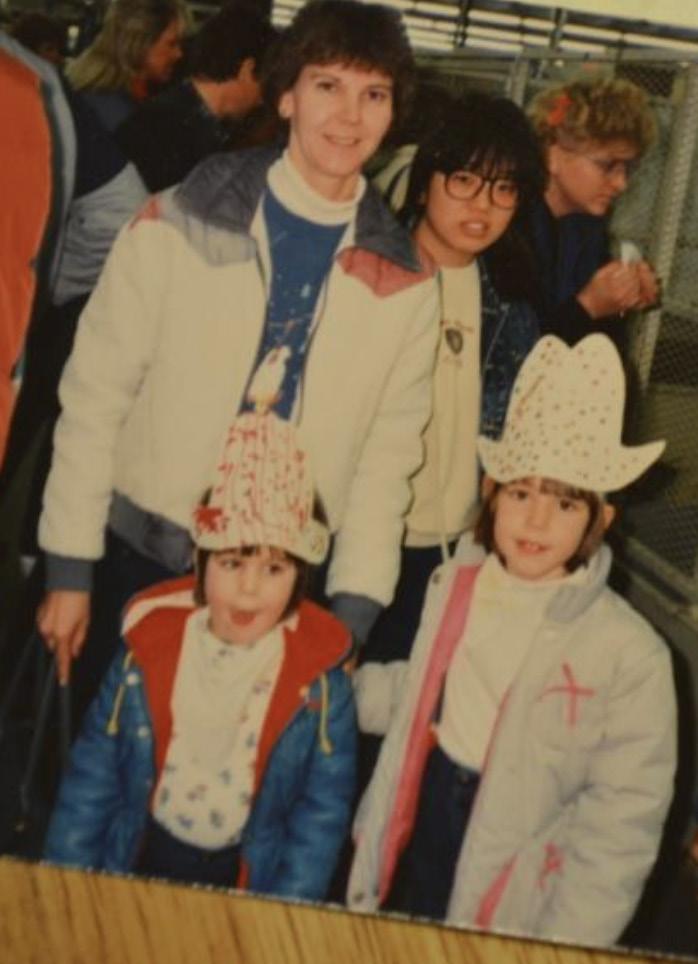
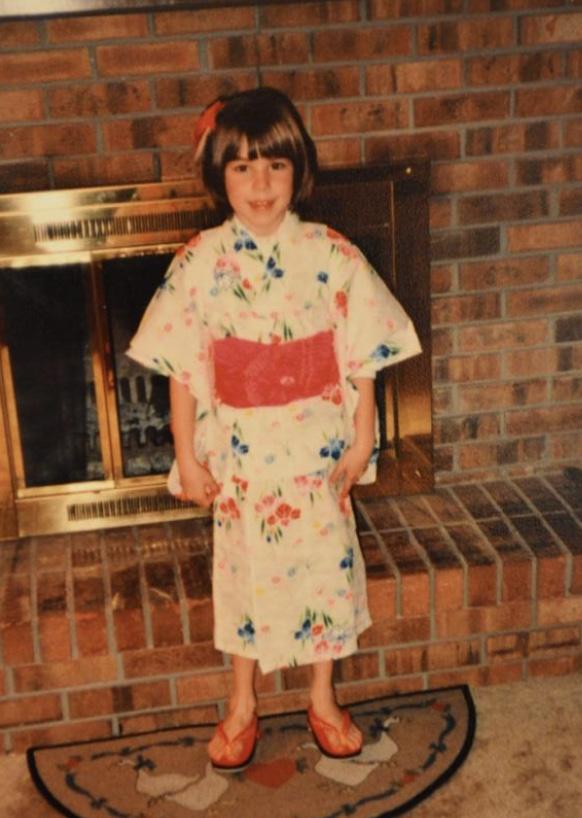
Over the years, my husband and I helped her set up her seven-tier doll display, along with other cherished dolls, as part of the festival preparations. Today, my mother, my daughter, and I all serve on the committee, alongside others who are deeply committed to keeping this tradition alive.
56th annual Hina Matsuri (Doll and Cultural Festival) | March 7 and 8, 2026 Free admission at Simpson United Methodist Church
ceremony. Together, these performances and demonstrations create a welcoming space for learning, celebration, and intergenerational connection.
My own family’s connection to Hina Matsuri began when my mother enrolled me in Simpson’s minyo (Japanese folk
With the continued support of Simpson United Methodist Church, the Denver Buddhist Temple, and Japanese American community partners, Hina Matsuri remains a living tradition—one that honors the past while welcoming new generations and the wider community to experience and celebrate Japanese culture.
This year’s festival will take place on March 7 and 8, from 11:30 a.m. to 4:00 p.m. at Simpson United Methodist Church at 6001 Wolff St, Arvada, CO 80003. Learn more at: www.simpsonumc.com.
Photos and Article by Karla Cornish
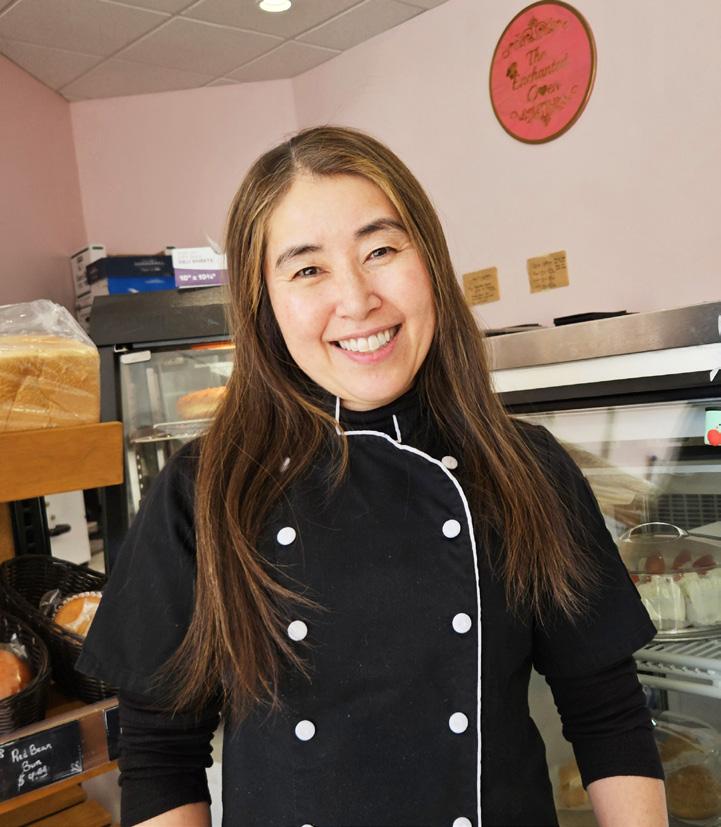
With a name like The Enchanted Oven, you know this bakery must bake fairy-tale love into its creations. For Valentine’s Day, you can expect heartshaped cookies and cakes from owner and baker Maki Stephens.
At her Broomfield bakery near Flatirons Mall—where she proudly honors her Japanese culture—she is also planning a special cake for the lovers’ celebration. She hopes it will inspire love around the world – dare we say “world peace?”
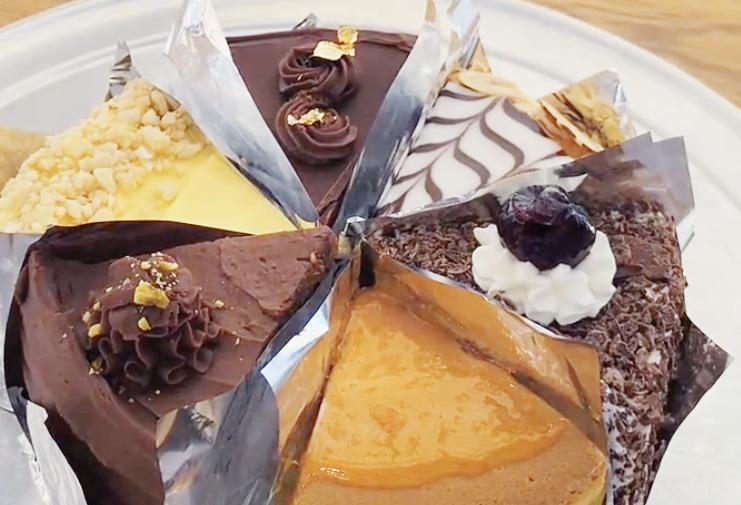
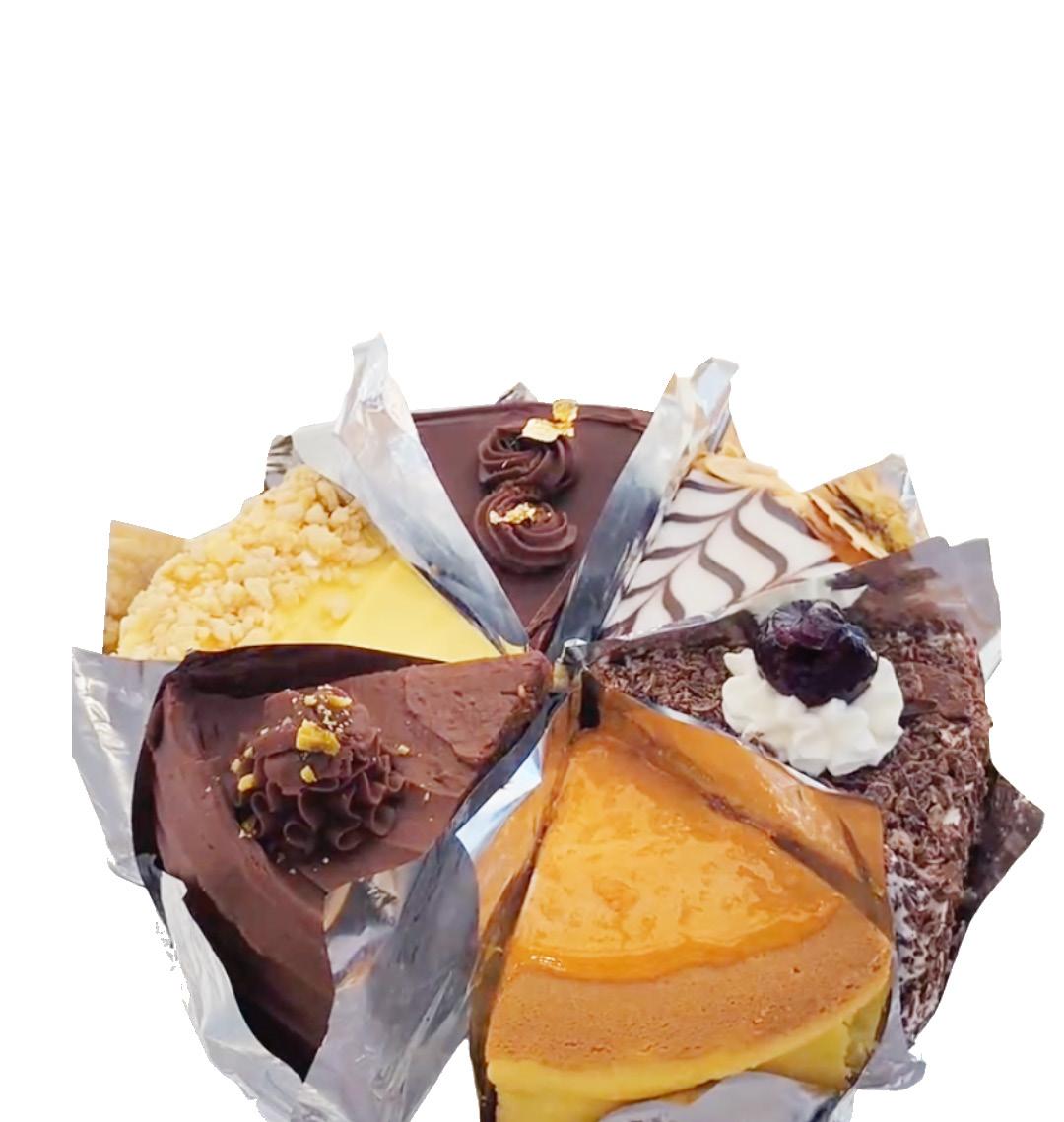
Her Valentine’s Day cake, which needs to be preordered, will be a showcase of cakes that represent six different countries.
“I’ve made many cakes, not just Japanese cakes,” she says, noting
One Cake, Six Countries: A Valentine’s Day Creation
Enchanted Oven Bakery
520 Zang St. Suite M Broomfield, CO 80021 303-537-4864
theenchantedoven.cafe
ing before she went with her gut. Along the way, she discovered cakes from around the world, which inspired her Valentine’s Day vision.
She’ll bake six cakes and cut them into six slices, then reassemble them into one global cake. The slices include Sans Rival (“without rival” in French), a cake from the Philippines that was one of the first unusual requests she baked, which is made with five layers of cashew meringue, each separated by rich French buttercream.
Other slices include Esterházy Torta from Hungary, Opera Cake from France, Dubai-style Chocolate from the UAE, Black Forest from Germany, and representing Stephens’ Japanese roots—a Jiggly Cheesecake with apricot glaze.
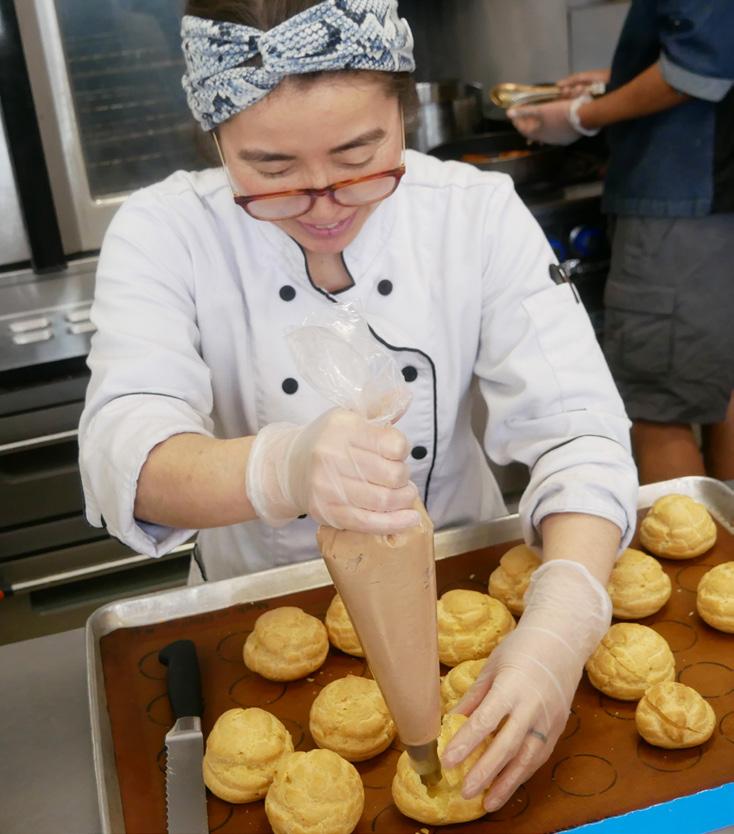
Stephens started making pastries and cakes because her daughter Elissa fell in love with cream pan, custard-filled pastries popular in Japan. It took trial and error before she succeeded, but once she got it down for “Eh-chan,” Elissa’s nickname, Stephens found herself baking for family and friends, and friends of friends. With her husband Rod’s support, she left her jobs translating English to Japanese and working as a gymnastics dance choreographer to open the bakery—named after
By Gil Asakawa
her daughter (“Eh-chan’s bakery,” get it?). In fact, The Enchanted Oven opened on Valentine’s Day in 2019.
She makes familiar baked goods including cakes, cookies, pastries and buns, but also serves up Japanese specialties, including Shokupan, or fluffy sweet Japanese milk bread that’s so essential to the magic in Japanese sandos, or sandwiches. And yes, she makes the popular egg salad sandwiches, tamago sandos, that 7-Eleven just started selling in Colorado (hers are better).
The Enchanted Oven also sells the Cream Pans that inspired Stephens’ baking, Hawaiian Butter Mochi cake, and Nikkuman, or hot pork buns. Beyond baked goods, their weekly emails promote a Bento Box special dish that customers can preorder and pick up. After Thanksgiving, Stephens took orders for Osechi Ryori, a boxed set of traditional Japanese dishes for Oshougatsu, or New Year’s, with symbolic foods for good luck, good health, prosperity and long life.
The Enchanted Oven reflects a commitment to Japanese culture, quality of food, and thoughtful service—values that are deeply ingrained in Maki Stephens’ heart. It’s a treasure of a shop, and her long-term goals for the bakery involve adding a separate area where she can teach small cooking classes. Sign us up!
New Roots, New Perspective: The Rewards of Hosting Internationally
By Jessica Moy
Have you ever thought about hosting an exchange student? There are so many benefits to having an international student stay in your home. This article shares a few of those rewards, along with some program options to help you get started.
A Childhood Shaped by the World
Growing up, my family hosted a total of seven exchange students for periods ranging from a couple of weeks to an entire year. Four were from Japan (as I was learning Japanese), two were from France (as my sister was learning French), and one was from Brazil.
Not only did they have a great experience learning American culture, but my family got to see the world through their eyes. I was only seven when we hosted our first student, and it was my first glimpse into life in a different country. I remember how many everyday things were brand new to them.
One host sister from Japan had never seen high schoolers wearing nail polish because it wasn’t allowed at her school. She also came from a household with an arranged marriage and found it fascinating that people here could choose who they wanted to date.
Another student had never seen snow and reacted like a little kid playing in a fresh snowfall. These moments taught me early on that people grow up with different perspectives—and that is a beautiful thing.
Passing the Tradition to the Next Generation
Now that I have a family of my own, I continue to see hosting as a beneficial experience for my children. Our first hosting experience together was with Colorado Asian Culture and Education Network’s (CACEN) American Cultural Study Tour and Exchange Program with students from Kunming, China. Two boys stayed with us for a few days, which was a perfect way to get my kids acclimated to having someone new in the house.
Since then, our home has been a revolving door of international friendship. We have hosted:
• An older Japanese gentleman through 4H International Exchange
• A Chinese teacher with a high school exchange program
• A Filipino woman with WorldDenver
• Currently, a Chinese student in his junior year of high school via ABC Hosting
Each time, my kids have embraced them as family. We’ve taken our guests to iconic Colorado spots like Red Rocks, Garden of the Gods, Carbondale, Crested Butte, and Telluride.
There is something magical about watching your children interact with an “international sibling” and hearing them ask innocent questions to learn about the world.
Connections
That Last a Lifetime
I have stayed in touch with almost every single one of our past exchange students and have had the opportunity to visit several of them multiple times. I consider them family in a different country and enjoy watching our families grow as we age. Having also participated in exchange programs to Japan when I was younger, I can say firsthand: these experiences are life-changing.
Open Your Home to the World
Are you ready to create lifelong memories and global connections? Hosting an exchange student is more than just providing a room; it’s about building a bridge between cultures.
How to get started:
• Research Programs: Explore organizations like WorldDenver, 4H International Exchange, Youth for Understanding, High School USA, or CACEN to find a program that fits your family’s lifestyle.
• Start Small: Consider a short-term hosting opportunity (a few days to a week) to see if it’s right for you.
• Learn More: Contact a local exchange coordinator to learn about students looking for a home in your area.
Reach out to Jessica via Facebook (fb.com/jessica.moy.731 ) for more information.
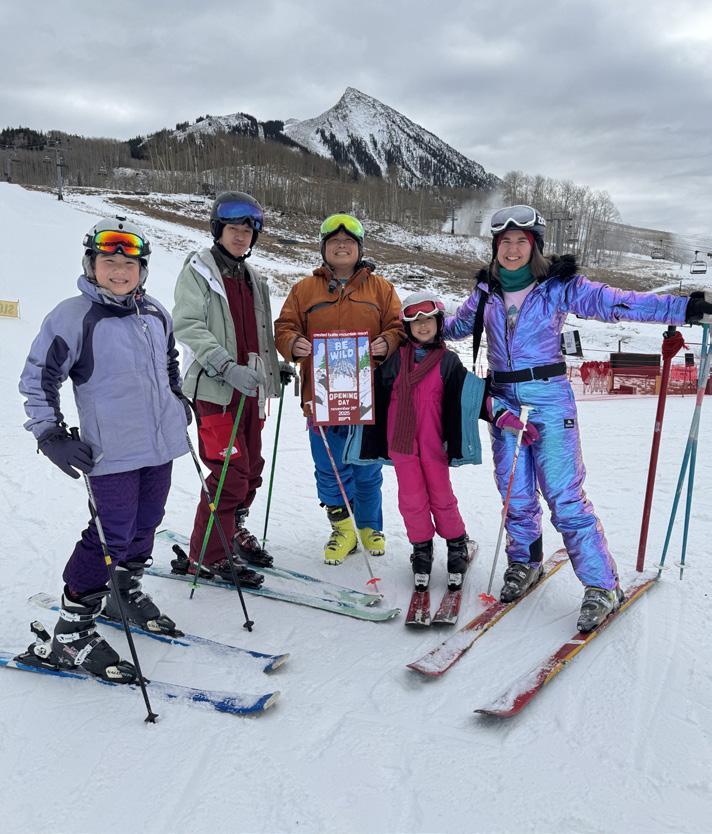
The Moy family skiing with their exchange student Charlie in Crested Butte
The Moy family hosted Joni from the Philippines
Charlie’s First Rodeo
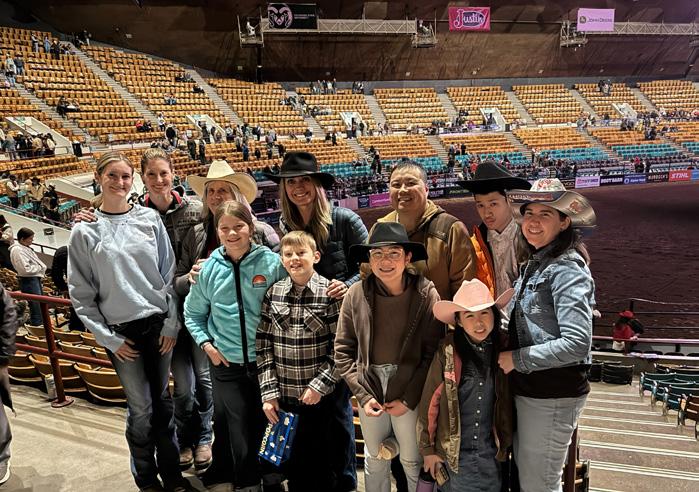
An annual tradition of our family is to go to the National Western Stock Show and Rodeo at the Denver Coliseum and this year was no exception.
Growing up in Colorado, I have been going since I was a child, and I was excited to share the experience once I had a family of my own. Even more exciting is sharing the experience with exchange students.
We typically go on Military Appreciation Night, since my husband is in the Air Force Reserves, so this year it was on Tuesday, January 20. After finding our way to the coliseum, we headed over to the Stock Show area where the kids love visiting the petting zoo. This year, it was downstairs from all of the vendors, and the kids got in the pen with animals such as goats, pigs, alpacas, and donkeys.
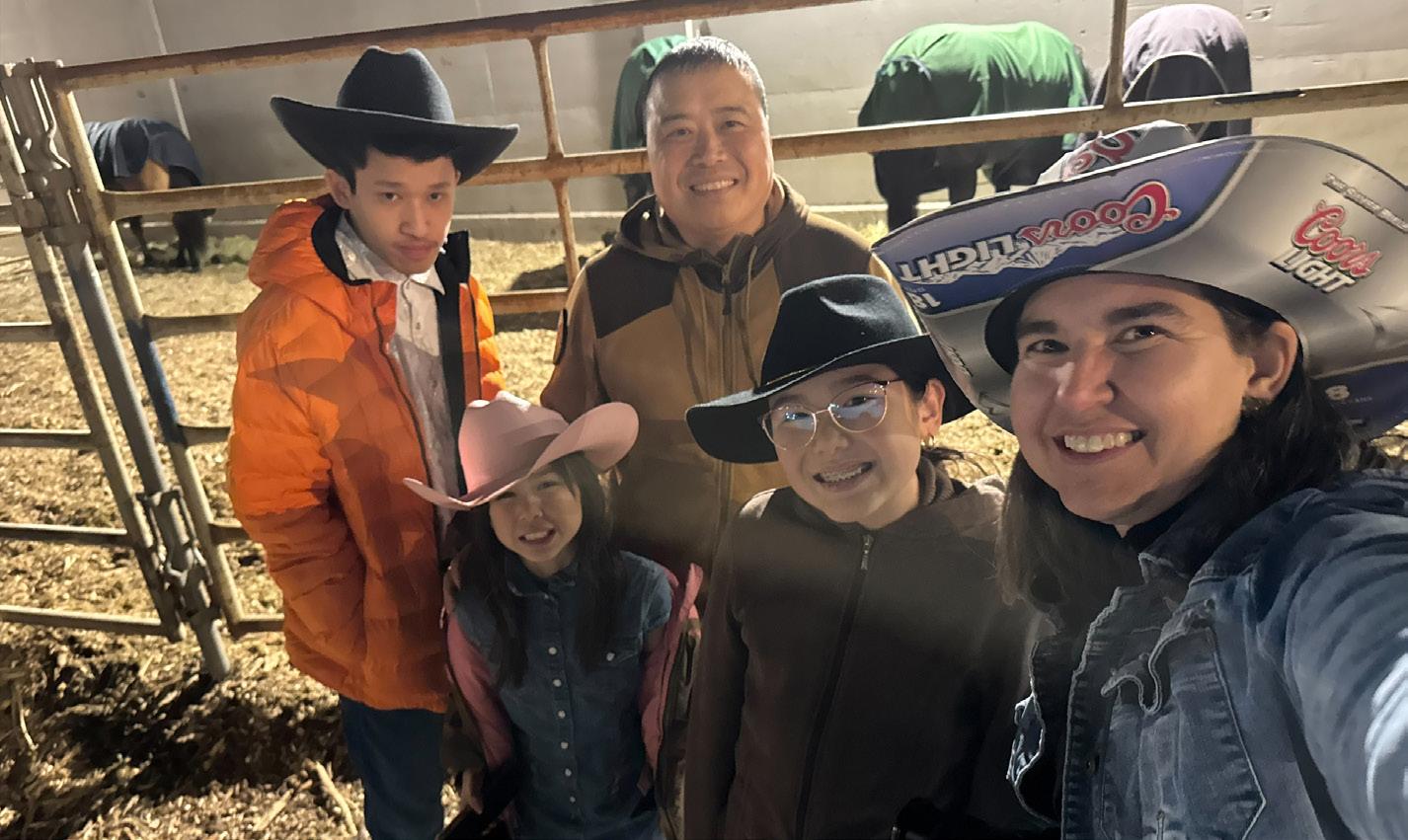
Our 9 and 13-year-olds have been going since they were little, and our 17-year-old Chinese exchange student, Charlie, experienced this for the first time. He has never seen many of these animals up close and personal, and he did his best to capture them on his camera amongst the wafts of hay and animal manure.
On Military Appreciation Night, members of the armed forces are
recognized and like all nights, the National Anthem is sung. The crowd reflected a classic Western scene—cowboy hats, jeans, boots, belt buckles—and a shared appreciation for the land and livestock. Though Charlie has lived in the U.S. for two years, it was his first rodeo, and he repeatedly thanked me for the experience.
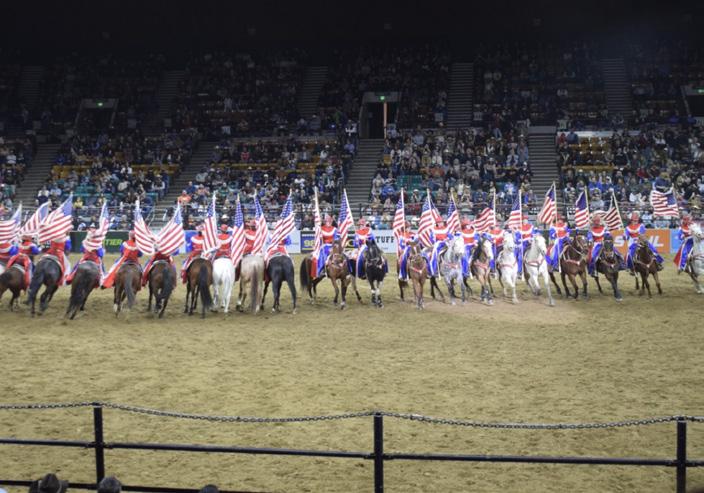
This year marked the 120th anniversary of the Denver Rodeo, where dusty grounds and century-old competitions set a distinctly Western vibe.
The show began with the American and Colorado flags, followed by Bareback riding, Steer Wrestling, and Tie-down Roping. It is quite eye opening to see the reaction of someone going to their first rodeo and seeing grown men jump on calves to try for the quickest time to tie up three of their legs.
One of my favorites is mutton busting. How did our culture ever think it was a good idea to have children grab onto sheep for dear life as the sheep run across the arena and the audience cheers to see which child can go the farthest?
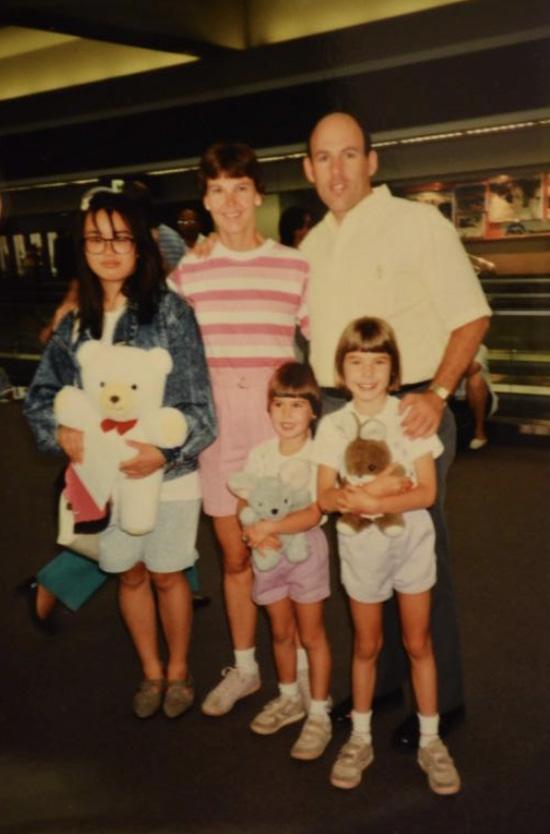
The evening wrapped with barrel racing and bull riding, and by 9:30 p.m., the kids were ready for bed on a school night. Growing up, Jessica’s family hosted
Friday: Spiritual Roots and Architectural Wonders
Start your journey in the heart of downtown. Santa Fe’s history is best told through its preservation of faith and architecture.
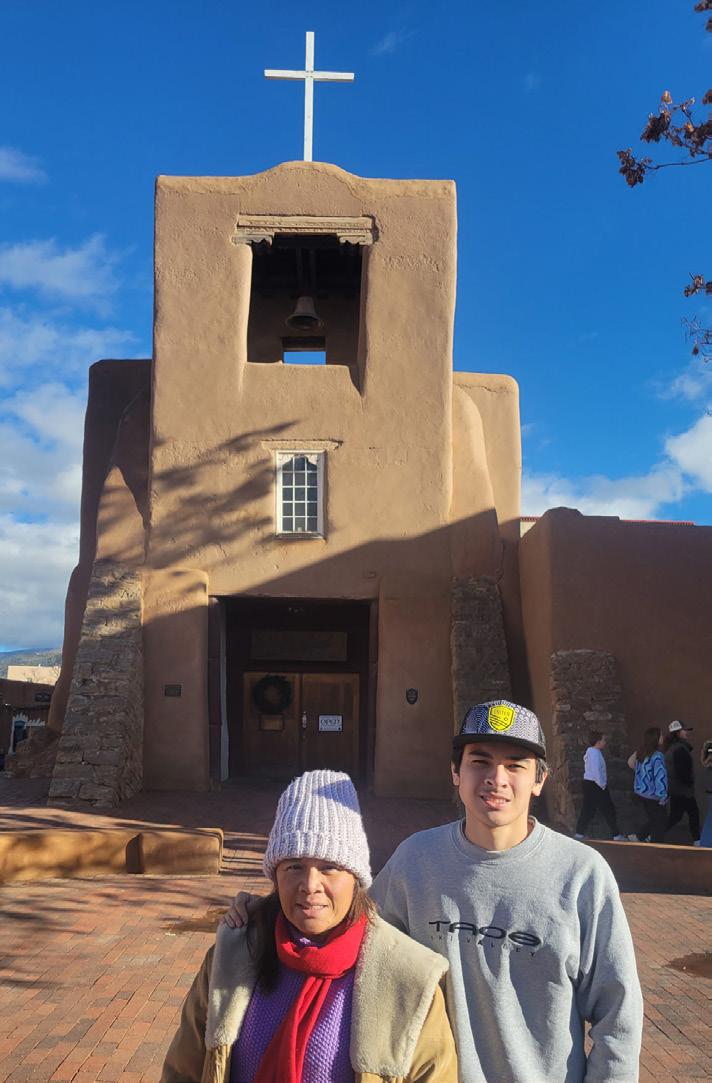
• San Miguel Chapel: Step inside the oldest church in the United States. Built in the early 1600s, its thick adobe walls and original wooden vigas offer a cool, quiet sanctuary from the high-
A SoulfulSanta Fe Escape
By Mary Jeneverre Schultz
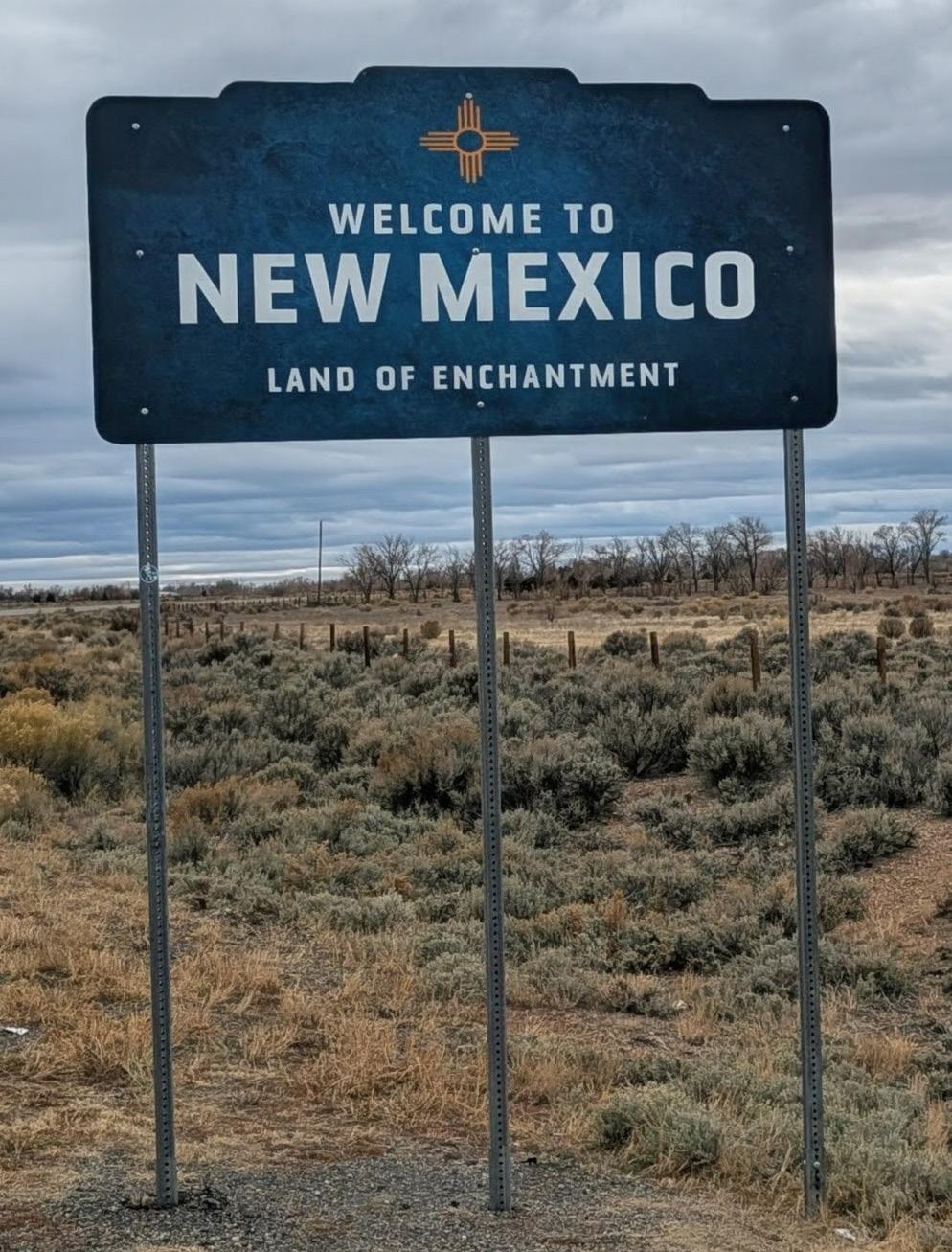
There’s something magical about Santa Fe, New Mexico—where the desert sun casts a golden glow on adobe walls, history hums through every chapel and plaza, and art pops up around every corner.
With less than a six-hour drive, you can wander through centuriesold churches, get lost in mind-bending immersive exhibits, sip craft beers in sunny gardens, and savor flavors that taste like home and adventure all at once. Whether you’re chasing history, creativity, or a little bit of soul-searching, Santa Fe makes a perfect spot for a weekend getaway.
desert sun.
• The Oldest House Museum: Just across from the chapel, visit what is believed to be the oldest residence in the U.S. (circa 1646). The low ceilings and earthen floors are a testament to New Mexico’s deep-rooted Pueblo and Spanish history.
• Loretto Chapel: A short walk brings you to this Gothic-style gem. It is home to the “Miraculous Staircase,” a spiral wood structure with two 360-degree turns and no visible means of support. Legend says a mysterious carpenter (St. Joseph) appeared and built it without using a single nail. The legend allures Catholics, history buffs and anyone fascinated with western/Indian type stories.
Saturday: Immersive Art and Modern Hops
Saturday is about shifting from the ancient to the avant-garde.
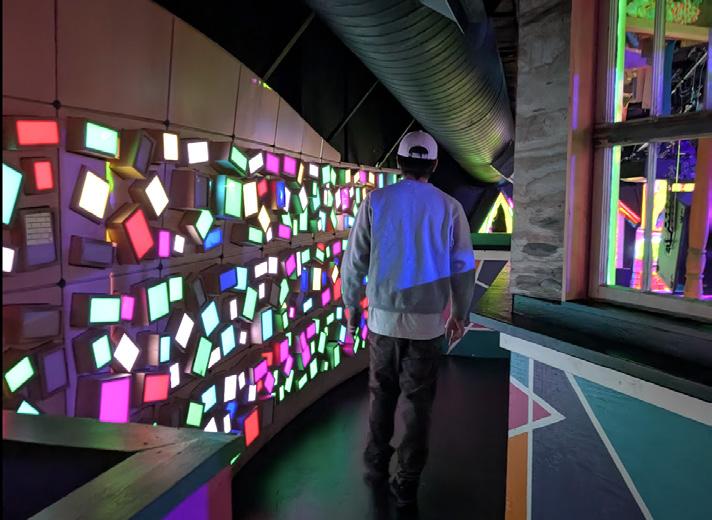
• Meow Wolf: House of Eternal Return: Spend your morning in the OG of immersive art. This 20,000-squarefoot facility invites you to crawl through fireplaces and step into refrigerators that lead to neon dimensions. It is a collaborative masterpiece that perfectly aligns
with Asian Avenue’s focus on creative community.
• Art of Holding Space Brewery (Keeping Together): Located in a beautifully repurposed greenhouse, this brewery (founded by Master Cicerone Averie Swanson) is a “beverage garden.” It focuses on farmhouse-style beers and seasonal, locally foraged ingredients, offering a meditative atmosphere to discuss the morning’s art.
• Tomasita’s & Nuckolls Brewing Co.: For dinner, head to the Railyard District. Tomasita’s is a local legend for Northern New Mexican cuisine (don’t skip the sopaipillas with honey). Instead of chips and salsa, the sopaipillas are served at the end of the meal. Afterward, walk over to Nuckolls Brewing, a historic 1920s warehouse turned brewery with a beer garden and views of the passing trains.
San Miguel Chapel is the oldest church in the US.
Meow Wolf: House of Eternal Return
Sunday: Pilgrimage and Reflection
Before heading home, take a short drive north into the scenic High Road to Taos.
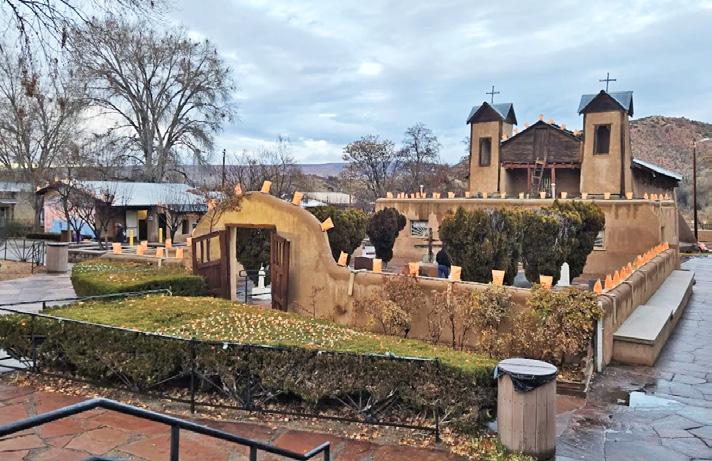
• El Santuario de Chimayo: Known as the “Lourdes of America,” this tiny adobe church is famous for its “holy dirt,” believed by many to have healing properties. The walls of the pocito (small pit) are lined with discarded crutches and letters of thanks, offering a moving look at the region’s enduring spiritual devotion.
Start planning your Southwestern escape at www.santafe.org and discover why Santa Fe remains a timeless sanctuary for the soul.
Asian Gems in Santa Fe
While Santa Fe is famous for its Red and Green chile, the city’s AAPI community has cultivated a sophisticated and soulful dining scene that blends traditional flavors with high-desert charm.
1. Izanami at Ten Thousand Waves
Nestled in the foothills on the way to the ski basin, Izanami is an upscale Japanese izakaya. It is widely considered one of the best dining experiences in the state.
The Vibe: Minimalist, serene, and elegant. You can dine on floor cushions (tatami style) or at traditional tables.
The Dish: Their 35-day dry-aged Wagyu beef and an extensive premium sake list (the largest in North America).
Pro Tip: Make a reservation at the “Waves” spa for a soak before dinner.
2. Lotus Dumpling House
Located in a cozy spot located on 2nd Street, this family-owned gem specializes in authentic Northern Chinese comfort food.
The Vibe: Casual, warm, and communityfocused.
The Dish: Handcrafted Rainbow Dumplings and their juicy soup dumplings.
3. Saigon Café
A local staple for over two decades, Saigon Café offers reliable, traditional Vietnamese fare that hits the spot on a chilly Santa Fe evening.
The Vibe: No-frills, friendly, and efficient.
The Dish: Their signature Pho or the Crispy Spring Rolls. It’s a favorite for locals looking for a quick, healthy lunch near the downtown area.
Saturday, February 14, 2026 Empress Seafood Restaurant 2825 W. Alameda Ave., Denver
● 4:30 pm – Cash Bar/Auction
● 5:30 pm – Lion Dance
● 6:00 pm – Banquet
Ticket Prices
● DSCI Member: $70
● Non-Member: $75
● Ages 10 & Under: $35
● Student with ID: $50
Contact Information kunming@denversistercities.org or 303-755-9706
QR Code or Register Here
El Santuario de Chimayo
Taiwanese Chamber of Commerce seminar at Governor’s Mansion draws significant interest as Giant Group announces headquarters relocation to Colorado
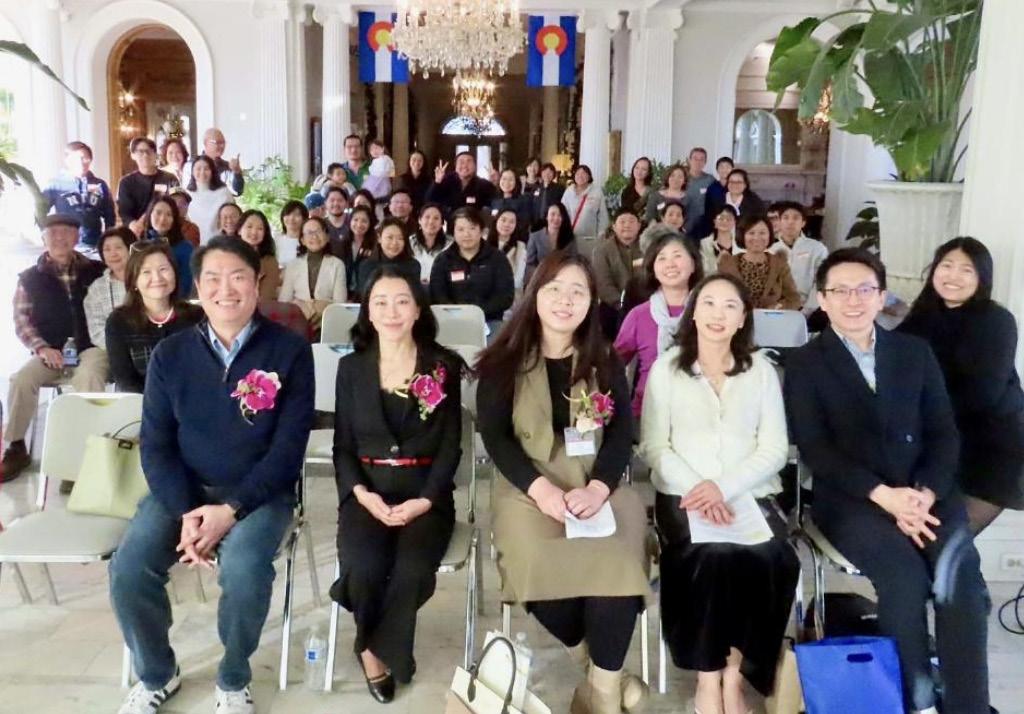
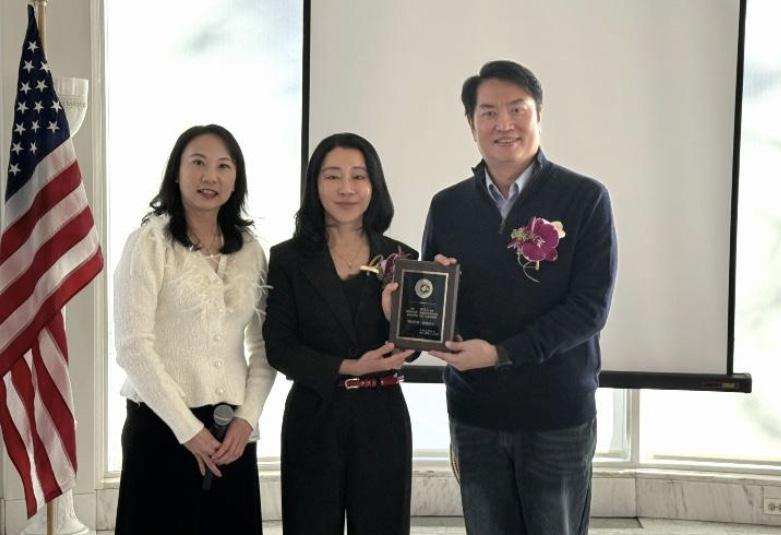
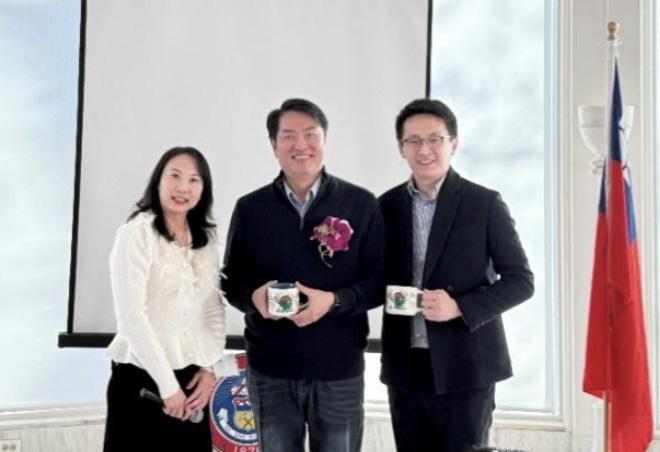
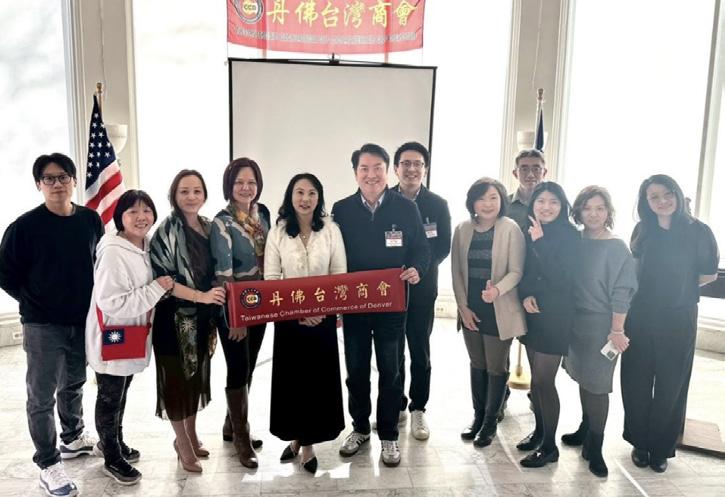
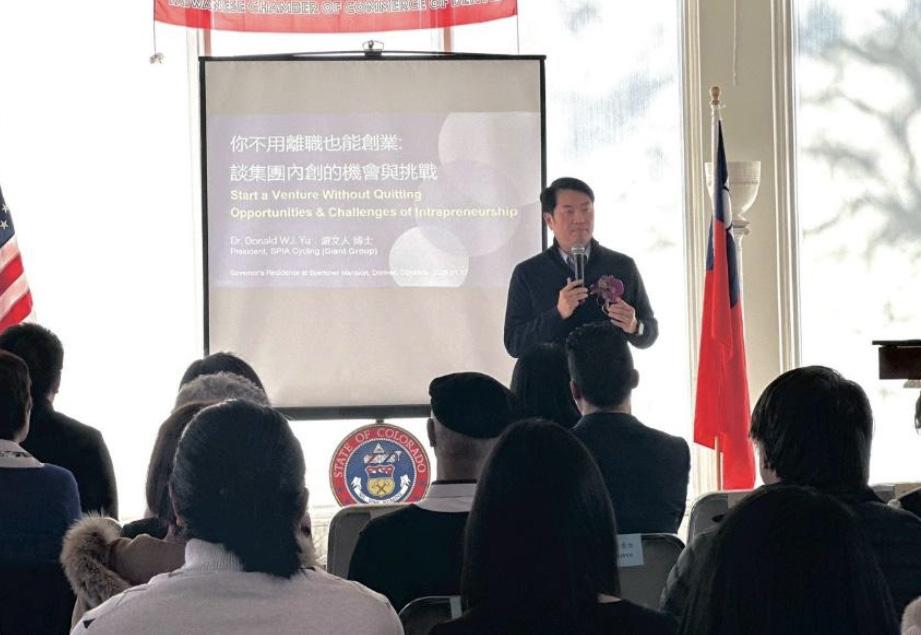
On January 17, 2026, the Taiwanese Chamber of Commerce of Denver (TCCD) hosted a keynote lecture, “You Don’t Have to Quit Your Job to Become an Entrepreneur: Opportunities and Challenges of Intrapreneurship,” at the Colorado Governor’s Residence. The event featured Dr. Donald Yu, former Chief Strategy Officer and Chief of Staff of the GIANT Group and current President of SPIA Cycling Inc., a GIANT Group subsidiary. More than 80 members and guests attended.
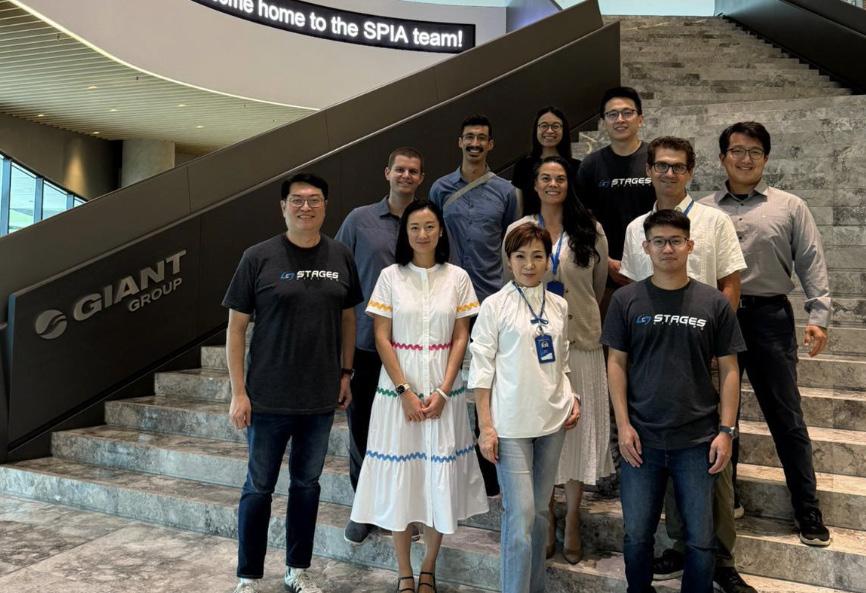
During the event, Dr. Yu announced that the GIANT Group has decided to relocate its North American headquarters from California to Colorado—an important milestone in the company’s strategy to deepen its presence in the North American market. The announcement generated strong interest among attendees and underscored the GIANT Group’s confidence in Colorado’s innovative industrial ecosystem and long-term investment potential.
Dr. Yu delivered an in-depth analysis of intrapreneurship in practice. He explained how organizations can cultivate innovation within existing structures, enabling professionals to launch and grow new ventures without leaving their organizations— creating mutual value for both companies and individuals.
Dr. Yu’s perspective is shaped by a multidisciplinary academic background spanning engineering,
management, and law. He studied Electronic Engineering at National United University, and earned a Ph.D. in Management from National Chengchi University. He also holds a doctoral degree from China University of Political Science and Law.
The program also welcomed Director General Debby Huang of the Taipei Economic and Cultural Office in Denver, who shared insights on Taiwan–Colorado economic ties. She highlighted the progress in trade, industrial collaboration, and talent exchange, reaffirming the enduring partnership between Taiwan and Colorado and expressing optimism for further cooperation.
TCCD President Mrs. Cher Chan emphasized the significance of hosting the lecture at the Governor’s Residence, a venue rich in historical and civic importance. She noted the Chamber’s commitment to leveraging this distinguished setting to further strengthen connections between Taiwanese and Colorado enterprises across innovation, industry, and community engagement—underscoring the long-term value and shared vision of Taiwan–U.S. cooperation.
TCCD was selected as the platform for the first public announcement of the GIANT Group’s strategic expansion in Colorado. The milestone highlighted the Chamber’s role in fostering international business exchange and strengthening Taiwan–U.S. industrial connections.
Learn more about the Chamber at tccdenver.org.
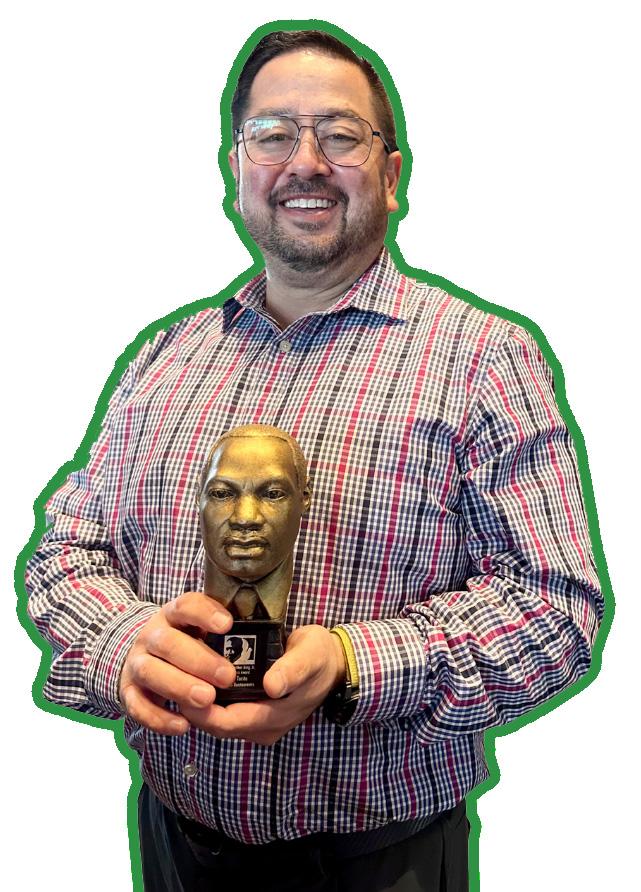
Kokoro Restaurants, a longtime Denver-area favorite, has been honored with the Martin Luther King Jr. Business Award, recognizing businesses that exemplify Dr. King’s legacy of equity, service, and community impact. District manager Masaru Torito accepted the honor on behalf of Kokoro.
According to their nominator Asian Chamber of Commerce Colorado President Fran Campbell, “Kokoro Restaurant and Masaru Torito embody the ideal recipient of this award.”
Presented to organizations whose work extends beyond traditional business practices, the award celebrates leadership that promotes equal opportunity, goodwill, and meaningful community engagement. For Kokoro, this recognition reflects 40 years of people-first values rooted in heritage, compassion, and service.
“The recognition is honestly not the easiest to receive,” Masaru shared. “Often the work we do feels like just a drop in the bucket when so much need exists. But it feels good to be acknowledged for
Kokoro Restaurants Recognized for 40 Years of Heart, Service, and Community
the efforts we are making.”
Founded in 1986 by Masaru’s parents, Kokoro is a multi-generational family business built on care as much as cuisine. Masaru, who grew up alongside the restaurant, took over operations with a commitment to preserving both its quality and its values. The restaurant’s name — kokoro, meaning “heart” or “spirit” in Japanese — serves as a guiding principle.
“My parents are both immigrants: my mother is from Panama and my father is from Japan,” Masaru said. “And our staff has always expressed that diversity. Seeing the giving and caring nature of my parents and our Kokoro family helped instill our values. Kokoro means ‘heart/spirit,’ and that value must align with every decision we make.”
That philosophy is reflected in Kokoro’s exceptional employee retention, with some staff members having worked there since opening day and even second-generation employees now on the team. Masaru prioritizes fair wages, stable hours, and dignity in an industry
often marked by instability.
Campbell shares that Kokoro’s community impact extends far beyond its restaurants. In May 2023, when hundreds of newly arrived migrants gathered unexpectedly at the Auraria Campus, Masaru personally delivered carloads of Kokoro meals to those in need. The restaurant also regularly supports food banks, schools, cultural institutions, and Asian American organizations across Colorado.
“Community is why we are still here,” Masaru said. “Having been open for 40 years, we’ve seen and been through so much together — from Reagan’s atonement speech in 1988, to 9/11, COVID, and many social issues. Our community has remained loyal and connected with us. Community is why we are in business.”
As Kokoro celebrates its 40th anniversary this year, the MLK Business Award stands as a powerful acknowledgment of a business that measures success by impact, not profit.
“I would like to give a big Domo Arigato to our staff and our customers,” Masaru added. “Come see us and share your stories and memories from visiting over the years. We love hearing them.”
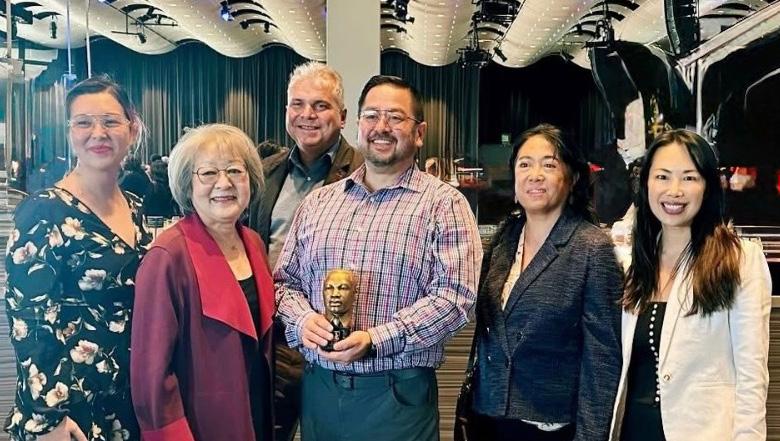
Asian Chamber of Commerce staff and board members celebrate Masaru Torito at the 41st annual Martin Luther King Jr. Business Awards Luncheon on January 15, 2026. From left: Alyssa Nilemo, Peggy Moore, Joe Sinisi, Masaru Torito, Fran Campbell, and Lulu Lantzy.
Masaru Torito receives the Martin Luther King Jr. Business Award on behalf of Kokoro Restaurants