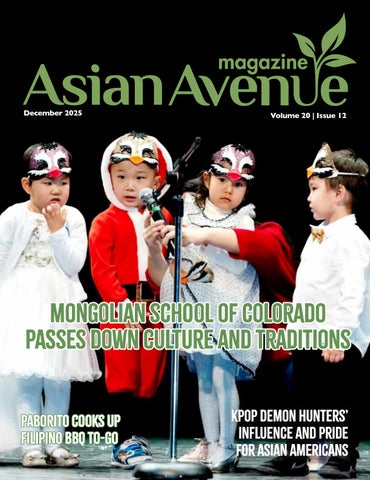
Mongolian school of colorado passes down culture and traditions
KPop Demon Hunters’ influence and pride for asian americans Paborito cooks up filipino bbq to-go
Get outside and make some memories!
Glide around the rink, sled on REAL SNOW, sip hot cocoa by a toasty fire and so much more.
Open now – February 16
Media Sponsor
ASIAN AVENUE - PRESIDENT’S NOTE
Annie Guo VanDan, President Asian Avenue magazine
Connect with us! hello@asianavemag.com @asianavemag
Save the Date for 2026! Join us for a 20th anniversary party on Saturday, July 11, 2026, 11am to 2pm, at the Social Fabric Hub in Englewood, CO!
As we wrap up the year, I want to extend a heartfelt thank you to our readers and community. This month, we highlight the Mongolian School of Colorado, a vibrant space preserving language, culture, and belonging for Mongolian families across the state. In a year when so many immigrant families have spoken about the impact of social isolation and generational distance, the school’s work feels more vital than ever.
We also explore the cultural ripple effect of KPOP Demon Hunters, a movie that continues to spark global fandom. From cosplay creativity to representation on the big screen, it has brought immense pride for Korean and Asian Americans. For our food lovers, we shine a spotlight on Paborito, a Filipino takeout restaurant serving up dishes that are rooted in tradition. It’s a reminder that food is often the most delicious doorway into culture.
As the holidays approach, we know this season can be joyful, stressful, or a complicated mix of both. Our wellness column written by Dr. Amy King shares thoughtful guidance for anyone needing a bit of support.
As we prepare for 2026, I’m excited to share that Asian Avenue Magazine will be celebrating its 20th anniversary—a milestone made possible by your ongoing support. I want to express my heartfelt gratitude. Every month, every issue, and every story reminds me why this work matters. You are the fabric of this magazine. And we look forward to reminiscing on 20 years with you!
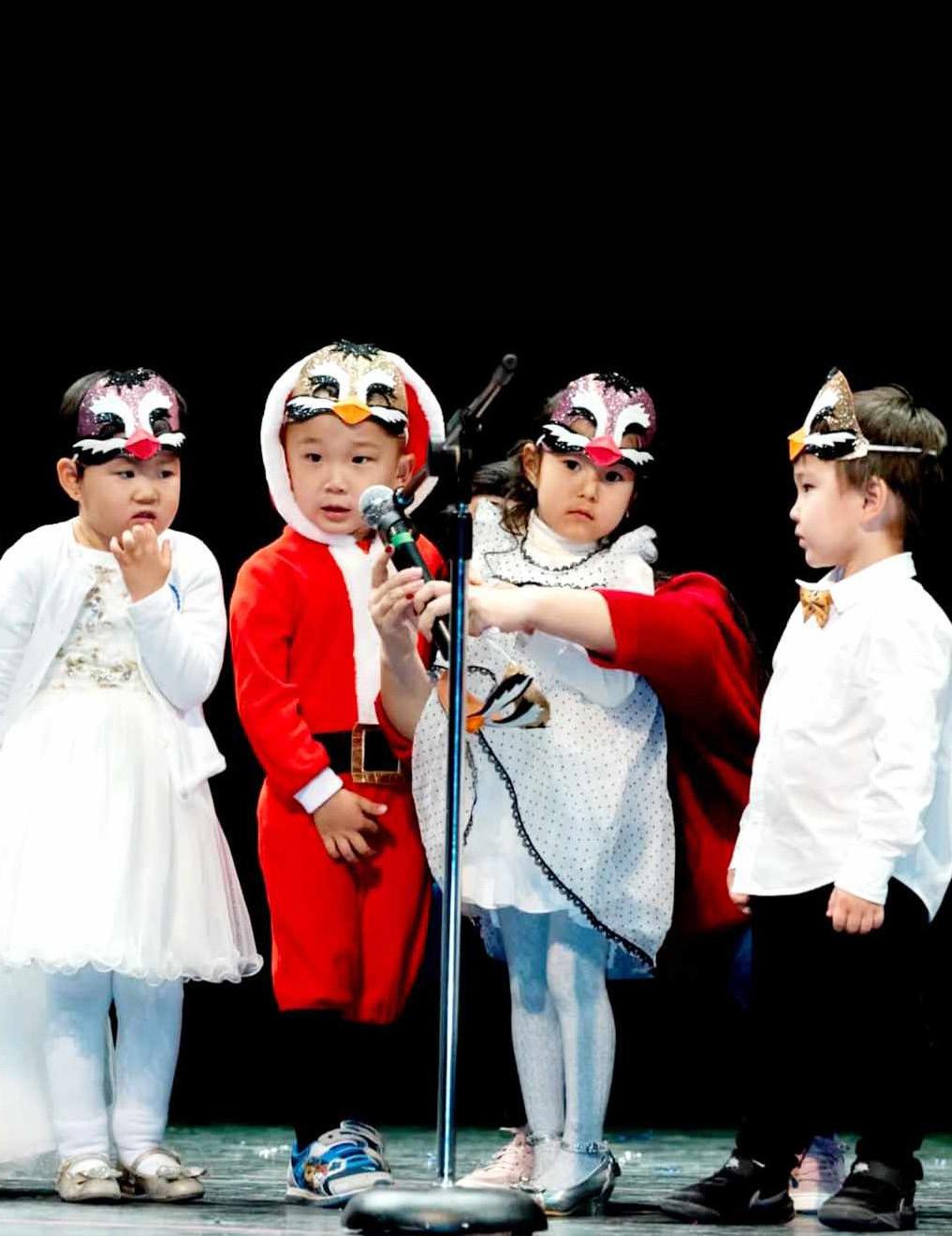
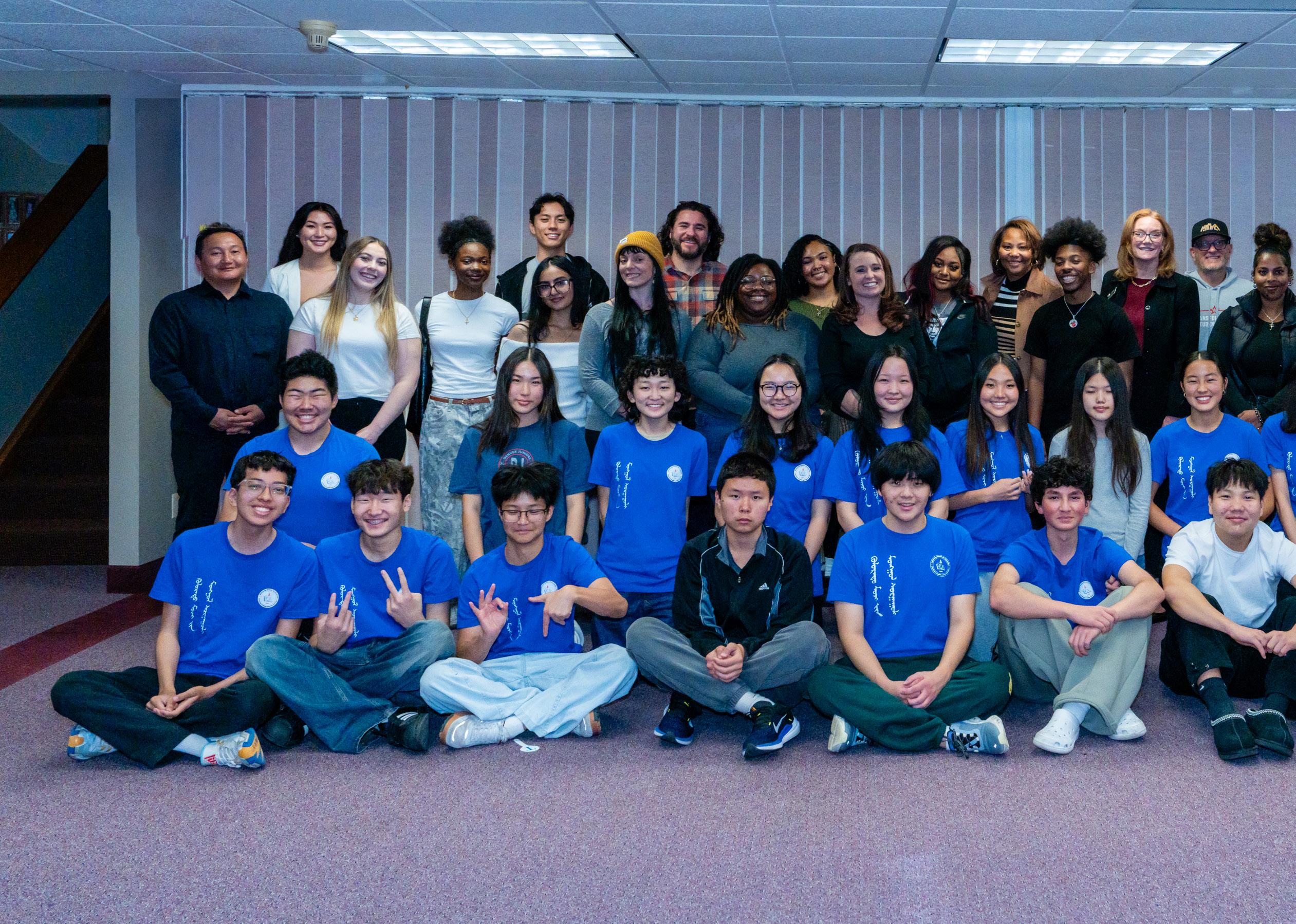
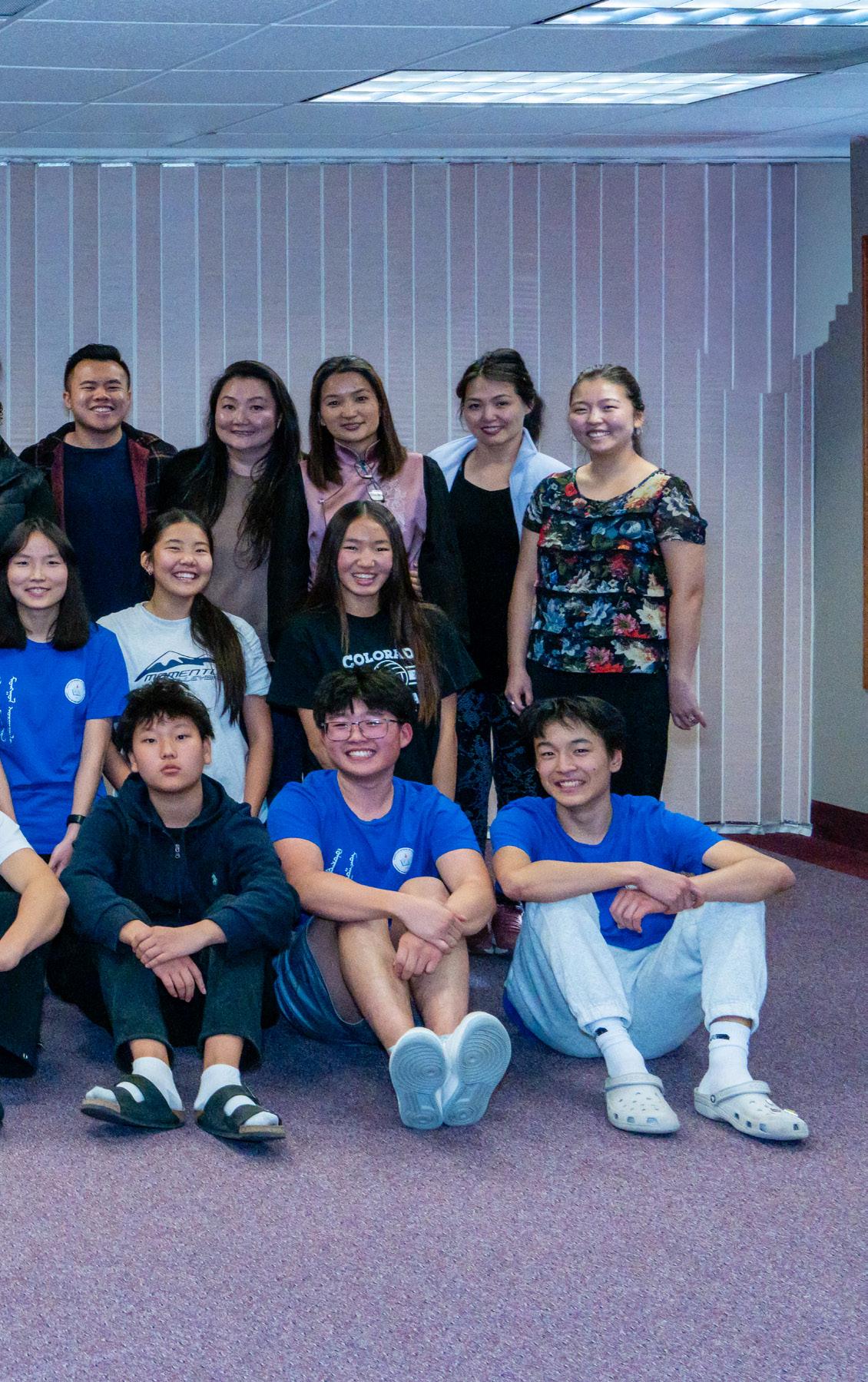
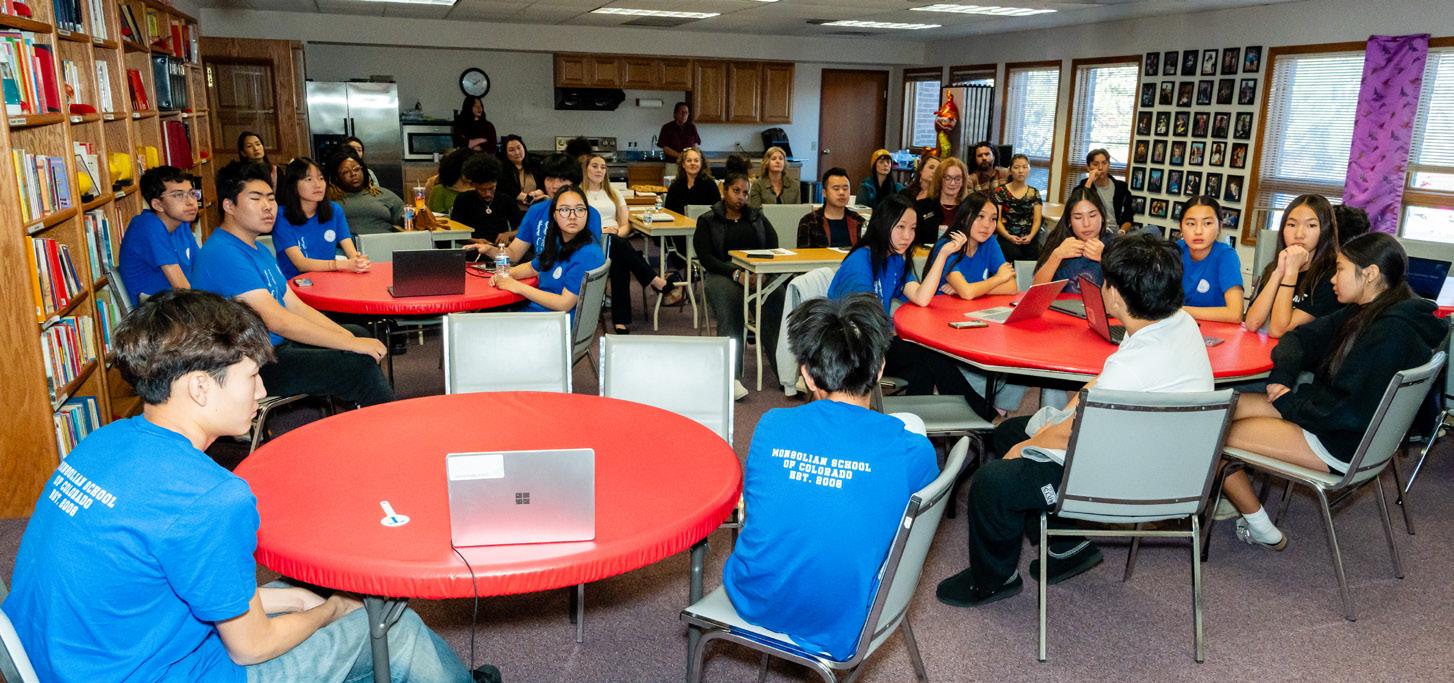
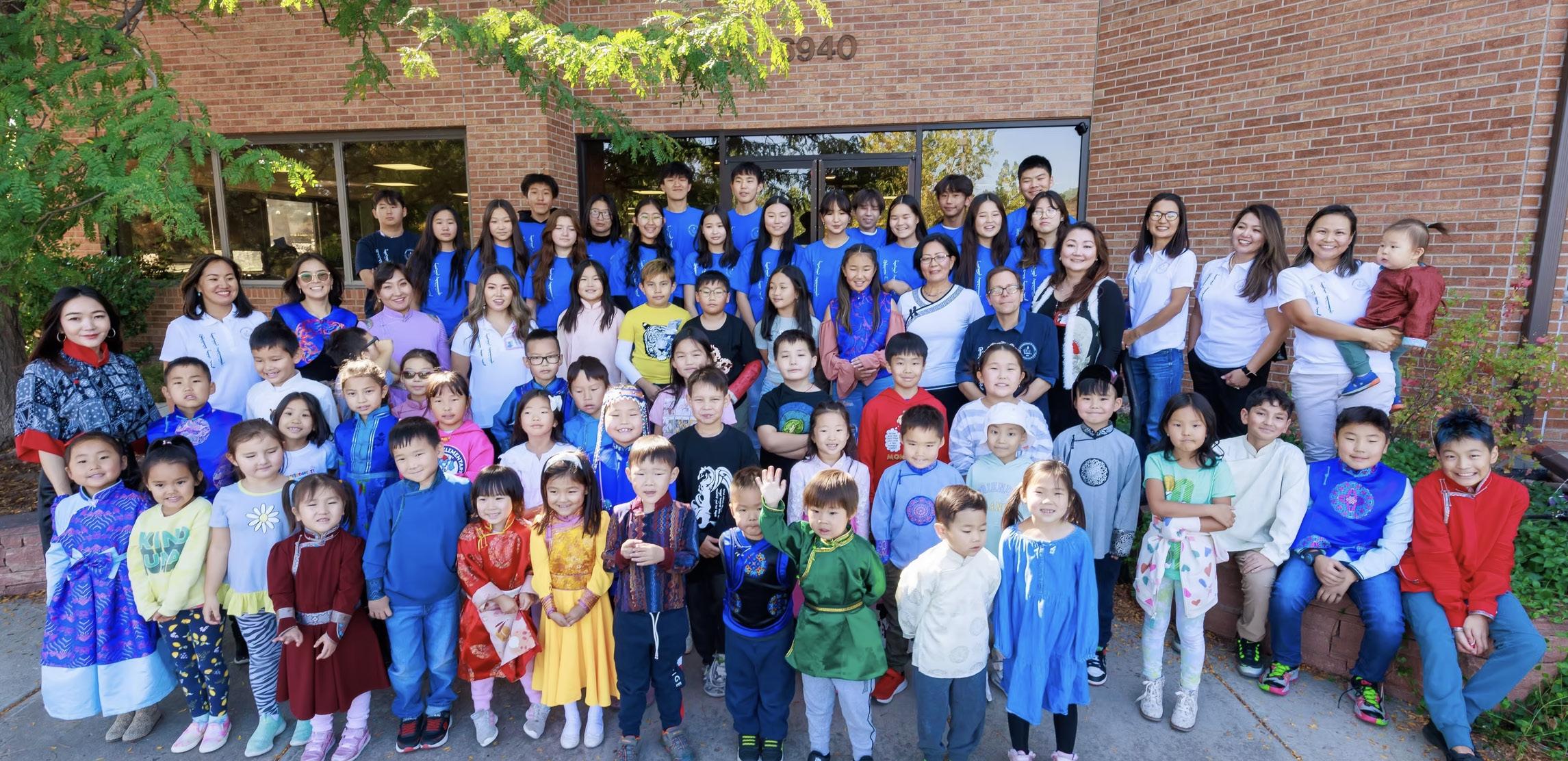
on the cover Mongolian School of Colorado located in Centennial, Colo. was founded in 2006 to teach and preserve Mongolian language, culture, history and traditions.
Asian Avenue magazine (ISSN 1932-1449) reserves all copyrights to this issue. No parts of this edition can be reproduced in any manner without written permission. The views expressed in articles are the authors’ and not necessarily those of Asian Avenue magazine
We are hiring for an account manager! Learn more at: tinyurl.com/asianave-job
Looking to promote your business? Asian Avenue magazine offers businesses a costeffective way to reach consumers in the Denver/Boulder metro areas and beyond. For more information, call 303.937.6888 or e-mail us at hello@asianavemag.com for our media kit and ad rates. Send story ideas to hello@asianavemag.com.
Avenue magazine is in association with the Colorado Asian Culture and Education Network.
Ask Dr. Amy
Dear Dr. Amy,
I’m nervous about gathering for the holidays - it’s always great to see family and cousins, but I just know they will be asking probing, personal questions that I really don’t want to talk about. It feels like a comparison game about who’s more successful, who’s further along in life…and I just leave feeling bad about myself. How can I prepare to enjoy the holidays with my family?
- Already dreading it
Feeling anxious before a family gathering is more common than you might think. When conversations drift into comparison or prying questions, it makes it hard to enjoy the parts of the holidays that should feel warm and grounding. Here are a ways to prepare and protect your peace:
2 1 3 4
Plan your boundaries ahead of time.
Think of one or two phrases you can lean on if questions get too personal. For example: “I’m focusing on enjoying time together today — let’s talk about something lighterm,” or “thanks for asking, but I’m keeping that private for now.” Saying it with a calm tone and a small smile can help close the topic without escalating things.
Shift the conversation intentionally.
Have a few neutral topics ready: a show you liked, something interesting you learned, travel plans, a funny story. Redirecting is a skill, not avoidance.
Ground in your values, not the comparison game
Their definition of success doesn’t have to be yours. Before the gathering, remind yourself what you’re proud of — even if it isn’t flashy or career-related. Growth, rest, healing, creativity, being a good friend or parent — these matter.
Take breaks.
If you start feeling overwhelmed, step outside, get a drink, offer help in the kitchen, or go play with younger cousins. Rest isn’t rude.
5
Identify who feels safe.
Plan moments with the relatives or family friends who energize you. Even one validating interaction can shift the whole day.
6
Set an exit strategy if needed.
Inform the host ahead of time that you need to leave early or follow up with a “thank you for having me.” It’s okay to leave early or shorten your visit.
You can enjoy the holidays more when you show up guided by your own boundaries and self-worth instead of someone else’s scoreboard. You deserve to feel at ease this season.
Dr. Amy King is a clinical psychologist and founder of InnerWoven Therapy, a Colorado-based group practice specializing in Asian mental health.
In this column she answers your mental health questions—readers are invited to submit their own for future features. Scan the QR code or visit: innerwoventherapy.com/askdramy
Secondhand Style: Finding Holiday Heirlooms in Aurora
By Mary Jeneverre Schultz | Photos by Hao Hoang
The holiday season is traditionally a time for giving, a dazzling spectacle of new purchases, flashing lights, and full shopping bags. But this year, many Asian American families in the Denver Metro area are looking beyond the mall for their perfect gifts. They are turning towards resale stores, antique shops, and consignment boutiques, not just to save money, but to embrace a deeper, more sustainable philosophy that resonates with community values: finding unique treasures that carry a story.
This shift is not a passing trend; it reflects a growing desire for emotional value and sustainability in gifting. Instead of mass-produced items, shoppers are seeking out “forever gifts”—pieces with character, history, and a lower environmental footprint.
The Treasure Trove of Heirlooms Antique Mall
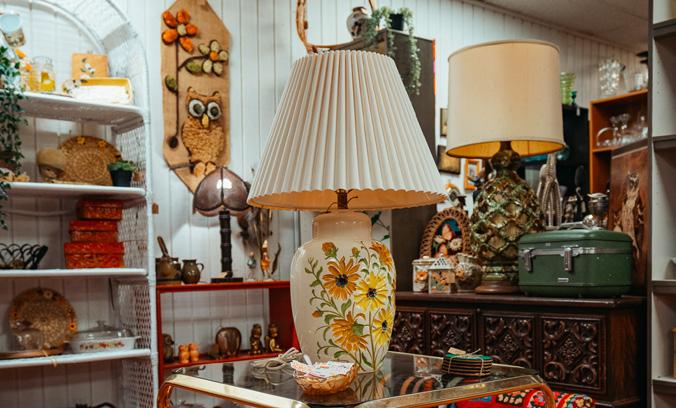
Nestled in Aurora, a community rich in Asian American culture, Heirlooms Antique Mall serves as a perfect example of this holiday shopping revolution. This expansive, two-level paradise—often lauded as one of the best antique destinations in the Denver area—is a maze of history and potential. With more than 65 vendors, it’s a far cry from a typical thrift store; it’s a curator of memories, offering everything from vintage jadeite and mid-century modern furniture to rare coins and, crucially for holiday shoppers, unique vintage jewelry and cultural artifacts.
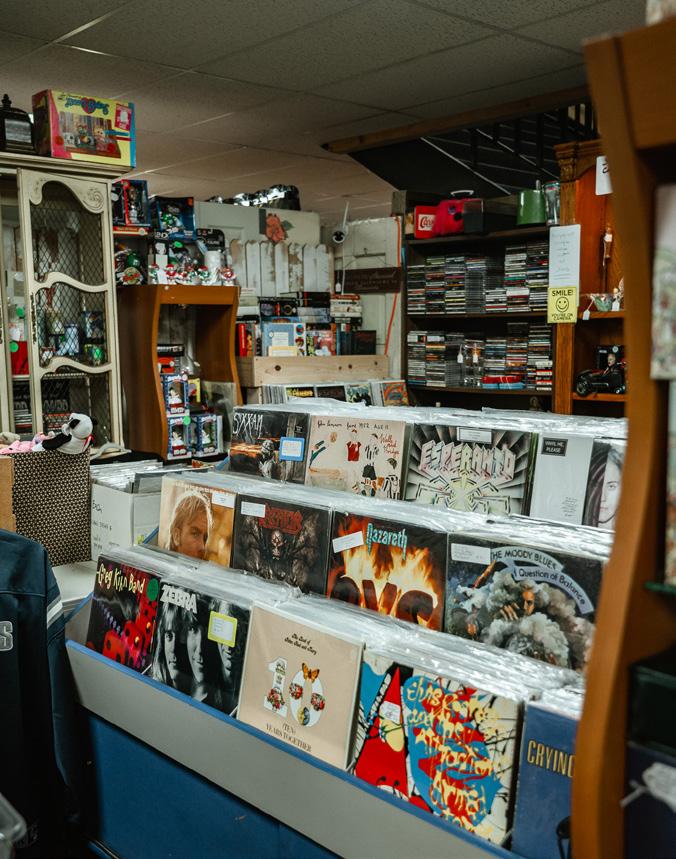
The beauty of shopping at a place like Heirlooms during the holidays is the discovery. Where else can you find a hand-painted Japanese porcelain tea set from the 1950s, a pristine copy of a classic vinyl album, or a vintage silk scarf that calls back to a grandparent’s favorite style? These items aren’t just gifts; they are potential new family heirlooms, purchased with a conscience.
Gift Hunting at Heirlooms: A Guide
Ready to swap the chaotic crowds of big box stores for a leisurely, music-filled browse? Here are unique gift ideas you can hunt for at Heirlooms or similar antique malls:
For the Foodie: Look for vintage Corning Ware, Pyrex (especially colors like turquoise or opal for a retro kitchen feel), or unique Asian-style serving pieces and bowls.
For the Fashionista: Seek out unique jewelry (precious stones or vintage costume pieces), designer silk scarves, or a leather handbag with a timeless silhouette.
For the Collector: Browse for vintage prints, old maps, rare books, or unique cultural decor items that can serve as conversational focal points in a home.
Resale stores offer high-quality, often better-made vintage goods at a fraction of the original price, satisfying a preference for smart spending without compromising on quality.
For those looking to give a truly personalized gift, a resale store guarantees originality. You won’t find two of the same vintage camera or hand-beaded clutch purse, making the gift feel deeply thoughtful and one-of-a-kind—a perfect way to express love and individuality.
This holiday season, take a moment to pause, slow down, and consider the story you want your gifts to tell. By choosing a pre-loved treasure from a local spot like Heirlooms Antique Mall, you’re not just giving a present—you’re passing on a piece of history, embracing sustainability, and creating a new tradition of conscious gifting for the future.
Heirlooms Antique Mall is located on the Havana Business Improvement District at 1947 S. Havana Street, Aurora, CO, 80014 and is open daily from 9:00 a.m. to 5:00 p.m. Check their website at HeirloomsAntiqueMall.com for extended holiday hours and special vendor events.
Asakawa
Paborito cooks up take-home Filipino BBQ to Denver’s dining scene
The Denver restaurant scene has in the past included very few Filipino eateries for diners to seek out. The most reliable source for Filipino cuisine has been the annual Filipino-American Community of Colorado Philippine Festival in Edgewater, where the community center’s Lolas (grandmothers) have been cooking up lumpia, adobo, and other traditional fare. A few restaurants and food trucks have flown the Filipino flag over the years, and even today less than a handful of restaurants serve dishes from the Philippines.
Among them is a business that isn’t a sit-down restaurant or even a food truck, but a terrific takeout ghost kitchen with some unique twists on the cuisine. Paborito, which means “favorite,” is run by Jayson Leaño and his wife Geraldine Gan, who opened Paborito - Filipino BBQ last year in a ghost kitchen building on Vallejo then moved to its current location at 707 Federal Boulevard this summer.
The couple had previously run the Toast Box sandwich shop, but turned to the food they love – and grew up on –traditional Filipino flavors.
Though the kitchen is closed on Mondays and Tuesdays, Leaño was working on a recent Monday night, prepping rolled Lechon Pork Belly flavored with Filipino stuffing for Thanksgiving orders that will be picked up Thursday morning; after 3 p.m. the couple will close up for the holiday, and enjoy their own Thanksgiving feast. But instead of turkey or lechon, they’ll have a Peruvian chicken they’ll pick up from a neighbor at their last ghost kitchen location. They love to support other startup businesses like theirs, and cite their favorites at their current Federal location.
“Right now we’re still, we’re slowly building it,” he says. But Paborito already has a loyal following of regular customers (hence the Thanksgiving orders). There are days when the duo are at work for
up to 10 hours, and take up to 60 orders. The menu ranges from dishes that evoke his grandma’s cooking in the northern Philippines to dishes inspired by the popular Philippines fast-food chain Jollibee, which has become popular in parts of the U.S. (but none in Colorado).
“At Paborito, we focus on serving traditional Filipino food that feels like home, especially for our Filipino community here in Denver,” he said in an email exchange. “Our to-go restaurant stays true to those comforting, familiar flavors. At the same time, we make the cuisine more accessible to a broader audience by collaborating with local coffee shops like Moonflower and Coffee Sarap, where we offer Filipino-inspired breakfast burritos and other approachable items. It’s a fun way to introduce new people to Filipino flavors in a format they already love.”
Leaño was born in the Philippines, then went to live with his father in San Diego, where he attended culinary school.
Article and photos by Gil
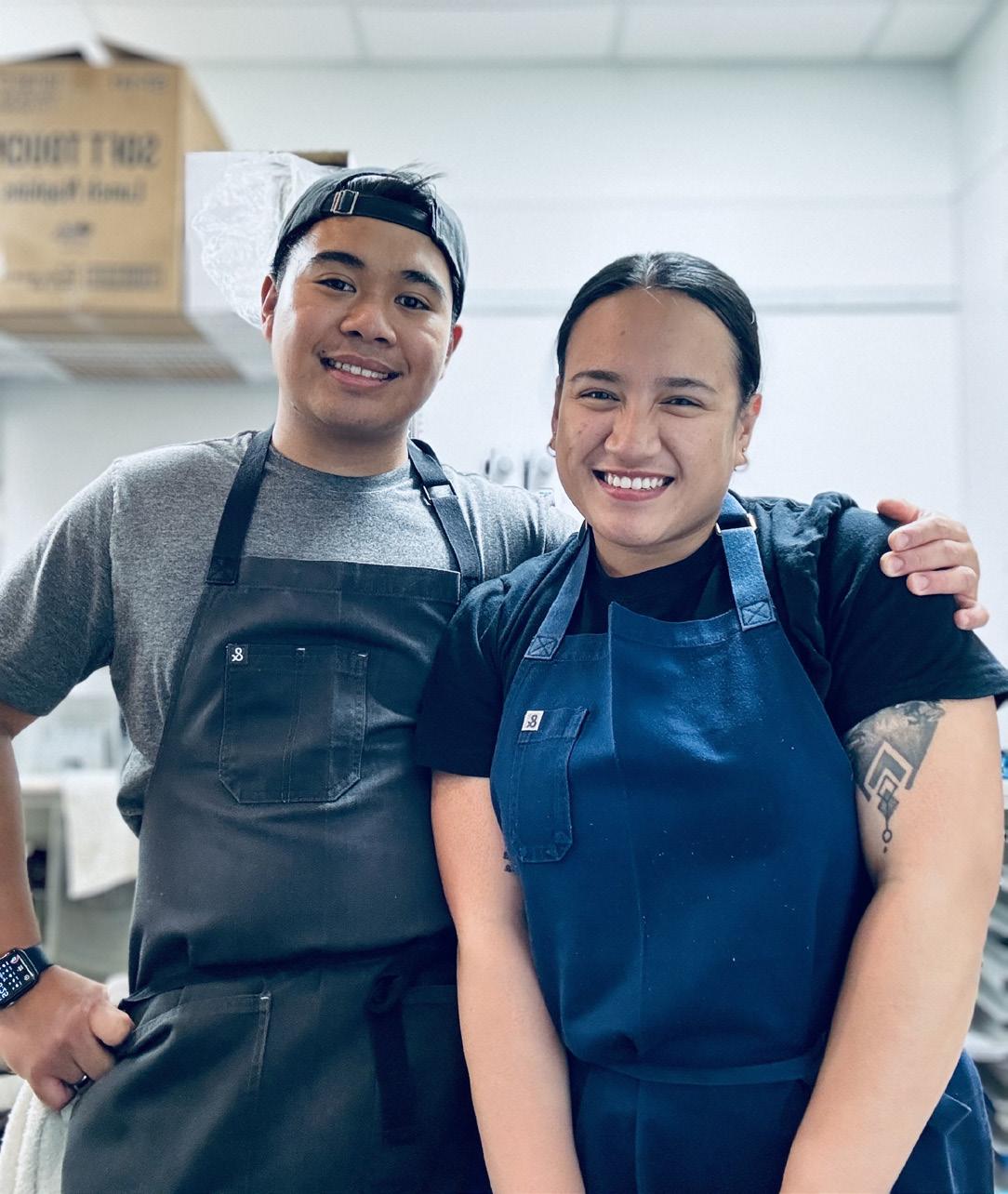
He worked as a chef and moved to Colorado Springs, where he met Geraldine, who was also born in the Philippines. The couple’s entrepreneurial streak led them to open the sandwich shop, and then Paborito. He’s the chef, and she manages the business and serves as his inspiration, taste-tester and authenticity checker.
Leaño is proud of the Filipino comfort food he serves, and the barbecue he brings to his dishes. He also uses a shrimp paste that he wasn’t sure would be accepted by non-Filipinos, but has become a house specialty. “Everybody just loves it,” he says, beaming as he serves a salty, umami-packed taste. “It’s something that’s different, like my mom used to do.”
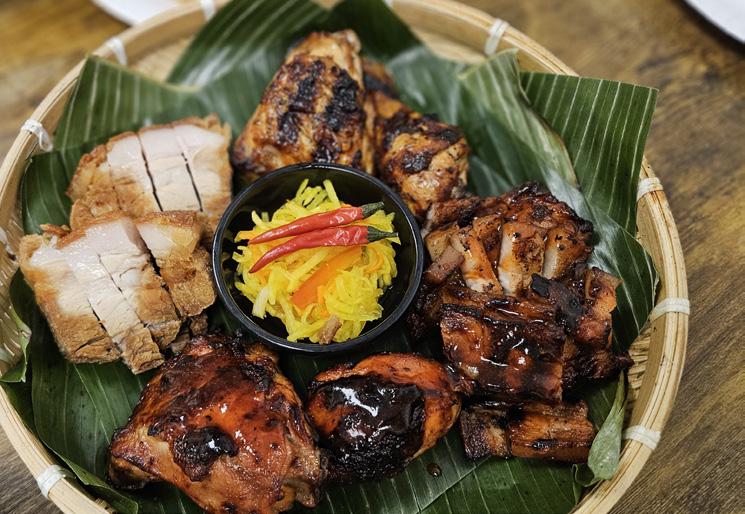
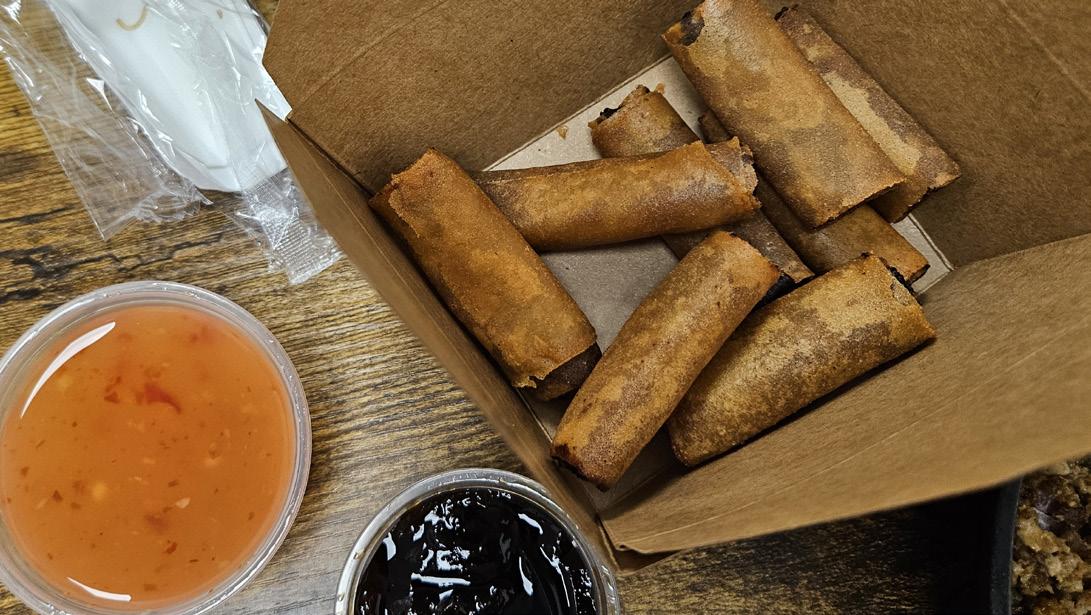
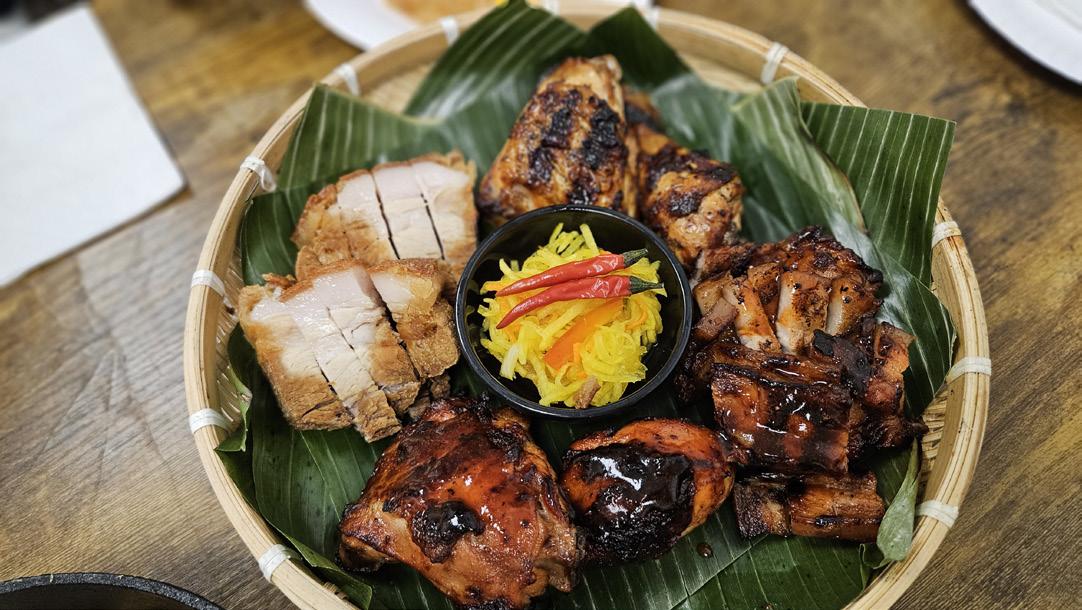
For this private tasting, he shared menu items including Sisig Ni Kuya (Java rice, minced pork, grilled pork mask, chicharron, green peppers, red onion, red chili, soy-lime mayo, lemon), Combination Grilled Pork Belly, Lechon Kawali, Chicken BBQ (grilled with the popular Filipino condiment Banana Ketchup), crunchy Lumpia Shorties and more.
According to Leaño, Paborito’s bar-
Order Online at paboritobbq.square.site TAKEOUT ONLY
WED TO SUN: 11am - 9pm 707 Federal Blvd. Denver, CO
becue showcases two strains of Filipino cooking. Inasal, a technique in Visayas, has a citrus-based marinade and is basted with aromatic oil. The classic Filipino BBQ, is best-known in Luzon, and uses the banana ketchup marinade that’s more on the sweet side. Both reflect their unique regional flavor and showcases the balance of sweet, salty, and smoky that makes Filipino BBQ so distinct.
“Our goal is to keep representing Filipino food with pride and creativity while making it more visible and accessible in the local dining scene.”
He would love to open a brick-andmortar restaurant someday, or even a food truck. He’s open to any possibility, including spreading Paborito as a franchise brand across the U.S. Or maybe his sauces will be bottled and sold in retail shops everywhere. This young man dreams big.
“What makes Paborito unique is that we started as a humble ghost kitchen, focused simply on sharing the Filipino flavors we grew up with,” he says. “But, now, Denver gets to witness our growth as we continue to thrive and explore new possibilities. Our goal is to keep representing Filipino food with pride and creativity while making it more visible and accessible in the local dining scene.”
Of the dishes he’s most proud of, he says, “Pork sisig best embodies the soul of Paborito. It’s made from minced pork mask and ears, parts that are often overlooked yet we turn them into something incredibly delicious. That dish represents the Filipino spirit. Our ability to make something wonderful out of humble ingredients, to face challenges with creativity and a smile even in the midst of hardship. It’s comfort food, but it’s also a story of resilience and pride.”
That spirit resides in the soul of this takeout business. He adds, “The future is bright, and I’m excited to see where it takes us.”
Follow Paborito for menu updates and pop-events at instagram.com/ paborito_denver.
Paborito owners Jayson Leaño and his wife Geraldine Gan
Mongolian School of Colorado: Strengthening Community Roots
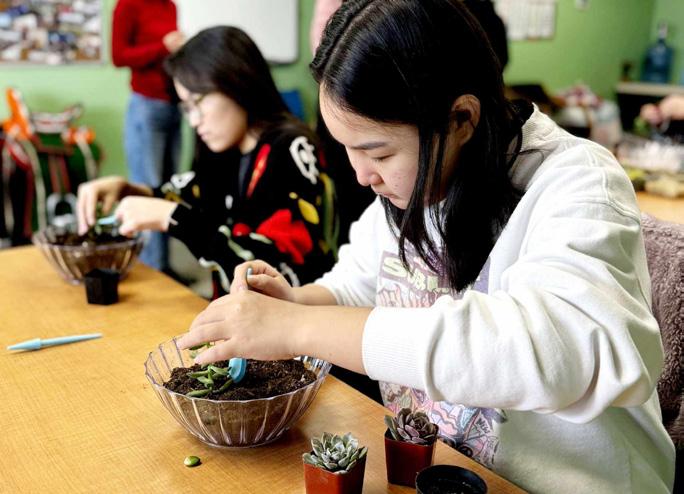
In a 2025 Colorado world, how does the Mongolian community keep their traditions alive? They organize and co-found a school! Though 6,500 miles away, our rocky mountain climate is very similar to the climate in Mongolia, which is why many Mongolians choose to call Colorado home.
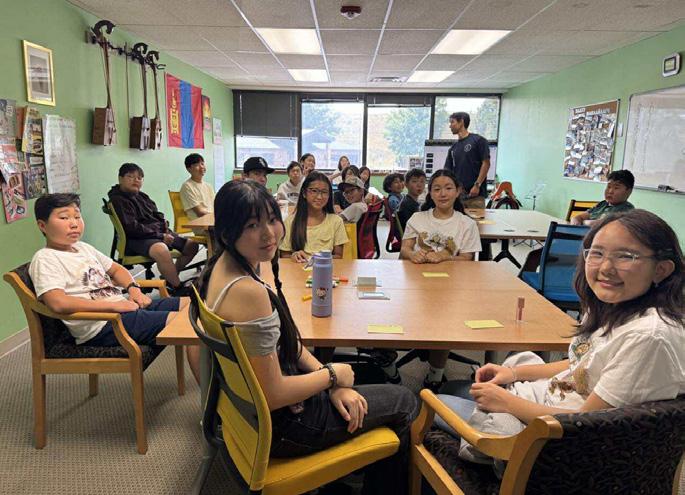
Founded in August 2006, the Mongolian School of Colorado has two goals in mind: 1) teach Mongolian children their home language 2) teach Mongolian heritage. The only way to develop trust in your community is to spend meaningful time together. This is why students spend every Saturday at the Mongolian School of Colorado from September to May.
“When the lights turn on, we only speak Mongolian”, says Tuya Erdene,
Executive Director of the Mongolian School of Colorado. Routines like this allow for kids to be in a safe environment to practice speaking their home language, and sit in the discomfort of learning a new skill. Tuya goes on, if kids struggle to understand then they “turn the lights off” and speak English to reset and problem solve!
“As citizens of different countries, the young people of Mongolian ancestry can choose what tradition they want to live and work inside. But ultimately they have to be given a choice in the matter” (Our History, Mongolian School of Colorado, 2025).
Nurturing healthy children is already hard enough, but to navigate a new country; that’s a tricky challenge. A challenge that Colorado’s Mongolian community solves by ensuring
Mongolian children attend Saturday school and practice their heritage. This is best exemplified by Mooji Boldbaatar, a volunteer Program Coordinator for Youth Leadership.
Mooji is the daughter of immigrants. As a child, she became her family’s unofficial translator; handling parent-teacher conferences, paperwork, and anything her parents needed. She grew up learning to work hard, support her community, and every Saturday, she attended the Mongolian School of Colorado. There, she and other Mongolian students practiced their language and learned cultural traditions.
Mooji carried more responsibilities than most kids. In addition to translating, she often worked shifts as a young adult alongside her parents to
By Jadyn Nguyen
help support the household.
As an adult, chemistry became her career path, but not her source of fulfillment. While searching for a deeper purpose, she returned to the place that shaped her childhood: the Mongolian School of Colorado, this time as a volunteer. Despite balancing a full-time job and personal obligations, she found meaning in giving back.
For Mooji, cultural preservation is more than routine; it’s a north star. Her goal with the students of the Mongolian School of Colorado, to help: “get the answers to who they are faster.”
For immigrant kids, it’s common to not feel ‘enough’ because you’re navigating living in two worlds: your country of origin and living in a new
country. Identity often feels like a big vague question, “who am I?”
For 18 years, leaders of the Mongolian School of Colorado have answered this question with action: “It is essential that the traditional Mongolian culture—its music, dance, dress, language, arts, nomadic lifestyle, etc—be given to these Mongolian young people. It helps them form an identity, one that will be made stronger and more resilient and they become richer people by living in two different traditions.” (Our History, Mongolian School of Colorado, 2025). Mongolian students like Mooji leave their school with the ability to speak Mongolian fluently and with a stronger sense of pride for their heritage. The students have recently partnered with leading Professors
from CU Denver on ‘Transformative Student Voice’ as a way to practice civic engagement, “One group of students has noticed a lack of spaces for youth in the Greenwood Village area. The youth reported often not being aware of or feeling welcome in spaces designed for pro-social youth activities. Often, the young people reported, they find themselves hanging out in basements or driving around” (Dane Stickney, PhD, 2025).
Located just 4.5 miles from the Social Fabric Hub, an Asian American community center, the Mongolian School of Colorado is the go to place for Colorado Mongolians to feel at home and practice cultural traditions–creating a pocket for Asian cultural preservation in the South Denver area.
Photo Credit: Erkhee Baatar
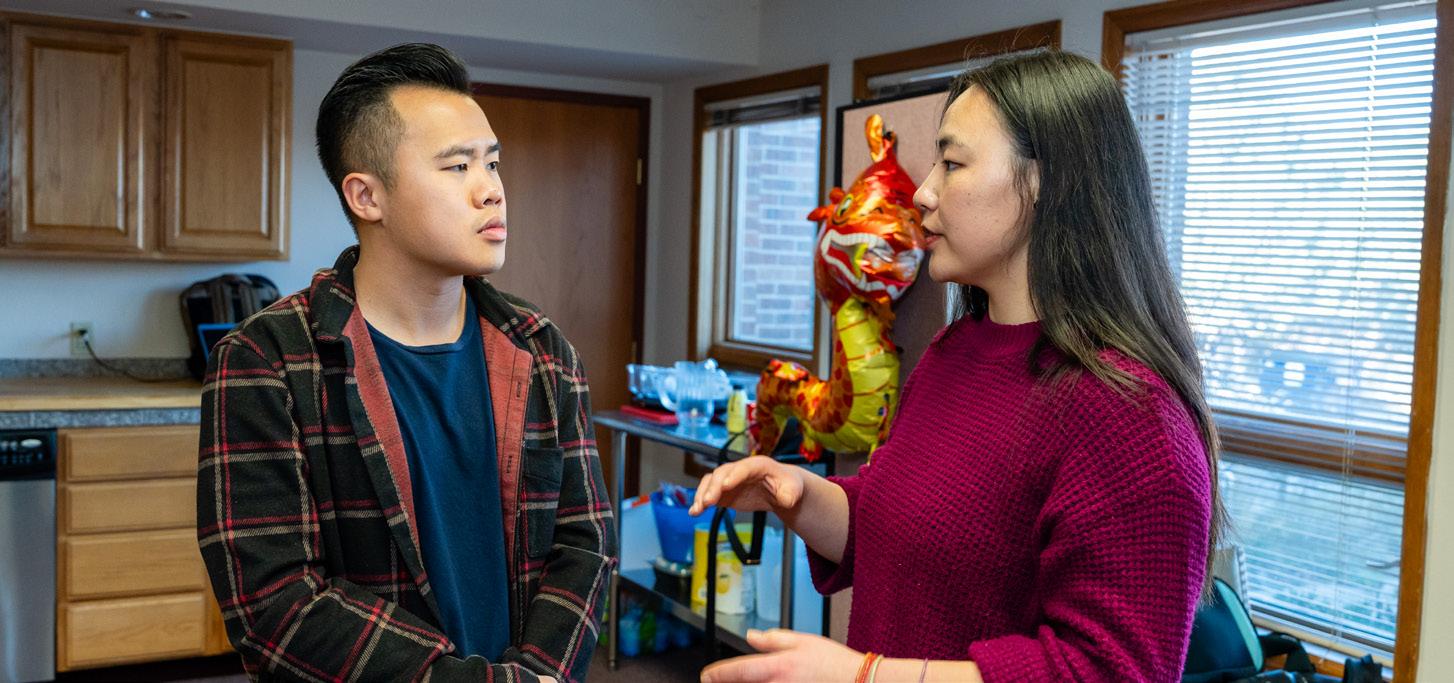
Jadyn Nguyen (left) and Mooji Boldbaatar (right)
Stories like Mooji’s teach the importance of maintaining community centers, this is how we continue building trust with one another. The findings from The Body Keeps the Score by Bessel van Der Kolk, MD, offer a powerful reminder of why places like the Mongolian School of Colorado matter. The study shows that when immigrants experience repeated social rejection — or when
they internalize shame about their cultural identity — their mental well-being can be profoundly affected. Yet those who feel grounded in their heritage, who feel pride rather than distance from their cultural roots, are mentally safer and more resilient.
This is exactly where the Mongolian School of Colorado plays an irreplaceable role. It is far more than
a language school; it is a protective space where Mongolian children, teens, and families can experience belonging. Here, students don’t have to choose between worlds or hide parts of themselves to fit in. Instead, they grow up seeing their culture honored, spoken, celebrated, and lived — which strengthens the very sense of identity that research shows is essential for mental health.
Saturday, Dec 20, 2025, 12pm George Washington High School 655 S Monaco St Pkwy, Denver Enjoy wonderful performances, snacks, gifts, and fun surprises —
By Gil Asakawa
KPop Demon Hunters has raised up all of Asian America
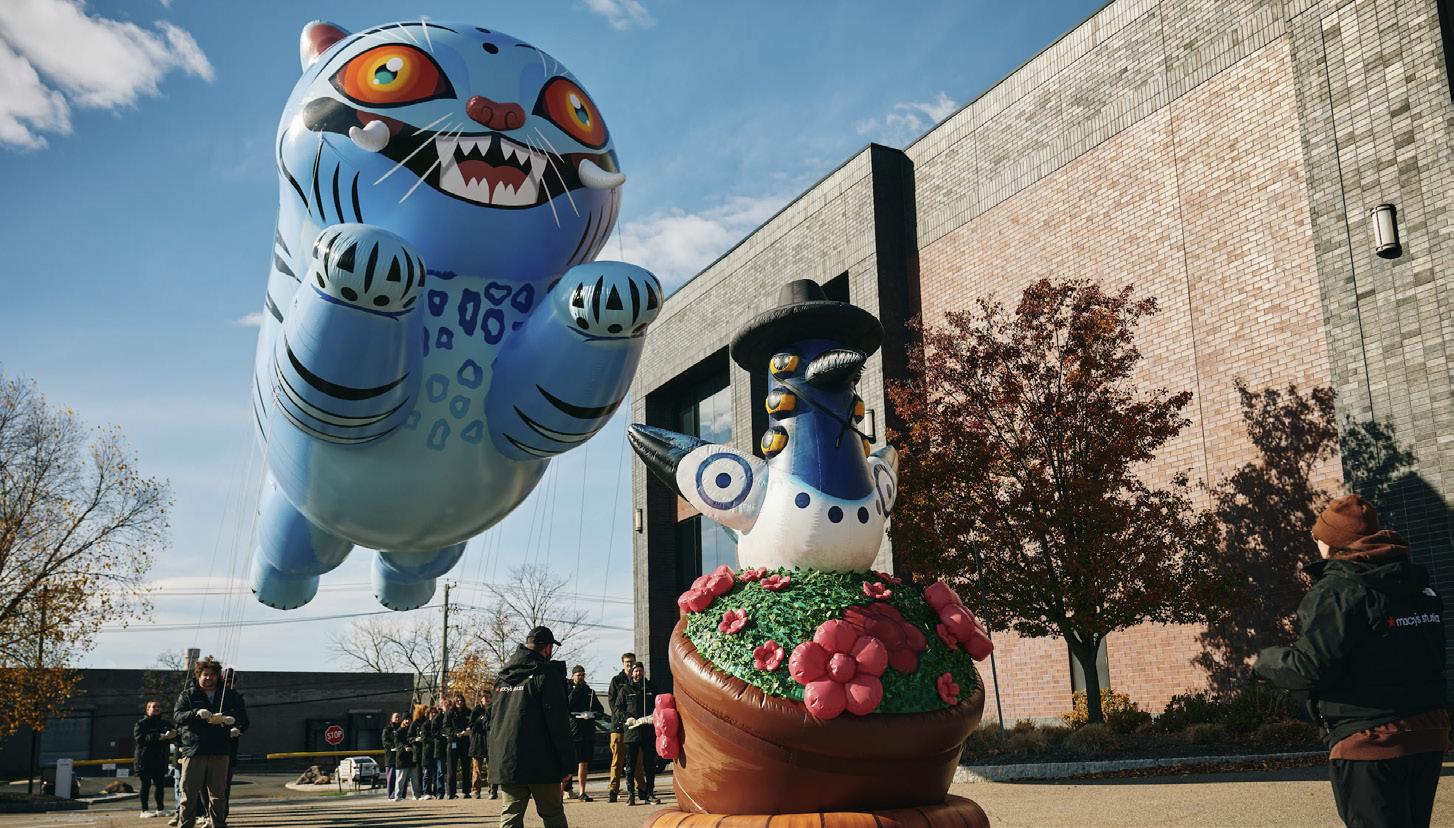
If you watched the Macy’s Thanksgiving Day Parade you saw the usual marching bands and floats. But there were two new additions: KPop Demon Hunters’ Derpy the Tiger and Sussie the bird.
During the parade, NBC featured Huntrix—the fictional trio from KPop Demon Hunters, voiced by Ejae, Audrey Nuna, and Rei Ami—performing their hit “Golden” for a record-breaking 34.3 million viewers. They will also perform at New Year’s Rockin’ Eve with Ryan Seacrest 2026.
The buzz has been huge ever since KPop Demon Hunters dropped on June 20. Since then, the animated movie, with characters voiced by Arden Cho as Rumi (sung by Ejae), May Hong as Mira (sung by Audrey Nuna) and Ji-yong Yoo as Zoey (sung by Rei Ami), has broken and set some amazing records. The film is the alltime most watched movie on Netflix – both in numbers of streams and number of minutes viewed.
KPop Demon Hunters drew 542 million viewing hours and 325 million views in its first 91 days—far surpassing Netflix’s second-most-streamed film, Red Notice, which had 231 million views and 454 million hours. Remarkably, KPDH still ranks #6 among Netflix’s Top 10 movies.
The movie’s impact is easy to see in many YouTube videos from around the world that feature reviews,
groups dancing tributes to the cover version by artists and groups from classical to Kpop and even metal.
KPDH is a global phenomenon, and its music too. Within two weeks after its release, the single “Golden,” which was co-written by Ejae, the lead singer for the track with its incredible high notes, made its appearance on the Billboard Top 100 charts, at #81. By mid-July, it broke into the coveted Top 10 and a month later, “Golden” climbed to #1. And stayed in that position for eight weeks. It’s still at #2 today – behind Taylor Swift.
That’s just the one standout track. For months, KPDH set a record by having four songs from its soundtrack in the Billboard Top 10. That’s never happened before.
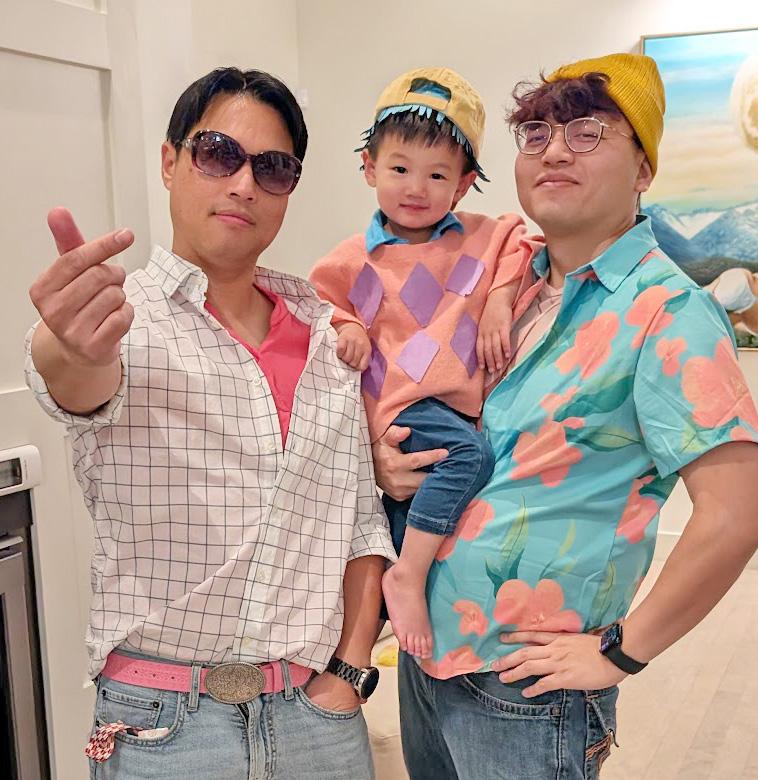
Unfortunately, Sony Pictures and Netflix didn’t anticipate the film’s massive success, so no major merchandise deals were made before Halloween. It was difficult to find costumes or they were handmade.
KPDH-branded toys and gifts will also be limited for the holidays. But there’s always next year: the movie isn’t fading anytime soon with the sequel confirmed for release in 2029—possibly adding a fourth Demon Hunter/Huntrix member.
KPop Demon Hunters has raised the profile of Korean culture, and the visibility and pride of all Asian Americans, this year.
Saja Boys costumes were just as popular as Huntrix on Halloween.
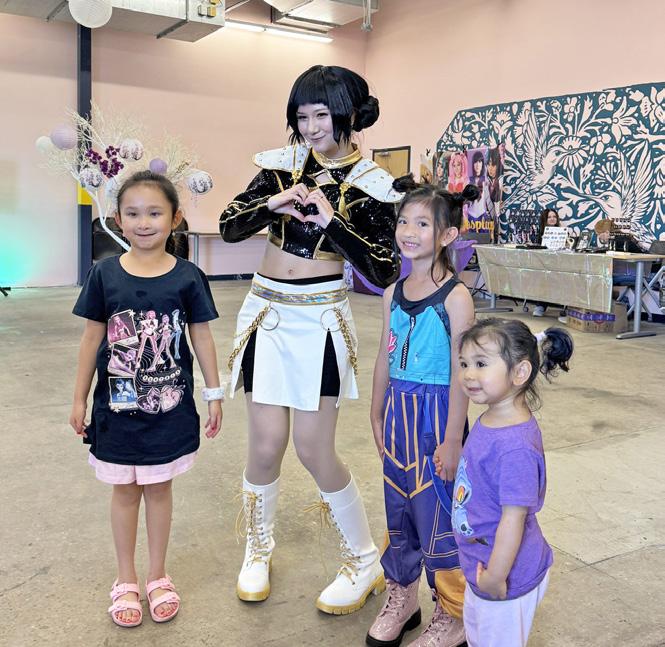
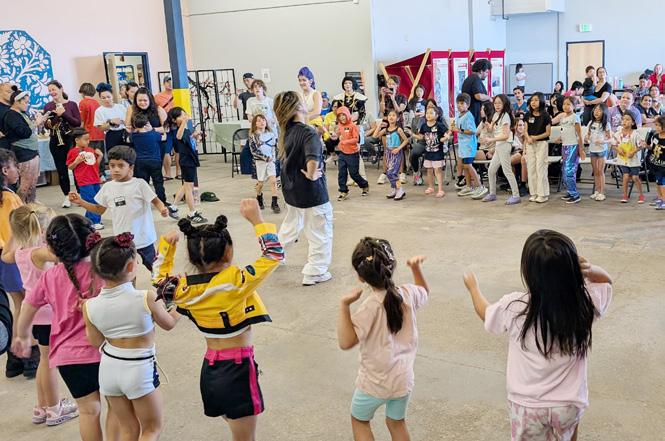
In September 2025, 3456Ent and KonnectPop held a KPDH event at Social Fabric Hub, featuring Judy Tran teaching kids the moves to “Golden” and attendees dressed in cosplay.
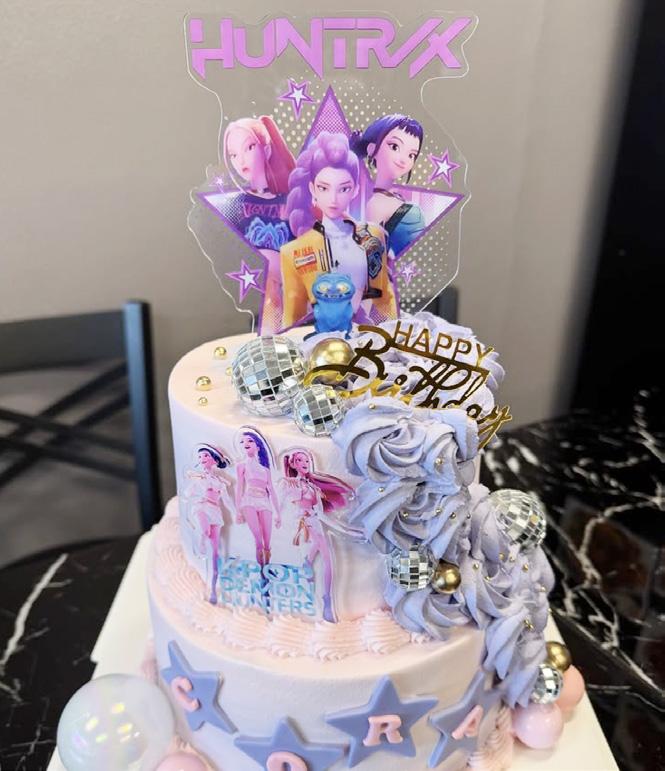
Chopstix Fusion has fulfilled numerous requests for KPDH-themed birthday cakes.
As this year is coming to an end, I’ve been reflecting deeply on my own journey, one shaped by family history, unexpected challenges, and a decision earlier this year that changed everything: choosing cochlear implant surgery. After years of wearing hearing aids, to amplify familiar tones, the cochlear implant introduced me to a richer auditory experience.
Hearing loss isn’t just medical—it’s losing something familiar and entering an unexpected “new normal” that demands adaptation and acceptance. For me, it’s been a journey toward finding a new sound.
The hardest challenges
When I was first told in my late 20s, that I had hearing loss, I thought the hardest part would simply be not hearing. I was wrong.
What I didn’t expect was the loneliness—the nodding along, the pretending, the stigma, the exhaustion of trying to keep up. Hearing loss creates a unique isolation, where you’re surrounded by people yet feel alone, and only then realize how much connection depends on sound.
As my hearing worsened, hearing aids were no longer working for me, I made painful adjustments. I withdrew socially because struggling was harder than staying quiet. Looking back, I see how much I missed, not just the words, but the laughter, the emotion, the belonging.
And then came the moment I decided I was ready for a cochlear implant —a leap after years of gradual
Learning to hear again: What hearing loss taught me
By Binisha Shrestha
hearing loss. Surgery was one challenge, but the emotional journey was another. I’ll never forget the excitement upon learning I was eligible for a cochlear implant. Then came the activation day was overwhelming: everything seemed louder, everyday noises took on new characteristics, sounds felt strange, artificial, metallic. At first, it felt unnatural, but gradually my brain began making sense of the world again.
The first time I heard footsteps on different surfaces, I froze—suddenly the world felt alive again. That moment taught me that growth often begins in discomfort, and clarity comes after navigating the awkward stages.
What I’ve learned about resilience
Resilience for me has never been loud or heroic—it’s steady, quiet, and patient. Learning to hear again with a cochlear implant meant retraining my brain to recognize voices, understand speech, and enjoy music again.
Ironically, hearing loss has taught me to listen in new ways. I pay attention with my eyes, my intuition, and my heart. I’ve learned to read faces, gestures, energy, and emotion. I’ve become more empathetic, because everyone is carrying something, even if it’s invisible. Most importantly, hearing loss taught me to listen inward, rest, ask for help, and honor my limits.
A message to anyone walking a similar path
Some days were frustrating; some days I doubted myself. But each small step—catching a missed word, hearing my child call my name—felt like reclaiming life.
Resilience isn’t about overcoming hearing loss, it’s about learning to live fully with it. It’s about adapting, listening to your body, and celebrating the small victories. How hearing loss made me a better listener, just differently
If you’re navigating hearing loss or any challenge that feels overwhelming, know this: you are stronger than you realize as every transition comes with hurdles. It’s okay to feel tired. It’s okay to take time to adjust. Progress is not linear. Some days feel like setbacks, but those are often the days you learn the most about yourself. My hearing loss has taught me empathy, patience, and a deeper appreciation for connection, turning loss into unexpected strength.
Resilience isn’t about what you lose. It’s about discovering what’s still inside you: the quiet determination, the hope that doesn’t fade, and the courage to keep showing up.
I’m grateful that hearing loss has taught me strength in stillness, patience, and beauty in learning to hear the world, and myself, in a new way. Resilience isn’t built in the easy moments. It’s shaped in the struggle, and it helps us hear life more clearly than ever before.
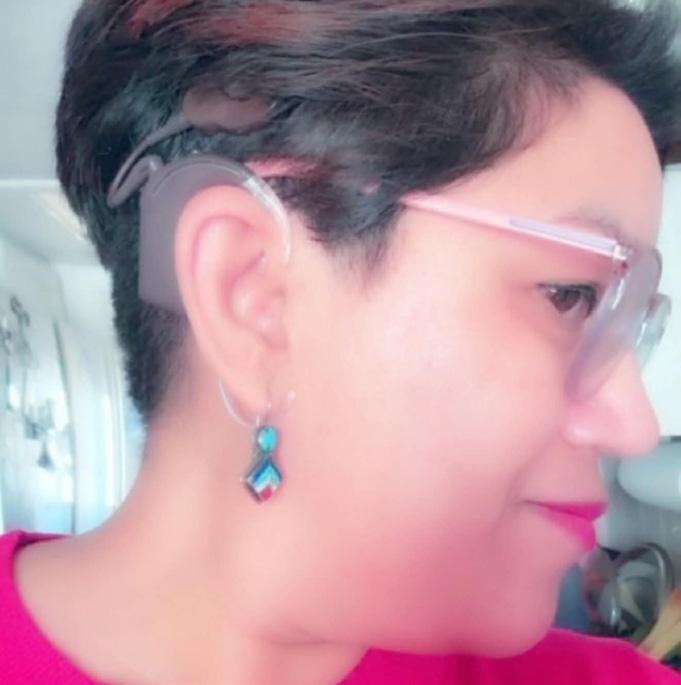
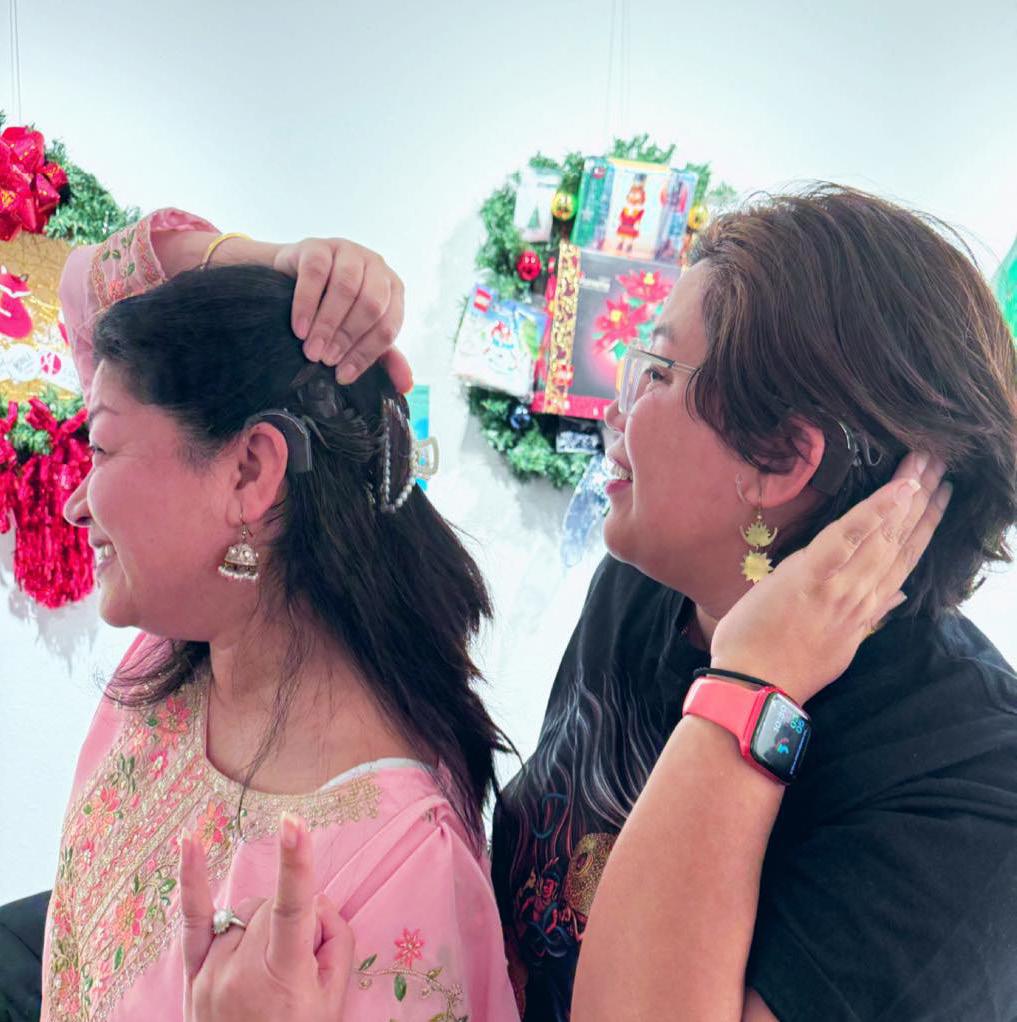
Binisha and her sister Sabisha show their cochlear implants
“Rental Family” shows how Japan deals with a real social issue: loneliness
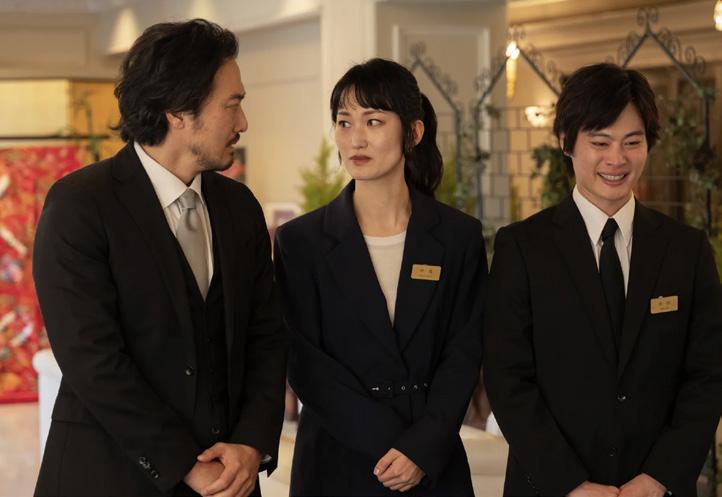
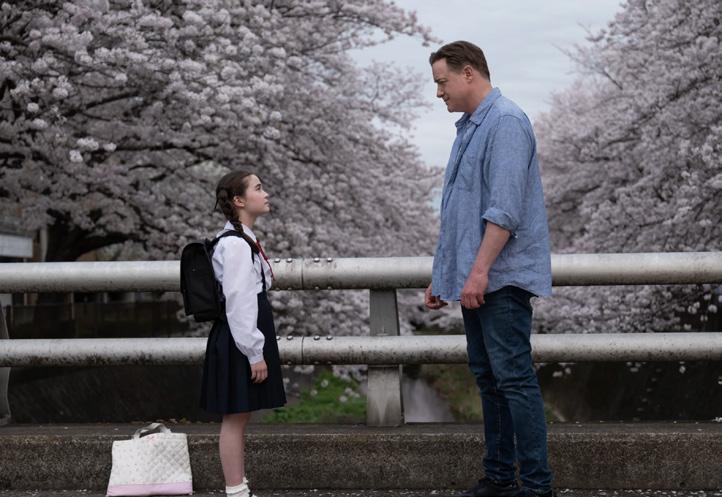
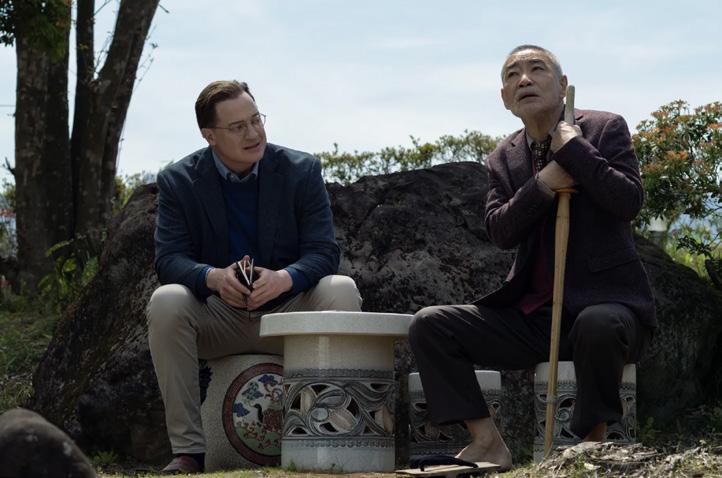
“Rental Family,” starring Brendan Fraser, is earning glowing reviews as a heartwarming holiday film and a thoughtful look at a unique Japanese business addressing social isolation.
Fraser is terrific as the unmistakably tall, foreigner navigating Tokyo’s streets. Having lived in the city for almost ten years, he hasn’t hit it big, mostly appearing in odd TV commercials and public costume gigs—his stiff tree outfit hilariously capturing the essence of “wooden acting.”
But he is invited to try out for an unusual role as a “sad American” by a “rental family” agency and he accepts the role, after some hesitation. He asks why him, and the owner of the agency, played by Takehiro Hira, tells him “we need a token white guy.”
“Rental Family” manages to be both funny and powerfully moving –many viewers cry at various points during the film, as well as guffawing with laughter at the unexpected human juxtapositions. That first gig that Fraser’s character Phillip is hired for, for instance, turns out to be a funeral … for a man who isn’t dead. He was the agency’s client, who wanted to hire a slew of actors to play his friends and family grieving his passing so he could see what it would feel like to attend his own funeral.
Phillip is later hired to play various characters including a friend to a man who lives alone and just plays video games, a journalist who’s interviewing an aging movie star with dementia, and a father to a mixedrace girl who abandoned her and her mother. In each case, Fraser’s characters (he assumes different identities for each client) confront issues that are endemic in Japanese society.
By Gil Asakawa
youth.
The rental family culture in Japan was born in the 1980s, helping people deal with and work through various types of loneliness in a country where cultural values makes talking about loneliness, reaching out and asking for help, or admitting to mental health or emotional issues is taboo.
The main relationship in the movie isn’t one of obvious loneliness. The young girl, beautifully played by now-11year-old Shannon Gorman who is mixed race and perfectly cast as Mia, is being raised by a single mother who needs her father to come back into her life so Mia could apply to attend an exclusive private school (yes, in Japan’s strict social structure, she wouldn’t be accepted without both parents). So Phillip once again is the token white guy who plays her dad.
The video game man is a hikikomori, someone who withdraws from society and isolates himself. The once-famous actor with dementia puts up with Phillip’s nosy reporter questions, but then asks hims to help him “break out” of his confined and controlled life to embrace a secret from his
Phillip and Mia grow close over the weeks he has to play her father, and the main narrative arc is based on their relationship.
The script of “Rental Family,” co-written and directed by Hiraki, balances English and Japanese –and to his credit, Fraser learned a bit of Japanese and was coached well enough that he pronounced his Japanese lines well, albeit with an American accent. The values of the movie are true to the way Japanese truly are, which is why the movie is so touching.
Japan is both exotic and different, and surprisingly familiar and easy to embrace. So viewers will be taken in by the visual wonders of Tokyo and the beauty of rural Japan – and Hikari’s incredibly thoughtful directing and the film’s many beautiful and artistically framed camera shots – and then connect deeply with the emotional storytelling that unfolds.
Empowering the Next Generation: ILF Colorado Celebrates AANHPI Youth Leadership
By Mary Jeneverre Schultz | Photos by Jessica Moy
The Asian American, Native Hawaiian, and Pacific Islander (AANHPI) community is one of the fastest-growing demographics in the United States. Yet, meaningful representation in public service, leadership, and policy-making remains a challenge. For nearly 25 years, the International Leadership Foundation (ILF) has been at the forefront of addressing this gap, equipping young leaders with the tools, experiences, and networks needed to make a tangible impact.
Founded in 2000, ILF is dedicated to promoting civic engagement, economic effectiveness, and public service within the AANHPI community. By connecting ambitious students with opportunities in government, business, and international affairs, ILF has built a leadership pipeline that fosters both personal and professional growth.
The Flagship Program: Civic Fellowship
ILF’s Civic Fellowship Program stands as one of the nation’s premier AANHPI leadership initiatives. Each summer, a cohort of undergraduate students participates in an 8-to-10week paid public service internship at federal agencies, Congressional
offices, or leading D.C.-based think tanks. Beyond the internship, Fellows engage in intensive seminars and workshops on leadership, policymaking, and networking, meeting with senior government officials, corporate executives, and inspiring AANHPI role models. This immersive experience provides students with practical knowledge, confidence, and a unique perspective on how governance can serve their communities.
Expanding the Leadership Pipeline
ILF’s impact extends beyond the Civic Fellowship:
• Youth Leadership Academy (YLA): Engages high school students in American democracy and entrepreneurial thinking, instilling civic responsibility at an early age.
• Global Exchange Program: Prepares young leaders for international challenges through cross-cultural dialogue with Pacific Rim countries.
• Annual Leadership Conference & Awards Gala: Brings together policymakers, business leaders, and students to celebrate achievements and foster networks across sectors.
Celebrating ILF Colorado
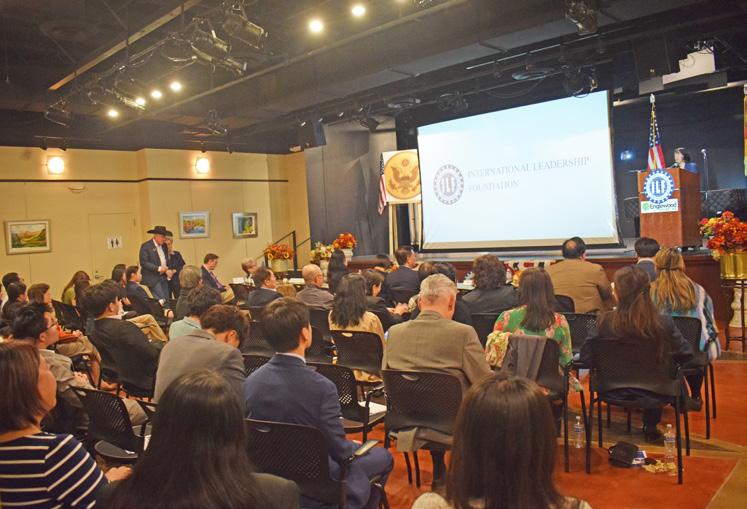
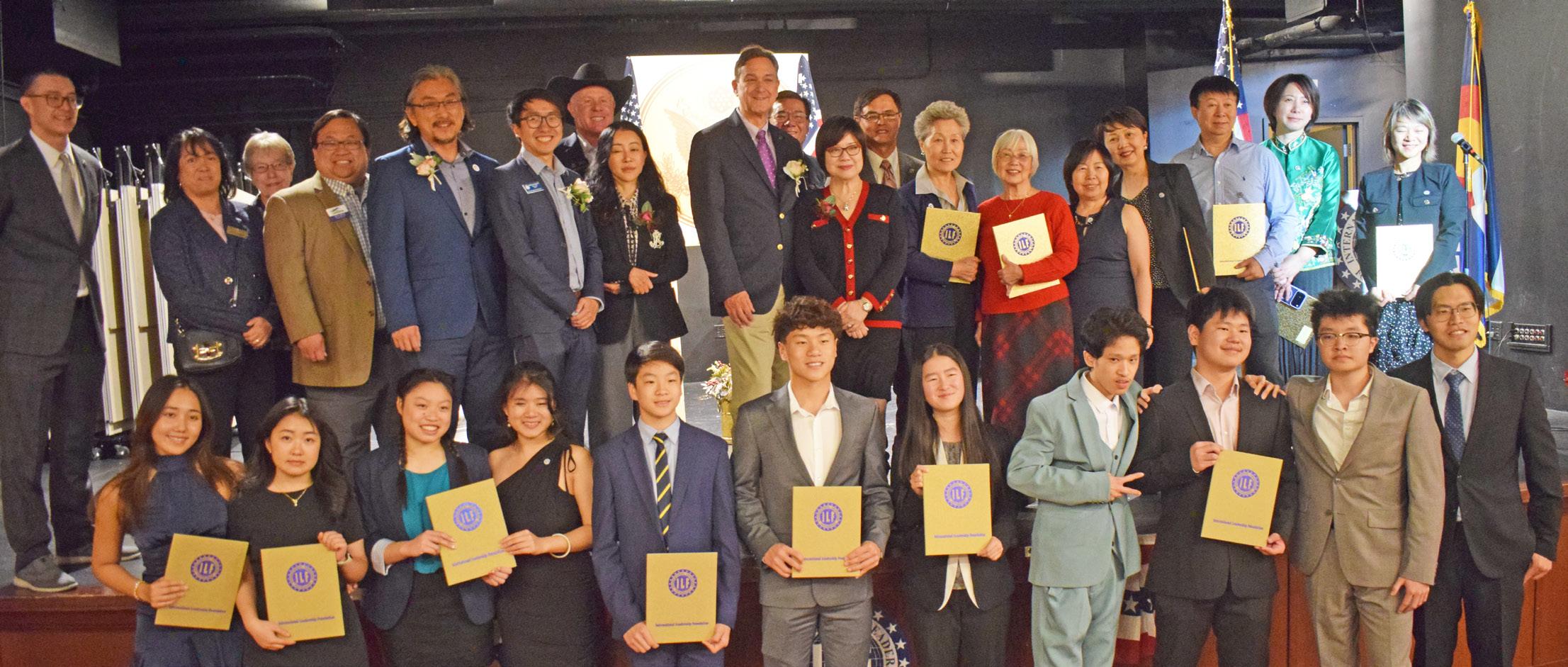
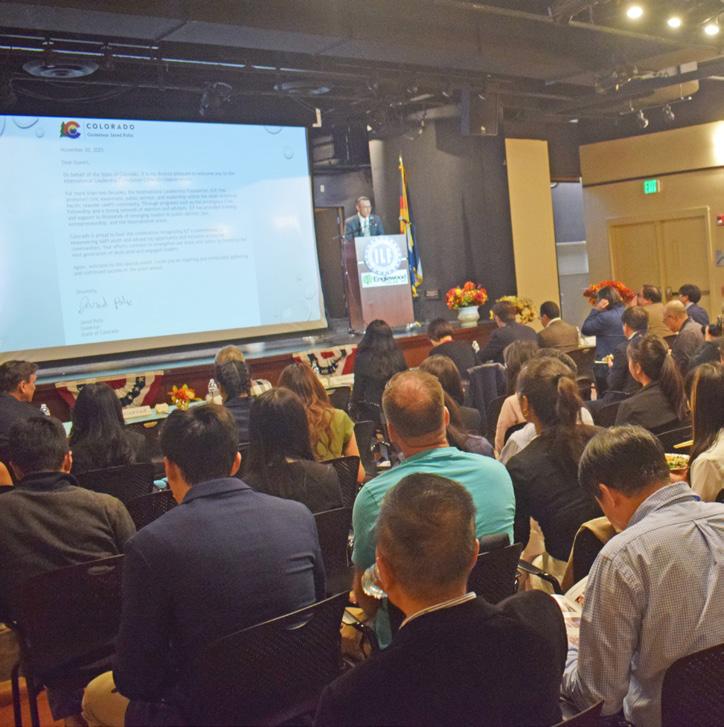
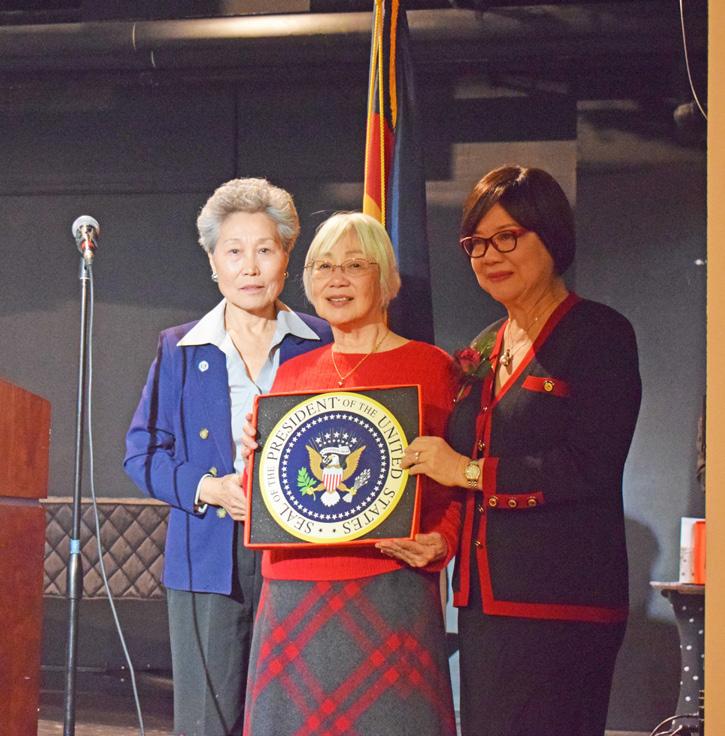
On Sunday, November 16, 2025, ILF Colorado hosted its annual Leadership & Networking Event at the Englewood Civic Center, honoring youth leadership, civic engagement, and the next generation of changemakers. The evening welcomed government leaders, community advocates, business professionals, civic fellows, and youth scholars. Judge Joe Jefferson, representing ILF Colorado Founder and Chair Ms. Shiou Jefferson, opened the event, highlighting the community’s commitment to fostering young leaders.
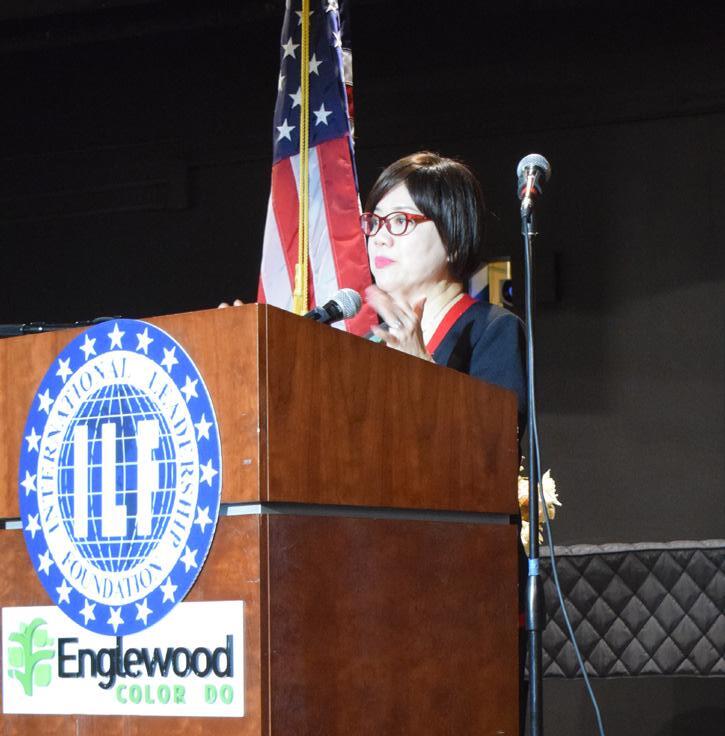
The program featured two high school student emcees, Vivian Yang and Leran Wang, and included inspiring keynote addresses from ILF Co-founders Ms. Chiling Tong and Mr. Joel Szabat. Ms. Tong shared updates on her work as a congressional appointee to Chair the Commission to Study the Potential Creation of a National Museum of Asian Pacific History and Culture. Local elected officials and community leaders also offered support and encouragement, underscoring the shared mission of cultivating civic-minded leaders.
ILF Colorado recognized the accomplishments of its 2025 High School Youth Awardees—Sarah Hou, Kaden Lou,
On Sunday, November 16, 2025, ILF Colorado hosted its annual Leadership & Networking Event at the Englewood Civic Center, honoring youth leadership, civic engagement, and the next generation of changemakers.
Marilyn Kerns, Hayden Chen, Hannah Zhang, Brian He, Olivia Fang, Khadija Lahmidi, Bingwen Yuan, Michael Zhang, and Vivian Yang—as well as Shih-Yu (Leo) Ma, a PhD student at the University of Colorado.
The evening also featured moving speeches from Youth Leadership Academy Scholar Michael Zhang and ILF Civic Fellow Tangia Zheng, highlighting
the transformative power of leadership and civic engagement programs.
Building a Future for the AANHPI Community
Since its founding, ILF has provided scholarships and leadership training to over 10,000 students nationwide, creating a growing alumni network active across public, private, and
non-profit sectors. Through programs like the Civic Fellowship and Youth Leadership Academy, ILF ensures that the AANHPI community continues to have a voice in shaping policies, leading businesses, and contributing to society at large.
For more information on the International Leadership Foundation and its programs, visit ILFnational.org.
FROM DISPLACEMENT TO CELEBRATION:
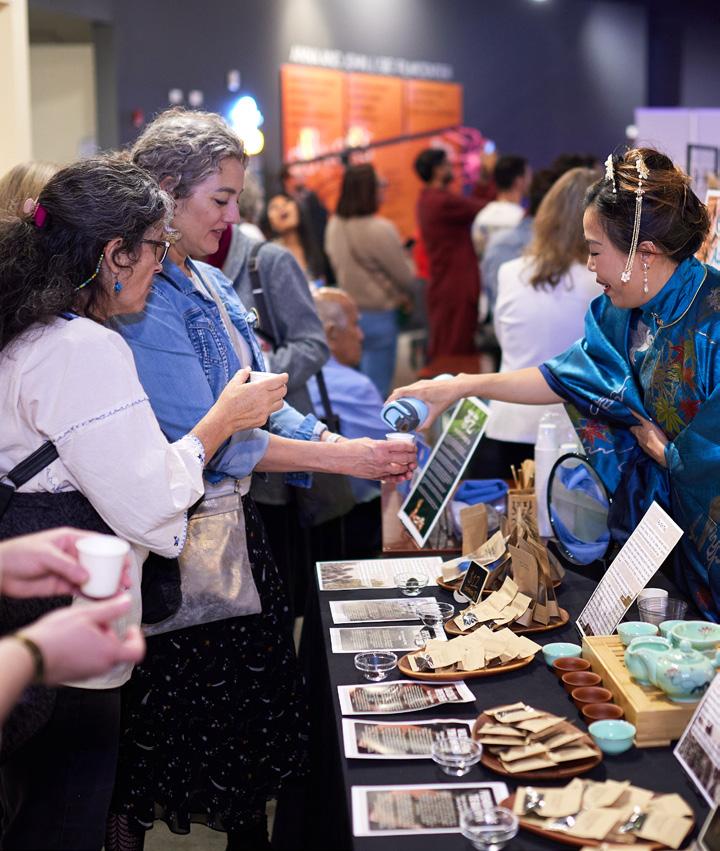
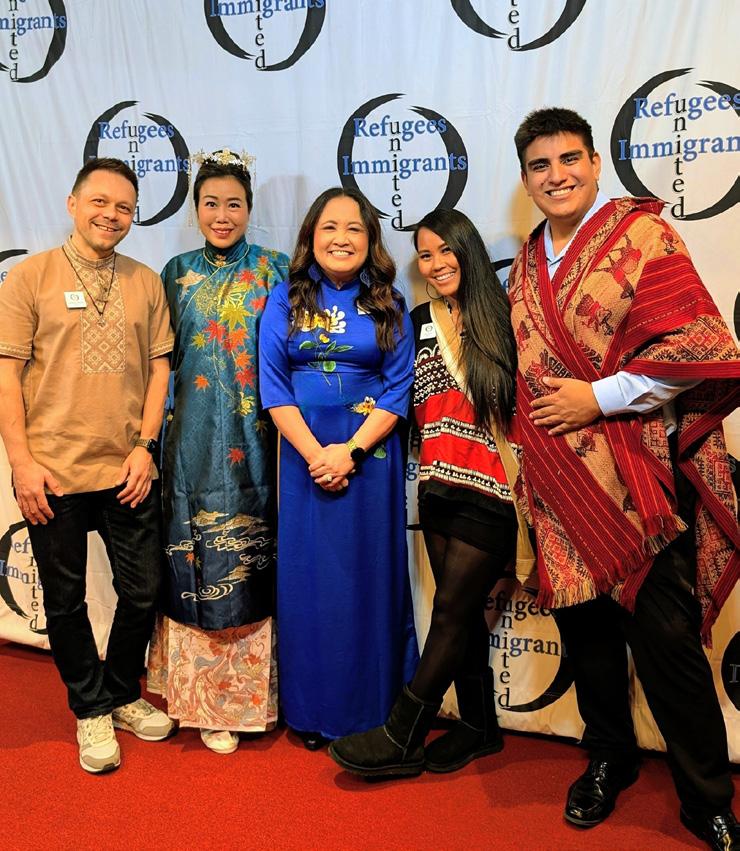
In a heartwarming celebration of global connection, Refugees + Immigrants United (RIU), a refugee-founded and refugee- and immigrant-led nonprofit organization hosted its inaugural Uni-Tea: Connecting Cultures One Cup at a Time on October 25, 2025. The evening brought together diverse communities through the universal languages of tea, coffee, music, cultural education and storytelling through the universal language of tea and coffee.
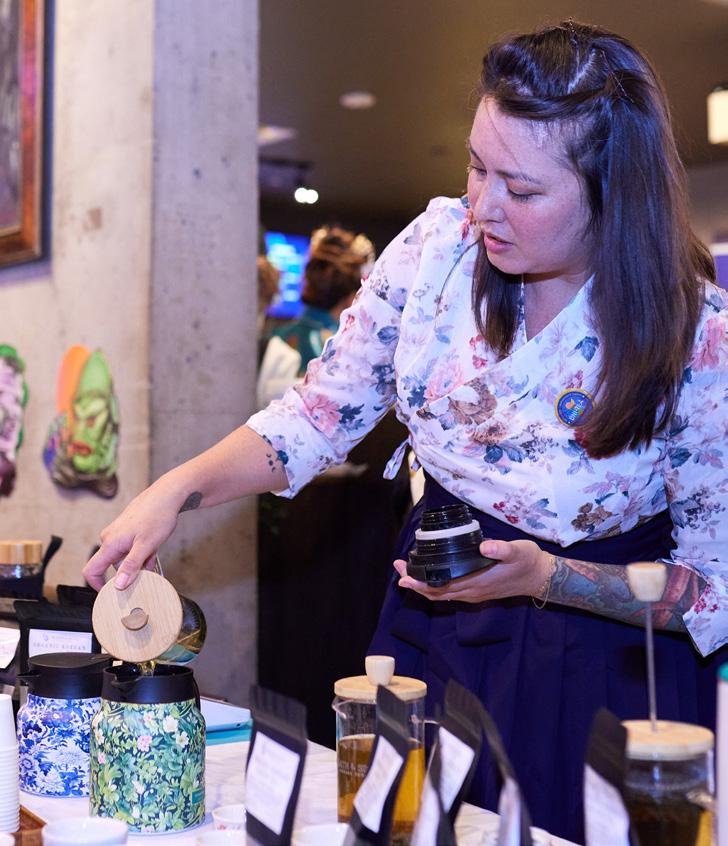
Uni-Tea transformed the venue at the Sie FilmCenter in Denver into a vibrant cultural tapestry featuring tea and coffee demonstrations from Japan, China, Guatemala, and Africa, each infused with the rich traditions and stories of their respective regions.
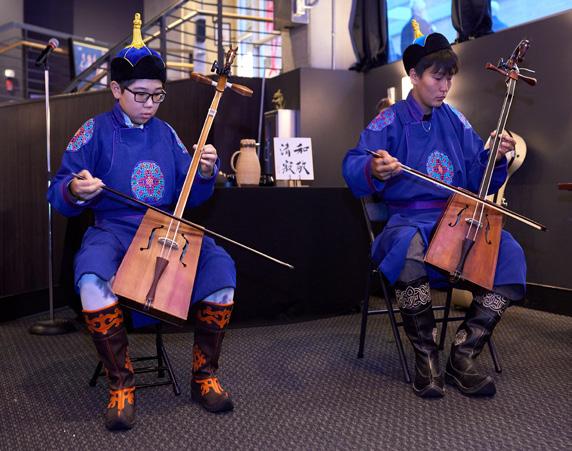
Attendees enjoyed live performances by the Ajnai Ensemble of Mongolian youth string musicians and Afro-Cuban drummers, creating an atmosphere that celebrated rhythm, resilience, and cultural pride.
— should not be told for us, but by us. We are a refugeefounded, refugee- and immigrant-led organization, powered entirely by us who have walked the long road of displacement and rebuilding. Our lived experience is not a footnote — it is our expertise, our leadership, and our offering to our communities.”
Vendor booths represented four continents and five countries: China, Ukraine, Guatemala, Korea, and Ethiopia each offering cultural perspectives, educational displays, and tea and coffee tastings throughout the night. Guests were encouraged to “taste the world and listen to its rhythms,” as each booth, performance, and demonstration reflected RIU’s mission to highlight both diversity and shared humanity.
In her opening remarks, RIU Founding Executive Director Nga Vương-Sandoval shared an inspiring message about selfdetermination and representation:
“At Refugees + Immigrants United, we believe that the stories of our community — our loss, our triumph, our futures
Vương-Sandoval also reflected on RIU’s remarkable first year. Since its founding, the organization has hosted, cohosted, sponsored, or facilitated seven events fostering dialogue, connection, and visibility across Colorado. She highlighted RIU’s advocacy work, including authoring two statewide proclamations — one marking the 50th anniversary of the end of the Việt Nam War with a reclaiming of themes of Vietnamese Remembrance and Resilience, and another recognizing Asian American, Native Hawaiian, and Pacific Islander (AANHPI) Heritage Month. Both proclamations are the first of its kind in Colorado’s history.
“These milestones are not ours alone,” Vương-Sandoval noted. “They belong to the community. To every refugee and immigrant who has ever been told to wait their turn to lead, and instead chose to lead anyway.”
The evening embodied RIU’s three guiding pillars: connection, education, and celebration through action.
“Unity isn’t found in sameness,” said Vương-Sandoval. “It’s found in the wonder of our differences. Tonight, may you feel seen, nourished, and inspired to keep building the bridges that bring us closer.”
Follow Refugees + Immigrants United (RIU) for updates at instagram.com/riu_colorado.
I have been fortunate this fall to travel around Colorado for a leadership program I was nominated to participate in through work. I’ve visited Vail and Fort Collins, and in doing so, I passed through parts of the state I had rarely seen. It reminded me how diverse our experiences are as Coloradans, shaped by where we live. Each place is distinct from the next— and even more so from where I grew up.
I am a multigenerational Coloradan, born and raised a Pueblo prairie girl. I grew up on the north side of Pueblo, where my backyard was cactus, rattlesnakes, coyotes yipping at night, and endless freedom to explore. I look back and remember so much joy growing up in Pueblo—except it was (and still is) so very hot in the summers!
When I would share that I’m from
Ambassador64Notes from Pueblo County
By Niki Sosa
Rocky Mountain Public Media, the home of Rocky Mountain PBS, KUVO Jazz, and TheDrop303 has a partnership with Colorado Ethnic Media Exchange to launch this monthly essay series, as part of our vision to co-create a Colorado where everyone feels seen and heard.
These stories are sourced from community members across the state—told in their own words and selected from our 64-county community ambassador program. They are not editorial products of our journalism team, but are first-person reflections on life in Colorado - building bridges through empathy. Learn more about all of our brands and content at rmpbs.org/about.
Pueblo, I used to brace myself, waiting for the ridicule—a sigh or a dreaded, heavy “Oh.” Then came the awkward silence while they judged me based only on what they’d heard about Pueblo. I never fully understood why it seemed like such a terrible thing to be from there. Sure, Pueblo doesn’t have big attractions like the larger cities, and it’s not nestled at the base of a mountain with hiking trails. In my twenties, I even had the urge to leave my small town for something more and set my sights on Denver.
I now live in Colorado Springs, just north of downtown. I made the short move up I-25 nine years ago, and in almost every way, it feels like a different world—the landscape, the buildings, the history, the people, and even the summer temperatures.
Through my work at Colorado College, I meet with community members across the Pikes Peak Region and learn about the challenges and opportunities that exist here. I’m part of a team that educates students on seeing and starting from the strengths and assets of a place—of a community.
So when I hear the scoffs and see the judgment in others’ eyes when I proudly state I grew up in Pueblo, I know they don’t see the neighborhood block parties and BBQs, drive-in nights with friends and primos, art classes at the Children’s Museum, walks along the Riverwalk, football games that bring out the whole community, the smell of roasting chiles
in the fall, and festivals rooted in the love and history that is my home. They’ve only heard about Pueblo—they’ve never truly seen, experienced, or lived Pueblo.
I brace less now when I share where I’m from, and I hear fewer and fewer judgments—especially from those committed to community building. For those who know and understand community, they share their own love for Pueblo gems: the Chile & Frijoles Festival, breweries, coffee shops, bike trails, a water park along the river, the farms, and the people whose families go back generations and keep traditions alive.
I love my new home, and it has also made me love my first home even more. Pueblo is where my story begins, and no matter where I live, it continues to shape the future I’m growing toward.
Call for Taiwan’s substantive participation in INTERPOL— enhancing joint efforts to combat transnational crime through real-time intelligence exchange
Founded in 1923, INTERPOL currently has 196 member states, making it the world’s second-largest international organization after the United Nations.
INTERPOL is an essential platform for global law enforcement cooperation. It closely monitors transnational criminal activity including terrorism, cybercrime, and organized crime, and conducts exchanges with law enforcement agencies worldwide through its network of National Central Bureaus.
INTERPOL’s mandate is to ensure and promote the widest possible mutual assistance between all criminal police authorities. Yet, for more than four decades, Taiwan has been unjustly excluded from the organization for political reasons.
Taiwan’s law enforcement authorities have extensive experience and expertise in crime prevention, public safety, and international cooperation. They have achieved significant success in areas such as combating drug smuggling and cyberfraud, earning Taiwan a strong reputation in the international community.
However, Taiwan is unable to access INTERPOL’s databases, participate in its events, and share information with other countries in real time.
Globalization has accelerated the transnational development of crime.
Criminals and illicit assets can move swiftly across borders, meaning that drug smuggling, human trafficking, cybercrime, and other illegal activities are not confined to individual countries or regions, but are challenges facing the whole international community. At a time when crime is becoming increasingly globalized and sophisticated, it is imperative for the world’s police to work together to build a seamless and inclusive global security network. Enhanced international cooperation is needed to effectively combat cross-border illegal activity and safeguard global stability.
Taiwan’s participation in INTERPOL would enable countries to coordinate their efforts in an unimpeded manner,
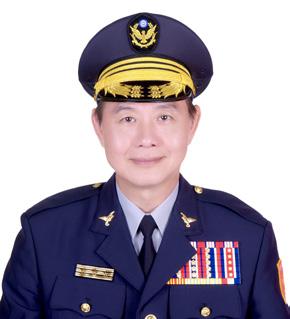
By: Chou Yew-woei Commissioner Criminal Investigation Bureau
confront common threats, and uphold public safety and order.
Taiwan’s strong capabilities in combating crime
According to the Numbeo global database, Taiwan ranks fourth in safety among 147 countries worldwide. Taiwan’s high placement is due to its low crime rate, strong sense of community, effective law enforcement, and close civic cooperation with the police. Taiwan’s crime rate is just over 1,200 reported incidents per 100,000 people, with homicide at only 2.3 per 100,000—far below the global average. This internationally recognized public safety record sets an important benchmark for law enforcement policymakers around the world, and makes Taiwan an attractive destination for international travelers.
As a responsible member of the international community, Taiwan is ready to play a full part in fighting transnational crime, contributing to criminal investigations, and working with partner countries to protect the safety and property of people around the world.
Supporting Taiwan to close the gap in the global security network
Taiwan has had success in combating telecom fraud, drug trafficking, and other cross-border crimes. In the fisheries sector, it has long-term experience in identifying vessels involved in human trafficking; forced labor; and illegal, unreported, and unregulated fishing.
But without access to INTERPOL’s I-24/7 global police communications system, Taiwan cannot share urgent information and join coordinated enforcement efforts in real time. Delays in reporting can lead to loss of evidence, failure to apprehend suspects, and unnecessary suffering of victims. Taiwan’s absence undermines the international law enforcement framework and creates a significant gap in global security.
Taiwan is a reliable law enforcement partner for countries worldwide
In recent years, fraud and other financial crimes have become increasingly transnational. Scam syndicates have shifted
operations to such countries as Cambodia, Thailand, Myanmar, and Laos. Victims from around the world have been lured to the region through false promises of travel and employment, only to be trapped in scam centers where they are forced to carry out financial crimes. Some are even sexually exploited, sold to other criminal groups, or trafficked for organ harvesting.
A crime trend update published by INTERPOL on June 30 warned of the globalization of human trafficking-fueled scam centers. The report noted that as of March, people from 66 countries across all five continents had been trafficked into such operations, with the estimated number of victims running into the hundreds of thousands. Taiwan’s police have the experience, expertise, and capacity to assist in combating and preventing such crimes.
Global call for Taiwan’s substantive participation in INTERPOL
In an article titled “Taiwan’s INTERPOL Exclusion Undermines Global Policing Efforts,” Dr. John Coyne of the Australian Strategic Policy Institute argued that Taiwan was an important and capable partner in the Indo-Pacific region. He pointed out that its ports, airlines, and banking system were prime targets for transnational criminals. Dr. Coyne stated that Taiwan’s exclusion led to delays in intelligence sharing and apprehension efforts, limiting the effectiveness of international joint action.
Faced with a growing epidemic in transnational crime, the international community must strengthen intelligence exchange and deepen partnerships to improve cross-border law enforcement. We urge all countries to support Taiwan’s bid to participate as an observer in the INTERPOL General Assembly and to meaningfully engage in INTERPOL meetings, mechanisms, and activities, so that Taiwan and INTERPOL’s member states can engage in unhindered interactions. Taiwan remains committed to strengthening communications and cooperation with countries worldwide and working with the international community to combat transnational crime.