
An evaluation of the ethos of Ackworth School
Evaluation visit: 27th-28th November 2025
Evaluators:
Lead evaluator: Dr Simon Uttley
Team evaluators: Elizabeth Bowey
Amanda McShane
Format of evaluation:
This Evaluation Visit (EV), undertaken on the invitation of the Headteacher and Governors of Ackworth College, aimed to establish the nature and impact of the school ethos as experienced by the school community, including parents and Governors, and the extent to which Quaker values enriched the climate for learning. The three ‘lenses’ through which this assessment is framed are the school and the individual, the school community, and the outward-facing school. The EV involved extensive conversations with students, staff, parents, and Governors, as well as additional surveys, desk analysis, and observation. All survey data was shared with the school. Where any stakeholder requested a follow-up meeting with a member of school staff, this was available. An external consultant led the EV with extensive experience in school leadership and evaluation, as well as recent research and scholarship in Quaker education. The Team Evaluators had recent training in this process by the Lead Evaluator. As the EV is not an inspection but rather designed to support the school’s ongoing self-evaluation and planning, no summative judgements or grades are given, though key strengths and areas for further enquiry are identified.



Ackworth School and the Individual: Students, staff and support
Students
Overwhelmingly, students and staff deeply value the culture of kindness, welcome, acceptance and support which underpins this happy school, where young people flourish.
Students comment that the school not only offers excellent teaching but also a wide range of opportunities to develop as people, supported by positive role models and enriched by the 250-year tradition of education at Ackworth. The vast majority feel deeply cared for, confident that they will be listened to and appreciative about how the school has helped them navigate their own lives. In addition to the staff who receive overwhelming praise from students and parents, the work of specialist resources such as The BRIDGE, the Well-Being Hub at Garden Villa and Peer Mediators is all commented on favourably. Students overwhelmingly believe that fairness and equality are taken very seriously at the school, and that bullying and discrimination are addressed very effectively. Students who recently joined the school, including those in the Football Academy, are overwhelmingly positive about how they have been helped to settle in. A small number of students reported concerns; these were predominantly related to reported inconsistencies in the handling of individual cases, resulting in unmet needs, with the opportunity given to secure further meetings with school staff.
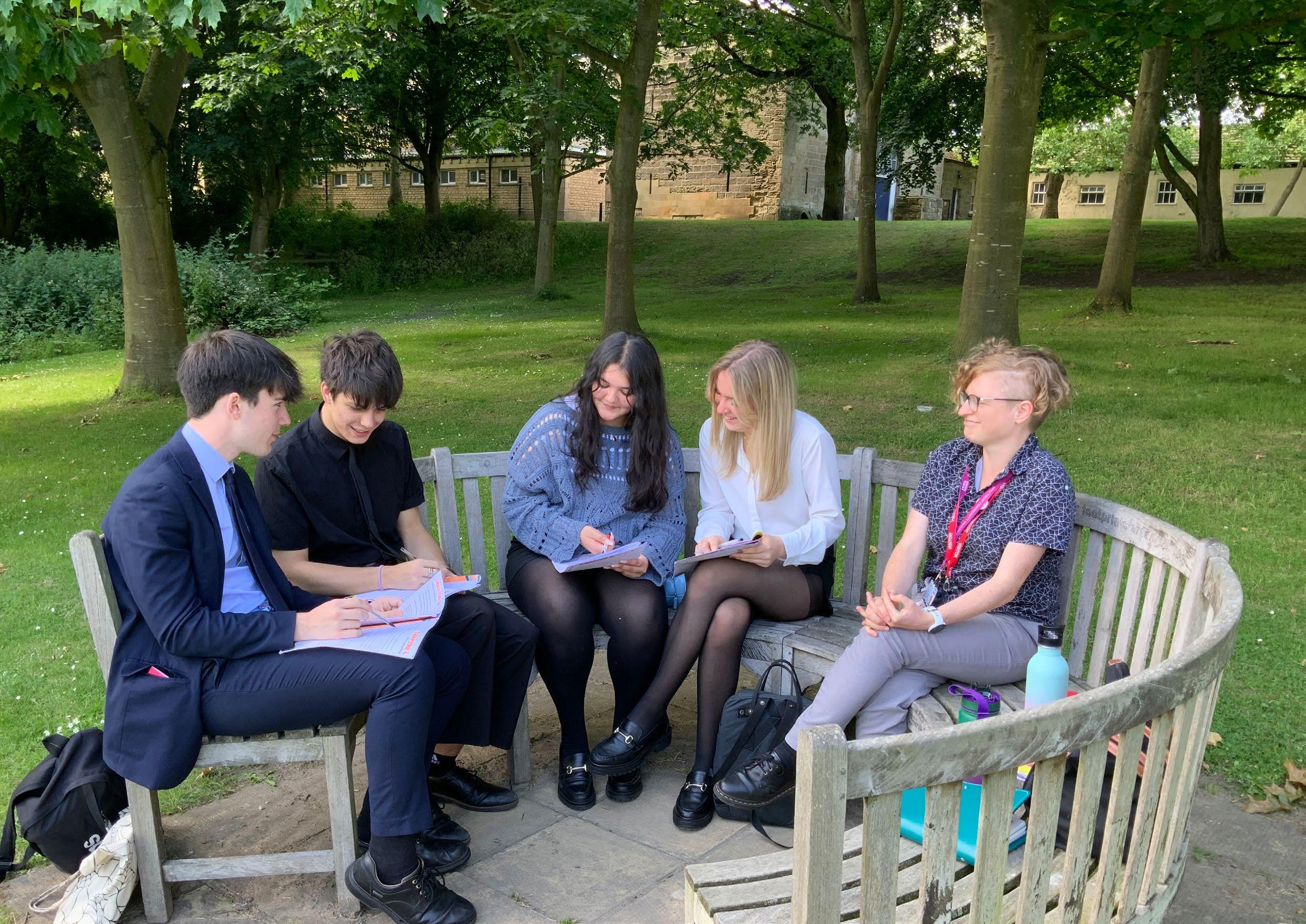
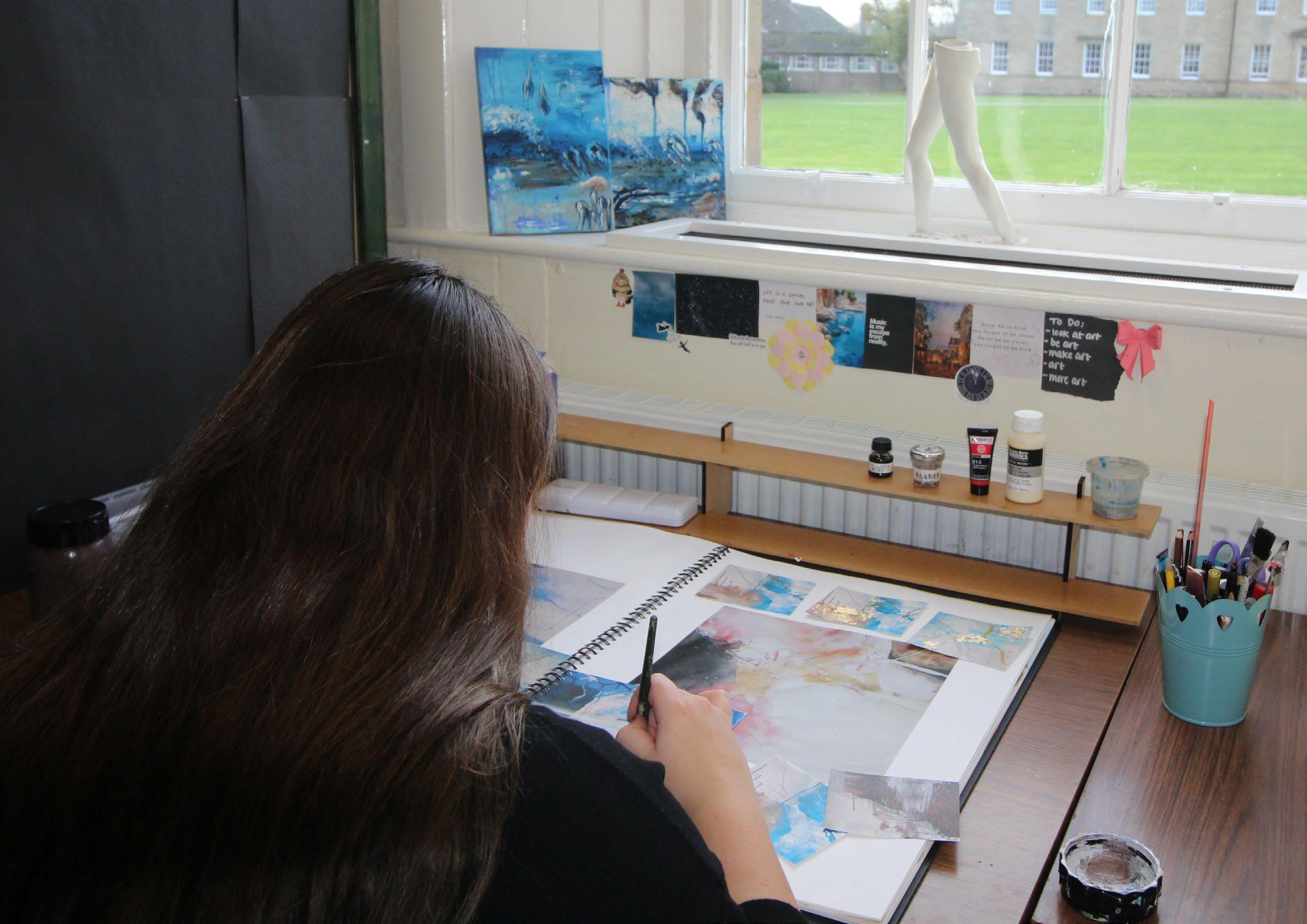
A significant number of students speak of the formative nature of their school experience, going beyond knowledge transfer and examination preparation to offer real character formation.
One Sixth Form student spoke of how he had been changed by being at the school, developing adaptability, tolerance, consideration for others and the ability to find solutions. Another said that he would take into his adult life the values of simplicity, reflection and consideration. Both younger and older students spoke of the informal mentoring and support that take place through their easy association with one another. For another member of the football academy, he spoke passionately of the humility he now valued, having previously been more concerned with “ego and independence”, saying, “I want to be the bigger person”. Several spoke of the school’s decision to allow the use of first names with staff as not only an example of student voice being respected but also as a means to develop high-quality working relationships between students and staff and a real sense of close community. Equally, where this was deemed less helpful, such as in the Autism Resource and with the younger years of the primary setting, there has been flexibility in not requiring it. A further example of student voice is in the plans to introduce dance into the curriculum to ensure breadth and engagement. Overall, a number of staff advocated for the development of a more character-rich curriculum, where rewards, progress reporting and the choice of co-curricular offer could be explicitly triangulated with the development of character.
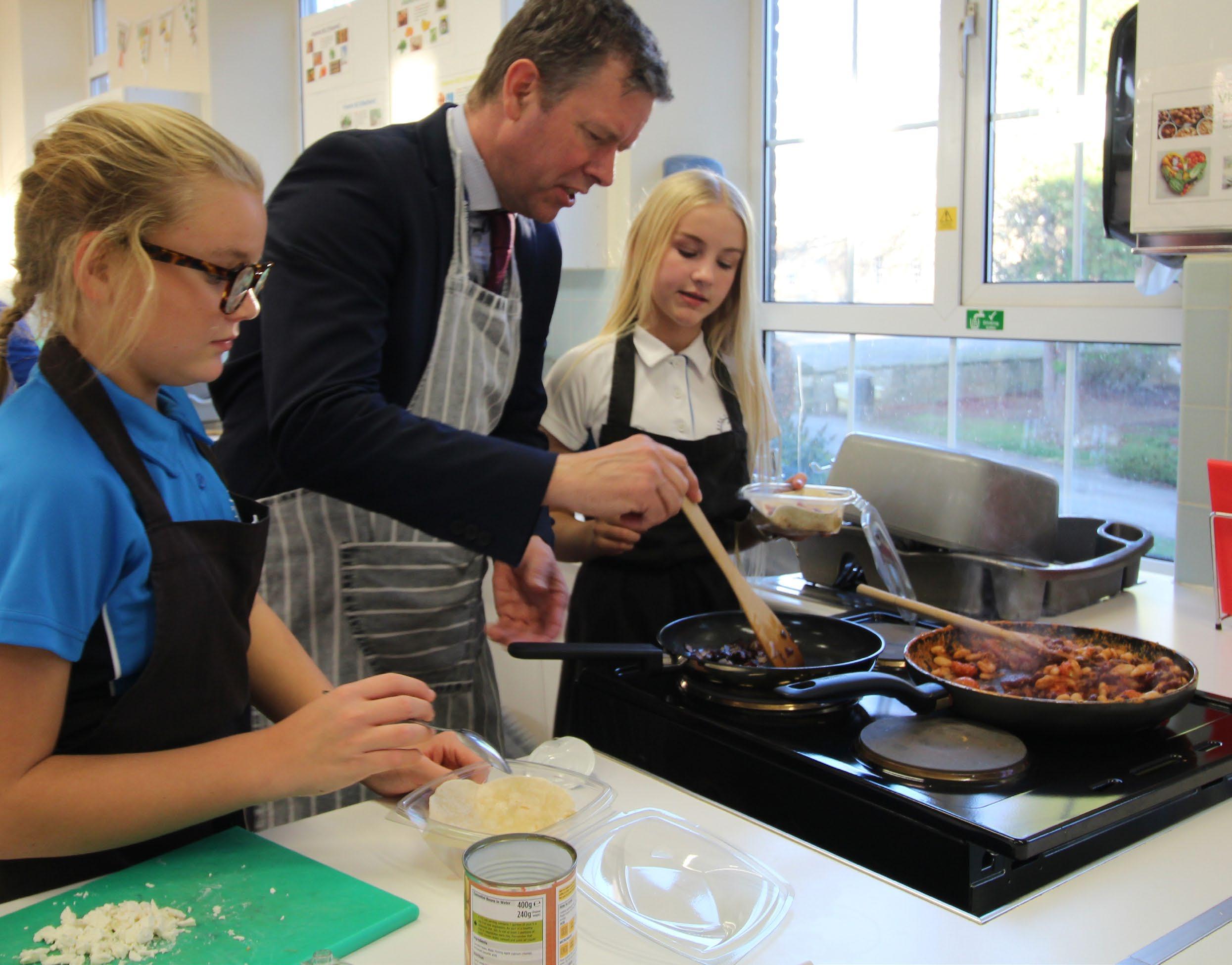
Staff experience
Staff are overwhelmingly proud to work at this school, where they believe they are well led, supported and encouraged.
Most believe they have a good understanding of the Quaker ethos underpinning the school, with the majority seeing students’ behaviour as reflective of these values. Most understand the core purpose of the school and believe this to be lived out in daily practice, and some see this embedded within the curriculum to provide a distinctive worldview. For one member of staff, “since the change of leadership, our values are far more front and centre of who we are as a school.” Another member of staff commented that while Quaker values are much stronger than they were in the past, there is still a need for these to be more consistently modelled throughout the school. Mindful of the diversity of the school, all staff recognised that Quaker values do not interfere with the religious or secular worldviews of members of the school community, but rather speak to a life well-lived, without religiosity. Newly appointed staff see the school’s distinctive ethos in different, yet overwhelmingly positive, ways. Some speak of an atmosphere of calmness and simplicity, and the dignified interactions between staff, and speak of feeling ‘at home’ in school. “This is a place I want to be” said one recently appointed member of staff. For another, “this school is a lot calmer than where I came from.” For another, “everyone respects the silence; it brings us closer together as a staff.” Another saw in the school a place of possibility, with an overwhelming sense that we can do better in everything we do. It is easy for adults to underestimate their role as positive role models in forming young people, and Ackworth support staff, as well as teachers, have much to offer in this regard.

For one member of staff;
“Since the change of leadership, our values are far more front and centre of who we are as a school.”
Support
Ackworth also recognises the importance of holistic development. Co-curricular activities, including music, drama, and sports, are integral to the school experience. These programmes encourage creativity, teamwork, and leadership, helping students discover talents beyond the classroom. The Bridge, Learning Support, Garden Villa and the Autism Resource offer an integrated matrix of support. Well-resourced and welcoming, staff are well-led and are committed to continuous improvement, responsive to students’ (and family) needs and wellinformed in best practice, leading to a high degree of parental satisfaction. The majority of parents of students recently joining the school speak highly of the experience, though a small number had a less positive experience. Career guidance and support continue to be areas of focus.
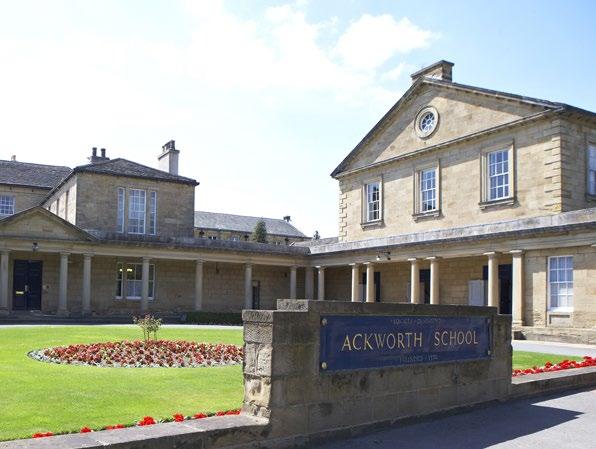
Ackworth School – The Community: Quaker ethos;
leadership & Governance
Community cohesion
The school’s Quaker principles of equality and respect underpin a culture of inclusivity, ensuring that the overwhelming majority of students and parents feel valued and supported.
This sense of belonging is cultivated through traditions, communal activities, and a strong pastoral network that connects students, staff, and families. Relationships between staff and children are extremely positive, with a safe, welcoming climate for learning. Younger children value the time for reflection: In a dynamic meeting with Years 5 and 6 pupils, they were clear that the school offered a distinctive way of being. “I thought the silence was a bit weird at first, but I find it special and nice now because it helps…I like the landscape, and if I am worried, it helps keep me calm.” In an impressive meeting of children in Coram, they co-created a charity strategy, made effective decisions, and demonstrated strong skills in listening, speaking, and negotiation.
Boarders speak of the significant improvements in recent years, and of the family atmosphere they enjoy within boarding provision. “I feel my voice is heard”, said one, and “I realise that this experience has prepared me for university and adult life”, said another. Day students are equally integrated into the community through shared experiences in classrooms, clubs, and events. The school offers over eighty co-curricular activities, ranging from sports and performing arts to academic societies and service projects. These opportunities encourage collaboration and friendship, allowing students to develop social skills and a sense of teamwork. Annual events, such as concerts, drama productions, and sports tournaments, bring the entire school together, strengthening communal bonds. Leaders recognise that tracking the uptake of co-curricular activities will ensure no one is left behind, as such opportunities contribute directly to character formation as well as sheer enjoyment.
“I thought the silence was a bit weird at first, but I find it special and nice now because it helps…I like the landscape, and if I am worried, it helps keep me calm.”


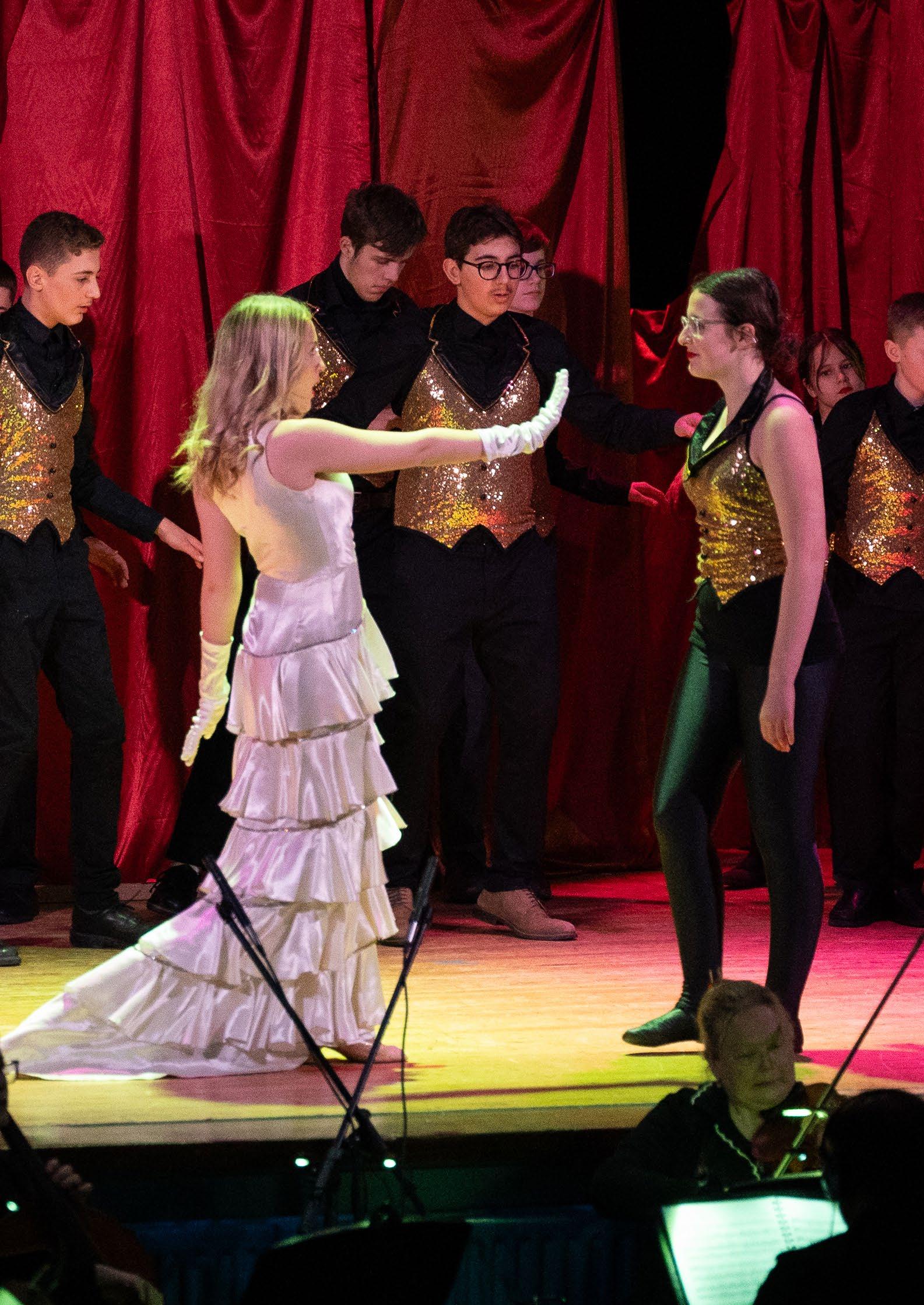
Quaker ethos
Quaker values, such as sustainability, the pursuit of truth, peace and equality, are evident in every conversation with students and staff, with some more able to apply these to every aspect of their life.
Several respondents reported that Quaker values were discernibly ‘coming back’, driven by leadership and modelled by Quaker (and other) staff, including the headteacher, whose influence as an agent for change was universally applauded. In a meeting for worship, children of all ages arrived respectfully, and co-created a stress-free, unforced and quietly moving environment for silence and reflection. Staff and students sat together without visible hierarchy, celebrating recent achievements in the life of the school, with interventions from both students and staff. It is easy to ignore how unusual twenty minutes of silence are for a large group of any age, especially one that includes so many younger children. For one senior student reflecting on the practice. “I was an emotionally turbulent child. In Quaker Meeting, I calmed down; it has impacted my decision-making skills so that I can think clearly”. Mealtimes, too, are punctuated with time for reflection, and the ‘art’ of eating a meal together properly is supported by mixed-age table arrangements that ensure no one is isolated, as well as by the appetising food shared by the catering team, who, in their own important way, model the ethos effectively.
For
one senior student reflecting on the practice;
“I was an emotionally turbulent child. In Quaker Meeting, I calmed down; it has impacted my decision-making skills so that I can think clearly”
In a Coram Staff meeting, staff confidently discussed Quaker values and how they were being embedded into the curriculum. Year 5 and Year 6 pupils could immediately identify the five key principles of a Quaker school and were able to give examples of how they experience this in practice. They are aware of the ‘Purpose Statement’, easily visible throughout their classrooms and corridors, and they value the quiet time of reflection. When asked to reflect on the Quaker value of truth, three Year 5 children could articulate its importance not only within a school setting but also for later life, for instance, “If you’re not truthful, you’ll probably get sacked”. They were articulate, courteous, and able to listen to each other and to recognise differences of opinion.
In daily life, the Quaker ethos is also reflected in peer mediation, whereby students are trained to recognise the consequences of their choices, the importance of others around them, to practise consideration and seek reconciliation. While some parents and students felt this is not universally practised, others were complimentary as to how problems were tackled. Some parents also suggested that key messages on Quaker distinctiveness and what makes the school special could be presented and curated -for example, as podcasts – to help parents better understand the Ackworth difference.

Leadership and Governance
Leadership is strong, principled and purposeful, driven by the inspirational headteacher whose own Quaker values, together with those of colleagues, have led to rapid improvement.
Staff see line management as supportive and fair, with colleagues repeatedly speaking of the family atmosphere, the approachability of others and a deepening sense of common purpose. The recent introduction of a new staff appraisal system is welcomed for placing development at the heart of objective-setting. “They are thinking about my future”, said one teacher, “not forcing me down that path”. Non-teaching staff were clear that they were fully included and had a sense of shared purpose. Senior leaders recognise that providing a richer induction process for all staff, including support staff, will ensure that new colleagues can identify what is distinctive about the school, how it develops and perpetuates its ethos, and how they can contribute to the school’s ongoing story most effectively. Staff in Coram benefit from greater time to meet together, and the senior school has recognised that this is a strength, particularly in ongoing training and formation.
Well-informed Governors understand and embrace the school’s specific mission, including the Quaker values that underpin decision-making. They fully recognise their obligations to care for students and staff and actively seek to gauge the impact of their decisions. They value their involvement in the life of the school, including attending Quaker meetings with the children, with the majority seeing a focus on social justice and the more vulnerable as very important. They take seriously their role in passing on the 250 years of history and tradition, supported by the old Scholars community, with one Governor describing ethos as embedded in the “bricks and mortar” of the school. Their decision-making is informed by the Quaker Business Method, which “may take longer but is the right way to work”. As with senior staff, Governors are keen not to caricature or diminish Quaker values into mere platitudes, but to ensure they authentically inform school decision-making. Some Governors see the potential to further deepen their focus on this aspect of the school’s life through their work and ways of proceeding.
Ackworth School – Outward facing: Charitable enterprises, parents & the Football Academy
Ackworth School’s vision extends far beyond its campus, preparing students to engage with the wider world as informed, responsible, and compassionate individuals.
This is reflected in the support and guidance received, as well as specific facilities such as the Football Academy and the autism resource. In Coram House, the school’s primary age provision, there is a firm commitment to looking outwards to the common good. Examples include the work of the Eco Council, the Winter Warmth collection, the Christmas appeal, the Houses named after Quakers, the Airedale Baby Bank collection as well as clear visual evidence of the wider Quaker world, presented in attractive displays, reminding younger pupils of the principles espoused by the school. Founders’ Day, too, presents a whole-school opportunity for charitable work. A powerful and oft-repeated outward focus is the commitment to sustainability, driven by a member of staff but supported and commented on across the school community. Going forward, the ability to track back from these and other ventures to understand how and to what extent they are formative of character, as well as being good things to do, will ensure that no children are left behind in this curriculum enrichment.
“The school’s values are at the forefront of everything it does, and this has helped our daughter’s awareness of greater things and endeavour as well as instilling greater confidence in her ability as she grows from teenager to adult”
Educational trips and expeditions form a key part of this engagement. Students participate in visits to historical sites, scientific institutions, and cultural landmarks both within the UK and internationally. These experiences deepen academic understanding and encourage curiosity about different cultures and societies. Ackworth’s commitment to inclusivity extends to its international dimension. Welcoming students from nearly thirty countries, the school celebrates cultural diversity and promotes global awareness, including the well-regarded Culture Day in boarding. This multicultural environment enriches classroom discussions and broadens perspectives, preparing students to thrive in an interconnected world. For one student, “Being with so many people and personalities, helps me with how to understand other people’s views and be more tolerant”. Language programmes, cultural exchanges, and international days further enhance this global outlook within the school community.
Nearly all parents see staff at Ackworth as positive role models and understand the distinctive Quaker ethos of this school.
The majority feel included in the life of the school, and most feel that a concern for building community is taken seriously. Several spoke warmly of ‘Reflect 30’, where parents and members of the local community are able to come to school. All parents believe that a concern for the wider world and the common good is valued in this school. Most parents comment on receiving timely and informative communication, with some expressing a desire for further improvements. One parent said, “The school’s values are at the forefront of everything it does, and this has helped our daughter’s awareness of greater things and endeavour as well as instilling greater confidence in her ability as she grows from teenager to adult… Quaker values espoused by the school will shape her and stay with her to support her throughout her life.” For another parent, “this ethos was a key reason we chose Ackworth over other independent schools. The whole team demonstrates a genuine can-do attitude, and it is clear there is a strong sense of community and family across the school. We feel very reassured that our child is thriving in such a positive environment.” For another, “the school genuinely lives and breathes the ethos and it shines through, it is not just ‘ethos washing’. Our children are happy and secure and feel genuinely nurtured. The staff deserve thanks and recognition for making Ackworth the special place that it is.” The majority of parents of children who joined the school from another school speak warmly of the management of this transition, with one describing the process as “excellent transition, staff were knowledgeable about possible issues that may arise, and it was a seamless transition. I felt the staff were highly skilled and dealt with any issues that would have arisen.” In a minority of cases, the transition was not seen to have been as effective.
The Football Academy at Ackworth also invests in strategic partnerships that create unique opportunities for its students.
A notable example is the collaboration with Paris Saint-Germain Academy, which offers elite football training and exposure to professional sporting environments. Such initiatives not only enhance athletic development but also demonstrate the school’s commitment to providing pathways that connect students to global networks and careers.
One French student spoke of the welcome he had received as he was inducted into the Football Academy. ‘I was just expecting I would be asked to play and then be told what was good and what was not but instead the teacher spent a long time asking me all sorts of questions because he wanted to find out who I really was. This was a real surprise to me and something that I have come to realise is special to this school.’ Another student from the Football Academy saw in the training a reflection of the school’s ethos: ‘Where I came from, you just played for yourself. Here I’ve learned how to play in a team, how to come together and focus on winning together and not just want it to be all about me. I know this is something I will take into the next stage of my life.”
For another, “I thought I had to be independent, but I immediately felt safe and that I belonged... everyone became close…Everyone is humble and no one has an ego.” In response to student voice, preparations are underway for a girls’ Academy which will also allow for engagement in the local community, benefitting children in other settings and utilising Ackworth’s considerable expertise. Finally, the Football Academy are also outward-focused in the sense of providing opportunities – and role models – to younger pupils, who benefit from being coached by the talented Sixth Form students.
“I was just expecting I would be asked to play and then be told what was good and what was not but instead the teacher spent a long time asking me all sorts of questions because he wanted to find out who I really was. This was a real surprise to me and something that I have come to realise is special to this school.”
Community service and sustainability projects further illustrate Ackworth’s outward focus.
Students are encouraged to participate in local and international initiatives that promote social responsibility and environmental stewardship. These programmes teach the importance of contributing to society and caring for the planet, reinforcing values that align with the school’s Quaker heritage.
The international dimension of Ackworth School is strengthened by its diverse student body and global alumni network. Cultural exchange programmes, language learning opportunities, and international celebrations cultivate an appreciation for diversity and interconnectedness. Graduates often progress to leading universities worldwide, carrying forward the school’s ethos of service and excellence into their future endeavours.


“I thought I had to be independent, but I immediately felt safe and that I belonged….everyone became close…everyone is humble and no one has an ego.”

Ackworth School: Areas for further investigation
• Develop the curriculum to secure a more cohesive and distinctive ‘world view’ by ensuring all academic and pastoral departments recognise how their subjects contribute not only to knowledge transfer and intellectual development, but also to a flourishing life and to the common good.
• Strengthen the alignment of ethos and practice by exploring the implementation of ‘character education’, drawing on national best practice.
• As much character development is ‘caught, not taught’, continue to recognise the power of harnessing the adult role models from across the school, to help inspire young people to grow, particularly drawing from staff who may currently not see themselves as ‘student-facing’.
• Ensure all staff - support or teaching, September starters or mid-year – receive an induction which equips them to understand the distinctiveness of the school ethos.
• Support the development of Quaker understanding in the school by ensuring this is better resourced, aligned to strategic planning, identifies key deliverables and is connected with other Quaker schools, as well as contemporary Quaker thinking, regionally, nationally and internationally.
• Ensure even greater time and space in Governance for deep reflection on how ethos should drive development, as well as how development can be understood in Quaker terms.
• Support parental understanding of the distinctiveness of the school, through, for example, presentations, short videos and podcasts from members of the school which speak to this.
Dr Simon Uttley, Lead Evaluator
3rd December 2025