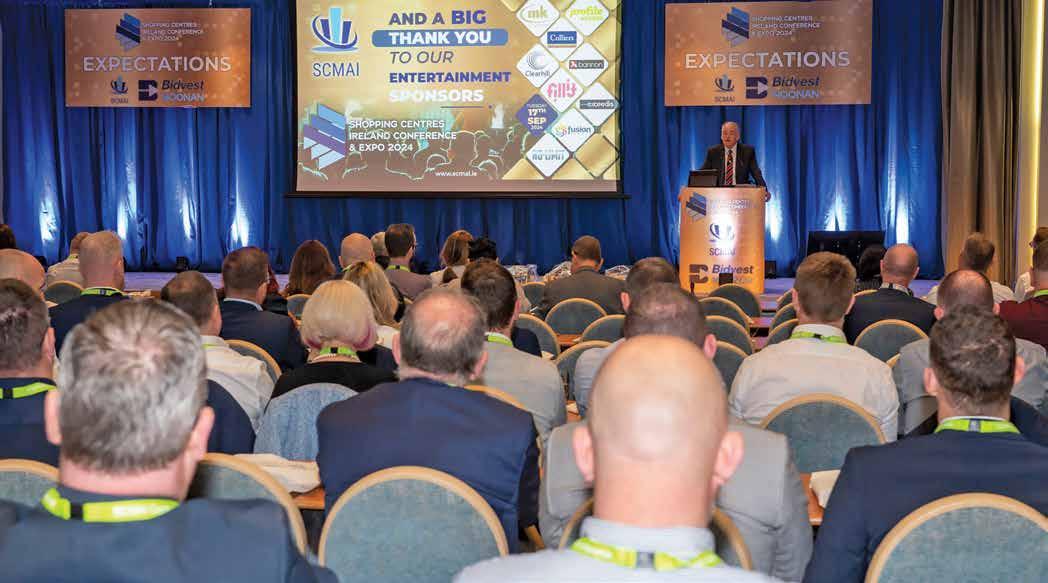
Proven strategies that draw people in AUTOMATION IN ACTION
The tech transforming daily operations
A RETAIL REVOLUTION
Future-proofing shopping centres
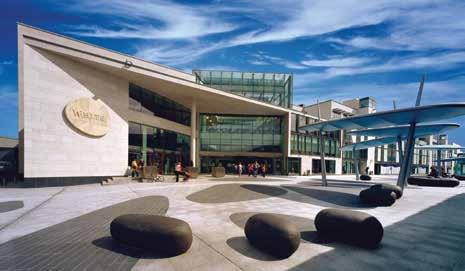
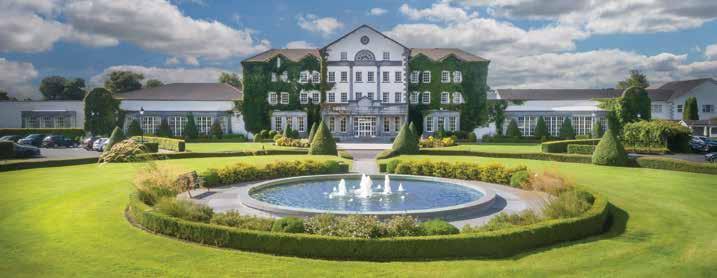
REGIONAL GEMS
Standout centres across Ireland
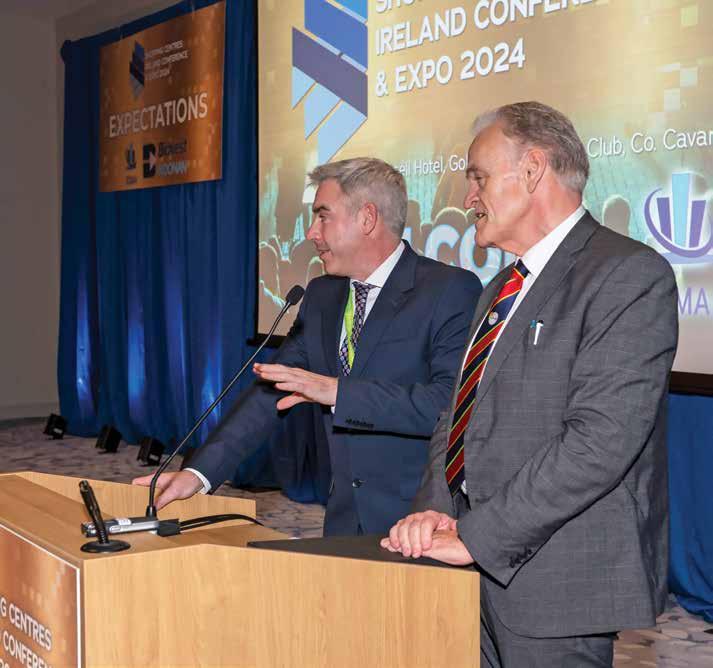
MIXED-USE CENTRES
Homes, retail and community in one place
Exceptional FM Services Delivered with Passion & Expertise
At Bidvest Noonan, we believe in exceeding expectations. By combining the talents and expertise of our exceptional people with advanced technologies, we transform FM solutions and elevate workplace experiences.
Exceptional Service, Everywhere
We invest in dedicated teams for all our key sectors, ensuring we deliver innovative and sustainable solutions that truly make a difference. Our growing portfolio of industry-leading clients is a testament to our dedication to exceptional service.
Market-Leading Technologies
Our advanced digital platforms streamline operations, improving efficiency, safety, and performance. With continuous innovation, we elevate your experience and help you achieve your goals.
The Industry’s Best People
Handpicked for their talent and passion, comprehensively trained, and expertly managed, our people are dedicated to delivering exceptional results across every sector.
Committed to a Better Tomorrow
SCMAI AT 40
FOUR DECADES AT THE HEART OF IRISH SHOPPING CENTRES
Sustainability and inclusivity are core to our vision. We work tirelessly to reduce our carbon footprint, embrace diversity, and uplift local communities. Discover the Bidvest Noonan Difference bidvestnoonan.com
THE SHOPPING CENTRE MANAGERS ASSOCIATION OF IRELAND BEGAN IN THE 1980’s, WHEN A SMALL GROUP OF CENTRE MANAGERS DECIDED TO MEET FOR MUTUAL SUPPORT AND SHARED LEARNING. IT WAS AN ERA WHEN THE MODERN SHOPPING CENTRE WAS STILL A RELATIVELY NEW IDEA IN IRELAND, AND THOSE EARLY PIONEERS RECOGNISED THAT COLLABORATION WOULD MAKE THEM STRONGER.
Originally known as the Association of Shopping Centre Managers Ireland, the group quickly became a trusted forum for practical advice, peer mentoring and problem-solving. As more schemes opened through the late 1980s and 1990s, membership grew and the association evolved into a recognised voice for the sector. Training events, informal meetups and early conferences gave managers a chance to compare notes on everything from leasing and marketing to cleaning, security and car parks.
Through the 2000s, the role of the centre manager changed dramatically. Online retail arrived, new formats emerged, and expectations of service, safety and sustainability rose sharply. SCMAI kept
pace, broadening its membership to include assistant managers, operations managers, marketing managers and commercial property professionals, reflecting the fact that running a centre is now very much a team effort.
The financial crash and, years later, the pandemic tested the entire retail sector in ways nobody could have imagined. Managers suddenly found themselves renegotiating leases, supporting vulnerable tenants, adapting to public health rules, and keeping teams and customers safe. During those difficult times, SCMAI was a practical support network. It became a steady point of contact, offering advice, virtual meetups and real examples of how centres were coping and finding new ways forward.
Today, under the leadership of Chair Denis Carroll and the current committee, SCMAI has truly come of age. It hosts seminars, a bi-annual national Conference & Expo, education programmes and ongoing peer support, helping members navigate everything from ESG reporting and automation to mixed-use development and community engagement.
Forty years on, the association is as relevant as ever. Centres may look very different to those early schemes, but the core purpose of SCMAI has never changed - to support the people who manage Ireland’s shopping centres and to champion the role these places play in the life of their communities.
07 | WELCOME FROM DENIS CARROLL
An introductory message from SCMAI Chair Denis Carroll, reflecting on the year’s achievements, industry challenges and the exciting direction of Ireland’s shopping centres.
10 | A RETAIL REVOLUTION
Irish shopping centres are evolving through technology, design, mixed-use development and shifting consumer behaviour. We explore the developments shaping the sector and what the next phase of growth will look like.
14 | DUNDRUM – IRELAND’S FLAGSHIP
Dundrum Town Centre stands as a benchmark for best practice and a blueprint for how to get retail right. We examine the elements behind its success, from tenant mix and experience design to operations, innovation and customer engagement.
21 | INCREASING FOOTFALL
Much has changed in retail, but one thing remains the same – footfall is king. This practical, insight-led feature breaks down the most effective ways to drive visitor numbers, from events and social media to loyalty programmes, community partnerships and centre-wide ac tivation strategies.
29 | SAFE SPACES
Safety and security are more important than ever in a challenging world. We look at how modern retail centres are responding, with AI-enabled surveillance, people-first training, coordinated response plans and case studies from leading Irish destinations.
39 | AUTOMATION
Automation is reshaping retail environments from the ground up. From car park systems and smart building controls to predictive maintenance and digital engagement tools, automation is transforming daily operations and helping centres run smarter and more efficiently.
SCMAI YEARBOOK
SCMAI YEARBOOK
42 | WASTE MANAGEMENT
Sustainability is now a core expectation for the modern shopping centre, essential not only for efficiency but also for meeting ESG commitments. We explore how centres are reducing waste, improving recycling, adopting circular practices and working with tenants to deliver meaningful environmental progress.
47 | HEALTH AND SAFETY
Always essential, but now more critical than ever as mixed-use retail, rising footfall and evolving visitor needs reshape the risk landscape.
53 | BRANDING
Branding is the personality of a shopping centre – the layer that shapes perception, drives association and builds long-term loyalty. This feature explores how strong branding, placemaking and identity influence footfall, customer connection and commercial performance.
59 | REGIONAL GEMS
A celebration of standout regional centres across Ireland, highlighting the essential roles they play within their communities and what makes each one distinctive.
63 | SCMAI CONFERENCE
The biannual SCMAI Conference in 2024 was a resounding success, bringing together key speakers, industry voices and fresh insights under its central theme of Expectations. We outline the key takeaways from the event and the opportunities to build on that momentum as we look ahead to 2026.
67 | RETHINKING RETAIL SPACE
Shopping centres are evolving into mixed-use destinations that combine retail with residential, student accommodation, leisure and community facilities. We explore how these new models are creating fuller, more connected urban environments.
Congratulations!
CHAIRPERSON WELCOME
DENIS
CARROLL, CHAIRPERSON, SCMAI
“IT GIVES ME GREAT PLEASURE TO WELCOME YOU TO THE NEW SCMAI MAGAZINE - A FRESH PLATFORM FOR SHARING IDEAS, INSIGHTS, AND INNOVATION FROM ACROSS IRELAND’S SHOPPING CENTRE SECTOR.”
Congratulations to the Shopping Centre Managers Association of Ireland on its 40th anniversary.
In 2025 Bannon will mark 20 years in business as the leading firm of property managers, agents and consultants to the retail sector in Ireland.
We wish all our colleagues in the sector continued success and growth.
Our industry has always been about more than retail. Shopping centres are at the heart of our towns and cities, serving as places where people meet, work, relax, and connect. In recent years, we have faced rapid change, from evolving consumer habits and the growth of online shopping to the challenges of energy management, sustainability, and new ways of working. Yet throughout it all, our members have continued to adapt with creativity, resilience, and vision.
Across Ireland, we see centres transforming into dynamic, mixed-use destinations that combine retail, leisure and community life. We are embracing technology in ways that would have seemed unimaginable a decade ago, from smart facilities and predictive maintenance to data analytics that help us understand visitor needs and operate more efficiently.
At the same time, there is a renewed focus on people. Centres are rediscovering their role as social anchors; places that bring communities together through local events, partnerships, and inclusive design. Whether through placemaking initiatives, greener operations, or enhanced visitor experience, shopping centres are redefining what it means to be part of the modern urban landscape.
This issue of SCMAI Magazine reflects that journey. Inside, you will find articles exploring the future of facilities management, security innovation, data-driven decision-making, waste
management, parking technology, and the move towards mixed-use and communityfocused destinations that are shaping the next generation of Irish shopping centres.
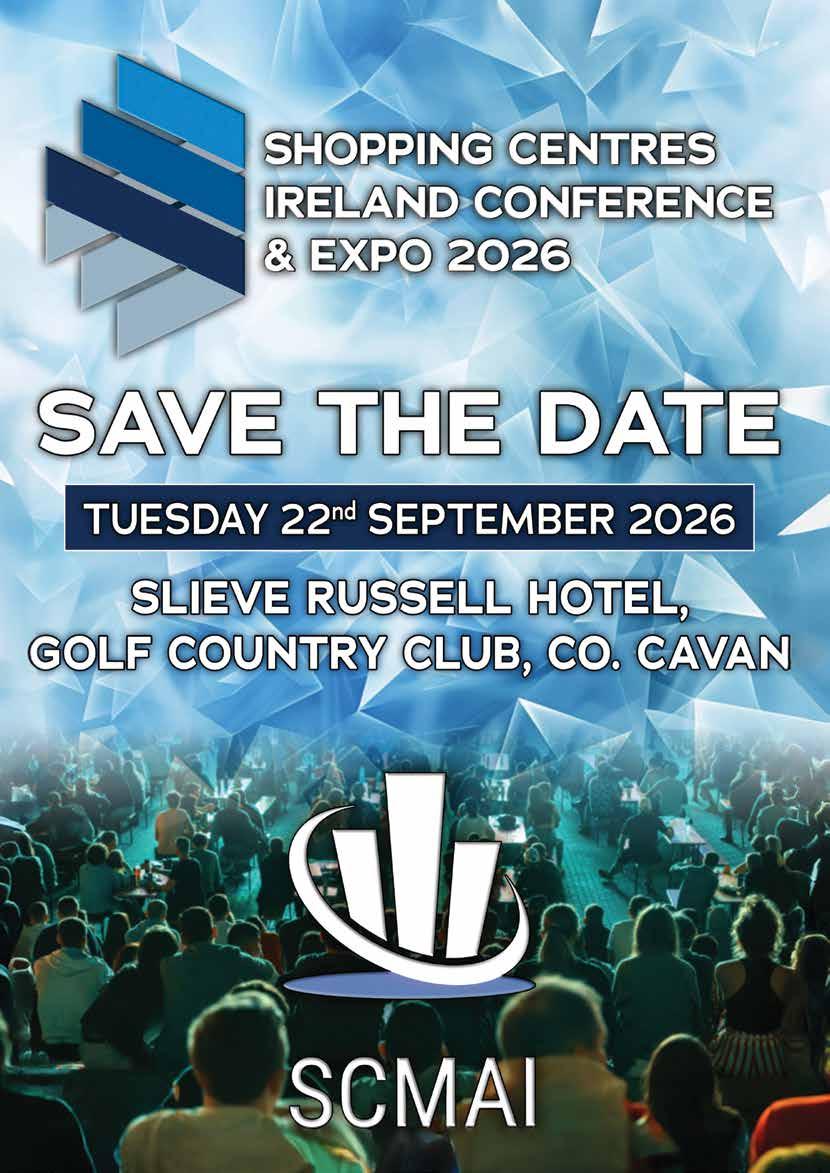
We will also be turning our attention to next year’s SCMAI Conference and Expo, which is a key event for our association and an opportunity for members to share experience, strengthen connections, and discuss the challenges and opportunities ahead. The Shopping Centers Ireland Conference & Expo 2026 will take place on the 22nd of September 2026 returning to the fabulous setting and facilities at the Slieve Russell Hotel Golf & Country Club. Further details of this year’s event will be announced shortly and they will also be made available on the SCMAI website, www.scmai.ie. The SCMAI conference committee have already put a huge amount of work and commitment into the planning and preparation for the 2026 Conference
to make sure we deliver the best possible experience for our members, exhibitors and sponsors and I encourage every member to take part as you will not be disappointed
Our sector continues to evolve, but one thing remains constant: the commitment, professionalism, and passion of those who work within it. Together, we are not just managing shopping centres; we are helping to build vibrant, sustainable communities that will thrive for generations to come. I hope you enjoy this new publication and find it both useful and inspiring.
Denis Carroll Chairperson, Shopping Centre Management Association of Ireland (SCMAI)
E-POWER ADVERT
A RETAIL REVOLUTION
FROM SMART TECH TO SOCIAL SPACES, TODAY’S SHOPPING CENTRES ARE REDEFINING WHAT IT MEANS TO GO SHOPPING.
The shopping centre is evolving at a remarkable pace. Once simply a place to buy what you needed, it is now somewhere to spend time, connect with others and enjoy experiences that go far beyond retail. Step into any forward-thinking centre today and you feel it straight away. There is the hum of conversation, the aroma of good food and the sense that this is community life in full swing.
Shopping centres are no longer just collections of shops under one roof. They are social spaces. Many now host yoga classes, wellness pop-ups and family
festivals, while others have gone a step further by introducing libraries, community clinics, coworking zones and art exhibitions.
Some even offer drop-in hubs for local start-ups and small businesses, turning a retail venue into a genuine civic space.
Technology that Serves People
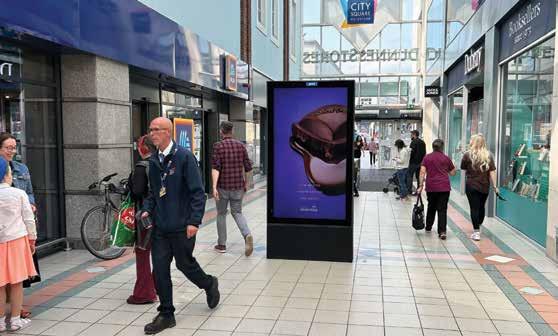
Technology is quietly shaping this new era of retail. Automatic number plate recognition systems allow drivers to move in and out of car parks without tickets, helping traffic flow more smoothly and reducing emissions. Digital signage, interactive directories and multilingual wayfinding all contribute to easier
navigation throughout a centre. At night, autonomous cleaning machines move through the centre using LiDAR to map their routes and adjust their cleaning patterns, improving efficiency while saving time and energy.
Behind the scenes, building management systems link lighting, heating and maintenance to run centres efficiently and sustainably. Security is becoming smarter too. AI-assisted CCTV, facial recognition alerts and predictive analytics all help teams maintain a safe, seamless experience for visitors.
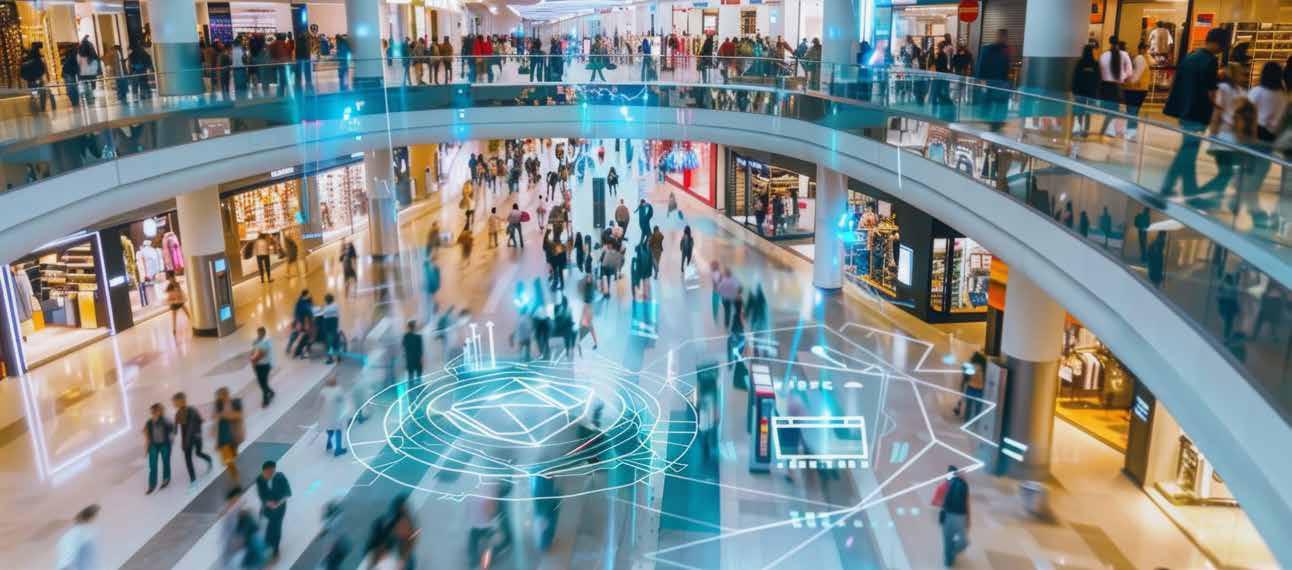
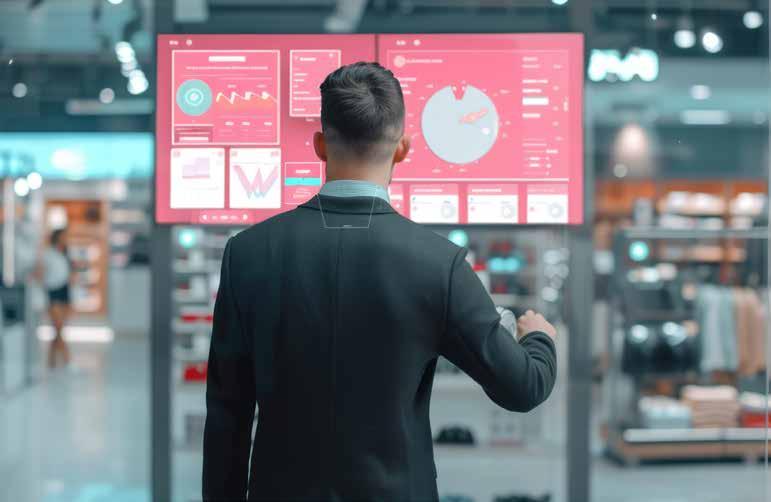
Ireland is already seeing this change. At Dundrum Town Centre, real-time data dashboards are used to monitor footfall and adjust operations, while other centres are integrating solar carports, energy efficient HVAC systems and on-site battery storage. Smart control platforms allow managers to oversee everything from lighting levels to bin sensors in one place, creating greener and leaner operations.
Sustainability and Smart Design
Sustainability remains at the heart of retail innovation. Building management systems now track energy, water and waste in real time, allowing managers to make greener choices instantly. High efficiency lighting is standard, while rainwater harvesting and green roofs are becoming more common.
As more people switch to electric cars, shoppers increasingly expect convenient charging wherever they go. For many centres, providing reliable, easy to use chargers has become part of offering genuine choice while supporting cleaner travel. Companies such as ePower supply, install and manage charging systems that
integrate smoothly with a centre’s existing energy infrastructure. These hubs support eco-conscious visitors and strengthen a centre’s wider sustainability goals.
Mahon Point in Cork continues to lead the way with zero waste to landfill since 2007, and The Crescent in Limerick has added high-speed EV chargers to encourage cleaner travel. Lidl’s Net Zero Energy store in Maynooth, powered entirely by renewables and built with recycled materials, signals how future retail will look. Energy neutral, community oriented and low impact from design to delivery.
The Next Frontier
As technology continues to evolve, retail around the world is moving into a phase where digital, physical and human interactions blend more closely together. In the United States, some shopping centres are already using robotics to improve the visitor experience, with delivery robots bringing food court orders to customers and autonomous guides offering directions or promotions through approachable AI avatars. In Dubai, places such as the Mall
of the Emirates and City Centre Mirdif are using AI led crowd management, relying on heat maps and real-time data to adjust lighting, cooling and footfall flow. Yas Mall in Abu Dhabi has introduced humanoid robots that provide assistance, multilingual support and a touch of theatre.
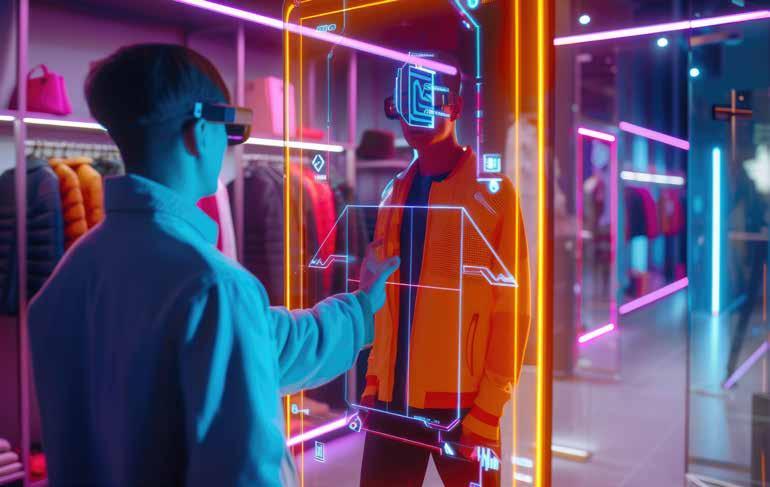
Japan has pushed automation further again. At the PARCO department store in Tokyo, digital concierges use AI to recommend stores and plan routes based on a visitor’s interests, while augmented reality fitting rooms allow shoppers to try on clothes virtually before buying. In Sweden and South Korea, biometric payment options such as facial recognition and palm scanning are creating fast, secure checkouts that remove the need to queue at all.
Some centres are adopting digital twins, three dimensional virtual replicas that mirror the building’s systems in real time. These models help operators predict maintenance issues, optimise energy use and test layouts before implementing changes.
Immersive and Intelligent Retail Retailers are embracing experience led technology to attract and retain visitors. Amazon’s Just Walk Out stores have paved the way for cashierless shopping, where AI and sensors automatically charge customers as they leave. Augmented reality displays are bringing products to life, while holographic marketing and three dimensional projection mapping are transforming empty atriums into interactive presentation spaces.
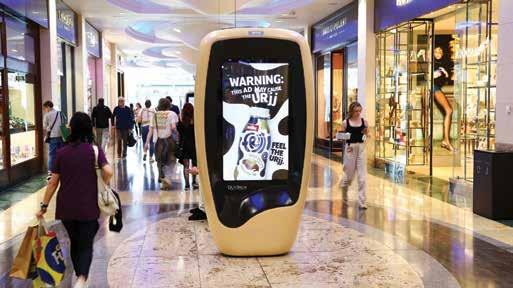
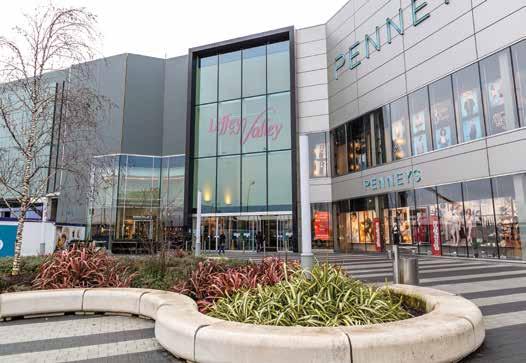
This convergence of experience and technology is spreading to Ireland too. At Blanchardstown Centre and Liffey Valley, interactive digital screens and data led campaigns are already changing how brands engage with shoppers. The next step may include virtual product showcases, adaptive lighting that responds to crowd movement and AI powered cleaning or delivery robots that operate seamlessly within open public spaces.
Shopping centres are no longer just collections of shops under one roof. They are social spaces, some even offer drop-in hubs for local start-ups and small businesses, turning a retail venue into a genuine civic space.
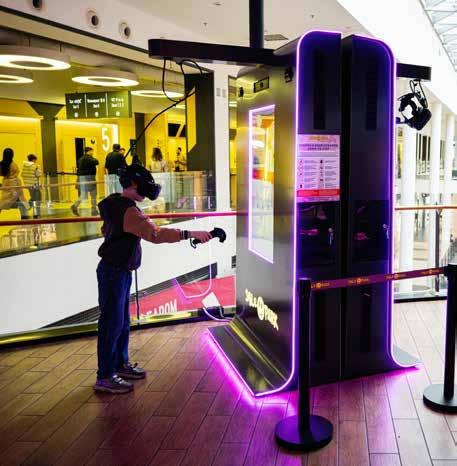
Virtual reality gaming experience inside a modern shopping center
What the Future Holds
In tomorrow’s retail world, technology will be invisible yet ever present. Energy harvesting floors could generate power from footfall, while adaptive façades adjust automatically to sunlight and weather. Personalised navigation apps may greet customers by name, suggesting parking spaces, restaurants or sales tailored to their habits.
Even with these advances, the focus remains firmly on people. The centres that thrive will be those that use data and design in a way that still feels warm, thoughtful and genuinely helpful. This approach is already taking shape in Ireland’s newest developments and echoes what is happening in some of the world’s most forward-thinking retail destinations. Holograms that sell, robots that guide and floors that generate power, the future of shopping lies in bringing the physical, digital and human together, creating places where people do not just shop but truly belong.
Tomorrow’s Tech: What’s Next for Irish Centres
AI Crowd Management: Heat maps and live analytics to optimise staffing, cleaning and HVAC in real time.
Digital Twins: A live 3D model of the centre that mirrors energy use, systems and layouts so you can test changes before you make them.
Service Robotics: Autonomous machines for cleaning, concierge and delivery, handling routine tasks while staff focus on service.
Immersive Retail (AR and interactive media): Augmented reality, interactive screens and VR experiences that turn campaigns into something people can step into.
Cashierless and friction-light Checkout: Scan-and-go or computer vision systems that remove the need for traditional tills and queues.
Smart Parking and EV hubs: ANPR, app-based payments and high-power charging that shorten queues and support cleaner travel.
Sustainable Systems that pay back: Solar car-park canopies, battery storage and demand-response controls that cut bills and carbon.
Energy-aware Architecture: Smart glazing, shading systems and kinetic floor tiles that help buildings save or even generate energy.
Bringing energy and imagination to every event
Fusion Events is a full-service corporate events agency delivering team building, entertainment, conferences, gala dinners, and bespoke themed experiences. They also create vibrant in-centre activations, family fun days, and seasonal events that drive footfall and engagement.
A RETAIL RENAISSANCE
DUNDRUM TOWN CENTRE MARKED ITS 20TH ANNIVERSARY IN MARCH 2025. OVER THE COURSE OF TWO DECADES, THIS RENOWNED IRISH RETAIL VENUE HAS BECOME AN EXEMPLARY CASE STUDY FOR THE EVOLUTION OF THE SUBURBAN SHOPPING CENTRE AND RETAIL SUCCESS.
Dundrum is impressive in both its scope and ambition, with over 160 retailers and eateries, and attracting more than 15 million visitors annually. Its mix of footfall and retail tenants is a match for many of its European counterparts, and it has become a byword for shopping centre excellence amongst the Irish public.
Dundrum - From Decline To The Crest Of Commerce
Roll back time a mere one hundred years, and Dundrum was home to a community of only 500 people - a far cry from the
bustling centre of today. The first significant change to the area was the arrival of Pye Electronics in the early 1940s. The British manufacturer of consumer electronics, such as radios and TVs, took over the old Manor Mill Laundry building and became the largest employer in Dundrum until the growth in cheap Japanese electronics forced Pye out of business in the early 1980s.
The silenced factory then became home to Dundrum Bowl, a vibrant entertainment centre that itself fell victim
to circumstances when it was flooded out in 1993 and never reopened. It was this forlorn, silent space that became the kernel of a bold vision to reimagine the site and the surrounding area as a spectacular retail destination within easy reach of Dublin city.
Dundrum Town Centre opened its doors as a retail venue on March 3rd, 2005, with a queue of over 5,000 people eager to see the transformation. Within three years, an incredible 70 million visitors had passed through its doors.
Dundrum Town Centre is proof that, with the right vision, strategy and sensitivity to the community, shopping centres can not just survive but thrive in Ireland.
The
and
From the outset, the developers, Crossridge Investments, had a vision for Dundrum that went beyond a traditional shopping centre. Laid out as themed districts - Gallery, Pembroke, Dundrum South, and Town Centre Square - the venue blended leisure and dining destinations with open-air public spaces and indoor retail. Dundrum Town Centre was pioneering in introducing the concept of ‘placemaking’ to Irish retail, focusing on building community-oriented environments and fostering social engagement to transform a visit into something more experiential than mere ‘shopping’.
A Masterclass in Retail
Today, Dundrum Town Centre, now jointly owned by Hammerson and Allianz, has evolved into a staggering 111,400 square metres of core retail space over four levels.
It offers 3,000 car parking spaces and direct access to the Luas Green Line, making it
easy for visitors to access.
The centre has proven to be an expert in retail curation, layering flagship householdname stores with smaller, independent brands. Penneys opened a multi-floor flagship store in 2023, and both Pull & Bear and Zara announced major expansions this year. Major retail names, such as Harvey Nichols, Marks & Spencer, H&M, Brown Thomas, and Dunnes Stores, act as anchors, attracting foot traffic with their established brand reputation and dispersing it to surrounding retailers.
Dundrum Town Centre has also sealed a reputation as a testbed for international brands looking to enter the Irish market, and this year sees US brand Slim Chickens testing the retail waters in Ireland.
Among the household names are independent retailers, such as Dublinbased Nutbutter, which recently opened a store, expanding the Centre’s food and beverage outlets to over 40, alongside artisanal pop-ups and seasonal stalls.
The venue boasts an enviable 94-minute average dwell time, which is a significant draw for retailers considering a presence in Dundrum Town Centre.
Balancing History with Growth
Dundrum village, the original heart of the old suburb, lies adjacent to the Centre and is now known as Dundrum Village Centre, home to retailers such as Mulveys of Dundrum, Dealz, and Lidl.
main central concourse of the shopping center where visitors can gather, sit,
access many of the shops and restaurants.
Co-owner Hammerson’s long-term vision has been for a ‘Phase 2’, which involves integrating Dundrum Village Centre into the wider Town Centre experience through a substantial redevelopment program. Plans include 800 apartments, an additional 50,000 square metres of retail and leisure space, and a hotel, to transform the area into a true mixed-use neighbourhood.
However, this vision has encountered obstacles, including An Bord Pleanála blocking a planning application for 900 homes above the existing shopping centre due to what it perceived as a lack of flood mitigation measures and insufficient integration with existing public infrastructure. In a further setback in 2025, Dún Laoghaire–Rathdown County Council blocked an application for semi-permanent outdoor food concession stands in the Centre’s open public spaces.
Although Hammerson hopes for a positive outcome to its appeals, these planning challenges highlight the minefield developers navigate when it comes to regulatory control in their aim to deliver commercial vibrancy.
Community and Connection Connection is an area where Dundrum Town Centre exceeds expectations. It is enmeshed into local transport networks via two Luas Green Line stops (Balally and Dundrum) and multiple Dublin Bus and Go-Ahead Ireland routes. That, along with the extensive car-parking provision, has encouraged a broad demographic of visitors to the Centre, from families to city commuters.
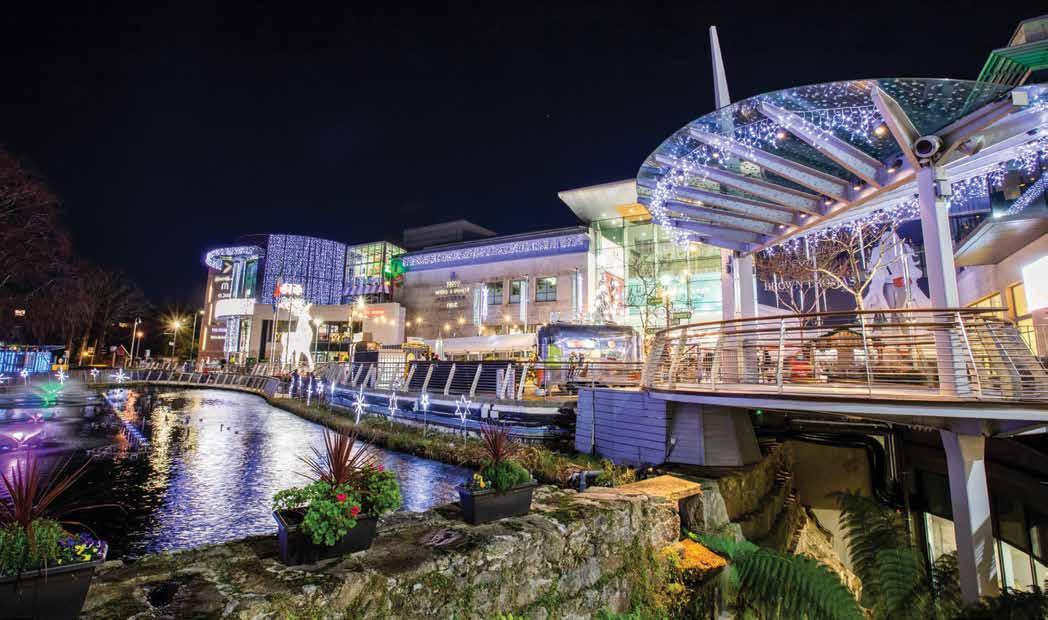
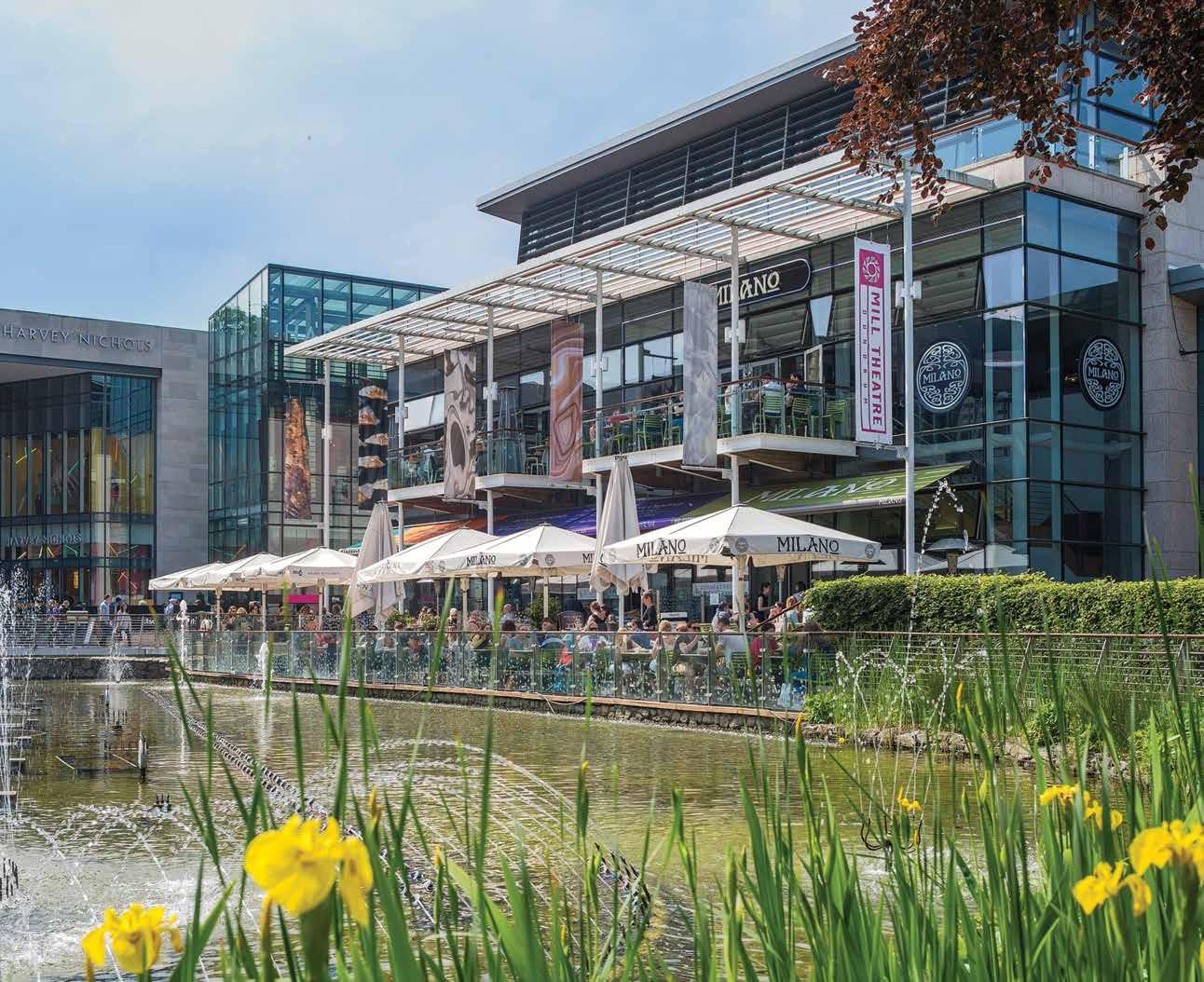
Dundrum Town Centre also fosters a sense of community through initiatives such as Dublin South Radio broadcasting from the site, as well as pop-up studios from 98FM and Today FM. Movies@Dundrum cinema and The Mill Theatre, along with the seasonal Dundrum on Ice, add cultural vibrancy and are a popular draw.
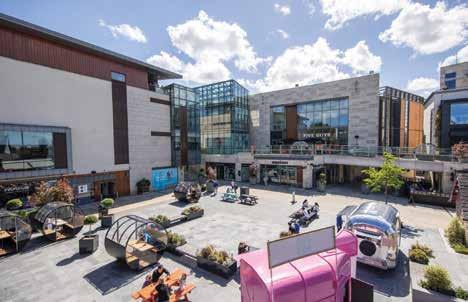
The Town Centre Square and Millpond, venues for festive markets and summer performances, enhance the village feel, and, along with sustainability and youth media projects, ensure that Dundrum is not merely a site of retail consumption but a valued and used part of the local community.
Dundrum is impressive in both its scope and ambition, with over 160 retailers and eateries, and attracting more than 15 million visitors annually.
Innovation and Awards
Recognition of Dundrum Town Centre’s excellence is widespread and has earned it the ‘ICSC European Shopping Centre of the Year’ in 2007, the Irish Hospitality Awards ‘Shopping Complex of the Year’ in 2019, and it is also a multi-time winner of ‘Shopping Centre of the Year’ from Retail Excellence Ireland. The Centre is also proud to hold the Ecocert environmental certification.
A good portion of this success can be attributed to operational excellence and a management team that consistently and rigorously prioritises tenant support, longterm adaptability and experience design. From exemplary flood risk management to enabling innovative retail formats and updating anchor store spaces (such as the transition from House of Fraser to Brown Thomas), the team demonstrate the agility and forward-thinking that are the keystones to effective shopping centre management.
Lessons from Dundrum
Dundrum Town Centre is a playbook for shopping centre professionals in Ireland, and offers key strategic insights into its success, including:
District Zoning Encourages Exploration: Shoppers’ curiosity is piqued by sites that split retail, leisure and dining into themed zones with individual characters.
Integrated Mixed Use Is The Future: The long-term viability of suburban centres may hinge on their ability to blend residential, leisure and office use.
Public Spaces Are Critical: Plazas, performance spaces, event programmes and aesthetics such as water features are key investments that pay dividends in longer dwell times and greater footfall.
Transport-Led Development Is Key: Dundrum’s excellent Luas links and bus connectivity have contributed greatly to its success. Easy access to public transport is critical to the long-term success of shopping centres.
Food Is The Anchor: Diverse dining options are a core driver of football. Offering a wide range of options is essential - from premium dining to grab-and-go. The message from visitors is that food and beverage is no longer ancillary, it’s core.
Looking Ahead
The Centre’s management is far from complacent about the decades ahead. It has ambitious expansion plans, which it must balance with planning compliance and fostering community cohesion. Its blend of traditional shopping centre management excellence and innovative development keeps it at the forefront of Ireland’s shopping centre landscape amid retail disruption.
Dundrum Town Centre is proof that, with the right vision, strategy and sensitivity to the community, shopping centres can not just survive but thrive in Ireland. As such, it stands as a benchmark for commercial landlords, local authorities and centre managers.
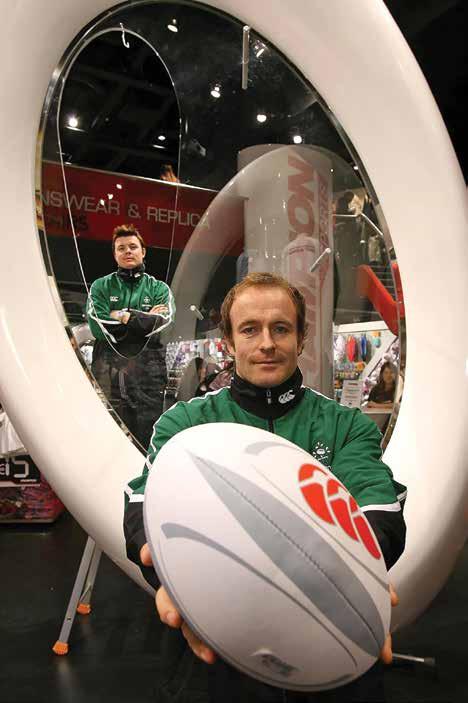
From celebrity openings and sporting stars to the 2025 supercar showcase featuring a Lamborghini Huracán, a 1955 Mercedes-Benz 300
SL Gullwing and a Ferrari F40, Dundrum Town Centre knows how to draw a crowd.
Made to measure
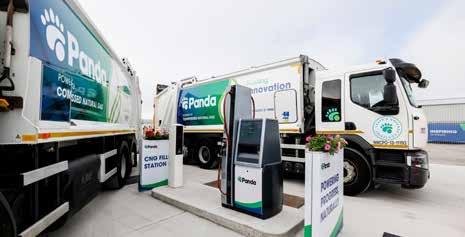
Panda is Ireland’s leading provider of waste management solutions, servicing over 30,000 sites nationwide. Every site is unique, and our expert team provides tailored services designed to deliver results that keep your operations running smoothly.
As the SCMAI celebrates 40 years, we’re proud to support shopping centres nationwide with smart, sustainable waste solutions.
DRIVING FOOTFALL
IN A RAPIDLY SHIFTING RETAIL LANDSCAPE, ONE THING REMAINS THE SAME - FOOTFALL IS KING.
ATTRACTING VISITORS AND ENCOURAGING THEM TO STAY IS ESSENTIAL, BUT EXPECTATION LEVELS HAVE CHANGED. PEOPLE NOW LOOK FOR ATMOSPHERE, CONVENIENCE, MEMORABLE EXPERIENCES AND A SENSE OF CONNECTION THAT ONLINE SHOPPING CANNOT REPLICATE. THE TASK FOR EVERY CENTRE IS TO MEET THESE EXPECTATIONS AND INSPIRE REPEAT VISITS.
One of the most effective starting points is the device almost every shopper carries. With smartphones now central to daily life, centres have opportunities to build personal, friendly communication with visitors. App based directories, real time offers and loyalty rewards help keep people engaged, while text alerts and tailored promotions deliver updates on events, sales and openings. The centres that excel take a human approach to this communication, creating a tone that feels familiar rather than corporate.
Loyalty programmes continue to grow in popularity. Some centres run app-based schemes that record spending and offer rewards when purchases are made across several retailers. Others have centre wide gift cards that can be used in most shops and work well with seasonal campaigns.
The Pavilions in Swords and Whitewater in Newbridge both operate strong gift card systems that encourage local spending.
At the premium end, Kildare Village has developed a membership model that rewards each euro spent across
participating boutiques, supported by partner travel benefits and airline miles. These programmes show how loyalty can appeal to everyday shoppers as well as visitors seeking a more aspirational experience.
To ensure these schemes stay visible, centres use a mix of QR codes, mobile notifications and social media to encourage signups and share updates.
Social platforms have become powerful drivers of footfall. Instagram Reels, TikTok videos and partnerships with local creators allow centres to highlight new openings, showcase events and express the personality of the destination. Simple walkthrough clips, behind the scenes previews or short food tastings can reach thousands of people within hours. Younger audiences, including Gen Z and millennials, respond well to local content creators, and many centres now host preview days or creator visits that generate a flow of posts and convert digital interest into in person visits.
Insight in Action
Behind the scenes, data is now central to how centres understand movement, behaviour and dwell time. Footfall counters record visitor numbers and peak times. Wi Fi and Bluetooth sensors show where people go once inside and how long they stay. When managers compare this information with sales patterns, seasonal changes and event performance, they gain a clear view of what is working and where improvements will have the greatest impact.
Footfall expert Diane Wehrle often notes that consistent measurement helps centres spot behavioural shifts early, allowing managers to adjust layouts, staffing and programming with far greater confidence.
Companies such as Sensormatic, Springboard, FootfallCam, RetailNext and MRI OnLocation are well established in the Irish and UK markets. Their systems provide live data directly to management dashboards, helping teams plan staff rotas, time promotions, adjust cleaning schedules and respond to real visitor flows.
Several centres already demonstrate the results. At Ilac Centre in Dublin, Springboard data is used to benchmark performance on Henry Street and within the centre itself, guiding decisions on staffing, events and promotions.
Showgrounds Shopping Centre in Clonmel uses FootfallCam counters to support layout changes and tenant planning. Dundrum Town Centre has introduced a public occupancy checker that allows visitors to see how busy the centre is before travelling, a practical example of real time data improving the customer experience.
Reports from KPMG emphasise that organisations using operational and behavioural data adapt more quickly and remain more resilient. Insights published by Sensormatic and Springboard show that centres using analytics tend to achieve higher dwell times and make more efficient use of staff and marketing resources.
This analytical approach is increasingly shaping tenant strategies. Managers draw on behavioural trends to strengthen underperforming zones, identify fast growing retail categories and create clusters of complementary tenants that encourage longer stays. Pop up shops provide a low risk way to test emerging brands, while flexible leasing models help attract independent retailers who bring originality and local character.
Experiences that Count
Events remain one of the strongest ways to drive footfall when they are planned with purpose. Centres are creating programmes that bring communities together and turn routine visits into shared experiences. The
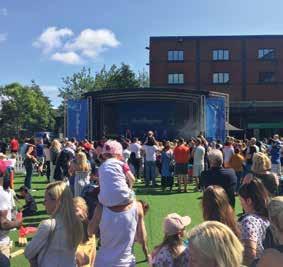
Events remain one of the strongest ways to drive footfall and centres are creating programmes that bring communities together and turn routine visits into shared experiences.
most successful combine entertainment with local involvement, giving people something enjoyable to take part in and talk about.
Family focused activities continue to play an important role. Children’s clubs, school holiday workshops, Easter trails, Halloween adventures and Christmas experiences remain reliable attractions. Many centres partner with schools, theatre groups and youth choirs, involving families directly through performances and creative activities. Others run art or STEM workshops that offer educational value alongside entertainment.
Markets and food events provide another strong draw. Douglas Village and Fairgreen Carlow have both hosted artisan and farmers markets, bringing local producers and makers into the retail mix. Seasonal themes such as garden fairs, summer food pop ups and winter craft markets keep the calendar varied and encourage repeat visits.
Wellbeing events have become a regular feature in many centres as people place greater value on health, fitness and work life balance. Yoga mornings, family fun runs, wellness weekends, nutrition talks and health checks draw visitors in, and offer something tangible. Some centres build on this by partnering with GAA clubs or mental health groups, turning these gatherings into meaningful community moments.
Live music and performance add atmosphere and a sense of occasion. Local dance groups, choirs and bands help animate shared spaces, while some regional centres host open air cinema nights, outdoor concerts or busker
festivals. Between major events, pop up shops help maintain interest and introduce new brands, ensuring that the retail mix feels fresh.
Food, leisure and family entertainment have become central anchors that support longer stays. Restaurants, cafés, food halls, cinemas, gyms, soft play venues and entertainment centres turn short visits into multi hour experiences. Well managed centres combine these elements within a year round event strategy that supports local initiatives and gives people frequent reasons to return.
Goodwill Gestures Community partnerships make a measurable difference to visitor sentiment. Supporting charities, schools and local organisations helps a centre demonstrate its role as a positive contributor to local life.
Westend Shopping Park in Blanchardstown works with schools, GAA clubs and the Irish Cancer Society on regular fundraising events. Manor West Retail Park in Tralee hosts fitness challenges with sports personalities, including Kerry GAA players, raising funds and awareness. Golden Island in Athlone has supported Roscommon GAA and Club Rossie through ticket drives that bring supporters into the centre. These initiatives build goodwill and create meaningful links with the surrounding community.
All of these elements, from loyalty schemes and social engagement to data insight, events, community partnerships and a balanced tenant mix, contribute to lively, engaging environments that people want to visit. The next stage in this evolution will draw on advances in forecasting, predictive modelling and more flexible retail formats that adjust to shopper behaviour. Hybrid retail, where online brands use space for collection points or customer interaction, is becoming more common. Digital simulation tools will soon help teams plan operations more accurately.
According to David O Kelly of KPMG Ireland, success in today’s retail climate requires a clear understanding of how visitors use physical space and a strong balance between value, margin and stock.
This aligns with the strategies now shaping centre management. Centres that remain agile, insight driven and responsive to visitor expectations will be best placed to thrive in the years ahead.
Nothing delivers footfall quite like family fun days, community-led events and moments that bring people together.
EXPERIENTIAL RETAIL:
TURNING SHOPPING CENTRES INTO COMMUNITY DESTINATIONS
WHY ACTIVATIONS ARE THE KEY TO DRIVING FOOTFALL, ENGAGEMENT, AND LONG-TERM
GROWTH FOR SHOPPING CENTRES.
The New Retail Reality: Shopping is no longer just about products - it’s about creating moments that matter.
Today’s consumers expect moreimmersive experiences that make every visit memorable. Fusion Events, with 25 years in the Irish events industry and over 10,000 successful activations, is leading this transformation.
Why Activations Work
• Brand Differentiation: Position your centre as a destination, not just a shopping space.
Social Media Buzz: Encourage sharing and amplify your digital presence.
• Community Engagement: Build goodwill through local partnerships and community services.
100% customisable, these activations consistently drive a surge in footfall, creating an environment that benefits retailers and delights customers.
Here are just a few ideas of what Fusion Events can do for you:
Mother’s Day – Treat Mam to live music, a photographer with a floral photo wall, and a raffle.
• St. Patrick’s Day – Enjoy a St. Patrick character for photos, Irish dancers, traditional Irish band, balloon modeller, face painter, and a DJ.
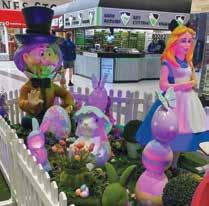
• Easter – A family event, where kids join in on an adventurous Easter egg hunt, meet the Easter Bunny, and enjoy creative crafts like decorating eggs and bunny themed face painting.
Autumn and Winter Themed Experiences:
From spooky Halloween escape rooms to Christmas wonderlands and Santa grottos, themed activations create emotional connections that keep shoppers coming back.
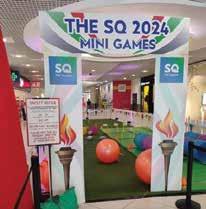
• Mini Olympics – Take part in a Wacky Olympics Sports Day, obstacle courses, and live entertainers.
• Colour Run – A fun and fit colour run race with live entertainment, carnival booths, full beach theming and décor, including a surfboard simulator and a tiki bar.
• Community Services Day - Celebrate and get to know the essential services in your community.
• Father’s Day – Challenge Dad to a wide range of interactive sports inflatables, mini golf, and carnival style games.
Eco Art - Creativity and sustainability at our Eco Art Kids Event, where young artists transformed recycled materials into imaginative works of art.
“Ireland’s Got Talent” Talent Show
- Singers and performers of all ages dazzle the audience with their incredible skills! Open to the entire community, the show is supported by an active social media campaign.
• Gaming Weekend - A kids’ weekend packed with friendly competition and immersive gameplay, where young gamers test their skills, make new friends and win cool prizes.
Fiona Power, Commercial Operations Manager, The Square Tallaght says: Fusion Events are great to work with! It’s a friendship at this stage. They know what we need and they deliver from A-Z. It’s exciting, it’s fun... It’s a fun team and we look forward to working together into the future.”
Ready to elevate your shopping centre? Contact experience@fusionevents.ie or visit www.fusionevents.ie
MAXIMISING FOOTFALL AND REVENUE
THE CLEARHILL ADVANTAGE
FROM INTERACTIVE AMUSEMENTS TO TAILORED GIFT CARD PROGRAMMES, INNOVATIVE SOLUTIONS ARE RESHAPING THE RETAIL EXPERIENCE.
In the dynamic landscape of modern retail, shopping centre managers are constantly seeking innovative strategies to enhance the customer experience and drive revenue. Amidst evolving consumer preferences and the rise of e-commerce, creating engaging and memorable incentre experiences has become paramount.
This is where Clearhill - a trusted partner proud to have supported shopping centres for the past four decades - offers invaluable solutions.
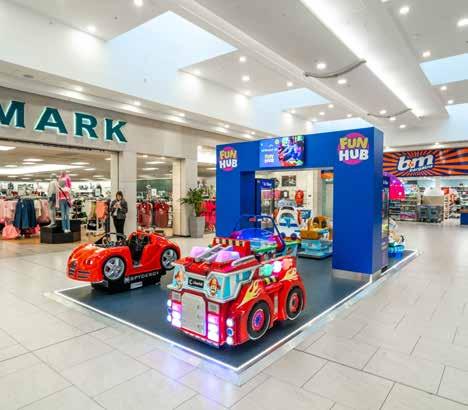
Clearhill operates throughout Northern Ireland, the Republic of Ireland, and Great Britain. Founded in 1992, the company provides a range of vending solutions and amusement attractions through its FunHub brand, and gift card solutions via Cleargift, across more than 400 prominent retail locations.
For shopping centre managers, the challenge extends beyond simply filling vacant units. It’s about creating a vibrant,
multifaceted destination that attracts and retains customers. Clearhill’s diverse portfolio addresses this challenge headon. Its FunHub brand, featuring engaging amusement attractions, transforms underutilised spaces into bustling entertainment zones. From interactive games to family-friendly rides, these attractions capture the attention of shoppers of all ages, encouraging longer dwell times and increased spend.
FunHub products create value for customers in all retail environments, allowing families to have fun whilst increasing dwell time. These products feature the latest contactless payment technology and are all ADIPS approved.
Consider the impact of a well-placed FunHub kiosk or vending machine during peak shopping periods. These installations provide a welcome play area for families, allowing parents to shop while children are entertained. This not only enhances the overall shopping experience but also boosts ancillary sales at nearby food and beverage outlets. Moreover, the visual appeal and interactive nature of these attractions create valuable social media moments, generating organic marketing for the shopping centre.
In an era where customer experience reigns supreme, Clearhill’s expertise in engaging entertainment, effective gift card programmes, and dependable vending operations makes them an indispensable partner.
Beyond entertainment, Clearhill’s Cleargift brand offers a powerful tool for increasing sales and fostering customer loyalty.
Gift card programmes are a proven way to raise average transaction values and attract new customers. By partnering with Cleargift, shopping centre managers can implement seamless, efficient gift card solutions that offer shoppers the flexibility and convenience they expect. These programmes can be tailored to the specific demographics and needs of each centre, further driving engagement and revenue.
In addition, Clearhill’s vending solutions deliver a fun and convenient service for shoppers. Renowned for their operational excellence, Clearhill ensures that each vending solution is customised to meet the unique requirements of every location.
In an era where customer experience reigns supreme, Clearhill’s expertise in engaging entertainment, effective gift card programmes, and dependable vending operations makes them an indispensable partner. Their long-standing presence in the retail sector, coupled with a strong commitment to innovation, ensures that shopping centre managers can confidently rely on their solutions to increase footfall, enhance customer satisfaction, and ultimately maximise revenue.
By integrating Clearhill’s offerings, shopping centres can evolve into dynamic, engaging destinations that thrive in today’s competitive retail environment.
NETWATCH ADVERT
SAFE SPACES:
TECHNOLOGY, TEAMWORK AND HUMAN INSIGHT ARE REDEFINING WHAT IT MEANS TO FEEL SAFE
FROM AI-POWERED MONITORING TO PEOPLE-FIRST TRAINING, SHOPPING CENTRES ARE CURATING SAFER, SMARTER ENVIRONMENTS FOR EVERYONE.
Shopping centres are built to provide great service and an enjoyable experience, but safety always comes first. In today’s world, security means more than locks, gates and cameras; it is about creating spaces where visitors can relax, staff feel supported and everyone moves with confidence.
Across Ireland, shopping centre security has entered a new phase. Traditional patrols, trained officers and physical infrastructure remain essential, but they are now supported by intelligent systems that prevent issues before they escalate. The goal is simple: a safe, calm and reassuring experience from the moment someone enters to the moment they leave.
Smarter Surveillance
CCTV is still the backbone of retail security, yet it bears little resemblance to the fixed cameras of old. Intelligent analytics now monitor behaviour patterns, track crowd density and flag unusual activity in real time. This reduces reliance on manual review and allows teams to intervene earlier and more effectively.
One of Ireland’s strongest success stories in this field is Netwatch Group, headquartered in Carlow. Its proactive video monitoring service has become a trusted solution for retail parks and mixed-use schemes across Ireland and the UK. Using advanced analytics, the system detects irregular activity and
instantly alerts Netwatch’s control centre, where trained specialists issue live audio warnings tailored to each site. Netwatch confirms that these personalised audio challenges prevent most intrusions before any damage occurs.
Modern surveillance extends further. Many centres now use:
• Edge-based AI processing, which analyses footage on the camera itself
• Privacy-preserving software, blurring or masking identifiable features to ensure GDPR compliance
• Audio analytics, detecting raised voices, distress calls or glass breakage, enabling faster human intervention
By uniting intelligent systems with skilled people, today’s centres are building environments where safety is embedded into every corner, every process and every visitor experience.
Lighting, Drones and Data-Led Decision Making
Car parks, footpaths and open spaces are being upgraded with multi-function smart lighting columns that serve as both safety features and surveillance tools. These units brighten automatically when people approach, stream video to control rooms and can guide visitors during emergencies.
Large retail parks are beginning to trial robotic patrol units and tethered drones for after-hours monitoring. These technologies increase visibility across large outdoor areas without requiring additional manpower.
Data is also transforming how centres plan for safety. Teams can now analyse footfall, parking use, seasonal activity and event data to position staff precisely where they are needed. Some of the country’s largest centres are testing crowd-modelling software to simulate busy periods and refine evacuation routes before major events.
The Human Element Security is ultimately a people-centred profession. Technology supports the work, but it does not replace the trained judgement of experienced officers.
Irish specialists such as RFC Security Group provide licensed officers skilled in de-escalation, customer service and legal compliance. Their teams help maintain calm, safe environments while representing the centre professionally.
Bidvest Noonan, one of Ireland’s leading facilities management companies, trains its officers for a wide range of real-world scenarios. Nick O’Connor, Director of Operations (Retail), explains: “Our teams are trained in everything from first aid and suicide awareness to dealing with a wide range of challenges. The intention is to support our clients in building lasting relationships with their customers.”
Body-worn cameras have also become standard across many destinations. These provide accountability and reassurance, with live video available to control rooms if required.
A perspective from the ground comes from Paul Tallon, former Facilities Director at Dublin’s Jervis Shopping Centre, one of Ireland’s busiest city-centre schemes: “Modern centres increasingly rely on connected systems, real-time monitoring and skilled people working together. Technology gives teams better visibility, but it is the human response that ultimately shapes how safe visitors feel.”
Access and Safety
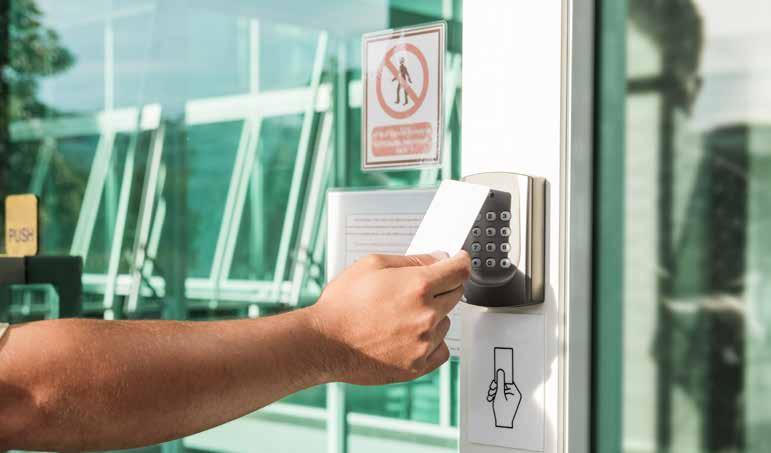
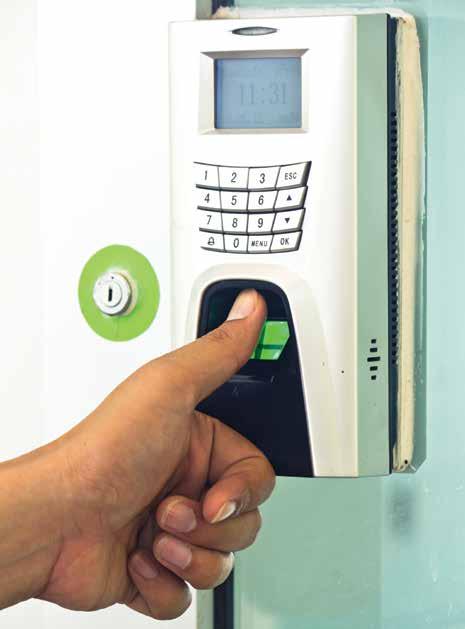
Access control technology has advanced rapidly. Centres are replacing traditional keys and swipe cards with:
• Mobile credentials
• Biometric verification
Cloud-based platforms with instant permission updates
These systems integrate with HR, visitor management and CCTV, allowing managers to control and record movements from a single dashboard.
Staff safety is equally important. Many centres now use wearable panic alarms, lone-worker devices and GPS-enabled tags, giving team members discreet ways to request support.
Fire and Security Management
Modern fire detection is increasingly linked with wider building systems. Companies such as Johnson Controls Ireland, headquartered in Cork, deliver fully integrated life-safety platforms that combine:
• Fire detection and suppression HVAC control
• Security and access management
• Emergency communication
This joined-up approach reduces false alarms and helps on-site teams respond faster and with greater confidence.
Cybersecurity and System Resilience
As every digital element within a centre becomes interconnected, cybersecurity is inseparable from physical safety. Camera feeds, access controls, licence-plate systems, Wi-Fi networks and customerfacing technology all require protection.
Irish firms including Integrity360 and Ward Solutions support major retail operators by:
• Monitoring networks Securing cloud systems
• Providing encryption
• Running regular penetration tests
Many centres are now adopting zero-trust security models, where every device and user must verify access, reducing the risk of breaches.
To make security more relatable for visitors, several operators have introduced visible, customer-friendly enhancements. Blanchardstown Centre in Dublin has invested in integrated security management that combines CCTV analytics, smart parking, access control and city-grade emergency communication tools. Liffey Valley has introduced realtime incident dashboards and cross-team communication systems linking cleaning,
Live, site-specific audio challenges stop most intrusions before they lead to damage or disruption.
security and maintenance, reducing response times. In Cork, Mahon Point has enhanced perimeter safety with energyefficient lighting columns and AI-enabled surveillance.
A Coordinated Approach
Communication remains the backbone of effective security. Many Irish centres use Motorola or Entel digital radio networks supplied by PMR Products in Dublin, giving teams instant communication, GPS tracking and lone-worker alerts. Some centres are now trialling single-platform command systems that bring radio, CCTV, access, alarms and mapping into one interface, giving supervisors a full, real-time overview of the destination.
Looking Ahead
Sustainability is shaping the next wave of security innovation. Newer systems prioritise:
Low-energy sensors
• Solar-powered lighting
• High-efficiency cameras
• Recyclable materials
Technology may have changed how security works, but the purpose remains the same: ensuring Irish shopping centres are safe, welcoming and reassuring places for everyone. By uniting intelligent systems with skilled people, today’s centres are building environments where safety is embedded into every corner, every process and every visitor experience.
by Numbers
• According to Retail Ireland, retail crime (including theft and anti-social behaviour) costs Irish retailers an estimated €1.62 billion per year when security spend and losses are combined.
• A survey by the Small Firms Association found that one in four retailers experienced an increase in crime or anti-social behaviour in the past year, highlighting the need for visible security and rapid response.
• The Irish Tourism Industry Confederation notes that visitor perception of safety is a key factor influencing repeat visits to town and city centres.
• Netwatch Group reports that over 90 per cent of attempted intrusions on monitored sites are deterred at the audio-warning stage, before any damage or loss occurs.
• Bidvest Noonan data from major Irish retail contracts shows that sites using integrated CCTV, body-worn cameras and lone-worker technology experience fewer escalated incidents and significantly faster resolution times.
• Johnson Controls highlights that integrated fire and security systems can cut response times by up to 50 per cent, as control rooms receive automatic alerts, camera feeds and access status in one place. These figures highlight why Irish shopping centres are investing heavily in smarter, more connected security systems, not just to protect assets but to safeguard the welcoming atmosphere that keeps customers coming back.
Leading Security Services
Tailored for Your Peace of Mind
Retail & Commercial Security
Fully trained, PSA-licensed, uniformed officers
Visible deterrents & discreet loss prevention strategies
Real-time communication tools & body cam-equipped staff
Door Supervision (DSP) for Licensed Venues
Friendly, firm, and highly professional DSP officers
First aid-certified, customer service-oriented
Mobile Patrols & Keyholding Services
24/7 rapid alarm response, open/closing services
Digitally tracked mobile patrols for full accountability
Professional Cleaning that Reflects your Standards
Office & Retail Cleaning
Flexible, scheduled cleaning to suit your needs
Uniformed, vetted, and ID-badged staff
Industrial & Blitz Cleaning
Deep cleans for factories, construction sites, and units
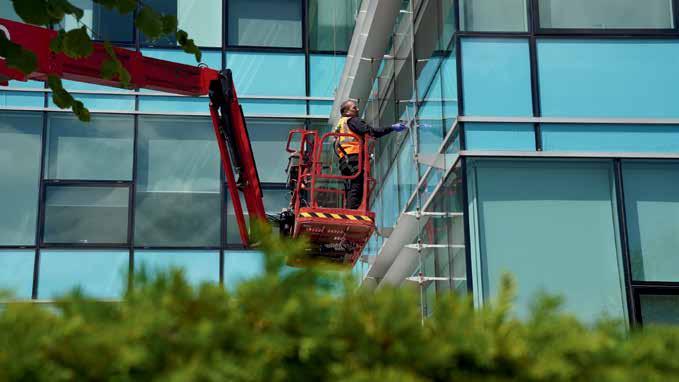
Window & Power Washing
Enhance your property’s curb appeal and hygiene standards
Netwatch Group Safety
DRIVING RETAIL SUCCESS
NICK O’CONNOR, DIRECTOR OF OPERATIONS AT BIDVEST NOONAN EXPLAINS HOW INTEGRATED
FM SERVICES ARE DRIVING RETAIL SUCCESS AT LIFFEY VALLEY SHOPPING CENTRE.
The retail environment is evolving rapidly, and shopping centres are increasingly recognising the value of an integrated service model that brings together facilities management (FM) services to enhance operational efficiency and improve the overall experience for customers, retailers, and service teams alike. At Bidvest Noonan, we have long believed that bundling FM services improves efficiency and delivers long-term benefits for a growing number of clients. One exemplary site where this approach has proven successful is Liffey Valley Shopping Centre in Dublin.
Liffey Valley Shopping Centre has enjoyed a long-standing relationship with Bidvest Noonan, beginning with cleaning services and expanding over time to include security and technical services. This comprehensive service model has enabled greater operational efficiency and an improved experience for both customers and retailers. By consolidating these key services under one provider, the centre benefits from a seamless approach to facility management, where cleaning, security, and technical operations are closely integrated.
The integration of FM services has led to improved communication and collaboration among teams. Whether during a security patrol or a cleaning cycle, teams work together to identify and address issues promptly, ensuring the site is always operating at its best. This coordination reduces response times and minimises disruptions, enhancing the overall experience for shoppers and tenants.
Having a single provider for all FM services also simplifies communication for the management team at Liffey Valley. Issues
can be escalated swiftly, with solutions implemented efficiently, without the need for complex coordination between multiple service providers. This streamlined structure supports a more responsive and flexible approach to facility management, ensuring all areas of the shopping centre are well-maintained and secure.
For Liffey Valley, the results of this model have been impressive. The centre’s operations have become more efficient, with reduced overheads and increased service quality. For example, the security team not only performs its standard duties but also collaborates with the cleaning and technical teams to proactively address issues before they escalate. This integrated approach ensures the centre remains in top condition, supporting a positive shopping experience.
Liffey Valley Shopping Centre has enjoyed a longstanding relationship with Bidvest Noonan, beginning with cleaning services and expanding over time to include security and technical services.
Recognition of the operational excellence achieved through this model has come in the form of industry accolades, including the ICCA Award for shopping centre operations.
At Bidvest Noonan, we are proud of our partnership with Liffey Valley Shopping Centre. Our integrated FM services have played a key role in ensuring the centre’s continued success, demonstrating that when services are effectively bundled, they can drive operational efficiency, enhance customer satisfaction, and support the overall success of the retail sector.
Leading Safety Culture Innovation
Founded in 2005 by Ger Cummins, SeaChange was born out of a recognition that many organisations met safety obligations in form - but failed to truly embed safe behaviour. From the start, SeaChange aimed to fi ll that gap: to move safety beyond compliance and make it a living, engaged culture.
SeaChange is now a health & safety consultancy trusted by clients across multiple sectors, with specialised expertise in property management, retail, and shopping centres. Since October 2023, SeaChange has been part of NFP (An Aon Company), broadening its reach and enhancing its capacity to deliver integrated risk solutions
For shopping centres, these outcomes matter; high footfall environments, contractors, retail staff, and shared spaces pose complex risks. SeaChange helps centre management teams embed safety routines, monitor contractor work, and reinforce consistent behaviours across multiple stakeholders.
Challenges in the retail/property realm - ranging from regulatory pressure and contractor oversight to evolving public safety expectations - demand a proactive, resilient safety strategy. SeaChange addresses this by blending human behaviour, digital systems, and continuous measurement to keep safety best practice at the heart of operations.
At its core, SeaChange delivers bespoke safety management solutions, connecting people with safety in practical, visual, and behaviourally engaging ways. Its offerings include:
• Safety Gap Analysis & Audits
• Risk Assessments
• Behavioural Leadership & Coaching
• Safety Culture Measurement (Footprint)
• Training & Compliance Support
• Digital systems for checks & inspections, slip/trip prevention, and safety ownership
SeaChange’s systems are built to deliver measurable returns:
• 80% increase in workforce engagement
• 65% boost in safety behaviours
• 60% increase in corrective safety actions
• 50% reduction in lost-time incidents
• 15% lower insurance costs
Looking ahead, SeaChange as part of NFP (An Aon Company) is scaling its services across Europe and expanding its digital safety platforms, aiming to integrate safety, insurance, and risk more seamlessly.
But the real strength lies in people - your staff, your contractors, and your visitors. SeaChange believes safety must be experienced in everyday actions. It’s not about ticking boxes. It’s about changing mindsets so that “nobody gets hurt.”
AUTOMATIO N AT W ORK: HOW
TECHNOLOGY IS RESHAPING THE MODERN SHOPPING CENTRE
IRISH SHOPPING CENTRES ARE EMBRACING A NEW LEVEL OF EFFICIENCY, PROVING THAT SMART SYSTEMS AND HUMAN SERVICE CAN WORK SIDE BY SIDE TO CREATE SMOOTHER, MORE RELIABLE EXPERIENCES. AUTOMATION NOW PLAYS A CENTRAL ROLE IN HOW CENTRES FUNCTION DAY TO DAY, FROM THE MOMENT A VISITOR ENTERS TO THE MOMENT THEY LEAVE.
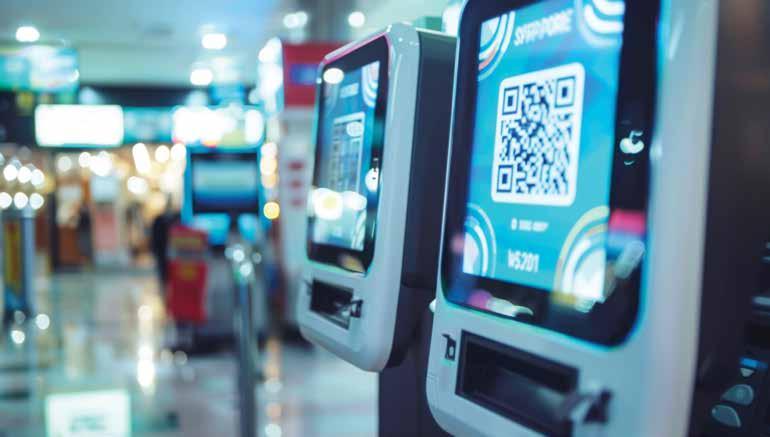
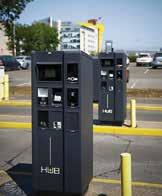
Car parks are often where automation makes the biggest difference. Contactless entry, number-plate recognition and simple digital payment options have taken much of the hassle out of arriving at a centre. Screens showing real-time space availability now help drivers find a spot quickly, which keeps traffic moving and cuts down on circling. Liffey Valley, The Square Tallaght and Mahon Point have all updated their systems in recent years, using occupancy data to ease pressure at busy times. Jervis Shopping Centre has made similar changes, introducing new access and payment technology that has noticeably
reduced queues at peak periods. Several regional centres have followed the same pattern, introducing guided parking systems that direct drivers to free spaces more quickly and improve safety across the car park.
Inside the building, automation is reshaping how people interact with the space. Clickand-collect lockers, mobile payments and digital loyalty programmes bridge the gap between online and in-person retail. Some centres now offer app-based navigation tools that allow visitors to find shops, parking payment points or event locations with ease, reducing friction and
improving the overall flow of a trip. Digital communication has become standard, with centre apps sending personalised offers, event updates and loyalty reminders that continue long after a shopper has left the building.
Smarter Operations
Behind the scenes, automation has become one of the most transformative forces in facilities management. Smart building systems now adjust heating, lighting and ventilation based on footfall, weather and time of day, improving comfort while cutting unnecessary energy use.
Digital engagement tools can boost repeat visits by up to 20 per cent when used consistently.
Companies such as Digren are helping to drive this shift by providing real-time energy monitoring, HVAC optimisation and automated control strategies. Their cloudbased systems give management teams a clear picture of energy performance across the estate, helping them spot unusual usage patterns early, reduce waste and maintain steady conditions for visitors.
Automation is also reshaping maintenance. Predictive monitoring tools are emerging in the Irish market, using live data to detect early signs of faults in lifts, escalators and mechanical equipment before they cause disruption. This allows repairs to be scheduled during quieter periods and helps reduce downtime. Similar sensors now support leak detection, identifying issues long before they become costly problems.
Modern centres are also beginning to automate more of their life-safety and compliance systems. Fire detection, emergency lighting checks and plantroom monitoring can now be linked to central dashboards, giving teams early warning of faults and reducing the need for manual inspections. Digital muster tools and automated isolation controls for water and utilities are becoming more common in larger schemes, helping facilities teams respond quickly when an issue arises. These systems work quietly in the background but play an increasingly important role in keeping centres safe and compliant.
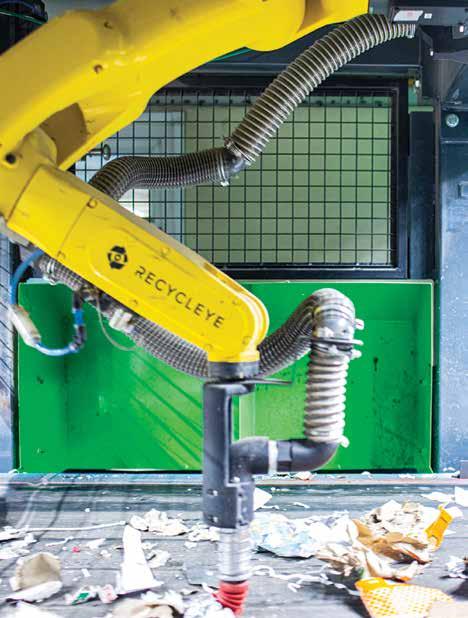
Waste and recycling operations are progressing in the same direction. Smart compactors send alerts when nearing capacity and can monitor contamination levels, improving the efficiency of bin stores and reducing the need for manual checks. These tools support both environmental targets and day-to-day operations by helping centres stay ahead of peak waste periods.
Several other Irish centres are moving in the same direction. Blanchardstown Centre
continues to expand its digital signage and integrated building-management systems, allowing teams to adjust lighting and ventilation more precisely. Whitewater Shopping Centre in Newbridge has strengthened its digital engagement with an upgraded app and loyalty platform that ties directly into its promotional activity. Pavilions in Swords has invested in smart waste systems that support contamination tracking and cleaner bin stores. These examples show how widely automation is being adopted, from large flagship destinations to busy regional schemes.
Cleaning and Facilities Support
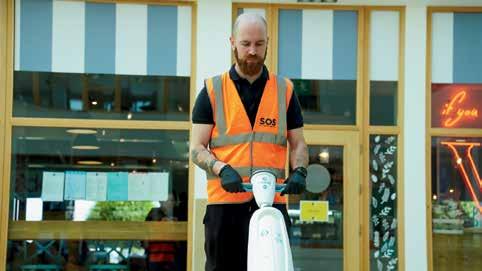
Cleaning and hygiene have become some of the fastest-moving areas of automation. Robotic scrubbers, autonomous sweepers and sensor-driven washroom systems are increasingly common, maintaining high standards with minimal disruption. These machines map their routes, adapt to changing footfall and operate safely alongside visitors, ensuring concourses, entrances and washrooms remain presentable throughout the day.
Specialist providers such as SOS Cleaning and Facilities Support are helping centres
adopt these systems. SOS supplies and manages robotic cleaning equipment, IoT-enabled washroom monitoring and rapid-response teams supported by digital reporting tools. Their model combines automation with experienced personnel, pairing the reliability of smart machinery with the visibility, judgement and customer care that only human teams can provide.
Routine floor care is now automated, allowing FM staff to focus on deep cleaning, problem-solving and direct customer support. SOS’s real-time dashboards provide performance logs that assist with ESG reporting, while water-efficient robots and sensor-controlled dispensers help reduce waste.
Paul Tallon, former Director of Facilities at Jervis Shopping Centre, notes that smart systems “allow teams to spend more time on the floor with customers and less time managing background processes,” reflecting a wider shift towards more customer-facing roles.
Data-Led Planning Modern retail now depends heavily on what the numbers show. It shapes decisions
on staffing, maintenance, cleaning and visitor flow. This aligns with broader research in the sector. In its 2024 Global Tech Report, KPMG notes that most retail leaders now regard automation and digital monitoring as central to improving efficiency. Irish centres are following that pattern, using live monitoring to stay ahead of maintenance, reduce downtime and run their buildings more smoothly.
Footfall tracking has become more advanced, producing live heatmaps and movement patterns across the centre. These insights help teams identify pressure points, plan staff deployment and position pop-ups or promotional activity more strategically. Tenant energy dashboards are also emerging, allowing retailers to monitor usage in real time and make more efficient choices that support wider sustainability goals.
Automation now plays an important role in environmental performance as well. Deloitte’s Global Retail Outlook 2024 highlights the growing connection between smart systems and sustainability. Energyefficient LED upgrades, intelligent HVAC controls and air-quality monitoring are now commonplace. Mahon Point in Cork and The Crescent in Limerick both use advanced energy monitoring to refine and report performance, while other schemes are introducing smart-grid connectivity and solar-linked controls to reduce reliance on traditional power sources.
The Human Difference Automation works best when it supports people rather than replaces them. By taking care of routine and repetitive tasks, automated systems allow staff to focus on
More than three quarters of retail leaders now see automation and AI as essential to improving efficiency and customer experience.
visibility, service and creating a welcoming environment.
A joint study by Enterprise Ireland and KPMG emphasises that retail performs strongest when technology enhances the visitor experience rather than taking its place. Irish centres are already showing how that balance can work. Smarter building controls, early-warning maintenance systems and automated cleaning all contribute to smoother operations, but their real value lies in how they free teams to deliver the level of service visitors expect.
For many operators, the challenge is not whether to adopt automation but how to introduce it without disruption. Most centres now favour phased rollouts, starting with straightforward improvements such as parking upgrades, LED programmes or robotic cleaning before moving on to larger building-management integrations. Staff training is essential, and centres increasingly look for systems that work together rather than isolated tools. This approach keeps implementation manageable while ensuring each investment adds long-term value.
Ireland’s shopping centres are demonstrating that the future of retail technology is not about removing the human element. It is about giving people the support they need to elevate the experience on the ground.
Smart Solutions for Modern Retail Spaces Automation is transforming the retail experience, helping shopping centres boost efficiency, enhance security, and meet modern shopper expectations.
Smart
systems allow teams to spend more time on the floor with customers and less time managing background processes.
As shopping centres continue to evolve in response to changing consumer habits, rising operational costs, and increasing demands for seamless experiences, automation has emerged as a key driver of innovation. From intelligent parking systems to advanced access control, the integration of automation technology is helping retail destinations operate more efficiently, enhance security, and create smoother, more satisfying experiences for visitors.
Modern shoppers expect more than just a place to browse, they want convenience, safety, and efficiency at every touchpoint. For shopping centre managers, this means
Leading Automation
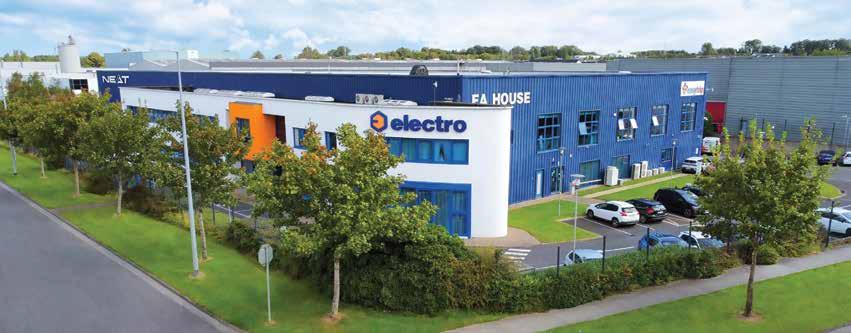
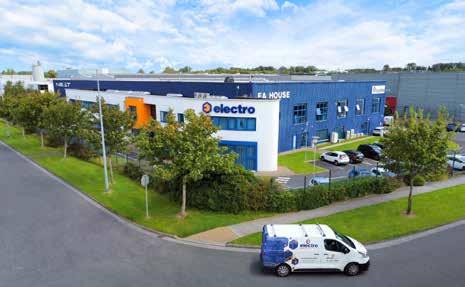
With more than four decades of experience, Electro Automation has earned a reputation as Ireland’s leading provider of door and gate automation, access control, parking solutions, and smart technology. Trusted by many of the country’s top shopping centres, the company delivers tailored systems that streamline operations, strengthen security, and enhance the customer experience.
Through its advanced contactless parking technology, Electro Automation helps centres optimise traffic flow, reduce congestion, and offer a more efficient, user-friendly arrival experience. Intelligent solutions such as automatic doors, integrated barriers, and surveillance systems work seamlessly to create secure, welcoming environments that feel smooth and effortless.
rethinking how people enter, navigate, and interact with the space. Automation delivers solutions that streamline traffic flow, reduce queueing, cut energy usage, and future-proof infrastructure, all while lowering long-term costs.
From automatic doors that respond intuitively to footfall, to ticketless parking systems that eliminate bottlenecks, and integrated security networks that provide peace of mind, automation isn’t just about technology, it’s about creating environments that work better for everyone. One company at the forefront of this transformation is the aptly named Electro Automation.
At the heart of the company’s success is a commitment to innovation and collaboration. Electro Automation works closely with shopping centre managers to design bespoke systems that meet each site’s specific needs, boosting operational performance, supporting sustainability goals, and future-proofing infrastructure with the latest smart technologies.
Reliability is essential in high-footfall environments. That’s why the company provides 24/7 maintenance and support, ensuring that critical systems operate without disruption, maximising uptime and extending the life of assets. Its expert engineers offer rapid response times, proactive servicing, and scheduled system health checks to minimise downtime and maintain peak performance.
Electro Automation also offers comprehensive contract packages covering regular maintenance, preventative servicing, and priority call-out support. These help to prevent unexpected breakdowns and reduce the likelihood of costly repairs ensuring long-term reliability and peace of mind for centre management teams.
With deep industry expertise and a strong track record, Electro Automation continues to set the standard in retail automation delivering future-ready solutions that improve day-to-day operations and elevate the shopping experience.
WAR ON WASTE
IRELAND’S SHOPPING CENTRES ARE TACKLING WASTE FROM THE GROUND UP, PROVING THAT SUSTAINABILITY CAN BE BOTH PRACTICAL AND PROFITABLE.
Behind the polished floors and bright shopfronts of Ireland’s shopping centres, a quiet transformation is underway. Waste management may not be the most glamorous side of retail, but it is one of the clearest signs of genuine sustainability in action.
Environmental expectations are higher than ever, and shopping centres are adapting to meet them. Many have stepped up recycling, cut back on packaging and found smarter ways to reuse materials. What was once handled quietly out of sight now plays a visible role in how a centre operates and how it’s perceived by the public.
Increasingly, landlords are introducing green lease clauses or tenant waste KPIs, ensuring that sustainability commitments are shared and measurable across every unit.
These efforts are supported by Irish waste specialists such as Thorntons Recycling, Panda Green and KeyWaste, whose services range from compacting and collection to recycling analytics and performance tracking. Their expertise helps centres stay compliant with Environmental Protection Agency (EPA) and SEAI guidelines while supporting wider ESG targets that are increasingly important for landlords, investors and managing agents.
Food for Thought Food courts bring their own challenges.
Food waste often represents a large share of total output, and centres are finding innovative ways to manage it. At The Square Tallaght and Pavilions Swords, new closed-loop systems make sure that food waste is reused rather than thrown away.
Organic material is converted into compost or sent to anaerobic digestion plants, where it’s turned into biogas to generate heat and electricity. It’s a simple, effective way to give waste
Awareness campaigns are also helping to cut waste at the source, encouraging smaller portions, better recycling habits and less packaging. At the same time, links with organisations like FoodCloud
are helping cafés, restaurants and supermarkets pass on surplus food to local charities. The result is less waste and more community benefit - a practical example of sustainability in action.
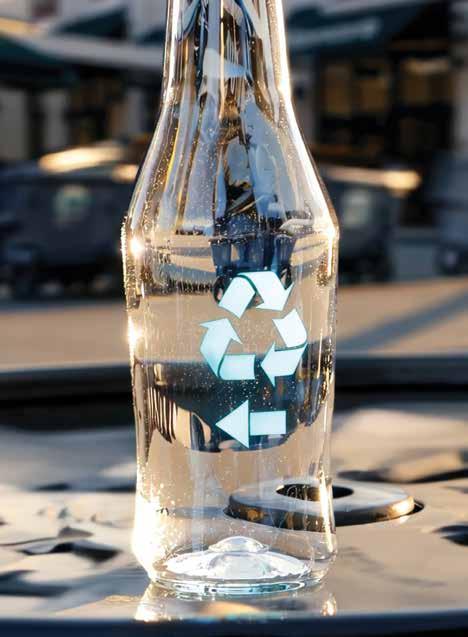
Visible recycling facilities are sending a clear message too. Many centres have installed dual-compartment bins, branded recycling stations and simple, colourcoded signage to help visitors separate waste correctly. Golden Island in Athlone and Fairgreen in Carlow have introduced upgraded bin systems with digital monitoring, while Whitewater in Newbridge runs community events such as battery collections and Christmas tree recycling to keep sustainability front of mind.
Technology and Innovation
Technology is helping shopping centres take waste management to the next level. Many centres now use sensor-fitted bins that send an alert when they are close to full - a simple change that helps cleaning teams plan collections better and avoid overflow. Systems from companies such as Enevo, Bigbelly and SmartBin are already operating in Ireland, helping centres manage waste more efficiently and with less energy.
Under the Waste Management Act and the EU Waste Framework Directive, shopping centres must separate recyclable materials, use authorised waste collectors and manage food waste responsibly. These are the basic legal requirements, but many centres are going further. Mahon Point in Cork, for example, holds ISO 14001 environmental certification and diverts over 90 per cent of its waste from landfill, while Liffey Valley in Dublin has introduced smart monitoring and tenant-led recycling programmes. Stillorgan Village has also built a strong reputation for sustainability by running community-led recycling initiatives that encourage both customers and tenants to take part. These efforts show how the sector is moving beyond compliance towards genuine circular thinking.
target of halving food waste by 2030, part of the country’s commitment under the EU Green Deal and the Waste Action Plan for a Circular Economy.
These initiatives align with Ireland’s Circular Economy Strategy and the national
Practical measures are being introduced in shopping centres throughout Ireland, and they are making a measurable difference. Food waste collection points, compactors that reduce transport volumes, clear recycling signage and tenant waste charters are now part of everyday operations. Many centres have also introduced sustainability training, detailed reporting and community programmes such as refill schemes, composting and food donation partnerships, all helping to make greener choices part of how they do business.
At a management level, digital dashboards are used to track recycling rates, contamination levels and overall performance in real time. Centres can compare results across tenants, identify problem areas and set measurable improvement targets. Thorntons Recycling, for example, offers cloud-based reporting systems that allow property managers to view detailed waste and recycling data, while Panda Green provides analytics that feed directly into ESG reporting platforms.
Some larger centres are also trialling AI-assisted sorting technologies that use image recognition to improve recycling accuracy. Compactor systems fitted with fill sensors and remote diagnostics, supplied by firms such as Orwak and Bergmann, are helping to reduce transport costs and emissions by ensuring collections only happen when required.
Together, these tools are making waste management more efficient, measurable and transparent. They help centres move beyond compliance towards genuine circular operations, where data drives continual improvement and sustainability targets are achieved through smart design rather than manual oversight.
Looking Ahead
The next step for many centres is embracing the circular economy, so that resources are reused and repurposed rather than discarded. Some now host swap shops and textile recycling drives in partnership with local charities.
MacDonagh Junction in Kilkenny and Stillorgan Village are among those leading the way, showing how sustainability can bring communities together.
Even refurbishment projects are evolving. Landlords increasingly ask contractors to reuse materials, recycle demolition waste and choose eco-certified products. Some centre operators now collaborate with retailers to design sustainable fitouts using modular units, recyclable materials and furniture reuse programmes to reduce waste at source.
Education is another key factor. Digital campaigns, workshops and tenant newsletters keep recycling targets and good practice front of mind for everyone involved.
There is also a clear business case for waste reduction. Cutting waste saves money through lower landfill fees, smoother operations and reduced cleaning costs.
Irish shopping centres investing in greener waste strategies are not just meeting compliance requirements, they are building cleaner, smarter and more resilient destinations that communities feel good about visiting and retailers are proud to call home.
As investors and consumers alike place greater emphasis on ESG performance, waste efficiency and circularity are becoming essential measures of a centre’s long-term value and sustainability.
Quick Wins for Greener Centres
Start with data. Digital tracking helps identify where waste is being generated and where savings can be made. Small insights often lead to major improvements in efficiency and cost reduction.
Partner with tenants. Shared recycling goals, clear signage and straightforward training sessions turn sustainability into a collaborative effort that benefits everyone in the centre.
Encourage reuse. Simple initiatives such as swap shops, book exchanges or refill stations help customers participate directly in circular thinking while creating positive engagement.
Rethink food waste. Work with cafés and restaurants to donate surplus stock or send organic waste for composting or renewable energy production. It’s practical, visible sustainability in action.
Celebrate success. Highlight sustainability milestones in-centre and on social media. Shoppers respond positively when they can see genuine progress and feel part of it.
Keep it visible. Branded recycling points, colour-coded bins and clear messaging make sustainability easy to understand and hard to overlook. Consistency in presentation reinforces a centre’s commitment to greener operations.
MADE TO MEASURE:
HOW DUNDRUM TOWN CENTRE TRANSFORMED ITS WASTE MANAGEMENT
WASTE MANAGEMENT REMAINS ONE OF THE MOST DEMANDING AND OFTEN UNDERESTIMATED OPERATIONAL CHALLENGES
FOR
RETAIL CENTRES ACROSS IRELAND.
Managing multiple waste streams, ensuring compliance, fostering tenant cooperation, and controlling costs requires more than routine oversight. It demands strategic planning, bespoke solutions, and a long-term commitment to sustainability.
Dundrum Town Centre encountered these challenges firsthand. With a wide-ranging tenant mix producing everything from organic food waste to bulky packaging, their existing waste system was under significant pressure. Recycling rates were lower than targeted, operational disruption was common, and there was a lack of clear disposal guidance.
Recognising the limitations of a reactive, fragmented system, Dundrum opted for a complete rethink. Waste management was no longer treated as a procurement task but redefined as a strategic partnership, an approach that delivered significant improvements.
The Challenge
Like many shopping centres, Dundrum faced several persistent issues:
• Complex Waste Streams: A variety of tenants generated diverse materials requiring specialised handling and segregation.
• Lack of Clear Guidelines: Inconsistent procedures led to incorrect disposal, cross-contamination of recyclables, and increased costs.
• Operational Disruption: Frequent
waste collections disrupted day-to-day operations, particularly across multiple service corridors and floors.
The Solution: A Strategic Partnership with Panda
To address these challenges, Dundrum Town Centre partnered with Panda to develop a bespoke, centre-specific solution. This was not a generic waste service, but a collaborative relationship built on responsiveness, adaptability, and continuous improvement.
Panda implemented tailored logistics, sitespecific equipment such as single-stream balers, and an ongoing programme of feedback and review. Their responsiveness was particularly evident during the 2011 flooding at Dundrum, where Panda delivered immediate emergency support, far exceeding contractual obligations.
The Outcomes
This strategic partnership produced clear and measurable results:
• 80% Recycling Rate: Achieved through targeted tenant education, improved signage, and streamlined sorting processes.
• Operational Efficiency: Simplified systems reduced complexity and improved service delivery.
• Cost Savings: Improved efficiency resulted in financial savings while strengthening Dundrum’s environmental credentials.
Lessons for Centre Managers Dundrum’s transformation highlights valuable lessons for other retail centres:
• Tenant Education is Critical: Multilingual infographics and training sessions proved instrumental in driving recycling compliance.
• Sustainable Transport Makes a Difference: The use of Compressed Natural Gas (CNG) and electric vehicles contributed to reduced carbon emissions.
• Partnership Delivers Value: According to Service Delivery Manager Gerry Cahalin, “I used to manage the waste, but now I can say Panda manages the waste for me.”
By moving waste management from an operational burden to a strategic advantage, Dundrum Town Centre has demonstrated how tailored, intelligent systems can deliver meaningful business and environmental outcomes. What was once a time-consuming, disruptive necessity is now a streamlined, cost-effective and environmentally responsible process designed to meet the centre’s evolving needs. To discuss what Panda can do for you, contact Eddie Moloney, Commercial Sales Manager on 086 046 7770 or email eddie.moloney@panda.ie
HEALTH AND SAFETY
CREATING SAFER, SMARTER AND MORE INCLUSIVE DESTINATIONS
As centres evolve into mixed-use destinations, safety teams must balance compliance, customer care and an ever-changing risk landscape. In modern shopping-centre management, the demands on safety teams have grown sharply. Footfall patterns have changed, visitor expectations have risen, and layouts have become more complex. Health and safety is no longer just about compliance; it is now central to customer reassurance and operational resilience.
A Changing Risk Landscape
Traditional risks remain: slip hazards, fire systems, plant maintenance, food-service controls and contractor oversight. But a broader risk landscape has emerged. Crowd management now demands far more attention. Seasonal installations and experiential activations can transform a centre’s flow, requiring detailed planning
around movement, queueing and emergency access. A single feature may attract thousands of visitors in a short period, and teams must ensure it integrates with normal trading patterns.
Extreme weather is another growing concern. Heavy rainfall, surface flooding and high winds all place pressure on maintenance teams, demanding preventive planning and clear procedures for rapid response.
Mixed-use environments add further complexity. Cinemas, gyms, clinics, children’s play areas and beauty services each bring distinct safety considerations. While tenants manage risks inside their units, the centre must ensure every operation aligns with a coherent safety framework.
A Safety Culture That Works
The strongest centres treat health and safety as a mindset rather than a tick-box exercise, and leadership is crucial. Managers who remain visible, communicate openly and involve staff in risk discussions tend to achieve better outcomes than those who focus solely on paperwork.
Consistent systems anchor this culture. Scheduled audits, digital inspection tools, incident reporting and regular briefings create structure and accountability.
Training reinforces everything. Staff learn to recognise risky behaviour, anticipate peak pressures and intervene politely but confidently when something feels unsafe. When communication flows, problems are spotted earlier and resolved faster.
Partnership Between Centre and Tenant Safety is shared. Landlords oversee common areas; retailers manage risks inside their units. Regular tenant briefings, back-of-house inspections and induction sessions for new occupiers maintain consistency. Day-to-day practices such as waste storage, fire-door access and deliveries require continued alignment.
Contractor activity needs especially close control. Fit outs and refurbishments introduce risks that must be managed through robust permit systems and tight supervision. Many incidents stem not from the work itself but from limited visibility of who is on site and what they are doing.
The Human Side of Safety
Shopping centres serve a diverse population: older visitors, people with disabilities, families, neurodiverse individuals and young people using the space as a social hub.
Accessible, inclusive design has become a priority. Mahon Point in Cork was Ireland’s first dementia-inclusive centre, followed by Frascati in Blackrock. Both focus on intuitive layouts, clearer wayfinding and staff training for visitors who may become disoriented.
Several Irish centres and attractions have introduced Child Safe Zone and wristband schemes for rapid family reunification. Merchants Quay in Cork and Galway Shopping Centre have used these systems, while Emerald Park operates a comprehensive lost-child policy supported by wristbands. The same principle is common
at major Irish events where “Tag-A-Kid” wristbands help organisers contact parents directly.
Escalators pose recurring risks when visitors attempt to take prams or trolleys onto them. Centres manage this with clear signage, regular patrols, practical lift access and, in some cases, physical deterrents that prevent wheeled items from reaching the steps. Singapore provides a useful benchmark: several centres use sensors and audio warnings, and a magnetic bollard trial at Tampines 1 cut prams and trolleys entering escalators by around 50%.
First aid remains central. Medical incidents are among the most common callouts for frontline teams, and well-trained first aiders make an essential difference in the early minutes. AEDs are widely installed, with many centres carrying out regular refresher training so staff remain confident and calm when responding.
Security and customer-service teams are increasingly taking wellbeing and visitor care into account alongside their core safety duties. Training in conflict management, mental-health awareness and supporting vulnerable visitors helps prevent escalation and maintains a reassuring presence throughout the centre.
Looking Beyond Ireland
Irish centres are getting many things right, with strong systems, growing inclusivity and a clear commitment to visitor care. Even so, overseas innovations offer useful inspiration.
Smart Escalator Technology: Across Asia and Australia, escalators are fitted with real-time monitoring that tracks vibration and mechanical stress. If irregularities appear, the escalator automatically slows or stops and alerts maintenance teams. Some centres reinforce this with step-edge lighting or footprint markers to guide safer use.
Dementia-Friendly Design: The UK has developed strong guidance around intuitive navigation, calmer lighting and trained staff - principles already emerging in Ireland and ripe for wider adoption.
Tactile Wayfinding: Canadian centres use tactile strips, contrasting surfaces and improved signage to support visitors with visual impairments. Low-cost interventions like these could enhance accessibility across larger Irish schemes.
AR Wayfinding with Evacuation Guidance: Augmented-reality overlays help visitors orient themselves quickly. In emergencies, the same system can redirect people away from blocked routes or congestion points.
Joined-Up Emergency Planning: Large centres in the US and Canada run multiteam emergency drills involving retailers, security, cleaning teams and emergency services, improving coordination and response during medical incidents or severe weather.
Health and safety in shopping centres is dynamic and constantly evolving. As centres adopt more mixed uses and rising expectations, the balance between regulation, practicality and human experience becomes ever more important. A centre that feels safe, inclusive and well run is not only easier to operate; it is far more likely to succeed.
In modern shopping-centre management, the demands on safety teams have grown sharply. Footfall patterns have changed, visitor expectations have risen, and layouts have become more complex.
BRANDING THAT BUILDS VALUE
Ashopping centre’s brand is much more than a logo or tagline. It’s the personality of the place – the feeling visitors get when they walk through the doors, the experience tenants buy into, and the reputation investors recognise. Every sign, social post and staff interaction either strengthens or weakens that identity.
That sense of identity matters. KPMG’s Retail Outlook points out that when a shopping centre knows what it stands for, everything else tends to follow – tenants
buy in, and customers keep coming back.
EY Ireland’s consumer research finds that people respond best to honesty and consistency. Meanwhile, the latest Edelman Trust Barometer, which includes Irelandspecific findings, highlights that trust remains the single biggest driver of brand loyalty. Edelman reports that people are far more likely to buy from, recommend and defend brands they believe act responsibly and communicate honestly. In retail terms, that’s precisely what a strong centre brand achieves.
A Sense of Identity
Building a brand that resonates with people starts with identifying what the centre wants to represent, then ensuring every choice reinforces that idea. A centre focused on families, for example, might strengthen its appeal through children’s clubs, accessible facilities, sensory rooms and community initiatives that make it feel inclusive. A centre with a more premium focus could use design, lighting and brand partnerships to reflect its positioning and attract a like-minded audience.
Visual identity matters, but it’s the experience that seals it. From car park layout to customer service, events and online presence, every detail should reflect the same values. Tenants, marketing teams and management all play a role in delivering that joined-up story.
Regular feedback through visitor surveys, social listening and tenant discussions helps managers understand how the brand performs in the real world. Small refinements – from improved signage to better digital content – can make a noticeable difference to how the centre is perceived.
Clever, Connected Marketing
We’re all influenced by the world around us, often more than we realise. Clever marketing takes advantage of that by repeating messages built on subtle cues. From product placement in films to familiar brand visuals, these signals resonate and stay with us. Shopping centres can apply the same thinking to drive engagement and sales through smart branding. Familiar visuals, a recognisable tone of voice and a clear message help people connect with a brand on a deeper level.
What’s fascinating is how often these cues guide us without our knowing. Illusionists such as Keith Barry and Derren Brown have shown how easily the mind can be steered toward a particular thought or choice through suggestion and repetition. Branding works in much the same way.
A colour, a font or a slogan can plant associations that shape how we feel about a brand long before we consciously make a decision. From the music playing in-store to the layout of a display, these subtle signals build familiarity and trust over time. It’s not manipulation; it’s communication – and when done well, it turns an ordinary visit into an experience that feels both natural and memorable.
Shopping centres are particularly well placed to make the most of sensory branding. Everything from lighting and scent to digital signage, wayfinding and seasonal décor can reinforce the atmosphere a centre wants to project. A warm glow, a familiar fragrance or even
a signature sound can trigger positive emotions, encouraging people to linger longer. The most successful centres understand that branding isn’t confined to logos or adverts – it lives in every touchpoint, every sensory cue and every detail that makes a space feel inviting and familiar.
Today, brand consistency extends seamlessly into the digital world. A customer who sees a centre’s post on social media should feel the same tone, energy and experience when they walk through its doors. The colours, imagery and messaging work best when they tell a single, coherent story. A unified brand presence makes every interaction feel connected and intentional – and that is the essence of clever, connected marketing. As the father of modern advertising, David Ogilvy, famously said, effective communication is about “telling them, telling them, and telling them again.”
Repetition builds recognition, and recognition builds trust.
Branding doesn’t stop with atmosphere or emotion – it’s also about being seen. Once you’ve built a message people connect
with, the next challenge is to make sure it stands out. The right visuals, placement and technology turn recognition into visibility, and visibility into influence. That’s where the specialists come in.
Specialists in Visibility
When it comes to building a presence that people notice, visual and digital innovators are leading the way.
No Limit Branding is one of the most active players in this space. The company focuses on high-footfall retail environments such as lifts, lobbies, totem displays and car parks, where visibility and impact matter most. Its full-motion screens combine audio with audience analytics to measure engagement and performance in real time. No Limit also delivers large-scale creative installations that go beyond traditional advertising.
At Dublin’s Ilac Centre, for example, the company partnered with Warner Brothers Discovery for a Beetlejuice immersive experience featuring 20-foot lift wraps and full-motion screens with sound in a centrewide installation. It showed how a clever blend of technology and creativity can bring a brand to life.
Building a brand that resonates with people starts with identifying what the centre wants to represent, then ensuring every choice reinforces that idea.
Kildare Village has also pushed the boundaries of experiential branding. A striking “living wall” installation at Dublin Airport’s Terminal 2 extended the Village’s luxury identity beyond the centre itself, greeting high-value travellers before they even began shopping. The result was a seamless brand experience that linked travel, lifestyle and retail in a single, elegant impression.
Meanwhile, Global Media, a leading name in Irish outdoor advertising, brings retail spaces vividly to life with the DX Network of digital screens. Operating in premium locations such as Dundrum Town Centre, its creative campaigns and sponsor tie-ins help turn promotions into part of the visitor experience. Premium large-format screens are positioned in high-footfall areas, delivering full-motion, data-led content that feels more like part of the environment than traditional signage.
Each display can be updated instantly to tie in with seasonal activity, centre events or brand promotions, giving retailers a flexible way to stay current and capture attention. Because each unit is linked to real-time audience data, both advertisers and centre managers can see how campaigns perform and adjust content as needed.
Just as Global Media is reshaping digital visibility in retail spaces, creative agencies such as vStream are changing how audiences connect with brands. The Dublin-based agency has built a strong reputation for immersive campaigns that use technology to bring ideas to life. Using tools like virtual reality and interactive displays, vStream blends imagination with innovation to create experiences that draw people in, both on-site and online. At Dundrum Town Centre, the agency produced a seasonal campaign featuring the RSA’s James Bond Aston Martin, which drew national media attention, boosted footfall and created a buzz that spread well beyond the centre itself. It was a clear example of how experiential design can turn promotion into genuine participation.
A Brand That Lasts Strong brands don’t just talk about what they stand for – they show it. When people recognise and relate to that identity, they connect with it on an instinctive level. A clear, consistent brand creates confidence, loyalty and belonging – three things every successful shopping centre depends on.
Everything from lighting and scent to digital signage, wayfinding and seasonal décor can reinforce the atmosphere a centre wants to project.
Cost-Effective Design Solution
From system upgrades to full facades redesigns, Bespoke Glazing Solutions create tailored, sustainable solutions that balance performance, safety and budget.
Project Management & Expert Installation
Our dedicated PMs and fully accredited installation team deliver seamless execution. We co-ordinate every detail - materials, logistics, quality control, safety – ensuring your project is delivered on time, on budget, and to the highest standard. On completion we carry out testing in accordance with CWCT standards and submit detailed reports to update your O & M manual.
Bespoke Glazing Solutions have been engaged in extensive new build and remedial projects for shopping centres such as Blanchardstown, Liffey Valley, Whitewater, Nutgrove, and Eyre Square.
Façade Investigation
When your façade needs attention, trust the specialists. A complete condition survey of your building’s glazed façade, cladding or rooflight is an incredibly valuable tool, whether it’s planning ongoing maintenance, highlighting potential problems or resolving existing issues.
At Bespoke Glazing Solutions, we provide a complete, end-to-end service designed to protect, enhance and future proof your building. Our experienced inspection team uses advanced diagnostic tools to assess glazing, cladding, waterproofing and thermal performance. We identify issues early, reduce risks and provide you with a clear, actionable report you can rely on.
REGIONAL GEMS
DESPITE THE GROWTH OF ONLINE SHOPPING, IRELAND’S REGIONAL SHOPPING CENTRES REMAIN AT THE HEART OF LOCAL LIFE WHERE PEOPLE MEET, CONNECT AND SPEND TIME TOGETHER, OFFERING THE HUMAN WARMTH AND COMMUNITY SPIRIT THAT NO DIGITAL PLATFORM CAN MATCH.
As Ireland’s capital and home to the country’s largest population, it is no surprise that Dublin has the greatest concentration of shopping centres, but look beyond the capital and you will find some of the country’s most forward-thinking centres in towns and cities that serve their communities with creativity, purpose and pride.
In Cork, Mahon Point exemplifies this evolution. Its focus on sustainability, from zero-waste ambitions to solarpowered lighting, reflects the values of its community and provides a warm, welcoming destination for families, workers and friends to meet. Its food offering, weekly markets and regular events give it a distinct character that feels rooted in Cork life.
In Ireland’s third largest city and cultural capital of the midwest, The Crescent in Limerick blends retail with genuine community purpose. School choirs perform in its central spaces, charities hold collections and awareness days, and local groups regularly use the centre for exhibitions and activities. It feels woven into the city’s rhythm, a familiar space where visitors feel safe and connected.
In Kildare, Whitewater in Newbridge shows how regional retail can rival any urban offering. Newbridge has grown into one of the busiest commuter towns on the Dublin to Kildare corridor, with a large family population and a strong local economy. Having a top-quality centre matters here, and Whitewater delivers. Strong anchors, popular dining spots and a lively
programme of events ensure it remains not just a shopping destination but a social hub for the wider area. Its mix of big brands, independents and entertainment options gives locals real choice without needing to travel to Dublin.
Tucked into the heart of Carlow town, Fairgreen stands out as a regional centre that delivers. Anchored by Tesco and home to familiar names such as Next, Boots, JD Sports and Golden Discs, it offers a retail mix that works for everyday shoppers. An IMC cinema adds a leisure dimension many regional centres lack, giving Fairgreen appeal beyond just shopping. The centre continues to operate at high occupancy, showing confidence from retailers in its performance. With seasonal promotions, community events and new openings such
Shopping centres remain at the heart of Irish communities, offering the connection and familiarity that online retail cannot replace.
City Square Shopping Centre, Waterford
as Rituals, Fairgreen remains Carlow’s goto hub for shopping and entertainment.
In the heart of the Midlands, Athlone Towncentre sits at a key crossroads between east and west, drawing visitors from across Westmeath, Roscommon, Longford and Offaly. It is a natural anchor for a wide regional catchment, offering brands and services that save people long trips to the bigger cities. Its recent upgrade, which earned an ISO energy award, signals a commitment to the town itself, investing in brighter spaces, improved comfort and efficient systems. Athlone Towncentre is both an economic engine and a social meeting point, generating employment and fostering a strong sense of local pride.
In Kilkenny, MacDonagh Junction’s role goes far beyond retail. Built on the historic railway works, the centre carries the story of the site into the present day, offering a blend of heritage, cultural connection and everyday convenience. Its autism-friendly hours, quiet zones and partnerships with local organisations have made it a national example of inclusive retailing. For many families, it is a safe and welcoming haven rooted in the city’s history.
In Dundalk, Marshes Shopping Centre serves a busy border town with a strong sense of community identity. From charity fashion shows to family fun days and local talent showcases, Marshes feels like a shared living space for the area, a place to bump into neighbours, meet for coffee or enjoy a familiar indoor environment on a wet day. Its blend of national brands and independent retailers keeps it relevant, but it is the centre’s community culture that truly anchors it.
In Sligo, Quayside Shopping Centre plays a central role in a region that looks to the town as its main urban hub outside Galway. As the county town and the largest centre in the northwest, Sligo draws shoppers from a wide surrounding area. Quayside acts as a family-friendly anchor where seasonal events, local craft markets and free children’s activities bring people back week after week, supporting both the local economy and the everyday rhythm of life.
At the northern edge of the island, The Quays in Newry thrives on cross-border energy, attracting visitors from both Ireland and Northern Ireland. Its mix of UK and Irish brands, a lively café scene and a
popular cinema makes it a destination where families from either side of the border can relax and shop together. Built around a restored Albert Basin warehouse, the centre blends heritage with contemporary retail, giving it a character unique to Newry. The Quays not only boosts local commerce but strengthens social ties in a city where connection and shared spaces matter.
In Waterford, City Square acts as the social heart of Ireland’s oldest city. It was ahead of its time when it opened more than thirty years ago as one of the region’s first fully enclosed, weatherproof retail destinations and this evolution continues today. The recent relocation of Aldi into the centre has helped draw increased footfall from families and commuters. From teenagers meeting after school to local makers showcasing artisan goods, City Square has become more than a shopping venue. It is a place where Waterford gathers.
Despite the rise of online retail, shopping centres still play a vital role in Irish life. At the heart of their communities, regional centres are social hubs and local gathering points, offering a human connection that digital commerce can never replace.
Across Ireland, regional centres are more than places to shop. They are meeting points, community anchors and sources of local pride.
Top: Marshes Shopping Centre, Marshes Avenue, Dundalk
Bottom: Whitewater Shopping Centre, Main Street, Newbridge, Co. Kildare
Escape the Everyday
Enjoy a rejuvenating leisure break at our 4-star resort in Co Cavan, where relaxation meets recreation. Unwind in our luxurious spa, savour delicious local dining, and tee off on our exceptional PGA National 18-hole golf course.
Your perfect getaway starts here
Phone: +353 49 952 6444
Email: enquiries@slieverussell.ie
www.slieverussell.ie
INDUSTRY LEADERS GATHERED IN CAVAN TO EXCHANGE IDEAS, EXPLORE TRENDS AND LOOK AHEAD AT WHAT’S NEXT FOR IRELAND’S SHOPPING CENTRES.
The Slieve Russell Hotel in Cavan hosted Ireland’s twelfth Shopping Centres Ireland Conference & Expo on 17 September 2024, bringing together centre managers, operations teams, property specialists and service providers from across the country. Held every two years, the event has become a cornerstone
of the retail property calendar, providing an essential forum for learning, discussion and sector-wide collaboration.
The theme, “Expectations!”, captured the mood of a retail landscape undergoing rapid change. As Conference Chair Denis Carroll noted in his opening remarks, the
sector continues to navigate the ripple effects of Brexit, the pandemic, rising costs and shifting customer habits. Yet despite these pressures, Irish retail has demonstrated remarkable resilience, adaptability and innovation.
To close the day, entrepreneur David Walsh took to the stage. Best known as the co-founder of Netwatch and a long-time advocate for Irish tech, his keynote, “Key Lessons Learned from an Entrepreneurial Journey”, reflected on the realities of scaling a company from start-up to international success. His emphasis on culture, clarity and long-term vision resonated strongly with attendees managing their own operational pressures.
Innovation and Collaboration
Around forty exhibitors took part, representing all corners of the retail and facilities ecosystem – from security and technology to cleaning, landscaping, marketing, leasing and lighting design. Delegates welcomed the opportunity to explore new products and services, making the exhibition hall one of the day’s busiest and most energetic spaces.
Connection and Shared Experience
One of the defining strengths of the conference was its atmosphere: open, collaborative and focused on collective progress. As MC John Brophy – a longstanding committee member – guided the day, delegates shared practical insights from their own centres, compared operational challenges and explored fresh approaches to customer service, safety, marketing, ESG and management.
With pressures on the sector mounting, the event served as a timely reminder of the value of face-to-face dialogue. Many attendees commented on the benefit of stepping away from daily operations to think strategically, reconnect and gather ideas that can be applied directly within their centres.
Speaker Line-Up
The programme reflected the complexity facing today’s shopping centre leadership.
Orla Coyle, Head of Energy and Sustainability at Savills and a board member of the Irish Green Building Council, opened the day with a compelling session on ESG. Drawing on her extensive experience in national decarbonisation programmes, she explored how centres can build effective, actionable sustainability strategies. Her message was clear: ESG is no longer optional; “it is shaping regulation, investor expectations and customer behaviour.”
Broadcaster and bestselling author Dermot Whelan brought a lighter but meaningful focus with “3 Keys to Thriving in a Changing World”, blending wellbeing insights with trademark humour to
underline the importance of resilience, mental clarity and creativity within fastpaced retail environments.
In the afternoon, Mark Kelly, President of AI Ireland and author of AI Unleashed, examined how artificial intelligence is set to reshape daily centre operations, tenant engagement and long-term planning. Known for turning complex AI principles into accessible guidance, he outlined practical ways centres can prepare for and benefit from the AI revolution.
Gold Sponsor Bidvest Noonan led this year’s event, supported by Silver Sponsors Clearhill, Panda, Euro Car Parks, ME Group Ireland and MCR Group. Additional backing came from partners including Bannon, MK Illumination, Exceedis, Colliers, Fillit, Fusion Events and VS Direct. The chosen charity, Cork Cancer Care Centre, contributed through fundraising and awareness initiatives, highlighting the sector’s strong community ethos.
One of the defining strengths of the conference was its atmosphere: open, collaborative and focused on collective progress.
Looking Ahead
The SCMAI Conference & Expo will return to the Slieve Russell Hotel in September 2026, promising another high-quality programme shaped by the needs of Irish shopping centre professionals.
Save the Date: 22 September 2026
Venue: Slieve Russell Hotel, Cavan
Who it’s for: Centre managers, operations, marketing and property teams Why attend: Practical talks, an exhibitor expo, networking and an evening social.
Left & above: Orla Coyle, Head of Energy and Sustainability at Savills and David Whelan, Radio And Tv Broadcaster, Author, Comedian, And Meditation Expert.
Left & below:
Mark Kelly, President of AI Ireland and entrepreneur David Walsh. Best known as the cofounder of Netwatch.
Your one stop shop to creating better spaces.
LANDSCAPE CONSTRUCTION
LANDSCAPE MAINTENANCE
We provide a complete landscape construction service, working with nature to create landscapes which make for more sustainable urban environments.
TREE SURGERY
We offer a comprehensive landscape maintenance service, helping clients to maximise their properties through routine, scheduled maintenance and targeted improvement works.
Using best practice Arboriculture principles, we manage and care for trees across their full life cycle, from audits and surveys by our resident arborist, to detailed works to safeguard not only the trees, but also the community they sit within.
INVASIVE WEED CONTROL
INTERIOR PLANTING
We survey, treat and control emerging or established invasive weeds, preventing damage to property, human health and natural habitats.
WINTER SERVICES
Our interior planting service brings nature into indoor spaces, enhancing the health and appearance of buildings and the well-being of those who live and work in them.
ENVIRONMENTAL
Our winter services help clients deal with adverse weather conditions by maintaining access to their property, keeping staff and visitors safe and ensuring business continuity.
SUPPORT SERVICES
We help clients adopt more sustainable approaches to managing their property, improving the biodiversity of their landscapes and contributing to a better environment for us all.
LIFFEY VALLEY SHOPPING CENTRE -BEST COMMERCIAL MAINTENANCE AWARD 2025 OF 11 ALCI AWARDS 2025 Winner
Catering to a diverse range of grounds maintenance customers by offering services in paving, light civils work, and landscape upgrades.
sales@saplandscapes.ie
saplandscapes.ie
RETHINKING RETAIL SPACE
AS IRELAND STRUGGLES WITH AN ACUTE HOUSING SHORTAGE, SHOPPING CENTRES ARE EMERGING AS UNEXPECTED BUT POWERFUL CATALYSTS FOR SUSTAINABLE GROWTH.
With prime locations, established infrastructure and deep community roots, shopping centres offer a practical way to link homes, services and daily life in spaces people already trust. Instead of relying solely on expensive greenfield development, there is enormous potential in reimagining the well-connected, well-serviced sites that are already at the heart of towns and suburbs, making them ideal locations for new homes.
National planning policies such as Town Centre First and the National Planning Framework already encourage compact, sustainable growth that strengthens existing places rather than pushing development outwards. “Our towns and villages can and should be places where people live, work, visit and recreate,” notes the Government’s Town Centre First policy. Shopping centres, with their established amenities and transport links, are uniquely positioned to deliver this vision.
Next Generation Housing Ireland’s retail landscape is evolving in response. What were once singlepurpose retail destinations are now being reimagined as integrated neighbourhoods. One of the world’s leading commercial property and investment firms Coldwell Banker Richard Ellis (CBRE) says that “a new generation of mixed-use retail space is emerging, transforming shopping centres into places that combine living, leisure, work and culture.” This shift reflects how communities and planners see retail
Ireland’s retail landscape is evolving in response. What were once single-purpose retail destinations are now being reimagined as integrated neighbourhoods.
spaces playing a wider role. Unlike in other markets, Irish shoppers still value personal interaction. We are a people who enjoy conversation, connection and the simple comfort of being around one another. Even the best online platforms cannot replicate this social fabric, and it is why retail spaces remain natural anchors in towns and cities.
The opportunity for integration is already evident in several major schemes. At Dundrum Town Centre, owner Hammerson is advancing its Ironworks development, delivering 107 build-to-rent apartments as part of the broader City Quarters strategy. The vision is a fully integrated district where homes, workplaces, leisure, retail and green spaces sit side by side. At Blanchardstown Centre, permission for nearly 1,000 apartments marks one of the most ambitious suburban housing programmes in the country. The Square Tallaght’s long-term plan also acknowledges residential growth as essential to creating a more connected urban area, while planning guidance for Liffey Valley supports the careful integration of homes, leisure and retail to create a well-rounded urban quarter.
Student Accommodation
A similar challenge is emerging in university towns, where demand for student accommodation far outstrips supply. Savills Ireland point to a significant gap in purpose-built student accommodation and the urgent need to address the problem. The solution? As many shopping centres sit close to campuses or major public transport routes, often with vacant land or underused spaces, they could be repurposed. The Society of Chartered Surveyors Ireland echoes that sentiment: “many retail assets are under-utilised and could play a significant role in meeting Ireland’s housing and sustainability goals.” Manor Mills in Maynooth is the perfect example. With shops at ground level and apartments above, it offers everyday convenience for students, workers and families alike. Edward Square in Galway shows how student housing and city-centre retail can operate seamlessly, supporting footfall throughout the day and breathing life into the surrounding streets. In Athlone, the Green Quarter project goes even further, combining student accommodation and new homes to reinforce both the town’s commercial heart and the nearby technological university.
Beyond residential demand, there are social and cultural benefits. Adding homes to established retail locations brings more people into town centres, supporting cafés, services, local suppliers and independent retailers who rely on steady footfall. It also creates safer, more welcoming streets by ensuring activity extends beyond traditional trading hours. Post-pandemic, the desire for local connection is stronger than ever. Communities want lively, walkable neighbourhoods where essential services, leisure spaces and social hubs are all within reach.
Employment is another critical factor. Shopping centres are already among the largest local employers in many towns, providing roles across retail, hospitality, security, facilities management and logistics. Integrating housing within these areas strengthens the local economy, reduces commuting distances, and supports sustainability goals, thereby improving quality of life. As the Irish
Planning Institute puts it, “Repurposing existing commercial space for residential use is one of the most sustainable forms of development.”
Mixed-use redevelopment aligns with Irish values and the Irish way of life. It keeps towns active, provides homes where people want to live, and ensures centres remain vital community anchors rather than relics of a retail-only past. In short, rethinking shopping centres as mixed-use facilities turns a national challenge into a shared opportunity. It supports sustainable growth, promotes more efficient use of well serviced urban land, and, above all, strengthens communities. As the National Planning Framework puts it, Ireland’s future will depend on “compact and connected development that makes better use of serviced land,” and shopping centres are poised to play a pivotal role in that transformation.
Unlock your shopping centre’s full potential with our expert property management services. We streamline operations, boost tenant satisfaction, and enhance asset value so you can focus on growth while we handle the details. From proactive leasing strategies to cost-effective maintenance, we accelerate your success with precision and expertise. Partner with us and experience seamless management that drives results.
A RISE IN STUDENT NUMBERS AND A LACK OF ACCOMMODATION ARE CREATING PRIME INVESTMENT OPPORTUNITIES IN THE STUDENT HOUSING SECTOR. SAVILLS HIGHLIGHTS HOW SHIFTING DEMOGRAPHICS AND PLANNING TRENDS ARE RESHAPING THE DEVELOPMENT LANDSCAPE.
The firm reports that there are 89,600 full-time students in Dublin but only 21,700 available bed spaces. Its latest Development Land Market Review identifies student accommodation as a sector offering strong potential returns.
The firm reports that there are 89,600 full-time students in Dublin but only 21,700 available bed spaces. Its latest Development Land Market Review identifies student accommodation as a sector offering strong potential returns.
Brexit has increased Ireland’s appeal to international students, further fuelling demand for purpose-built student accommodation (PBSA). Combined with rising numbers of domestic students entering third-level education, the country is experiencing an acute shortfall in supply, making the sector increasingly attractive for investors.
Recent research conducted by Savills and The Class Foundation found that investors
plan to expand their European PBSA portfolios by up to 70% over the next two to five years, with nearly a third already investing in Ireland and the UK.
In Dublin, the demand for student accommodation significantly exceeds current supply. According to the Higher Education Authority (HEA), there are approximately 89,600 full-time students in the capital, of whom 69,200 (77%) are domestic. Yet the city offers only around 21,700 bed spaces, including both privately owned schemes and on-campus housing. This leaves a shortfall of approximately 68,000 bed spaces and a student-to-bed (STB) ratio of 4.1:1. However, accounting for those who live at home, the actual shortfall is estimated at between 25,000 and 30,000 beds.
Nationally, the student population has grown significantly. There are now almost 207,000 full-time students across Ireland, an increase of 22% over the past decade. International enrolments have also surged, with more than 35,000 international students now representing 17% of the total student population. This is a marked rise from 2007, when just over 13,000 international students accounted for 9%. The most common countries of origin are India (17.5%), the United States (14.0%), and China (10.9%).
“The ongoing shift in student demographics, coupled with stable rental yields and high occupancy rates, has made purpose-built student accommodation a highly attractive investment,” said Ebba Mowat, Director of Development Agency & Consultancy at Savills.
“Unlike other sectors facing greater economic uncertainty, lenders remain confident in funding student housing developments, with loan-to-cost ratios commonly reaching 65% from traditional banks and over 70% from alternative lenders.”
Residential Planning
The report also highlights a significant geographical shift in residential planning permissions. Dublin’s share of newly planned residential units has dropped sharply from 49% in 2020 to just 28% in 2024. This decline is attributed to restrictive rent controls and regulations limiting bulk residential purchases in the capital.
In contrast, regions such as the Midlands and Mid-West have seen their shares triple - albeit from a low base - while the West has doubled its share of planned developments. This redistribution aligns with the National Planning Framework’s objective of achieving a more balanced 50:50 split in growth between Ireland’s major cities and other regions.
However, Savills cautions that actual construction activity outside Dublin remains limited. Significant improvements in infrastructure and local authority capacity are essential to ensure that planned developments progress from planning permission to completed housing units.
“The shift towards more balanced regional development presents both opportunities and challenges,” Mowat added. “For this redistribution to materialise effectively, significant investment in infrastructure and local planning capacity is crucial. Otherwise, these developments risk prolonged delays, further exacerbating Ireland’s housing supply challenges.”