Sustainability

The Weight of the World
Ecological efforts across the country face serious headwinds, but there are glimmers of hope.
I learned a new word recently: anthropomass. Short for “anthropogenic mass,” it is the mass embedded in inanimate solid objects made by humans. And according to an article in Nature, the year 2020—that same year we arrived at a collective societal inflection point—was when our planet’s anthropomass surpassed its living biomass, weighing in at approximately 1.1 teratonnes, or 2,425,084,884,033,653.5 pounds. Meaning: There is now more human-made junk than all other living matter on Earth.
The thought experiment of imagining the celestial scale tipping in favor of anthropomass and outweighing all trees, plants, and animals is enough to induce some serious reflection. If only that was what it took to change hearts and minds about the reality of climate change. For decades, it has seemed as if we were drowning in data about the science behind the accelerating pace of climate change, lending climate action a sense of breakneck urgency. However, any progress that has been made
has seen major roadblocks in recent months. Since President Trump took office, the Natural Resources Defense Council has estimated that his administration “ has taken or proposed at least 350 actions that directly threaten the environment, climate, and human health .” Some of these are related to buildings, and of those, many are related to the U.S. Department of Energy’s rollbacks on energy and water conservation standards for building products. Energy production is a key part of the issue. But even with the pro–fossil fuel leanings of our current executive branch, the demand for renewable energy continues to grow. According to recent reporting in The New York Times, there seems to be a rush to initiate projects ahead of the looming disappearance of federal support: “Wind and solar projects must be under construction by July to be eligible for federal tax credits that Congress voted this summer to eliminate, years earlier than previously required.” Renewables may continue to boom
for two years before the slowdown prompted by funding changes. Solar and battery implementation is also cheaper and faster, and this year renewable energy and batteries will make up around 93 percent of the capacity added to U.S. grids, according to the federal Energy Information Administration.
We’ll need all these extra watts to keep up with the AI-fueled growth of data centers. As mentioned in a special series by MIT Technology Review about data centers, energy usage by this sector could nearly triple from 2023 to 2028; by then, “AI alone could consume as much electricity annually as 22 percent of all US households.” Sounds great, right? Read Trevor Schillaci’s piece about the architects designing these data centers on page 40.
Materials play a role, too. In a roundtable discussion, architects discuss the movement to remove plastics from our buildings (page 44) and the importance of making decisions that consider the full life cycles of materials, from
extraction to landfill. Throughout this section, study roundups of worthwhile products from AN design editor Kelly Pau that gather manufacturers working to lighten construction’s carbon footprints.
And though we are not running a special section on mass timber this year, the material remains near and dear to our wooden hearts. In this section, AN editors file case studies on two major mass timber projects in North America: Grafton Architects’ Anthony Timberlands Center for the University of Arkansas (page 50) and Limberlost Place in Toronto by Moriyama Teshima Architects (page 54) for George Brown College. By now, the topic of sustainability is central enough to architectural discourse that it feels like the animating force of our time. Across this section—and in other parts of this issue and our online coverage, too—read up on what’s happening now. JM
Architects know better than anyone that waste is a product of design. Design that doesn't take into account the use and reuse of a building will generate waste. This is why sustainability starts at the drawing board.
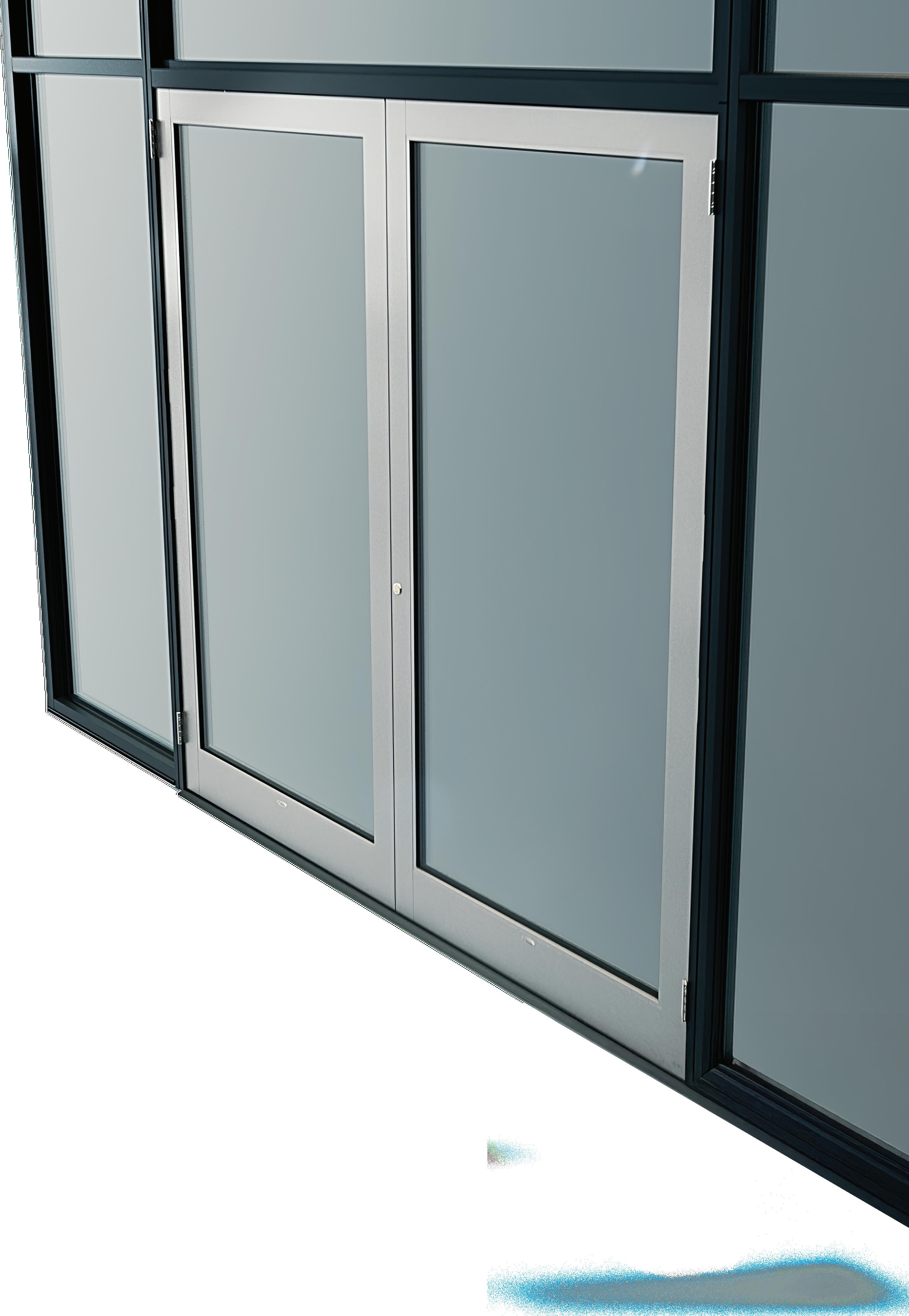
As aluminum producers, we also know that design alone cannot deliver a sustainable building. It starts with sustainable materials.
The key to unlocking durable sustainability is circularity—reusing materials around us to reduce our impact on the Earth’s resources. And doing so responsibly, supporting communities where materials are made and providing meaningful careers to the people who make them.
This is why we produce innovative architectural aluminum products from old scrap here in America.
Hydro CIRCAL®. Transparent. Traceable. Certified.
Hydro CIRCAL® is a premium aluminum product made with a minimum of 75 percent post-consumer recycled content. Recycling uses only 5 percent of the energy of producing primary aluminum. But Hydro CIRCAL® takes this one step further. By relying on aluminum recovered from items like old windows or facades, Hydro CIRCAL® keeps aluminum out of landfills and returns it to its former use—supporting a truly circular economy.
Transparency is key. Hydro CIRCAL® is certified by our third-party auditors at DNV and backed by Environmental Product Declarations (EPDs) meeting LEED v4.1 requirements. These ensure full traceability and confidence in its sustainability credentials.
When selecting materials remember to ask the right questions:
Where does the material come from?
Are all emissions—Scopes 1, 2, and 3—accounted for?
Can it be recycled again at the end of its life?
Hydro CIRCAL® answers these with clarity. U.S.-made, its certified, fully-accounted carbon footprint falls far below industry averages—just 1.9 kg CO 2 per kg for CIRCAL 75R, and below 0.5 kg CO2 per kg for CIRCAL 100R. And, decades from now, it can be recycled into the same use without any loss of properties.
Hydro CIRCAL® is readily available and already being used in high-profile projects where sustainability, performance, and aesthetics go hand in hand.

Gold Rush
As AI creates demand for new data center facilities across the U.S., large architecture firms respond, despite sustainability concerns.
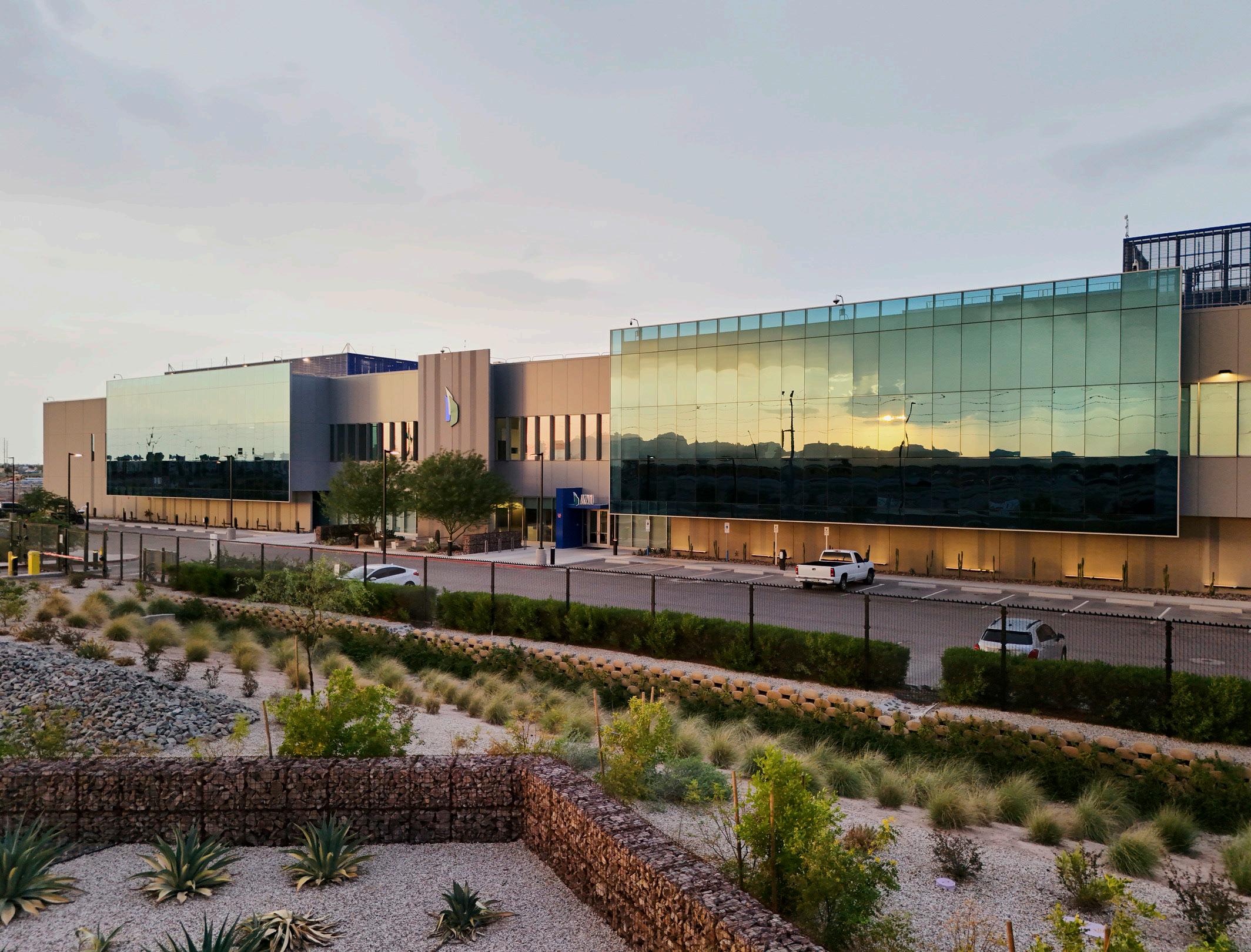
The demand for data centers has drastically increased over the past five years with the proliferation of artificial intelligence. As technology companies compete for the future of AI, they are also investing heavily in the construction of new facilities that will power the notoriously computation- and resource-intensive technology.
According to MIT Technology Review there are currently over 3,000 confirmed data centers across the U.S. that hold the servers and accessory cooling systems run by cloud computing companies and technology companies. A report from McKinsey forecasts a $5.2 trillion investment in AI infrastructure by 2030, with 15 percent of that flowing to builders for land, materials, and site development.
Unsurprisingly, large architecture firms have rapidly developed sector-specific expertise in data center construction. Though many practices have long maintained devoted data center divisions, these teams have ballooned in profitability as technology and real estate interests coalesce to build bigger.
The recent rise in AI usage has made data centers a profitable enterprise for architects. In 2020, Corgan and HDR topped Building Design + Construction ’s annual list of architecture firms in the data center sector, respectively earning approximately $61 million and $34 million from their data center projects. In 2024, the same list reported that Corgan had more than doubled its profits, reaching roughly $135 million, while HDR quadrupled its, with $130 million in earnings.
AI’s Manifest Destiny
Tom Widawsky, a data center designer and technical principal at HDR, explained to AN that the impetus behind market growth lies with hyperscalers, or companies like Google, Meta,
Microsoft, and Amazon, which provide cloud computing and data management for clients that require immensely powerful operations.
As its name suggests, hyperscalers provides cloud infrastructure that allows software to scale and grow according to demand, a process that requires data centers that span at least 10,000 square feet, with the capacity to hold more than 5,000 individual servers. “AI is still in what they call the inference gathering stage,” Widawsky said. These companies are “competing to launch into the next phases of what it will do and how it will actually get into application mode.”
Because of their energy and connectivity demands, data centers have typically been built in places with extensive fiberoptic networks and reliable energy sources, like the suburbs of Northern Virginia, which to this day maintain the highest density of data centers in the world. However, shrinking land availability has diminished owners’ ability to upgrade the computational power of their existing facilities, prompting developers to look to more unconventional sites, which often lack the robust electrical infrastructure needed to support the operation.
Traditionally, data centers have maintained a low profile as largely unremarkable, windowless warehouses. But the push to alternative sites is reshaping how architects are approaching design. “The demand that they’re having to serve is changing so quickly that we do have to reevaluate almost the entire building as part of each delivery,” said Dan Drennan, managing principal and data center leader at Corgan, where 300 of its 1,200 employees work on this project type. “Whether that’s the way the envelope responds to a different location or it’s the way the structure needs to respond to a
different configuration based on the availability of land or the piece of land we’re working on. So it’s not as cut-and-paste or repetitive as I think folks might wish.” He also shared that Corgan is doing more multistory configurations than in past years.
As data centers remain sites of increasing contention, their design has shifted toward making the buildings more palatable to their local communities. “One of the big things that we’re seeing is that a higher level of design is being required on the exterior of these projects so that they blend in as much as possible with their surroundings,” reflected Joy Hughes, global accounts director at Gensler, in a recent conversation about data centers with Ryan Cook, Gensler’s critical facilities leader for the Southwest region “We try to work with the jurisdictions and have some dialogue with the community about how these facilities are designed and built to ensure that we are sensitive to their concerns.”
Offsetting Environmental Impacts
It is estimated that a user’s prompt to OpenAI’s ChatGPT consumes ten times as much energy as a Google search. Technology’s appetite for electric power is projected to skyrocket as artificial generative intelligence becomes further integrated into our day-to-day lives. Recent reports already confirm that 4.4 percent of all energy in the U.S. goes toward data centers, and that number could nearly triple to 12 percent by 2028
In some cases, corporations are so desperate to open a facility that they temporarily power the building using fossil-fuel generators as they await permitted utility access or infrastructure upgrades. These generators are also employed
as a redundancy in case of an outage. Many data centers, particularly those hosting cloud storage, operate 24/7 and demand constant power.
The strain on the power grid from data centers can be significant and elevate prices for nearby residents. Though many utility companies are actively working to upgrade their service to support the energy consumption of data centers, reporting from The New York Times suggests providers will also pass many of these costs on to everyday consumers through hiked energy bills. Though renewable energy is growing quickly , the power grid in the U.S. is still largely powered by fossil-fuel generation, which can pollute local communities close to power plants or chemical production facilities.
Largely unable to address the energy supply issues the data center sector is facing in the era of AI, climate-sensitive architects have instead focused their efforts on aspects of projects that they can control, such as reducing emissions through materials sourcing and the specification of efficient mechanical systems. Drennan shared that as processing power has increased, the requirement for cooling, whether through air or liquid systems, has increased, which is one of the limiting factors in upgrading existing data centers. While water usage remains a concern for some facilities, many systems are going to closed-loop liquid cooling, which reduces water needs.
“The good news is that a lot of the times the things that make projects more efficient also align with sustainability aspirations,” said Drennan. “Whether you’re using local resources to meet a sustainability requirement or just because it can get to the site faster, it helps [the client] either way.”
One example is the use of mass timber in data center construction. In Northern Virginia, Gensler and Thornton Tomasetti have designed the first hyperscale facilities in the country to feature a hybrid timber and steel structure. Other firms hope to quickly follow suit.
“We think that data centers actually have a natural ability to use mass timber,” Widawsky offered. “Unfortunately, clients are more interested in mass timber for their administrative buildings and not so much for data centers. We also try to push improvements in low-carbon concrete,” he added.
Unfortunately, mass timber’s carbon sequestration properties will have diminishing returns as the energy consumption of data centers increases. It is predicted that soon some of the largest facilities will surpass the energy consumption of small cities. A 2024 report from Morgan Stanley forecasts that the sector’s emissions will reach 2.5 billion metric tonnes of carbon dioxide by 2030. One solution that seems to have some promise is the arrival of small modular reactor technology—basically, tiny nuclear power plants.
Until our energy grids run on renewable energy, the proliferation of data centers across the country portends a worrisome rise in carbon emissions. Because a majority of data centers’ emissions are created through operation and not construction—the inverse of a typical building project—design professionals are limited in their ability to control the typology’s performance, which is currently subject to the whims of consumer demand.
Trevor Schillaci, formerly AN’s senior programming associate, is a master of architecture student at Rice University.
Above: The Vantage datacenter designed by Corgan in Goodyear, Arizona.
COURTESY CORGAN

Biomaterials

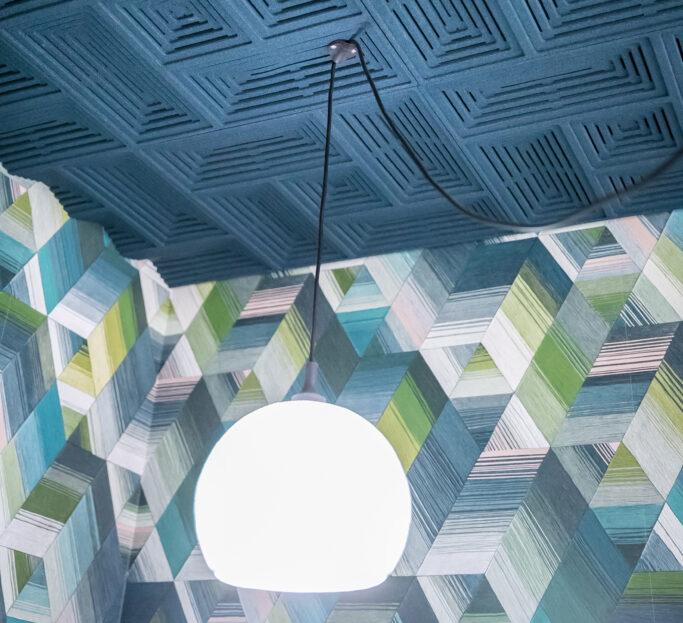
ARCHISONIC
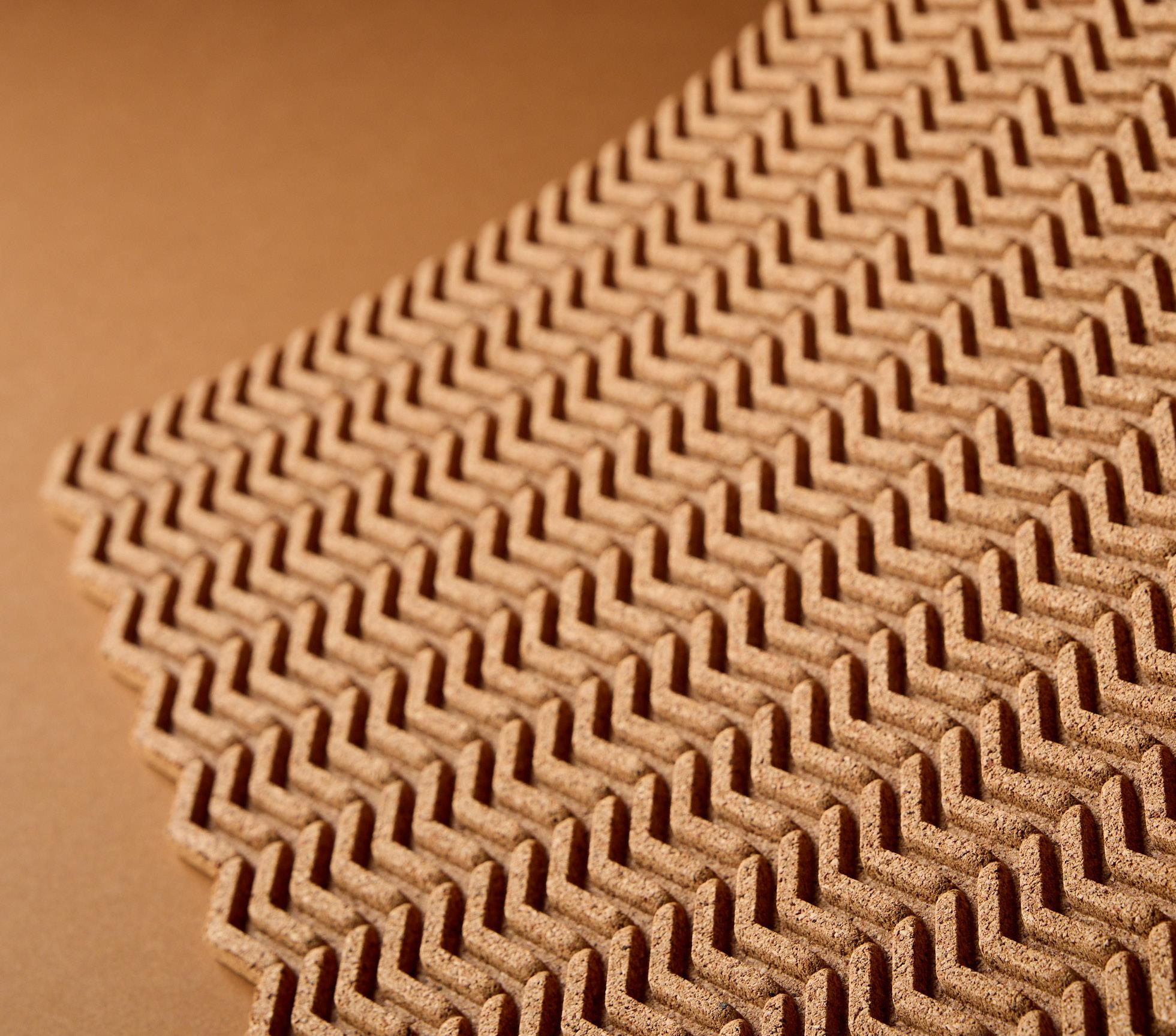
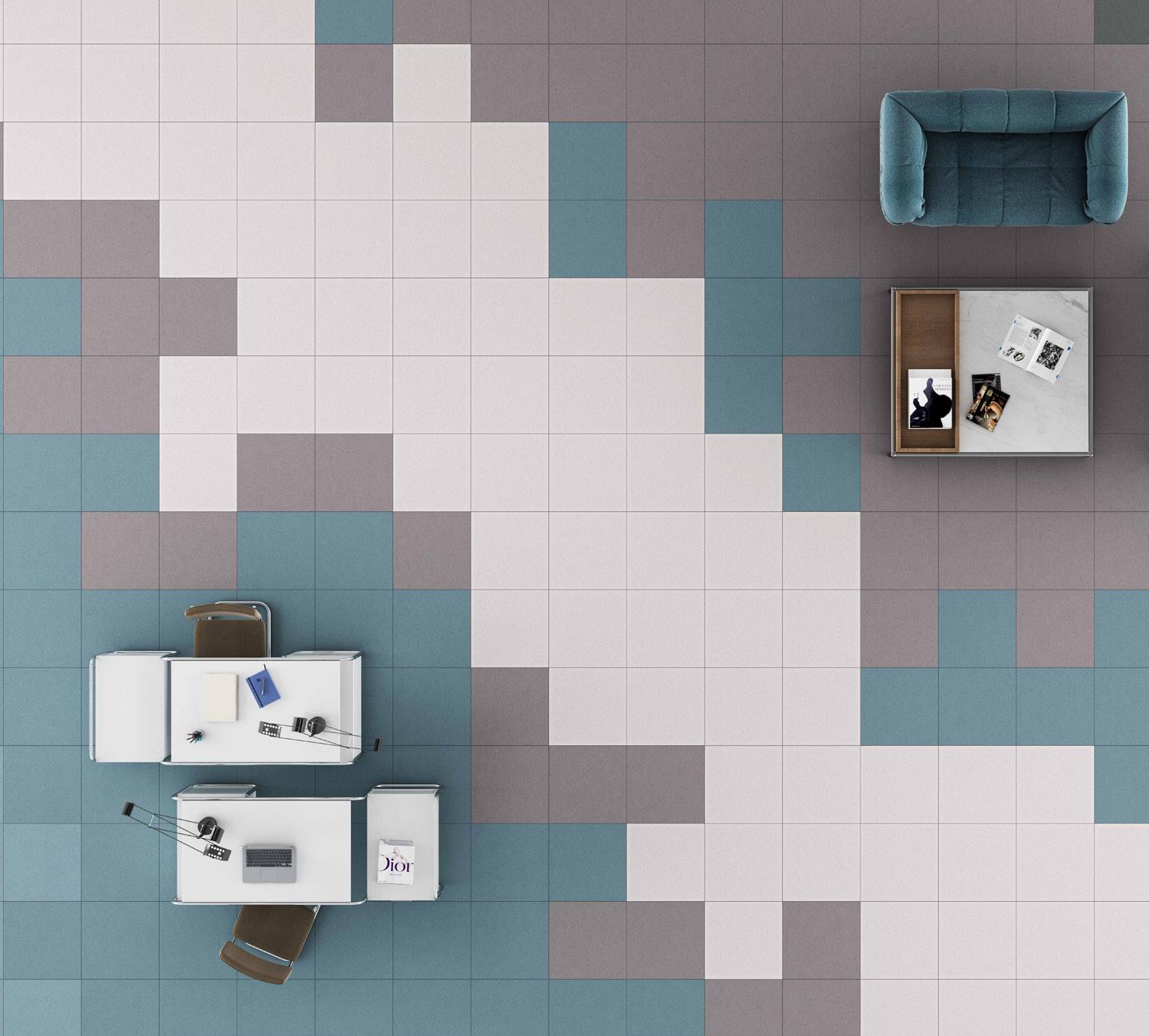
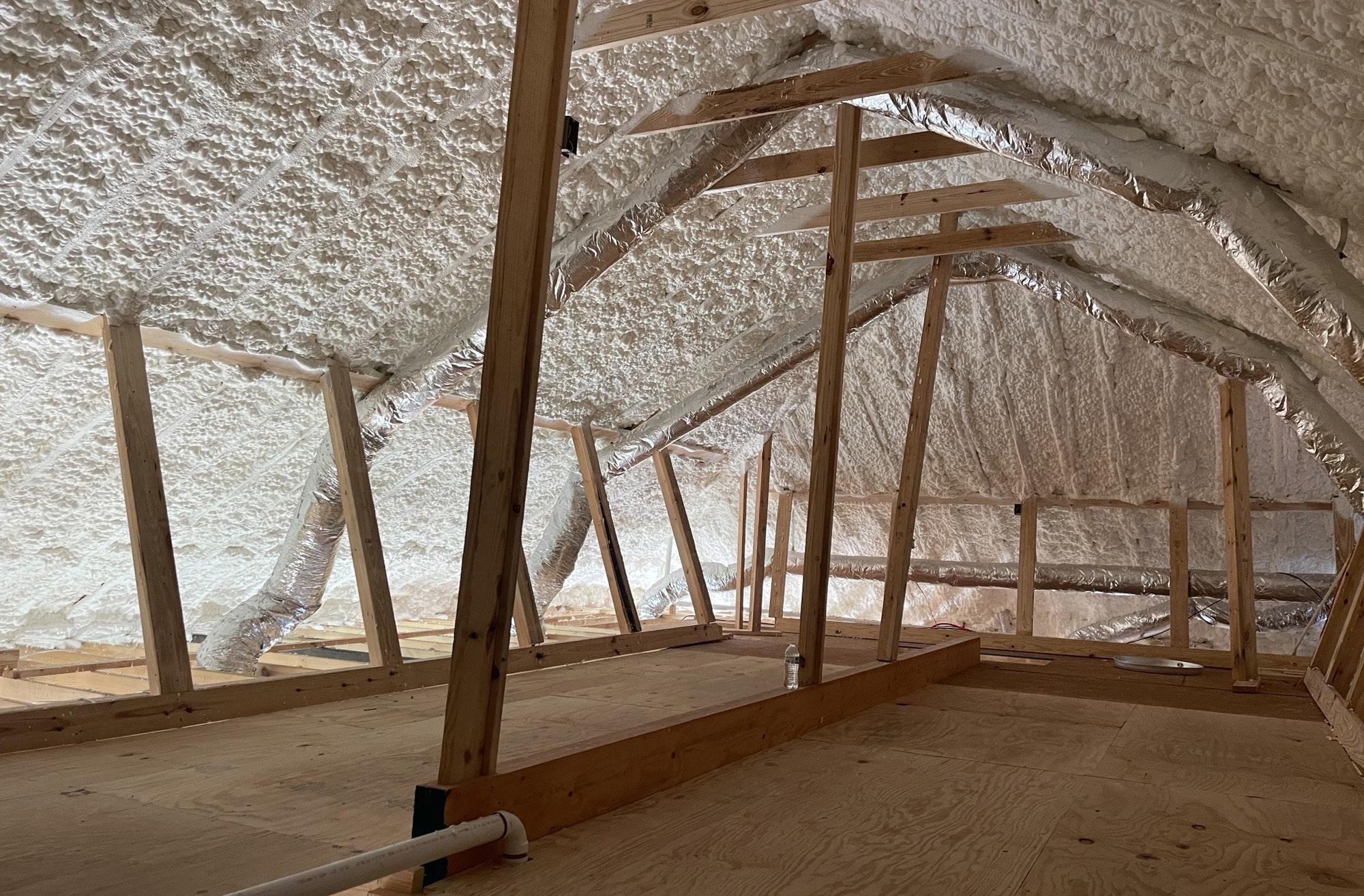
Floor Tiles | mogu mogu.bio

ekoa | Lingrove ekoa.design
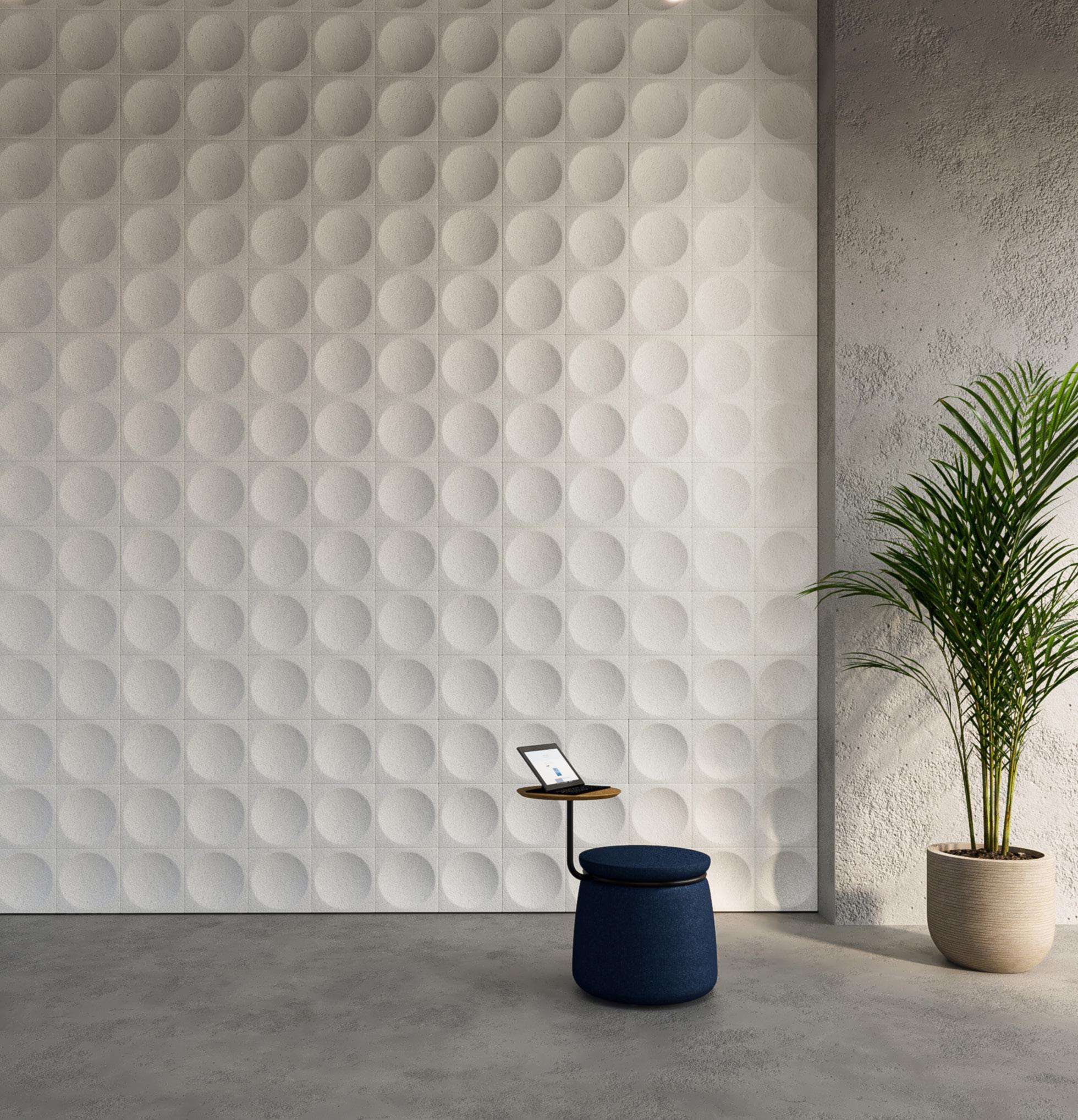
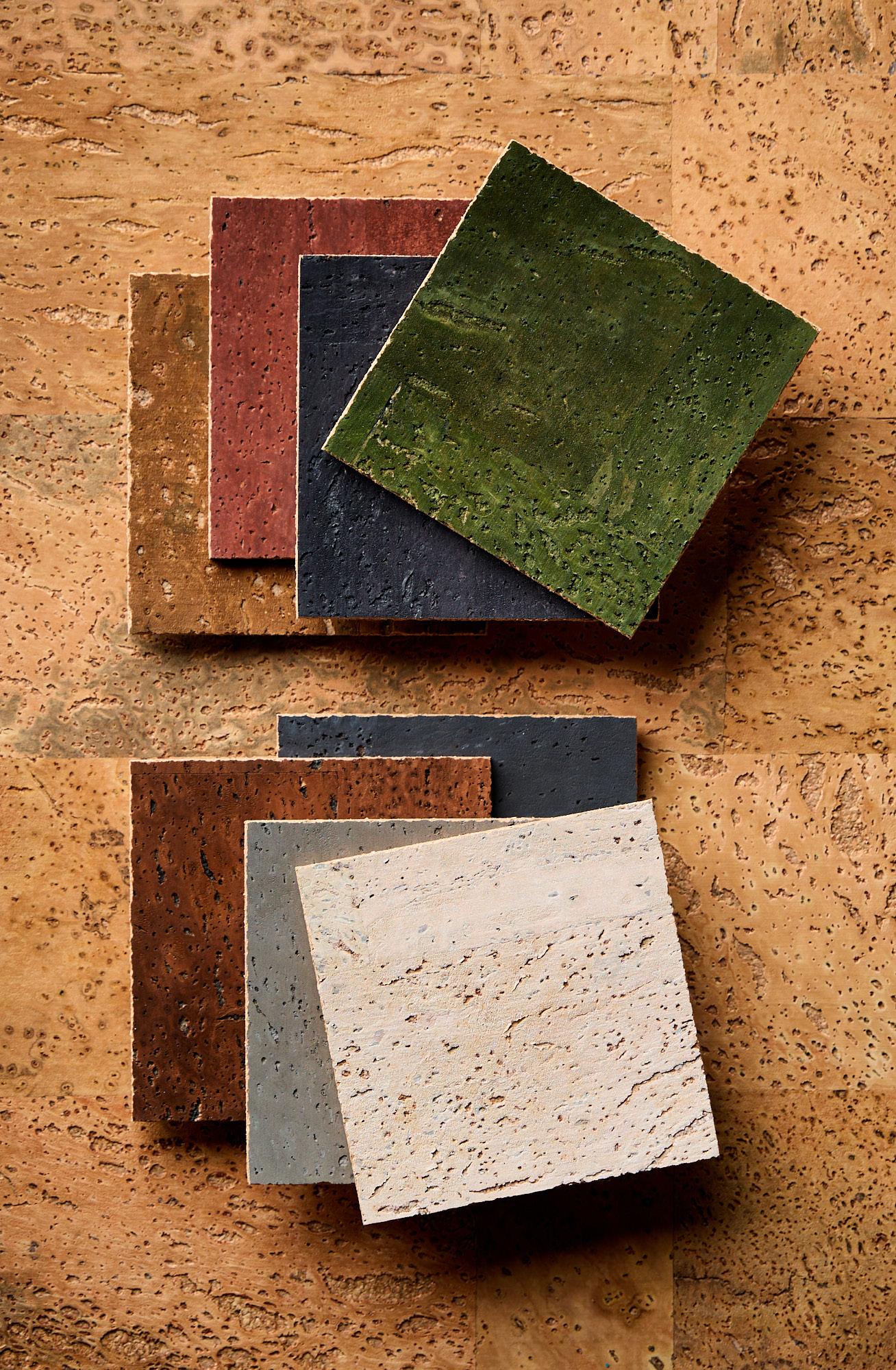
Made from rapidly renewable flax, this wallcovering, which won an AN ’s Best of Products Award this year, offers style, sustainability, and strength to healthcare, workplace, multifamily, and higher education spaces.
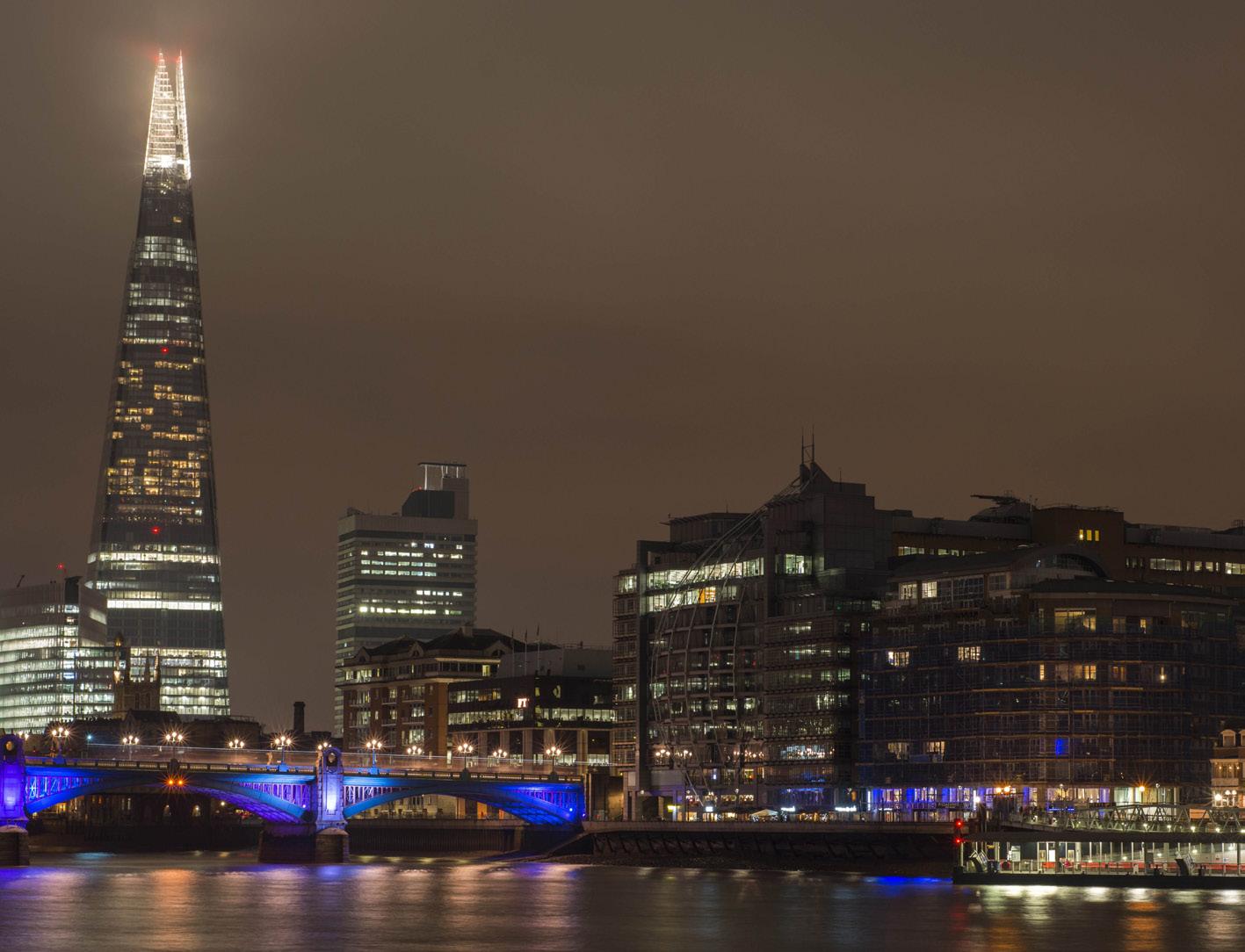
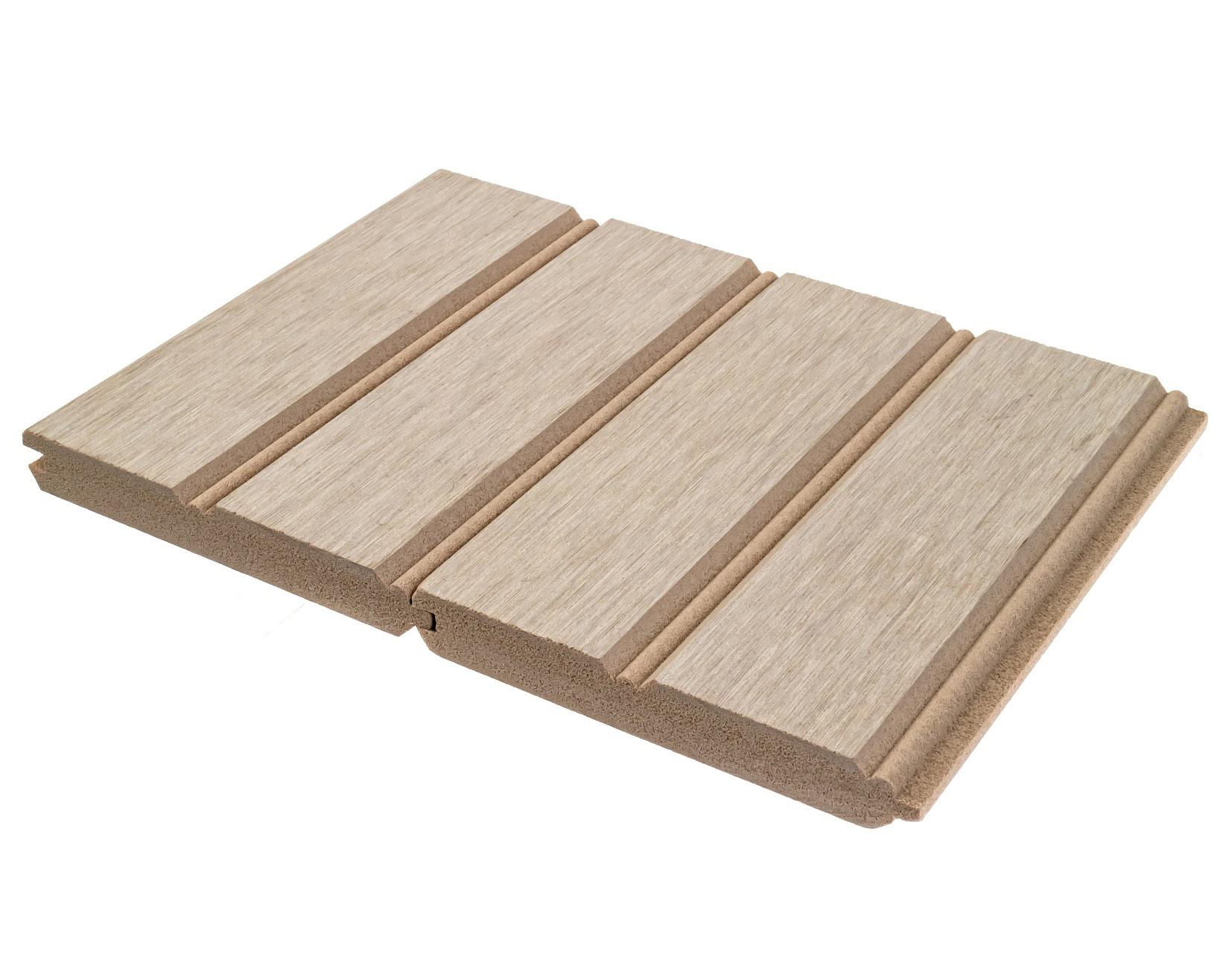
As seen in the aluminum curtain wall of The Shard in London, Interpon D2525 is a high-performing powder coating made with biomaterials to reduce its carbon footprint.
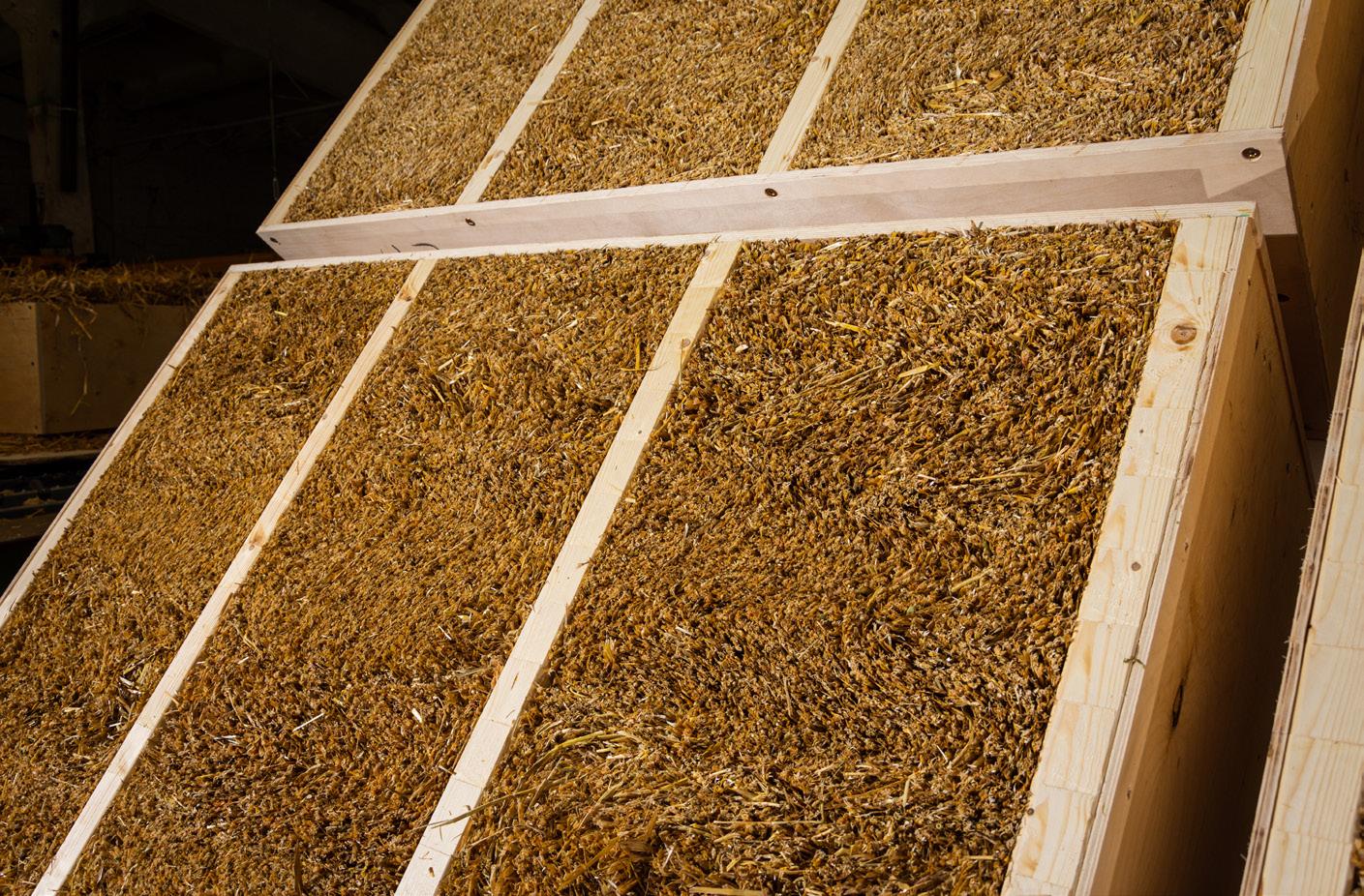

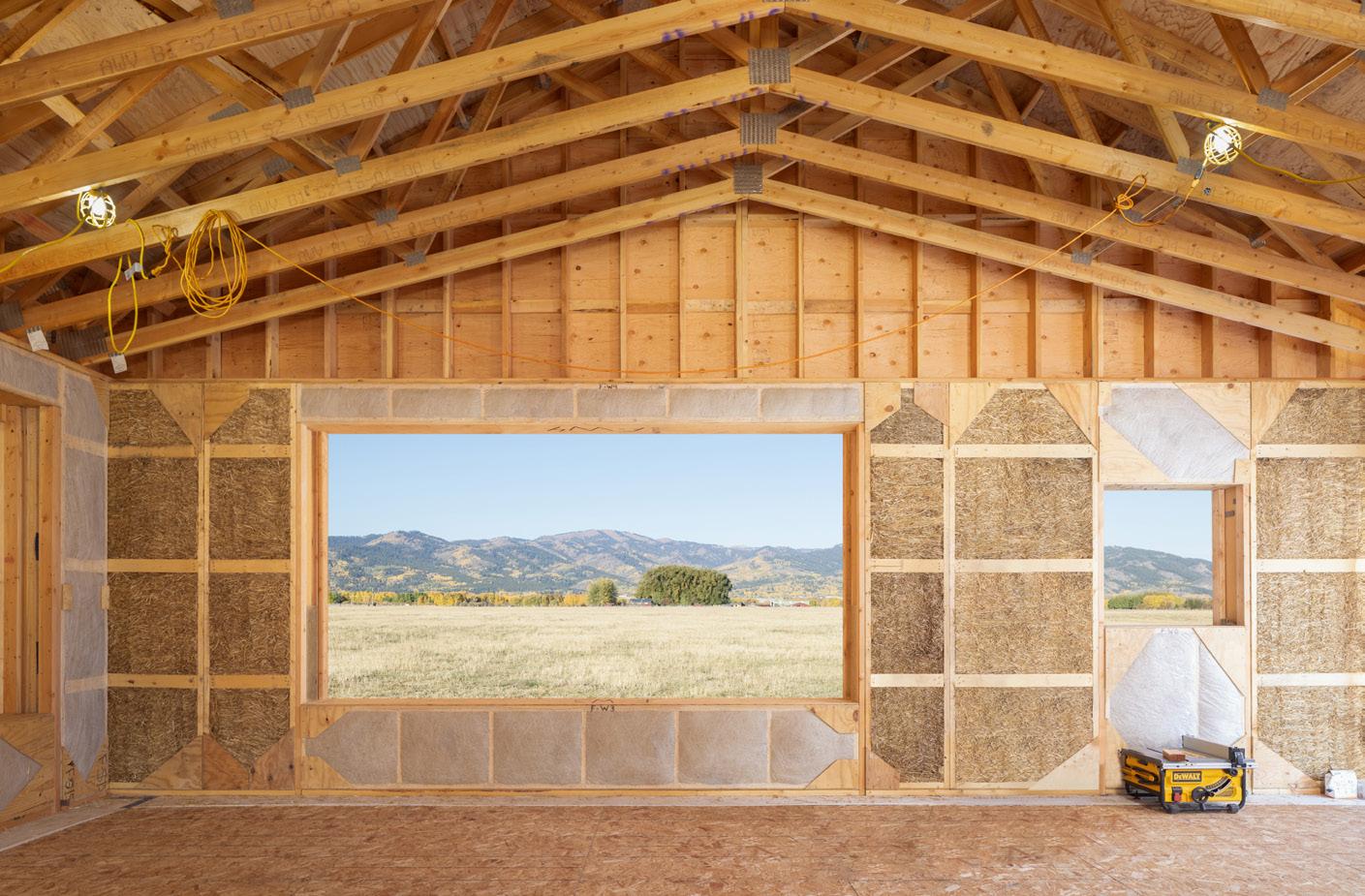
Modulina Straw Panels | Modulina modulina.eu
Interpon D2525 | AkzoNobel akzonobel.com
Muratto Collection | Momentum momentumtextilesandwalls.com
Talking Toxicity
A roundtable discusses the links between plastics manufacturing, fossil fuels, and public health.
While the pursuit of low-carbon construction continues to redefine architectural practice, growing attention is now focused on the health impacts of toxic, petrochemical-based building materials.
One informal working group consisting of researchers and public health experts is making connections between architecture, manufacturing, and public health. They are rallying around Informed, Habitable’s product guidance, which helps the design and construction industry make healthier material choices, and have created a four-step call to action: Commit to eliminating toxic materials from buildings; advocate for policies eliminating toxic materials in buildings; support fence-line communities through resilience planning and design; and advocate for policies supporting fence-line communities’ health security.
The group previously presented its work in May at the USGBC California Green Building Conference. Its members will lead a panel at Greenbuild in Los Angeles on Friday, November 7.
Several experts from the group recently spoke with AN ’s executive editor, Jack Murphy.
AN: Habitable released a report about plastics in September. What were some of the findings?
Priya Premchandran (PP): The report exposes the stunning volumes of plastics used in the building sector, its significant growth projections, and the harms it is causing to people and the planet. While the building industry has been focused on carbon, health impacts from pollution and toxic chemicals, particularly from plastics, have fallen to the wayside.
The report unlocked a few things for us. First, almost all plastics are petrochemical-based, meaning they come from fossil fuels and harm people and the planet throughout their life cycle. When we think about decarbonizing the built environment but ignore these impacts of plastic-based building materials, we’re choosing to continue to drive demand for oil, gas, and coal, leaving a big opportunity on the table to truly achieve a decarbonized built environment in the future.
Another important realization was that the extensive presence of plastics in building materials isn’t widely understood. The public believes that plastic pollution comes primarily from single-use packaging. But as the report highlights, from flooring and siding to insulation and paint, building materials represent 17 percent of global plastic production, second only to packaging. Even within the building industry, where there’s a growing focus on health, the extent of harm caused by plastic products at every stage of its life cycle has been overlooked, especially impacting the most vulnerable population, such as the communities living near extraction and manufacturing plants, who are exposed to plastic pollution in the air and water; building construction workers exposed to dust and microplastics generated by products like foam insulation; and firefighters combating fires in buildings with plastic products that are fasterburning and release [the] highest amount of
toxic chemicals. Until we take that full life cycle into account, we can’t meaningfully address plastic’s impact.
While the report focused on plastics to bring attention to the issue, it also highlights the solutions that are available today for every project team to use and be leaders in protecting the health of the people and planet. Using Informed product guidance, project teams can significantly reduce plastics or avoid the worst plastic products.
AN: Teresa and Aaron, as practicing architects, how do you see a report like this being used to inform or influence specifications?
Teresa Jan (TJ): Plastics are part of the fossilfuel economy, so the conversation about plastics inevitably circles back to decarbonization. When I was director of Climate Positive Design at Multistudio, we used Informed product guidance as a key educational tool. We asked designers to start with simple steps, such as not specifying PVC flooring, window shades, fabric, and flooring base. The goal has always been encouraging designers to look beyond aesthetics and basic functionality by introducing cost-competitive, less toxic alternatives and sharing those options with clients.
Aaron Vaden-Youmans (AVY): At Grimshaw, the scale and complexity of our projects demand rigorous guidance on material health. We’ve collaborated with the Habitable team on an update to our Healthy Materials insight paper, and we’ve integrated this into our design process from the start. Since every team member makes material choices, we ensure everyone is familiar with this resource and understands their role in specifying healthier materials. We also partner with specialists like Kathleen Hetrick at Buro Happold to implement best practices. Currently we’re piloting Habitable’s Informed product guidance on several large-scale infrastructure projects.
The big shift with Informed is that it doesn’t ask teams to spend hours researching which products perform better than others. The guidance is simpler and based on independent and credible science: Just don’t use red-ranked product types and prefer yellow- and greenranked product types within the product categories you are selecting from.
We emphasize using a lot less material overall, which can reduce cost and complexity. Where avoidance isn’t possible, like for a particular type of insulation at a foundation wall, we document it. My team feels frustrated when a material can’t be replaced with nontoxic alternatives, so we record it and seek Habitable’s expertise.
Kathleen Hetrick (KH): The overall point is that there needs to be a change in how we approach architecture, engineering, and construction. The built environment accounts for 40 percent of global carbon emissions, and a significant portion of that material is contributing to exposure to carcinogens.
For my master’s in public health at Johns Hopkins University, I looked at some of these issues firsthand; my research focused on tracing where these hazardous materials come from, how they affect people, and which policies are, or aren’t, protecting us. During the wildfires in Los Angeles last January, for example, third-party research on ambient air-quality testing detected huge spikes of chlorine gas and lead in the air. Chlorine gas isn’t present when rural wildfires occur; it was released because of burning wiring, electronics, vinyl flooring, installation, and PVC pipes. These halogenated materials pose significant risks as we continue building in wildfire-prone areas.
This all underscores a bigger point: Health challenges like fertility decline and rising cancer rates, especially among young people, and environmental issues like carbon emissions and chemical pollution are interconnected. We need to address both the personal health side—epigenetics, how our DNA is changing across generations—and the planetary impact, including the introduction of novel chemicals we can’t take back, like PFAs and other halogenated compounds.
AN: You’re also making the case for considering health at the site of manufacturing, like in Louisiana and Texas, where fence-line communities are exposed to pollution from petrochemical production. How do you build the case to think about health at the start of a material’s life, not just when it’s installed in a building?
KH: I was fortunate enough to connect with someone who had worked in Louisiana around Cancer Alley. They invited Professor Seydina Fall and me down in April to a meeting of the Catholic Climate Covenant, which highlighted how severe the situation is for industry-adjacent communities.
Louisiana has some of the worst maternal and child mortality rates in the country. Communities along the petrochemical corridor are disproportionately impacted. For example, a very small community produces 95 percent of the country’s chloroprene, or neoprene, [which is] so hazardous that a school just a few miles away had to be shut down.
Building trust and making connections with these communities takes time, but it’s critical. It’s a slow process, but if the industry focuses on this, we can make meaningful change. We’ve seen huge progress in areas like embodied carbon over the last decade. Now, we need the same level of attention on environmental justice and the material supply chain.
AN : There was momentum with the Inflation Reduction Act under President Biden, but now it seems that federal climate and sustainability efforts have stalled or even been reversed. How are you responding to these shifts?
PP: Our work has always been market driven, not policy driven. We partner [with] and advise organizations working on policy, often guiding based on what we have seen from our own research or from working with partners in the industry who are leading the movement. Historically, real change in the built environment has happened when the market acted, not the government.
Government mandates and incentives do matter, particularly in sectors like affordable housing, where much of the funding comes from public sources. But at the same time, clear market signals, especially from the demand side, can fundamentally shift the supply chain and drive the change we want to see, rather than waiting for government action. One immediate example is two bills, AB 823 and SB 682, which aimed to address microplastics and PFAs. They were both recently vetoed by the California governor.
AVY: It also depends on which government you’re talking about. California, for example, acts differently than the federal government. But it’s worth noting some stark changes. The EPA has eliminated its scientific research arm, removing many chemists, biologists, and toxicologists there who were doing first-rate research. Some were even collaborating with Habitable. The Toxic Substances Control Act, which was designed to protect fence-line communities, is being dramatically weakened. I don’t think we have a strong enough voice to rely on market change alone. State-level action is key.
TJ: California should lead the way. I recommend using climate resiliency as an entry point, because its impacts are highly visible, and the resulting health and economic burdens on communities are tangible. Wildfire risk is becoming increasingly pronounced not only in California but also in different regions across the nation. This was also highlighted in the recent report by Plastic Pollution Coalition (PPC), in collaboration with Habitable, that shows how the production and use of plastics in our built environment both fuels wildfires and exacerbates wildfires’ harms to human health and the environment.
Prioritizing fire-hardening and healthy materials at the same time helps tackle multiple problems at once. For affected communities, the issue extends far beyond property insurance; it also carries lasting impacts and costs on public health and the environment due to the toxic debris released into the air and landfills. To build community resilience, building materials with less toxicity is another tool.
AVY: As fossil fuel demand declines, the petrochemical industry has flooded the market with cheaper synthetic materials, many of which carry hidden health costs. As architects, we can demonstrate alternatives—materials that cost only marginally more but deliver significant value. That value is project specific, but it always includes eliminating toxic substances from our built environment. Look at asbestos specifications from the mid-20th century: The health hazards were scientifically documented decades before regulations finally caught up. By proving these approaches work at scale, we create the evidence base that drives policy change.
Connect with this group through the contact link on Habitable’s website, and note in your message that you would like to learn more about supporting its expanded call-to-action.
Teresa Jan is an architect and planner committed to regenerative design—pursuing climate-positive outcomes that balance economic, social, and environmental equity. She also serves on the USGBC-CA Bay Area Regional Leadership Advisory Board.
Kathleen Hetrick is a sustainability engineer, environmental justice advocate, Bloomberg Public Health Fellow at Johns Hopkins University, and sustainability integration lead for the Buro Happold U.S. region.
Priya Premchandran is the vice president of market transformation at Habitable, where she leads the Informed platform to advance science-based solutions that reduce pollution, mitigate climate change, and promote environmental justice.
Aaron Vaden-Youmans is the North American sustainability lead at Grimshaw, where he advances regenerative design and climate action and serves on the National Steering Committee of US Architects Declare Climate, Justice, and Biodiversity Emergency.


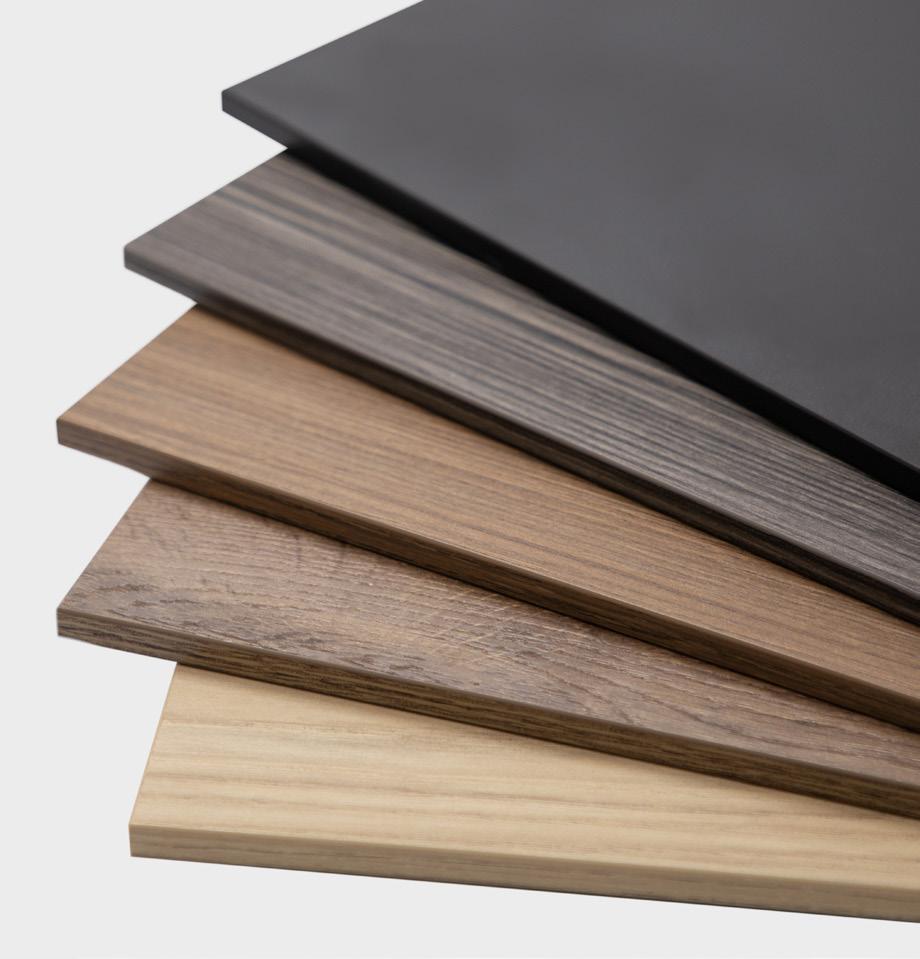
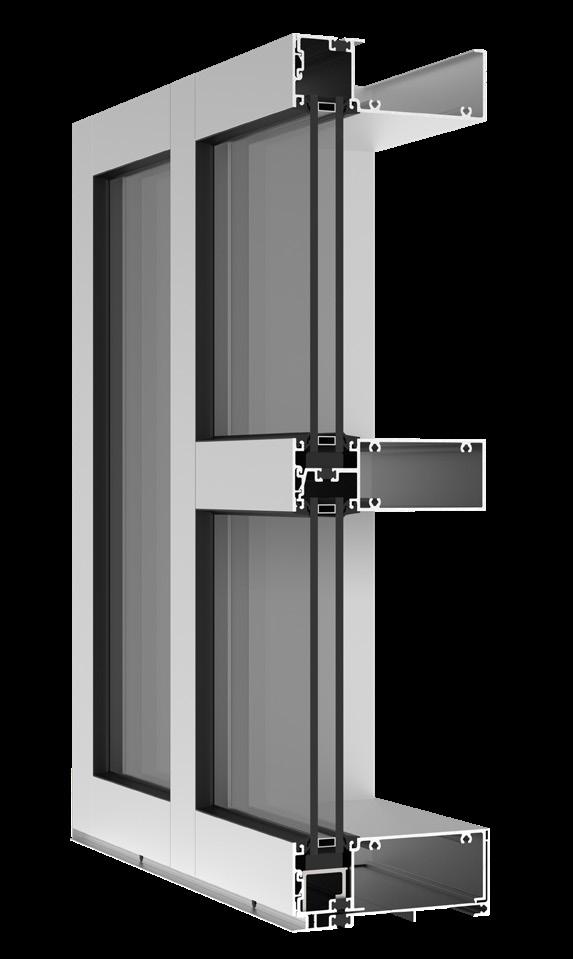
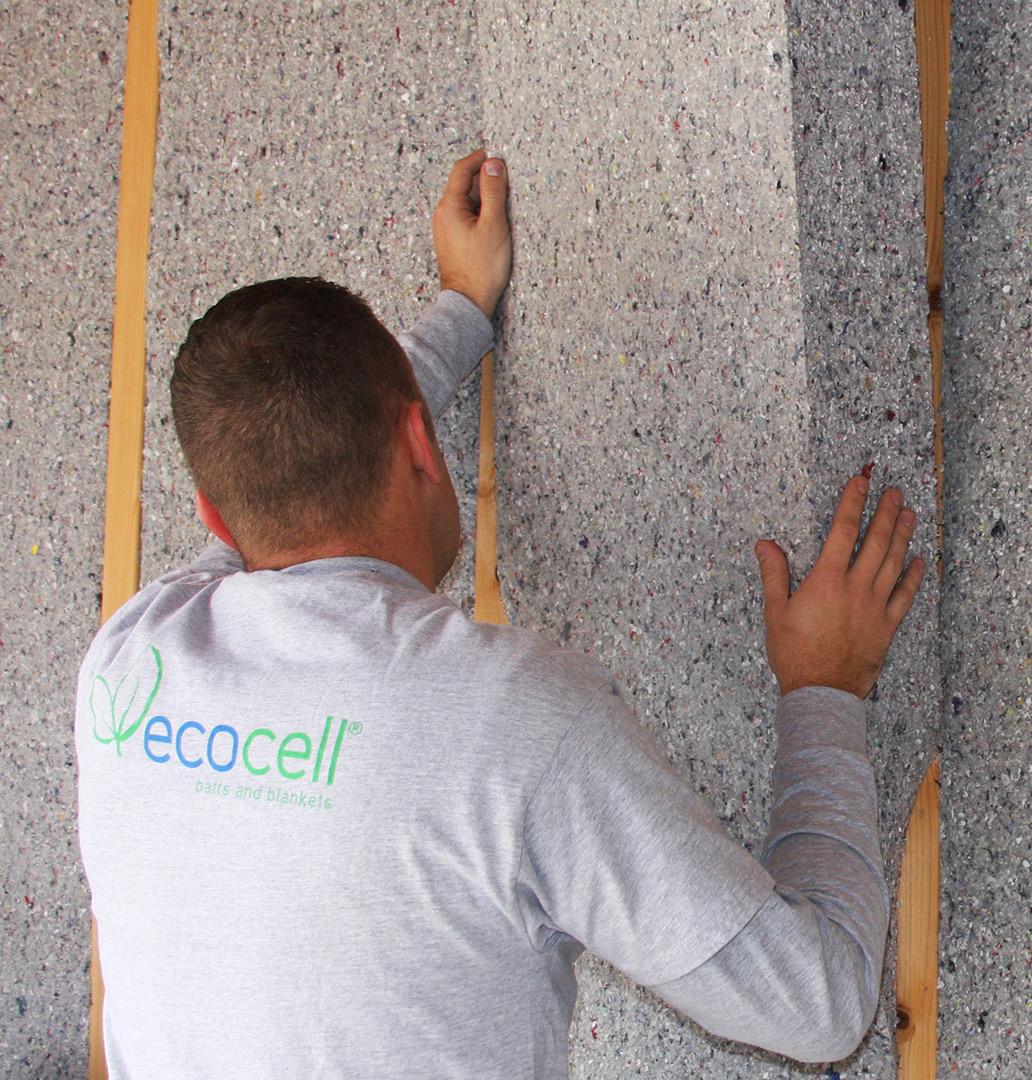
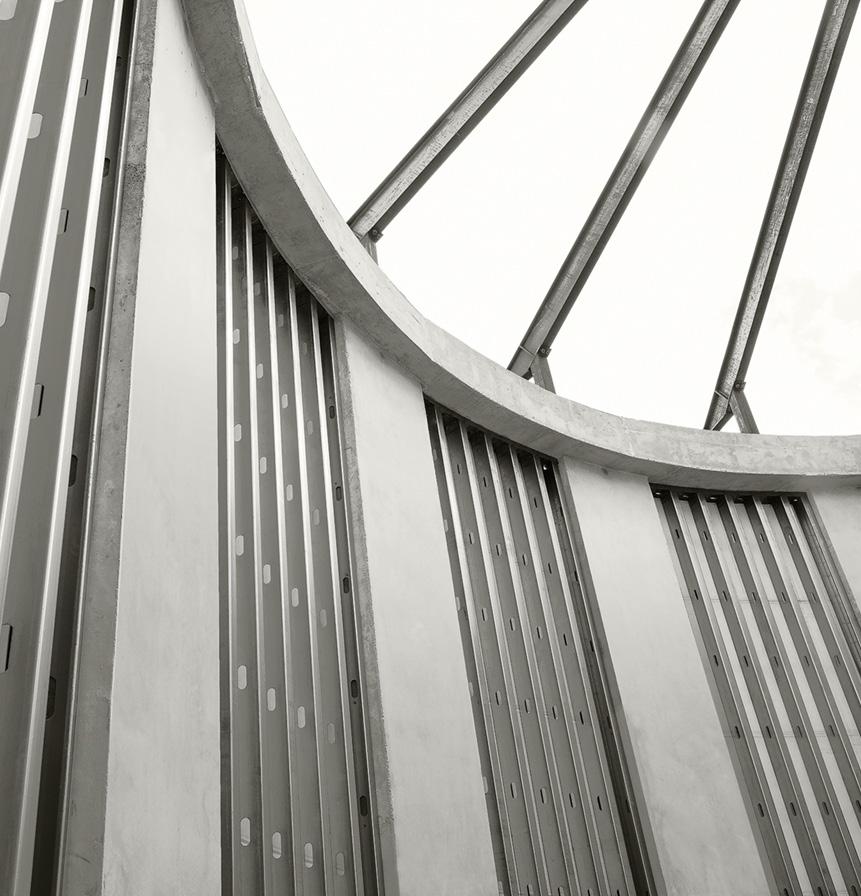

Mass Timber & Wood
As mass timber continues to grow in popularity in the U.S., manufacturers are evolving the scale and sourcing of wood production to meet rising demand. KP
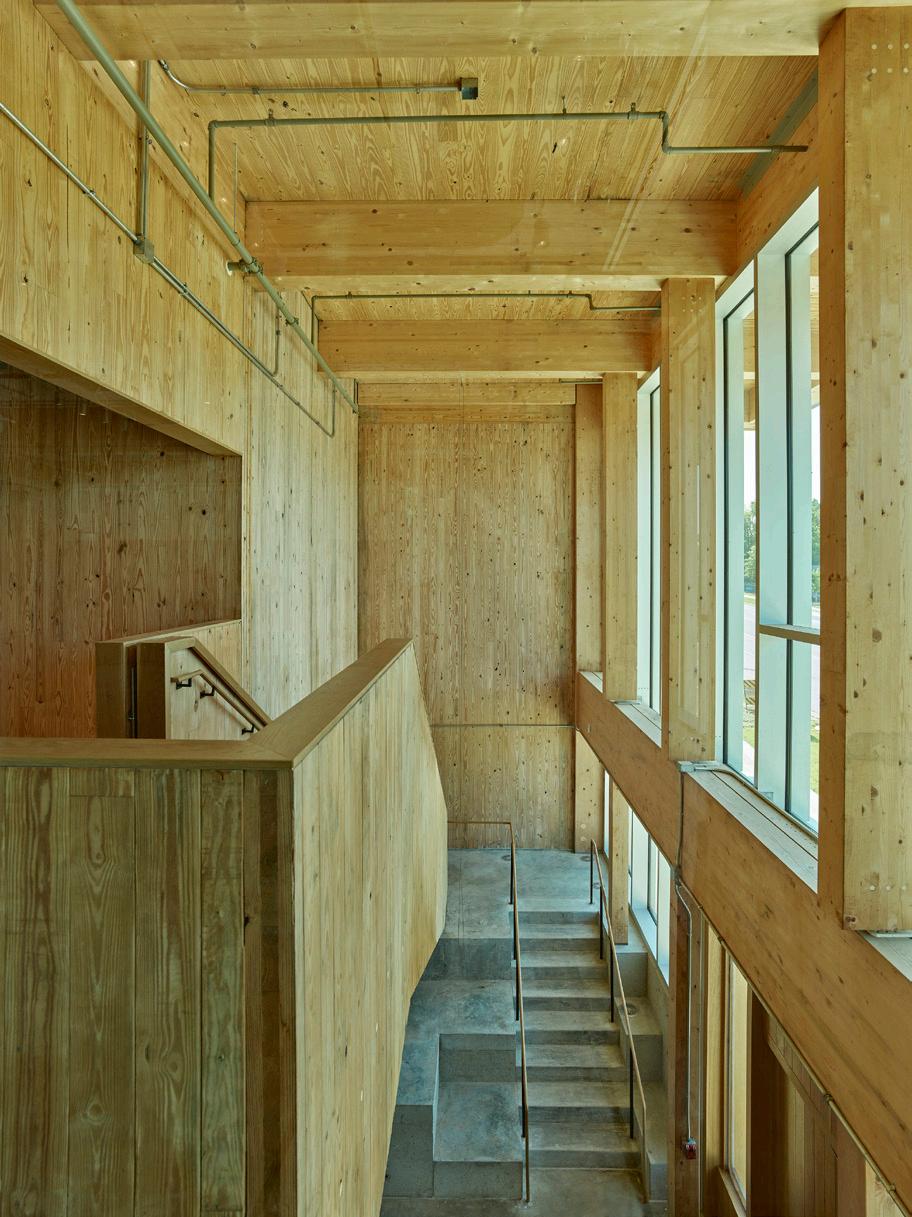
Southern Yellow Pine Cross-Laminated Timber | Mercer Mass Timber mercermasstimber.com
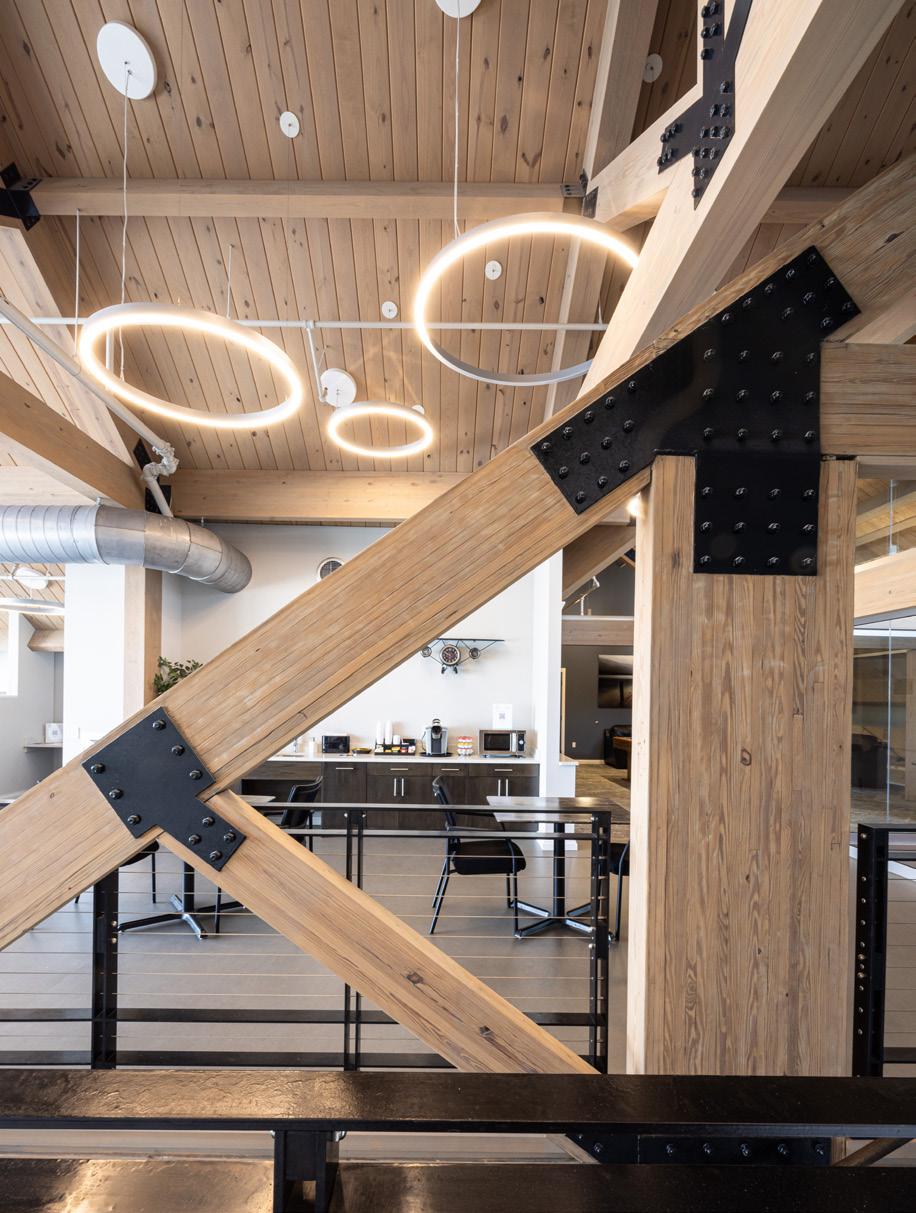
Southern Yellow Pine Laminated Decking | Mid-Atlantic Timberframes matfllc.com
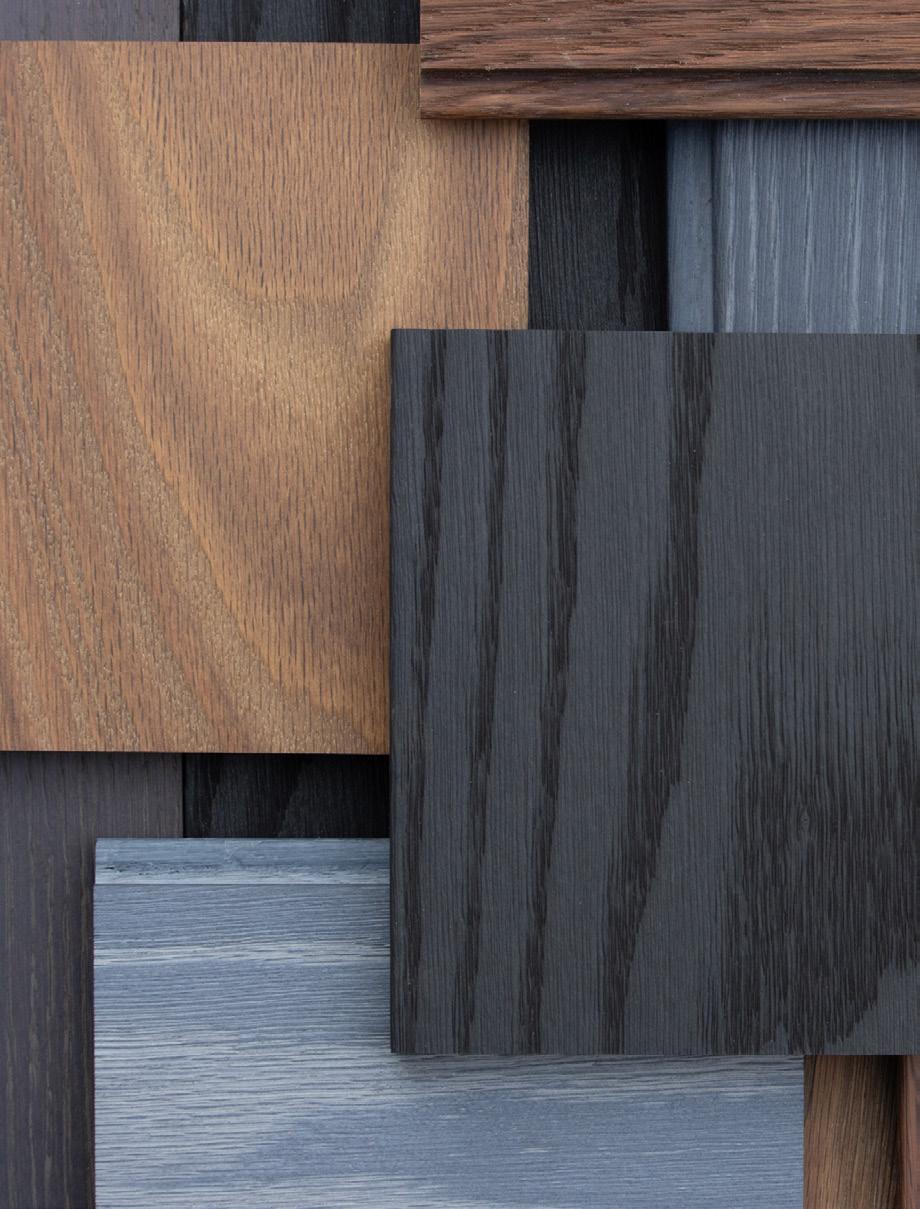
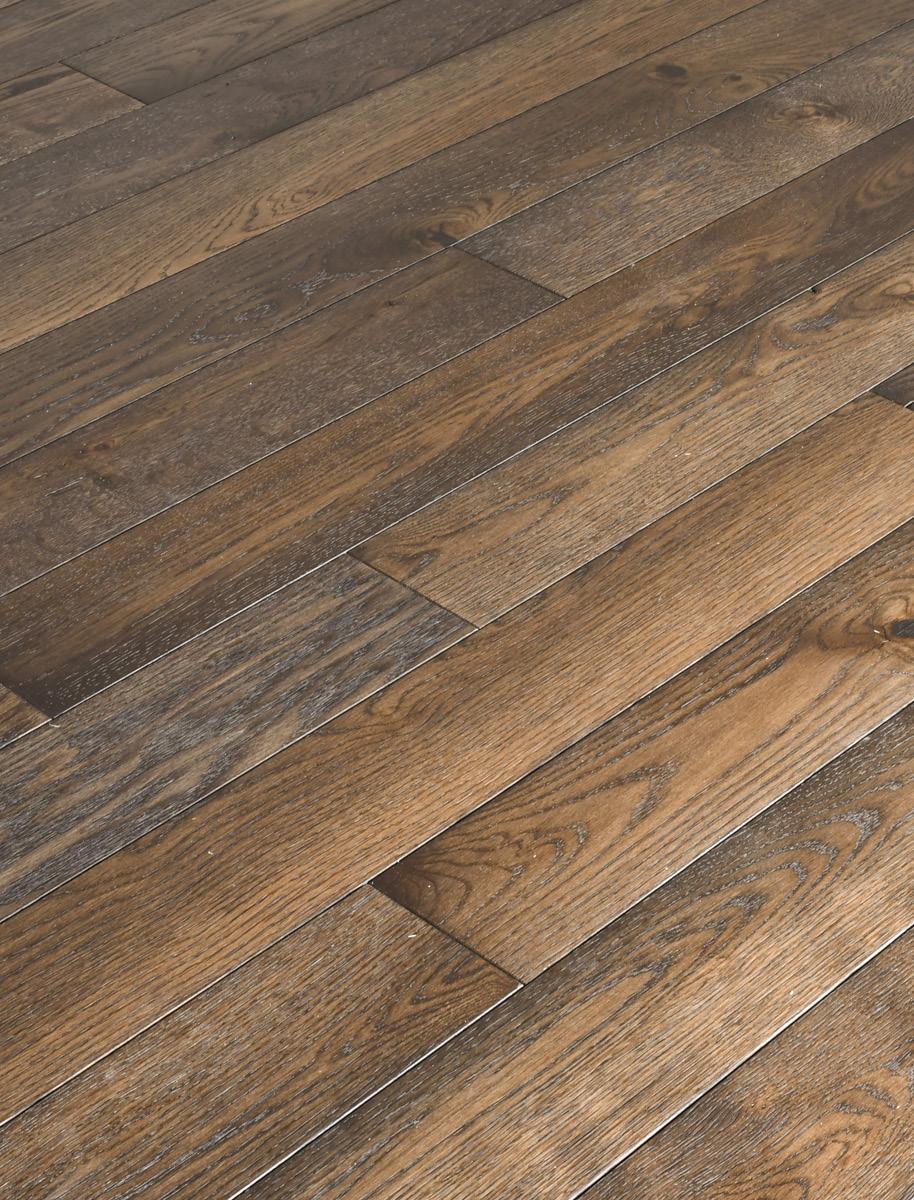
Sylva Thermally Modified Red Oak | reSAWN TIMBER resawntimberco.com

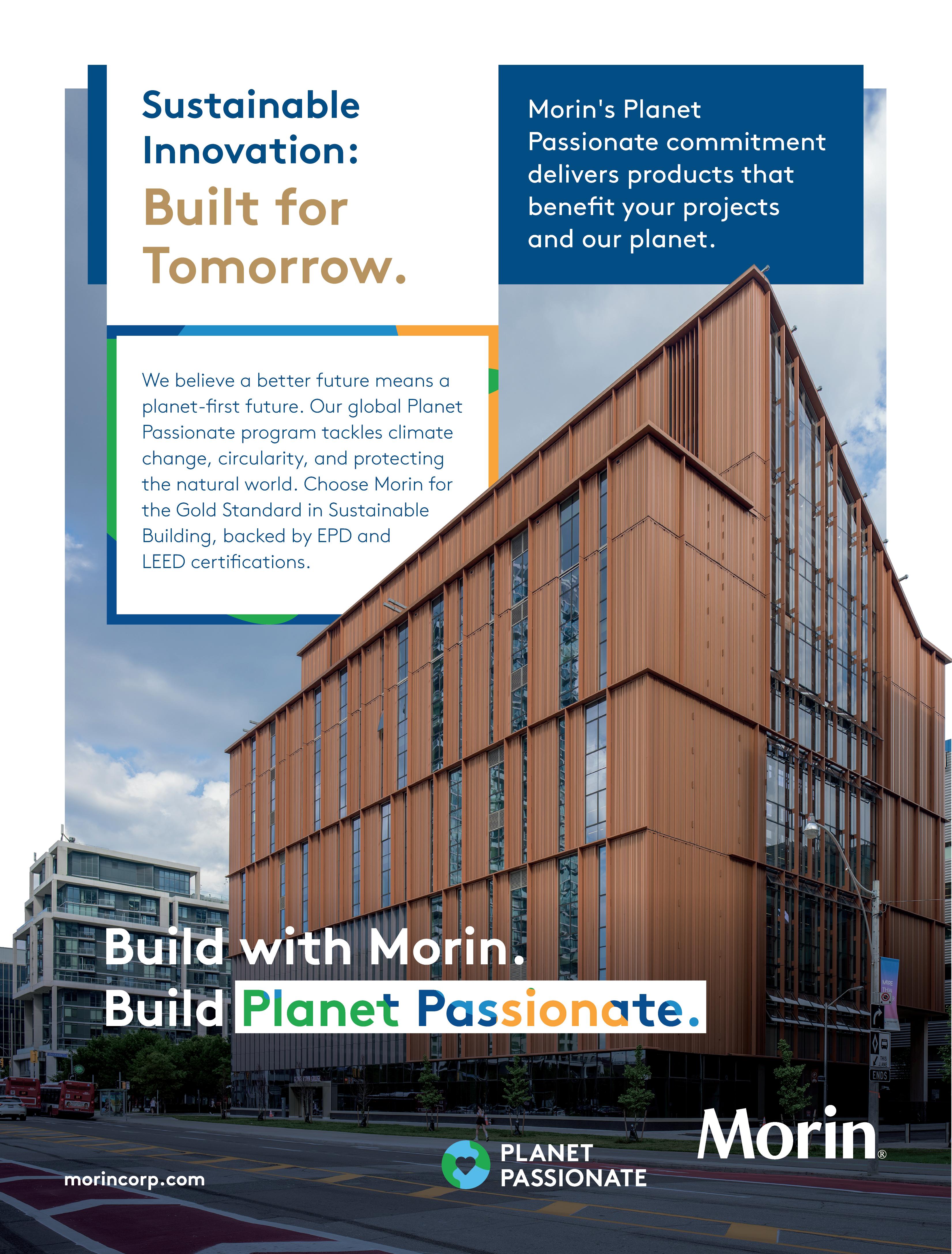
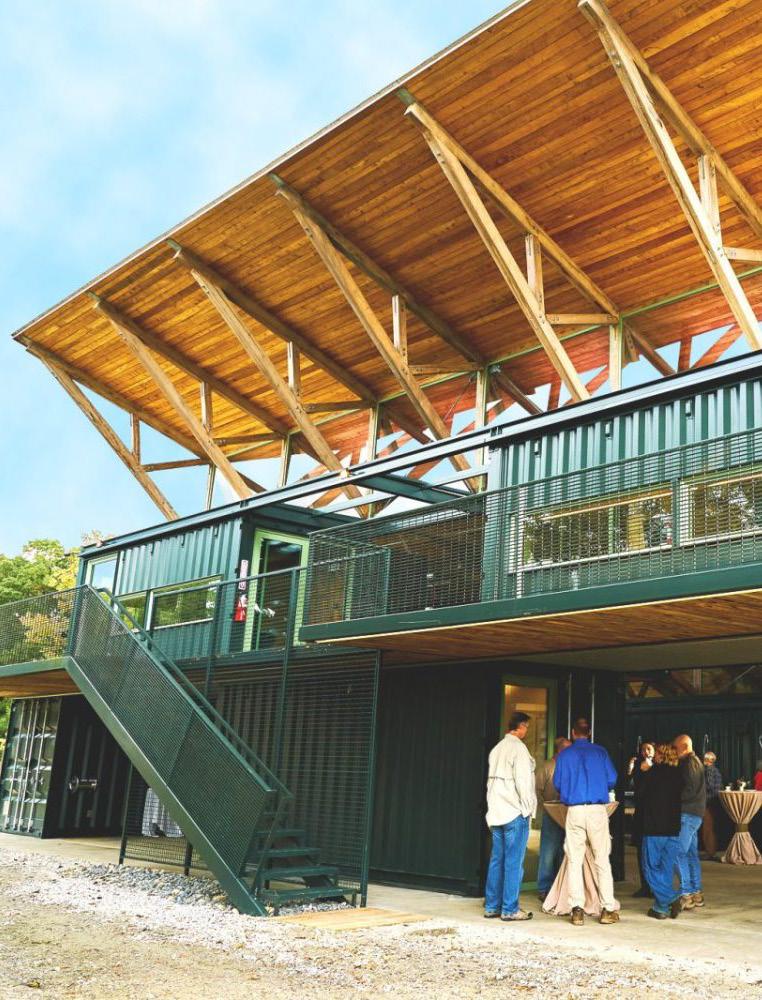
Mercer Mass Timber recently helped complete the pictured Anthony Timberlands Center for Design and Materials Innovation, which uses Southern Yellow Pine CLT at its core. Mass Timber Modules | Kalesnikoff kalesnikoff.com
Kalesnikoff designed cross-laminated-timber modules to build Integrated Design Cubed’s Knight Building, a 95-bedroom employee housing complex in Montana, which was constructed in 11 months thanks to this smart-timber design.
For an addition to Pennsylvania’s Lancaster Airport, MidAtlantic Timberframes used Southern Yellow Pine Laminated Decking to merge the new construction with glulam structures from the 1980s.
Sawn Heavy Timber | WholeTrees wholetrees.com
Sourced from forests managed to maximize carbon sequestration, Sawn Heavy Timber is a carbon-smart and supportive choice.
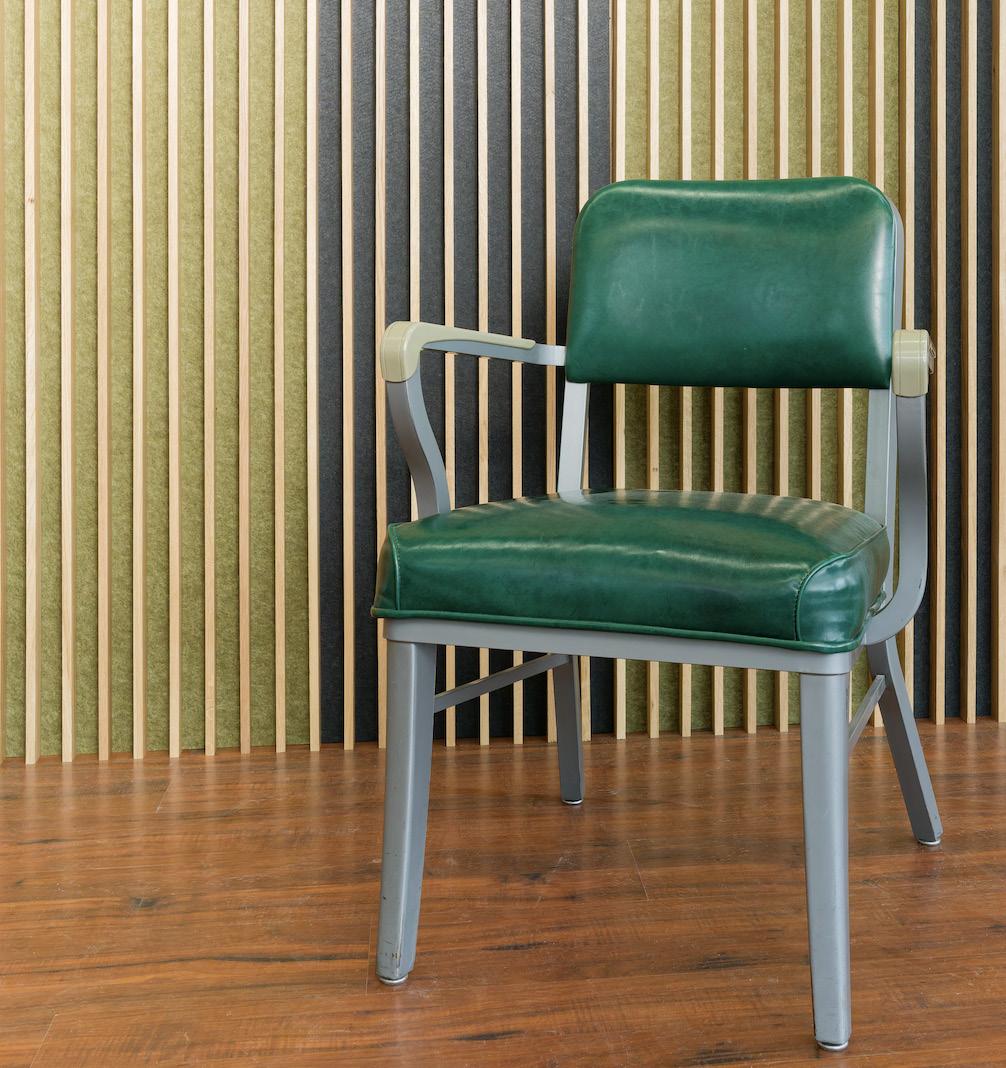
This thermally modified wood cladding is sourced from abundant and sustainably grown U.S. forests, which helped make it a winner in the AN 2025 Best of Products Awards.
Collection | Pioneer
TIIMOTHY HURSLEY
JANA BANNAN
Gable House
Van Meter, IA
THERMOWOOD SPRUCE I CUSTOM GRAY
ARCHITECT
CONTRACTOR
PHOTOGRAPHER
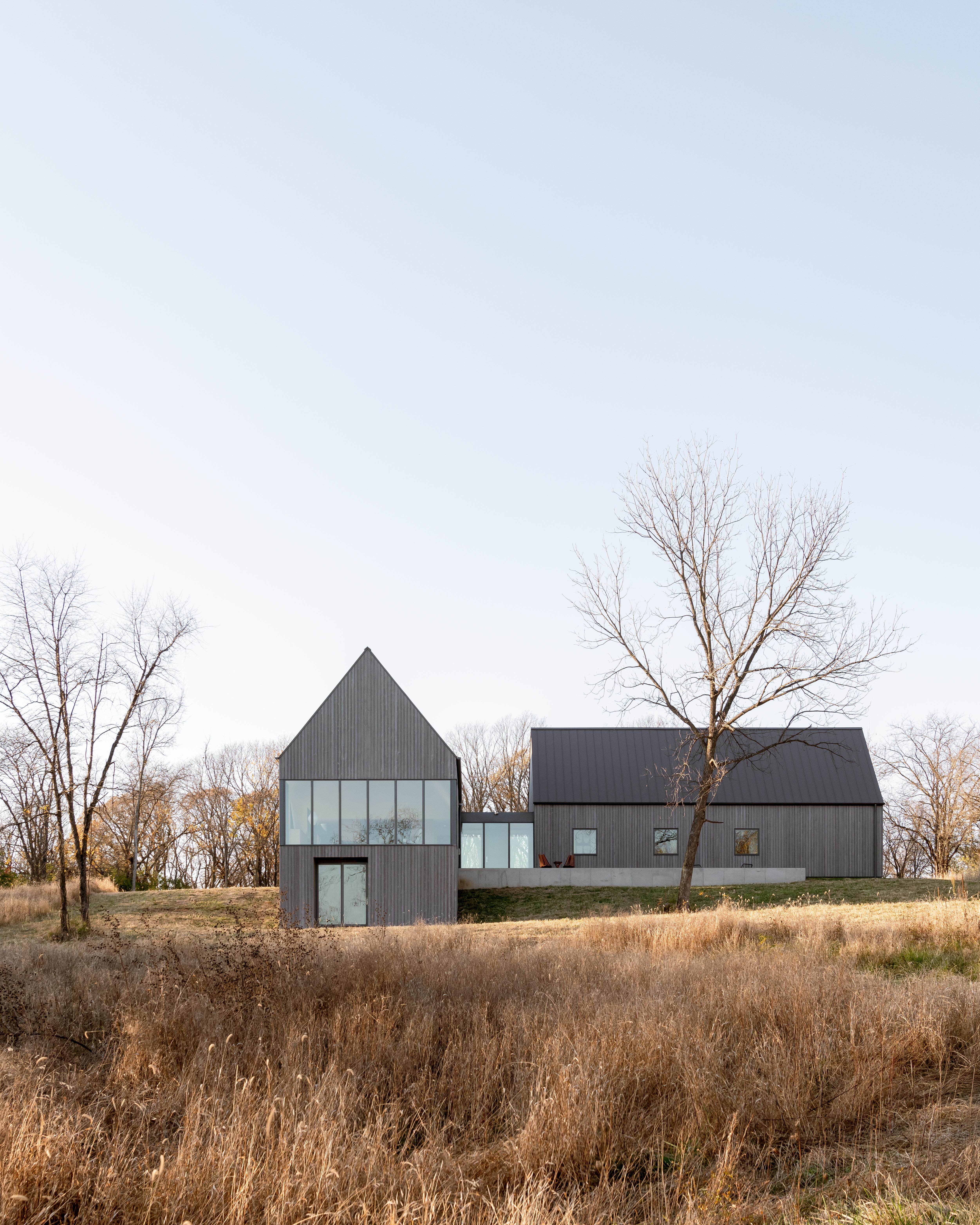
Knop Killeen Architects
Husk Homes
Brandon Huttenlocher
The Miracle in Fayetteville
Grafton Architects completes the Anthony Timberlands Center, the firm’s first building in the U.S., with modus studio.
If you want to look into the heart of contemporary architecture today, you are going to need a REAL ID. You will have to pack your bags and find your way to Northwest Arkansas, a wrinkled, rugged stretch of land. The trip is not convenient, but you will have a good time. This is Razorback country, a region that has exploded with growth thanks to the success of its hometown corporation, which keeps the rest of the country running: 90 percent of Americans live within 10 miles of a Walmart. History here is still being written, with an expanding art museum and a new medical school, plus new highways under construction, open gashes where rusty soil shouts against emerald fields.
It’s here, in Fayetteville, along a busy arterial street opposite a Walmart, where the Anthony Timberlands Center (ATC), a new building for the Fay Jones School of Architecture and Design at the University of Arkansas designed by Grafton Architects with modus studio, has risen like a roadside attraction or a wayside
shrine. Those who visit and look closely may come away with a sense of a powerful—and benevolent—contemporary sensibility for how to make architecture.
From the start, the directive for the building was that the ATC ought to be a “storybook of timber” to celebrate Arkansas’s forests and forest products. A prominent competition led to the selection of the Dublin, Ireland–based Grafton Architects, headed by Yvonne Farrell and Shelley McNamara, in February 2020. A week later, they won the Pritzker Prize. The next month, the COVID-19 pandemic landed. The project proceeded, with some shrinkage: Originally proposed to be 6 stories, it is 4 stories tall but retains the spiky sectional play that is the core of its formal thesis. After interviewing the architects in 2022, I followed its progress with anticipation. When I visited for the opening at the end of August, the semester was already underway, with sketches on chalkboards and lumber piling up.
Timber on Top
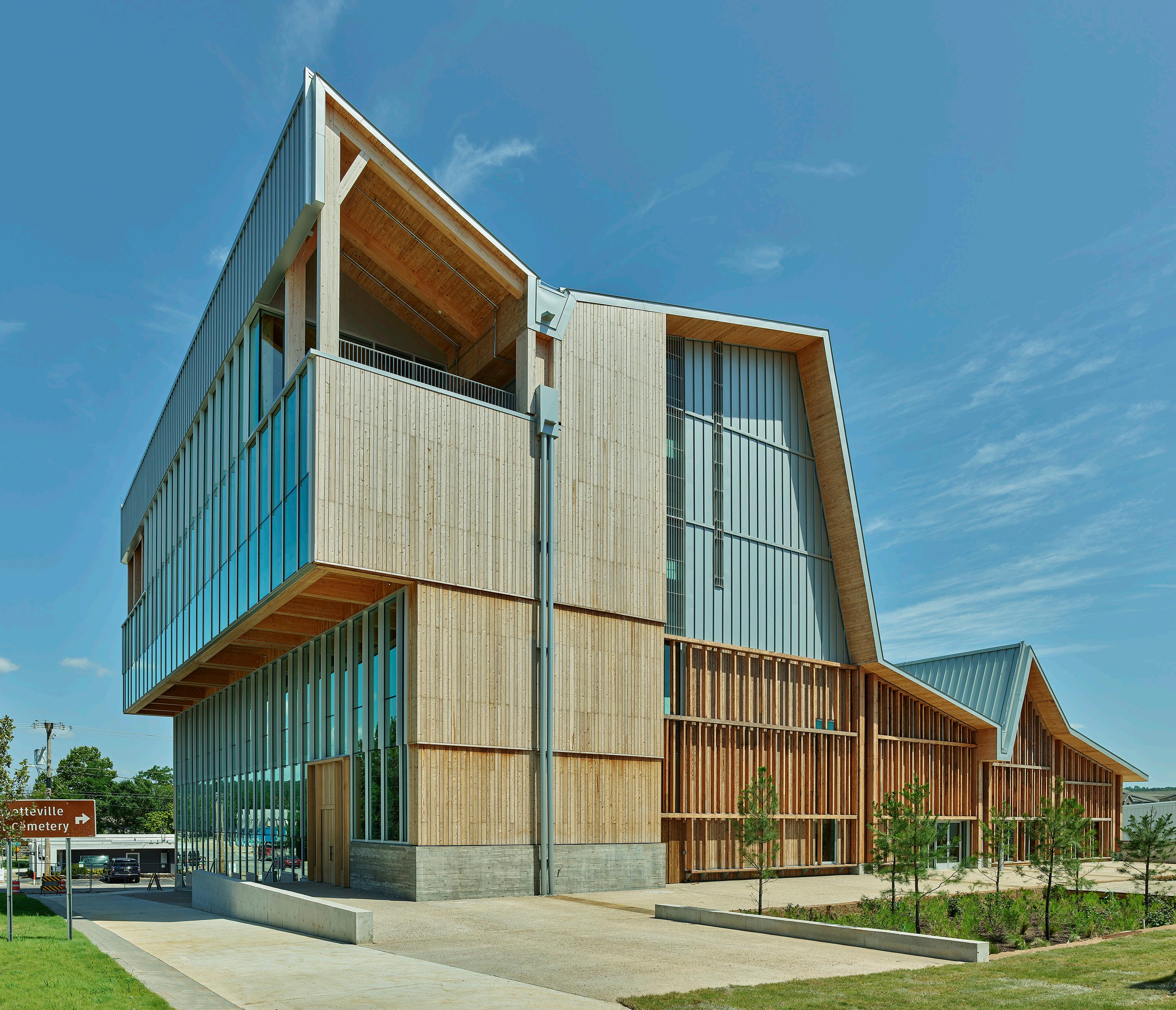
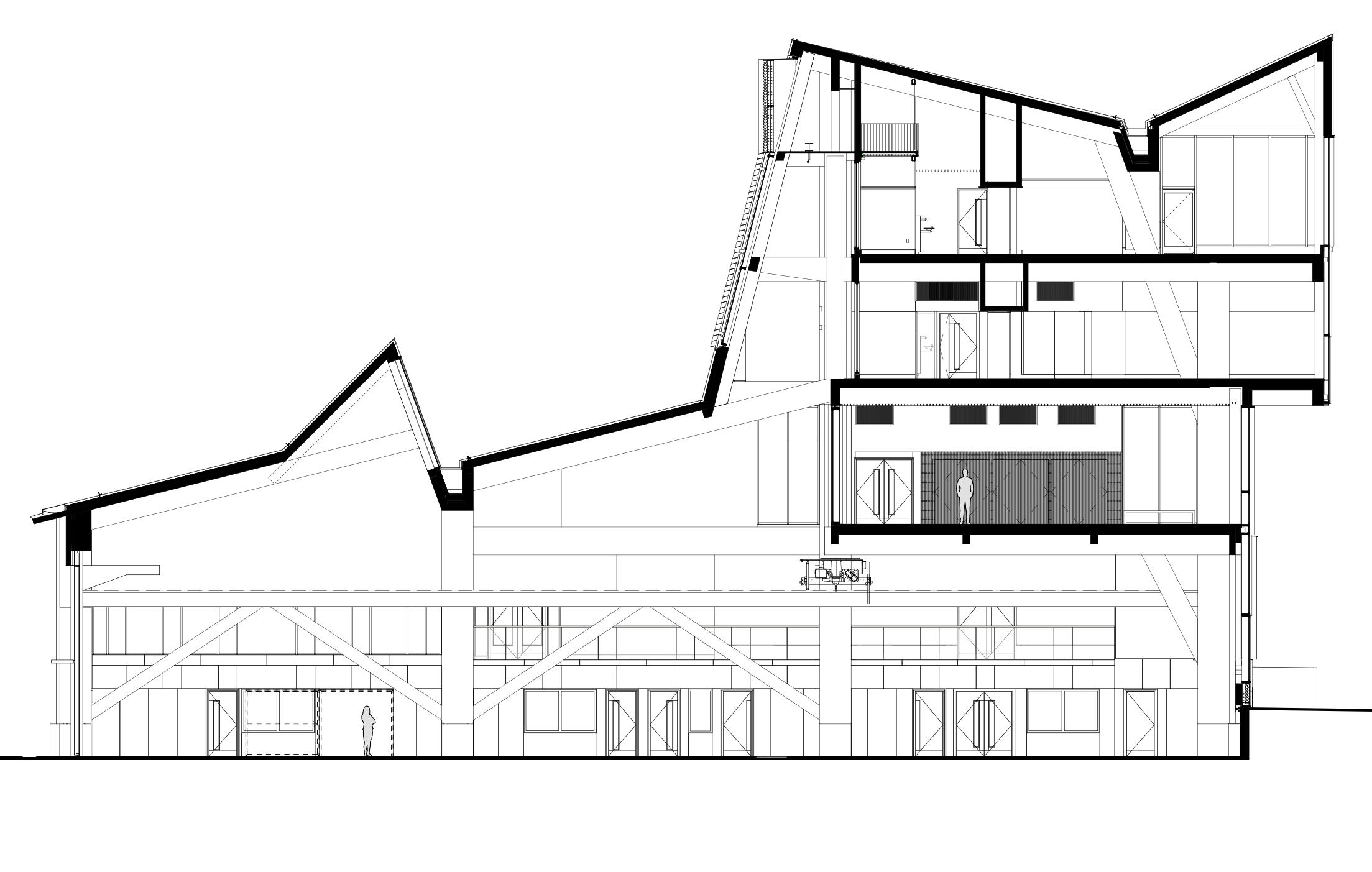
The building’s sawtooth profile tops two programmatic zones: A stack of classrooms, studios, and seminar and conference spaces sit atop a double-height, 11,000-square-foot floor that houses a fabrication and design-build shop. The upper studio floors have windows that overlook the shop, and passersby on the street can peer down into it, a move that centralizes 1:1 construction as a key part of the school’s pedagogy.
The ATC, funded by a naming gift from the state’s largest privately owned timberlands and wood products company, is part of the growth of the University of Arkansas. When Dean Peter MacKeith arrived in 2014 and embarked on this building project in 2016, the Fay Jones School had 425 students. Today, enrollment numbers around 1,100. The main university campus is largely built out, which spurred the creation of the Windgate Art and Design District, a satellite
campus that houses the art and design programs. The ATC is one of three buildings on campus that will support art and design: HGA’s Windgate Studio + Design Center is on the other end of the block, and in between , a university art gallery designed by Tod Williams Billie Tsien Architects is under construction. Anthony’s Way, a parklet designed by Ground Control, offers a landscaped buffer between the ATC and its neighbor. While these are only a 20-minute walk from the main university campus, they are also adjacent to Fayetteville’s Cultural Arts Corridor, bridging the university with the burgeoning local art scene.
The ATC is more intimate in person than you might expect from the photographs. At 42,000 square feet, it’s smaller than some of the country’s largest homes. Its flattened north elevation holds the street edge along a sloping site: One enters on the second floor, with the shop largely below grade, but on the opposite side of the shop level, a second entrance
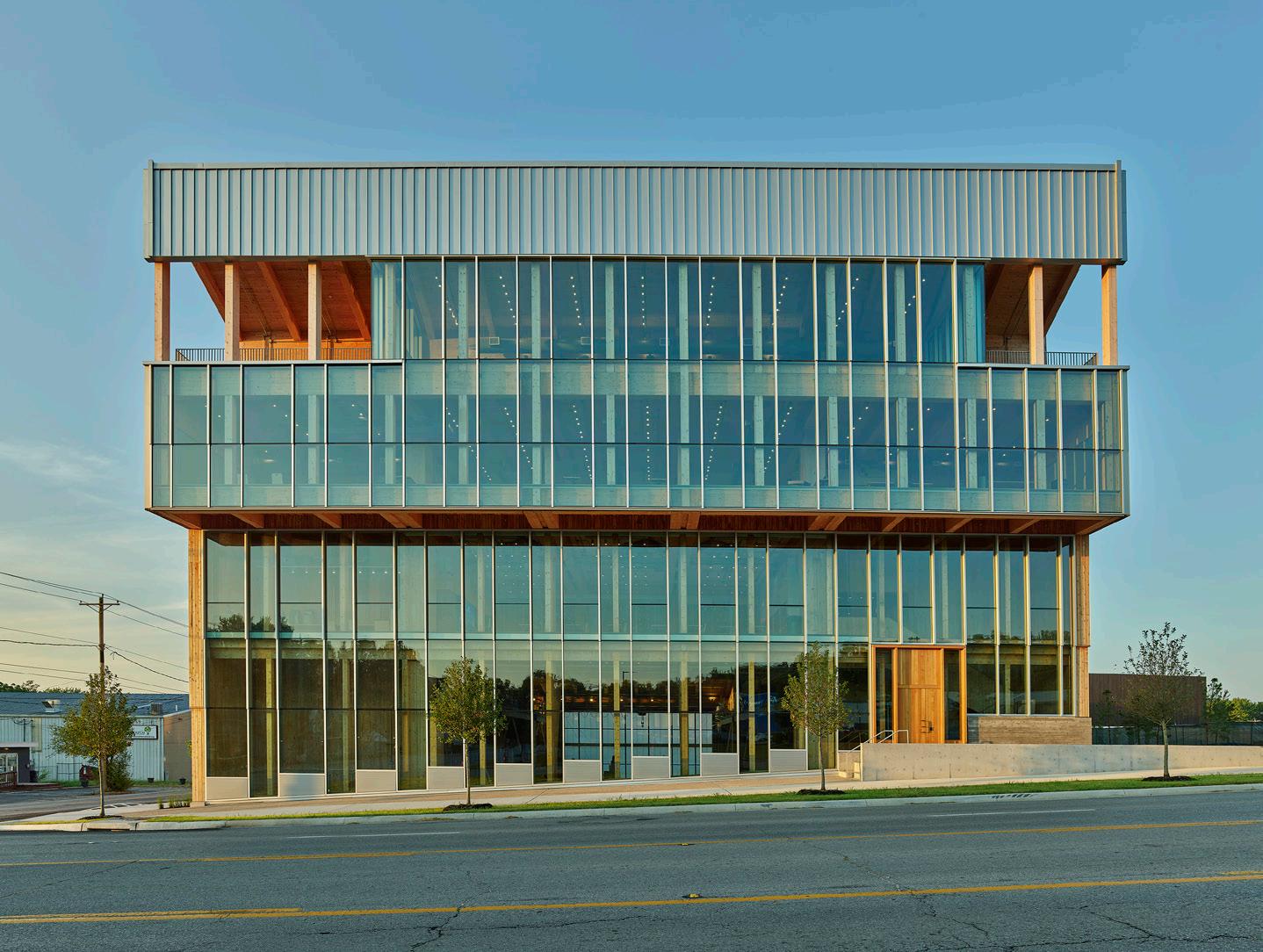
opens up with a large hangar door for easy load-in and access. The main entry is custom fabricated by local artisan Rachel McClintock, with a cast-metal door handle from Juhani Pallasmaa. Farrell is pleased with the frontage’s presence; she told me she thinks it “sits proudly, and not in an arrogant way. It says, ‘We’re a university timber building: Come all ye and have a look.’”
As foretold, the ATC is an advertisement for the possibilities of timber construction. Its massive structure—made from spruce, pine, and fir fabricated by Binderholz in Austria—is unavoidably present, and satisfyingly stocky.
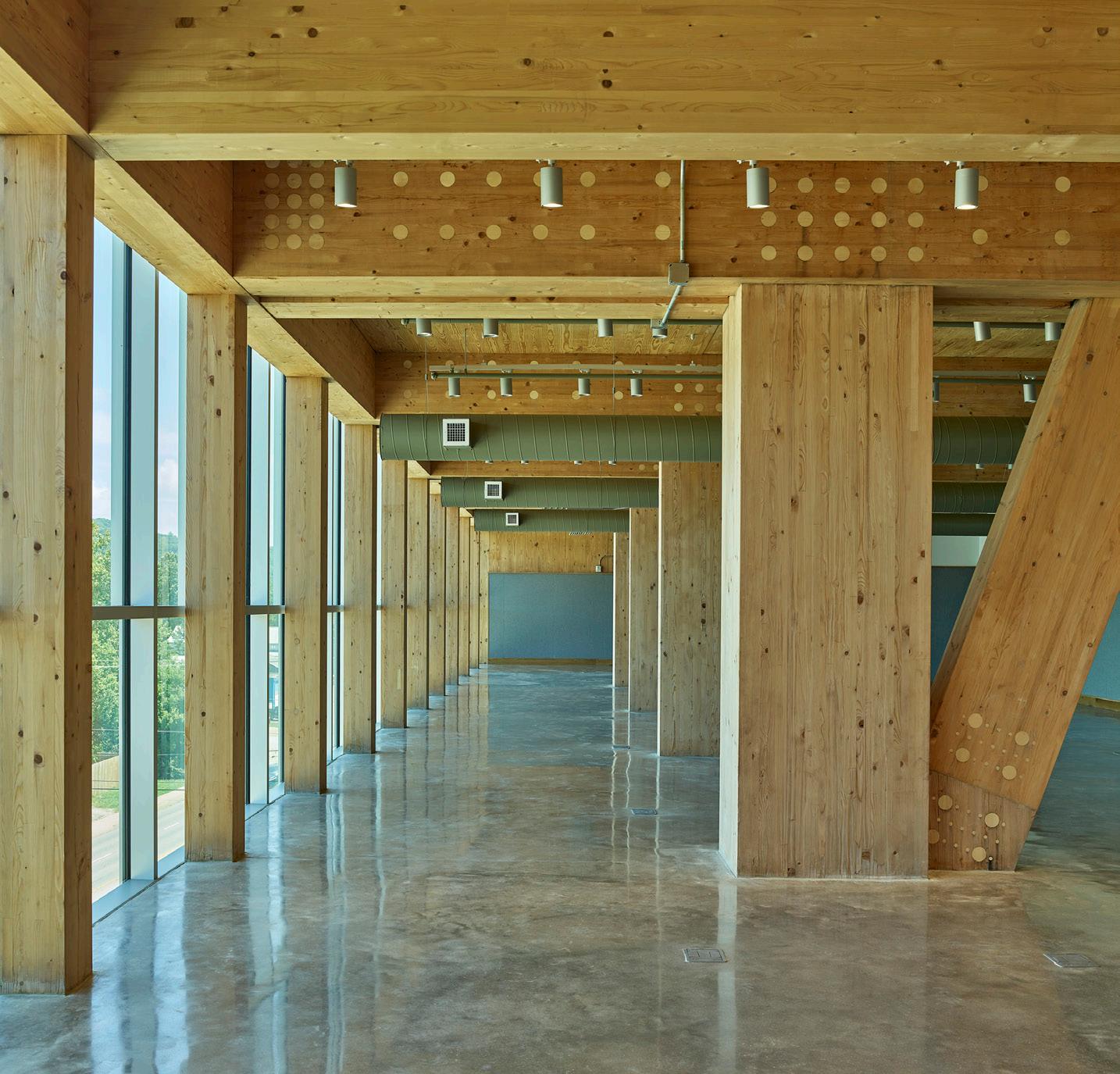
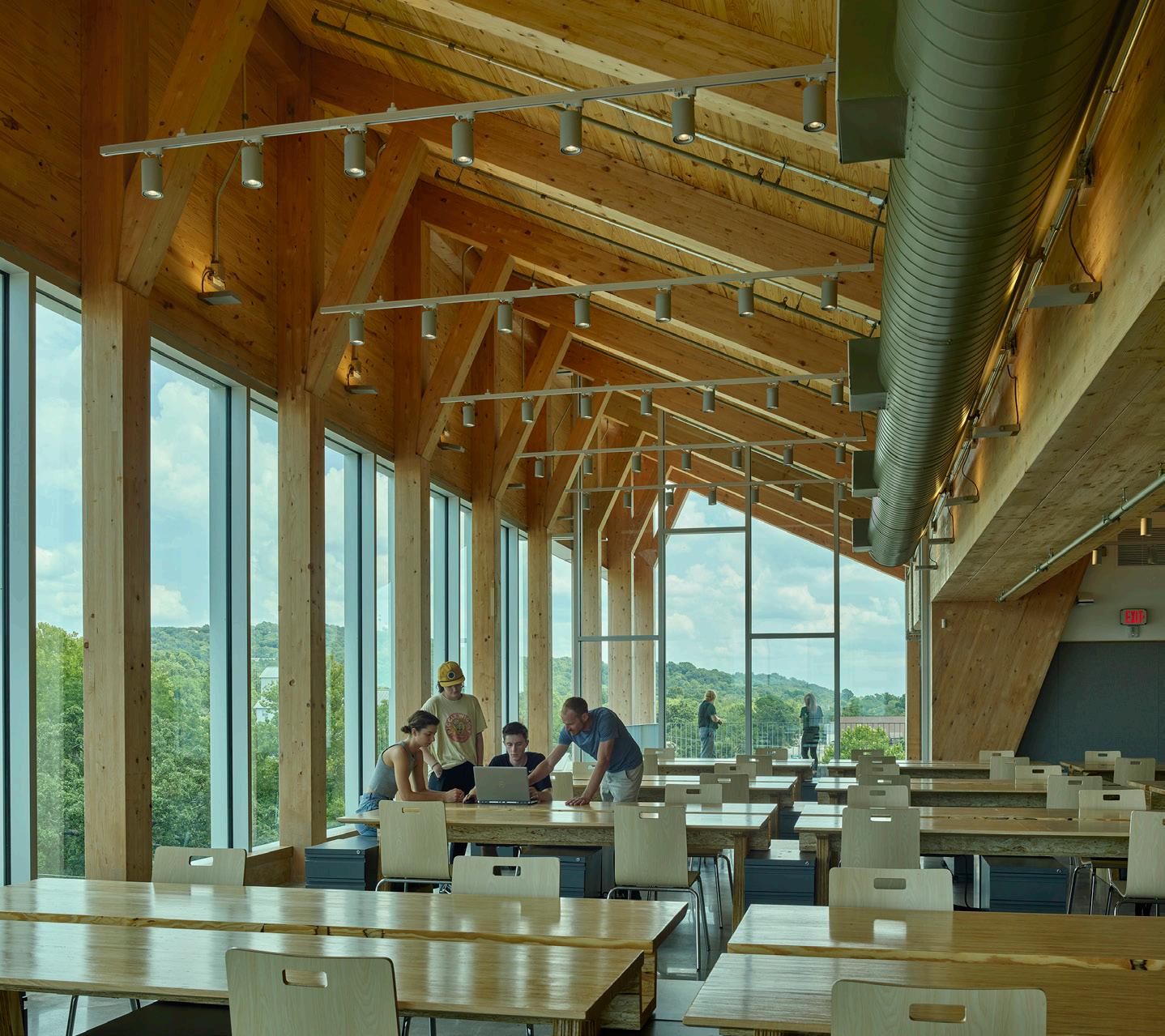
The eight columns that hold everything up are about 4 feet square and solid. The frames are pleasingly dotted with wooden plugs that conceal the bolted connections between pieces. The experience peaks when one is looking across through the upper areas, where the members of the queen post truss branch out to grab the roof. Above, the building is enclosed
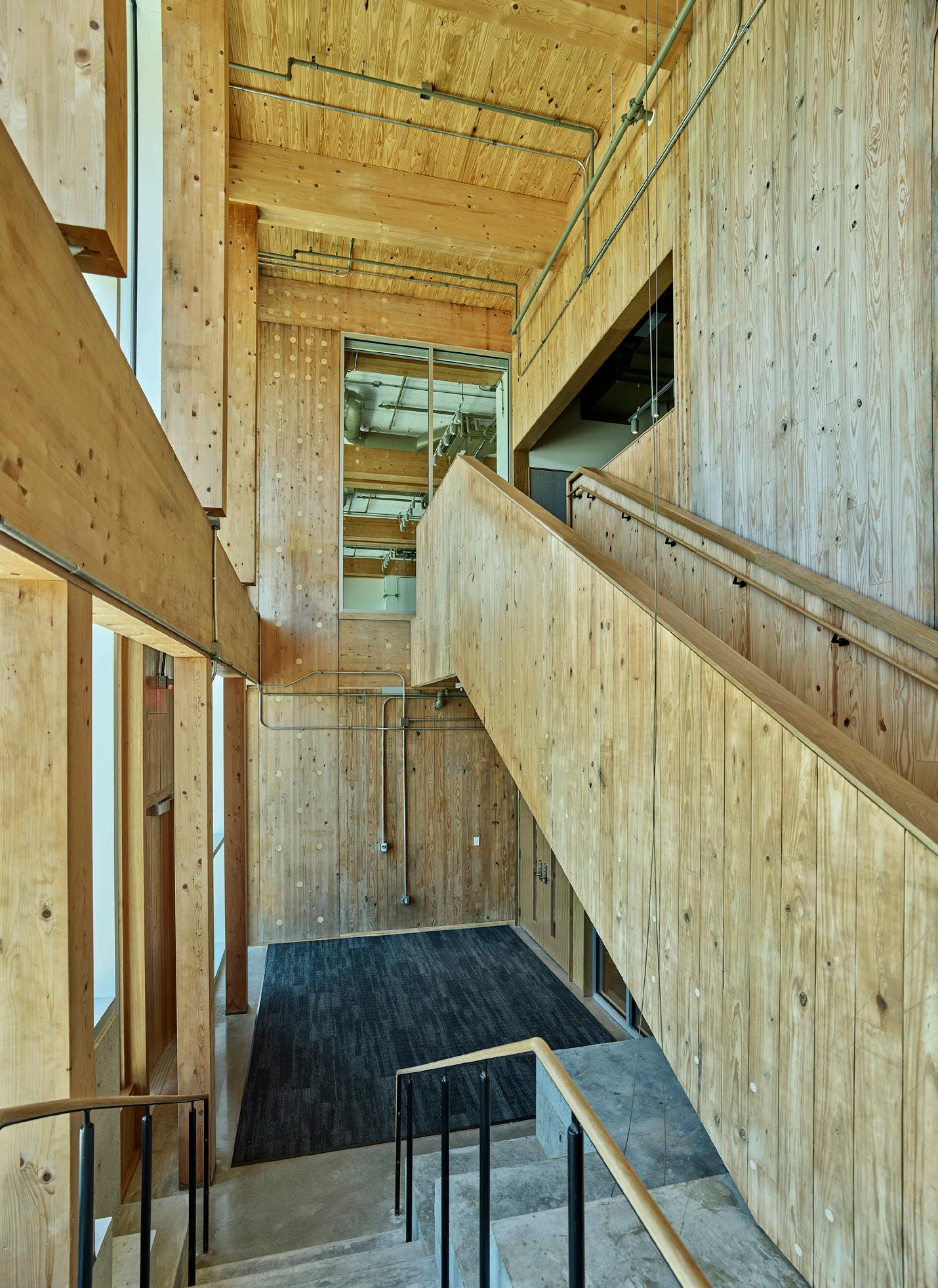
with domestic CLT panels from Mercer Mass Timber in Conway, Arkansas. The wood idea continues in the wall finishes and stairwells; even the glass guardrails are topped with cherry caps.
Outside, the taller zone is lined in a thermally treated southern yellow pine, in part as a response to a building-code requirement for noncombustible cladding above 40 feet, modus studio’s Jason Wright explained. A lattice of western red cedar lines the longer, lower elevations, spanning over windows, and a silver metal panel similar to the roof is used above. The top floor has covered porches on both ends, which open to views of the Ouachita Mountains, and the east elevation has the nicest exterior fire stair I’ve seen in years. The adventurous expression refutes the typical norms of wood construction; McNamara said she didn’t think they could construct a building like this in Ireland, the U.K., or France because of the exterior cladding.
Opposite: Although the 4-story building is two stories less than its proposed design, the ATC retains the spiky sectional play that is the core of its formal thesis.
Top Left: The 42,000-square-feet building’s flattened north elevation holds the street edge along a sloping site. The mullions change in depth to add additional relief to the facade.
Bottom Left: The interior’s timber frames are pleasingly dotted with wooden plugs that conceal the bolted connections between pieces.
Right: Intentionally exposed mechanical and electrical systems lend the building with an unfinished feel, encouraging the school’s emerging designers to make the space their own. The entrance area contains an entrance and a stair.
TIMOTHY HURSLEY
TIMOTHY HURSLEY
TIMOTHY HURSLEY
The Miracle in Fayetteville continued
A Place in the Making
The didactic structure is a fusion of the school’s messaging—both for its philosophy of hands-on making and the public university’s goal of supporting Arkansas’s economy—and the interests of Grafton Architects. In this, the architects’ first built work in the United States and the first to use mass timber, visitors can see a clear dedication to structural expression, as well as an appreciation of light and rhythm, which is nestled throughout the spaces within. Across their career together, McNamara said, the duo has been “combating the effect of mass production, because it very often takes the life out of the material.” Here, she’s delighted that the finished building feels like a “big chunk of timber.”
This formal interest is balanced by the firm’s empathetic, relational approach. For being world-class architects, McNamara and Farrell, along with their directors and project architects, are remarkably personable. They keep their atelier small—38 people, with 37 architects, McNamara told me—so that they can maintain personal connections to each project. And they have a keen interest in a wide range of cultural topics. They began their opening lecture with mention of the first architecture competition—in Greece in 448 BC, for a monument to commemorate a war victory—and continued on to discuss the Ogham stones, ancient rocks inscribed with the earliest forms of the Irish language.
As the school settles in over the semester, Farrell said, “we hope the students love it and make interesting things here.” The interior has exposed (but expertly coordinated) mechanical and electrical systems, which help it feel like an unfinished warehouse where emerging designers can make a mess in an unselfconscious manner, particularly in the shop, which is well equipped and spanned by a linear gantry crane.
Upstairs after the building’s dedication, I spoke with Trey Melton, a fifth-year undergraduate architecture major who had landed a corner desk. He praised the lighting before directing my attention to the tables, which were designed and made by the students. Despite the day’s festivities, he was already at work on an assignment in John Folan’s studio, which is researching the use of WLT, or wave-layered timber, a Finnish product that combines ruffled wood pieces without using glue. (Folan’s work through the Urban Design Build Studio with the technology is its first licensed use in the U.S.)
A Cornucopia of References
If Frank Gehry’s work owes a debt to fish, then Grafton’s nods to dinosaurs, though more to the creatures’ reassembled skeletons than their CGI-animated reproductions The ATC is rich enough in form and idea to handle any referential projection. It has a Roman quality, as Oliver Wainwright noted. Early inspiration also came in part from the framing of historic Ozark barns. Robert McCarter, in an essay prepared for the opening, compared its two-part arrangement to a train hall paired with a train shed.
After a previous interview with the firm, I wrote that it looked like Giovanni Michelucci’s San Giovanni Battista or Theo Jansen’s strandbeests , but in person it is something like a billboard building. Wright said the profile was an “Ozark cross section” endemic of the Ozark Plateau, a region where, as historian Brooks Blevins describes it, “our hills aren’t high, but our hollers sure are deep.” Farrell also alluded to Fay Jones’s own work with wood like at
Thorncrown Chapel, but perhaps the Arkansas architect’s own home, located near the campus, is a better analogy. It was built in 1956 with the idea of “the cave and the tree house,” as faculty member Gregory Herman explained during a tour of the residence, which the university now owns and maintains. At the ATC, the shop is the cave, and the studios are the tree house. How sustainable is the ATC really? While the classroom floors are conditioned, the shop is heated but not cooled. Instead, the tall, enclosed area is topped with equipment to pull air up and out of the building. Plus the canoe-like beams shed water into bioswales for reuse. While there was carbon modeling, Wright said that in the end the math “doesn’t matter” because the building speaks for itself. (The project is targeting LEED Gold certification.) The more enduring point is the political message about the state economy, which overshadows metrics. ATC summons a lesson played out everywhere: The most sustainable building is the one that is beloved by its community.
Shaping the Future of Architecture Education
The ATC is cause for collective pride. Here is a building that you should go see on your own dime. Here is a building that demonstrates what is possible with timber construction. Here is a building that stands to make an impact on generations of students. Here is a building that will turn drivers’ eyes as they careen down MLK Jr. Boulevard and distract Great Value–laden shoppers exiting Walmart.
In a town whose name was lifted from Fayetteville, Tennessee, and for an institution whose first building was copied from the University of Illinois , Grafton Architects has delivered a remarkably original masterpiece, heroic and ordinary at once. Still, the founding spirit remains similar. Like the ATC, Old Main, the university’s oldest building, was built of local materials, including “ wood milled from Ozark forests ” Both were dedicated on hot days in August, though with Old Main it was in 1875, 150 years ago. None of us will be here 150 years from now, but the ATC will be. Who knows what activities it will host then. Vita brevis, architectura longa
Given its elephantine nature, architecture as a discipline is profoundly mismatched with the unhealthy speed of today’s brain-rotted cultural discourse. This slowness gives it the ability to resist and serve as a refuge. “Architecture is a silent language that speaks,” Farrell intoned during her opening lecture with McNamara. Also: “Architecture is an act of hope and belief.” This aligns with the optimism embedded in higher education, despite current attacks, as a venue where the wisdom of experience transfers to ambitious youth who will make tomorrow better than today. That’s the goal, at least. As Farrell said, “Education is the biggest gift you can give to the future.” JM
ARCHITECT: Grafton Architects
ARCHITECT OF RECORD: modus studio
LANDSCAPE ARCHITECT: Ground Control
GENERAL CONTRACTOR: Nabholz Construction
STRUCTURAL ENGINEER: Tatum Smith Welcher Structural Engineers
MASS TIMBER ENGINEER: Robbins Engineering Consultants
MEP ENGINEER: Affiliated Engineers
CIVIL ENGINEER: DCI Engineers
MASS TIMBER SPECIALIST STRUCTURAL ENGINEER: Whitby Wood
SPECIALIST LIGHTING CONSULTANT: TM Light
SUSTAINABILITY CONSULTANT: Atelier Ten CODE CONSULTING: WB Engineers
GRAPHICS AND WAYFINDING: Doxa/Vantage
GLULAM: Binderholz Holzpak
CLT PANELS: Mercer Mass Timber
METAL PANELS: Pac-Clad Metal Roof + Wall Panels
METAL/GLASS CURTAIN WALL: Kawner Curtainwall
WOOD RAINSCREEN: Arbor Wood Co.
MOISTURE BARRIER: VaproShield
RUBBERIZED ASPHALT: Hydrotech Monolithic Membrane
GLASS AND GLAZING: TriStar Glass Products
ENTRANCES: Kawneer
METAL DOORS: Assa Abloy
WOOD DOORS: VT Industries
FRONT DOOR: Rachel McClintock
HARDWARE: Corbin Russwin/Assa Abloy, Norton Rixson/Assa Abloy
CUSTOM HARDWARE: Juhani Pallasmaa, Eugene Sargent, Modus Shop
CABINETWORK AND CUSTOM WOODWORK: Piper Carpentry
PAINTS AND STAINS: Sansin
PANELING: Homasote
FLOOR AND WALL TILE: Daltile
ELEVATORS: Otis
This text contains homages to Herbert Muschamp’s review of Frank Gehry’s Guggenheim Bilbao which was published in The New York Times on September 7, 1997.
Above: The craggy profile of the building has been compared to the hilly topogrpahy of the surrounding Ozark Plateau.
Below: A section of the ATC building showcases the suspension of the classroom levels via a truss above the shop floor. The two canoelike beams collect water like large scuppers.
TIMOTHY HURSLEY
COURTESY GRAFTON ARCHITECTS


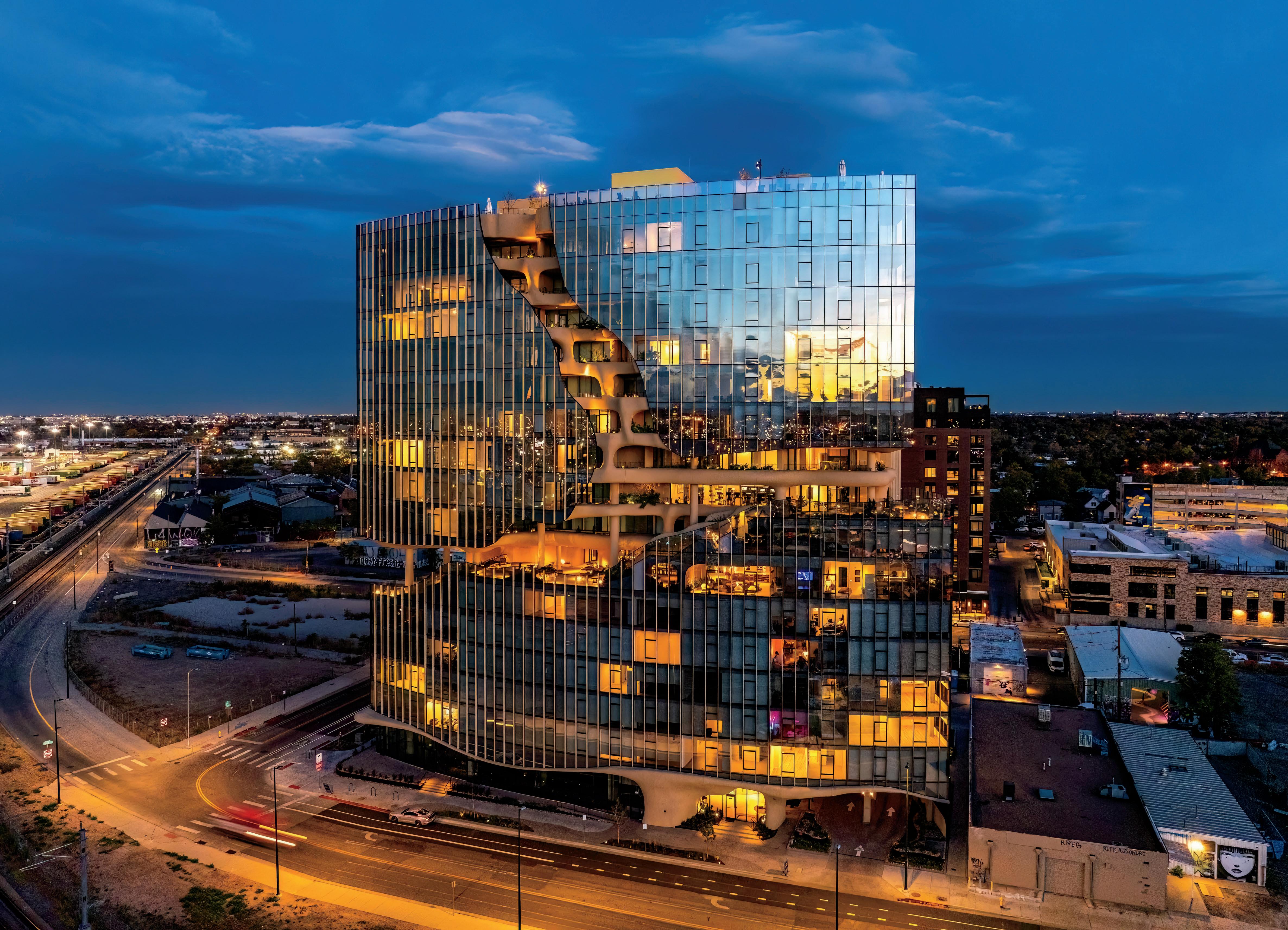






Set the Tone
Limberlost Place by Moriyama Teshima Architects raises the bar for mass timber construction in Toronto.
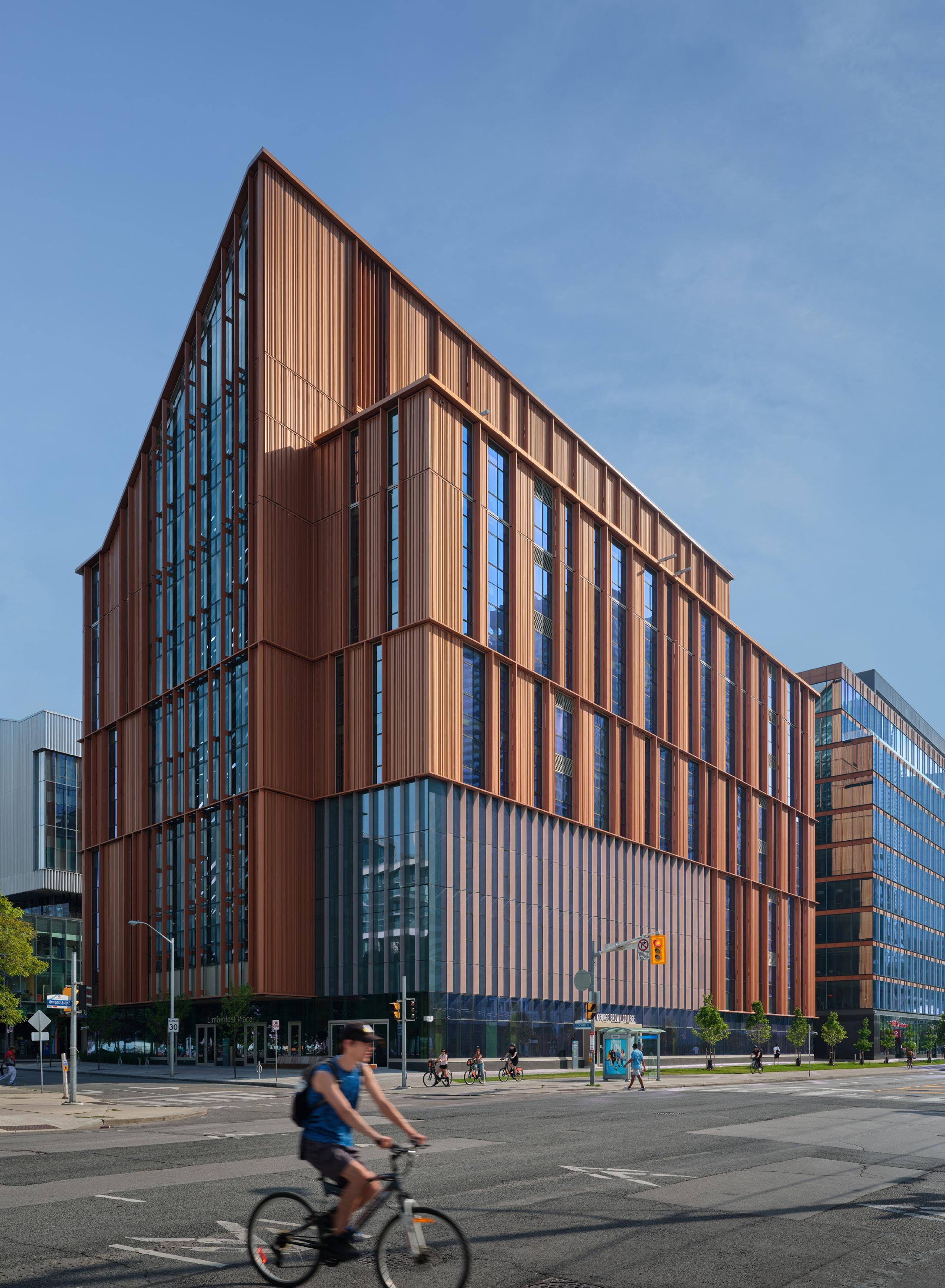
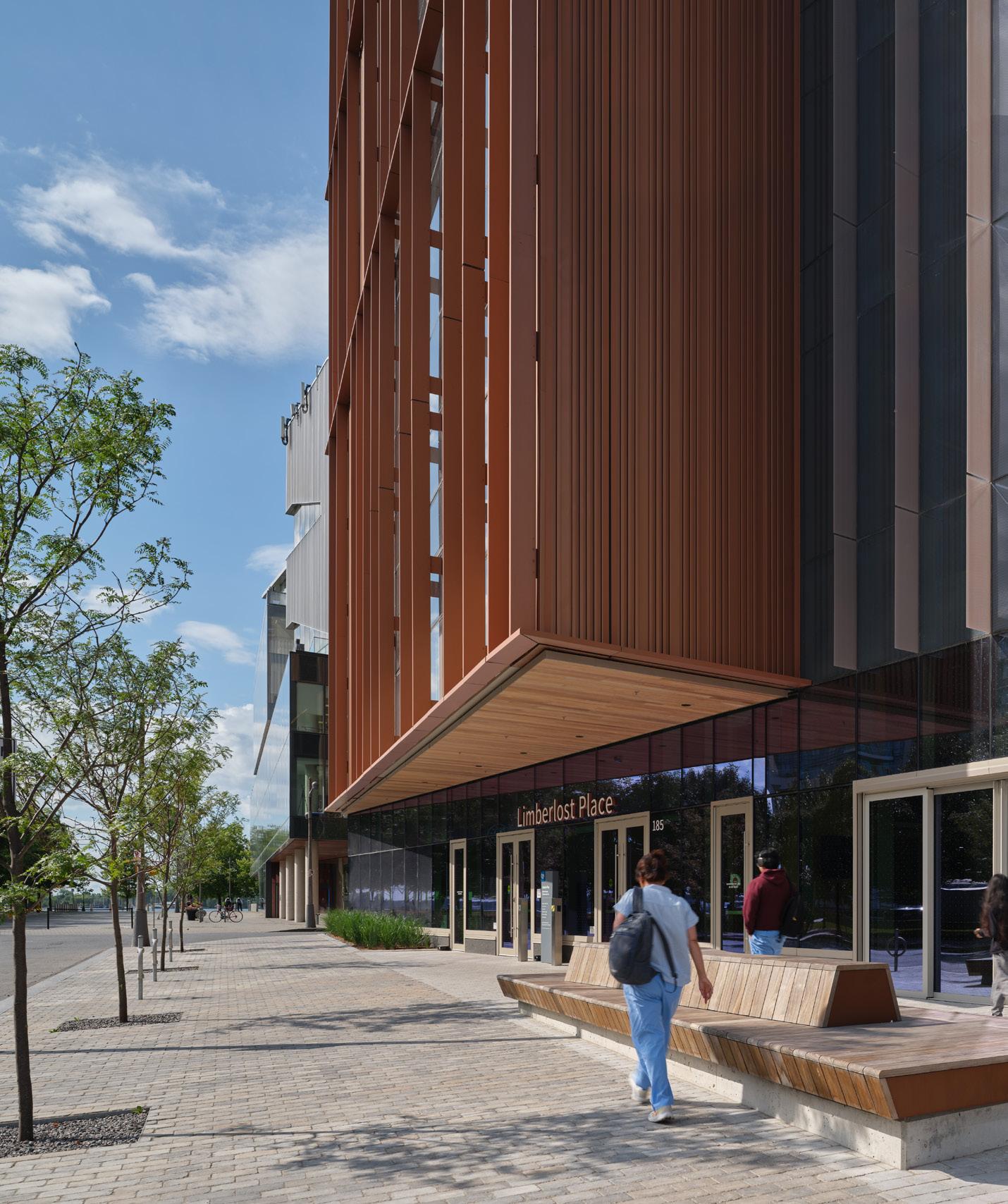
It wasn’t so long ago that Ontario’s building codes placed tight restrictions on mass timber construction. Before 2022, mass timber buildings in Toronto could only rise 6 stories. Limberlost Place, a new 10-story, net-zero building at Toronto’s George Brown College— designed by Moriyama Teshima Architects and Acton Ostry Architects—sets a precedent in the field of mass timber construction. The innovative building opened its doors to students and faculty this fall semester. It activates what was once a derelict brownfield site outside of the city center, not far from the site of the now defunct Google Quayside project, on the manmade shores of Lake Ontario.
How much embodied carbon did mass timber construction capture at Limberlost Place? Phil Silverstein, a partner at Moriyama Teshima Architects, told AN the “mass timber structure achieved a 30 percent reduction in embodied carbon compared to concrete.” Silverstein also noted: “One of the most significant findings was that the below-grade concrete work accounted for 40 percent of the building’s total embodied carbon. . . .This result highlights that belowgrade construction is by far the most carbon-intensive aspect of a building and should be minimized wherever possible.”
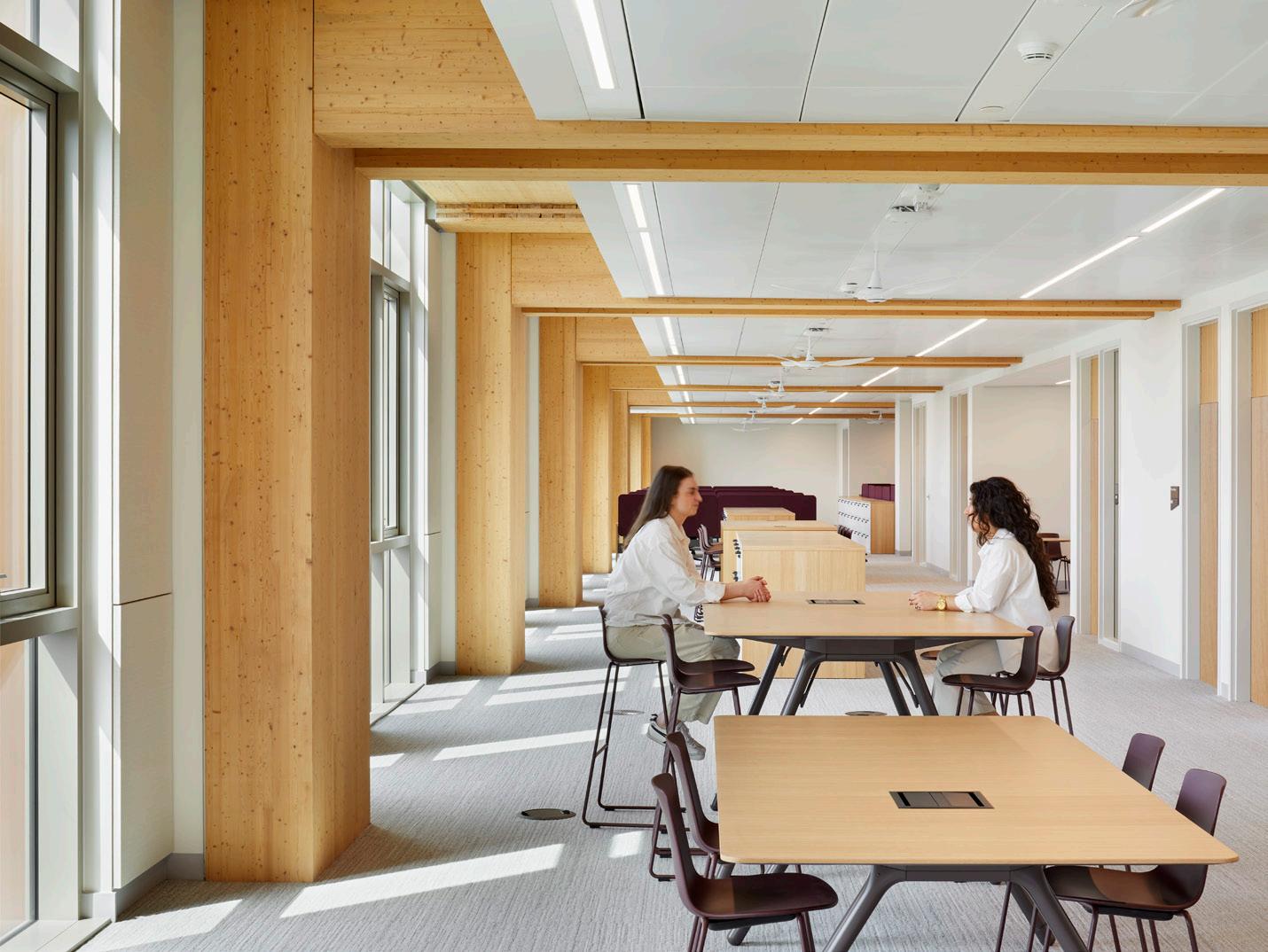
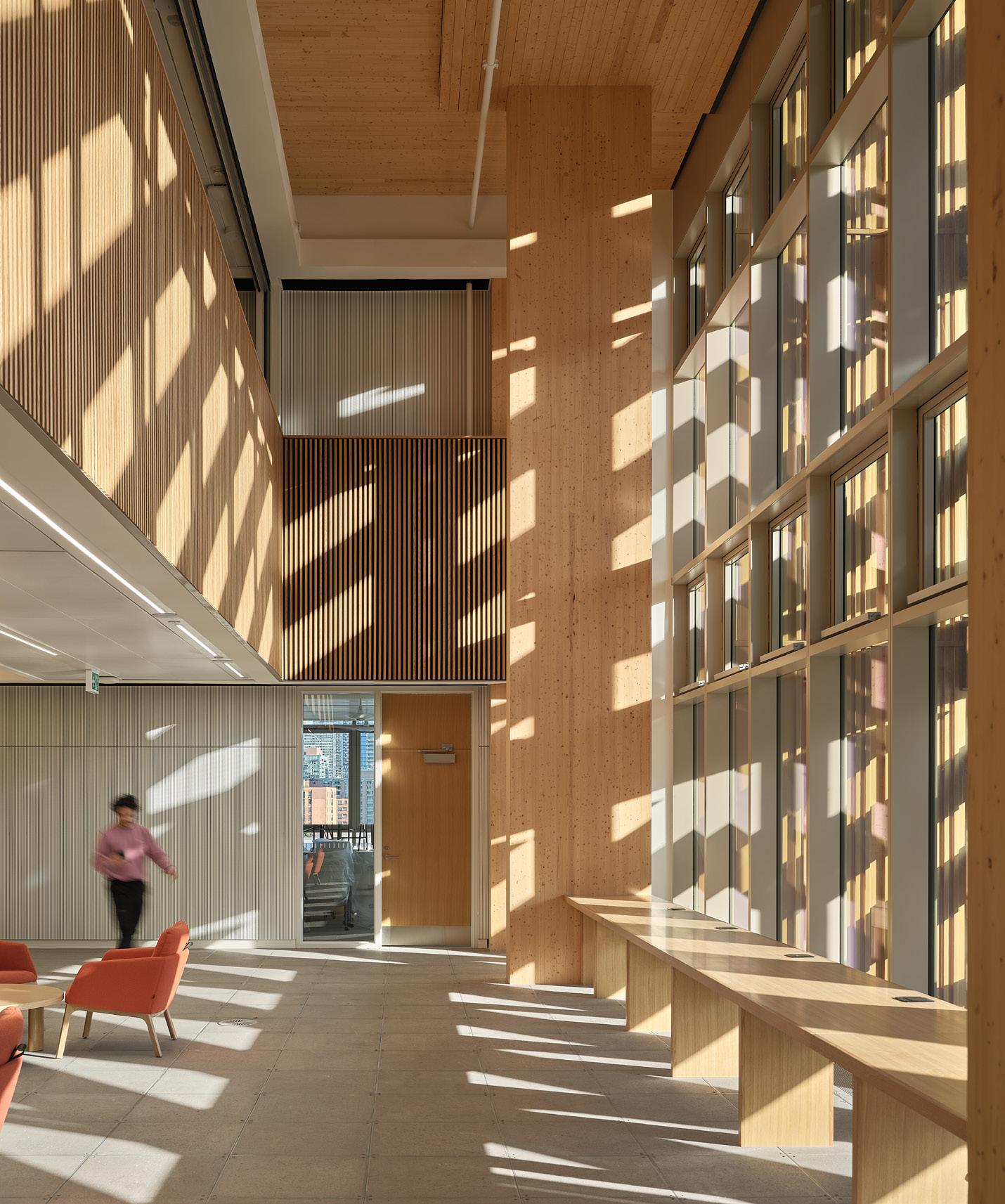
Moriyama Teshima Architects partner Carol Phillips reflected: “The slab-band system allows for long-spanning, column-free spaces outside of classrooms as well, like [in] the Learning Landscape and Breathing rooms.” Phillips elaborated: “As this was such a new project for Toronto and the world, code changes and updates were happening live, so verification was required at every step. We also feel that in a student environment, where there is pressure and anxiety on individuals about ‘perfection’ and appearances, that this honesty of material expression and celebration of unaltered beauty could positively impact their mental health.”
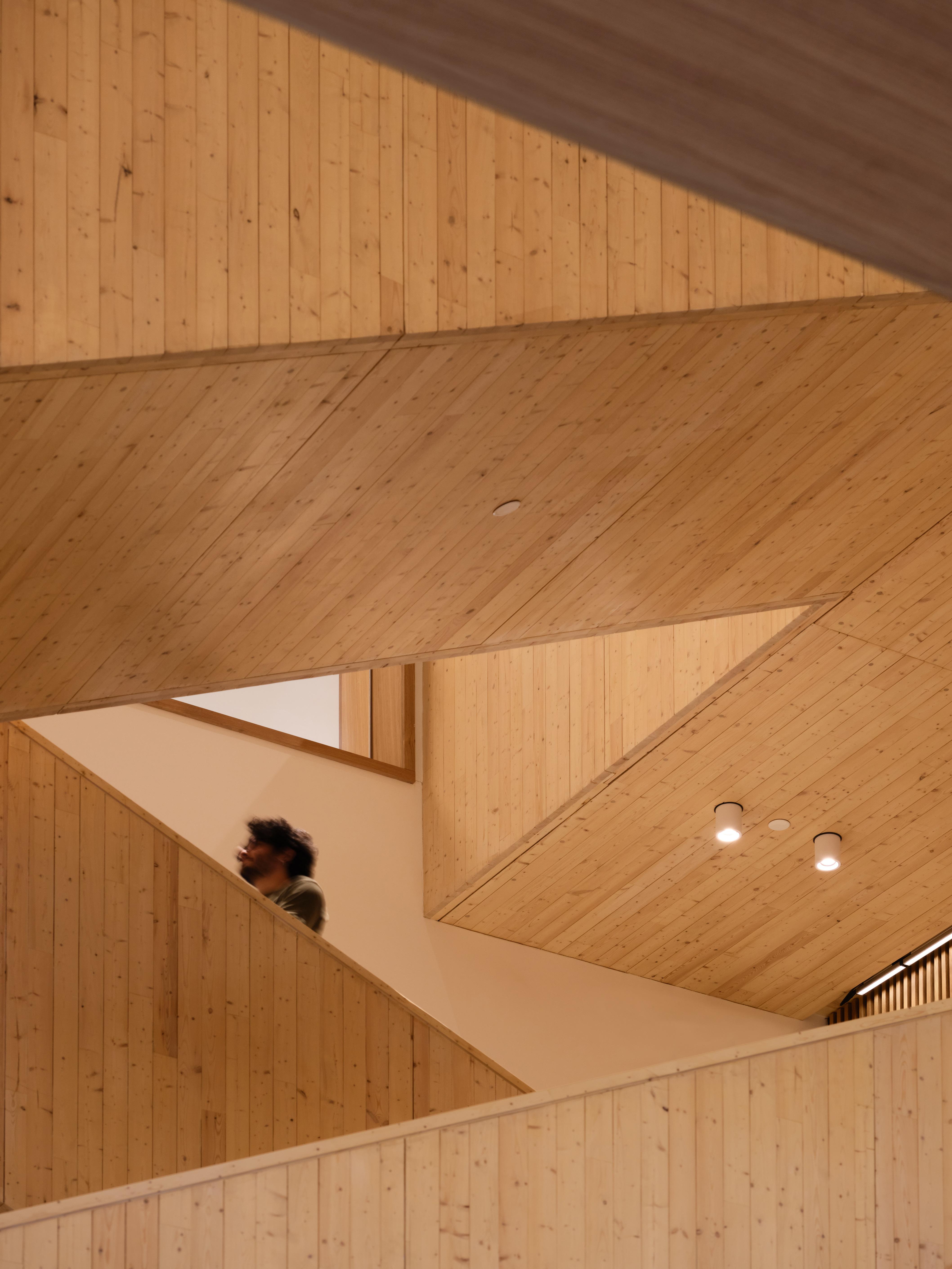
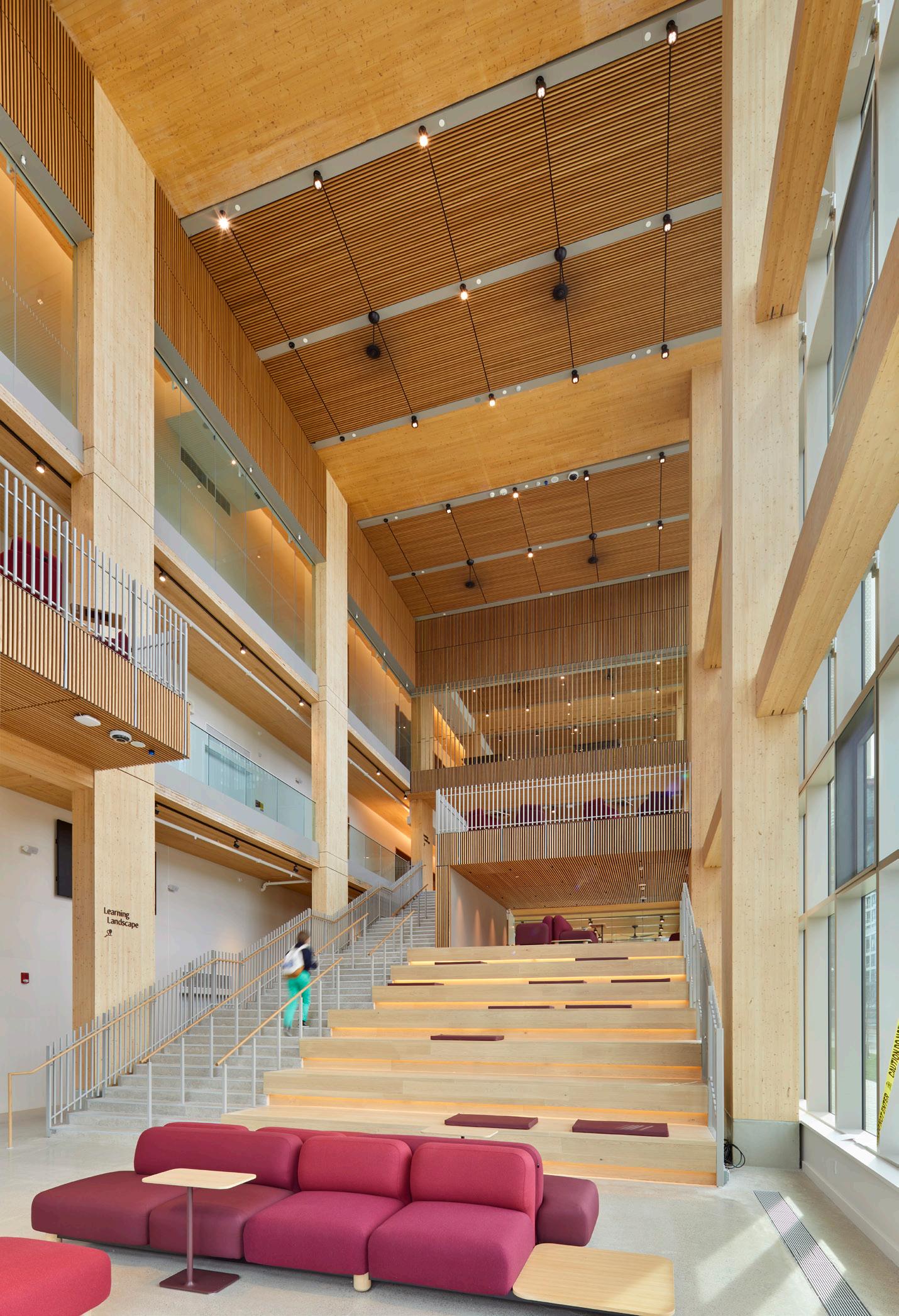
Limberlost Place is organized around a vast atrium. A grand stair offers space for leisure and lectures, while also connecting users to classrooms on upper levels. Timber columns and walls aren’t glossed over with plaster or any other finishes, so as to make an aesthetic point. “We wanted the building to be a didactic living lab that teaches through its materials,” Silverstein said. “Leaving the knots, seams, and structural details visible helps students see how the building is put together, while also celebrating the natural warmth and honesty of wood.”
“At the outset of the project,” Silverstein added, “the timber supply was unknown, which meant we didn’t know if we would end up with the red tones of Douglas fir from the West or a more blond black spruce from the East. Early onboarding of the mass timber design assist supplier, Nordic Structures, allowed us to confirm the timber species and firm up our interiors color palette. Nordic harvest their lumber from northern Quebec, which is primarily black spruce. These trees are thinner, with more knots, giving them a distinct characteristic from other regions’. They grow slow, are more dense and stronger in the north than the same species further south.”
Today, Canada allows construction of mass timber buildings up to 18 stories, like Brock Commons Tallwood House, an encapsulated mass timber tower in British Columbia by Acton Ostry Architects. Legislation passed this year updated the building code to allow for the construction of these taller timber buildings, thereby boosting Canada’s housing supply and national forestry industry. Moreover, with the advent, under Canada’s prime minister Mark Carney, of an affordable housing authority— Build Canada Homes, which requires 100-percent Canadian-made goods in response to President Trump’s tariff wars—Canada’s mass timber industry is ripe for growth. We can expect many more mass timber buildings in the years ahead. And there’s no doubt that Limberlost Place will serve as a fine precedent for architects to emulate. DJR
ARCHITECTURE: Moriyama Teshima Architects, Acton Ostry Architects Ltd.
INTERIOR DESIGN: Moriyama Teshima Architects
STRUCTURAL: Fast + Epp
MECHANICAL/ELECTRICAL/LEED: Introba
AUDIO VISUAL: The Hidi Group
LANDSCAPING: STUDIO TLA
FIRE ENGINEER : CHM Fire Consultants
CODE CONSULTANT: GHL Consultants
SUSTAINABILITY CONSULTANT: Transsolar Klima Engineering
ENGINEERING ENVELOPE CONSULTANT: Stantec (Morrison Hershfield)
MASS TIMBER: Nordic Structures
Opposite page: Limberlost Place, a 10-story net-zero academic building at Toronto’s George Brown College, sets a new benchmark for mass timber construction in Ontario.
Right: Limberlost Place is organized around a vast atrium. A grand stair offers space for leisure and lectures, while also connecting users to classrooms on upper levels.
Below: Moriyama Teshima Architects partner Carol Phillips reflected, “The slab-band system allows for long-spanning, column-free spaces out- side of classrooms as well, like [in] the Learning Landscape and Breathing Rooms.”
Below right: The mass timber structure achieved a 30 percent reduction in embodied carbon compared to concrete.
Below left: “We wanted the building to be a didactic living lab that teaches through its materials,” Phil Silverstein, a partner at Moriyama Teshima Architects, told AN
DOUBLESPACE PHOTOGRAPHY
DOUBLESPACE PHOTOGRAPHY
Reading List
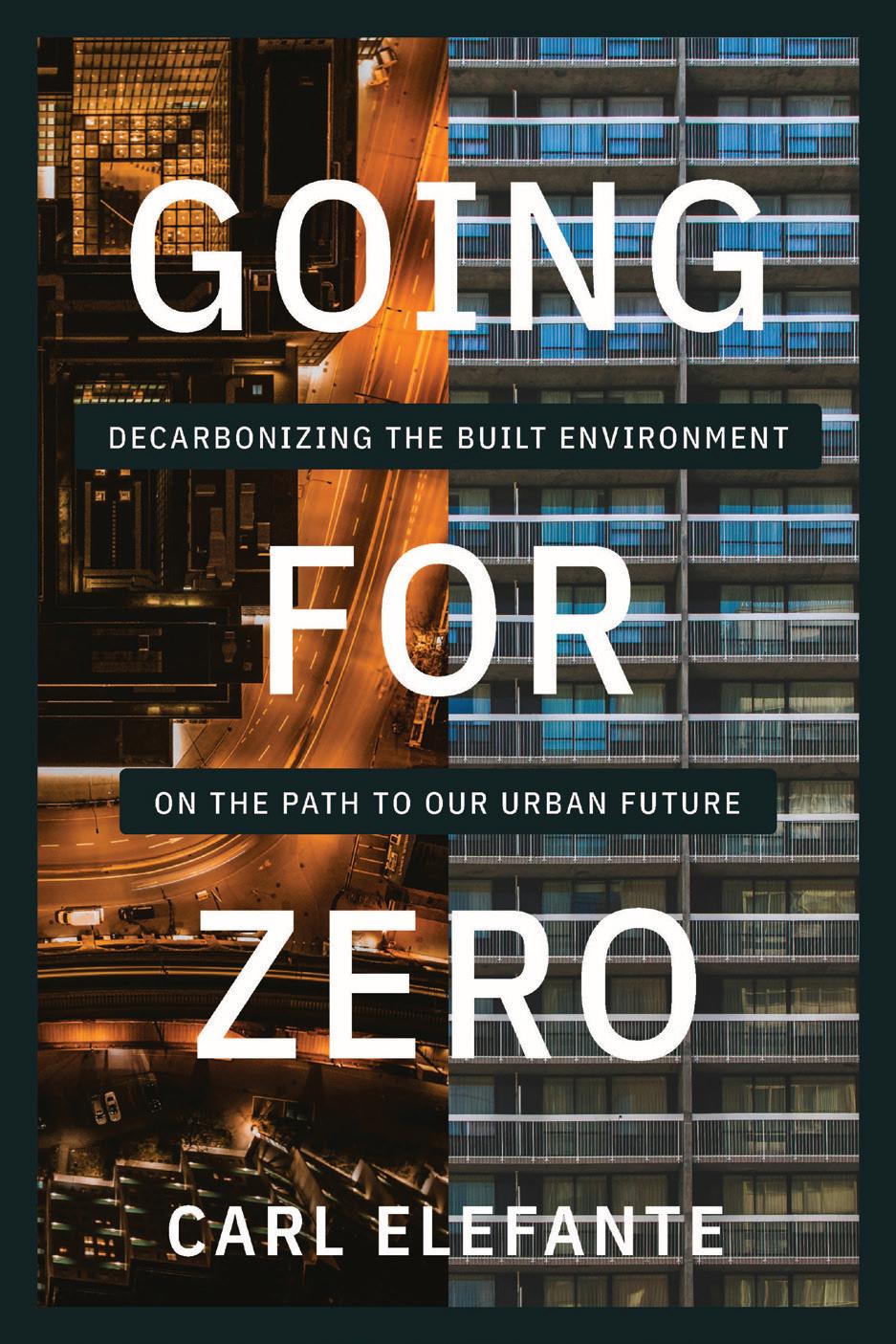
Going for Zero
by Carl Elefante
The planet is burning, and our buildings aren’t helping. In Going for Zero, Carl Elefante maps out how architects, engineers, and urban designers can flip the script, turning the built environment from climate culprit to climate ally. Drawing on decades of conservation work, Elefante argues for a mindset shift starting with less endless expansion and more reintegration and repair. He tackles the climate, justice, and urban imperatives with clarity, showing that reusing resources and revitalizing existing communities is necessary. Urgent, practical, and quietly hopeful, this book makes decarbonizing cities feel not just possible but inevitable—if we get to work.
Start in Your Own Backyard
by Steve Nygren
“If it’s not working, change it...one backyard at a time.” In Start in Your Own Backyard , Serenbe founder Steve Nygren makes the case that America’s malaise—our stress, sickness, and sprawl—can be traced to how we’ve built our communities. His antidote? Biophilic living, blueberry bushes at crosswalks, and front porches that actually get used. Part memoir, part manifesto, Nygren’s vision of clustered connected neighborhoods challenges the culde-sac status quo with idealism and pragmatism. Forget the paralyzing doomscroll; this is an actionable call to redesign not just our towns but our habits, to make meaningful change, starting at home.
We’ve picked our favorite new reads that prove sustainability can be bold, smart, and even a little rebellious. From rethinking car-dependent streets to reusing materials and reimagining urban life, these titles explore practical, urgent, and hopeful approaches to building, and living, more sustainably. Practical, and packed with ideas that spark action, they make building green feel excitingly possible. IA
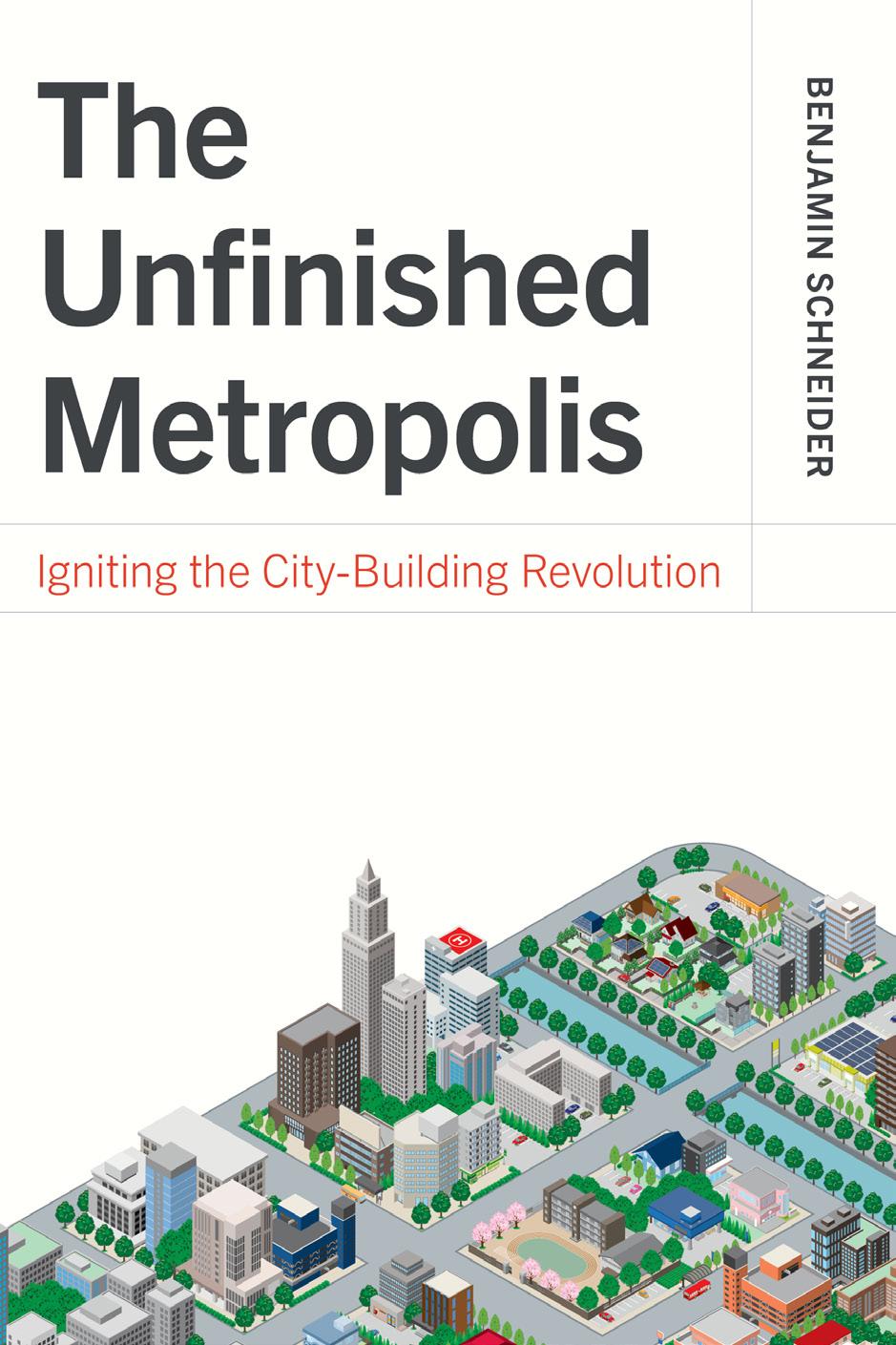
The Unfinished Metropolis
by Benjamin Schneider
Why do American cities still look like they’re frozen in 1975, as if the Cold War never ended and disco still ruled? In The Unfinished Metropolis, Benjamin Schneider tears into our 20th-century hangover of freeways, office parks, and suburban sprawl, arguing that city building has lost its nerve and its imagination. With humor, he calls for a reinvention rooted in sustainability—streets for people, not parking; density that’s livable, not dreary; and infrastructure that actually serves the climate we are living in. It’s a reminder that the metropolis isn’t broken, it’s just unfinished, and it’s on us to finish it better.
Architecture and Social Change
by Brian Holland
Architecture and Social Change takes the profession’s current identity crisis and turns it into a syllabus for doing better. Through student-led interviews with 15 architects and designers, from Dana Cuff’s housing activism to New Affiliates’ creative reuse of museum castoffs, the book spotlights those refusing to treat impact as a buzzword. It’s meant to be a snapshot of architecture mid-reckoning—less starchitect posturing, more rolling up sleeves and confronting housing, climate, and equity head-on. It’s a group therapy session for a field learning how to care about people, the planet, and what we build next.



The Lively Architecture of Anupama Kundoo: Abundance Not Capital
edited by Angelika Fitz, Elke Krasny co-published with Architekturzentrum Wien
Architecture has a capitalism problem, and Abundance Not Capital isn’t afraid to say it out loud. Edited by Angelika Fitz and Elke Krasny, the book orbits the work of Anupama Kundoo, whose buildings trade spectacle for soul and capital for care. Essays by Peggy Deamer, Shannon Mattern, Rupali Gupte, and others unravel what happens when architecture stops extracting and starts listening to materials, to makers, and to the planet itself. This is a book about rebuilding our relationship to abundance, not accumulation, and imagining architecture that feels less like a conquest and more like a conversation.
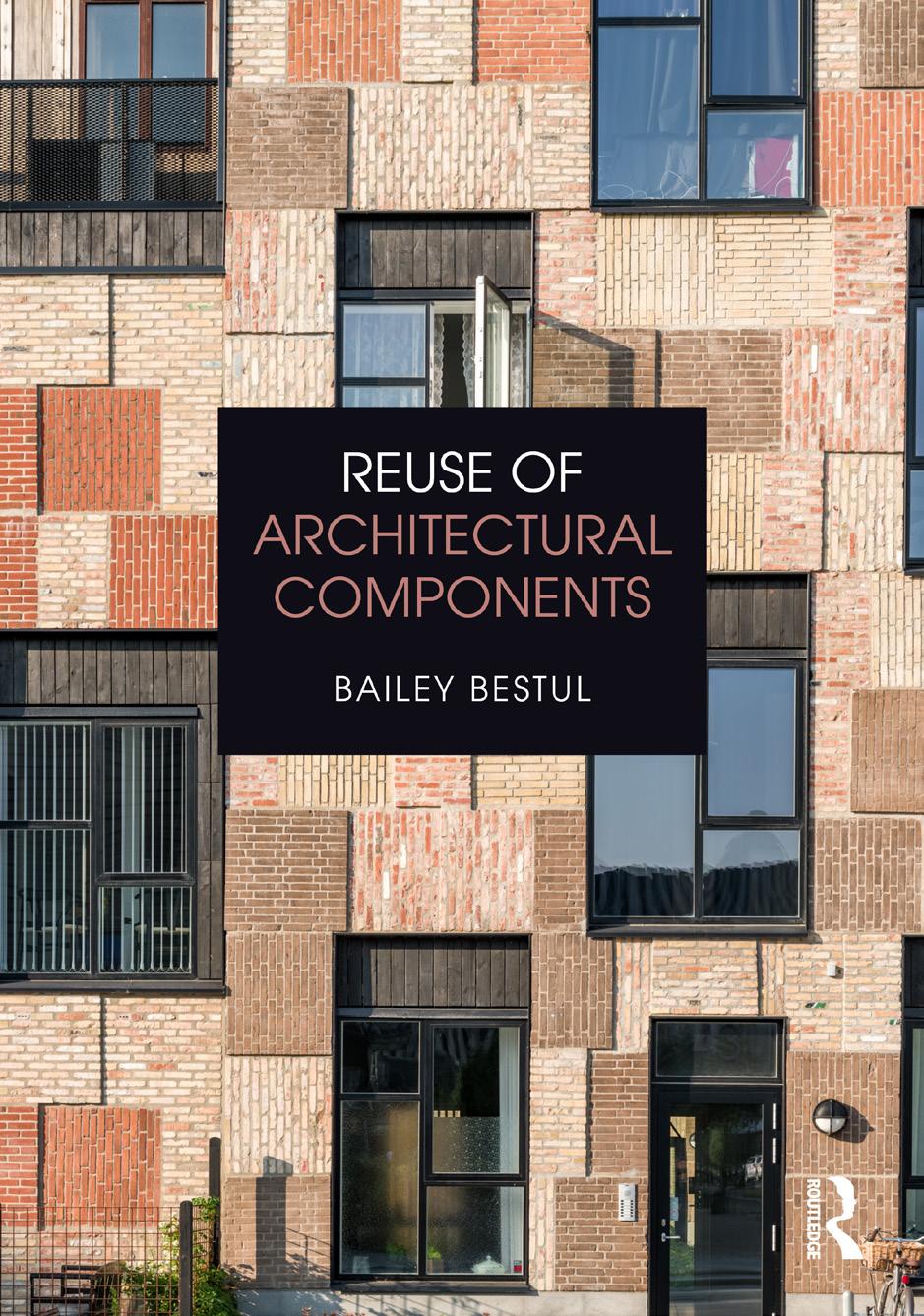
Reuse of Architectural Components
by Bailey Bestul
Reuse of Architectural Components treats salvaged materials not as scraps but as storytellers. Bailey Bestul dives into the messy, poetic world of architectural reuse. Where cracked tiles, warped beams, and abandoned facades become building blocks for new ideas. Less about greenwashing and more about grit, the book attempts to bridge theory and practice, art history and hands-on craft to show how “waste” can anchor real beauty. With chapters on everything from kintsugi to the aesthetics of grime, Bestul argues for a future where design is about persistence, not perfection.

Life After Cars
by Sarah Goodyear, Doug Gordon, and Aaron Naparstek
Cars promised us freedom and delivered traffic, asphalt, and existential dread. In Life After Cars, Sarah Goodyear, Doug Gordon, and Aaron Naparstek—hosts of the War on Cars podcast—lay out just how deeply the automobiles warped our cities, our climates, and our sense of community. The book acts as an exposé of bad urban planning and corporate greed. The authors mix history, outrage, and optimism to show that ditching car dependency isn’t antiprogress; it’s survival. The book asks the reader to forget the open road fantasy and instead imagine a future that is walkable, breathable, and maybe just a little more inconvenient in all the right ways.
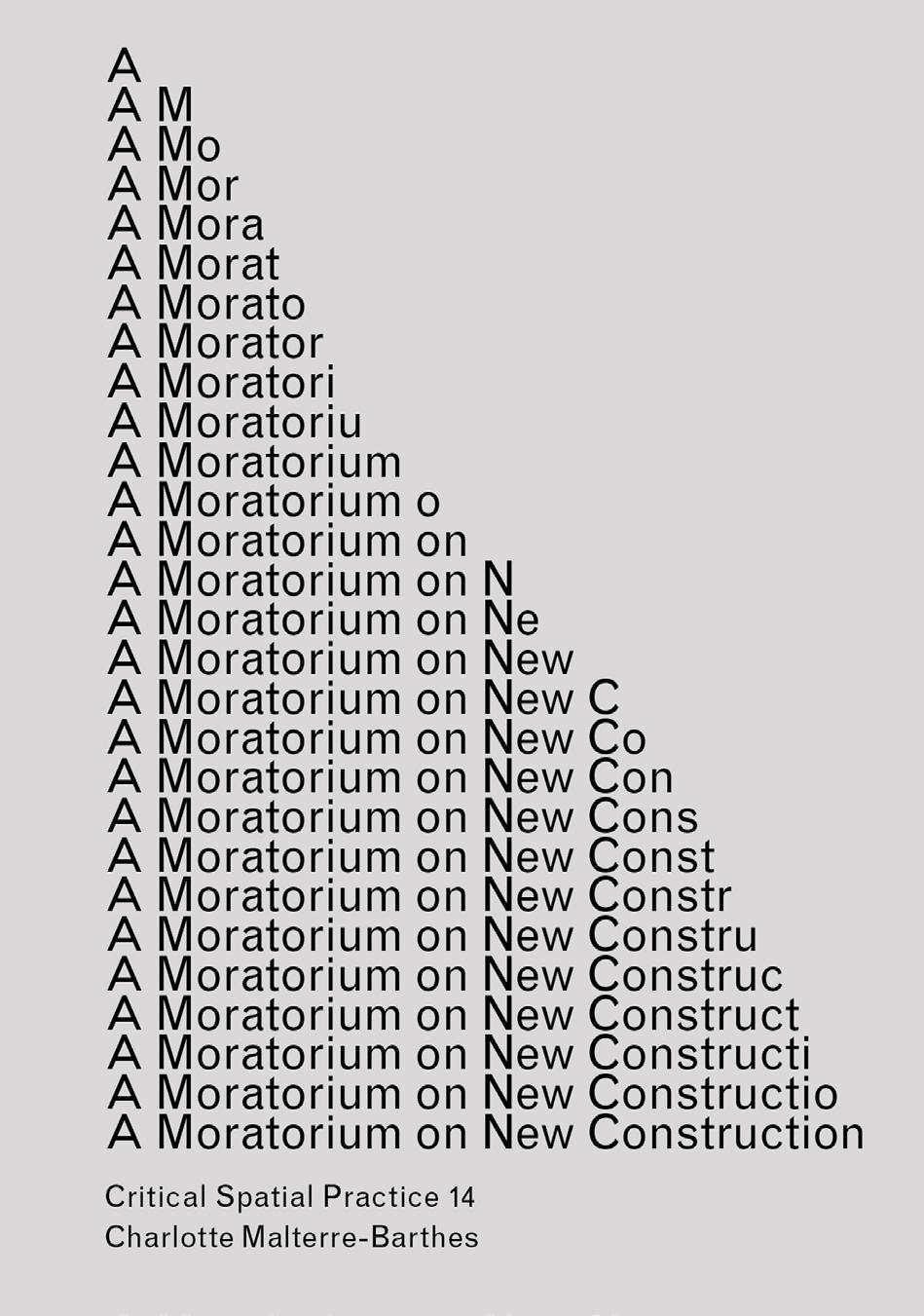
A Moratorium on New Construction
by Charlotte Malterre-Barthes
Charlotte Malterre-Barthes has a simple proposal: Stop building. In A Moratorium on New Construction , she argues that every shiny new structure comes at a planetary cost we can no longer afford. Instead of chasing growth, she argues, there must be a radical reevaluation of what already exists, including our buildings, our materials, our labor, and even our land. The book is a thought experiment and a manifesto, equaling a bold statement for an industry obsessed with what’s new. Malterre-Barthes dares architects to imagine repair over replacement, care over concrete. Bold, bracing, and modestly priced, the slim volume aims to be a subversive design tool.
Green Concrete
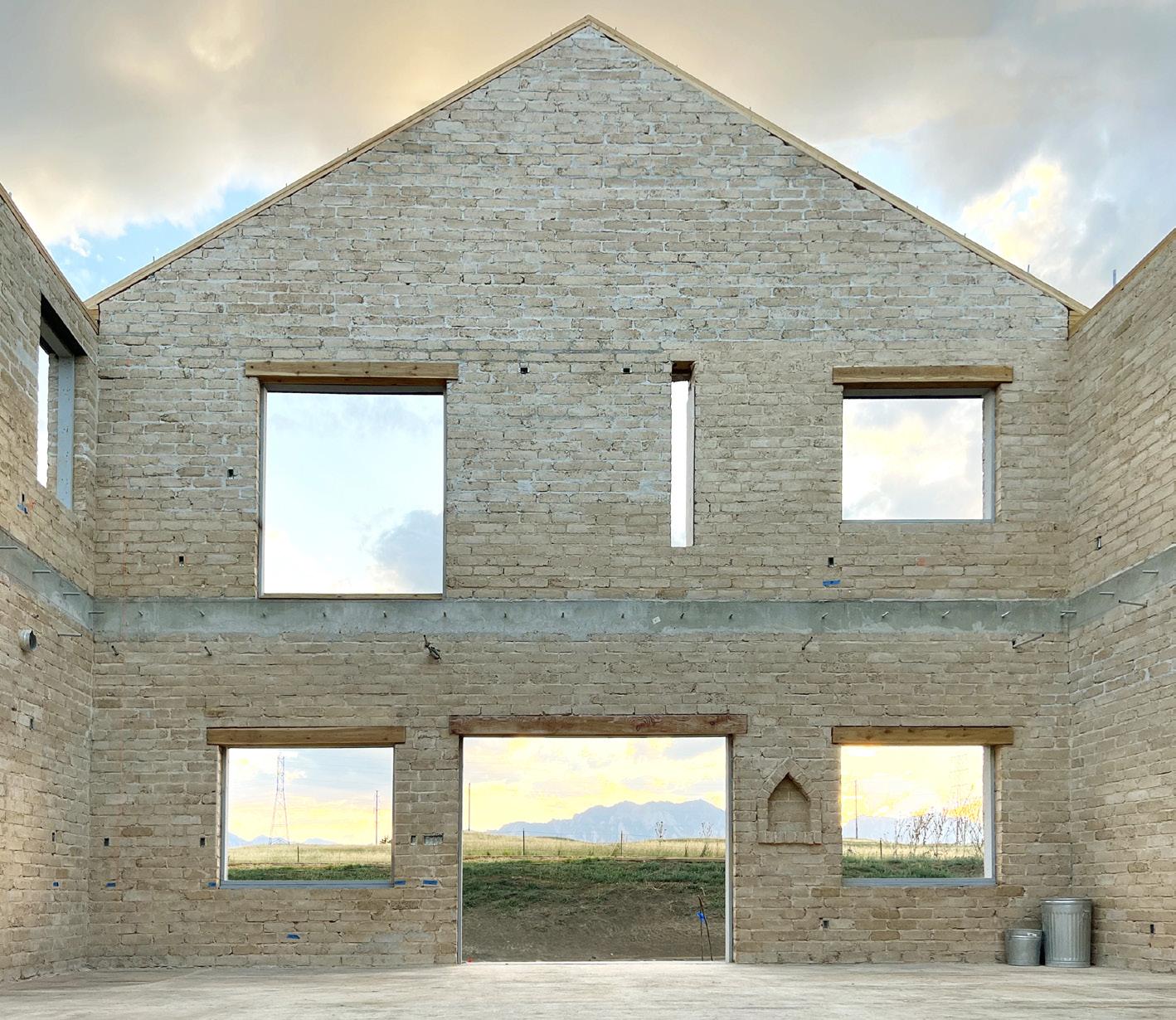
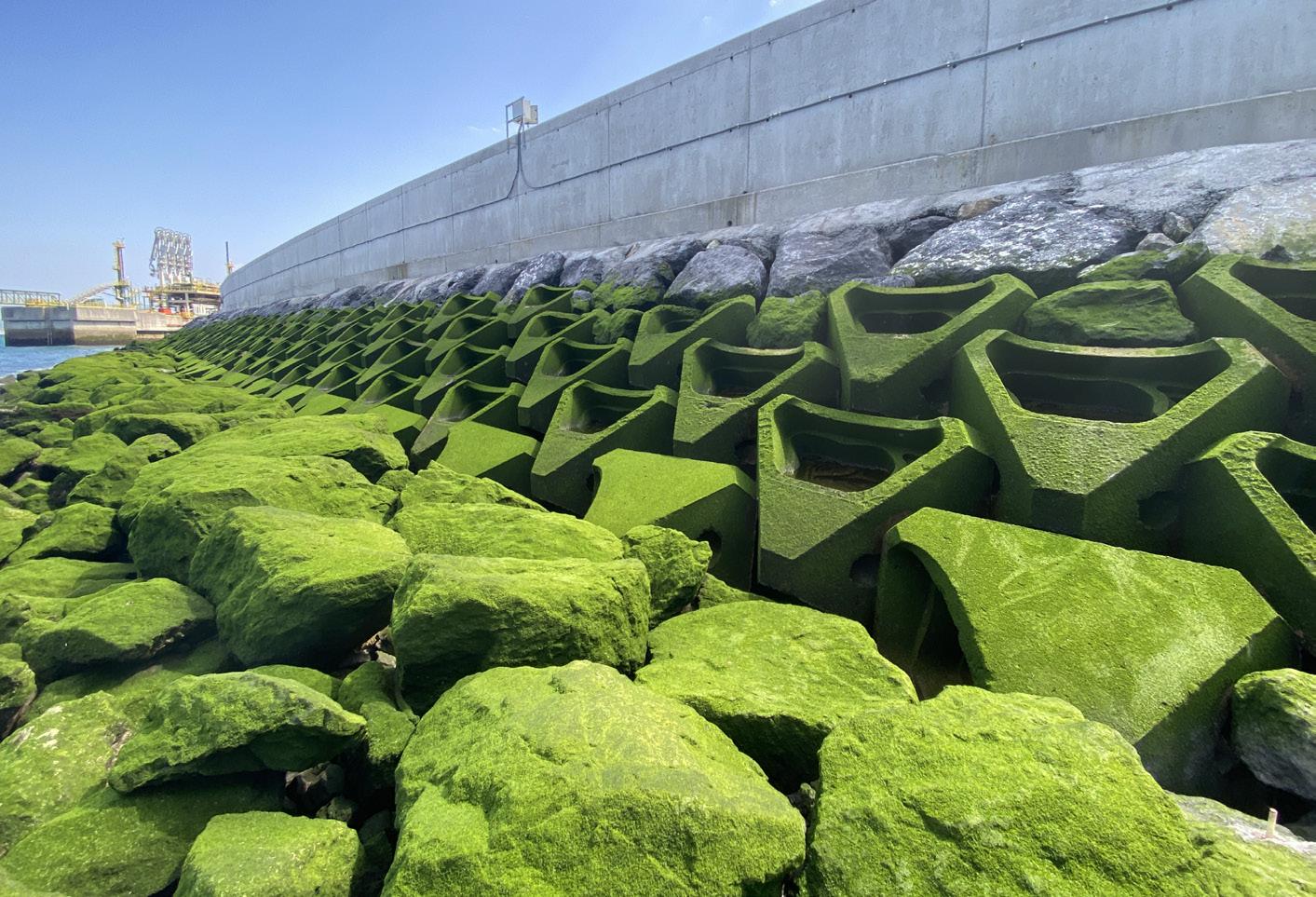
Cement is responsible for 8 percent of the world’s CO2 emissions. The following innovations rethink how this building block can be redesigned for a healthier world. KP
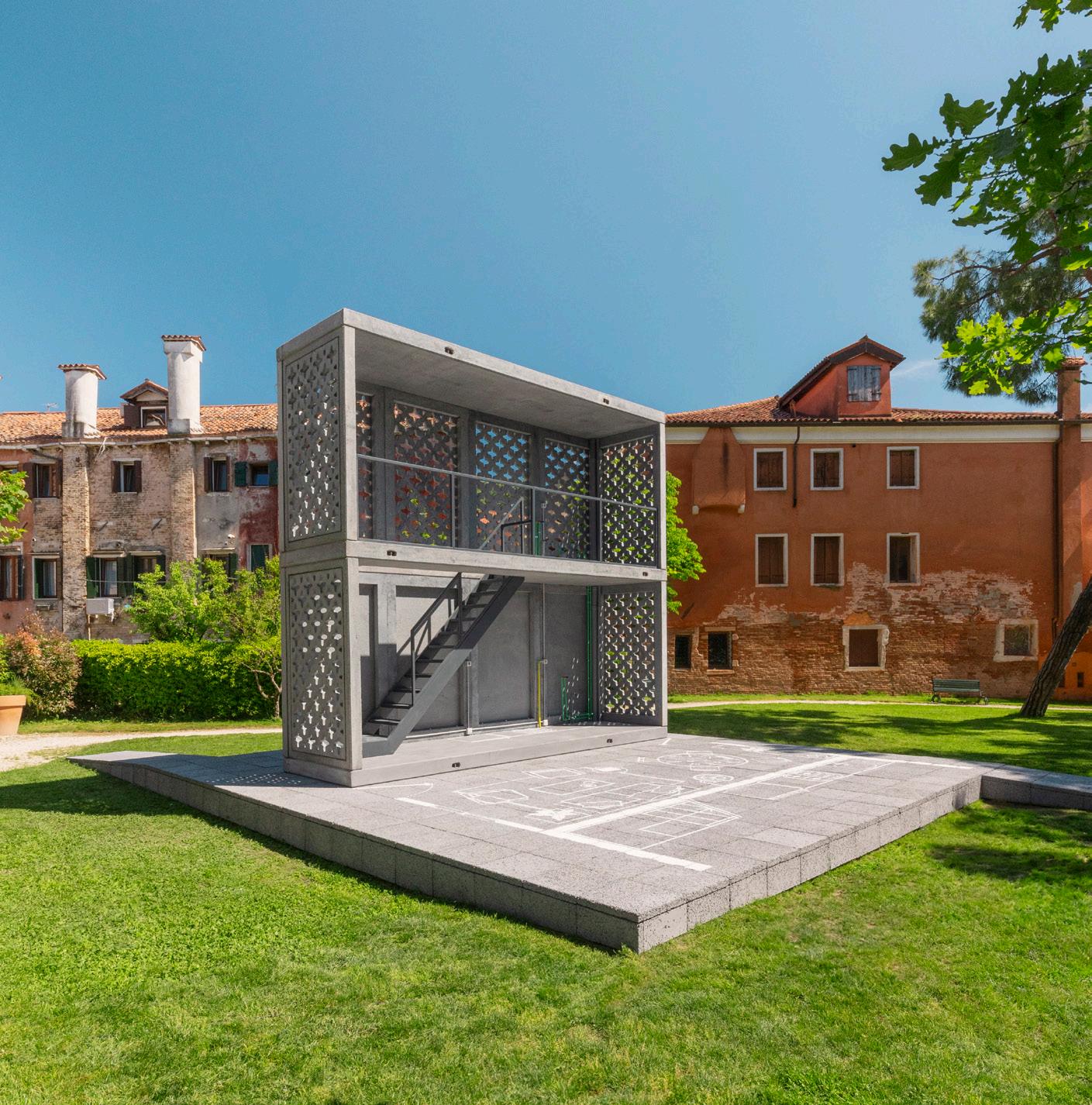
Produced

Biochar concrete | Holcim holcim.com Holcim
BioPOZZ
Coastalock | ECOncrete econcretetech.com
GateLite | Wells wellsconcrete.com GateLite
EcoBlox | Nova Terra novaterrausa.com
Resources
This listing combines companies specified in case studies, product highlights from our Design Editor Kelly Pau, and additional recommendations, all in one place.
BIOMATERIALS
AkzoNobel akzonobel.com
BamCore bamcore.com
Carlisle carlislesfi.com
Hempitecture hempitecture.com
Impact Acoustic impactacoustic.com
Lingrove ekoa.design Matter Surfaces mattersurfaces.com
Modern Mill modern-mill.com
Modulina modulina.eu
mogu mogu.bio
Momentum momentumtextilesandwalls.com
Nature Fibres naturefibres.com New Frameworks newframeworks.com
Rockwool rockwool.com
Taktl taktl-llc.com
Terrapin Bright Green terrapinbrightgreen.com
TimberHP timberhp.com
CARBON CONSCIOUS
Armadillo armadillo-co.com
Armstrong armstrongceilings.com
Franken Schotter franken-schotter.com
Kawneer kawneer.us
Keilhauer keilhauer.com
LiLi Tile
lilitile.com
LP Smart Side lpcorp.com
Stick Bulb stickbulb.com
GREEN CONCRETE
ECOncrete econcretetech.com
Holcim holcim.com
Nova Terra novaterrausa.com
Solid Carbon solid-carbon.com
Wells wellsconcrete.com
MASS TIMBER & WOOD 9Wood 9wood.com
Arbor Wood arborwoodco.com
Binderholz Holzpak holzpak.com
Bjelin bjelin.com
Cabbonet cabbonet.com
Calvert calvert.com
Coeur D’Aelen cdawood.com
Delta Millworks deltamillworks.com
Elk Creek Forest Products elkcreekforest.com
Frank Lumber franklumber.com
Freres Wood frereswood.com
Herbert Lumber herbertlumber.com
International Timberframes itimberf.com
Kalesnikoff kalesnikoff.com
Kasters Kustom Cutting kasterskustomcutting.com
Kebony kebony.com
Mankel Lumber mankelumber.com
Mercer Mass Timber mercermasstimber.com
Mid-Atlantic Timberframes matfllc.com
Nordic Structures nordic.ca
Pioneer Millworks pioneermillworks.com
Piper Carpentry pipercarpentry.com
reSAWN TIMBER resawntimberco.com
Sansin sansin.com
Smartlam smartlam.com
Sustainable Northwest Wood snwwood.com
The Wood Veneer Hub thewoodveneerhub.com
Timber Pro timberpro.com
Timberlab timberlab.com
WholeTrees wholetrees.com
Zip-O-Laminators zipolaminators.com
Zip-O-Log Mills zipolog.com
RECYCLED
AHF ahfproducts.com
Cambio by Windfall
Architectural Products windfall.design
Centria centria.com
ClarkDietrich clarkdietrich.com
Cosentino cosentino.com
Daltile daltile.com
EGGER
egger.com
Fiberon fiberondecking.com
Florim florim.com
Homasote homasote.com
Hydro hydro.com
Morin morincorp.com
Neolith neolith.com
Nobilia nobilia.de Nu-Wool nuwool.com
Oldcastle BuildingEnvelope obe.com
PAC-CLAD pac-clad.com
Regupol regupol.us
Turf turf.design
YKK AP ykkap.com