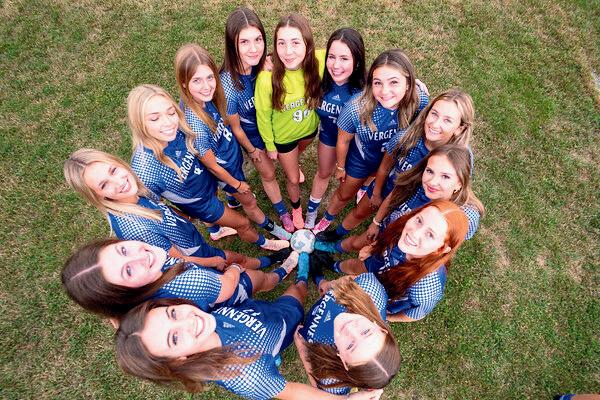
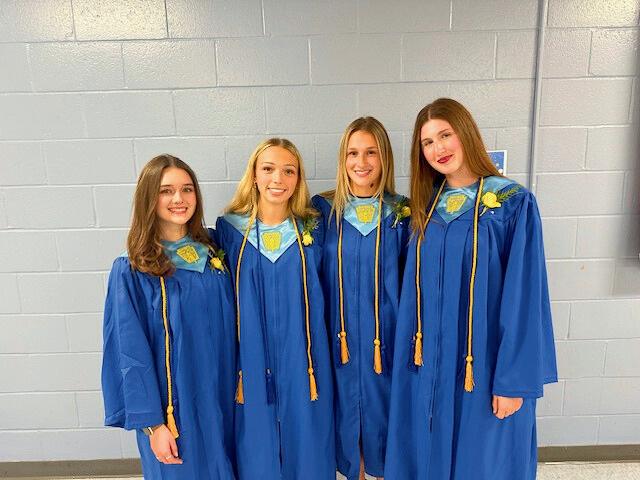
Photo Credit: Bill Clark
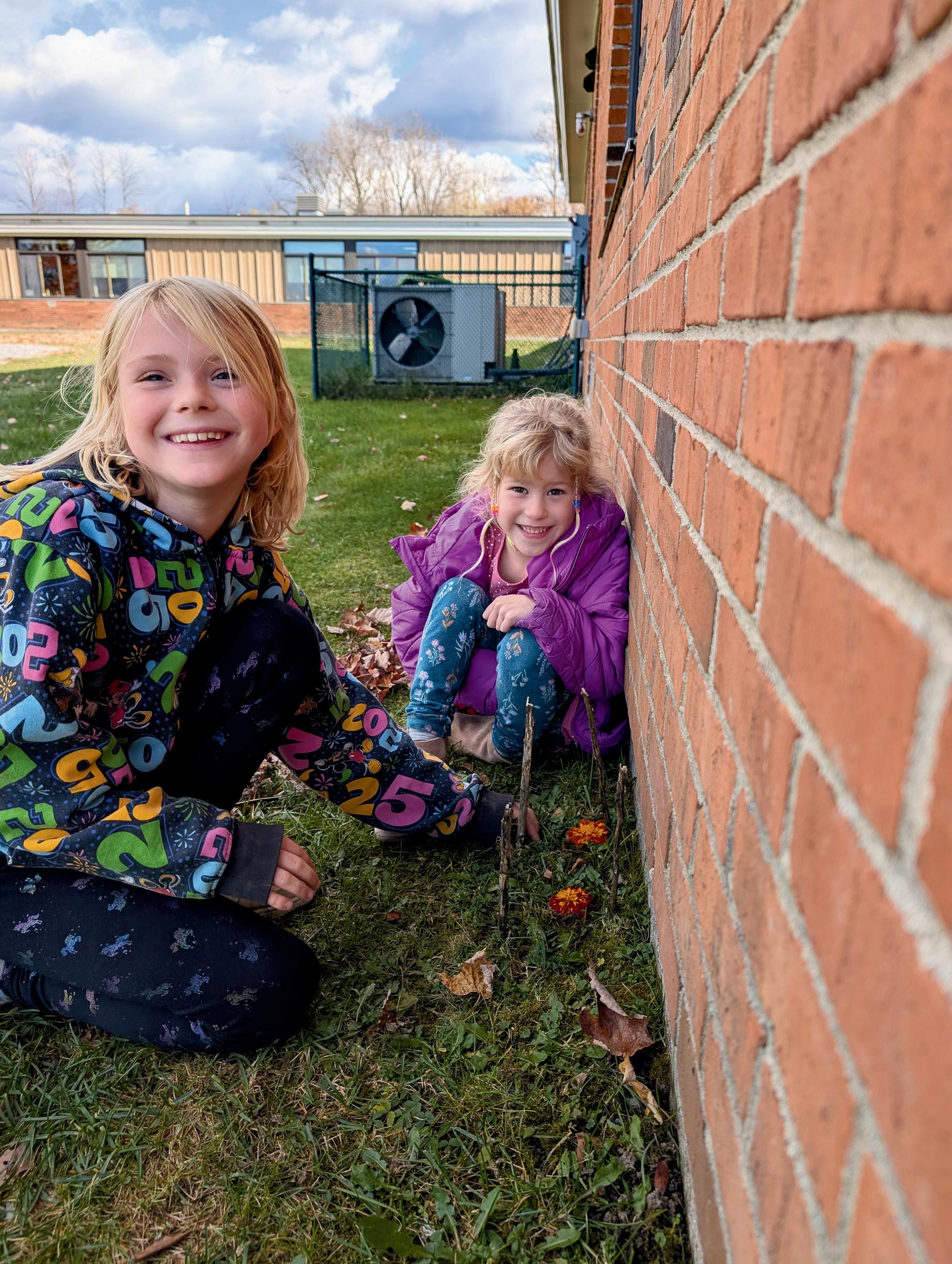
Register ahead of time at your town/city clerk’s office or at the polls on the day of the vote. Early & Absentee available by contacting your Town Office. for more information.
5:00 PM
VUMHS Library
Addison Community Center 7:00 AM - 7:00 PM
Ferrisburgh Town Hall & Community Center
7:00 AM - 7:00 PM
Panton Town Hall 7:00 AM - 7:00 PM
Vergennes St. Peter’s Parish Hall** (new location) 9:00 AM - 7:00 PM
Waltham Town Hall 10:00 AM - 7:00 PM
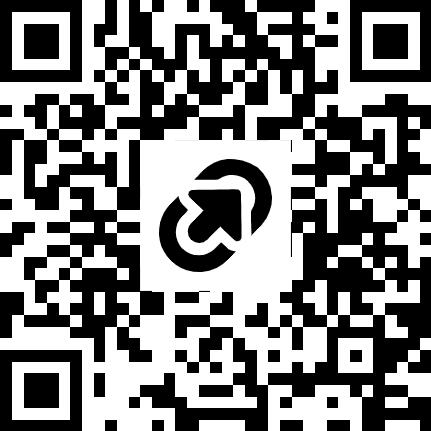

Legal voters who attend via Zoom may not act upon Articles from the floor, but may participate for informational purposes only.
https://tinyurl.com/ANWSDAnnualMtg2026
Ballots will be commingled and counted on Wednesday, March 4 at the ANWSD Central Office.



ANWSD Vision Statement
We envision a kind, collaborative, and creative community for all that nurtures a diverse and accessible learning environment. Students will flourish as critical thinkers and productive citizens, cultivating resilience in an ever-changing world.
The Superintendent and Directors of the Addison Northwest School District wish to reassure the members of our educational community in these uncertain times. We remain committed to maintaining safe and welcoming schools regardless of race, gender, disability, national origin, documentation, religion, sexual orientation, political orientation, or family income. In addition to compliance with the law, we also have a moral and ethical duty to protect all who pass through the doors of our schools and to provide our students with an equitable education.
The Board emphatically endorses and supports a learning environment and shared community void of hate, bias, bigotry, and racism. We condemn white supremacy and unequivocally believe that Black lives matter. We charge the members of the ANWSD community with creating a safe, civil, and kind learning environment. Everyone -- parents, students, staff, board members, community members -- must take seriously the need to speak openly against hate of all kinds. We will recognize, respond to, and redress bias and inequities in our systems, policies, and practices. We will create and sustain an equitable learning environment in which we treat one another with respect and dignity. We can each lead through example, and with this statement the ANWSD Board hereby reaffirms its commitment to providing an equitable, just, and inclusive learning environment for all students.
December 14, 2020, Board adopted
Dear Members of the Addison Northwest School District Community,
“Cultivating resilience in an ever-changing world.” This portion of our vision statement has never been more relevant and I am glad it is part of the work we do. I would like to thank our administrators, teachers, and staff who continue to offer quality educational experiences to our students, and to our students and families who demonstrate adaptability, resiliency, patience, and nurturing in each other every day.
The work of the Board this year has been conducted in the midst of considerable change at the state and national level. Here in Vermont, the enactment of Act 73 has added to the general discussion regarding reform, funding, and the future shape of public education.
Simultaneously, the uncertainty and disruption emerging at the federal level stresses the importance of resilient local institutions of democracy based on inclusion and data-driven policy making.
In this context, the Board's overall goal has not changed: provide a high-quality education for our students at a cost reasonable to taxpayers. This year, our work has focused on raising student academic achievement, increasing student belonging and engagement, easing students through important transition points, and caring for our facilities – all while positioning our District to weather any potential statewide reforms.
First I want to thank our Student Representatives, Quincy Sabick and Isabelle Van Voorst. Their ongoing involvement serves as a reminder that student educational experience, rather than the bottom line, is the Board's primary concern. We all benefit when young people are involved in the institutions of a democracy, and the community is lucky to have their voices help inform our work.
The Community Engagement Committee continued its work on the Portrait of a Graduate. The evolution of education is founded in understanding the knowledge, skills, and attitudes we expect our students to acquire. This committee's work is especially relevant as Act 73 inspires school districts to look past conventional structures.
The Facilities Committee updated the District's Facilities Stewardship Plan, integrating safety and maintenance considerations with long-term planning. These investments demonstrate our obligation to steward public resources while cultivating healthy and safe communities of learning.
The Policy Committee reviewed District policies to ensure that they are consistent with Vermont and federal law, current best practices, and the strategic goals of the Board. Having clear and up-to-date policies is particularly important in periods of change by providing guidance and fairness to staff, students, and families.
The Finance Committee continued to fulfill the Board’s fiduciary responsibilities with diligence and care. Rising fixed costs – particularly health care – remain significant pressures on school budgets statewide. In this environment, thoughtful financial planning and honest communication with voters are more important than ever.
The Board began work on its proposed budget in June 2025 and has discussed it in every board meeting since. This budget maintains a delicate balance between investing in our students and staff while remaining conscious of the impact to our taxpayers. It will fund educational programming, student social and emotional needs, professional development, as well as ongoing maintenance of our classrooms and buildings. In addition, this budget should help the District respond appropriately and responsibly to any future changes required by ACT 73.
In an era when many public institutions are being challenged by actions at the national level, the ANWSD Board remains committed to openness, engagement, and decision-making based on sound research. Local control makes a difference. Our schools are strongest when they mirror the values, needs, and concerns of our community. We face serious obstacles, but there is much for use to cherish. We are a close-knit community of caring people who support each other through uncertain times and changing circumstances. I thank all of you for your confidence in the ANWSD Board and for our joint mission to educate our children with dignity, heart, and purpose.
I encourage you to remain engaged – attend meetings, ask questions, and participate in shaping our schools. Together, we will continue to serve our students well, now and in the years ahead.
Respectfully submitted on behalf of the Addison Northwest School District Board of Directors.
Mark Koenig, Chair
Mark Koenig (Chair)
Chris Kayhart (Vice Chair)
Kristina MacKulin (Clerk)
Amy Kittredge
Carole McBride
Erica Andrus
Nikki Bearor
Martha DeGraaf

Vergennes Ferrisburgh
February is School Board Appreciation Month
Thank you board members for all you do!
Chrystal Little
Michael Kane
Jon Kidde
Mimi Clark
Ferrisburgh
Vergennes
Vergennes
Vergennes
Waltham
Dear Community Members,
It is my privilege to present the Addison Northwest School District’s Annual Report for 2026. Serving as your Superintendent continues to be an honor, and I am deeply grateful for the collective efforts of our School Board, staff, students, and community partners who work each day to support high-quality learning experiences across our district.
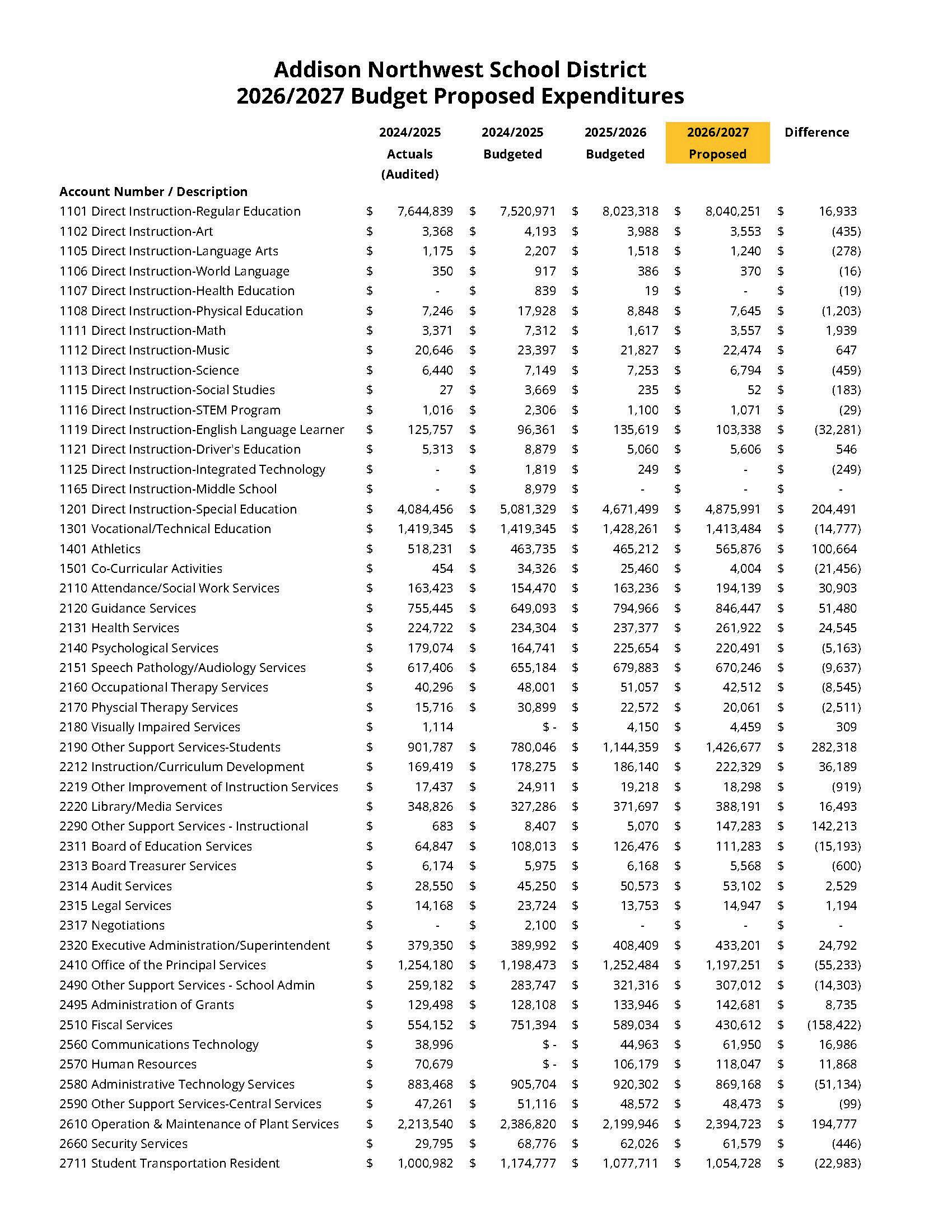
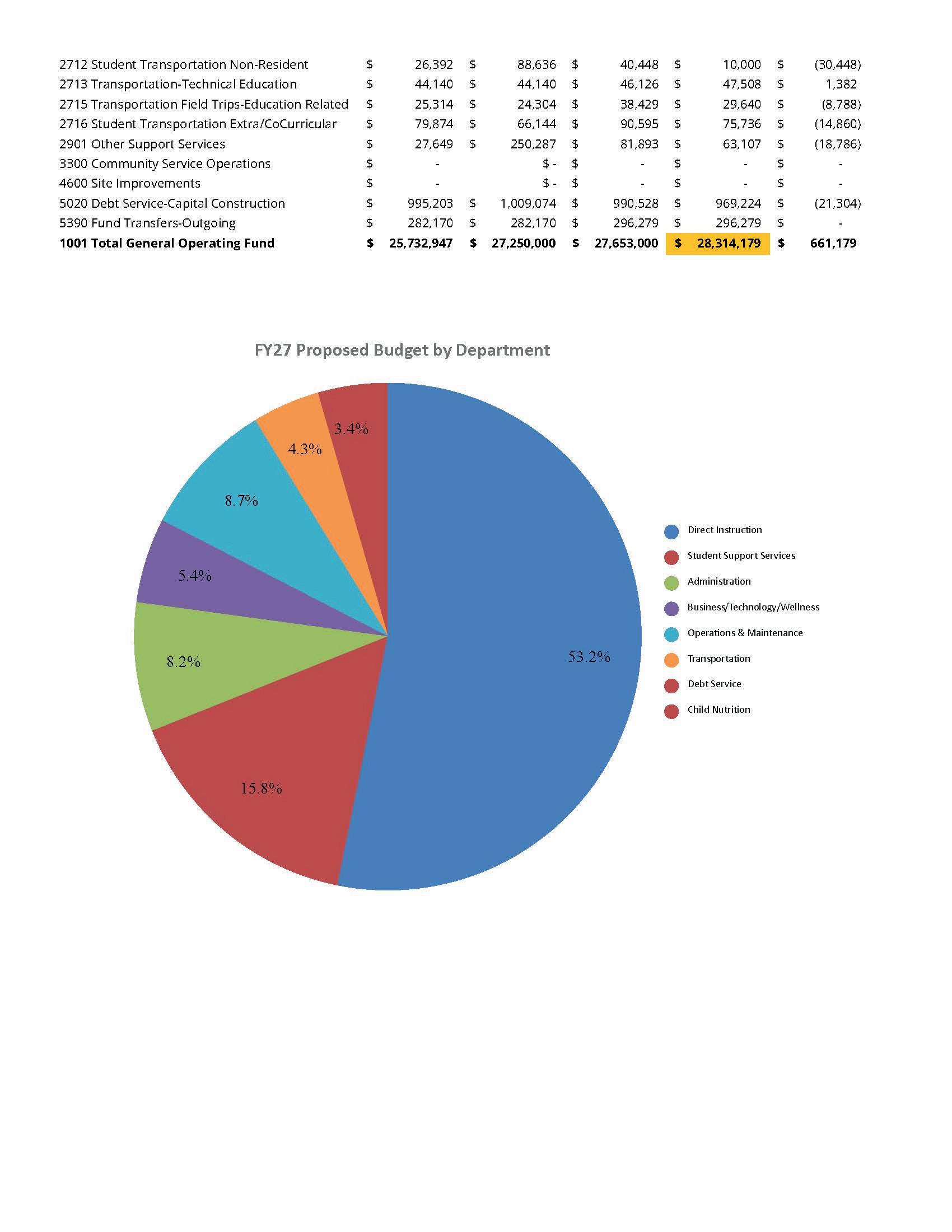
This year’s report highlights the proposed FY27 budget and the thoughtful decisions that guided its development. In a time of declining enrollment, reduced federal funding, and rising costs largely outside the district’s direct control, the School Board and administration worked carefully to align resources with student needs while maintaining fiscal responsibility. The proposed FY27 budget of $28,314,179 reflects a 2.39% increase from the prior year and continues our commitment to keeping per-pupil spending below the state’s excess spending threshold, while limiting tax impacts for our five-town community.
Educational Priorities
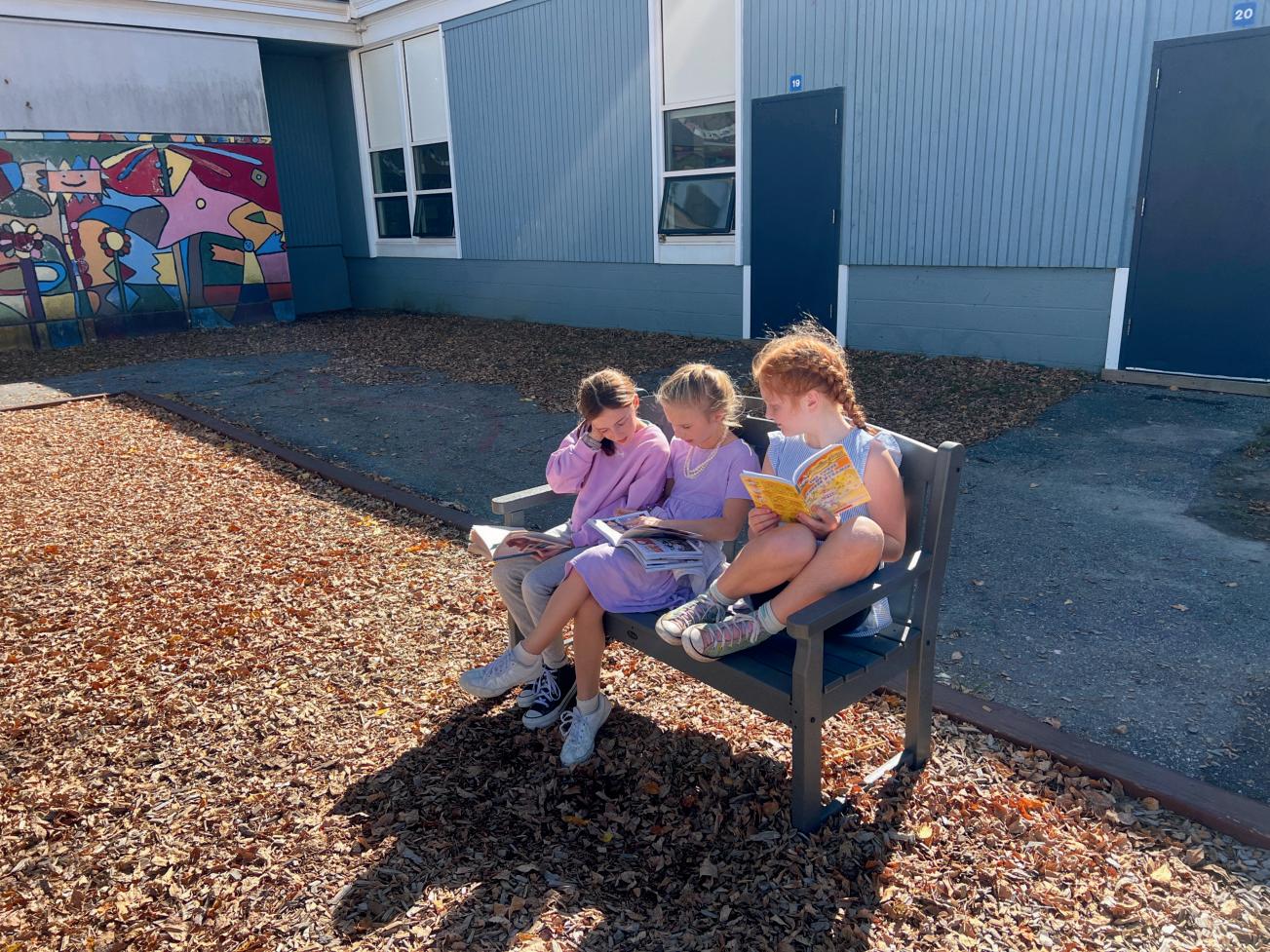
Across our schools, we continue to see the positive impact of strong instruction, expanded student leadership, inclusive practices, and meaningful community partnerships. From early learning through graduation, our students benefit from dedicated educators and support staff who remain focused on belonging, engagement, and academic growth.
Maintaining high-quality instructional programs across all grade levels, including co-curricular and athletic opportunities.
Sustaining student support services, special education, and required safety obligations.
Preserving MTSS, social-emotional, and behavioral supports despite the loss of federal grant funding.
Aligning staffing and resource levels with enrollment trends while protecting student access to programs and opportunities.
Fiscal Stewardship
Applying $1,000,000 in available surplus to reduce perpupil costs and moderate tax impacts.
Managing controllable cost drivers while addressing unavoidable increases related to health insurance, collective bargaining, special education mandates, and inflation.
Implementing staffing reductions primarily through unfilled positions and program adjustments, without eliminating student programs or opportunities.
On March 3, 2026, voters will be asked to consider the proposed FY27 budget, as well as the assignment of $102,838.70 from the FY25 fund balance to the District’s Capital Improvement Fund. This investment supports the long-term stewardship of our facilities and reflects our commitment to planning responsibly for the future.
I am deeply appreciative of the trust our community places in our schools. Together, we are preparing students for academic success, engaged citizenship, collaboration, and resilience in an ever-changing world. Thank you for your continued partnership and engagement.
With appreciation,
Sheila M. Soule, M.A. Ed. Superintendent of Schools
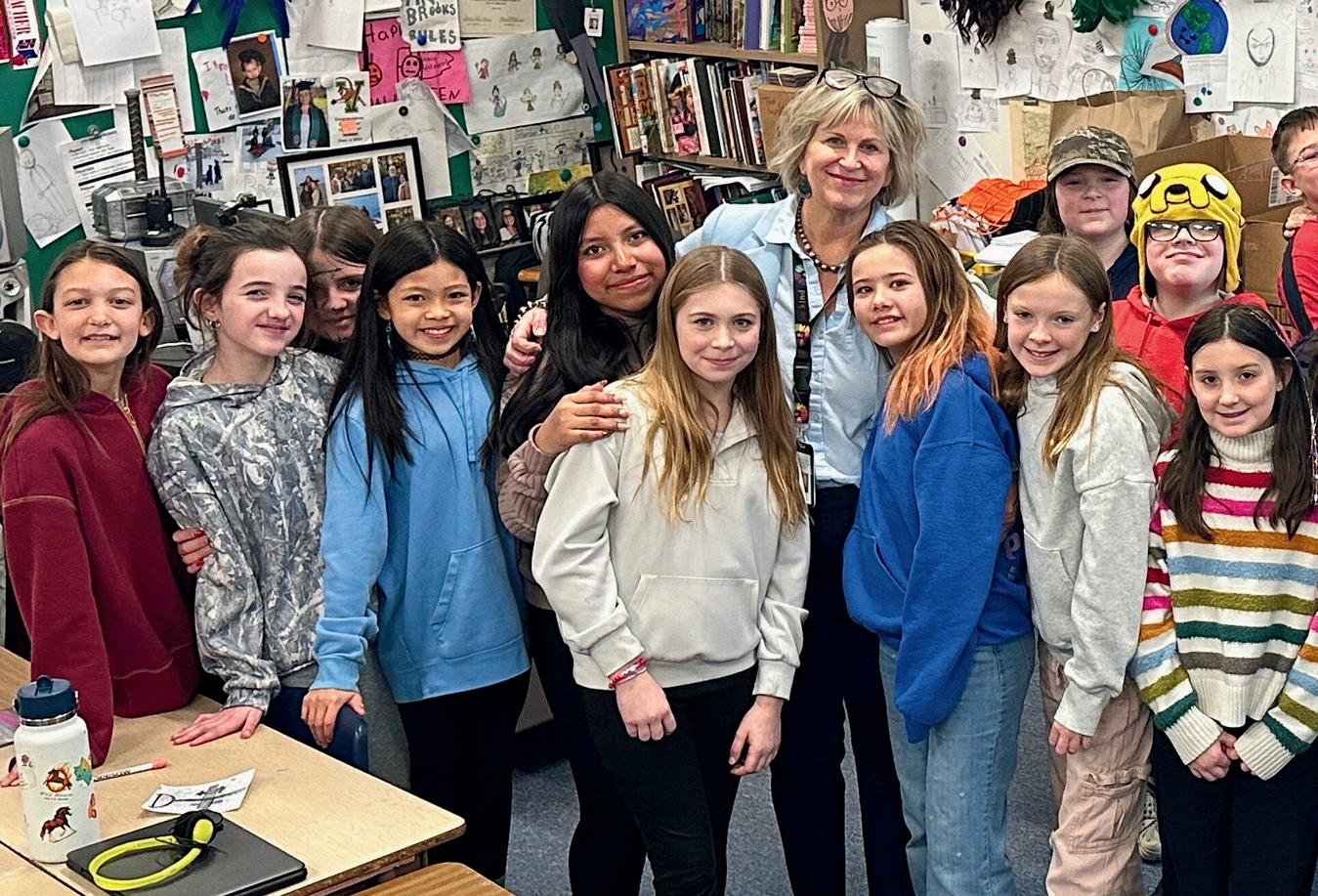
Across our schools, we continue to see the positive impact of strong instruction, expanded student leadership, inclusive practices, and meaningful community partnerships.
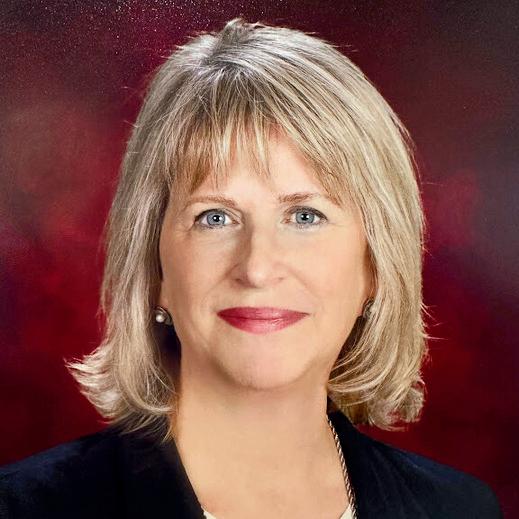
Sheila Soule Superintendent
Superintendent’s Office
Student Support Services
Office of Learning
Finance
Facilities/Maintenance
Technology
Child Nutrition


Dr. Laura Nugent Assistant Superintendent of Student Support Services
Sheila Soule
Gabriel Hamilton Director of Learning
Elissa Galvez, HR Benefits Admin
Glory Martin, Executive Assistant
Dr. Laura Nugent
Tammy Petersen, Admin Assistant
Gabriel Hamilton
April Wortmann, MTSS Coordinator / Title IX
Melissa Strong, Data Manager
Stephanie Hurlburt, Business Manager
Michael Cardinal, Fiscal Analyst
Vicky Rao, Accts Payable/Payroll Specialist
Gary Wright, Director
Bob Hall, Assistant Director
Debbi Smith, Admin Assistant
Tim White, Director
Tom Haselton, Tech Specialist
Andrew Bynum, Tech Specialist
Kathy Alexander, Director (shared with MAUSD)
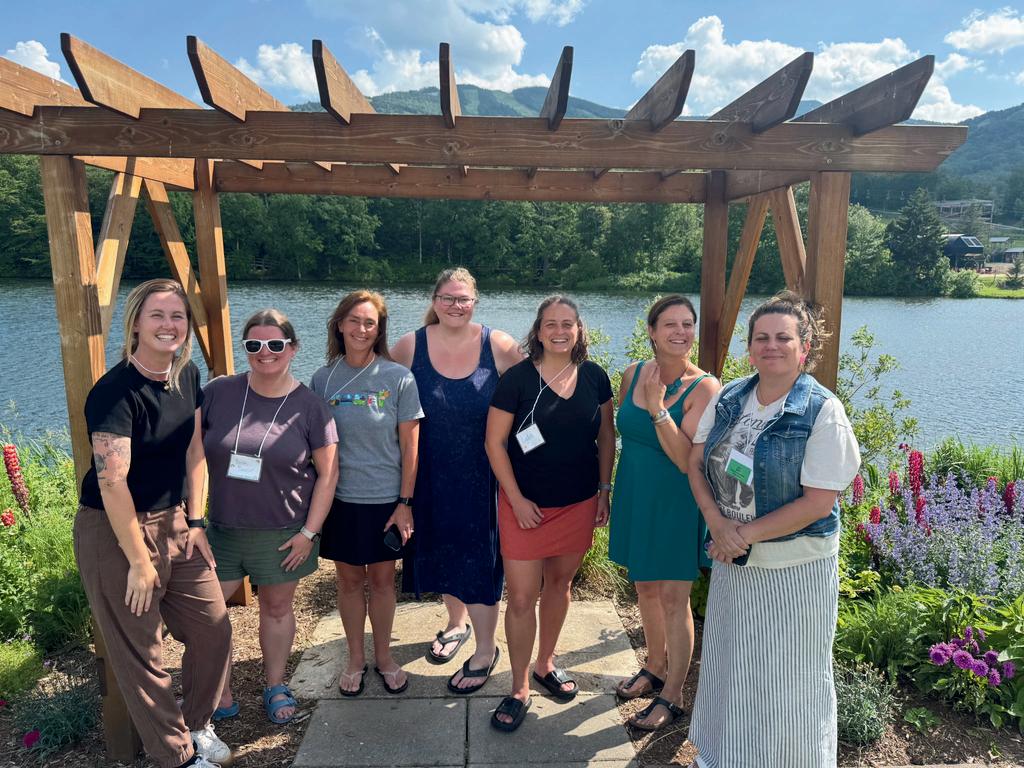
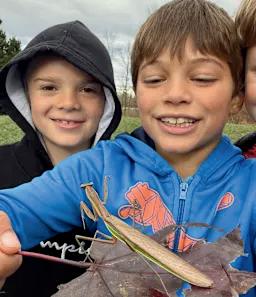
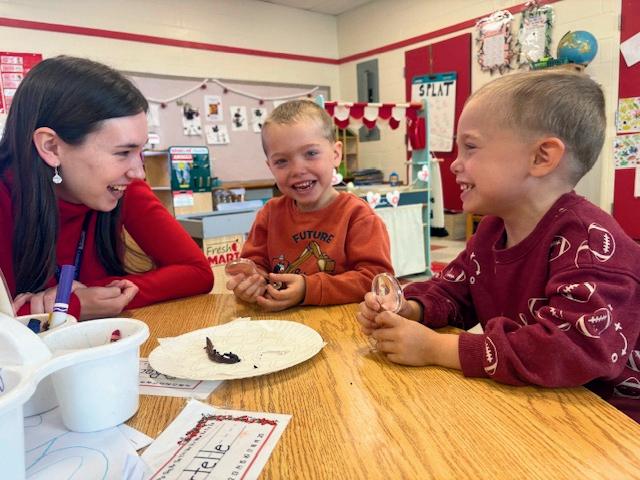


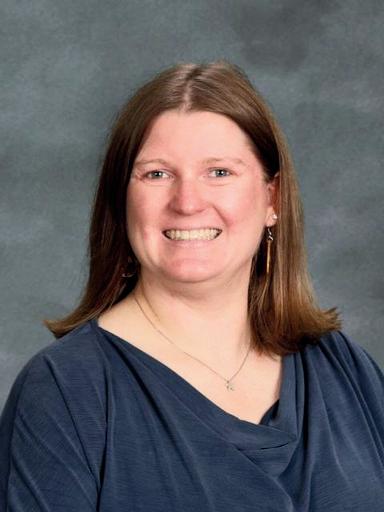
Students, staff, families, and community members continue to make FCS a wonderful place to learn, work, play, and grow. This year, we welcomed new members to our school community while honoring long-standing traditions and launching new ones. We look forward to continued collaboration across the district and an exciting spring ahead, including our Olympic Winter Games, expanded theater opportunities for students in preschool through grade 5, and the return of Troy from Wunderle’s Big Top Adventures as our circus artist in residence.
Welcomed new staff: Taylor Krupp (Kindergarten), Ema Gernander (1st Grade), Ellie Kiel (2nd Grade), Alison DaBica (5th Grade), Jess Unrein (School Counselor), JT Henley (Special Educator), Dasha Kalisz (Art Teacher), Ashli DeMent (SLP), Hailey LaFrance (Food Service), Sam Hill (Pre-K Paraeducator), Riley Cunningham (Pre-K Paraeducator), Amanda Graves, (Paraeducator), Delphine DeLorze (Paraeducator) and Carmen Clendaniel (Paraeducator) and Emma Pankuck (Intern).
Offered student leadership opportunities through our Student Leadership/PBIS Team and P2C2 (Positive Power and Community Connections) in collaboration with Up For Learning
Celebrated a bountiful harvest with a Garden Harvest Party in September
Engaging students and families with our new Project Play activities
Implemented student and staff recognitions with Student of the Month, Employee of the Month, and Seed Slips (notes of positivity)
Came together at monthly All School Morning Meetings hosted by a different class each month
Spent Early Release Days engaging in “Wild Wednesday” activities in multi-aged groups with an emphasis on plants, animals, and habitats
Re-established a partnership with the National Bank of Middlebury to bring the Schoolhouse Savings Program to FCS
Brought VUES along on the annual Hike for Hunger and collected a carload of food and household items that were donated to the Vergennes Food Shelf
5th Grade class signed up for the Trout in the Classroom Program and are looking forward to raising the trout from eggs until their release in May
Community collaboration with the Union Meeting Hall (Thankful Tree), Town of Ferrisburgh (tapping maple trees), and Ferrisburgh Road Crew (spreading woodchips in the Outdoor Classroom)
Continuing to refine how we recognize positive student behaviors
Growing our restorative practices and social-emotional learning
Finding new ways to engage families and the community Revamping our PBIS system to support student success
Revitalizing ABL (Action Based Learning)
Strengthening and streamlining our MTSS work
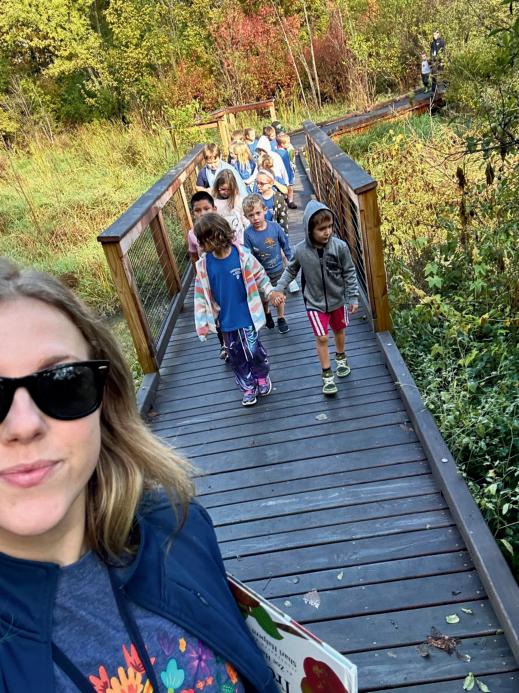
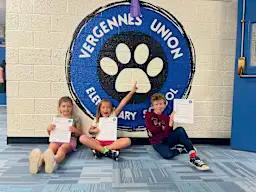
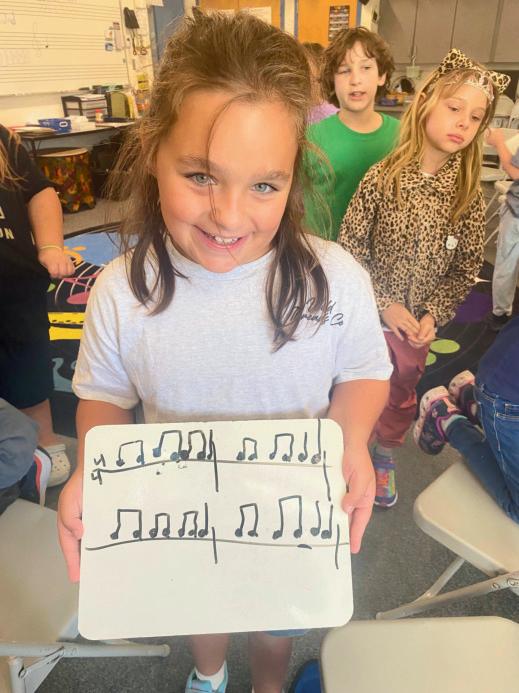
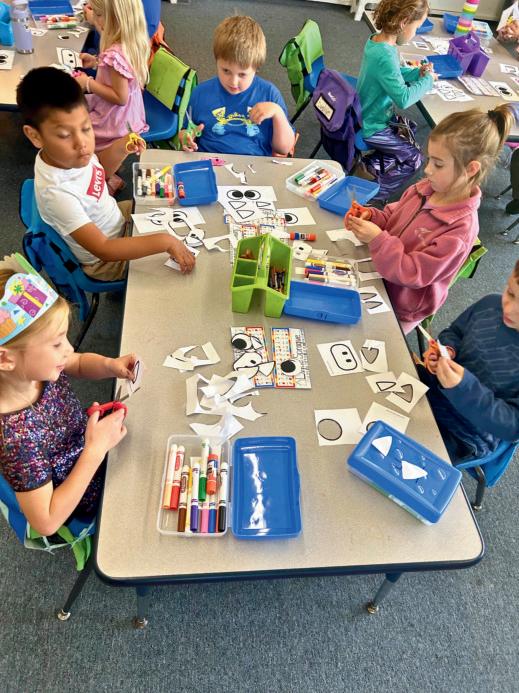
We had an exciting year at VUES last year filled with a lot of learning and collaboration. We look forward to increased partnerships with FCS and others throughout our district. We continue to look for ways to engage families, staff and students in learning.

The ANWSD Outstanding elementary educator for 24-25 is Joshua Brooks.
We continue to refine Action Based Learning for first graders through work in professional learning groups headed by Robyn Newton, Melissa Haggett and Jennifer Kingsley. The Beacon program for students in grades K-3 came to VUES this year to serve students with Autism Spectrum Disorder. This endeavor is a collaborative model of inclusion under the leadership of Heather Paquin, with collaboration from Sue Rakowski, SLP; Josh Cummings, Special Education Teacher; Alyssa Saunders, Classroom Teacher; and Emily Intemann, Classroom Teacher. This team also is made up of support staff Jen Coyle, Jacob Paquin, Emma Huestis, Janel Laflam, and Marcella Hoffman.
New employees this year included paraeducators Jacob Paquin, Sammi Willard, Emma Huestis, Janel Laflam, Marcella Hoffman, as well as custodians Adam Morin and Kevin Norton.
Employees new to VUES - Sue Rakowski, SLP; Heather Paquin, Special Educator; Anissa Martin, School-Wide Behavior Interventionist; Kathie Pudvar, Math Intervention; Garrett McMillan, Special Educator; Sara Donnelly, Paraeducator; and April Wortmann, Coordinator of Learning Access and Supports.
Expanded access to mental health services through the University of Vermont and the Counseling Service of Addison County. This includes Emily Smith, an intern through UVM; Judy Chugg, a School Based Clinician from CSAC; and Natalie Curtis, an intern through CSAC.
Student leadership opportunities through all school meetings, P2C2 and Up for Learning, and our PBIS team.
We earned a bronze recognition from the State of Vermont PBIS team and were acknowledged by the Vermont Secretary of Education resultantly.
Continue to recognize positive behaviors through regular and routine actions
Refine expectations related to communicating around curricular goals
Refine multi-tiered systems of support
Re-establish how to effectively manage inputs and outputs of social emotional learning across levels of interventions
Decrease need for specialized services by increasing the efficacy of layer one instruction through data based conversations and small group instruction
Retain highly trained teachers and staff to ensure effective educational access for all students

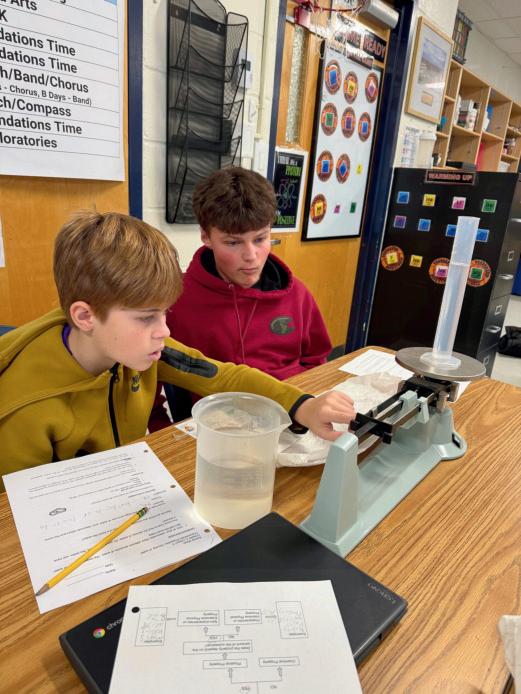
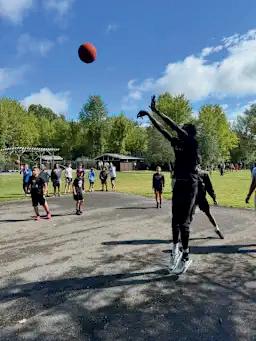


VUMS is well into its second year as a 6th-8th Middle School and I’m proud to report that we continue to see the benefits of a focused and intentional middle school experience. Our goals this year were to continue the variety of new efforts we have undertaken in the past few years and build them to feel like comfortable fixtures of our school. Our exploratory offerings such as student clubs and literacy circles continued into their third year with improvement and changes in structure to better serve our students. It is exciting to feel VUMS begin to transition from a new thing, to a school with standing and traditions, and a regular part of the landscape of Addison Northwest!
Great people make great schools! We were able to maintain almost our entire staff coming into the 25/26 school year which is a fantastic testament to all of the teachers and staff here!
We added Math and Literacy interventionists as a coordinator of learning access to oversee and significantly improve our academic support systems for students.
At the end of last year all students completed a personalized year end project. 6th graders did a passion project, 7th a service learning project, and 8th graders participated in our Capstone project, a hallmark of our program. All students explored topics they chose, and displayed their learning in front of an authentic audience of peers, staff, and community members!
Students have visited The Grand, senior living community to connect with and support our local elderly population. Student clubs in the first semester include offerings such as woodworking, fiber arts, basketball, and video production. These clubs meet twice per week and allow students to explore non traditional school topics.
6th grade took their annual scavenger hunt field trip before winter break but added a new wrinkle with the use of the Amtrak train to visit spots in Middlebury!
We instituted YONDR pouches in September to support students to detach from their phones at school and increase focus. Our kids have done a remarkable job adapting to this changing and reducing the presence of phones in our school.
We launched gender specific leadership groups for our 8th graders. Our groups discuss gender based issues such as sexual harassment, cultural pressures, and school focused issues that need to be addressed. These groups have been a really great experience for all involved and we look forward to expanding the opportunity.
MTSS and systematic use of our interventionists to increase student outcomes across the school.
Increase community involvement in our school and bring our school out into the community to connect and learn! Build a consistent schedule of traditions that fit VUMS specifically and allow us to represent and celebrate our core values.
Increase student voice and leadership opportunities through event planning, data analysis and directed initiatives to continue to improve our students’ experience.
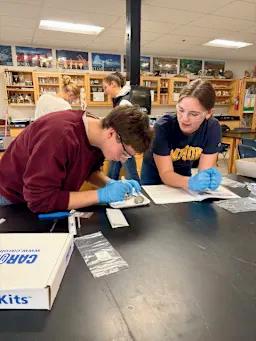
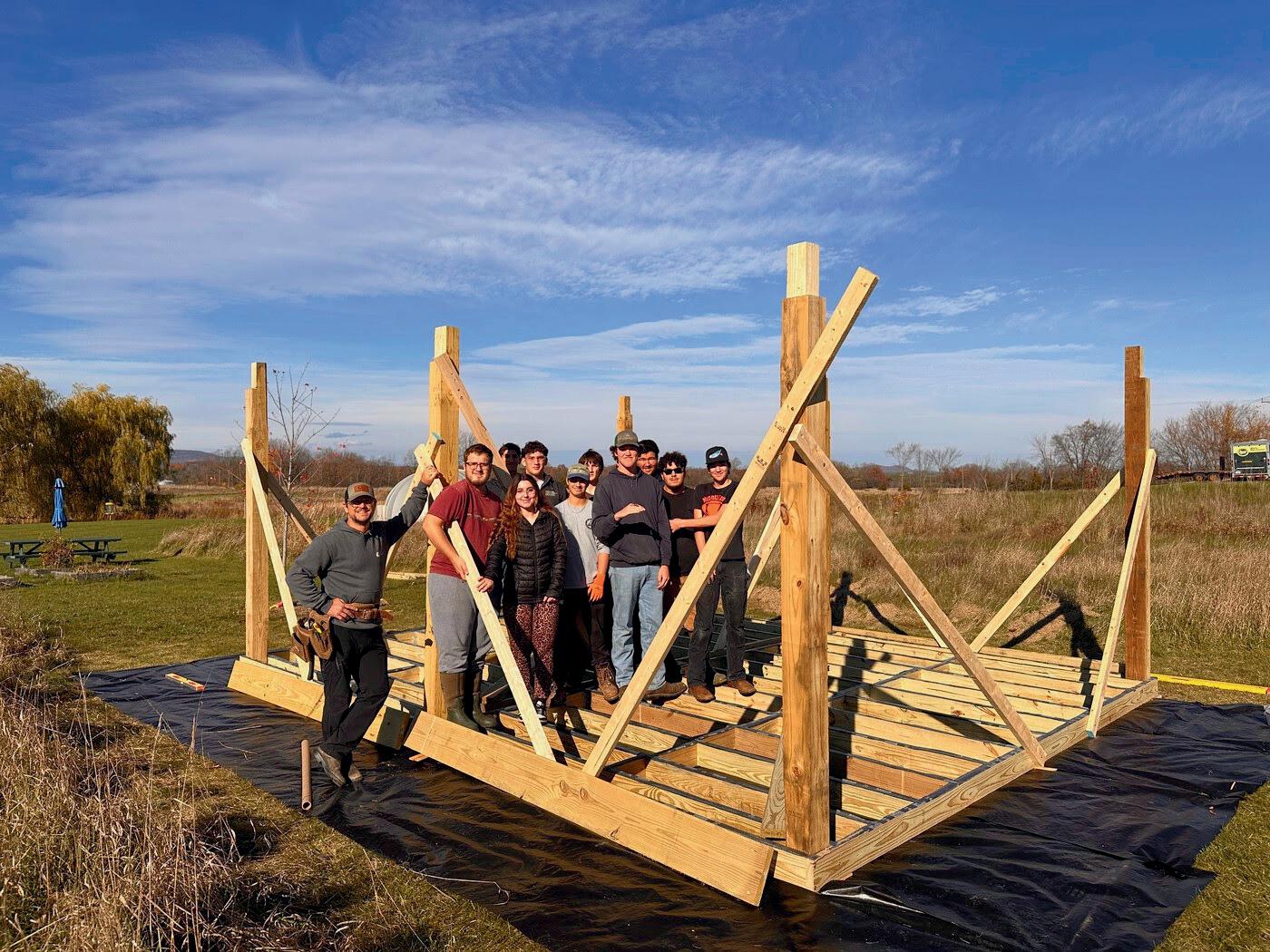
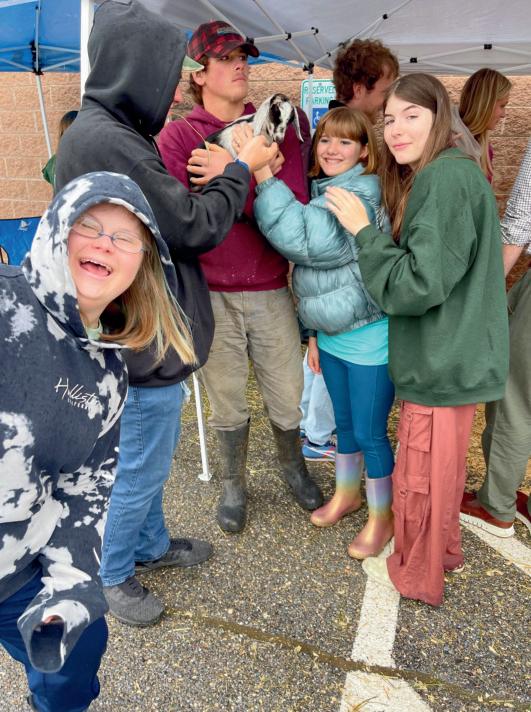
Over the past year, Vergennes Union High School has focused on strengthening student voice, leadership, and connection, with an emphasis on ensuring students play an active role in shaping their school experience and school culture. I am proud to be part of a school community grounded in kindness and collaboration, and this work continues to inform how we design opportunities for students and support their learning and growth.
Expanded student leadership opportunities through Class Presidents and Vice Presidents working together on assemblies, spirit weeks, student feedback, and review of student testing data
Supported student-led climate and belonging work through Space Club, including identifying welcoming and supportive spaces within the school and developing a middle school to high school mentorship initiative
Partnered with Up for Learning to support a group of 25 students in learning restorative practices and designing and leading professional development for staff
Recognized student leadership and civic engagement at the state and national level with Quincy Sabick selected as Vermont’s delegate to the United States Senate Youth Program
Continued strong student involvement in community organizations through work, volunteerism, and service with partners such as the Vergennes Fire Department, Leos, the Vergennes Recreation Department, and the Scouts
Offered a wide range of student clubs and activities reflecting diverse interests, including FFA, The Current, Green Team, Space Club, Commodore Singers, Jazz Band, Math Team, National Honor Society, and German National Honor Society
Supported student-led events and celebrations including Social Justice Fest, Environmental Day, Ag Day, Peace One Day, and Homecoming Strengthened connections to the broader Vergennes community through the annual Homecoming parade, Winter Ball at the Vergennes Opera House, and Prom at the Bixby Memorial Library
Redesigned student learning spaces with direct student input, resulting in increased use of flexible learning environments such as the Turret for independent work, collaboration, and small group learning
Welcomed biennial German Exchange students and implemented intentional supports to ensure full inclusion and connection as members of the Commodore community
Welcomed new staff members Jonna Keith, Science, and Barrett Swinhart, Spanish, whose expertise and enthusiasm have strengthened instructional programming
Celebrated Cailin O’Hara as the ANWSD Outstanding Middle and High School Educator for 2024–2025 in recognition of her leadership in choral education and contributions to musical festivals and the annual school musical
Expand meaningful student voice and leadership opportunities so students play an active role in shaping school culture, learning experiences, and decision making
Strengthen coordinated academic, social, and emotional supports so students remain engaged throughout the school day
Clarify expectations around learning, feedback, and assessment so students understand their progress toward proficiencies, graduation requirements, and transferable skills
Sustain a positive school culture grounded in kindness, trust, and connection so everyone feels supported and welcomed
Support thoughtful and responsible student and staff use of technology and digital tools to enhance learning, critical thinking, and responsible practices
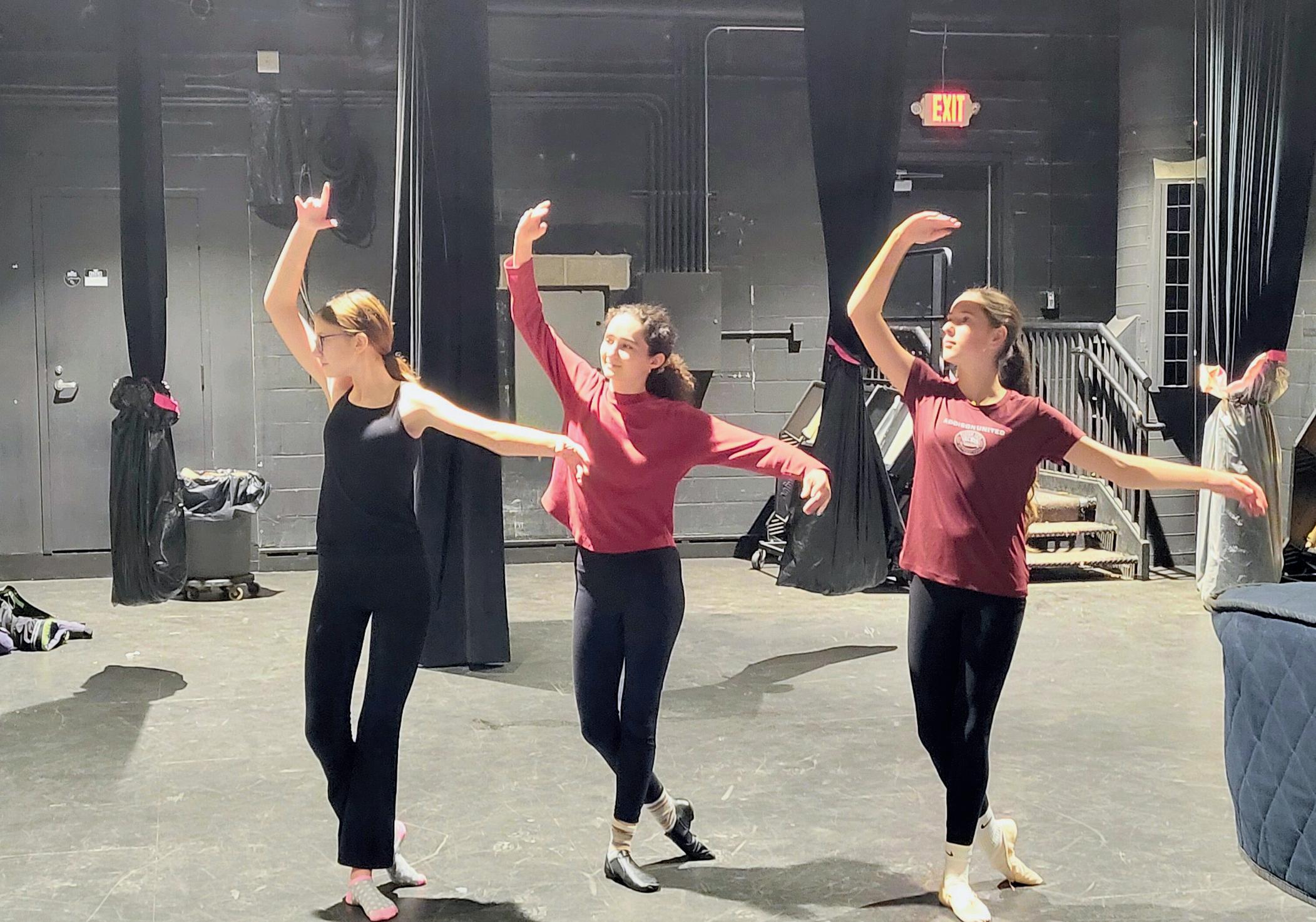
The Addison Northwest School District offers a range of afterschool and extended-day programs designed to support students’ academic, social, and emotional development while providing reliable care for families. These programs create safe, engaging environments that extend learning beyond the “bell” of the traditional school day.
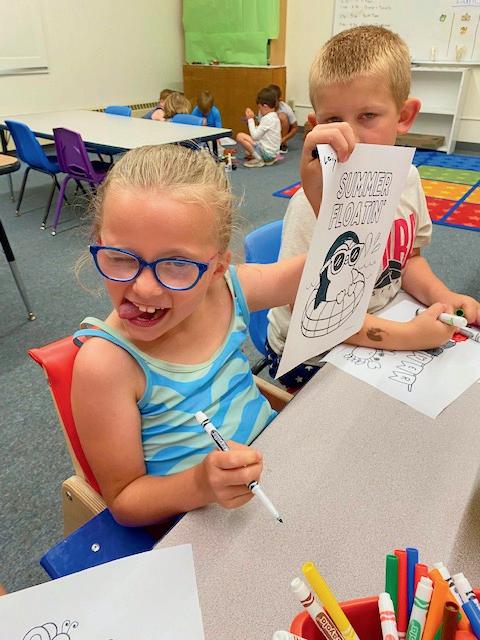
The ANWSD Afterschool Program also provides consistent, high-quality childcare at three licensed locations: Vergennes Union Elementary School (Thunder Care), Ferrisburgh Central School (Cougar Care), and (Pre-K Extended Care). All services are offered throughout the school year, including afterschool hours, early release days, February and April vacations, and seven weeks of summer programming.
Served 320 students (PreK - grade 12) during summer of 2025.
Fusion Afterschool Program funding from the Nita M. Lowey 21 Century Community Learning Grant and the State Afterschool Grant allows delivery of enrichment programming and extended school day opportunities addressing the social and emotional needs of students.
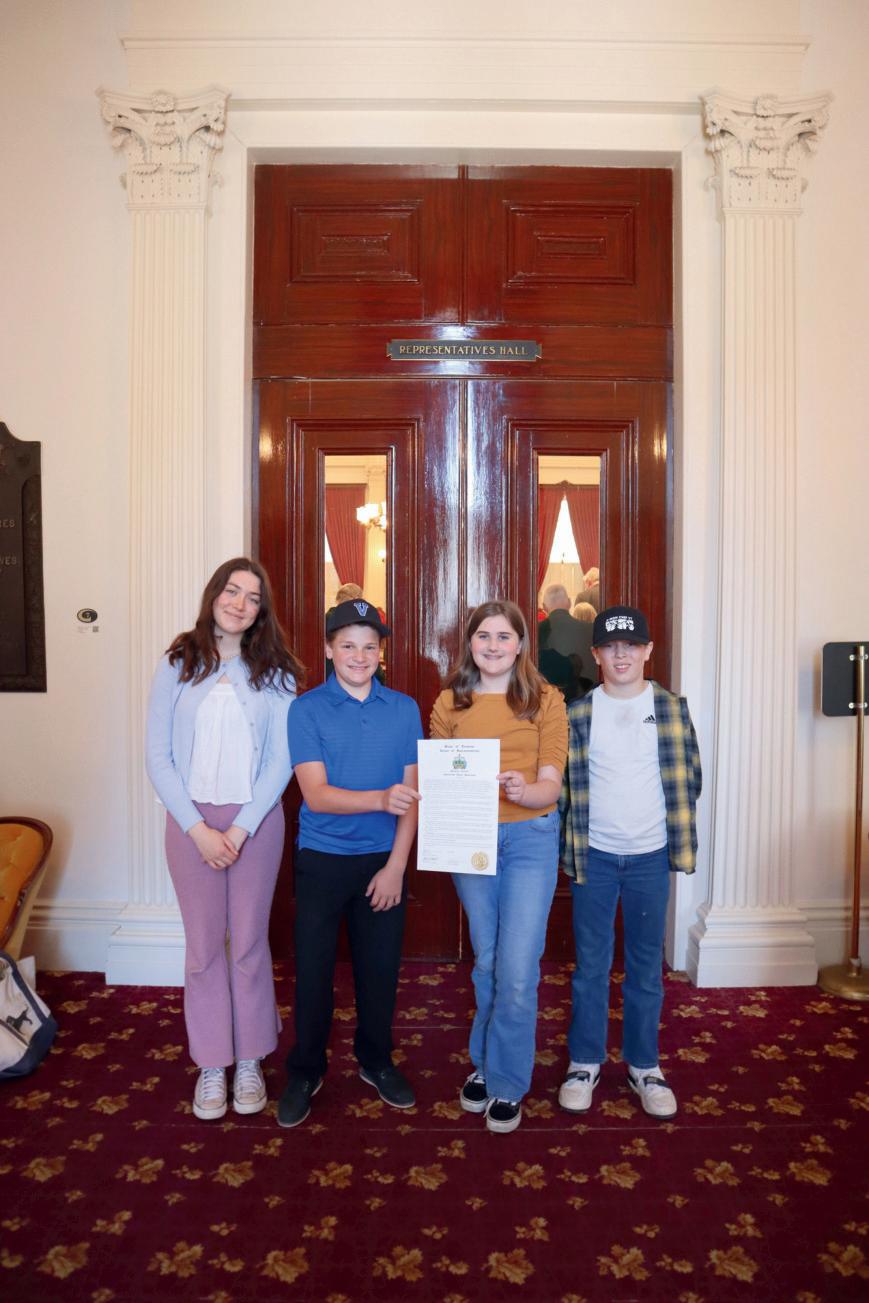
In March 2025, four VUMHS students - “Jalapeño Hotties,” participated in the Jr. Iron Chef Competition and earned their third consecutive title in the Mise en Place category for their winning dish. In April 2025, the team was invited to the Vermont State House to attend the Jr. Iron Chef VT Resolution Reading.
In partnership with the City of Vergennes Recreation Department and in collaboration with the Boys & Girls Club of Greater Vergennes, launched the Commodore Club—a new afterschool initiative designed to support local youth during the Boys & Girls Club’s temporary programming pause.
Fourteen ANWSD students competed in the VT Historical Society’s annual VT History Day Contest, held at Saint Michael’s College. Several students received special recognition or were awarded within their division, with three qualifying for the National History Day contest in Washington DC.
Securing additional funding through the Program Trek Afterschool Grant to help offset the sustainability cliff created by a $55,231 funding reduction. The grant award provides $75,000 annually over a 3.5-year period, totaling $262,500.00.
We are thrilled to see our afterschool and childcare programs thriving, with a continued increase in enrollment.
Looking ahead, we are eagerly planning another successful February and April Vacation Camp, as well as our Summer Program, to serve the ANWSD community.

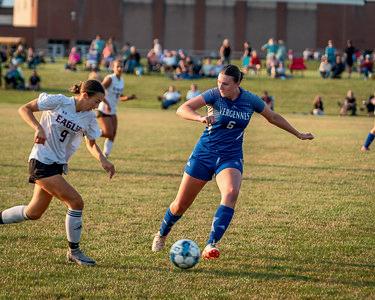
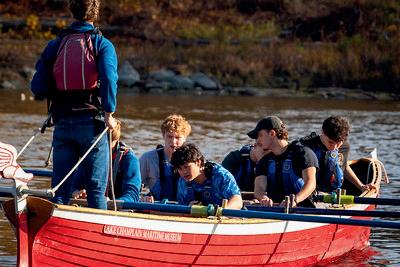
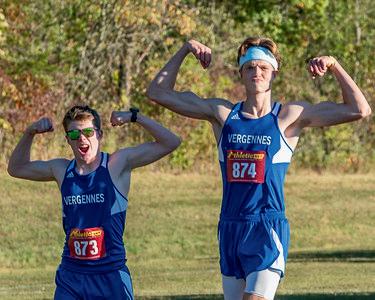
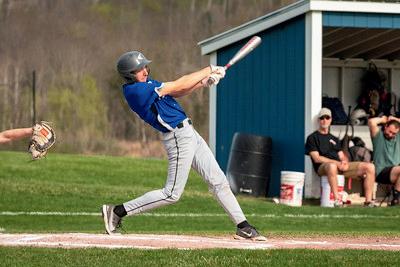
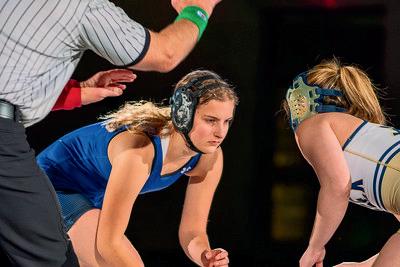
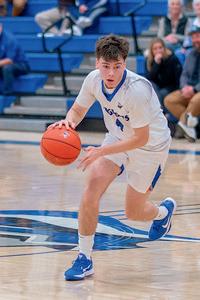

The past year in Vergennes athletics has truly been one to celebrate. From thrilling victories to hard-fought challenges, our student-athletes demonstrated resilience, dedication, and sportsmanship every step of the way. Even more meaningful than the wins and losses are the lasting memories and life lessons gained, lessons that will stay with our athletes long after the final whistle. Vergennes is proud to offer outstanding facilities, exceptional coaches, and an incredibly supportive community that makes our athletic programs so special. On behalf of everyone involved in Vergennes athletics, thank you for your continued generosity and unwavering support. We look forward with excitement to all that lies ahead.
1st ever Unified Basketball Team in spring 2025.
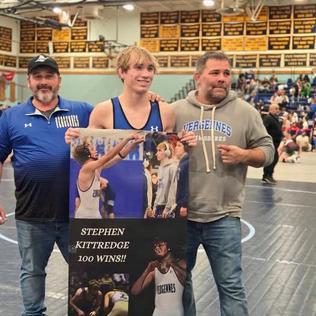
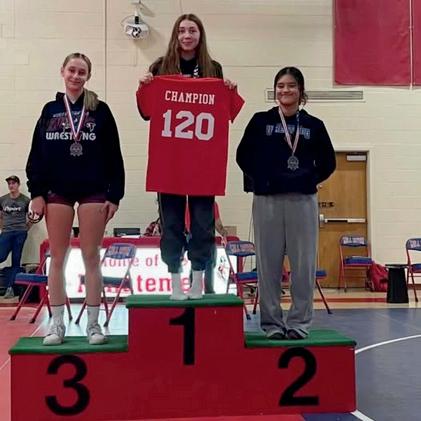
Varsity Wrestlers take home two state titles (Isaac Preston & Peyton Lavoie).
Peyton Lavie named the wrestling state tournament’s most outstanding wrestler.
Vergennes Union High School hosts state championships in cheerleading (16 years), dance (12 years) and elementary wrestling (1st year).
Boys basketball player, Ryker Mosehauer, named Lake Division Player of the Year.
370 fall athletes (K-12) including football & volleyball.
441 winter athletes (K-12) including nordic, gymnastics, boys & girls ice hockey.
Community soccer & basketball clinics run by high school coaches and players each season.
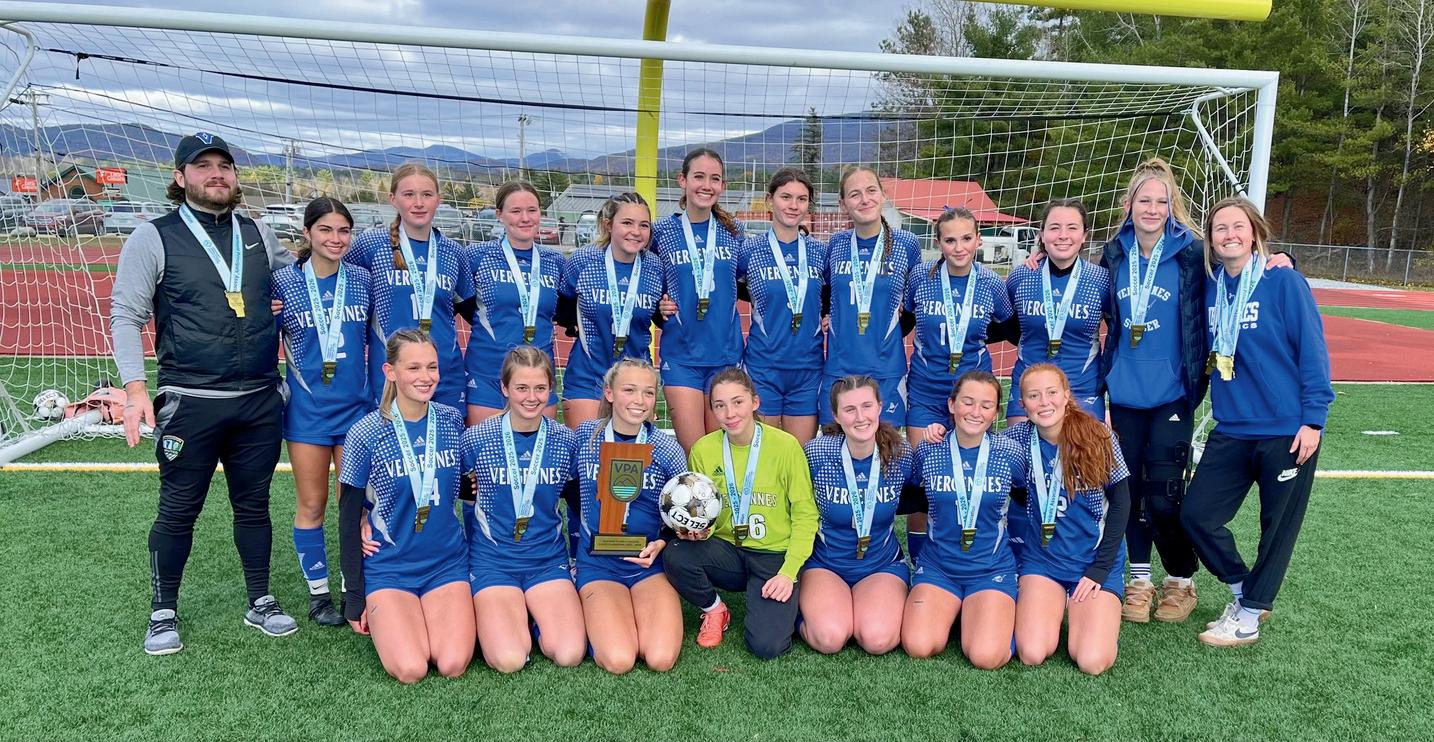
Varsity Girls Soccer 2025 D3 State Champions!
Girls soccer player, Ava Francis, named Mountain Division Player of the Year and nominated for Gatorade Player of the Year.
Football running back, Cole Gagnon, once again goes over 1000 yards for the season, finishing with a program record 1841 yards.
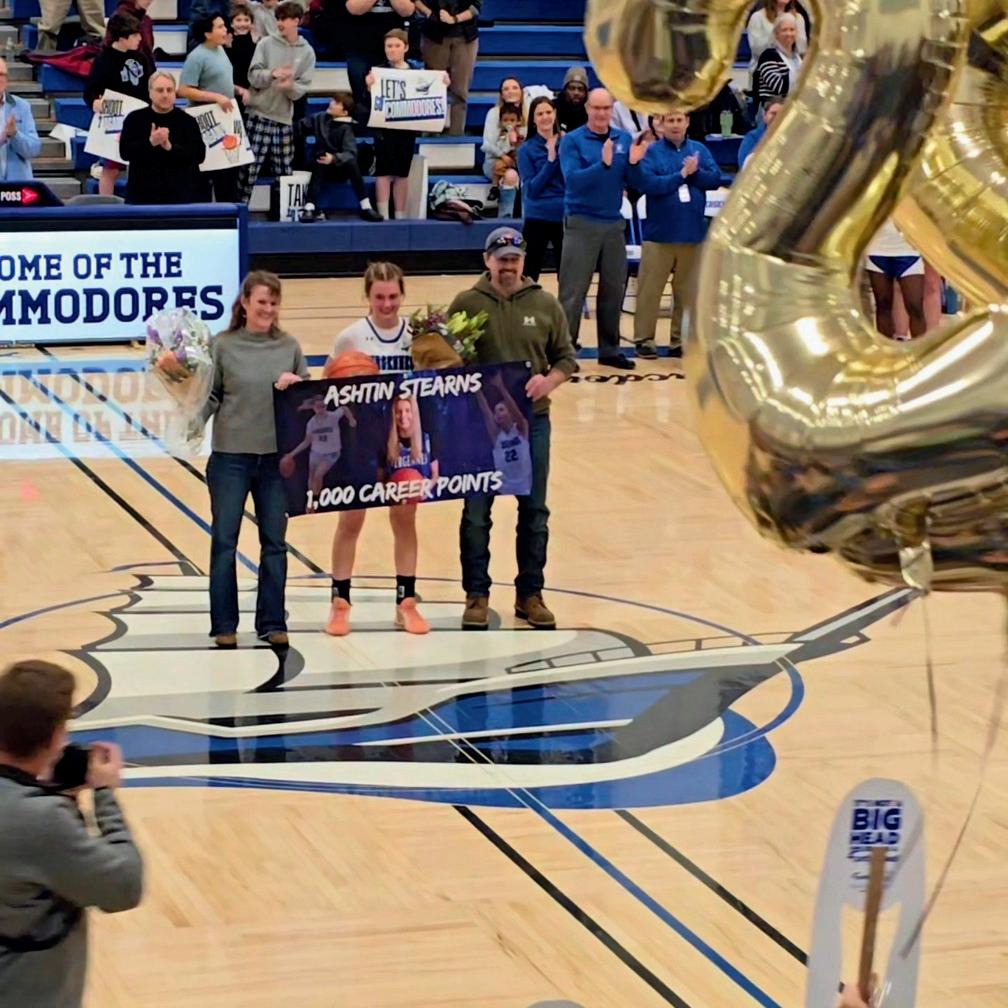
Girls basketball player, Ashtin Stearns, becomes the 2nd female to eclipse the 1000 career point milestone.
Continue to develop elementary programs to support high school teams. We have added cheerleading & wrestling since becoming a districtwide athletic program.
Continue work to develop an athletic student leadership program. Supporting coaches development by making coaching clinics more accessible for all.
Developing an electronic database for school records and championships that will be accessed via touchscreen outside the high school gym.

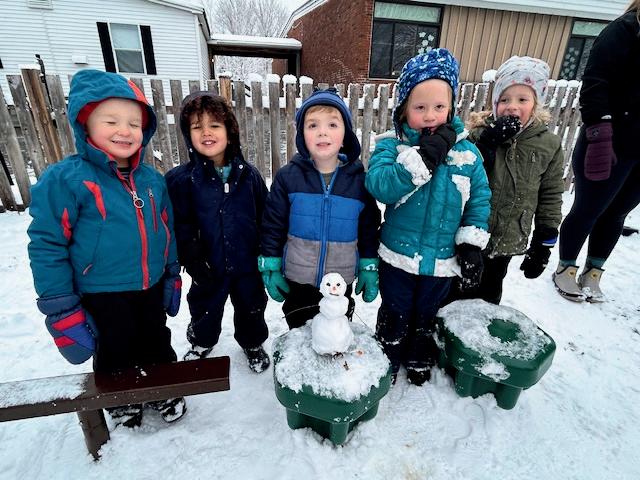
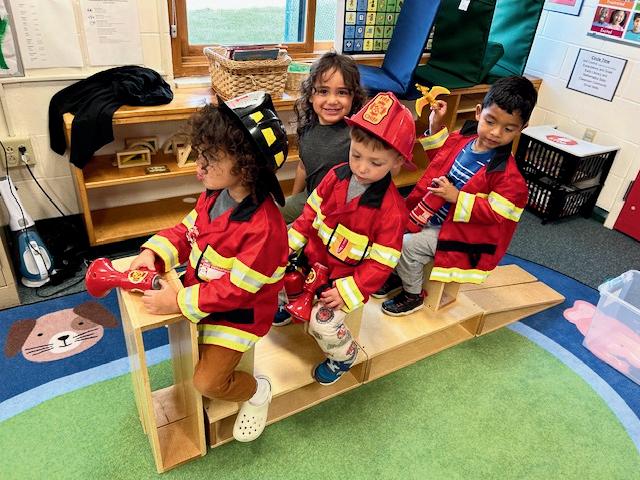
The ANWSD Early Education Program is a licensed early childhood program with the State of Vermont, located within the Ferrisburgh Central School.
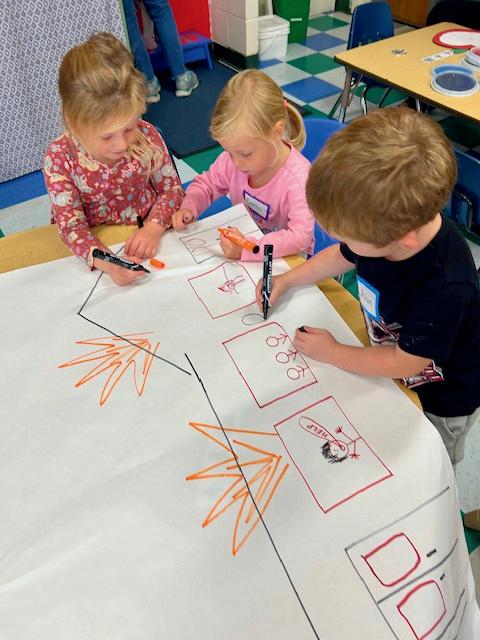
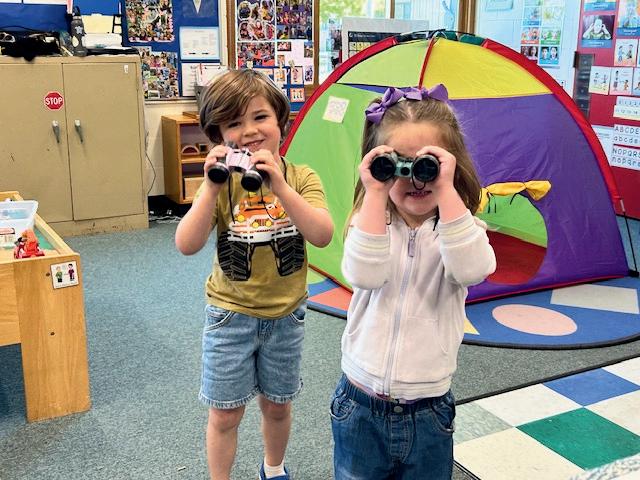
We are very lucky to have highly qualified educators who make a strong team for our young ANWSD students. This year, we operate two full-time preschool classrooms with 12-14 students each.
We provide intensive support to students with special needs. We currently have four staff members supporting students 1-on-1 in our preschool setting. Having quality paraeducators, allows both our students with learning differences, as well as typically developing peers, access to important preschool curriculum and learning.
We hold 5 stars with the Step Ahead Recognition Program and are a Vermont pre-qualified pre-kindergarten program.
We provide outreach among the District’s early education community as well.
Our extended day care program provides a fuller day experience for students and families after preschool hours. It operates five days a week, until 4:30pm. Additional enrichment activities are offered to children during this time such as Taekwon Do, Yoga, Art, etc. On average, 12 students attend our extended day program.
This year, thanks to the Ferrisburgh Friends of the Union Meeting Hall and the FCS PTO, our preschool program was able to participate in Music Together with the Middlebury Community Music Company. We participated in a “sampler” session for 12 weeks that included 17 songs.
We invited our families to join us in November to share our Music Together experience, and families were given access to music digitally with songbooks.
Having access to Augmentative Alternative Communication (ACC) devices provided by the district this year has helped three of our preschool students tremendously in their speech and language development.
We plan to hold our annual Child Developmental Screening days in March 2026.
Our Fall 2026 enrollment will follow the screening. We continuously assess our programming in order to serve as many children in our community as possible.
90 children participating in UPK 24 at the FCS Early Ed Program and 25 at Evergreen 45 4-year old's and 45 3-year old's $3,982 per student is paid to the partner programs 17 partner programs
New partner with The Growing Tree at the Addison Community building

Gabriel Hamilton Director of Learning
This year’s focus, Rooted in Belonging, emerged from the work of our Equity Assessment Committee—a diverse group of students, teachers, administrators, and community members. Facilitated by Esther Charlestin, the committee engaged in thoughtful dialogue and data analysis to better understand students’ experiences and identify ways to strengthen connection, engagement, and access to learning. This challenging and important work has resulted in actionable recommendations that are shaping the work across the district this year. At its core, Rooted in Belonging is grounded in the Vermont Education Quality Standards, recognizing belonging, engagement, and equity as essential levers for closing achievement gaps and ensuring academic success is accessible to all learners.
Inclusive, community-driven equity work
The Equity Assessment Committee elevated student voice and community perspectives, grounding our work in lived experience and meaningful data.
Professional Learning Groups (PLGs)
PLGs focus on specific work connected to foundational literacy skills, writing, social-emotional learning, Universal Design for Learning, or Project-based Learning. This work is teacher driven and student outcome focused, providing teachers with time and space to collaborate on important and complicated elements of their work with students.
Youth-led professional learning
Students are co-facilitating professional learning and community dialogues, deepening adult understanding of student experience and strengthening school-student partnerships.
Strong transition supports
Ongoing partnership with Up for Learning is supporting thoughtful transition work at the elementary and middle school levels, with a focus on connection and continuity.
Academic performance
In our third year of VTCAP implementation, students continue to outperform the state in many grades and content areas.
Robust local assessment system
FAST Math and ELA screeners (grades K–11) provide timely, actionable data three times per year, supporting both system-level decision-making and individualized student support. Ongoing curriculum alignment aims to strengthen continuity across schools and grade levels.
Positive SEL indicators
Deepen Rooted in Belonging initiatives
Continue implementing Equity Assessment Committee recommendations, with an emphasis on student voice, inclusive practices, and school-toschool transitions.
Close achievement gaps
Target persistent inequities in academic outcomes— particularly for students who are economically disadvantaged—through aligned instruction, intervention, and professional learning on Universal Design for Learning.
Increase overall academic proficiency
Focus on increasing the percentage of students meeting proficiency across content areas, using multiple measures to guide continuous improvement.
Strengthen engagement and school climate
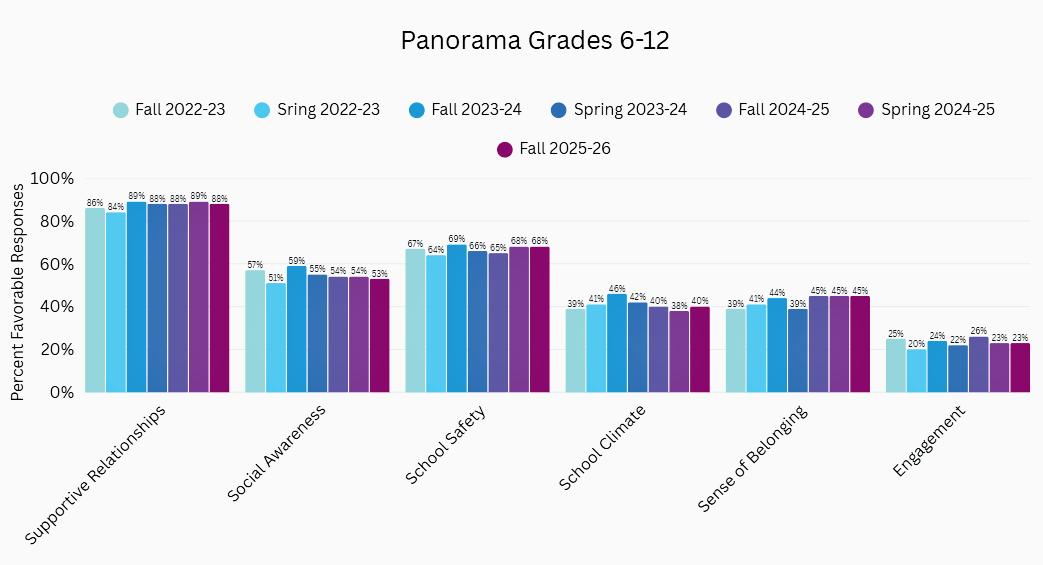
Use Panorama data and student-staff collaboration to address areas of growth related to student engagement and school climate, ensuring students feel connected, valued, and motivated.
Align systems for equity and access
Panorama data reflects strengths in areas such as supportive relationships and school safety, affirming the foundation we have built for student well-being.
Continue refining assessment, MTSS, and professional learning systems to ensure academic achievement and social-emotional supports are accessible to all learners.
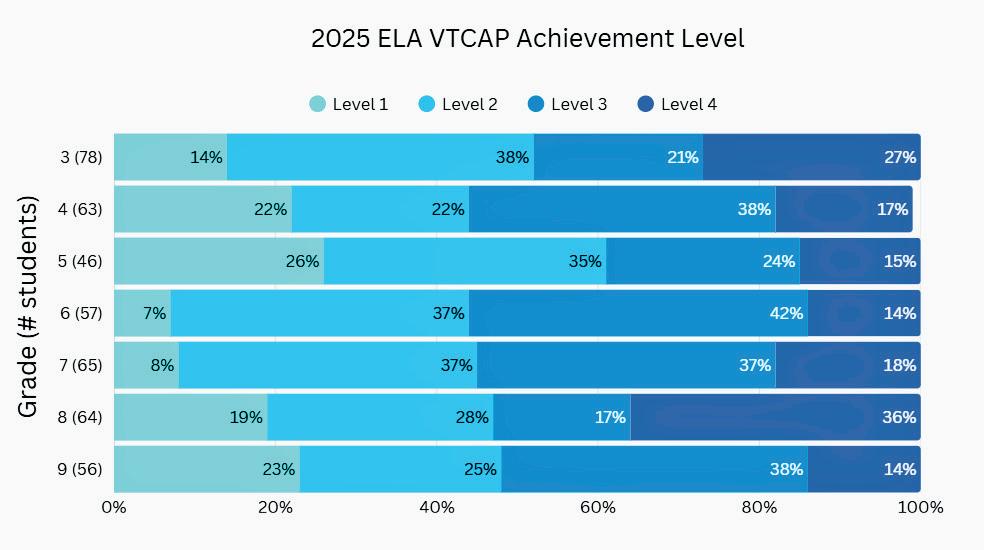
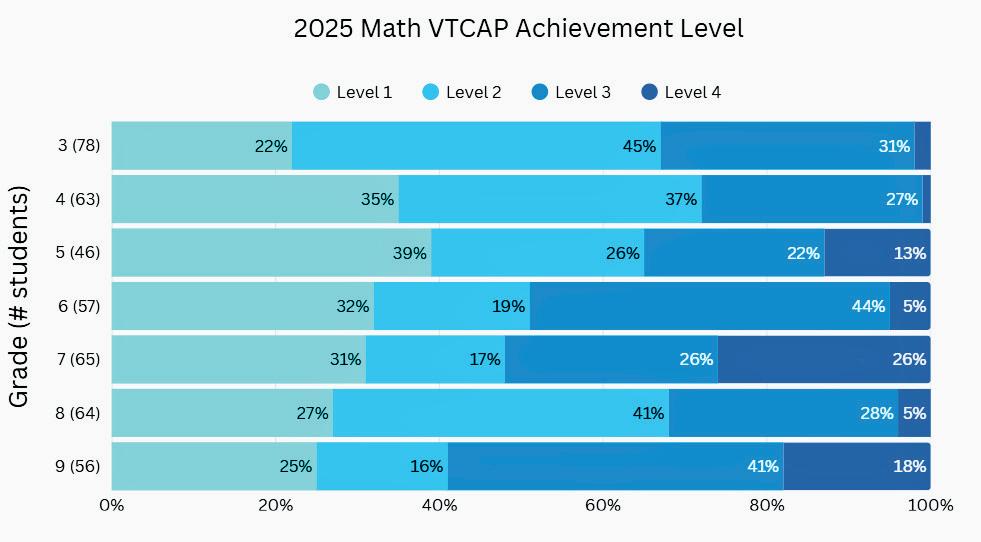
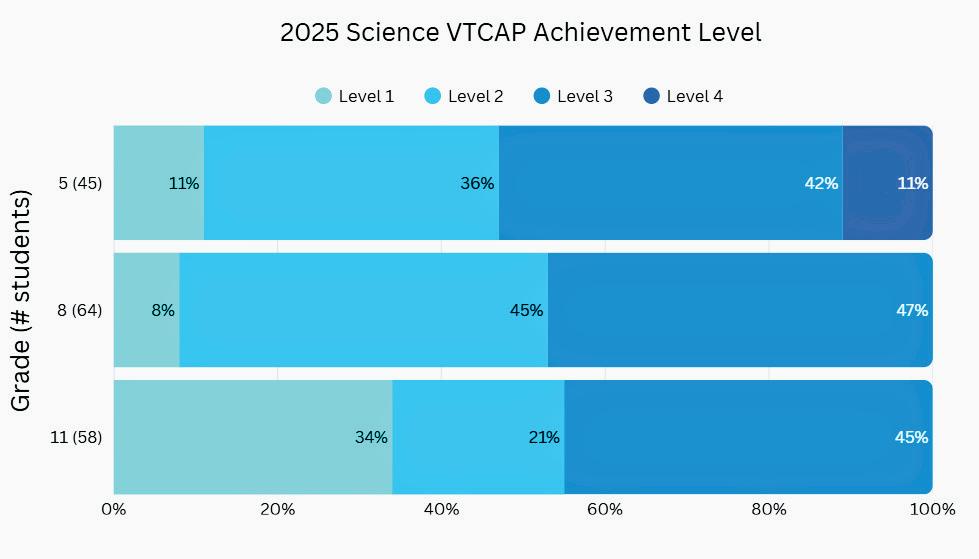
Mixed results: Grades 3–4 rebounded to state levels; Grades 6–9 declined. Grade 5 shows incomplete recovery.
Transitions matter: Strong early gains, but a recurring dip from Grade 5→6. What it means: Strengthen vocabulary, reading stamina, and comprehension—especially in middle school.
Overall decline: Greatest challenges in Grades 6–8. Bright spots: Grades 7 and 9 improved and exceeded state averages. What it means: Improve middle school coherence and strengthen algebra readiness across grades.
Upward trend: Grades 5 and 8 show steady gains beyond state growth. High school concern: Grade 11 performance declined. What it means: Maintain strong early science while reinforcing engagement and NGSS-aligned instruction in high school.
Overall Direction:
1.Strengthen layer 1 literacy and numeracy instruction aligned with proficiency scales.
2.Build vertical curriculum alignment and coherenceparticularly across grade transitions.
3.Leverage FAST data for formative decision-making.
4.Emphasize UDL and engagement strategies to stabilize growth trajectories.
5.Continue to explore classroom proficiency scores to understand discrepancies and inform planning.
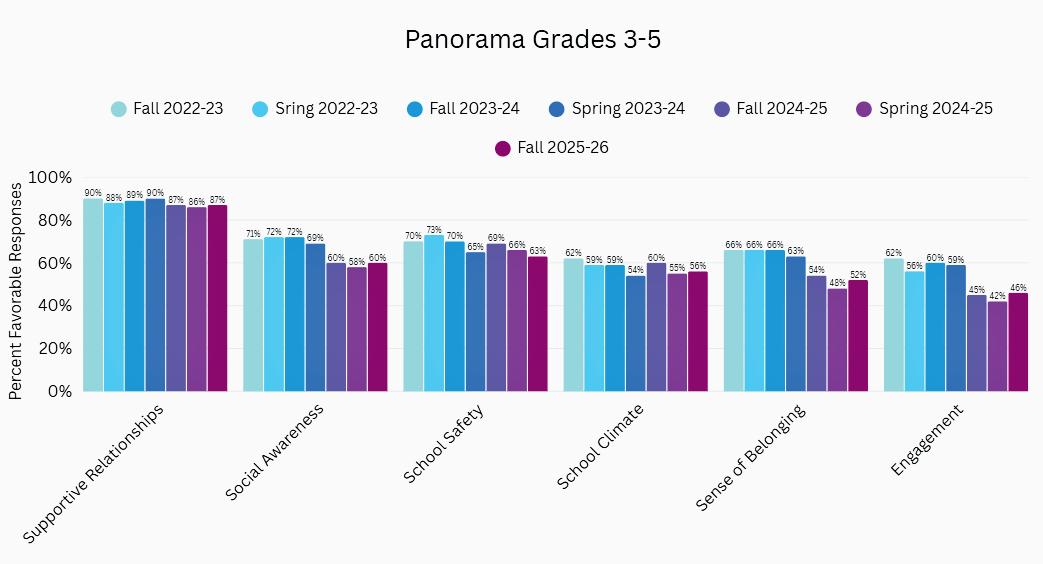
Panorama screeners help us to gather information from students, staff, and families about school climate, safety, engagement, and sense of belonging. The student data below shows areas of strength in some areas, like supportive relationships and school safety, while other areas like engagement and school climate have room for growth.
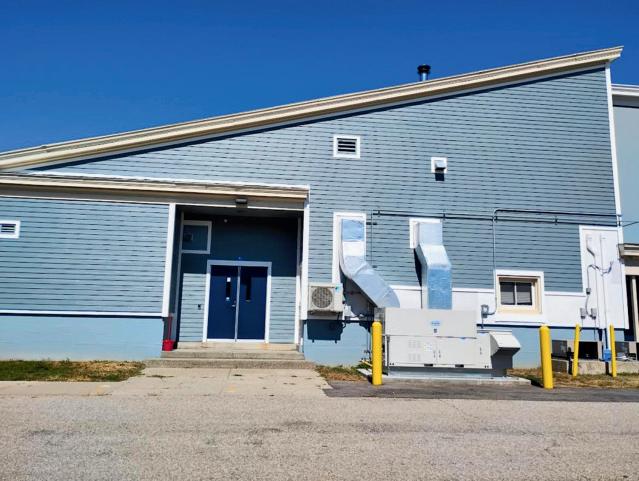
As we reflect on our past year, we would like to recognize the retiring of two long time employees in our department. Sue Jerome and Randy Gaboriault. We thank them for their contributions through the years.
We are pleased we were able to replace them with Kevin Norton and Adam Morin. Troy Daudelin was also able to join our Ferrisburgh School team. Together with our current team, we will continue to provide to our school community with a clean and safe environment.
Vergennes Union Middle/High School
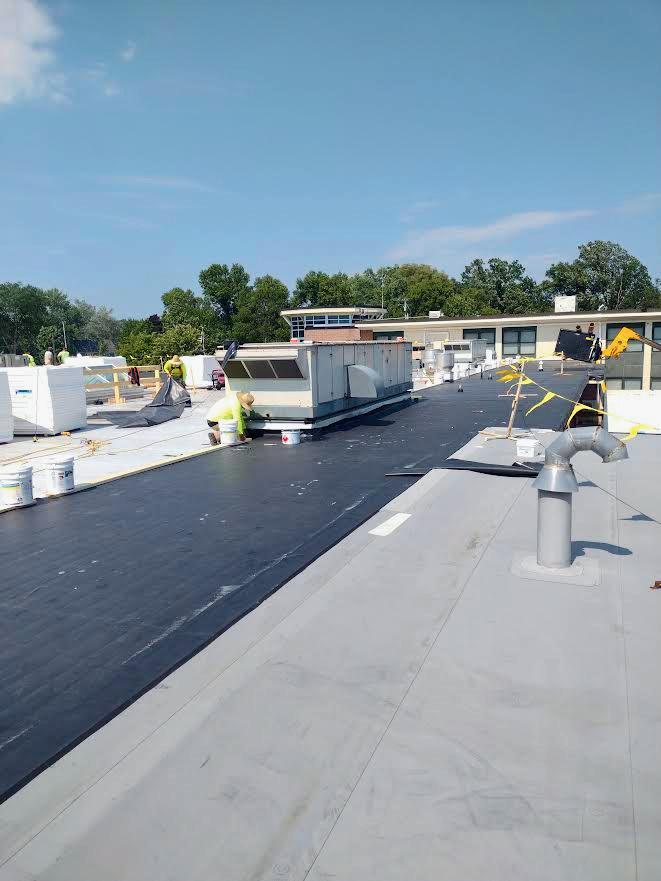
Summer work began with the replacement of the B and C Wing roof.
Vergennes Union Elementary School
Two classrooms were re-carpeted.
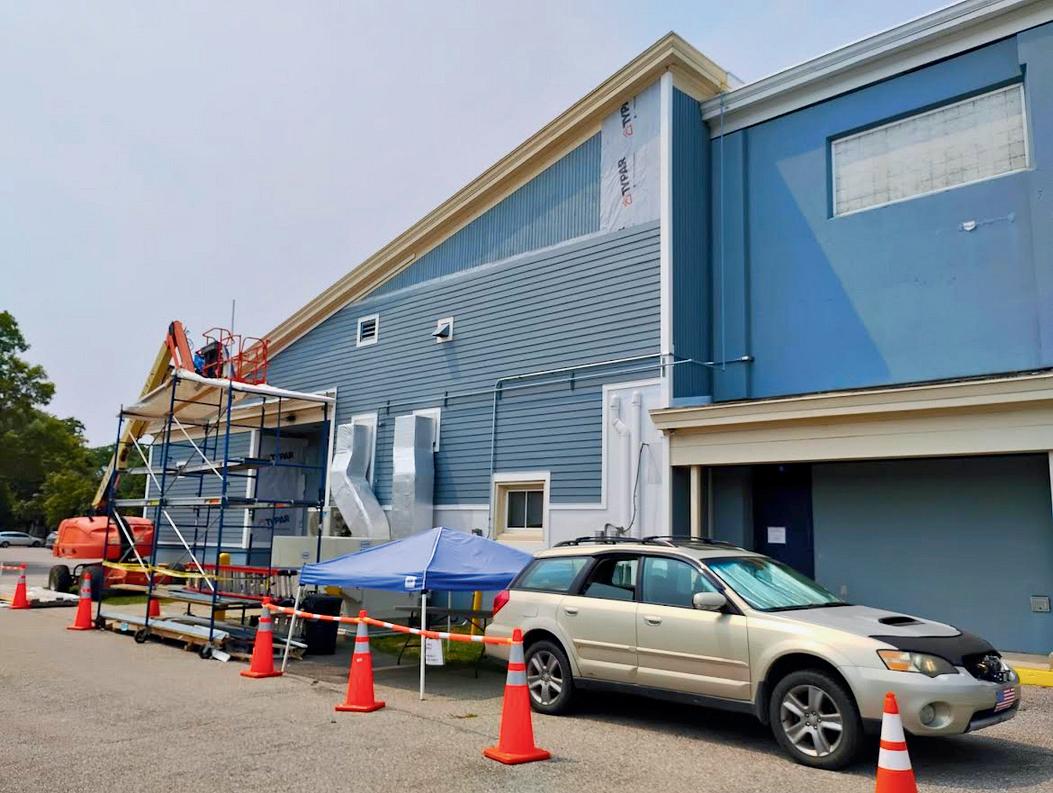
Siding work continued on the building. Heating systems in the B Wing boys’ and girls’ bathrooms were upgraded.
Ferrisburgh Elementary School
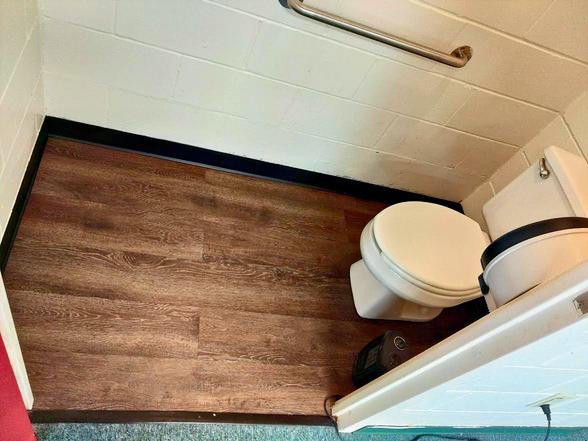
Bathroom floors in four classrooms were refinished.
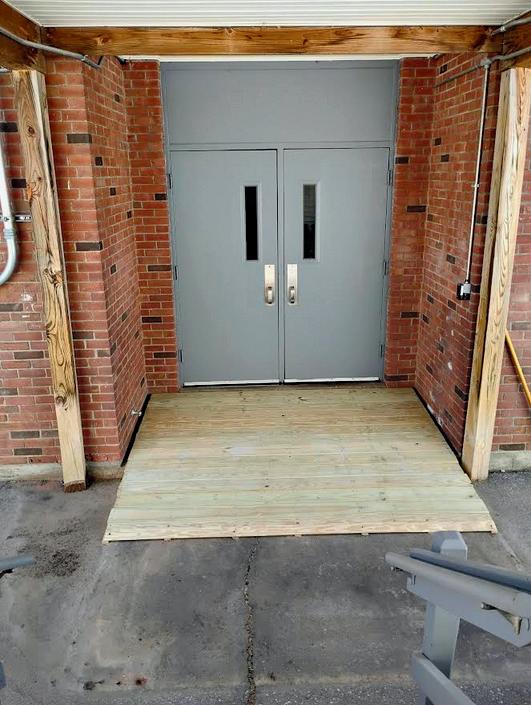
Two ADA ramps were reconstructed.
Stormwater Project
C & D Wing siding and Windows
Continued commitment to provide efficient running of all our buildings.
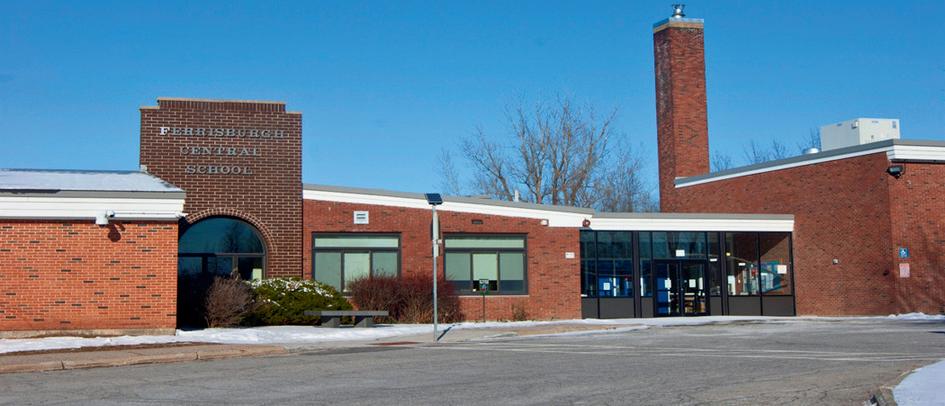
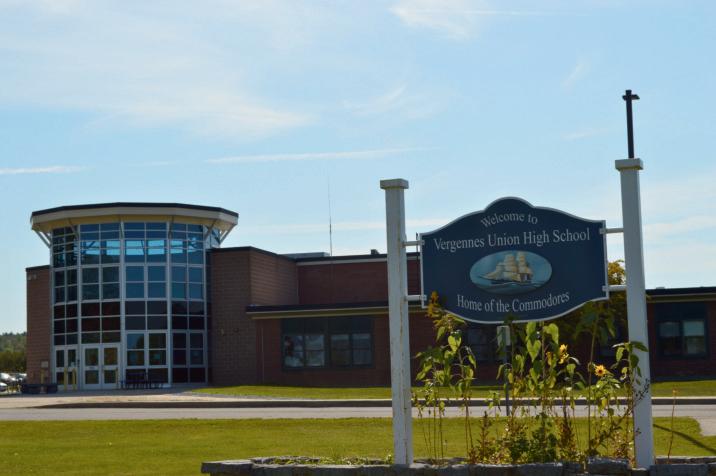
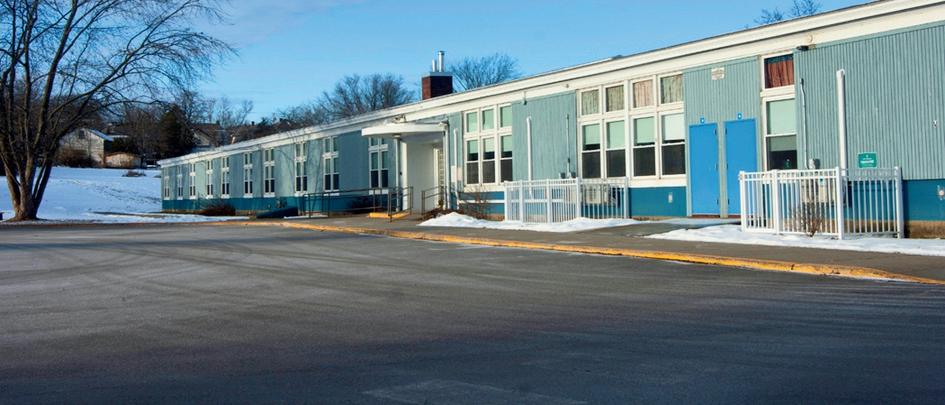
For more details of the Facilities Stewardship Plan, check it on our website at www.anwsd.org/departments/facilities
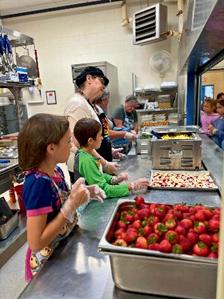

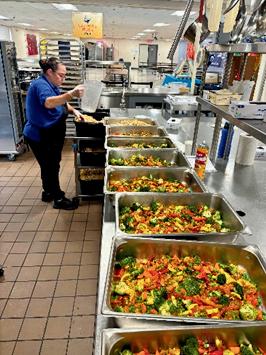
Proudly serving students healthy meals so the only thing they are hungry for in school is knowledge.
The focus of 2024-2025 was on building program capacity and efficiency, expanding staff expertise and engaging more with students in order to maintain high program quality and participation.
Over 110,000 free lunches and 55,000 free breakfasts prepared for and served to students. Ensuring students are ready to learn each day. 10 hours intensive culinary training for all staff. Building skill & expertise.
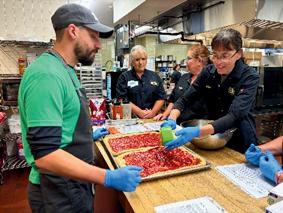
King Arthur Flour Baking Class On-Site Culinary Skills Workshop with four professional Chef Trainers.
State of the Art Combi Oven installed in VUMHS Kitchen using Healthy Meals Initiative Grant Funds
District Awarded an “Innovation in the Preparation of School Meals” Award from Healthy Meals Incentive, USDA, Action for Healthy Kids, and the Chef Ann Foundation
Provided over 12,000 Free Summer Lunch Meals and 10,000 Free Summer Breakfast Meals for children 0-18 years old between June 26 and August 12. Both MEAL KITS FOR KIDS and program meals were served.
Purchased 17% of total foods from local sources resulting in a Local Food Incentive Grant for $15,000. Local foods purchased include produce, dairy, ground beef, maple syrup, and chicken from many Addison County farmers putting money back into our local economy and supporting our neighbor farm families.
Successfully passed AOE-Child Nutrition Administrative Program Review, an extensive review of Child Nutrition operations conducted every five years.
Increase breakfast participation in grades 6-12.
Build adult participation and options.
Serve afterschool meals in eligible schools.
Build Summer Meals program options in eligible schools and areas.





Dr. Laura Nugent Assistant Superintendent of Student Supports
The work of Student Support Services in supporting students and families through inclusive, compliant, and student-centered systems. Over the past year, the focus has been on strengthening consistency across schools, stabilizing core practices, and addressing areas of risk. The priorities outlined below reflect both current needs and longer-term system improvement.
Improved consistency in IEP development and documentation across schools
Clearer eligibility and service decision-making aligned with state and federal requirements
Expanded access to inclusive and in-district supports for students with complex needs
Strengthened coordination among special education, counseling, and related services
Improved timelines and monitoring for evaluations and annual reviews
Increased clarity and communication for families regarding services and processes
Stabilization of high-need programs through staffing and structure
More consistent use of data to inform service decisions
Strengthen consistency of student support practices across schools
Collaboratively improve progress monitoring and use of data to guide instructional and service decisions
Clarify roles, responsibilities, and communication pathways
Expand inclusive and preventative supports for students with complex needs
Stabilize staffing and build internal capacity
Improve family communication and understanding of services
Align district practices with evolving regulatory expectations
Develop sustainable systems for documentation and oversight
Wellness & Learning Center (WLC at FCS & VUMHS)
Embedded Therapeutic Program IEP or 504 Plan not required
Beacon Program (VUES)
Embedded academic, behavioral and sensory support for students with Autism IEP required
In-School Support Program (CSAC ISSP)
Multilingual Learners
Supporting students in developing English proficiency while ensuring full access to grade-level learning
Homelessness
FCS WLC serves 4 students grade K-3
VUMHS WLC serves 8 students grades 6-12
Enrollment: 8 students
Grades K-3
Enrollment Required
Counseling Services of Addison County Intensive School Supports Program
21 students PreK-12 12 students receiving services
Ensuring students experiencing homelessness have equal access to education, stability, and support services.
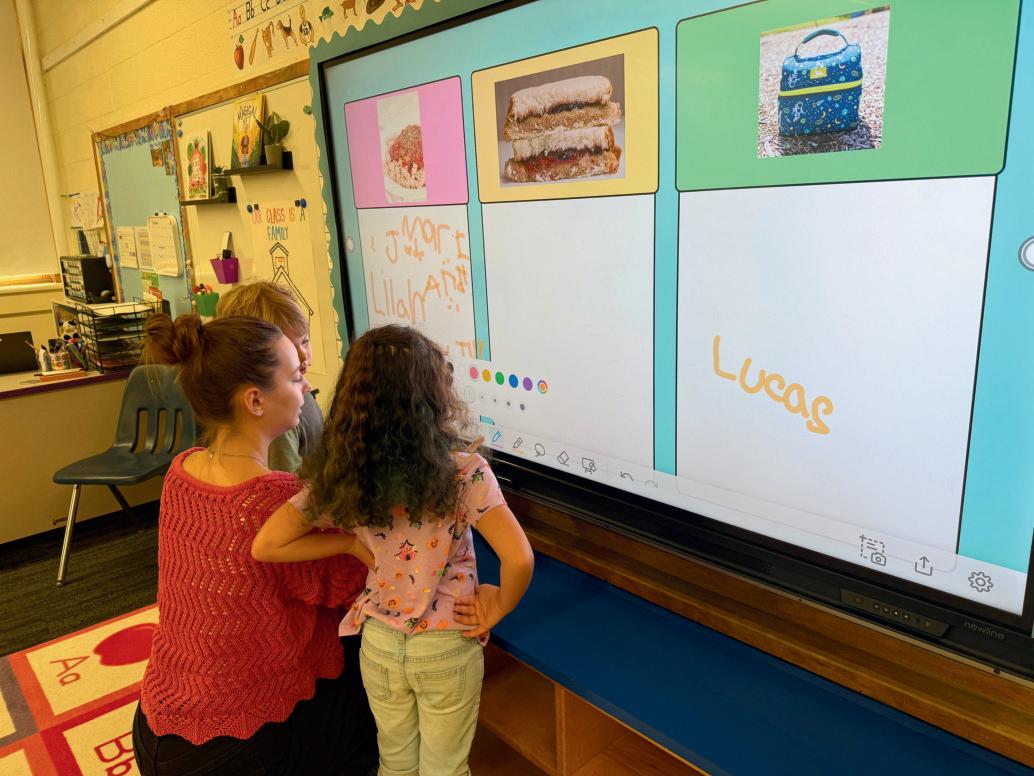
The perfect Technology Department is one that goes about its business quietly but effectively. In our small district, we function as the "Swiss Army Knife" of the organization: managing everything from high-level cybersecurity to fixing a jammed printer with a fraction of the staff and budget of larger peers. We strive for the proper balance of in-house and contracted services, squeezing all of the value out of every dollar.
Fiscal Stewardship: We secured E-rate funding that helped ensure that our infrastructure remains modern without placing the full burden on the local budget. Our "repair-first" and “make it last” approaches saved the district substantially in device replacement costs.
Operational Reliability: No significant work-stopping outages occurred, ensuring that administration, state testing, and daily classroom instruction were never interrupted. Our three-member team resolved nearly 700 help desk tickets from July 1 - Dec 31.
Security & Data Privacy: In this era of ever-increasing digital threats, we reached a major milestone: 100% staff adoption of Multi-Factor Authentication (MFA) and guarded our District's risk profile via aggressive protection and collaboration with our Cyber-Insurance carrier.
Without question, our number one priority in the year ahead will be learning how to manage and navigate the integration of Artificial Intelligence into our District’s technology array. AI will affect everything from cybersecurity to door locks to Kindergarten instruction. A firm grasp of the processes, theories, and what’s coming next will be essential.
It will remain our priority to continue to make technology “invisible”. Technology should enhance and never interfere with either the Administrative or Teaching aspects in our schools. This requires paying attention to what’s happening, and what’s likely to happen in the world of technology.
AI and other advanced technologies are threats to our privacy, but at the same time, many of us just give away information for free and make it easy. What many don't realize is that the bad guys will scrape hundreds of web pages that each might contain a tiny piece of personal information, and then use AI to assemble all of that data into what amounts to a dossier on each of us, for sale to the highest bidder on the dark web (a very real virtual place).
Here’s how to protect yourself: Don’t post personal details (like your high school, pet’s name or favorite color) online. Use fake answers for identity challenge questions – and write them down somewhere safe (offline or a photo of a handwritten list works great).
Update your Facebook birthday to a fake one – or at least leave off the year – to throw off data scrapers and spot who’s relying on Facebook reminders.
Use a secure password manager (like 1Password or KeeperSecurity) to store encrypted notes with your made-up answers and passwords.
These moments reflect the dedication, creativity, and commitment that help make our schools a place where people thrive.
Every year, the College of Education and Social Services (CESS) at the University of Vermont, together with Vermont supervisory unions and school districts, the Vermont Agency of Education, and the Vermont NEA, join to honor the accomplishments of our state’s outstanding educators. In November, our own elementary and secondary level teachers were celebrated.

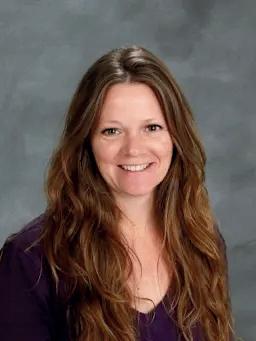
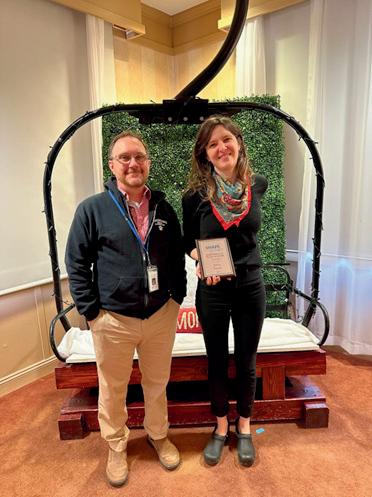
Anna Smith was honored at the Annual SHAPE Conference on March 21, 2025 as the recipient of the Vermont State Elementary Health Teacher of the Year. Her nomination articulated Ms. Smith’s high quality elementary health and primary prevention programming being the bedrock for all subsequent learning for students in health.
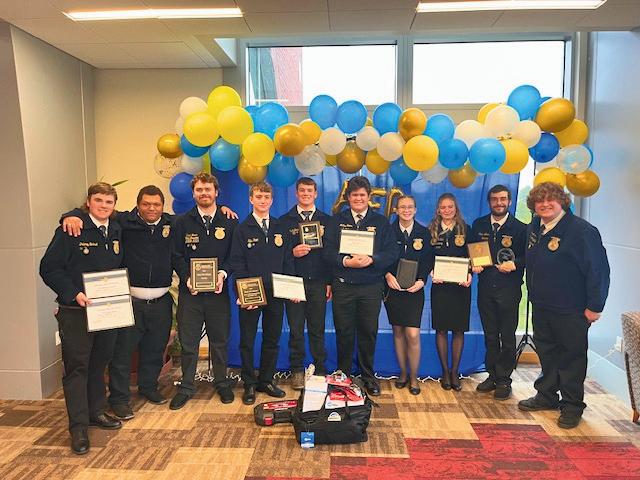
Our Vergennes FFA members attended Nationals in Indianapolis in October. We are incredibly proud of Matthew Beenen, Delaney Bicknell, Wyatt Kennett, and Colton Reed, who represented Vermont in the Agricultural Mechanics and Technology Career Development Event. We also congratulate Calvin Almeida, who competed as part of Vermont’s team in the Forestry Career Development Event, and Caroline Allen, who represented Vermont in the Creed Speaking Event. Each team and individual earned recognition in the bronze category.
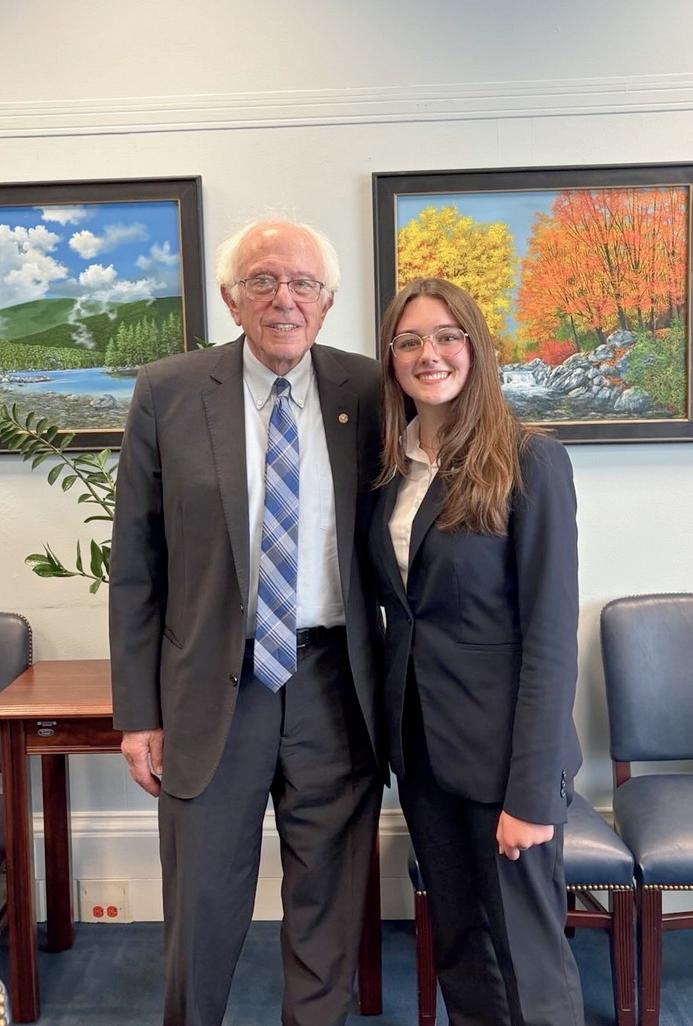
Quincy Sabick represented Vergennes Union High School with distinction, being elected Governor at Vermont Girls State and later served as a Page in the United States Senate in Washington, D.C. and will again this summer.
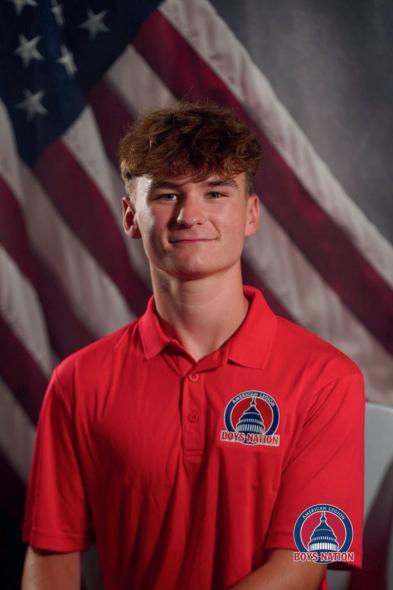
This past summer, Sawyer Garthaffner represented Vergennes Union High School with distinction, serving as Governor at Vermont Boys State and going on to attend Boys Nation in Washington, D.C.
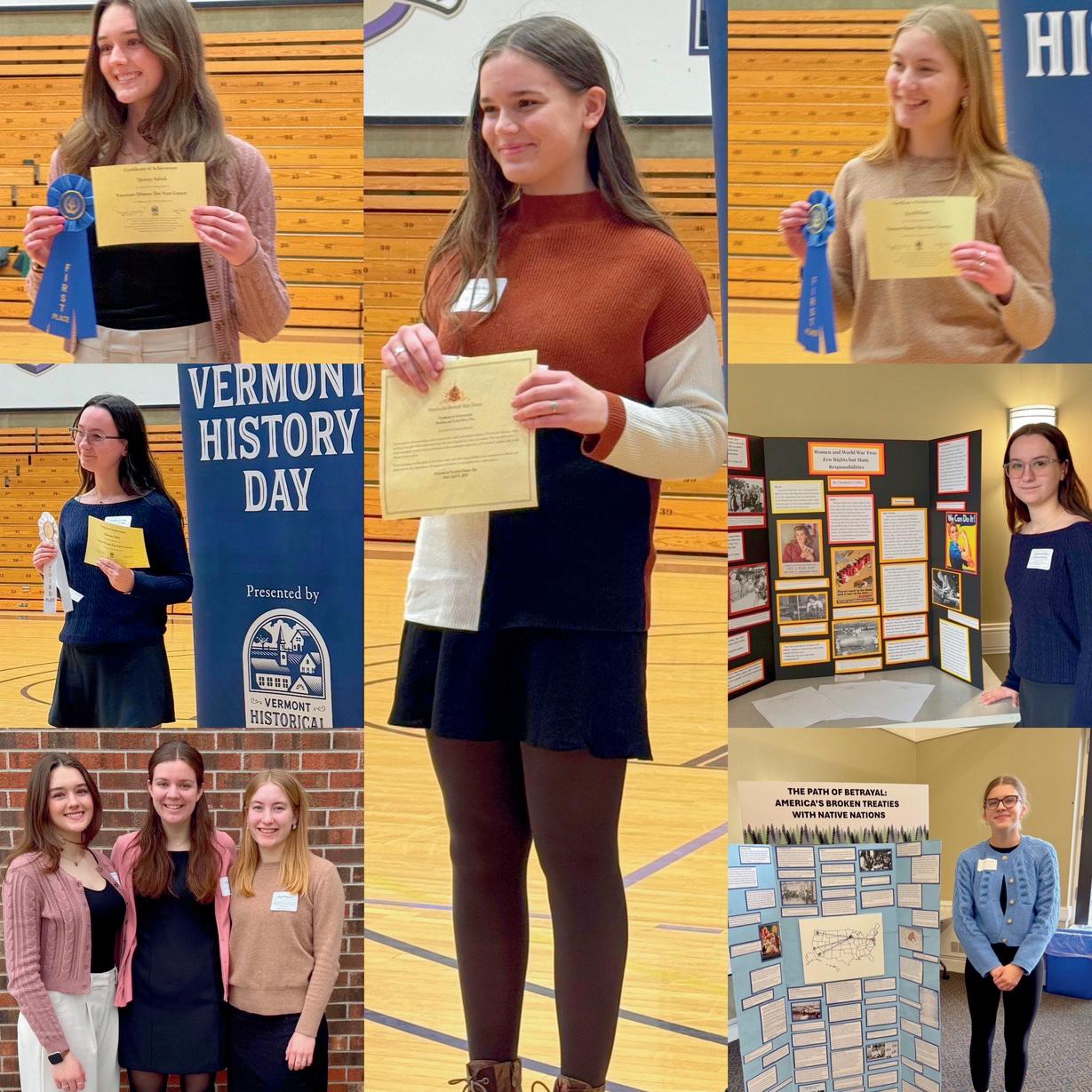
We're incredibly proud to announce that 14 ANWSD students competed in the Vermont Historical Society's annual History Day Contest at Saint Michael's College.
Our talented 7-12th graders, participating through the ANWSD Fusion Afterschool program, presented impressive historical research projects on this year's theme: "Rights and Responsibilities in History."
Special congratulations to our National History Day qualifiers heading to Washington DC in June: Jing Williams, Quincy Sabick, and Georgia Kunkel
Other award winners are: Sophia Johnson, Charlotte Coffey, Keegan Lisko and Eli Morrill
Schools
Grades
Ferrisburgh Central School PK-5
Vergennes Union Elementary School K-5
Vergennes Union Middle & High School 6-12
Enrollment figures
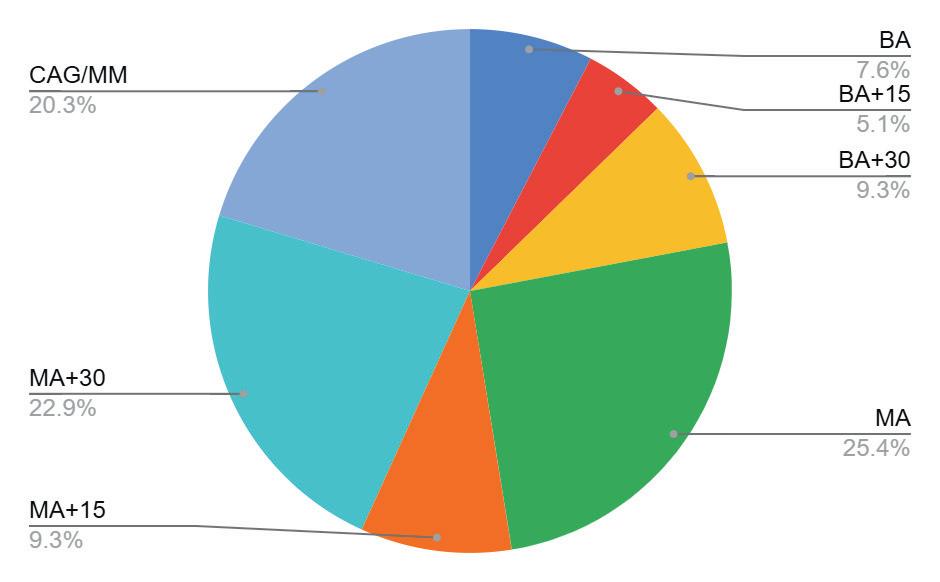
36% of students come from low socioeconomic households
20% of students qualify for Special Education Services
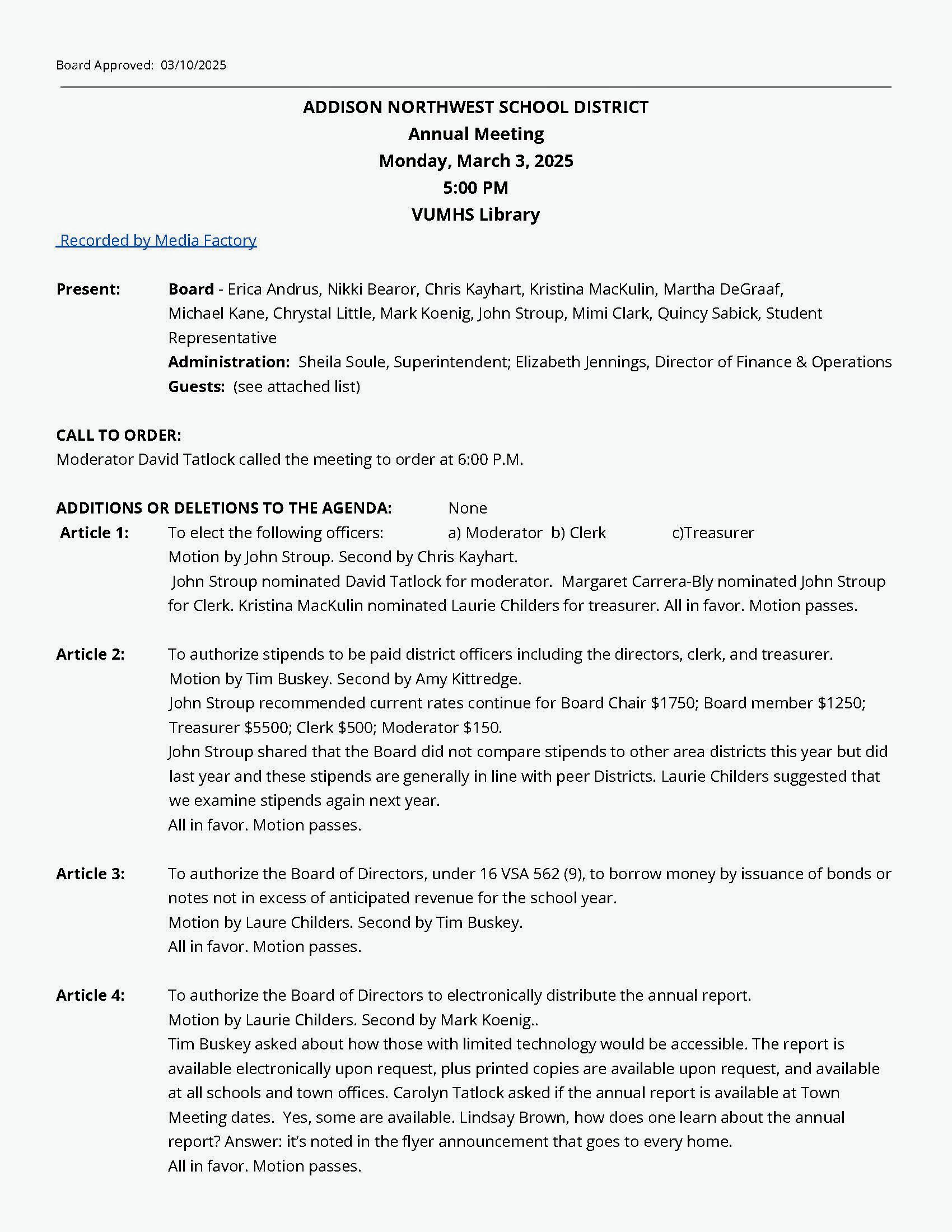
2026 - 2027

Annual Meeting
Monday, March 2, 2026
5:00 PM
VUMHS Library
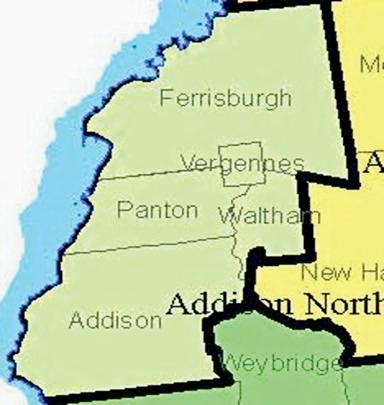
The legal voters of the Addison Northwest School District, consisting of the towns of Addison, Ferrisburgh, Panton, Vergennes, and Waltham, are hereby notified and warned to meet at the Vergennes Union Middle & High School in Vergennes, VT on Monday, March 2, 2026 at 5:00 p.m. to learn about the 2026-27 budget and transact any of the following business.
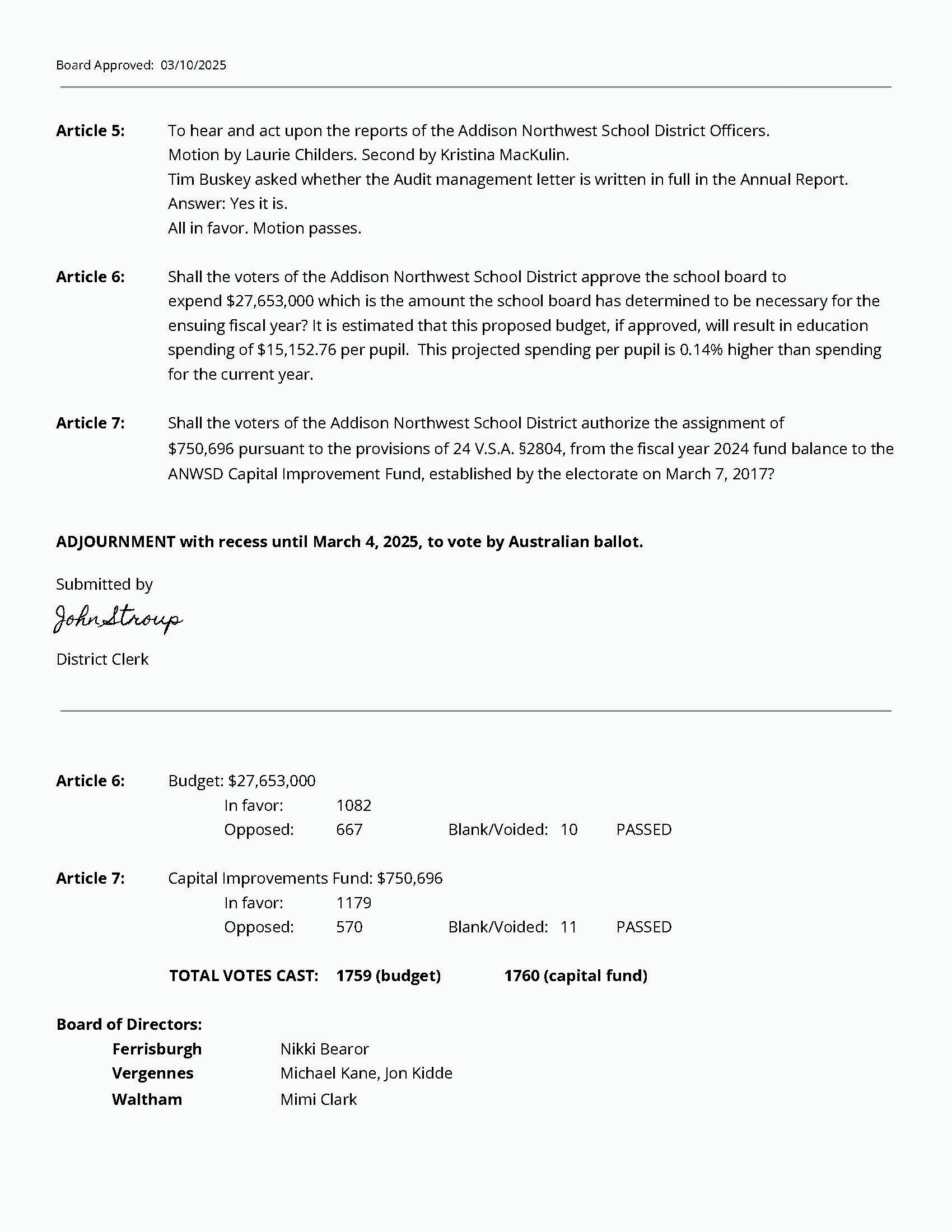
Article 1: To elect the following officers: a) Moderator b) Clerk c) Treasurer
Article 2: To authorize stipends to be paid district officers including the directors, clerk and treasurer.
Board Chair: $1,750 Board Member: $1,250
Moderator: $150 Clerk: $500
Treasurer: $5,500
Article 3: To authorize the Board of Directors, under 16 VSA 562 (9), to borrow money by issuance of bonds or notes not in excess of anticipated revenue for the school year.
Article 4: To elect a community representative to serve on the Patricia A. Hannaford Career Center District Board of Directors for a term of three (3) years.
Article 5: To authorize the Board of Directors to electronically distribute the annual report.
Article 6: To hear and act upon the reports of the Addison Northwest School District Officers.
Dated this 21st day of January , 2026.
John Stroup, District Clerk
Addison Northwest School District
Mark Koenig, Chair of Board of Directors
Addison Northwest School District
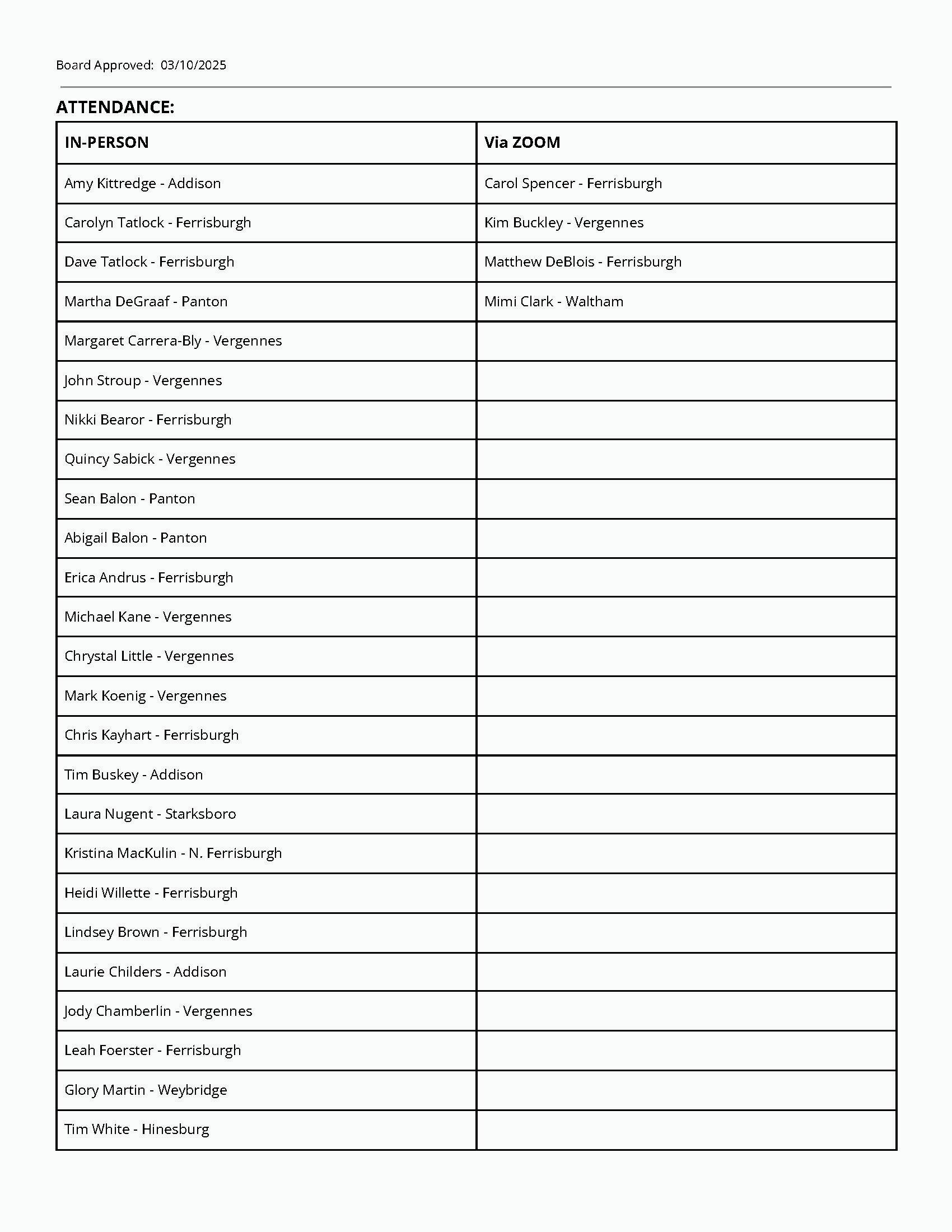
The legal voters of the Addison Northwest School District, consisting of the towns of Addison, Ferrisburgh, Panton, Vergennes, and Waltham, are hereby notified and warned to meet at the following polling places on March 3, 2026 to vote by Australian ballot on the following articles of business:
Municipality Polling Hours
Location
Addison 7:00 A.M. - 7:00 P.M. Addison Community Center
Ferrisburgh 7:00 A.M. - 7:00 P.M. Ferrisburgh Town Hall
Panton 7:00 A.M. - 7:00 P.M. Panton Town Hall
Vergennes 9:00 A.M. - 7:00 P.M. St. Peter’s Parish Hall
Waltham 10:00 A.M. - 7:00 P.M. Waltham Town Hall
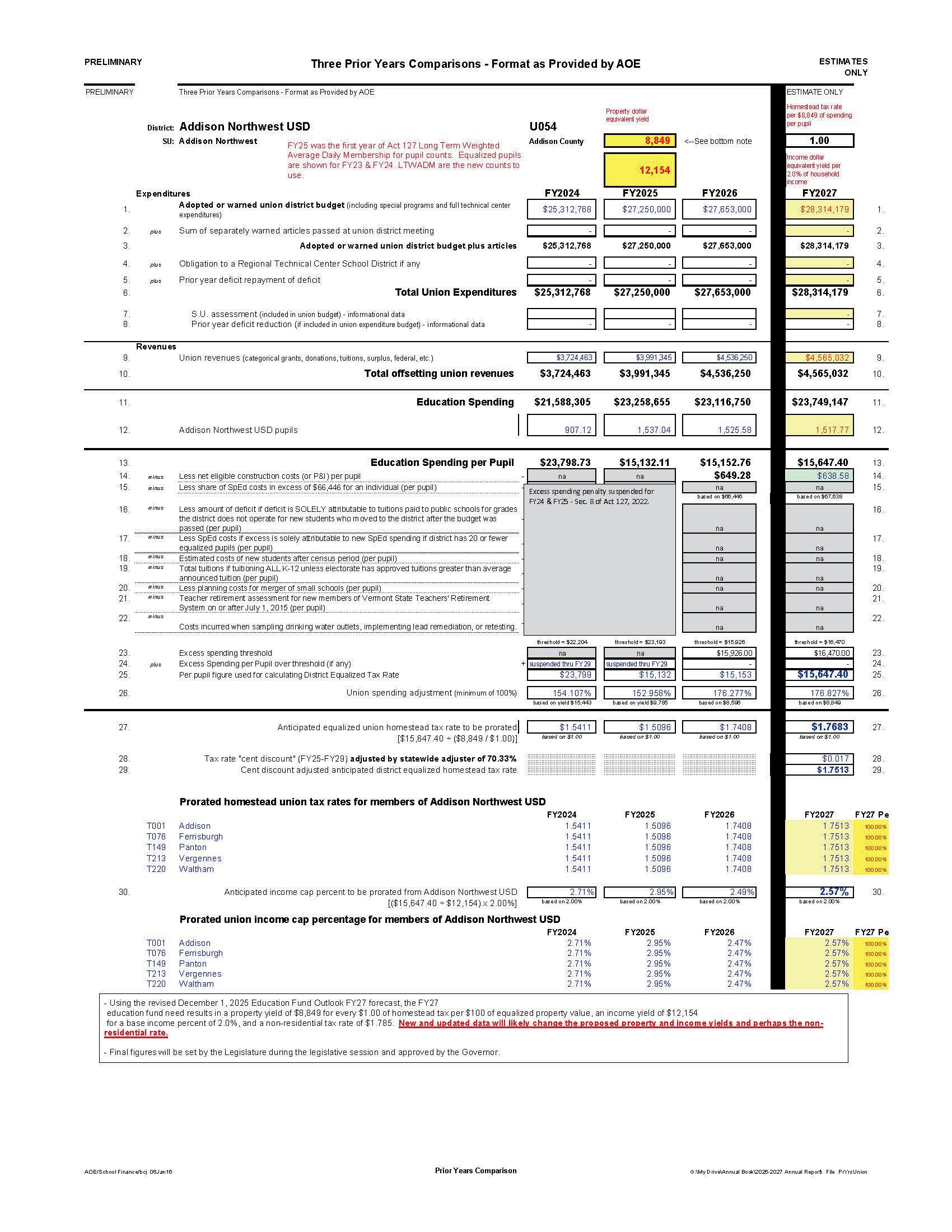
Article 7: Shall the voters of the school district approve the school board to expend $28,314,179.03 which is the amount the school board has determined to be necessary for the ensuing fiscal year? It is estimated that this proposed budget, if approved, will result in education spending of $15,647 per pupil. This projected spending per pupil is 3.26% higher than spending for the current year.
Article 8: Shall the voters of the Addison Northwest School District authorize the assignment of $102,838.70 pursuant to the provisions of 24 VSA §2804, from the fiscal year 2025 fund balance to the ANWSD Capital Improvement Fund, established by the electorate on March 7, 2017?
Dated this 21st day of January , 2026.
John Stroup, District Clerk
Mark Koenig, Chair of Board of Directors
Addison Northwest School District Addison Northwest School District
September / October 2025
Board Reviews Budget Timeline (Sept 15)
Budget Drivers and Preliminary Considerations (Oct 20)
Administration receives budget guidance from ANWSD Board (Oct 20)
November 2025
Budget Presentation #1 (Nov 10)
December 2025
State Information - December 1 Letter st
Budget Presentation #2 (Dec 8)
January 2026
Budget Presentation #3 (Jan 12)
Budget Presentation #4 (Jan 21) adopt
March 2, 2026
ANWSD Annual & Budget Information Meeting at 5 PM
March 3, 2026
Town Meeting and vote by Australian ballot
These goals guided budget decisions and created priorities for FY27 spending
Maintain high quality instructional programs including enriching co-curricular and athletic opportunities
Align staffing and resource levels with enrollment trends and fiscal constraints
Meet student support needs, special education, and safety obligations
Maintain MTSS, SEL, and behavioral supports despite loss of Federal Funding
Factors Contributing to FY27 Cost Increases
Increases in employee health insurance costs and benefit obligations
Compensation adjustments resulting from ongoing collective bargaining with teachers and support staff
Continued growth in special education service needs and mandated supports
Inflationary pressures affecting utilities, operations, and contracted services.
These factors are largely outside the District’s direct control and are managed while preserving student programs and opportunities.
From FY26 Budget
Lower than expected VEHI insurance rates (7.4%)
*Reduction of 10.3 total positions
Shifted 4.0 intervention roles from grants to operating budget due to reduced Federal Funding
Reduced Technology and Athletic budgets ~2.5%
Reduced revenues due to declining enrollment
*Staffing reductions were made without eliminating student programs or opportunities
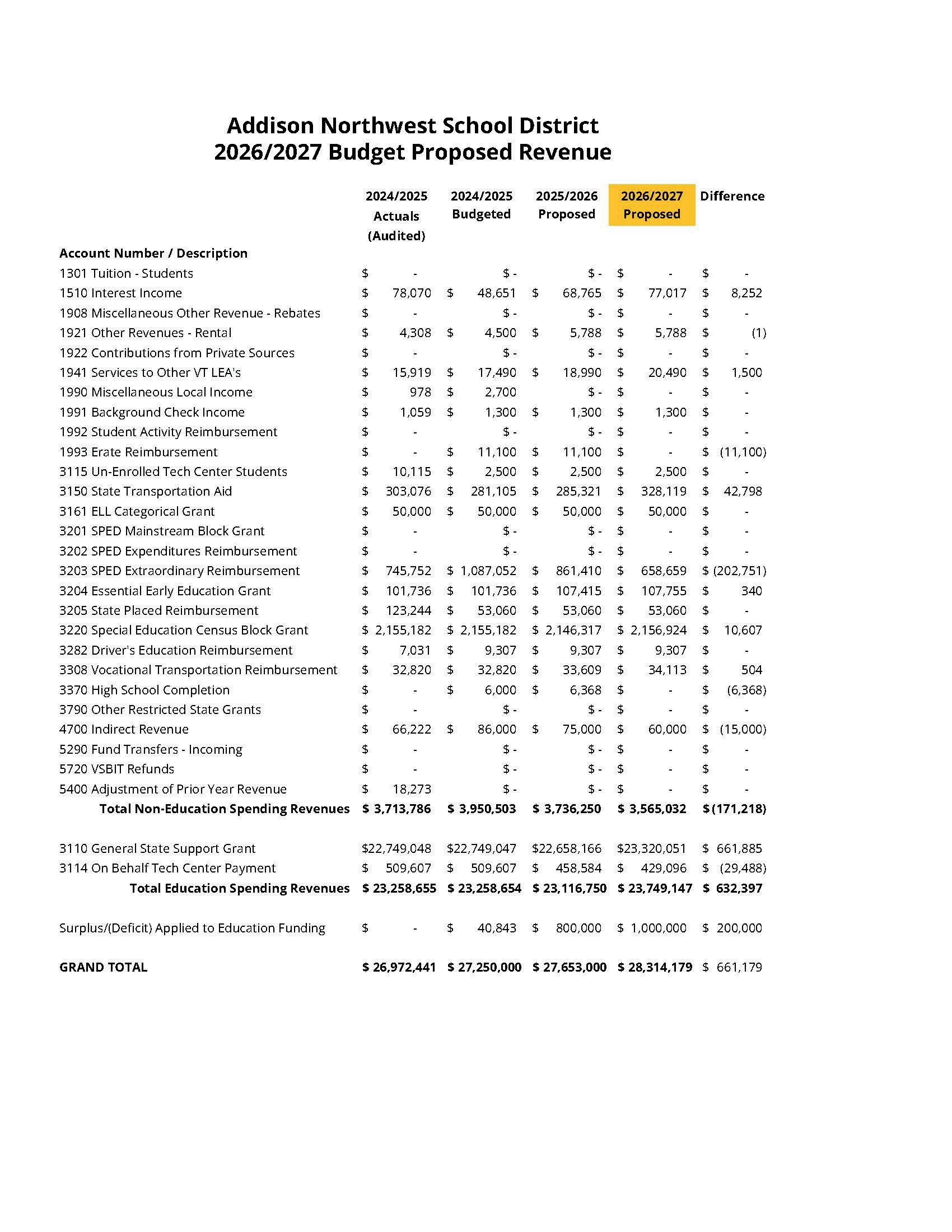
*ESTIMATED - For illustrative purposes only
*ESTIMATED - For illustrative purposes only

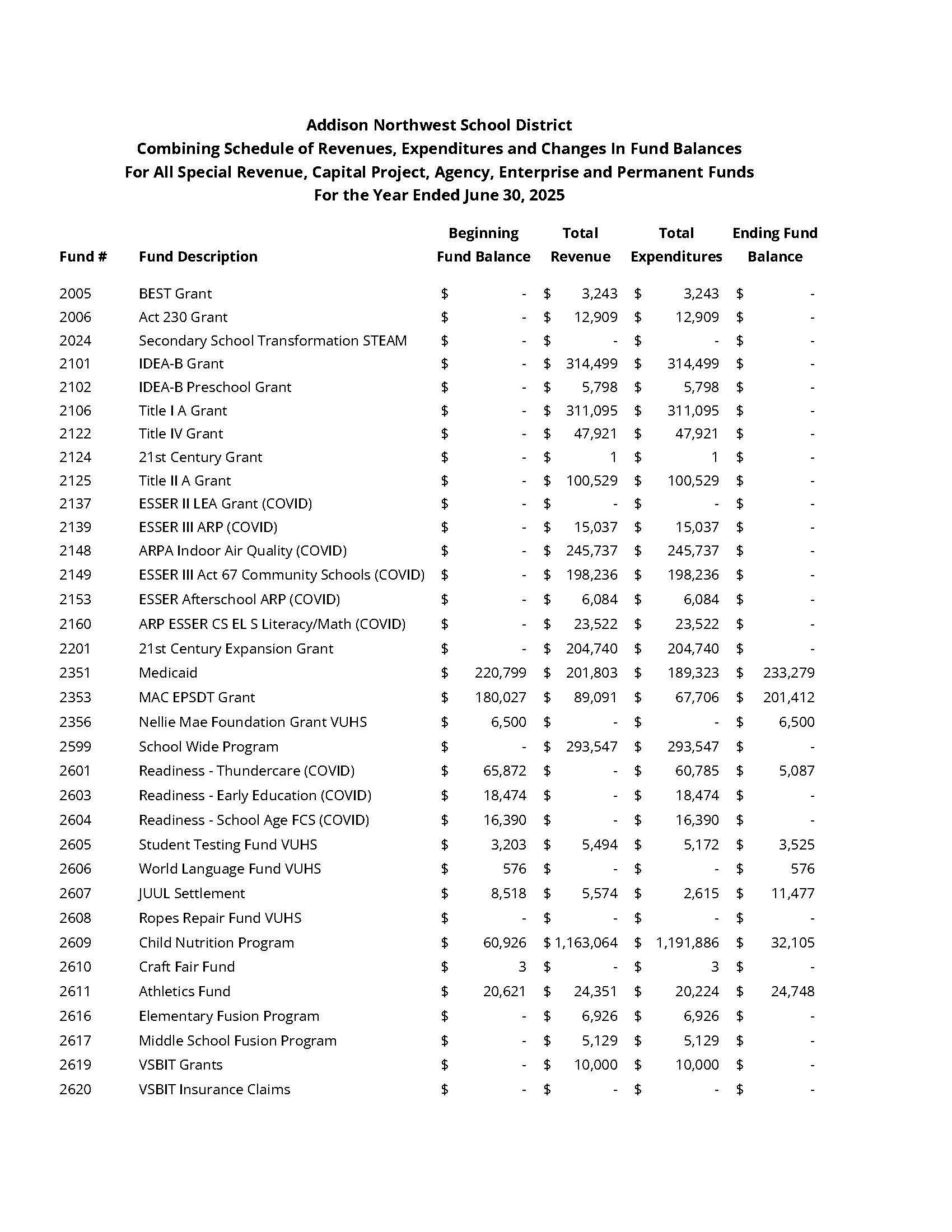
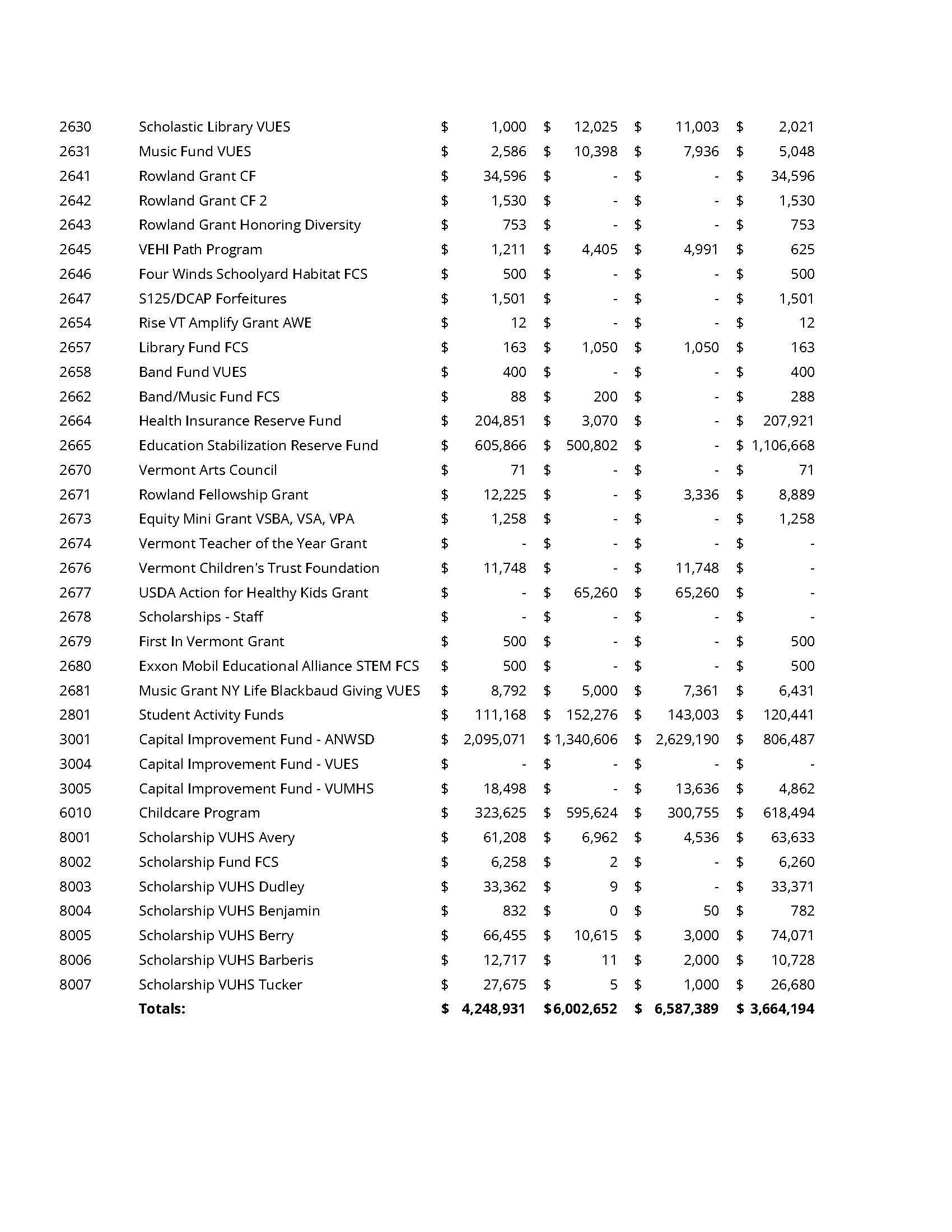
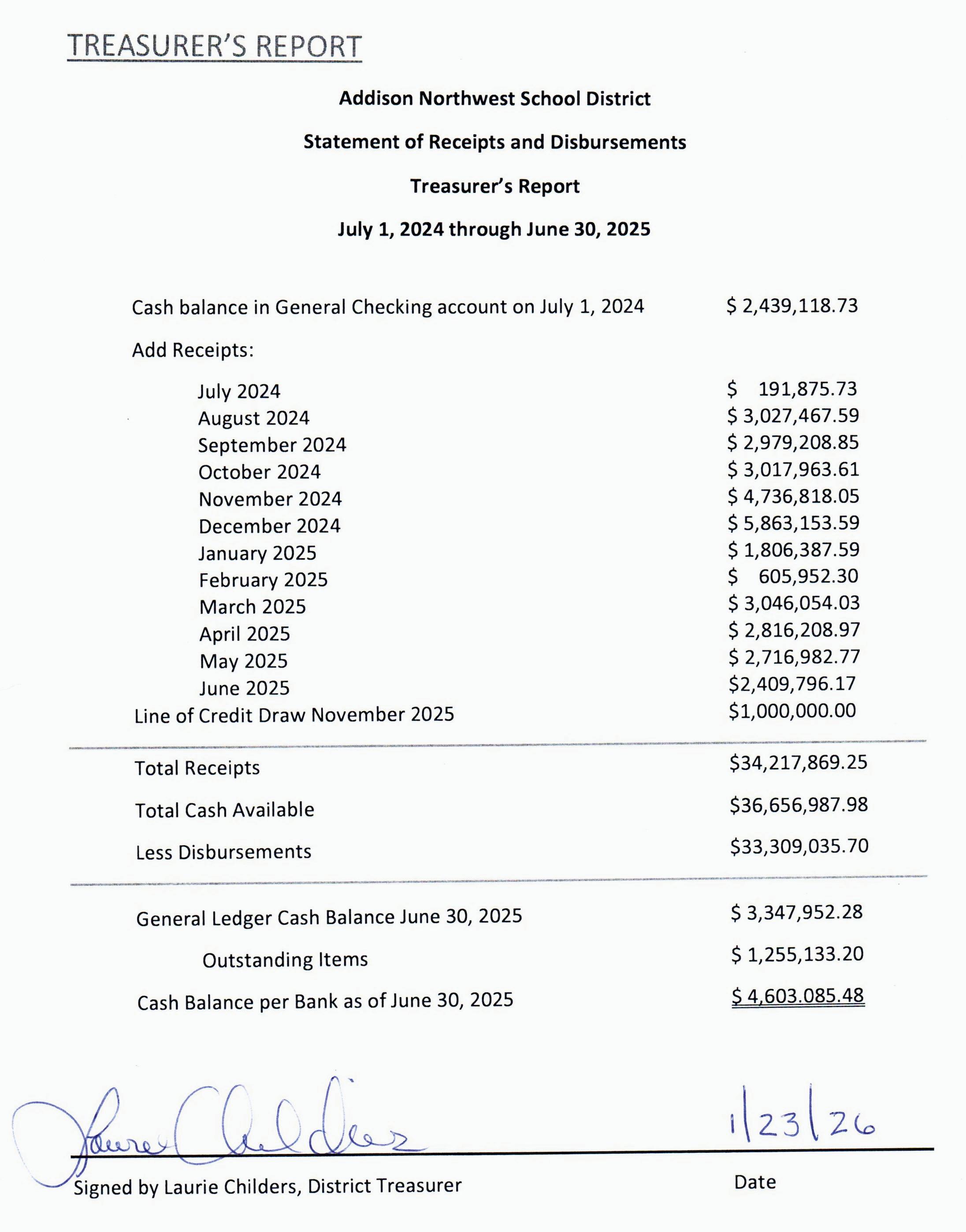
As of June 30, 2025 (Audited Final)
General Fund
Per accounting guidelines and our Fund Balance Policy we designate the type of funds that make up our total Fund Balance. As of June 30, 2025, the General Fund has a Positive Fund Balance comprised of the following:
Nonspendable (Prepaids) $ 99,502
Restricted
Committed
Assigned (Health Reserve)
$ 0
$ 0
$ 0
Assigned (Education Reserve) $ 7,274
Assigned (Capital Reserve) $ 750,696
Assigned (FY25 Budget) $ 800,000
Unassigned
Total Fund Balance
$ 1,113,498
$ 2,770,970
The unassigned fund balance is the amount that must be determined to apply to designated reserves as approved by voters or applied to the FY26 budget as revenue to reduce education spending.
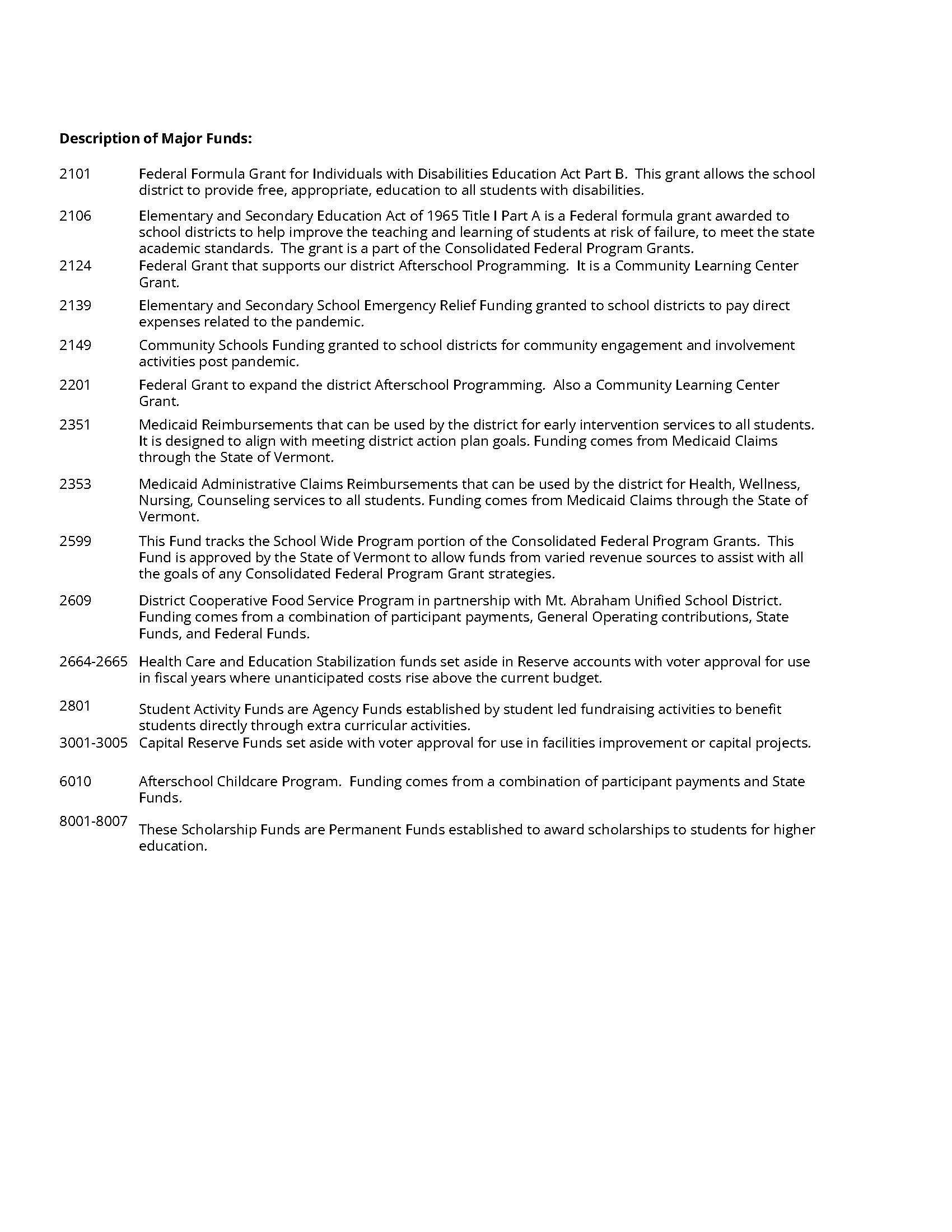
Child Nutrition - In FY25, this program continued to operate through the Food Service Cooperative agreement with Mt. Abraham Unified School District. FY25 resulted in a positive Fund Balance of $32,105 of which $15,381 is Nonspendable (Inventory) and the remaining $16,723 Restricted. Restricted Fund Balance in an Enterprise or Special Revenue fund such as this can be carried forward to FY26 to offset future budget shortfalls.
Capital Project Funds – These funds are reserves set aside specifically for property improvements or repairs. To allocate funds from any given year to these reserves, the Board must approve during the budget process and then warn an article for voters to authorize. Last year, $750,696 was voter approved from FY24 surplus to add to these reserves. This amount is included above under the General Fund as Assigned Capital Reserve and was deposited in FY26. To use the funds from reserves, administration must propose the use and intended project to the board, and they may approve at a duly warned board meeting.
Health Insurance Reserve Fund – Voters approved this fund to establish and allocate up to an amount not to exceed $200,000. According to the approved warning, funds can be allocated to this reserve account based on unspent budget funds specifically for Health Insurance Premiums or HRA/HSA account usage. In FY25, there was over $208,000 unspent in such accounts, however due to the approved cap on this reserve, the District cannot add any more funds to the account. Funds reserved in this account can be spent on Health Insurance Premiums or HRA/HSA usage that exceeds any given year’s budget for such, with the approval of the Board at a duly warned board meeting.
Education Stabilization Reserve Fund – Voters approved this fund to establish and allocate funds not to exceed 4% of the current operating budget. $7,274 from FY24 surplus is included above under General Fund as Assigned Education Reserve and was deposited in FY26. This fund is designed to pay for future budget shortfalls for items unforeseen in any given year’s budget process. To utilize funds from this reserve, the administration must track unbudgeted items and propose funding them to the Board, at the close of each fiscal year. The Board has the authority to approve the usage at a duly warned board meeting. During FY25 Management identified no unbudgeted expenditures, therefore there was no board approved use of this fund.
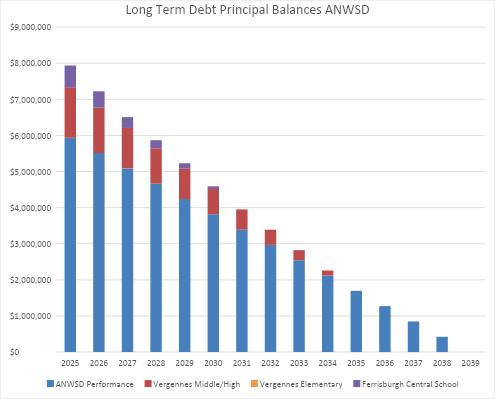
Principal Long-Term Debt Service as of June 30, 2025:
Ferrisburgh Central School
Two current Bond Notes with Principal Balances of $450,000 and $152,000. These notes mature in November 2030, and November 2027, respectively.
Vergennes Elementary School No Current Loans or Bond Notes.
Vergennes Union Middle/High School
Addison Northwest School District
One current Bond Note with a Principal Balance of $1,400,000. This note matures November 2034.
One Performance Contract Bond Note with a Principal Balance of $5,934,444. This note matures November 2038.
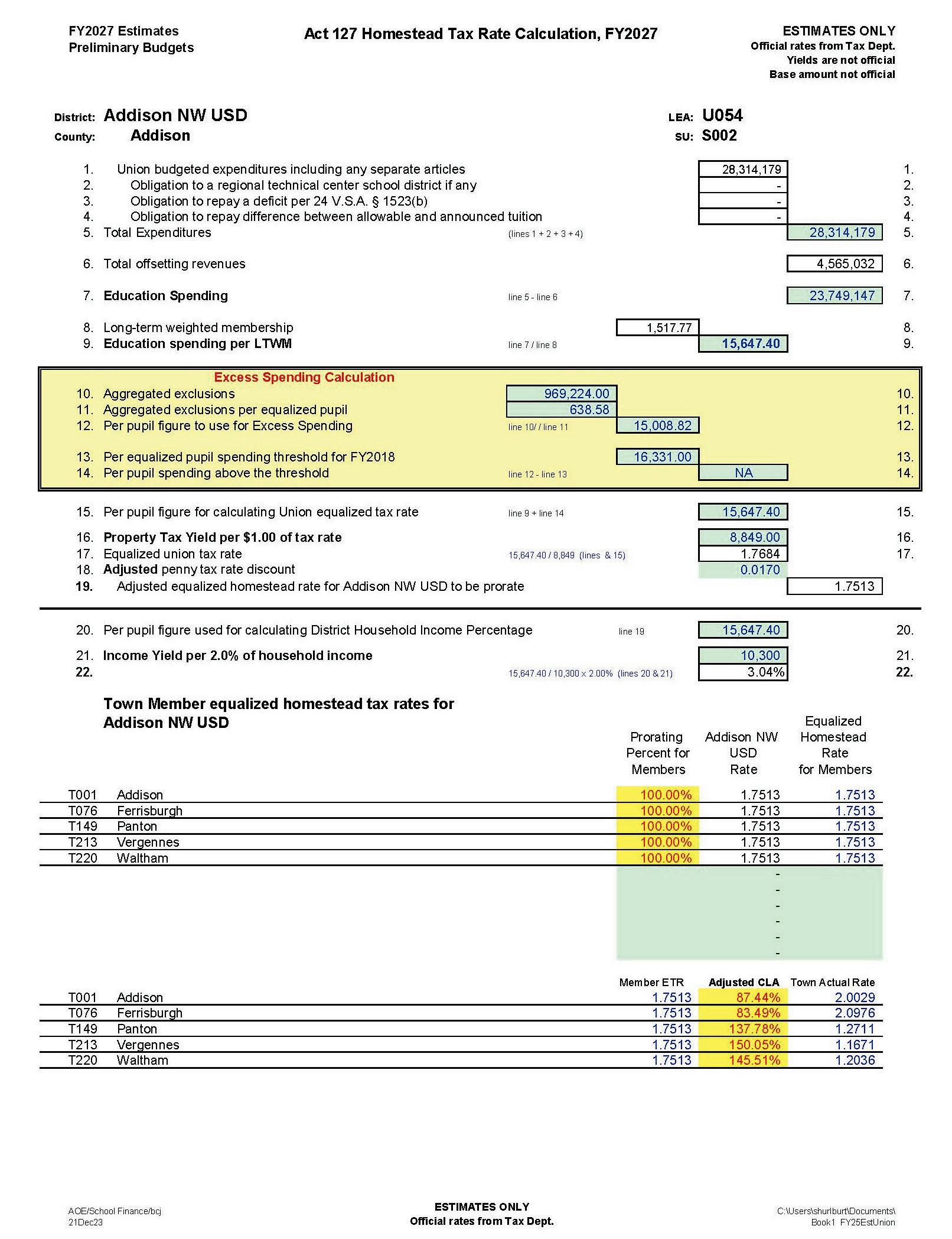
Our Total Local Education Spending amount of $23,749,146.98 is the first and only figure used in calculating our union tax rate that we have control over. The other components in the formula are estimates supplied by the State of Vermont.
**All figures used in calculations are subject to changes by the State Legislature**
The estimated union tax rate is divided by each town’s Common Level of Appraisal (CLA) post adjustment by the Statewide CLA Average as set by the Vermont Department of Taxes to determine each town’s tax rate. The school district is not responsible for these calculations.
The Forecasted Homestead Tax Yield for this estimate is based on the original forecast given by the State of Vermont.
ANWSD Addison Northwest School District
FCS Ferrisburgh Central School
AOE Agency of Education VUES Vergennes Union Elementary School
CSAC Counseling Service of Addison County VUMHS Vergennes Union Middle & High School
PAHCC Patricia A. Hannaford Career Center
Act 73
Board of Education
Capital Spending
CIP - Continuous Improvement Plan
CLA – Common Level of Appraisal
Collaborative Teaching (Co-Teaching)
Debt Service
E-Rate
EEE - Essential Early Education
ELA
EQS – Education Quality Standards
EST – Educational Support Team
A major Vermont education reform law aimed at restructuring school governance and funding to address high per-pupil spending and declining enrollment. It mandates the creation of a School District Redistricting Task Force to consolidate districts into larger units of 4,000–8,000 students by July 1, 2028, and introduces a new foundation formula for school funding, effective FY29.
Activities of the elected body that has been created according to state law and vested with responsibilities for educational activities in a given administrative unit.
Long-term fund for planned facility needs, warned as a separate Article on the ballot.
The process cycle of school improvement with the major components of creating the vision, gathering data related to that vision, analyzing the data, planning the work of the school to align with the vision, implementing the strategies and action steps outlined in the plan, and gathering data to measure the impact of the intervention.
A method used by the state in an attempt to tax properties based on fair market value since towns can go many years between re-appraisals.
A teaching strategy in which two or more teachers work together, sharing responsibilities to help all students succeed in the classroom.
The amount of funds required to cover the repayment of the interest and principal of a debt (loan, bond, lease, etc.)
The universal service Schools and Libraries Program provides discounts of up to 90 percent to help eligible schools and libraries in the United States obtain affordable telecommunications and internet access.
Children, ages three through five years old, who qualify for Essential Early Education receive special education and related services, provided by their school district, to meet their individual needs.
English Language Arts
The purpose of these rules is to ensure that all students in Vermont public schools are afforded educational opportunities that are substantially equal in quality and enable them to achieve or exceed the standards approved by the State Board of Education.
Written plan documenting a student’s learning or behavioral challenges and ways teachers can help the student to be successful in classes. This plan is developed by the Educational Support Team based on input from teachers who have worked with the student. Input from other service providers and parents, and test results may also be used in developing an EST Plan.
Education Fund
Education Spending
Vermont pays for education through the state’s education fund. There are four primary sources of money that comprise the fund: revenue transfer from the general fund, general purpose taxes, nonresidential property taxes, and homestead property taxes. Source: VSBA, Making Sense of Vermont’s Education Funding System
Defined as all of the money that a school district has determined is necessary to spend in the school year, less any offsetting revenueTotal district budget less ‘non-tax revenues’ such as federal and state grants as well as locally-generated revenues such as tuition and interest
Fiscal Services
FY – Fiscal Year
General Fund
IDEA – Individuals with Disabilities Education Act
IEP – Individualized Education Plan
Activities concerned with the fiscal operations of the school district. Includes budgeting, receiving and disbursing, financial and property accounting, payroll, inventory control, internal auditing, investments and funds management.
The school district operates, budgets and accounts for revenue and expenses on a 12-month fiscal year, which begins July 1st and ends the following June 30th.
The main operating fund of the school district.
A law that guarantees educational rights to all students with disabilities and makes it illegal for school districts to refuse to educate a student based on his or her disability.
A document describing an educational program designed to meet a student’s individual needs. An IEP includes a description of a student’s strengths, challenges, and needs, services that will be provided, accommodations necessary to allow the student to learn, and specific goals based on a student’s needs. Every student who is eligible for special education must have an IEP.
Long Term Average Daily Membership
MTSS - Multi-Tier System of Supports
PBGR - Proficiency-Based Graduation Requirements
PBIS - Positive Behavior Interventions and Supports
PLP - Personalized Learning Plan
Property Yield
Revenue
SEL
SLP - Speech-Language Pathologist
STEM
UDL
VSBIT
A two-year weighted average of Average Daily Membership.Average Daily Membership is a count of resident and state-placed students who receive an elementary (including EEE and PreK) or secondary education (7-12) at public expenseResident students are counted during the period from the 11th to the 30th day of the current school year, while state-placed students are counted for the school year prior to the current census period.
A tiered framework, which promotes school improvement through engaging, research-based academic and behavioral practices. Tier 1 = Core classroom instruction Tier 2 = Targeted small group instruction Tier 3 = Intensive individual intervention
A set of content knowledge and skills connected to state standards that, when supplemented with any additional locally developed requirements, have been determined to qualify a student for earning a high school diploma.
A proactive approach to establishing the behavioral supports and social culture needed for all students in a school to achieve social, emotional and academic success.
Establishes individual student goals based on academic and career objectives and personal interests; sequences content and skill development to achieve those goals and ensure that a student can graduate college and career-ready; and is updated based on information about student performance in a variety of learning experiences - including assessments - that indicate progress towards goals.
The estimated amount districts have to spend per pupil to have an equalized tax rate of $1.00 while generating enough money for the State’s Education Fund.
Refers to receipts from all taxes, fees, licenses, and permits as established in current law, and any other sources of income including federal funding.
Social Emotional Learning - the process of developing the self-awareness, self-control, and interpersonal skills that are vital for school, work, and life success.
A professional who diagnoses and treats communication and swallowing disorders.
Science, Technology, Engineering and Mathematics
Universal Design for Learning – a framework to improve and optimize teaching and learning for all people based on scientific insights into how humans learn.
Vermont School Boards Insurance Trust
Vermont Comprehensive Assessment Program is to assess students in grades 3 through 9 in English Language Arts (ELA) and Math and students in grades 5, 8, and 11 in Science. The ELA and mathematics assessments measure the Common Core State Standards (CSSS) for English and mathematics, respectively. The science assessment measures the Next Generation Science Standards (NGSS).
Attention residents of Addison, Ferrisburgh, Panton, Vergennes, and Waltham:
Addison Northwest School District offers special education services to eligible children three through 21, and early intervention for children birth to age three.
Eligible students with disabilities are entitled to receive a free, appropriate, public education.
ANWSD may not be aware of all resident children and youth with a disability. If you know of a child who has a disability and is not in school, homeless, attending an independent school, enrolled in home study, or not otherwise being educated at public expense, please notify us by contacting your local school principal or by calling 802-8773332 ext. 2113, or writing: Laura Nugent, Director of Student Support Services, ANWSD, 11 Main Street, Suite B100, Vergennes, VT 05491