This World Environment Day, the Royal Architectural Institute of Canada (RAIC) is sending a clear message: the architectural profession must lead boldly in addressing the interconnected challenges of climate change and biodiversity loss. With the release of its Climate Action Plan – A Framework for Engagement and Enablement, the RAIC offers a visionary and practical roadmap for transforming Canadian architectural practice into a catalyst for ecological and social regeneration.
The Climate Action Plan (CAP) is not just a strategy – it is a profession-wide call to action. Developed through a two-year national engagement initiative involving more than 800 architects, allied professionals, Indigenous knowledge holders, and climate experts, the CAP is rooted in science, justice, and responsibility to future generations. It acknowledges architects as central contributors to shaping the built environment and challenges them to reimagine their role in advancing the transition to a resilient, low-carbon, and regenerative future.
WHY NOW?
Communities across Canada are experiencing the impacts of climate change – from catastrophic wildfires, hail, and flooding to the degradation of biodiversity loss and permafrost. In 2024 alone, the insurance costs of extreme weather events surpassed $8 billion, not including uninsured costs to governments, businesses, and homeowners. Built environments are at the heart of the problem and the solution. Globally, buildings account for roughly 37 percent of energy-related carbon emissions, and construction activities are responsible for over 90 percent of biodiversity loss and water stress. In this context, the CAP argues, architects face new responsibilities in safeguarding public health, safety, and welfare.
FOUR PILLARS OF ACTION
The RAIC Climate Action Plan is structured around four strategic focus areas:
Accelerating the Transformation of Practice
This pillar emphasizes the urgent need to accelerate changes in Canadian architectural practice to address the pressing challenges of climate change and biodiversity loss. The RAIC will provide resources, tools, and education to support the transition of practice towards resilient, low-carbon, and regenerative design across all project scales. A key commitment is to align RAIC programs, awards, and publications with the principles of regenerative design and development. Additionally, the RAIC will include Indigenous Knowledge Holders and youth voices in shaping future pathways.
Advocating Boldly to Create Pathways for Change
Architects must play a more visible role in shaping public policy across various forums. The RAIC will advocate for incentives, regulatory reform, and professional licensure requirements that prioritize climate action. This includes advocating for insurance and fee structures that reflect the true value and risk mitigation of resilient, low-carbon and regenerative design. It also includes recognizing new scopes of work needed for
climate-responsive environments, ensuring architects are equipped to address these challenges.
Mobilizing Partnerships and Collaborative Action
No single discipline can solve the climate crisis alone. The CAP positions architects and the RAIC as conveners – working across sectors, jurisdictions, and knowledge systems to spark collective impact. Through national roundtables and strategic alliances, the RAIC aims to create a collaborative ecosystem that accelerates innovation and aligns efforts with both local contexts and global targets.
Investing in Education and Research
From licensure to lifelong learning, education is a cornerstone of climate leadership. The RAIC will expand access to microcredentials, Indigenous land-based learning, research fellowships, and public education campaigns. Collaboration with schools of architecture and mentorship programs will ensure the next generation of architects is prepared to lead with conviction and creativity.
CENTERING RECONCILIATION AND EQUITY
The CAP is explicit in its commitment to reconciliation and equity. The document was developed with the guidance of the RAIC Indigenous Task Force and emphasizes “Two-Eyed Seeing.” First introduced by Mi’kmaq Elders Albert Marshall and Murdena Marshall from Eskasoni First Nation, Two-Eyed Seeing encourages us to view the world from two perspectives - one from the strengths of Indigenous knowledge systems, the other from the strengths of Western knowledge systems. The CAP also recognizes the disproportionate impacts of climate change on youth, those facing barriers to affordable housing, and First Nations, Inuit, and Métis Peoples, affirming that climate justice is inseparable from design justice.
A PROFESSION TRANSFORMED
What makes the RAIC’s Climate Action Plan especially compelling is its dual role as both a roadmap and an invitation. It offers a structure for action – complete with measurable goals, annual reporting, and a commitment to continuous improvement – while encouraging architects to reimagine what their work can accomplish.
Architects are positioned to influence the systems, spaces, and material flows that define our daily lives. But the world has changed. Design excellence must be synonymous with ecological restoration, social equity, and climate resilience. As the CAP states, “Every fraction of a degree matters. What choice will we make?”
CALL TO THE PROFESSION
The CAP ends with a resounding call to action: “Together, we will rise to the complex challenge before us, drawing on creativity, innovation, love for our one precious planet, and our responsibilities to future generations.”
The message is clear: The time for incremental change has passed. Architects must act with increased urgency, responsibility, and ambition to shape a regenerative future.
SPACES THAT STAND FOR SOMETHING
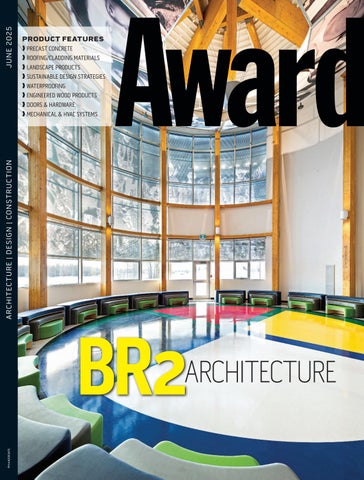
With a legacy of nearly five decades, BR2 Architecture continues to design for people, purpose, and place
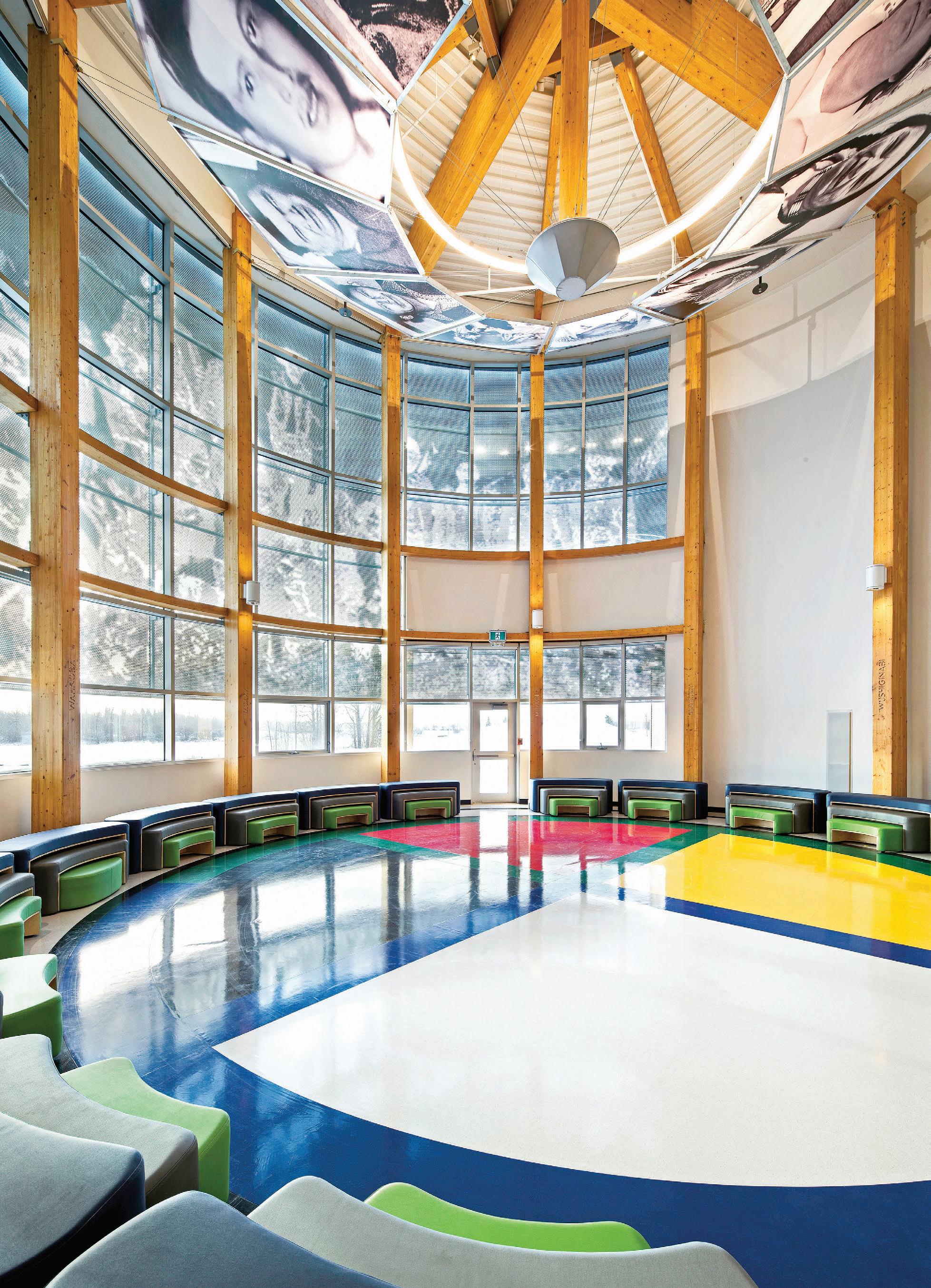
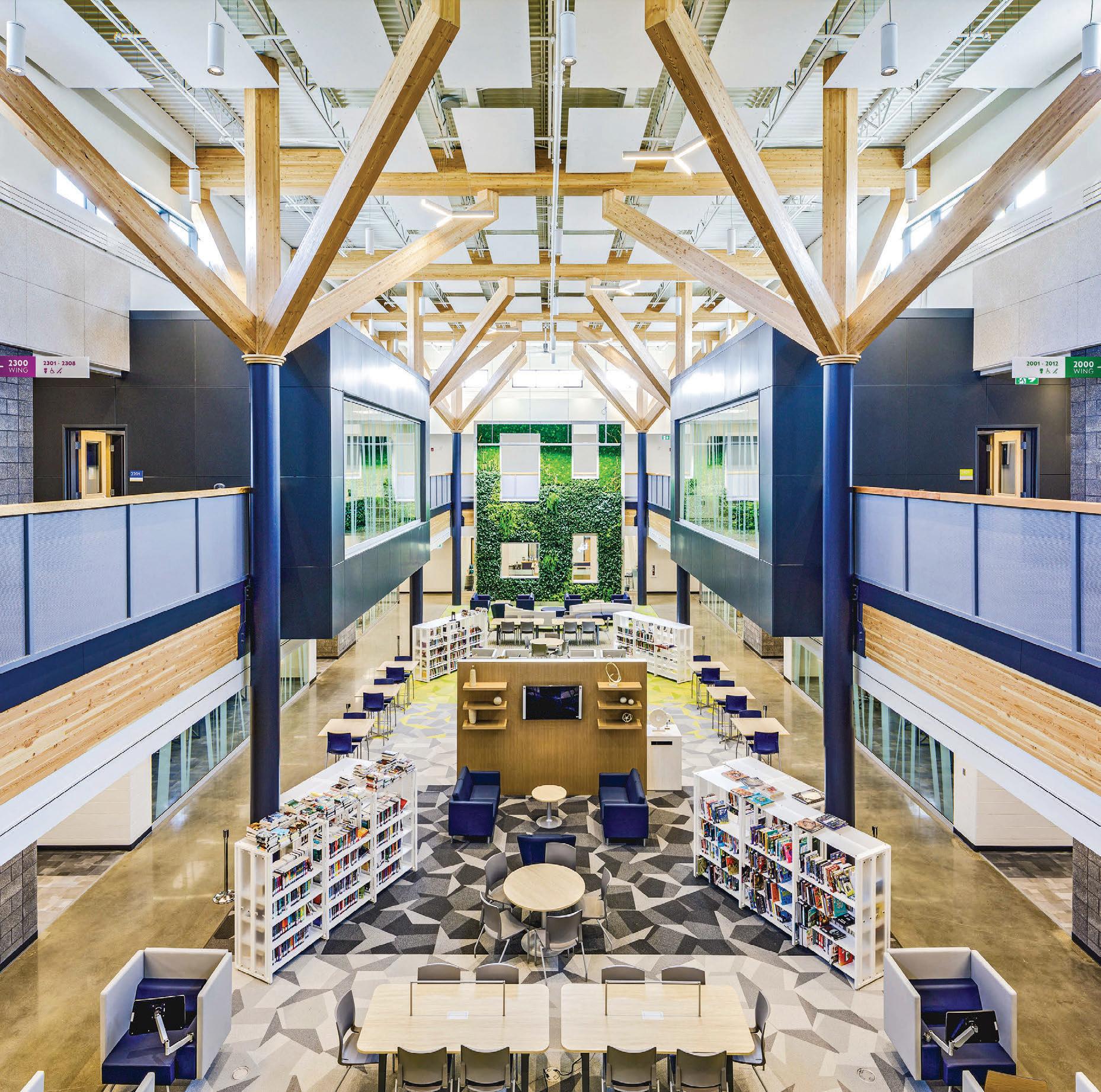
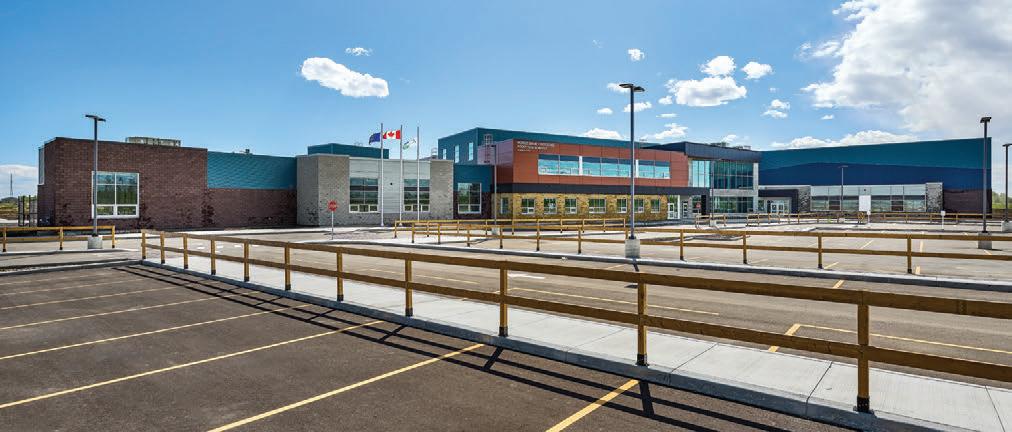
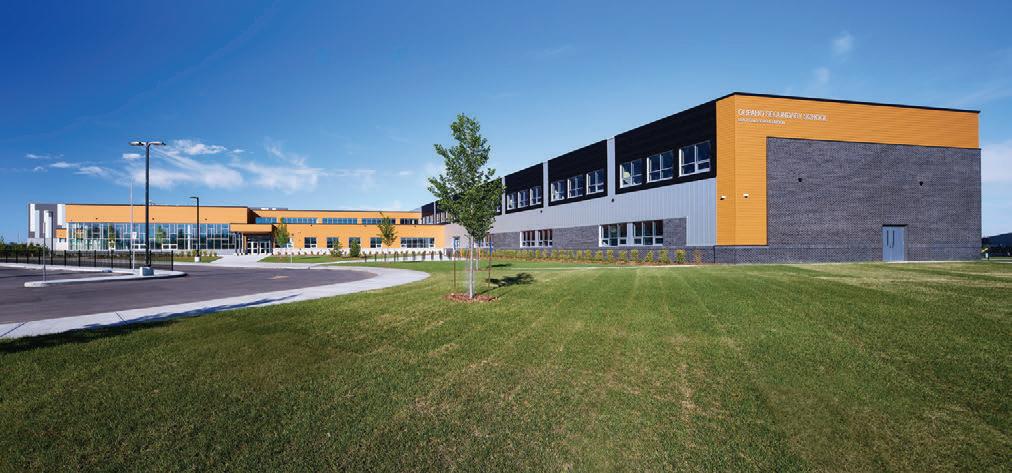
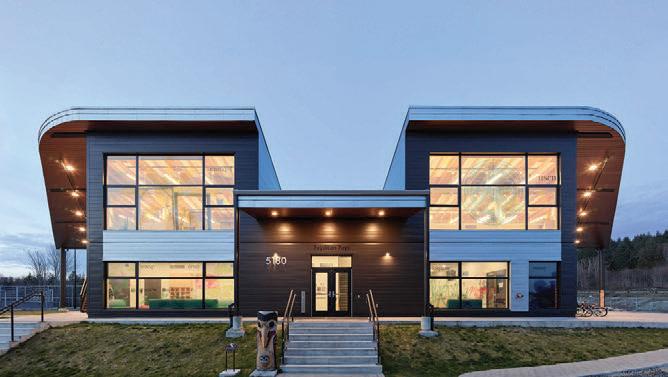
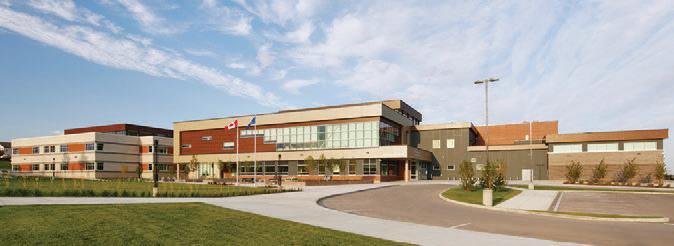
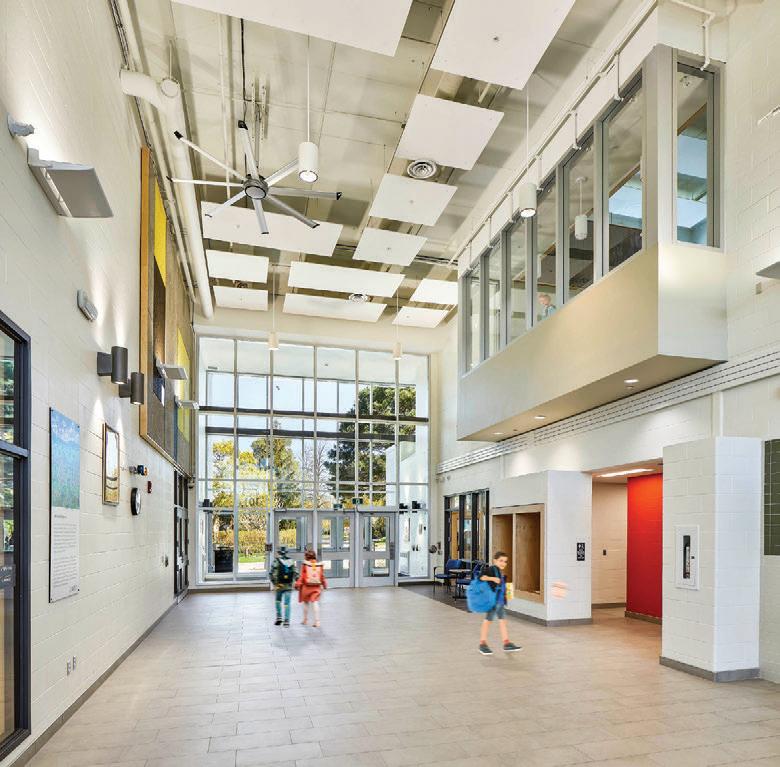
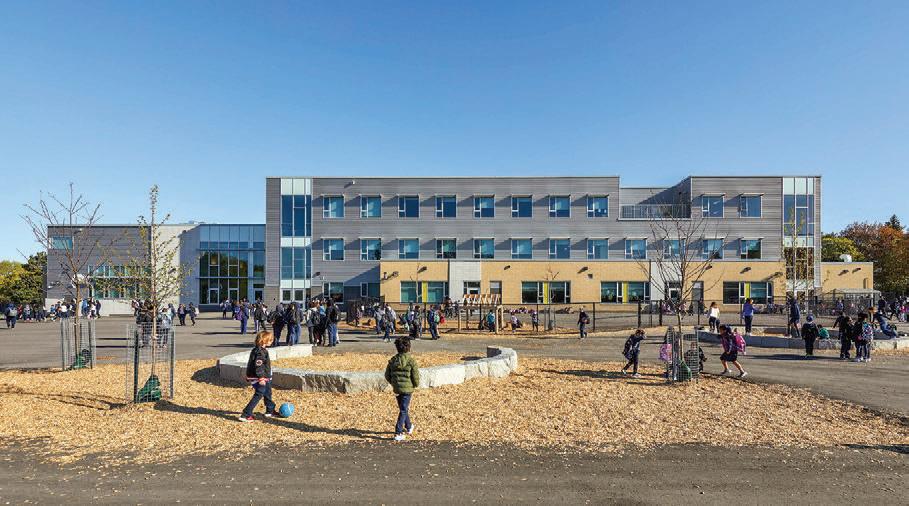
Dr. Anne Anderson High School
BRUCKNER
Great architecture has never been just about buildings – it’s about people. The most enduring structures don’t simply fill space; they define it, shaping communities, enriching experiences, and standing as lasting testaments to vision, collaboration, and innovation.
At BR2 Architecture, an award-winning architectural and interior design firm, this philosophy is embedded in every project. For nearly five decades, the firm has shaped spaces that do more than stand; they serve, inspire, and endure. With an eye for aesthetics and an unwavering focus on the people who use them, BR2 creates environments where form and function go hand-in-hand.
The firm’s origins stretch back to 1978, when it was first established in Edmonton as Eldred Haight Partnership. Over the years, it underwent multiple evolutions – becoming Eldred Barr Architects in 1983, then Barr Ryder Architects & Planners in 1987, and later merging with Unigroup Architecture and Interior Design Inc. in 2007. This merger gave rise to Barr Ryder Architects & Interior Designers, which ultimately transitioned to BR2 Architecture in 2014.
Despite these changes, one thing remains constant: BR2’s commitment to client satisfaction and architectural excellence. “What has stayed consistent through generations of the firm is our dedication to service – not just to clients, but to every member of the project team, including consultants, contractors, project managers, and stakeholders,” says Shaun Visser, partner at BR2. “Our success is built on the relationships we’ve cultivated over the past 45 years.”
BR2 has played a significant role in shaping Alberta’s built environment, with a portfolio spanning educational institutions, recreational facilities, cultural spaces, residential projects, and industrial developments. The firm’s expertise extends across Western Canada, reflecting its ability to design for diverse environments and needs.
A notable chapter in BR2’s history includes its expansion into Canada’s North, where founding partners Stephen Barr and David Ryder worked in Yellowknife in the mid-1970s before establishing an office there in 1983. Though economic shifts led to its closure in 1991, the firm’s understanding of northern architecture – where climate and sustainability are critical – remains a defining characteristic of its design approach today.
The firm’s leadership has evolved over time, with Visser and Derek Sampson stepping into partnership roles in 2014, alongside longtime principal Steven Bushnell. Jim Carey, a key figure in BR2’s evolution, retired in 2020, leaving the firm in the capable hands of a team that values both innovation and continuity. With a steady workforce of 18 to 23 professionals, BR2 fosters a collaborative environment where technical expertise and design creativity intersect.
BR2’s extensive portfolio reflects the depth and versatility of its expertise. The firm has been instrumental in shaping not only Alberta’s educational landscape but the broader Western Canadian region, designing a wide range of schools and influencing the evolution of school prototypes through Alberta’s P3 programs.
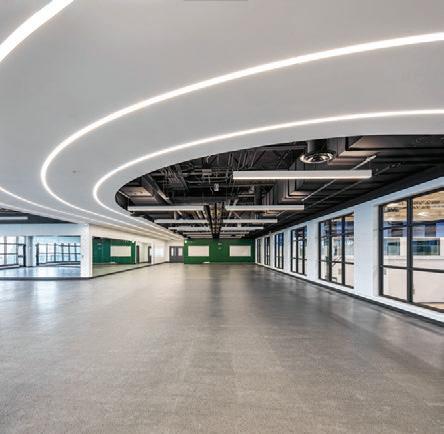
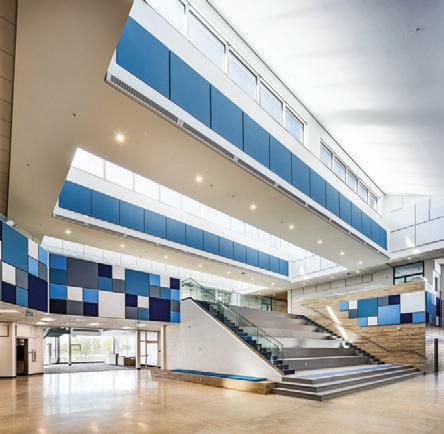
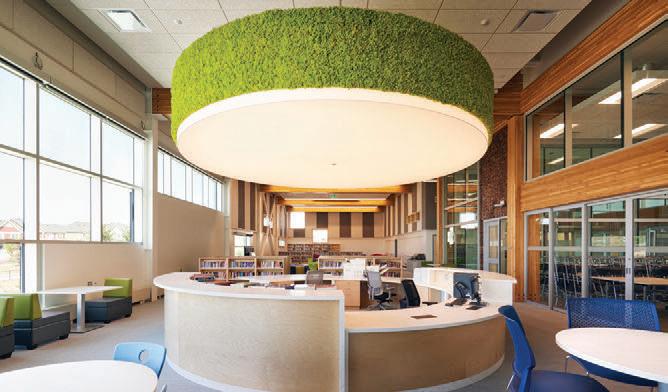
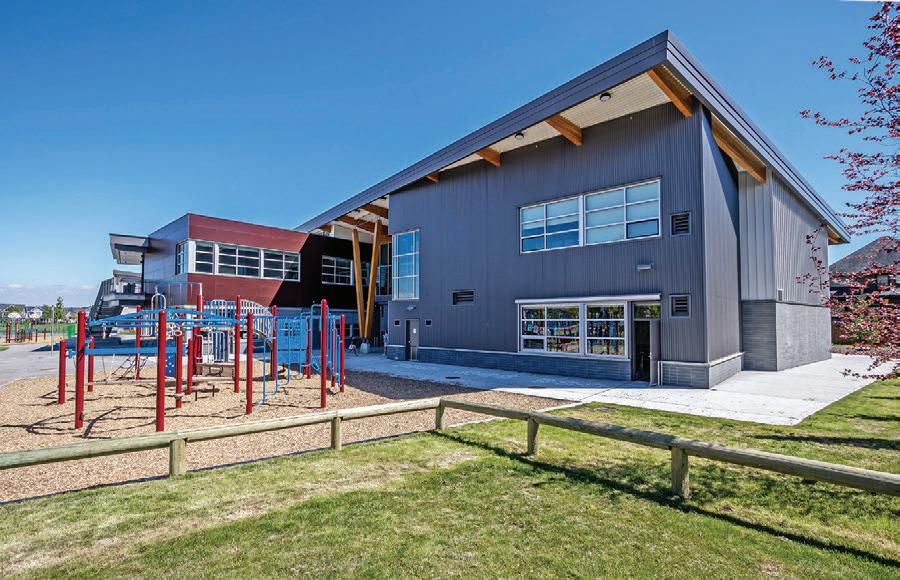
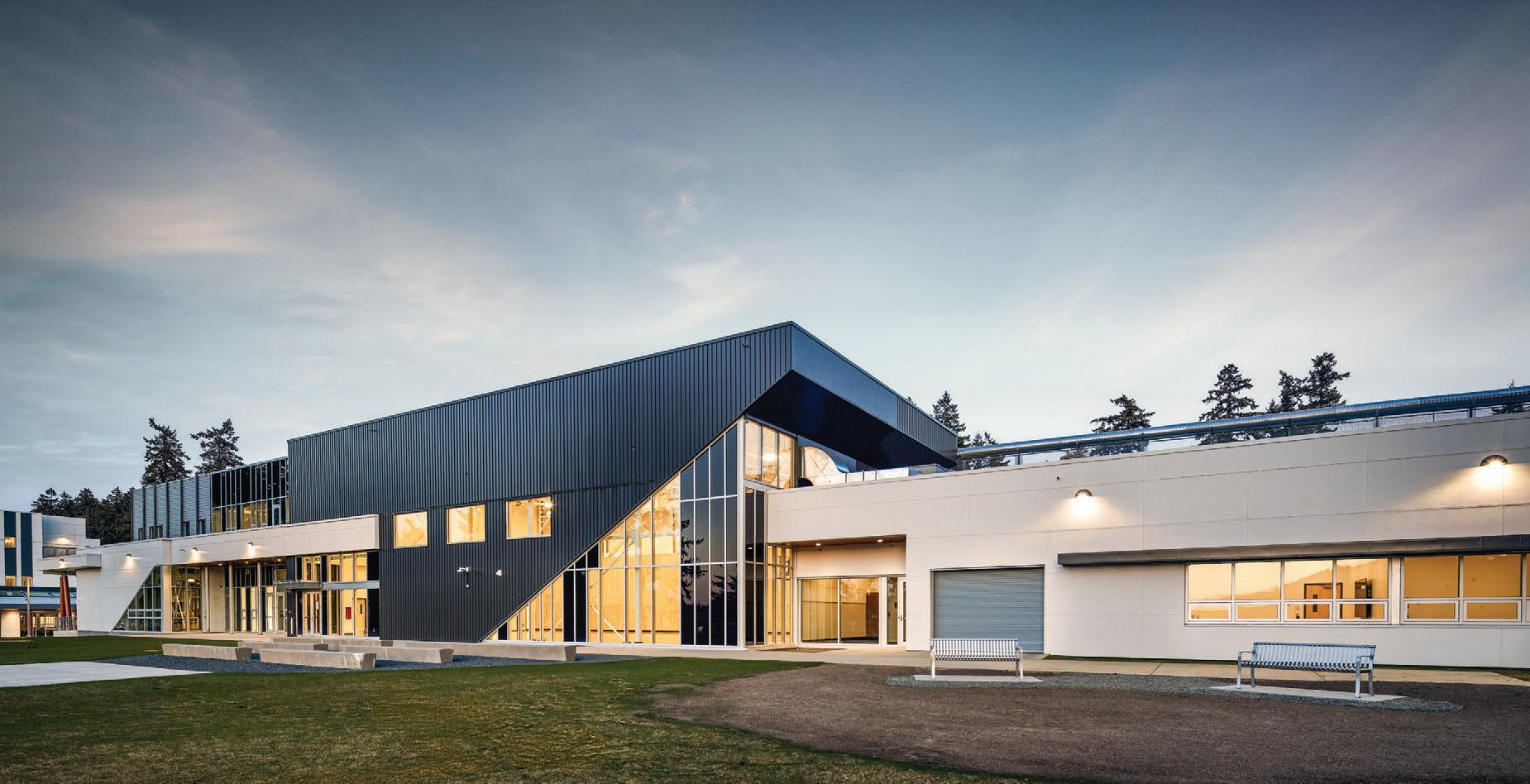
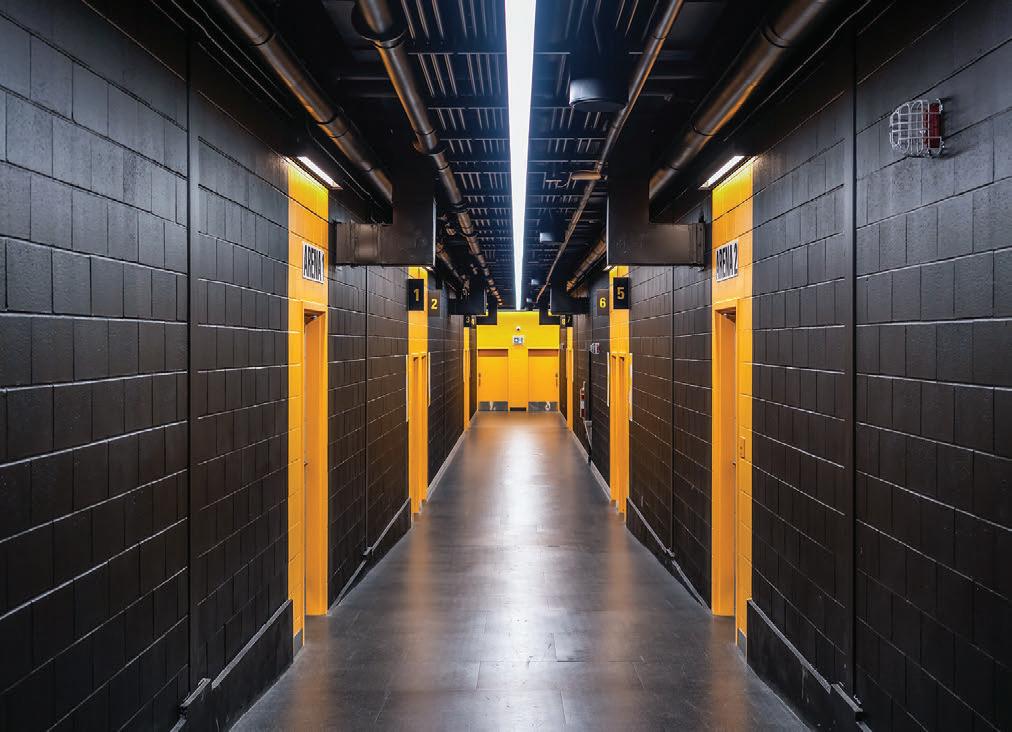
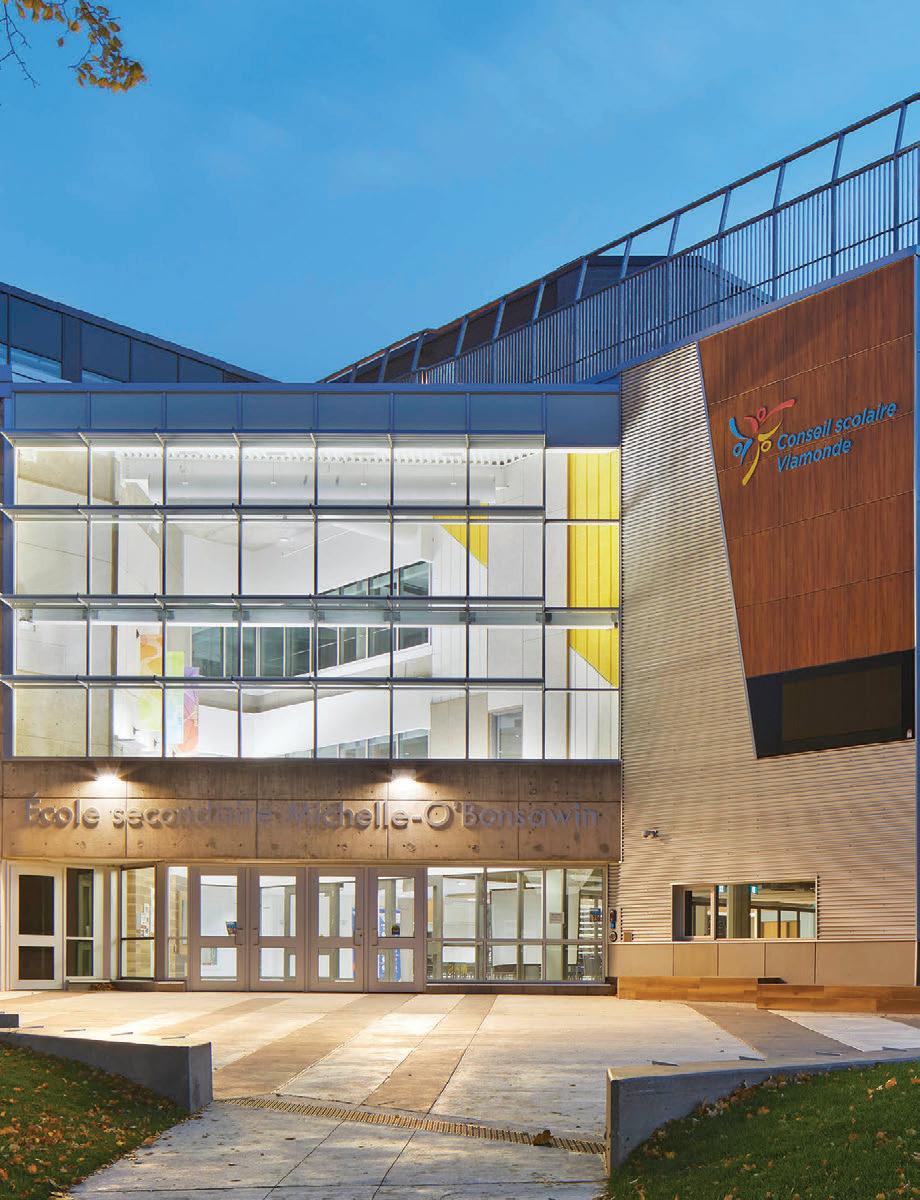
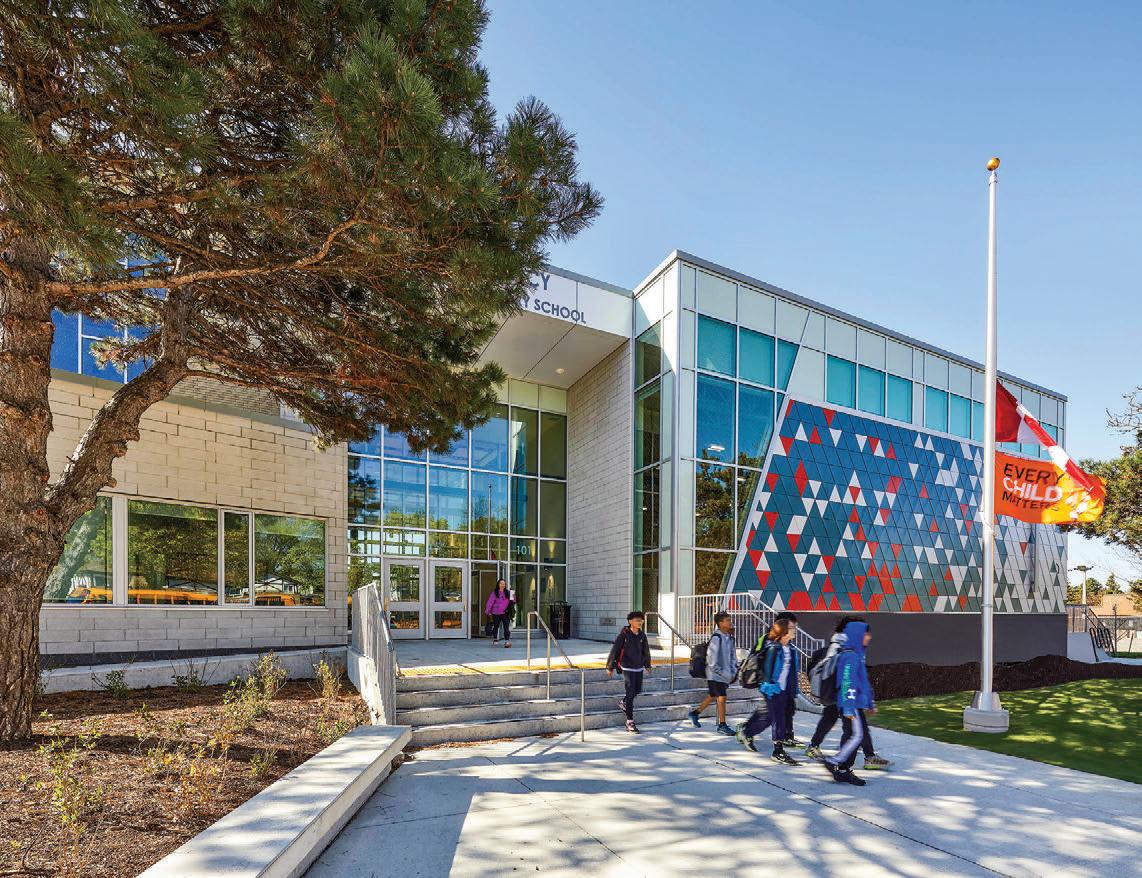
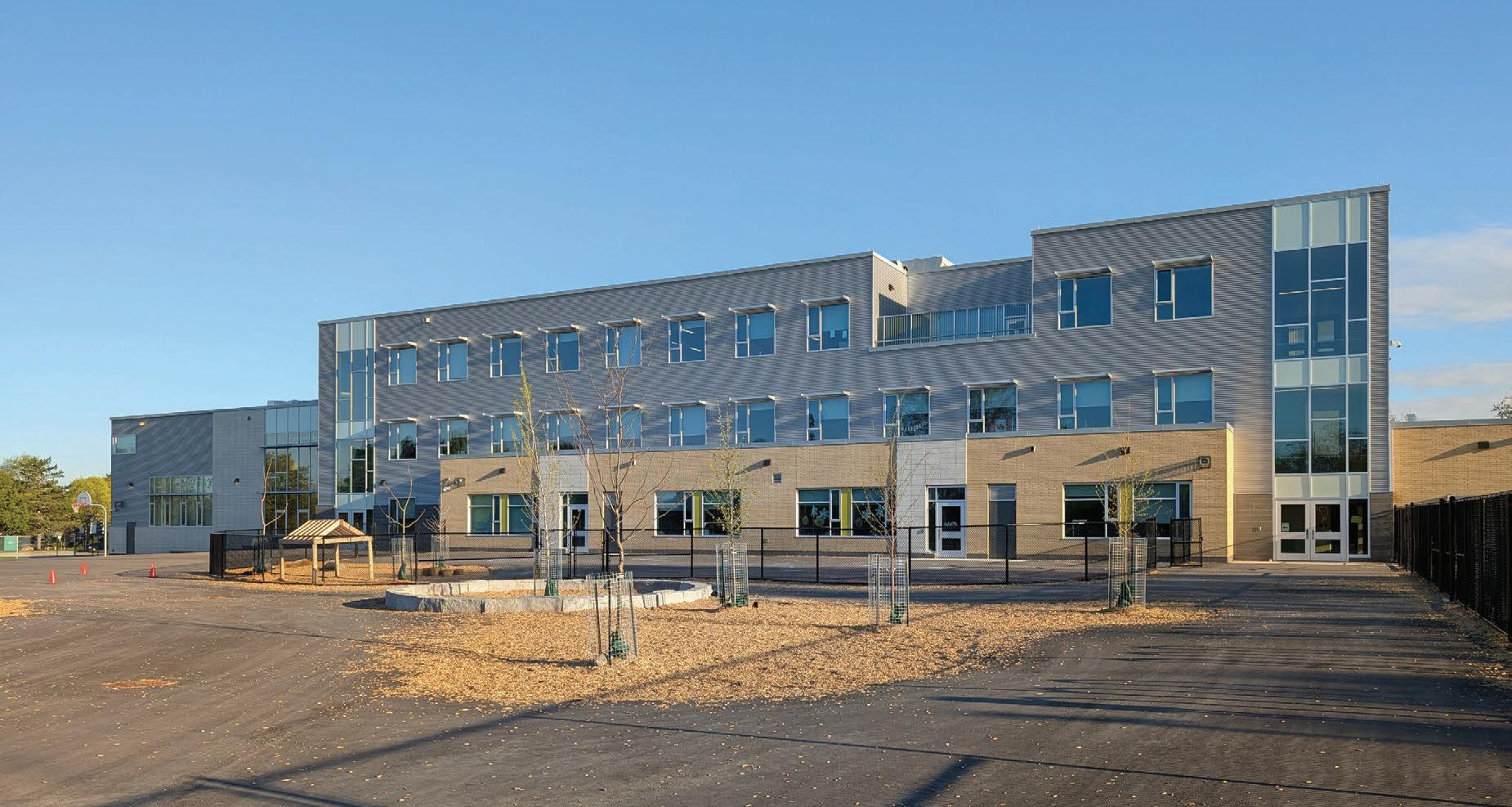
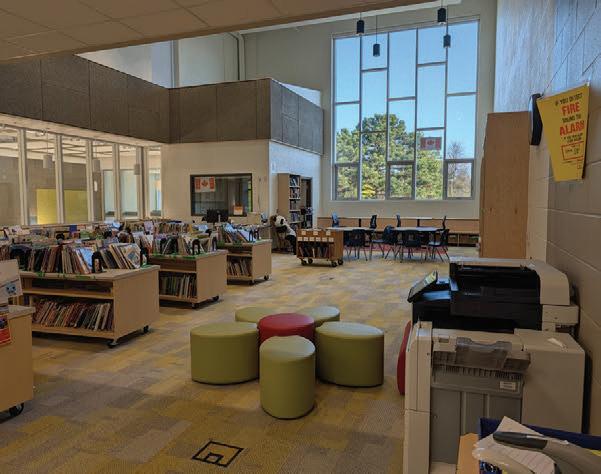
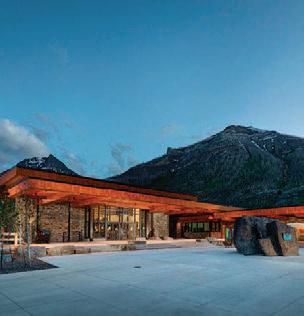
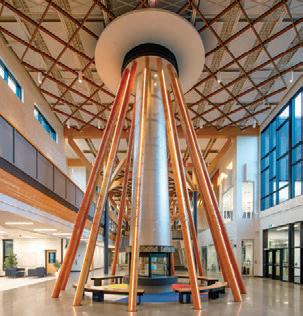
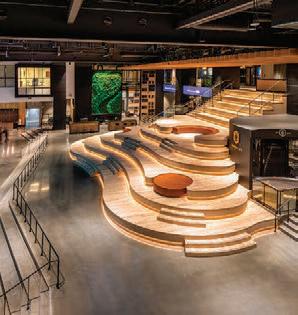
Recent standout projects include Dr. Anne Anderson High School in Edmonton, which accommodates 1,800 students, and a series of other innovative P3 educational spaces, such as Iron Ridge Secondary Campus in Blackfalds, Elder Dr. Francis Whiskeyjack School in Edmonton, Ohpaho Secondary School in Leduc, and Horseshoe Crossing High School in Langdon. These projects reflect BR2’s forward-thinking approach to learning environments, ensuring that schools are not just places of instruction, but hubs of community engagement and student development.
Beyond education, BR2 has left an indelible mark on recreation and cultural facilities, designing landmark projects such as the Camrose Aquatic Centre, Baytex Energy Centre in Peace River, and the Jeanne & Peter Lougheed Performing Arts Centre in Camrose. The firm’s expertise extends to residential and industrial developments, with projects like the Emmanuel Home expansion in Edmonton and the Shell LNG Camp in Kitimat, B.C., demonstrating its ability to create spaces that support both living and working environments.
What sets BR2 apart is the philosophy that guides its work – balancing design and technical excellence to ensure every project is visually compelling, functionally efficient, sustainable, and enduring. BR2 has been an early adopter of technology in architecture, leveraging tools like the REVIT software platform to enhance project accuracy and efficiency.
This commitment to innovation extends to sustainability. The firm’s approach to energy efficiency is deeply rooted in its history, particularly in lessons learned from designing for Canada’s North. Partners Visser and Sampson, much like their predecessors, gained firsthand experience working in these extreme climates, reinforcing the importance of building science and resilient design.
“At BR2, sustainability begins with thoughtful design – careful attention to site selection, building orientation, massing, and function,” says Sampson. “We view
the building envelope as the most effective way to enhance any sustainable technology a project incorporates. But sustainability isn’t just about the exterior; it extends to interior spaces as well. Designing environments that support, inspire, and respect occupants is just as crucial as minimizing environmental impact.”
At its core, BR2’s greatest asset is its team. The firm embraces a workplace culture built on respect, mentorship, and teamwork. “The individuals who make up the BR2 team are the firm’s most important resource, and their expertise its most valuable asset,” says Visser.
BR2 prioritizes investing in its employees, fostering a culture of continuous learning and professional growth – an approach that has led to remarkable retention. “We’re extremely proud of our high employee retention rate, with many team members having been with us for 10 to 35 years,” says Sampson. This continuity has upheld BR2’s standards of excellence and ensured a seamless transfer of knowledge and leadership from one generation to the next.
Like any firm with a long and storied history, BR2 has faced its share of challenges, but its resilience has never wavered. The sudden loss of Stephen Barr in 2007 was a defining moment, pushing the firm’s remaining leaders to carry forward his legacy of excellence. With each leadership transition, subtle shifts in direction have occurred, yet BR2’s core philosophy – commitment to clients, meticulous attention to detail, and a collaborative spirit – has remained unchanged.
Looking ahead, BR2 is eager to embrace new opportunities, expand its expertise, and evolve alongside the industries it serves. “We’re excited to see where the education and recreation sectors are heading and to collaborate with clients on forward-thinking design solutions,” says Visser. “Additionally, we’re dedicated to mentoring the next generation of leaders. Our rising stars are the future of BR2, and our goal is to equip them to one day take the reins and carry on the firm’s legacy.”
Ultimately, BR2’s most exciting project is always the next one. Whether designing a school that shapes young minds, a recreation centre that brings a community together, or an industrial facility that fuels economic growth, the firm remains committed to creating spaces that matter. Because at its core, BR2 Architecture isn’t just about buildings – it’s about people and the spaces that shape their lives. A
Horseshoe Crossing High School
Elder Dr. Francis Whiskeyjack School Iron Ridge Secondary Campus
Ohpaho Secondary School
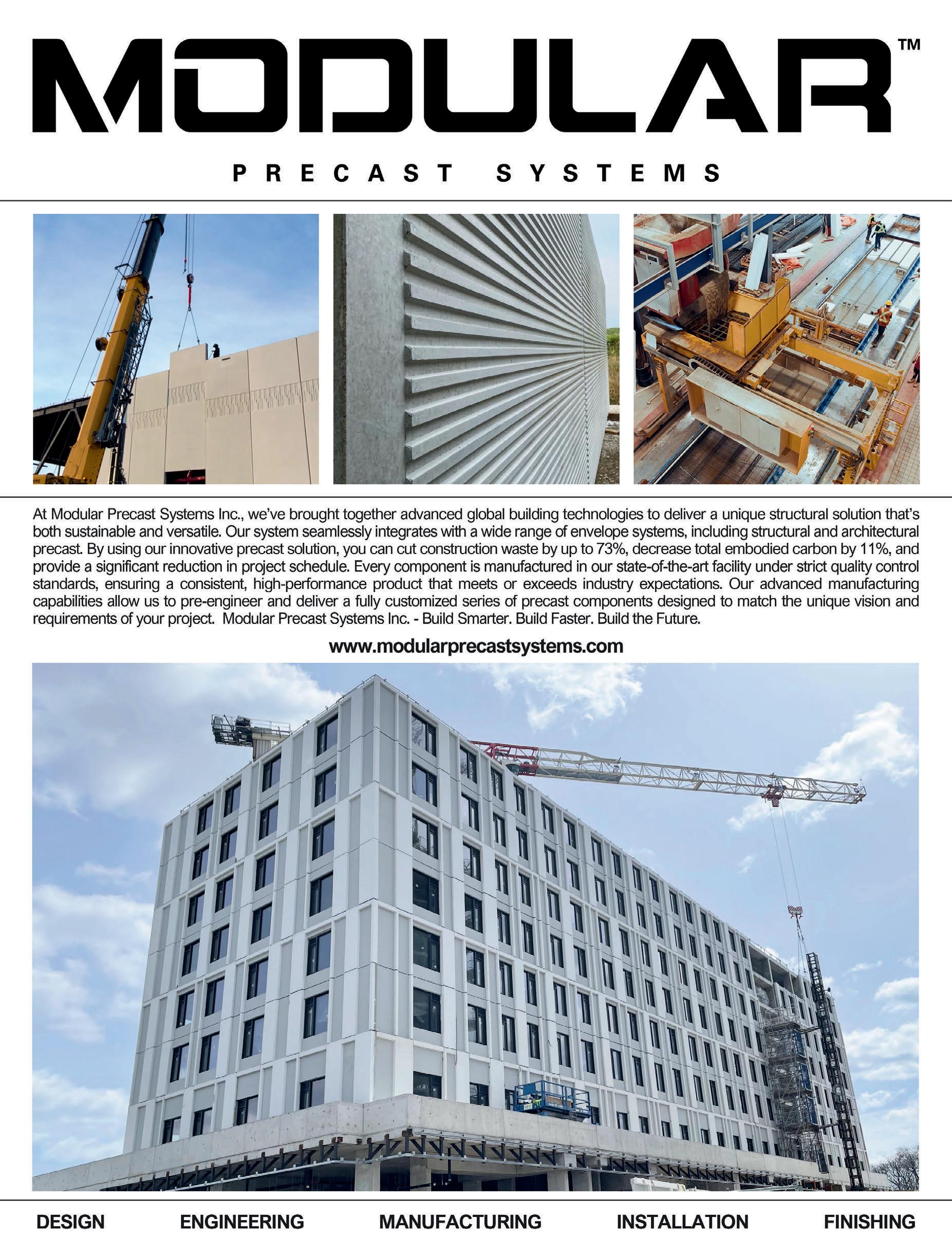
PRECAST CONCRETE BUILDS ON ... PREFABRICATED PRECAST CONCRETE WINDOW & WALL SYSTEMS
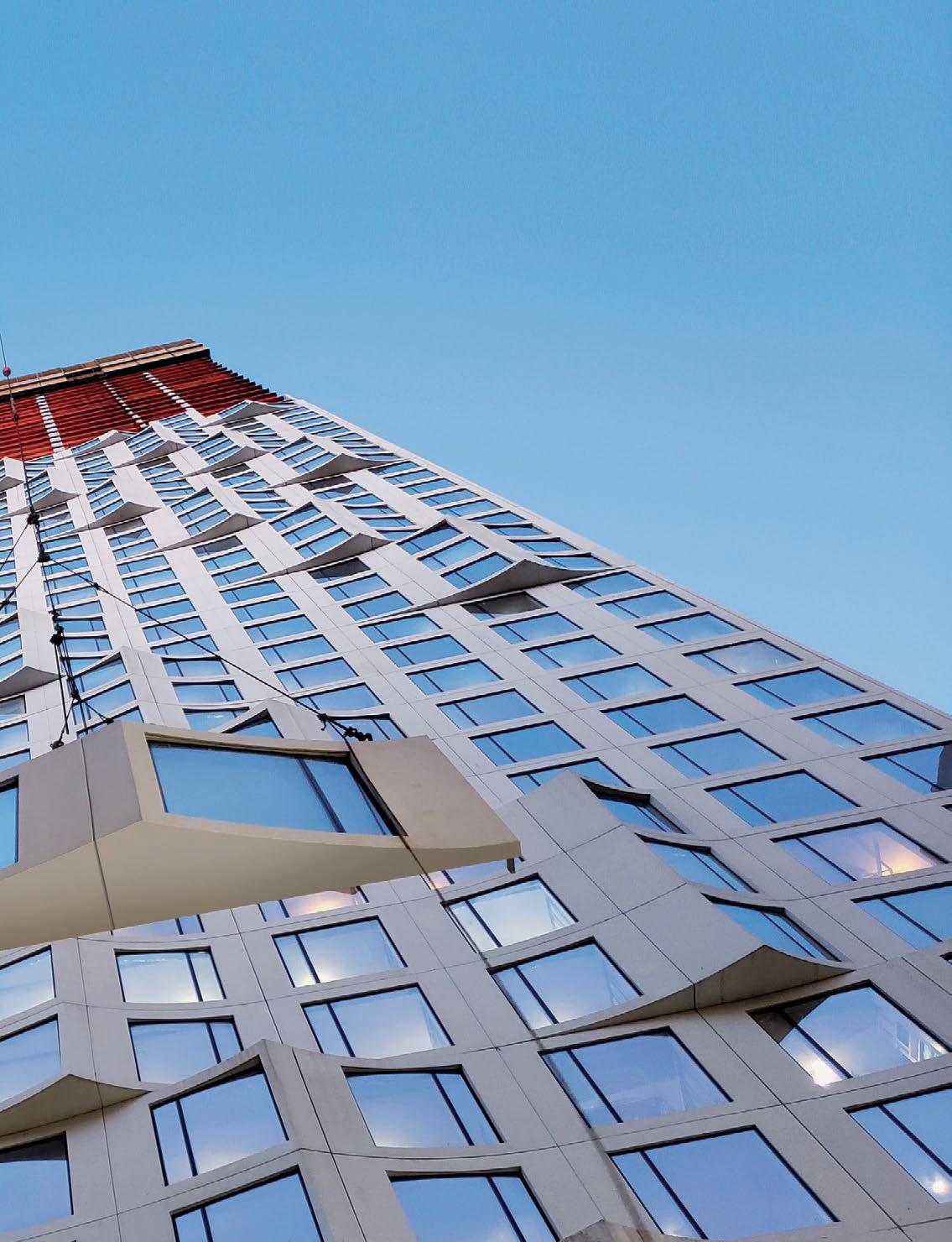
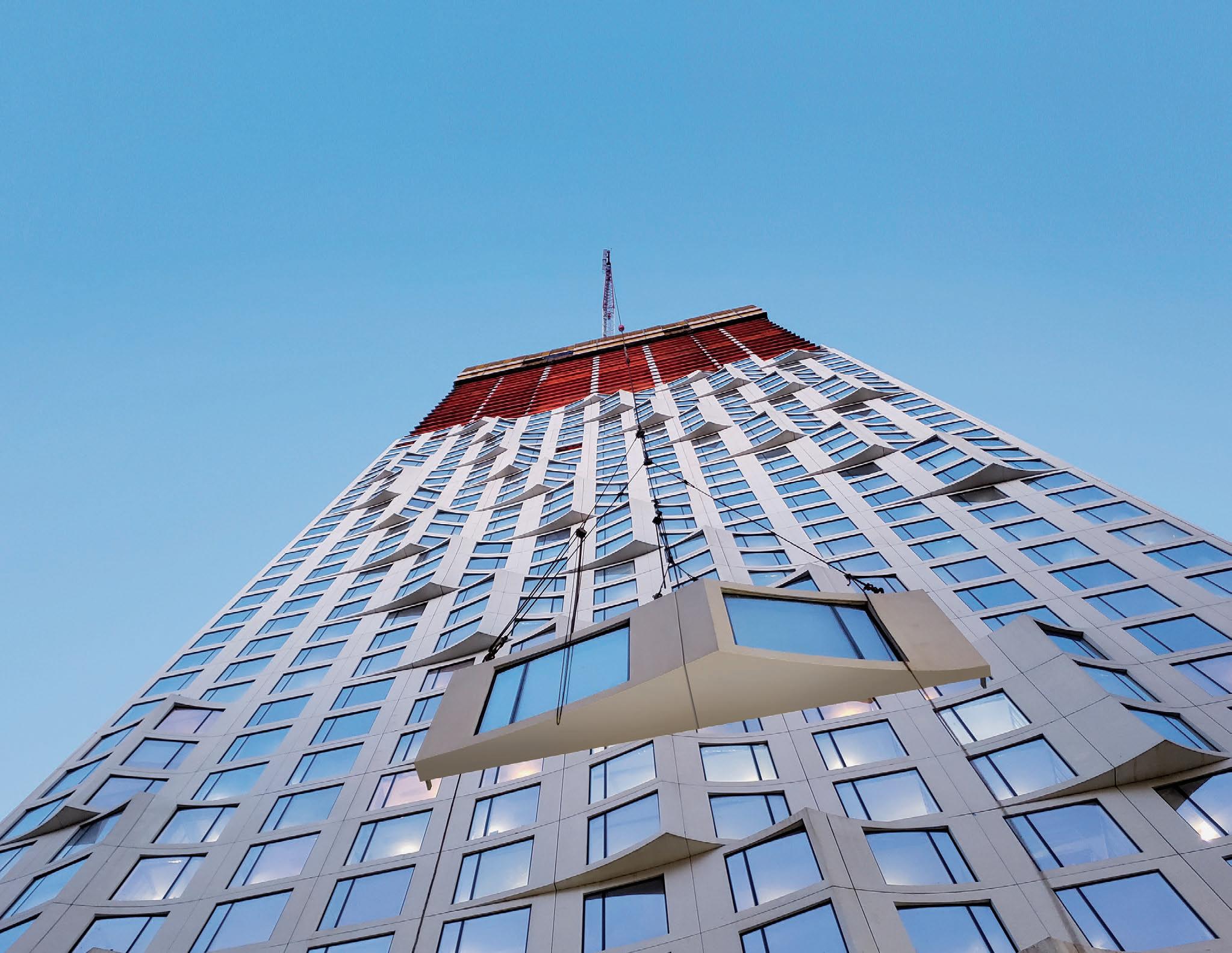
Prefabricated Precast Concrete Window & Wall Systems outperform other systems in:
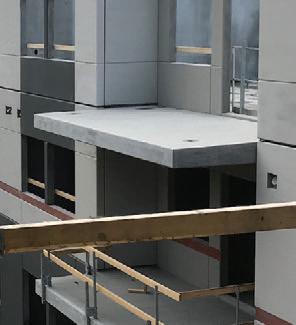
· Pre-assembled, caulked, vapour air tested windows are installed in the panel at the precast concrete facility which provides improved quality assurance.
· The rapid installation allows the building enclosure to be completed sooner, giving the interior trades faster access to a more climate-controlled building and therefore ensuring the project is completed quickly and efficiently.
ADDED BENEFITS OF PREFABRICATED PRECAST CONCRETE WINDOW & WALL SYSTEMS:
• Provides significant improvements in terms of cost, schedule, quality, productivity, safety and the ability to reduce waste and increase client satisfaction with a quicker return on investment.
• An unlimited array of architectural designs, colours and textures are available including heightened durability and lower maintenance costs.
For more Information and Educational presentations check out Learn on Demand, a 24/7/365 Educational Platform. Visit cpci-learnondemand.com/
Visit www.cpci.ca/publications to download your free copies of the Structural Solutions Technical Guide and High Performing Precast Concrete Building Enclosures –Rain Control Technical Guide.
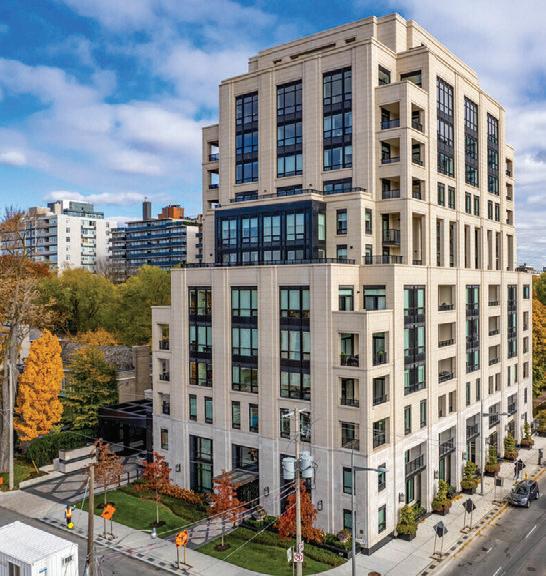
11 Hoyt, Brooklyn, NYC | Architect: Studio Gang and Hill West | Photo: BPDL, Quebec
SET FOR SUCCESS
While the precast sector, like any other area of construction, may face market fluctuations, it is becoming increasingly valued by developers for its benefits. As a result, opportunities for manufacturers are expected to grow, particularly in major urban centres like Toronto, Ottawa, and Vancouver
None of this surprises Brian Hall, managing director at the Canadian Precast/Prestressed Concrete Institute. “Precast concrete offers an optimal solution for off-site/prefabricated construction,” he says. “While prefab may not be suitable for every project, it remains a highly cost-effective, resilient solution for various market segments, including residential, commercial, industrial, and infrastructure.”
Hall goes on to note that off-site/prefabricated construction is sometimes considered a new approach in certain regions – plus, it has faced slow adoption overall in North America – but has proven itself historically for its efficiency.
Further, precast seems to be a more relevant building solution in Canada today than ever. Hall explains, “A housing crisis and ongoing labour shortages have driven the construction industry towards off-site construction methods to meet the demand for faster and more affordable buildings.
Precast concrete continues to rise as a resilient solution in 2025
by ROBIN BRUNET
“Canada will require an estimated four million additional homes by 2035; and a McKinsey & Company study shows that off-site/prefabrication construction can shorten overall construction schedules by 20 to 50 percent, primarily by allowing multiple project stages to proceed simultaneously. In addition, off-site/prefabrication makes it easier to control environmental effects, as seen by the precast industry’s drive to decarbonization, which has resulted in a 22 percent reduction in embodied carbon since 2015.”
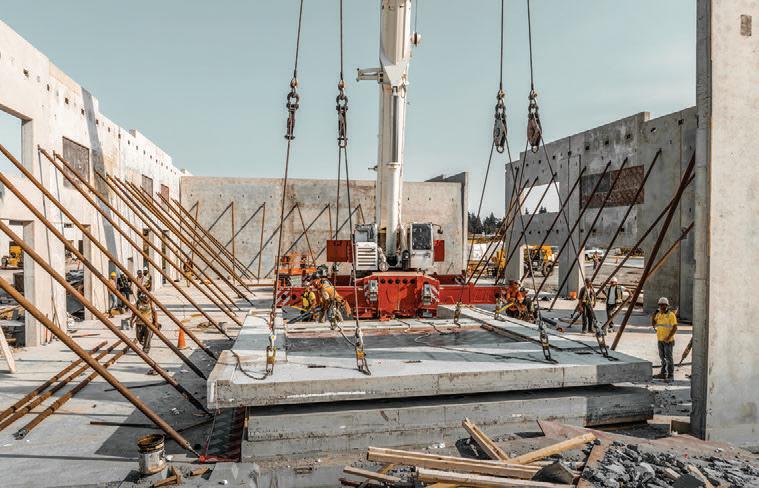
Hall concludes, “Prefab precast concrete is an ideal system to implement off-site in the Canadian construction industry. It offers year-round production with no downtime, avoiding weather-related delays, and ensuring high-quality products. Precast systems can then be shipped and assembled on demand, precisely when needed at the job site.”
Katherine Klosowski-Blatz, the new executive director of AltusGroup, agrees that the outlook for precast enclosure systems in Canada continues to be strong in 2025. “There are several drivers,” she says. “Prefabrication of envelope components can help offset labour shortages by delivering exterior wall panels that are ready to erect in virtually any weather.
“AltusGroup precasters in Canada and the U.S. are collaborating to develop patented methods for integrating other building components quickly and easily into precast wall panels to further reduce jobsite labour needs.”
Klosowski-Blatz goes on to note, “The focus on carbon footprint reduction – without sacrificing exterior wall durability and resilience – is also a driver. Our CarbonCast technology for insulated wall panels provides continuous insulation thanks to carbon fibre grid wythe connectors with negligible thermal transfer. Architects can choose their preferred insulation type to deliver high R-values.
“Additionally, the composite action of the panels can result in using less concrete, reducing the embodied carbon in each panel. Together, our precasters continue to invest in research and development to advance the environmental sustainability of precast wall systems.”
CarbonCast High Performance Insulated Wall Panels from AltusGroup member PreCon recently contributed to the Eagle Street Industrial Park in Cambridge, Ontario, becoming one of only eight in all of Canada to be certified by the Canadian Green Building Council as Zero Carbon Building Design v3. The certification demands carbon reduction to be 30 percent below the Ontario average for embedded carbon in building materials. The CarbonCast High Performance Insulated Wall Panels will deliver an R-value of R-30 by using four inches of Kooltherm K20 insulation between two concrete wythes (2-7/8inch and 3-1/8-inch thick) that are connected by C-GRID carbon fibre grid trusses. The negligible thermal transfer of the CFRP grid enables the panels
to offer continuous insulation to save energy on heating and cooling.
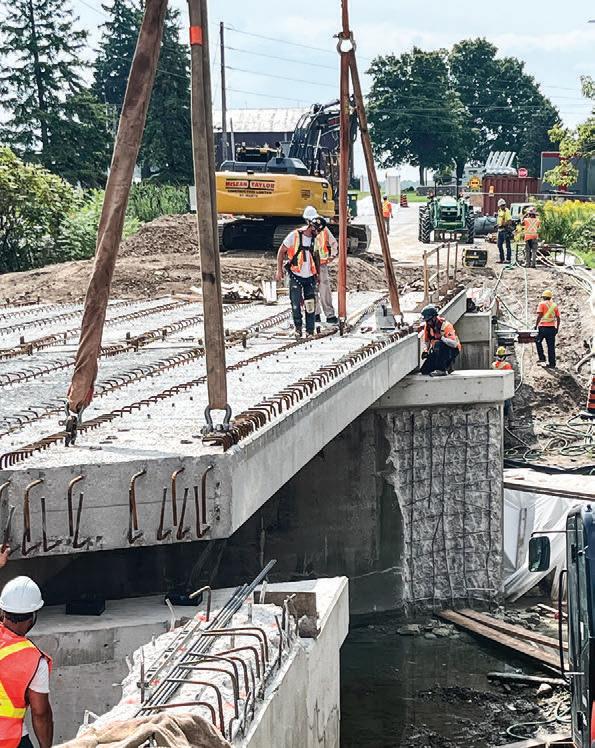
In addition to the Eagle Street Industrial Park, PreCon was busy with a host of projects, including the Waubuno Creek Bridge rehabilitation in London, Ontario. For that job, the company’s dedicated field crew oversaw the erection of 16 sections of B500 x 1220mm wide prestressed concrete box
girders utilizing a 220-ton crane. Also, the rehabilitation of Oxford County Bridge 784064 saw the staging and installation of CPCI 900 I-girders that were produced in the company’s Woodstock, Ontario facility.
PreCon is also well known for its precast panels, which are available as complete wall systems with insulation and finished interior surfaces, or as exterior cladding. Another highly sought-after product is PreCon’s unique precast, prestressed insulated concrete wall, Flexwall, which is a complete wall system, both inside and out. Flexwall panels feature attractive ribbed exteriors and smooth, steel-formed finished interior surfaces that require no extra finishing.
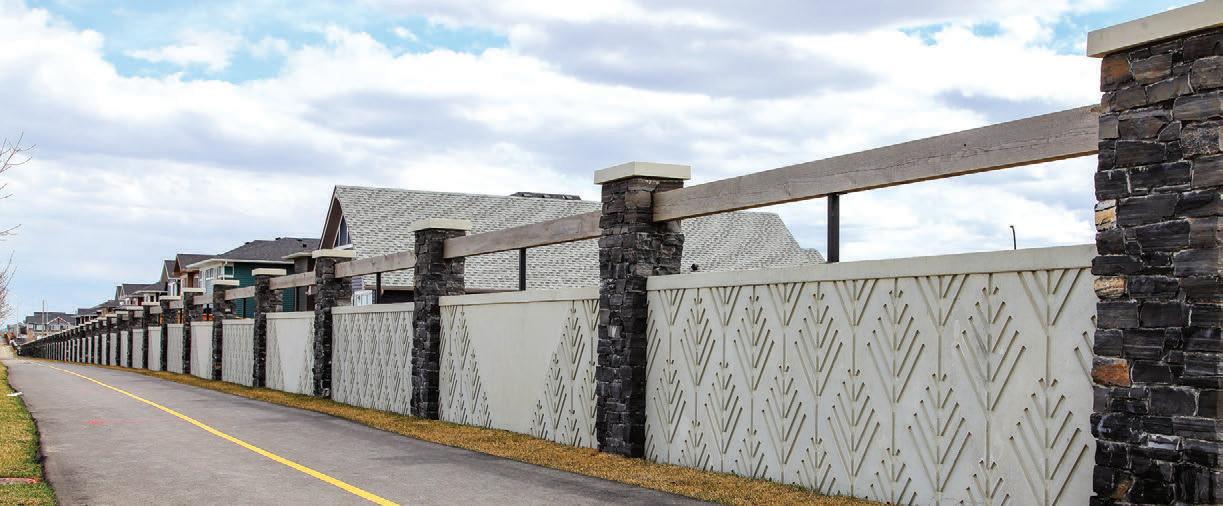
Lafarge Canada Inc., a member of Holcim Group, recently expanded into the precast wall panel
construction market with the City of Calgary’s Noise Barrier Retrofit Program Group 1 Project. This project marks Lafarge’s expansion beyond precast noise wall panel fabrication into full-scale noise barrier construction, reinforcing its infrastructure solutions and demonstrating its ability to meet evolving urban needs. “We’re not just supplying sound walls, we’re actively building the infrastructure that enhances community well-being,” says Leroy Geale, senior project manager, GCA Construction.
The Noise Barrier Retrofit Group 1 Project is a key initiative in Calgary’s strategy to mitigate road traffic noise. Lafarge will replace and upgrade outdated noise barriers in targeted areas, thereby assuming the tasks of design, material supply, manufacturing, and installation.
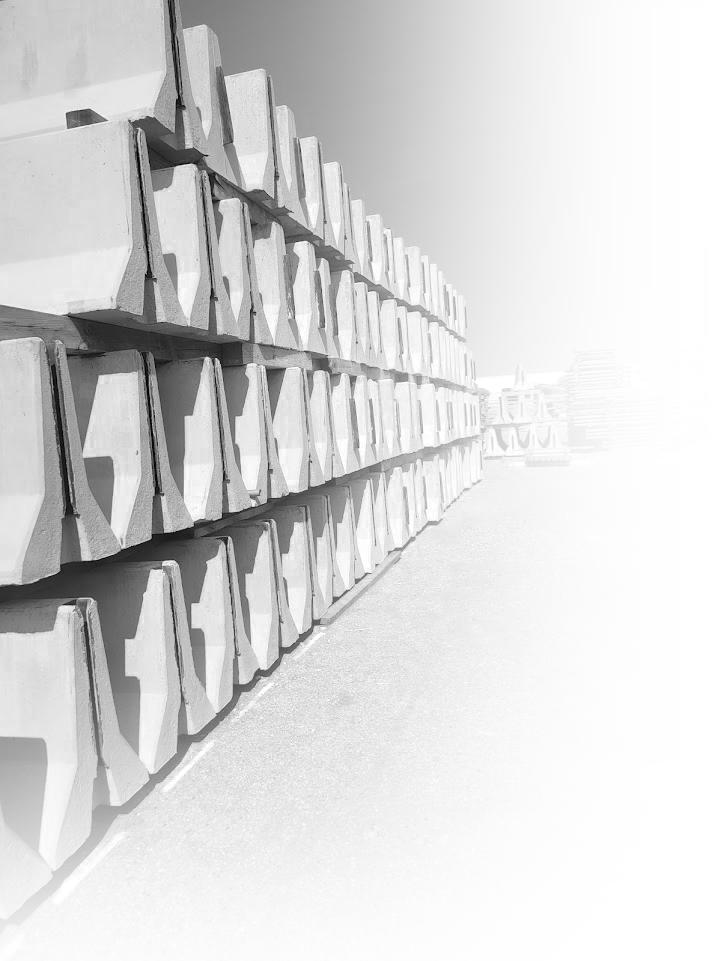
Precast noise wall panel fabrication by Lafarge.
Waubuno Creek Bridge rehabilitation, London, ON
To minimize the project’s environmental impact, Lafarge is exploring the use of sustainable materials such as low-carbon concrete and other eco-friendly alternatives. These measures align with Lafarge’s commitment to reducing emissions and promoting sustainable urban development.
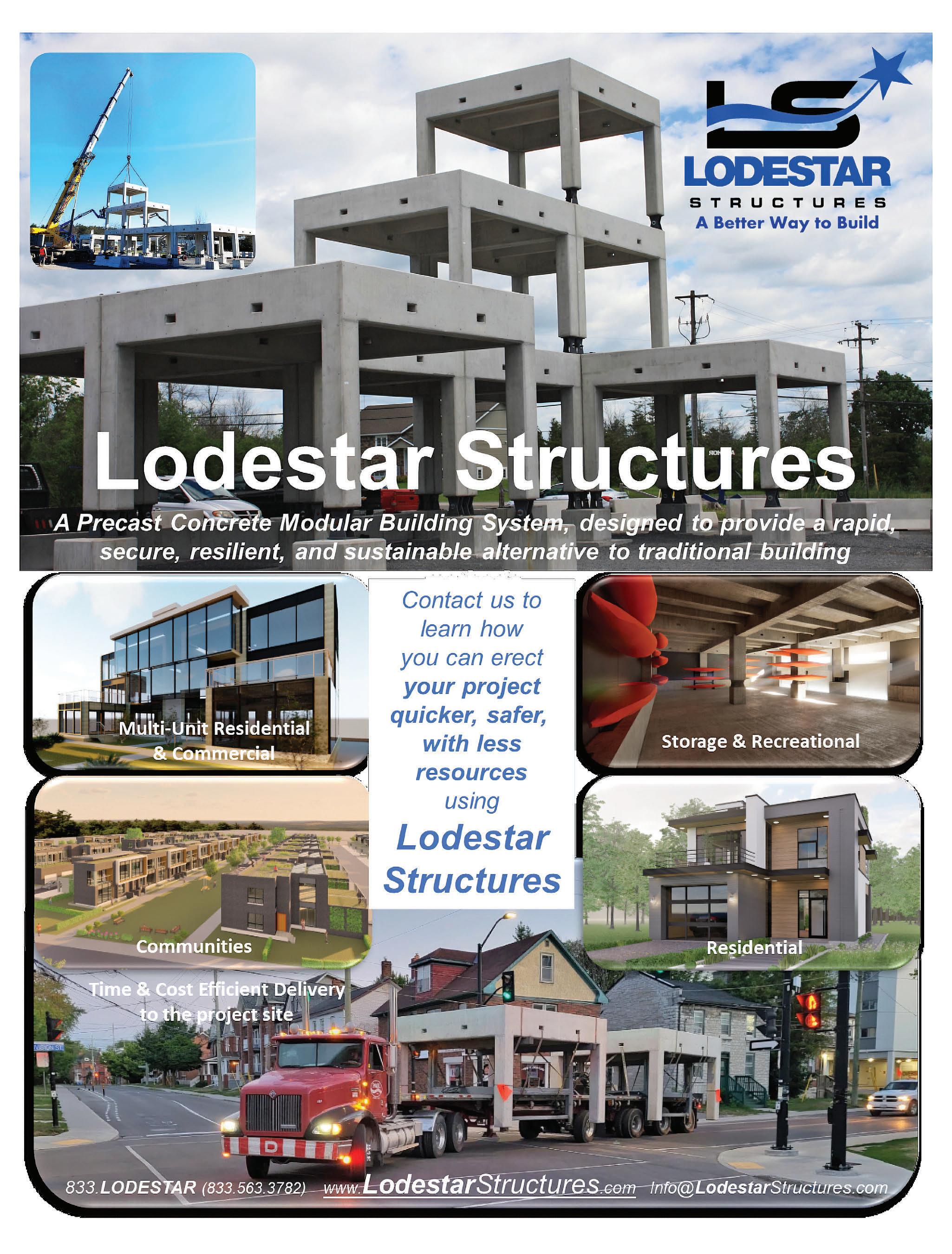
Lodestar Structures Inc. specializes in modular construction using precast concrete, offering a costeffective and efficient solution to address Canada’s housing needs. Their innovative building system addresses challenges such as labour shortages, rising costs, and sustainability concerns by combining high-quality, precision-engineered concrete components with streamlined assembly processes. This approach enables faster build times, reduces material waste, and lowers overall costs.
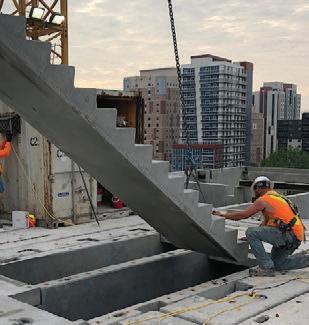
Designed for versatility, Lodestar’s modules can be connected both horizontally and vertically, allowing for a wide range of layout options. The first-floor units are secured to footings, while upper-level units are connected to each other, leveraging the structural features of the supporting units. This modular system can reduce construction framing time by up to 75 percent and overall construction time by up to 50 percent.
Manufactured year-round in a climate-controlled facility, Lodestar’s modules are delivered to the construction site on the day of assembly and positioned immediately into place. This systematic process allows builders to focus more on enclosing the structures and completing the interior, facilitating faster project completion regardless of seasonal weather conditions.
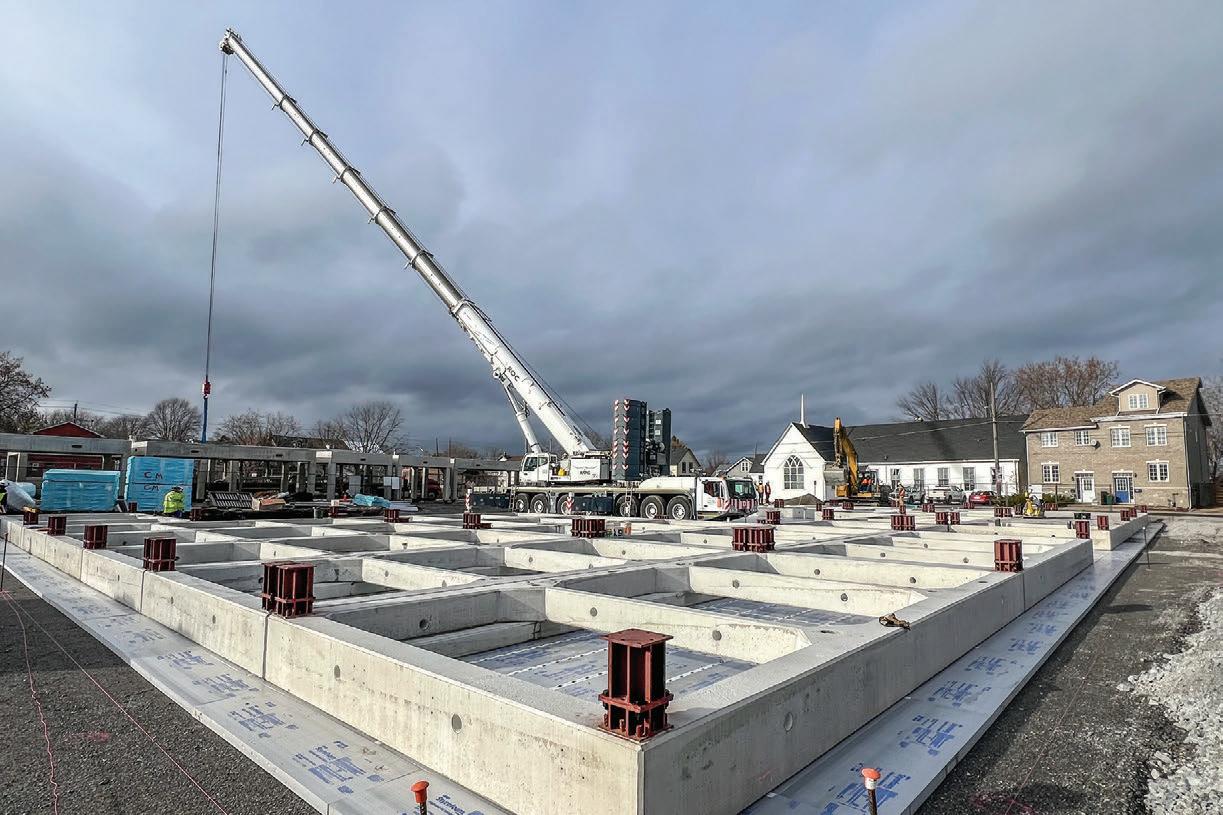
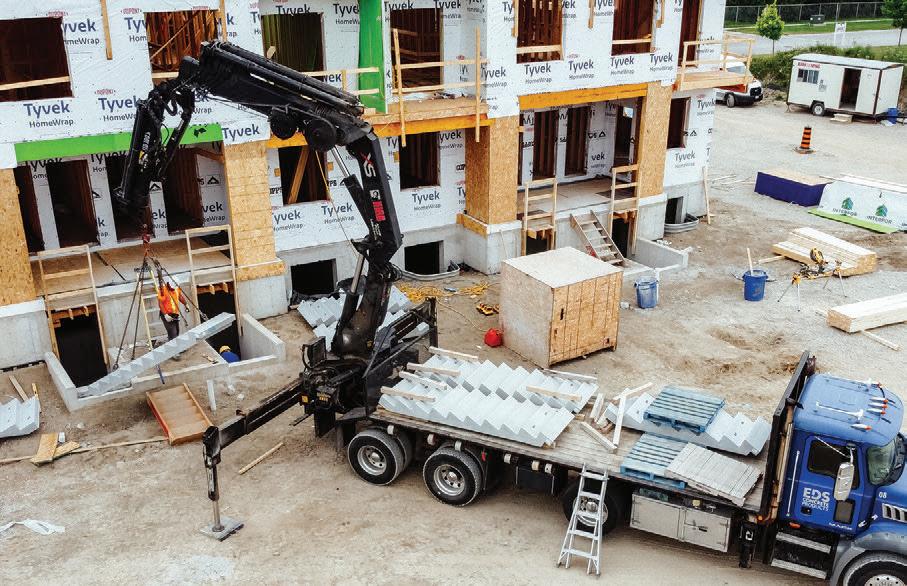
A notable example of Lodestar’s efficiency is their participation in the construction of the new St. Vincent de Paul Society (SVDP) facility in Kingston, Ontario. The 15,000-square-foot project was erected in just four days, significantly ahead of schedule, allowing SVDP to plan for an earlier opening.
An additional benefit of the Lodestar building system is its adaptability. According to Jeff Bradfield, CEO of Anchor Concrete and Lodestar Structures, the design is modular and portable, allowing for the addition of extra levels at any time. If the site becomes more suitable for a different use, the modules can
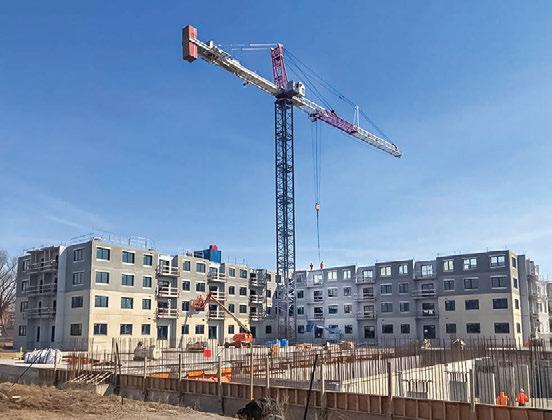
Construction of the St. Vincent de Paul Society facility, Kingston, ON.
With smart planning and solid precast solutions, we deliver more than just concrete—we deliver lasting value, precision, and peace of mind in every panel. Built for performance. Priced for efficiency. Trusted for generations. Visit stubbes.com to learn more.
be unbolted, transported, and reassembled at a new location, with a lifespan exceeding 100 years.
Lodestar Structures delivers an innovative, efficient, and scalable building solution that empowers communities worldwide with faster, stronger, and more cost-effective construction. By streamlining the building process and enhancing durability and affordability, Lodestar enables rapid deployment and sustainable growth, making high-quality construction accessible to regions of all sizes and economic backgrounds. Through partnerships with local precast producers, they ensure that communities everywhere can benefit from a safer, more comfortable, and resilient future.
Stubbe’s Precast of Harley, Ontario, is a one-stop provider for all concrete requirements, but it also embraces the modular building approach as well as sustainable construction. For starters, it has significantly reduced the environmental impact of concrete production by incorporating Portland Limestone Cement (PLCs) and Supplementary Cementitious Materials (SCMs).
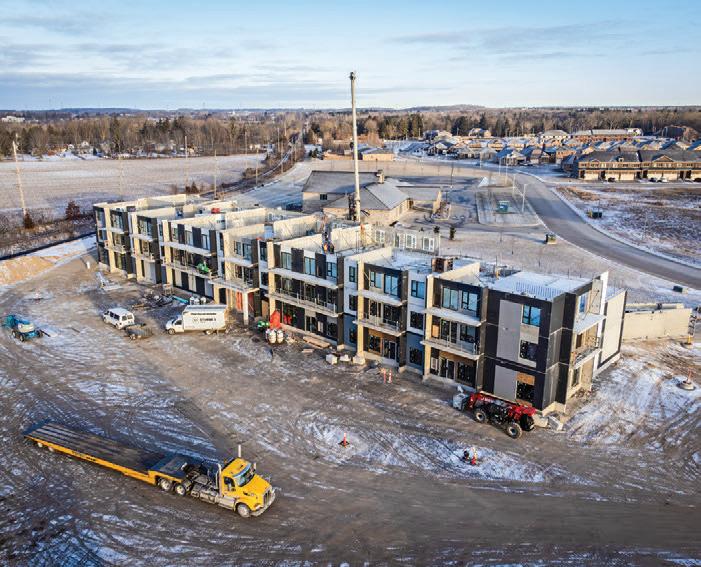
Meanwhile, Stubbe’s FastTrack modular precast construction system was instrumental in reducing build times of the Harvestview Apartments project in Tillsonburg, Ontario. FastTrack streamlines the build process by sparing developers the necessity of independently sourcing and contracting an architect, structural engineer, and mechanical engineer. Instead, Stubbe’s assumes responsibility for these disciplines by providing architectural design and construction drawings, mechanical and electrical systems design, precast engineering, a total precast building structure and envelope, windows, and a structural engineer of record.
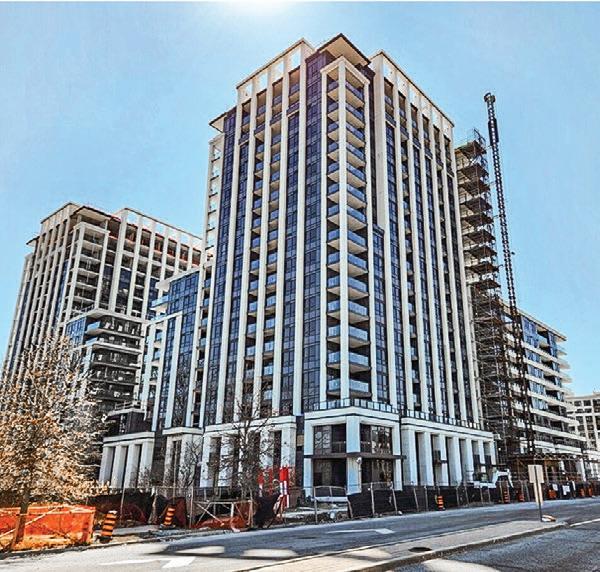
A recent example of precast’s ability to achieve a bold architectural statement is Vendôme Condos in Markham, Ontario, for which precast panels were used to help achieve architect Dialog’s modern interpretation of art deco.
Named after Place Vendôme in Paris, France, the condos consist of two 18-storey residential towers connected by a row of three-storey townhouses. The developer and Dialog aimed for a sense of grandeur with an exterior colonnade, high vaulted ceilings, and archways on the interior amenity spaces – and
they selected precast panels from TKL Group Inc. with just enough detailing to help impart grandness and solidity but complement the overall cleanliness of the design.
The superstructure of Vendôme Condos consists of cast-in-place concrete finished with precast concrete exterior panels and window wall. The panels are connected directly to the cast-in-place structure and take the loads of the windows in certain situations where they could not bear on the slab as well as railing loads.
Precast concrete double-height columns and spandrel pieces were also provided. The townhome section of the project utilized CNC technology to precisely craft the archway panels to add elegance to the entrances. A
Harvestview Apartments, Tillsonburg, ON
Vendôme Condos, Markham, ON
We Dig It!
Landscape products focus on enhancing the environment and bringing natural beauty to outdoor spaces
by ROBIN BRUNET
hile there’s no question that thoughtful procurement and creative use of hardscape products go a long way in creating a successful outdoor space for any property, regardless of size, the natural elements of such spaces dictate what kind of hardscape products
Therefore, the health of the natural environment should be of paramount importance to property owners, and Tait Sala, director at Cohen & Master Tree and Shrub Services Ltd. of Ontario, stresses that true health goes way beyond regular mowing and pruning. “In terms of trees, aside from broken branches or impacted trunks, every cut into a tree, whether accidental or deliberate, is an entry point for fungus and other problems,” Sala says. “Therefore, the earlier you can bring an arborist into a project, the better the outcome will be. They can even determine what type of trees and other plants are appropriate for a new property development, and what is healthy and not on
Sala cites specific examples of the help an arborist can provide. “If you intend to build something on a property and there’s a beautiful oak tree nearby that really adds value to your land, the back and forth movement of construction machinery can sever the tree’s roots, and five years down the road that tree could be dead. An arborist can advise on alternative machinery routes or differ-
Diseases are a constant concern, and Sala and his team are currently monitoring oak wilt, a vascular disease first discovered in Niagara Falls in 2023. “It spreads by beetles eating the infected tree and flying to another tree,” Sala says. “So we don’t recommend pruning any live growth from April to November
Cohen & Master’s arborists are also monitoring Beech Leaf Disease, caused by a small worm, although the reason for the spread is unknown (some fungicides and high potassium fertilizer have been used with varying degrees of success to combat the disease). “And again, this is where an arborist can help, by recommending alternative plantings to Beech Leaf, such as London Plane,” Sala says.
When it comes to trends that enhance the natural landscape of trees and plants, Joe Raboine, VP of design at Oldcastle (parent of Belgard) says people are increasingly interested in the health and wellness associated with outdoor spaces, hence this continues to fuel the trend of blurring the lines between indoor and outdoor spaces.
Another driver of blurring the lines is that new residences are increasingly being built on limited footprints. “Limited yards can seem a lot bigger with the use of phantom screens, as well as landscaping design that draws people outside,” he says.
Oldcastle APG brands include the industry’s leading hardscape materials along with a wide array of accessory products that can help create amazing outdoor spaces. Due to the sheer variety of solutions, Oldcastle APG has streamlined its product categorization to help end users see where products best fit their outdoor design project.
Raboine observes that, “Spending on landscaping has flattened since the COVID lockdowns, when projects under $30,000 and over $100,000 were common. However, recently we’ve seen a growth of middle ground spending, in the $50,000 to $60,000 range, which supports the contention that more and more people are paying attention to creating terrific outdoor spaces.”
Among elements such as stone, concrete, and slate that are commonly found in backyard spaces, brick continues to be universally popular – and therefore it’s no surprise that this is where a lot of manufacturing innovation is taking place.
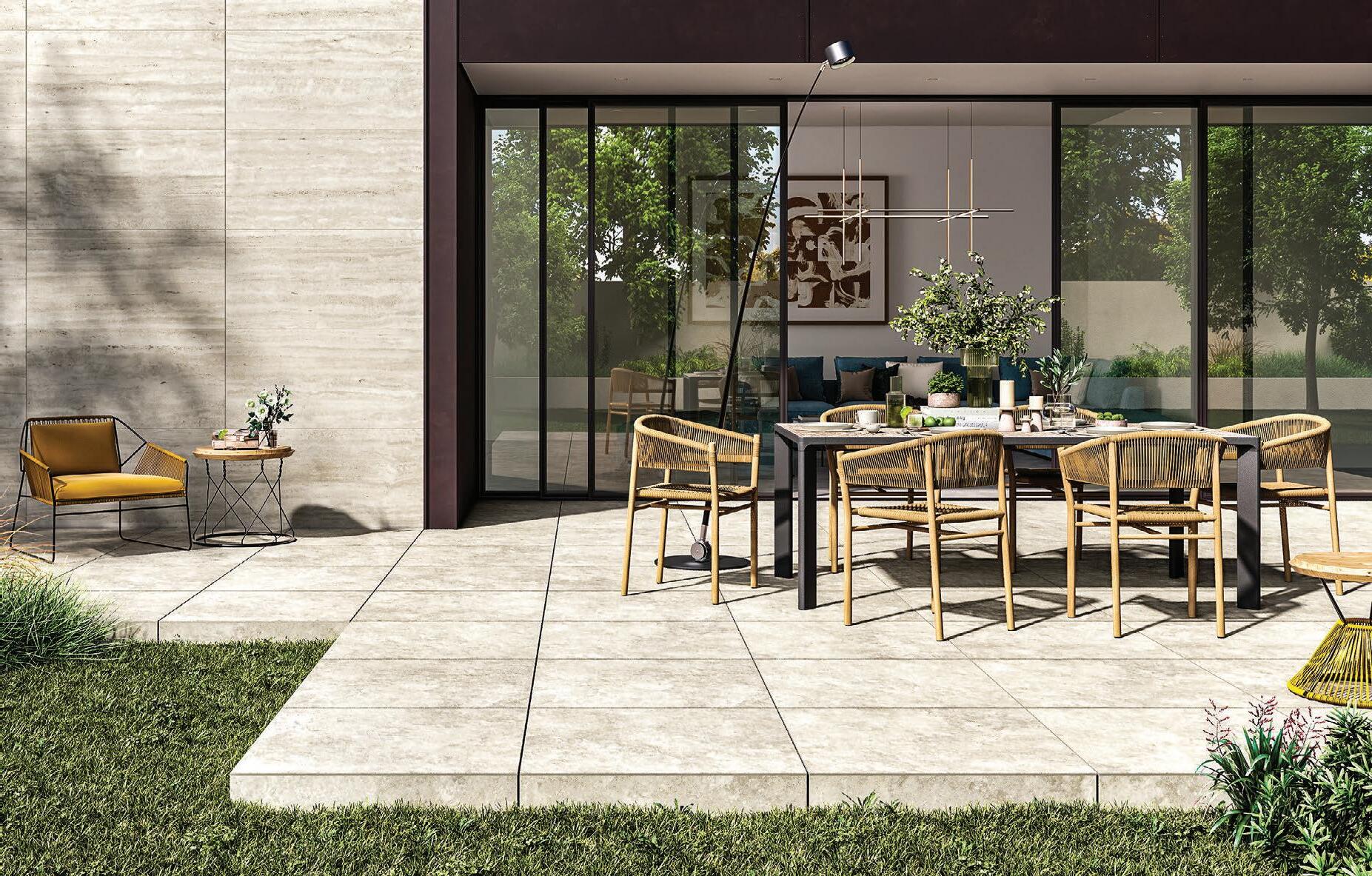
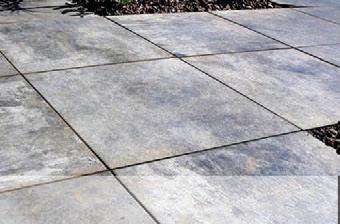
Belgard Travertini Porcelain Pavers.
J0032 BIANCO KOS
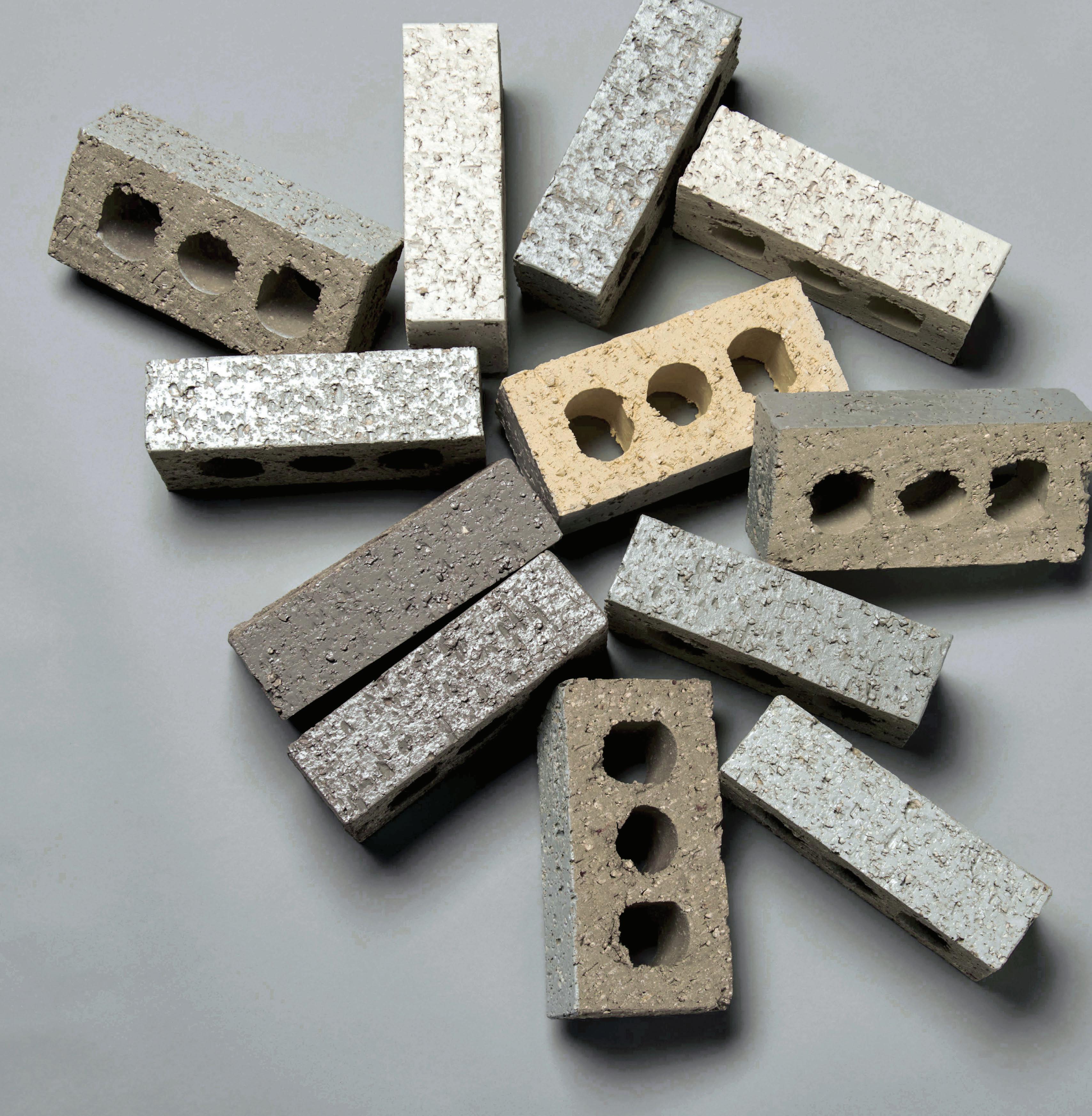
The Belden Brick Company of Ohio is a U.S. manufacturer of brick and masonry-related construction products and materials. Bob Belden, CEO and VP of operations, says, “Although we specialize in through-body colours, we’ve made investments in the last few years to decorate dry bricks, with chamber drying providing a more precise drying process compared to tunnel drying. We also coat the top and sides of the brick without the customer needing to specify that service.” This three-sided application not only eliminates the need for separate quoin ordering, it also ensures consistent appearance across large-scale projects.
The coatings Belden refers to are ceramics, which render the colours permanent and able to withstand extreme cold and heat. “We offer a wide range of ceramic products,” he says. “For example, our Luminescent series has a higher
glass content, resulting in a premium brick featuring an exclusive coarse velour texture that maximizes its dynamic surface properties and responds to changing light conditions throughout the day.”
When Belden was contacted to discuss his company in March, his crew was busy commissioning equipment that can digitally print patterns onto ceramic brick – a process that has become familiar in tile manufacturing. “A 3D printer has been installed past our chamber dryers and before the setting machine and kiln, and it can print any image you want: stone, wood, patterns of discontinued brick, with incredible fidelity. We’ve prepared our dealers for a 3D line of bricks, the specifications of which we’re still working out, and this really will take us to the next level in many areas, including the realm of matching bricks on existing buildings.”
Luminescent series premium bricks featuring a course velour texture.
Luminescent brick production line.
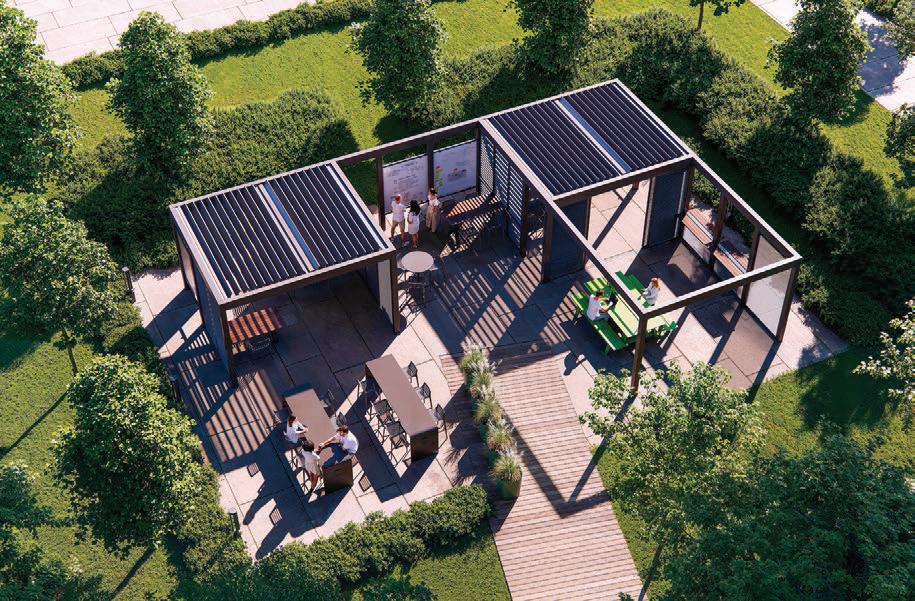
Innovation is also taking place among outdoor furniture providers. Landscape Forms is a company that provides many products designed to artfully connect people to outdoor spaces as well as one another, and an example of something special is Scenic, the next-generation adaptive structure system with a versatile, modern style, and endless flexibility to transform outdoor spaces into beautiful, functional destinations.
Modular, scalable, and with a wide range of configurable options, Scenic simplifies the creation of tailored settings that enhance everyday life outdoors, whether it’s a hospitality setting, a rooftop amenity, or a high-traffic public outdoor area.
The structures scale up or down to address any project’s design goals and sitespecific considerations. Freestanding or façade-mounted, Scenic can range from a simple, single pergola to an expansive multi-unit structure, fully customized with infill panels, lighting, and accessories. Scenic also extends the outdoor seasons with motorized roof louvers, rain and wind sensors, and integrated water management that work together to combat the elements.
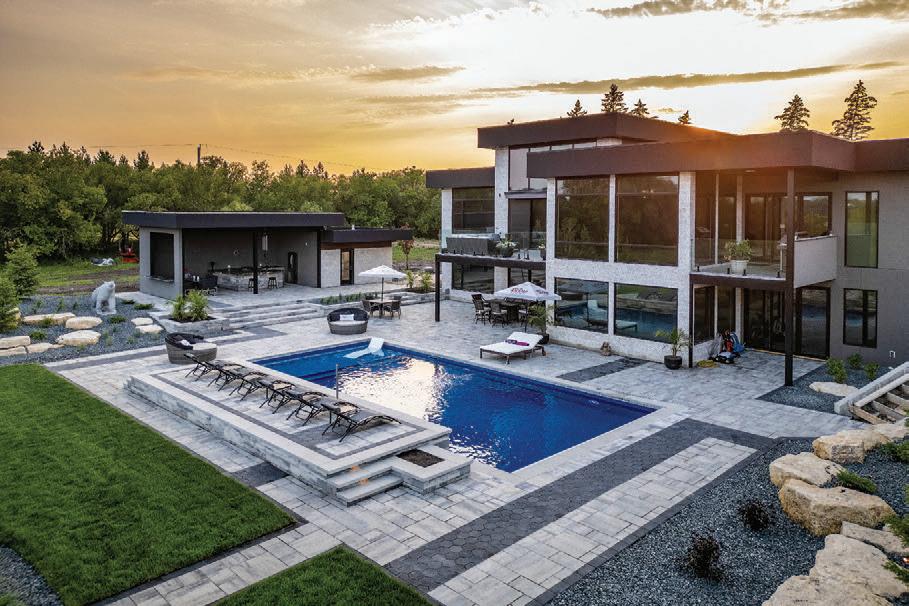
If innovation is highly sought in terms of landscape development, so too is quality and resiliency – and these are the hallmarks of companies such as Barkman Concrete, which makes pavers, slabs, walls, outdoor fireplaces, and even pizza ovens. The manufacture of these and many other products is governed by a comprehensive testing program (in-house and third party), which enables Barkman to ensure they meet the applicable industry standards (the program includes freeze-thaw testing and solar reflectance index testing).
Further, Barkman’s research and development team is committed to ensuring that all products have been developed and engineered to provide the ultimate in durability, even in the harshest of climatic conditions. Additionally, Barkman’s dry-cast manufacturing plant in Steinbach, Manitoba, is considered to be one of the most advanced precast concrete production facilities for pavers, slabs, and retaining wall blocks in the world.
Scenic, the next-generation adaptive structure system.
Broadway 65mm and Hexagon 65mm pavers.
Design From a Different Angle.
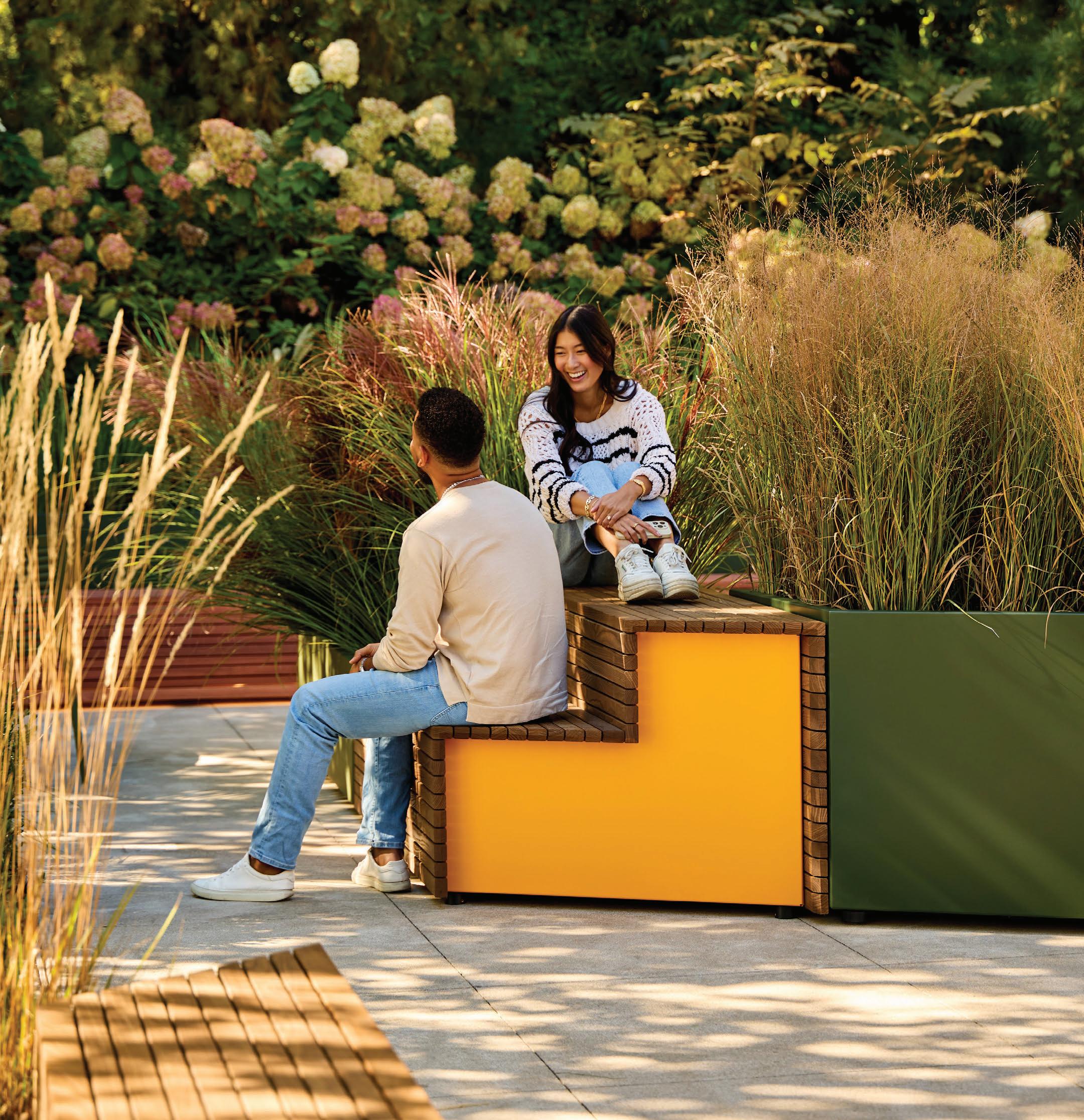
Parallel 42: Endless possibilities in modular, non-prescriptive seating, space definition and greenery.
Designed by Landscape Forms
Landscape Forms | A Modern Craft Manufacturer
PLAYING TOGETHER TO GIVE SUPPORT FOR BC’S KIDS
On behalf of the organizing committee, we are thrilled to invite you to the 30th Annual Building for Kids Golf Classic, benefiting BC Children’s Hospital
Join us for a milestone celebration on Thursday, July 17, 2025 , at the beautiful Morgan Creek Golf Course in Surrey, BC. This flagship event brings together leaders from BC’s construction and development industry for a memorable day of golf, networking, and giving back—supporting the vital work at BC Children’s Hospital.
2024 TOURNAMENT SPONSORS
Thanks to the ongoing generosity of our participants and our sponsors, last year’s fundraising tournament raised $250,000, contributing to a remarkable $4.4 million raised to date. Help us continue this legacy in our 30th year.
A special thank-you to Award Magazine for their continued support in recognizing our sponsors and participants through their annual feature. For more information or to get involved, please contact: Gavin Yee, Golf Committee Chair gyee@ventanaconstruction.com or Chris McLean, Co-Chair chris.mclean@aon.ca.
2024 THEME SPONSORS
2024 HOLE SPONSORS
Mid Valley Rebar
Northern Building Supply Ltd.
Thermo Design Insulation Ltd.
Kalesnikoff
New York Painting
Escape Fire Protection
Inlet Mechanical
Mott Electric
Dominion Masonry
Thinkspace
Horizon
Alfa Romeo/FIAT
2024 SUNSHINE SPONSORS
Aarc-West
Homan
In a similar vein, the products from Keystone Retaining Wall Systems are trusted by engineers, architects, and contractors to provide the best site solutions for commercial, municipal, industrial, transportation/DOT, and residential applications.
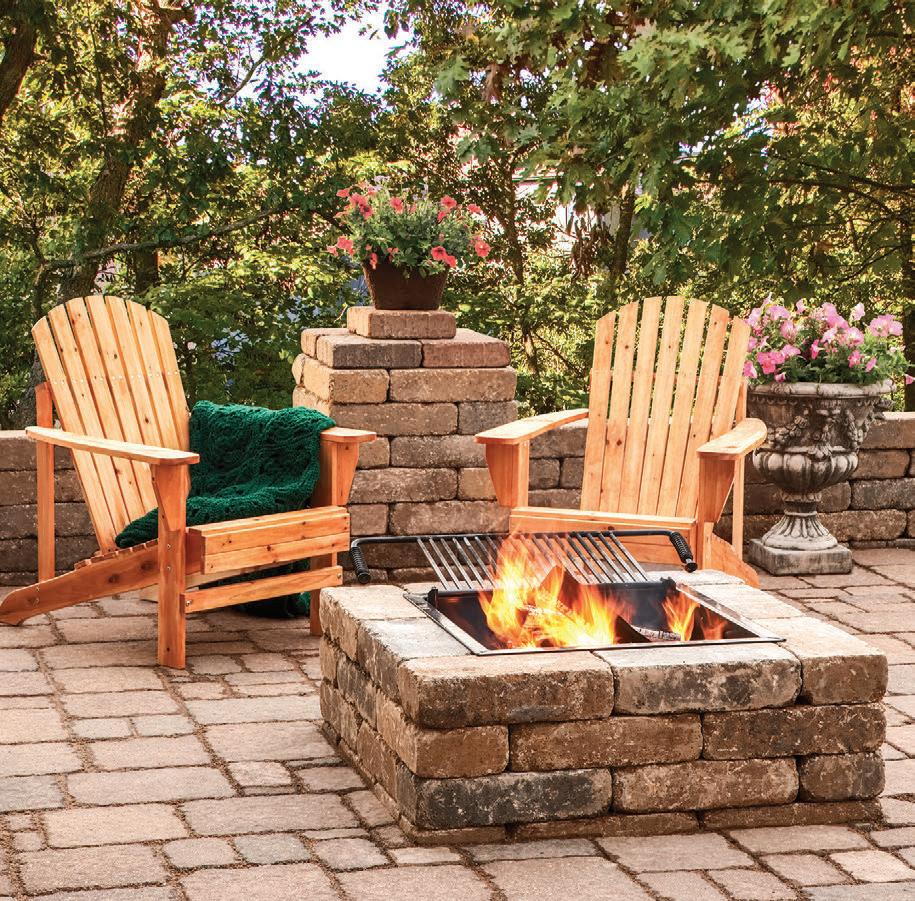
These walls and other systems are versatile and easy to install, meaning even a do-it-yourselfer with a little patience can create small- to mid-size retaining walls – as well as freestanding elements such as fire pits, columns, outdoor kitchens, and planter boxes. Meanwhile, the company’s patio stones and pavers are offered in a wide range of styles, sizes, and textures, making them perfect not only for patios but also pool decks, walkways, and other applications.
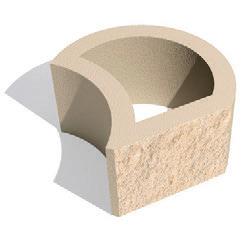
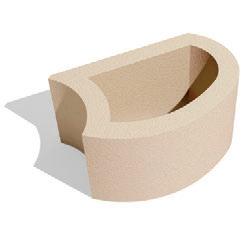
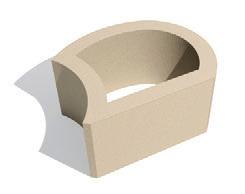
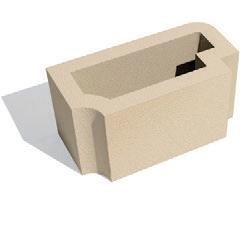
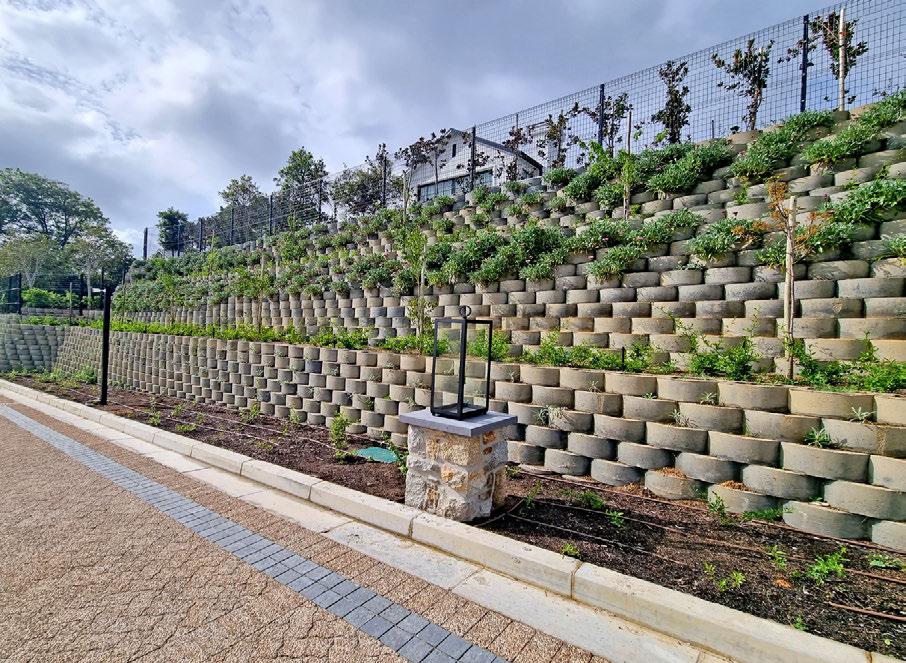
In terms of future potential for the landscape products category in Canada, one company that is attempting to make inroads in this country, while enjoying considerable acclaim in its home country of South Africa, is Terraforce. In fact, the company has become famous around the world for its original, reversible, hollowcore retaining block.
Terraforce’s founder, Holger Rust, continues to offer the Canadian market access to these blocks and other products, noting that most recently his company won two awards at the 2024 Concrete Manufacturers Association’s (CMA) Digital Awards.
The competition is judged on product and application excellence in two groups: aesthetic excellence and engineering excellence. Terraforce’s first winning entry was for Terminal Boulevard, Kempegowda International Airport at Bengaluru, India. Approximately 1.2 kilometres of this road was lined with Terraforce retaining walls on both sides, covering a total surface area of 9,000 square metres.
Various retaining wall options were initially considered, but the Bangalore International Airport Limited project team chose Terraforce for several reasons, including aesthetics. The blocks also allowed the planting of flowers and other vegetation, and the inclusion of Hume pipes facilitated the planting of trees. In addition, less soil excavation was required than what would have been needed for either reinforced concrete or reinforced earthen walls.
The other CMA win was for the Dubai Silicon Oasis in the United Arab Emirates. These long, Terraforce L16 rock face retaining walls were up to sixmetres high, necessary due to the substantial differences in levels on site, and to provide access to a leisure area on ground level, with 4-by-4 Step block access stairs and ramps leading to the residences at the top level.
For additional stability the blocks were concrete-filled and reinforced with rebar, and double block rows with the rock face finish facing outwards on either side were used for some of the vertical walls adjoining the two grand staircases and ramps. In total, 41,100 Terraforce L16 and 2,000 Terraforce 4-by-4 Step blocks were installed on site. A
All Wrapped Up
How today’s roofing and cladding offerings are adapting under pressure
ROBIN BRUNET
Whether or not they’re the result of human industry or a natural evolution, extreme weather has caused many developers to gain a new appreciation for roofing and cladding that withstands severe wind, snow, rain, and other adverse factors.
Jeff Ker, senior technical advisor at Engineered Assemblies, says, “We simply can’t build the way we used to in many parts of Canada, and fortunately a growing number of clients appreciate that walls, which are the groundwork for the primary passive environmental control system of any building, need to be especially resilient – sometimes even seismically approved.
“Our recent work reflects that appreciation and has led to us being honoured with recognition from the Rainscreen Association of North America [RAiNA].”
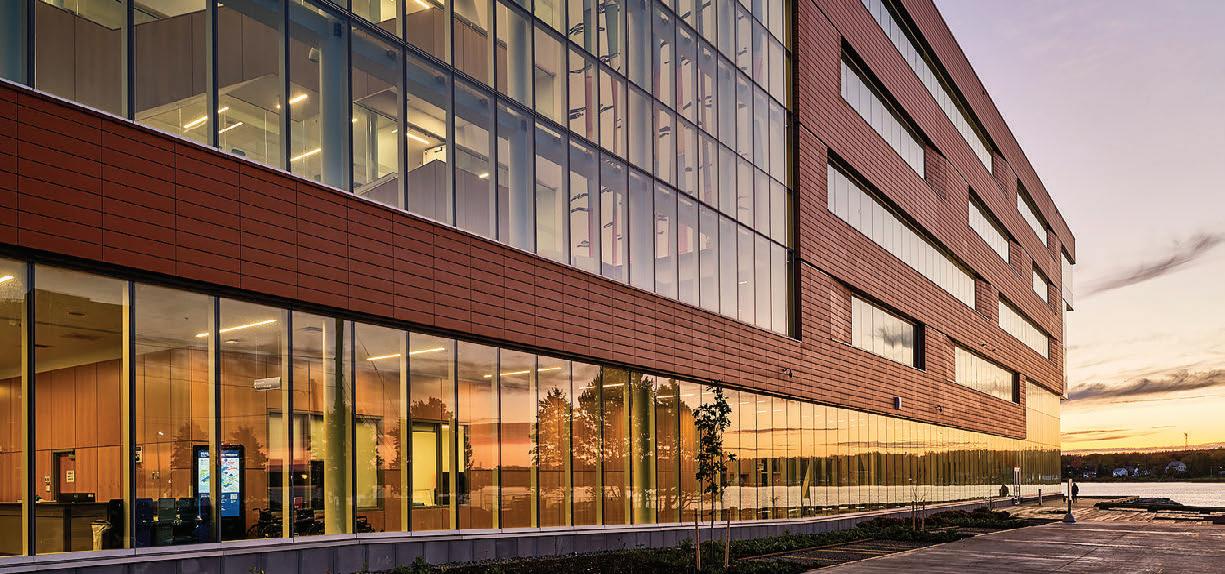
Ker is referring to his company receiving the 2024 RAiNA Award in the New Construction category for the Nova Scotia Community College’s Waterfront Campus in Sydney on Cape Breton Island.
Completed and opened in September 2024, this campus includes four buildings connected by a series of pedways. Its location, exposed to harsh and ever-changing maritime climate, required close attention to the external structure and facades of these buildings.
Engineered Assemblies’ longstanding expertise in the design of high-performing, thermally-efficient RVRS cladding systems and façade materials was invaluable to the project, and technical excellence was achieved through the application of the EA Certified Series program (which provides a pathway to sustainability through engineering, training, and system installation management).
Tonality ceramic tiles were chosen by architects Moriyama & Teshima/Barrie & Langille as the primary cladding material, given their resistance to extreme climatic conditions, ease of installation, and their ability to provide a maintenance free façade for decades to come.
The greatest test of Tonality came entirely unexpectedly, in 2022, with the impact of Hurricane Fiona. The project was midway through construction when the category four hurricane ripped through the building site with the half-completed rainscreen substructure and ceramic façade.
Ker says, “Fiona got inside and tore 14-gauge studs out of the wall assemblies, but when I asked
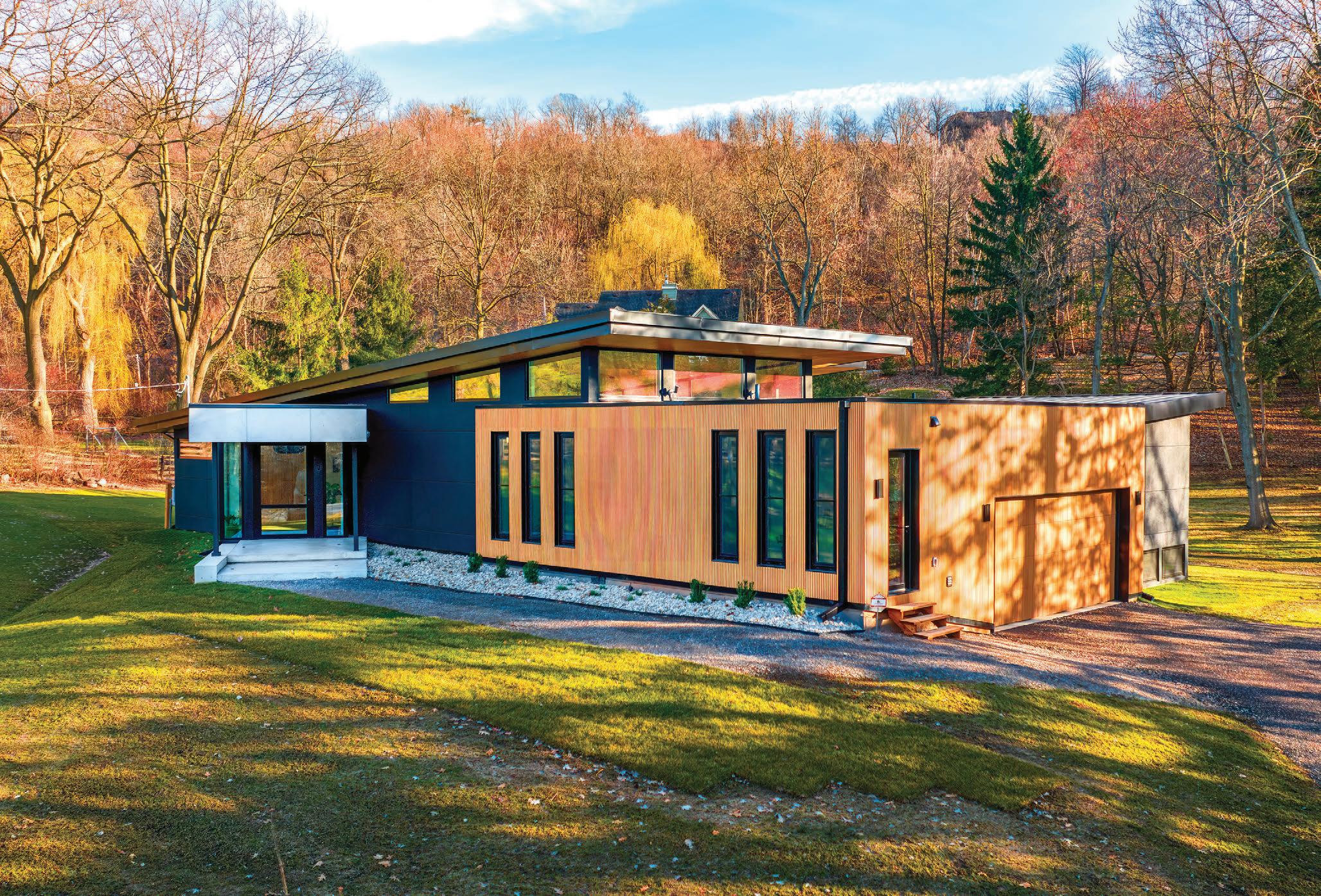
Norwegian Fluted siding in Red Cedar.
Nova Scotia Community College Waterfront Campus,Sydney, NS
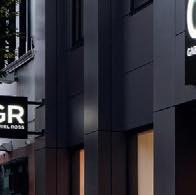
Cosentino Facades
Functional and timeless beauty
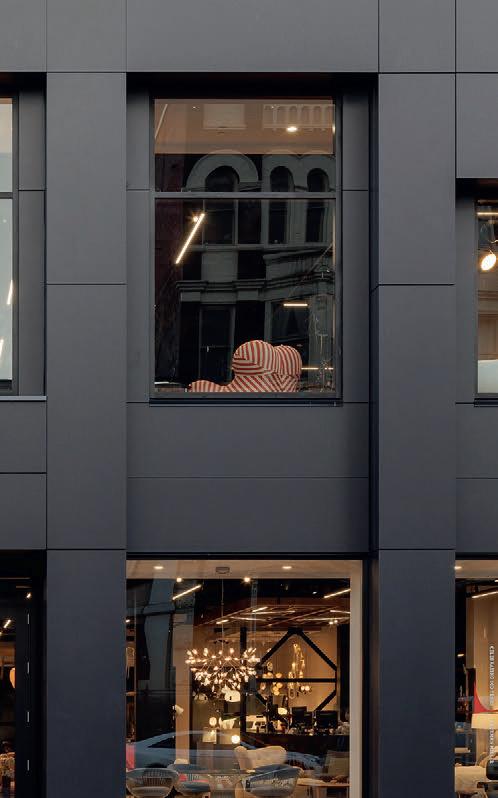
Cosentino, through its cu ing-edge ultracompact stone, Dekton, provides comprehensive, customized, and sustainable façade solutions. Dekton meets the most complex technical requirements and o ers unmatched beauty, durability, and resistance.
Project:
Design:
Location:
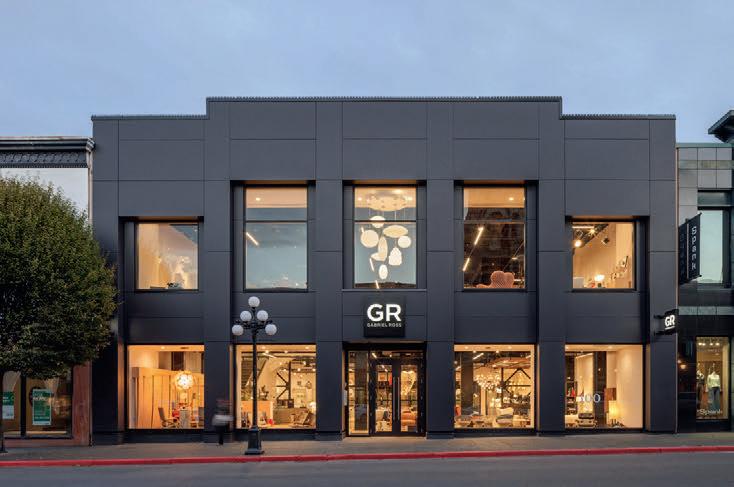
Product: Gabriel Ross Hillel Architecture & Gabriel Ross Victoria, British Columbia Dekton Domoos
Find inspiration at cosentino.com/en-ca ô @CosentinoCanada @cosentinocityvancouver
A CARBON NEUTRAL PRODUCT BY COSENTINO
the crew what it had done to the façade, I could hardly believe what I heard: we didn’t lose a single façade component or tile.”
Unsurprisingly, Engineered Assemblies is busy in Atlantic Canada providing products and consultation to a variety of clients. Ker says, “People are starting to think of facades in direct relation to storm damage and resilience, and that’s a very good development as far as I’m concerned, and perhaps one of the biggest components of sustainability.”
While there are many aspects to sustainability, different companies involved in roofing and cladding products achieve it in different ways. NewTechWood distinguishes itself by offering a range of composite products all featuring Ultrashield coating that protects the material from rotting, fading, staining, and other issues that can ruin traditional wood.
NewTechWood’s cladding boards and siding panels are available in up to nine standard natural wood and modern tones, and as with the company’s other products, the major draw for building developers is that its composite wood products are made from 95 percent recycled materials including plastic bottles and reclaimed wood fibre. NewTechWood estimates that 12-million pounds of plastic are diverted from landfills monthly as a result.
Meanwhile, as the building industry continues to evolve toward more sustainable and efficient solutions, Longboard Architectural Products Inc. – a manufacturer of extruded architectural aluminum building products – is expanding into residential siding, bringing commercial-grade durability to the residential market.
Two new profiles enable residential developers to enjoy the ideal blend of traditional aesthetics and modern performance: Lap Siding and Board & Batten. These profiles reflect Longboard’s dedication to producing beautiful, durable, and sustainable products that are easy to install. Both new profiles integrate seamlessly with Longboard’s standard T&G trim and fastening components, allowing previous clients to work with familiar installation techniques. Engineered for long-lasting durability, both profiles feature a 1.5-millimetre thickness and are crafted from premium 6063-T5 aluminum, which provides exceptional resistance to denting, warping, and fading. The initial launch consists of four colours: Old Navy (a deep, rich blue); Shale (a solid, dark grey); Onyx Black (bold black with a textured finish); and Bone White (a crisp, contemporary white).
Another important company in the cladding realm is Sound Solutions, which carries an
municipal buildings to libraries and aquatic centres,” Rogers says. “So we hope some delayed projects will eventually come back online. Meanwhile, we’re keeping very busy with work in other segments.”
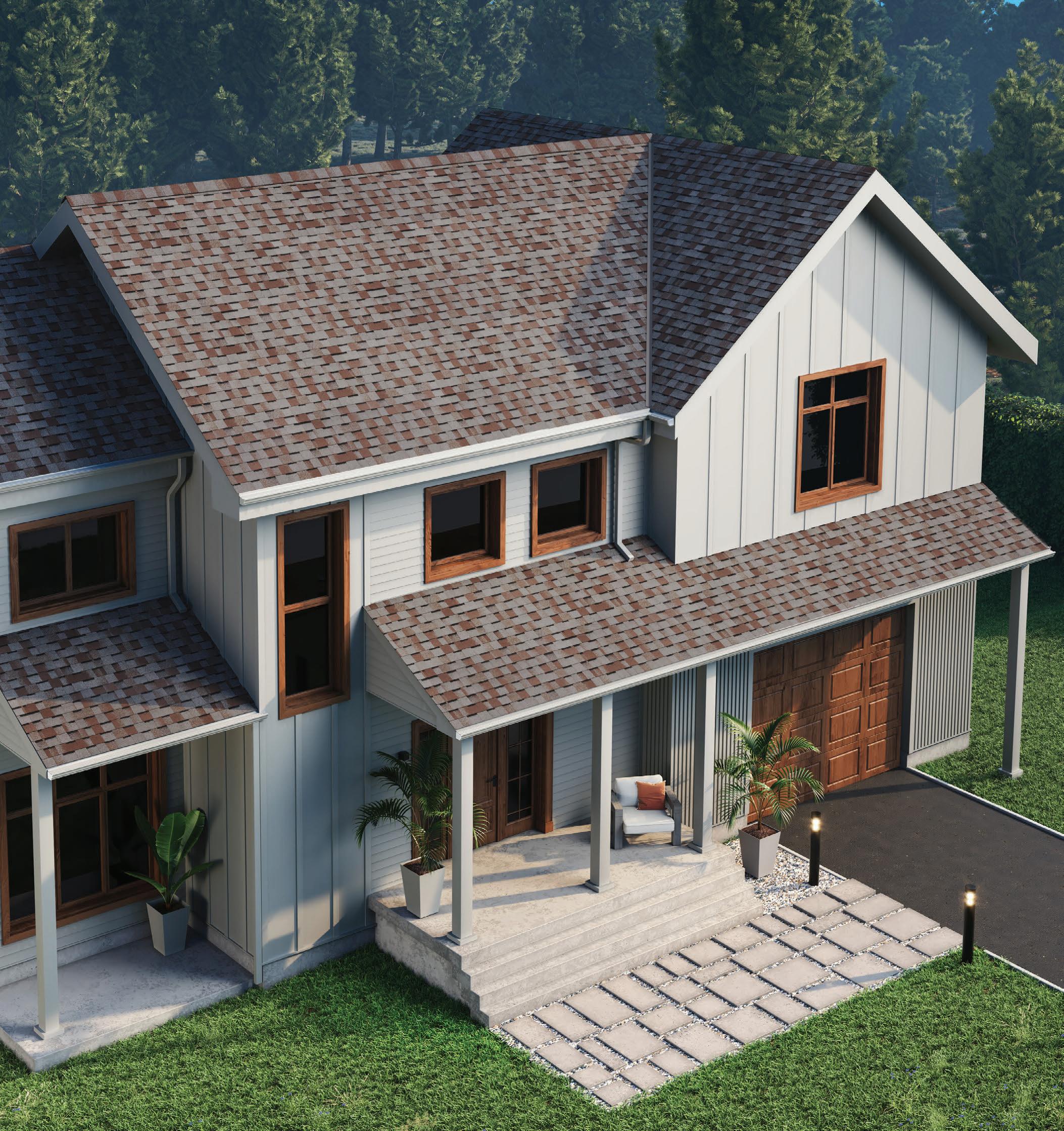
In terms of roofing, BP Canada has been producing quality home building and home renovation products since 1905, and Nathalie Lambert, BP’s marketing director, notes that a trend in interior décor – colour drenching (a design technique that involves painting a space in a single colour or a closely related range of tones, thus creating a monochromatic look) – is extending outdoors, with Canadians opting for monochromatic schemes for their home’s exterior and choosing roofing to match.
This has led to a rise in popularity of more neutral, saturated shingle colours such as copper. “While black is still the most popular roofing choice,
extensive line of innovative exterior cladding products ranging from wood and metal to porcelain and terracotta, as well as solar shading. It also represents and distributes an extensive line of cost-effective interior products that allow designers to finish the walls and ceilings of virtually any type of project. These products include fabrics under the Avanti brand as well as speciality items such as Akustus, Newmat, and Fellert.
Andrew Rogers, principal at Sound Solutions, says his company is currently considering new products to add to its offerings in the near future, since it came out of a record year for cladding in 2024 “and is now in the midst of what is shaping up to be an equally strong 2025.”
This is despite high inflation and other factors causing a pullback on some college and university projects. “Our strongest segment is institutional projects – everything from learning institutions and
coppery brown tones are gaining traction in exterior home decor from outdoor furniture to garden accessories, so we’re seeing a movement towards consumers choosing these shades for their roofs as well,” Lambert says.
To address these trends, BP Canada’s Chroma Colour Lab recently introduced a line of colourinfused, multi-toned shingles called Signature. An industry first, the shingles can be merged together (following BP Canada’s carefully curated designs) by alternating two colours over successive rows to create a third hue that produces a complementary or contrasting visual effect.
BP Canada’s shingles predicted to gain most popularity this year are Signature Mesquite and Toscana (both available in Eastern Canada) copper browns, as well as Signature Dublin (available in Eastern Canada), and Edinburgh (available in Western Canada), which feature a mix of copper/tan and grey hues.
Shiplap siding, decking, and architectural beams in Teak.
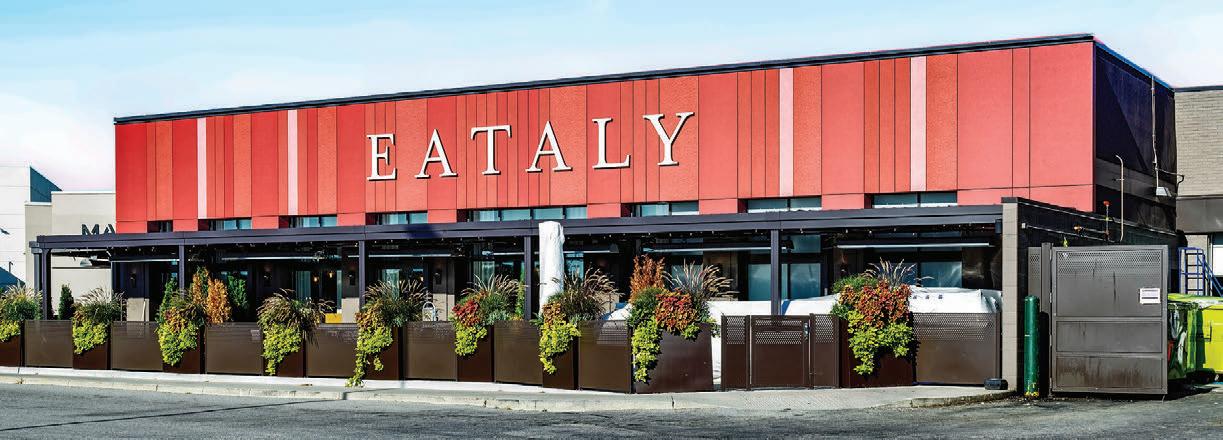
Eataly Restaurant, Sherway Gardens, Toronto, ON
Lap Siding and Board & Batten aluminum siding.
Regardless of trends, a roof is a major purchase that will last for years, so homeowners need to make sure they choose a colour they truly enjoy. The BP Canada website features an inspiration section that can help narrow down their choice. A free visualizer tool, also available on the company’s website, will also allow them to virtually view different roofing options. “That’s a great way for homeowners to try before they buy,” Lambert concludes.
Soprema’s great advantage in the roofing category is that it has been in business for more than 100 years, and it applies its considerable expertise to develop a variety of high-end products that more than accommodate the challenges and expectations of complex building projects.
One example is the expansion of Halifax’s Ragged Lake Transit Centre, which aimed to accommodate 200 new electric buses to the city’s transit fleet. This required major adaptation of existing infrastructure, and the Transit Centre roof became a key component of this process. Soprema was called upon to offer solutions focusing on rainwater management and energy optimization of the building, and after considering a host of options it decided to move away from the initial plans and propose a complete roofing system, from insulation and waterproofing to rainwater management and vegetated components (an approach that would also eliminate the risks associated with the use of products from different manufacturers).
Specifically, for roof waterproofing, Soprema presented a conventional roofing system incorporating a mechanically attached Sentinel P150 PVC membrane, with two layers of Sopra-ISO insulation, as well as the support panel, mechanically attached for optimum stability.
For water retention at the expanded facility, a hybrid-ballasted system was suggested combining a blue roof (Skywater) and a green roof (Sopranature) to maximize rainwater management performance. This solution would reduce the volume and flow rate of rainwater directed to sewer systems, as well as eliminate the need for controlled-flow drains.
One of the key elements of the project was the integration of Sopraretentio Board, a drainage panel made of 100 percent recycled polyester that retains rainwater temporarily and then gradually releases the excess to help prevent excessive stagnation on the roof. By combining this with the Sopranature vegetated system, the total volume of water retained was optimized and made available for capillary irrigation of the plants on the green roof.
The entire installation was carried out by just one roofing company, and the Soprema team supported the contractor at every stage of the project, ensuring optimal application.
Carlisle SynTec Systems has been a leader in the commercial single-ply roofing industry for more than 50 years and it provides customers with superior roofing systems via a select network of manufacturer’s representatives, distributors, and applicators.
Carlisle’s product offerings include Sure-Seal EPDM, Sure-Weld TPO, Sure-Flex PVC, and Fleeceback membranes. The company additionally provides metal roofing, coatings, sealants, vegetated roof components, skylights, pavers, and edge metal.
One recent example of the innovative solutions Carlisle brings to projects involves Quanex, Inc., a global manufacturing company that needed roof replacements at their Rice Lake, Wisconsin facility. A severe hailstorm caused extensive damage to two sections of the 325,000-square-foot roof. Following the consulting process and studying the damage, 71,800 square feet of aged PVC membrane and 60,000 square feet of old adhered EPDM was replaced by a new product, Sure-Seal Cool Gray.
Carlisle’s Sure-Seal Cool Gray is a 1.52-millimetre non-reinforced EPDMbased elastomeric homogeneous roof covering, used for new single-ply roof construction and re-roofing applications. It offers superior hail damage resistance – EPDM-based solutions are considered superior to PVC membranes partly because it allows for thermal expansion – as well as added slip resistance of rubber and less glare than white roofs. A
Signature Manhattan multi-toned shingles.
As markets evolve, engineered wood products remain a trusted choice
by NATALIE BRUCKNER
ADAPTING WITH STRENGTH
In a market where uncertainty looms large, particularly with the ever-changing shadow of tariffs, the engineered wood products industry stands resilient. Despite the challenges, experts in the field are not just weathering the storm –they’re embracing it. Adaptation, innovation, and forward-thinking strategies are guiding the industry through these turbulent times, paving the way for a future that remains optimistic.
ALBERTA’S GROWTH FUELS INNOVATION
In Alberta, Francisco Villarroel, project manager at ACQBuilt, sees a strong year ahead for the engineered wood sector. “2025 is looking good so far – better than the tail end of 2024,” he says, adding that Canada’s natural resource sector is gaining momentum, and Alberta – particularly Calgary and Edmonton – are experiencing record housing growth.
“Alberta has been the fastest-growing population in the northern hemisphere,” Villarroel notes. This demand has fuelled investment in efficient construction methods, particularly ACQBuilt’s off-site construction model, which streamlines pre-construction, manufacturing, and on-site assembly.
Sustainability also continues to be a key focus. “Our centralized framing process significantly reduces waste,” he explains. “We even program our machines to repurpose off-cuts – using them for roof ridge blocks, kitchen backing, and more. Only the smallest remnants end up as scrap.”
ACQBuilt’s flexibility across residential segments brings stability amid market shifts, and the company plans to refine its process to align with emerging trends. “A while back, we started doing exterior finishing on our production builds, the vinyl siding for example. We are looking at bringing some of these things back online as this year goes through,” Villarroel says.
DEMAND & SOLUTIONS
Rory Koska, executive director of WoodWorks Alberta/Canadian Wood Council, says mid-rise construction remains steady, with 90 to 95 percent of their work focused on rental buildings – particularly in Calgary’s booming market. Hybrid buildings, he notes, continue to make the most sense when used strategically.
A standout project is EV606, a six-storey hybrid steel and nail-laminated timber (NLT) building in Calgary’s East Village. The 4,800-square-metre structure will add 44 rental units and two ground-floor commercial spaces. “It’s a mix of concrete and engineered wood – very cool,” Koska says.
Schools are also a major focus, with Alberta’s $8.6-billion investment set to deliver more than 100 new and upgraded schools, creating 200,000 student spaces over the next seven years.
As for tariffs? “Canadian LSL has no tariffs if used here, but engineered joists from Oregon are another story,” he says. While added costs could affect mid-rise projects, Koska sees a silver lining: “This is an opportunity to showcase wood as a cost-effective, local alternative to steel.”
INNOVATION ON THE HORIZON
As the construction landscape shifts, AcoustiTECH is keeping pace. Co-owner André Rioux sees 2025 as a year of adaptation and innovation – strengthening foundations, expanding the sales team, and positioning for future success.
“With economic uncertainties, agility is key,” says Rioux. As modular, mass timber, and construction in general continue to gain momentum, AcoustiTECH has refined its role, expanding its product portfolio and positioning itself as a trusted broker of acoustic solutions. Existing and new partnerships with industry
leaders – including Soprema, Fermacell, PAC International, Rothoblaas, and Artopex – allow the company to offer tailored, high-performance approaches to sound management.
A major milestones ahead is AcoustiTECH’s involvement in the DCI project, a world-class acoustic research facility in Quebec. “This will be one of the most advanced research and development acoustic labs of its kind,” Rioux says.
With the rising demand for mass timber, Western Archrib is investing in new technology to meet the needs of the expanding market. The company recently acquired a Hundegger CNC machine – the largest of its kind in North America for machining glulam. “With the market trending toward larger projects, CNC capacity can be a production limitation,” says Andre Lema of Western Archrib. “This new machine expands our capabilities significantly.”
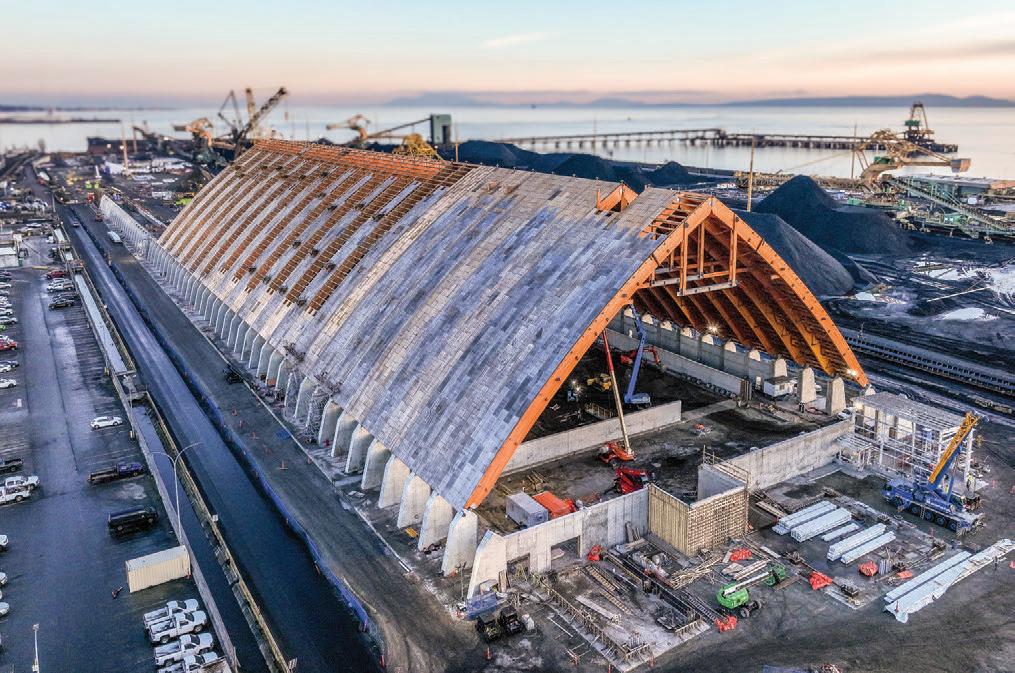
One of Western Archrib’s latest projects is a massive ground-to-ground arch storage building in the Vancouver area. “The arch lengths were 167 feet [51 metres], covering a total of seven acres – one of our largest projects in 74 years,” says Lema. “We took on the entire building design and supply scope above the foundations.”
Despite economic uncertainty, the company is moving ahead with growth. A new manufacturing facility near Edmonton, set to open this year, will triple production capacity – just as demand for Canadian-made products continues to climb.
SHOWCASING B.C.
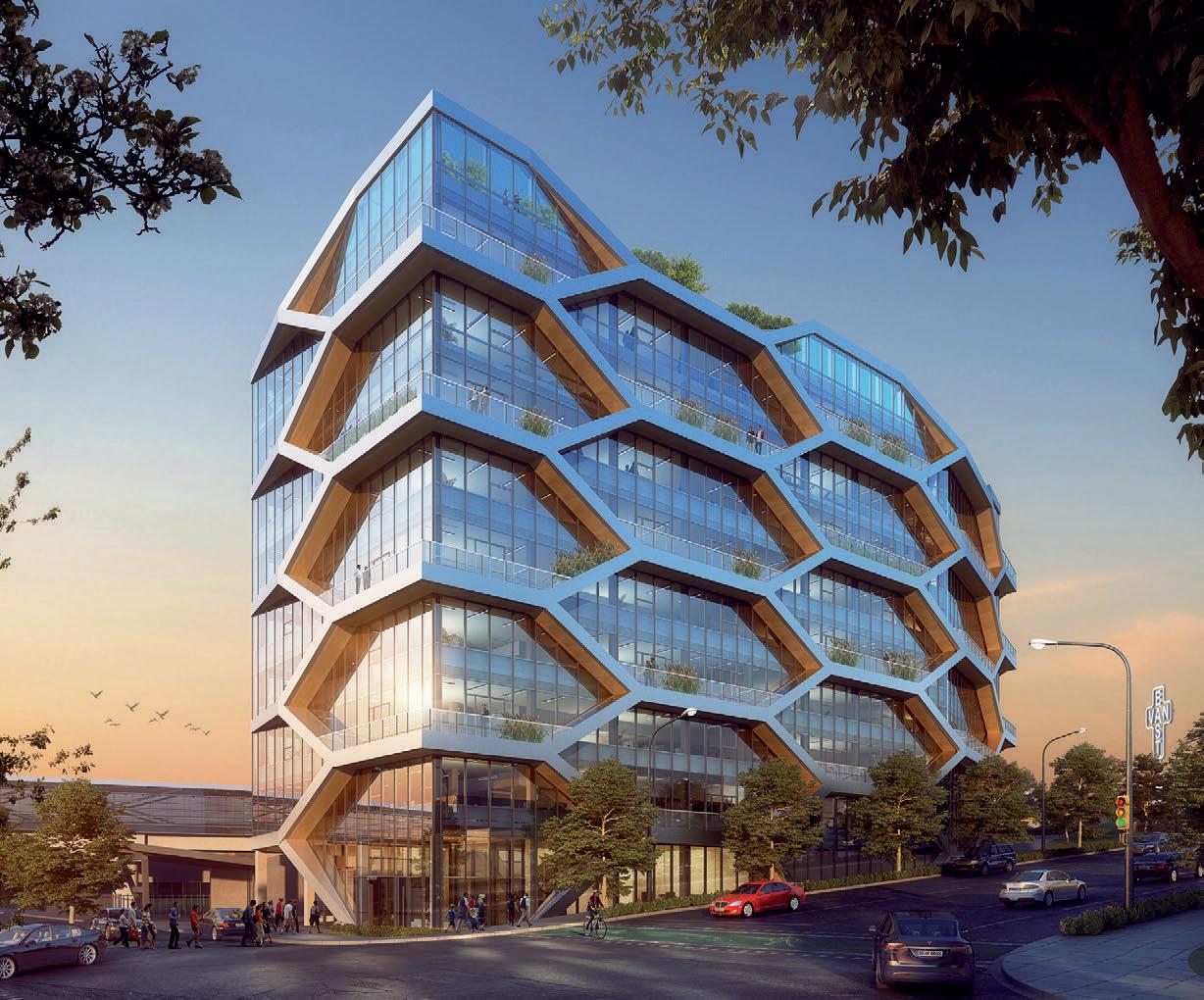
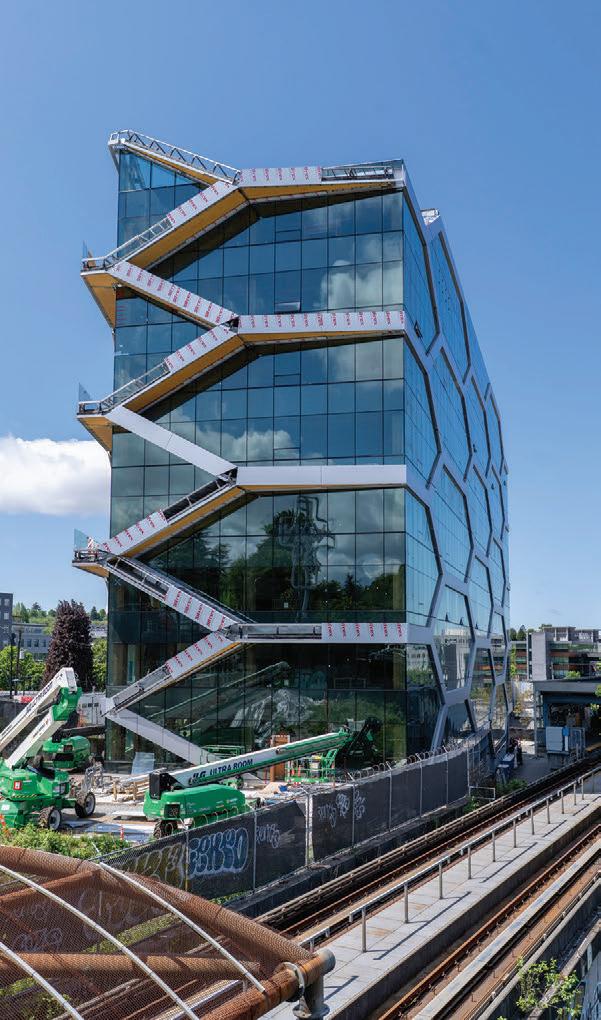
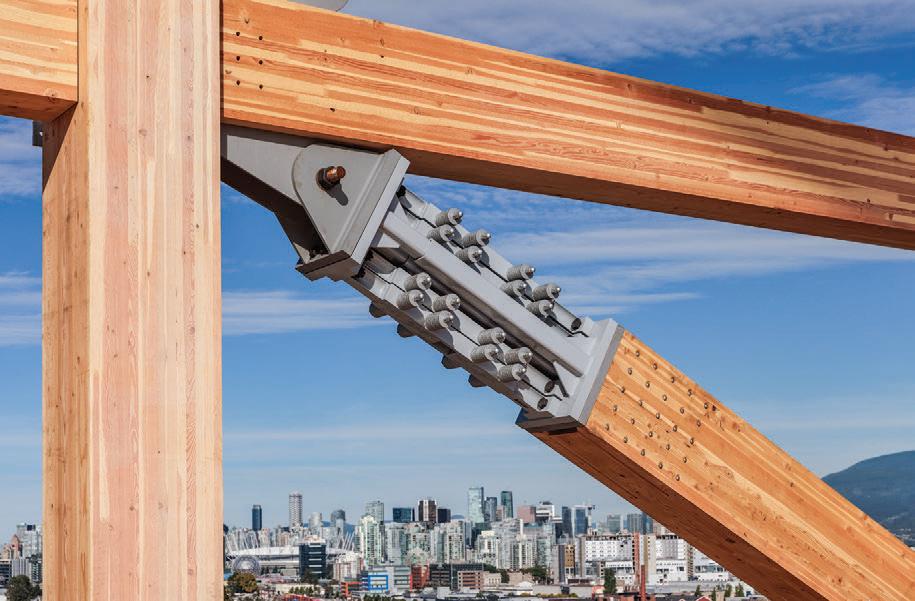
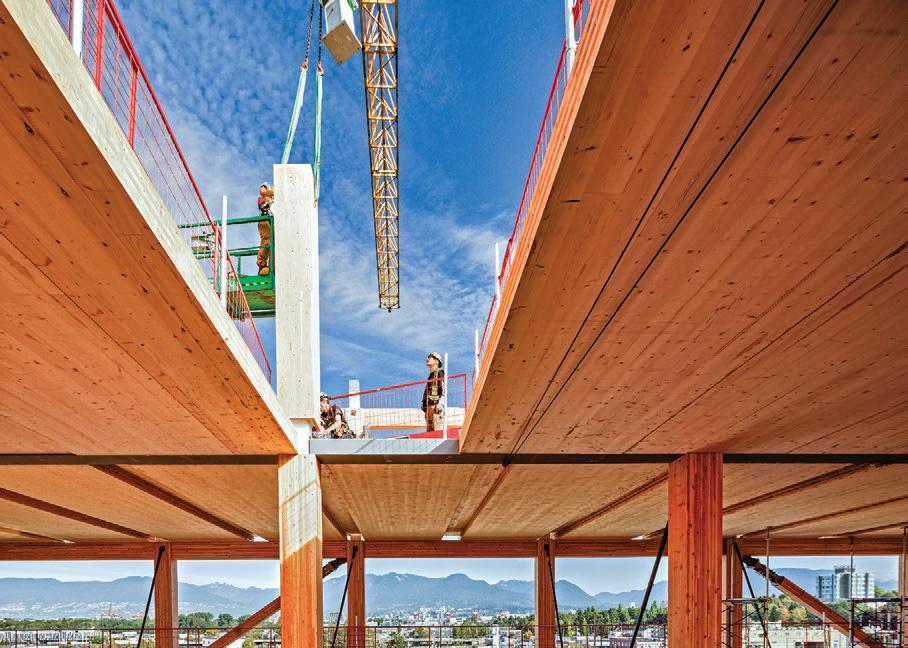
In B.C., when it comes to innovative uses of engineered wood products, Annabelle Hamilton, technical manager of planning and development at Wood Works BC points to The Hive in Vancouver as a great example. This cutting-edge project is set to become America’s largest timber-braced-frame structure, pushing the boundaries of design and construction. “It features an all-timber structural system with 105 seismic dampers, making it one of the world’s most advanced earthquake-resistant timber buildings,” Hamilton says. “The Hive showcases the potential of engineered wood in creating sustainable, resilient, high-rise structures, and serves as a model for future tall wood buildings.”
On the challenges facing the engineered wood sector, Hamilton notes that as demand for sustainable construction rises, mass timber is becoming a key solution for taller buildings. However, widespread adoption remains difficult due to market uncertainty and limitations within the growing supply chain. Furthermore, she highlights that innovation in the construction industry can be slow, driven by risk aversion and a lack of familiarity with new methods. To overcome these challenges, Hamilton says that early adopters are focusing on reducing costs through prefabrication, standardization, and scalability. “Investments in domestic production and workforce training are strengthening the supply chain, while knowledgesharing, pilot projects, and collaboration among stakeholders are building confidence in engineered wood. Targeted incentives and policy support further drive adoption, positioning mass timber as a viable, sustainable alternative in modern high-rise construction.”
Another company making an impact in the mass timber sector is Seagate Mass Timber, with projects like the Marpole Community Centre, where it’s replacing an aging facility with a modern, two-storey building nearly double its original size. In partnership with Heatherbrae Builders, Seagate is installing all mass timber and composite framing, including glulam columns, beams, a CLT floor system, and roof decking.
Designed to meet Passive House certification, target LEED Gold, and reduce embodied carbon by 40 percent below the 2018 baseline, the facility aligns with Vancouver’s sustainability goals. It’s also pursuing the Canada Green Building Council’s Zero Carbon Building Design v3 Standard.
Seagate’s expertise is in high demand, with other major projects like Vienna House, a collaboration with BC Housing, the City of Vancouver, and the More Than a Roof Housing Society, and the University of Fraser Valley Dining Hall Expansion, where Seagate installed CLT roof panels.
DLT LEADS THE WAY
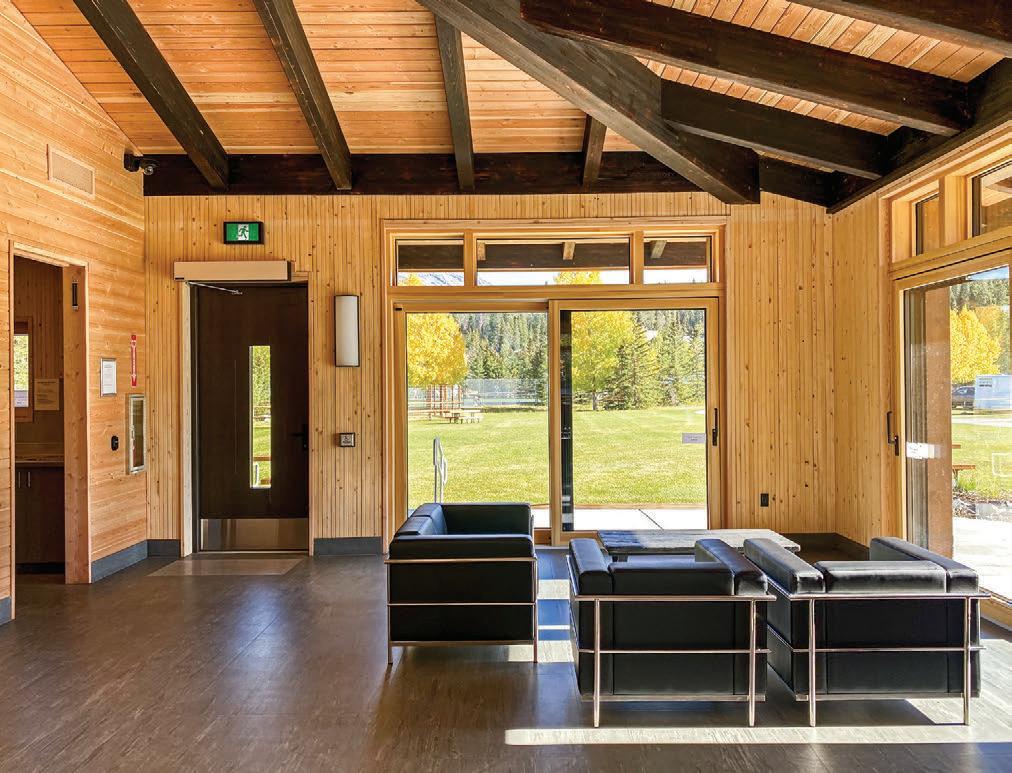
International Timberframes is renowned for its expertise in timberframe and 100 percent wood DLT (dowel laminated timber) construction. The company’s recent work includes high-profile projects like the Radium Hot Springs Community Centre, one of B.C.’s first public buildings to use DLT. Featuring a DLT roof supported by glulam beams and a charred wood exterior, the building also boasts exposed DLT panels inside, creating a dynamic ceiling finish.
Another standout is the Banff Pavilion, built entirely from DLT and designed to meet Passive House standards. This energy-efficient structure is the most ecofriendly commercial building in Banff National Park, with a 100-year lifespan. It also offers community spaces, including a BBQ area, showers, and a kitchenette. International Timberframes is also behind the Mahon Childcare Centre in Vancouver and is working on the Brennan Park recreational centre expansion in Squamish and entry canopies for the Royal BC Museum in Victoria.
Sigi Liebmann, the company’s founder, highlights the growing industry focus on carbon reduction and sustainability, particularly within ESG initiatives. While the path to achieving carbon reductions through design and construction is still unfolding, the conversation is gaining traction.
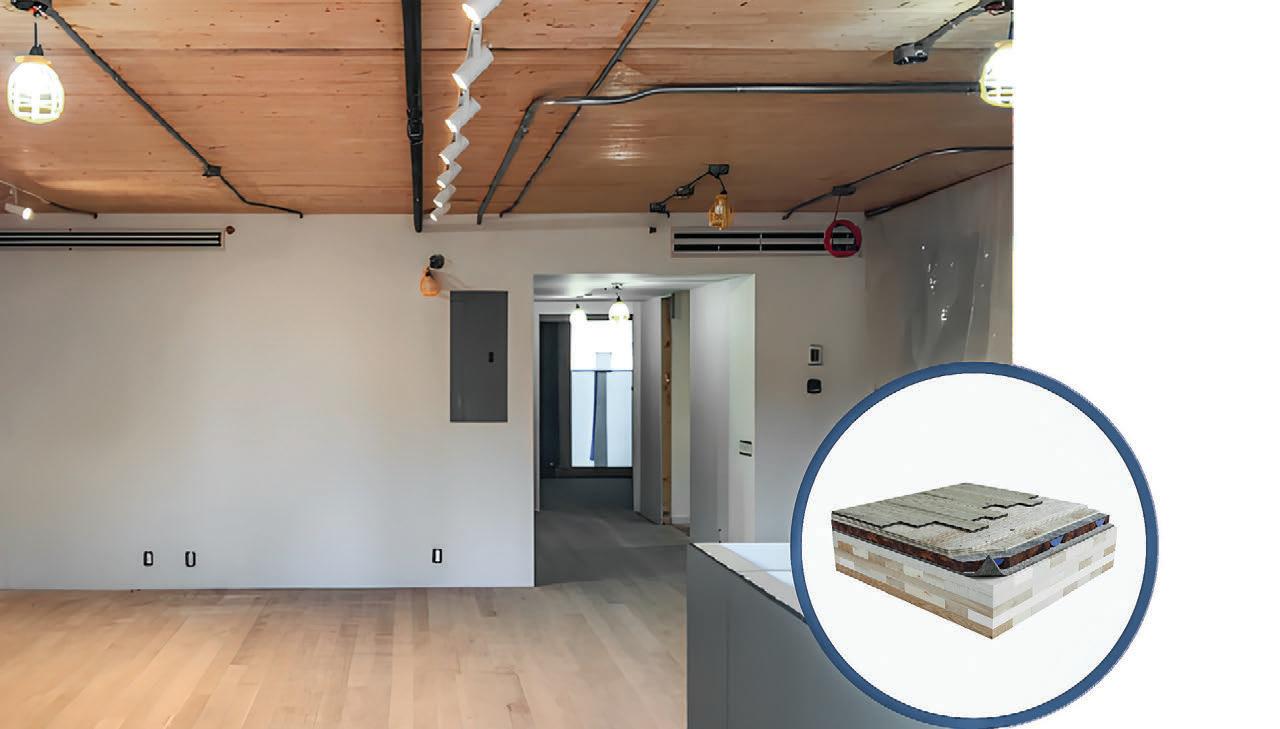
AcoustiTECH Sofix flooring system meets the accoustic requirements of mass timber buildings.
SilvaLam™ MicroCLT: Rethinking Interior Finishes for Modern Architecture
By Steve Conroy, President of SilvaStar Building Products
Architecture is constantly evolving, where aesthetics, performance, and sustainability must seamlessly coexist. At the forefront of this transformation, material innovation is reshaping the way we build from the inside out. One standout advancement – SilvaLam™ MicroCLT from SilvaStar Building Products, powered by Binderholz, a global leader in mass timber technology – is making a bold impact on mass timber construction and highperformance interior design.
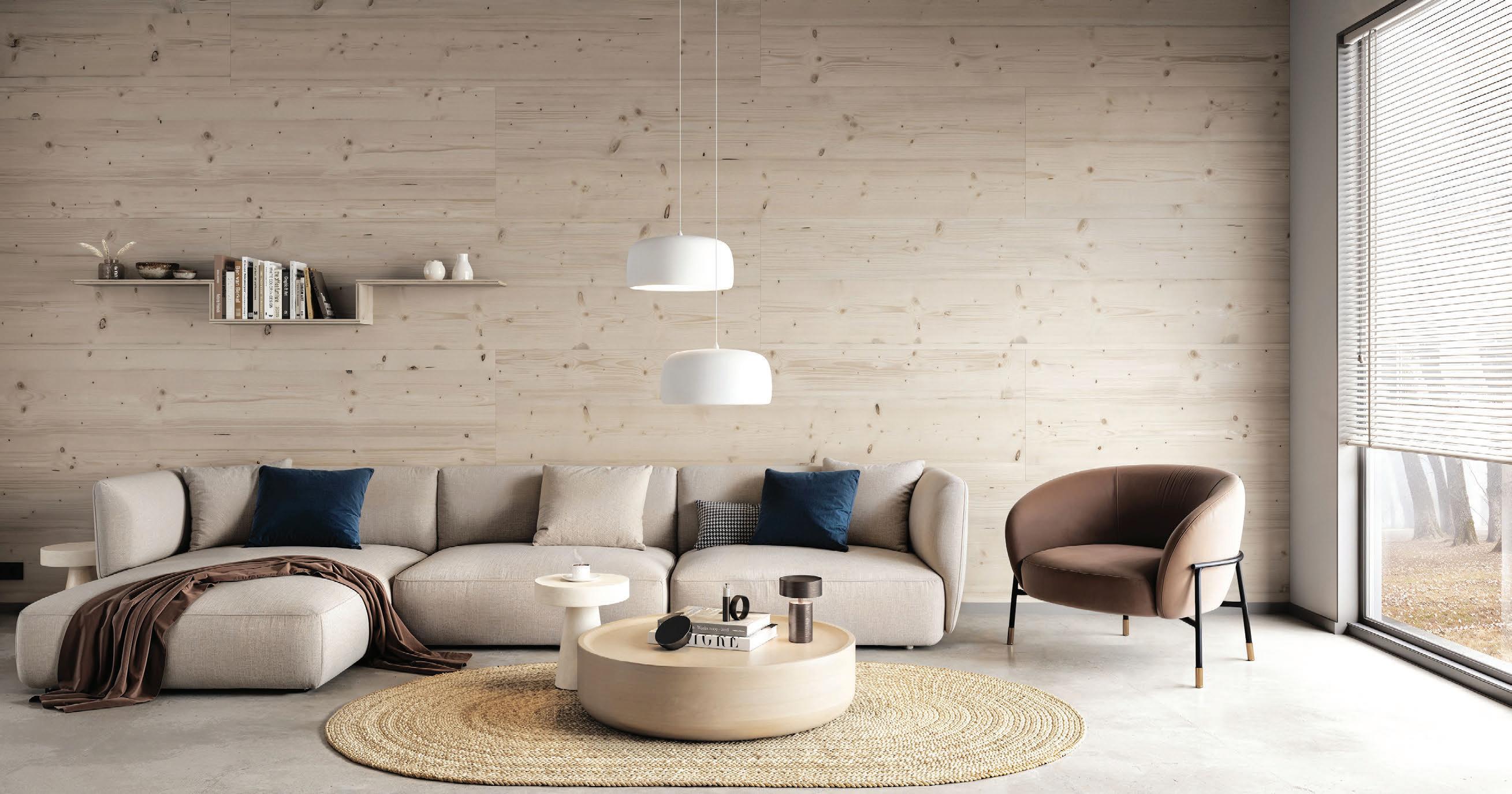
Engineered as a 3-ply solid spruce panel with a precise tongue and groove joint and micro chamfer, SilvaLam™ MicroCLT offers a rare combination of structural integrity, visual refinement, and installation efficiency. The panels are manufactured using cross-laminated, waterproof-glued (AW 100) solid spruce timber that meets stringent E1 emissions standards, carries CE certification, and is sanded on both sides for a clean, uniform finish. It’s not just a construction component – it’s a high-quality, designforward solution tailored for commercial, industrial, and institutional spaces.
What distinguishes SilvaLam™ MicroCLT is its ability to deliver both technical excellence and natural beauty. Each panel is crafted from sawn spruce timber that’s carefully dried and visually sorted to ensure a clean, balanced appearance with minimal cracking. This results in a refined solid wood surface that requires no decorative finishing – no paint, no plaster – just precision-crafted, visually appealing timber that’s ready to install.
Backed by the engineering expertise and production quality of Binderholz, SilvaLam™ MicroCLT ensures world-class consistency, environmental responsibility, and performance. Binderholz’s proven reputation across the global construction industry enhances the credibility and reliability of every panel.
Installation is simple and fast, thanks to the integrated tongue and groove
system. Even with basic tools, SilvaLam™ MicroCLT panels can be quickly joined, reducing onsite labor and keeping projects on schedule – a clear asset for large-scale institutional or commercial builds where efficiency is paramount.
DESIGN WITHOUT DISRUPTION
Available in a wide range of sizes – from 4 ft × 8 ft (1.22 m × 2.44 m) up to an impressive 6 ft-6 in by 16 ft-4 in (1.98 m x 4.98 m) meters, with tongue and groove edges and the option of SilvaStar’s renowned custom prefinished treatment – SilvaLam™ MicroCLT panels provide architects with the ability to maintain a continuous pattern and material language across large surfaces. This scale enhances visual flow and allows the real wood warmth of spruce to fully express itself in uninterrupted expanses, contributing to both spatial cohesion and sensory comfort. Beyond its performance and aesthetics, SilvaLam™ MicroCLT also supports environmental and occupant well-being goals. Produced with eco-conscious adhesives and featuring thick outer lamellas that preserve the best natural characteristics of spruce, it contributes to healthier indoor air quality and sustainable construction practices.
With a wide range of surface design options and a warm, tactile appeal that enhances occupant experience, SilvaLam™ MicroCLT offers architects the freedom to elevate interior spaces – without compromise.
In the context of today’s materialconscious design, SilvaLam™ MicroCLT doesn’t just meet expectations — it quietly exceeds them. Whether you’re specifying for a civic space, custom home, corporate interior, or education campus, it’s a material that speaks to modern values: natural, efficient, warm and enduring.
SilvaLam™ MicroCLT, powered by Binderholz , is finished and distributed in North America by SilvaStar Building Products.
In other DLT news, StructureCraft is adapting to the evolving needs of the construction industry with the strategic decision to separate its DLT manufacturing services into a distinct brand, DowelLam. This move creates a clear distinction between the two brands, allowing for a more targeted approach in serving clients, including developers, contractors, architects, and structural engineers.
While StructureCraft continues to offer structural consulting and construction services using materials such as steel, concrete, glass, and timber (including CLT, MPP, GL, and DLT), DowelLam will concentrate on design-assist, engineering, manufacturing, and supplying DLT products. This separation ensures that all DLT product inquiries will be managed by DowelLam, streamlining the process and providing clients with specialized support throughout design, manufacturing, and delivery.
INDUSTRY PROGRESS
Kalesnikoff Mass Timber Inc. continues to make significant strides in the B.C. wood-manufacturing sector with the recent expansion of its operations, supported by a $6.7-million investment from the B.C. Manufacturing Jobs Fund (BCMJF).
This funding enables the company to establish a new mass-timber and CLT modularized building facility in Castlegar, creating 90 sustainable, local forestry jobs. The expansion will allow Kalesnikoff to produce prefabricated housing components and multi-storey structures, addressing the growing demand for low-carbon housing solutions across North America.
The Province’s Mass Timber Action Plan has increased global demand for these products, removing barriers for companies like Kalesnikoff to expand their supply.
Mercer Mass Timber (MMT) is similarly accelerating its operations with its own set of advancements, pushing the envelope in the North American mass timber industry. With state-of-the-art facilities in Okanagan Falls, B.C., Spokane, and Conway, MMT is setting new benchmarks in mass timber production.
In addition to its acquisition of Structurlam in 2023, MMT received a $7-million grant in 2024 from the BC Manufacturing Jobs Fund to install advanced manufacturing equipment that will boost efficiency and increase glulam production capacity by 25 percent. Sustainability is integral to MMT’s operations, with wood sourced from certified forests in Canada and the U.S., including species like Spruce-Pine-Fir (SPF), Douglas Fir-Larch, Southern Yellow Pine, and Alaska Yellow Cedar. This approach ensures product durability, while minimizing the carbon footprint of its operations.
PAINT & PROTECT
Moisture management remains a key challenge in protecting engineered wood, particularly during transit and construction. Without proper protection, exposure to moisture can lead to staining, cracking, and dimensional instability. This is why many manufacturers now apply Sansin’s KP-12 at the factory – a penetrating coating that resists moisture absorption, while allowing the wood to breathe, reducing the risk of checking and water damage.
Mauraine Bos, marketing manager at Sansin, explains that for added protection, KP-14 provides exceptional moisture resistance while remaining breathable, preventing issues like trapped water, mould, and decay. “Our coatings enhance the dimensional stability of wood while protecting it from moisture, contamination, and physical wear,” says Bos.
Aesthetically, Sansin’s coatings harness nanotechnology to enhance grain definition while offering decorative protection. Sustainability is also a priority. “We manufacture low-VOC products, making sustainable wood coatings a possibility for the industry. Our interior stain has no VOCs, setting the benchmark for interior wood coatings,” says Bos.
The experts at Henkel note that the shift toward embracing greener solutions is especially evident in North America and Europe, where CLT and glulam are gaining popularity. As a global leader in adhesives, Henkel supports this transformation with innovative, solvent-free, formaldehyde-free solutions that maintain long-term strength and functionality.
“Architects can bring their visions to life – whether designing towering mass timber structures or intricate wood elements. Trusted by manufacturers, Henkel’s Loctite polyurethane (PUR) and hybrid (EPI) adhesives are ideal for cold-setting and RF applications,” says Ingrid Gagné, head of sales.
“With technologies like Loctite HB X, Henkel meets strict fire resistance standards, reduces CO₂ emissions, and ensures compliance with green building requirements,” adds Gagné. “Backed by a North American technical team and advanced wood lab, Henkel delivers the expertise and innovation needed to shape the future of sustainable construction.”
EVENT SPOTLIGHT
At FPInnovations in Vancouver, experts acknowledge that many countries are grappling with significant housing challenges, while others face a shrinking and aging population. “The need to build better, with sustainable and resilient structures, is the solution,” says Tim Caldecott, senior director, sustainable construction. Events like Woodrise 2025 offer an important platform for professionals to explore real-world projects, techniques, and innovations in construction, particularly those involving mass timber and other wood-based building systems.
In partnership with the Province of B.C., FPInnovations will host the international Woodrise event on mid- and high-rise wood construction in Vancouver from September 22 to 25, 2025. This gathering will bring together 2,000 attendees from 25 countries to discuss emerging public policies, technical advancements, and market-driven, low-carbon solutions. It will provide an opportunity to connect with government officials, business leaders, construction experts, and researchers, all focused on advancing wood construction to address climate change, enhance urban resilience, and create livable, affordable housing for future generations. A
PHOTOGRAPHY BY TOM ARBAN/COURTESY THE SANSIN CORPORATION
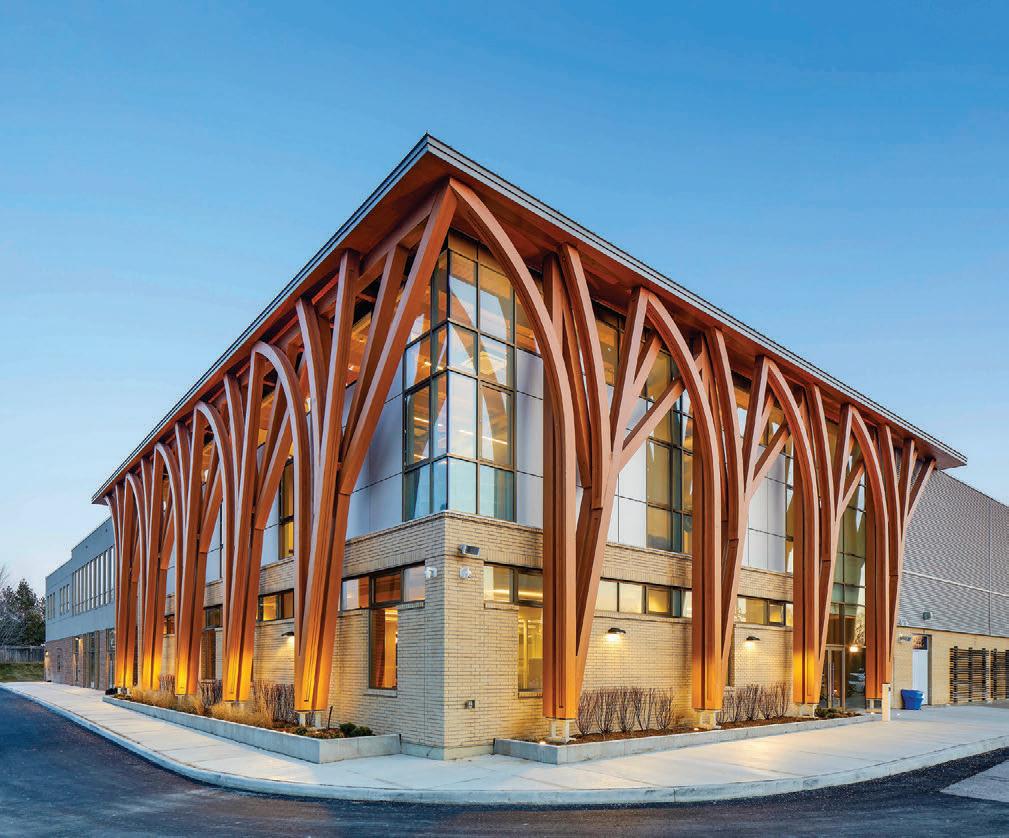
Toronto Montessori School, Toronto ON
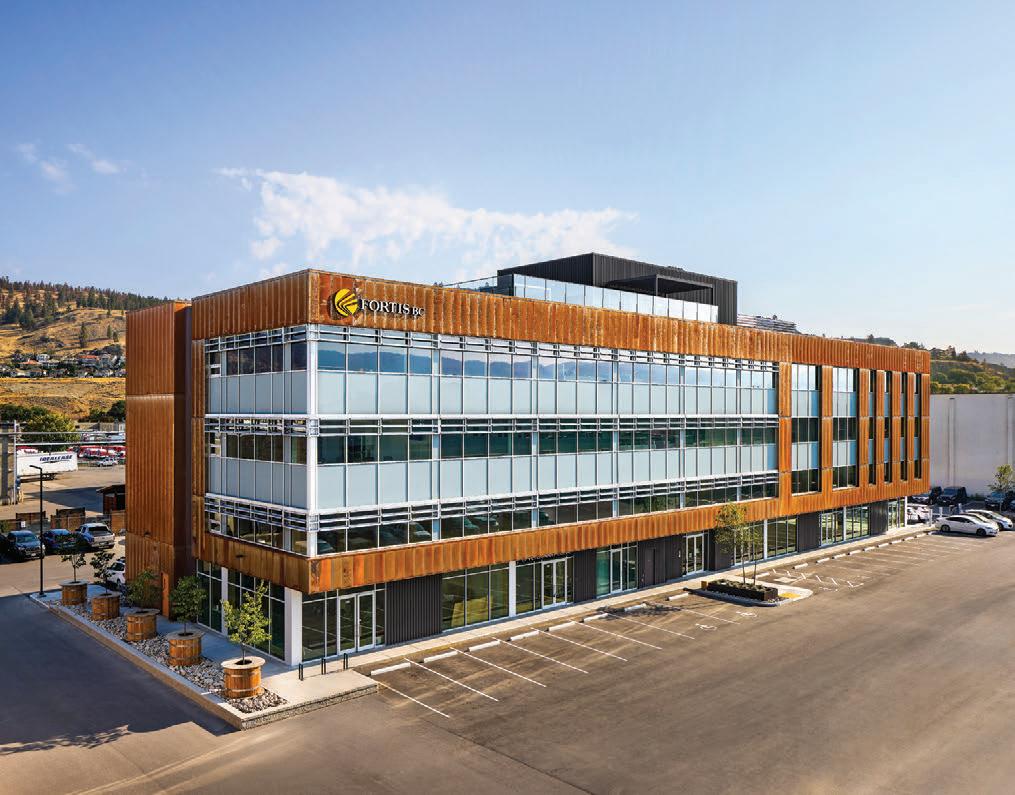
The Exchange, Kelowna, B.C.
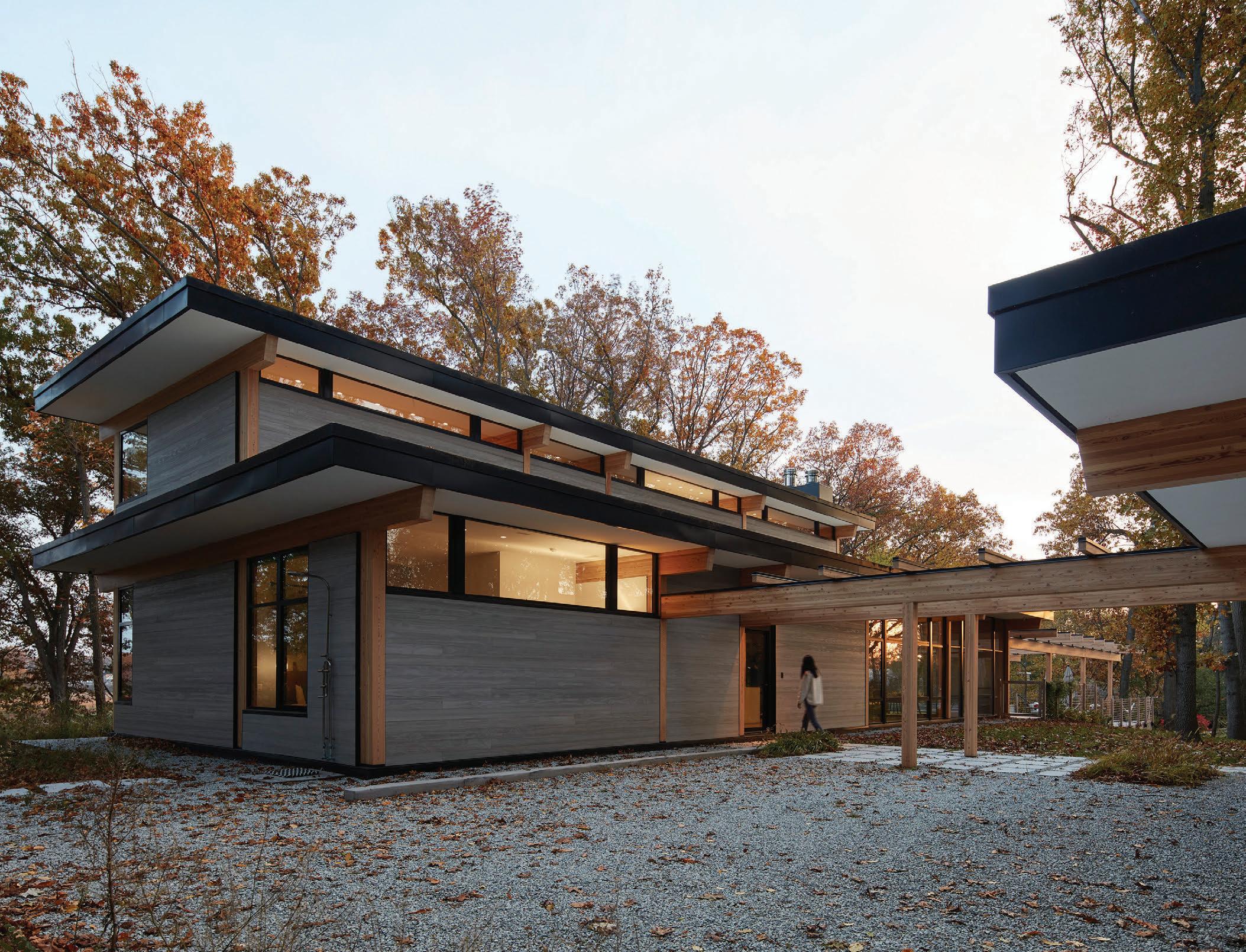
Galien River Retreat | New Buffalo, Michigan, United States Photographer: Steve Hall
*(CPCQA) CERTIFICATION PROGRAM BY PROCESS OFFERS KEY BENEFITS TO ARCHITECTS, CONTRACTORS, ENGINEERS, GOVERNMENT AUTHORITIES AND OWNERS.
Project: Champagne Quarry Park, Calgary, AB Architect: Gibbs Gage Architects
Sealed For Success
The integrity of steel, concrete, and other building materials is ultimately only as good as the waterproofing measures that are implemented to protect them.
Further, those involved in the provision of waterproofing systems rightly point out that in addition to safeguarding buildings or infrastructure, a waterproofed facility is synonymous with a healthier workspace – because it averts the growth of mould and mildew – plus it doubles up as an insulator, enhancing thermal efficiency, and thus boosting the value of property.
W.R. Meadows Inc. designs, manufactures, and markets high-quality building materials that are sold through an authorized distribution network, and in the waterproofing category it offers a wide range of cementitious products to protect reinforced concrete structures.
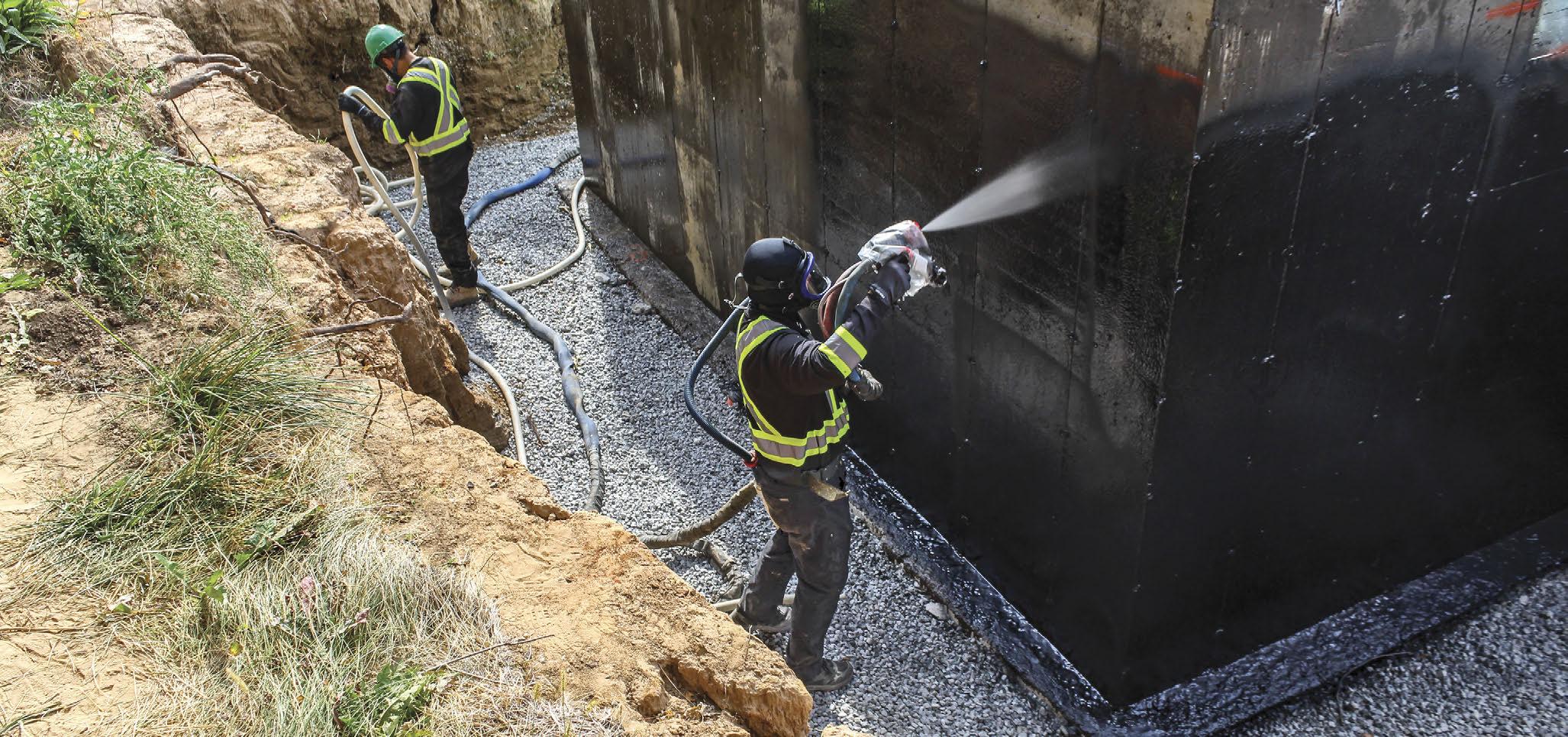
One of its newest offerings is Meadow-Pruf Co-Spray, a cold-applied liquid waterproofing membrane designed for below-grade vertical applications that provides outstanding resistance to water and water vapour. Modified with a proprietary blend of synthetic polymers and special additives, the product cures to form a tough, durable barrier, ensuring reliable protection in challenging conditions.
Meadow-Pruf Co-Spray’s ability to achieve single-application thickness in one coat helps reduce installation time and costs, making it a cost-effective option for professionals. The versatile membrane is suitable for both new construction and restoration projects on concrete or concrete masonry units. It is also compatible with insulated concrete forms and green concrete applications.
Meanwhile, W.R. Meadows’s Knightshield range of roof coatings for restorations is a practical alternative for reviving different types of roof membranes instead of roof replacement. The collection consists of high solids, silicone roof coatings, walk pads, primers, and cleaners.
Engineered Site Products distinguishes itself by providing a variety of waterproofing solutions to support its focus on new institutional, commercial, and mixed-use projects, along with tunnel work.
As an example, Ultraseal XP, supplied by Engineered Site Products, was used on a building at CFB Esquimalt, B.C. This composite membrane features an XP technology layer integrally bonded to a high-strength geomembrane, delivering exceptional performance against a wide range of ground contaminants, including high saline conditions. For this project, metal sheet piling was used to separate the ocean from the site. The under-slab and vertical wall installation began at two in the morning – when the tide was lowest – and was completed over three consecutive tide cycles.
Another product from Engineered Site Products is Coreflex, a reinforced thermoplastic membrane bonded to a proprietary Active Polymer Core layer, with fully welded seams for superior waterproofing protection. The thermoplastic membrane is engineered to resist high hydrostatic pressure and groundwater contaminants, while its extremely low water vapour transmission qualifies it as a Class “A” Vapour Retarder.
About 50,000 square feet of Coreflex was used on the Manulife building in Calgary, with a blindside shotcrete application being employed 40 feet into the water table.
Elastochem Specialty Chemicals Inc., a leading Canadian manufacturer of spray polyurethane materials, recently received a revolutionary fire rating of 45 minutes (Canada) and one hour (Canada and U.S.) for its Insulthane Extreme spray foam insulation. This rating applies to a new type of metal wall construction used in warehouses, big-box stores, industrial, and agricultural buildings – many of which are located close to property lines and require exterior walls to have a fire-resistance rating.
When the rating was announced, Sam DiLoreto, president at Elastochem, said, “Our one-hour fire rating expands the scope of industrial projects for which Insulthane Extreme spray foam insulation can be considered. This new certification also highlights Elastochem’s continued pursuit of product innovation and our decade of experience with HFO blowing agents.”
Traditionally, ensuring a strong fire rating meant resorting to alternative solutions that were more
Waterproofing breakthroughs keeping Canadian builds covered
by ROBIN BRUNET
expensive and took longer to implement. Insulthane Extreme simplifies this process by offering a straightforward application solution that upholds structural strength while meeting rigorous fire safety standards – rendering additional measures unnecessary.
Another Elastochem product, the Hygrothane waterproofing membrane is a spray applied, two-component polyurea waterproofing system designed to provide long-lasting protection against moisture intrusion. It is bitumen-free and cures rapidly to form a seamless membrane that completely seals. It is widely used as a waterproofing membrane on below-grade foundation walls, ICF assemblies, retaining walls, podiums, and other surfaces where long-lasting moisture protection is critical.
For sundecks, Flexstone is Canada’s leading waterproofing system, but its unique and rugged membrane is also ideal for flat roofs, garage floors, and other applications.
Flexstone has been providing two-component Polyaspartic and Epoxy products for years, and while they perform exceptionally well, the drawback of any two-component system (one component being the catalyst) is it only takes a moment of carelessness to mix the same component with each other, meaning the membrane won’t cure, resulting in costly remediation for contractors.
Also, the integration of a catalyst is a process that needs to be thorough, carefully measured, and timely in order to ensure the product performs as expected. This often means an extra labourer is required onsite for any Polyaspartic system installation.
But Flexstone’s FSC Polyaspartic clear coat is a single-component product: no mixing, no catalyst, and no wasted materials. When the job is done, the labourer simply seals the can and uses the rest later.
The FSC Polyaspartic clear coat has the same strength and durability of most high-end aspartics, but the ease and simplicity of the application process set it apart. Plus, the FSC Aspartic is competitively priced and cures in two hours (48 hours for vehicular traffic). This helps mitigate any dust, bugs, or other debris from sticking to the surface during the drying period.
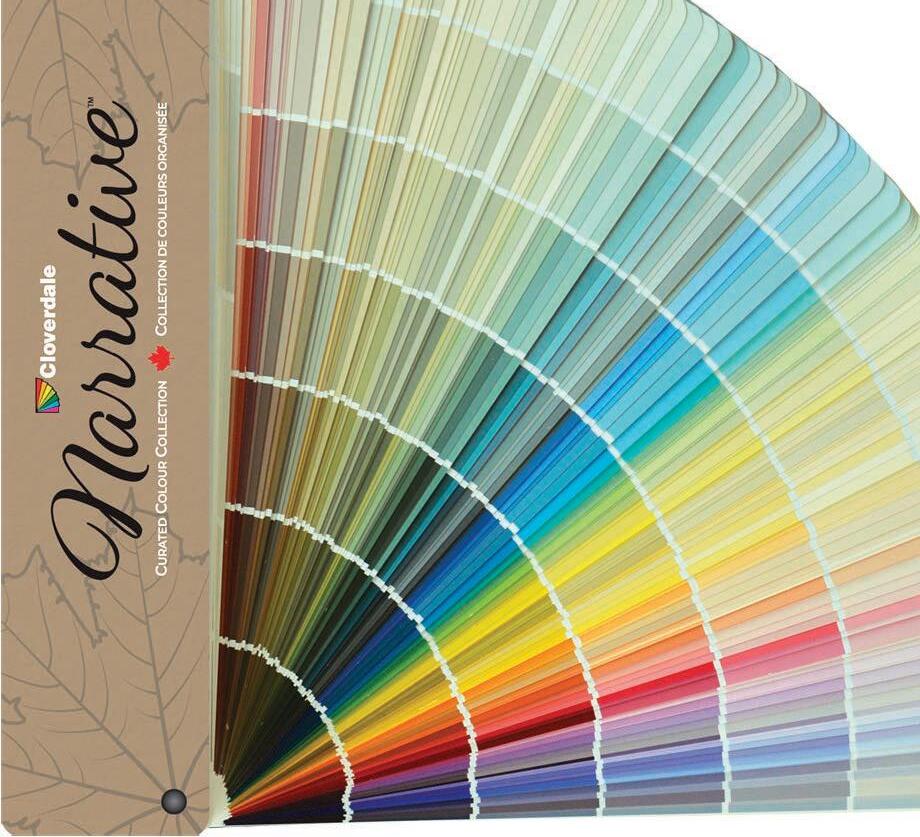
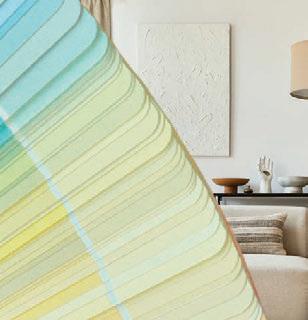
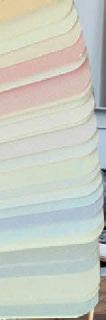
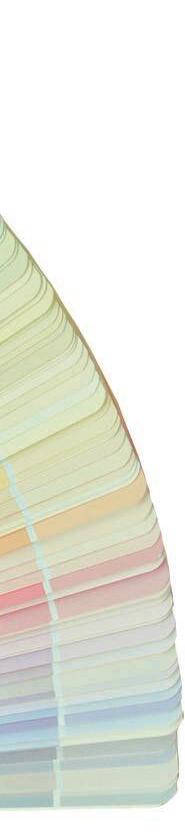
WHAT’S YOUR Colour Narrative?
Urban or Rustic?
Neutral or Colourful?
Modern or Classic?
Find your Colour Narrative in our fullspectrum palette that captures more of the widely specified paint colours from across Canada, determined by our Customers and Colour Experts.
Another company closely associated with exterior deck waterproofing is the Protecto Wrap company of Denver, which has been manufacturing waterproofing membranes since 1952 and provides design consultation and field support for all product lines, including flooring underlayments and commercial building envelope systems.
For exterior decks, Protecto Wrap’s Protecto Deck waterproof membrane is a 70-mil membrane and liquid detailing, featuring a simple peel-and-stick application capped by a fabric top coating that creates an excellent bonding surface for latex modified thin-set mortars.
New to Protecto Wrap is Protecto Wall VP Water Resistive Barrier, a primer-free self-adhering, selfsealing, drainable, nonwoven, vapour permeable microporous polyolefin laminate that provides 98.5 percent drainage efficiency. No mechanical fasteners are required for the installation.
Finally, John Andersen, territory manager, Western Canada, at Kryton International Inc., says, “The main discussion among architects faced with building projects used to be waterproofing, but now the topic that seems foremost is carbon reduction, to the point where most architectural firms I come across have dedicated environmental managers whose job it is to pay attention to carbon reduction opportunities wherever they may arise.
“This has resulted in the push to protect and extend the lifespan of concrete and, in turn, driven the adoption of technology that achieves this goal. In this sense, we at Kryton are dedicated to extending
BUILDING THE FUTURE
concrete life, and this is inextricably linked to our products being able to provide watertight solutions to commercial, industrial, and infrastructure projects.”
Unsurprisingly, Kryton has experienced what Andersen calls a ‘huge uptick’ in demand for two products: Hard-Cem and the Krystol Internal Membrane (KIM) waterproofing admixture. HardCem uses a unique metal-mineral microstructure that is mixed integrally into concrete, which fortifies existing cement paste in the mix to increase the concrete’s resistance to abrasive and erosive forces and eliminates the risks associated with conventional hardeners or densifiers. The KIM admixture reacts with moisture to form insoluble needle-shaped crystals that fill capillary pores and micro-cracks, enhancing concrete durability by blocking pathways for water and waterborne contaminants.
Both products were integral to the success of Burnaby’s Laurel Street Works Yard redevelopment, which involved construction of a yard building and developing a space for engineering operations – both of which were expected to last a long time and withstand the abrasive force of equipment maintenance, resisting water ingress in order to maintain optimum structural integrity.
While the application of Hard-Cem gave the maintenance facilities’ concrete a more resilient cement paste (making it highly resistant to abrasive and erosive forces), the use of KIM ensured that the substructure of the works yard would remain permanently dry and free from leakages, thus protecting its structural integrity.
Andersen says, “A huge range of projects in B.C. have benefitted from Hard-Cem: BC Hydro used it for the Site C Dam, while KIM was used as part of the resurfacing of the Popkum Bridge in Agassiz.” A
Hard-Cem ® adds unmatched durability to your projects, reducing concrete wear and extending lifespan.
Popkum Bridge resurfacing, Agassiz, B.C.
OPENING ACT
From secure entrances to sleek interiors, door and hardware specialists are setting the stage for design, durability, and smart solutions
by LAURIE JONES
When is a door more than just a door? For leading Canadian companies in the door and hardware industry, it’s about blending modern design with cutting-edge technology to create custom entryways that serve sectors from healthcare to hospitality.
Nabco Entrances Inc., makers of quality automatic doors since 1956, provides systems for a wide variety of industries, including healthcare, government, corporate, and hospitality. Pete Woodfine, sales manager for the Ontario region, says architects often call for technical solutions, such as a sliding door that could be electronically locked. “We add a panic device to the inside of active panels to stop someone from being able to pull the door panels into breakaway function. This also provides a means of egress as required by the building code in case of an emergency, such as a fire.”
Woodfine notes that a top concern for many designers and corporate executives is access control. “We help with this by offering an FOB system that can be set to function at specific hours or turned off for night mode.
For one client, we added a key switch to the exterior, which momentarily triggers the controller to unlock and slide open the door for the first person/manager to arrive.”
When companies are looking to install or upgrade entrance and interior opening designs to protect their businesses, Ambico is often the go-to choice for doors, frames, and windows. In operation since 1955, the company has worked with corporations, government agencies – including the RCMP – and other industries to provide custom performance door solutions.
“Our products play a key role in providing opening solutions that keep people, property, and information safe,” says Steve Peterman, VP of business development. “We work closely with the NRC [National Research Council] and CSA [Canadian Standards Association] to develop solutions and establish standards for Canada, especially in the early stages of development, so we’re ahead of the curve in innovation rather than chasing it.”
Another significant aspect of Ambico’s business is acoustics. “There are many different needs for acoustic doors,” Peterman explains. “In the education sector, it’s important to create environments conducive to learning for both students and teachers. For higher education
Acoustic steel doors.
facilities, music rooms, labs, and lecture halls require proper acoustics – not only for sound protection but also for training and speech privacy.” Industrial manufacturing environments require different systems that facilitate acoustic control between work areas and office spaces.
Peterman says they work closely with clients to find solutions using products from their current lineup, which may be exactly what the customer needs. However, in other cases, they bring in alternative ideas. “We might have a conversation where it’s noted that what they want doesn’t exist, but we suggest how another product could achieve the functionality they’re looking for, aiming to get as close to the mark as possible.”
Smart Garage Door Ltd., based in Surrey, B.C., is a leading Canadian manufacturer of high-quality steel roll-up doors designed for both commercial and residential applications. “With a commitment to craftsmanship, innovation, and durability, our doors have become an excellent alternative for a wide range of projects or garage door replacements,” says Kyle Bergsma, sales representative. He adds that the Roll-up Door combines functionality with aesthetic appeal.
“These doors are engineered to be low-maintenance, smooth, and durable, offering excellent protection against weather elements, security threats, and everyday wear and tear. Whether for a commercial warehouse or a residential garage, we provide customized solutions tailored to the unique needs of each customer. We work directly with builders, contractors, architects, designers, and homeowners, always prioritizing quality manufacturing and customer satisfaction.”
Bergsma notes that their team works closely with clients to ensure every door meets the highest standards of performance, safety, and style. “From the initial design phase to final installation, Smart Garage Door is dedicated to providing exceptional products and services that stand the test of time, with solutions that range from enhancing curb appeal to securing business premises.” He adds that the company is also a licensed dealer, supplier, and installer of security shutters and motorized exterior shades.
HARDWARE
For every door, drawer, or closing option, hardware is essential. Hinges, bolts, locks, and security measures come together to complete designs and ensure things stay in place.
In today’s environment of cutbacks, competition, and uncertainty across many industries, adapting and working closely with customers is crucial. Grass Canada Inc. has embraced a lean production approach, minimizing inventory and hardware requirements. “Grass has tried to come to the market with a very simple format for production for cabinet shops to be able to do two applications with one runner or slide,” says George Pavlov, Ontario sales manager. “This has been our biggest story for over 10 years, to be able to empower shops, whether they are working with wood or steel drawers, without having to incur large amounts of inventory.”
Post and beam car port with steel roll-up door.
Pavlov explains that Grass offers drawer options from 12 to 30 inches, with slides capable of handling 40 to 70 kilograms. “This gives designers the ability to be versatile with wider drawers, bigger applications, and larger drawer fronts. We have drawer systems that range in size from 72 to 250 millimetres in height and support drawer fronts up to 30 inches, which could be used in everything from kitchens to commercial designs.” He adds that while Grass operates worldwide, Grass Canada focuses primarily on the Canadian market. “In the past, U.S. customers who sourced millwork from Canadian shops for American installations, including universities, have provided tremendous feedback for the quality of our products and materials.”
The anticipated forecast for door hardware in 2025 from Standard Metal Hardware includes three trending finishes: Black Anodized Aluminum, Champagne, and Satin Brushed Stainless Steel, reflecting the growing shift toward luxury, durability, and modern aesthetics in commercial design.
Black anodized aluminum enhances the design of a space with a refined, modern touch, offering subtle depth and a soft metallic sheen that elevates any interior. The brushed texture provides a sophisticated tactile experience, adding a layer of luxury and visual interest. While black powder coat remains a popular and versatile choice for many projects, anodized aluminum delivers a more elevated black finish with a sleek, contemporary edge.
Champagne finishes offer a soft golden hue – an ideal choice for adding sophistication without the warmth of traditional gold. This finish complements a wide range of interior styles, from modern minimalism to classic design, and pairs beautifully with other materials such as wood, marble, and textured fabrics.
Satin stainless steel has remained a popular choice for decades – and for good reason. Its finish creates a clean, timeless aesthetic that never goes out of style. Stainless steel provides a warm, contemporary look that suits modern interiors and is also highly recyclable, helping designers meet sustainability targets.
CONSULTING EXPANDS OPTIONS
Jean-Louis Bramwell, president of Total Opening Consultants Ltd., says that for decades, door hardware specifications have largely been shaped by manufacturers and distributors. “While this model has ensured product availability, it has often limited architects and designers to certain brands and solutions,” he explains. “As buildings become more complex and technology plays a greater role in security, accessibility, and automation, the demand for independent hardware consultants has grown significantly.”
Independent consultants act as dedicated members of the design team – typically contracted directly by the architect – with the goal of delivering the best possible outcome for the project. Unlike manufacturers or distributors, they aren’t tied to specific product lines. This allows them to specify hardware based purely on performance, compliance, and design intent rather than sales quotas. Their expertise ensures that hardware integrates seamlessly with access control systems, life safety standards, and evolving building codes.
“One of the most critical advantages of independent consulting is cost control,” says Bramwell. “By thoroughly reviewing hardware specifications and pricing, consultants help limit unnecessary changes and avoid costly product substitutions. In many cases, they’ve saved clients thousands of dollars by identifying excessive distributor markups or recommending more cost-effective alternatives that still meet project requirements.”
As more architects recognize the value of unbiased expertise, independent hardware consulting is becoming an essential part of the design process. With a focus on long-term functionality, cost efficiency, and seamless integration, these consultants help shape buildings that are not only secure and compliant, but also better suited to the evolving needs of their users. A
Providing the service, sales, installation and maintenance of:
• • Overhead Doors
• • High Speed Doors
• • Fire Doors
• • Rolling Shutters and Grilles
• • Sliding Security Grilles
• • FRP Panel
• • Loading Dock Equipment
• • Hanger Doors
Honor Your Design. Rely on the Right Fire Safety.
Satisfy safety regulations and reward your creativity with Aluflam, the key system featuring true extruded aluminum vision doors, windows and glazed walls, fired-rated for up to 120 minutes.
Aluflam products are indistinguishable from non-fire-rated doors and windows and are available in a wide portfolio of most architectural finishes.
The innovative Vionaro drawer system.
WEST COAST CONTEMPORARY LINE
A custom home build is quite often the single largest investment in one’s life. This is a tremendous responsibility to entrust to the construction community.
Understanding this concept and exceeding customers’ expectations are what Westeck strives for and is at the core of the Westeck culture.
BIG PRODUCTS FOR ALL SIZES EMBRACE THE PATIO EXPERIENCE INDOOR/ OUTDOOR LIVING VANCOUVER 1480 Kootenay St, 1‑877‑606‑1166 CHILLIWACK 8104 Evans Rd 1‑877‑606‑1166
westeckwindows.com sales@westeckwindows.com
Photos:
Time To Flourish
Sustainability in the built environment isn’t a static goal – it’s a moving target. As cities grow and challenges mount, the industry is racing to stay ahead, blending technology, function, and environmental responsibility in bold new ways. This year’s experts weigh in on the latest strategies shaping the future.
It’s fair to say that sustainability is no longer a niche pursuit – it’s embedded in modern design. “Efficiency is at the core of everything we do now,” says Terry Bergen, managing principal at RJC. “Today’s buildings are highly efficient in form, structure, and envelope, allowing for optimized mechanical and electrical systems. Adding renewables enhances resiliency, whether managing power outages or adapting to climate change. Material choices also reflect regional priorities, from non-combustible elements to fire-resistant landscape strategies.”
Importantly, sustainable design doesn’t require LEED, Passive House, or Living Building Challenge certification – though these are increasingly the norm. Bergen sees sustainability integrated into nearly every project, and not just in Canada. “One of our biggest U.S. clients is based in Houston, Texas – a state known for deregulation. But they are fully committed to sustainable, resilient buildings because it’s the right business decision. They care about the planet, but they also recognize that efficiency and durability make financial sense.”
Bold solutions are redefining sustainable design
by NATALIE BRUCKNER
A recent standout RJC project in B.C. is with the Clayoquot Biosphere Trust led by MOTIV Architects that aims for minimal environmental impact via the Living Building Challenge. Although RJC’s focus is on the resilient high-performance envelope, Bergen notes the particular importance of water conservation and resiliency. Given Tofino’s summer droughts, there is special attention from the project team to the Water Petal to reduce reliance on municipal water.
Another growing trend is biomimicry – drawing inspiration from nature’s efficiencies. Bergen highlights Christine Lintott Architects, which integrates
biomimetic principles into their designs, using nature’s solutions to enhance performance. “Nature has already solved many design challenges – we’re learning to apply those solutions in architecture and engineering,” he says.
CLIMATE RESILIENCE
At WSP, one trend they continue to see is the growing emphasis on climate-resilient design, which is now a standard expectation across projects. “Our design experts work closely with clients to tailor climate resilience strategies that consider the unique
The Clayoquot Biosphere Trust project, Tofino, B.C.
risks, costs, and needs of each project,” explains Veronica Owens, senior director, sustainability, WSP Canada.
One emerging trend that WSP is seeing is a focus on embodied carbon, particularly within mechanical, electrical, and plumbing systems. WSP is at the forefront of this shift, developing digital workflows and tools to help clients understand the supply chain impacts of their system choices. “WSP is developing in-house digital workflows and tools to clarify the supply chain impacts of system selection,” says Owens.
One example of WSP’s work is their involvement in the Canadian Food Inspection Agency (CFIA) Centre for Plant Health in B.C. The project integrates climate-resilient design strategies that focus on long-term sustainability.
Despite the growing emphasis on sustainability, Owens acknowledges that clients often face challenges such as capital costs and affordability. However, there are opportunities to overcome these hurdles by re-framing ROI metrics, exploring modern construction methods, and leveraging asset management strategies. “Innovation in these areas offers opportunities that merit further investigation,” she concludes.
ARCHITECTURAL TRENDS
As municipalities and cities set ambitious embodied carbon targets, architects must strike a balance between sustainability and functionality. Caroline Inglis, architect at Diamond Schmitt Architects points to The City of Vancouver’s Marpole Community Centre as an example of how these goals shape design.
Targeting a 40 percent reduction in embodied carbon by 2030, the project reflects Vancouver’s push for lower-carbon construction. “It’s exciting to see lessons from this project influence policy and guide future developments,” says Inglis.
But sustainability doesn’t come without challenges. The City’s mandate to maintain green space and future flexibility for the park challenged the team. To offset this, the design prioritized encouraging active and public transportation and other low-carbon strategies including, but not limited, to the use of mass timber.
“There’s always a balance,” Inglis explains. “At Marpole, we couldn’t compromise on the program or function. As a community and childcare centre, it needed to feel open and inviting. But large openings make Passive House targets harder to reach.”
The solution lay in the form itself. By keeping the building’s geometry restrained, the team reduced the exterior envelope, optimizing energy performance, while ensuring the space remained functional and welcoming. It’s this kind of strategic design that is shaping the future of sustainable architecture –where meeting carbon goals means knowing where to push and where to adapt.
SUSTAINABLE STRUCTURAL ENGINEERING
Harrison Glotman, principal at Glotman Simpson Consulting Engineers, highlights the growing awareness of embodied carbon in the structural engineering sector as well. “More conversations are happening earlier in the design process, which is a positive step toward meaningful carbon reduction,” he says, adding that integrating sustainability from the outset – not as an afterthought – often leads to both carbon and cost savings.
Glotman Simpson’s approach to sustainability is grounded in education, research, and continuous innovation. By collaborating with industry leaders,
Proudly contributing to a more sustainable approach to building in the prairies.
Marpole Community Centre, Vancouver, B.C.
Providing Sustainable Solutions.
refining materials, and enhancing internal processes, the firm is at the forefront of sustainable structural design.
As we move into somewhat uncertain times. Rory Roberts, director of sustainability at Glotman Simpson Consulting Engineers, points to advancements in construction materials and emerging technologies that present both challenges and opportunities in sustainable structural engineering. “With earlier engagement in projects, we can better integrate lowcarbon solutions, optimize material selection, and refine construction sequencing to reduce environmental impact,” he says. “The more we apply these strategies, the more data we gather – allowing for increasingly informed decisions that drive meaningful carbon reduction. Beyond design, we look forward to collaborating with contractors, municipalities, and policymakers to accelerate industry-wide progress in accelerating sustainability efforts.”
SUPPLY CHAIN CHALLENGES
Sustainable design today demands flexibility, especially as firms navigate an increasingly unpredictable landscape. “Like many industries, the design and construction industry is facing challenges ahead with cost and supply-chain uncertainties,” says Lindsay Oster, architect at Prairie Architects Inc. “Increasingly, clients are looking to source Canadian materials and systems, and architects are having to come up with innovative and flexible solutions in order to meet budgets and purchasing policies.”
Oster explains that Prairie’s sustainable projects often rely on a supplier’s U.S. manufacturing plant locations, which are closer to Winnipeg than other plants in Canada. However, pivoting for the shortterm future will be necessary.
“Although having to source Canadian products presents challenges for sustainable projects when it comes to emissions-related carbon for transportation, the door has been opened a bit wider for low-embodied carbon products and systems such as mass timber,” explains Oster. “So, from a sustainable perspective, it’s exciting to see how the financial and geopolitical challenges can align with low-embodied carbon considerations.”
SUSTAINABLE HEALTHCARE DESIGN
Sustainable healthcare design is also rapidly evolving, with evidence-based design (EBD) principles at the forefront. Parkin is leading this shift, ensuring that environmental responsibility enhances both patient care and staff well-being. The Cowichan District Hospital Replacement on Vancouver Island is a prime example, designed to meet LEED Gold and the Net Zero Carbon Building Design Standard. This project integrates energy-efficient systems, sustainable materials, and mass timber construction – an approach backed by research showing that natural materials reduce stress and support recovery. By incorporating optimized daylighting, air quality improvements, and noise-reducing strategies, the hospital prioritizes wellness at every level. As the first fully electric hospital in B.C. and the first in Canada to target net-zero carbon, it sets a national precedent for high-performance, climateadaptive healthcare facilities.
“The Cowichan District Hospital is setting a new standard for sustainability in healthcare, not just in Canada but globally,” says Melinda Lobo, associate at Parkin. “This project demonstrates that
sustainability isn’t just about reducing environmental impact; it’s about creating spaces that truly support people.”
As the architecture world navigates the challenge of balancing sustainability with cost, advancements in geothermal energy, AI-driven modelling, and biophilic design are making carbon-neutral healthcare a reality – proving that environmentally responsible choices and human-centred care go hand in hand.
3D printing phenomenon is set to take off. I attended Cooper Lighting’s kickoff meeting in February, and the progress in just one year has been incredible.
“They’ve expanded into new categories, including 3D-printed track lighting. What was once die-cast metal is now customizable plastic, offering unique textures and colours – some mimicking basket weave or glass. Even canopies are being 3D-printed, broadening manufacturing possibilities. This is a clear sign of where the industry is heading.”
INFLUENCE OF AI
As the healthcare sector embraces artificial intelligence (AI), it is becoming a key driver in sustainable design and operations for the future. With more than 75 percent of healthcare organizations already investing in AI, the technology is poised to revolutionize patient care, operational efficiency, and the design of medical facilities. But integrating AI isn’t just about adopting new technologies – it’s about building sustainable, future-proof systems that will evolve alongside these advancements.
According to Alexandra Faugeras and Pier Vettorazzi, leaders of Introba’s medical equipment planning (MEQ) team, adopting AI in healthcare facilities is a crucial step toward long-term sustainability. One of the primary challenges is ensuring that infrastructure can accommodate the vast amount of data AI systems generate. By designing facilities with the capability to support AI-driven technologies, hospitals can avoid costly disruptions in the future. For example, planning for additional wireless networks or reinforcing floors for heavy AI-powered equipment ensures that hospitals can integrate new technologies seamlessly and efficiently.
Moreover, AI can help hospitals reduce energy usage and optimize space. By facilitating flexible, multi-purpose rooms, AI enables healthcare facilities to adapt to changing needs, making better use of available space while minimizing their environmental footprint. In this way, AI is not only transforming patient care but also helping to create more sustainable, adaptable healthcare environments for the future.
LIGHT ME UP
Sustainable lighting design is another rapidly evolving area, and Chris Brams, principal at Mac’s II Agencies, sees 3D printing as a game-changer. “This
Mac’s II Agencies has also recently partnered with LightArt, a leader in decorative and acoustic lighting that embraces 3D printing and sustainability. “Their Ocean Coil line, created with Oceanworks, incorporates recycled ocean plastics, including discarded fishing nets. The seafoam green and white blend gives the pendants a refined, organic glow that highlights their recycled origins,” says Brams.
LightArt’s advanced recycling process breaks plastics down to a molecular level, allowing for infinite reuse – far beyond the two or three cycles of traditional recycling. They even offer a buyback program, ensuring fixtures left behind in vacated spaces are fully recycled into new products.
“There’s so much happening in sustainable lighting, and it’s exciting to see the industry embrace these innovations,” says Brams.
MEETING EFFICIENCY STANDARDS
And finally, as the demand for higher energy efficiency grows, other new technologies are stepping up to the challenge. Advancing energy efficiency in new construction projects is becoming more achievable with the introduction of high-performance systems like dual fuel rooftop units. These units combine the power of an electric heat pump and a gas-fired burner, providing both heating (electric or gas) and cooling (electric only), offering a unique solution for reducing energy consumption and cutting greenhouse gas emissions.
FortisBC has been working with consultants to better understand how these units operate across B.C.’s diverse climate zones. Their research shows that these units can achieve system efficiencies greater than 100 percent, setting a new standard for energy performance. As part of their commitment to improving sustainability, FortisBC is offering rebates of up to $150,000 per qualified unit. A
Cowichan District Hospital, Duncan, B.C.
3D-printed Ocean Coil pendant lamp.
We’re finding low-carbon energy in unlikely places
energy in unlikely places
Like biogas captured from cow manure to create Renewable Natural Gas1 (RNG). It’s a low-carbon2 energy that can help reduce overall greenhouse gas emissions, with more RNG projects underway.
Like biogas captured from cow manure to create Renewable Natural Gas1 (RNG). It’s a low-carbon2 energy that can help reduce overall greenhouse gas emissions, with more RNG projects underway.
Customers can sign up for the voluntary RNG program to designate five, 10, 25, 50 or 100 per cent of the gas they use as RNG.
Customers can sign up for the voluntary RNG program to designate five, 10, 25, 50 or 100 per cent of the gas they use as RNG.
Find out more about RNG at fortisbc.com/rngbuild.
Find out more about RNG at fortisbc.com/rngbuild.
High inflation that has resulted in project delays notwithstanding, business is booming for Canada’s mechanical and HVAC providers, thanks to ever-increasing expectations of energy efficiency.
Aqua-Tech Sales and Marketing Inc. mainly supports high-efficiency condensing boiler and water heater products plus commercial heat pumps for the construction industry. Its head office in Burlington, Ontario has over 70,000 square feet of warehouse space, and it also has 5,000 square feet in Port Coquitlam, B.C.
Plus, Aqua-Tech is well known for its staff’s technical knowledge. Whether at the design or layout stage, or in the boiler room, the company is very capable of working with engineers, contractors, and distributors to solve any problem.
While business is brisk, Darryl Singleton, president for Aqua-Tech, voices what virtually everyone in his sector is thinking with regards to upcoming opportunities in the mechanical and HVAC field. “We’re in a time of unprecedented chaos, and although it seems certain the U.S./Canada tariff conflict will affect our sector, we don’t know to what extent. For example, we have no way of knowing how they will impact raw materials costs, only that prices will go up.
“In this environment, planning becomes extremely hard to do, and for many companies that have established set project prices from bidding that occurred prior to the tariffs being announced, it will be challenging to get the job done.”
But Singleton tries to maintain an optimistic outlook. “Aqua-Tech has enjoyed a robust first quarter and I expect things will continue to be good for the rest of the year. We can only hope that by then there will be some positive developments between the U.S. and Canada.”
Whether market conditions are favourable or not, innovation continues to drive the mechanical/HVAC sector. Thermenex is a good example: its patented Thermal Gradient Header (TGH) is a game-changer for heating and cooling efficiency and continues to be recognized as such. This year, the International Federation
Climate Meets Control
Canada’s mechanical and HVAC sector is booming despite economic turbulence
by ROBIN BRUNET
The CREST Condensing Boiler from Lochinvar.
The Thermal Gradient Header system from Thermenex.
Tempeff’s Driving Innovation on Dedicated Outdoor Air Systems.
Tempeff’s Dedicated Outdoor Air Systems continue to not only stay current with industry changes, they LEED them. Orchestrating sustainability while conditioning the use of 100% outdoor air, and drastically removing outdoor contaminants improving indoor air quality. The use of Tempeff’s DOAS reduces the heavy load on other HVAC equipment to maintain longevity of all equipment, with the benefit of huge cost savings long term.
Find out more about Tempeff’s dedicated outdoor air systems at tempeff.com
of Healthcare Engineering honoured Providence Health Care’s Holy Family Hospital for achieving the largest building carbon emission reduction percentage in the world; thanks to TGH the hospital’s carbon reduction is 75.08 percent.
TGH utilizes a patented piping framework and corresponding standardized control logic. The header is built as the core of an efficient, effective, sustainable HVAC system, and integrating a TGH framework into a holistic HVAC design allows engineers to create something that outperforms anything else in both energy consumptions and the lowering of carbon emissions. The TGH has six distinct temperature regions that are separated using a simple hydronic design, which allows matching source temperatures with a building’s variable load requirements.
The recognition that will enable Thermenex to market TGH across North America is not without challenges. “One problem is that the old formulas that worked fine for old system designs include hidden fixed variables based on industry standards that no longer apply,” says Jeff Weston, president and CEO of Thermenex. “Once the engineers learn that the hidden variables exist, and that they do not have to adhere to them, they become free to vary them for beneficial performance improvement and capital cost reduction.
“Because the formulas have multiple variables there are multiple possible solutions, it is up to the skill of the engineer to iterate until they find the best balance of the variables. It makes the engineering more difficult, but ultimately much more valuable.”
Despite the hiccups, the implementation of TGH continues on an upward trajectory. “As we speak we have three big projects about to go to tender, one of them at the UBC Hospital and two others at the Nanaimo Regional General Hospital,” Weston says.
Tom Todoruk, national sales manager at Tempeff, explains that his company’s hybrid ventilation and heat recovery systems recapture 85 to 95 percent of sensible heat energy and up to 70 percent of latent energy from exhaust air, both in winter and summer.
Tempeff’s DualCore technology is simple yet effective: it uses two heat exchangers instead of the common single exchanger in conventional units. Outside air goes through one exchanger for a brief period before switching to
the other exchanger, so it doesn’t have time to build up frost. Energy recovery is constant, around the clock.
The technology was thoroughly tested by the National Research Council in two climatic chambers replicating indoor and outdoor temperatures and relative humidities, and it functioned well with sustained outside temperatures of -40 °C. Units were also installed in the Canadian High Arctic Research Station in Cambridge Bay and performed without a hitch.
Originally the Tempeff units cost five times more than single-core HRVs, but the company has developed units to operate in residences and small commercial buildings, and the more affordable RGSP-K models that have been in use for the past few years achieve the same 90 percent efficiency as its commercial systems
In March of 2025, Graham Lovely, partner at MCW Consultants Ltd., wrote that “engineering greener buildings means using smart and simple energy solutions to make buildings more sustainable.” In short, while new technologies are often seen as a silver bullet to solve problems, “market proven, reliable, appropriate, and maintainable systems actually provide the real-world solutions that most of our buildings rely on.”
MCW recognizes that upgrading electrical and mechanical systems is not just about reducing carbon emissions, it is about optimizing energy use, lowering
CREST Condensing Boiler from Lochinvar.
operational costs, and strengthening infrastructure. Therefore, the company specializes in designing and modernizing building systems that integrate clean energy solutions, enhancing performance and sustainability.
MCW’s engineering solutions focus on upgrading electrical systems (ensuring buildings can handle the variable supply of renewable energy while maintaining reliability and operability); intelligent load management (using smart controls to align energy consumption, while maximizing environmental benefits); battery storage and backup integration (incorporating storage solutions for energy reliability and resilience).
To fully capitalize on clean energy, buildings need high-performance mechanical systems, so MCW’s focus in this regard is threefold: aligning heating, cooling, and ventilation systems with energy availability for peak performance; implementing advanced controls to optimize energy consumption and reduce waste; and enhancing insulation, windows, and other structural elements to reduce overall energy demand.
Lovely writes, “By integrating smart technologies, data-driven energy management, and resilient infrastructure, buildings can transition smoothly into a cleaner energy future.”
Innovation of another kind was recently demonstrated by Sprint Mechanical Inc., which has been kept busy on a variety of projects requiring its extensive mechanical services, including the 4th Intake at Enwave’s John Street Plant (Sprint’s team was responsible for the installation of new pumps, heat exchangers, and chilled and lake water pipes within the facility).
Sprint is also adept at solving problems associated with mechanical contracts, a case in point being Scarborough General Hospital, which recently underwent a significant renovation and required Sprint to install three chiller units, four fans, and one air handling unit onto the roof. The weight of all these units, combined with the precarious nature of the location, required meticulous planning and execution; plus, the hospital had to remain operational throughout the renovation.
In order to safely install these units, the Sprint SGH Team collaborated with LGH (a global leader in premium lifting and rigging rentals) to acquire specialized rigging for the heavy AHUs and chillers.
The Sprint SGH team first determined the reach, boom height, and crane size. From there, it worked backwards to fit the rigging to the lift. Each of the three chillers weighed 5,900 pounds, and the AHU was broken down into four sections for the lift. The total weight of the unit was over 100,000 pounds, with the largest section weighing nearly 34,500 pounds. LGH supplied Sprint with multiple sizes of spreader beams to accommodate the varying load weights, and pre-rigging the beams enabled Sprint to save time and money in the field.
After nearly 18 months of pre-lift planning, the 650-ton crane (one of only a few available in Ontario) was positioned on property next door to the hospital, and the hospital’s critical care ward was evacuated during the lift, which was accomplished without incident.
Finally, innovations in maintenance are reflected by the work of Hytec Water Systems, a 30-year-old company whose founders have devised a proven, elegant way of protecting against soft water corrosion in a wide variety of large plumbing systems, including high-rise and low-rise condo buildings, commercial buildings, farming operations, and industrial water systems.
Hytec’s system can control and arrest corrosion in copper pipes for years, even if pinhole leaks have begun to develop. First, the company introduces naturally occurring hard water minerals such as zinc orthophosphate and potassium carbonate into a building’s water supply; these minerals create a paper-thin layer in plumbing that immediately arrests corrosion and the formation of biofilm.
Once the 100 percent safe and NSF-approved minerals are introduced, Hytec takes care of monitoring, ensuring that levels are optimum, pumps are functioning perfectly, and plumbing is working smoothly.
Most recently, Hytec augmented its system with a remote monitoring and safety package whereby clients can view water quality levels around the clock via a myHytec online dashboard. Hytec wires its system directly into the Internet, so detailed status is reflected in real time through the myHytec interface. By knowing precisely where water levels are, clients no longer need to schedule random maintenance visits, and there’s no danger of the system running out of supplies unexpectedly. A
WHY IS ISLAND HEALTH USING THE TGH?
IT MANAGES THERMAL ENERGY LIKE YOU DO!
“I have worked at decarbonizing healthcare facilities for over 10 years. None of the other heat recovery solutions have come close to the achieving results like the TGH technology. Recently I have worked with Thermenex on five projects, saving millions in capital cost with operational cost savings to come.”
Ryan Galloway Technical Lead for Major Capital and New Construction for Island Health
THE WEDGE
by NATALIE BRUCKNER
In a city where history and natural beauty define the landscape, some buildings arrive not merely as structures, but as punctuation marks in the ongoing conversation between the past and the future. The Wedge in Victoria, B.C., is one such landmark – an architectural tour de force that defies convention and demands attention.
Rising 17 storeys into the sky, it’s far more than a purpose-built rental tower; it’s a bold testament to design innovation, a striking statement that celebrates the uniqueness and charm of Victoria. With its sharply angled ‘wedge’ shape, the structure seems to hover above its foundation. While it stands apart in both form and vision, it echoes the surrounding landscape’s spirit, drawing inspiration from the natural beauty and heritage that have shaped this coastal city.
Designed with an emphasis on luxury and legacy, The Wedge offers 93 high-end rental residences, including two large penthouses (1,900 and 1,500 square feet) with sweeping views of Mount Baker and the Pacific Ocean. But this striking achievement didn’t materialize overnight; it’s the result of years of careful planning, design, and collaboration, bringing together the city’s rich history with the promise of what’s to come.
Located on the former McCall Bros. funeral home site, the development thoughtfully preserves the iconic chapel (designed by John Di Castri) in a landscaped garden setting.
The site was acquired by Cox Developments back in 2014, when it was still operating as a funeral home. Across the street, a parking lot had already been zoned for residential use, prompting Cox Developments to construct two towers while planning the funeral home site’s transformation. The rezoning process took from 2017 to late 2019, and Dan Cox, owner of Cox Developments, anticipated a break before moving
forward. Instead, the next phase arrived sooner than expected.
In the midst of the pandemic, an unexpected opportunity arose when a financier from a previous project reached out. “Two days later, he came back with a letter of intent to finance it on very favourable terms. That was the green light,” explains Cox.
The site itself posed both challenges and opportunities. “The adjacent property, a cleared and level site slated for a future residential tower, proved especially useful during early construction. Our client, Dan Cox, successfully negotiated temporary use of this neighbouring lot as a laydown and staging area. This arrangement significantly supported our operations through excavation and foundation work,” says Trevor Weber, owner at Blackrete Builders Inc. “Once we reached grade, we transitioned the remainder of construction activities back onto The Wedge site, maintaining efficiency and minimizing logistical constraints throughout the build.”
Douglas Austin, architect and owner at AVRP Studios, was brought onboard and embraced the project’s complexities with enthusiasm. To preserve the chapel built in 1951 and maximize the site’s potential, the building’s design became a showcase for inventive problemsolving. The base was pulled back to give the chapel breathing room, and the building above was pushed outward and upward, creating a wedge-like form that seems to lean into the future. “It kind of grows as it rises, almost cantilevering out,” says Austin. Cox and Austin pushed each other creatively throughout the process. “He is incredibly talented and creative, and we challenged each other in a good way,” says Cox. Design inspiration came not only from the chapel but also from Victoria itself. “The city has this beautiful heritage; lush gardens and thoughtful
buildings,” says Austin. “We wanted The Wedge to be part of that fabric, not just another box in the sky.”
That philosophy carried through to the smallest details. Take the single-level retail podium, which was conceived as a planter. “The idea was a building in a garden,” says Austin. “We imagined greenery cascading from balconies and lush planting around the penthouses on the rooftop deck.”
The angled façade wasn’t just about aesthetics, it was intentional. The Wedge’s massing strategy allowed for higher density on the upper floors, reclaiming space lost at the base. “We also knew another building was going up behind us, so we angled the north side to preserve as many view corridors as possible,” Cox explains. “Only one unit directly faces that future tower, and it still gets a view.”
Materials and systems were selected with performance and sustainability in mind. “The exterior of the building slopes 22 degrees. The glazing system is curtain wall, which is superior to window wall,” Weber explains. The building’s roof is also slated to possibly include
LOCATION
952 Johnson Street, Victoria, B.C.
OWNER/DEVELOPER
Cox Developments
ARCHITECT
AVRP Studios
CONSTRUCTION MANAGER
Blackrete Builders Inc.
STRUCTURAL CONSULTANT
RJC Engineers
MECHANICAL CONSULTANT TH Engineering
ELECTRICAL CONSULTANT WSP
TOTAL SIZE
110,000 square feet
TOTAL COST
Undisclosed
a solar panel array, which would make it one of the first installations of its scale on Vancouver Island.
Inside, the units carry the same architectural DNA, something Cox is extremely proud of. “From day one, I told the architect: ‘I’m very particular,’” he says. “I care deeply about complete design, not just curb appeal. Every square foot matters. Where your kitchen goes, where the TV fits
As a trusted partner in pre-construction, construction management, general contracting, and trade services, Blackrete Builders proudly serves the Victoria community. Our expertise spans multi-family residential, commercial, industrial, and institutional projects, where we consistently deliver quality and lasting value.
Blackrete Builders is proud to have served as the Construction Manager for The Wedge Tower, a unique and award-winning project here in Victoria BC. We extend our congratulations to Cox Developments for their outstanding achievement and thank all project partners for their contributions.
204-780 Tolmie Avenue Victoria BC V8X 3W4 250-915-7945
www.blackretebuilders.com
– those things are critical to creating livable, functional spaces. We maximized every angle we could.”
That sense of intentionality is evident throughout. Angled walls and distinctive rooflines – echoing the language of mid-century modernism and inspired by the preserved Di Castri chapel – are carried into the interiors, creating a cohesive design experience from street level to skyline. “Nothing is just flat or square,” says Austin. “The building speaks that same language from top to bottom.”
Glass-wrapped large living spaces extend out toward the city, with floor-to-ceiling windows turning each residence into a light-filled sanctuary. There’s a sense of floating above it all, yet deeply connected to the streetscape below. Sleek quartz countertops, stainless steel appliances, and extensive kitchen storage ensure the interiors are as functional as they are refined. Waterfall islands serve as both focal point and gathering space, reinforcing the building’s elegant, angular geometry.
Bathrooms are outfitted with high-quality finishes, including freestanding tubs, and wall-hung toilets, while clever built-ins and ample closet
space offer everyday practicality with architectural precision. “The interior is all high-quality finishes,” says Weber. “Solid birch millwork, solid surface countertops, high-end flooring and tile, the list goes on. These products are highly durable, requiring far less maintenance over time.”
While the project faced numerous hurdles, it was the energy, imagination, and camaraderie of the team that turned challenges into creative opportunities. The Wedge is the result of people who not only knew how to collaborate, but how to push each other further; to explore bold ideas and still have a great time doing it.
“I’m really proud of how unique it is, especially for Victoria,” says Cox. “We took some risks, but when you see it all come together, it just works. It feels cohesive and I don’t think we’ll see another building like this go up here again.”
The Wedge truly honours the past, innovates for the future, and offers residents a thoughtfully luxurious place to call home. With its dramatic geometry, sustainable intentions, and a commitment to keeping community memory alive, The Wedge is a rare feat: a high-rise with big heart. A
Gordon N Gordon.indd 1
2150 KEITH DRIVE (THE HIVE)
by NATALIE BRUCKNER
On the edge of Vancouver’s False Creek Flats, an architectural milestone is rising – a pioneering project that is set to redefine what’s possible with wood construction in seismic zones. When complete at the end of the year, 2150 Keith Drive (The Hive) will be the tallest timber seismic-force-resisting building in North America. With its striking honeycomb-like structure of diagonal glulam braces, this 10-storey commercial office is both a sculptural expression and a feat of engineering.
Designed by Dialog and built by Ventana Construction Corporation, the design-assist project is more than a marvel of mass timber – it’s an integrated vision of sustainability, innovation, and resilience. At nearly 45-metres tall, the structure replaces conventional concrete cores with a perimeter system of glulam braces and cross-laminated timber (CLT) shear walls, bolstered by revolutionary steel and rubber seismic dampers from Tectonus. These allow the building to self-centre after an earthquake – an unprecedented advancement for timber high-rises.
“The project owners purchased the site from the City of Vancouver and planned to build a new head office for their company,” says Ryan McClanaghan, architect at Dialog. “In close consultation with BGO — their third-party development and
construction manager — the owners envisioned the building as an extension of their sustainability mandate and decided to pursue a mass timber building as a commitment to natural, renewable resources.”
Located next to VCC–Clark SkyTrain station and surrounded by active pedestrian and cycling corridors, the site offers superb connectivity and visibility. But those same benefits brought constraints.
“One of the unique site challenges was the proximity to the SkyTrain,” says Ryan Williamson, senior project manager at Ventana. “That required careful co-ordination with TransLink for safety and site access. Weekly co-ordination meetings helped us maintain pedestrian flow and operational safety.”
The site’s topography also posed challenges, sloping nearly 12 metres from west to east. Additional setbacks due to sewer, the Central Valley Greenway, and transit rights-of-way influenced the parkade’s size and the building’s distinctive southeast shape. Yet these constraints helped shape the building’s elegant footprint and dynamic form.
From the outset, the design process was deeply iterative and inspired by biophilia – design that connects occupants with nature. “Through an iterative concept design process, it was revealed that the owners had an interest in buildings that
LOCATION
2150 Keith Drive, Vancouver, B.C. ARCHITECT/INTERIOR DESIGN/ LANDSCAPE ARCHITECT
DIALOG
GENERAL CONTRACTOR
Ventana
STRUCTURAL CONSULTANT
Fast+Epp
MECHANICAL CONSULTANT
AME Group
ELECTRICAL CONSULTANT
AES Engineering Ltd.
TOTAL SIZE
167,482 square feet
TOTAL COST
Undisclosed
mirrored the patterns of nature,” says McClanaghan. “That aligned perfectly with our architectural and structural vision: to stop the concrete structure once the building rose out of the sloping site and build with a timber structure above that.”
This shared ambition culminated in a first-of-its-kind seismic design – a perimeter-based braced frame mass timber system. “It’s an innovative approach and certainly sets a precedent for future mass timber projects,” says Williamson.
The architectural identity and structural performance are combined. Diagonal glulam braces define both the seismic resistance and the visual language of the façade. Balconies form an elongated honeycomb pattern, a direct expression of the structural system within the building, creating a building that is dynamic at many scales – from the city, the neighbourhood, and for the occupants.
The building’s innovation extended far beyond design. Fast+Epp, the structural engineering firm, developed a four-phase seismic testing program on mass timber components in partnership with Queen’s University and the University of Alberta. “Detailed structural seismic analysis of the building was carried out as part of the structural engineering of the building. This included a peer review process as part of the City of Vancouver approvals process,” according to Fast+Epp. The innovation, testing, and research carried out in the project creates pathways for reconceptualizing tall wood buildings in seismic zones.
The decision to use an open specification for timber procurement allowed for global competition – but in the end, B.C.’s own supply proved most cost-effective. Glulam and CLT components were sourced from Kalesnikoff in Castlegar, B.C., highlighting the growing strength of Canada’s timber industry.
Project info:
The Hive (2150 Keith Drive) is an innovative 10-storey mass timber building targeting high-performance environmental standards and will regenerate an emerging industrial neighbourhood.
It will be the tallest braced frame mass timber project in North America. Features include office space, flexible meeting areas, wellness and social spaces, and a rooftop deck. A cellular exoskeleton gives the building its striking appearance and provides a direct expression of its unique braced frame structural system.
WE’RE ABOUT PEOPLE, PASSION, AND PERFORMANCE
Fine Drywall Ltd. has been serving Vancouver, Fraser Valley, Okanagan and Vancouver Island for the past 19 years.
As a local company, we are deeply invested in our communities, doing our part to create legacy structures that add beauty and function where people live and work throughout British Columbia.
Fine Drywall’s Scope:
Supply and Installation of the following:
• Steel Stud Framing
• Gypsum wall board
• Level 5 drywall finishing
• Insulation
• Acoustical Ceilings
• Acoustical Wood Panels
• Metal Service Channels
Head Office: Unit 213, 6333 – 148 Street, Surrey BC, V3S 3C3
Ventana joined the project early during pre-construction to help solve the puzzle of assembling such an innovative and tall timber structure on a constrained urban site. “We prefabricated as much as we could to streamline installation and protect the wood,” says Williamson.
The first mass timber element – a dramatic, three-storey-tall CLT shear wall – was installed in March 2024, marking a major milestone. By December 2024, the last timber installation was in place.
“The three-storey shear walls were several pieces of CLT wood panels stitched together and prefabricated offsite,” explains Williamson, adding that this helped to protect the mass timber from the elements as much as possible and speed up timelines. “We accelerated the mass timber and steel building envelope installation by relying heavily on BIM modelling.”
Inside, exposed timber elements and flat CLT floorplates create flexible, daylight-filled office spaces that
rival concrete buildings in adaptability. With wellness areas, collaborative meeting zones, and a rooftop deck, the building is designed to support both productivity and wellbeing. Occupants will work in a space that feels alive – literally shaped by the forces it was engineered to withstand.
In line with the project’s sustainability ethos, the building is entirely gas-free. “The mechanical systems are
all-electric,” says Williamson. “It aligns with our low-carbon goals and contributes to a healthy indoor environment.”
“Right now, what stands out most to me is how great the wood looks,” says Williamson. “It’s visually striking and true to the original design intent.”
It’s fair to say, The Hive is helping change the conversation around tall –timber buildings, sustainability, and seismic resilience in North America. A
Convergint delivered a fully integrated, centralized solution to enhance safety, security, and operational control at Nanaimo Correctional Centre.
Centralized control of security, building, and environmental systems
interface for access control, surveillance, intercoms, perimeter security, and detention door systems
of HVAC, lighting, and water systems for enhanced efficiency
NANAIMO CORRECTIONAL CENTRE REPLACEMENT
by LAURIE JONES
Set adjacent to a serene lakeside location in Nanaimo, B.C., the redesigned Nanaimo Correctional Centre (NCC) reflects a movement towards new methods of incarceration by creating environments that allow individuals in custody to see themselves differently, which can help to support change and the successful reintegration to society.
The original buildings on site were built in 1953 for a reform school, which were converted to a correctional facility in the 1980s. After determining the complex had reached the end of its lifespan, plans began to convert the tree-lined property into a campus-style environment, allowing the over 200 residents to build toward a new life.
David Friesen, provincial director of capital with BC Corrections, says after an extensive planning period, construction on the new facility began in 2021. “The property covers 127 acres of mostly agricultural area that was used for farming in the past. About 30 acres of this comprises the secure site for the correctional centre,” he explains. “When the project started, we reconfigured the secure perimeter around the core of the old facility to allow the centre to continue operating during the construction period. In April 2024, staff and residents transferred to the new facility.”
Friesen adds one notable aspect of the NCC is the addition of female residents. “The female unit within the new centre provides short-term, interim accommodation for women
on Vancouver Island rather than being held in police lockups,” he explains.
Inspired by traditional Coast Salish plank houses, the architectural design of the multi-security level structures supports a strong connection to the natural environment and an operational model rooted in healing. Arcadis project manager Gary Scrivens explains the campus-style layout of the facility is separated into zones of security levels, including low, medium, and high.
“There are 12 buildings throughout the complex, with the main admin building being four storeys. Visually, it is like what you would see on a university campus for residence buildings.” He adds the NCC has 200 resident beds, all with private washroom features.
“When designing a facility with the different levels of security on the same campus, that’s really challenging,” says Phi Ho, Arcadis technology architect. “We had to create some unique steps between the architectural design and the technology to be able to support the high, medium, and low, and reintegration or transition into the community, all in one facility.”
Ho explains one of the most important aspects of the technology incorporated in the NCC complex was improving the recovery or response time to inform corrections officers. “Back in the day, they used physical servers. When one server failed, the other server would have to start up, but it was never smooth. It would take days, up to a week for
Dare to Accelerate Change
BUILDEX
it to move from the primary system to the backup system. Now we digitized and virtualized all the servers and virtualized all the networks so that the recovery time became seconds as opposed to up to a week.”
Bird Construction project manager Denis Malinowski says a lot of collaboration took place to ensure the secure areas were completed to standards required, but the designs also incorporated human-centred components such as windows that opened for fresh air for lower security levels. “The installation of showers in the
individual cells was an important component to help calm the residents when needed,” he explains.
One of the big challenges for the NCC build involved the timing of COVID’s arrival. “We had two major buildings made of steel and the rest were wood, so when delivery times were stalled it was difficult, particularly with the primary generator we
wanted, which was going to take 18 to 20 months for delivery. Our engineers had to design everything around the generators so everyone on the project – from the designers to the trades – understood the situation. When the generator finally arrived, we put it in place and everything worked.” He notes that, over the four-and-a-half years the project progressed, 725,000
LOCATION
3945 Briggs Road, Nanaimo, B.C.
OWNER/DEVELOPER
Ministry of Public Safety and Solicitor General
ARCHITECT/TECHNOLOGY CONSULTANT
Arcadis
GENERAL CONTRACTOR
Bird Construction
STRUCTURAL CONSULTANT
Bush, Bohlman & Partners
MECHANICAL/ELECTRICAL CONSULTANT
MCW Group
CIVIL CONSULTANT
Aplin Martin
LANDSCAPE ARCHITECT
Perry + Associates
TOTAL SIZE
181,975 square feet
TOTAL COST
$176 million
worker hours were clocked with over 100 subtrades and 160 vendors.
In addition to several unique program buildings, the new centre features a state-of-the-art healthcare unit and new purpose-built structures to support NCC’s innovative Guthrie Therapeutic Community, which combines work, addictions treatment, and counselling. A
Durante Kreuk.indd
Aplin Martin.indd
NEXUS AT 220 PRIOR STREET
by JESSICA KIRBY
LOCATION
220 Prior Street, Vancouver, B.C.
OWNER
Keltic Canada Development
ARCHITECT
MCMP Architects
GENERAL CONTRACTOR
Syncra Construction
STRUCTURAL CONSULTANT
Glotman•Simpson
MECHANICAL/ENERGY MODELLING
AME Group
ELECTRICAL CONSULTANT
Nemetz (S/A) & Associates
CIVIL CONSULTANT
Binnie
INTERIOR DESIGN
MCM Interiors
LANDSCAPE ARCHITECT
Durante Kreuk Ltd.
TOTAL SIZE
102,150 square feet
TOTAL COST
$70 million
Located in the heart of Vancouver’s dynamic medical research and education hub – where diversity and creativity intersect – Nexus is a 10-storey, 102,000-square-foot commercial and light industrial building purpose-built for the health-care sector. It will be the first health-care building in the soon-to-be-developed Healthcare Precinct in the FLATS district.
“The vision for Nexus was to create a flagship commercial development that integrates advanced technology and forward-thinking design, situated directly beside the new St. Paul’s Hospital and Health Campus,” says Mike Wurm, director of construction at Keltic Canada Development. “The objective was to establish a dynamic hub for medical, educational, and entrepreneurial innovation within Vancouver’s emerging Health District.”
The building’s form evolved through a series of prototype studies, starting with a simple form, informed by the zoning setbacks. The design team drew inspiration from medical instruments and the concept of a buoy, considering how to express the history of industry and blend that with a place for healing in the Western sense of the word. “This was a unique opportunity to design something boutique with an industrial edge,” says Ryan Swirsky, architect with MCMP Architects.
The result is a design and scale that relate beautifully to the area’s industrial history and natural setting. Nexus is a concrete structure with an exterior façade made of a mix of a curtain wall system and ACM metal panels. The exterior features deep, black metal fins, and generous, floorto-floor heights on the first, second, and office levels, bringing light and spaciousness to the interior.
The building’s roof surfaces are covered with an extensive and intensive green roof, providing significant insulation that spans nearly every surface, except for the amenities deck. Bird-friendly plantings serve as habitats for birds and insects, helping the building become a node within the city for pollinators.
Wurm says the building had to have a AAA-class mix of medical, office, creative industrial, and retail units; flexible floor plates range from 6,700 to 13,300 square feet and units start from 771 square feet. Also on the wish list were modern amenities, such as a fitness centre, rooftop patio, and social and meeting lounges.
The team made it all come true, but not without some creative problem-solving. “One significant challenge was the withdrawal of the sole tenant, Masimo,
who had initially acquired the entire building via a pre-sale agreement,” Wurm says. “This necessitated reverting the design back to the original strata plan to accommodate up to 68 separate units. The project team responded quickly by adjusting the design accordingly and prepared for strata sales.”
The exterior fins are 18-inches deep – substantial for a fin that is suspended from a curtain wall – meaning they had to be reimagined to handle snow loading, for which there are strict building code requirements. “We had to commission a separate study and report to determine the snow-loading and climactic conditions specific to the site and design according to the requirements born from those conditions,” Swirsky says.
The fins act as a thermal bridge into the curtain wall, so MCMP
collaborated with the supplier to ensure the fin is thermally broken at all points. “We lifted the horizontal fins four inches off the façade, ensuring the outside face is continuous and flush with vertical fins, which support the horizontal fins,” Swirsky says. “This allowed us to reduce the thermal bridging and align with the building’s energy modelling targets.”
Liam Stacey, project manager at Syncra Construction, says the general contractor is overseeing and co-ordinating all aspects of the project from start to finish. “Due to the site’s location on a previous riverbed and potential for a high-water table, the project used secant piling, which means secant wall is used as an excavation support system constructed by vertically drilled holes and caissons in an interlocking fashion around the perimeter of the excavation,” he says.
There was a concrete material supply impact at the beginning of the project, so Syncra employed a mobile concrete batch plant to mix the concrete for on site. This technique had not been done before on this scale for the secant wall.
“The excavation was challenging due the volume of contaminated soil and the different variations of contaminated soil on the site,” Stacey adds. “This required carefully controlled and surveyed excavation with segregated areas for the different spoil types.”
Wurm says that despite the project’s challenges, it is progressing well and is on schedule for occupancy at the end of Q3 2025. “The development continues to reflect the future of Vancouver’s dynamic medical and innovation hub, offering a rare opportunity for ownership adjacent to the new St. Paul’s Hospital and Health Campus,” he says. A
For over 30 years Ocean Park Mechanical has provided innovative top-notch service and value to customers. We excel in diverse projects, from small multifamily to large high-rise sites, with expertise in engineering, design-build, 3D design, sheet metal, HVAC, plumbing, refrigeration, and controls. We are your “ONE-STOP” solution for all projects.
M4 AT MAIN ALLEY
by ROBIN BRUNET
Giving the impression that its composition is that of irregularly shaped cubes stacked on top of and protruding out from each other, M4 at Main Alley is the latest striking addition to Westbank’s Main Alley Campus. The first Zero Carbon tech campus in Vancouver’s Mount Pleasant neighbourhood, steps from a future Millennium-Broadway Line Station, the project is set to become one of the best-connected workspaces in Canada.
M4 is designed by Henriquez Partners Architects, following the M2 building, which also features cantilevered volumes that, combined with highly reflective facades, appear to float in mid-air.
With Westbank as an active collaborator, the architects designed M4 as a 10-storey facility with 166,800 square feet of office space, 38,000 square feet of light industrial and retail space, and 21,400 square feet of outdoor space, augmented by five levels of underground parking.
Ariele Peterson, communications director at Westbank, says, “Back in 2014 when M4 was first envisioned, the City of Vancouver passed zoning that allowed us to redevelop a section of traditional industrial off Main Street as an innovation hub. The overall campus was designed by Henriquez Partners Architects, with laneways and outdoor spaces envisioned as extensions of the interior workspaces.”
Overall, Main Alley consists of renovating two existing buildings (including M1) and the construction of three new buildings (including the eight-storey
M2) to accommodate between 5,000 and 6,000 workers. An existing alley that runs parallel to Main Street was repurposed as a new pedestrian-oriented walkway through the campus and an artery for the neighbourhood.
As is the case with the other buildings on site, M4 appears as a lighter, modernistic version of the traditional warehouse district that is so common in Canada and which Westbank wanted to distance itself from. However, Henriquez Partners Architects developed it to stand apart from the predominantly whitecoloured Main Alley campus with dominant black metal exterior components. “We wanted M4 to be a centrepiece of the campus, and this was the simplest and most effective way to achieve that,” Peterson says, adding that glass block detailing for the entrance at grade was selected as an attractive visual counterpoint to the black metal above and enhanced the ‘floating’ effect of the building.
The architects also developed the concrete building’s core and shell to meet LEED Gold standards, with high performance triple-glazed windows, 100 percent fresh air heat recovery ventilation, and a tie-in to the Southeast False Creek Neighbourhood Energy Utility: a low-carbon source for domestic heating and hot water. A Centralized Campus Cooling Plant by Creative Energy will also reduce energy costs and free up additional space for tenant storage and rooftop amenities (data server rooms were located below grade to allow for more open work environments on the office floors).
LOCATION
110 East 5th Avenue, Vancouver, B.C.
OWNER/DEVELOPER Westbank
EXECUTIVE ARCHITECT
Adamson Associates Architects
DESIGN ARCHITECT
Henriquez Partners Architects
GENERAL CONTRACTOR
Kanin Construction Management Inc.
STRUCTURAL CONSULTANT
Glotman•Simpson
MECHANICAL CONSULTANT
Ocean Park Mechanical
BUILDING ENVELOPE CONSULTANT
LDR Engineering Group
CIVIL CONSULTANT Binnie
LANDSCAPE ARCHITECT
Hapa Collaborative
TOTAL SIZE
207,000 square feet
TOTAL COST
Undisclosed
M4 is also designed to have many unique features, including a rooftop terrace with agricultural planters; six private outdoor terraces; an elaborate exterior screening system; and custom outdoor paving. In terms of interior aesthetics, the lobby is comprised of a light pad feature, along with mirrored metal ceilings, and porcelain tile flooring. Black metal panels were carried into the lobby walls and wood millwork was selected for above grade common corridor walls. The remainder of each floor plate has exposed structural ceilings to retain the neighbourhood’s historic industrial ambiance.
Kanin Construction Management broke ground on the site in 2020, and although work crews had to contend with the challenges associated with a tight urban site, they also benefitted from alley space that could be used for parking and other purposes. “We also had to cope with material shortages due
to supply chain issues that were brought about by the pandemic,” Peterson says. M4 is expected to be fully complete by the end of spring; meanwhile, Westbank is busy with the permitting stage of M5, which Henriquez Partners Architects has designed as one of the tallest mass timber buildings in the world and the first of 100 buildings built with the support of the provincial government’s Mass Timber Demonstration Program.
Peterson concludes, “Henriquez and executive architect Adamson Associates Architects have been instrumental in making Main Alley a unique campus offering something beautiful but that is also instantly recognizable as a centre for light industrial, digital entertainment/ information communications technology, and other uses. It’s been a complex puzzle to put together, but we’re excited by how it’s taking shape.” A
Bridging Project Teams to Success
CLOVERDALE SPORT & ICE COMPLEX
by ROBIN BRUNET
Surrey, once thought of as Vancouver’s low-rent bedroom community, is today one of the fastest growing cities in Canada, expected to top Vancouver’s population in 2029 at over 785,000 people – meaning more amenities tend to be the focus of new capital projects.
Hence, the development of the Cloverdale Sport & Ice Complex, the first phase of which was nearing completion this spring and whose 95,000 square feet contains two NHL-sized arena ice sheets, community meeting spaces, food services, and outdoor activity areas.
Arguably, were it not for Hollywood, the project’s ultimate goal to develop three ice sheets might have been achieved in a single phase. However, Warner Bros. had leased and built a film set on the building site whose proximity obliged architects TKA+D Architecture + Design in association with RDHA to design for two rinks (Warner vacated the site last year, and development of the third sheet is underway).
Aiman Arar, capital projects manager at the City of Surrey, says, “Our vision was to create an appealing facility as opposed to a monolithic big box that has been the tradition for so many ice complexes.”
The early stages of the design saw the architects develop several iterations for the two ice sheets, one being where they were placed end-to-end.
In re-thinking the traditional model for ice complexes, TKA+D/RDHA decided to bring daylight and views to the arenas and expose their activity to the street; the ice sheets were fully glazed on their long north sides, with the lobby, change rooms, and public amenities arranged along the south edge.
The architects also developed a wood baffle assembly to provide a consistent ceiling plane across the entire building, improving acoustics in the arenas and eliminating the typical visual jumble of exposed ceiling joists, ductwork, and other infrastructure. An outdoor warm-up plaza and pedestrian connections to an adjacent park contributed to the community centre-style ambiance.
Arar says, “A beautiful, spacious lobby with double-height glazing also contributes greatly to the idea of this being a welcoming destination; it’s a real highlight of the design.”
By the time Warner had vacated the site, the configuration had been modified so the rinks were positioned side-by-side, and this posed challenges. Geoff Whiteley, project manager at Graham Construction and Engineering Inc. (which broke ground in August of 2022), explains, “Early on, and for budget considerations, it was decided that this would be a preengineered building, and whereas an end-to-end configuration would have been relatively easy to engineer, sideby-side required careful calculation
LOCATION
6336 177B Street, Cloverdale, B.C.
OWNER/DEVELOPER
City of Surrey
ARCHITECTS
TKA+D Architecture + Design / RDHA
CONSTRUCTION MANAGER
Graham Construction
STRUCTURAL CONSULTANT
WHM Structural Engineers
MECHANICAL CONSULTANT AME
ELECTRICAL CONSULTANT
AES Engineering Ltd.
CIVIL CONSULTANT
Hub Engineering Inc.
CODE CONSULTANT & CERTIFIED PROFESSIONAL Pontem Group
LANDSCAPE ARCHITECT van der Zalm + associates
TOTAL SIZE
95,000 square feet
TOTAL COST
$56.7 million
of load transfers along a central spine, as well as working out the location of columns and their thickness.”
Ferro Building Systems Ltd., which was responsible for supplying and installing the pre-engineered structure, credits a collaborative design process for allowing it to reorient the structural design of the two rinks without compromising the City’s vision.
“Having the opportunity to work with the City and TKA+D at the design stage allowed us to showcase the possibilities of a pre-engineered structure,
particularly the rafter design that connects the second-level concourse between the two ice rinks, the architectural uniqueness of the sloped ‘wing walls’ at the building’s four corners, and the roof dormers that bring natural light into the facility,” says Joel Spakowski, vice-president of operations at Ferro Building Systems Ltd.
Another challenge was site conditions. Test piles were installed in various locations but kept sinking beyond their expected levels. “A raft slab solution was not recommended by
the geotechnical engineer in this situation,” Whiteley says. “The foundation required a combination of compression and tension piles; a test program was run to confirm the design parameters, such as blows per inch with regards to the test compression piles, and then every pile installed was measured against this benchmark –where many continued to fail at the validation stage, thus restarting the hammering process.
“The original tension design also struggled with validation testing, only
successfully installing 20 in eight weeks. Eventually this design was switched from 118 grouted micropiles to 209 helical piles, which were installed in seven weeks. In total, 20 micropiles, 209 helical piles, and 222 steel driven piles were used for the foundation.”
A new connector road (177 B Street) was constructed as the facility’s main access, and the two new ice sheets are expected to become operational by summer of this year. While Arar echoes the City of Surrey’s sentiment that the first phase of the project is a success, his focus is already on the final phase.
He says, “The two new ice sheets have a seating capacity of 400 people, and the third ice sheet will add another 300 seats when it opens sometime in 2027. This will be a standalone building next to the existing facility; it will tie into the mechanical and ice plants and be accessible through an extended corridor.”
Arar adds, “Instead of obtaining a pre-engineered structure from the U.S., as was the case with phase one, we’re going with a conventional steel frame building for the third ice sheet, in order to have a little bit more control over costs during these turbulent times.” A
MENTAL WELLNESS PROJECT –WHITEHORSE GENERAL HOSPITAL
by JESSSICA KIRBY
Anew mental health unit addressing the evolving mental health needs of Yukon’s population will change the health and wellness landscape in this community forever. Besides increasing capacity to deliver quality health care, it raises the bar on developing culturally significant and respectful spaces where individuals can heal on multiple levels.
The project involved the construction and renovation of approximately 1,150 square metres of programmed space above an existing emergency department. The unit includes a 12-bed secure medical unit within the existing level two shelled space and seismically isolated addition with outdoor program space for mental health.
“The existing secure medical unit [SMU] at Whitehorse General Hospital has served its purpose but was not specifically designed for mental health care,” says Karen Girling, director of projects for Yukon Hospitals. “The intention is to return the existing SMU back into eight in-patient beds to support medical and surgical care. The new unit will significantly enhance mental health care in the Yukon, providing numerous benefits.”
The design inspiration for the project was based on Yukon Hospitals’ vision to aid the process of mental health healing. “The design is intended to create an environment
that can foster the service delivery model, improve patient outcomes, and provide a balance between a person’s mental, physical, spiritual, and emotional well-being,” says Todd Dust, principal and architect with Thinkspace Architecture Planning Interior Design Ltd.
The design elements are robust and focus on a number of objectives, including improving the recognition and respect of First Nations needs and culture, significantly reducing the risk to inpatients and staff, providing on-site space for activities and services, and be person-centric and culturally responsive.
“To provide culturally appropriate care and develop a space that is welcoming and non-institutional in feel and appearance, the integration of Indigenous design considerations is explored through interior and exterior design elements,” says Mary Ellen Read, architect at Northern Front Studio.
The façade design, for instance, is an interpretation of the colours of the northern lights. On the exterior, a fibreglass curtain wall helps bolster the building’s energy efficiency. In the interior, the spaces are softened with curved features, while fluctuating volumes of those spaces facilitate a sense of openness. Clerestory lighting
Whistle Bend Elementary School Chu Níikwän Place
and exterior glazing bathe the interior with natural light. The team was thoughtful about creating spaces to accommodate Yukon First Nations art and about locating interior and outdoor healing spaces to accommodate smudging practices. An outdoor amenity space is designed to create comfort and connection to nature, while an interior group therapy space features an HVAC system that accommodates smudging ceremonies.
“Short-term flexibility and longterm adaptability accommodate mental health patients with a variety of needs including adolescents, incarcerated, not criminally responsible, general adult, psychosis, social anxiety, acute dementia, elderly, aggressive, elopement, chronic, autism, eating disorders, and substance use,” Dust says. “Adaptive design measures are implemented throughout and include the ability to compartmentalize portions of the facility, without limiting access to amenities, in order to accommodate a variety of different patient types.”
Flexible patient treatment spaces, zoning, and segregation capabilities support the complexity of patient needs and the evolving landscape of mental wellness care.
“These design elements safely and respectfully support a diverse patient population while improving staff efficiency and staff and patient safety concerns,” Read says. “The centralized location of the team care station
provides uninterrupted lines of sight from team care station to all patient rooms and shared spaces.”
One challenge the team faced was constructing an addition above and in front of Whitehorse’s only emergency
room. The emergency department and patient drop-off were required to remain operational during the course of construction, which included site work, foundations, and footings, and the seismically isolated addition to the existing Whitehorse General Hospital. Also, the envelope required complex detailing due to the connection between the existing and new building components for fire safety and airtightness, and to meet the energy standards of the northern location. Due to the location of the facility and climatic conditions of the north, procuring skilled local and outside trades was a challenge, again due to the complexity of the program and the infection prevention and control requirements associated with construction within an operational health-care facility.
“By offering a space specifically designed for mental health treatment, patients will receive care in an environment tailored to their needs, promoting better outcomes and faster recovery,” Girling says. “And by improving mental health care, we contribute to the overall well-being of the Yukon community, supporting individuals and families in their journey to wellness.” A
CONSTRUCTING CARE
Health care is the heartbeat of community. From new hospital design build projects, to retrofits within operational facilities, to specialized clinics and mental health spaces, PCL is proud to lead the way in advanced health care construction across the country.
ARTHUR J.E. CHILD COMPREHENSIVE CANCER CENTRE
by NATALIE BRUCKNER
Calgary’s health-care landscape is undergoing a transformation with the opening of the Arthur J.E. Child Comprehensive Cancer Centre, ushering in a new era of cancer care. As one of the largest comprehensive cancer centres in the world, this state-of-the-art facility unites patient care, research, and education under one roof. Designed to meet Alberta’s growing need for advanced treatment, the Centre represents a bold vision for integrated, patient-focused care.
“The Arthur J.E. Child Comprehensive Cancer Centre was developed to address Alberta’s growing need for advanced cancer care,” says Caroline Hatcher, executive director of the Centre. “We recognized that bringing patient care, research, and education together under one roof would significantly enhance the patient experience and provide seamless access to comprehensive treatments.”
With more than 160 inpatient beds, 100 patient exam rooms, 90 chemotherapy chairs, outpatient clinics, three surgical suites, wet and dry research labs, 10 linear accelerators, as well as two MRI guided linear accelerators, the facility is designed to handle significant patient volume while maintaining top-tier care. Beyond the numbers, it is a testament to humancentric design, where patients and families played a pivotal role in shaping its architecture.
Building a facility of this scale on a constrained site posed challenges. Diego Morettin, partner at Dialog, explains, “The scale of the program,
coupled with the complexities of radiotherapy equipment and the need for shielding, made this a highly intricate project. We had to be incredibly thoughtful about how we approached the site and its limitations.”
With a strong focus on accessibility, clarity, and patient comfort, the design ensures the facility is seamlessly integrated within the Foothills Medical Centre campus, connecting effortlessly to the broader network of health-care services.
The structure consists of two interconnected terracotta and aluminum forms – a seven-storey podium and a six-storey tower – that elegantly curve into one another, creating a sense of embrace. Spanning nearly 1.2-million square feet, the centre features five underground levels and 13 storeys
above ground. Design builder PCL Construction poured 124-million litres of concrete mix, completing the project in 1.1-million work hours.
Given the complexity of the formwork and the sheer number of concrete pours, conducting and tracking inspections was critical. To address this, PCL leveraged Autodesk BIM 360 Field, a tool previously used for deficiency management, expanding its application to streamline formwork inspections.
The architectural vision is realized through two L-shaped buildings that form that embrace around a central courtyard – a metaphor for support and care. “In the same way two people hold one another, the two forms come together embracing the patient and nature,” says Morettin. “This became
the focal point to support patients and families throughout their journey.”
The courtyard is accessible yearround, featuring a spiritual space, seating areas, and a newly added gong that patients can ring upon completing treatment. “It’s a celebration of healing,” Morettin adds. “The sound resonates through the space, reinforcing the journey of resilience and hope.”
The centre consolidates all five communities of care: radiotherapy, inpatient care, research, outpatient care, and public and learning spaces. This holistic approach ensures that every aspect of cancer care is visible and easily accessible.
Materiality played a critical role in grounding the building within its environment. The podium, clad in terracotta, exudes warmth and a
human-scaled presence. “Terracotta has an earthy quality – it’s something you can touch, something that absorbs the sun’s warmth. It makes the building feel welcoming,” says Morettin.
In contrast, the tower’s aluminum façade reflects the balance of precision and science. The tower connects back to the city and the mountains, with research programs and inpatient units housed within. “We wanted it to feel sharp and dynamic, changing
with the light throughout the day,” adds Morettin.
Daylight was indeed a guiding principle in the design. “The floorplates are narrower than typical hospital settings, allowing ample natural light to penetrate deep into the building,” Morettin explains. Dynamic glass windows automatically adjust their tint based on outdoor conditions, enhancing comfort and optimizing energy efficiency.
Charlotte Kessler, a patient and family advisory council advisor, underscores the importance of these design choices, saying, “Our input led directly to meaningful changes, like incorporating natural lighting, designing accessible spaces, and ensuring intuitive wayfinding. These elements significantly enhance the patient experience, providing a sense of calm and ease.”
Every inpatient room offers an unrestricted view of either the mountains or the downtown core – a connection to place that is incredibly powerful.
“Inside, the Connector – a fully enclosed, 400-metre pathway with separate public and staff/patient corridors – seamlessly links the cancer centre to other key medical
facilities, ensuring convenient, comfortable, and safe movement for patients, families, and health-care staff year-round,” explains Craig Schultz of AHS Capital Management.
Sustainability was central to the design vision. “Achieving LEED Gold certification underscores our commitment to environmental responsibility. Through water-efficient fixtures, innovative landscaping, and highly efficient HVAC and lighting systems, the centre significantly reduces resource consumption and operational costs,” says Schultz.
PCL further details these sustainability measures, highlighting the use of slow-drip watering systems and droughtresistant plants that require minimal irrigation. Bathrooms are equipped with ultra-low flow toilets, sinks, and showers, while the centre’s ventilation system utilizes 100 percent outside air, enhancing indoor air quality without compromising energy efficiency.
More than just a medical facility, the Arthur J.E. Child Comprehensive Cancer Centre sets a new benchmark for health-care design. “Ultimately, our goal is to improve patient outcomes and offer hope to families across Alberta,” says Hatcher. “This
facility ensures patients feel supported every step of their cancer journey.”
The vision includes both research and innovation that is woven into the fabric of patient care. Dr. Don Morris, medical director of the centre, highlights its impact on cancer research and treatment. “The new centre offers extensive research space – larger than the entire footprint of the existing Tom Baker Cancer Centre – allowing us to advance treatment capabilities and benefit patients across Alberta today and well into the future,” says Morris. “By combining patient-centred care, cutting-edge technology, and sustainable design, we’ve created a facility that sets new standards for cancer care, both nationally and internationally.”
Bringing this ambitious vision to life was a true collaboration, uniting medical teams, architects, and construction partners. Adrian Lao, architect at Dialog, reflects on that shared dedication: “In the design, you can hear the voices of patient and family advisors, clinicians, and everyone involved, from the owner to the construction team. Their belief in the vision and aspiration of this facility made it a reality.” A
LAKE COUNTRY CO-OP LEISURE CENTRE
by ROBIN BRUNET
The City of Prince Albert, Saskatchewan, badly needed to update their sport arena (the latest of which had been built in 1977) and indoor aquatic facility (built in 1973), and this inspired a new facility that combines both, and more: the Lake Country Co-op Leisure Centre.
While inside this building’s strikingly angular origami-style form are two NHL-sized rinks, an eight-lane competitive pool plus leisure and wave pool, and other aquatic elements, the Leisure Centre is part of a bigger development plan that obliged Group2 Architecture Interior Design and partner MJMA Architecture & Design to increase the scope of work.
Jody Boulet, director of parks, recreation and culture for the City of Prince Albert, explains, “While the idea of a new recreation facility dates back to 2017, we knew it would eventually be augmented with new residential, commercial, and retail at the edge of the city.”
When Group2 and MJMA were awarded the Leisure Centre project in 2020, Group2 principal Troy Smith and MJMA partner Ted Watson quickly realized that creating a master plan for the two-phase recreation space within the larger commercial development was essential. “It would ensure a unification of design elements, especially considering the city had planned for a second-phase 4,500-seat venue arena to be developed beside the Leisure Centre,” explains Smith. “So, we proposed a master plan, and the City agreed to it.”
Watson says, “We designed the Leisure Centre so it will connect to the venue arena as a natural extension of the Leisure Centre’s public lobby such that the venue arena becomes the community’s third ice pad, and both buildings will define a common central plaza for community events and celebrations. BBB Architects Toronto assumed design duties for the venue arena, whose planning and exterior follows the master plan as well as the massing and materiality developed for the Leisure Centre.”
environments – all to create a fun family-oriented gathering space.”
The most obvious example is the building’s custom-formed metal cladding of bold, vertical curved forms
the Aquatic Hall are inspired by the colours of places like Waskesiu Lake.”
Considering the design process took place during the height of the COVID lockdowns, the project team
Group2 and MJMA’s philosophy for the Leisure Centre’s design was to embrace its location and physical surroundings. Watson explains, “Prince Albert is located within a unique Canadian ecotone of Aspen Parkland, transitioning between two biomes –the lush boreal forest to the north and the rolling Prairie Grasslands to the south. Many design elements of the Leisure Centre metaphorically reflect this relationship of mixing and integrating different communities and
with dark panel at the base, reminiscent of the texture and rhythm of aspen stands. “Also, the exterior landscapes feature the aspens and grasses of the Prairies on the arrival side but the boreal forest at the park space to the rear of the site,” Smith says. “Colour was used to reflect the natural surroundings, such as earth tone spectator seats and yellow in the arena, which represents the grasslands, and deep green and blue mosaic tiles and waterslides in
faced skyrocketing materials costs, and this prompted Smith and Watson’s team to develop design options rather than simply downsizing the project. These options included an alternative to the custom-formed metal cladding, creating single-level ice rink spectator seating instead of second floor bleachers, and reducing the size of the aquatic component.
But the City opted to keep these elements intact. “This was our one chance to provide Prince Albert residents with
a truly special sport and recreation facility, and we didn’t want to compromise the main elements,” Boulet says. “Fortunately, when we presented the options to City council, they agreed to stick with the original proposals, and money was allocated to cover the extra costs.”
Value engineering in other lower priority areas helped keep the budget under control. “For example, we used hemlock instead of cedar for the wood slat ceiling in the lobby and aquatic area,
and this was a significant cost saving,” Smith says, adding that general contractor Graham Construction aided greatly by proposing alternative materials throughout the complex that wouldn’t compromise quality or aesthetics.
Also favouring the project was good site conditions, and after Graham broke ground in 2022 construction proceeded without any major issues.
“Graham kept the pricing very reasonable and there were no undue change orders,” Boulet says.
Following a soft opening of the ice rinks, the Lake Country Co-op Leisure Centre will be fully operational this summer. “Residents love the facility and we’re already hosting out of town events, which is important
considering Prince Albert is a sport tourism destination,” Boulet says. “We’re very pleased with the outcome – and grateful to have such a team of professionals working with us during challenging times.” A
DIVINE MERCY CATHOLIC ELEMENTARY SCHOOL
by NATALIE BRUCKNER
The new Divine Mercy Catholic Elementary School in the Don Mills neighbourhood of Toronto is more than just a replacement for an aging facility – it’s a physical convergence of three school communities into one bright, purpose-built modern space. St. Matthias, Our Lady of Guadalupe, and Holy Redeemer have come together under one roof, and the result is a thoughtfully designed, 61,000-square-foot building that feels contemporary and cohesive while honouring the layered histories of the communities it now serves.
Rising on the former site of St. Matthias, the three-storey K-8 school accommodates 525 students along with 88 child care spots. Its design, led by Snyder Architects Inc., is grounded in community input, shaped by urban constraints, and infused with the principles of 21st-Century learning. Before demolition began, visioning sessions with multiple stakeholders were held to capture needs and address concerns. “The school communities didn’t want anything cold or institutional,” says Rochelle Moncarz, principal at Snyder Architects. “That really informed how we approached the design. The communities also really valued green space as well as a street-facing entrance, so right from the start, we prioritized those two elements in the design.”
The four-acre site came with familiar challenges – tight urban boundaries and the unknowns of working on land that had been occupied for decades. Corebuild Construction began demolition and abatement in early 2023, followed by a brisk construction schedule. The resulting building is compact but highly efficient, making full use of its lot without sacrificing outdoor space. The site is bordered by mature trees and a city park, while the building’s orientation ensures ample daylight and natural ventilation throughout.
The layout is a straightforward, rectangular plan built with durable and cost-effective materials including brick, decorative concrete block, and corrugated metal siding. “We also introduced a bright punch of colour – a mosaic of triangular metal panels at the front of the building that highlights the cross, making it clear this is a Catholic school,” says Moncarz. “It gives the building a strong sense of place and street presence.”
The new façade is bright and inviting, with coloured spatial elements and thoughtful design throughout. The child care play area at the front features green turf and wood accents. Again, a very welcoming space.
Outside, a large, upgraded schoolyard invites activity and connection.
There’s a full field, running track, basketball hoops, shaded seating, and landscaped areas with trees. “It’s a schoolyard the kids can truly enjoy,” says Milka Zlomislic, superintendent of capital development at the Toronto Catholic District School Board.
The school and daycare each have their own distinct entrance, since they serve different uses. “The school’s main entrance is part of the doubleheight atrium, and you can actually see all the way through the building to the back playground from the front door. The admin area is to the left of the entrance, and the gym and connected multi-purpose community room to the right, marked by colourful panels and lots of glazing,” says Moncarz.
The childcare entrance is located on the side of the building near the parking lot, allowing parents to park in short-term spots and access the secure, dedicated entrance with ease.
Inside, the layout follows a simple, intuitive logic. A two-storey atrium acts as the heart of the school,
connecting the double-height gymnasium and community spaces with the classroom and childcare wings. This light-filled void creates visual connections from front to back, while also offering an amphitheatre-like gathering space with integrated seating. “It’s the organizing spine,” says Moncarz, to which Zlomislic adds, “The stairs to the multi-purpose community room also act as seating and become a very public space.”
Each level of the building has a different function. The ground floor on the school side has the early years, while the upper two floors have all the classrooms and distributed learning commons.
Zlomislic explains that flexible learning environments support modern pedagogy. “There’s no central library in the traditional sense and instead, learning commons, breakout zones, and maker spaces are distributed throughout the building,” she says. The second floor hosts a larger open commons, while smaller areas connect to an outdoor terrace and
specialized learning environments.
“Each of these spaces has a personality,” Moncarz explains. “Some are tucked away and quiet, others are open and collaborative. Together, they support a range of learning styles and needs.”
One standout is a cross-corridor zone, including a maker space and breakout area that opens directly onto a rooftop terrace. The design encourages movement and interaction without disrupting the clarity of circulation or classroom structure.
Sustainability is woven into the building at every level. As with all new Toronto schools, Divine Mercy meets
the Toronto Green Standard, incorporating a green roof, bird-friendly glazing, a greywater system for irrigation, and a high-performance envelope. But the most distinctive feature may be the displacement ventilation system used in every classroom.
“It’s a healthier, more efficient way to manage indoor air,” says Moncarz.
Zlomislic explains that circulation outside the building also required careful co-ordination. With the student population having grown significantly since the amalgamation, consultants needed to address traffic, bus access, and pedestrian safety. Separate
entrances for the school and child care centre help streamline drop-offs, while the building’s proximity to a city park offers additional space for recreation and outdoor learning – an unexpected bonus in an urban context.
Divine Mercy is a clear-eyed response to a complex brief. It had to merge communities, modernize pedagogy, respect the urban fabric, and deliver on budget, all while creating a place that felt like home to its students and staff.
“That compact footprint, with all the views to the exterior and within the building – it just has a certain feeling,” Moncarz reflects. “You don’t always get that in a project, but here, everything came together in a way that really works. You notice it when you’re there.”
“We hosted an open house in December, ahead of the official opening – something we don’t typically do – and the turnout was incredible,” Zlomislic says. “The kids loved the gym and all the green space, especially because they now have a field and track, which not every school has. There was a lot of energy that night.”
It’s a moment that speaks to more than just architecture – it’s about the kind of spaces that invite joy, connection, and a sense of belonging. A
MECHANICAL/ELECTRICAL
TOTAL
61,000
TOTAL
Undisclosed
VARSITY MULTI-SERVICE CENTRE REDEVELOPMENT
by ROBIN BRUNET
The four-storey Varsity MultiService Centre is a City of Calgary milestone: the first project to open that was planned, designed, and built as a multi-service facility. It brings together a new fire station, 48 high-quality affordable residential units that will be managed by Calgary Housing, a retail unit potentially leased to a third-party daycare provider, outdoor public amenity and future park, a household hazardous waste drop-off location, and a Corporate Hub giving employees flexibility for work and collaboration.
“The City of Calgary is moving in a bold direction to build multi-service facilities.” says Ryan Atkinson, manager of buildings and architecture with The City of Calgary. “By optimizing Cityowned land in proximity to a university, transit, retail, and other amenities, we can bring more services into communities where they are needed and improve service access. This approach also seeks efficiencies to reduce operational and maintenance costs as well as overall design and construction costs.”
As a new type of undertaking for The City, Varsity underwent several iterations based on feedback from user groups and stakeholders, with the final design achieving a careful balance between meeting the needs of the individual project components and finding synergies between them.
The Marc Boutin Architectural Collaborative Inc. (MBAC) and design
partners Baumschlager Hutter Partners took an initial design concept and developed a formal, public front that is characterized by minimal parking, the presence of formal and informal soft and hardscapes, and honorific urban and architectural elements that signal the presence of the project’s various programmatic elements.
Nathaniel Wagenaar, partner at MBAC, says, “The RFP for the project was issued in 2018 when the only element the site in Northwest Calgary contained was the original fire station.
“An existing master plan had been created whose special requirements and scope we had to validate, and this led to several key changes, the main one being a change of access to the development, spurred by the noise concerns of surrounding residents.”
Wagenaar goes on to explain that his firm created a more “community-focused” version of the project, with housing contained in a smaller block, the location of the new fire station pushed further east and away from the small-scale residences to the west, and a glazed pavilion acting as a bridge between these components, with a large community stair leading to a rooftop area.
According to Wagenaar, the programmatic synergies necessary for Varsity’s success are most directly manifested in the publicly accessible rooftop of the central single-storey pavilion, a form that creates site- and
LOCATION
3740 32nd Avenue NW, Calgary, Alberta
OWNER/DEVELOPER
City of Calgary
ARCHITECT
The Marc Boutin Architectural Collaborative Inc. / Baumschlager Hutter Partners (housing consultant)
CONSTRUCTION MANAGER
CANA Group of Companies
STRUCTURAL CONSULTANT
Entuitive Corporation
MECHANICAL CONSULTANT
AME Consulting Group Ltd.
ELECTRICAL CONSULTANT
Nemetz (S/A) & Associates Ltd.
CIVIL CONSULTANT
ISL Engineering & Land Services Ltd.
STRUCTURAL/ENVELOPE CONSULTANT
Entuitive Corporation
GEOTECHNICAL CONSULTANT
WSP Canada
TOTAL SIZE
83,000 square feet
TOTAL COST
$53.5 million
program-specific spaces and places, while maintaining an overall legibility. Use-specific formal transformations within the fibre cement cladding forms include the heroic cantilever of the fire station, the extension of the podium wall into a habitable landscape wall, an outdoor play area for the childcare spaces, and entry deformations that protect against inclement weather.
Above the podium is the affordable housing block, a simple volume clad in durable and high-quality glass fibre reinforced concrete panels. This overall volume is punctuated by balconies, composed asymmetrically on the façade and serving as an expression of the individuals living within the facility.
Brick and curtain wall cladding were originally selected for their robustness, but Wagenaar points out that “for budgetary reasons we eventually lost the brick and went with cement siding board. This was punctuated by black panelling as well as yellow, red, and orange on the glass guards of the balconies for visual highlights.”
In alignment with City of Calgary environmental policies, the architects also took steps to pursue LEED and WELL certifications through a highly
insulated building envelope to cut down on heating and improve comfort for residents; and they made provisions for a 260kW rooftop solar system to generate power.
CANA Group of Companies broke ground on the 83,000-square-foot project in June of 2022 under a construction management contract, and CANA construction manager Emily Ward points out that, “The greenfield site had adverse soil conditions, so we used a CFA piling system to create a stable foundation.” She adds that the post-disaster fire station was built as a concrete and structural steel facility; the residences are wood frame.
“While it was challenging to coordinate the input of the different user groups during the design phase, the actual construction went very smoothly thanks to a great team of trades,” Ward says. The original fire station is scheduled to be demolished in July.
“We’ve brought together key services in one accessible location, while also adding much-needed housing and green space for the existing and new residents of Varsity. This project goes beyond delivering essential City services; it is about building a resilient and inclusive community,” says Atkinson. A
EDMONTON EXPO CENTRE REHABILITATION
by ROBIN BRUNET
When it opened in 1984, Edmonton EXPO Centre was considered an imaginative and adaptable event space, as well as a powerful economic catalyst, but it was also one of the city’s most energy intensive facilities; so when an upgrade was planned in 2021, sustainability was one of the main goals.
Trish Kuffler, general supervisor at the City of Edmonton’s Infrastructure Delivery Branch, says, “The idea was to undertake a rehabilitation that would future proof all of EXPO’s 522,000 square feet, and to do that we used, for the first time, the Integrated Project Delivery [IPD] model, which brought together all the main players early in the design phase to inform the design and maximize efficiencies.”
Still, the scope of work was huge and required the completion of over 100 separate work scopes spanning over eight different conference halls and three common spaces.
To efficiently document all of the information required for the project and make it useful through validation, preconstruction, and construction, Eng-Spire Consulting Inc. developed a master document using Bluebeam Studio as a cloud-based shared platform, to track all of the site investigation photos and notes on plan. This allowed other team members to find any given work scope geodetically and see all the relevant information.
ACI Architecture Inc.’s strategy in addition to creating a new envelope for the facility was to rehabilitate multiple zones. This included the replacement of a central skylight, new washrooms
and fixtures, revamping the entrance, and installing a new telescopic bleachers for Hall D.
Major upgrades to the electrical systems were also specified, but arguably the most ambitious aspect of the project was the addition of a 4.5 megawatt rooftop solar array – one of the largest installations in Canada, featuring 8,913 panels across 427,000 square feet above Halls A through H, enough to generate approximately 4,336 kilowatt hours of power annually.
Kuffler says, “This in turn required what proved to be a major project in itself, the structural reinforcement of the roof, which would accommodate the solar array and new mechanical components.” Kuffler adds, “ACI managed to balance on a very fine line of sprucing up all of EXPO Centre but leaving it recognizable as the facility so many visitors love.”
After a thorough seven-month validation period, the team began Phase 1 of construction, which included the removal of hazardous materials, roof reinforcement, re-roofing two halls, upgrading the Hall D mechanical room/boiler plant, fire alarm upgrades, new telescopic bleachers, and a portion of the solar array. Phase 2 involved replacing the envelope, skylights, re-roofing, structural reinforcement, building management system (BMS) upgrades, and revamping washrooms and entrances, as well as completing the solar installation
The electrical upgrades were also executed in two phases and included the replacement of outdated systems such as medium voltage feeders, transformers,
switchgear, LED lighting upgrades, and lighting control upgrades.
All of this had to be accomplished beginning in late 2021, while the EXPO Centre remained fully operational – and on that score, the COVID lockdowns created some interesting times at the EXPO Centre, as it was being used for AHS testing and vaccinations. Project manager (Delnor Construction) Dallen Hall explains, “While there were fewer people in the building, construction was fairly regulated, similar to working in a hospital.”
Hall and his crew worked from a list of 100 critical items that required their attention, with Hall D receiving special focus “as it was the key area of EXPO that was especially showing its age,” according to Hall.
When asked to describe the scope of the work, Hall replies, “Working around an event space that hosts thousands of events a year isn’t without its hurdles. Constant manpower fluctuations [60 to 120 at any given time, with upwards of 4,500 orientations] and ongoing pivots provided challenges, but the relationship between the construction team and facility definitely helped.”
Helping construction significantly was ample space at EXPO for storage, laydown, and parking. “Plus, we
had access to several acres of the old Northlands racetrack adjacent to our site, which enabled us to store large items such as the 11,000-pound rooftop units.”
The rehabilitation was completed earlier this year, and Kuffler concludes, “The City’s first IPD project proved to be invaluable in working through enormous complexities and logistics. Construction was simplified and we stayed on budget, so we can’t say enough good things about the IPD team.” A