





LOCAL HISTORY Oregon Black Pioneer Joe Lillard SEASONAL April Fool’s Day HISTORY Alpenrose Dairy Look Inside for Our Article & Offers New Decks • Resurfacing Patios & Fencing 25-YEAR WARRANTY • FINANCING AVAILABLE 503-664-7364 • www.granddecks.com HAPPY VA LLE Y APR/MAY 2024 COMMUNITY ADVANTAGE







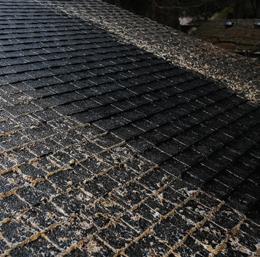
HOMEMASTERS.COM ROOFS • GUTTERS • WINDOWS • SIDING CCB#244206 Call Today! 503-549-1220 $39/month* LOYAL CUSTOMER PROGRAM Roof Installation Roof Repair Roof Inspection Gutter Installation Gutter Guards Gutter Cleaning Roof Cleaning Windows Siding Skylights Solar FREE ESTIMATES! WE CAN HELP! Does your roof look like this? Transferable 25-Year Workmanship Warranty. Roof Replacement 50-Year Warranty. Join Homemasters’ Loyal Customer Program FINANCE A NEW ROOF FOR AS LITTLE AS $129/MONTH* TOTAL PRICE $11,980 ROOFS • GUTTERS • WINDOWS • SIDING Roof and gutter cleaning year round 10% off any exterior remodeling service Annual home exterior inspections CALL FOR DETAILS: 503-549-1220 *Offers valid at time of estimate only. Not valid on completed jobs or jobs in progress. Restrictions apply.


610 Main St. • Oregon City • 503-657-0206 Located Just Over The Historic Bridge • www.homelife-furniture.com Hours: Mon – Sat: 10am – 6pm • Sun: 12pm – 5pm $100 off Your Purchase of $750 or more Not valid with any additional offers or discounts. Must present coupon. Expires 6/15/24 We proudly offer: American Made Custom Furniture Solid Wood Furniture FREE Local delivery FREE Set up FREE removal of furniture We match or beat all competitor’s pricing Special Financing available – See store for details THREE FLOORS FULL OF BRAND NAME FURNITURE Spring Sale $1399 Made in USA Ashley THREE PIECE SECTIONAL FURNITURE WITH OVER TWO HUNDRED FABRICS TO CHOOSE FROM price not valid with coupon or additional offers READ MORE AT CITYHANDSHAKE.COM 3
Ropa Vieja
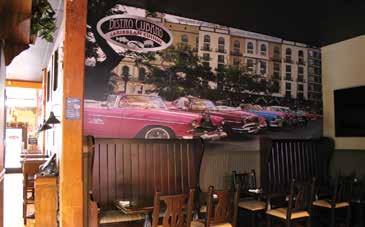
Experience the delicious authenticity of Ropa Vieja at Bistro Cubano
 By Active Media Staff
Ropa vieja, derived from the Spanish term meaning “old clothes,” is a dish celebrated with regional variations across Latin America, the Philippines, and Spain. Typically featuring stewed beef and tomatoes with a base of sofrito, its origins trace back to Spain where it holds a significant place in culinary heritage and is recognized as one of Cuba’s national dishes. The name “ropa vieja” likely stems from its historical use of repurposing leftovers from previous meals.
Historically, this dish finds its earliest roots among the Sephardic Jews of the Iberian Peninsula. Originating as a slow-cooked stew known as “handrajos,” reminiscent of the Spanish word “andrajos,” it was traditionally prepared for
consumption during the observance of Shabbat. Over time, the dish traversed regions, spreading to North Africa and the Canary Islands of Spain.
Immigrants from the Canary Islands are credited with bringing ropa vieja to the Americas, where it first appeared in Cuba around 1857. Despite its Spanish origins, it has become deeply ingrained in Cuban cuisine, representing a culinary fusion of diverse cultural influences. Today, ropa vieja stands as a symbol of cultural exchange and heritage, cherished as a quintessential Cuban national dish.
Our chefs meticulously craft this beloved Cuban classic, infusing it with authentic ingredients and traditional techniques passed down through generations. From the tender, slowcooked beef to the aromatic sofrito base, every element of our Ropa Vieja pays homage to its Spanish origins while embracing the unique nuances of Cuban cuisine. Whether you’re a seasoned aficionado or a newcomer eager to explore new culinary horizons, we promise an unforgettable dining experience that will transport you to the sun-drenched streets of Havana. Join us at Bistro Cubano and let your taste buds revel in the irresistible allure of Ropa Vieja — a dish that embodies the essence of Cuba’s culinary legacy.

BUY TWO CUBANO SANDWICHES AND TWO BEVERAGES AND RECEIVE Must present coupon. Not valid with other offers. Not valid during Happy Hour. Expires 6/15/24 Must present coupon. Not valid with other offers. Not valid during Happy Hour. Expires 6/15/24 WITH PURCHASE OF $50 OR MORE $10OFF $5 OFF 709 MAIN ST SUITE 101 • OREGON CITY 503.387.5678 • bistrocubanooc.com SALADS • ISLAND BOWLS • SANDWICHES • KIDS MEALS • CHEF'S SPECIALS BURGERS • TAPAS • ENTREES • DRINKS • COCKTAILS CHEF’S CHOICE BISTRO CUBANO Experience Cuba in the Northwest Join Us For Brunch 11am to 3pm







Want fuller more even looking brows? Ombré brows enhance your look and speed up your morning routine Not Valid with Any Other Offers or Promotions Touch Up Appointments Are Not Included Terms and Conditions Apply • EXP 6/1/24 Initial Session for New Clients $125 OFF Not Valid with Any Other Offers or Promotions Touch Up Appointments Are Not Included Terms and Conditions Apply • EXP 6/1/24 Retouch Session $25 OFF 13200 SE 172nd Ave • Suite 150 • Happy Valley Questions? 971-379-0609 Schedule an appointment at Browsbyfee.com Waterproof. Sweat Proof. Smudge Proof. STOP WATER DAMAGE! OVER 30 YEARS OF EXPERIENCE SERVING THE GREATER PORTLAND AREA CALL TODAY FOR FREE ESTIMATE 503-213-9028 Spring Special $200 OFF Any Service Call for details.Minimum purchase required. Expires 6/15/24 BASEMENT WATERPROOFING RAINWATER MANAGEMENT CCB# - 246384 LICENSED, BONDED & INSURED RETAINING WALLS Whether it’s blocked drains or general maintenance. Our commitment is to provide an excellent customer service, meaning you can trust us to get the job done. READ MORE AT CITYHANDSHAKE.COM 5
Backyard Bliss
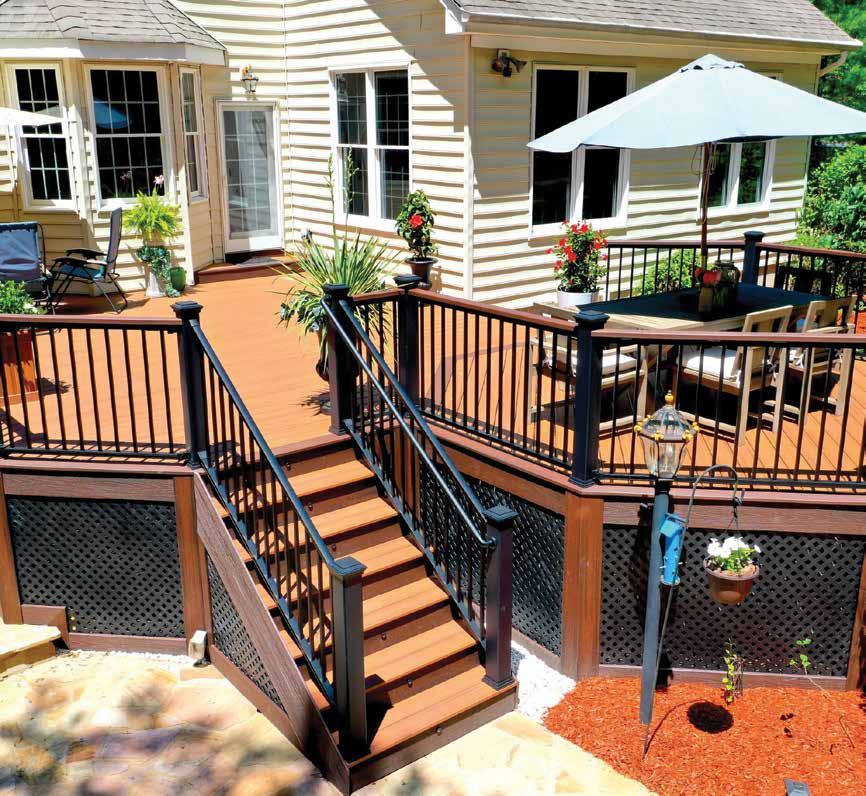
Locally-owned company builds premium decks
 By Angie Helvey, Contributing Writer Photos provided by Grand Decks
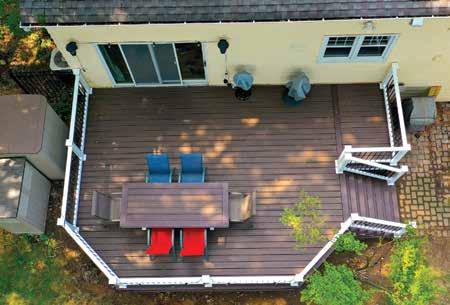
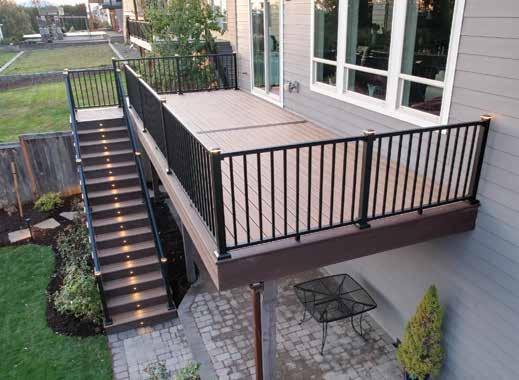
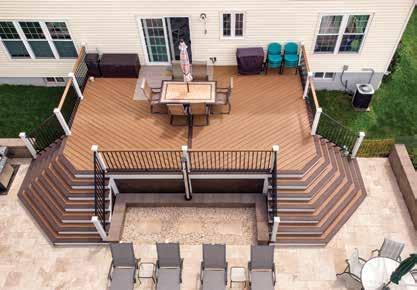
It’s that time of year when most Oregonians have grown tired of the winter season and are ready for spring! Many residents eagerly anticipate spending leisurely afternoons outdoors. Whether it’s lounging on the backyard deck with a refreshing beverage or hosting barbecues on the patio while children frolic in the yard, creating the perfect outdoor space is a priority. Alex Saculteanu, the proprietor of Grands Decks, specializes in bringing these outdoor dreams to life, and now is the ideal time to embark on your dream project!
Alex was working for a decking company in New Jersey about 13 years ago when composite decking became popular and he realized it was the wave of the future. He started his own decking business in Jersey called the Guardian and after much success, he moved to the Pacific Northwest and opened Grand Decks six years ago.
A thoughtfully crafted deck enhances the aesthetic appeal of your home while adding value and serving as a hub for social gatherings. Grands Decks offers a range of services including the design and construction of new decks, fences, patio covers and deck resurfacing. “Customers get confused because they think resurfacing refers to sanding and resealing their current deck surface,” Alex says. “But we actually replace
the floor. Most times we can use the current foundation and framing if it’s in good condition.”
With over a decade of experience in deck construction, Alex personally oversees every project to ensure impeccable quality and attention to detail. “As the project manager, I’m hands-on at the job site nearly every day,” Alex explains. “I ensure that my team follows the plans, delivers exceptional workmanship, and provides ongoing support to our clients throughout the process.”
Collaborating closely with clients to conceptualize their projects is Alex’s passion. “Building a deck is about creating a living space,” he emphasizes. “Understanding our clients’ vision and preferences is crucial as they’ll be spending a significant amount of time on the deck. We guide them through the entire process, offering samples, color options and visual aids to help them make informed decisions.”
Grands Decks utilizes premium materials from reputable manufacturers, with Trex® being their preferred choice for composite decking. Renowned for its durability, ecofriendliness, and longevity (with a lifespan of at least 25 years), Trex® is unmatched in terms of quality and performance. “Trex® offers superior products, customer service, and warranties,” Alex attests. “Our team is extensively trained in working with Trex® and adhering to industryspecific codes to ensure flawless construction and longterm satisfaction.” Trex also offers different grades of their composite at affordable prices so there are options and customers can choose what works for their budget.
In addition to Trex’s 25-year warranty, Grands Decks stands behind its workmanship with a three-year warranty for deck resurfacing and a five-year warranty for new deck installations. Transparency and integrity are at the core of Grands Decks’ business philosophy. They never alter the agreed-upon price mid-project, even if unforeseen expenses arise.
If you’re in the market for a new deck this year, you’ll want to start the process early. “From the moment the customer signs the contract we are working on architecture, blueprints and making engineering calculations, but many projects require permits from the city and we have no control over their timeline,” Alex explains. “It’s best to start the process at the beginning of the season or even before. That way in May or June you’ll be enjoying your new deck rather than waiting several weeks to start the project.”
As a friendly, locally-owned business, Grands Decks takes pride in fostering strong relationships with clients, prioritizing open communication and resolving any issues promptly. “Our motto is ‘no problems, just work to do’,” Alex declares. “We’re committed to delivering exceptional results and ensuring our clients’ complete satisfaction.”
Visit their website at granddecks.com for more information or to request a free estimate. Or give them a call at 503-305-3965.
BUSINESS FEATURE GRAND DECKS
6 TO ADVERTISE WITH US, CALL 503.825.2111





$1200 OFF NEW DECK Transform Your Outdoor Space Achieve Your Deck Dreams CCB #233423 Licensed, Bonded & Insured NEW DECKS RESURFACING PATIO COVERS FENCING $700 OFF DECK RESURFACING Must present coupon. Not valid with other offers. Exp. 5/15/24 Must present coupon. Not valid with other offers. Exp. 6/15/24 Financing Available 503-305-3965 www.granddecks.com


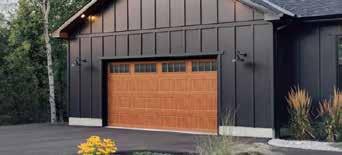
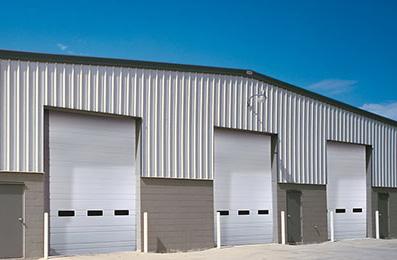
Let us open the door for you! www.oregoncitygaragedoor.com $25 OFF Spring Replacement Only with coupon. Not valid with other offers or discounts. Some exceptions apply. Expires 7/15/24 $150 OFF Purchase of a New Door & Opener Only with coupon. Not valid with other offers or discounts. Some exceptions apply. Expires 7/15/24 $50 OFF Single Door OR $100OFF Double Door Only with coupon. Not valid with other offers or discounts. Some exceptions apply. Expires 7/15/24 SPECIALIZING IN COMMERCIAL OVERHEAD DOORS Licensed, bonded, and insured OR CCB # 193697 | WA # OREGOCG881QB Repair • Installation Garage Door • Maintenance EMERGENCY GARAGE DOOR SERVICE Call For A FREE Quote 503-420-5168 For Garage Door Repair Cost!

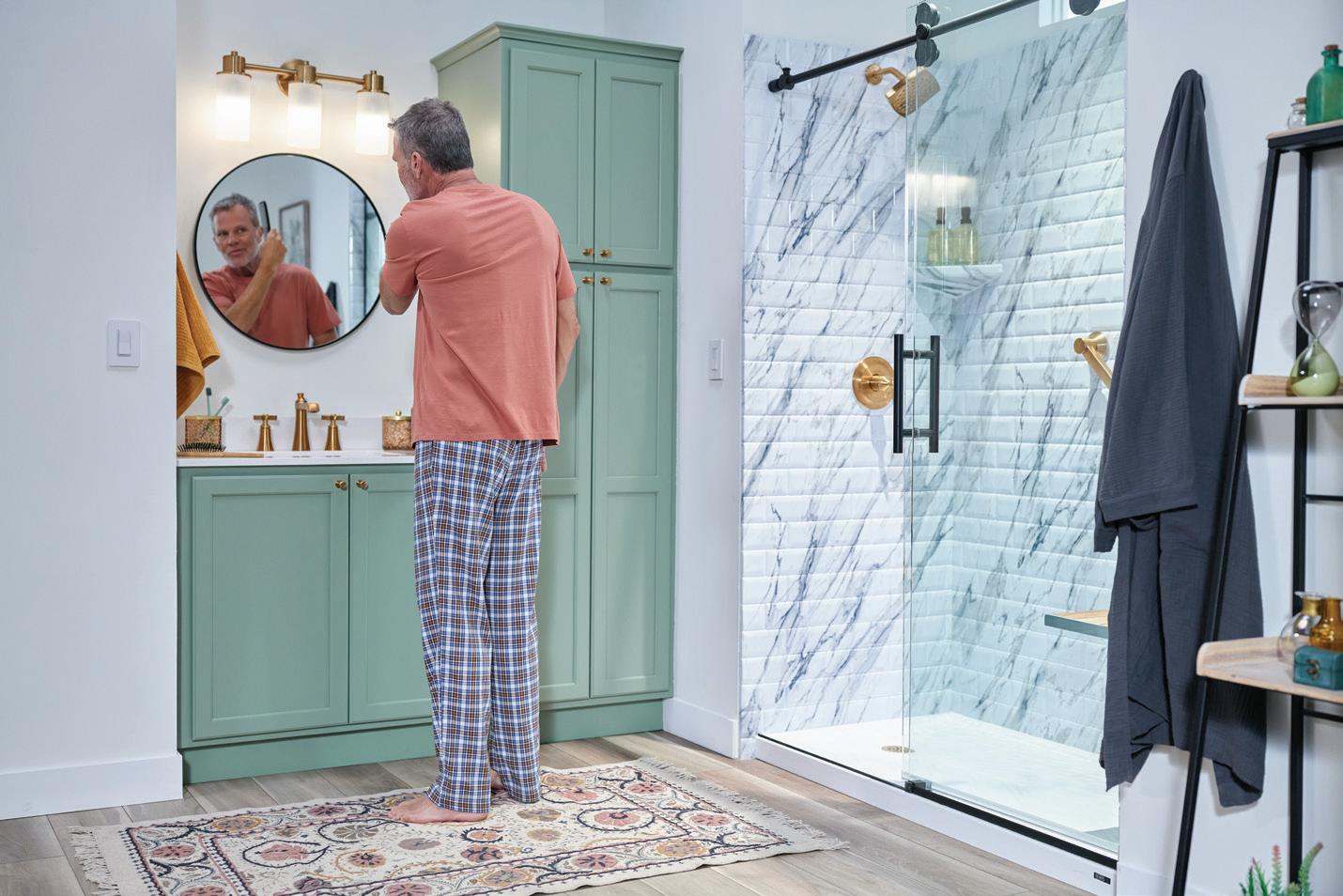
Not to be combined with any other o er. Must present ad at time of consultation. Expires 04-30-2024. More safety. More style. 503.746.8522 | R E B A TH . C O M Contact us today for $750 off your tub or shower remodel. Remodel your bathroom with the latest styles and safety features.
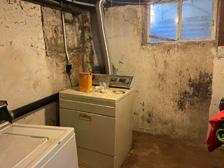
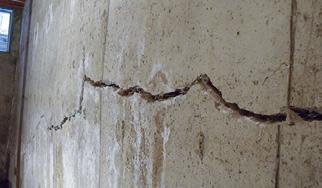
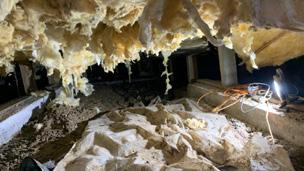







Locally Owned & Operated 503-342-0444 • JohnsDirect.com ORCCB #15830 • WA#JOHNSWO88B8 Call now to use our RAINY SEASON SPECIAL 5% OFF Offer valid on a NEW Waterproofing system Coupon must be presented at time of inspection Expires 5/10/2024 Robin Ekloff Owner READ MORE AT CITYHANDSHAKE.COM R3

Hoaxes & Hilaria
April Fools’ Day through the ages
By Donovan Darling, Staff Writer
Gregorian Calendar
April Fools’ Day is often credited to the calendar reform of 1582 in France, during the transition from the Julian to the Gregorian calendar. Before this change, the new year began with the spring equinox around April 1, consistent with traditions in other cultures such as the Hindu calendar.


However, with the adoption of the Gregorian calendar and the shifting of New Year’s Day to January 1, the observance of the new year got complicated. Some people were unaware or just refused to change and continued to celebrate the new year in late March through April 1, and these people were subjected to jests and pranks and mockingly called “April fools.”
A popular prank played back then involved placing paper fish on the backs of unsuspecting victims and referring to them as “poisson d’avril” (April fish), a term which supposedly symbolized both the innocence of a young, easily caught fish and that person’s gullibility. From there, a tradition of good-humored tricks, pranks and mischief began.
Hilaria in Rome
April Fools’ Day’s origins have also been credited to festivals like Hilaria in ancient Rome, celebrated by followers of the cult of Cybele. Hilaria, “joyful” in Latin, involved disguises and mockery, possibly inspired by Egyptian mythology. Another theory suggests a tie to the vernal equinox, with nature’s unpredictable weather fooling people.
The tradition spread in Britain during the 18th century, with Scotland adding a two day celebration. The first day, “hunting
the gowk,” sent people on fake errands (gowk meaning cuckoo bird, a symbol for a fool). This was followed by Tailie Day, featuring pranks on people’s butts such as pinning fake tails or “kick me” signs on them.
Modern Day
Nowadays April Fools’ Day has become a playground for elaborate hoaxes. Newspapers, TV stations and websites will often create outrageous fictional claims to fool their audiences. In 1957, the BBC reported a record spaghetti crop in Switzerland, complete with footage of noodles being harvested from trees. In 1985, Sports Illustrated published a fake article about a pitcher named Sidd Finch throwing over 168 mph.
In 1992, NPR had a Richard Nixon impersonator announce a presidential run. In 1996, Taco Bell announced the purchase of Philadelphia’s Liberty Bell, renaming it the Taco Liberty Bell. And lastly, in 1998, Burger King advertised a “Left-Handed Whopper.” Google, on the other hand, has now become known for its annual pranks, from a “telepathic search” to turning Google Maps into Pac Man.

SEASONAL APRIL FOOLS’ DAY R4 TO ADVERTISE WITH US, CALL 503.825.2111



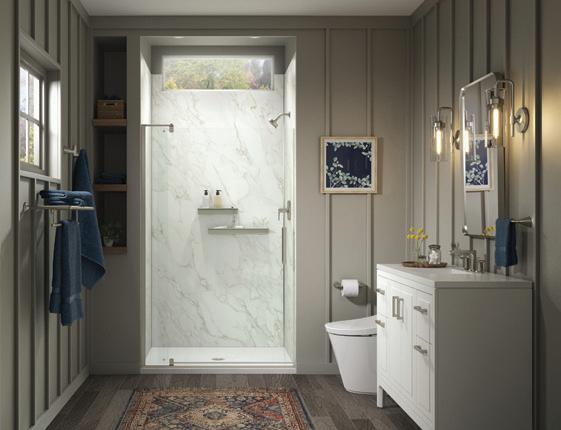


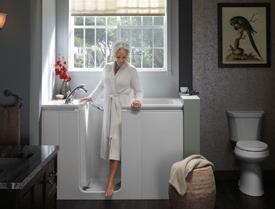
CARPET CLEANING PROFESSIONALS HALLWAYS COUNT AS ONE ROOM STAIRS COUNT AS ONE ROOM 5% FEE WOW! WOW! ONLY $20 EXTRA per room for heavily soiled rooms no exceptions 1/2 OFF All Furniture WOW! 1/2 OFF Scotchgard® WOW! 1/2 OFF All Area Rugs WOW! Deep Steam Cleaning WOW! No Square Footage Limit! WOW! COUPON COUPON COUPON COUPON DEEP STEAM CLEANING DEEP STEAM CLEANING DEEP STEAM CLEANING $9995 $12995 24 hour cancellation or reschedule notice required. With this coupon. Not valid with any other offer. Expires 6/15/24. 24 hour cancellation or reschedule notice required. With this coupon. Not valid with any other offer. Expires 6/15/24. 24 hour cancellation or reschedule notice required. With this coupon. Not valid with any other offer. Expires 6/15/24. 24 hour cancellation or reschedule notice required. With this coupon. Not valid with any other offer. Expires 6/15/24. WOW! WOW! WOW! 3-4 ROOMS SPECIAL 5-6 ROOMS SPECIAL 7-8 ROOMS SPECIAL LUXURY 9-10 ROOMS SPECIAL $16995 $19995 DEEP STEAM CLEANING FREE Pre-Spotting FREE Oxi-Brighteners FREE Mild Deodorizers FREE Pre-Treatment 50% off Expert Pet Stain & Odor Removal ONLY $50 NO EXCEPTIONS Covers Whole House Best Price BESTPRICE CARPET CARE 971.284.8375 IMPORTANT One Large Living/Dining Room & XXL Rooms Are Considered TWO Rooms - NO Exceptions Any 2nd Floor $20 Extra - NO Exceptions Any 3rd Floor $40 Extra - NO Exceptions $15 TRIP CHARGE Terms & Conditions: *Minimum purchase may be required, ask for details. Offer valid for new orders only valid between April 1, 2024 and April 30, 2024. Not valid with any other offer or previous purchase.*Financing is available with minimum purchase and approved credit. Unaffiliated third-party lenders provide all financing. Licensed and insured OR #213202 | WA #PACIFBC810JJ | UT #13462431-5501 | NV #0086030 | AZ #334398 | Idaho RCE #59346 IL #2818139. 503-744-6544 Call Now! Limited Time Offer! Spring Sales Event Step into spring with a New KOHLER Walk-in Bath or Walk-in Shower FREE Installation + No Payments No Interest for 12 Months New Walk-in Bath or Shower • Installed in as little as 2 days or less by our KOHLER certified team and licensed plumber • Low 3” step-in for safe entry and exit from your Walk-in Bath or Walk-in Shower • Safety and stability with grab bars in varying styles, materials, and sizes READ MORE AT CITYHANDSHAKE.COM R5
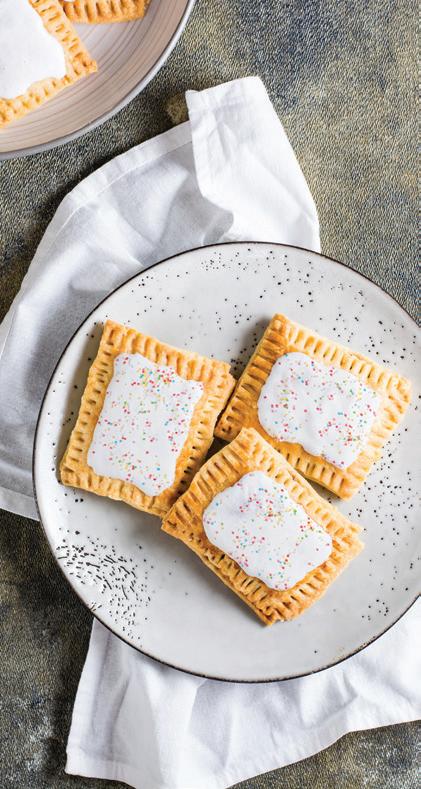
Homemade Toaster Pastries
Breakfast classic worthy of dessert
Ingredients
1 package rolled pie crust (2 count)
1 cup jam or preserves
1 large egg
1 cup powdered sugar
2–3 tablespoons milk or cream
½ teaspoon vanilla
Directions
Preheat oven to 400°F. Lay sheet of parchment paper on baking sheet. Set aside. On a different sheet of parchment, unroll the crusts. Cut as many rectangles (approximately 3 by 5 inches) as you can from each crust — use an index card as a guide. Knead together remaining crusts and roll out into another large, thin piece (just under ¼ inches). Cut remaining
rectangles. Beat egg in small bowl. Lay out 8 rectangles on parchment-lined baking sheet, adding 1 tablespoon of desired jam to each. Brush edges with egg wash. Then place another rectangle on top of rectangle with jam. Gently pinch edges to seal. Use fork to crimp edges. Poke some holes in top of pop tarts. Brush entire tops, including edges, with egg wash. Continue with rest of pop tarts. Bake 12 to 15 minutes, or until golden brown. Allow to cool. Whisk powdered sugar, milk or cream, and vanilla. Spread over each pop tart. Top with sprinkles or whatever you desire!
Brown Sugar-Cinnamon
Filling and Icing
Combine ½ cup brown sugar, 2 teaspoons cinnamon, 2 tablespoons melted salted butter and 1 tablespoon flour. Scoop 1 tablespoon onto pastry. For icing, add ½ teaspoon cinnamon and 1/4 teaspoon brown sugar to icing ingredients.



SAVOR THE FLAVOR BETTER THAN THE ORIGINAL
COURTESY OF LEMONSANDZEST.COM Family Style Customer Service DELIVERY SERVICE ▪ CUSTOM CUTTING ▪ SPECIAL ORDERS 7609 SE Stark St ▪ Portland ▪ 503.254.7387 ▪ mrplywoodinc.com A CONTRACTOR’S SECRET WEAPON FOR ALL YOUR BUILDING PROJECT NEEDS! OPEN TO THE GENERAL PUBLIC WALL PANELING ▪ MOULDING ▪ DRY FRAMING LUMBER HARDWOOD LUMBER ▪ CEDAR FENCING & DECKING TREATED LUMBER ▪ HARDWOOD PLYWOOD ▪ FINISH LUMBER R6 TO ADVERTISE WITH US, CALL 503.825.2111
RECIPE

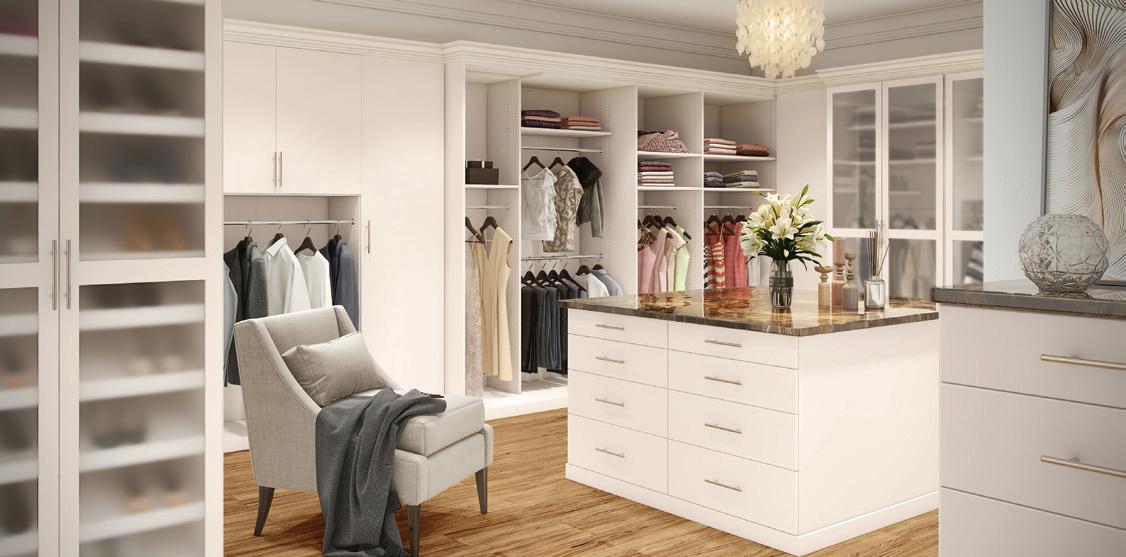


202 4 © All Rights Reserved. Closets by Design, Inc. Imagine your home, totally organized! Custom Closets Garage Cabinets Home Offices Wall Beds Wall Organizers Pantries Laundries Wall Units Hobby Rooms Garage Flooring Media Centers and more... 40% Off Plus Free Installation Terms and Conditions: 40% off any order of $1000 or more or 30% off any order of $700-$1000 on any complete unit order of custom closet, garage, or home office, and any other products. Not valid with any other offer. Free installation with any unit order of $850 or more. With incoming order, at time of purchase only. Expires in 30 days. Offer not valid in all regions. Call for a free in home design consultation and estimate AM MONTH SPECIAL FINANCING With approved credit. Call or ask your Designer for details. Not available in all areas. 12 503-966-8021 www.closetsbydesign.com Locally Owned and Operated. Licensed and Insured: OR CCB #235345

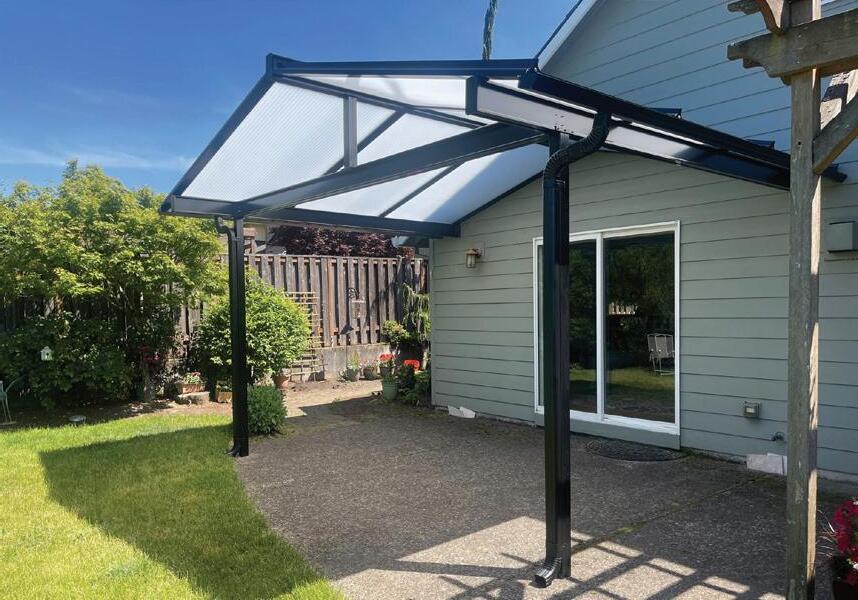
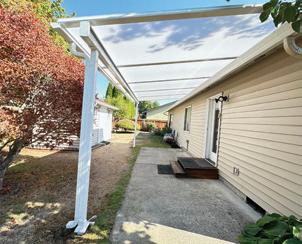






Outdoor Living All Year Long! Visit us online at Patiocoverpeople.com $ 300 OFF PATIO COVERS Get our FREE Estimate Then Present Coupon For Real Savings $ 500 OFF PATIO ROOMS Get our FREE Estimate Then Present Coupon For Real Savings Patio Cover People Are HAPPY PEOPLE! OR Licensed • Bonded • Insured OR CCB#236429 • WA#DIRELSV795MB Add livability to your home with our customized Patio Covers and turn your patio into a year-round area for relaxing. Contact Patio Cover People Today! Call Now! 503-744-6394
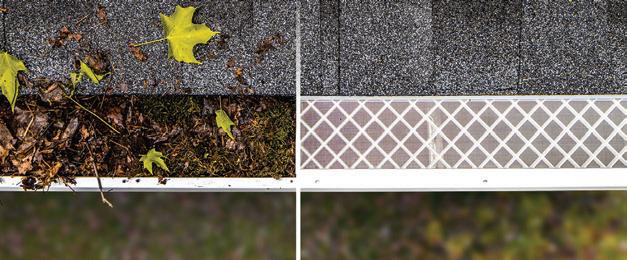
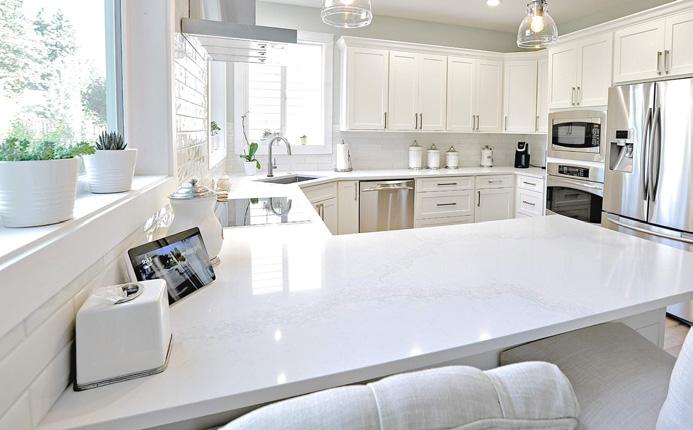
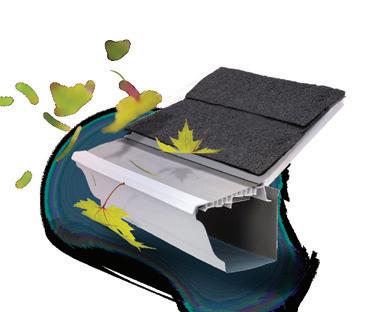





BEFORE AFTER Unbox The NEXT GENERATION of Gutter Filters www.LeafFilter.com/AMAGbloom Promo Code: 272 20 10 877-811-2190 % % OFF OFF Your Entire Purchase* Seniors + Military Expires: 5/31/2024 FULL SERVICE GUTTER PROTECTION CALL TODAY FOR A FREE INSPECTION! + See Representative for full warranty details. *Promotional offer includes 20% off plus an additional 10% off for qualified veterans and/or seniors. One coupon per household. No obligation estimate valid for 1 year. OR 218294 Save Up To 30% * Financing Available Call For Details 503.744.5336 CrowleysGranite.com *Restrictions apply. Call store for details. Agreements must be finalized by 6/15/24. CCB#237110 SCAN NOW To Receive our SPRING OFFER SAVE WITH Square Footage Discounts for Your Kitchen Remodel! Locally Owned & Operated For Over 25 Years Dan Izoita, Owner OVER 200 5 STAR REVIEWS! READ MORE AT CITYHANDSHAKE.COM R9

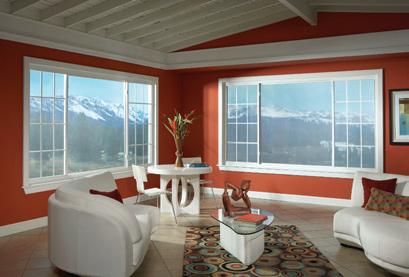
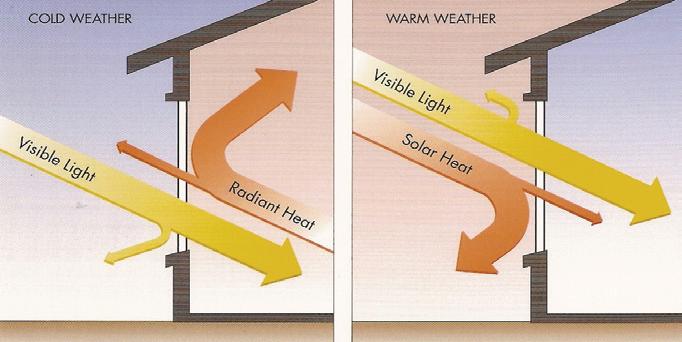

WINDOWS FREE TRIPLE PANE UPGRADE! I’M THE ONE “THEY” DON’T WANT YOU TO CALL!® I HAVE BEEN SAVING OREGONIANS THOUSANDS ON THEIR NEW WINDOWS FOR OVER 18 YEARS! With No Salesman And Low Overhead I Can Offer Triple Pane Windows For Up To 60% Less Than The Sale Prices of Most Other Companies Double Pane! EVEN THEIR “BOGO” & “MODEL HOME” PROMOTIONS! Heat Blocker Extreme® is one of the most energy efficient residential windows available! Dave's presentation took 30 minutes and the price was 1/3 the cost of double pane windows and a 4 hour presentation by another company…….. The reduction in street noise with these new windows is amazing………..YELP REVIEW ROYAL EXTERIORS royalexteriorsllc.com 503-534-3748 CCB 206144 I COULD SAVE YOU THOUSANDS! As one of the largest and highest rated window replacement companies in Oregon, I have the distribution rights to the triple pane Pro Series Heat Blocker Extreme®, one of the most energy efficient residential windows available. I offer these amazing triple pane windows for up to 60% less than the sale prices of most other companies’ double pane. EVEN THEIR BUY ONE GET ONE, BOGO, 1/2 OFF SALES AND USE YOUR HOME AS A MODEL HOME PROMOTIONS! OVER 200 FIVE STAR REVIEWS!

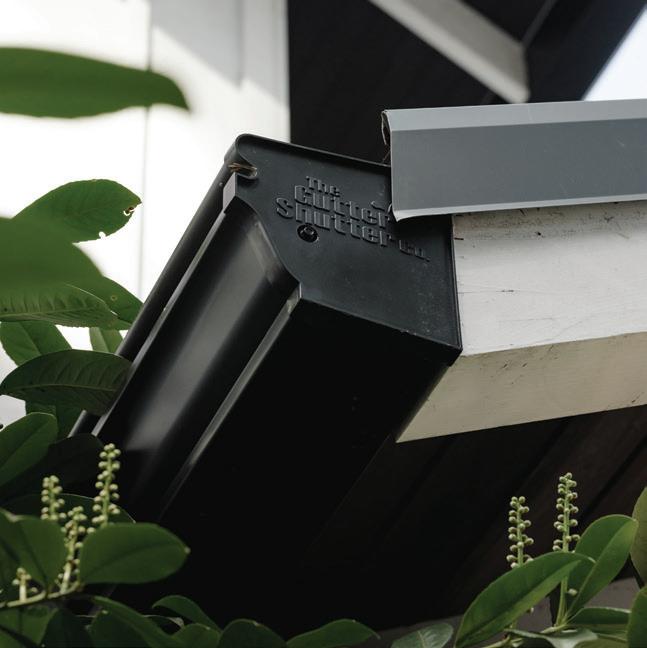
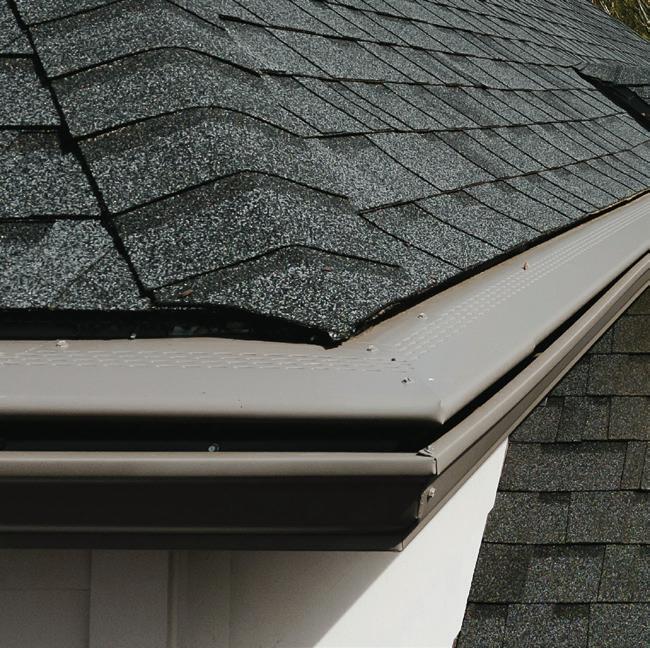

• Lifetime-guarantee to NEVER clog, leak or pull away from your home! • The largest and most durable gutter system on the market • All-in-one gutter guard system built to withstand the ice, snow and rain • Transferable warranty adds value to your home WA#PACIFGC809MA CCB#231981 WHAT YOU GET: Call Now For A FREE In-Home Consultation 971-203-0075 *ALL OFFERS EXPIRE 4/30/24. Other restrictions may apply. Visit Pacificgutter.com for complete details. ROOF CLEANING SERVICES AVAILABLE $1000 off Whole Home Installation ASK US ABOUT NO INTEREST, NO PAYMENTS GUTTER CLEANING & MAINTENANCE AVAILABLE
Cows, Racing, and Western Wonderland
The history of Alpenrose Dairy
 By Robert Matsumura, Contributing Writer
Pony rides? Baseball? Go kart racing? A person unfamiliar with the history of Alpenrose Dairy might frown in confusion at the mention of such activities in relationship to a dairy, but for those of us fortunate enough to have grown up in the Portland area during the last half of the 20th century, the name Alpenrose conjures up so much more than just dairy products.
It all began in 1896 when Florian Cadonau, a Swiss immigrant, moved to Oregon with his wife Agnes. The couple purchased a dairy at 35th and Vermont (known then as Hoffman Road) and started delivering milk to customers via horse-drawn buggy. At the time, many Swiss immigrants were moving to Portland due to the state’s fertile land and temperate climate. So similar were Oregon and Switzerland in this respect that in 1912, Paul Ritter, the Swiss Ambassador to the United States, while touring the state called Oregon “a second, but a larger Switzerland.”

In 1916, Henry Cadonau, Florian’s son, along with his wife Rosina (daughter of the Swiss consul to Portland) took over the family business. Henry and Rosina established their own farm nearby at 45th and Vermont which they named Alpenrose Dairy. The next few decades saw Alpenrose expand its operations, thriving while other competing dairies fell prey to mergers and consolidations. However, in 1943 a fire destroyed a barn and other equipment, and the decision was made to relocate Alpenrose to its present location on Shattuck Road. For years the Alpenrose delivery truck was a common sight in Portland neighborhoods, delivering milk in glass bottles straight to the milk box at one’s front door. At its height, Alpenrose had 50 delivery trucks and 35,000 customers.
It was during the 1950s when Henry’s grandsons were playing baseball too near Rosina’s rose garden (and trampling some of her plants) that she tasked her husband with building a baseball field for the boys. It wasn’t long before the local Little League was playing there also, and dugouts, lights, and a scoreboard were subsequently added. In the following years two more fields were constructed, and Alpenrose became known for its excellent baseball facilities. For a number of years Alpenrose Field even hosted the Little League Softball World Series which was broadcast on ESPN.
As it turned out, the baseball fields were just the beginning of Alpenrose’s involvement in the community. A hundred Shetland ponies were purchased by the family shortly thereafter, and pony rides were offered to children visiting the dairy. The Cadonaus also brought the ponies to local events — making it possible for numerous children to experience their first horseback ride. Alpenrose trotted out their ponies to represent the dairy in many city parades as well.


LOCAL HISTORY ALPENROSE DAIRY R12 TO ADVERTISE WITH US, CALL 503.825.2111

Soon baseball and ponies were not the only attractions drawing people to Alpenrose. Uncle Ray, the father of Rod Birkland — a cousin of the Cadonau boys — being mechanically-minded, came up with the idea of a quarter-midget racing track. It wasn’t long before the idea became a reality, and child-sized race cars were zooming around a track a quarter-mile in length, set in a natural bowl shaped area with seating for up to 500 spectators. In addition to the midget racing track, a velodrome facility was added in 1967 for bicycle racing. Carl Cadonau Sr. was sold the idea by the owner of Kissler’s Cyclery, a longtime bicycle shop in Southwest Portland. At the time the Pan American games needed a location for cycling trials. The Alpenrose Velodrome was one of the first constructed in the U.S. for that purpose, and with the steepest bank of any outdoor velodrome in the world, it drew enthusiasts from around the globe.
With the popularity of the aforementioned facilities, the Cadonaus created a final addition to their burgeoning recreational wonderland — Dairyville. A dairy-themed village with Old Weststyle storefronts, the charming attraction featured a doll museum, a harness-maker’s shop, an ice cream parlor, a music shop, and a 600-seat opera house with a Skinner pipe organ (now located in Portland’s Keller Auditorium). For decades, Dairyland was the nexus of a plethora of community events, ranging from “Sunday Fundays” featuring kite flying and frog races to visits from Rusty Nails, a popular clown with a local television show for children. From trapeze acts to chariot racing, Alpenrose grew from just a local attraction to a major amusement venue for the entire region.
Rosina Cadonau became known simply as “Grandma” to generations of fourthgraders who field-tripped to Alpenrose to learn the operations of a dairy. “Swiss Miss” taught the children how to milk a cow and then escorted them across the street for ice cream and cookies baked by “Grandma.”

The winter holiday season saw Alpenrose transform into a magical place. Christmas in Dairyville featured Storybook Lane, an elaborate display with live animal displays and 300 Christmas trees set in a miniature town. Each year 400 volunteers gathered to set up and host this

traditional event that drew thousands of families from around the area.
Today, Alpenrose Dairy remains in operation, but Dairyville is closed. The race tracks and sports fields, too, face an uncertain future. A dispute between family members that ended in litigation resulted in Alpenrose being sold to the Kent, Washington-based Smith Brothers Farms. Smith Brothers continue to operate the dairy under the Alpenrose name. In July of 2021, items from the former Storybook Lane and Dairyville were sold at auction, bringing to a close one of Portland’s most cherished cultural treasures.
For those of us who grew up in Portland with the good fortune to partake in the sporting events, pony rides, fireworks, and holiday fun that was Alpenrose, we will forever miss this magical place. But we should all thank the Cadonau family for their generosity, decades of hard work, and a community spirit that transformed a regular dairy into a place that will reside in our memories forever!

READ MORE AT CITYHANDSHAKE.COM R13

Mattress World NW is a local, family-owned business dedicated to helping their customers get a better night’s sleep, serving their community and helping their employees have the best life possible. We serve our customers with the best selection in the NW and ensure confidence in your new mattress with free delivery and haul away, plus a 90 night comfort and price guarantee.
We support many local charities in the community like Cystic Fibrosis Foundation, Senior Citizens Council of Clackamas County, Special Olympics Oregon, and many smaller organizations including high school fundraisers, for which we’ve raised over $200,000.
This April we are supporting Make-A-Wish Oregon’s World Wish Month campaign. World Wish Month celebrates all wish kids past, present and future, and is a remembrance of the first ever wish granted for Chris Greicius back in 1980. Thanks to the Marie Lamfrom Charitable Foundation, every dollar raised here in Oregon will be matched up to $300,000. Learn more at www.oregon.wish.org/worldwishday.
Thank you for your support! We are proud to serve your community.
CREATING JOY FOR CHILDREN FIGHTING CRITICAL ILLNESS

My name is Indie. I am 6 years old.
My wish was to be a princess. I love putting on princess outfits, going in the backyard and belting out my favorite songs. In fact, my neighbors knew when I got sick with cancer because they didn’t hear me singing in the backyard anymore.
After treatment, my wish brought me to Bibbidi Bobbidi Boutique at the Walt Disney World® Resort. It was a total surprise. It brought me to this very good place where I wanted to be for two years. It felt like I was in the world where princesses live. I loved it very much!
My wish also created a special core memory for my family as we were watching the fireworks over the castle. I wanted to show my mom and dad how happy I felt, so I took a glow stick and made the shape of a cancer ribbon to wave high. It showed me that fighting cancer gives me power.
Today, I’m asking you to support me in donating so we can share that renewed strength with future wish kids.

Let’s show other kids in our community what can happen when a group of caring people rally around them to make dreams come true. Donate today in support of local, life-changing wishes, like mine.

JOIN US IN SUPPORTING THE
PROUD TO SUPPORT OUR COMMUNITY VISIT US ONLINE FOR A LOCATION NEAR YOU ORDER BY PHONE: 503-594-0551
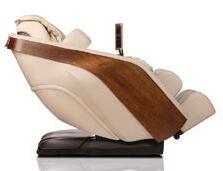
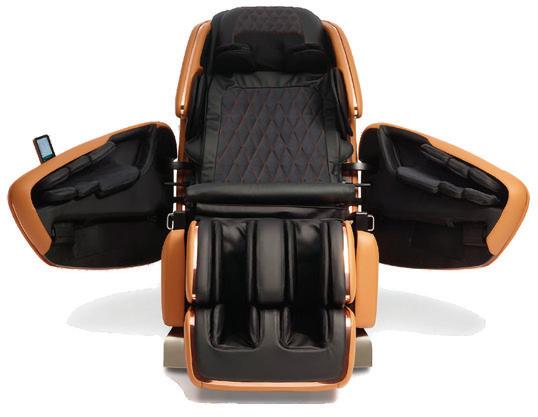





Feeling Is Believing. STARTING AT ONLY $1,999! WE HAVE THE LARGEST SELECTION OF HIGH QUALITY, LUXURY MASSAGE CHAIRS! Improve your health and wellness with a full body massage when you want and when you need it. NO APPOINTMENTS. NO WAITING. • Recuperate from exercise • Decompress your back • Increase circulation • Address injuries GET A FREE 30-MINUTE OR 1-HOUR MASSAGE TODAY AT ANY Mattress World Northwest $500 ANY MATTRESS AND ADJUSTABLE BASE COMBO OFF $50 ANY SET ABOVE $299 OFF $1000 OFF ANY SPLIT HEAD SET Not to be combined with other in-store sales or offers. See store for details. Expires 6/15/24 Not to be combined with other in-store sales or offers. See store for details. Expires 6/15/24 Not to be combined with other in-store sales or offers. See store for details. Expires 6/15/24 HOURS: 10am-8pm MON-SAT 10am-7pm SUNDAY HAPPY VALLEY 11444 SE 82nd Ave • 503-594-2750 OREGON CITY 19502 Molalla Ave • 503-305-8905 WAREHOUSE 13015 SE Jennifer St. #303 • 503-594-6849 HAPPY VALLEY 11444 SE 82nd Ave • 503-594-2750 OREGON CITY 19502 Molalla Ave • 503-305-8905 WAREHOUSE 13015 SE Jennifer St. #303 • 503-594-6849 CLACKAMAS 8861 SE Jannsen Rd • 503-594-0550 CLACKAMAS TOWN CEN. 12000 SE 82nd Ave • 503-653-6913 GRESHAM 1160 NE Burnside • 503-907-0296 CLACKAMAS 8861 SE Jannsen Rd • 503-594-0550 CLACKAMAS TOWN CEN. 12000 SE 82nd Ave • 503-653-6913 GRESHAM 1160 NE Burnside • 503-907-0296
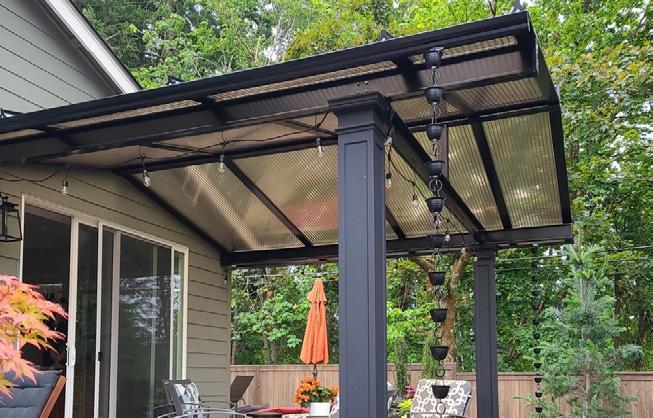
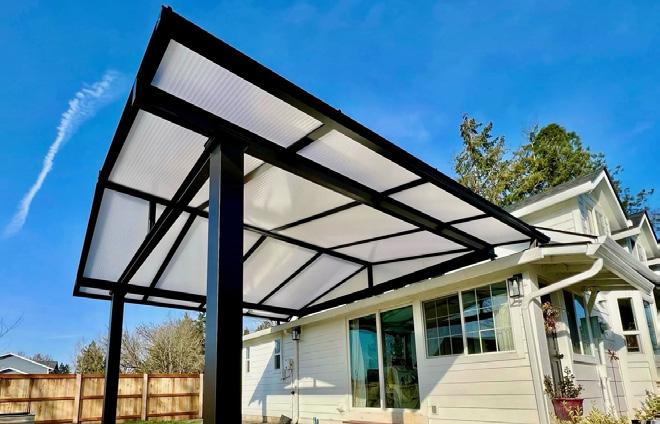


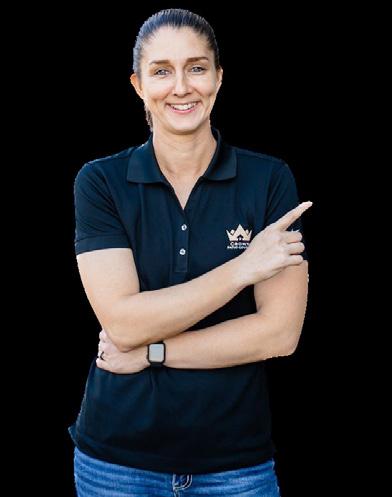


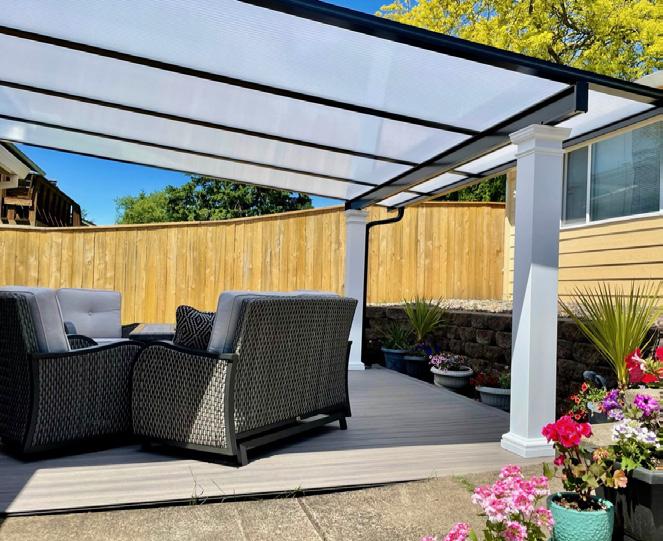
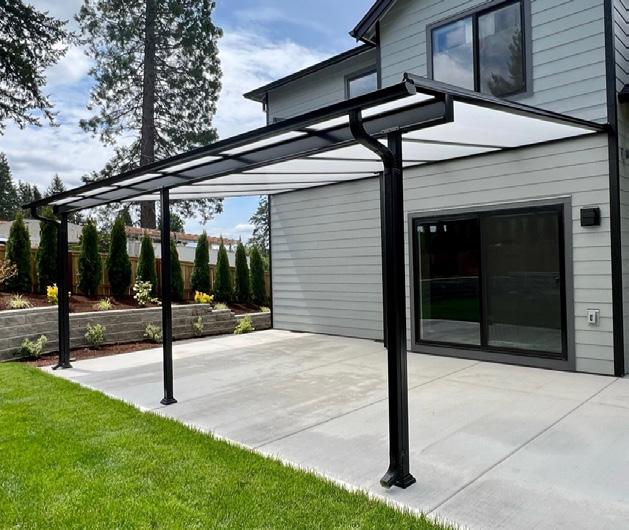
Cool Blue Panels (Black Shed 16’ x 16’) 75% Heat Block • 28% Light Transmission • 100% UV Block CrownPatioCovers.com LIVING SPACE * GRILL & DINE OUTDOORS ALL YEAR * ENJOY NATURAL SUNLIGHT BRING THE INSIDE OUT GET READY FOR SUMMER SPECIAL CCB #239012 - WALIC #CROWNPC784C3 WE HAVE YOU COVERED: PATIO COVERS, PATIO COVER GLASS ENCLOSED ROOMS, SUN SHADES, DECKS & RAILING BRING OUT THE NEW YEAR ENJOY OUTSIDE LIVING ALL YEAR LONG! PATIO COVERS $500 OFF Only with magazine. Not valid with other offers. Exp. 6/30/24 CCB #239042 - WALIC #CROWNPC784C3 503-406-9111 CrownPatioCovers.com STAY COOL * EXPAND LIVING SPACE * GRILL & DINE ALL YEAR ROUND WE HAVE YOU COVERED: PATIO COVERS, GLASS ENCLOSED ROOMS, SCREENED ROOMS, DECKS & RAILING Light White Panels (Black Shed 24’ x 16’) 35% Heat Block • 74% Light Transmission • 100% UV Block COOL BLUE PANELS (BLACK GABLE 16’ X 16’) 75% HEAT BLOCK • 28% LIGHT TRANSMISSION • 100% UV BLOCK BRONZE PANELS (BROWN GABLE 16’ X 16’) 45% HEAT BLOCK • 53% LIGHT TRANSMISSION • 100% UV BLOCK 41+ Google Reviews ★★★★★ Meet Jenn! One of Our Patio Cover Experts.







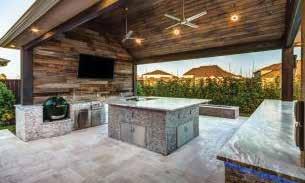


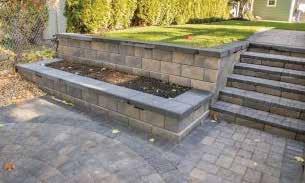
Roofing • Siding • Gutters • Windows • Painting FREE ESTIMATES FINANCING AVAILABLE $1000 off Any Roofing PRoject (minimum of 1500 squARe feet) cAll foR DetAils Must present coupon. Not valid with any other offer. Expires 6/15/24 CALL FOR PRICING 503-832-5272 info@andresexteriors.com AndresExteriors.com CCB# 203183 LCB# 9479 EXPERIENCE THE LANDSCAPE DIFFERENCE Landscaping, Design, Irrigation & Maintenance Oregon City (503) 632-3366 andreslandscapellc.com info@andreslandscapellc.com OUTDOOR KITCHENS PLANT DESIGN & LAYOUT CCB # 203183 • LCB# 9479 SERVING GREATER PORTLAND AREA FOR OVER 10 YEARS Financing Available • Call today for details NOW OFFERING BARK BLOWING SERVICES CUSTOM PAVERS READ MORE AT CITYHANDSHAKE.COM 25










Most Cars & Light Trucks. One Coupon Per Visit. Not valid with other offers. Clackamas Only. Exp. 6/15/24 AG624 Most Cars & Light Trucks. One Coupon Per Visit. Not valid with other offers. Clackamas Only. Exp. 6/15/24 AG624 Most Cars & Light Trucks. One Coupon Per Visit. Not valid with other offers. Clackamas Only. Exp. 6/15/24 AG624 Most Cars & Light Trucks. One Coupon Per Visit. Not valid with other offers. Clackamas Only. Exp. 6/15/24 AG624 Coolant Flush $150 Plus Coolant • Pressure test cooling system • Flush cooling system • Bring coolant up to manufacturers specs Power Steering or Brake Fluid Flush Only $10999 Save $20 FREE Brake Check & $35off Any Brake Service Over $125 Save Over $30 Most Cars & Light Trucks. One Coupon Per Visit. Not valid with other offers. Clackamas Only. Exp. 6/15/24 AG624 CHECK ENGINE LIGHT ON? FREE + $30OFF DIAGNOSTICS if needed Scan & Decipher Codes Timing Belt Special $80off Any Timing Belt Kit Installed Clackamas 15679 SE 135th Call Today! 503.656.6700 www.1stchoiceautoservice.com Services: • General Service & Maintenance • Factory Authorized Maintenance • Diagnostics • Steering & Suspension Systems • Brake Systems • Engine Service • Drivetrain Systems • Cooling Systems • Comfort Systems • Electrical Systems • Engine Performance • Fleet Services Make an appointment online! M Mon thru Fri: 8am to 6pm 28 TO ADVERTISE WITH US, CALL 503.825.2111

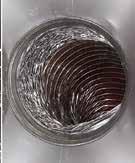


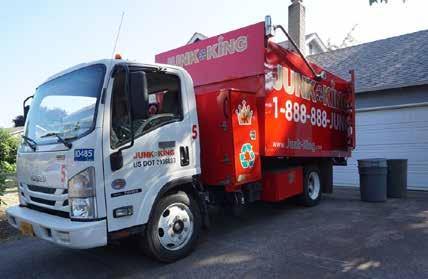

Coupons can not be combined. Expires 5/15/24 Coupons can not be combined. Expires 5/15/24 DUCT CLEANING • DRYER VENT CLEANING • FURNACE CLEANING • A/C CLEANING • SANITIZING SPRAY BEFORE AFTER ✓Pet Dander? ✓Recent Construction? ✓ Home always dusty? CLE AN S 99% OF G E R M S Spring Cleaning is Here! WE CAN HELP, CALL FOR A FREE QUOTE! FREE DRYER VENT CLEANING ($149 value) With the purchase of air duct cleaning service for all vents in the house (call for details). FREE SANITATION SPRAY With the purchase of air duct cleaning service for all vents in the house (call for details). IMPROVE YOUR INDOOR AIR 503-925-3155 LICENSED • BONDED • INSURED CALL TODAY 503-925-5775 NEED TO GET RID OF SOME JUNK? $25 OFF ANY JOB EXCEPT MINIMUM CHARGE Cannot be combined Valid with Junk King Portland Expires 12/31/24 $50 OFF FULL TRUCK Cannot be combined Valid with Junk King Portland Expires 12/31/24 Touchless Junk Removal 100% TOUCHLESS PICKUP We’ll maintain a 6-foot distance from every customer. VIRTUAL ESTIMATES Send photos to the Junk King team for a touchless price quote. PROTECTIVE GEAR Gloves, masks & hand sanitizers are provided on every truck used to protect you & our haulers. NO CONTACT PAYMENT You can pay for our services over the phone to limit social exposure. “Easy to schedule, fast pickup. My large and heavy old chair and ottoman are now gone! Thank you, Junk King!” – Tyan, Portland READ MORE AT CITYHANDSHAKE.COM 29




Opus
women and men of most skin types who want to minimize wrinkles
caused by the sun and the natural aging process.
Agnes
and removes fat from the neck and jawline area. Cystic acne is
by removing the sebaceous gland.
Fractional CO2 laser resurfacing is one of the most effective way to treat fine lines, wrinkles, sun damage, loose or sagging skin, as well as scars. In addition to treating the face, we can treat the neck, chest and even hands.
Located in Multnomah Village 7887 SW Capitol Hwy soleilmedicalspapdx.com 503-746-8744
FRACTIONAL LASER
CO2
OPUS PLASMA FRACTIONAL LASER
represents
fractional skin resurfacing treatments for
and reverse
AGNES PRECISION RF MICRONEEDLING
Plasma
the next generation of
damage
RF is
treats
bags, tightens
NEUROTOXIN INJECTION PRICE PER UNIT DAXXIFY $10.95 BOTOX $10.45 DYSPORT $9.95 JEUVEAU $9.45 XEOMIN $8.45 FILLER SPECIALS 2 Syringes of Versa $ 999 2 Syringes of Juvederm Ultra + $ 1099 2 Syringes of Radisse $ 1099 2 Syringes of Sculptra $ 1299 Nova PDO Threads $125 PRP (Platelet-Rich Plasma) $650 3 PRP Under Eye Treatment $1399 $ 699 Including Face & Neck $ 1099 One Area $ 1599 Two Areas $ 799 One Area $ 1399 Two Areas $699 2 Treatments of Skin Pen Microneedling 1 Treatment of Secret RF Microneedling OR Face, Neck & Chest Face & Neck per thread
a non-surgical radio frequency device that
eye
treated
LASER HAIR REMOVAL
Cutera’s Nd: YAG and ProWave lasers use state-of-the-art technology to remove hair from all skin types. These lasers provide comfortable and long-lasting hair removal treatment you can count on.
ACCENT ULTRA V-SHAPE
JuVaShape Ultra by Alma is an ultrasound to destroy the fat and Radio Frequency to tighten the skin, reduce wrinkles, improve the appearance of cellulite and contour the body.
COOLSCULPTING - 1 POINT
Noninvasive fat reduction procedure • Lose up to 2” of belly fat
No downtime. No surgery • Reduce appearance of cellulite and stretch marks
Nonsurgical, noninvasive, painless, and requires no anesthesia or downtime
Nonsurgical body contouring treatment that FREEZES & ELIMINATES FAT from your body.
BTL VANQUISH ME
BTL CELLUTONE
Reduce appearance of cellulite and stretch marks
Nonsurgical, noninvasive, painless, and requires no anesthesia or downtime
Non-surgical body contouring treatment that FREEZES & ELIMINATES FAT from your body. CHOICE OF: IPL
Remove sun spots. age spots, acne spots and any other skin pigmentation. NIR
Light therapy that removes the appearance of sagging skin, wrinkles and fine lines.
Improves fine lines, skin tone & increases collagen production.
Lifts sun damage, pigmentation & dark and red scars including Melasma.
PCA CHEMICAL PEEL
Increase the skin’s cell turnover rate, bring new skin cells to the surface, diminish dark spots, reduce fine lines & wrinkles, clear breakouts as well as restore youthful and radiant appearance.
LASER GENESIS
CLEAR LIFT
GIFT CARDS AVAILABLE UPON REQUEST 503-746-8744 70% OFF All Packages 70% OFF All Packages 70% OFF All Packages 50% OFF $ 159 One Area

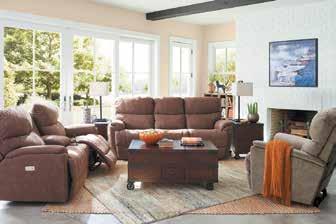


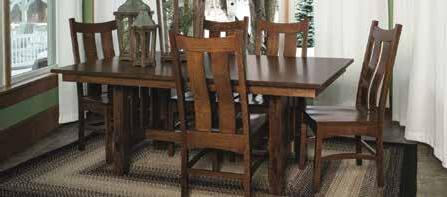




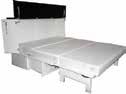


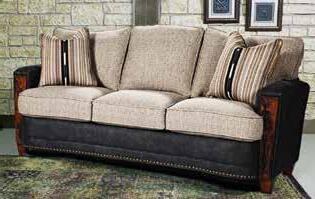

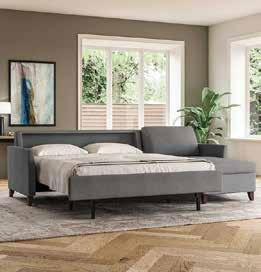


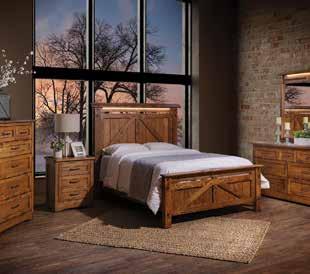

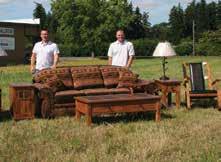


$100 off Any Purchase of $500 or more, On Everyday Low Price Items *Excludes Tempur-pedic & American Leather products. One offer per household. No prior sales please. Coupon Expires 6/15/24. We’re Open Mon-Sat: 9am-5:30pm First Class Service With Top Quality Home Furnishings 27050 S. Hwy 170 • Canby 503-COMFORT (266-3678) www.canbycomfort.com “Neil and Joel, Outstanding in Their Field!” FREE Delivery + FREE Set-Up + FREE Haul Away • TV Stand by Day • Fromaldehyde Free Birch Plywood • Choice of Stains & Painted Finishes • Free Standing Design • 59” x 18” x 8” Floating Storage Drawer • CertiPUR-US certified mattresses Aztec Barn Harrison Antique White with Black Top or Cojoba INTRODUCING THE ELITE SERIES Cojoba or Shadow Black Grey or Espresso Visit For More Information WWW.CABINETBED.CA Making Small Space Living Practical CUSTOM OPTIONS FOR THE PERFECT FIT! Additional savings on select in stock models! Since 1963 DELIVERING COMFORT Spring Cleaning Time at Savings Are Blooming! We have dozens of items below our Everyday Low Prices. Come and see what we have to offer!
