A+Q
Quality of Life + Architecture
01 Introduction Society
02 Changes in urban and social spaces
03 Adaptation to changing social needs
04 Protecting quality and European values in architecture Environment
05 Climate-responsive architecture for our planet
06 Architecture and housing for sustainable and liveable cities
07 The protection of cultural heritage and sustainable development Profession
08 The role of architects in society
09 Ethics and technology in architecture — the impact of small architectural practices
10 Education, competence and the responsibility of the architect
11 Conclusions
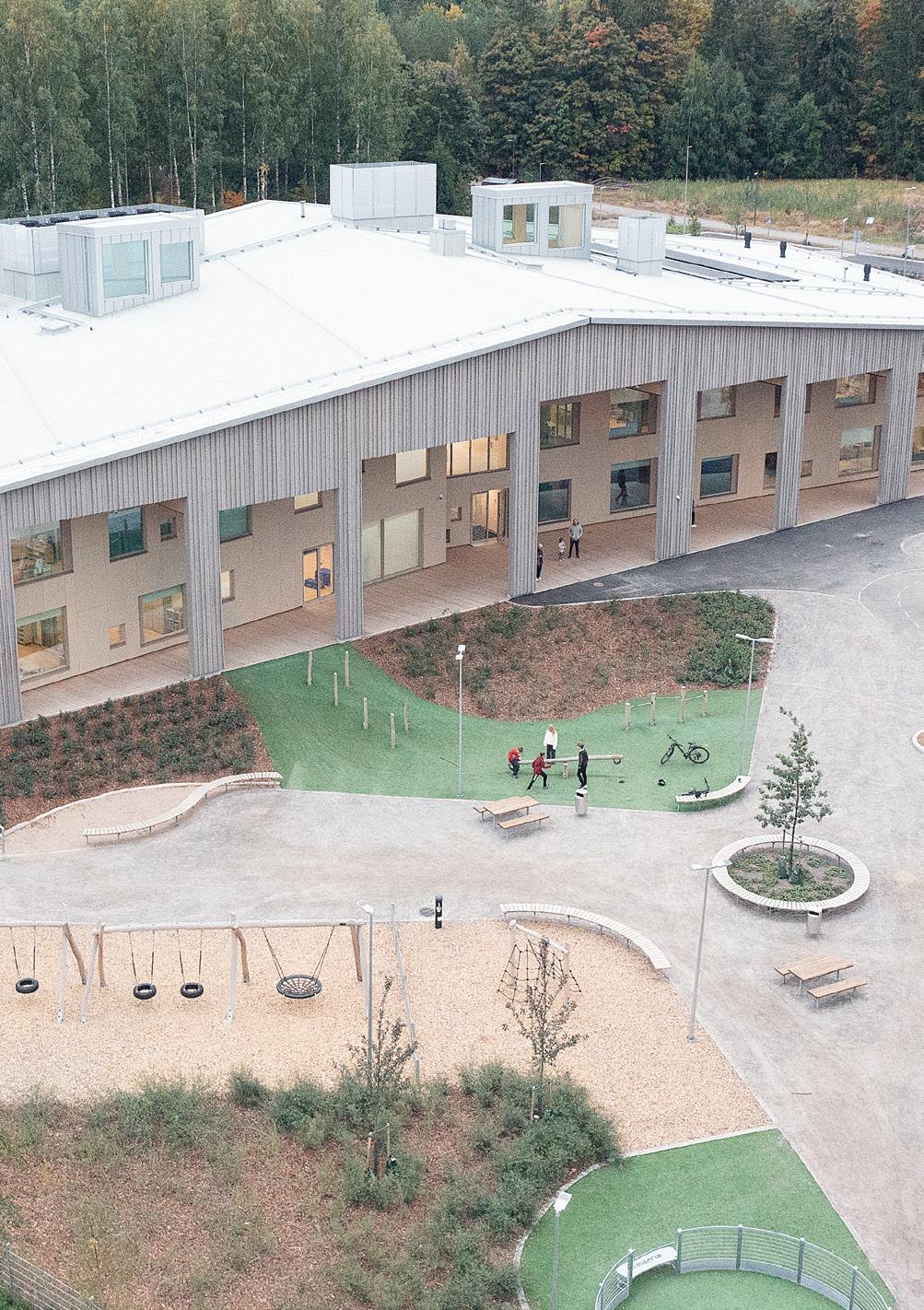
Martta Wendelin Day Care Centre, Tuusula, Finland–Architects: AFKS Architects–
Photo: Hannu Rytky
Throughout history, architecture has been both a mirror of society and a driver of its transformation. In today’s Europe, now facing climate change, demographic shifts, rapid digitalisation, and widening inequalities, the architectural profession is once again called to redefine its role, its values, and its contribution to the common good.
This publication to mark the occasion of the 35th anniversary of the Architects’ Council of Europe, brings together many decades of experience and shared reflection. It offers not only an update to earlier commitments but also a strategic framework for the profession: realistic, forward-looking, and aligned with Europe’s broader policy objectives. It positions architecture as a public responsibility that underpins cultural resilience, fosters social cohesion, and enables the ecological transition.
Architecture today is no longer confined to the design of buildings. It must be understood as a strategic tool that links spatial design to wider societal, environmental, and economic goals. The built environment is shaped by governance systems, regulations, investment flows, cultural values, and global risks. Architecture is therefore a cultural, environmental, and political act with far-reaching policy implications.
Increasingly, architecture is also being recognised as a social act. Beyond technical expertise and design, it serves as a catalyst for inclusion, civic engagement, and wellbeing. Architects contribute to the public good by enabling healthier lifestyles, inclusive communities, and more resilient urban and rural environments. In this sense, the role of the architect extends well beyond professional boundaries: it is central to shaping Europe’s future.
The challenges of the 21st century, such as climate change, biodiversity loss, digital transformation, ageing populations, energy poverty, and inequality, all converge in the built environment. Addressing them requires integrated and systemic responses. This calls for a renewed professional role: architects must act not only as designers, but as mediators of values, facilitators of dialogue, and collaborators across disciplines.
The profession itself is evolving. The traditional image of the solitary architect has given way to new realities. Today’s architects operate within complex regulatory frameworks, data-driven planning systems, and rapidly advancing technologies such as artificial intelligence, digital modelling, and innovative materials. The creative essence of the profession now has to be combined with higher levels of technical, legal, and managerial expertise.
Yet architecture remains, at its core, about people. The themes of memory, identity, climate, culture, and care continue to define public expectations of the built environment. Architects are tasked with imagining sustainable futures while safeguarding and reinterpreting Europe’s material and intangible heritage.
This document synthesises the collective insights of professionals across Europe. It is intended as a reference for architects, institutions, policymakers, and citizens alike. It provides tools for professional development, guidance for policy alignment, and a shared vision for action. It reinforces the commitments expressed in the Davos Declaration and the New European Bauhaus, to ensure that quality, sustainability, and inclusion remain central to Europe’s spatial development.
Looking forward, the Architects’ Council of Europe reaffirms the status of architecture as a common good and a critical policy resource. The built environment must be recognised as essential to wellbeing, sustainability, and cultural continuity. The vision presented here is pragmatic yet ambitious: grounded in experience, oriented toward the future, and designed to mobilise collective action. It invites all stakeholders - professionals, policymakers, educators, and citizensto work together with responsibility, creativity, and resolve on the task of shaping the Europe of tomorrow.
Ruth Schagemann President of the
Architects’
Council of Europe
02 Changes in urban and social spaces
Urban and social spaces across Europe are undergoing significant disruption. Recent geopolitical shocks – notably the escalation of conflict and instability since January 2025 – have reoriented political priorities at the European level. Issues such as defence, energy security, and economic stability have begun to take precedence, while goals that were previously central like the European Green Deal have, in some cases, been deprioritised or reframed. This geopolitical shift has profound implications for urban policy and spatial development, requiring architecture to reaffirm and adapt its strategic and public role. Despite changing agendas, the fundamental values of climate neutrality, social inclusion, cultural continuity, and territorial cohesion remain essential to a thriving European society. Architecture must now assert its capacity to bridge these evolving priorities, contributing meaningfully to democratic resilience and long-term sustainability.
The built environment has become a reflection of deep systemic tensions. Demographic transformations, digitalisation, inequality, migration, and housing crises all converge in urban and peri-urban spaces. Architecture must reclaim its responsibility as a tool of public good, capable of mediating complexity and expressing democratic values. Architecture must articulate a vision for cities that are just, inclusive, and resilient. There is growing consensus that the current model of urban growth that is driven by speculation, monoculture, and car dependency has reached a breaking point. Cities are now suffering from fragmentation, overstretched infrastructure, environmental degradation, and cultural displacement. The challenge is a socio-cultural one: How do we shape cities that respond to climate changes while also meeting new demands for identity, participation, and wellbeing?
Architecture has great potential to answer this question. Architects possess a multidisciplinary understanding of the built environment that allows them to act as agents of coordinated and sustainable change. This includes finding the intersections between housing, mobility, public space, and landscape. Moreover, architecture must engage with the emotional and cultural dimensions of life, creating spaces that foster belonging, interaction, and beauty.
1 commission.europa.eu/ strategy-and-policy/priorities-2019-2024/european-green-deal_en
In this context, the protection, revitalisation, and adaptive reuse of cultural heritage must be recognised as a cornerstone of sustainable development. Architectural heritage contributes to cultural continuity and identity, as well as to economic regeneration and environmental responsibility. In many European cities, historic buildings are being successfully repurposed to meet contemporary housing and social infrastructure needs. These practices exemplify how heritage can become a dynamic driver of inclusive and sustainable urban development.
Recent experiences, including the COVID-19 pandemic and digital transformation, have reshaped how people live, work, and move through space. They have exposed the vulnerability of spatial systems and the urgent need for more adaptable, flexible, and socially friendly and responsive environments. Meanwhile, artificial intelligence and data-driven planning are introducing new opportunities and ethical challenges. The humanist core of architectural practice is essential to guide these transformations in a direction that enhances the quality of life.
The role of the architect must expand beyond project delivery to embrace strategic leadership. This involves active participation and real impact on the design of public policy, ensuring that spatial quality is integrated into procurement processes, and supporting participatory mechanisms. Europe needs architects who speak the language of governance and can translate democratic values into spatial strategies. Public institutions should be structured to recognise this contribution and support long-term design thinking.
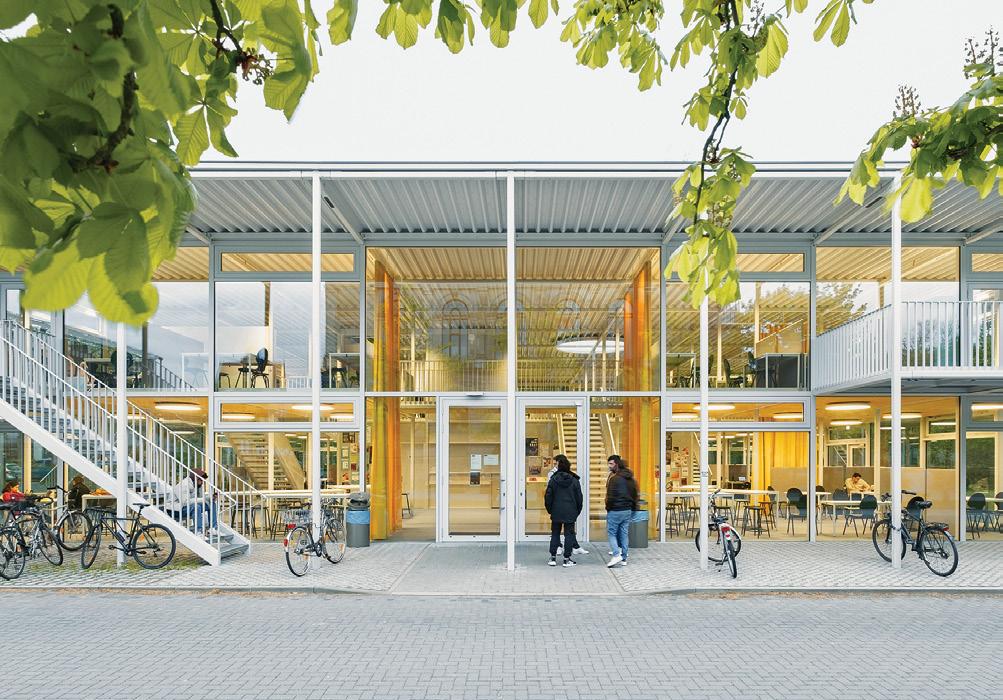
The Study Pavilion, Technical University of Braunschweig, Germany–Architects: Gustav Düsing and Max Hacke–
Photo: Leonhard Clemens–
One of the most critical areas requiring urgent attention is housing. Market-driven models have failed to deliver sufficient, affordable, and high-quality housing. This crisis is spatial as well as social. The European Housing Agenda must move beyond metrics and financial incentives to address typological innovation, community-based solutions, and urban regeneration. Cooperative housing models, one-stop-shops for renovation, and district-based retrofitting strategies offer promising avenues that combine environmental and social goals. Architects must play a central role, bringing design intelligence and contextual awareness to these processes.
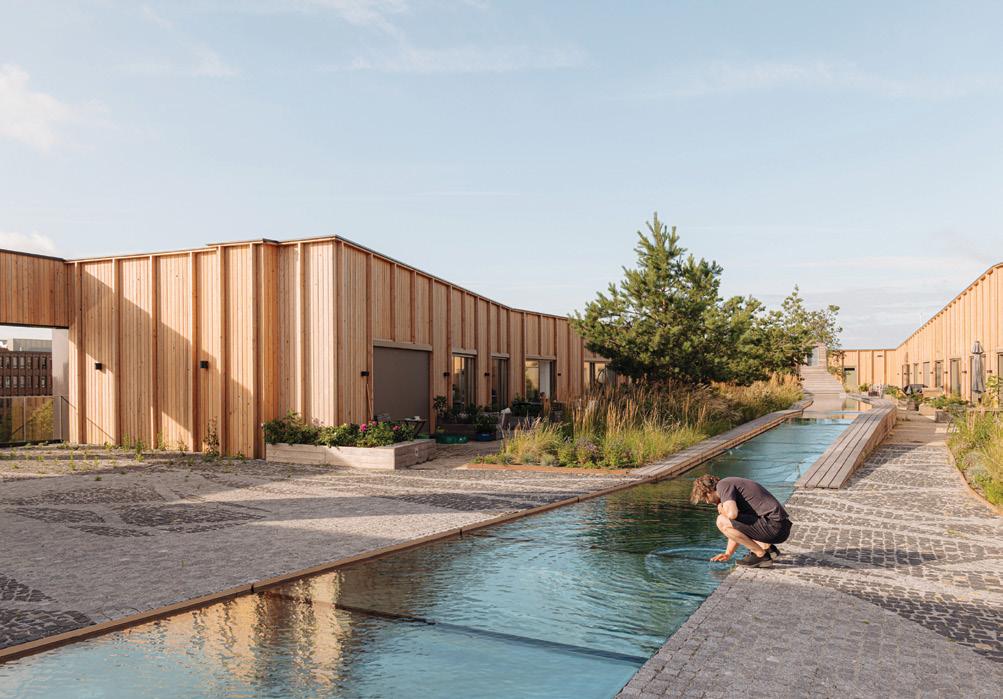
Jonas, Amsterdam, the Netherlands–Architects: Orange Architects–
Photo: Emile Hoens–
First of all, the public space deserves thoughtful architectural design. Once a shared resource like the agora of Greek democratic life, it now faces threats from commercialisation, surveillance, and privatisation. Nevertheless, high-quality public environments are indispensable for civic engagement, mental wellbeing, and cultural identity. The regeneration of public space should prioritise ecological performance, inclusive design, and cultural continuity.
New European policy frameworks, such as the Davos Declaration and the New European Bauhaus, offer opportunities to institutionalise architectural values. They promote sustainability, beauty, and inclusion as core objectives. Implementation, however, depends on institutional clarity and political will. Architecture must be recognised as a vehicle of governance and citizenship. Spatial policy must be aligned with policies on energy, health, education, and climate.
Architectural quality is a necessity for social resilience, ecological balance, and economic efficiency. The built environment affects every citizen daily, shaping opportunities, wellbeing, and civic trust. If we are to rebuild Europe with greater cohesion, sustainability, and democratic strength, we must invest in architecture as a strategic resource.
This imperative includes respecting and integrating heritage conservation into broader sustainability efforts. The rehabilitation of existing buildings, the transmission of traditional building knowledge, and the application of circular design principles must all become mainstream practices. As highlighted in ACE’s position papers1, this approach aligns environmental goals with social and cultural resilience, creating a holistic vision of quality of life.
Ultimately, transforming urban and social spaces is a shared societal project. Including architecture in this transformation will confer structure, meaning, and longevity. Europe must act now to defend and improve its territories as places of life, care, and shared future, where heritage, innovation, and social inclusion form the foundation of a cohesive and democratic built environment.
What makes our cities life inspired and climate friendly?
AND SOCIAL QUALITY
In June 2025, the Architects’ Council of Europe, together with leading European experts, met at the European Conference on Architectural Policies (ECAP)² in Gdańsk, Poland, reaffirming that architectural policy constitutes a strategic necessity. As Europe’s cities face mounting challenges such as social polarisation, climate pressures, housing crises, and weakened civic trust, architecture mus become a guiding principle in public governance.
Architectural policy provides a framework for integrating spatial quality within the wider public agendas around housing, health, education, mobility, and sustainability. As the Declaration states, such policies must express a long-term vision for the quality of everyday life that values cultural identity, democratic participation, and environmental responsibility.
To achieve this, national and local governments must be supported in developing architectural policies rooted in the values of the Davos Declaration and the New European Bauhaus: sustainability, beauty, and inclusion. These policies should be accompanied by operational tools such as design competitions, public engagement mechanisms, architectural quality panels, and transparent procurement systems that will empower administrations to deliver coherent, high-quality environments across all scales.
Architectural policy also requires a cultural shift. Public authorities must act as informed clients, capable of recognising design excellence and commissioning meaningful, socially relevant architecture. This involves investing in design governance and professional competence within the public sector, fostering interdisciplinary collaboration, and maintaining a long-term perspective that transcends electoral cycles.
Above all, architectural policy must be understood as a safeguard of democracy. By shaping the spaces in which people live, learn, heal, and meet, it helps to build trust, inclusion, and shared identity. It defends the right to beauty and dignity in the built environment, ensuring that quality is not a privilege, but a public good.
In this sense, the Conference and the (forthcoming) Gdańsk Declaration represents a turning point. The Gdańsk Declaration calls for architecture to be recognised as a strategic instrument for social resilience, ecological transition, and territorial cohesion that is embedded in law, funded adequately, and implemented consistently across Europe. Treating architectural quality as a policy element allows us to ensure that Europe’s urban and social spaces become efficient and meaningful.
2 ace-cae.eu/event/european-conference-onarchitectural-policies-architecturalpolicies-as-a-europeanstandard-gdanskpoland-10-12-june-2025
03 Adaptation to changing social needs
The social role of architecture and the challenges of the 21st century Architecture must address the physical and emotional aspects as well as the cultural needs of society. We are living in rapidly changing times, characterised by intense urbanisation, climate change, migration phenomena, and the profound influence of digital technologies (BIM, AI, 3D printing). These realities require adaptation to shifting social needs in the areas of housing, public space, heritage protection, public health, and inclusivity.
ARTIFICIAL INTELLIGENCE AND DIGITALISATION
In the era of big data and the Internet of Things (IoT), cities are becoming organisms where real-time data can be used to optimise traffic management, infrastructure, and security. “Digital twins” are emerging, enabling simulation and forecasting of urban development. AI tools also support the design process (analysis of local conditions, 3D modelling, form generation).
In a context of growing ecological awareness in the face of climate change, architects must create buildings and spaces that are resilient to extreme weather events, energy-efficient, and based on local, low-emission materials. Documents such as the UIA Declaration 20503 Imperative or the Davos Declaration4 point towards sustainable architecture that minimises CO₂ emissions.
New European Bauhaus (NEB)5 integrates the three essential principles of beauty, sustainability, and inclusion into design practice. These make architecture a tool for strengthening social cohesion, environmental responsibility, and quality of life. NEB also promotes collaboration among the various disciplines: engineers, artists and designers, as well as residents, enabling improved adjustment to evolving social needs.
To promote social equality and participation in contemporary architecture, the diverse needs and expectations of various social groups must be considered: families with children, seniors, people with disabilities, and migrants. Tools such as public consultations, citizen panels, participatory budgets, or digital communication platforms boost local the sense of agency in local communities and improve the quality of projects.
3 uia-architectes.org/ wp-content/uploads/2024 /03/EN_Declaration_Durban.pdf
4 davosdeclaration2018.ch/en
5 new-european-bauhaus.europa. eu/index_en
The COVID-19 pandemic and the global health crisis accelerated digitalisation, redefined the role of housing (e.g. working from home, online learning), and highlighted the importance of a healthy environment: green spaces, adequate ventilation, sanitary conditions. Architects must incorporate these lessons by designing flexible, multifunctional, and resilient urban spaces.
A HOLISTIC APPROACH TO ADAPTATION
As noted in the ACE report “Value of Architecture II”6, architecture plays a key role in creating social, cultural, and environmental value. By incorporating elements such as post-occupancy evaluation and engaging local communities in design processes, architecture can significantly improve quality of life and foster more inclusive and sustainable communities. The social responsibility of the architect goes beyond technical and economic factors. Architecture is a cultural and social contribution to the development of local communities, the improvement of residents’ mental wellbeing, and ecosystem balance.
Public policies such as the Energy Performance of Buildings Directive (EPBD)7, the Davos Declaration, and the New European Bauhaus demonstrate that public policy plays a crucial role in shaping architecture and urban planning, by emphasising:
• Sustainable development (emissions reduction, energy efficiency),
• Social inclusivity (housing accessibility, universal design),
• Aesthetics and culture (attention to the landscape, heritage conservation,high-quality design).
Expanding programmes like one-stop-shops and facilitating technology adoption (BIM, digitalisation, AI) for investors, particularly SMEs, increases the likelihood that future buildings will meet local communities’ needs and protect the environment more effectively.
These policies require stronger legal frameworks and institutional mechanisms:
• Mainstreaming quality architecture into national and EU policy agendas,
• Supporting long-term public investment programmes base on value-driven and quality-driven procurement,
• Strengthening interdisciplinary cooperation and knowledge exchange platforms,
• Reinforcing the role of architectural policy within the broader policy mix for sustainable development.
Practical dimensions of socio-adaptive architecture (or socially responsive architecture). These dimensions work at various scales:
• Detail: attention to ergonomic handles, local materials, durable finishes, universal design (e.g. for people with disabilities).
• Building: flexible structures adapted to changing functions (e.g. working from home, coworking spaces), energy efficiency (passive systems, green roofs, façades), multifunctional use
• Surroundings (external environment): sustainable transport (cycle paths, electric charging stations), planning that fosters social integration (squares, parks, libraries, cafés), and protection of cultural and natural heritage.
6 ace-cae.eu/publication/the-value-ofarchitecture-ii
7 energy.ec.europa.eu/topics/energyefficiency/energy-performance-buildings/ energy-performance-buildings-directive_en
Modern technologies and Digital Twins - AI and BIM allow for planning of the entire life cycle of buildings (from design through to demolition or modernisation), as well as improving coordination among different sectors (architecture, engineering, construction). 3D printing shortens construction time, reduces waste, and facilitates the use of sustainable materials. City digital twins enable real-time infrastructure and transport management, supporting greater flexibility in responding to social needs (e.g. reorganising traffic in the event of a pandemic or environmental crisis).
Equality, participation, and multifunctionality - encourage social equality by:
• Creating public spaces that are accessible to all groups (seniors, children, migrants, people with disabilities),
• Implementing universal design that eliminates architectural barriers,
• Holding public consultations that give residents a role in deciding how their surroundings look, increasing acceptance and integration.
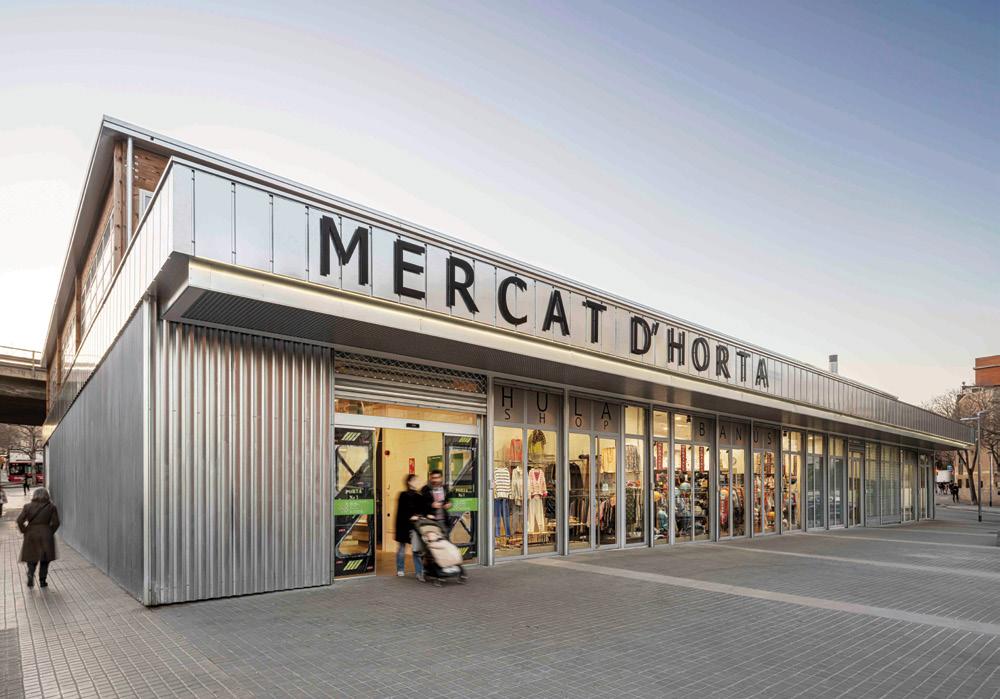
Temporary market, Horta Autores, Barcelona, Spain
Architects: Ravetllat Arquitectura + Carles Enrich Studio
Photo: Adrià Goula
Lessons from the COVID-19 pandemic underscored the role of public health and the resilience of built environments. Many people began working remotely, changing the ways in which they use their homes. The expansion of online services (e-commerce, telemedicine, e-learning) accelerated and must now be accounted for in architectural projects:
• Multifunctional housing that combines residential, office, and recreational uses,
• Increased importance of green areas and opportunities for outdoor recreation,
• Public spaces designed to accommodate social distancing if needed (e.g. outdoor remote-work zones, safe walkways).
Ultimately, adapting to changing social needs involves constantly updating design standards, promoting flexibility and multifunctionality in buildings, and investing in education and ecological awareness among residents.
Conclusions and key recommendations
• Sustainable development and climate neutrality: use renewable energy sources, local materials, passive building techniques, and expand green infrastructure (parks, green roofs, vertical gardens).
• New European Bauhaus: combine aesthetics, functionality, and sustainability in every design aspect, including multifunctionality, local identity, and inclusivity.
• Social equality and participation: design spaces accessible to various groups (older adults, people with disabilities, children), boost citizen engagement in decision-making (consultations, citizen panels, participatory budgets), and establish collaborative platforms.
• Crisis and pandemic resilience: employ flexible solutions in buildings (remote work, online education), ensure public spaces that allow for social distancing, and consider mental and physical health in design.
• Holistic approach to renovation and modernisation: prioritise refurbishing existing structures and adapting them to new functions. Conserve and revitalise cultural heritage in the spirit of Baukultur (Davos Declaration).
• Institutional support and governance: promote architectural policies at all levels of government, incorporate quality-led processes into public investment strategies, and create mechanisms for long-term collaboration between public and private stakeholders.
• Digitalisation and AI: integrate data analysis (big data), digital platforms, and AI tools into design and urban management processes. Develop “digital twins” of cities to forecast and optimise development.
Final conclusion:
Effective adaptation to changing social needs requires architecture and urban planning to evolve continuously towards sustainability, digitalisation, social equality, flexibility, and an emphasis on health. Documents like the UIA Declaration 2050 Imperative, the UN 2030 Agenda, the Davos Declaration, the EU Energy Performance of Buildings Directive, and the New European Bauhaus initiative make it clear that contemporary architecture must address far more than aesthetic and technical qualities alone. This focus is key to building environments that serve people, especially in the face of global climate, social, and economic challenges.
Architecture must do more than look good or stand tall—it will answer society’s changing needs and culture.
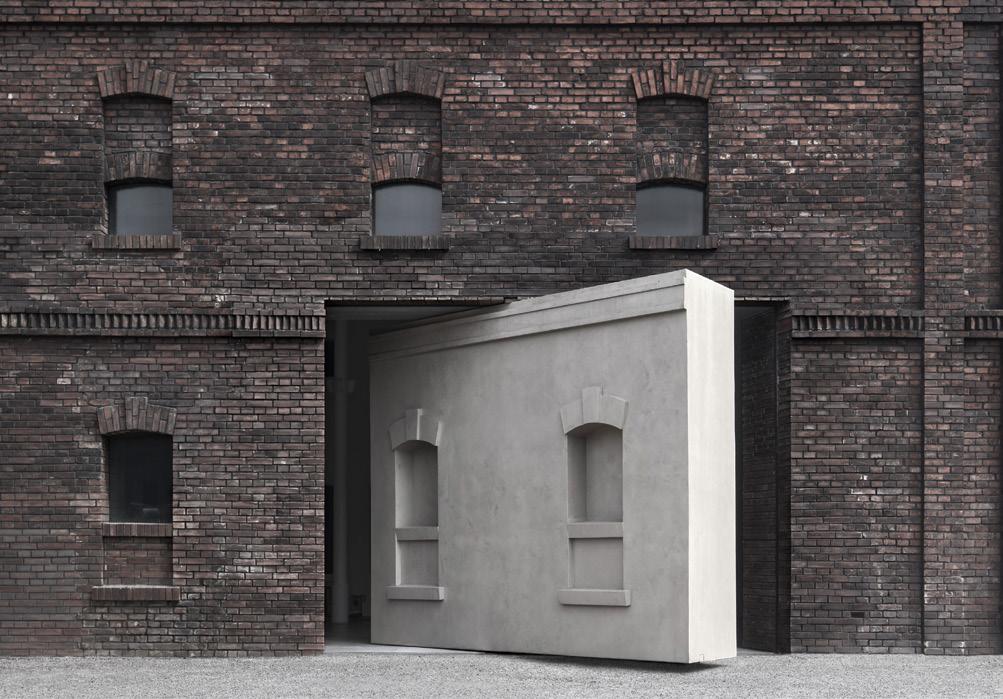
PLATO Contemporary Art Gallery, Ostrava, Czechia–Architects: KWK Promes–
Photo: Juliusz Sokołowski–
04 Protecting quality and European values in architecture
Architecture is an industry that goes far beyond design. It encompasses a wide range of services, and this places increasing legal and fiscal obligations on architects. This responsibility should be reflected in fair remuneration based on quality and safety standards. Currently, the architectural profession in Europe is losing value. Architectural firms are losing their innovative character and becoming mere administrative entities instead of creative city designers. This process threatens Europe’s architectural identity and its global influence. This is particularly important in the face of the challenges of the 21st century, where issues such as the digitalisation of life, ecology and security have to be balanced with quality and a well-built environment. Architects emphasise that, as individuals with a particularly interdisciplinary education, they are ready and willing to take on the role of guarantors of this process in a holistic, sustainable and beneficial way for the whole of European society. The multidisciplinary education of architects and their practical skills in coordinating groups working on a common project mean that these professionals are perfectly suited to lead multidisciplinary teams in the current situation of rapid and forced changes in Europe, which, in addition to the Green Deal, must above all ensure the safety of its citizens.
STRENGTHENING EUROPE’S COMPETITIVENESS IN THE WORLD: PUBLIC PROCUREMENT
One of the most pressing issues on ACE’s agenda right now is public procurement. Public procurement means investing in quality, sustainability and the public good. However, too often, the lowest price wins out over quality, undermining trust and long-term value. The Letta and Draghi reports8 clearly show that Europe’s competitiveness depends on investing in sustainable, innovative and high-quality projects.
We must advocate for public procurement policies that prioritise quality over cost, strengthen SMEs and support innovation. We must simplify procedures and ensure that high standards are incorporated into public procurement. Our message must be clear: public money should be used to build lasting value, not just cheap solutions.
An additional problem is posed by the stringent insurance guarantees required by investors. These lead to a situation where large global companies are driving smaller design offices out of the market. According to an industry survey conducted by the Architects’ Council of Europe, 95% of architectural firms are small and medium-sized enterprises, which are increasingly unable to compete with international corporations.
The lack of symmetry in contracts concluded with project contractors is also worrying, as these contracts usually protect the contracting authority at the expense of the statutory rights of the project contractor, particularly with regard to the rules on payment for services, the excessive guarantees mentioned above, the transfer of copyright, etc.
The requirements imposed on project contractors favour large corporations, eliminating the possibility for young designers and small design companies to participate in tendering procedures, restricting the right to provide services on the free market and, in many cases, eliminating innovation from the design solutions proposed. As a result, these long-term measures may lead to increased operating costs for the European built environment and a lack of competitiveness and innovation in the European market. The exclusion of designers from the public procurement market through excessive regulation and requirements imposed on participants in public procurement is also inconsistent with the European Union’s policy of promoting joint action to strengthen social cohesion and jointly shape a society capable of countering threats to Europe’s security.
8 Letta report: consilium.europa.eu/media/ny3j24sm/ much-more-than-a-market-report-byenrico-letta.pdf
Draghi report: commission.europa.eu/topics/ eu-competitiveness/draghi-report_en
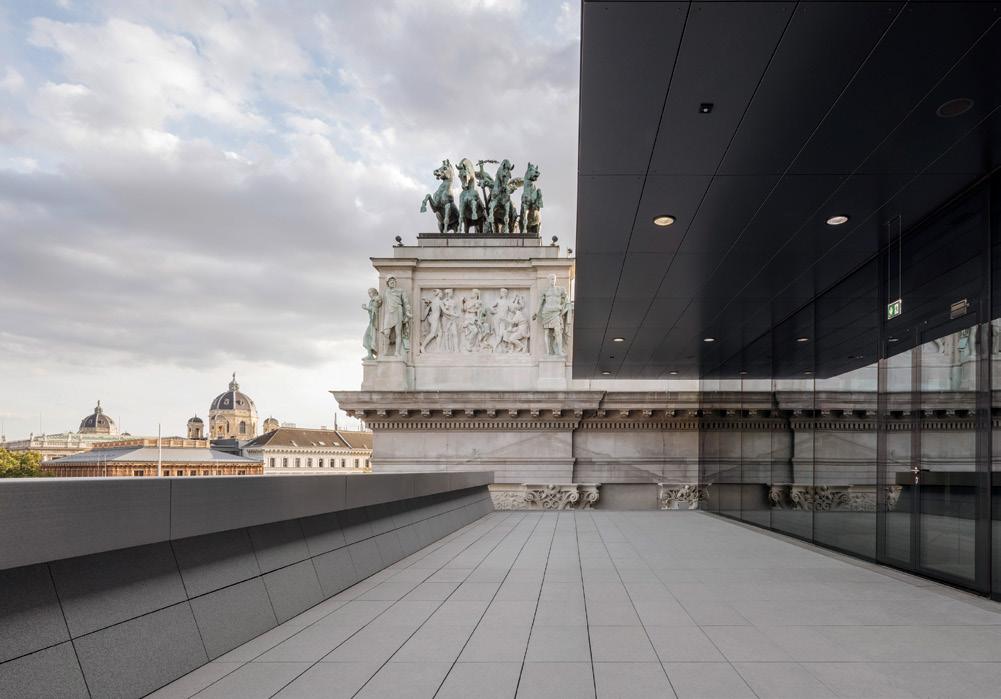
Austrian Parliament, Vienna, Austria–Architects: Jabornegg & Pálffy Architects–
Photo: Parlamentsdirektion/Hertha Hurnau–

PUBLIC PROCUREMENT FOR QUALITY AND SUSTAINABILITY: THE LUXEMBOURG DECLARATION
The Luxembourg Declaration on Public Procurement, adopted on 15 May 2025 by Europe’s leading professional organisations representing architects and engineers, marks a turning-point in the debate on how public resources are used to shape the built environment. It underscores the essential role of procurement as not merely a legal or economic mechanism, but as a powerful cultural and political instrument shaping cities, landscapes, and daily life.
The declaration calls for a fundamental revision of the EU Public Procurement Directive (PPD), shifting away from cost minimisation and towards value creation. It firmly rejects the continued overreliance on the lowest-price criterion, which still dominates more than half of all procurement procedures in the EU. In its place, the document promotes the principle of “most economically advantageous tender” (MEAT), interpreted through a lens that prioritises design quality, sustainability, innovation, and life-cycle cost efficiency.
Central to the Luxembourg Declaration is the recognition of the specific and non-standard nature of intellectual services, particularly planning and design services. These services, which are inherently creative and unpredictable in their final form, cannot be meaningfully assessed through traditional procurement metrics.
Kinsale Library, Ireland–Architects: Cork County Council Architects’ Department–Photo: Jed Niezgoda–
The declaration thus proposes the creation of a dedicated legal regime for intellectual services within EU procurement law Such a framework would:
• Mandate quality-based selection criteria,
• Set procurement thresholds appropriate for design services,
• Simplify administrative requirements,
• Facilitate collaboration between professionals,
• Promote access for small and medium-sized enterprises (SMEs) and young practices,
• Ensure procurement procedures that are oriented towards quality and innovation;
• Promote the use of design competitions in procurement of architectural services;
Another major theme of the declaration is the democratisation of access to public contracts. It identifies excessive administrative complexity, rigid qualification requirements, and legal fragmentation as barriers that prevent SMEs and new entrants from participating in tenders. Recommendations include the division of contracts into lots, extending reference periods, and revising minimum turnover thresholds to reflect the actual capacity needed to deliver quality services.
The document also highlights the centrality of architectural and engineering services to the delivery of resilient, inclusive, and sustainable built environments. These services are not just technical interventions; they are expressions of collective values and long-term societal investments. High-quality procurement is, therefore, essential to realising the goals of the Green Deal, the New European Bauhaus, and Europe’s broader commitments to climate neutrality, cultural continuity, and social justice.
In the spirit of innovation and cross-sectoral cooperation, the Luxembourg Declaration also encourages the systematic use of architectural design competitions, particularly for public buildings and spaces. It asserts that these procedures not only yield better results but also promote transparency, public engagement and generational renewal within the design professions.
The declaration concludes with a strong appeal to European institutions to legally guarantee quality-based procurement for architectural and engineering services. This would not only improve the quality of public investment but also strengthen Europe’s architectural sector and foster a culture of excellence and trust.
In summary, the Luxembourg Declaration positions public procurement as a key driver of architectural quality, societal wellbeing, and environmental resilience. It calls on Europe to align its legal frameworks with its ambitions and treat the commissioning of public architecture not as a transaction, but as an act of stewardship on behalf of future generations.
In the effort to ensure fair competition based on quality, the Architects’ Council of Europe (ACE) consistently advocates for the architectural design competition (ADC) as the most appropriate and equitable procedure for selecting the designers of public projects. The competition format ensures transparency, inclusiveness, and a focus on merit rather than price, providing equal opportunities for practices of all sizes and encouraging innovation. To reinforce this position, ACE has participated the ARCH-E programme, an ambitious European initiative designed to strengthen quality-based procurement practices across the continent.
Launched over three years ago, ARCH-E (Architectural Design Competitions for Europe) was conceived as a strategic response to the systemic exclusion of most architectural firms from public procurement markets. Data collected during the project confirm that up to 95% of architectural firms are effectively barred from participating in public tenders due to restrictive conditions, such as excessive turnover and staffing requirements, that disproportionately affect small and medium-sized enterprises (SMEs). These barriers result in the suppression of innovation and diversity in the built environment.
ARCH-E is led by the Austrian Chamber of Architects and coordinated by a consortium of ten full partners and five cooperation partners, including ACE and several of its national member organisations, as well as the International Union of Architects (UIA). The programme reaches over half a million architects across Europe and operates with a budget of €1.4 million, of which 70% is funded by the EU Creative Europe programme. By early 2026, its outputs in the form of tools, research, and strategic documents will be integrated into the ACE website for broader dissemination, serving nearly 900,000 architects represented by the organisation. The consortium also grants full rights of use to the European Commission and other EU institutions under an open licence.
Among the most impactful deliverables of ARCH-E is the ARCH-E Glossary, a multilingual online tool that compiles procurement-specific terminology from eleven European countries. With approximately 1,000 definitions covering 190 core concepts, the glossary captures the diversity of legal frameworks and procurement practices across the EU. Its purpose is not merely semantic; it aims to standardise and clarify vocabulary to improve cross-border collaboration and to support the creation of a dedicated chapter on intellectual services in future revisions of the EU Public Procurement Directive.
In tandem with this, the project has produced a suite of valuable resources:
• Comparative maps and analyses of architectural competition systems,
• Online tools to guide architects around the procurement landscape,
• Best practice collections and self-assessment instruments for both designers and clients,
• An online professional network fostering transnational partnerships and knowledge exchange,
• The ARCH-E White Book, a document setting out political recommendations that has been developed in response to the European Commission’s 2025 Call for Evidence on procurement reform.
ARCH-E’s findings have had a direct impact on European policy. The project’s research and advocacy efforts helped shape the Luxembourg Declaration on Public Procurement, signed in May 2025 by ACE, the European Council of Engineers Chambers (ECEC), the European Federation of Consulting Engineers (EFCA), and the Order of Architects and Engineers of Luxembourg (OAI) other leading organisations. This declaration champions quality-based procurement and calls for structural changes in EU law to support creativity, professional independence, and cultural value in public investment.
ACE continues to expand the ARCH-E network and invites new partners to contribute, particularly to the evolving glossary and best practice platforms. The flexible project structure allows for varying levels of participation, reinforcing a pan-European commitment to improving design quality through fair and transparent processes. In doing so, ARCH-E is not only supporting architects and clients but is strengthening the democratic and cultural foundations of Europe’s built environment.
By placing competitions at the heart of procurement reform, and by equipping the profession with tools to navigate and improve the system, ACE and its partners are laying the groundwork for a more inclusive, sustainable, and quality-driven architectural culture in Europe.
The future of architectural profession calls us for openness, engagement, and renewal.
Climate-responsive architecture for our planet
Europe is now standing at a crossroads. While previously committed to the Green Deal and long-term ecological goals, the continent now faces competing priorities triggered by global and regional geopolitical shocks. The events of early 2025, including shifts in political alliances and military investments, have recalibrated public agendas and promoted defence and economic expediency ahead of climate goals. However, the environmental crisis has not abated. The urgent threats from carbon emissions, biodiversity loss, and resource depletion all cross planetary boundaries. Architecture, as a discipline that is both technical and cultural, must remain steadfast in upholding sustainability, quality, and social responsibility.
Architecture has the power to shape everyday life and have a planetary impact. It defines the ways in which we use resources, consume energy, move through space, and relate to one another.
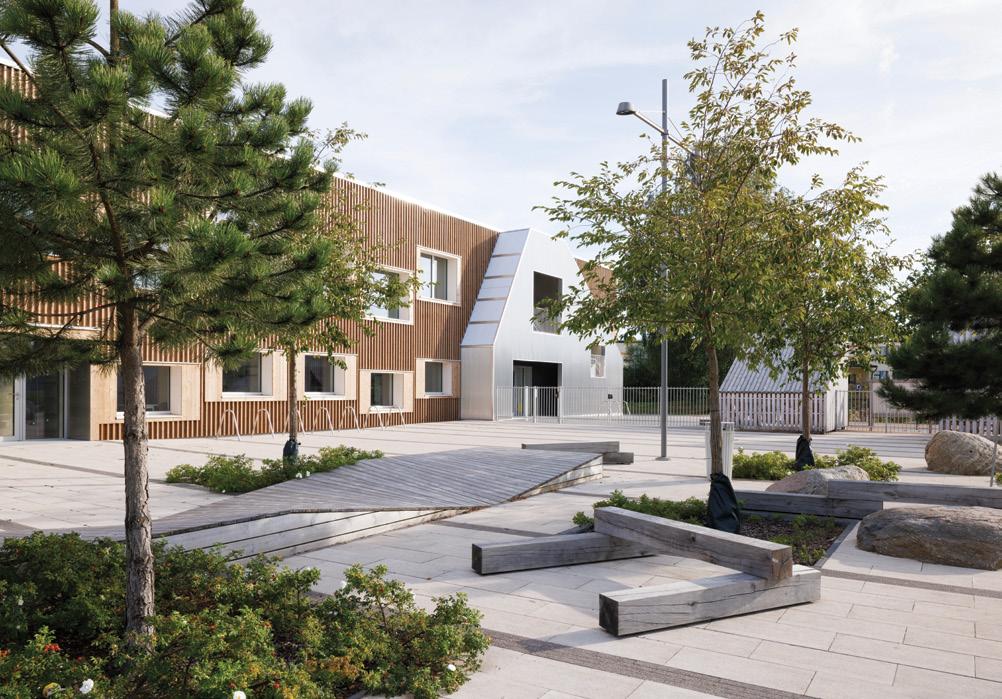
Timber Kindergarten, Salaspils, Latvia–
Architects: MADE arhitekti–
Photo: Ansis Starks–
This influence demands a holistic and long-term perspective:
• Buildings must be designed for durability, flexibility, and low environmental impact.
• Cities must be rethought to enhance resilience, biodiversity, and social equity.
• Heritage must be protected, both as a cultural anchor and as an ecological resource.
• Quality of life in terms of climate responsiveness
Architecture must operate around five key pillars: climate resilience, circularity, social inclusion, low-carbon innovation, and heritage protection.
Climate resilience. Resilient architecture can mitigate the risks of climateinduced shocks: floods, droughts, heatwaves. Buildings must offer passive thermal comfort, water retention, and energy autonomy. Urban planning must prioritise sponge city principles, green-blue infrastructure, and local food resilience.
Water and soil. Water management is paramount. Architecture must facilitate rainwater harvesting, retention, and evaporative cooling through vegetation. Permeable surfaces and urban green infrastructure reduce flood risks and improve microclimates. The unbuilt space, comprising soils, vegetation, and biodiversity, must be preserved where possible. Ecological voids are essential for regulating climate, supporting ecosystems, and offering psychological respite.
Circularity. Architects must plan for the long term, not only by reducing material use and waste, but by planning for disassembly, reuse, and local resource sourcing. Demolishing usable buildings discards embedded energy and local identity. Renovation, reuse, and adaptive design must be central to climate policy.
Social inclusion. The Role of Inhabitants and Communities means that no building can be considered sustainable if its users are not part of the solution. Citizens must be educated about energy use, maintenance, and the environmental cost of comfort. Flexibility in architecture allows for changing functions, increasing longevity and utility. Mixed-use typologies and open constructions counteract urban monocultures and support vibrant, adaptable communities. Housing policies must support cooperative models, affordability, and user participation.
The value of the existing. Rehabilitation of existing structures must become the default. Every building holds embedded carbon, craftsmanship, and often historical value. European architecture has a rich tradition of adaptive reuse. When used appropriately, traditional materials such as clay, brick, and timber offer ecological and cultural advantages. Local knowledge is often overlooked but it must be redis covered and re-employed in design and construction.
Low-carbon innovation. Technology alone will not resolve the climate crisis. High-tech systems must be critically evaluated against low-tech alternatives. Simpler passive strategies (natural ventilation, orientation, thermal mass) can often prove more robust and sustainable. However, digital tools such as BIM, Life Cycle Assessment tools, and AI for building performance–can support informed decision-making. Certification systems and policy instruments (e.g. EPBD, New European Bauhaus) should be guided by substance rather than appearance, to avoid greenwashing.
Relearning and daring to try. We must unlearn wasteful practices and relearn how to build and maintain wisely. Public policies should reward long-term thinking, low-impact materials, and maintenance practices. Architects must remain open to experimentation–with new materials (hempcrete, prefabricated timber, recycled compounds), new financial models (climate-linked mortgages, district retrofitting), and new participatory processes.
Cultural identity and heritage. Climate-conscious architecture must remain rooted in place. Protecting and revitalising cultural heritage fosters identity, strengthens community ties, and avoids unnecessary construction. Adaptive reuse of historical buildings for housing or civic functions not only preserves embodied carbon, but also ensures architectural continuity. The “genius loci”–the spirit of the place–should guide new interventions and urban regeneration.
Conclusion: a shared responsibility. Architecture alone cannot solve the climate crisis, but without architecture our response will lack coherence, culture, and care. Architecture is a lens through which we integrate environmental policy, social needs, and human aspirations. The built environment, comprising public space, homes, and infrastructures, must embody our shared commitment to sustainability, democracy, and future generations.
The Architects’ Council of Europe acts as a facilitator of this transformation: promoting net-zero pathways, supporting adaptive policies, and amplifying professional responsibility. We must work together across Europe to design not only buildings but a viable future.
The revised Energy Performance of Buildings Directive (EPBD), adopted as part of the EU’s “Fit for 55” package, offers a pivotal legislative tool to steer Europe’s building stock towards climate neutrality. However, the mere existence of directives and policy goals does not ensure transformation. What matters most is effective and intelligent transposition into national legal frameworks, followed by practical implementation in design, renovation, and construction processes.
The updated EPBD sets out several ambitious objectives: the zero-emission building standard, mandatory renovation targets, building renovation passports, and one-stop-shops for homeowners. Yet these elements will only yield results if the architectural profession and the broader building sector are empowered to integrate them into everyday decisions and practices.
This demands:
• Clarity in regulation – National laws must adopt the EPBD framework transparently, avoiding delays and loopholes in interpretation;
• Support structures – One-stop-shops, technical advice centres and digital tools (including BIM and renovation passports must be accessible to both professionals and building users;
• Financial mechanisms – To ensure fair transition, support for vulnerable households and small property owners must be embedded in public schemes;
• Capacity-building – Continuous education and upskilling of professionals, particularly architects, engineers and local planners, is crucial;
• Alignment with local contexts – Legal transposition should respect national and regional building cultures, while remaining faithful to EU-wide climate targets.
The EPBD also introduces mandatory Life Cycle Assessment (LCA) for larger buildings, further reinforcing the need for holistic design thinking. This shift calls for a move beyond operational energy to include embodied carbon, material flows, and reuse strategies from the earliest design stages. Architects must now coordinate with manufacturers, contractors and clients to ensure that sustainability is embedded from concept t construction and beyond.
One of the most significant innovations introduced by the EPBD is the requirement for Renovation Passports – dynamic, long-term renovation plans tailored to each building. When developed collaboratively, these tools provide a pathway for deep renovation that aligns with both user needs and climate goals. Their success, however, depends on meaningful participation of architects as facilitators of process, quality and spatial coherence.
The directive also promotes the Digital Building Logbook, a tool to ensure transparency across a building’s life cycle. For this to succeed, open data standards, digital literacy, and cooperation across the value chain are all necessary. Architects, with their integrative role, are ideally positioned to curate and manage such data structures in a way that supports sustainability and usability.
Finally, the revised EPBD acknowledges the role of aesthetic, cultural and social value, in line with the New European Bauhaus. Climate neutrality must go hand in hand with architectural quality, heritage protection and community wellbeing.
In sum, the transposition of the EPBD into national contexts is crucial for Europe’s climate ambitions. Success hinges not just on compliance, but on innovation, engagement and the capacity to translate abstract goals into meaningful places. Architects must be at the heart of this transformation.
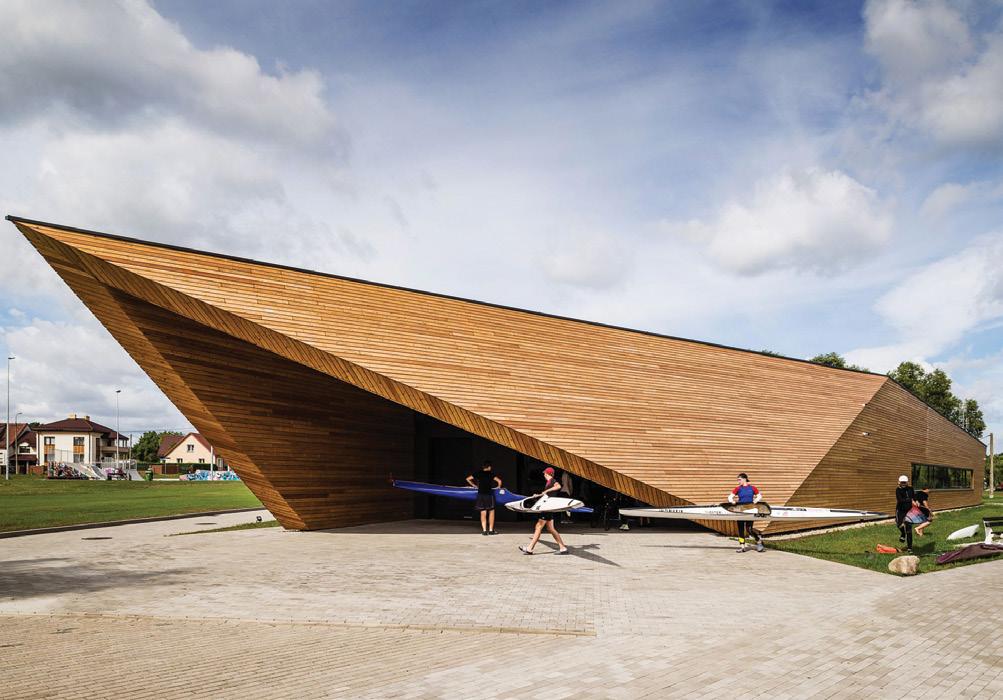
Canoeing training base in Augustów, Poland–Architects: PSBA + INOONI–
Photo: Bartosz Dworski
A city is not merely the sum of its buildings and infrastructure networks. Above all, it is a social environment in which people live, work, and form relationships. Urban and architectural design must therefore serve as a tool to shape collective wellbeing, foster identity, and support environmental resilience. Sustainable urban development means ensuring that every intervention, whether new construction, renovation, or public policy, helps to build long-term spatial, cultural, and ecological coherence.
Strengthening social bonds is central to this mission. The creation of diverse and inclusive public spaces such as squares, parks, libraries, and cultural centres should provide meaningful opportunities for interaction, engagement, and a shared sense of belonging. At the same time, cities must ensure equitable access to education, culture, and healthcare. This means planning spaces that encourage human connection and guarantee dignity and access for all residents.
Urban form must avoid monofunctional zoning. Sustainable cities are built on the principles of “mixed use” and “mixed scale,” where residential, service, office, and recreational functions coexist harmoniously. Combining smaller homes with larger facilities within the same urban fabric fosters diversity, vitality, and inclusivity. Such configurations also support compact development, reducing the need for excessive travel and encouraging active mobility.
Cultural and regional identity play an irreplaceable role in shaping urban sustainability. Respect for historical patterns, the use of local materials and improving the architectural character of a place all contribute to a sense of rootedness. Community-led initiatives and participatory design should be seen as strategic elements.
How do we design spaces of connection, dignity, and equal access for all?
From a European perspective, several key pillars define sustainable urbanism. Appropriate development density supports more efficient public transportation systems, reduces car dependency, and shortens travel distances. At the same time, green spaces and urban trees improve microclimates, mitigate heat island effects, and enrich biodiversity. Designing cities for people, not cars means prioritising pavements, cycling infrastructure, and universal accessibility. Avoiding expansion and instead investing in the revitalisation of existing districts is a prerequisite for resilient land use planning.
Baukultur, as a comprehensive culture of the built environment, must guide all interventions. This means treating every building as a long-term contribution to quality of life, fostering spatial coherence, and accepting responsibility for aesthetic, functional, and social outcomes. Public authorities and private actors alike share the duty of designing with care, foresight, and cultural literacy.
However, truly sustainable cities are not only well-designed but also socially and economically inclusive. Urban policies must address housing affordability, access to employment, and the integration of vulnerable populations. These elements are inseparable from spatial planning and architectural strategies. Furthermore, the 2021 OMC Group Report9 on ‘High-Quality Architecture and Built Environment for Everyone’ highlights the urgent need for quality standards in both private and public development–advocating for the mainstreaming of architecture policies rooted in cultural and democratic values.
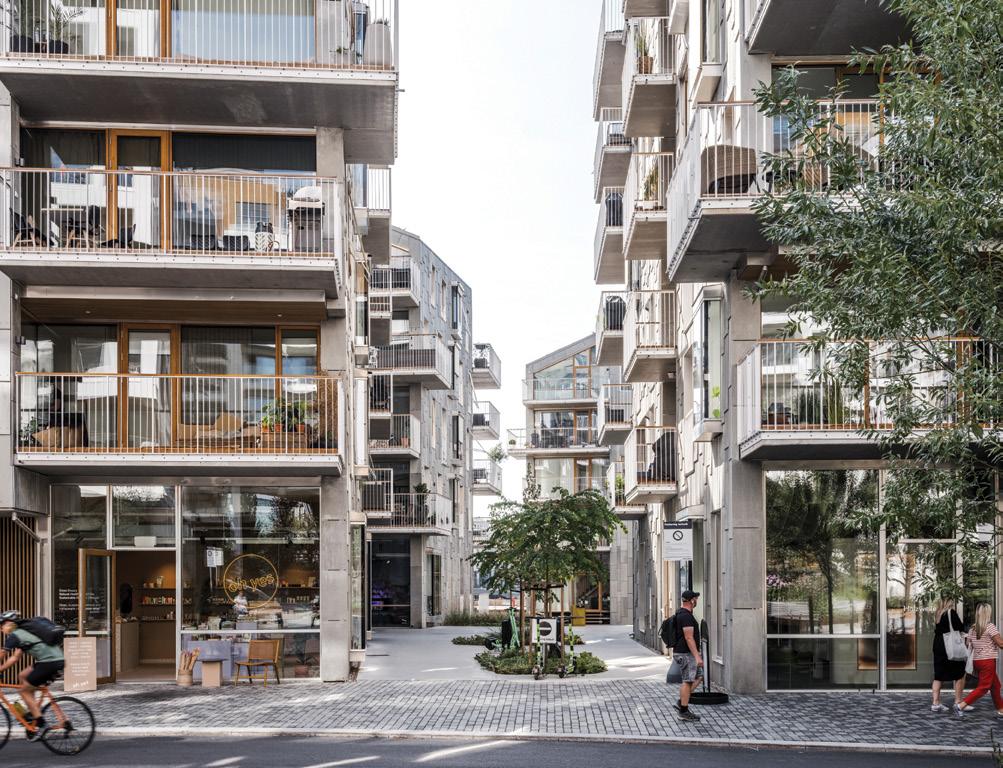
Vannkunsten (The Art of Water), Oslo, Norway Architects: Vandkunsten Architects
Photo: Rasmus Hjortshøy
Sustainability in cities goes beyond energy performance. It encompasses comfort, security, access to services, air quality, and the presence of spaces that support diverse lifestyles. Planning tools such as spatial plans, strategic revitalisation programmes, and support for small and medium construction enterprises are essential to build high-quality, place-sensitive cities.
Despite Europe’s diversity of cultures and legal systems, there exists a shared aspiration for integration, innovation, and social cohesion. The European context provides fertile ground for aligning local initiatives with European goals–such as those set out in the New European Bauhaus or climate adaptation strategies. Successful urban development relies on collaboration across levels of governance and sectors of society.
The future of urban design lies in a renewed commitment to mixed use and scale, expanding urban greenery, and revitalising public space. Practical steps include intensifying street planting, implementing cooling strategies, increasing pedestrian safety, and embedding architectural literacy in education. Baukultur should become a standard in public procurement, with design quality, heritage, and spatial cohesion weighted as heavily as cost.
The implementation of the revised Energy Performance of Buildings Directive (EPBD) must also be interpreted within this broader perspective. As outlined in the “Guidelines of the Architects’ Council of Europe for the transposition of the recast EPBD (Directive 2024/1275)”10, renovation and new construction must reinforce social objectives, including affordability, tenant engagement, and long-term value for communities. This reinforces the call for a life-cycle approach, not only to energy use and emissions, but to social equity and resilience.
In conclusion, promoting sustainable urban development in Europe means integrating the social, environmental, economic, and cultural dimensions of city life. This includes creating liveable districts with services, greenery, and mobility; upholding architectural and cultural quality; empowering citizens through participatory design; and fostering multifunctionality and microclimatic responsiveness in denser environments. Balancing economic development with environmental and cultural preservation is not only a technical task–it is a civic responsibility. By aligning these priorities, European cities can offer their inhabitants a dignified and evolving urban quality of life, now and for generations to come.
9 culture.ec.europa.eu/news/ new-report-provides-recommendations-to-ensure-highquality-architecture-andbuilt-environment
10 ace-cae.eu/wp-content/ uploads/2024/10/ACE_PRIORITIES_FOR_THE_REVISION_OF_ THE_EPBD.pdf
URBAN PLANNING FOR FUTURE-READY CITIES
In a time of escalating climatic, economic, and social complexity, the role of urban planning must evolve. Traditional masterplans rooted in fixed functions and rigid zoning are no longer enough. Emerging strategies emphasise adaptive urbanism, in which flexibility, participatory governance, and modularity are becoming key tools.
Based on the principles outlined in the publication “Flexible planning11,” European cities are encouraged to abandon deterministic visions of the future in favour of frameworks that accommodate change. The future is not a linear projection, but a set of possibilities. Adaptive planning acknowledges this and designs processes accordingly.
Such approaches promote:
• Conditional land-use designations that allow for gradual transformation,
• Temporary or experimental uses of space, which can inform long-term strategies,
• Scenario-based planning tools that anticipate multiple development trajectories,
• Spatial resilience through redundant, multifunctional, and reversible design elements.
This model of flexibility ensures that urban areas remain capable of responding to crises (e.g. migration surges, climate events, energy shifts) while preserving the long-term spatial quality. In this approach, architects and planners, under this approach, are no longer mere designers of form but will become curators of change. Adaptive urban planning does not mean a lack of vision. On the contrary, it demands greater clarity about goals such as social equity, climate neutrality, and housing diversity, leaving room for experimentation in the methods used to realise those goals. It integrates local initiatives with city-wide policies and cross-sectoral strategies, bridging different levels of governance.
In conclusion, adaptive planning should be embraced as a new European standard that aligns with the goals of the New European Bauhaus, respects cultural identity, and offers procedural tools for navigating uncertainty. Flexibility should be used as a democratic strength to ensure that our cities remain liveable, just, and forward-looking.
Housing is more than a commodity: it is a matter of collective interest, civic responsibility, and environmental sustainability. In its May 2022 statement “For Affordable & Quality Housing”12, ACE emphasises the necessity of reversing shifts toward cost-driven housing production and calls for procurement frameworks that elevate design quality over price alone. One of these recommendations that is crucial concerns the use of Architectural Design Competitions (ADCs) in both public and private procurement, fullservice architectural contracts, and participatory housing models. These include resident cooperatives, self-build, and crowdfunding and reinvest value into community-led amenities rather than profit margins. The role of architects is not limited to design delivery; architects must participate in policy dialogues using a variety of tools and quality indicators across scales from neighbourhoods to individual units. This strategy must bring together housing policy, adaptive reuse, heritage, mobility, and climate resilience, reaffirming architecture as a principal factor in sustainable urban transformation. ACE has already contributed to the “Shared Commitment” dialogue with Housing Europe, asserting that architects must collaborate with policymakers and housing providers to shape regulatory and financial frameworks that support design excellence and affordability. As EU institutions have begun formalising housing within the political agenda with the appointment of a Housing Task Force, new Commissioner for Housing, and the issue of an Affordable Housing Plan, ACE has positioned itself as a partner in shaping outcomes. Public consultations and expert workshops through late 2025 will provide further avenues for architects to influence policy design and implementation. Housing policy is tightly aligned with broader European initiatives, particularly the New European Bauhaus, the European Green Deal, and the Renovation Wave. This suggests a shift from isolated housing solutions toward integrated habitat strategies that connect housing with culture, inclusion, environmental performance, and public space quality.
Future housing policy is built on three interlinked pillars:
• Quality driven procurement and design enabled by architectural competitions
• Community centred governance, fostering participatory housing, cooperatives, and bottom up planning;
• Strategic policy integration linking housing to cultural values, climate targets,and social equity.
07 The protection of cultural heritage and sustainable development
In the 21st century, cultural heritage is about more than protecting monuments or preserving iconic historic sites. It encompasses a wide array of tangible and intangible resources that reflect the history, values, and identity of communities. This includes physical places: renowned architectural landmarks, cultural landscapes, ordinary 20th-century buildings, and intangible values such as traditional customs, local rituals, and shared spaces of memory and belonging. The evolution of this understanding is supported by a growing body of strategic documents that redefine heritage as a vital component of the quality of life, sustainability, and regional cohesion.
Fundamental documents such as the Davos Declaration (2018), the Leeuwarden Declaration on adaptive reuse (2018), the ICOMOS European Quality Principles (2020), and the Bucharest Manifesto (2024) have laid the groundwork for a holistic and ethical approach to heritage management. The Kraków Declaration (2024) brings this conversation into the realm of the New European Bauhaus, proposing a vision in which heritage is dynamically integrated with contemporary life through renovation, participation, knowledge sharing, and creative adaptation.
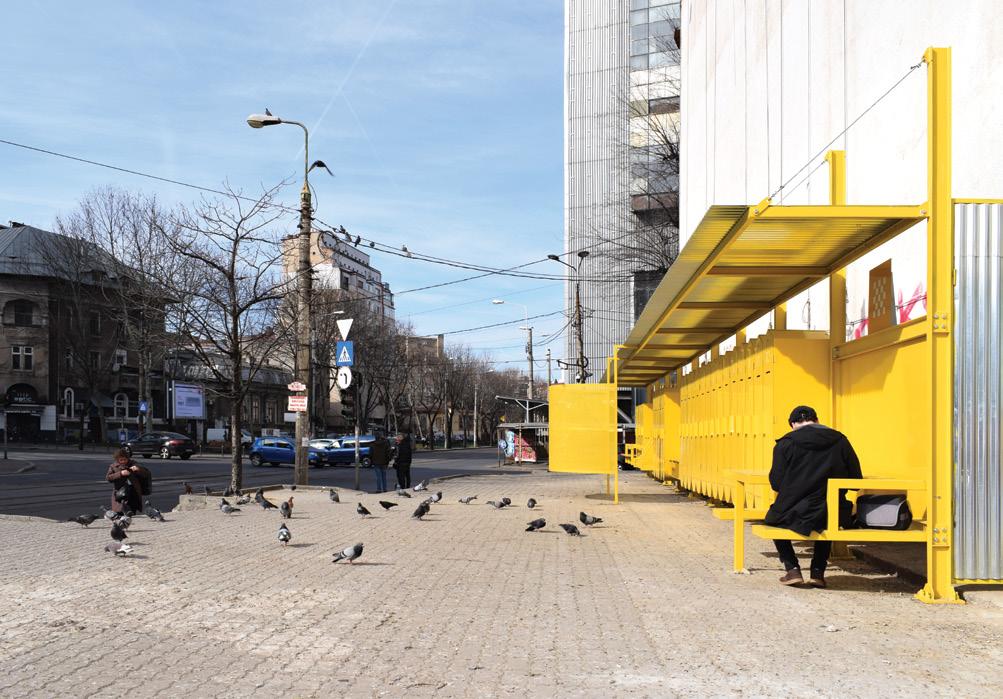
Space for solidarity, pilot project Bucharest, Romania–
Architects: Atelier Ad Hoc Arhitectura, arh. George Marinescu, arh. Maria Daria Oancea–
Photo: Atelier Ad Hoc–
Cultural heritage today is valued both for its historical authenticity and aesthetic beauty and for its capacity to embody local distinctiveness, support social cohesion, and offer continuity amid change. This diversity is essential for resisting the homogenisation of space brought by mass tourism, speculative development, and the global retail economy. Protecting heritage thus means protecting the right to difference, rooted in regional landscapes, building typologies, and community narratives.
However, cultural heritage faces increasing threats from both national and global forces. Rapid urbanisation, economic speculation, infrastructure expansion, and depopulation of rural areas all lead to the neglect or destruction of valuable cultural assets. On a broader scale, climate change, armed conflict, and uncontrolled tourism have placed unprecedented pressure on monuments, cultural landscapes, and the infrastructure of memory. It is therefore essential that policies anticipate these risks and integrate protective measures, including digital inventories, preventive documentation, and climate-adapted conservation practices.
In response, the Kraków Declaration13 proposes seven core principles for a new heritage policy within the New European Bauhaus initiative: prioritising renovation and reuse over demolition, balancing traditional knowledge with innovation, strengthening education for heritage professionals, engaging local communities in decision-making, promoting quality in public procurement and planning, enhancing knowledge exchange, and adapting heritage to contemporary risks. These principles place heritage at the intersection of resilience, identity, and sustainability.
Supporting this approach brings together European frameworks such as the Green Deal’s Renovation Wave, ICOMOS and Europa Nostra guidelines, and the New European Bauhaus. Together, they demonstrate that sustainability and heritage can reinforce one another, through adaptive reuse of industrial sites, energy-efficient renovation of historic housing, and innovative heritage tourism strategies that avoid over-commercialisation.
How can we keep alive traditional customs, local rituals and memories in the heart of our communities?
The recognition that the buildings of today will become the heritage of tomorrow adds to the responsibility of architects, planners, and public authorities. New structures must be conceived not only with utility in mind but also with cultural foresight. Contemporary design decisions influence the narratives, identities, and values that future generations will inherit. Care must therefore be taken to build with quality, embed structures in their context, and ensure continuity across generations. In conclusion, heritage protection and sustainable development are not contradictory goals but two aspects of a single transformative agenda. They share common principles: long-term thinking, respect for place and memory, civic participation, and environmental stewardship. The integration of these priorities, as exemplified in the Kraków Declaration, provides a robust framework for using cultural heritage as a resource for renewal, identity, and collective well-being. The future of European society will depend not only on innovation but also on the capacity to preserve its rich and diverse cultural fabric and permit its continued evolution.
Amal Amjahid - community facility, Brussels, Belgium–Architects: &bogdan–
Photo; ©Corentin Haubruge–
AND TRANSFORMATION
The Kraków Declaration represents a landmark moment in the development of a shared European policy for cultural heritage. For the first time, leading architectural and heritage organisations in Europe–namely the Architects’ Council of Europe, Europa Nostra, and ICOMOS–joined forces to articulate a unified framework that links the transformation of the built environment with the values of sustainability, inclusivity, and cultural continuity.
This Declaration expands the understanding of cultural heritage as a living and dynamic component of society. It asserts that what is designed and renovated today must aspire to become tomorrow’s heritage, while what is demolished is irreversibly lost. In response to environmental degradation, housing shortages, and the risk of cultural homogenisation, the Declaration outlines a pathway for creative and responsible transformation.
At the heart of the Kraków Declaration lies a strong emphasis on adaptive reuse and renovation as a cultural and environmental imperative. With 75% of Europe’s building stock classified as energy-inefficient, and millions of square metres of under-used or vacant space, the document calls for extending the life of existing buildings rather than replacing them. It urges decision-makers to prioritise the embodied material, historical, social value that is already present in the built fabric and to develop policies and feasibility studies that explore its potential.
The Declaration highlights the importance of balancing technological innovation with traditional knowledge. It encourages the revival of local building techniques and the thoughtful integration of modern solutions, emphasising low-tech, climate-sensitive, and locally adapted approaches. These principles guide a shift away from standardised interventions toward context-sensitive strategies that respect heritage and reduce environmental impact.
Education and professional development are recognised as key factors for successful implementation. The document calls for a new generation of skilled professionals across the disciplines of architecture, conservation, planning, and construction who are trained in both contemporary challenges and traditional methods. This holistic education fosters the kind of interdisciplinary cooperation that is essential to sustainable transformation.
Democratisation of heritage processes is another pillar of the Kraków Declaration. It advocates for inclusive co-creation, where citizens and communities are active participants in shaping their environments. The active involvement of residents from the earliest stages of planning helps align projects with local needs, while strengthening social bonds and fostering a sense of ownership and care.
Quality is identified not as a luxury, but as the core principle in governance and funding mechanisms. The Declaration criticises overly rigid regulations and lowest-cost criteria that hinder innovation and degrade heritage. Instead, it promotes flexibility in regulations and procurement practices that recognise architectural value and long-term social benefit. High-quality planning, design, and implementation are framed as acts of civic responsibility.
The Declaration includes a clear call for mutual learning and exchange of good practices across Europe. Thousands of examples of successful and in many cases documented or award-winning transformation offer evidence of what is achievable. The Declaration urges institutions to support peer-learning platforms and foster cross-border collaboration between professionals, public authorities, and communities.
Finally, the Declaration addresses the growing threats posed by climate change and conflict. It underlines the necessity of preparedness through risk assessments, digital documentation, and pre-emptive planning. Heritage is positioned not only as a vulnerable asset but also as a resource for post-crisis recovery providing continuity, psychological resilience, and a foundation for rebuilding. The Kraków Declaration thus redefines the role of cultural heritage in shaping the future. It is no longer a passive legacy to be preserved in isolation, but an active contributor to sustainability, social inclusion, and democratic participation. By embracing the built environment as a cultural and ecological system, the Declaration provides a robust framework for a Europe that builds on its past to meet the challenges of tomorrow.
The active involvement of residents from the earliest stages of planning helps align projects with local needs.
08 The role of architects in society
Architecture, as both a cultural act and a profession rooted in responsibility, has a fundamental role in shaping European society. In times of geopolitical instability, climate emergency, and economic uncertainty, the role of the architect must be redefined, not as a distant creator of formal gestures, but as an actor grounded in the collective and civic dimension of building. Architecture is not neutral. It is a political, ethical, and environmental force that moulds the ways in which people live their lives, relate to each other, and imagine the future. Therefore, architects must be provided with the framework, recognition, and conditions necessary to perform their work with dignity, integrity, and impact.
Architecture must be the connective tissue that links urban systems, landscapes, and everyday life. It addresses the relationship between the built environment and the natural world, mediates between heritage and innovation, and responds to the urgent challenges of social inclusion, affordability, and sustainability. Architectural projects, when they are conceived and implemented responsibly, can restore trust, reinforce the public good, and tangibly express people’s rights to housing, health, education, and participation.
The architectural profession is predominantly composed of small and medium-sized firms that are deeply embedded in local contexts. These actors bring expertise, creativity, and continuity to places and communities. However, they are operating under growing pressures: regulatory complexity, insufficient remuneration, precarious procurement systems, and inadequate recognition. For architecture to serve society, architects must be empowered. This includes ensuring fair contracts, quality-based selection procedures, simplified access to public tenders, and support for continuous professional development.
The role of architects extends far beyond the design phase. It encompasses project definition, coordination, construction supervision, post-occupancy evaluation, and long-term adaptation. Architects are facilitators of democratic dialogue, bridging users, administrations, and developers. Their capacity to listen, interpret, and synthesise is crucial in creating spaces that respond to real needs, and not only to market trends. Strengthening this position within the construction value chain means securing better outcomes for the environment and society alike.
Spatial quality must be visible and understood by the wider public. Education, media, exhibitions, and public debates are needed to cultivate an awareness and appreciation of design. From early years at school to decision-makers in public administration, a shared culture of architecture as a common good must be fostered. The promotion of exemplary projects, storytelling, and design advocacy plays a strategic role in changing perceptions and building support for meaningful transformations.
Public procurement is a pivotal instrument in this process. When based on quality instead of lowest price, it strengthens trust, supports innovation, and enables long-term value creation. Architecture cannot be treated as a commodity. Clear procedures, recognition of intellectual services, and appropriate remuneration are not mere administrative details but constitute guarantees of social justice and project excellence. A society that values quality in its built environment must reflect this in its rules and budgets.
Architects must also take part in shaping new tools and policies. With the integration of AI, robotics, and digital platforms, there is a risk of architecture being reduced to a process of automated optimisation. Technology should serve the needs of people, not displace them. The ethical dimension of innovation must remain central, ensuring that digitalisation enhances rather than undermines architectural authorship, diversity, and relevance. From this perspective, architects have a responsibility to participate actively in regulatory development, ethical guidelines, and intersectoral collaboration.
The challenges of energy poverty, climate adaptation, housing shortages, and social fragmentation require a new paradigm in which architecture is at the forefront of systemic change, but this cannot happen without enabling conditions. Policies must protect the integrity of the profession, promote inclusive education and access, and support architectural practices as strategic partners in the green and digital transition. Architects are not luxury service providers; they are essential contributors towards resilient, just, and beautiful societies.
In this context, the vision of architecture as a human project becomes imperative. It implies caring for what exists, designing for what is needed, and building for what will endure. Architects are called to imagine different futures, and to shape the frameworks that make these futures possible. With courage, knowledge, and solidarity, they can lead the way toward a Europe that is more cohesive, more liveable, and better attuned to the values of dignity and democracy.
GENDER DIVERSITY
Diversity increases the value of our profession and our (built) environment! Equal opportunity is an essential component of a healthy architectural profession.
Equality is about treating everyone fairly, recognising and respecting differences, including different needs; recognising that people are different and that those differences require us to meet their needs differently. It is also about ensuring equality of opportunity by addressing the barriers that some groups face and making our world fairer by narrowing the social and economic divides between people.
Diversity is about recognising, respecting, and valuing different needs. This means everyone can live their lives free from discrimination, knows their rights will be protected, and has a chance to succeed in life. It is about ensuring equality of opportunity by addressing the barriers that some groups face. It is also about making our world fairer by narrowing the social and economic divides between people. It means understanding that the opportunities we get are impacted by characteristics beyond those protected by legislation.
Inclusion means removing barriers that stand in the way of participation in society. It is about taking steps to create equality, harness diversity and produce safe, welcoming communities and cultures. This will encourage new ways of thinking and allow people to speak up, especially to suggest ways in which things could be done better.
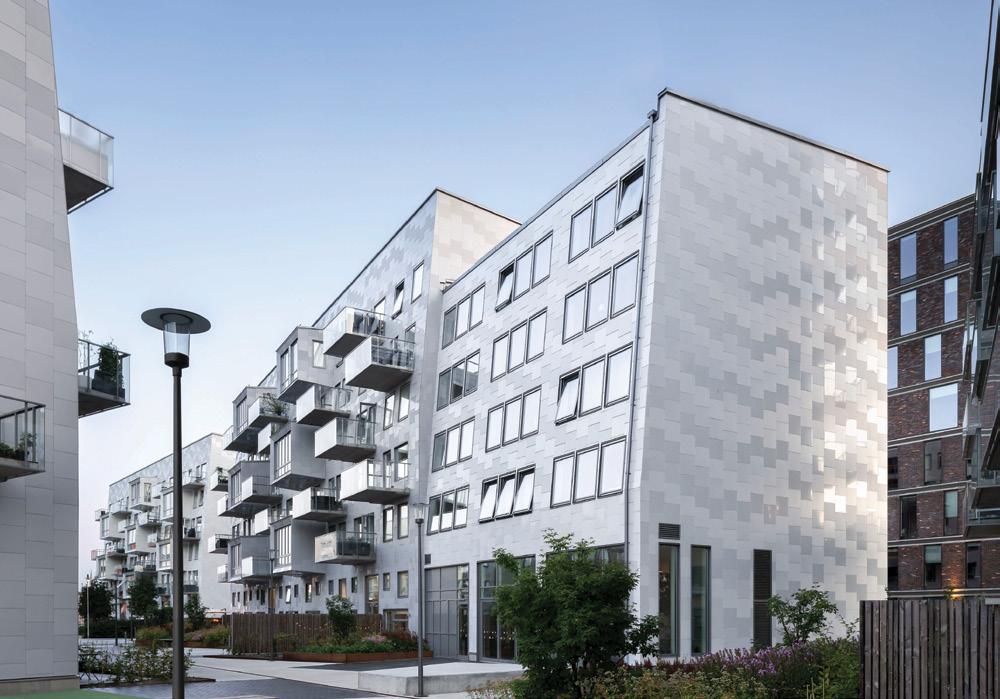
Lindholmshamnen, Gothenburg Sweden–Architects: Sweco Architects–Photo: Felix Gerlach–
– the impact of small architectural practices
In the 21st century, the architectural profession is operating at the crossroads of rapid digitalisation, the climate emergency, and growing societal expectations. Tools such as artificial intelligence, BIM, augmented reality, and 3D printing are transforming the way we imagine, design, and realise spaces. Yet technology must not become an autonomous goal or symbolic expression of modernity. It should remain an ethical tool, serving better design, ecological sensitivity, and social responsibility.
Advanced tools have a purpose only if they contribute meaningfully to solving real problems: decarbonising the building sector, improving housing affordability and quality, and strengthening local cultures and identities. As environmental and economic pressures intensify, technology must serve human wellbeing, not merely generate novelty for the market.
Artificial intelligence is often framed as a breakthrough that can multiply productivity and creativity. AI can certainly generate hundreds of design iterations, simulate energy consumption or user behaviour, and automate routine regulatory checks. These advantages hold promise, especially for small architectural firms. However, there are real fears that algorithms could devalue the architect’s role, erode the humanistic essence of the profession, or create dependency on closed, complex software systems. Architecture cannot be reduced to pattern recognition or statistical modelling. It requires judgment, empathy, cultural sensitivity, and a deep sense of place.
Most architectural practices in Europe are micro-enterprises with fewer than five employees. These small studios are at the heart of Baukultur. They are committed to the public interest, environmental quality, and long-term value. However, their limited resources create structural disadvantages in the face of digital transformation and increasing technical regulations. As the Architects Council of Europe (ACE) points out in its position on the SME Strategy, these offices must not be left behind in the race for innovation. Public policy must actively support them through low-threshold access to funding, simplified digital tools, and regulatory frameworks that reflect the realities of creative, intellectual services and not merely of industrial production.
ACE’s response to the Single Market Strategy suggested several issues in which the EU could act to improve the Single Market:
ACE identifies key measures to strengthen the Single Market for architectural services. Professional mobility should be improved by optimising the Professional Qualifications Directive through: a standardised electronic Accompanying Certificate for cross-border registration, resolving issues of mixed qualifications (graduates trained in different Member States), and aligning EU architectural education and training with international standards to facilitate mutual recognition agreements.
ACE calls for rescinding the Proportionality Test Directive, as existing proportionality provisions in the Professional Qualifications and Services Directives are sufficient, and further regulatory infringements could thus be avoided. The Council sees no further Commission action necessary on Notifications and urges acceptance that the Commission’s Regulatory Restrictiveness Indicator is less balanced than the OECD-STRI, giving disproportionate weight to ex ante regulation.
The revision of the Public Procurement Directives is welcomed, provided the Government Procurement Agreement is applied strictly on a reciprocal basis. As regards the Services in the Internal Market Directive, ACE stresses the need for stronger policies on quality of service, mutual assistance, and convergence, through European Deontological Codes, Quality Charters, and management systems, and the need to assure access to adequate cross-border professional indemnity insurance.
Finally, the ACE highlights a regulatory gap in Planning Services and recommends ensuring that only qualified professionals are permitted to provide design, planning, renovation, and maintenance services that affect the built and natural environment, to safeguard quality and the public interest.
How can technology become an ethical partner to design, ecology, and society?
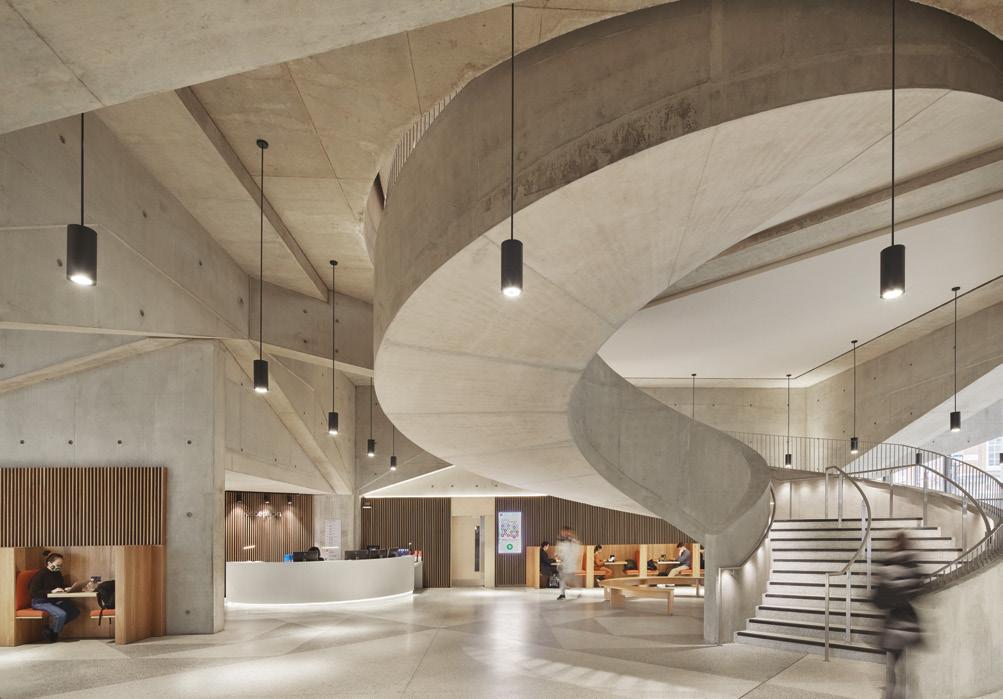
Technology should also serve the principle of sufficiency. Many architects advocate for restraint, durability, and simplicity: using as few resources as possible, embracing local materials and knowledge, and avoiding over-engineered solutions. In this light, AI and BIM can be used to optimise rather than maximise, choosing better rather than more.
Digital tools have enormous potential to foster transparency, inclusion, and citizen engagement. Augmented reality or digital twins can help communities visualise changes in their neighbourhoods, making participatory planning more meaningful. Yet digitalisation should not bypass public deliberation or marginalise smaller players. In procurement, for instance, design competitions remain one of the fairest and most quality-oriented forms of selection, where assessments are based on merit, not market size.
The ACE emphasises that regulation must recognise the liberal character of architecture. Excessive deregulation, even in the name of competitiveness, can undermine public interest by sacrificing quality, heritage, or environmental protection. A balanced legal framework is needed that promotes sustainability and innovation without diluting professional standards or reducing architects to subcontractors of automated platforms.
The Marshall Building - London School of Economics, London, UK–Architects: Grafton Architects–Photo: Ed Reeve–
Standardisation is another area of tension. While it contributes to safety and coordination, its unchecked expansion, particularly where this is done in the name of innovation, can overwhelm micro-firms. The pace of standardisation and the volume of standards, particularly in green building and digital processes, often exceed the level that is manageable by small practices. It is essential that architects, through their professional organisations, participate in standard-setting bodies and that these processes remain transparent and proportionate.
The ethical use of technology must be embedded in architectural education, public policy, and funding schemes. SMEs should be enabled to engage in research and development through partnerships with academic institutions or one-stop-shop platforms. Otherwise, the benefits of AI, BIM, and other digital innovations will be monopolised by large firms, exacerbating existing inequalities within the profession. Architects must be seen not as passive recipients of technological change, but as active shapers of the digital transition. This means recognising their role as agents of change and as designers who mediate between societal needs, environmental constraints, and technological possibilities. For this to happen, they need support systems: access to lifelong learning, inclusive innovation programmes, and a fair public procurement system that values quality over price.
In the end, the future of technology in architecture depends more on values and choices than on software and sensors. The central question is not whether we should embrace AI or BIM, but how and why. Do these tools enhance social equity, cultural continuity, and ecological balance? Do they strengthen or weaken the architect’s public mission? Do they reinforce the diversity of Europe’s architectural landscape or standardise it into uniform, replicable formats? Sustainable architecture in the digital age requires an ethical compass, a situation where small practices are empowered, not excluded; where public value is prioritised over private efficiency; and where the architect remains a central figure in shaping environments for future generations.
THE 21ST CENTURY ARCHITECT AND THE ROLE OF EDUCATION
In an era marked by rapid technological advancements, expanding legal regulations, digital transformation, and climate challenges, architects are no longer merely designers of buildings. Increasingly, they are serving as coordinators of processes on urban and regional scales, advisors on sustainable development, and even educators and social facilitators. To fulfil these responsibilities, the profession requires a strong foundation acquired during formal education, followed by continuous improvement aligned with the principle of Life-Long Learning (LLL), with a commitment to ongoing development throughout their career.
In Europe, thanks to the harmonisation of education standards through directives and shared frameworks, the architectural profession stands out for its high level of substantive preparation and opportunities for mobility, thanks in particular to the recognition of qualifications across EU states. However, the increasing complexity of the field, including environmental requirements, planning processes, and digital technologies, has made Continuing Professional Development (CPD) an essential component of architects’ professional growth.
HARMONISATION OF MINIMUM STANDARDS OF EDUCATION AND THE PROFESSIONAL QUALIFICATIONS DIRECTIVE
Directive 2005/36/EC of the European Parliament and the Council on the recognition of professional qualifications, as amended by Directive 2013/55/EU, establishes rules for the automatic recognition of degrees and diplomas in architecture. Article 46 (revised) outlines the minimum standards for architectural education, such as the requirement for five years of study (or four years plus two years in practice) as a foundation. These standards maintain a balance between theory and practice and require the inclusion of subjects such as architectural history and theory, urban planning, understanding the human–building–environment relationship, principles of sustainable development, and design skills within the constraints of economics and building regulations. The directive also ensures an understanding of the architect’s role in society.
One result of these shared frameworks is a high degree of professional mobility. Architects from one EU state can relatively easily obtain the right to practice in another. This pathway is particularly significant in the context of globalisation and the internationalisation of projects, integrated markets where investments are often conducted across borders, and the development of shared quality standards facilitating collaboration and the exchange of expertise.
According to the Sector Study 202414 by the Architects Council of Europe (ACE), the number of architects in Europe continues to grow, with over 100,000 new professionals added in the past decade, reaching approximately 620,000. The report emphasises that the pandemic did not halt the industry’s growth. Architects have largely returned to full-time work, and unemployment is decreasing. Architectural practices have seen a significant increase in economic output since 2020, with private residential projects continuing to dominate portfolios, although sustainable architecture is gaining momentum. Nearly half of the respondents reported frequent involvement in the design of low-energy buildings.
ACE points out that the EU’s commitment to climate neutrality by 2050 is reshaping the tasks facing architects. These include responsibilities in the areas of energy efficiency, circular economy design, and climate adaptation, all of which highlight the importance of robust education and the principle of lifelong learning. Moreover, the integration of technological innovations like BIM, digital tools, and AI, along with the increasing complexity of legal regulations, calls for the expansion of knowledge, specialisation in areas such as heritage conservation and multi-disciplinary project management, and the development of soft skills including communication and negotiation with local communities.
CONTINUING EDUCATION AND THE CONCEPT OF LIFELONG LEARNING
The traditional path from school through university to permanent employment no longer adequately represents the fast-changing context of architecture and construction. CPD ensures that architects remain professionally relevant while acquiring new skills across technical, design, and managerial domains. Many architectural organisations across Europe have made CPD mandatory to guarantee that knowledge remains current amid emerging trends, the quality of service to clients is upheld, and architects are competitive within the labour market.
ACE promotes CPD as an indispensable tool rather than a restriction to mobility. Initiatives like the ACE CPD Register help professionals to access international courses, allowing education to be both continuous and borderless. CPD activities may include participation in conferences, hands-on workshops, postgraduate studies, and the use of e-learning platforms and webinars.
In addition to their design skills, architects must also grasp the principles of entrepreneurship and the organisation of architectural practice. ACE’s 2024 guide, “Guidance on the Organisational Structure of Architectural Practices in Europe,” reveals that no universal model exists for successful practice growth; strategies depend heavily on local context, market conditions, and the vision of individual practices. Internationalisation offers many opportunities, but it also demands managerial competence, flexibility, and cooperation. The formation of consortia and partnerships is often crucial for accessing larger projects and meeting international market demands.
Modern architectural practice increasingly draws on global technological and scientific innovation. This has to be reconciled with the need for climate adaptation, sustainability, and sensitivity to the cultural and legal conditions in different regions. The harmonisation of European standards makes it easier for architects to work across borders, foster shared experiences, and co-create international teams.
THE ARCHITECT’S ROLE IN SOCIETY: THE NEED FOR STRENGTH AND SOLIDARITY
The identity of architects as professionals extends beyond aesthetics. It encompasses the wellbeing of users, social integration, and environmental stewardship. Architects must ensure that spaces are ergonomic, accessible, and engaging while considering inclusivity, civic engagement, and ecological balance. To accomplish these goals, architects need strong professional organisations, continuous education partnerships, and the promotion of quality-based procurement practices such as Architectural Design Competitions (ADC).
Public authorities also have a crucial role to play as exemplary clients, favouring quality over cost in the selection of architectural services. This principle is at the core of the professional culture supported by ACE and its partners.
The future of architecture relies on well-grounded, visionary education.
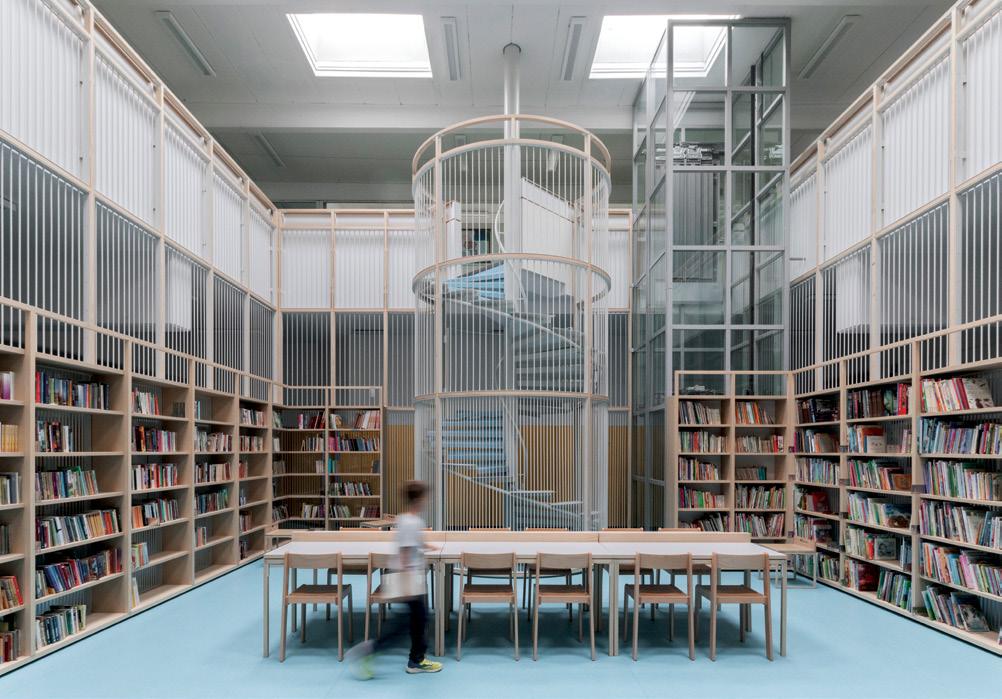
CONCLUSION: EDUCATION AS THE FOUNDATION FOR THE PROFESSION’S FUTURE
Architecture has evolved dramatically, becoming a discipline that coordinates ecological, social, technological, and economic concerns. The capacity to meet these evolving challenges lies in a well-structured educational foundation. Formal education provides standardised preparation and ensures mobility, while lifelong learning guarantees ongoing adaptation to innovation and complex realities. Sector studies validate the growth and significance of the profession, and international collaboration fosters resilience to global challenges. Ultimately, architects must recognise their ethical and societal responsibilities and contribute towards the creation of quality environments that respond to the needs of both present and future generations.
With initiatives such as the New European Bauhaus, the European Green Deal, and the commitment to sustainable and inclusive Baukultur, the demands on architectural education and professionalism will continue to increase. Education, therefore, remains the foundation, the driving force behind professional development and the guardian of architecture’s mission in the 21st century.
Open Library, Ljubljana–Architects: ARP studio–
Photo: Ana Skobe–
THOUGHTS ON CHALLENGES AND THE ROLE OF ARCHITECTS
“Architecture is an intellectual, cultural, artistic, and professional activity. Architectural services are thus professional services that are both cultural and economic.”
– EU Council Resolution of 12 February 2001 (2001/C 73/04)
ARCHITECTURE AND QUALITY OF LIFE IN THE 21ST CENTURY
Over two decades have passed since the last publication of ACE’s Architecture and Quality of Life report. Today, Europe faces escalating crises that make high-quality architecture and well-designed built environments more critical than ever. Security concerns, including geopolitical threats and war in Eastern Europe, demand strengthened stability and social cohesion, supported by sustainable urban and regional development. Affordable housing has become a priority due to shortages of reasonably priced homes and inequalities in access to decent living conditions. Public procurement, in the face of growing social expectations and the need for greater transparency, should support higher quality standards more effectively rather than prioritising the lowest cost. The climate crisis and the growing phenomenon of energy poverty require that buildings be designed and retrofitted with energy efficiency, circular economy principles, and the needs of vulnerable groups in mind. Digitalisation, which includes artificial intelligence, building information modelling, and electronic administration tools, is accelerating and transforming the way buildings are designed, managed, and used.
In this context, the Architects’ Council of Europe recognises the need to strengthen the role of architecture and architects in society, by playing active roles in shaping policy and in advocacy. Architectural policy changes are intended to improve citizens’ quality of life, to foster social cohesion, and protect the environment–all priorities emphasised by the latest European initiatives and documents such as the New European Bauhaus, the Davos Declaration, and the 2021 Council Conclusions. In the preceding chapters we have presented a multi-faceted view of the role of architecture and the architectural profession in modern Europe, taking political, social, ecological, and economic dimensions into account. Our aim was to deepen and update the theses of Architecture and Quality of Life, addressing 21st-century challenges ranging from security and housing accessibility to digital development, the climate crisis, and energy poverty mitigation.
Architecture must be understood as a public good. As highlighted by EU documents, the way the built environment is shaped affects health, social relationships, and citizens’ wellbeing. Policies like the New European Bauhaus emphasise the role of aesthetics, sustainability, and inclusivity in city and building design. A holistic approach is required, to integrate ecological requirements, social inclusion, cultural context, and economic viability. Architecture also has a role in maintaining security and equilibrium, particularly in times of geopolitical and climate crises. Architects, with their broad skill sets, are well placed to enhance community resilience.
To support this broader role, public procurement procedures must shift decisively toward quality-focused criteria. Strategic approaches should prioritise design excellence, long-term cost-effectiveness, and social relevance. At the same time, deep building renovations must become more accessible and comprehensive, supported by inclusive tools and coordinated by knowledgeable professionals. Education and continuing professional development are essential to equip architects with the skills needed to meet evolving demands. Architectural culture should be nurtured and promoted through policies and programmes that encourage creativity, sustainability, and citizen participation. Architects must also become more actively involved in public policies, ensuring that spatial planning and investment decisions align with the values of Baukultur and the New European Bauhaus.
Climate changes are particularly evident in the area of urbanism. Cities have become examples of living complex systems, as the complexity of spatial, ecological, demographic, technological, and social relationships renders traditional planning approaches insufficient. Planning needs to become a continuous process that is based on analysis of data generated by the city and its users. The future of effective spatial planning and management lies in data integration, in participatory processes, and in the development of medium-term and long-term models.
Addressing energy poverty through retrofitting is a key concern. Promoting deep energy renovations, particularly for poorly insulated buildings, will help to mitigate rising energy costs and environmental impacts. Tools such as One-Stop-Shops and Renovation Passports offer integrated support and planning, and architects can play a central role in this thanks to their interdisciplinary knowledge.
Access to affordable housing remains a fundamental challenge. Urban policies and innovative programmes should support the construction and renovation of affordable homes while maintaining quality. Collaboration across different levels of governance is essential to prevent social segregation. In terms of public procurement, the dominance of the lowest-cost criterion in tenders often results in poor quality, increased long-term costs, and missed opportunities for innovation. A shift is needed toward strategic procurement with the emphasis on design quality, lifecycle costs, and broader social and environmental value.
Cultural heritage and identity must not be sacrificed in the pursuit of modernisation. The Davos Declaration and the New European Bauhaus highlight the importance of combining cultural values with innovation. Architects who specialise in adaptive reuse are essential to ensure that reforms respect historical and cultural continuity while responding to contemporary needs.
The architect’s role has evolved from that of a designer to that of a coordinator of complex processes. In the face of climate, social, and economic challenges, architects bring together knowledge of societal needs, local conditions, technical requirements, and stakeholder dialogue. Their interdisciplinary training means that they are well placed to address multifaceted crises and deliver sustainable, inclusive solutions.
Gender equality is essential for a healthy and progressive architectural profession. Equal opportunity means treating everyone fairly, respecting differences, and addressing barriers that limit participation, helping reduce social and economic inequalities.
Contemporary architects must be able to operate in environments where each project generates a vast number of possible configurations, interconnections, and variable parameters. Projects are becoming dynamic systems. They not only comprise spatial and technical elements but also encompass data flows, interoperable structures, legal frameworks, and social requirements. Managing such complexity requires a new operational model: the architect becomes a process operator, a data curator, and an integrator of various dimensions of reality, in a shift from technological to social aspects.
Digitalisation presents both opportunities and challenges. The adoption of digital tools such as BIM and AI enables better coordination and management across the lifecycle of buildings but requires coherent standards and regulations. Architects can lead the way in facilitating e-administration processes and adopting digital methods. Data management is also playing a growing role in architectural practice. Collecting and analysing data on energy use, emissions, and building performance will allow architects to propose more informed, sustainable, and user-oriented solutions.
In response to this situation, some architects are seeking to simplify design processes and return to “low-tech” as a conscious strategy of rational simplification. Others are fully embracing the digital model, treating design as a real-time information flow. Regardless of the approach, the common denominator continues to be the need to deal with the “explosion of complexity” that now influences every phase of architectural and urban design.
In light of these challenges, a transformation of the architectural profession is necessary, not to abandon its values but to deepen and expand them. The 21st-century architect must simultaneously be a designer, analyst, negotiator, process organiser, and mediator between technology and human needs. The key to effective practice continues to be both formal and lifelong education, with new organisational and institutional frameworks that will allow architects to work with dignity, responsibility, and meaningful impacts on the quality of social life.
Ultimately, collaboration with architects is key in order to build a better future. Past publications and current policies alike demonstrate that architects contribute not only form but meaningful function, identity, and value to the built environment. Their multidisciplinary perspective ensures that investments are sustainable, inclusive, and context-sensitive. Policymakers, institutions, and citizens are encouraged to work closely with architects throughout planning, design, and implementation processes to create spaces that meet the challenges of our time and secure the wellbeing of future generations.
Quality of Life + Architecture + Quality of Life + 2025
Publisher:
Architects’ Council of Europe (ACE-CAE) 29, rue Paul Emile Janson B — 1050 Brussels
ace-cae.eu
Publication Date: October, 2025
Authors & Contributors:
Borysław Czarakcziew and Anda Kursiša, with the support of ACE President, Ruth Schagemann and ACE Executive Board Members: Carl Bäckstrand, Diego Zoppi, Dubravko Bačić, Daniel Fügenschuh, Reto Gmür, Kornel Kobák, André Pizzuto, Carla Lima Vieira, ACE Secretary General, Ian Pritchard and ACE Communications Officer, Julie Deutschmann.
Design/ Layout/ Art Direction: Red&Grey redandgrey.ie
Photography & Illustrations:
Unless otherwise stated, all images © Architects’ Council of Europe. External image credits are indicated individually.
Copyright: © 2025 Architects’ Council of Europe. All rights reserved. No part of this publication may be reproduced, stored in a retrieval system, or transmitted in any form or by any means — electronic, mechanical, photocopying, recording, or otherwise — without prior written permission from the publisher.
Acknowledgments:
We gratefully acknowledge the contributions of ACE Member Organisations, ACE Workgroup Chairs and the ACE Secretariat that have supported the work of this publication.
Printed by: Booxs booxs.nl