Even before we are born, music accompanies our lives in the form of sounds, noises, and voices. Our musical journey starts in the womb: in fact, one of the first senses to develop in fetuses is hearing; and from as early as the fifth month of gestation, babies can listen to all the sounds, muffled by the placenta, that their mommies can hear every day. Despite this predisposition, music is the one subject that teachers in more disadvantaged elementary schools and parents at home think is to be left to “experts.” Nothing could be more wrong. That world of undefined sounds which kept our babies company even before they were born can be rediscovered, cultivated, and re-elaborated in an active and beneficial manner: this activities book is aimed to help you lead your child along their very own musical journey. It is simple and gradual; no specific skills are required, and it is suitable for parents, teachers, anyone who lives and works with curious children who want to open their ears and their minds to music.
“Music is the unique example of what might have been without the invention of language—the means of communication between souls.”
FOR CHILDREN OF YEARS 3-5
Marcel Proust
AN EDUCATIONAL VISION
Bias against music? Unfortunately, there is a lot. Here are some of the most frequent preconceptions I have heard from parents when I recommend activities to do with their children: “I’m completely tone-deaf,” “No one in the family has ever studied music,” “I don’t hear rhythm and have two left feet.” There seems to be an inexplicable, reverential fear about music. Very few people are tone-deaf: in fact, just 4% of the population can genuinely claim this. Having musical parents can sometimes help (both genetically and practically), but it isn’t vital, and regarding having a sense of rhythm, and singing, it is just a matter of practice. The sooner you start, the better. If asked to sing, strum along, or dance, children have no sense of embarrassment or inability, so it is important that we do not instill any of our own insecurity in them! Swallow your pride: grab a broom, pretend it’s a microphone stand, and turn yourself into Rockstar or Ariel, dancing and singing in the living room with your kids—you’ll win them over immediately! The initial approach is that there are no right or wrong answers.
This means that, intentionally, there are no concepts such as the diff erence between sound and noise: for a child, birdsong may be annoying and a door slamming shut almost pleasant. Who is right? Music offers us the unfailing opportunity to develop our imagination and fantasy. Who said that The Ride of the Valkyries cannot be Joe the Ant’s Tugof-War?
HAPPY (MUSICAL) TRAVELS!
LISTENING
OBSERVATION
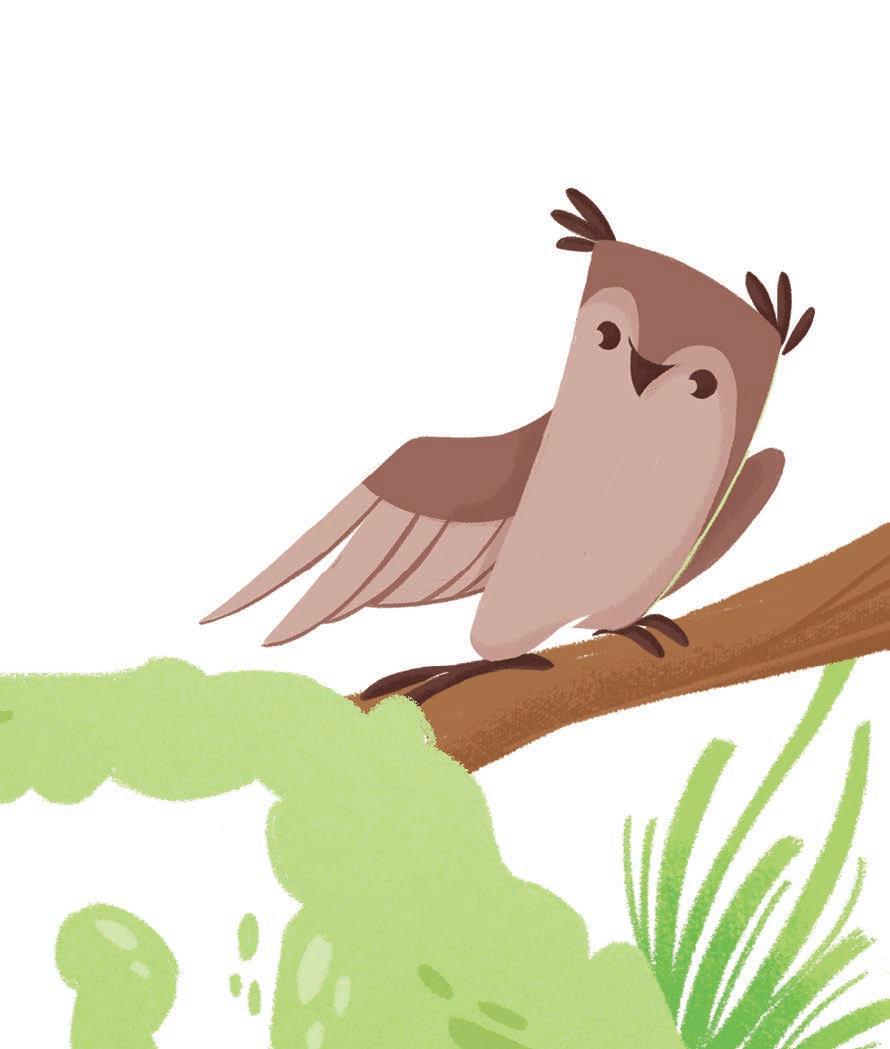
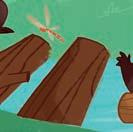
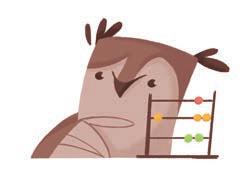
A Sleepy Owl
MORNING IN MOSSYLEAF GLADE . WANT TO SLEEP IN, BUT IT’S TOO NOISY! LOOK AT THE ANIMALS COMING AND GOING AND COMPLETE THE MISSING PARTS BY PLACING THE STICKERS WHERE YOU THINK THEY SHOULD GO.
LISTENING OBSERVATION
Is the Forest Silent?
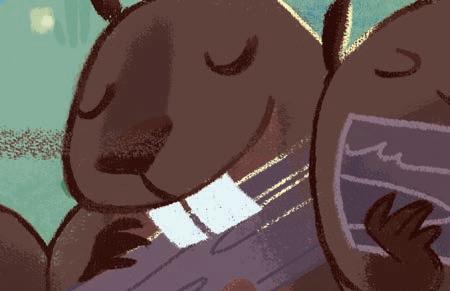
AT NIGHTFALL, EVERYTHING IS QUIET. YOU CAN HEAR THE RUSTLING OF THE WIND THROUGH THE LEAVES, AND THE LIGHT SNORING OF THE SLEEPING ANIMALS. NOW IS WHEN I FEEL A BIT ALONE, EVEN THOUGH ALL MY FRIENDS ARE HERE . . . SOMEWHERE. THEY HAVE HIDDEN REALLY WELL! CAN YOU SEE THEM? FIND AND CIRCLE THREE SQUIRRELS, FOUR BIRDS, ONE SNAKE, TWO BEAVERS, AND ONE LARGE BEAR.
OBSERVATION CREATING
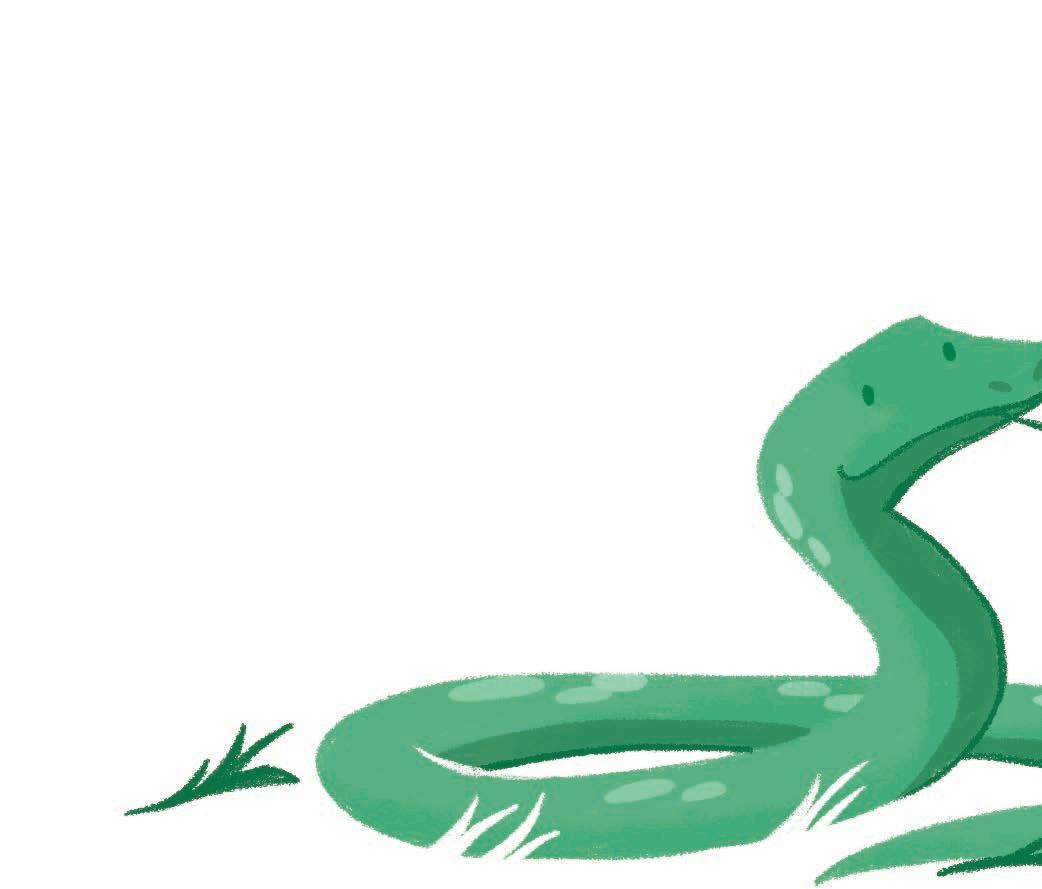
HISSING SNAKE “SSSSSS”
Sounds and Noises
COLOR IN THE PICTURES AND PLACE A STICKER TO SHOW IF YOU THINK THEY REPRESENT A SOUND OR A NOISE! AND DON’T WORRY, THERE IS NO RIGHT OR WRONG ANSWER!
LITTLE CHIRPING BIRD “CHEEP CHEEP CHEEP”
WOODPECKER PECKING “TIC TIC TIC”
SNORING BEAR “ZZZZZZ”
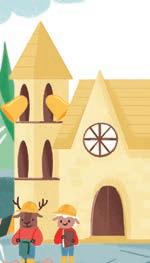
RINGING BELL “DING DONG”
BARKING DOG “WOOF WOOF”
BUBBLING SAUCEPAN “GURGLE GURGLE”
STORM BREWING “RUMBLE… BOOM!”
OBSERVATION
LISTENING
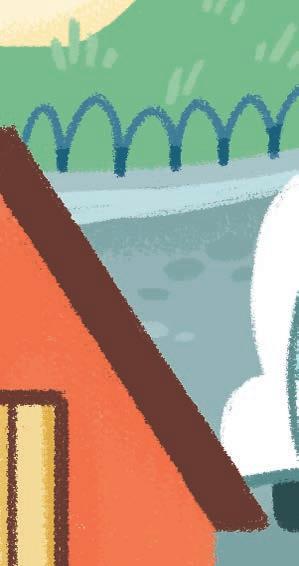
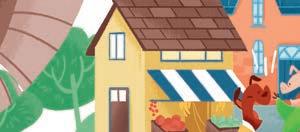
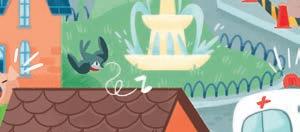
Arthur the Owl Arrives in Town
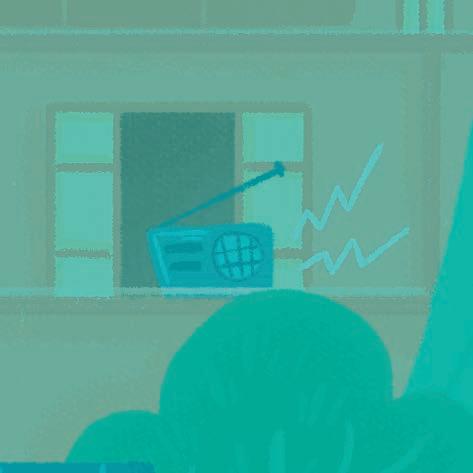
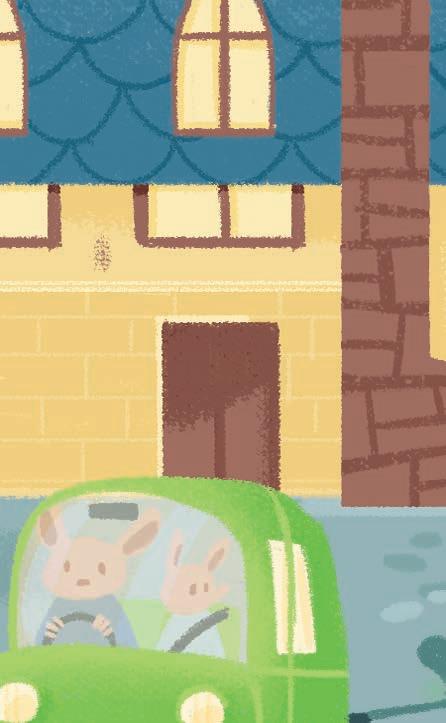
EVERYTHING IS SO DIFFERENT IN A TOWN: THERE ARE LOTS OF NEW SOUNDS AND NOISES. ATTACH THE STICKERS TO COMPLETE THE PICTURE AND MAKE SOUNDS AND NOISES APPEAR.
LISTENING INSPIRING AND SOCIALIZATION
At School with Gal Sinatra
THERE ARE LOTS OF STUDENTS WHO, LIKE ME, WANT TO LEARN MUSIC: SOME WANT TO PLAY AND OTHERS WANT TO SING . THE DIRECTOR, MAESTRO GAL SINATRA , TELLS US: “BEFORE YOU MAKE YOUR CHOICE, LET’S PUT OURSELVES TO THE TEST.”
WE HAVE LISTENED TO LOTS OF DIFFERENT KINDS OF MUSIC, SOME IN STRANGE LANGUAGES! WE THEN DREW A PICTURE INSPIRED BY EACH PIECE.
TRY FOR YOURSELF: LISTEN TO THE MUSIC AND THEN DRAW WHATEVER YOU FEEL IN WHATEVER COLORS YOU LIKE IN THE WHITE SQUARES. IN THE SMALLER SQUARES, COLOR THE SONGS THAT YOU LIKED IN GREEN AND THE ONES YOU DIDN’T LIKE IN RED.
Extract from Carmen, Act 1 GEORGES BIZET “LOVE IS A REBELLIOUS BIRD” - HABANERA
from The Barber of Seville, Act 1 GIOACCHINO ROSSINI “LARGO
Extract
Extract from Imagine JOHN LENNON
OBSERVATION
The Orchestra Conductor
THERE IS ALSO A MUSICIAN OF MUSICIANS: THE CONDUCTOR , WHO TEACHES THE MUSICIANS TO PLAY TOGETHER!
The Great Arturo Toscanini
I DREAMED A WONDERFUL DREAM THAT NIGHT, WHERE GAL SINATRA SAID TO ME:
“YOU HAVE THE SAME NAME AS THE MOST FAMOUS MAESTRO IN HISTORY: THE GREAT ARTURO TOSCANINI!”
WHAT DO YOU THINK ARTHUR WANTS TO BE WHEN HE GROWS UP?
CHECK THE RIGHT ANSWER:
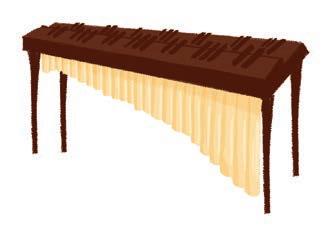
A) PLAY THE MARIMBA
C) BECOME A RAPPER
B) CONDUCT AN ORCHESTRA
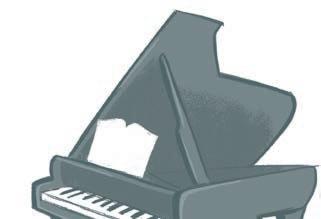
D) PLAY THE SAXOPHONE
COORDINATION PERFORMANCE AND IMITATION
Jumping from Note to Note
MUSIC IS MADE UP OF LOTS OF BLACK OR WHITE DOTS. EACH DOT IS A “NOTE, ” AND THERE ARE SEVEN NOTES— THE SAME NUMBER AS THE COLORS OF THE RAINBOW— AND THEY ARE:
C, D, E, F, G, A, B.
NOW, LINDA WANTS TO HELP ARTHUR LEARN THE NAMES OF THE NOTES. FOLLOW LINDA’S SLIME WITH YOUR PENCIL AS YOU READ THE NOTES!
AND NOW, TRY BACKWARDS: USE YOUR PENCIL AGAIN TO FOLLOW LINDA’S SLIME AND READ THE NOTES OUT LOUD!
C D E F G A B B A G F E D C
NOTES CAN BE FOUND BOTH ON THE LINES AND IN THE EMPTY SPACES ! THINK ABOUT FROGS JUMPING FROM ONE LINE TO ANOTHER!
DRAW THE NOTES ON THE LINES IN WHATEVER COLOR YOU WANT!
NOW, TRY AND DRAW SOME COLORED NOTES IN THE EMPTY SPACES BETWEEN THE LINES!
COORDINATION PERFORMANCE AND IMITATION
Middle C and D
THERE IS NOWHERE FOR C TO HIDE ON THE STAFF! WE CAN SEE HIM UNDER THE BOTTOM LINE WITH A LITTLE LINE DRAWN OVER HIM. HE IS THE EASIEST NOTE TO LEARN AS HE LOOKS LIKE HE HAS A MOUSTACHE ! NOW DRAW THE NOTES AND COMPLETE THEM.
THERE IS NO ROOM FOR D ON THE STAFF EITHER! BUT HE’S EASY ENOUGH TO REMEMBER! FOLLOW THE DOTTED LINES TO COMPLETE THE NOTES .
“PERFECT! I WILL STUDY THE NOTES, I WILL STUDY THE CLEFS, I WILL GO BACK HOME TO THE FOREST, AND I WILL START MY VERY OWN ORCHESTRA!”
HELP ME FIND THE ROAD THAT LEADS BACK HOME!
ANSWERS THE MUSICAL LANDSCAPE
pp. 12–13
pp. 14–15
ARTHUR THE OWL IN THE CITY
pp. 26–27
p. 30
Remember : some exercises that are not included in the solutions are subjective, meaning that there is no right or wrong answer, but it depends on you and your personal preferences.
p. 31
p. 33
What do you think Arthur wants to be when he grows up?