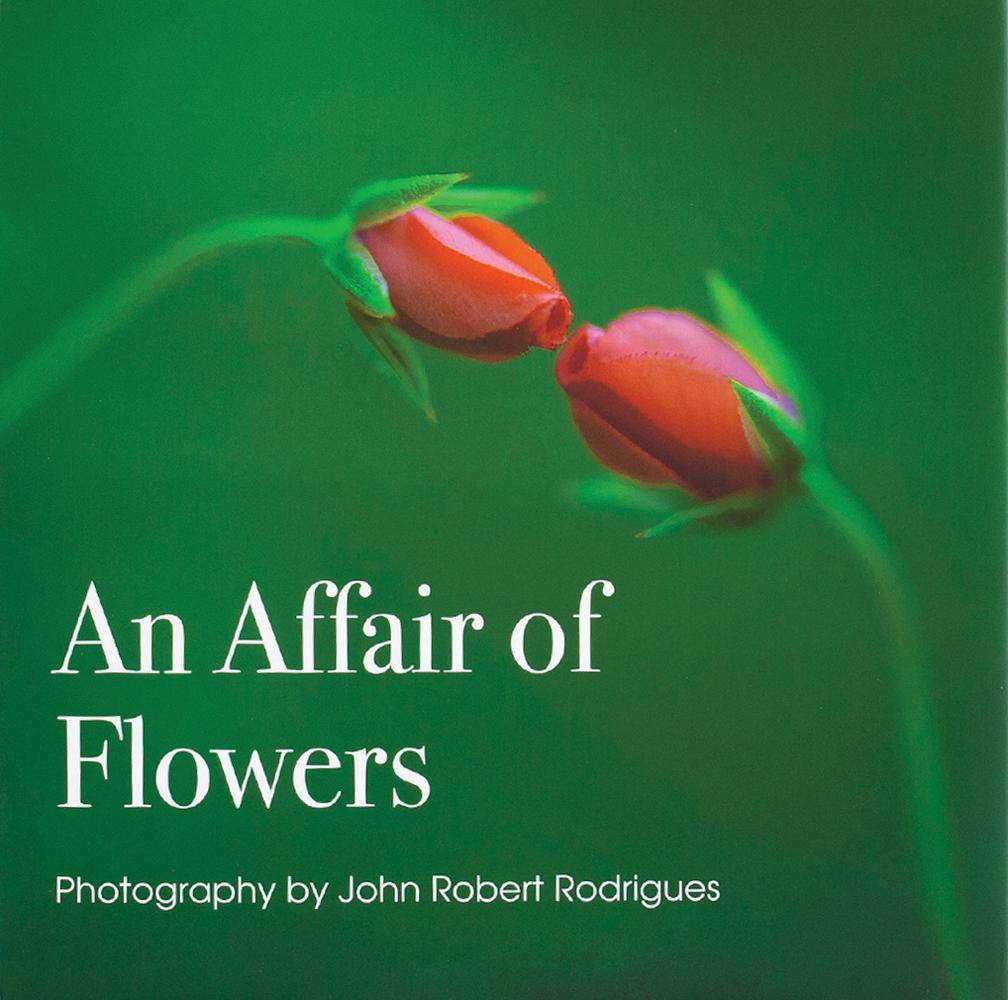
Photographs
by
John Robert Rodrigues
Poetry by Patricia Z. Smith
Introduction by Stephen Buchmann
Goff Books
Novato, California
Published by Goff Books. An Imprint of ORO Editions
Gordon Goff: Publisher
www.goffbooks.com info@goffbooks.com
Copyright © 2022 John Rodrigues.
Copyright © 2022 Goff Books, an imprint of ORO Editions.
All rights reserved. No part of this book may be reproduced, stored in a retrieval system, or transmitted in any form or by any means, including electronic, mechanical, photocopying of microfilming, recording, or othewise (except that copying permitted by Sections 107 and 108 of the U.S. Copyright Law and except by reviewers for the public press) without written permission from the publisher.
You must not circulate this book in any other binding or cover and you must impose this same condition on any acquirer.
Photographs by John Rodrigues
Poems by Patricia Z. Smith
Book Design by Tom Walker
Book Design edited by Kirby Anderson
Goff Books Managing Editor, Kirby Anderson
10 9 8 7 6 5 4 3 2 1 First Edition
ISBN: 978-1-954081-72-7
Color Separations and Printing: ORO Group Ltd.
Printed in China.
Goff Books makes a continuous effort to minimize the overall carbon footprint of its publications. As part of this goal, Goff Books, in association with Global ReLeaf, arranges to plant trees to replace those used in the manufacturing of the paper produced for its books. Global ReLeaf is an international campaign run by American Forests, one of the world’s oldest nonprofit conservation organizations. Global ReLeaf is American Forests’ education and action program that helps individuals, organizations, agencies, and corporations improve the local and global environment by planting and caring for trees.
Dedicated to my wife Debbie and my three children, Ryan, Michael, and Ashley.
Stephen L. Buchmann
Plants bear flowers for one reason only: Sex. Colorful petals encircle hidden sexual organs, pollen-containing anthers and ovules (future seeds) within fleshy ovaries. Flowers are plant sexual signposts, living billboards, advertising their sweet nectar droplets and nutritious pollen for their visitors. Sniffing a flower brings you close to floral sexual parts.
What are flowers to us? Flowers have been nature’s fragrant muses for generations of artists, photographers, and poets. Their myriad shapes, colors, and evocative scents speak to us, making us smile, and enriching our lives. For millennia, flowers have accompanied us from cradle to grave. They remain potent symbols of love, achievement, victory, life, and death.
But what are flowers, actually? Well, they did not evolve for our eyes— to catch our attention. Around 134 million years ago in the Cretaceous forests, browsed by herbivorous dinosaurs, this early evolutionary experiment—the diversification of flowers—began.
Unlike us, flowering plants can’t uproot themselves and go on a date. Instead, they signal others for help. Pollinators—insects and animals—are the sexual go-betweens, moving “sperm” (pollen’s male gametes) for their immobile partners, from anthers to stigmas. Pollination, an essential service of nature, is followed by fertilization, and then seeds develop within fruits.
Eighty percent of flowering plants rely on animal pollinators (bees, wasps, flies, beetles, butterflies, moths, bats, birds). Most of these conjugal visits are made by the world’s 20,000 kinds of bees.
Flowers, and the fruits they become, are essential sustainable resources for humans and wildlife. Floral rewards (pollen, nectar) and nutritious fruits and seeds feed many of the world’s animals. Red and orange berries are greedily gulped down by birds and mammals. Wintering bears grow fat on them and hibernate.
Some flowers, nondescript and greenish, cast their fate to the wind— pollen grains caught in the feathery embrace of grass flower stigmas. And these unnoticed events produce the cereal grains—including corn, rice, and wheat—that feed most of the world’s 7.5 billion souls. Around the world, 1,400 crop plants that feed humanity begin as flowers, seeds, and fruits.
Flowering plants clothe a verdant world and exhale the very oxygen we breathe. Imagine a world without flowers? Our terrestrial world would have been an impoverished drab brown place without flowering plants. Further, since our hominin ancestors likely depended upon wild fruits and nuts, our own species may never have evolved without the bounty and beauty of flowers. Georgia O’Keefe reminded us that nobody sees a flower really; they are so small. We are too rushed, and seeing takes time—just as it takes time and effort to know a friend, so it is with flowers.
You will get to know flowers with this impressive book! It is richly illustrated with dozens of gorgeous macro flower photographs and also some of their pollinators. John Rodrigues is an artist who has taken that time to truly see. I invite you to sit back, maybe with a cup of hot Chamomile tea, and indulge in these images—taking the time to truly see these flowers, and their winged visitors, and to appreciate their inherent majesty.
“If we could see the miracle of a single flower clearly our whole life would change.”
— Buddha
Bees have made honey from nectar for at least 30 million years.
Honey bee queens (Apis mellifera) lay 1,000 to 2,000 eggs a day, are constantly fed and tended, and can live five years, though two to three years is typical before a queen starts to lose vigor—dying within five to six years— from fulfilling the one item on her job description.
Worker bees are female and typically live five to six weeks. Drones are male and hang out in the hive doing next to nothing, and die within 60 days.
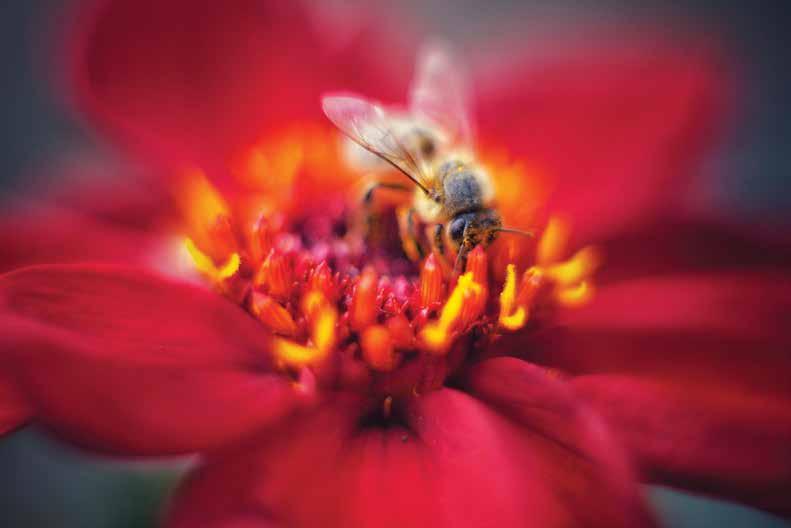
During spring and summer foraging seasons a worker bee flies 20-30 miles per day at a full out flight speed of 15-20 miles per hour, slowing down to visit 2,000-3,000 flowers per day.
A single worker bee gathers enough nectar over Its lifetime to produce approximately 1/12 of a teaspoon of honey.
A good hive clocks in 55,000 to 60,000 flight miles to make a pound of honey.
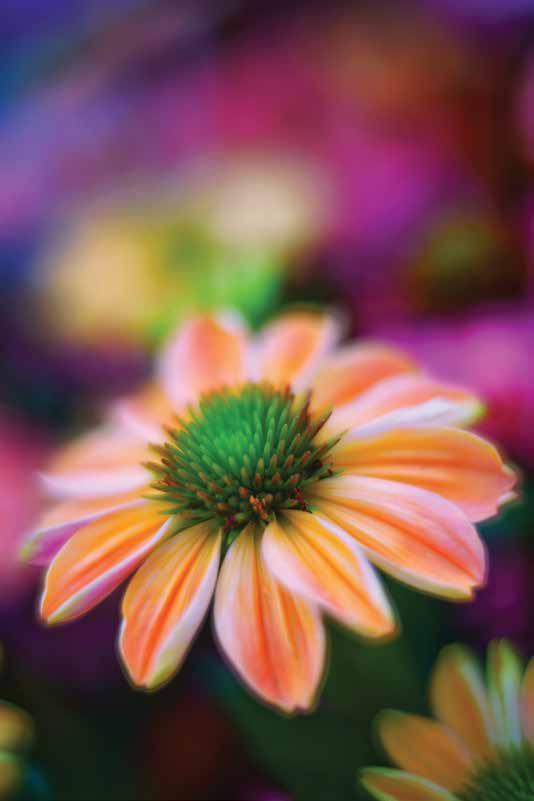
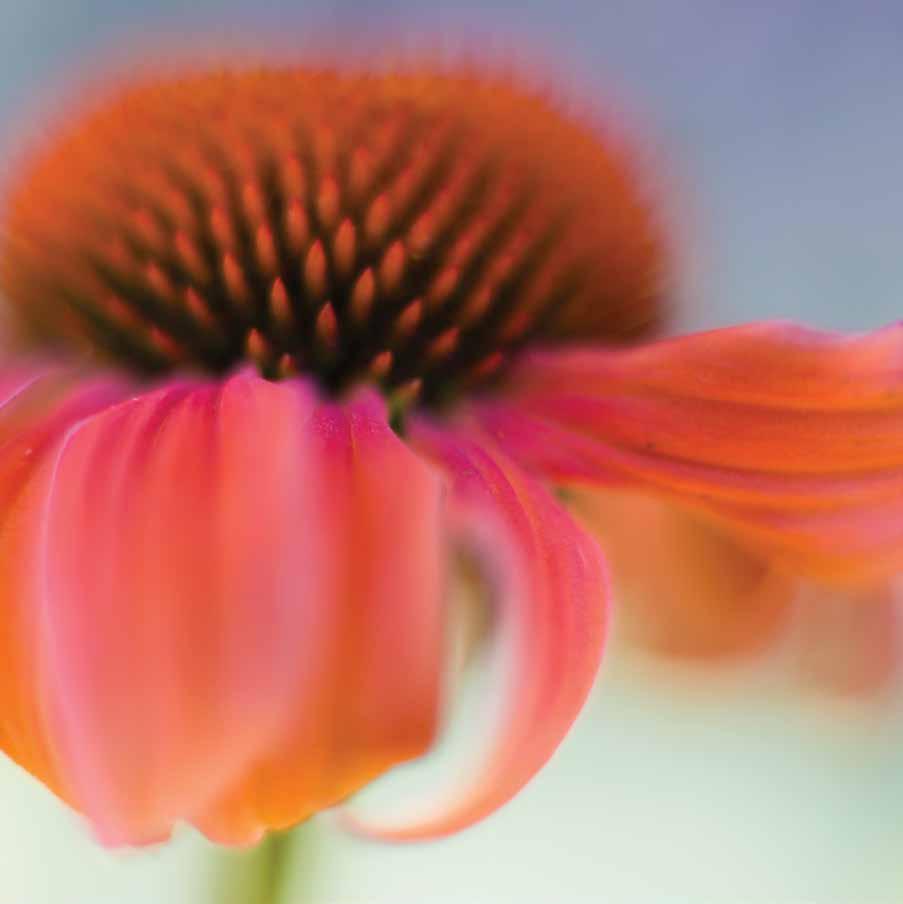
Best plants for bees are bee balm, sunflowers, phacelia, milkweed, coneflowers, black-eyed susans, alyssum, geraniums, anise hyssop, clover.
Warm waters and boundless oxygen gave primordial lagoons options.
Nature, Curiosity Incarnate, chose enticing sex organs for her water-logged greenery.
Flaunting, floating, undulating, first flowers diverged and proliferated as small mammals made ready for an asteroid.
First flowering plants (angiosperms) evolved during greenhouse climes of the Cretaceous period around 135 million years ago.
Two to three millimeters across, they were perfect for the tiny bees and other pollinators.
Now, more than 300,000 species of flowering plants serve: insects with needs reptiles with schemes mammals making their babies milk lovers swooning dreamers adrift poets despairing farmers planting grievers grieving celebrators celebrating perfumeries
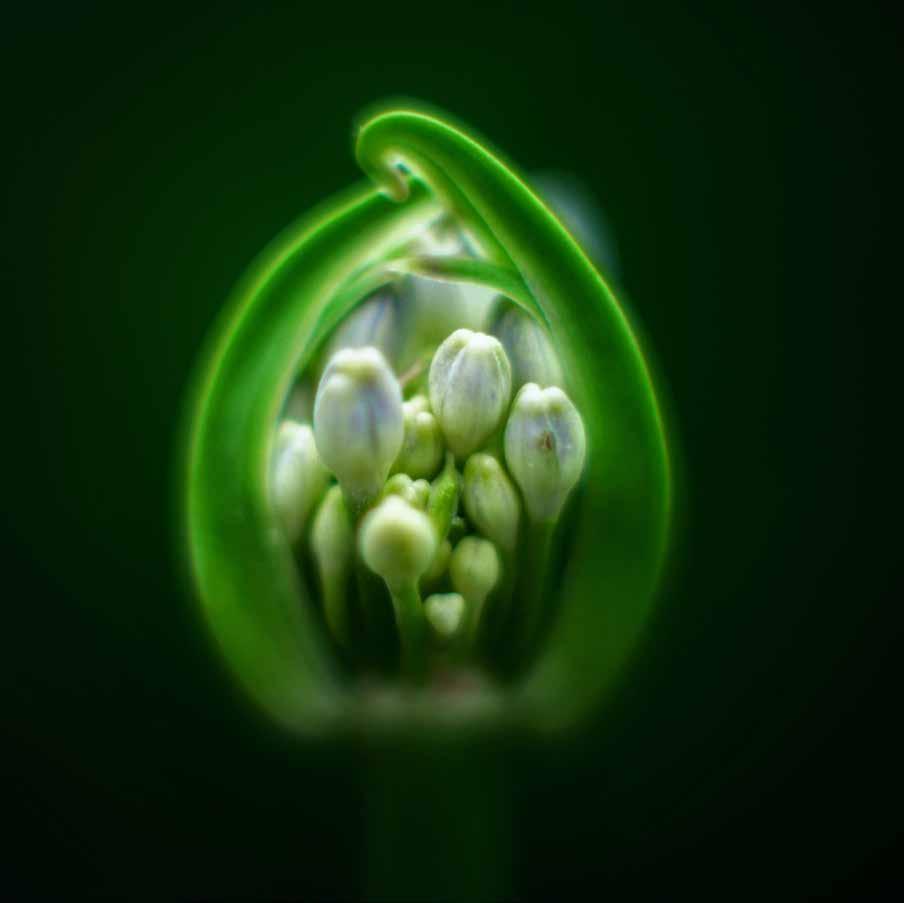
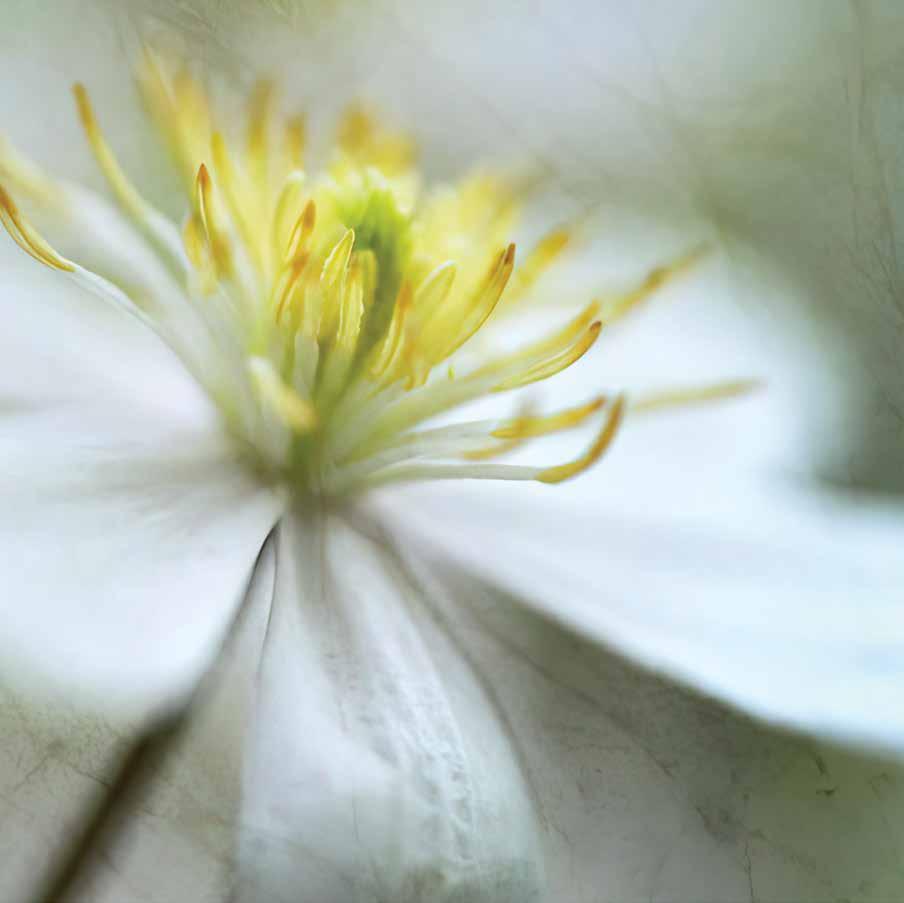
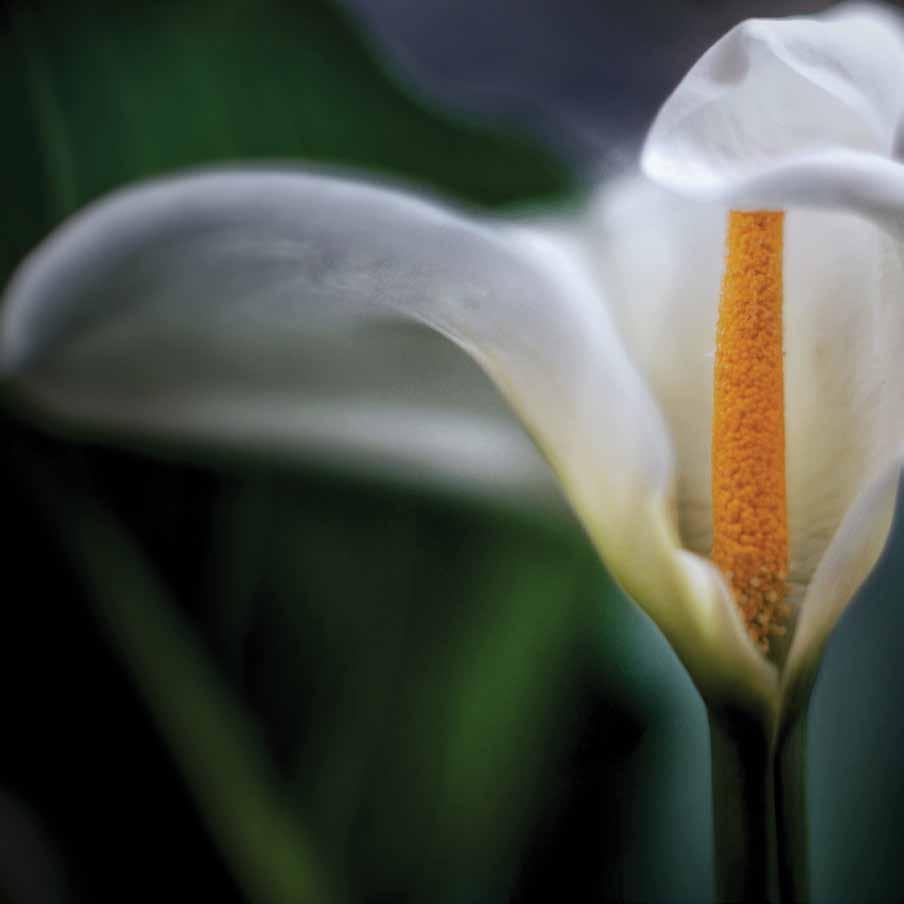
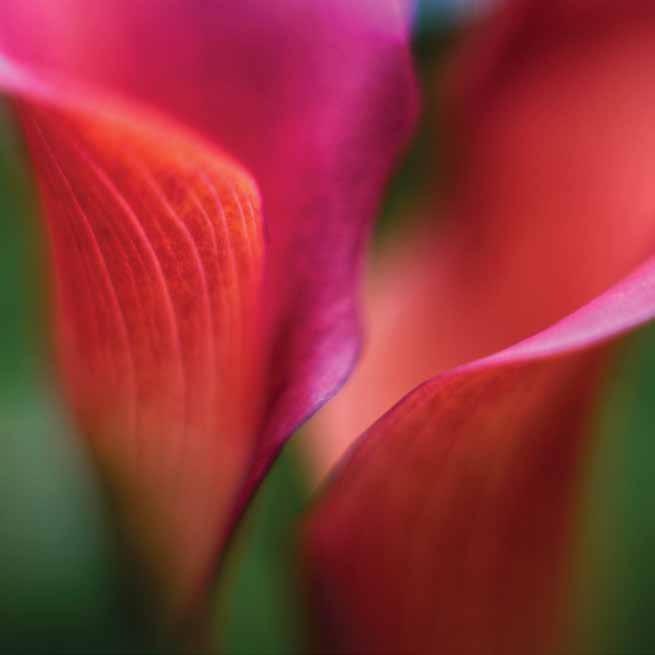
Swerve! Your leaf wraps ‘round tiny flowers—male and female— blooming on your spadix cupped inside
a spire envied by men noted by women
How confidently you show yourself!
not even a real lily toxic to cats and dogs once a symbol of death
but that time is past if not for cats and dogs
Greedy, sway is not enough for you! Having no scent, you wear perfumed colors.
Is that what poison does? Double down on enticement?
No matter. We are seduced but will not eat you.
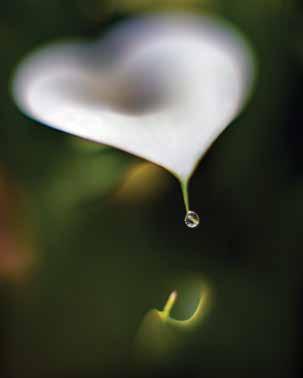
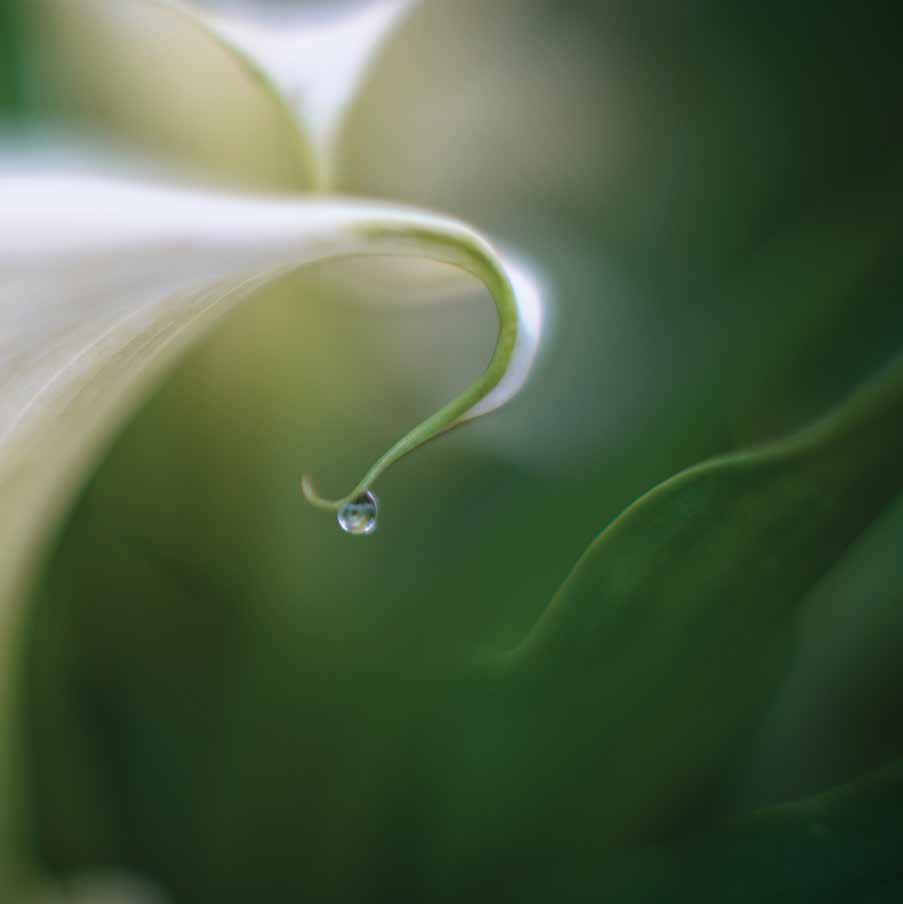
The difference between pierce and caress is known best by the receiver, not the giver.
Allow for mistakes, misjudgment of distance, and the way the wind blows at any given moment.
But only if you feel so inclined.
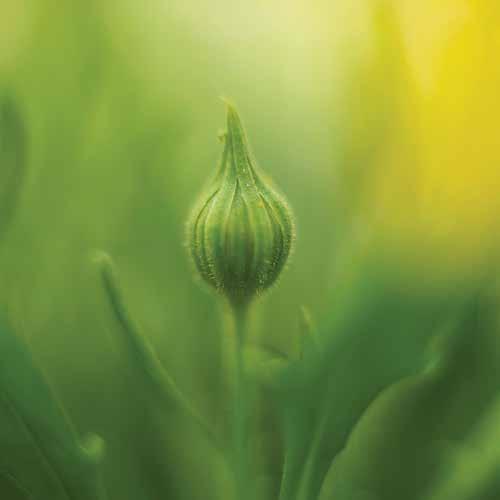
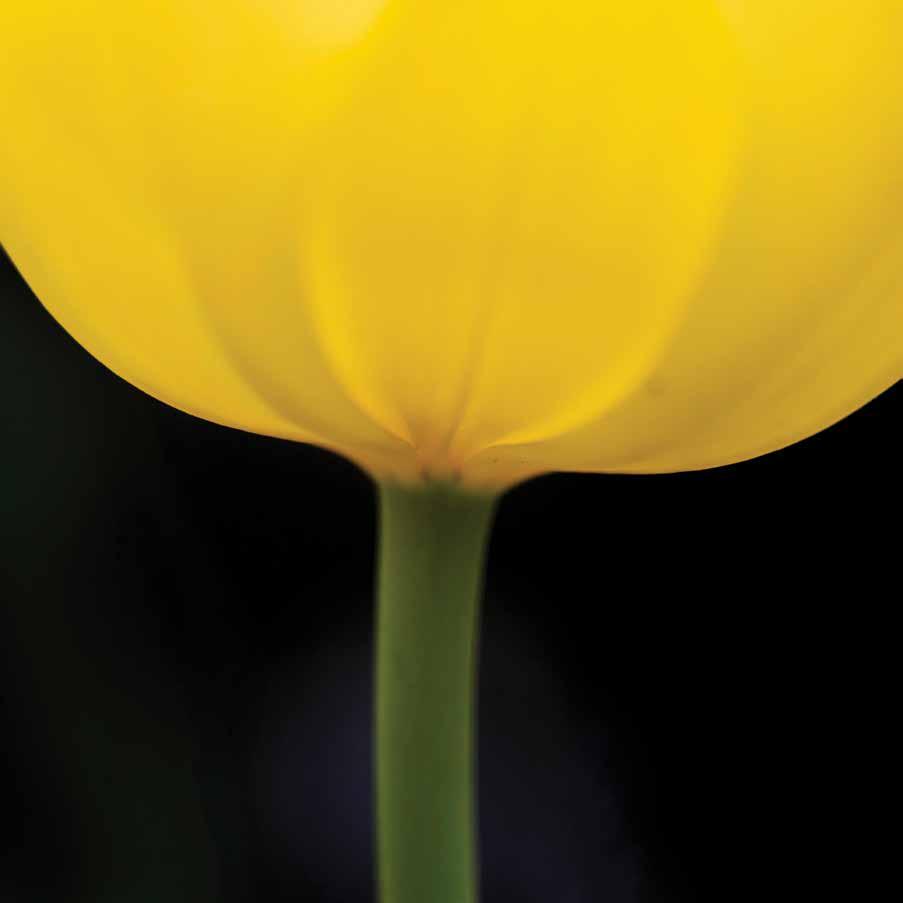
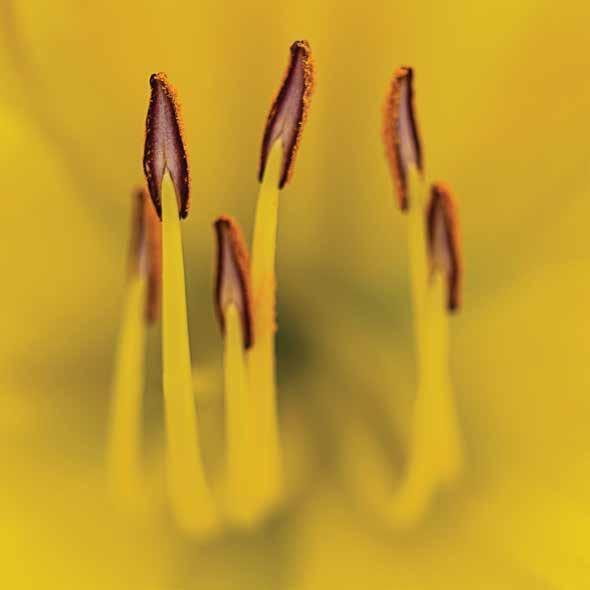
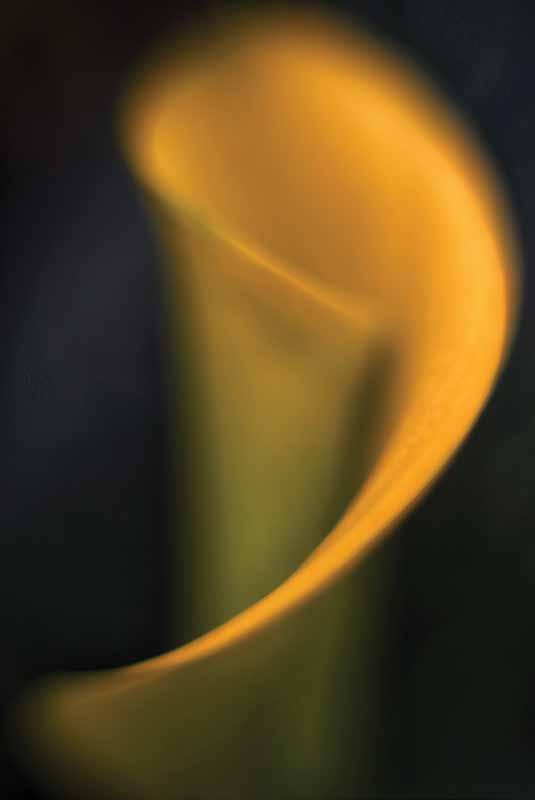
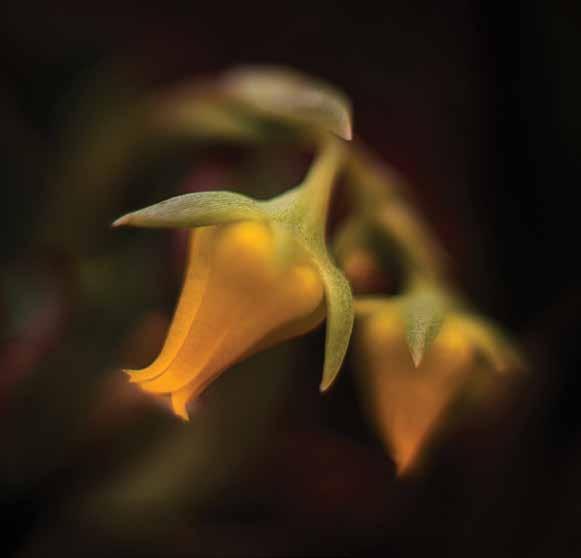
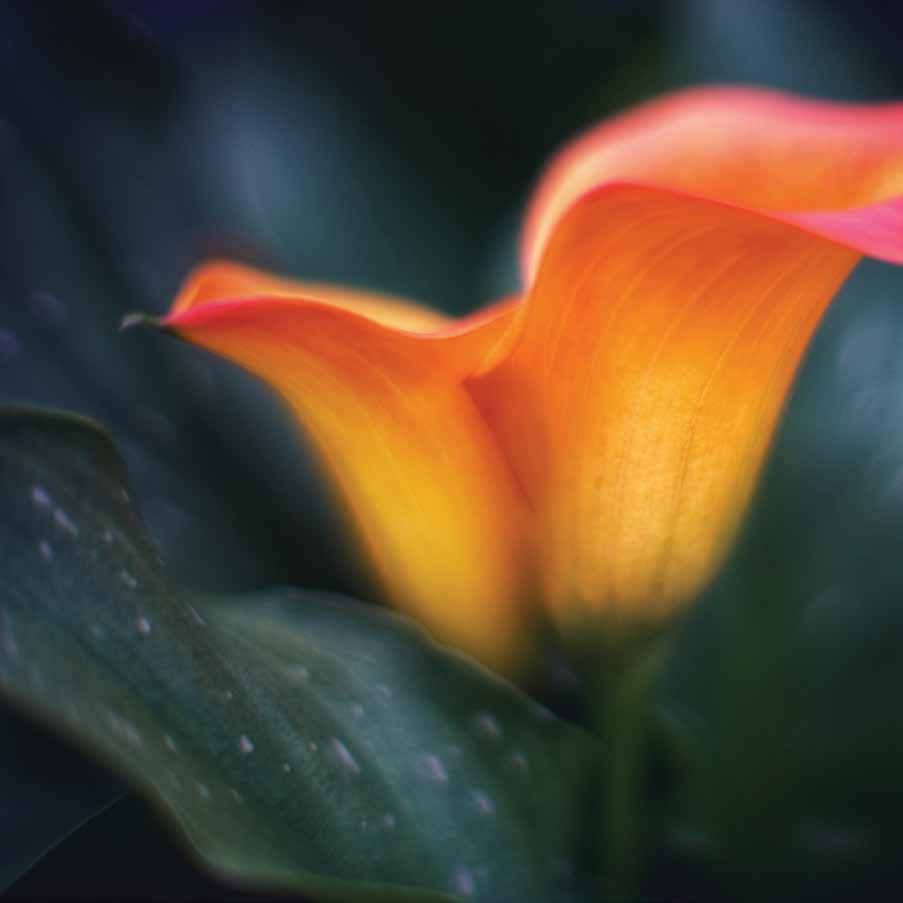
The season of sweetness and renewal is short— sun rain dew breeze penetration by winged creatures yielding fading
So much to do just in being a flower.
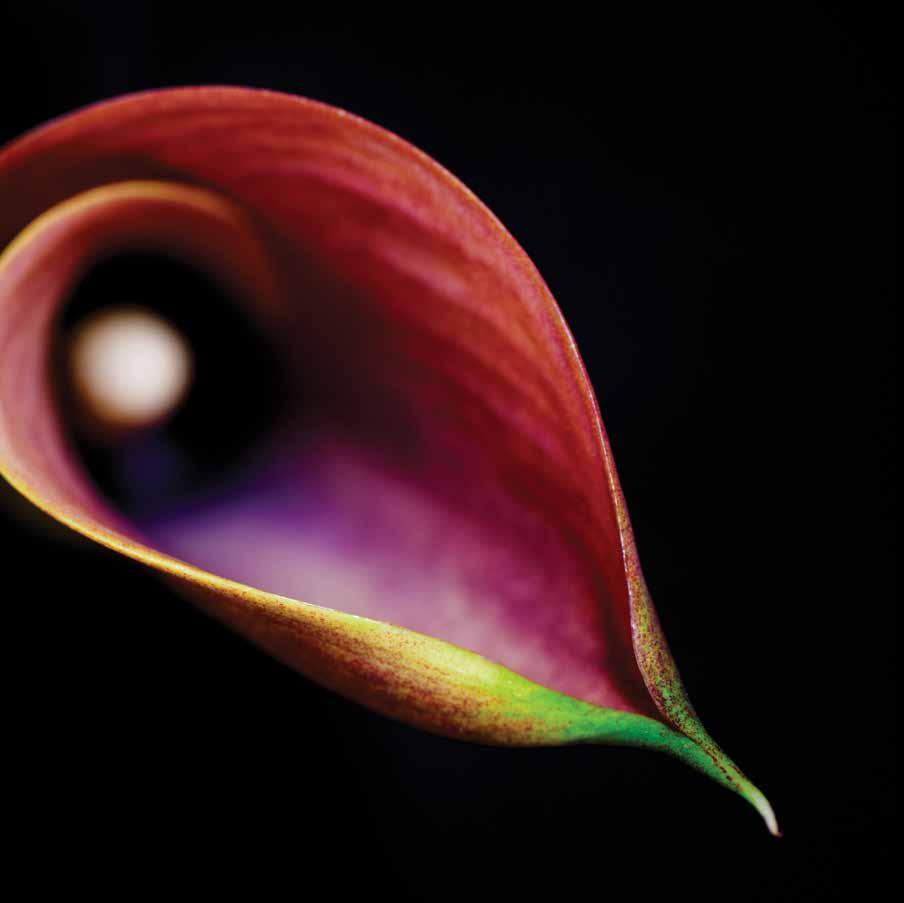
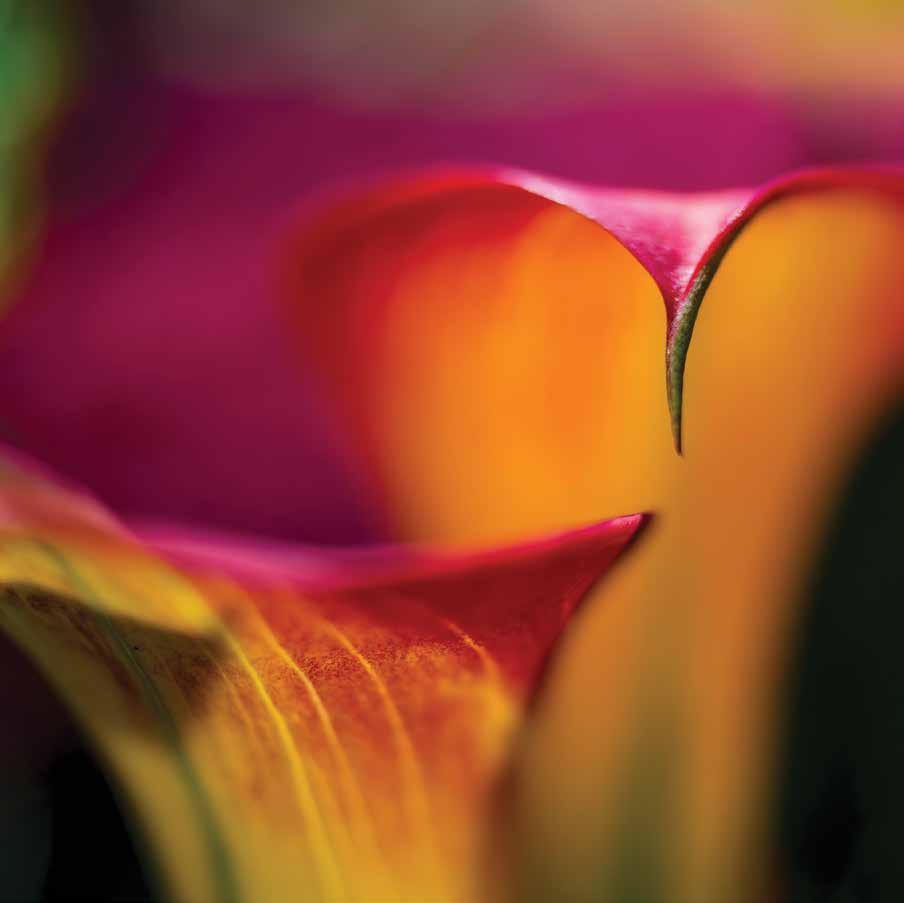

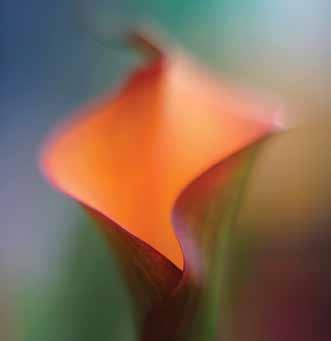
If orange be the color of madness, be mad
with a hint of carmen and blush of rose.
Ablaze!
with who you once were and long to be again pulsating passion— orange with a drop of blood.
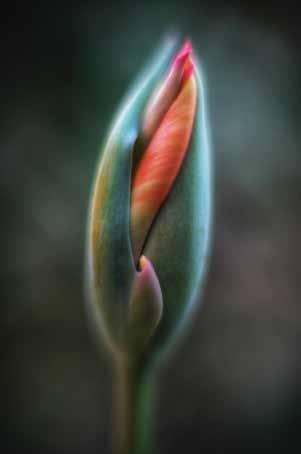
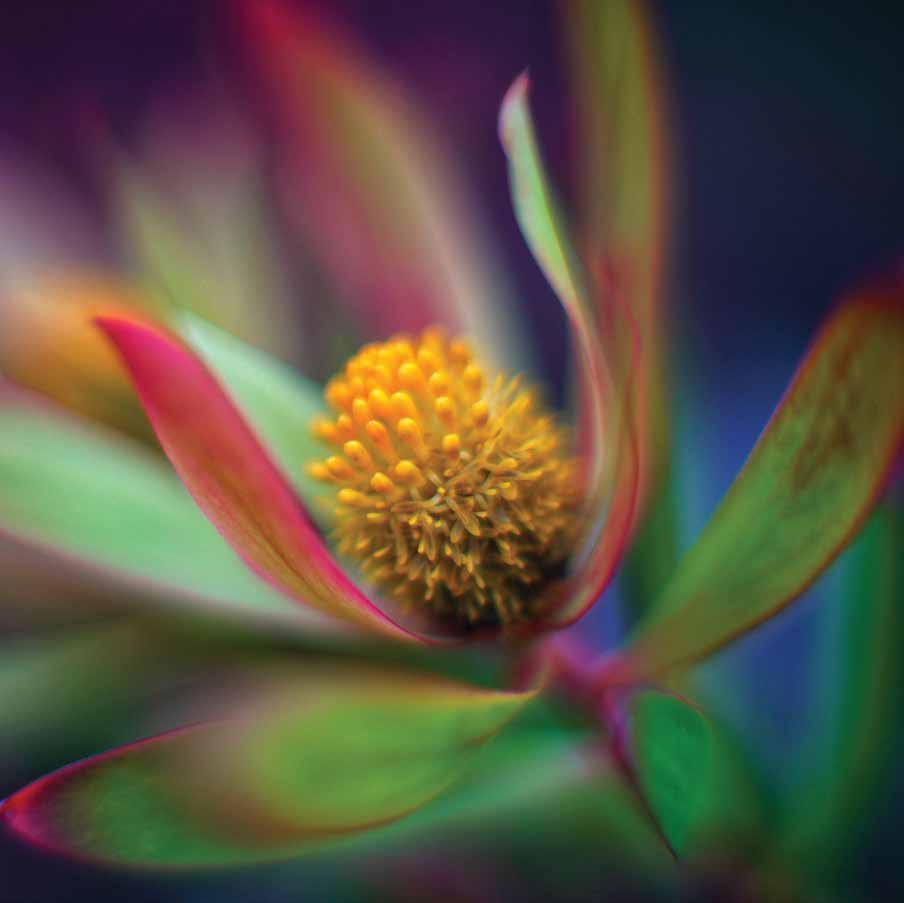
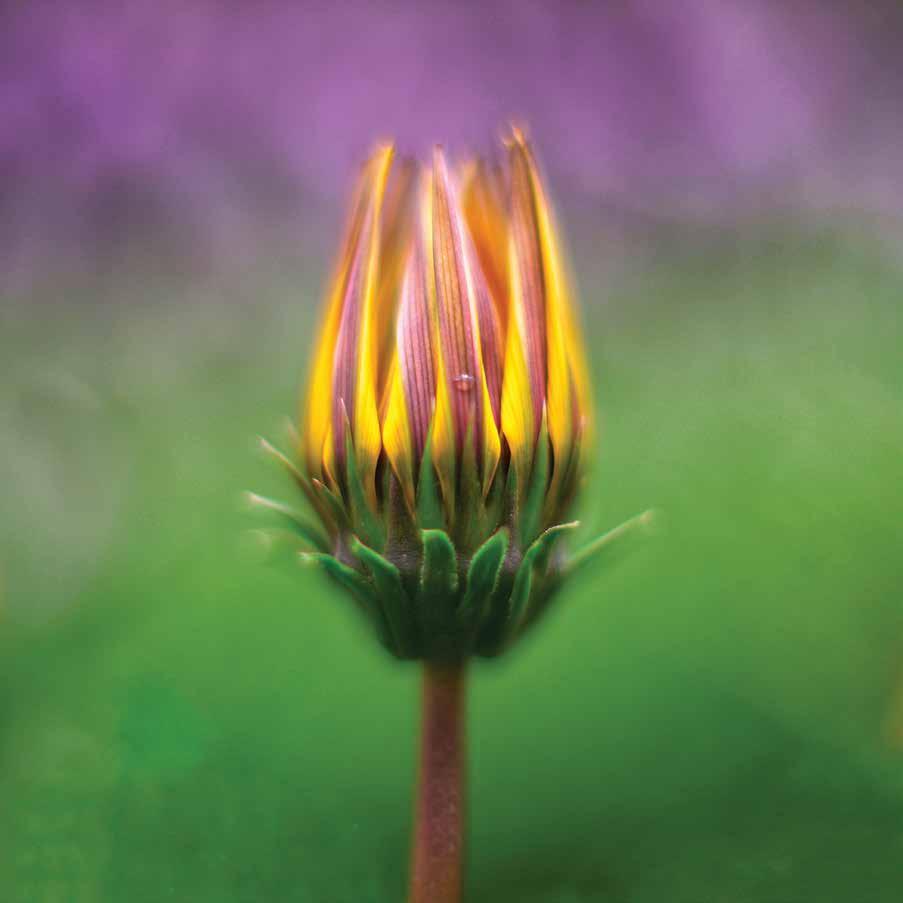
Don’t cut me.
I am here for birds, butterflies, dragonflies, damselflies, and so many bees you can never count them.
Their thirst and ravages are sweeter than your castration and infertile triflings.
The common daisy Bellis perennis does not envy the Paphiopedilum orchid— never thought “that showoff thinks it’s better than I am.”
The Verbene bonariensis does not compare itself to the bearded iris— jealousy never disturbs its peace.
They share rain, sun, and wind equally.