2020-2021 BAC 1
BRUSSELS (BE)
2021-2022 BAC 2
BRUSSELS (BE)
2022-2023 BAC 3
BRUSSELS (BE)
2023-2024 M 1
BRUSSELS (BE)
2024-2025 M 2
BRUSSELS (BE)
FACULTÉ D’ARCHITECTURE LA CAMBRE HORTA, ULB
FACULTÉ D’ARCHITECTURE LA CAMBRE HORTA, ULB
FACULTÉ D’ARCHITECTURE LA CAMBRE HORTA, ULB DIPLOMA
FACULTÉ D’ARCHITECTURE LA CAMBRE HORTA, ULB
FACULTÉ D’ARCHITECTURE LA CAMBRE HORTA, ULB DIPLOMA
2018 BACCALAURÉAT PONTOISE (FR)
2018-2020 UNIVERSITY CERGY-PONTOISE (FR)
2019-2020 FORMATION IDF, FRANCE
BACCALAURÉAT S-SVT, LYCÉE NDC
L1 BIOLOGIE ET L2 CHIMIE, UCP
FORMATION ARCHITECTURE INTÉRIEURE, CNFDI
SKILLS:
LANGUAGES:
QUALITIES:
MODELS DRAWING
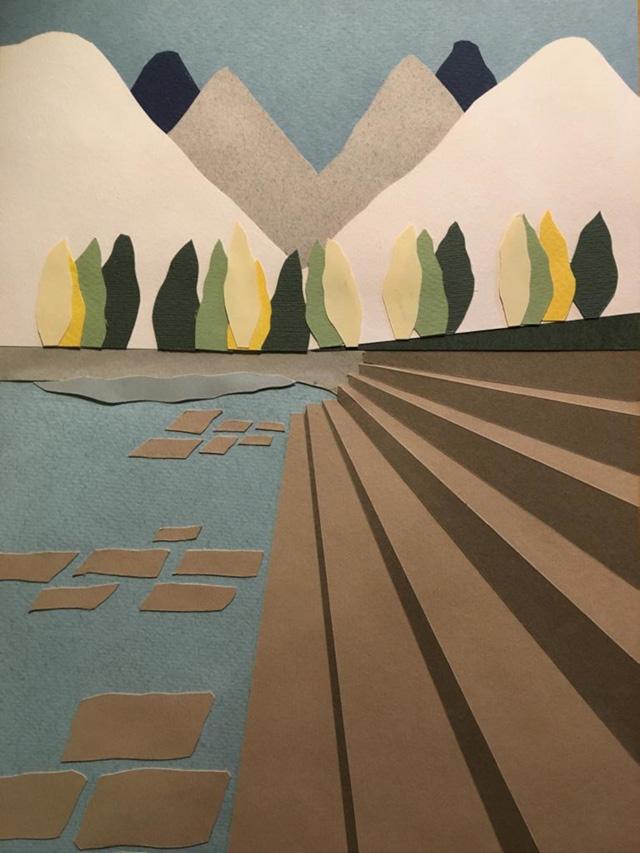
COLLAGES
AXONOMETRY SKETCH
SCHOOL PROJECTS
CIRCUS SCHOOL, BRUSSELS (BE)
BA2 (2022)
Teachers: Pablo Lhoas et Pauline Degrand-Guillaud
P 6 - 15
BORDERS AND SHOVES, AOSTA VALLEY (IT)
Urban Nature BA3 (2022)
Teachers: Benoit Burquel and François Vliebergh
P 16 - 25
THE EDUCATIONAL BARN , VRESSE-SUR-SEMOIS (BE)
Urban Nature BA3 (2023) Teachers: Axel Fisher and François Vliebergh
P 26 - 35
ANLLÓNS - RESUSCITATING THE RIVER, GALICIA (ESP)
Out Of Town MA2 (2024) Teachers: Nadia Casabella and Benoit Burquel
P 36 - 45
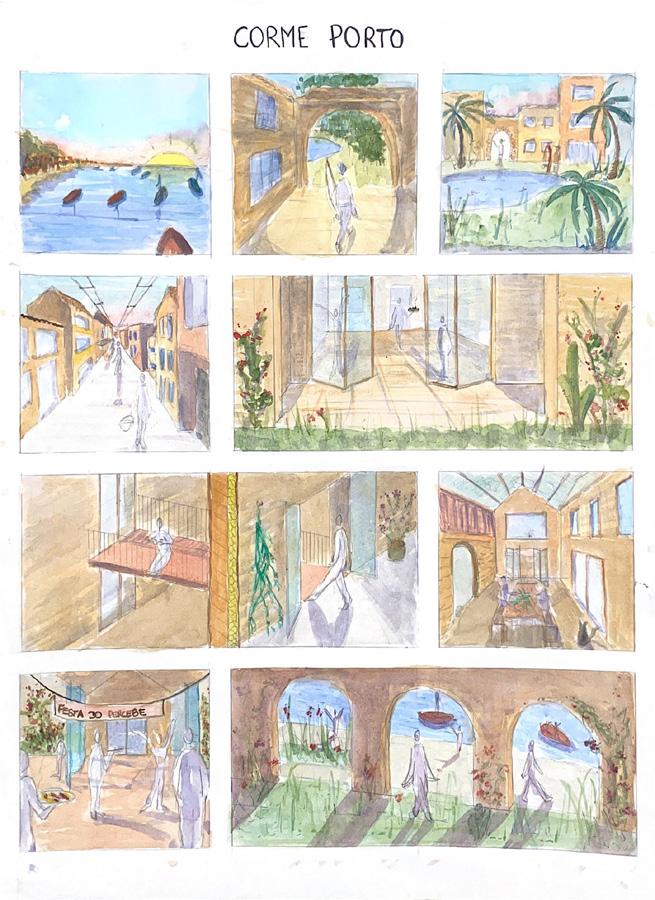
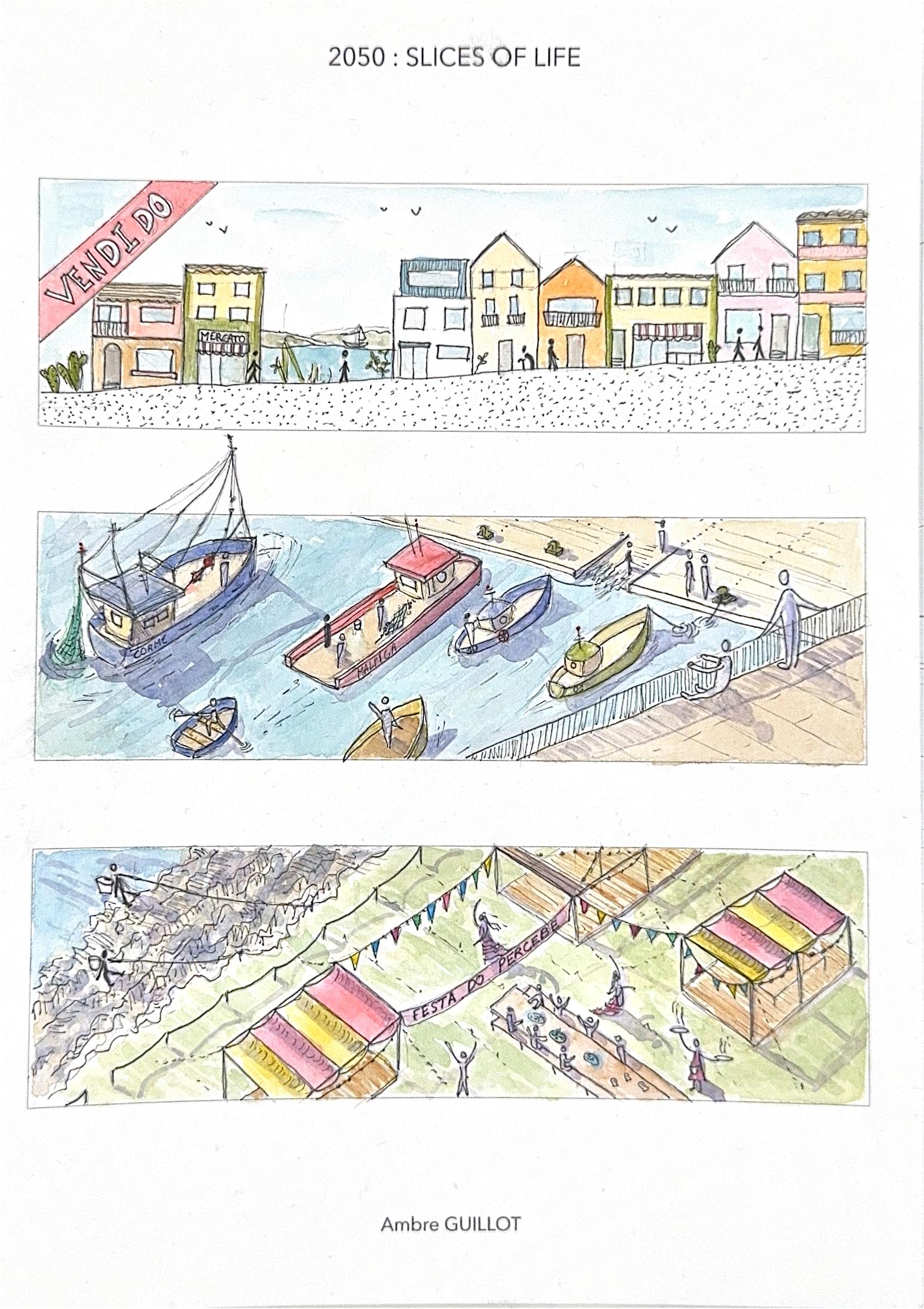
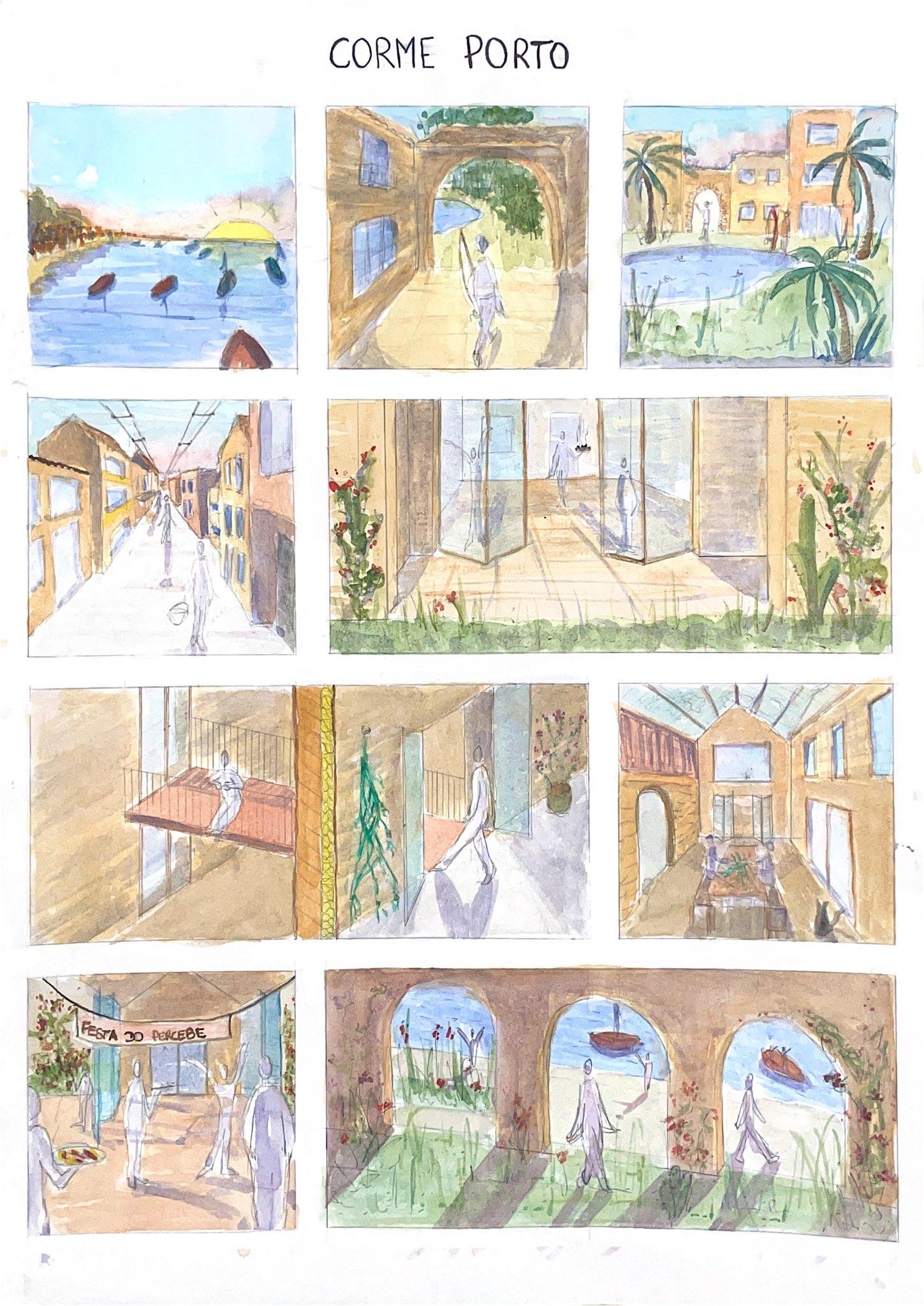
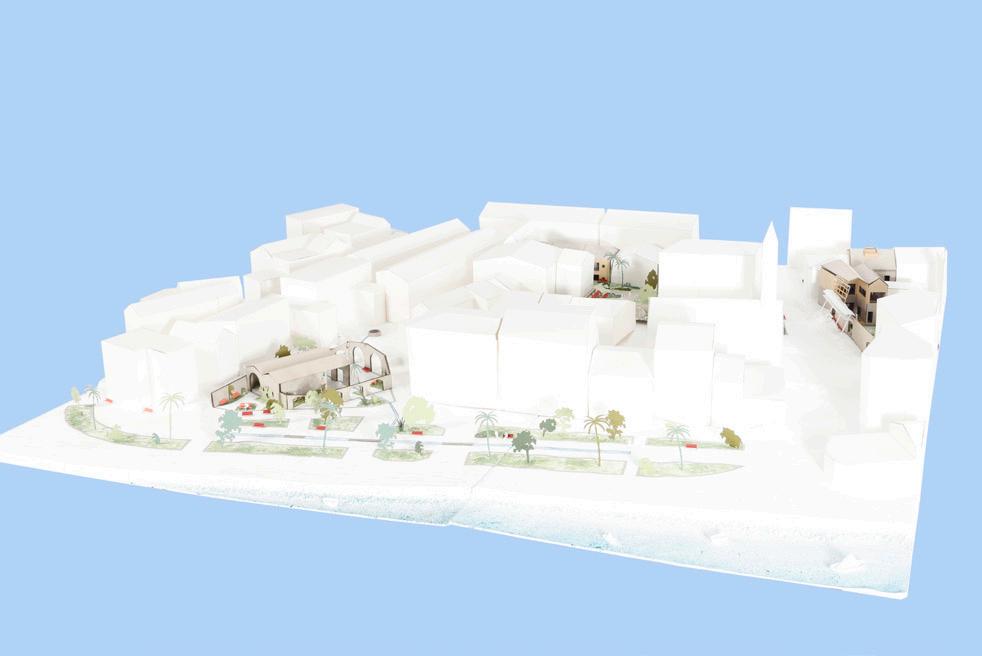
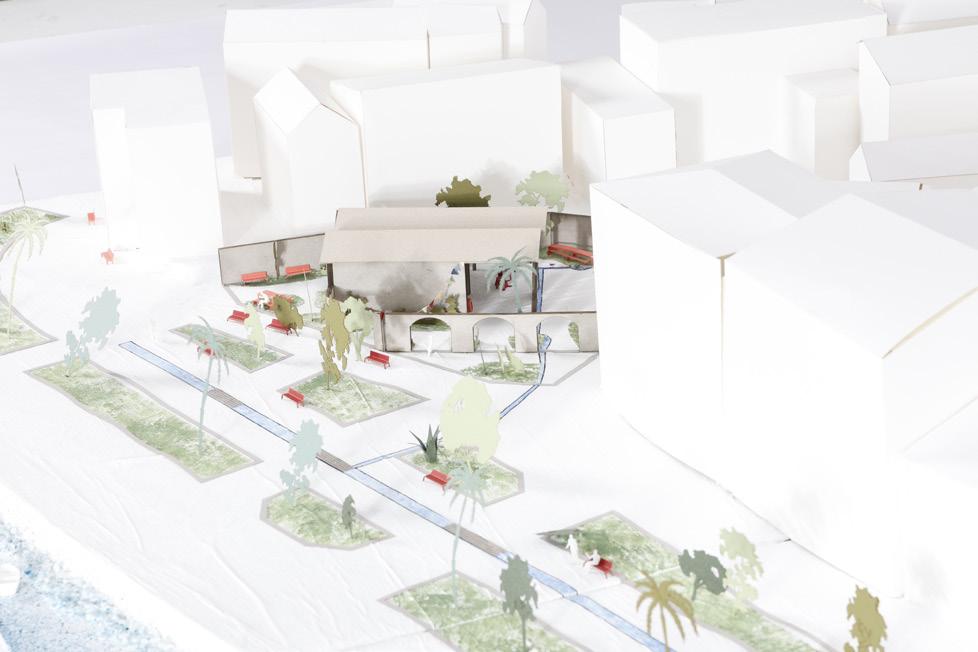
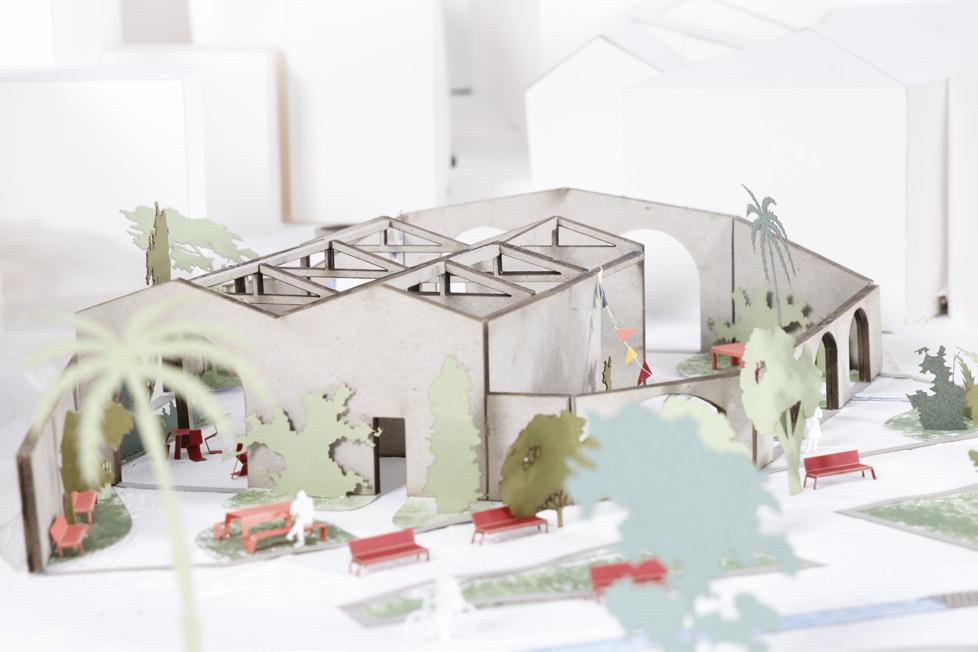
RE-CORME, GALICIA (ESP)
Out Of Town MA2 (2025) Teachers: Nadia Casabella and Sofie Devriendt
P 46-55
CIRCUS SCHOOL, BRUSSELS (BE)
Year: BA2 (2022)
Teachers: Pablo Lhoas and Pauline

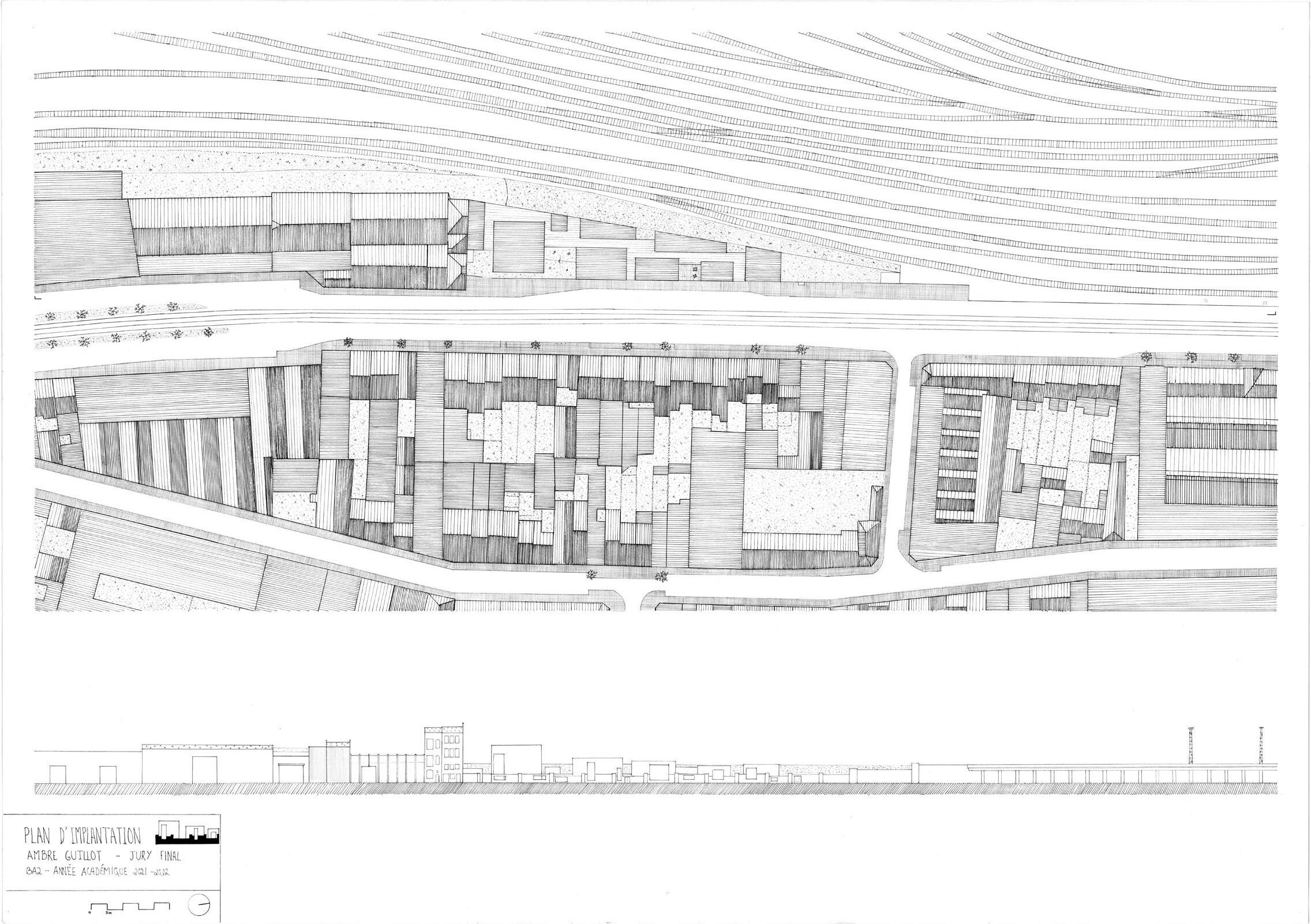
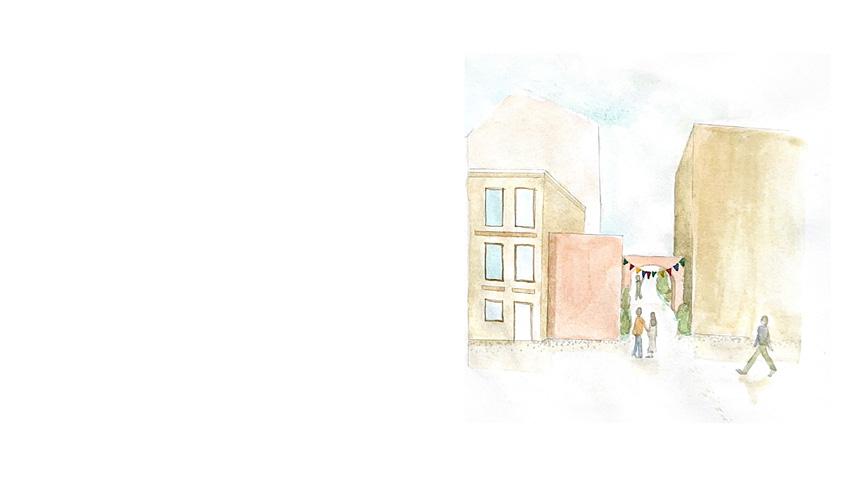
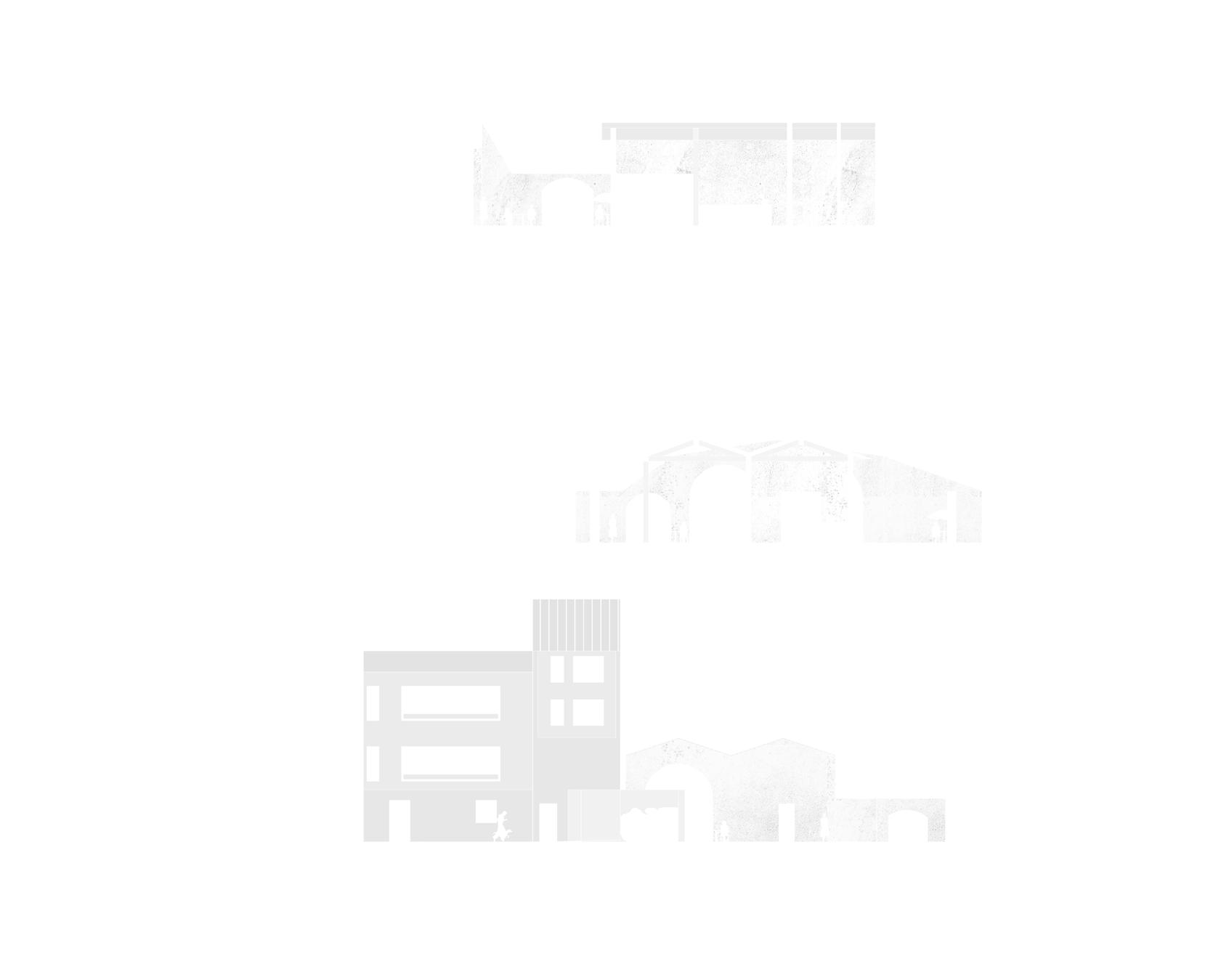
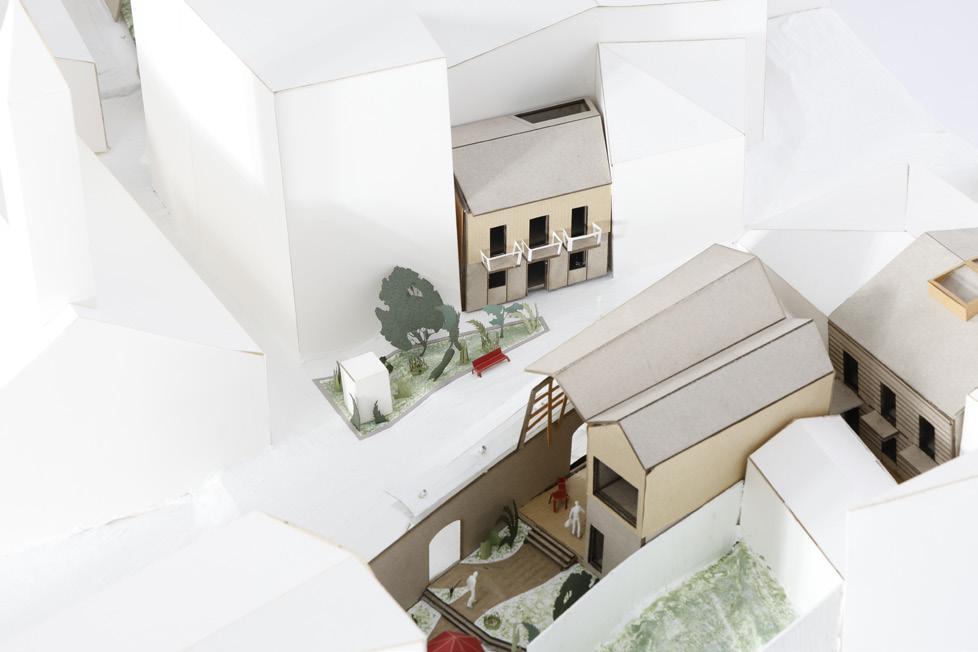
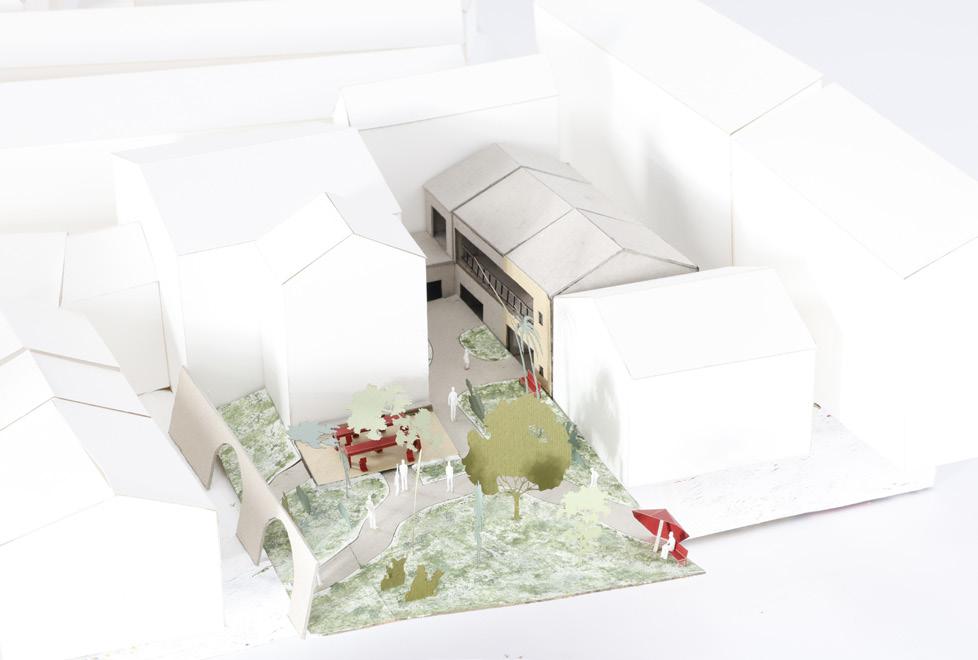
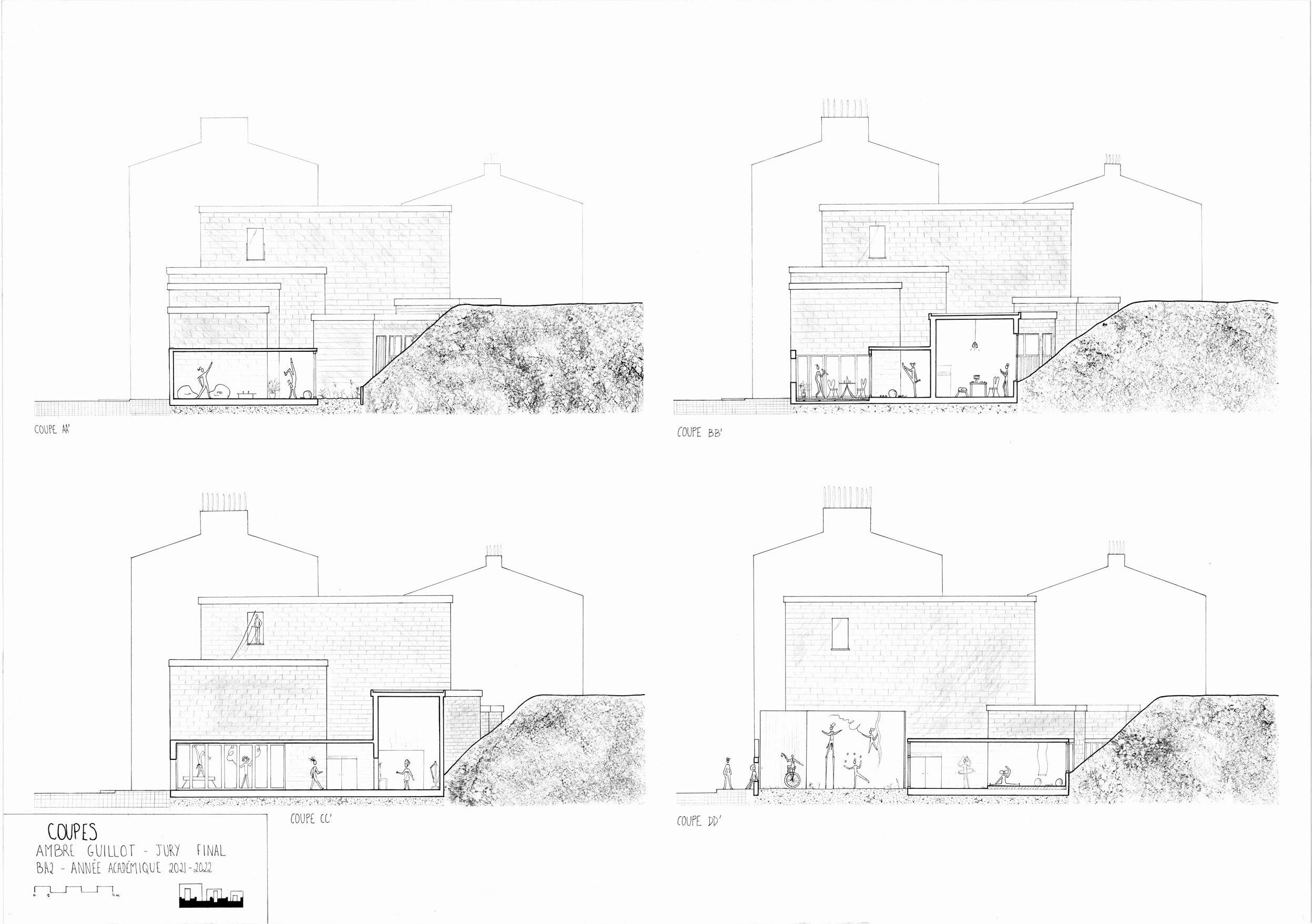
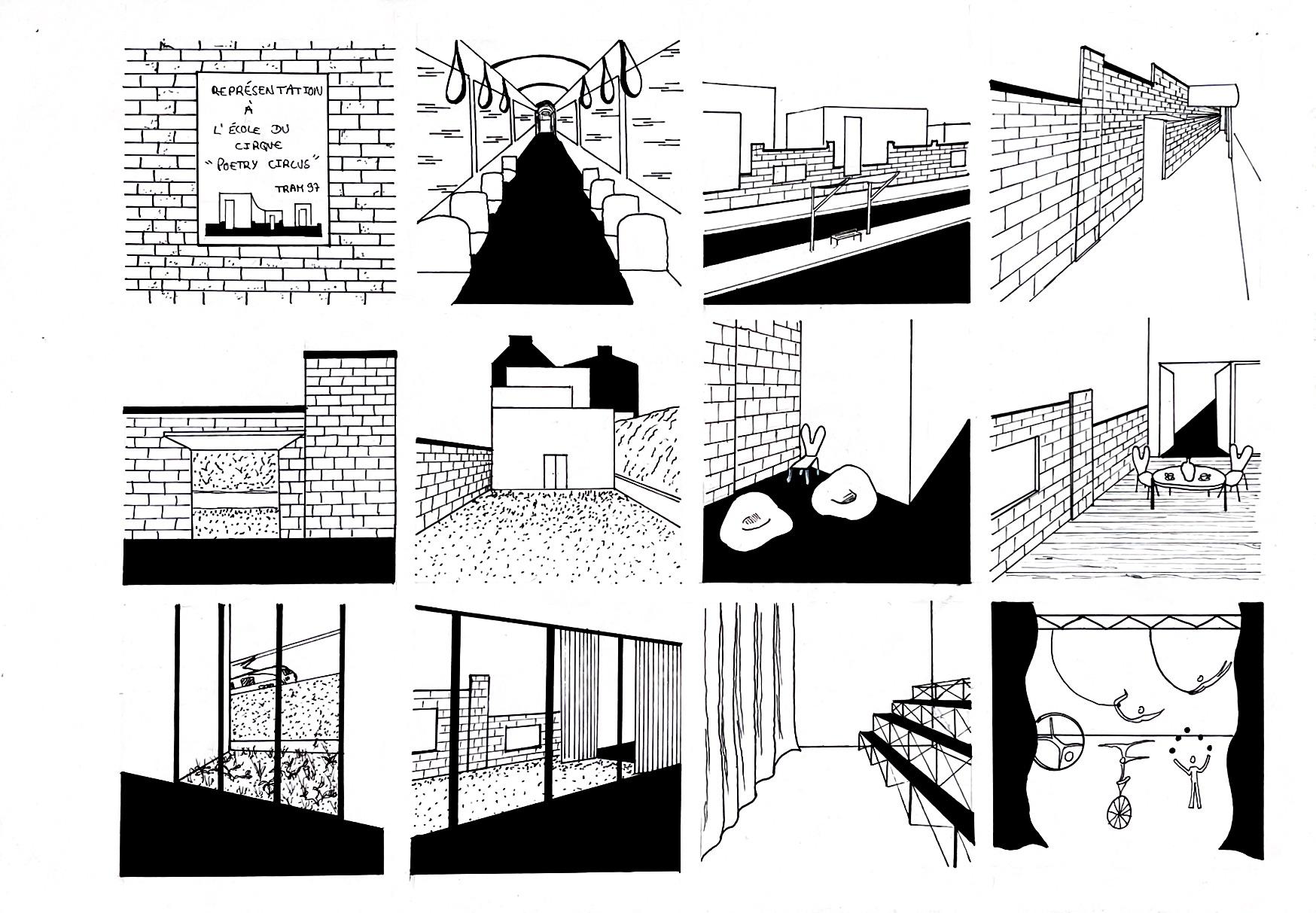
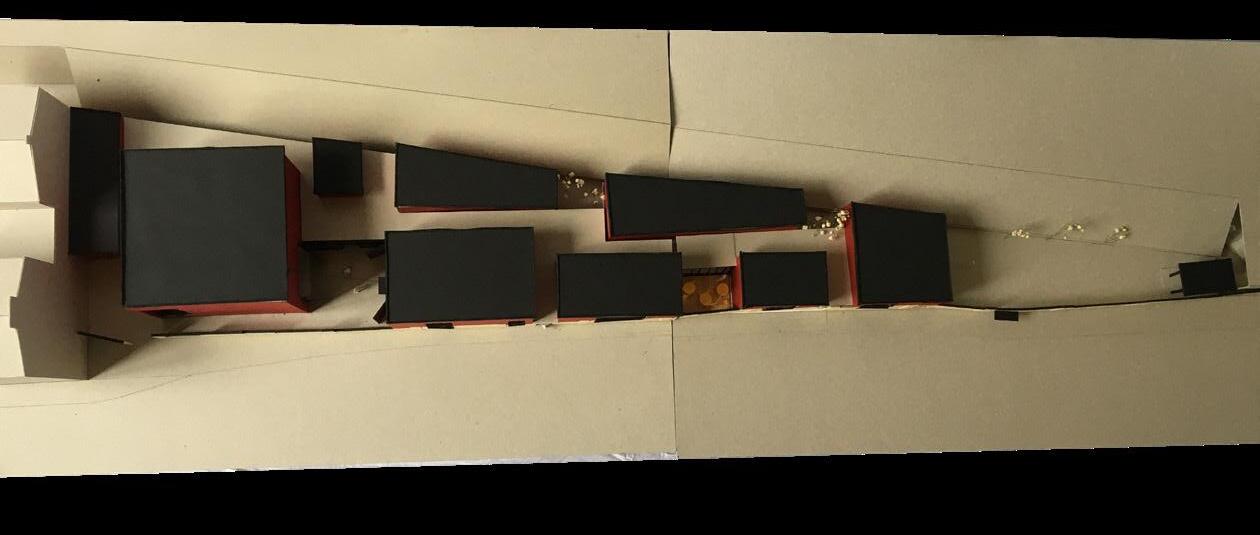
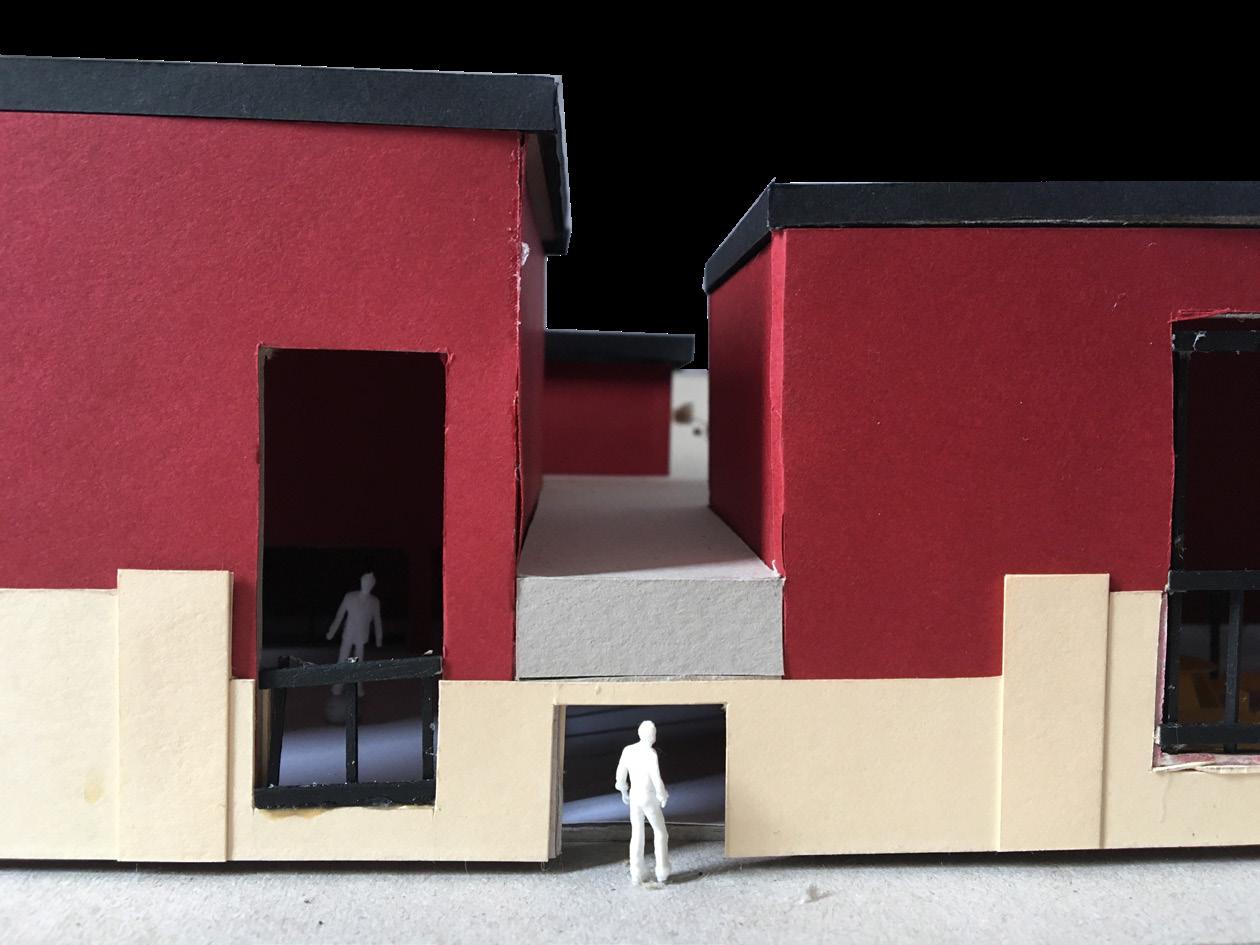
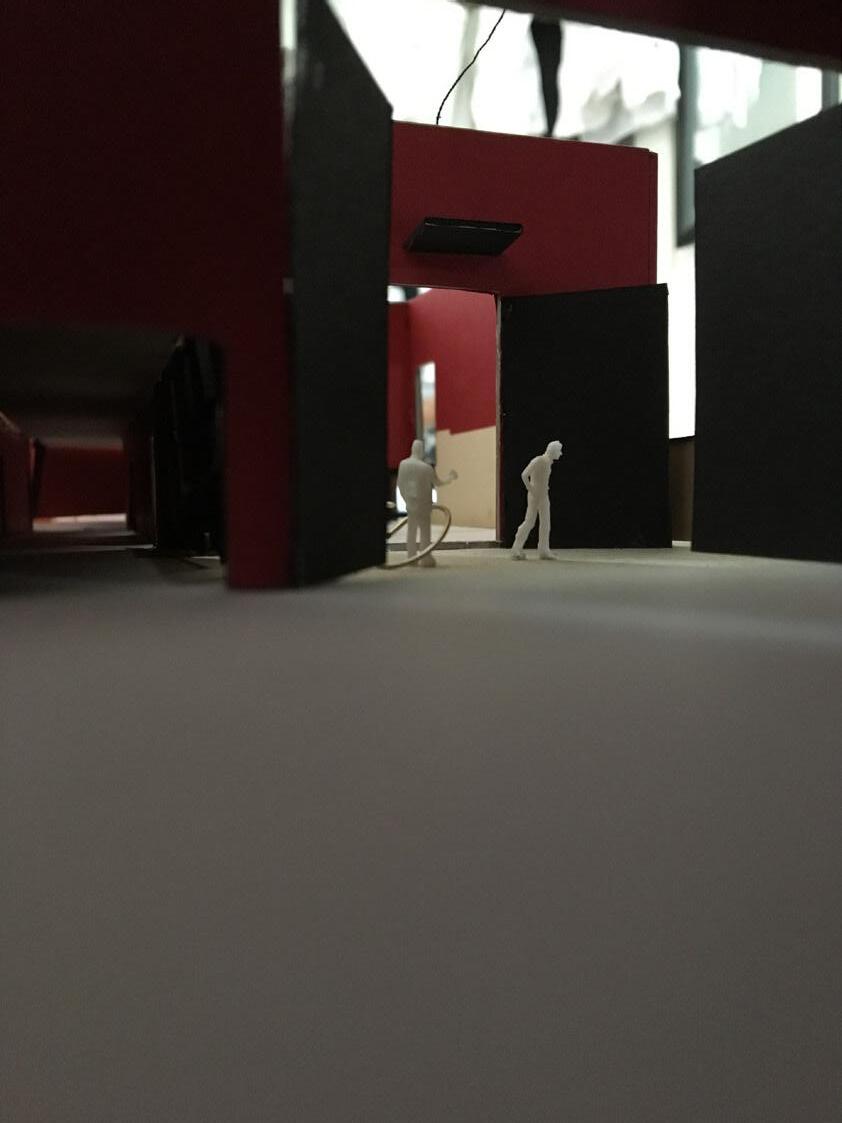
The "CIRCUS POETRY" circus school is located at the crossroads between the city and the railway network, near the Gare du Midi on an abandoned SNCB site, creating a sense of tension. The aim was to create a circus school on a derelict site.
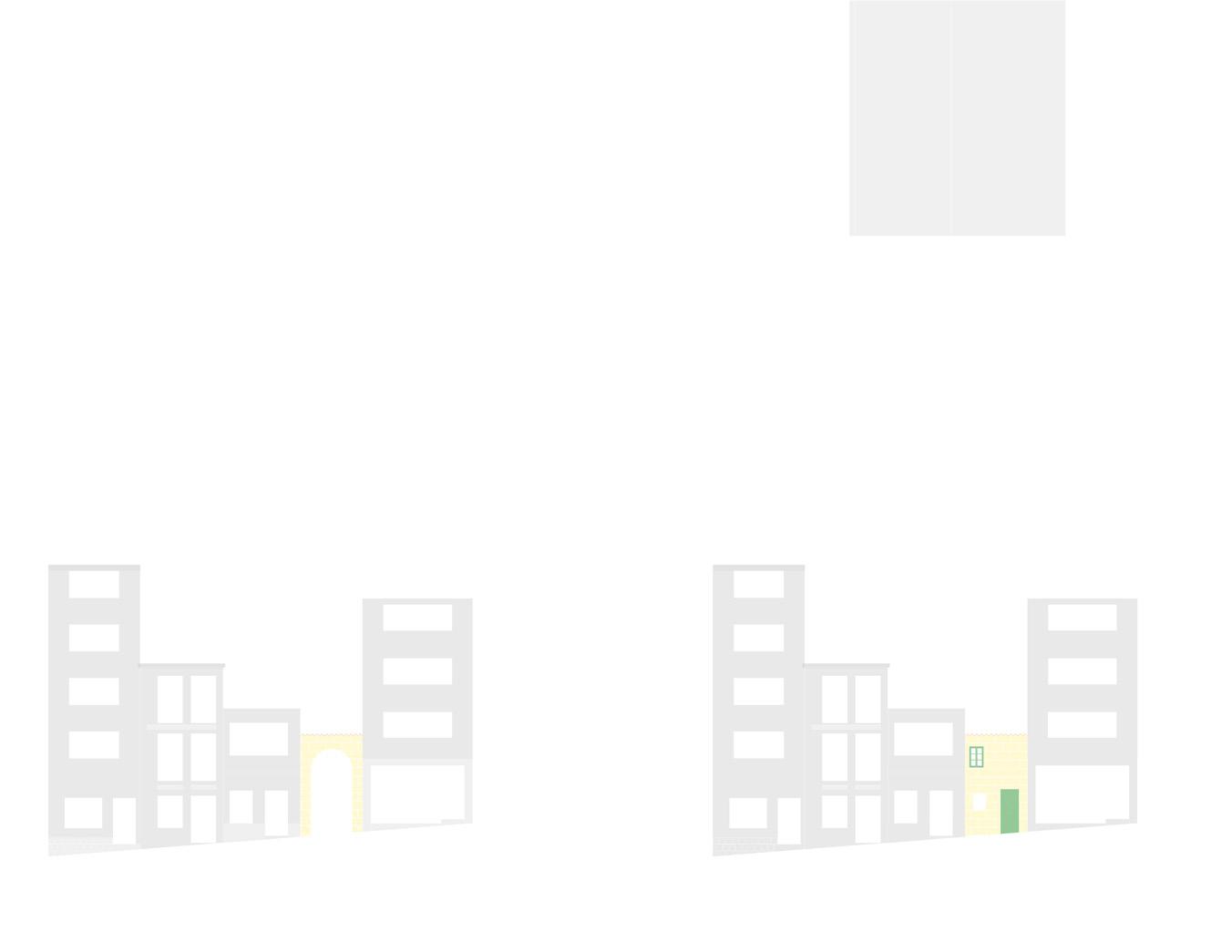
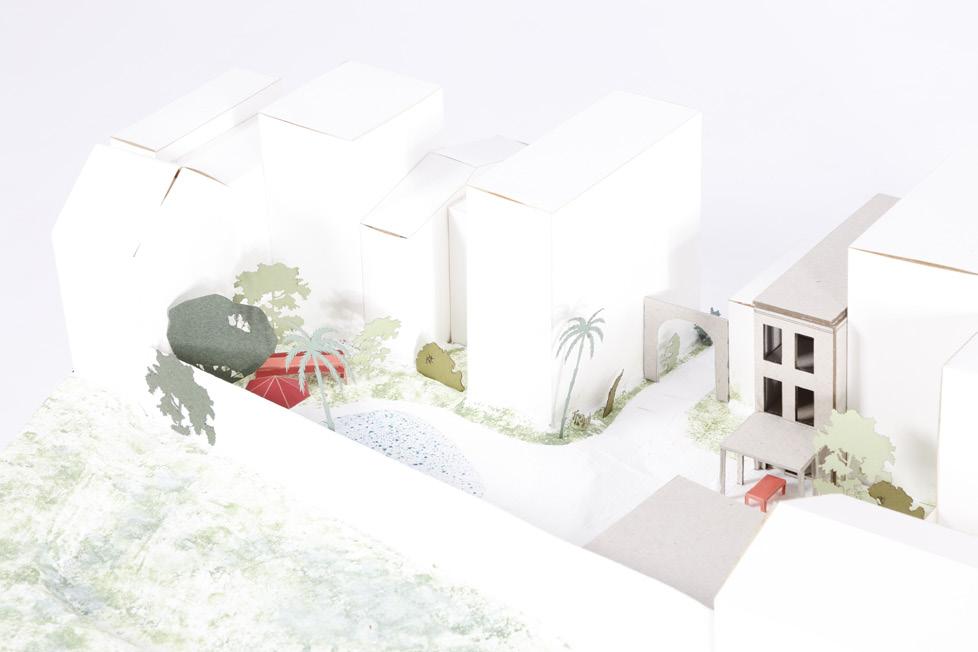
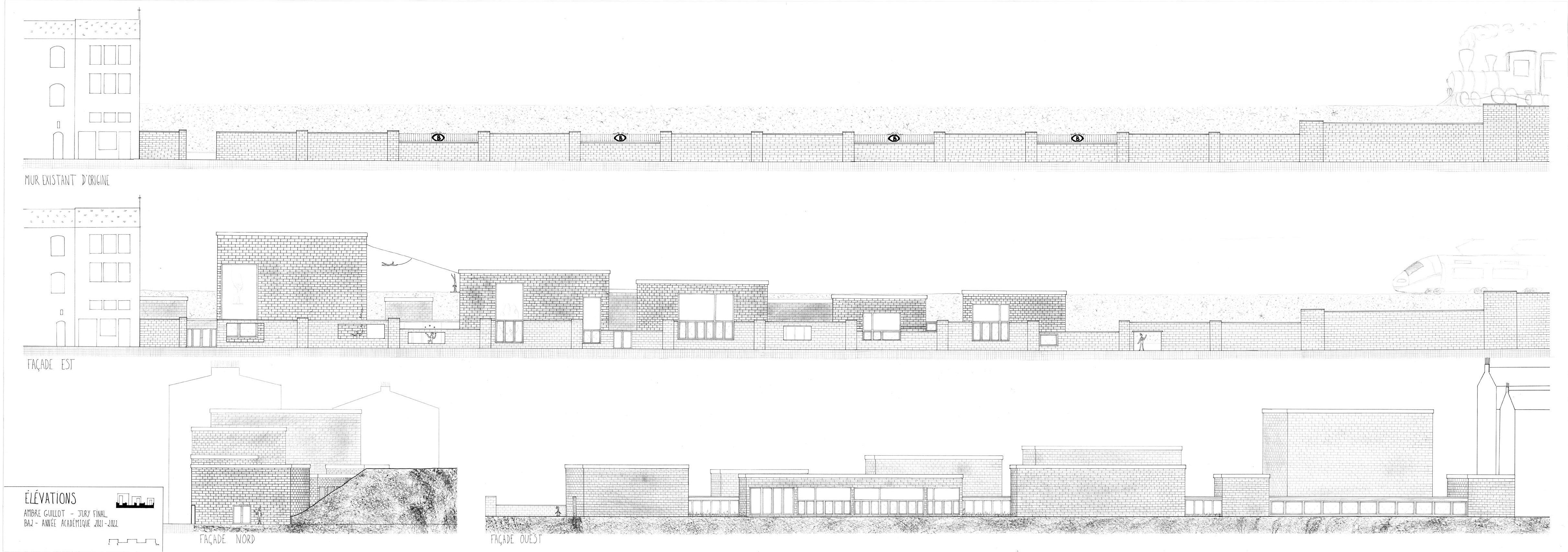
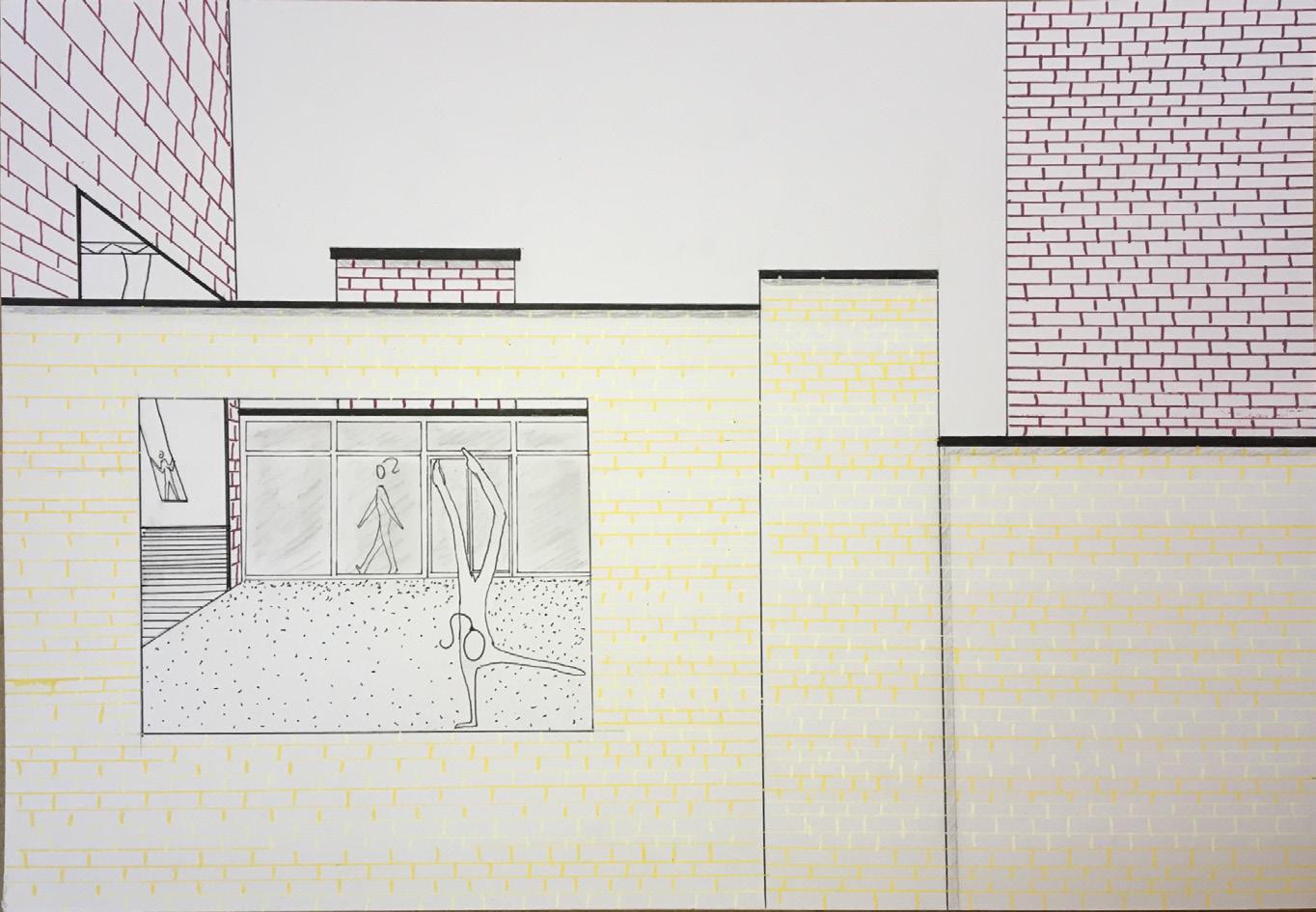
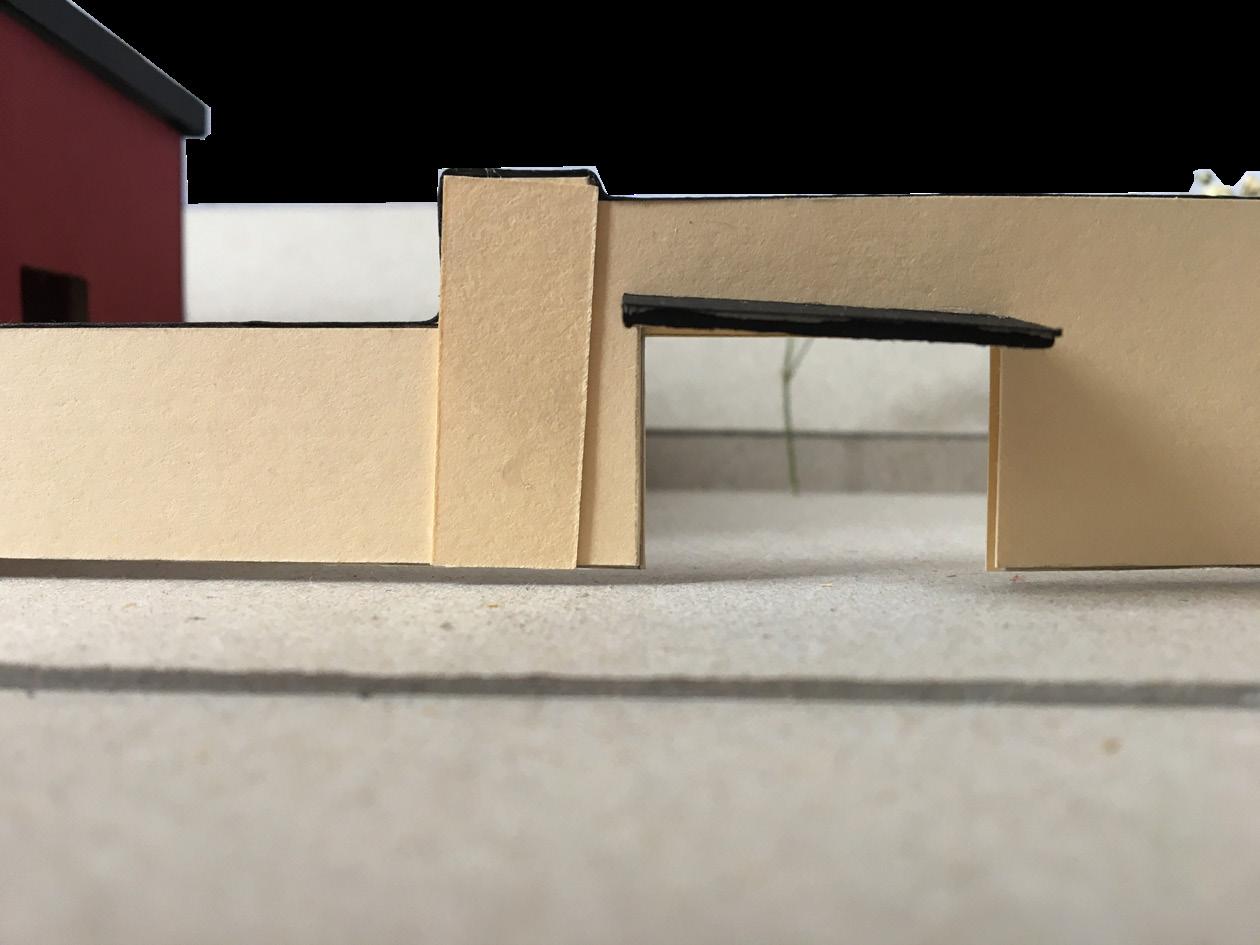
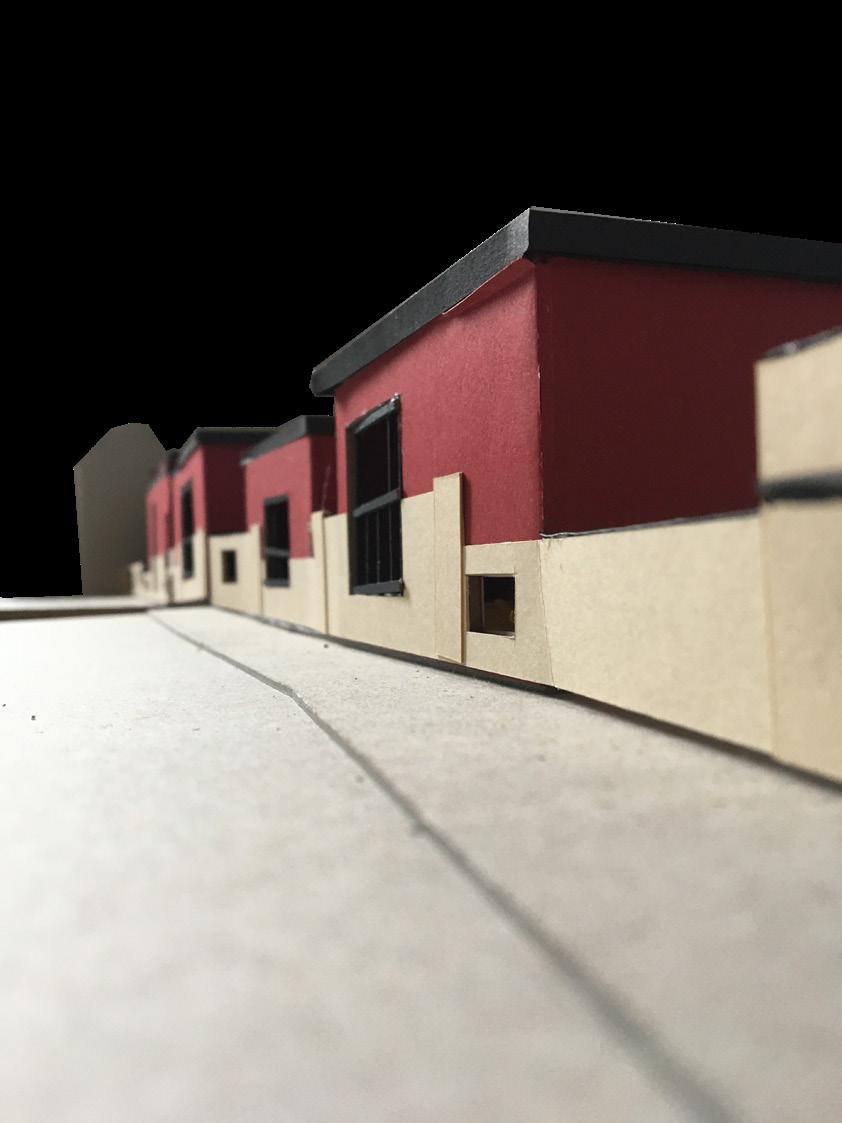
Here, the context highlights an ensemble of full and empty spaces, buildings, patios and outdoor courtyards. The idea is also to reuse what already exists, by investigating the existing yellow brick wall, in order to integrate it as well as possible into the context and give it a second life. It acts as a link between the 2 types of site
and creates a porous, permeable link between the street and the school building. The relationship is constantly challenged by the choice of whether or not to open up the building.
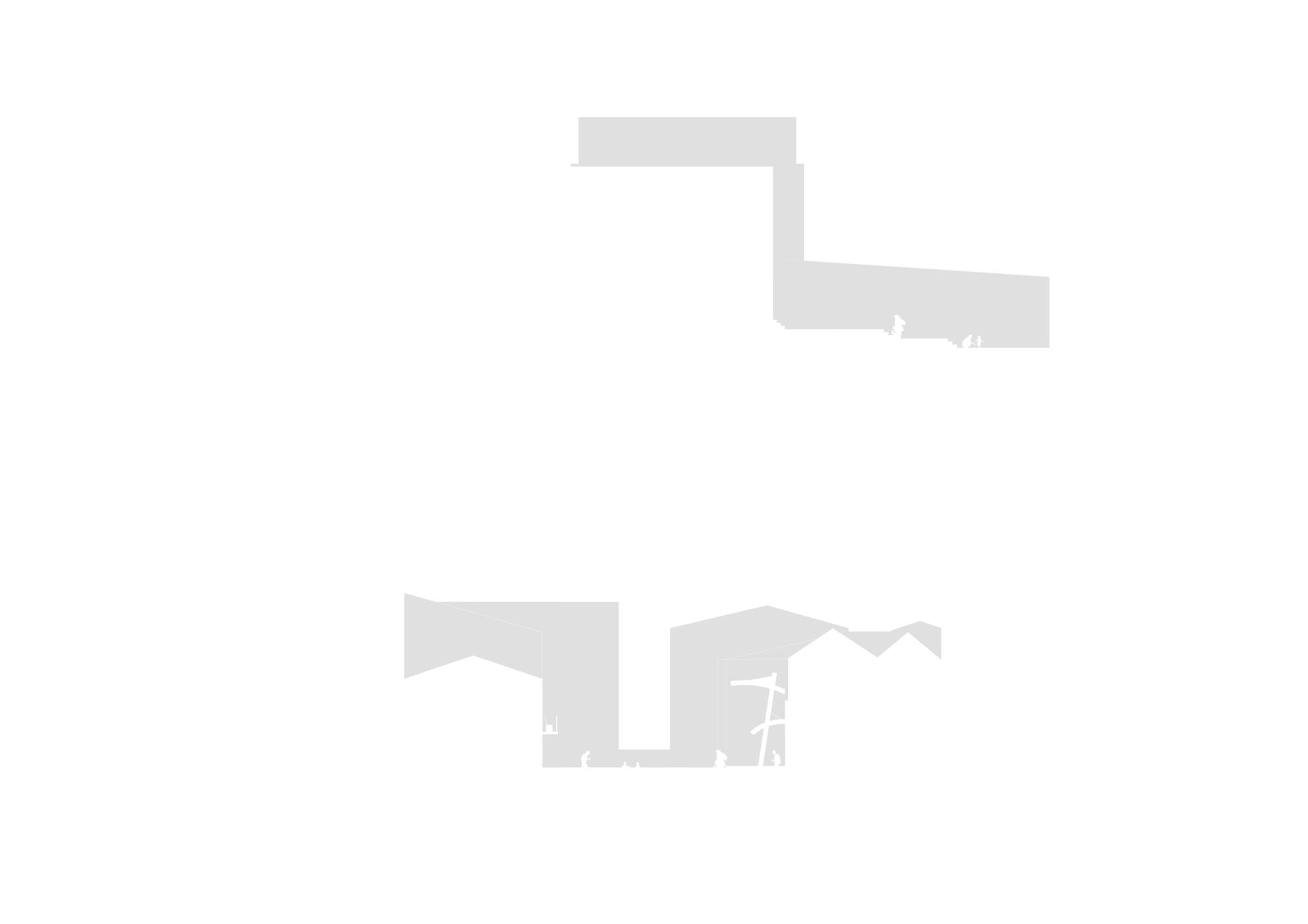
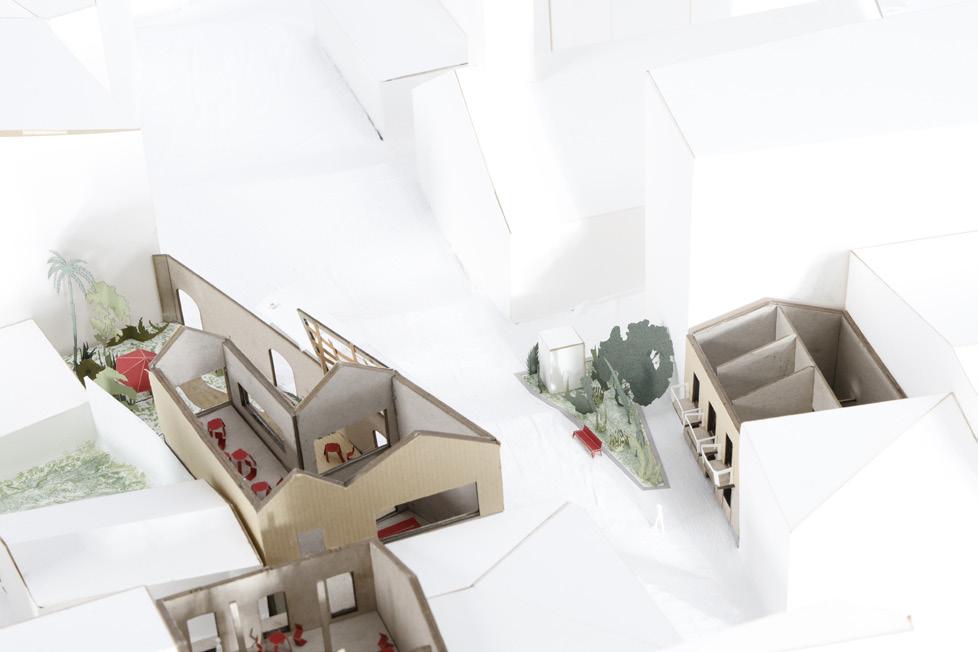
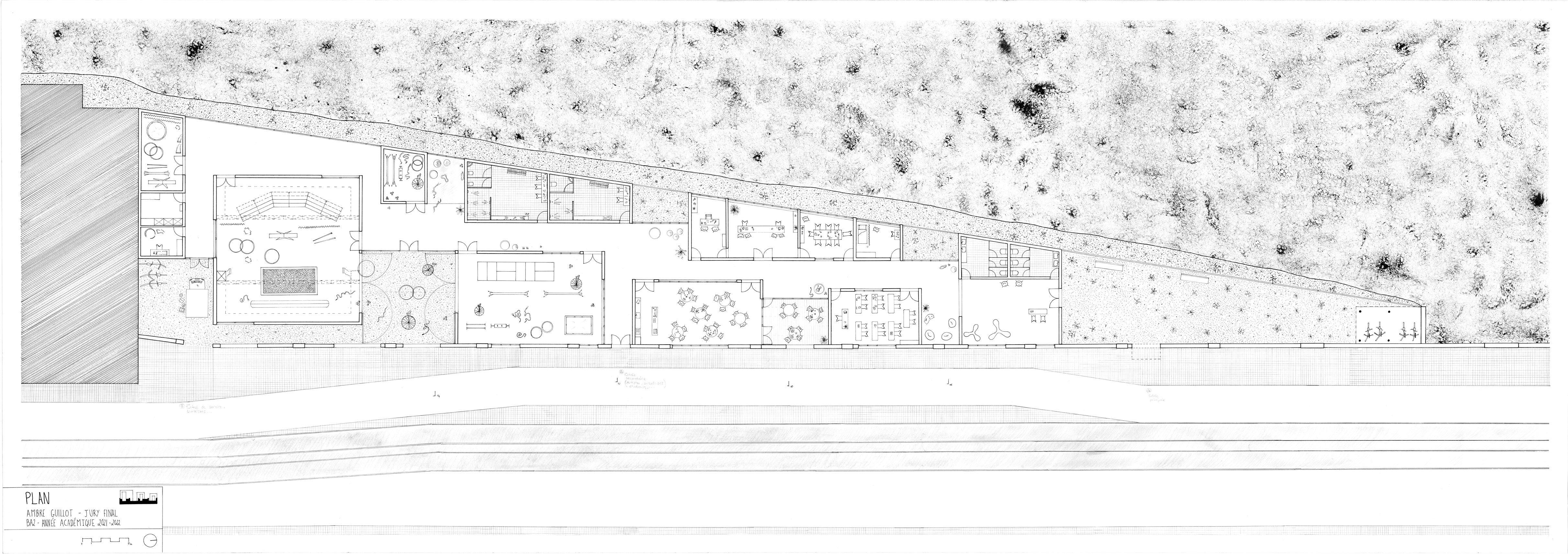
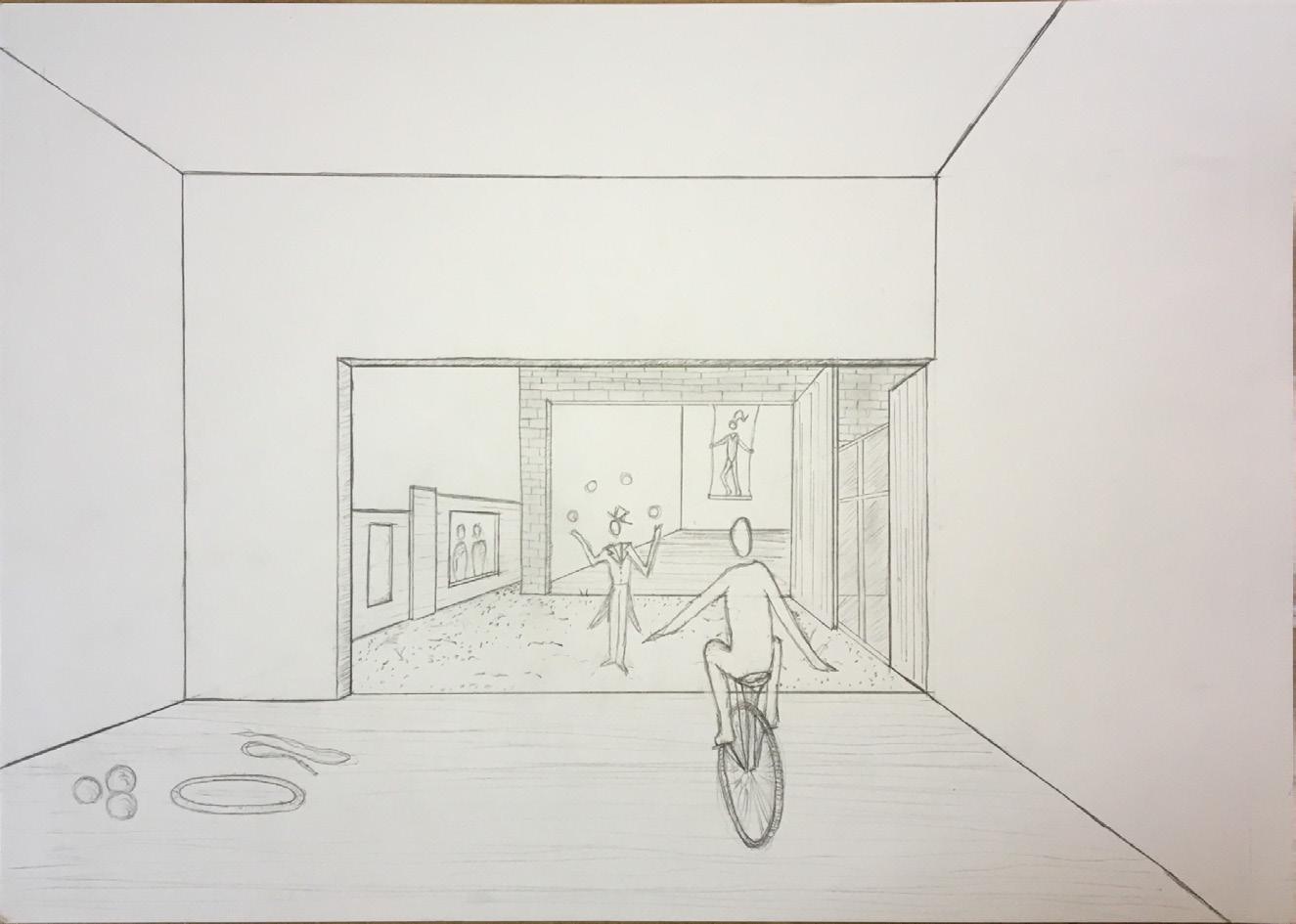
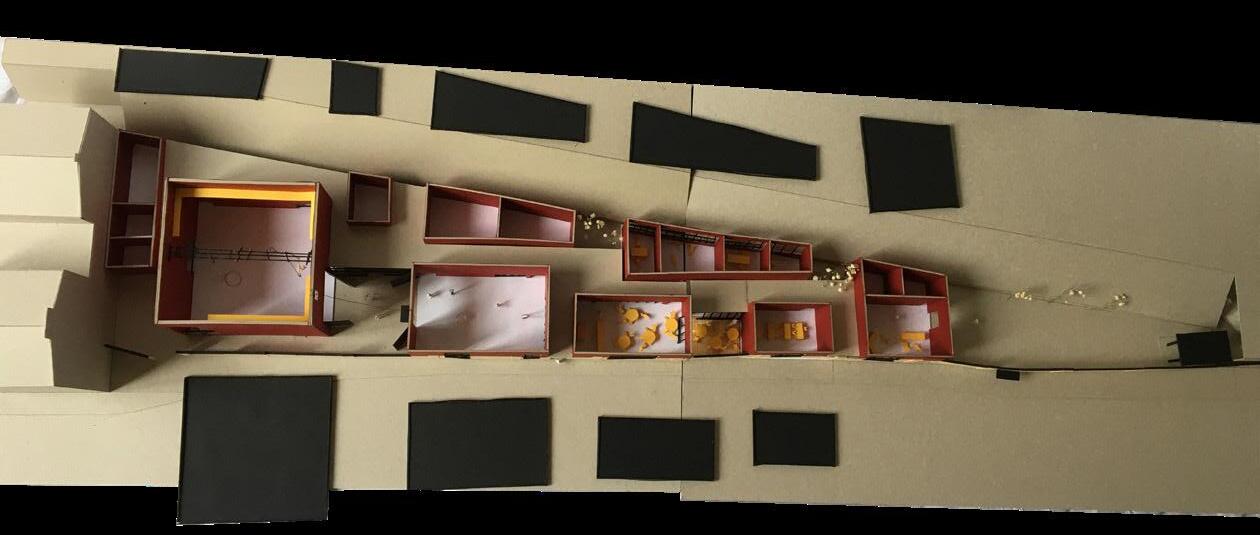
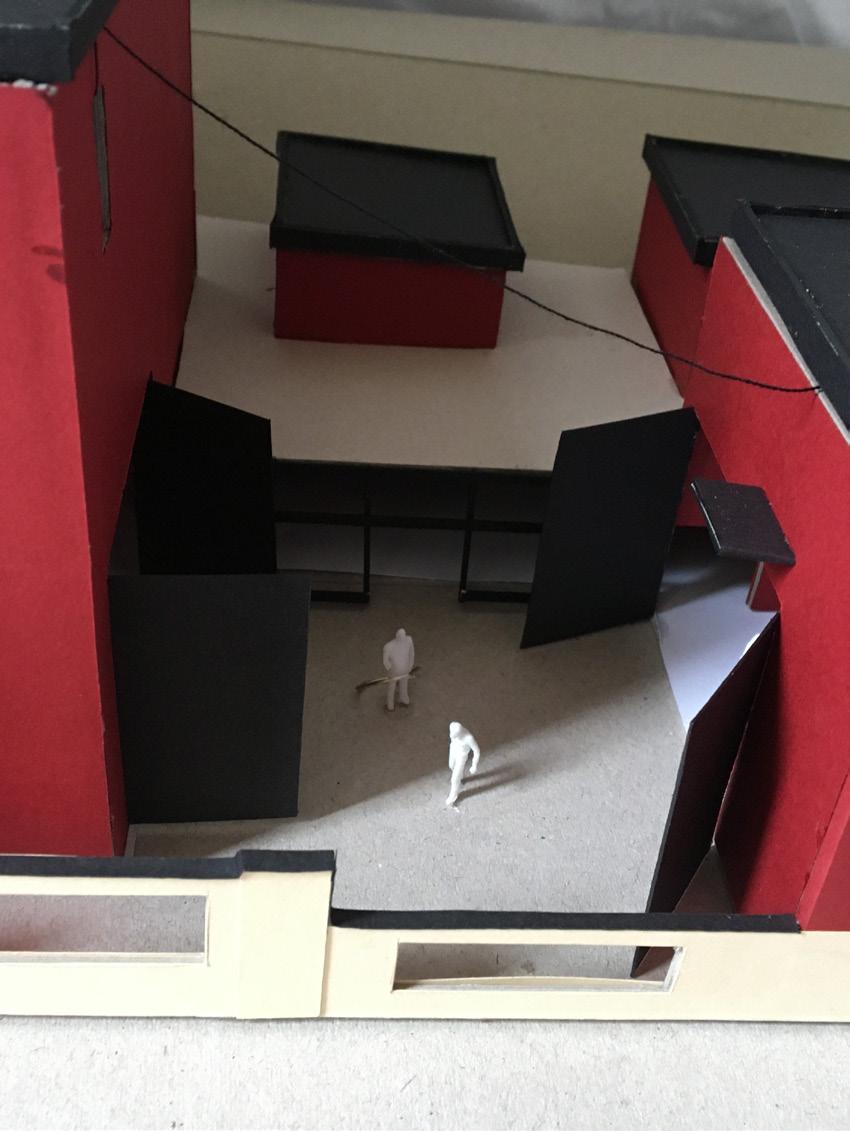
The school is made up of a set of different extruded volumes, distributed according to their function and importance. You can wander around and move to the rhythm of the school, creating a promenade.
The programme is spread out over the entire plot and plays on the heights of the different volumes and their intertwining to offer dynamism through
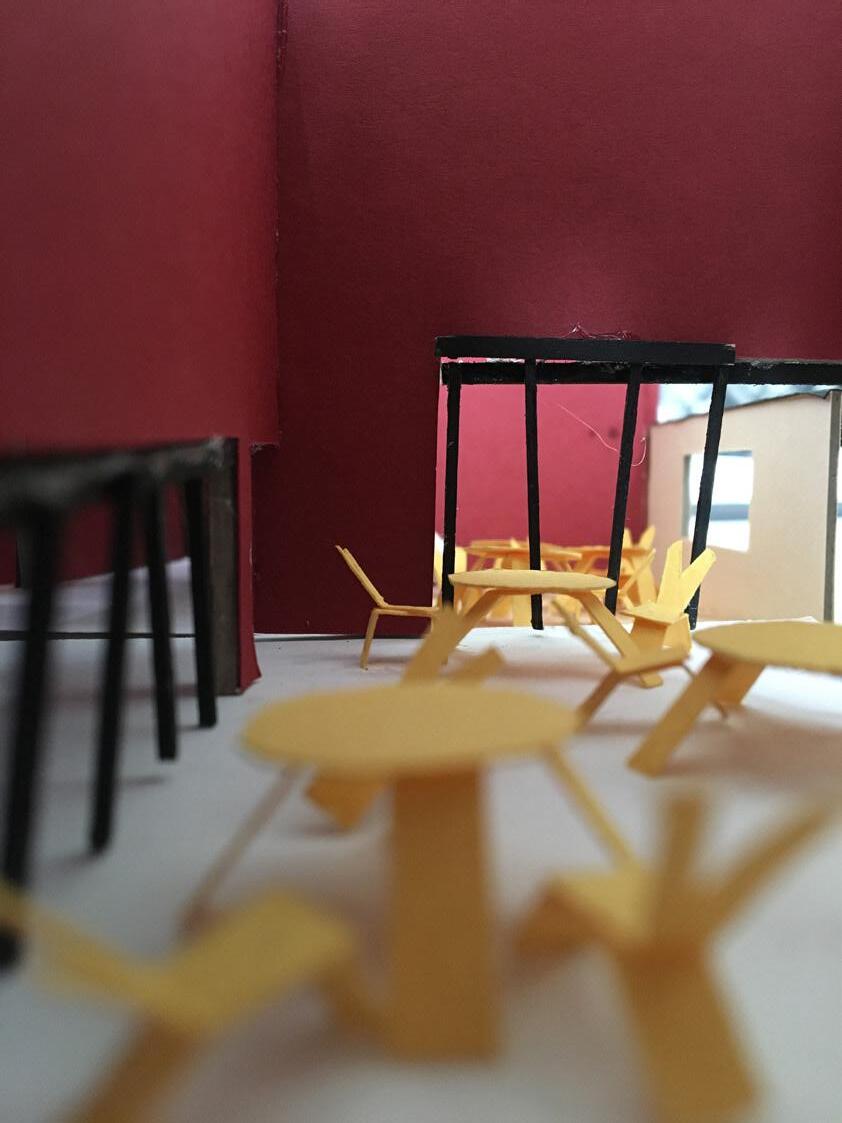
wandering, and a fantastic appearance. The practice and training areas are located on the street frontage, encouraging this permeability as well as performance and spectacle. These spaces act as a stage set.
The alternation of interior patios (more restful) and exterior patios reinforces the sense of wandering, of strolling, and sometimes provides an interconnection between the different spaces. The more technical areas are located close to the embankment. This progression through the school functions like a promenade, creating a kind of twirling poetry.
BORDERS AND SHOVES, AOSTA VALLEY (IT)
Created with Laura Lenaerts
Year: BA3 Urban Nature (2022) English Studio
Teachers: Benoit Burquel and François Vliebergh
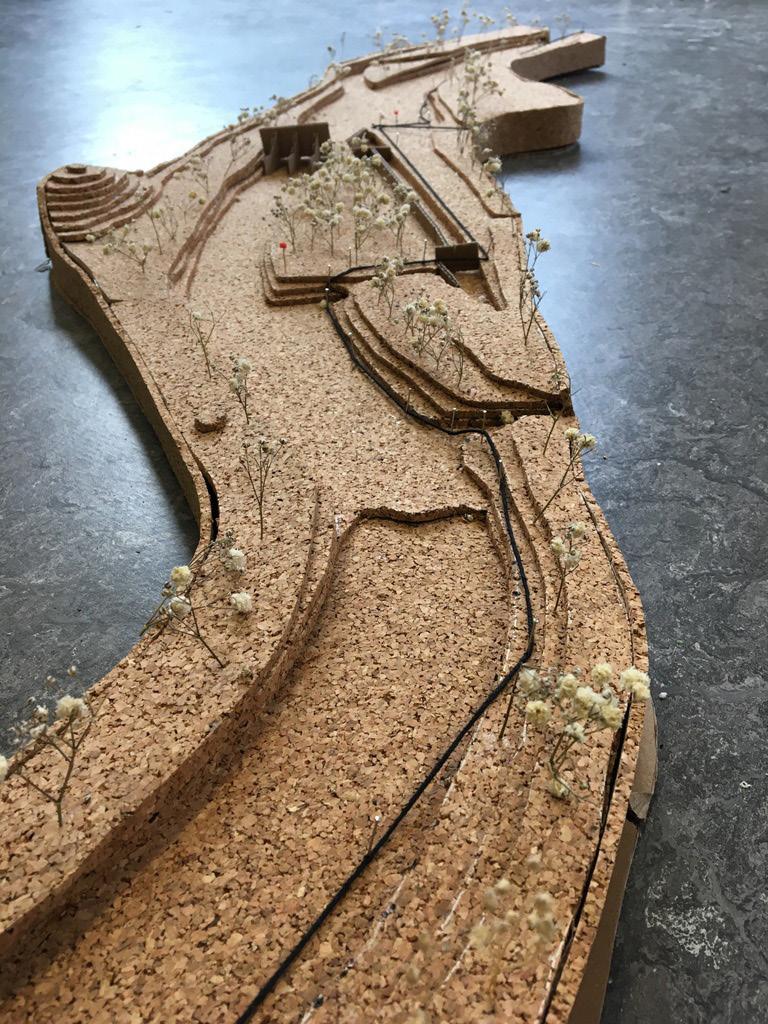
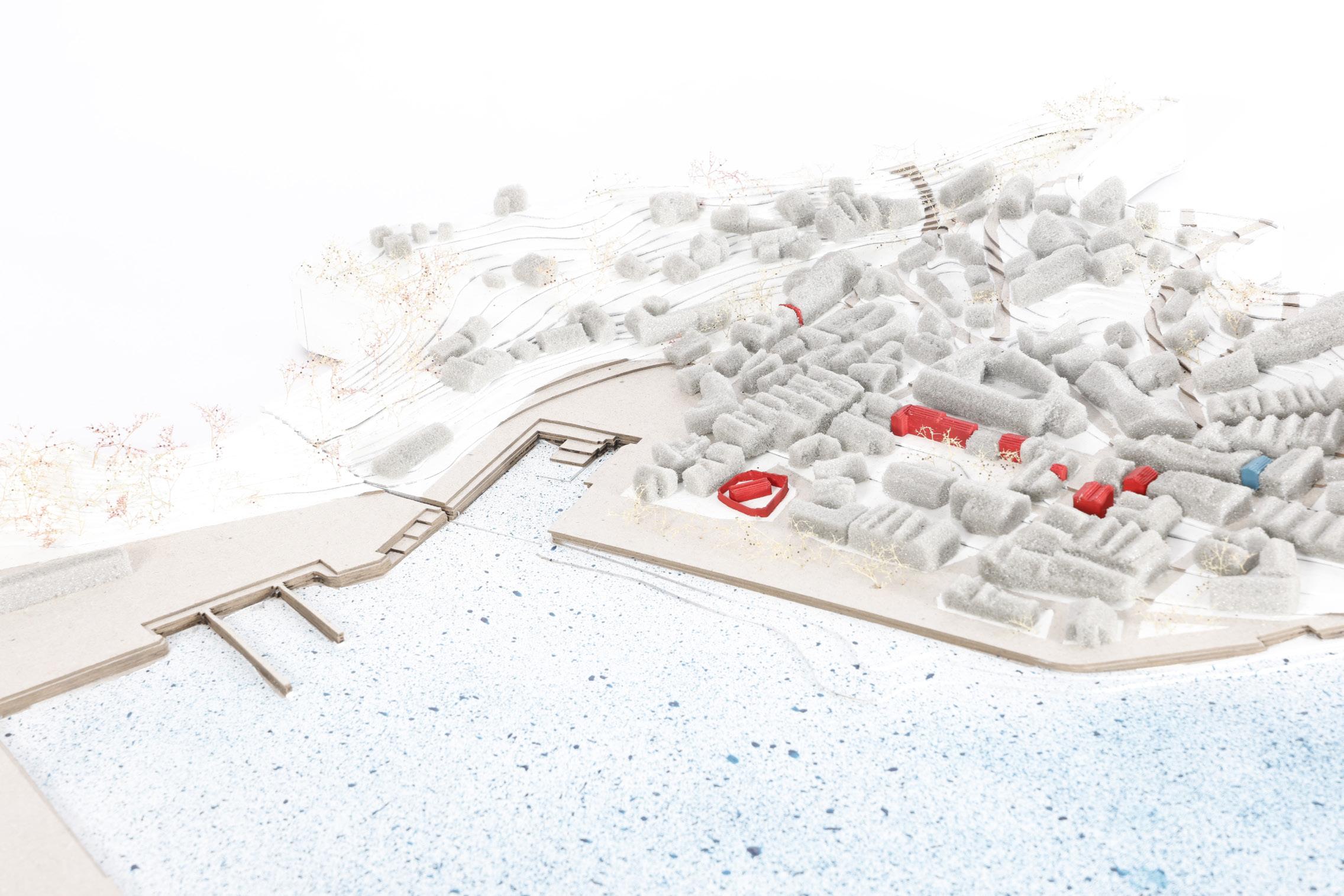
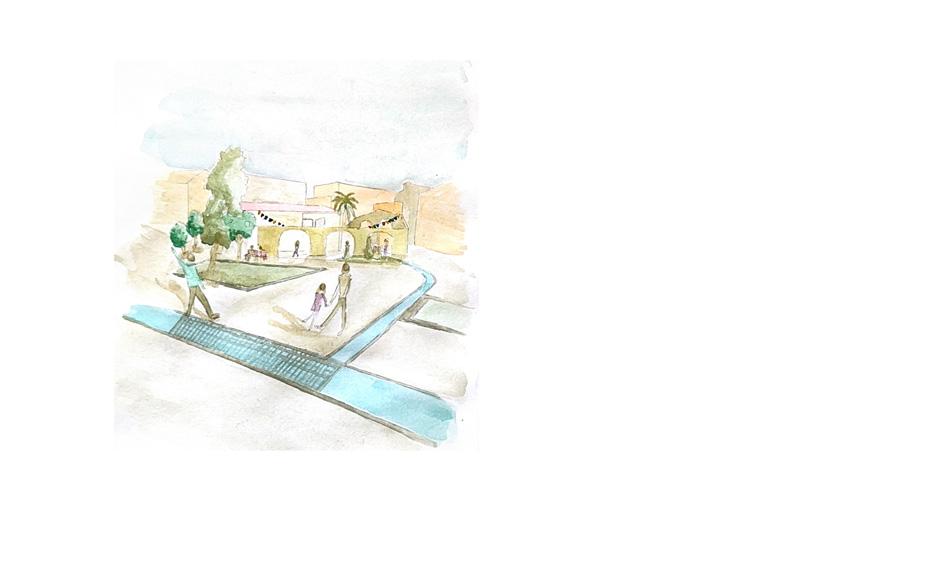
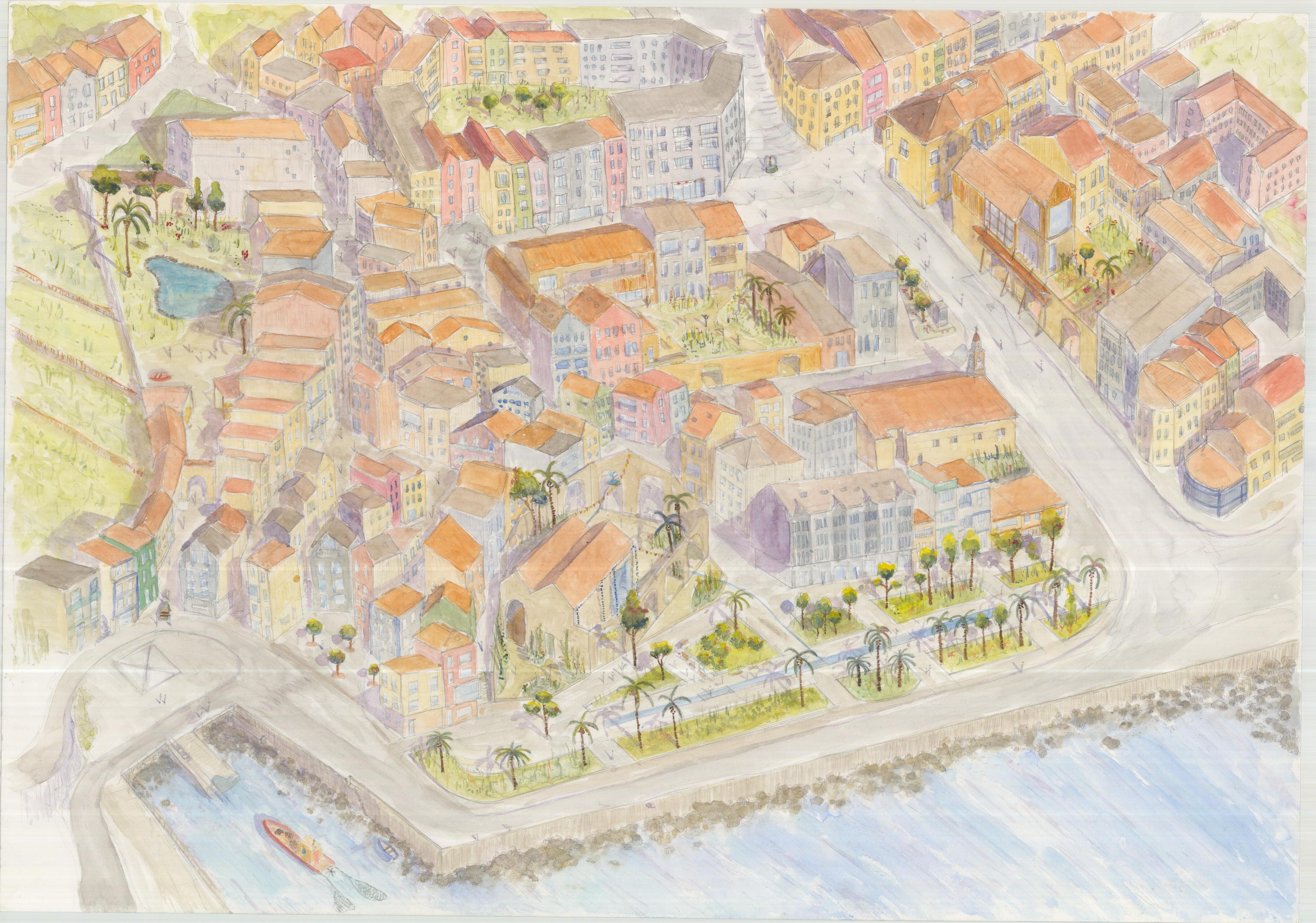
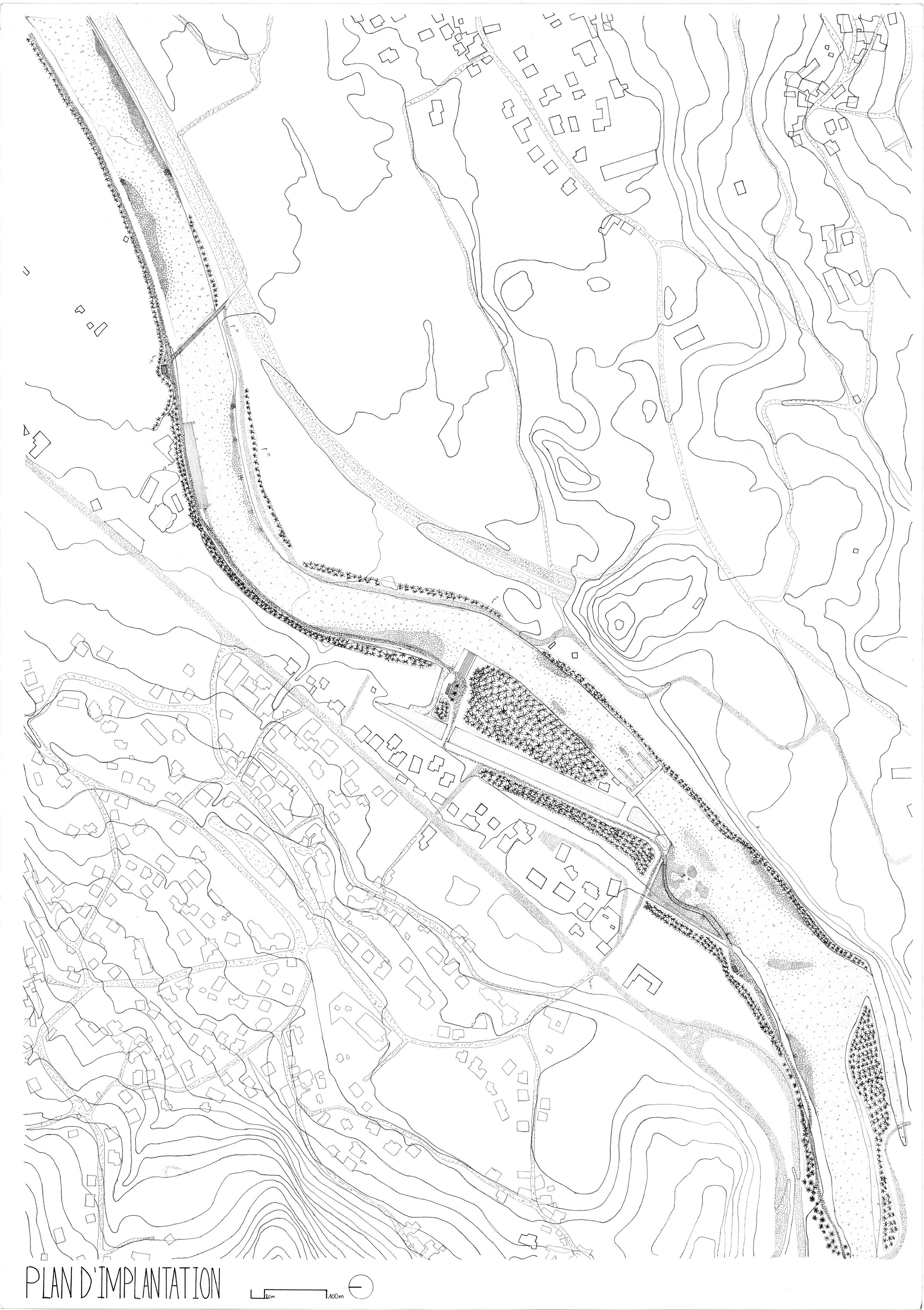
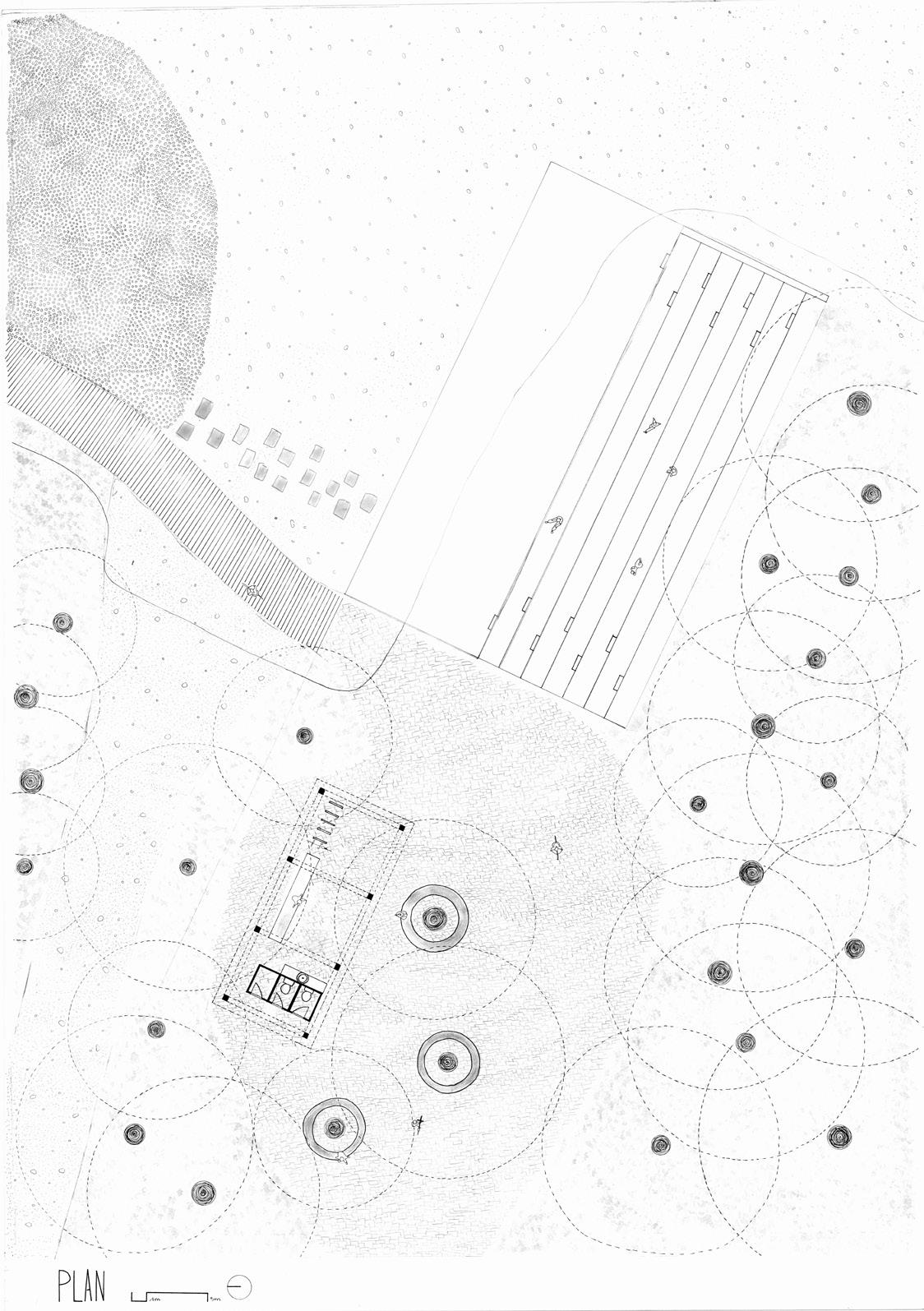
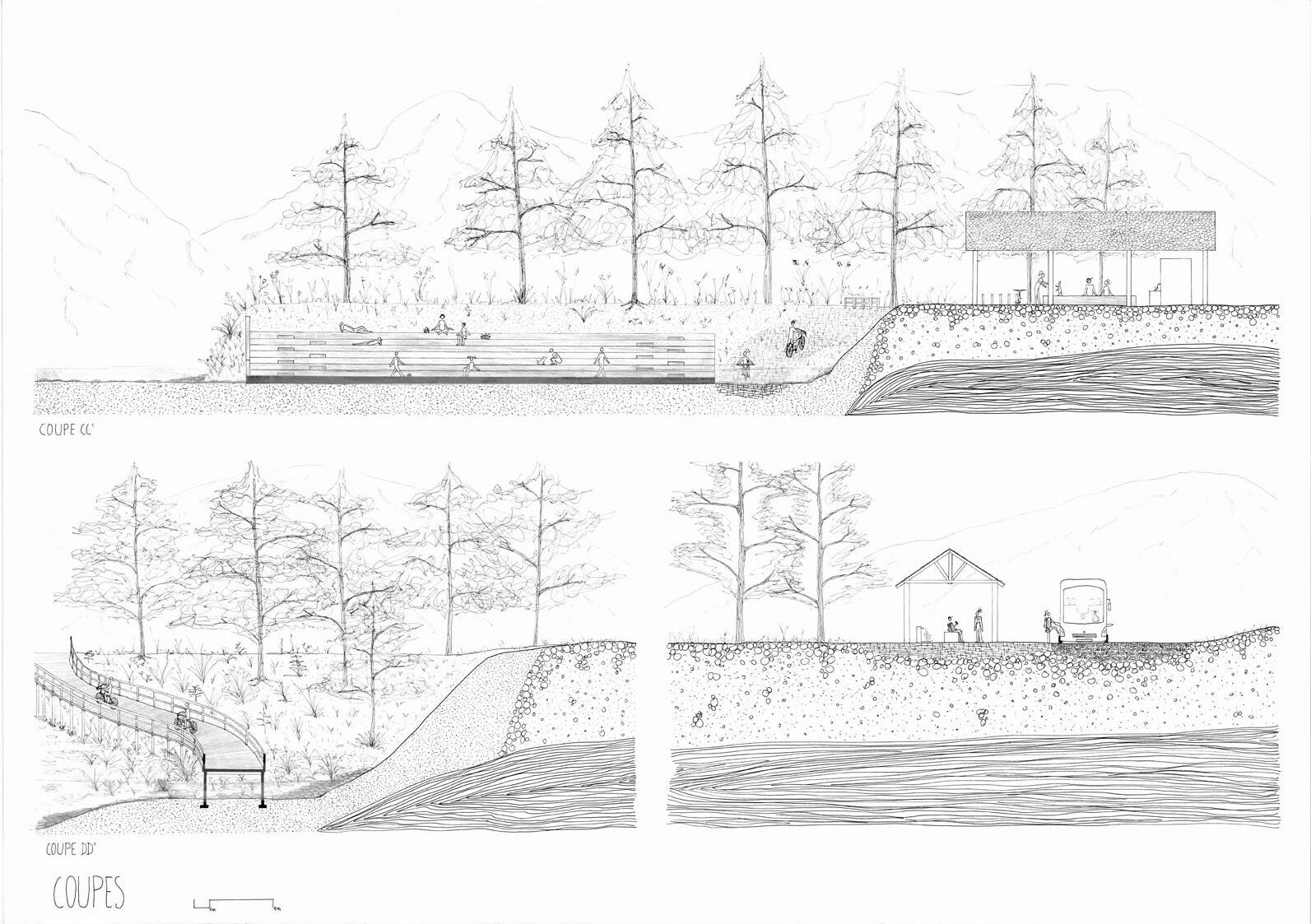
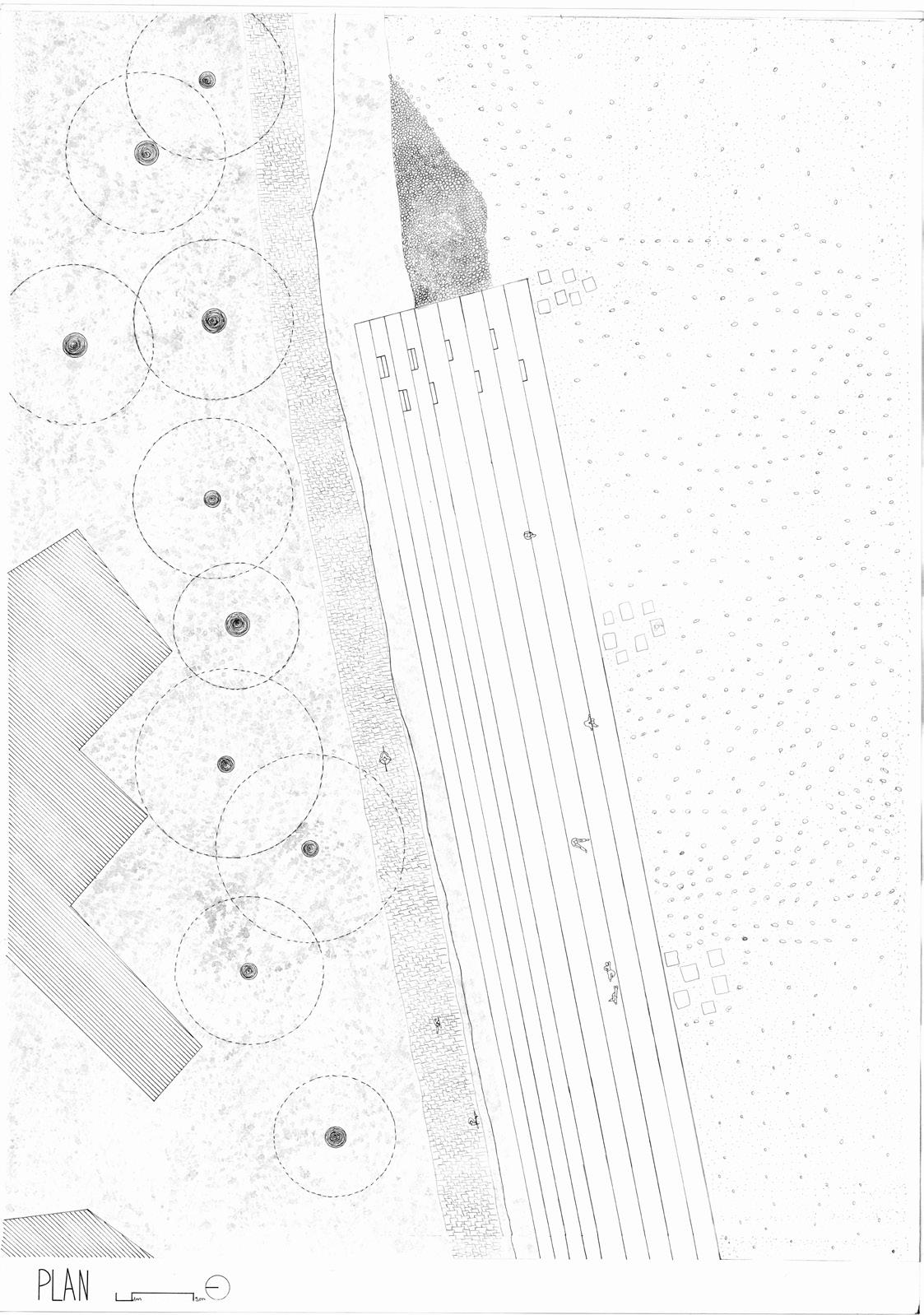
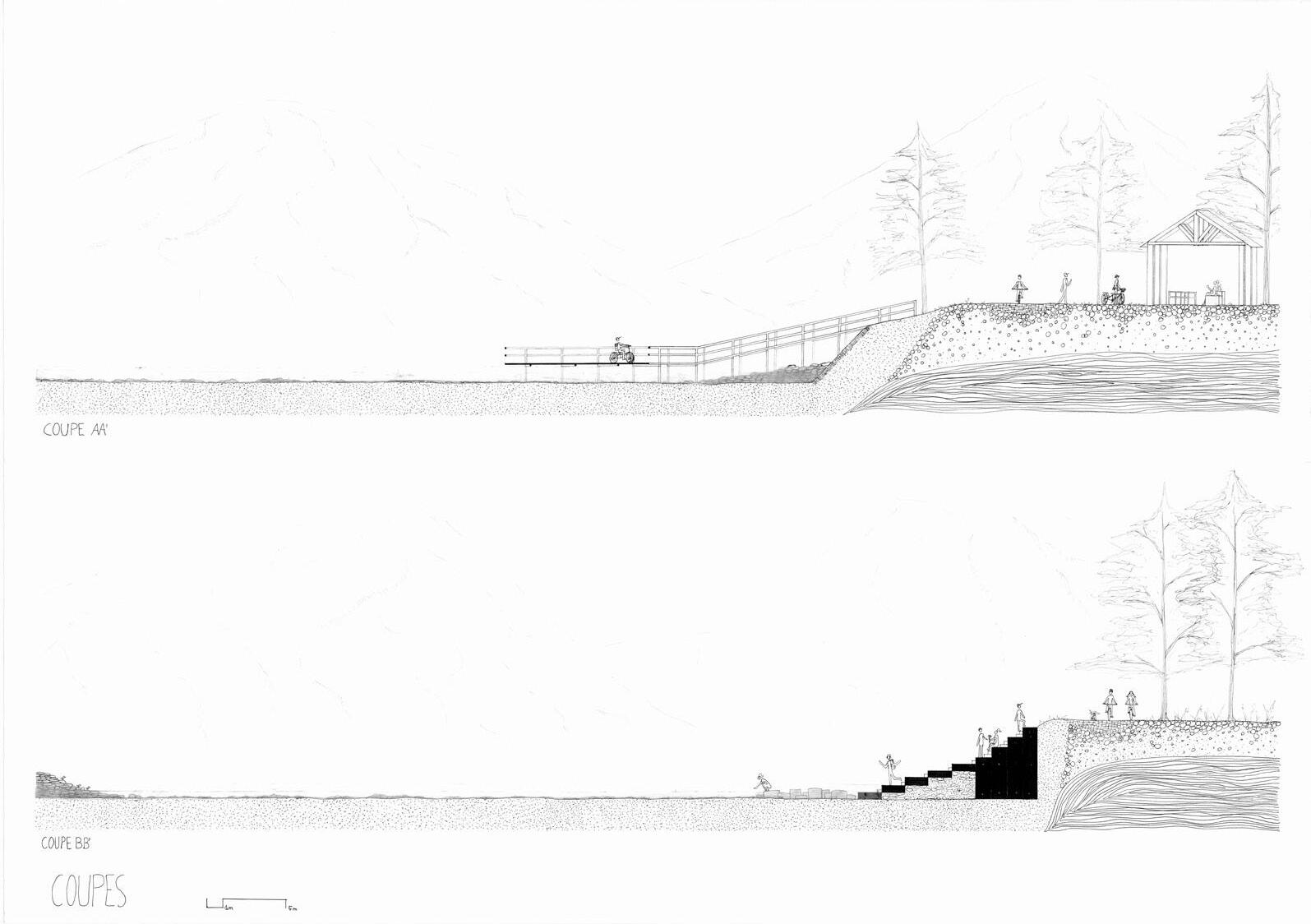
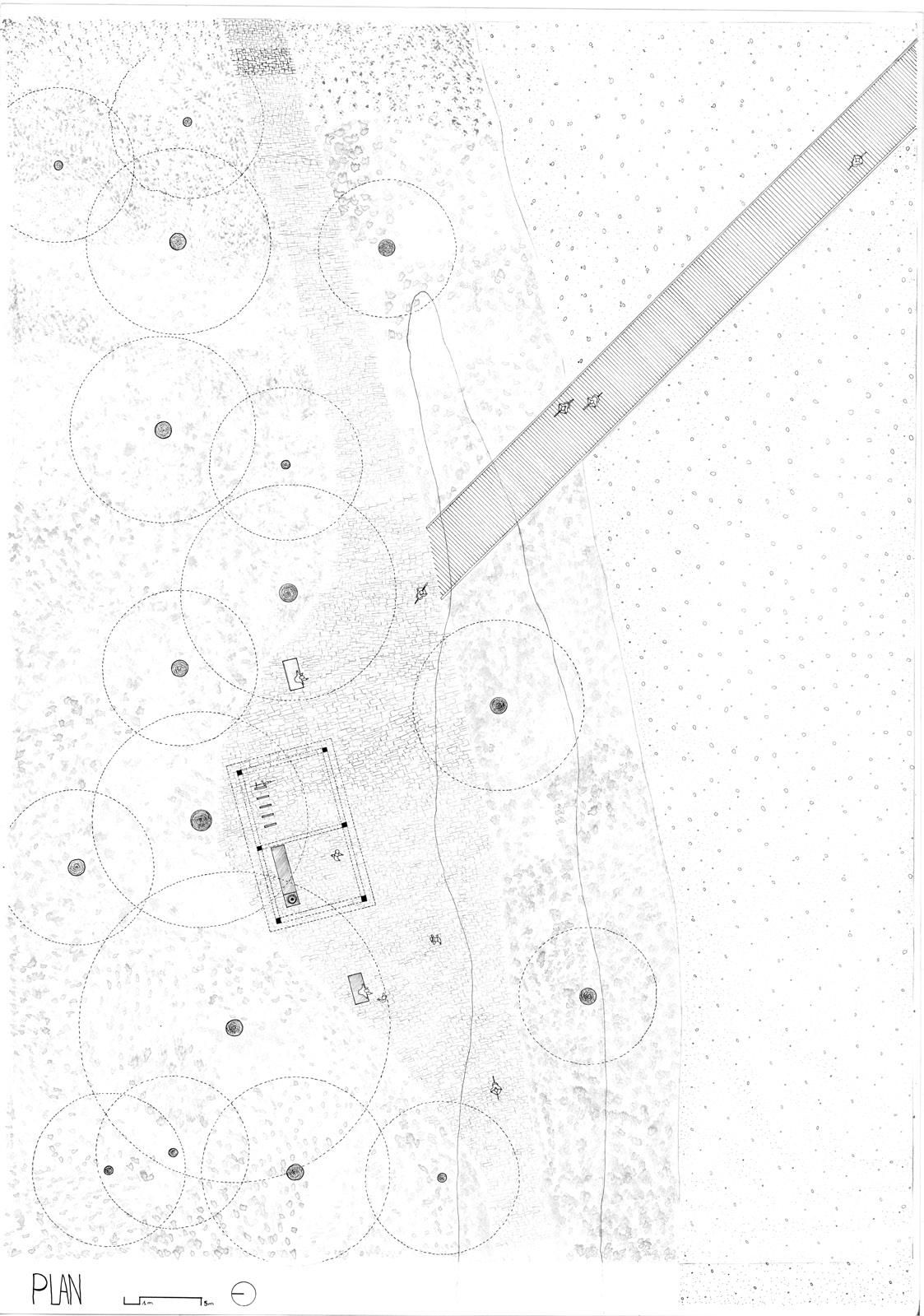
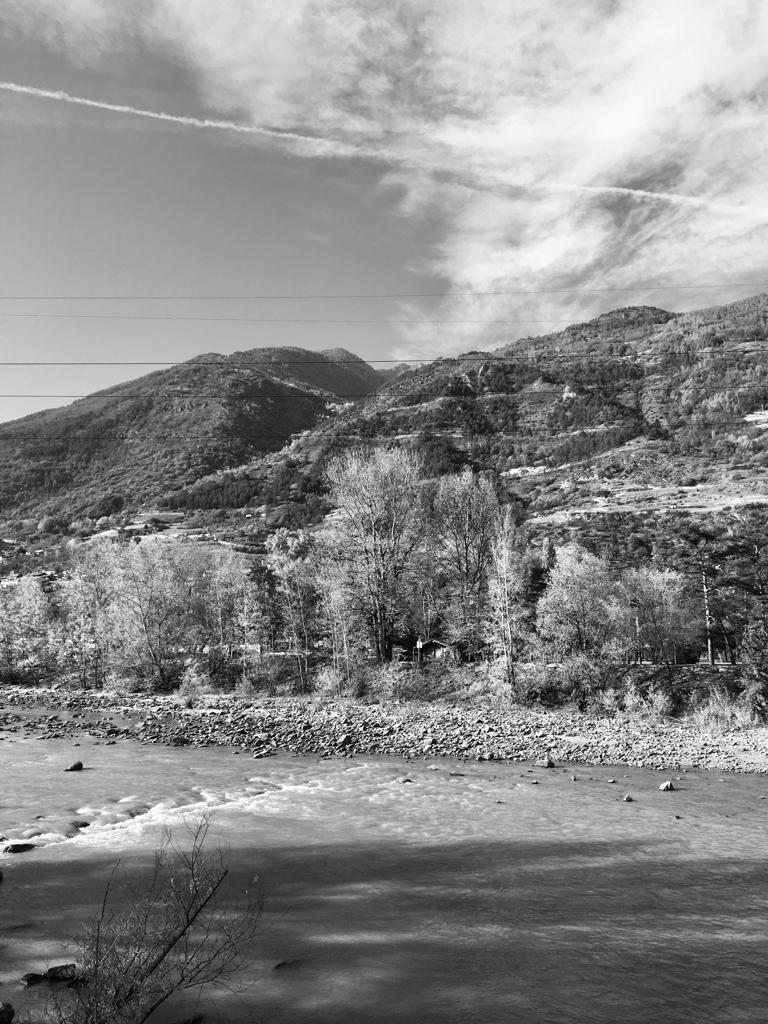
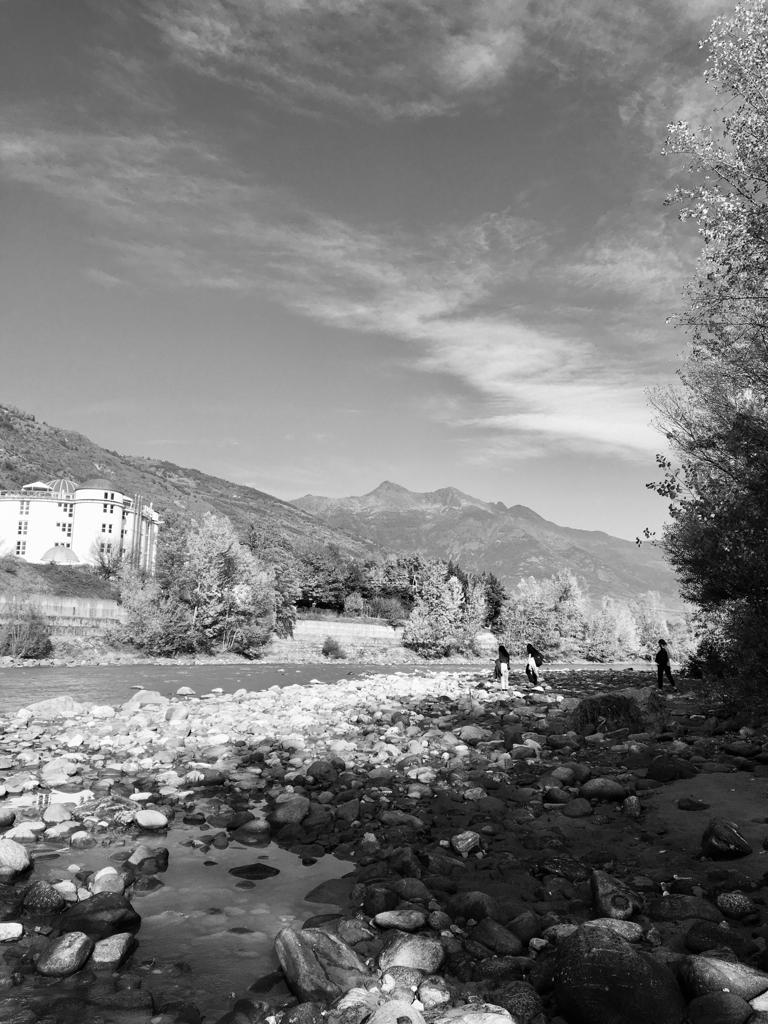
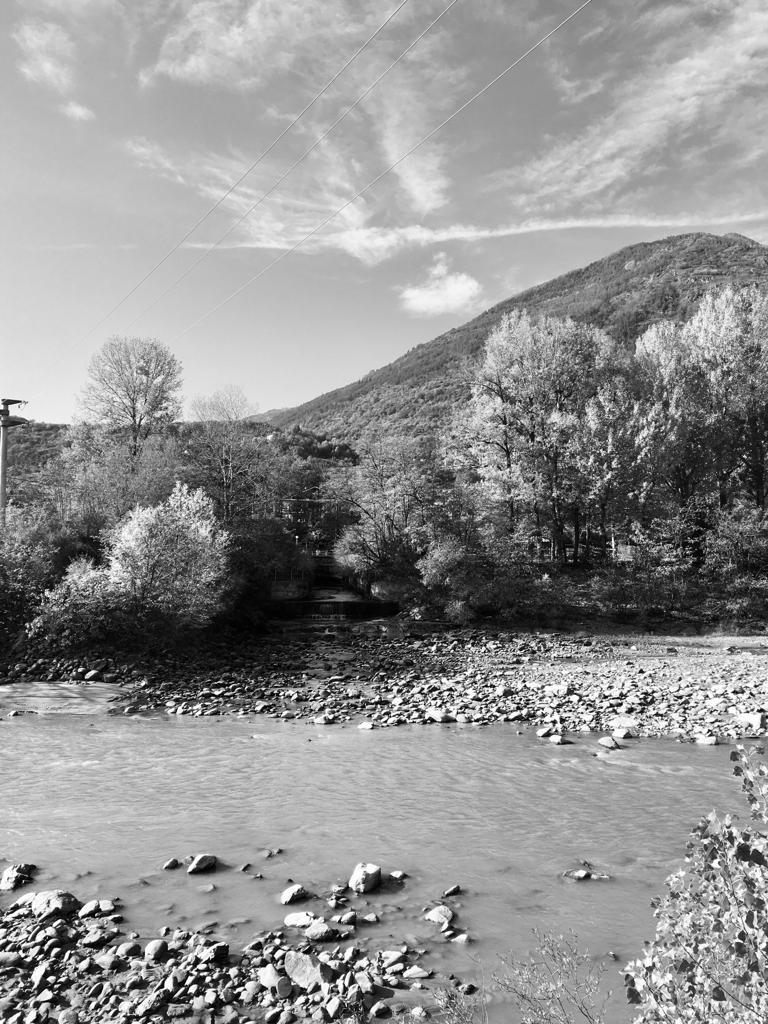
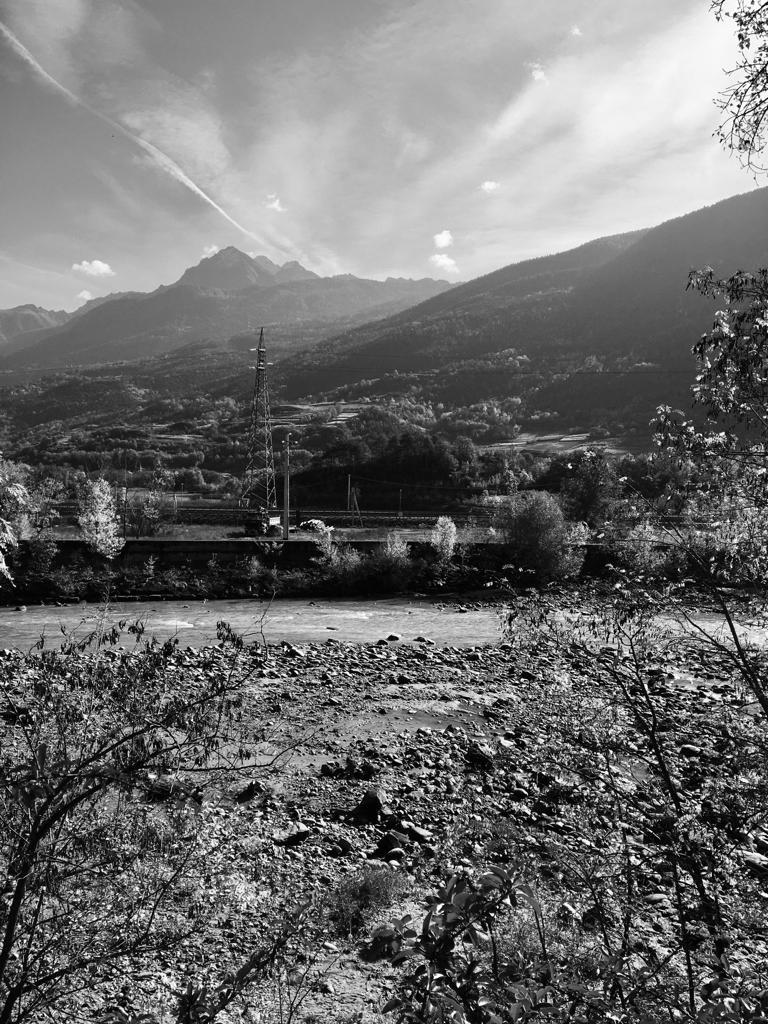
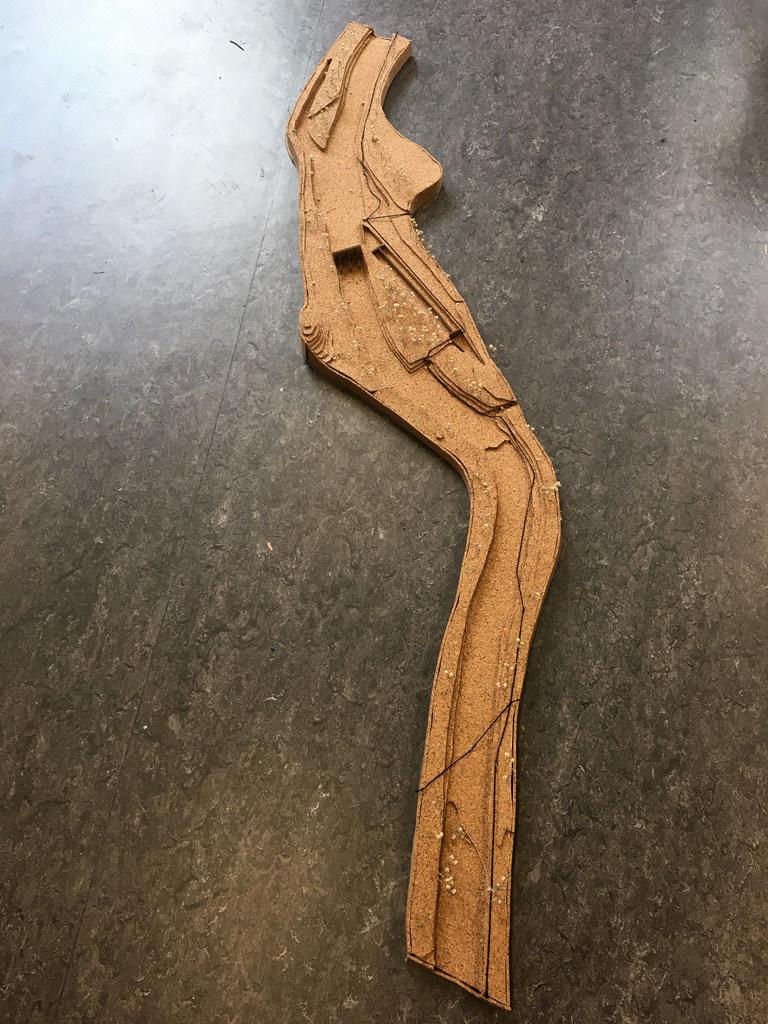
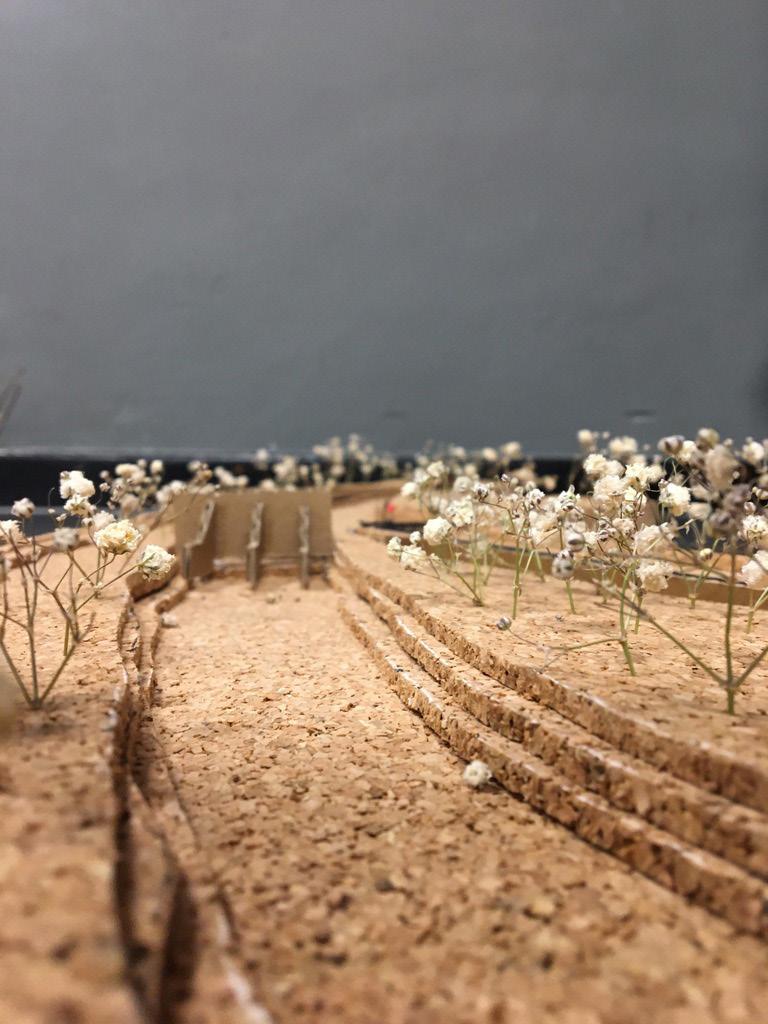
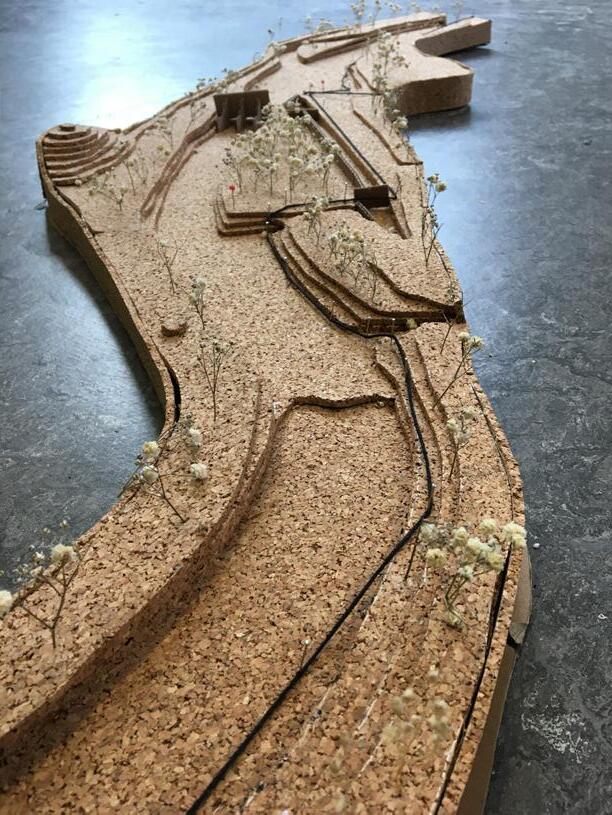
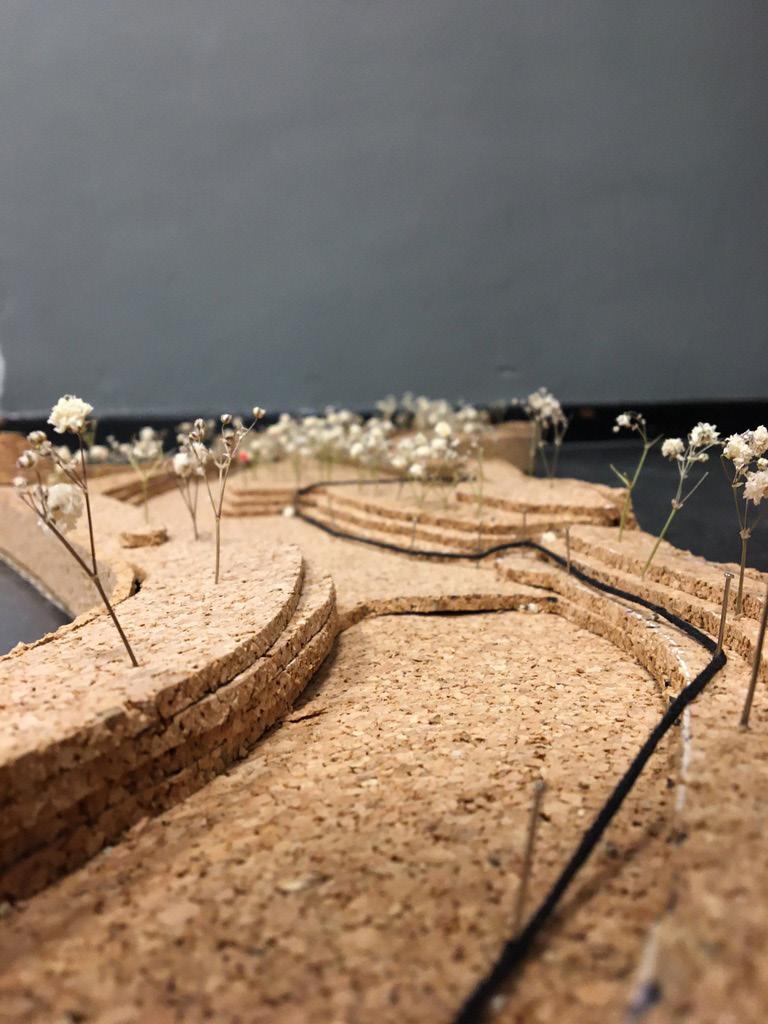
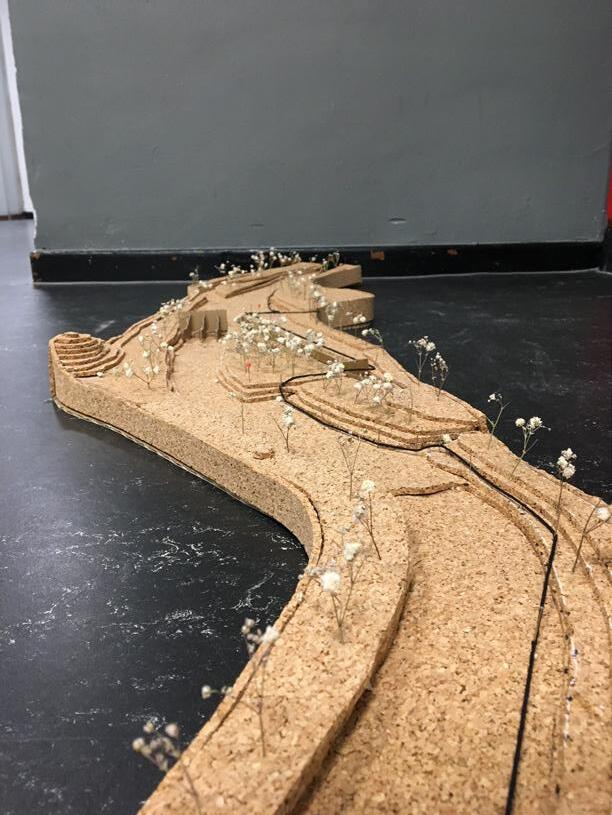
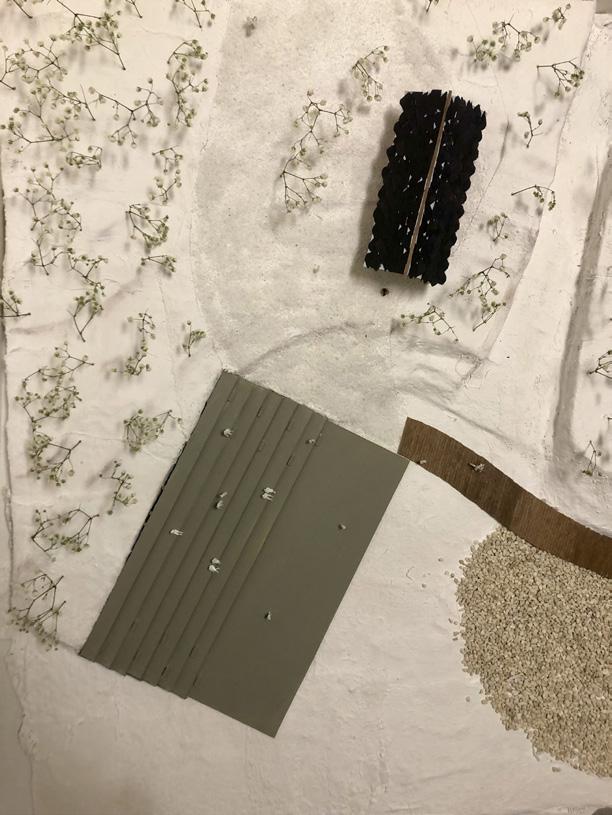
As part of our work on 'New Ruralities' with the Urban Nature studio, we were asked to study the environment of the Aosta Valley. The project to develop the banks of the river and the cycle path is located in the village of Sarre (in the Aosta Valley in Italy), and has been created with the aim of developing the banks of the future bicycle path and making the town more lively.
Our main intentions are to connect the town to the river (the Doire), and to rediscover places that have been forgotten because this is a dormitory town. The aim is to see the place in all its splendour, by rediscovering
the different typologies of the river. We're creating stopping-off points in a landscape that's on the move.
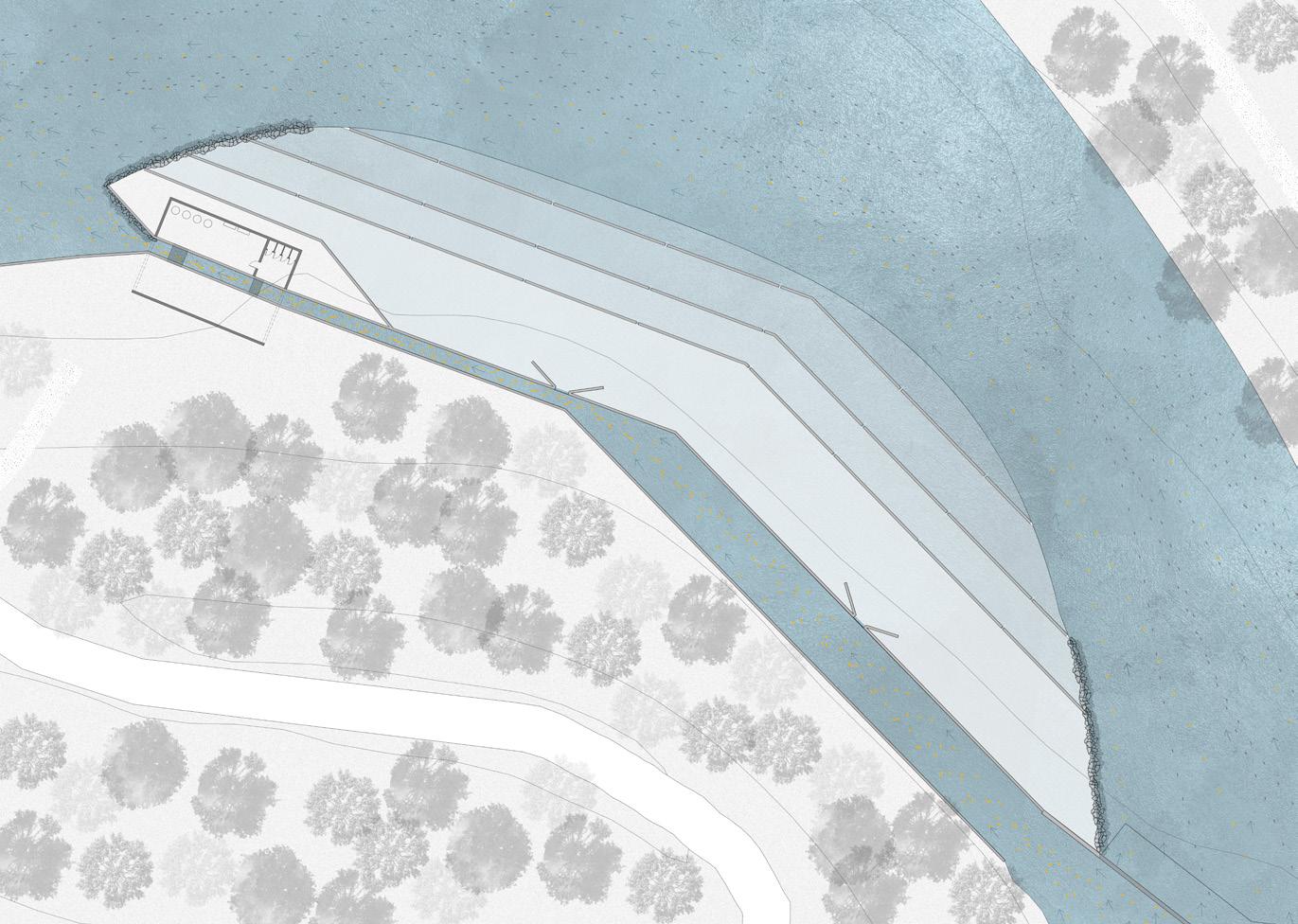
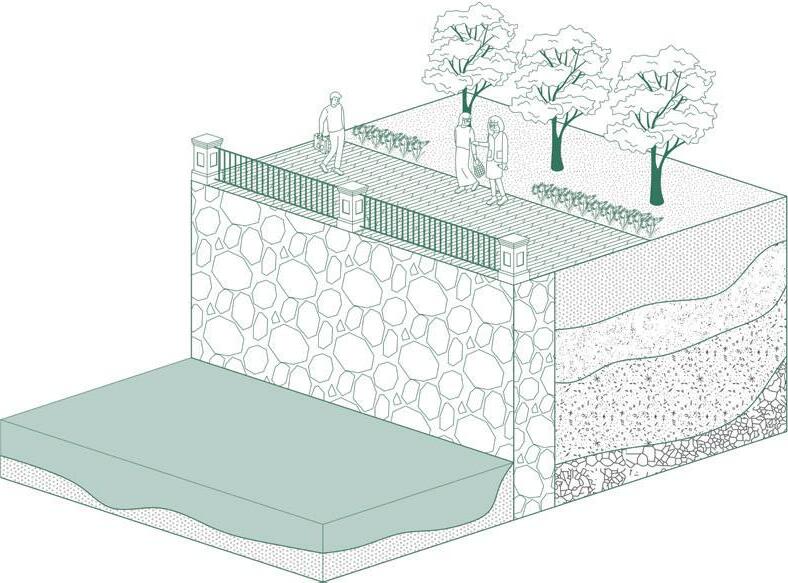
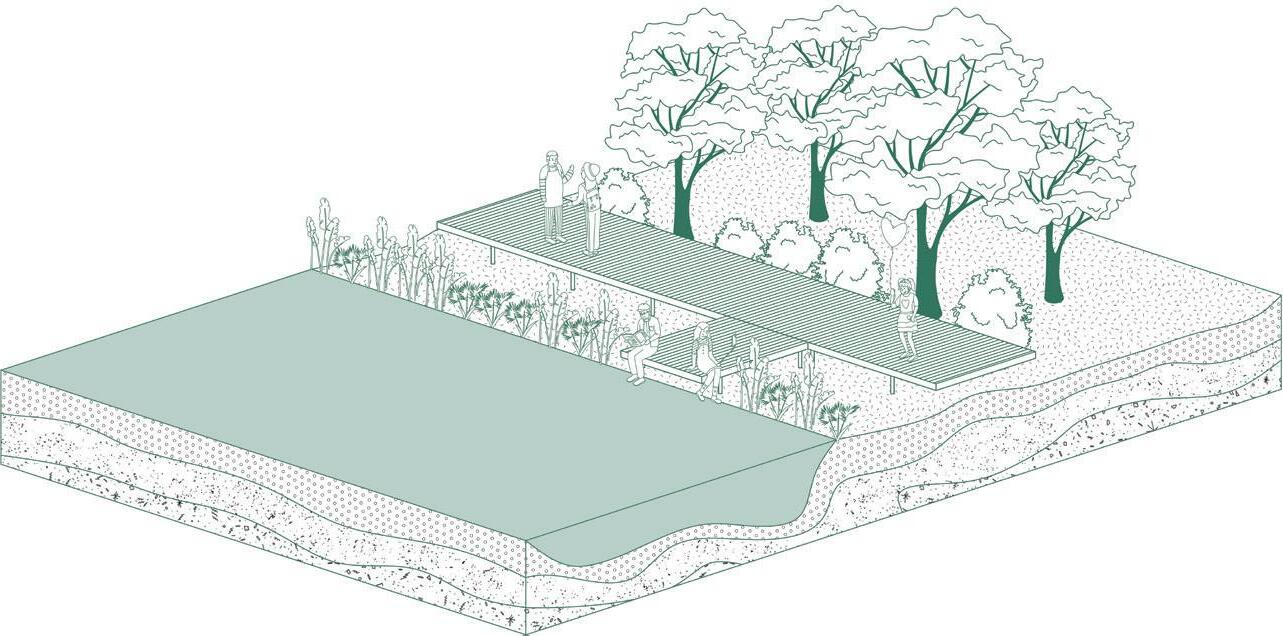
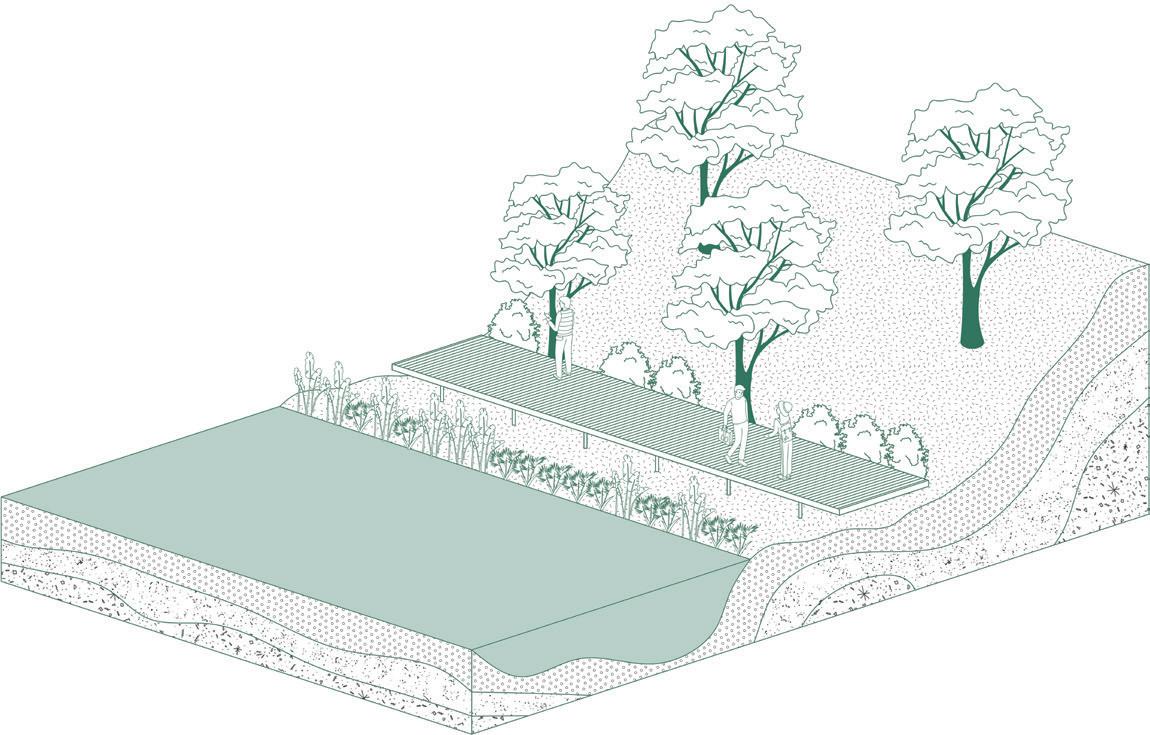
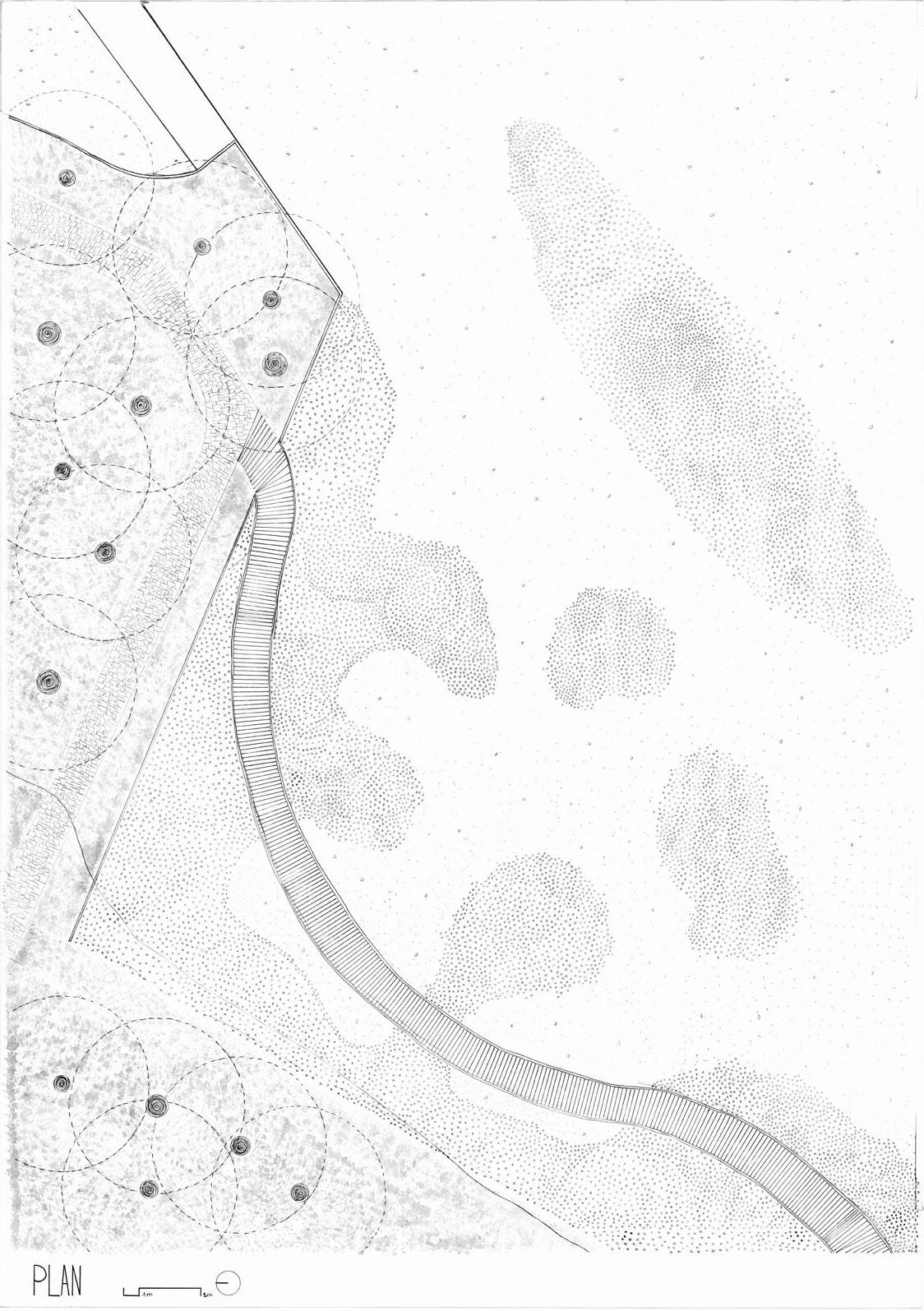
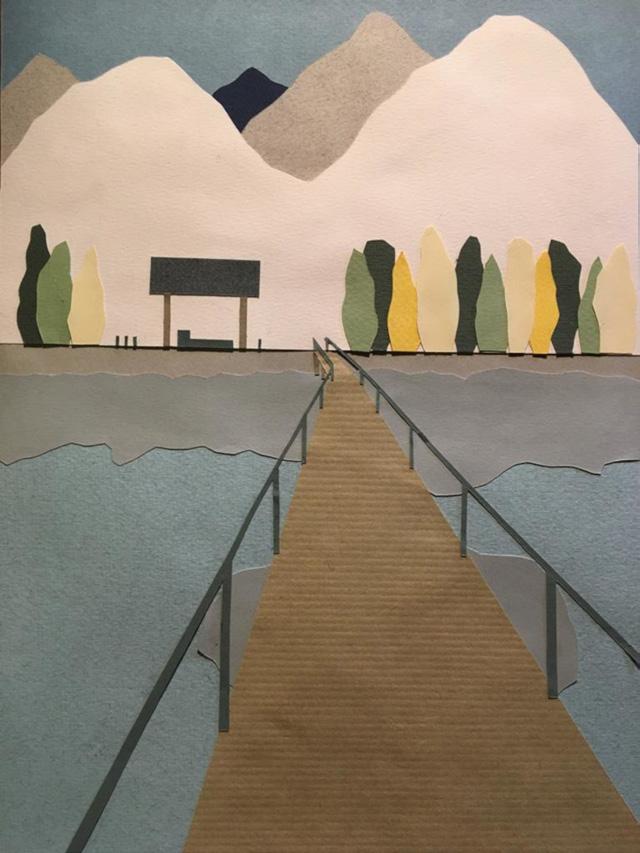
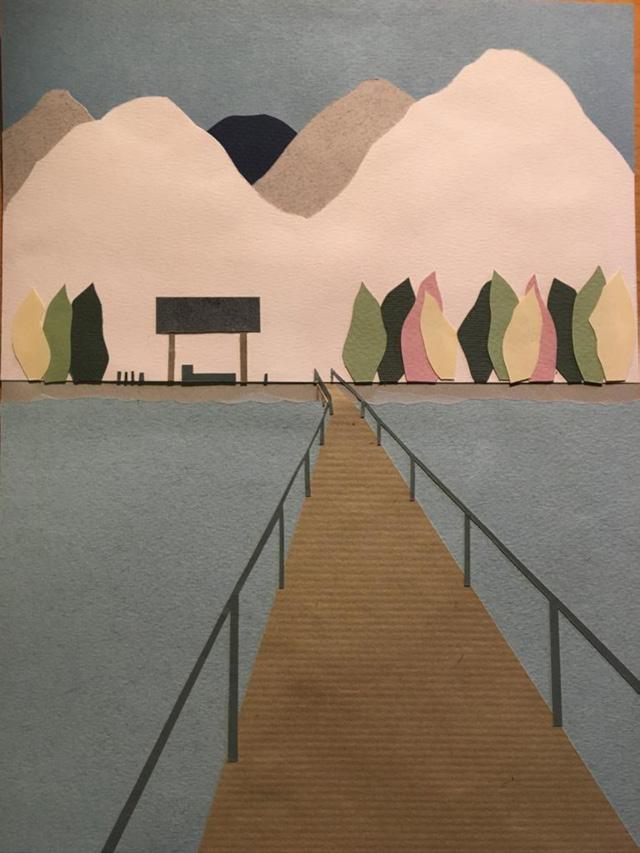
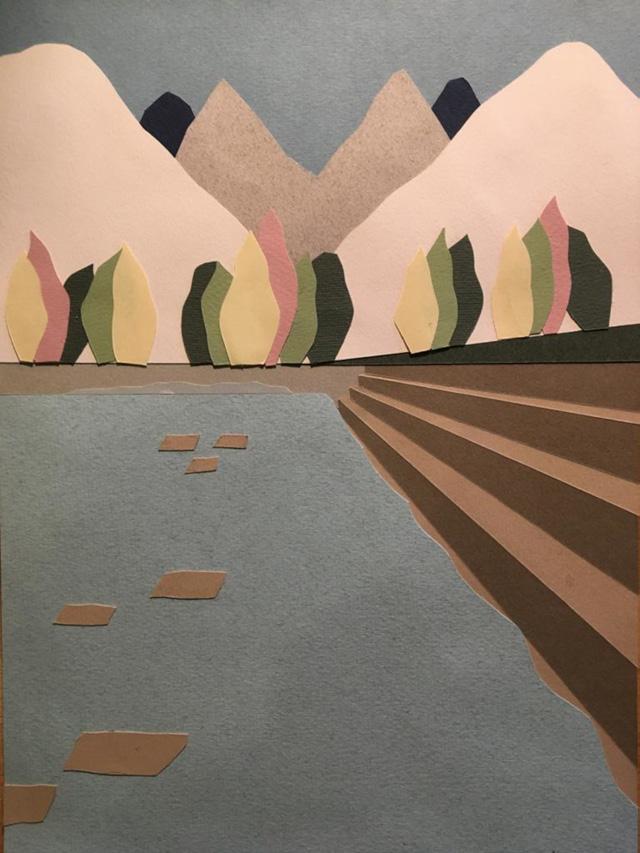
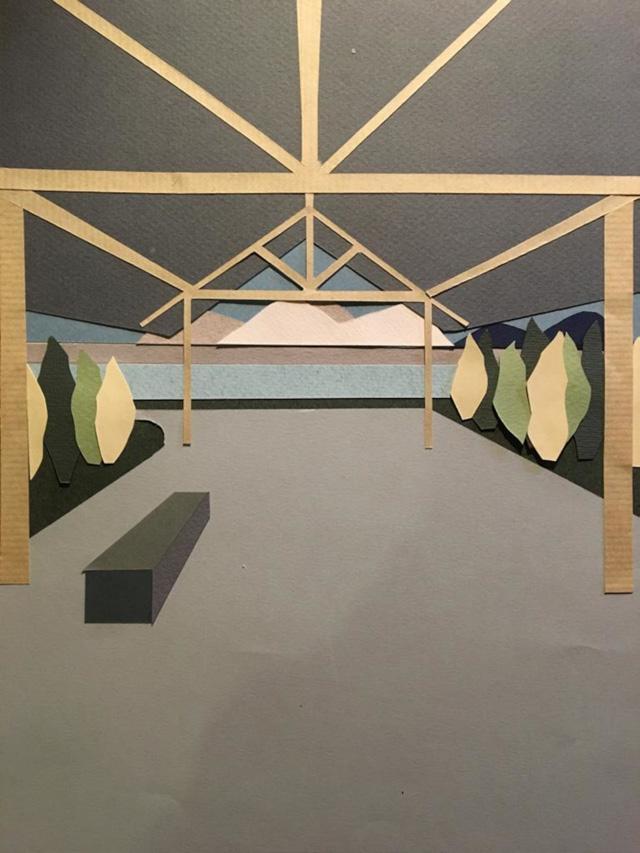
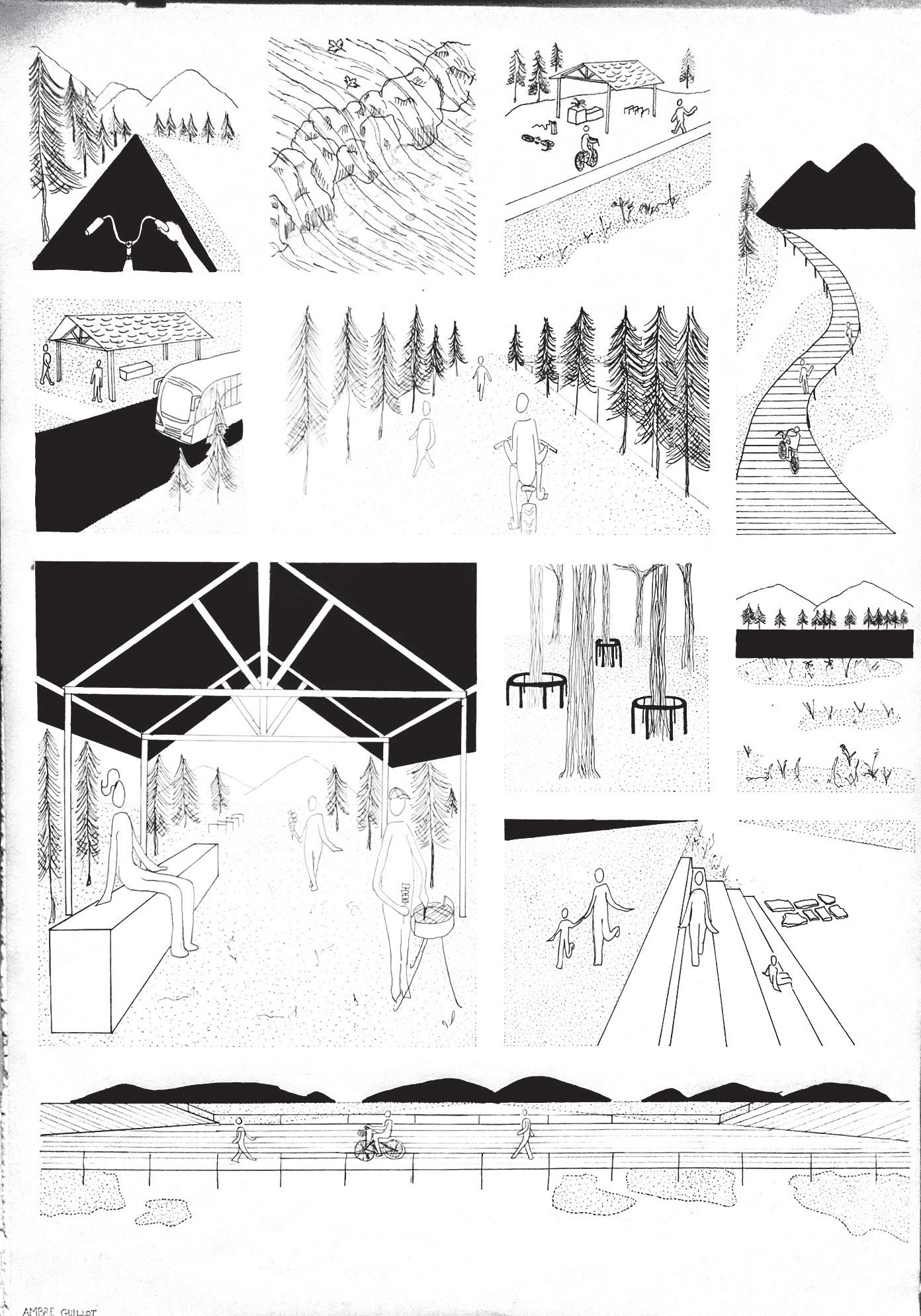
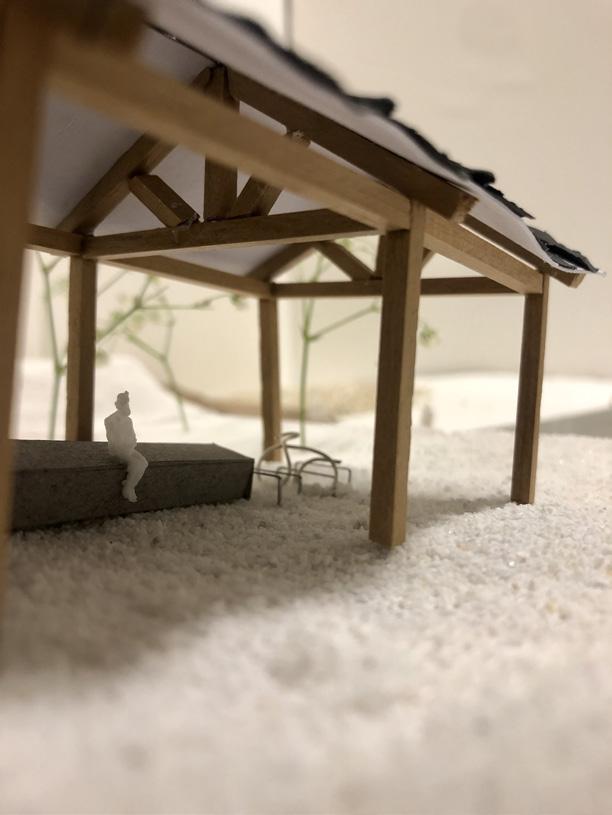
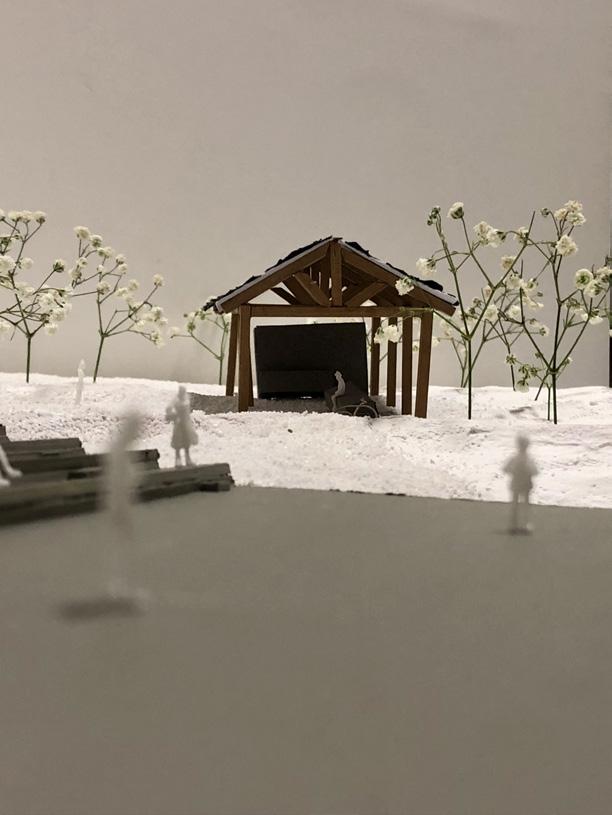
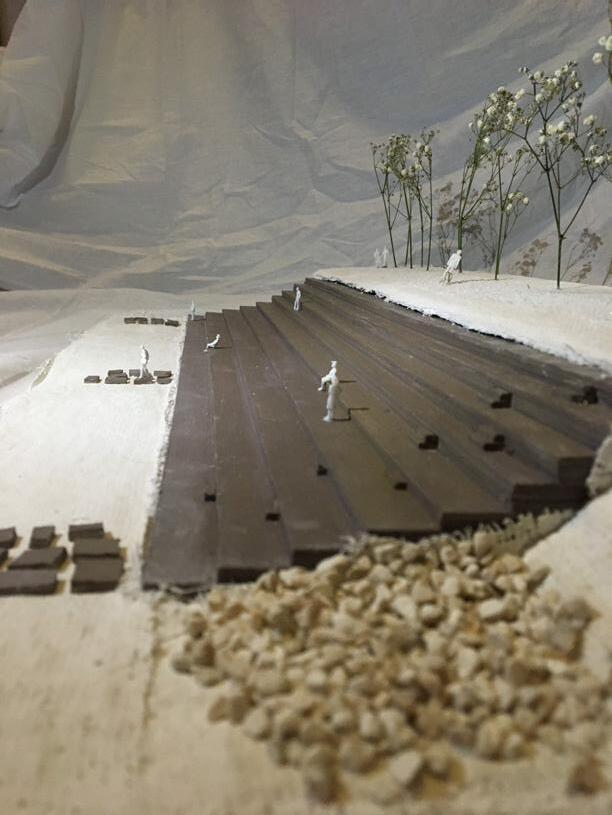
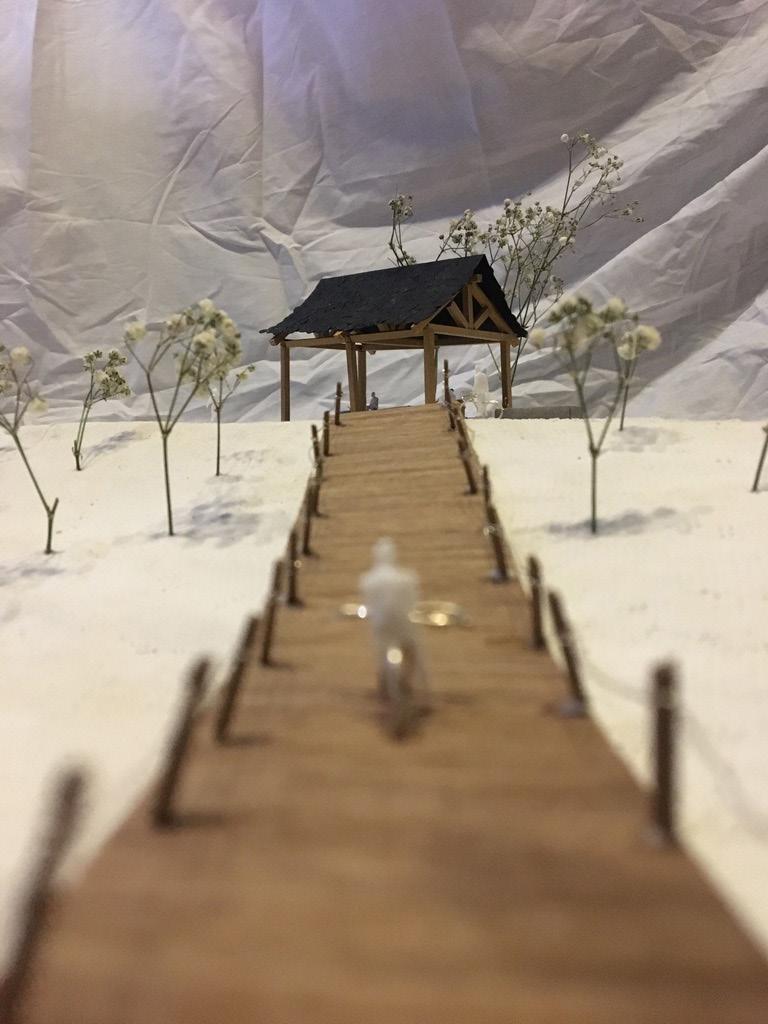
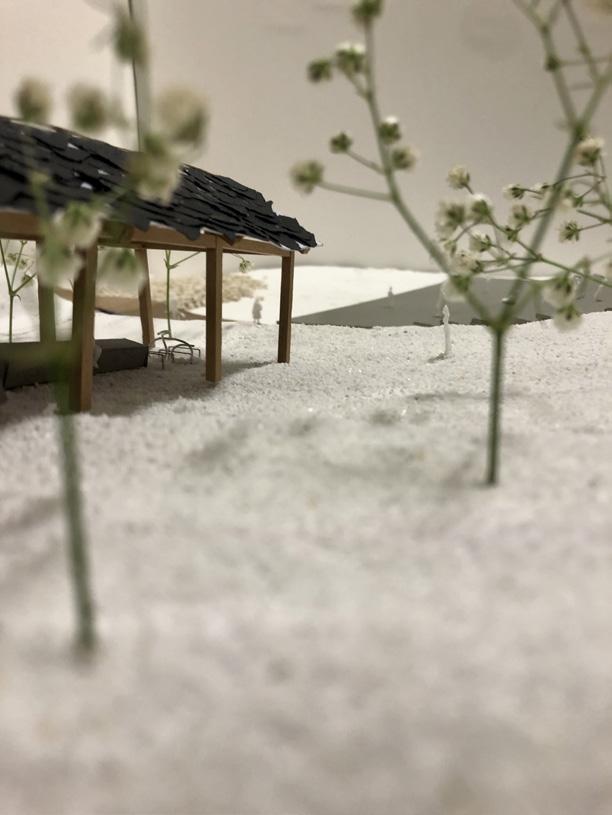
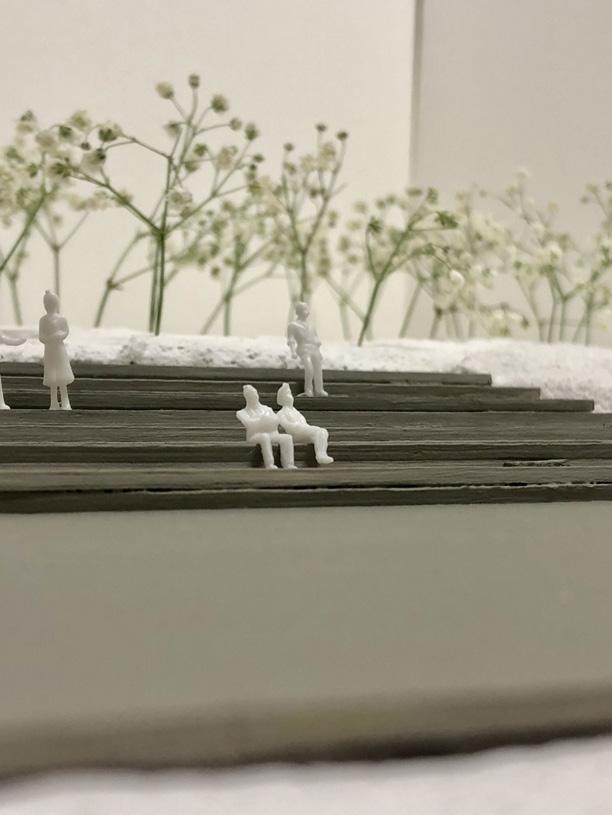
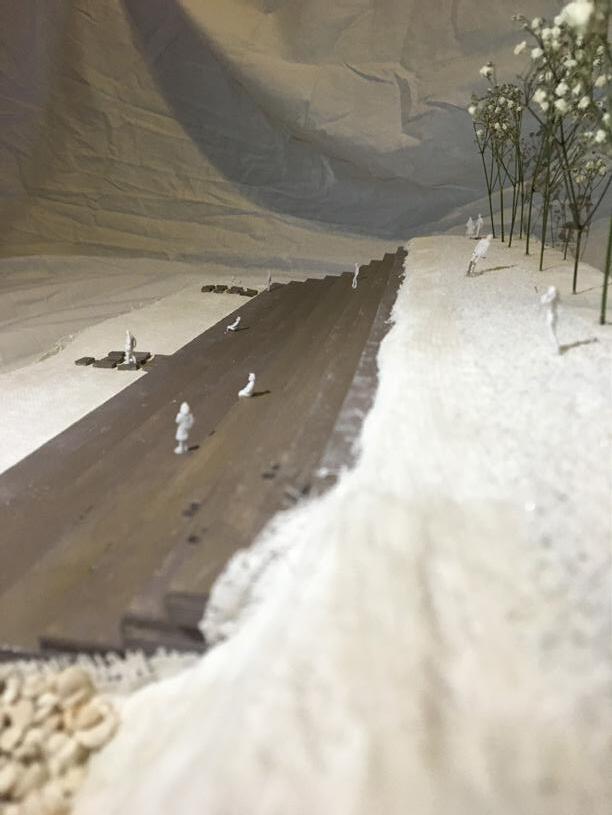
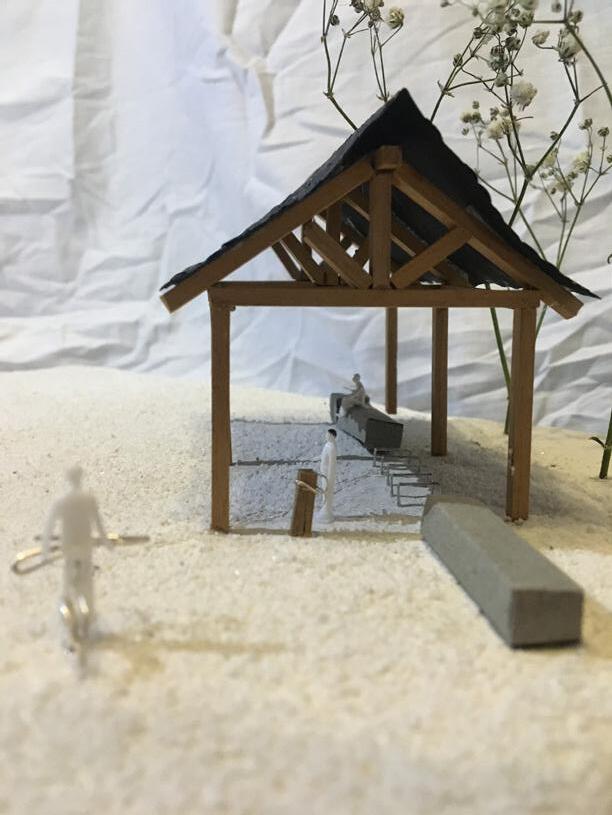
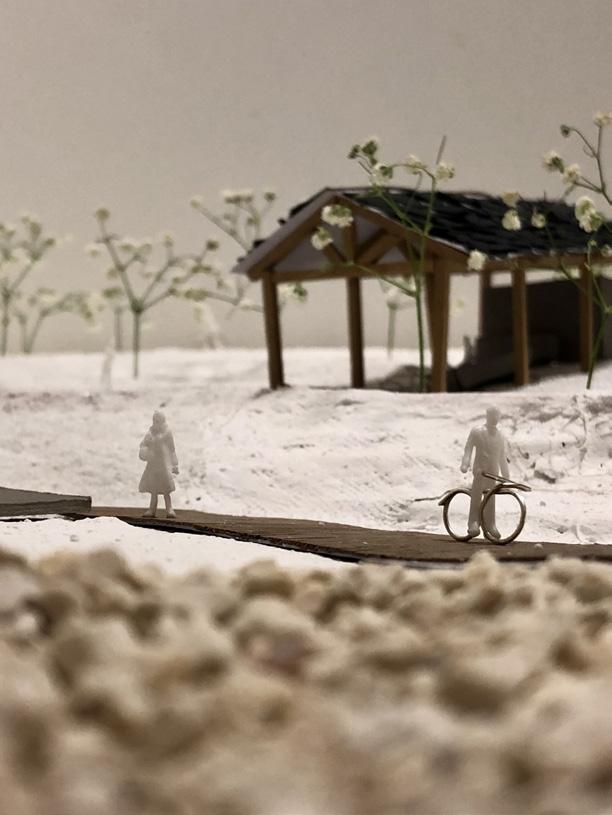
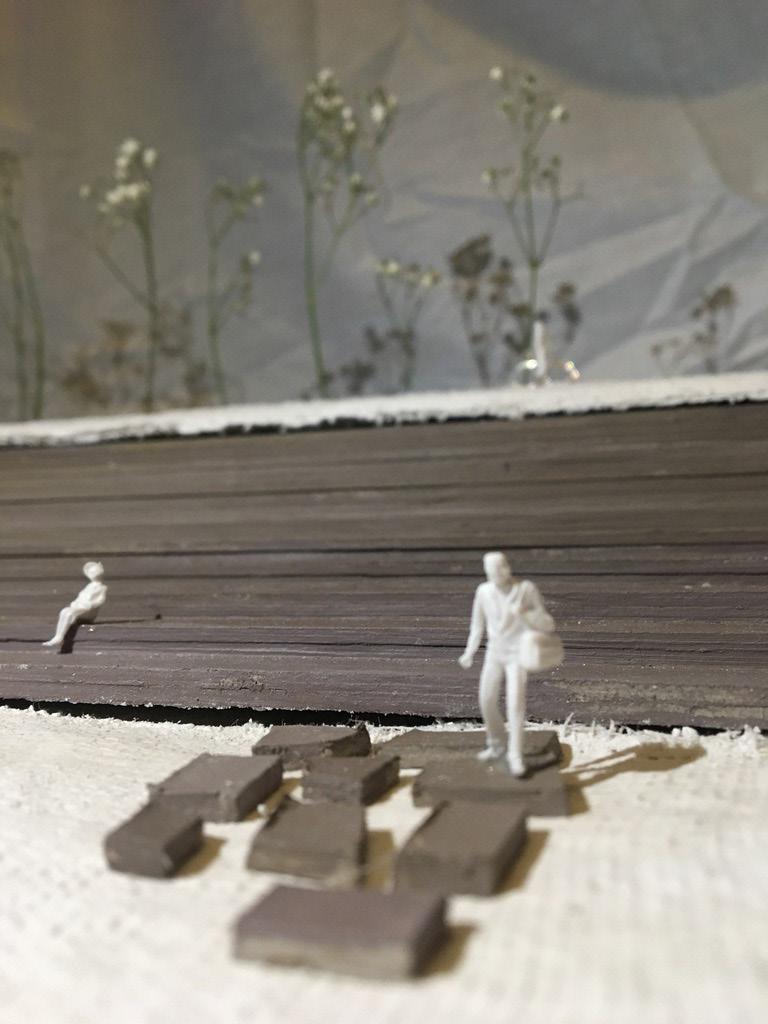
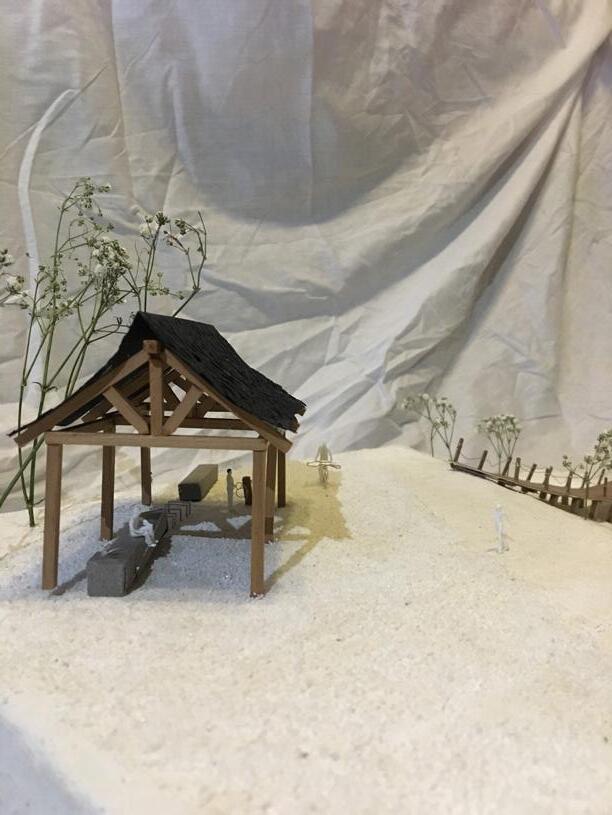
On this particular walk along the bicycle path, you'll come across different areas that change with the season. Crossing the footbridge, cyclists ride right alongside the water, with small pavilions along the way where you can take a break, fill your water bottle or refill your bike in case of trouble. Retaining walls become staircases that plunge into the water for a swim. There are also a number of "guinguette" areas. A footbridge that immerses itself in the Wetland according to
the water level lets us discover the banks of the river, and accept the conditions of the site. The project also involves planting the area around the dam from different perspectives.
The project, also known as "Borders and Shoves", is not just for cyclists, but also for pedestrians. The stopping points are easily accessible from the city, providing a connection between the valley and the river.

Series









THE EDUCATIONAL BARN , VRESSE-SUR-SEMOIS (BE)
Created with Laura Lenaerts
Year: BA3 Urban Nature (2023) English Studio
Teachers: Axel Fisher and François Vliebergh
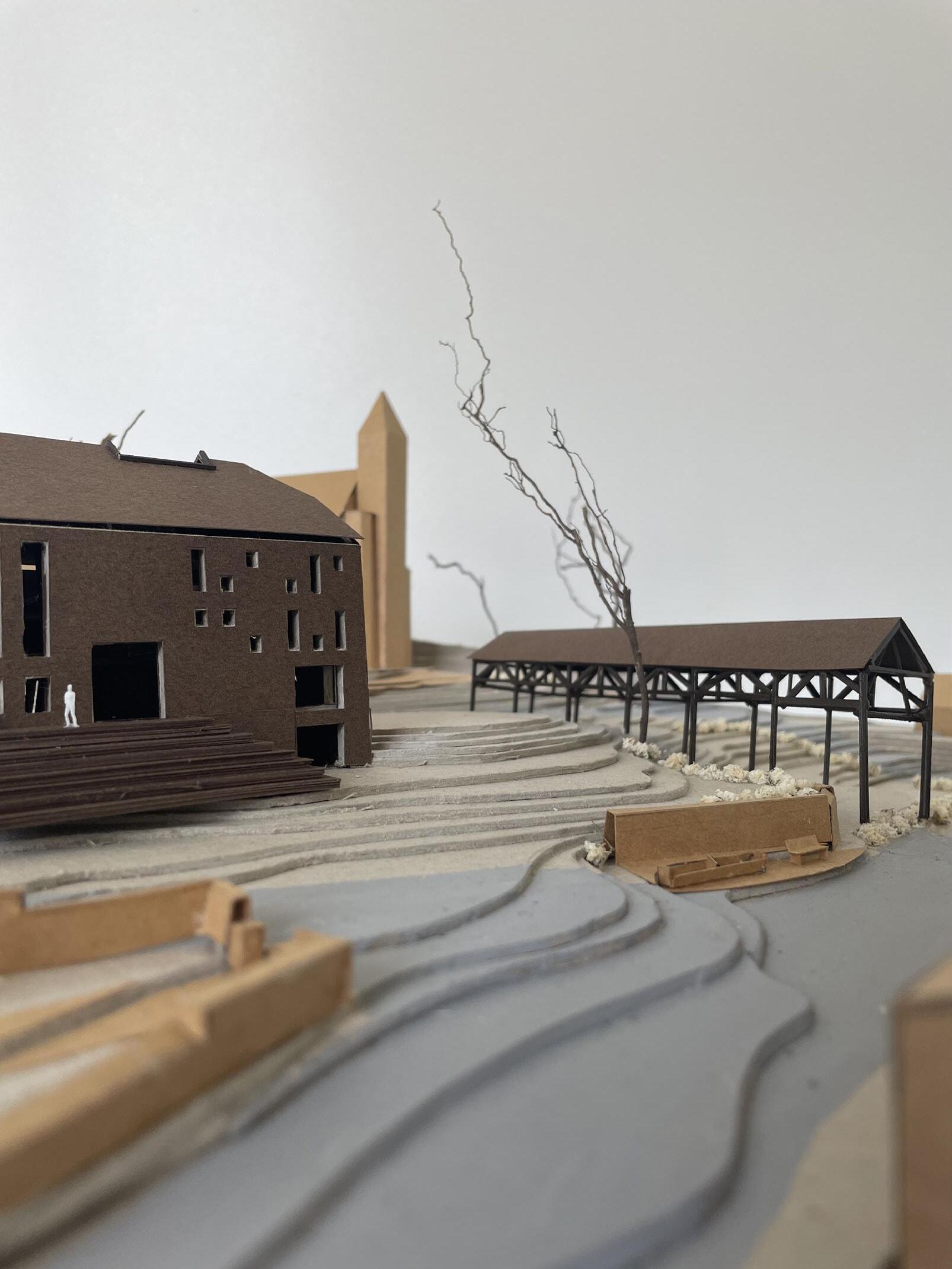
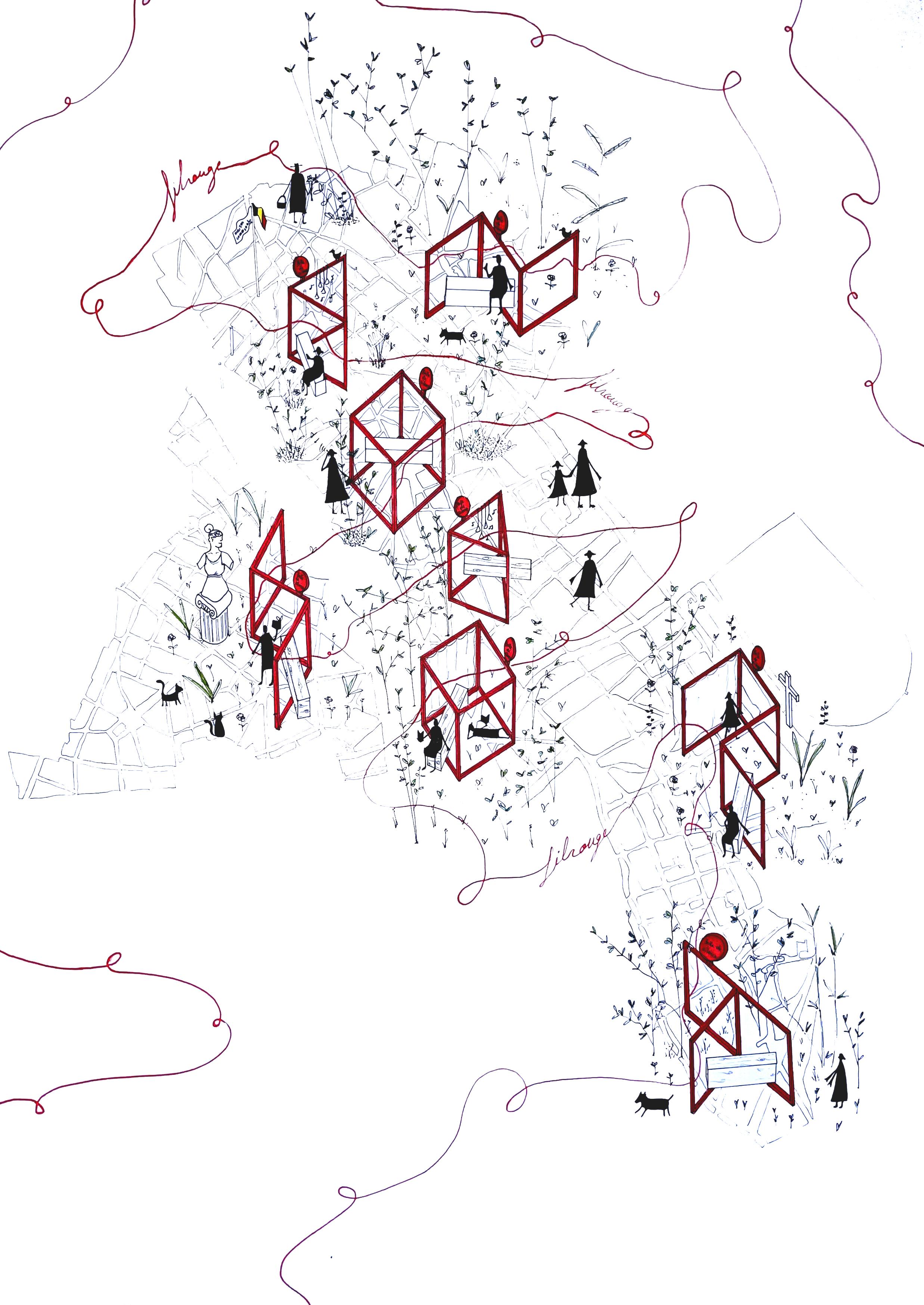
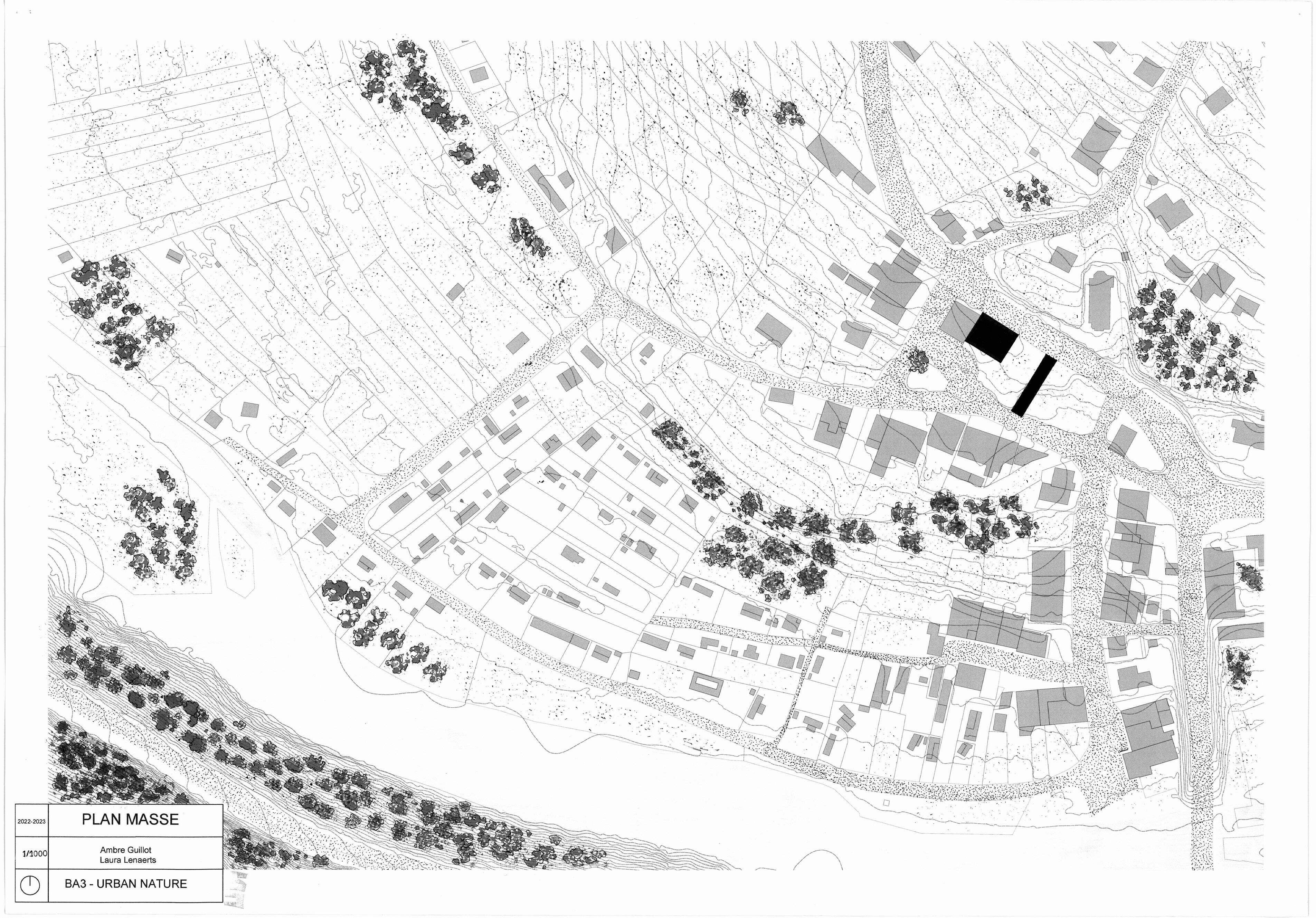
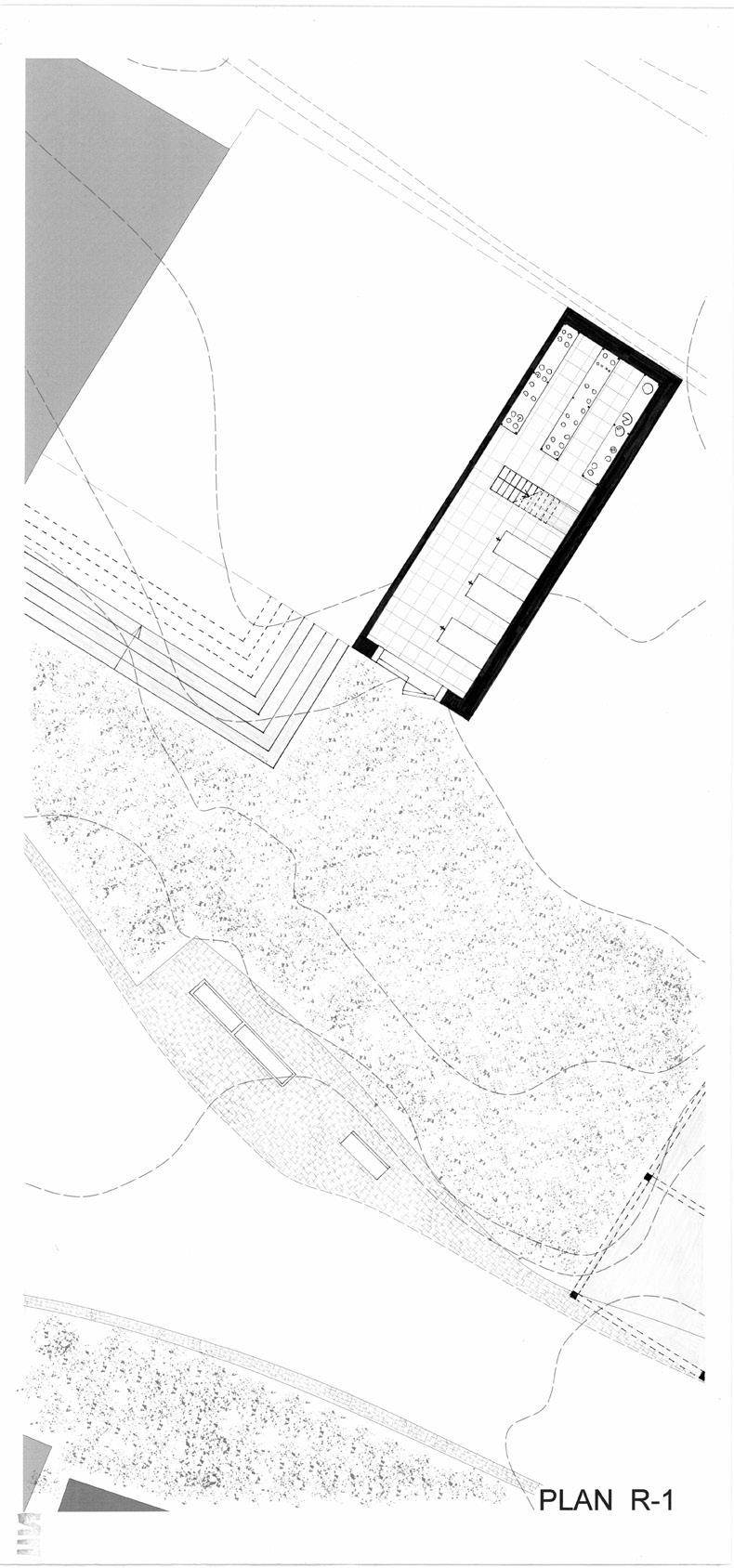
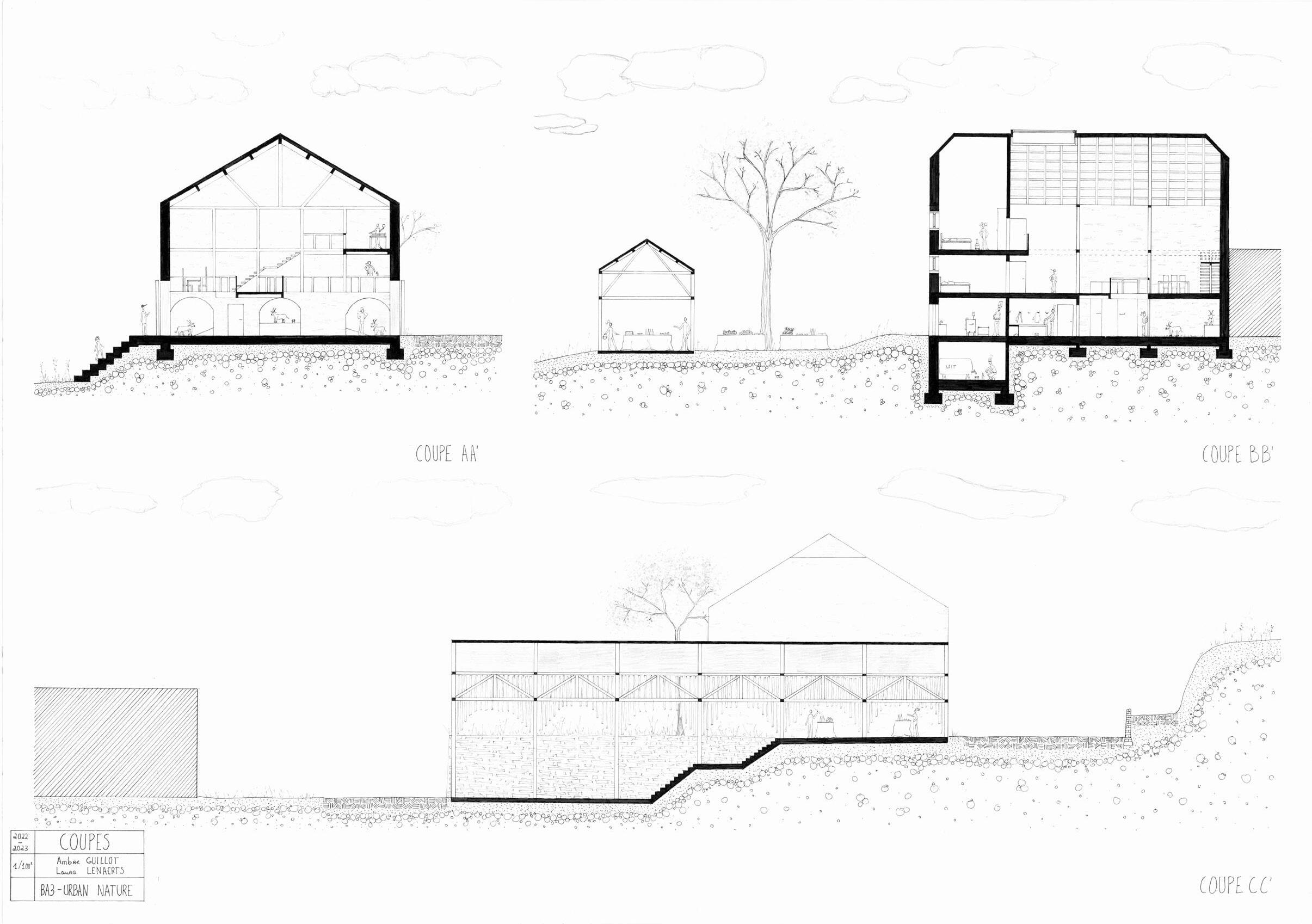
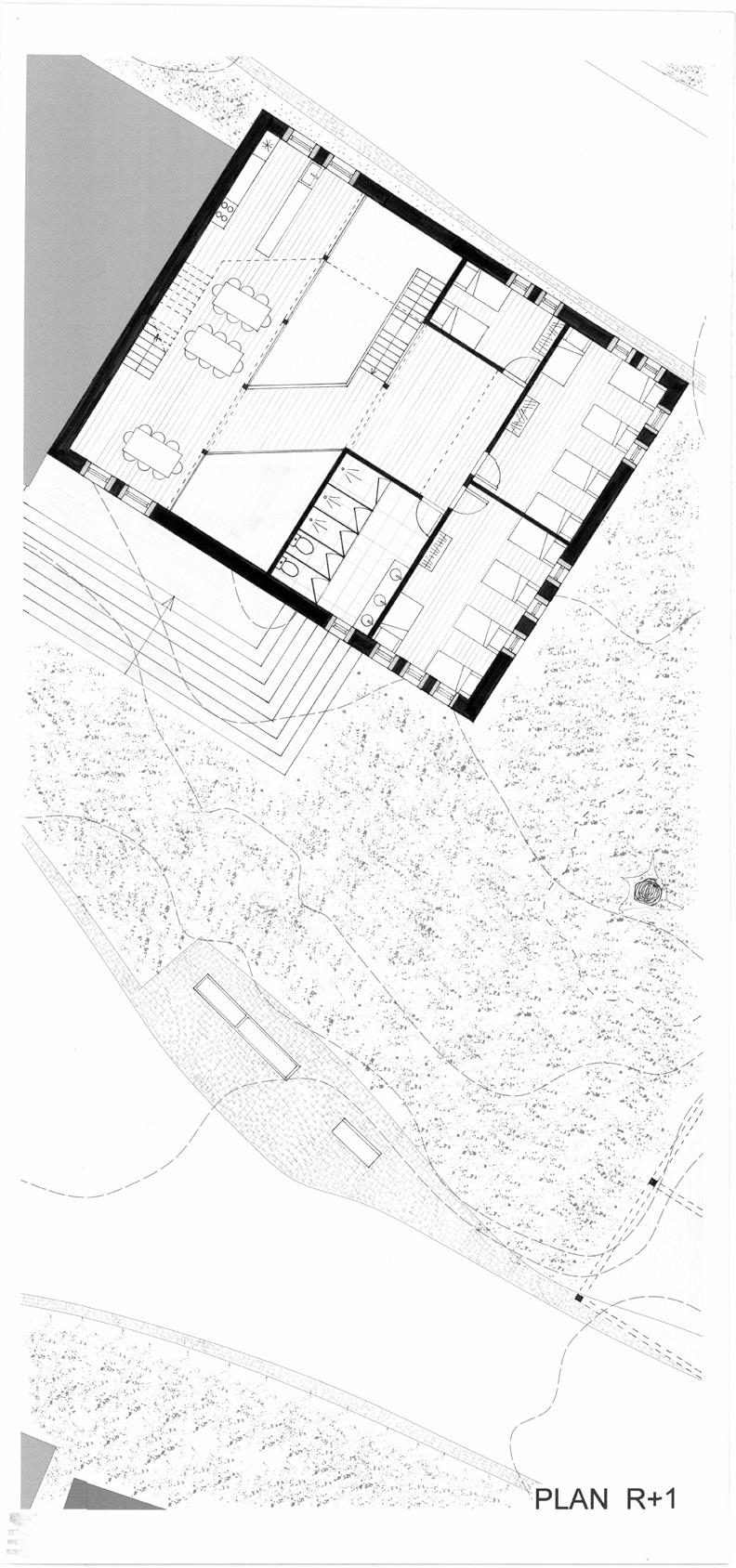
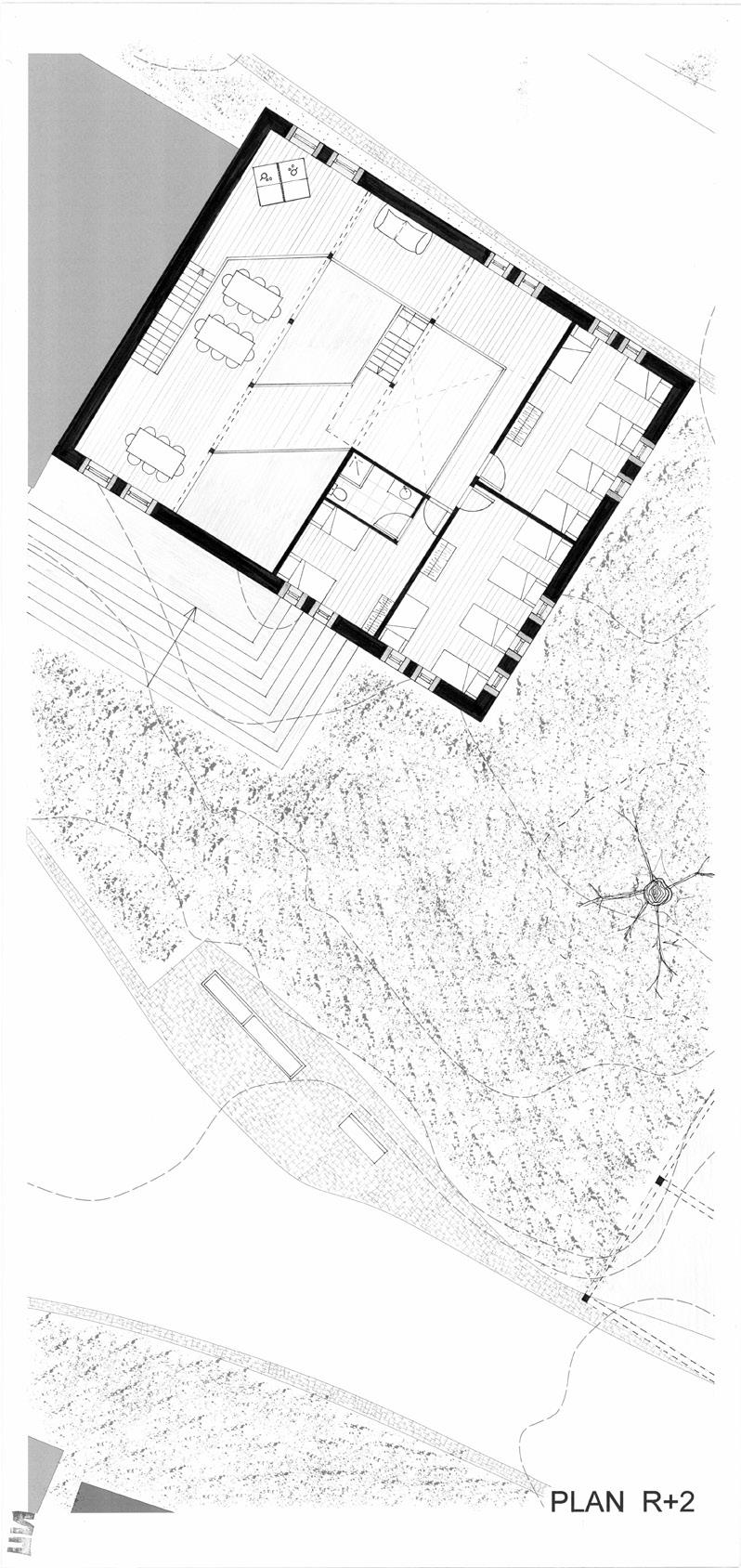
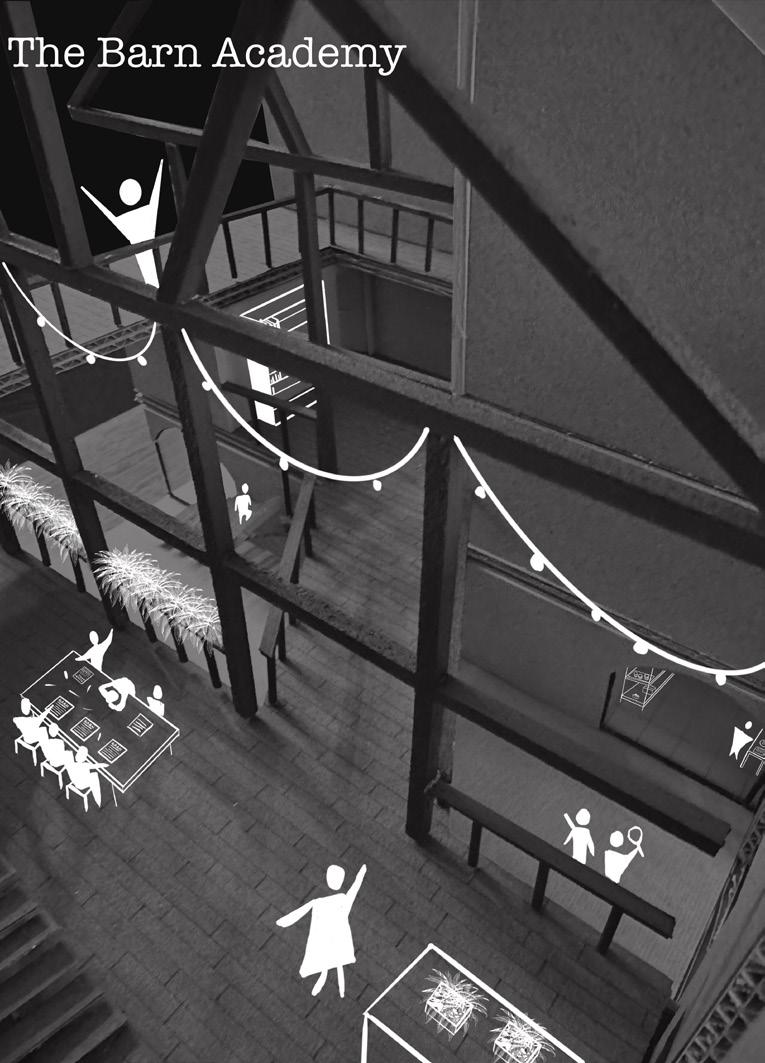
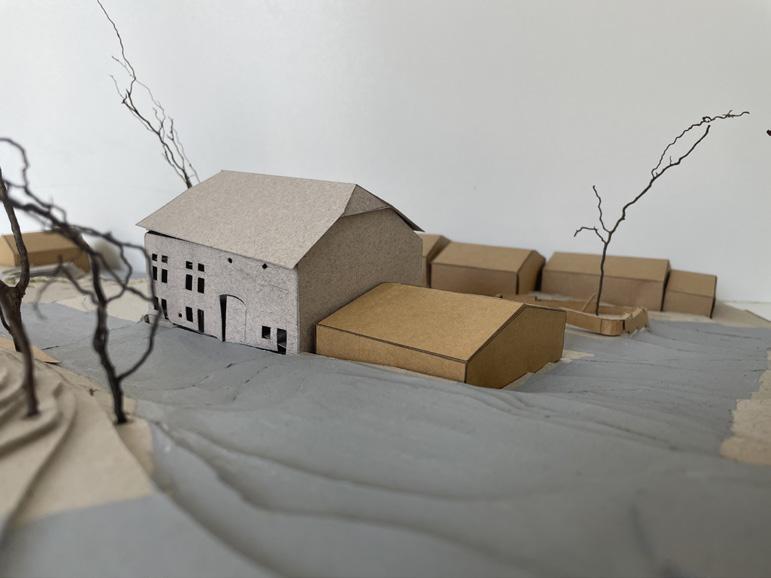
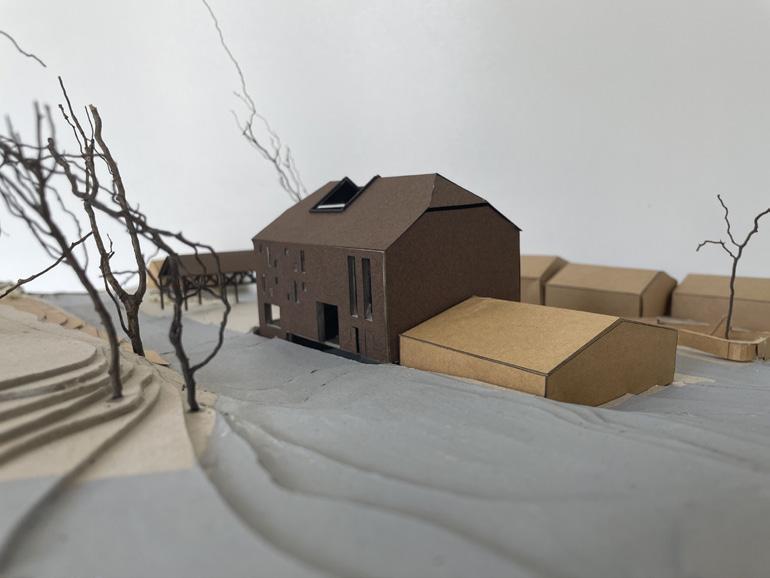
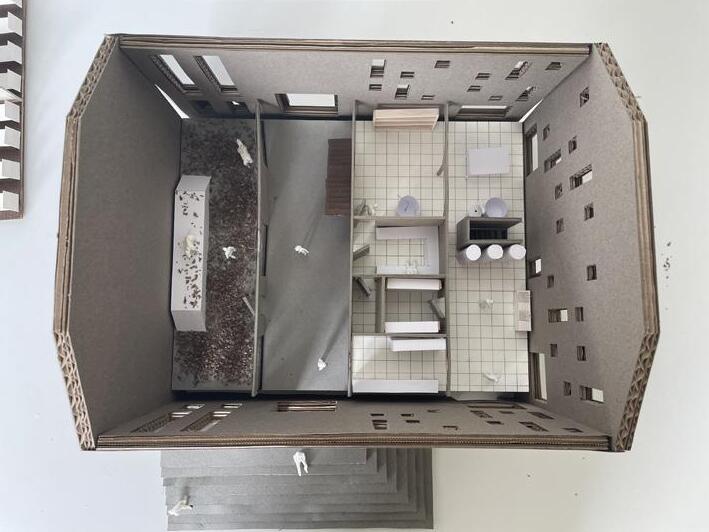
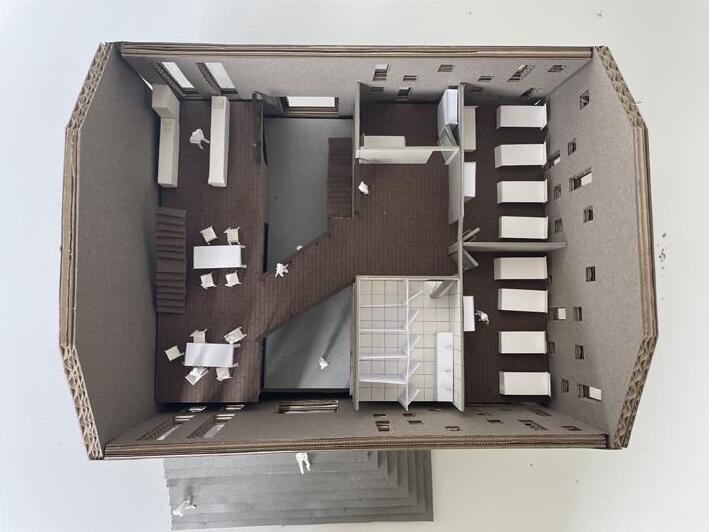
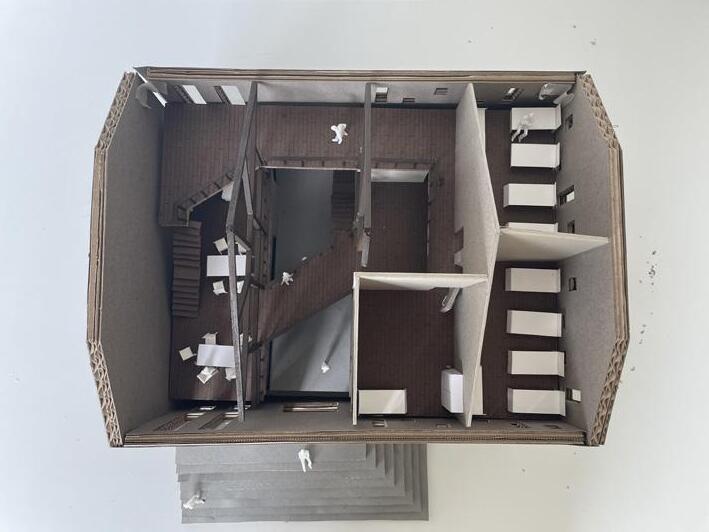
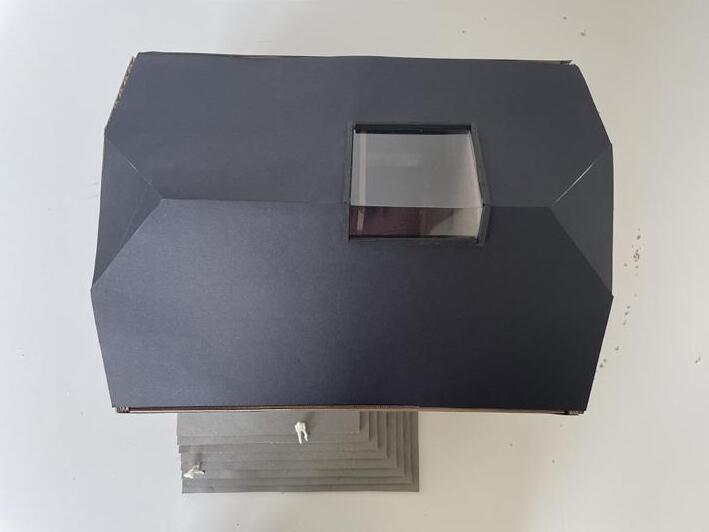
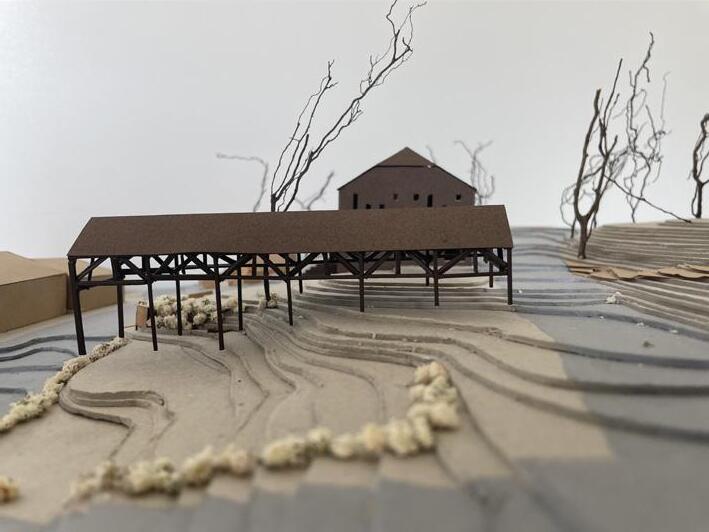
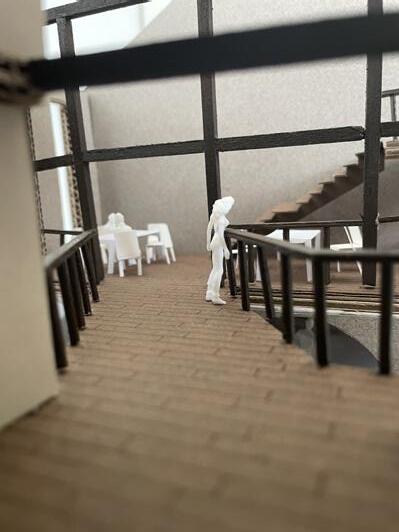
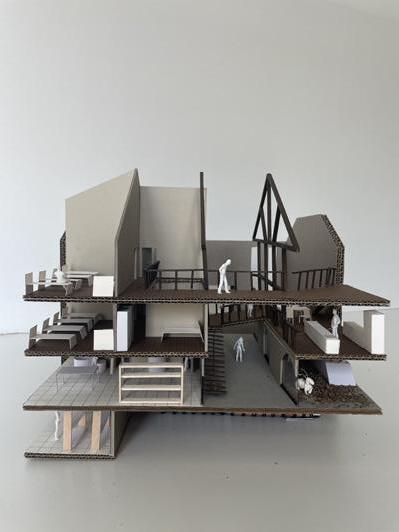
The Educational Barn is being established in the Vresse-surSemois region of Belgium, more specifically in the sparsely populated village of Membre. This project is also part of the development of New Ruralities. Rurality can be seen as a composition of different types of countryside, like a large patchwork, which develop independently of each other.
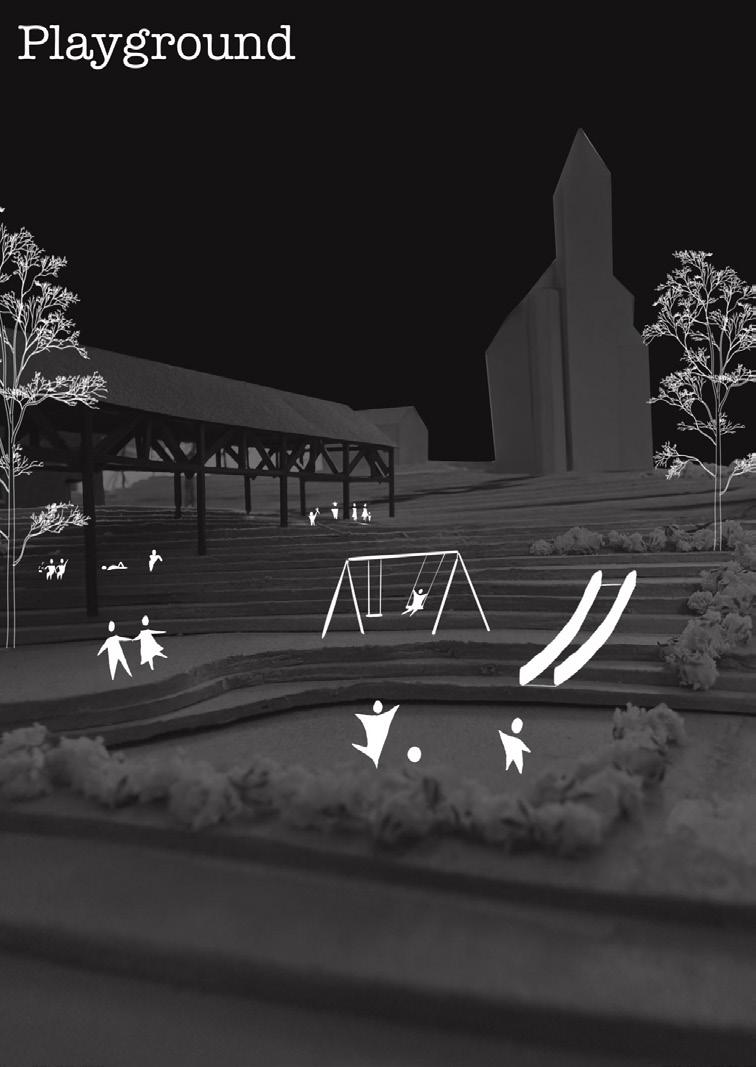
The aim here has been to revitalise the village centre by offering solutions for both local residents and tourists or visitors during the peak summer period, while retaining the authenticity of the area and promoting the
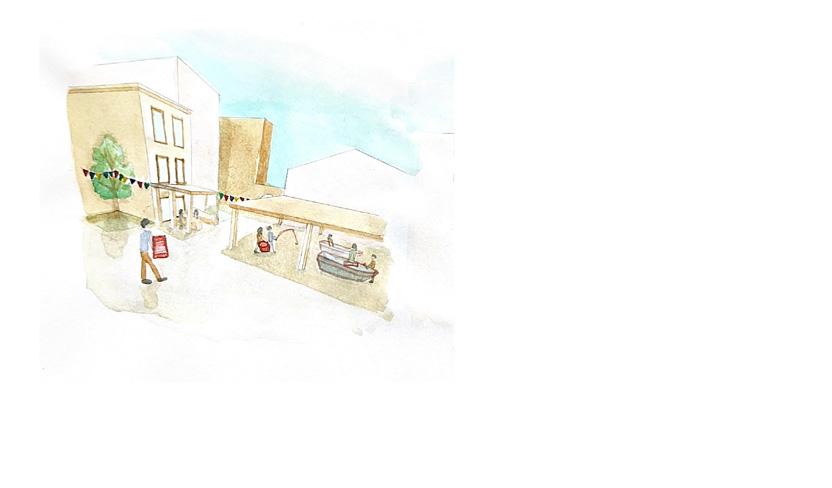
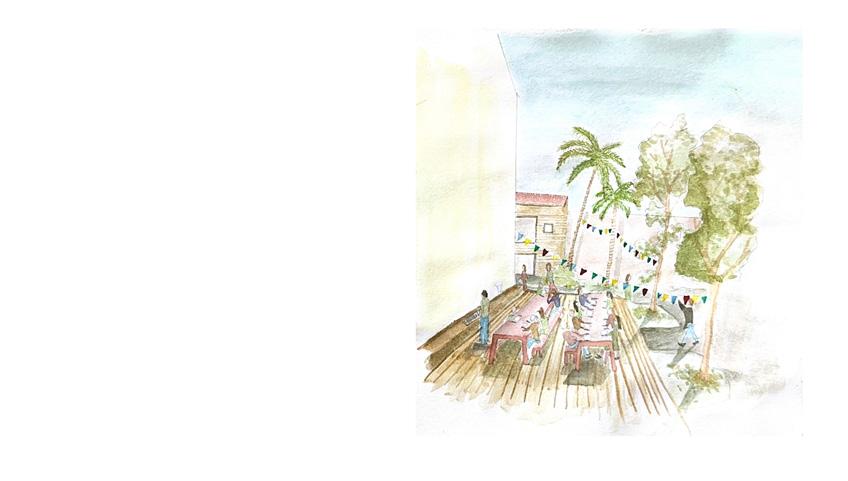
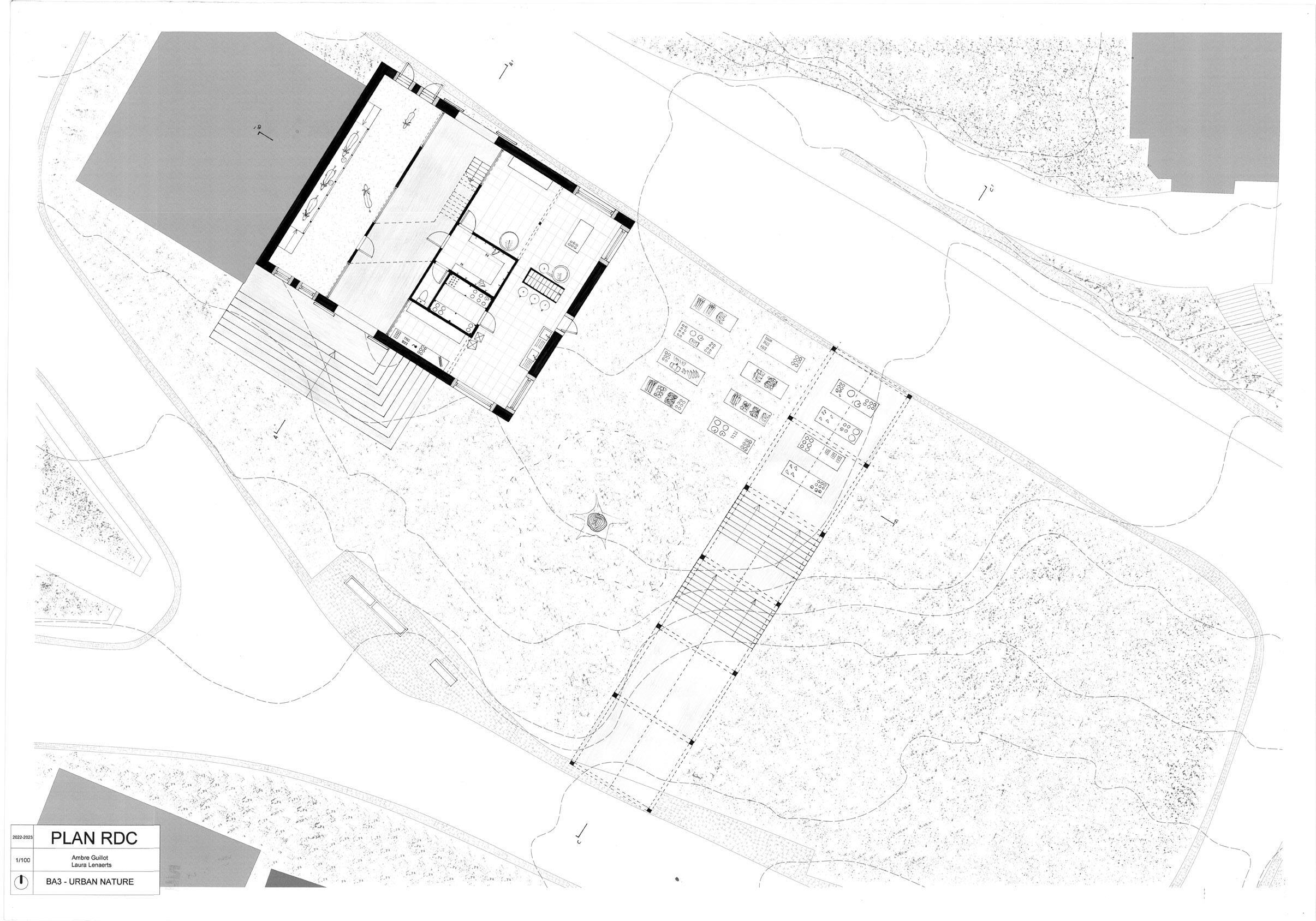
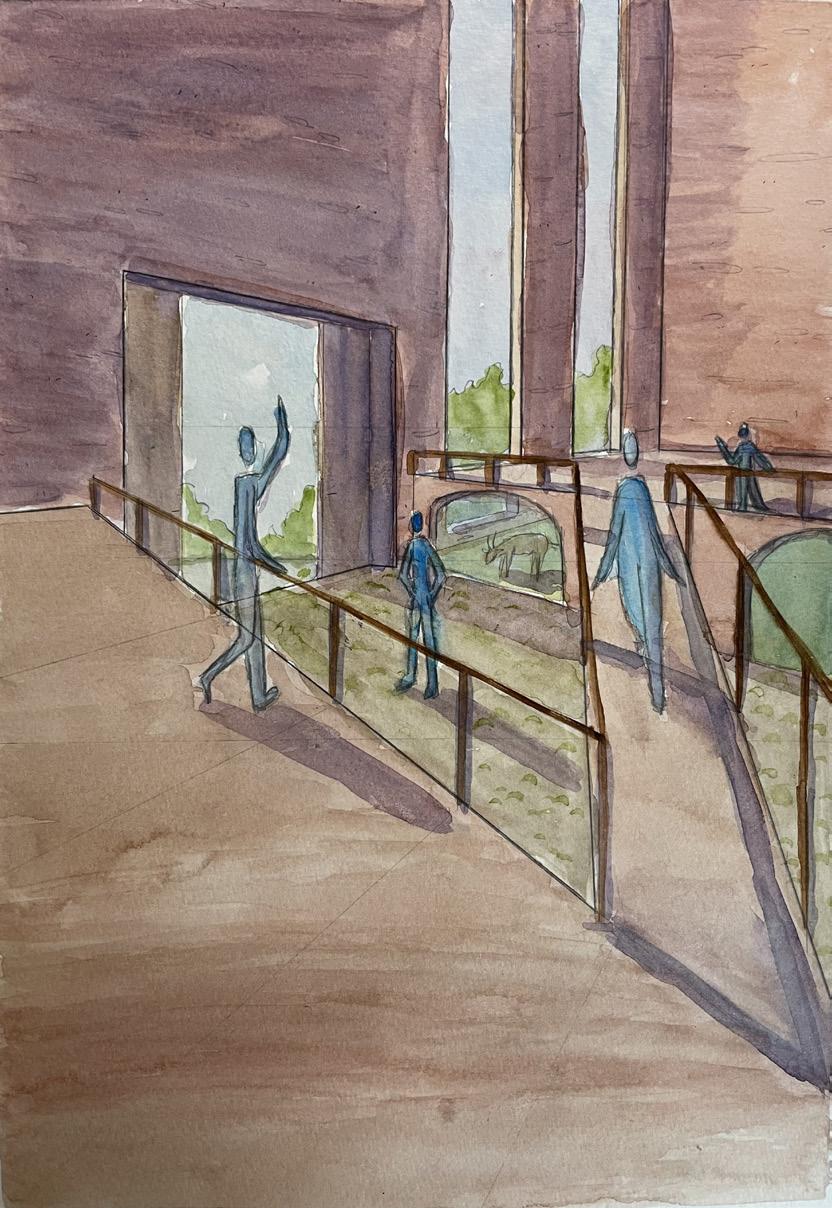
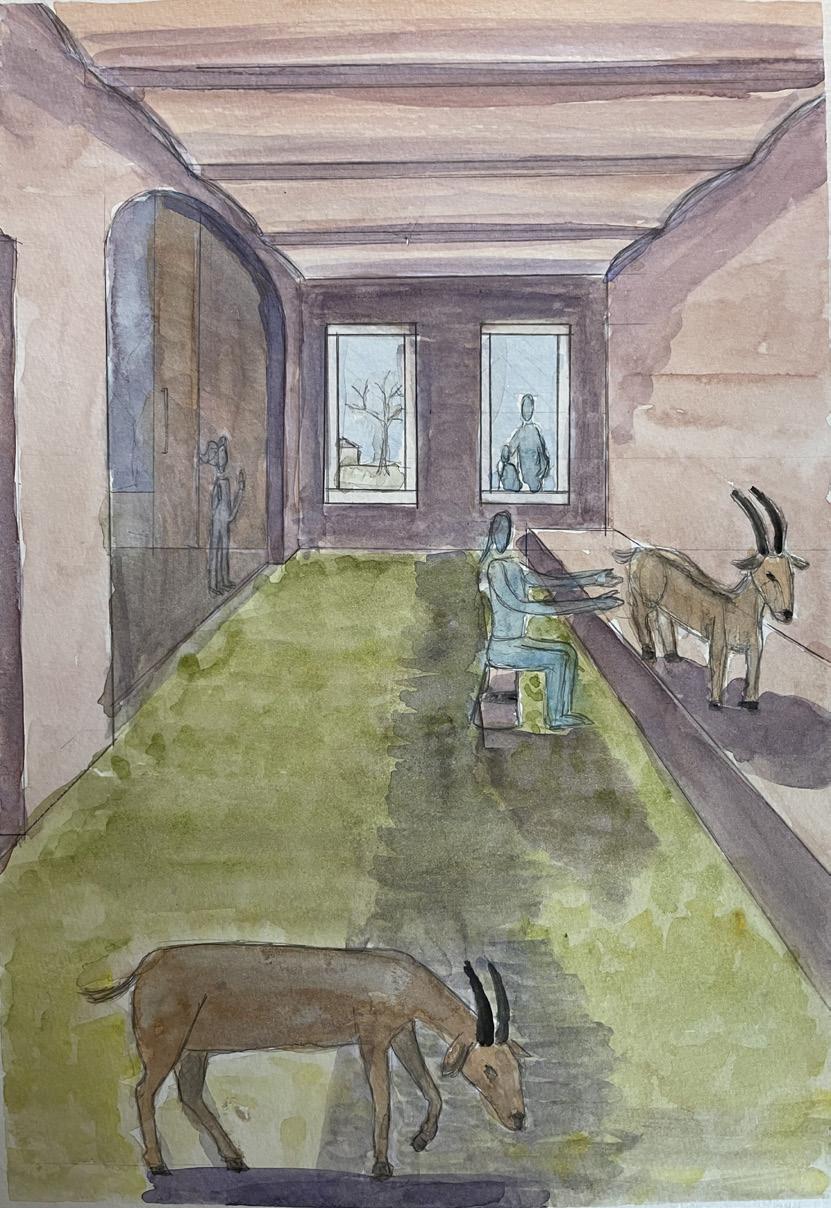
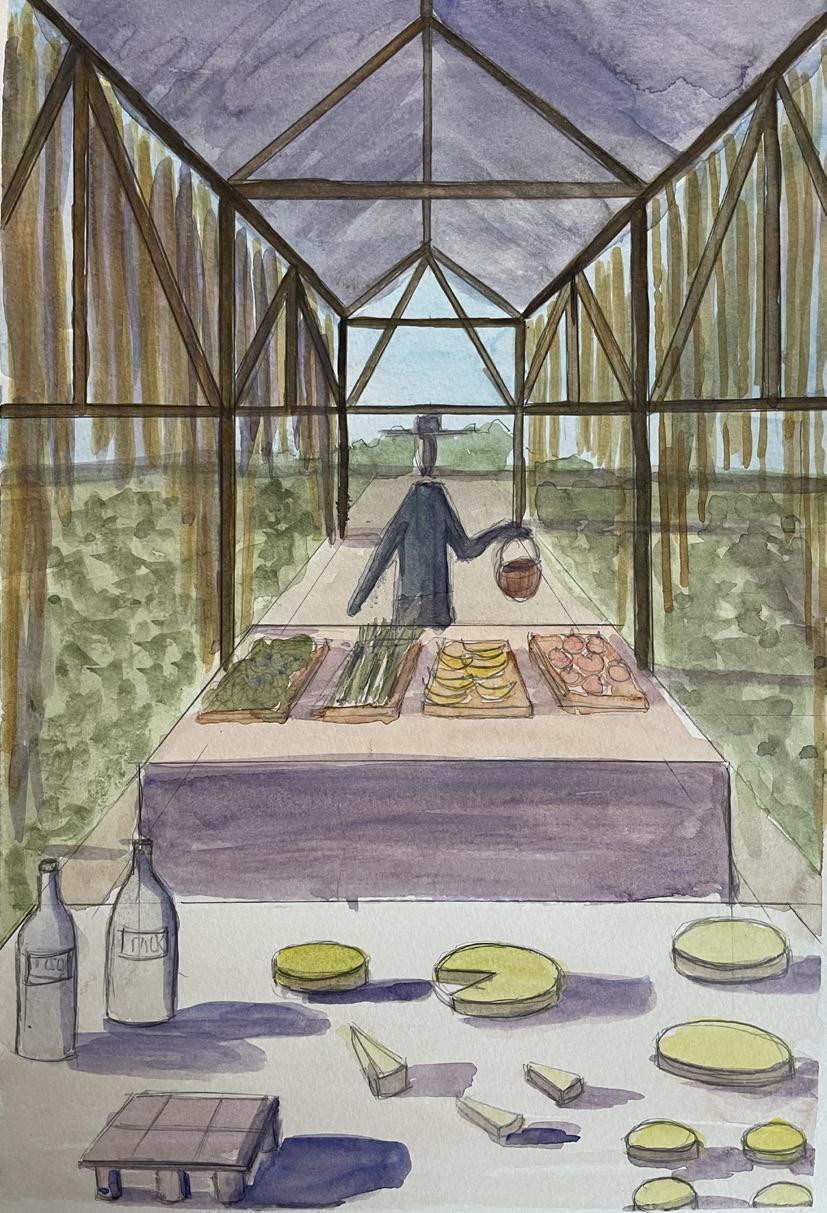
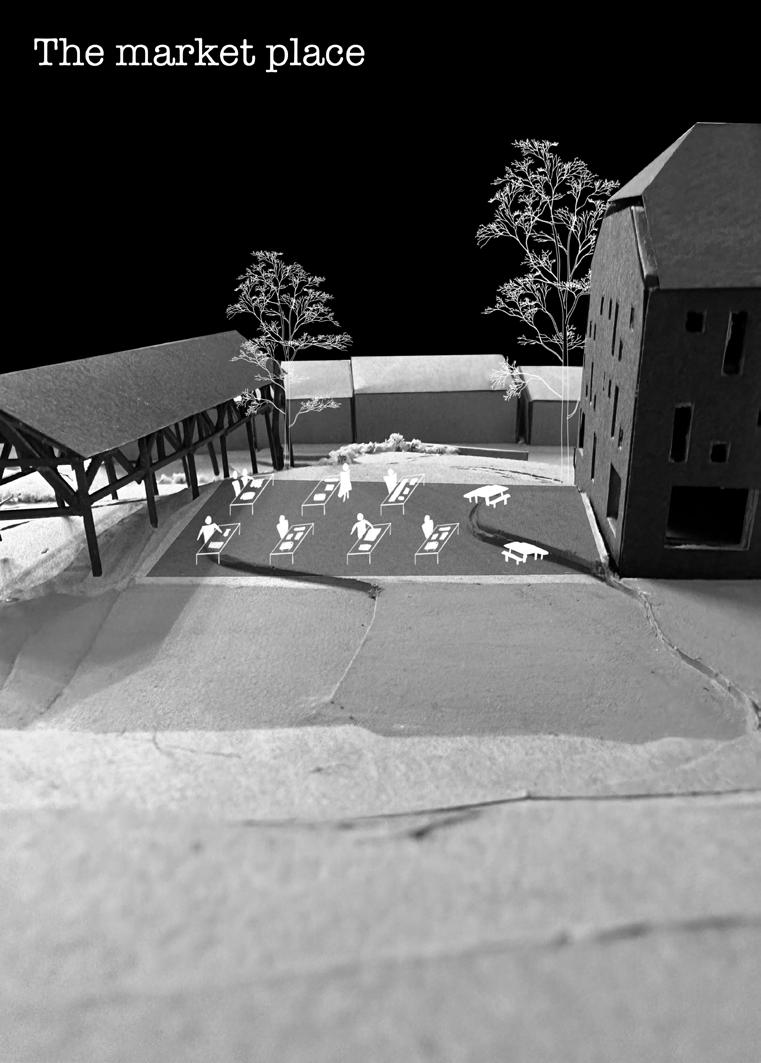
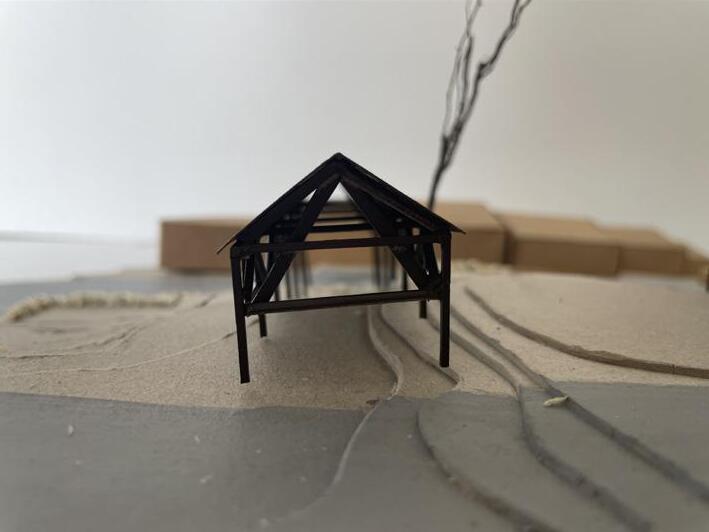
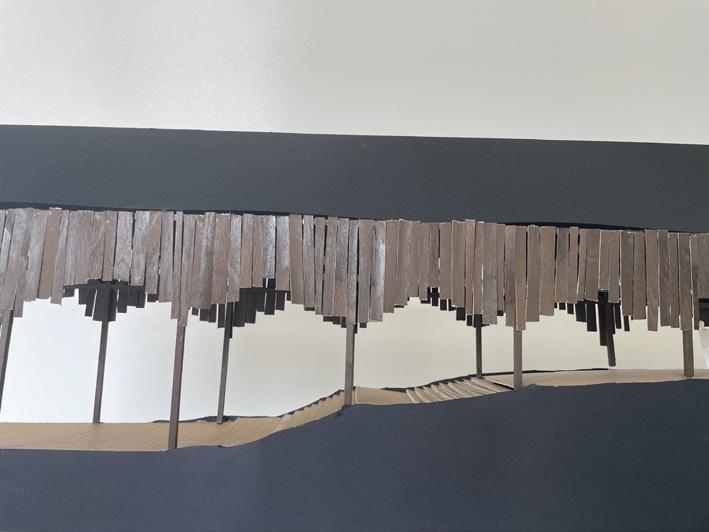
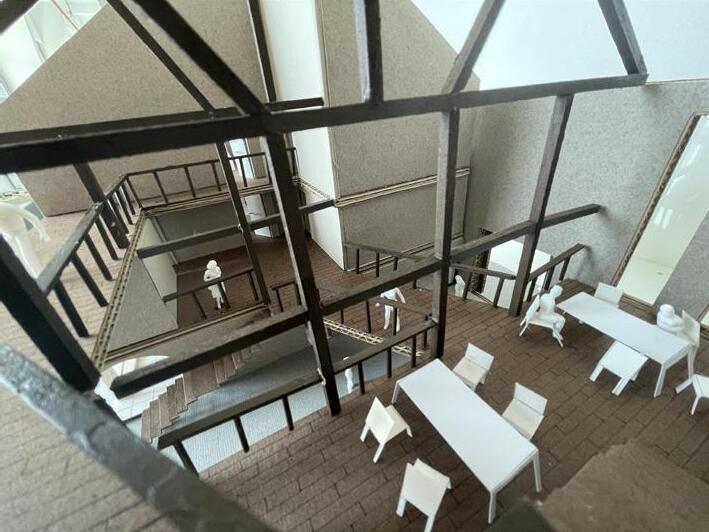
preservation of local know-how. The idea is to offer a fantastic new living environment where different generations can live together on a permanent basis. That's why the aim of the project is to create a village square that will be forged by the creation of an educational farm. The idea is to offer farm activities, in particular with goats (the region's emblem), in order to create new local products based on collective work.
Initially, our project is aimed at around twenty-thirty children who have come on a 'classe verte' to take part in this composite workshop during the school year.
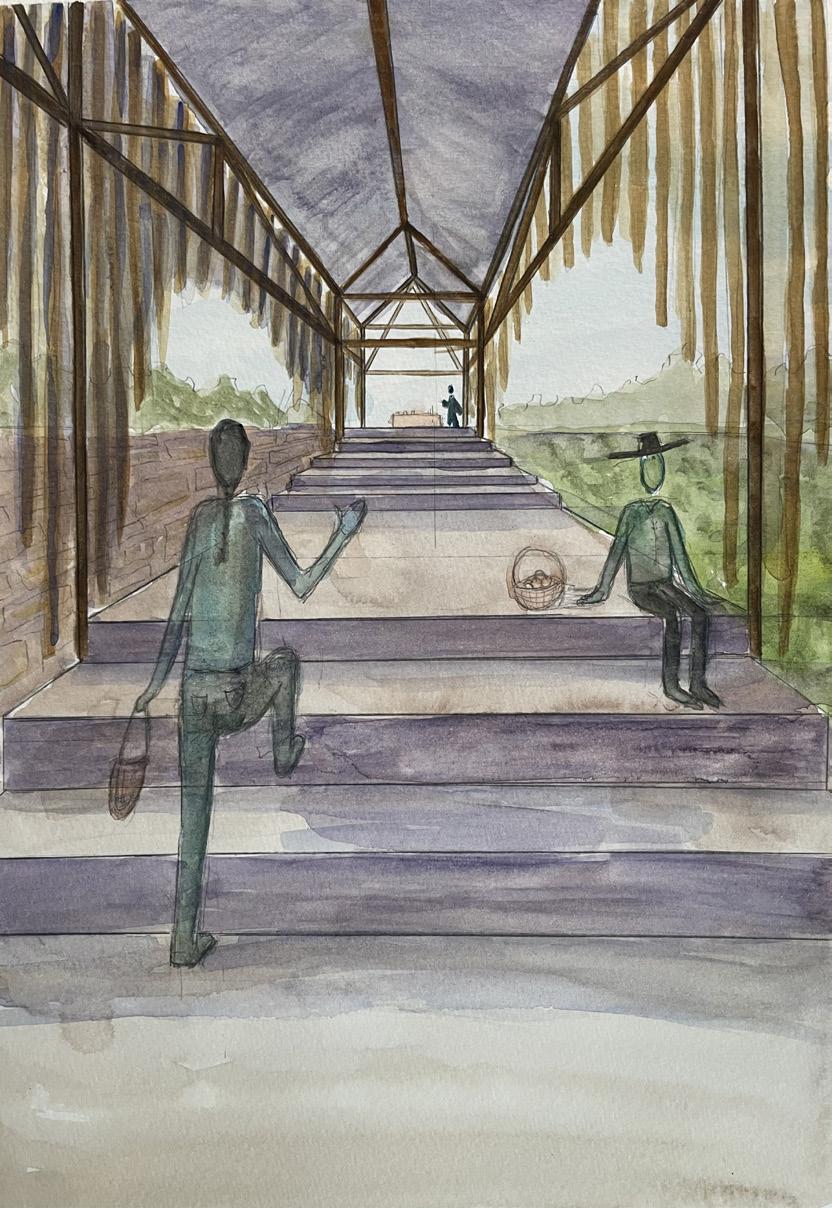
In a second phase, during the high season, we're targeting a different audience, more likely to be holidaymakers with their families. We also offer a market where small local producers can come and sell their products.
This hall has two facets, and can also be used for other services, such as outdoor plays. To do this, it's important to talk about sharing spaces while preserving the essence of the village.

ANLLÓNS - RESUSCITATING THE RIVER, GALICIA (ES)
Created with Jonathan Boyer, Paul Cruveiller, Laura Lenaerts and Dang Dai Long Pham
Year: MA2 Out Of Town (2024) English Studio
Teachers: Nadia Casabella and Benoit Burquel
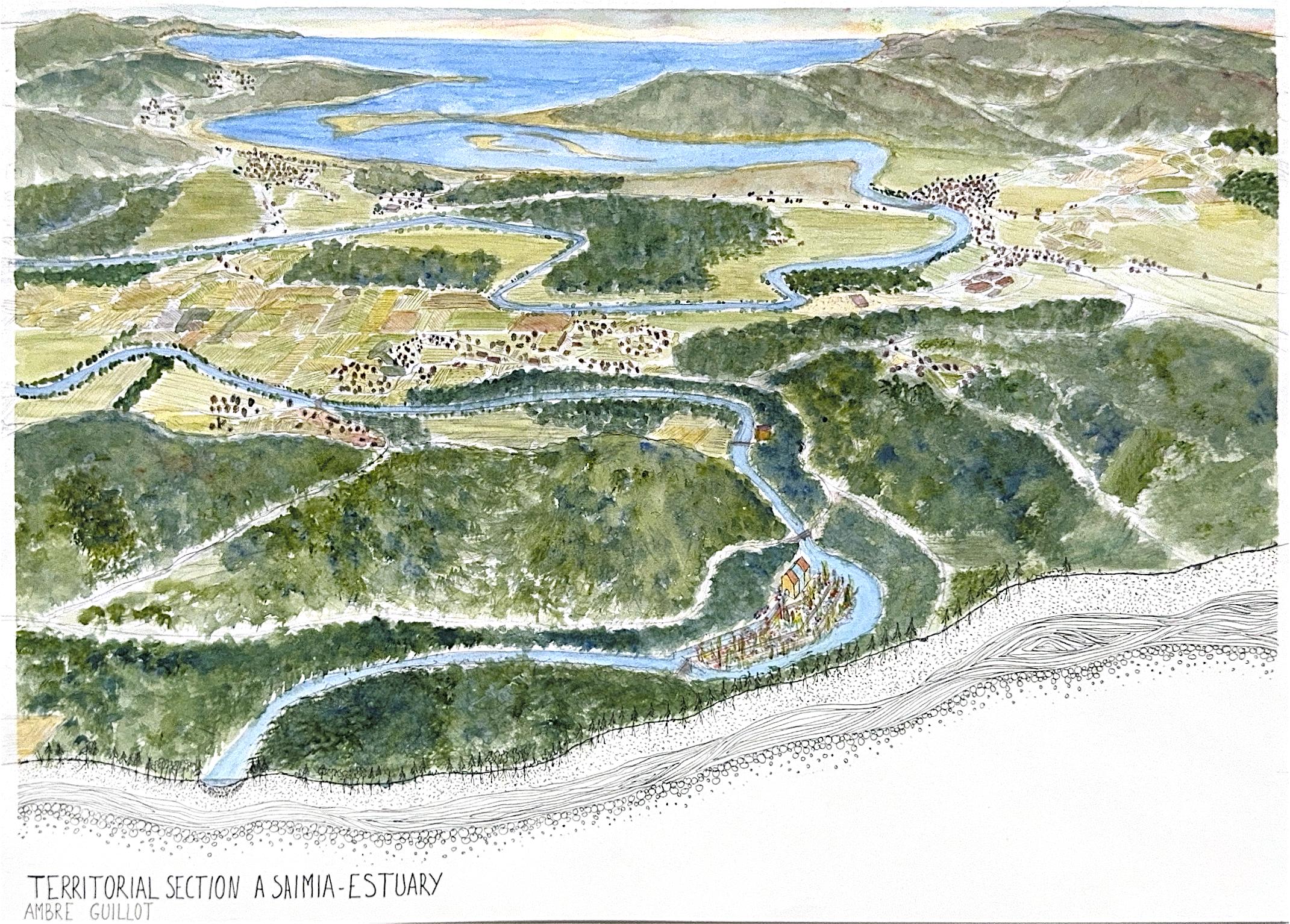
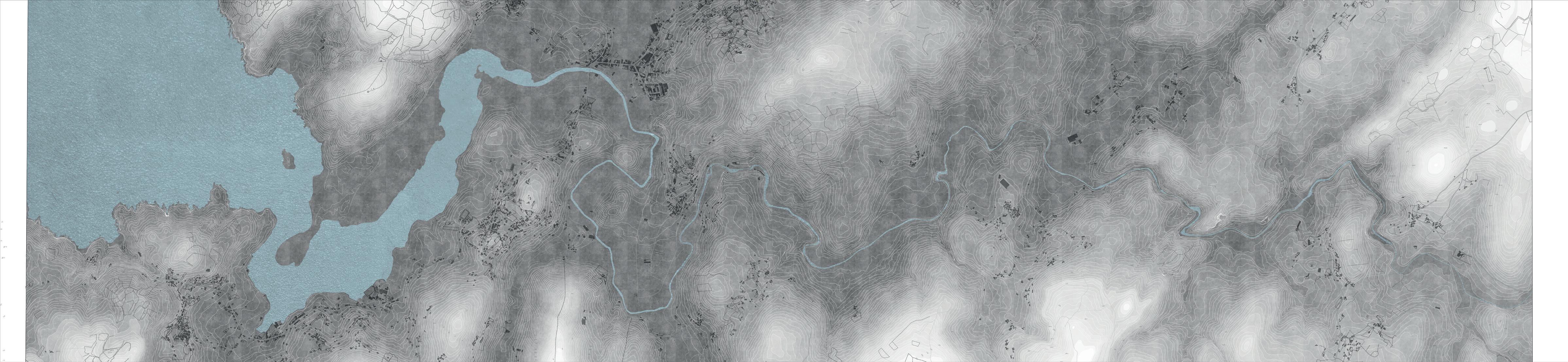
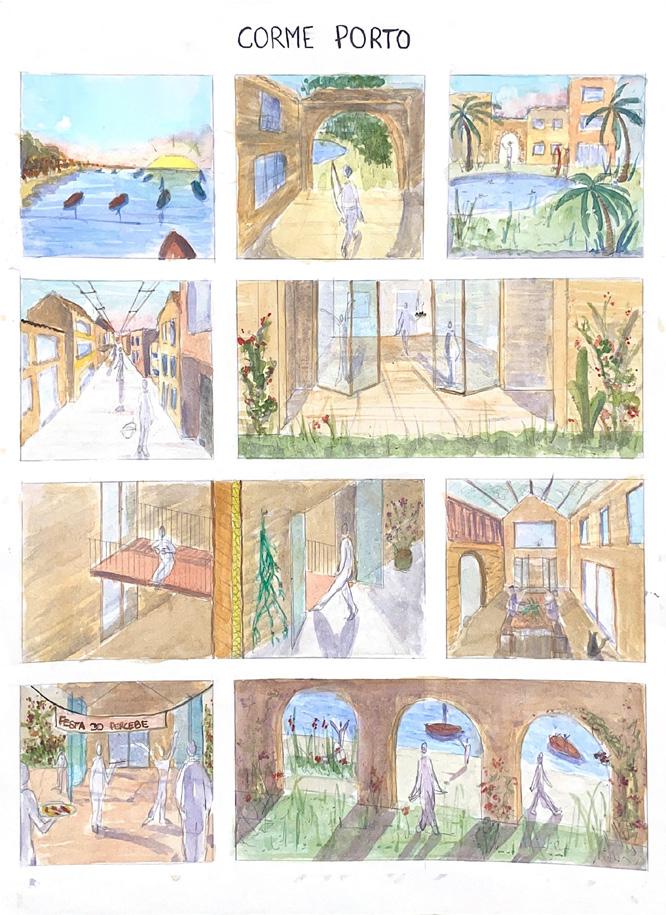
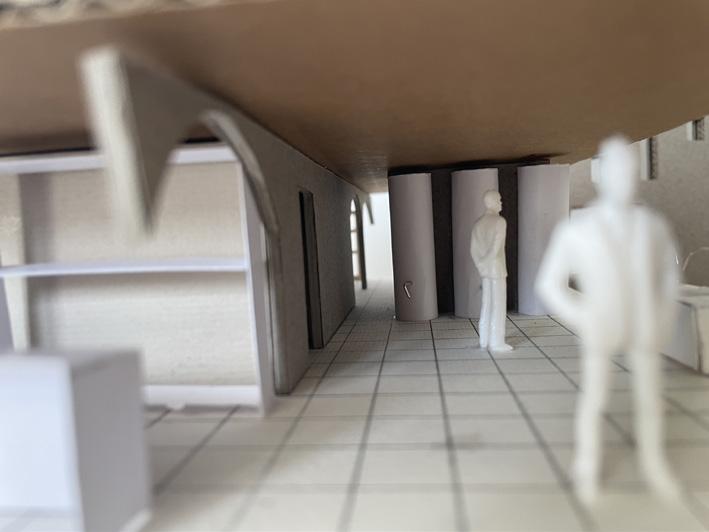
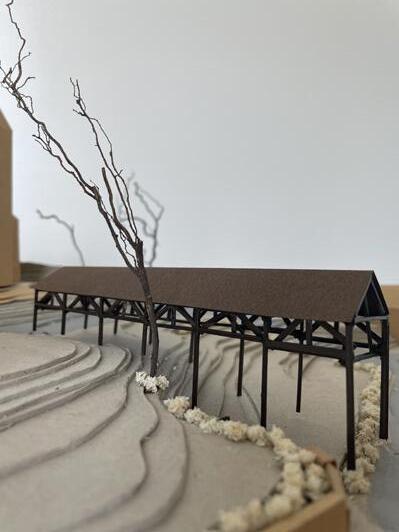
As part of the Out of Town studio and within the Rare Earths theme, the Anllons – Resuscitating the River project takes place in the Anllons Valley, Galicia.
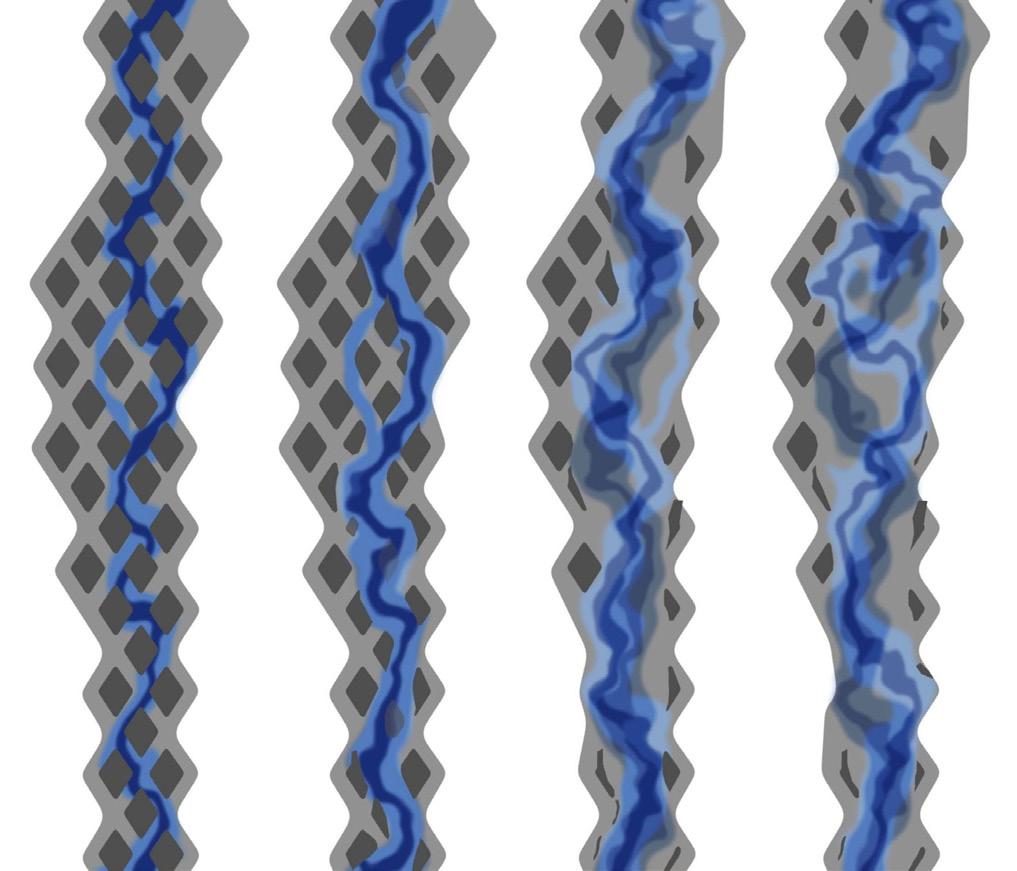
It addresses a landscape deeply affected by the overexploitation of the river, mining extraction, and agricultural pollution. Nutrient overload (phosphorus and nitrates) and heavy metals have severely damaged the water quality and disrupted the ecological balance of the basin. The aim is to revive this exhausted river while reestablishing a meaningful and lasting relationship between human presence and the natural world.
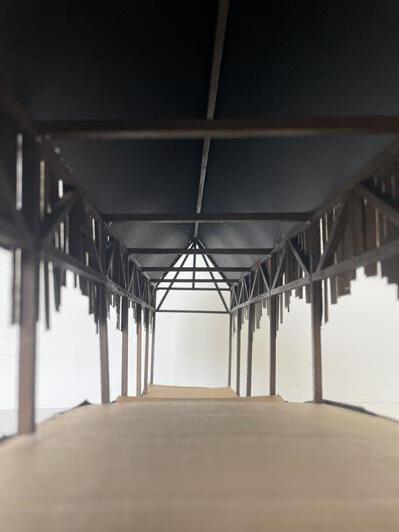
The project is structured around a footbridge designed
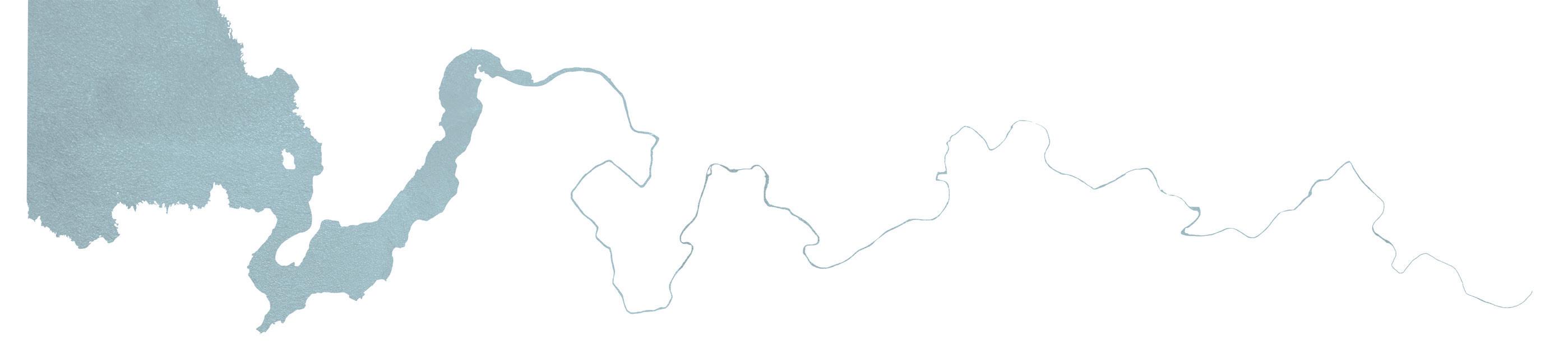
as an architectural promenade, connecting three key sites: Corcoesto, A Saimia, and Ponteceso. Acting as the guiding thread of the intervention, this walkway offers an experience between human and morethan-human life, where architecture becomes a medium for observation, dialogue, and coexistence with nature.
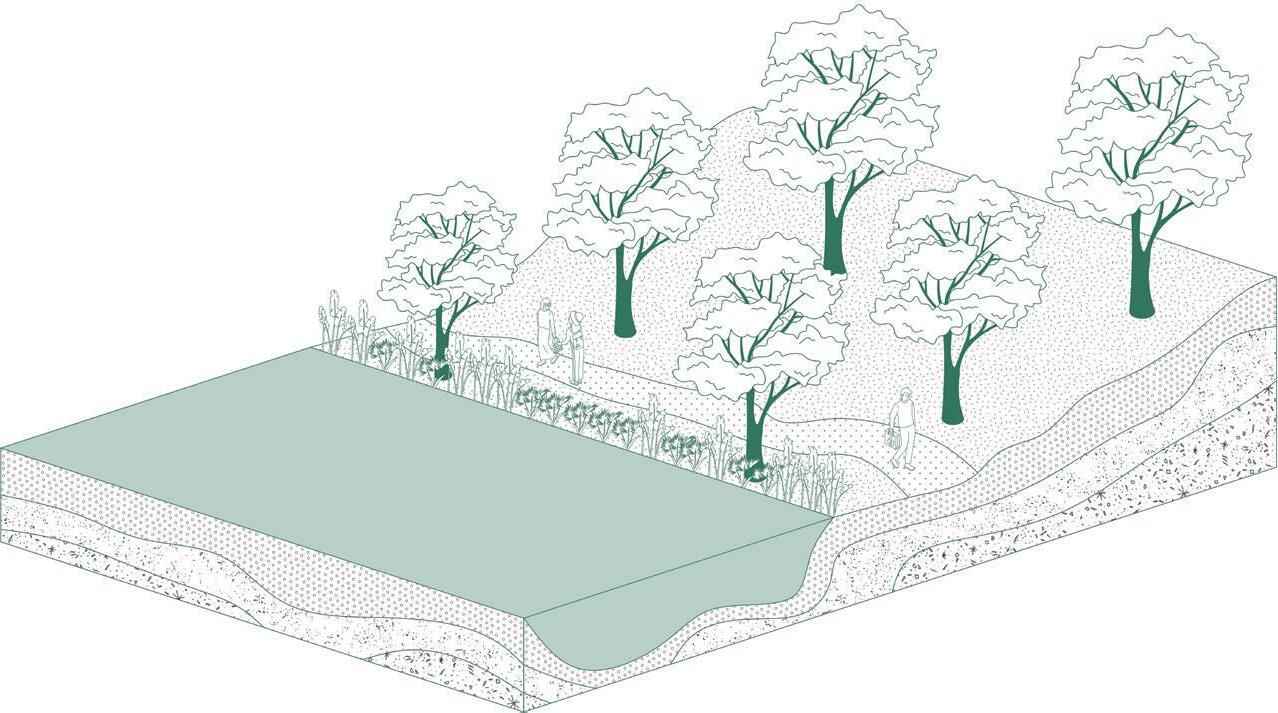
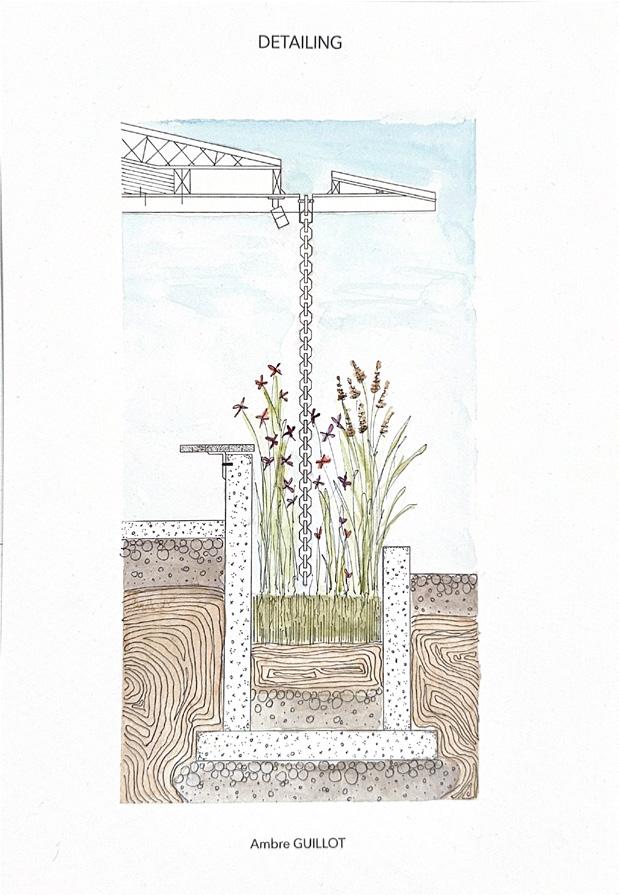
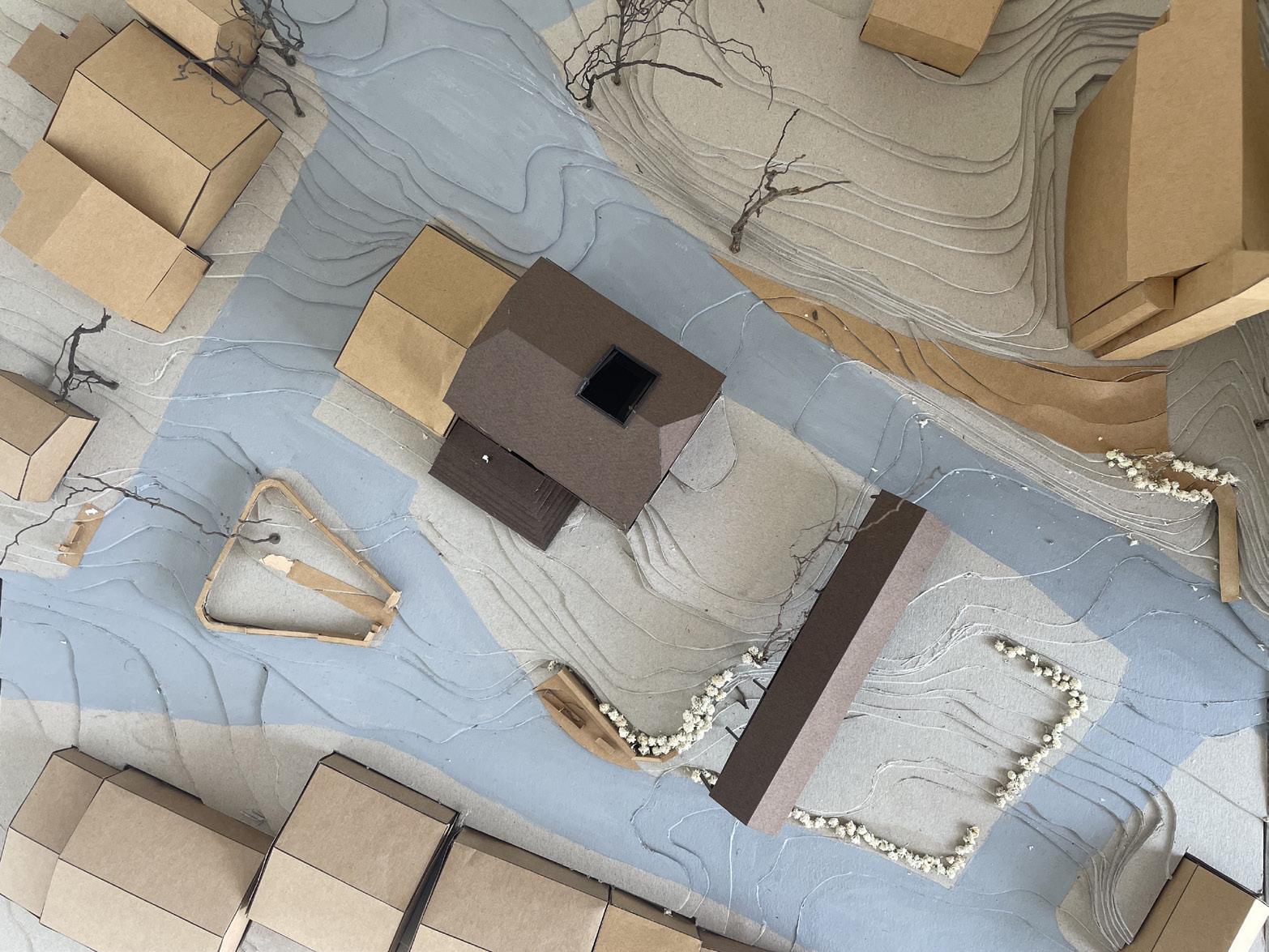
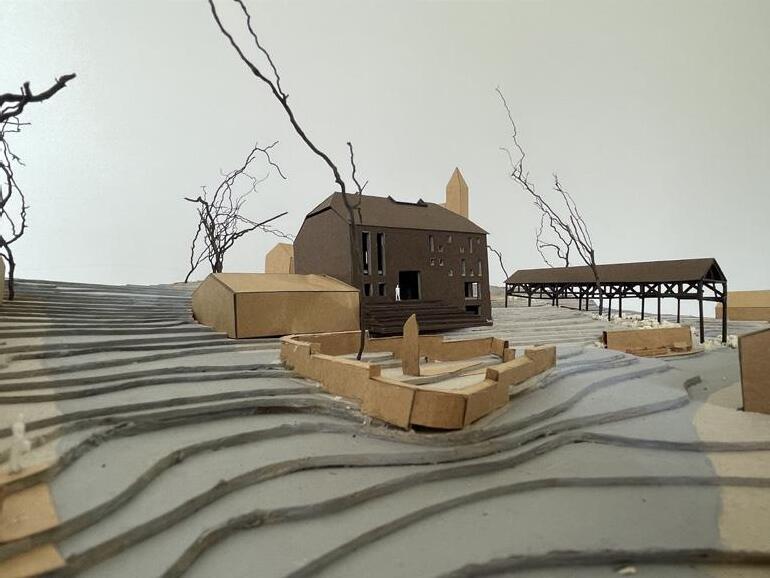
At Corcoesto, a contemplative site is created around the old chapel and the valley once devastated by mining. Wetlands and filtering systems promote natural purification and biodiversity regeneration, turning this scarred landscape into a space of memory and renewal.
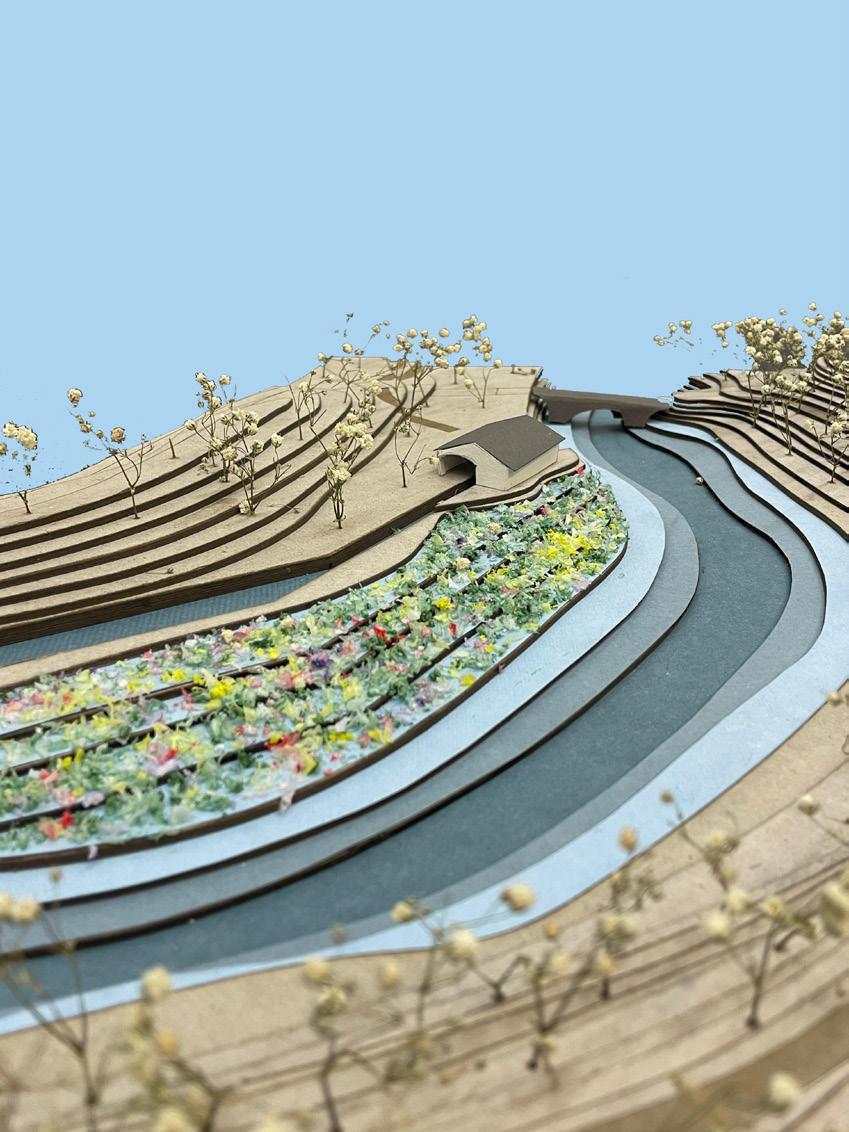
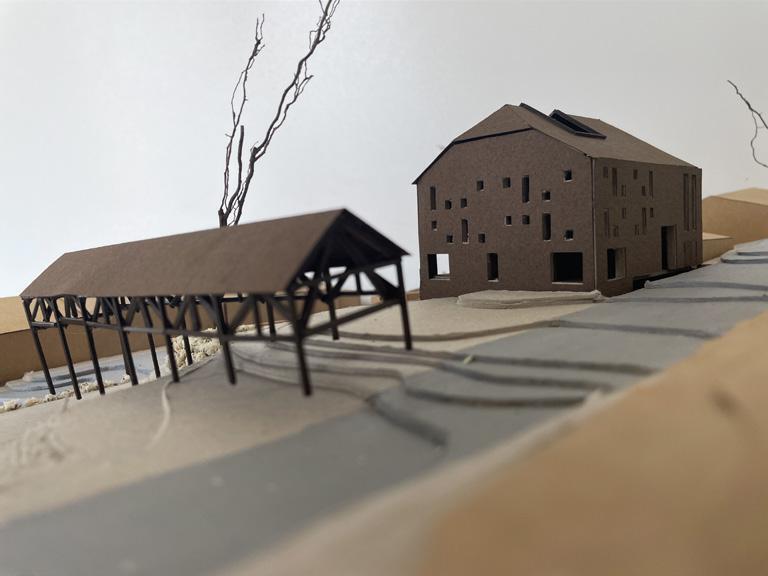
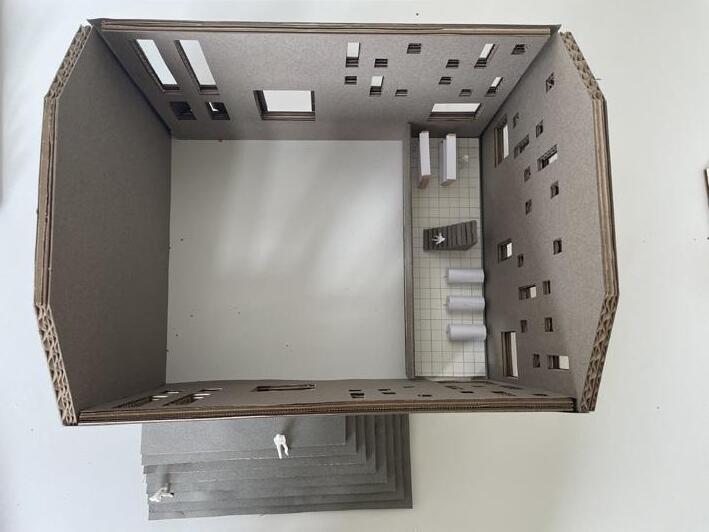
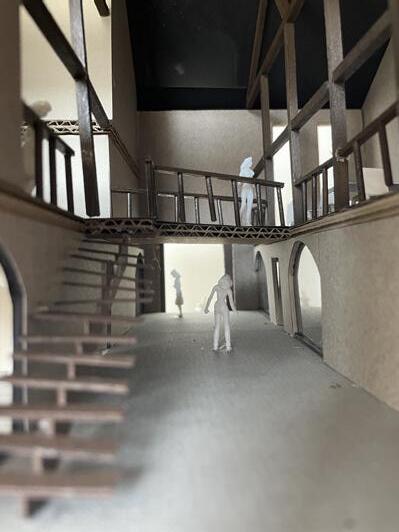
At A Saimia, the old water mill is reactivated as a shelter for fishermen and walkers. Around
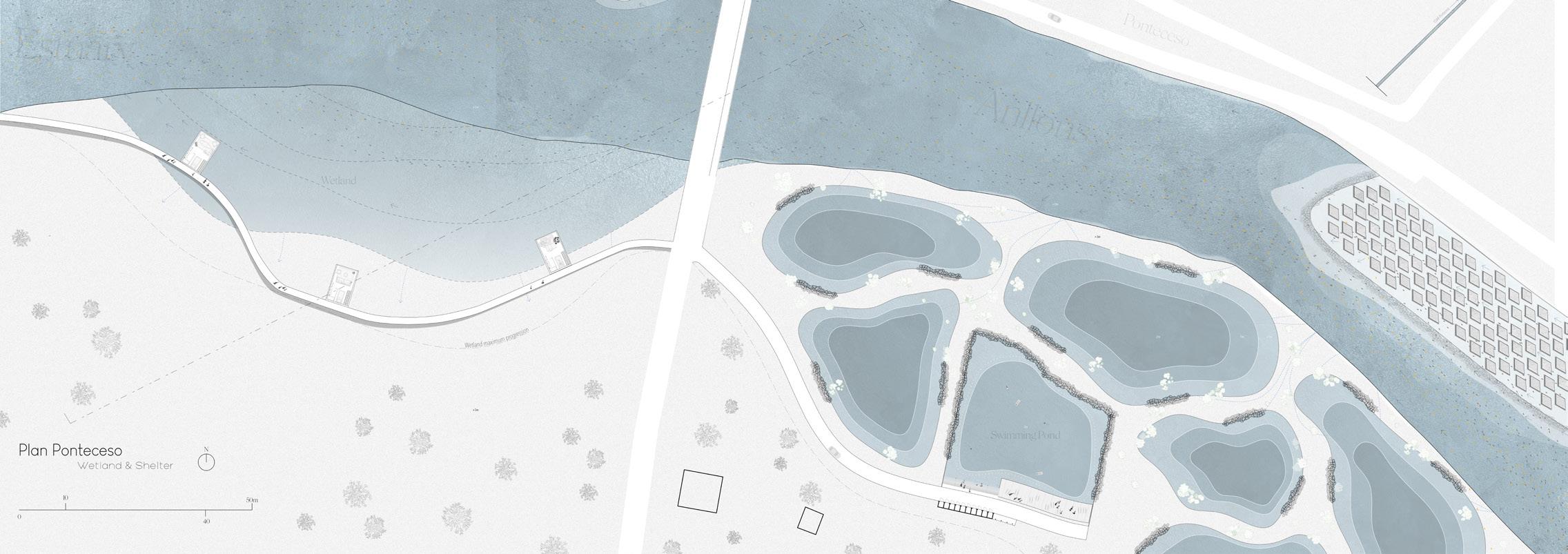
it, the former retaining walls are reshaped into vegetated terraces forming a natural swimming pool, working as a phytopurification system and reconnecting the community to the river.
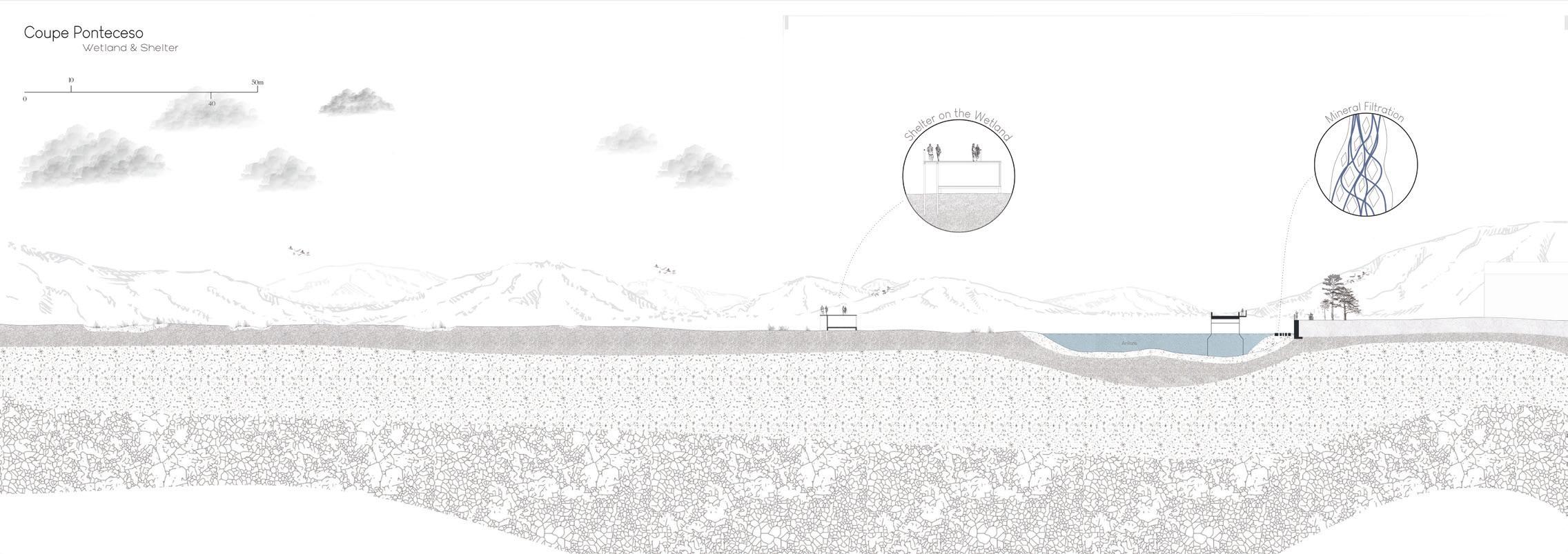
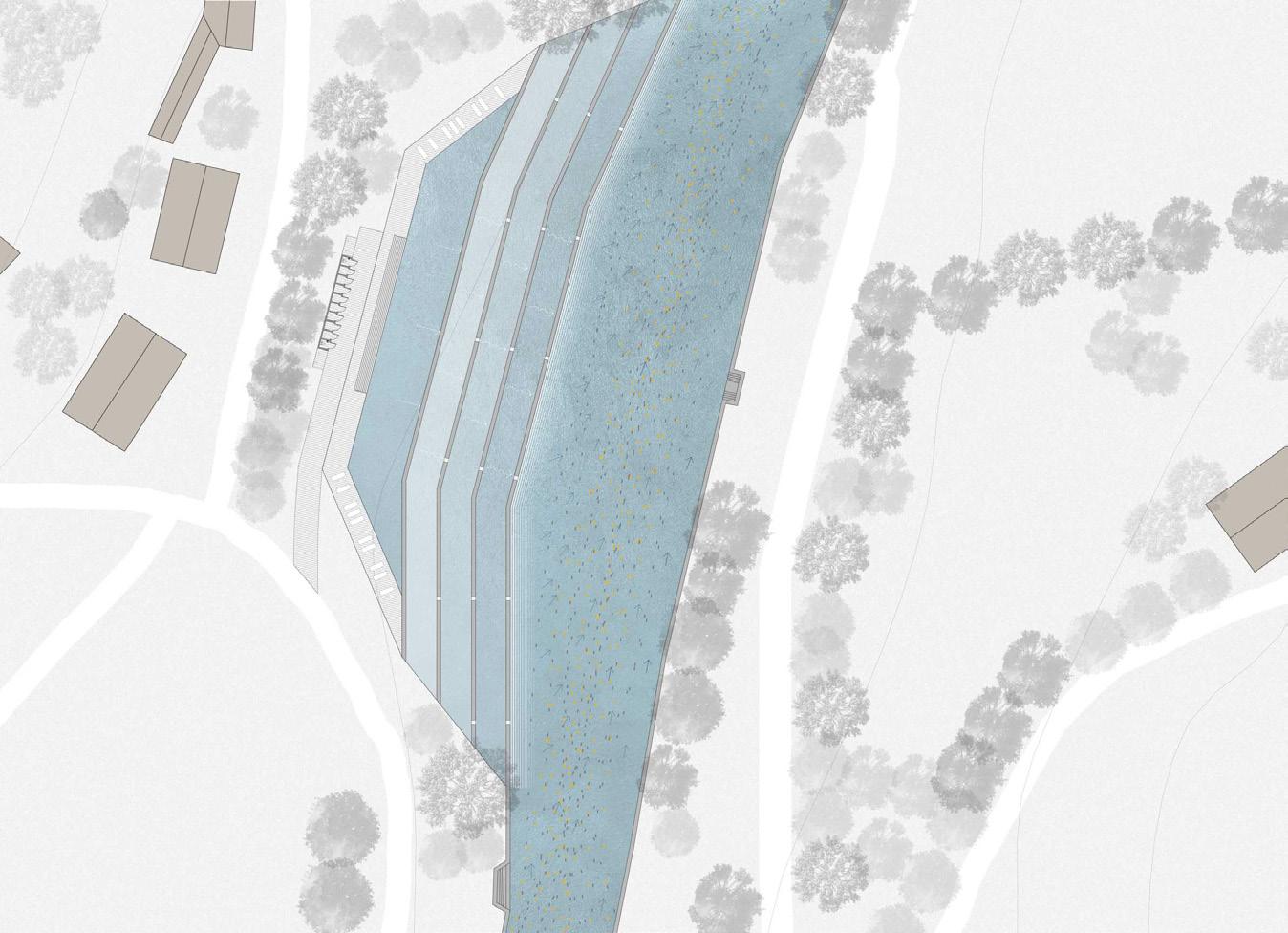
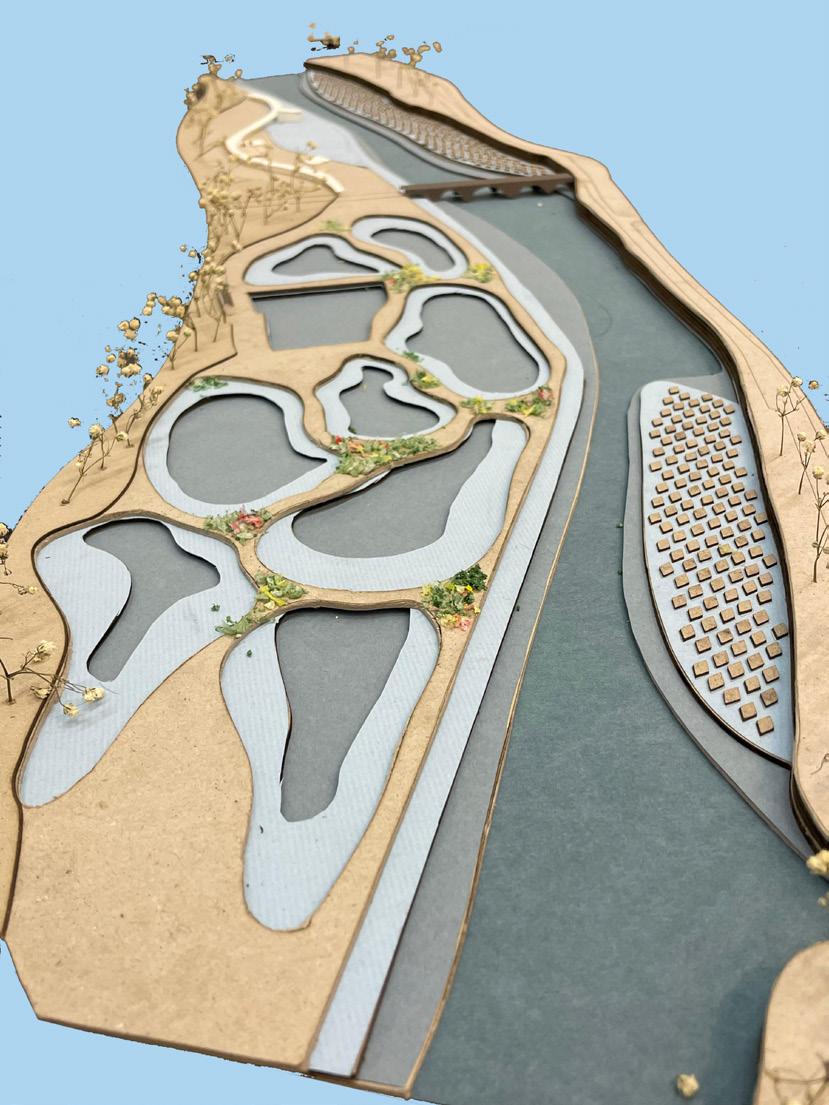
At Ponteceso, where the river meets the estuary, wetlands are created to filter the water and host a large natural pool. The banks are reinterpreted through diamondshaped patterns inspired by the morphing movement of the river, integrating wooden shelters and pathways within an ever-evolving landscape.
Ultimately, this project offers an ecological and poetic journey where architecture and nature intertwine to restore the continuity of life, reduce pollution, and renew the bond between water, landscape, and people.