










































































































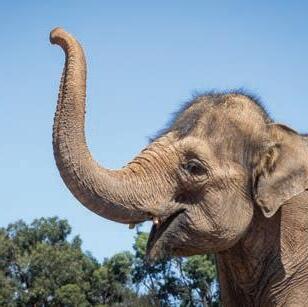

We’ve recently welcomed some exciting new additions to your zoos...
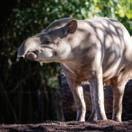
Lupo: The two-and-a-half year old South American Tapir joined the Melbourne Zoo family from Austria.




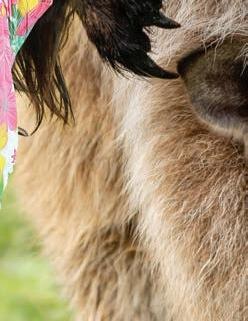
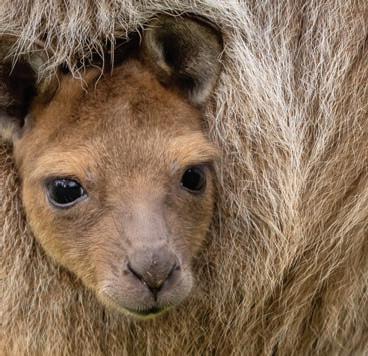
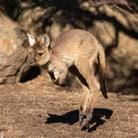
Kangaroo joeys: Meet Zach and Bree, the Kangaroo Island Kangaroo joeys hopping around Melbourne Zoo.



Zooper
MANAGING DIRECTOR Rod Mooseek
ACCOUNT DIRECTOR Scott Elmslie EDITOR Georgia Lejeune
ART DIRECTOR Dallas Budde
DESIGN Dallas Budde & Natalie Lachina
PRINTER Finsbury Green
1 What’s the first thing you do in the morning?
A Cuddle into the blanket for some more sleep.
B Run to the kitchen for breakfast.
C Choose your favourite c the r the a .
D Play, play play!
2 Your favourite food usually includes…
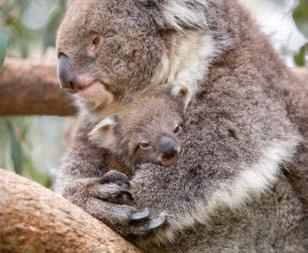
A A glass of milk or a yoghurt.
B Fruit! Berries, bananas and apples, it doesn’t matter the .
C Lots of veggies and a sweet treat t h.
D Meat please: chicken nuggets, ham sandwich or spaghetti bolognese.
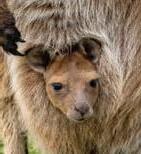
You’re a cuddly kangaroo joey. Joeys spend most of the first 10 months of their life in their mother’s cosy pouch. They drink milk from their mum and only begin to venture outside her pouch at four months old –although they don’t go very far.
3 What are your favourite clothes to wear?
A Pants with lots of pockets for storing treasures.
B Stripes and spots.
C The brighter the colours the etter.
D Practical clothes for running, jumping and climbing.
4 You spend the most time with…
A Your mum, you love her cu e .
B Your dad, you could follow him everywhere.
C By yourself, you love your own company.
D With your aunties, grandparents or your wh e am .
5 What’s your favourite sport?
A Games that include jumping high such as basketball or netball.
B Running races where you can show off your speed.
C Activities where you can climb, swing and balance.
D Team sports like soccer, AFL or netball.
TALLY UP YOUR ANSWERS: Your spring baby is…
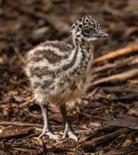
You’re a fluffy emu chick. They may not be able to fly but they can sure run fast (reaching a speed of 50km/h). Once hatched from their eggs, emu chicks stay close to their dads for up to six months. They eat seeds, fruit flowers and young shoots from plants.
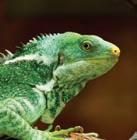
You’re a vibrant Fijian Crested Iguana. These brightly coloured lizards are dark green when hatching from their eggs but change to a bright emerald green, with white bands, after several hours. They eat mostly leaves and fruit and particularly enjoy sweet hibiscus flowers.
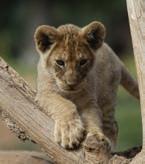
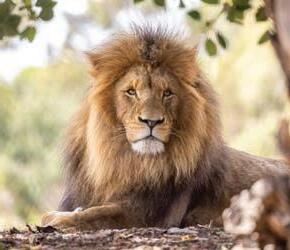
You’re a bouncy lion cub. Lion cubs are born with their eyes closed (they open 3–11 days after birth). Their mother carries them around by the top of their neck in her mouth until they can walk on their own. In a lion pride the females (aunties) help raise cubs together.



























1

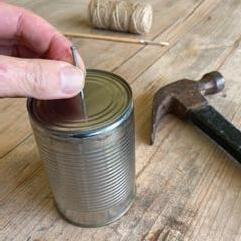
Get an adult to make a small hole in the bottom of each can by lightly tapping the nail through its centre using a hammer. Wiggle the nail to make a hole and then remove it.
4



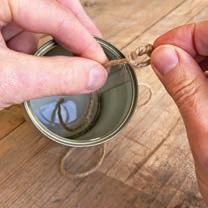
Feed the ends of the tr thr u h each ca a tie a knot on the inside to secure it.
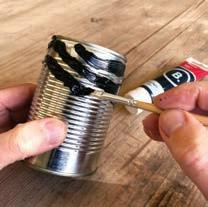
Decorate the cans using the paint and paint brushes. You could paint it to look like your favourite animal (zebra stripes, spots for a giraffe or vibrant colours like a parrot).
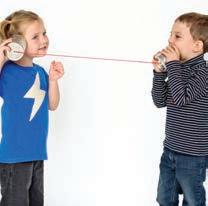
5 2
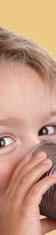
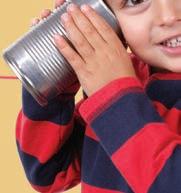
With a friend or sibling, stretch the string out tight and take turns talking into the can while the other listens. Can you hear each other?



















3
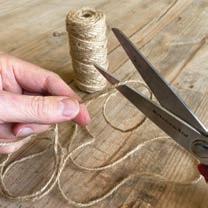
Cut a long piece of string (you can experiment with the length of the string but try at least 1 metre).
WHAT YOU’LL NEED
2 x empty tin cans (washed)
String A nail Hammer
Paintbrushes & paint (optional)
Scissors
Ask an adult for help using a hammer and scissors


1 Give each player three strips of paper and a pen. Ask them to write a different animal on each strip of paper (don’t show any of your teammates).
2 Everyone places their paper strips into the bowl. Break into tw team .
3 The youngest player goes first and chooses a slip out of the bowl. Players describe to their team what’s on the paper using any word except the one written. Players have one minute for their team to guess the animal; then the other team can guess. The team that guesses first gets a point. Teams take turns u t the a er tr are e.
4 Place all the paper strips back in the bowl. Follow the same rules as above, except this time players must mime (no sounds) the word on the paper strip.
5 Same rules as above but this time players can only use a sound to describe the animal on the a er tr
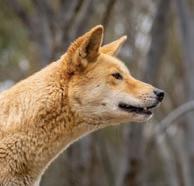
Dingoes communicate with each other mostly through howling
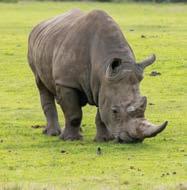
– while –White rhinos communicate using the scent of their dung piles DID YOU KNOW?
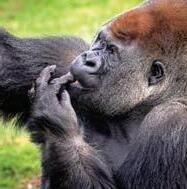
– And –Gorillas often hum or grunt while eating. They may do this to show they are enjoying themselves and to signal that they don’t want to be disturbed.
Create a gallery of your artwork in your backyard and invite your friends and family to attend and purchase.
to support the survival of the planet’s most special animals? Raise money that will go towards local threatened species conservation. Helping save some of your favourite species is as easy as A – Z. Scan for our full list of fundraising ideas, from A—Z: or go to wild-week.raiselysite.com/atoz
Create an animal-themed scavenger hunt in your backyard, local park, or even during a zoo visit. Include clues or challenges related to different animals, and ask for a at t art c ate.




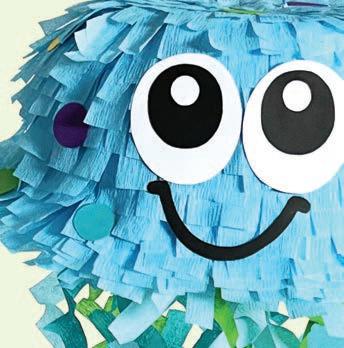
Make your own jellyfish pinata for a birthday party or playdate with friends.
Medium-sized bowl
PVA glue
Water
Plastic or stainlesssteel mixing bowl
Recycled plastic bag
Old newspaper
Cord or string
Green and blue coloured streamers
Pencil
Scissors
White, black and coloured paper
Lollies, toys or eco-friendly prizes to fill the pinata
SEE THEM NOW VISIT THE MOON JELLYFISH AT












1
Add two parts PVA glue and one part water to a mediumsized bowl and mix together until combined.












2
Cut your newspaper into long strips. Use the recycled plastic bag to cover your bowl th w t the a er mâché from sticking to it.












3


Dip the newspaper strips in the glue so they are completely coated. Lay the strips vertically onto the outside of the upturned mixing bowl. It’s important this is a bowl and not a balloon.





4










5











6

Repeat the process of laying the glue-covered strips on the outside of the bowl until the whole bowl is covered. Allow to dry. Once the outer layer is dry, add another layer of glue-covered strips to the bowl to make the structure stronger.





7


Place the mixing bowl upside down on the white paper and trace around it. Cut out a circle that is slightly larger than the w .












Once the paper mâché is completely dry, gently remove it from the bowl. Ask an adult to puncture two holes at the top. Thread a piece of string through each hole and tie knots to secure.






8
Cut tabs around the circle’s edge, then fold and glue them onto the paper mâché. This will stop the treats from falling out.
Fill the pinata with your chosen goodies, like lollies small toys or other eco-friendly prizes.







9


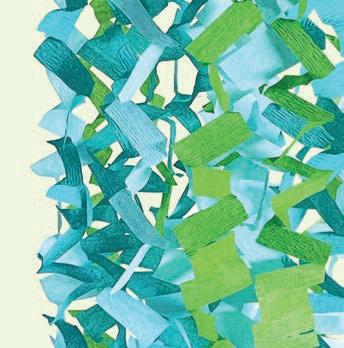
Cut 2cm slits along your streamers to create a fringe. Apply glue to the uncut edge and wrap it around the pinata until fully covered.




10

Decorate the paper mâché by cutting out eyes and a mouth from black and white paper and sticking them on. Add spots or any embellishments you like using coloured paper.

11

Cut strips of streamers and attach them to the bottom of your jellyfish to resemble tentacles.

12
Gather your friends, grab a large stick (or broom handle) and a blindfold and take turns whacking the pinata until the treat a ut.
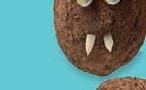
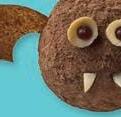
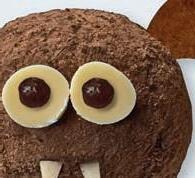
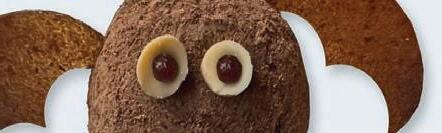
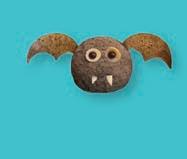
MAKE SOME SOUTHERN BENT-WING BAT BLISS BALLS
























NEED







1 x cup raw almonds





½ cup sunflower seeds
2 x tbsp cocoa powder
1 x tbsp coconut oil
1 x cup medjool dates (pitted)
¾ cup frozen raspberries
Hot water
Fruit straps Knife












1



Remember to always ask an adult to help in the kitchen.
Blitz the raw almonds and sunflower seeds together in a food processor until finely ground.

















2


Add the cocoa powder and quickly blitz until mixed.


3





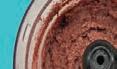







Add the dates, coconut oil and frozen raspberries to the food processor and blitz until it’s chopped. The mixture will be sticky and clumpy.



5
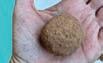
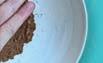
Place cocoa powder into a separate bowl and set aside. Scoop one tablespoon of the mixture at a time and roll into balls. Roll each ball in the cocoa powder until well coated and place on a plate.

7
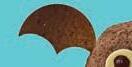
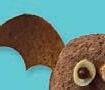
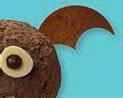
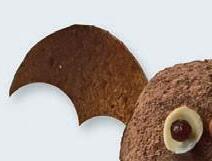
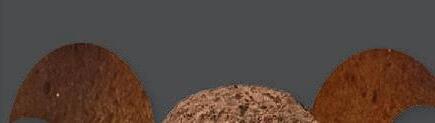
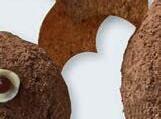
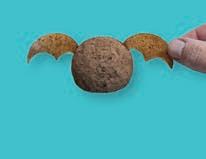
Make a small slit on either side of the ball and insert the end of each bat wing into the openings.


4



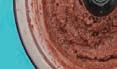
Slowly add one teaspoon of hot water at a time as you blitz. Stop when the mixture is smoother and comes together. Be careful not to add too much water.



6

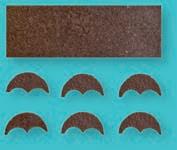
Use a knife to carefully cut bat wing shapes from the fruit strap.

8

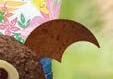
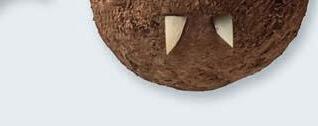
Chop up some almonds to make the eyes, roll a small bit of the leftover mixture into tiny pupils, add two almond slivers for fangs and enjoy.
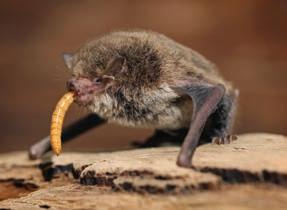
They are tiny microbats (52–58mm long)
Critically Endangered and only found in caves in south-western Victoria and south-eastern South Australia
Eats a variety of insects but mostly prefer moths
They use sound echoes to navigate and find food at night.













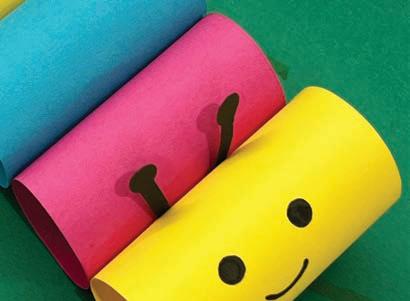
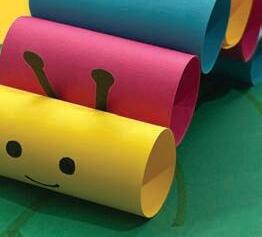
Craft a creepy crawly caterpillar out of paper






Remember to always ask an adult to help when using scissors.












Watch me crawl!


WHAT YOU’LL NEED

Green craft paper
3 x different colours of craft paper
Black craft paper


Scissors



Black felt pen
Glue

















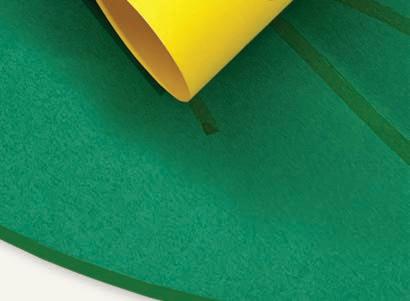
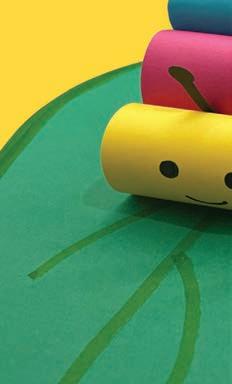
Draw a large leaf on the green craft paper. Cut out the leaf using the scissors.



4
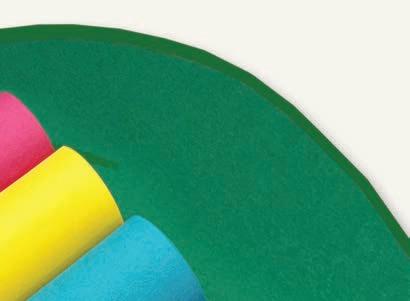
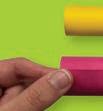
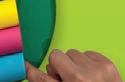
Take one of the coloured rectangles and fold it over to make a cylinder shape. Glue the ends together. Repeat with all of the rectangles.





5 6 3 7 8 9 1 STEPS



2
Measure 6 rectangles (6cm x 12cm) using the different coloured craft paper. Cut them out using scissors.

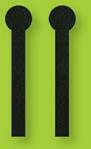
Cut out two antennae from the black craft paper.
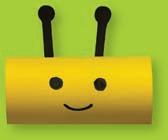
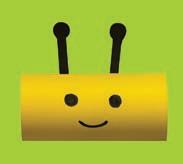
Cut antennae from the black craft paper. Draw eyes and a mouth on one of the rectangles. Glue the antennae above the eyes.




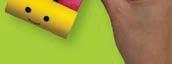
Glue the cylinders t ether a e side facing each other.


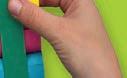

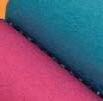
Cut a long strip of green craft paper (about 30cm). Glue one end of the strip to the bottom of the face end of the caterpillar and glue the other end of the caterpillar halfway down the green strip.

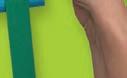














caterpillar on the leaf (either











Keepers and scientists observe animals to learn about their behaviour and improve their welfare. Record your observations next time you’re at Werribee Open Range Zoo, just like wildlife researchers do.
FIRST NAME
AGE
SUBURB
DATE OF VISIT
SEASON
WEATHER CONDITIONS

OBSERVATIONS

Time
Behaviour


Time seen No. of animals

Habitat Name
Behaviour observed
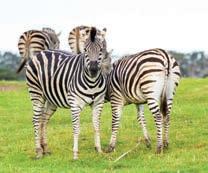
ZEBRA
Time seen No. of animals
Habitat Name
Behaviour observed
CHEETAH
Time seen No. of animals
Habitat Name
Behaviour observed
Time seen No. of animals
Habitat Name
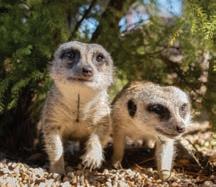
Behaviour observed MEERKAT
Time seen No. of animals

Habitat Name
Behaviour observed

Time seen No. of animals

Habitat Name
Behaviour observed




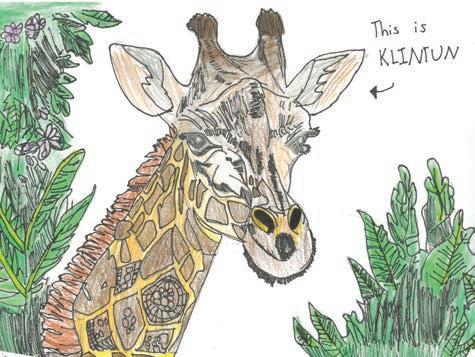


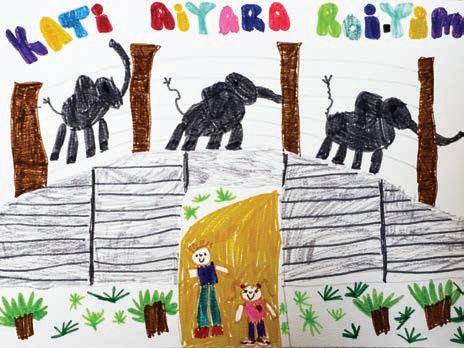

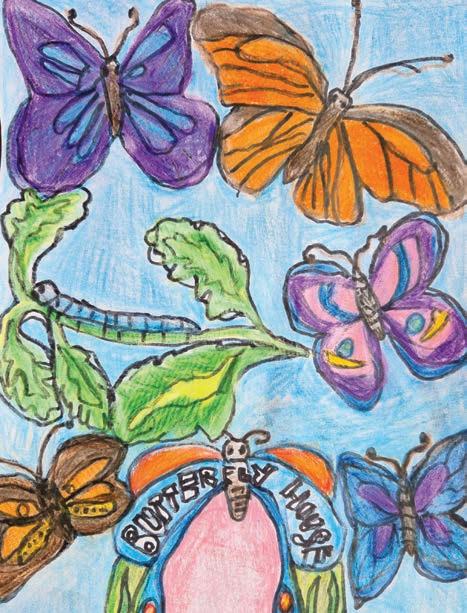






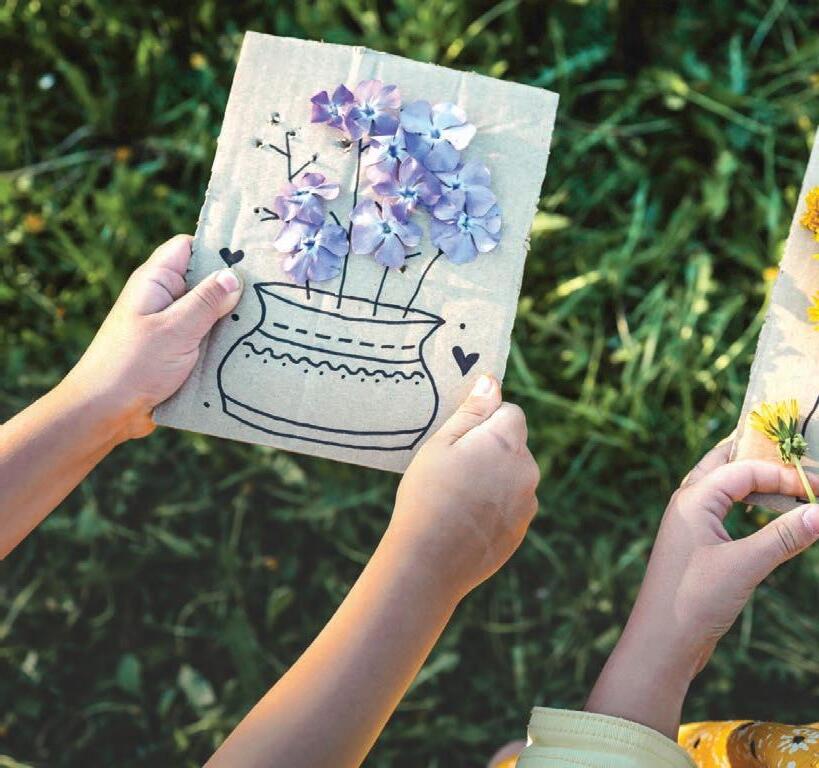
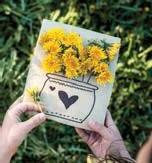
Collect a bouquet of fresh flowers during your next spring walk.
1
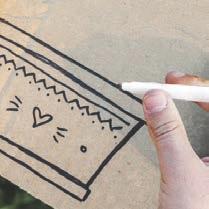
Draw a vase shape on your piece of cardboard. Make sure the top of the vase finishes halfway up the cardboard. This will allow you to fill the vase with flowers.
2
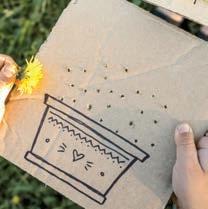
Take your pencil and poke holes through the cardboard – above the vase shape. These will be for the flowers you find on your walk.
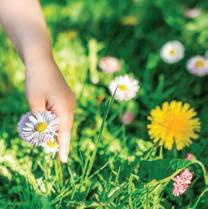
3
Take a walk with your friends or family members and collect spring flowers along the way.
Rectangle piece of cardboard
Pencil
Black felt tip-pen
A collection of spring flowers
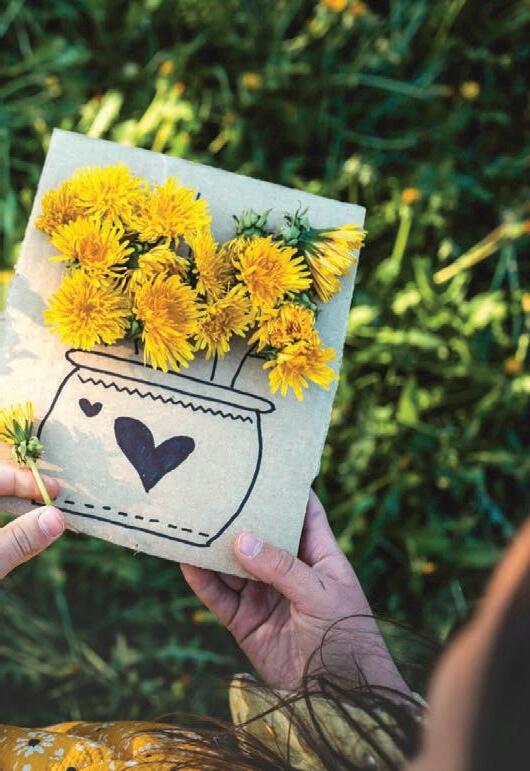
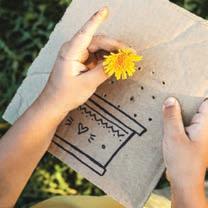
4
Poke the stems of the flowers through the holes in your cardboard. When you’re finished your walk u w ha e a a e u c ur u m .
Plant these native Australian plants in your garden for some beautiful spring flowers.
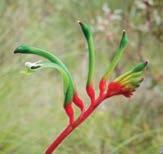
The floral emblem of Western Australia, these beautiful native flowers can be planted all year round – but they tend to flower in spring. They prefer dry climates, sandy soil and lots of watering.
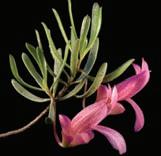
Pollinators love this flowering vine. Plant it near to something it can climb up and in a sunny spot (part shade is also fine). First Nations people used this plant (called Tarrtjan) as a treatment of colds and sore throats.
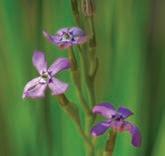
These shrubs will stay green all year round, with flowers blooming in spring. Plant them in a well-drained, sunny spot, with a little shade. e br t ur le lo er will be worth the wait.
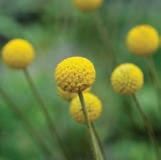
You can easily grow these bright yellow pom-pom flowers from seed. Sprinkle the seeds over the soil, lightly rake the soil over the top and water them (daily). You should see sprouts poking through the soil one to t ree ee a ter lant n .