Wide Sky is a biannual magazine for the wider Rangi Ruru Girls’ School community celebrating the voices of students, teachers, leaders and alumnae of the Rangi Ruru whānau.
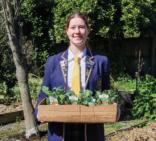
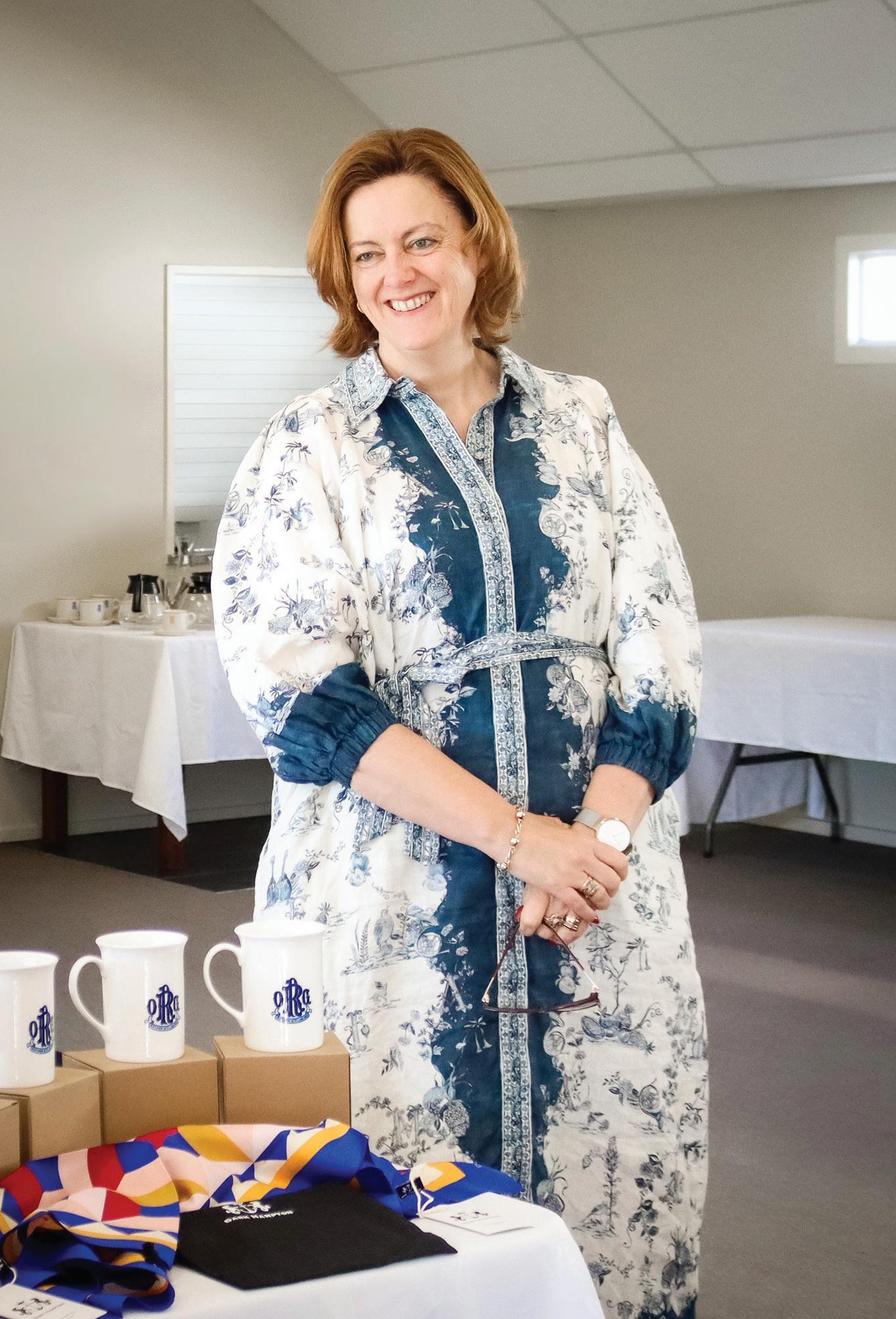
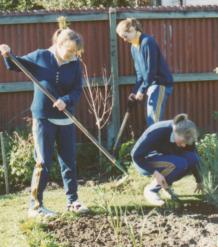
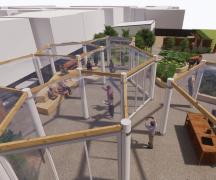
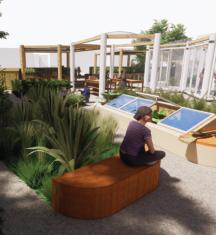
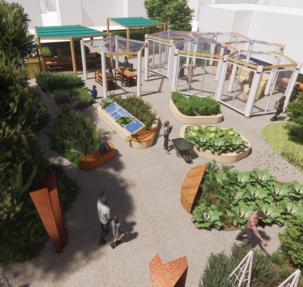
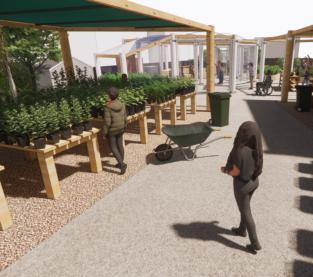
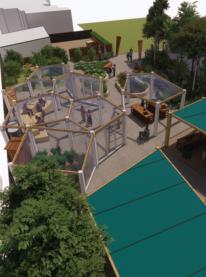
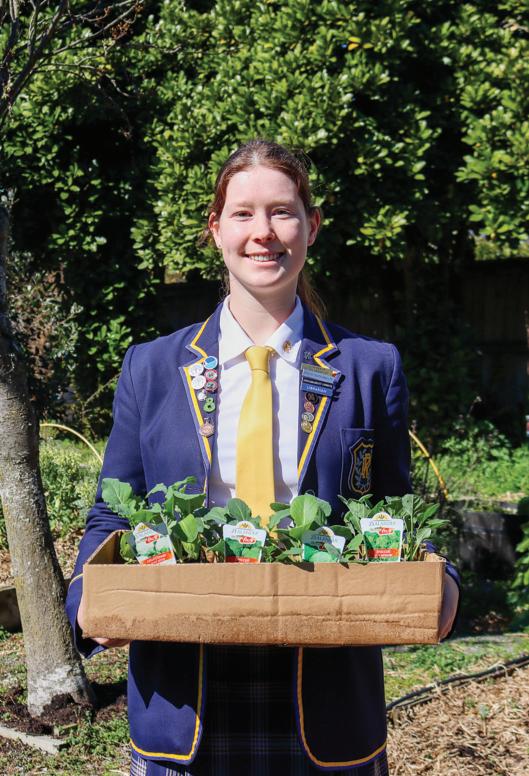
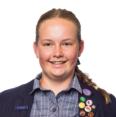
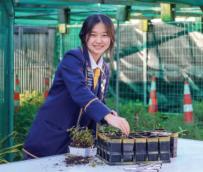
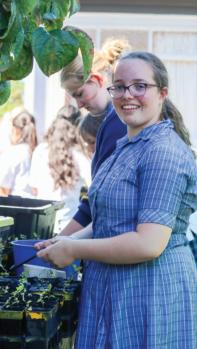
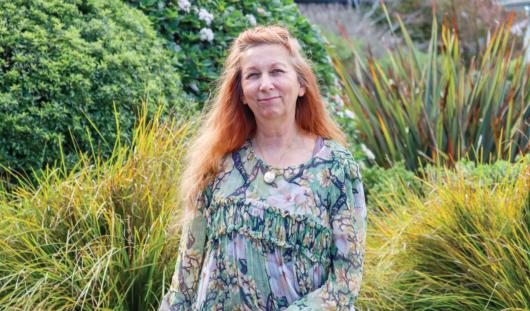
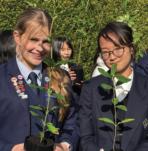
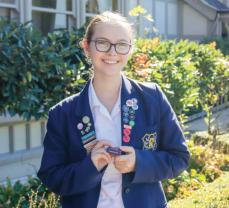
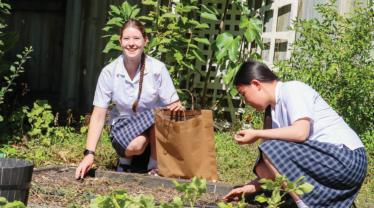
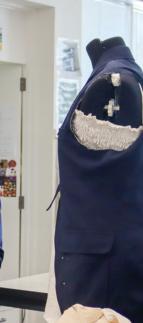
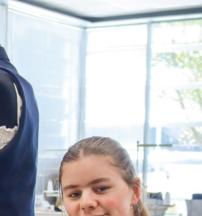
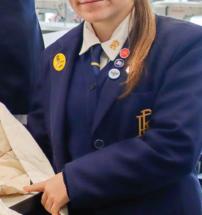
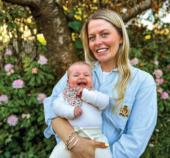
Year 11 student Catherine Vogt in the school garden as part of our 2025 Annual Appeal to raise funds for Project Toitū, a new purposebuilt environmental and innovation hub on campus. The new facility will amplify how students learn about, and participate in, sustainability at Rangi Ruru.
Sustainability might be seen as a new concept, but here at Rangi Ruru, it feels more like a long-held practice. A practice which not only nurtures the environment, but plants the seeds of lifelong learning, enduring relationships and leaving a legacy for those yet to pass through the gates.
Putting together this sustainability edition of Wide Sky, I was reminded of how deep these connections run. The interview by RROGA’s formidable Felicity Williams
Editor’s Note Contents
Sustainability Through Legacy and Leadership
Tracy Herft
From the Nest to the World
Jo Dodgshun
Nurturing Our Nest
Libby Sexton
A Sustainable Legacy
Juliet Collins
Generosity of Spirit is Sustainable
Kirsty Rueppell
Nesting Together for a Greener Future
Eliza Caughley
Vanessa Wells is Mighty Indeed
Ben Hogg
The Many Superpowers of Mapihi Martin-Paul
Felicity Williams
Speaking on Sustainability
Rangi Ruru Students and Staff
25 Years as Sister Schools
Johnann Williams
Nurturing the Earth, Nourishing the Soul
Kate Rivers
Crafting Meaning from Life, in Writing
Felicity Williams
The Impact of Performance
Kirsty Bell
Gibson Girls Forever
Felicity Williams
Sustaining Te Reo Māori Sherrilee Herangi-Harrison and Year 12 Students
with two remarkable Gibson Girls—Nan and Jo—is case in point. At almost 100 the pair recalled their school days with astonishing clarity and cheeky humour. Tales of midnight feasts, forbidden chats with boys over the fence, and everlasting friendships reminded me that sustainability is, at its heart, about continuity. It is about what we inherit, nurture and pass on.
Returning to Rangi Ruru at the end of Term 3 after an extended maternity leave,
Musical Footprints
Janet Kingsbury
Highlights Reel
Photos from the Year
Grounded in Creativity, Growing in Confidence
Stu Munro
The Long Game
Gwen Harrop
The Catch Up
RROGA
A Way of (Boarding) Life
Kyleigh Lyth
From Head Prefect to Vet
Felicity Williams
The Spirit of Service
Tania Morgan
RROGA Events
Photo Highlights
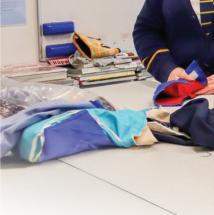
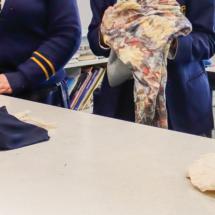
Fashioning Change
Emily Napolitano
Hatches and Matches
RROGA
Flourishing Through Connection
Amy Martin-Bowen
RROGA Events
Photo Highlights
Gone but not Forgotten
RROGA
Elder Tech: Sustaining Connections Across Generations
Owen Flattery
Highlights Reel
Photos from the Year
Summer Reading Reccs!
Isabel Milward
Greener Future Nesting Together for a
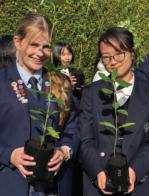
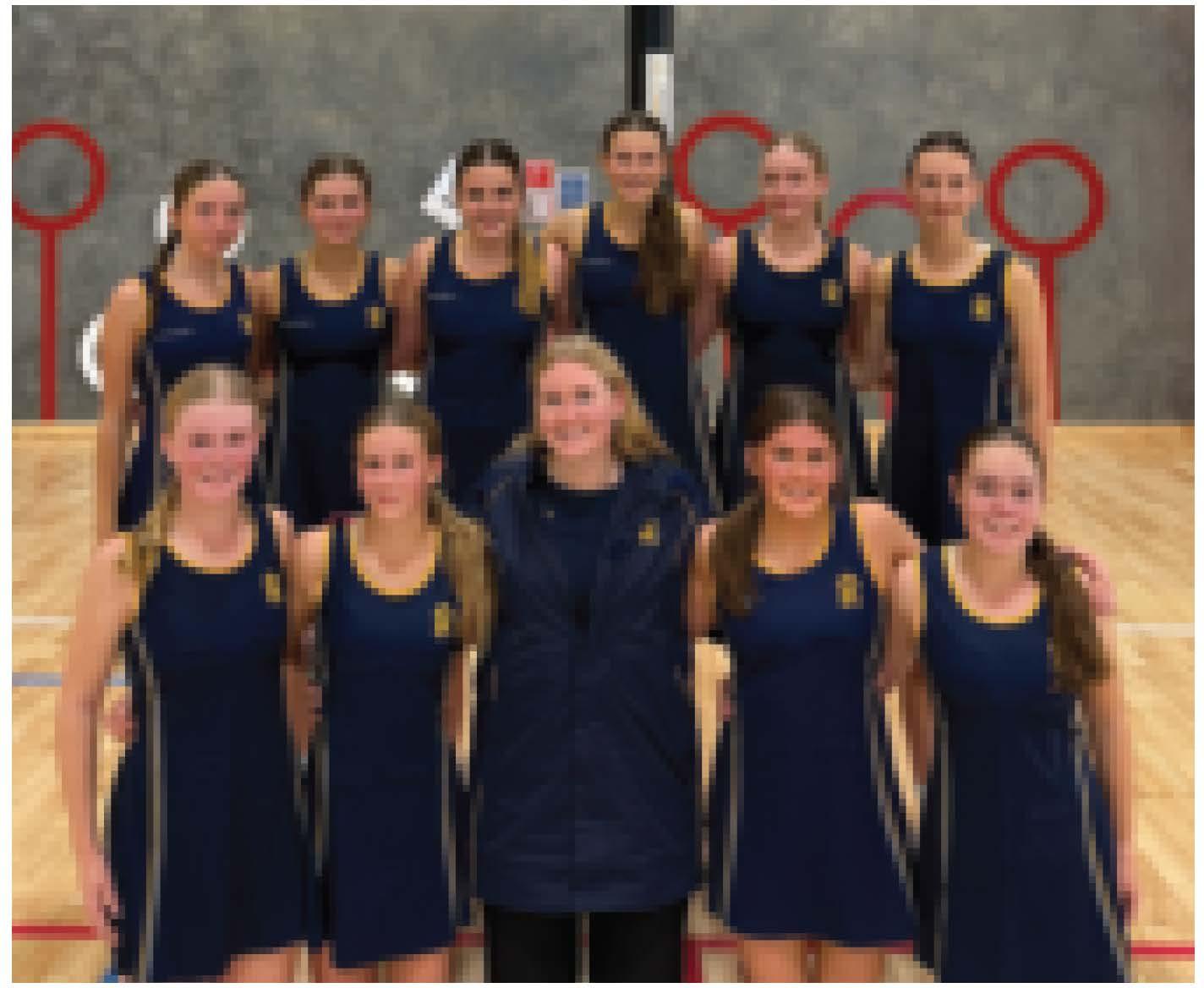
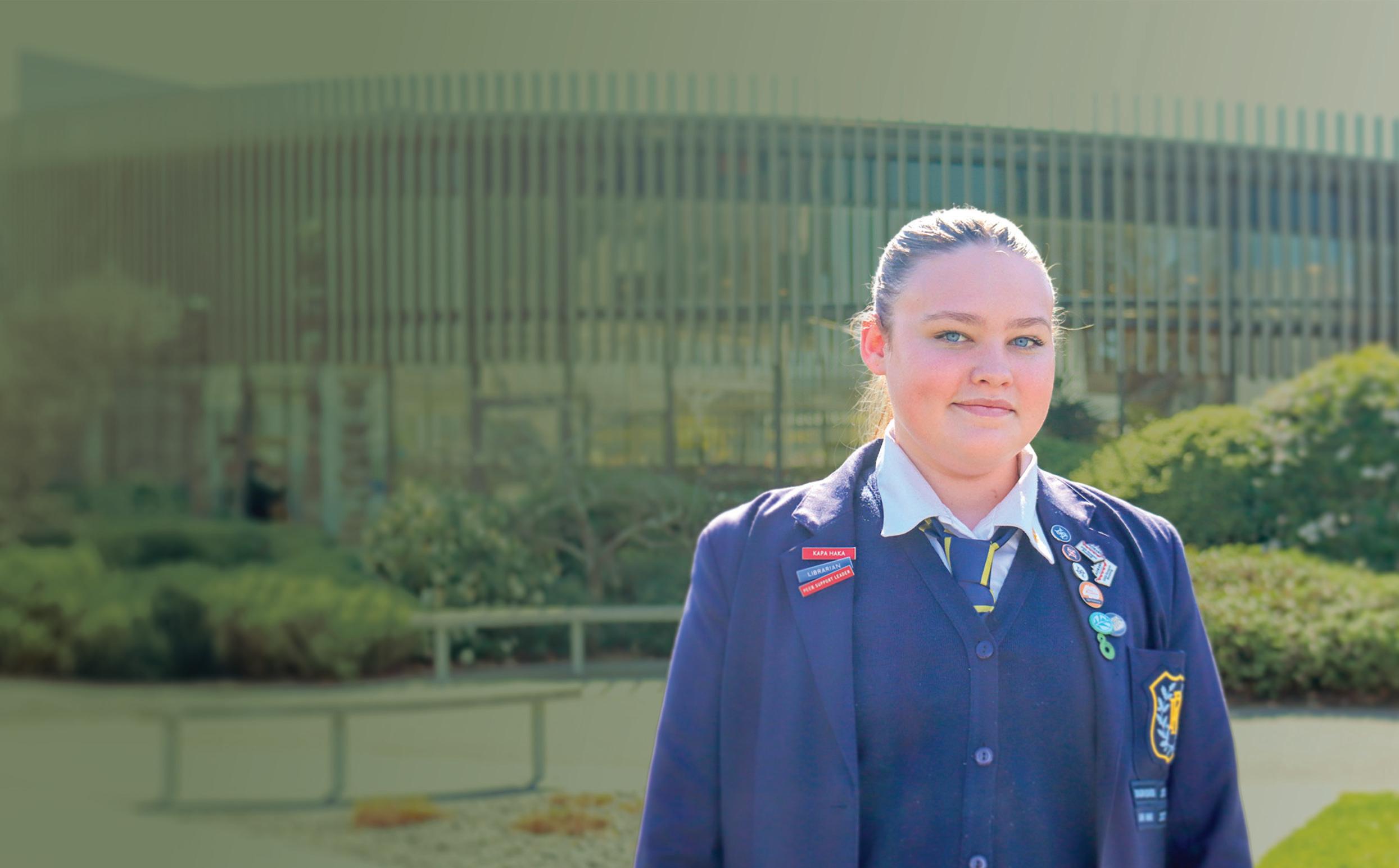
In my opinion, sustainability at Rangi Ruru is a vibrant aspect of our school and it is more than just a concept. It’s a living, breathing part of our culture.
Guided by our 2025 student theme, Nest Together, Soar Forever, I think that we are reminded of the power of connection, shared passion and collective spirit that sustainability can have.
These principles are central to the work of the Sustainability Council and reflect how we embed both the environmental and the social aspects of sustainability into the heart of school life.
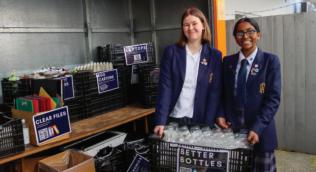
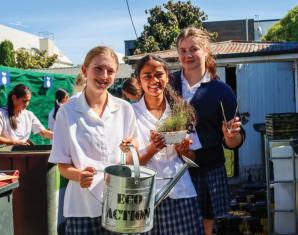
From hosting sustainability workshops on waste reduction to running and participating in the Mother of All Cleanups, the council works to ensure that sustainability is not treated as a trend, but as an enduring value. Our commitment goes beyond environmental practices, we also advocate for social sustainability, encouraging connections through the year levels and friendships that foster a more inclusive, caring school community.
As the Head of Sustainability, I’ve had the privilege of helping shape the council’s direction and supporting others in developing their own sustainable practices. This role has been a journey of leadership, collaboration and growth.
It’s not about holding a title; it’s about inspiring and empowering others to think and act sustainably, in ways big and small. Whether that’s leading a clean-up, speaking at assembly, or simply reminding peers on the importance of waste separation, every action counts.
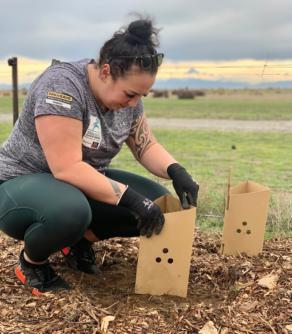
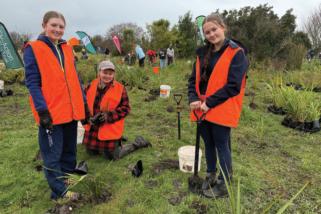
One of our most treasured initiatives is our ongoing involvement with the Ōtākaro/Avon River. Over time, we’ve developed a strong relationship with this vital local waterway. Through regular cleanups and native planting days, we’ve collaborated with other schools and community groups to restore and protect this natural taonga.
These hands-on experiences not only deepen our environmental awareness but also highlight the importance of community partnerships to help our planet.
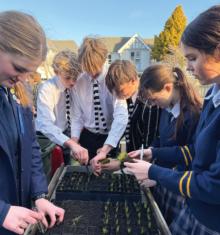
Te Ara, our interactive and practical beyondthe-gates learning programme, has provided another avenue for engagement with nature. The sustainability rotation is a chance for students to experience and lead, regardless of year level and contribute to our environment and school in a meaningful and impactful way.
Whether that’s learning about composting, gardening, or raising awareness about important environmental issues, I think that Rangi Ruru helps to foster empowerment and encourage the voices fighting for change.
I have always loved how sustainability at Rangi is inclusive. You don’t have to be in Year 13 or on the council to make a difference. Everyone has an equal opportunity to get involved and this wing of our kura supports everyone who is interested in participating and loves to see new members join our clubs and initiatives.
We also work hard to move beyond “sustainable gimmicks”. In my opinion, sustainability at Rangi Ruru strives to promote sustainability as a lifestyle, not just a series of one-off events. Whilst these events are great for short term support, it is vital that we maintain a more long-term sustainable mindset.
I think that there is also space for joy and creativity in the work we do for our planet. Sustainability doesn’t have to be serious all the time—it can be inspiring and fun, too.
Looking into the future, I hope that we can continue to carry with us the spirit of Rangi Ruru sustainability: being connected, passionate, and ready to soar.
Together, we continue to build a legacy of care for our environment, for each other, and for the generations who will one day walk through the very forests we planted today.
Words by Eliza Caughley Student Head of Sustainability
Mapihi Martin-Paul The Many Superpowers of
Class of 2007
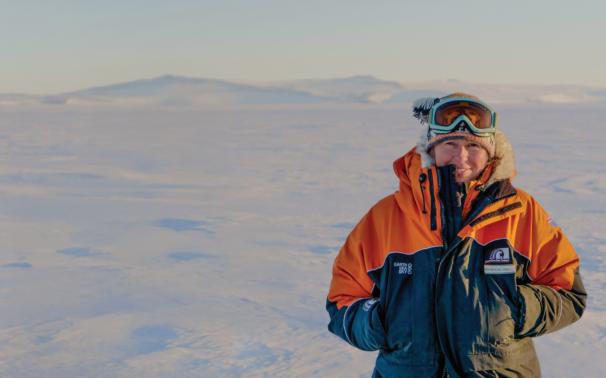
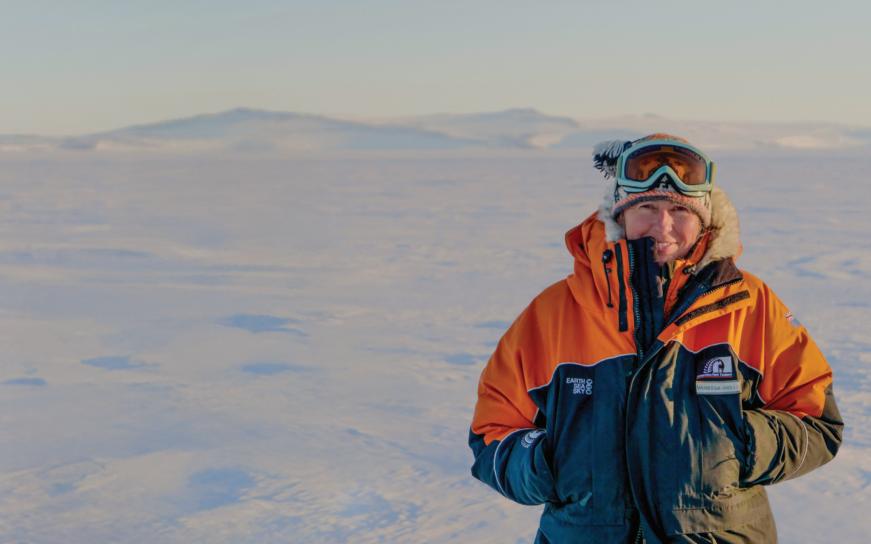
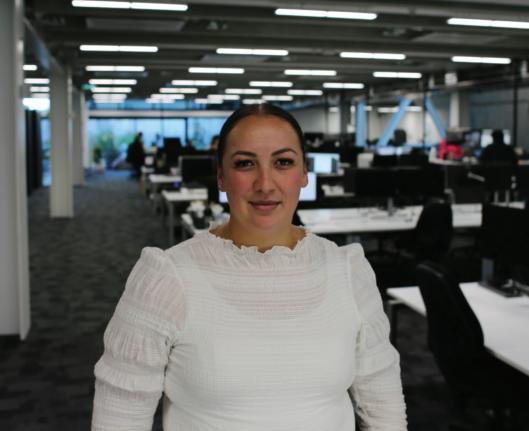
Mapihi Martin-Paul works across Aotearoa, with whānau, hapū and iwi Māori, as a strategic Māori advisor. Her work encompasses a diverse range of capacities—from landscape architecture to resource management, planning and ecology. Felicity Williams talked to her about her Rangi Ruru days and how she got to where is she now.
I LOVED my time at Rangi Ruru, I truly believe I would not be the person I am today had it not been for the opportunity to learn at Rangi Ruru. Upon reflection, I was more interested in the more “creative” topics.
Of course I armed myself with the good basics—statistics, science, English— but I was more comfortable in the arts block—Graphics, Photography, Home Tech, Textiles. Ms Collins (calling her Juliet still seems strange) was a special teacher to me, she really encouraged me in my passion for photography and the arts, always providing a light, laughfilled, respectful and caring teaching environment. It’s been a pleasure to come back and see her familiar face! Even after all these years, we still reflect on my time at Rangi Ruru together.
I attended Rangi Ruru during the Canterbury earthquakes of 2010 and 2011, a devastating, heavy and life-changing time for our entire region. If there was a positive to be found, it was that the Rangi Ruru community really came together. We protected each other, individual families got to know each other, we were kind, and it made us resilient.
I initially left Rangi Ruru and attended the University of Canterbury; I was accepted into the Fine Arts programme on a photography portfolio. However, Fine Arts didn’t quite feel like the right fit and so after taking a year off, I transferred to Lincoln University where I completed my four-year Bachelor of Landscape Architecture in 2016.
I went on to join Boffa Miskell, an environmental consultancy firm in 2017 but not as an landscape architect. I always knew I wanted to do something that contributed to my people—being a young wāhine Māori was my superpower.
And so, I joined Boffa Miskell’s Te Hīhiri discipline which focuses on supporting and advocating for the interests of iwi, hapū and whānau Māori across Aotearoa.
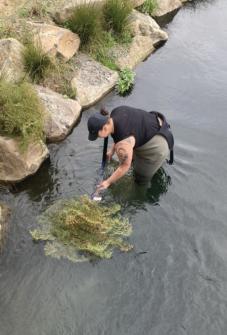
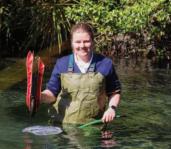
Every day is different for me. During the summer period I spend a lot of my time outside in waders, working in rivers across Te Waipounamu. The reason is always a little different: Sometimes I’m monitoring macroinvertebrates as an indicator of freshwater quality, or other times I might be undertaking cultural health assessments in partnership with iwi.
Engagement with iwi is really at the core of what I do; I’ve spent years building trustworthy relationships with Papatipu Rūnanga across Te Waipounamu and this is advantageous to clients who need to engage on really pressing matters such as renewable energy, climate change, quarries and urban growth. I play the role of “conduit” almost, bringing everyone along the same journey in a way that respects differences in worldview, cultures, backgrounds and priorities.
When I’m not outside, I spend my time supporting a wide range of clients from local and central government to private developers. This might look like providing strategic advice into resource consent applications, advising on iwi priorities
regarding a reconstructed wetland, or preparing a management plan in accordance with the Reserves Act. No two days are the same.
I feel a sense of responsibility to do all I can for iwi Māori, we’re all so thinly stretched dealing with political, environmental, social and economic issues that the more people and voices we have, the better.
Serving mana whenua in whatever capacity they need from me is an inherent responsibility that I don’t take lightly. On a more personal note, I’m about to welcome my first baby and that has been an incredible motivator: I want the world my children will grow up in to be better.
For current school leavers I would say that the sciences, environmental planning or biosecurity are all worthwhile areas for study, but I also think that on-the-ground experience was valuable to my career.
I’m lucky to have had opportunities and mentorship from fellow colleagues, but as long as you’re passionate, driven and motivated, then you can make your field of study work!
Compiled by
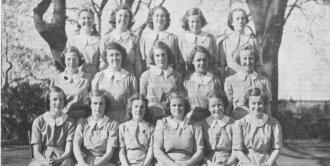
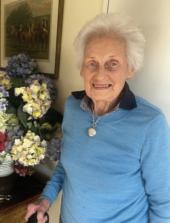
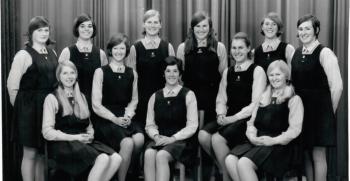
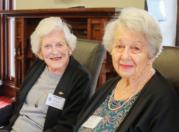
At her elegant home in the Ngaio Marsh Retirement Village, Nan Douglas and I chatted about her school days as a Gibson Girl while we enjoyed her homemade lemon muffins and English Breakfast tea.
Halfway through the interview we were unexpectedly joined by Jo Wilding—another Gibson girl. “I think I should interview you as well,” I say. “You certainly should,” chimed in Nan. “Grab the opportunity while you’ve got it.”
Nan and Jo’s reminiscing was so enjoyable, their memories bubbling up with sparkling clarity as if everything had happened only yesterday. This is what they had to say:
Jo Wilding (née Smith) Class of 1940
“I started Rangi when I was four years old in 1932, and I stayed until I was 17. I had all the Gibson sisters as headmistresses, one after the other: Miss Ethel, Miss Ruth, and the one that loved gardening—Miss Winifred.
“I was a left-hander, and they tried to get me to write with my right hand but that was a battle they did not win. I got my own way with that.
“We used to play a game called the Kick the Tin. It was marvellous fun. You’d hide the tin and then everybody looked for it and the person that found it had to kick it loudly and then rush to home base with it.
“They had marching teams at Rangi Ruru of about 18 in each team and every morning they used to march around the field. I was captain of one of those teams. It was quite competitive. We were trained by a brigadier, retired after the war I think, he always wore a uniform.
“I was naughty at school, high spirited—I remember throwing a duster at a teacher. And then there was the time that a group of us hid behind the sliding blackboard, didn’t make a noise. The teacher looked everywhere but she couldn’t find us.
“I had a friend who was also rather naughty, June Anderson, and in the end the school said, ‘These two girls must be separated,’ so she went off to Craighead and that was that. June and I both had horses, and I used to stay with her over at Charteris Bay in the family bach. We were both horse-mad. She was a talented artist, especially of horses.
“My grandmother once visited Rangi and she asked to see the work I’d been doing. Now she was a very delicate, elegant sort of person and the poor darling, I knew she absolutely couldn’t stand spiders. So what did I show her? A display of dead spiders mounted on a board. Wasn’t that horrible of me!
“I loved the sports at Rangi Ruru. I played tennis.
“Right after leaving school a group of us, including Nan and June, took off and had a trip to Martins Bay together on horseback. The trip was led by Davey Gunn, who owned Martins Bay cattle station. Martins Bay is in South Westland, just north of Milford Sound, only accessible by foot or horseback. We walked and rode. There were nine of us with five horses and we stayed in various old huts. Davey was our guide, a grazier, he was rounding up his cattle at the same time. It was the biggest adventure ever, a lot of fun and I’ve never forgotten it.
“When I left school I worked with horses, I broke them in and educated them and in addition every year I helped with the lambing on the Menzies farm on Banks Peninsula. I started a riding school. Children came to it and I taught them.
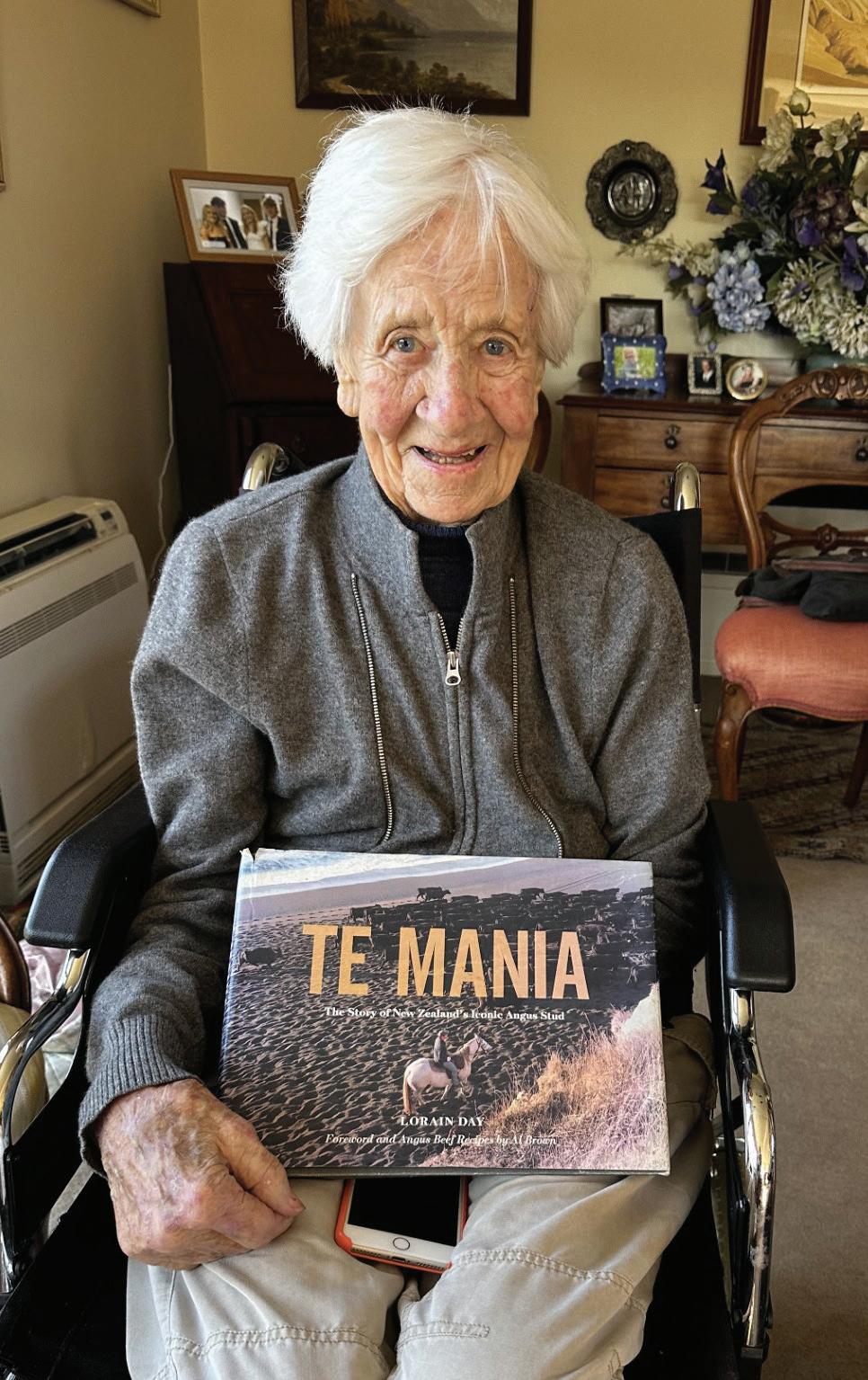
“I married a farmer and lived on Te Mania Angus stud farm. I worked on the farm, feeding the animals and generally helped with the Angus cattle.”
I ask Jo, who will be turning 98 on her next birthday, “What’s the secret of living a long life?”
She frowns.
“A long life? It’s terrible. They’ve got rules here. So many rules. I don’t like rules. I’d like to throw the duster at the rule book.
I’ve always been a county girl. Except I’m lucky with my friends here. We look after each other.”
I tell her that I think that’s the secret— friends and looking out for each other!
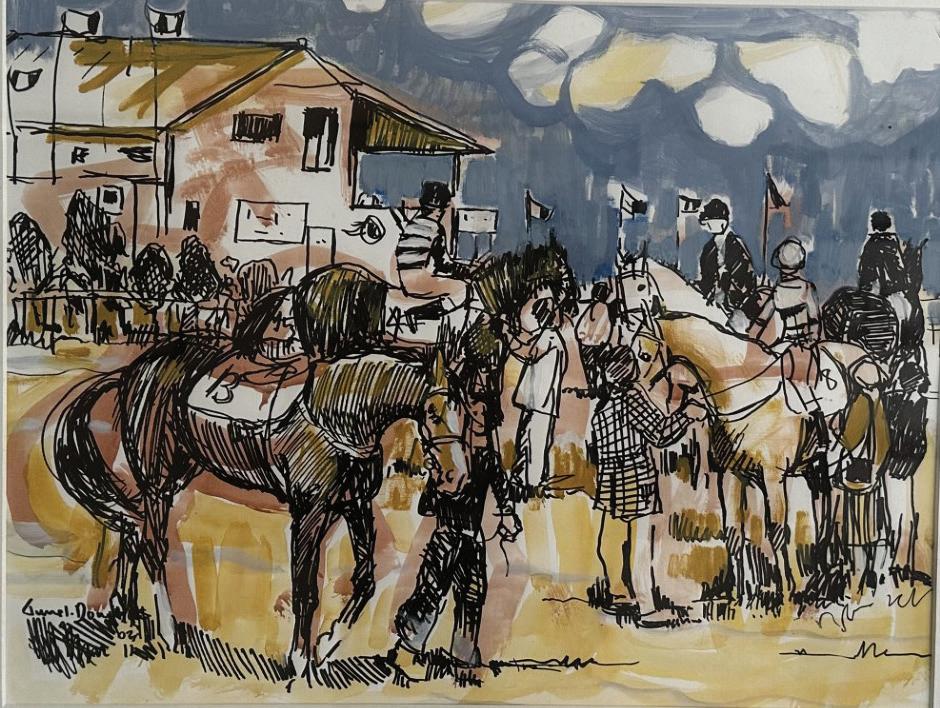
This watercolour painted by Jo’s school friend June Douglas (née Anderson, class of 1940) hangs pride of place in her room at Ngaio Marsh.
Compiled by Felicity Williams RROGA Committee member
The Catch Up
JuliaWilkinson (neeToner)
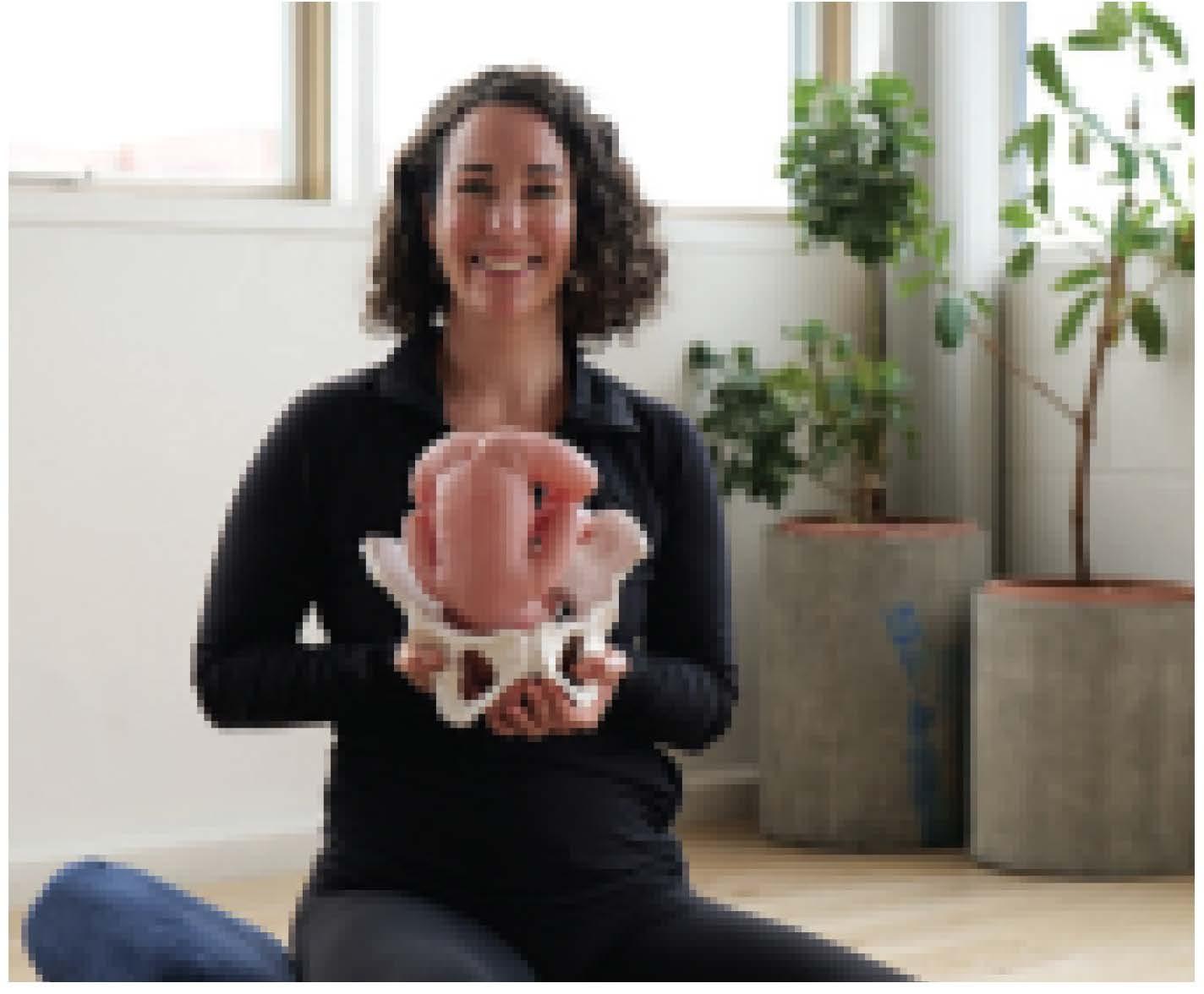
Whalihaveyoubeenupliosinceleaving school?Aftergraduatingin2007, I went toCanterbury Universityandstudied civil engineering, thencompletedamaster's in engineeringmanagement.Myplanwasto climbthecorporateladderinconsultancy, becomeabigboss, andmakelotsof money! Istartedinstructuralengineering after theearthquakes, thenmovedinto threewaters(though I'dalwaysreally enjoyedtheenvironmentalsideofthings). Butwhen I hadmyfirstbaby, everything changed.I'dplannedtoreturntowork atsixmonths,and I didtrygoingback acouplehoursaweek,but I realized I didn'twanttobeawayfromhimjustto makemoneyforsomeoneelse'sbottom line.So I completelypivoted: Iretrained asaChildbirthEducatoranddovedeep intoWomen'sPelvic Health.Now Iteach Yoga, Pilates, Breathwork,and Menarche Education,helpingyounggirlsandtheir mothersnavigatethebeautifultransition intowomanhoodtogether.Ihavethree boysnow,ahusband,ahouse,adog,four chickens,and Ilovegardening.It'sbeen quitethejourneyfromschooltowhere I amnow!
Grealiesliachievement;liodalie?Realizing that Ididn'thavetodowhatsocietytold metodo.Justbecause I hadamaster's inengineeringdidn'tmeanthathadto definemeforever.When Iwasn'tloving thatpathanymore, Idiscovered Icould pivot,usemyskillstobuildabusiness,and createworkthatactuallyalignedwithmy values-allwhilegettingtobepresentwith mychildren.Mygreatestachievementhas beenhavingthecouragenottoconformto society'snormsandinsteadcreatingmy ownpathtowardalifethatfeelsbalanced andmeaningful.
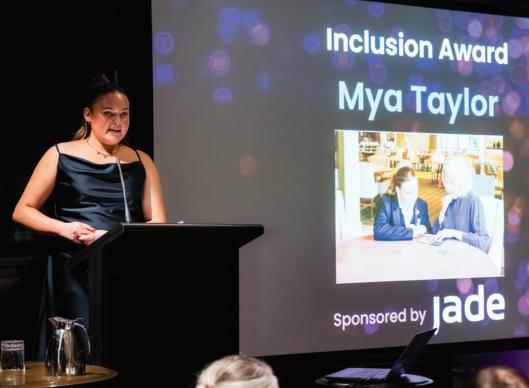
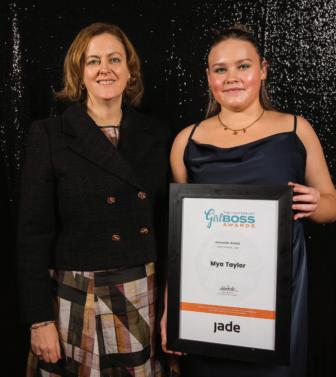
When Year 12 student Mya Taylor first sat down to teach her nan how to video call the family, she didn’t know she was planting the seeds for an award-winning initiative. Her patient guidance, showing how to swipe, tap, and click, led to something much bigger. After a conversation with her father who suggested she turn her action into something bigger, ElderTech was born.
ElderTech is a youth-led project bridging the digital divide for older people in the community. This year, Mya’s work was recognised at the GirlBoss Awards, where she won the Canterbury award for Inclusion.
Her achievement is a celebration not only of her leadership and empathy, but also of a powerful truth, sustainability isn’t just about the environment. It’s also about sustaining communities, relationships and the ability for everyone—regardless of age—to thrive in a changing world.
When we hear the word sustainability, solar panels and recycling bins often come to mind. Yet there’s another dimension: Social sustainability, ensuring the wellbeing and inclusion of people now and into the future.
Digital technology is central to modern life. It connects us to loved ones, services and opportunities. But for many older people, technology can feel like an impenetrable barrier. This exclusion can lead to isolation, reduced independence, and a sense of being “left behind”. Mya saw this firsthand with her nan, and rather than accept it, she acted. Starting
with one-on-one sessions at home, she grew her idea into regular visits to a local retirement village, running both personalised tech support and smallgroup workshops.
“So many older people are feeling left behind in a world that’s moving fast,” says Mya. “Not because they aren’t capable, but because no one has taken the time to sit with them and say, ‘You’ve got this’.
“I’ve learned so much from the older people I’ve spent time with—they have the best stories, and they really appreciate being listened to. This experience has shown me how important it is to connect across generations. I’m really grateful for everything it’s taught me.”
ElderTech isn’t about buying new devices or the latest gadgets, it’s about helping people get the most out of what they already own. Residents learn to make video calls, send photos, shop online, use banking apps and navigate essential services.
This approach has a direct environmental benefit. By empowering people to use their devices more effectively, Mya helps extend the life of that technology,
reducing the need for premature upgrades and cutting down on e-waste, a rapidly growing global problem. Every extra year a device is kept in service saves the resources, energy, and emissions that go into manufacturing its replacement.
The beauty of Mya’s approach is that it’s built to last. Rather than doing things for people, she teaches them how to do it themselves, building confidence and skills that continue long after the session ends. Over time, residents start helping one another, creating a self-sustaining support network within the village.
Mya’s success shows how youth-led innovation can be simple, scalable, and sustainable. ElderTech could be replicated in communities anywhere, no expensive infrastructure, just time, empathy and know-how.
“Winning this award honestly means so much,” says Mya. “I didn’t start doing this for recognition. But being recognised in this way makes me feel really proud and reminds me that the little things we do can actually make a big difference in someone’s life.