

SECOND EDITION
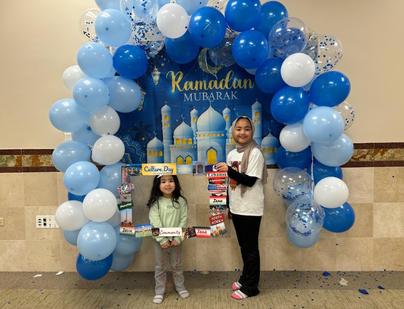
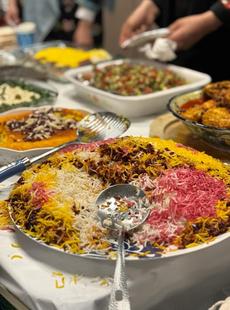
TABLE OF CONTENTS WEAREUNITED BAIT UL ILM SUNDAY SCHOOL EMBRACES RAMADAN BAIT UL ILM SUNDAY SCHOOL HOSTS ANNUAL CULTURE DAY Read about how students learned and embraced the traditions of Islam during class. Read about how Sunday school students researched and presented their cultures to the community 03 COMMUNITY+EDUCATION+FAITH STUDENTSELECTIONS
school students use Islam to provide their own interpretation of modern day issues Inspiring youth poetry depicting the strength of community 07 09 04 05 REDEFININGNARRATIVES:THE RISEOFMUSLIMWOMENIN JOURNALISM EXCLUSIVE! 15 17 1 19 HALALEATS:HOLYBUCKETS CHICKEN&PIZZA Explore different halal restaurants in the Chicagoland area COMBATZONE:ARETHEPROPALESTINIANPROTESTSAN EFFECTIVEANDJUSTIFIABLE MEANSTOACHIEVESOCIAL CHANGE? Discover how Sunday school students debate modern day issues. REFLECTIONSOFTHEYEAR 20 CLASSOF2024 02EDITORSNOTE
Sunday

Editor’s Note

Inthisissue
WELCOME TO THE SECOND EDITION OF BAITUL ILM SUNDAY SCHOOL MAGAZINE! IN THIS EDITION, WE CONTINUE TO PORTRAY HOW STUDENTS GRAPPLE WITH REAL WORLD ISSUES, DISPLAY THE ARRAY OF DIVERSITY WHICH OUR COMMUNITY HOLDS, AND WRAP UP THE END OF THE SCHOOL YEAR BY REFLECTING ON PAST MEMORIES AND HIGHLIGHTING OUR GRADUATES. THANK YOU FOR INDULGING IN OUR CONTENT THIS SCHOOL YEAR, AND I HOPE YOU WILL CONTINUE TO DO SO IN THE FUTURE.
HAPPY READING!
SINCERELY,
ZAHRA GHADEER
2
Student Selections
Karbala, my Personal Journey and Reflections
Karbala, the land of Imam Al Hussain (A.S.) The land in which our beloved Ahlul Bait (A.S.) suffered many afflictions and agony. The land of peace and humanity; Heaven on Earth itself. Alhamdulillah, within a year I visited Karbala three times, and each visit, I learned many new things, and my connection with Karbala grew stronger.
The very first time I visited Karbala, my whole perspective of the world changed, and my heart has been left there ever since. Everytime I see the beautiful golden dome of Imam Ghazi Abbas Alamdar (A.S.) for the first time upon arrival, I feel a very strong sense of courage and peacefulness as I know at that moment that I have reached the holy land of Moula; true Heaven.
Sarah Raza
Then comes the heavenly experience of walking to Bayn Al Haramayn; walking on the same streets our Moula once walked on, and seeing the beautiful lights, green in Ramadan and Red during Muharram, and the tall palm trees surrounding the white marble floor, and seeing the flag of Imam Al Hussain (A.S.) waving while hearing the most beautiful recitations of the Holy Quran and Duas, then going inside the shrine of Imam Abbas (A.S.) first as he is the one that calls you to Karbala, seeing his beautifully lit up grave with a unique shine to it, tightly gripping your hands on it, closing your eyes, and giving
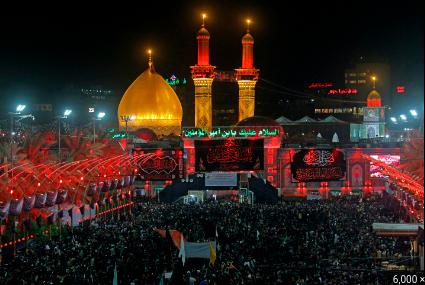
your salam and condolences to him, never ever wanting to let go.
The relevance of Karbala today is that we must never forget the sacrifice our Moula Hussain (A.S.) made for us, and we must all continue to spread his message throughout the world; the significance of sacrifice, and standing up against injustice. 1400 Years ago, our Moula Hussain (A.S.) was all alone in Karbala with no one to help him, but today, millions of people visit him each year, repeatedly saying with hands raised looking at his holy dome, “Labaik Ya Hussain” (I am here, O Hussain,) a short sentence, but the meaning is beyond touching and heartbreaking. Karbala taught me peace, and appreciation for the simple things in life, and once you go, you will not want to leave.
3 PHOTOSOURCEDFROMALJAZEERA
Adyan Amdeen
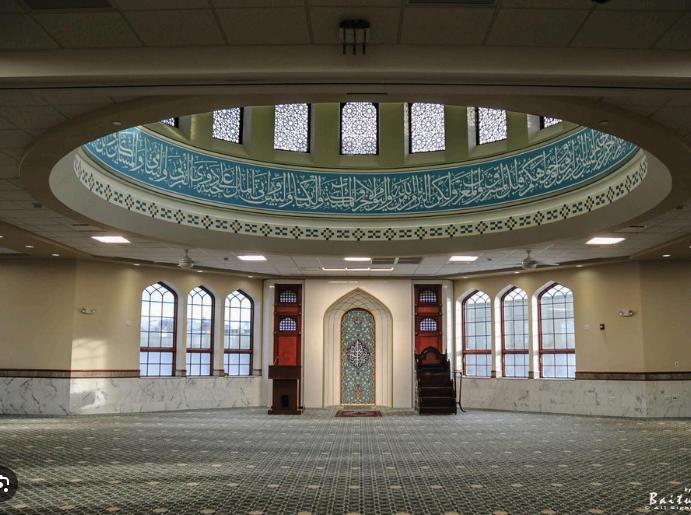
When we gather at the masjid, in person, or zoom
As all of us quickly fill the room
We join our fellow brothers and sisters
Hearing our friends and others whispers
Some moms talk about their children, while others talk about life And the Sheikh prepares a speech on being nice to your wife
After, we gather for our jumm’a salah
A kid in the corner is trying to draw
We start our salah waiting for the athan
A boy from the front gets the mic upon
He starts with the words Allahu-Akbar “God is the greatest”
But we think about how we are all here united
As if one, praying in unison as we all recited
Bismallah
“In the name of god”
We are united in hope, in prayer, as brothers and sisters in faith
As we stand, united, in this holy place
Keep your smile, and look at others, with their happy face
Remember, Allah (swt) says; And hold firmly to the rope of Allah all together and do not become divided. [Quran, 3:103]
W e a r e U W e a r e U W e a r e U n i t e d n i t e d n i t e d
4
REDEFINING NARRATIVES: THE RISE OF MUSLIM WOMEN IN JOURNALISM
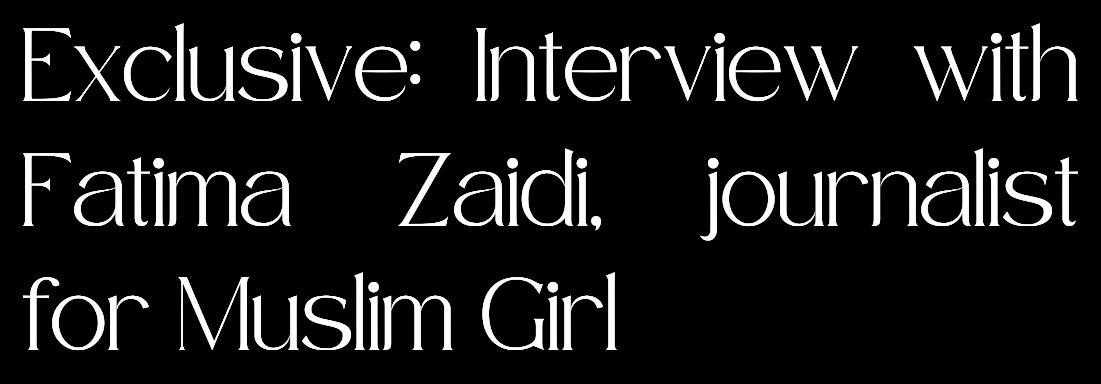
Fatima Zaidi’s Journey and the Fight for Representation in Media
Journalism has served as a powerful instrument for shedding light on the struggles of the marginalized, championing truth However, in recent times, this field has been tarnished by the weaponizing of journalism as a tool to vilify Muslim communities However, a new wave of Muslim journalists, including Fatima Zaidi, has emerged with a mission to reshape perceptions and amplify Muslim voices in the media landscape
Fatima Zaidi embarked on her journey into journalism with a bachelor's degree from Depaul University, where she contributed to esteemed university magazines such as The Depaulia. Her passion for storytelling and social justice led her to intern at the Organization for World Peace, where she became the senior correspondent before joining the Muslim Girl platform.
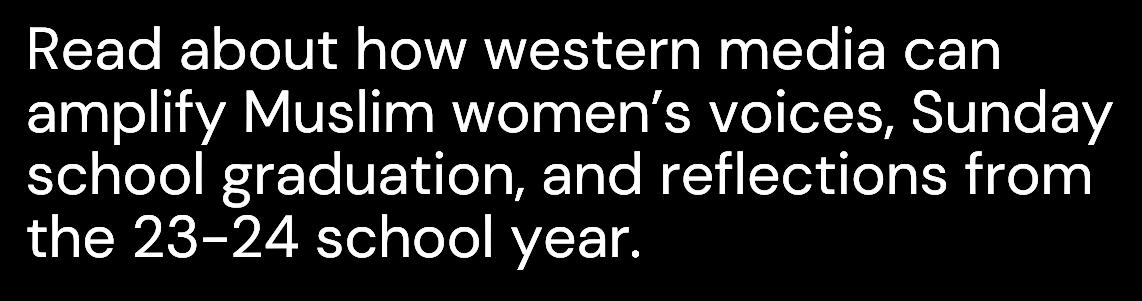
Through joining Muslim Girl, a pioneering platform with a formidable online presence of over 604,000 Instagram followers, Zaidi has become a writer reporting on world issues, religion, and lifestyle, including pieces on influential women such as Halima Aden Founded by a Muslim high school girl determined to challenge misconceptions about Islam and confront issues sidelined by mainstream media, Muslim Girl has since evolved into a leading voice Muslim representation In this feature, we delve into Fatima Zaidi's journey into journalism and the broader discourse surrounding the representation of Muslims in media.
Q: How did you get into journalism?
A: My interest in journalism really began in eighth grade when my teacher saw potential in my writing In eighth grade and high school I would write a lot about heavy topics We had one unit on essay writing, and I had written a debate essay on whether U S prisoners should reserve the right to vote My teacher was really fascinated by it, and he selected me to an author’s conference in the summer In my senior year of high school, a friend of mine was really into media and photography. She told me there was a journalism class at our school. I joined the class and started writing articles, and immediately I found that this clicked. [Journalism] is a field where you can get as creative as possible. You can write in many forms of writing I really liked how every single day I could explore different writing styles and stories I got to talk to so many different people and get new opportunities
Q: What made you want to write for Muslim Girl?
A: Prior to Muslim Girl, I was writing for a non-profit organization based in Toronto where you were expected to write articles about current events that were happening. What’s unique about this organization is that they encouraged their writers to do policy research.
I wrote for them for two years and I made my way up pretty quickly. They were pretty impressed by my writing and they wanted me to be in charge of a podcast host, and then from a podcast host I went to be a social media manager. But because this was an unpaid position for a non-profit organization, I was losing interest a little bit At the time, one of my best friends noticed my struggle of trying to find a writing job or writing for big names. She approached me, and said that she saw my writing and would like to set up an interview [for Muslim Girl] Within the week [after the interview], I was onboard.
Q: With your background in journalism, what is your view on how the Western world views Muslim women?
A: I think that the biggest thing is that every time a Muslim woman (especially Muslim women wearing hijab) has made it where she needs to be, I feel like that is a huge wake-up call to the Western world. If anyone has resilience, it is Muslim women and women of color Right now with the issue in Palestine, you have many of these outlets reporting on these very neutral reports, walking on eggshells with very clear biases
5
But it is these Muslim people, in particular Muslim women, who are changing the narrative and taking newsrooms by storm by pointing out that this is not what real journalism is What Plestia is doing is real journalism, what Bisan is doing is real journalism, what Hind Al-Khoudary is doing is real journalism So many people who have made it big in this profession such as Medhdi Hassan, are now leaving it behind because they cannot bear to see the ethical violations of this field Not only does it take a lot to have your breakthrough, but it takes even more strength to leave that behind. Within the next ten years, the doors will be open to more writers of color and more Muslim women writers to come and share their stories
Q: What is your experience as the only Shia journalist in Muslim Girl?
A: Alhamdullilah, I have had a very good experience being the only Shia writer In the beginning I was a bit nervous because my editor had warned me about meeting people from different backgrounds who may write about different things But I have not experienced anything negative at all If anything, I have actually received a lot of encouragement from my editors You get the best of both worlds in this situation You get to talk more about Shi’ism and extract evidence from the hadiths of the Ahlulbayt and the Quran, and people who don’t know much about Shi’ism get to learn new things about Shi’ism. You also come to learn so much more about your own faith. My most top read article of 2023 was about misconceptions surrounding Jinns in Islam. This article was very interesting because Jinns are something every Muslim is curious about In a
addition to all of the misconceptions which I debunked (which were all addressed by Shia scholars), all of the lectures and sources which I referenced and linked were all related to Shi’ism and so many people enjoyed reading the article. I have to admit that to some extent I am very privileged because my teachers have been very encouraging with my writing Once you develop that trust with your editorial team, it’s free reign at that point. I get to use that to my advantage by writing about Muharram and other Shia beliefs
Q: How do you think the media can empower and boost Muslim women?
A: Through giving them space and the platform to write This is literally the only way which [the media] can empower these voices. Muslim women around the world have some of the most amazing stories to tell One of my favorite news outlets in addition to AlJazeera is actually Vice news Every single time I open something about Vice news concerning the Muslim world, even when the author is a non-Muslim the article is written with so much dignity and information I am floored everytime Because of how different and unique every issue is presented, it is absolutely amazing Within Vice news, there are a lot of reports done by Muslim women as well One thing that I enjoy the most is when I see their documentaries. I love when I see Muslim women operating the camera and producing these amazing production pieces The only way to uplift and empower any voice is when you give it a platform.
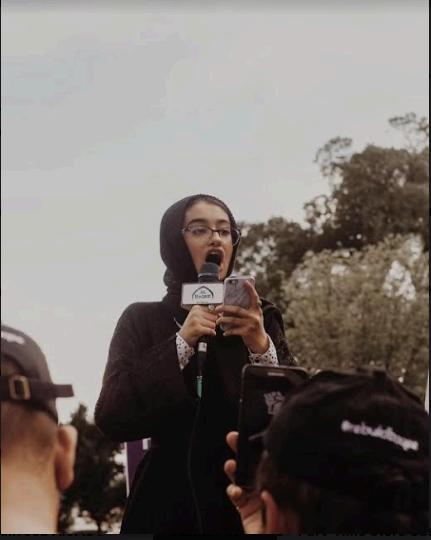
Q: Recently, there has been a surge in media representation concerning Muslim women such as Muslim characters in many Netflix shows or Kamala Khan in the Marvel Cinematic Universe. What is your opinion about these representations in popular culture?
A: Representations like this, as stereotypical as it is, such as people always going to the Masjid and domestic households and the eldest daughter of the family taking care of everyone and studying to become a
doctor, it is a very safe ground for people to try to make their movies on But when it comes to productions like this, I feel like these producers and directors know where to hit the youth to influence them to commit these same actions [having relationships and taking off hijab It is not empowering to show Muslim women taking their hijab in the middle of a high school hallway. You are advocating for someone to disconnect with their faith and advocating for someone to disconnect with God to show people that they don’t care about their religion or beliefs. They will do whatever it takes to fit in, and that is what these shows are glamorizing This representation I am heavily against, and I hope that in the future no Muslim woman takes upon a role like that. I feel like that many people don’t know much about Muslim women beyond just praying five times a day and wearing hijab. But again, we can change that by allowing more female Muslim producers to come into the work environment and showcase their skills
In the light of the discussion on empowering Muslim women, it is crucial to actively support and promote the publications of Muslim women Make sure to support Fatima Zaidi’s publications at https://muslimgirl.com/author/fatimazai di/page/2/
6
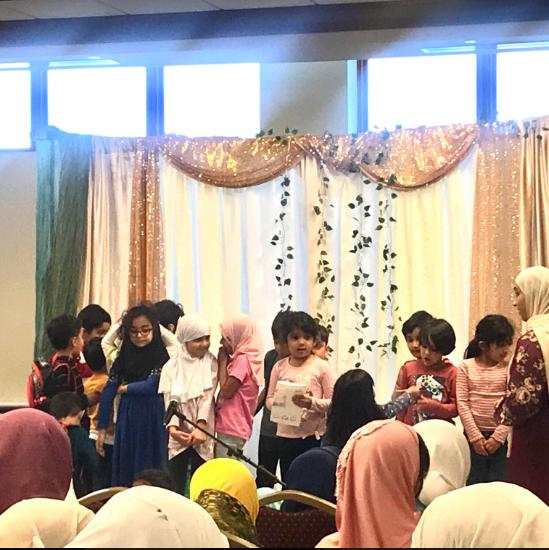
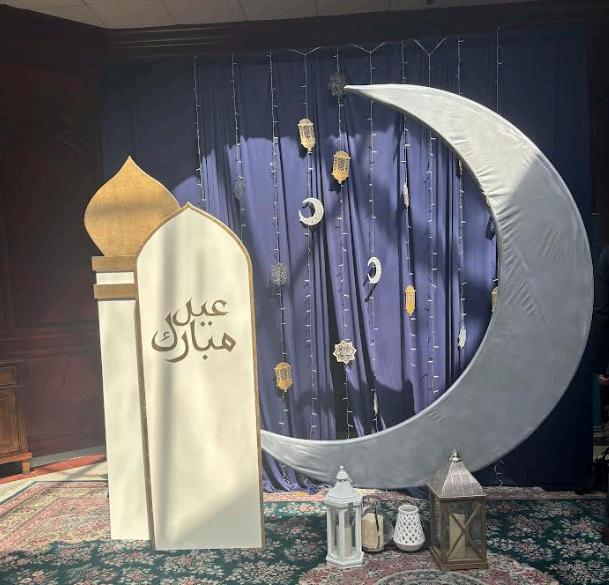
Bait Ul Ilm Sunday School Embraces Ramadan Bait Ul Ilm Sunday School Embraces Ramadan
BYBAITULILMBULLETIN STAFF
On the evening of Monday, March 11, the arrival of a new crescent moon formally marked the arrival of Ramadan, the ninth month in the Islamic calendar. Ramadan marks a spiritual reset for Muslims, allowing for a month of religious purification.
During Ramadan, Muslims observe the act of fasting from sunrise till sunset, along with engaging in prayer, reading Quran, and donating to charity.
For Sunday School students, Ramadan brought feelings of excitement and
anticipation. Many Sunday school students were excited over the start of Ramadan.
“I was excited to worship and fast and spend money on sadaqah and good things,” said Jarry Rizvi (grade 2), reflecting an eagerness shared by many of his peers.
7
In response to Ramadan, the Sunday School schedule shifted. Instead of holding classes on Sunday mornings, Sunday School took place on Saturday late afternoon in order to coordinate with the nightly Ramadan programs that Baitul Ilm offers. This change did not go unnoticed by students.
“Sunday school became kind of short, which made me excited,” said Mariam Asif, grade two.
Many teachers during Ramadan shifted their curriculums to coincide with Ramadan, including lessons on fasting, importance of prayer, and the benefits of Dua.
“Our teacher, Dr. Hadi, would teach us more about Ramadan,” said Zahra Khawari, grade ten.
“He is a doctor, and he would tell us about the health benefits that came with fasting.”
Another effort which Baitul Ilm Sunday School implemented to enforce the spirit of Ramadan was hosting the annual Ramadan food drive.
In this food drive, each grade was encouraged to bring a different set of items to donate to a local pantry.
This emulated the spirit of Ramadan, as generosity and charity are some of the key qualities which Muslims should act upon during Ramadan.
Finally, Sunday School would conclude with iftar for students, which usually consisted of pizza.
Overall, the month of Ramadan at Baitul Ilm provided a change to the curriculum and structure of Sunday School. These changes provided an engaging and supportive environment for students to learn more deeply about their faith, helping them grow spiritually during the sacred month of Ramadan.
WHAT ARE YOUR EID TRADITIONS?
“Making french toast for breakfast on Eid morning”
-Hasannah Sajanlal, Grade 7
“PLAYING A CANDY GAME WITH MY FAMILY AT OUR EID PARTY”
-ZAHRA KHAWARI, GRADE 10
“Going to the graveyard after Eid prayers” -Zainab Ghadeer, Grade 10
8

BAITUL ILM SUNDAY SCHOOL HOSTS ANNUAL CULTURE DAY
BY BAIT UL ILM BULLETIN STAFF
BAITUL ILM COMMUNITY
EXPERIENCES A DAY OF FUN AND CULTURAL
EXPLORATION
9
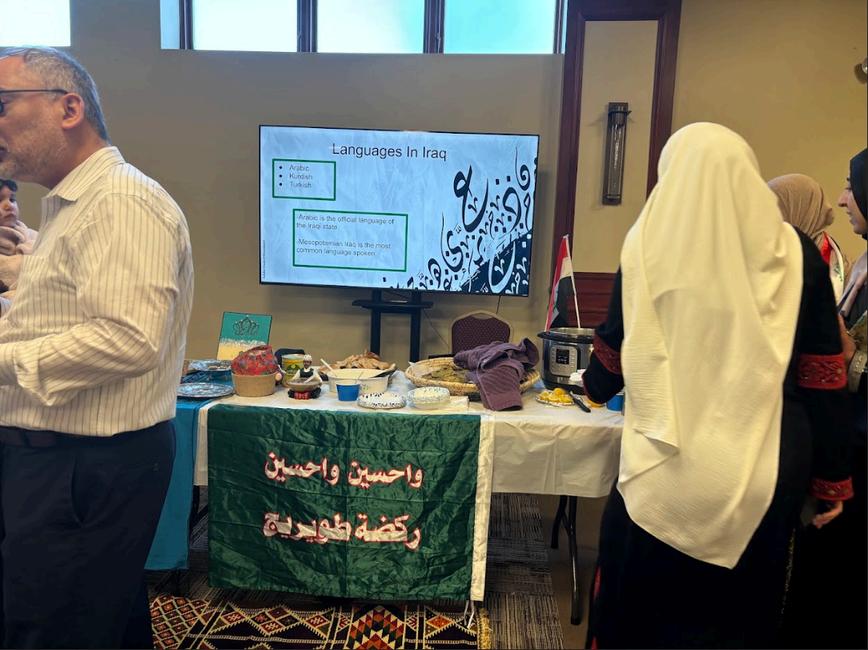
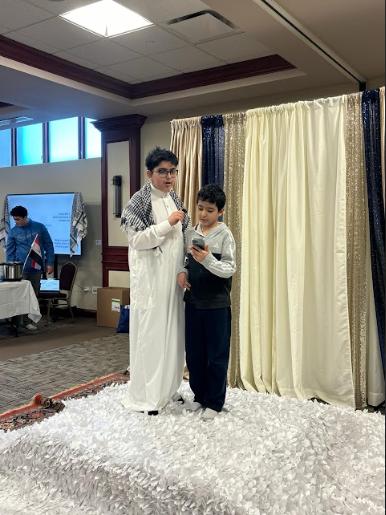
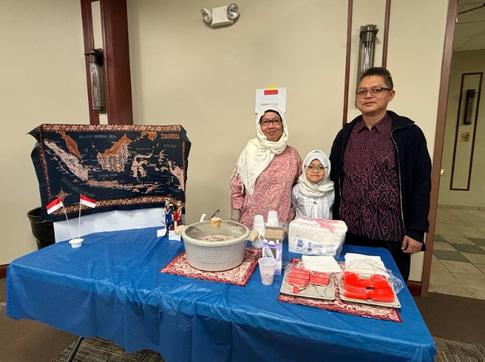
On March 3, 2024, Baitul Ilm held its second annual culture day. This event seeks to display the wide varieties of different cultures which makes up Baitul Ilm Sunday School. Through this event, Sunday School families were able to participate in this event through preparing presentations and cultural dishes concerning their culture to share with other families This led to students not only learning about their own respective cultures, but also about other cultures belonging to the broader Baitul Ilm community. Overall, ten different cultures were represented during culture day.
On top of presentations, there were also a host of activities directed towards all ages to participate in, such as storytime using tales from different cultures, perler beads which were melted to create flags, photo stations, coloring, a raffle, and even an escape room! In this article, we will go over how different families prepared for culture day, and the most important aspects of their culture
10
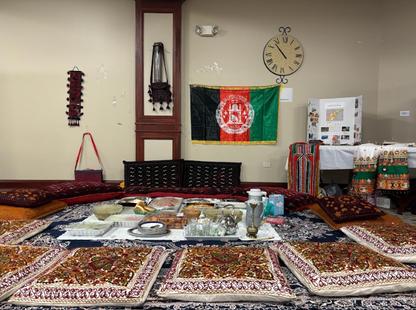
Hazara
Q: How did you prepare for culture day?
A:We prepared by bringing a lot of clothes, purses, jewelry, and books about Hazara culture. We also brought a lot of food such as Aush, Kabuli Palao, bosragh, bolani, sheer birinj, and quroot We brought a dastarkhan and many pillows so that Baitul Ilm families could experience eating on the floor in a true Hazara fashion
Q: What is the most important thing people should know about Hazaras?
A: Hazaras are a tribe originally from Afghanistan, but have a broad diaspora that live in many other countries such as Pakistan and Iran Hazaras have faced discrimination for centuries due to their ethnicity and their Shia beliefs.
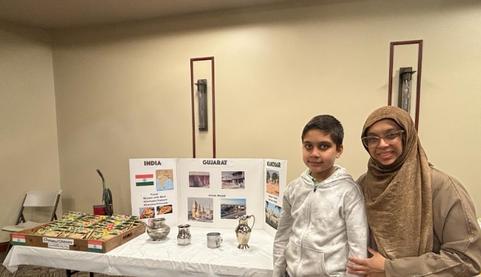
INDIA
Q: How did you prepare for culture day?
A: We brought a traditional Gujarati snack called Chavanu, which is like a trail mix. We also brought some original silverware of different water pots and containers.
Q: What is the most important thing people should know about India?
A: Many people travel from across India to visit Karbala Hind out of respect to the Ahlulbayt (a.s). In Gujarat, originally the people were Hindu to Ismaili, then Shia Ithna Asheri. Over 100 years ago, the townspeople saw a miracle in Kanodar, Gujarat. Therefore was the establishment of Karbala Hind in Kanodar, which is the replica of Imam Hussayn’s (a.s) shrine.
Indonesia
Q: How did you prepare for culture day?
A: We brought a poster containing information about Indonesia. We also brought a jelly dessert to share with everyone called kue lapis.
Q: What is the most important thing people should know about Indonesia?
A: It has the largest population of Muslims in the world.
11
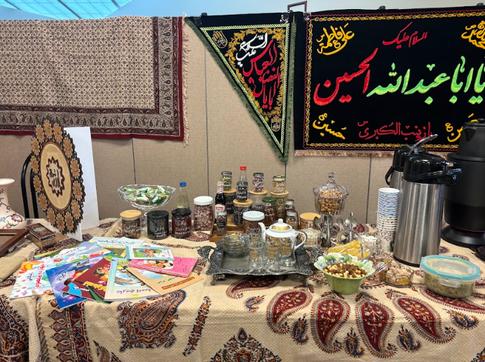
Iran
Q: How did you prepare for culture day?
A: We brought some food, including Tahchin. We also brought a lot of spices and items for Nowruz.
Q: What is the most important thing people should know about Iran?
A: It is one of the biggest and most ancient empires in the world, and it has some of the largest populations of Muslims.
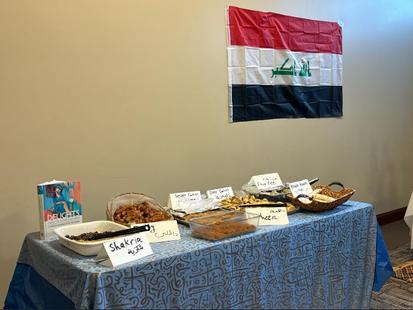
IRAQ
Lebanon
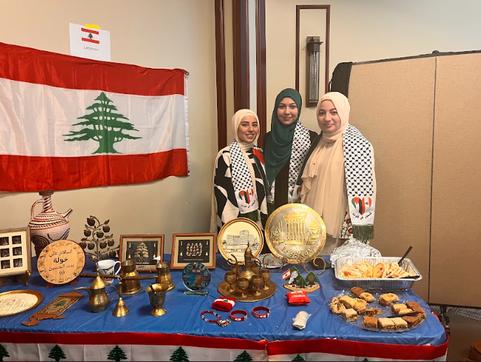
Q: How did you prepare for culture day?
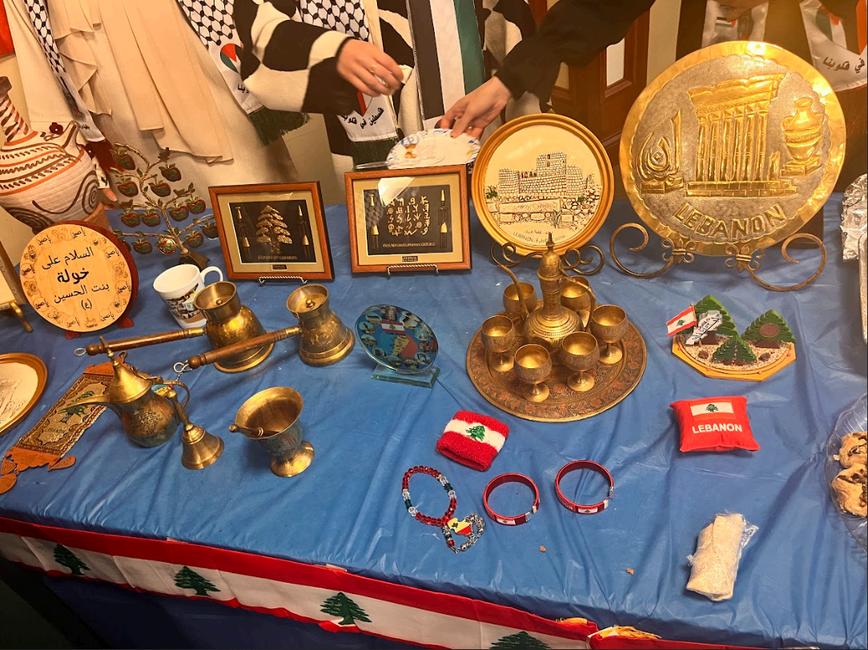
A: We brought a lot of items from home which represented Lebanese culture. For example we brought hangings of the Cedar tree, which is the tree depicted on the Lebanese flag.
Q: What is the most important thing people should know about Lebanon?
Q: How did you prepare for culture day?
A: We brought one famous dish called dotly, which is a dessert which you bake and cover with syrup. We also brought tahini, which is a sesame paste. We brought many items as well, such as a heater system from Iraq. We take oil and burn it for heat. I also brought a clay pot which is used in many Middle Eastern countries like Iraq to keep water cold overnight.
Q: What is the most important thing people should know about Iraq?
A: Iraq is home to the shrines of many important figures in Islam such as Imam Hussayn, Imam Ali, Imam Hassan Al-Askari, Imam Musa AlKazim, Imam Jaffar As-Sadiq, and Sayed Abbas.
A: Lebanese people used to be maritime people. They used to have really big ships and do trade because of Lebanon’s open access to water and land trade routes.
12
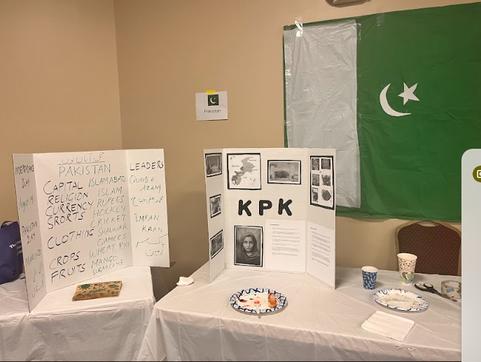
Pakistan
Q: How did you prepare for culture day?
A: We prepared a poster board with facts about Pakistan. We also brought donuts.
Q: What is the most important thing people should know about Pakistan?
A: Some of the oldest cities in South Asia are in Pakistan such as Peshawar, which dates back to 539 BCE.
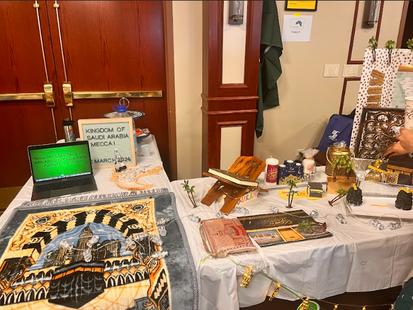
Saudi Arabia
Q: How did you prepare for culture day?
A: We prepared a poster board of facts about Saudi Arabia. We also brought dates from Saudi Arabia and water to pass out to people.
Q: What is the most important thing people should know about Saudi Arabia?
A: It contains one of the most holy places in the world, and it is where millions of Muslims go every year in order to perform Hajj.
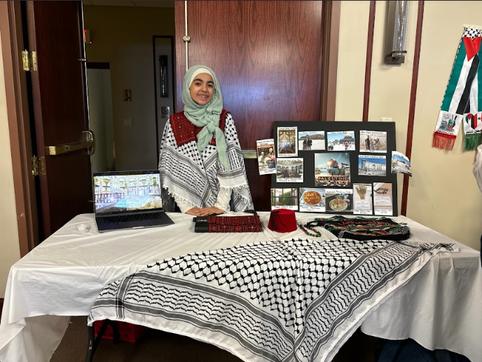
Palestine
Q: How did you prepare for Culture Day?
A: We had prepared a presentation board, and we made sure that the items we displayed correlated to our heritage and Palestinian culture. We are Palestinian from our mom’s side, and she gave us a lot of items to display.
Q: What is the most important thing people should know about Palestine?
A: I think that the most important thing people should know is that there is a lot of Shia representation in Palestine. There is a lot of diversity in Palestine, and Shias are included in that.
13
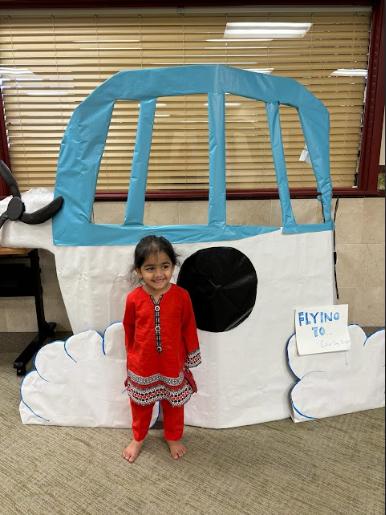
South Korea
Q: How did you prepare for culture day?
A: We prepared by bringing items which we felt represented Korean culture. We did a lot of research on Korean culture, which led us to bring ramen and Korean BBQ chicken and hwachae, a type of refreshing fruit drink. We also brought cake pops, which were going to represent K-pop.
Q: What is the most important thing people should know about South Korea?
A: It’s quite an advanced population. Their population is very educated and literate, and their kids are some of the smartest kids in the world.

14
Halal Eats Halal Eats
Holy Buckets Chicken & Pizza
Mariam Ali
Salam! My name is Mariam Ali and today I’m going to be reviewing a chicken place here in our area named Holy Bucket. It is Palestinian and Muslim owned as well as fully Zabiha Halal. So far, they have three locations opened up, one in Lincolnwood, Lombard, and Bridgeview. I will be reviewing the Lincolnwood location.
First when you walk in, you can tell that the restaurant maintains a high level of cleanliness, ensuring an enjoyable environment to eat your food. Even when you go to order, the service is exceptionally friendly.
I ordered some fries, a biscuit, a Holy Bowl, some chicken tenders, and a Hot Honey Chicken Sandwich and I will rate them below.
Fries: 8/10
The fries were absolutely delicious. The seasoning on them was definitely present and it had an amazing crunch to it. However, if you don’t eat them right away, they do get kind of soggy and lose that crunch. I would rate them an 8/10.
Biscuit: 10/10
Their biscuit was a 10/10 for me. It is so buttery and just melts in your mouth when you take a bite. They drizzle some honey on top of it and I feel like that binds the flavors together perfectly. Although, if you are someone who is looking for a salty biscuit, this may not be
sourced from https://www.holybucketschicken. com/who-we-are 15
Photo
Chicken Tenders: 7/10
The chicken tenders were pretty solid in general. They had that nice crunch to them and were relatively juicy too. And even though they were a bit oily, it was nothing too bad. The flavor was also pretty solid. Overall, I would give it a 7/10.
Hot Honey Chicken Sandwich: 11/10
Finally, I got the Hot Honey Chicken Sandwich. This is the absolute best chicken sandwich I have ever eaten. The chicken itself is really good, maybe a bit oily, but it still had that nice crunch to it. The spice level was just perfect for me and the honey really brought the whole sandwich together. It was a bit messy to eat, but it really does taste amazing. It’s an 11/10 for me.
Part of Holy Bucket’s goal is to build a community and to bond over the food they serve. I definitely felt that during my experience there. Overall, I would give it a 8/10. Their food and environment are amazing, but it is a bit pricey and the wait time was pretty long. I would recommend going to visit them when you are craving chicken!

PHOTO SOURCED FROM HTTPS://WWW.HOLYBUCKETSCHICKEN.COM/WHO-WE-ARE 16
 Yusr Albaghdadi & Zarah Kazmi
Are the Pro-Palestinian university protests an effective and justifiable means to achieve social change?
Kazmi: Asalaam alekum everyone! Recently, university students have been voicing their support for Palestine through massive protests held on campus. However while many are grateful for their acts of solidarity, many others are criticizing them for creating an unstable, dangerous environment for fellow peers, as well as supposedly engaging in illegal behavior.
Albaghdadi: Today, Zarah and I will be discussing the positives and negatives of these university protests in order to determine whether Pro-Palestinian University protests are an effective and justifiable means to achieve social change
Kazmi: For starters, universities have always been centers of protests pushing for social change. Looking back to the late 20th century, university students were leaders amongst protests against involvement in the Vietnam War, as well as protests against segregation. The voices of young adults are invaluable in pushing for social change and government support for such a major humanitarian crisis.
Albaghdadi: But is it worth it? Students are actively endangering themselves by placing themselves in potentially violent situations and can face consequences like expulsion or arrest. Even afterward, they may find difficulty attending school, getting a job, or landing an internship. Are the protests having enough of an impact to validate the potential legal ramifications?
17
Kazmi: Actually, university students are doing a great job raising awareness about the genocide occuring in Palestine. As an example, students at Brown University were successfully able to convince their administration to hold a vote on divesting from Israel-funded businesses through their encampments. Considering how universities are really just major businesses, this is a huge step for the pro-Palestine movement.
Albaghdadi: But there are legitimate safety concerns for both the protesters themselves and uninvolved bystanders. Often protests result in chaos, violence, or hysteria, with vandalism and use of weapons such as tear gas rampant. Although the protestors may have willingly put themselves in the line of fire, a lot of bystanders are caught up in the crowd on their way to regular classes. Arguments turn into pushing, shoving, and outright fighting, while some people attempt to push through security barriers or block entrances. Do these protests not foster an unstable and violent environment?
Kazmi: Actually, much of the violence in protests occurs due to aggression from nonprotesters and police violence, not from the protesters themselves If universities want to reduce the amount of violence during protests, they should probably stop calling police forces down to raid peaceful encampments.
Albaghdadi: At the end of the day, while there are valid safety concerns around proPalestinian campus protests, the right to vocally advocate for human rights and bring injustice to light outweighs aggression perpetuated by violent police forces. Throughout history, meaningful civil rights progress has often required uncomfortable levels of confrontation and civil disobedience to move the public in a more meaningful direction and prevent the voice of the people from being drowned out. If Palestinian liberation struggles don't receive steadfast advocacy, horrific injustices and civilian deaths will only continue Rather than suppressing student voices, universities should work cooperatively to keep protests peaceful.
18
REFLECTIONS OF THE YEAR...
ONE OF MY FAVORITE MEMORIES WAS WHEN WE VISITED THE MUSEUM OF SCIENCE AND INDUSTRY AS A FIELD TRIP. IT WAS ME AND MY DAD’S FIRST TIME GOING THERE AND IT WAS A SENSATIONAL EXPERIENCE. DESPITE HAVING SPENT SO MUCH TIME, WE REALIZED THAT WE HAD BARELY SCRATCHED THE SURFACE. EVERY HALLWAY LED TO MORE HALLWAYS AND WE DISCOVERED THOUSANDS OF INTERESTING THINGS TO LEARN
-ANA ZAHRA HUSSAIN, GRADE 8
“One of my favorite memories was planning the culture day escape room. The preparations and execution was very stressful yet filled with fun and exciting memories:
-Sabikah Musabji, Grade 10
“I loved when me and my friends got to sit next to each other and just talk and relax while having lunch”
-Eesha Naqvi, Grade 12
“MY FAVORITE MEMORY IS THE SUNDAY SCHOOL PICNIC WHERE I WAS ABLE TO HANG OUT WITH MY FRIENDS, PLAY GAMES, AND ENJOY FOOD”
-MARIAM ALI, GRADE 12
19
Alesha Lakhani

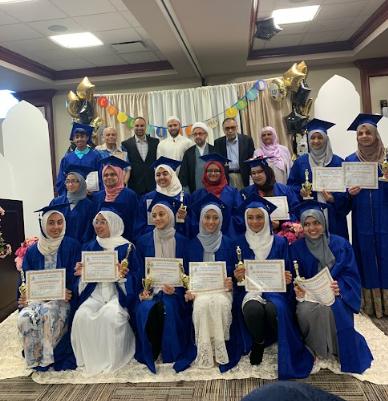
“Most likely to be a Hafiz”
EESHA NAQVI
“MOST LIKELY TO WIN SHIA VOICE”
Hani El-Zein
“Most likely to win Islamic jeopardy”
SABIKAH MUSABJI “CLASS CLOWN”
Shanzeh Abbas
“Best note taker”
Yusra Hussain
“Most likely to win Nobel prize”
Aneesa Kanji “Most Unforgettable”
FATIMAH NURMOHAMMED
“MOST LIKELY TO BRIGHTEN A STRANGER’S DAY”
Mariam Ali
“Most likely to become Sunday school teacher”
Sakina Hussain
“Most likely to become Sunday school principal
Tuba Sarwar
“Most likely to be a Sunday school teacher”
-Zainab Girniwala
“Most likely to use creativity for good”
Batool Alzurufi
“Most likely to build a Masjid”
HADI DOSSANI “MOST LIKELY TO SAVE THE PLANET”
Mariam Ali (WitWit)
“Most likely to be a philanthropist”
SARAHRAZA “MOSTLIKELYTOBEA MOTIVATIONAL SPEAKER”
Yusr Albaghdadi “Class Brain”
Zarah Kazmi
“Most likely to start a non-profit”
20
Mom & Tots Graduates
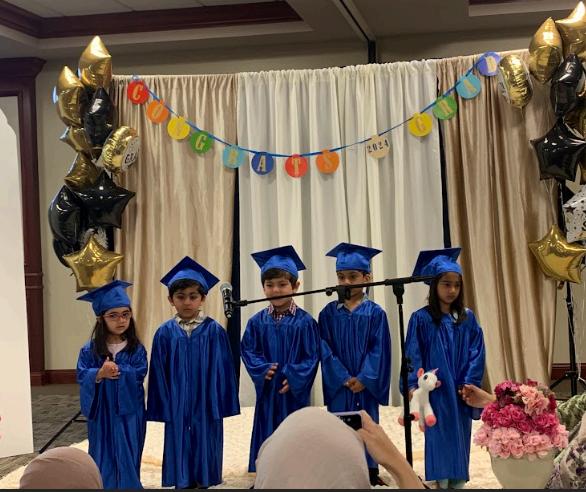 Alaaya Zaidi
Ali Mahdi Khan
Alif Hussain
Fatima Sanaei
Mahdiyar
Alaaya Zaidi
Ali Mahdi Khan
Alif Hussain
Fatima Sanaei
Mahdiyar
21
Moravvej Farshi