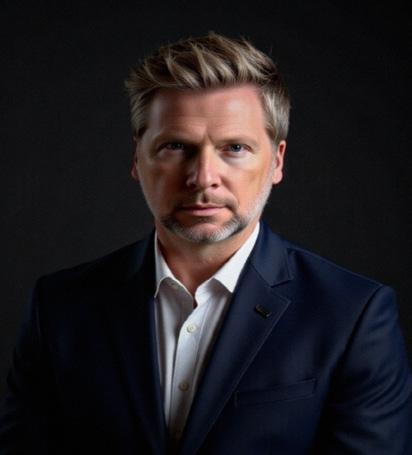
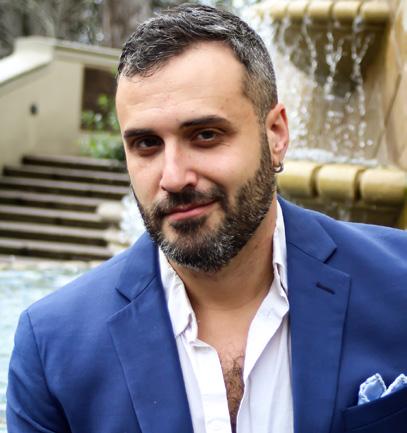
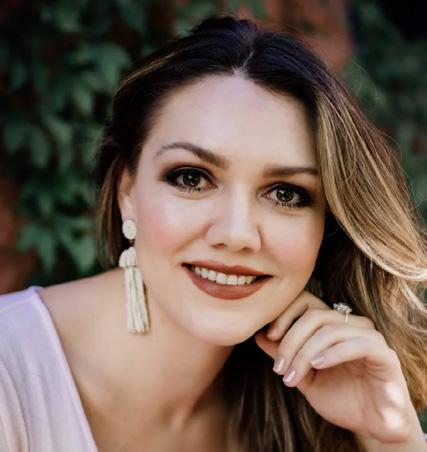
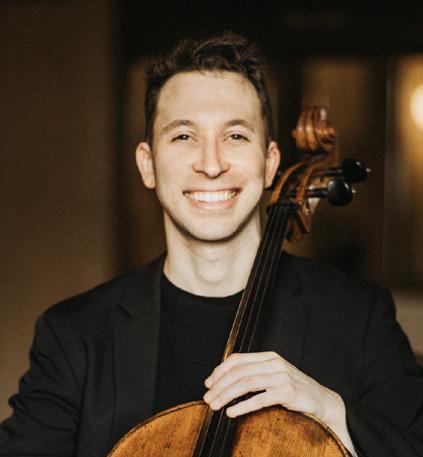
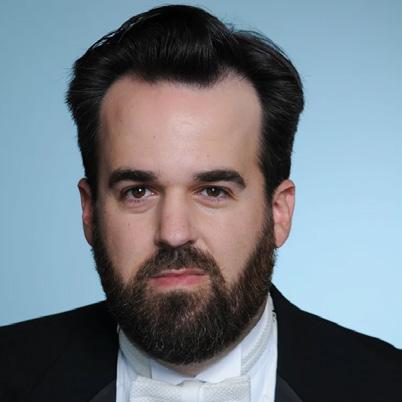
Don Scott Carpenter, San Francisco, CA Founding Music Director
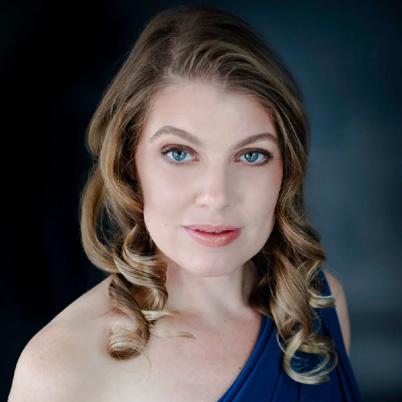
Margaret E. Elam, San Francisco, CA President/Interim Treasurer
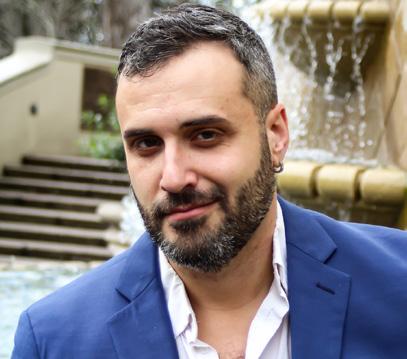
Gail D. Hemenway, San Francisco, CA Vice-President City & County of San Francisco^
Janet Kendall, Seattle, WA Washington State University^
Judith J. Murio, San Francisco, CA Performing Arts Associate
Mark E. Osten, Napa, CA Napa Valley Community College^ Santa Rosa Junior Colleges^
ADVISORY COUNCIL
Catherine Cook Mezzo-soprano
Vocal Faculty: SF Conservatory of Music
Adam Luftman
Principal Trumpet: SF Ballet & SF Opera Trumpet Faculty: SF Conservatory of Music
Robert Ripps
Performing Arts Board Consultant
Gail Hernández-Rosa Concertmaster
Yunhi Ji
Pianist
Hasan Abualhaj
The Zephyr Arts Collective acknowledges that it performs on the unceded ancestral homeland of the Ramaytush Ohlone peoples, recognizes that, as the original stewards of this land, the Ramaytush Ohlone understood the interconnectedness of all things and maintained harmony with nature for millennia, and honors the Ramaytush Ohlone peoples for their enduring commitment to Mother Earth.
Daniel
Gail
Judith
Elizabeth
WHO ARE WE?
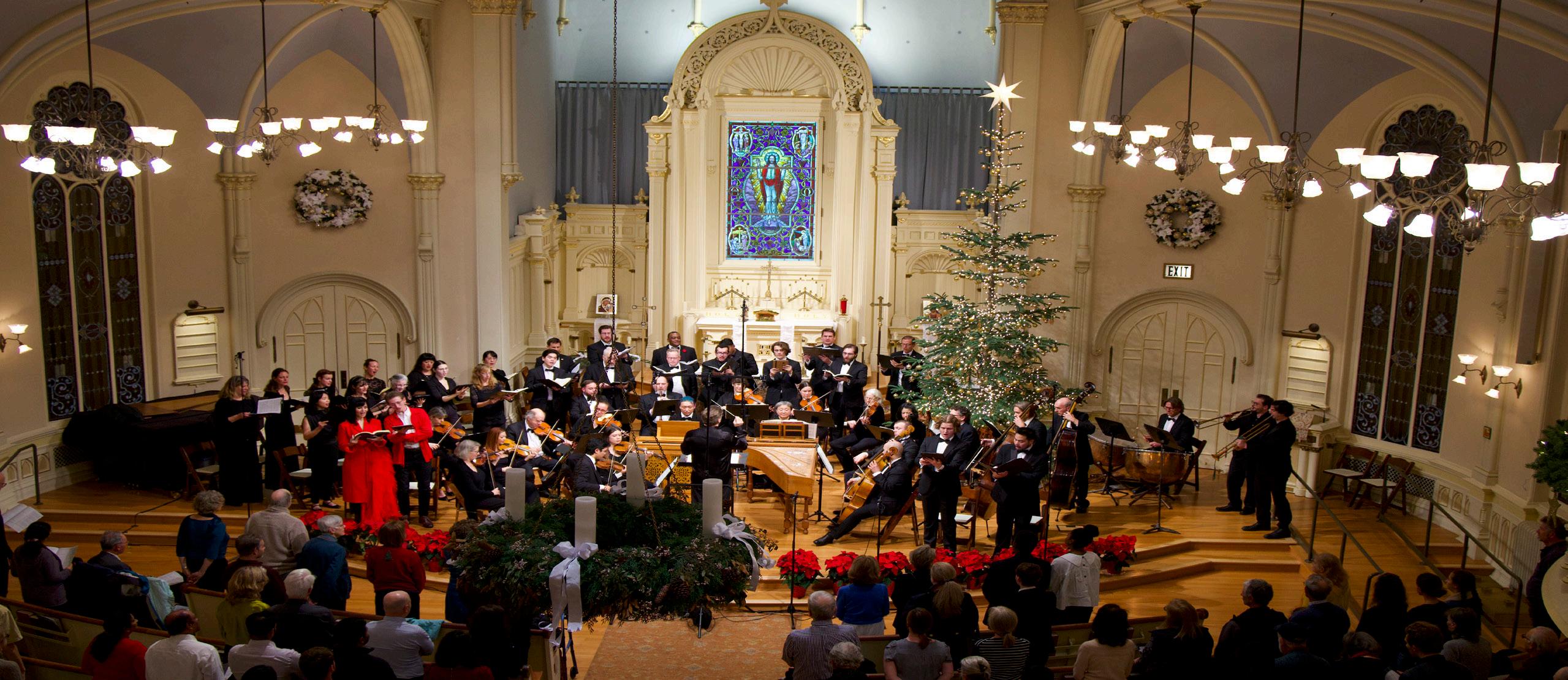
Zephyr Symphony, Zephyr Chorus, and Vox Humana SF are three interconnected ensembles that together form a leading professional presence in the Bay Area’s orchestral and choral landscape. Each ensemble has a distinct artistic identity, yet together they operate as a cohesive ecosystem, combining professional musicianship, community participation, and broad-ranging repertoire.
Zephyr Symphony, a fully professional orchestra, presents full-scale symphonic programs spanning cornerstone masterworks and contemporary compositions, frequently collaborating with distinguished guest artists. Zephyr Chorus blends professional singers with dedicated volunteer members, bringing clarity, power, and expressive depth to large-scale choral-orchestral works while performing a wide range of choral repertoire. Vox Humana SF is a fully professional chamber choir, internationally informed and recognized for its technical precision, adventurous programming, and stylistically informed performances of repertoire ranging from early music to contemporary works.
Rooted in tradition and guided by rigorous artistic standards, these ensembles engage audiences through thoughtfully curated programs that connect performers, community members, and listeners. From intimate chamber performances to monumental symphonic-choral works, they present music as a living art form capable of inspiring, challenging, and creating meaningful, lasting experiences.
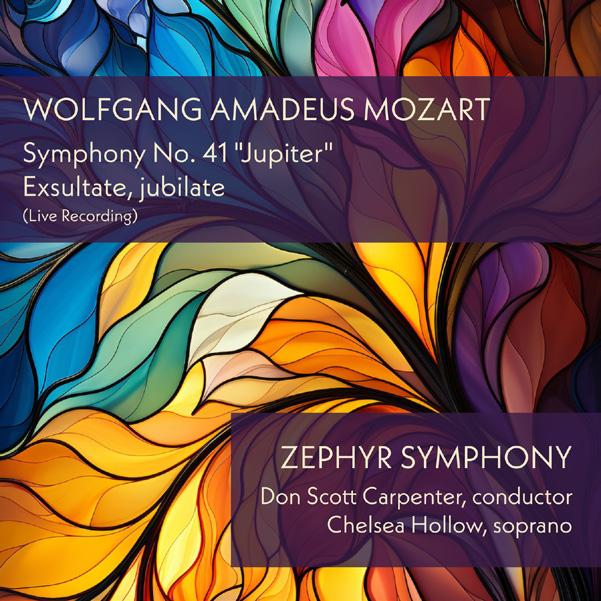
Recent artistic highlights include landmark performances of Handel’s Messiah, an all-Mozart program culminating in Symphony No. 41 “Jupiter” and Exultate, jubilate, plus recordings now available on major digital streaming platforms and YouTube. These projects reflect the ensembles’ commitment to high-level performance, diverse programming, and the preservation and dissemination of recorded repertoire for broader audiences.
All performances and activities of Zephyr Symphony, Zephyr Chorus, and Vox Humana SF operate under the umbrella of Zephyr Arts Collective, a 501(c)(3) not-for-profit organization. This unified structure ensures coordinated stewardship, long-term sustainability, and shared support for a collective artistic mission. Within this framework, the three ensembles function as equal artistic partners, combining professional expertise, community engagement, and innovative programming to advance musical excellence and impact.
Together, Zephyr Symphony, Zephyr Chorus, and Vox Humana SF exemplify the breadth and vitality of professional orchestral and choral artistry in the Bay Area, uniting tradition, innovation, and community in every performance.
Margaret E. Elam Executive Director
Dear Friends and Guests,
Thank you to everyone who attended one or both of our first two concerts of the season. Your presence and enthusiasm set an inspiring tone for the months ahead and affirmed the shared commitment that sustains our artistic work. To those joining us for the first time this evening, we extend a particularly warm welcome. We are delighted to have you with us, and we are grateful for your interest in the Zephyr Symphony, Zephyr Chorus, or Vox Humana SF and in the vibrant musical life of our community.
This performance of Felix Mendelssohn’s Elijah, as well as our next program In Praise & Protest, stand as powerful testaments to the enduring capacity of live music to move, challenge, and unite us. These works—distinct in voice yet united in purpose—reflect the breadth of our artistic vision, from the monumental drama, lyricism, and spiritual depth of Mendelssohn’s oratorio to music that speaks boldly to conscience, conviction, and social protest and reflection. It is a privilege to share these performances with our devoted patrons and new listeners alike.
As we look toward the future, your support remains essential. To ensure that the Zephyr Symphony continues to present programs of this caliber, we invite you to consider making a contribution. Our goal is to raise $50,000 by the end of April—an ambitious target, but one that is achievable with the collective generosity of our community. Patrons also have the opportunity to sponsor a particular concert or a soloist. All contributions directly support our artistic programming for the 2026 season and beyond.
Tax-deductible donations may be made:
Online:
ZephyrSymphony.org/giving
Stocks etc.: Zephyr Arts Collective 41-3116915
•From a Fidelity account to Zephyr’s Fidelity account: Z39332437
•For Schwab, Vanguard, etc. you should use the form provided by the issuing bank/brokerage deposited to Fidelity account: Z39332437
Check:
Mail to: Zephyr Arts Collective, Inc.
324 Tara Street, San Francisco, CA 94112
On behalf of our musicians, artistic leadership, and dedicated volunteers, thank you for being part of this evening and for your continued belief in our work. We hope you will also join us for our final concert of the season: “Spring” featuring works by Brahms, Mozart, and Vivaldi on April 17, 2026. Complete details regarding performance times, venues, and ticketing are available at zephyrsymphony.org.
I look forward to welcoming you again soon.
With warmest regards, Margaret
Margaret Elam, Executive Director melam@zephyrsymphony.org
Welcome to the Concert!
It is my joy to welcome you this evening for Zephyr Symphony & Chorus’, performance of Mendelssohn’s Elijah or Vox Humana SF’s In Praise & Protest. Your presence transforms the concert hall into a shared space of curiosity, reflection, and celebration, and we are delighted to have you with us.
Mendelssohn’s Elijah is a work of extraordinary scope and emotional depth. From the prophet’s quiet moments of doubt to the soaring choruses of triumph, the music carries us on a journey that is both deeply human and profoundly spiritual. Experiencing it live is a moving encounter: the dialogue between chorus, soloists, and orchestra brings each dramatic moment vividly to life, and the music’s rich harmonies and expressive lines envelop the listener, inviting reflection, awe, and inspiration. It is a work that leaves a lasting impression, one that resonates long after the final note.
“In Praise & Protest” offers a different, yet equally powerful, perspective on music’s role in human life. Across this program, we explore works that celebrate the ideals we hold dear and works that challenge us to confront injustice and reflect on our responsibilities to each other. Through these pieces, we experience the unique power of music to praise, to protest, and to connect us to one another across time, place, and perspective.
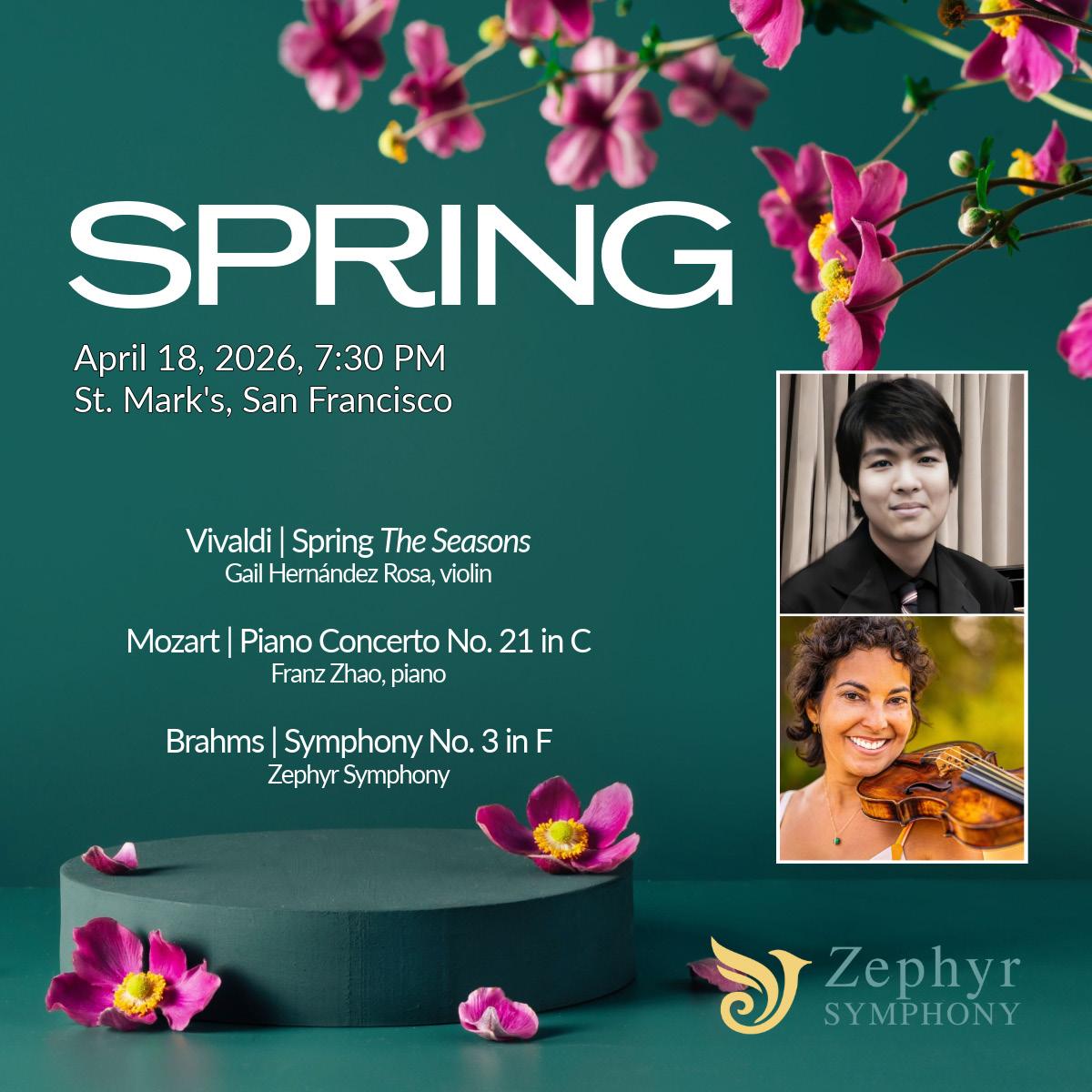
Looking ahead, I hope you will join us on April 18 for “Spring” featuring the music of Brahms, Vivaldi, and Mozart, with the remarkable pianist Franz Zhao. This program blends lyricism, brilliance, and virtuosic energy, offering an evening that is both intimate and exhilarating.
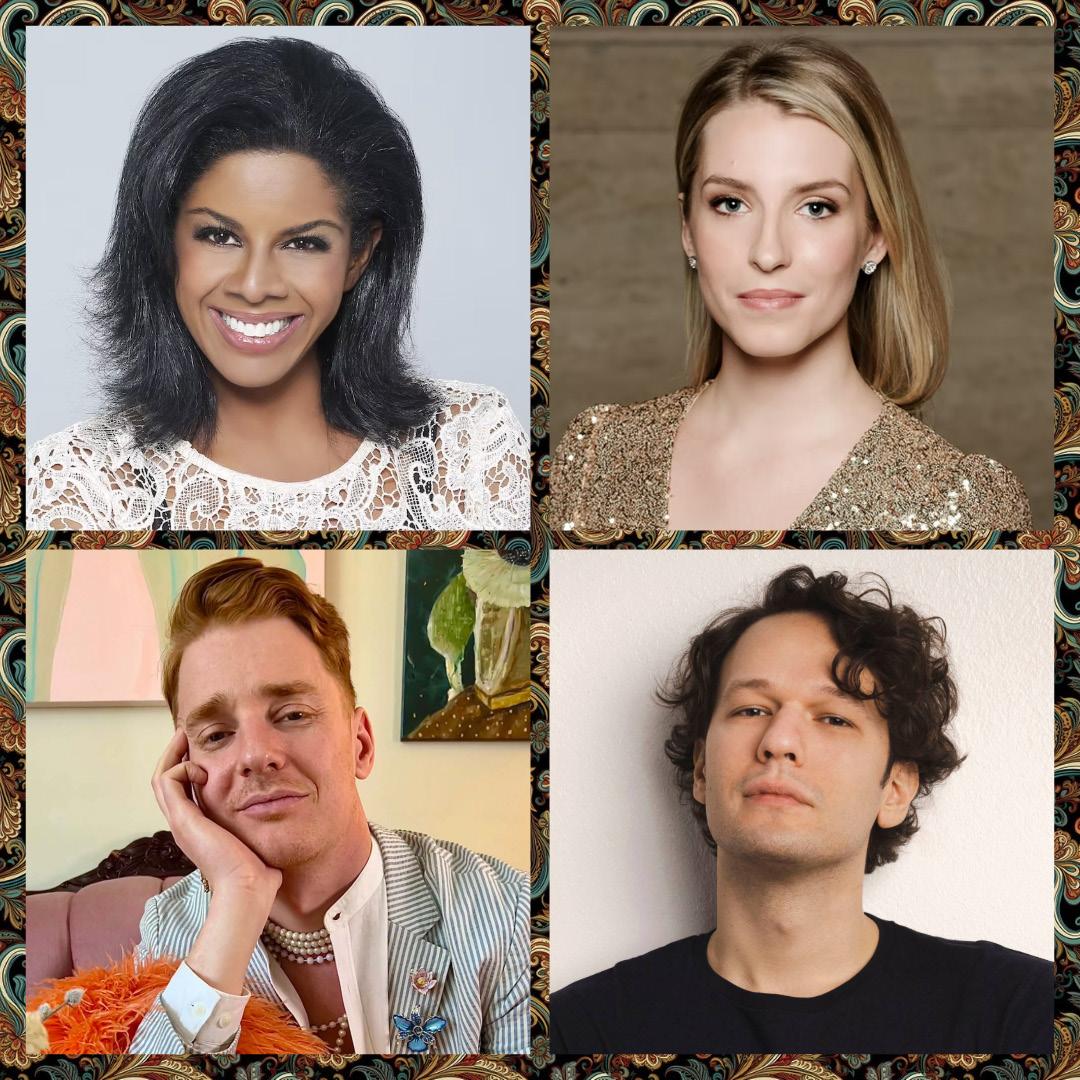
We are also excited to share a glimpse of the 2026–2027 season, which will feature Bay Area and West Coast premieres alongside performances by extraordinary artists including Benjamin Appl, Jamie Barton, Isaiah Bell, Nathan Chan, Breana Sinclairé, and Andrew Yee. You can find full details in the center of this program book, and I encourage you to explore the remarkable performances we have planned.
Now, I invite you to consider supporting Zephyr Symphony and Vox Humana SF through a gift that directly sustains our artistic vision. Your contributions make it possible to engage extraordinary guest artists, commission new works, and present full concerts that enrich the musical life of our community. Whether you choose to sponsor a soloist such as Benjamin Appl, Jamie Barton, or Andrew Yee; underwrite an entire program, such as Messiah, Trans Requiem, or Kindertotenlieder; or provide general support for all that we do, your commitment ensures the continued vitality, excellence, and sustainability of Zephyr. This is the moment to join us in building a lasting foundation for professional orchestral and choral performance in the Bay Area—your generosity today shapes the music we will share tomorrow.
On behalf of the musicians, choristers, and staff of Zephyr Symphony, Zephyr Chorus, and Vox Humana SF, thank you for joining us. Your presence, your curiosity, and your support make everything we do possible. We hope that each note, each chorus, and each moment of shared music will leave you inspired, and we look forward to seeing you again at our upcoming concerts.
Don Scott
Don Scott Carpenter, Founding Music Director
dscarpenter@zephyrsymphony.org
Don Scott Carpenter Founding Music Director
DON SCOTT CARPENTER is a San Francisco based conductor who focuses on orchestral, choral, and largescale choral/orchestral repertoire. He is the Founding Music Director of the Zephyr Symphony & Chorus and Vox Humana SF, and also is the Chorus Director of the Brentwood Community Chorus. Across these roles, he has led performances ranging from standard symphonic literature to sacred masterworks, early music, and contemporary compositions. Mr. Carpenter’s conducting discography reflects a broad engagement with the core Western repertoire and related sacred traditions. With the Zephyr Symphony, he has recorded Mozart’s Symphony No. 41 “Jupiter” and Exultate, jubilate. His recordings with the Lakeside Symphony include Beethoven’s Symphony No. 5 and Schubert’s Mass in E-flat. He has also conducted recordings of Renaissance choral repertoire — works by Byrd, Monteverdi, Victoria, Palestrina, Josquin, Gibbons, and others — with San Francisco Renaissance Voices. In addition, he appears on Shalom conducting the Santa Fe Desert Chorale in a live recording devoted to music of the Jewish tradition. Further recording projects include collaborations with trumpeter Michael Tunnel, composer Elizabeth Alexander, and the Louisville Chorus. In performance, Mr. Carpenter regularly conducts major choral/orchestral works and symphonic programs that combine established repertoire with music addressing historical, literary, or social themes. During this 2025–2026 season, he conducts Mendelssohn’s Elijah with the Zephyr Symphony and Chorus, followed by In Praise & Protest with Vox Humana SF, a program examining music as commentary and response. Future engagements include Mozart’s Piano Concerto No. 21 in C Major paired with Brahms’s Symphony No. 3; a Broadway-focused concert with the Brentwood Community Chorus; and in July in Japan, performances of Franz Liszt’s Faust Symphony with the Tokyo Sinfonia. His work emphasizes structural clarity, text-driven interpretation, and long-term ensemble development, with a particular interest in repertoire that brings orchestral and choral traditions into sustained dialogue. donscottcarpenter.com @dnscttcrpntr
Michigan native ELLIOTT JG ENCARNACIÓN is a composer and conductor of choral and operatic repertoire. As a self-taught tenor, he has appeared as a soloist with The San Francisco Symphony, The California Bach Society, The Dessoff Choirs, The Long Island Symphony Choral Association, and Musica Sacra. He can be heard in choral contexts with premiere choral ensembles around the country, including the Santa Fe Desert Chorale, Voices of Ascension, San Francisco Opera, and has recorded under the Delos and Decca labels. He has served as Artistic Director for the Opera Theater Unlimited, Prodigal Opera Theatre, and Composer-in-Residence for the International Orange Chorale in San Francisco. elliottencarnacion.com
MARY-HOLLIS HUNDLEY from Louisville, KY, kicked off her 25/26 season with her Opera Omaha debut as Berta in Il barbiere di Siviglia, and was later seen on the concert stage in Mahler’s Fourth Symphony. Her 24/25 season included Lady Macbeth in Macbeth with Opera Orlando, Gertrude in Hansel and Gretel with the Helena Symphony, the Mother in Amahl and the Night Visitors with Dayton Opera; and the soprano soloist in a concert of “Beethoven Vocal Rarities” with the Amadeus Chamber Ensemble. Some of her other notable principal engagements have included covering in The Metropolitan Opera’s Dead Man Walking, Barber of Seville at Opera Omaha, The Knock at Cincinnati Opera and Central City Opera, Taking Up Serpents at The Glimmerglass Festival, Das Rheingold and Amahl and the Night Vistors at Dayton Opera, Macbeth at Opera Orlando, Hansel and Gretel at Michigan Opera Theatre (now Detroit Opera), and Don Giovanni at the Arizona Opera, among others. Also a working arts administrator, Ms. Hundley is the Program Manager of Mannes Opera at the Mannes School of Music at The New School and the Grant Writer for Opera Saratoga. She will be joining the Aspen Music Festival in the summer of 2026 as the Company Manager of the Aspen Opera Theatre and VocalARTS program. She is an active member of the Board of Governors of the American Guild of Musical Artists serving on the Membership and Member Relations Committee and the Future of Arts Funding: Public Funding Subcommittee, and has recently been elected to the Board of The Bronx Opera. maryhollishundley.com
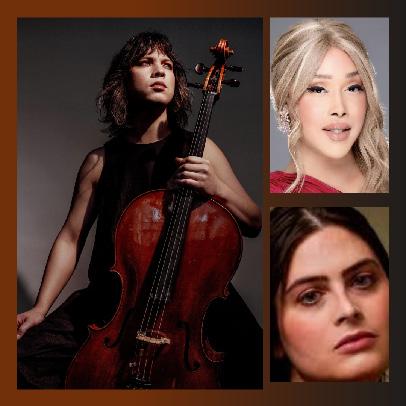
DR. MICHAEL KAUFMAN is an internationally acclaimed cellist whose performances are distinguished by depth, versatility, and expressive power. Equally at home as a soloist, chamber musician, and orchestral player, he is Assistant Professor of Cello, Music Education, and Outreach at the University of Utah, where he brings a strong commitment to mentorship, artistic curiosity, and community engagement. Dr. Kaufman has appeared at leading venues including Zankel and Weill Hall at Carnegie Hall and has been featured at major international festivals such as Open Chamber Music at Prussia Cove, Yellow Barn, Music@Menlo, and the Verbier Festival. He has collaborated with distinguished artists including Midori and Kim Kashkashian, and has performed as principal cellist with La Monnaie Opera in Brussels. His discography includes recordings for ECM Records, most notably works by Tigran Mansurian, as well as the recent release “Clair de lune” with the SAKURA Cello Quintet on the Platoon label. A passionate advocate for contemporary music, Dr. Kaufman has premiered numerous new works, including Sean Friar’s concerto with the Eastman Wind Ensemble and Brett Dean’s 12 Angry Men at the Piatigorsky International Cello Festival. As founder and artistic director of Sunset ChamberFest and a founding member of the innovative cello quintet SAKURA, he curates programs that place canonical repertoire in dialogue with bold new voices. Dr. Kaufman earned his bachelor’s degree from the Eastman School of Music, and his master’s and doctoral degrees from the University of Southern California. He is also on the faculty of the Colburn School, performs regularly with LA Opera, and serves as Principal Cello of the Pasadena Symphony. kaufmancello.com
ANDREW THOMAS PARDINI (Elijah) is thrilled to be making his company debut with Zephyr Symphony as Bass Soloist/Elijah. Mr. Pardini is a Tenured Member of the Regular Chorus with San Francisco Opera, where he made his company debut as part of its 2022-2023 Centennial Season. Past roles at San Francisco Opera include Flora’s Servant La traviata, The Imperial Commissioner Madame Butterfly, Reporte The (R)evolution of Steve Jobs and Sergeant La bohème. Earlier this season, Mr. Pardini made his company debut with Pocket Opera as Figaro The Marriage of Figaro, a return to Marin Symphony as Bass Soloist in Mozart Requiem, and company and role debuts with Cantare Con Vivo as Baritone Soloist in Duruflé Requiem and Belshazzar’s Feast and Berkeley Community Chorus & Orchestra as Bass Soloist in Verdi’s Messa da Requiem. Upcoming engagements include a return to San Francisco Opera for its 2026-2027 Season. A native of Modesto, California, Mr. Pardini is based in San Francisco. andrewthomaspardini. com.
LEANDRA RAMM is praised for “beautiful and quite moving” performances (Nordstjernan Newspaper) and “brilliant” artistry (San Francisco Classical Voice). She has appeared at San Francisco Opera, Zellerbach Hall, and Carnegie Hall, and is thrilled to perform as alto soloist in Elijah after performing the work with San Francisco City Chorus. Ms. Ramm has been a soloist with San Francisco Symphony, performing Bach’s Magnificat under Jane Glover, Bernstein’s Chichester Psalms with Michael Tilson Thomas, and ‘Ecstasy’ at SoundBox. Recent operatic highlights include Third Lady in The Magic Flute (Livermore Valley Opera), Lapák in The Cunning Little Vixen (Pocket Opera), Paggio in Rigoletto (Opera San José), and appearances with Philharmonia Baroque Orchestra as First Witch in Dido’s Ghost and Dido and Aeneas, as well as alto soloist in Handel’s Alceste. She is featured on the Grammy-nominated recording of Ligeti’s Lux Aeterna and the cast album of Lucinda y las Flores de la Nochebuena. Renowned for her portrayals of pants roles, Ms. Ramm has received acclaim for Anybodys (West Side Story) and Prince Orlofsky (Die Fledermaus) performing with companies including West Edge Opera, Opera Cultura, and Pacific Symphony. A passionate advocate for new music, she premiered Lisa Bielawa’s Centuries in the Hours at John Zorn’s The Stone. As a concert soloist, she has collaborated with San Francisco Choral Society, Sacramento Baroque Soloists, and Silicon Valley Philharmonic in works ranging from Duruflé’s Requiem to Beethoven’s Ninth Symphony. Upcoming engagements include her Opera Modesto debut as Kuchtík in Rusalka and Suzy in La Rondine with Pocket Opera. leandraramm.com @leandraramm
OLIVER STOLTE (The Child) ELLIOTT JG ENCARNACIÓN is a composer and conductor of choral and operatic repertoire. As a self-taught tenor, he has appeared as a soloist with The San Francisco Symphony, The California Bach Society, The Dessoff Choirs, The Long Island Symphony Choral Association, and Musica Sacra. He can be heard in choral contexts with premiere choral ensembles around the country, including the Santa Fe Desert Chorale, Voices of Ascension, San Francisco Opera, and has recorded under the Delos and Decca labels. He has served as Artistic Director for the Opera Theater Unlimited, Prodigal Opera Theatre, and Composer-in-Residence for the International Orange Chorale in San Francisco.
NICO MIN (The Child understudy) ELLIOTT JG ENCARNACIÓN is a composer and conductor of choral and operatic repertoire. As a self-taught tenor, he has appeared as a soloist with The San Francisco Symphony, The California Bach Society, The Dessoff Choirs, The Long Island Symphony Choral Association, and Musica Sacra. He can be heard in choral contexts with premiere choral ensembles around the country, including the Santa Fe Desert Chorale, Voices of Ascension, San Francisco Opera, and has recorded under the Delos and Decca labels. He has served as Artistic Director for the Opera Theater Unlimited, Prodigal Opera Theatre, and Composer-in-Residence for the International Orange Chorale in San Francisco.
Music for a Shared Humanity
At the heart of Zephyr Arts Collective is a guiding belief: music is a living force — one that reflects the world around us and helps shape the world we hope to inhabit. As the umbrella organization for Zephyr Symphony & Chorus, and Vox Humana SF, Zephyr Arts Collective brings together orchestral, choral, and interdisciplinary projects under a shared mission rooted in artistic excellence, civic engagement, and human connection.
The Zephyr Symphony creates resonant, emotionally charged musical experiences that connect people through beauty, clarity, and imagination. Inspired by movement, place, and possibility, the Symphony brings the breath of the natural world into its artistry — crafting performances that are at once intimate and expansive, grounded in reflection yet driven by renewal. That same spirit animates Vox Humana SF, whose choral work centers the human voice as a vessel for meaning, memory, and moral witness.
7. Double Quartet: For He shall give His angels charge
8. Recitativo: What have I to do with thee
9. Chorus: Blessed are the men who fear Him
10. Recitativo | Chorus: As God the Lord
11. Chorus: Baal, we cry to thee
12. Recitativo | Chorus: Call him louder! For he is a god
13. Recitativo | Chorus: Call him louder! He heareth no
14. Aria: Lord God of Abraham
15. Quartet: Cast thy burden upon the Lord
16. Recitativo | Chorus: O Thou, who makest thine angels
17. Aria: Is not His word like a fire
18. Arioso: Woe unto them who forsake Him!
19. Recitativo | Chorus: O man of God, help Thy people!
20: Chorus: Thanks be to God!
Intermission
PART II
21. Aria: Hear ye, Israel
22. Chorus: Be not afraid, saith God the Lord
23. Recitativo | Chorus: The Lord hath exalted thee
24. Chorus: Woe to him! He shall perish
25. Recitativo: Man of God, now let my words
26. Aria: It is enough, O Lord, now take away my life
27. Recitativo: See, now he sleepeth
28. Terzetto: Lift thine eyes to the mountains
29. Chorus: He, watching over Israel
30. Recitativo: Arise, Elijah
31. Aria: O rest in the Lord, wait patiently for Him
32. Chorus: He that shall endure to the end
33. Recitativo: Night falleth round me, O Lord!
34. Chorus: Behold, God the Lord passed by
35. Recitativo: Above Him stood the seraphim
Quartet | Chorus: Holy is God the Lord
36. Chorus | Recitativo: Go, return upon thy way!
37. Arioso: For the mountains shall depart
38. Chorus: Then did Elijah the prophet break forth
39. Aria: Then shall the righteous shine forth
40. Recitativo: Behold, God hath sent Elijah
41. Chorus: But the Lord, from the north has raised one
Quartetto: O come ev’ry one that thirsteth
42. Final Chorus: And then, then shall your light
March 7, 2026, 7:30 pm St. Mark’s Lutheran Church, San Francisco
Felix Mendelssohn (1809-1847)
Elijah, Op. 70 (1846)
Libretto
Book of Kings and psalms from the King James Bible
First Performance
August 26, 1846, Birmingham Town Hall
Zephyr’s First Performance
This is Zephyr Symphony’s first performance.
Duration
2 hours 30 minutes (including one intermission)
PART I
Introduction: As God The Lord
Elijah: As God the Lord of Israel liveth, before whom I stand: There shall not be dew nor rain these years, but according to my word.
Overture
1. Chorus: Help, Lord!
The People: Help, Lord! Wilt Thou quite destroy us! The harvest now is over, the summer days are gone, and yet no power cometh to help us! Will then the Lord be no more God in Zion? The deeps afford no water! And the rivers are exhausted! The suckling’s tongue now cleaveth for thirst to his mouth! The infant children ask for bread! And there is no one breaketh it to feed them.
2. Duet with Chorus: Lord, Bow thine ear
The People: Lord, bow Thine ear to our prayer.
Two Women: Zion spreadeth her hands for aid, and there is neither help nor comfort.
3. Recitative: Ye people, rend your hearts
Obadiah: Ye people, rend your hearts and not your garments for your transgressions: the prophet Elijah hath sealed the heavens through the word of God. I therefore say to ye: forsake your idols, return to God; for He is slow to anger, and merciful, and kind, and gracious, and repenteth Him of the evil.
4 Aria: If with all your hearts
Obadiah: ‘If with all your hearts ye truly seek Me, ye shall ever surely find Me.’ Thus saith our God. Oh! that I knew where I might find Him, that I might even come before His presence!
5. Chorus: Yet doth the Lord
The People: Yet doth the Lord see it not, He mocketh at us; His curse hath fallen down upon us, His wrath will pursue us till He destroy us. For He, the Lord our God, He is a jealous God, and He visiteth all the fathers’ sins on the children to the third and the fourth generation of them that hate Him. His mercies on thousands fall, on all them that love him and keep his commandments.
6. Recitative: Elijah, get thee hence
An Angel: Elijah! Get thee hence, Elijah! Depart and turn thee eastward: thither hide thee by Cherith’s brook. There shalt thou drink its waters; and the Lord thy God hath commanded the ravens to feed thee there: so do according unto His word.
7. Double Quartet & Recitative: For He shall give His angels charge Angels: For He shall give His angels charge over thee; that they shall protect thee in all the ways thou goest; that their hands shall uphold and guide thee, lest thou dash thy foot against a stone.
An Angel: Now Cherith’s brook is dried up, Elijah; arise and depart; and get thee to Zarephath; thither abide: for the Lord hath commanded a widow woman there to sustain thee. And the barrel of meal shall not waste, neither shall the cruse of oil fail, until the day that the Lord sendeth rain upon the earth.
8. Recitative, Aria & Duet: What have I to do with thee
The Widow: What have I to do with thee, O man of God? art thou come to me, to call my sin unto remembrance? – to slay my son art thou come hither? Help me, man of God! my son is sick! and his sickness is so sore, that there is no breath left in him! I go mourning all the day long; I lie down and weep at night. See mine affliction. Be thou the orphan’s helper!
Elijah: Give me thy son. Turn unto her, O lord my God; in mercy help this widow’s son! For thou art gracious, and full of compassion, and plenteous in mercy and truth. Lord my God, O let the spirit of this child return, that he again may live.
The Widow: Wilt thou show wonders to the dead? Shall the dead arise and praise thee?
Elijah: Lord my God, O let the spirit of this child return, that he again may live!
The Widow: Shall the dead arise, the dead arise and praise thee?
Elijah: Lord, my God, let the spirit of this child return, that he again may live!
The Widow: The Lord hath heard thy prayer, the soul of my son reviveth! My son reviveth!
Elijah: Now behold, thy son liveth!
The Widow: Now by this I know that thou art a man of God, and that His word in thy mouth is the truth. What shall I render to the Lord, for all his benefits to me?
Elijah: Thou shalt love the Lord thy God; with all thy heart, and with all thy soul, and with all thy might. O blessed are they who fear Him!
Elijah and The Widow: Thou shalt love the Lord thy God; with all thy heart, and with all thy soul, and with all thy might. O blessed are they who fear Him!
9. Chorus: Blessed are the men People: Blessed are the men who fear Him, they ever walk in the way of peace. Through darkness riseth light, light to the upright. He is gracious, compassionate; He is righteous.
10. Recitative & Chorus: As God the Lord
Elijah: As God the Lord of Sabaoth liveth, before whom I stand, three years this day fulfilled, I will shew myself unto Ahab; and the Lord will then send rain again upon the earth.
Ahab: Art thou Elijah! Art thou he that troubleth Israel!
The People: Thou art Elijah, thou he that troubleth Israel!
Elijah: I never troubled Israel’s peace: it is thou, Ahab, and all thy father’s house. Ye have forsaken God’s commands, and thou hast follow’d Baalim. Now send, and gather to me the whole of Israel unto Mount Carmel; there summon the prophets of Baal, and also the prophets of Baal, and also the prophets of the groves who are house feasted at Jezebel’s table. Then we shall see whose God is the Lord.
The People: And then we shall see whose God is the Lord.
Elijah: Rise then, ye priests of Baal; select and slay a bullock, and put no fire under it; uplift your voices and call the god ye worship; and the god who by fire shall answer, let him be God.
The People: Yea, and the God who by fire shall answer, let him be God.
Elijah: Call first upon your god, your numbers are many. I, even I only, remain one prophet of the Lord. Invoke your forest gods, and mountain deities.
11. Chorus: Baal, we cry to thee Prophets of Baal: Baal, we cry to thee, hear and answer us! Heed the sacrifice we offer! Hear us, Baal! Hear, mighty god! Baal, oh answer us! Baal, let thy flames fall and vanquish the foe!
12. Recitative & Chorus: Call him louder Elijah: Call him louder, for he is a god! He talketh, or he is pursuing, or he is in a journey; or, peradventure, he sleepeth: so awaken him! Call him louder, call him louder!
Prophets of Baal: Hear our cry, O Baal, now arise! Wherefore slumber?
13. Recitative & Chorus: Call him louder Elijah: Call him louder! He heareth not. With knives and lancets cut yourselves after your manner. Leap upon the altar ye have made, call him and prophesy! Not a voice will answer you: none will listen, none heed you.
Prophets of Baal: Baal! Baal! Hear and answer, Baal! Mark how the scorner derideth us!
Elijah: Draw near, all ye people, come to me!
14. Aria: Lord God of Abraham
Elijah: Lord God of Abraham, Isaac and Israel, this day let it be known that Thou art God, and that I am Thy servant! Lord God of Abraham! Oh shew to all this people that I have done these things according to Thy word. Oh hear me, Lord, and answer me! Lord God of Abraham, Isaac and Israel, oh hear me and answer me, and shew this people that Thou art Lord God. And let their hearts again be turned!
15. Quartet: Cast thy Burden
Angels: Cast thy burden upon the Lord, and he shall sustain thee. He never will suffer the righteous to fall: He is at thy right hand. Thy mercy, Lord, is great, and far above the heavens. Let none be made ashamed, that wait upon Thee!
16. Recitative & Chorus: O Thou, who makest thine angels
Elijah: O Thou, who makest Thine angels spirits; Thou, whose ministers are flaming fires: let them now descend!
The People: The fire descends from heaven! The flames consume his offering! Before Him upon your faces fall! The Lord is God, the Lord is God! O Israel hear! Our God is one Lord, and we will have no other gods before the Lord.
Elijah: Take all the prophets of Baal, and let not one of them escape you. Bring them down to Kishon’s brook, and there let them be slain.
The People: Take all the prophets of Baal and let not one of them escape us: bring all and slay them!
17. Aria: Is not His word like a fire!
Elijah: Is not His word like a fire, and like a hammer that breaketh the rock into pieces! For God is angry with the wicked every day. And if the wicked turn not, the Lord will whet His sword; and He hath bent His bow, and made it ready.
18. Aria: Woe unto them who forsake Him!
Alto: Woe unto them that forsake Him! Destruction shall fall upon them, for they have transgressed against Him. Though they are by Him redeemed, yet they have spoken falsely against Him.
19. Recitative: O man of God, help thy people!
Obadiah: O man of God, help thy people! Among the idols of the Gentiles, are there any that can command the rain, or cause the heavens to give their showers! The Lord our God alone can do these things.
Elijah: O Lord, Thou hast overthrown Thine enemies and destroyed them. Look down on us from heaven, O Lord; regard the distress of Thy people. Open the heavens and send us relief. Help, help Thy servant now, O God!
The People: Open the heavens and send us relief. Help, help Thy servant now, O God!
Elijah: Go up now, child, and look toward the sea. Hath my prayer been heard by the Lord?
The Child: There is nothing. The heavens are as brass, they are as brass above me.
Elijah: When the heavens are closed up because they have sinned against Thee: yet if they pray and confess Thy name, and turn away from their sins when Thou dost afflict them: then hear from heaven, and forgive the sin. Help, send Thy servant help, O God!
The People: Then hear from heaven, and forgive the sin. Help, send Thy servant help, O God!
Elijah: Go up again, and still look towards the sea.
The Child: There is nothing. The earth is as iron under me.
Elijah: Hearest thou no sound of rain! Seest thou nothing arise from the deep!
The Child: No, there is nothing.
Elijah: Have respect to the prayer of Thy servant, o Lord, my God! Unto Thee will I cry, Lord, my rock, be not silent to me! And Thy great mercies remember, Lord.
The Child: Behold, a little cloud ariseth now from the waters; it is like a man’s hand! The heavens are black with cloud and with wind; the storm rusheth louder and louder!
The People: Thanks be to God for all His mercies.
Elijah: Thanks be to God! For He is gracious; and His mercy endureth for evermore!
20. Chorus: Thanks be to God!
The People: Thanks be to God! He quencheth the thirsty land. The waters gather, they rush along, they are lifting their voices. The stormy billows are high, their fury is mighty. But the Lord is above them and almighty.
PART II
21. Aria: Hear ye, Israel
Soprano: Hear ye, Israel, hear what the Lord speaketh:’Oh, hadst thou heeded my commandments’ Who hath believed our report! To whom is the arm of the Lord revealed! Thus saith the Lord, the Redeemer of Israel, and His Holy One to him oppressed by tyrants, thus saith the Lord: ‘I am He that comforteth. Be not afraid, for I am thy God! I will strengthen thee! Say, who art thou, that thou art afraid of a man that shall die; and forgettest the Lord thy Maker, who hath stretched forth the heavens, and laid the earth’s foundations? Say, who art thou!’
22. Chorus: Be Not Afaid
Chorus: ‘Be not afraid,’ saith God the Lord,’be not afraid, thy help is near!’ God, the Lord, thy God, saith unto thee: ’Be not afraid!’ Though thousands languish and fall beside thee, and tens of thousands around thee perish, yet still it shall not come nigh thee.
23. Recitativo | Chorus: The Lord hath exalted thee
Elijah: The Lord hath exalted thee from among the people: and o’er His people Israel hath made thee king. But thou, Ahab, hast done evil to provoke Him to anger above all that were before thee as if it had been a light thing for thee to walk in the sins of Jeroboam. Thou hast made a grove and an altar to Baal, and served him and worshipped him. Thou hast killed the righteous, and also taken possession. And the Lord shall smite all Israel, as a reed is shaken in the water. And He shall give Israel up, and thou shalt know He is the Lord.
The Queen: Have ye not heard he hath prophesied against all Israel?
The People: We heard it with our ears.
The Queen: Hath he not prophesied also against the king of Israel?
The People: We heard it with our ears.
The Queen: And why hath he spoken in the name of the Lord? Doth Ahab govern the kingdom of Israel, while Elijah’s power is greater than the king’s? The gods do so to me, and more, if by tomorrow about this time, I make not his life as the life of one of them whom he hath sacrificed at the brook of Kishon.
The People: He shall perish!
The Queen: Hath he not destroyed Baal’s prophets?
The People: He shall perish!
The Queen: Yea, by the sword he destroyed them all!
The People: He destroyed them all!
The Queen: He also closed the heavens!
The People: He also closed the heavens!
The Queen: And called down a famine upon the land.
The People: And called down a famine upon the land.
The Queen: So go ye forth and seize Elijah, for he is worthy to die. Slaughter him, do unto him as he hath done!
24. Chorus: Woe to him! He shall perish
The People: Woe to him! He shall perish, for he closed the heavens. And why hath he spoken in the name of the Lord? Let the guilty prophet perish! He hath spoken falsely against our land and us, as we have heard with our ears. So go ye forth: seize on him! He shall die!
25. Recitativo: Man of God, now let my words
Obadiah: Man of God, now let my words be precious in thy sight. Thus saith Jezebel;’Elijah is worthy to die’. So the mighty gather against thee, and they have prepared a net for thy steps; that they may seize thee, that they say slay thee. Arise then, and hasten for thy life; to the wilderness journey. The Lord thy God doth go with thee: He will not fail thee, He will not forsake thee. Now begone and bless me also!
Elijah: Though stricken, they have not grieved. Tarry here my servant: the Lord be with thee. I journey hence to the wilderness.
26. Aria: It is enough
Elijah: It is enough! O Lord, now take away my life, for I am not better than my fathers! I desire to live no longer: now let me die, for my days are but vanity. I have been very jealous for the Lord God of Hosts, for the children of Israel have broken Thy covenant, and thrown down Thine altars, and slain all Thy prophets, slain them with the sword. And I, even I only am left: and they seek my life to take it away! It is enough! O Lord, now take away my life, for I am not better than my fathers! Now let me die, Lord, take away my life!
27. Aria: See, now he sleepeth
Tenor: See, now he sleepeth beneath a juniper tree in the wilderness, but the angels of the Lord encamp round about all them that fear Him.
28. Terzetto: Lift thine eyes
Angels: Lift thine eyes to the mountains, whence cometh help. Thy help cometh from the Lord, the Maker of heaven and earth. He hath said, thy foot shall not be moved, thy Keeper will never slumber.
29. Chorus: He watching over Israel
Chorus: He, watching over Israel, slumbers not, nor sleeps. Shouldst thou, walking in grief, languish, He will quicken thee.
30. Recitativo: Arise, Elijah
An Angel: Arise, Elijah, for thou hast a long journey before thee. Forty days and forty nights shalt thou go, to Horeb, the mount of God.
31. Aria: O Rest in the Lord
An Angel: Oh rest in the Lord, wait patiently for Him, and He shall give thee
thy heart’s desires. Commit thy way unto Him, and trust in Him, and fret not thyself because of evil-doers.
32. Chorus: He that shall endure
Chorus: He that shall endure to the end, shall be saved.
33. Recitative: Night falleth around me
Elijah: Night falleth round me, O Lord! Be Thou not far from me! Hide not Thy face, O Lord, from me, my soul is thirsting for Thee, as a thirsty land.
An Angel: Arise now, get thee without, stand on the mount before the Lord: for there His glory will appear, and shine on thee! Thy face must be veiled, for He draweth near.
34. Chorus: Behold God the Lord
Chorus: Behold, God the Lord passed by! And a mighty wind rent the mountains around, break in pieces the rocks, brake them before the Lord. But yet the Lord was not in the tempest. Behold, God the Lord passed by! And the sea was upheaved, and the earth was shaken. But yet the Lord was not in the earthquake. And after the earthquake there came a fire. But yet the Lord was not in the fire. And after the fire there came a still small voice. And in that still voice onward came the Lord.
35. Recitative & Chorus: Holy is God
Angel: Above Him stood the Seraphim, and one cried to another:
Seraphim: Holy, holy, holy is God the Lord, the Lord Sabaoth! Now His glory hath filled all the earth.
36. Chorus & Recitative: Go, return upon thy way
Chorus: Go, return upon thy way! For the Lord yet hath left Him seven thousand in Israel, knees which have not bowed to Baal. Go, return upon thy way! Thus the Lord commandeth.
Elijah: I go on my way in the strength of the Lord For Thou art my Lord; and I will suffer for Thy sake. My heart is therefore glad, my glory rejoiceth; and my flesh shall also rest in hope.
37. Arioso: For the mountains Elijah: For the mountains shall depart, and the hills be removed; but Thy kindness shall not depart from me; neither shall the covenant of Thy peace be removed.
38. Chorus: Then did Elijah the prophet break forth Chorus: Then did Elijah the prophet break forth like a fire; his words appeared like burning torches. Mighty kings by him were overthrown. He stood on the mount of Sinai and heard the judgments of the future, and in Horeb its vengeance. And when the Lord would take him away to heaven, lo! There came a fiery chariot with fiery horses, and he went by a whirlwind to heaven.
39. Aria: Then Shall the Righteous Tenor: Then shall the righteous shine forth as the sun in their heavenly Father’s realm. Joy on their head shall be for everlasting, and all sorrow and mourning shall flee away for ever.
40. Recitativo: Behold, God hath sent Elijah Soprano: Behold, God hath sent Elijah the prophet, before the coming of the great and dreadful day of the Lord. And he shall turn the heart of the fathers to the children, and the heart of the children unto their fathers; lest the Lord shall come and smite the earth with a curse.
41. Chorus: But the Lord, from the north has raised one Chorus: But the Lord from the north hath raised one, who from the rising of the sun shall call upon His Name and come on princes. Behold, my servant and mine elect, in whom my soul delighteth! On him the spirit of God shall rest: the spirit of wisdom and understanding, the spirit of might and of counsel, the spirit of knowledge and of the fear of the Lord. Thus saith the Lord: ‘I have raised one from the north, who from the rising, on My Name shall call.’
Quartetto: O come ev’ry one that thirsteth
Quartet: Oh come everyone that thirsteth, oh come to the waters, oh come unto Him! O hear, and your souls shall live for ever.
42. Final Chorus: And Then Shall Your Light
Chorus: And then shall your light break forth as the light of morning breaketh: and your health shall speedily spring forth then: and the glory of the Lord ever shall reward you. Lord, our Creator. how excellent Thy Name is in all the nations! Thou fillest heaven with Thy glory. Amen.
PROGRAM NOTES
Felix Mendelssohn’s Elijah is one of the towering achievements of the nineteenth-century choral tradition: a work of immense dramatic sweep, rigorous musical architecture, and deeply human spiritual insight. Premiered at the Birmingham Festival in 1846, the oratorio was greeted with extraordinary acclaim, hailed immediately as a successor to the great sacred works of Bach and Handel. Yet Elijah is far more than a historical homage. It is a vividly Romantic work — restless, urgent, and emotionally direct — crafted by a composer who believed profoundly in the moral and expressive power of music.
Mendelssohn conceived Elijah as sacred drama in the fullest sense. From the first bars, the music speaks with uncompromising clarity. There is no overture. Instead, the orchestra launches directly into tense, searching harmonies, as if the ground itself is unsettled. Elijah’s opening declaration — delivered in stark, speech-like recitative — lands with prophetic authority. Mendelssohn strips away lyrical comfort here, using harmonic austerity and rhythmic firmness to establish Elijah as a figure of absolute conviction. This is not an introspective prophet at first, but a force of nature.
The chorus is the engine of the work. Mendelssohn assigns it an astonishing range of identities and emotional states: the suffering people of Israel, panicked crowds, mocking idolaters, reverent worshippers, and celestial messengers. Musically, these transformations are achieved with remarkable economy and clarity. In the drought choruses, Mendelssohn drives the music with relentless rhythms and stark orchestral textures, creating an almost physical sense of thirst and desperation. Choral lines are often declamatory and rhythmically unified, emphasizing communal distress over individual expression.
One of the most electrifying sections of the oratorio is the contest between Elijah and the prophets of Baal. Here Mendelssohn unleashes his most visceral writing. The Baal chorus crackles with nervous energy: short, repetitive cries, jagged rhythms, and mounting orchestral agitation portray frenzy and hysteria rather than genuine devotion. As their pleas intensify, the harmony tightens and the orchestration thickens, but resolution never arrives — an intentional musical depiction of prayer directed toward silence.
Elijah’s response is devastatingly simple. When he calls upon the Lord, Mendelssohn pares the music back, allowing clarity and tonal stability to replace chaos. The ensuing chorus—describing fire falling from heaven — is one of Mendelssohn’s great choral achievements: blazing orchestral color, surging vocal lines, and rhythmic propulsion combine to create a moment of overwhelming theatrical impact. Yet even here, the triumph is not indulgent. Mendelssohn controls the architecture carefully, ensuring that drama always serves narrative and meaning.
As the oratorio unfolds, the portrait of Elijah deepens. Mendelssohn’s greatest achievement in Elijah may be his depiction of spiritual exhaustion. After the prophet’s victories comes collapse. In the aria “It is enough,” Mendelssohn abandons public rhetoric entirely. The music withdraws into long, arching phrases and warm, enveloping harmonies. The orchestra breathes with the singer, offering consolation rather than propulsion. This is Elijah not as icon, but as a weary human being, crushed by the weight of responsibility and isolation. Mendelssohn’s melodic writing here is among his most tender, revealing a composer acutely attuned to inner emotional truth.
Angels play a crucial musical role in Elijah, and Mendelssohn distinguishes them with luminous restraint. Their choruses float on transparent orchestration and gentle rhythms, often in higher registers that seem to hover rather than press forward. The famous “Lift thine eyes” exemplifies Mendelssohn’s gift for choral intimacy: simple melodic contours, careful voice leading, and glowing harmonic progressions create music that consoles without sentimentality.
Perhaps the most profound musical moment of the oratorio is the depiction of God’s presence in “the still small voice.” After music of storm, earthquake, and fire — each vividly painted through engaging orchestral turbulence and dramatic choral writing — Mendelssohn achieves transcendence through quiet. The dynamic drops, textures thin, and the harmony settles into calm radiance. It is a masterclass in musical theology: power is not asserted through volume or spectacle, but through stillness and clarity.
In the final sections, Mendelssohn restores breadth and confidence, but now transformed. The choruses regain grandeur, yet their tone is no longer defiant. Instead, the music radiates assurance and peace. Elijah’s ascent is not depicted with theatrical excess; rather, it unfolds with noble simplicity, allowing the listener to feel elevation without losing grounding. The concluding chorus crowns the work with balance and affirmation, uniting contrapuntal discipline with Romantic warmth.
Throughout Elijah, Mendelssohn’s orchestration is precise and purposeful. He uses color to sharpen drama — dark low strings for menace, brilliant brass for divine authority, woodwinds for tenderness — never allowing effect to overshadow structure. His command of large-scale form ensures that the oratorio unfolds with inevitability, each section growing organically from what precedes it.
Elijah endures because it speaks to both intellect and emotion. It is music of moral seriousness and profound humanity, where faith is tested, despair is acknowledged, and renewal is earned rather than assumed. In Mendelssohn’s hands, sacred music becomes living drama — urgent, compassionate, and timeless.
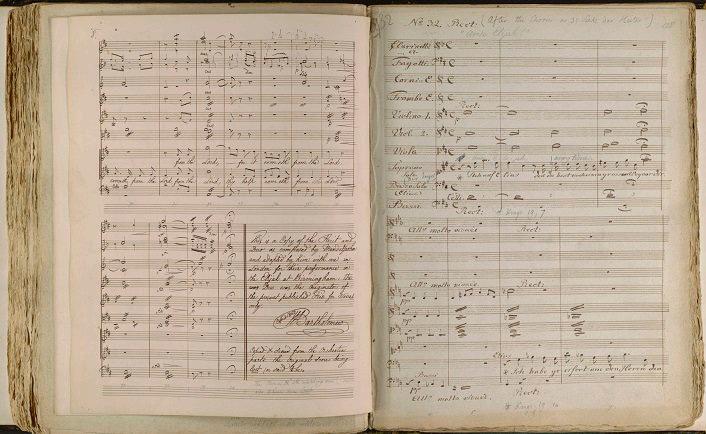
Manuscript of Elijah
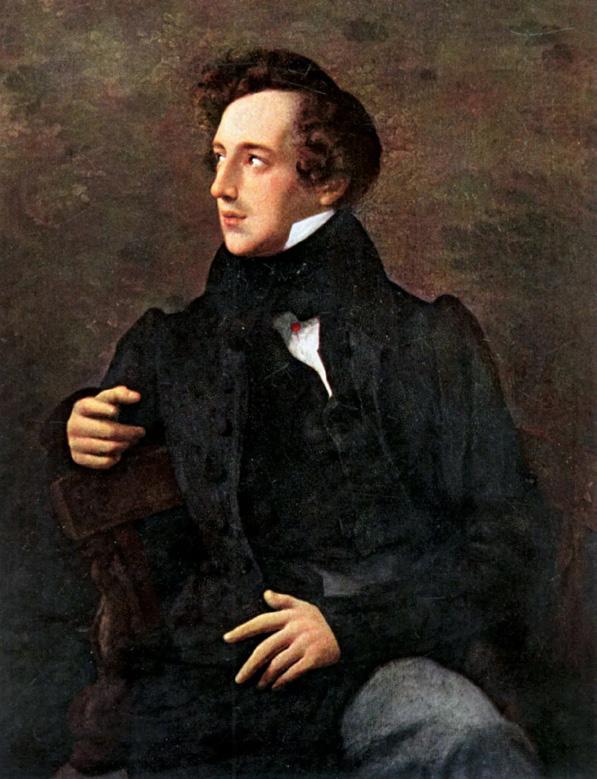
Portrait of Mendelssohn by Wilhelm Hensel
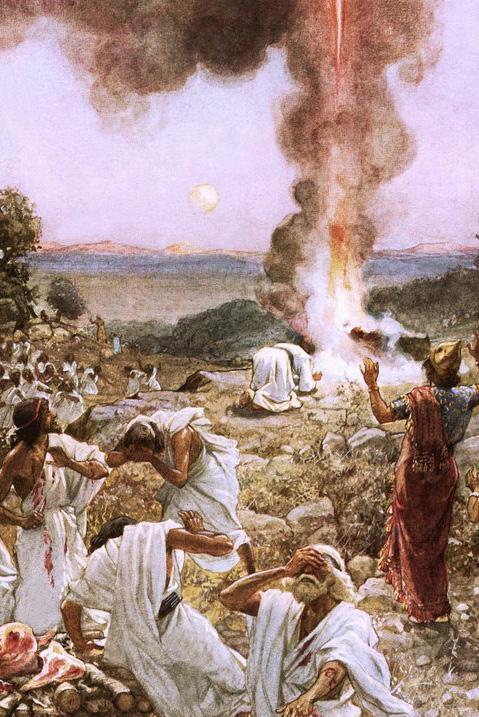
Mount Carmel by William Brassey Hole
The 2026-2027 Season
THE WORK AT HAND
Trisaigon | Arvo Pärt
The Work at Hand | Jake Heggie (Bay Area Premiere)
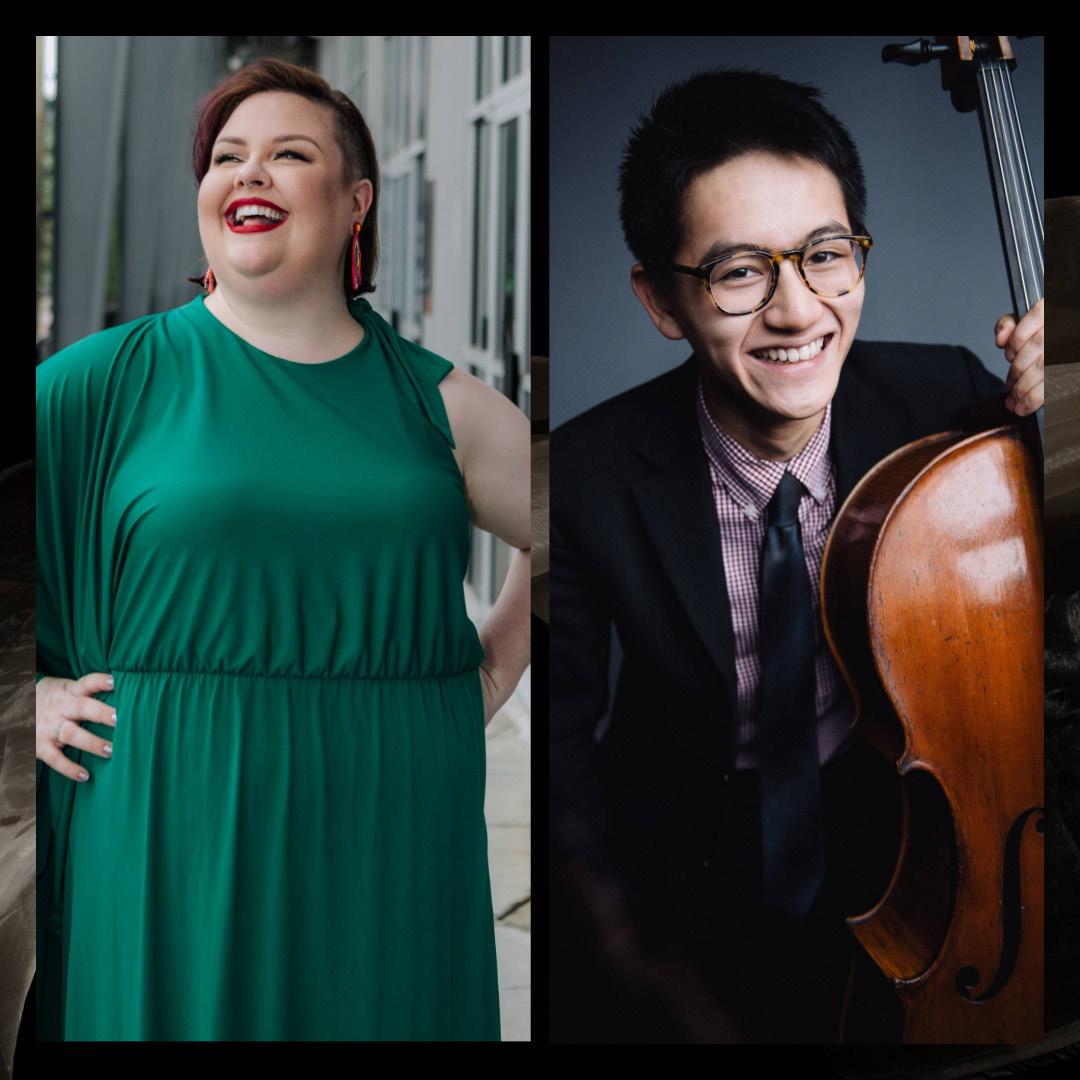
JAMIE BARTON, mezzo-soprano
NATHAN CHAN, cello
Symphony No. 4 in A Major | Felix Mendelssohn
Zephyr Symphony
Don Scott Carpenter, conductor
SEPTEMBER 26, 2026, 7:30 pm
St. Mark’s Lutheran Church
TRANS REQUIEM
Banner | Jesse Montgomery
Serenade for Strings | Pyotr Tchaikovsky
Trans Requiem | Andrew Yee (West Coast Premiere)
ANDREW YEE, cello
BREANNE SINCLAIRÉ, soprano
KATHERINE GOFORTH, voice
Zephyr Symphony
Zephyr Chorus
Don Scott Carpenter, conductor
NOVEMBER 14, 2026, 7:30 pm
St. Mark’s Lutheran Church
MESSIAH
Messiah | Handel - reimagined by Wolfgang Amadeus Mozart
NICOLE HEASTON, soprano
KAYLEIGH DECKER, mezzo-soprano
ISAIAH BELL, tenor
SRETEN MILOJOVIĆ, bass-baritone
Zephyr Symphony
Vox Humana SF
Don Scott Carpenter, conductor
DECEMBER 19, 2026, 7:30 PM
St. Mark’s Lutheran Church
THE DANCE OF THE ZEPHYR
Gala Fundraiser
Liebeslieder Walzes | Johannes Brahms
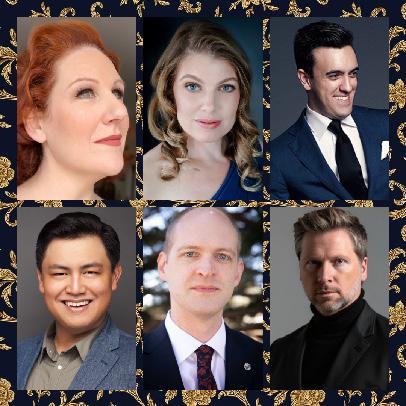
CHERYL CAIN, soprano
LEANDRA RAMM, alto
KEVIN GINO, tenor
MATTHEW PETERSON, baritone
JOHN WILSON, piano
DON SCOTT CARPENTER, piano
JANUARY 24, 2027, doors open at 4 pm
Green Room at the San Francisco War Memorial
SACRED & SENSUOUS
Missa pro Defunctis | Cristobal de Morales
VOX HUMANA SF
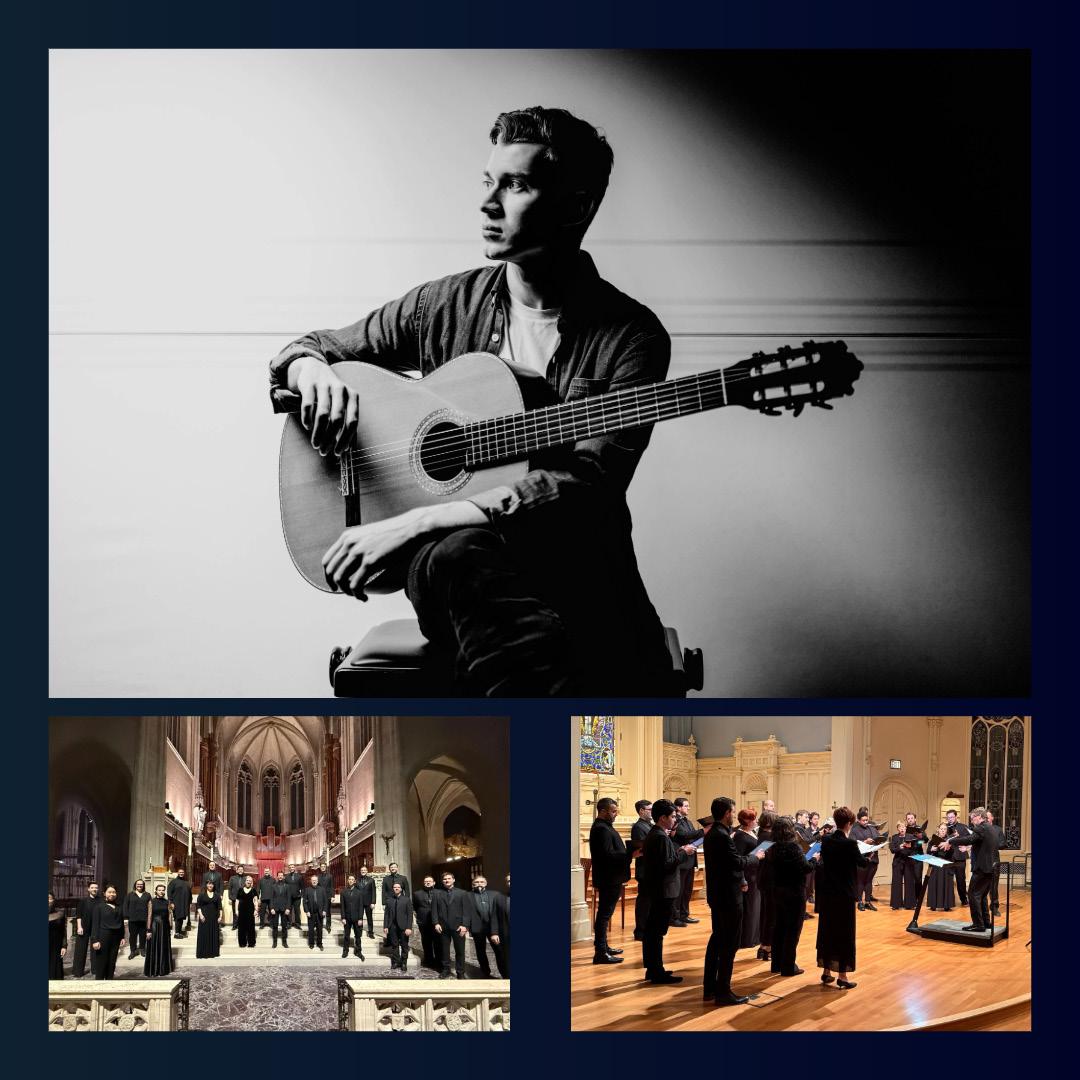
Concierto de Aranjuez | Joaquin Rodrigo THIBAULT GARCIA, guitar
Zephyr Symphony
Vox Humana SF
Don Scott Carpenter, conductor
MARCH 6, 2027, 7:30 pm
St. Mark’s Lutheran Church
KINDERTOTENLIEDER
Within Her Arms | Anna Clyne
Kindertotenlieder | Gustav Mahler
BENJAMIN APPL, baritone
Symphony No. 7 in A Major | Ludwig van Beethoven
Zephyr Symphony
Don Scott Carpenter, conductor
MAY 8, 2027, 7:3O pm
St. Mark’s Lutheran Church
IN PRAISE & PROTEST
VOX HUMANA SF
Michael Kaufman, cello
Don Scott Carpenter, conductor
IN PRAISE...
Hail, Gladdening Light
Magnificat à 8
Mass in G Minor for Double Chorus
Kyrie
Gloria
Credo
Sanctus
Agnus Dei
Intermission
IN PROTEST...
The New Colossus
Après Moi, le Déluge
I. NO-AH: The Lord has raised a mighty wind
II. Deep in the water, too deep for tears …
III. Gone away and left us, Lord
IV. Lord, I am going down in Louisiana
Charles Wood
b. 1866, Armagh, United Kingdom
d. 1926, Cambridge, United Kingdom
Giovanni Luigi da Palestrina
b. 1525, Palestrina, Italy
d. 1594, Rome, Italy
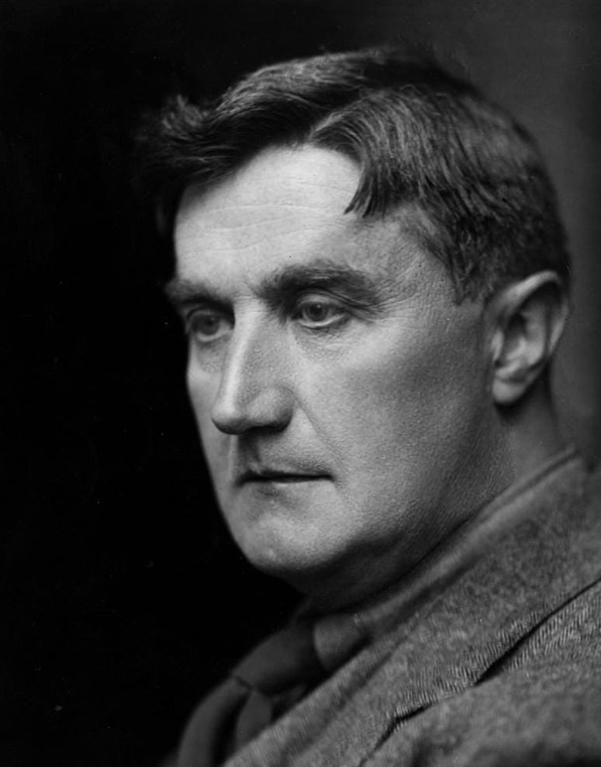
Ralph Vaughan Williams
b. 1872, Down Ampney, United Kingdom
d. 1958, Hanover Terrace, London, United Kingdom
Saunder Choi
b. 1988, Manila, Phillippines
Luna Pearl Woolf
b. 1973, Western Massachusetts
Michael Kaufman, cello
March 21, 2026, 7:30 pm
St. Mark’s Lutheran Church, San Francisco
Hail, Gladdening Light
Charles Wood
Hail, gladdening light, of his pure glory poured Who is the immortal Father, heavenly, blest, Holiest of holies, Jesu Christ, our Lord.
Now we are come to the sun’s hour of rest, The lights of evening round us shine, We hymn the Father, Son, and Holy Spirit Divine.
Wothiest art thou at all times to be sung With undefiled tongue, Son of our God, giver of life alone! Therefore in all the world thy glories, Lord, they own. Amen.
—2nd or 3rd century trans. John Keble (1792-1866)
Magnificat à 8
Giovanni Luigi da Palestrina
Magnificat anima mea Dominum. Et exultavit spiritus meus in Deo salutari meo.
Quia respexit humilitatem ancillæ suæ: Ecce enim ex hoc beatam me dicent omnes generationes. Quia fecit mihi magna qui potens est: et sanctum nomens eius. Et misericordia eius a progenie in progenie timentibus eum.
Fecit potentiam in brachio suo: dispersit superbos mente cordis sui.
Deposuit potentes de sede; et exeltavit humiles.
Esurientes implevit bonis: et divites dimisit inanes.
Suscepit Israel, puerum suum, recordatus misericordiæ suæ. Sicit locutus est ad patres nostros, Abraham et semini eius in sæcula.
Gloria Patri, et Filio, et Spiritui Sancto. Sicut erat in principio, et nunc, et semper, et in sæcula sæculorum.
Amen.
Mass in G Minor for Double Chorus
Ralph Vaughan Williams
Kyrie eleison. Christe eleison. Kyrie eleison.
Gloria in excelsis Deo. Et in terra pax hominibus bonae voluntatis. Laudamus te, benedicimus te, Adoramus te, glorificamus te. Gratias agimus tibi propter magnam gloriam tuam.
Domine Deus, Rex caelestis, Deus Pater omnipotens.
Domine Fili unigenite, Jesu Christe. Domine Deus, Agnus Dei, Filius Patris. Qui tollis peccata mundi, miserere nobis.
Qui tollis peccata mundi, suscipe deprecationem nostram. Qui sedes ad dexteram Patris, miserere nobis.
Quoniam tu solus Sanctus, tu solus Dominus, Tu solus Altissimus, Jesu Christe, Cum Sancto Spiritu in gloria Dei Patris. Amen.
My soul doth magnify the Lord and my spirit hath rejoiced in God my Savior. For he hath regarded: the lowliness of his handmaiden. For behold, from henceforth: all generations shall call me blessed. For he that is mighty hath magnified me: and holy is his Name. And his mercy is on them that fear him: throughout all generations. He hath showed strength with his arm: he hath scattered the proud in the imagination of their hearts.
He hath put down the mighty from their seat: and hath exalted the humble and meek.
He hath filled the hungry with good things: and the rich he hath sent empty away.
He remembering his mercy hath holpen his servant Israel: as he promised to our forefathers, Abraham and his seed, forever.
Glory be to the Father, and to the Son, and to the Holy Ghost; As it was in the beginning, is now, and ever shall be, world without end.
Amen.
Lord, have mercy. Christ, have mercy. Lord, have mercy.
Glory to God in the highest. And on earth peace to men of good will. We praise you, we bless you, We adore you, we glorify you.
We give you thanks for your great glory.
Lord God, King of Heaven, God the Father Almighty.
Lord, only-begotten Son, Jesus Christ. Lord God, Lamb of God, Son of the Father. You who take away the sins of the world, have mercy on us.
You who take away the sins of the world, receive our prayer.
You who sit at the right hand of the Father, have mercy on us.
For you alone are holy, you alone are Lord, You alone are the Most High, Jesus Christ, With the Holy Spirit in the glory of God the Father. Amen.
Credo in unum Deum, Patrem omnipotentem, factorem caeli et terrae, visibilium omnium et invisibilium.
Et in unum Dominum Jesum Christum, Filium Dei unigenitum. Et ex patre natum ante omnia saecula, Deum de Deo, lumen de lumine, Deum verum de Deo vero. Genitum, non factum, consubstantialem Patri: per quem omnia facta sunt.
Qui propter nos homines, et propter nostram salutem descendit de caelis. Et incarnatus est de Spiritu Sancto ex Maria Virgine; et homo factus est.
Crucifixus etiam pro nobis sub Pontio Pilato, passus et sepultus est.
Et resurrexit tertia die secundum Scripturas. Et ascendit in caelum, sedet ad dexteram Patris. Et iterum venturus est cum gloria judicare vivos et mortuos: cujus regni non erit finis.
Et in Spiritum Sanctum Dominum, et vivificantem, qui ex Patre Filioque procedit; Qui cum Patre et Filio simul adoratur et conglorificatur: qui locutus est per Prophetas. Et in unam sanctam catholicam et apostolicam Ecclesiam. Confiteor unum baptisma in remissionem peccatorum. Et exspecto reurrectionem mortuorum Et vitam venturi saeculi. Amen.
Sanctus, Sanctus, Sanctus Dominus Deus Sabaoth. Pleni sunt caeli et terra gloria tua. Osanna in excelsis.
Benedictus qui venit in nomine Domini. Osanna in excelsis.
Agnus Dei qui tollis peccata mundi, miserere nobis.
Agnus Dei qui tollis peccata mundi: dona nobis pacem.
The New Colossus Saunder Choi
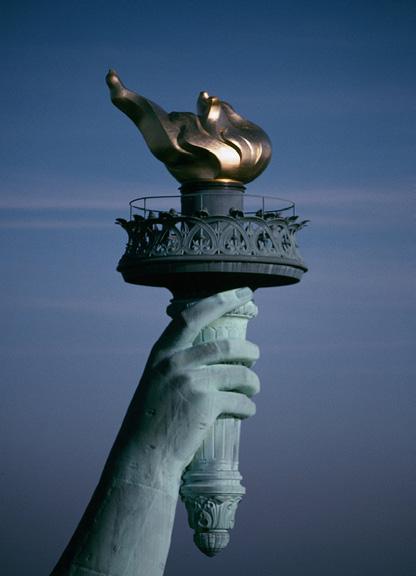
‘Give me your tired, your poor, Your huddled masses yearning to breathe free, The wretched refuse of your teeming shore. Send these, the homeless, tempest-tost to me, I lift my lamp beside the golden door!’
—Emma Lazarus
Text continues on page 24
I believe in one God, the Father almighty, maker of heaven and earth, and of all things visible and invisible.
And in one Lord Jesus Christ, the only-begotten Son of God, Born of his Father before all worlds. God from God, light from light, True God from true God. Begotten, not made, being of one substance with the Father: through whom all things were made.
Who for us men and for our salvation came down from heaven. And was incarnate by the Holy Spirit of the Virgin Mary; and was made man.
He was crucified also for us under Pontius Pilate, suffered and was buried.
And He rose again on the third day in accordance with the Scriptures. And ascended into heaven, and sits at the right hand of the Father; And He will come again with glory to judge the living and the dead: His kingdom will have no end.
And I believe in the Holy Spirit, the Lord and giver of life, who proceeds from the Father and the Son; Who with the Father and the Son is worshipped and glorified, who spoke through the Prophets. I believe in one holy catholic and apostolic Church. I acknowledge one baptism for the remission of sins.
And I look for the resurrection of the dead And the life of the world to come. Amen.
Holy, holy, holy Lord God of Hosts. Heaven and earth are full of your glory, Hosannah in the highest.
Blessed is He who comes in the name of the Lord. Hosannah in the highest.
Lamb of God, who takes away the sins of the world, have mercy on us.
Lamb of God, who takes away the sins of the world, grant us peace.
Charles Wood (1866–1926)
Hail, Gladdening Light
Hail, Gladdening Light is one of Charles Wood’s most cherished contributions to the Anglican choral repertoire, a setting of the ancient Greek hymn Phos Hilaron, traditionally sung at the lighting of the evening lamps. Wood — an Irish composer, teacher, and close associate of Stanford and Parry — was a master of choral writing that balances luminous harmony with expressive restraint, and this short anthem exemplifies his finest qualities.
From its opening measures, the music unfolds with gentle radiance. Wood favors warm, modal-inflected harmony, allowing the choir to move largely together in homophonic textures that emphasize clarity of text and devotional intimacy. The harmonic language is unmistakably late-Romantic English, yet infused with a timeless quality that reflects the hymn’s early Christian origins. Subtle shifts between major and minor color the text with quiet reverence rather than overt drama.
Wood’s pacing is deliberate and unhurried. Phrases breathe naturally, often shaped by long, arching melodic lines that encourage a sense of stillness and contemplation. Cadences arrive softly, without rhetorical emphasis, reinforcing the sense of evening prayer rather than proclamation. The anthem’s emotional power lies in its understatement: light is not declared triumphantly, but welcomed gently, as a sustaining presence.
In performance, Hail, Gladdening Light functions as a moment of repose — music that invites listeners to settle into calm attentiveness. It offers a hushed threshold between sound and silence, day and night, earthly activity and sacred reflection.
Giovanni Pierluigi da Palestrina (c. 1525–1594)
Magnificat à 8
Palestrina’s Magnificat à 8 stands as a radiant example of High Renaissance polyphony at its most expansive and assured. Written for double choir, the work transforms the familiar canticle of the Virgin Mary into a grand architectural structure, one in which clarity, balance, and spiritual poise reign supreme.
The eight-part texture allows Palestrina to alternate and combine choirs in constantly varied ways. At times, the two ensembles converse antiphonally, passing musical ideas back and forth across space. Elsewhere, they merge into a full, sonorous tapestry of sound, producing moments of glowing harmonic richness. Despite the density of voices, the music never feels heavy. Each line is carefully shaped, flowing independently yet always in equilibrium with the whole.
Palestrina’s contrapuntal technique is characterized by smooth melodic contours and controlled dissonance. Suspensions resolve with inevitability, and harmonic tension is never allowed to linger beyond its expressive purpose. This creates a sense of serene inevitability, as though the music unfolds according to a natural order rather than human will.
Textually, the Magnificat moves between intimacy and exaltation, and Palestrina mirrors this arc with remarkable sensitivity. More inward verses are set with restraint and transparency, while proclamatory lines blossom into fuller textures. Yet even at its most expansive, the music retains a sense of humility — a sonic reflection of the sacred text’s balance between personal devotion and cosmic praise.
The result is music that feels both monumental and timeless: an idealized vision of sacred sound in which complexity serves clarity, and devotion is expressed through perfect proportion.
Ralph Vaughan Williams (1872–1958)
Mass in G Minor for Double Chorus (1922)
Ralph Vaughan Williams’s Mass in G Minor is one of the defining choral works of the twentieth century, a piece that looks backward and forward simultaneously — rooted in Renaissance polyphony while speaking in a distinctly modern voice. Written for unaccompanied double chorus, the Mass reflects Vaughan Williams’s deep engagement with early English music and his lifelong search for a spiritual language unbound by sentimentality.
From the opening Kyrie, the music establishes a world of austere beauty. Modal harmony dominates, evoking plainsong and Tudor polyphony, yet the voice-leading and harmonic turns are unmistakably Vaughan Williams. Dissonances emerge organically from the lines, resolving slowly and deliberately, creating an atmosphere of supplication rather than drama.
The double-chorus texture is central to the work’s expressive power. Vaughan Williams frequently divides the musical material between the two choirs, allowing phrases to overlap, echo, or expand outward. This spatial and textural play gives the Mass a sense of breathing architecture — sound unfolding in layers rather than blocks. Unlike the ceremonial splendor of some double-chorus writing, this music remains inward-looking, emphasizing contemplation over grandeur.
The Gloria introduces greater rhythmic vitality, but even here, energy is tightly controlled. Rather than exuberant brilliance, Vaughan Williams offers rhythmic propulsion grounded in sturdy, folk-like inflections. The Credo is the emotional core of the Mass, unfolding as a long, purposeful statement of belief. Its climaxes feel earned through accumulation, not display, culminating in moments of stark intensity that quickly recede back into humility.
In the Sanctus and Agnus Dei, Vaughan Williams reaches a profound stillness. Textures thin, lines stretch, and time seems momentarily suspended. The closing plea for peace dissolves gently, leaving resonance rather than resolution — a powerful reminder that faith, in this work, is not triumphant certainty but quiet perseverance.
The Mass in G Minor occupies a unique place in the choral canon. It is music of discipline, gravity, and deep inwardness, offering performers and listeners alike an experience of sacred space shaped by restraint, resonance, and reverent listening.
Saunder Choi
The New Colossus
Saunder Choi’s The New Colossus is a compelling contemporary choral work that engages one of the most iconic texts in American cultural history: Emma Lazarus’s 1883 sonnet inscribed at the base of the Statue of Liberty. Rather than treating the poem as a static monument or patriotic artifact, Choi approaches it as a living, contested statement—one that resonates urgently in the present moment.
From its opening measures, the music establishes an atmosphere of watchful stillness. Choi favors spacious textures and restrained gestures, allowing the words to emerge with clarity and weight. Harmonic language is predominantly modal and diatonic, but colored by subtle dissonances that prevent the music from settling into complacency. This tension — between consonance and unease — mirrors the poem’s dual character as both promise and challenge.
Choi’s choral writing is text-driven throughout. Phrases are carefully shaped to follow the natural inflection of Lazarus’s language, often unfolding in homophonic blocks that give the text rhetorical force. At key moments, individual lines or sections break away from the ensemble, creating shifts in texture that suggest multiple voices and perspectives rather than a single, unified declaration. The effect is not triumphal but searching, as though the choir itself is interrogating the meaning of the words it sings.
When the famous lines — “Give me your tired, your poor, Your huddled masses yearning to breathe free” — appear, Choi resists overt grandeur. Instead of swelling immediately to a climax, the music broadens gradually, expanding its harmonic and registral range with deliberate restraint. This measured pacing lends the text gravity and sincerity, inviting reflection rather than applause. The music asks listeners to hear these words anew, stripped of familiarity and restored to their ethical urgency.
Rhythm plays a significant expressive role. Choi often employs sustained tones against gently moving inner voices, creating a sense of suspended time. Elsewhere, quiet pulses in the accompaniment or lower voices introduce forward motion, suggesting migration, passage, or waiting. These rhythmic undercurrents are subtle but persistent, reinforcing the poem’s themes without illustration or excess.
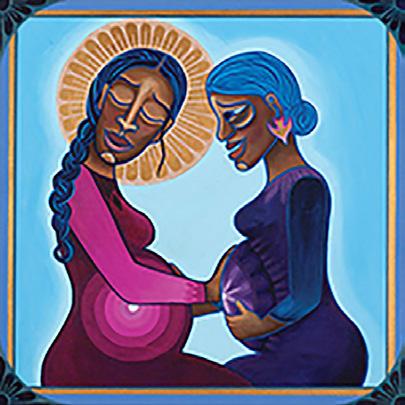
Pittman, Lauren Wright. Mary and Elizabeth, from Art in the Christian Tradition, a project of the Vanderbilt Divinity Library, Nashville, TN.
As the work moves toward its conclusion, Choi avoids a conventional sense of resolution. Harmonic arrivals feel provisional rather than final, and the closing sonorities linger in ambiguity. This ending is intentional: The New Colossus does not present America’s ideals as fulfilled, but as ongoing work—an aspiration continually tested by reality.
Choi’s setting stands firmly within the tradition of socially engaged choral music, yet its power lies in its restraint. By refusing spectacle, The New Colossus creates space for listening, reckoning, and responsibility. It transforms a familiar text into an act of collective reflection, reminding performers and audiences alike that the ideals it proclaims are not inherited automatically, but must be renewed through conscience and action.
“I chose to set Emma Lazarus’s poem The New Colossus because it makes sacrosanct the principle that the United States of America has been and will always be a nation of immigrants, regardless of xenophobic political ideologies. The notion of condemning immigration is against the concept of liberty and the land of the free. In this setting, I chose to only set the last few lines, arguably the more famous part of the poem. The post-minimalistic approach of relentless pulse and repetition is interspersed with a warm, lush section of hope and welcome.” - Saunder Choi
Luna Pearl Woolf
Après moi, le déluge
Luna Pearl Woolf’s Après moi, le déluge is a searing contemporary work that confronts ecological collapse, moral complacency, and the human cost of indifference. Its title borrows the infamous phrase attributed to Madame de Pompadour—“After me, the flood” — a cynical expression of disregard for consequences beyond one’s own lifetime. Woolf reclaims the phrase not as irony alone, but as indictment.
From the outset, the music establishes an unsettled, unstable world. Textures are spare and exposed, often built from sustained tones that seem to hover without grounding. Woolf’s harmonic language resists resolution, favoring open intervals, micro-shifts in pitch, and slowly grinding dissonances that create a sense of quiet menace rather than overt catastrophe. The effect is one of pressure accumulating beneath the surface — a flood foretold long before it arrives.
Rhythm in Après moi, le déluge is elastic and fragile. Time stretches, contracts, and sometimes seems to suspend altogether, mirroring environmental systems pushed beyond equilibrium. Vocal lines often move independently, drifting in and out of alignment, suggesting fractured communities and competing moral realities. When voices converge, the resulting sonorities feel momentarily unified, but never fully stable.
Woolf’s treatment of text is central to the work’s expressive force. Words emerge with striking clarity, often delivered in near-speech rhythms that heighten their urgency. At other moments, syllables elongate or dissolve into pure sound, blurring language into texture. This oscillation between meaning and abstraction reflects the work’s central tension: the gap between what is known and what is acted upon.
Dynamic range is carefully controlled. Rather than relying on explosive climaxes, Woolf builds intensity through accumulation — layer by layer, voice by voice. Crescendos feel inexorable, like rising water levels, while sudden withdrawals of sound create moments of chilling emptiness. Silence itself becomes expressive, marking absence, loss, and the consequences of neglect.
As the piece unfolds, the listener is drawn into an ethical landscape as much as a sonic one. Après moi, le déluge refuses consolation. Its closing gestures do not offer redemption or closure, but leave questions hanging in the air. The music does not depict disaster as spectacle; instead, it exposes the human choices that make catastrophe inevitable.
Woolf’s work stands as both lament and warning — music that asks performers and listeners to reckon with responsibility across generations. In giving voice to what is often left unspoken, Après moi, le déluge transforms the concert hall into a space of witness, urging awareness not after the flood, but before it is too late.
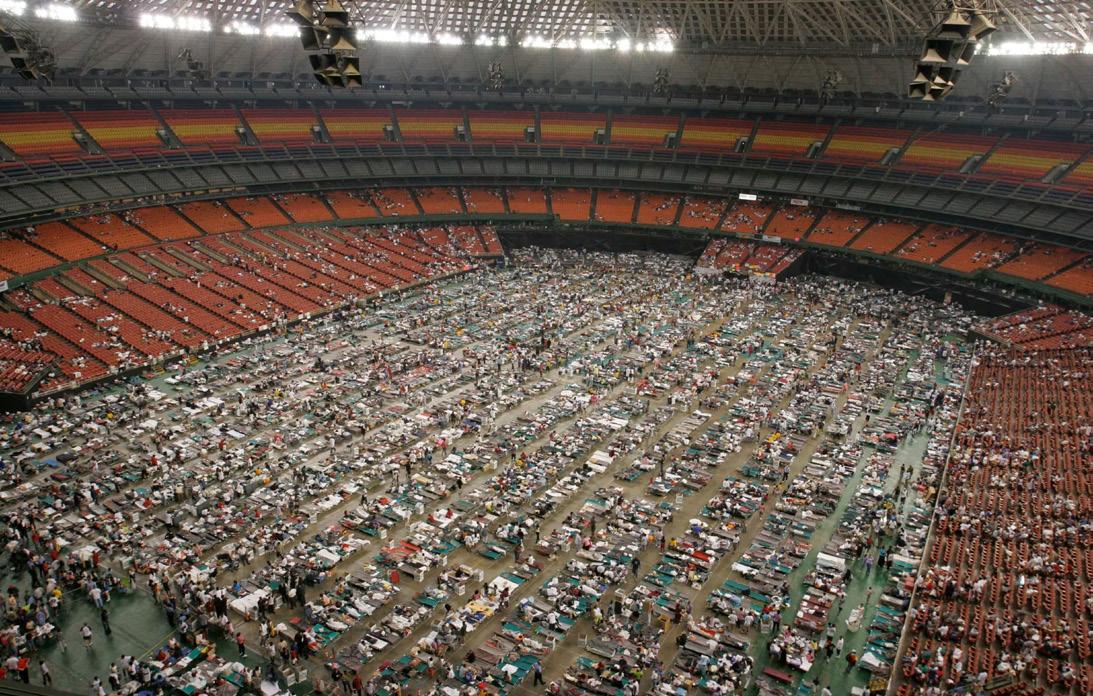
From the composer: Après Moi, le Déluge is a concerto for cello and a cappella choir written in the weeks and months after Hurricane Katrina struck New Orleans and the United States’ Gulf Coast in late August 2005. The piece was originally conceived with an entirely different text, but in our grief, rage and shame at the betrayal of the hurricane’s aftermath, the poet Eleanor Wilner and I decided to scrap those plans and begin anew.
A note on the title:
“Après moi, le déluge” are reputed to be the last words of Louis XV, king of France from 17151774 and the heir of Louis XIV, the king for whom Louisiana was named. Louis XIV’s legacy to Louis XV was a nation bankrupted by war and imperial ambition, a debt levied on the peasantry while the nobility lived tax-free. Louis XV ruled ineffectively, lived luxuriously, and died the most unpopular king in French history. “The words ‘après moi le déluge’,” according to Paul Jay of Independent World Television News, “have come to epitomize the psychology of those who ruin people and the earth with no thought for tomorrow.” Après Moi, le Déluge was commissioned by cellist Matt Haimovitz as part of his “Buck the Concerto” series of commissions for cello and unusual ensembles. It was premiered in 2006 by Haimovitz and the University of Wisconsin, Madison, Concert Choir, under the direction of Beverly Taylor, and recorded live for Oxingale Records. Matt and the choir later took Après Moi, le Déluge on tour, performing in New Orleans November 2006. Après Moi, le Déluge also forms half of a fine-press book entitled Waterlines, with woodcuts and etchings by Michael Kuch, from Oxingale Press and Double Elephant Press.
New Orleans in the aftermath of Hurricane Katrina Houston Chronicle via Getty Images
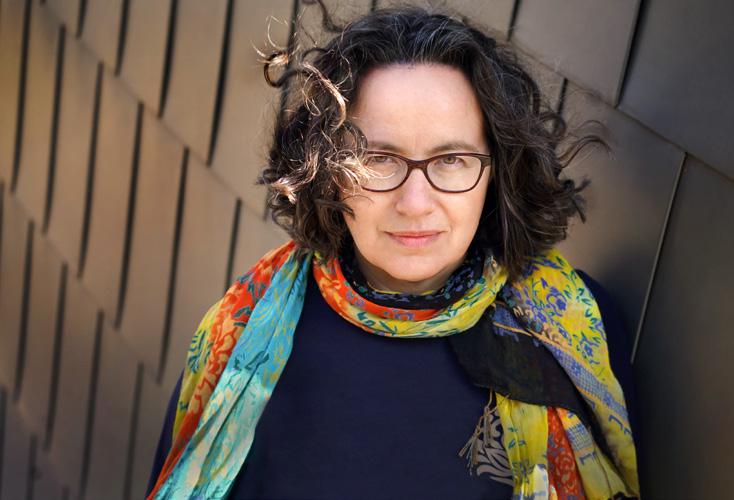
Luna Pearl Woolf photographed by szetoshoots
CONDUCTOR
Don Scott Carpenter
H: Louisville, Kentucky
R: San Francisco, California
ZEPHYR SYMPHONY
VIOLIN I
Gail Hernández-Rosa (Concertmaster)
H: Santurce, Puerto Rico
R: Freestone, California
Pauline Kempf
H: Paris, France
R: San Mateo, California
Katherine Kyme
H: Oakland, California
R: Oakland, California
Yuri Kye
H: Idaho Falls, Idaho
R: Oakland, California
Andrew Wong
H: Needham, Massachusetts
R: San Francisco, California
VIOLIN II
Joseph Edelberg (Principal)
H: Northampton, Massachusetts
R: El Sobrante, California
Jennifer Redondas
H: Havana, Cuba
R: San Francisco, California
Alexandra Santon
H: Meadville, Pennsylvania
R: Berkeley, California
Mateo Garza
H: Meadville, Pennsylvania
R: Berkeley, California
Renata Norcia
H: Oakland, California
R: Albany, California
VIOLA
Mitso Floor (Principal)*
H: Seattle, Washington
R: San Francisco, California
Wendy Clymer
H: Cleveland, Ohio
R: Oakland, California
Daria D’Andrea
H: Atherton, California
R: San Francisco, California
Caitlin Keen
H: Fort Collins, Colorado
R: Alameda, California
VIOLONCELLO
Hasan Abualhaj (Principal)
H: Ramallah, Palestine
R: San Francisco, California
Ian Kitchen
H. Seattle, Washington
R: San Francisco, California
Ruiwen Liu
H. New York, New York
R: San Francisco, California
BASS
Daniel Turkos (Principal)
H: New Brunswick, New Jersey
R: Freestone, California
Paul Federighi
H: San Mateo, California
R: Morgan Hill, California
OBOE
Matthew Hudgens (Principal)
H: Grand Junction, Colorado
R: Portland, Oregon
Alessandro Ramos
H: Los Angeles, California
R: Oakland, California
FLUTE
Bethanne Walker (Principal)*
H: San Francisco, California
R: San Francisco, California
Lars Johanneson (Assistant Principal)
H: Arvika, Sweden
R: Santa Cruz, California
Stacey Pelinka
H: Arvika, Sweden
R: Santa Cruz, California
CLARINET
James Pytko (Principal)
H: Grand Junction, Colorado
R: Portland, Oregon
Nicole Galisatus
H: Los Angeles, California
R: Oakland, California
BASSOON
Jamael Smith (Principal)
H: Mukilteo, Washington
R: San Francisco, California
Iain Forgery
H: Boca Raton, Florida
R: San Francisco, California
HORN
Elisabeth Axtell (Principal)
H: Olympia, Washington
R: Olympia, Washington
Sadie Glass
H: Manitowoc, Wisconsin
R: Stockton, California
Alicia Telford
H:Eureka, California
R: Berkeley, California
Leslie Hart
H: San Francisco, California
R: Corte Madera, California
TRUMPET
Melissa Rodgers (Principal)*
H: Vienna, Virginia
R: Los Angeles, California
XX
H: San Francisco, California
R: Corte Madera, California
XX
H: San Francisco, California
R: Corte Madera, California
TROMBONE
John Thomas
H: Vienna, Virginia
R: Richmond, California
Richard Hessel
H: San Francisco, California
R: Corte Madera, California
David Ridge
H: Vienna, Virginia
R.
OPHICLEIDE
Phil Neuman
H: Vienna, Virginia
R: Richmond, California
TIMPANI
Allen Biggs (Principal)
H: San Francisco, California
R: San Francisco, California
KEYBOARD
Organ
Yunyi Ji (Principal)
H: Beijing, China
R: Oakland, California
ZEPHYR CHORUS
SOPRANOS
Natalia Ter Agapova
H: Moscow, Russia
R: San Francisco, California
Jennifer Brody
H: Los Altos Hills, California
R: Oakland, California
Margaret Elam+
H: Santa Rosa, California
R: San Francisco, California
Kris Kargo+
H: Los Angeles, California
R: Berkeley, California
Hilary Elizabeth Hecht
H: Oakland, California
R: Walnut Creek, California
Jordan Kersten
H: Los Altos Hills, California
R: Oakland, California
Becky Lau
H: Hong Kong
R: Foster City, California
BrieAnne Martin
H: Napa, California
R: Oakland, California
ALTOS
Naomi Braun
H: Berkeley, California
R: San Mateo, California
Shauna Fallihee
H: Oakland, California
R: Oakland, California
Gail Hemenway+
H: Oakland, California
R: Oakland, California
Peter Kenton (Section Leader)
H: Oakland, California
R: Oakland, California
Judith J. Murio+
H: Des Moines, Iowa
R: San Francisco, California
Akane Ota
H: Kumamoto, Japan
R: Burlingame, California
Blythe Tai
H: Piedmont, California
R: San Francisco, California
Reuben Zellman
H: Los Angeles, California
R: San Francisco, California
` TENORS
Mickey Butts
H: San Antonio, Texas
R: Berkeley, California
Daniel Harper
H: Sturgis, Michigan
R: San Francisco, California
Dieter Meyerhoff+
H: Meppen, Germany
R: San Rafael, California
Toan Thanh Nguyen
H: New York, New York
R: San Francisco, California
Emilio Pena
H: Fresno, California
R: San Francisco, California
Owen Purcell
H: Park City, Utah
R: San Francisco, California
Ryan S. Peterson (Section Leader)
H: Tucson, Arizona
R: San Francisco, California
BASSES
Josh Black
H: Salt Lake City, Utah
R: San Francisco, California
Daniel Brakefield (Section Leader)
H: Macomb, Illinois
R: Livermore, California
Sepp Hammer
H: Livermore, California
R: Orinda, California
Kevin McCarthy+
H: Los Angeles, California
R: San Francisco, California
Chung-Wai Soong
H: Kuala Lampur, Malaysia
R: San Francisco, California
Joey Valkevich
H: Lafayette, California
R: Martinez, California
Michael Villarreal
H: Dinuba, California
R: San Francisco, California
VOX HUMANA SF
SOPRANOS
Jennifer Brody
H: Moscow, Russia
R: San Francisco, California
Cheryl Cain
H: San Francisco, California
R: San Francisco, California
??
H: Los Altos Hills, California
R: Oakland, California
Claire Kelm
H:Latrobe, Pennsylvania
R: Redwood City, California
Becky Lau
H: Hong Kong
R: Foster City, California
Lisa May
H: Castro Valley, California
R: Castro Valley, California
ALTOS
Hilary Elizabeth Hecht
H: Oakland, California
R: Walnut Creek, California
Peter Kenton (Section Leader)
H: Oakland, California
R: Oakland, California
Michelle Pavlova
H: San Francisco, California
R: San Francisco, California
Leandra Ramm
H: Roosevelt Island, NY
R: Pittsburg, California
Meghan Spyker
H: Alexandria, Virginia
R: Belmont, California
Reuben Zellman
H: Los Angeles, California
R: San Francisco, California
TENORS
Mickey Butts
H: San Antonio, Texas
R: Berkeley, California
Adam Chase
H: Pleasanton, California
R: Pleasanton, California
Shiddharth Chand
H: Auckland, New Zealand
R: San Francisco, California
Daniel Harper
H: Sturgis, Michigan
R: San Francisco, California
Toan Thanh Nguyen
H: New York, New York
R: San Francisco, California
Emilio Pena
H: Fresno, California
R: San Francisco, California
Ryan S. Peterson (Section Leader)*
H: Tucson, Arizona
R: San Francisco, California
BASSES
Daniel Brakefield (Section Leader)
H: Macomb, Illinois
R: Livermore, California
Joseph Krohlow
H: Seymour, Wisconsin
R: San Francisco, California
Owen Purcell
H: Park City, Utah
R: San Francisco, California
Alex Taite
H: Oakland, California
R: Oakland, California
Joey Valkevich
H: Lafayette, California
R: Martinez, California
Michael Villarreal
H: Dinuba, California
R: San Francisco, California
H: Hometown R: Current Residence
*On leave +Expanded Chorus
We love sharing a glimpse into the lives of our musicians—where their journeys began and where they are rooted today. It celebrates the diversity of backgrounds and experiences that enrich our performances, reminding us that music is a universal language connecting people across places and cultures.
Après Moi, le Déluge Luna Pearl Woolf
NO-AH. The Lord has raised a mighty wind; the sea is walking the earth, knockin’ at the levee’s door. God is at our back.
No car. No ticket out. Nowhere to run. Noah gone and left us, Lord, done left us on our own.
Our Noah, the chosen one, on the high deck of the saved, the ark of the plenty, remote and armed, look, he smiles down.
Noah, purring with assurances, as the ark opens its bilge and in the pooling slick, a glossy rainbow forms. Wings heavy with oil, a dove slowly drowns. A raven caws.
Deep in the water, too deep for tears, what lost chance swims away through drowned canyons of shanties; what passes, airlines, there past bloated bodies, staring eyes, unseeing. scarely a glimmer against the gloom; what swims there now, jaws wide, in the O-gape of despair?
Nowhere. No way. Born with nothin’, die that way. Gone away and left us, Lord. Left us. Penned like sheep, like hogs, left us here to die.
Havoc is there, and chaos, horror grinding under its heel an old dream to be equal, to be free... buried in democracy’s debris wars and waste and lies, and the flies, the terrible buzzing of the flies.
From the drowned city, the blues waken again, “Lord, I’m goin’ down in Louisiana, oh don’t you wanna go...” “To dream of muddy water--trouble is knockin’ at your door...” a ghostly music rises, bucket of jewels, slide of gold, Bourbon Street awash with the blues, soul’s long wail, sweet smoke the wind is wearing home.
--Eleanor Wilner, 2005
RECORDINGS
New recordings from the Zephyr Symphony and its predecessor, the Lakeside Symphony & Chorus
zephyrsymphony.org/recordings
Become a Zephyr Sponsor Today.
Season Lead Sponsor
$25,000 or more
Become the lead sponsor of the 2026-2027 concert season.
Season Sponsor
$15,000 or more
Become a sponsor of the 2026-2027 season.
Concert Lead Sponsor
Headliner Sponsor
$10,000 or more
Become the lead sponsor of a single concert or underwrite a headline performer as a part of the 2026-2027 season.
Concert Sponsor
$5,000 or more
Become a sponsor of a single concert of the 2026-2027 season.
Sponsor a Guest Artist
$2,500 or more
Sponsor a guest instrumental or vocal soloist.
Support an Orchestra Chair or Choral Section Leader
Become a Donor Become a Sponsor
Members of the Zephyros Society have named the Zephyr Symphony in their Estate Plans. To become a member of our Legacy Society, please visit Zephyros Society.
Don Scott Carpenter & Dr. Erick Palafox
Margaret E. Elam
ZEPHYROS SOCIETY
THANK YOU FOR YOUR SUPPORT!
We gratefully acknowledge the generosity of the individuals listed above who have made contributions to The Zephyr Symphony between January 1, 2025 and January 31, 2026. Every gift—of any amount—is deeply appreciated and offers a meaningful way to honor or remember loved ones. Checks may be sent to the address below, or you may scan the QR codes to make a gift immediately. For contributions from charitable giving accounts, please donate to Zephyr Arts Collective (41-3116915).
PATRONS OF THE BREEZE
FOUNDER’S CIRCLE
$25,000 and above
Dan Anderson
PRESIDENT’S CIRCLE
$10,000 to $24,999
Margaret E. Elam
Beth & Kevin Phipps
CONDUCTOR’S CIRCLE
$5,000 to $9,999
Don Scott Carpenter & Dr, Erick Palafox
Gail D. Hemenway
Judith J. Murio & Todd Jolly
BENEFACTOR
$2,500 to $4,999
Sharon Mayo
UNDERWRITER
$1,000 to $2,400
Brio Financial Group
GENERAL GIVING
$500 to $999
Sheryl Heckmann
Naomi Braun Newman
Robert Ripps & Steven Spector
Corby York & Kevin Marlon
$250 - $499
Judy Lindquist
Bob Ryan
Michael Villarreal
Up to $249
Helen Berggruen
Michelle Clair
Janet Cluff
John Crary
Mathea Falco
Fred Girodat
Rose Grif`fin
Edward Gordon
Joan Guilford
Cheryl Jacobs
George Krigas
Karen Martin`
George & Charlotte Masson
Dieter J. Meyerhoff
Diane Miller
Doug Miller
Sarah Oliver
Steven Rosen
Penny Schreiber
Louise Toby
Judith Teichman
Susan Thollaug
Alan Willcuts
Diane Winer
Kelly Woodard
Adele Zachrisson
“The Hallelujah Chorus”
Dan Anderson
Gail D. Hemenway
Beth & Kevin Phipps
Robert Ripps & Steven Spector
Adopt-a-”Hallelujah”
Don Scott Carpenter (2)
Janet Cluff
Michael Durphy
Nancy Lofgren (2)
Online: ZephyrSymphony.org/giving
Stocks: Zephyr Arts Collective 41-3116915
From a Fidelity account, transfer directly to Zephyr’s Fidelity account: Z39332437 For Schwab, Vanguard, etc. you should use the form provided by the issuing brokerage deposited to Fidelity account: Z39332437