
Don Scott Carpenter Founding Music Director
Margaret E. Elam Executive Director
Gail D. Hemenway City & County of San Francisco^
Beth Phipps City of Pacifica^
Dan Anderson CBIZ SLD
Judith J. Murio Performing Arts Associate
Mark E. Osten Napa Valley Community College^ Santa Rosa Junior Colleges^
•
Catherine Cook Mezzo-soprano
Vocal Faculty: SF Conservatory of Music
Adam Luftman
Principal Trumpet: SF Ballet & SF Opera Trumpet Faculty: SF Conservatory of Music
Robert Ripps Performing Arts Board Consultant
•
STAFF
Gail Hernández-Rosa Concertmaster
Michael Villarreal Production Manager
^Retired
Zephyr Symphony and Vox Humana SF together form one of the Bay Area’s most vibrant professional forces in orchestral and choral performance, uniting bold artistic vision with exceptional musical craftsmanship. Rooted in tradition yet driven by innovation, the organizations present music as a living, vital art—capable of inspiring, challenging, and deeply connecting audiences.
At the heart of this artistic vision stand three interconnected ensembles, each with a distinct role and identity. Zephyr Symphony serves as the core orchestral force, presenting expansive symphonic programming that spans cornerstone masterworks and bold contemporary repertoire, often in collaboration with distinguished guest artists. Zephyr Chorus is a professional choral ensemble enriched by a vibrant community membership, bringing clarity, power, and expressive depth to large-scale symphonic-choral works as well as diverse choral literature. Vox Humana SF is the organization’s fully professional chamber choir with a strong international flair, celebrated for its technical precision, adventurous programming, and compelling, globally informed interpretations. Together, these ensembles form a dynamic artistic ecosystem—rooted in tradition, shaped by community, and energized by a global artistic perspective.
Recent artistic highlights include an all-Mozart program culminating in Symphony No. 41, “Jupiter,” and Exsultate, jubilate, with newly released recordings now available on major digital streaming platforms and YouTube. From intimate chamber performances to monumental symphonic-choral works, these ensembles continue to create performances that resonate long after the final note.
Administratively, all performances and activities of Zephyr Symphony, Zephyr Chorus, and Vox Humana SF currently operate together ensuring unified stewardship, sustainability, and support for this shared artistic vision. Together, these entities function as equal artistic partners within a single charitable framework dedicated to excellence in music-making and community impact. We are in the final stages of solidifying a comprehensive administrative structure under one unified nonprofit organization.

Tara Street, San Francisco, CA 94112
On behalf of Zephyr Symphony and Zephyr Chorus, welcome—and thank you for spending your afternoon with us. Whether this is your first Messiah or your fiftieth, we’re delighted to share this beloved tradition together.
There will be one intermission. Please silence phones and devices now, and kindly refrain from recording during the performance (photos are welcome at intermission and after). For your comfort and safety, note the nearest exits and ask an usher if you need ADA seating or assistance.
First-time listener guide
The following guidance is offered especially for those new to the piece; seasoned listeners may enjoy it too.
If this is your first Messiah, let the words lead you. Keep an eye on the libretto in your program and listen for how the music mirrors each line—phrases rise on hope-filled verbs, settle on words of peace, and sometimes pause before a revelation. You don’t need any special background; the text and the music are designed to walk together, and Handel makes the meaning easy to hear.
Notice how the piece alternates between choruses and arias. The choruses build the big architecture—public proclamations, communal emotion, the “we” of the story. The arias step closer, turning ideas into intimate reflections sung by a single voice. Moving between the two is part of the drama: the crowd speaks, then an individual responds. And let the repetition work on you. In Baroque music, repeating a phrase isn’t filler—it’s emphasis and devotion. With each return, the harmony or the instrumentation often shifts, so the same words feel newly illuminated. Relax into that process; you’re meant to recognize the line, hear what’s changed around it, and feel the meaning deepen. Enjoy the afternoon!
A note about “Hallelujah”
Many listeners choose to stand during the “Hallelujah” Chorus; others remain seated. Both are welcome here. If you stand, please do so quietly and be mindful of those around you.
Applause
Please hold your enthusiasm until the conclusion of each Part.
Community
A warm welcome to our first-time guests, students and educators, and the many choir and religious partners joining us today.
Gratitude
We’re grateful to our hosts at St. Mark’s Lutheran Church and to the donors whose generosity makes performances like this possible.
If today’s music brings you comfort and joy, share the experience - invite a friend next time, consider a gift to keep this tradition thriving, and follow @ZephyrSymphony
Looking forward
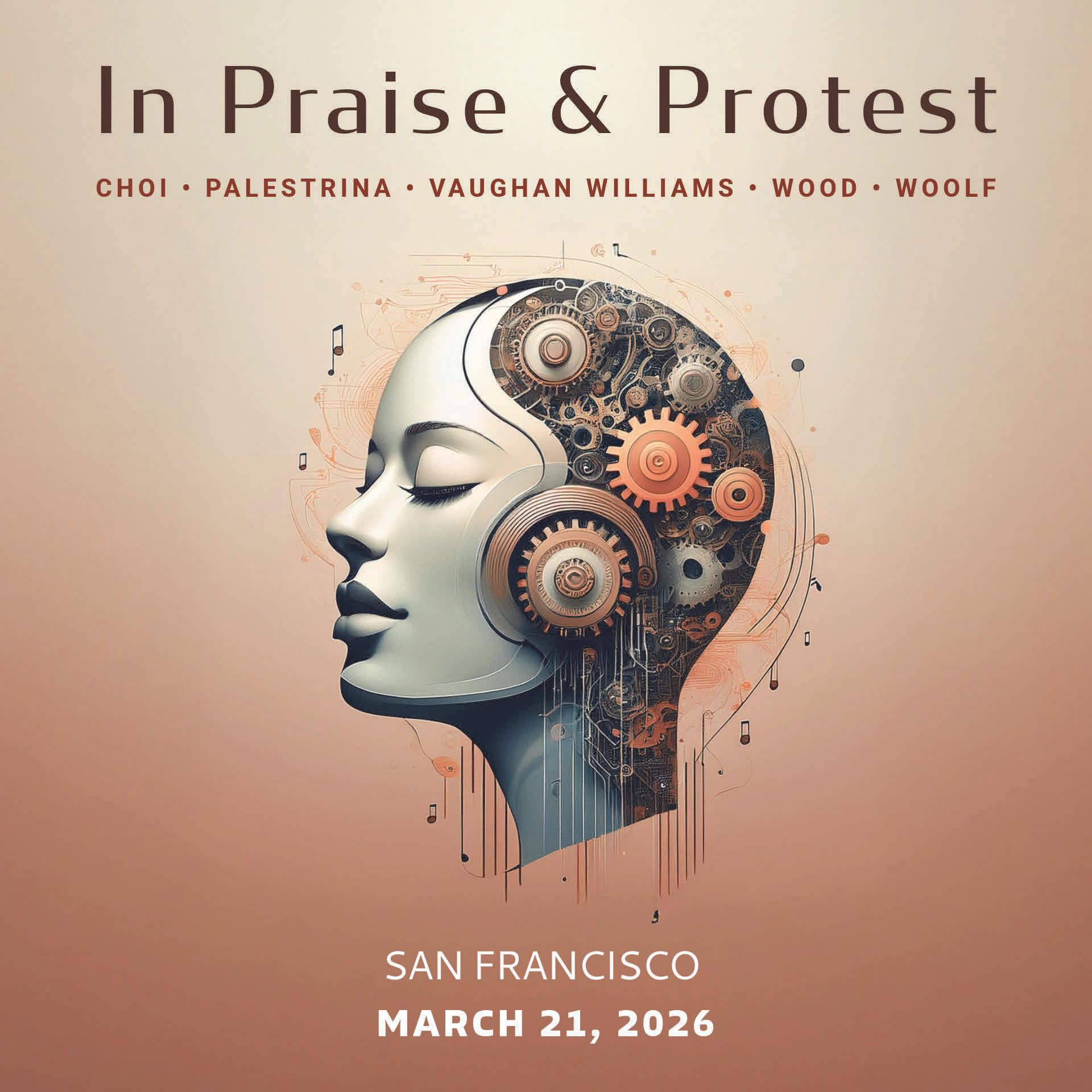
Mark your calendar for Saturday, March 7, 2026: the Zephyr Symphony’s return with Mendelssohn’s radiant oratorio Elijah, featuring an amazing cast of soloists; on Saturday, March 21, 2026, Vox Humana SF will make its season debut with an amazing program titled “In Praise & Protest.” We’ll also unveil our 2026–27 season at these concerts—so there’s a lot to experience and celebrate. Purchase your tickets today.
From all of us onstage and behind the scenes—welcome, and enjoy Handel’s Messiah.
PATRONS OF THE BREEZE
FOUNDER’S CIRCLE
FOUNDING DONORS
Dan Anderson
Don Scott Carpenter
Margaret E. Elam
Gail D. Hemenway
Judith J. Murio & Todd Jolly
Beth & Kevin Phipps
Corby York & Kevin Marlon


$10,000 and above
Dan Anderson
Beth & Kevin Phipps
CONDUCTOR’S CIRCLE
$5,000 to $9,999
Don Scott Carpenter
Margaret E. Elam
Gail D. Hemenway
Judith J. Murio & Todd Jolly
BENEFACTOR
$2,500 to $4,999
Sharon Mayo
Cindy Young
UNDERWRITER
$1,000 to $2,400
Brio Financial Group
Michael Villarreal Become a Donor Become a Sponsor
GENERAL GIVING
$500 to $999
Corby York & Kevin Marlon
Naomi Braun Newman
Robert Ripps & Steven Spector
$250 - $499
Judy Lindquist
Up to $249
Helen Berggruen
Michelle Clair
Janet Cluff
John Crary
Mathea Falco
Fred Girodat
Rose Griffin
Edward Gordon
Joan Guilford
Cheryl Jacobs
George Krigas
George & Charlotte Masson
Doug Miller
Dieter J. Meyerhoff
Sarah Oliver
Penny Schreiber
Judith Teichman
Susan Thollaug
Diane Winer
Kelly Woodard
Adele Zachrisson
“The Hallelujah Chorus”
Dan Anderson
Gail Hemenway
Beth & Kevin Phipps
Robert Ripps & Steven Spector
Adopt-a-”Hallelujah”
Don Scott Carpenter (2)
Janet Cluff
Michale Durphy
Nancy Lofgren (2)
We gratefully acknowledge the generosity of the individuals listed above who have made contributions to The Zephyr Symphony between January 1 and November 30, 2025. Every gift—of any amount—is deeply appreciated and offers a meaningful way to honor or remember loved ones. Checks may be sent to the address below, or you may scan the QR codes to make a gift immediately. For contributions from charitable giving accounts, please contact Executive Director Margaret Elam for instructions (melam@zephyrsymphony.org).
Zephyr Symphony
Attn: Development Office
324 Tara Street
San Francisco, CA 94112
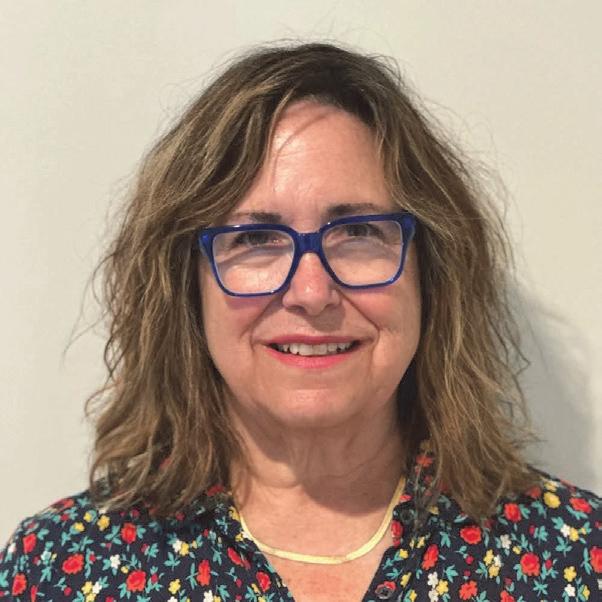
Margaret E. Elam Executive Director

Dear Friends and Guests,
We extend our heartfelt gratitude to everyone who attended our opening concert, which featured an all-Mozart program in September. Your presence was truly appreciated and helped set a wonderful tone for our season.
For those who were unable to join us at that inaugural event, we are especially pleased to have you with us today. Your continued support and participation mean so much to the Zephyr Symphony and enrich our musical community.
Today’s performance is both a continuation of our season’s artistic journey and a celebration of the timeless power of live music to unite hearts and minds. We are honored to share this afternoon with you — our devoted patrons, friends, and first time attendees — whose presence sustains the spirit of the Zephyr Symphony and the beauty of orchestral music in our community.
In a world that often moves too quickly, may this afternoon offer a moment of stillness, reflection, and wonder — a reminder of the light that music brings into our lives.
To ensure Zephyr Symphony can continue to bring these powerful experiences to our community, we kindly ask for your support. Our goal is to raise $25,000 by the end of 2025; we are well on our way there! Your donation will help us fund exciting programming planned for 2026 and beyond. You can find all the ways to give on page 4 of this book.
On behalf of our musicians, artistic team, and volunteers, we would like to thank you for joining us. May this performance of Messiah fill you with peace, inspiration, and the enduring light of Handel’s magnificent vision.
We hope you will plan to join us for the final three concerts of our season:
◦ Elijah on March 7, 2026
◦ In Praise & Protest on March 21, 2026
◦ Spring on April 17, 2026
All the details regarding times, locations, and ticket information can be found at ZephyrSymphony.org
With warmest regards,
Margaret
Margaret E. Elam Executive Director melam@zephyrsymphony.org
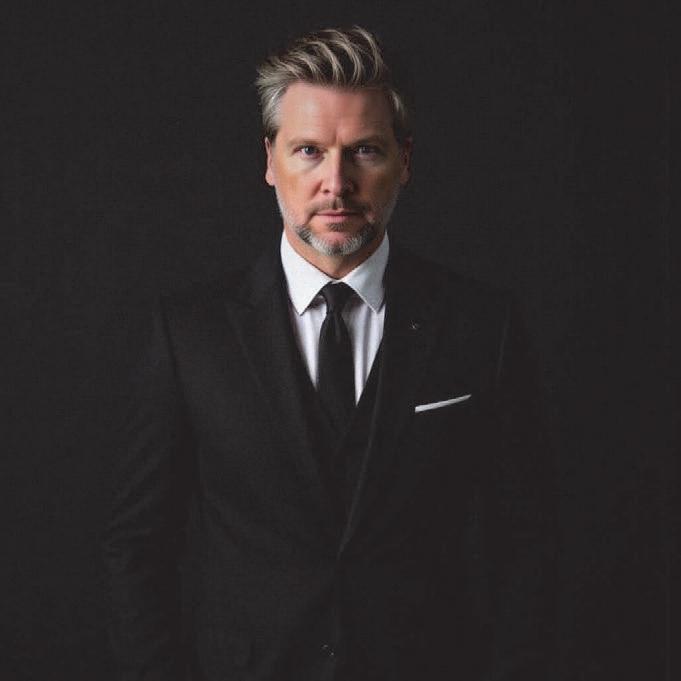

Don Scott Carpenter is a distinguished conductor, composer, and organist whose work unites choral, orchestral, and sacred traditions with uncommon fluency. Based in San Francisco, he is praised for a dynamic podium presence, imaginative programming, and a compelling balance of tradition and innovation. He serves as Founding Music Director of Zephyr Symphony, Founding Music Director of Vox Humana SF, and Chorus Director of the Brentwood Community Chorus, and is widely regarded as a national leader in sacred and concert music.
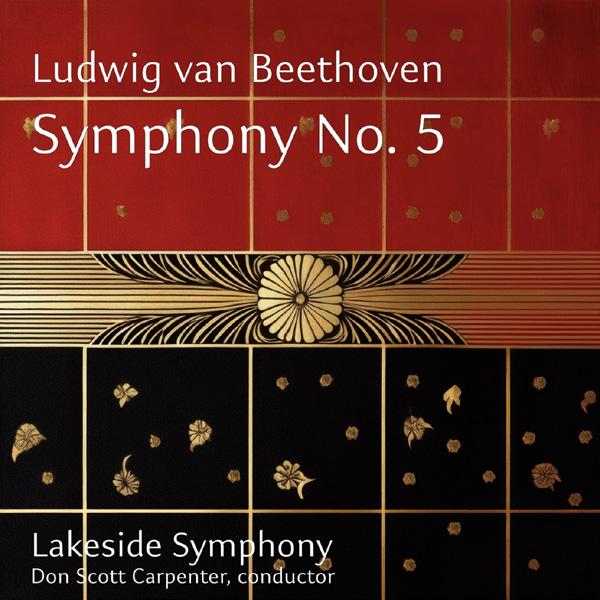
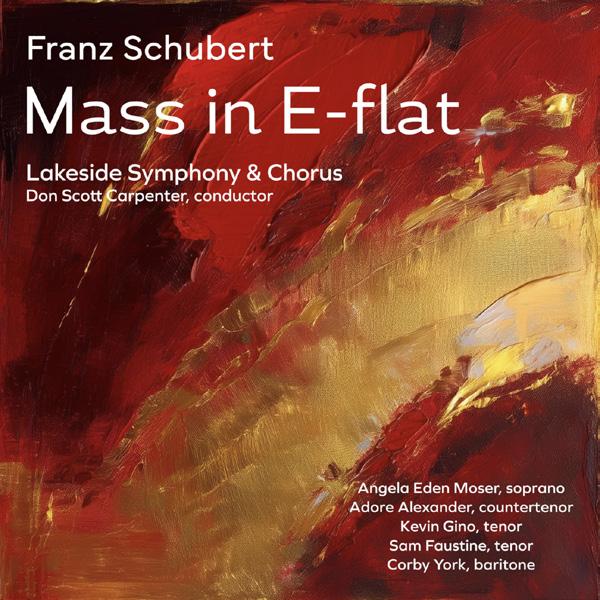
Carpenter’s conducting is marked by technical command and emotional clarity. His repertoire spans the Renaissance to today, with a special affinity for large-scale choral–orchestral masterworks. Recent projects include conducting and recording Beethoven’s Symphony No. 5 and Schubert’s Mass in E-flat, as well as new Zephyr Symphony releases of Mozart’s Symphony No. 41 “Jupiter” and Exsultate, jubilate, now available on major digital platforms and YouTube. These performances are noted for their dramatic intensity, lyrical depth, and palpable connection between stage and audience.
The 2025–2026 season highlights Carpenter’s expansive artistic vision, including Zephyr Symphony’s presentation of Mendelssohn’s Elijah (March 2026), Vox Humana SF’s provocative program In Praise & Protest (March 2026), "Spring" music of Brahms, Mozart, and Vivaldi in April 2026 with Zephyr Symphony, and a collaborative performance with the Brentwood Community Chorus in May 2026. In June 2026, he will appear internationally, conducting the music of Franz Liszt in Tokyo.
An accomplished organist, Carpenter has held prominent sacred-music posts in Louisville, Santa Fe, and San Francisco, revitalizing programs through chant, historic liturgy, professional vocal ensembles, and hallmark services such as Lessons and Carols and Evensong. His work reflects a conviction that sacred music can unify communities and illuminate the spiritual life of the church.
Carpenter has led ensembles in significant artistic growth, produced acclaimed recordings, and forged collaborations across the concert and opera worlds—including multiple world-premiere projects. His ensembles have toured internationally, with performances in Salzburg Cathedral, Vienna’s Votivkirche, and Carnegie Hall in New York, underscoring his commitment to artistic excellence and to sharing transformative performances with broad audiences.
Known for uniting scholarship with pastoral sensibility, Carpenter champions music as a force for artistic excellence and human connection—on the podium, at the organ, and in the communities he serves. His work consistently aims to inspire, challenge, and connect audiences through performances that are as thoughtful as they are thrilling.
DonScottCarpenter.com | @dnscttcrpntr
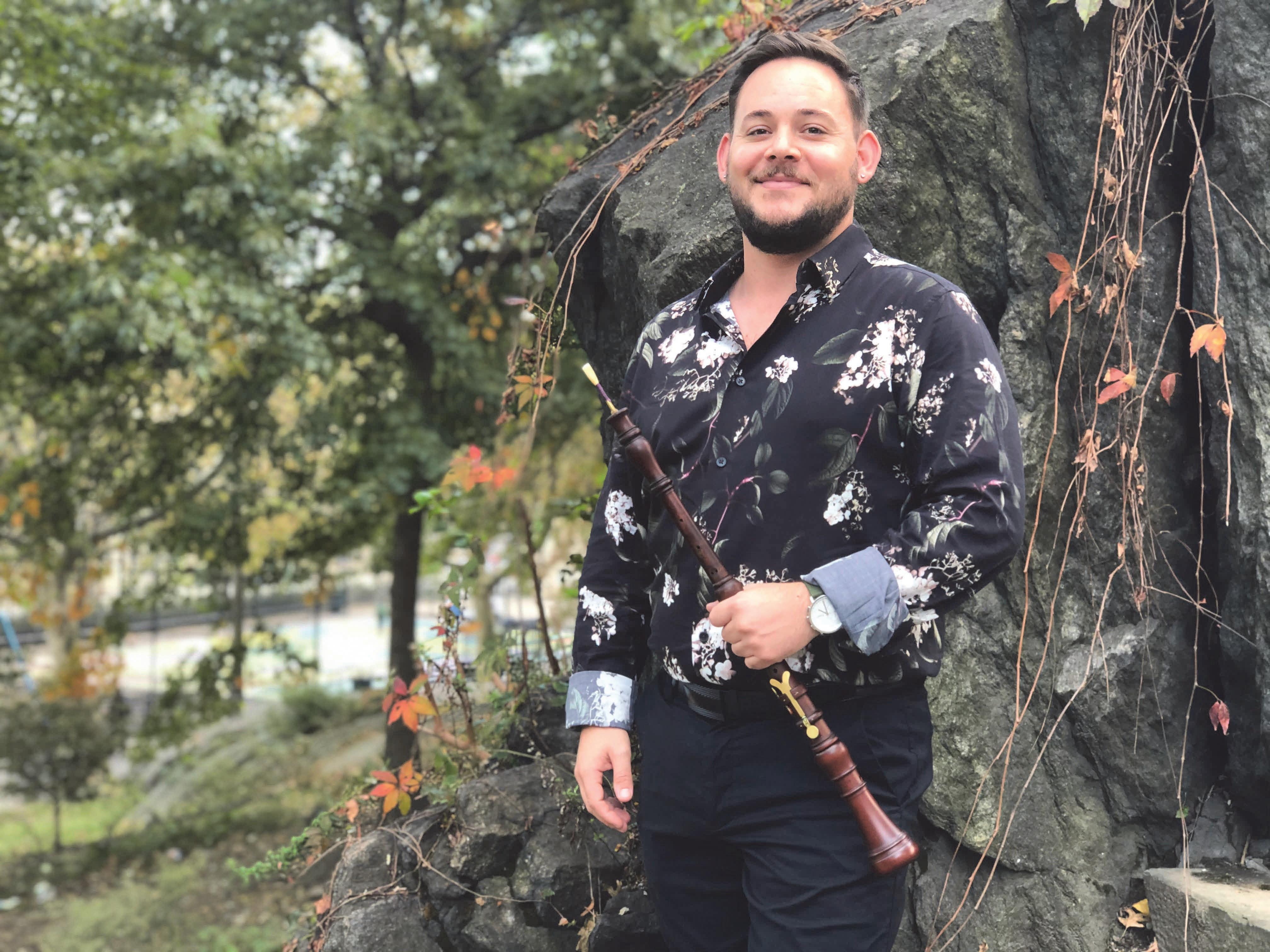

What is your musical background?
I picked up the oboe in 6th grade and never looked back, you could say. I attended East Tennessee State University, the University of North Texas, and The Juilliard School. As a professional, I regularly perform with several of the leading early music ensembles across the US and have collaborated on numerous recording projects over the years.
What pushed you towards the oboe?
To be honest, I wanted to be a saxophonist, but in the 6th grade, I was introduced to the oboe after having played clarinet for a while. I was immediately drawn to its beauty and the way the oboe allows each player to have a unique sound. While in graduate school, I started playing historical oboes, and I was hooked.
What has been your experience playing with Zephyr Symphony?
I have enjoyed playing with Zephyr Symphony. I have the opportunity to perform with many dear colleagues, and the repertoire we have performed has been exciting and gratifying.
What are your hopes for Zephyr Symphony?
I hope that Zyphyr Symphony continues to grow and establish itself as a permanent fixture in the Bay Area music scene.
We
CONDUCTOR
Don Scott Carpenter
H: Louisville, Kentucky
R: San Francisco, California
ZEPHYR SYMPHONY
VIOLIN I
Gail Hernández-Rosa (Concertmaster)*
H: Santurce, Puerto Rico
R: Freestone, California
Wilton Huang (Acting Concertmaster)
H: San Francisco, California
R: Amsterdam, The Netherlands
Cybele D’Ambrosio
H: Berkeley, California
R: Berkeley, California
Yuri Kye
H: Idaho Falls, Idaho
R: Oakland, California
Alyssa Wright
H: Urayasu, Japan
R: Amsterdam, The Netherlands
VIOLIN II
Joseph Edelberg (Principal)
H: Northampton, Massachusetts
R: El Sobrante, California
Jennifer Redondas
H: Havana, Cuba
R: San Francisco, California
Alexandra Santon
H: Meadville, Pennsylvania
R: Berkeley, California
VIOLA
Mitso Floor (Principal)*
H: Seattle, Washington
R: San Francisco, California
Daria D’Andrea
H: Atherton, California
R: San Francisco, California
Alisa Stutzbach
H: Eustis, Florida
R: Mountain View, California
Caitlin Keen
H: Fort Collins, Colorado
R: Alameda, California
VIOLONCELLO
Hasan Abualhaj (Principal)
H: Ramallah, Palestine
R: San Francisco, California
Erik Anderson
H. New York, New York
R: San Francisco, California
BASS
Daniel Turkos (Principal)
H: New Brunswick, New Jersey
R: Freestone, California
Bruce Moyer
H: Doylestown, Pennsylvania
R: Cupertino, California
OBOE
Matthew Hudgens (Principal)
H: Grand Junction, Colorado
R: Portland, Oregon
Daniel Deitch
H: Los Angeles, California
R: Oakland, California
BASSOON
Yueh Chou
H: Taiwan
R: Redwood City, California
Jarratt Rossini
H: Altadena, California
R: San Francisco, California
TRUMPET
Dominic Favia
H: Vienna, Virginia
R: Richmond, California
Charles Ryan
H: San Francisco, California
R: Corte Madera, California
PERCUSSION
Allen Biggs (Principal)
H: San Francisco, California
R: San Francisco, California
KEYBOARD
Organ
Yunyi Ji (Principal)
H: Beijing, China
R: Oakland, California
Harpsichord
Yuko Tanaka
H: Tokyo, Japan
R: Oakland, California
ZEPHYR CHORUS
SOPRANOS
Natalia Ter Agapova
H: Moscow, Russia
R: San Francisco, California
Hilary Elizabeth Hecht
H: Oakland, California
R: Walnut Creek, California
Jordan Kersten
H: Los Altos Hills, California
R: Oakland, California
Becky Lau
H: Hong Kong
R: Foster City, California
Lisa May
H: Castro Valley, California
R: Castro Valley, California
ALTOS
Naomi Braun
H: Berkeley, California
R: San Mateo, California
Shauna Fallihee
H: Oakland, California
R: Oakland, California
Sally Mouzon
H: Alexandria, Virginia
R: Belmont, California
Akane Ota
H: Kumamoto, Japan
R: Burlingame, California
Michelle Pavlova
H: San Francisco, California
R: San Francisco, California
Blythe Tai
H: Piedmont, California
R: San Francisco, California
TENORS
William Betts
H: Walnut Creek, California
R: Oakland, California
Mickey Butts
H: San Antonio, Texas
R: Berkeley, California
Shiddharth Chand
H: Auckland, New Zealand
R: San Francisco, California
Daniel Harper
H: Sturgis, Michigan
R: San Francisco, California
Toan Thanh Nguyen
H: New York, New York
R: San Francisco, California
Ryan S. Peterson (Section Leader)
H: Tucson, Arizona
R: San Francisco, California
BASSES
Joseph Krohlow
H: Seymour, Wisconsin
R: San Francisco, California
Owen Purcell
H: Park City, Utah
R: San Francisco, California
Michael Steiner
H: Novato, California
R: Petaluma, California
Joey Valkevich
H: Lafayette, California
R: Martinez, California
Michael Villarreal
H: Dinuba, California
R: San Francisco, California
*On leave H: Hometown R: Current Residence
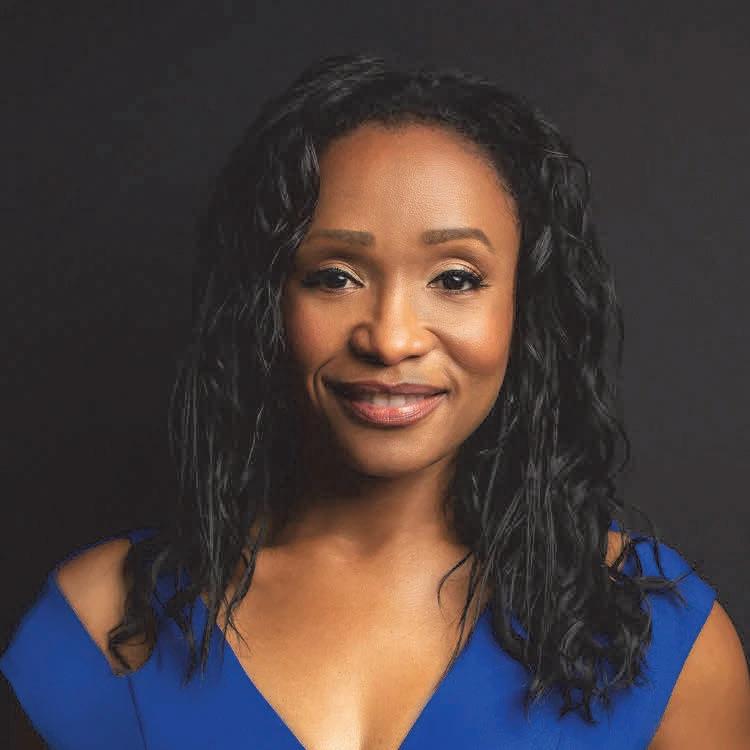
SHAWNETTE SULKER
Soprano
H. Linden, Guyana and Brooklyn, New York
R. San Francisco, California

Critically acclaimed soprano Shawnette Sulker recently sang in two world premieres, creating the roles of Soprano Messiah Soloist in the one-woman opera Never Mind by Ben Bernstein and Bulrusher in the eponymously titled opera by Nathaniel Stookey and Eisa Davis. Other recent portrayals include Dorine in Tartuffe (Mechem) with Pocket Opera, Lisa in La Sonnambula with West Bay Opera, the Queen of the Night (The Magic Flute) with Livermore Valley Opera, Poppea (L’incoronazione di Poppea) with Opera Montana, and two West Coast premieres in Opera Parallèle’s double bill of Birds (Little) and Balls (Karpman) in the roles of Sir Elton John’s Trainer and Susan B. Anthony, respectively. Her latest concert engagements featured an All-Mozart Concert with Pacific Chamber Orchestra, a masterclass and performance with the Poulenc Trio, Barber’s Knoxville: Summer of 1915 with the UC Davis Symphony Orchestra, Bonds’ Credo with the San Francisco Choral Society, a singing and dancing collaboration in Dialogues (music by Pat Rasile) with the Oakland Ballet, and a recital of Brazilian music in New York’s Scorca Hall for the Brazilian Music Foundation.
International highlights include a concert of operatic repertoire at the Teatro di San Carlo in Naples, touring Die Fledermaus as Adele in Holland and Belgium, and orchestra concerts in Leipzig’s Gewandhaus and Prague’s Smetana Hall. She has been a soloist with companies such as the San Francisco Opera, American Bach Soloists, Mark Morris Dance Group, Hawaii Opera Theatre, Opera Memphis, Opera Fairbanks, Opera Idaho, Opera Naples, Union Avenue Opera, and the Symphonies of Eugene, Winston-Salem, Garden State, Oakland, and Berkeley. Upcoming engagements feature singing Constanze in Pacific Opera Project’s Star Trek themed production of Abduction from the Seraglio, as a soloist in The Majesty of the Spiritual Concert with Portland Opera, and a chamber music concert with the renowned Poulenc Trio.
ShawnetteSulker.com
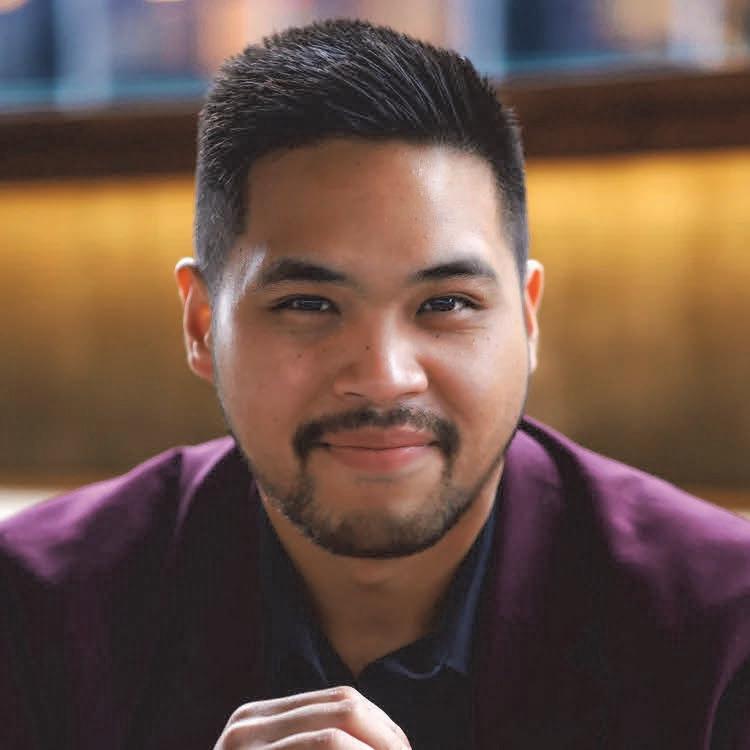
KYLE SANCHEZ TINGZON Countertenor
H. Manila, Phillipines
R. Berkeley, California
Filipino countertenor Kyle Sanchez Tingzon has been praised for his “powerful countertenor” (The Wall Street Journal) and his “lovely, plummy voice” (Opera Today).
In the 2024/25 season, Kyle returned to The Glimmerglass Festival and made his role debut as Endimione in Cavalli’s La Calisto, with a performance that “occupied the stage and ravaged the ear” (Opera News). He continued on to make debuts in Munich, Germany and Gävle, Sweden, as well as a return to New York City, as a soloist in John Adams’ masterpiece, El Niño He also made his debut with Detroit Opera in a return to Goffredo in a familiar production of Rinaldo.
This season, Kyle makes notable company debuts with Pocket Opera as Oberon in Britten’s A Midsummer Night’s Dream, with Opera San Jose as Aestrea in a workshop of the new opera Solaris, and finally with West Edge Opera in the title role of Handel’s Rinaldo. His current season also includes ongoing solo and ensemble work with the San Francisco Symphony Chorus, American Bach, Philharmonia Baroque Orchestra and Chorale, Zephyr Symphony, and The Byrd Ensemble.
Kyle earned his graduate and postgraduate degrees in vocal performance from the San Francisco Conservatory of Music, where he sang the title role in Handel’s Giulio Cesare and Ottone in Monteverdi’s L’incoronazione di Poppea. He is first-prize winner of the Handel Aria Competition, third-prize winner of the Loren L. Zachary Society National Vocal Competition, and a Colorado-Wyoming district winner and Rocky Mountain regional finalist in the Metropolitan Opera Laffont Competition.
KyleSanchezTingzon.com
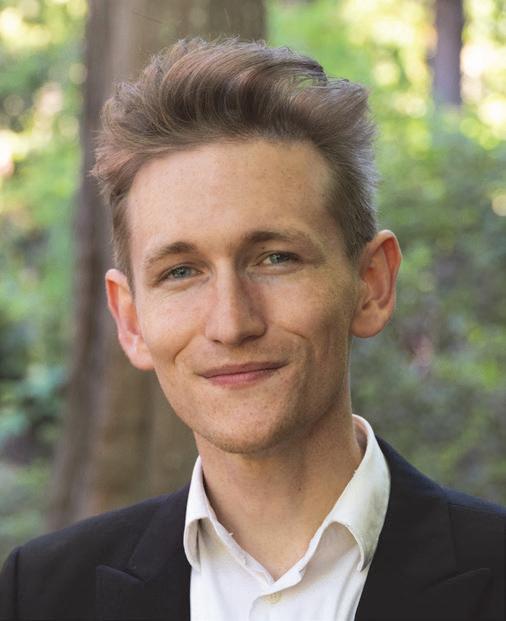
ALEXANDER JOHN PERKINS
H. Santa Barbara, California
R. San Francisco, California
San Francisco–based lyric tenor Alexander John Perkins brings warmth, clarity, and emotional immediacy to his performances across opera, oratorio, and concert repertoire. A graduate of the San Francisco Conservatory of Music, where he earned both his bachelor’s and master’s degrees under the tutelage of Jane Randolph, Perkins is recognized for his expressive phrasing and his deep commitment to music as a vehicle for human connection.
This December, he appears as the tenor soloist in Handel’s Messiah with Zephyr Symphony, following recent performances with the San Francisco Opera Chorus in Rigoletto, Parsifal, Lohengrin, and Beethoven’s Ninth Symphony. His operatic credits include Ugone in Handel’s Flavio, re de’ Longobardi and the colorful triple roles of La théière, Le petit vieillard, and La rainette in Ravel’s L’enfant et les sortilèges at SFCM.
An active recitalist, Perkins recently presented a master’s recital with pianist Hanna Shin, featuring the songs of Grieg, Fauré, and Vaughan Williams. Previous engagements include performances with Music Academy of the West (Carmen, La Cenerentola) and the Oakland Symphony in With The Right Music.
Guided by artistry that centers sincerity and emotional truth, Perkins seeks to create performances that feel alive, immediate, and deeply human.
AlexandersVoiceStudio.com
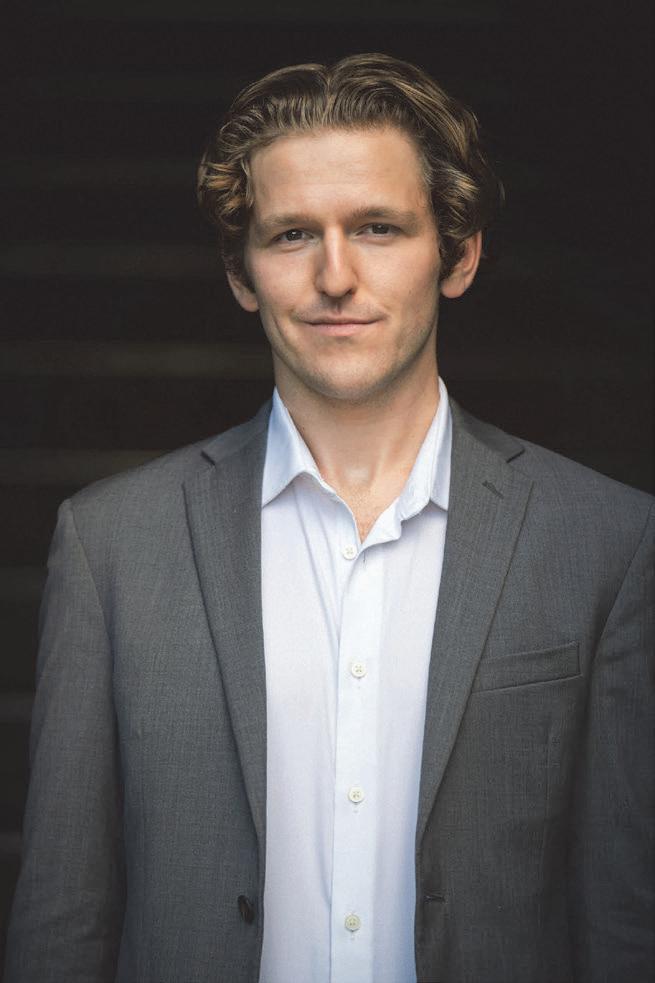
WILLIAM RASKIN
Baritone
H. Milwaukee, Wisconsin
R. Chicago, Illinois
Baritone William Raskin is an emerging talent in the opera world, celebrated for his powerful voice and captivating stage presence. Known for his compelling acting and nuanced performances, his extensive training with prestigious opera companies such as Sarasota Opera and Ohio Light Opera, along with his eagerly anticipated debut at The Glimmerglass Festival, highlights the promising trajectory of his career.
Equally at home in both operatic and concert works, William has earned recognition on local, national, and international stages. His dedication to community engagement through the arts is evident in his collaborations with esteemed organizations like the Janesville Choral Union, the Wisconsin Chamber Orchestra, and the Madison Savoyards. At the same time, his global commitment to cultural exchange and bridging diverse audiences through the universal language of music is reflected in performances at renowned institutions such as Sarasota Opera, Ohio Light Opera, and The Glimmerglass Festival, as well as international engagements, including a notable appearance at Vienna’s Palais Corbelli.
A significant milestone in his career came with his performance as the baritone soloist in Dr. Bill Banfield’s Symphony No. 14: Revelation. Working directly with the composer, William’s portrayal of the work marked a defining moment in his artistic journey, showcasing his passion for both innovative repertoire and collaborative artistry.
As his career continues to unfold, William remains committed to using opera as a means to build connections, foster cultural understanding, and bring powerful stories to life on stages worldwide. William is represented by Athlone Artists.
WMRaskin.com
George Frideric Handel
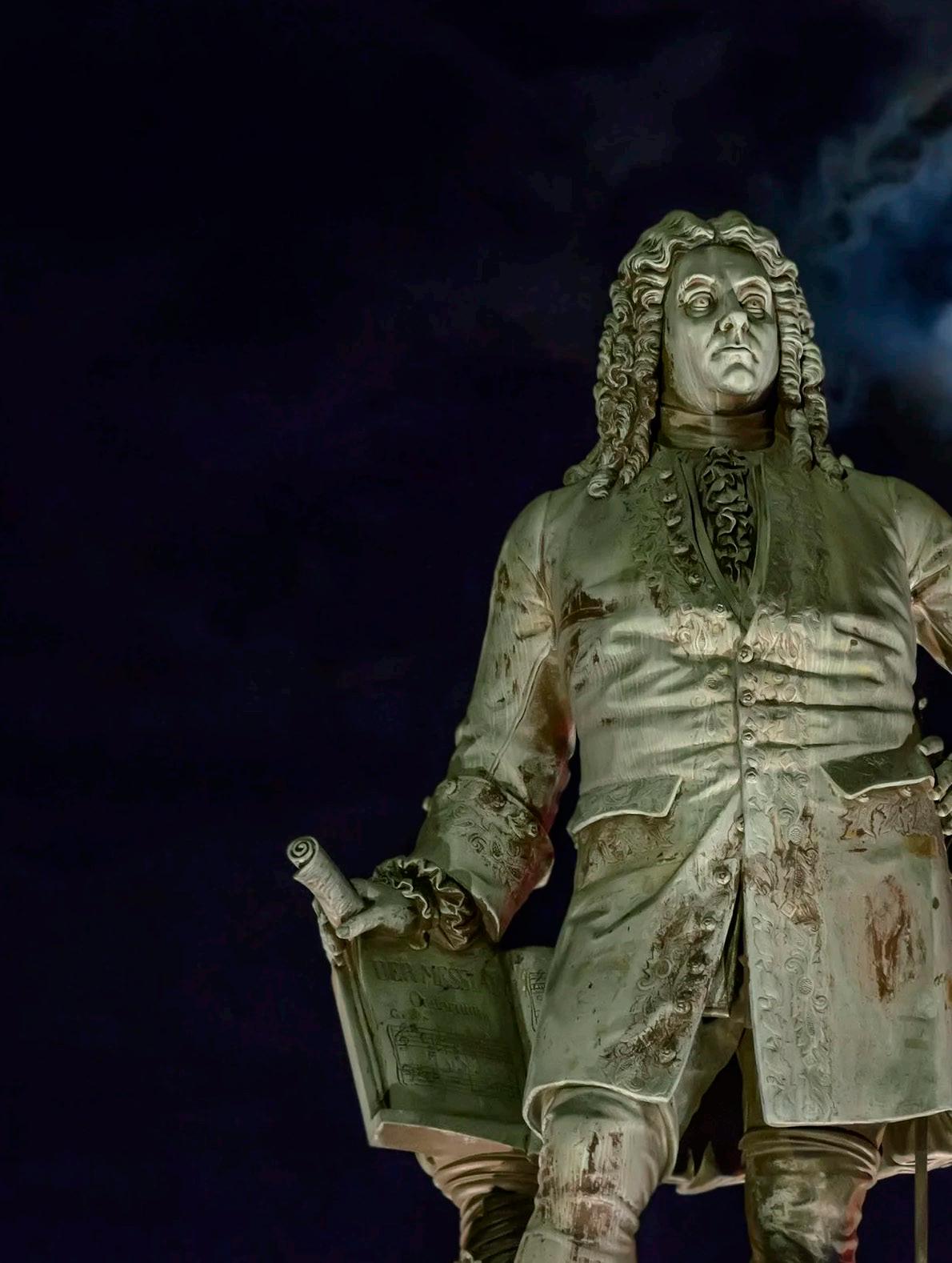
December 21, 2025
4:00 pm
St. Mark’s Lutheran Church, San Francisco
Zephyr Symphony
Zephyr Chorus
Shawnette Sulker Soprano
Kyle Sanchez Tingzon Countertenor
Alexander John Perkins Tenor
William Raskin Baritone
Don Scott Carpenter Conductor
Scene 1: Isaiah’s prophecy of salvation 1. Sinfonia
2. Comfort ye my people 3. Ev’ry valley shall be exalted 4. And the glory of the Lord
Scene 3: The prophecy of Christ’s birth Recit. Behold, a virgin shall conceive 8. O thou that tellest good tidings of Zion 9. For behold, darkness shall cover the earth 10. The people that walked in darkness 11. For unto us a child is born
Scene 4: The annuciation to the shepherds 12. Pifa Recit. There were shepherds abiding in the fields 13b. But lo, the angel of the Lord Recit. And the angel said unto them 14. And suddenly there was with the angel 15. Glory to God
Scene 5: Christ’s healing and redemption 16b. Rejoice greatly, O daughter of Zion Recit. Then shall the eyes of the blind be opened 17c. He shall feed His flock like a shepherd 18. His yoke is easy
-Intermission-
Scene 1: Christ’s Passion 19. Behold the Lamb of God 20. He was despised and rejected 26. Thy rebuke hath broken His heart 27. Behold and see if there be any sorrow
Scene 2: Christ’s Death and Resurrection 28. He was cut off 29. But thou dids’t not leave his soul in hell
Scene 5: The beginnings of Gospel preaching 34c. How beautiful are the feet
Scene 6: The world’s rejection of the Gospel 36a. Why do the nations 37. Let us break their bonds asunder Recit: He that dwelleth in heaven
Scene 7: God’s ultimate victory 38a. Thou shalt break them with a rod of iron 39. Hallelujah
-Pause-
Scene 1: The promise of eternal life 40. I know that my Redeemer liveth 41. Since by man came death
Scene 2: The Day of Judgement 42. Behold, I tell you a mystery 43. The trumpet shall sound
Scene 3: The final conquest of sin Recit: Then shall be brought to pass 44b. O death, where is thy sting? 45. But thanks be to God
Scene 4: The acclamation of the Messiah 47. Worthy is the Lamb 48. Amen.
Messiah, HWV 56 (1741)
Libretto
Charles Jennens, after the King James Bible Book of Common Prayer
First Performance
April 13, 1742, Great Music Hall, Fishamble Street, Dublin
Zephyr’s First Performance
This is Zephyr Symphony’s first performance.
Duration 2 hours 20 minutes (including intermission)
PART THE FIRST
1. Sinfonia (Overture)
2. Accompagnato (Tenor)
Comfort ye, comfort ye my people, saith your God. Speak ye comfortably to Jerusalem, and cry unto her, that her warfare is accomplished, that her iniquity is pardoned. The voice of him that crieth in the wilderness; prepare ye the way of the Lord; make straight in the desert a highway for our God. Isaiah 40:1-3
3. Air (Tenor)
Ev’ry valley shall be exalted, and ev’ry moutain and hill made low; the crooked straight and the rough places plain. Isaiah 40:4
4. Chorus
And the glory of the Lord shall be revealed, and all flesh shall see it together: for the mouth of the Lord hath spoken it. Isaiah 40:5
Recitative (Alto)
Behold, a virgin shall conceive and bear a son, and shall call His name Emmanuel, God with us. Isaiah 7:14; Matthew 1:23
8. Air (Alto and Chorus)
O thou that tellest good tidings to Zion, get thee up into the high mountain. O thou that tellest good tidings to Jerusalem, lift up thy voice with strength; lift it up, be not afraid; say unto the cities of Judah, behold your God! Isaiah 40:9
Arise, shine, for thy light is come, and the glory of the Lord is risen upon thee. Isaiah 60:1
9. Accompagnato (Bass)
For behold, darkness shall cover the earth, and gross darkness the people; but the Lord shall arise upon thee, and His glory shall be seen upon thee. And the Gentiles shall come to thy light, and kings to the brightness of thy rising. Isaiah 60:2-3
10. Air (Bass)
The people that walked in darkness have seen a great light; and they that dwell in the land of the shadow of death, upon them hath the light shined. Isaiah 9:2
11. Chorus
For unto us a child is born, unto us a son is given, and the government shall be upon His shoulder; and His name shall be called Wonderful, Counsellor, the mighty God, the Everlasting Father, the Prince of Peace. Isaiah 9: 6
12. Pifa (“Pastoral Symphony”)
Recitative (Soprano)
There were shepherds abiding in the field, keeping watch over their flocks by night. Luke 2:8
13b. Accompagnato (Soprano)
And lo, the angel of the Lord came upon them, and the glory of the Lord shone round about them, and they were sore afraid. Luke 2:9
Recitative (Soprano)
And the angel said unto them: “Fear not, for behold, I bring you good tidings of great joy, which shall be to all people. For unto you is born this day in the city of David a Saviour, which is Christ the Lord.” Luke 2:10-11
14. Accompagnato (Soprano)
And suddenly there was with the angel, a multitude of the heavenly host, praising God, and saying: Luke 2:13
15. Chorus
“Glory to God in the highest, and peace on earth, good will towards men.” Luke 2:14
16c. Air (Soprano)
Rejoice greatly, O daughter of Zion; shout, O daughter of Jerusalem! Behold, thy King cometh unto thee; He is the righteous Saviour, and He shall speak peace unto the heathen. Zecharaiah 9:9-10
Recitative (Alto)
Then shall the eyes of the blind be opened, and the ears of the deaf unstopped. Then shall the lame man leap as an hart, and the tongue of the dumb shall sing. Isaiah 35:5-6
17c. Duet (Alto & Soprano)
He shall feed His flock like a shepherd; and He shall gather the lambs with His arm, and carry them in His bosom, and gently lead those that are with young. Isaiah 40:11
Come unto Him, all ye that labour, come unto Him that are heavy laden, and He will give you rest. Take his yoke upon you, and learn of Him, for He is meek and lowly of heart, and ye shall find rest unto your souls. Matthew 11:28-29
18. Chorus
His yoke is easy, and His burden is light. Matthew 11:30
19. Chorus
Behold the Lamb of God, that taketh away the sin of the world. John 1:29
20. Air (Alto)
He was despised and rejected of men, a man of sorrows and acquainted with grief. Isaiah 53:3
He gave His back to the smiters, and His cheeks to them that plucked off His hair: He hid not His face from shame and spitting. Isaiah 50:6
26. Accompagnato (Tenor)
Thy rebuke hath broken His heart: He is full of heaviness. He looked for some to have pity on Him, but there was no man, neither found He any to comfort him. Psalm 69:20
27. Arioso (Tenor)
Behold, and see if there be any sorrow like unto His sorrow. Lamentations 1:12
28. Accompagnato (Tenor)
He was cut off out of the land of the living: for the transgressions of Thy people was He stricken. Isaiah 53:8
29. Air (Tenor)
But Thou didst not leave His soul in hell; nor didst Thou suffer Thy Holy One to see corruption Psalm 16:10
34c. Air (Soprano)
How beautiful are the feet of them that preach the gospel of peace, and bring glad tidings of good things. Isaiah 52:7; Romans 10:15
36a. Air (Bass)
Why do the nations so furiously rage together, and why do the people imagine a vain thing? The kings of the earth rise up, and the rulers take counsel together against the Lord, and against His anointed. Psalm 2:1-2
37. Chorus
Let us break their bonds asunder, and cast away their yokes from us. Psalm 2:3
Recitative (Tenor)
He that dwelleth in Heav’n shall laugh them to scorn; The Lord shall have them in derision. Psalm 2:4
38a. Air (Tenor)
Thou shalt break them with a rod of iron; thou shalt dash them in pieces like a potter’s vessel. Psalm 2:9
39. Chorus
Hallelujah: for the Lord God Omnipotent reigneth. Revelation 19:6
The kingdom of this world is become the kingdom of our Lord, and of His Christ; and He shall reign for ever and ever. Revelation 11:15
King of Kings, and Lord of Lords. Revelation 19:16
40. Air (Soprano)
I know that my Redeemer liveth, and that He shall stand at the latter day upon the earth. And though worms destroy this body, yet in my flesh shall I see God. Job 19:25-26
For now is Christ risen from the dead, the first fruits of them that sleep. I Corinthians 15:20
41. Chorus
Since by man came death, by man came also the resurrection of the dead. For as in Adam all die, even so in Christ shall all be made alive. I Corinthians 15:21-22
42. Accompagnato (Bass)
Behold, I tell you a mystery; we shall not all sleep, but we shall all be changed in a moment, in the twinkling of an eye, at the last trumpet. I Corinthians 15:51-52)
43. Air (Bass)
The trumpet shall sound, and the dead shall be raised incorruptible, and we shall be changed. I Corinthians 15:52-53
Recitative (Alto)
Then shall be brought to pass the saying that is written: “Death is swallowed up in victory.” I Corinthians 15:54
44b. Duet (Alto & tenor)
O death, where is thy sting? O grave, where is thy victory? The sting of death is sin, and the strength of sin is the law. I Corinthians 15:55-56
45. Chorus
But thanks be to God, who giveth us the victory through our Lord Jesus Christ. I Corinthians 15:57
47. Chorus
Worthy is the Lamb that was slain, and hath redeemed us to God by His blood, to receive power, and riches, and wisdom, and strength, and honour, and glory, and blessing. Blessing and honour, glory and power, be unto Him that sitteth upon the throne, and unto the Lamb, for ever and ever. Revelation 5:12-14
48. Chorus Amen.
By 1741 Handel had spent decades ruling London’s operatic stage, but fashions were shifting. Italian opera was expensive to mount and losing its audience; Handel’s health and finances had been tested, and he was increasingly drawn to the English oratorio—a concert work on sacred themes, sung in the vernacular, with the drama carried by chorus and soloists rather than scenery and costumes. Into this moment stepped Charles Jennens, a devout, literary-minded patron who compiled a libretto drawn entirely from the King James Bible and the Book of Common Prayer. His text for Messiah isn’t a retelling with characters; it’s a sequence of prophecies and meditations that arc from anticipation to birth, passion, resurrection, and hope.
Handel set the score in a famous blaze of productivity over little more than three weeks in the late summer of 1741—overture and 53 movements—working with the practical economy and theatrical instinct that defined his craft. The music’s architecture is simple and flexible: arias personalize the message; choruses carry the public proclamation; and the orchestra provides color and momentum. From the start, the work was designed to be adaptable. Handel routinely revised arias to suit available voices, adjusted keys, and tailored numbers to the space and forces at hand, which is why no single “definitive” version exists and modern performances legitimately differ.
Invited to present a season in Dublin, Handel traveled to Ireland in late 1741 and prepared Messiah with local players and the combined choirs of Christ Church and St. Patrick’s. The premiere took place on April 13, 1742 at the Great Music Hall on Fishamble Street as a benefit concert supporting area hospitals and relief for those in debtors’ prison. The event was so eagerly anticipated that organizers politely asked ladies to forgo hoop skirts and gentlemen to leave swords at home to make room— nearly 700 people attended. The performance was a triumph, and its charitable purpose set a pattern that would follow the piece across centuries.
London heard Messiah the next year (1743), though initial reactions were mixed—some objected to presenting sacred scripture in a theater. Handel persisted, and by 1750 he had forged a lasting association with the Foundling Hospital, conducting annual benefit performances that raised substantial funds for the charity. Those concerts helped cement Messiah as both art and philanthropy: a work renewed each season through communal generosity. Ever since Dublin, the oratorio’s journey has been entwined with the life of its cities—sung by small professional forces and massed community choirs alike—its message of consolation and joy finding fresh resonance in new rooms, new voices, and new listeners.
Over the centuries Messiah has worn many sizes, from choral societies with hundreds of singers to intimate forces nearer Handel’s own. The music’s resilient design—arias that personalize the message and choruses that carry the architecture—keeps the work vivid in any scale.
Part I Promise & Nativity
Prophecy and consolation lead to the Christmas story told with pastoral warmth. Highlights include the tenor’s opening “Comfort ye… Ev’ry valley,” the radiant chorus “And the glory of the Lord,” the lilting Pastoral Symphony (Pifa) and shepherd scene, and the jubilant “For unto us a Child is born.” The part closes with the smiling “His yoke is easy.”
Part II Passion, Witness & “Hallelujah”
Contemplation of suffering and redemptive love unfolds through arias and finely wrought counterpoint: “Behold the Lamb of God,” the searing alto lament “He was despised,” the tightly woven choruses “Surely He hath borne our griefs” and “And with His stripes we are healed,” the vivid “All we like sheep,” and the antiphonal “Lift up your heads.” The part crowns itself with the festival blaze of “Hallelujah.”
Part III Hope, Resurrection, & Amen
Assurance and thanksgiving: the serene soprano aria “I know that my Redeemer liveth,” the dramatic contrasts of “Since by man came death,” the noble trumpet-bass dialogue “The trumpet shall sound,” and the grand final chorus “Worthy is the Lamb” dissolve into a resplendent “Amen” fugue.
What to listen for
Part I Promise & Nativity
“Comfort ye… / Ev’ry valley” (tenor): The orchestral recitative breathes reassurance; the aria paints words in sound—lines rise on “exalted,” twist on “crooked,” and smooth out on “plain.”
“And the glory of the Lord” (chorus): Four short ideas pass through the choir, textures widening as the text turns from promise to proclamation.
Pastoral Symphony (Pifa) shepherds: A gentle 12/8 sway evokes pipes and rustic dances; when angels “arrive,” the strings brighten and the air seems to lift.
“For unto us a Child is born” (chorus): Sparkling imitations blossom into radiant harmony; listen for buoyant runs on “Wonderful, Counsellor.”
“He shall feed His flock / Come unto Him” (alto & soprano): Long, rocking phrases that feel like rest.
“His yoke is easy” (chorus): Light-footed rhythms—good news that feels good.
Part II Passion, Witness & “Hallelujah”
“Behold the Lamb of God” (chorus): Sober, stepwise lines and darker hues set a contemplative tone.
“He was despised” (alto): A slow-blooming lament; the return (da capo) invites personal ornament—grief remembered.
Crafted counterpoint: “Surely…” and “And with His stripes…” build unity from staggered entries; “All we like sheep” wanders merrily on “astray,” then tightens to grave chords at “laid on Him.”
“Lift up your heads” (chorus): Call-and-response phrases frame a musical “gate” opening.
“Why do the nations / Thou shalt break them” (bass): Muscular rhythms and sharply etched runs turn text into gesture.
“Hallelujah” (chorus): Trumpets and timpani blaze; listen for the layered ideas—“omnipotent reigneth,” the brief shadow of “kingdom of this world,” and an ascending “He shall reign” that feels unstoppable—punctuated by a charged silence before “King of Kings.”
Part III Hope, Resurrection, & Amen
“I know that my Redeemer liveth” (soprano): An opening leap answered tenderly—faith both bold and gentle.
“Since by man came death” (chorus): A hush in minor without orchestra, then jubilant major with full forces—resurrection as a sonic switch.
“The trumpet shall sound” (bass & trumpet obligato): Ceremonial light from the solo trumpet; on “changed,” the harmony itself shifts.
Finale: “Worthy is the Lamb” opens to a simple “Amen,” which grows into a luminous fugue—voices entering faster (stretto) as if light accumulates.
Orchestral colors & Baroque word-painting
In Messiah, the orchestra speaks as eloquently as the singers. A quiet continuo—organ or harpsichord with cello and bass—beats like a steady heart under recitatives and arias. Strings and oboes carry the main conversation in warm, human tones, whispering tenderness in the Nativity and turning clear and firm when the text calls for witness. Handel reserves the brilliance of trumpets and timpani for public proclamation—kingship, victory, light breaking in—so their entrance in “Hallelujah” and the final choruses lands like sunlight flooding a room.
Handel paints words directly in sound. Lines rise on “exalted,” wander on “astray,” lengthen on “peace,” and change at “changed.” He shapes whole movements with these choices: a sudden hush in minor with no orchestra for “Since by man came death,” answered by jubilant major for resurrection; a poised silence before “King of Kings” that makes the return explode with meaning. Repetition, in the Baroque style, is not filler but emphasis and design—each return slightly re-lit by new harmony or color.
Audiences have long stood during “Hallelujah”—a custom sometimes linked (a bit mythically) to King George II. It’s a beautiful tradition, but optional. If you choose to stand, do so quietly and be mindful of sightlines; if you remain seated, you’re equally part of the moment. Either way, the music does the lifting.
Messiah is sung in English. This afternoon’s performance uses selected options from Handel’s various versions, reflecting the composer’s own practice of tailoring numbers to the forces and space at hand.
Program notes © Zephyr Symphony. Please do not reproduce without permission.
the``

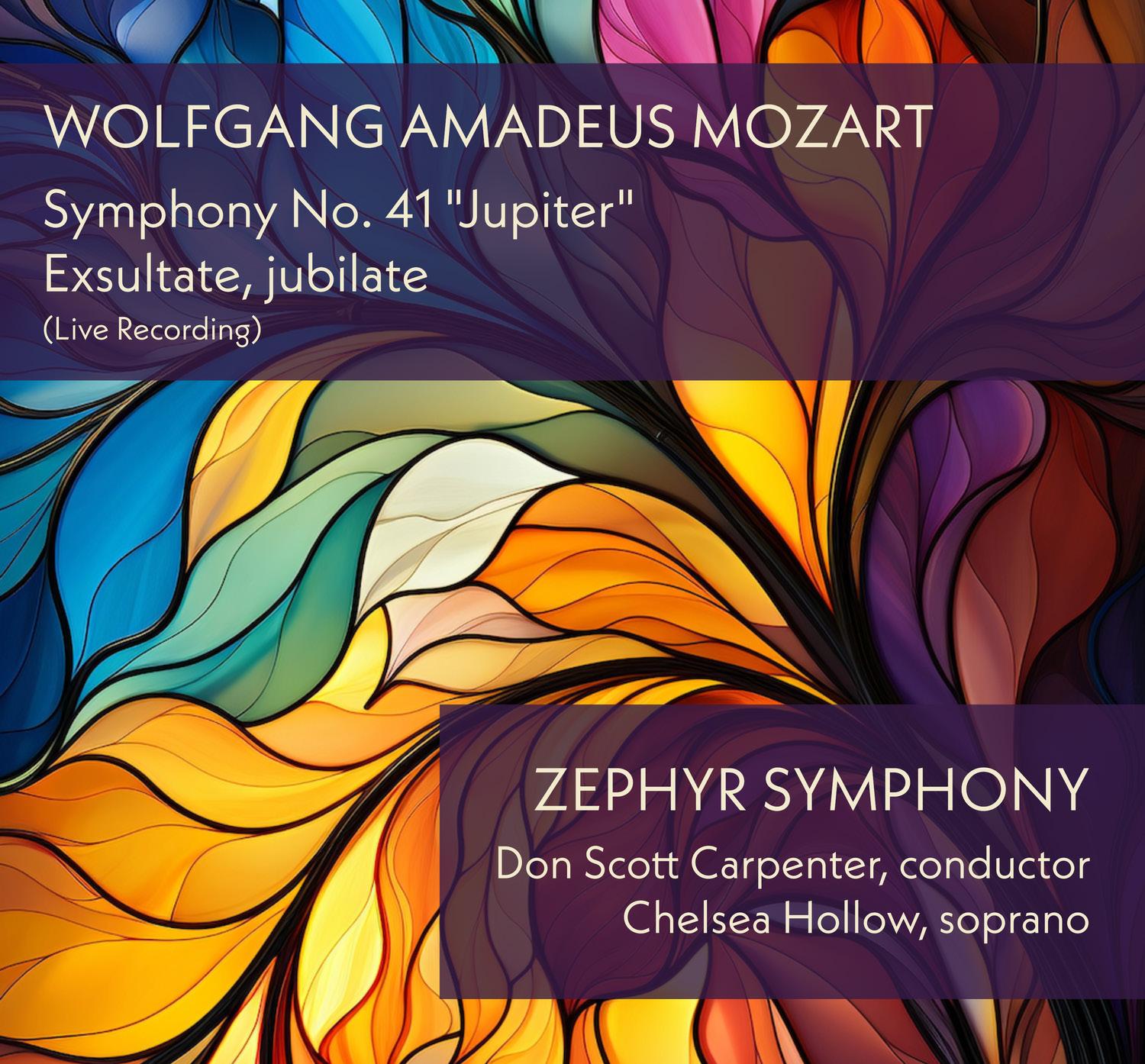

Handel as arranged by Wolfgang Amadeus Mozart (1789)
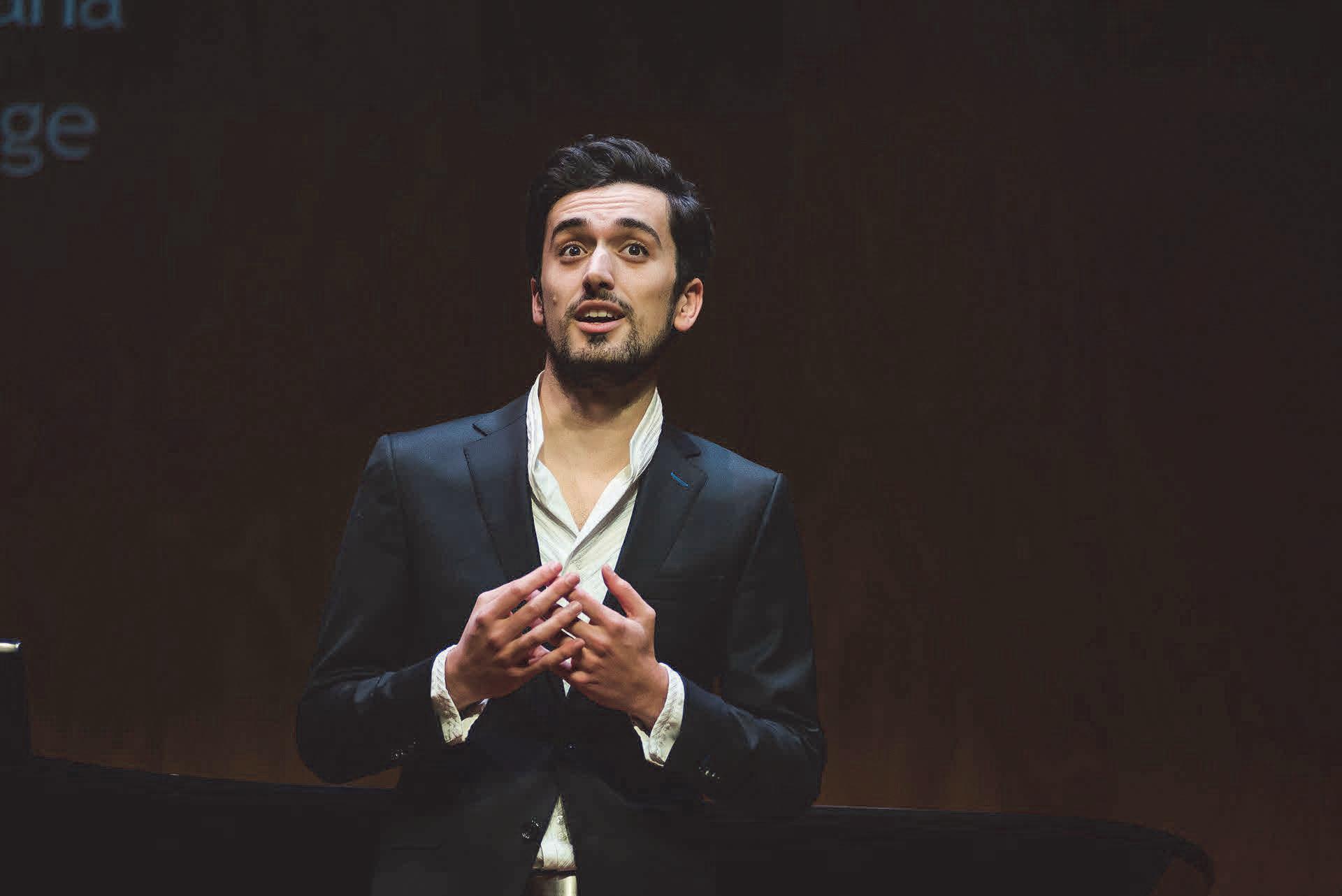

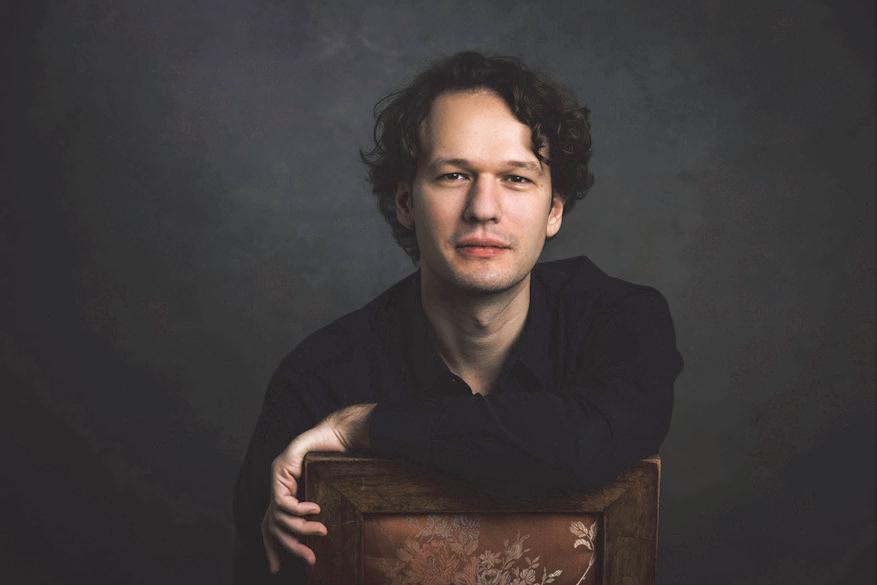
Tickets available this spring!

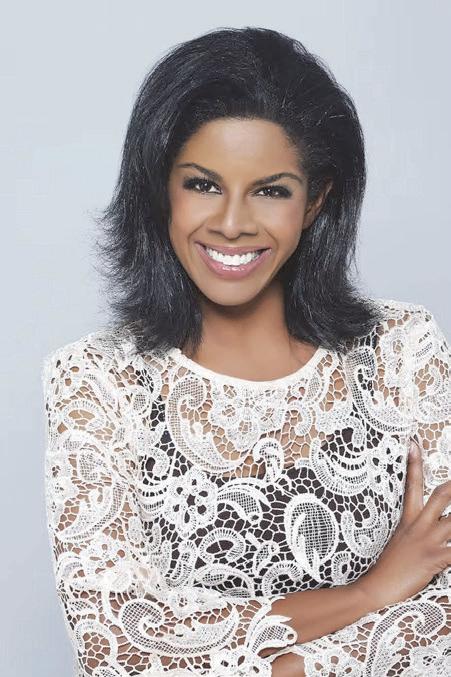
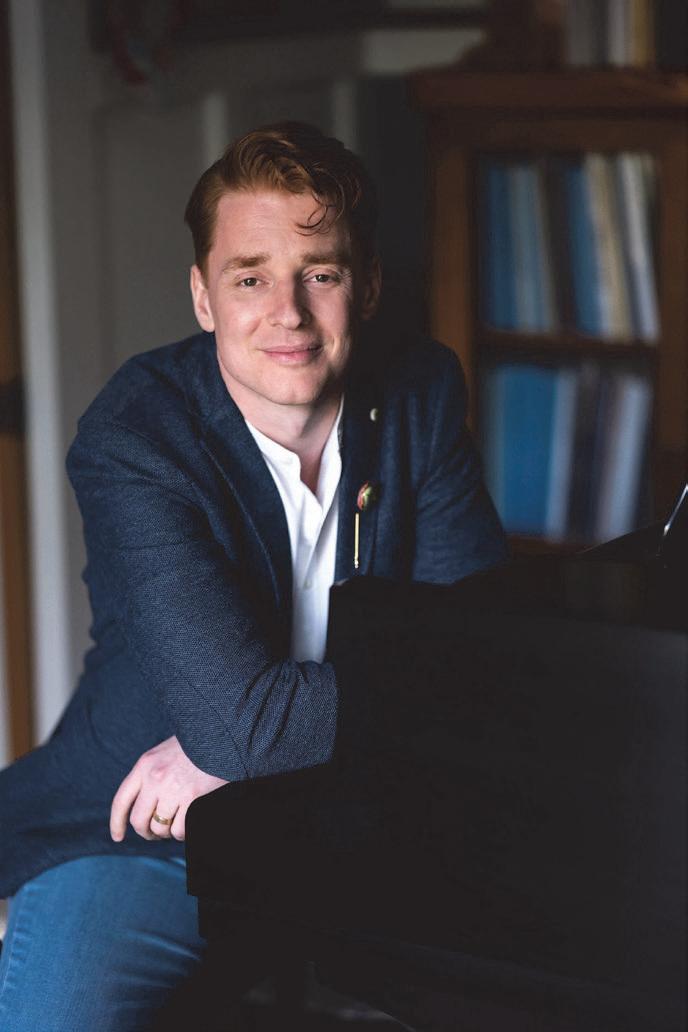
December 19, 2026
Nicole Heaston, soprano
Mikel Uksola, countertenor
Isaiah Bell, tenor
Sreten Manojalović, baritone
Light Beyond the Horizon – A Season of Reflection, Resilience, and Renewal
Details of the 2026–2027 Zephyr Symphony season — Light Beyond the Horizon — will be released on March 1, and surges forward with bold energy and luminous promise: a journey through resilience, grace, and renewal that dares to ask how music can transform us. Each concert unfolds like a revelation, moving from quiet introspection to unbridled triumph, from the sacred to the sensuous, from shadow into radiant light.
Filled with world-renowned soloists, a stirring West Coast premiere, and powerful works for a cappella chorus and chorus with orchestra, next season celebrates the full expanse of human expression. The Zephyr Symphony rises to new heights of passion and purpose, inviting audiences to experience music that breathes, soars, and transforms—each performance a step toward the light beyond the horizon.
Subscriptions available March 1, 2026. Single tickets available June 1, 2026.


This season, as Zephyr Symphony presents Handel’s Messiah, we celebrate not only the triumph of the Hallelujah Chorus but also the extraordinary power of community. Every note we perform is made possible by people like you — friends, patrons, and music-lovers who believe in the importance of keeping live performance vibrant, accessible, and alive in our city.
“Join the Hallelujah Chorus Campaign today!”

The Hallelujah Chorus Campaign is our year-end initiative to sustain and strengthen Zephyr Symphony as we look ahead to a new year of artistic excellence and outreach. Your generosity directly supports:
• Our Musicians — providing fair compensation for the artists whose skill and passion bring each performance to life.
• Guest Artists & Collaborators — allowing us to feature world-class soloists, conductors, and composers who enrich every season.
• Community Engagement — expanding access to performances, neighborhood concerts, and educational events that invite everyone to experience the joy of live music.
• Rehearsals & Production Costs — funding the behind-the-scenes essentials that make each concert possible, from scores and venues to lighting, stage management, and recording.
• Future Seasons — building the foundation for the innovative programs, commissions, and partnerships that define Zephyr’s artistic vision
Your gift — whether $25 or $2,500 — helps ensure that the beauty of Handel’s Messiah continues long after this evening’s final Amen. Together, we can keep the winds of Zephyr carrying music that inspires, heals, and unites our community.
Join the Hallelujah.
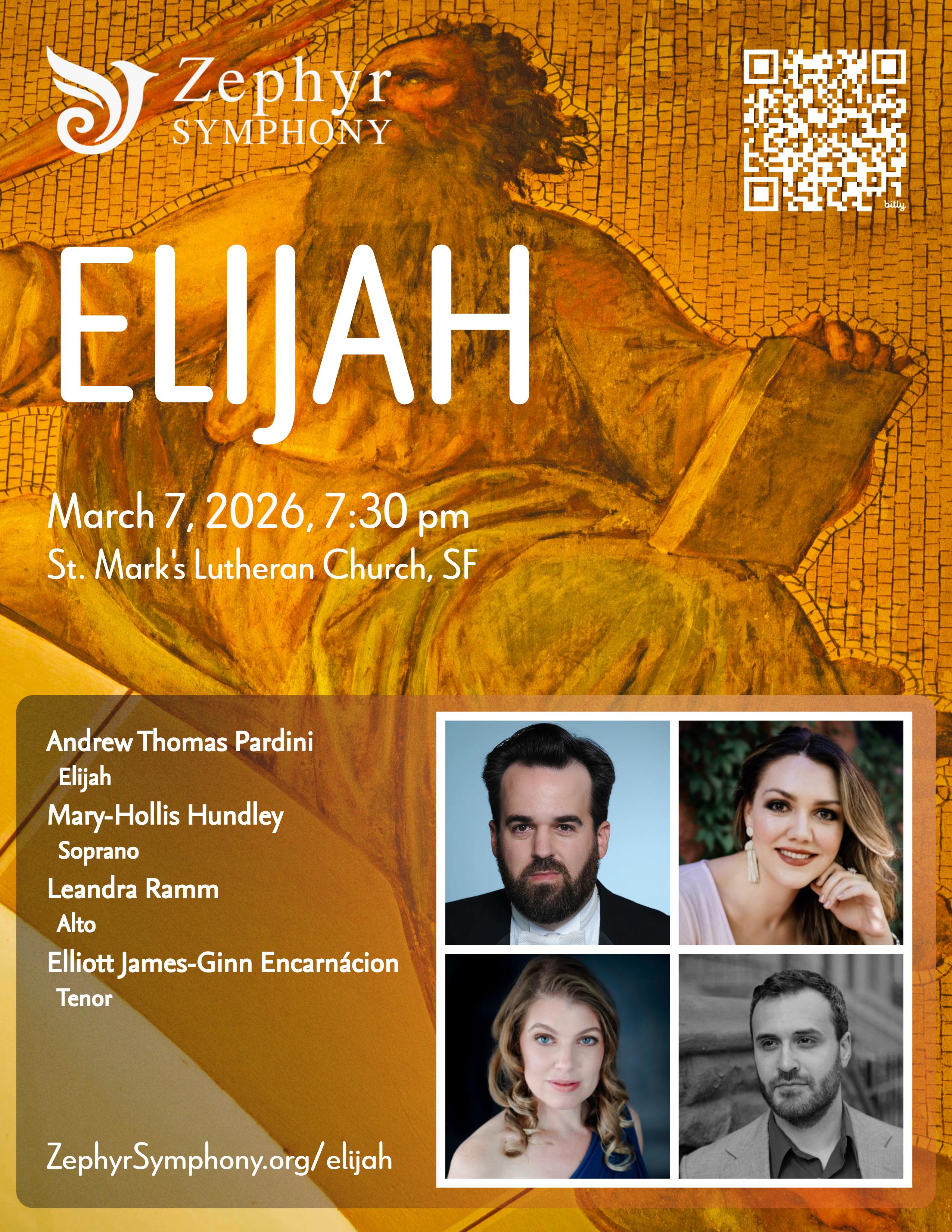
San Francisco's professional choral ensemble

March 7, 2026 | 7:30 pm
Zephyr Symphony & Chorus
March 21, 2026 | 7:30 pm
Vox Humana SF
April 17, 2026 | 7:30 pm
Zephyr Symphony