
PORTFOLIO
LANDSCAPE ARCHITECTURE
3rd YEAR 2025|UNSW XIAOWEN XU
Acknowledgement Of Country
I acknowledge the First Nations peoples across Australia as the enduring Custodians of the lands, water and community on which we live, learn and design. I pay our respects the richness of Aboriginal and Torres Strait Islander cultures and offer our respects to Elders past, present and emerging.
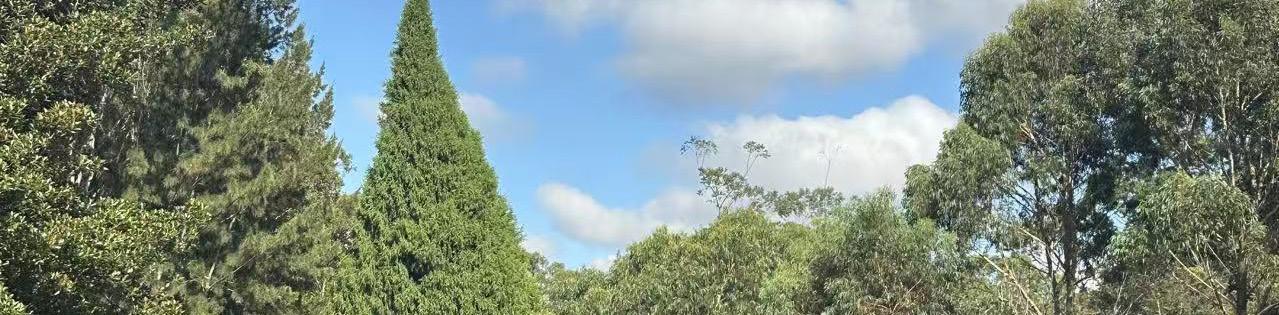
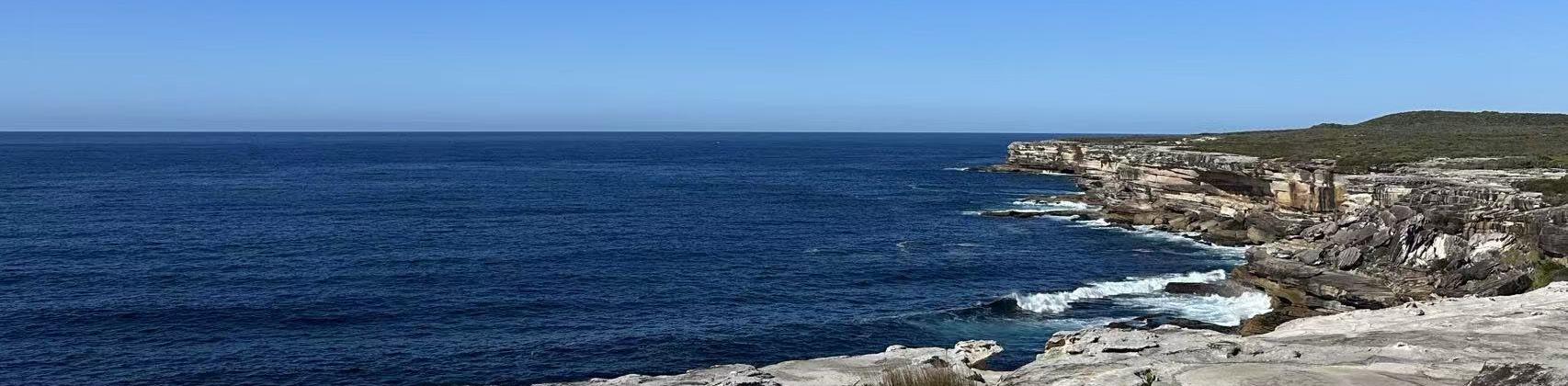
As a landscape architecture student, I am guided by the cultural, ecological and spatial stories that shape this Country. I hope to design in ways that honour these narratives and contribute positively to the landscapes we share.

Xiaowen Xu
Contact
Email: juliannaxu318@gmail.com
Mobile: 0498 176 419
Guangdong, China
Education
Bachelor of Landscape Architecture (Honours) University of New South Wales 2023-2026 (currently in third year)
Higher School Certificate Castle Hill High School 2020-2022
Personal Statement
My name is Xiaowen Xu, I am currently a third year student in a Bachelor of Landscape Architecture at the University of New South Wales.
My interest in Landscape Architecture comes from a desire to create environments that are not only functional and beautiful, but also restorative, inclusive and responsive to the stories held within the land. Through my studies, I realised that Landscape Architecture is not only about designing with plants, materials and forms, it is about listening carefully to communities, respecting cultural knowledge, and responding thoughtfully to environmental and social challenges.
I have developed a strong appreciation for the landscapes of Australia when I first come to here. The diversity of plants, the presence of the ocean, open sky, and the fresh air have all shaped my experience of being here. These natural qualities inspire my interest in how Australia’s landscapes can continue to grow, adapt and be cared for in the future. My connection to this environment motivates me to imagine how thoughtful and sustainable design can contribute to the ongoing development of Australian landscape architecture.
Beyond my core landscape architecture studies, I have also taken a range of elective courses such as Climate Change, Parametric Design, Radio & Podcast Journalism, History of Design Thinking, Social Robotics and Culture, Experience and Change. These courses have broadened my perspectives and given me valuable exposure to different fields, helping to shape the foundation for my future path.
In my free time, I enjoy travelling and photographing landscapes around the world, exploring diverse design approaches, cultural histories and environmental contexts. These experiences enrich my understanding and support my growth both inside and outside the studio.









Other Skills
- Strong analytical and research abilities, with a focus on understanding site and context.
- Clear and effective communication skills across visual, written and verbal formats.
- Collaborative teamwork experience, contributing responsibly and supporting group outcomes
- Highly developed layout skills, with a strong ability to create cohesive design presentations
01 02 04 03
PROJECT 01: WATER BETWEEN US
Page 6-9
PROJECT 02: RE-SHAPING LEPPINGTON
Page 10-13
PROJECT 03: GREENING LEPPINGTON
Page 14-17
PROJECT 04: DESIGNING GREEN FUTURES 05 06 08 07
Page 18-19
PROJECT 05: PASSAGE OF TIME
Page 20-27
PROJECT 06: LANDSCAPE DOCUMENTATION
Page 28-30
PROJECT 07: CAMPUS DESIGN
Page 31-33
PROJECT 08: HAND DRAWING & SKETCH
Page 34-35
LANDSCAPE PLAN
PROJECT 01: WATER BETWEEN US
TERM 3, YEAR 3, 2025
LAND2333 Landscape Studio 7
Assessment 3: Landscape Design Simulation
LOCATION:
Campsie, Sydney, Australia
One of a open space along Cooks River
PROJECT INTRODUCTION:
This project ‘Water Between Us’ transforms a riverside lawn in Campsie into a place where water guides people back to nature. A new wetland, generous tree planting and a redesigned pathway system create cooler, softer and more inviting spaces along the Cooks River. By bringing water into daily movement and restoring its role in the landscape, the project strengthens the relationship between community and environment and encourages moments of shared connection.
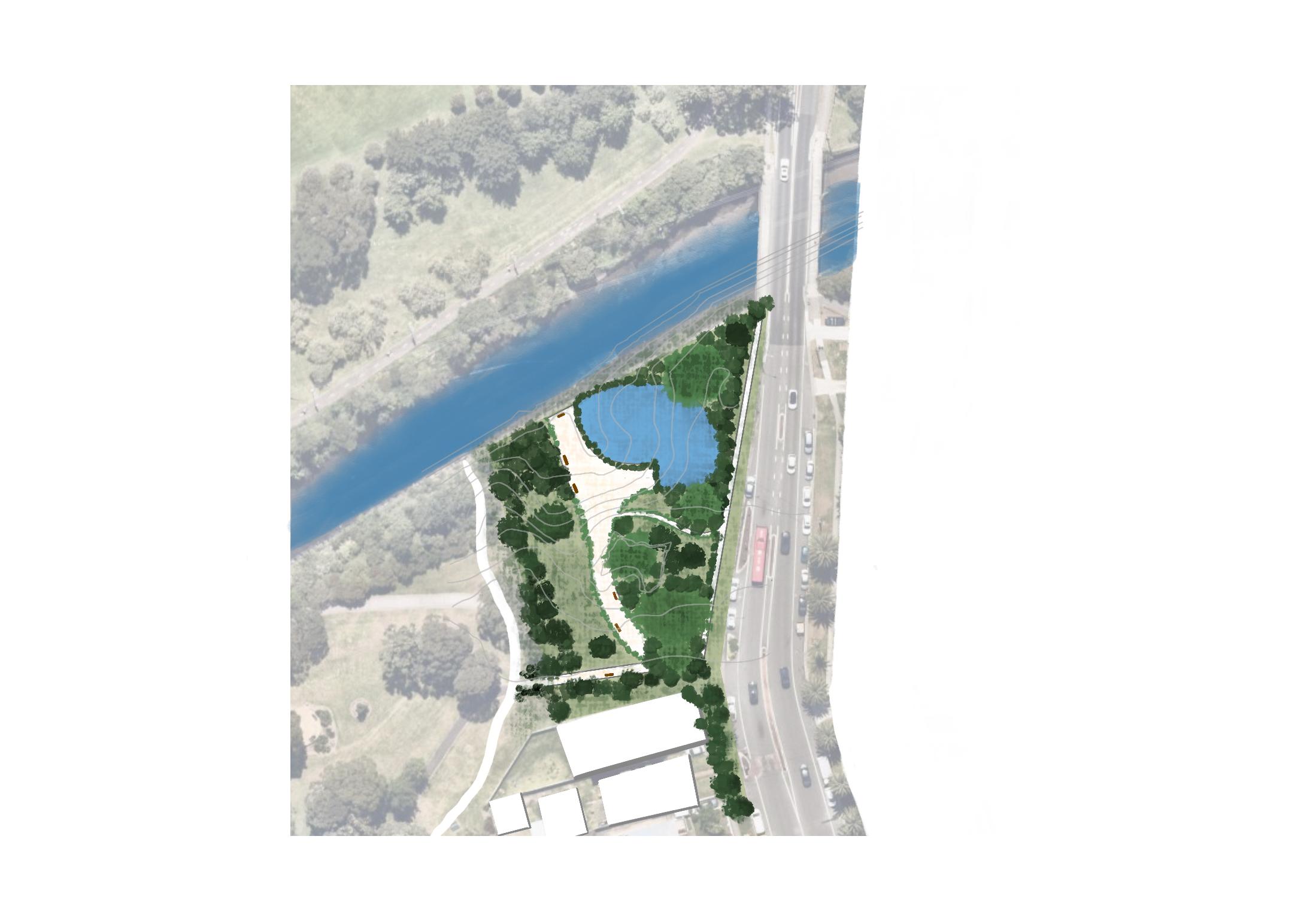
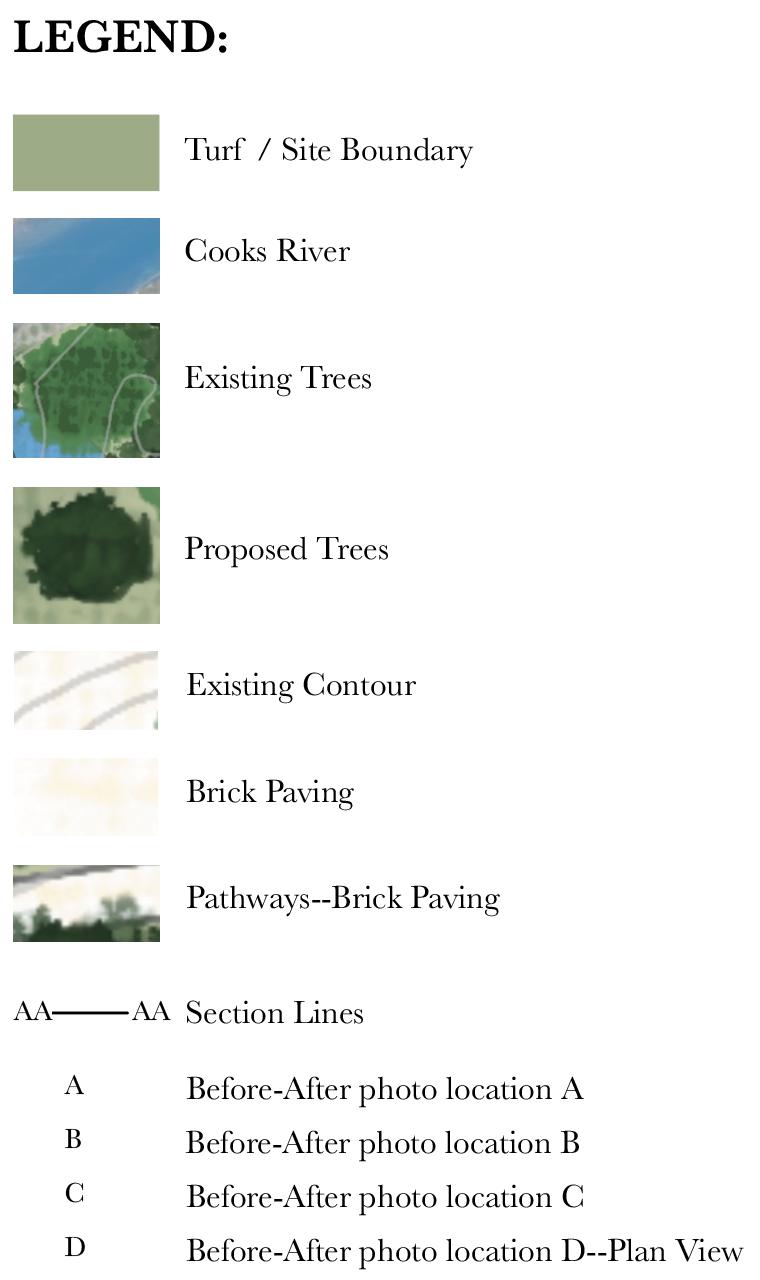
The landscape plan reshapes the riverside lawn in Campsie by adding a wetland, planting native & exotic trees and shrubs, and redesigning pathways. Trees and plantings stabilize the soil, filter water, and create shaded, inviting spaces where people can walk, rest, and connect with nature. The wetland works with plant roots to clean stormwater and support local wildlife, bringing a softer, more natural character to the Cooks River edge.

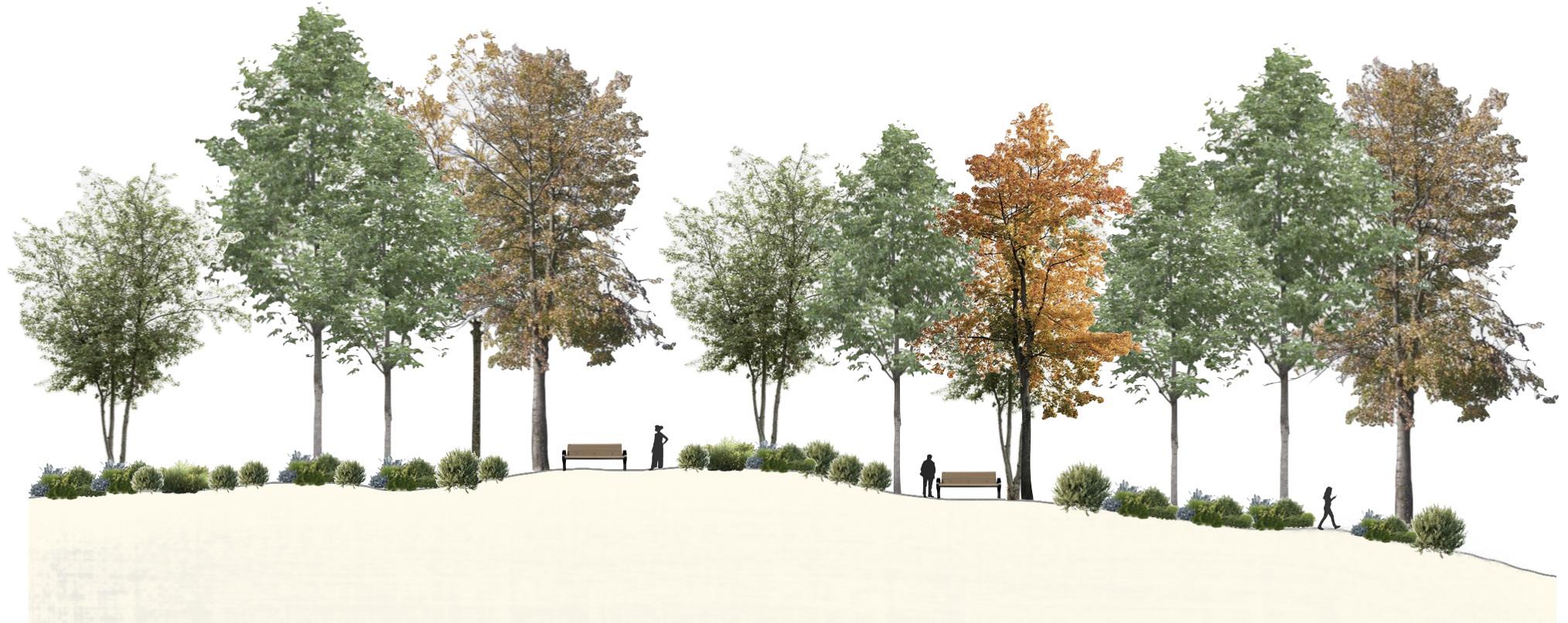
SECTION A-A
Trees and native plantings frame the pathways along the Cooks River, creating shaded, inviting spaces where people can walk, rest, and connect with the flowing water. The wetland and river edge bring nature closer to the community, making every visit a chance to experience both greenery and water.
SECTION B-B
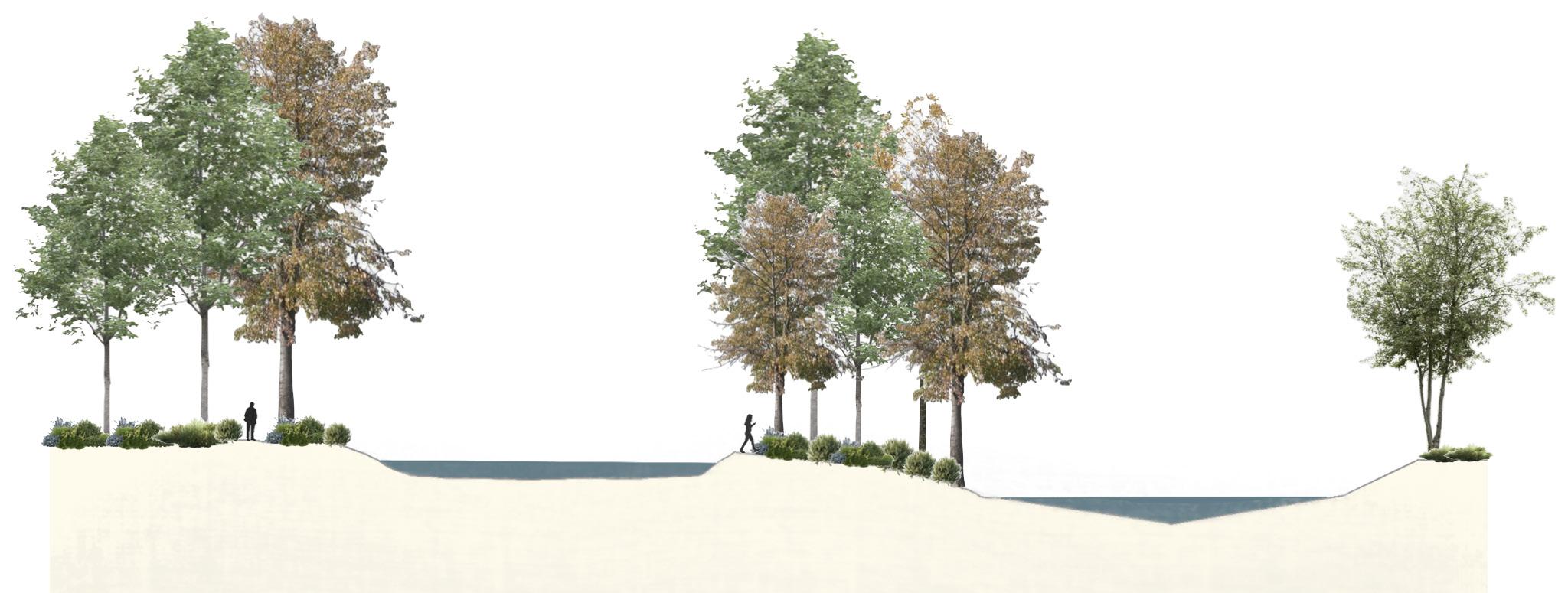
The wetland is a shallow planted basin that filters stormwater, supports native habitat and brings a softer, more natural character to the edge of the Cooks River.
Cooks River is a 23 km tidal river in Sydney, flowing through suburbs like Campsie to Botany Bay. Its banks feature parks, wetlands, and paths, providing habitat for wildlife and spaces for community recreation.
Cooks River
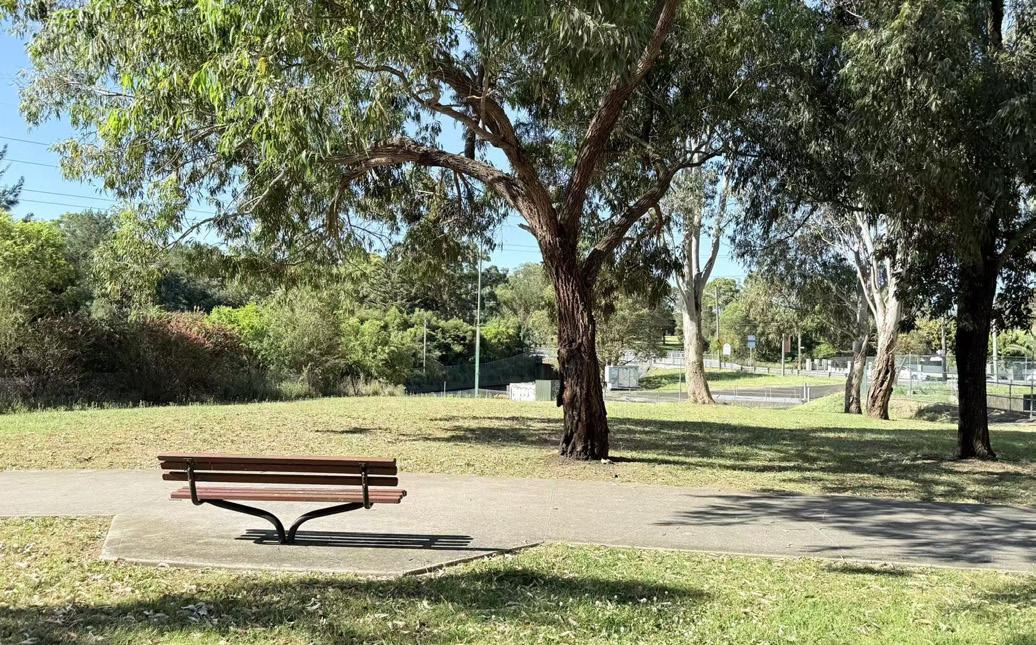
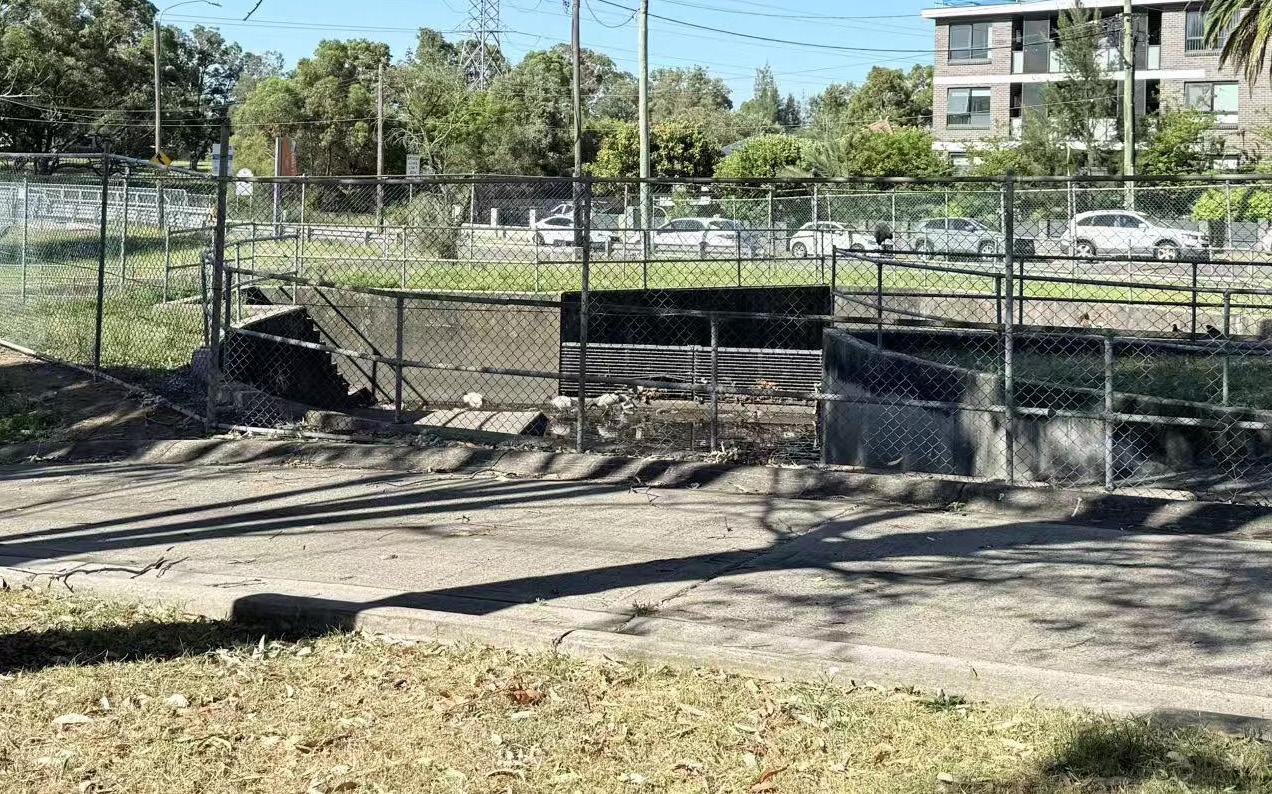
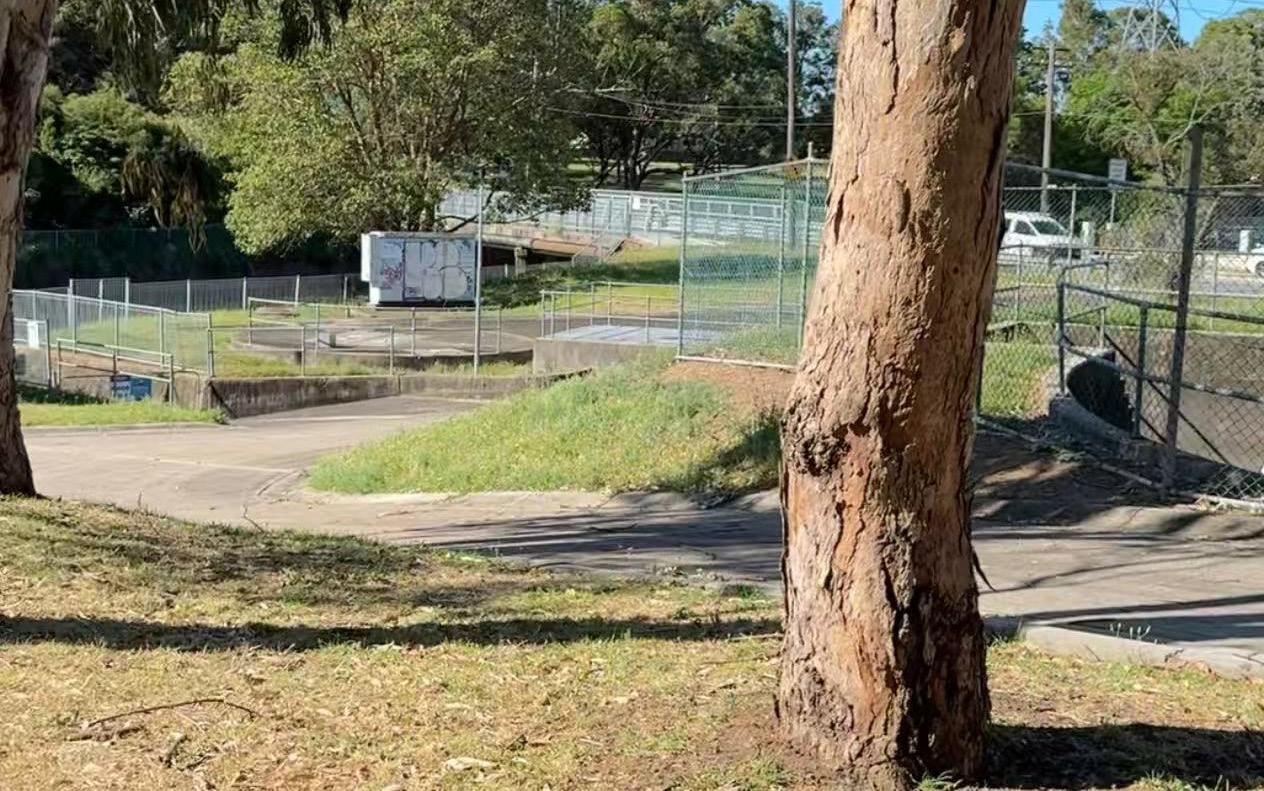
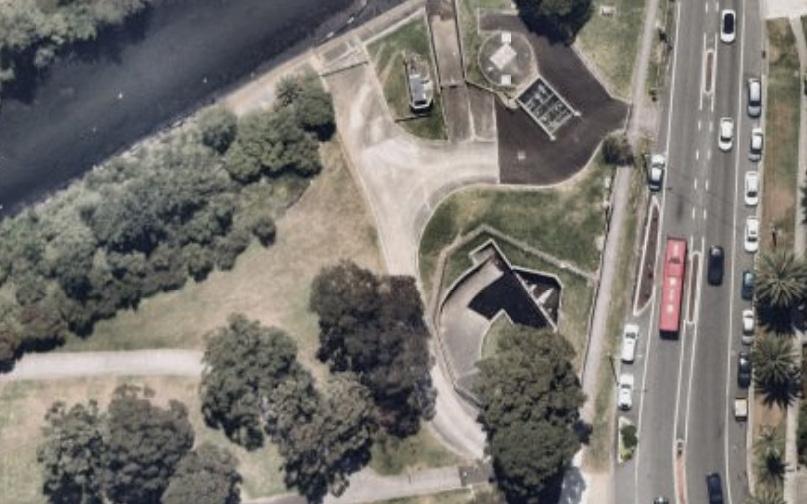
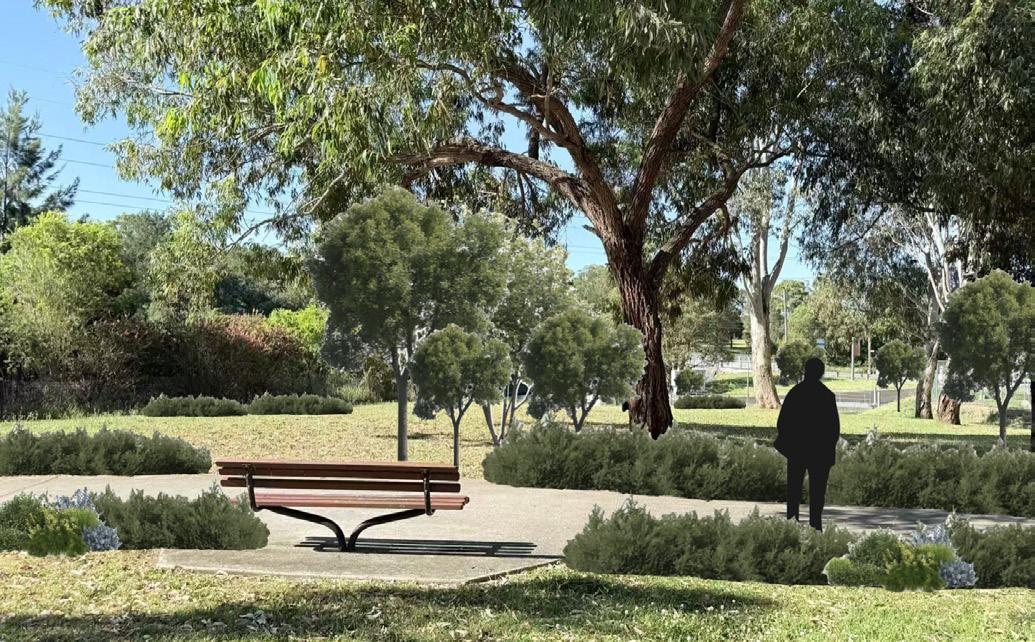
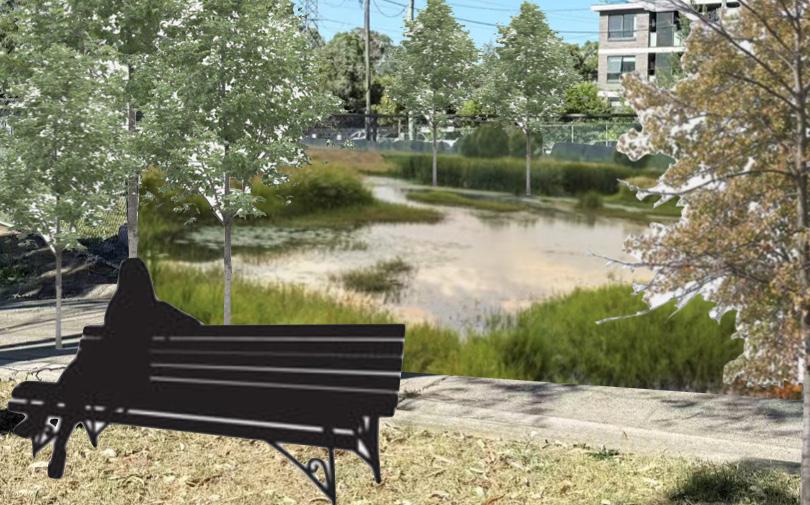
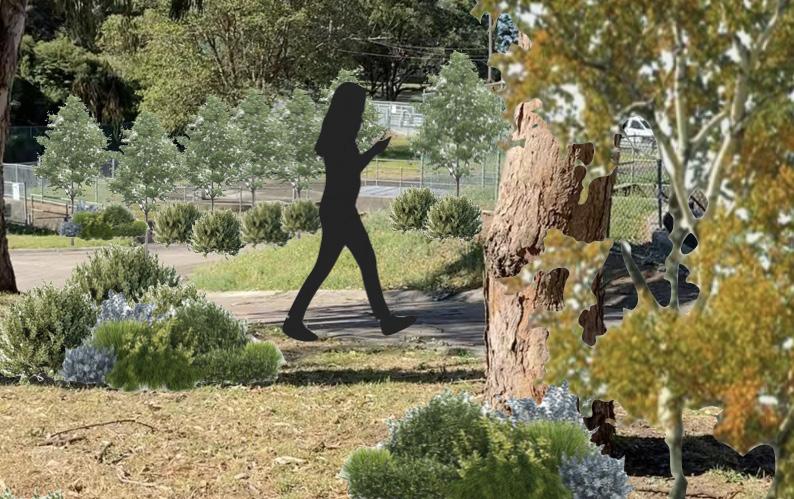
BEFORE & AFTER PHOTO
These before & after photos clearly show the transformation of my site, highlighting the impact of the design and the improvements made through the project. They help communicate how the space has changed and demonstrate the effectiveness of the design decisions. The site originally contained a wastewater filtration pond, which in the new design has been transformed into a wetland that is both visually appealing and still serves its original functional purpose.
PLANTING STRATEGY
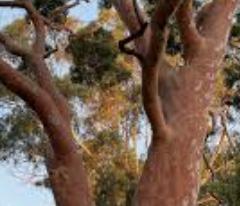
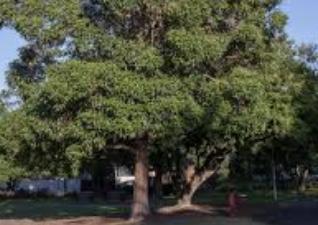
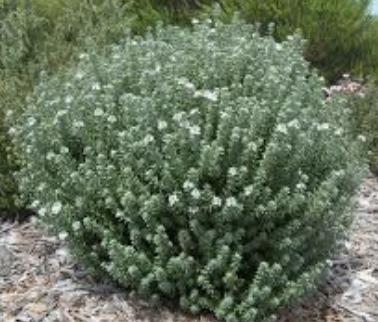
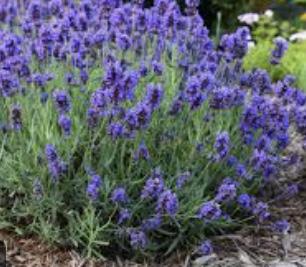
Scientific name: Eucalyptus punctata
Common name: Grey Gum Native Plants
Scientific name: Angophora costata
Common name: Sydney Red Gum Native Plants
Scientific name: Lophostemon confertus
Common name: Brush Box Native Plants
Scientific name: Westringia fruticosa
Common name: Coastal Rosemary Native Plants
Scientific name: Lavandula angustifolia
Common name: Lavender Exotic Plants
PROJECT 02: RE-SHAPING LEPPINGTON
TERM 2, YEAR 3, 2025
LAND2311 Landscape Studio 5
Assessment 3: Landscape Structure Plan
LOCATION:
Leppington, Sydney, Australia
PROJECT INTRODUCTION:
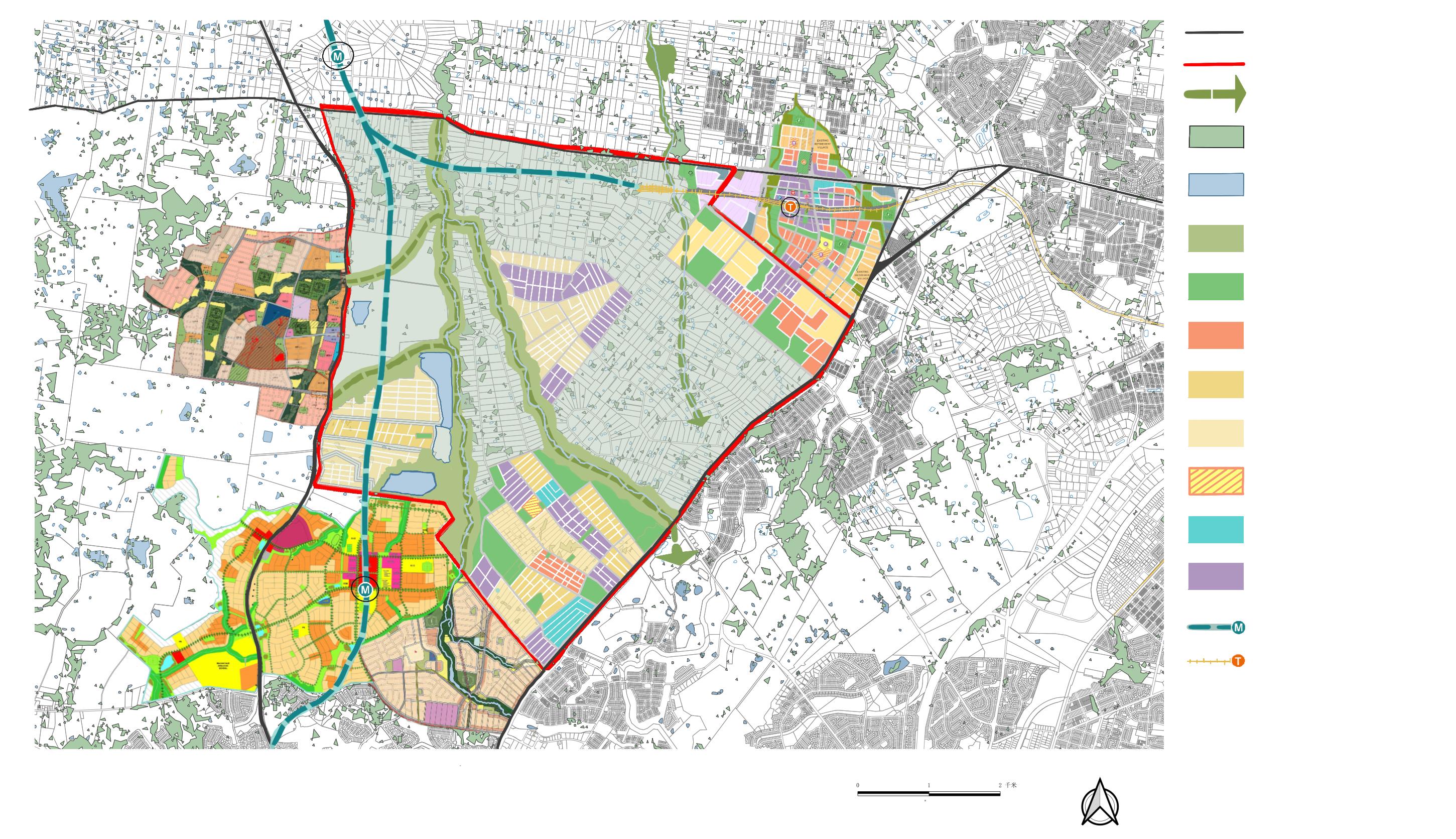
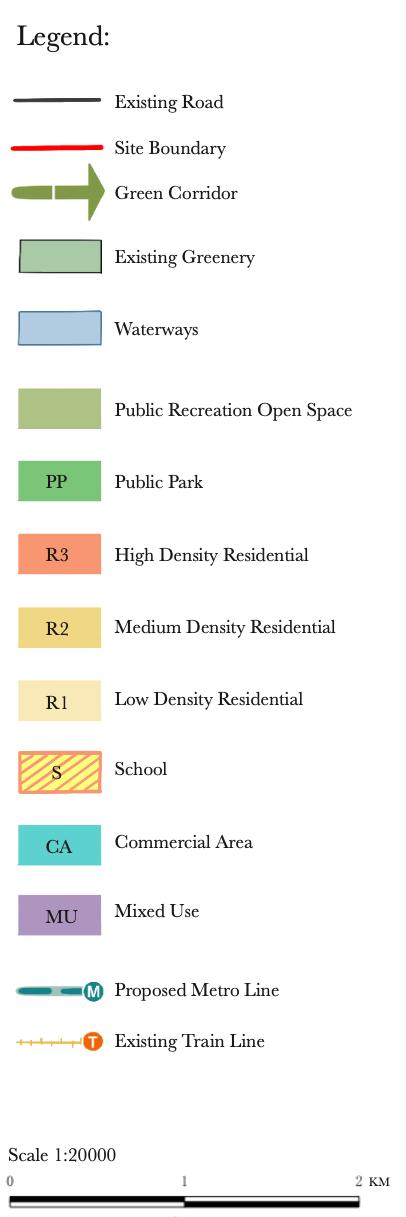
The future development goals of Leppington will aim to be a ‘Green and Walkable’ town, this project combining high density housing, commercial facilities and an abundance of public green space to create a modern town that is suitable to live in. This plan will not only meet the needs of an increasing growing population, but also provide a high quality living environment with a green environment for residents.
OPPORTUNITIES
1. Enhancing Ecological Connectivity
Green corridors support wildlife movement and ecological balance.
2. Promoting Sustainable Urban Development
Urban greening and green infrastructure contribute to reduced carbon emissions and healthier ecosystems.
3. Enhancing Residents’ Quality Of Life
By increasing green space and parks, the plan improves urban living conditions and offers a healthier, more pleasant environment.
4. Accommodating Population Growth
High-density housing and commercial facilities help meet the needs of a growing population.
CONSTRAINTS
1. Land Use Conflicts
Competition between high-density development and green space preservation may create land use tension.
2. Climate Change Uncertainty
Climate variability may hinder the success of green planting and ecological stability.
3. Limited Funding And Resources
Sustaining investment and maintenance of green infrastructure may be financially challenging.
4. Tension Between Agricultural Preservation And Urban Expansion
Balancing the preservation of agricultural land with urban growth presents planning and policy challenges.
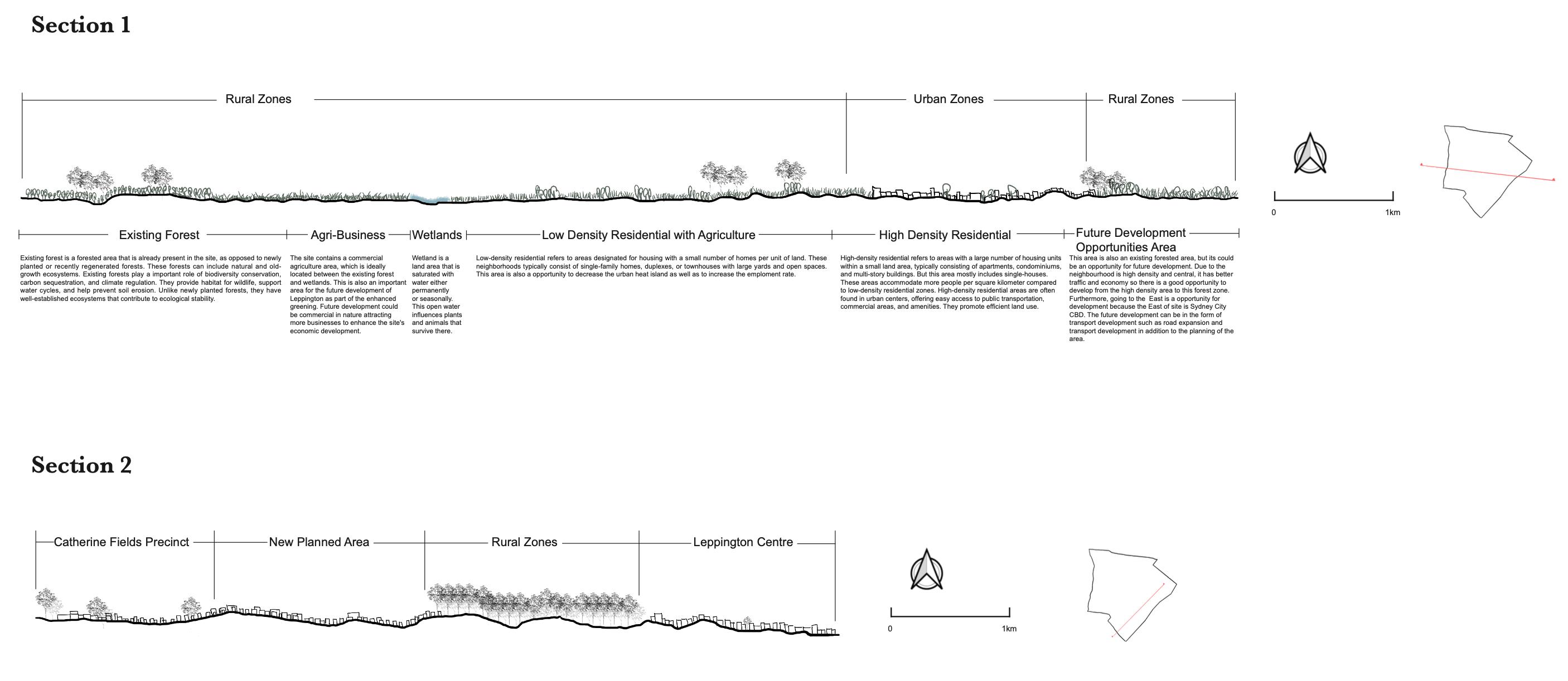
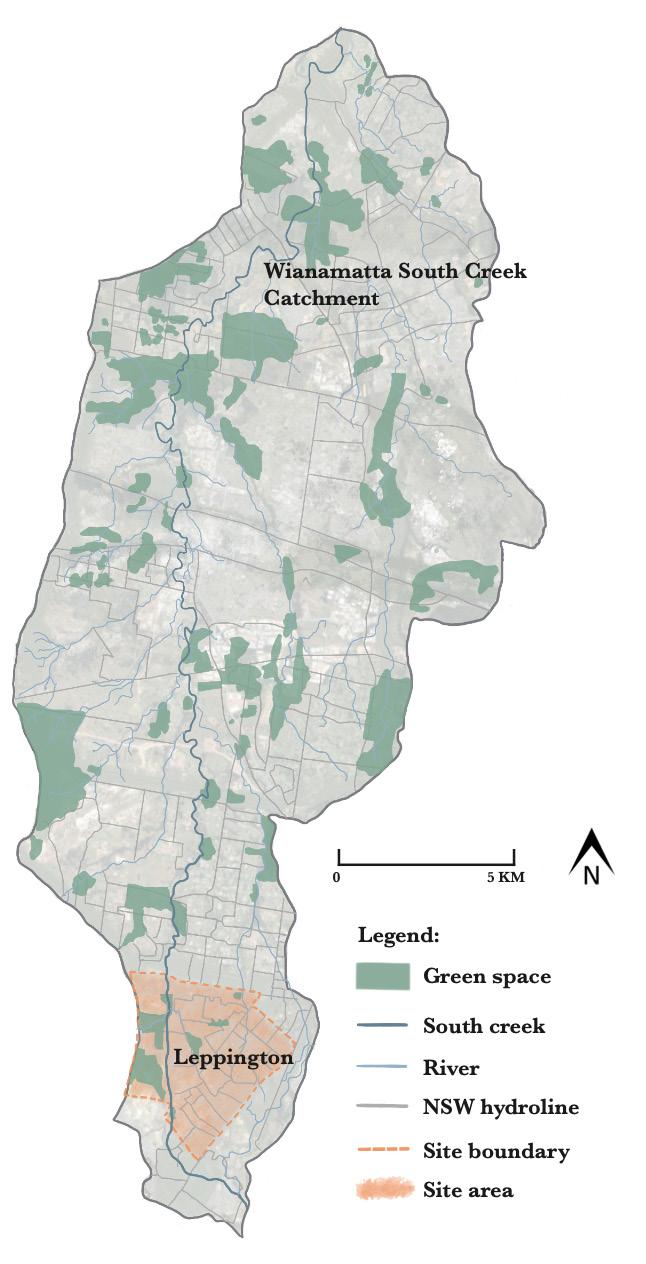
REGIONAL AND LOCAL CONTEXT PLAN
CLIMATE AND WEATHER PLAN
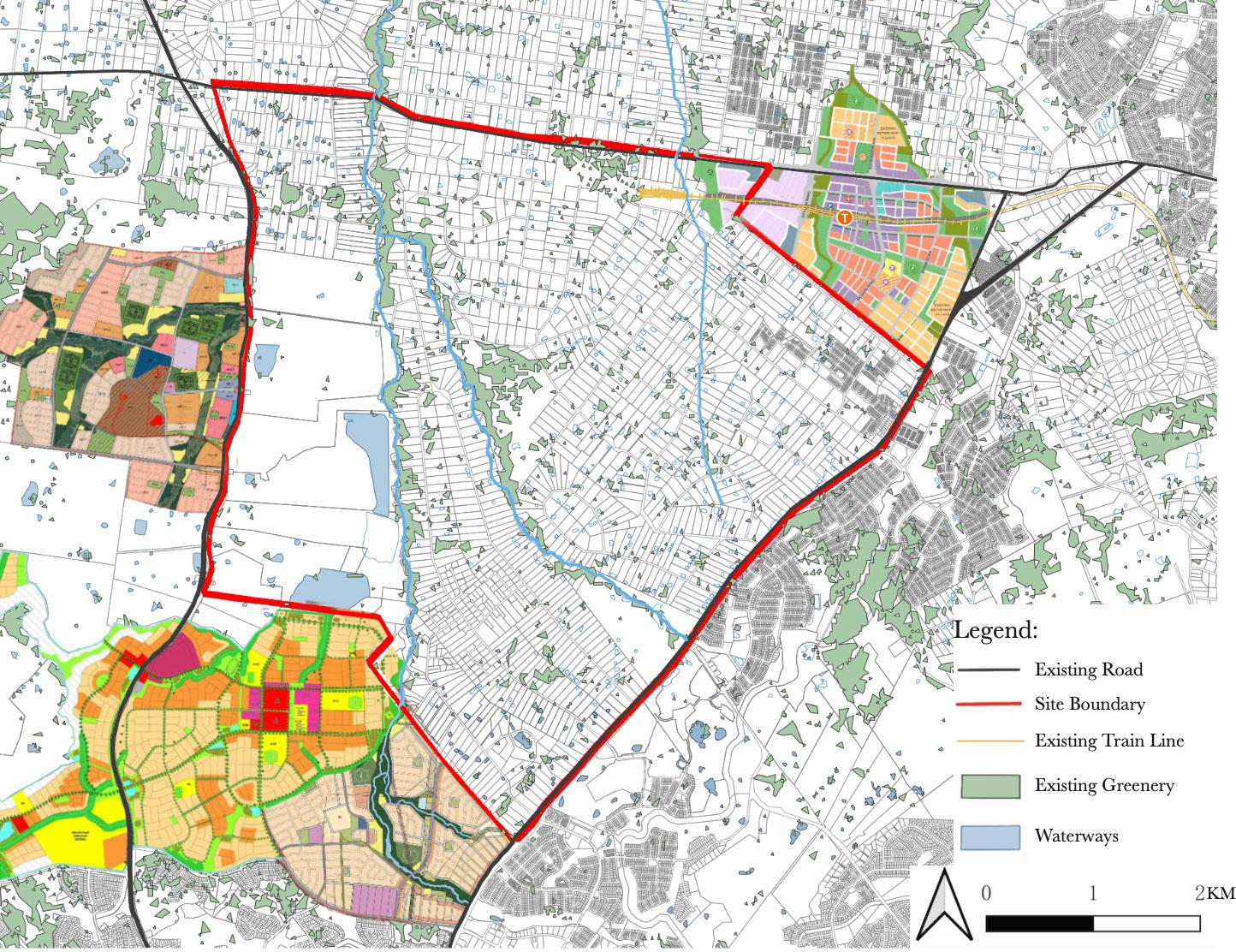
The site development enhances ecosystem services by preserving natural waterways, creating green corridors, and expanding urban forests. These elements support air purification, water filtration, climate regulation, and biodiversity. Community parks and green spaces also provide recreational, cultural, and mental health benefits for residents.
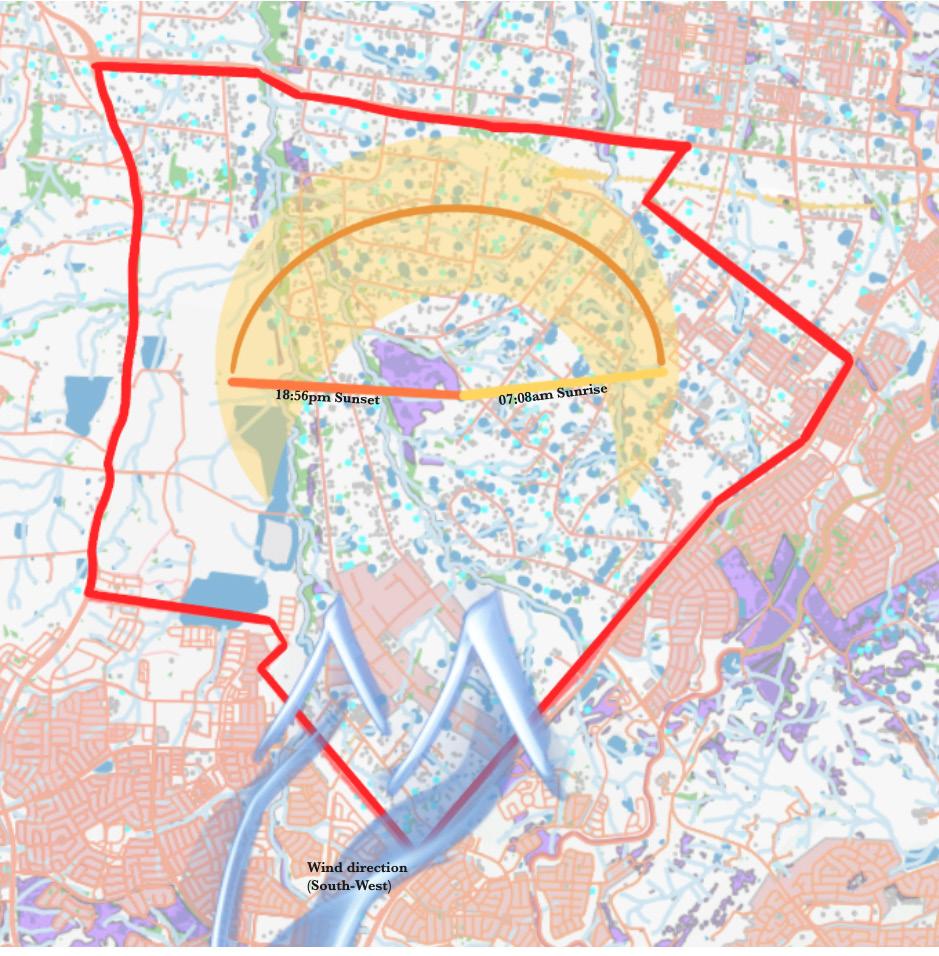
The site future development incorporates climate action at its core by promoting green infrastructure, enhancing urban vegetation, and integrating sustainable land use practices. By planting large trees along roads and between buildings, the town not only regulates temperature through natural shading but also improves air quality and carbon sequestration. The structure plan to protect agricultural land and develop green corridors along waterways strengthens biodiversity in the face of climate change.
CONCEPT MASTERPLAN
PROJECT 03: GREENING LEPPINGTON
Building a Sustainable and Equitable Future
Developing a Materplan of the Site
TERM 2, YEAR 3, 2025
LAND2312 Landscape Studio 6
Assessment 1: Concept Masterplan
LOCATION:
Leppington, Sydney, Australia
PROJECT INTRODUCTION:
This project start with ‘GOALS AND STRATEGIES’
The future development goals of Leppington will aim to be a ‘Green and Sustainable’ town, combining high density housing, commercial facilities and an abundance of public green space to create a modern town that is suitable to live in. This plan will not only meet the needs of an increasing growing population, but also provide a high quality living environment with a green environment for residents.
Strategies in structure plan-- Green Infrastructure & Urban Greening and Leppington Parks and Green Spaces Development
Developing in materplan-- Focus on local parks, recreational green space and green corridor as well as different types of streets of roads.



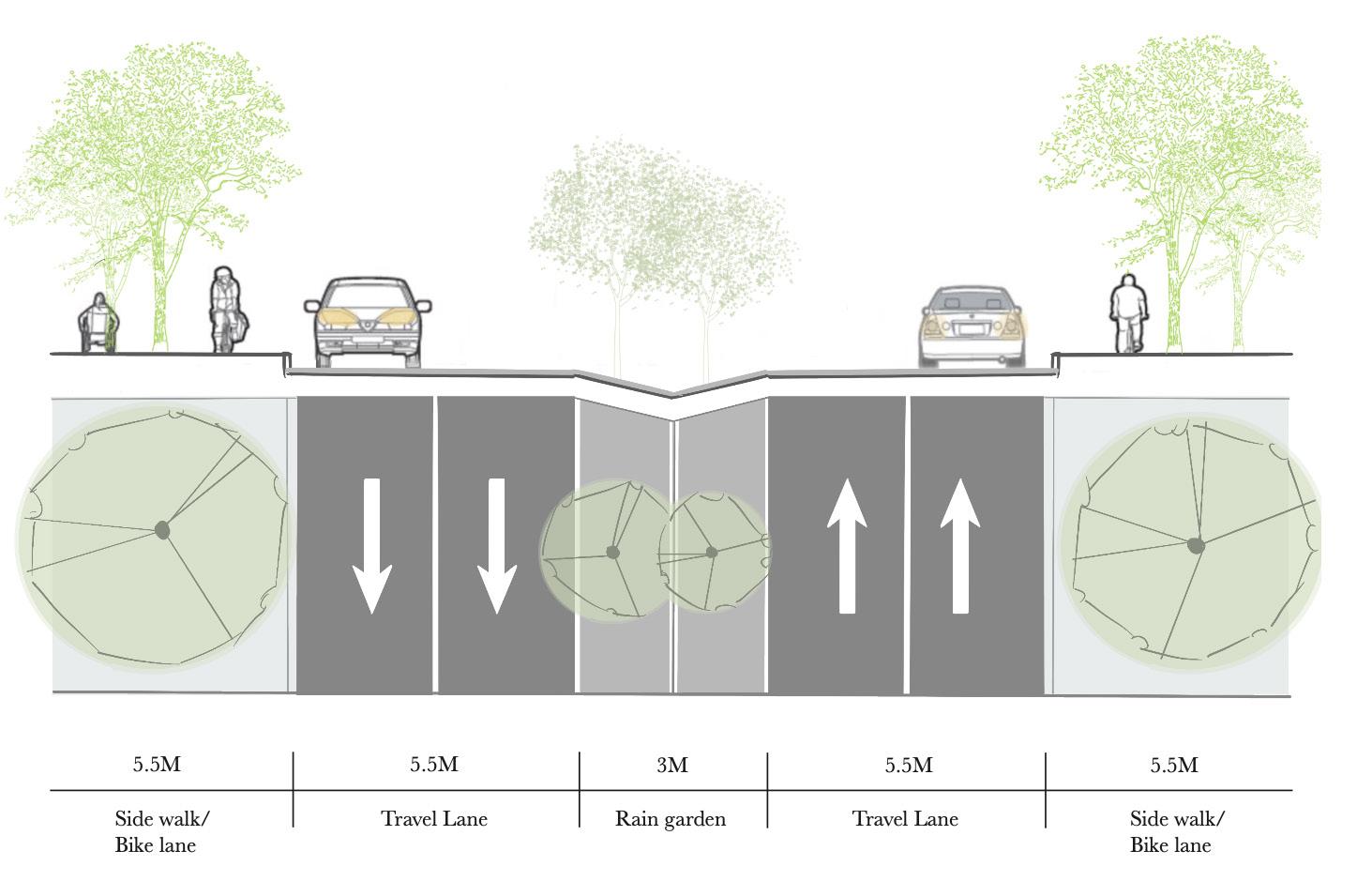
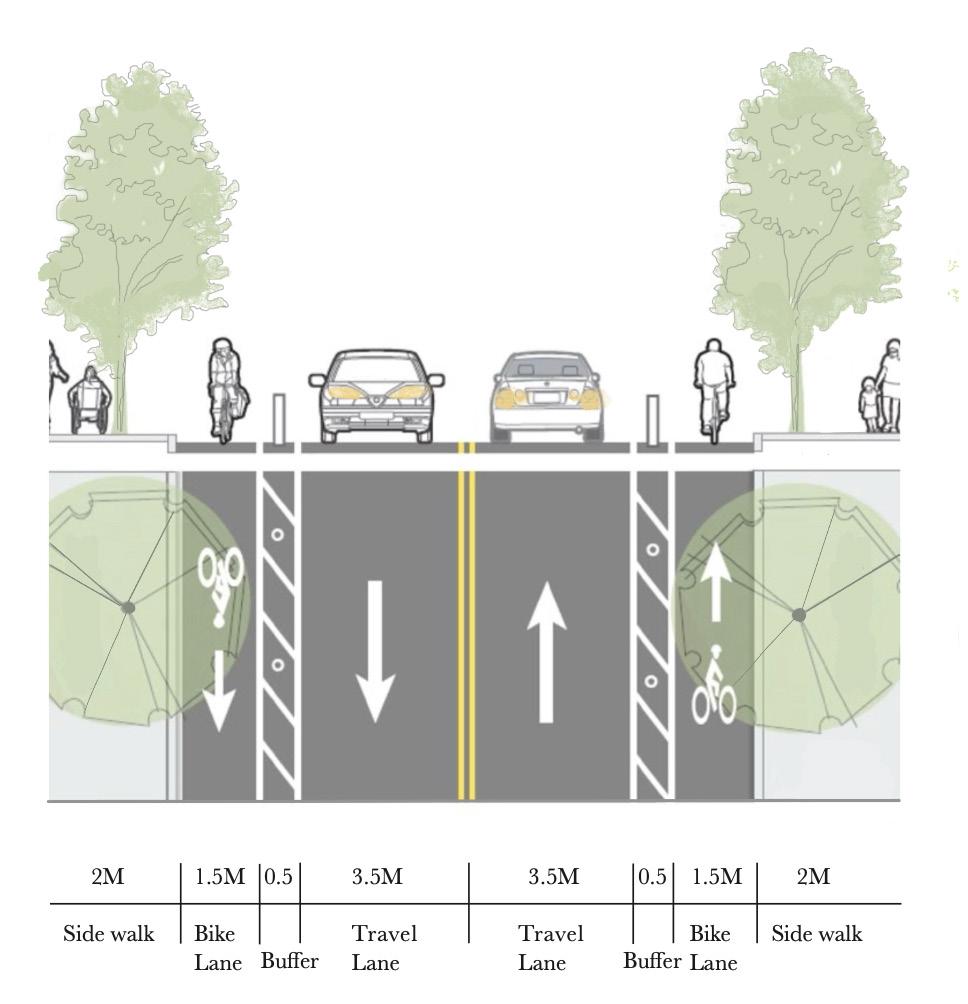
CONCEPTUAL SECTIONS
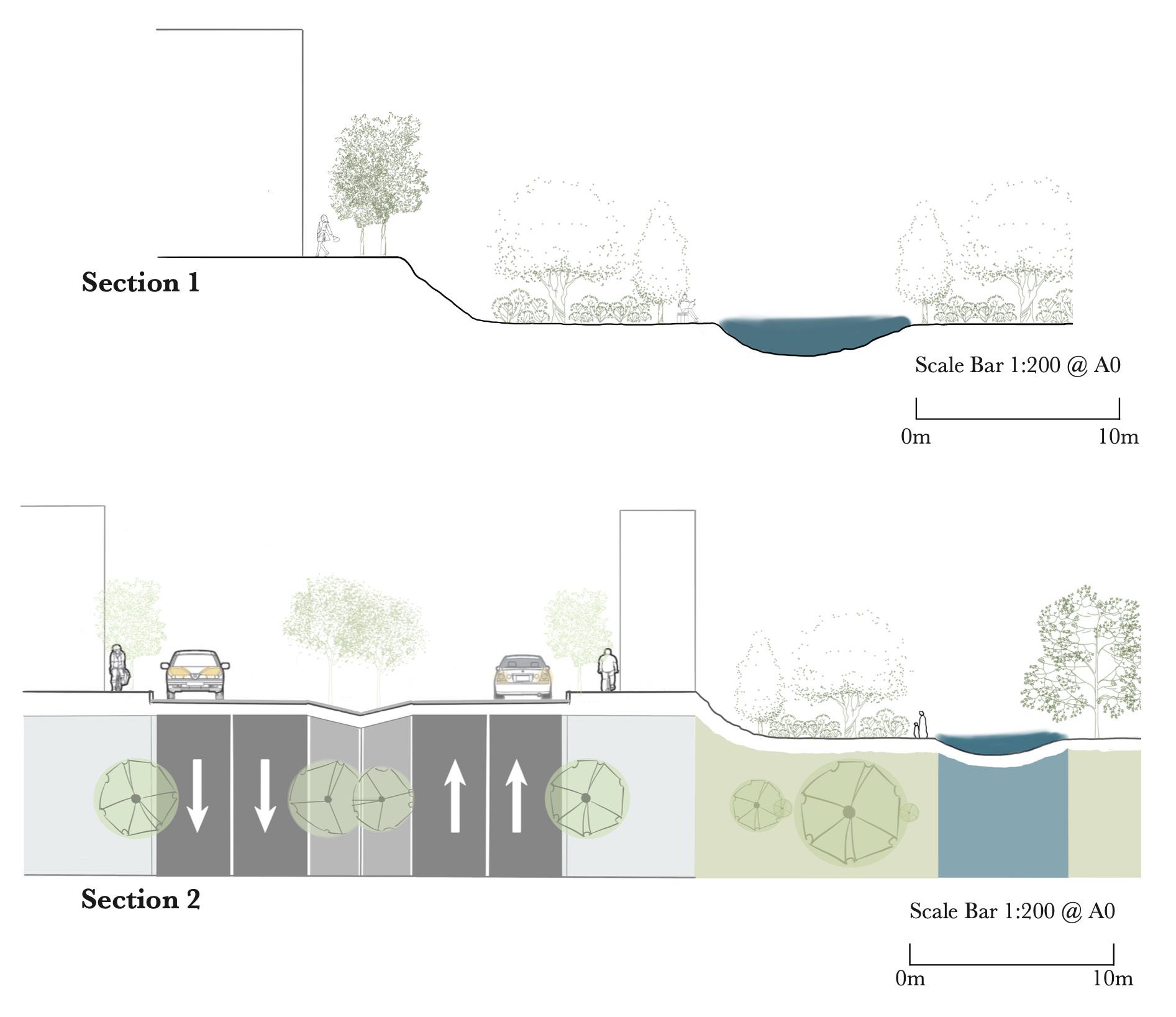
This concept section represents the initial vision for the future street design and forms an essential stage in the development of the final proposal. It outlines the foundational ideas that guide the project and demonstrates the progression from broader planning intentions to more detailed spatial resolutions. By presenting early explorations of street layout, circulation, planting structure and user experience, this section highlights the key design elements that will later be refined and integrated into the final streetscape design.
SITE ANALYSIS
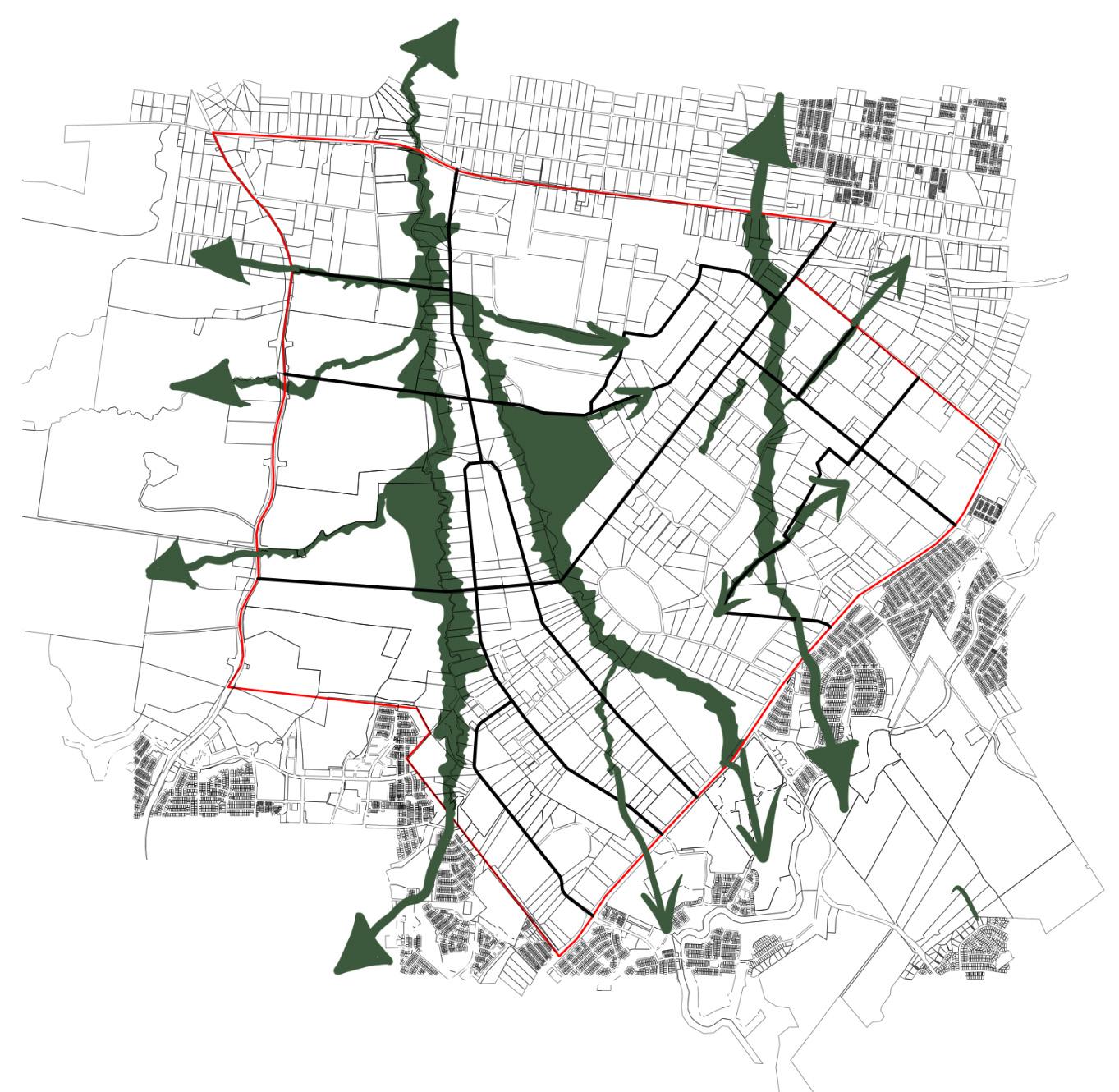
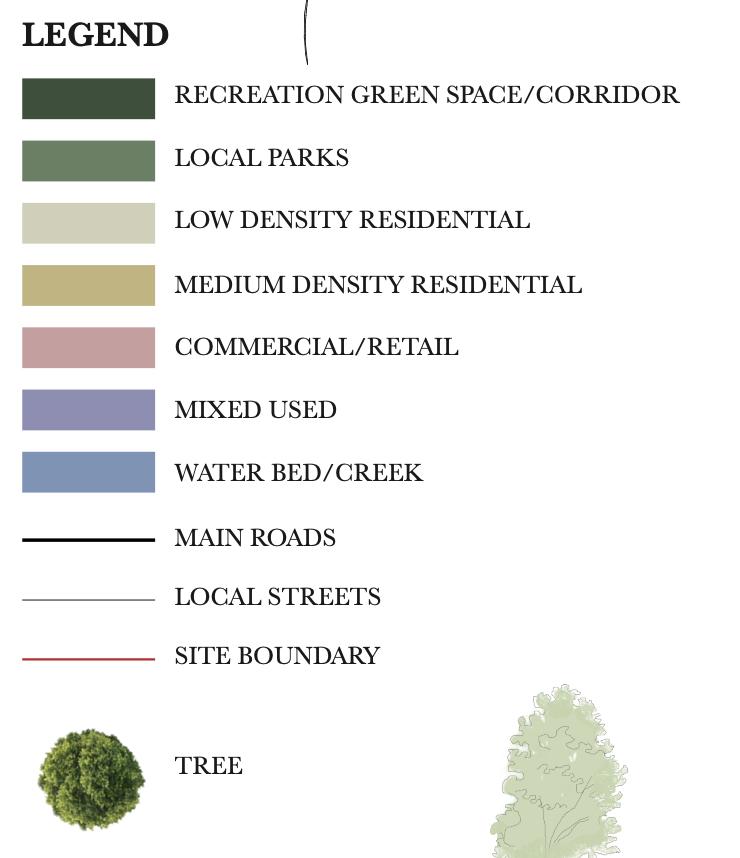
Recreation green corridor/space could be expand from the site. Natural forests and ecological reserves remain in their original locations, which indicates that while creating new plans, ecological resources should be protected.
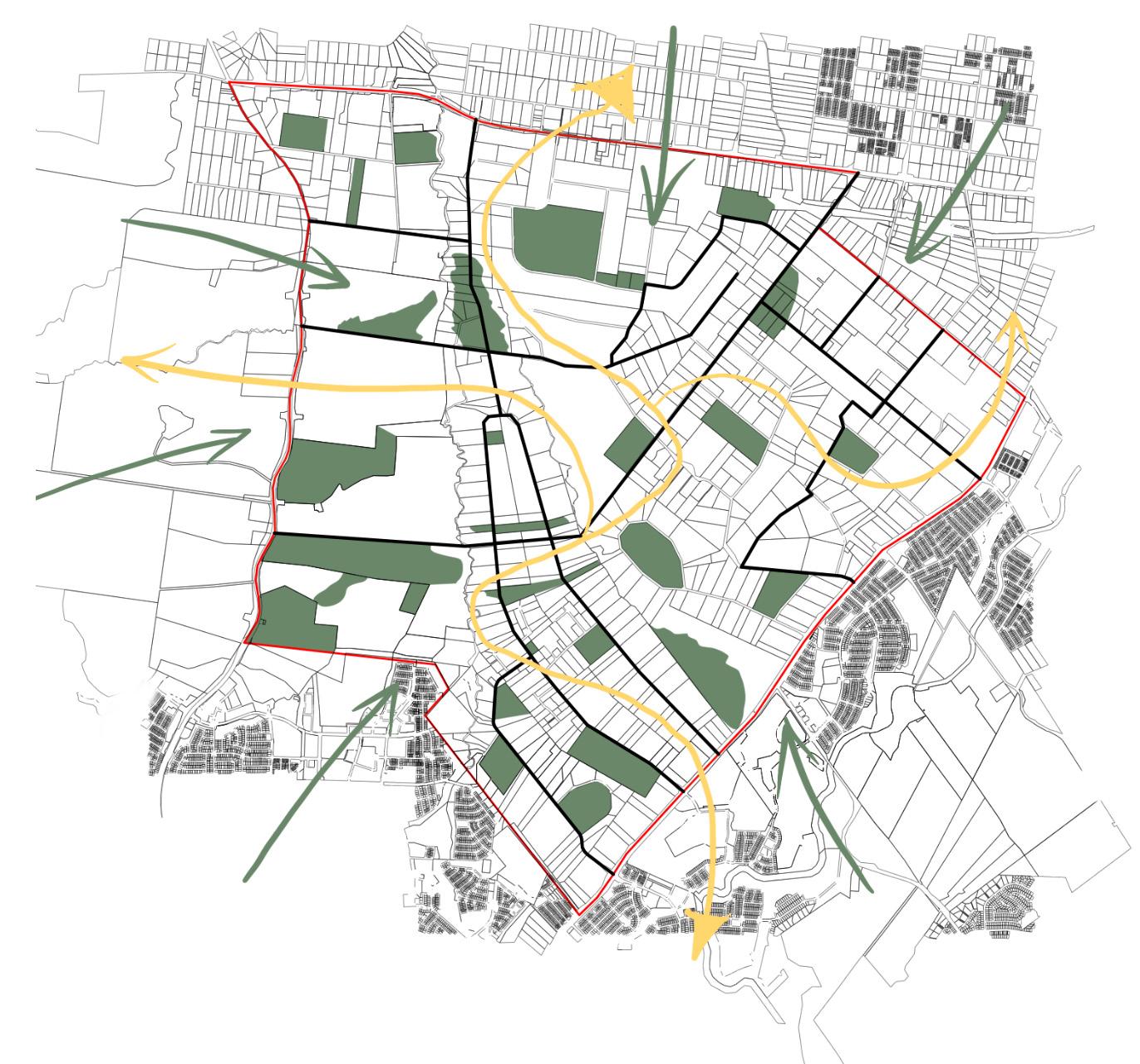
Local parks are evenly distributed throughout the site, and the yellow arrows indicate that residents can walk from one park to another. This emphasises the connectivity of each park.
SITE ANALYSIS
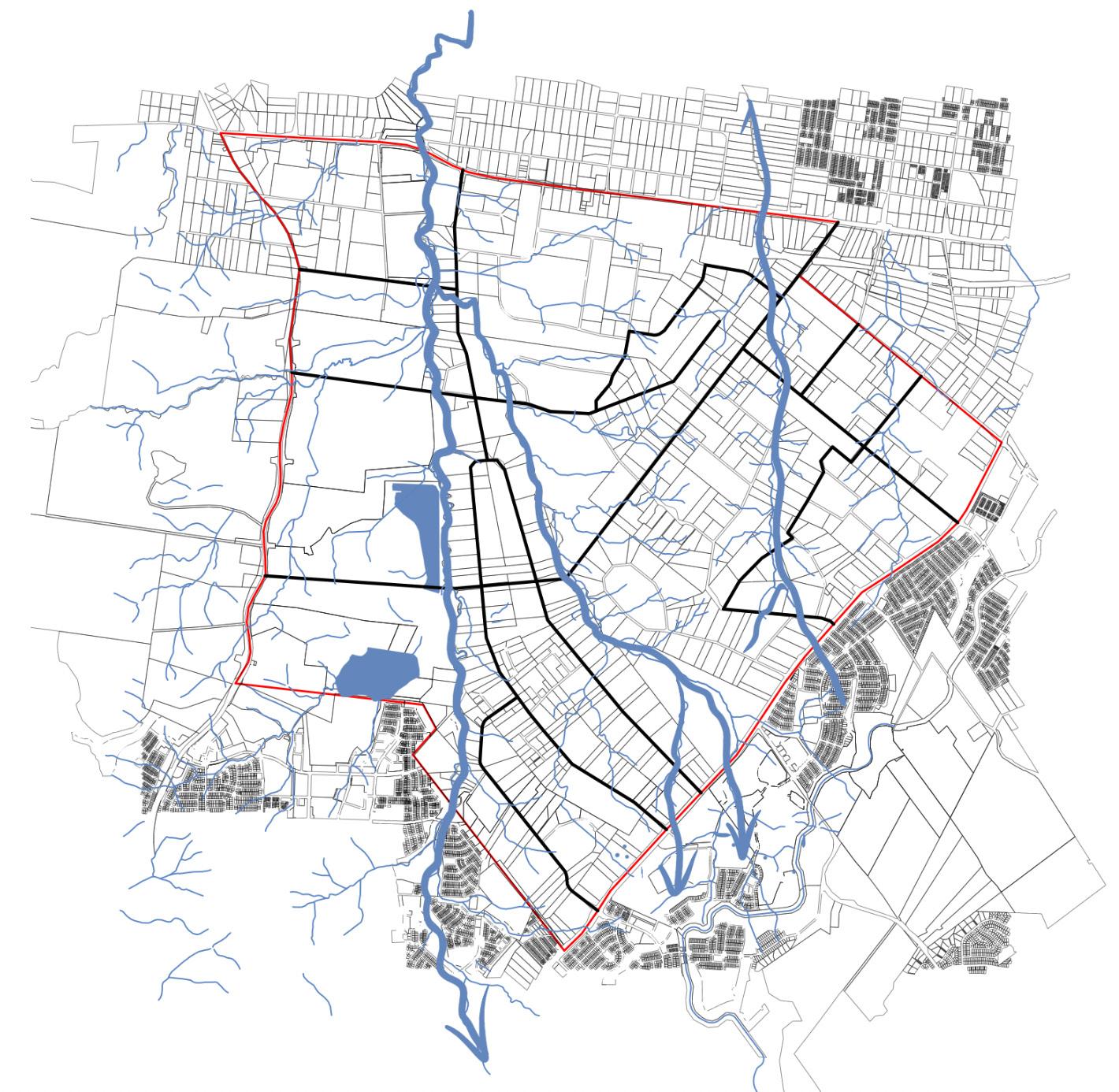
The thicker blue line in the picture represents the main South Creek. In my design, I have retained both the creeks and the water beds. However, in the masterplan, I did not mark the surrounding smaller rivers or watersheds because it was to better showcase the park and other design.
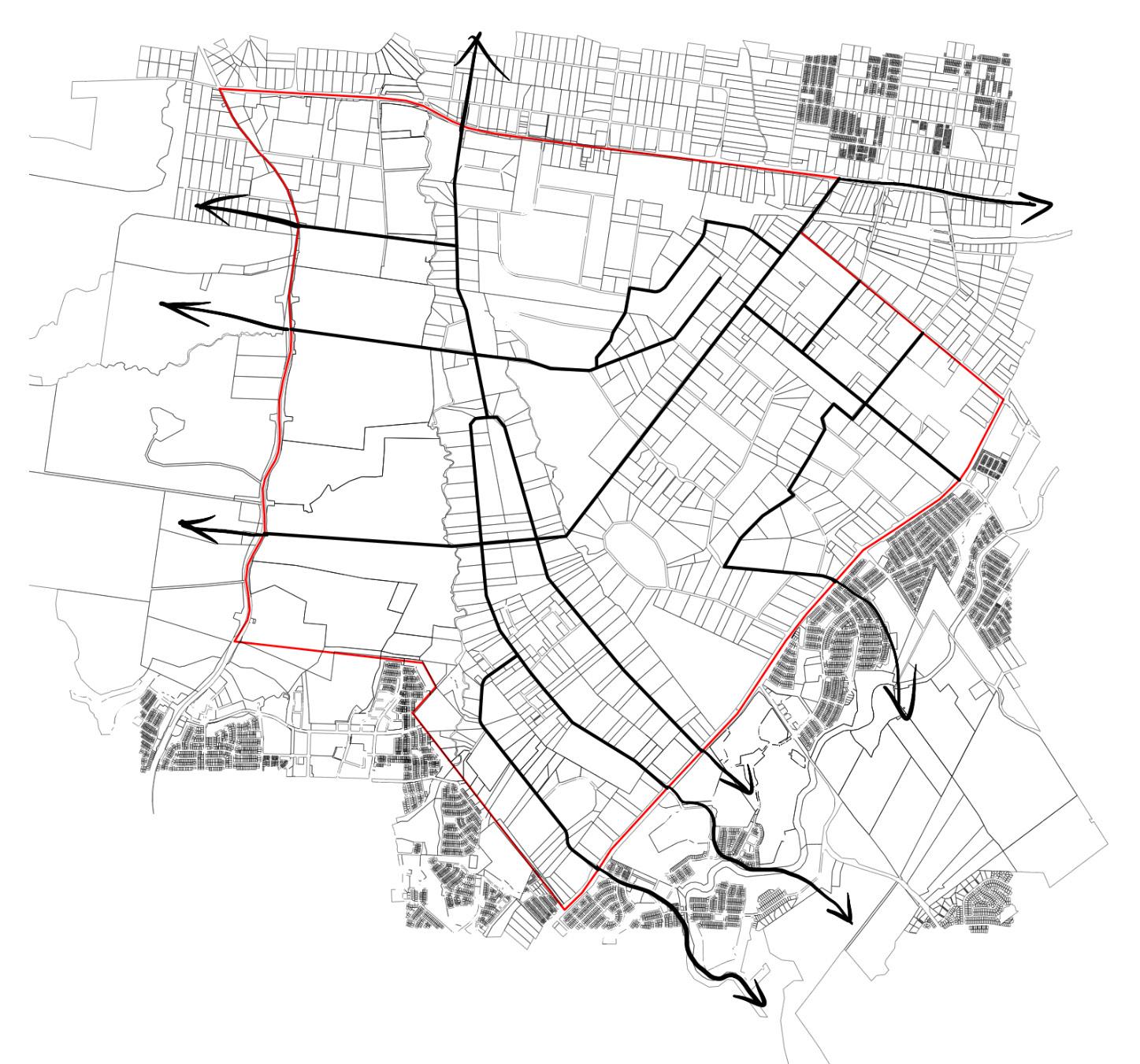
The road layout was designed based on the original plan and then modified. The new main roads are evenly distributed and connected with the side roads and small streets. This reflects the significance and convenience of the future development of the road.
PROJECT 04: DESIGNING GREEN FUTURES
Community Park Masterplan
TERM 2, YEAR 3, 2025
LAND2312 Landscape Studio 6
Assessment 3: A Masterplan for Leppington
LOCATION:
Leppington, Sydney, Australia
Town Centre Focus Site
PROJECT INTRODUCTION:
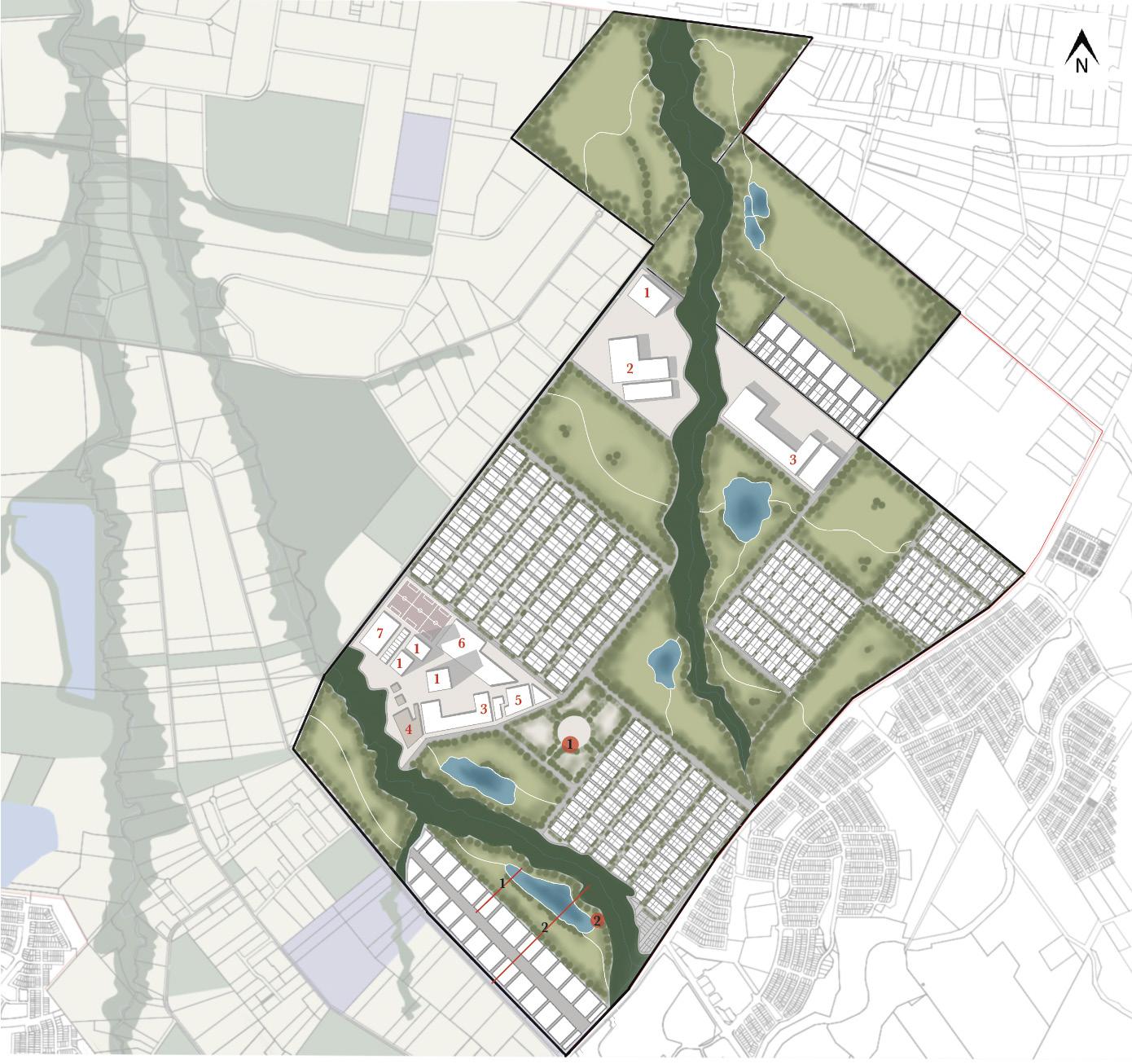
In this studio 6 final project, the future design of Leppington will focus on creating a green, inclusive, and vibrant town. New parks will include water ponds that not only beautify the environment but also support local biodiversity and provide spaces for leisure and relaxation. Streets will be designed for easy travel, with safe walking paths, bicycle lanes, and optimized greenery along the roads to bring shade awnd comfort. A cultural exchange center will be built to encourage communication and understanding between different communities. The town will aim to create an inclusive society, where people from all backgrounds can live, interact, and share a high-quality lifestyle together.
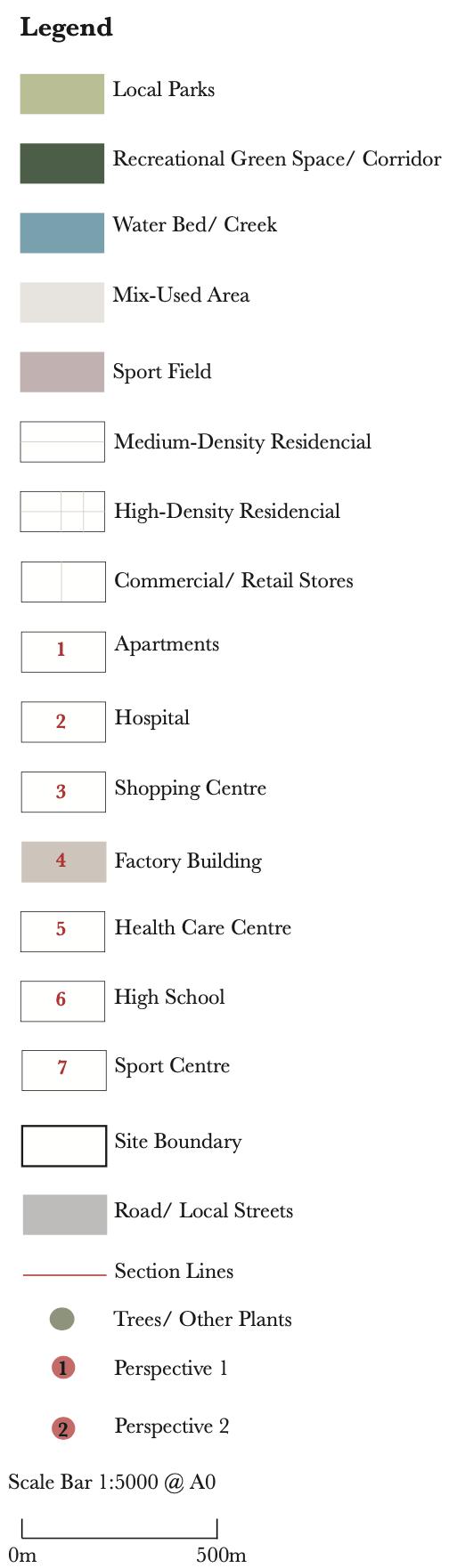
FOCUS SITE MASTERPLAN
DESIGN PRINCIPLES
Water and Ecology
--Integrate water ponds into new parks to beautify the environment, support biodiversity, and provide spaces for leisure.
Green and Accessible Streets
--Design streets with safe pedestrian paths and bicycle lanes, while enhancing greenery along the roads to create shade and comfort.
Inclusive Society
--Create inclusive public spaces that allow people from diverse backgrounds to live, interact, and share a high-quality lifestyle together.
Cultural Exchange
--Develop a cultural exchange center to promote interaction and understanding among different communities.

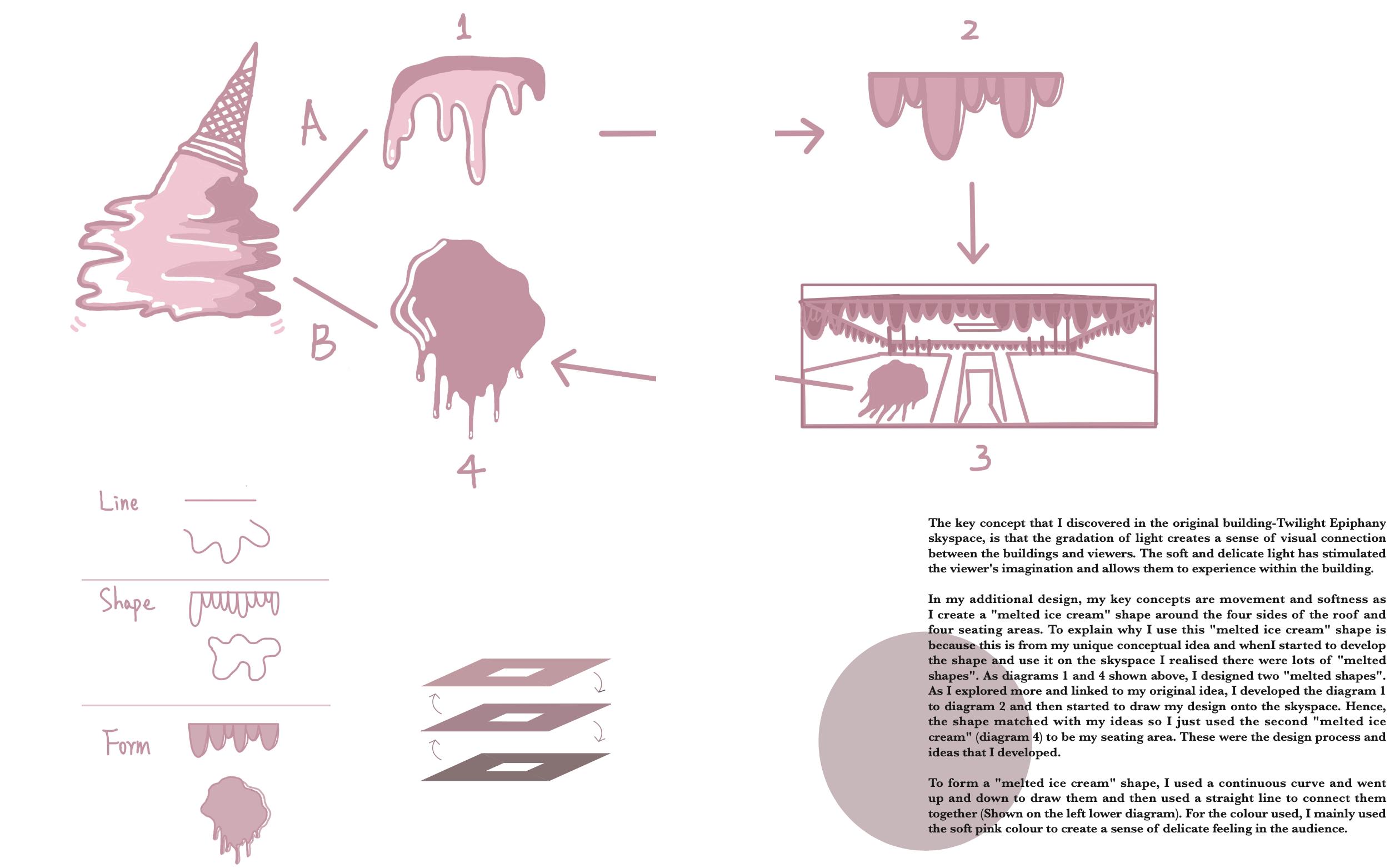
CONCEPT DIAGRAMS
PROJECT 05: PASSAGE OF TIME
TERM 2, YEAR 1, 2023
DIPLOMA OF ARCHITECTURE
DPDE1005: Composition And Modelling
LOCATION:
‘Twilight Epiphany skyspace’ , California, America
PROJECT INTRODUCTION:
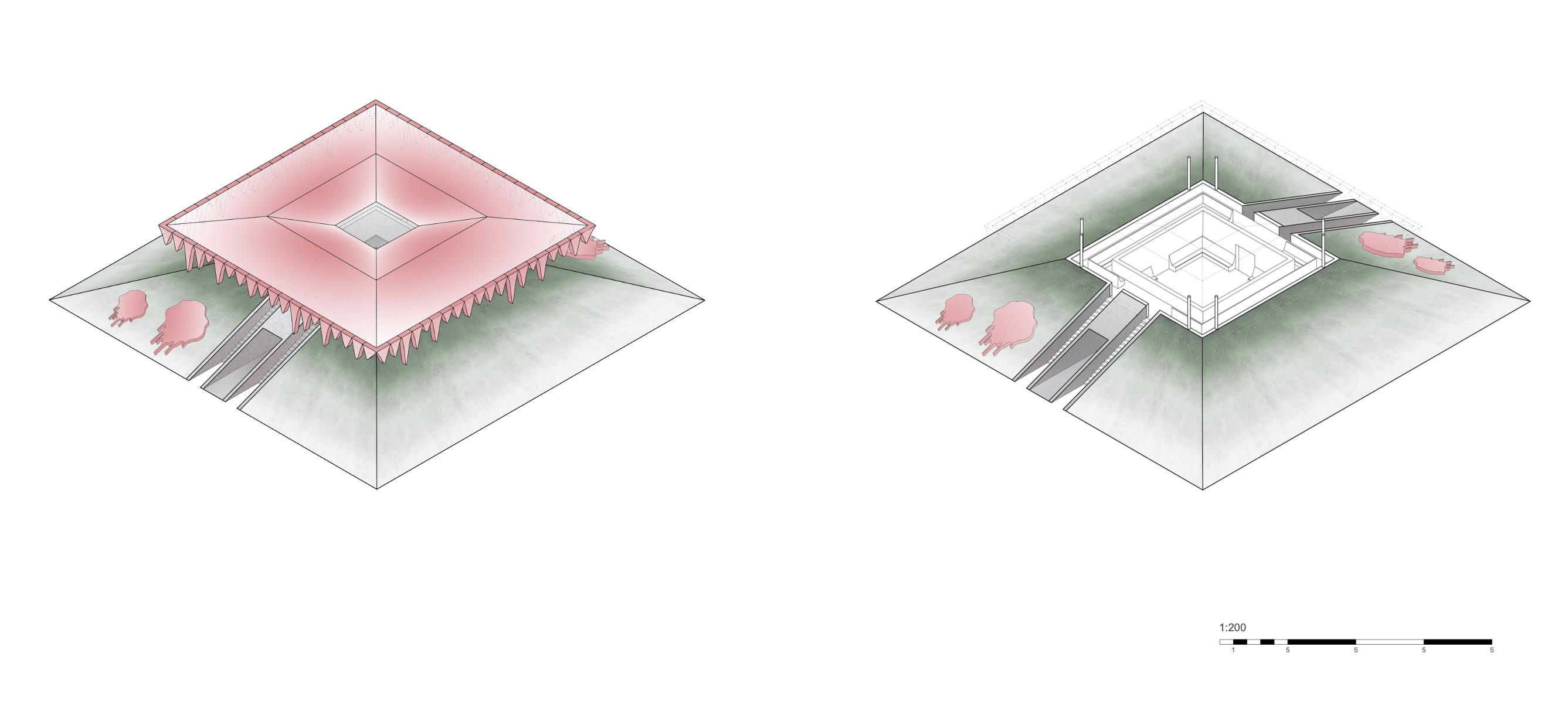
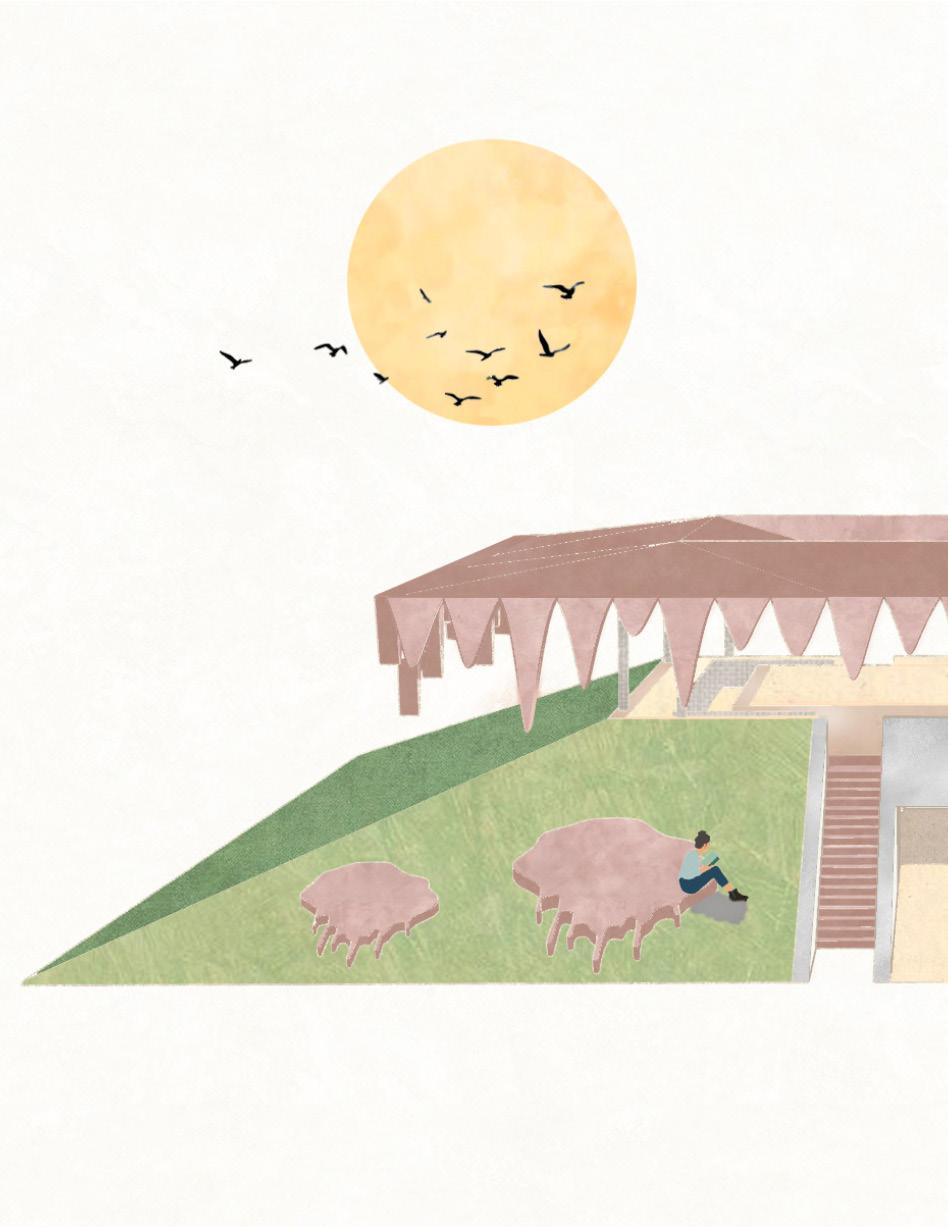
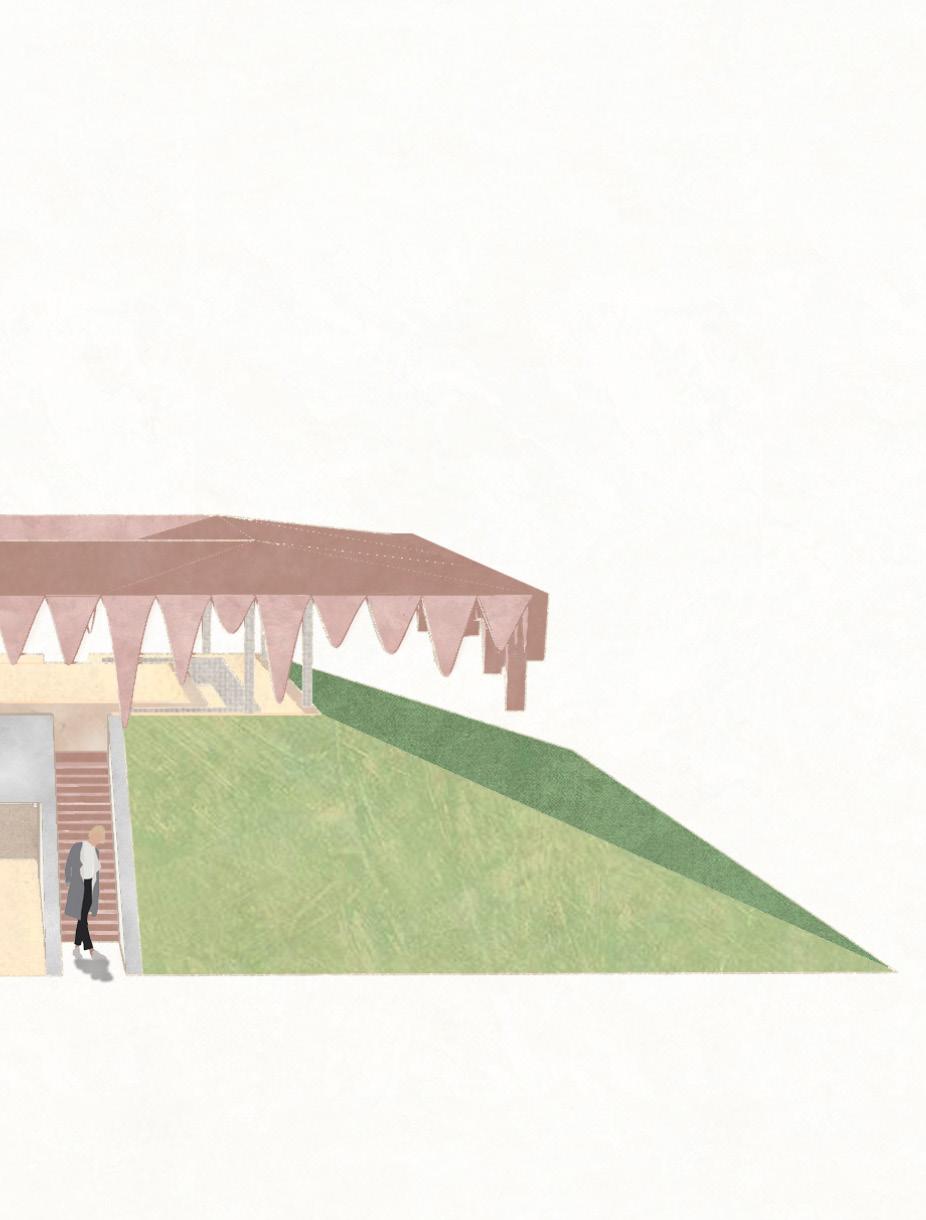
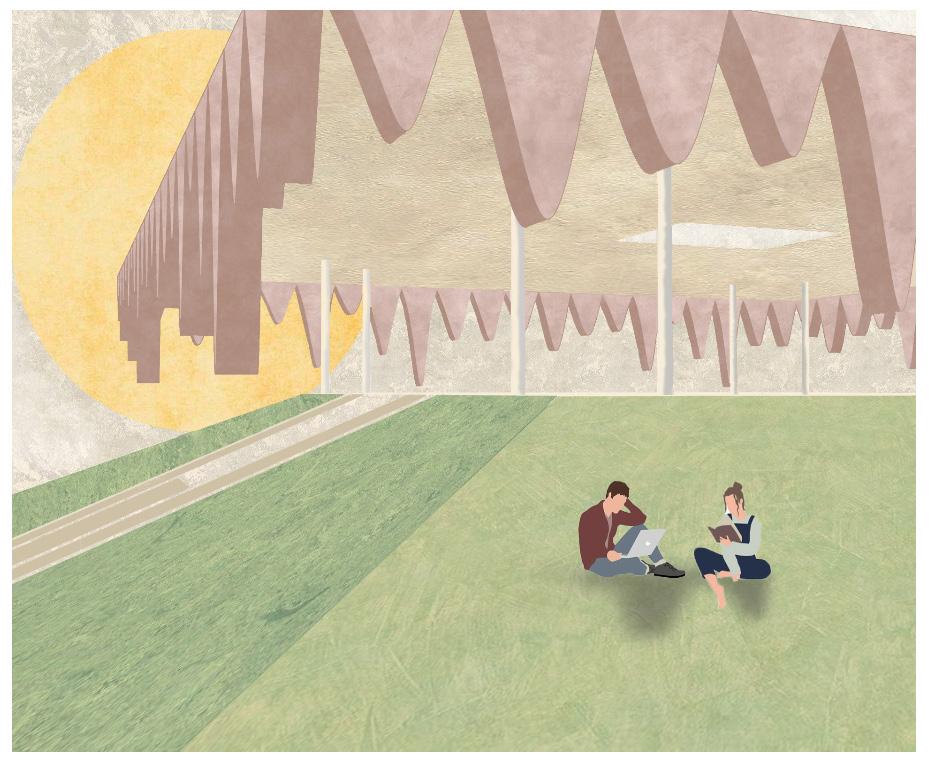
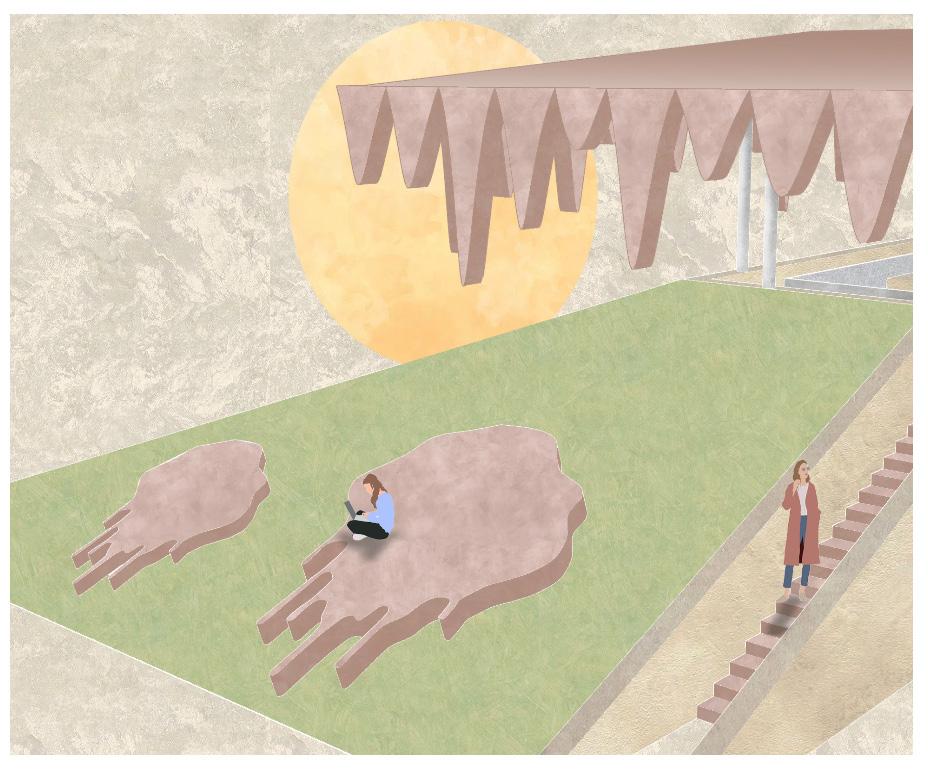
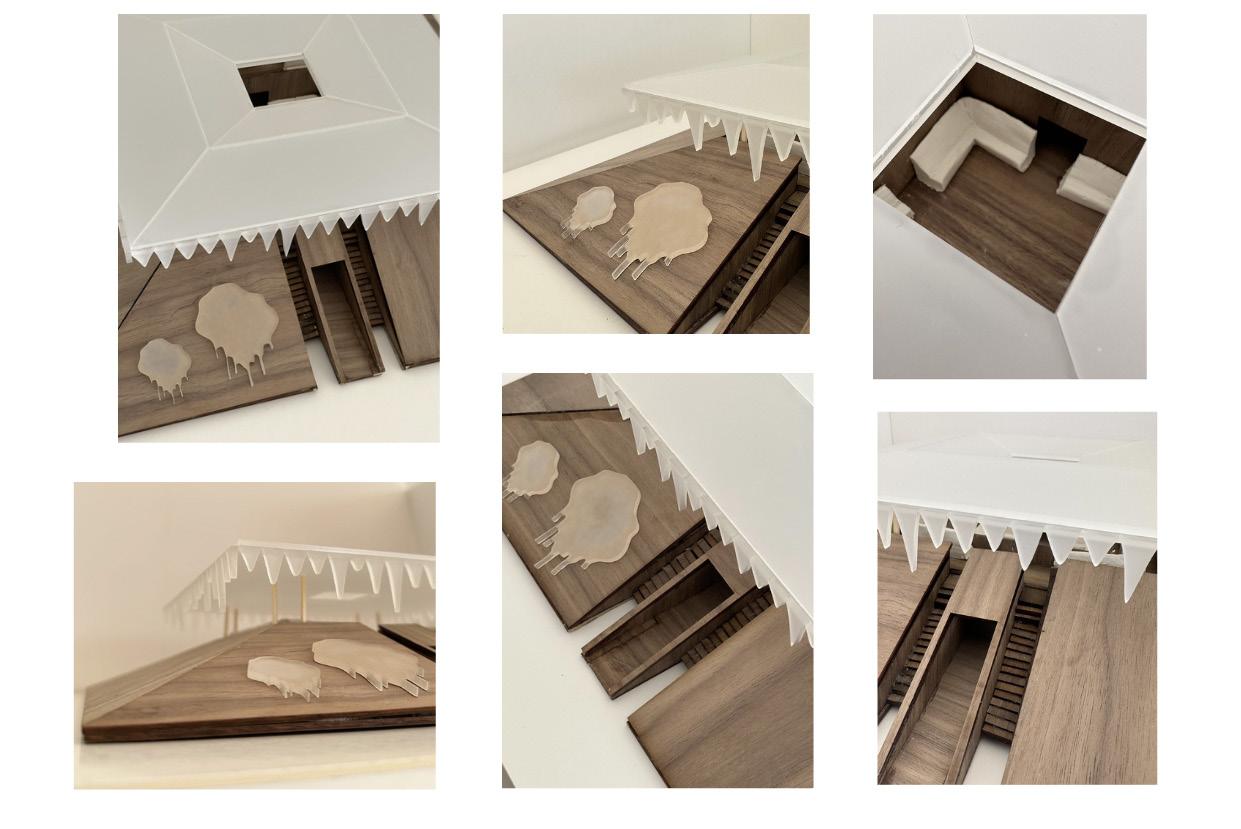
In this DPDE1005 final project, we aim to redesign ‘Twilight Epiphany skyspace’ in California, America. Twilight Epiphany skyspace is located in Rice University in Houston, America. The size of Twilight Epiphany skyspace is 5184 square feet. James Turrell has explored the light and played with the light within the pavilion. He was interested to explored light for personal introspection and all of his work were focus on the light. This skyspace was his signature work and he has choose a best place for this building to built and attract many people to visit.
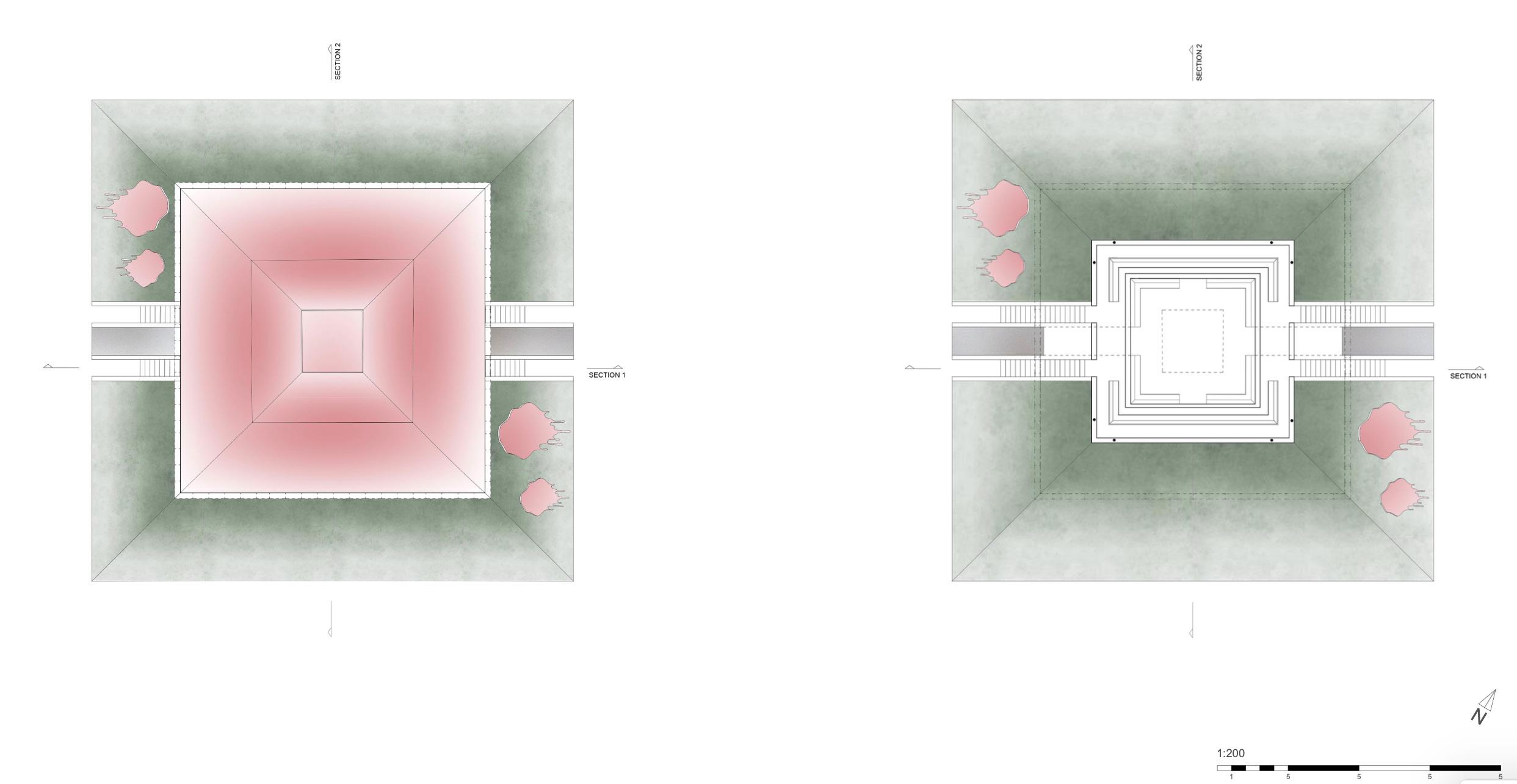
PLANS
SECTIONS
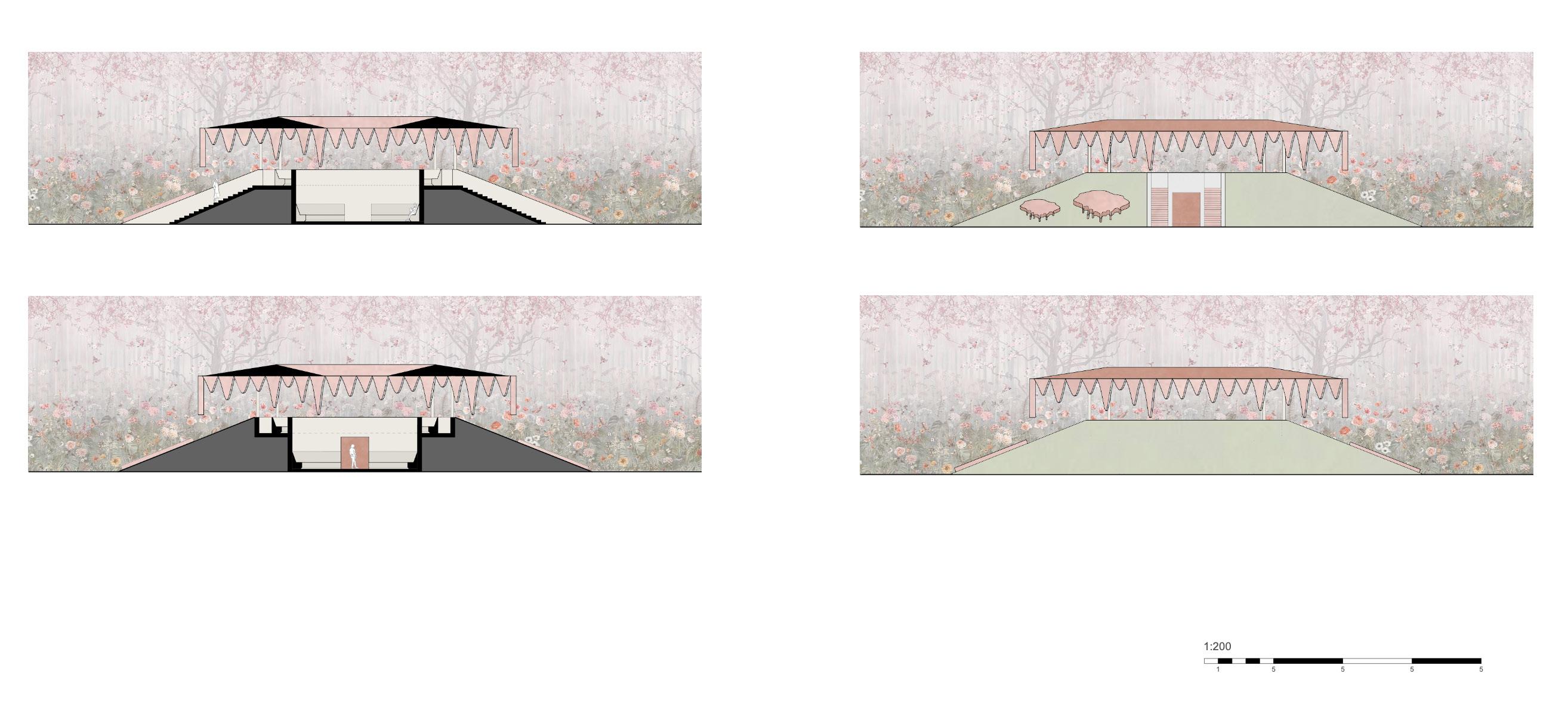
ELEVATIONS
PERSPECTIVES
MODELING
CONCEPTUAL PALETTE

MATERIALS AND FINISHES PLAN
PROJECT 06: LANDSCAPE DOCUMENTATION
TERM 1, YEAR 2, 2024
LAND2271 Landscape Design & Documentation 1 Assessment 3: Landscape Documentation
LOCATION:
Sydney, Australia
PROJECT INTRODUCTION:
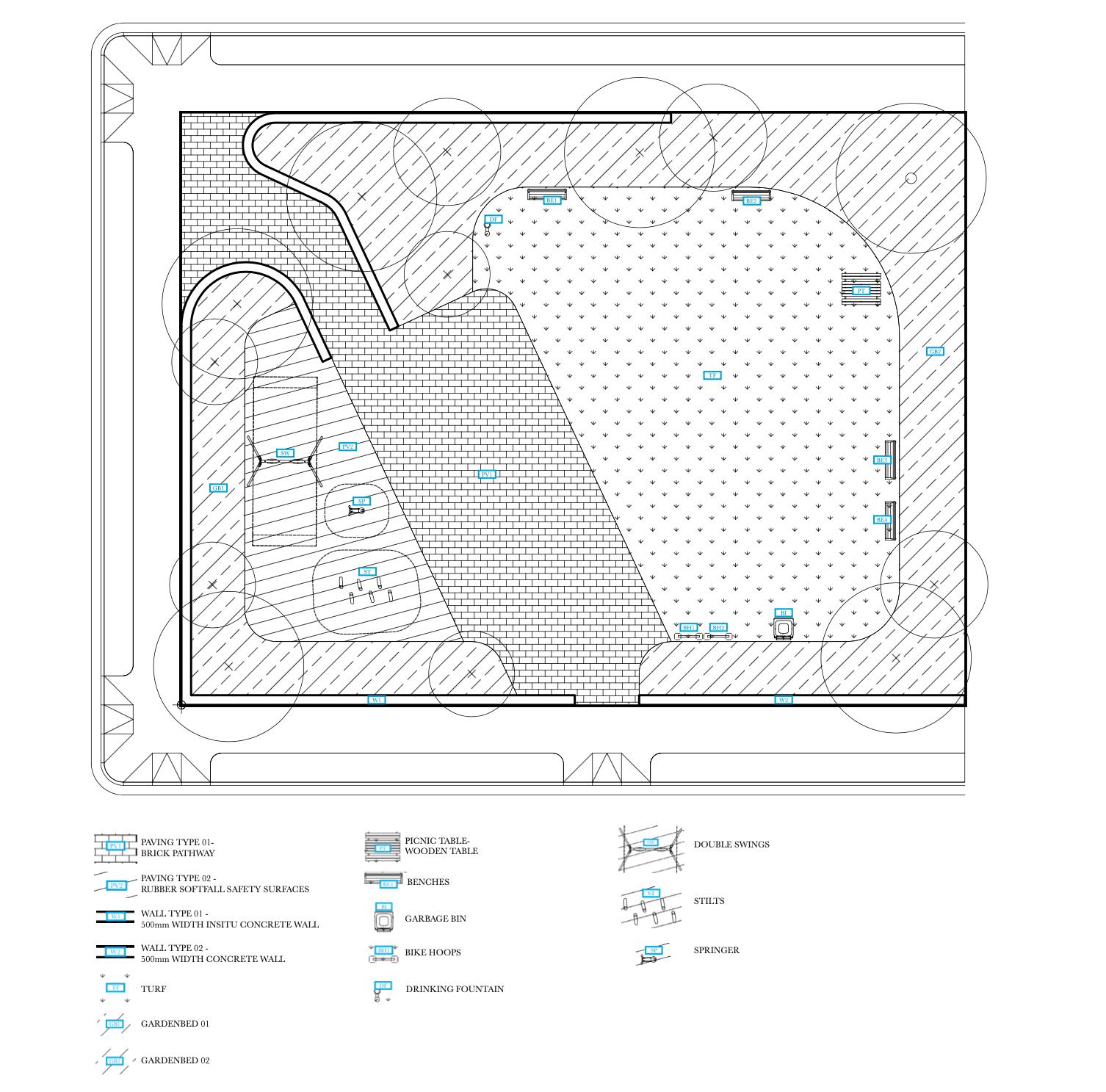
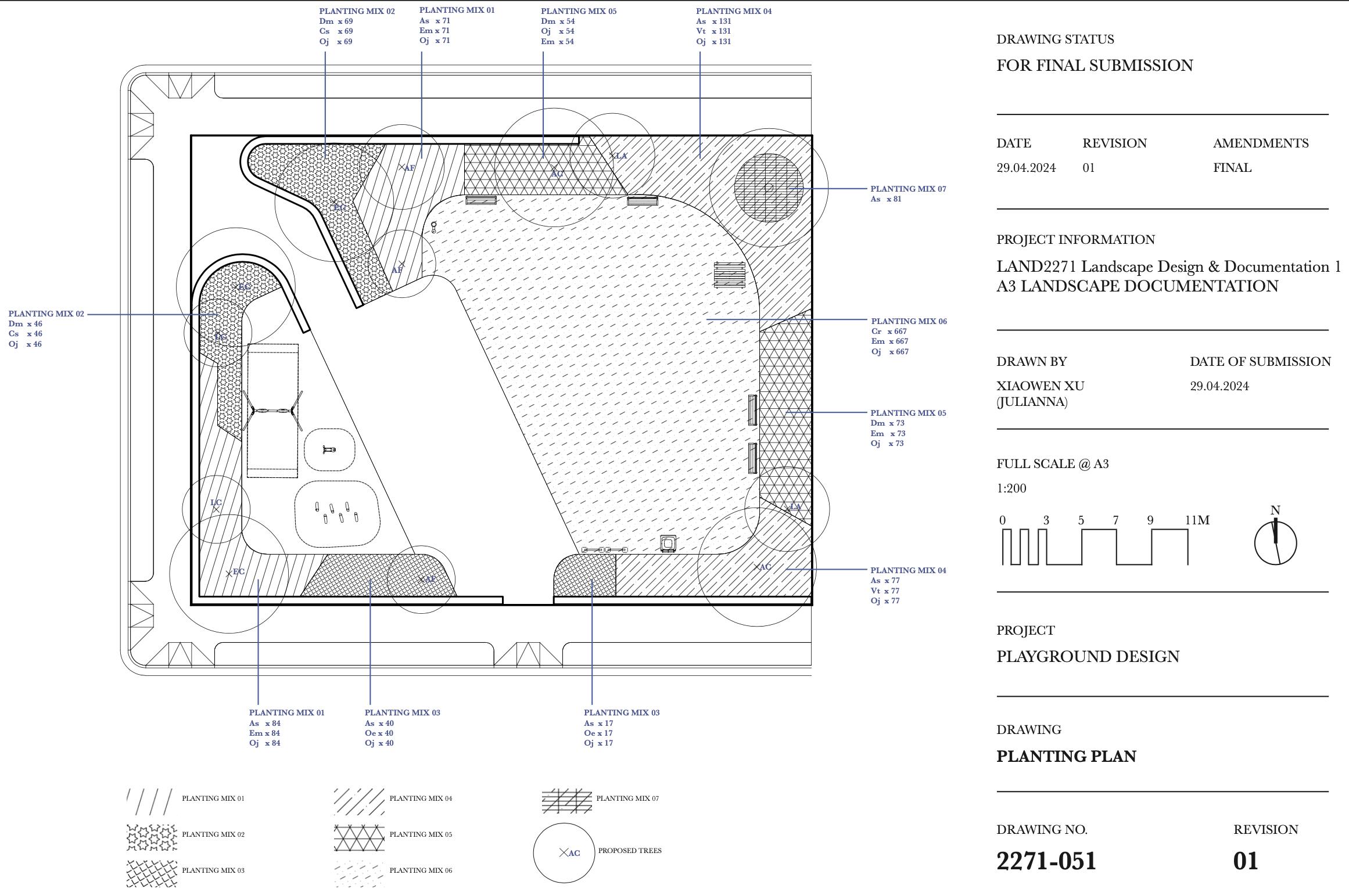
This project show my skills in documentation. Documentation is the production of documents to communicate the landscape architect’s design to the contractor. In this assessment, I am able to understand grading a site, setting out works, describing a range of ‘hardworks’ and ‘softworks’ materials and finishes, documenting a planting plan for construction purposes, representing work as sections.
I have used Vectorworks to created :
• Materials and Finishes Plan
• Levels and Grading Plan
• Setout Plan
• Planting Plan
• Site Section
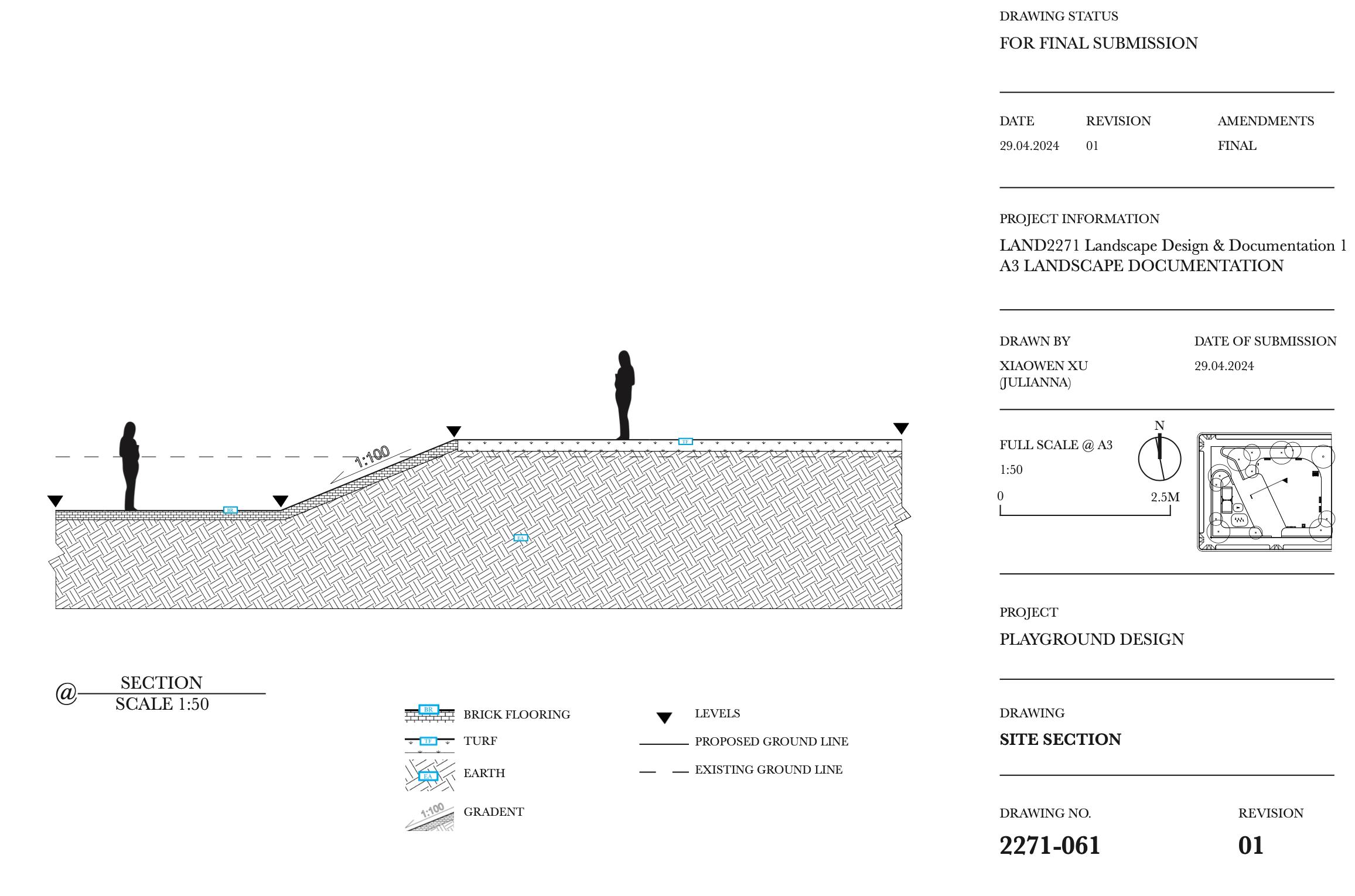
STAIR SECTION
PROJECT 07: CAMPUS DESIGN
TERM 2, YEAR 2, 2024
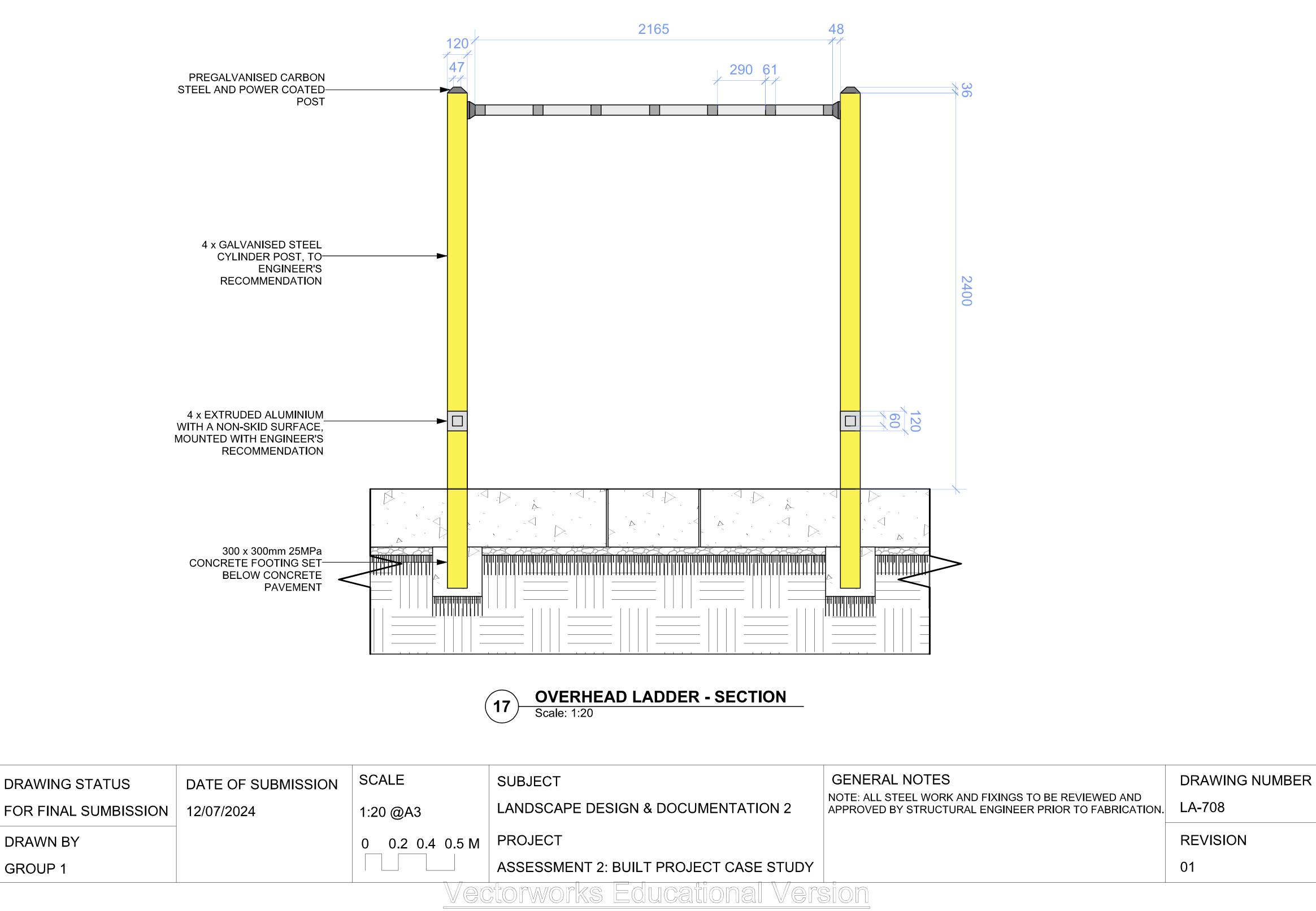
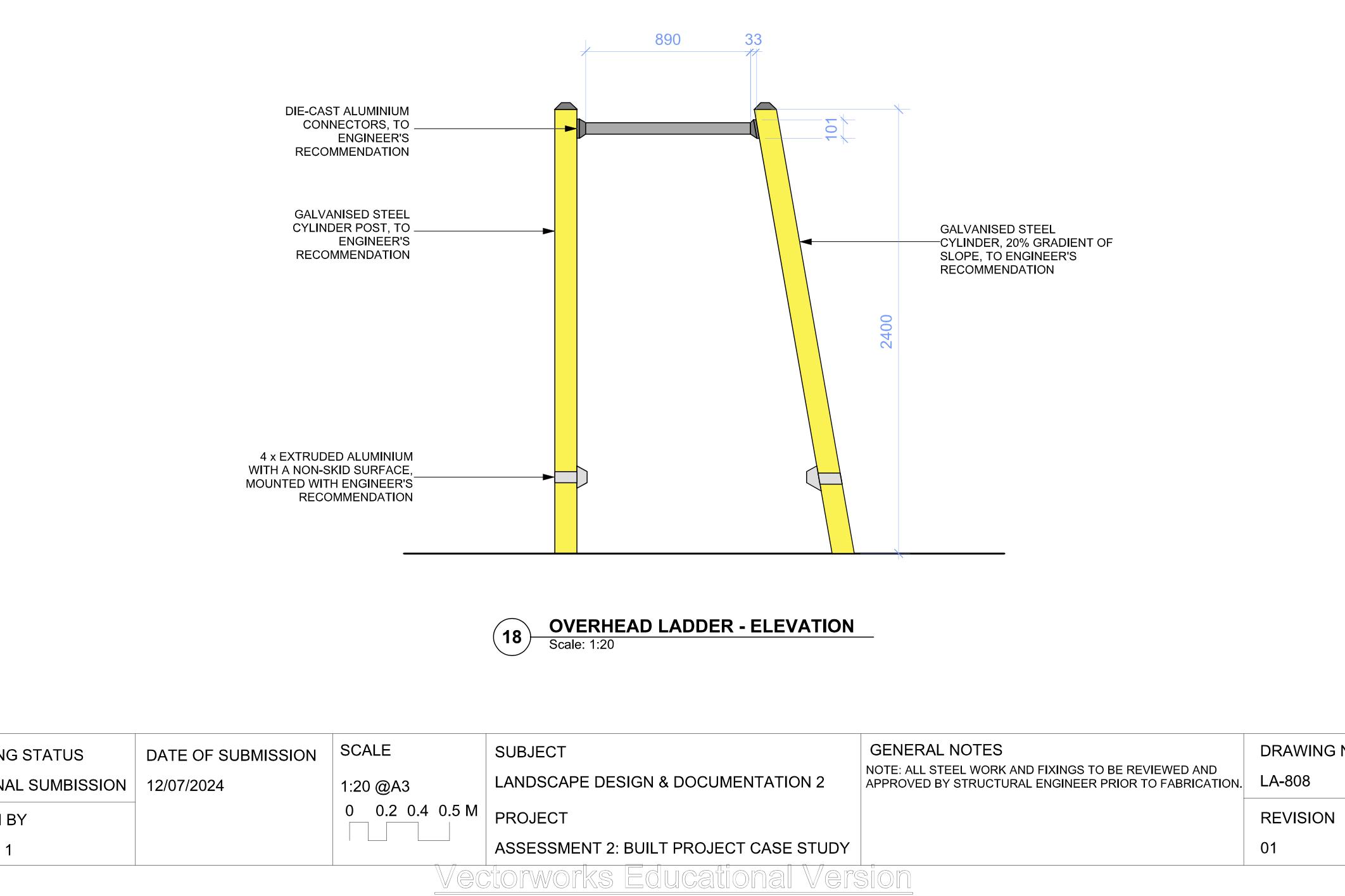
LAND2272 Landscape Design & Documentation 2 Assessment 2: Build Project Case Study (part of work) Assessment 3: Documentating A Project (part of work)
LOCATION:
UNSW Paddington Campus, Sydney, Australia
PROJECT INTRODUCTION:
This project show my skills in documentation by using Vectorworks.
I have used Vectorworks to created :
• Section
• Elevation
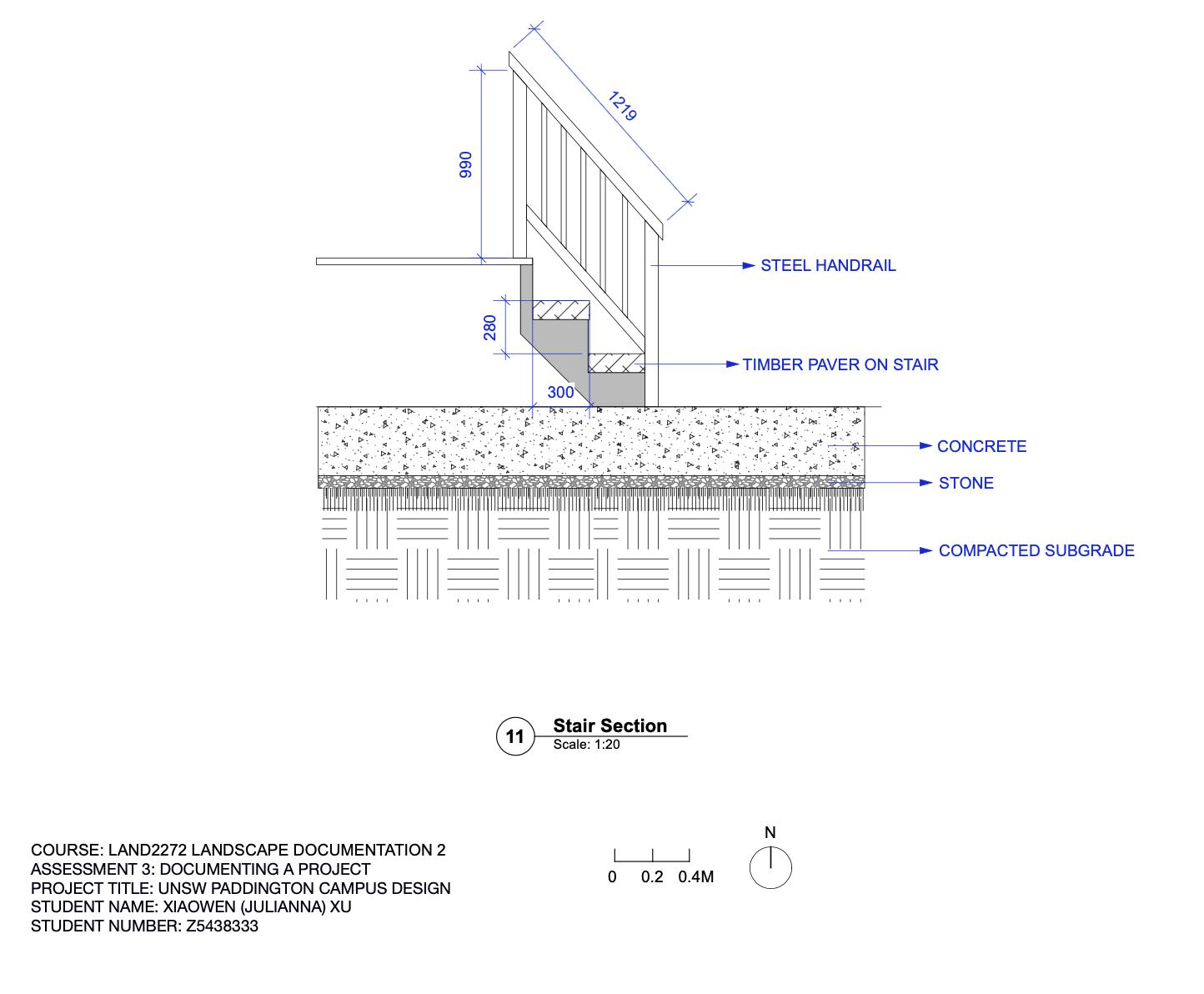
SECTIONS
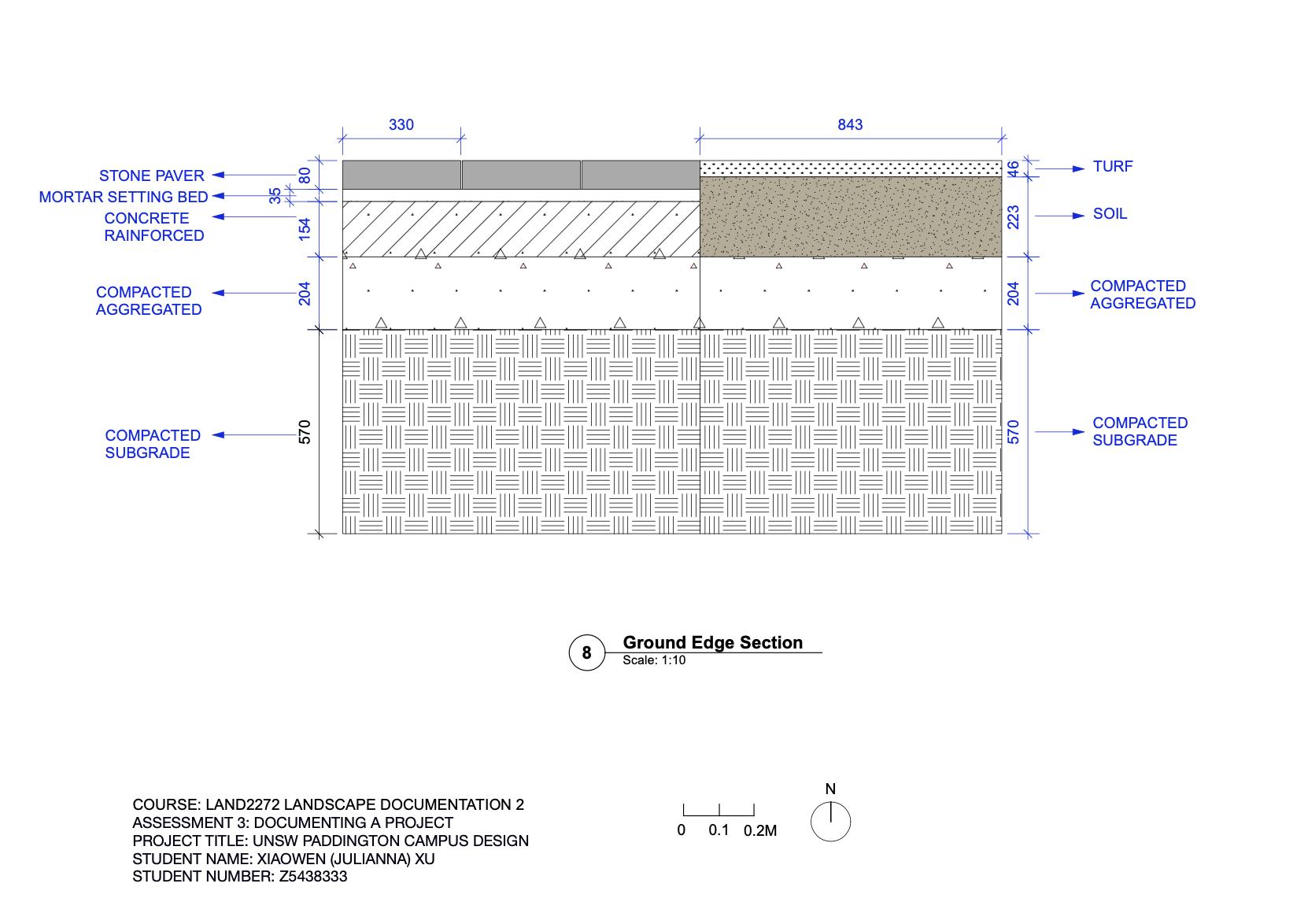
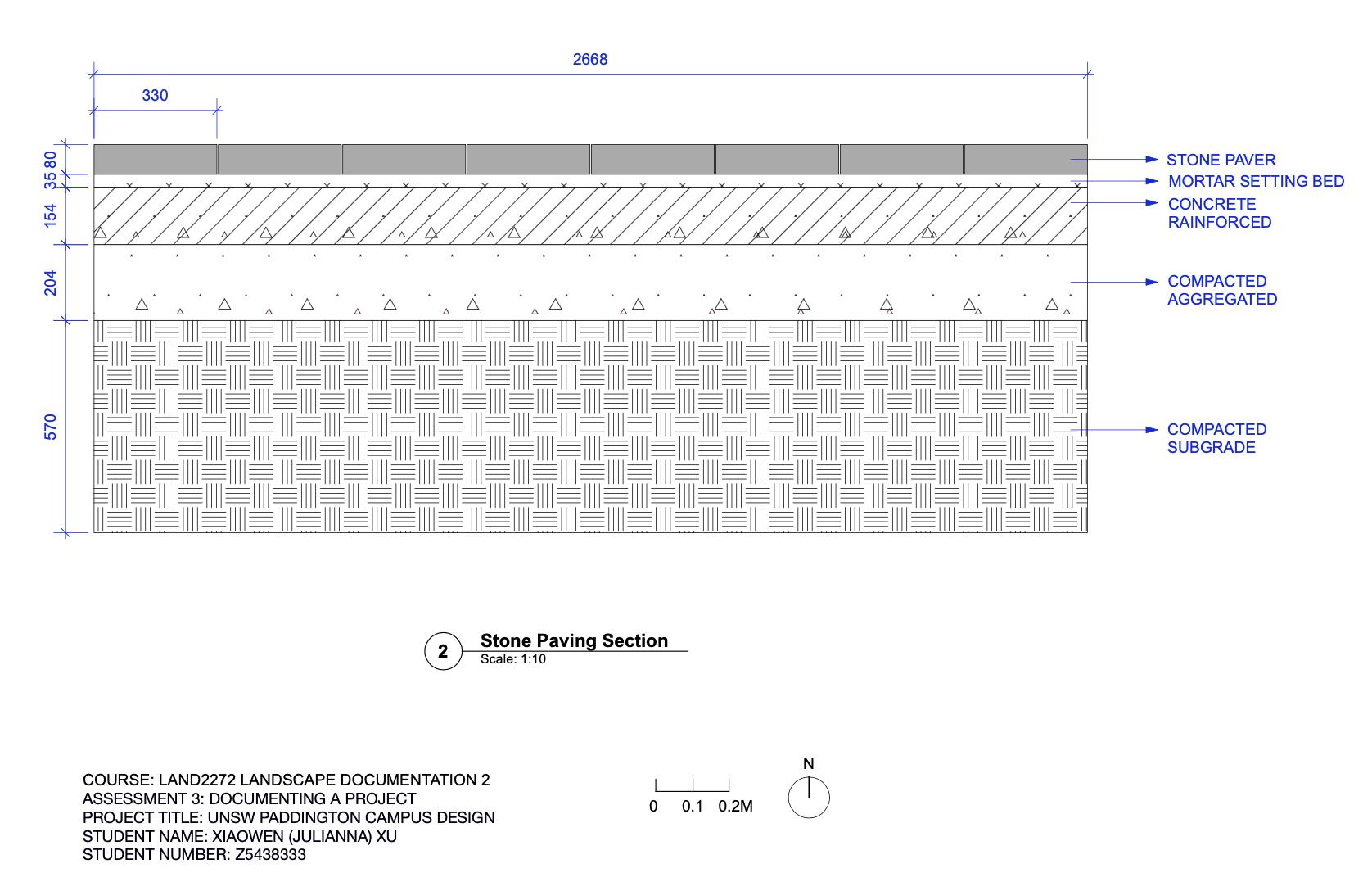
SECTION AND ELEVATION
PROJECT 08: HAND DRAWING & SKETCH
YEAR 2-3, 2024-2025 (PART OF WORK)
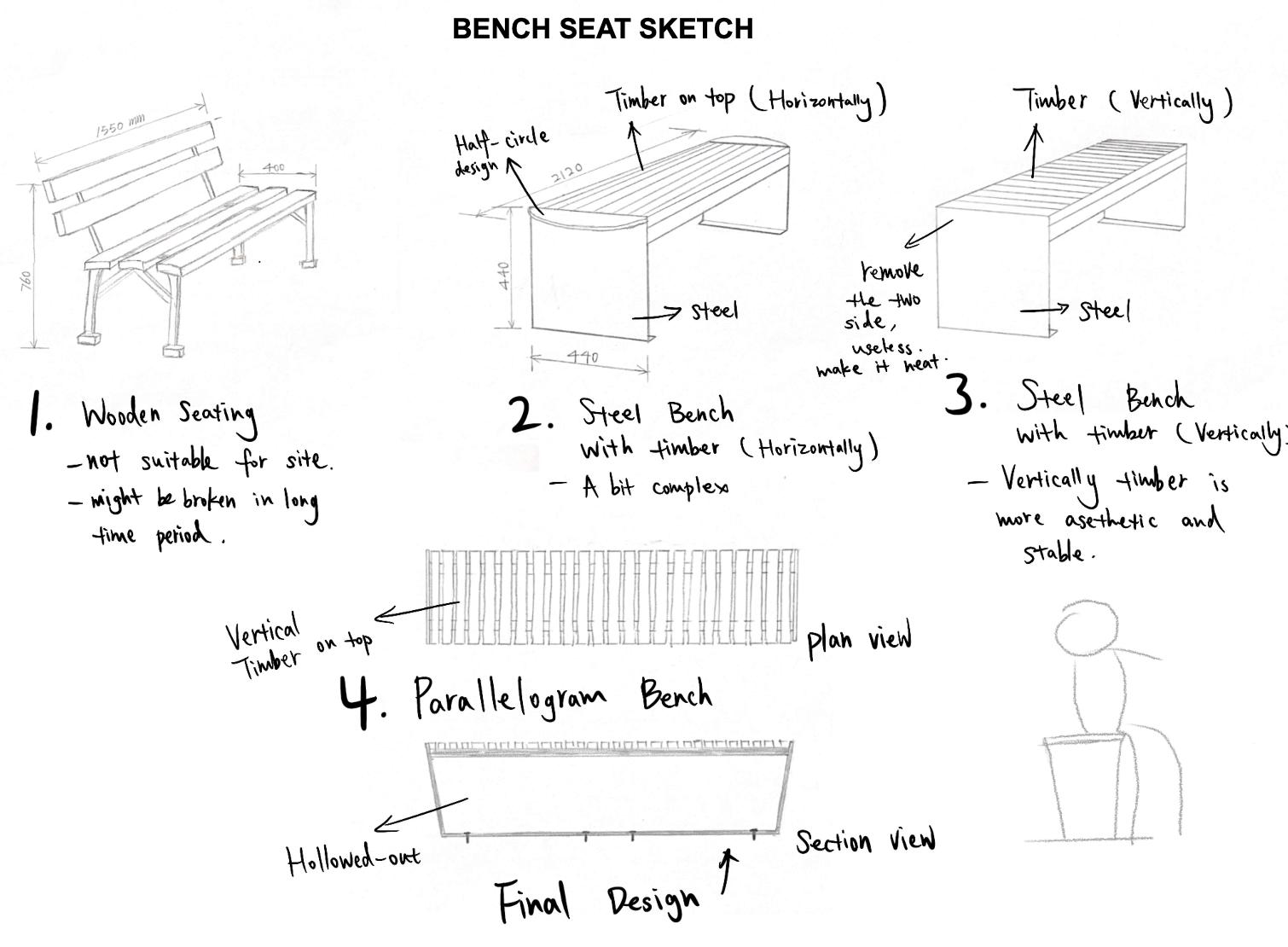
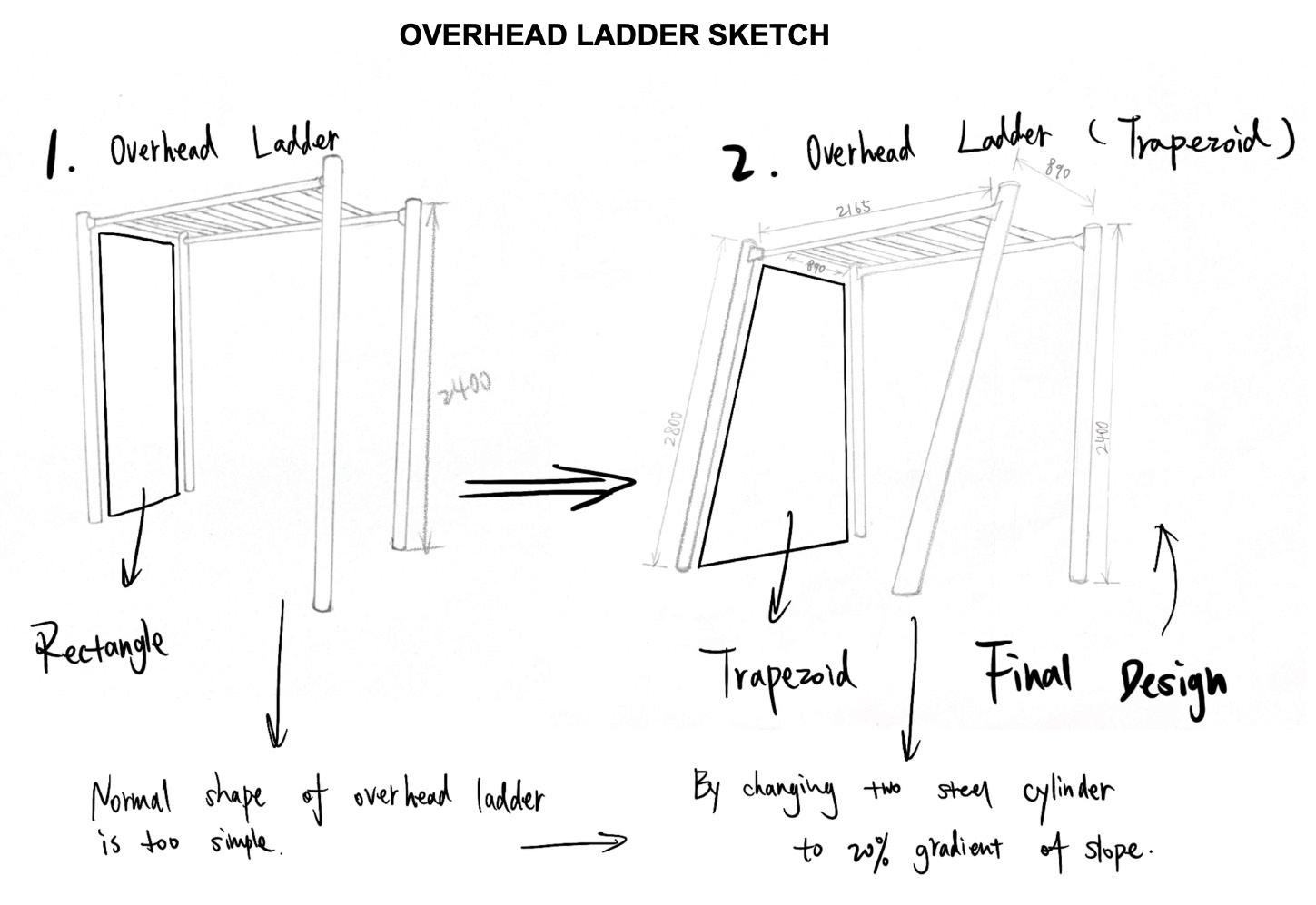
LAND2272 Landscape Design & Documentation 2 Assessment 2: Build Project Case Study (part of work)
BENV1015 History of Design Thinking Assignment 1: Sketch And Analysis
LOCATION:
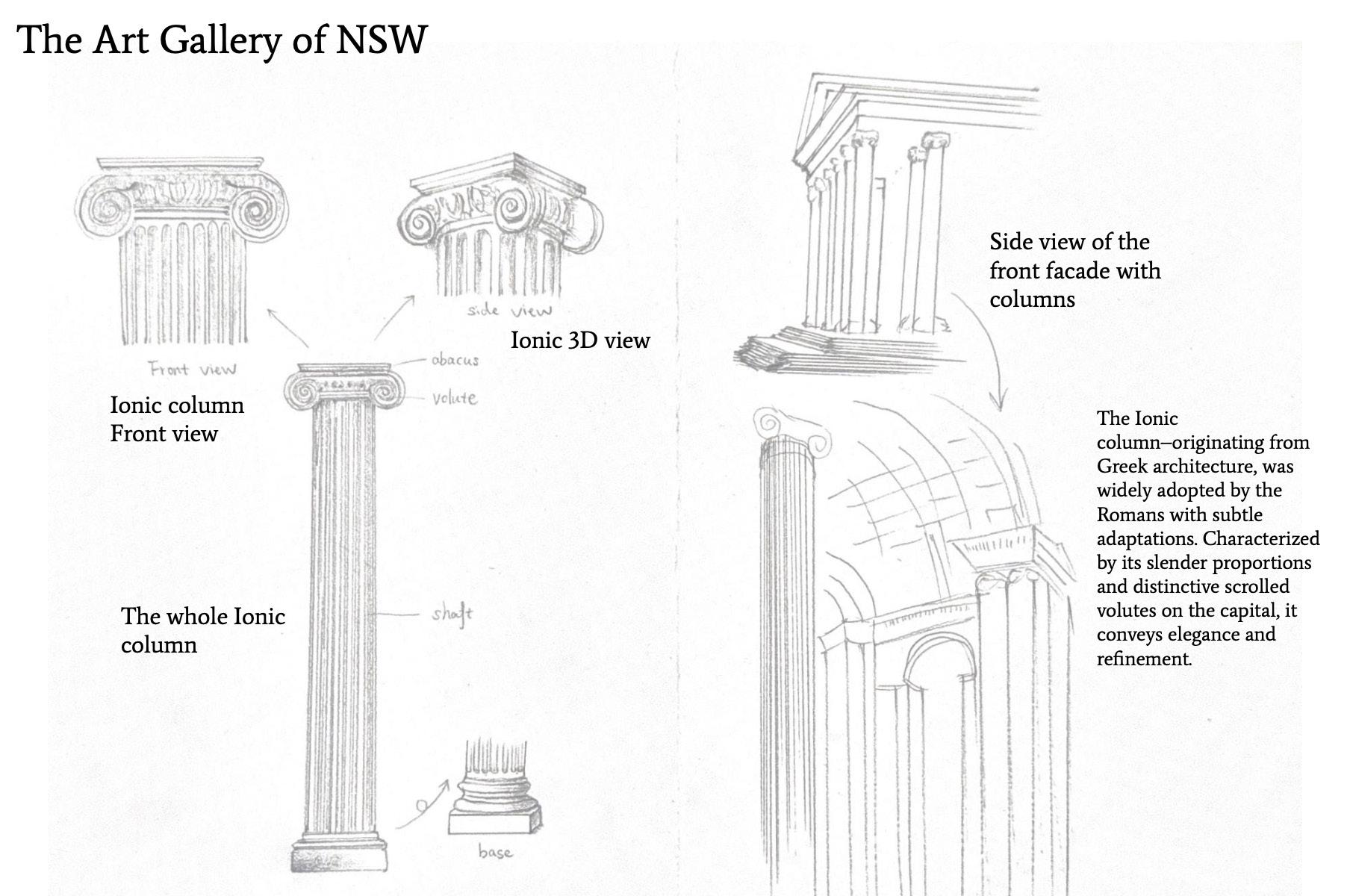
Sydney, Australia
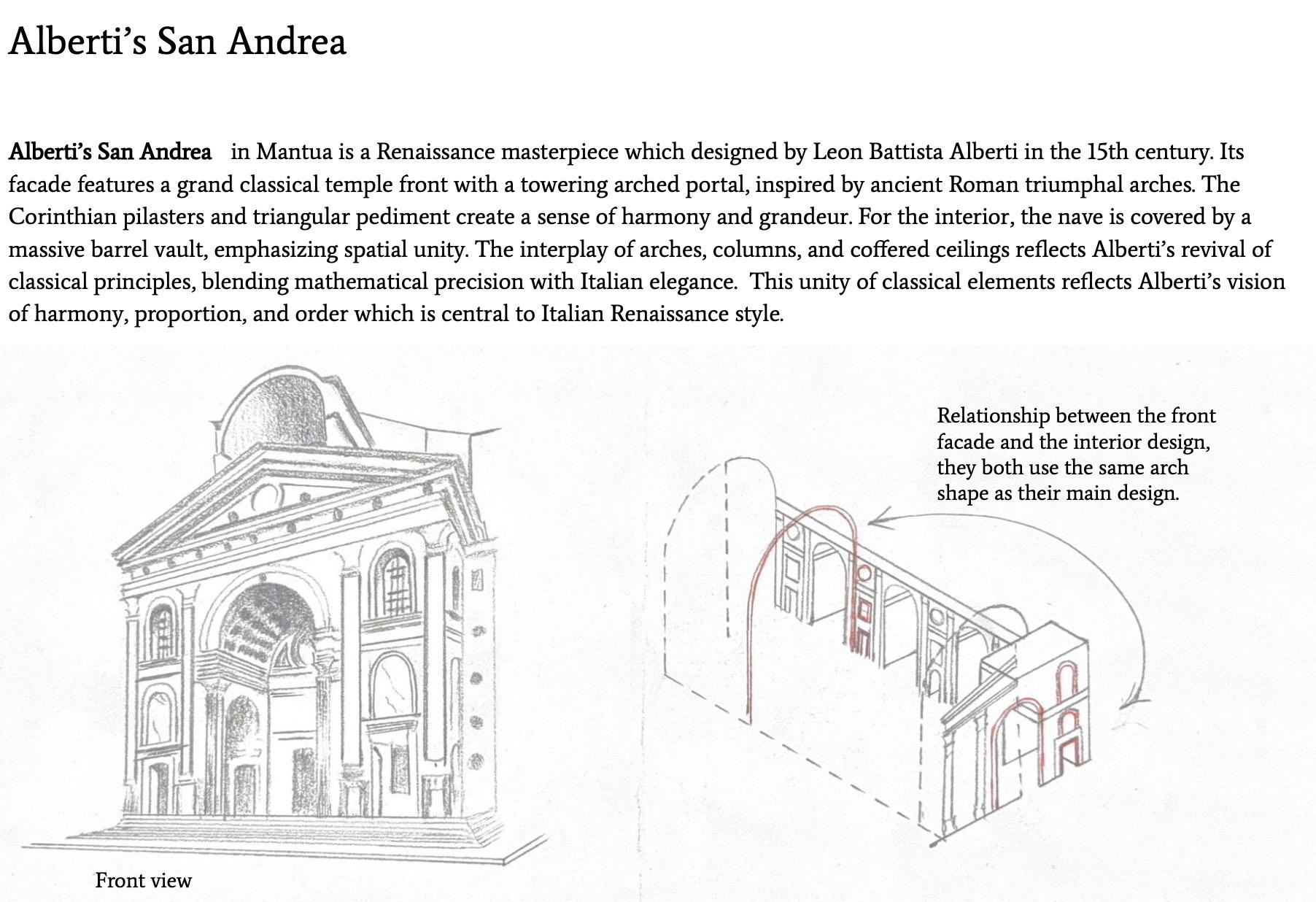
Mantua, Italy
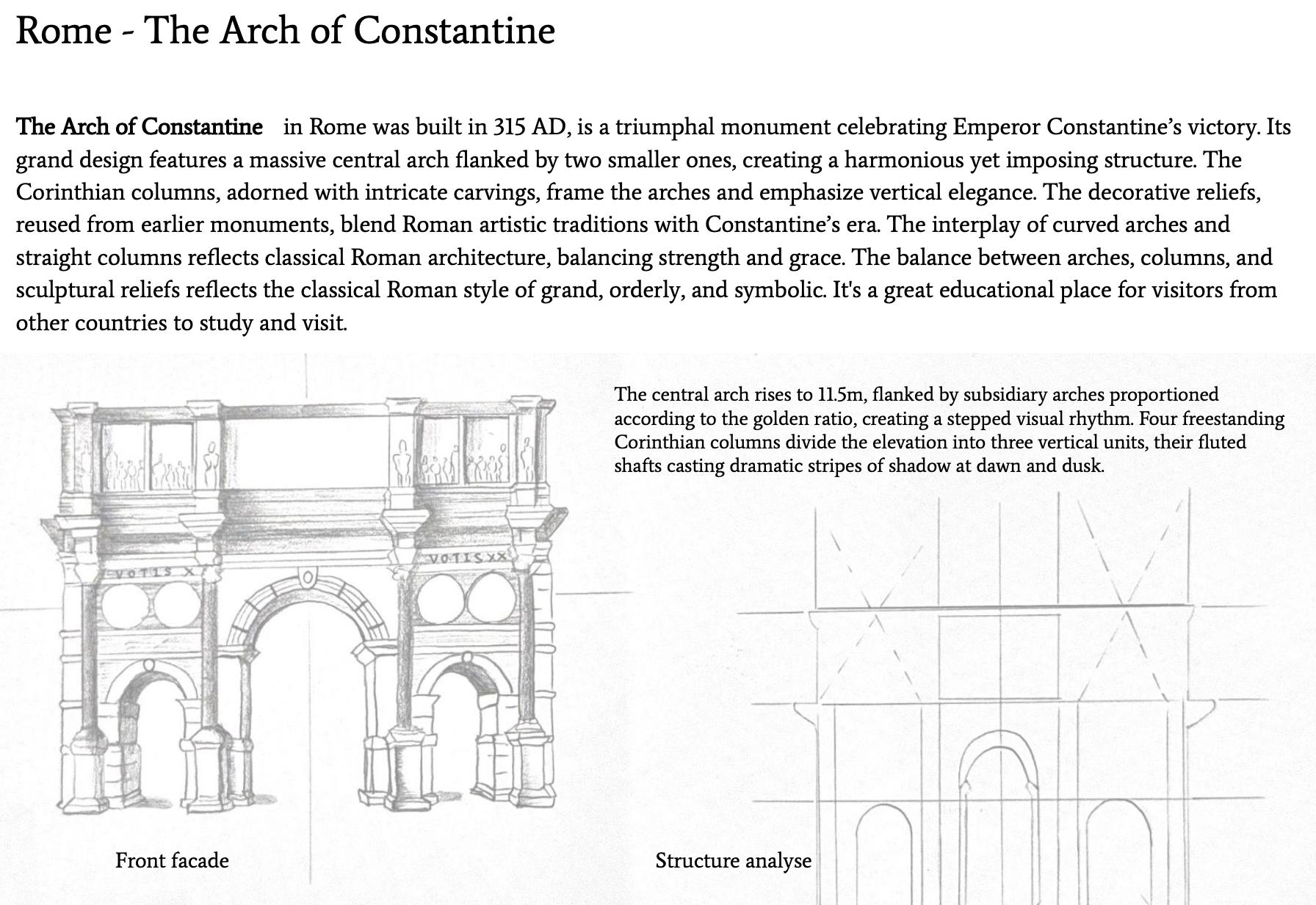
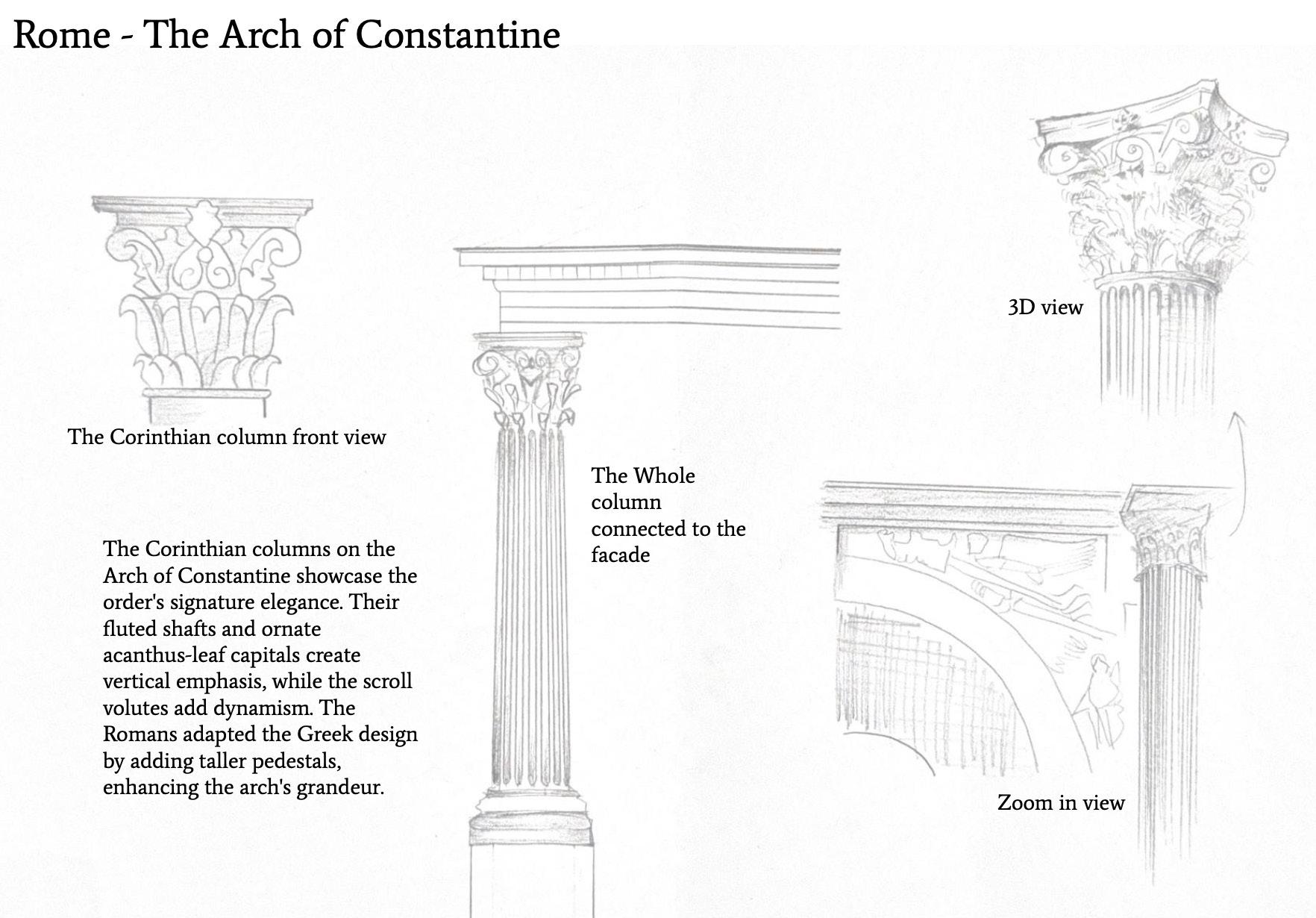
Rome, Italy
PROJECT INTRODUCTION:
These drawings from LAND2272 and BENV1015, it help communicate design intentions clearly and provide a foundation for further development in digital and technical work.
PORTFOLIO 2025