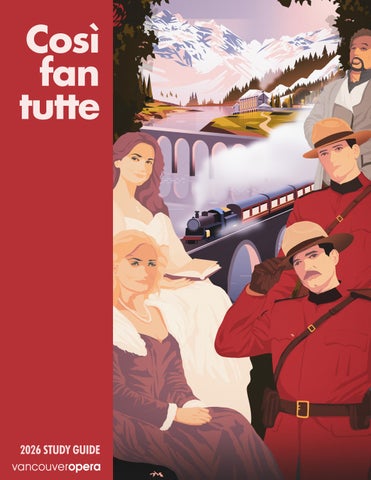
Opera is an incredible unification of all the artistic disciplines and we hope that you have a wonderful time at our production of Così fan tutte
Producing opera is no easy task,
and what you will see on the stage is the culmination of months of hard work from directors, conductors, designers, technicians, musicians, marketing staff, and of course, SINGERS.
We hope you will share the details of this exciting experience with your friends and family, and share the passion for this incredible art form with them!
See you at the opera,
Ashley Daniel Foot
Director of Engagement and Civic Practice
STUDY
GUIDE TEAM DIRECTOR OF ENGAGEMENT, CIVIC PRACTICE | ASHLEY DANIEL FOOT EDITOR | JANE POTTER LAYOUT | VICTOR YIN
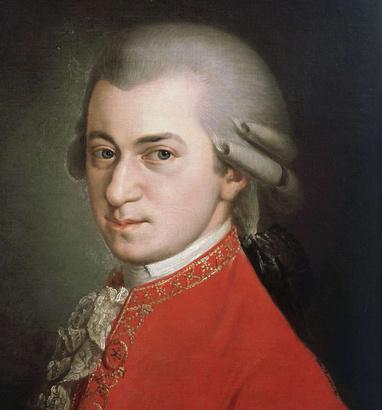
Wolfgang Amadeus Mozart
Born January 27, 1756 in Salzburg, Austria, Wolfgang Amadeus Mozart was a child prodigy a musical genius playing and composing music from the age of five until his untimely death in 1791, at age 35.
Mozart wore many hats during his short but remarkable career: child performer, son, musician, composer, court composer, instructor, brother, husband, father, Freemason, and friend to many a famous composer in his time.
During his life, Mozart wrote 636 compositions, including 22 full length operas. That’s 18 compositions a year, for every year of his life! During his time, he wrote such classics and well-loved favourites as The Marriage of Figaro, Don Giovanni, Requiem in D, and The Magic Flute
Mozart spent much of his life travelling through Europe, often performing for royalty, including the King and Queen of England, the Emperor of Austria, and many others
Mozart’s musical legacy is legendary there are few who have achieved so much, or had such a remarkable impact on classical music, in the history of music as we know it today.
Discover More
Scan the QR code or go to vancouveropera.ca/ podcast
WHO’S WHO Così fan tutte
Fiordiligi
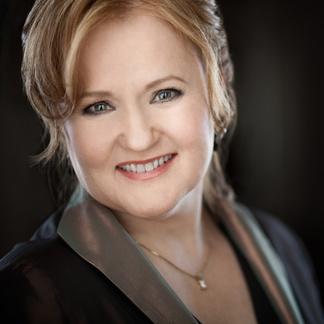
Jamie Groote
Dorabella Alex Hetherington Despina Tracy Dahl
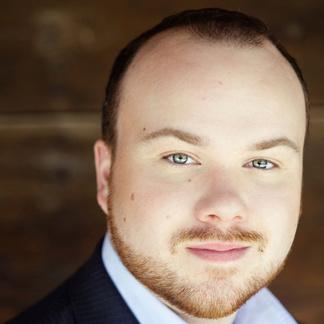
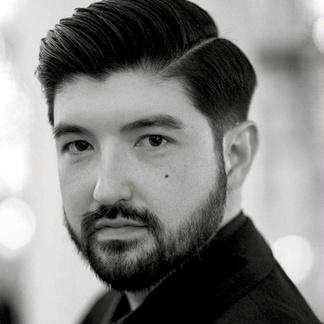
Ferrando Owen McCausland
Guglielmo Clarence Frazer
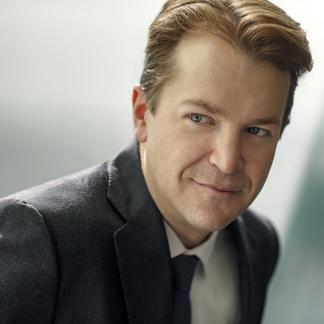
Don Alfonso Daniel Okulitch
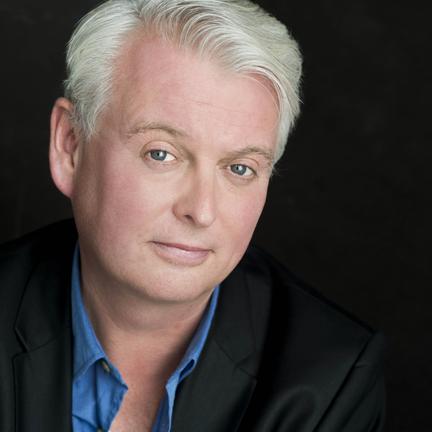
THE DIRECTOR
Robert Herriot
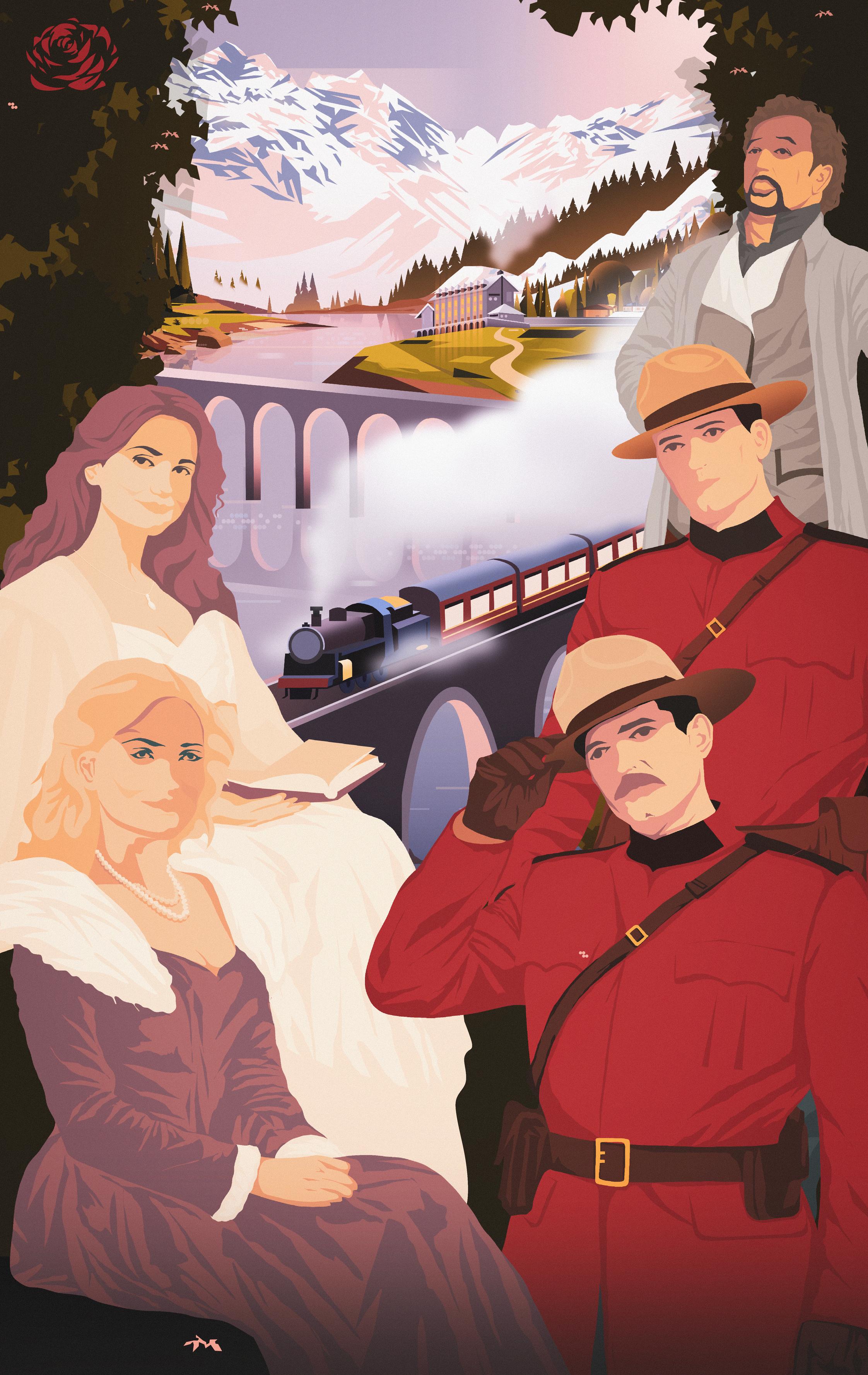
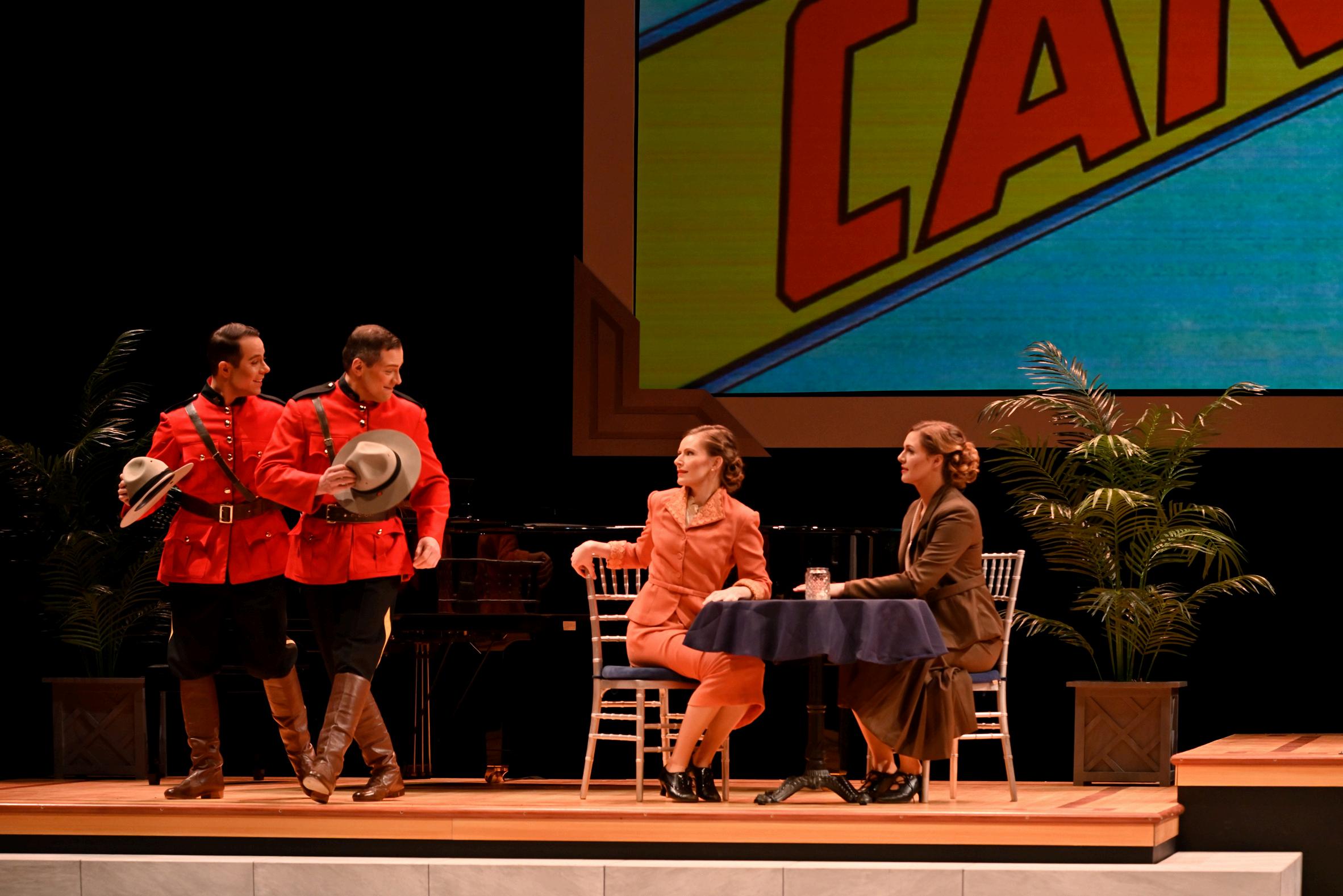
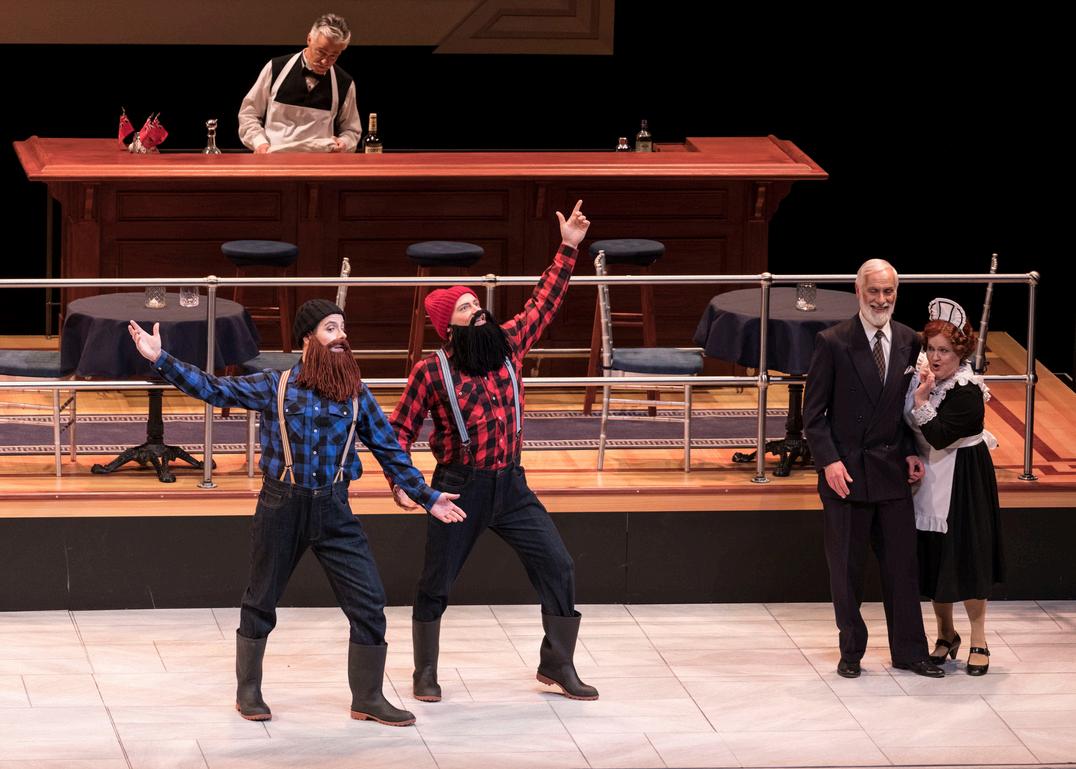
In the spring of 2022, just as the world was beginning to recover, I got a phone call from Sheldon Johnson who is the production manager at Manitoba Opera. He told me the company was looking to do smaller operas with limited choruses as they eased back into live audience productions. He then asked me if I wanted to direct a new production of Così fan tutte and thus Canuck Così was born. He had painstakingly worked out many of the details and wanted someone to bring it all to life. Upon hearing him explain his vision I accepted immediately and so the journey began. His ideas were excellent and early on I could see the staging come to life in my head. He referenced many things including the old-time movie Rosemarie and the National Film Board of Canada short The Log Driver’s Waltz. Our collaboration was a joy. Working on this production was a dream. When we were approached by Vancouver Opera we jumped at the chance and here we are!
Now the opera itself is one of Mozart’s masterpieces brimming with music so beautiful that it takes your breath away and, in some cases, moves one to tears. His harmonies and the way he uses the voices are simply spectacular. His music helps guide a director’s hand at how to tell the story from a physical point of view. This is always a great indication of top-notch composition from any composer.
The story itself is tricky. The fact that the women do fall in love with two other men a day or so after parting from their “True Loves” is a curious dilemma for sure, but this has been an age-old subject for many stories throughout the years. I cite Noel Coward’s movie Brief Encounter which deals directly with the dilemma of falling in love with someone while in another relationship. The pain of it, the inability to tell the heart what to do and what not to do. In fact, this is a very real thing. People fall in love with other people while married all the time. It’s whether or not you act on the drives that accompany those strong emotions. Furthermore, it is not only the women that fall in love, the men aren’t far behind. They too feel very strong, unexpected feelings of love and lust for these women. At some point they stop acting the role. And let’s not forget Despina’s role in all of it. She encourages the women to explore other men. A strong female character at the helm of it all. If I could, I would change the title to PEOPLE Are Like That.
At the end of the day, one has to be true to the characters. Lorenzo Da Ponte has created six very complex, very playful and funny characters who are real people we can relate to. Of course, today there might be a few new surprises along the way. Enjoy the show!
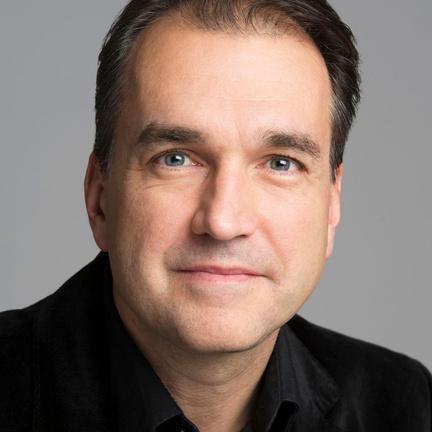
Leslie Dala THE CONDUCTOR
Così fan tutte, which premiered in Vienna on January 26th, 1790 was the third and final collaboration between Mozart and librettist Lorenzo Da Ponte. The two had previously collaborated on Le Nozze Di Figaro in 1786 and Don Giovanni in 1787. In fact, the title "Così fan tutte” comes from a line sung by Don Basilio in “Le Nozze di Figaro” when he sings “così fan tutte le belle” assuming that the character Susanna is having a romantic dalliance with the young Cherubino.
This trilogy of operas is among the greatest works ever composed and have established themselves firmly and permanently in the operatic canon. Of the three, Così has had the most problematic history due to its subject matter and misogynistic attitudes. Così was created just eight years after Pierre Coderlos de Laclos published Les liaisons dangereuses which created a scandal with its very liberal portrayal of sexuality and social behaviour. Both works share a very modern spirit of ironic self-awareness.
Whatever one thinks of the plot and characters, there is no denying that the score Mozart created for them is a miracle of imagination, inspiration, and invention. The music is ripe with ensembles and is as rich in melodic and harmonic beauty as it is in contrasts between the lively exuberant comic passages and the beautiful tender intimate moments. For example, the piece opens with three lively trios between the male characters which are immediately contrasted with the appearance of the elegant and dignified sisters, Fiordiligi and Dorabella. The Trio: “Soave sia il vento” and the arias “Un aura amorosa ” (sung by Ferrando) and “Per pietà” (sung by Fiordiligi) are perfect examples of music which is highly “romantic” in nature while maintaining a true “classical” structure.
Composed at a time when operas were either of a tragic nature “ opera seria” or of a comic nature “ opera buffa”, Mozart and Da Ponte created a new genre in which the two co-exist in remarkable fashion. The brilliance of Mozart’s orchestration gives each number a fresh sound as the onstage antics fluctuate between the ridiculous and the sublime. Even when the characters are lying to each other or to themselves, the music always tells the truth and reveals the real intention of what is happening onstage. Inner conflicts are illuminated by changes of tonality or alternations between major and minor modes. Despite the many faults that the characters possess, Mozart embodies them with a deeply humanistic and sympathetic resonance.
More than 230 years after its premiere, Così fan tutte is presented and performed by opera companies around the world. Under the work’s comedic facade, the fundamental truth remains that love is fragile and that we as humans experience conflicting emotions of love, jealousy, doubt, and fear. Fortunately, Mozart’s voice continues to speak to us from beyond the grave with a measure of comfort telling us that it will all be ok in the end.
Illustrations
Illustrations Così fan tutte
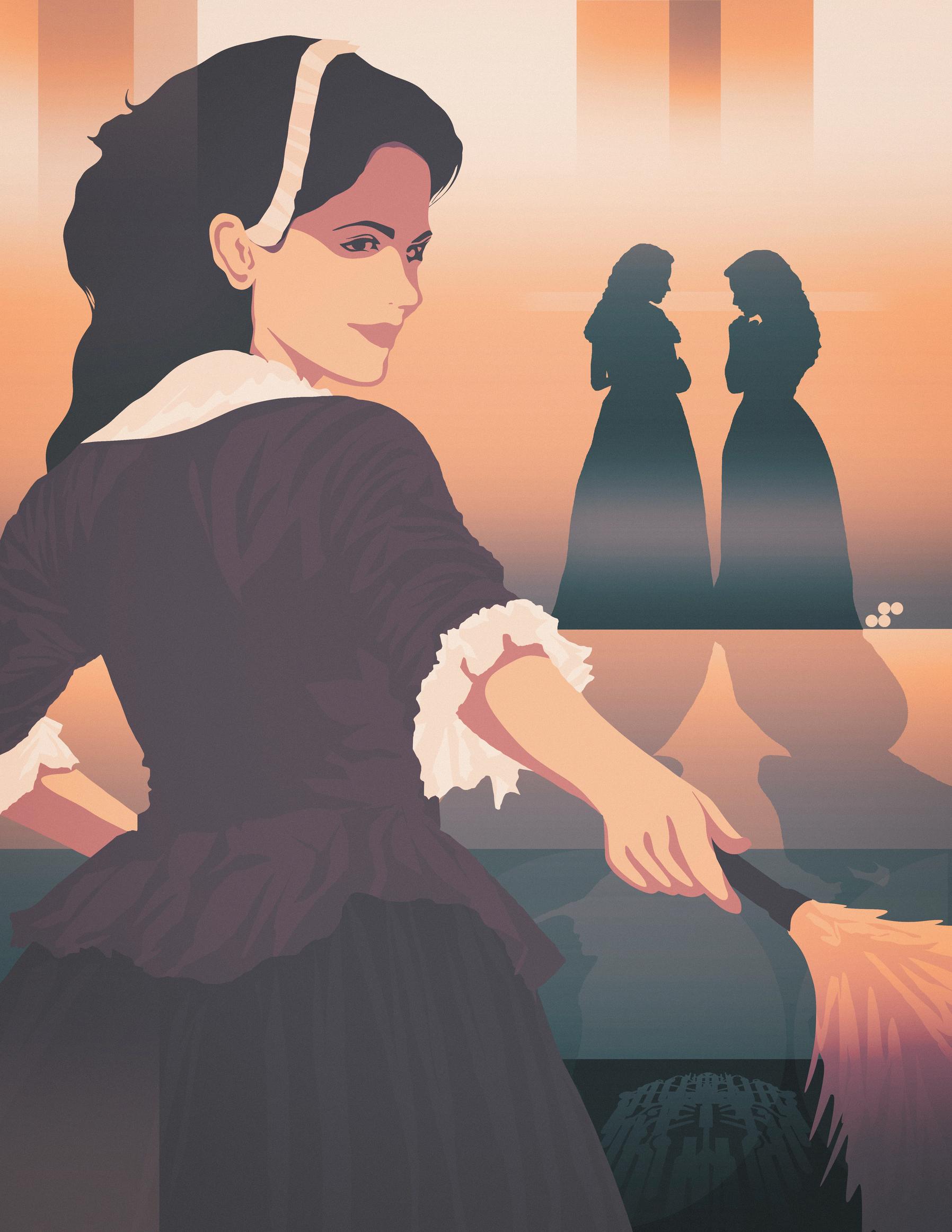
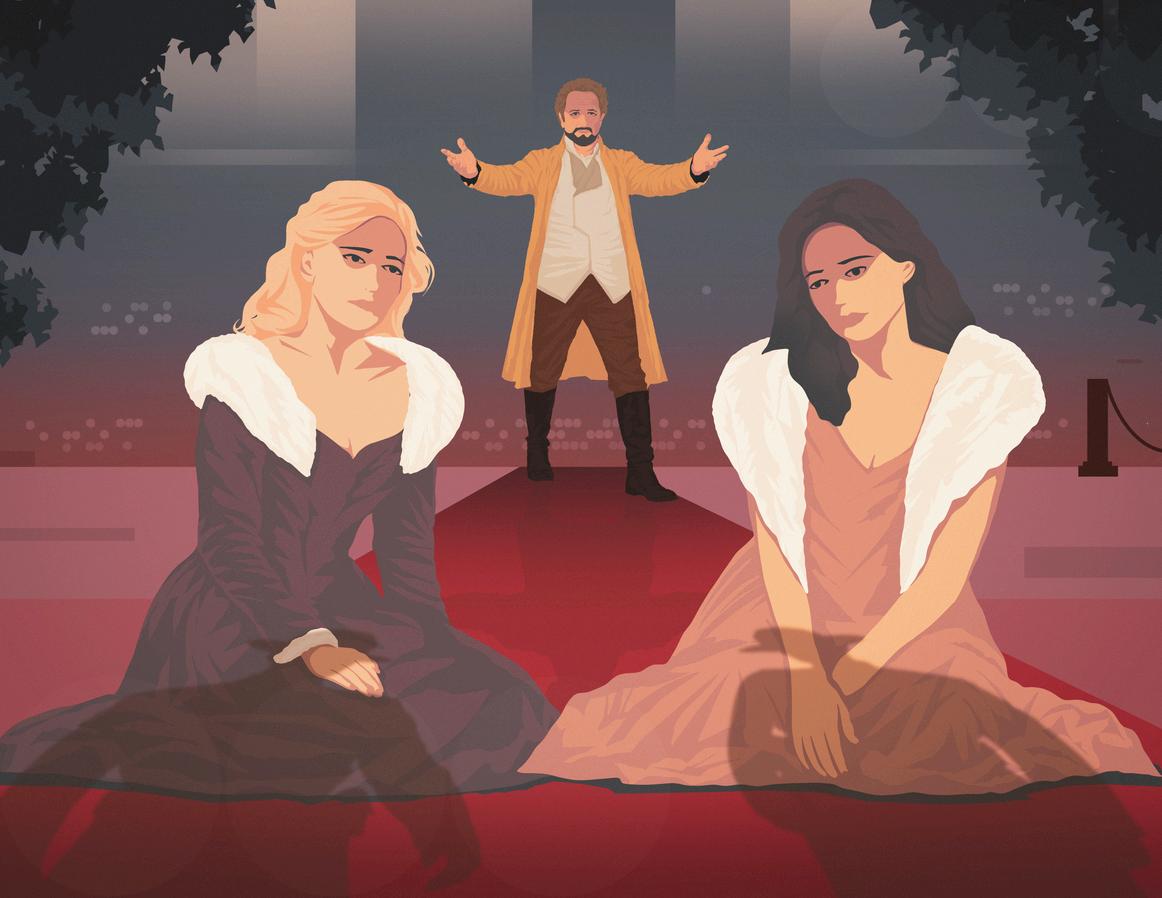
Despina Confronts the Sisters, by Barry Ekko
Synopsis Così fan tutte
Overture
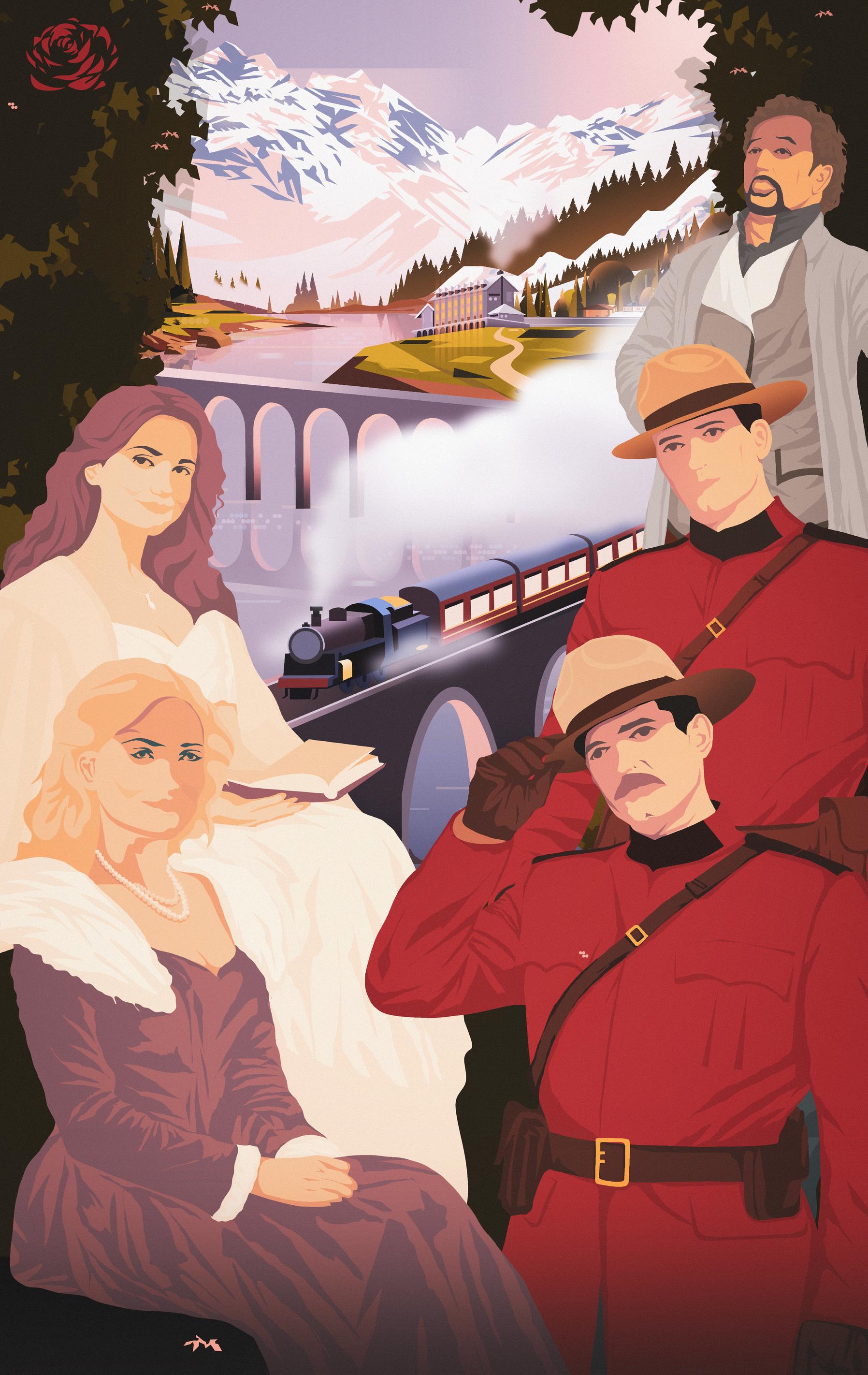
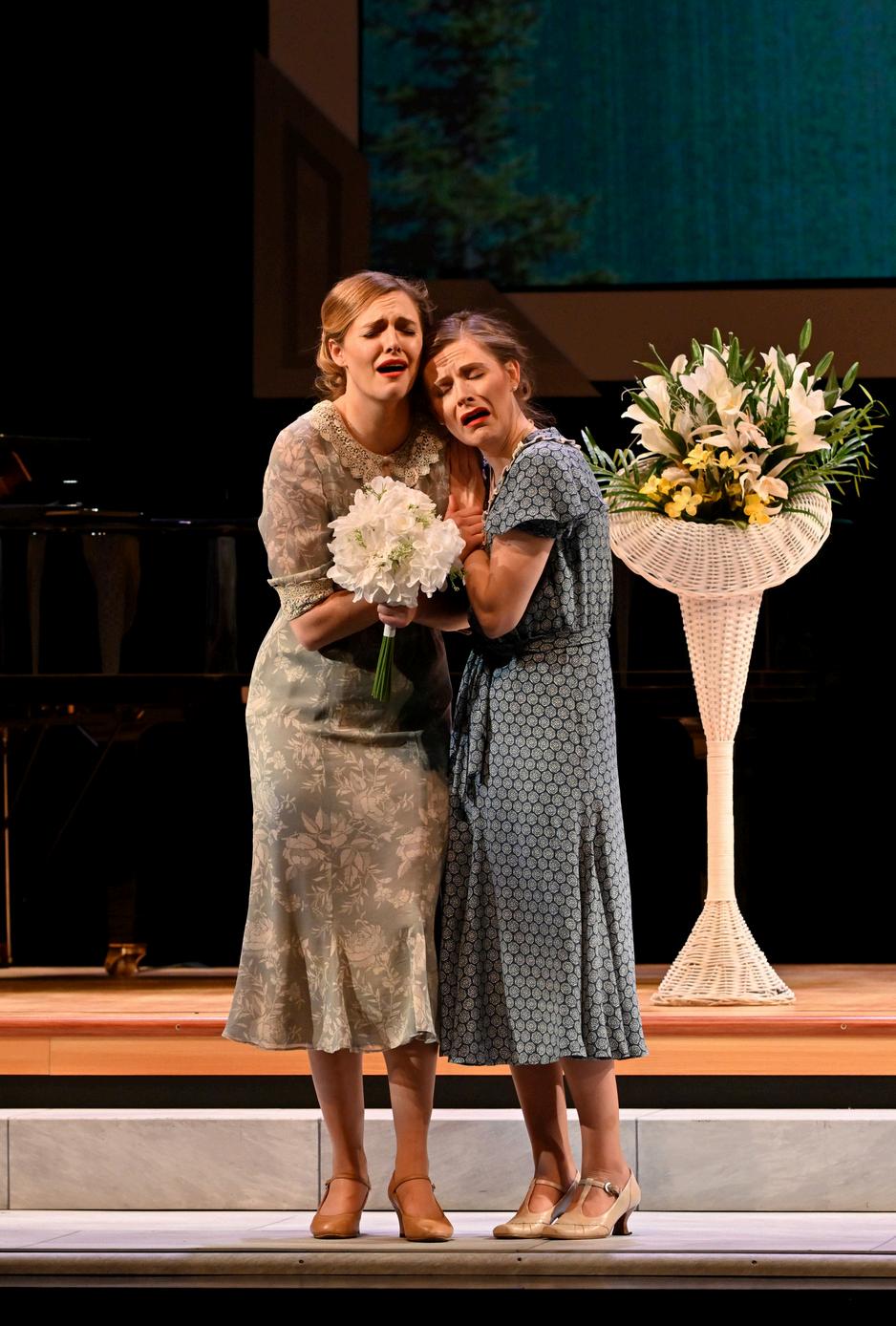
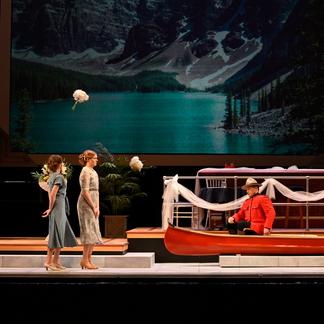
Dorabella and her sister, Fiordiligi, are wealthy Italian tourists on a vacation in Canada. Having arrived at the port of Halifax, they board a train and travel across the country to their hotel. It is there that they meet two dashing Mounties, Ferrando and Guglielmo. In true operatic fashion, the two couples are immediately smitten and fall head over heels in love.
R Tinker
Manitoba Opera, R Tinker
ACT I
Don Alfonso, a gentleman philosopher, tells the tw officers of his doubts in the fidelity of women He offer them a wager: He will prove that their lovers will b unfaithful. The young men defend their sweethearts an accept the challenge.
Meanwhile, Fiordiligi and Dorabella daydream abou their lovers Alfonso arrives and explains that the officer have been summoned to answer the “call of duty” an must depart immediately. After saying goodbye to the lovers, the girls are inconsolable. Despina, the hote housekeeper, complains about how much work she must do. When the heartbroken sisters arrive, she encourages the girls to enjoy their freedom and find new lovers, Fiordiligi and Dorabella cannot fathom such a betraya
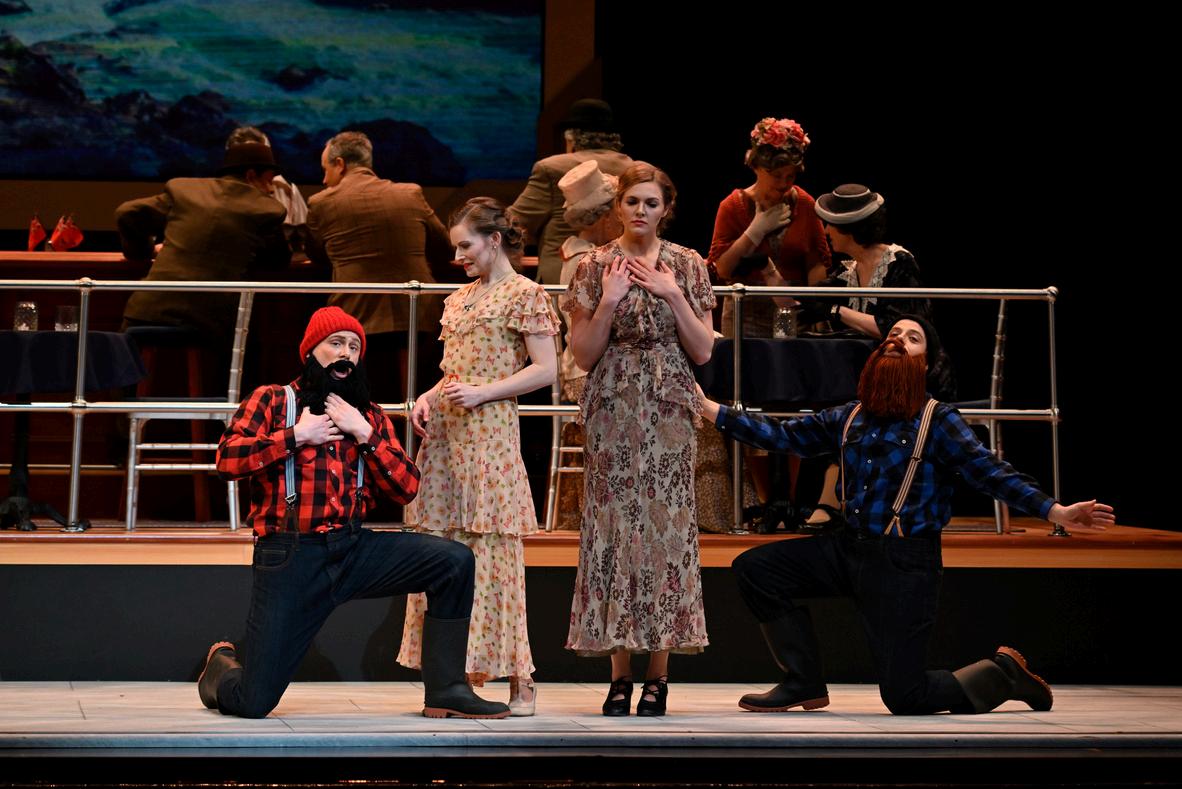
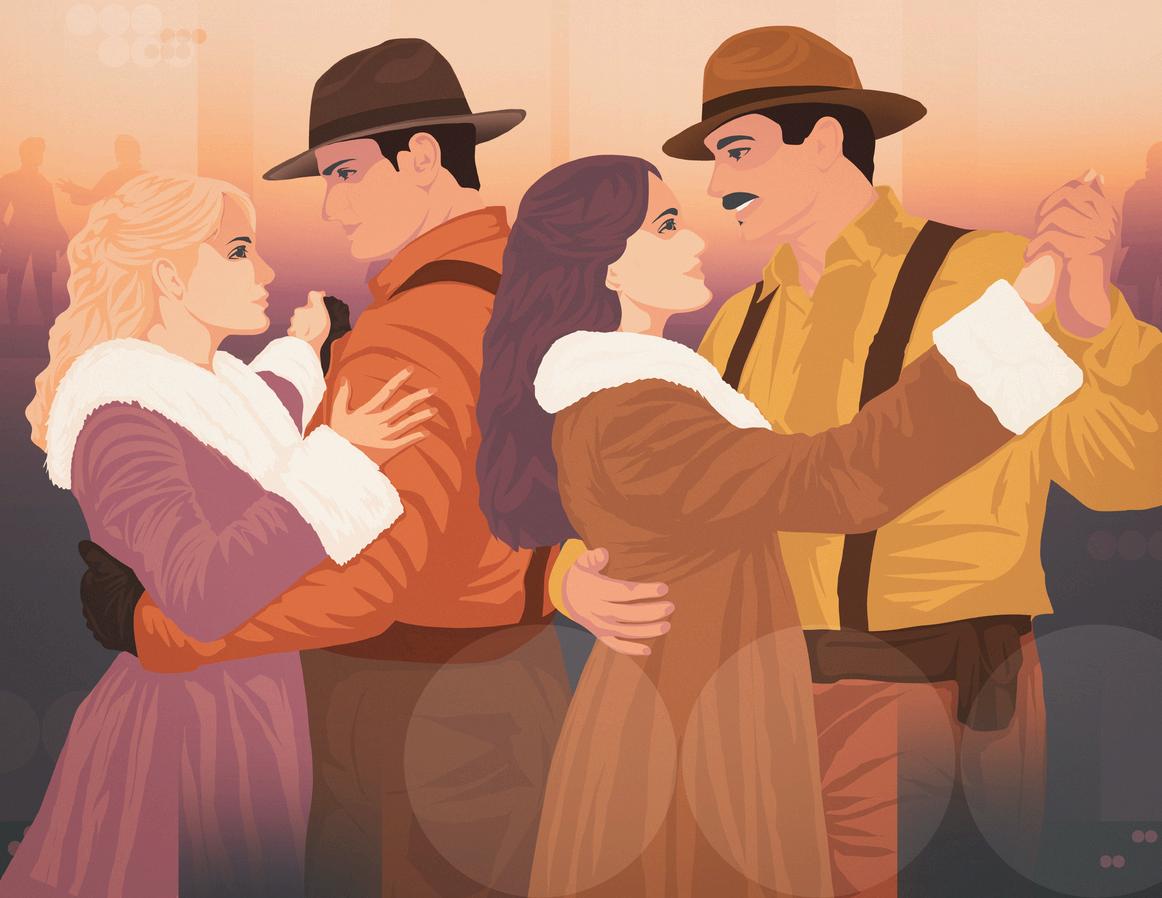
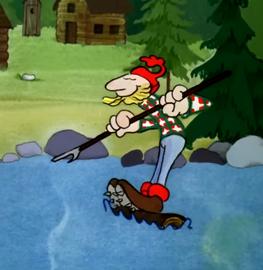
Don Alfonso convinces Despina to help him introduce sisters to two “infatuated young friends” of his, who a in fact Guglielmo and Ferrando in disguise as waltz Log-Drivers When the new suitors make advan toward the sisters, the girls are outraged and refuse listen. The boys are confident of winning the bet.
The young men pretend to take poison to gain the siste sympathy. Despina and Alfonso go off to fetch help, leaving the two girls to care for the strangers Despina reappears disguised as a 'doctor' and pretends to heal the boys. When Ferrando and Guglielmo request kisses in order to fully recover, the sisters again reject them, but it is clear that they’re beginning to show interest in the strangers.
Manitoba Opera, R. Tinker
Manitoba Opera, C Corneau
ACT II
Despina chastises Fiordiligi and Dorabella for not knowing how to deal with men. The sisters decide that Despina may be right there can be no harm in amusing themselves with the handsome strangers. They each choose which man they would like, each picking the other’s boyfriend.
On a moonlit walk, Dorabella responds quickly to the disguised Guglielmo’s advances. She accepts a gift and relinquishes her locket with Ferrando’s portrait.
Fiordiligi, however, refuses to yield to Ferrando, although she admits to herself that she is torn between her officer and the handsome stranger. Ferrando is certain that they have won the wager. Guglielmo is happy to hear that Fiordiligi has been faithful to him, but when he shows his friend the locket which he took from Dorabella, Ferrando is furious.
Fiordiligi condemns Dorabella for her betrayal and resolves to remain true to her officer Ferrando suddenly appears and declares his love for Fiordiligi with renewed passion. While Guglielmo watches helplessly, she finally accepts. Guglielmo and Ferrando are distraught at their fiancées’ betrayal. Don Alfonso encourages the boys to forgive the women and marry them. After all, their behaviour is only human nature.
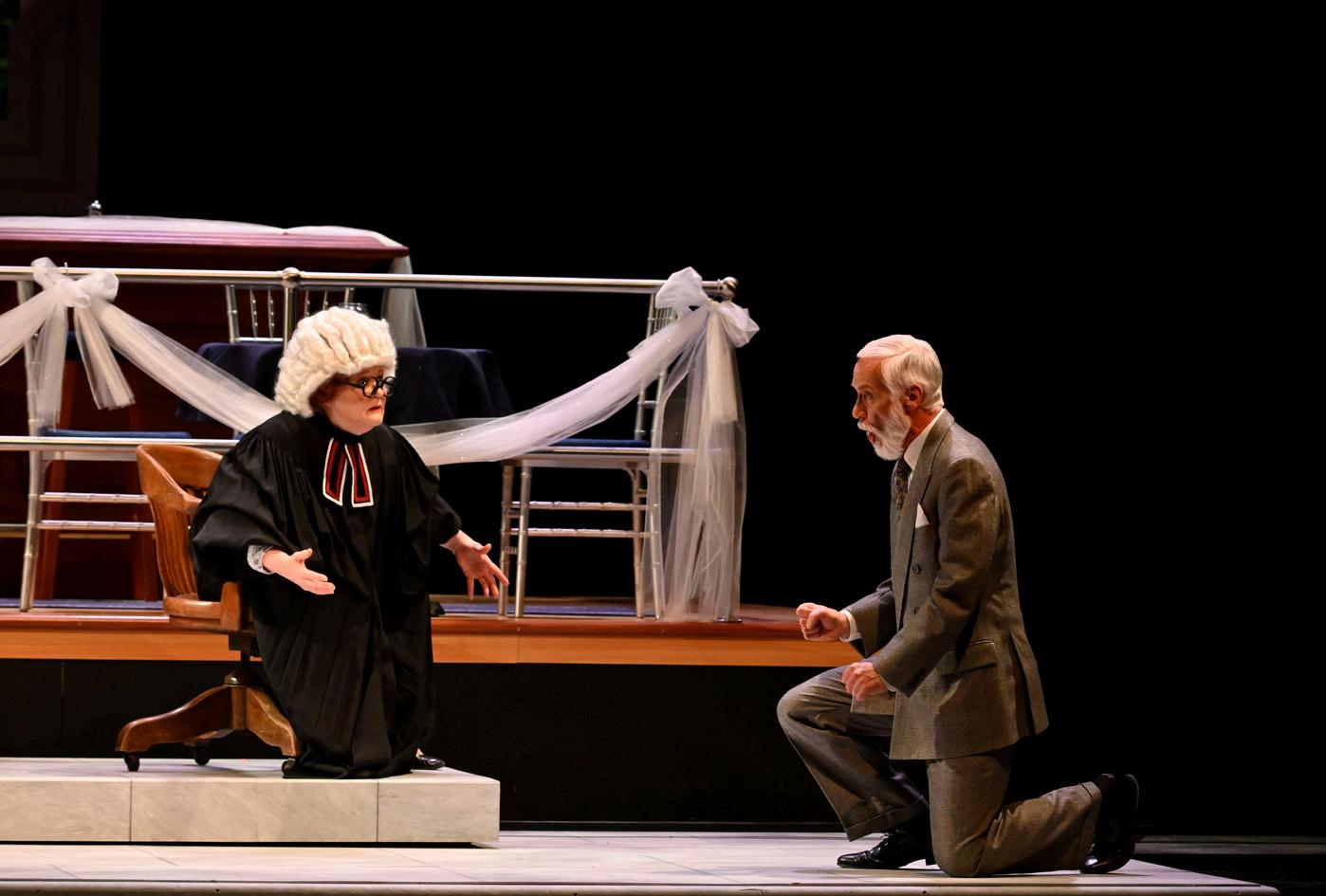
The sisters have agreed to marry the young strangers, and Despina, impersonating a notary, does the honours. Alfonso suddenly announces that Guglielmo and Ferrando have returned from duty. In a panic, the sisters hide their intended husbands, who return as their real selves and are horrified to discover the marriage contracts. Finally, the boys reveal the entire charade, and Alfonso bids the lovers learn their lesson.
Manitoba Opera, R Tinker
Manitoba Opera, R Tinker
What is opera?
WHERE DID OPERA COME FROM?
Opera came from Italy, just like gelato! The word opera means ‘work’ in Italian, as in work of art, not homework
WHO MAKES OPERA HAPPEN?
Opera is a group effort by conductors, musicians, singers, dancers, set designers, costume creators, lighting experts, directors, theatre staff, make-up artists, wig makers, carpenters, prop designers, and more, to tell a story, sing, dance, and entertain the audience all the same time
NO MICROPHONES?
Unlike Drake or Taylor Swift, opera singers don’t use microphones. Instead, they learn to project their voices. They may go from projecting over the sound of the live orchestra in one moment, to dropping to a near whisper in the next moment (just like your school principal during assemblies)
To protect each other’s hearing, opera singers cannot face directly towards each other while singing. Ear plugs are not allowed.
HOW LONG DO YOU HAVE TO TRAIN?
Opera singers often have as many years of education as physicians, and must continue training throughout their career.
HOW LONG ARE OPERAS?
Operas can be up to four hours long, which may be how long French class feels, but at least you don’t have to wear a costume, make-up, possibly a wig, sing and dance under hot lights, and memorize an entire opera, like the performers do
NO SKIPPING FRENCH CLASS!
Composers write in their language, and sometimes in second or third languages too, so opera singers must often learn English, French, German, Italian, and even Russian and Czech if they want to perform worldwide And in case you ’ re wondering, ‘ice cream ’ in Czech is ‘zmizlina’
DOES IT PAY THE BILLS?
If you were a top opera singer, you could make as much as $20,000 per performance.
WHAT OTHER SKILLS DO OPERA SINGERS NEED?
Singers must learn to brush off negative reviews in time to perform the same show the following night.
FUN FACT
Opera has been around for as long as gelato, which is just over four hundred years
GLOSSARY
Opera terms
ACTS / SCENE
Acts and scenes are ways of categorizing sections of operas An act is a large-scale division of an opera, and each opera will typically include from two to five acts Acts can be subdivided into scenes, which are often differentiated by a change in setting or characters.
ADAGIO
Literally “at ease, ” adagio is a tempo marking that indicates a slow speed An adagio tempo marking indicates that the performer should play in a slow and leisurely style
ALLEGRO
Italian for “cheerful” or “joyful,” Allegro is the most common tempo marking in Western music, indicating a moderately fast to quick speed.
ARIA
A song for solo voice accompanied by orchestra
BRAVO / BRAVA / BRAVI
Italian for “nicely done”; shouted by audience members after a performance. “Bravo” for men, “Brava” for women, and “Bravi” for all.
CHORUS
A section of an opera in which a large group of singers performs together, typically with orchestral accompaniment
CRESCENDO
A gradual raising of volume in music achieved by increasing the dynamic level When music crescendos, the performers begin at a softer dynamic level and become incrementally louder.
ENSEMBLE
A musical piece for two or more soloists, accompanied by orchestra. Types of ensembles include duets (for two soloists), trios (for three soloists), and quartets (for four soloists)
FORTE
Meaning “loud” or “strong” in Italian, forte is a dynamic level in music that indicates a loud volume. Adding the suffix “-issimo” to a word serves as an intensifier since forte means “loud,” fortissimo means “ very loud.”
LIBRETTO
The text of an opera, including all the words that are said or sung by performers.
OVERTURE
An instrumental piece that occurs before the first act as an introduction to an opera
RECITATIVE
Speech-like singing in-between musical numbers that advances the plot
The complete musical notation for a piece, the score includes notated lines for all of the different instrumental and vocal parts that unite to constitute a musical composition. SCORE
TEMPO
Literally “time” in Italian, tempo refers to the speed of a piece of music
Match the terms
Listening Differently ACTIVITY 2
Così fan tutte, Consent, and Power
This activity connects to the Inside Vancouver Opera podcast episode and article Così fan tutte in the Age of Consent, inviting students to explore how music, storytelling, and social values shape meaning then and now.
Discussion
Activity
Così fan tutte is often described as a light-hearted comedy, yet the podcast and article ask listeners to confront its treatment of gender, power, and consent. Begin by discussing how power operates in the story: who has knowledge, who lacks it, and how that imbalance affects the women ’ s ability to give meaningful consent. Consider how the men ’ s behaviour is framed—does the music soften, excuse, or complicate their actions?
The article argues that Mozart’s music can function as both “ weapon and balm.” What does that mean, and where else do we see beauty masking harm in contemporary media such as film, television, or social media?
Next, examine the opera ’ s historical context Should audiences judge works from the past by today’s standards, or is it more useful to understand them within their time? What is gained or lost when we avoid asking ethical questions of canonical works? Finally, discuss representation The opera ’ s title claims that “all women are the same, ” yet the music gives Fiordiligi, Dorabella, and Despina distinct emotional identities How does this musical differentiation challenge the story’s message, and what does it suggest about how art can undermine its own ideas?
Ask students to respond to the podcast and article in one of the following ways They may write a short reflection (300–400 words) addressing how modern audiences should engage with beautiful art that contains harmful ideas, using Così fan tutte as an example Alternatively, students may identify a contemporary song, film scene, or television moment in which music or aesthetics influence how audiences judge behaviour, drawing parallels to Mozart’s opera As a creative option, students may re-imagine a moment from Così fan tutte rewriting a scene from one of the women ’ s perspectives, proposing a modern setting, or altering the ending and explain how their choices change the story’s meaning
The podcast
Scan the QR code or go to vancouveropera ca/ podcast
Listening Differently ACTIVITY 2 Così fan tutte, Consent, and Power
Questions
Why is Così fan tutte often described as a comedy, and how does that label affect the way audiences interpret the characters’ actions?
How do power and knowledge function in the opera? Who controls the situation, and who is kept in the dark?
From a modern perspective, where do issues of consent arise in the story?
The article suggests that music can make harmful situations feel beautiful. How does this affect the audience’s emotional response?
In what ways does Mozart’s music contradict the opera ’ s claim that “all women are the same”?
Should audiences separate artistic beauty from ethical concerns, or consider them together?
Why?
How does understanding the historical context of Così fan tutte change or not change your response to it?
Can you think of contemporary examples where music, visuals, or storytelling soften or excuse troubling behaviour?
Lorenzo Da Ponte
Life, Libretto, and Collaboration
This activity introduces students to the extraordinary life of Lorenzo Da Ponte poet, librettist, exile, immigrant, teacher, and eventual New Yorker and examines how his experiences shaped the libretto of Così fan tutte. Students will explore how Mozart transformed Da Ponte’s ideas through music, and how the two artists’ collaboration created one of opera ’ s most complex works.
Discussion
Activity
Lorenzo Da Ponte led one of the most unusual lives in the history of opera Born in Italy and trained for the priesthood, he became a poet, intellectual, and social provocateur, was expelled from Venice for scandal, worked in the courts of Vienna, fled to London after political and financial trouble, and eventually immigrated to the United States, where he taught Italian, opened grocery stores, and helped establish the first opera performances in New York His life moved between privilege and exile, intellectual circles and survival jobs and that tension shapes his operas
Da Ponte’s libretto for Così fan tutte reflects Enlightenment-era debates about fidelity, rationality, gender, and morality The story he crafted a wager about women ’ s faithfulness and a scheme driven by deception mirrors the period’s anxieties about reason versus desire But Da Ponte’s text alone does not provide the emotional depth audiences now associate with the opera Mozart’s music transforms the libretto’s cynicism into something more ambiguous: he gives Fiordiligi, Dorabella, and Despina musical identities that contradict Don Alfonso’s sweeping generalizations, and he softens or complicates harsh actions with beauty, tension, and emotional nuance
As students examine Da Ponte’s life alongside Mozart’s interpretation, they can explore how collaboration shapes meaning: a libretto designed as satire becomes, through music, a work about human vulnerability and psychological complexity
Ask students to create a short response (300-400 words) or a small group presentation on the following:
How did key events in Da Ponte’s life exile, reinvention, and shifting social status influence the themes of deception, identity, and morality in Così fan tutte?
Identify one moment in the opera where Da Ponte’s libretto is heightened, softened, or transformed by Mozart’s music How does the music change the meaning of the text?
In what ways does the opera reflect both Enlightenment ideas and Da Ponte’s personal experiences?
Students may also create a timeline of Da Ponte’s life and annotate it with notes showing how his experiences might have shaped specific elements of the libretto
Lorenzo Da Ponte
Life, Libretto, and Collaboration
Questions
How might Da Ponte’s repeated exiles and reinventions have influenced his interest in disguise, deception, and shifting identities?
In what ways does Così fan tutte reflect Enlightenment debates about reason, emotion, and gender?
How does Mozart’s music challenge or complicate the message of Da Ponte’s libretto?
Why do you think Da Ponte’s collaborations with Mozart (including Le nozze di Figaro and Don Giovanni) remain so influential today?
How does knowing Da Ponte’s life story change your interpretation of Così fan tutte?
The Waltzing Log-Drivers - ILLUSTRATION BY Barry Ekko
Break the opera ACTIVITY 4
This activity treats Così fan tutte not as a text to be analyzed, but as a problem to be hacked, exploded, remixed, or rejected. Students use the opera as a starting point for imaginative, speculative, or satirical responses that ask: what would this story look like if it were made today or if it were made by us?
Provocation
Challenge
Così fan tutte is built on a wager, deception, manipulation, and a claim about human nature Instead of fixing or explaining the opera, students are invited to break it open and use it as raw material
Present students with the following prompt: If this opera were created today—or if you were allowed to completely misuse it—what would you do with it?
Students may work individually or in small groups to create one of the following (or propose their own format):
A satirical reboot (e g reality TV show, dating app experiment, social media scandal, podcast exposé)
A genre flip (horror, sci-fi, courtroom drama, mockumentary, video game, meme culture)
A rule reversal (the women run the experiment; Don Alfonso is exposed; the test fails publicly)
A future or alternate world version (AI matchmaking, surveillance culture, consent contracts, algorithmic dating)
A total rejection (a piece that argues why the story should not be retold and what should replace it)
The response can take almost any form: a short script, pitch deck, storyboard, fake news article, TikTok outline, audio trailer, manifesto, or performance sketch
Whatever form the project takes, students must answer this question clearly: What problem in the original opera are you responding to — and why does it matter now?
Break the opera ACTIVITY 4
Sharing and discussion
Optional reflection
Students present their work informally Emphasis is placed on ideas, risk, and clarity, not polish
After presentations, hold a brief reflection: What did breaking the opera reveal that analysis didn’t? Did humour or exaggeration make the issues clearer? What does this suggest about how art survives or doesn’t over time?
Write a short paragraph responding to this question: Did using Così fan tutte as a starting point help you think differently about consent, power, or storytelling or did you want to escape the opera entirely? Why?
Resources
People Are Like That Inside Così fan tutte with Rob Herriot and Les Dala laughter, honesty, and a Canadian imagining.
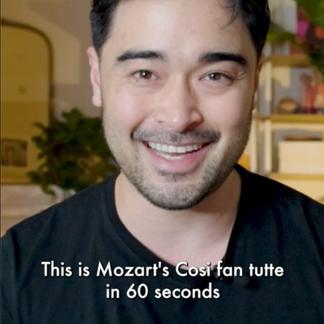
Così fan tutte in 60 seconds
Luka Kawabata breaks down Mozart's Così fan tutte.
Opera fun fact Così fan tutte nearly vanished for nearly a century. Luka Kawabata breaks down why.
Canada Vignettes: Log Driver's Waltz
1979 NFB short film
A young girl who loves to dance and is ready to marry chooses a log driver over his more well-to-do, land-loving competition
VO Ticket Centre Mon-Fri 9am to 5pm 604 683 0222 vancouveropera.ca
Vancouver Opera 1945 McLean Drive Vancouver, BC V5N 3J7 604 682 2871