1."City Renaissance" in Melzo—Creating an Interaction Between City and Nature–2021
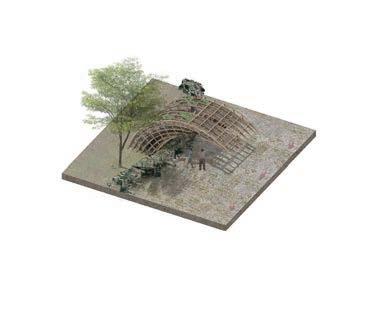
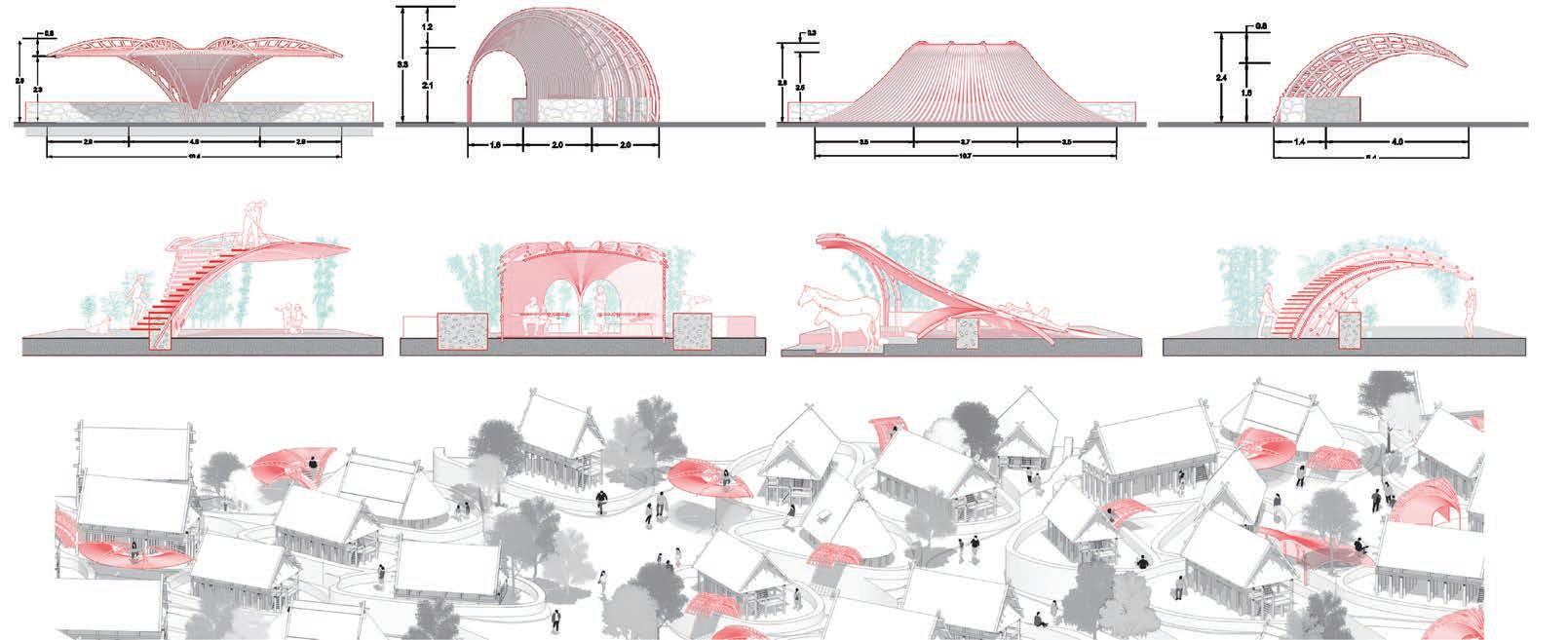
2."Rural Renaissance" in Wengding—The Renovation and Preservation of Rural Heritage–2022
3."Natural Renaissance" in Milan—to be in the city with Citizen and Forest–2021
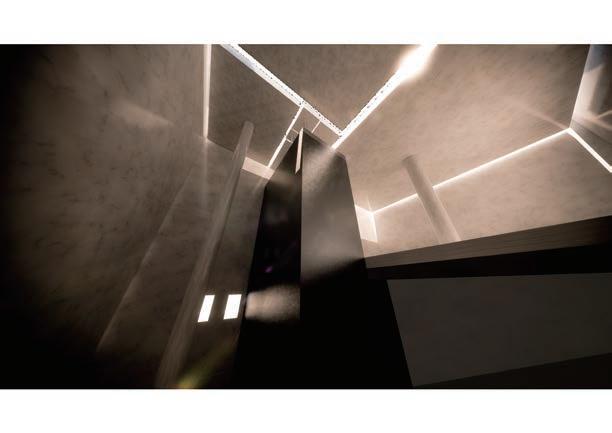
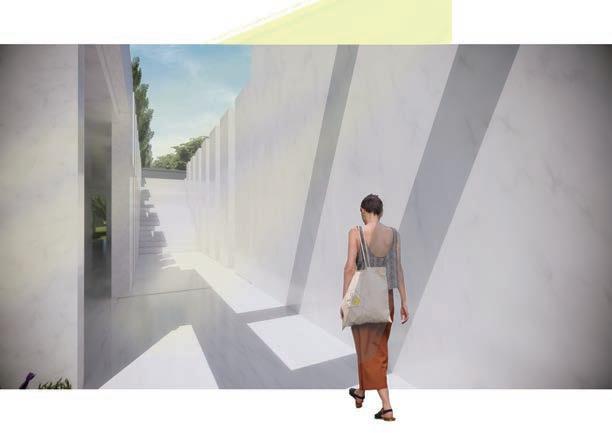
4.Le Petit Espace—using the change of frame opening and closing to adapt to the light at di erent times–2019/2023
5."Spreading" in Milan—let grande parco forlanini become a new brand through nature-art–2022
6."DIVINA COMMEDIA" in Genazzano—Create memory space with Dante's Divine Comedy–2023
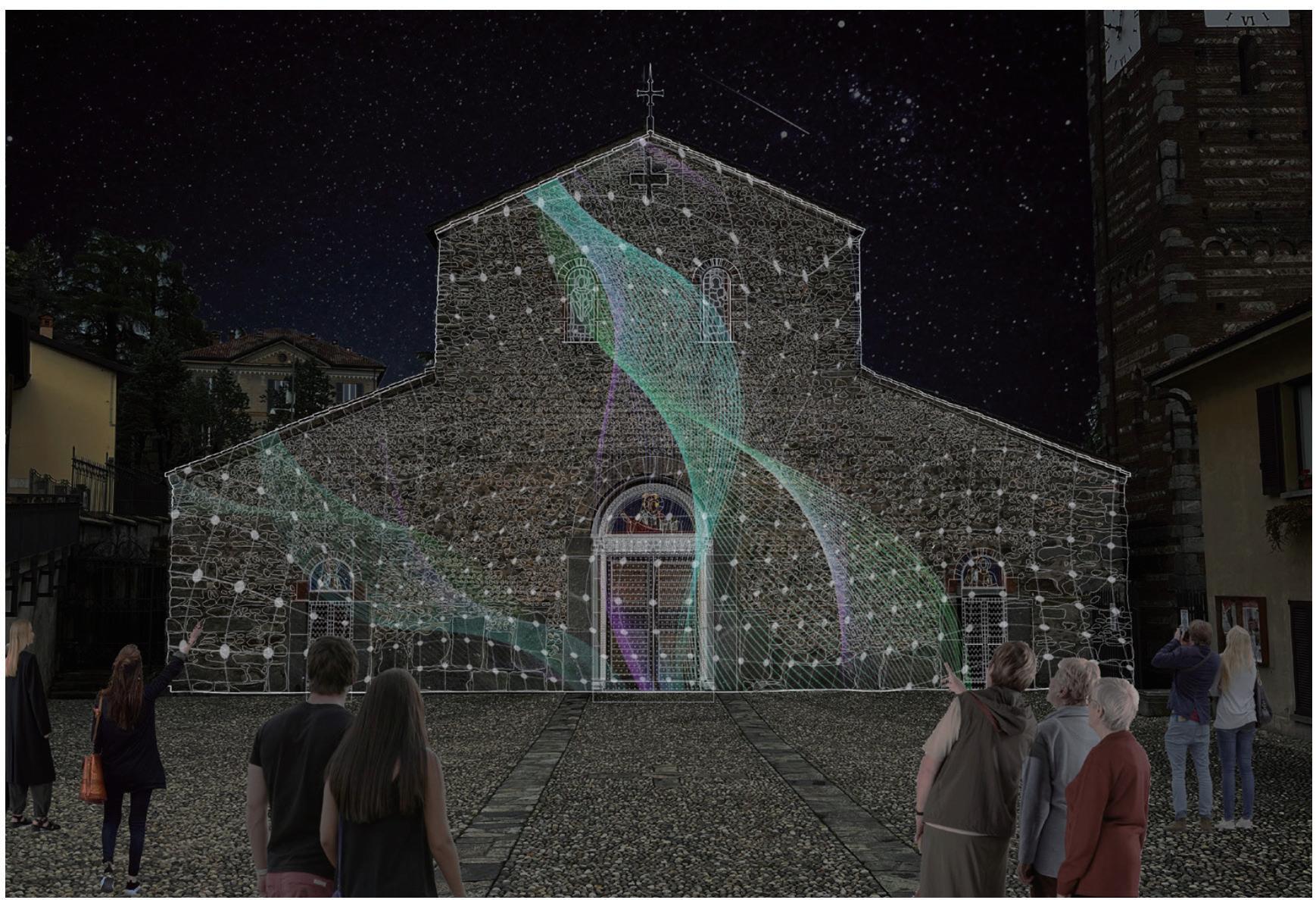
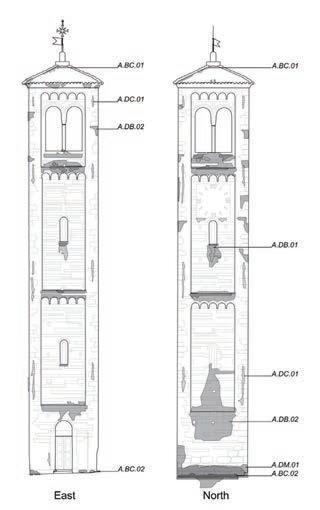
7."Preservation" in Carate Brianza—Basilica preservation and activation in an Italian town–2023
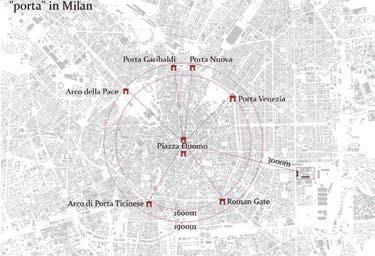
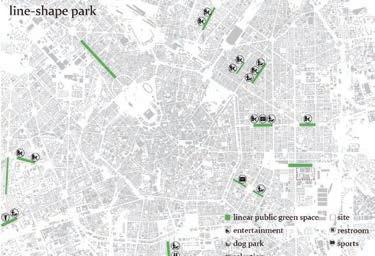
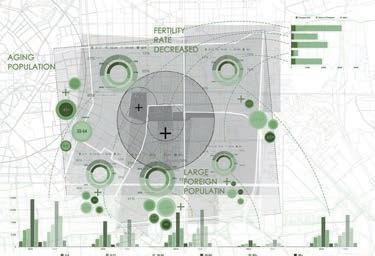
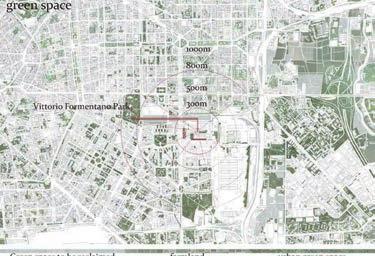
8."Di raction of the CITYSCAPE" in Milan—let green area of city center to di raction the entire Lombardia–2023
9.Otto School in Fiorenzuola—Create a new school suitable for children to study and play happily–2021
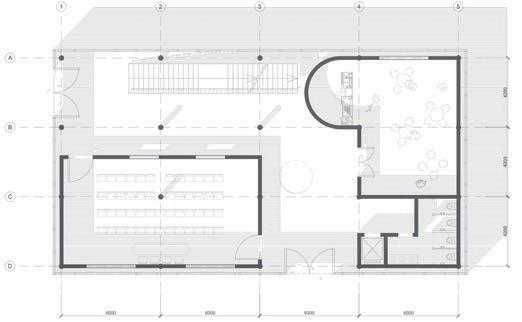
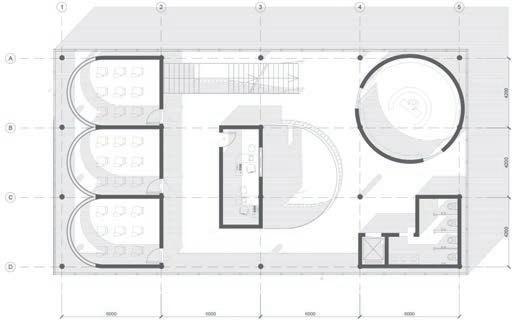
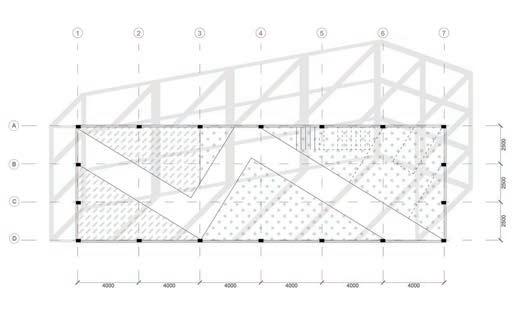
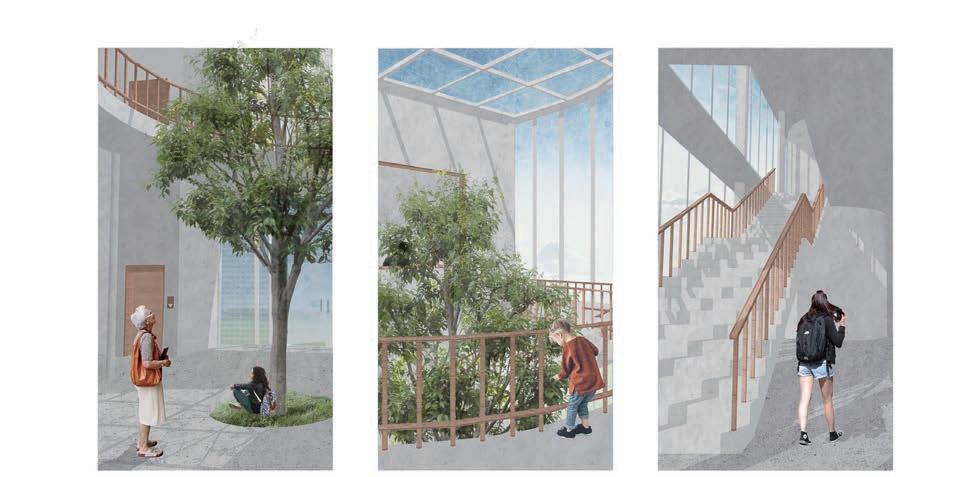
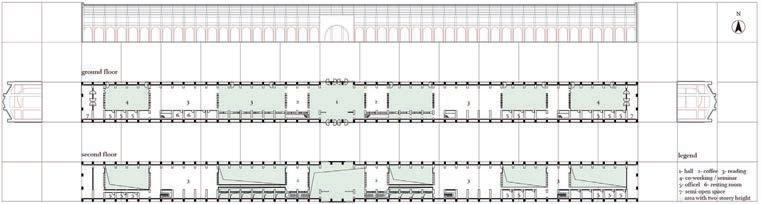
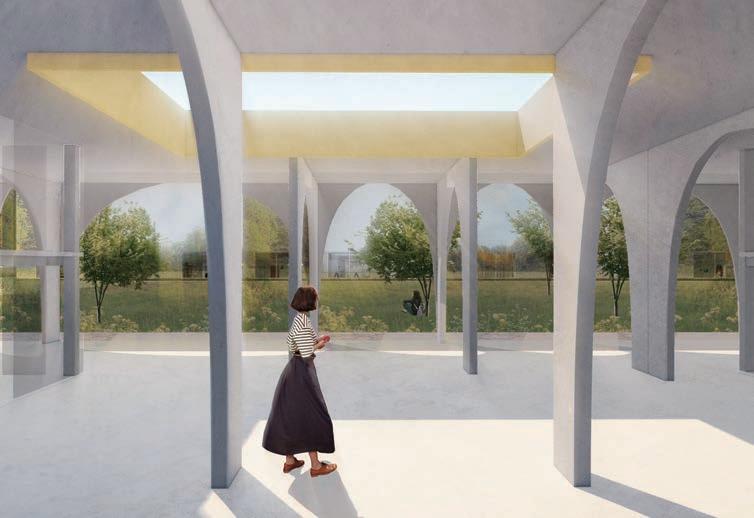
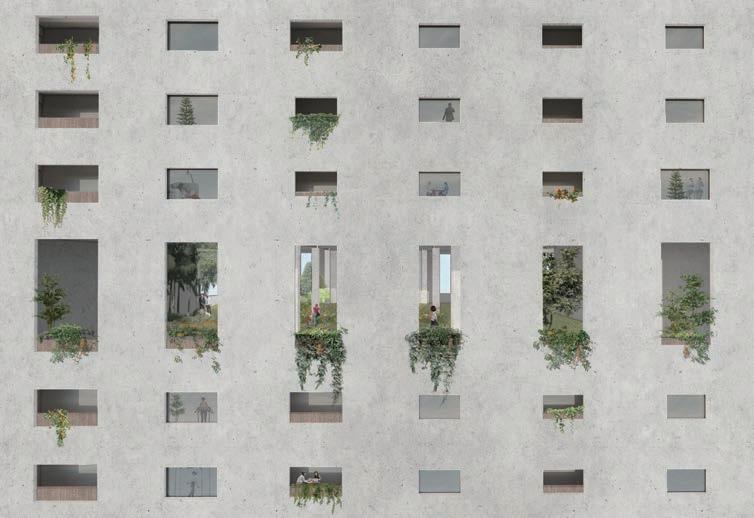
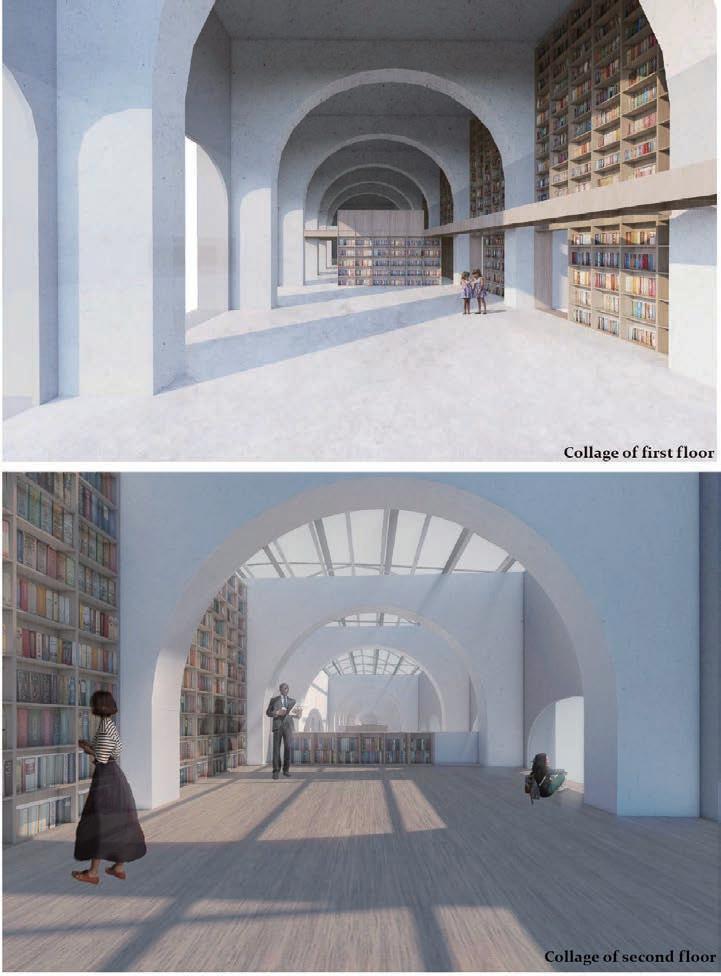
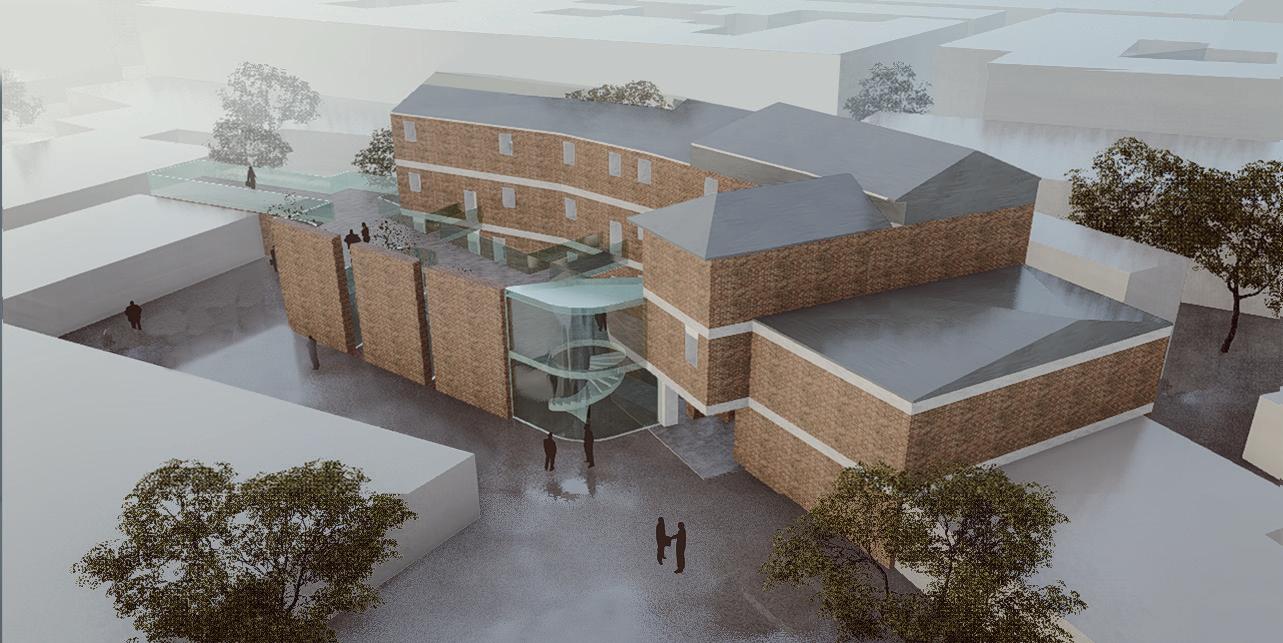
10.Youth Hostel in Bobbio—Rebuilding and energizing the city–2021
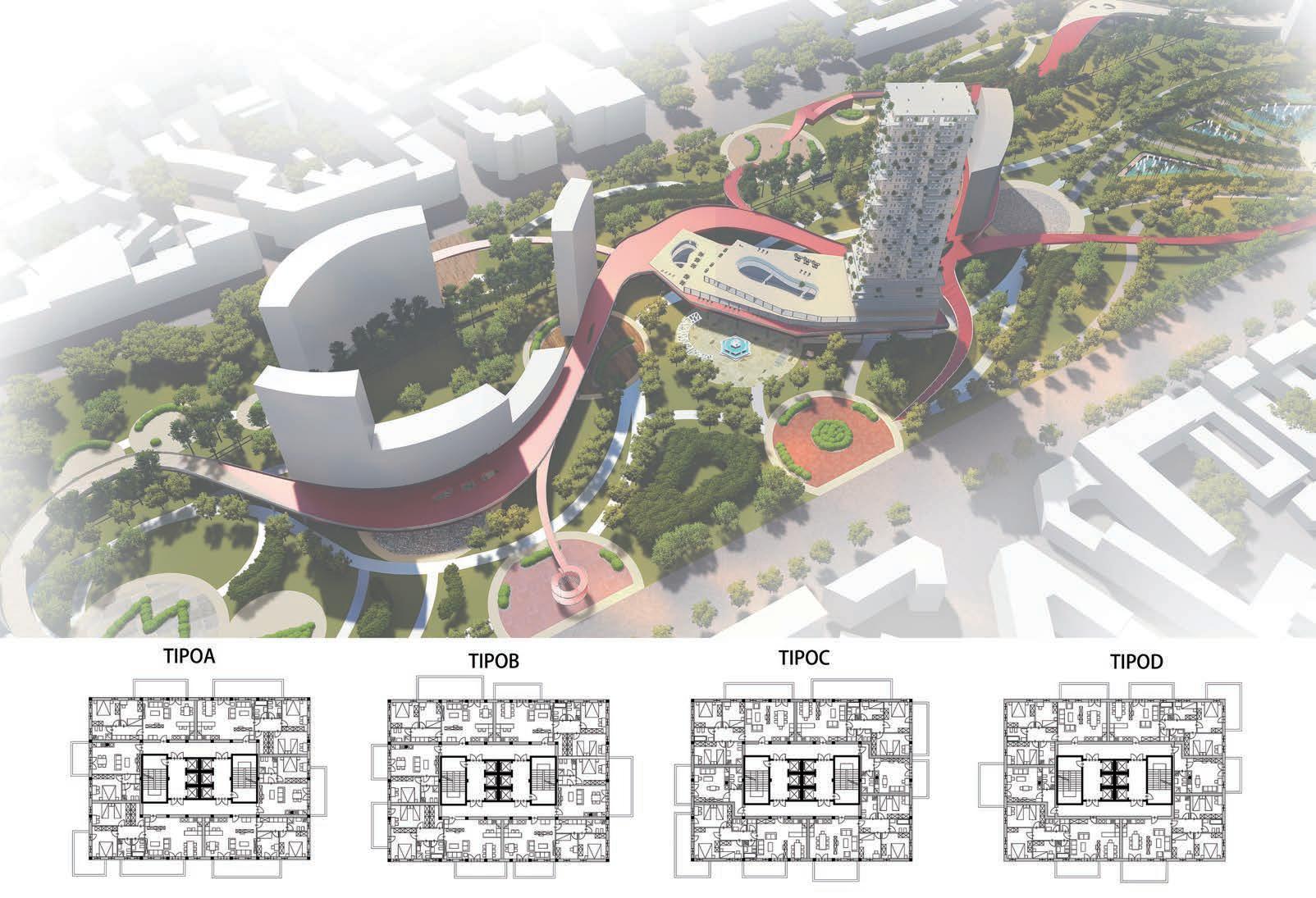
11.Home Park in Milan—create a new sustainable community–2020
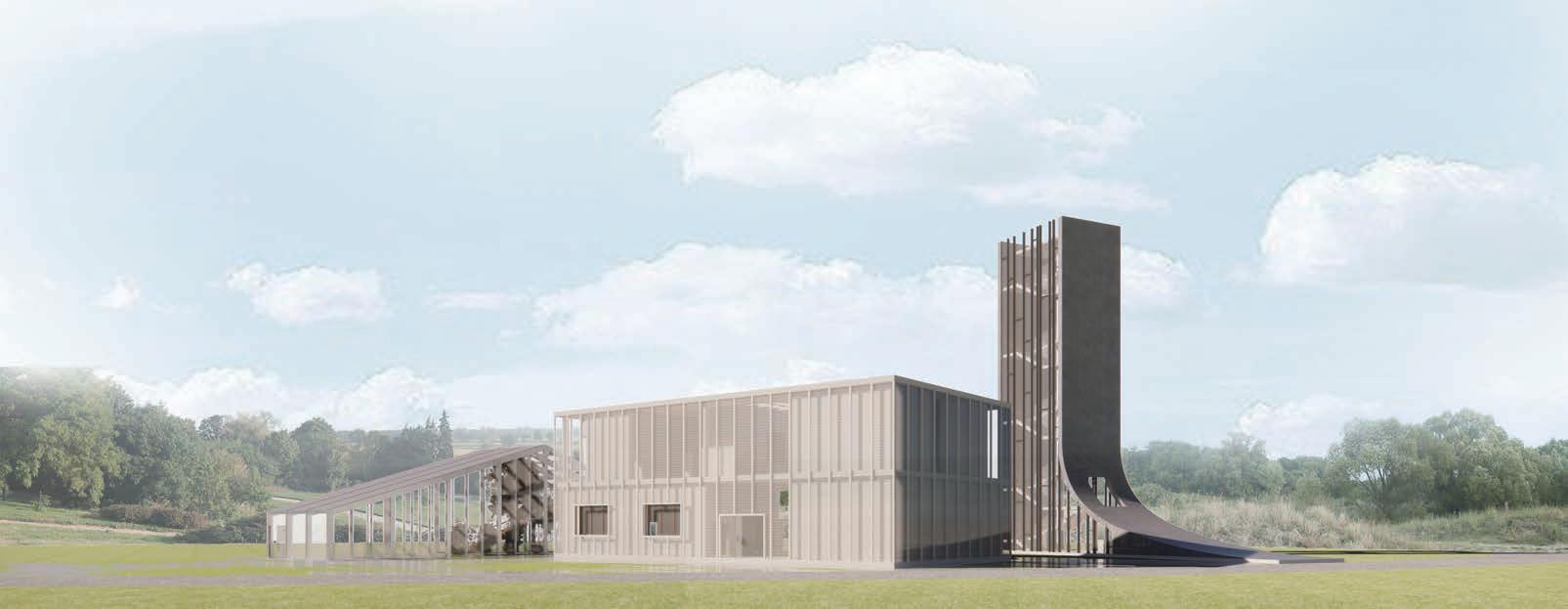
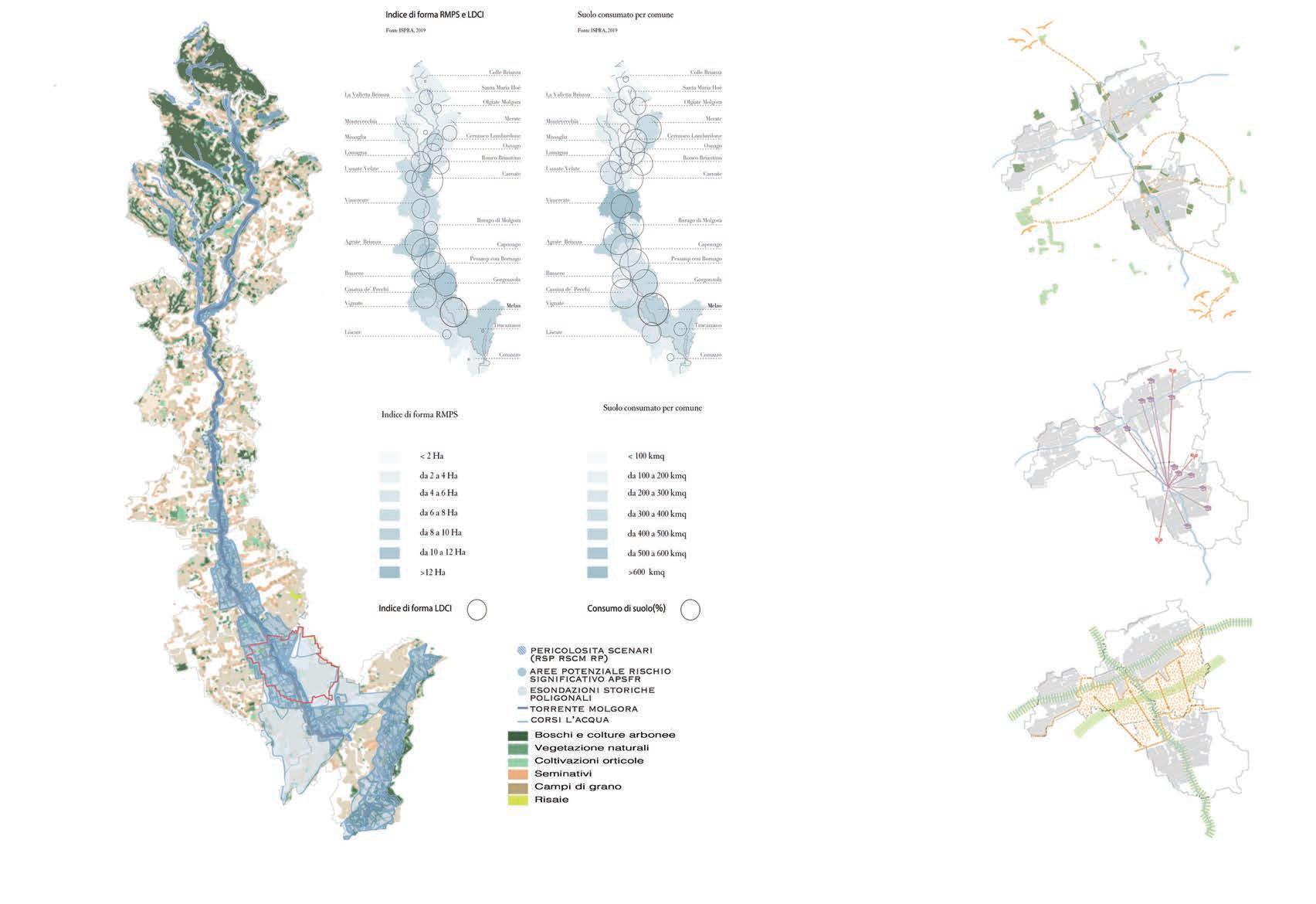
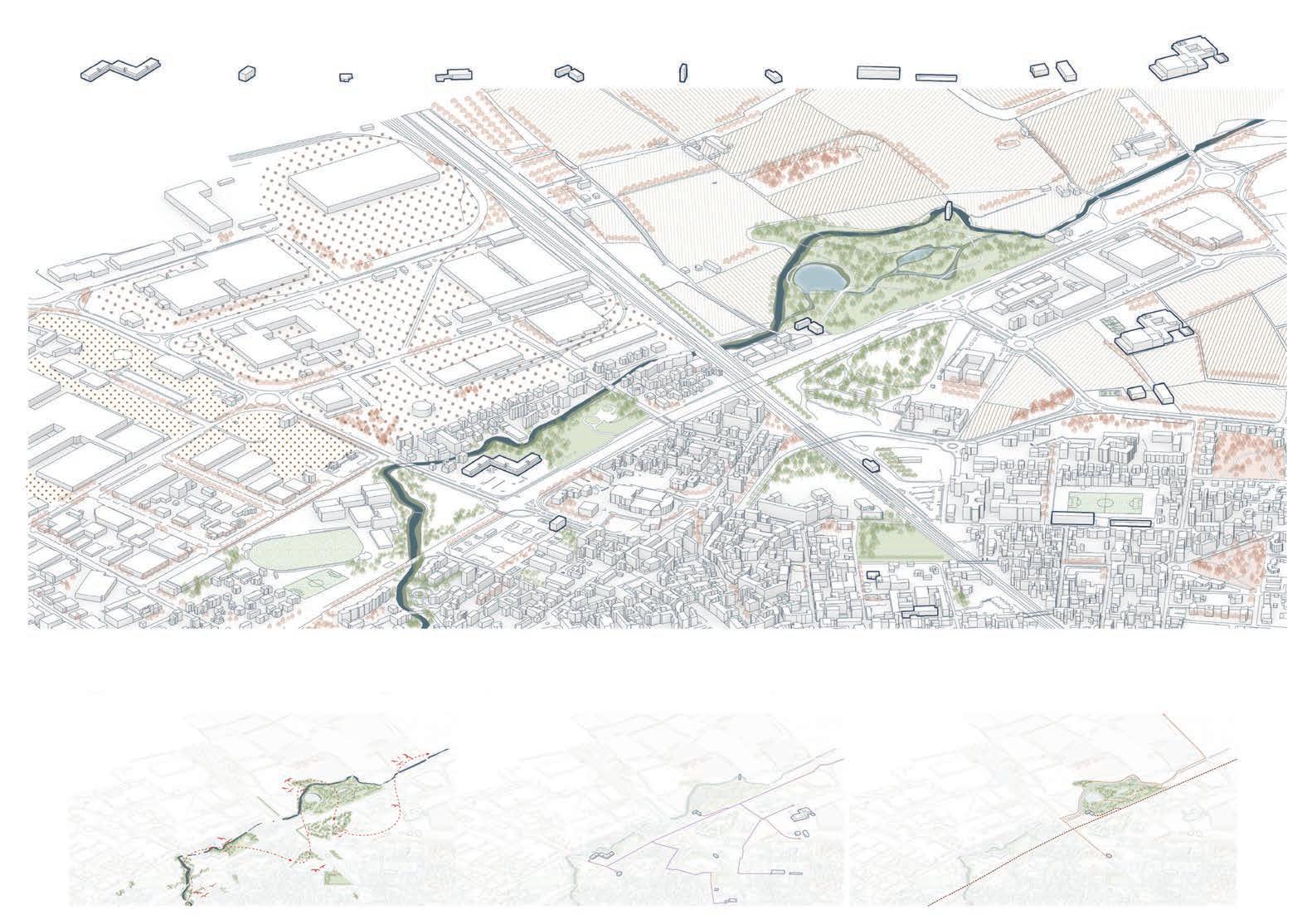
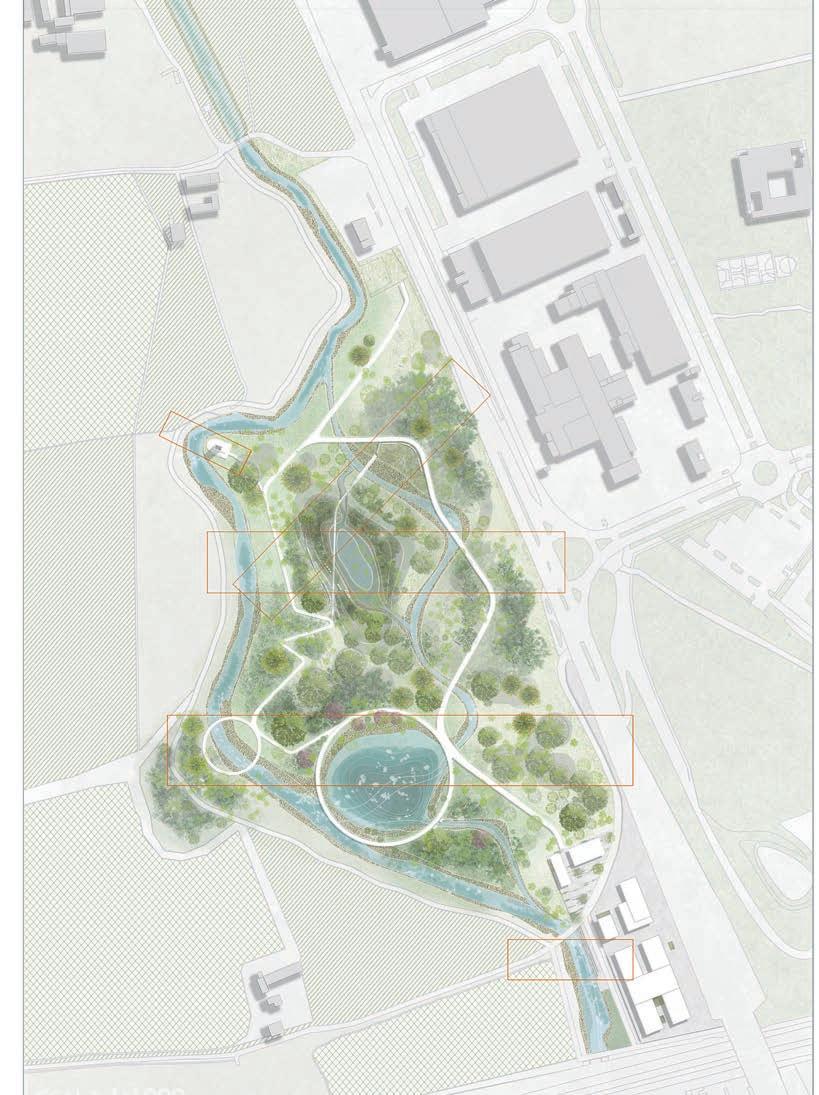
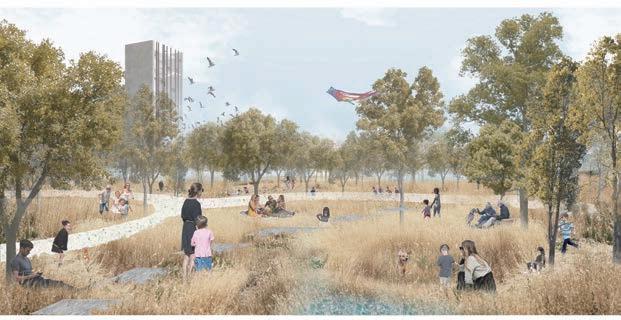
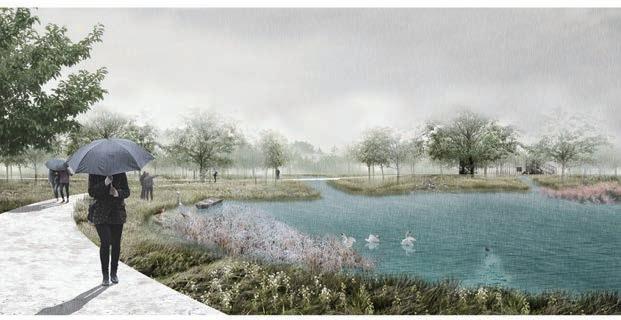
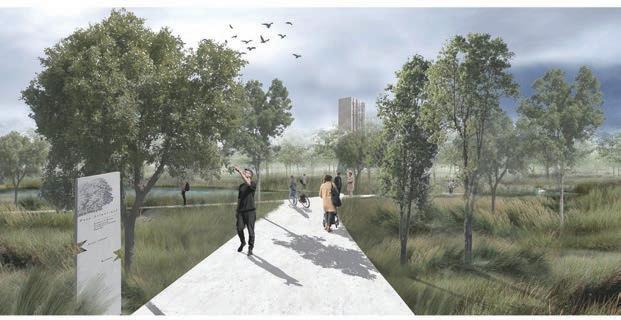
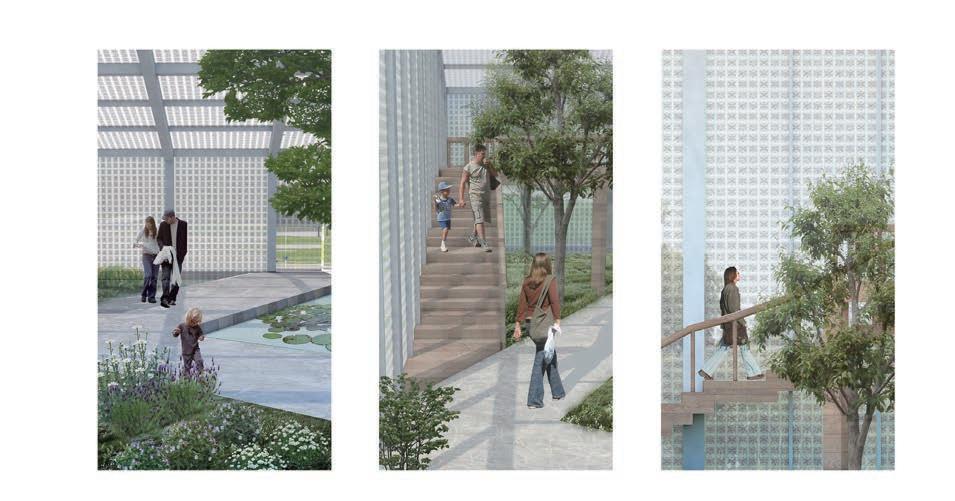
Melzo is located in the southern part of Morgora which is a flood prone area, our site focuses on soil and water conservation, increasing deviation and sharing the damage caused by rising water levels during oods. At the same time, the change in the water level increases the deformability of the landscape. Flexible landscape planning and design can help communities cope with periodic or continuous ooding and adapt them to new lifestyles. System-based design strategies are far more important than individual projects. These systems are composed of protected and strengthened ecosystems, which can be used as natural channels and bu er zones; parks and open spaces ensure the safe passage of water, while storing excess rainwater for future use; a robust green infrastructure system can also help communities manage water resources more effectively. The interior of the park includes a large number of open green spaces, lled with forests, wetlands, lakes, grasslands, streams, bridges, trails and walks, and its size makes for dramatic exhibits. It has formed a rich climate and geological features, laying the foundation for biodiversity and the diversity of the site makes continuous landscape possible.
"City Renaissance" in Melzo—Creating an Interaction Between
City and Nature
–2021
Laboratorio di Progettazione Finale
Instructed by Prof. Andrea Oldani, Prof. Maria Antonietta Clerici, Prof. Gio Gozzi Group work
LOCATION ENVIRONMENT
At an abstract level, planting trees in the green space of the municipality and reusing the existing woods of the city and around it to create bird habitats. The small pieces of green thus become a united system. It has a resilient for disaster.
NATUNAL EDUCATION
The site has educational attributes, so we imagine schools within a certain range, educational farms (multifunctional farms with educational attributes) also included in our strategy.
Our project is a buffer zone between the cities, the open area between melzo and gorgonzola as a green corridor, has an important value as a green belt, it avoids the union between urbanized areas.
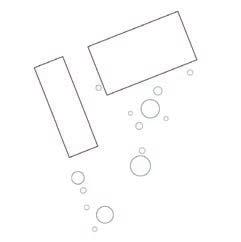
STEP 1 From a macro perspective, we predict that the new ecosystem will have a wider range of forests and green spaces and will use the characteristics of bird survival and migration to abstractly connect all green spaces to make it an elastic ecosystem.
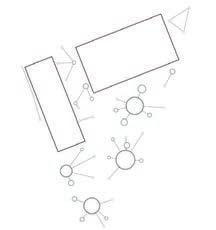
STEP 2 We considered the connection between the site and buildings with educational attributes in the city and took full advantage of the site's features to provide a speci c space for extracurricular activities for the group of students.
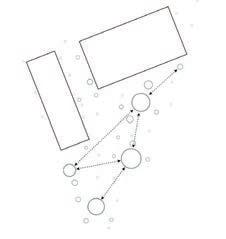
STEP 3 For the accessibility and connectivity of the site, we plan to connect several cities through the existing transport system. For the pedestrian and cycling routes, connect them to the train station to provide convenience for tourists and cyclists.
MASTERPLAN CONSTITUTION
Path classi cation
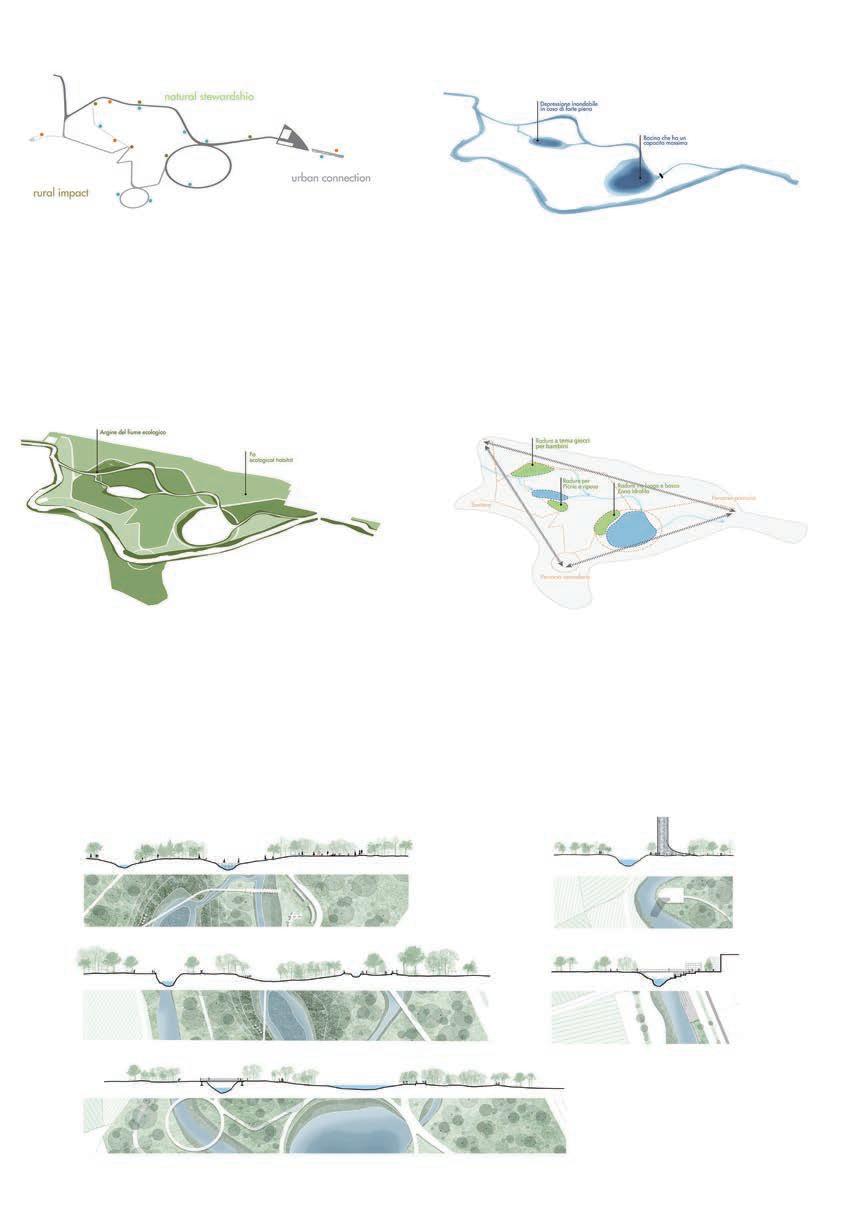
Three path structures of the landscape park , including the main landscape road , the recreational road along the river , and the forest connecting path . The dots of di erent colors represent : interaction with water , interaction with nature , interaction with facilities .
Variable landscape
landscape Through the natural river in the site , di erent e ects dominated by water are created in different periods . For example , during the ood season , close the gate to ll the reservoir and the submerged basin , or open the gate to keep the reservoir full . .
Plants and ecology
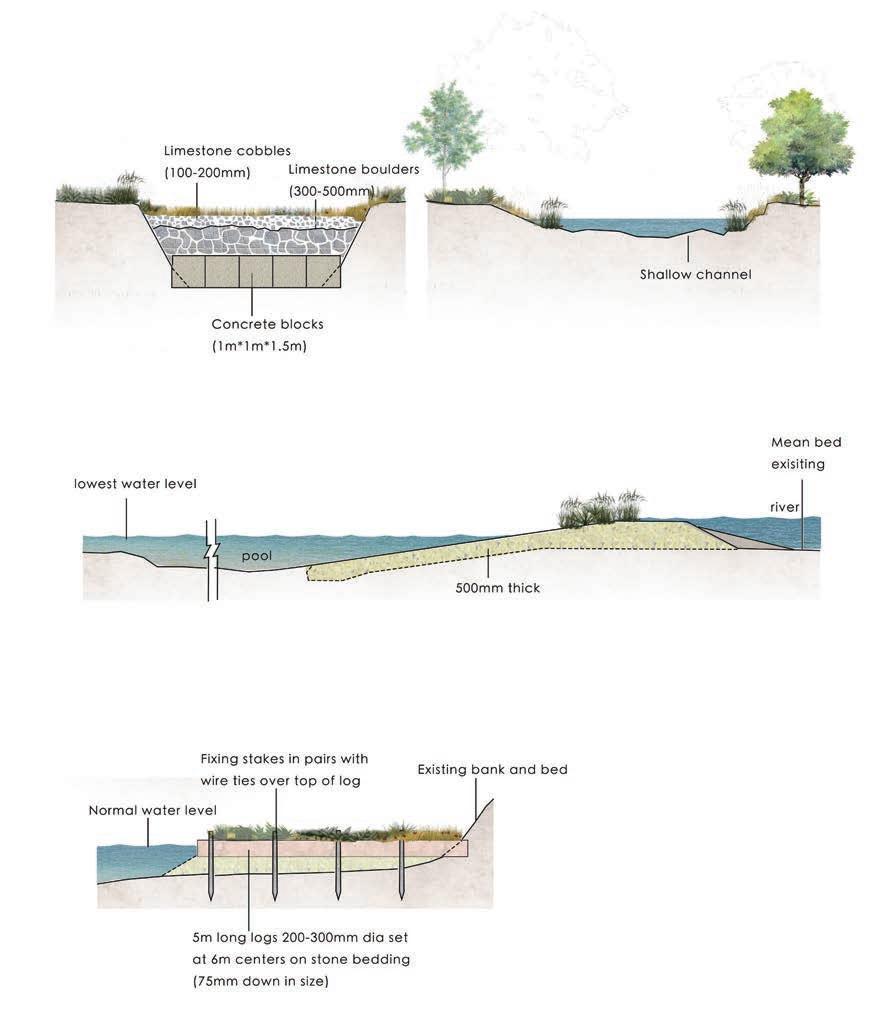
Conceive the river embankment , plant hydrophilic plants to consolidate the river embankment , and plant di erent kinds of trees , shrubs and herbs in other parts of the park , and try to make them grow over time , leading to changes in the composition of the forest . .
SITE SECTION
Comprehensive
The direction of the road is specified through the relationship of the main axis , and the open space , river and road are integrated , so that it can fully interact with people . Glades with di erent themes provide a variety of services for different groups of people , enriching the park's excursions .
STEP 1
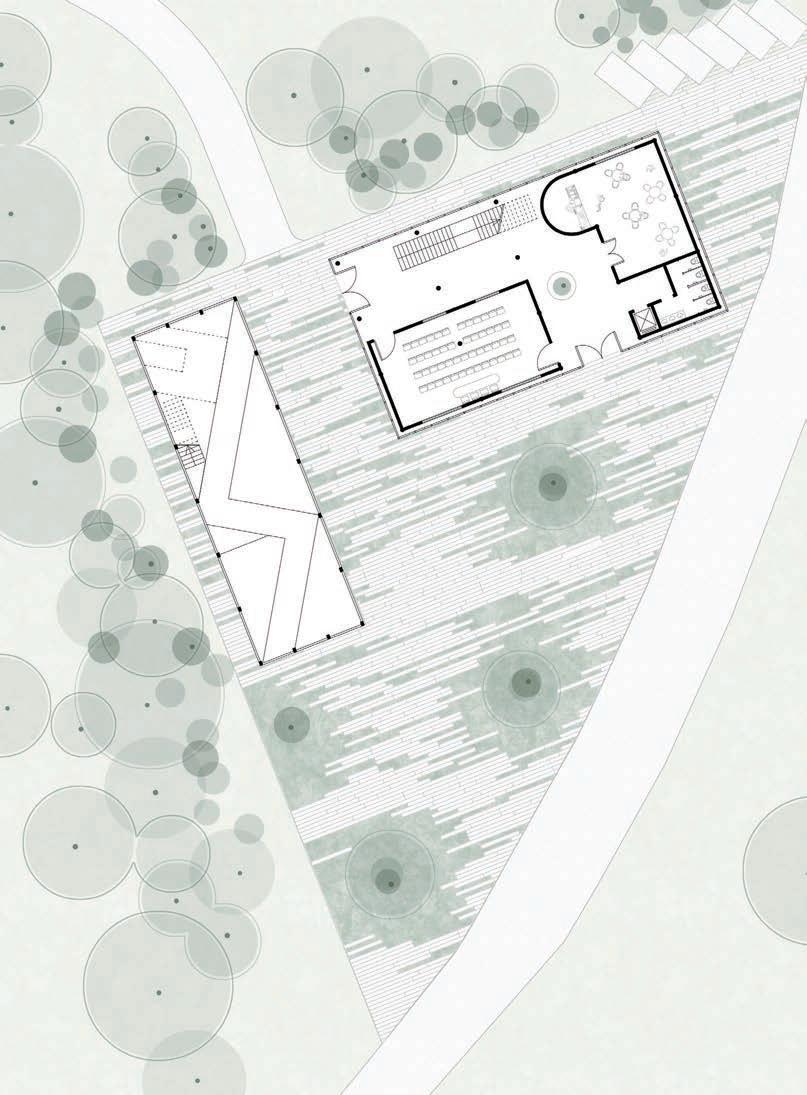
Analyze the entrance to the building and determine the area that can be used for planting trees without affecting the flow of people.
STEP 2
Perform a random factor interference treatment in the area to make the site evenly and randomly distribute 'green'.
STEP 3
Make adjustments to achieve adequate 'green' coverage and spacing, create the possibility for the integration of the city and ecology, and connect the two in a smooth way.
"Rural
Renaissance"in Wengding—The Renovation and Preservation of Rural Heritage –2022
Competition Project
Instructed by Prof. Contin Antonella Group work
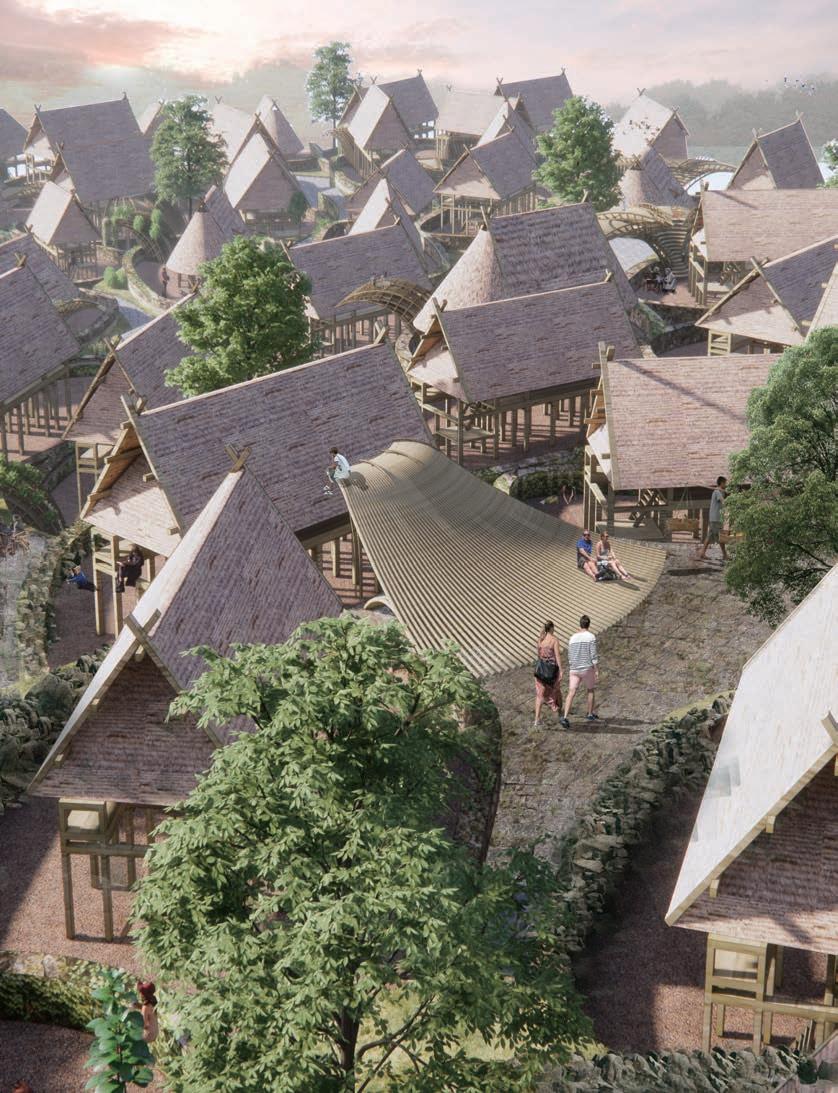
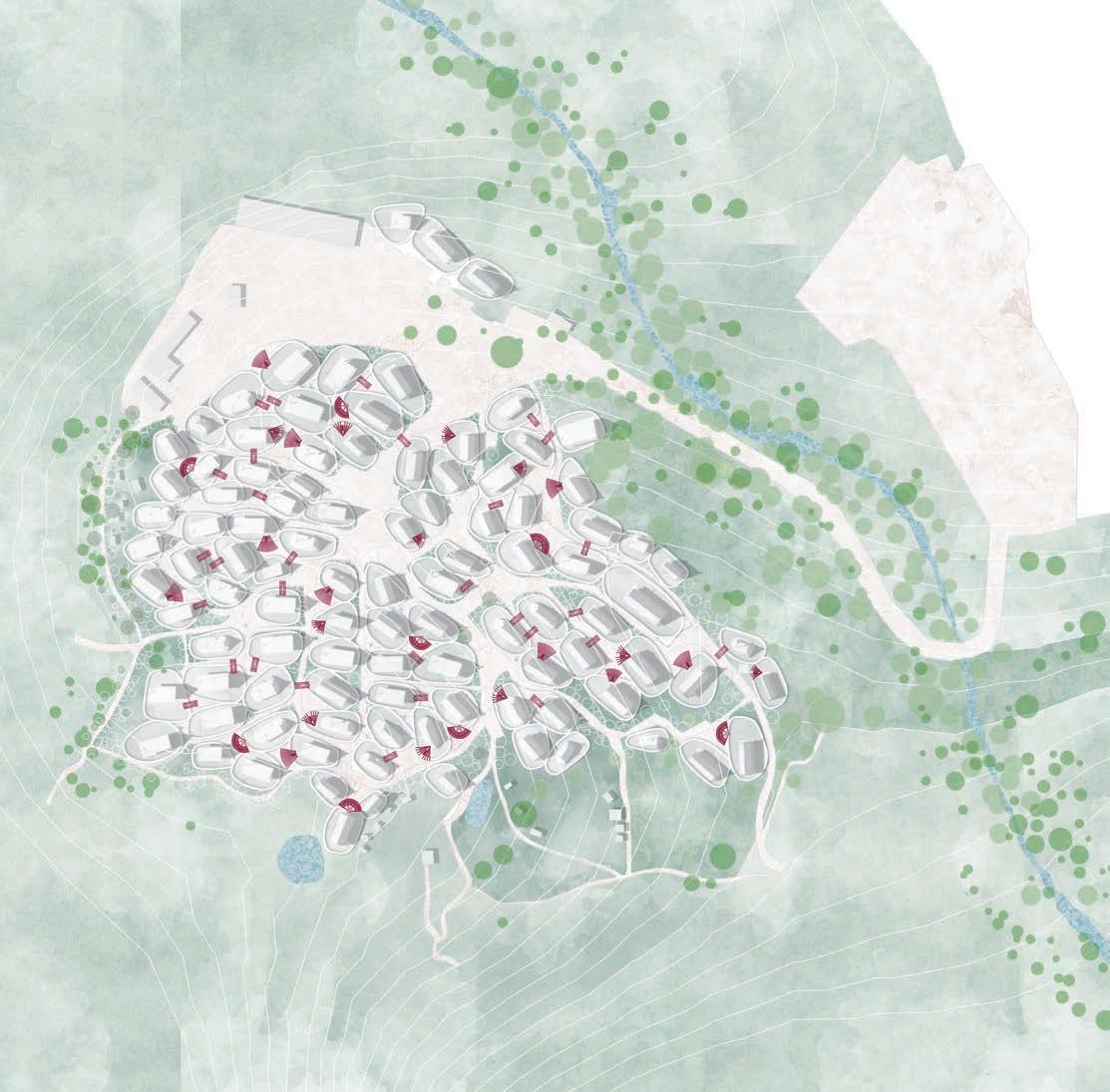
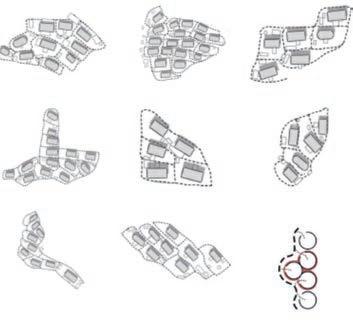
Under the in uence of heritage protection policies and tourism development, the viillage of Wengding has gradually become an "empty village", and the conflicts between people and space, residents and tourists are intensifying. We intend to explore how traditional villages optimize their space in the context of heritage protection. More interesting is whether we can use an mirco strategy to reconcile the contradictions between people and space, residents and tourists.
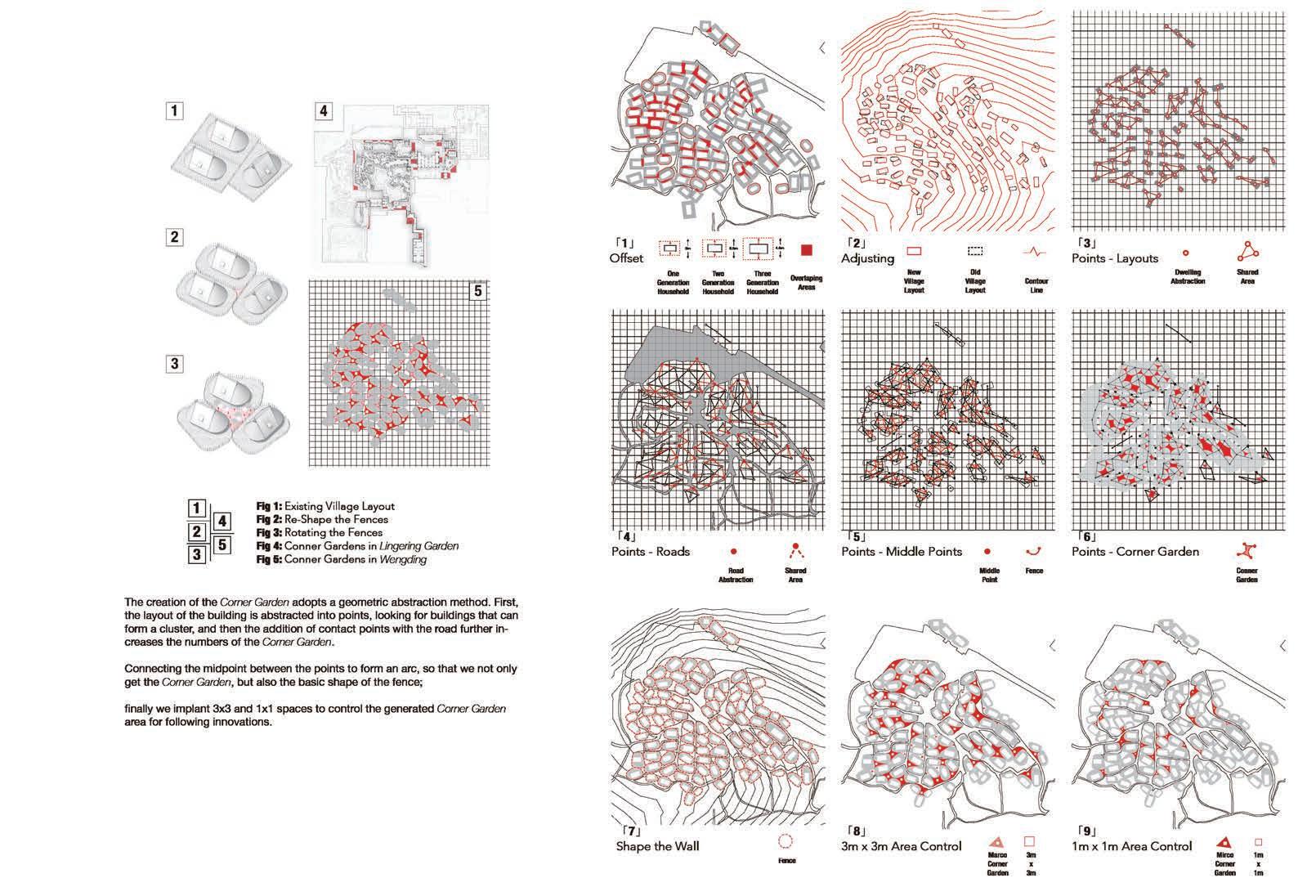
The strategy is inspired by the courtyards in the traditional gardens in the south of the Yangtze River. We focus on whether a small space can be used to solve the common needs of protection and development in heritage villages; in this way, the large-scale relocation of residents and public facilities can lead to the creation of traditional villages. hollow out.
Generally, the planning and development of traditional villages usually choose to build large-scale spaces around the villages; The project employs a resilient design of modified yard walls to create micro-spaces to meet the needs of residents and visitors, saving both time and economical costs.
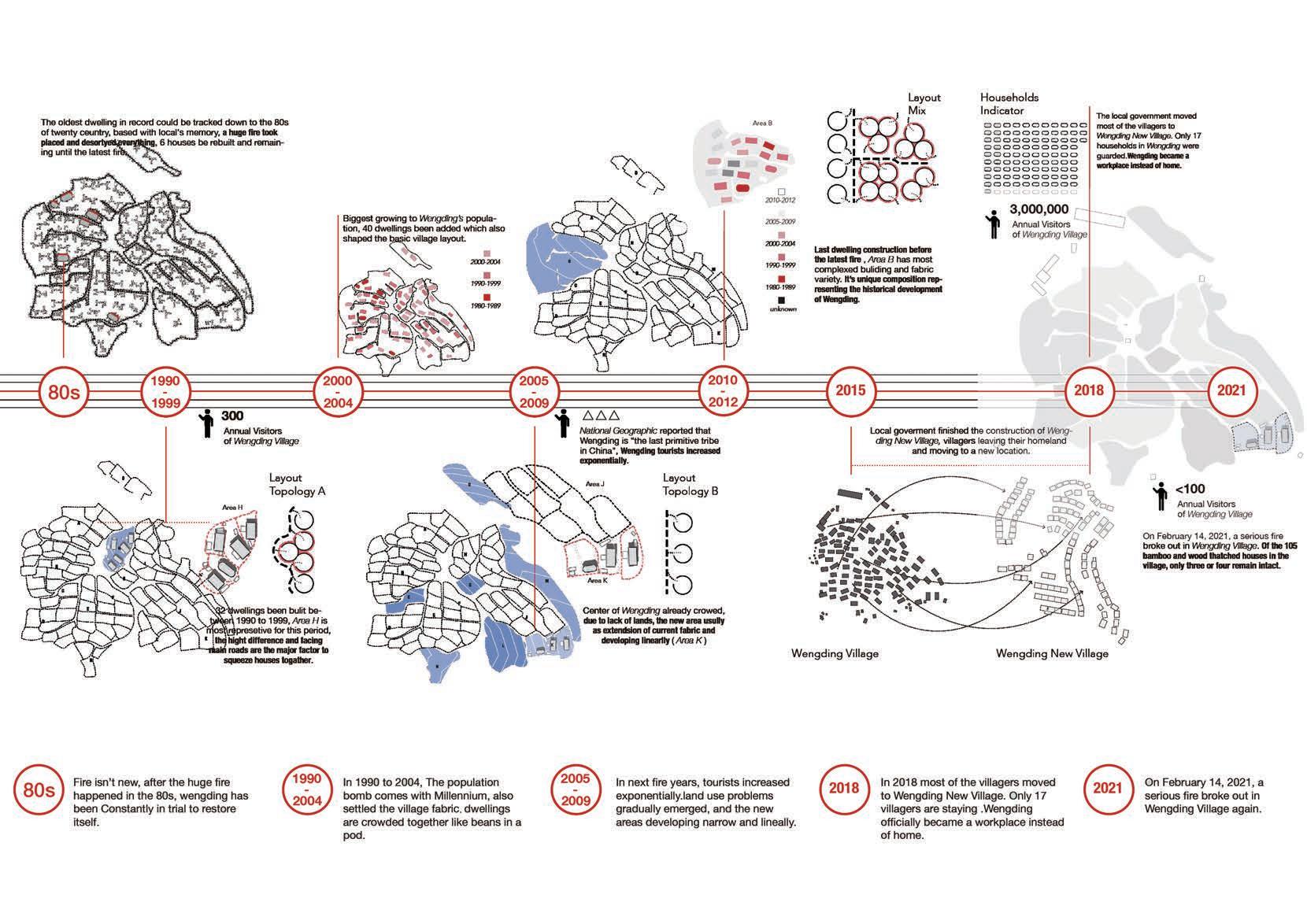
A repeating history of restoration and destruction
STRUCTURE OF WENGDING
Like most tourism villages, The con ict between locals and tourists is actually a con ict about demanding of di erent land use.
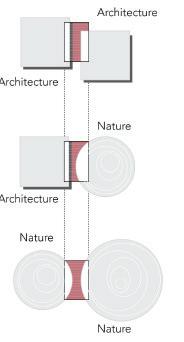
Our main strategy is to develop the open space of the Conner Garden in a vertical way. Like two sides of a coin, one side meets people’s demand of leisure activities, and the other side provides support for Wengding’s traditional agricultural production activities.
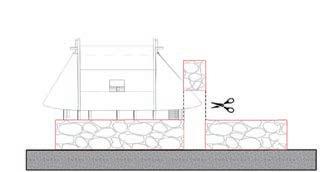
Because of this vertical space overlapping concept, the focus of the design has shifted from the ground to the wall; for heritage protection and site hieght di erence, we used acupunctural approach to replace part of the wall and insert the bamboo structural interventions.
For Locals PRODUCTIVITY For Locals PRODUCTIVITY For Locals PRODUCTIVITY For Locals PRODUCTIVITY
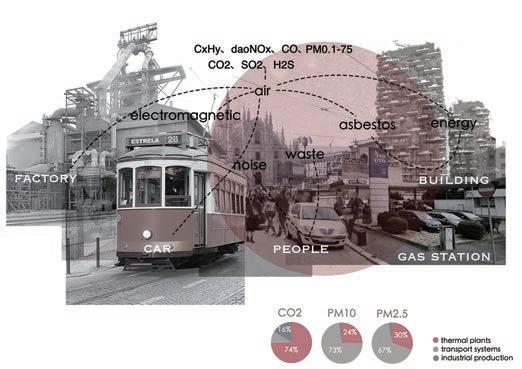
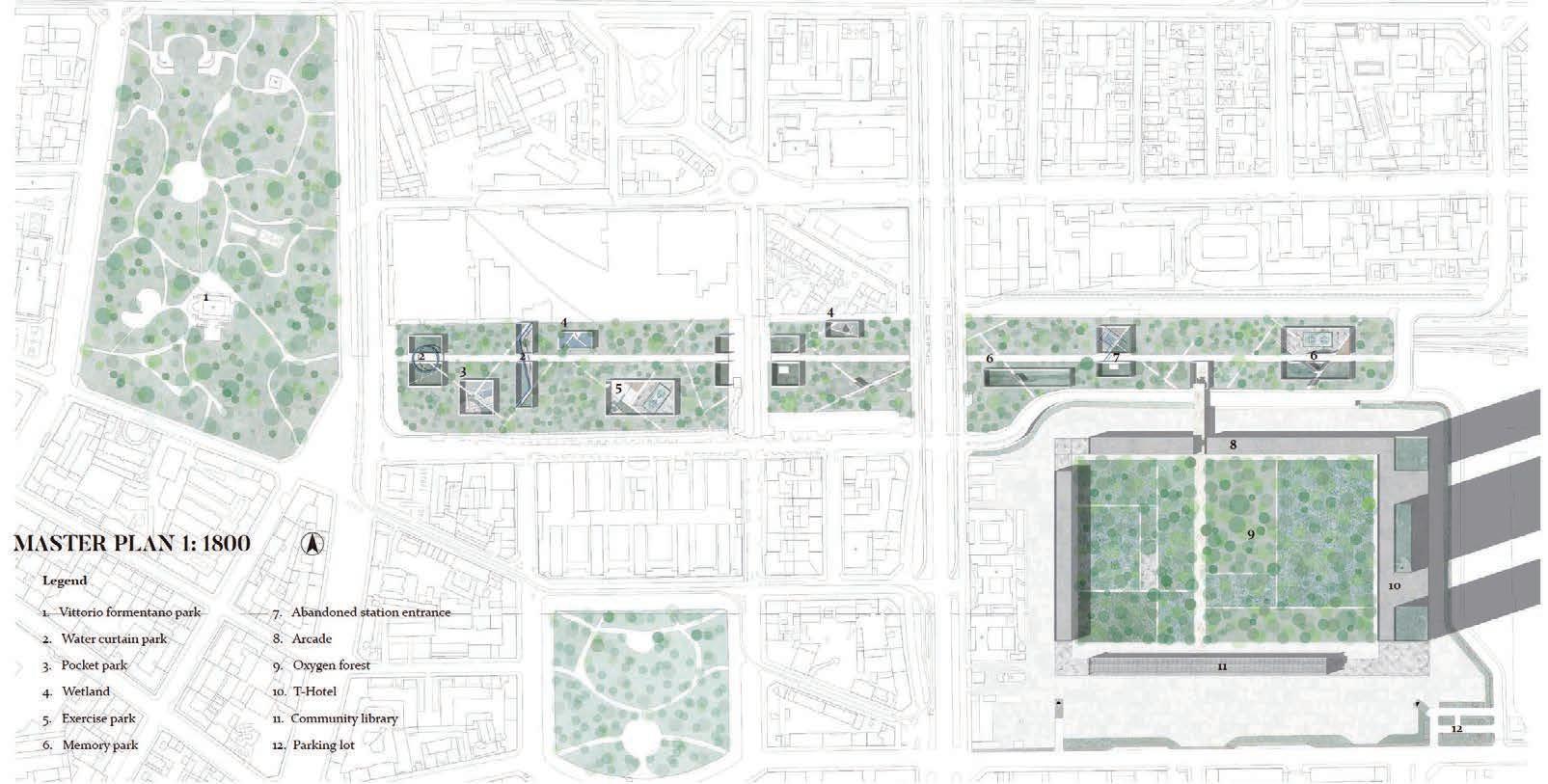
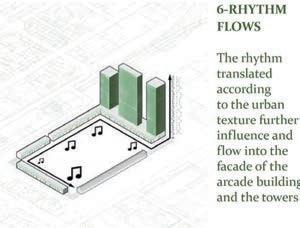
As an international city, Milan is far greater in scale and density than other cities. With global warming and carbon emissions increasing, should Milan develop like this in the future?
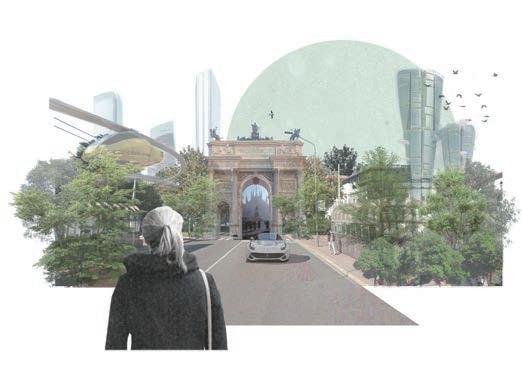
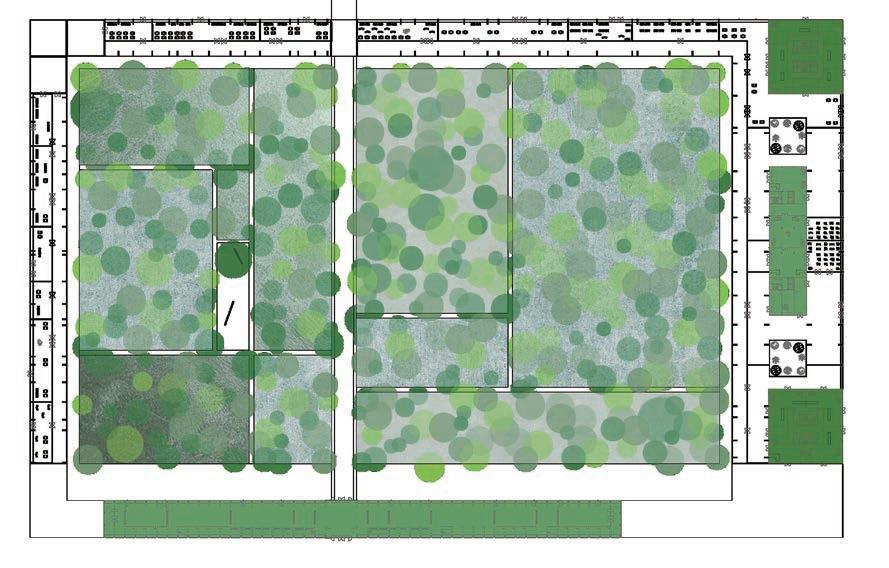
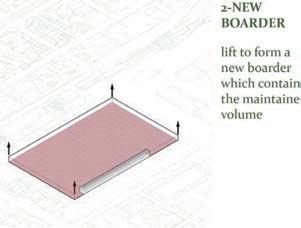
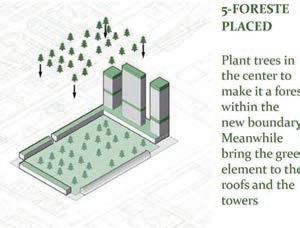
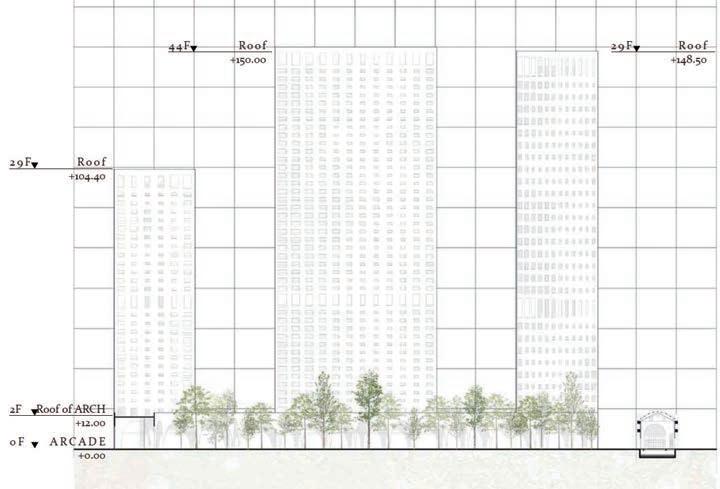
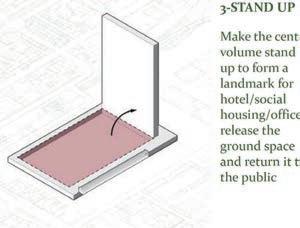
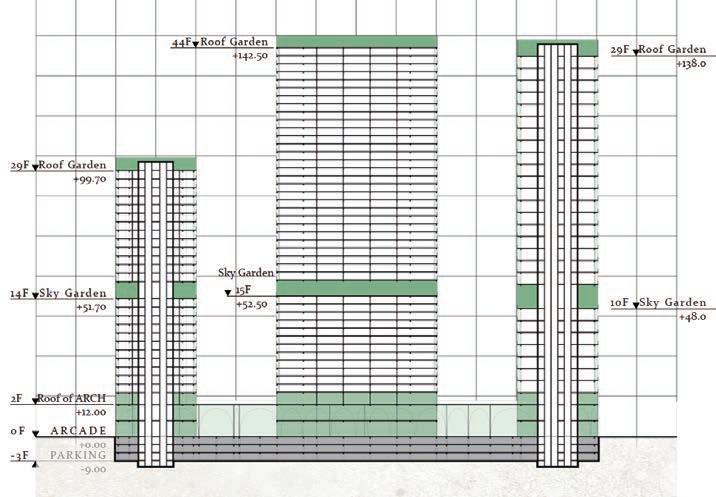
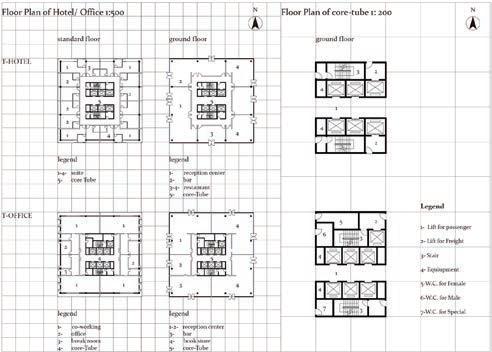
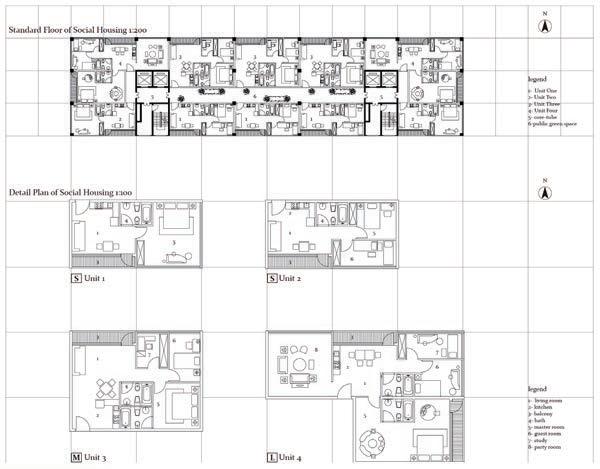
We redesigned the existing abandoned green space and transformed it into a sustainable linear park. And retain the design of the building and the new building, as well as the design of the three towers. It not only preserves the memory of the site, but also adds new vitality to the city of Milan and solves part of the social housing problem.
"Natural Renaissance" in Milan—to be in the city with Citizen and Forest –2021
Competition Project
Instructed by Prof.Coppetti Barbara,Cavallaro Ra aella Group work
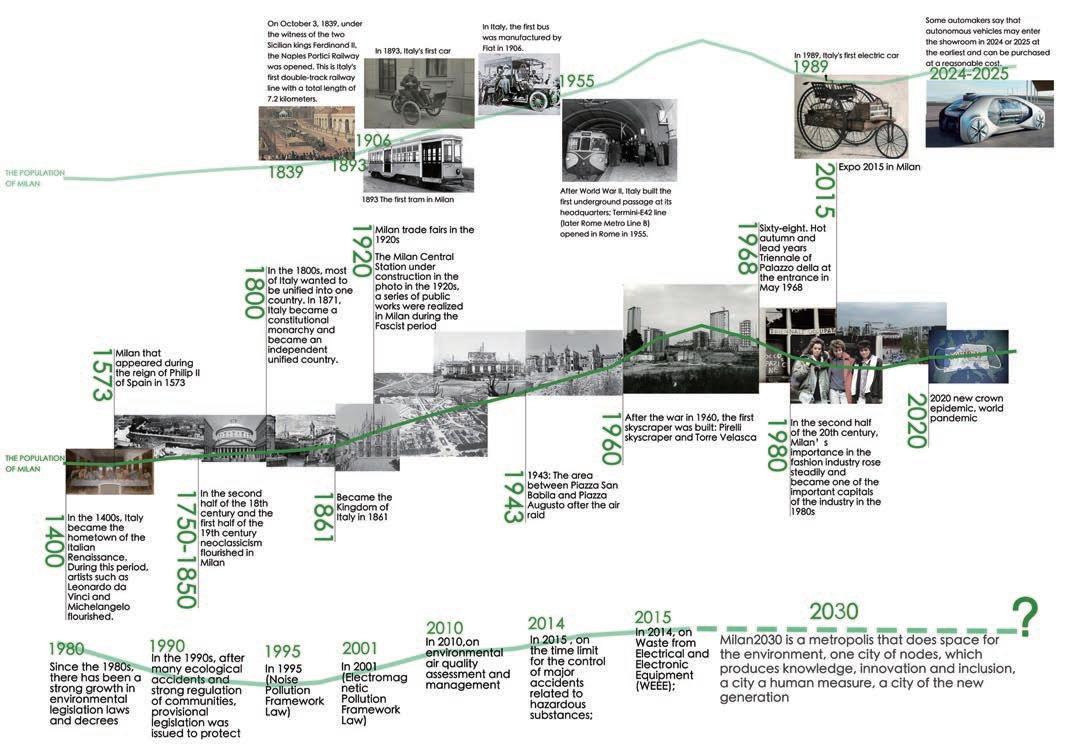
MILAN: A HISTORY
METHODOLOGY
GROUND FLOOR OF ARCHITECTURE
FORMATION
ELEVATION OF THREE TOWERS
GREEN ELEVATION OF THREE TOWERS
FORMATION PROCESS
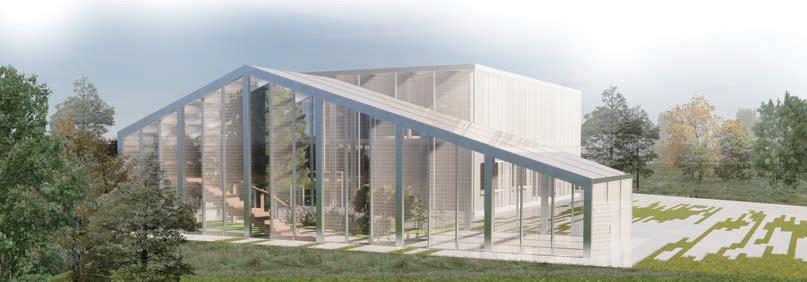
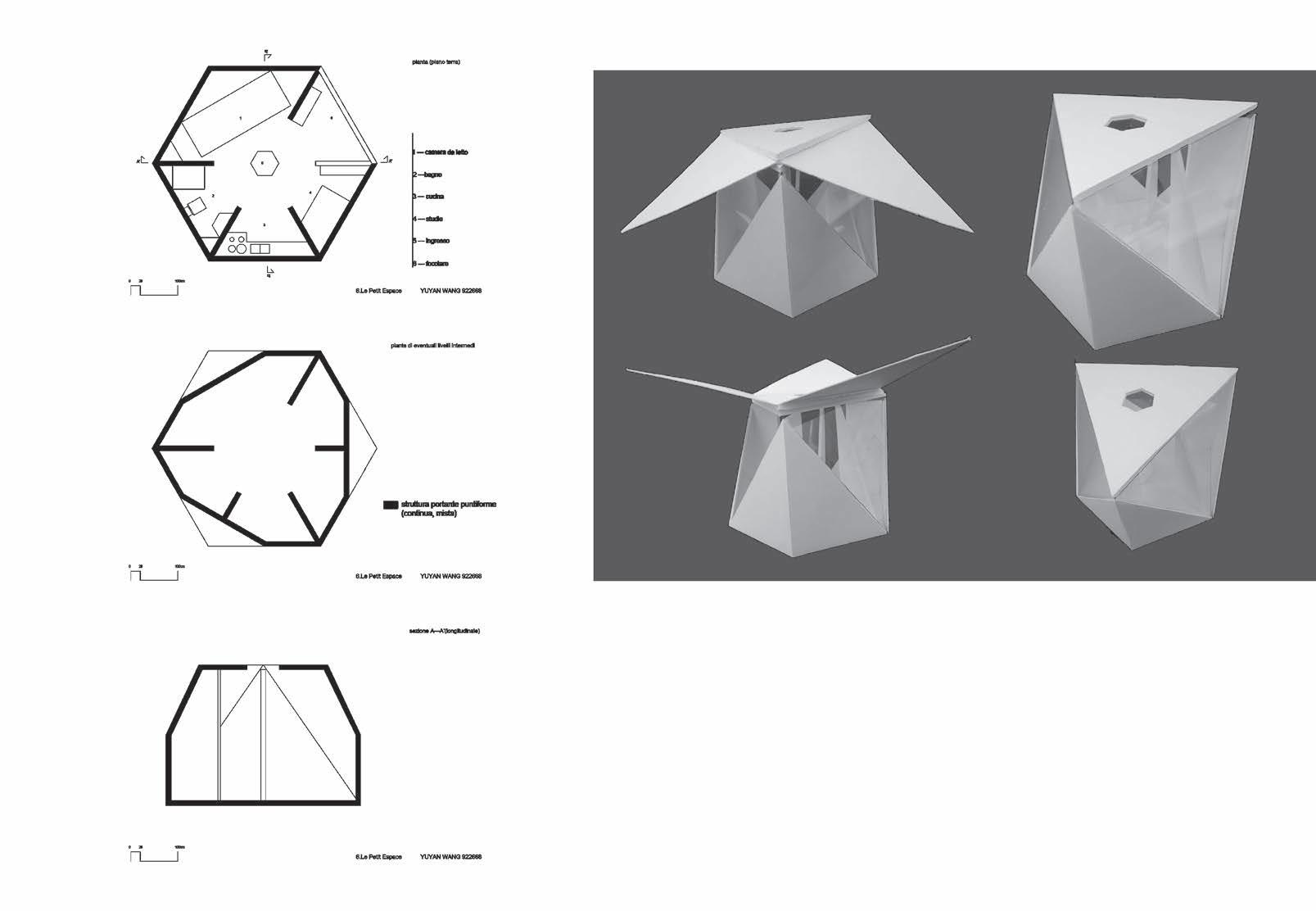
Le Petit Espace—using the change of frame opening and closing to adapt to the light at di erent times
–2019/2023
Laboratorio di Progettazione 1
Instructed by Prof.Mei Pasquale, Pinto Livio, Russo Ida Lia Construction and Sustainability Design Studio
Instructed by Prof.Nastri Massimiliano, Miglioli Alessandro Individual work
Executive designer: Yuyan Wang
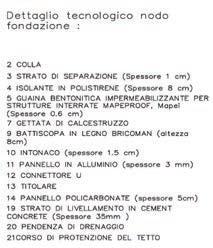
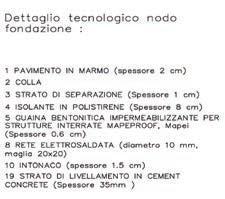
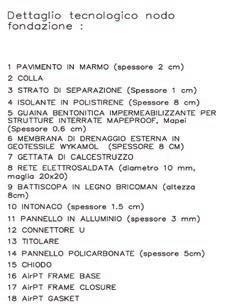
Technical analysis:
Executive designer: Yuyan Wang
Technical
Day: 20 January 2023
Prof. Massimiliano Nastri - Prof. Alessandro Miglioli Construction and sustainability design studio (A.Y.
Executive designer: Yuyan Wang
Technical analysis:
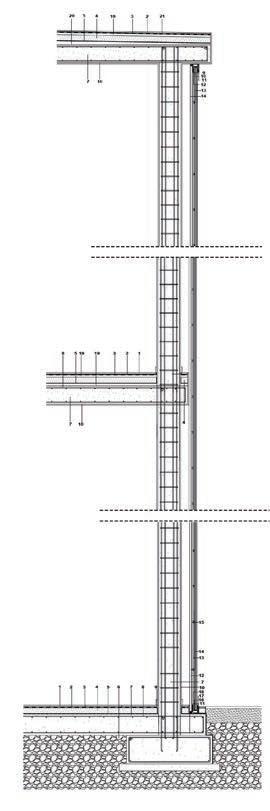
SUBFLOOR 120MM
80MM
80MM
CEMENT 20MM
WATERPROOF 20MM
FLOOR 20MM
SCREED 40MM
CEMENT 3% MIN40MM UNDER-FLOOR HEATING SYSTEM 80MM
ACOUSTIC LAYER 20MM
SUBFLOOR 120MM
SCREED
UNDER-FLOOR HEATING SYSTEM 80MM
ACOUSTIC LAYER 20MM
SUBFLOOR 120MM
Prof. Massimiliano Nastri - Prof. Alessandro Miglioli Construction and sustainability design studio (A.Y. 2022 - 2023)
Executive designer: Yuyan Wang Technical analysis:
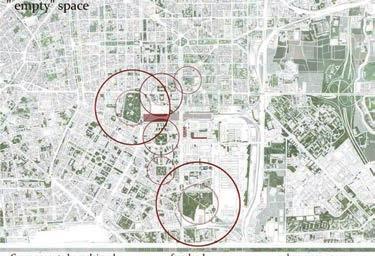
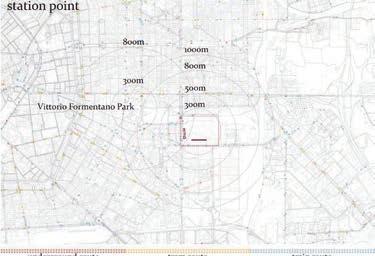
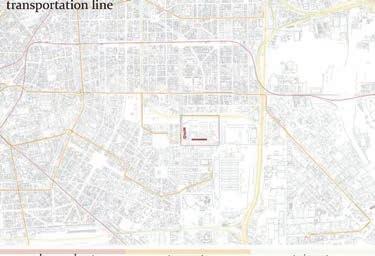
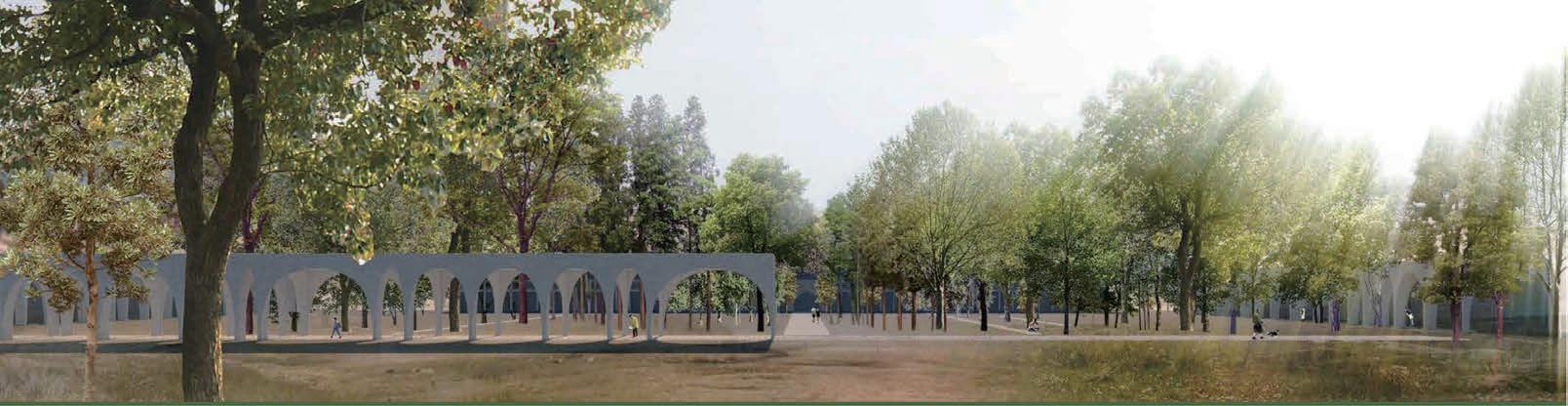
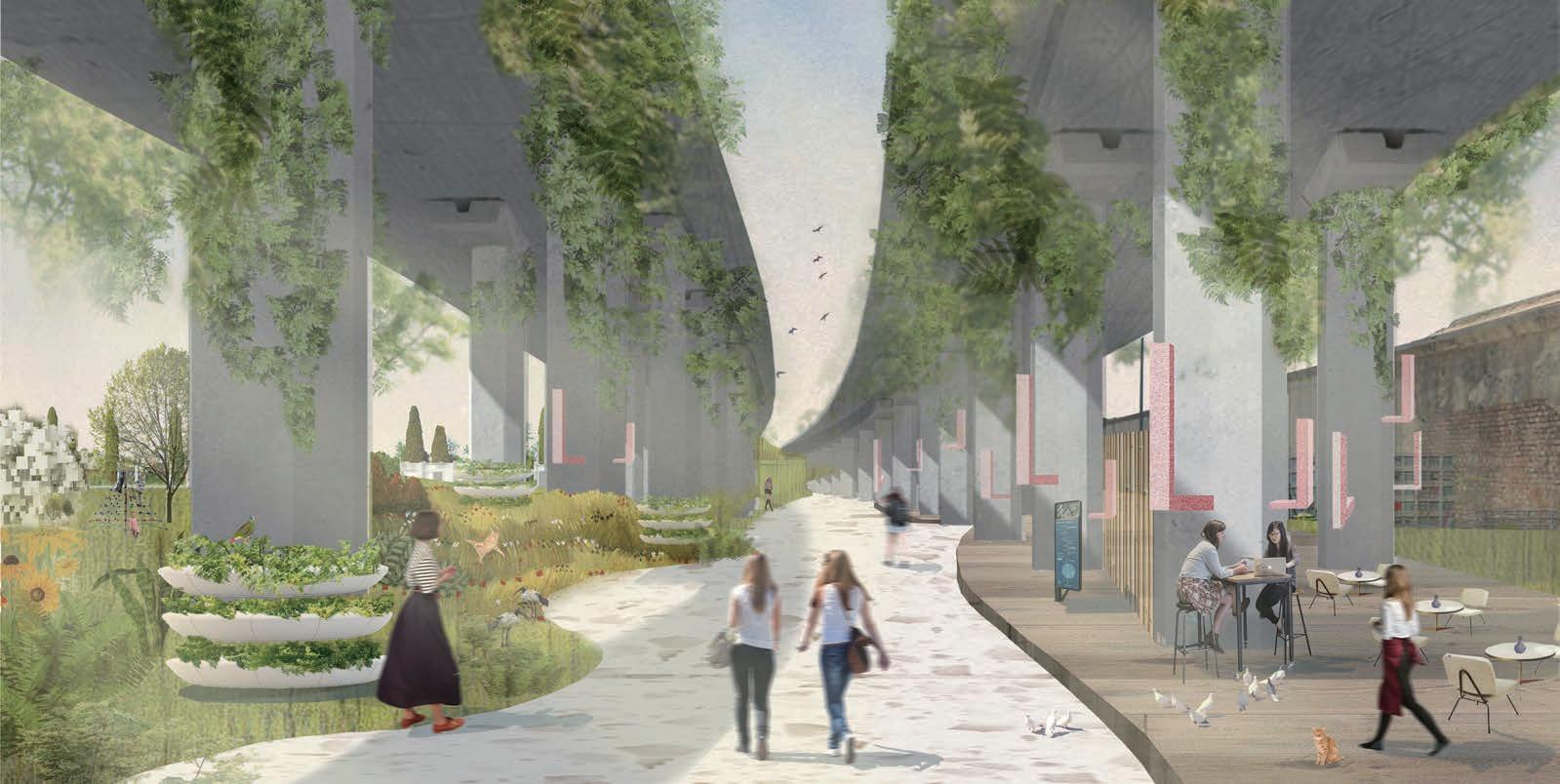
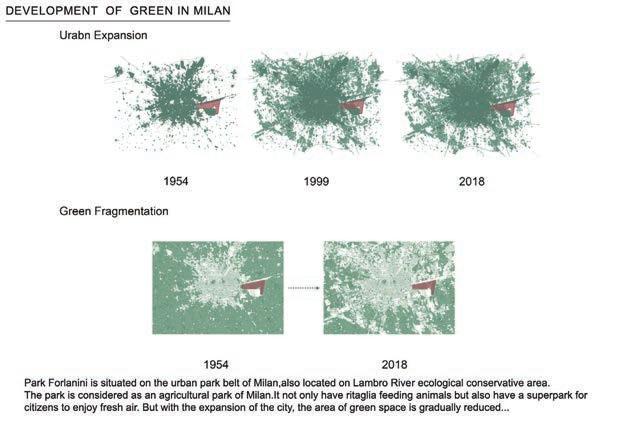
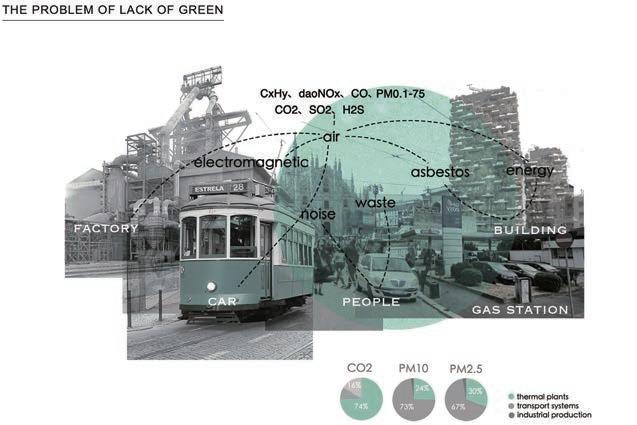
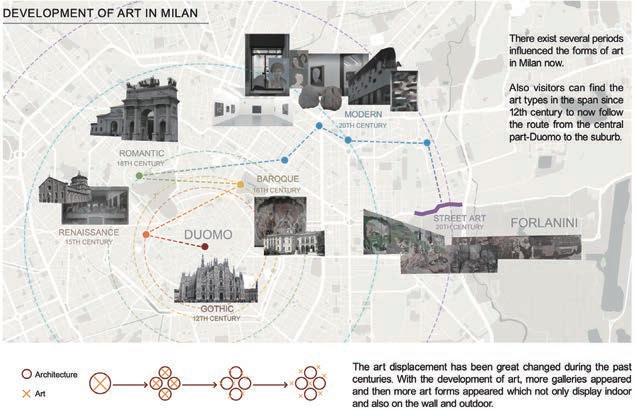
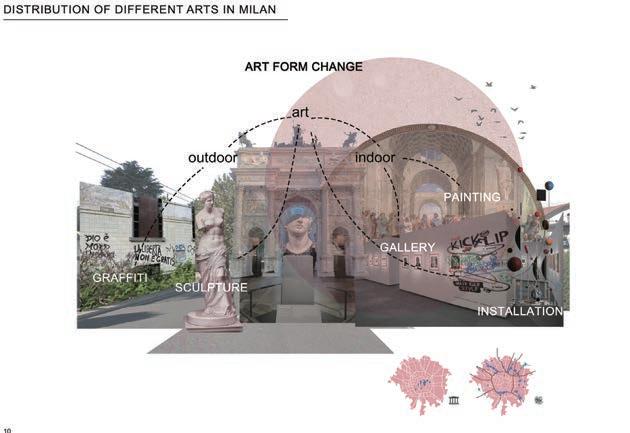
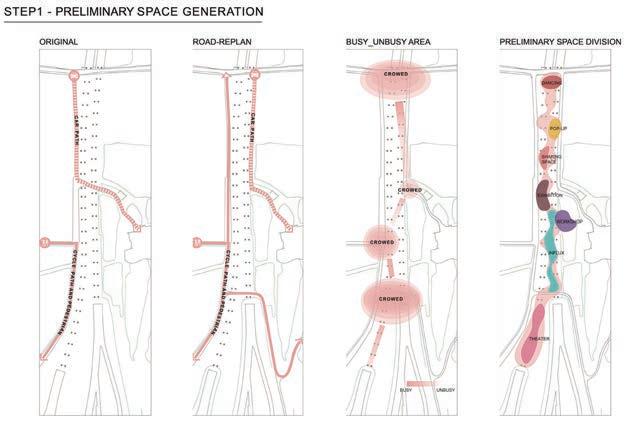
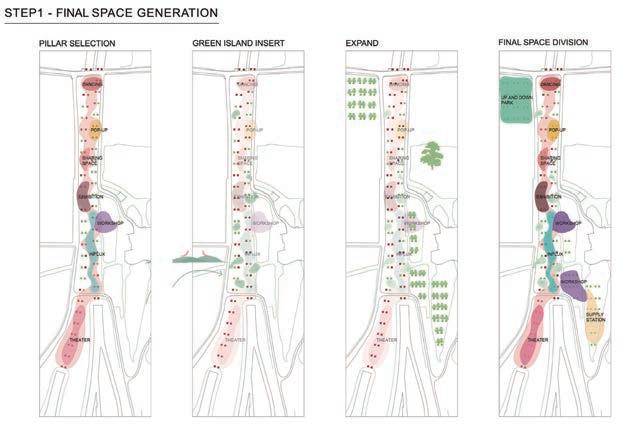
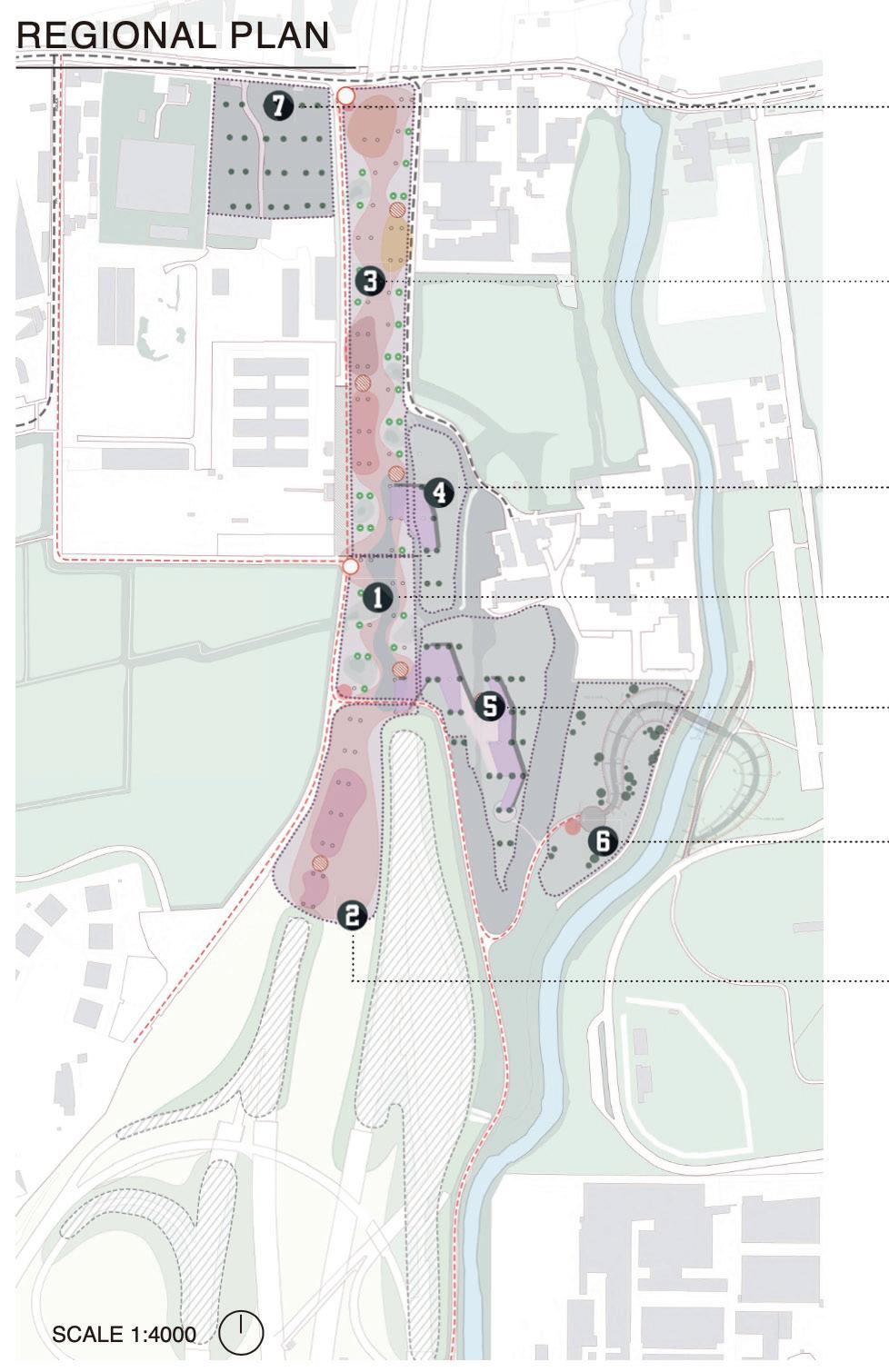
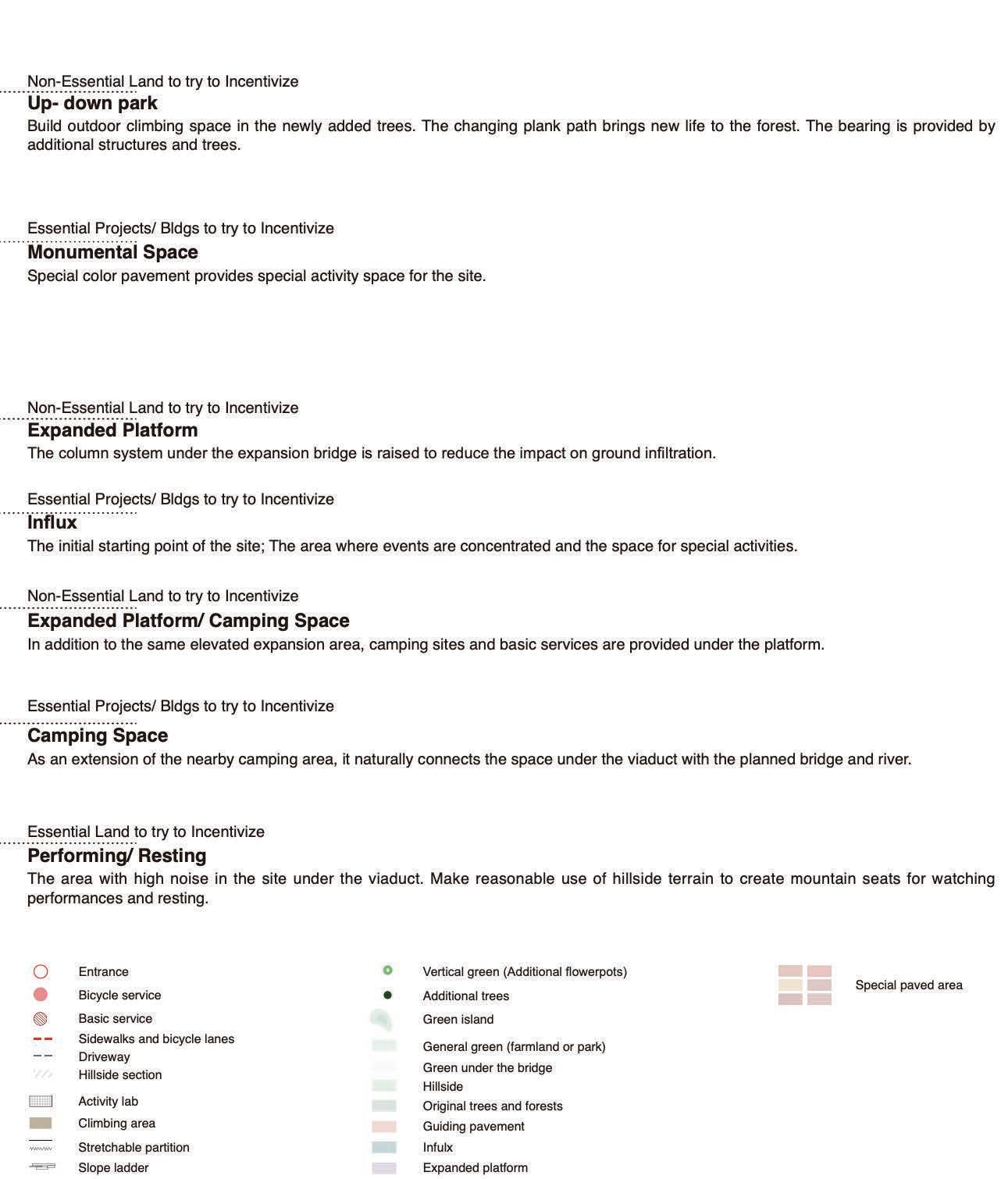
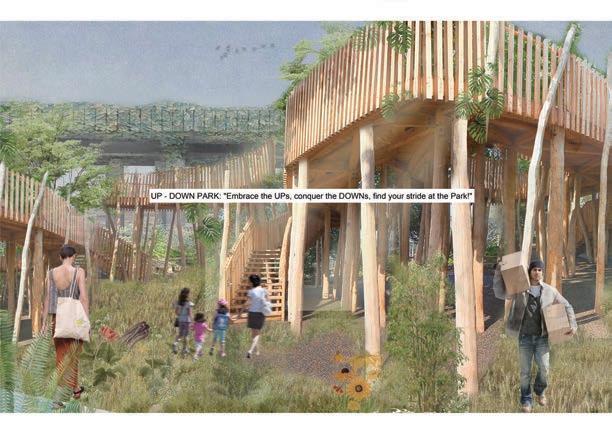
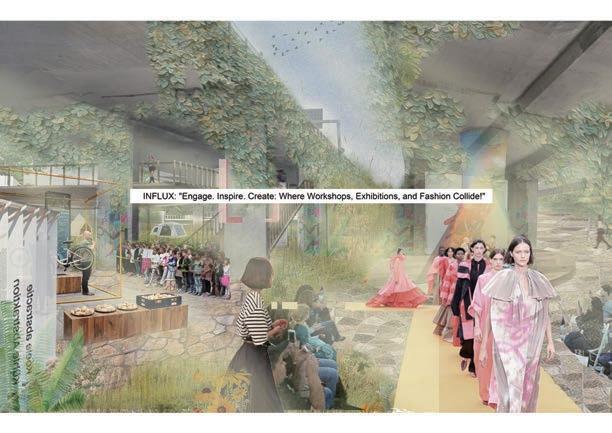
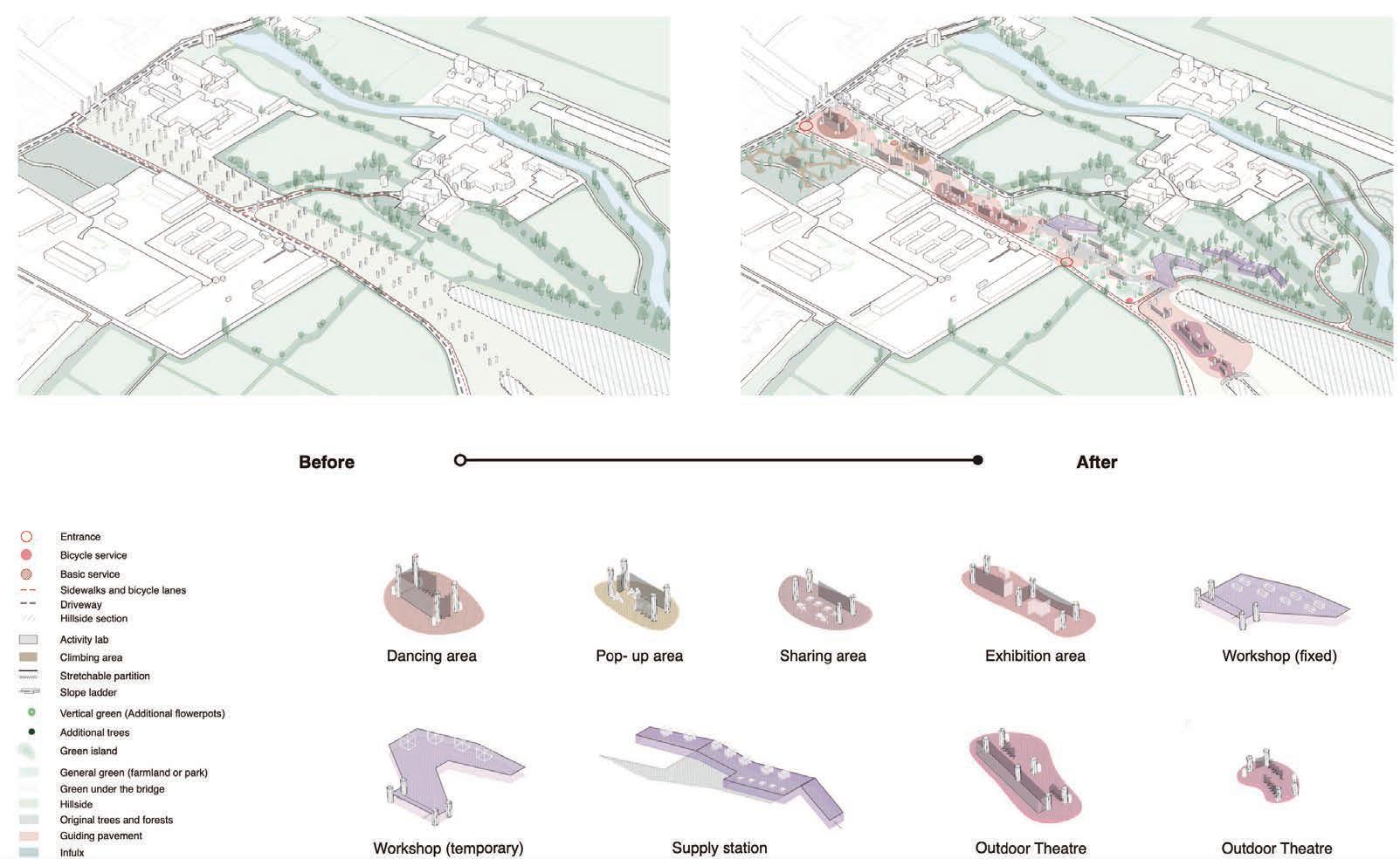
The area under the Grande Parco Forlanini highway is the main area we design and renovate, which is the city postcard in the west of Milan. From the perspective of the mayor and the surrounding residents, the main goal is to expand and renew the park, to provide greater bene ts for park users and future participants, and to create a more comfortable home.
"Spreading" in Milan—let grande parco forlanini become a new brand through nature-art –2022
Instructed by Prof.Concilio Grazia,Scrugli Patrizia Group work
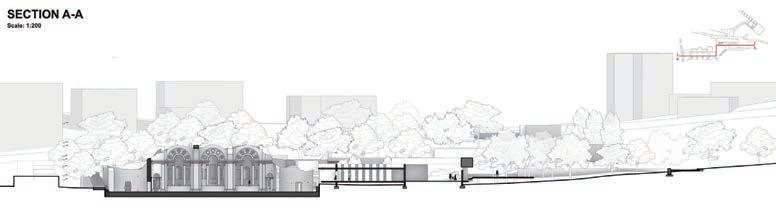
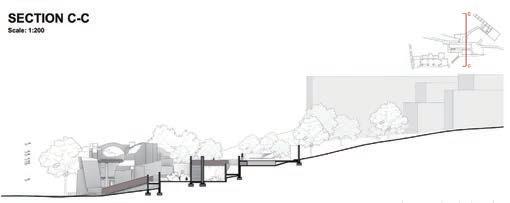
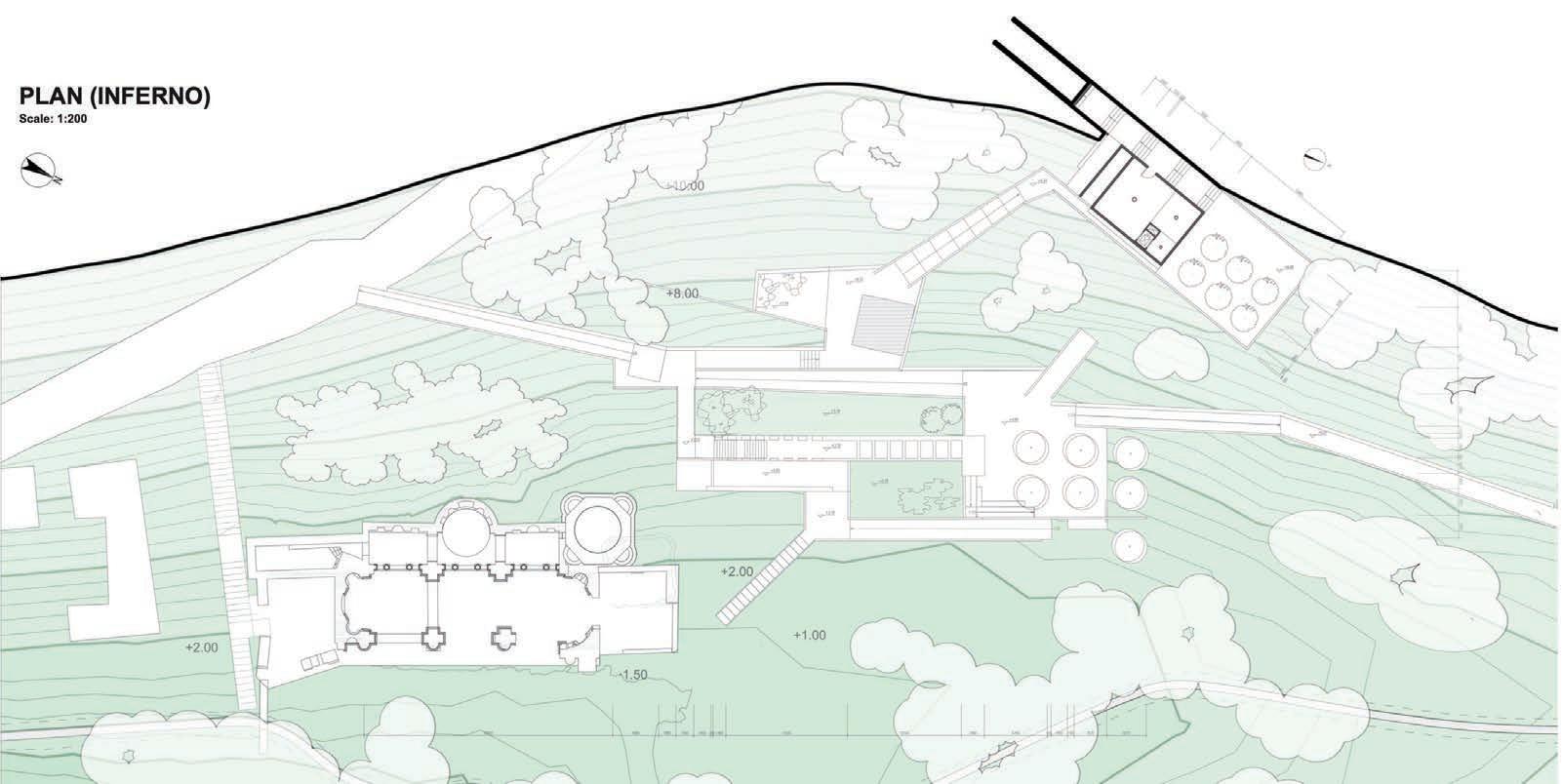
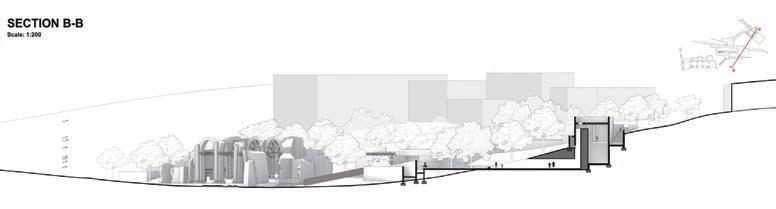
"DIVINA COMMEDIA" in Genazzano—Create memory space with Dante's Divine Comedy –2023
Instructed by Prof.Foti Francesco, Korolija Aleksa, Pallini Cristina Group work
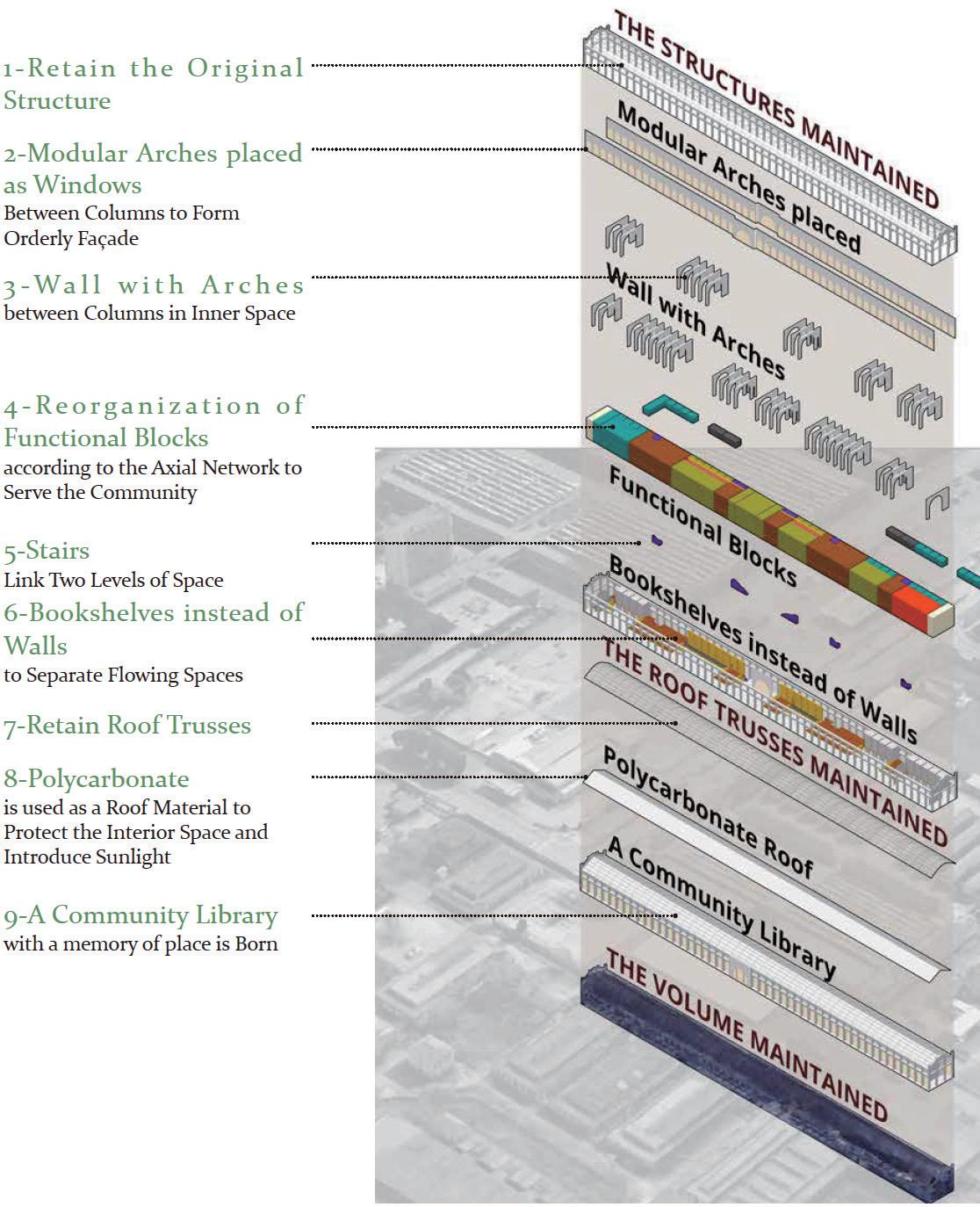
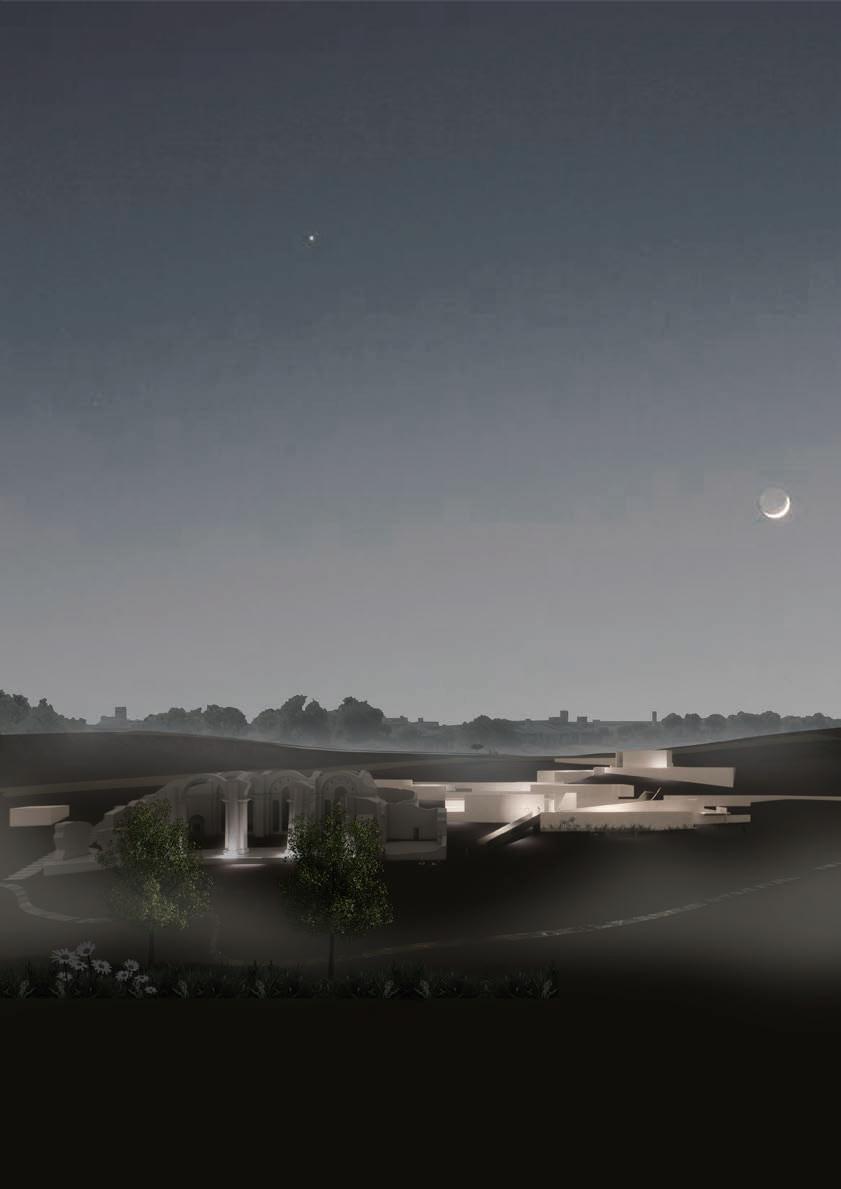
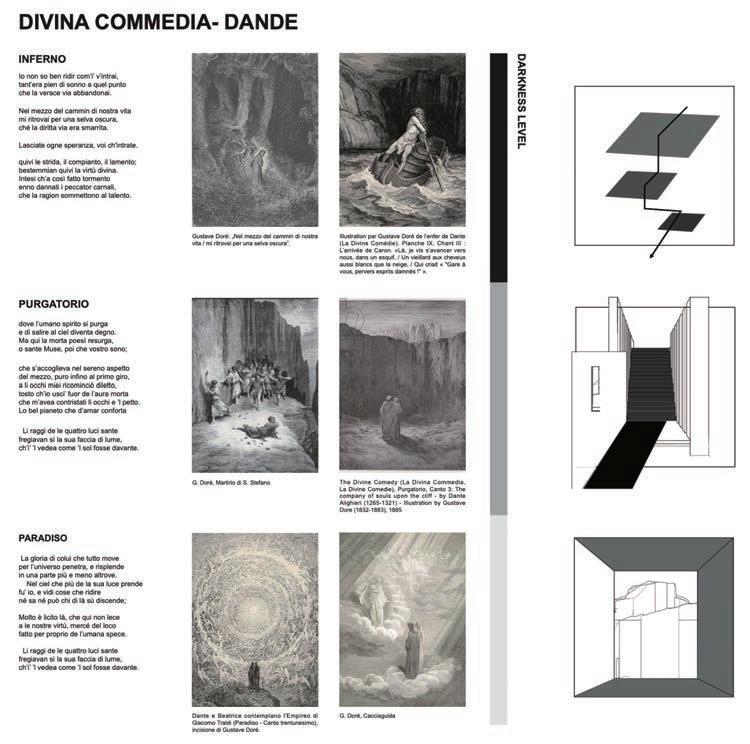
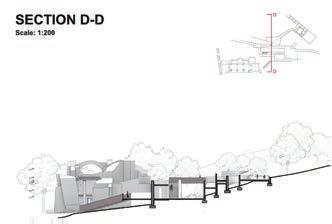
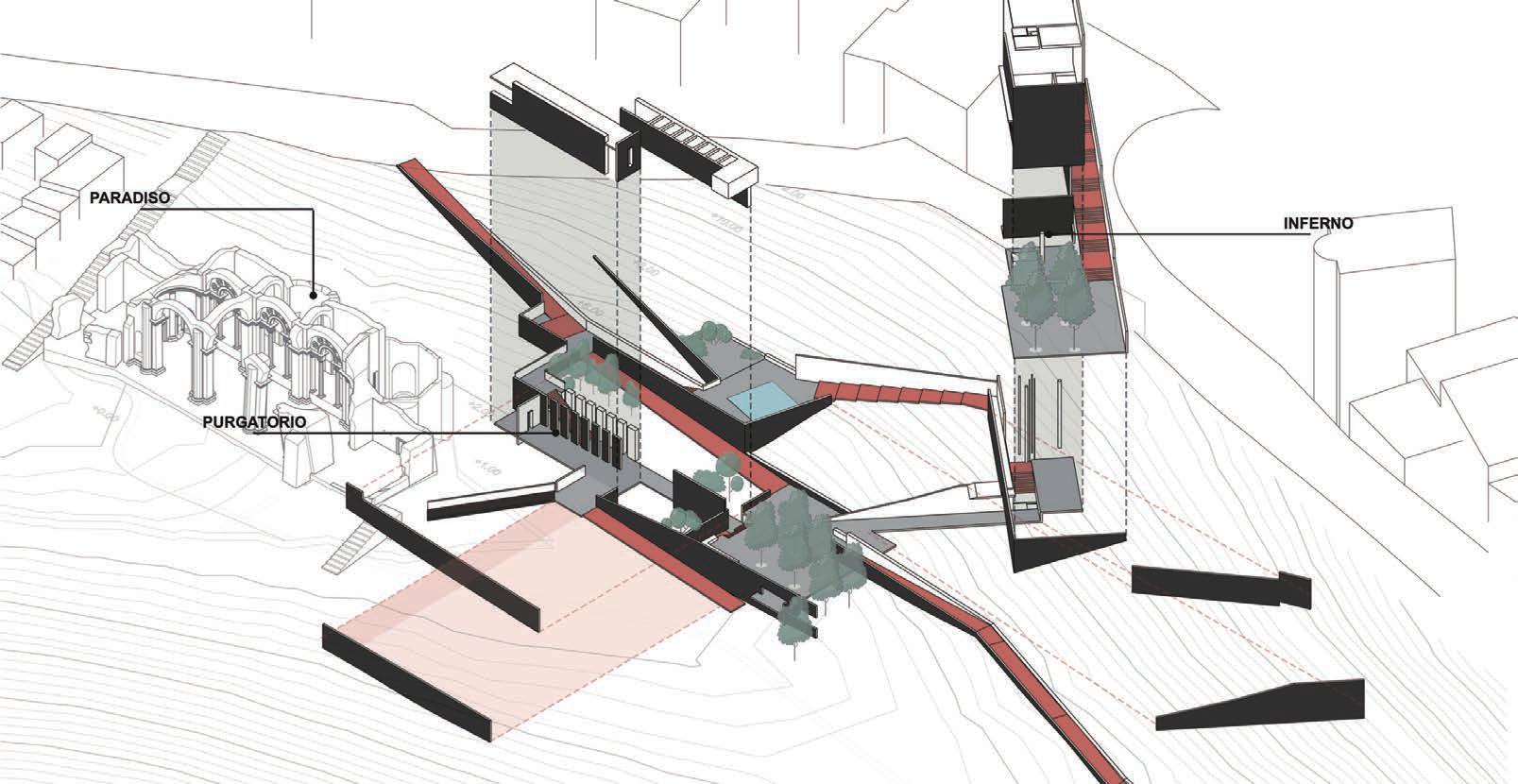
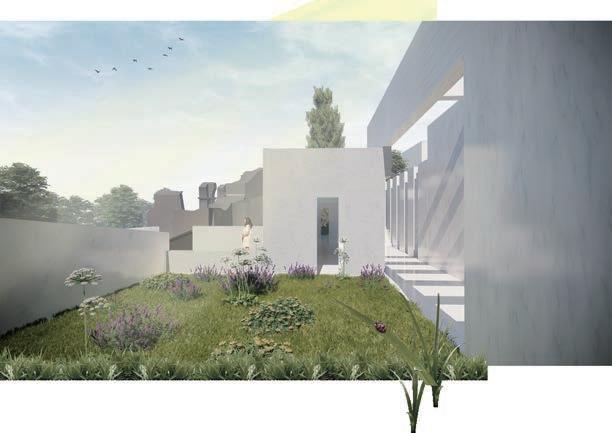
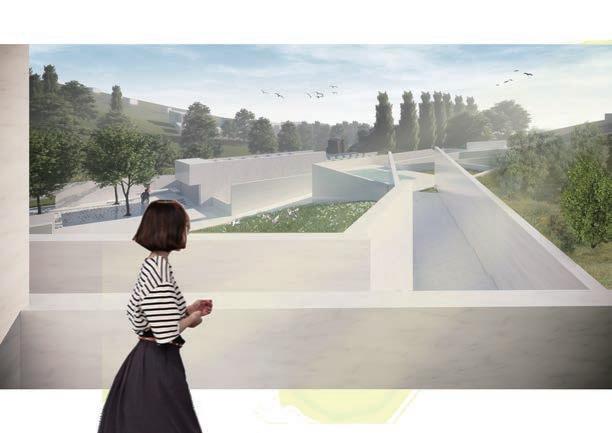
Genazzano is a small old town built on a narrow rocky spur surrounded by forests at the eastern edge of the Rome province. Over the last decades, however, scholars have debated its attribution to Donato Bramante (1444-1514), a protagonist of the Italian Renaissance. Because according to the survey, many buildings in Bramente were influenced by the Divine Comedy, we decided to use the starting point of the Renaissance - the Divine Comedy to continue this legend.
DIVINA COMMEDIA-DANTE
A-A'
MASTERPLAN
SECTION
SECTION B-B'
AXONOMETRIC PERSPECTIVE OF EXPLOSION
SECTION
ELEVATION WITH HEIGHT CORRESPONDENCE
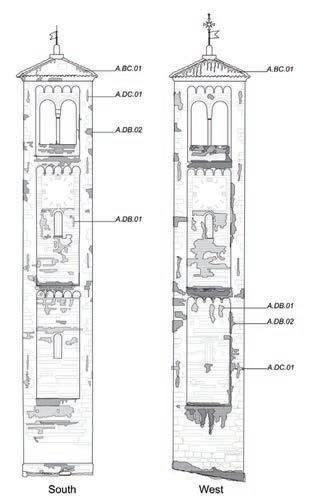
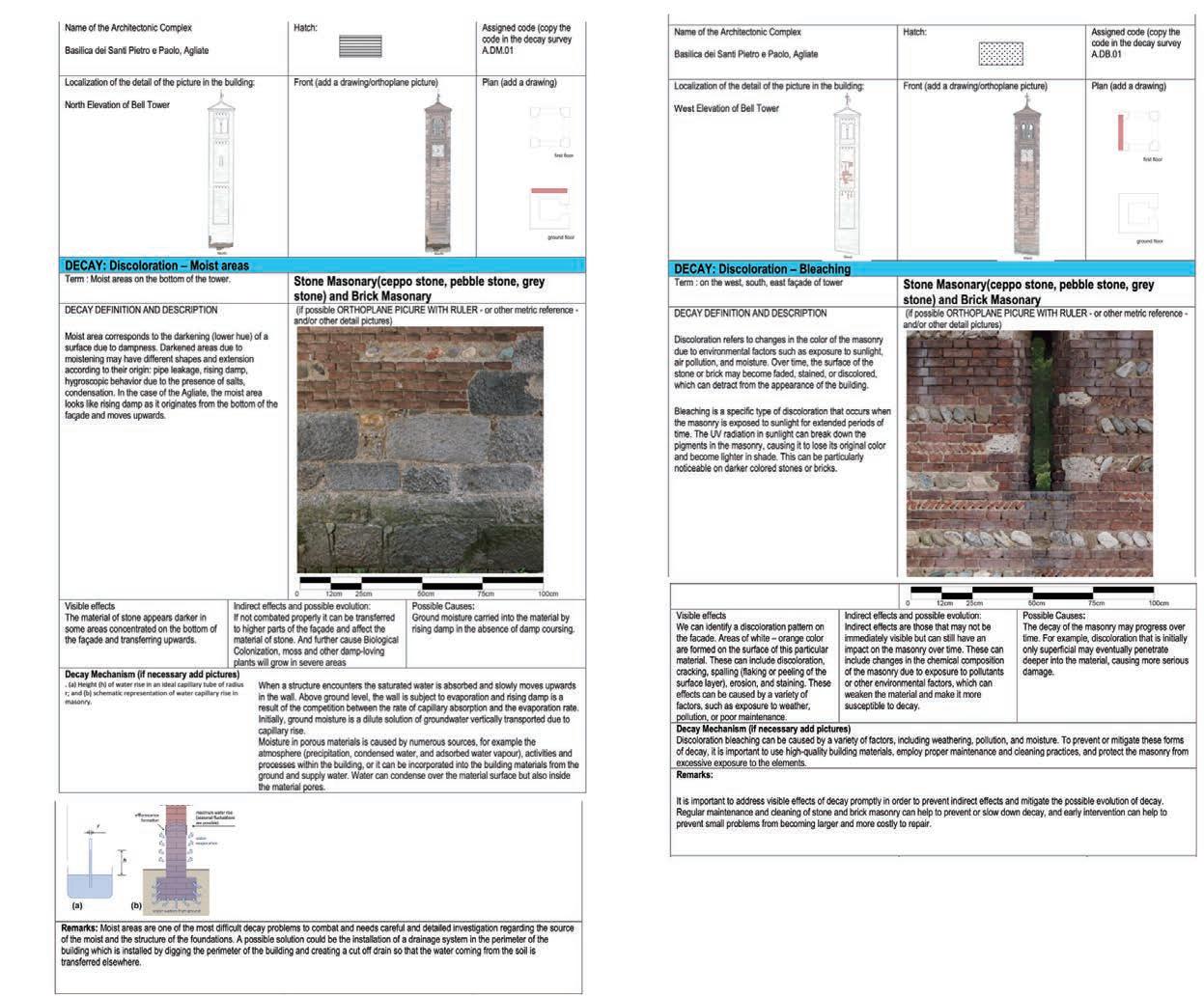
"Preservation" in Carate Brianza—Basilica preservation and activation in an Italian town –2023
Instructed by Prof.Saisi Antonella Elide, Valsasnini Laura Iole Maria, Previtali Mattia Group work
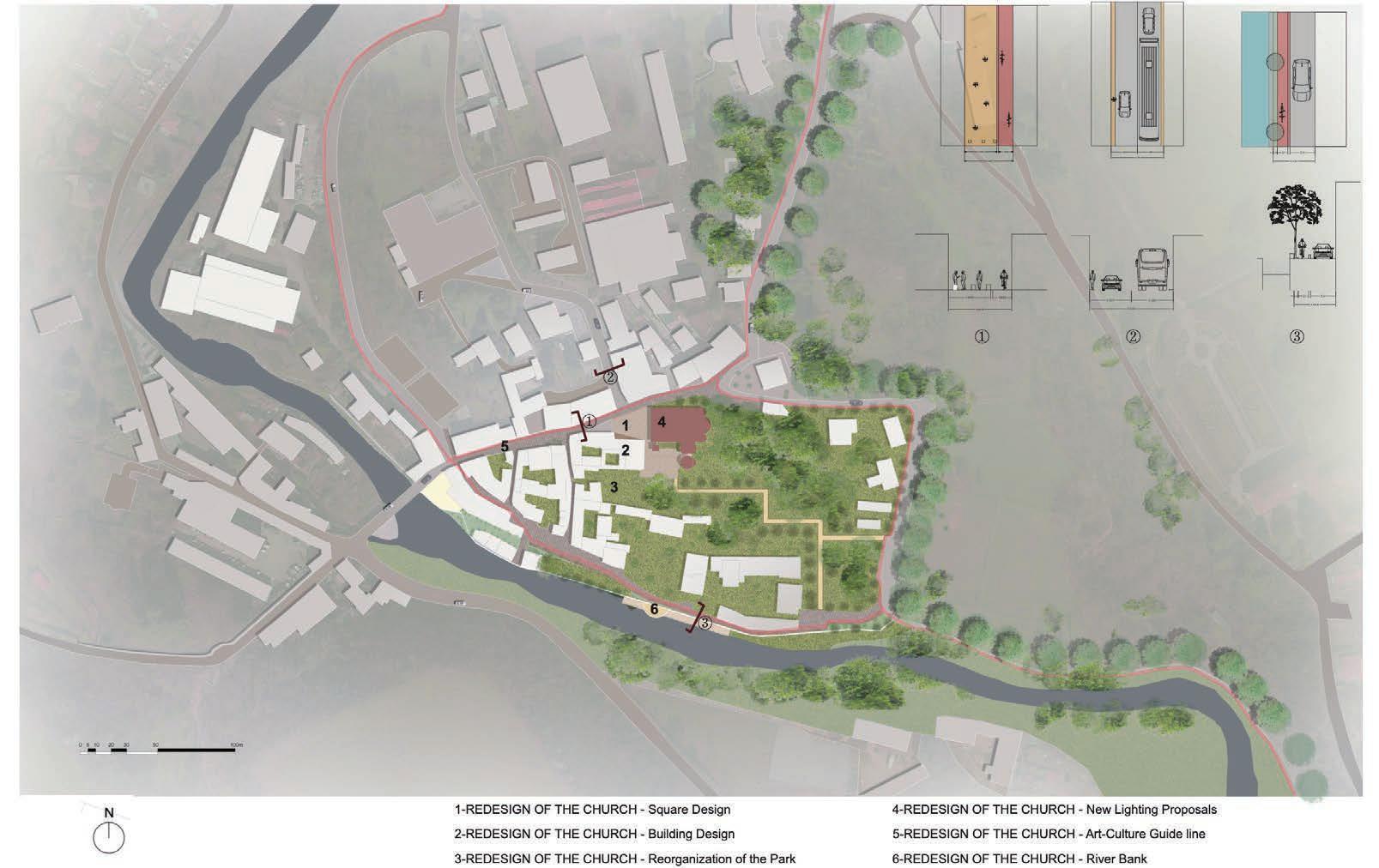
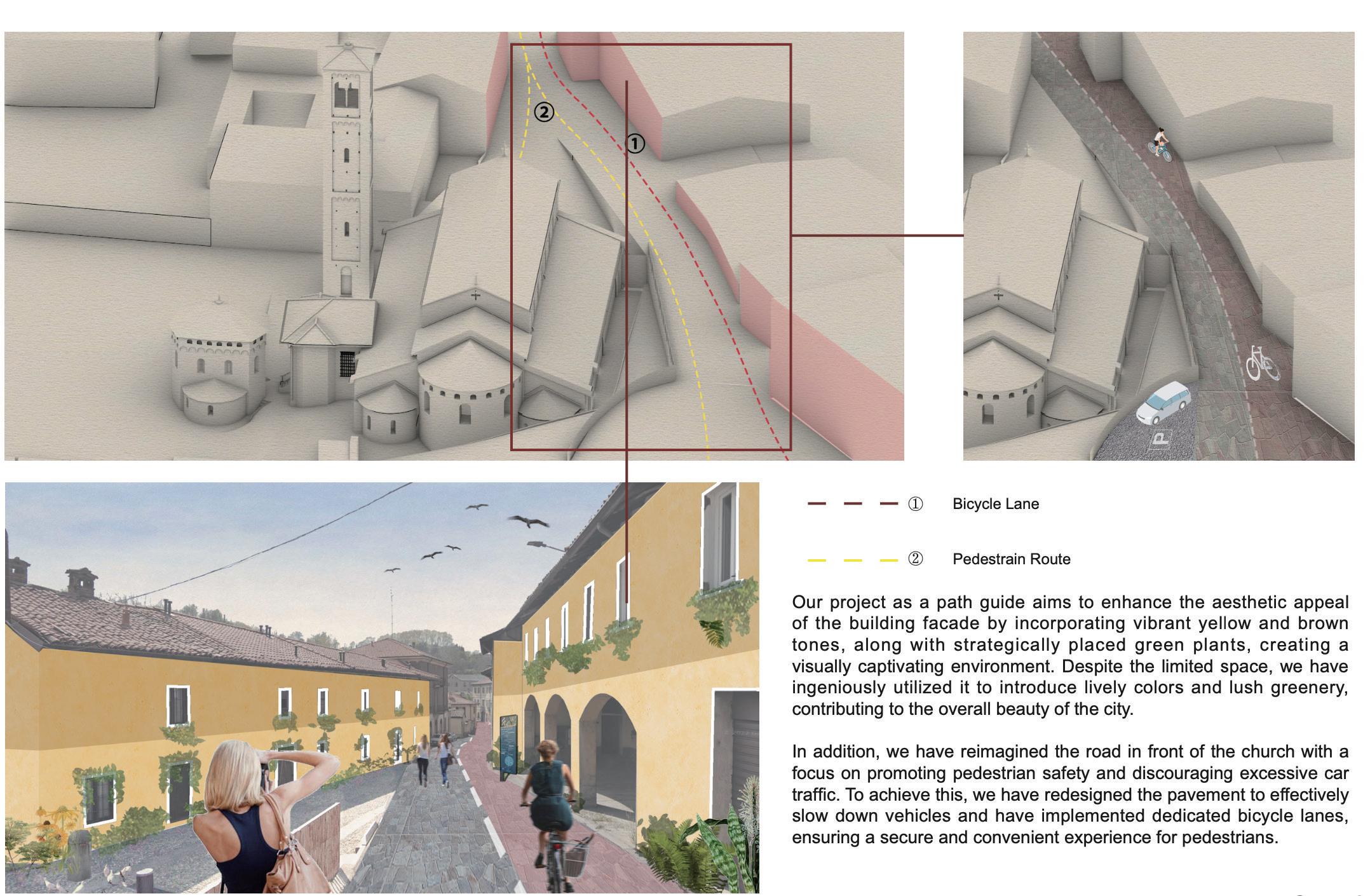
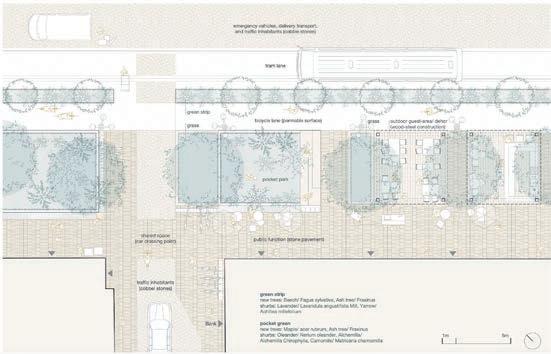
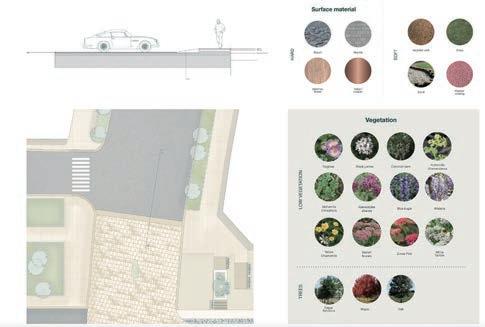
Carate Brianza is a sparsely populated town in Italy. From the perspective of urban design, the project reactivates the town by replanning urban roads, activating potential landscape nodes and optimizing the insulation system of the church.
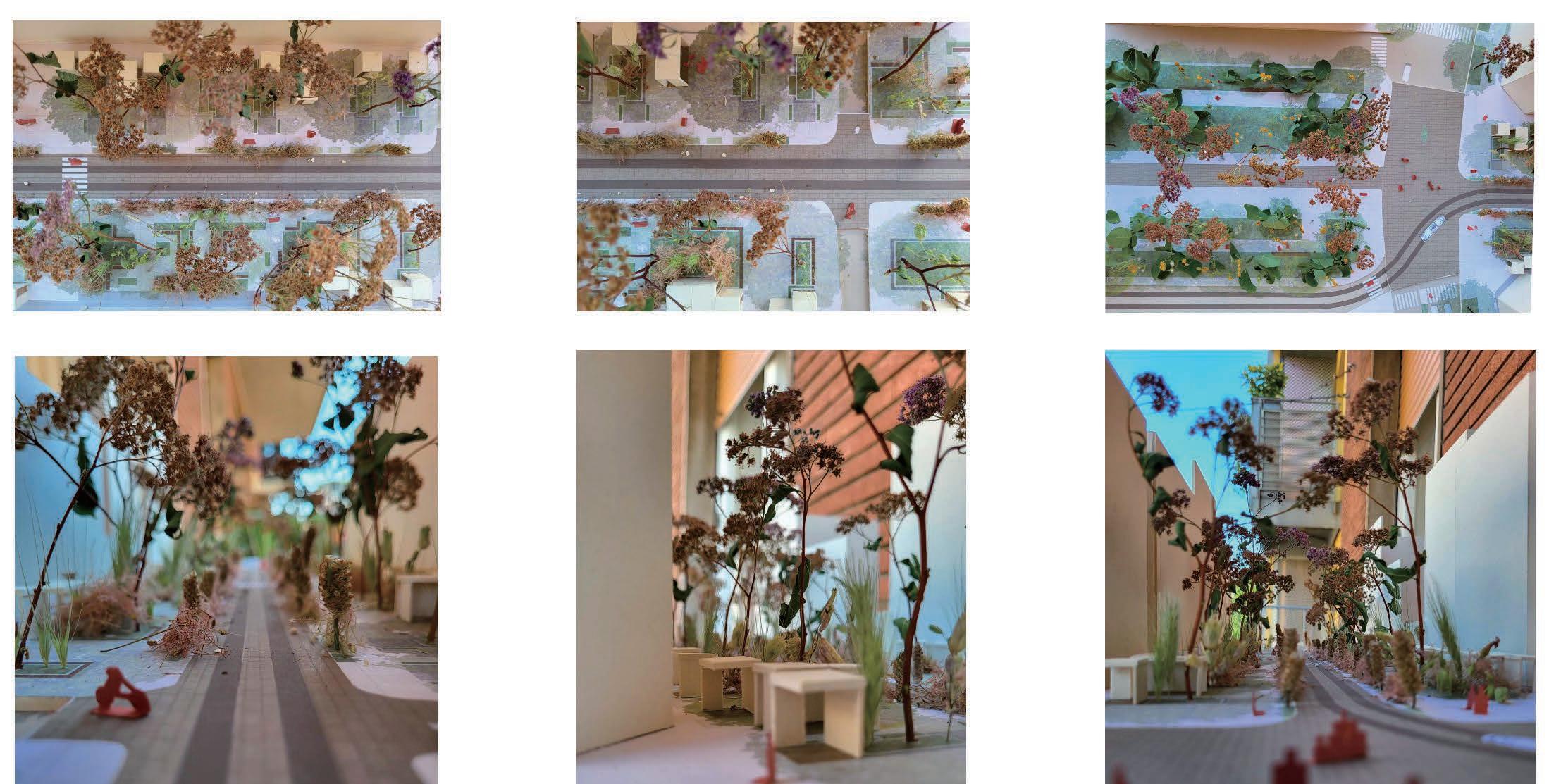
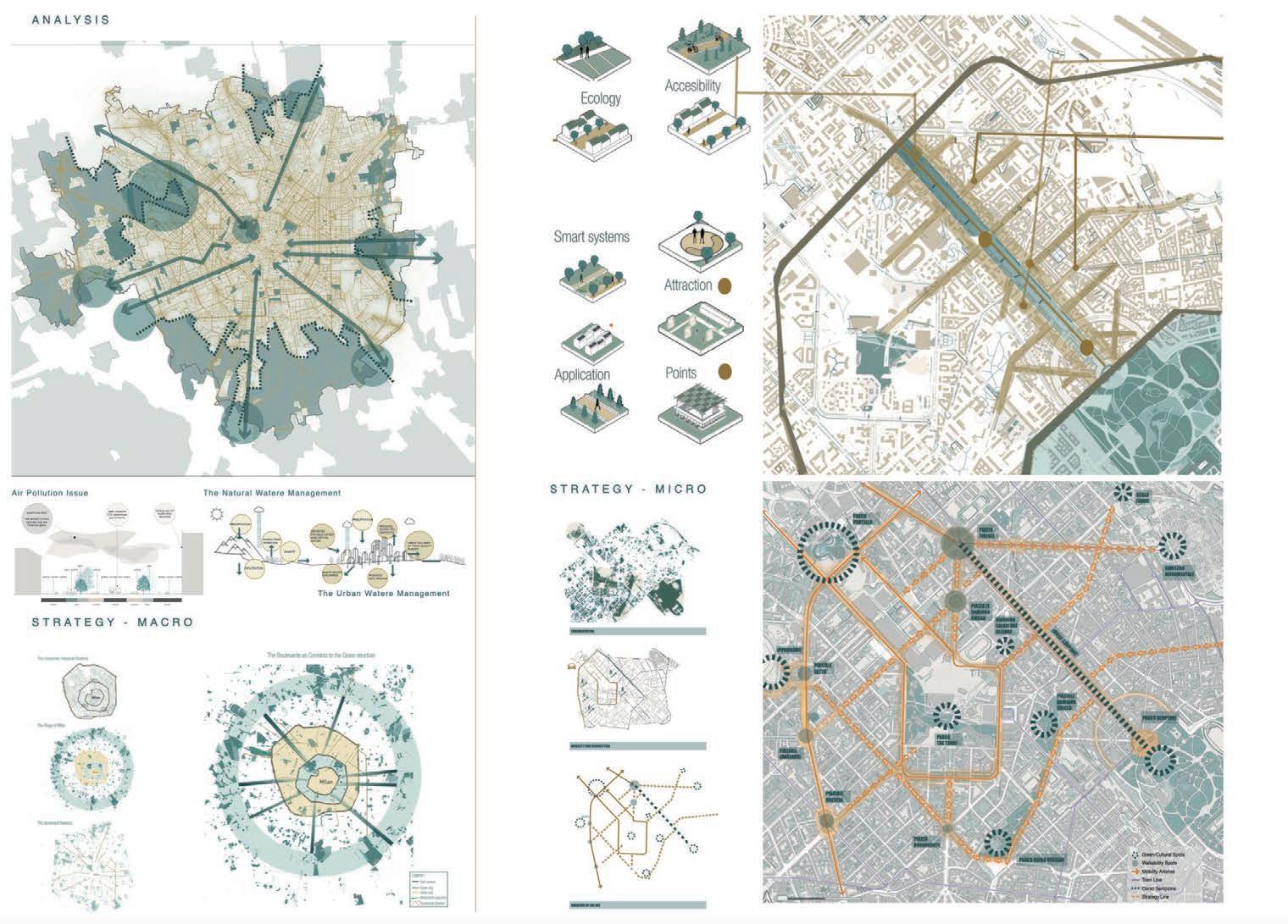
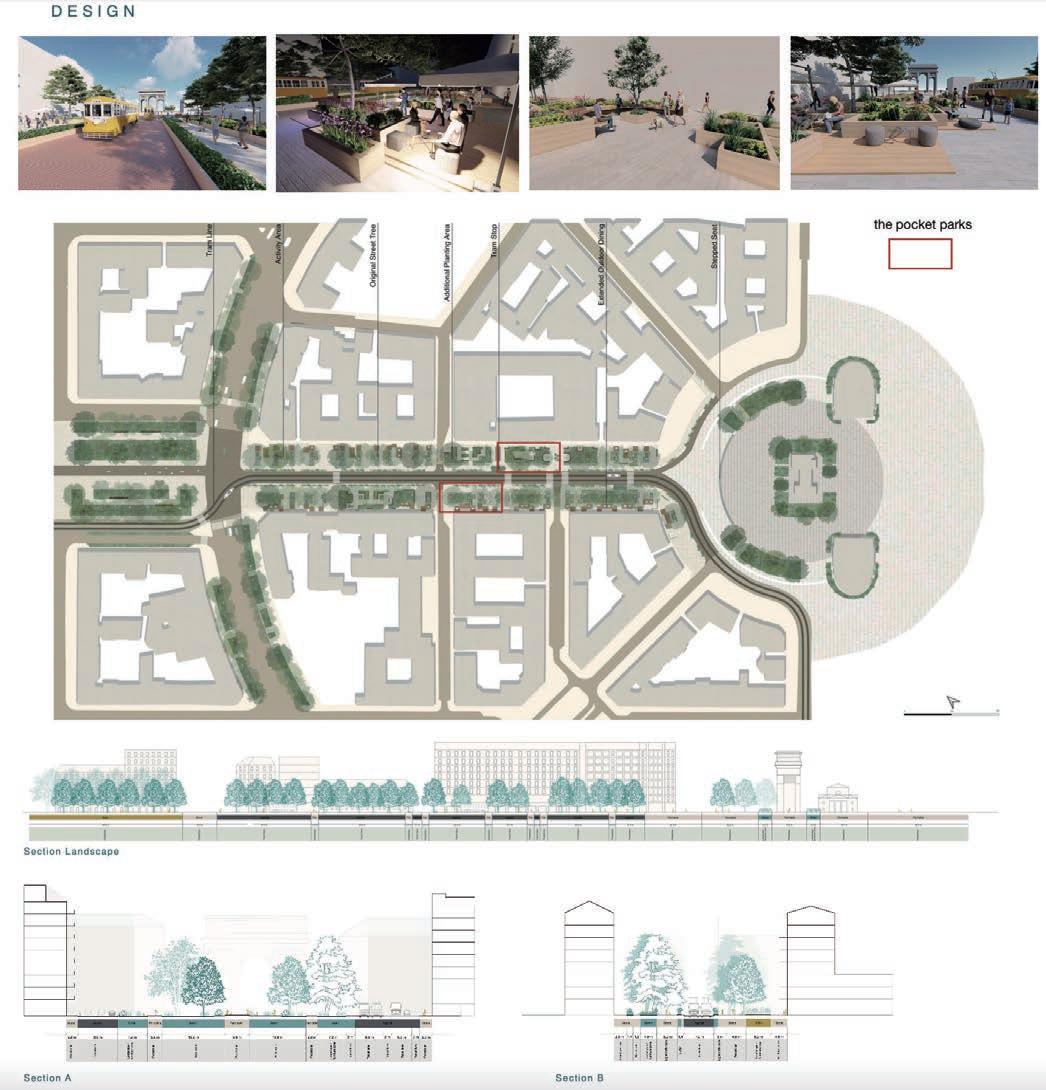
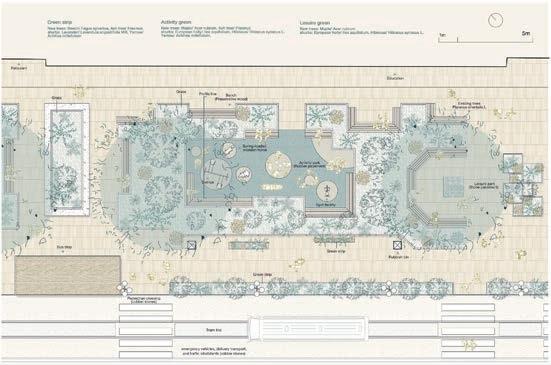
The project consists of a net of connections that are developed from the boulevards running through the city, creating a direct connection between the natural areas on the edges of the city and the more urban area, avoiding the fragmentation of green spaces caused by the continuous anthropization of spaces. In addition, the boulevards will connect to a green belt following the con rmation of the city, creating a cohesive whole. The objectives of the project are to avoid fragmentation of green spaces, improve air quality, limit surface heating, and improve permeability.
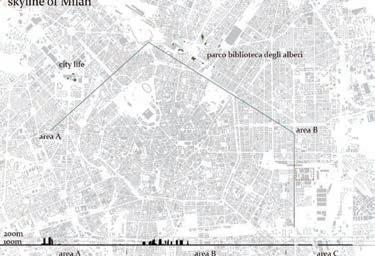
"Di raction of the CITYSCAPE" in Milan—let green area of city center to di raction the entire Lombardia
–2023
Instructed by Prof.Kipar Andreas Otto Group work
STRATEGY-MARCO
STRATEGY-MICRO
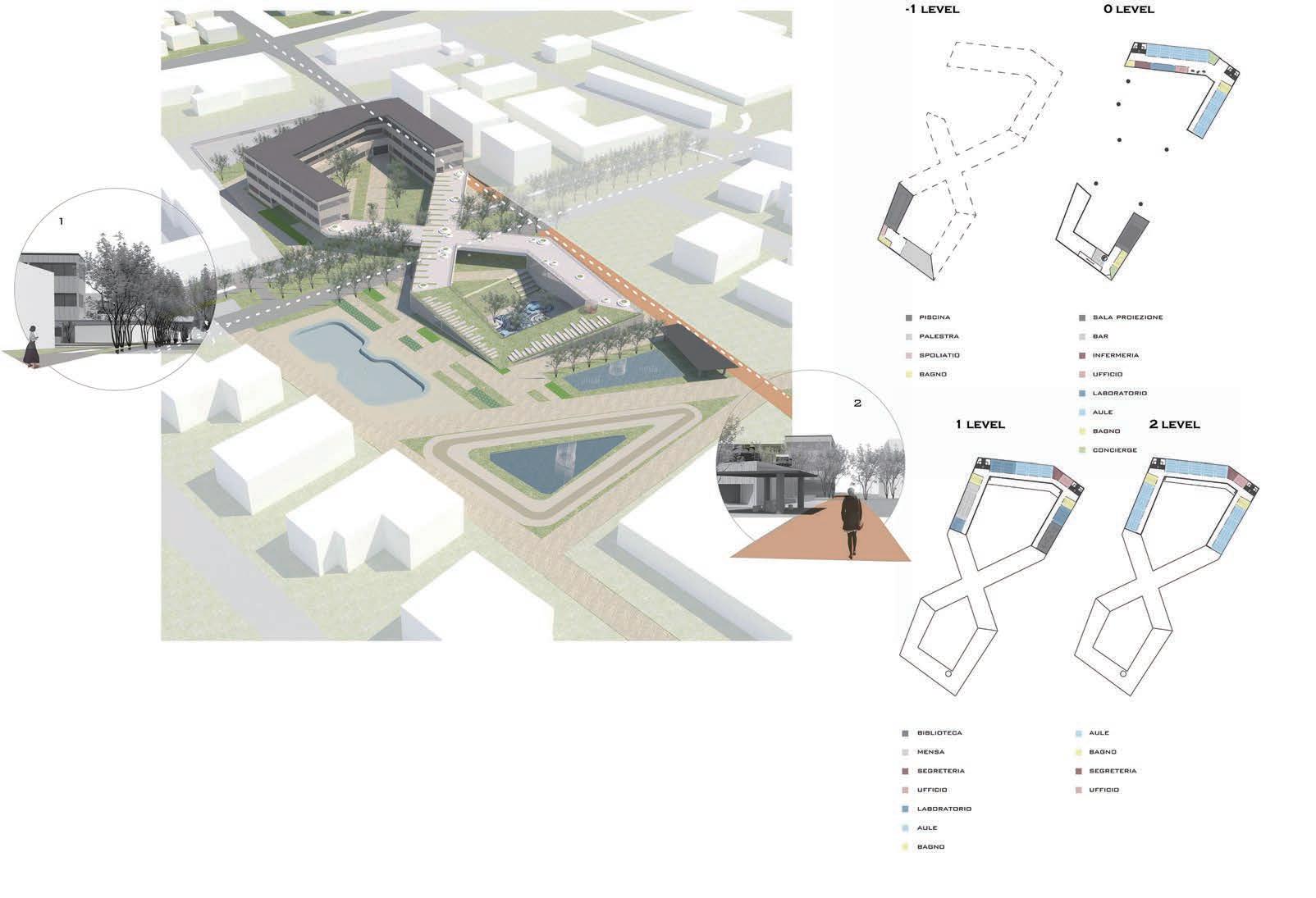
Otto School in Fiorenzuola—Create a new school suitable for children to study and play happily –2021
Laboratorio di Progettazione dell'Architettura degli Interni Instructed by Prof.Ugolini Michele, Lenzini Francesco Group work
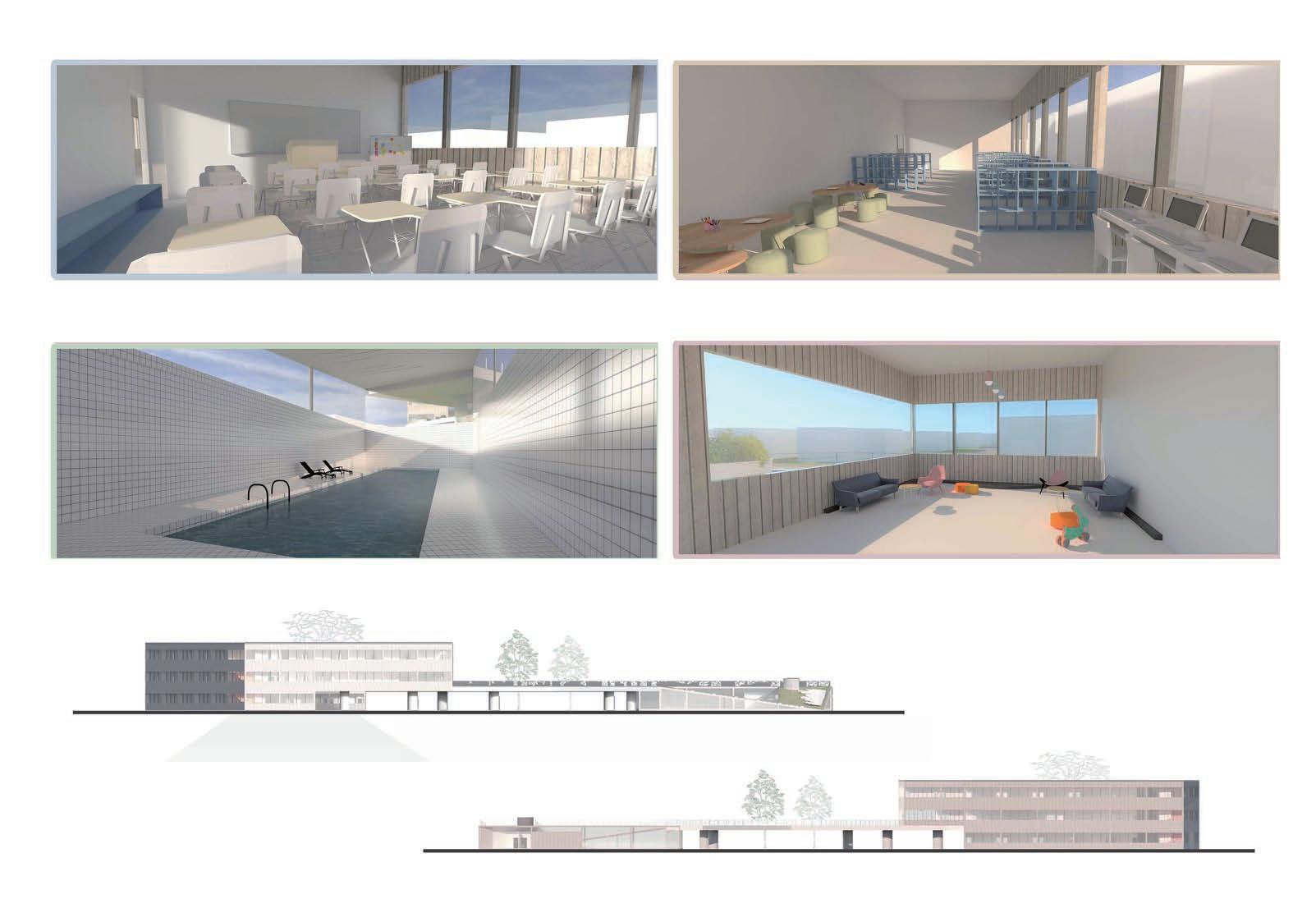
rendering for swimming pool
rendering for classroom
rendering for lounge
rendering for library
east prospect
west prospect
Youth Hostel in Bobbio—Rebuilding and energizing the city
–2021
Laboratorio di Progettazione 3 Instructed by Chiara M.A. Bertoli, Michele Roda Individual work
Home Park in Milan—create a new sustainable community –2020
Laboratorio di Progettazione 2
Instructed by Prof.Calda Giovanni, Nash Roy, Sportillo Antonio Group work