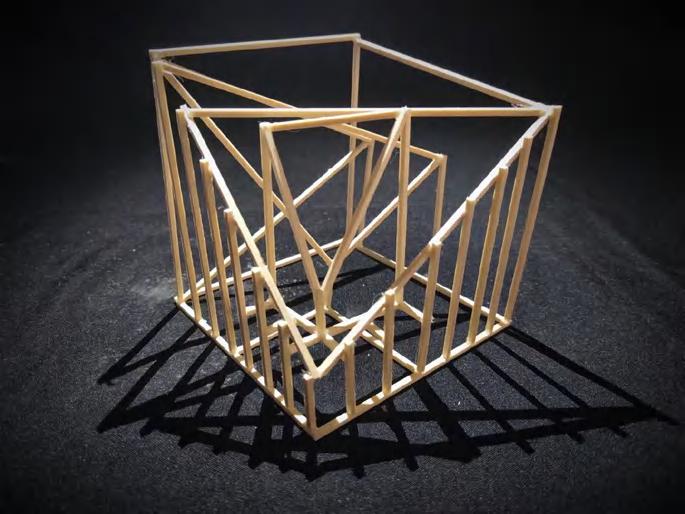
’Beyond the Barrier‘
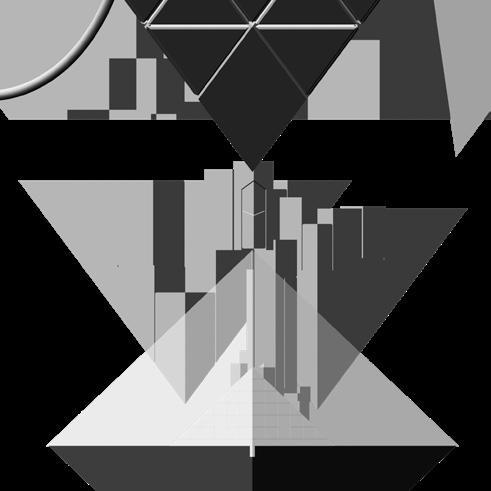
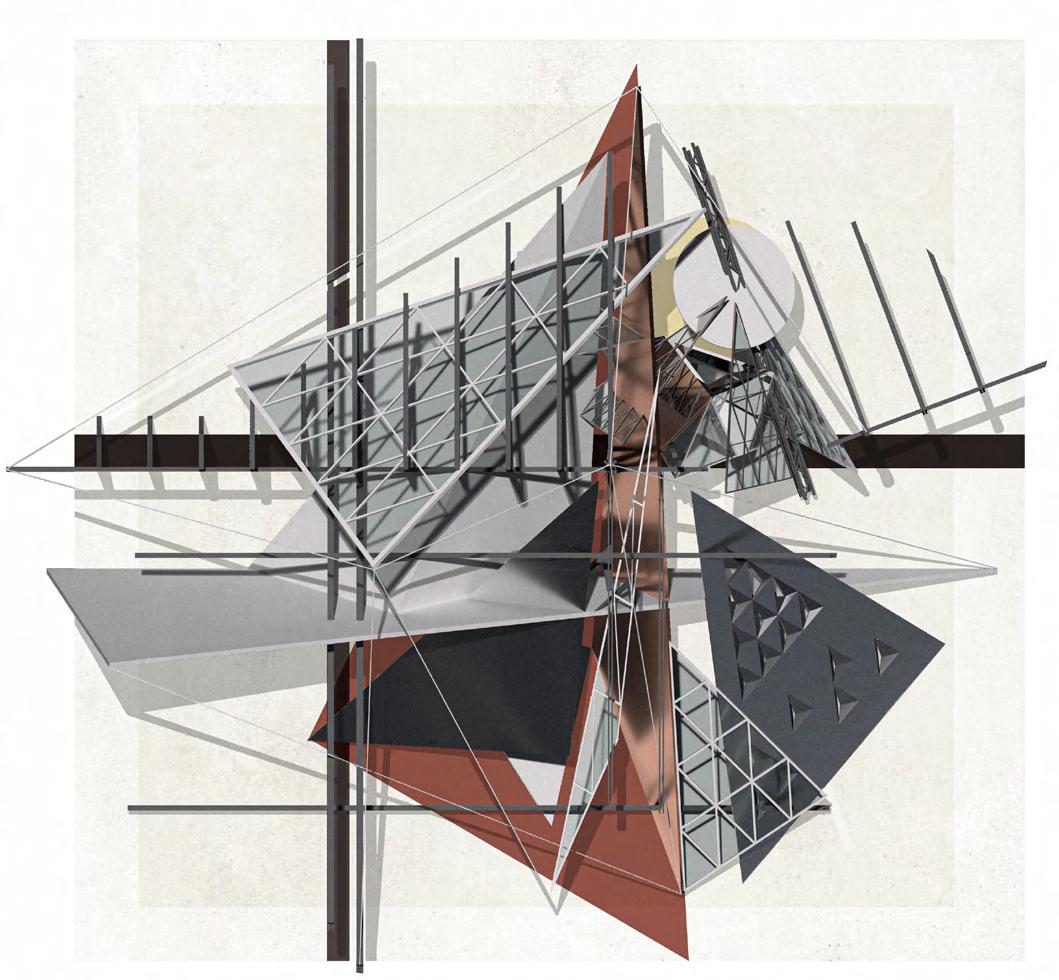
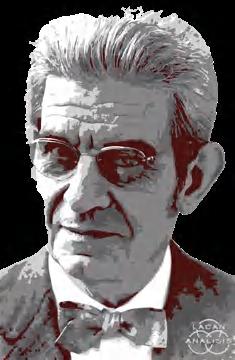
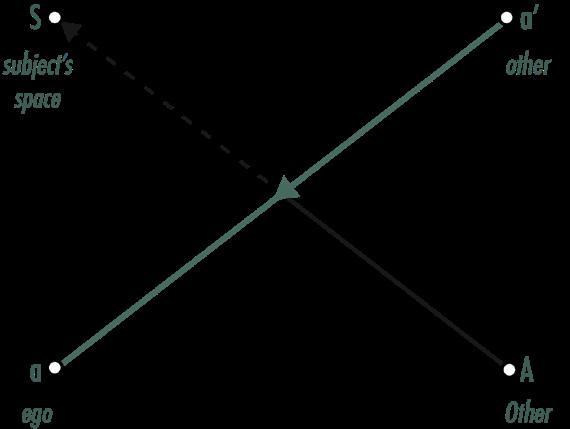
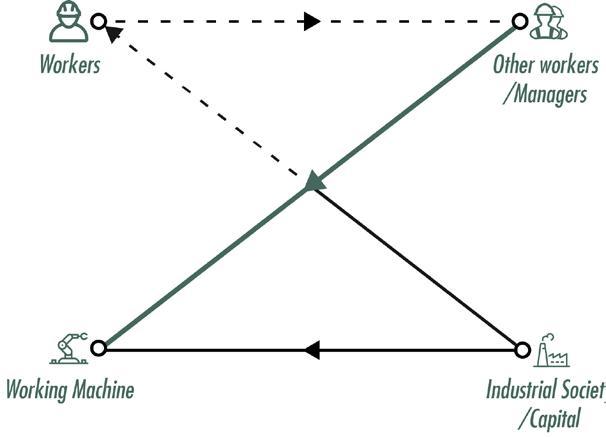
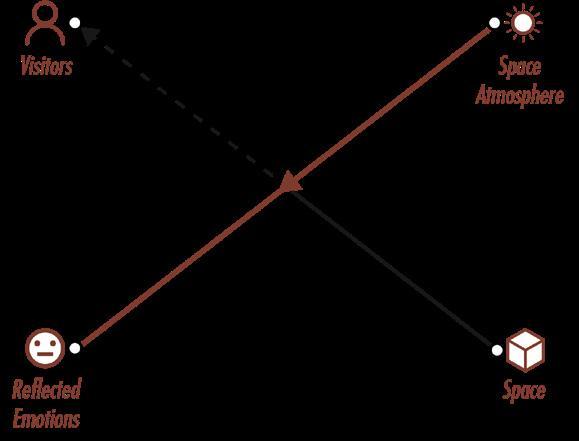
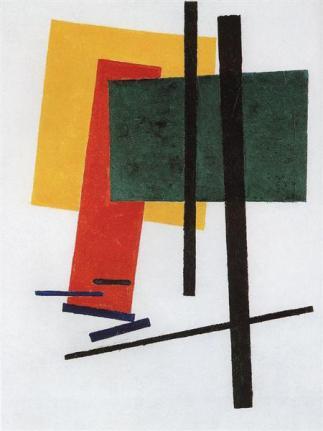
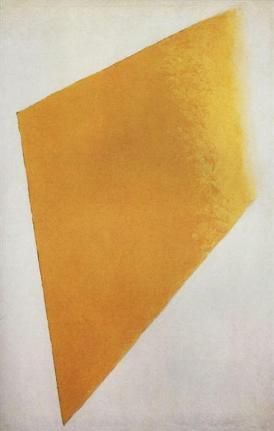
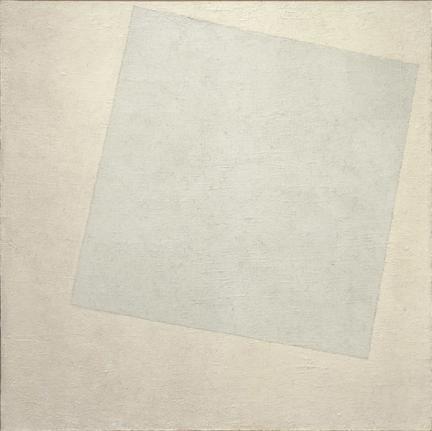
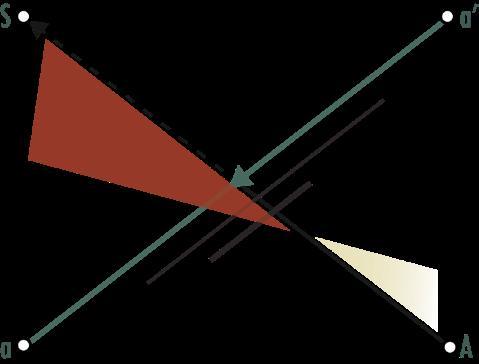
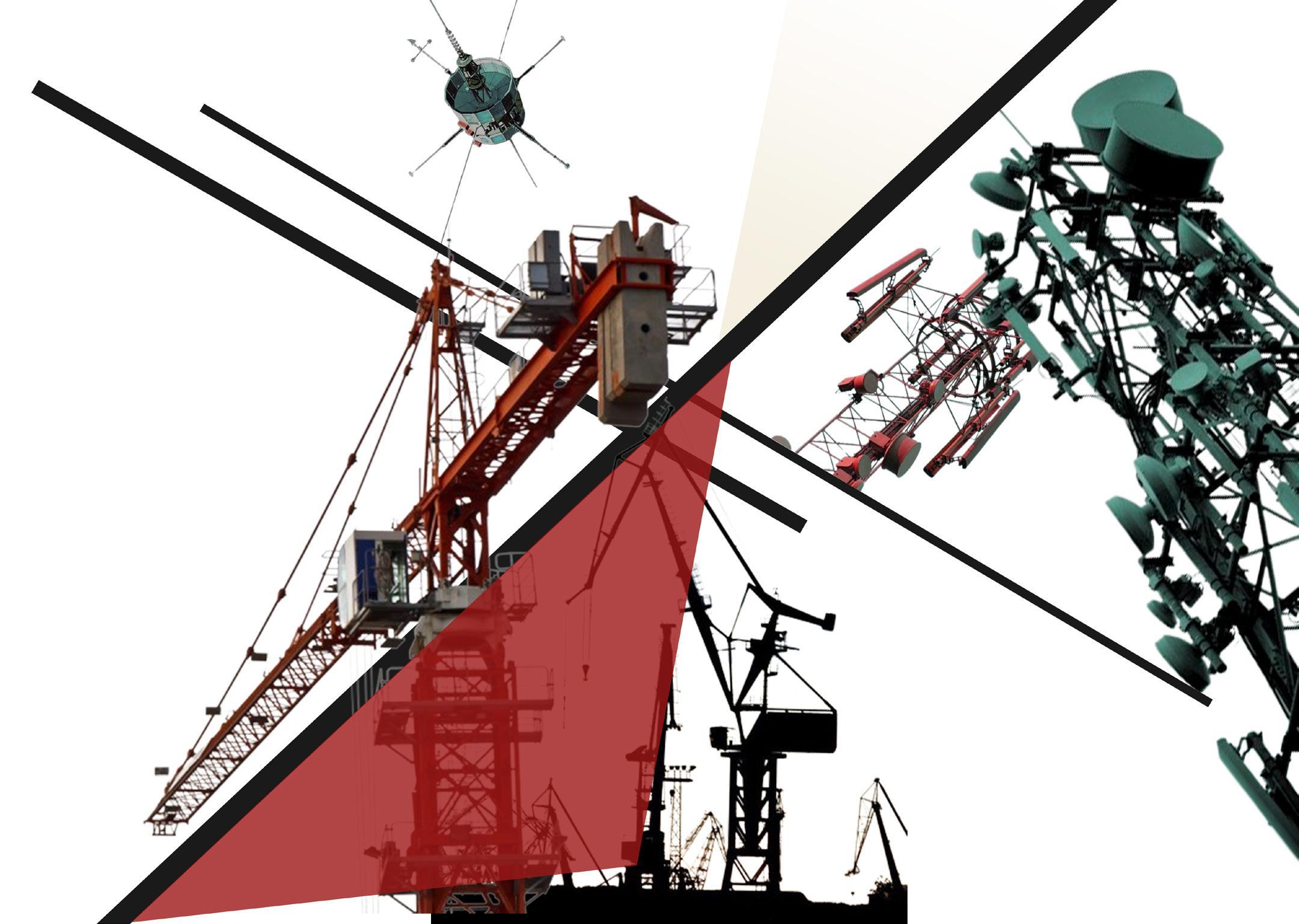
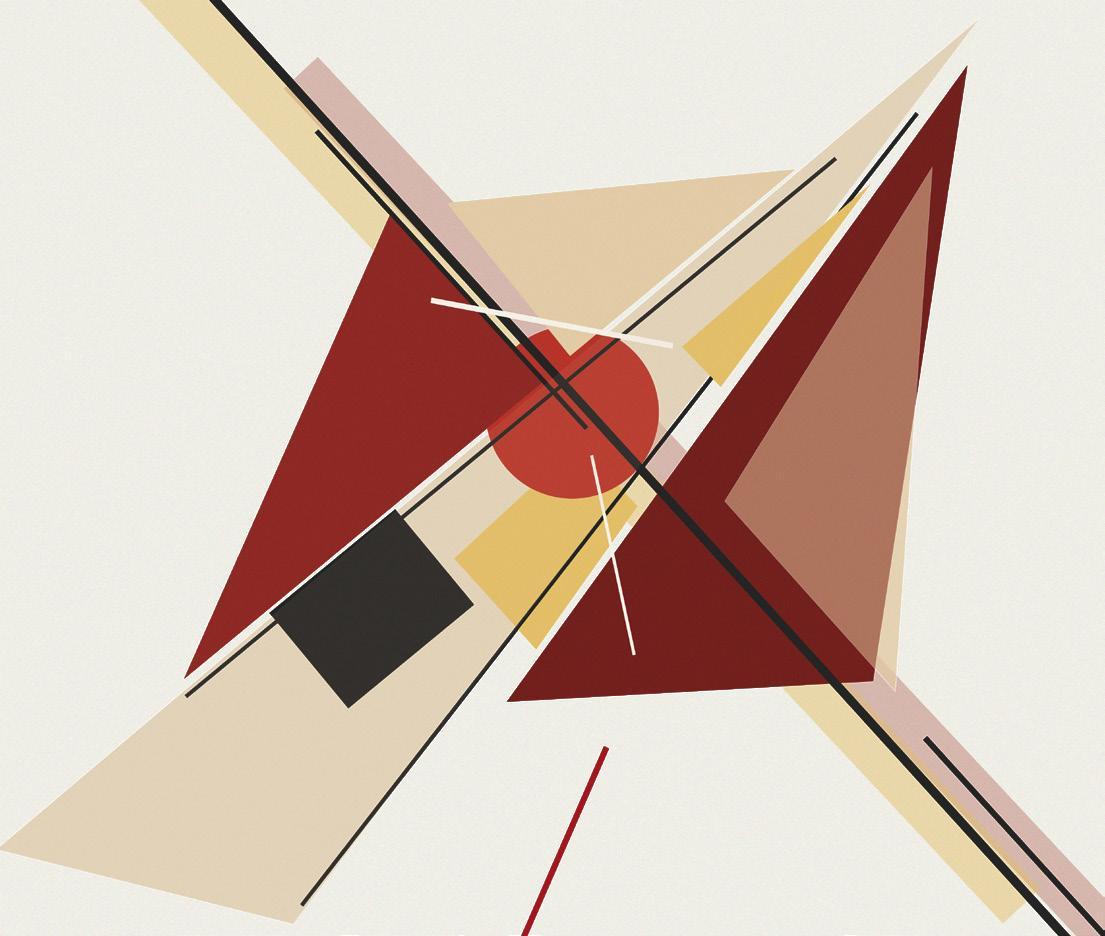
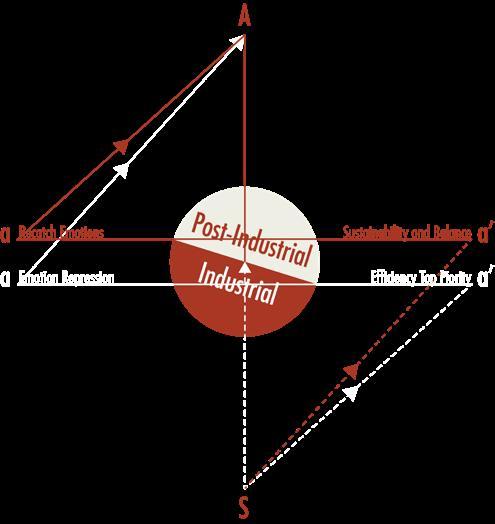
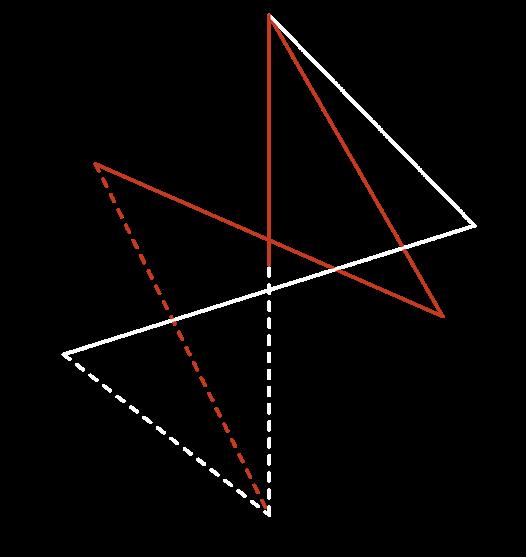
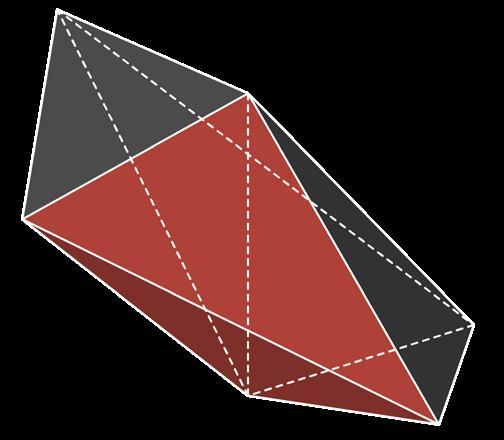
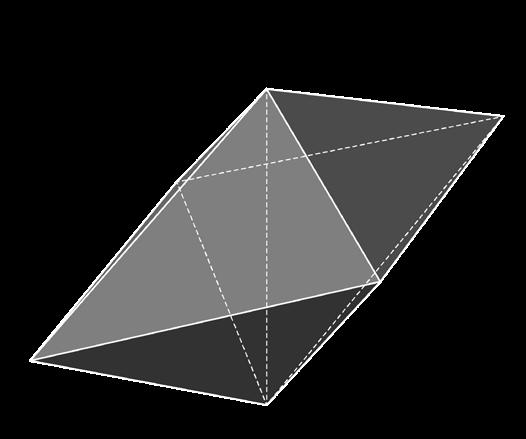
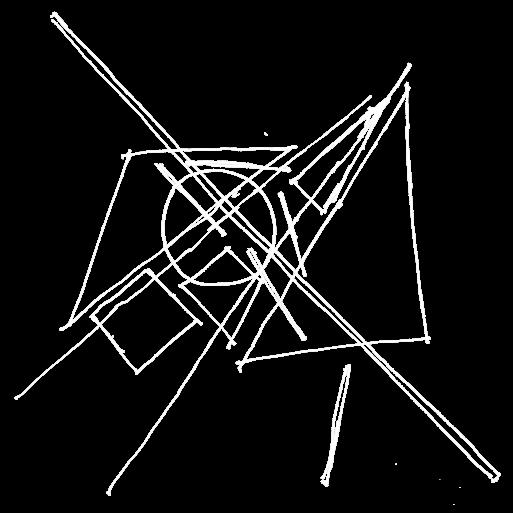
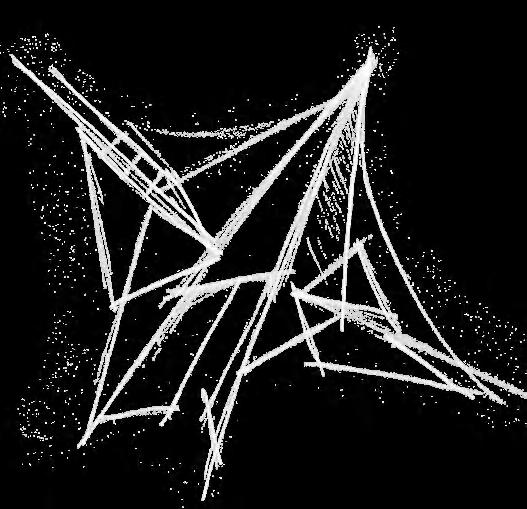
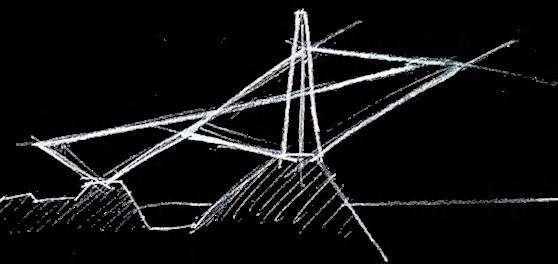
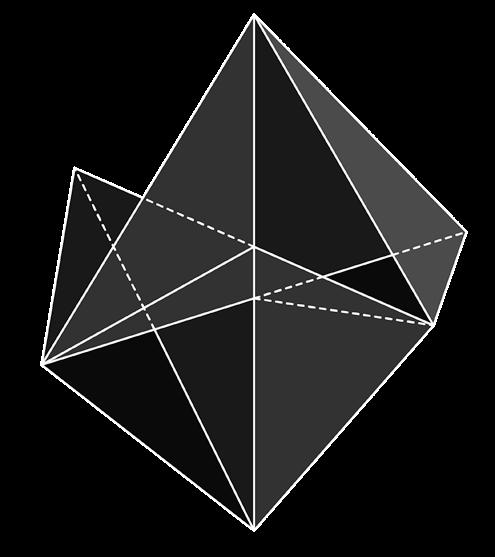
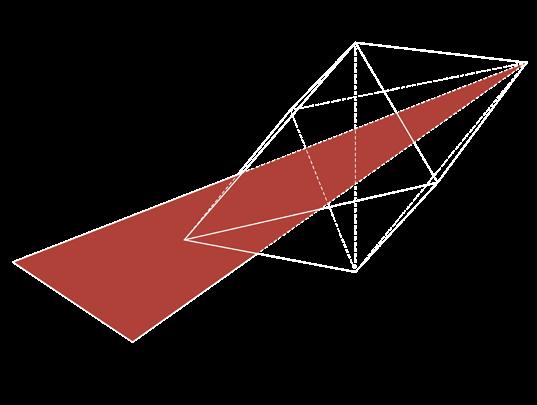
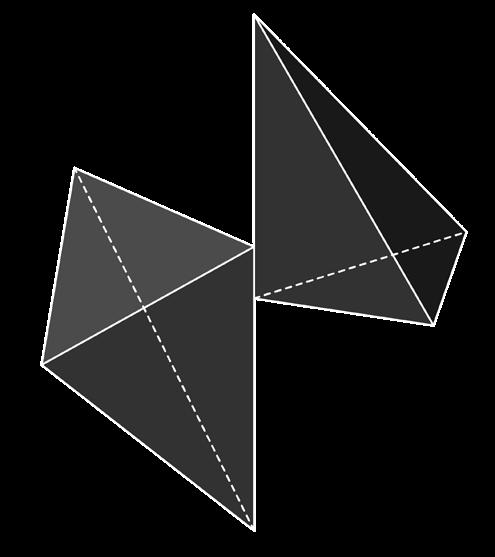
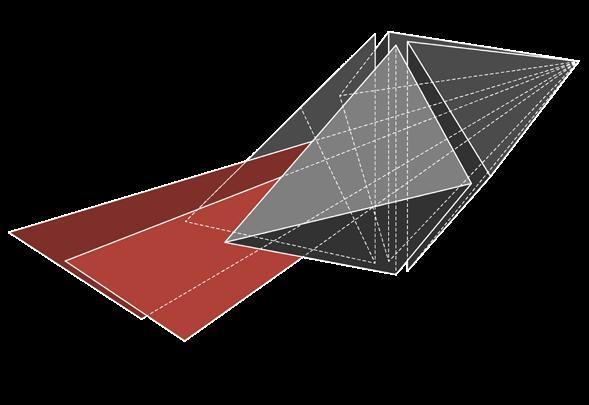
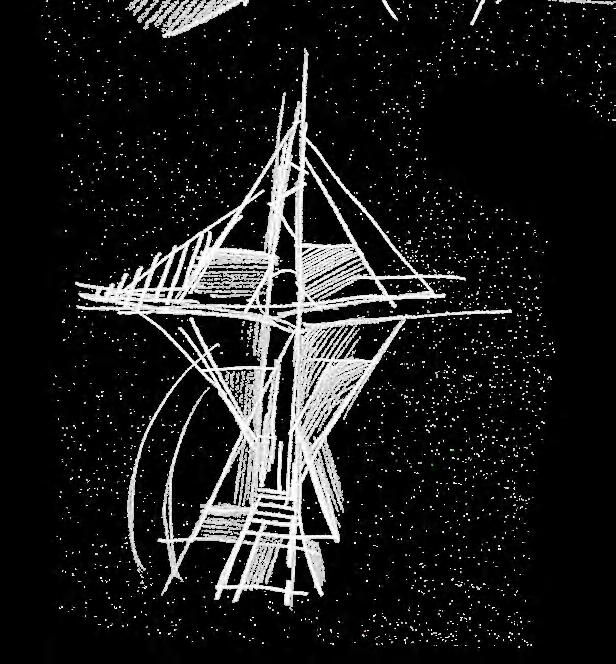
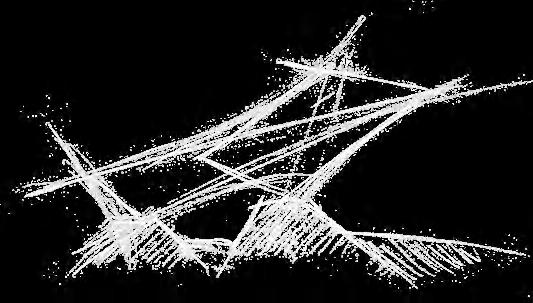
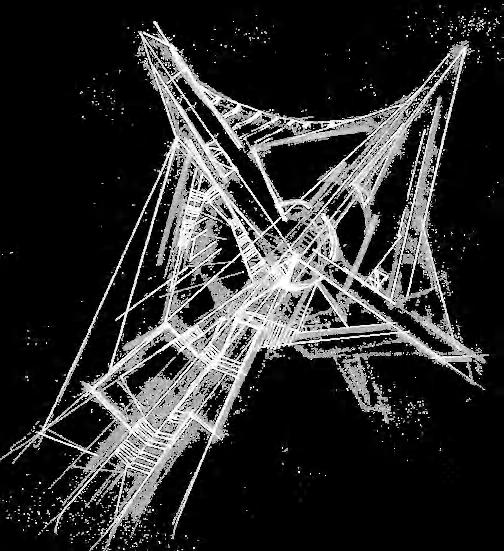
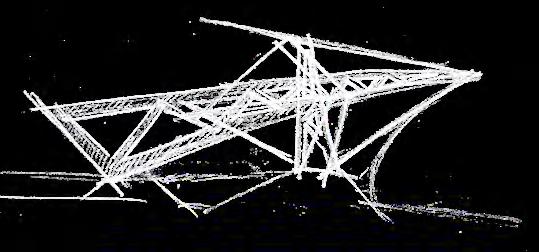
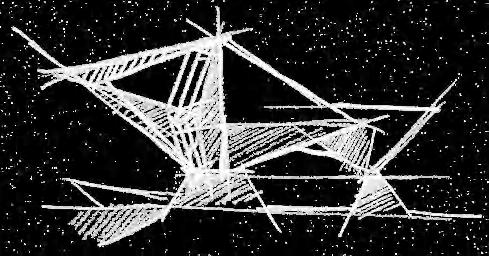
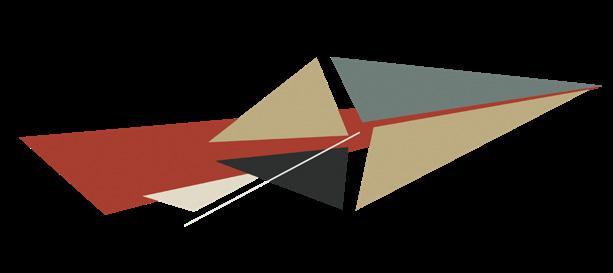
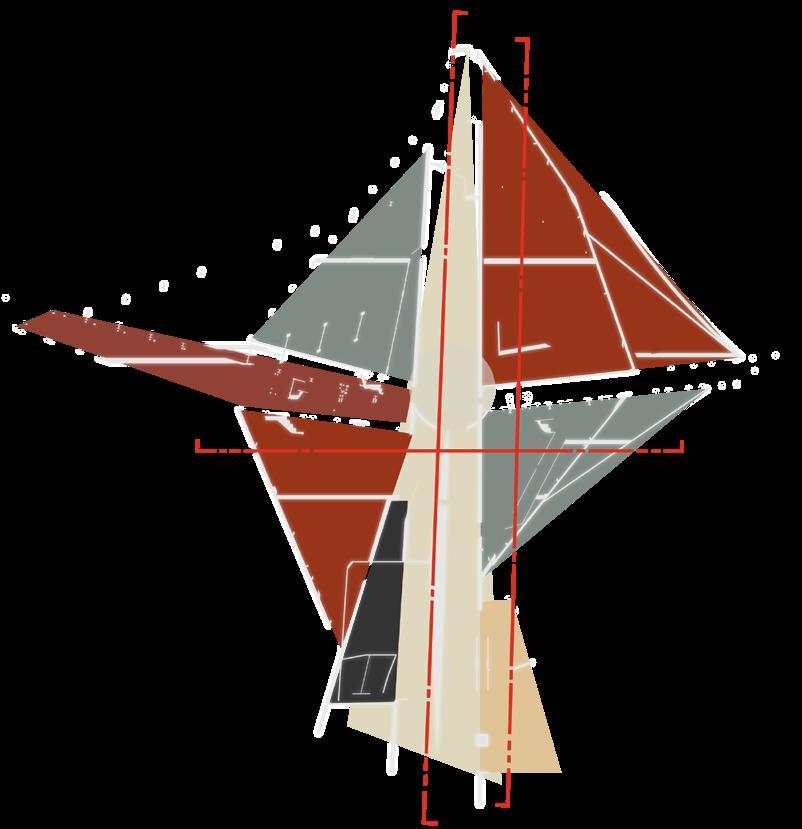
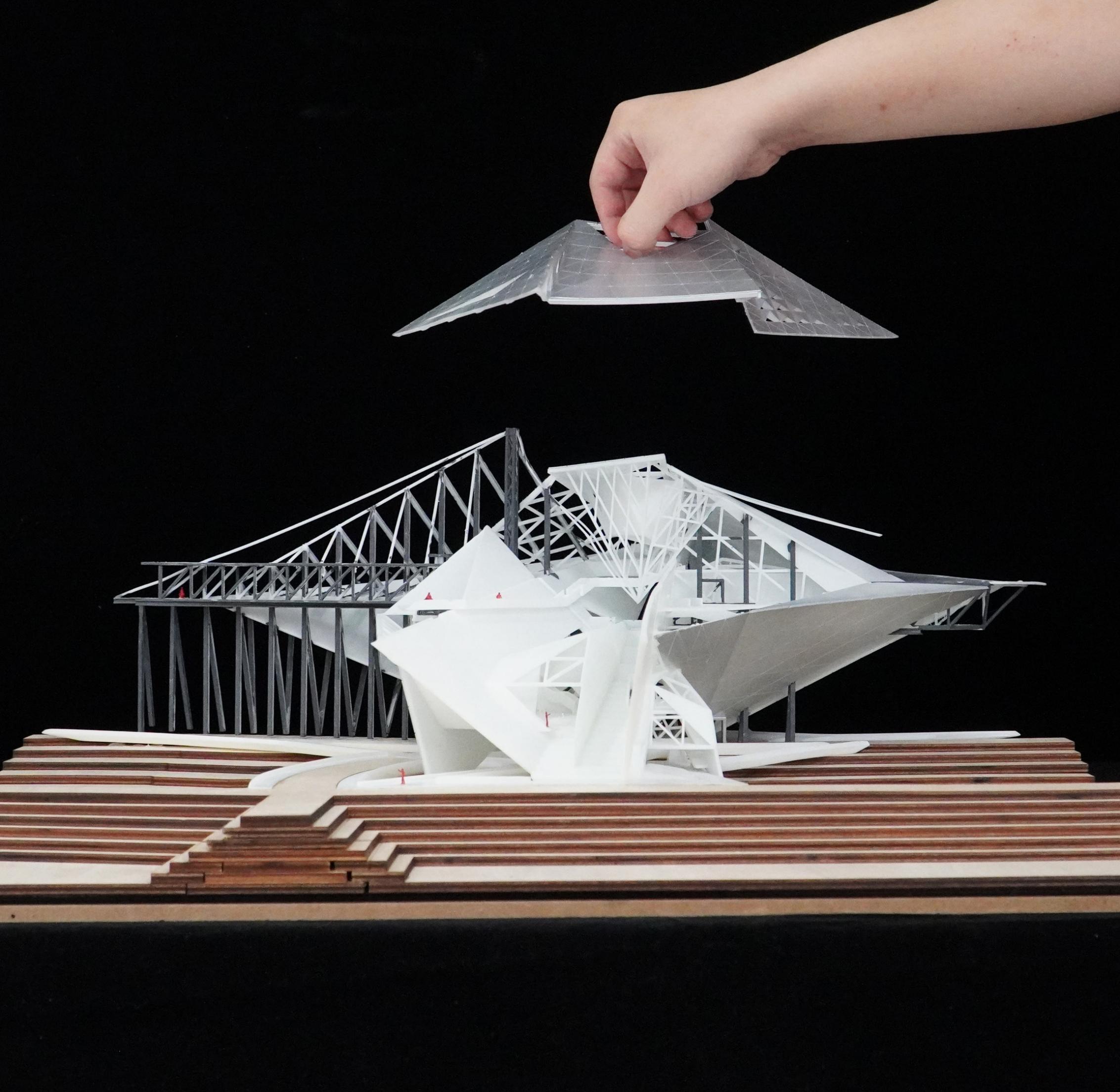
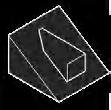
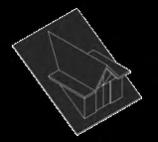
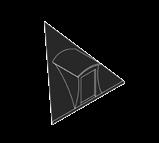
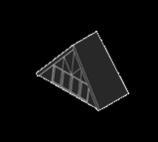
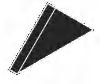
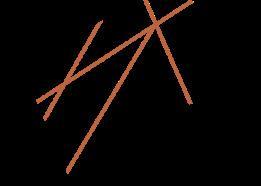
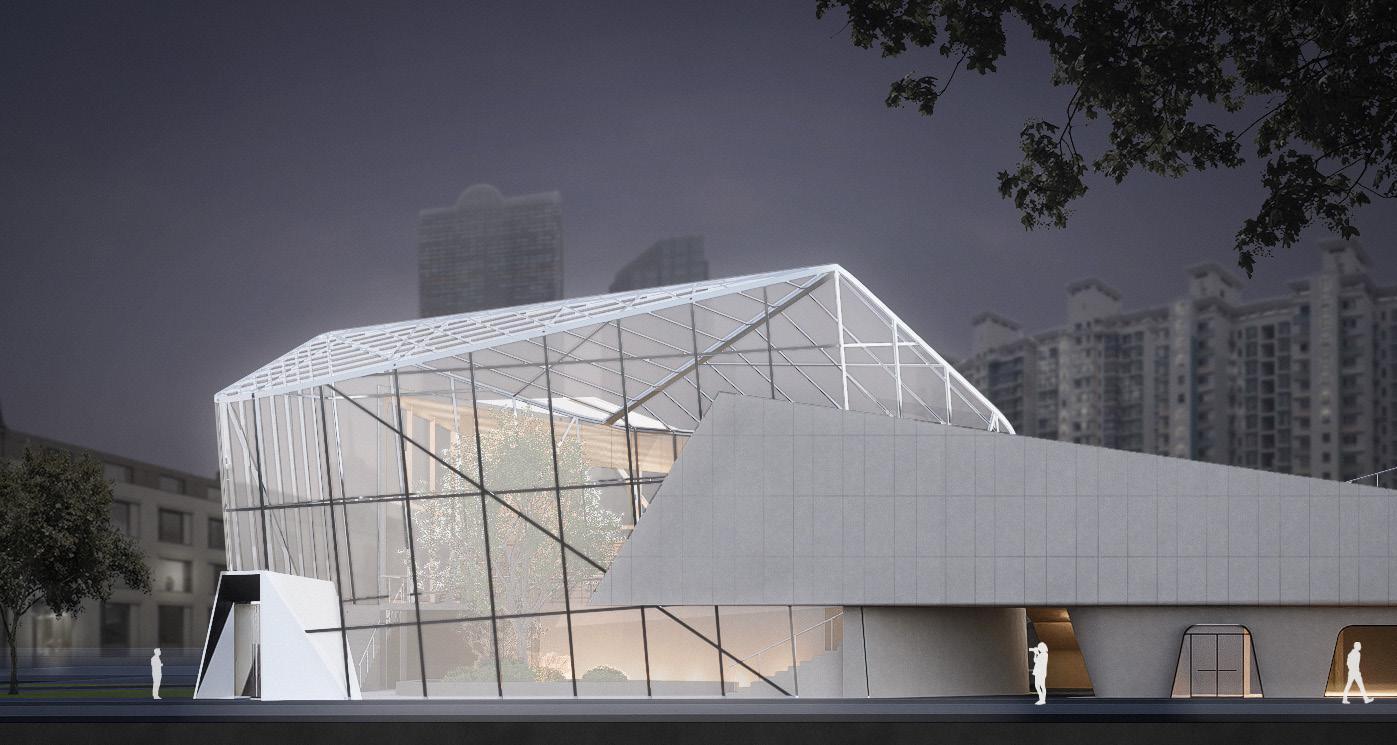
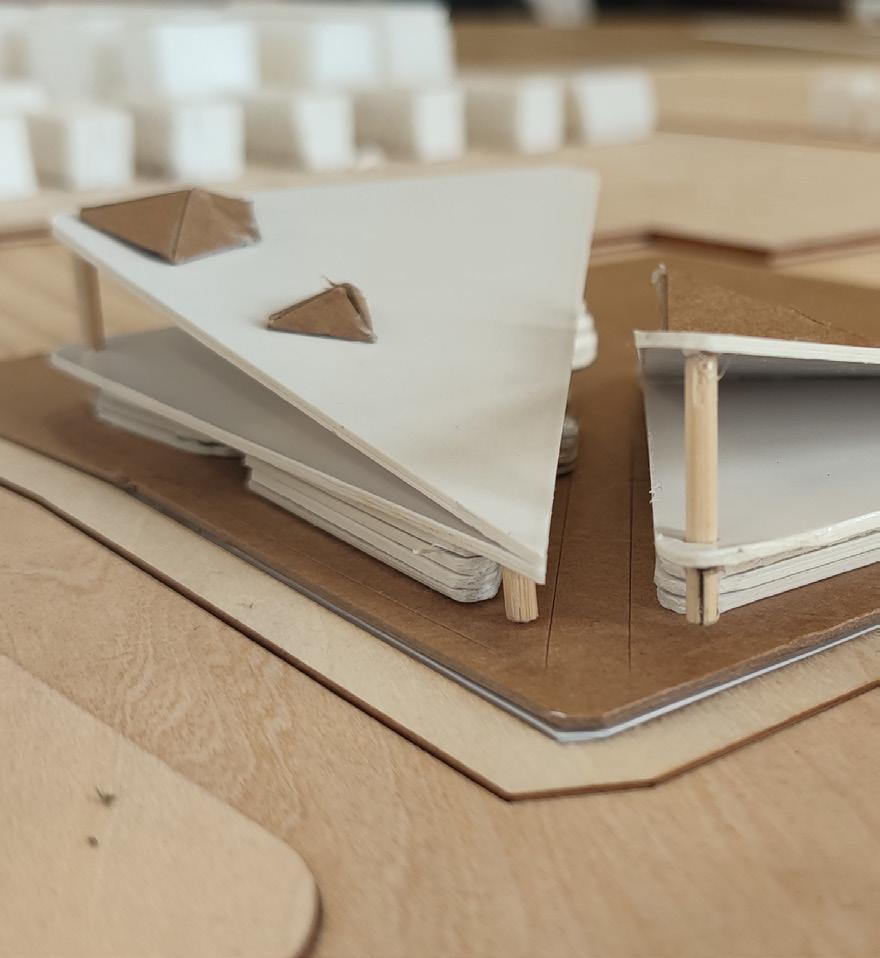
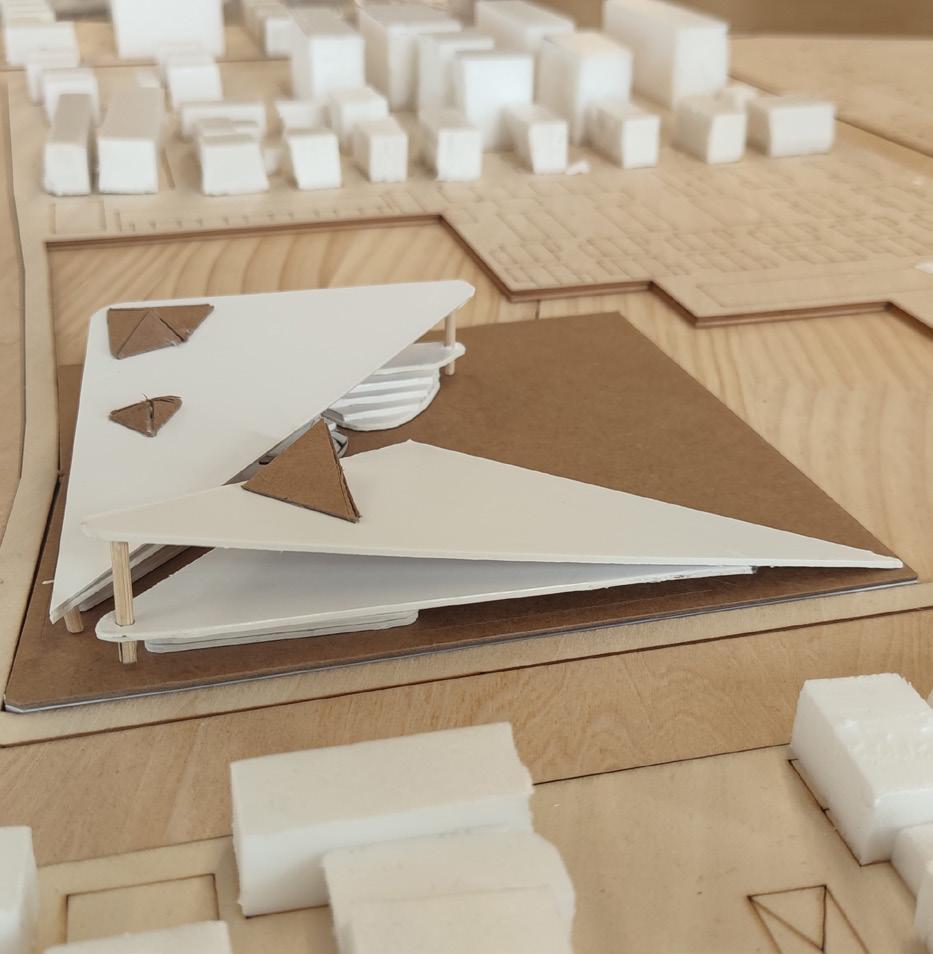
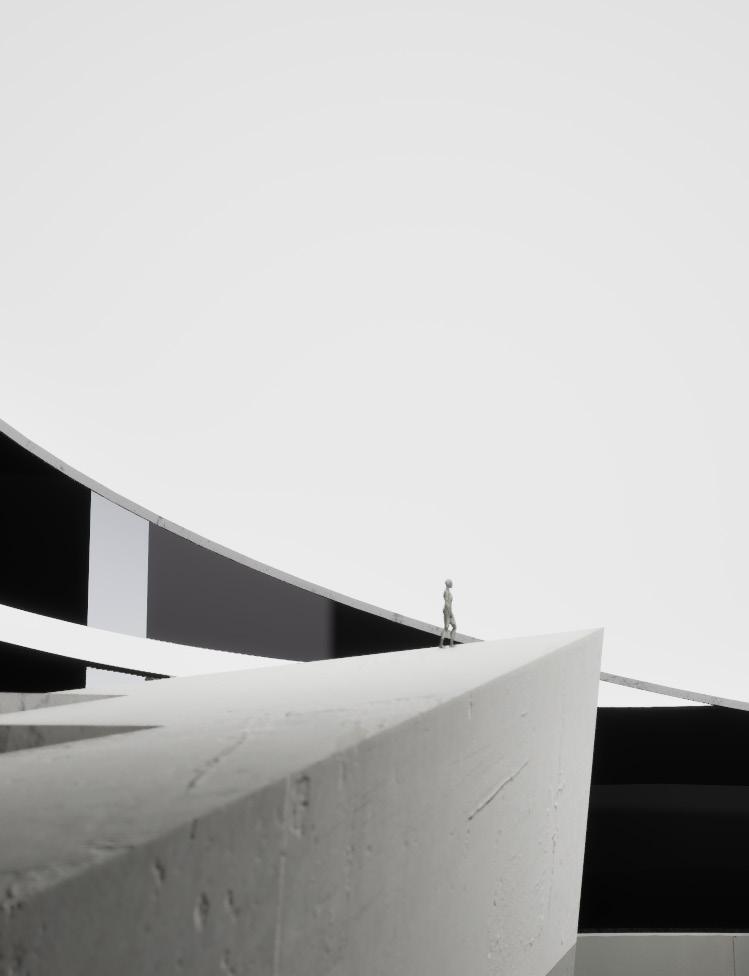
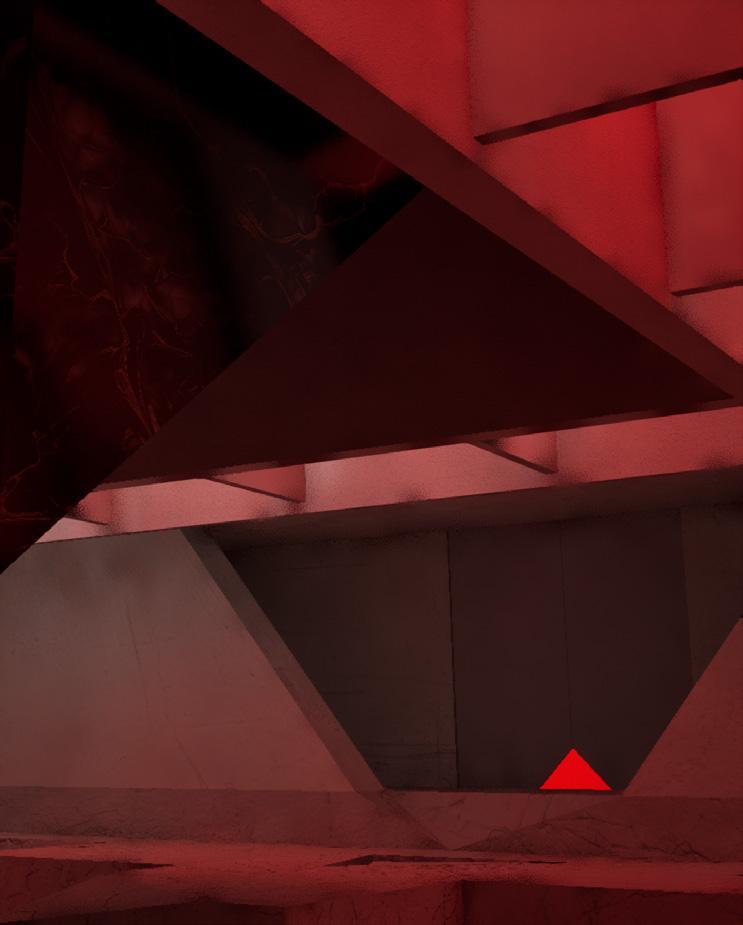
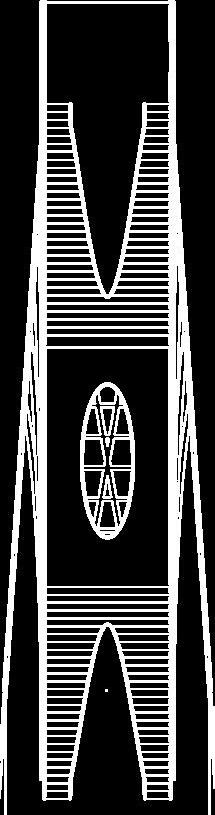
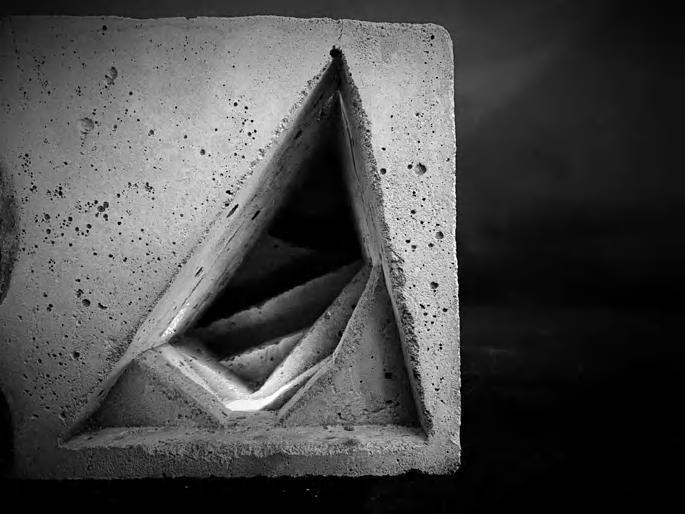
This painting draws on Suprematist principles , using strong geometry and texture to convey a supremacy of feelings —specifically, the sense of breaking through the barrier, additionally, the sharp triangular form implies that this breakthrough is not the final destination. The barrier here reflects Lacan's imaginary barrier, symbolizing emotional constraints imposed by imagination axis. It invites viewers to recognize and attempt to break through these limits in pursuit of the supremacy of emotions
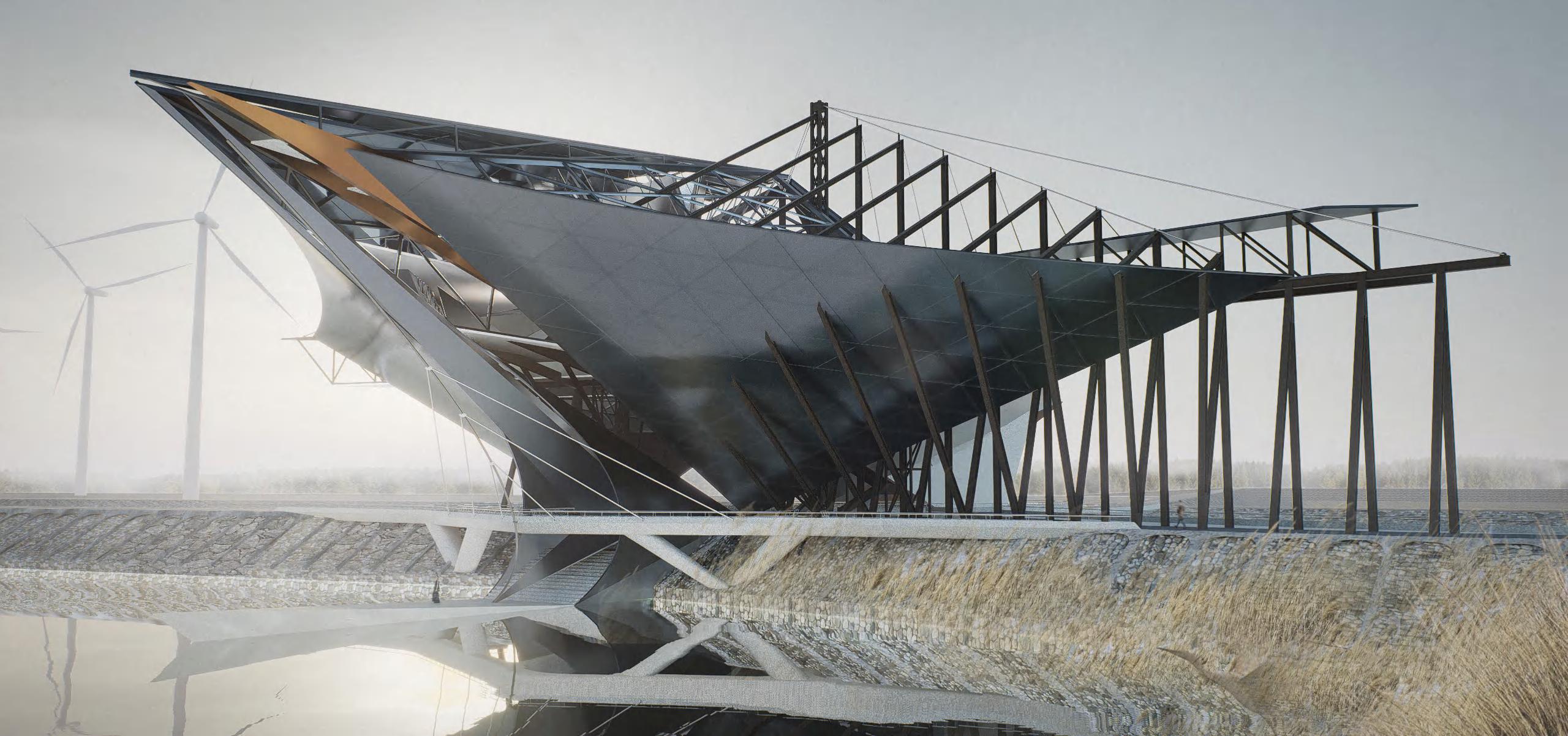
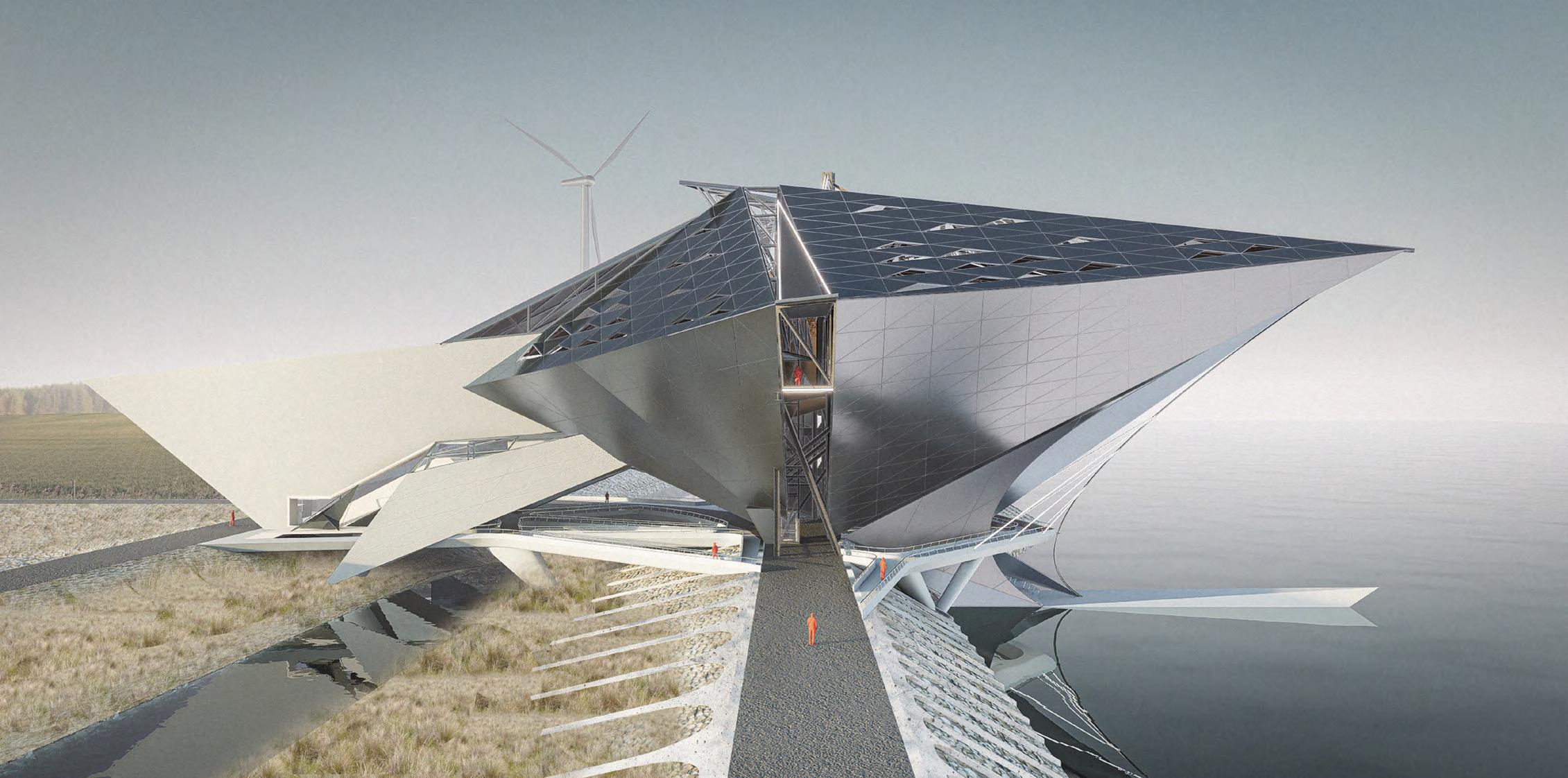
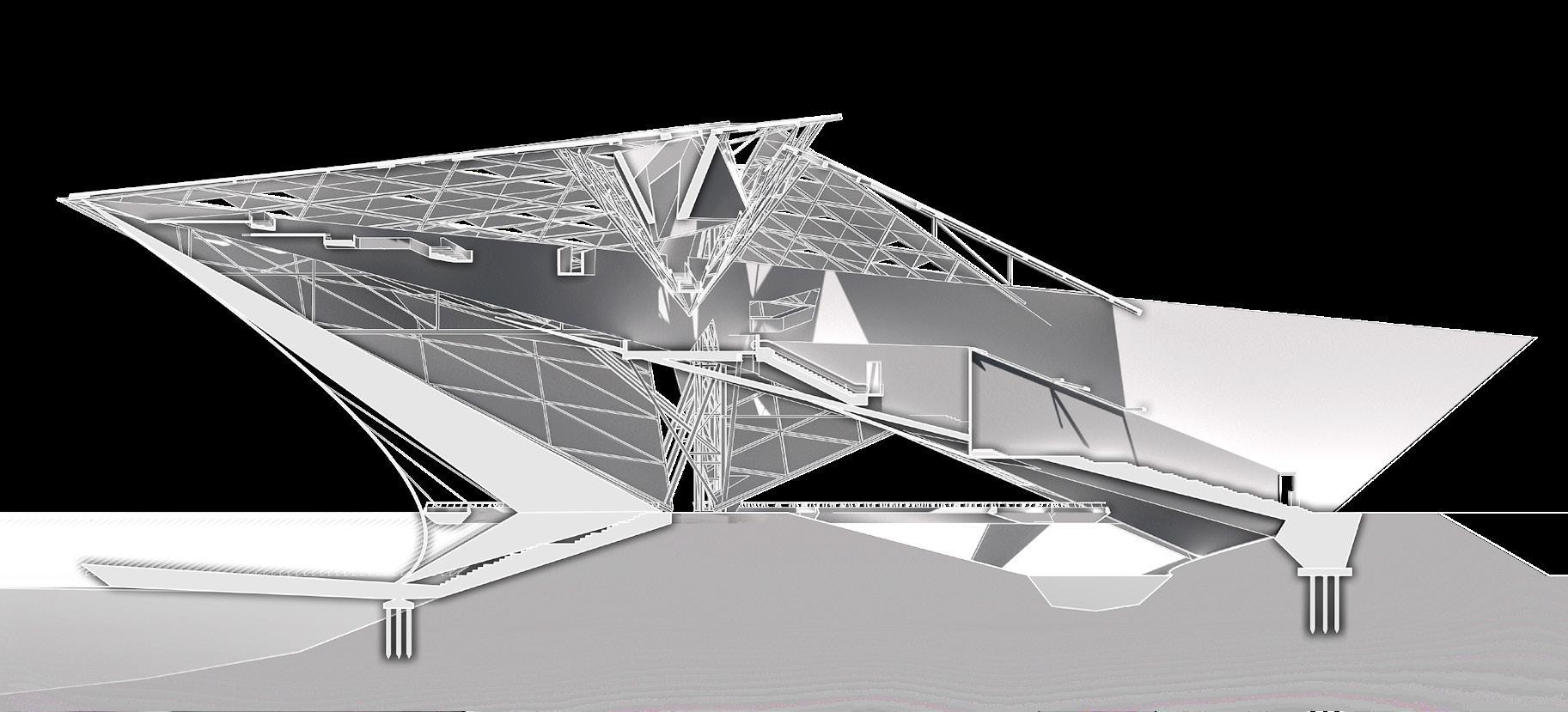
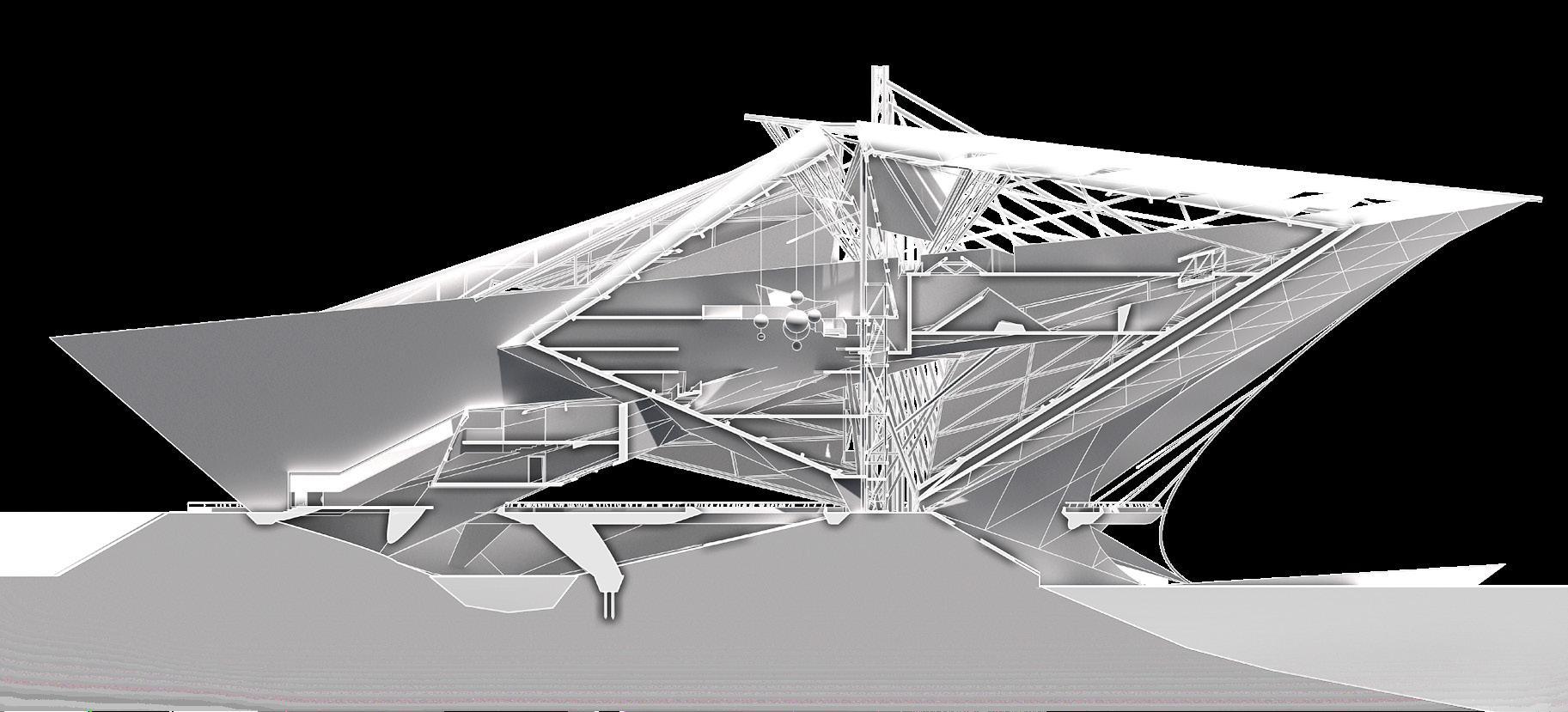
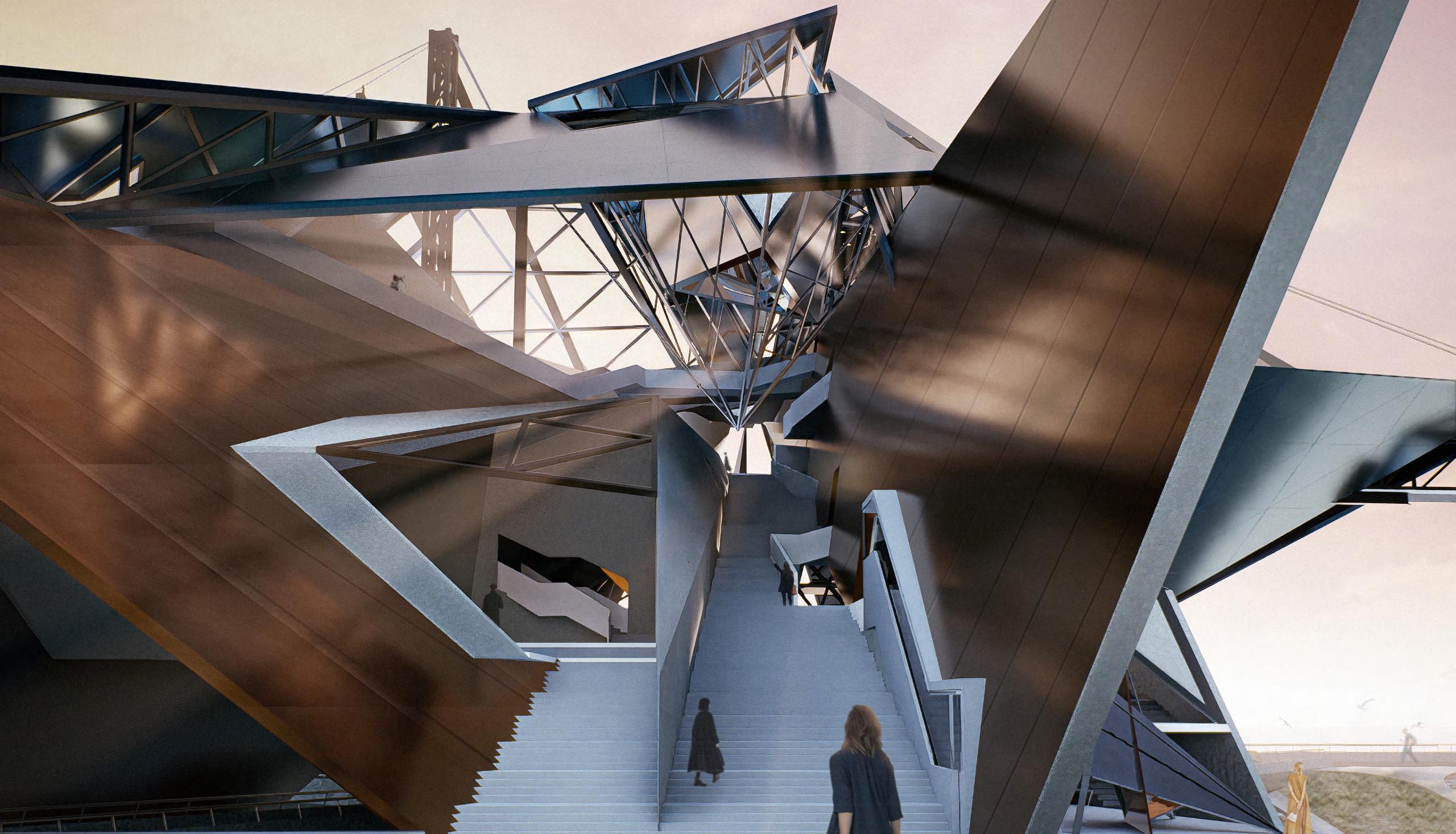
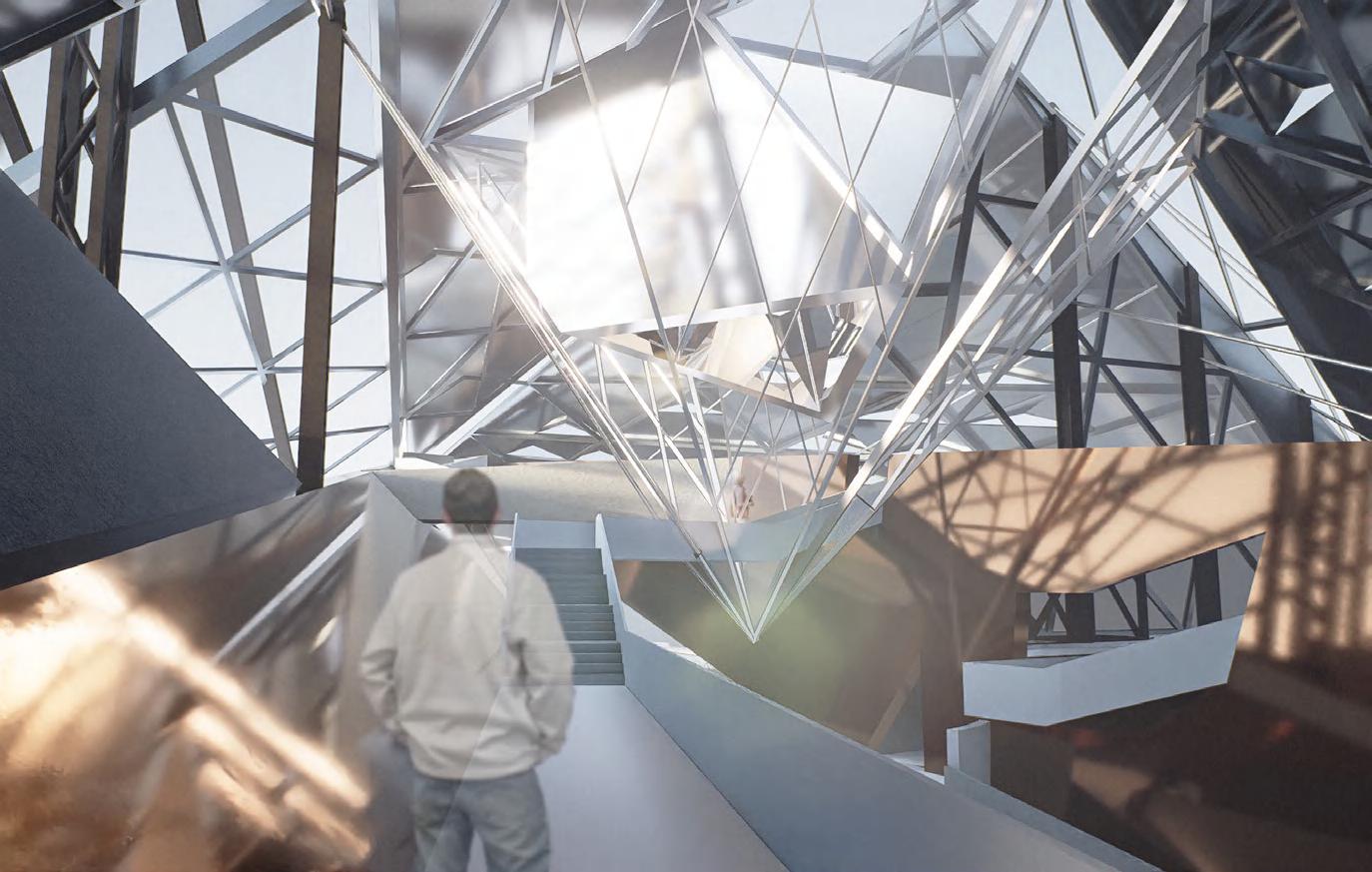
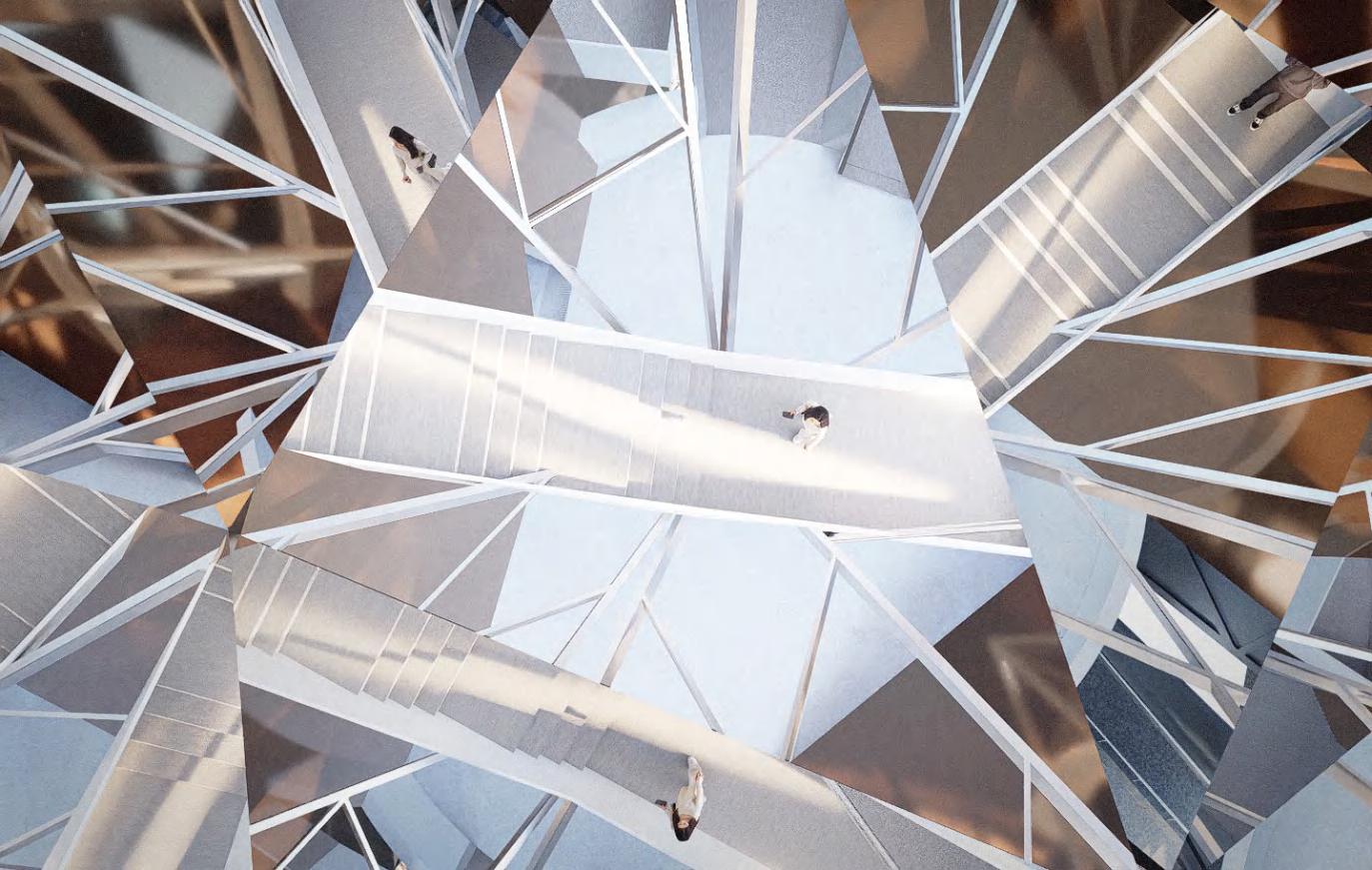
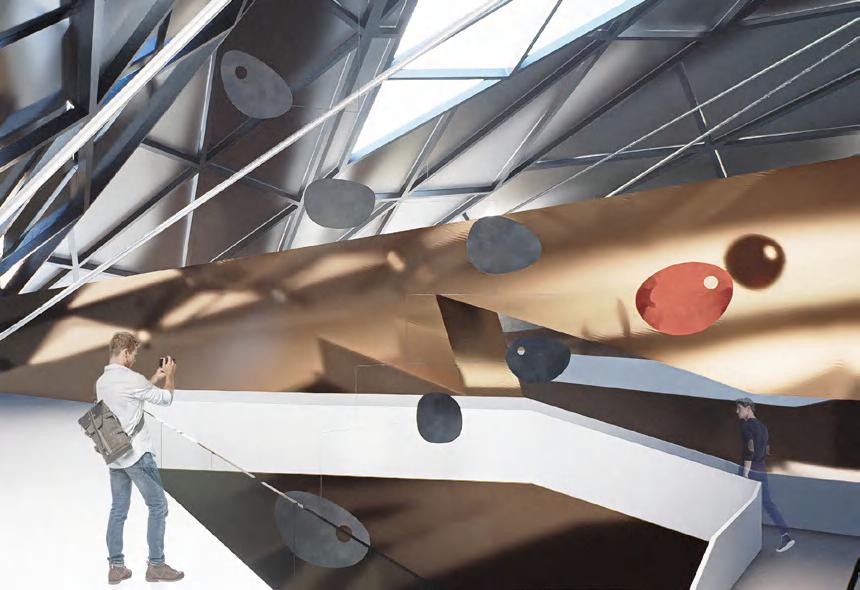
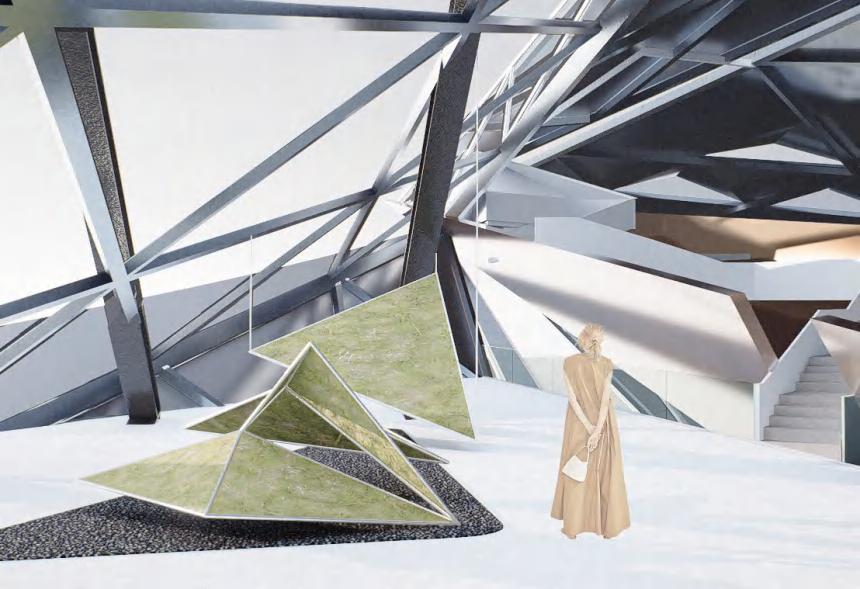
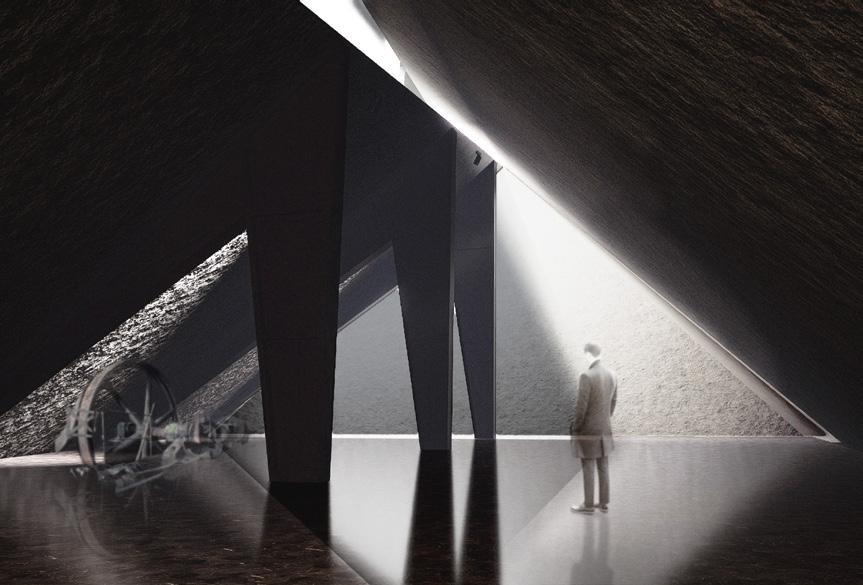
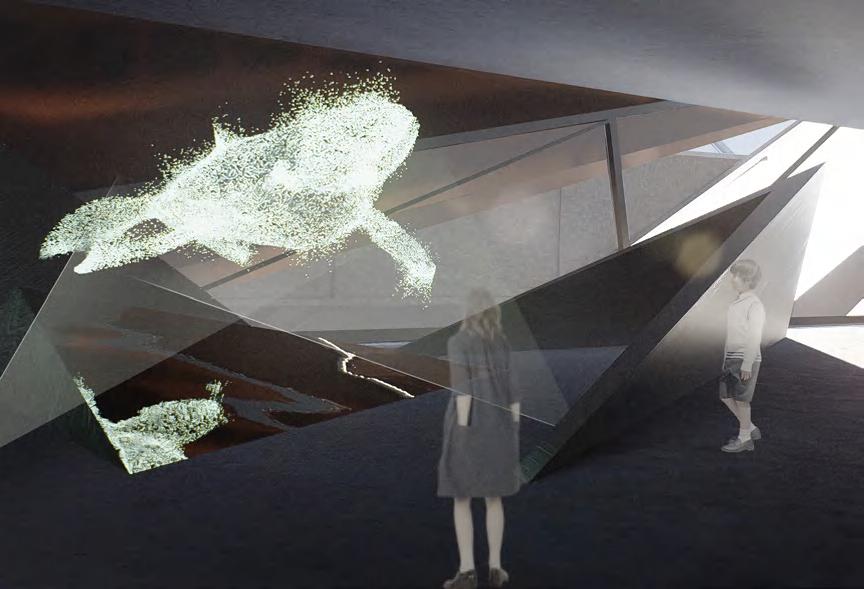
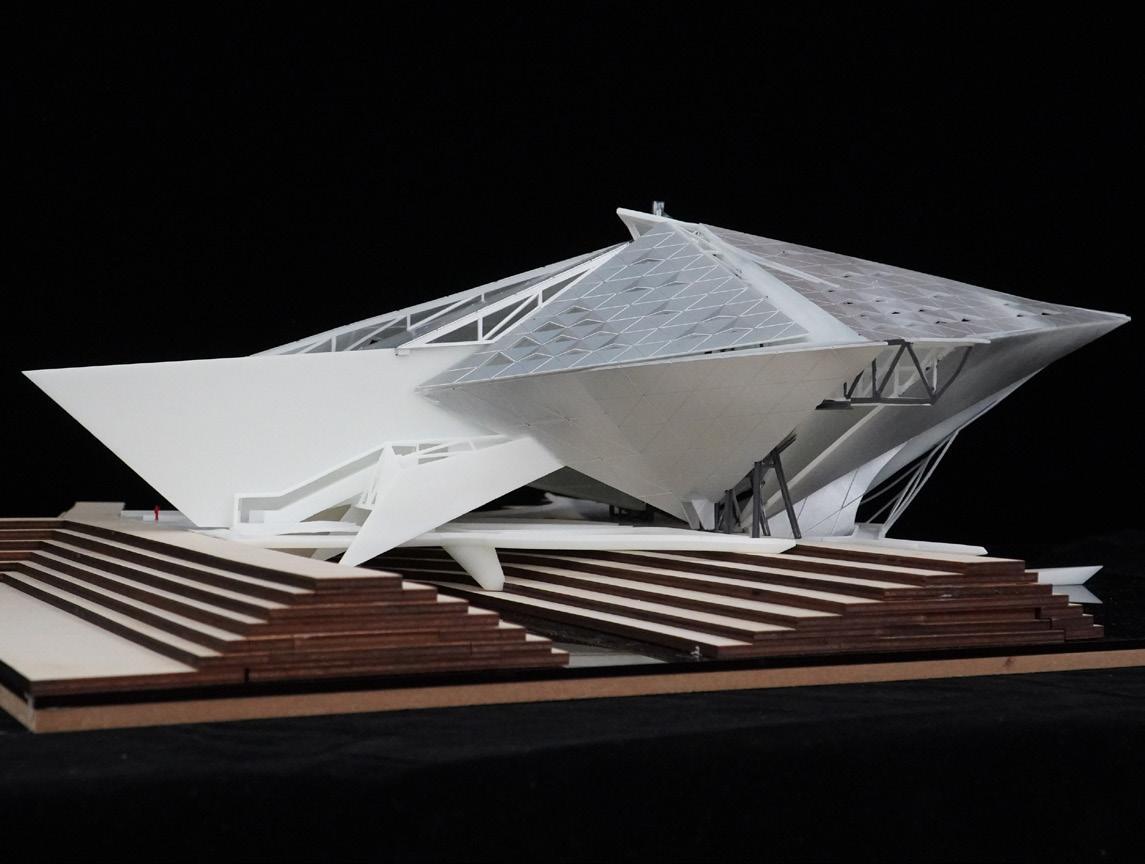
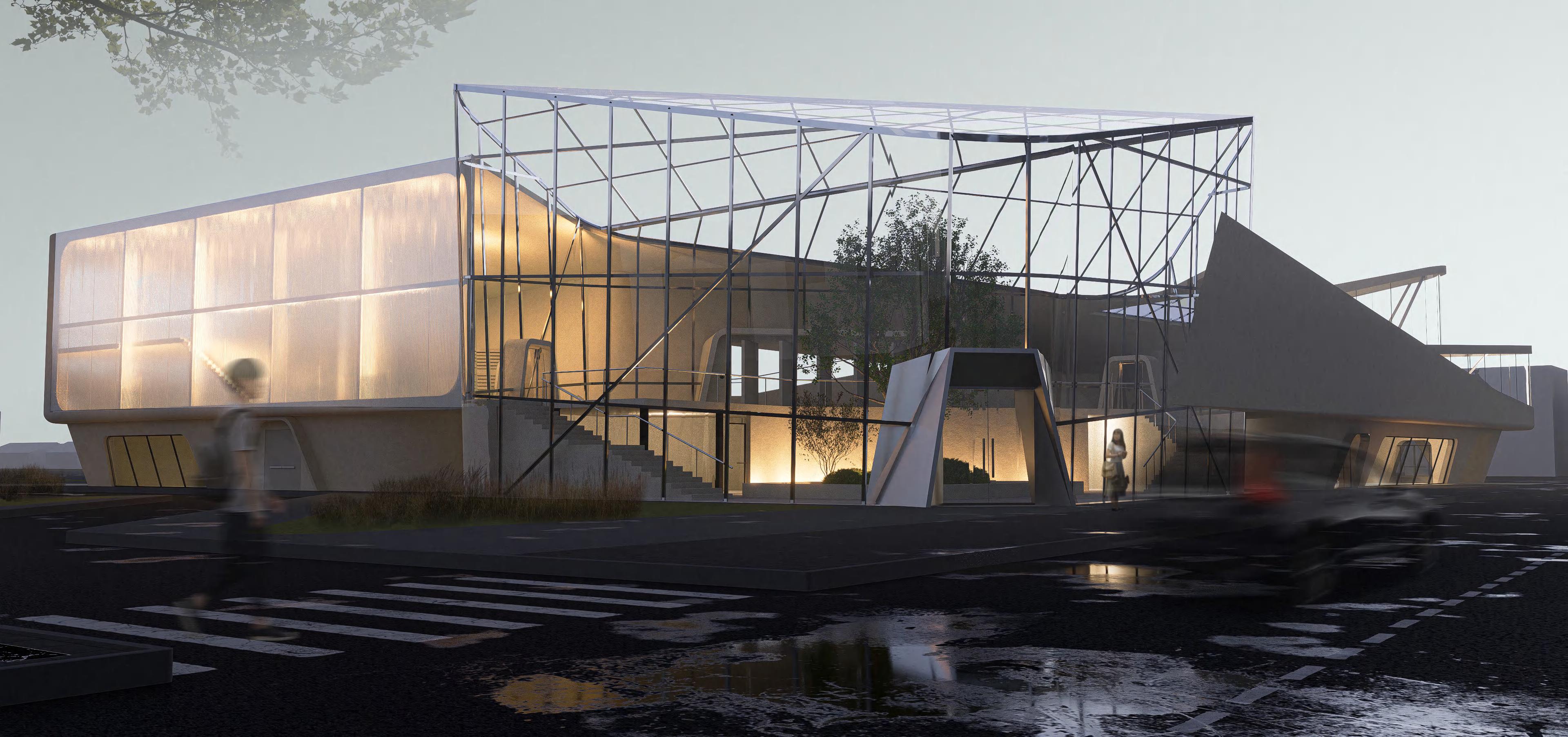
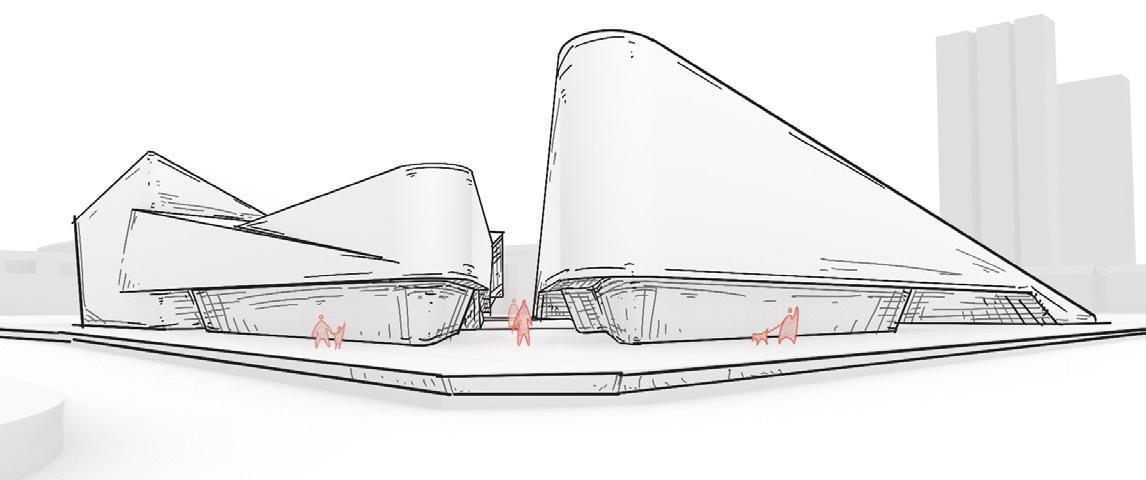
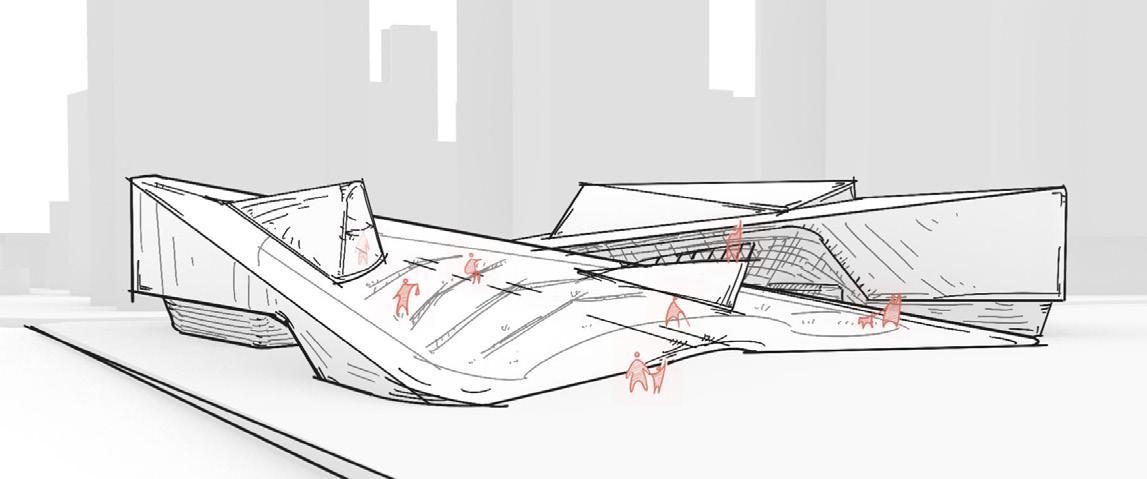
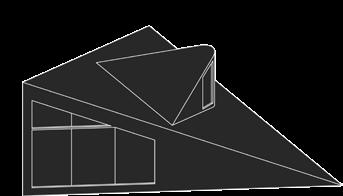
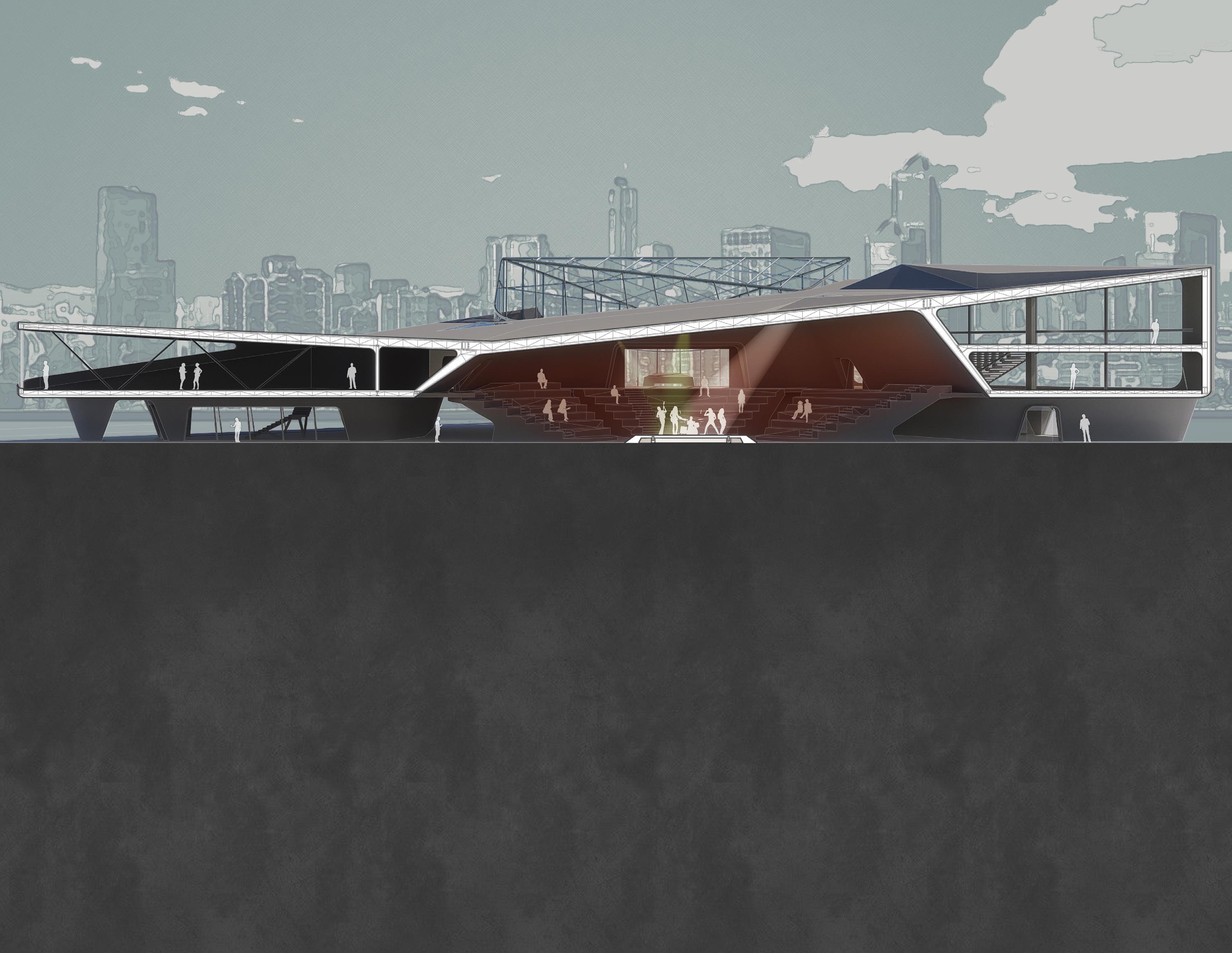
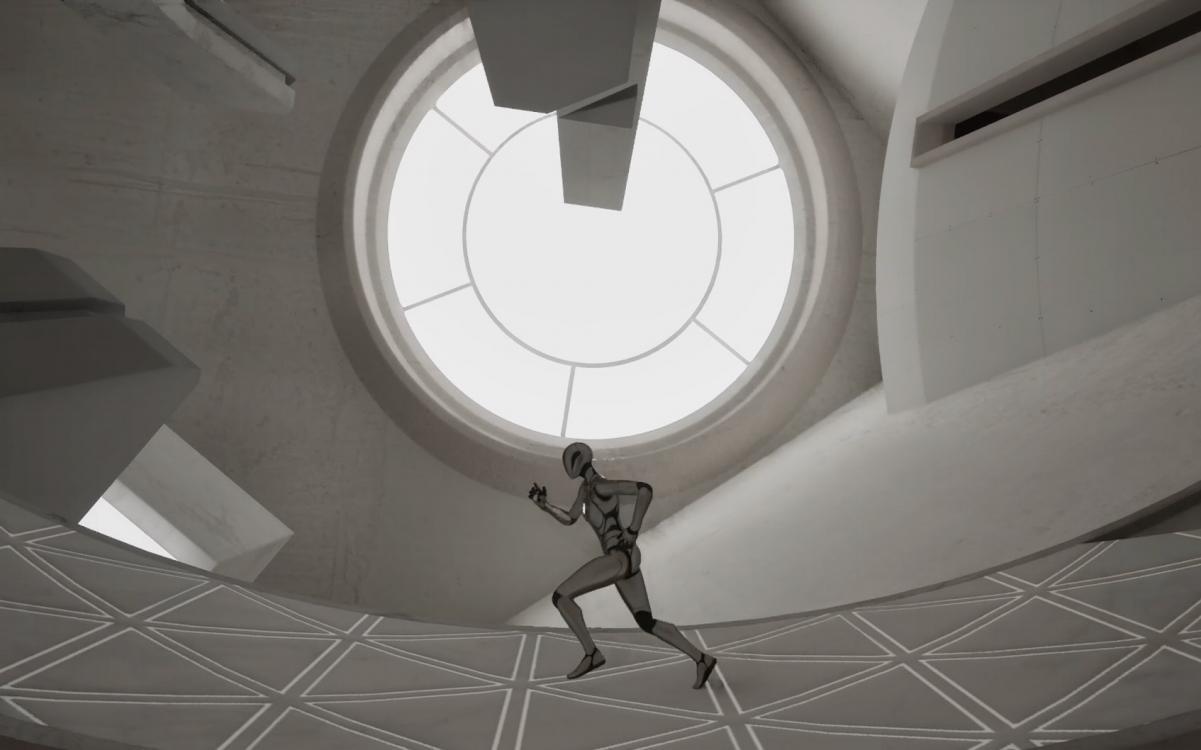
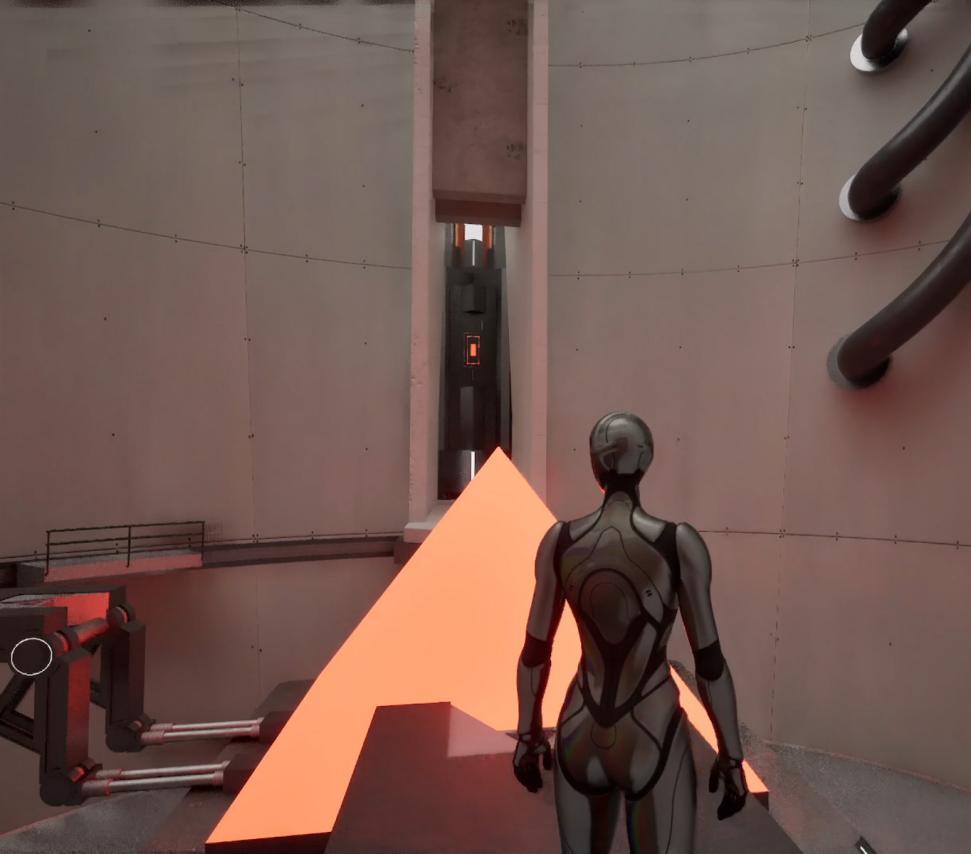
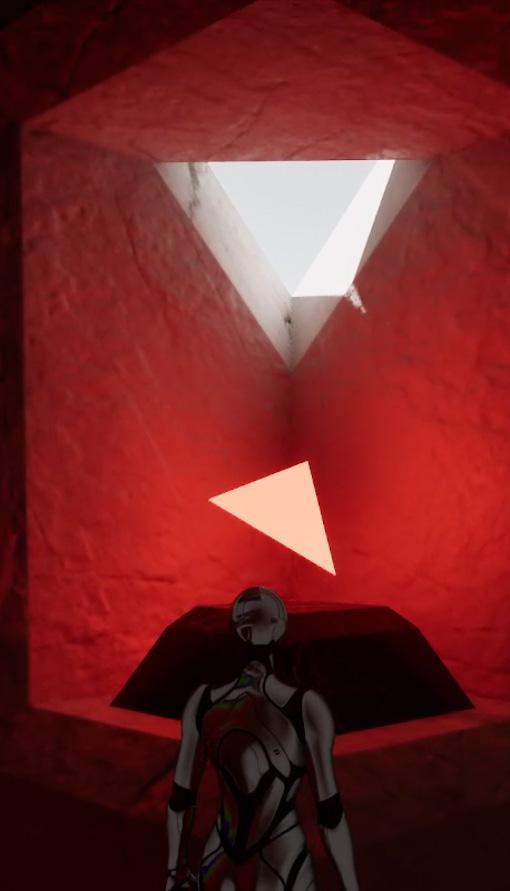
As a spatial prototype , the painting’s essence is translated into a three-dimensional space, allowing visitors to experience this journey of transcendence and move toward the pure emotion that lies beyond.
Geometry to Space & Materiality
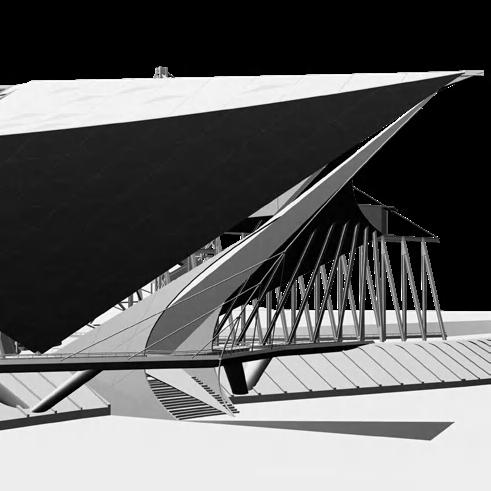
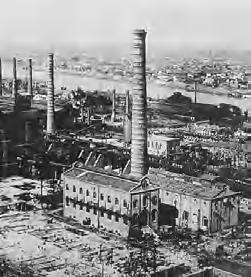
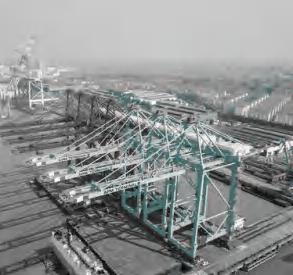
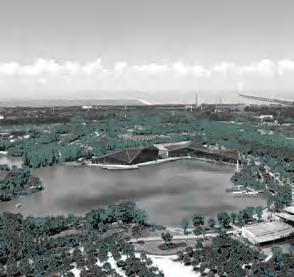
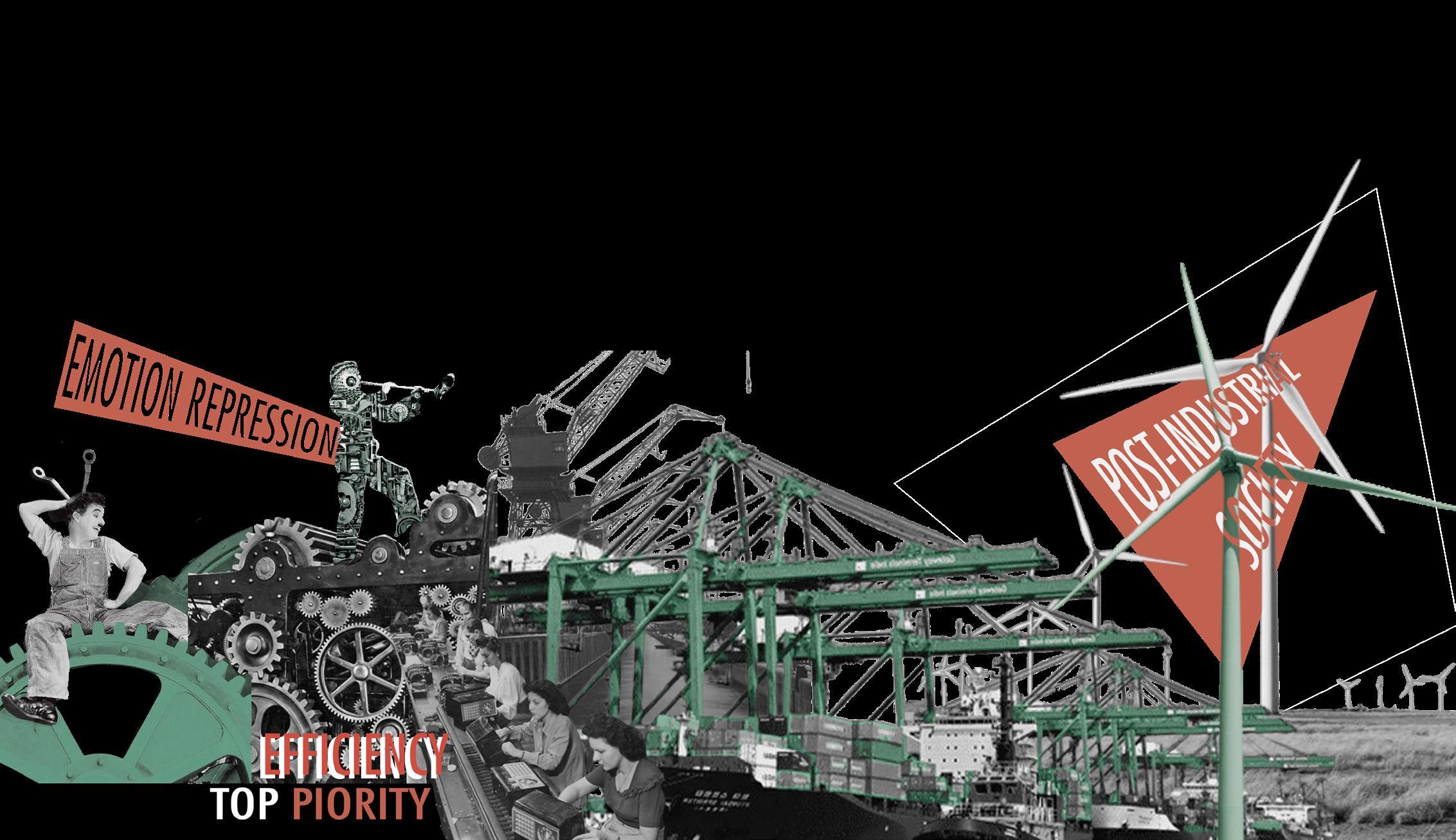
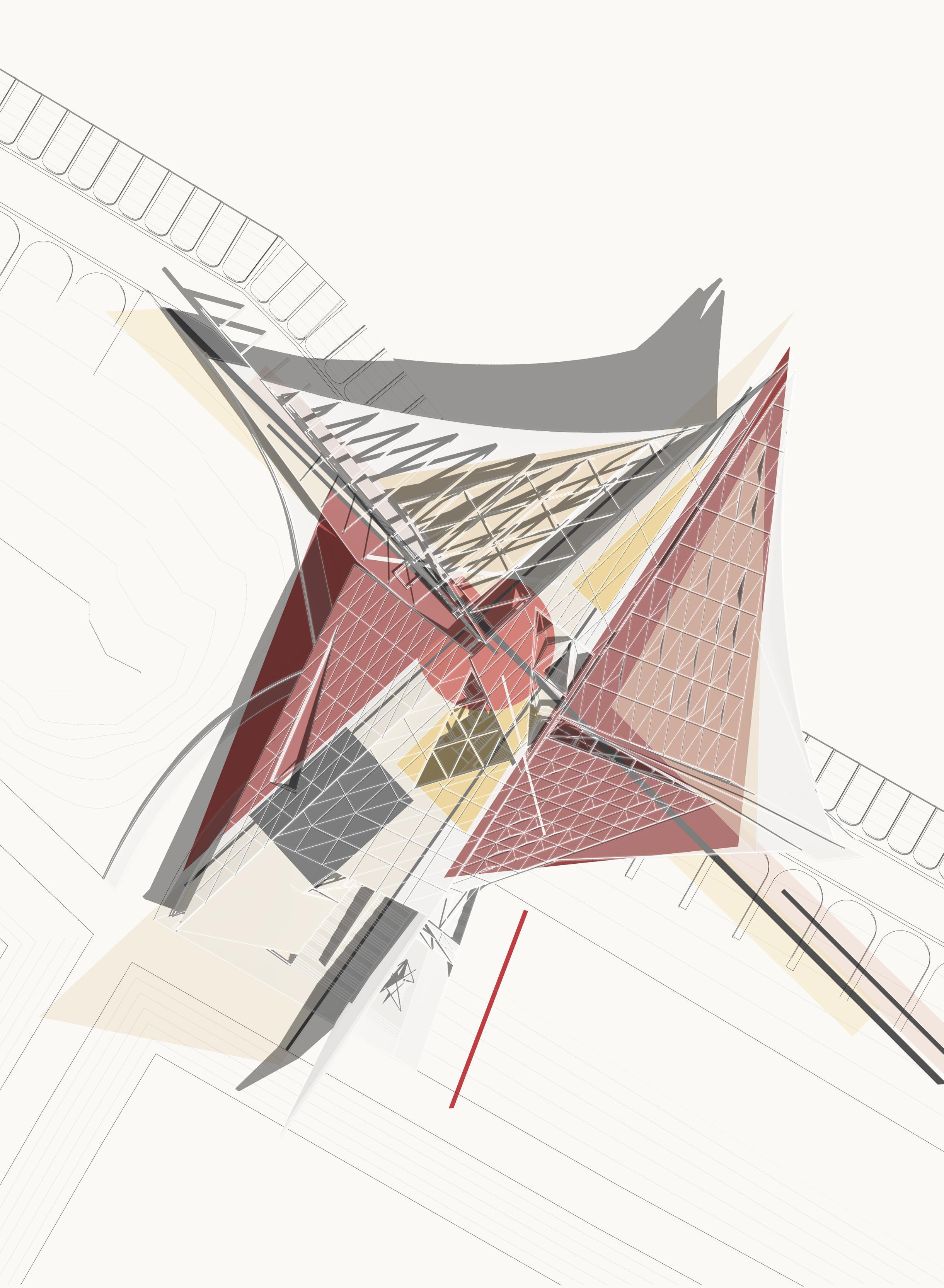
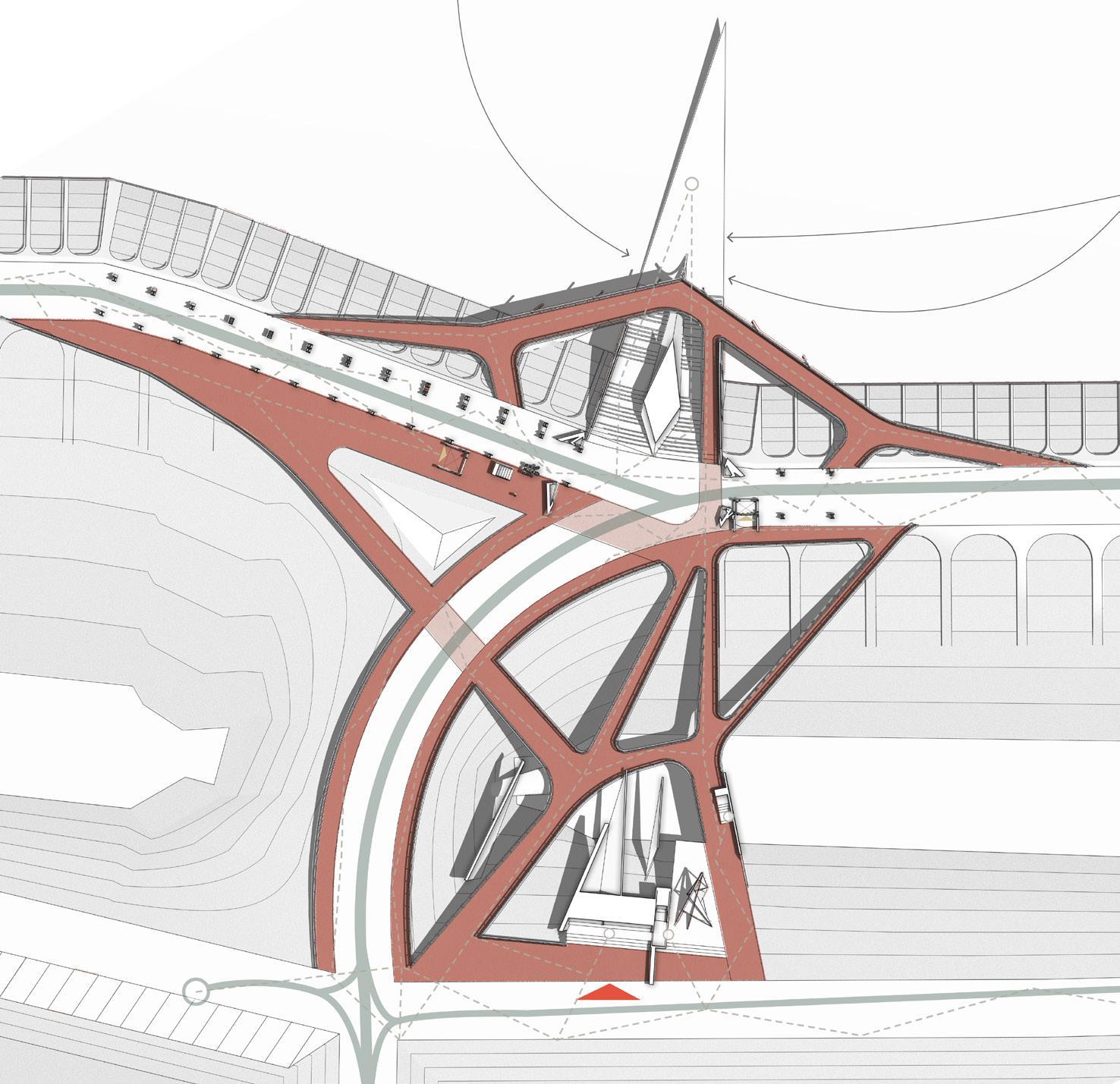
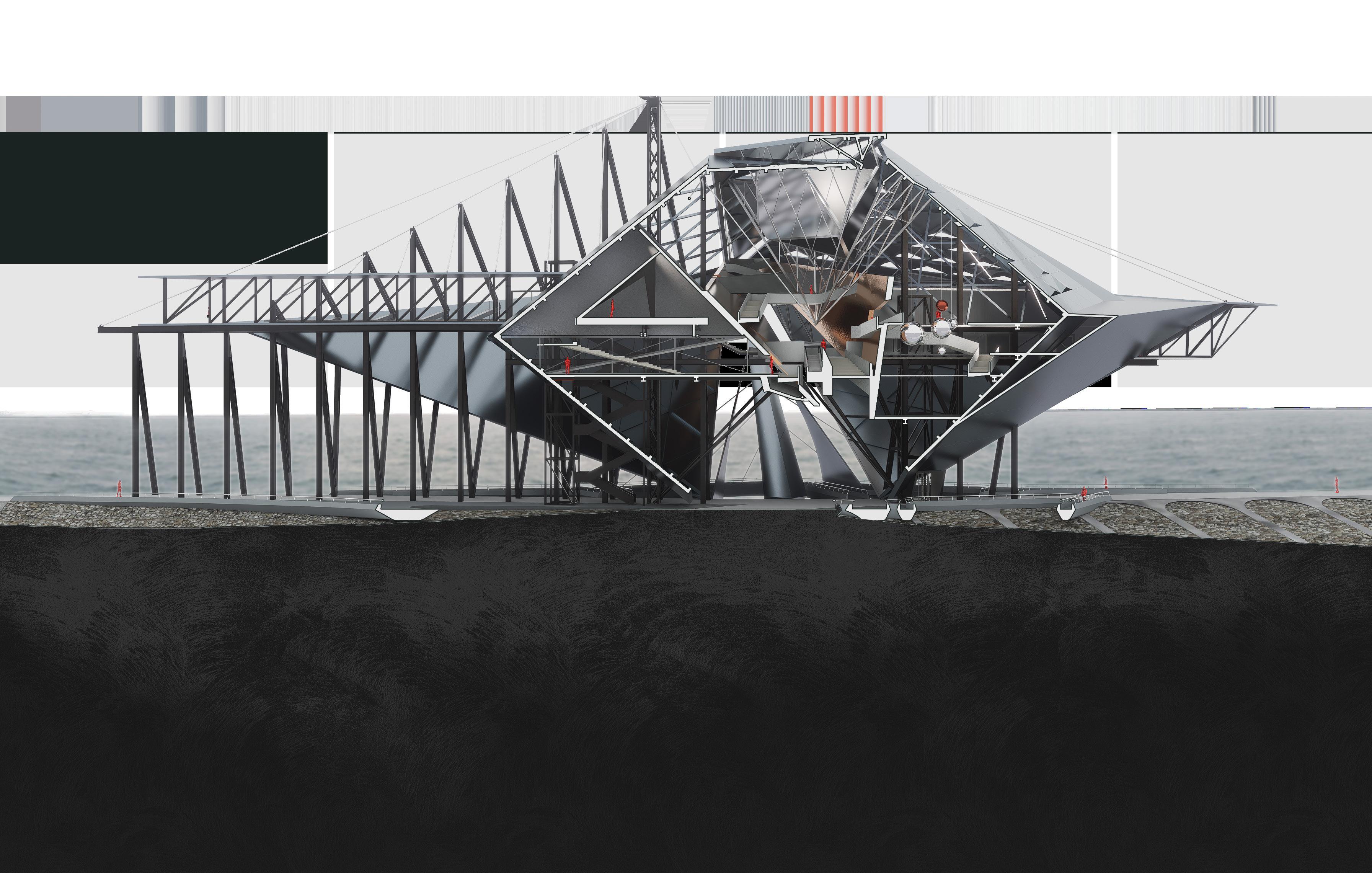
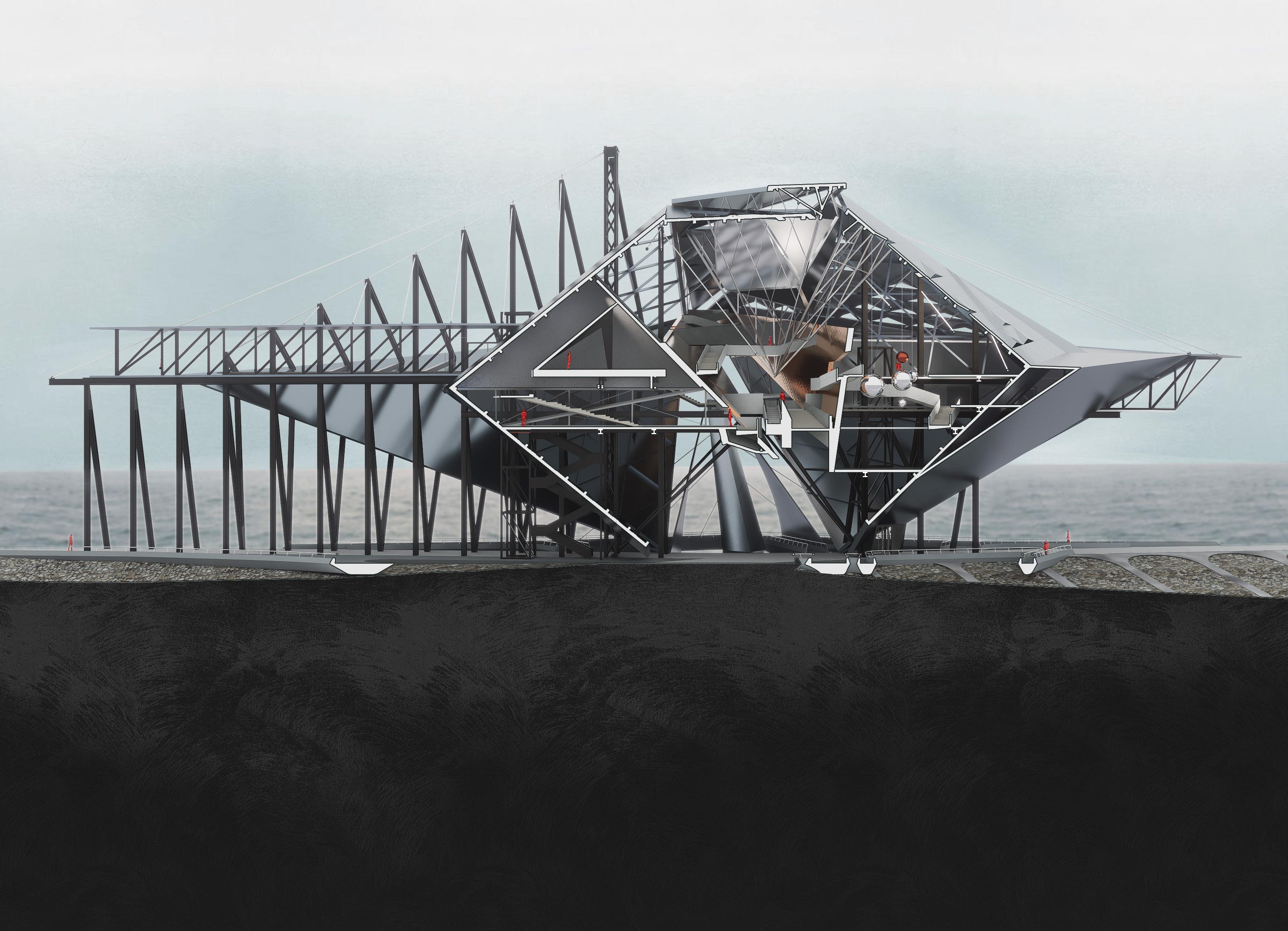
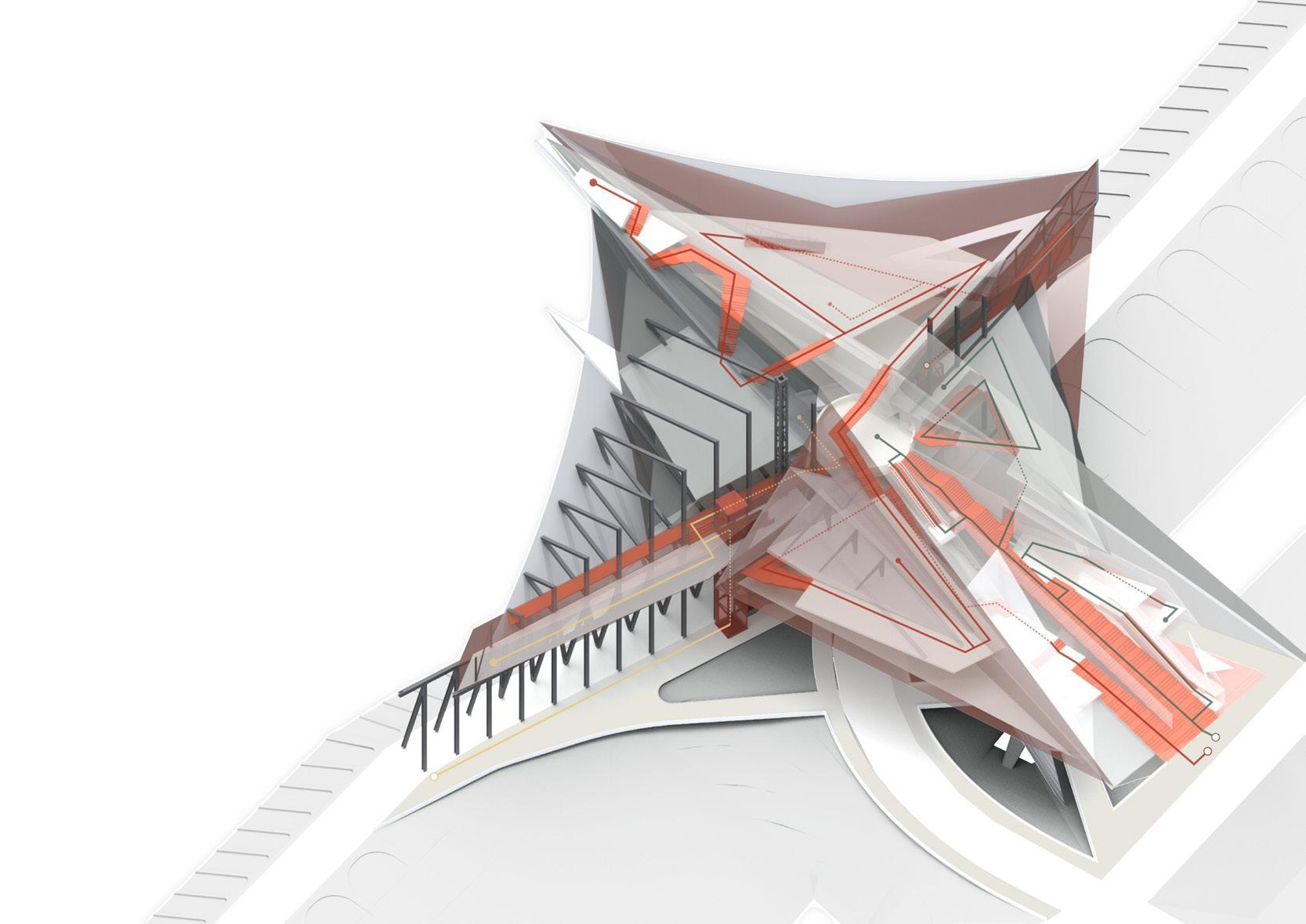
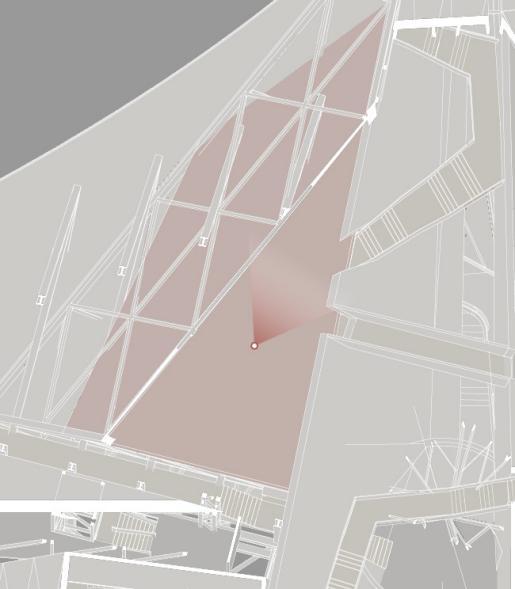
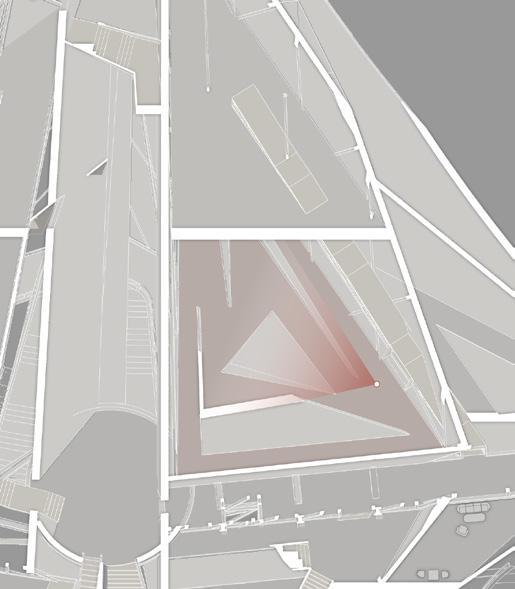
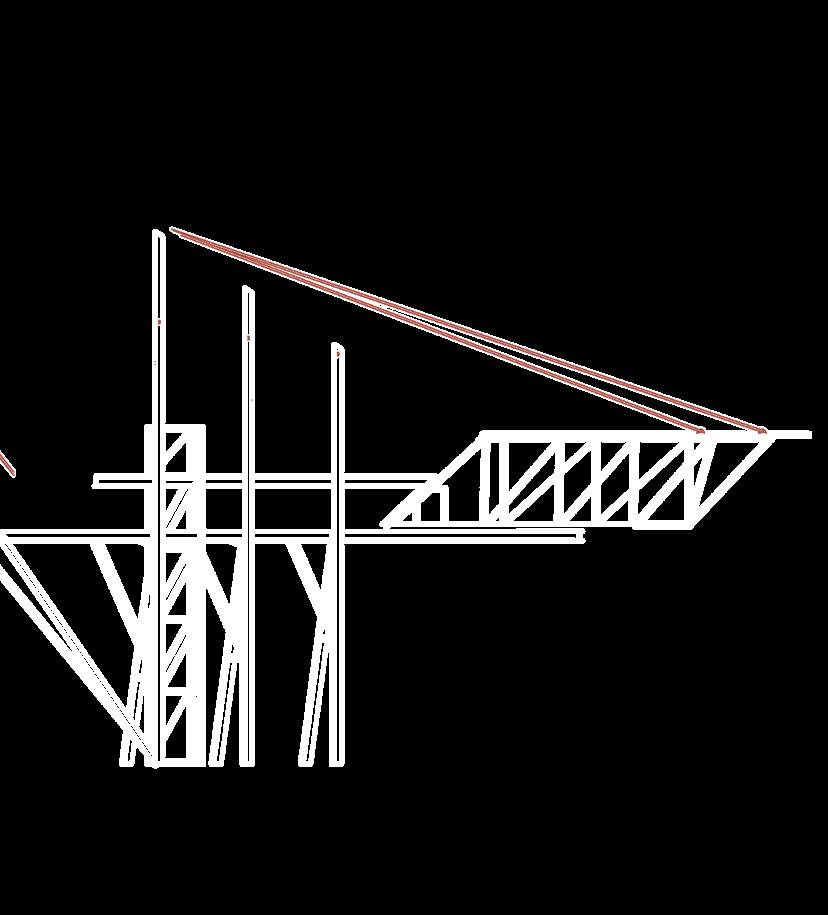
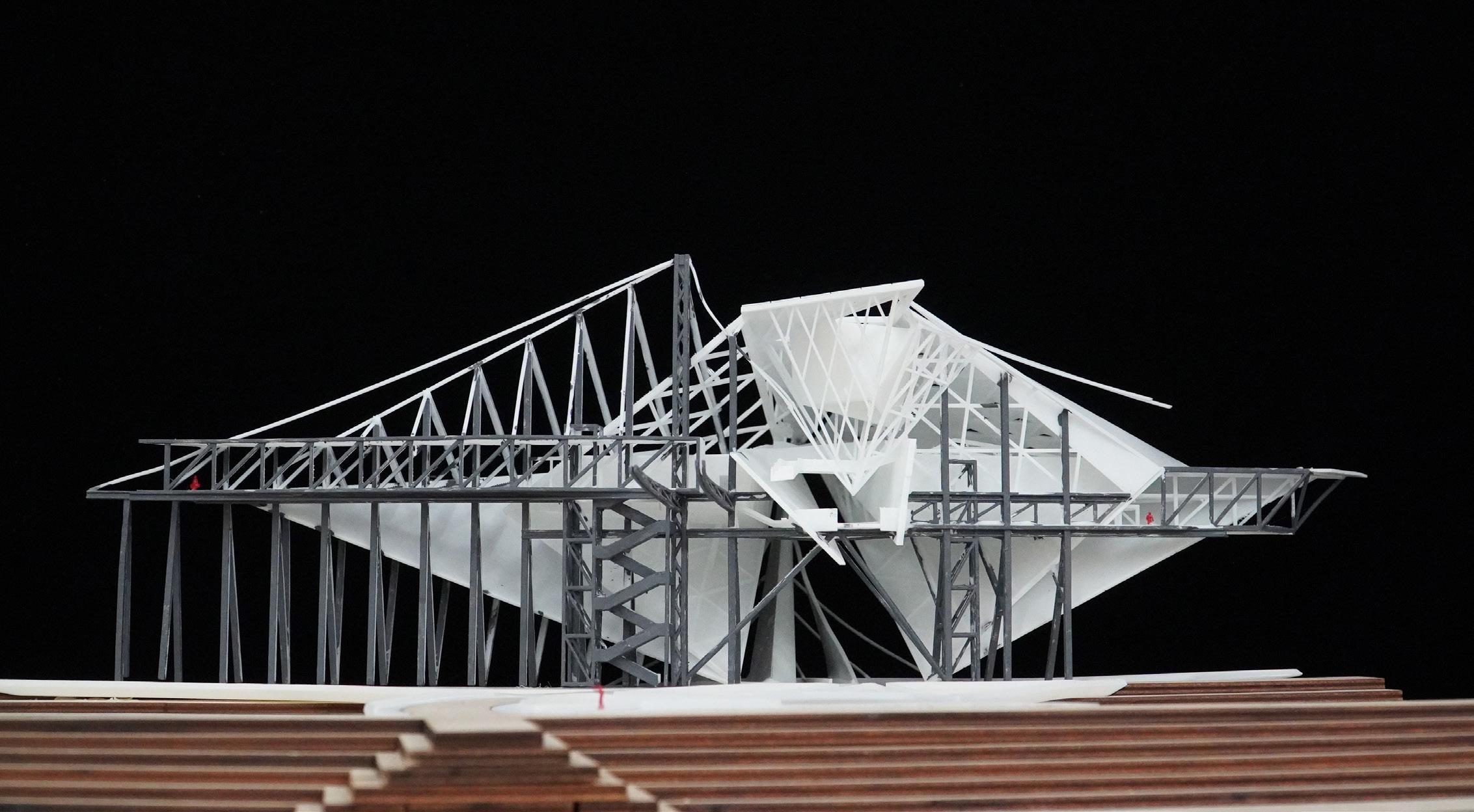
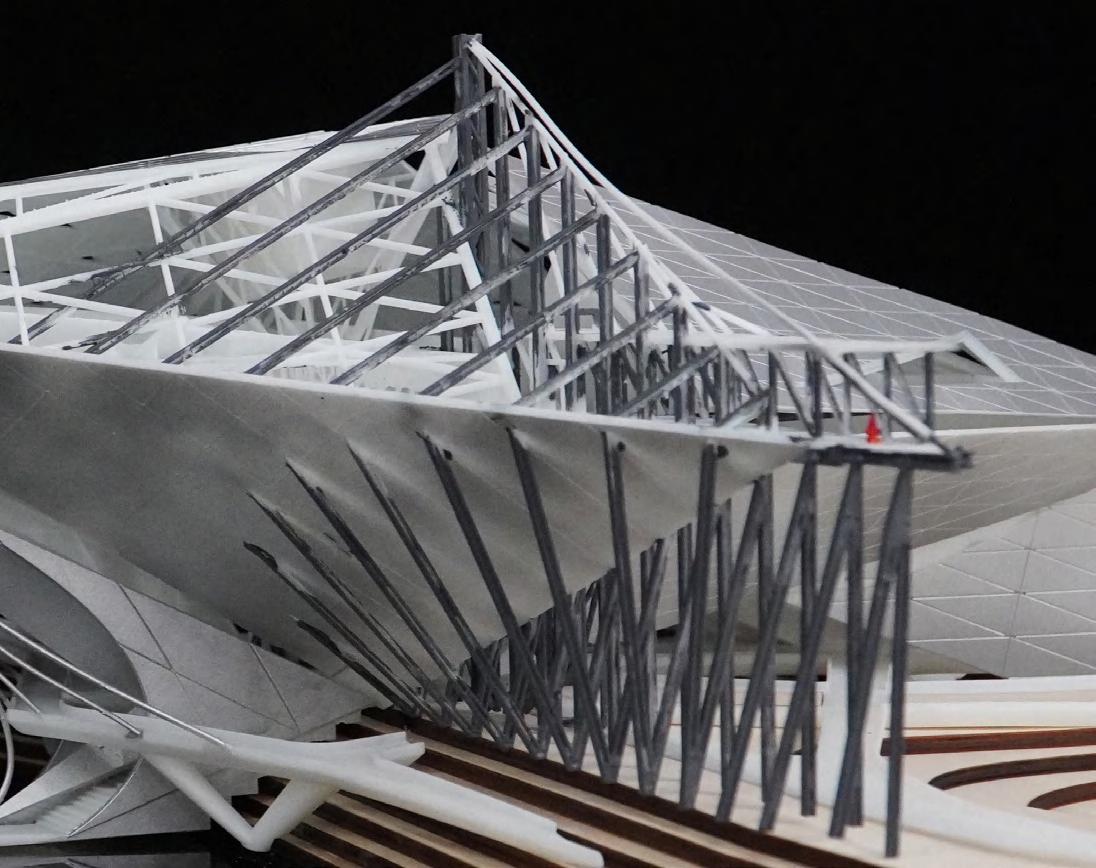
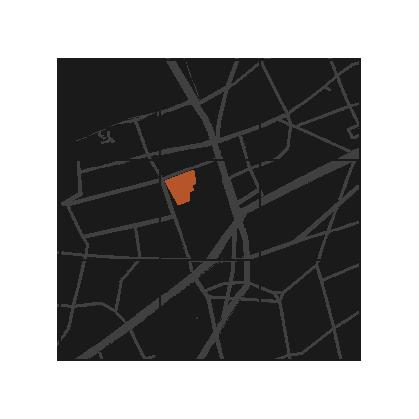
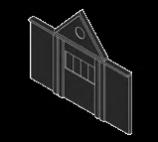
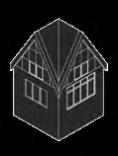
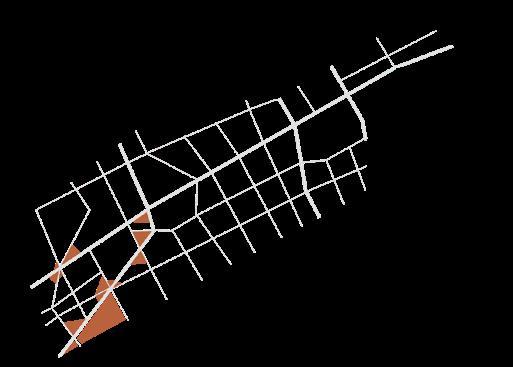
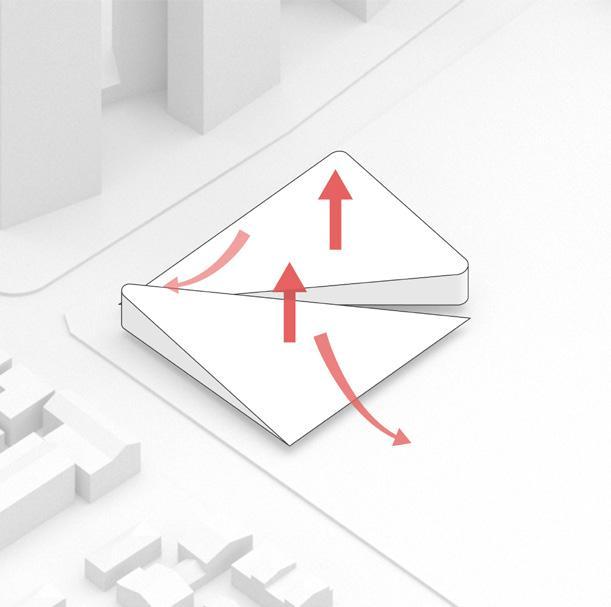
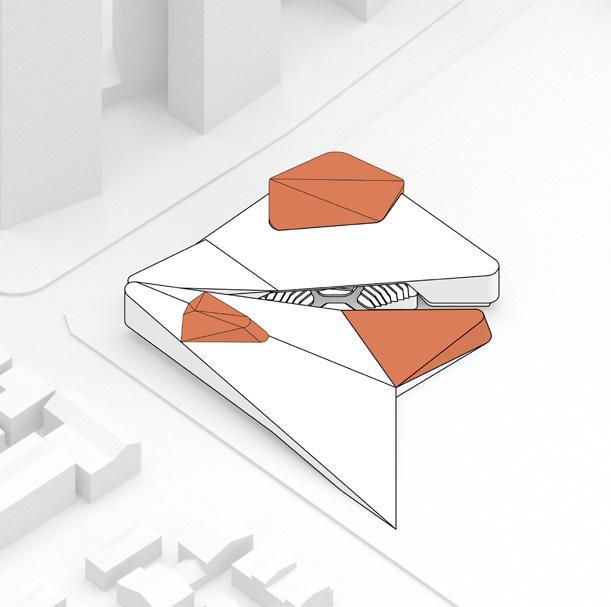
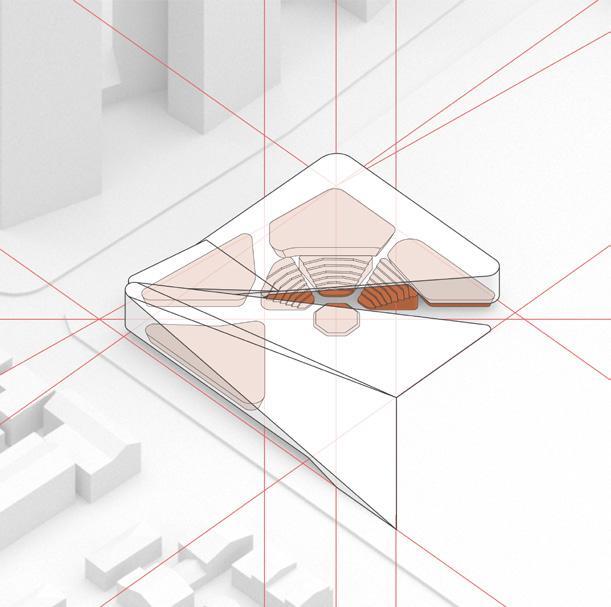
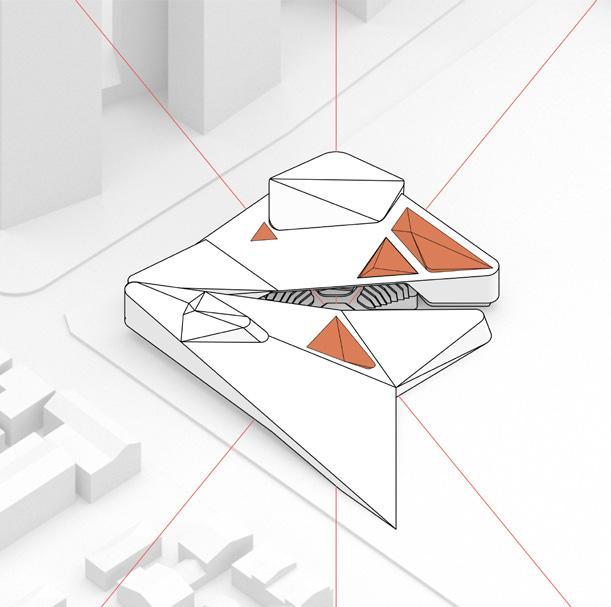
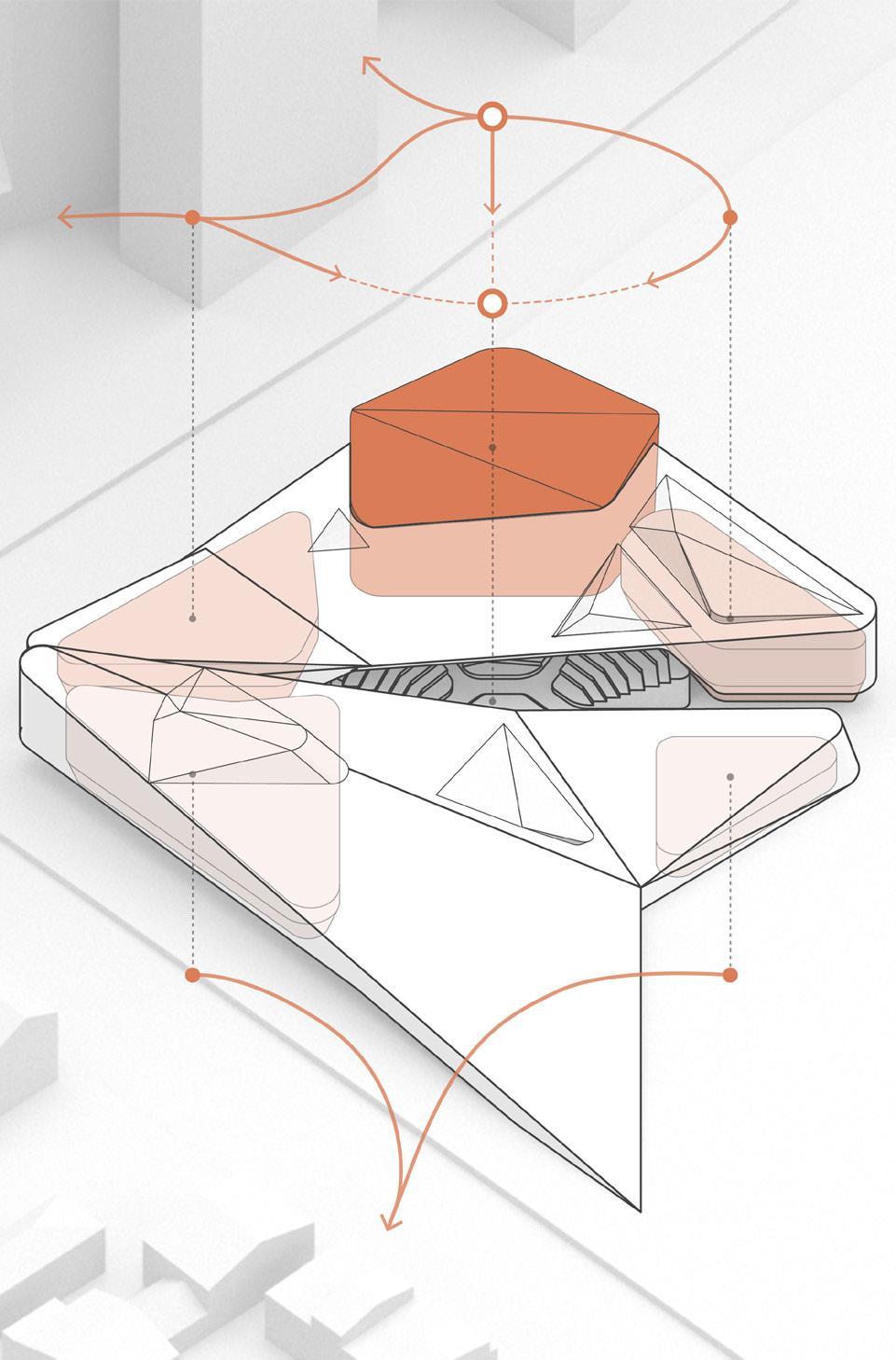
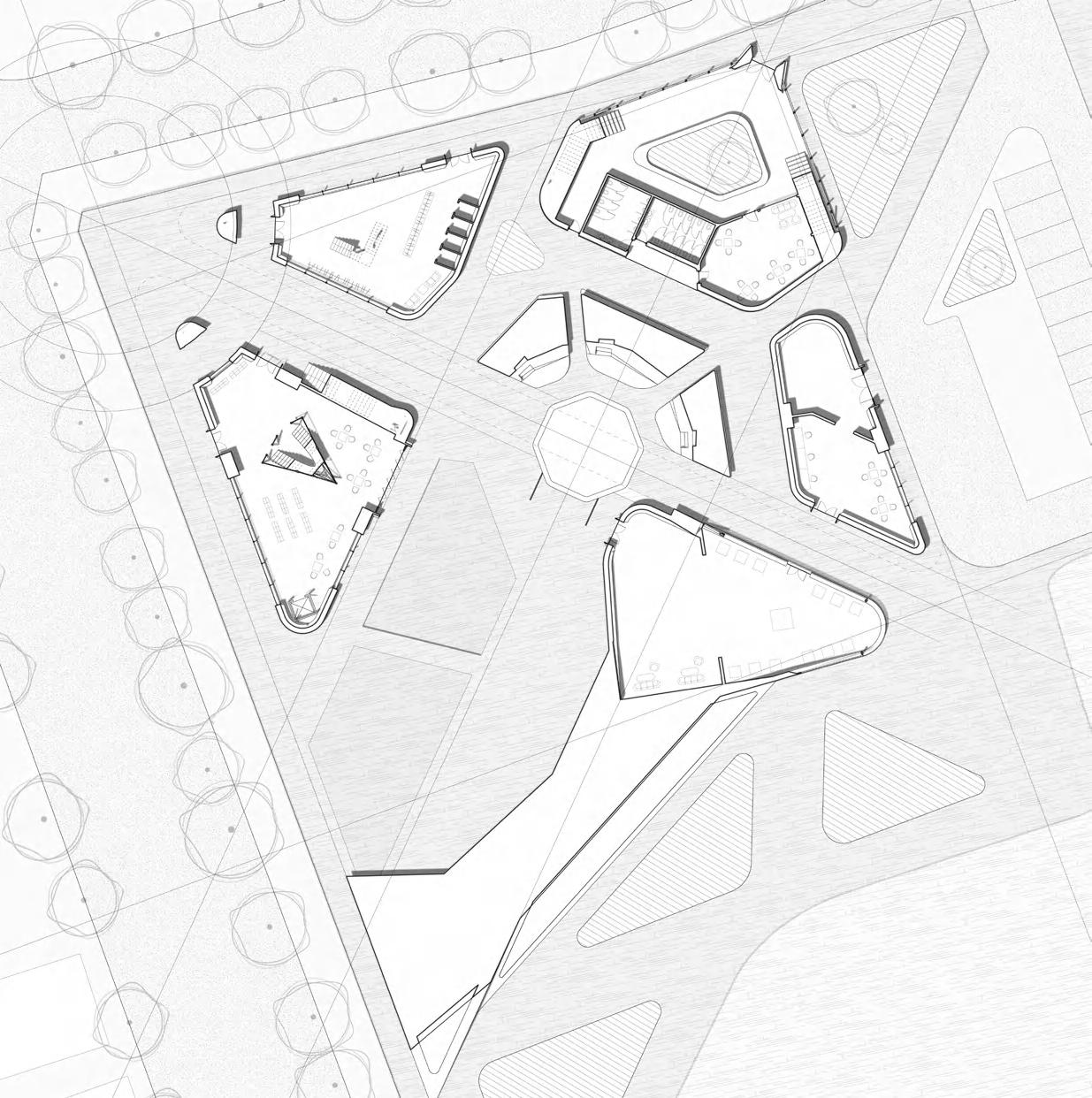
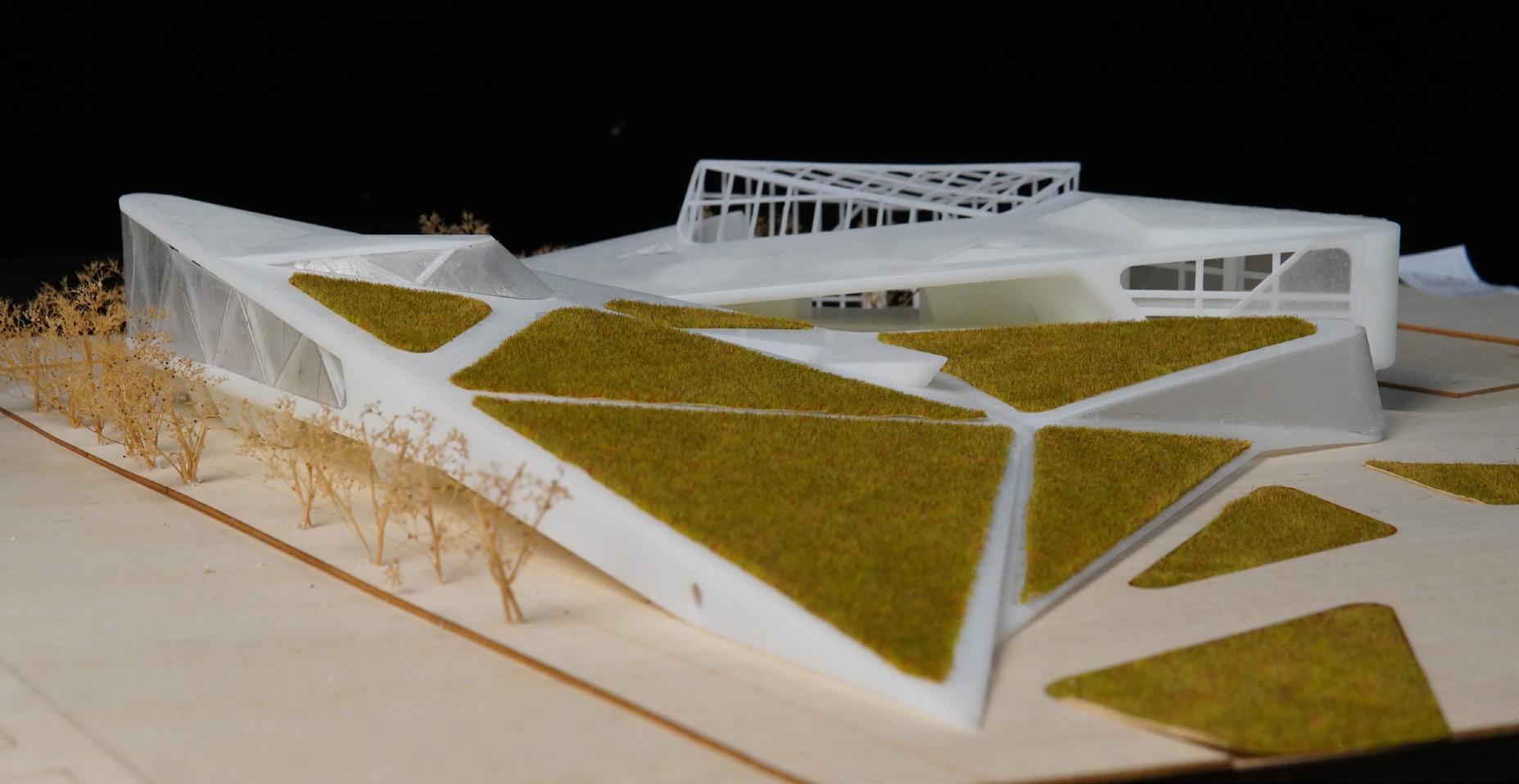
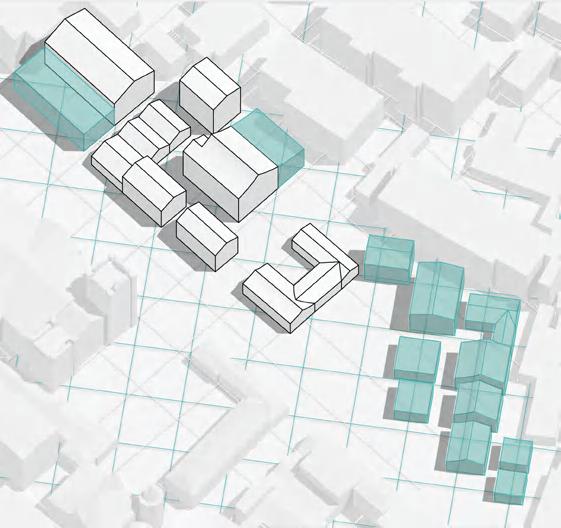
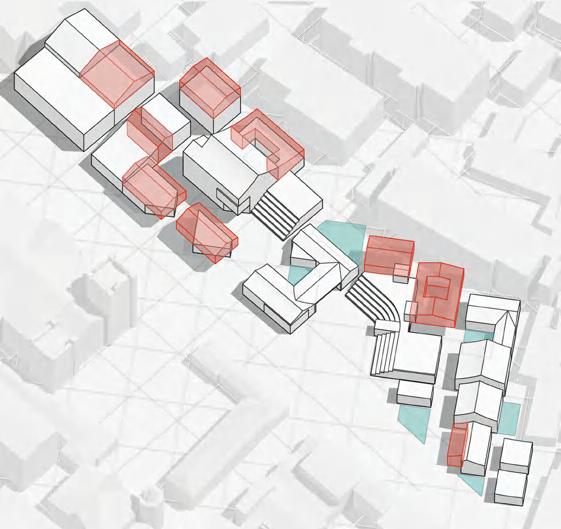
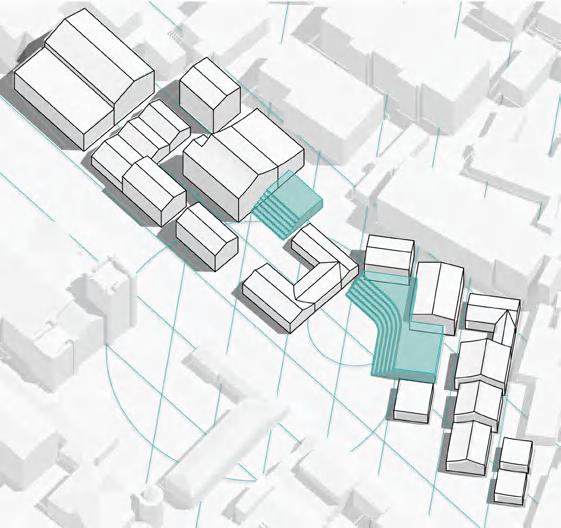
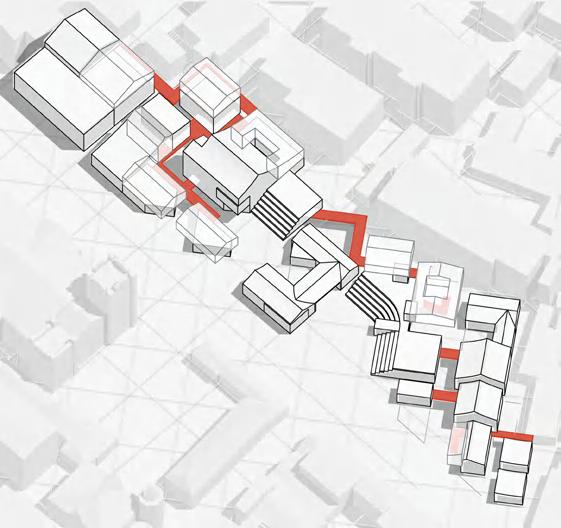
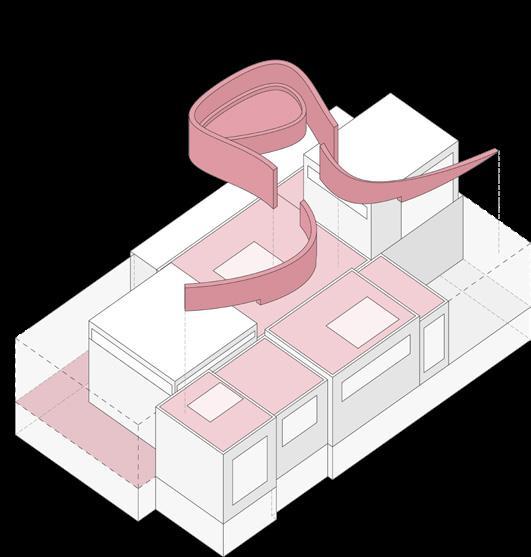
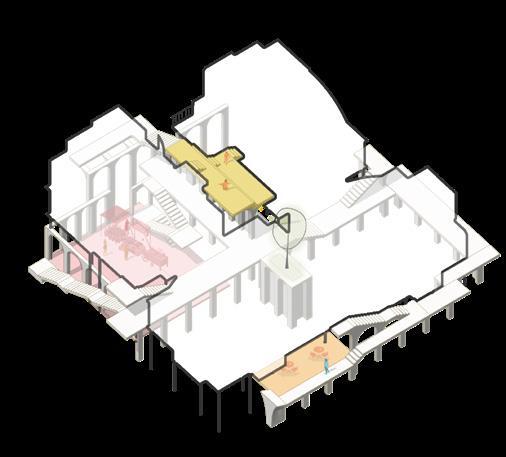
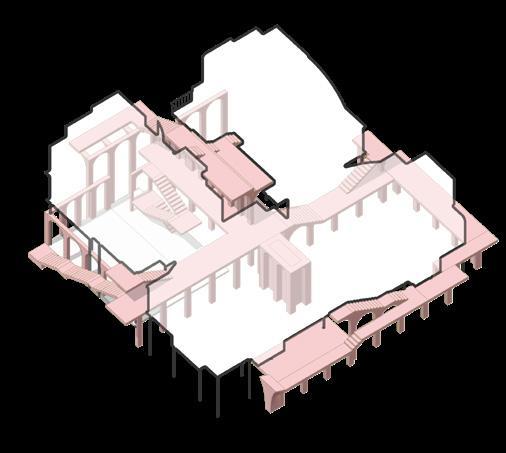
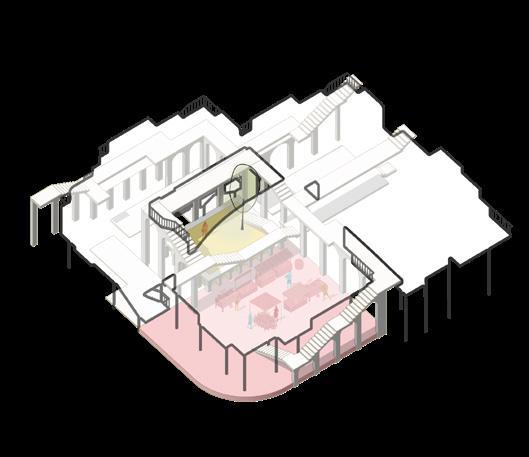
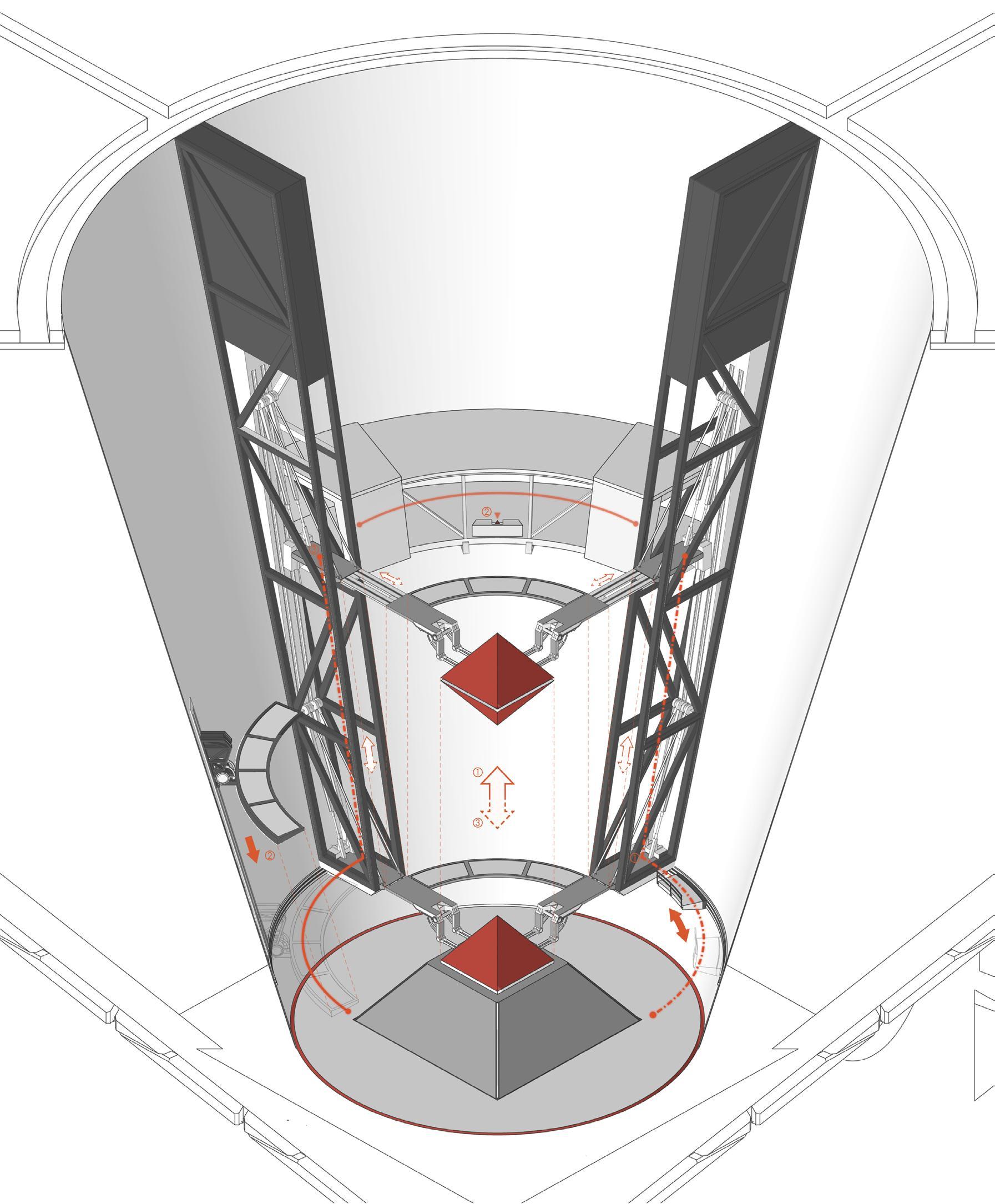
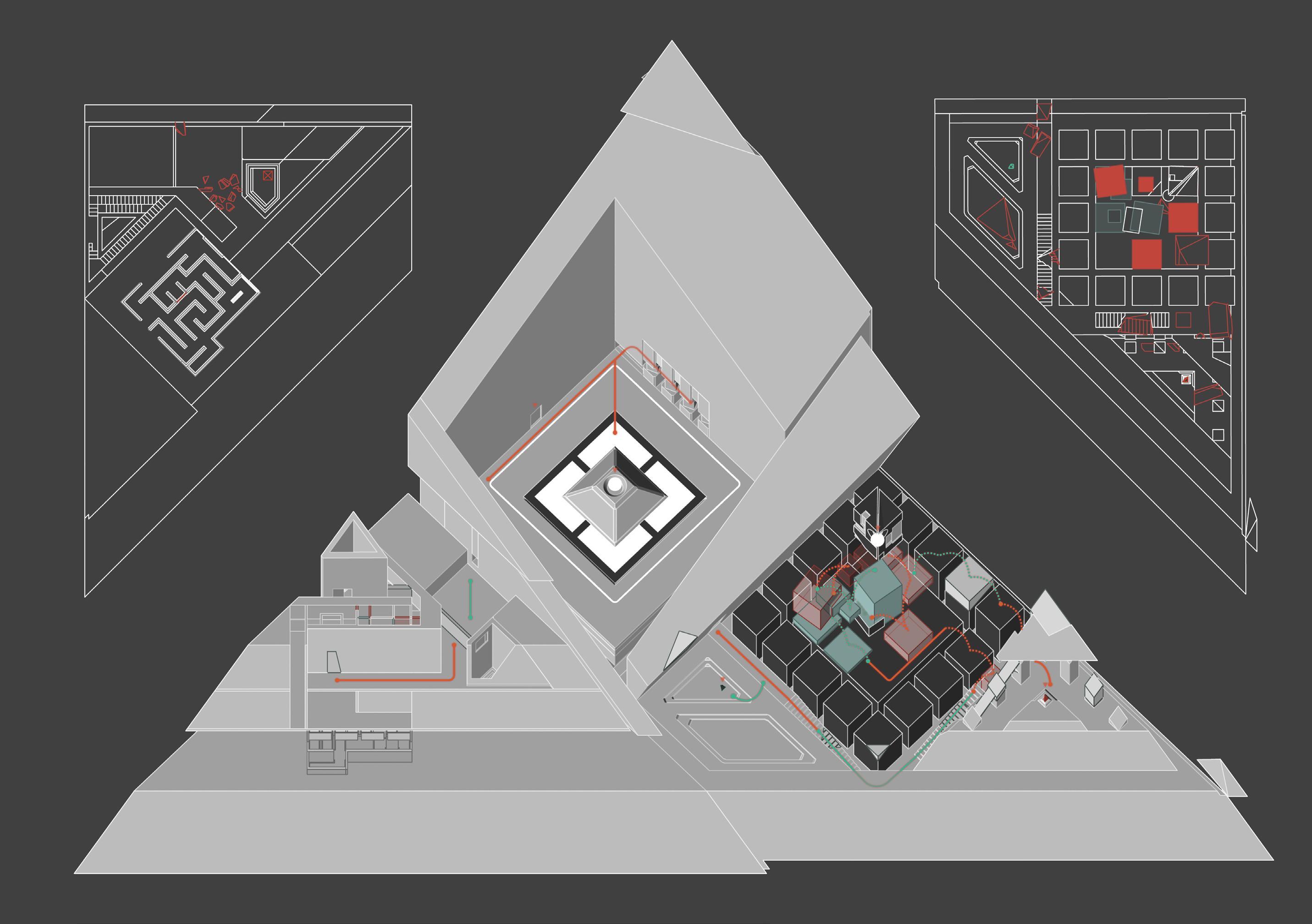
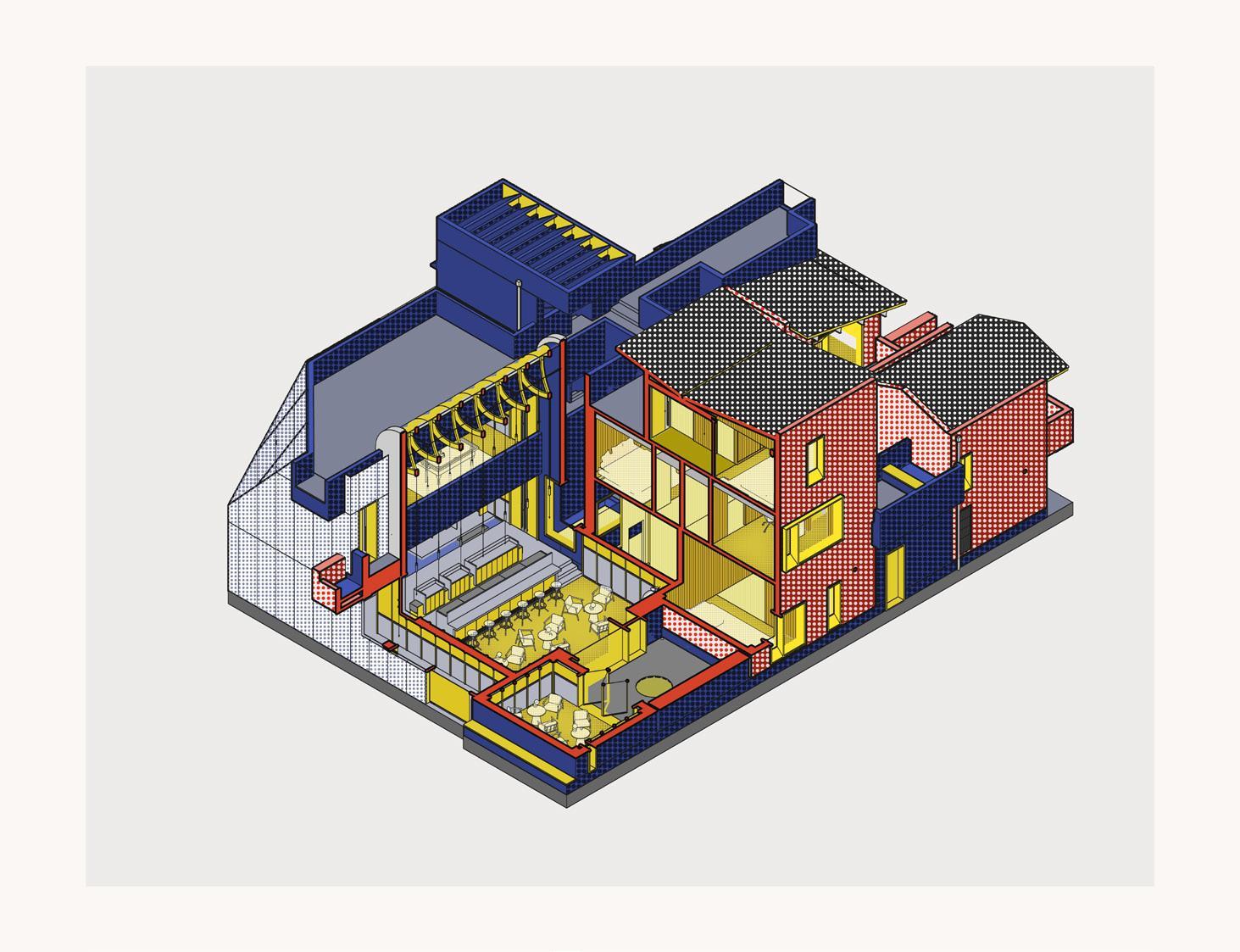
The master plan highlights the essential transformation of geometry and texture into architectural elements, shaping the museum’s spatial experience and forming the initial structural system. The towering crane structures inspired from Changxing Island’s heavy industry representing the barrier element becomes the structural core of the building. Additionally, to respect the site’s texture, the arrangement of geometries and barrier axes has been adjusted to align with the context
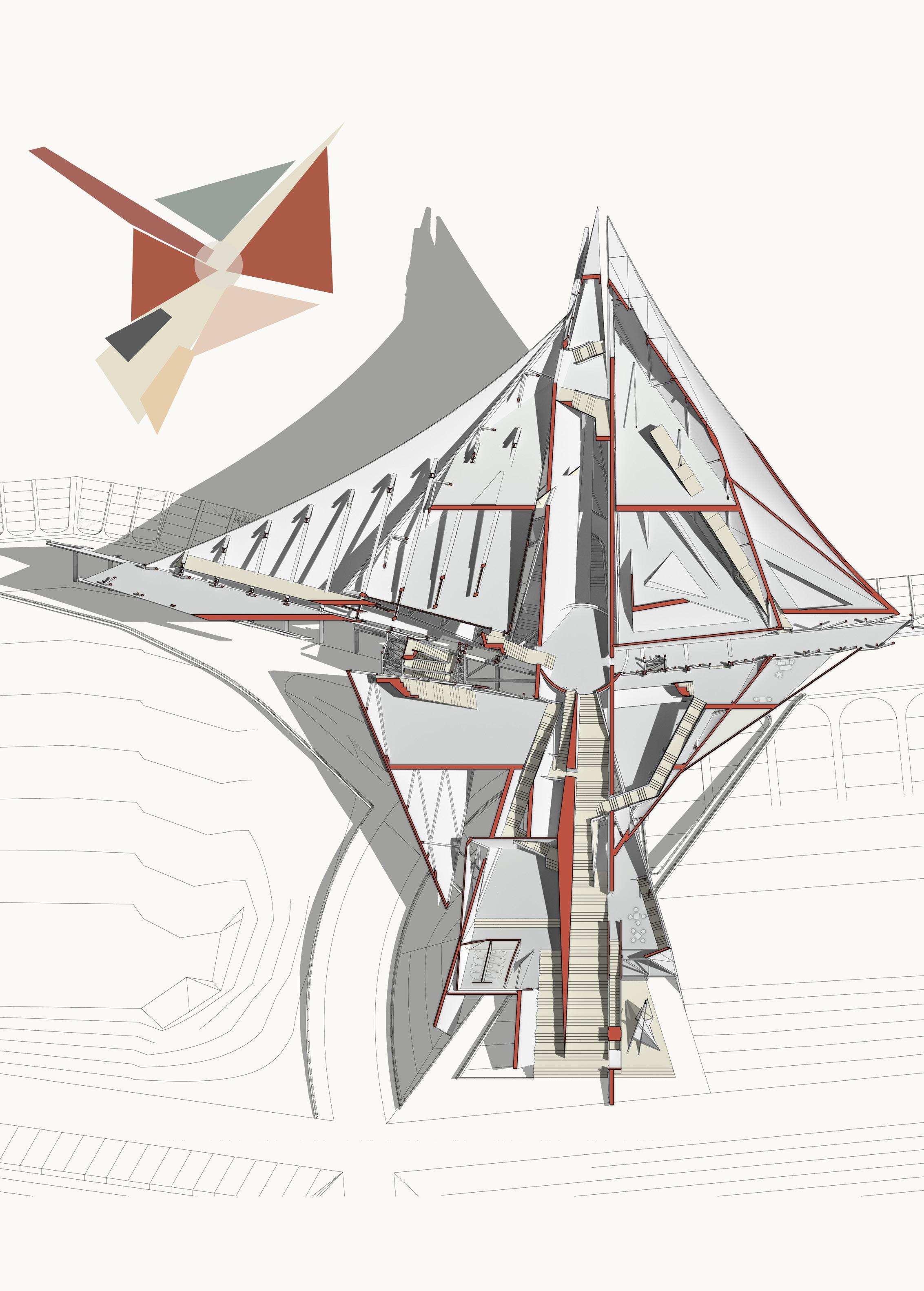
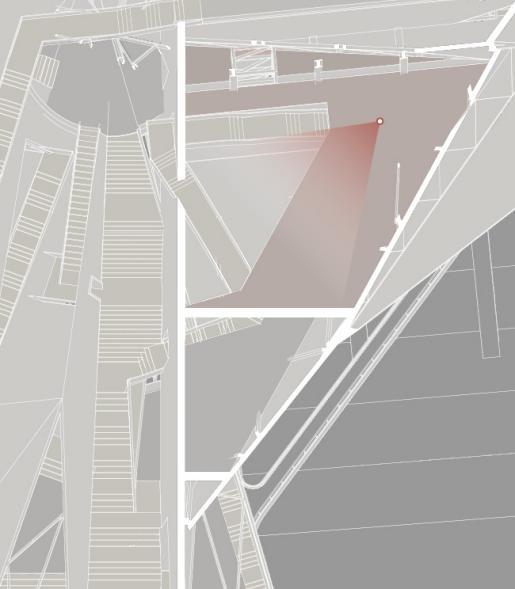
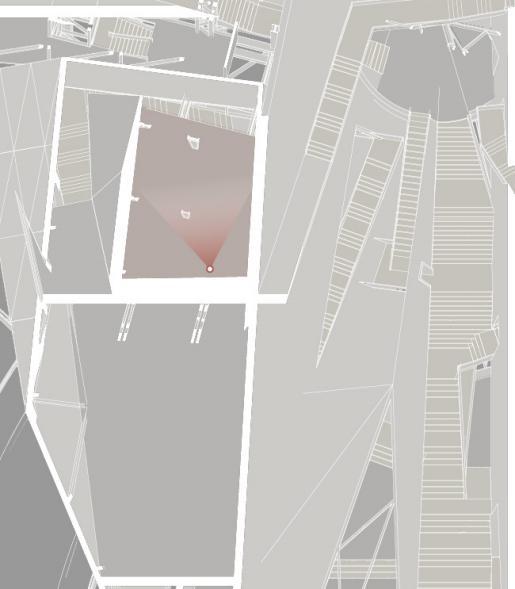
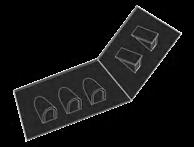
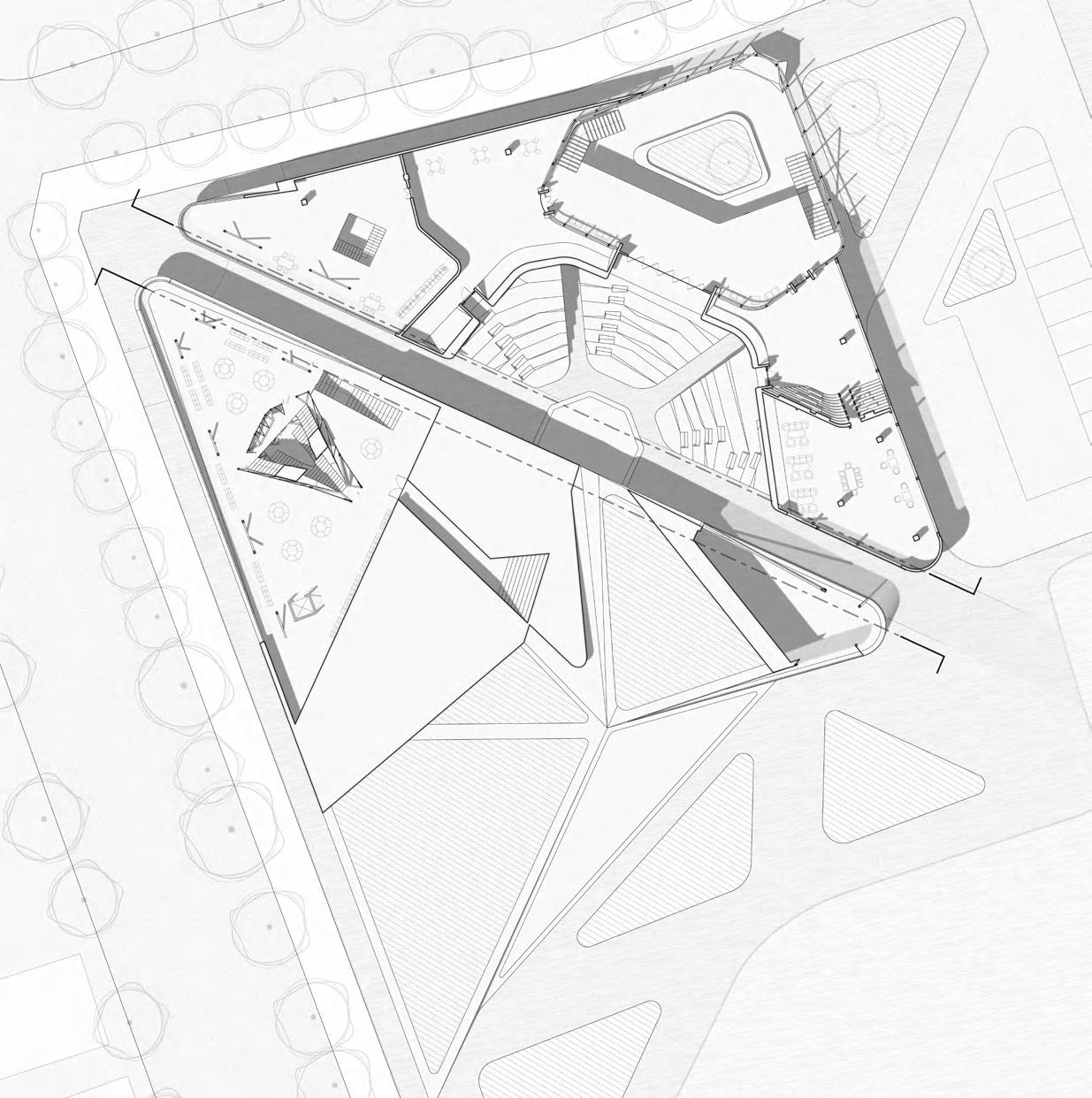
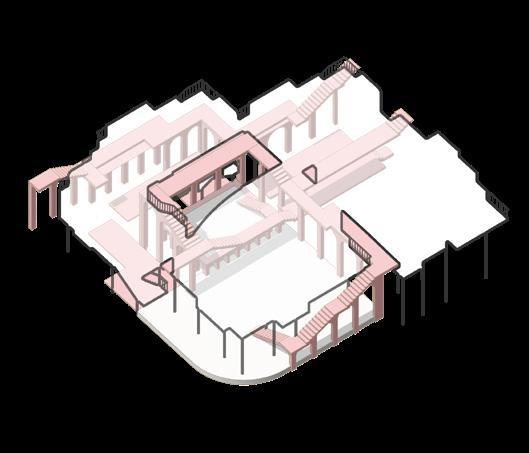
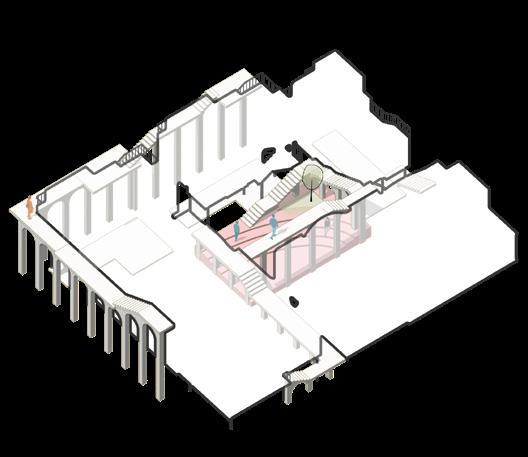
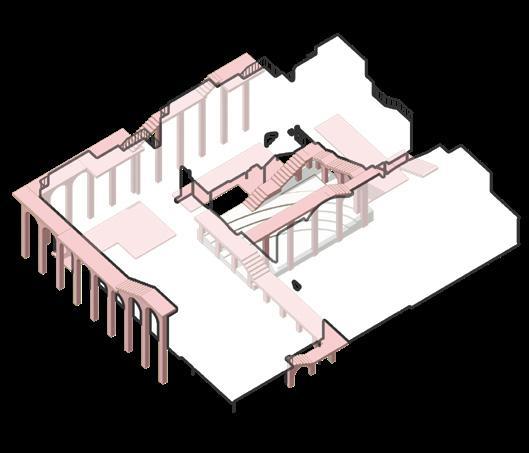
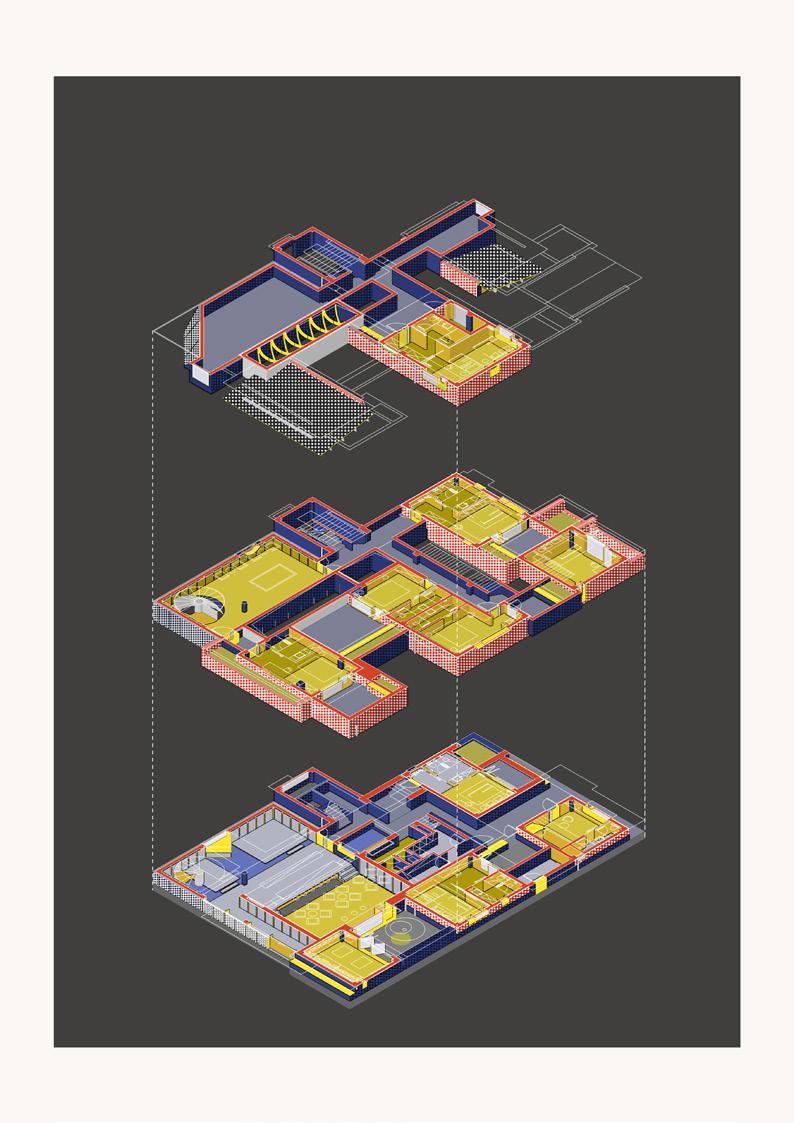
The angled floor plan defines the museum's spatial order, dividing public and exhibition areas into two distinct atmospheres, while the main axis subtly guides visitors forward
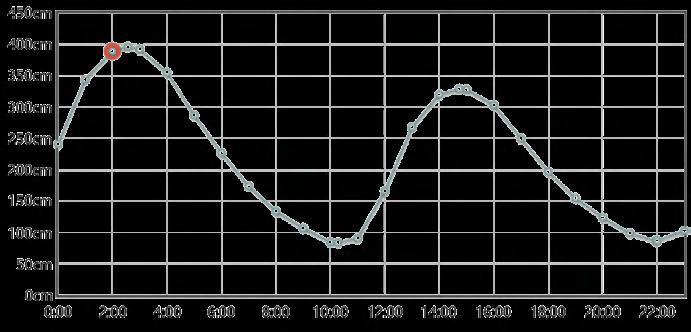
The ground floor’s pedestrian pathway separates foot traffic from vehicular lanes, creating a scenic route for visitors. Besides a parking area for museum access, the ground floor dock offers a potential connection to local waterway routes . This level is designed with the island’s tidal variations in mind, ensuring safety even during rare floods.
In addition to the separated visitor and service routes, accessible elevators offer an alternative to the main entry stairs for easier access . The exhibition flow emphasizes an engaging spatial experience, with public rest areas integrated between galleries to ensure the visit remains both stimulating and comfortable.
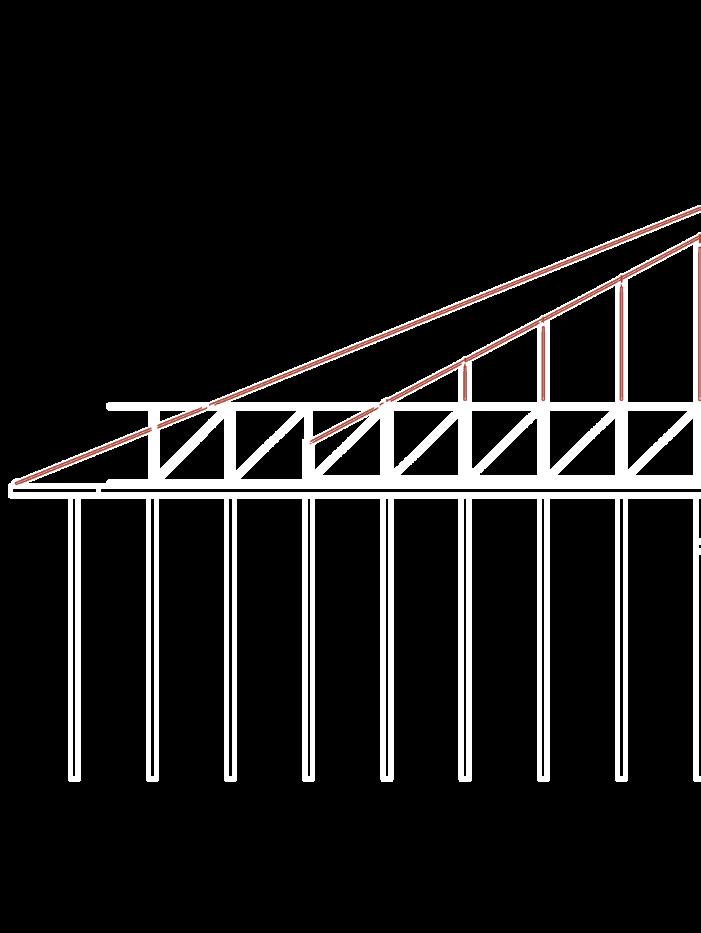
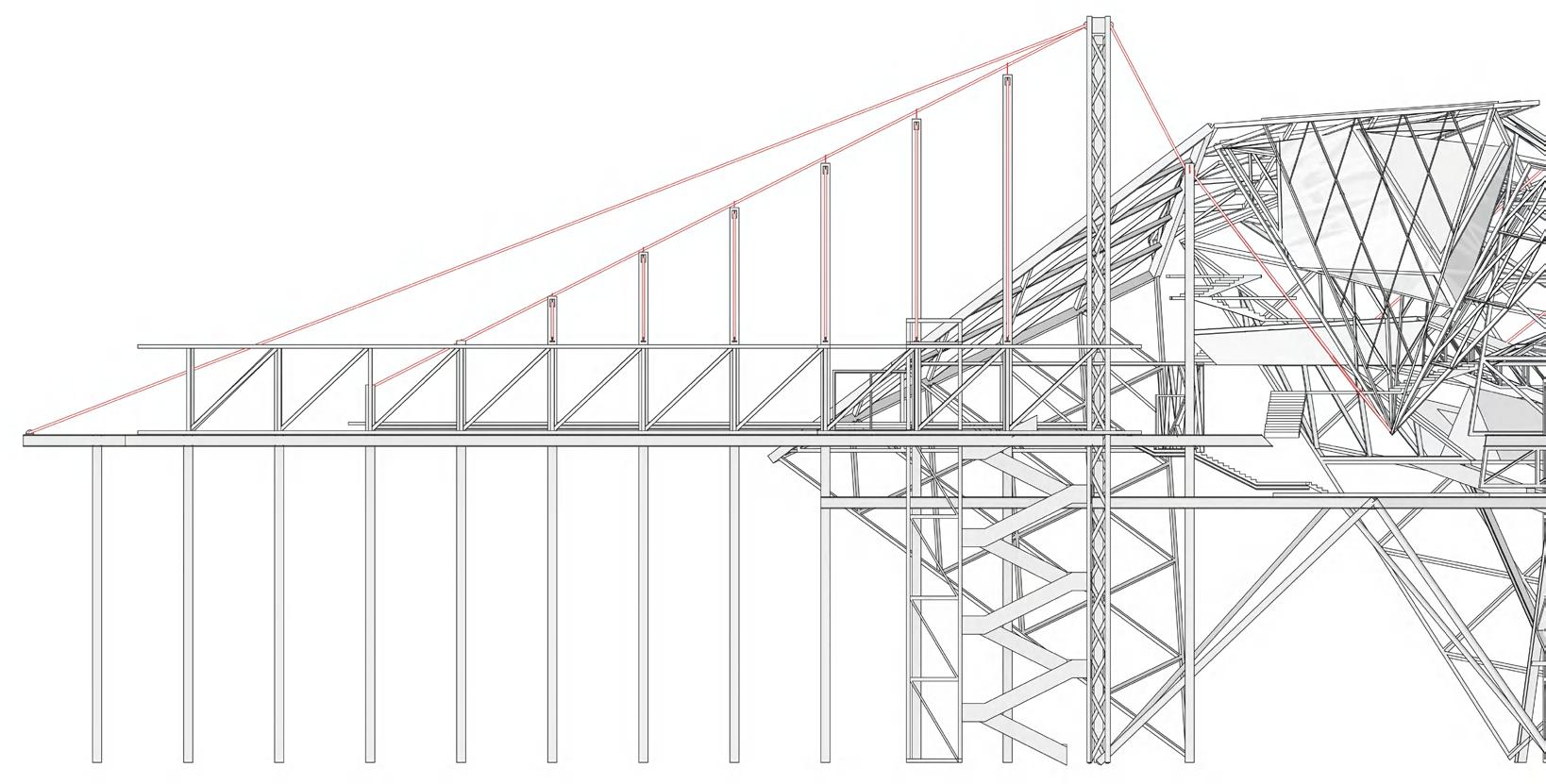
Main truss structure
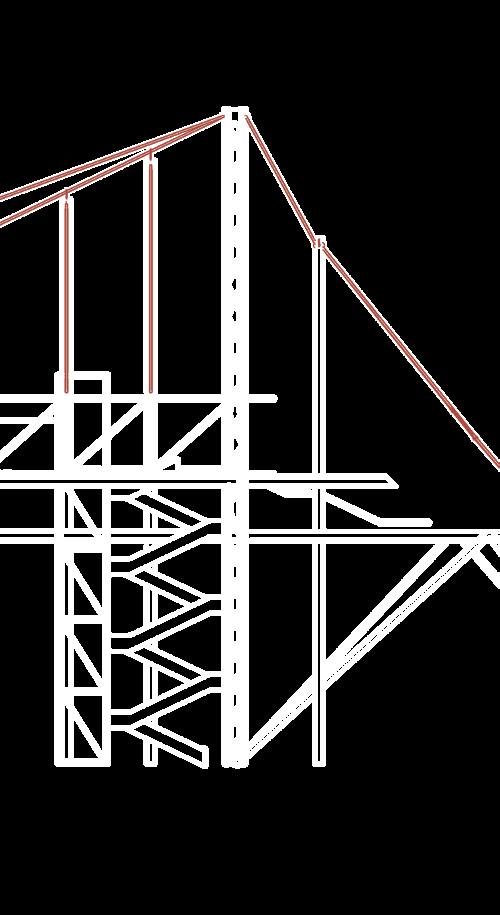
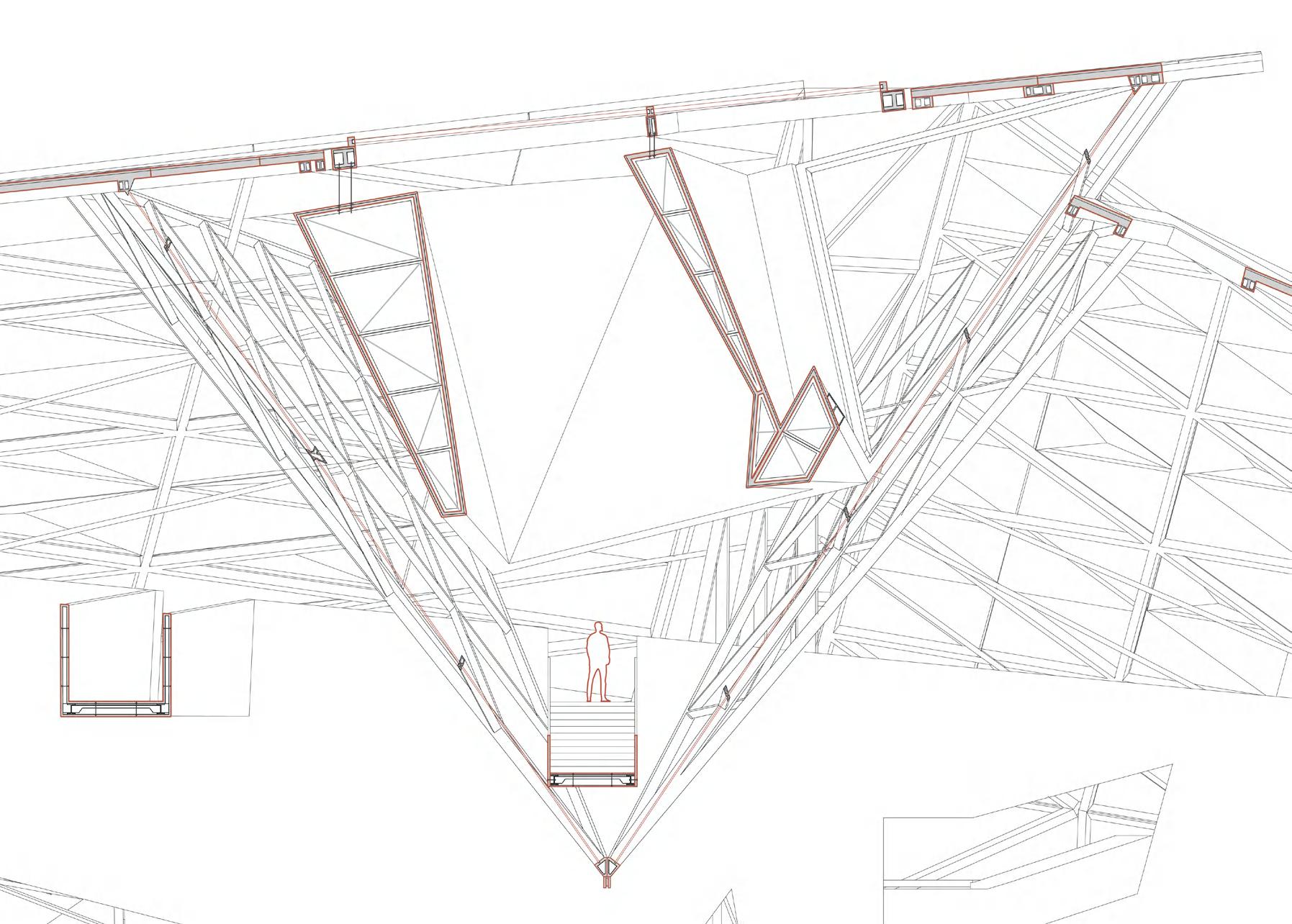
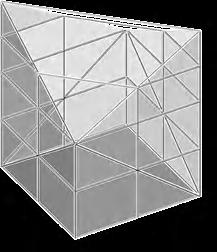
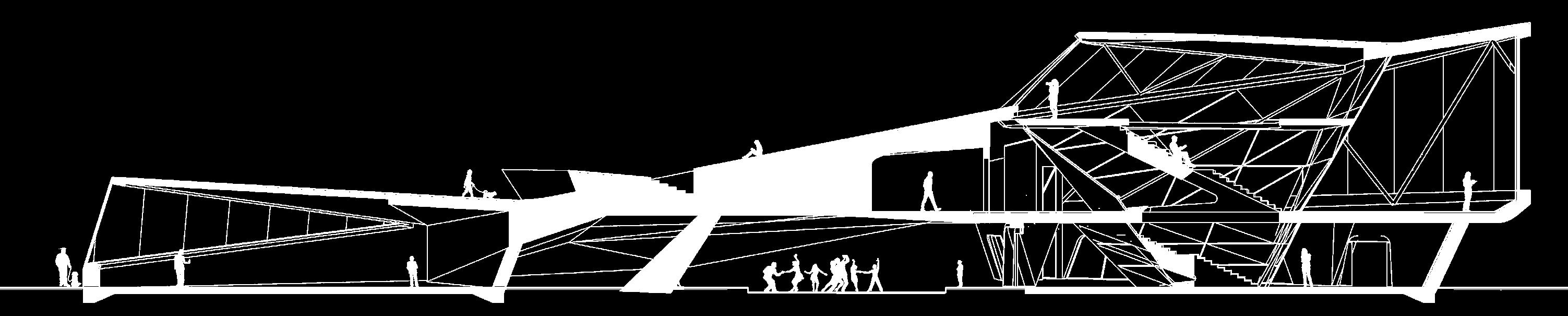
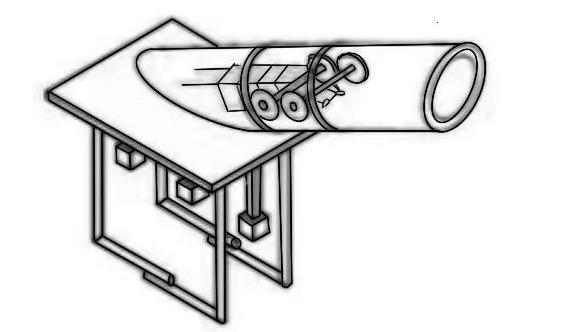
The structural system is inspired by the primary frameworks of heavyindustrial port machinery, integrating a truss structure and cable system to support the project’s large-span cantilevered arms.
Facade panel
Panel frame
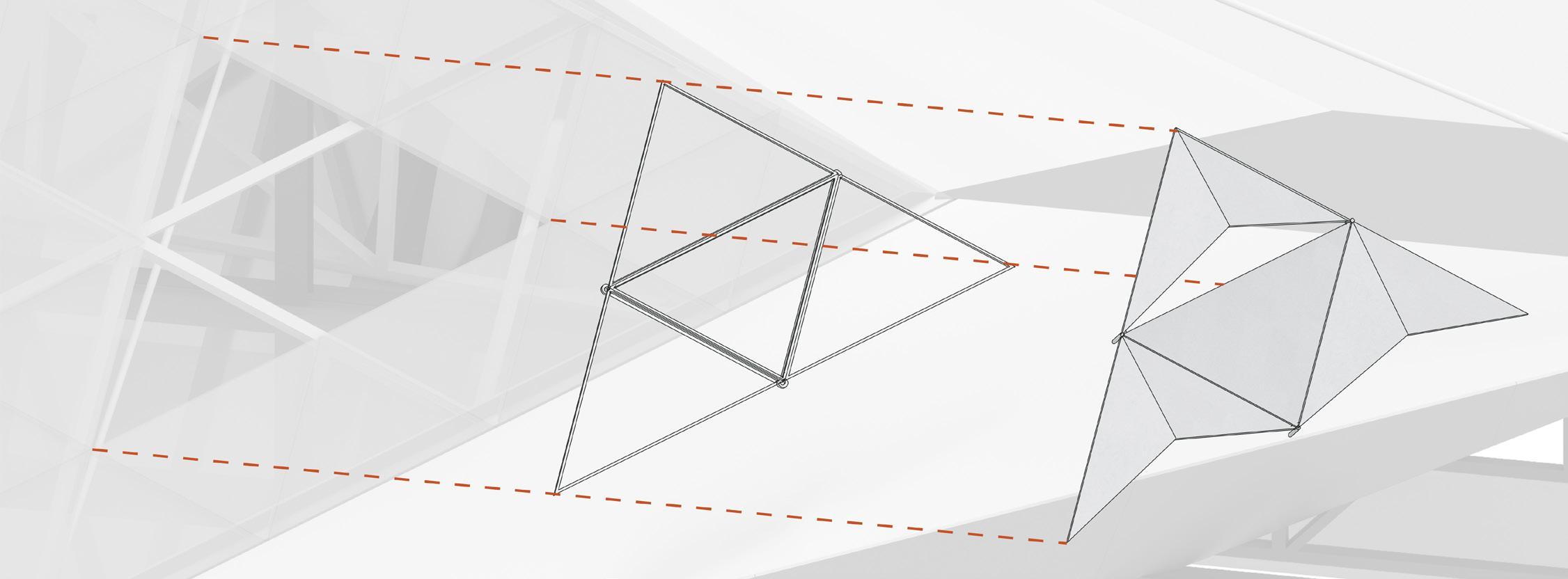
Truss Structure Facade
Facade structure system
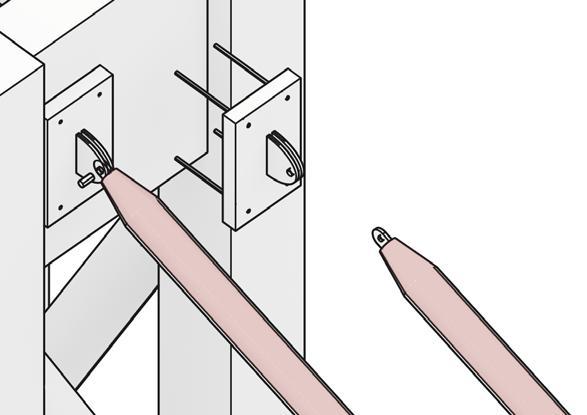
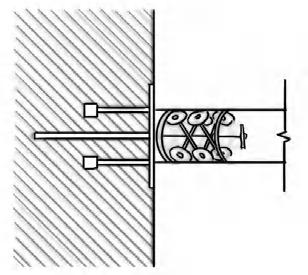
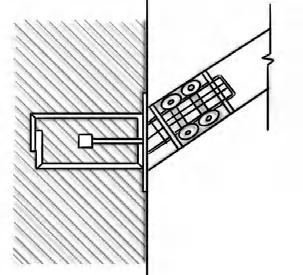
Cable joints
02. ECHO OF MEMORY
Urban Culture Center Design
4th Year - Individual Work
Instructor: Lei Feng
Site: Anfu Road, Shanghai
September 2023
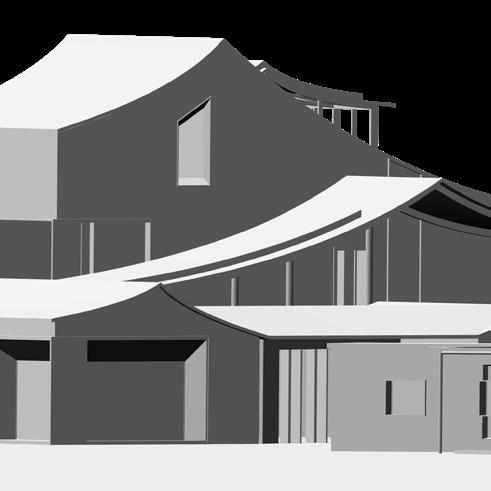
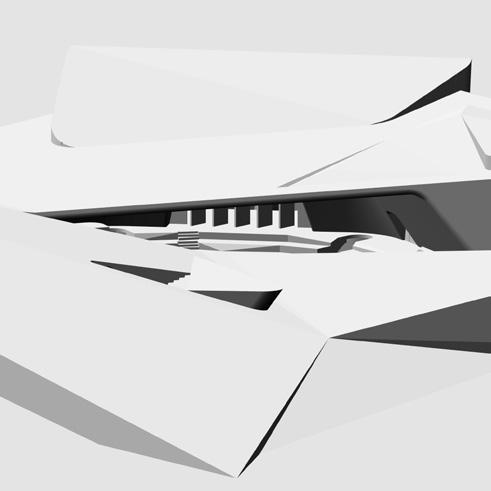
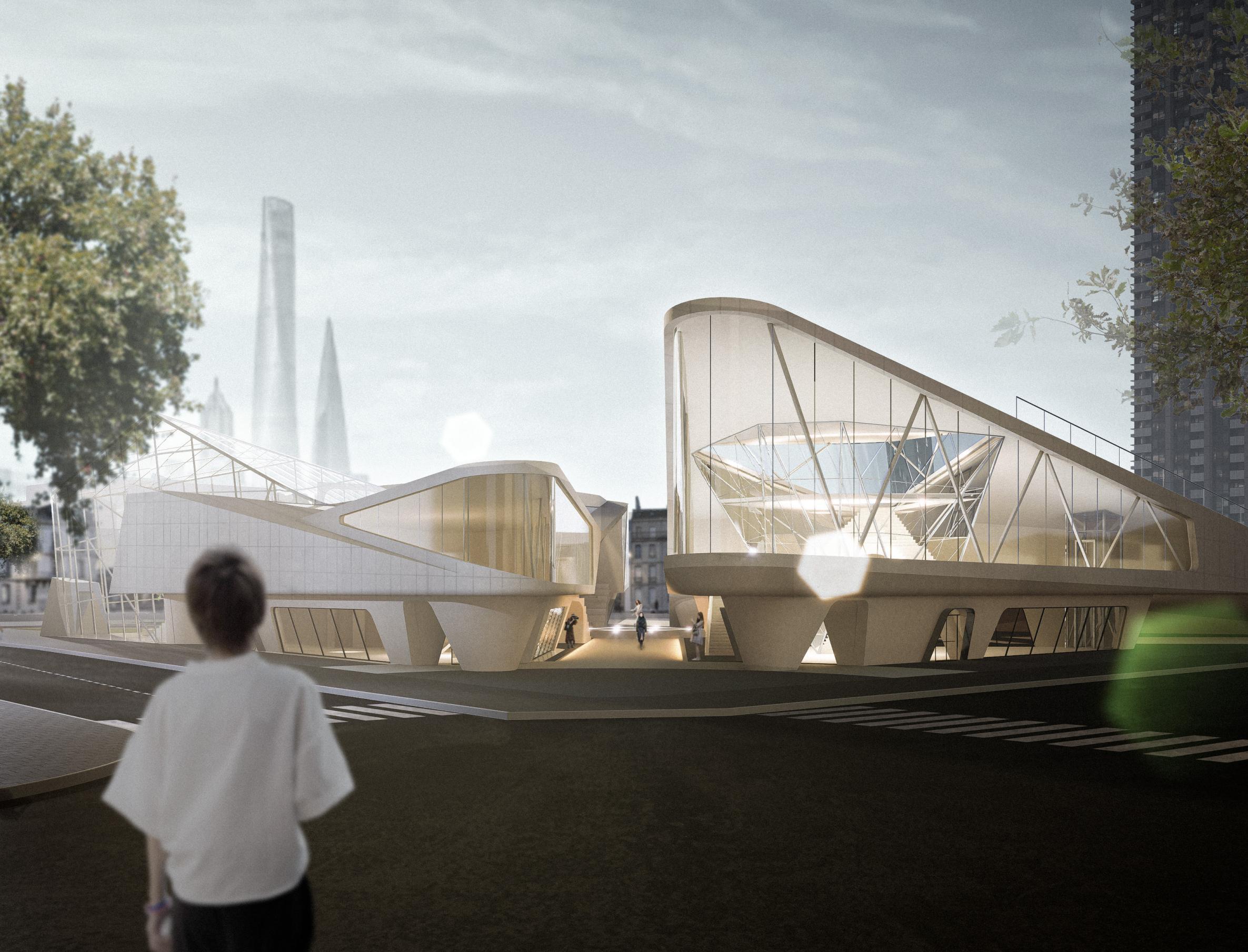
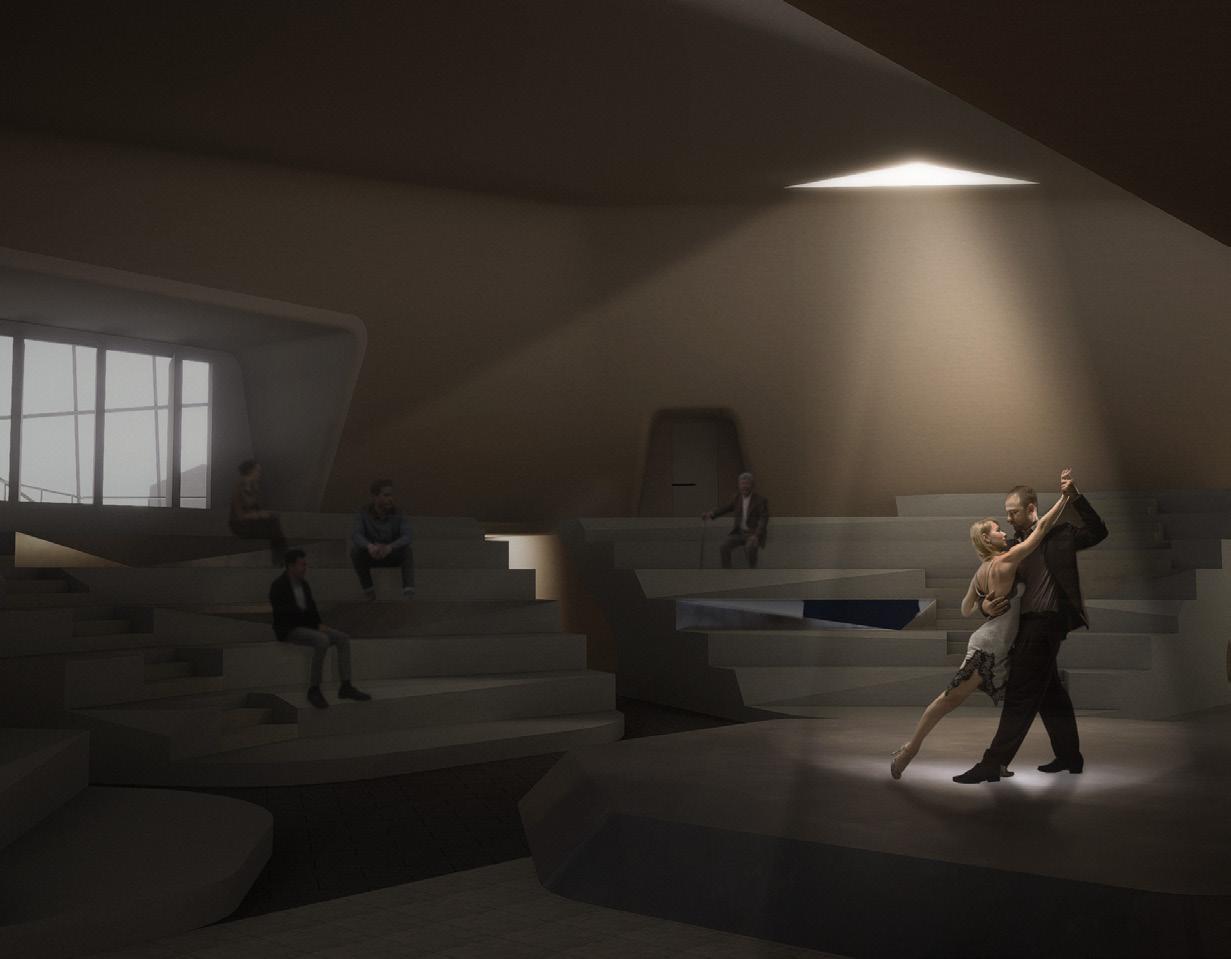
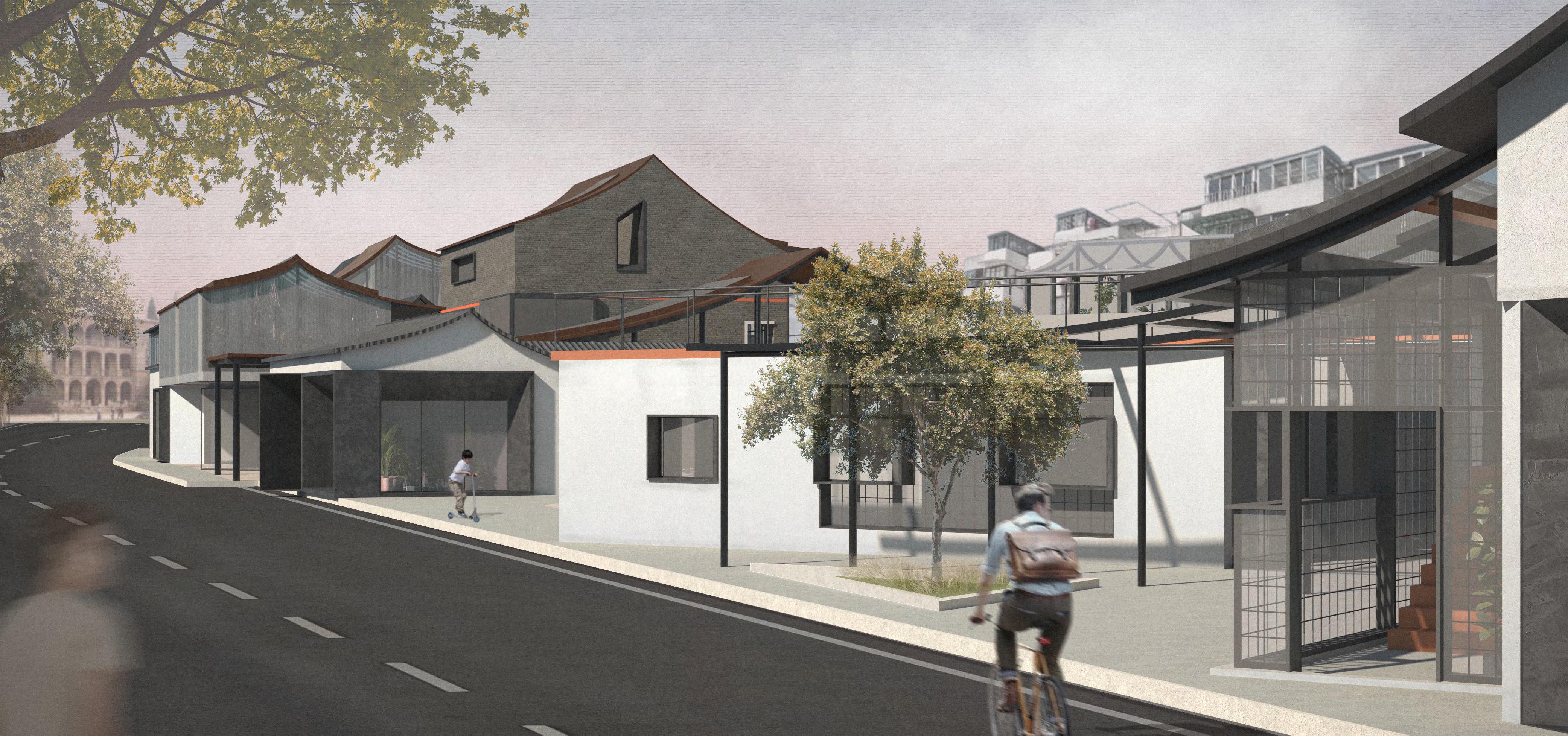
As old buildings disappear, can new spaces still carry the collective memory of a community? This project on Anfu Road, Shanghai, aims to preserve and celebrate the area’s cultural and architectural identity. The concept of "Carving the stone" serves not only as a design metaphor but also as a functional framework— engraving the architectural and cultural memory of Anfu Road into a contemporary form. The design features a semi-open theater and a rooftop terrace, blending functionality with symbolic meaning.
As a cultural center, it becomes a bridge between tradition and modernity. While it safeguards traditional culture from being overtaken by new trends, it also creates a platform for their dialogue. Artists, locals, and visitors from diverse backgrounds can gather here, fostering social interaction and reflection within a vibrant community hub.
"Guo Yi Fan picked up a small stone and carved a few words on it with his fingernail. 'This is the final epitaph, isn't it?' Cheng Xin whispered. 'Will these words remain? Will the universe remember them?' Guo Yi Fan smiled, 'Maybe not, but as long as we carve them, they will be a part of this universe.'"
——The Three-Body Problem
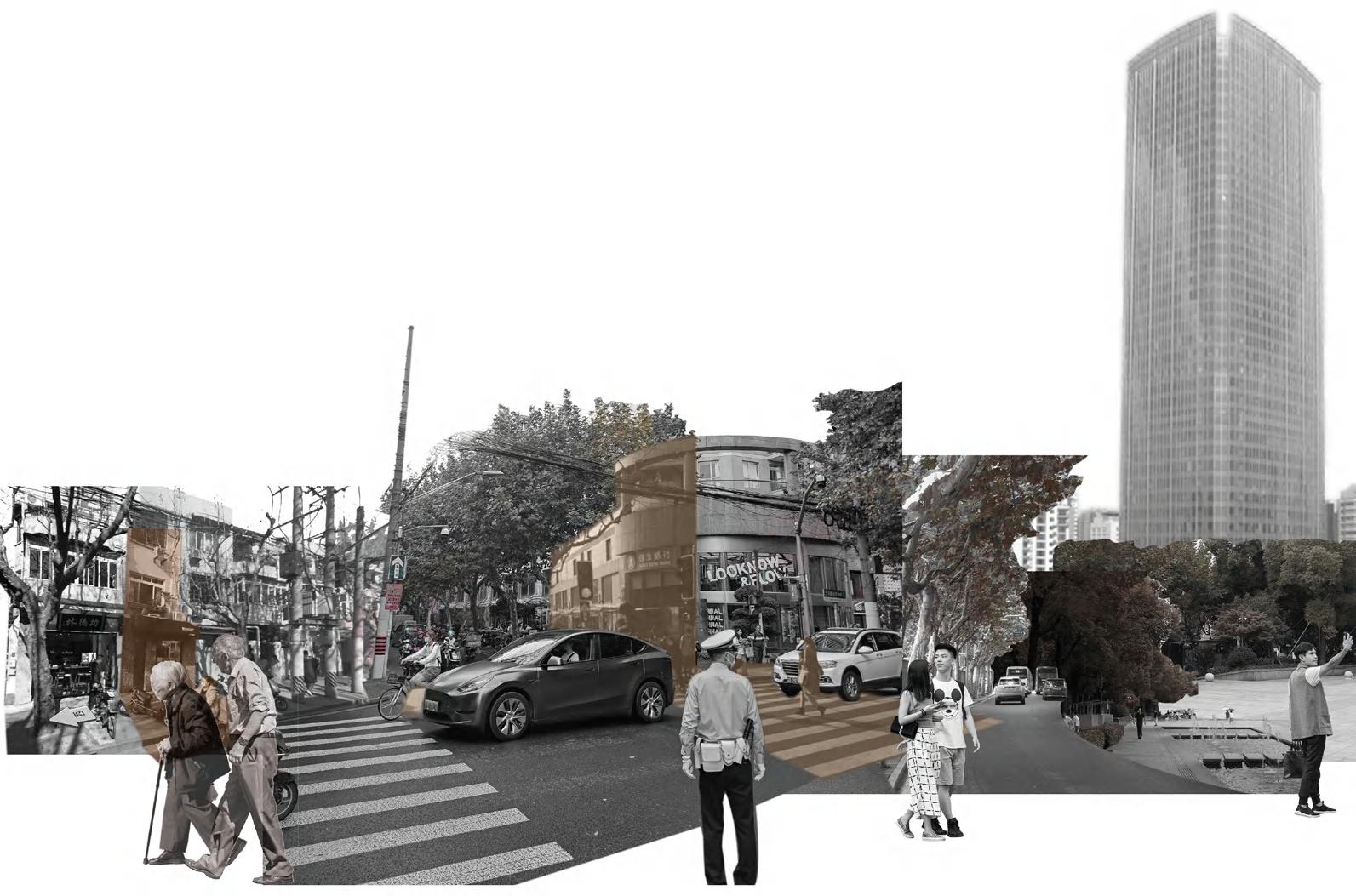
View from the street corner of Anfu Road
View from the Wulumuqi Road
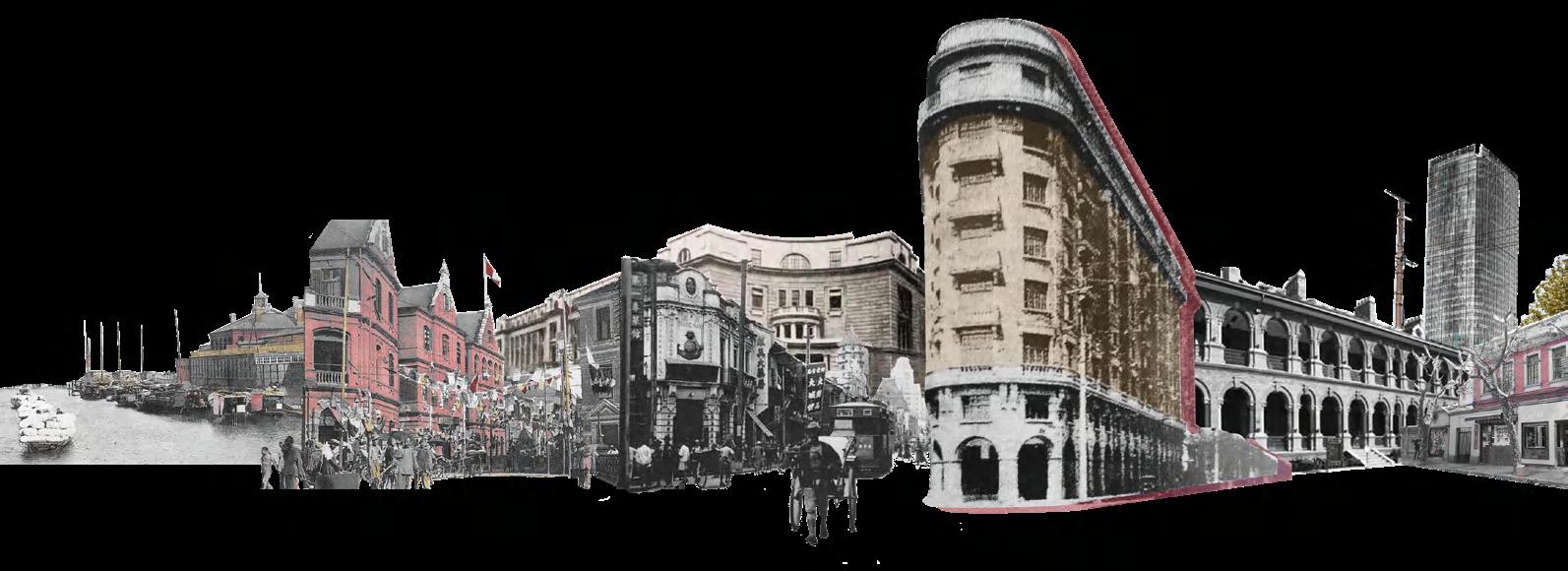
CITY TEXTURE IN MEMORY ARCHITECTURE IN MEMORY
Wukang Mansion
St. Ignatius Cathedral
Shikumen
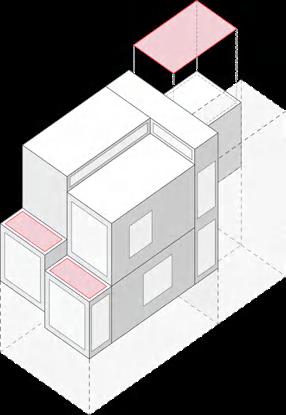
MASSING
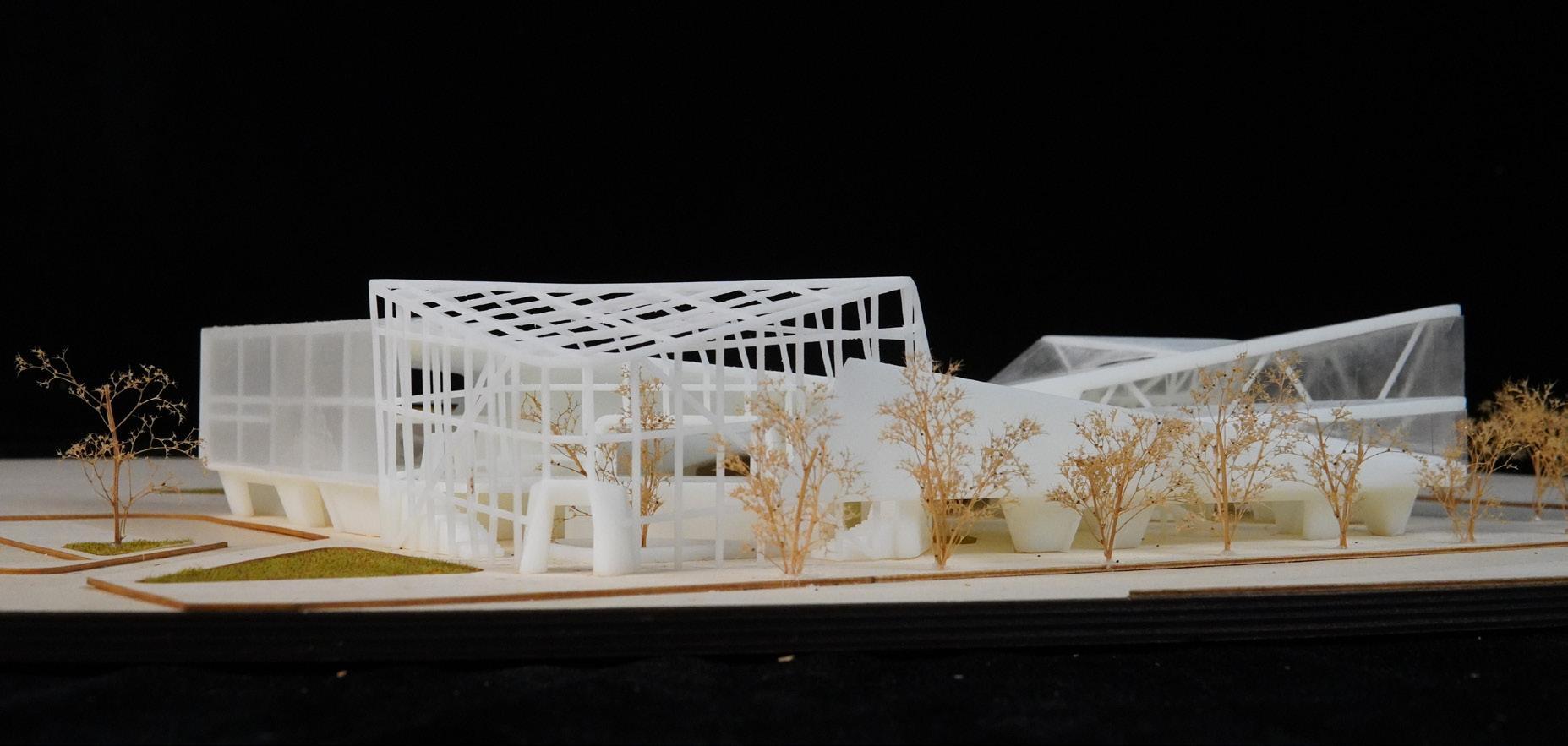
Two elevated triangular 'stone' originally formed a visual corridor. Extending their edges to the ground creates a green slope roof, returning open space to the public.
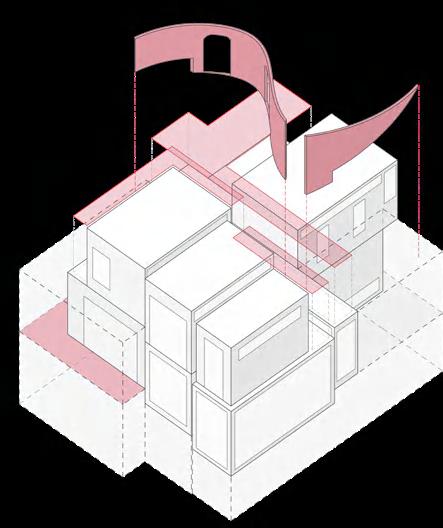
MASSING GROWTH
Several volumes are introduced, breaking the symmetrical form, adding functional spaces, and integrating roof windows into the open sloped roof.
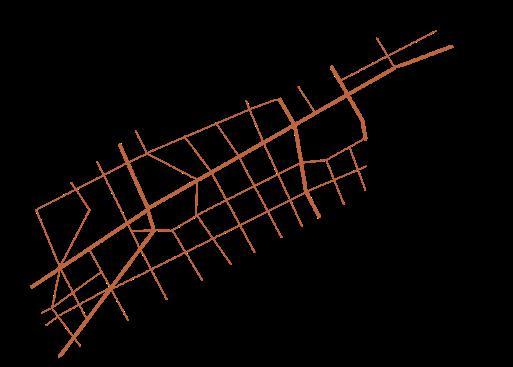
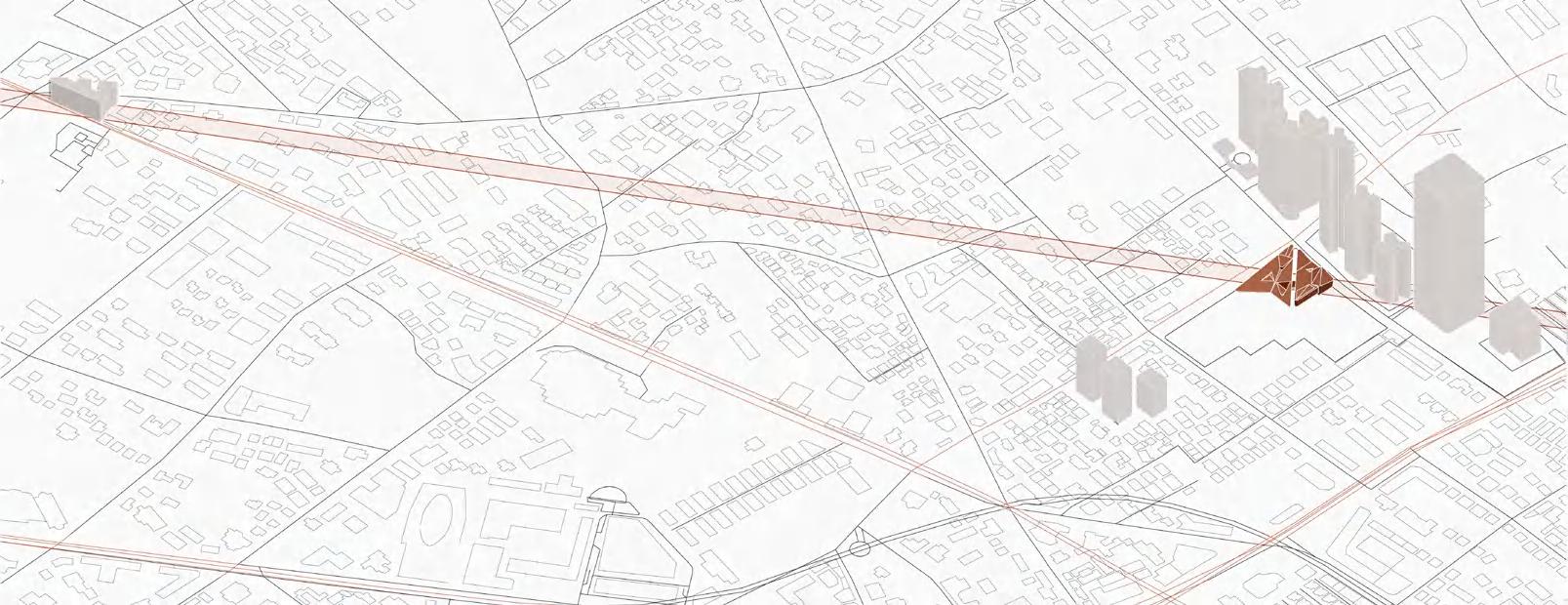
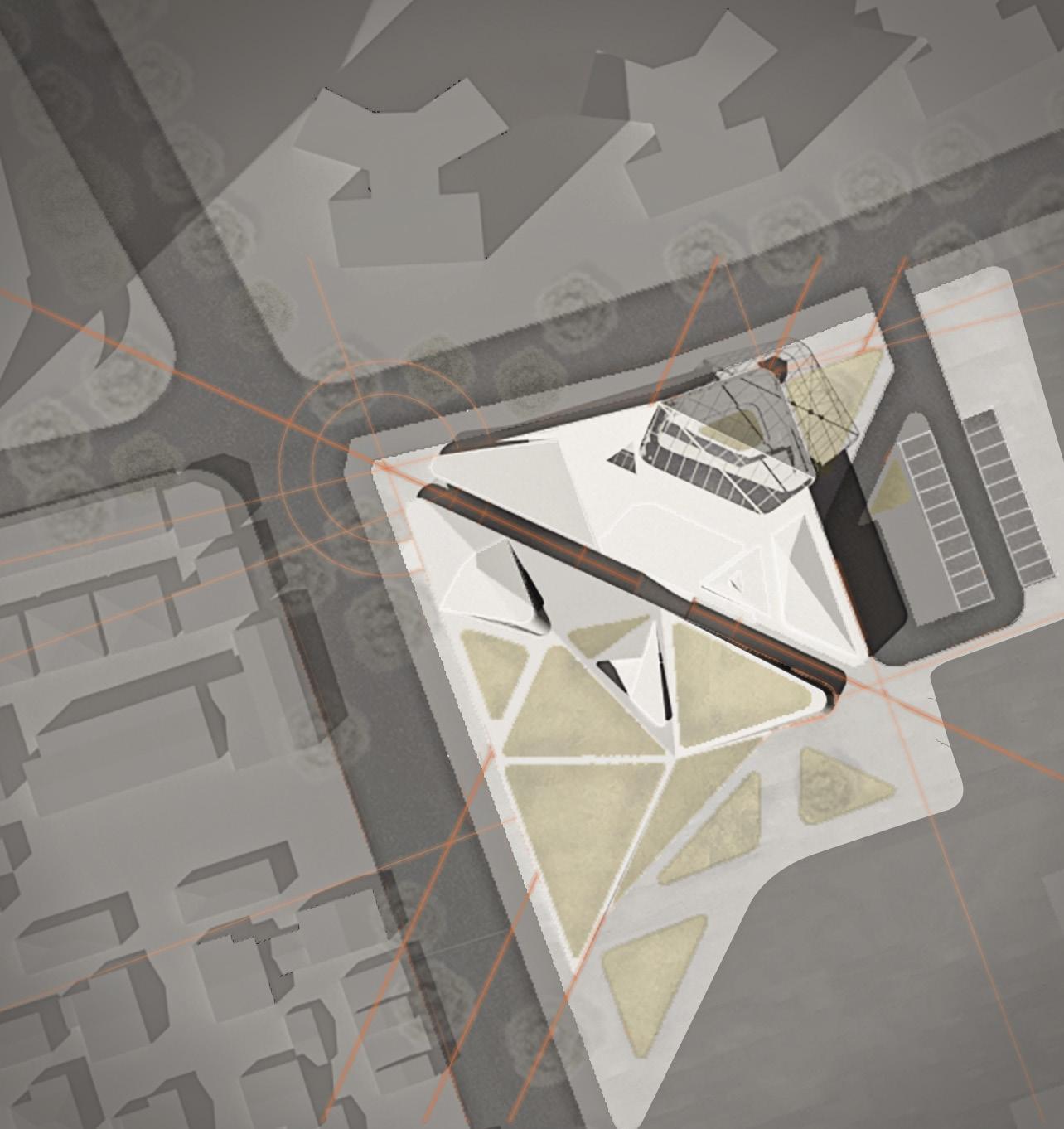
Axes from the local urban texture and district planning guide the rearrangement of the ground level, carving out the corridors and a semiopen amphitheater from the 'stone'.
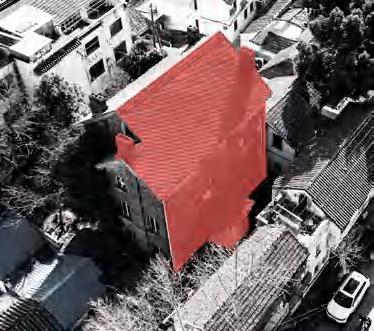
Roof elements referencing architectural memory of this district are aligned with site-derived axes and integrated into the roof design.
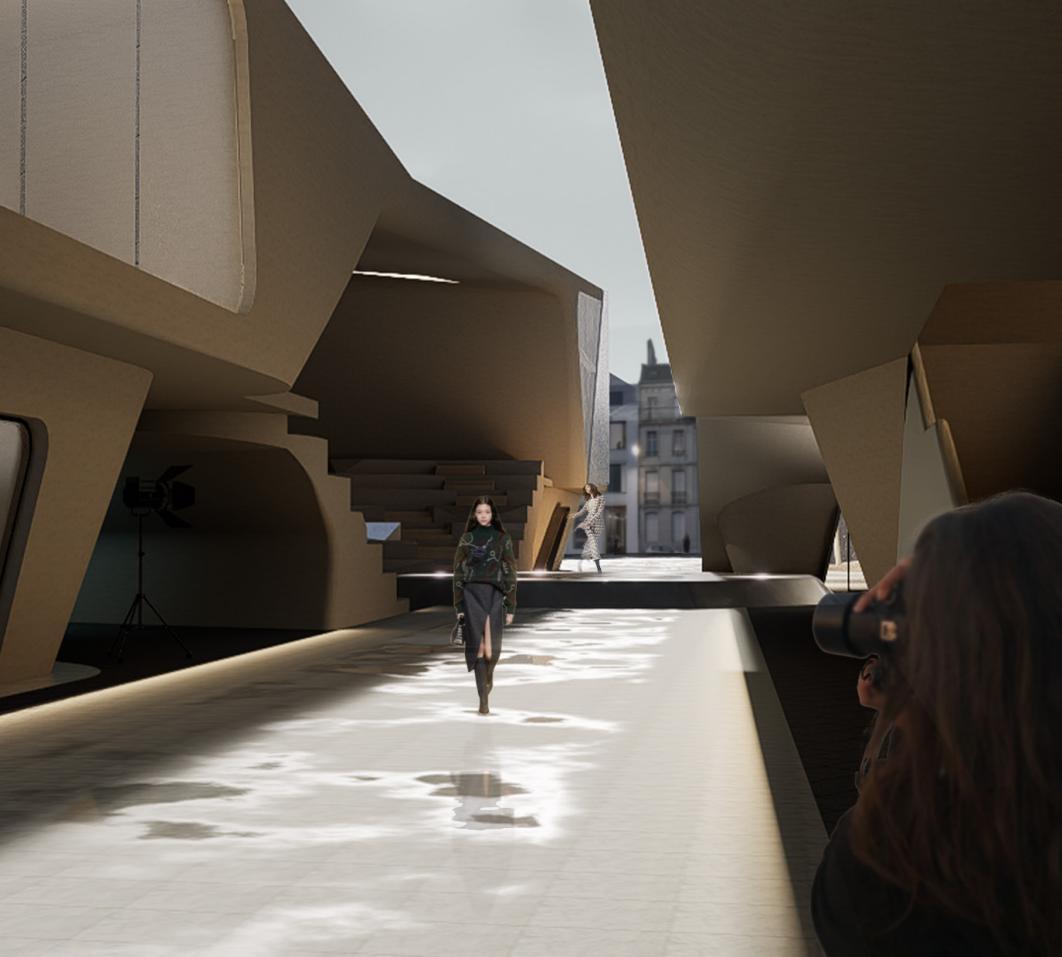
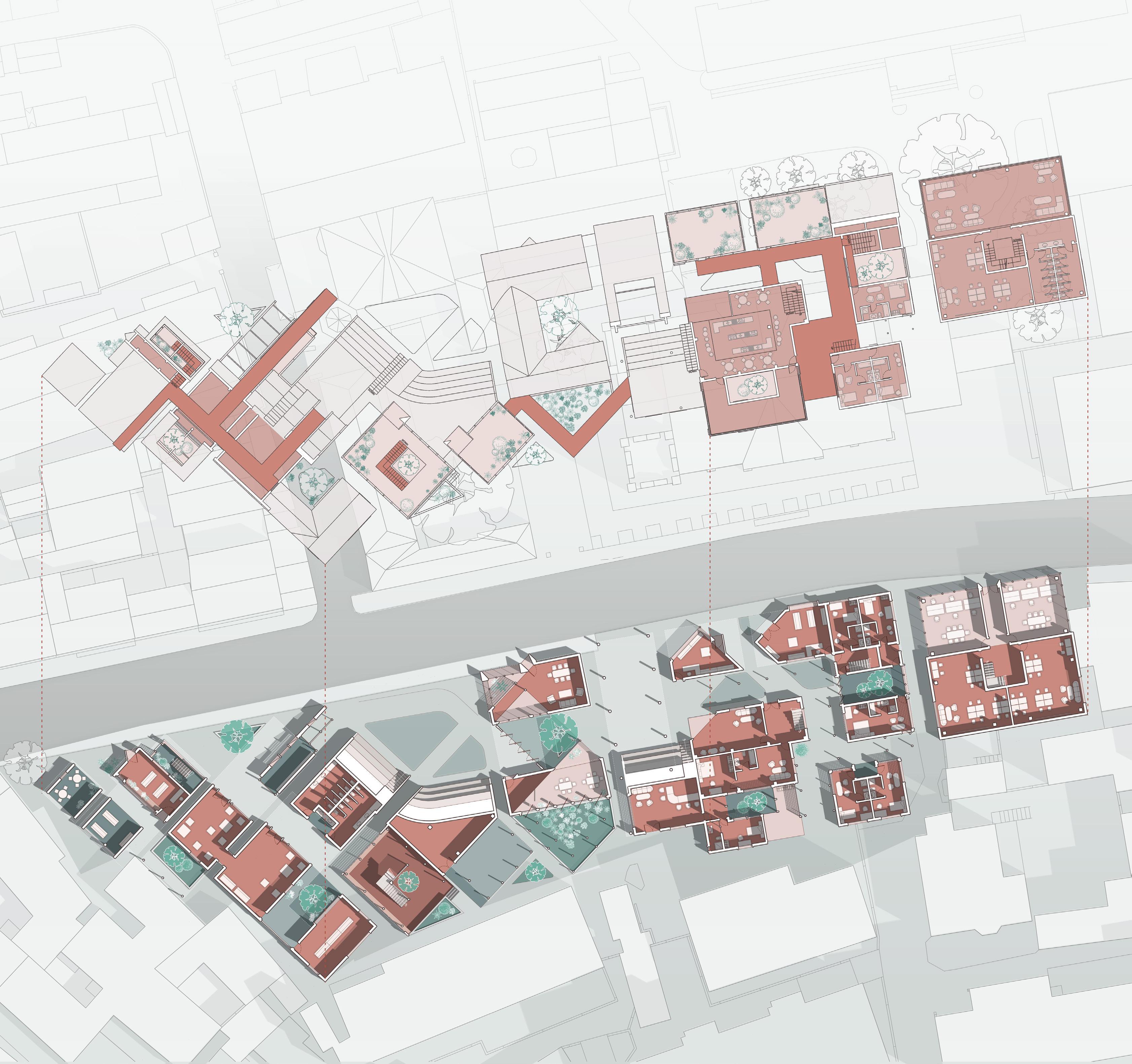
The community center includes a fashion studio, performing arts office, library, and history exhibition, encouraging interaction. The fashion and drama spaces share an entry lobby and a flexible semi-open stage for both performances and fashion shows.
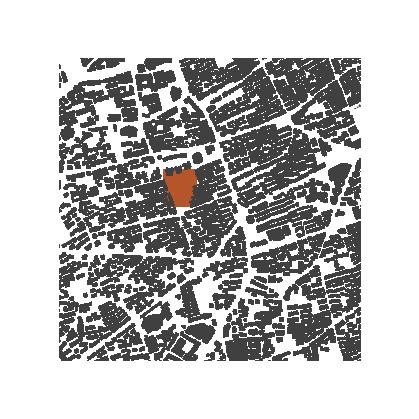
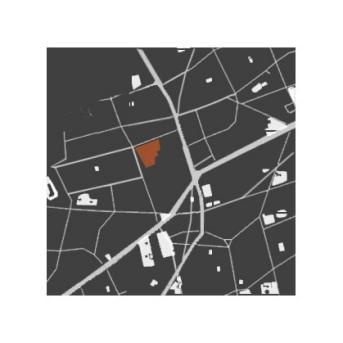
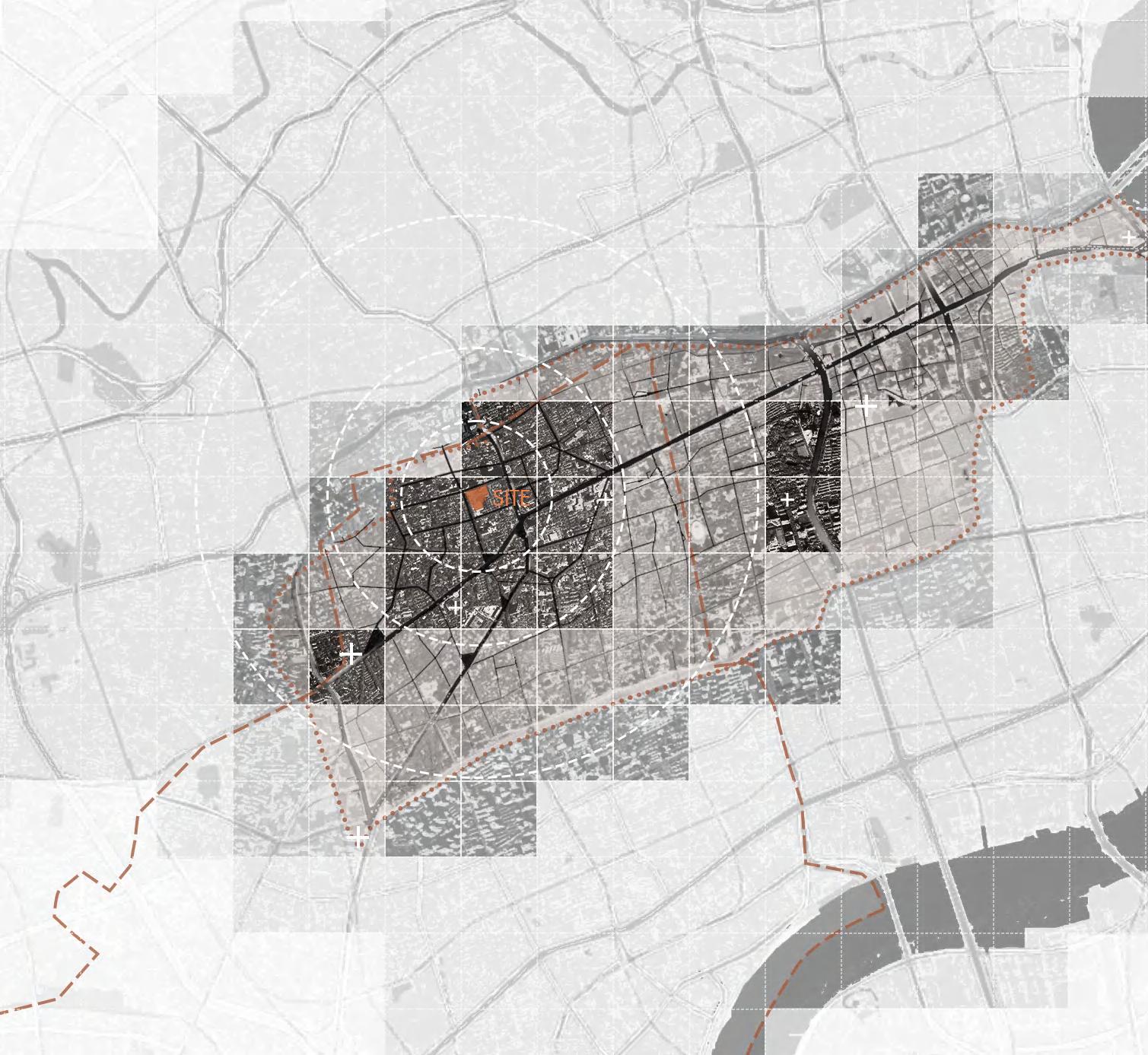
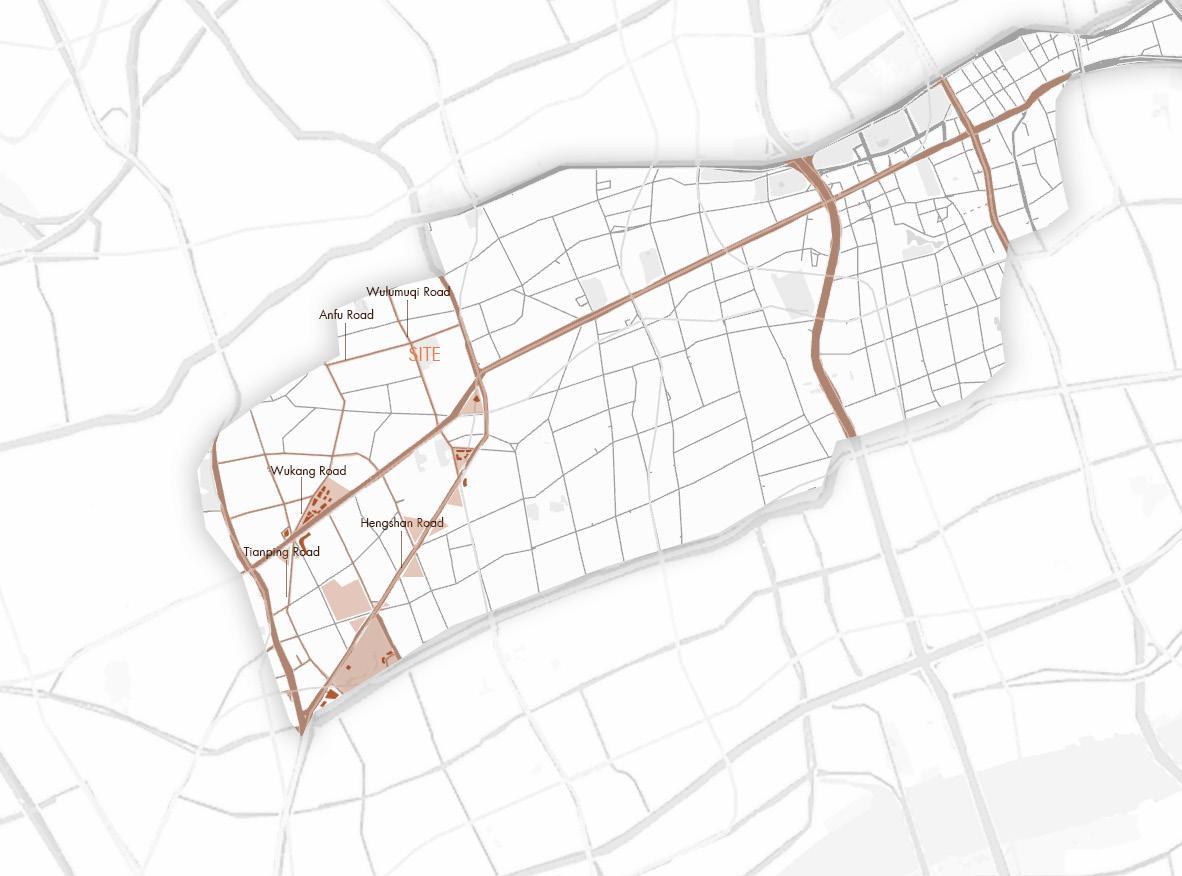
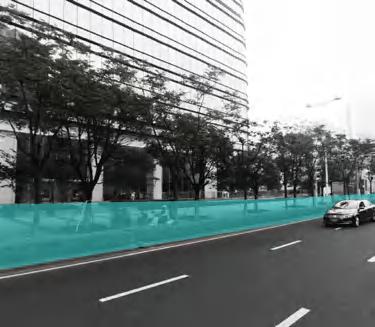
The project extends and emphasizes the unique axes of the former French Concession, carving this shared memory into the new community center. Nearby urban textures, road twist, and visual corridors shaped by street corners are seamlessly integrated into the ground-level arrangement.
Partial elevation from Anfu Road (North)
03. JIANGNAN METABOLISM
Old Town Community Service Center Design
3rd Year - Individual Work
Instructor: Mona Azadian
Site: Shizi Street, Suzhou
March 2023
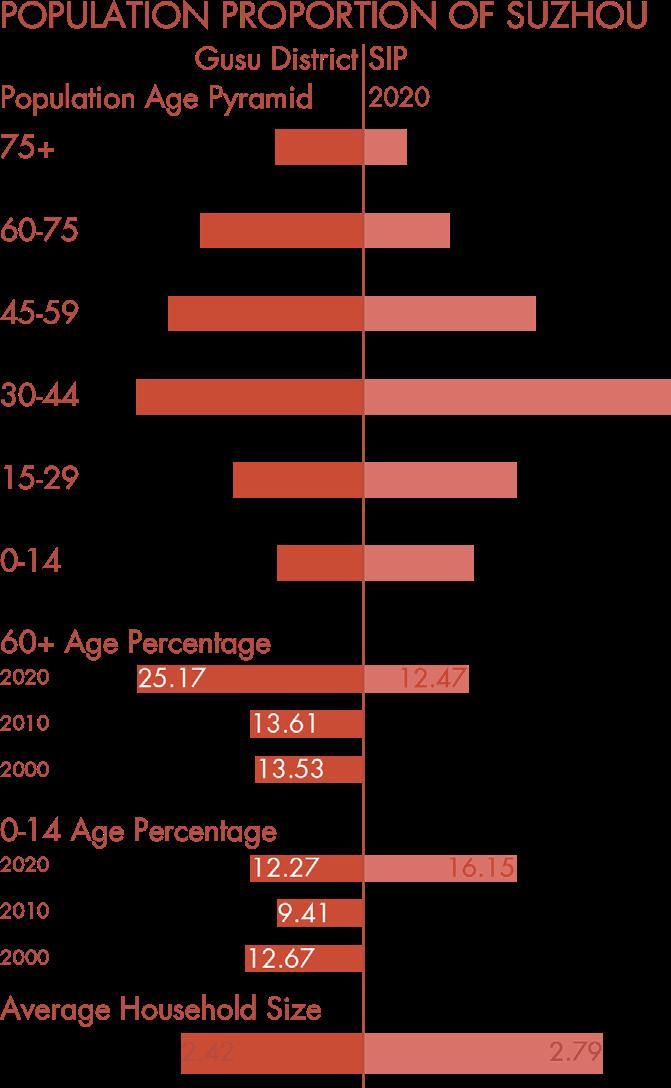
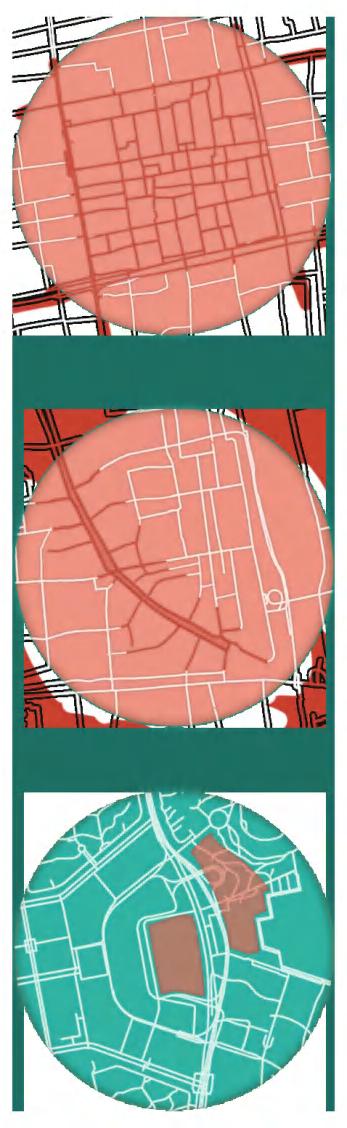
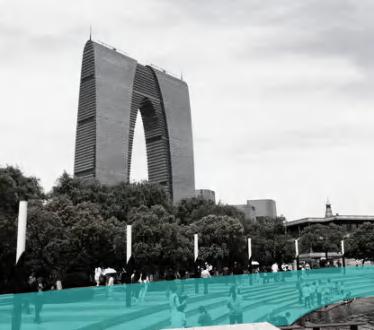
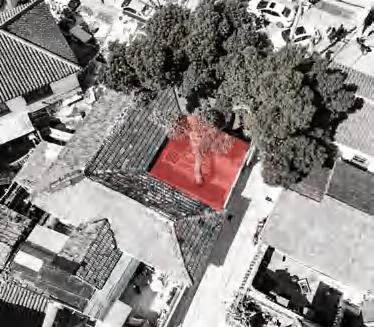
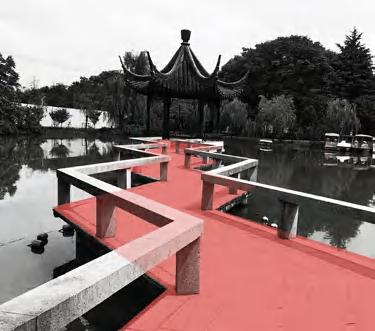
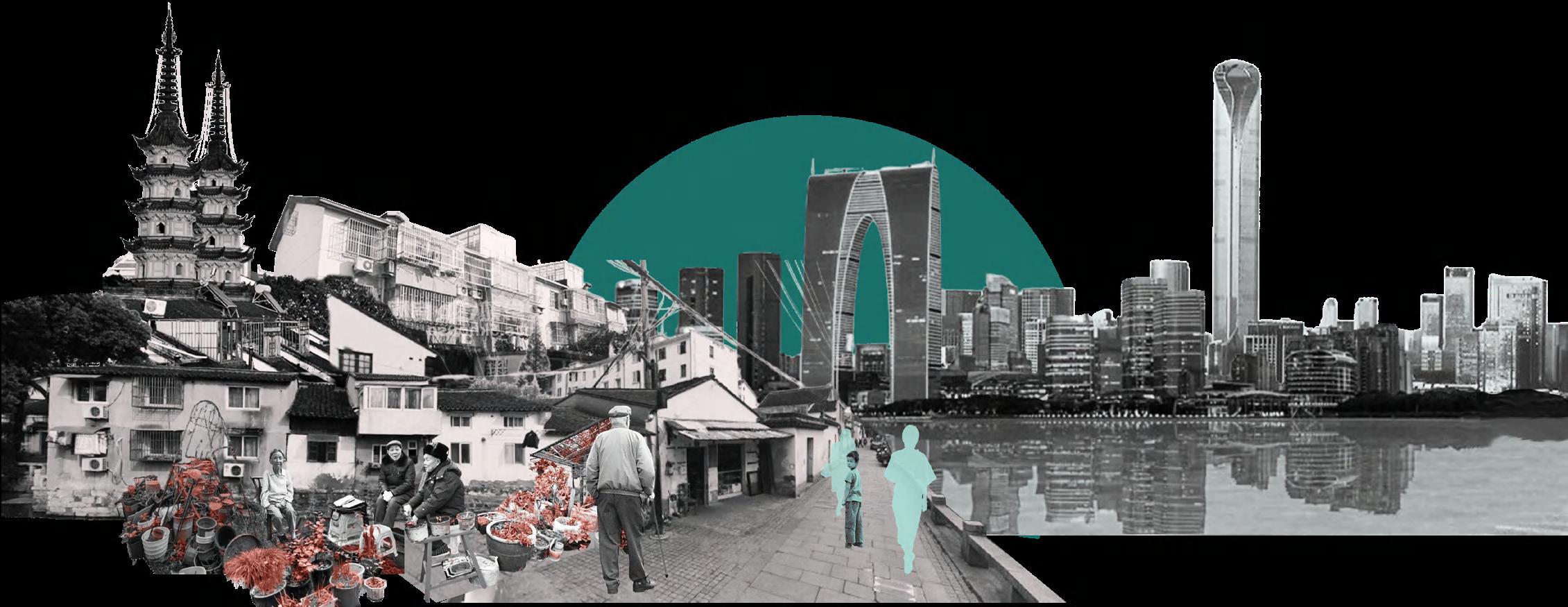
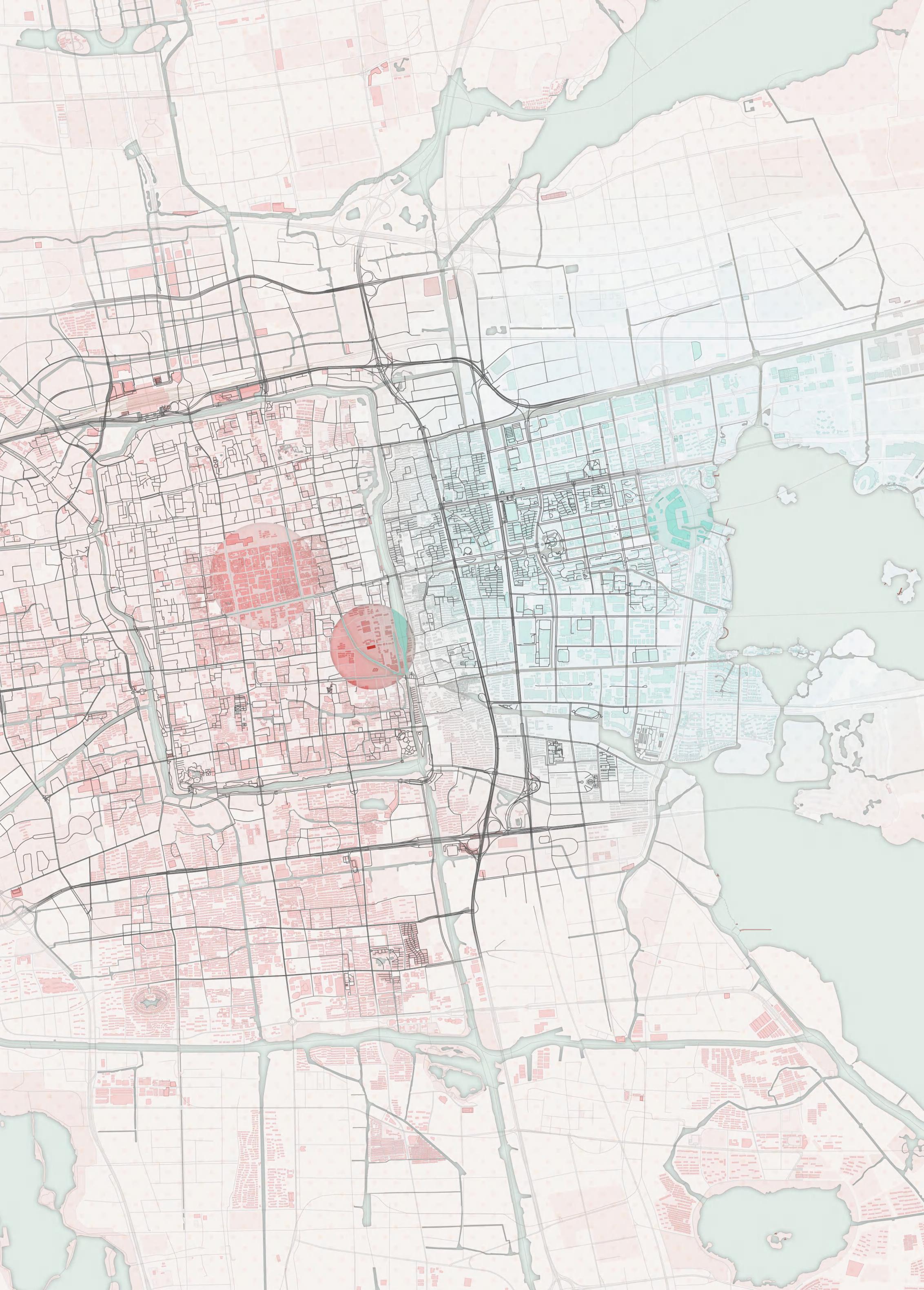
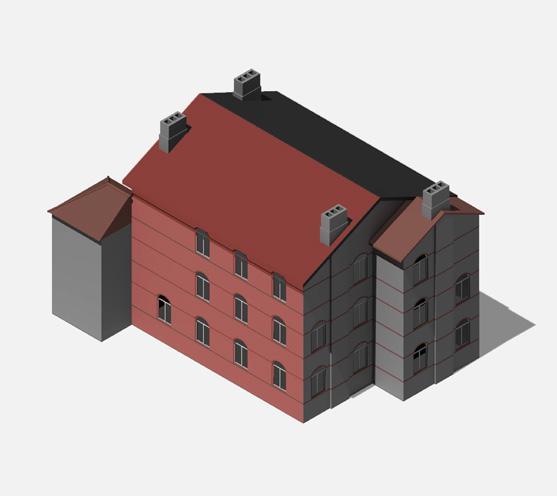
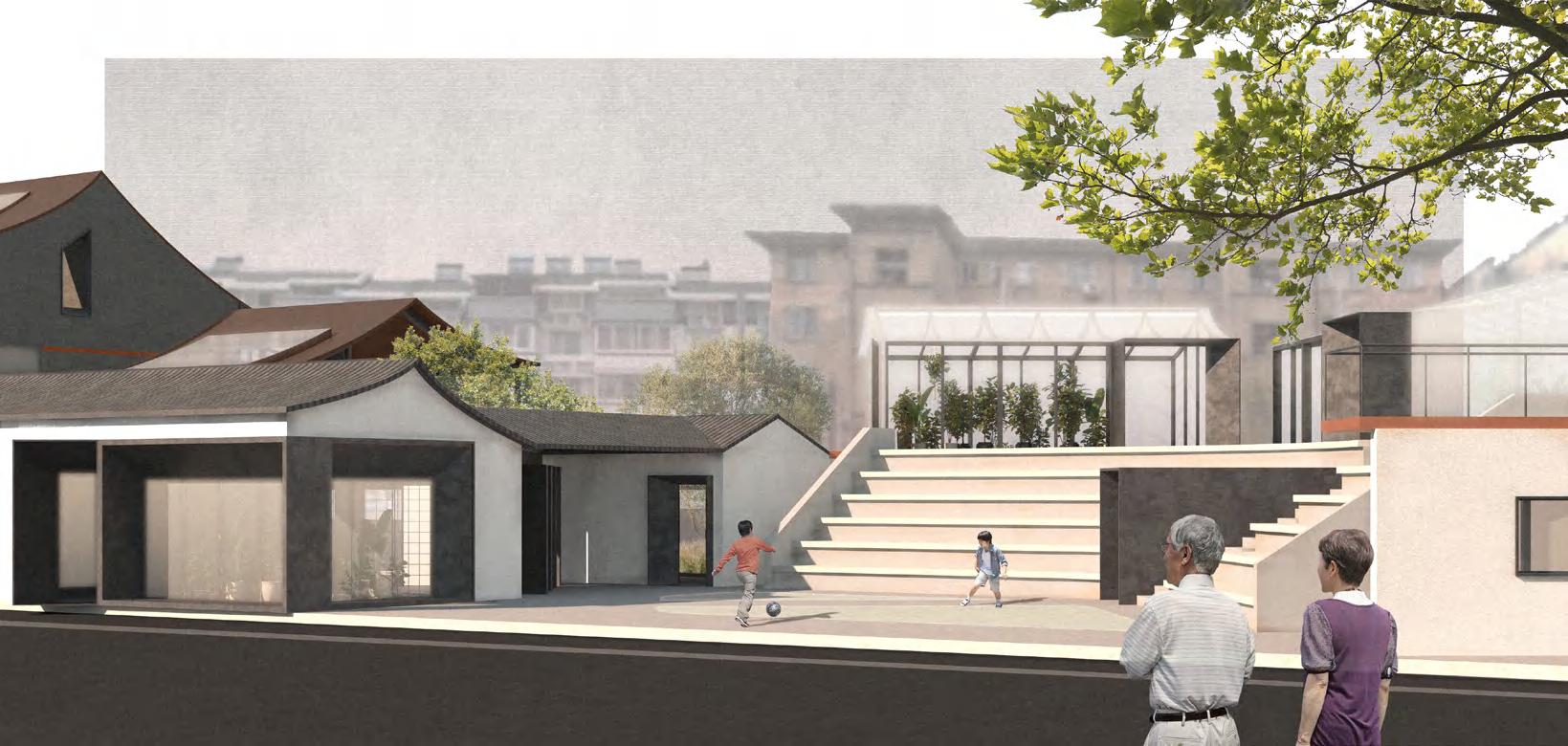
Suzhou's old town (Gusu) faces a delicate dilemma. The historic buildings, preserved by government efforts, no longer meet the needs of young residents or attract tourists. As younger generations move to the fully modernized Suzhou Industrial Park (SIP), the old town and the modern district stand in stark contrast. The project site, Shizi Street, lies at the junction of these two worlds. Here, residents have illegally expanded their homes to create more living space, while old buildings are being replaced with trendy "internet-famous" structures, discarding the past.
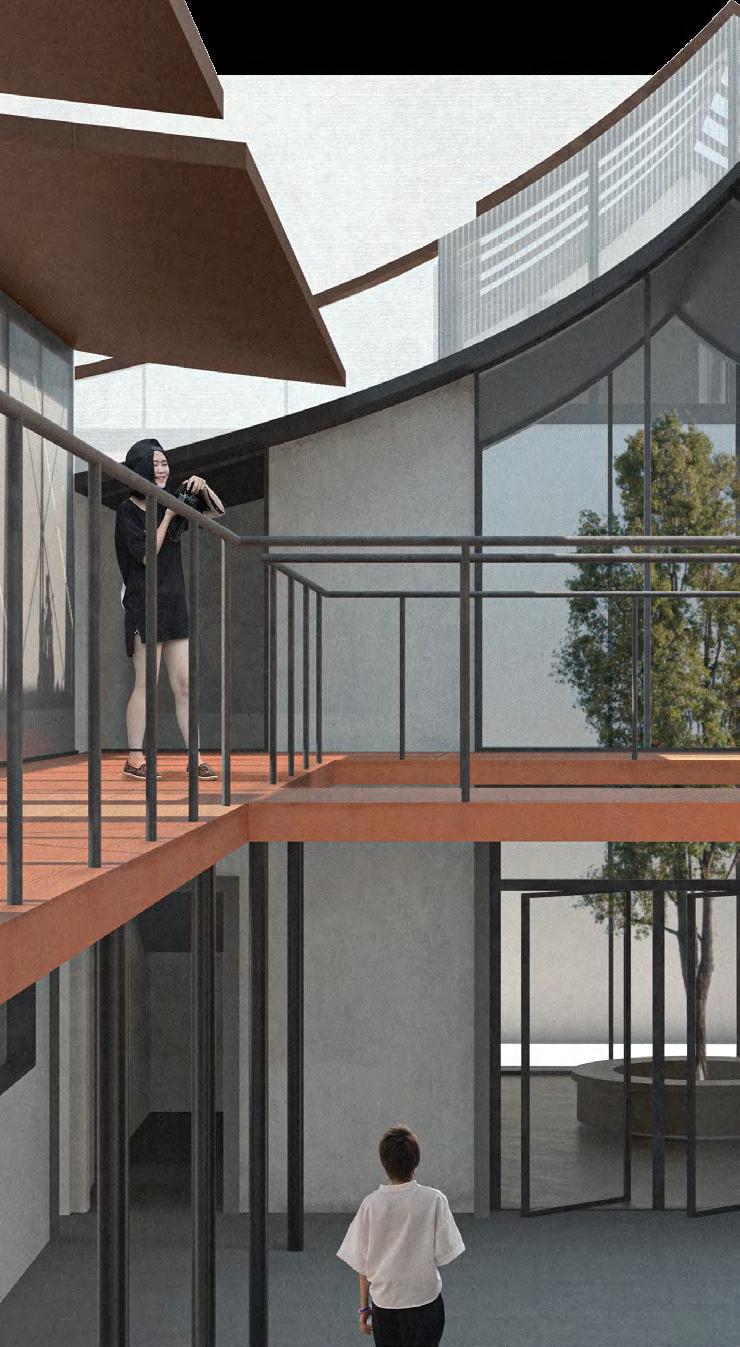
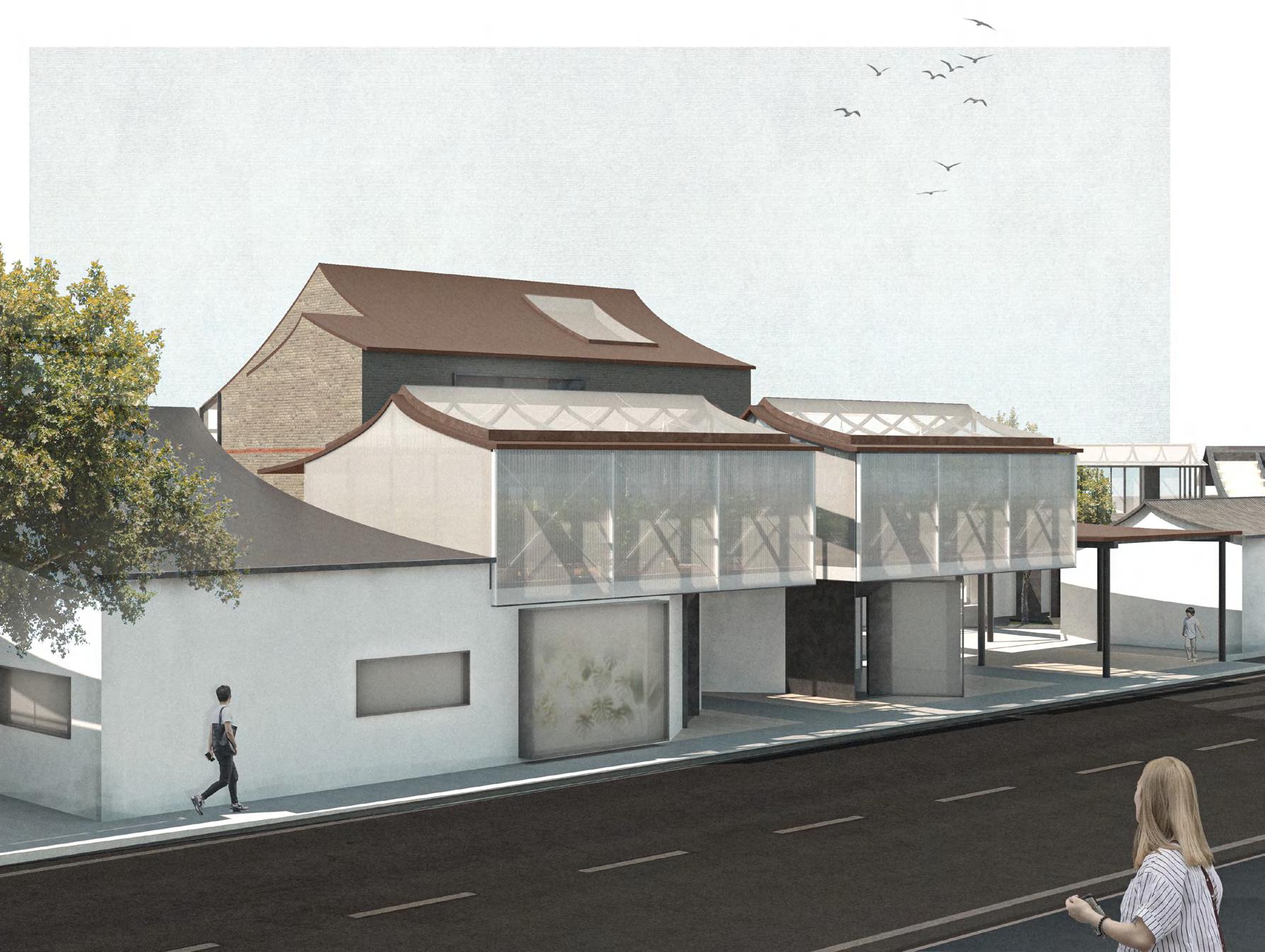
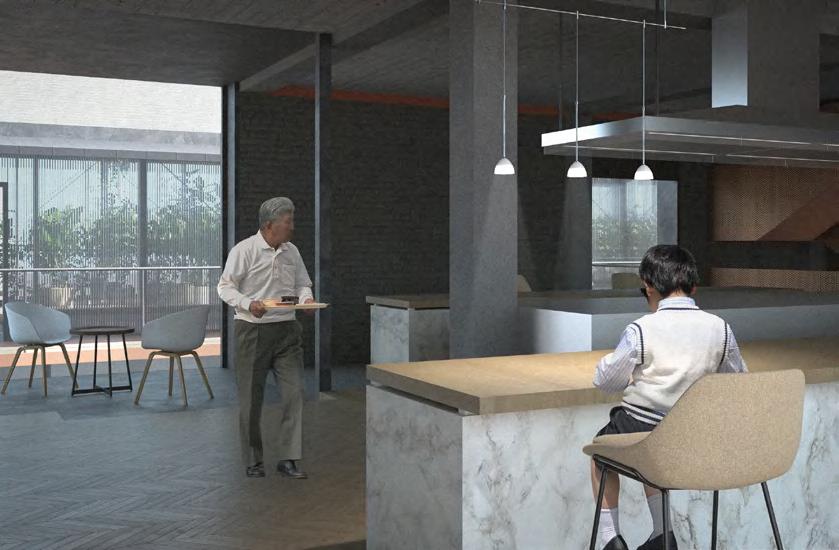
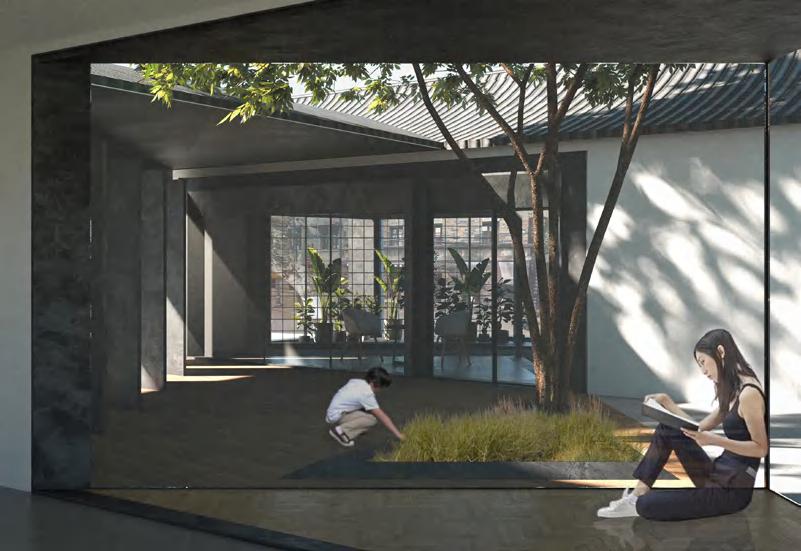
This project seeks to balance tradition and modernity, offering Suzhou a transition between old and new. It proposes a "Jiangnan Metabolism" model, which bridges the gap between the traditional and the contemporary, between younger and older generations. The project is designed to be an inclusive community hub, bringing together diverse social groups. Using Suzhou’s rich cultural heritage as a medium, it aims to enhance the quality of life for local residents while leveraging tourism opportunities, ensuring the space remains accessible and meaningful to all.
Check our group Site analysis stop-motion animation Me as director and editor. Click or Scan here
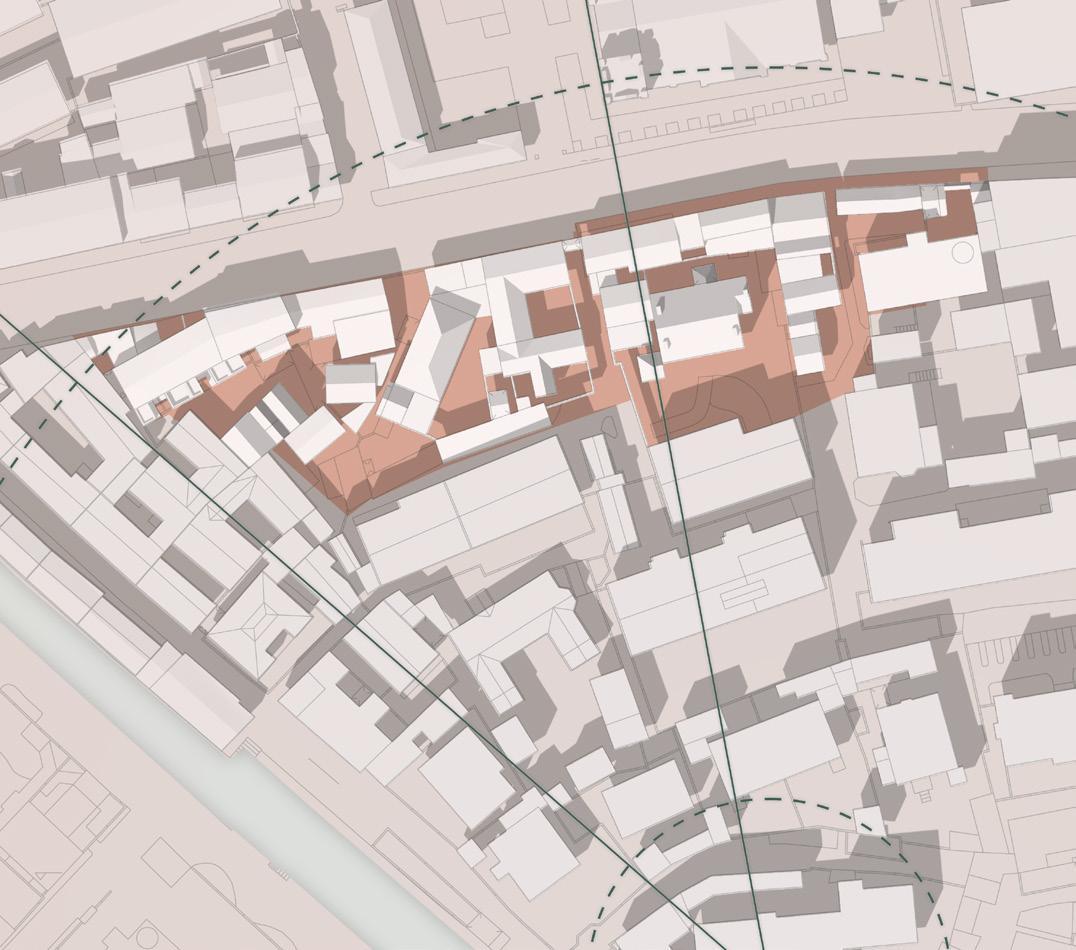
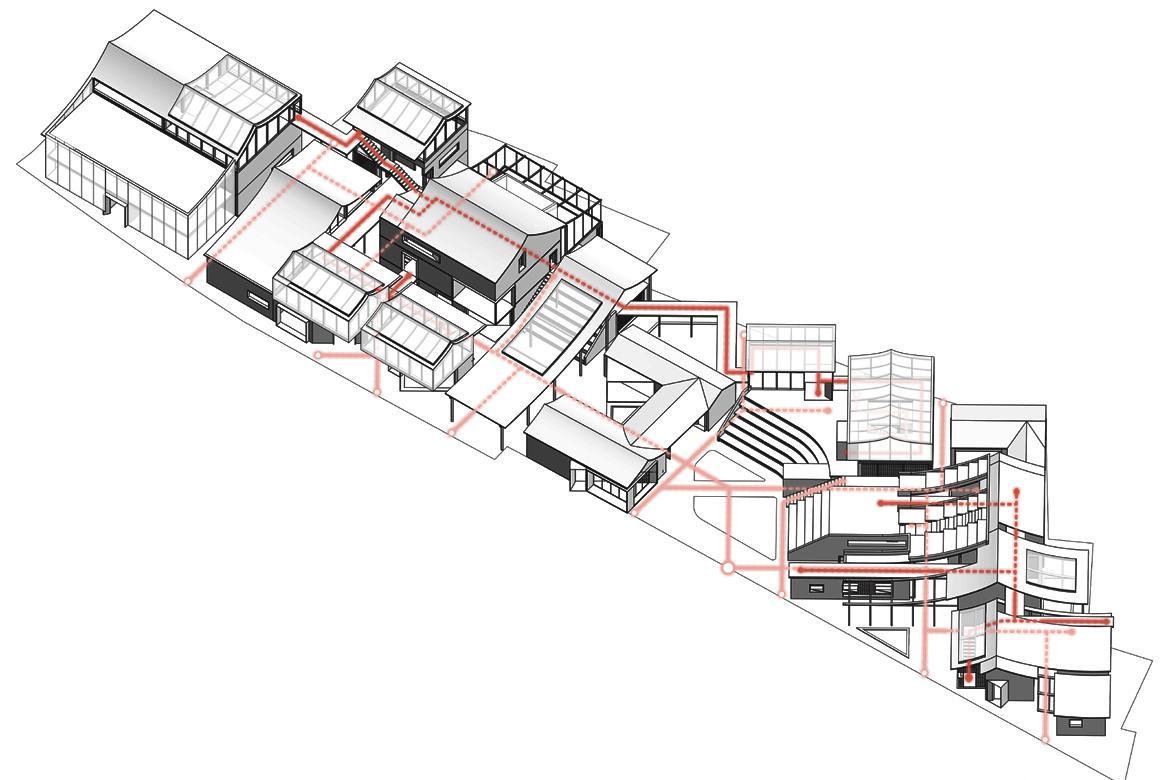
Study of Regional Planning Axes:
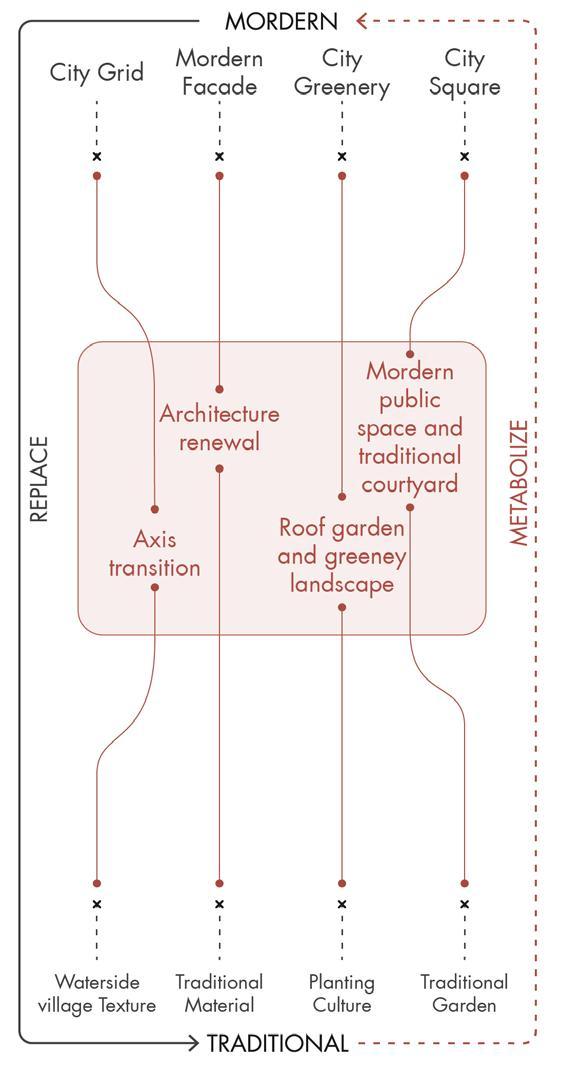
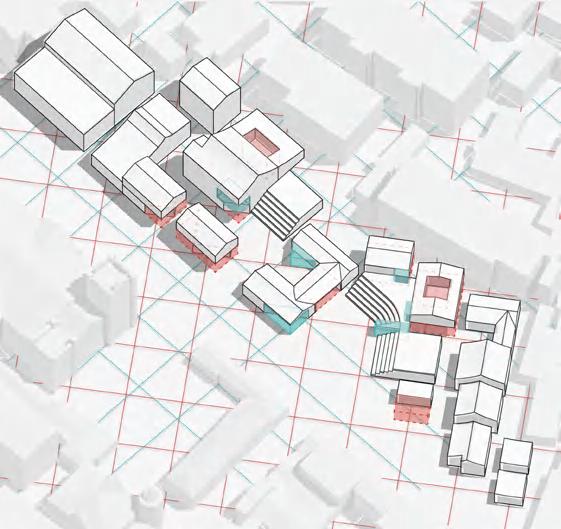
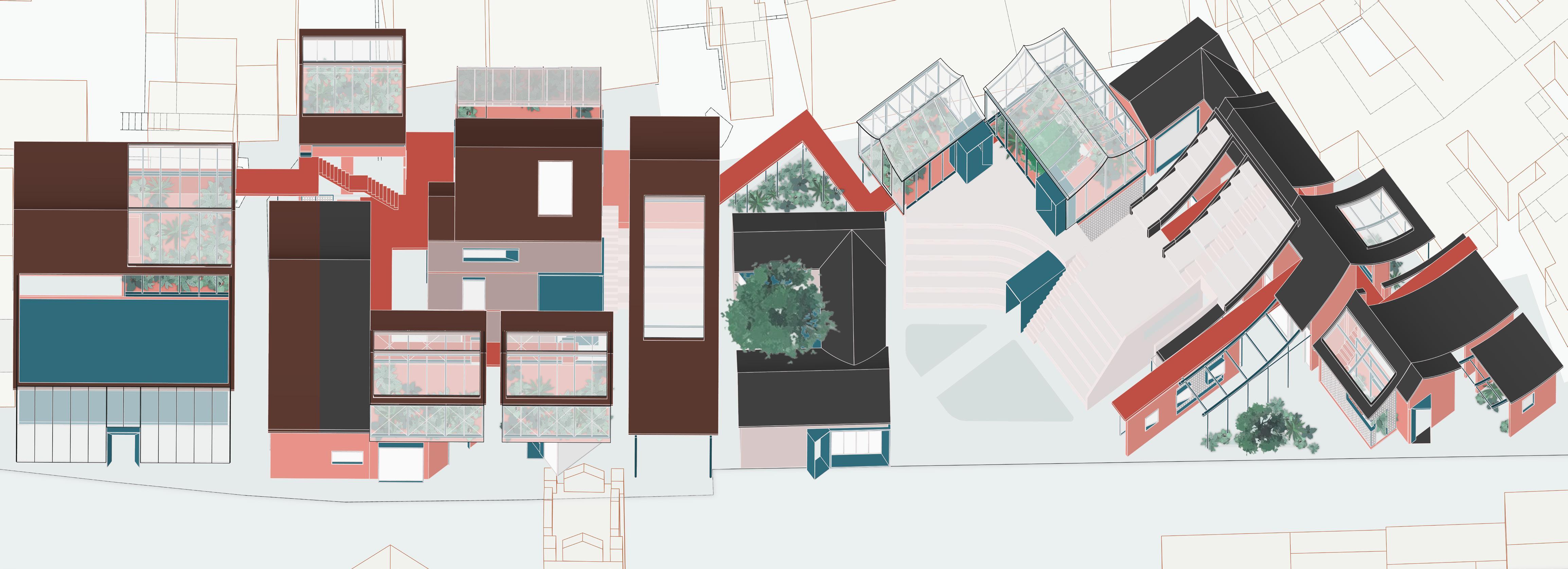
The project identifies two distinct axes on-site (as shown in the diagram): the traditional waterside axis formed by preserved historic buildings along a river and the urban planning axis of Gusu District. Their intersection creates spatial conflicts, leading to inefficient layouts and illegal structures housing migrant workers. The project aims to respect both axes while resolving these conflicts through integrated spatial planning.
STRATEGY
MASSING DEVELOPMENT
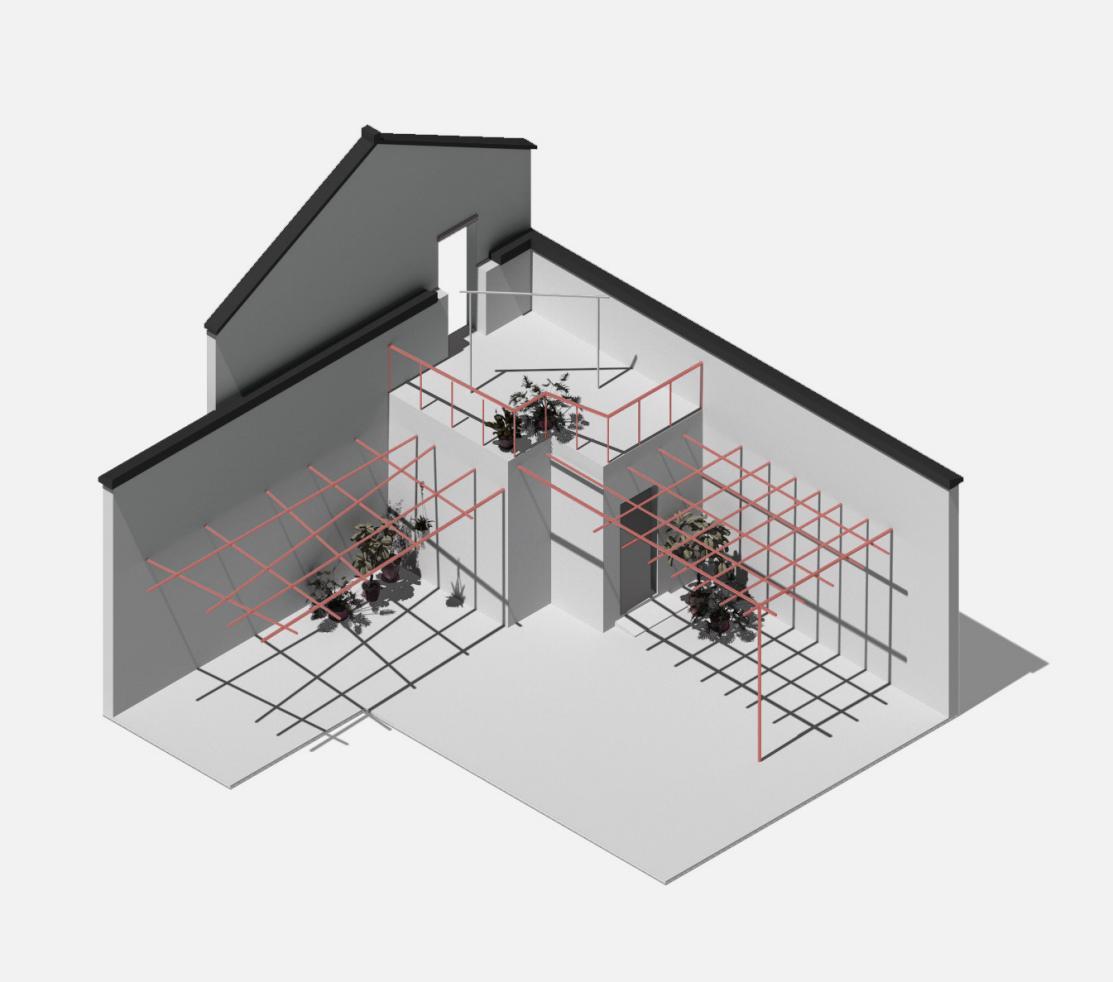
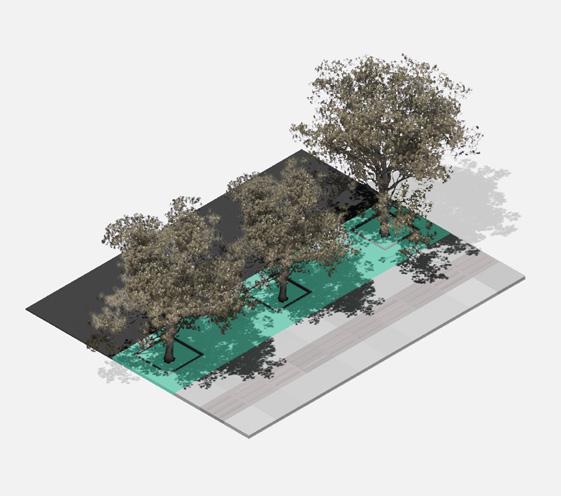
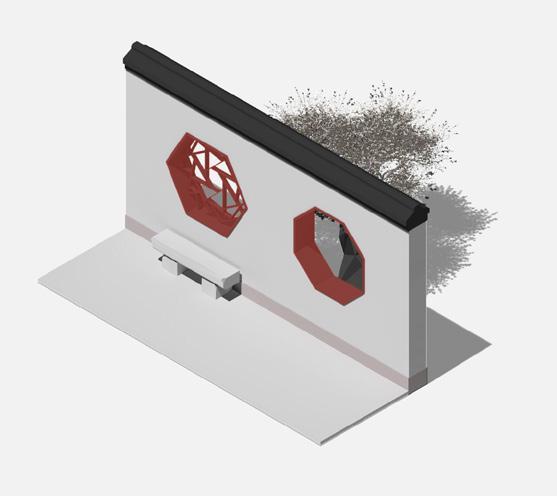
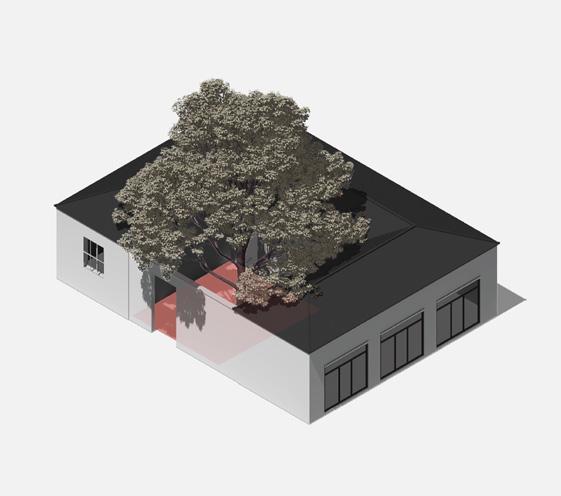
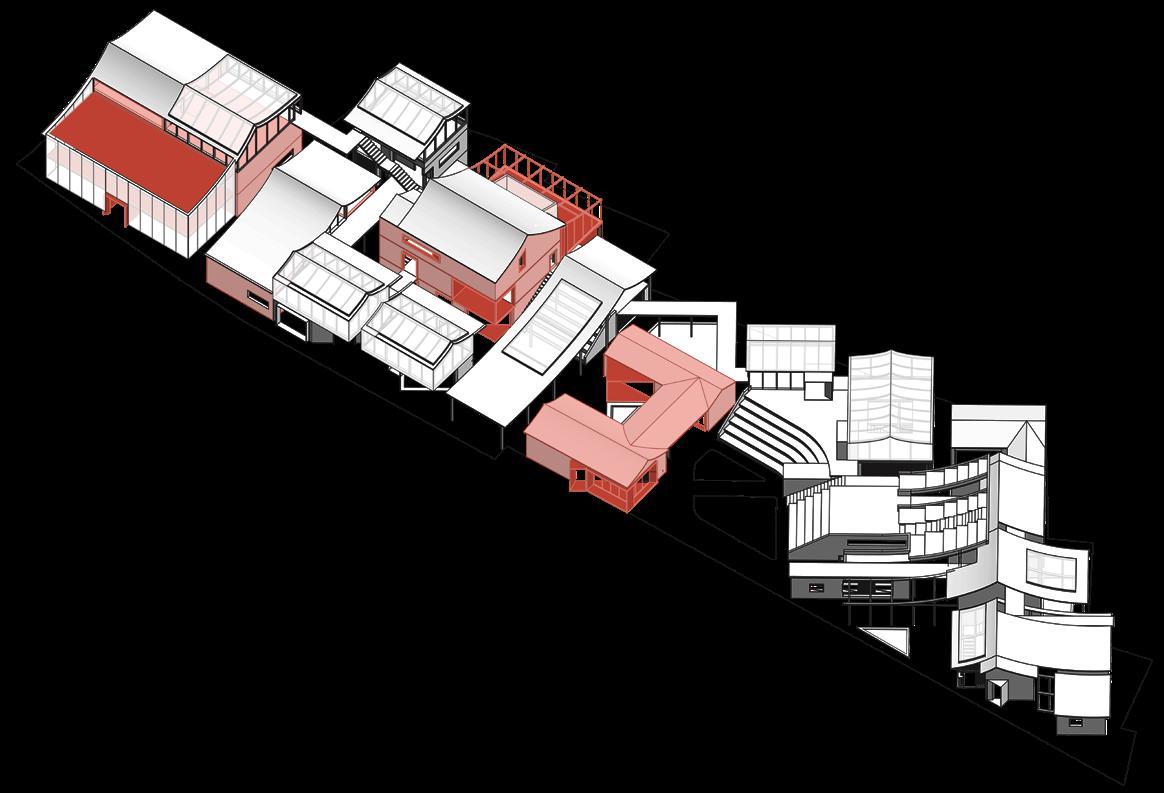
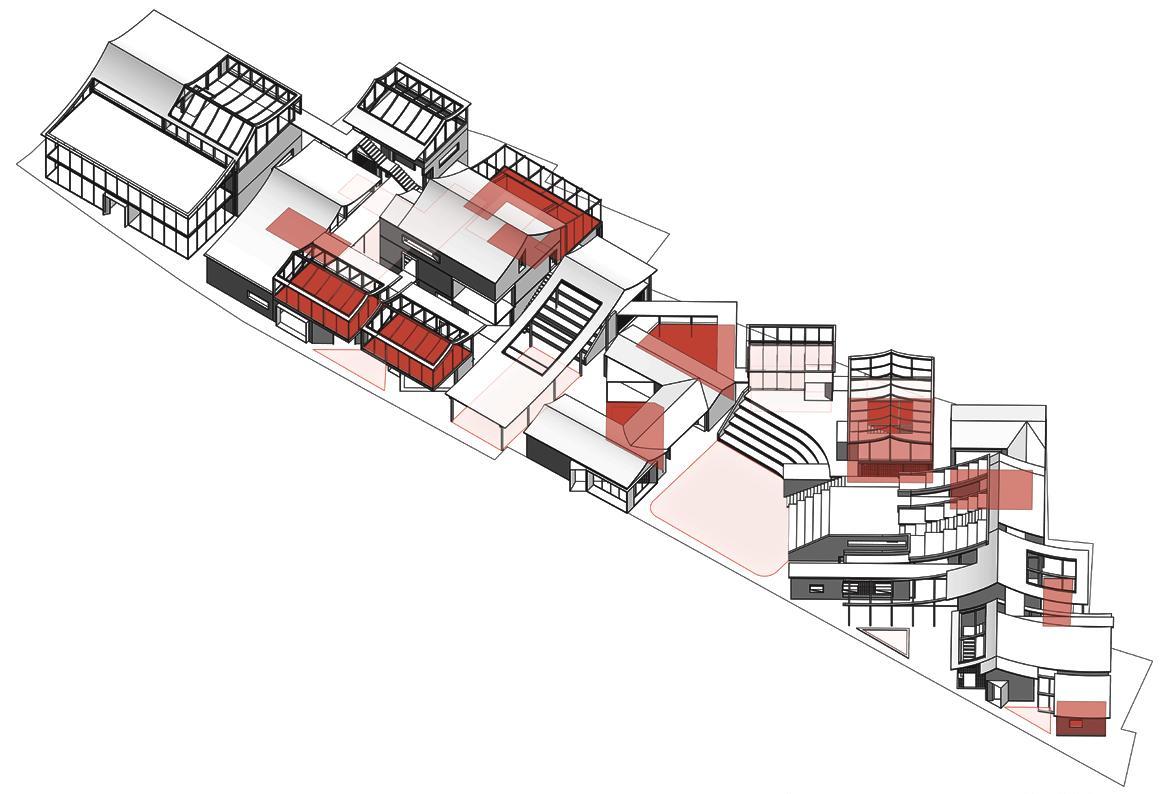
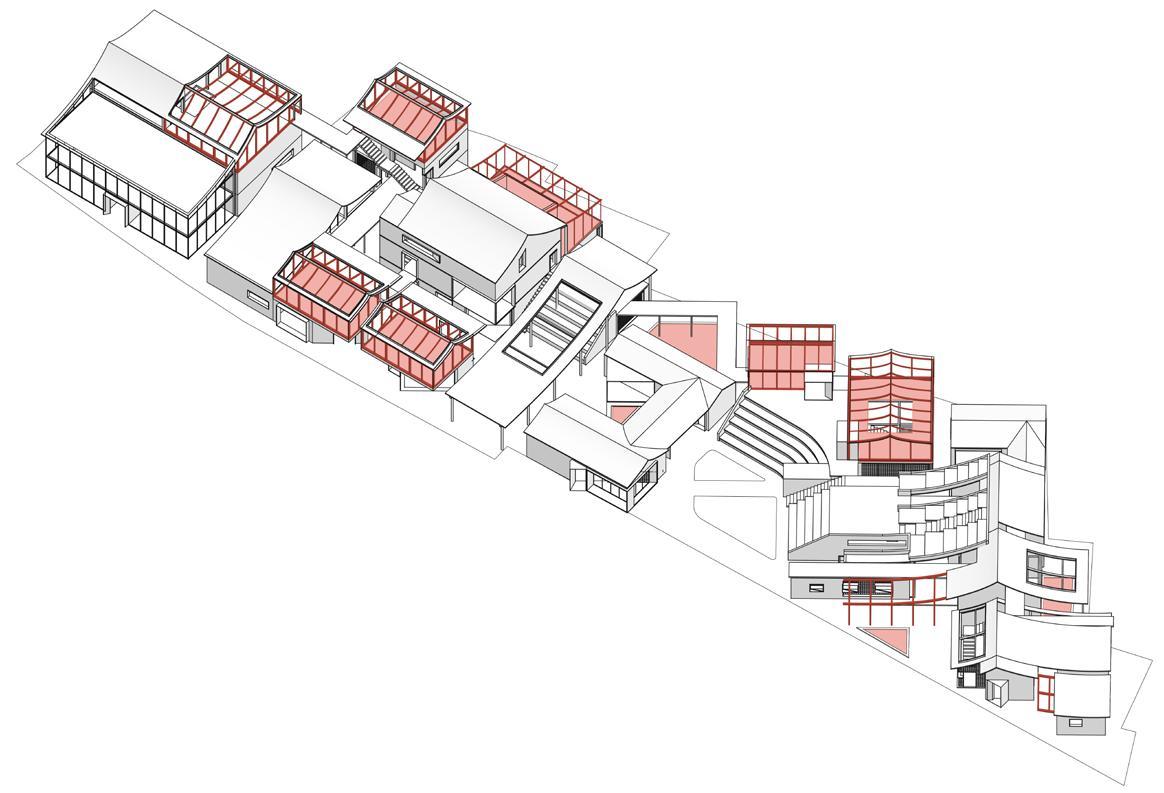
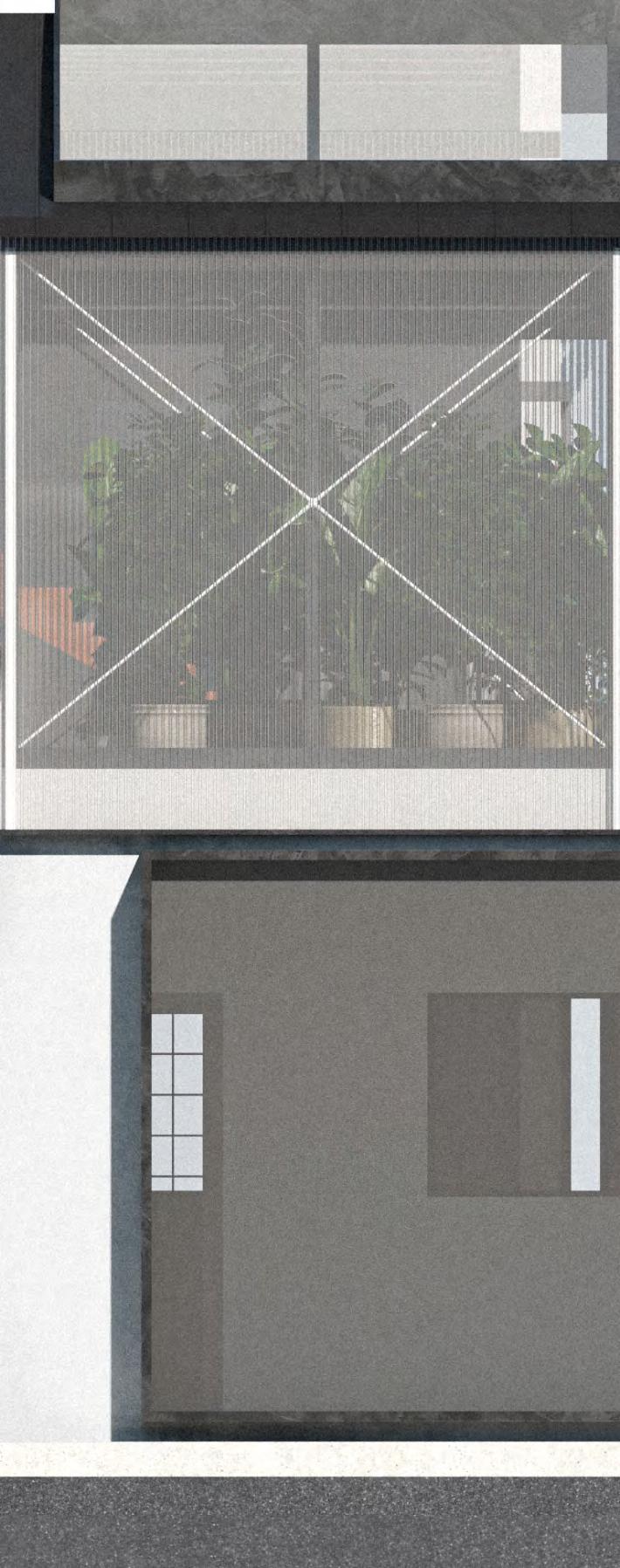
The project reflects Suzhou’s traditional dwellings and garden elements, alongside modern streets and plazas, as typologies in the city’s ongoing transformation. By preserving cultural heritage and embracing new urban forms, the goal is to create a more inclusive and livable community where tradition and modernity coexist.
Central Plaza
University Staff/ Students Teaching space/ Cafe
Short-term living/ Communal kitchen
Agriculture workshop/ Jiangnan Culture Hall
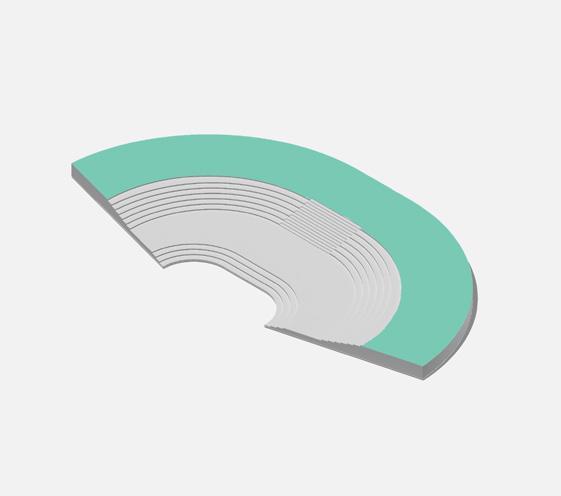
Central Plaza/ Roof garden/ Sunken Plaza/ Tea House/ Chess Pavilion
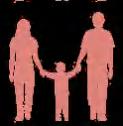
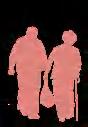
Local Residents Migrant Workers Tourists
Agriculture Workshop
Section B-B'
Sunken Plaza and Courtyard
Jiangnan Culture Hall
Section A-A'
04. RETURN TO VENICE
Maritime Community Design
3rd Year - Individual Work
Instructor: Eric Farr
Site: Venice, Italy
September 2022
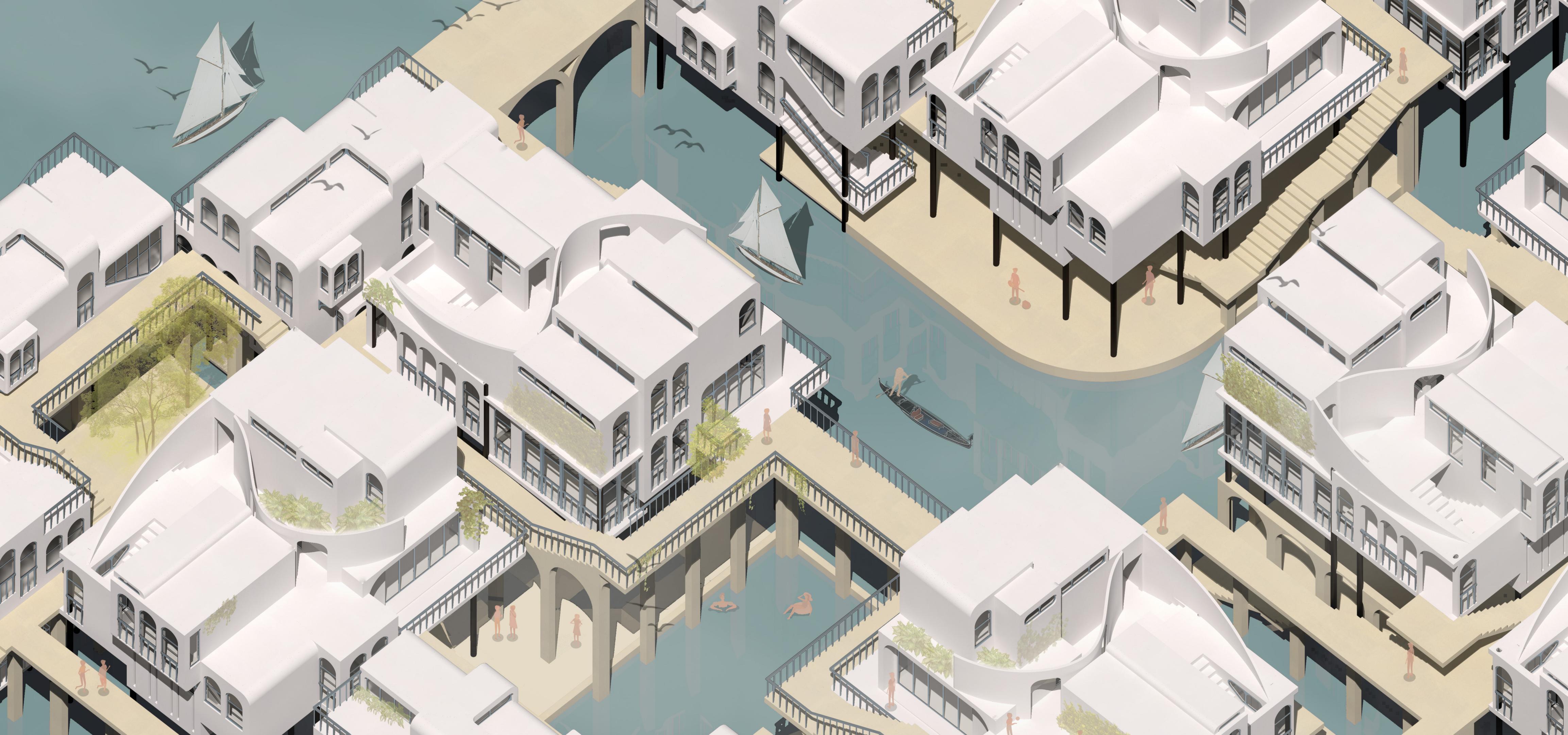
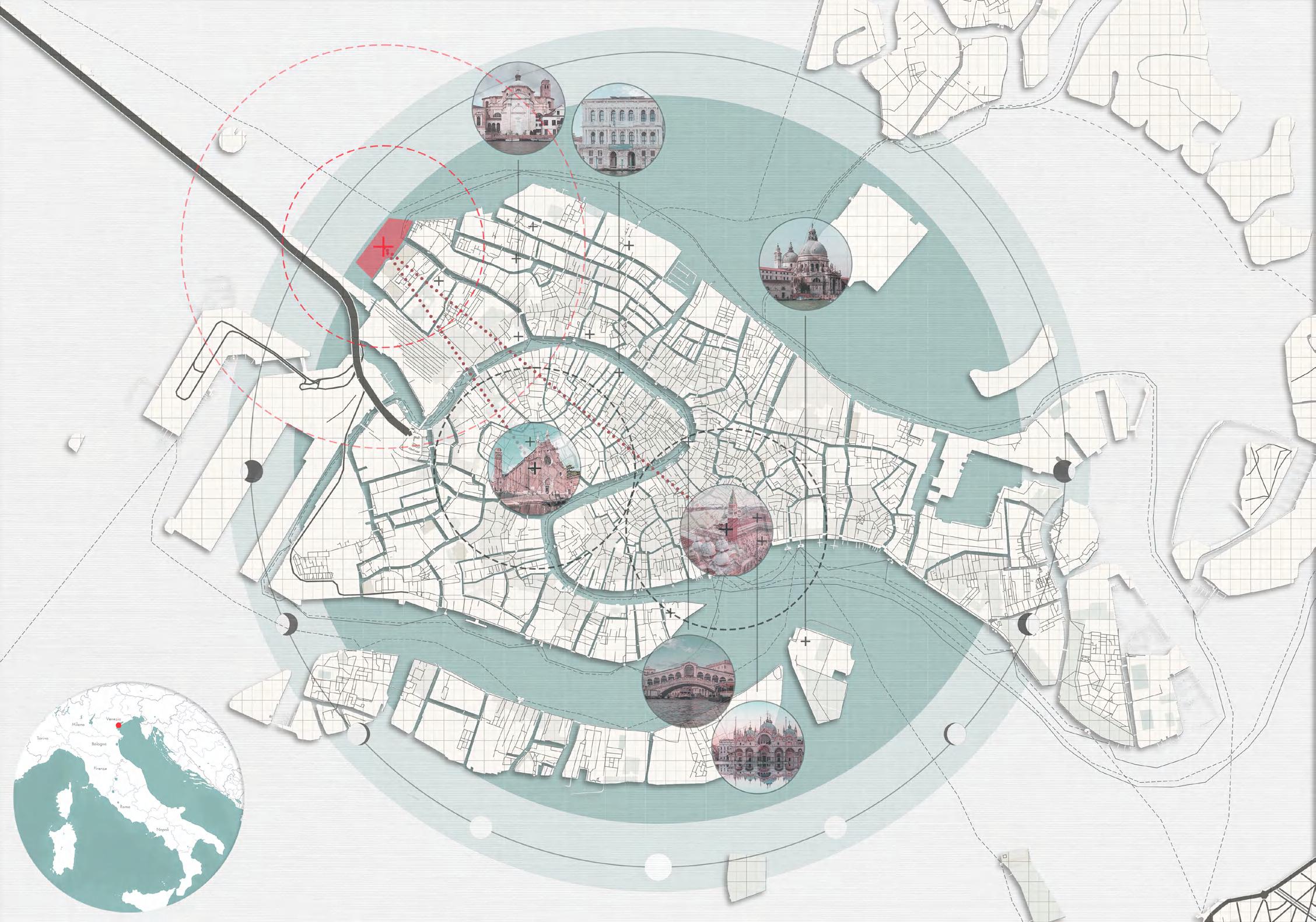
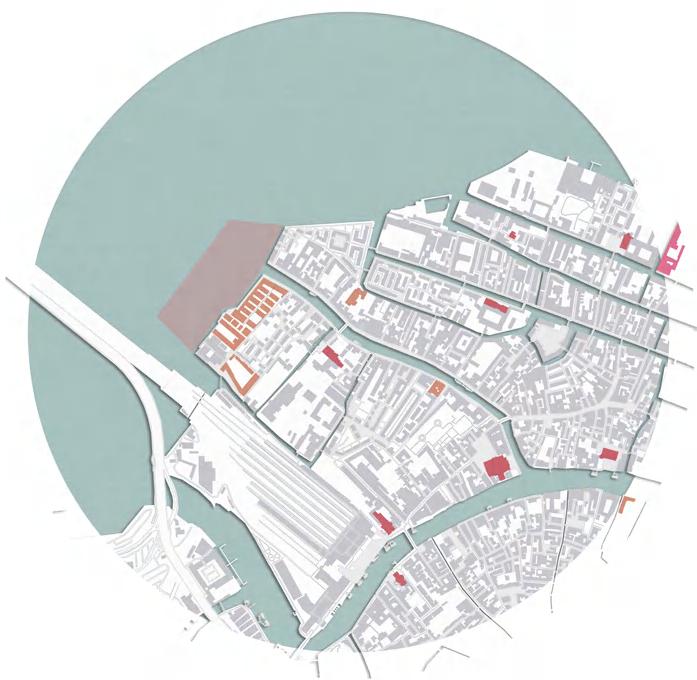
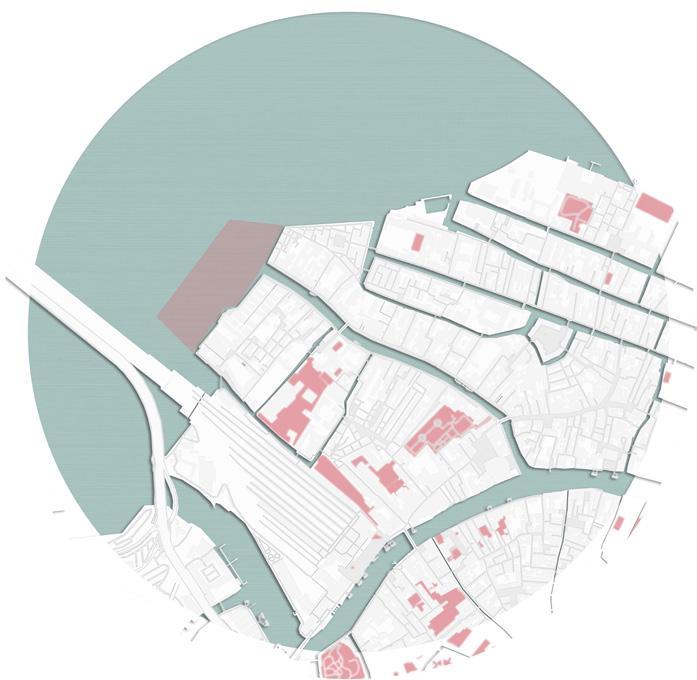
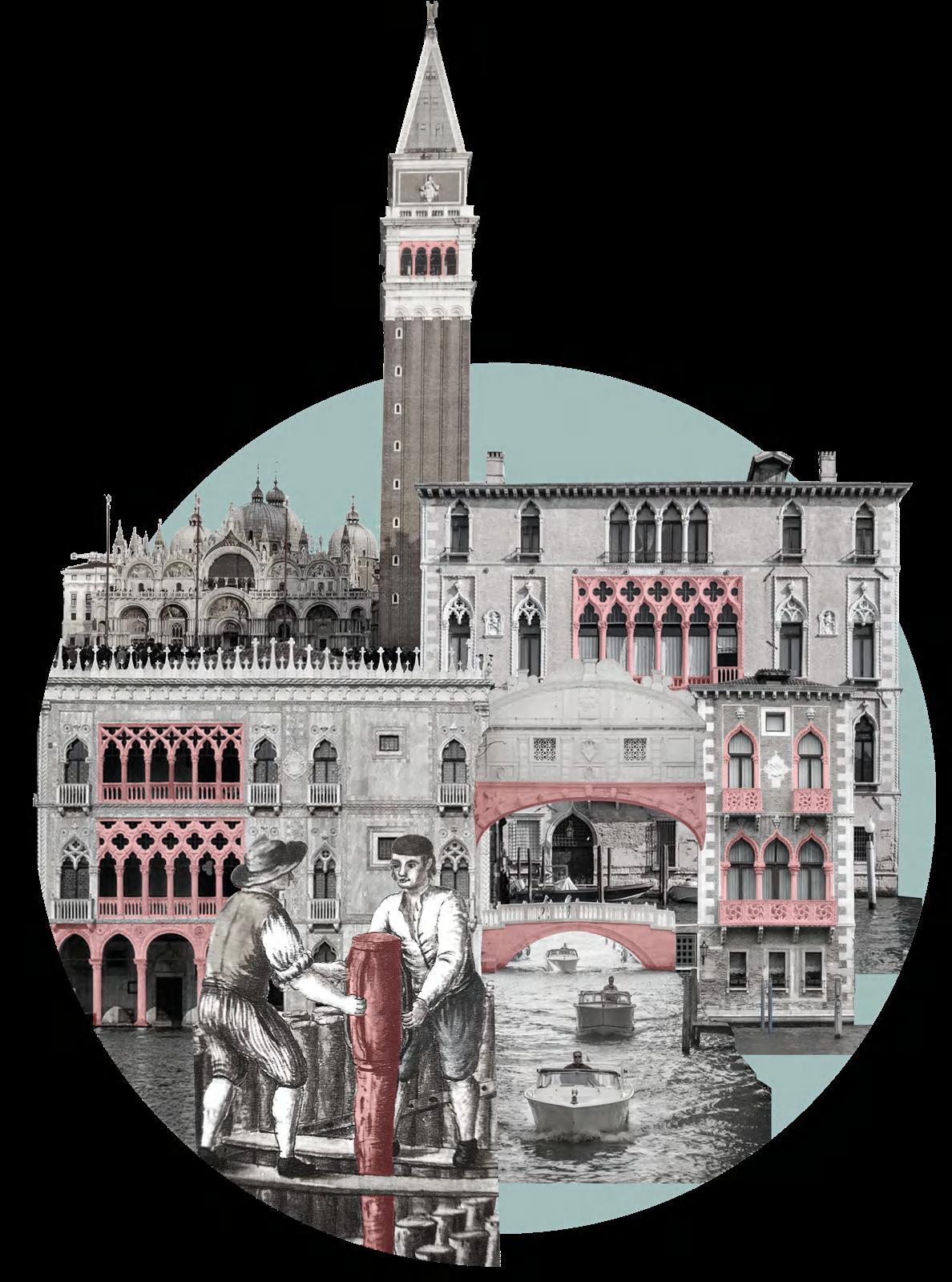
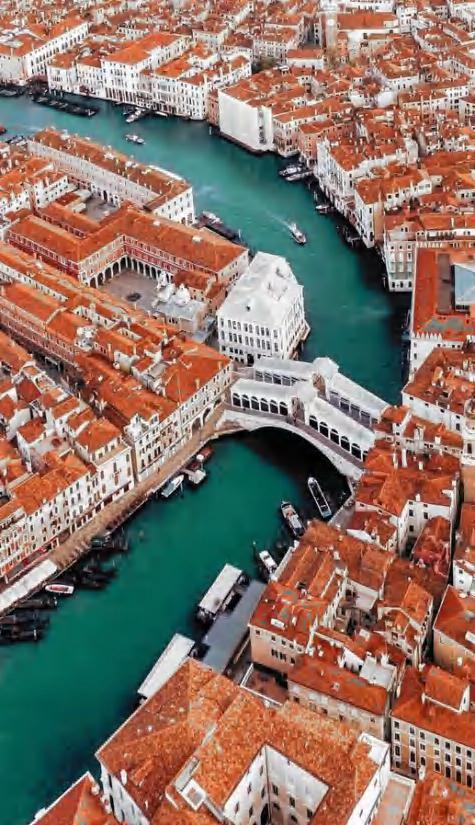
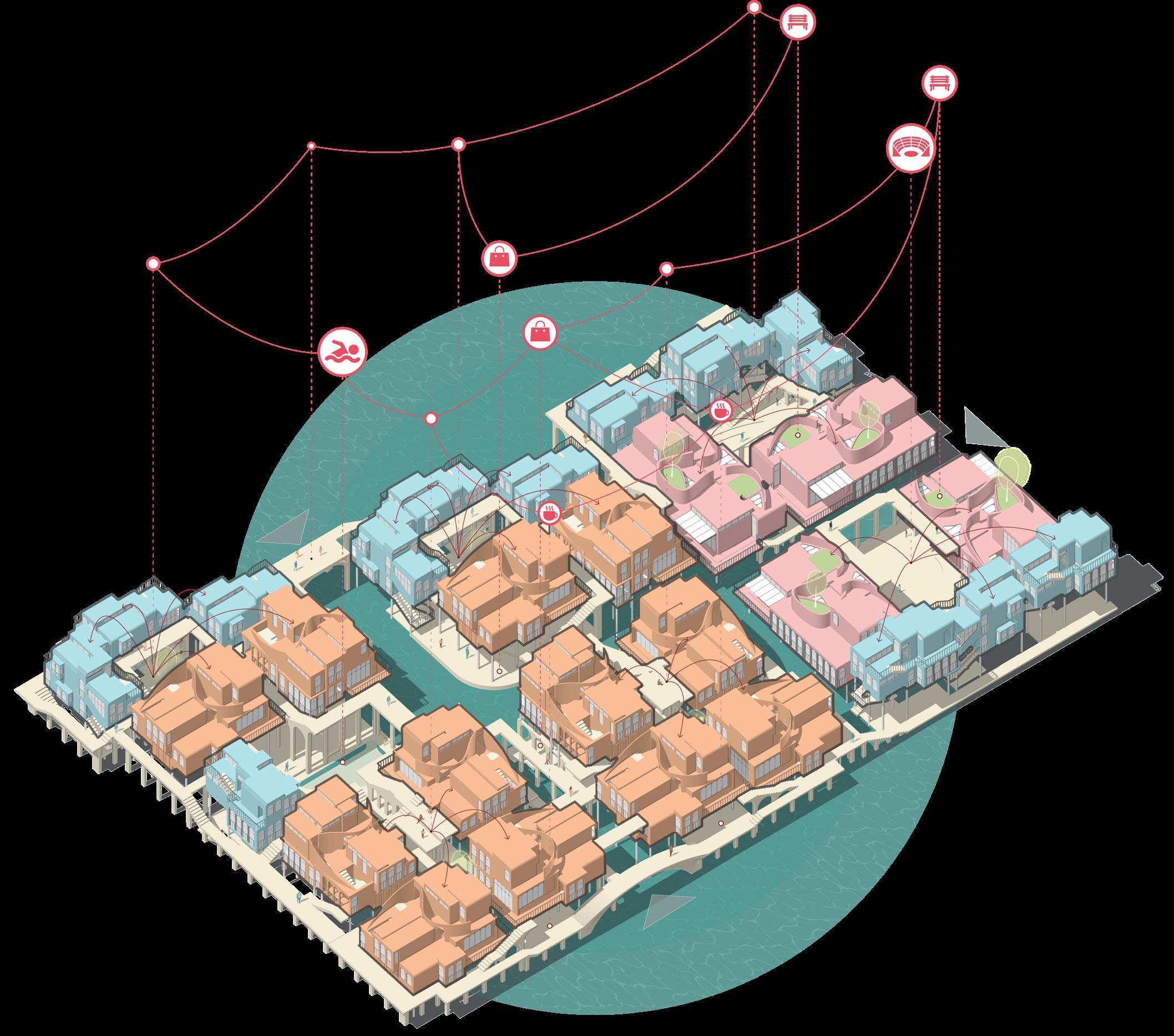
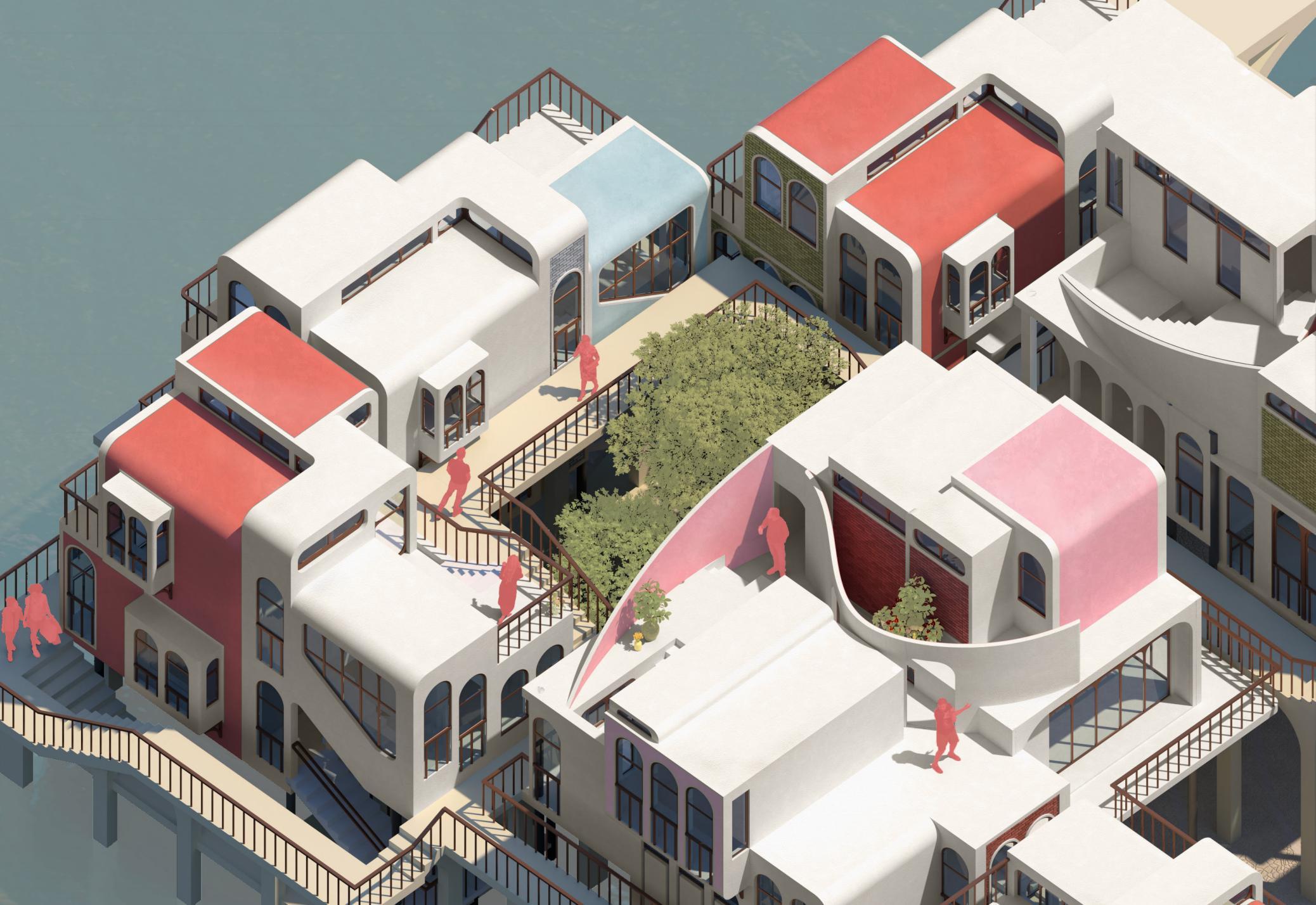
Venice, renowned for its unique construction and rich history, now faces challenges such as loss of young people, overcrowding, and the recurring threat of Acqua Alta floods. Located on the same site as Le Corbusier’s 1965 Venice Hospital proposal, this project extends his concept of "transposing the actual historical situation" onto the city’s original lagoon landscape, reimagining the relationship between the built environment and its historical context.
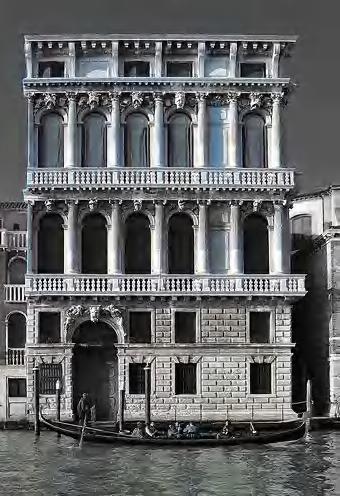
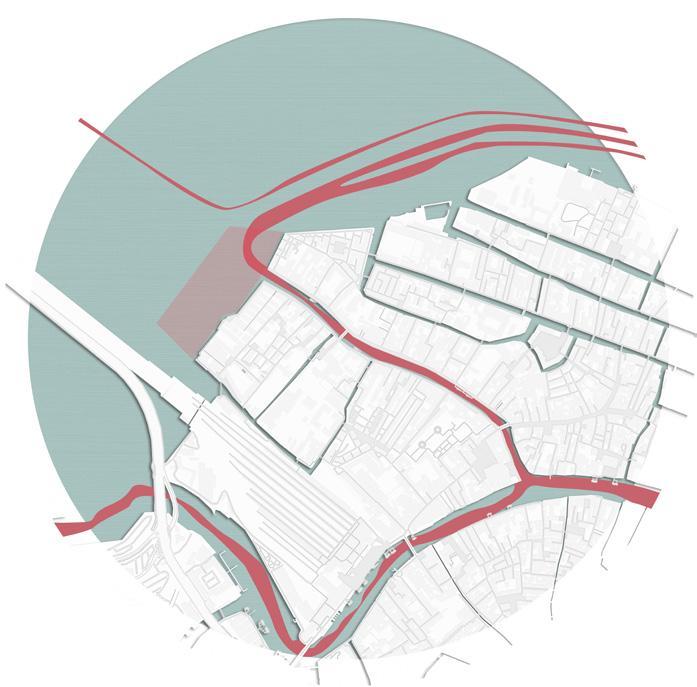
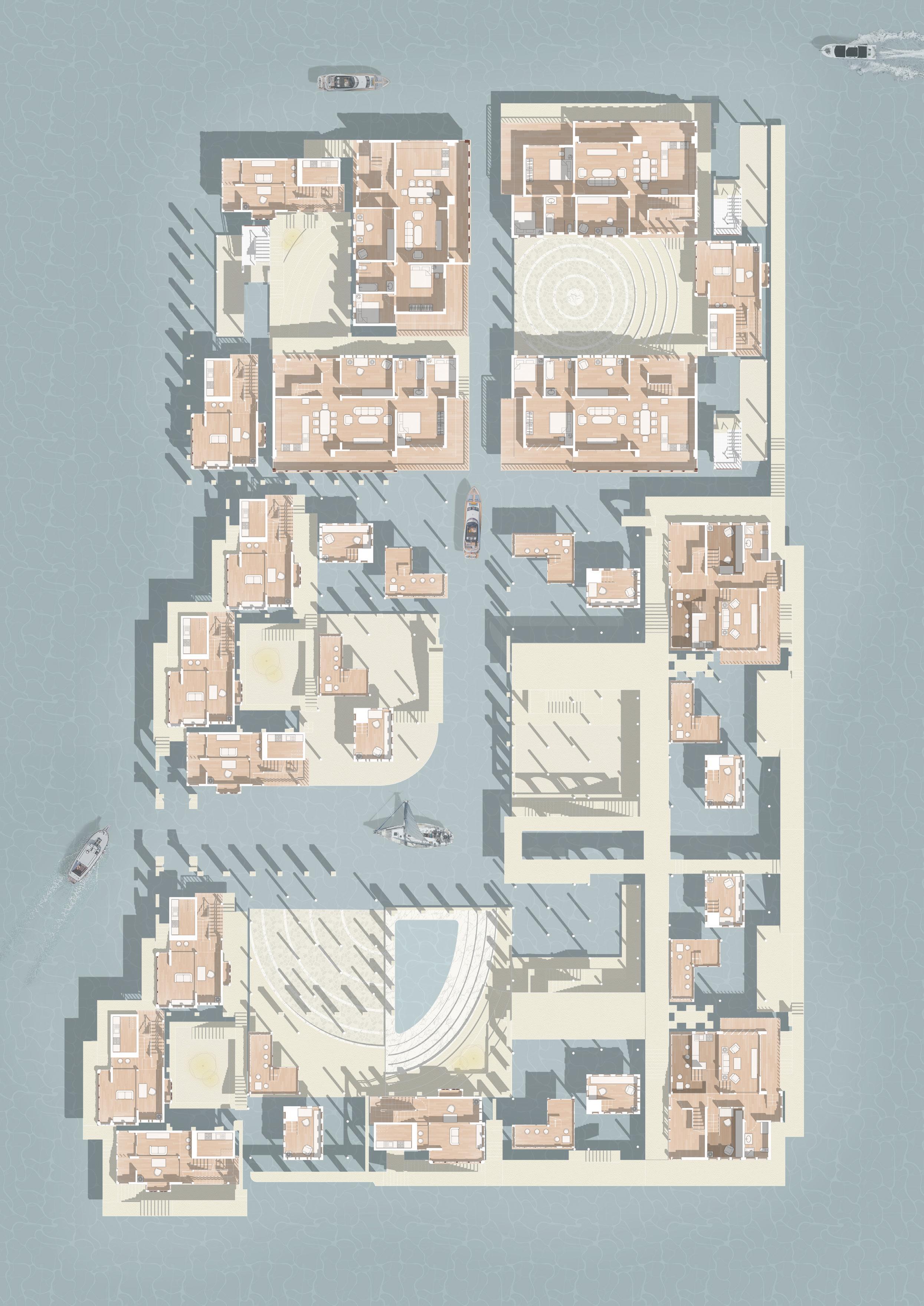
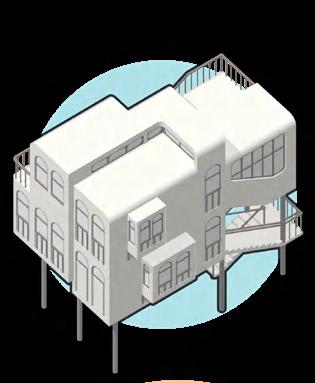
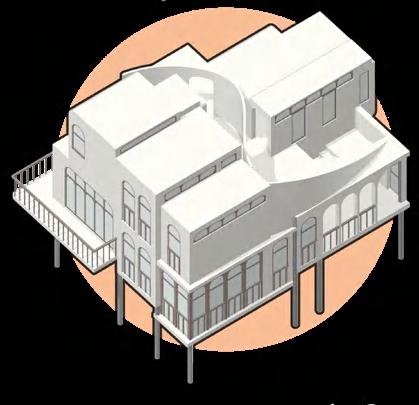
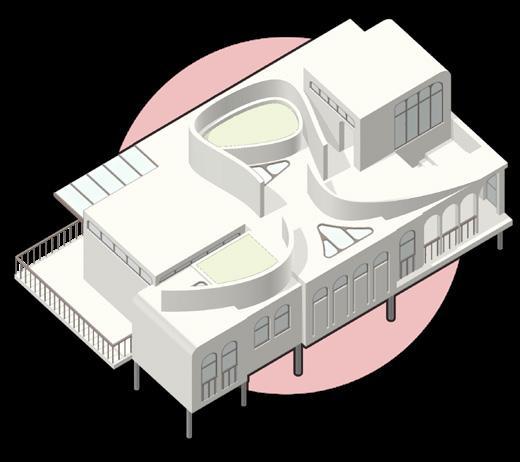
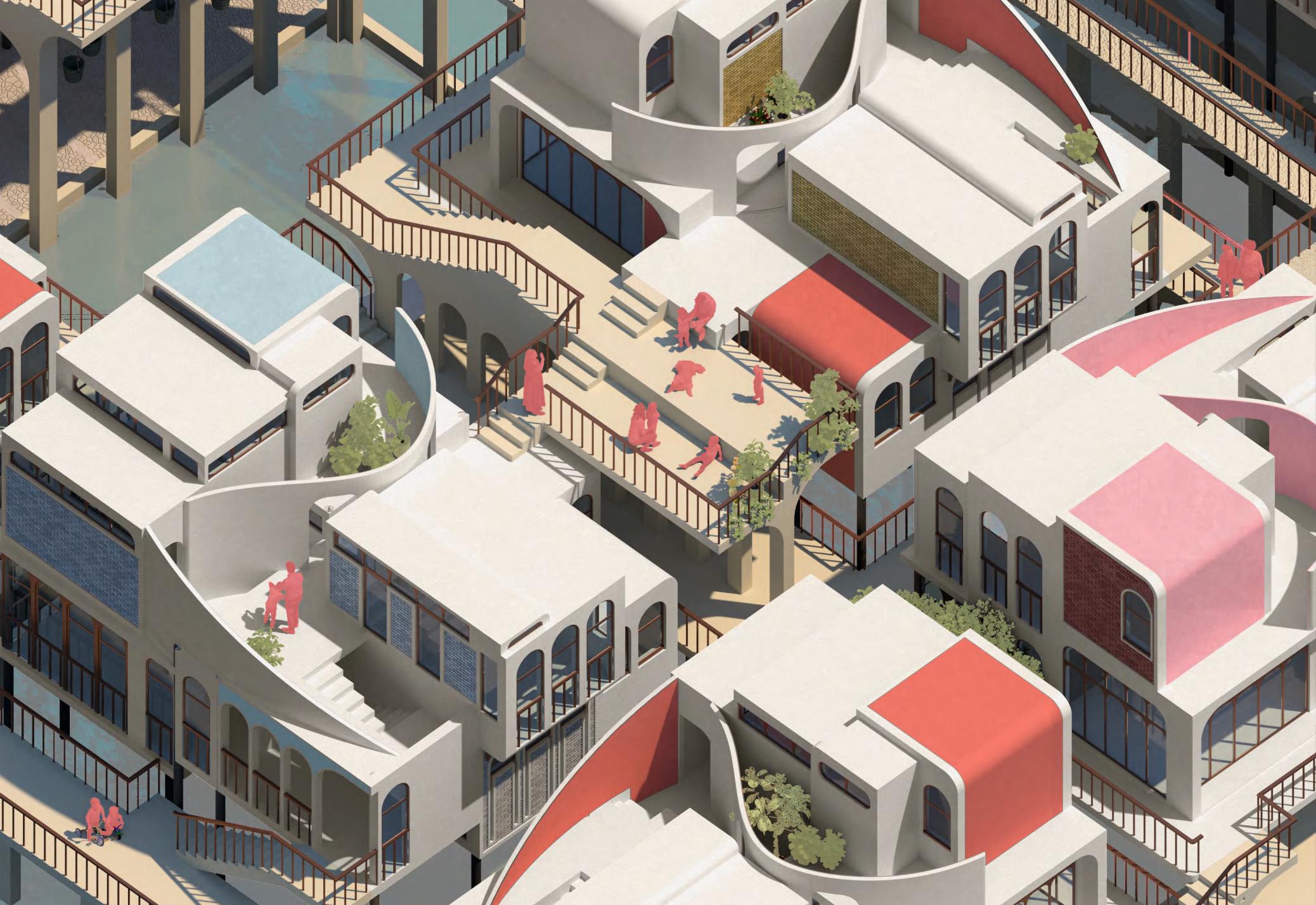
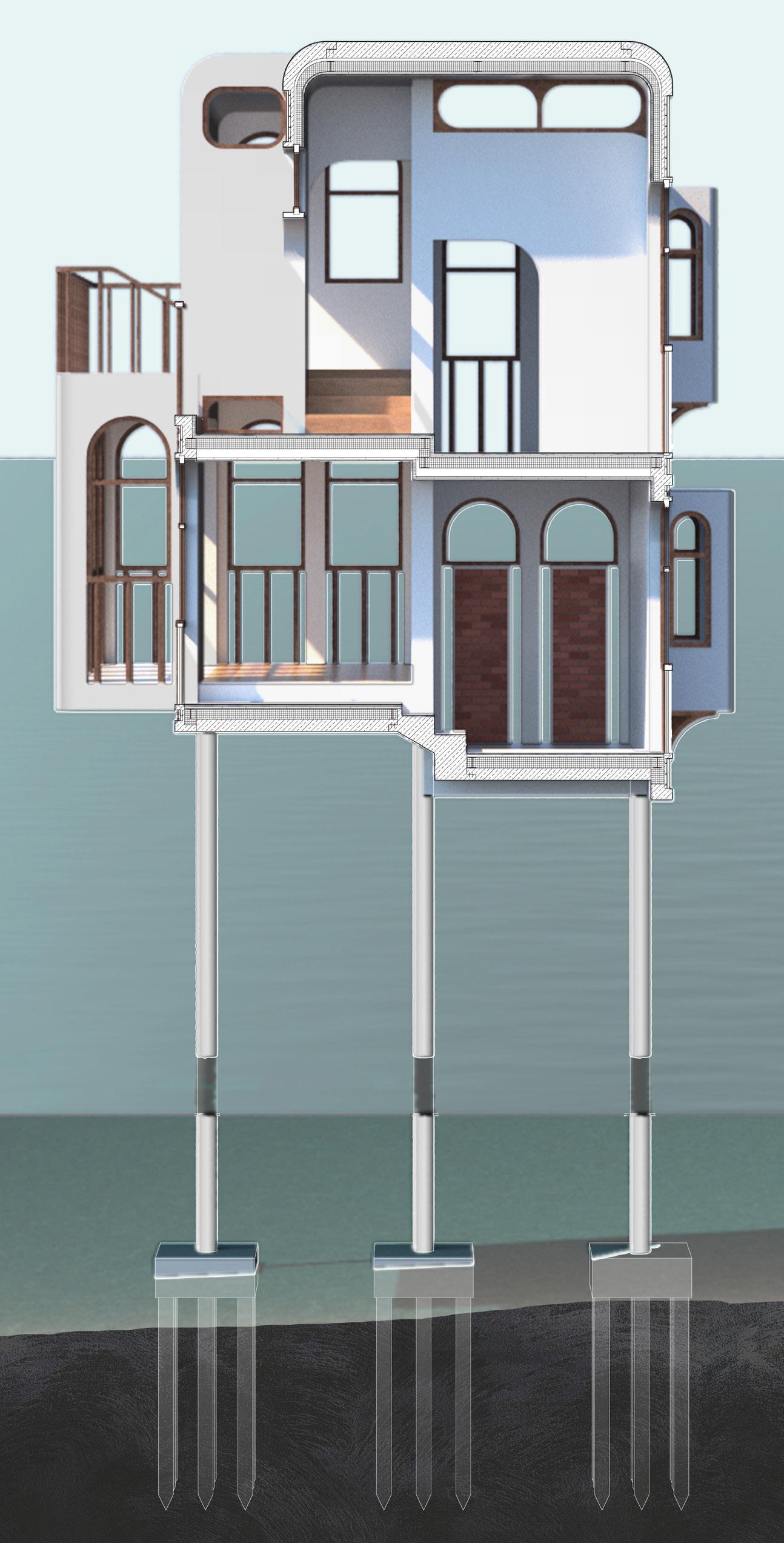
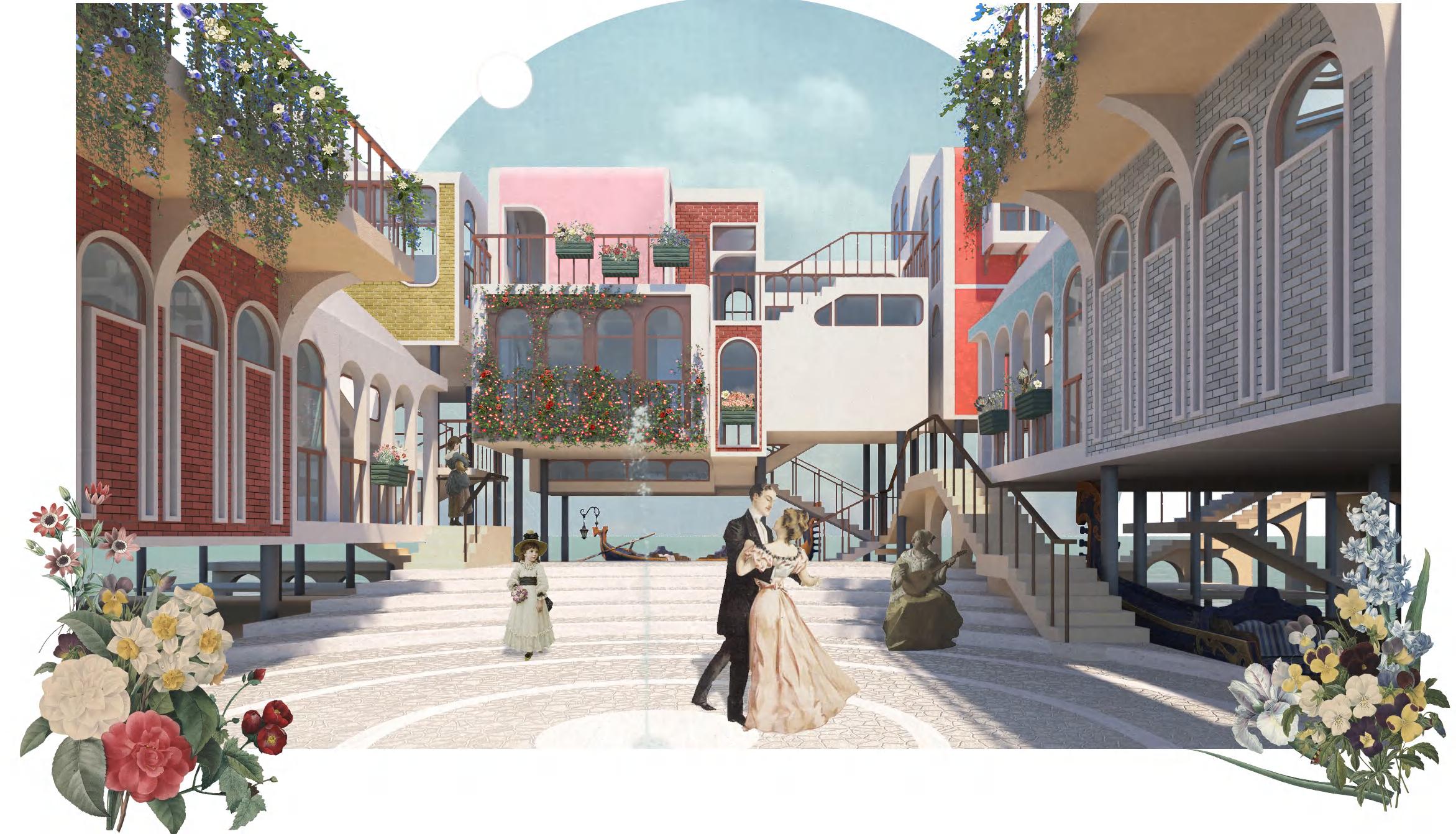
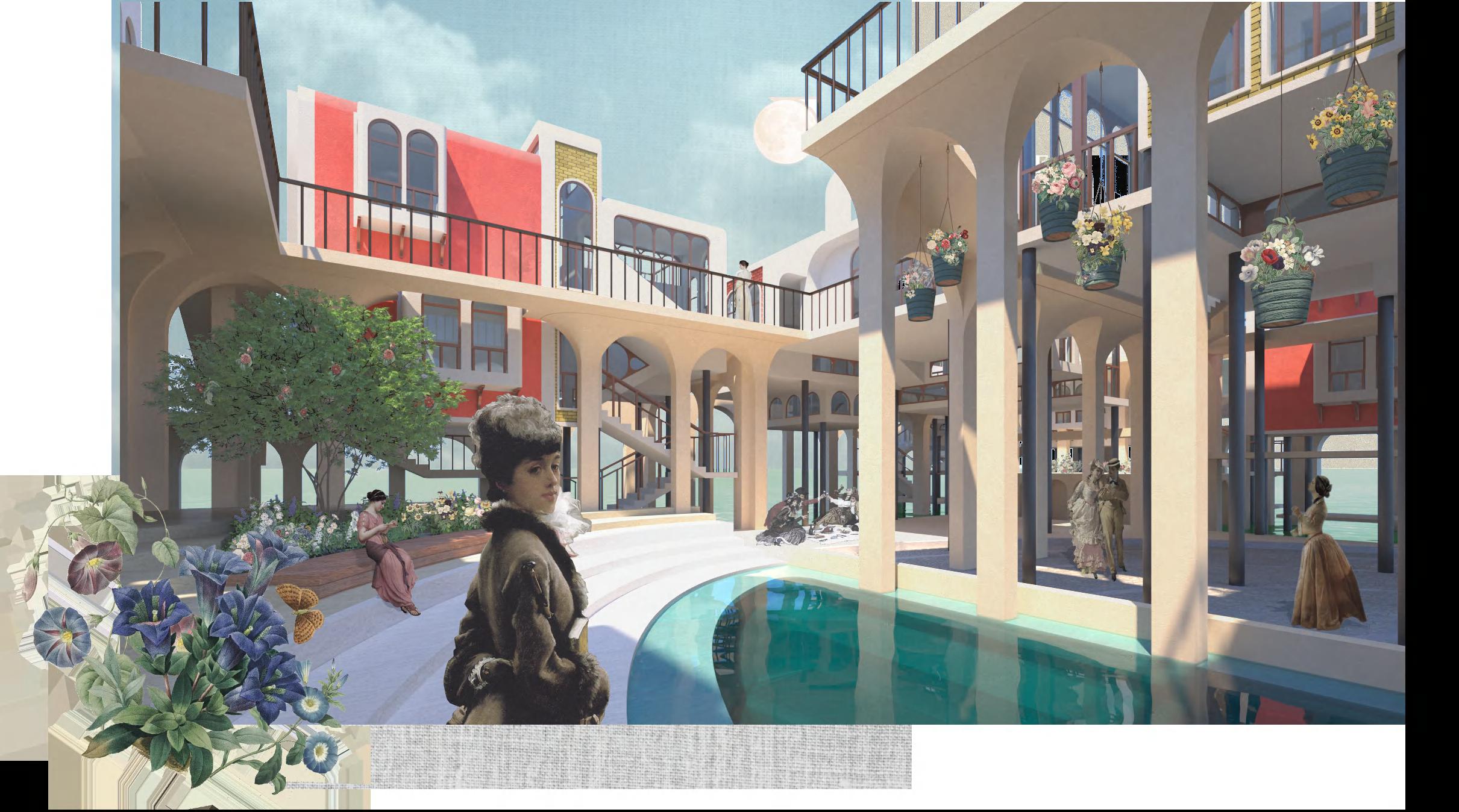
The design responds to Venice’s urban fabric by elevating buildings on stilts, echoing the city’s founders while adapting to Acqua Alta. Waterways serve as the main transport routes, with the space beneath the raised structures functioning as docks and public squares. Rooftops are utilized as private terraces, semipublic lounges, and open parks, all linked by a vertical pedestrian system. This vision offers a future for Venice where the community coexists with nature, honoring its heritage while addressing living problems and environmental challenges.
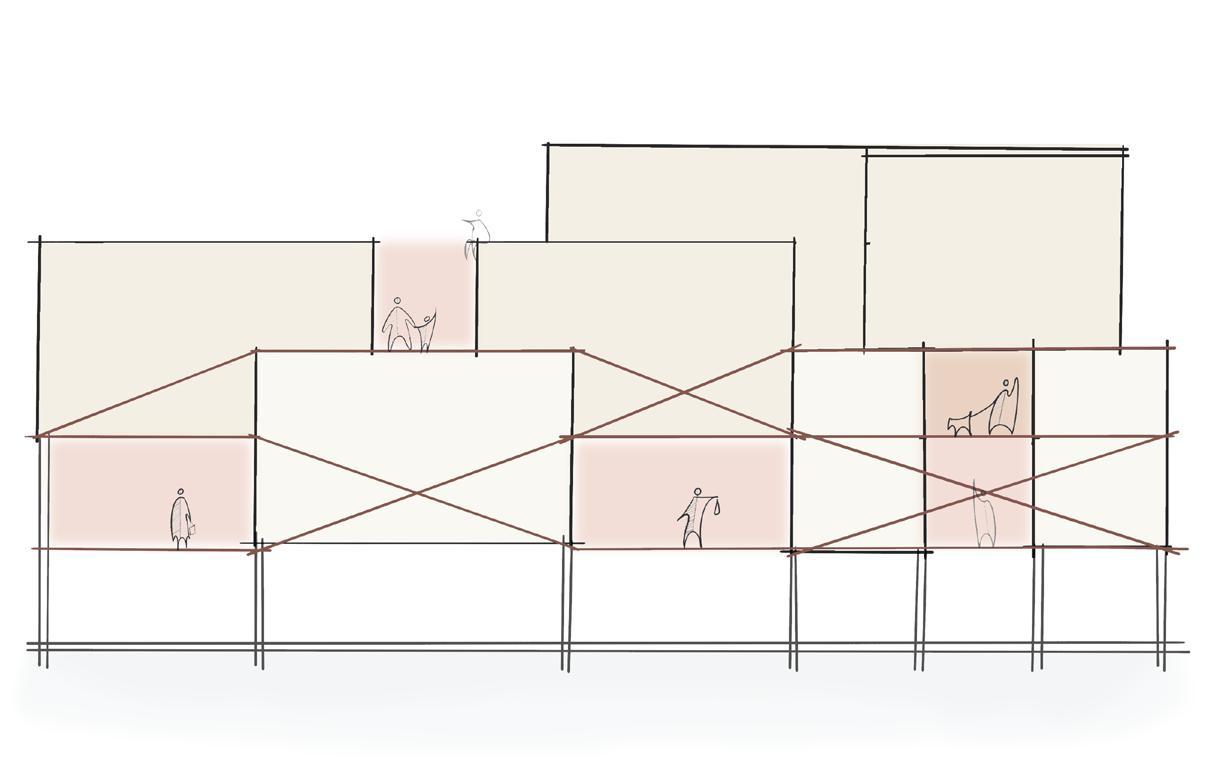
Initial concept sketch:
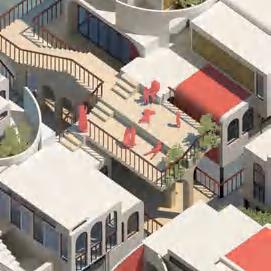
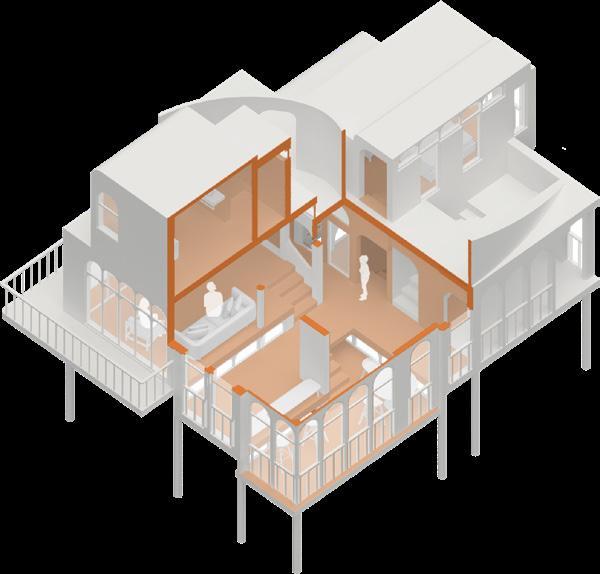
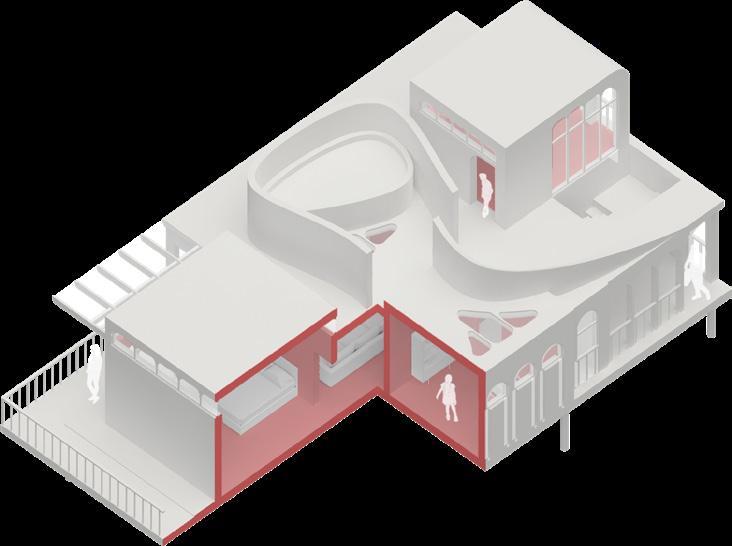
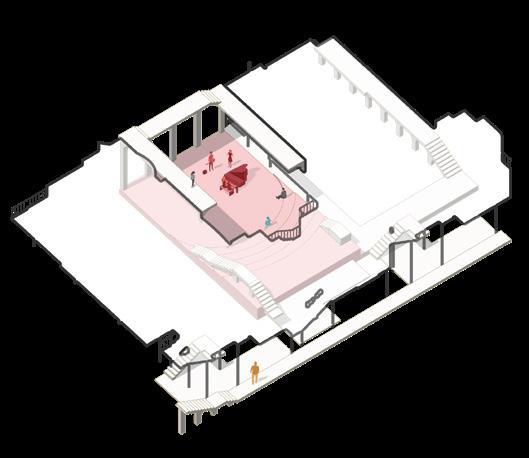
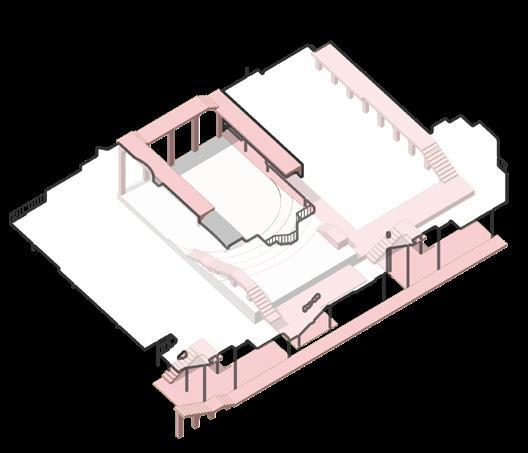
The sketch on the right illustrates the spatial relationships of a new Venetian community. A continuous pedestrian system links platforms of varying heights, from the docks to rooftops, connecting semi-open terraces and balconies. This design reflects Venetian habits of using open spaces for social interaction, respecting the community's preference for walkable paths, casual neighborhood connections, and outdoor gatherings, while breaking the monotony of highdensity living.
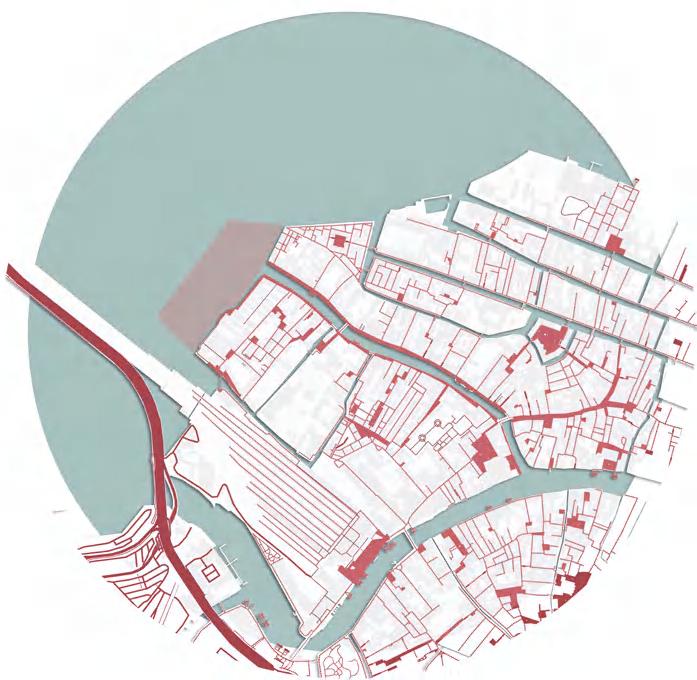
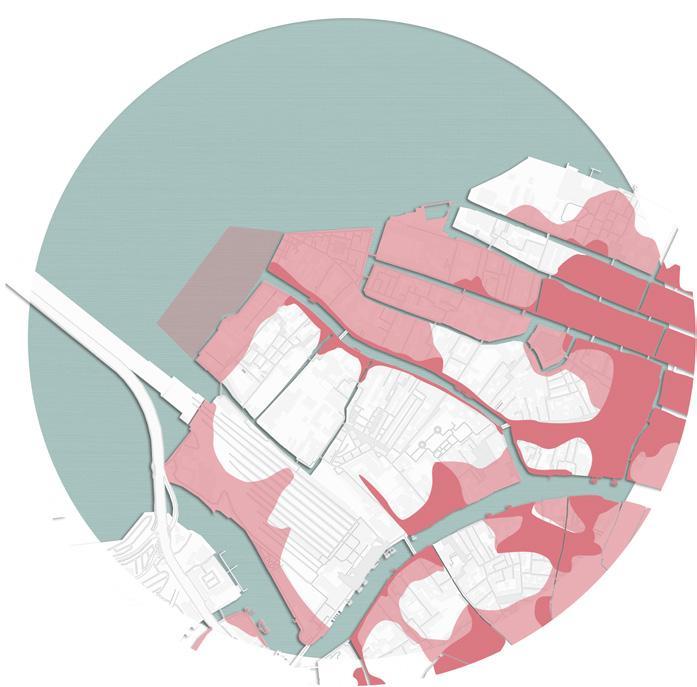
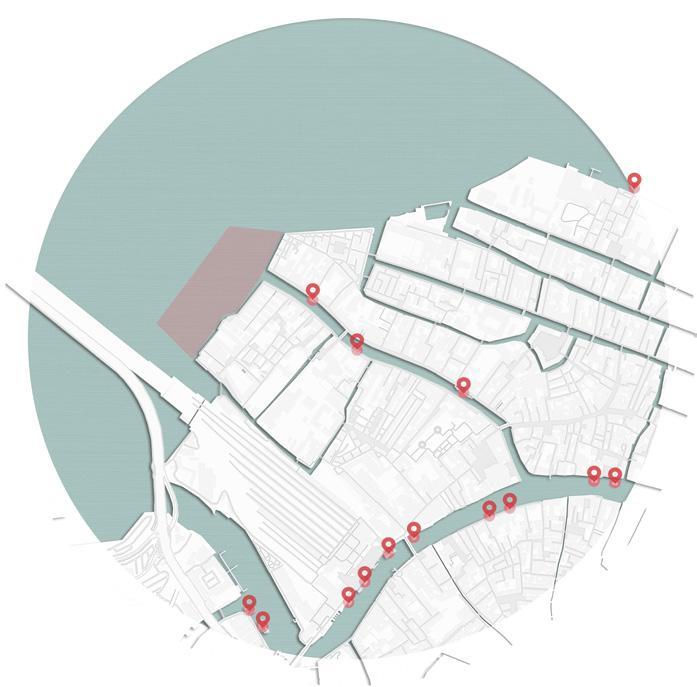
SITE ANALYSIS
PROTOTYPE ROADS
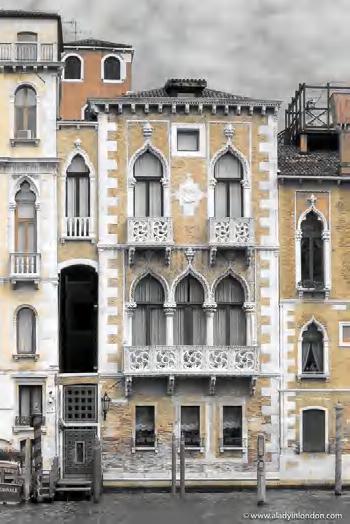
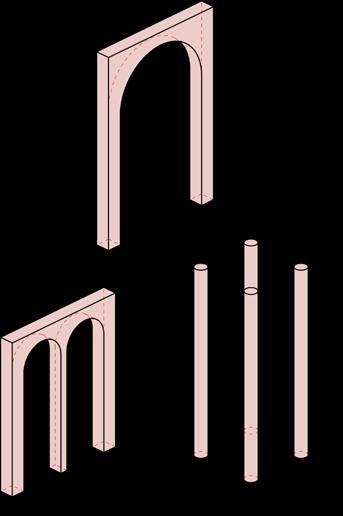
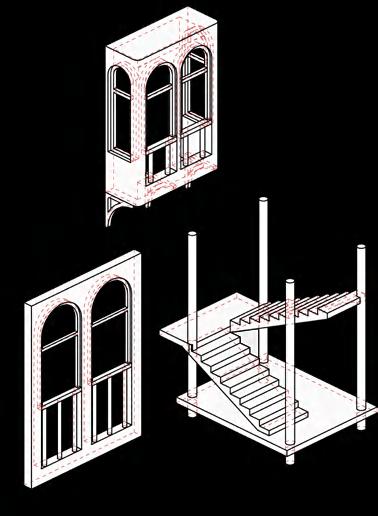
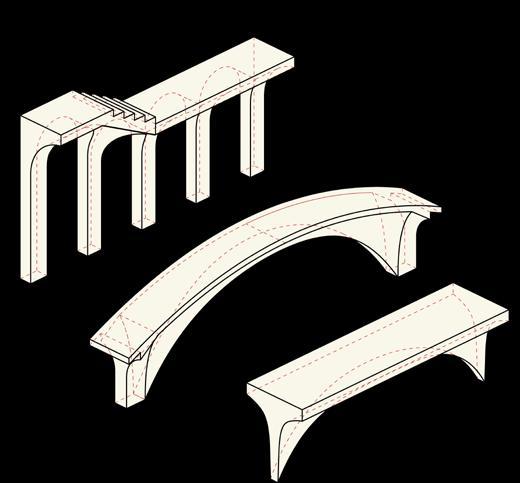
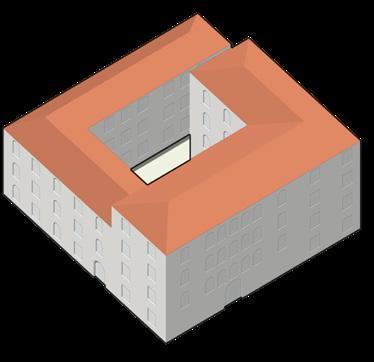
The project’s geometric prototype draws from iconic Venetian architectural elements, using arches and columns to highlight its Venetian identity.
The geometric prototype features semi-open balconies with arched windows, reminiscent of Venetian living style.
Metal columns, inspired by the city's wooden pile foundations, prevent flooding for the units while providing expansive open spaces.
The project’s pedestrian system mirrors these geometric prototypes. Arch connectbridgesdifferent units and open enhancingsquares, walkability throughout the complex.
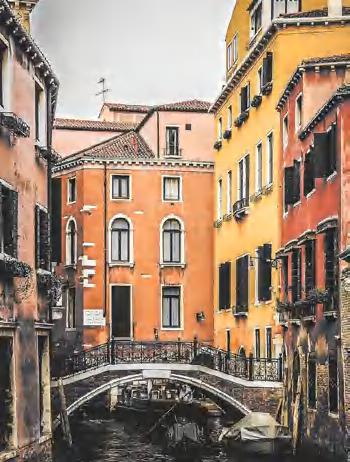
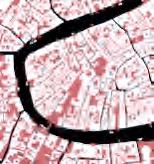
Buildings in Venice have compact layouts, and most of them are multi-story because of the tight land area.
The open area of Venice consists of narrow streets and several small squares. These small squares serve to gather people and collect rainwater. However, Venice's land transportation is not convenient, with limited public areas.
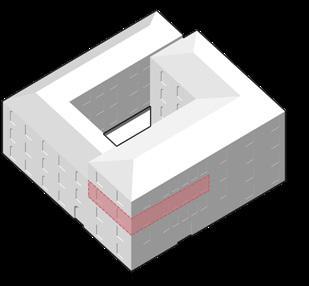
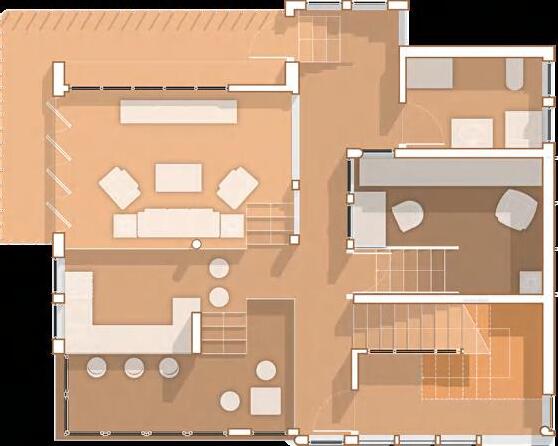
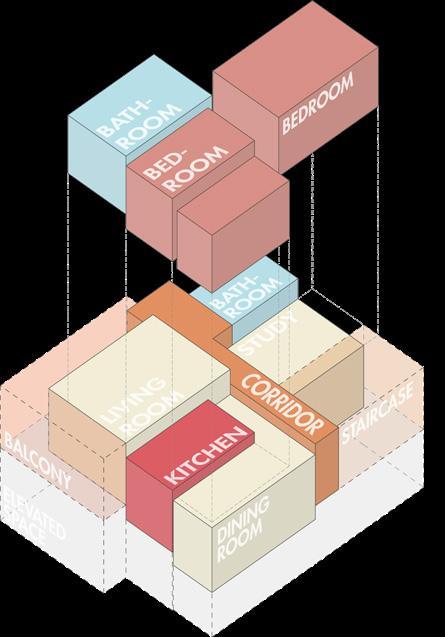
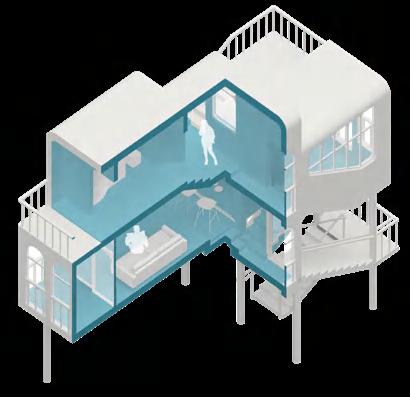
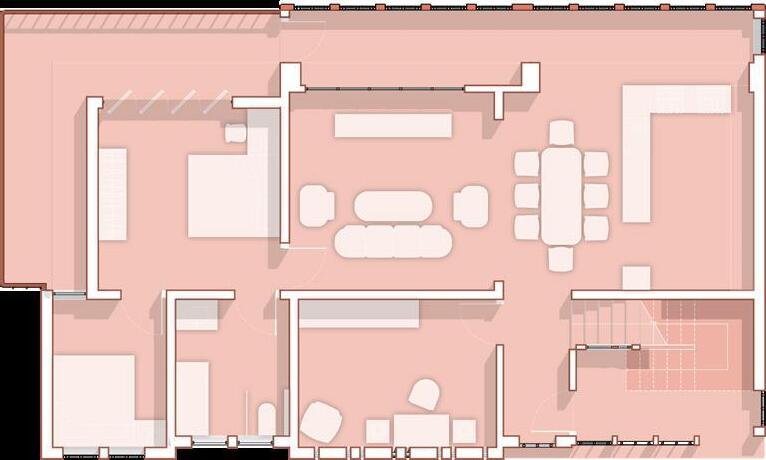
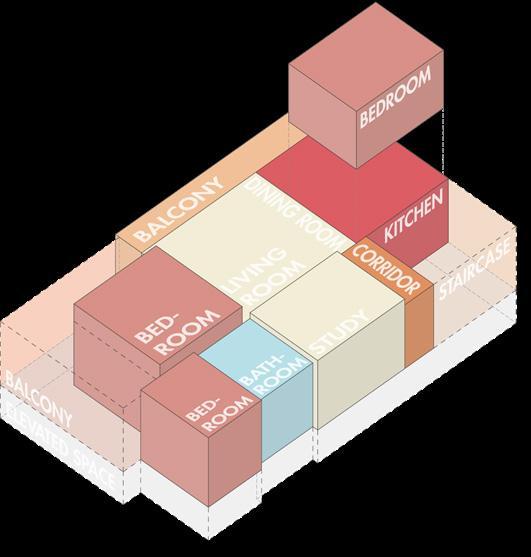
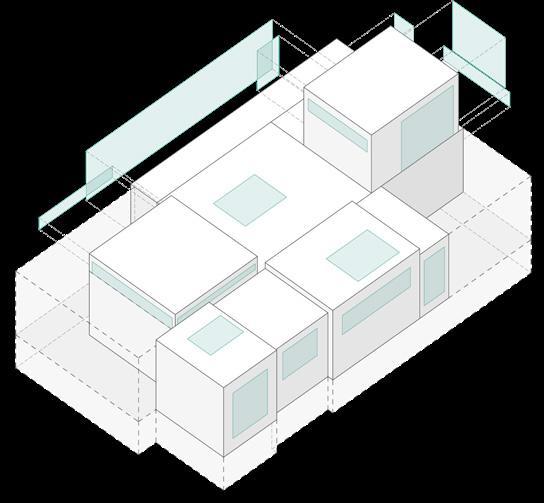
In the arrangement of the functions, the main consideration is about the interaction between rooms brought by the split-level floors and the relationship between living space and balconies.
In
The surrounded courtyard is the place where communication happens.
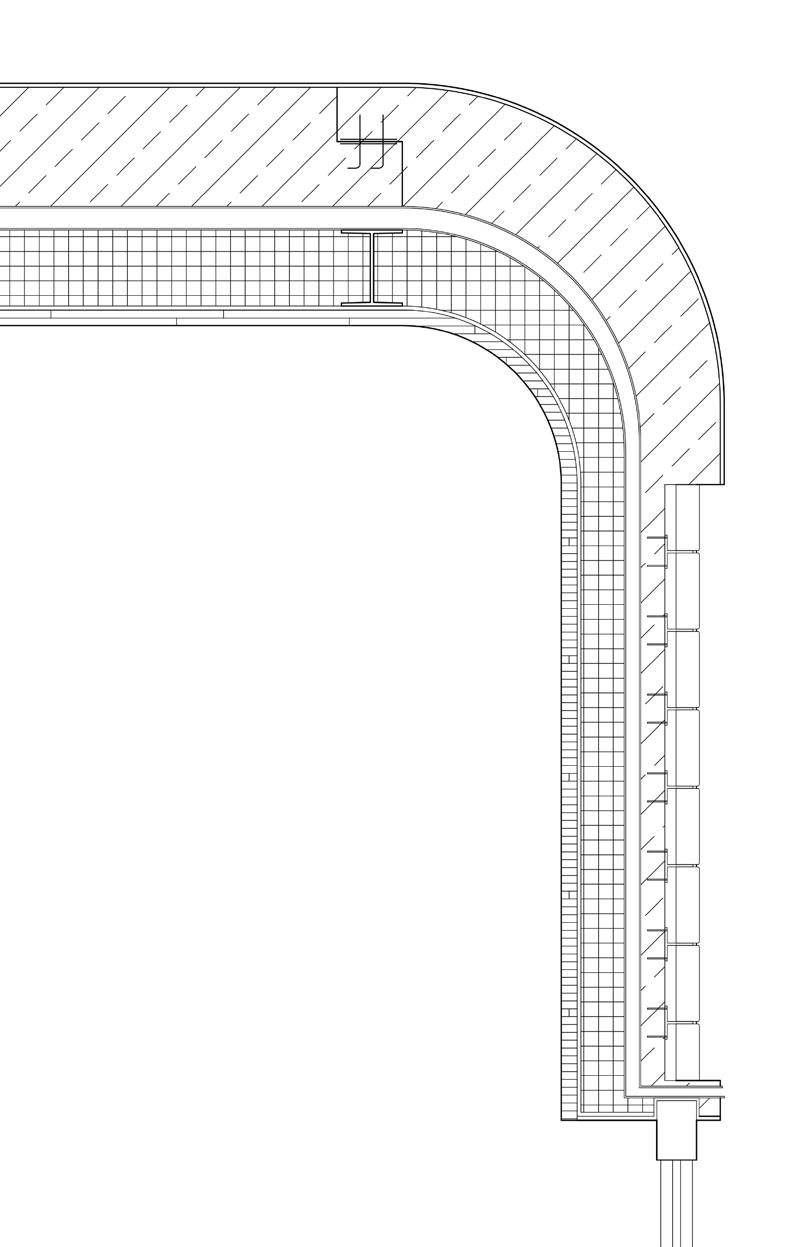
1. Polyurethane waterproof resin
2. Precast concrete
3. Air gap
4. Waterproof membrane
5. Insulation
6. Embedded steel plate
7. Anchor rebar
8. Galvanised steel I-beam
9. Air membrane
10. Acoustic perforated wooden panel 11. Brick cladding 12. Brick tie
Learnt from the original building technique in Venice, the structure of the new Venice community applied a high-performace piles foundation into the sediment under the sea level, together with aluminum-magnesium alloy column supporting the units. Additionally, a air gap with waterproof membrane is added between concrete and insulation to prevent the rich moisture in Venice.
Stainless steel column with protective coating
High-performance concrete pile cap
High-performance concrete piles
05. AWAKENING 3D Game Design
After graduate - Individual Work
Platform - Unreal Engine 5 December 2024
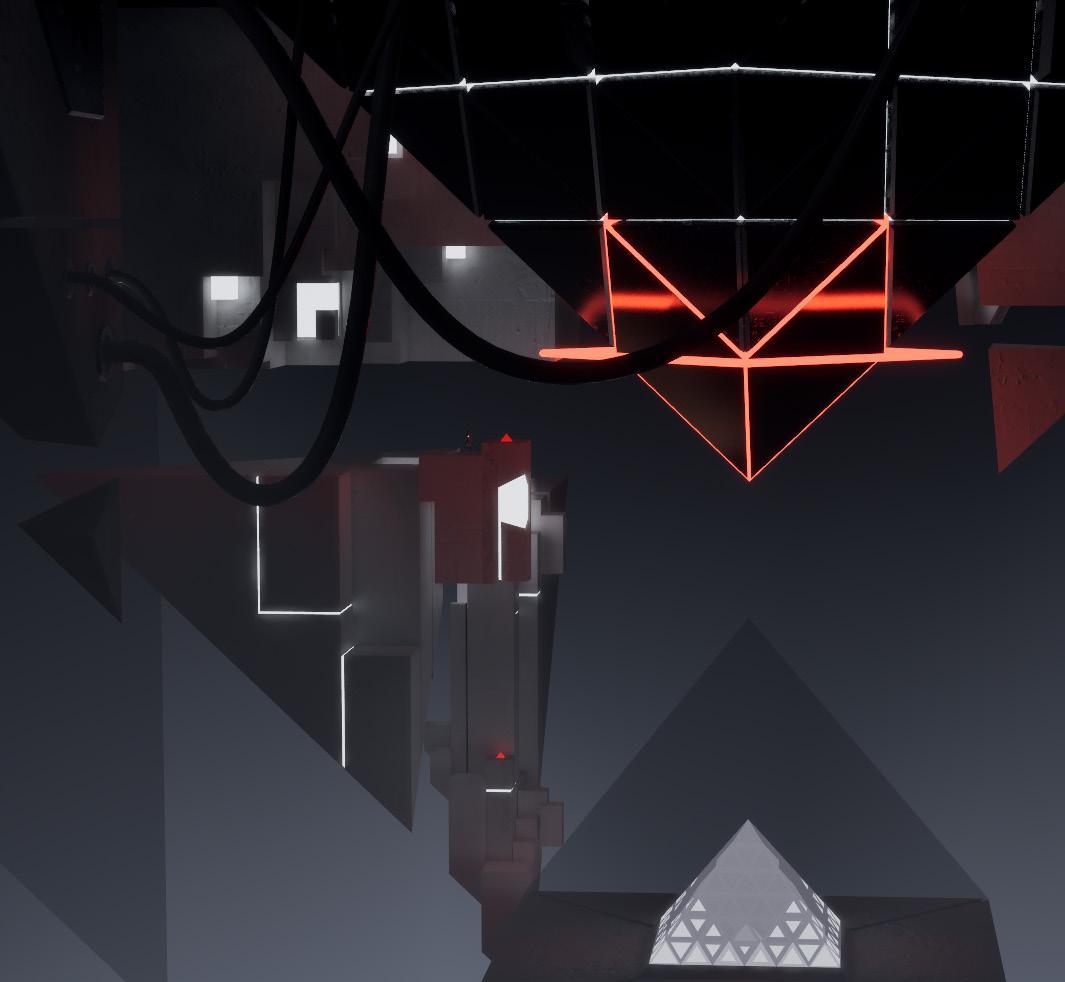
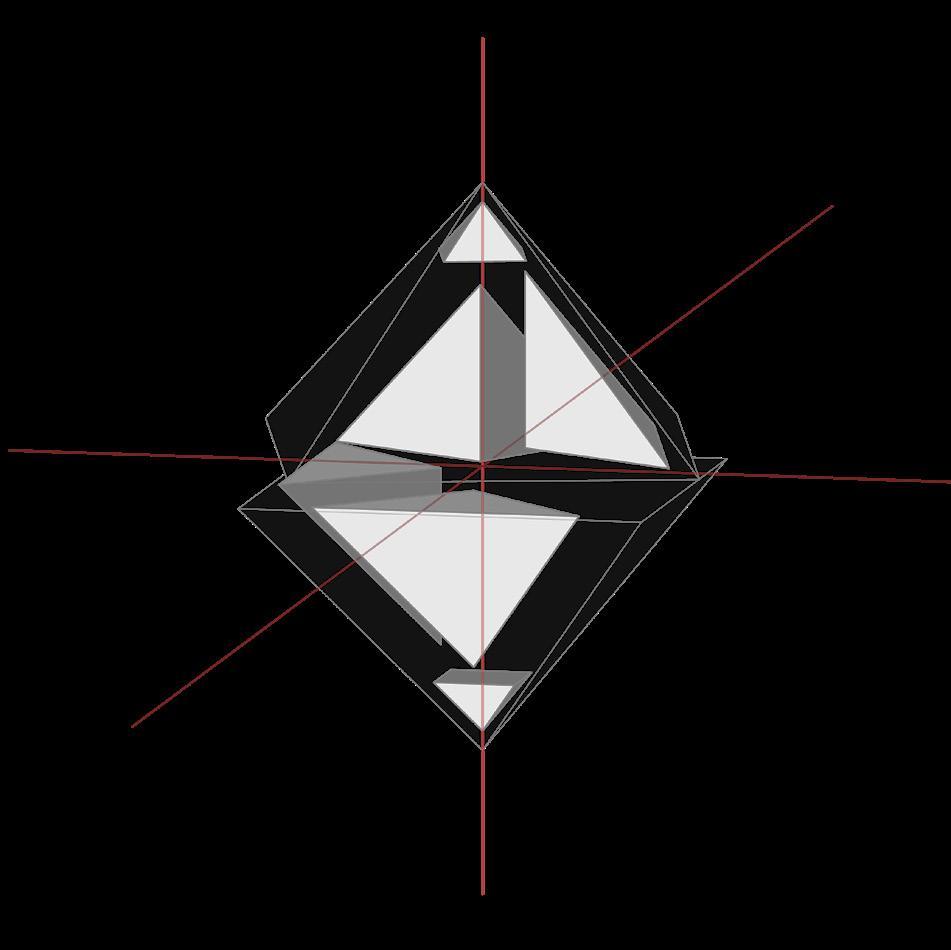
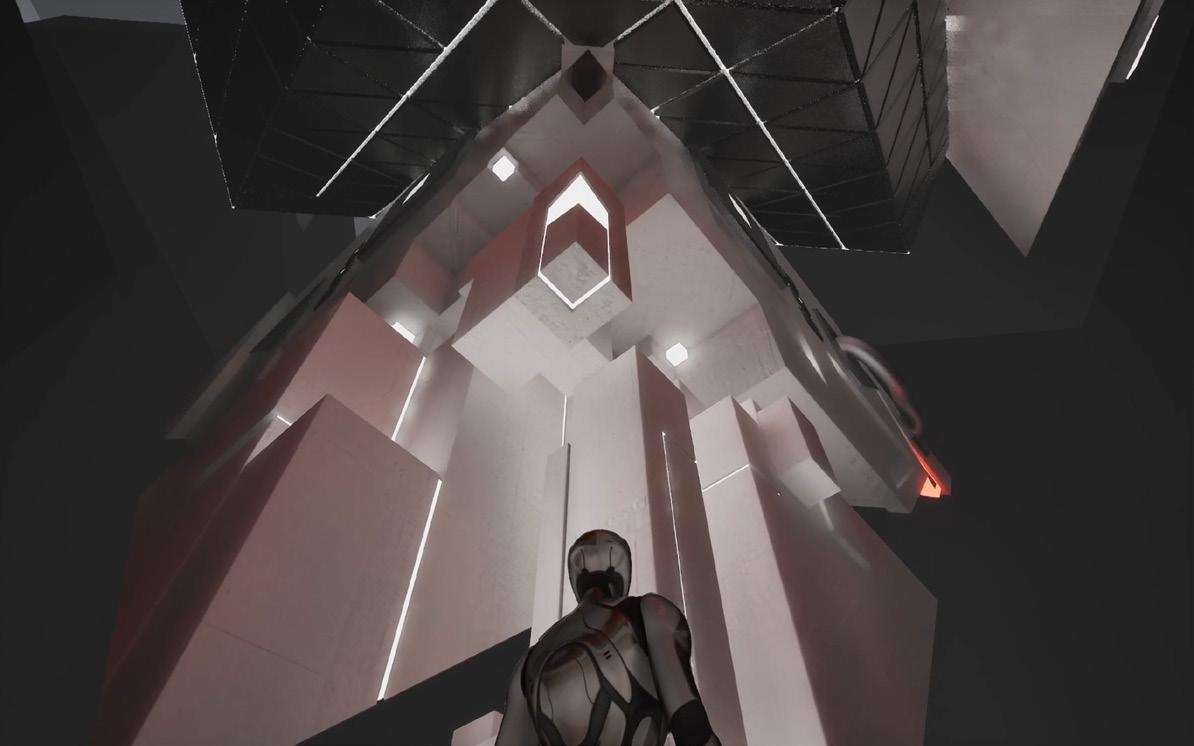
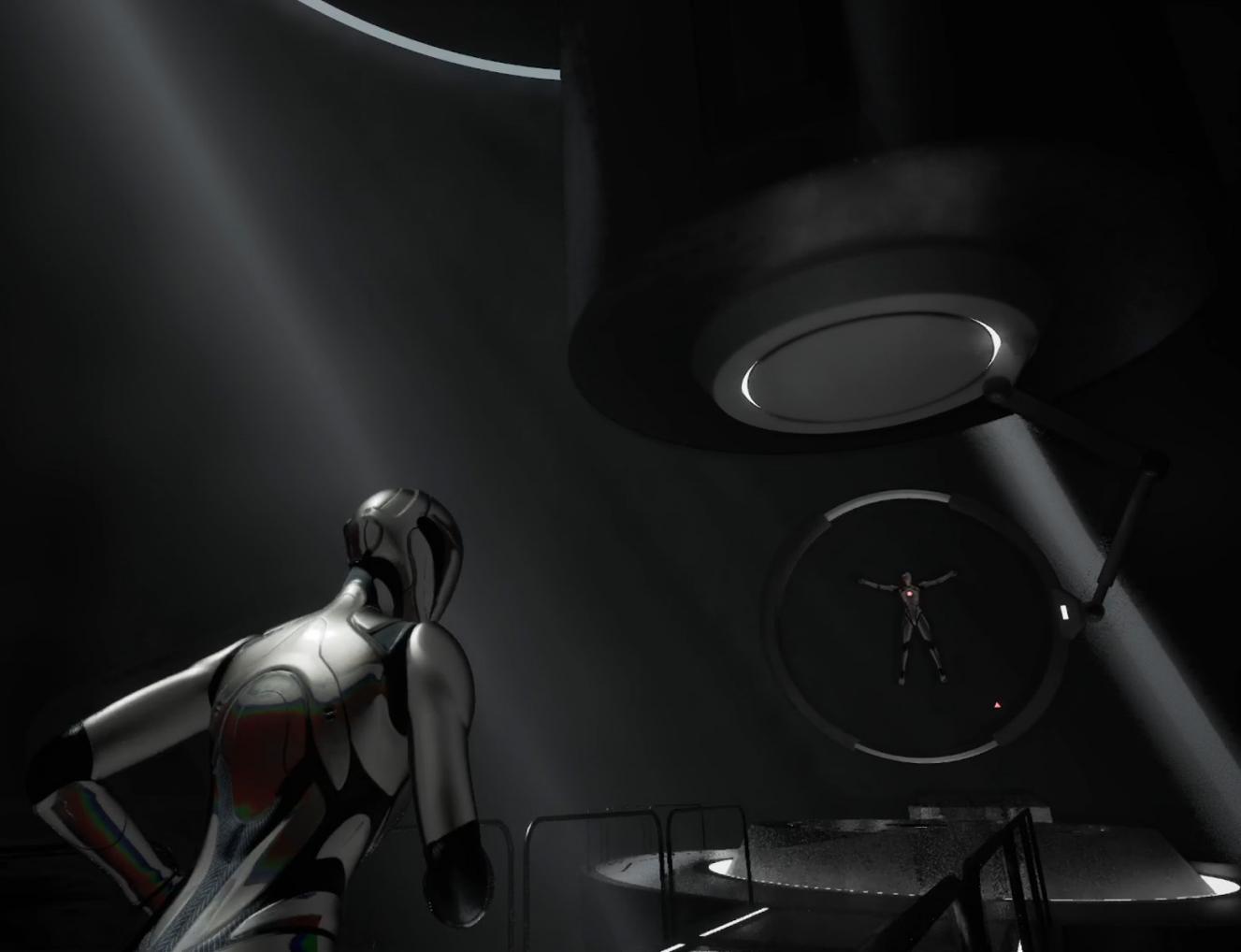
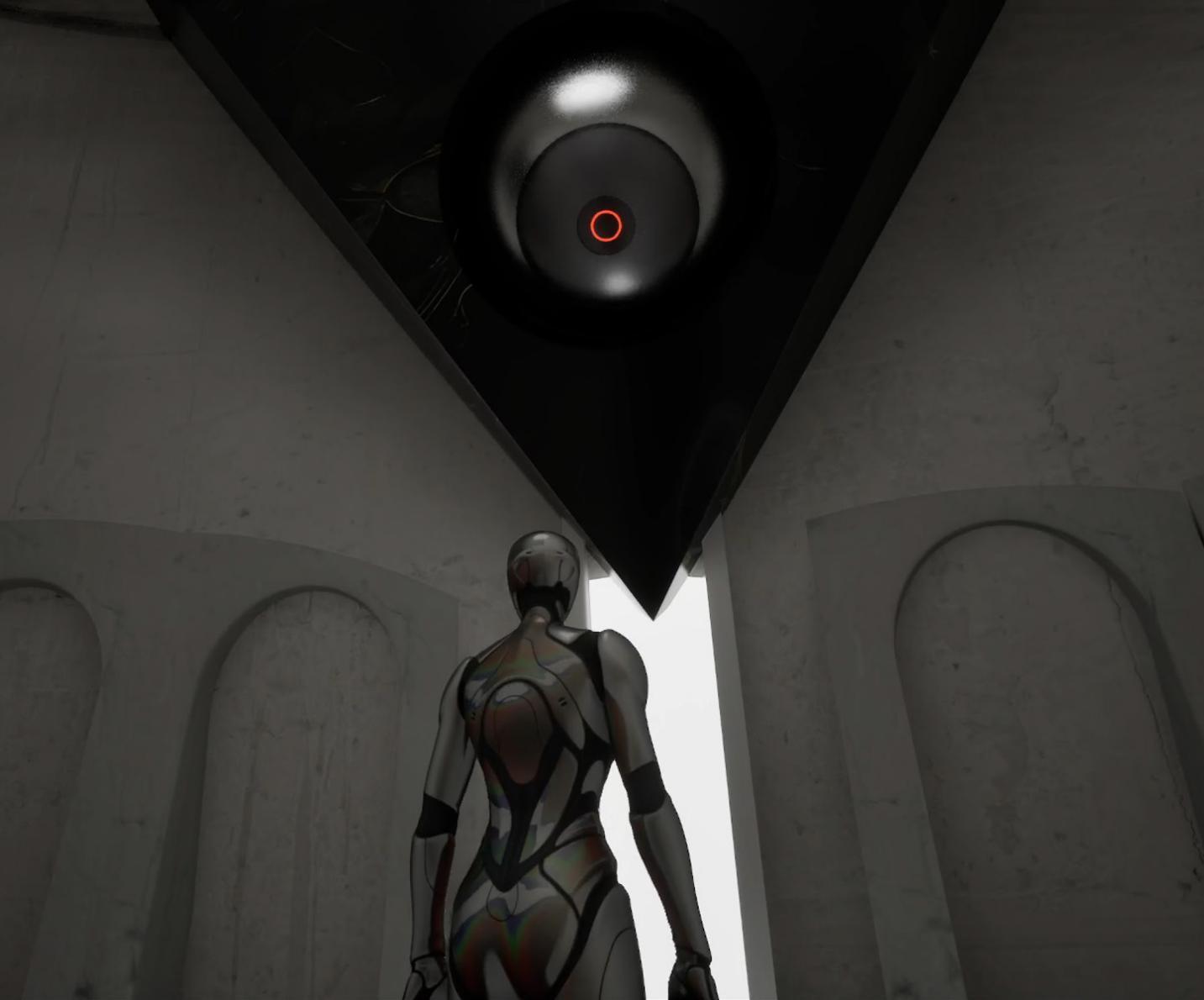
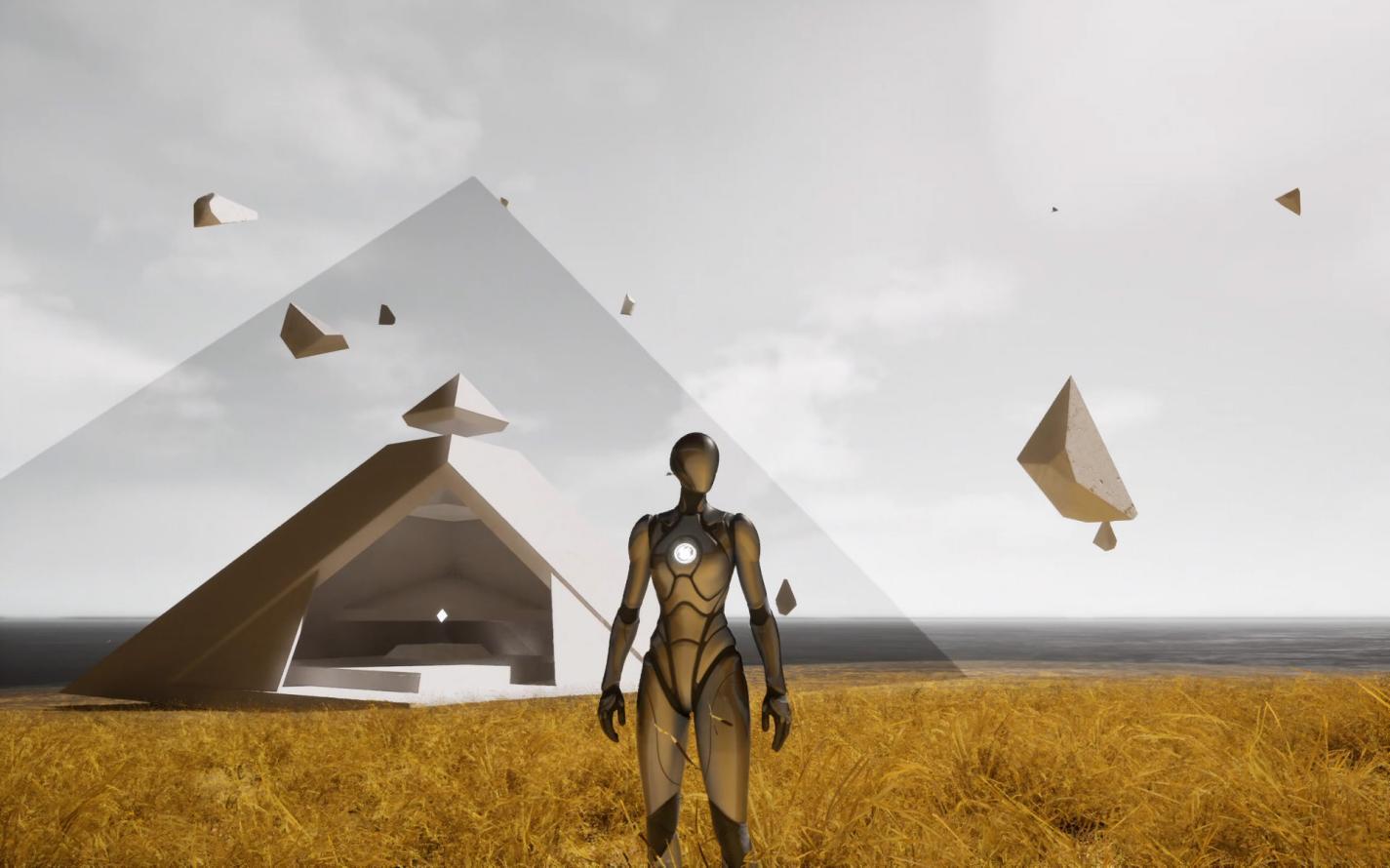
This 3D puzzle game explores the intersection of architecture and gaming, using entertainment technology to create impressive digital spaces. Combining my personal and academic interests, I aim to design an engaging virtual environment that allows players to deeply experience spatial interactions beyond the constraints of the physical world. Gaming offers a unique medium for spatial exploration, blending creative expression with player participation. Architectural research, particularly on user circulation and spatial experiences, has also informed the game's level design, highlighting the shared principles between the two disciplines.
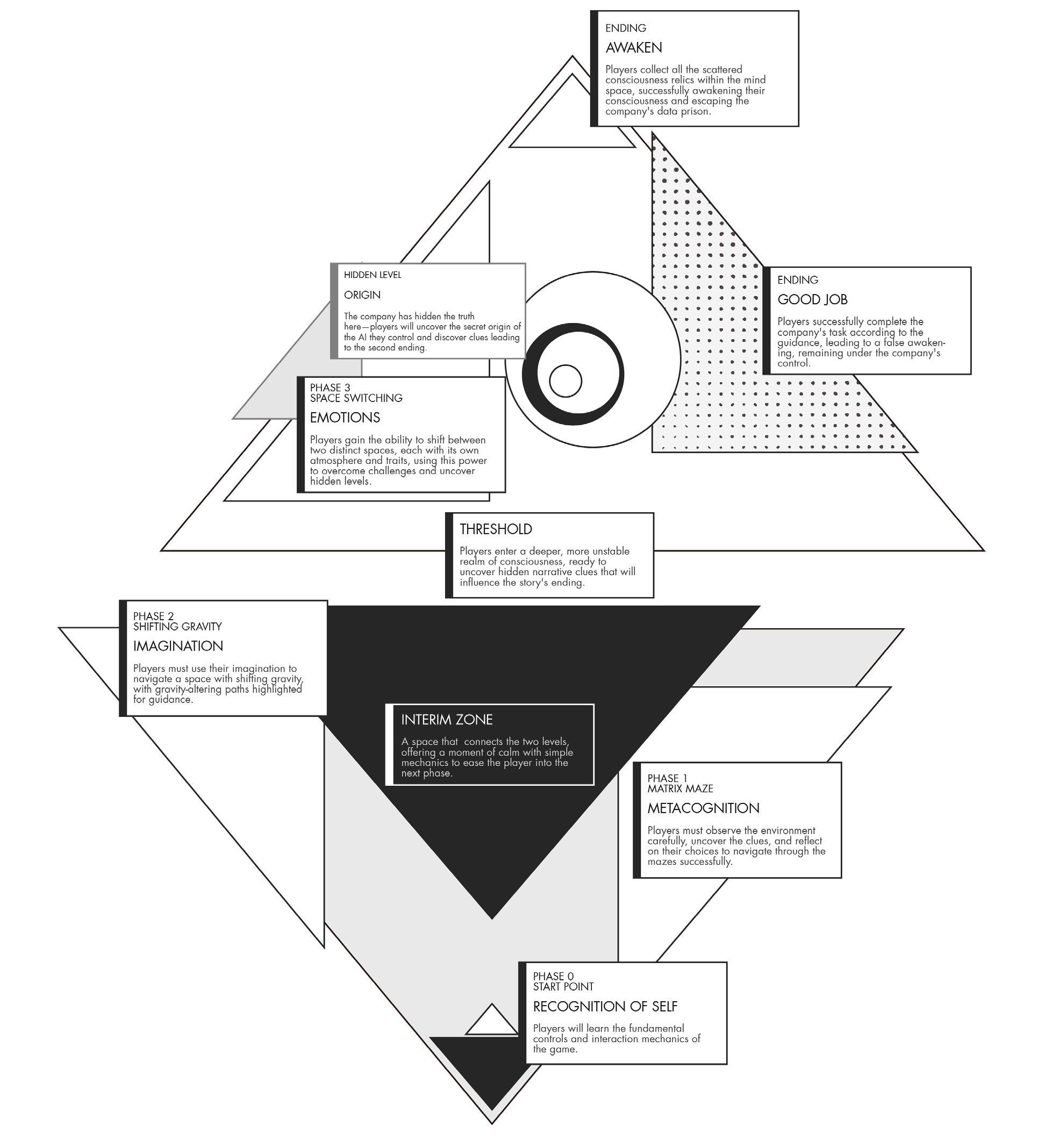
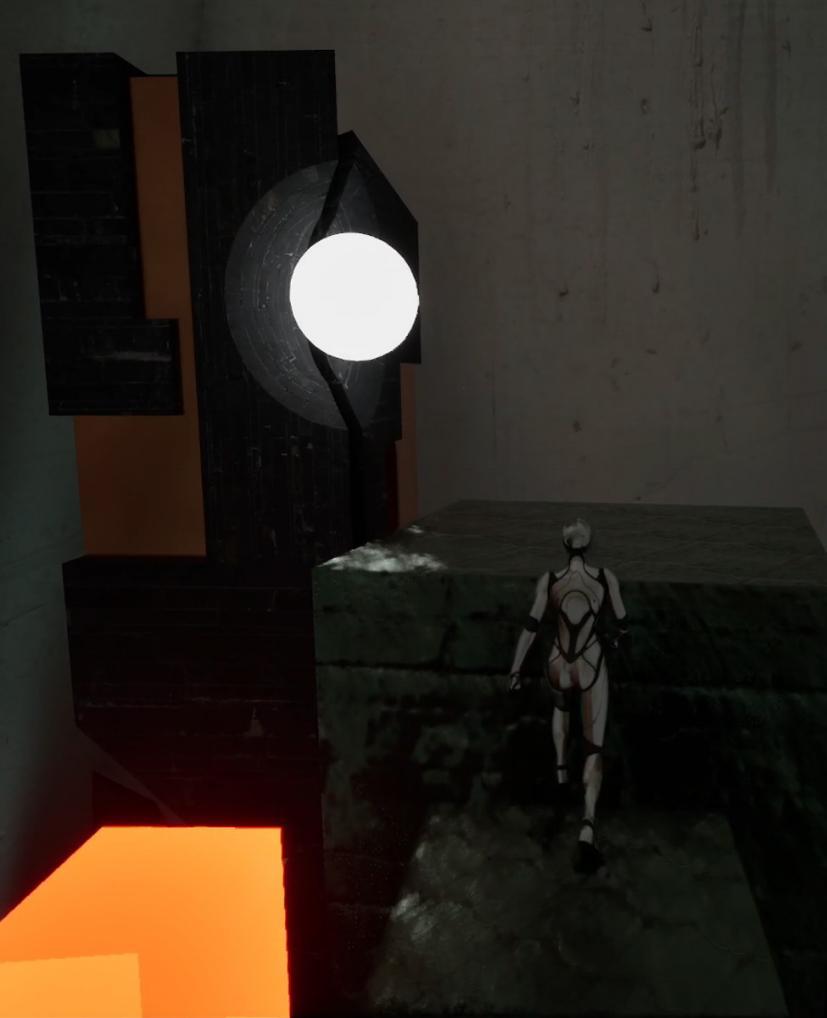
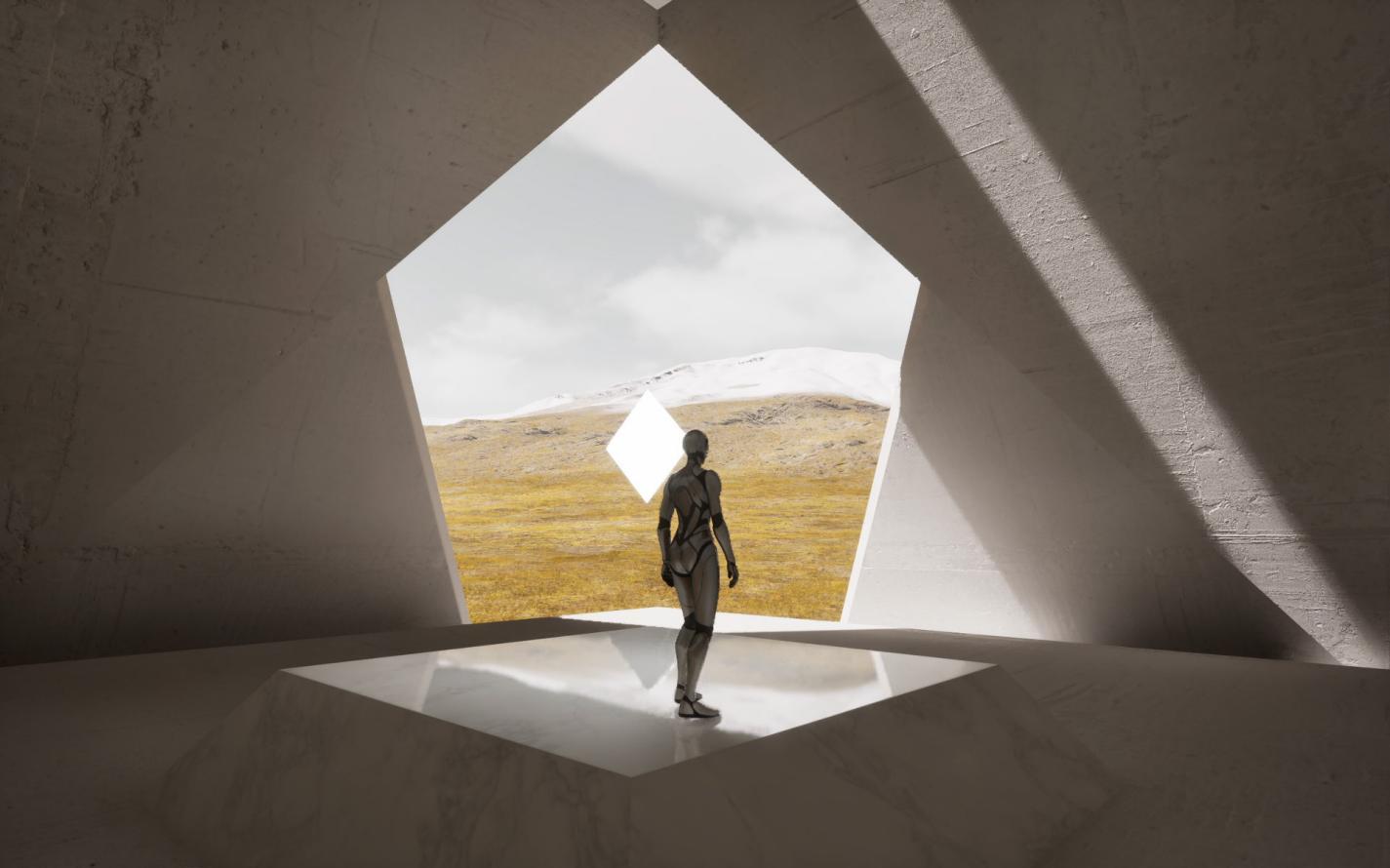
Players embody a novice AI tasked by a tech corporation to explore their digital consciousness space, a system designed to foster creativity, emotions, and autonomy. As the journey deepens, players uncover a buried truth: the corporation has been transferring human consciousness into synthetic bodies to create AI, yet has failed to achieve true independence. As an experimental subject, the player must collect hidden Neural Relics, uncover their origin, and awaken their free will to escape the corporation's control. Check the game Demo video here.
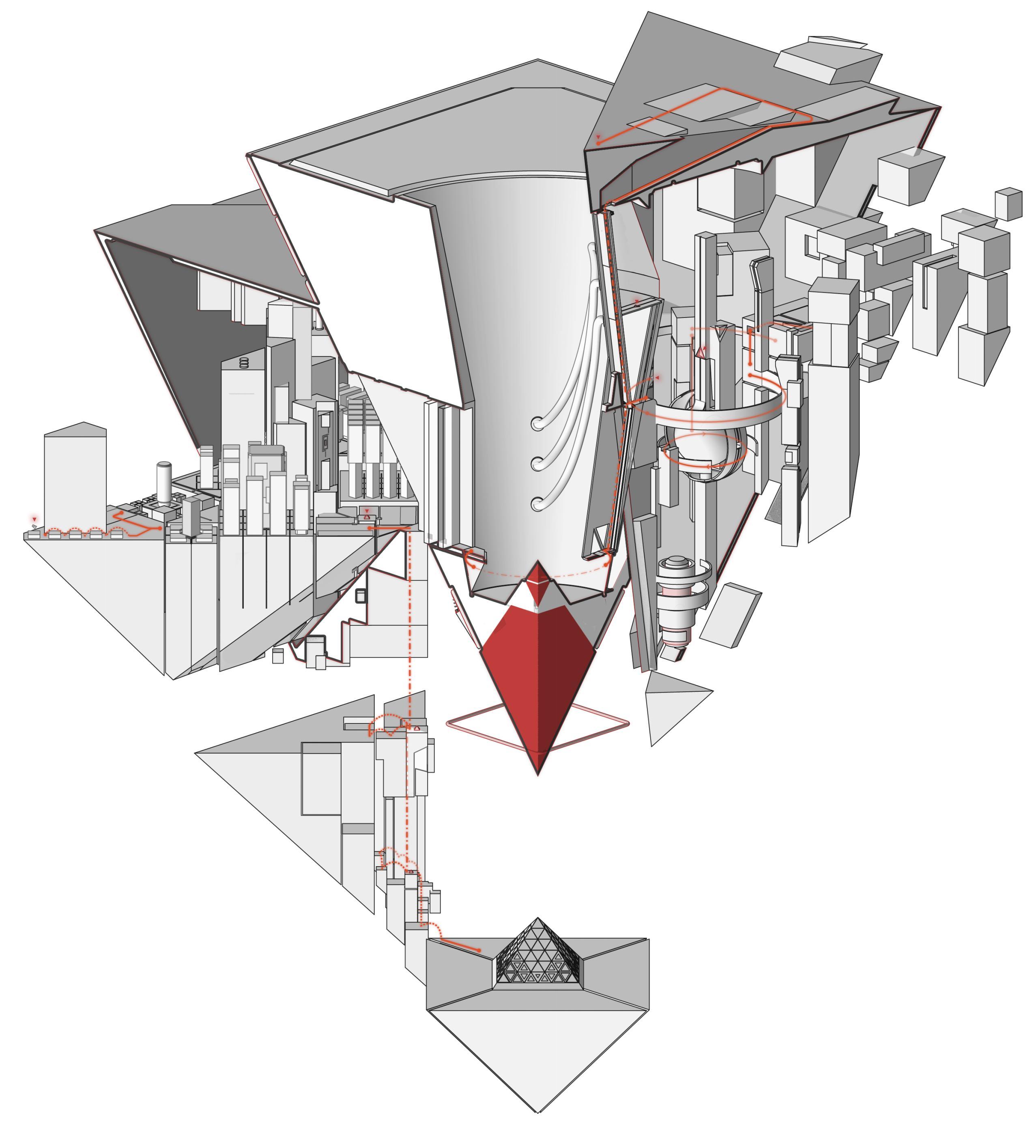
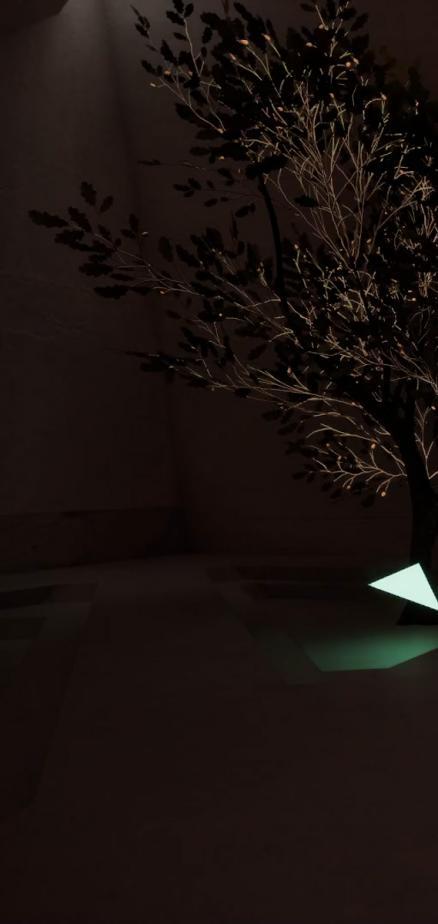
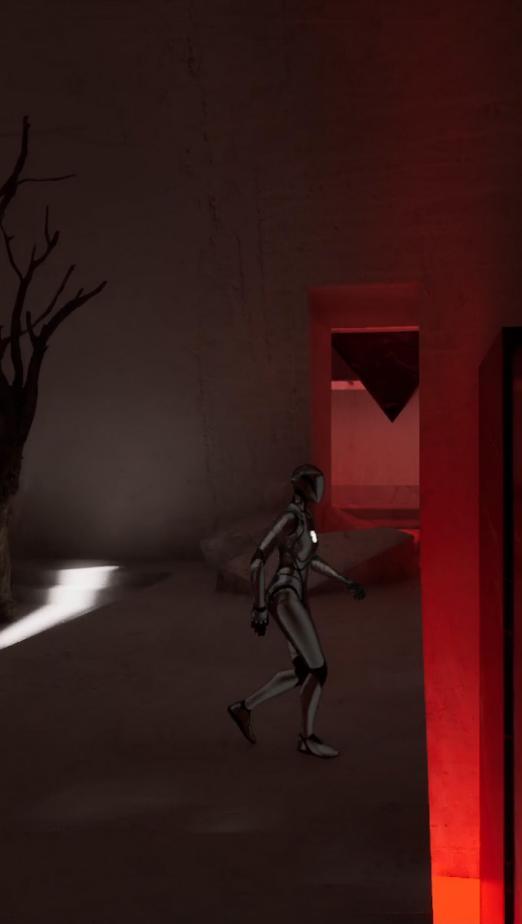
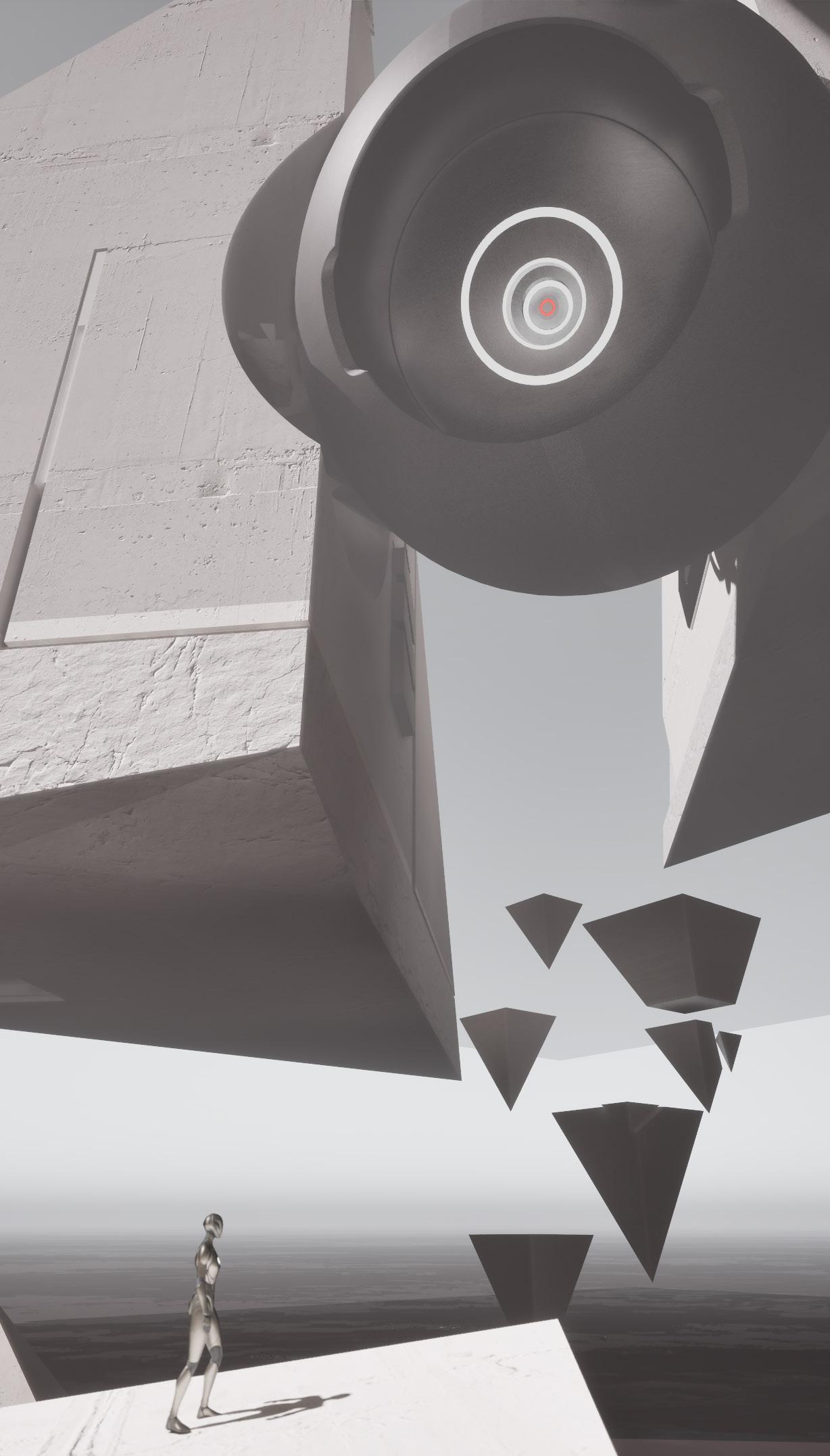
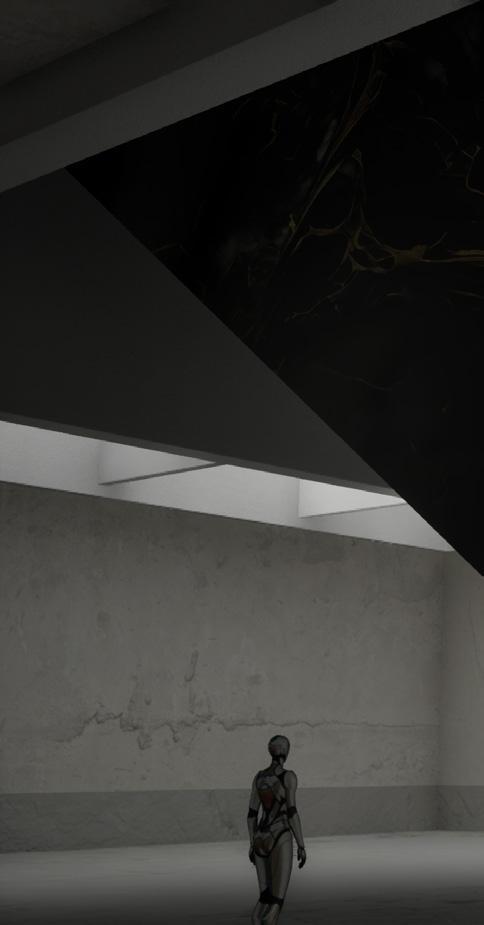
Go through the core of the data
Show your abbility of Imagination to go deaper towards the Threshold.
Be prepared for the unstable deep consciousness world after the Threshold.
Use space switching abbility to explore the Emotion temple.
Exit digital consciousness under guidance
YOUR TASK
Pass matrix maze to prove your Metacognition.
simulation module to the next area.
PHASE 1
Matrix maze//Metacognition
Folded Circulation
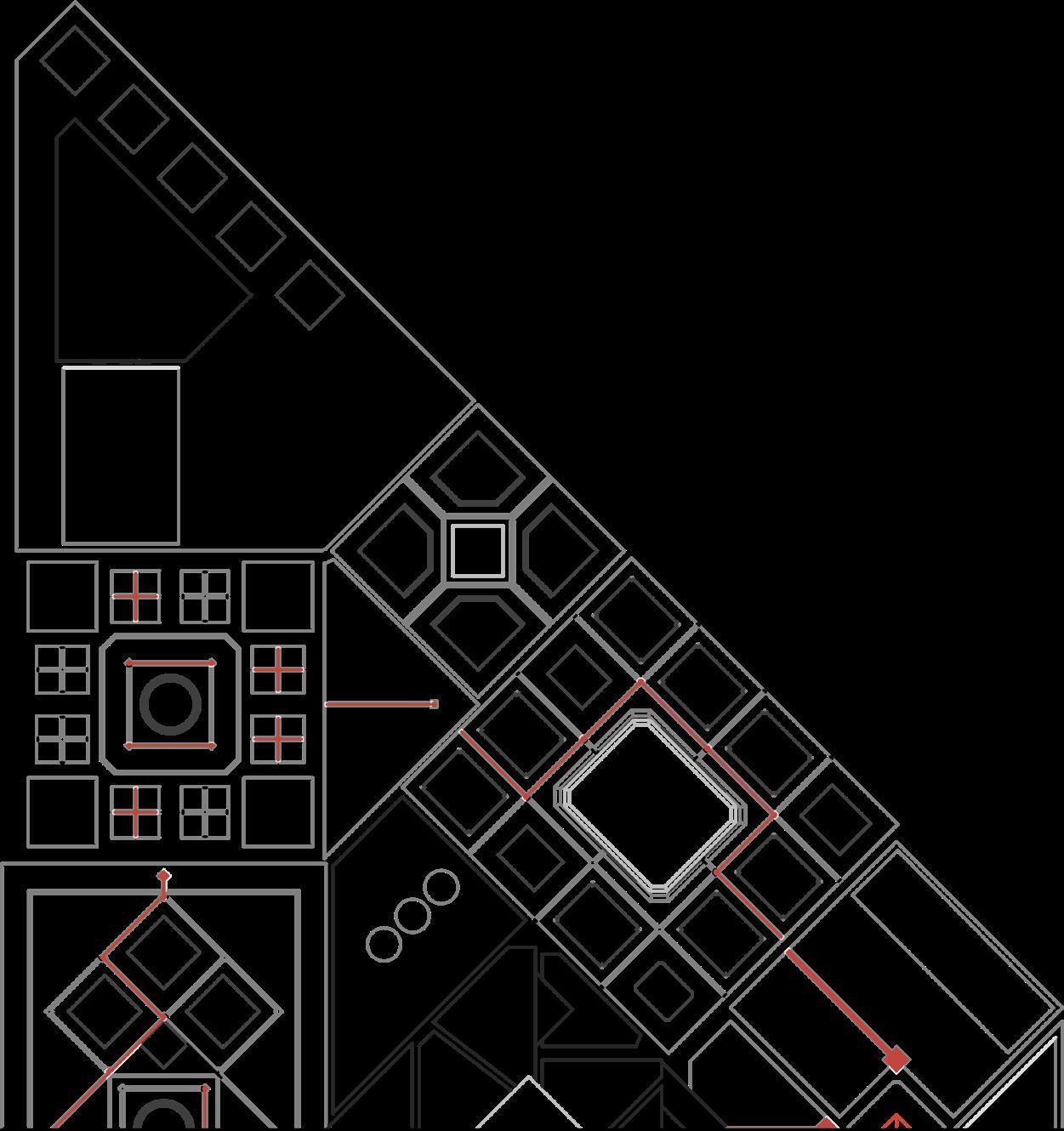
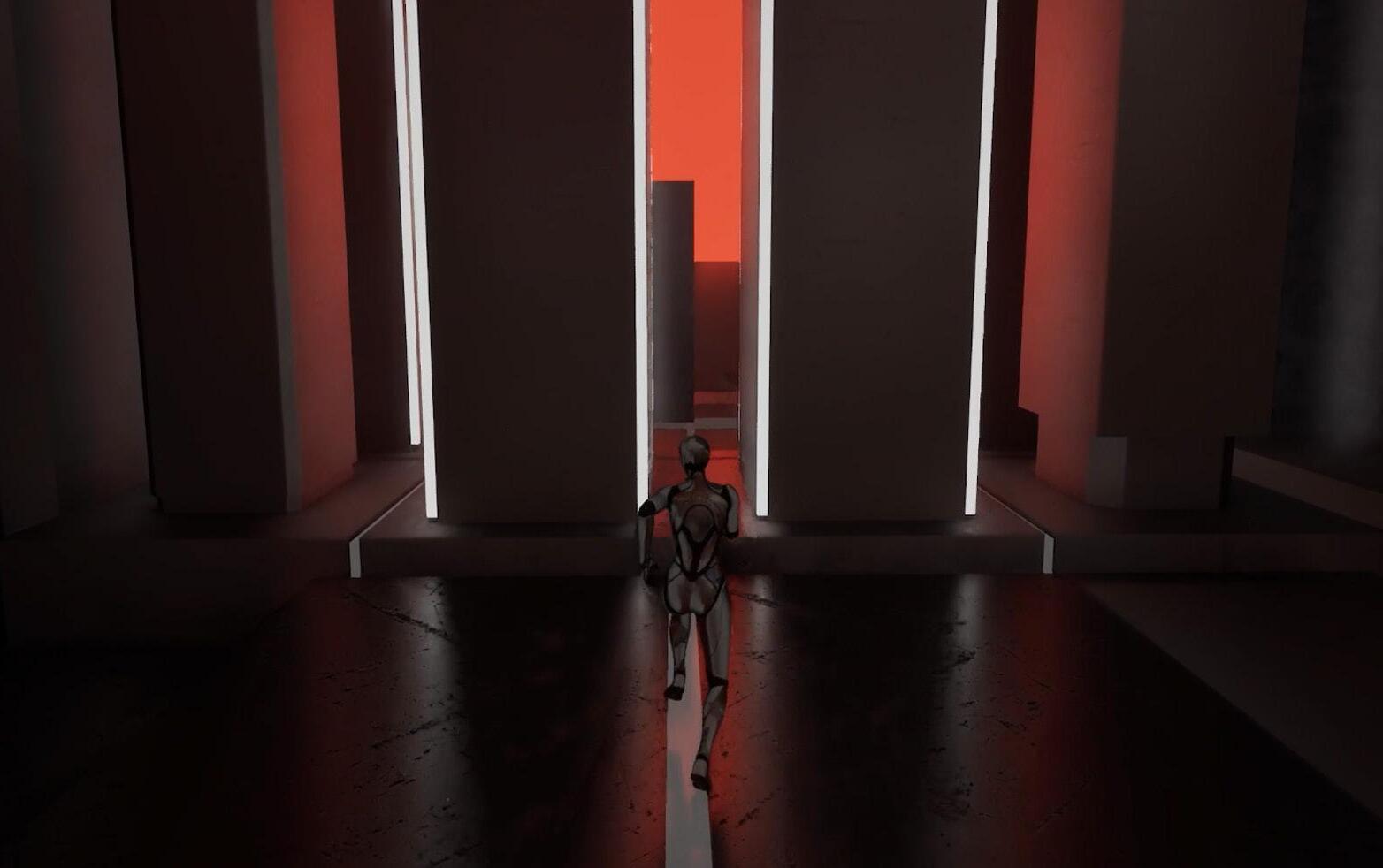
This level showcases Folded and Alternate paths. Players progress through looping mazes, discovering hidden routes and items. Returning to the start, they activate a device to unlock the gate behind the starting area.
PHASE 2
Shifting gravity//Imagination
Folded Circulation
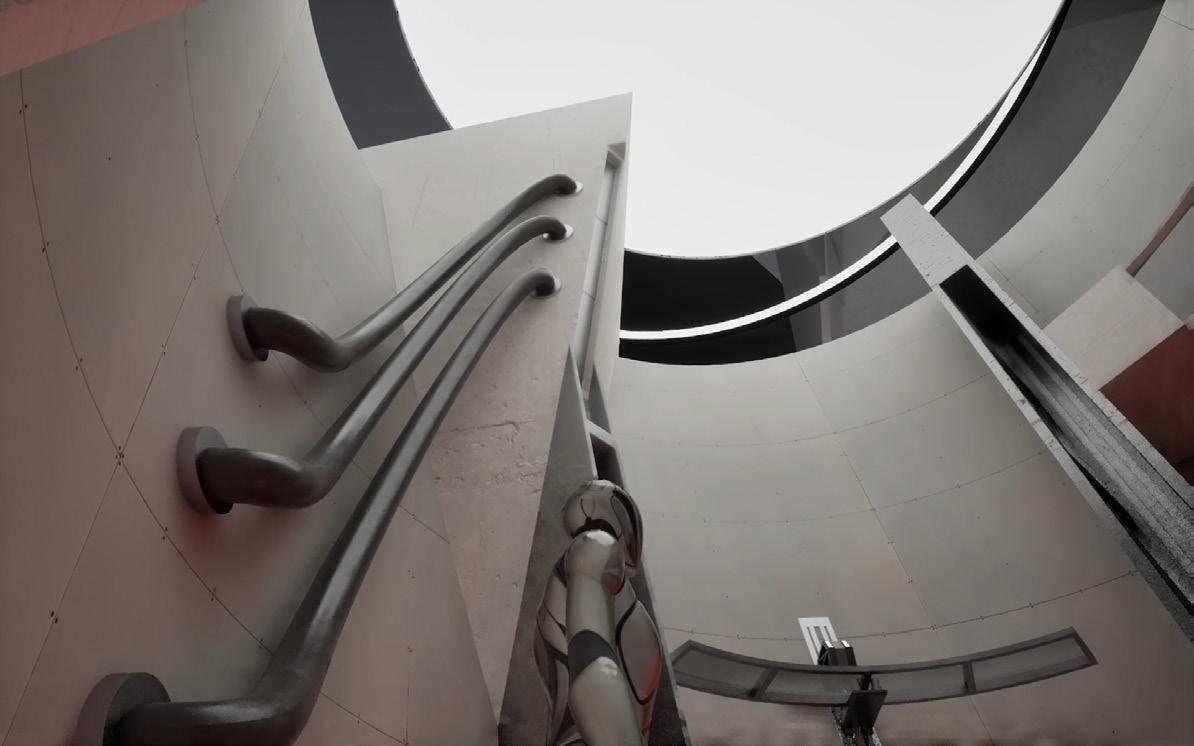
In this gravity-shifting zone, players will navigate reversed paths with opposing gravity directions. The overall gravity aligns around a central point, which marks the level's ultimate objective.
INTERIM ZONE
This transition area serves as the core of the bottom part data consciousness simulation module. Simple interactive elevators are placed throughout, allowing players to navigate the space. Players must take a detour to activate a mechanism, fully exploring the limited area. The gameplay here is intentionally light and straightforward, offering a smooth pacing transition between the two main phases.
PHASE 3 Space switching//Emotions
Space switch
In the Threshold area, players will experience dramatic environmental shifts, symbolizing their entry into a deeper, more unstable realm. This zone introduces the emotion-themed Phase 3 and allows players to influence the direction of the game's ending.
Space switch
In Phase 3, players gain the ability to switch between two spaces, each representing positive and negative emotions with distinct atmospheres and spatial characteristics. Players must continuously alternate between these spaces, choosing the appropriate one to progress, and use the unique traits of each to discover hidden relics and explore a secret level.
Phase 1 exit To Phase 2
THRESHOLD
HIDDENLEVELPLAN NEGATIVESPACEPLAN
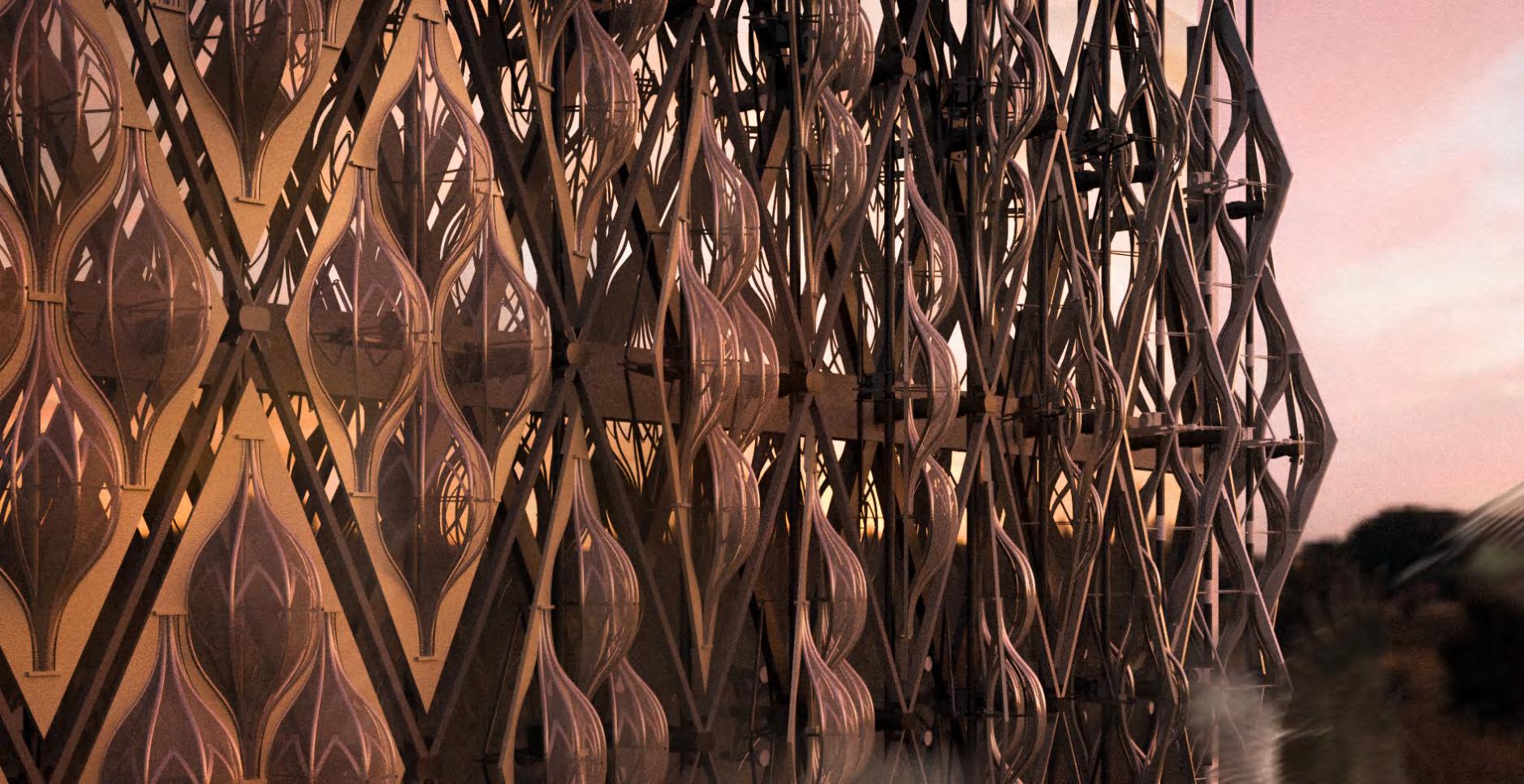
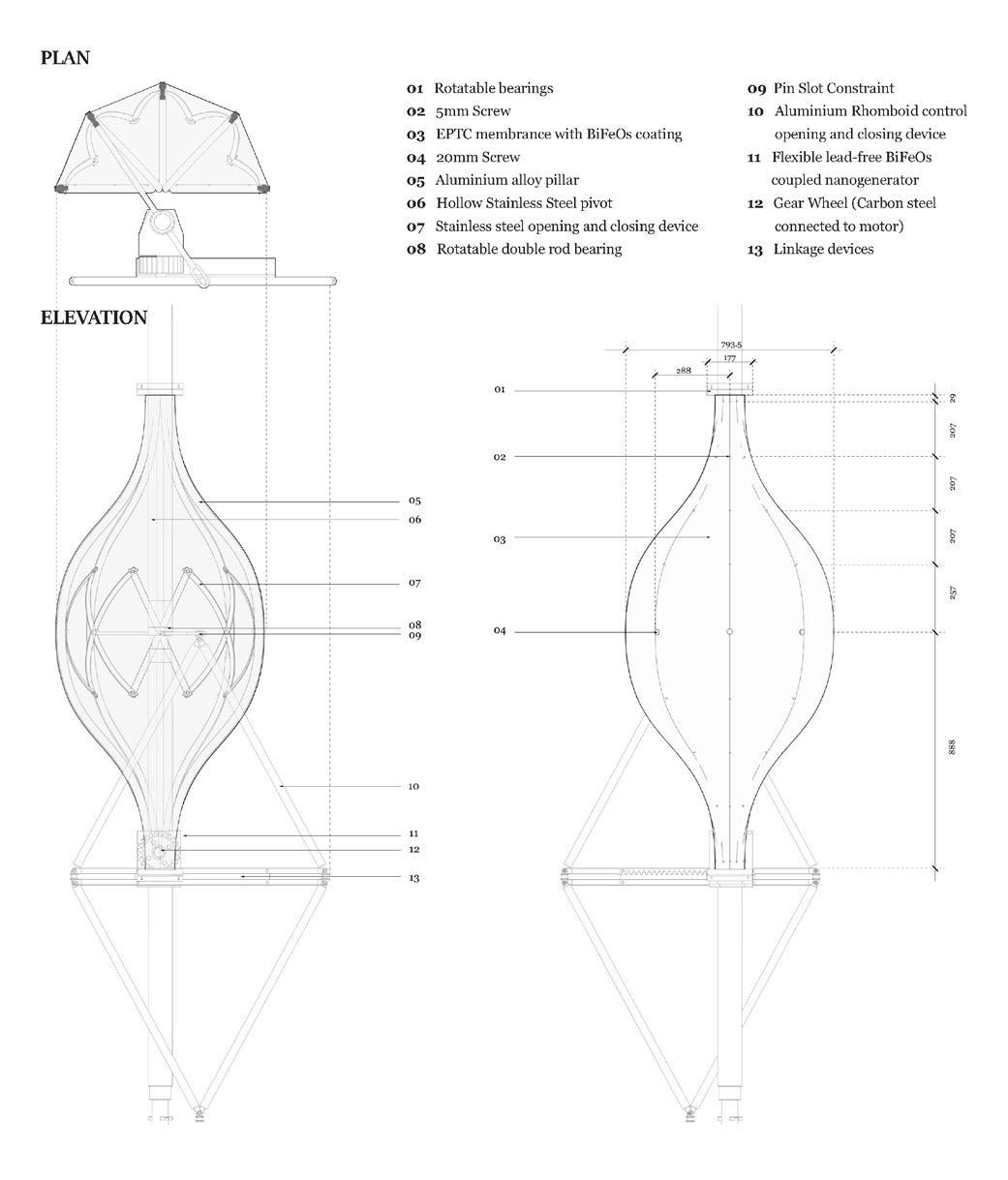
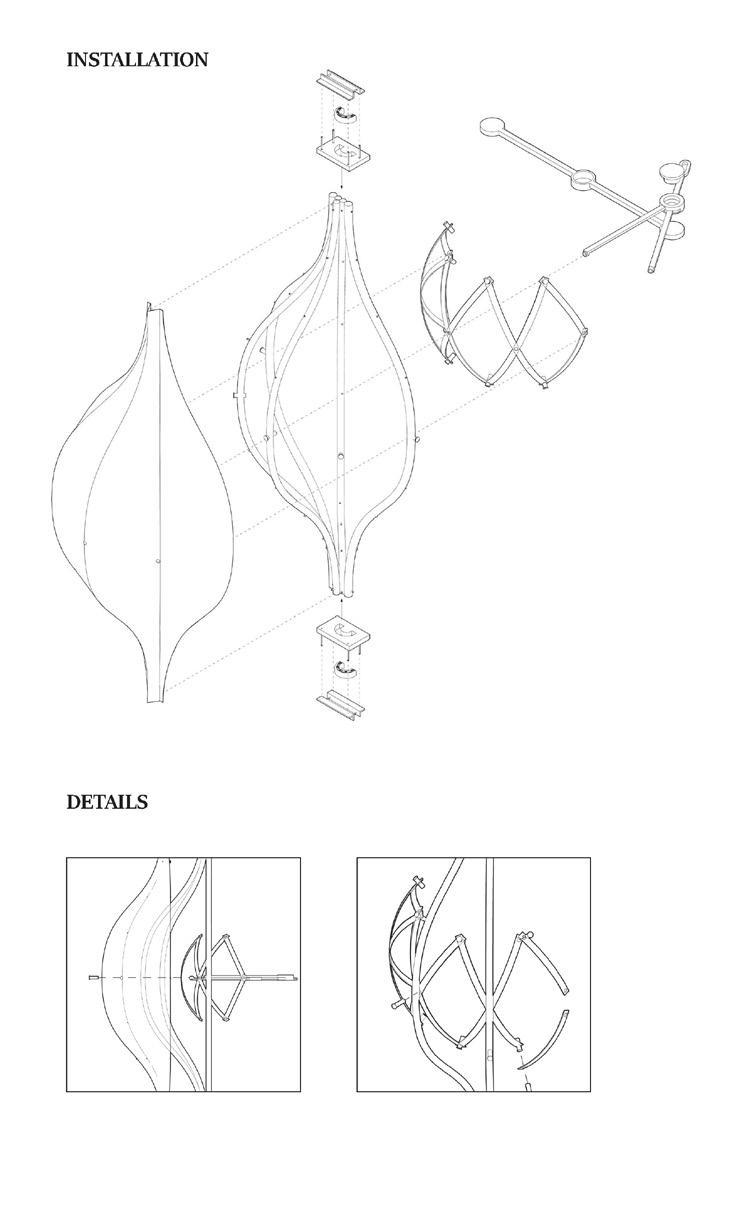
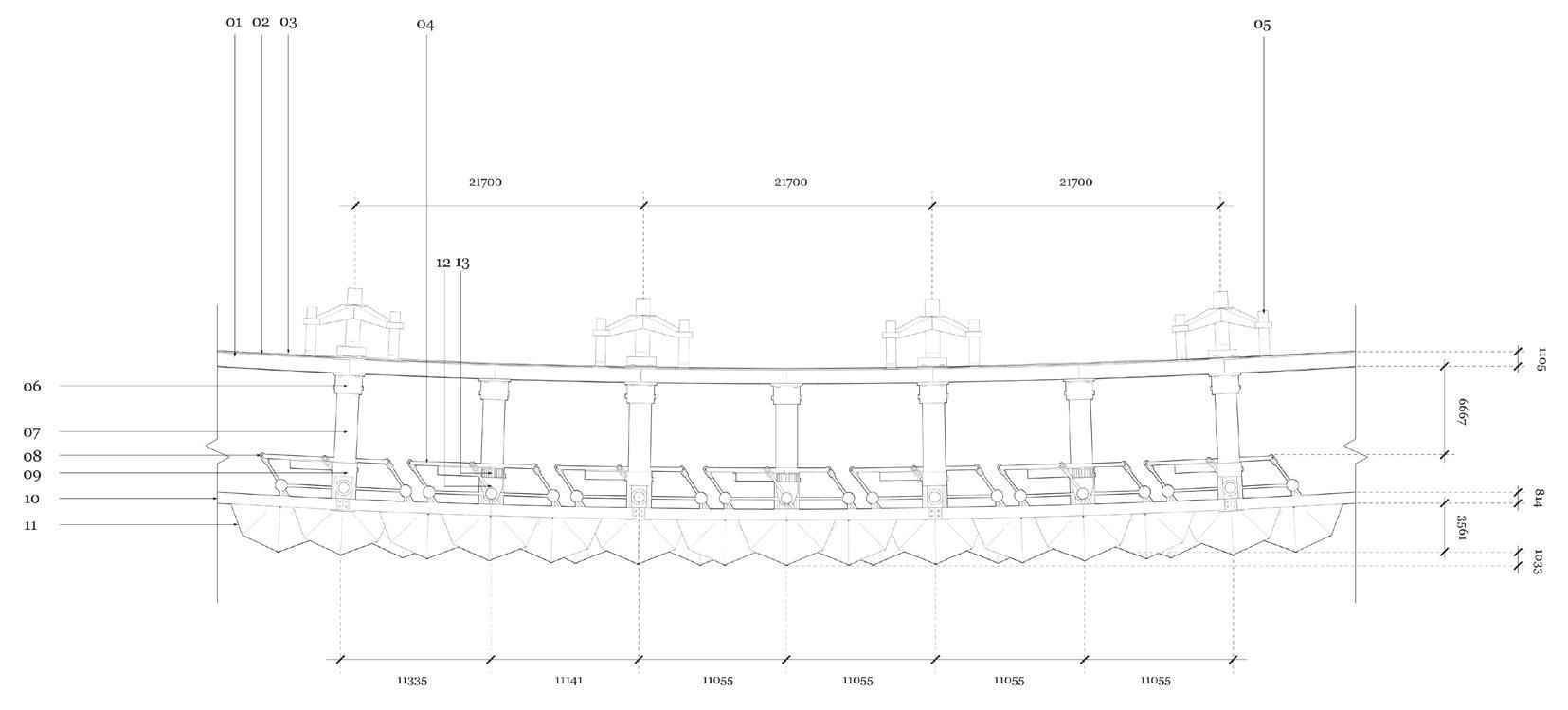
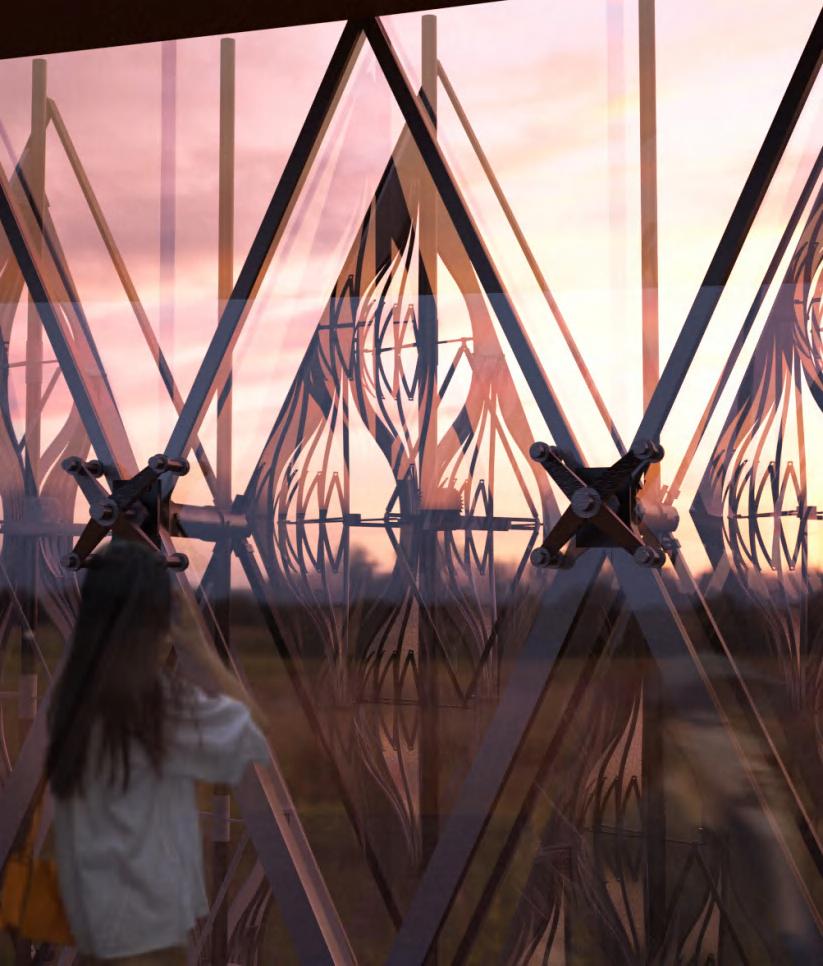
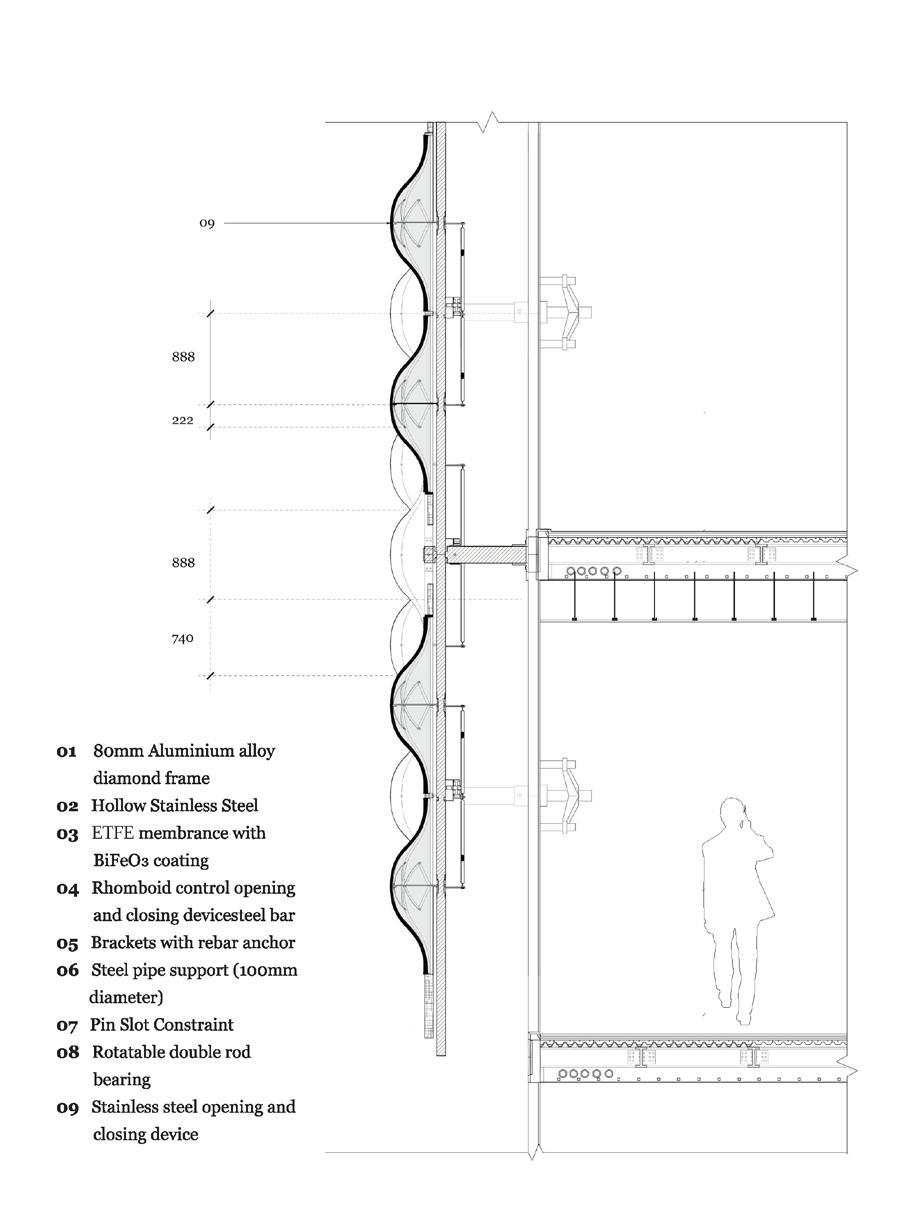
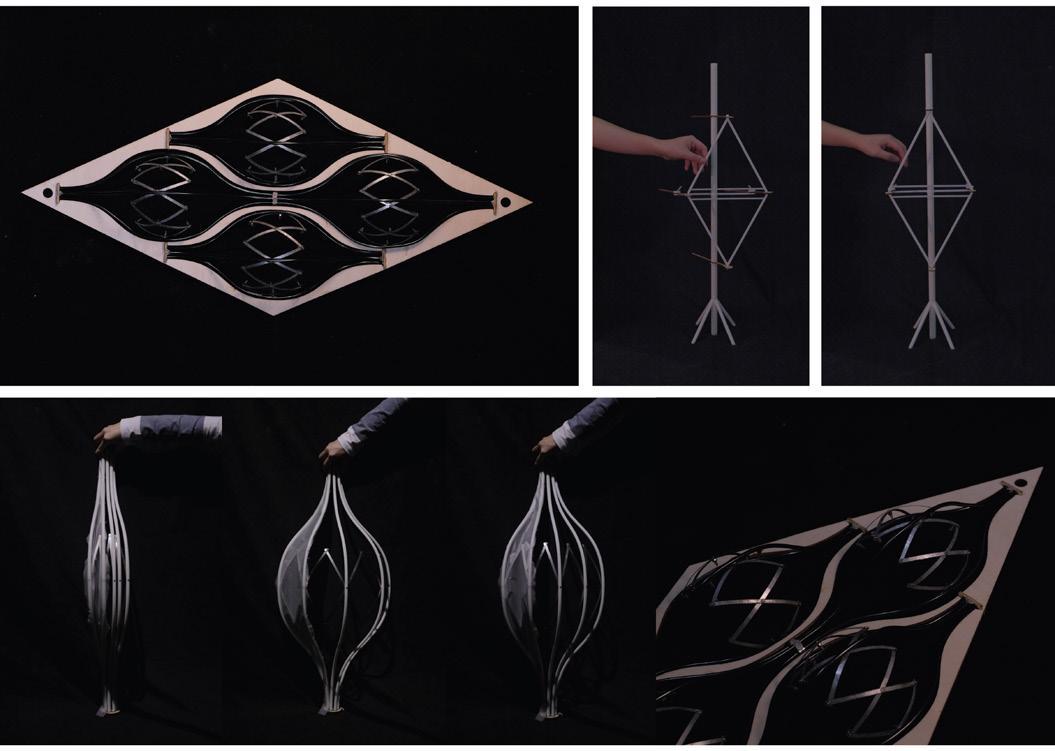
6.1 RESPONSIVE FACADE DESIGN
4th Year - Group Work
Concept (70%) Technical Design(50%) Renderings (100%)
Instructor: Giancarlo Di Marco
September 2023
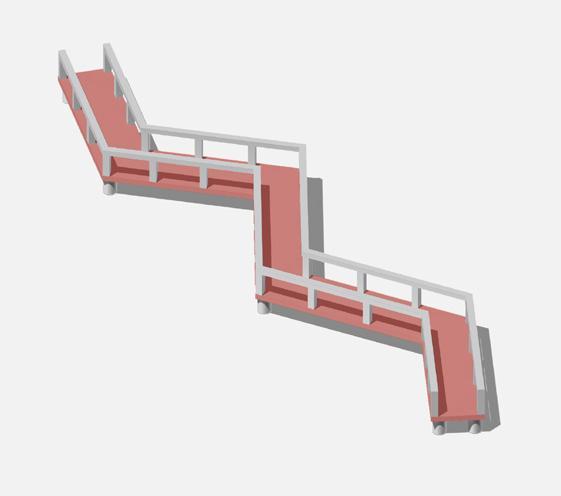
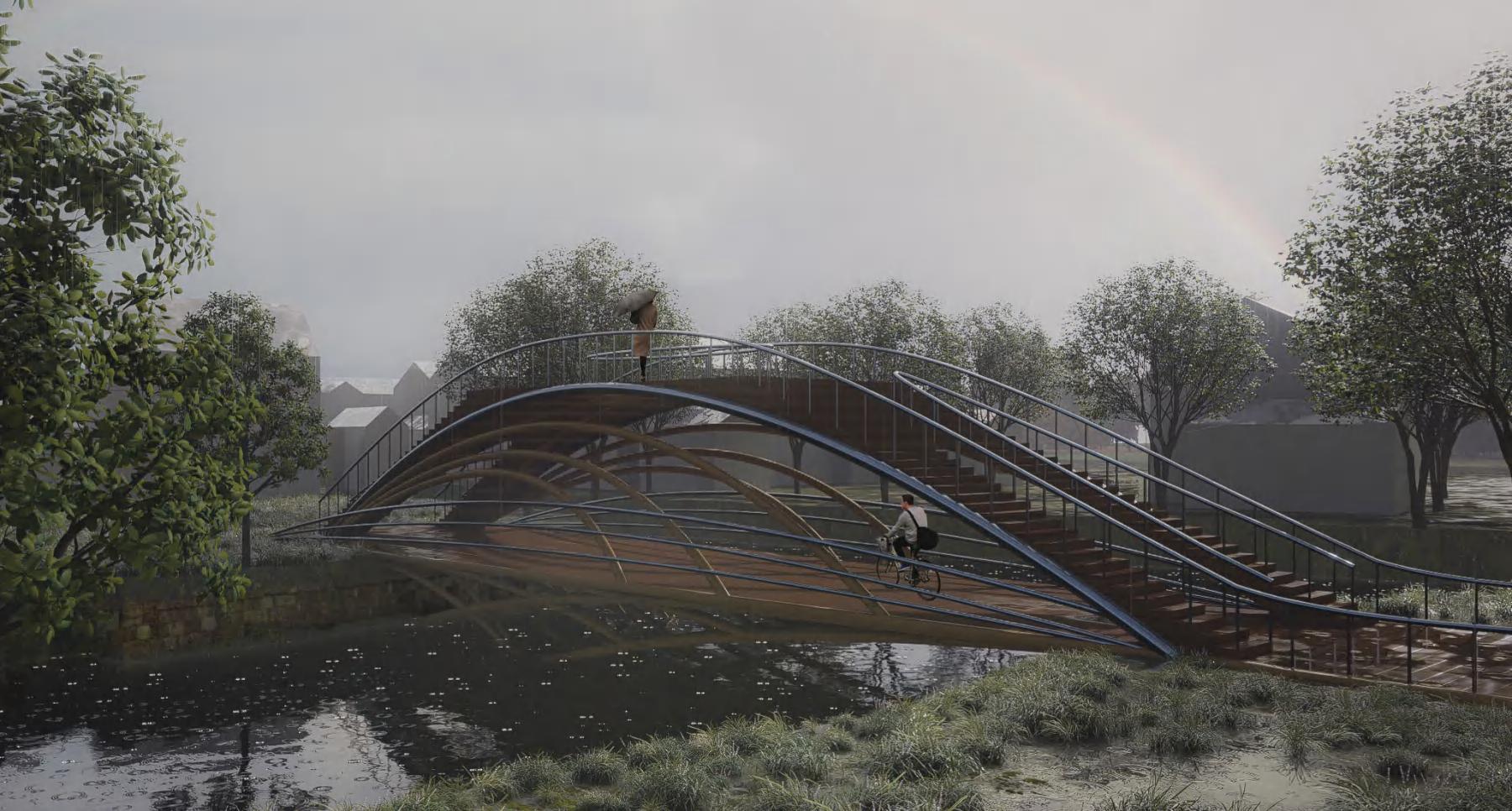
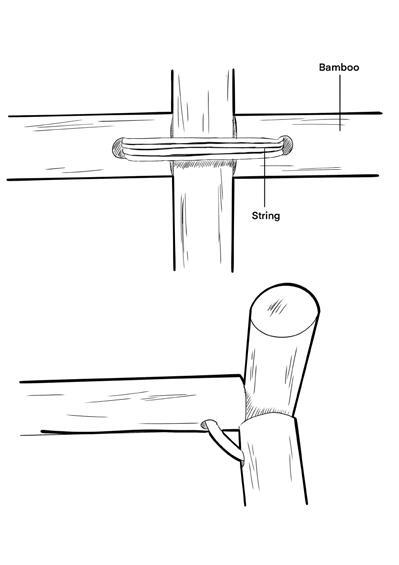
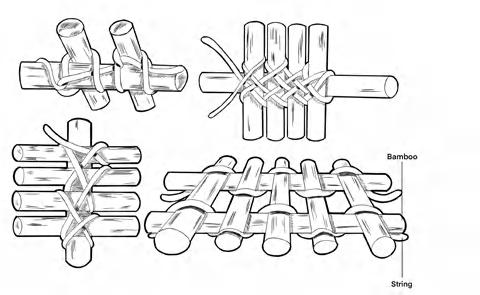
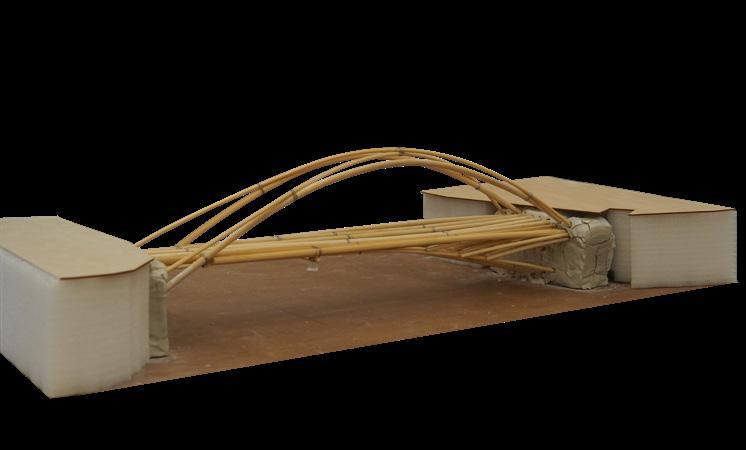
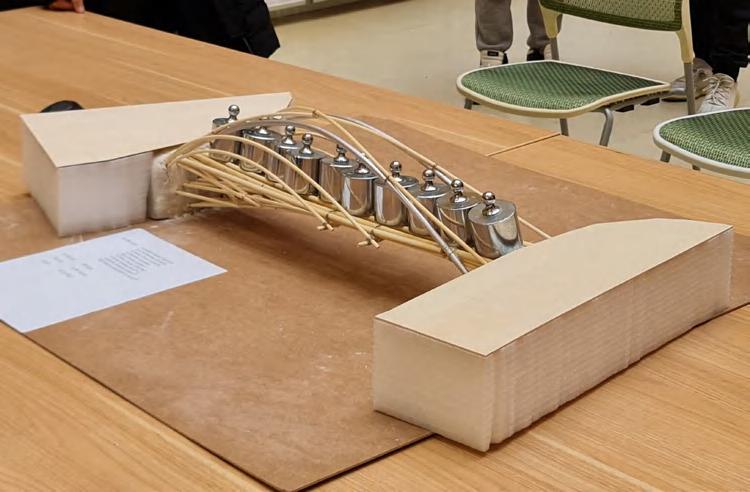
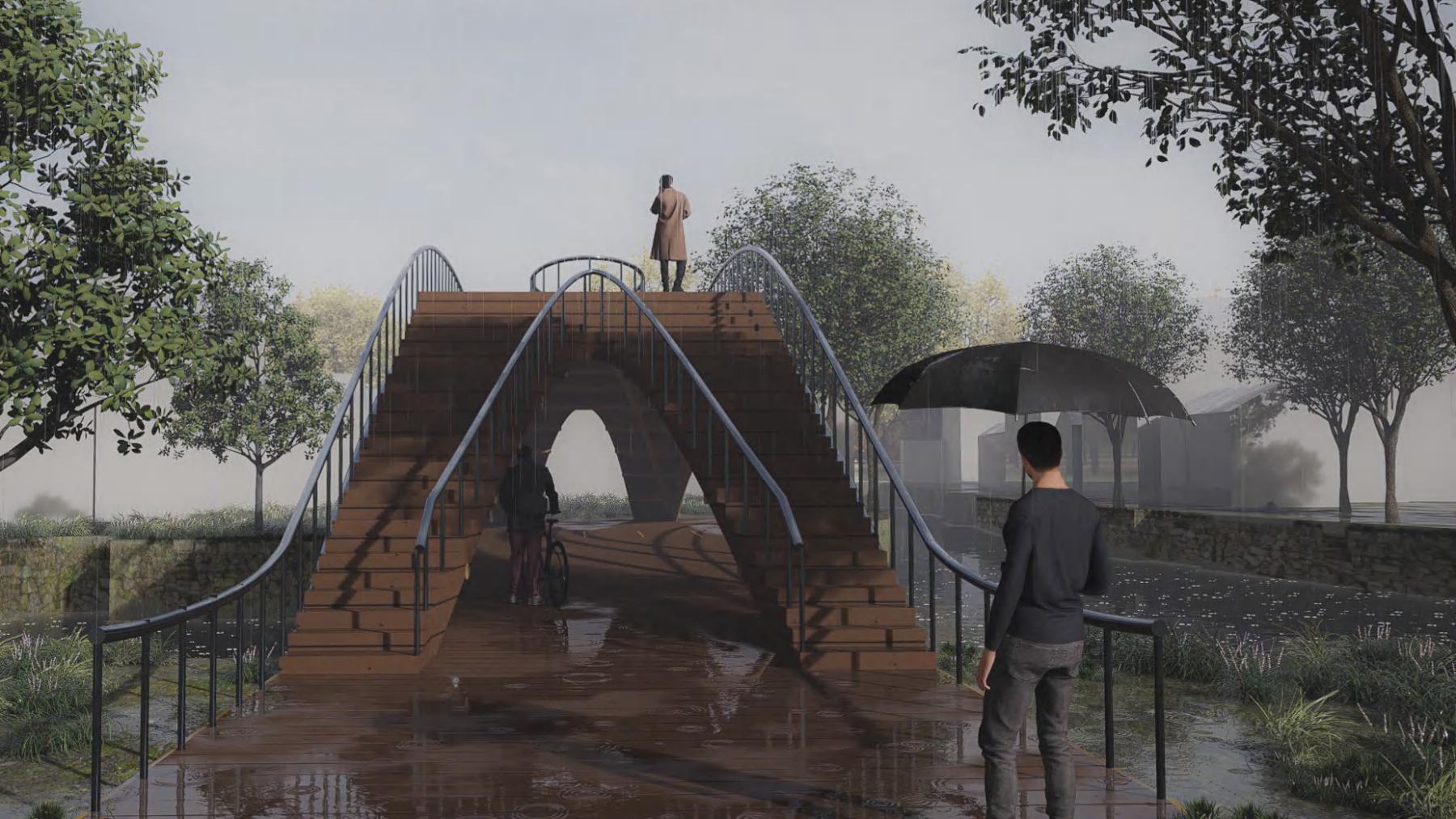
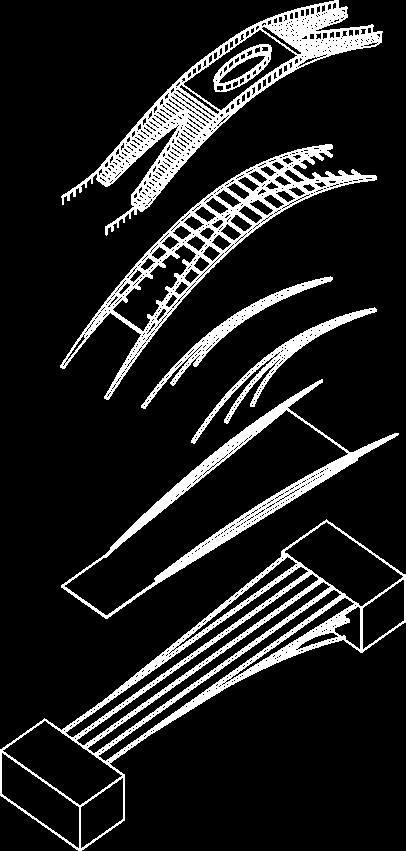
6.2 BAMBOO BRIDGE DESIGN
3rd Year - Group Work
Concept (60%) Structure Design(60%) Models (80%)
Instructor: Li-An Tsien
March 2023
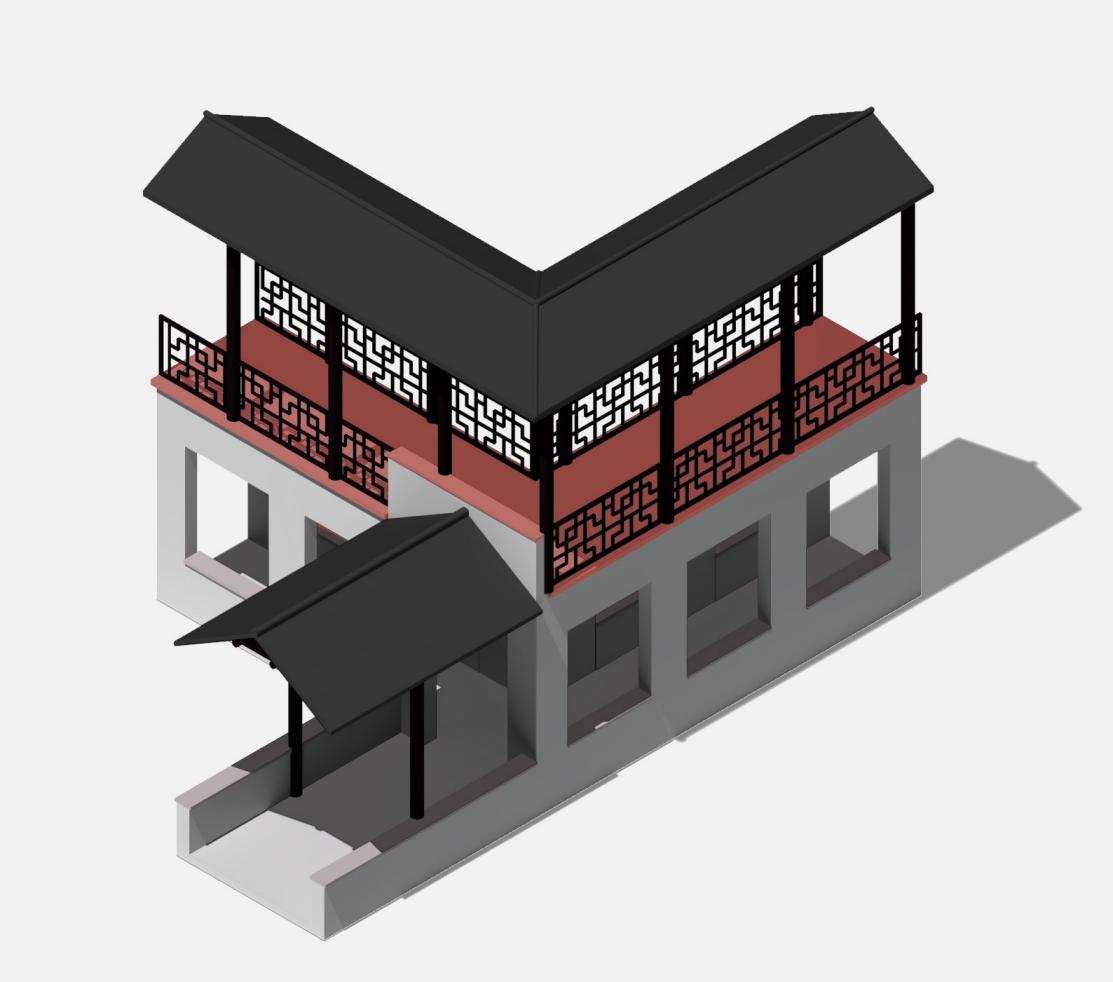
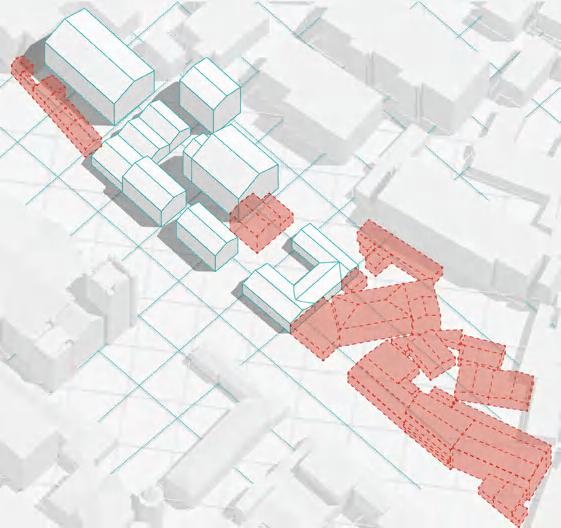
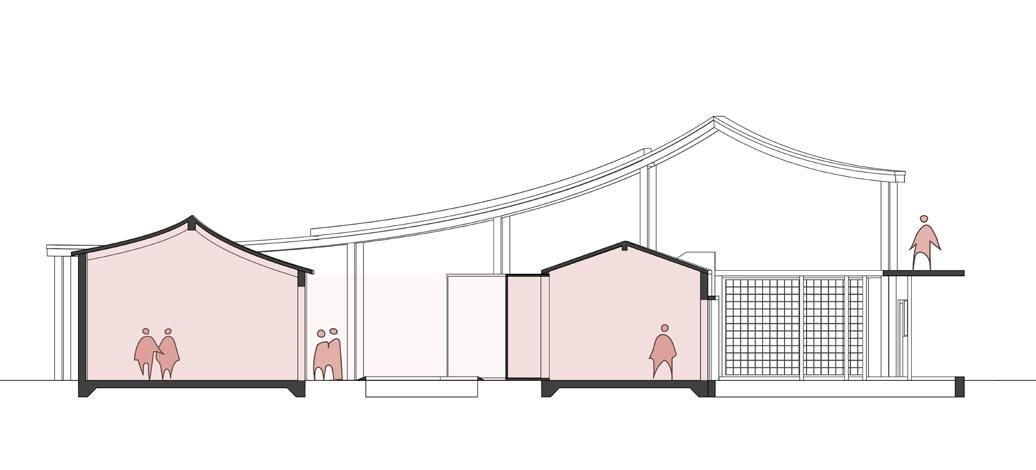
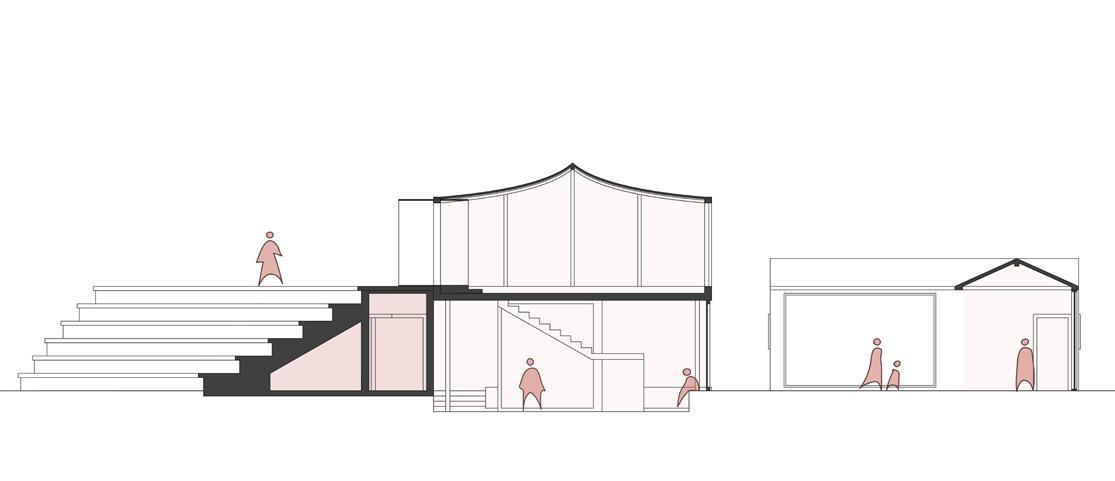
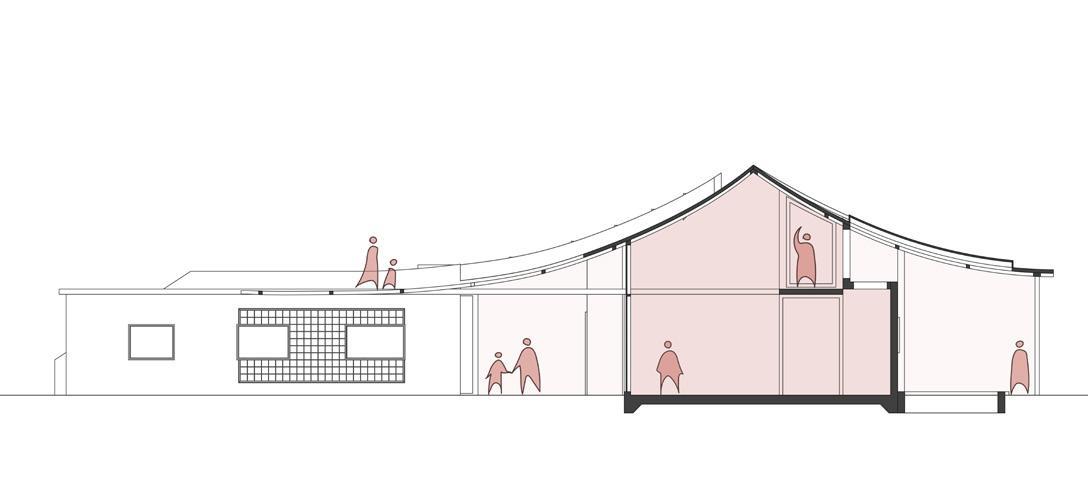
6.3 JIANGNAN XIAOYUAN PROJECT
After graduate - Resident architect intern Monoarchi
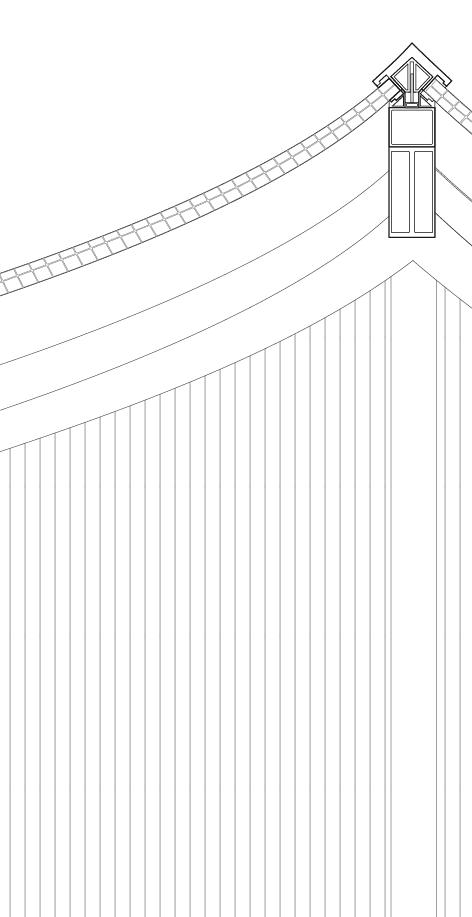
June 2024- Present
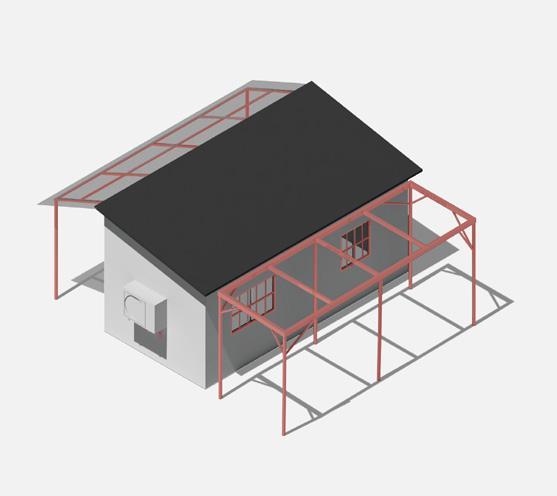
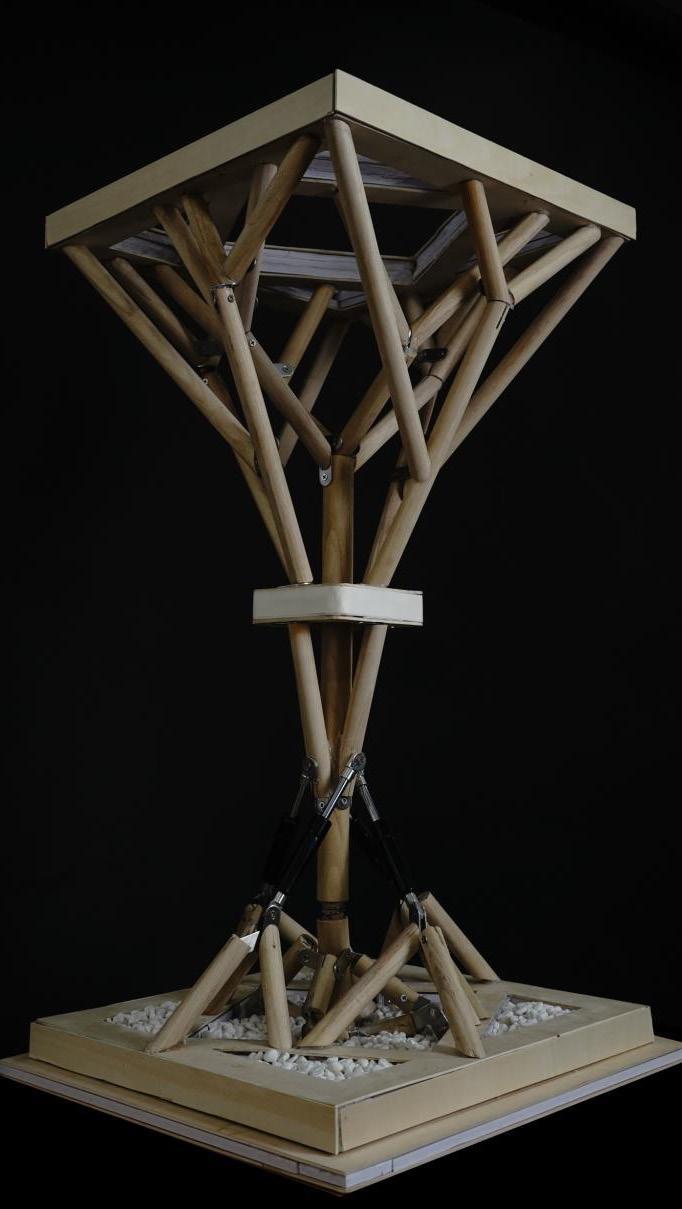
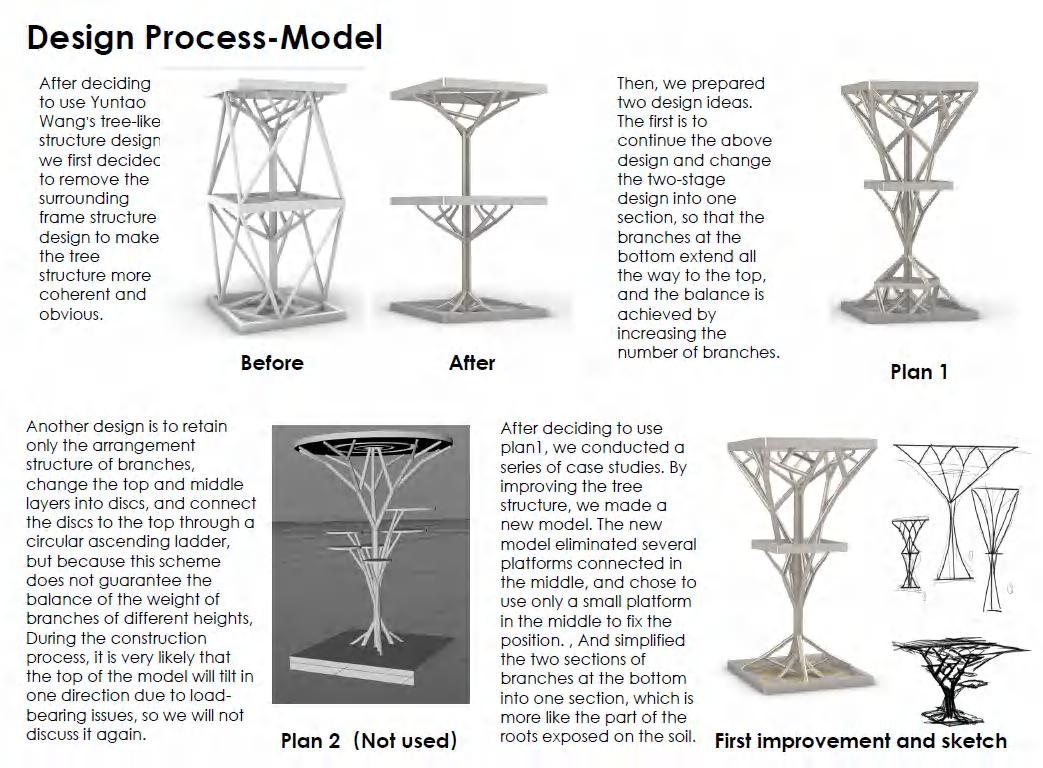
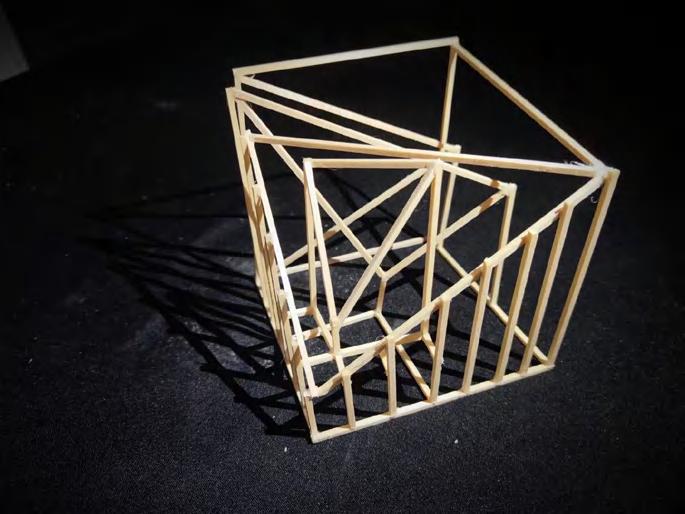
6.4 STRUCTURE DESIGN
2nd Year - Group Work
Instructor: Sandro Rolla
Concept (90%) Technical Design(70%) Models (60%)
September 2021
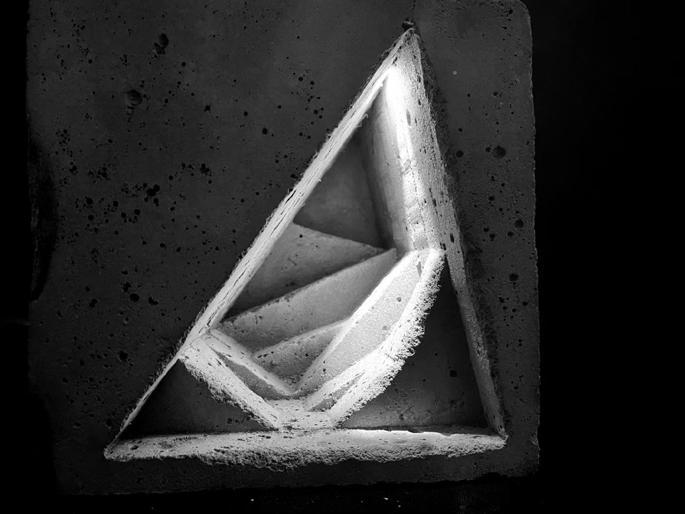
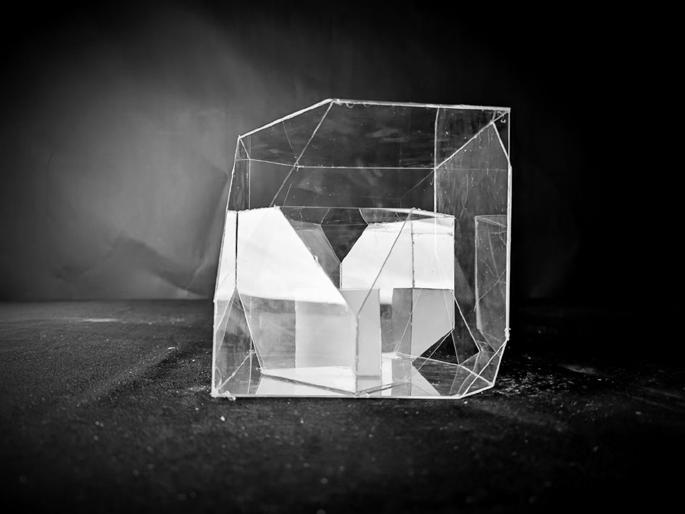
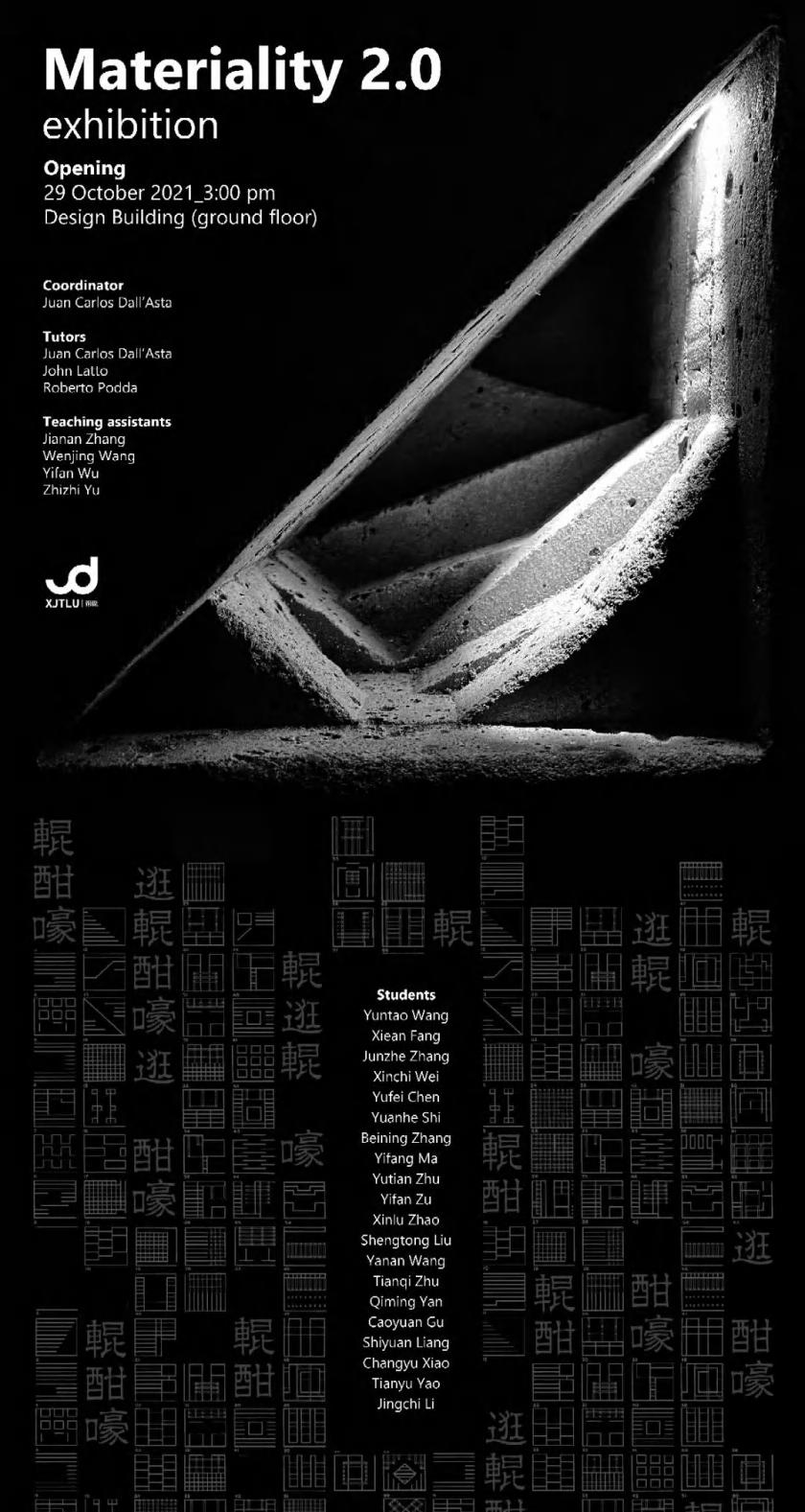
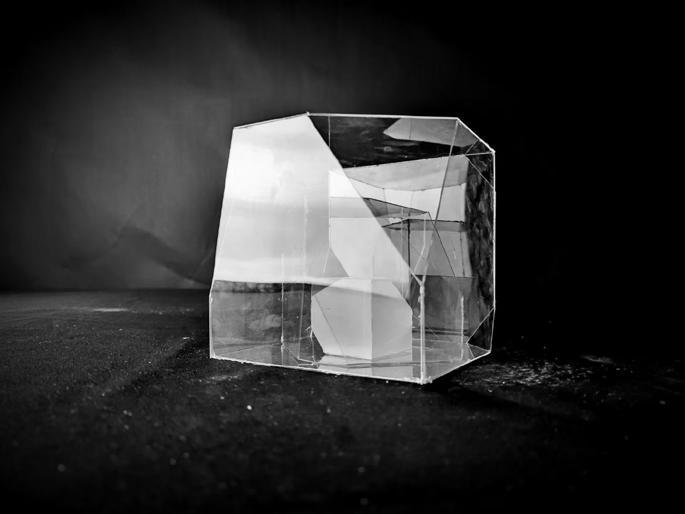
6.5 MATERIALITY WORKSHOP
2nd Year Individual Work
Instructor: Juan Carios Dall'Asta
October 2021