Yumnna Hussein
Portfolio.
OF CONTENTS
TRIPLEX
PERFORA CO-HOUSING FOR CREATIVES 01/
Original Project
Location: Kitsalano, Vancouver
Year: 2025
Software: AutoCad, Revit, Adobe Illustrator, Photoshop, Twinmotion
Collaborator: Laurel Ruan
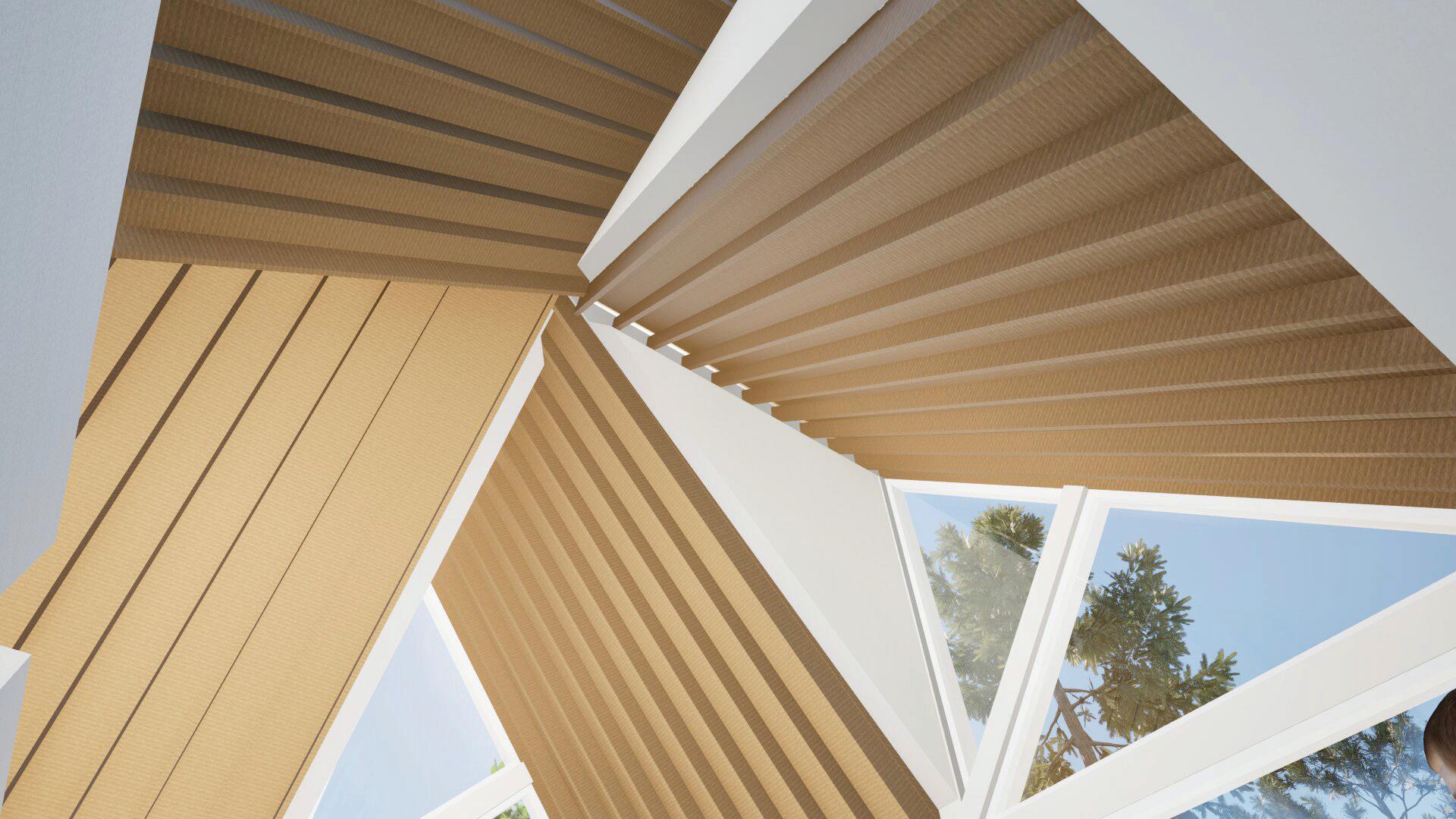
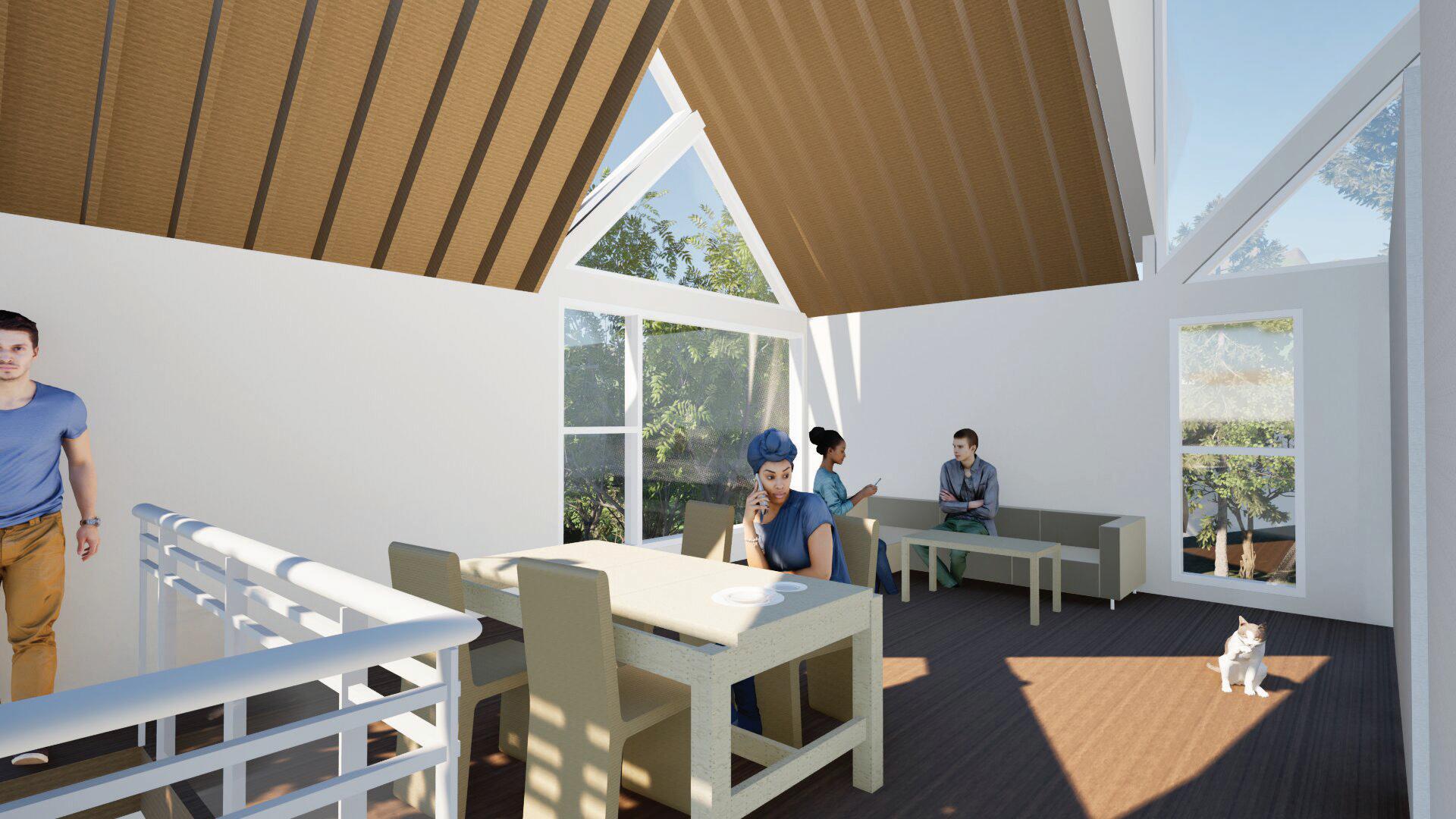
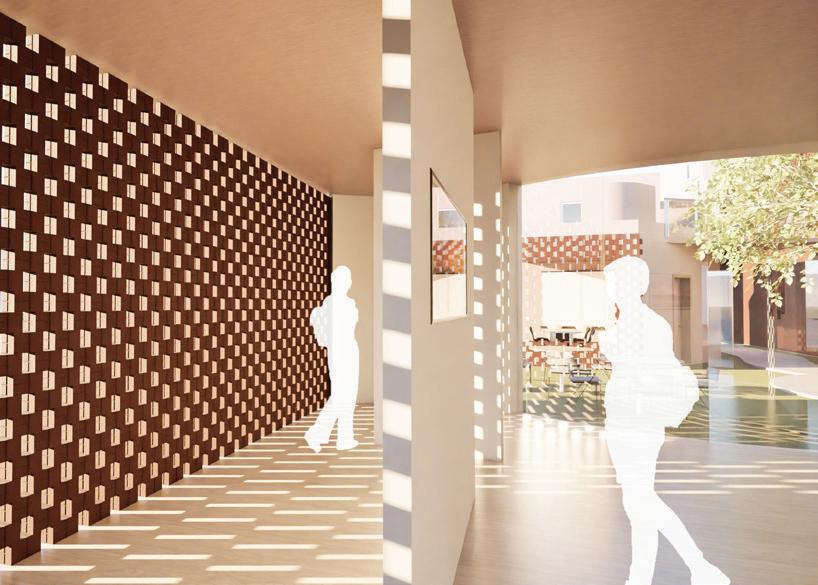
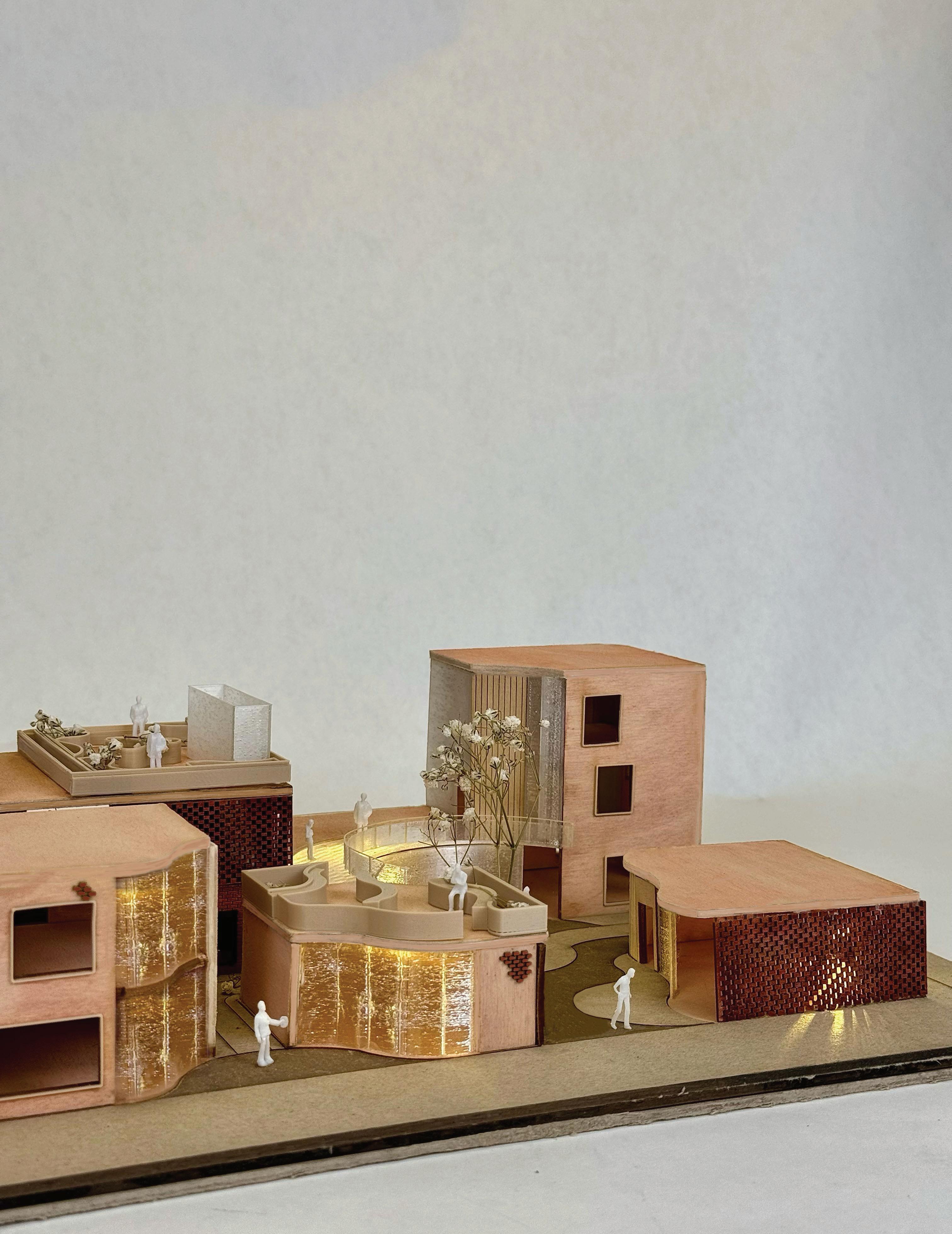
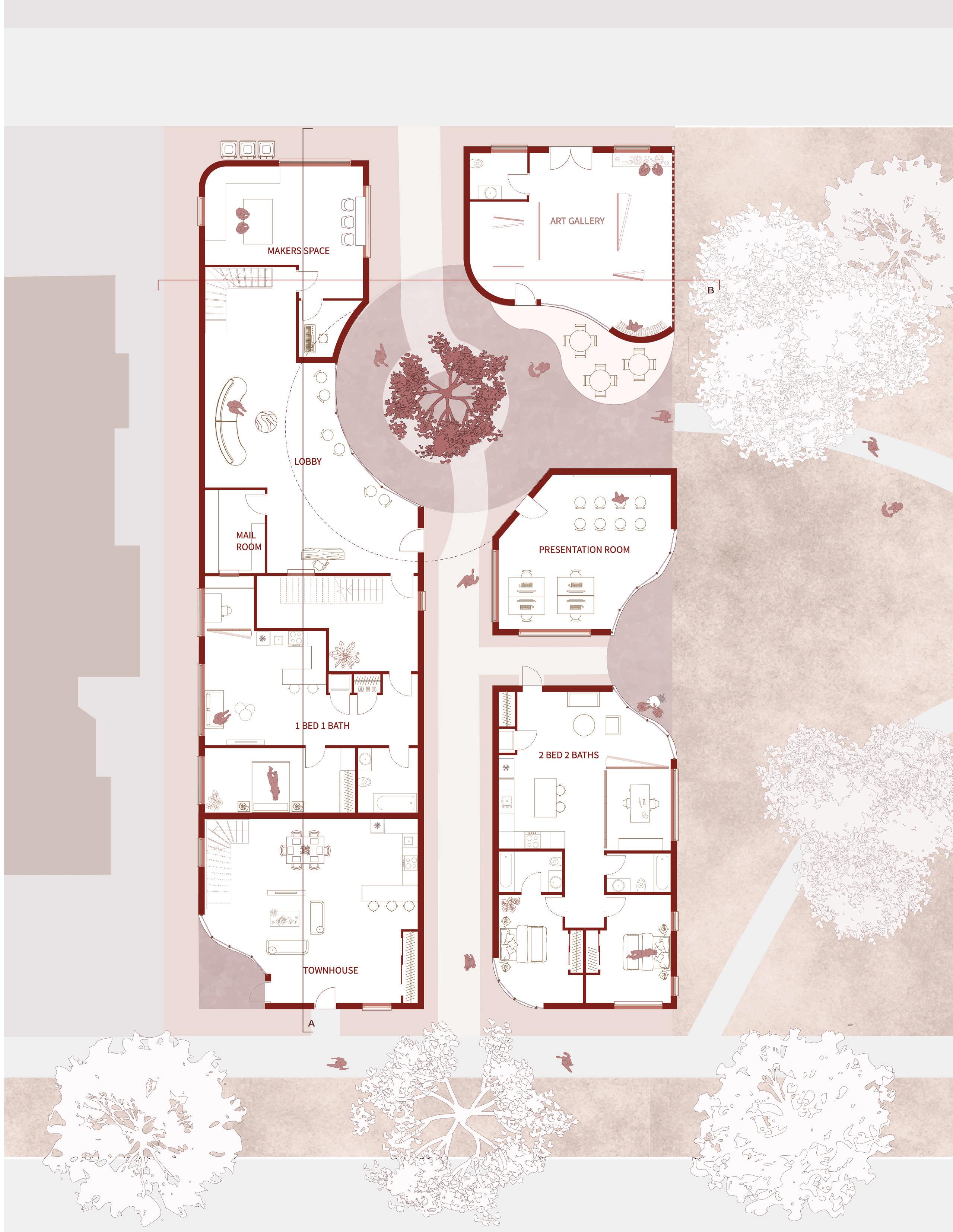
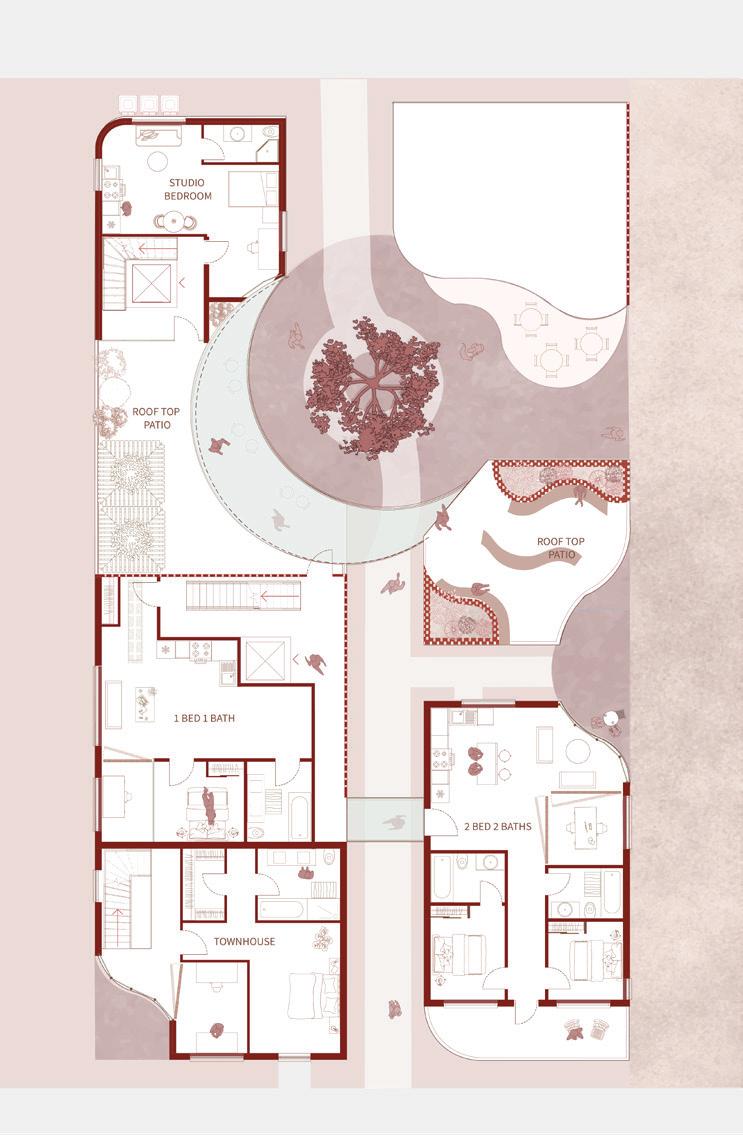
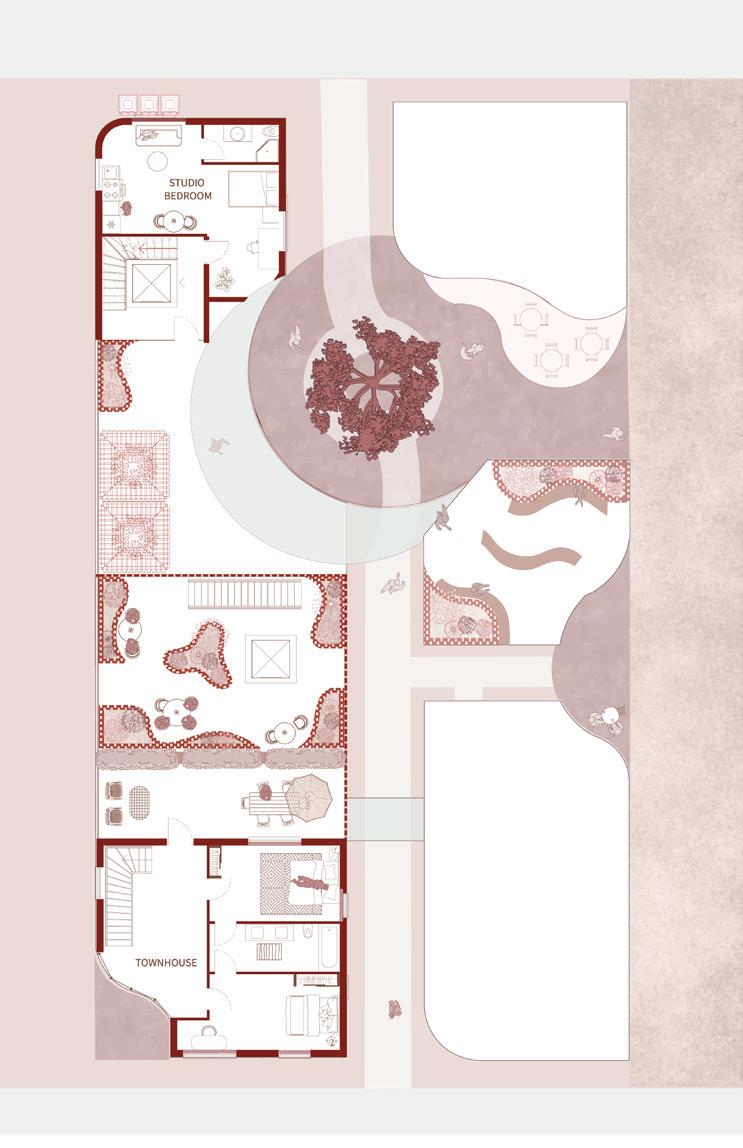
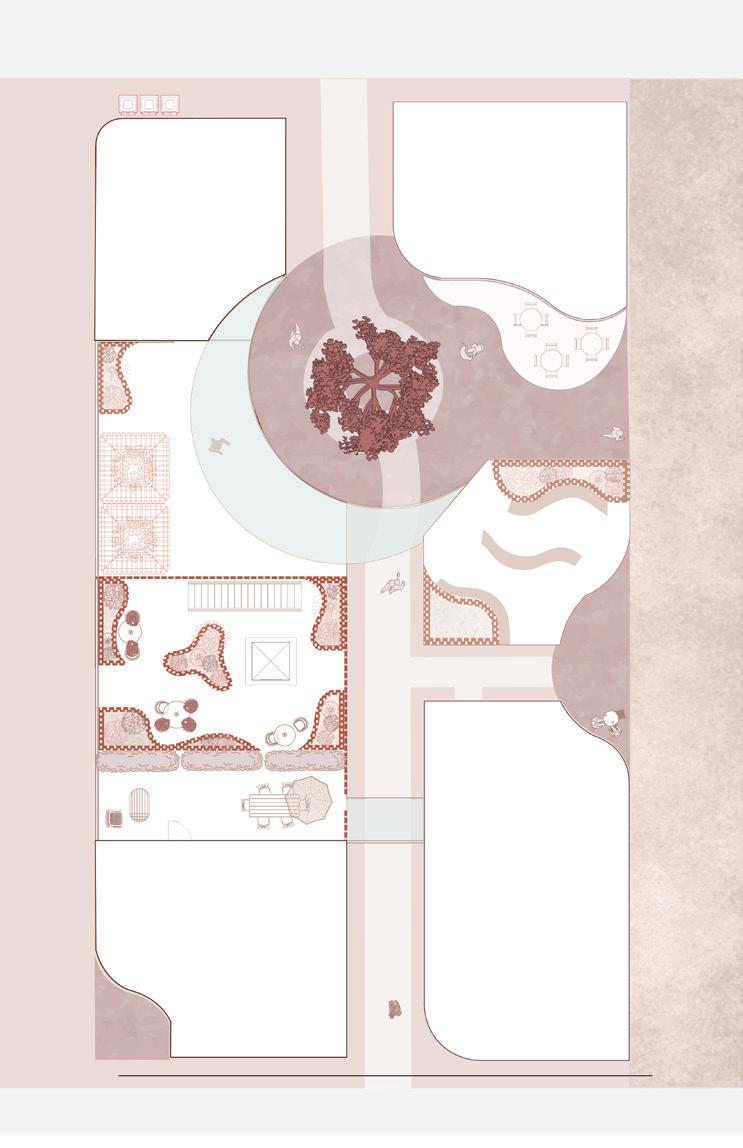
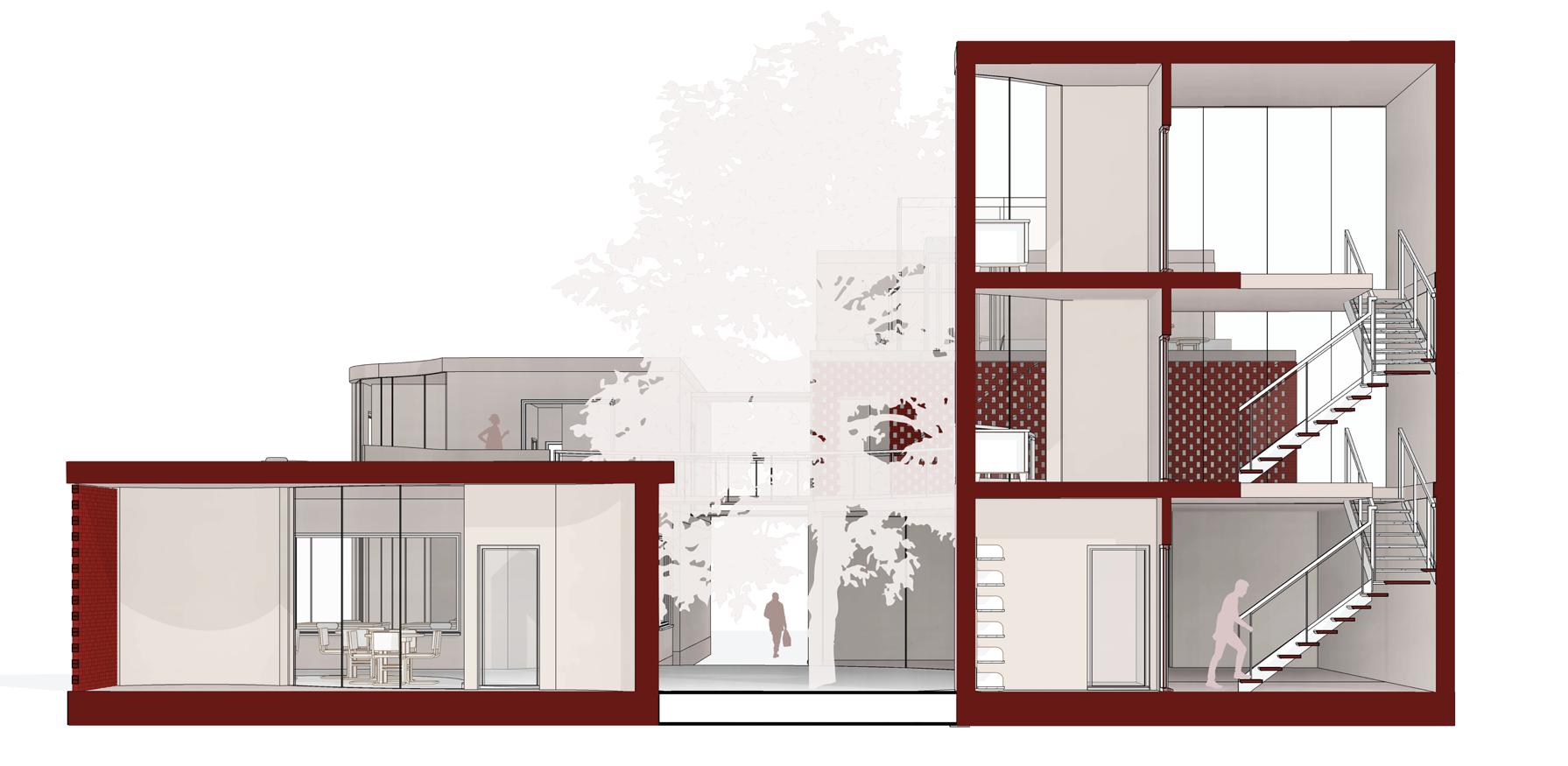
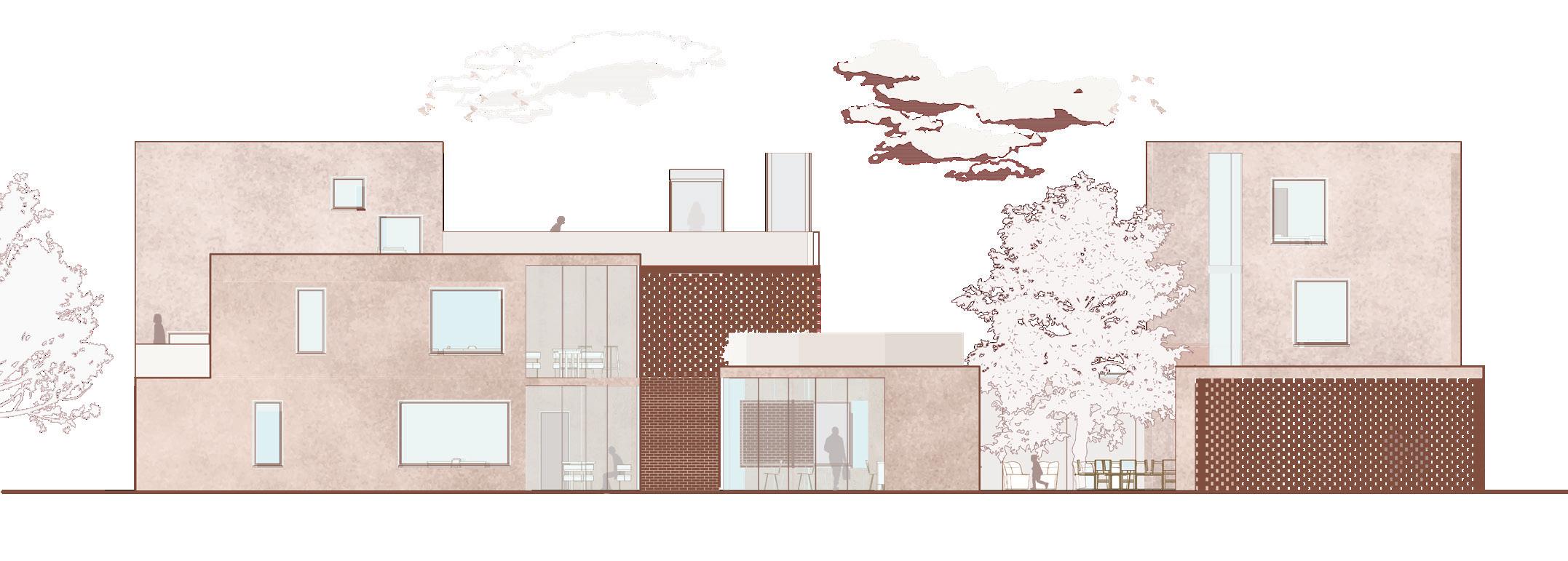
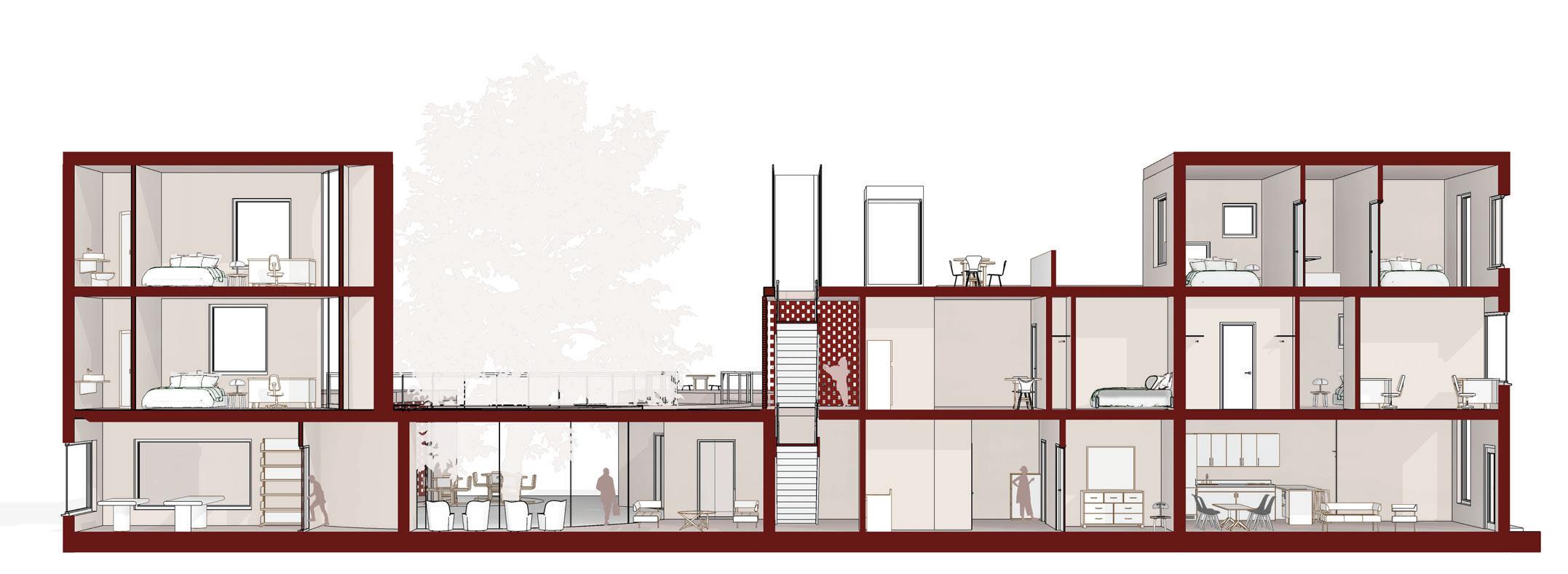
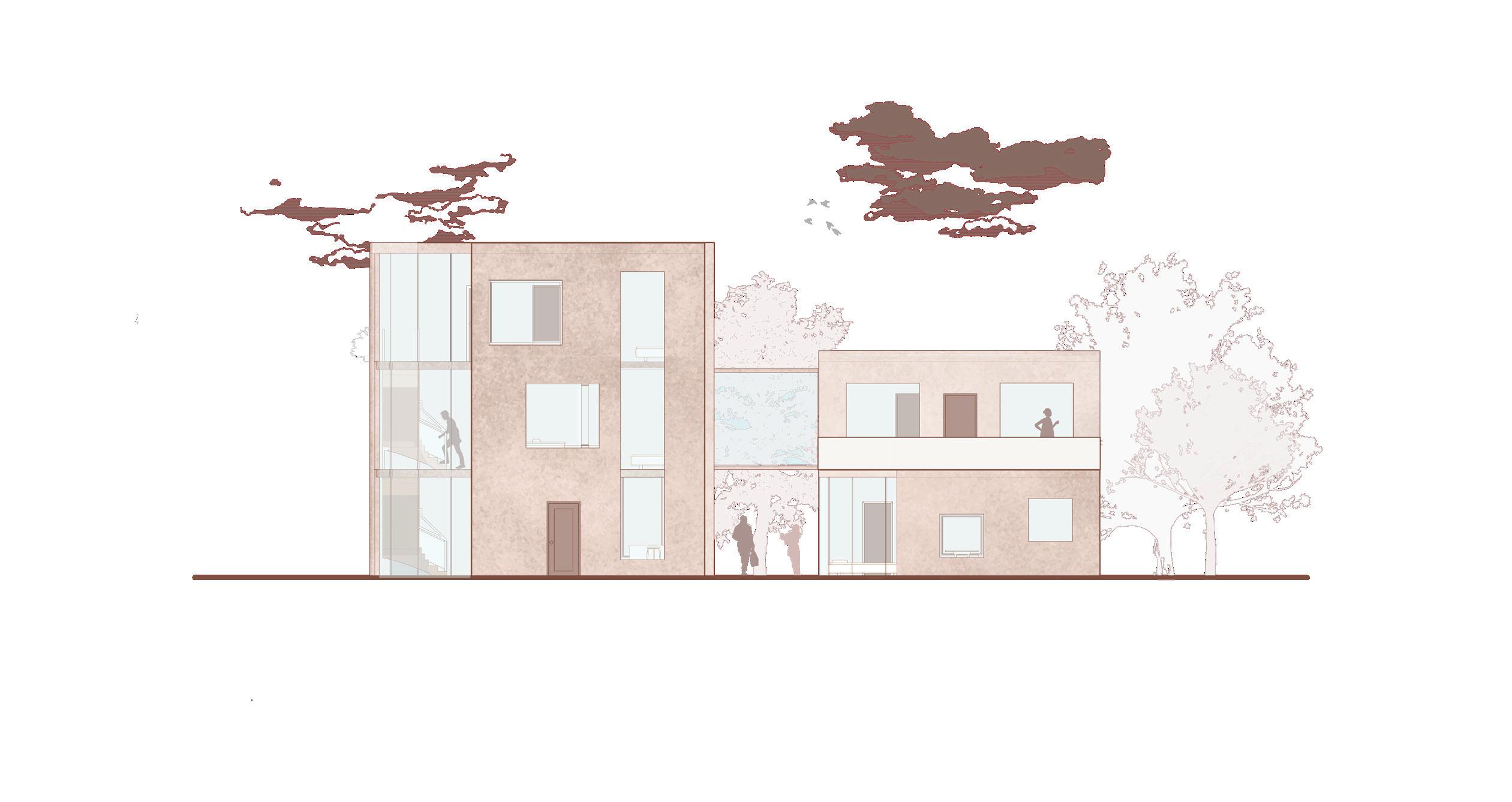
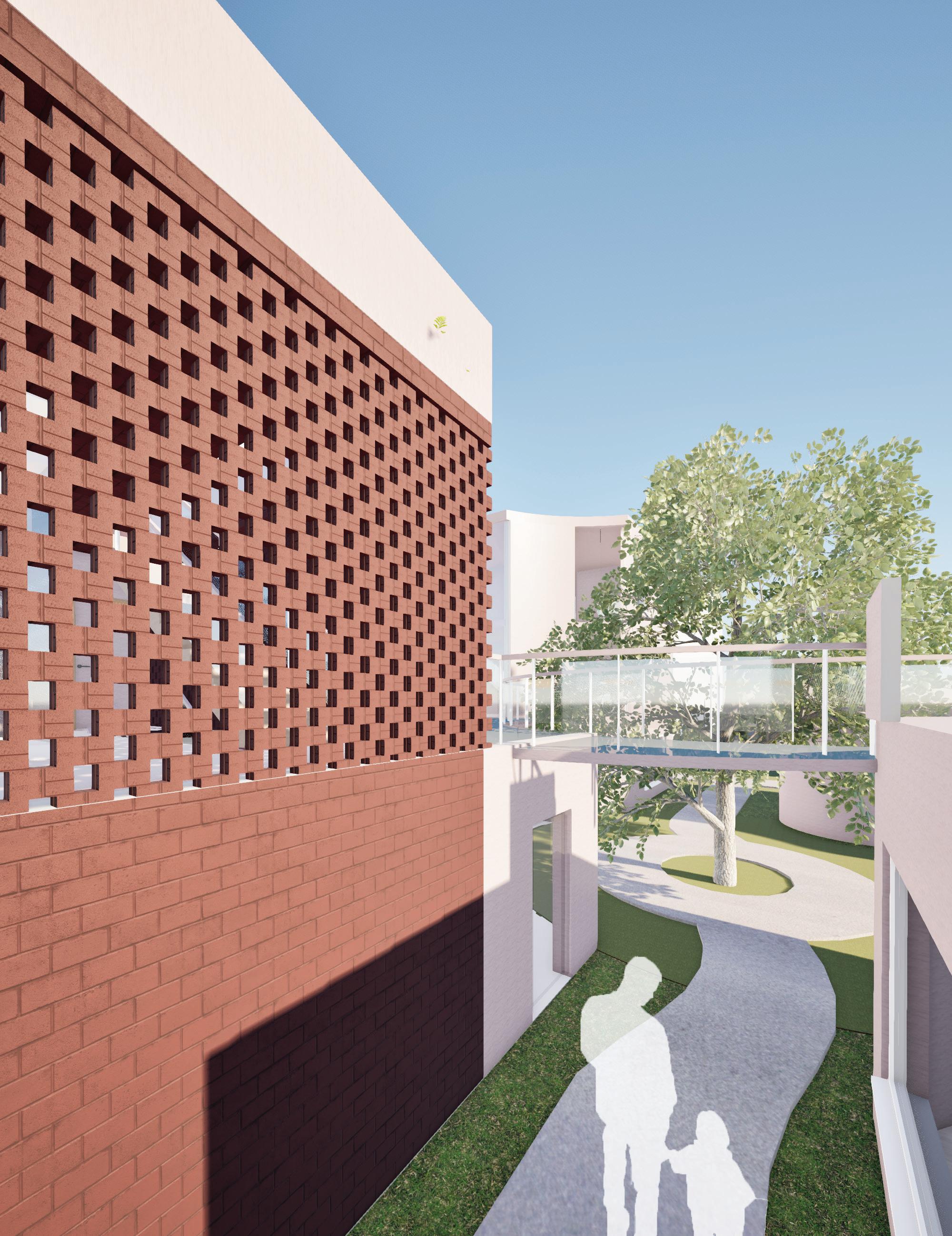
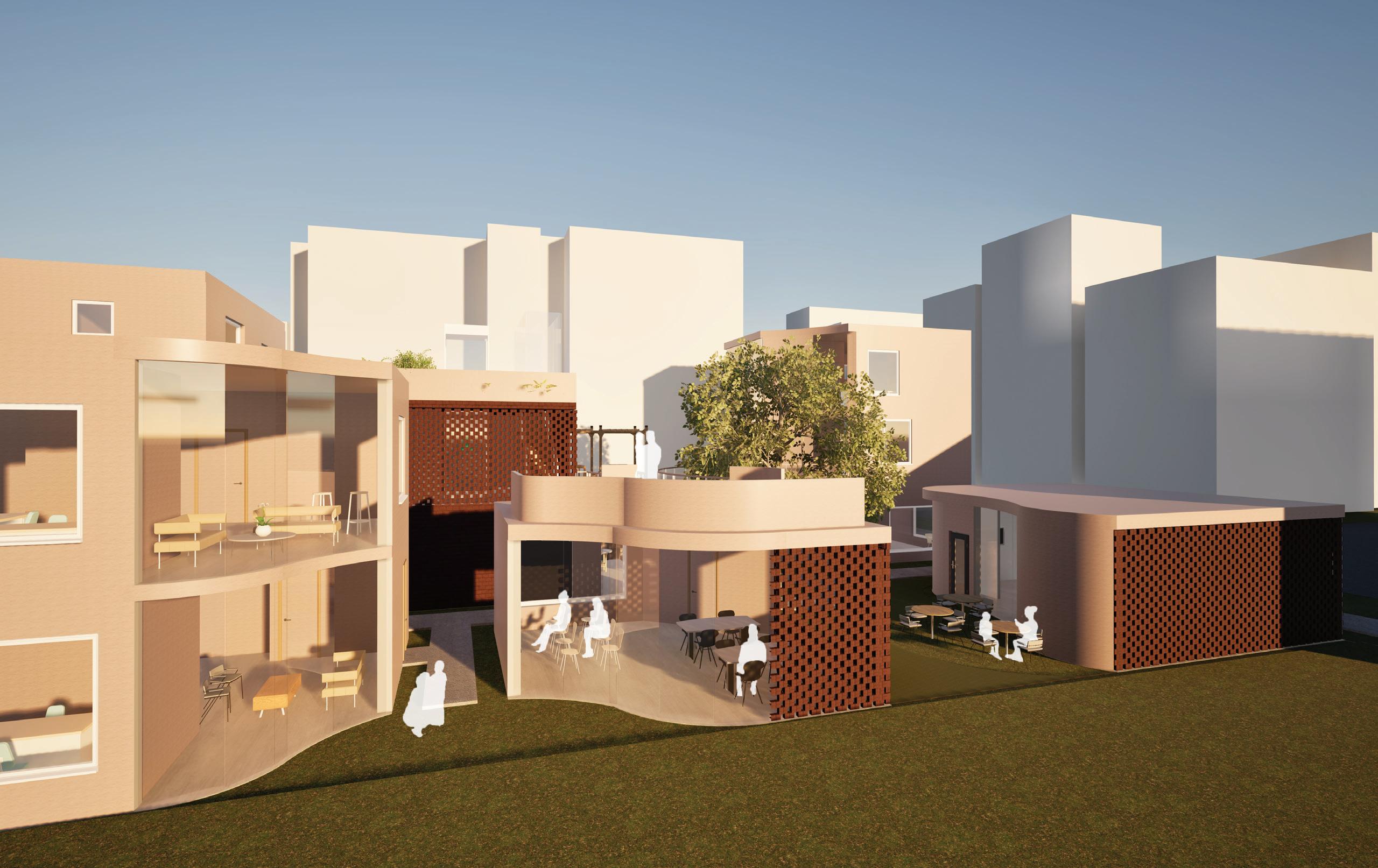
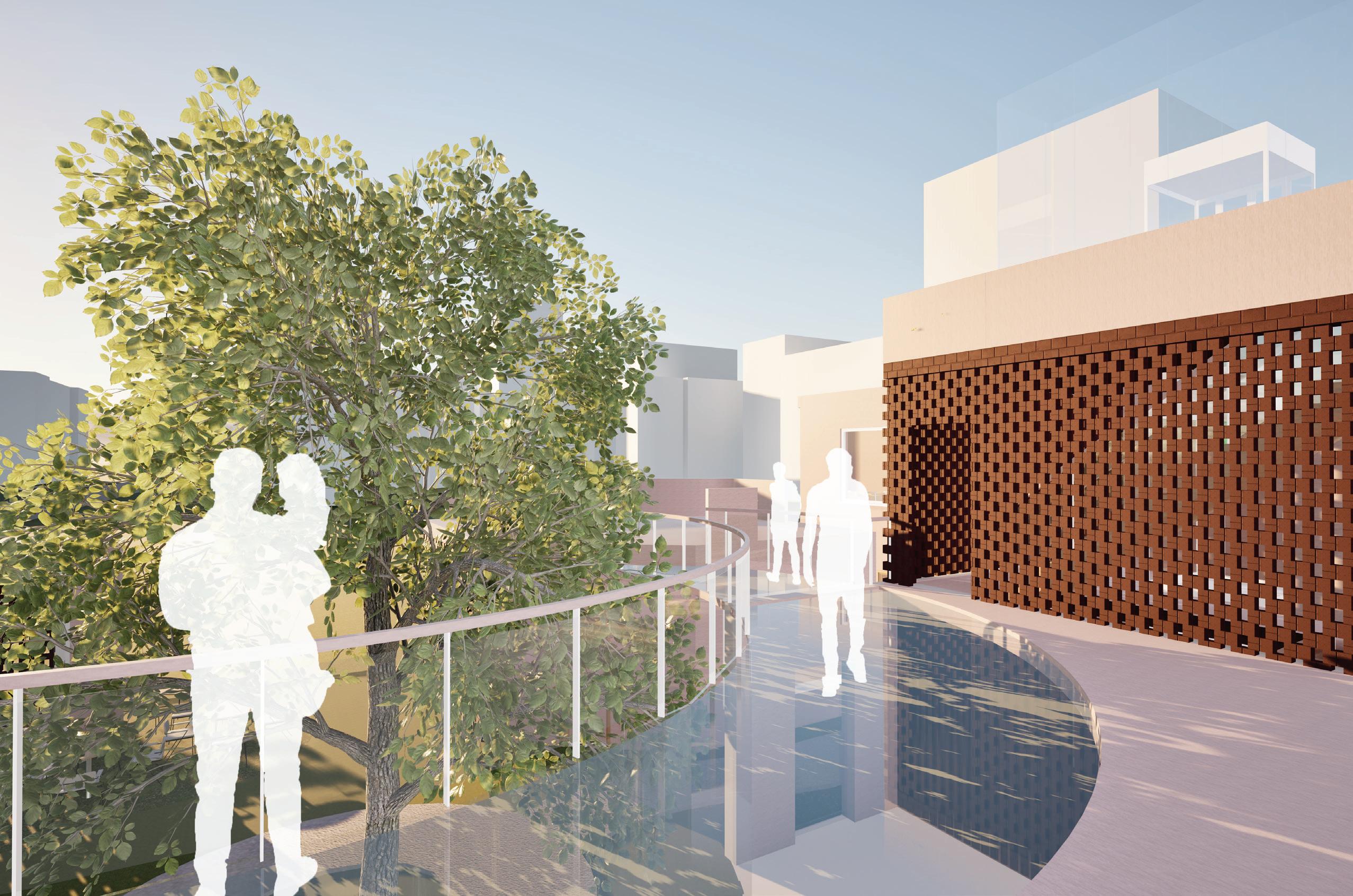
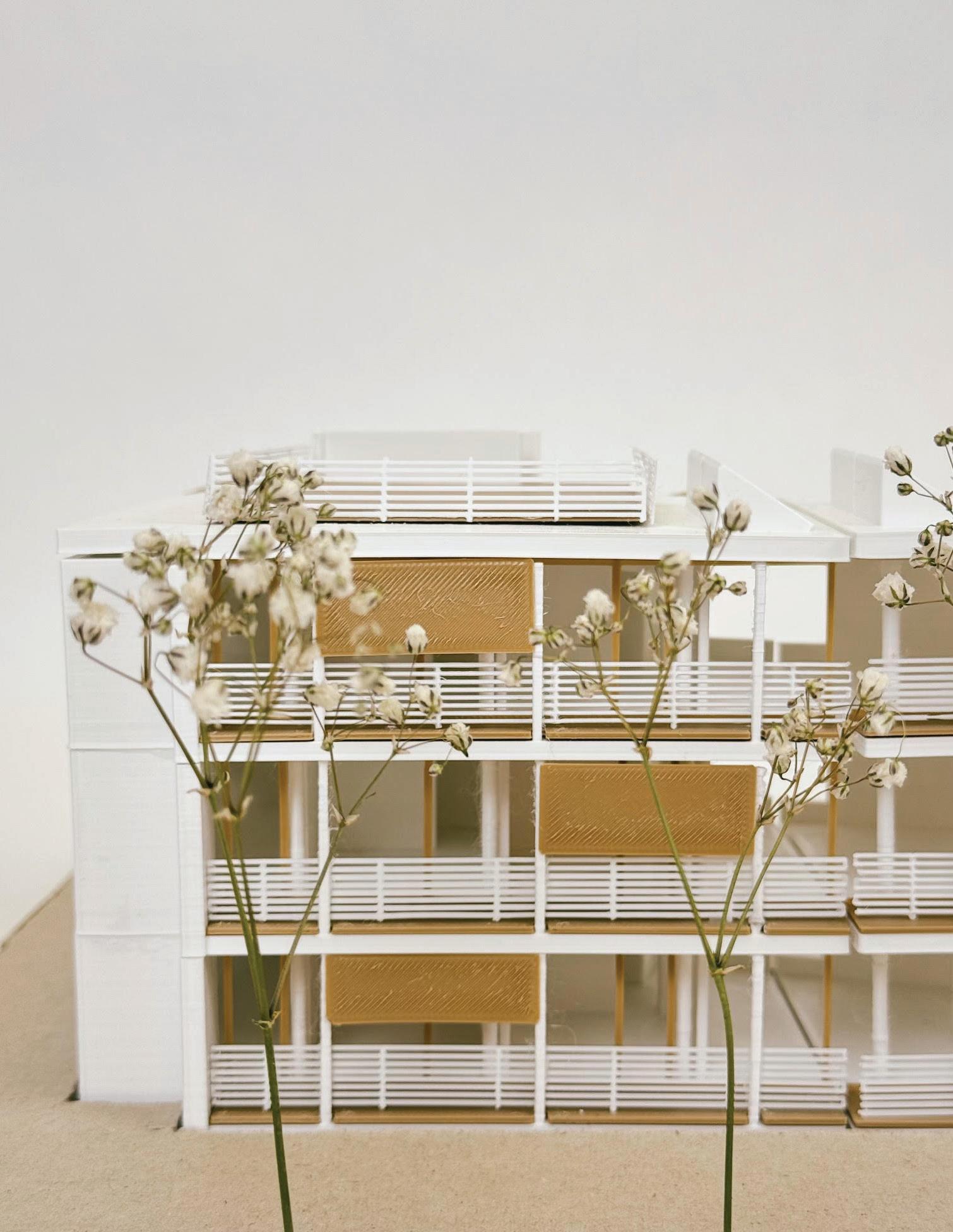
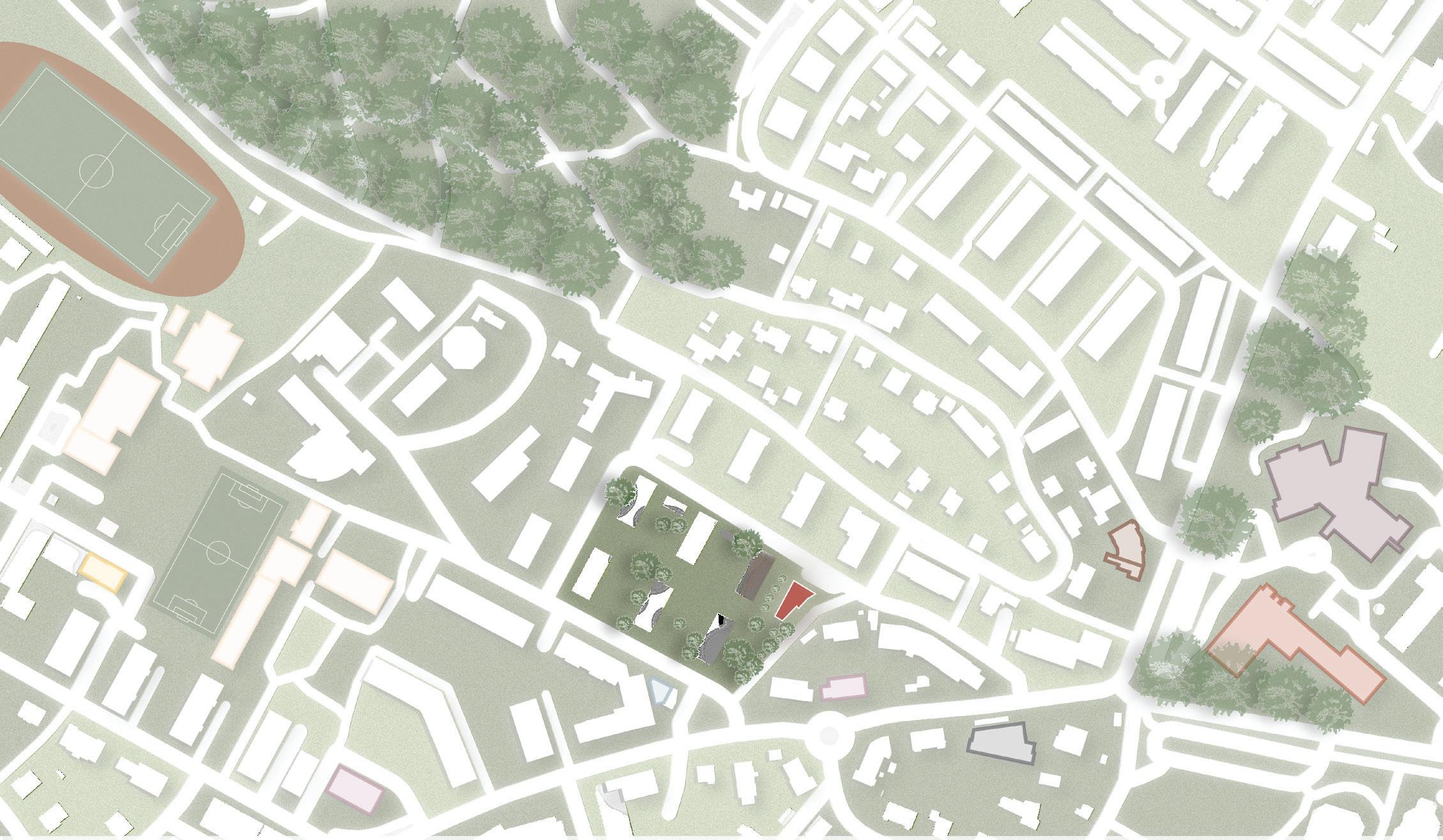
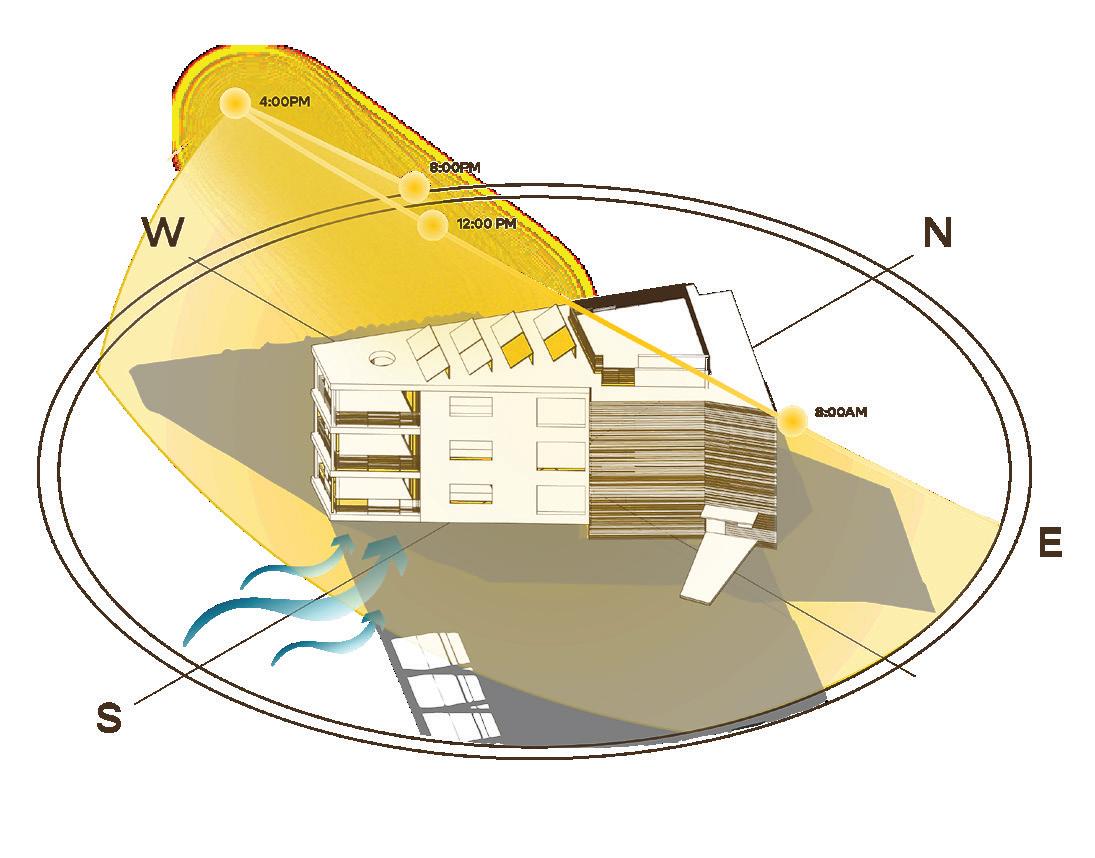
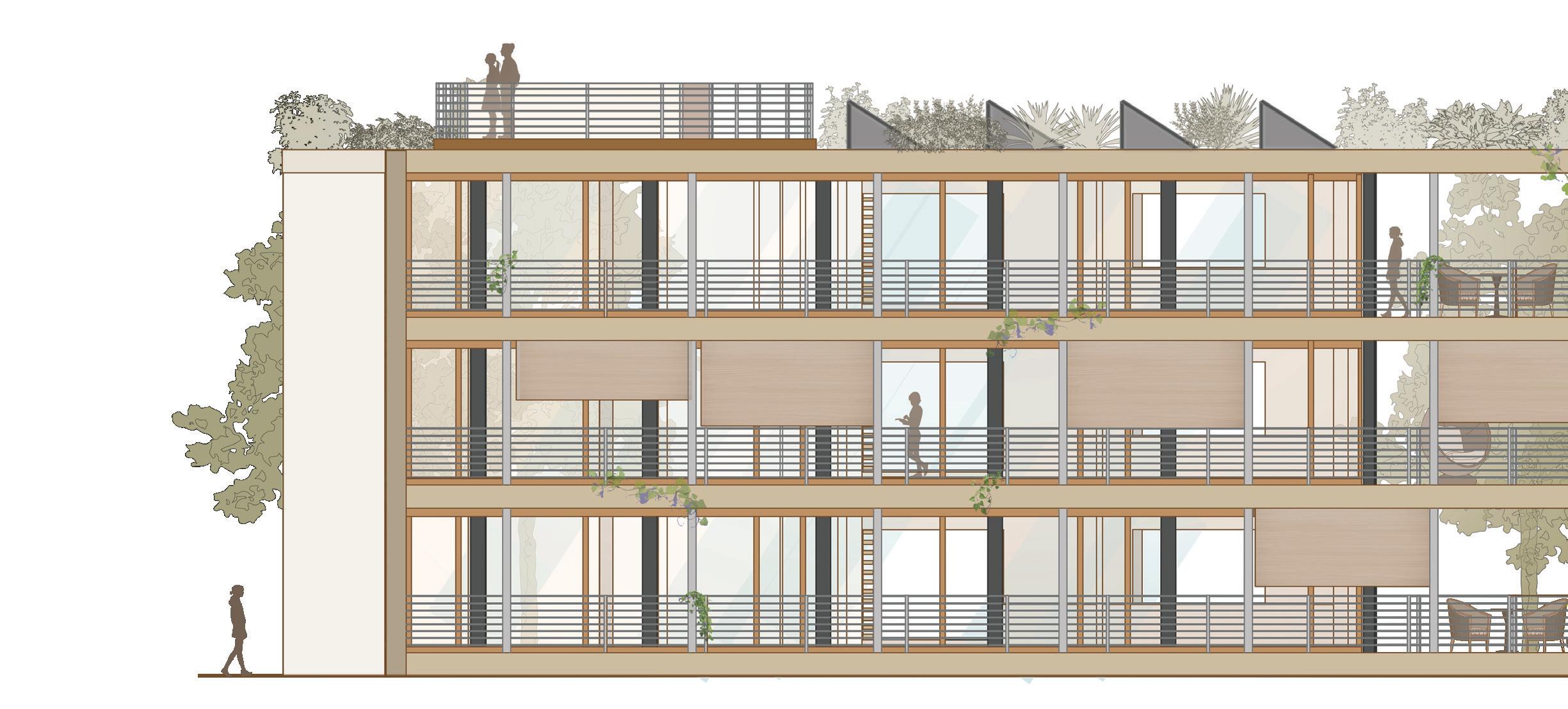
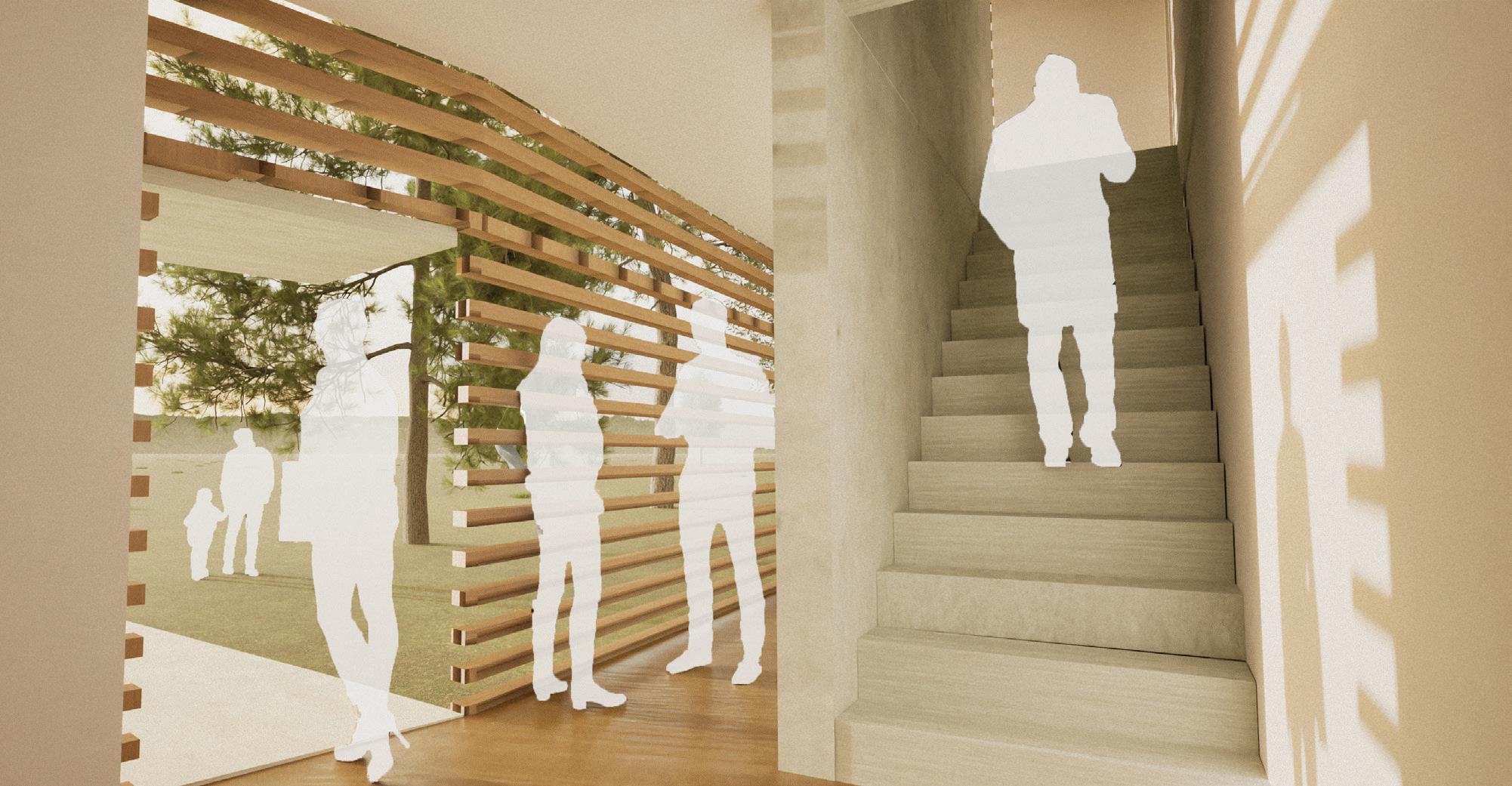
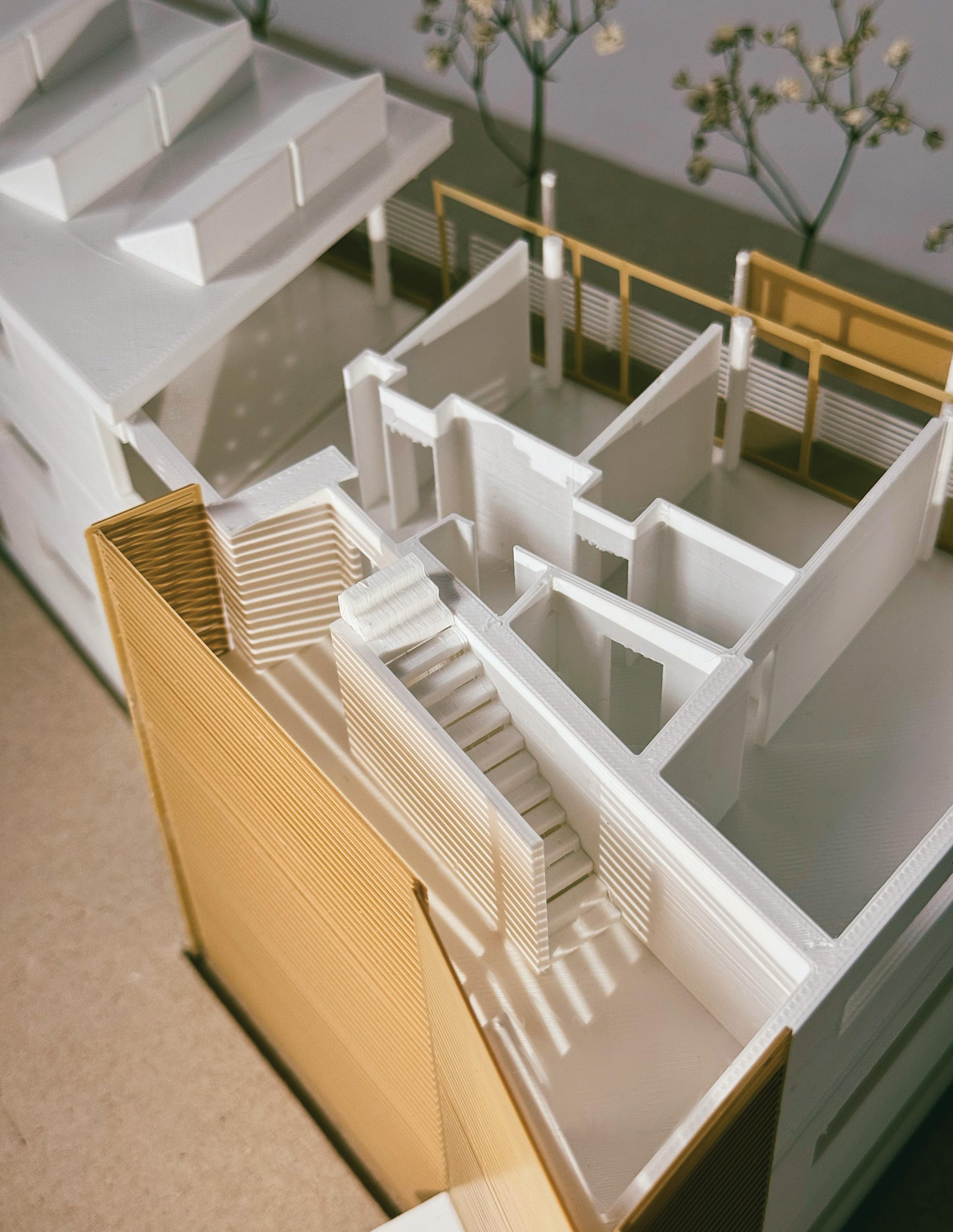
Perfora is a vibrant, versatile living space designed to foster creativity and community among individuals and families of all ages. Featuring a diverse range of housing options from studios to three bedroom room units, the development accommodates varied life-styles while inspiring collaboration and expression. Drawing inspiration from the informal art surrounding the site, particularly the graffiti art on a wall now hosting a thriving art gallery, the design integrates heritage elements with modern touches. The alleyway, a mature tree, and the original brick facades have been thoughtfully preserved and accentuated, most notably, the brick wall has been extended into a perforated brick installation. This striking feature functions both as a light-ltering art piece and a seamless in-door-to-outdoor connection for communalspaces.
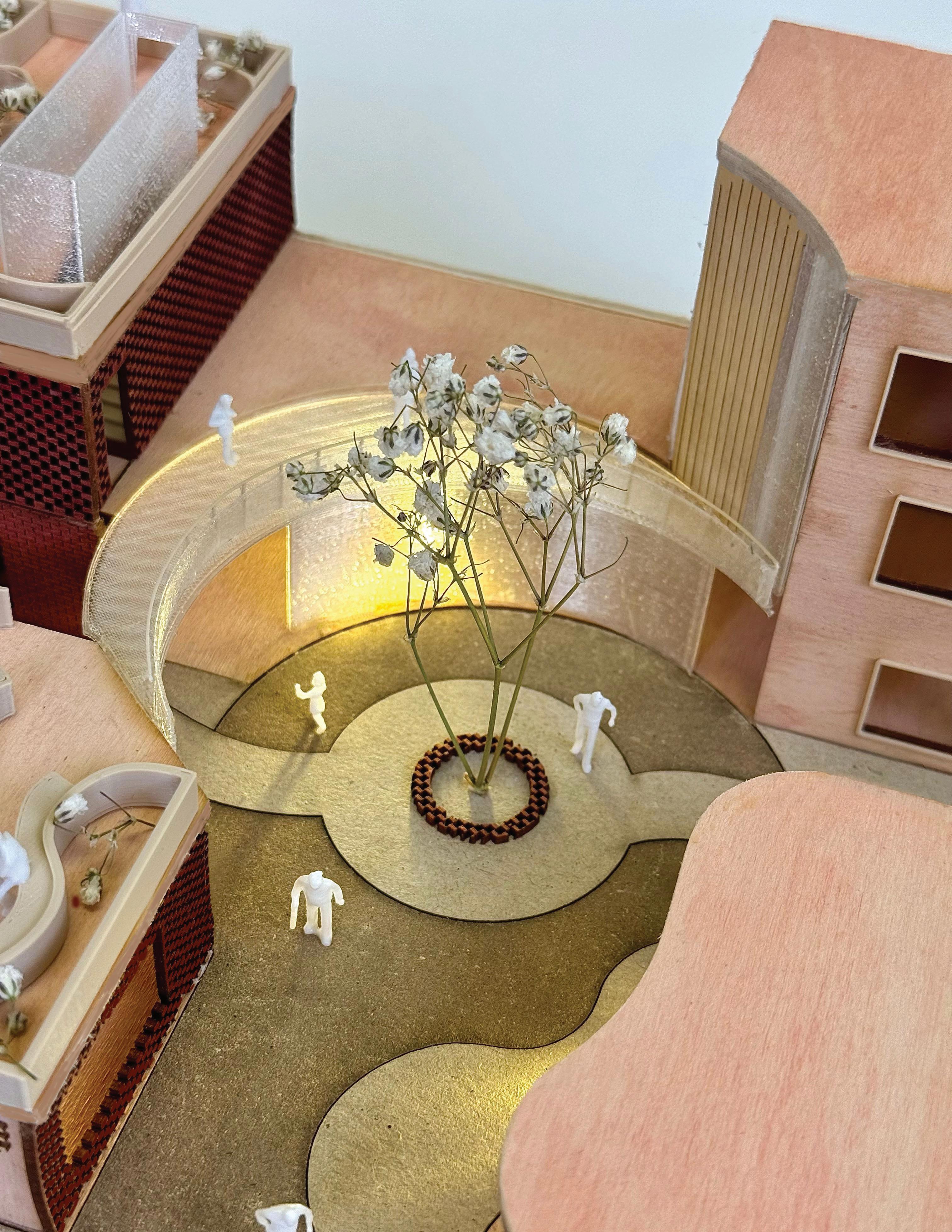
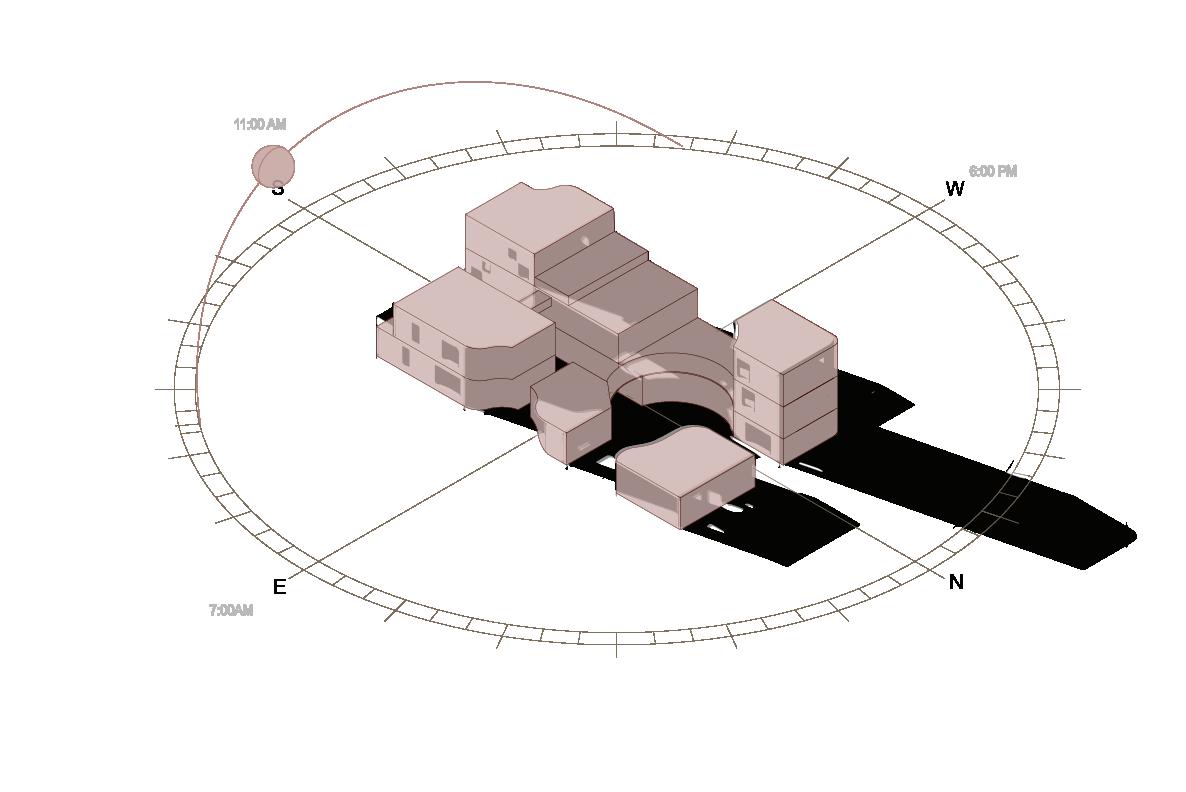
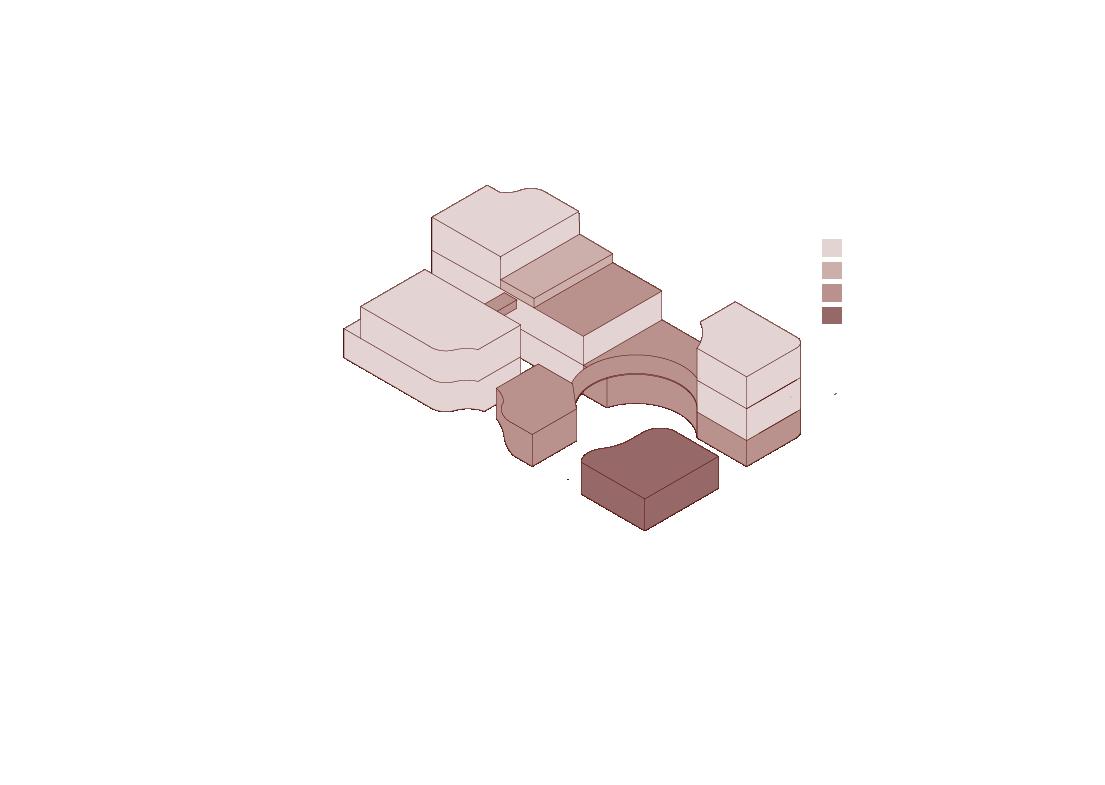
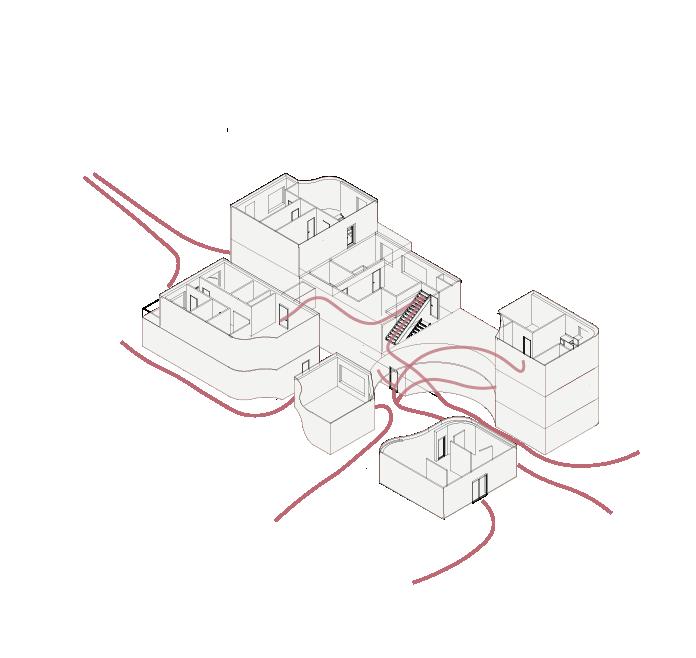
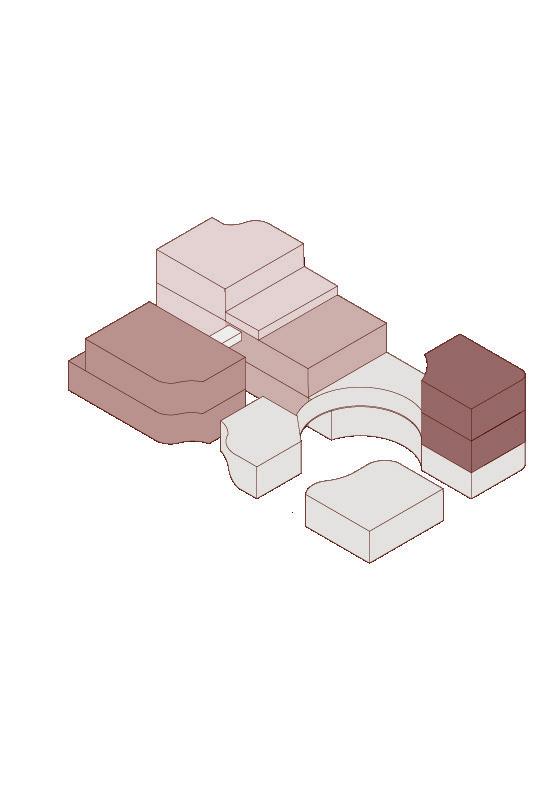
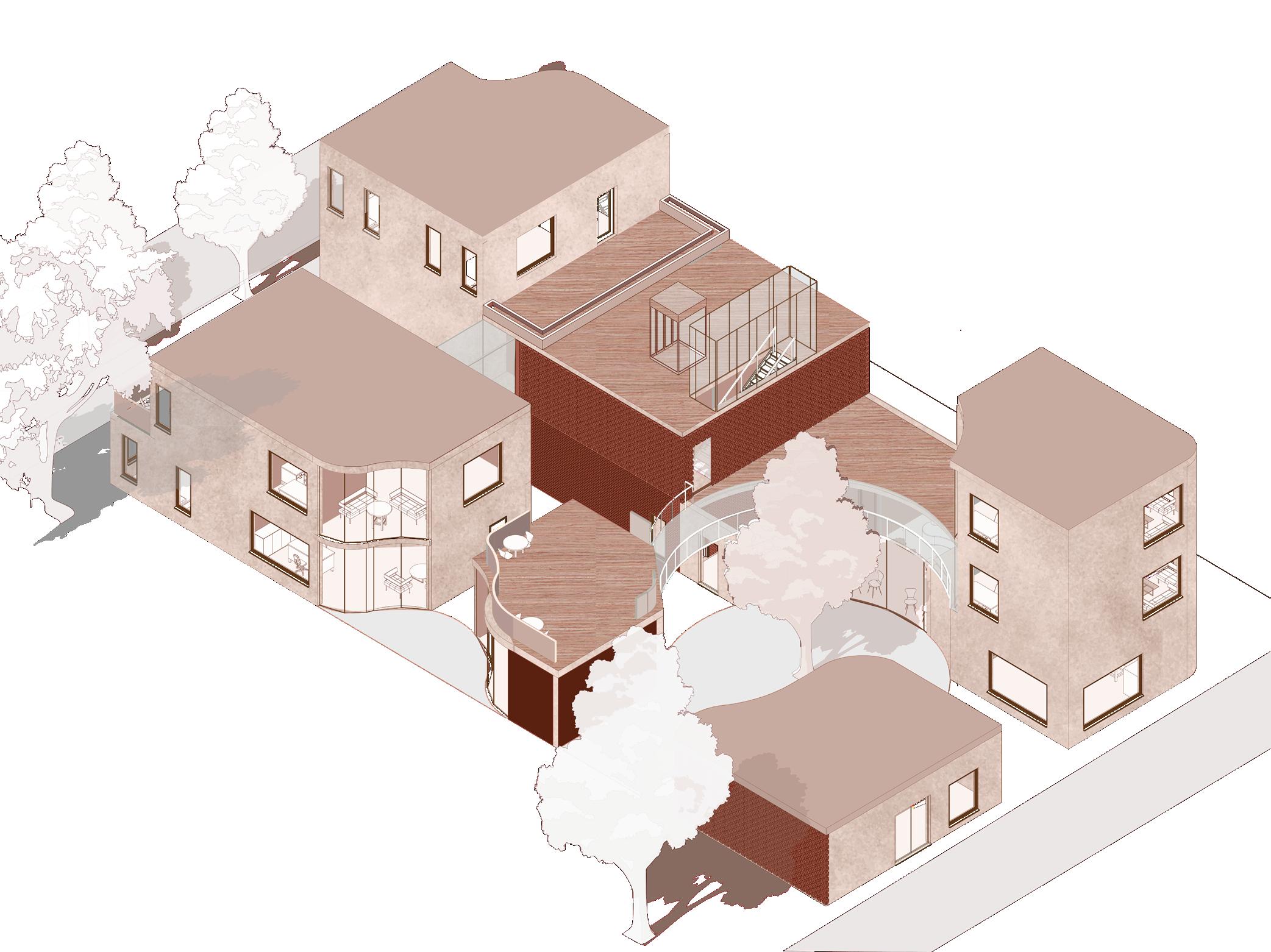
ISOMETRIC NE VIEW
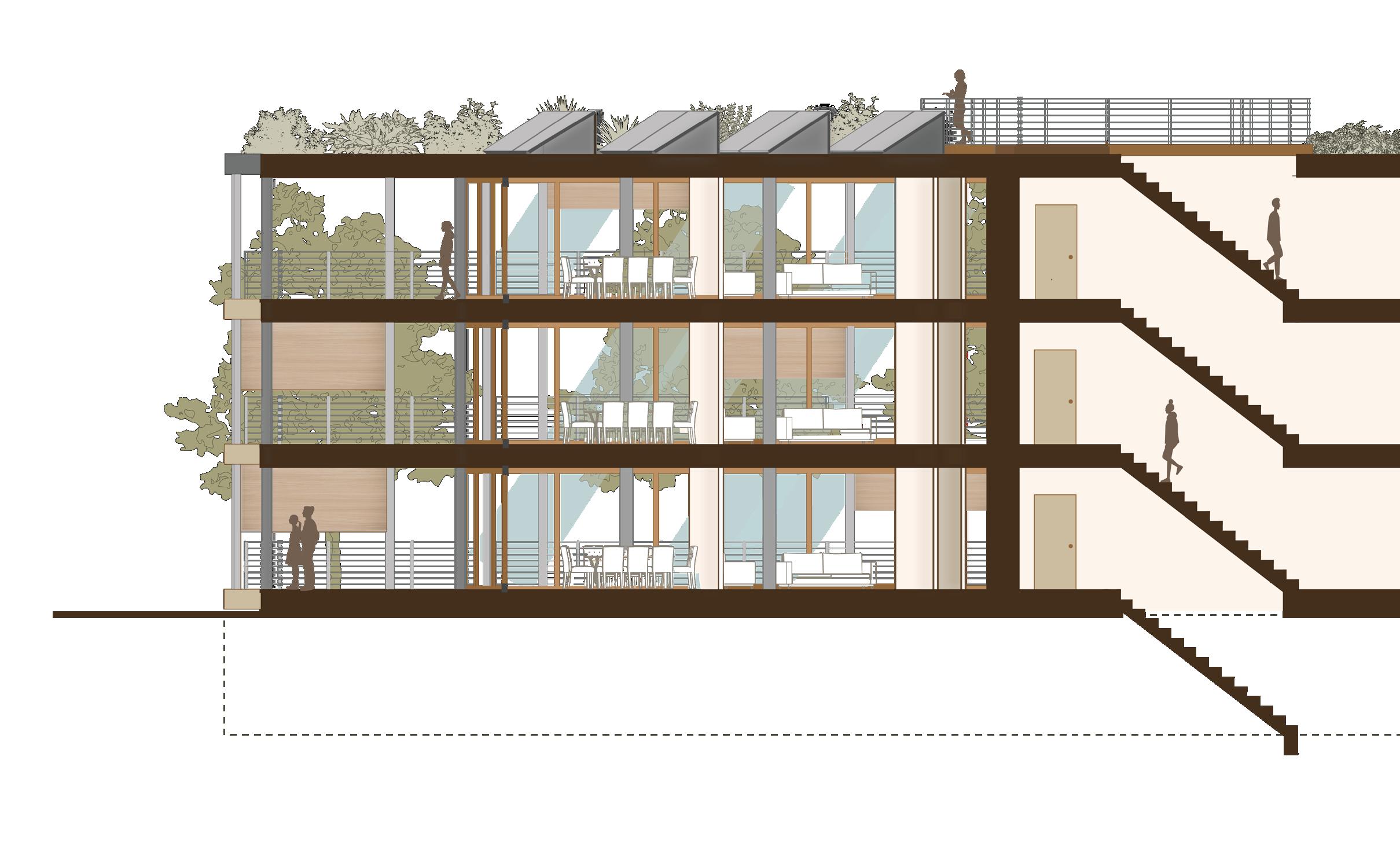
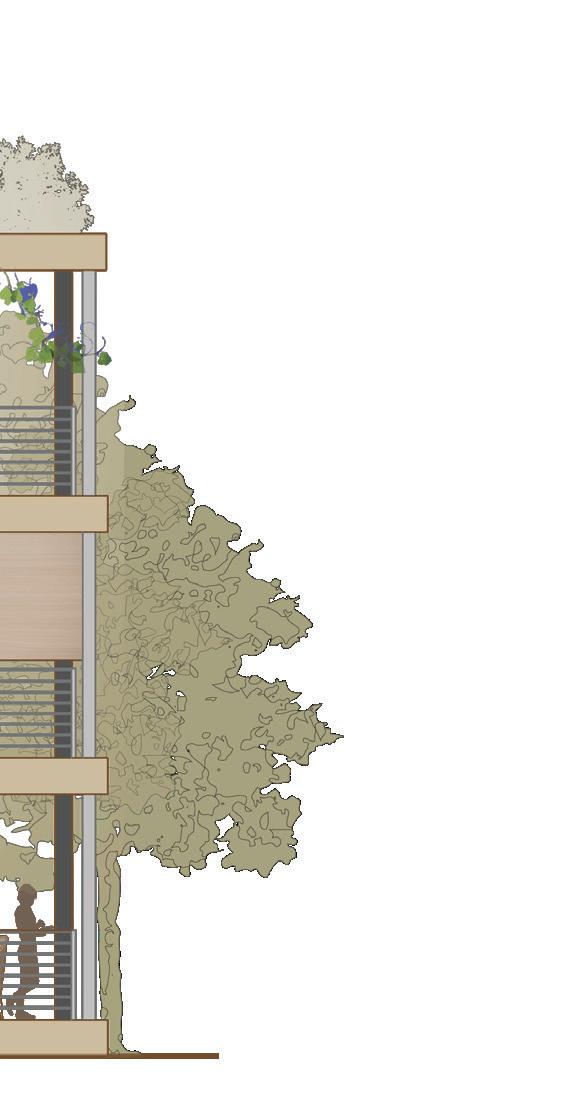
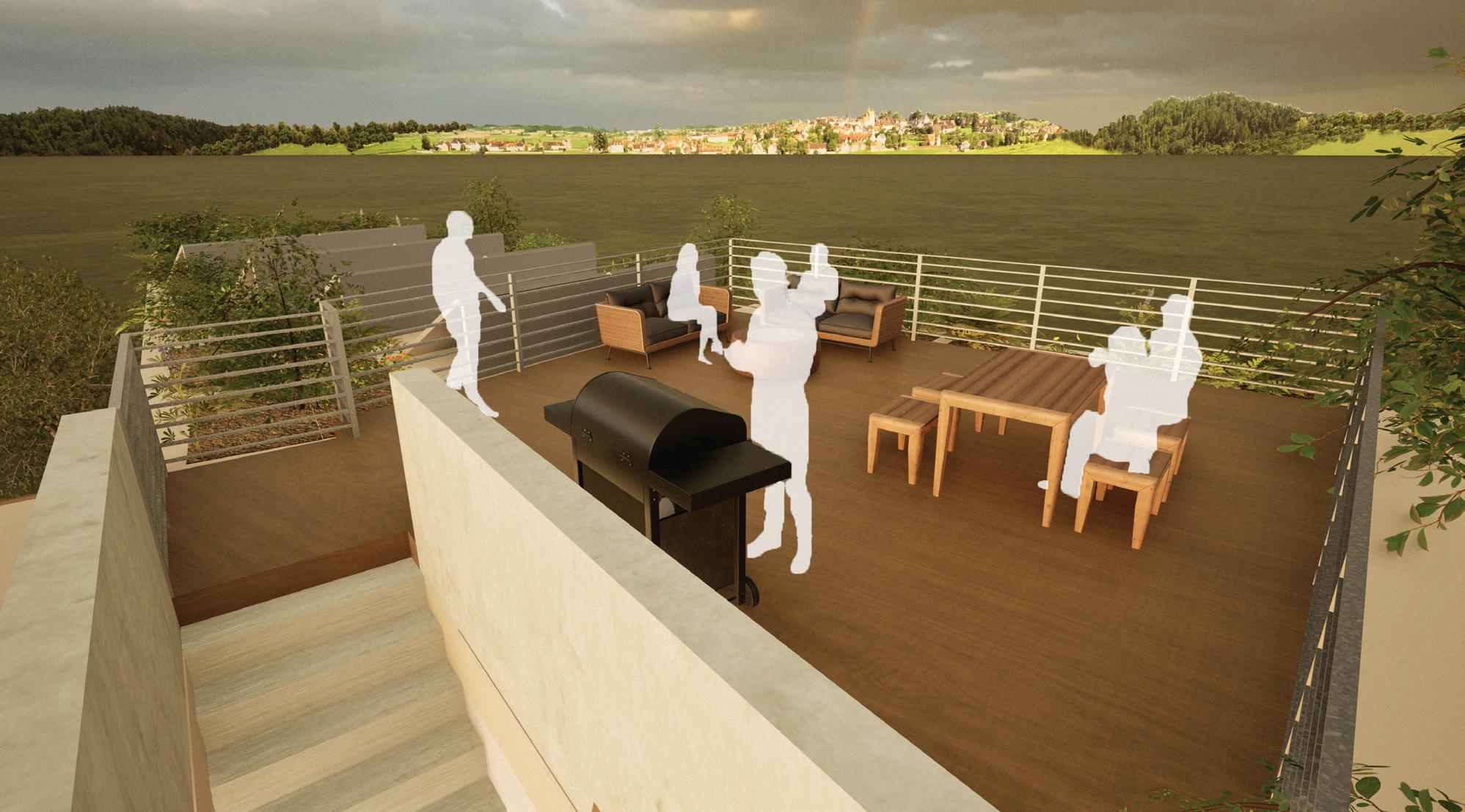
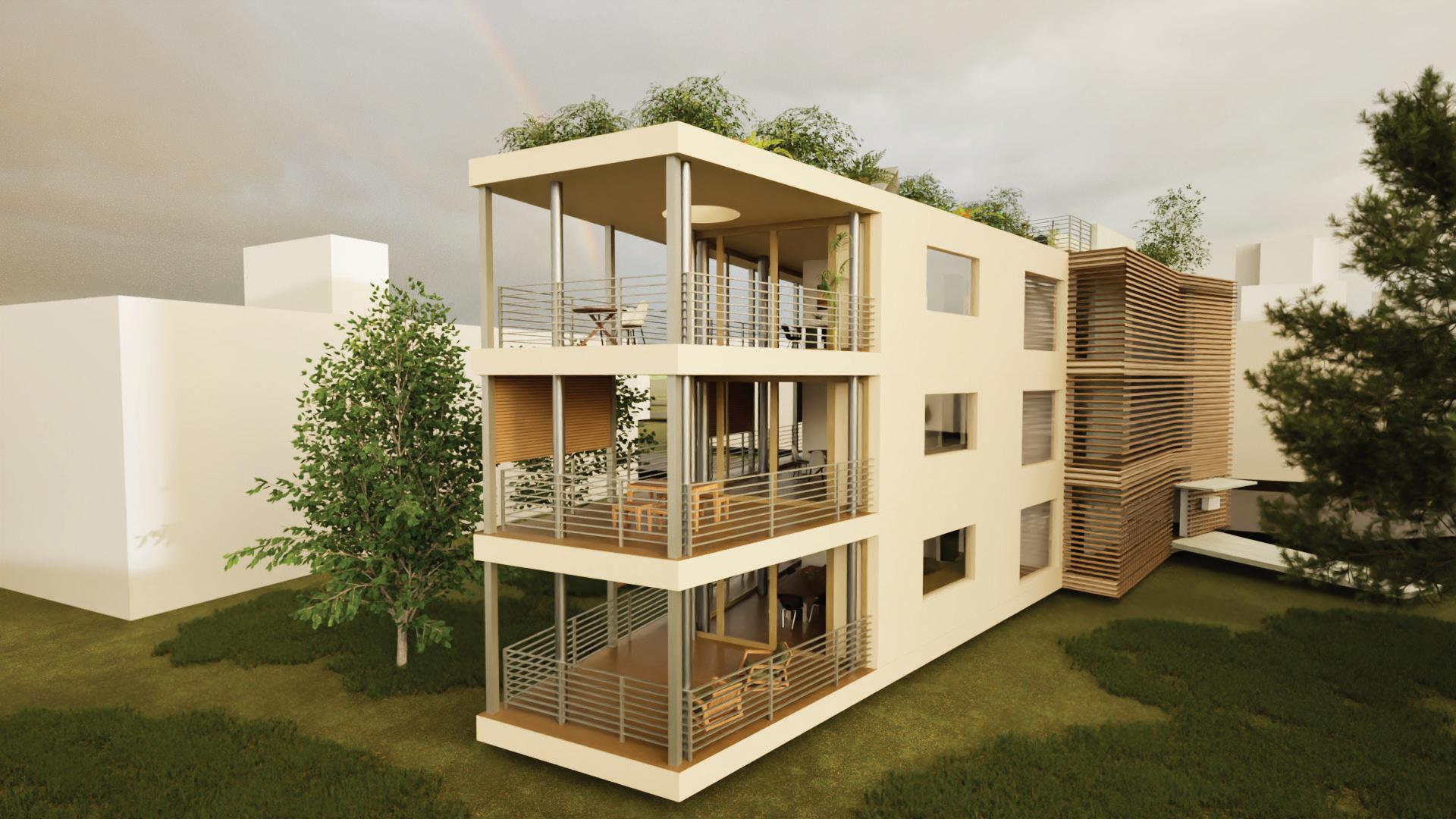
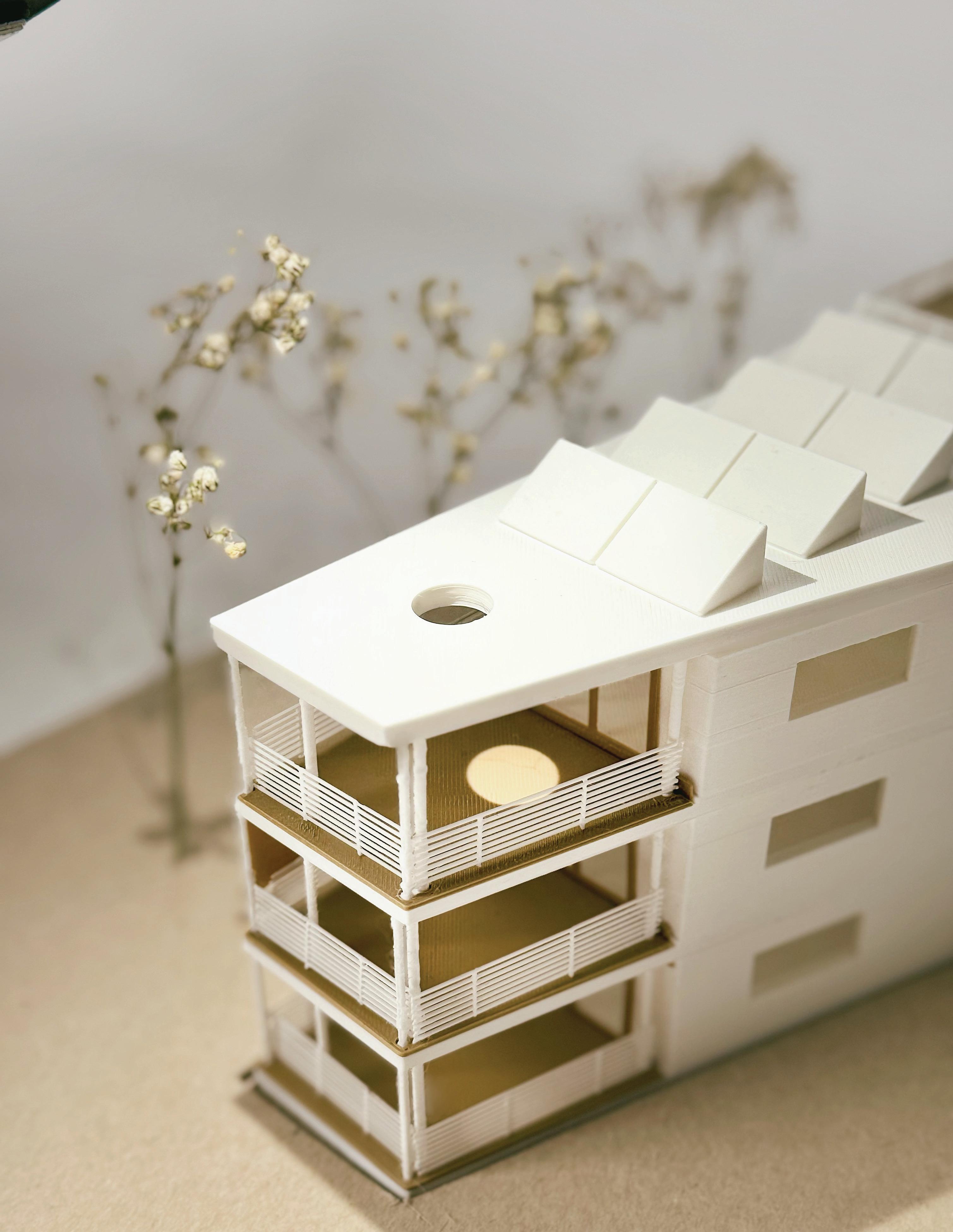
PASSIVHAUS TRIPLEX OUTSIDE OF BERN
Architect: Halle 58 Architekten
Location: Bern, Switzerland
Year: 2024
Software: Revit, Rhino 3D, Adobe Illustrator, Twinmotion
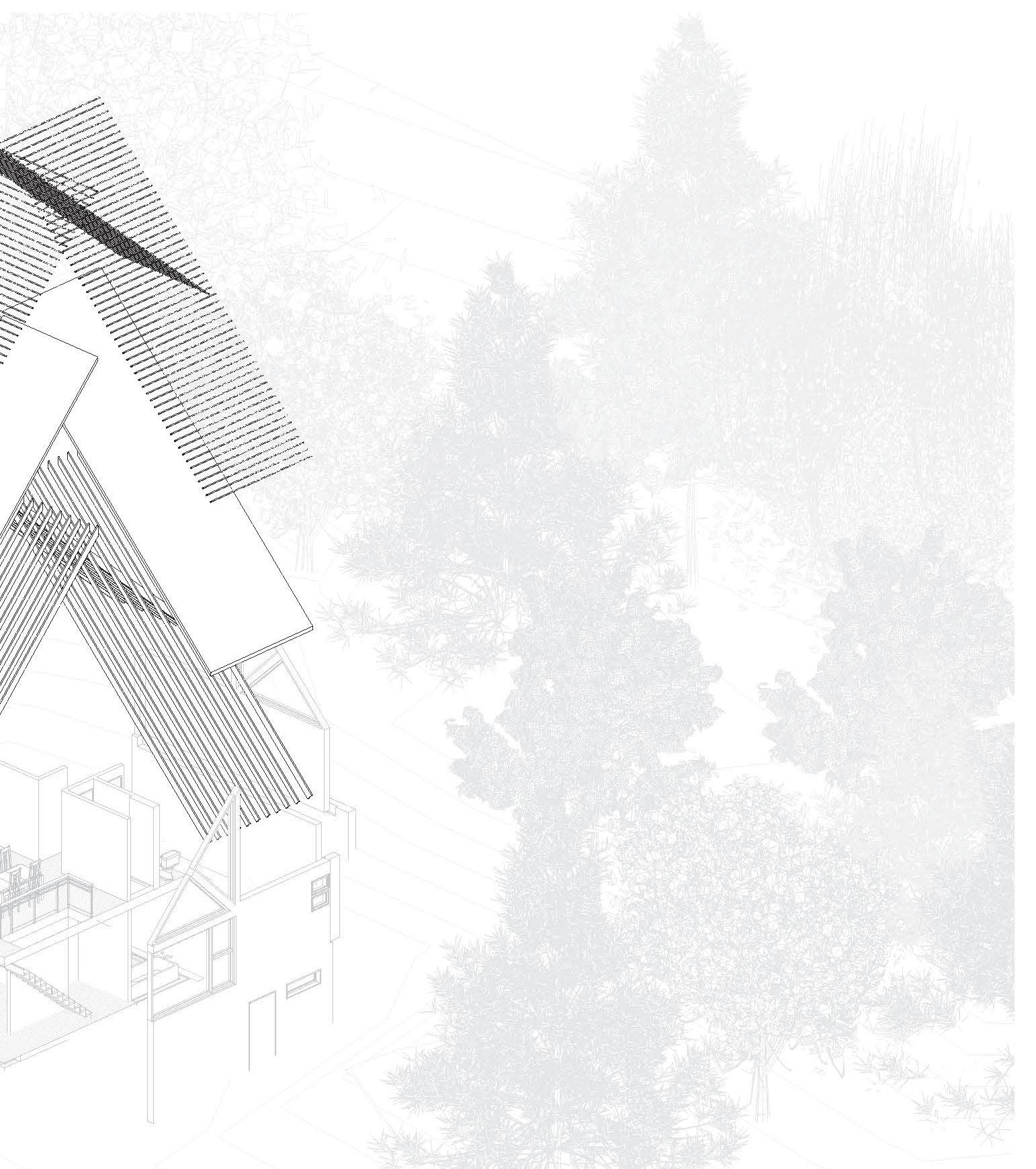
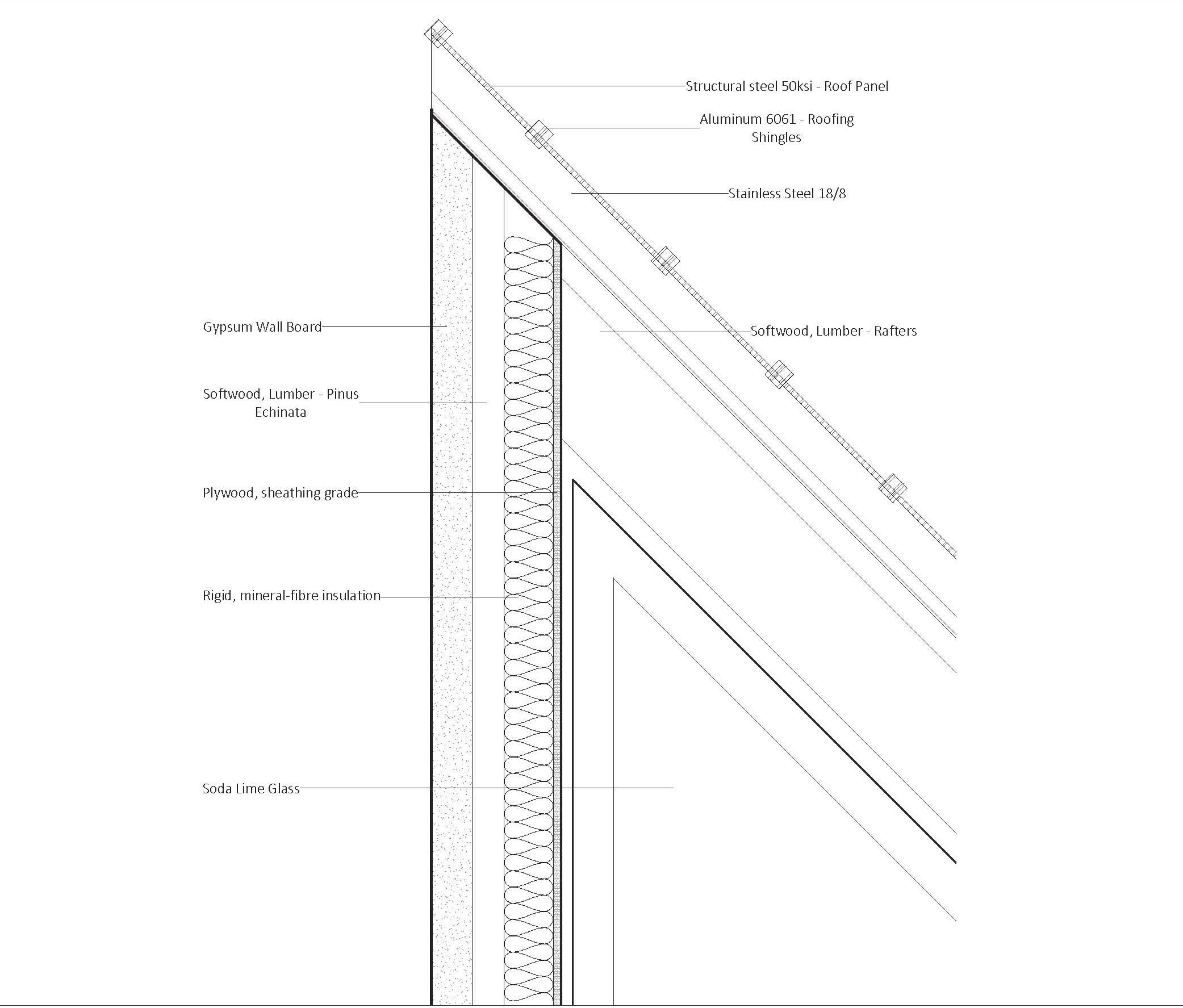
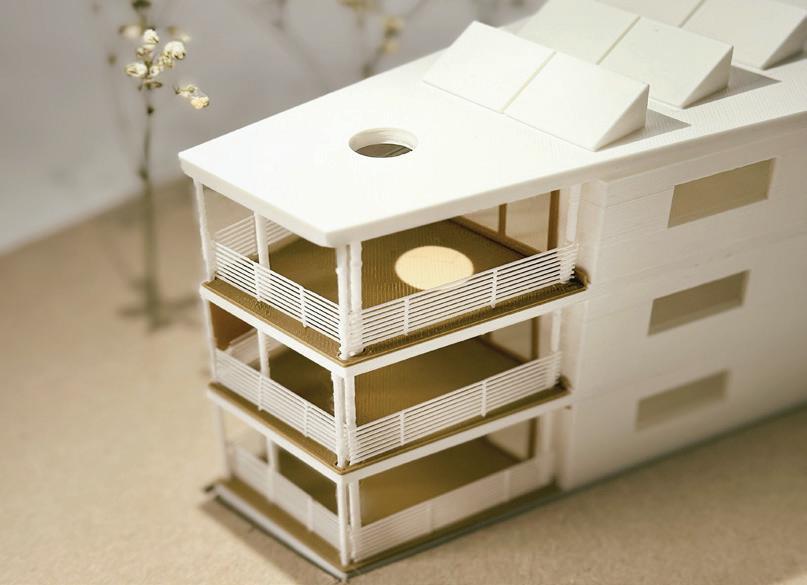
This residential building showcases an innovative approach to sustainable architecture by achieving Passivhaus standards in a multi-unit dwelling. The structure consists of three identical apartments within a unified form.















WEST ELEVATION
EAST ELEVATION

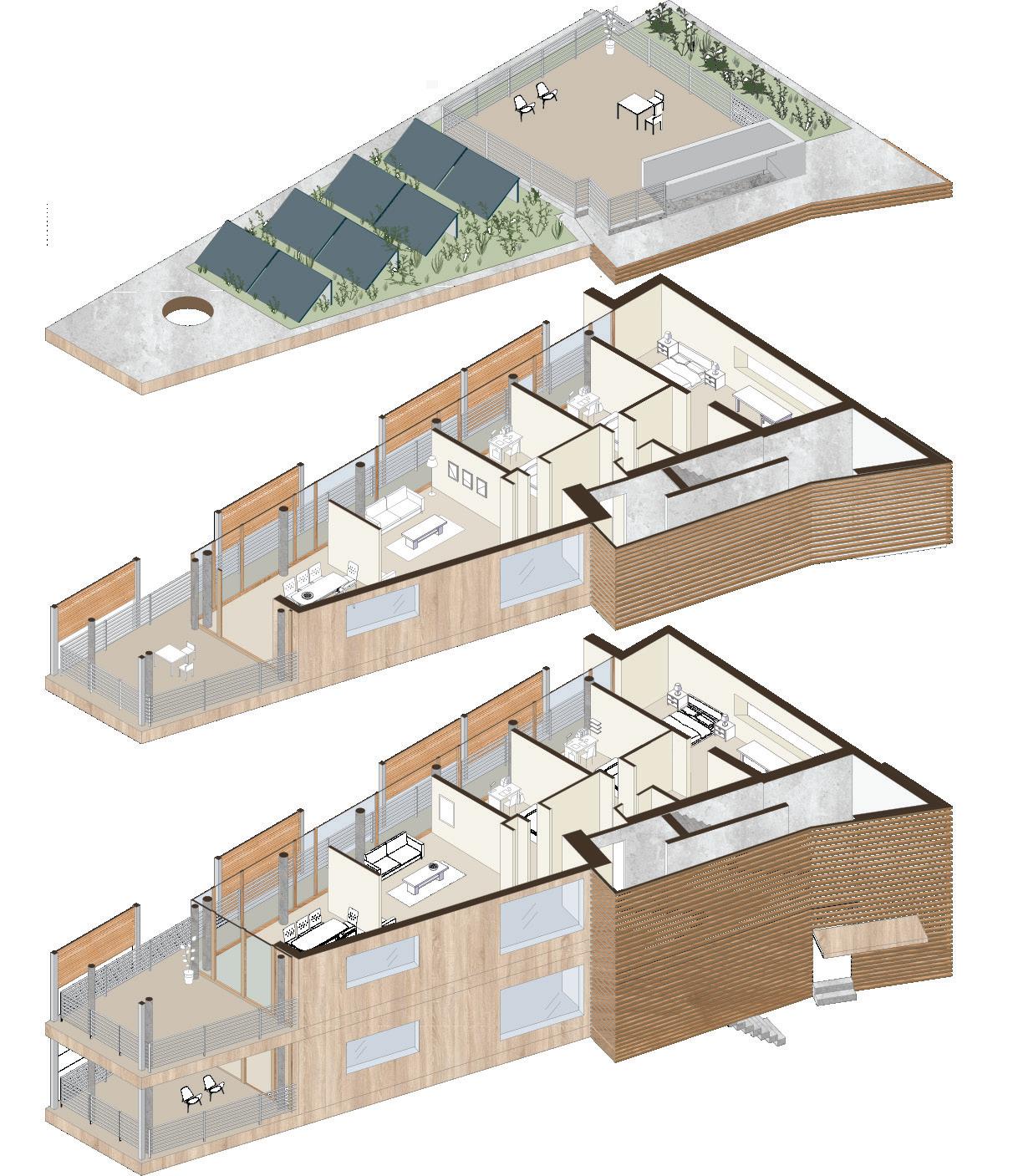
EXPLODED AXONOMETRIC
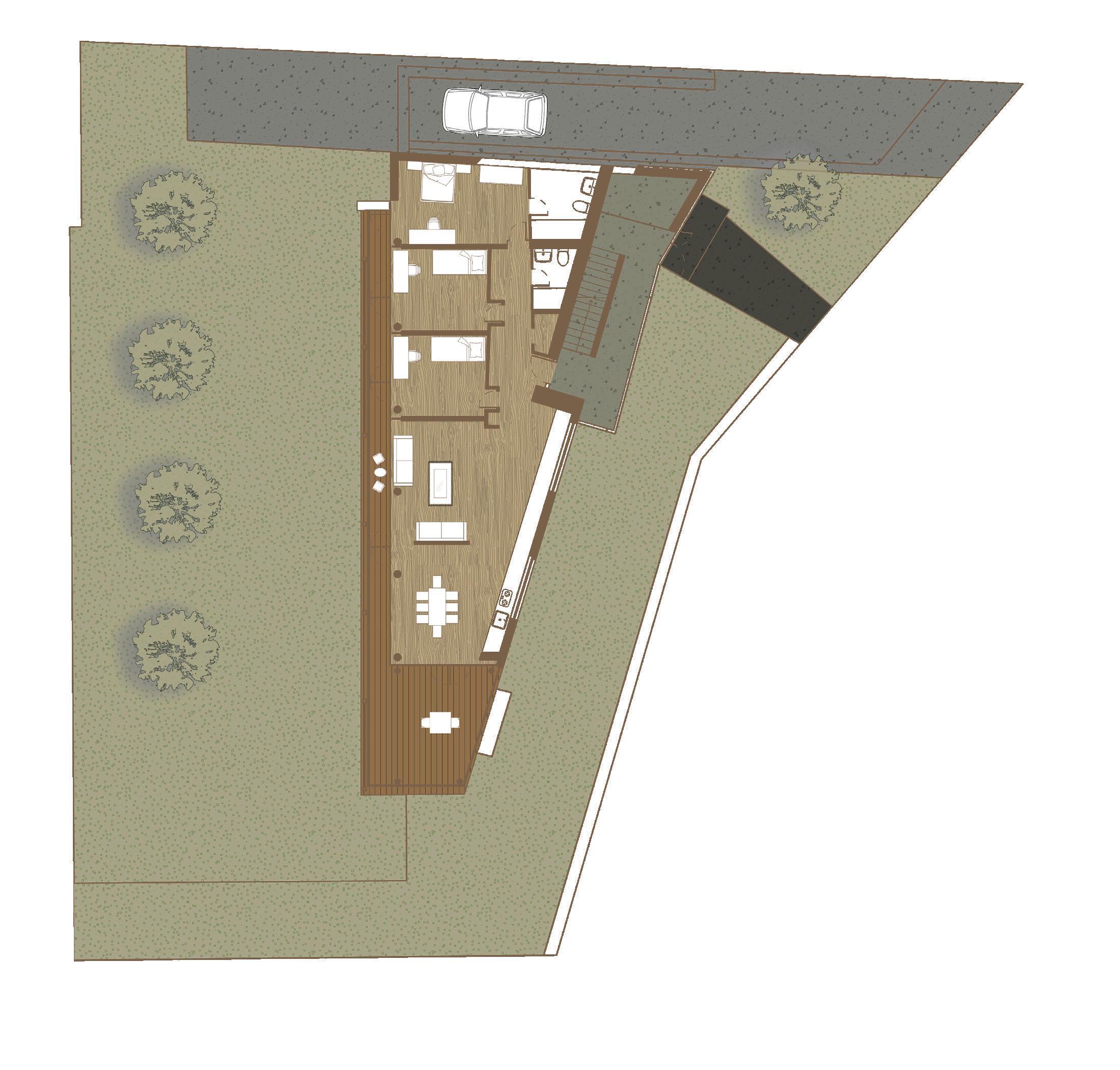
FLOOR PLAN
ROOF PLAN
ROOTED 03/
Original Project
Location: Gastown, Vancouver
Year: 2025
Software: Rhino 3D, Adobe Illustrator, Photoshop, InDesign, Twinnmotion
Collaborators: Yumnah Rushdy, Whinnie Zhang
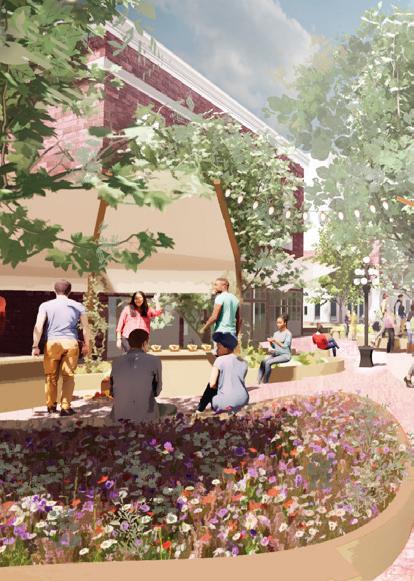
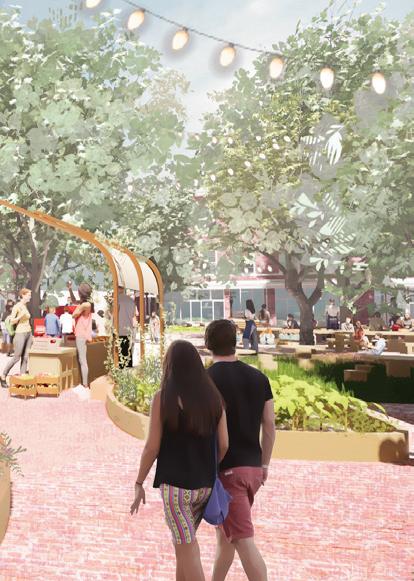
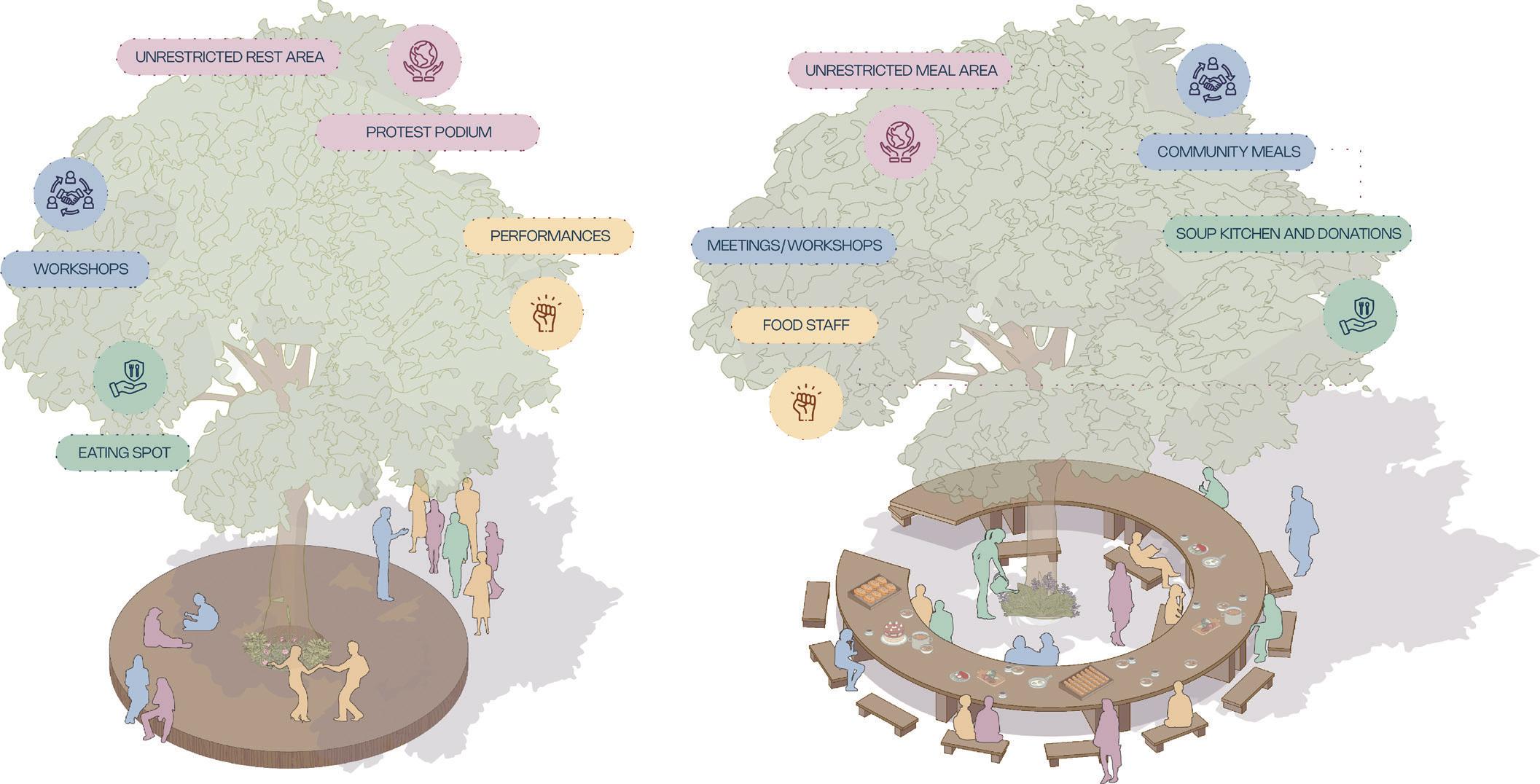
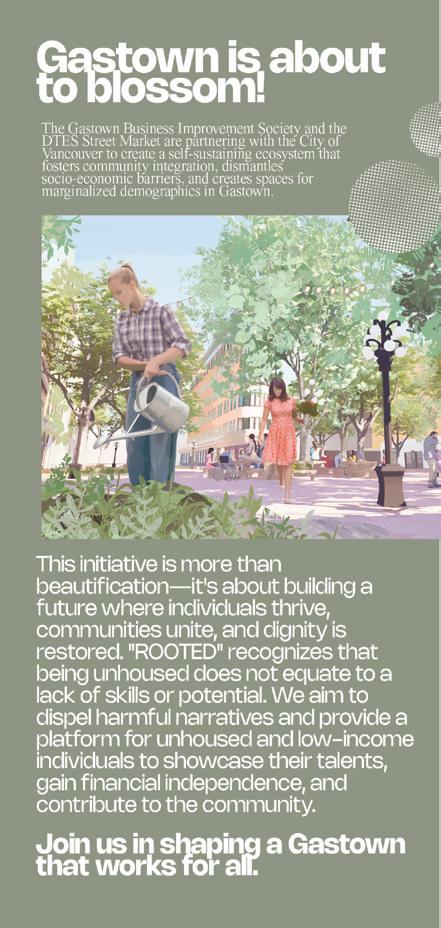
Vancouver’s Gastown growth and heritage preservation have fueled displacement, as rising housing costs and commercial-focused policies push low-income communities to the margins, deepening inequality in the Downtown Eastside.
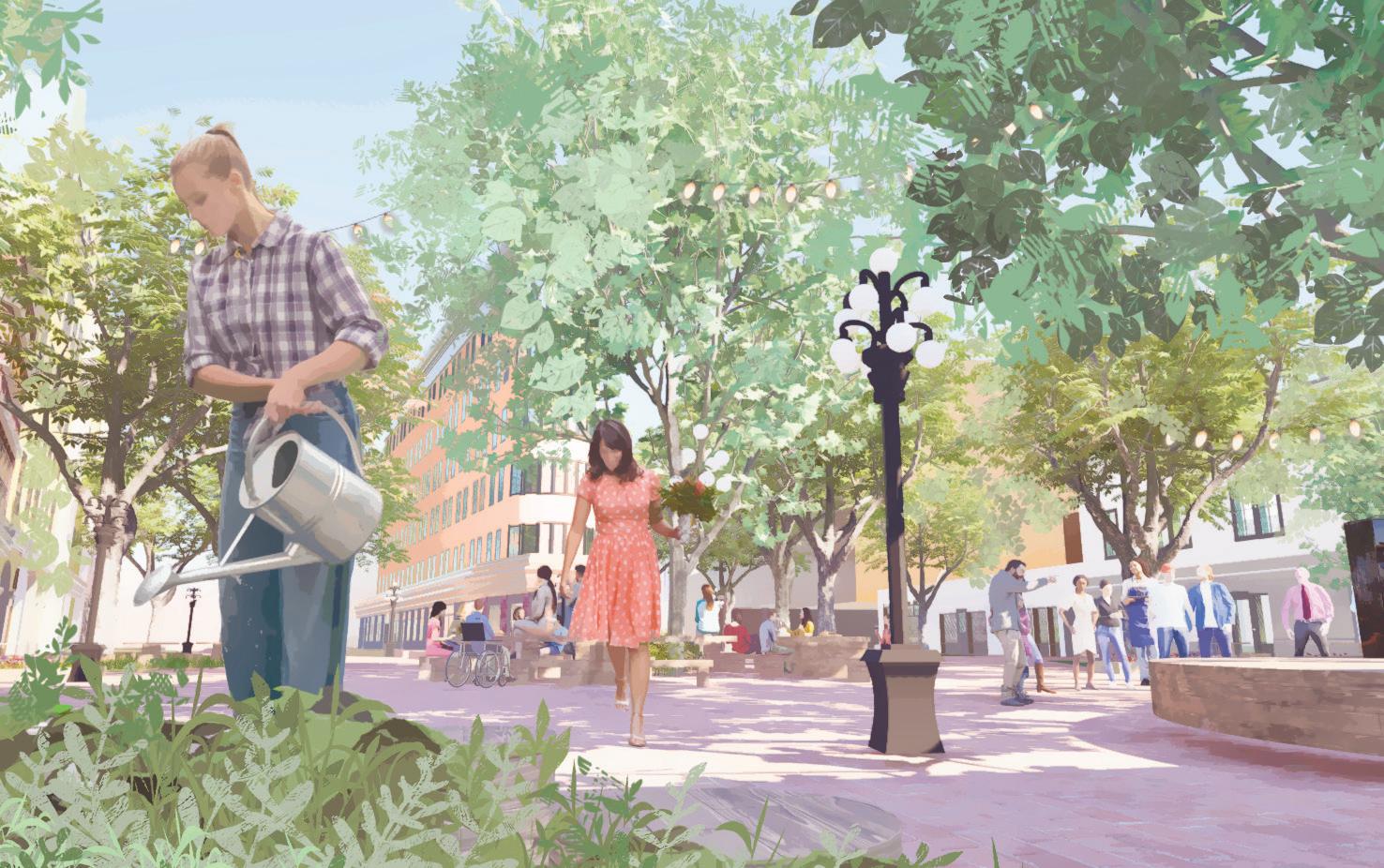
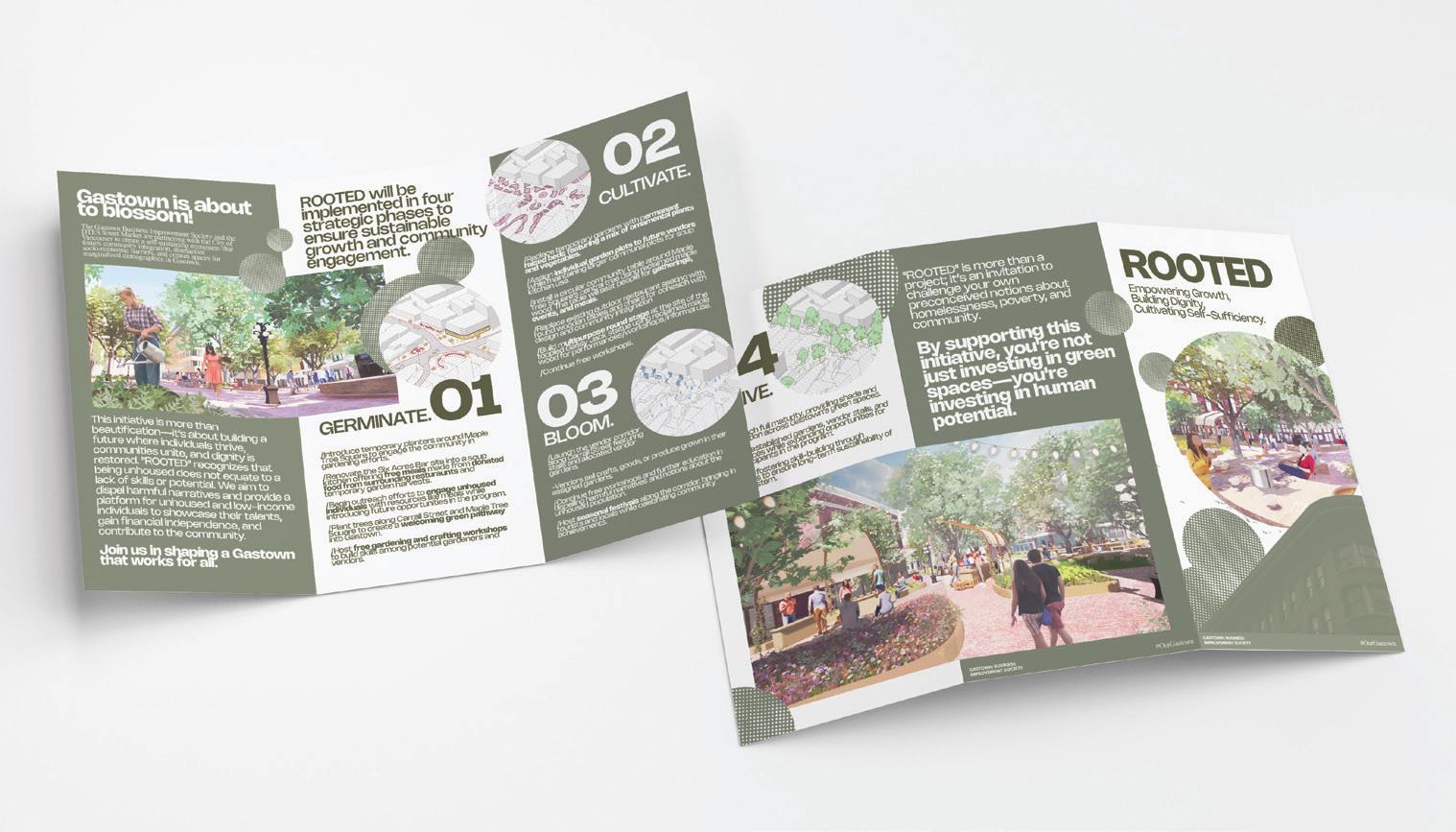
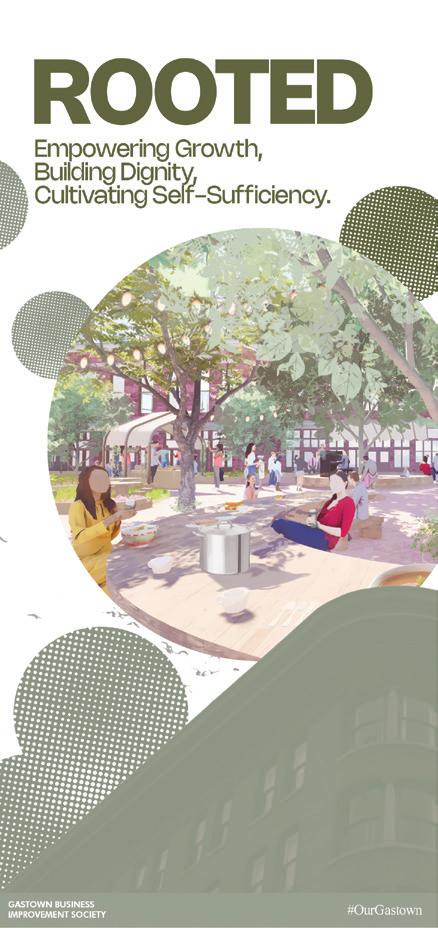
My proposed design concept focuses on creating a sustainable ecosystem that fosters self-reliance and community integration while dismantling socio-economic barriers and reclaiming space for unhoused marginalized demographics
SOCIOECONOMIC DIVIDE INDEX KEY
AFFLUENCE DISPLACEMENT

BUILDING FOOTPRINTS
PUBLIC STREETS
GASTOWN BOUNDARY
FOOD PROGRAMS
HOMELESS SHELTERS
GBIS BUILDINGS
CHOSEN SITE
CONTEXT PLAN SOCIOECONOMIC DISTRIBUTION IN GASTOWN AND ITS CONTEXT
COMMUNITY GATHERING SPACES
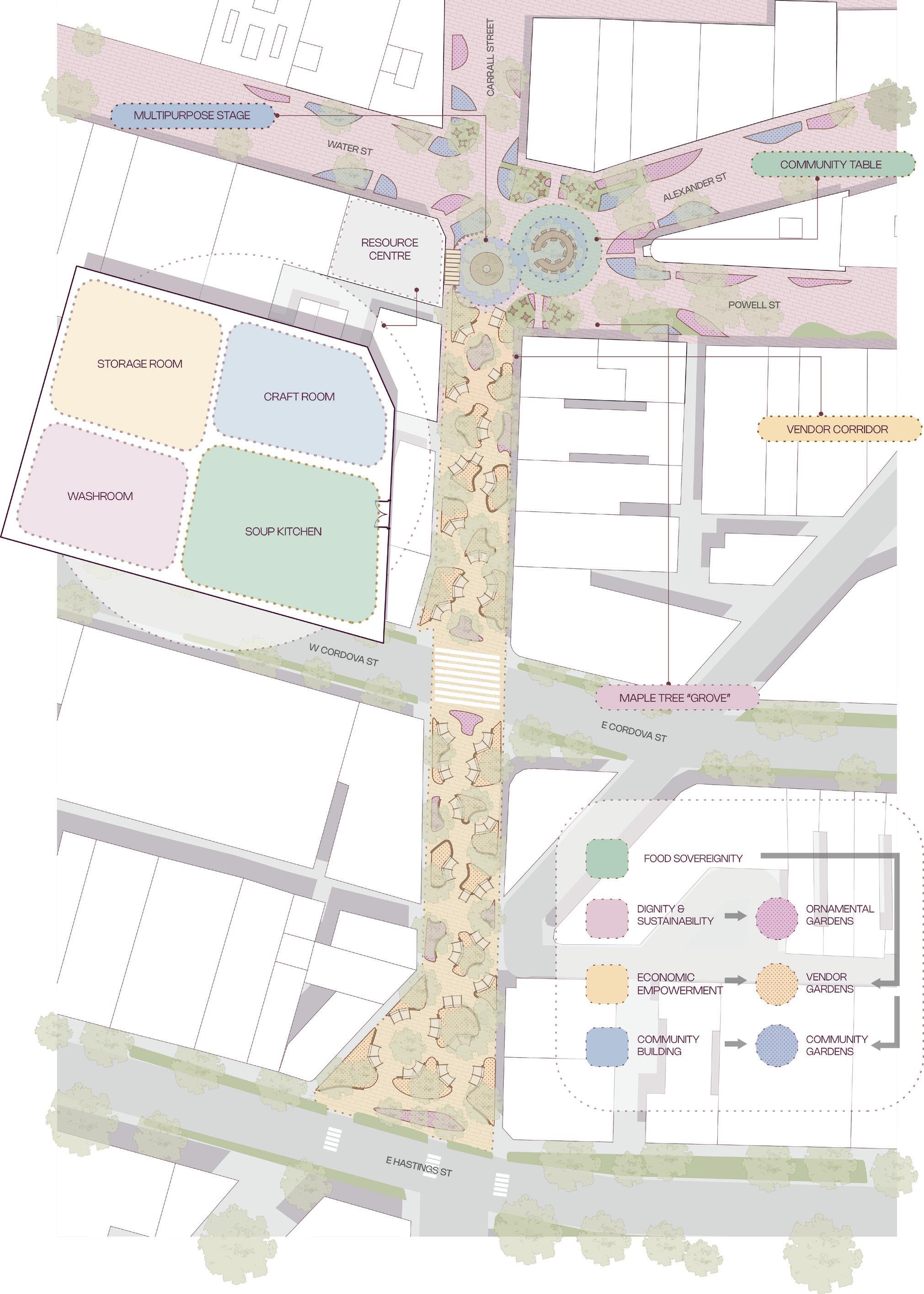
EXTENDED SITE PROGRAMMING AND CORRIDOR OVERVIEW
PHASE 1 - GERMINATE
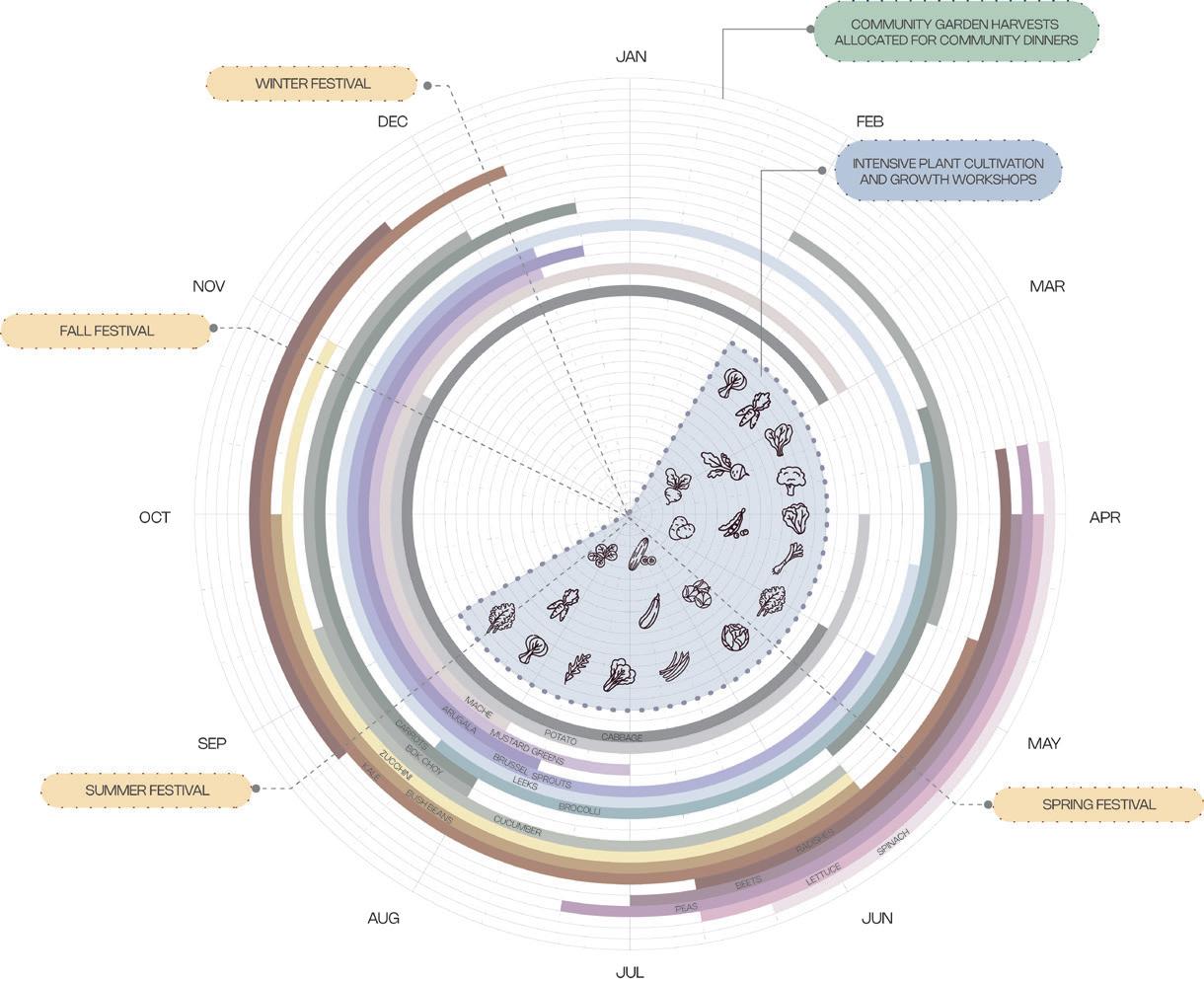
PLANT AND HARVEST CYCLES
PHASE 2 - CULTIVATE
PHASE 3 - REKINDLE
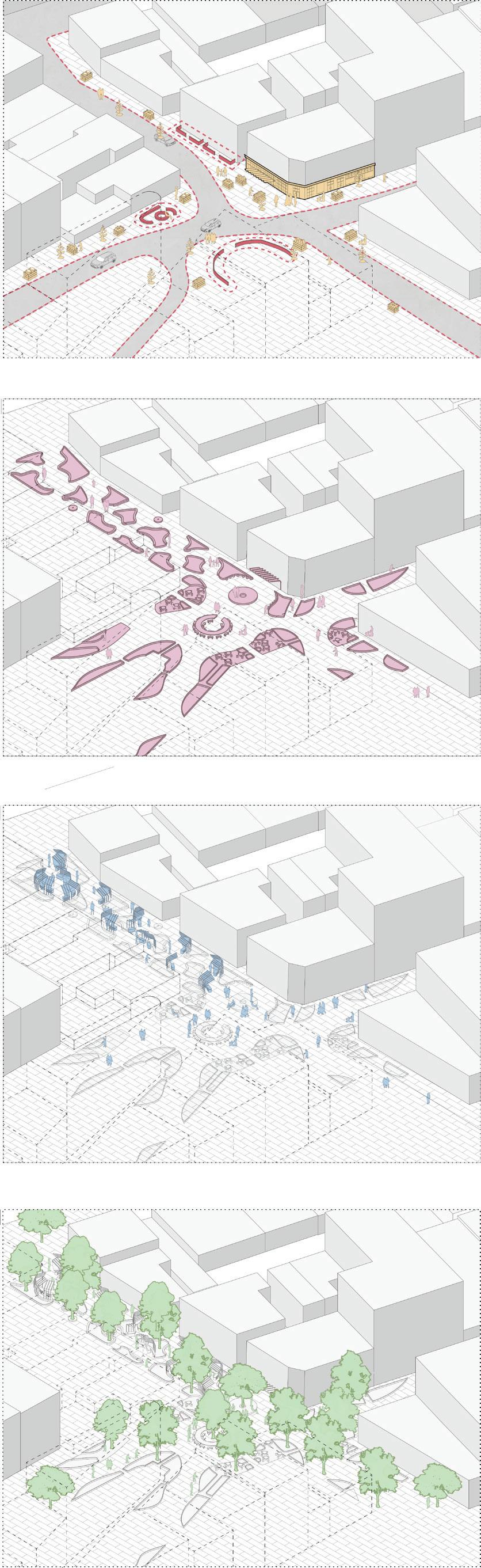
PHASE 4 - STEWARDSHIP
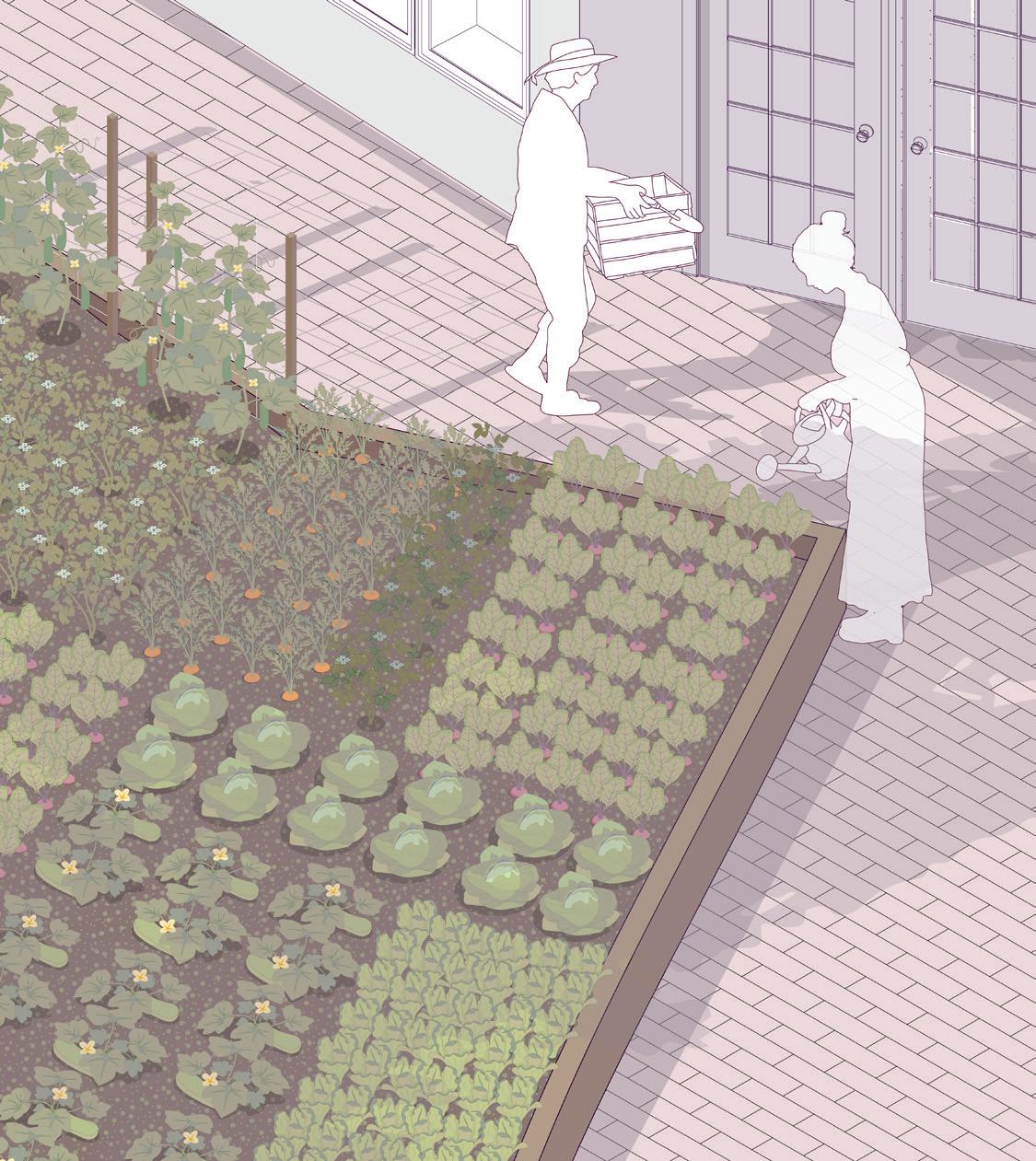
COMMUNITY GARDEN IN USE
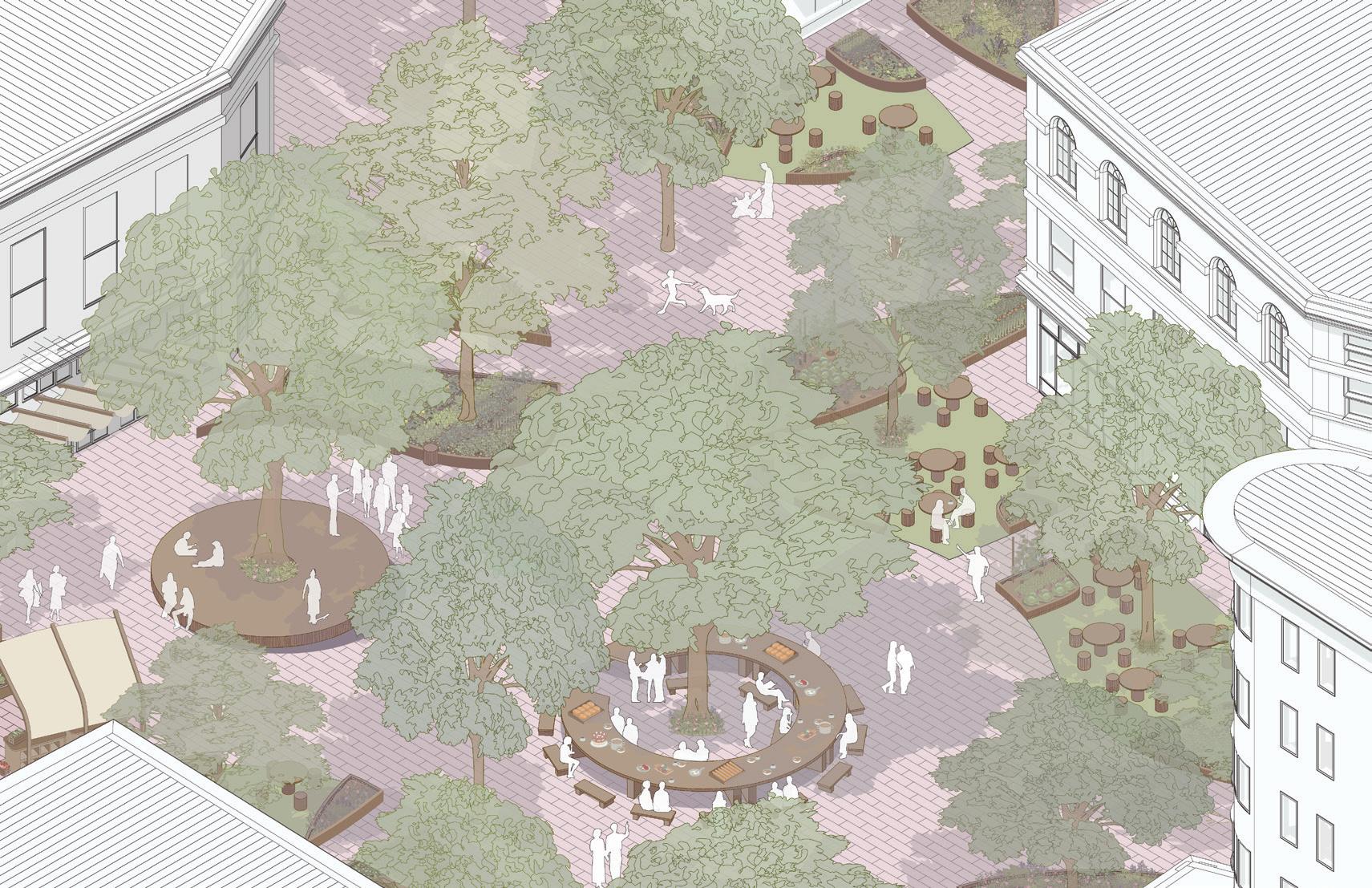
ISOMETRIC SITE AND COMMUNITY TABLE IN USE
SCALE 1:250
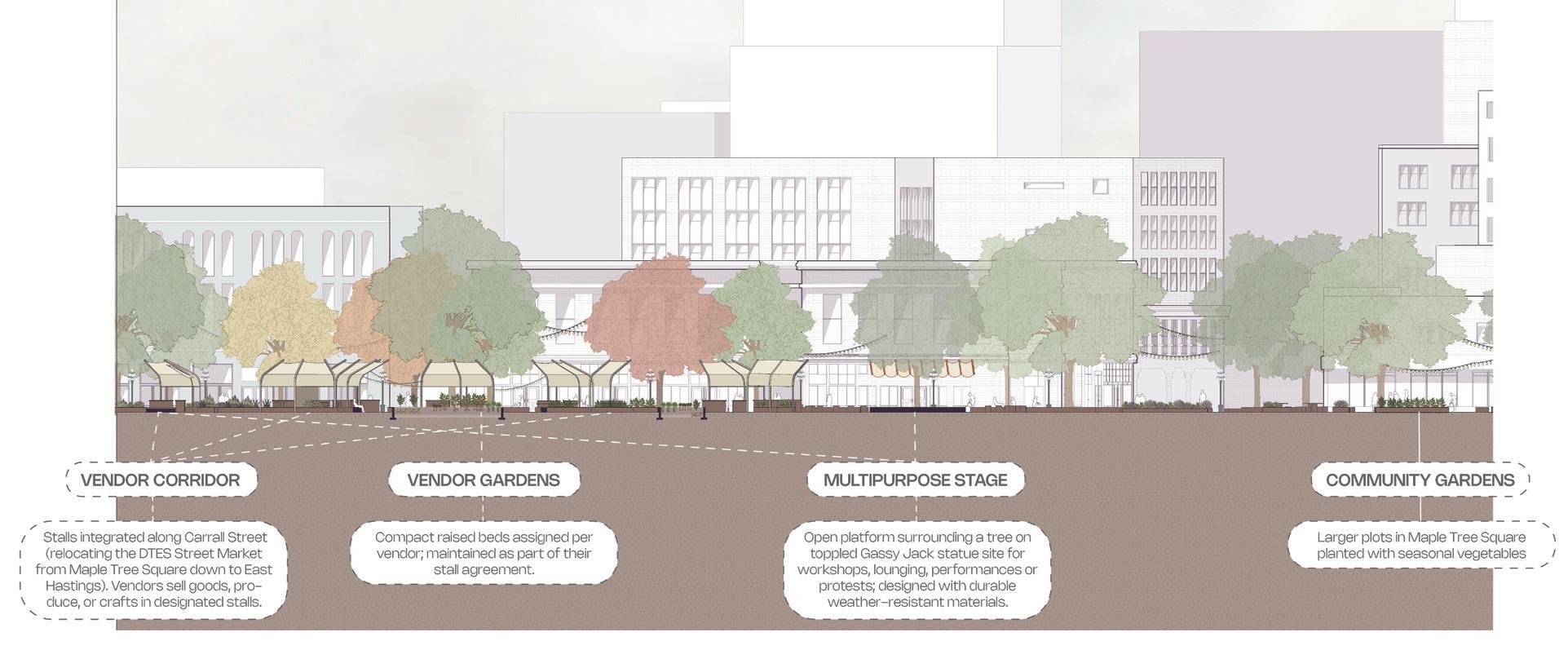
SECTION A VENDOR CORRIDOR SITE TRANSITION
0
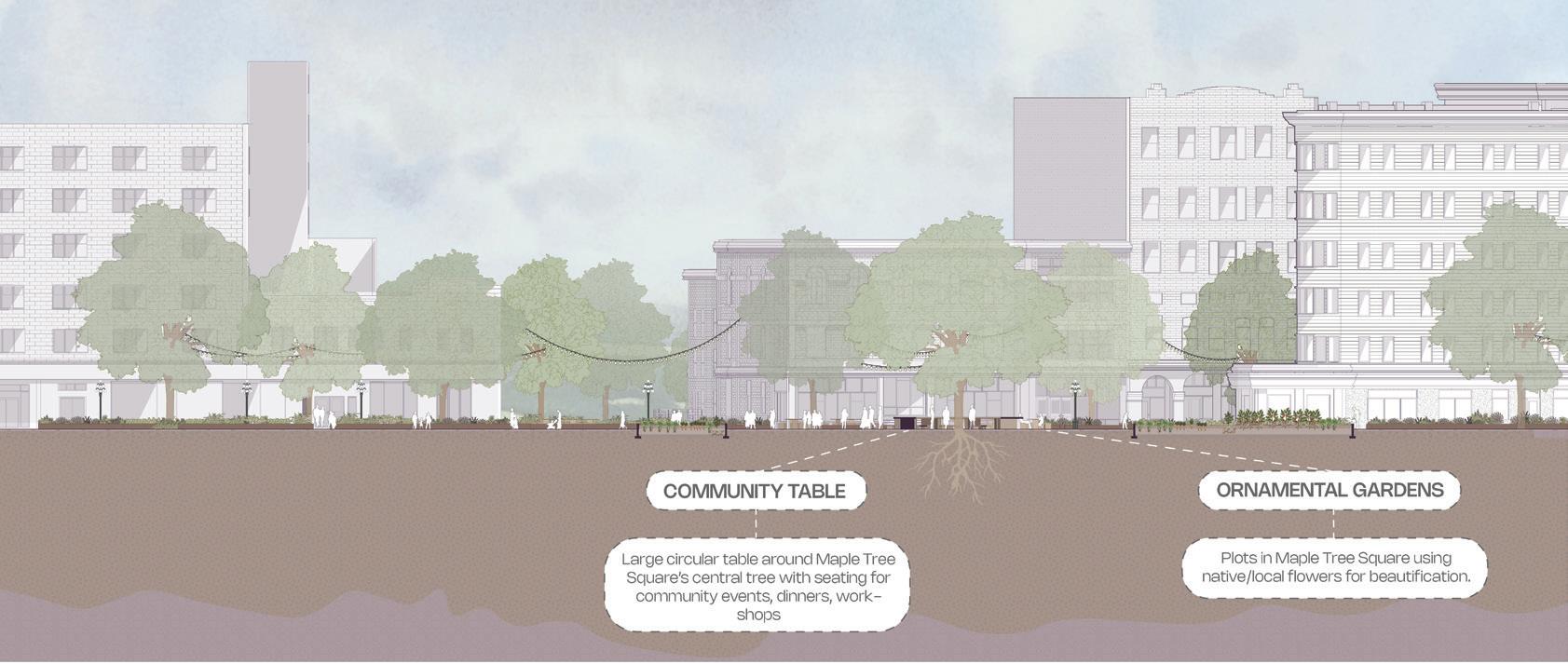
SECTION B COMMUNITY TABLE SITE PLACEMENT
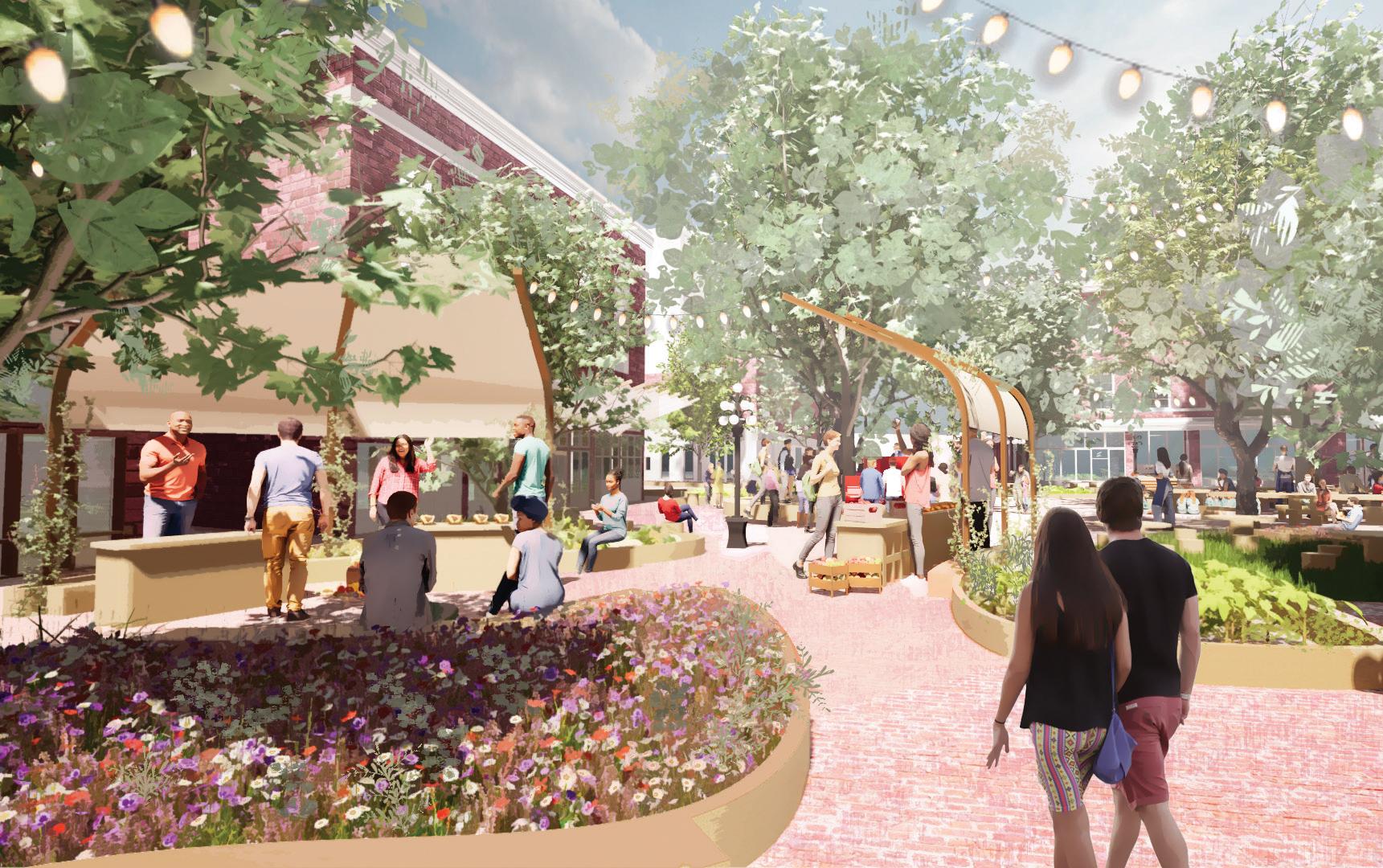
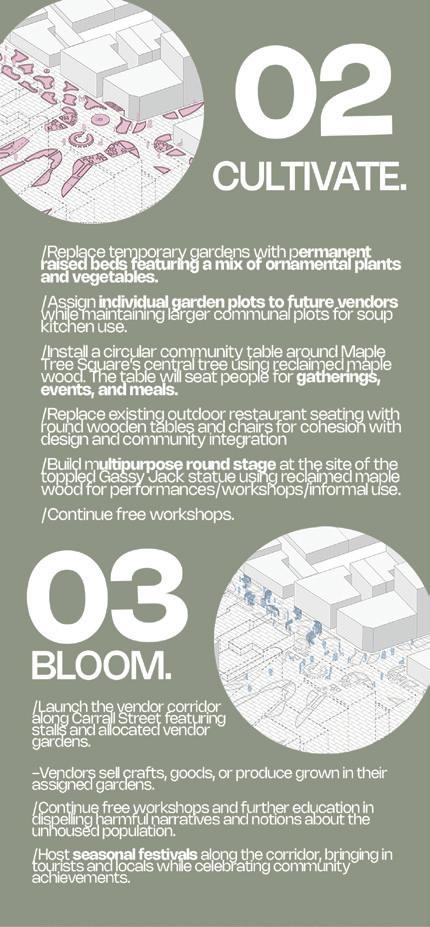
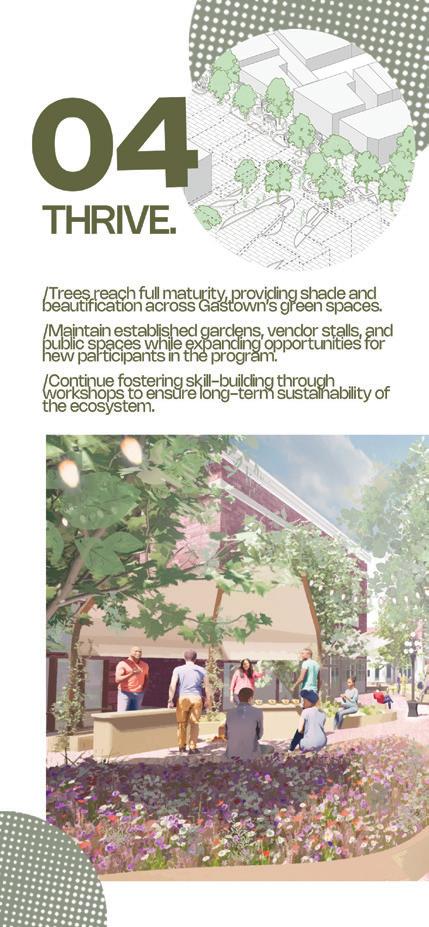
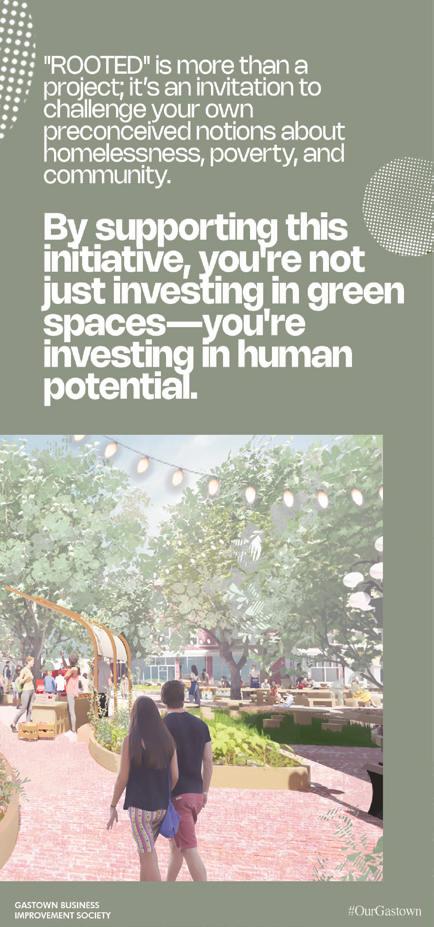
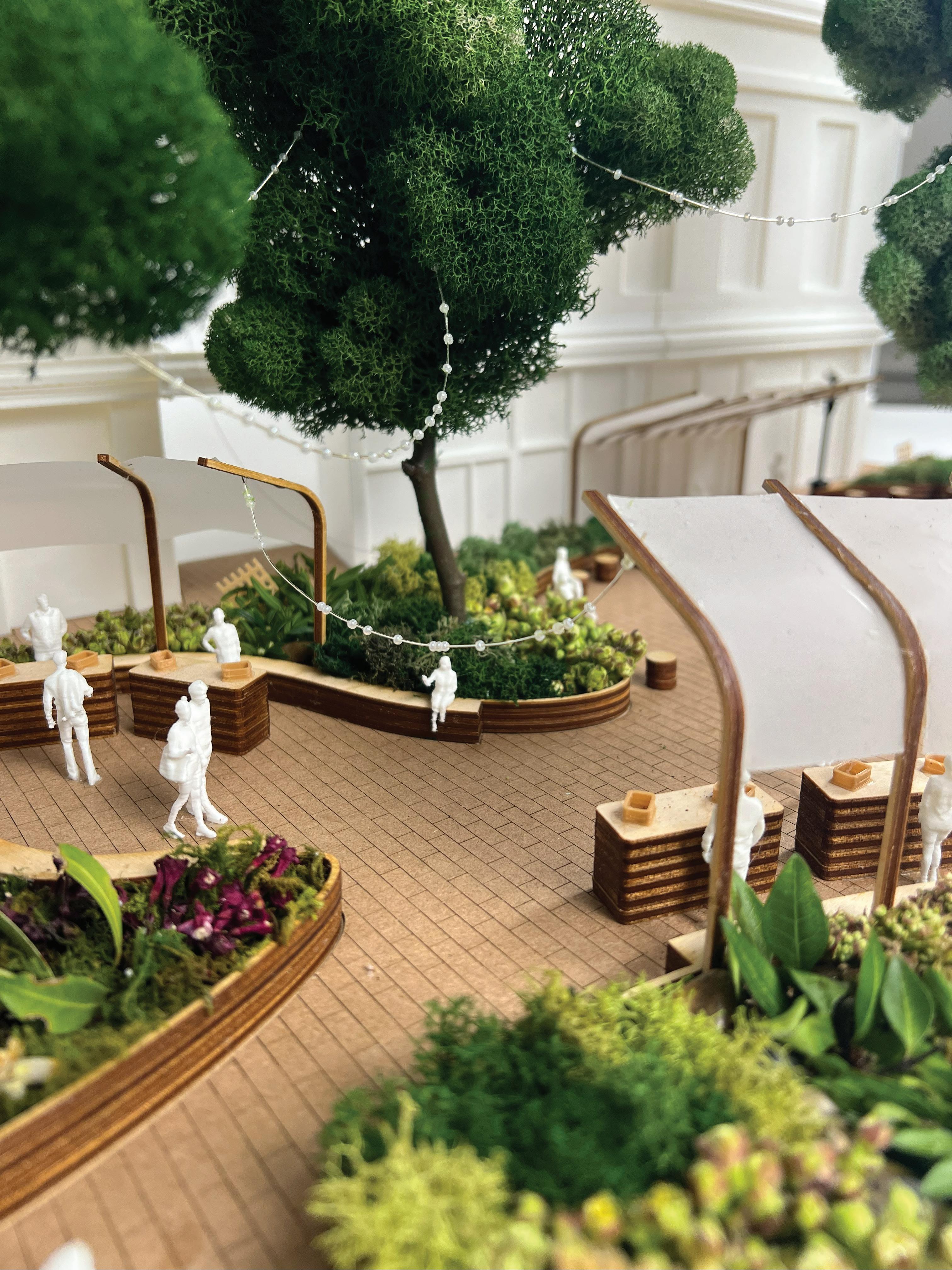
RENDERED PERSPECTIVES ROOTED IN THE EXPERIENCE




CASCADIA CANOPY
Original Project
Location: Olympic Village, Vancouver
Year: 2022
Software: Rhino 3D, AutoCad, Adobe Illustrator, Photoshop


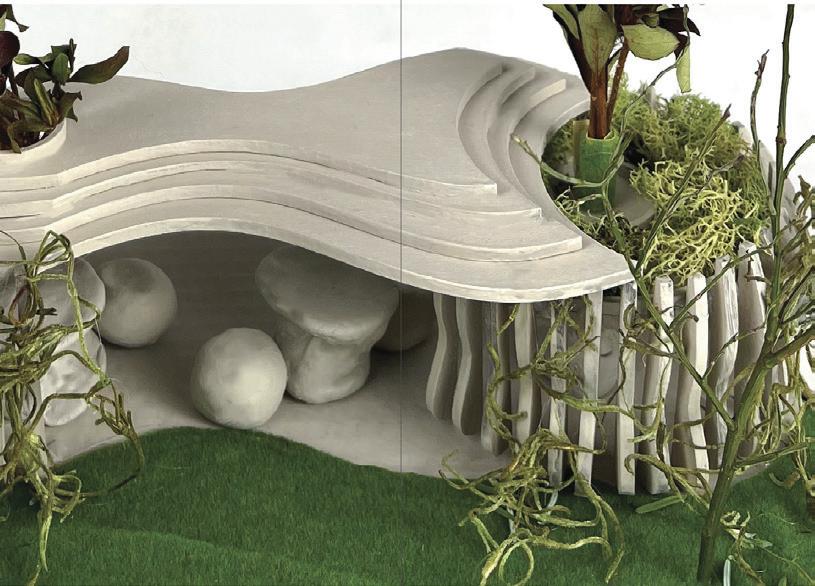
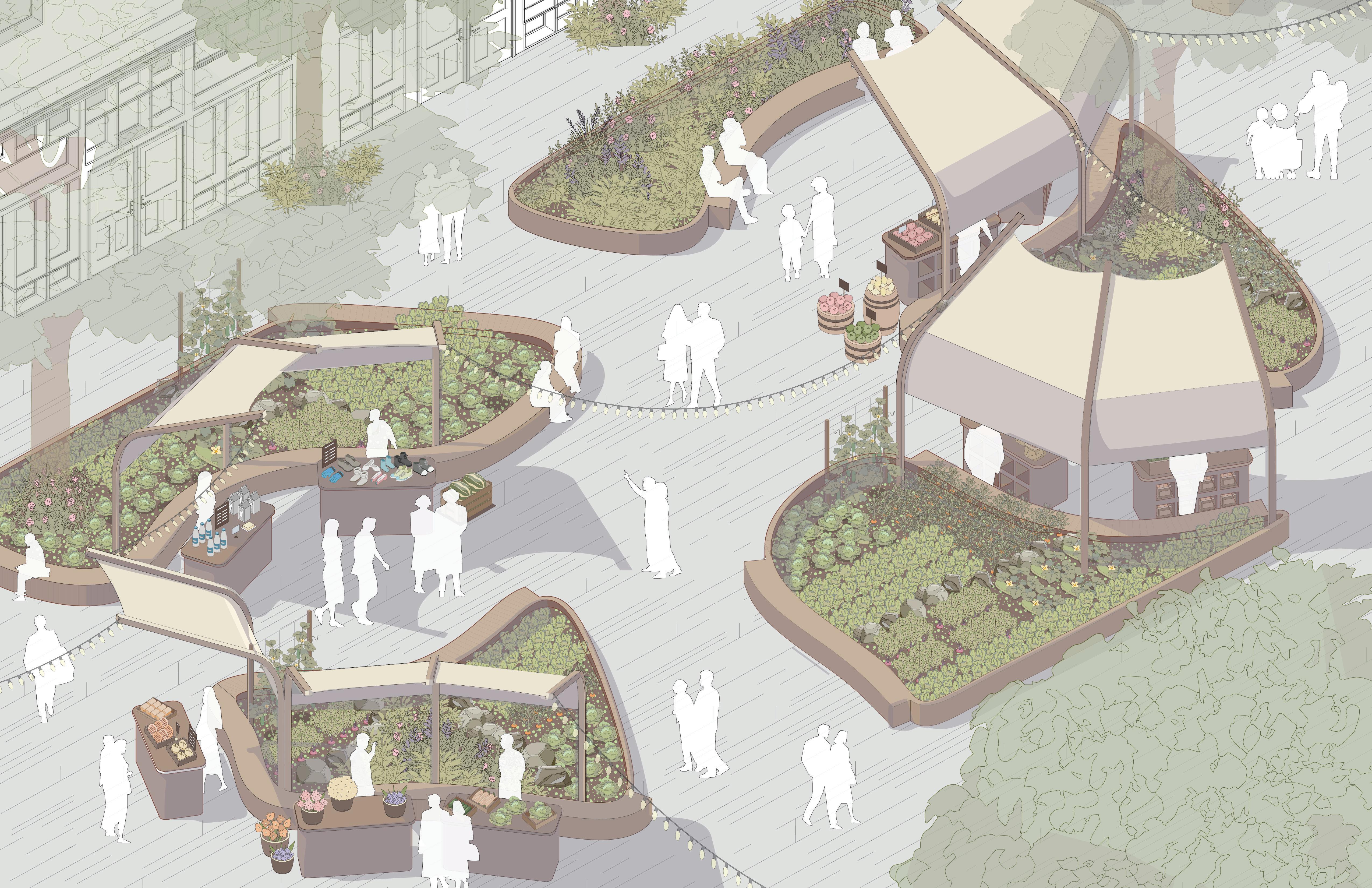
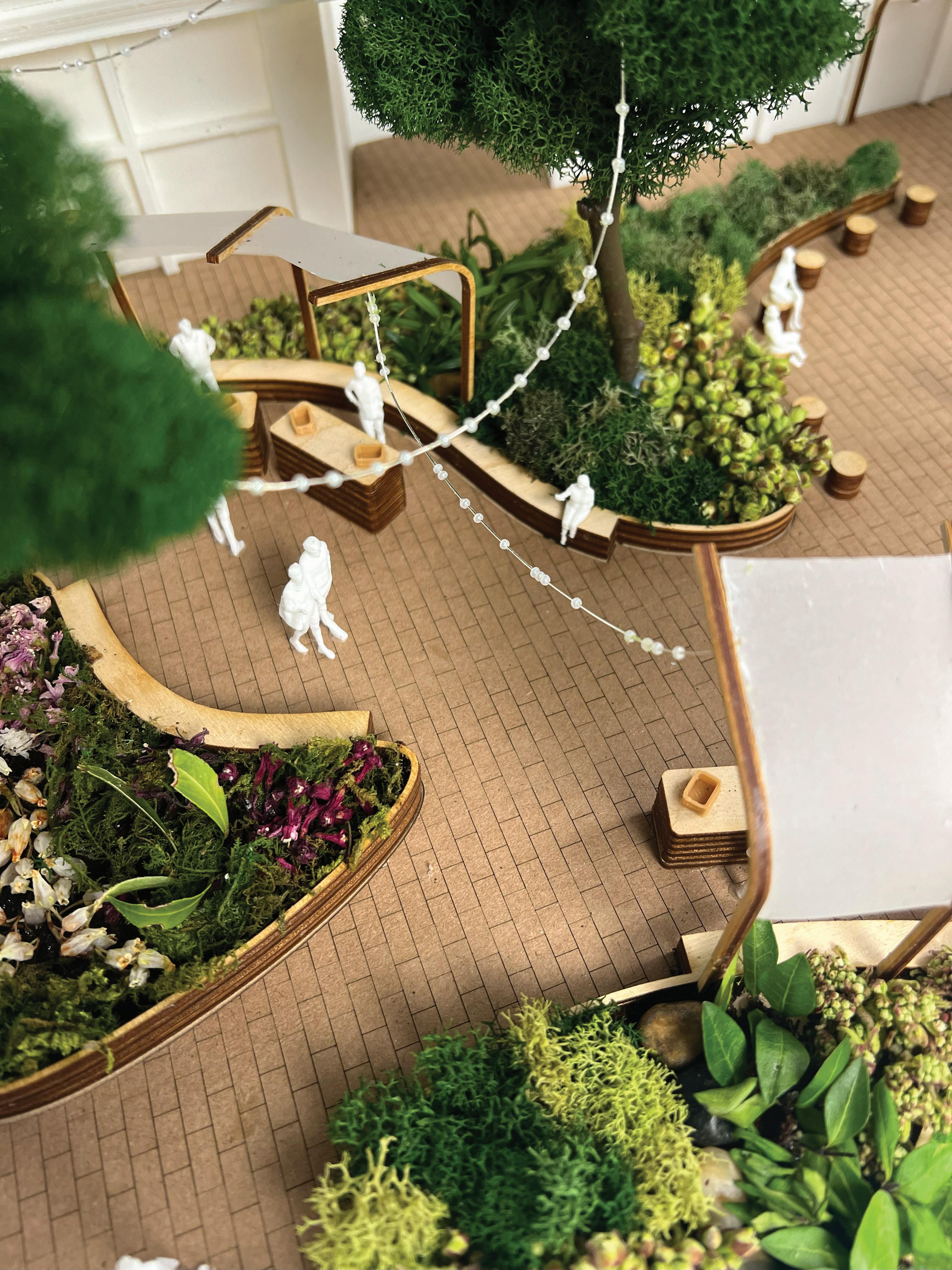
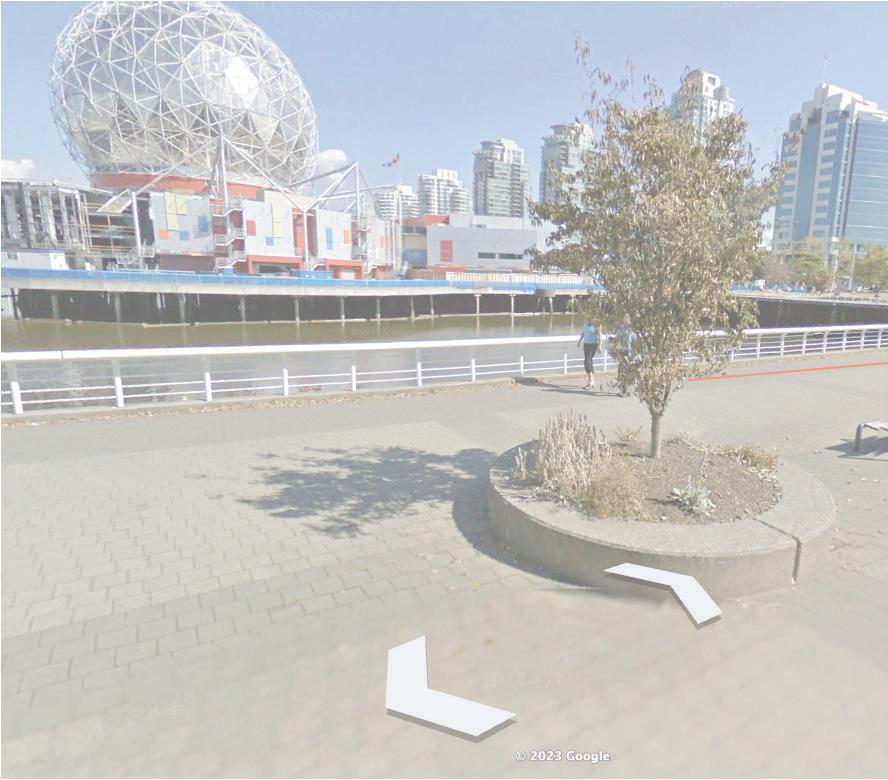
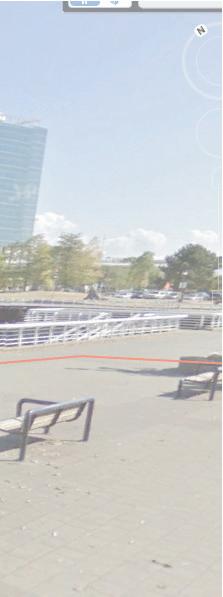
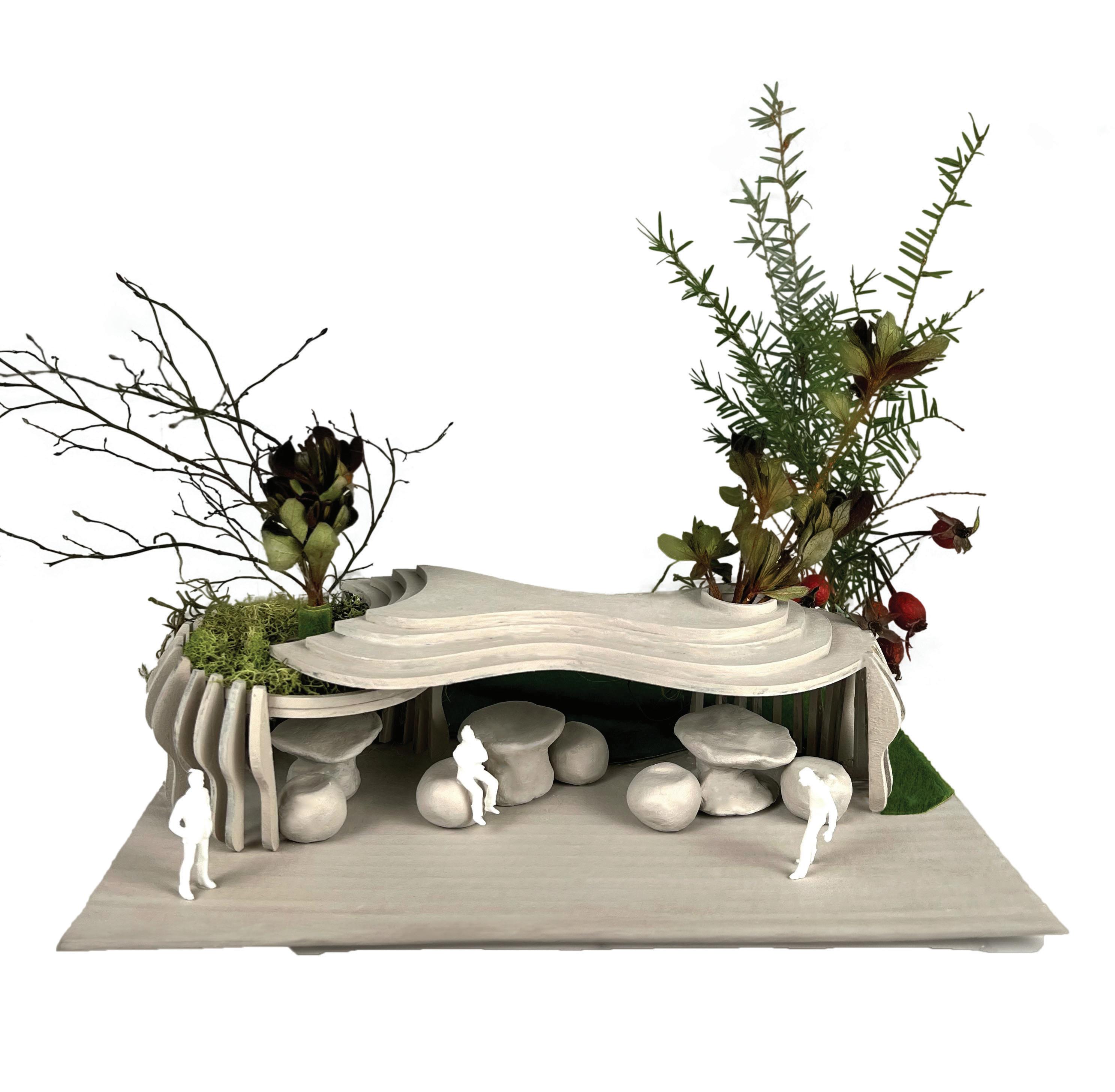
Cascadia Canopy is an innovative architectural intervention designed to transform the transient walkway along Vancouver’s Olympic Village into a vibrant and inviting space. This project aims to create a multifunctional environment that not only offers a leisure spot for city dwellers but also supports local farmers market businesses. The project maximizes the benefits of Vancouver’s stunning natural surroundings while addressing the need for shelter and comfort in its often rainy climate. The seating areas within Cascadia Canopy are designed as open-air zones, allowing visitors to feel the gentle breeze, listen to the soothing sounds of rain, and experience the changing weather patterns. The incorporation of durable, weather-resistant materials ensures that the seating remains comfortable and functional, encouraging people to linger and appreciate the outdoor ambiance.











































ROOF PLAN


































































SQUARE GABLED HOUSE
Architect: Atelier MEME
Location: Futtsu, Chiba, japan
Year: 2024
Software: Revit
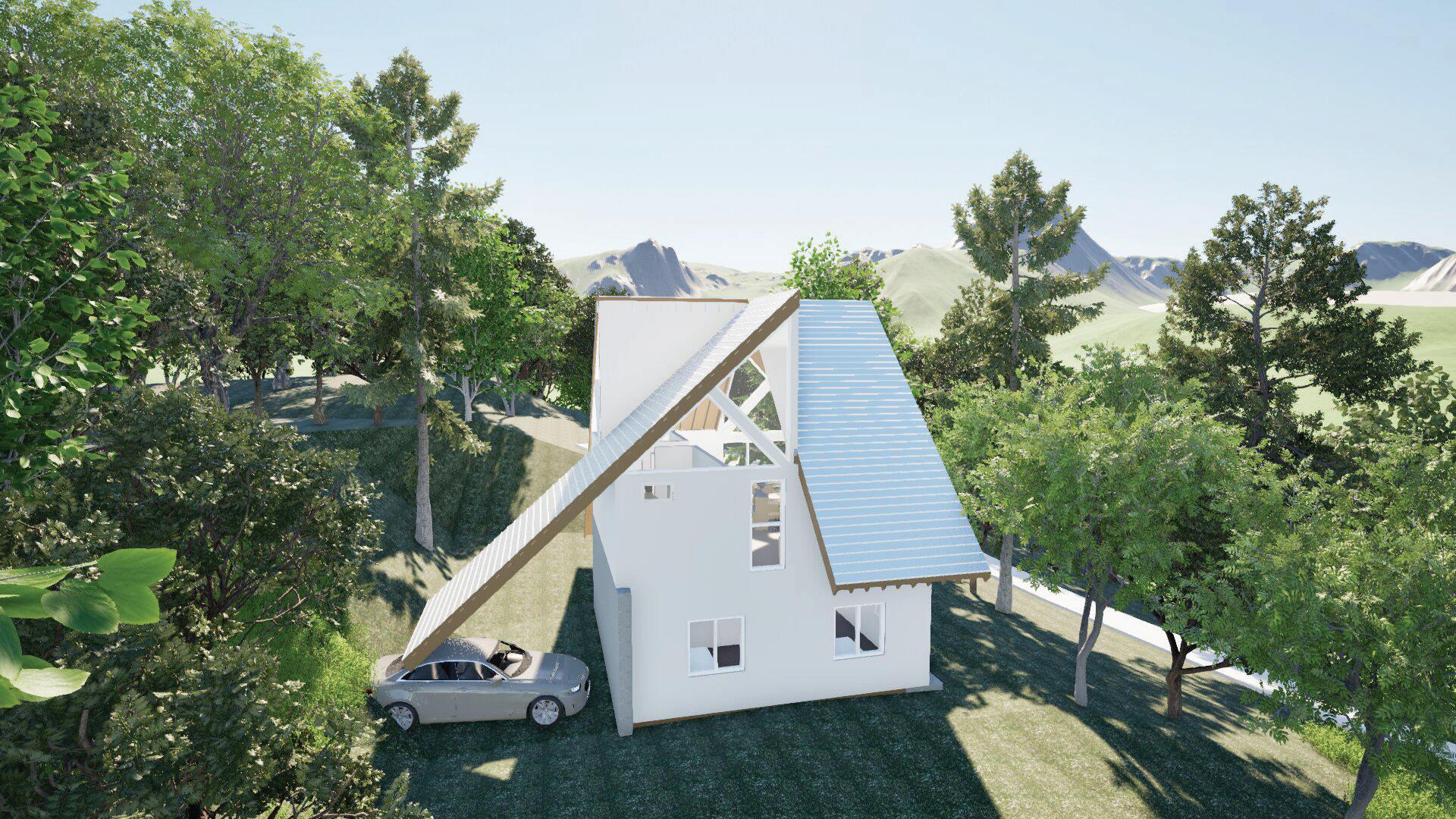
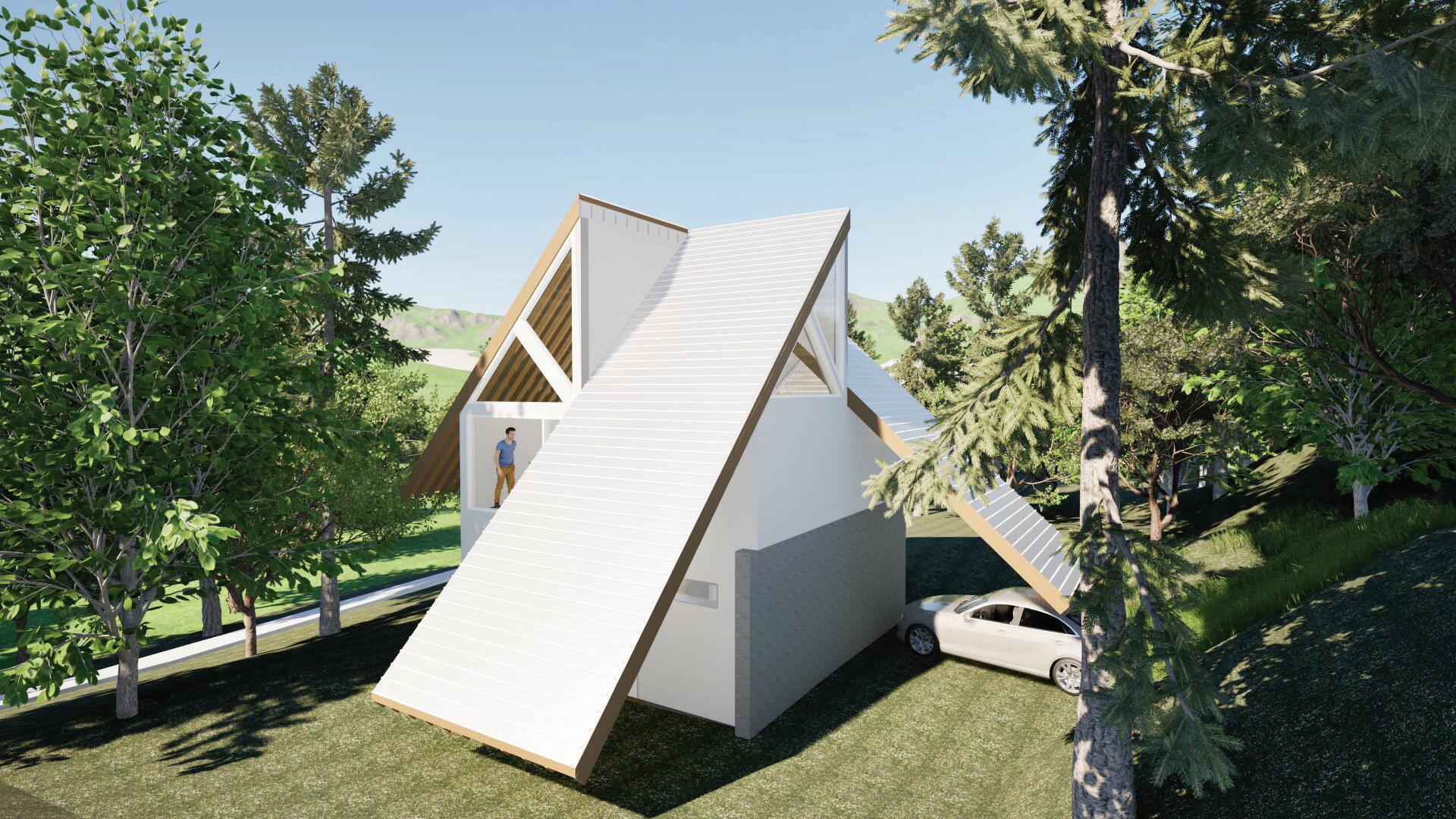
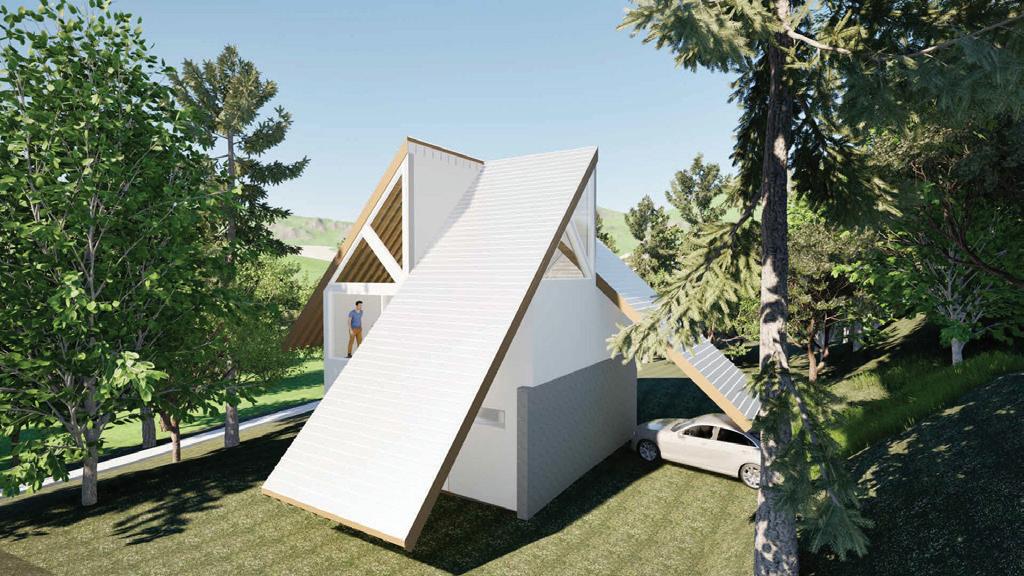
The roof design of the Square Gabled House is a central focus of my architectural analysis in Revit. The roof is divided into four sections, each extending towards the ground on the exterior, creating a striking spatial and visual impact. On the side facing the front yard and parking lot, the roof dramatically extends, forming a spacious area under the eaves that serves as both a sheltered space and a distinctive design element. This design choice enhances the building’s overall aesthetic appeal and creates a sense of connection and openness to the surrounding environment in multiple directions. I explore how these elements are represented in Revit and how they contribute to the building’s overall discourse within architecture.
SITE PLAN

SECOND FLOOR PLAN
NORTH ELEVATION
SOUTH ELEVATION
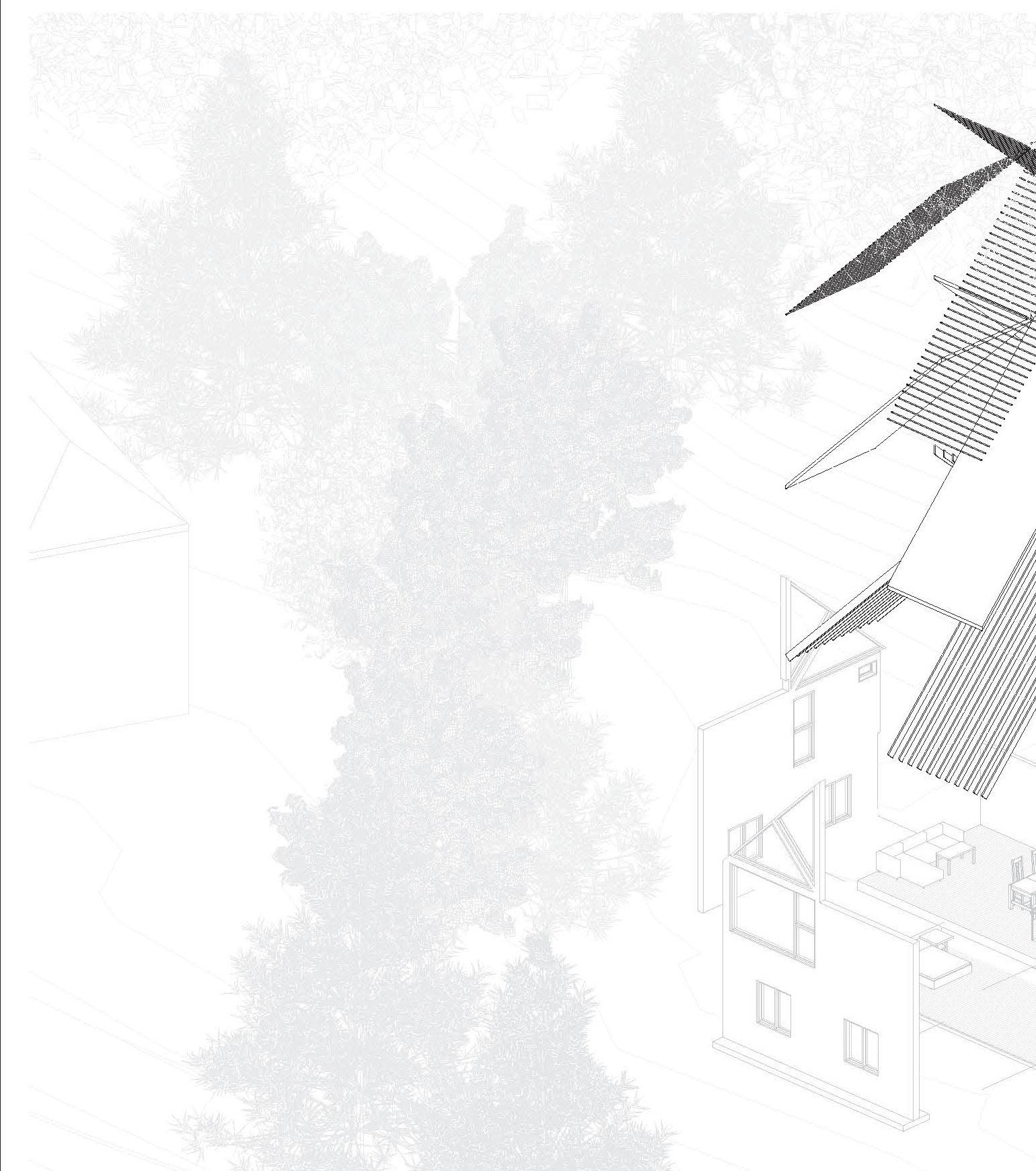
EXPLODED AXONOMETRIC