Project Concept
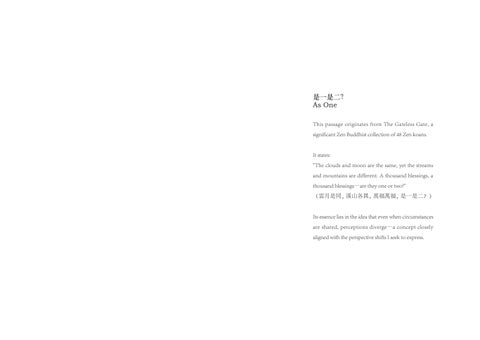
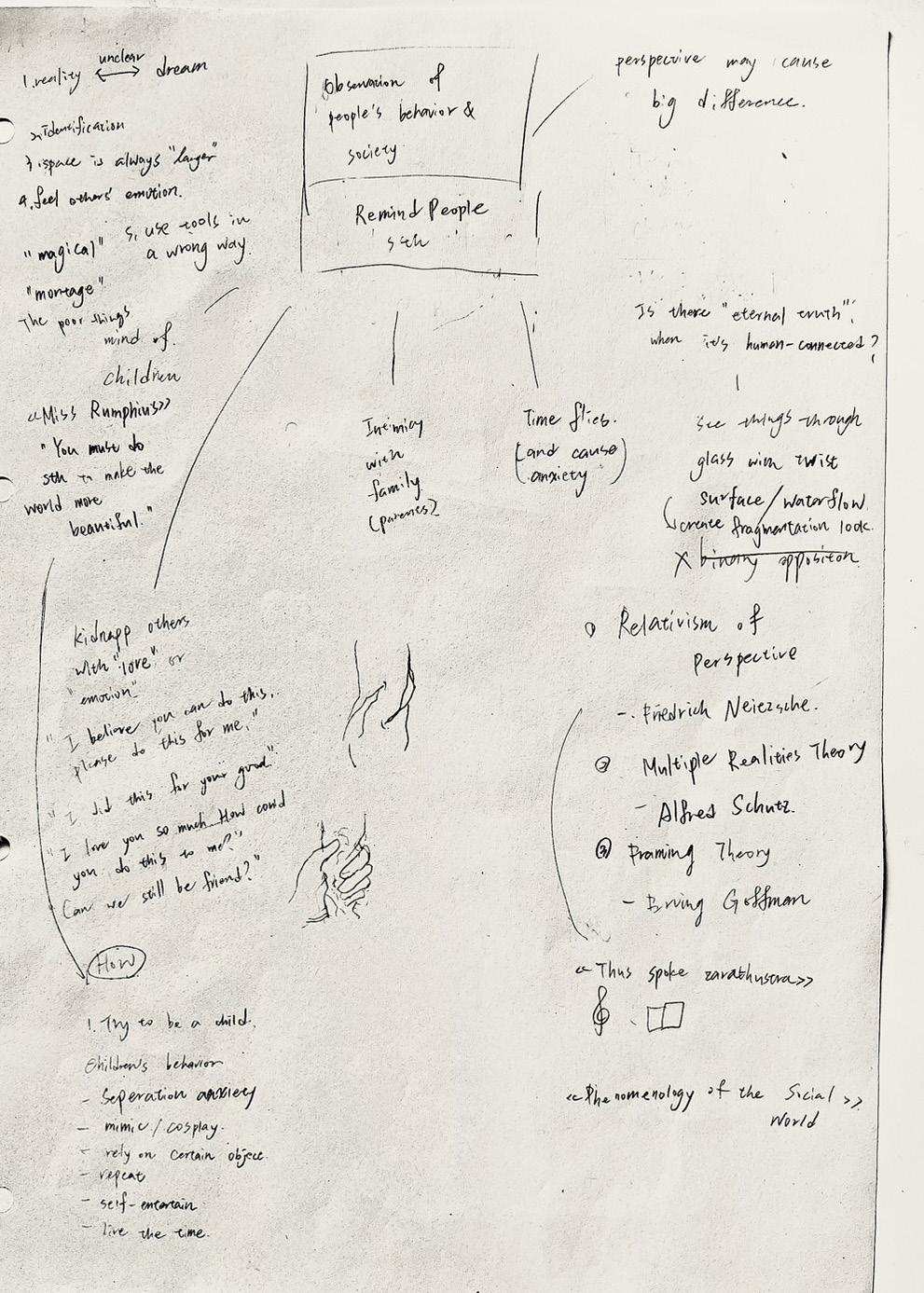
Essentially, my work focuses on highlighting the divergence of perspectives.
Human perception often varies due to differences in perspective and stance, leading to distinct interpretations of the same thing—almost like looking through different filters. This time, my approach stems from exploring the blurred lines between the worlds of children and adults.
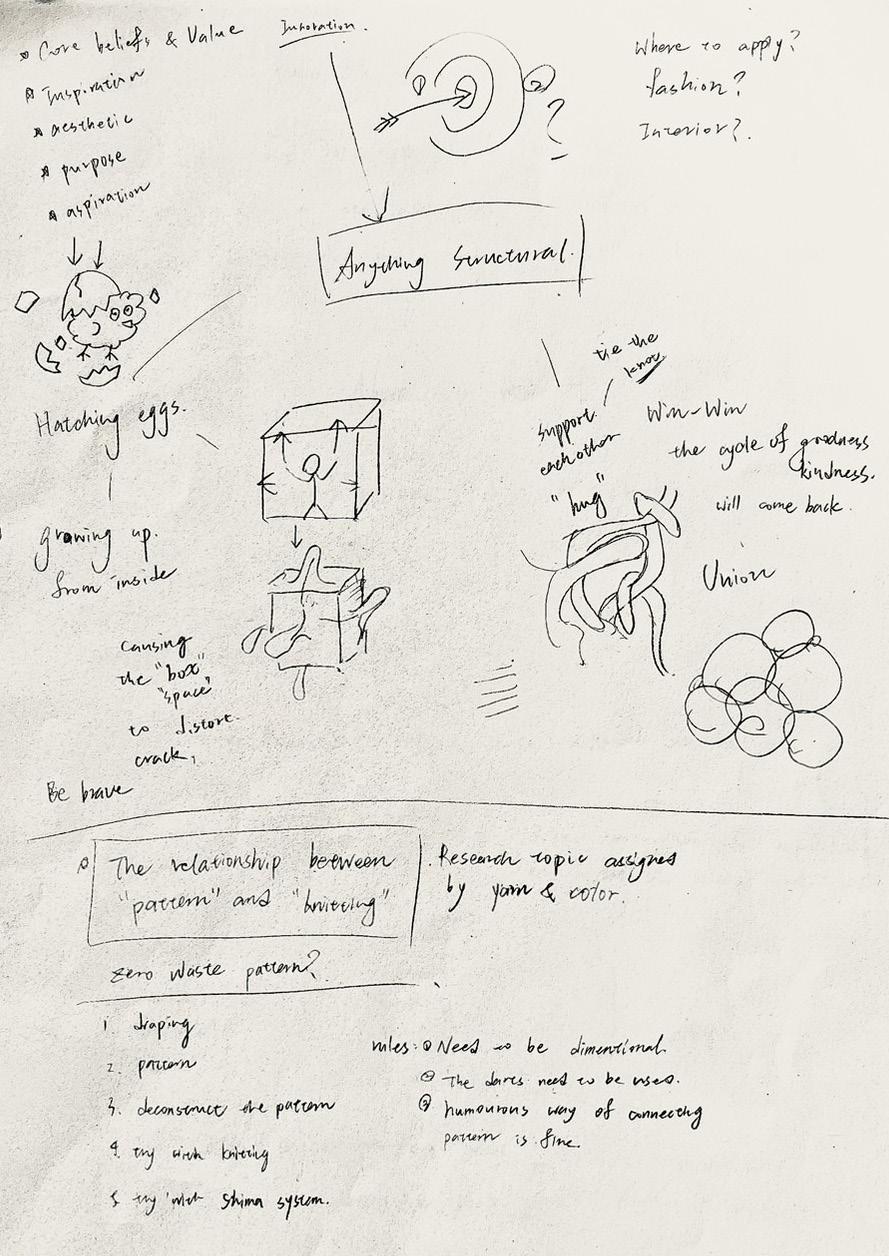
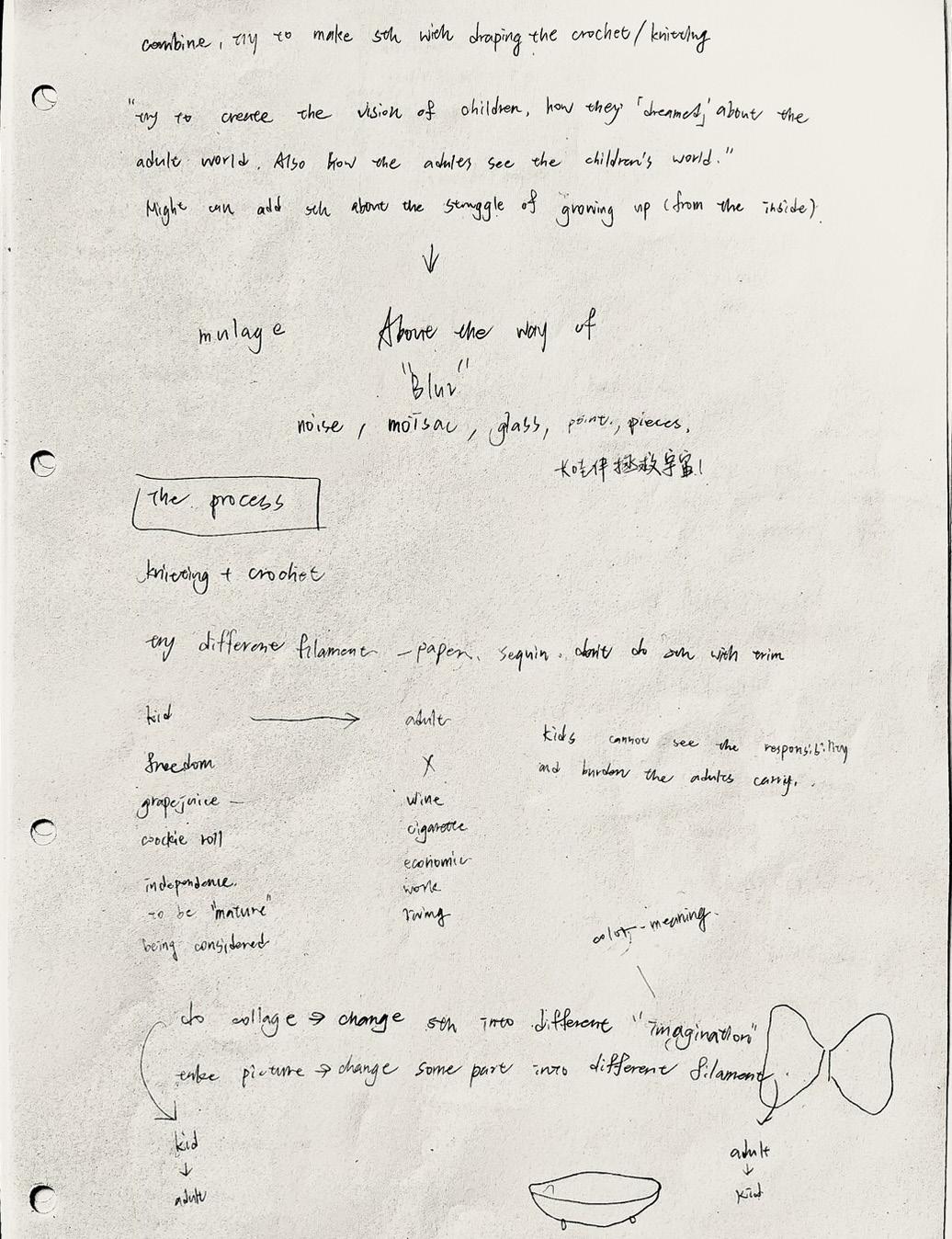
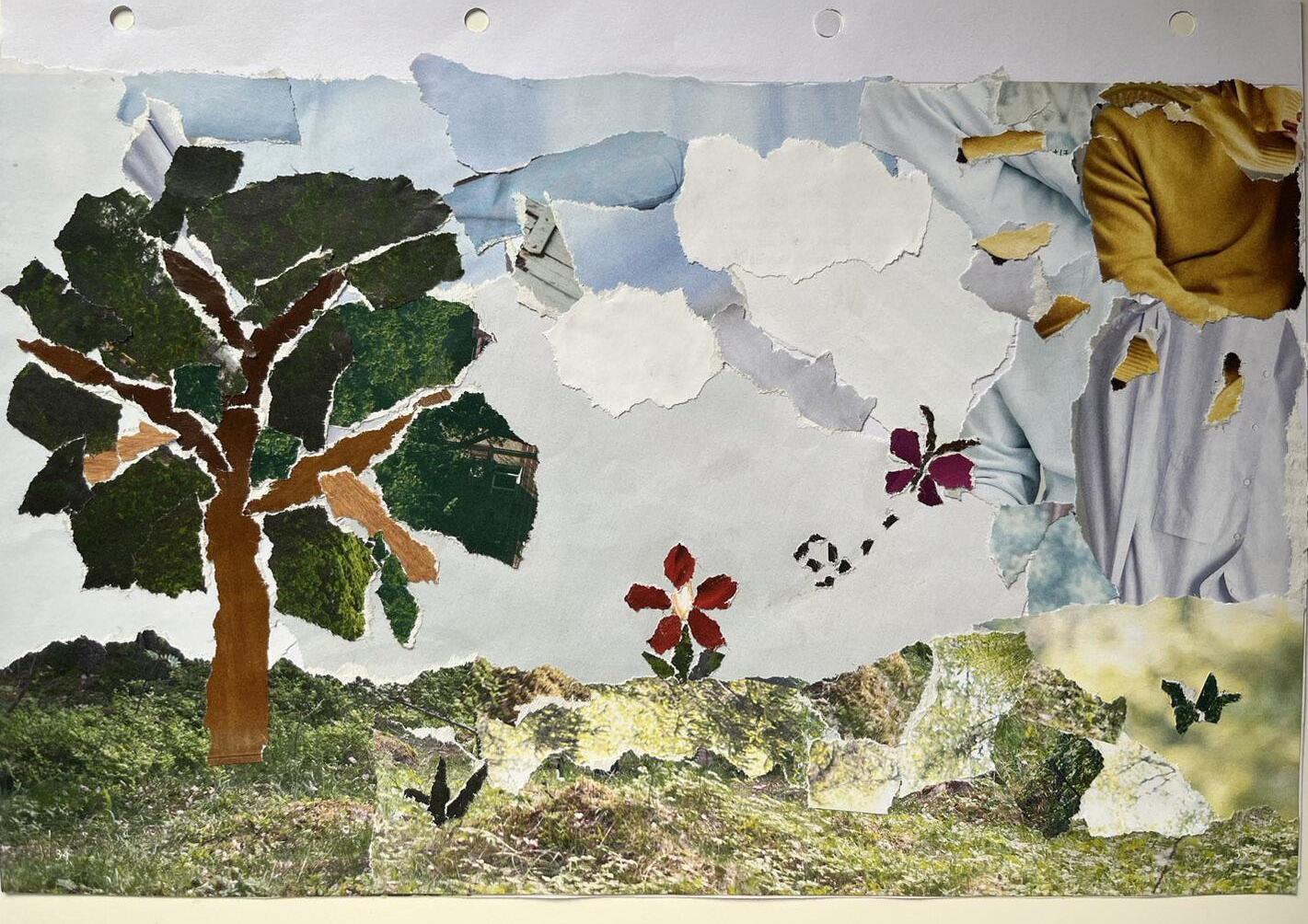
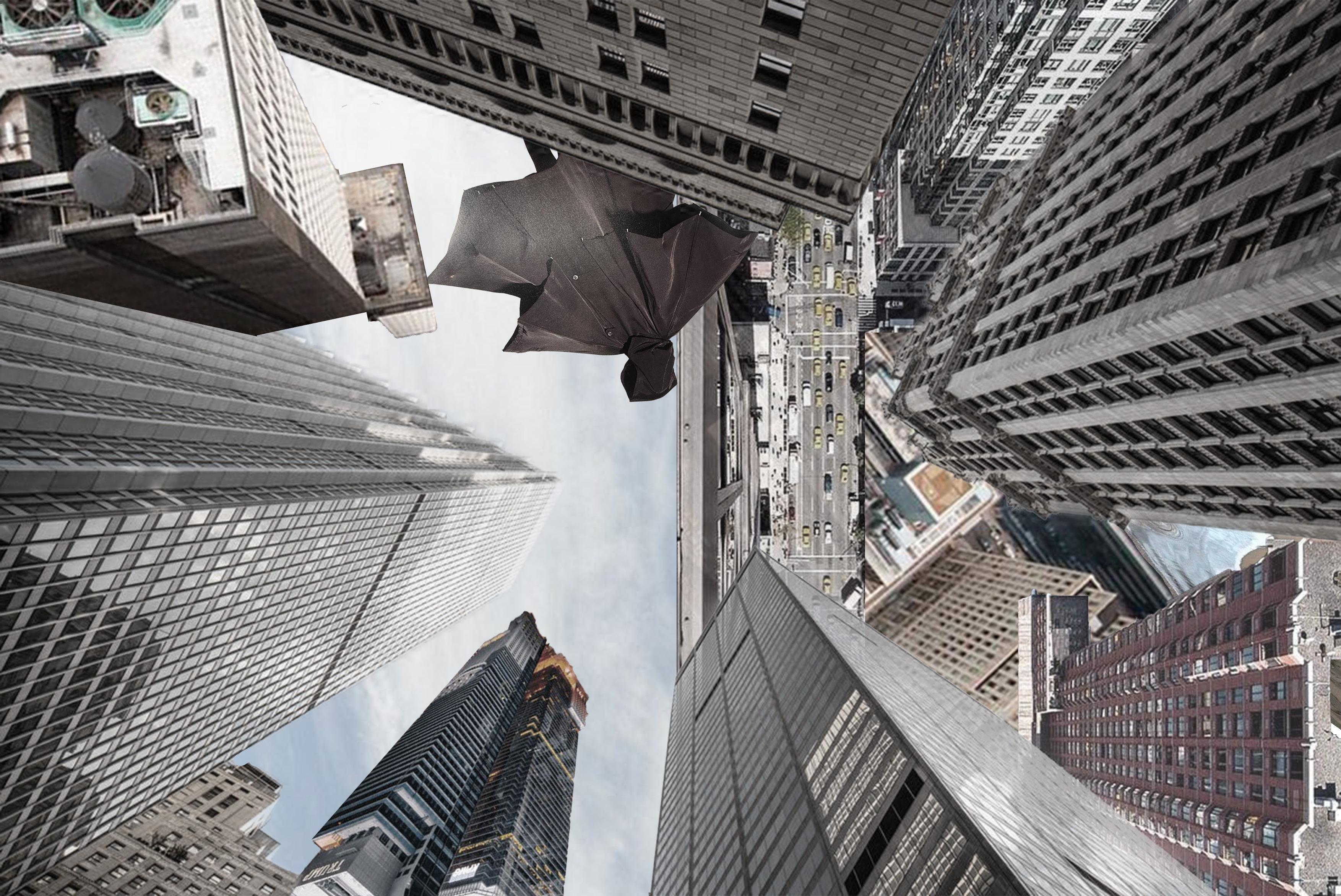
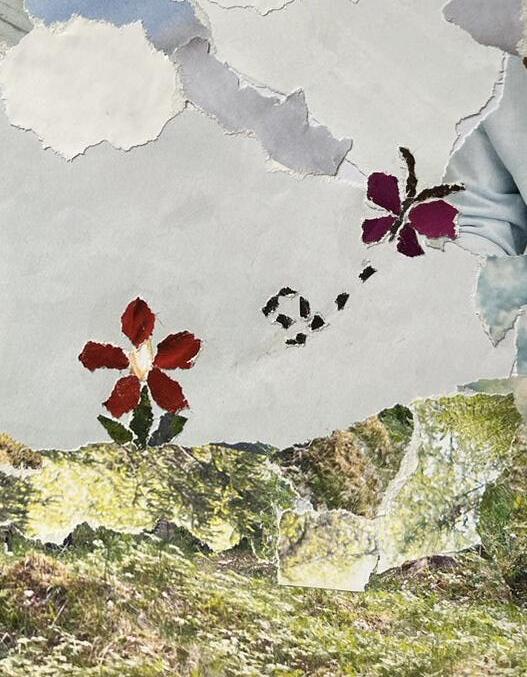
This idea was sparked by a collage I created on the previous page. As I worked on it, I kept trying to recall how I used to enjoy drawing as a child. During this creative process, I felt an overwhelming sense of helplessness. The more I tried to emulate the actions of a child, the farther I felt from achieving that state. It was as though a vast chasm separated the adult world from the simplicity of childhood.
Standing at this distance, I couldn’t help but reflect on the "advantages" of being a child— innocence, cheerfulness, freedom from financial burdens, and not pondering existential questions. It took a deeper, more deliberate effort to remember the troubles of childhood, like the weight of peer opinions, expectations from parent, or feeling
unheard. However, my adult self often dismissed these so-called "problems" as trivial, convincing me even more that childhood was inherently a blissful time.
While reminiscing about my childhood, I also thought about the expectations I had for the adult world. As a child, I believed that growing up meant gaining complete freedom, being able to buy anything I wanted, and having the ultimate say in all matters. What I didn’t realize back then was that adult life wasn’t as free as it seemed. Finances are always a constraint, and even the perceived power of having control over everything can sometimes feel like a burden. When faced with too many choices, and knowing that a single decision could have significant consequences, decision-making suddenly becomes heavy and daunting. These are struggles invisible and unimaginable to a child, as understanding only comes through firsthand experience. These reflections from my collage-making process
resonated with many of my friends and family during our conversations. It became clear that this sense of divergence between childhood and adulthood is a shared experience, inspiring me to create a narrative around the contrasting perspectives of children and adults.
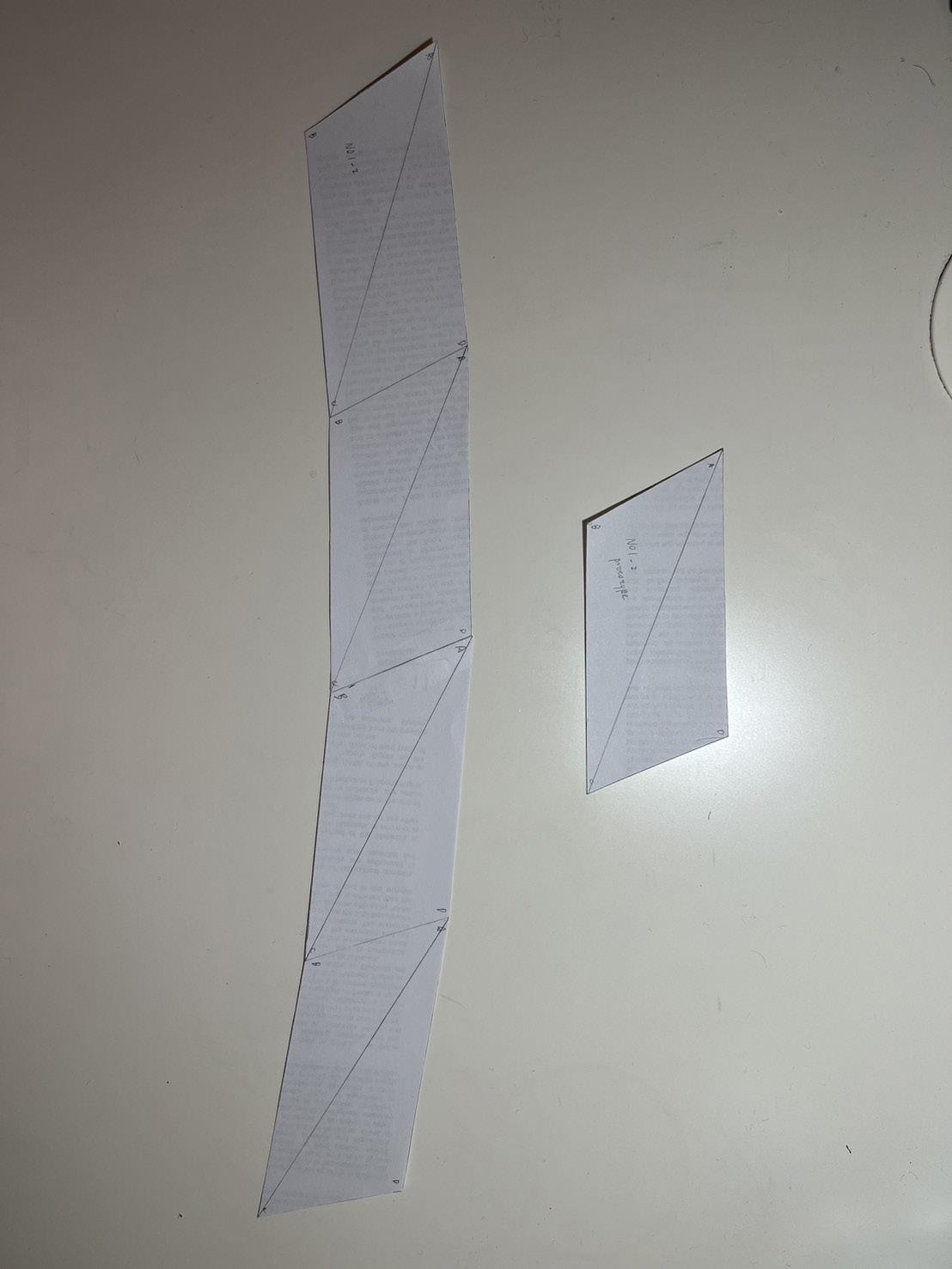
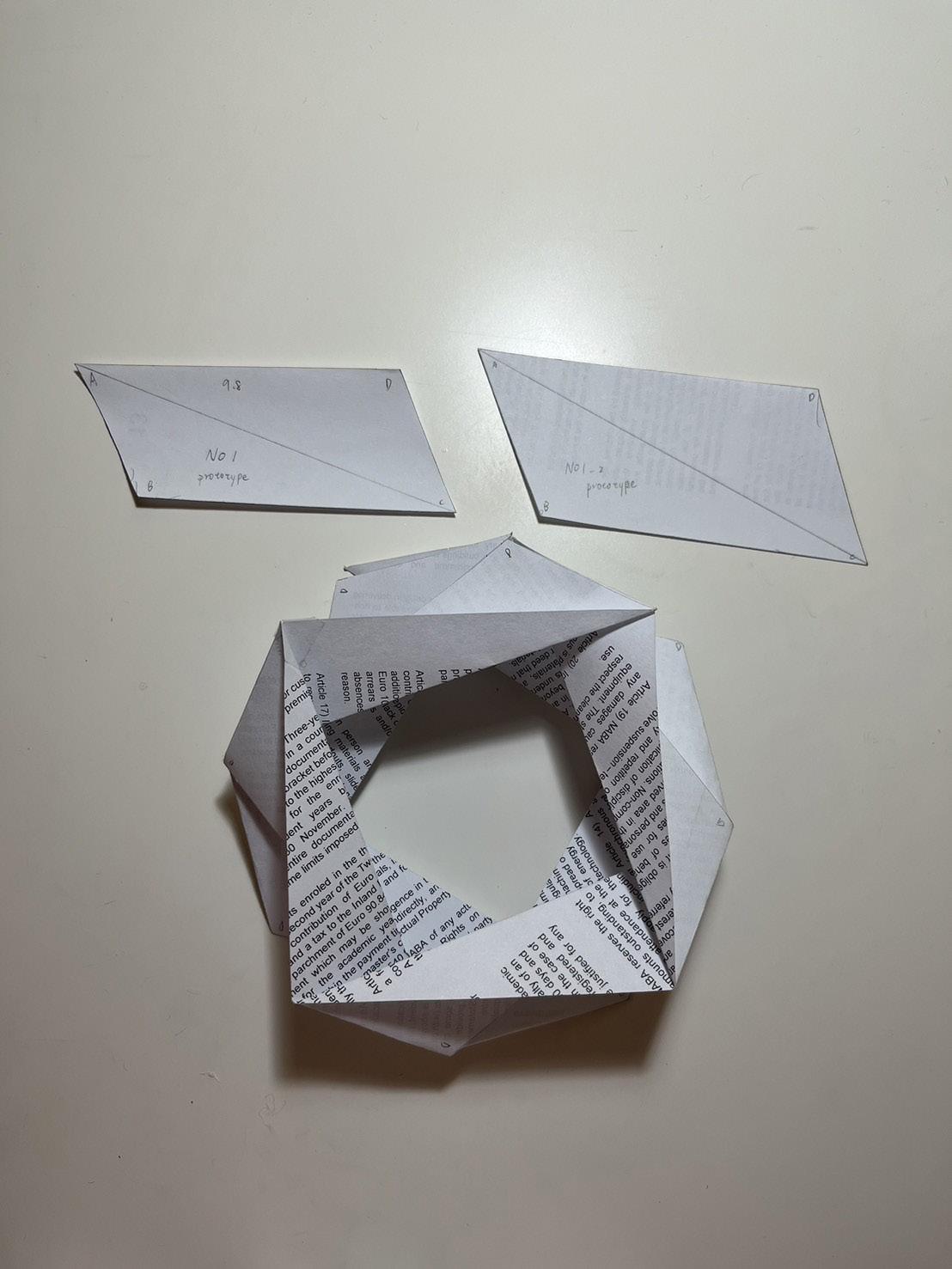
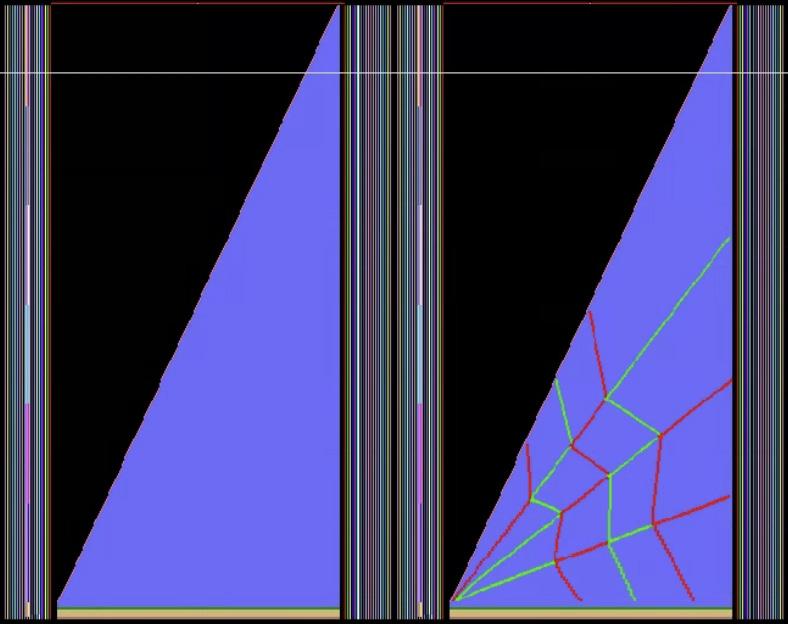
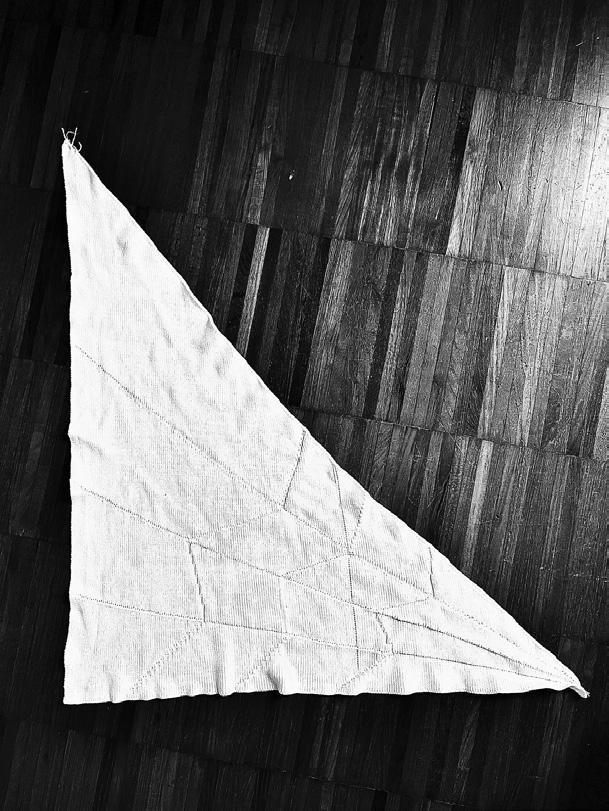
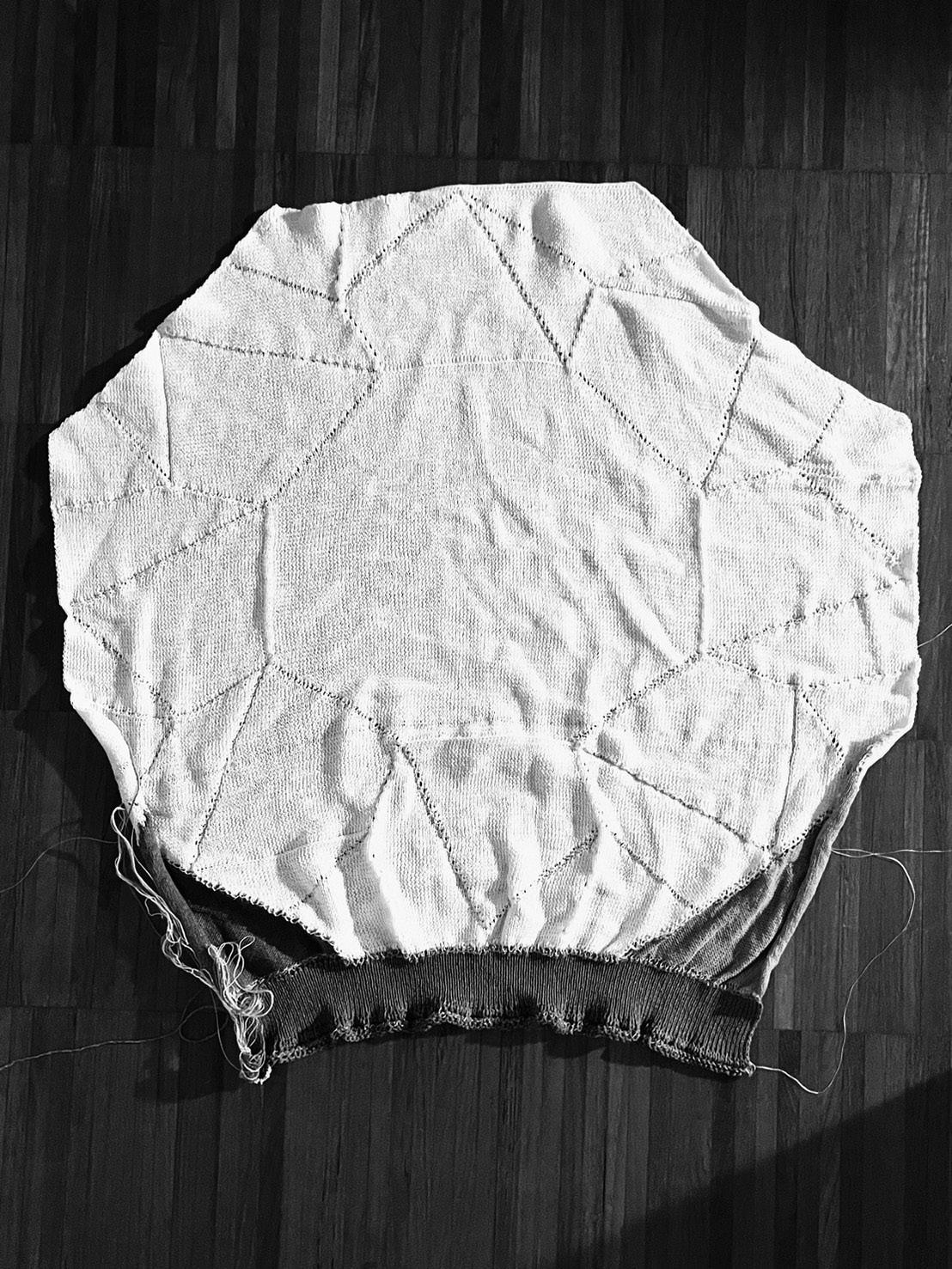
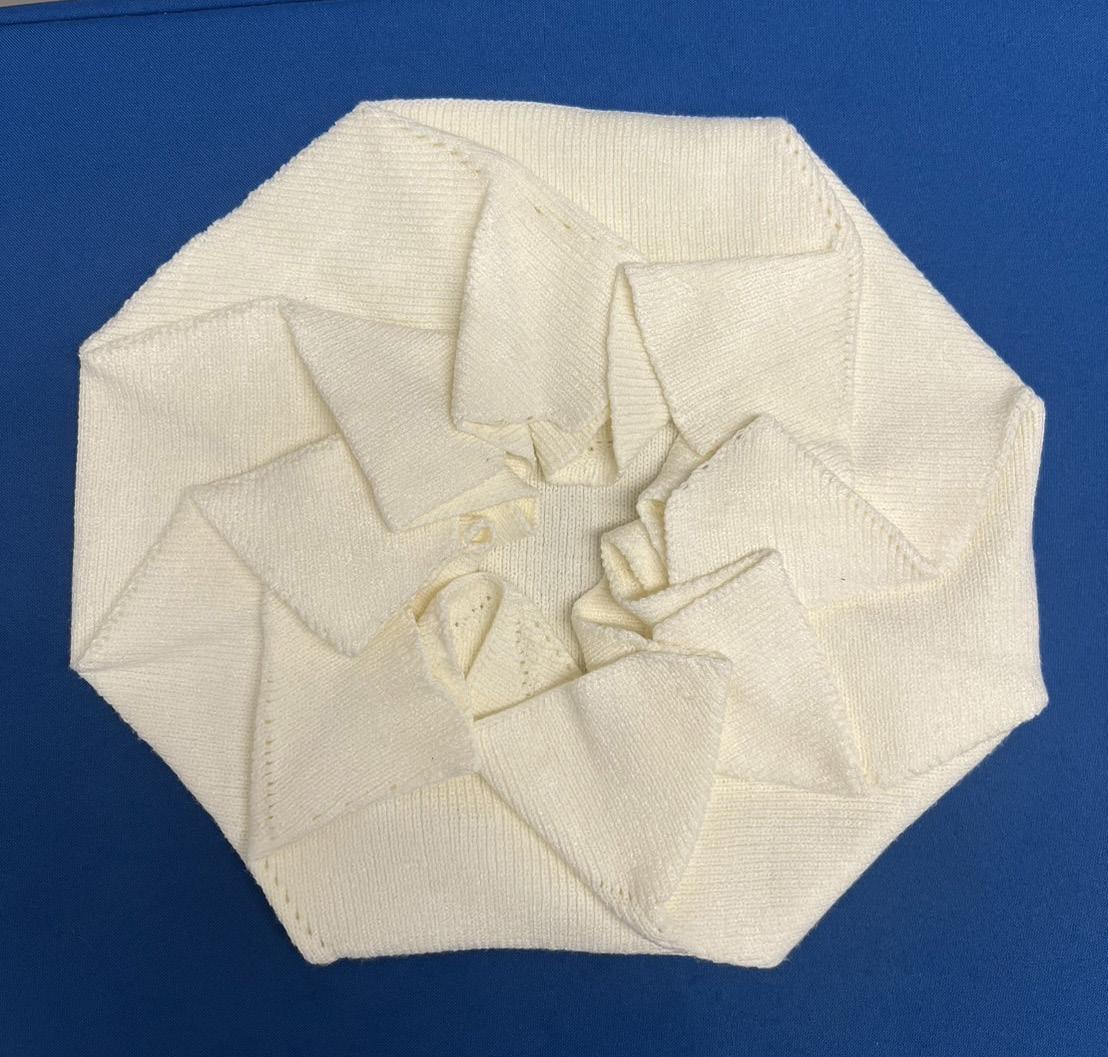
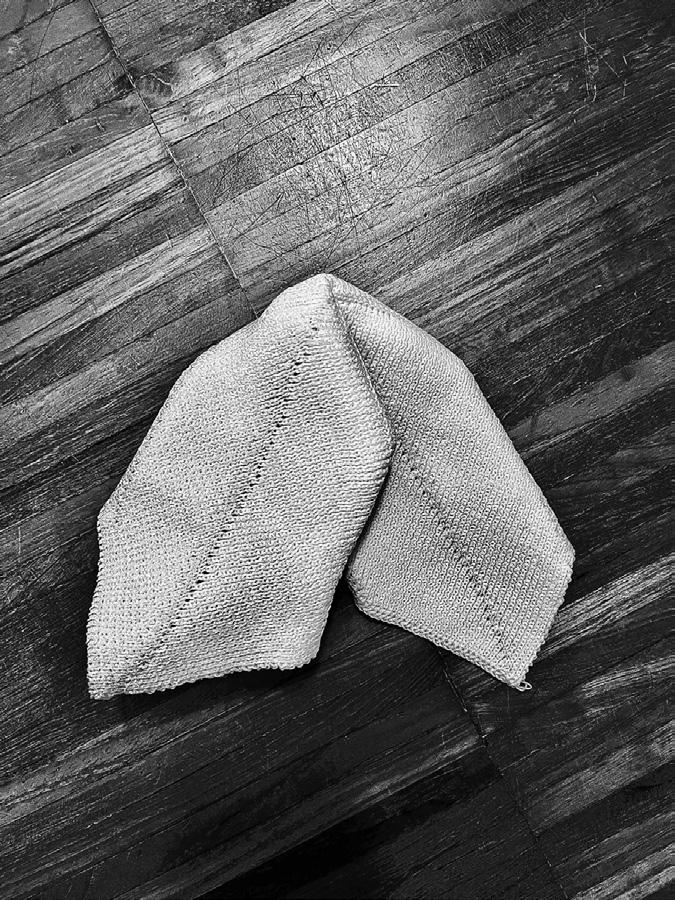
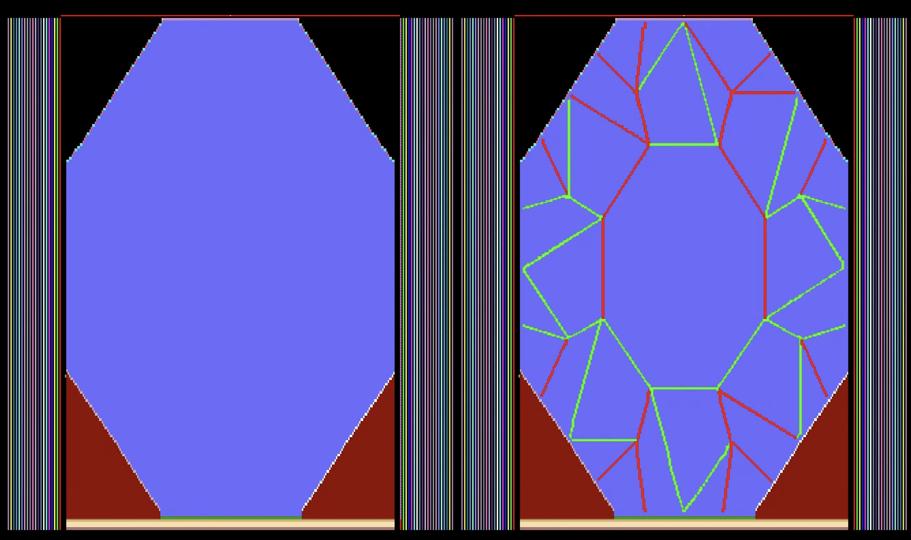
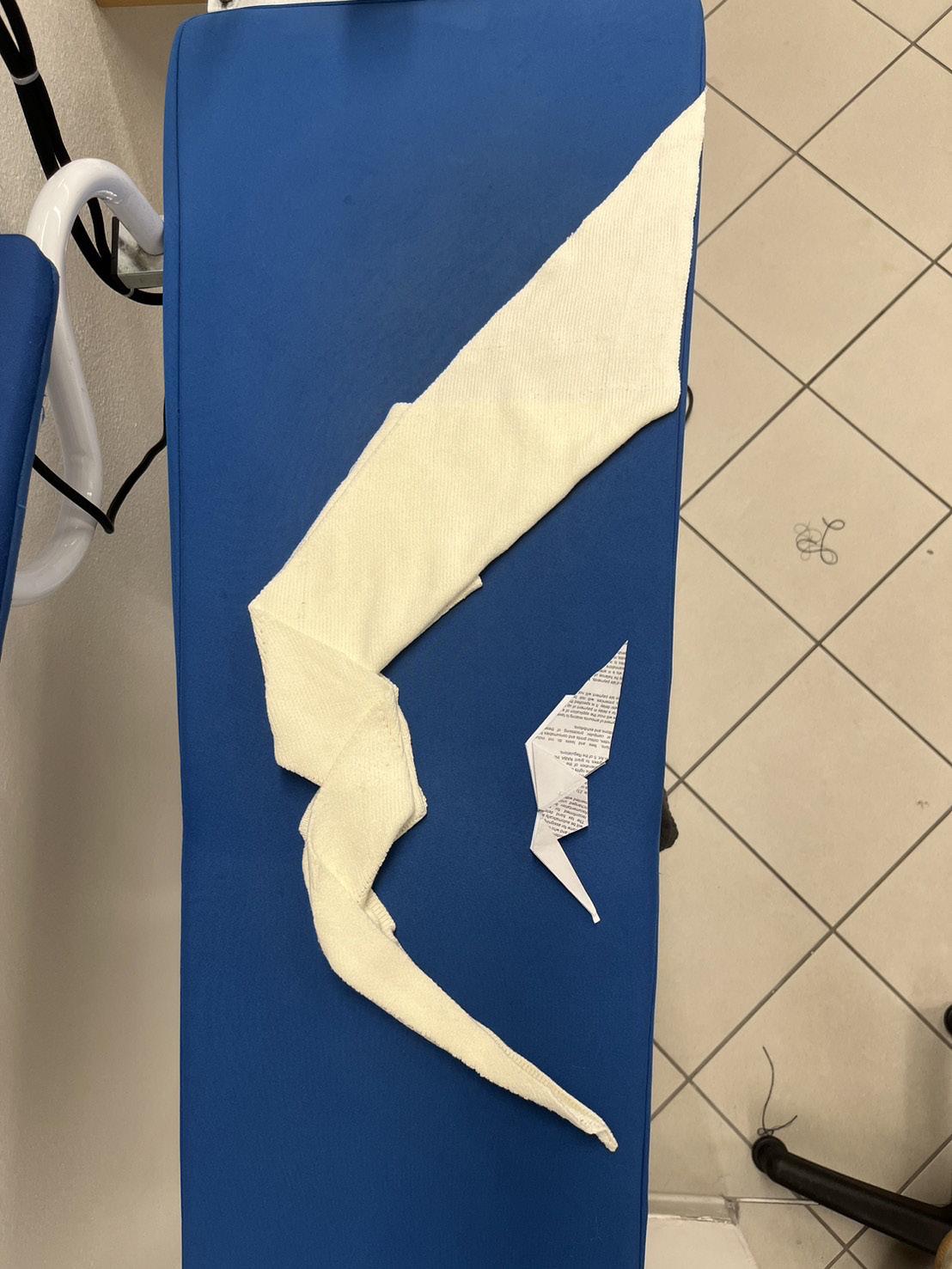
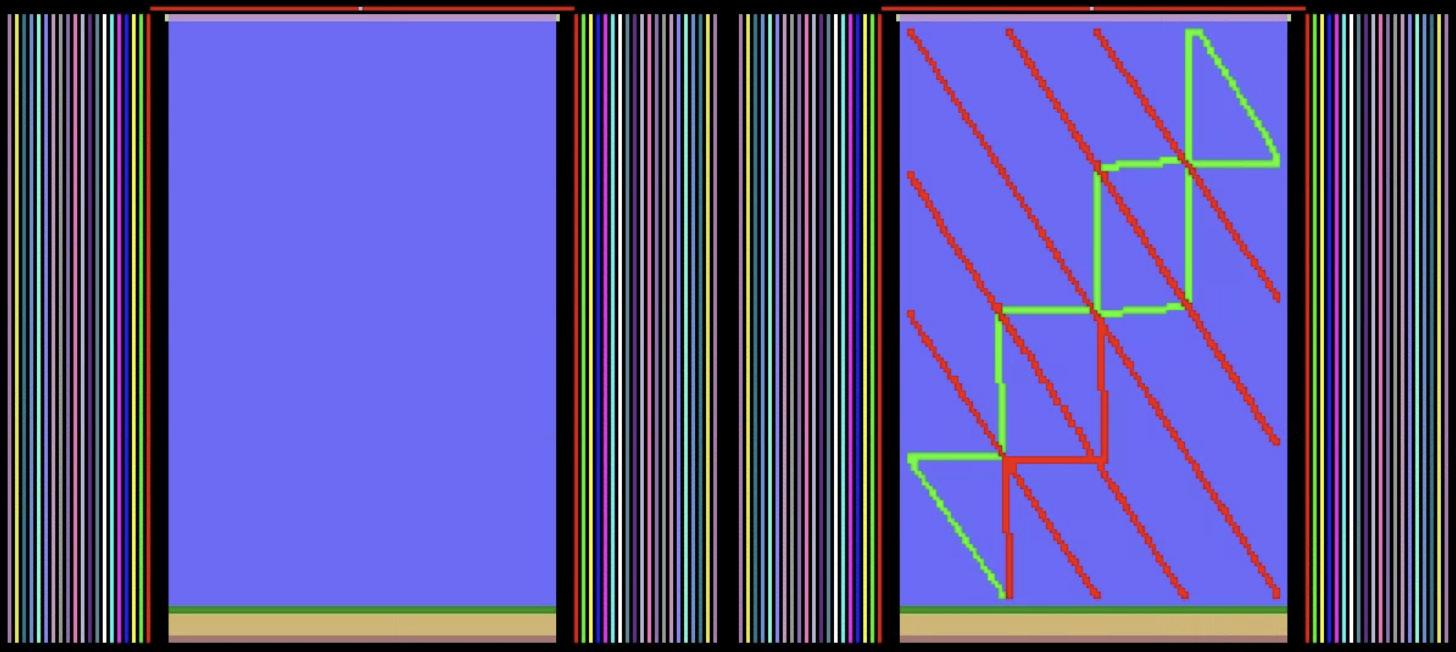
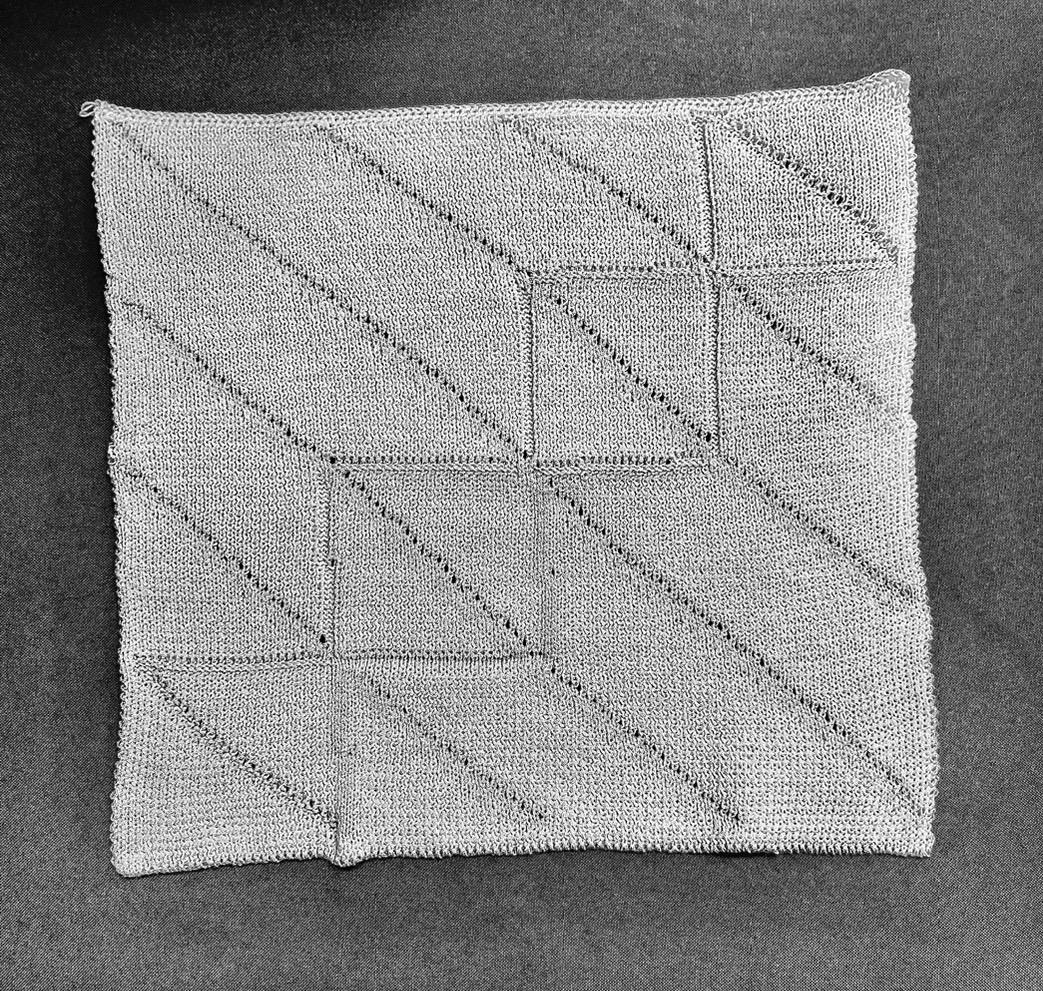
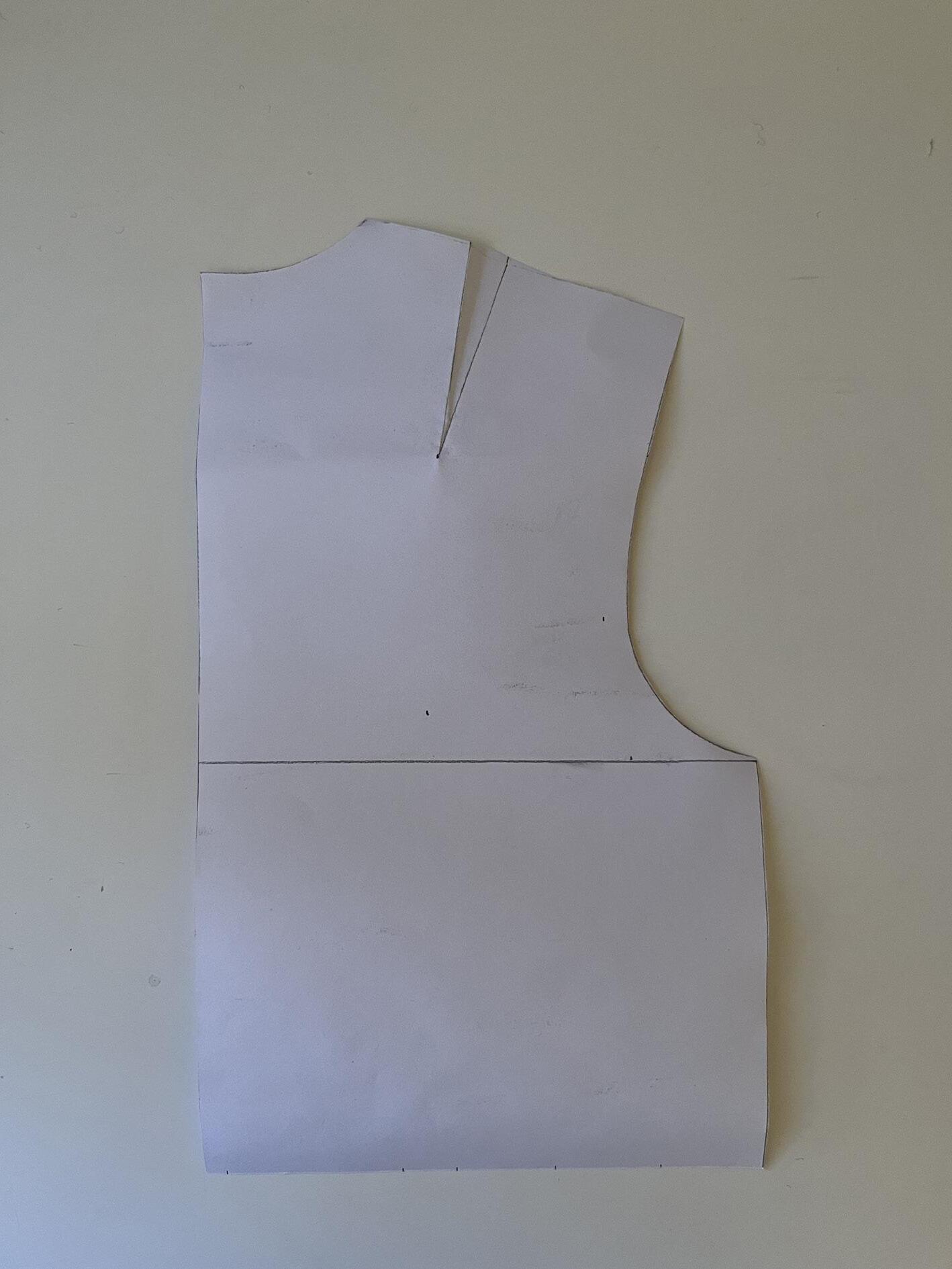
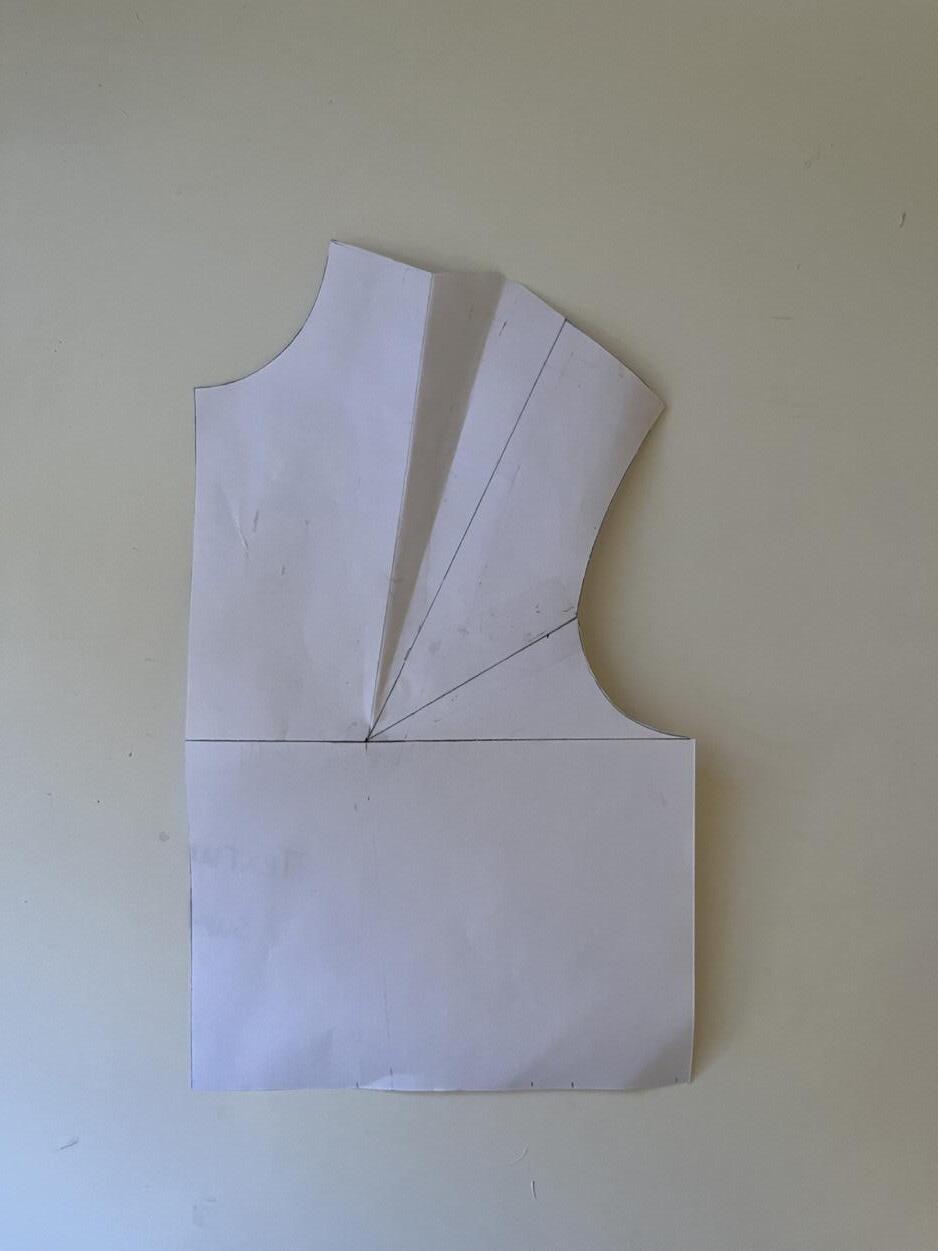
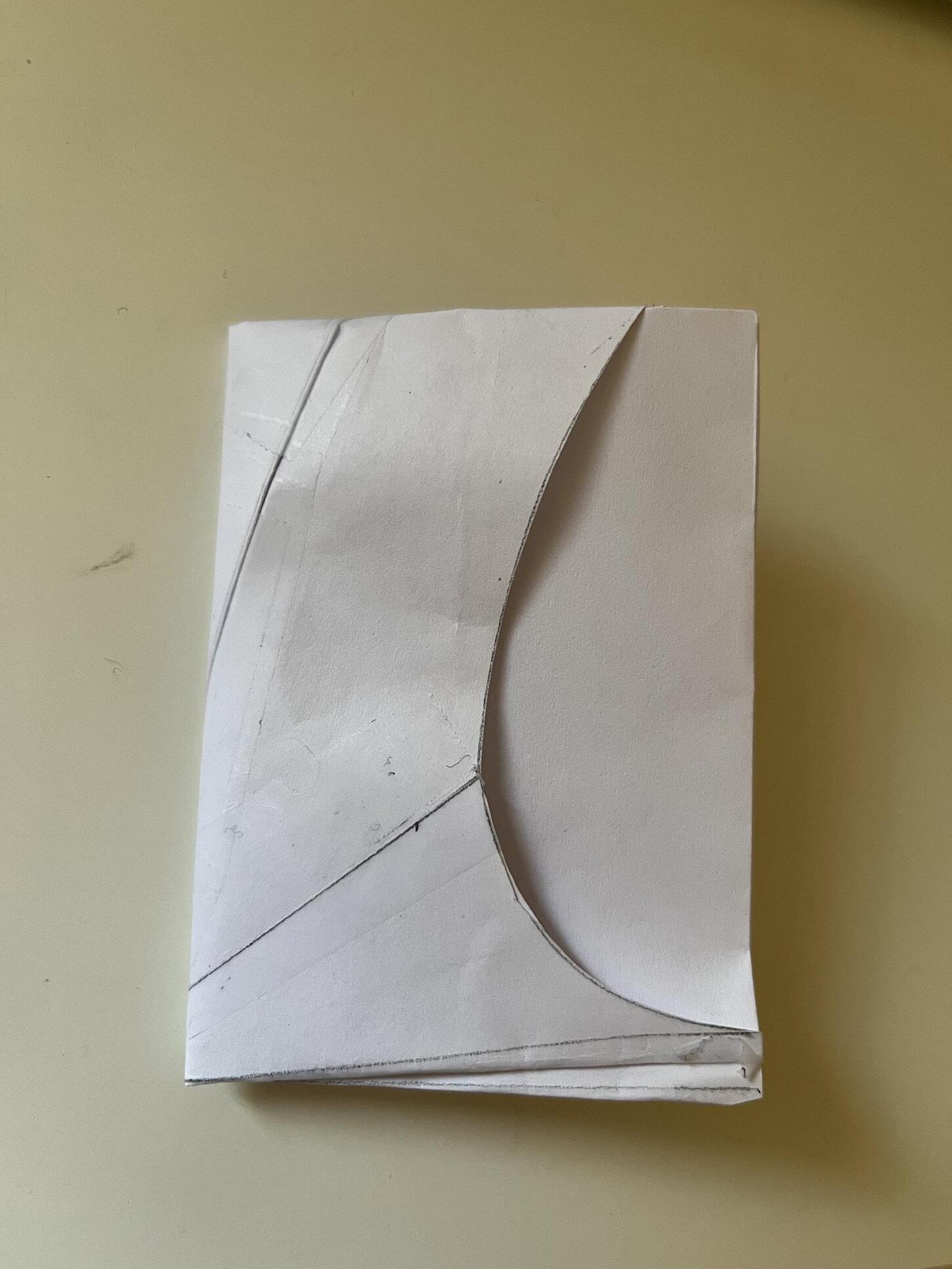
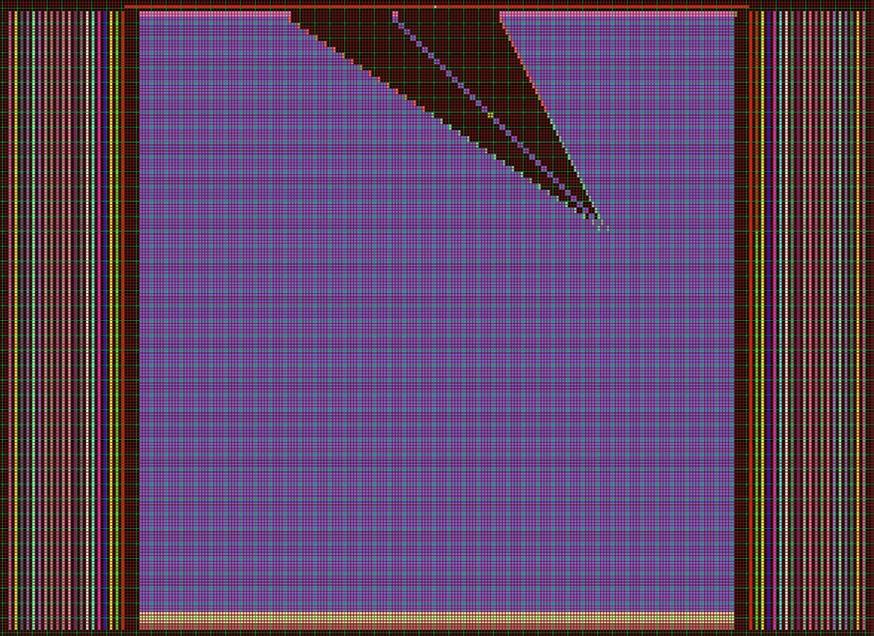
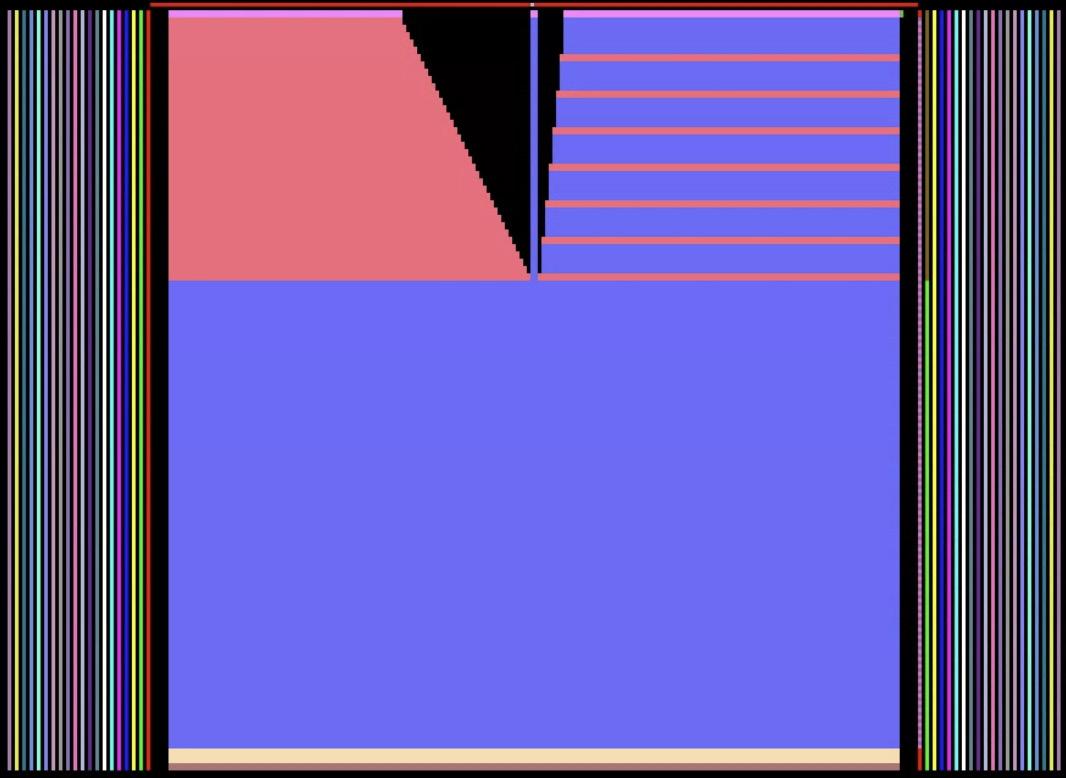
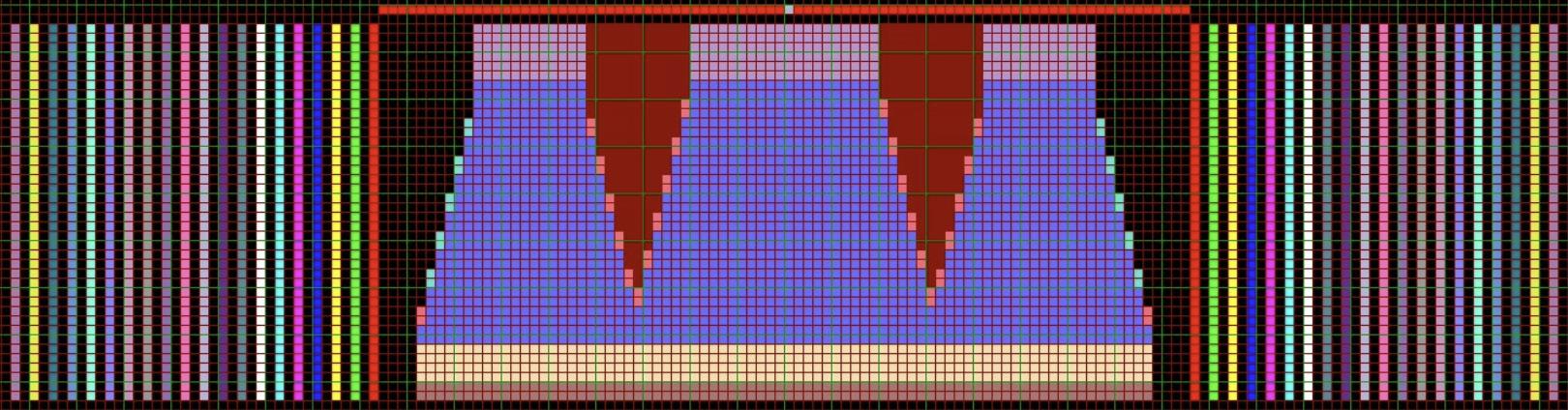
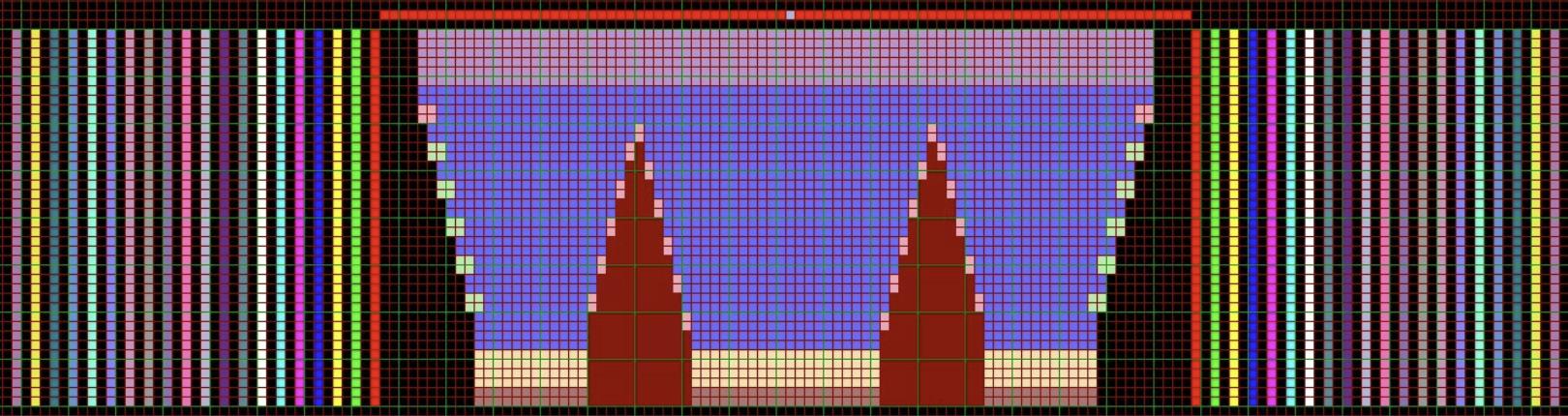
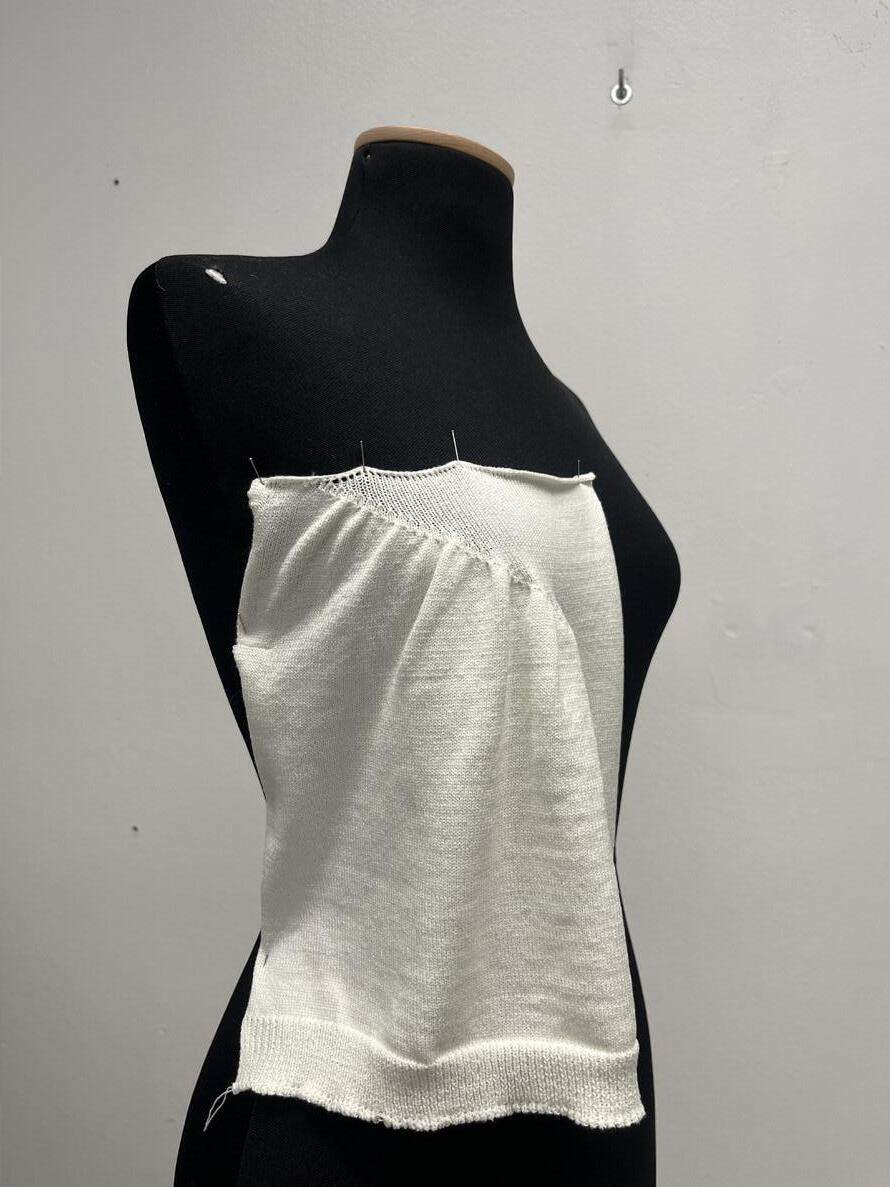
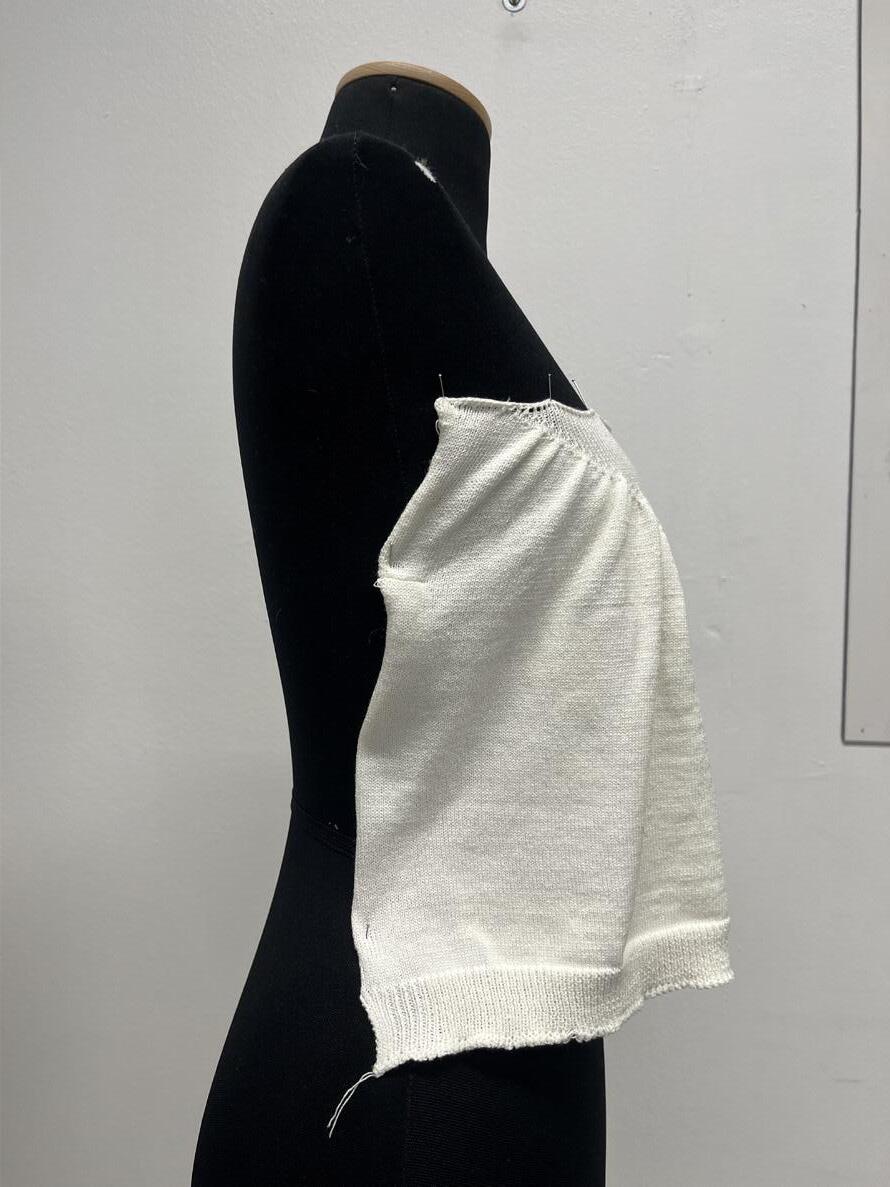
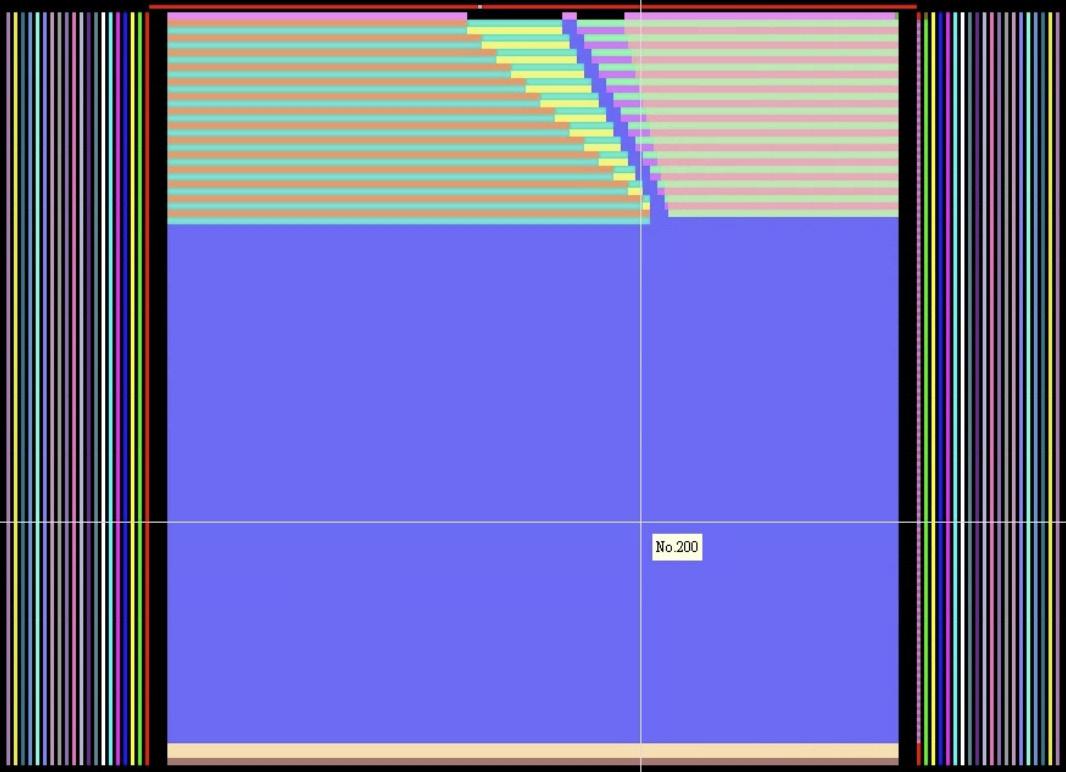
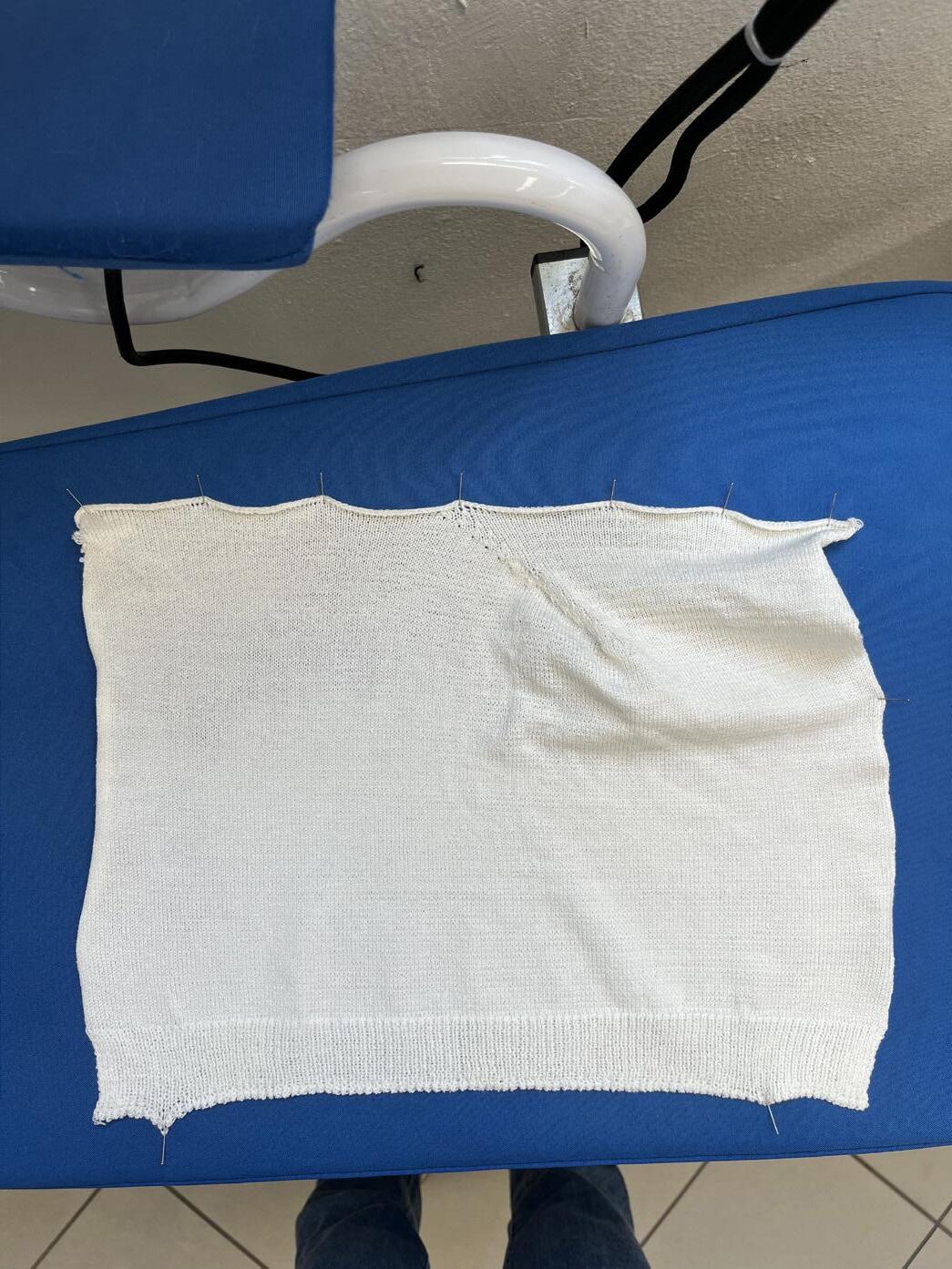
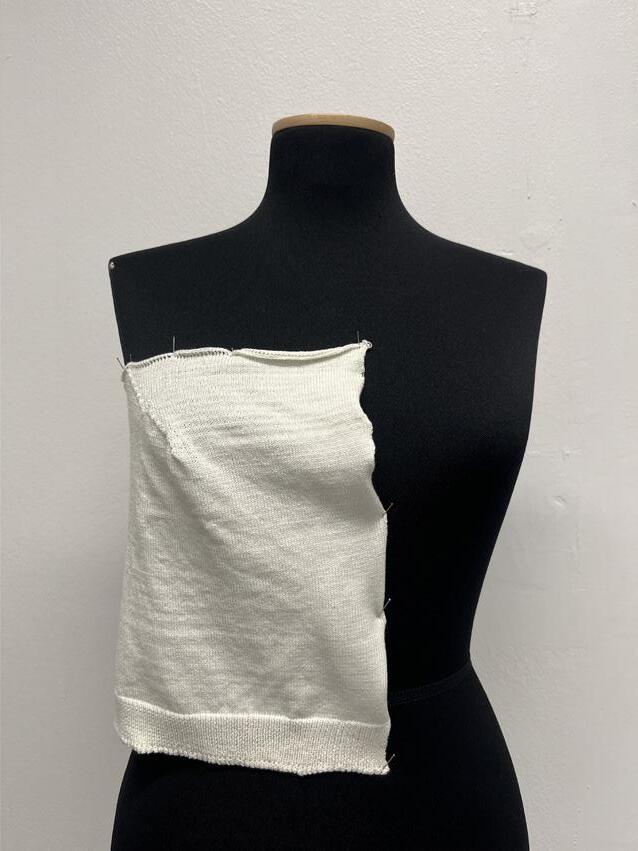
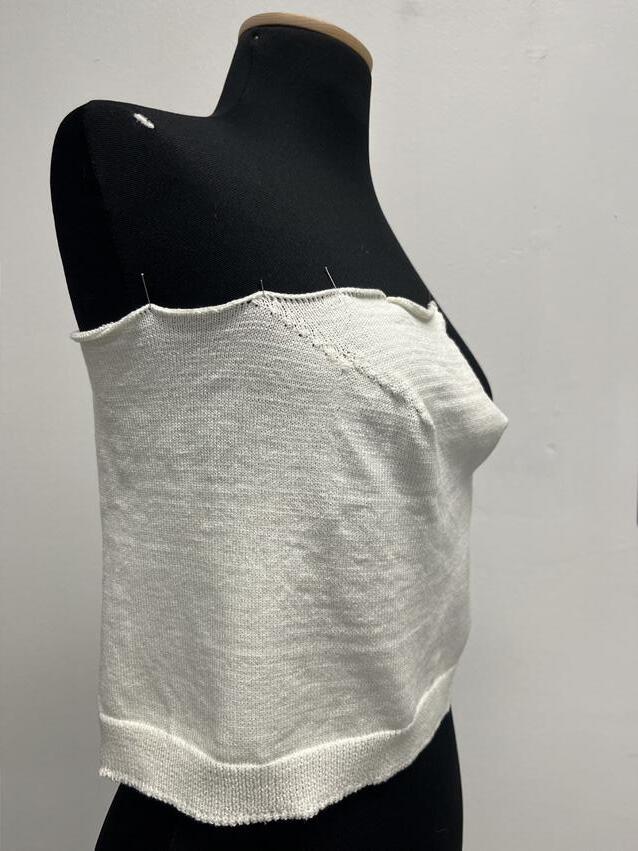
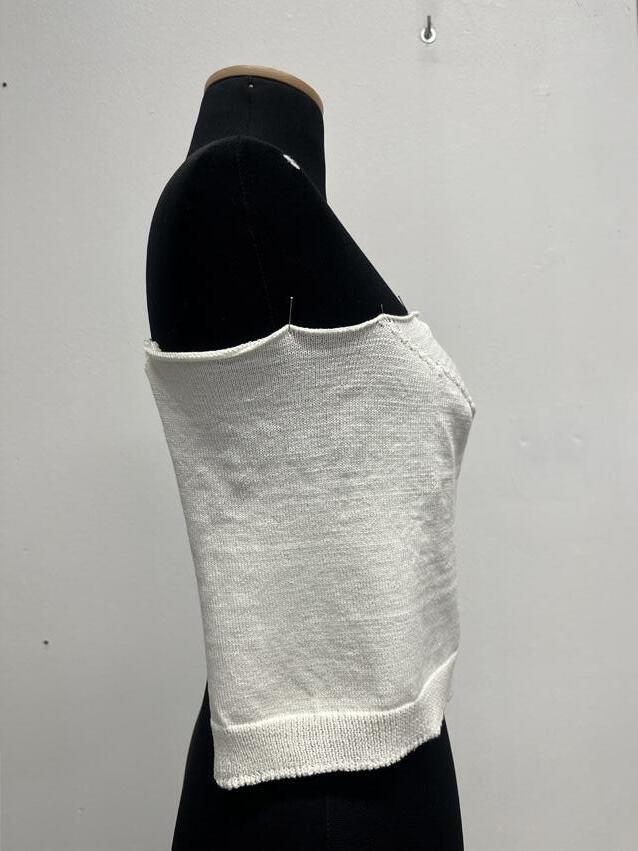
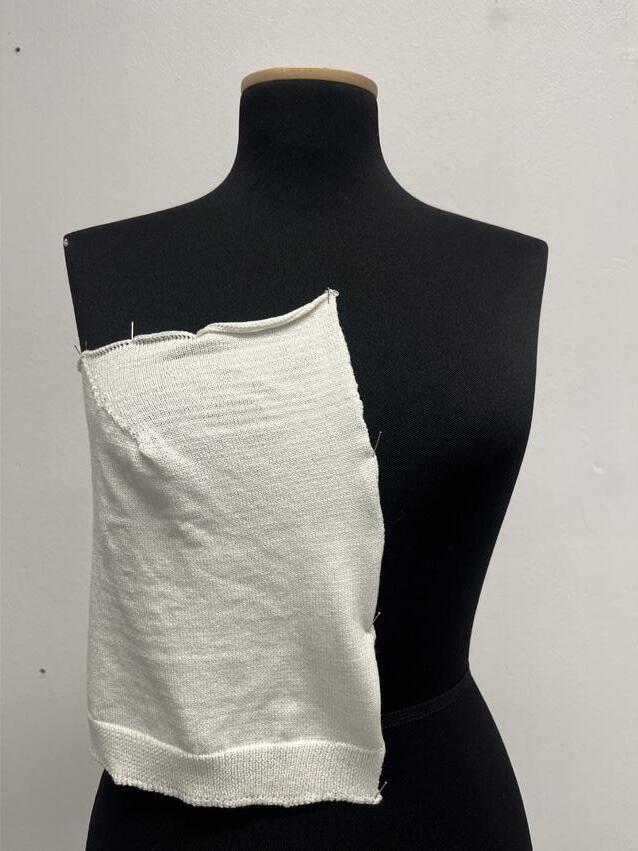
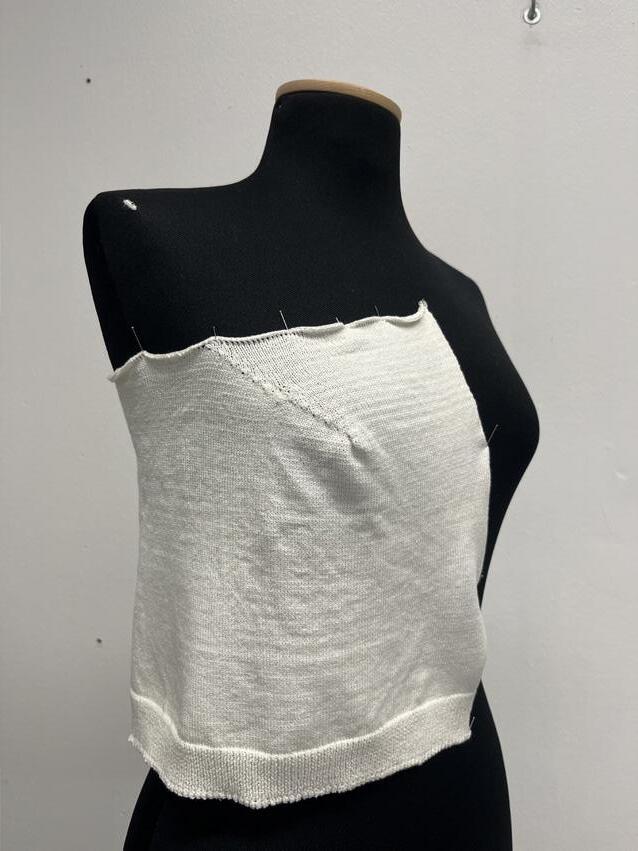
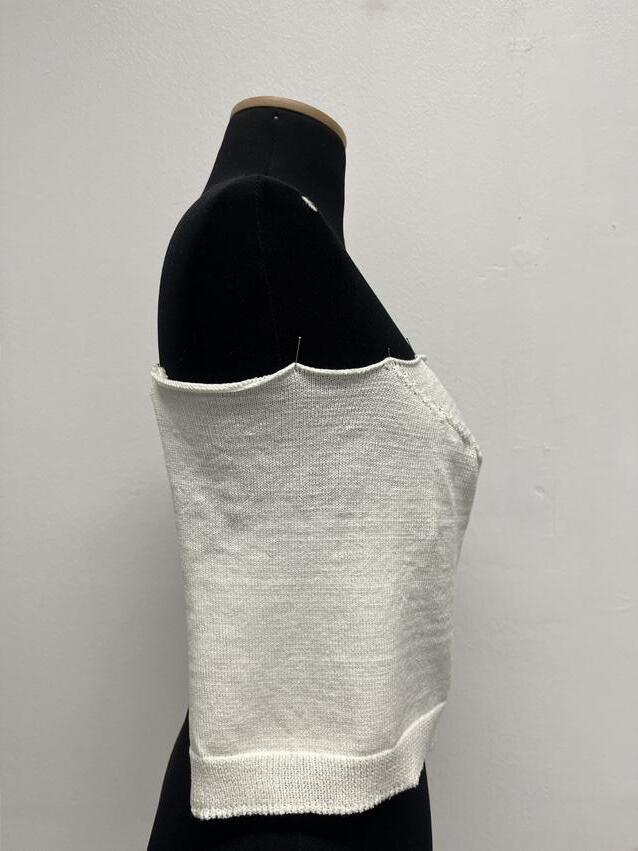
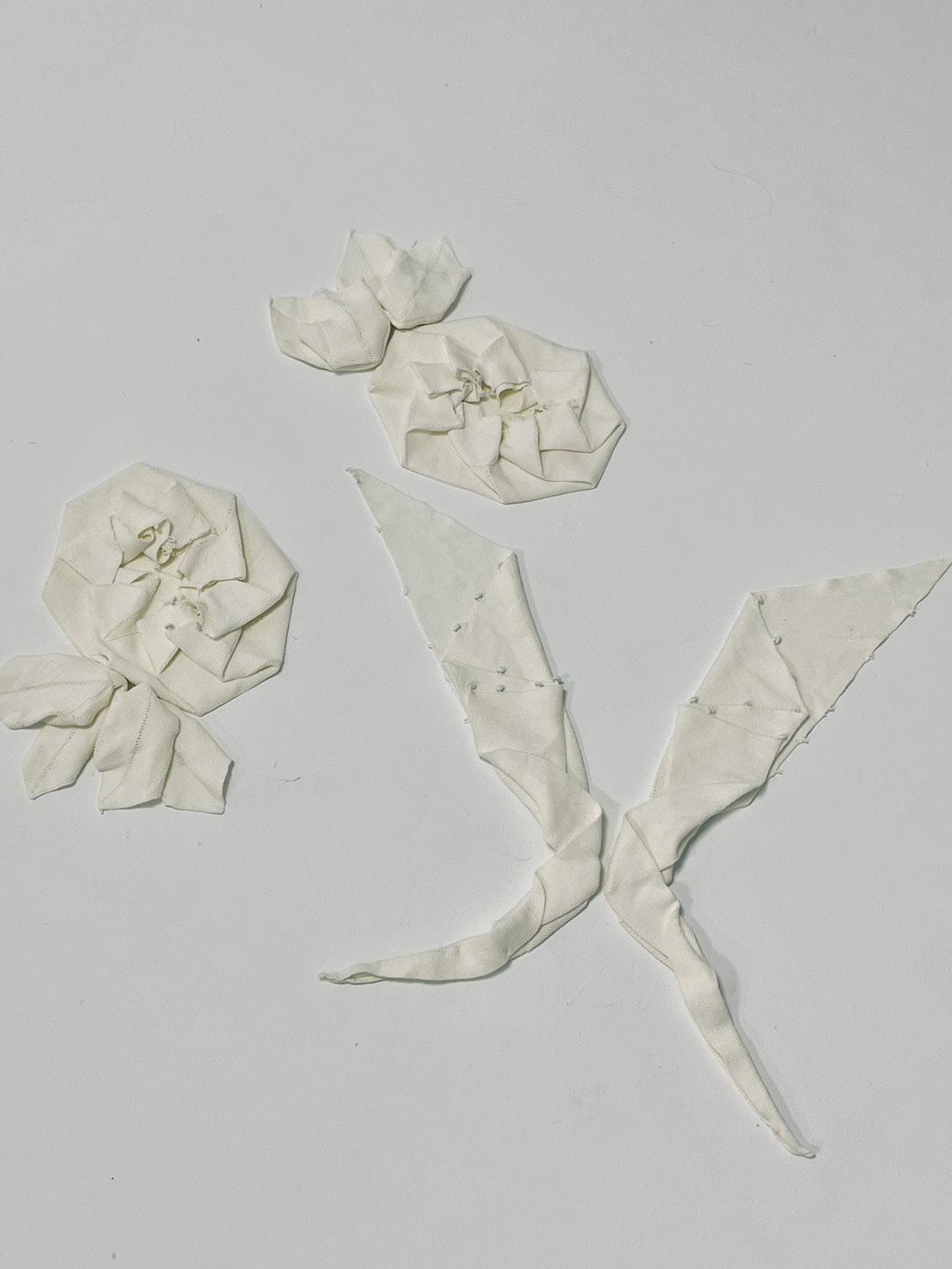
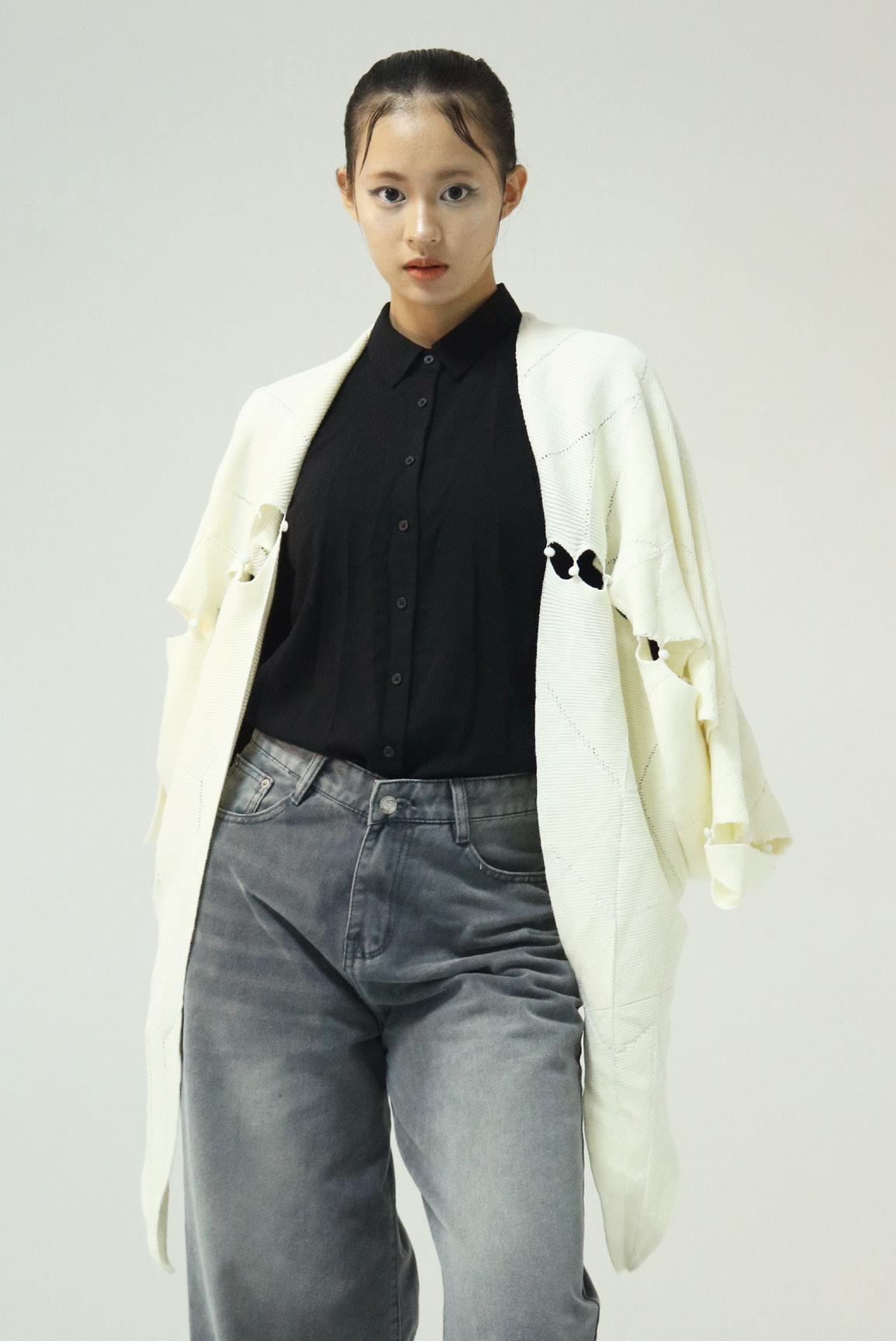
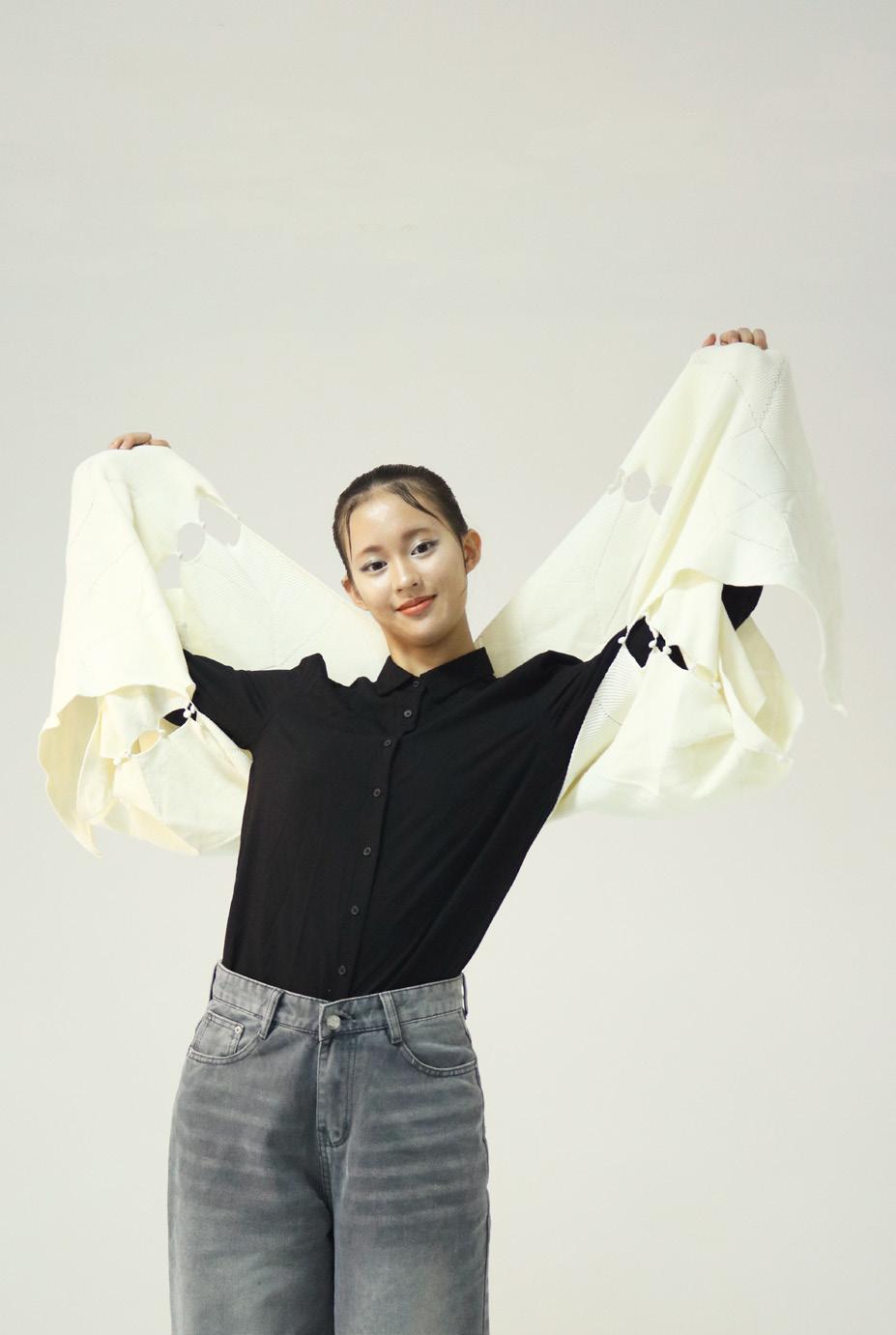
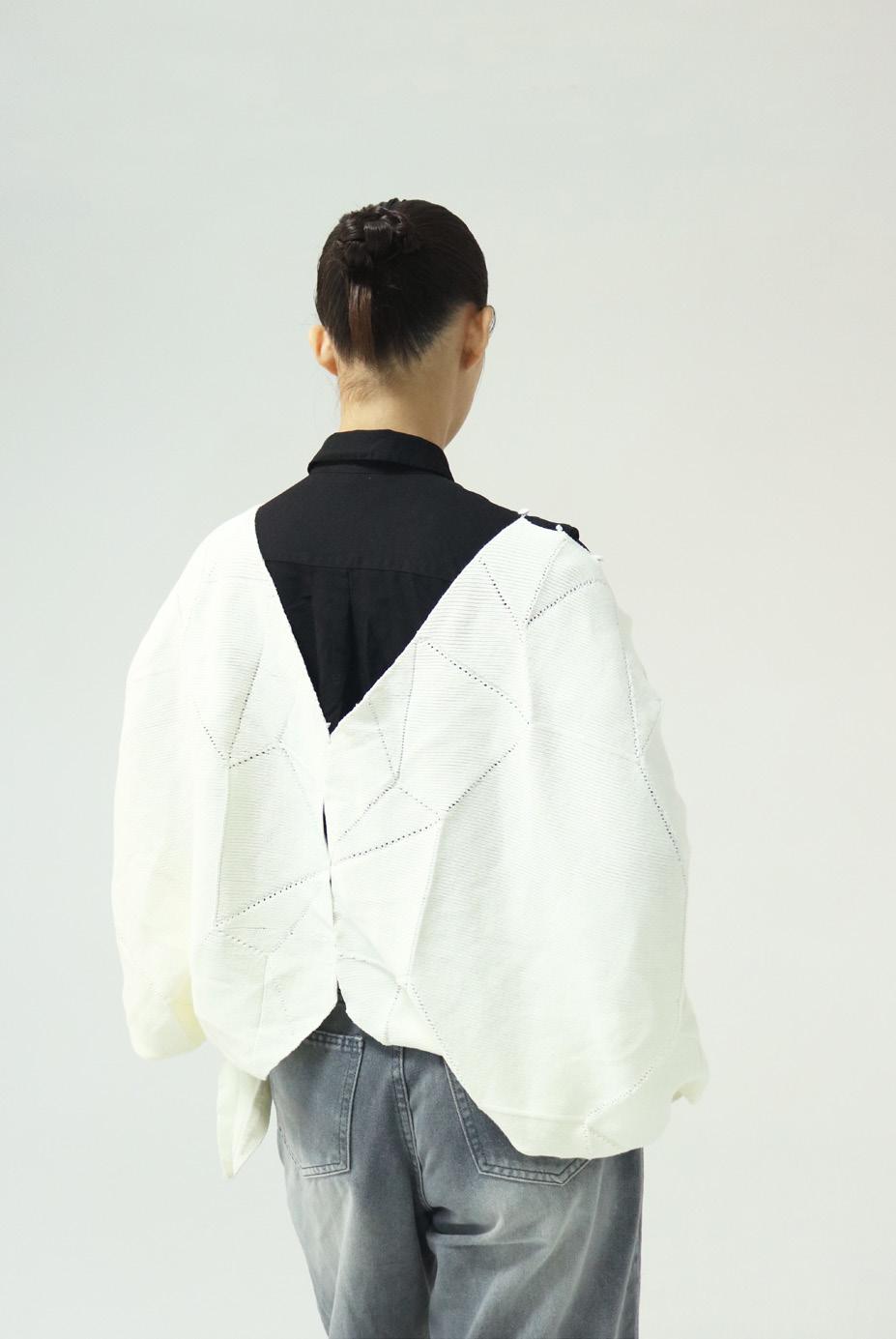
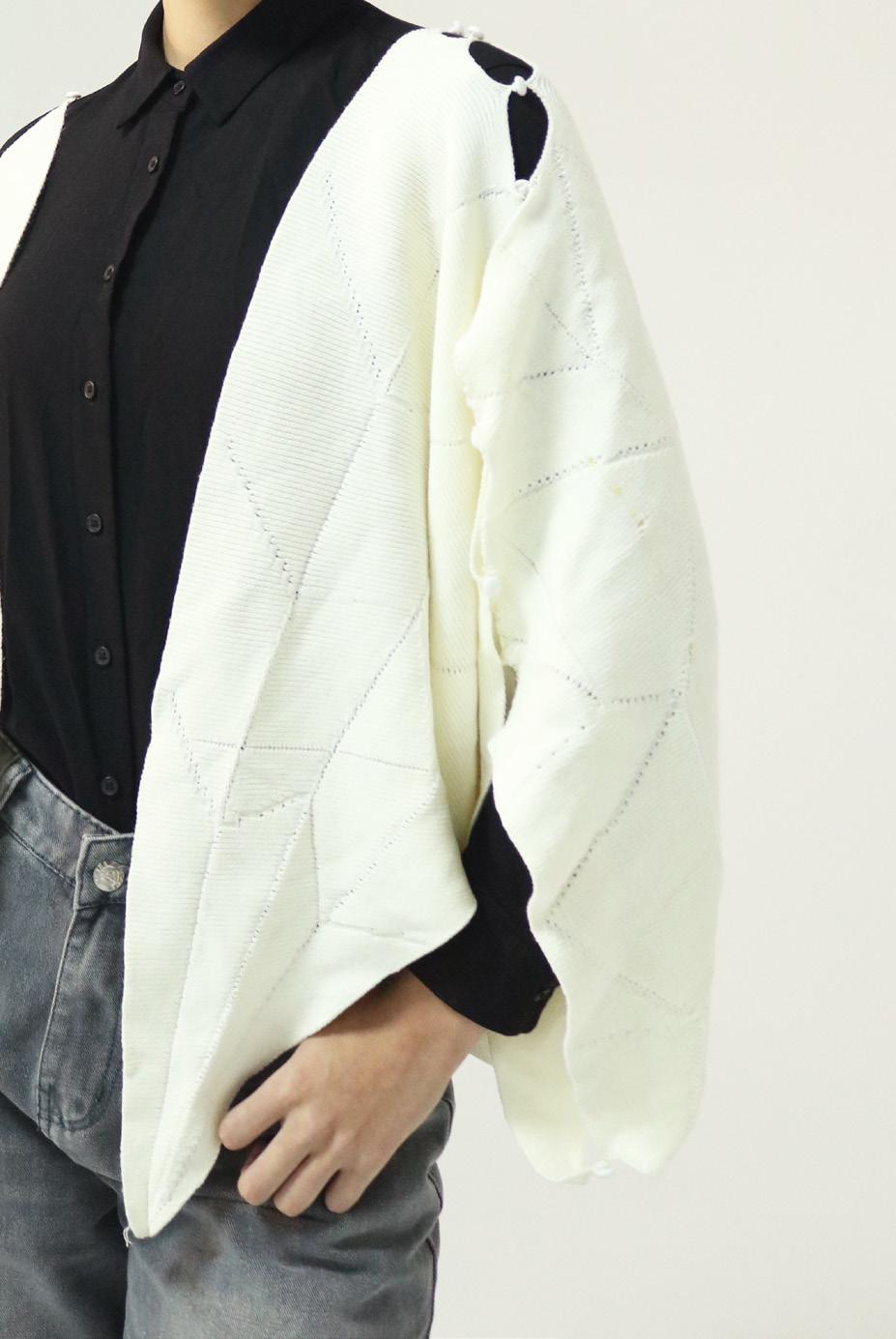
In terms of technique, I sought to translate this concept through origami, combining it with machine knitting to flip between two-dimensional and threedimensional spaces. This spatial transformation mirrors the shifts between adult and child perspectives. Through these connections and reconstructions, I hope to bridge the gap between different viewpoints, creating a shared understanding.
Research Motivation: The Inseparable Relationship Between Issey Miyake's Work and Pleats
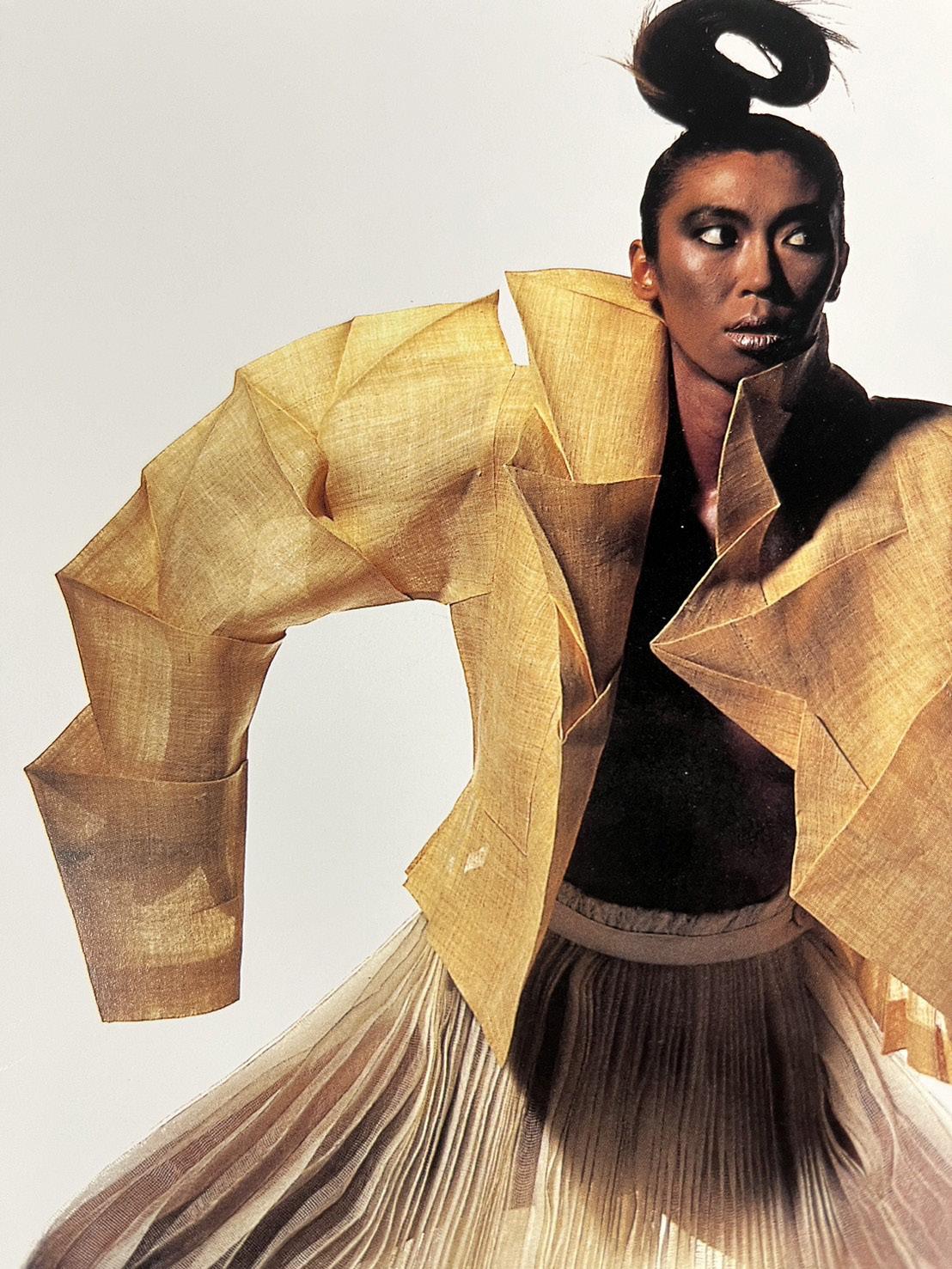
Issey Miyake is a foundational figure that every Asian designer must understand. However, there is a significant difference between basic knowledge and in-depth research. This time, I delved into extensive literature and resources related to his work to gain a deeper understanding of his creative processes and methodologies.
Although I was aware of the connection between Miyake and pleats before, it was through this research that I truly comprehended the mathematical underpinnings of his creations. I was particularly fascinated by the numerous experiments he conducted in the realm of "transforming flat geometry into garment patterns." The visual document of his work, especially how geometric shapes are transformed into wearable forms, provided me with profound inspiration. This exploration has also guided me toward the direction of my third area of study: origami art, and the fifth area of study: Geometry.
Resources:
Penn, I., & Miyake, I. (1999). Irving Penn regards the work of Issey Miyake: Photographs 1975–1998. New York, NY: Bulfinch Press.
《Universe of Fashion: Issey Miyake》
Miyake, I. (1999). Issey Miyake: Making things. New York, NY: Scalo.
Miyake, I. (1978). Issey Miyake: East meets West. 東京: 株式會社平凡社。 常文武、王儷娟、呂安雲(2017)。三宅 一生的服裝設計與扭棱摺疊。《數學傳 播》41卷4期,p. 69-77。
Research Motivation: Bold Garment Silhouettes That Extend Beyond the Body
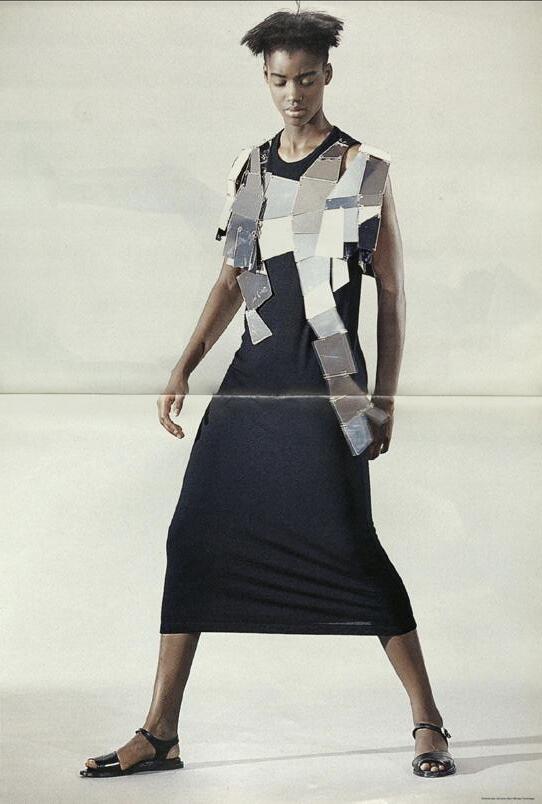
Rei Kawakubo is another designer frequently mentioned by my professors since my first year in university. Naturally, when considering ways to break conventional boundaries in garment silhouettes, I was instinctively drawn to studying her designs and referencing her approach to pattern-making.
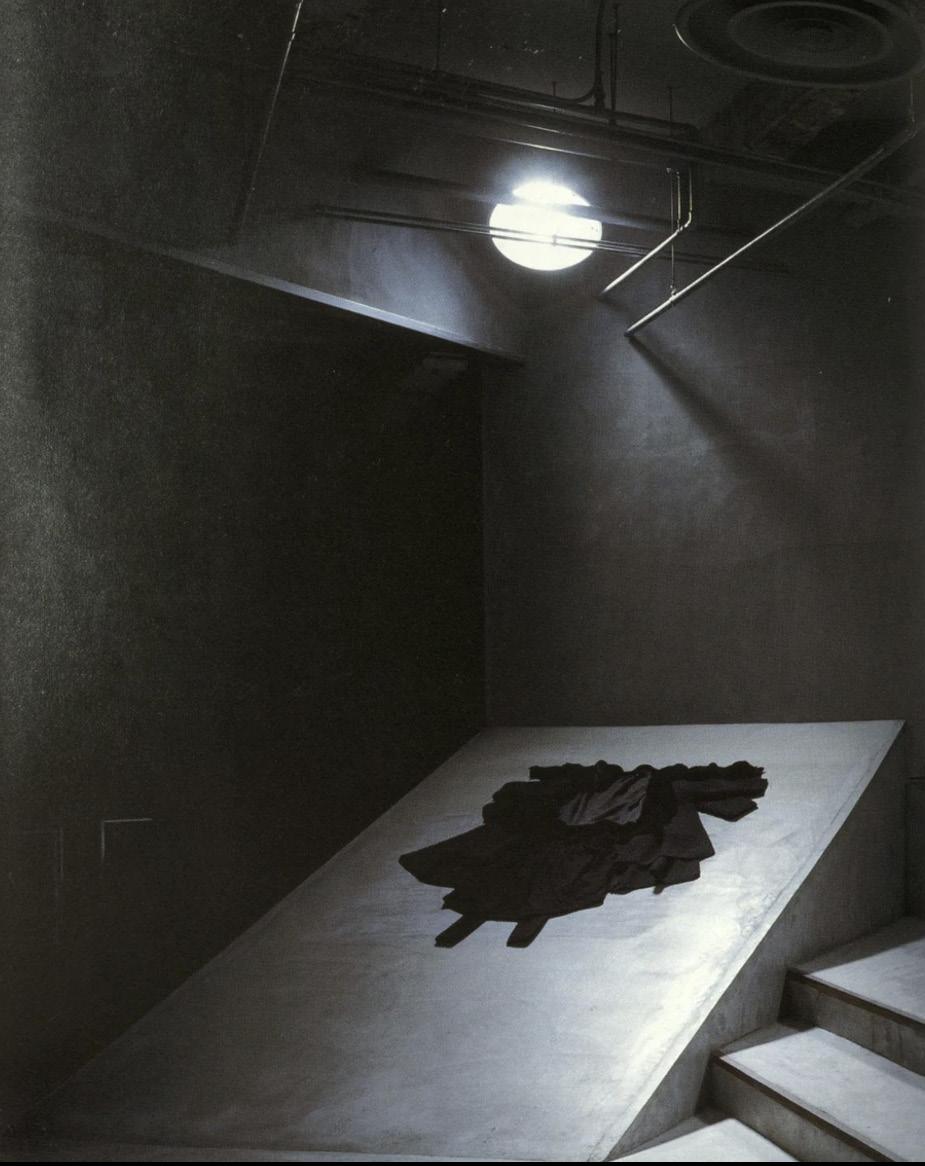
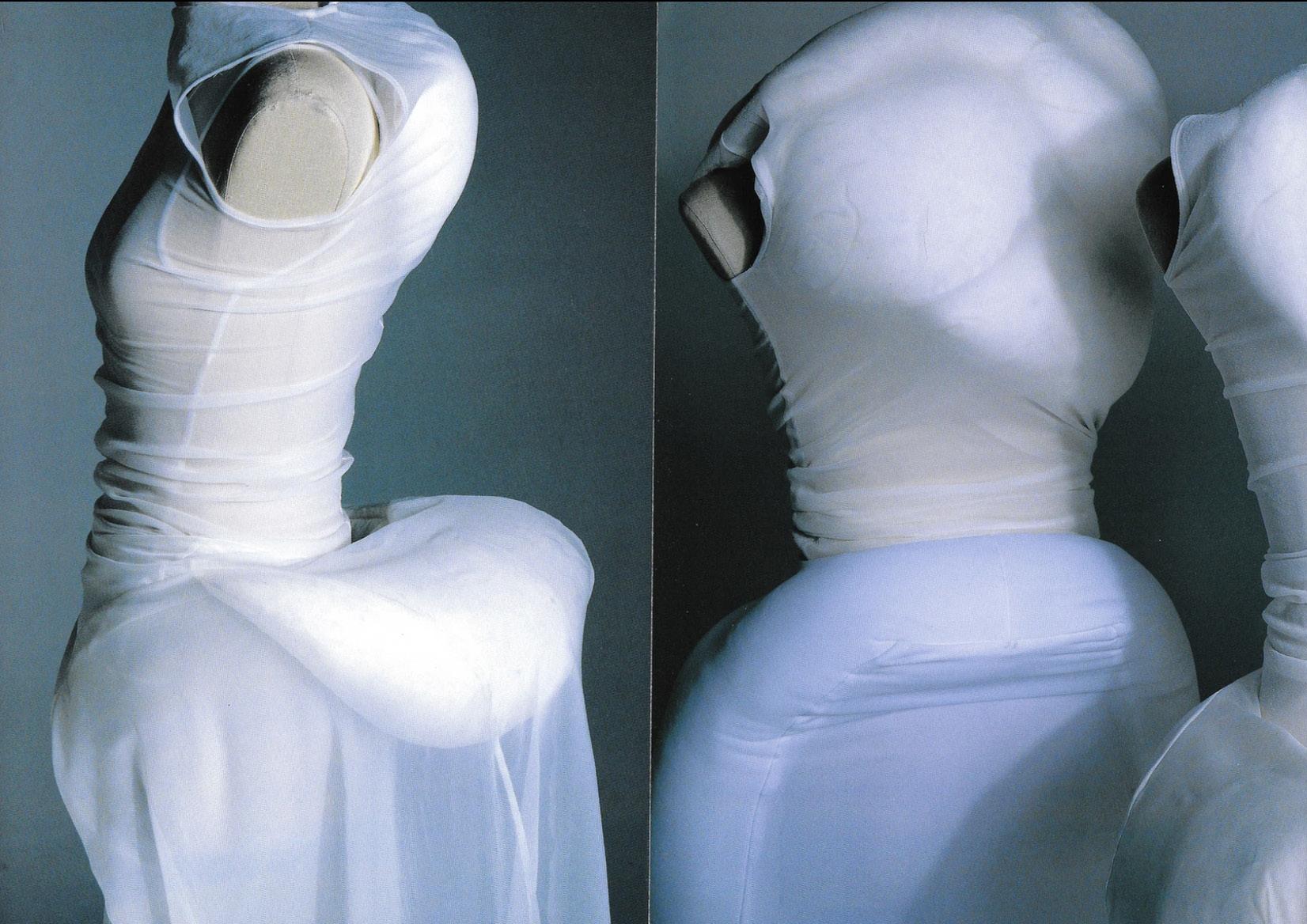
To me, Kawakubo is a designer who seamlessly navigates between soft sculpture and tangible sculpture. When working with fabric as a medium, she reshapes and redefines silhouettes directly on the human body. When using other materials, her minimalist interior and furniture designs demonstrate remarkable foresight. In fact, she blurs the line between clothing and furniture (or decor), transforming both into installation.
I am deeply inspired by her ability to traverse and reinterpret different dimensions, and this has led me to pursue the fourth part of my research: soft sculpture.
Resources:
Sudjic, D. (1990). Rei Kawakubo and Comme des Garcons. New York, NY: Rizzoli.
Kawakubo, R. (Ed.). (1997). Visionaire 20: Comme des Garcons. New York, NY: Visionaire Publishing.
Grand, F. (1998). Memoire de la Mode Comme des Garcons. Tokyo, Japan: Korinsha Press.
Kawakubo, R. (Ed.). (1989). SIX Number 3.
Tokyo, Japan: Comme des Garcons.
Kawakubo, R. (Ed.). (1999). SIX Number 5.
Tokyo, Japan: Comme des Garcons.
傅美玲、許淑蘭(2014)。比較東西方設計 師不同立裁技法設計表現法-以Comme des Garcons及Alexander McQueen為例。紡織 綜合研究期刊,24(2),28-39。
Research Motivation: Applying the Logic Behind Origami to Practical Design
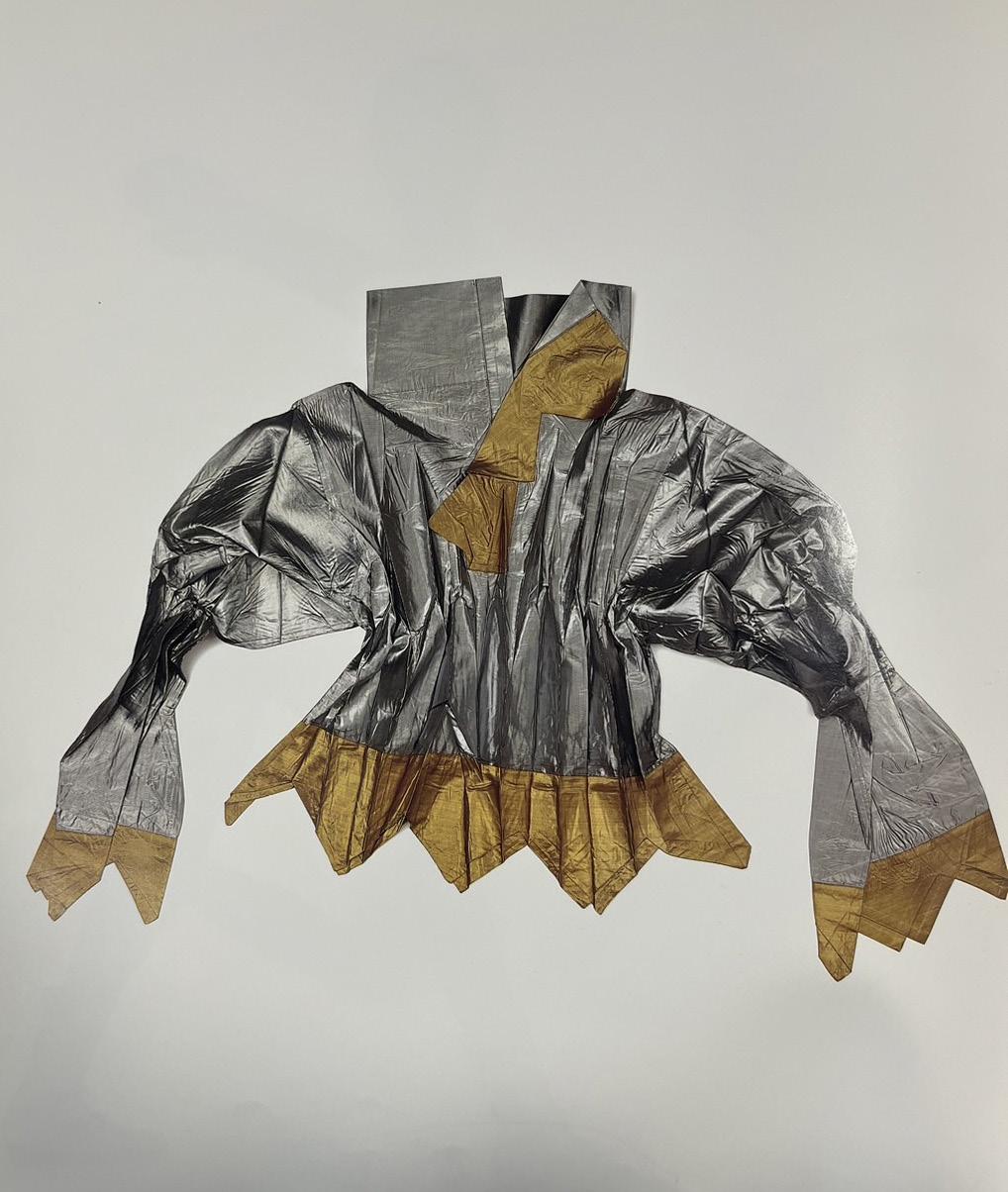
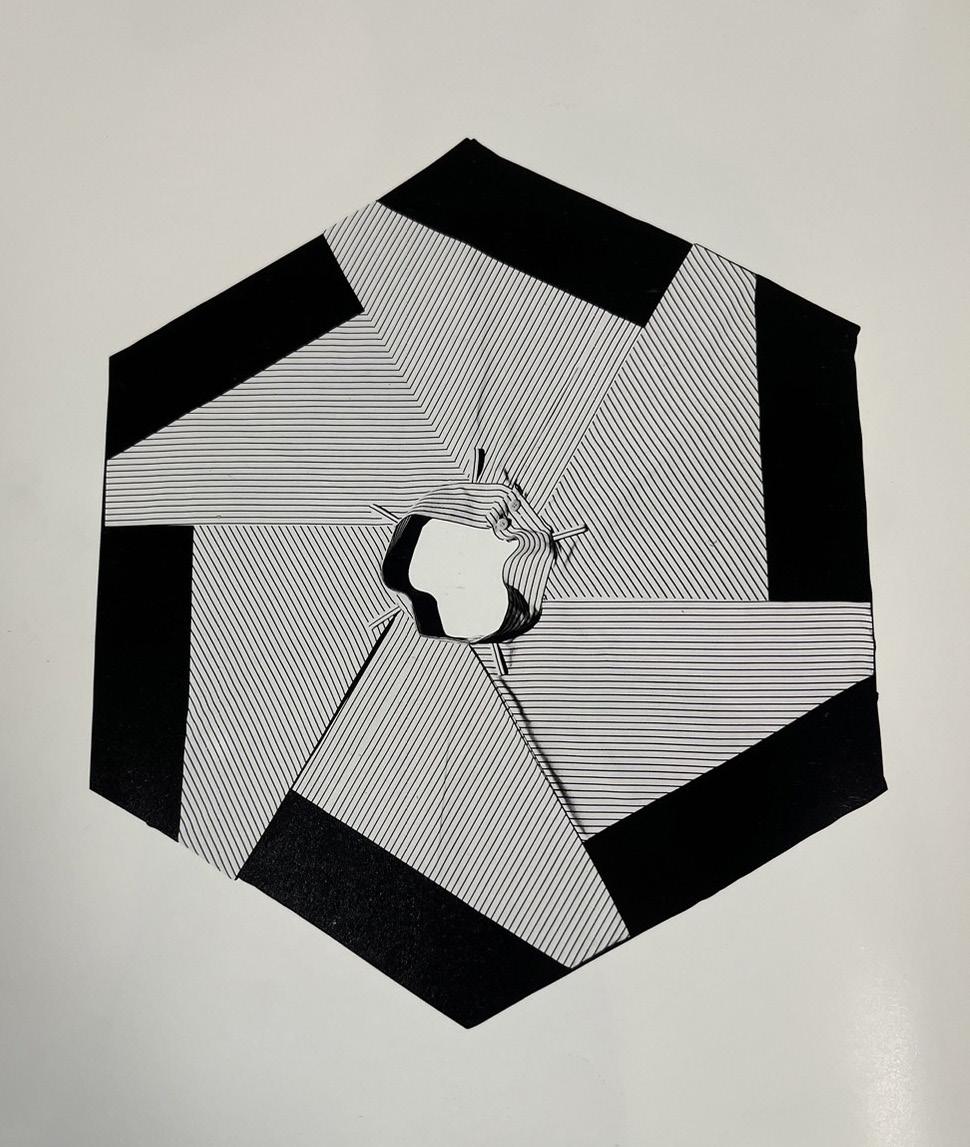
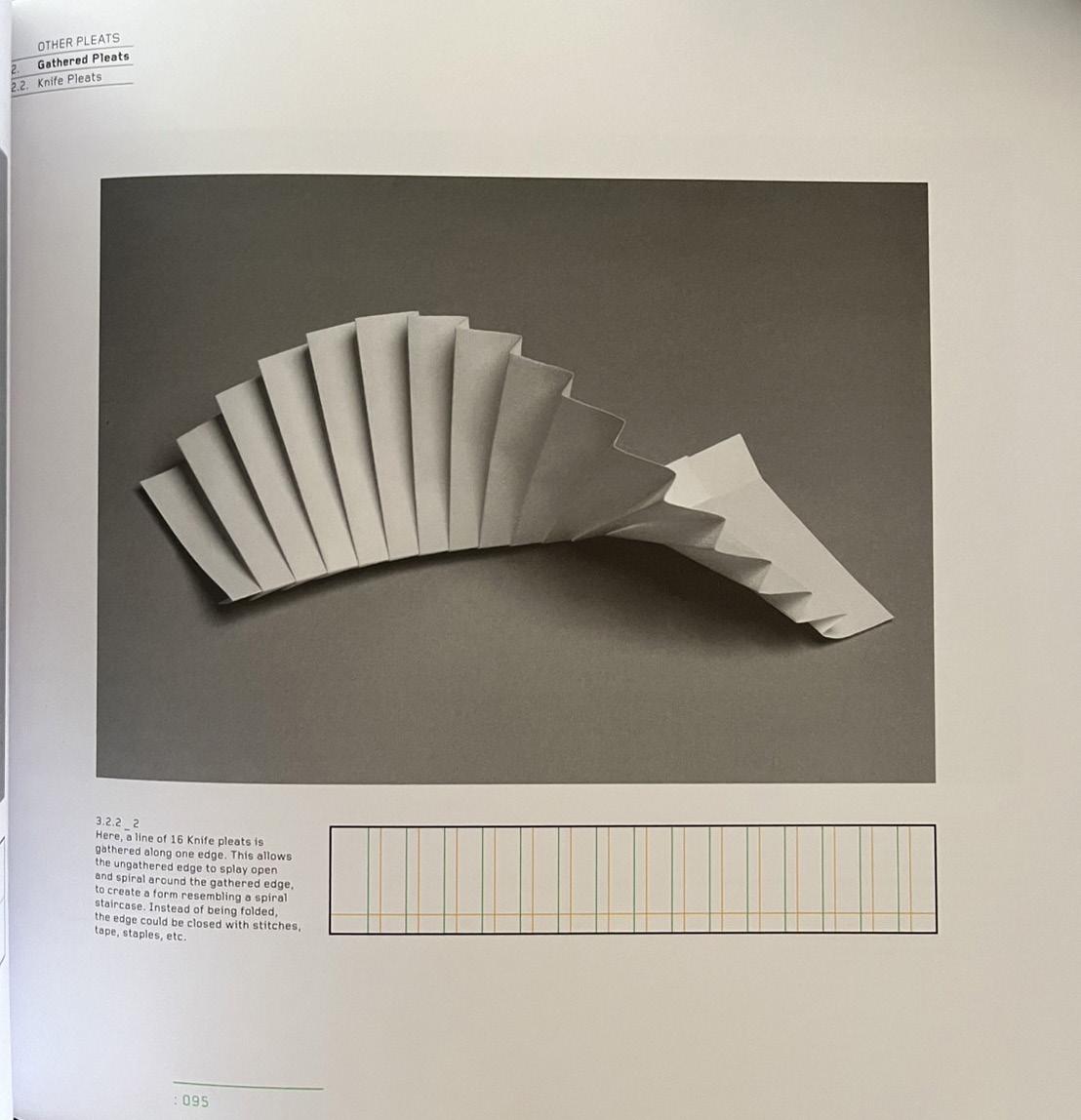
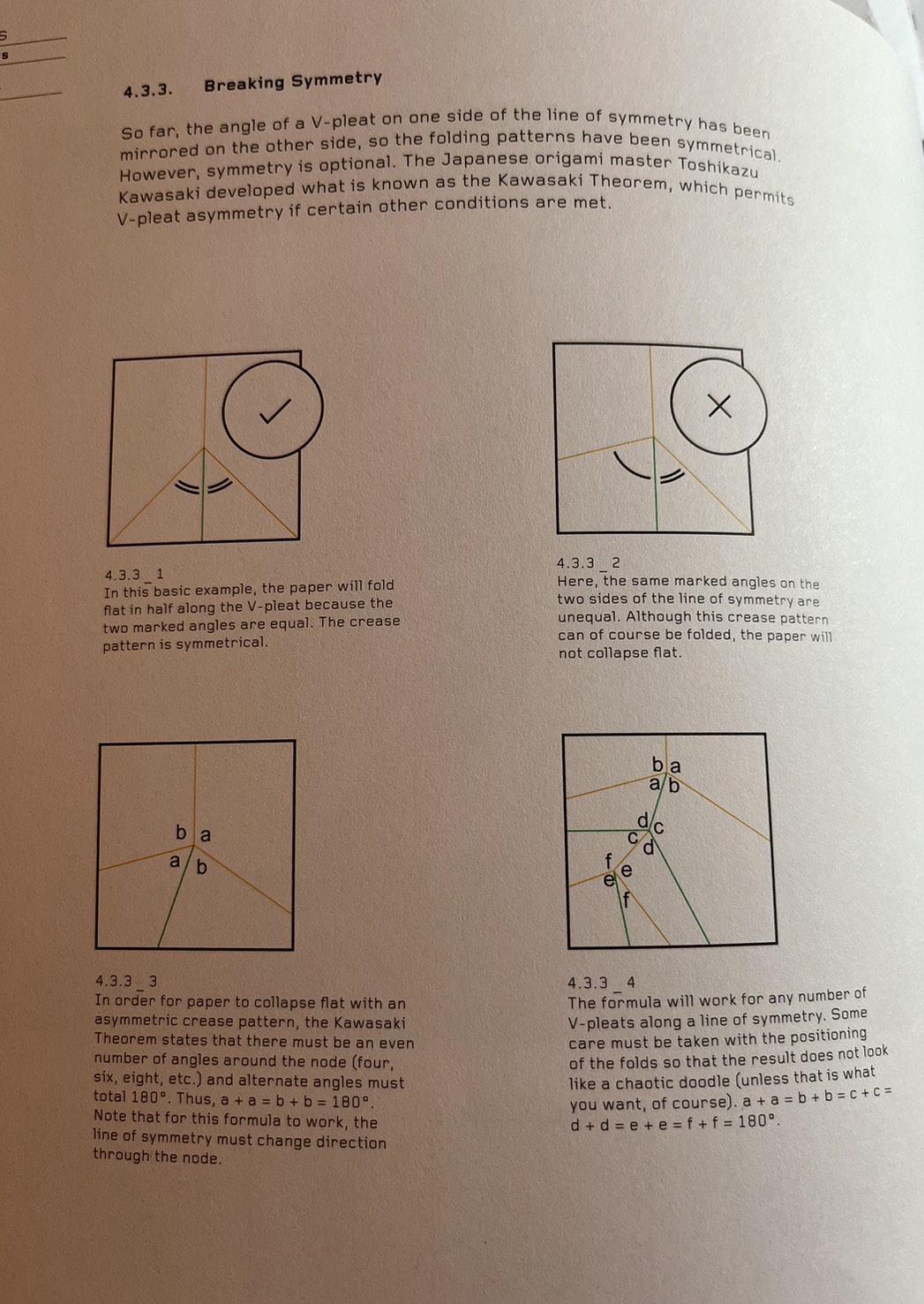
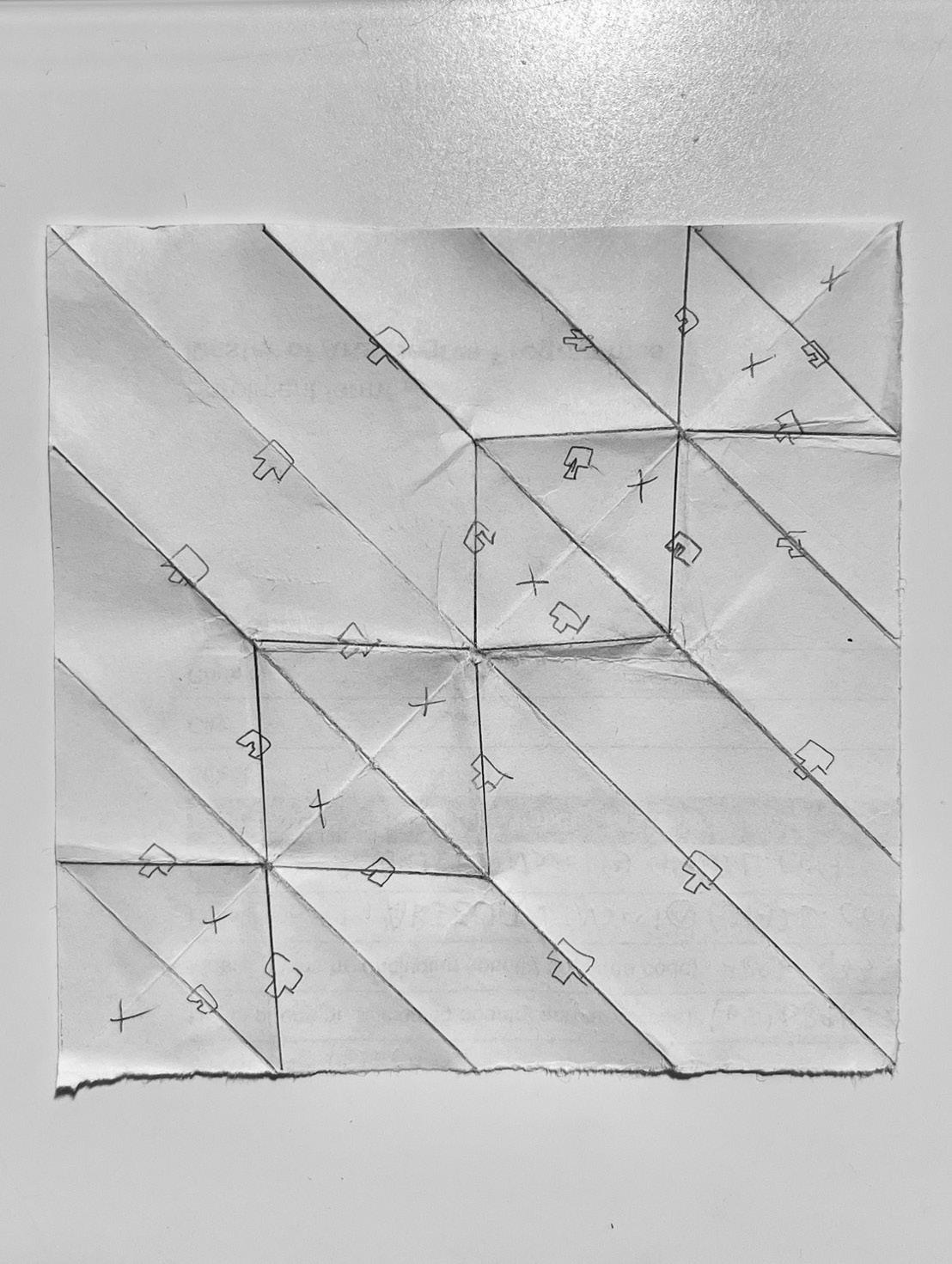
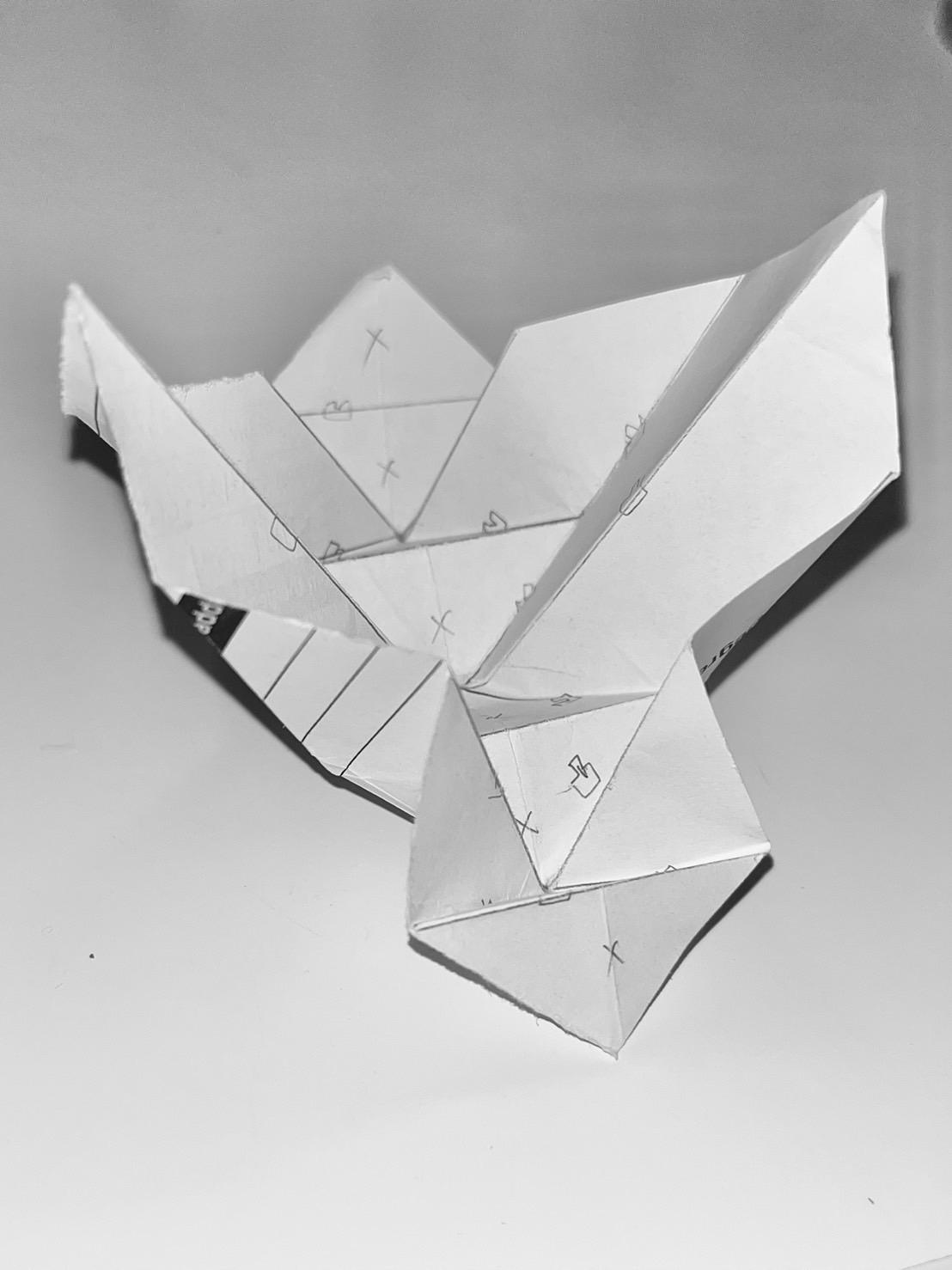
Origami is an art form rooted in geometry, utilizing mountain folds and valley folds to transform flat sheets of paper into three-dimensional structures or to achieve specific pattern through folding. As a fashion designer, my initial encounter with the concept of "folds" stemmed from their practical necessity in creating dimensionality in fabric.
In my previous research, I explored ways to overcome the constraints of folds in both woven and knitted fabrics. This time, my aim is to conceptually break free from fixed patterns of thinking through the principles of origami. By employing dimensional transformations, I seek to illustrate differences in perspective.
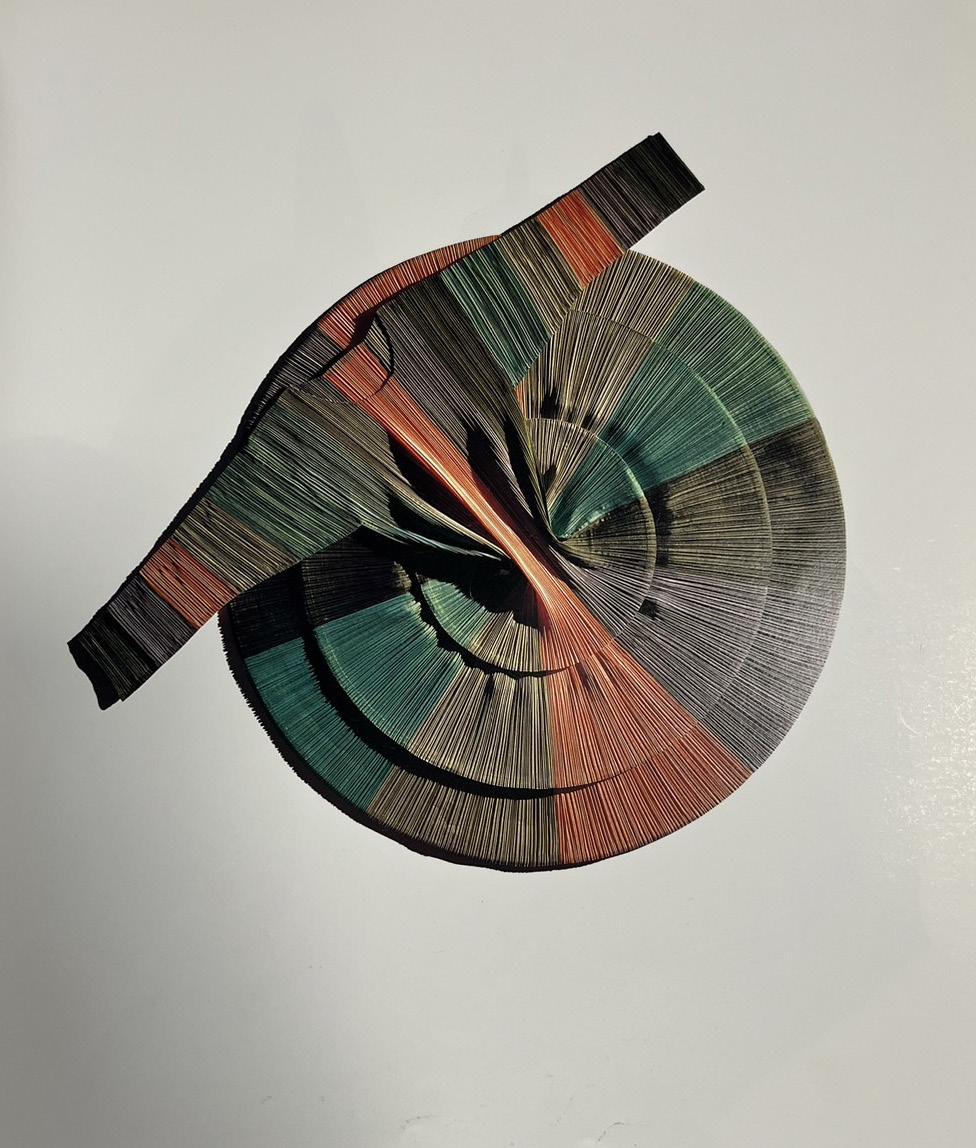
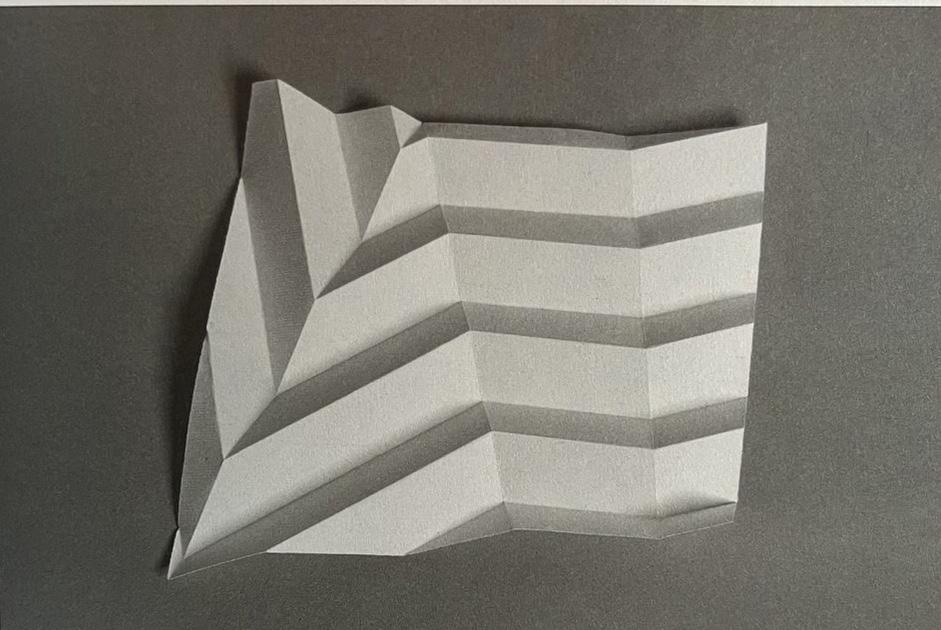
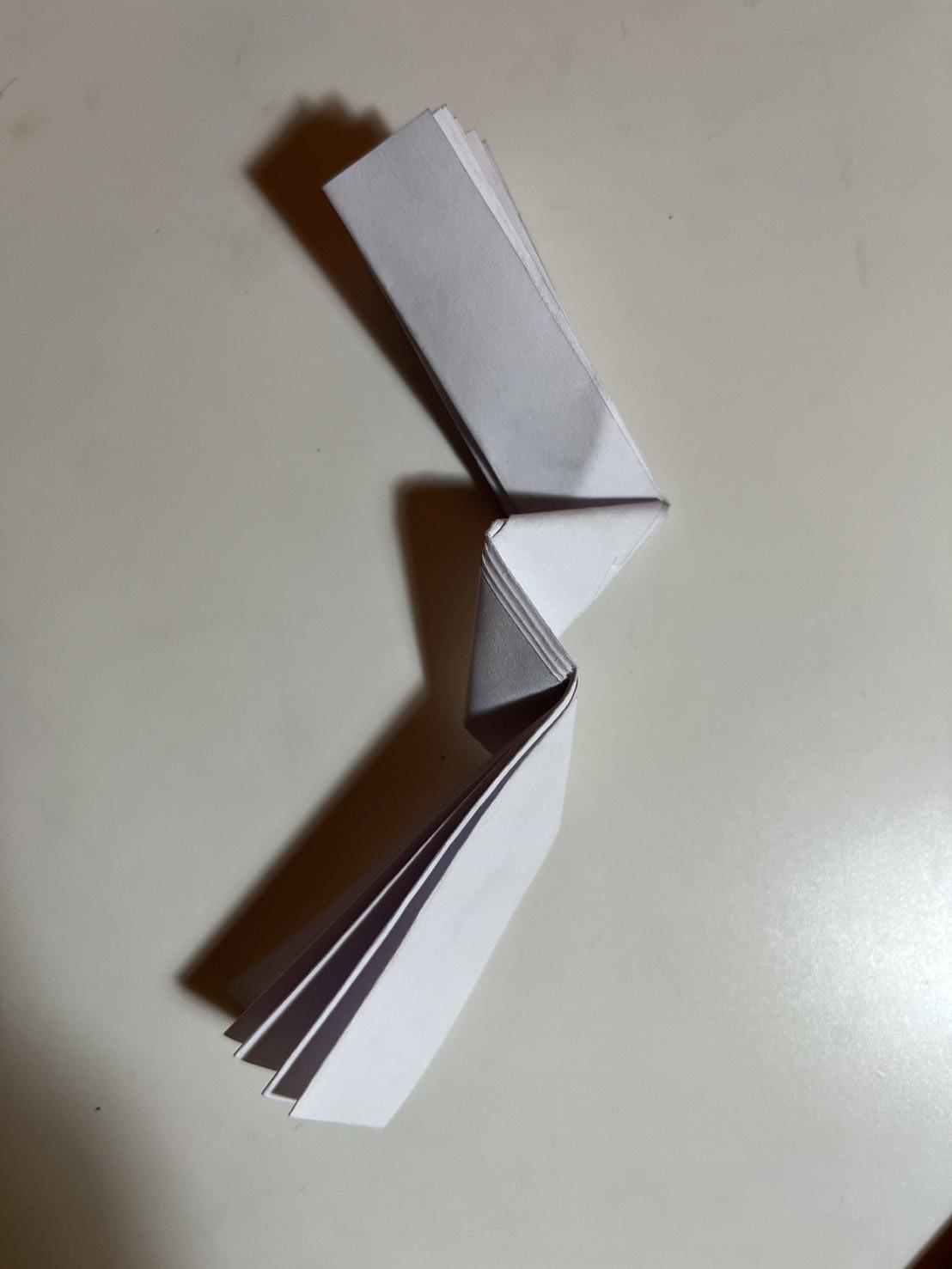
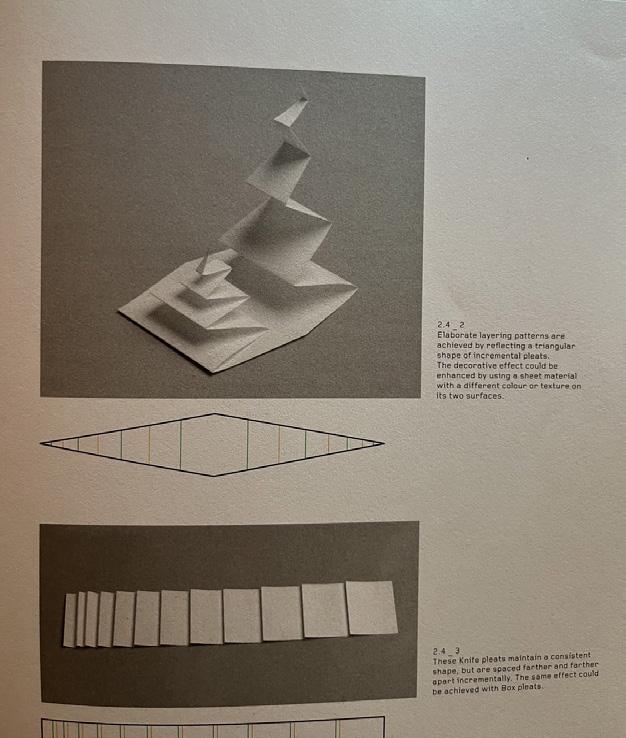
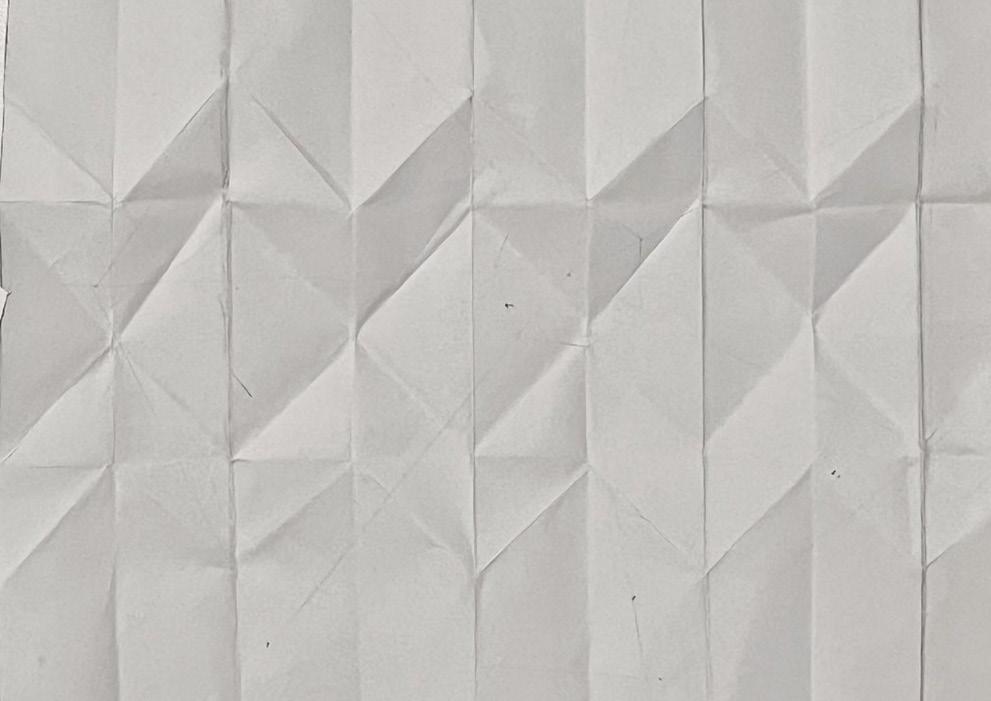
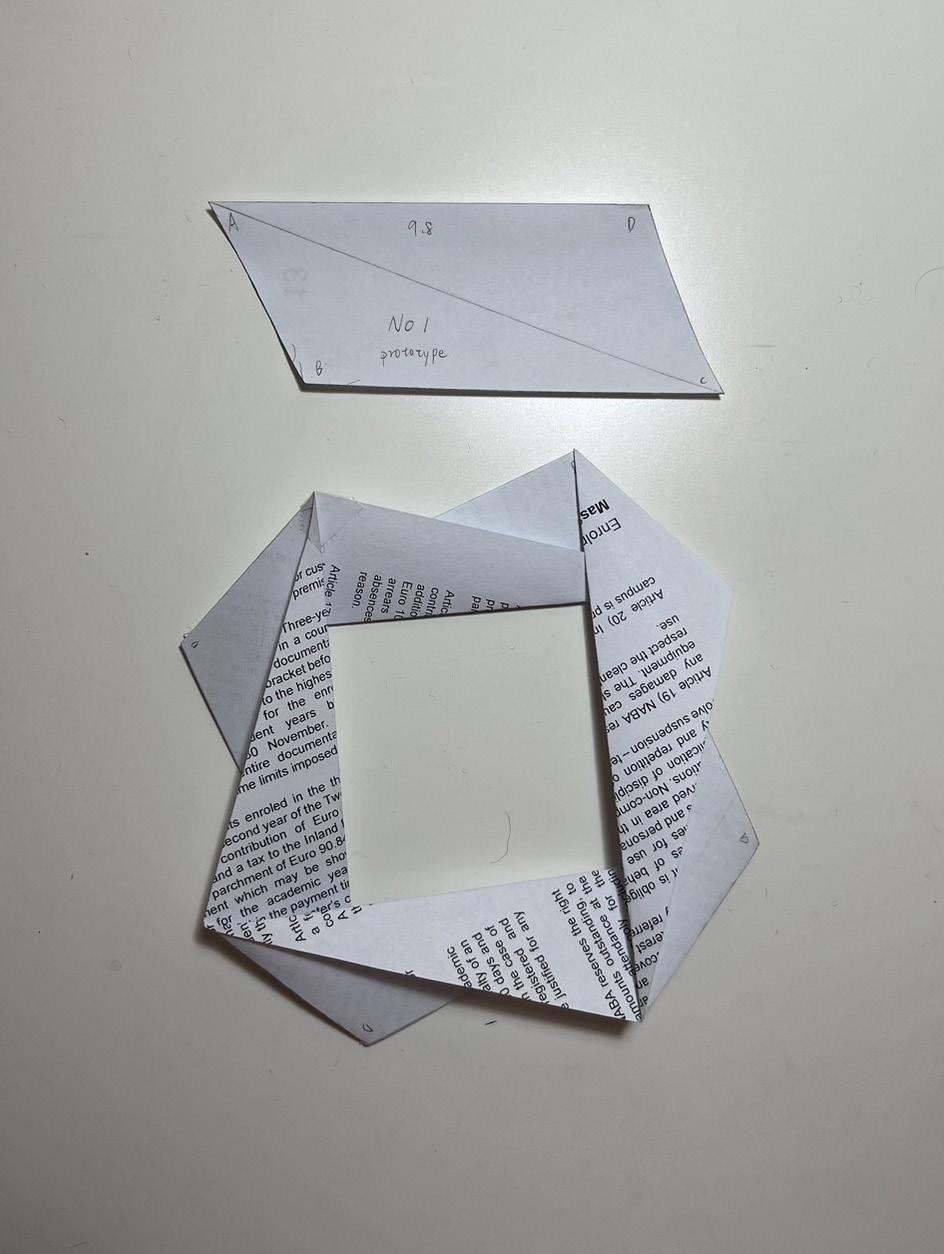
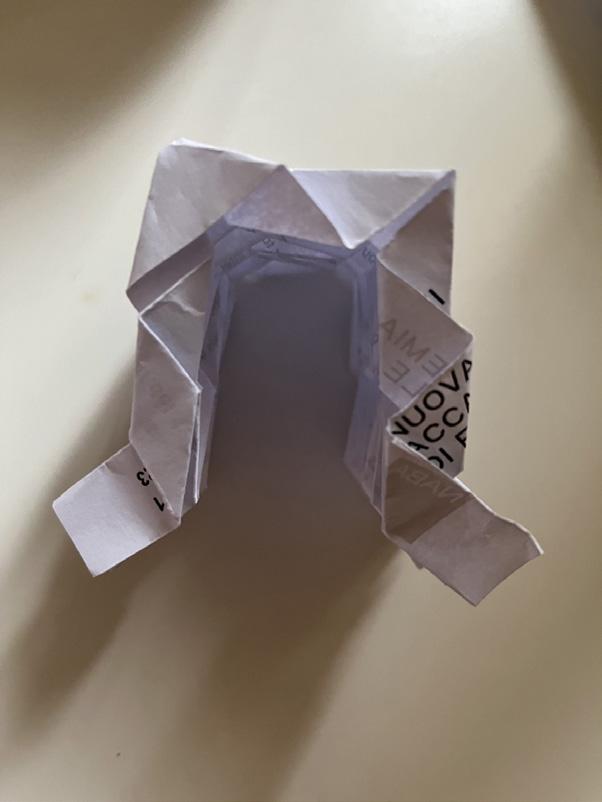
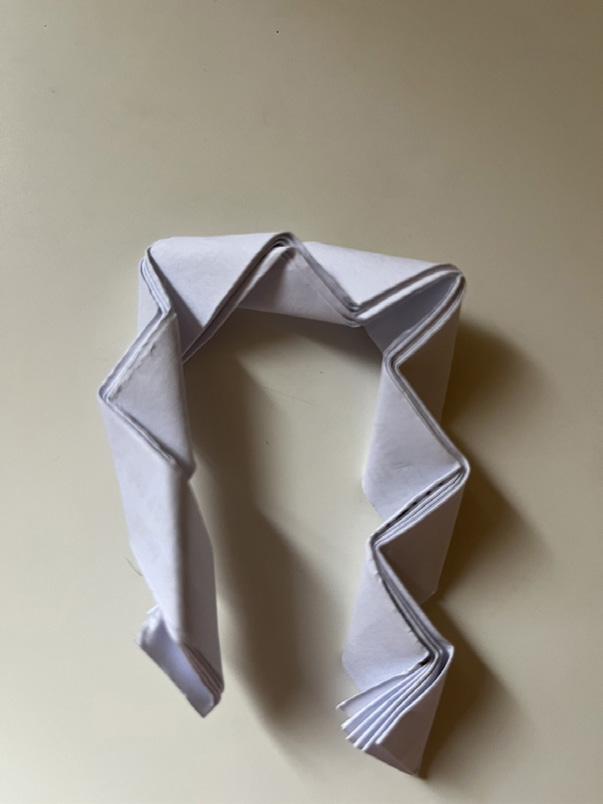
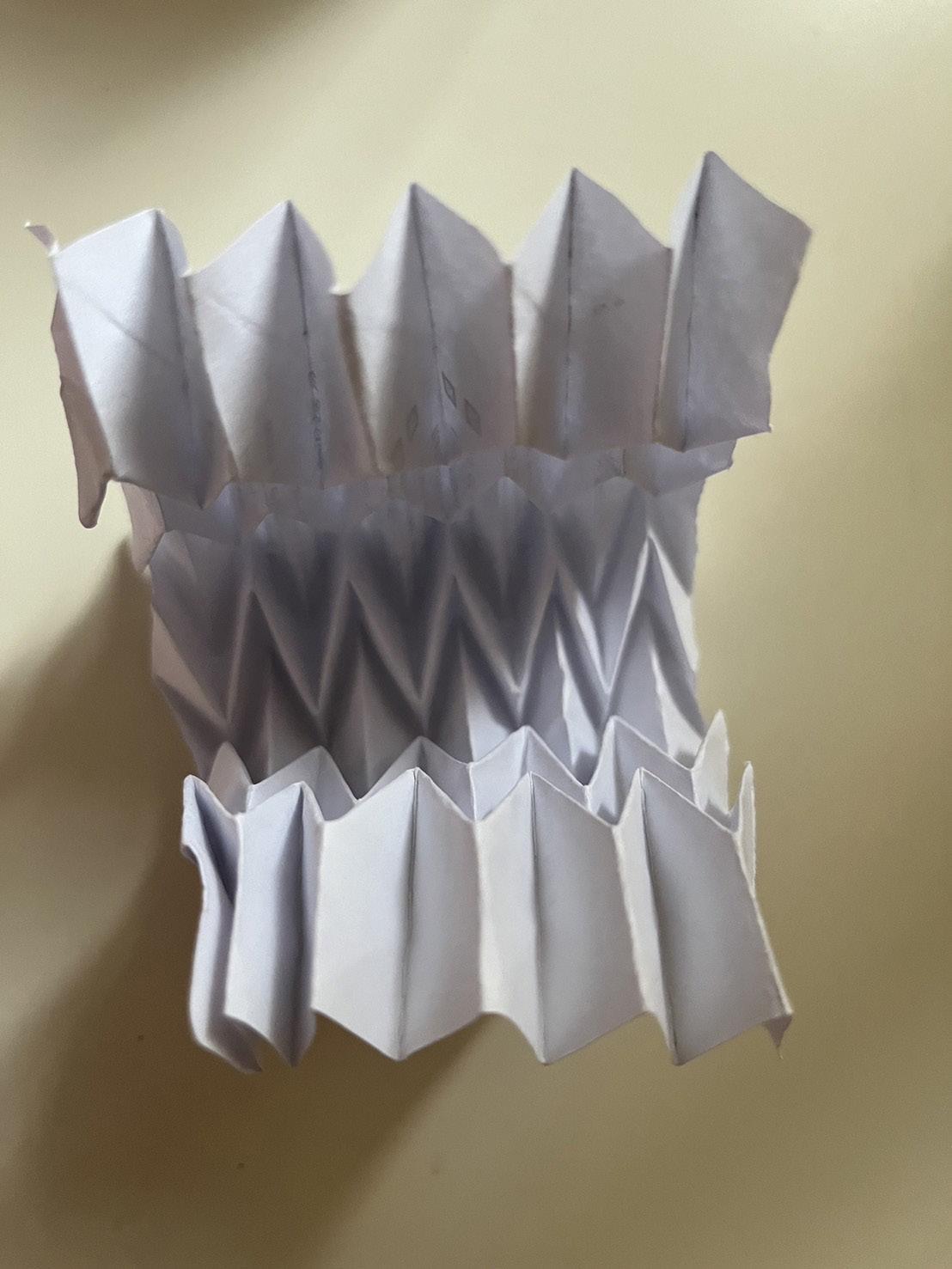
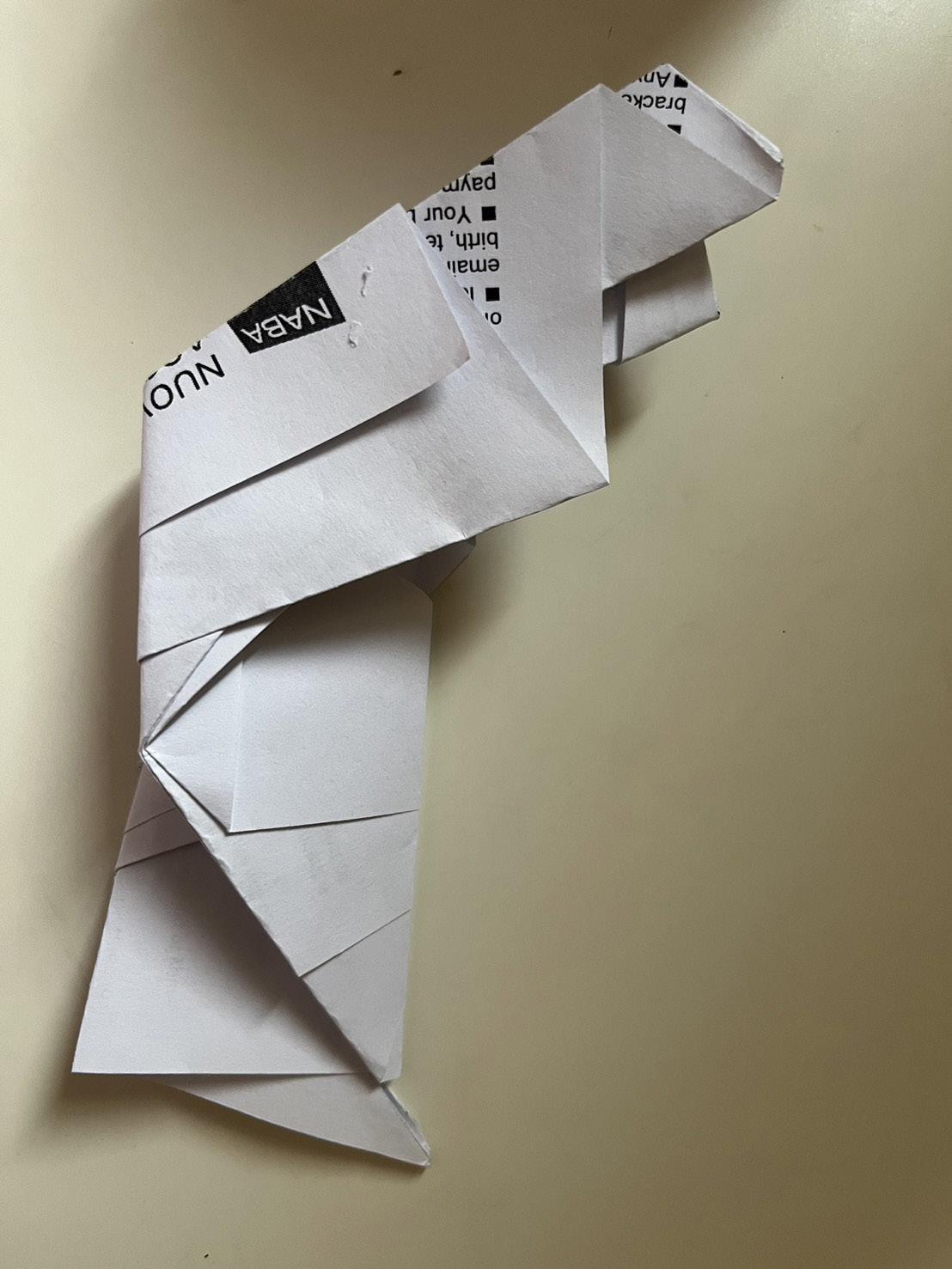
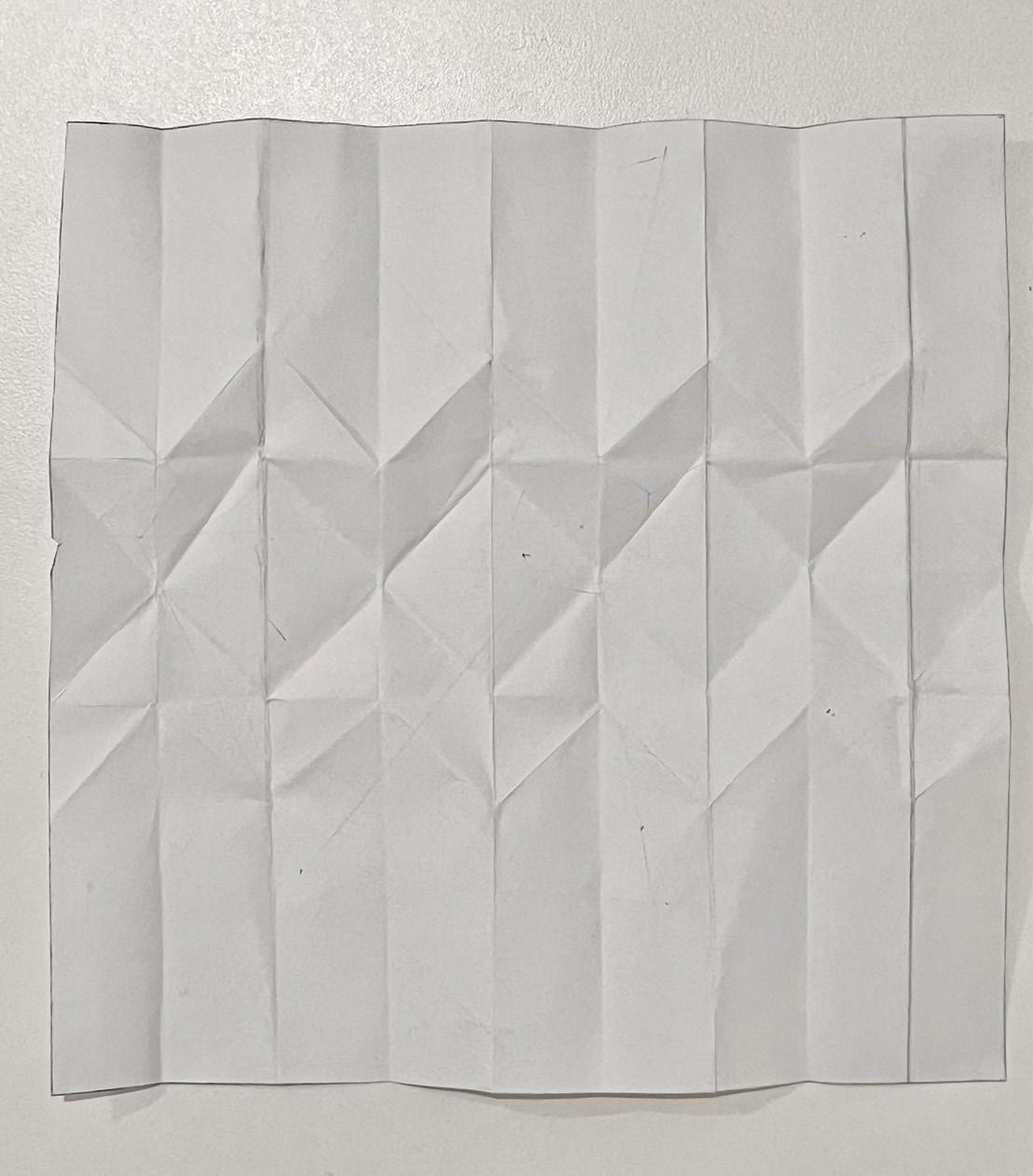
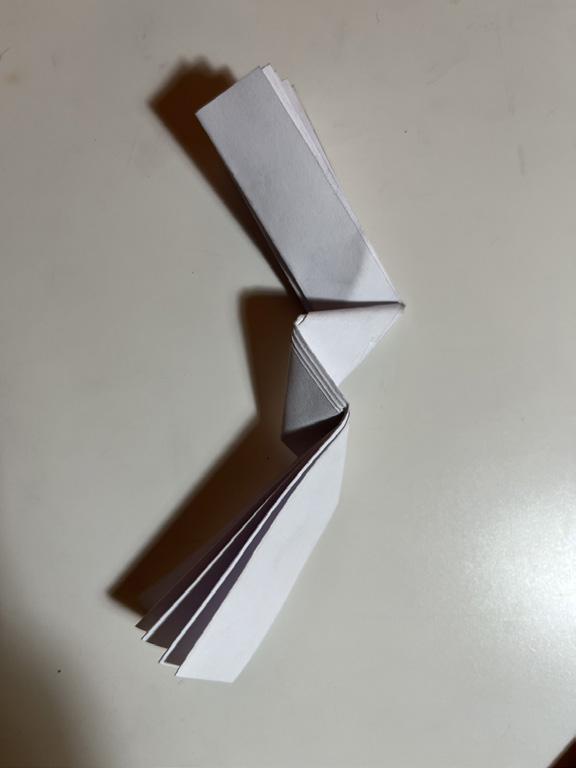
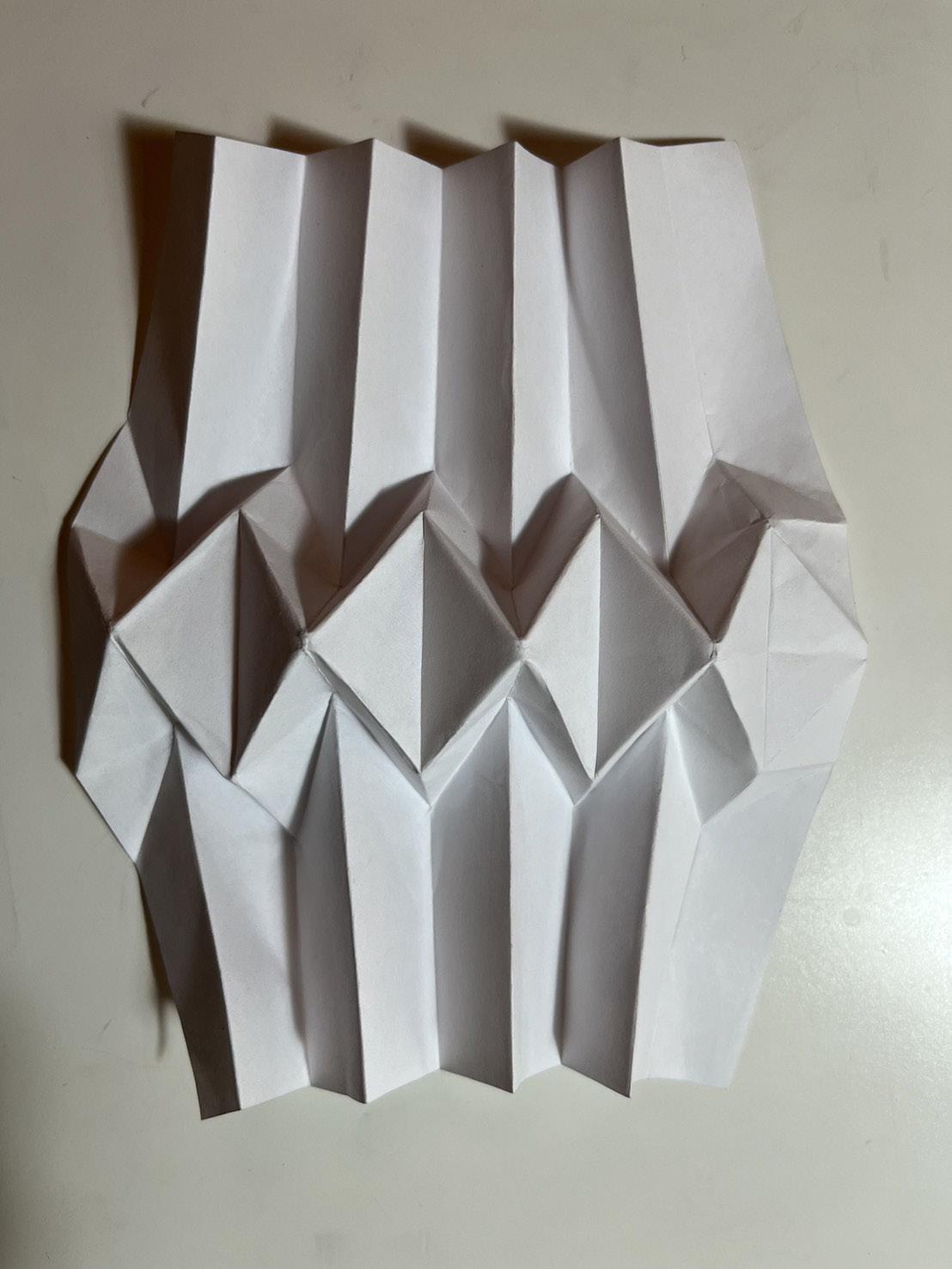
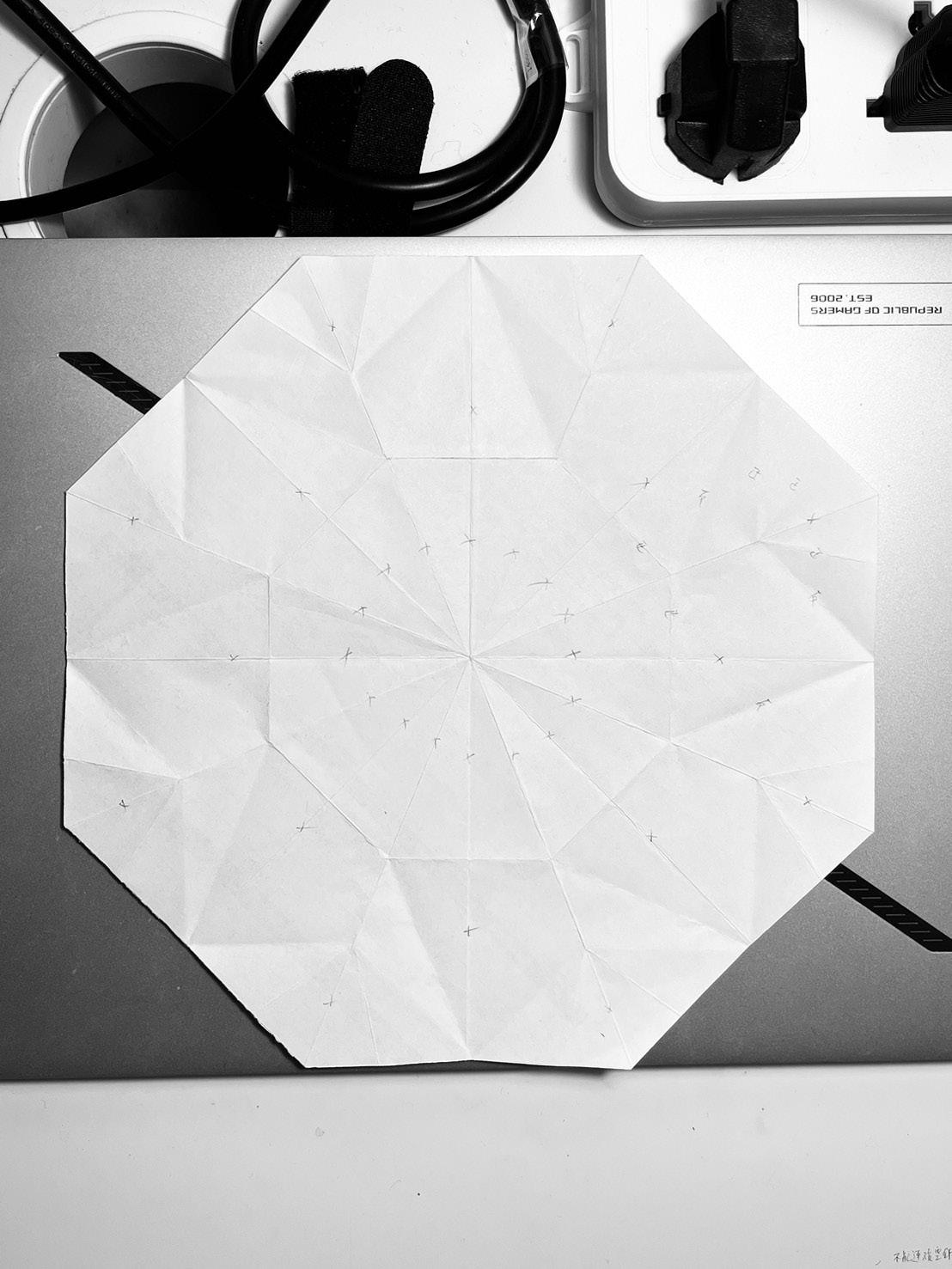
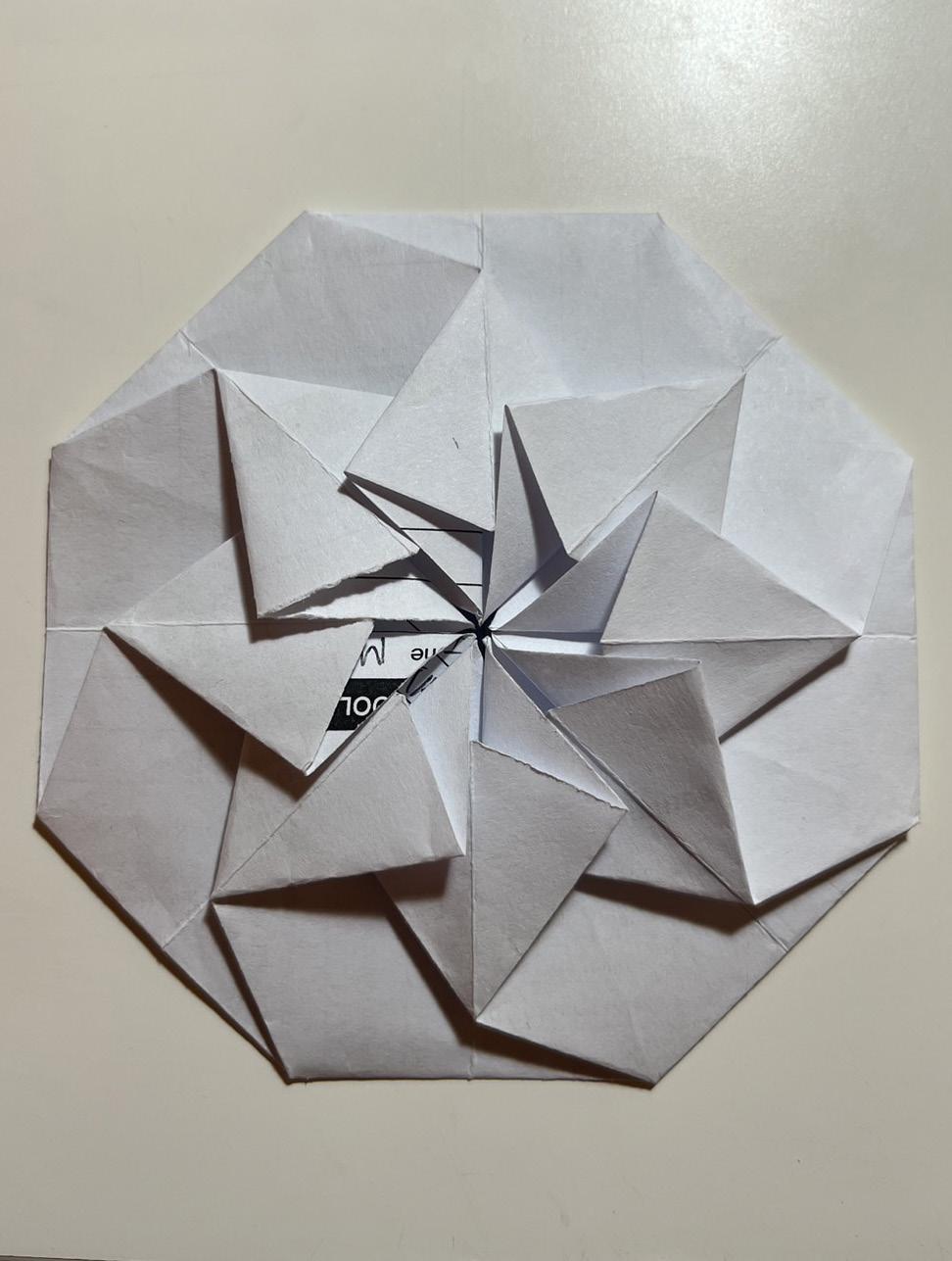
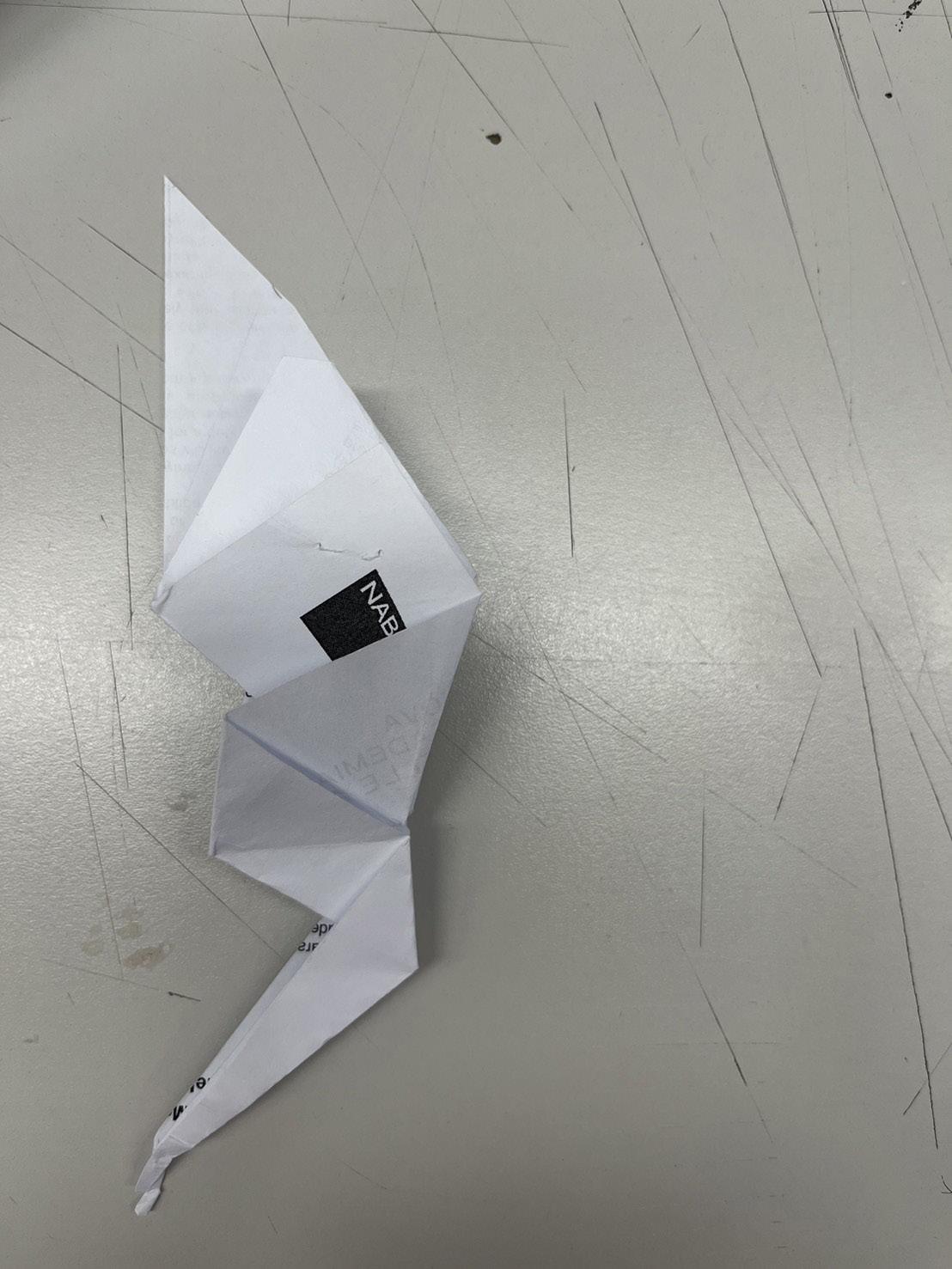
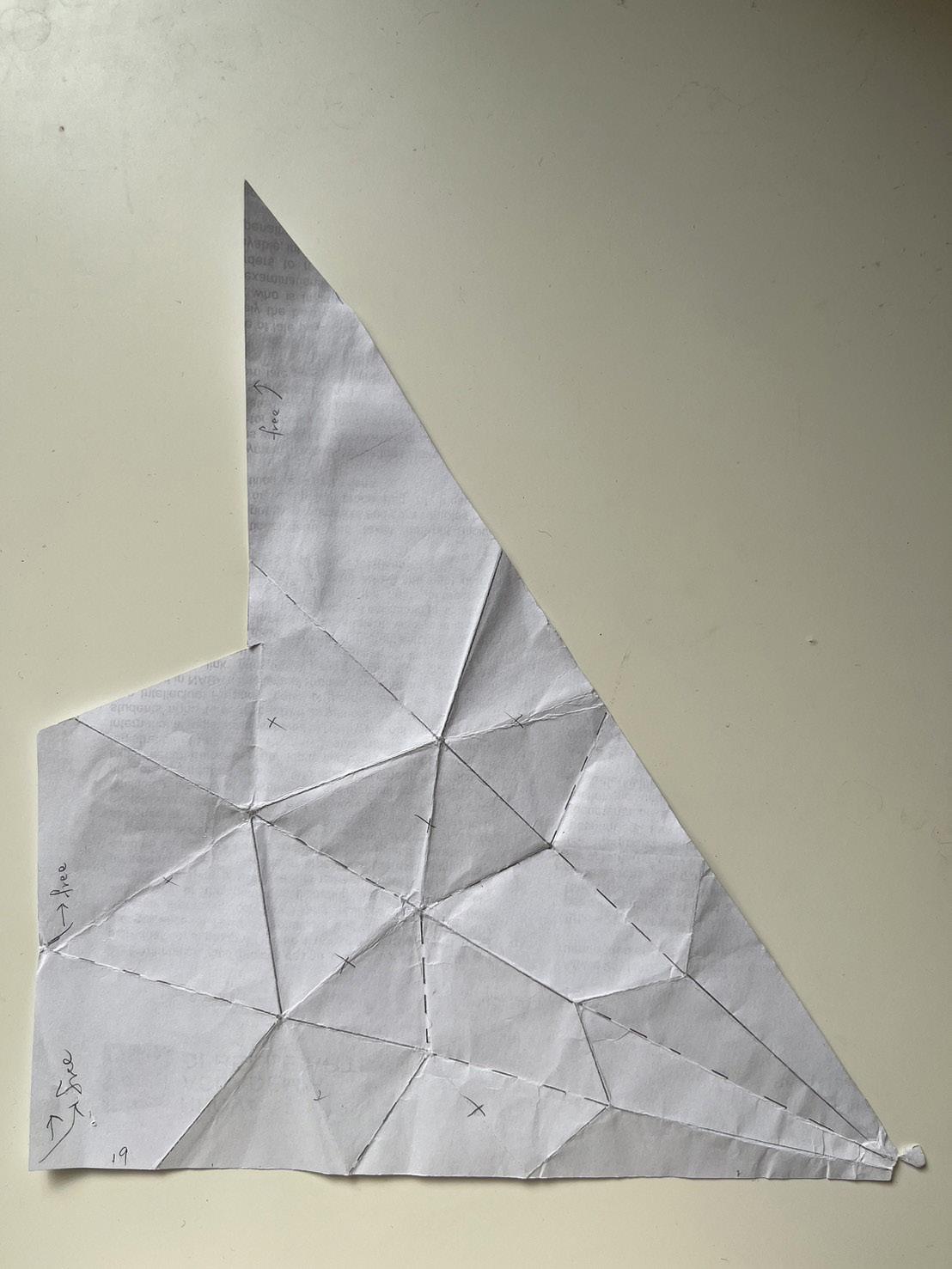
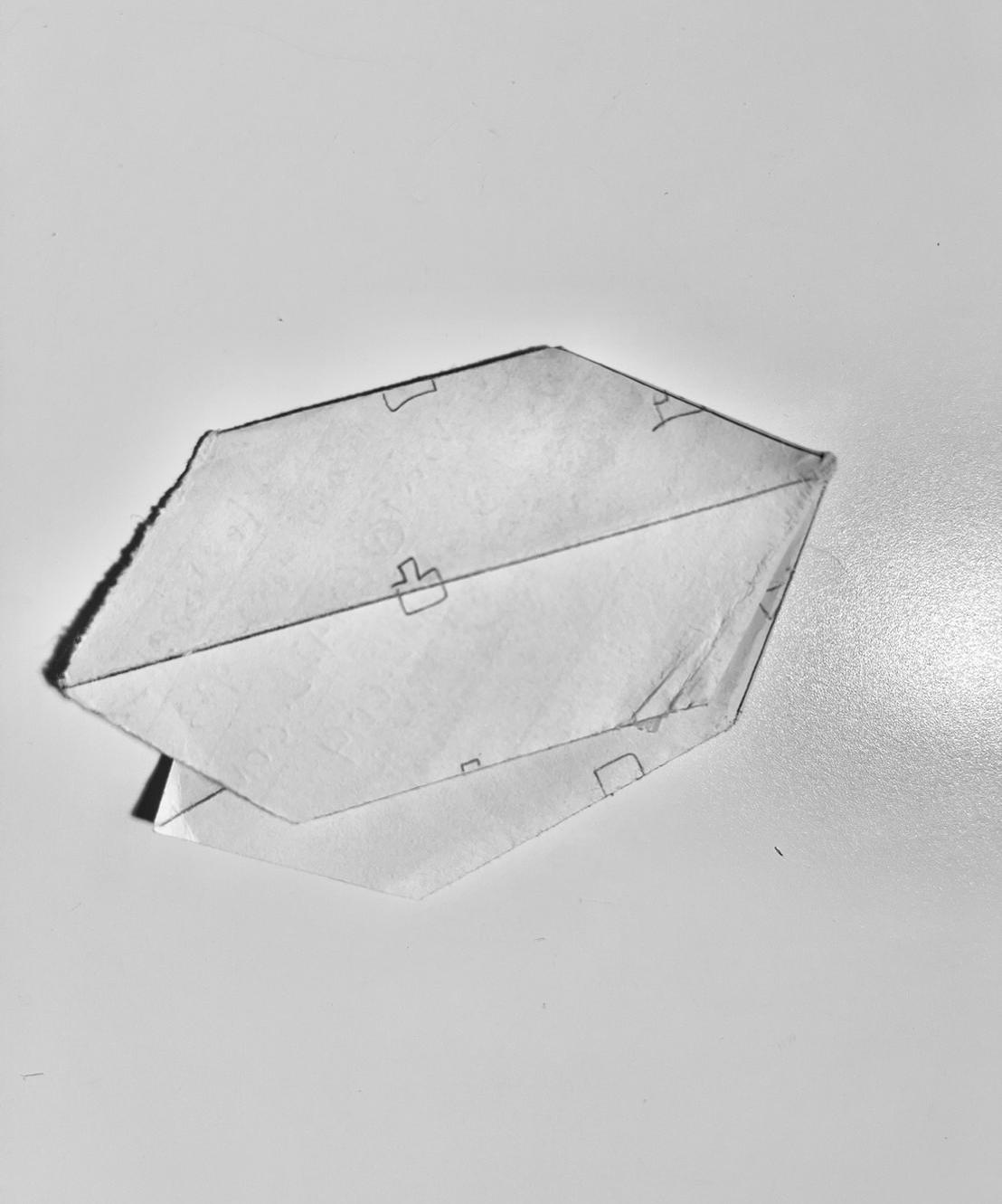
During this study of origami, I experimented with various forms of pleated structures, investigated the interplay between mountain and valley folds, and conducted preliminary explorations into how patterns of repetition influence the overall folding effects.
Resources:
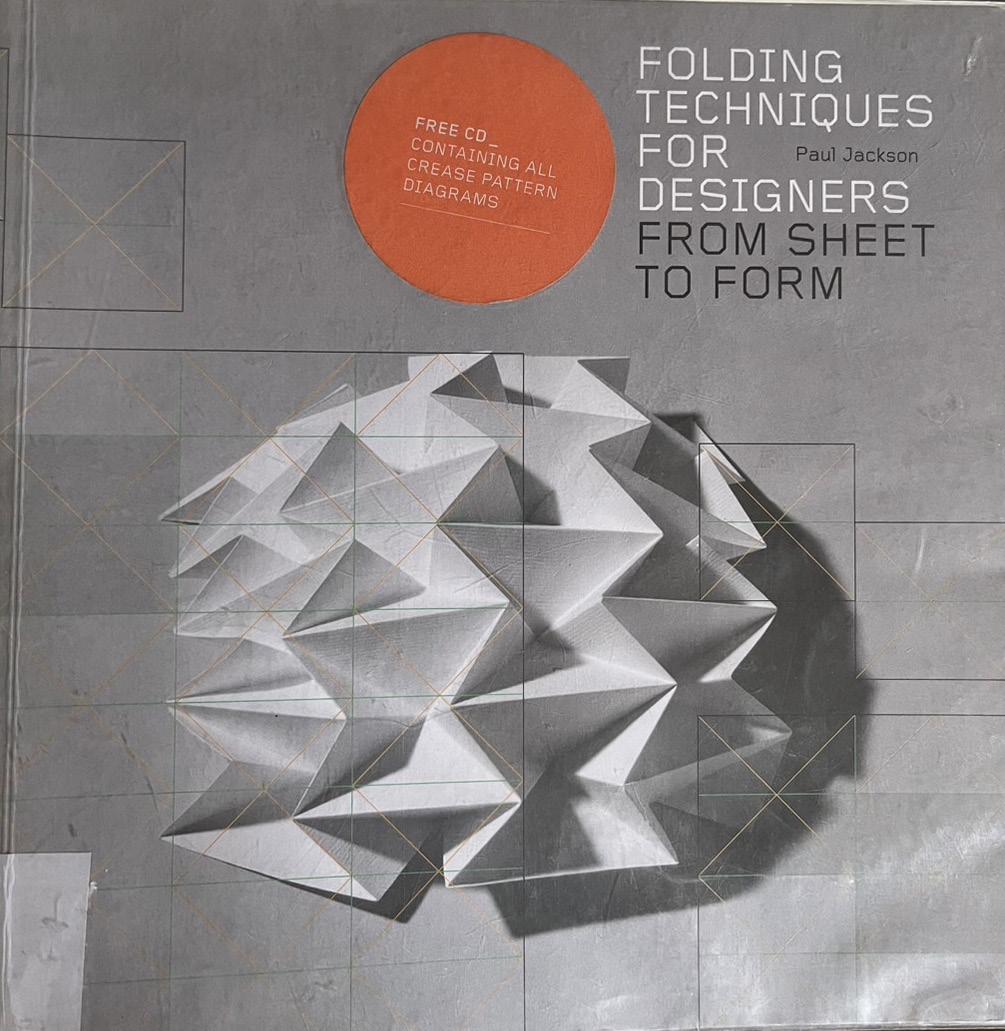
Jackson, P. (2011). Folding techniques for designers: From sheet to form. London, England: Laurence King Publishing.
金蓓雯、黃莉婷 (2019) 。分配摺學--動態摺 紙應用於服裝版型實驗。實踐設計學報,13 2019.11[民108.11] , 142-159。
黃鳳儀(2012)。摺紙藝術應用於服飾設計 之創新研究。﹝碩士論文。樹德科技大學﹞
臺灣博碩士論文知識加值系統。 https://hdl. handle.net/11296/6v3yh9。
陳湘妮(2022)。柏拉圖多面體與數學摺紙 之研究。﹝碩士論文。國立高雄師範大學﹞ 臺灣博碩士論文知識加值系統。 https://hdl. handle.net/11296/v5jjqc。
Research Motivation: Exploring New Possibilities for Soft Sculptures Beyond Fashion
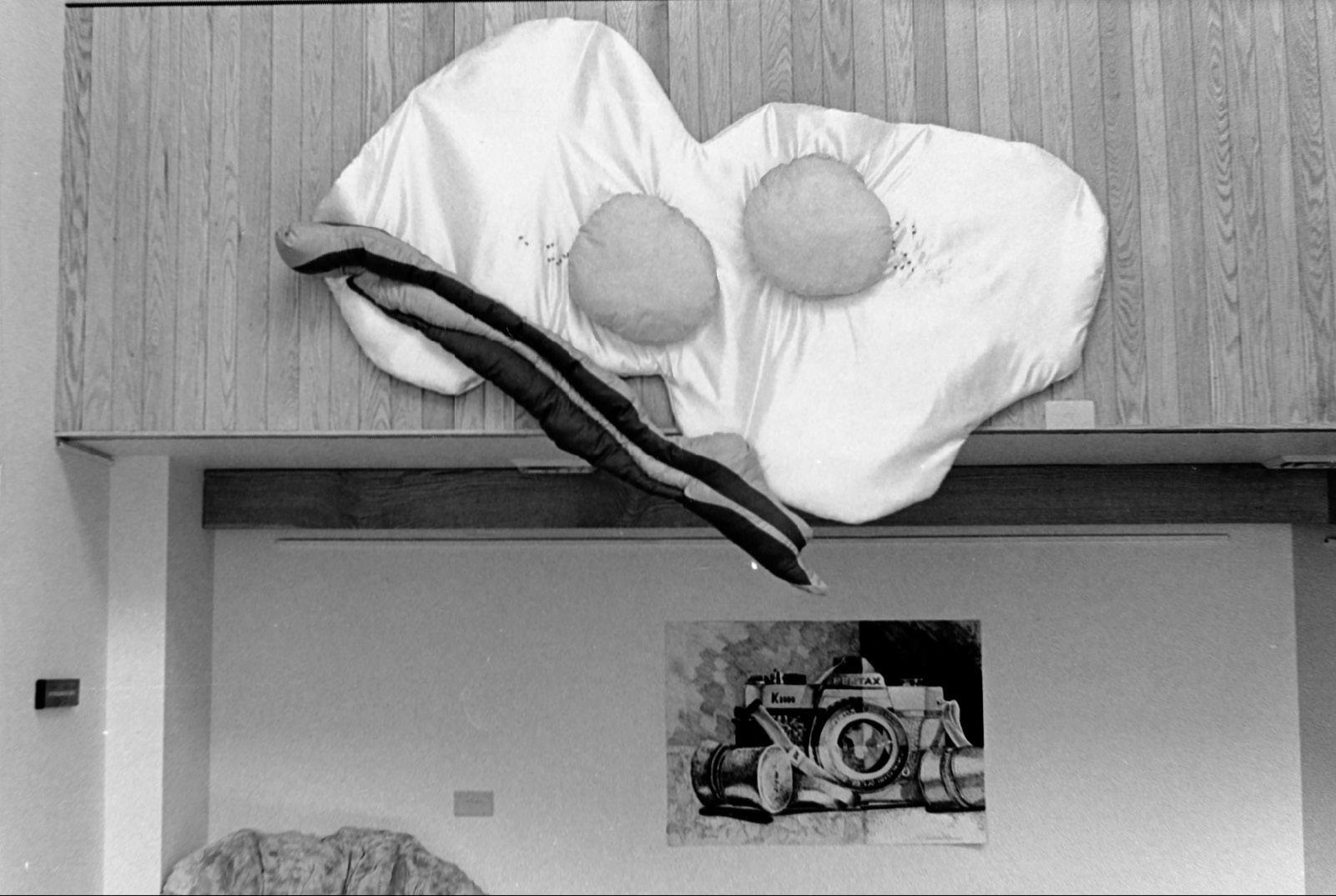
Soft sculpture broadly encompasses the creation of objects without relying on rigid materials, making it inherently tied to textiles. I drew inspiration from the works of renowned soft sculpture artist Claes Oldenburg and delved into the creative trajectory of his pieces, which are deeply intertwined with neo-Dada—a connection I found particularly intriguing.
Through a series of explorations, I became increasingly convinced that fashion can also be considered a form of soft sculpture. Specifically, the act of shaping fabric to create various forms within the spatial context of the body as a medium demonstrates this overlap. However, when soft sculptures are not on the body, they attain a unique freedom to exist solely as objects of "useless utility," unbound by practical function.
Interestingly, in a way, fashion itself can be seen as an extension of soft sculpture. The difference lies in my approach, where I started from the perspective of fashion, which subsequently positioned soft sculpture as a subresearch topic.
Resources:
Tapta. (1985). Soft Sculpture: Textiles in Architectural Space. Leonardo, 18(3), 161–164. https://doi.org/10.2307/1578046
Hapgood, S., & Rittner, J. (1995). Neo-Dada: Redefining Art, 1958-1962. Performing Arts Journal, 17(1), 63–70. https://doi.org/10.2307/3245699
Oldenburg, C., Warhol, A., Morris, R., & Benjamin H. D. Buchloh. (1994). Three Conversations in 1985: Claes Oldenburg, Andy Warhol, Robert Morris. October, 70, 33–54. https://doi. org/10.2307/779052
簡辰蓁(2016)。仿生概念應用於服裝設計之 創作研究。﹝碩士論文。國立臺灣師範大學﹞ 臺灣博碩士論文知識加值系統。 https://hdl. handle.net/11296/2p2f29。
http://rportal.lib.ntnu.edu.tw/items/8c1010a271ba-4b66-94f5-55c069bc2804/full
Wheaton College (Norton, Mass.). (1981). Soft Sculpture: Eggs and Bacon. [Black-and-white photographs].
https://jstor.org/stable/community.3430898
Reason for Research: A Preliminary Exploration of the Geometric Theory Underpinning Origami Logic
I am not a mathematician, and my understanding of geometry is very basic—focused primarily on better comprehending origami logic. However, during the process of studying this subject, I found that it deepened my understanding of three-dimensional forms and helped me develop a more structured analytical approach alongside my intuitive creative work.
Resources:
鐘秀琴(2010)。基於本體的幾何學知識獲 取及知識表示。《計算機學報》,33(1), 167-174。
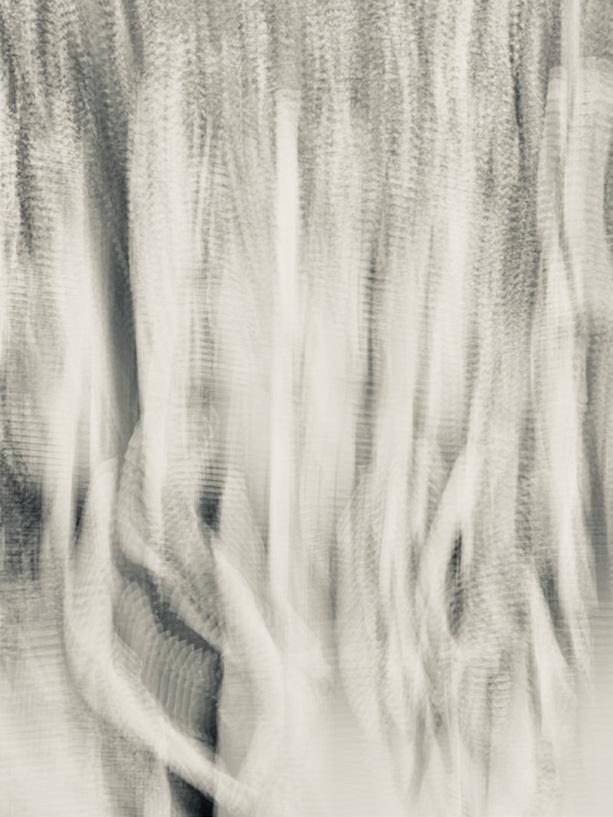
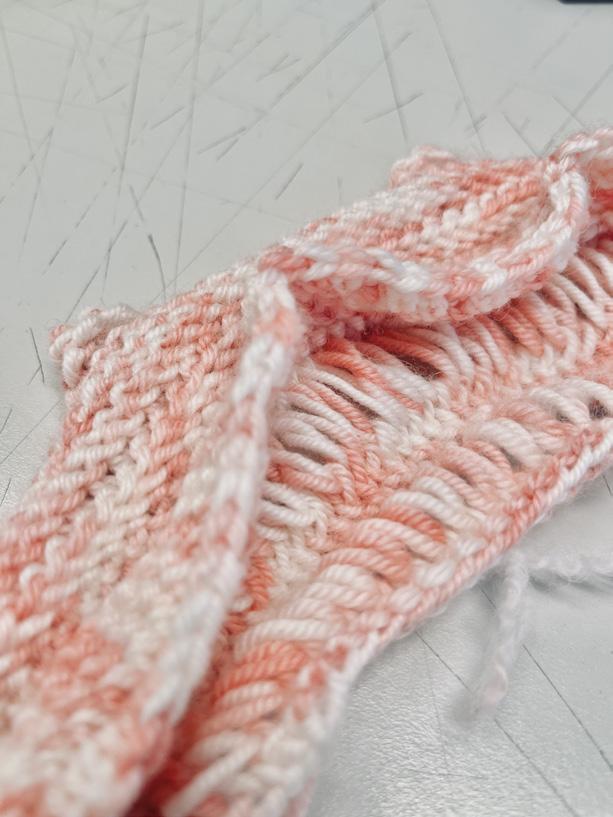
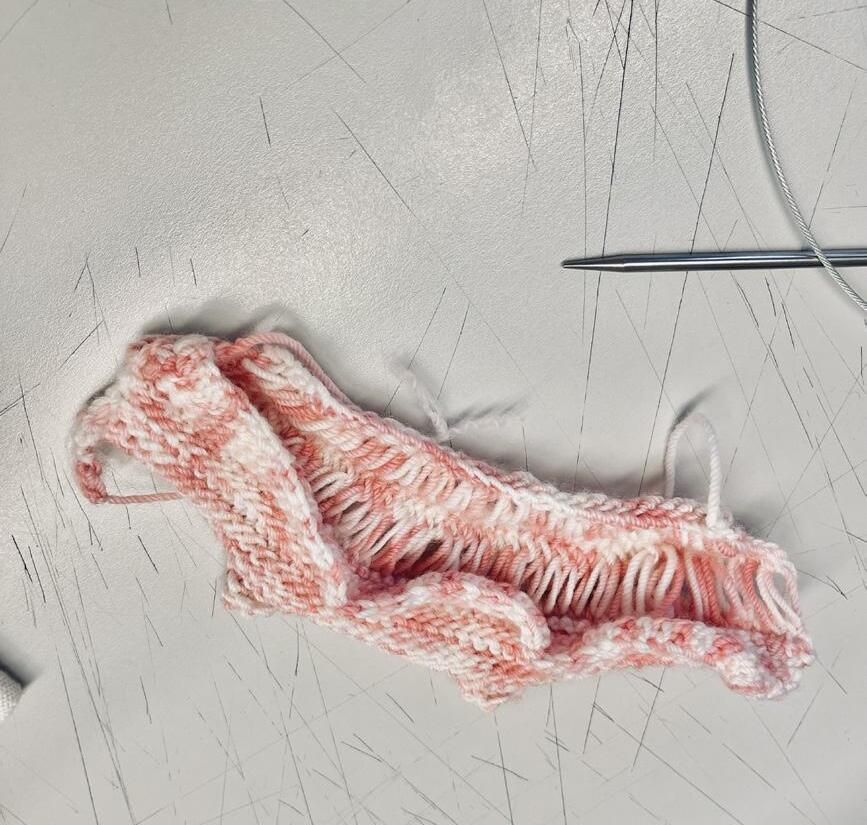
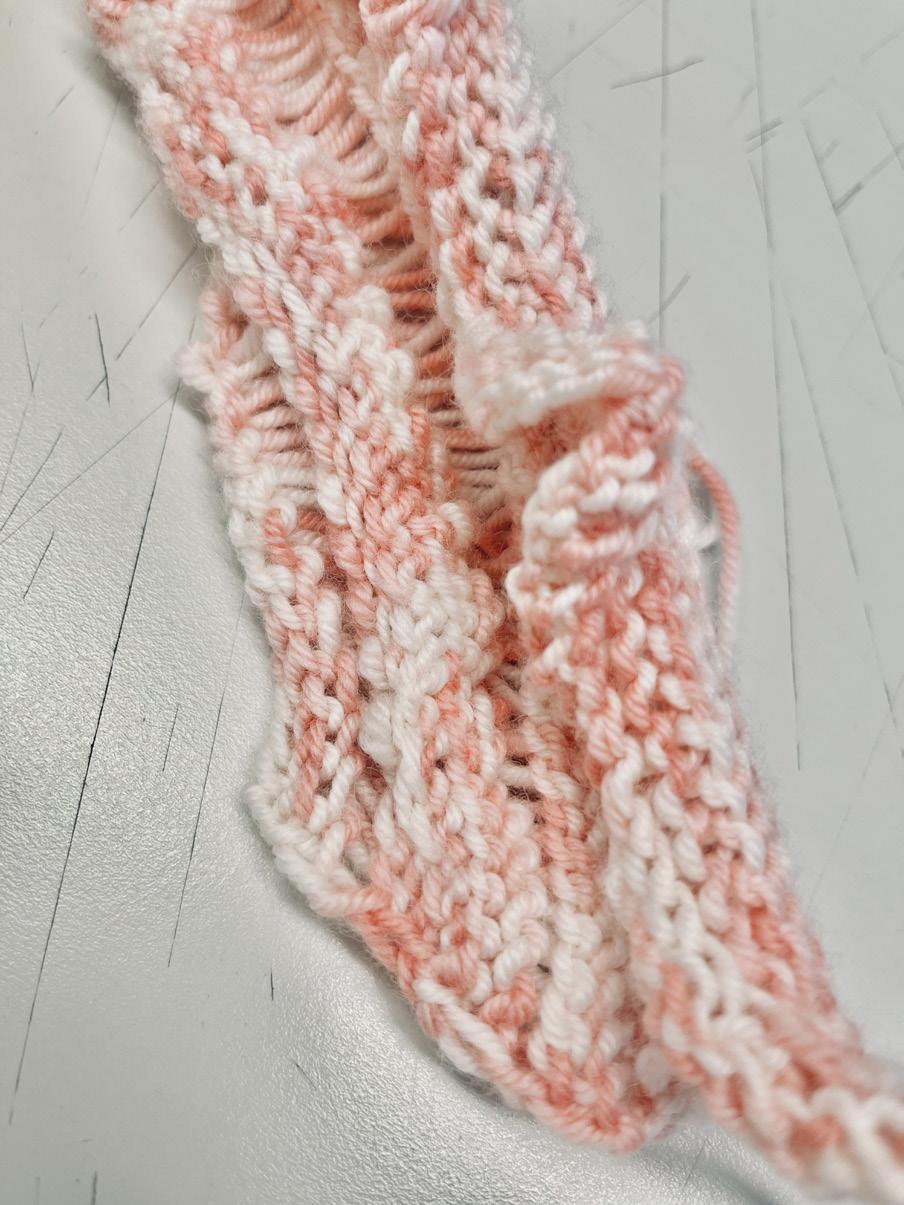
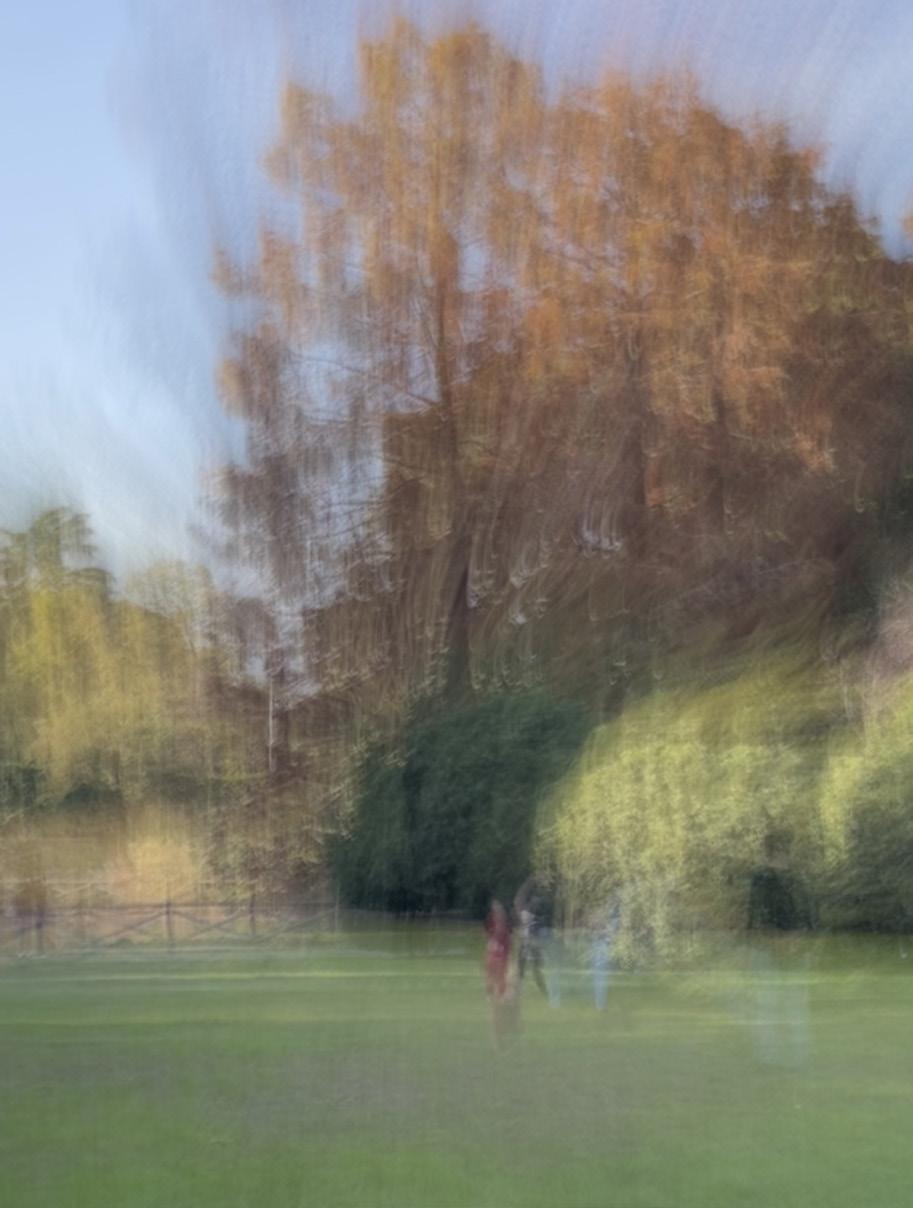
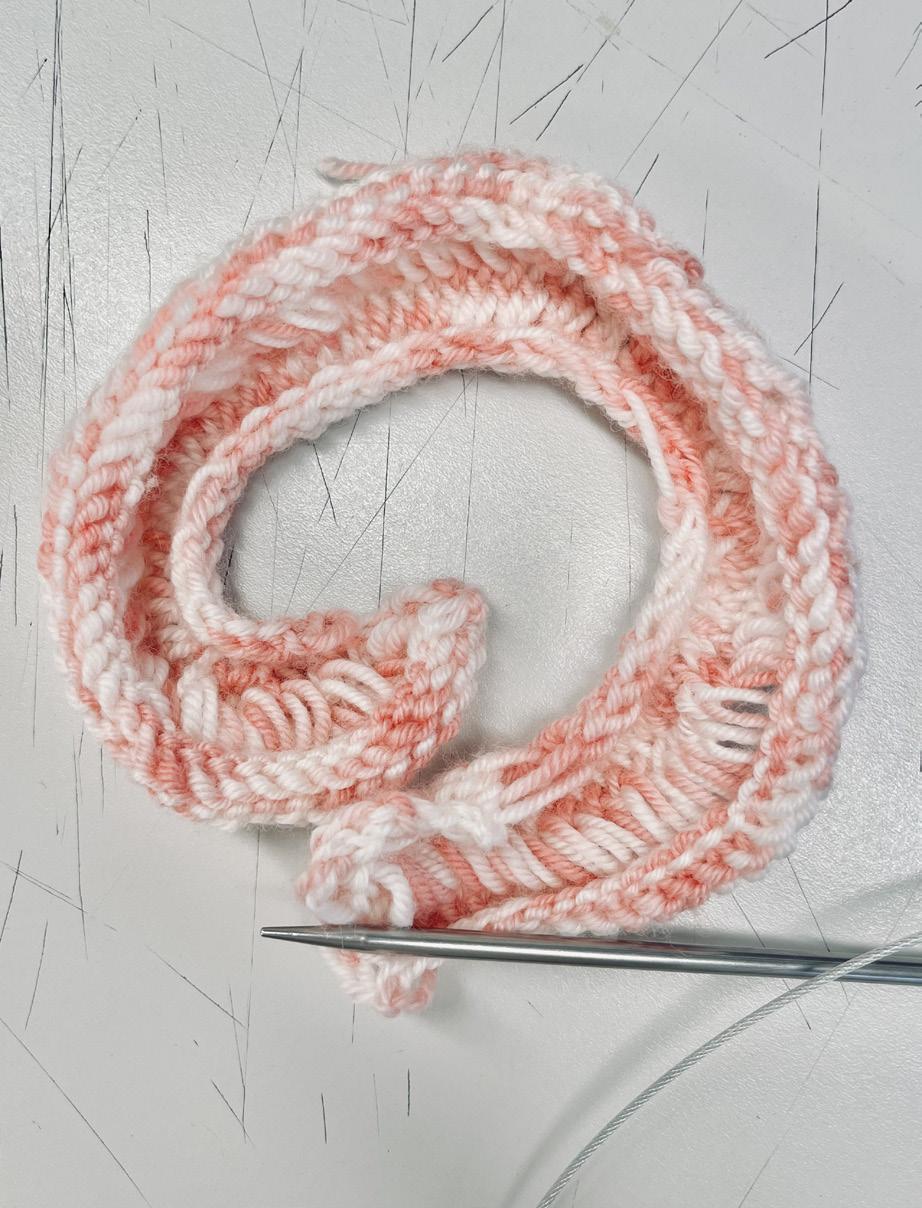
At the outset, I sought to explore the subjectivity of perceiving the world through one's own lens, using the concept of different "blurred effects" as my guiding idea. For this, I chose the technique of drop stitches with knitting needles to experiment with creating this effect.
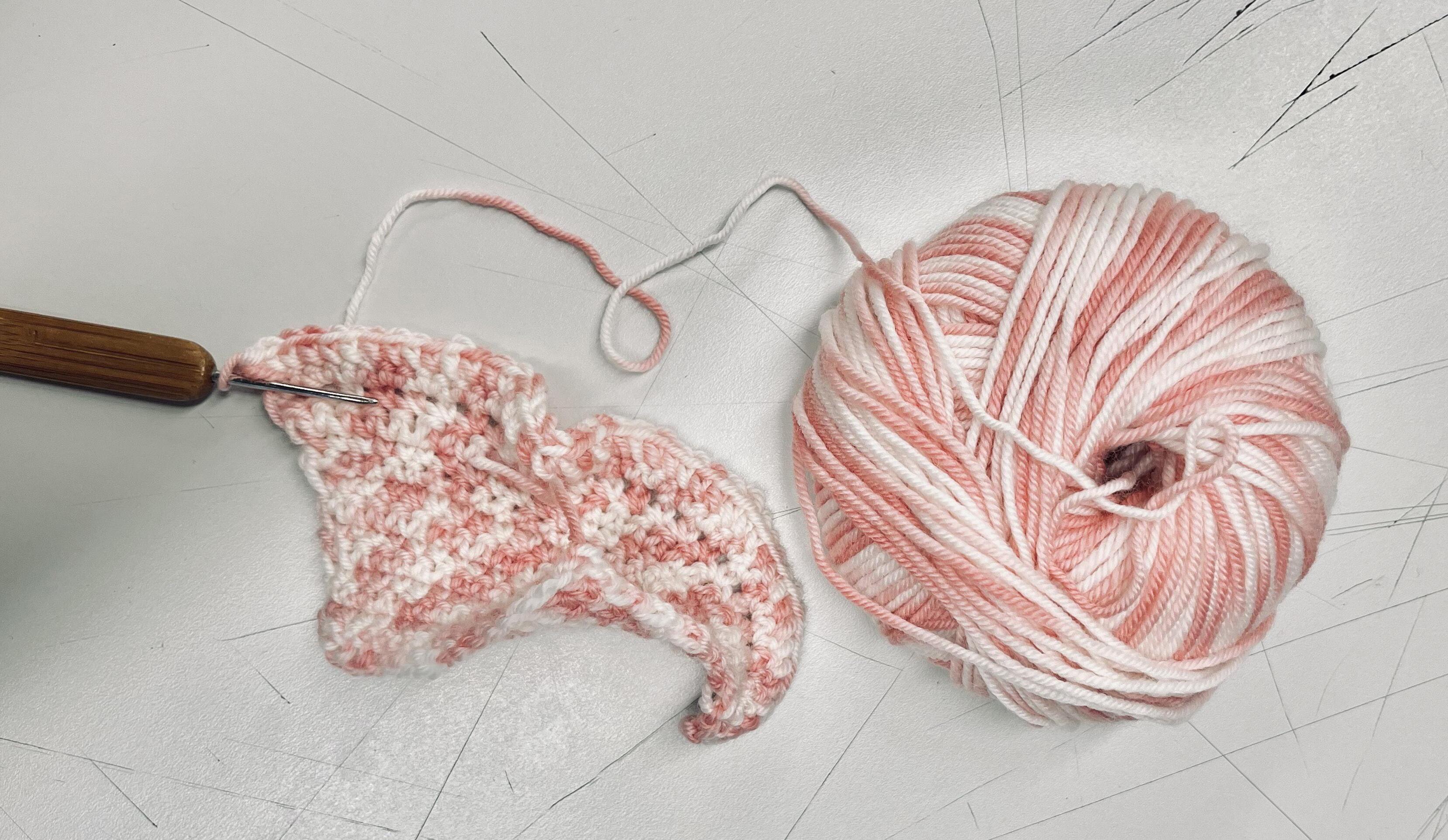
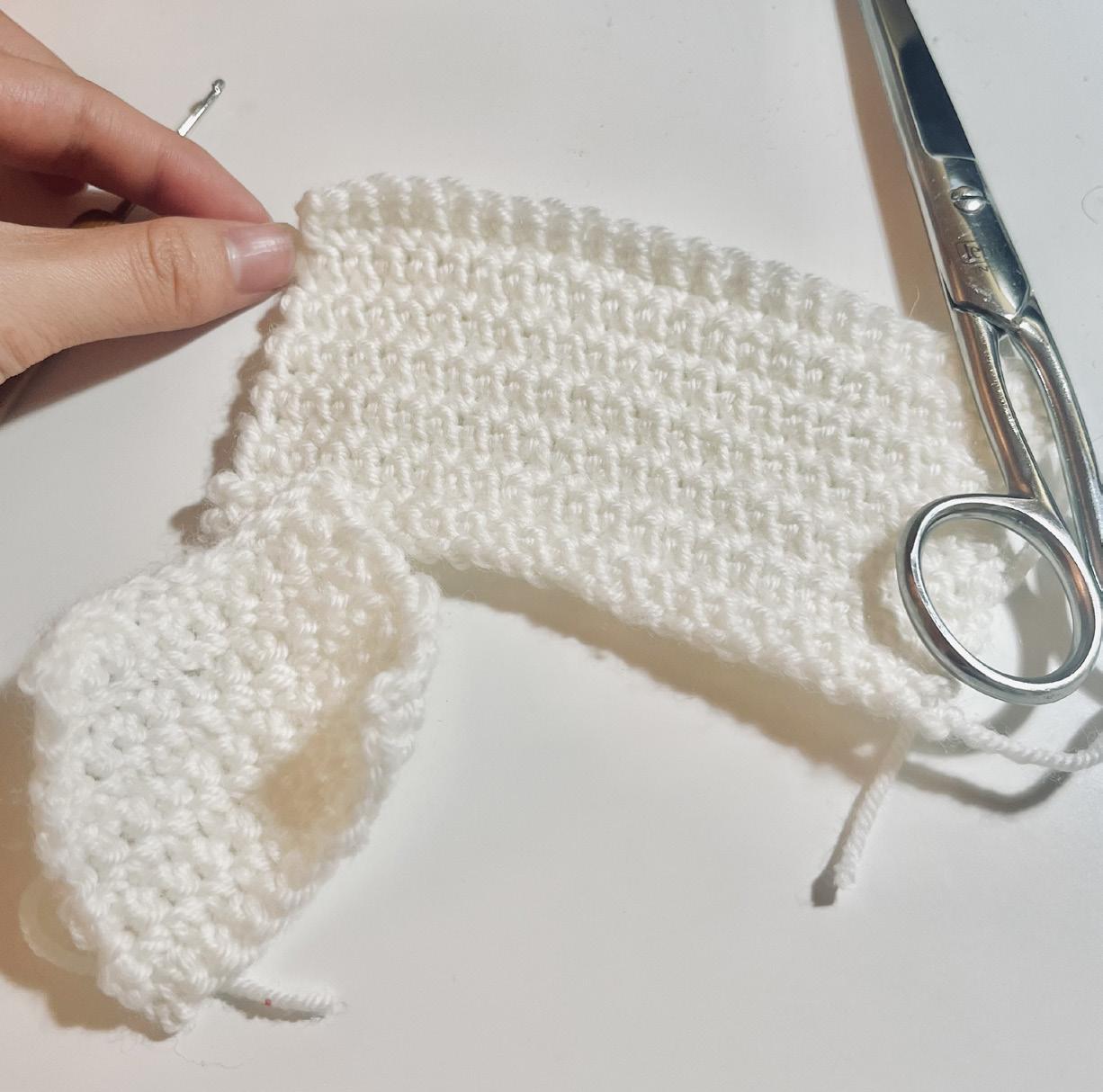
Initially, my plan involved crafting multiple small swatches of varying shapes and stitches, either by crochet or knitting(or both), each representing a distinct perspective layered with individual projection. These swatches were then to be placed on a mannequin and reassembled as a garment to depict the world as a composite of multiple viewpoints. This approach aimed to convey the notion that there is no singularly correct perspective in life—rather, the world is a mosaic of diverse perspectives woven together.
drop stitch*
combinaiton of hand knitting and crochet**
ruffle-curved effect with crochet***
plain short stitch with crochet in different shape****
doubl-side swatch with knitting and crochet*****
knitting dropstitch and add stitches on the outside to create curved effect******
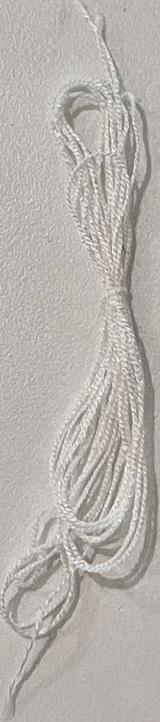
snowy yarn *provided by Yarns&Colors
button 10mm