LWR LIFE
LAKEWOOD RANCH AREA’S COMMUNITY, NATURE, STYLE SPRING 2026
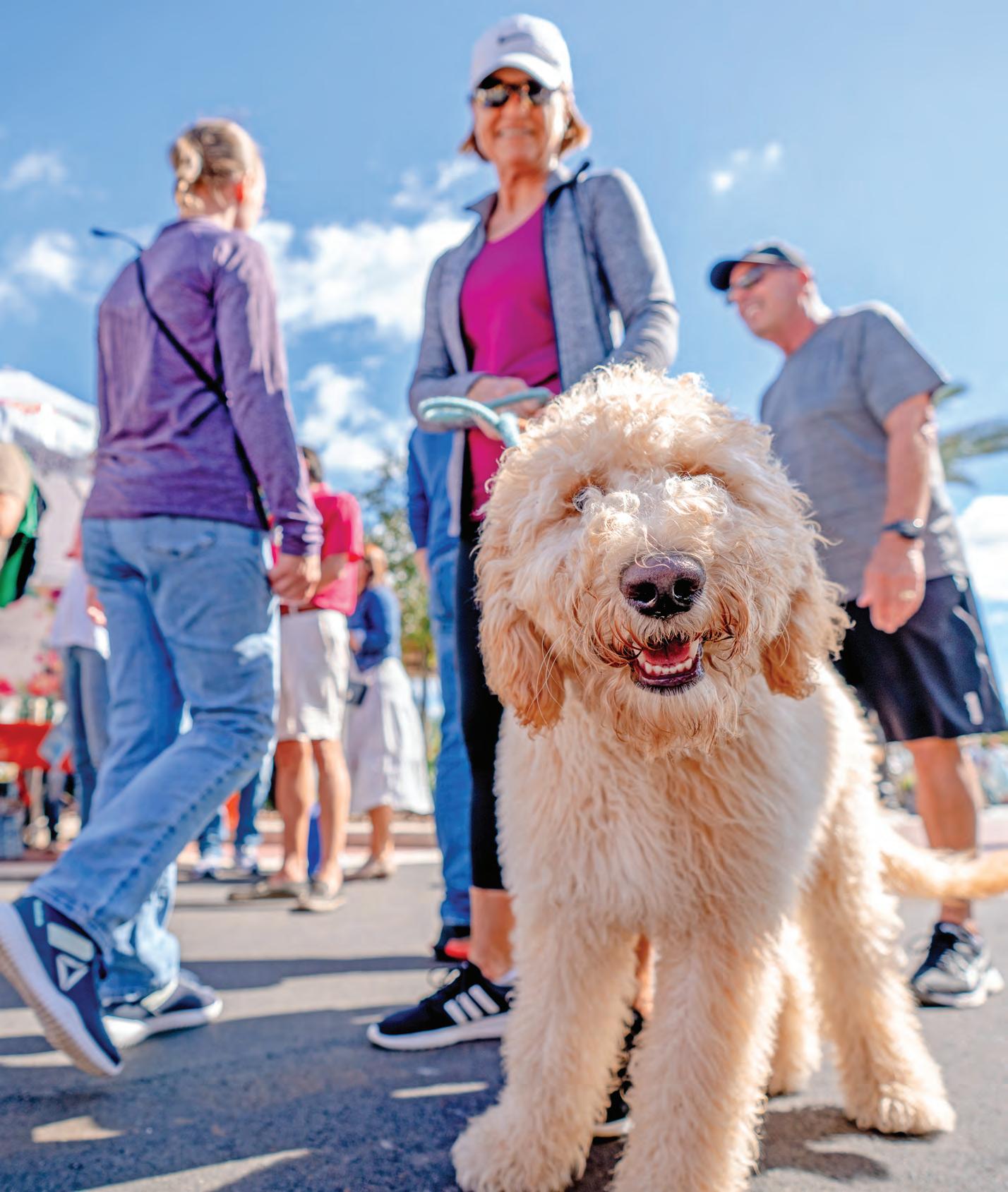
You don’t have to go far to enjoy the best things in


You don’t have to go far to enjoy the best things in
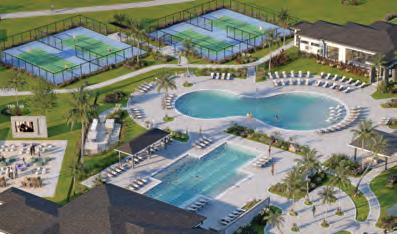

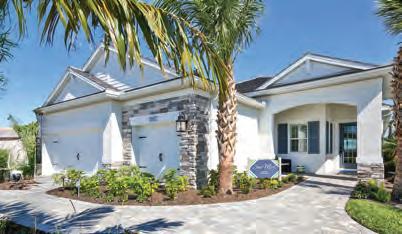
Lakewood Ranch. Residents of Palm Grove will enjoy exclusive access to a community clubhouse and pool, perfect for relaxation and socializing. Beyond the community, Lakewood Ranch boasts over 200 shops and restaurants, a bustling arts and cultural scene, and a calendar brimming with year-round events.
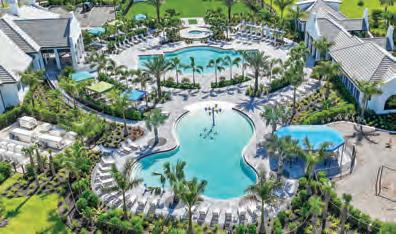


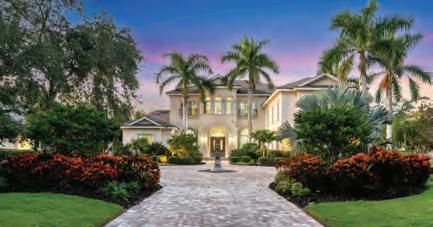
This picturesque community is centered around a British West Indies design theme along with colonial Dutch enhancements. Island palm trees, lush landscaping and scenic sunrises. Outdoor enthusiasts will enjoy gathering at either resort-style swimming pools, on pickleball or tennis courts, and walking furry friends at the dog park. The residents-only clubhouse features additional ways to have fun, including a state-of-the-art fitness center and on-site activities director. Everyone will enjoy the beach entry splash pool, playground and sports fields. Notable schools, including the Out of Door Academy, Cardinal Mooney and Tatum Ridge Elementary are just minutes from Windward.
Ridge Elementary are just minutes from Windward.
• Top 1% of agents in Sarasota and Manatee Counties
• International President’s Premier Team - Top 3% of Coldwell Banker Agents Worldwide
• Members of Coldwell Banker’s Global Luxury Division
• Certified Luxury Home Marketing Specialists
So whether you are listing or buying, we would love the opportunity to prove our commitment to you in your next move.
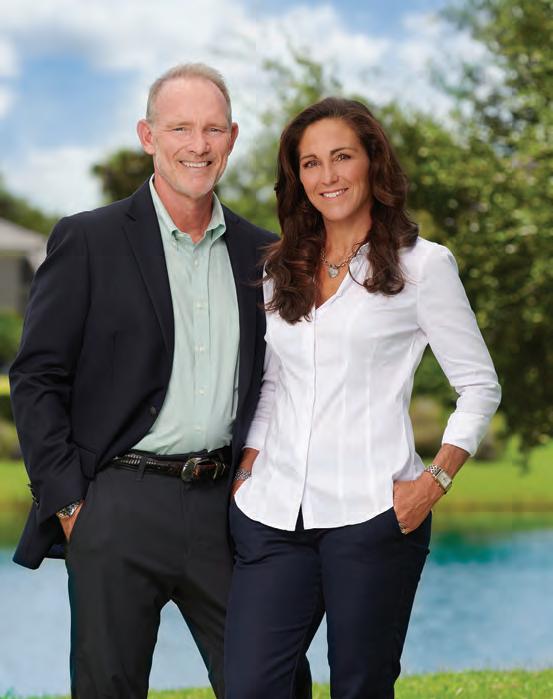
Pat and Julie are the best team! Very organized, honest, fast moving, unbelievably talented and they know how the market works! They get things done quickly! I would list my home with them over and over again. I’m so glad we hired them! Nicest people in the world! They really know the market value in Lakewood Ranch! Very professional! I enjoyed my experience with them!
Vicky H.
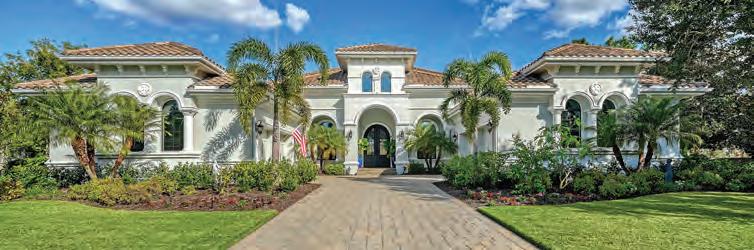
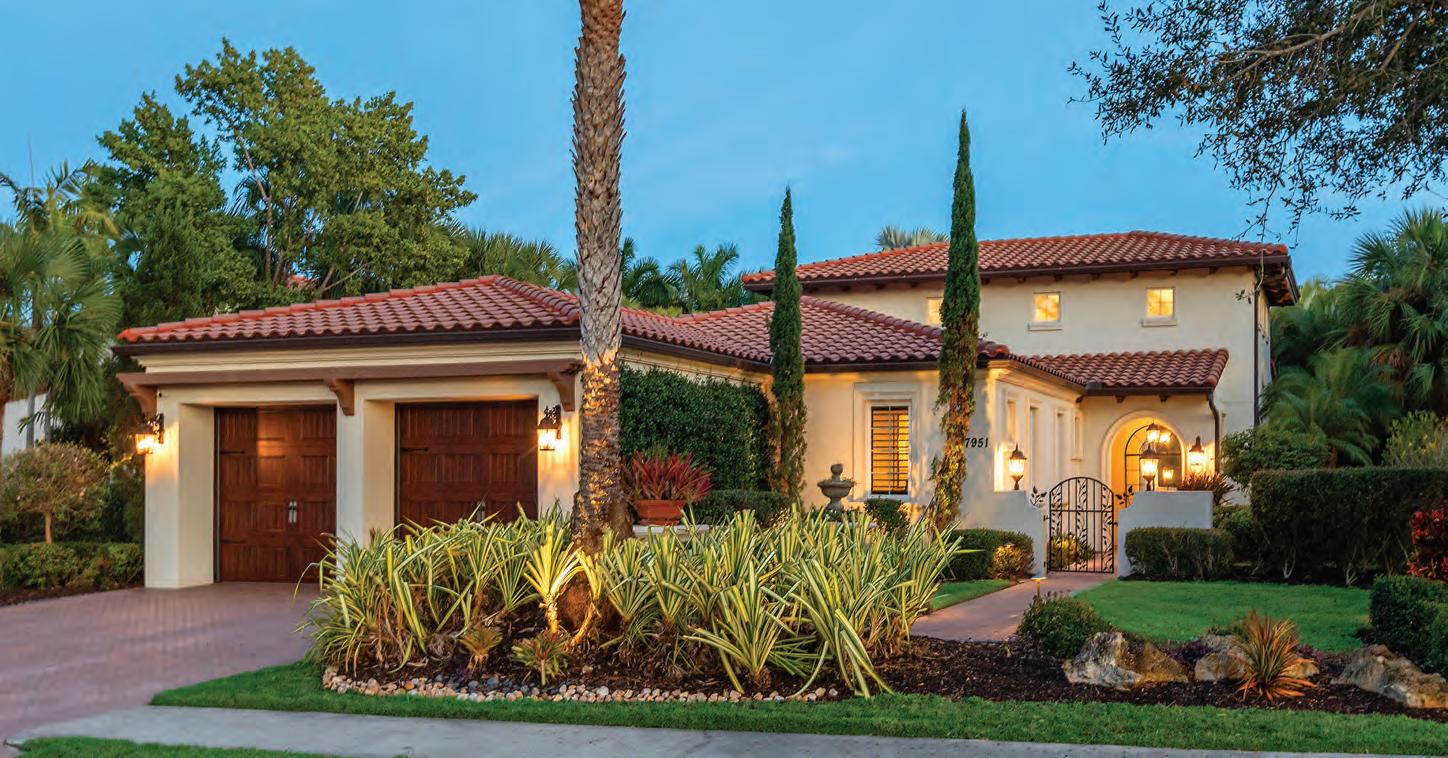
$4,200,000 | 7929
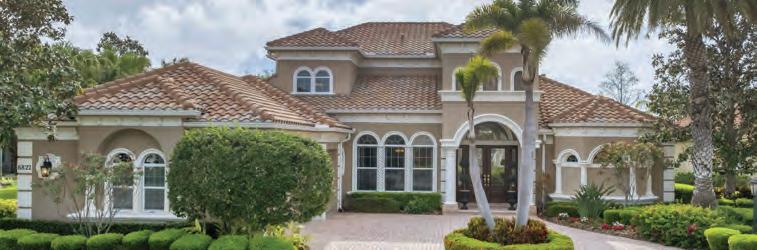
$1,995,000 | 6822









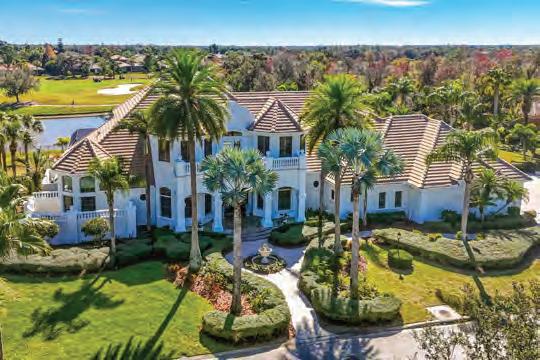
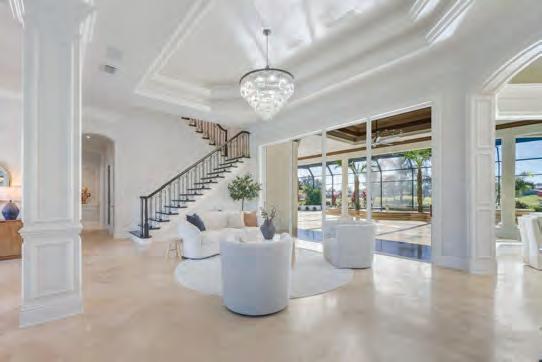
THE COUNTRY CLUB
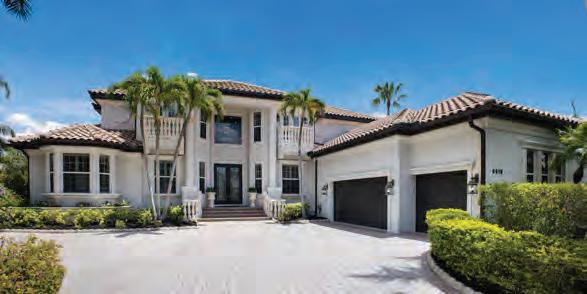
HE COUNTRY CLUB
THE COUNTRY CLUB
HE COUNTRY CLUB
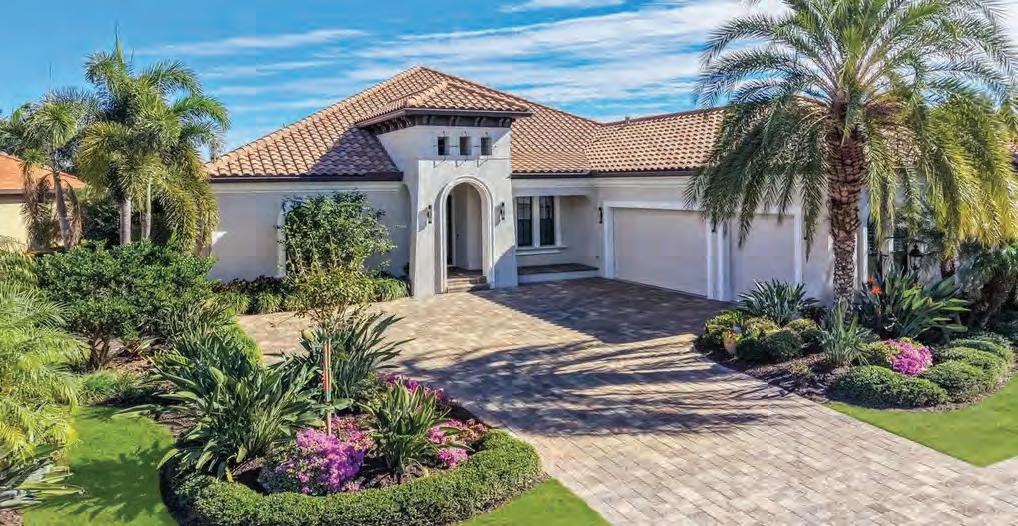
6923 Westchester Circle, Lakewood Ranch, FL 34202
6923 Westchester Circle, Lakewood Ranch, FL 34202
6923 Westchester Circle, Lakewood Ranch, FL 34202
12531 Highfield Circle, Lakewood Ranch, FL 34202
6,600 sq ft under air, 8,512 total sf, 5 bedrooms, 5.5 baths, 2 car garage
6,600 sq ft under air, 8,512 total sf, 5 bedrooms, 5.5 baths, 2 car garage
6,600 sq ft under air, 8,512 total sf, 5 bedrooms, 5.5 baths, 2 car garage
5,232 sq ft under air, 7,353 total sf, 4 bedrooms, 4.5 baths, 3
MLS #A4568244 | $4,995,000
MLS #A4574076 | $2,899,000
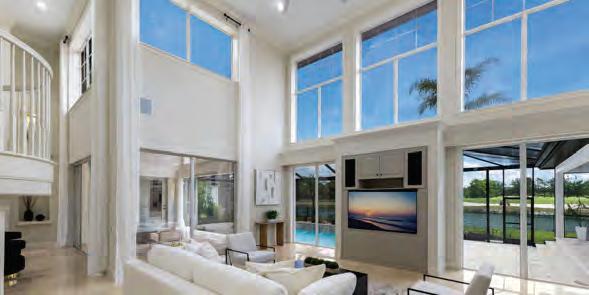
MLS #A4568244 | $4,995,000 asotaTrust Company,LLC
MLS #A4568244 | $4,995,000
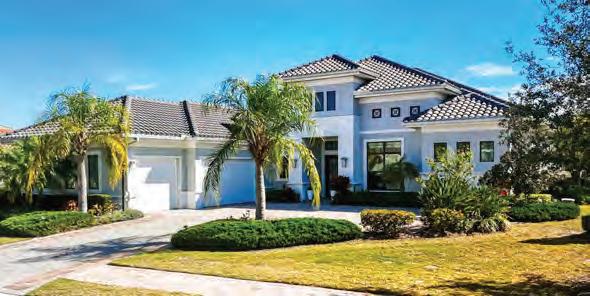
COUNTRY CLUB EAST ark Terrace, Lakewood 4,200 sq ft under air, 5,802 total sf,
MLS #A4562502 | $2,499,000
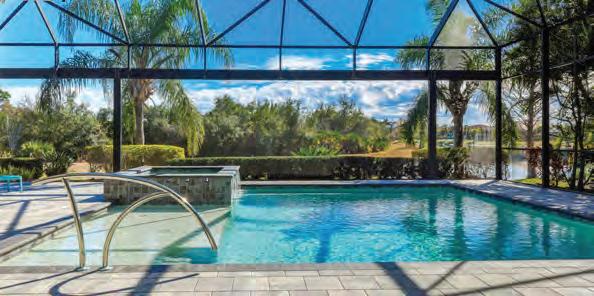
$2,450,000
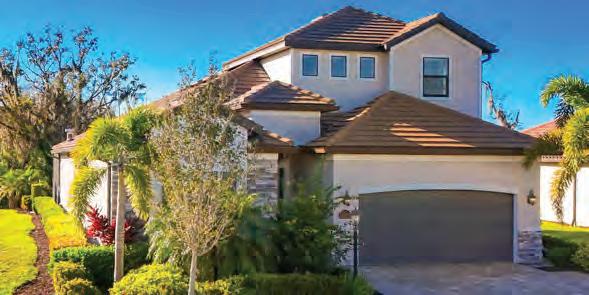
LAKEWOOD NATIONAL
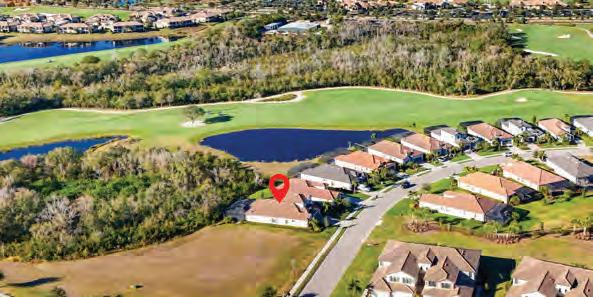
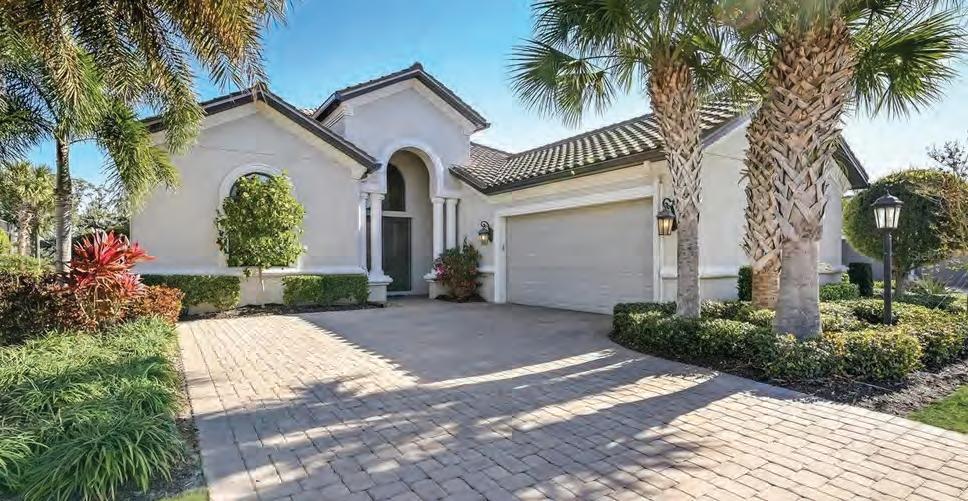
5547 Palmer Circle #205, Lakewood Ranch, FL 34211
1,200 sq ft under air, 2 bedrooms, 2 baths, 1 car garage
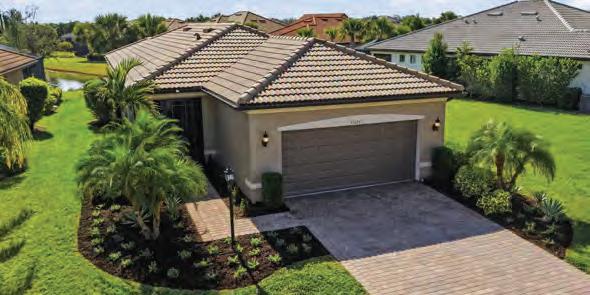
MLS #A4577389 | $510,000
















































COUNTRY CLUB EAST
COUNTRY CLUB EAST
LAKEWOOD RANCH COUNTRY CLUB
LAKEWOOD RANCH COUNTRY CLUB
7229 PRESTBURY CIRCLE
7229 PRESTBURY CIRCLE
$2,195,000 ESPLANADE
$2,195,000 ESPLANADE
$1,535,000
$1,535,000
INDIVIDUAL AGENT IN LAKEWOOD RANCH BY REALTRENDS ® $70 Million+
INDIVIDUAL AGENT IN LAKEWOOD RANCH BY REALTRENDS ® $70 Million+
INDIVIDUAL AGENT IN LAKEWOOD RANCH BY REALTRENDS® $70 Million+ CLOSED SALES VOLUME IN 2025 Top .01% OF ALL SARASOTA AND MANATEE REALTORS®
CLOSED SALES VOLUME IN
CLOSED SALES VOLUME IN 2025
INDIVIDUAL AGENT IN ALL GREATER TAMPA BAY
Top .05% OF ALL REALTORS® NATIONWIDE BY REALTRENDS® #15
INDIVIDUAL
INDIVIDUAL AGENT IN ALL GREATER TAMPA BAY Top .05% OF ALL REALTORS ® NATIONWIDE BY REALTRENDS ®
INDIVIDUAL AGENT IN U.S. (OUT OF 1,500,000+ LICENSED AGENTS NATIONWIDE) Top .01% OF ALL SARASOTA AND MANATEE REALTORS ®
INDIVIDUAL AGENT IN ALL GREATER TAMPA BAY5 #82
Top .05% OF ALL REALTORS ® NATIONWIDE BY REALTRENDS ®
INDIVIDUAL AGENT IN FLORIDA (OUT OF 220,000+ LICENSED AGENTS NATIONWIDE) #
INDIVIDUAL AGENT IN FLORIDA (OUT OF 220,000+ LICENSED AGENTS NATIONWIDE) #659
INDIVIDUAL AGENT IN FLORIDA (OUT OF 220,000+ LICENSED AGENTS NATIONWIDE)
INDIVIDUAL AGENT IN U.S. (OUT OF 1,500,000+ LICENSED AGENTS NATIONWIDE)
INDIVIDUAL AGENT IN FLORIDA (OUT OF 220,000+ LICENSED AGENTS NATIONWIDE) #659 INDIVIDUAL AGENT IN U.S. (OUT OF 1,500,000+ LICENSED AGENTS NATIONWIDE)

















Excitement is building at Lakewood Ranch Medical Center. We’re unveiling a fresh new look and embarking on an exciting expansion.
Our new look represents more than a visual change –it symbolizes the optimism and momentum we bring to everything we do. Construction of the first phase of our new patient tower is nearing completion. The brand-new tower is designed to bring more space, more advanced care and the comfort our patients and their families have come to expect.
These developments are more than ink and paper and bricks and mortar – they’re a promise to continue investing in the health of our community, today and for generations to come. LET’S DO WELL TOGETHER.

New patient tower expected to be complete in the spring of 2026.
68
FAMILY TIES
One of things that makes Lakewood Ranch unique? The family behind it.
76
AND A HAIRCUT
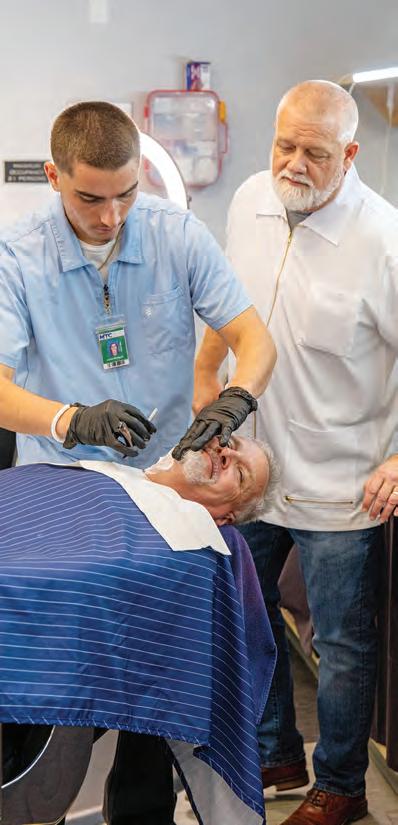
The students at MTC’s barbershop learn the skills needed to showcase the style.
84
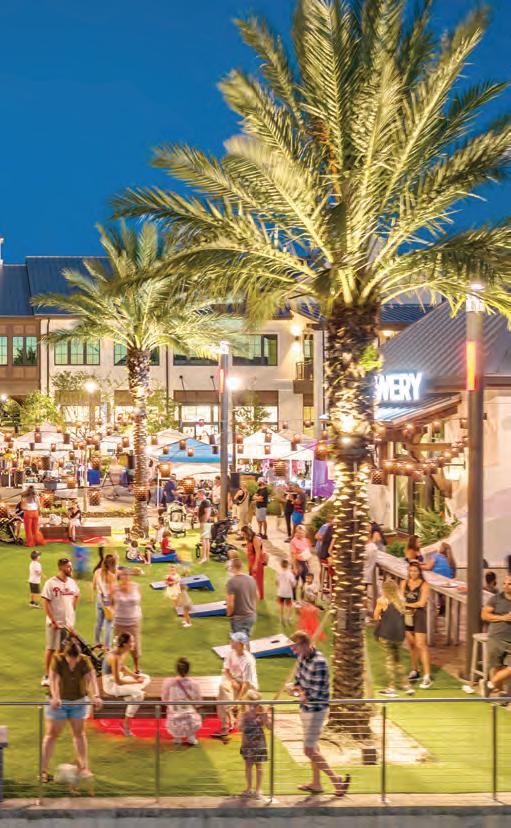
There are lots of things to do to enjoy life on the Ranch. Here are some of our favorites.



22 FROM THE EDITOR
31 BUZZ
Round and round goes the chatter about roundabouts; the Lakewood Ranch Library is about to reach new heights and a new community provides a place to age in place.
46 CLASS ACT
Kelly Gilliland wears many hats, but giving back to those in need is the one that fits her best.
50 CHARITY SNAPSHOT
Looking for ways to stay in touch with the younger generation? A Little could be just the thing you need.
54 CALENDAR
From movie nights to the weekly farmers market, there’s always something to do in Lakewood Ranch.
60 STYLE
122 PARTING GLANCE 97
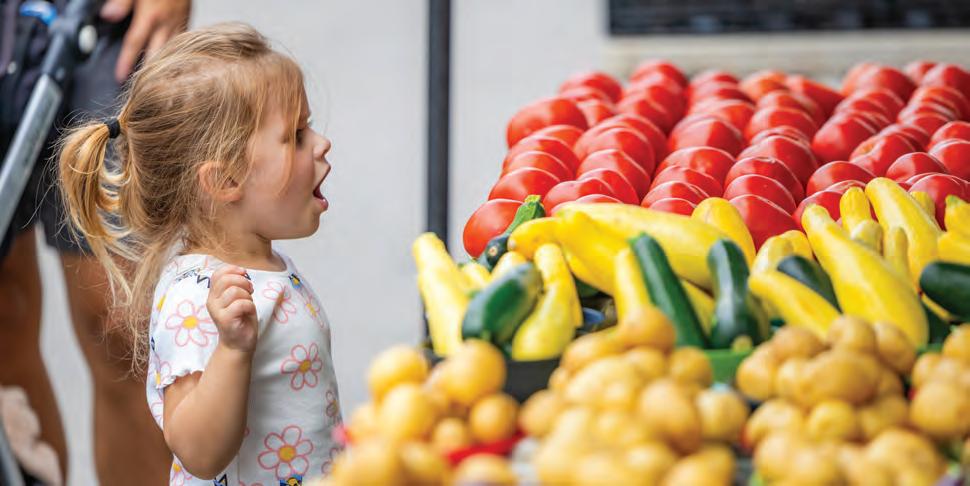
Sometimes it’s the littlest things that can bring the most joy.
97 HAVEN
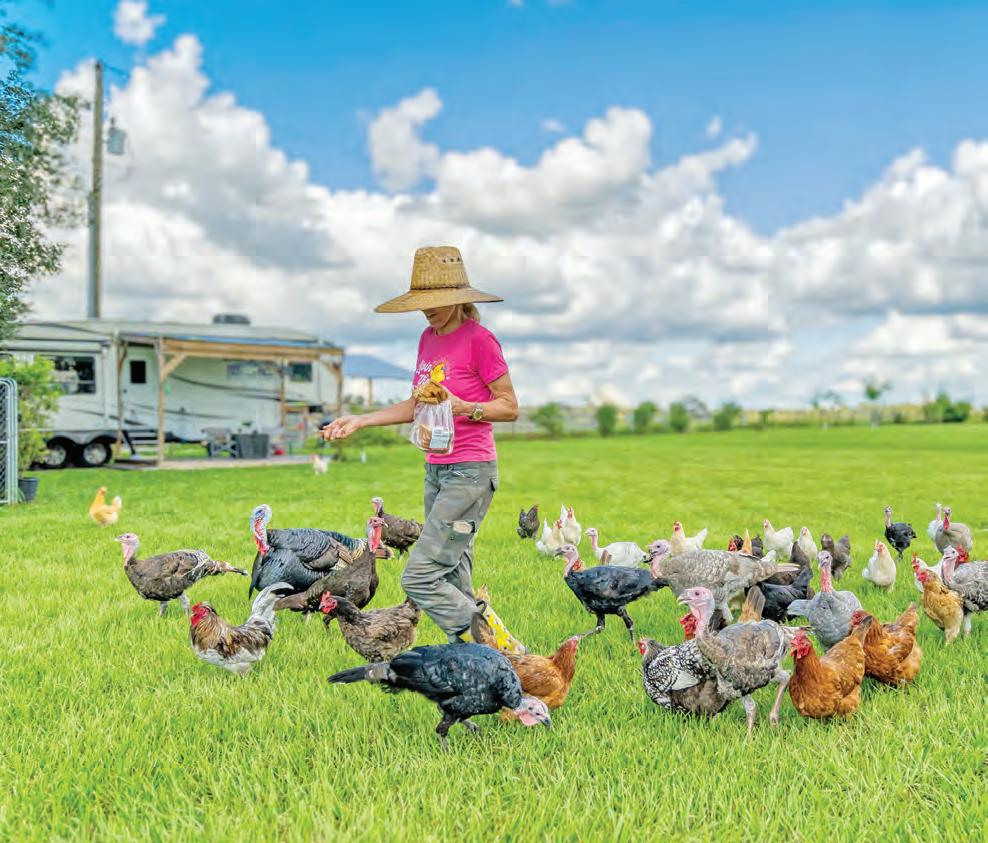
Lee and Caroline Wetherington have created their custom, clean-leaving oasis on a 30-acre farm full of animals, organic gardens and wide-open spaces.
112 ART AND ABOUT
Gaze upon a Florida Cowboy, immerse yourself in a Butterfly Rest Stop or just relax in a fun revue of piano hits this season — the choice is yours.
116 TABLE TALK
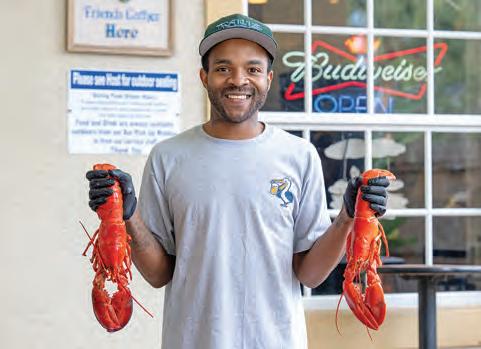
What makes the Lucky Pelican Bistro so good? No bad days. And the lobster roll, of course.




President and Publisher Emily Walsh
Executive Editor and COO — Kat Wingert
Managing Editor — Su Byron
Departments Editor — Mark Gordon
Design — Nicole Thompson
Editor At Large — Lisa Barnott
Contributors
Marty Fugate, Jay Heater, Emily Leinfuss, Beth Luberecki, Robert Plunket, Lori Sax, Eric Snider and Mark Wemple
Director of Advertising — Jill Raleigh
Associate Publisher — Lori Ruth
Advertising Managers — Kathleen O’Hara and Penny Nowicki
Advertising Executives — Jennifer Kane, Honesty Mantkowski, Richeal McGuinness, Toni Perren, Anna Reich and Brenda White
Director of Creative Services — Caleb Stanton
Creative Services Administrator — Marjorie Holloway
Graphic Designers — Louise Martin, Taylor Poe, Shawna Polana and Luis Trujillo
To
contact Kat Wingert at KWingert@YourObserver.com. For
call 941-366-3468.


Sometimes, life can be big. Maybe too big. Too busy. Overwhelming. After all, we’re taught to aim high. Swing for the fences. Go big or go home.
Although it’s good to have high expectations, as the reality of our lofty New Year’s resolutions sets in or we find ourselves caught in the never-ending wheel of constant improvement, sometimes I wonder: Isn’t it all just a little bit exhausting?
For example, I recently was part of a large fundraising luncheon that was a huge success by all accounts. It drew a big speaker, had a big crowd, raised a lot of money. But guests had not even finished exiting the building before someone said, “That was great! How are you going to top this next year?”
Next year? Seriously?!? I’m pretty sure I still had food in my teeth. Next year?
Because it’s natural for us to want bigger, better and more, we decided that maybe it’s time to check ourselves for a moment and just give ourselves a break.
It is in that spirit that we cooked up our feature on Page 84, to help us stop and take a moment to appreciate what we have around us.
After all, you chose to live here for a reason — this feature will hopefully help everyone get out and enjoy all those reasons! (Let’s not be like those people who live on the water and never go to the beach, tsk tsk.)
As you’ll see in the story, “A Few of Our Favorite (Ranch) Things,” writers Su Byron and Marty Fugate have scoured every inch of Lakewood Ranch for things to do. Think of it like a best hits list for your own backyard. Sniff the fresh cut flowers at the Sunday farmers market. Throw some cornhole at Ranch Nite Wednesdays with a beer from Good Liquid Brewing Co. Take a
walk on one of the many trails or nature areas and look at the multitude of animals that live here. It’s special, if you’re paying attention.
Unlike seasonal calendars packed with special festivals and one-off events, we wanted to focus on the staples. The baked-in joys of everyday life on the Ranch. The little things. Ironically, they are the easiest things to experience because they are the most accessible. But that also makes them the things we take for granted in our busy lives with our attention pulled in so many other directions. So go ahead. Give yourself the time to relax, take it all in and relish the joy the little things can bring.
The rest, I promise you, will still be there, ready to be conquered on another day.
Kat Wingert Executive Editor
I am able to do all the activities I want to do because of my care at Sforzo Dillingham Stewart Orthopedics. The entire team is warm and professional. I feel cared for, seen, and understood.
-JackWolf Patient of Dr. Sforzo
-Christine Johnson



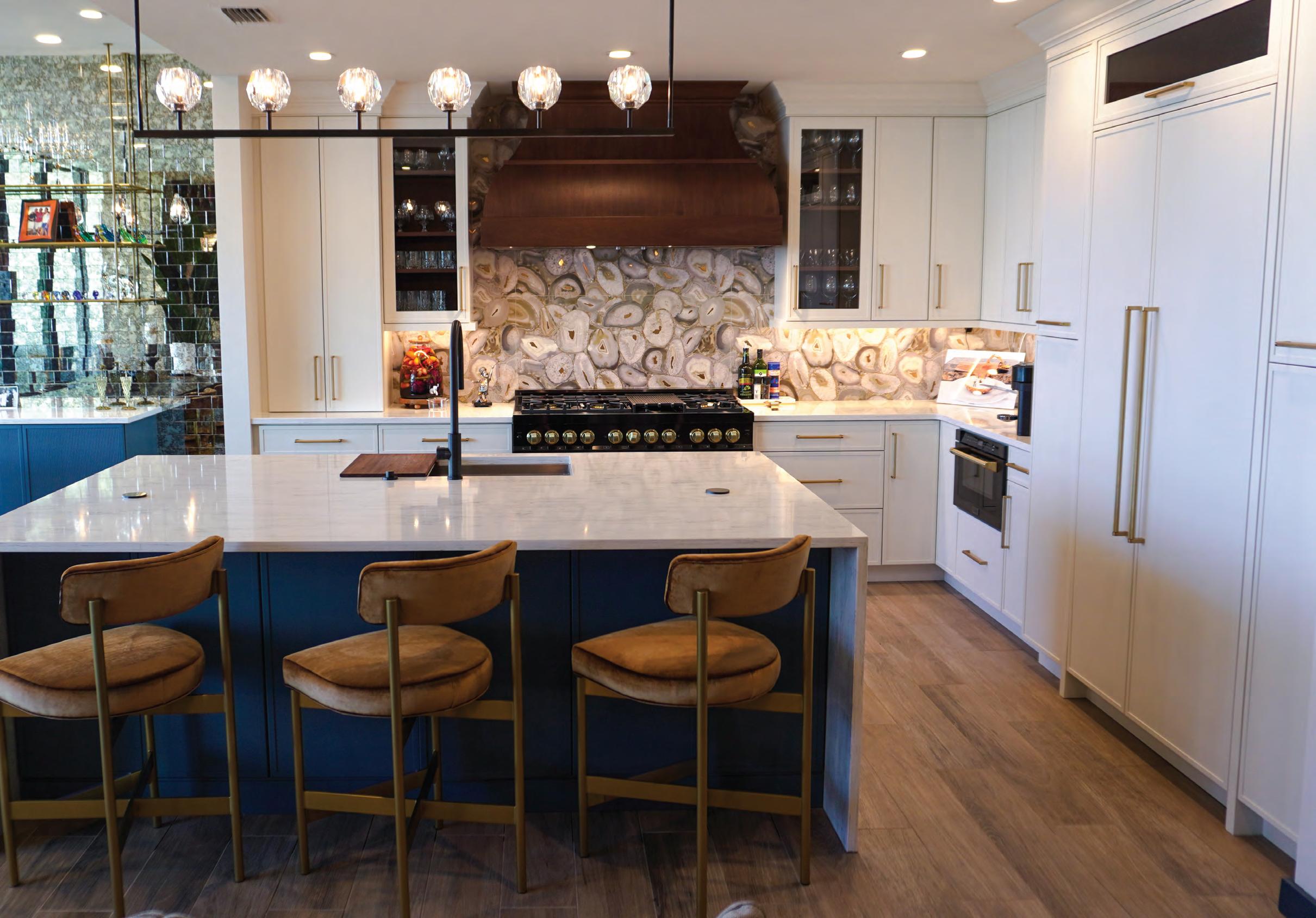
Rebuild. Remodel. Refresh.
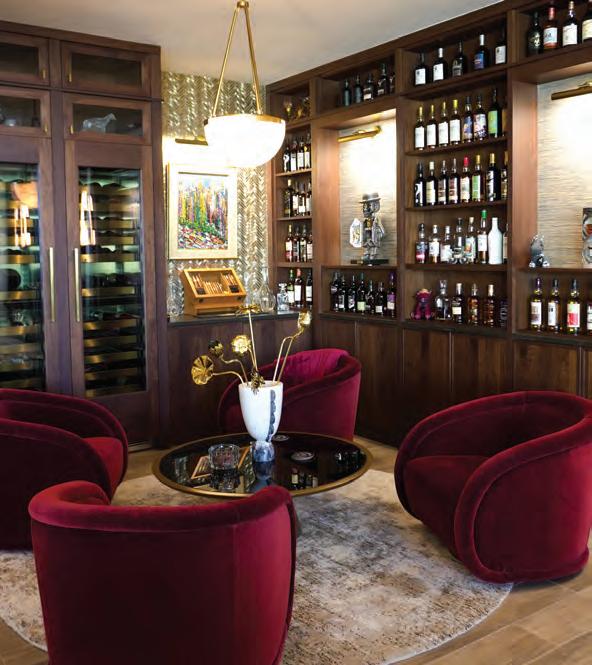



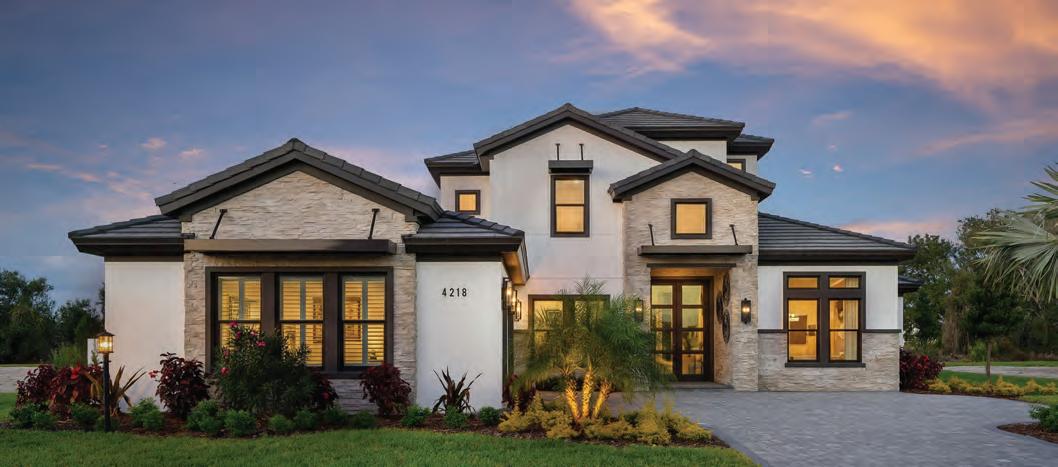

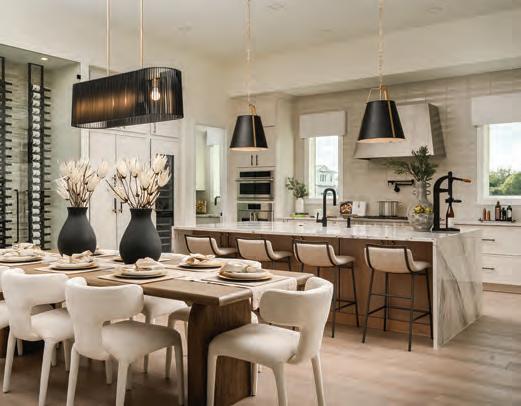
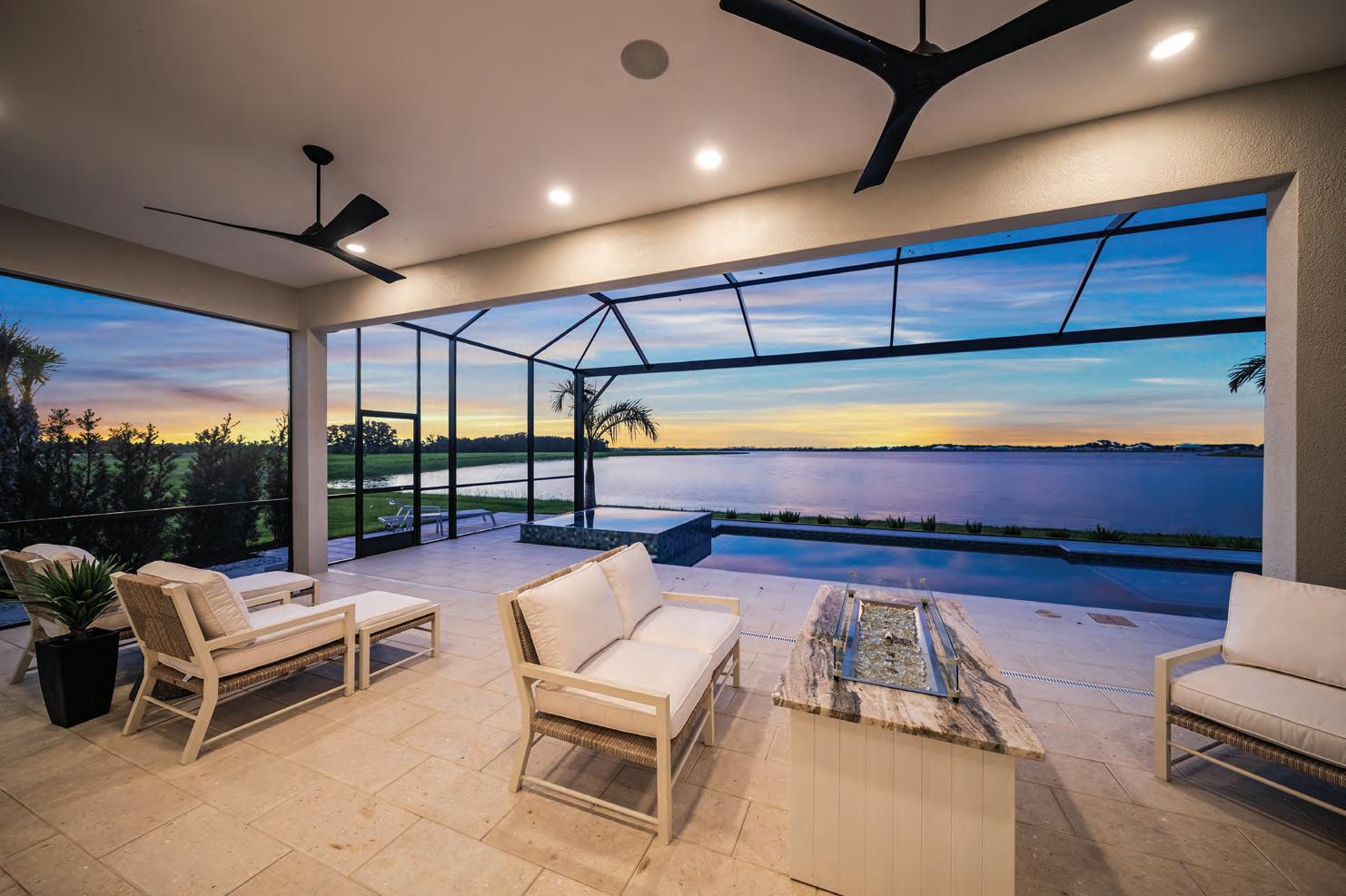
You don’t chase luxury. You know where to find it. It’s just beyond the gates in Star Farms at Lakewood Ranch. Homes by WestBay crafts homes made for gathering, relaxing and living in luxury. From the grand entry and expansive entertaining spaces to your backyard oasis, every detail is crafted for you.
Indulge in curated amenities and vibrant greenways that allow you to seize the day. Guided by a dedicated Lifestyle Director, meaningful moments unfold with ease. Whether it’s exploring the trails or gathering friends in refined club spaces, this is more than a community. It’s life as you imagine it.
STAR FARMS AT LAKEWOOD RANCH | SINGLE-FAMILY LUXURY FROM THE $ 600s to $ 3M+






















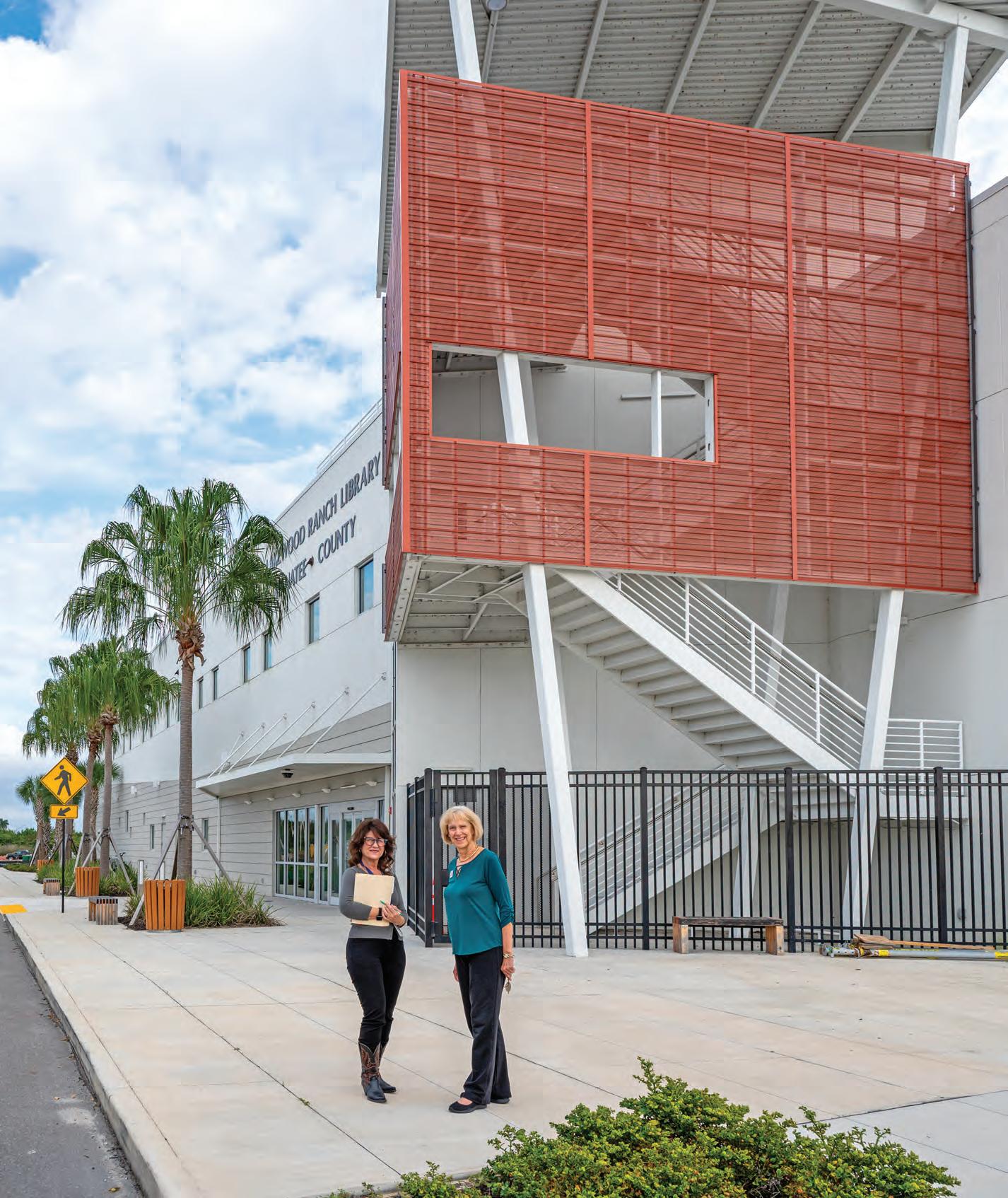
The already-popular Lakewood Ranch library has big plans for 2026. PAGE 36
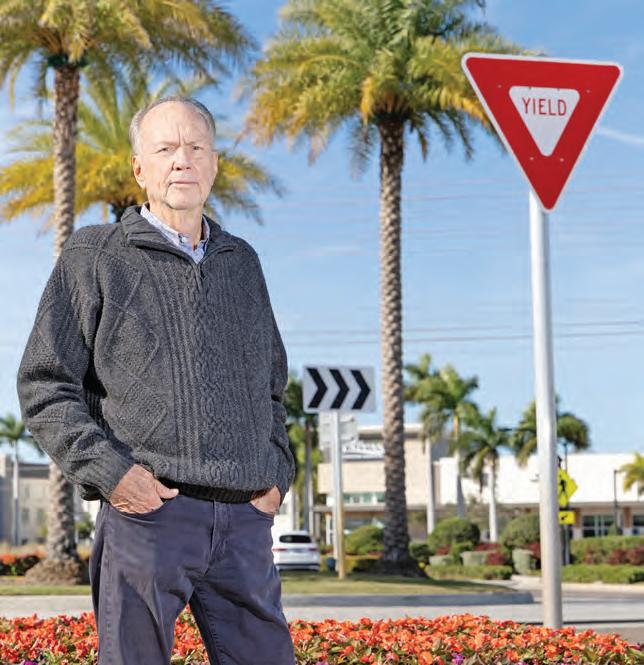
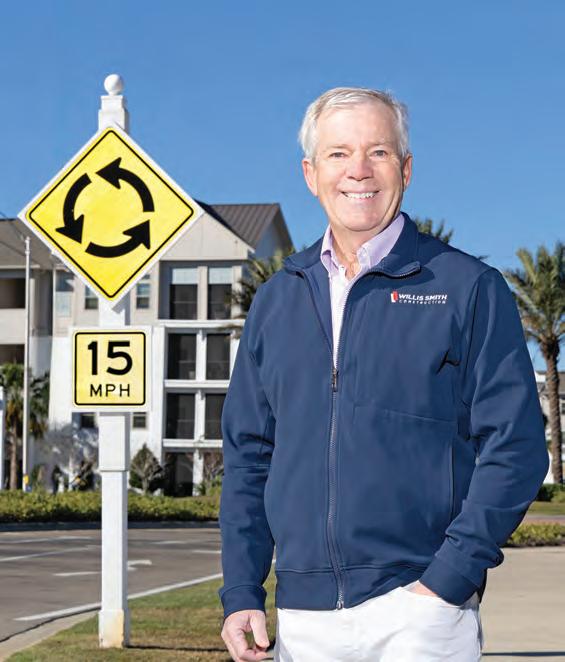
If you drive in Lakewood Ranch, then you have driven into, and out of, a roundabout. Some like them more than others.
BY MARK GORDON DEPARTMENTS EDITOR
Some conversations are bound to generate passionate opinions from participants. The things our president does, says and posts on social media is one. Little middle ground there, on either side, in those discussions.
Other chats might not be as serious. But the topics nonetheless lack consensus. Take pineapple on pizza: crime or cuisine? Another example: What’s the acceptable outside temperature in Florida to turn on the heat inside?
In recent years, another topic, especially in Lakewood Ranch and the surrounding area, has bubbled up into a hotly contested dialogue: roundabouts.
Yes, those circles of concrete, with grass in the middle, or sometimes art installations. To the untrained eye, mere intersection replacements.
By now, we have all probably heard the stats from traffic experts of why more and more they’re becoming a compelling choice (see box, page 34).
But some people — not just traffic engineers — love roundabouts. Or at least like them a lot. Yet while hate is a strong word, others strongly dislike them. One person in that camp, clearly, would be famous vacation dad Clark Griswold, played by Chevy Chase in the “Vacation” movies. Clark, of course, in 1985’s “European Vacation,” loses his cool while struggling to “get left” on
the Lambeth Bridge Roundabout in London. “Hey look kids, there’s Big Ben, and there’s Parliament... again,” he mutters as he motors around the circle, unable to get left while day turns to night.
Into this breach steps a pair of Lakewood Ranch residents, strangers in life, with a common denominator: they have opinions on roundabouts. One, David Sessions, is all in. Another, Darrel Drury, stresses he’s not for or against roundabouts — but he certainly has perspectives that lean in the “no way” category.
A breakdown of each’s perspectives:
Darrel Drury is a retired Yale University professor who has lived in Country Club East since 2022. He moved
Continued on Page 34

to Lakewood Ranch from Alexandria, Virginia, in 2018, renting an apartment first while finding a home. At Yale, he taught advanced statistics and experimental and quasi-experimental design to both graduate and undergraduate students. There, according to a letter he wrote to the Manatee County Government Liaison Efficiency Committee Aug. 25, 2025 on a non-roundabout issue, his job “was to figure out the best ways of ferreting out the truth by applying the scientific method to complex data sets.”
Drury says more than just a general take on roundabouts, his concern is the county or state doesn’t plan properly before building one.
“I’m not anti-roundabout, and I’m not pro-roundabout,” he says. “What I am for is studying the complexity of each roundabout.”
Drury says that can be done with microsimulation modeling. That’s a computational technique that simulates outcomes of large data sets by modeling individual units, like people or, notably, automobiles. “These are tools that are not being used,” he says. Consider the oft-heard proroundabout line that they are safer. “Saying they are safer is accurate in the whole and true,” Drury says, “but those studies are based on a singlelane, independent roundabout. They are safe in general, but that’s the key. Every roundabout has to be analyzed individually.”
Drury, in general, has other issues with roundabouts.
One is cyclist safety. He cites a study from the University of Copenhagen about roundabouts in Denmark. The study found that integrated cycle lanes in roundabouts, common in Denmark, are riskier for cyclists, while segregated cycle tracks, more common in the Netherlands, are safer. Counterintuitively, the study also found lower speed limits on roundabouts were more dangerous for cyclists. Roundabouts, Drury says, “absolutely did not make it safer for cyclists. In fact, they made it worse.”
And, given Lakewood Ranch’s demographics skew older, Drury worries about the cognitive decision making of drivers in navigating roundabouts and their initial fear as they learn to use them.
Matt Crim, a a seniorlevel transportation engineer for Stantec who works with Schroeder-Manatee Ranch on roundabouts in Lakewood Ranch, cites safety and operational efficiency as core reasons for why roundabouts are good options.
David Sessions has been a Lakewood Ranch business leader and resident for decades, now living in The Lake Club. He’s chairman of Willis A. Smith Construction, a Lakewood Ranch-based builder behind a host of projects in the region, from schools and fire stations to the recently opened Mote SEA Aquarium. Sessions joined the company as a project manager in 1988, and worked his way up to eventually being CEO. Willis A. Smith had $231.39 million in revenue in 2024.
As a panelist last year at a Lakewood Ranch Business Alliance event on the history of long-term businesses in the community, Sessions revealed he was, to the surprise of most attendees who hissed, a fan of roundabouts. So much so that as a young construction executive in 1991 he joined the board of the Sarasota/Manatee Metropolitan Planning Organization (MPO), which is tasked to “guide regional decisionmaking on transportation issues.”
S essions remained on the MPO board for 19 years, trading off as chair and vice chair for a decade. Willis Smith has never built roads, so for Sessions it was more of a passion play. “My business has nothing to do with the roads,” he says, “but I’ve always been fascinated by road networks.”
And he was especially fascinated when a British traffic engineer spoke to the group in the mid-1990s. The fellow talked about the difference between traffic circles and roundabouts and
Source: Highcharts.com, Kittleson
how, he told the MPO board, in Europe 70% of all traffic accidents are eliminated in roundabouts. There are no T-Bone accidents at a roundabout, like there can be at intersections. And there are no red lights to run.
S essions learned about one of the first roundabouts in the region, in Clearwater, and he drove there to check it out. Ditto for the first one closer to home, near Bradenton Beach. “I made a point to go there and drive around and around that one,” he says. “I was fascinated by it.”
There’s a practicality to roundabouts, too, that Sessions likes. One, he says, is the safety component. “You no longer have to watch people see a yellow light and think that means speed up and go faster,” he says. “A roundabout prevents that.”
It also improves traffic flow — a point most traffic engineers stress when considering a new roundabout.
A third reason Sessions is pro-roundabout? Community beautification. “A roundabout,” he says, “looks so much better than a signalized intersection.”
S essions thinks some of the animosity toward roundabouts stems from new residents who are used to traffic circles up north and not used to the flow of a roundabout. And not every corner needs one, he admits.
“There are a lot of places where roundabouts make sense,” he says. “although there are some places where they don’t make sense.”
On safety, it’s a numbers game, Crim says: a non-roundabout intersection can have up to 32 conflict points, while a roundabout has eight. On efficiency, Crim says most studies look at peak morning or peak evening hours as a comparison. But he also considers offhours, “like at 2 a.m., in a roundabout, a car doesn’t have to wait at a red light when there is no traffic.”
And even though he’s a roundabout supporter, Crim says each intersection is its own decision-point. “There is a costbenefit analysis done at each one,” he says. “We aren’t going out willy-nilly saying ‘lets put in a roundabout.’ These decisions aren’t made lightly.”
A traffic circle is much larger than a roundabout. Traffic circles also often have stop signs or signals within the circular intersection. Roundabouts are smaller and vehicles have to yield before entering.
BY EMILY LEINFUSS | CONTRIBUTOR
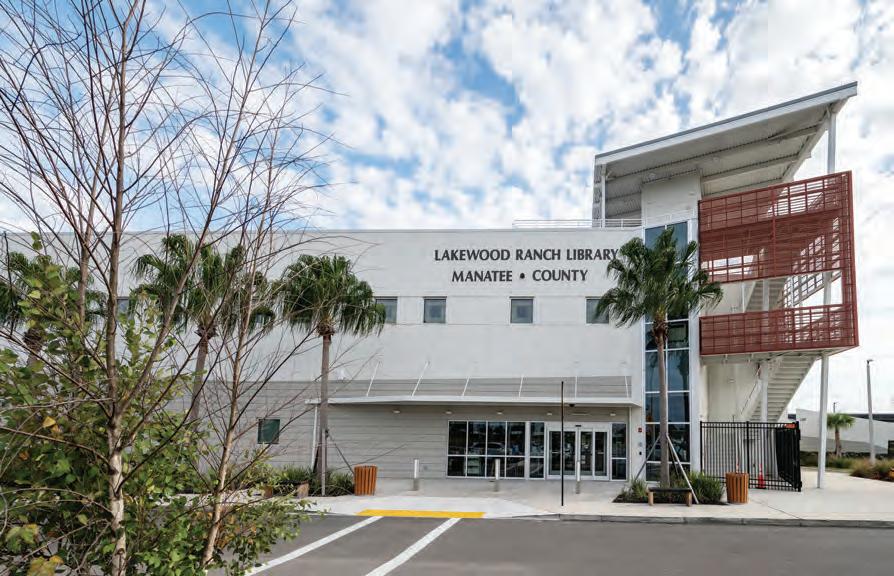
The launch of the Lakewood Ranch Library in 2024 was such a rousing success that maybe no one noticed the building had a second floor.
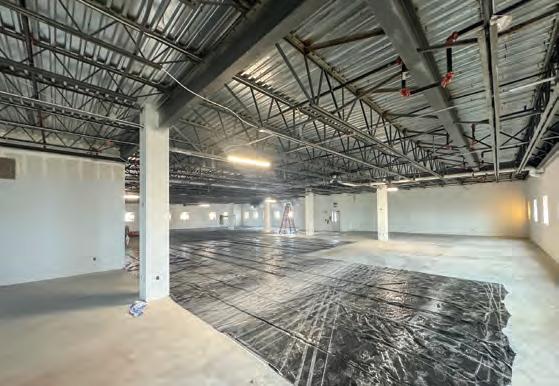
Now, after sitting unused and unfinished for nearly two years, the buildout is expected to be completed by late spring.
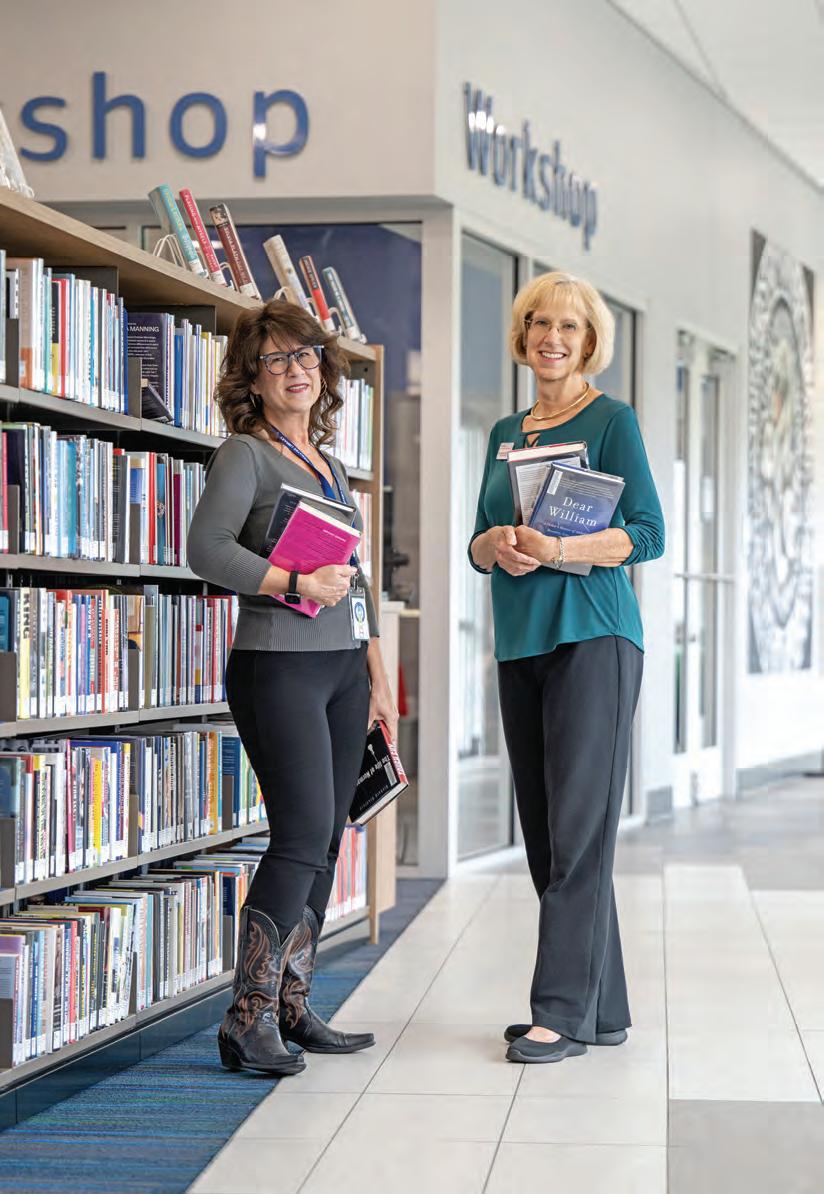
“When we started planning and building the Lakewood Ranch Library, (Manatee County commissioners) had the foresight to add that floor,” says Library Services Manager Tammy Parrott. “It would’ve been much harder to add square footage later.”
The second floor, with 25,000 square feet of potential — plumbed but little else — has waited in plain sight for commissioners to finalize plans for the space. “We weren’t sure if it was going to be part library, part something else,” Parrott says. In particular, one idea under consideration was using some of the second-floor space for county offices.
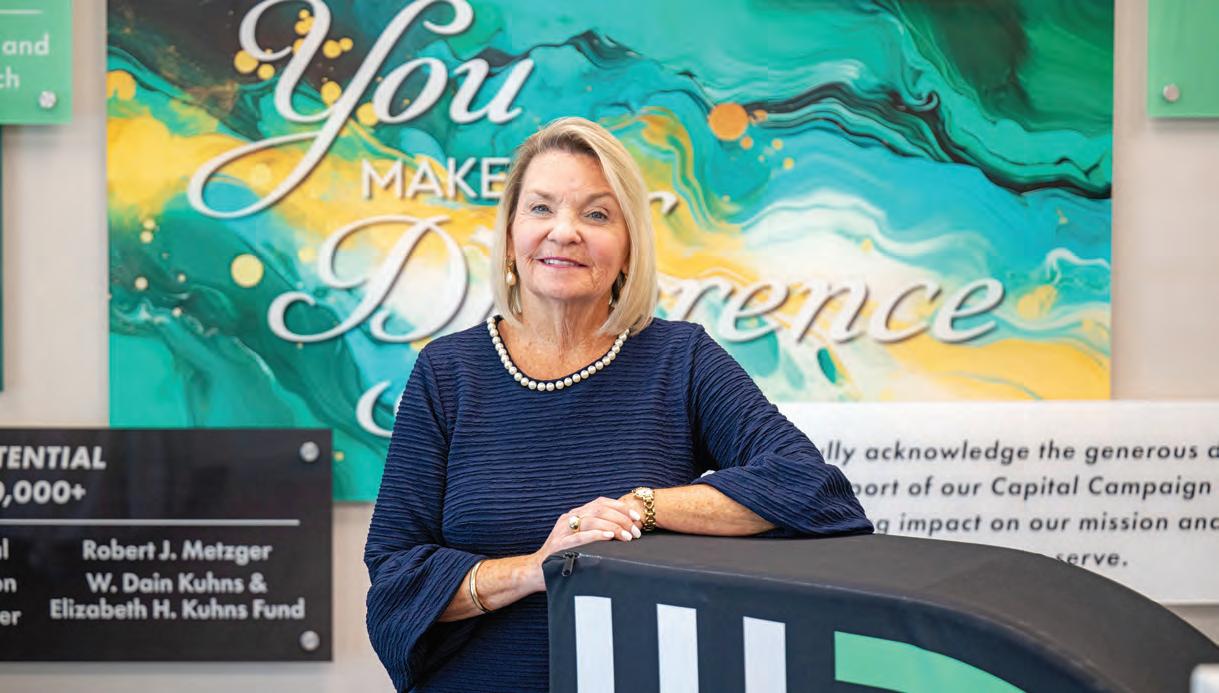
“Thankfully for the Lakewood Ranch Library, the county decided to buy a separate property for that purpose,” says Sue Ann Miller, president of the Friends of the Lakewood Ranch Library. “We’re thrilled the second floor is under construction and will be fully dedicated to the library.”
The second-floor buildout is unfolding in two phases. The first, now underway, focuses on finishing the raw space — installing carpet and HVAC and addressing safety and ADA requirements.
The second phase addresses additional needs of both the library and the community. One component is increased shelving, which will allow part of the collection — likely adult nonfiction — to move upstairs.
More space for books is “sorely needed,” as the first-floor shelves are already quite full, says Parrott. She also has clocked a growing demand for physical books. “We were all very
Continued on Page 38
The Lakewood Ranch Library, a major community success already, is looking to do more by looking up — to another floor.


excited about e-books, but now we’re seeing people rebound to print.” In addition to that trend, the pricing structure for digital titles is often several times more expensive. When a library buys a print volume, it can be on the shelves forever. With an e-book, you may be paying for only 12 months, after which the license has to be renegotiated, Parrott says.
Individual study rooms — long requested by the Lakewood Ranch community — are also in the plans for the space. “The Friends have been advocating from the get-go for small study rooms because that’s what the community wanted,” says Miller. “They can be used for student groups, tutoring, private conversations or business needs.”
Parrott notes the library’s ground floor features two flexible meeting rooms, a conference room “that is always busy” and a quiet reading room that proved popular almost immediately. There is also a robust children’s area, dedicated outdoor space and a reinforced section of roof designed to host a range of events.
As with any construction project, some details remain in flux, cautions Manatee County spokesperson Bill Logan. For example, while both Parrott and Miller cite six study rooms, Logan notes that “the number of study rooms has not been finalized.”
Logan says the second floor will also include open space for casual reading and working, as well as flexible areas for tables, chairs, meetings and events. The furniture configuration is still being refined, Logan says, so the exact layout has not yet been finalized.
Furniture decisions are a key reason it’s difficult to pinpoint an opening date beyond late spring. “There are some details we’re still working through with delivery and installation,” says Logan.
Another factor driving the expansion — both here and elsewhere in Manatee County — is a mandate to increase overall library space by more than 120,000 square feet to meet the Florida Division of Library and Information Services’ standard of 0.6 square feet per 1,000 residents.
Parrott, who is also overseeing the expansion of the Rocky Bluff Library in Ellenton, sees the project as part of a larger shift in how libraries serve
Ranch Library opened in 2024.
Today’s libraries are community hubs. They need more than books.
TAMMY PARROTT,
MANATEE COUNTY
LIBRARY SERVICES MANAGER
communities.
“Today’s libraries are community hubs. They need more than books,” she says — and the Lakewood Ranch Library is poised to meet those needs. Libraries connect people, provide valuable resources and enrich quality of life, she adds.
“We learn through books,” she says, “but we also learn by engaging with one another.”
Since Sue Ann Miller became president of the Friends of the Lakewood Ranch Library in 2018, the nonprofit has carried out its work — most notably operating the popular fundraising Book Nook center — without dedicated storage or workspace inside the library it supports.
That long-standing challenge may finally be resolved with the library’s second-floor expansion.
“We’ve asked for a work and storage space on the second floor, and my understanding is that we’ll be given one,” Miller says. “We would be very grateful. Right now, we use my garage and my treasurer’s extra bedroom.”
The Friends’ mission is twofold: to advocate for robust library services through-
out Manatee County and to raise funds for the Lakewood Ranch Library. To date, the organization has raised “probably over $500,000,” Miller says — funds that support facilities, as well as high-quality programming and resources.
“County funds only go so far,” she says. “We pay for three presenters for the children’s Summer Learning Program, and we purchased all the equipment and materials for the library’s makerspace,” where community members can experiment, create, and build both creative and technical skills.
One thing missing? A Book Nook collection bin. “Right now, when people donate books, we take them home,” Miller says. “We’re hoping to add a bin and prepare books on site. We’re really looking forward to that.”








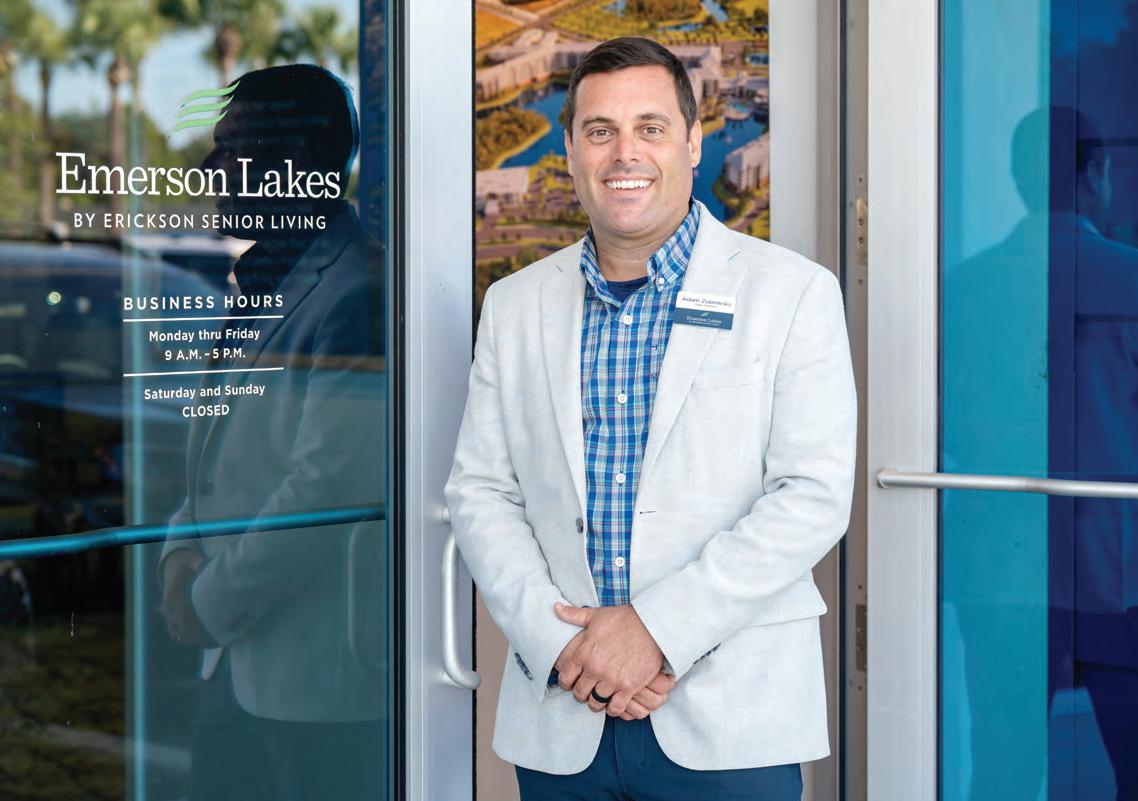
An in-demand national senior living developer — it rejects more sites than it buys — is all in on building a large community in the heart of Lakewood Ranch.
BY BETH LUBERECKI CONTRIBUTOR
Erickson Senior Living saw the need for a continuing care retirement community in Lakewood Ranch. But it didn’t just dive into the market right away. Instead, the Baltimore company, which operates two dozen managedcare communities in 11 states, spent
time studying a potential piece of property and conducting focus groups with area residents. While there were options for senior living in Lakewood Ranch, it did not have a continuing care retirement community, a single campus that allows residents to move from independent living to assisted living to skilled nursing care without having to leave.
And the timing was such that Lakewood Ranch needed more choices for its residents of retirement age, especially those who had moved to the community when it first opened in the 1990s and were ready for their next phase of life. So when Erickson Senior Living announced its Emerson Lakes community in Lakewood Ranch
in 2024, it got quite an enthusiastic response.
“In 42 years, we’ve done 23 other communities, and we’ve never had a priority list grow at the pace we have here,” says Adam Zubowsky, director of sales for Emerson Lakes. “These are proactive planners.”
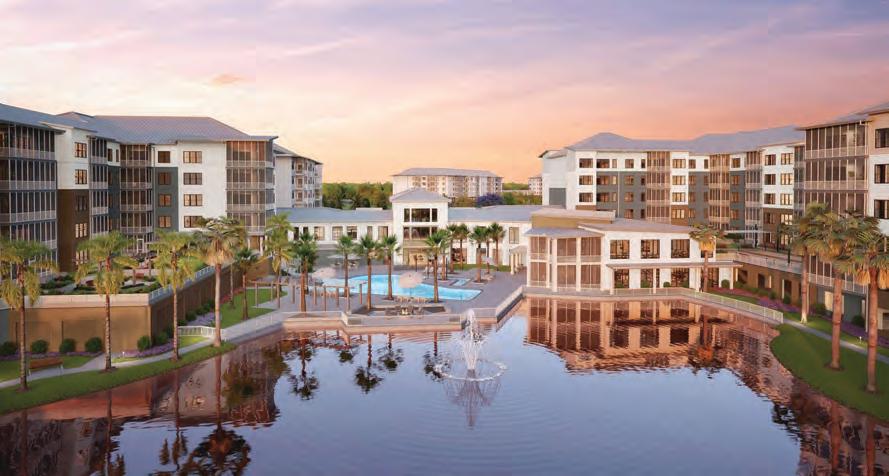
Construction is underway on three residential buildings and a 50,000-square-foot clubhouse on the 46-acre property. The site is at 6045 White Eagle Blvd., just north of State Road 70. Erickson Senior Living, through an entity dubbed Emerson Lakes LLC, paid $37.21 million for the site Dec. 21, 2023, Manatee County
Continued on Page 42
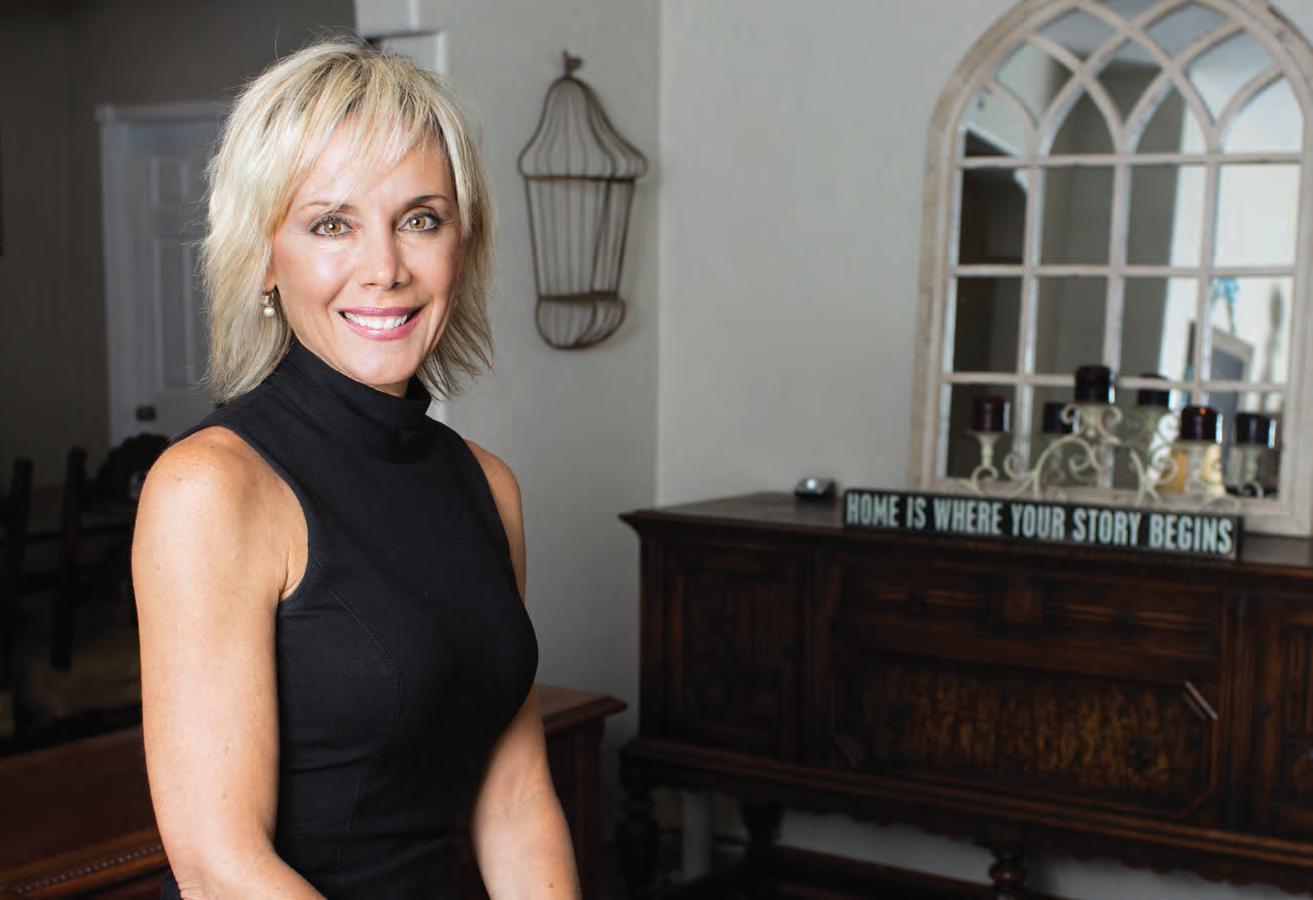
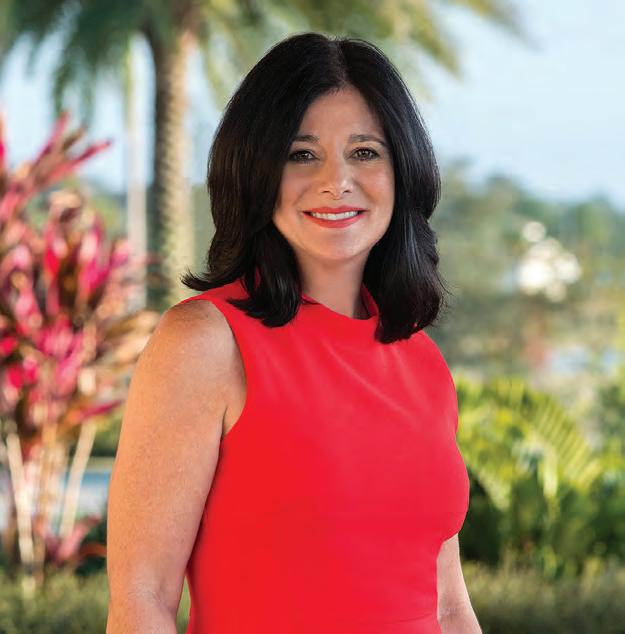
Donna Wrobel is a Lakewood Ranch resident with over 29 years of experience as a Luxury Home Specialist. A longstanding professional and certified stager, she will help your home show like a model and sell in record time! Donna’s greatest talent is finding her clients their “Dream Home” that perfectly matches their lifestyle.
As the #1 selling Agent for Berkshire Hathaway HomeServices Florida Realty Lakewood Ranch office, Donna has a proven track record.
property records show. The first phase of construction, according to a statement, has been supported by a $179.8 million loan Erickson obtained last October from Capital Funding Group, a subsidiary of Baltimore-based CFG Bank. “Across the nation, the demand for high-quality senior housing is far outpacing supply,” the CFG release states, “and Erickson Senior Living is at the forefront of closing that gap with new developments and expansions of existing communities.”
That first phase of Emerson Lakes will offer 315 residences with 25 different floor plan options, with the first residential building opening by the end of 2026 or early 2027 and the others following. Resort-style amenities will include a fitness center, swimming pool, dog park, walking trails, multiple on-campus dining options and a full-service unisex salon, barbershop and spa. An on-site medical center will be staffed by health care professionals specializing in senior care.
“Most folks, when they reach a certain point in life, they’re done with home ownership,” says Zubowsky. “But nobody wants to leave this area. They love it.
“They want to move into a community that has it all, and they don’t want to move again,” he continues. “Emerson Lakes is lifestyle with peace of mind.”
The entrance fee for Emerson Lakes starts at around $400,000 and can go up to over $1 million depending on the floor plan residents choose. But 80% of that fee goes back to the residents or their families when they leave the community. Residents pay for a monthly service package that includes all utilities, all maintenance, dining credits at the on-site restaurants and access to the community’s amenities. And they no longer have to worry about paying for homeowner’s insurance or property taxes.
“It gives residents that predictable cost month to month,” says Zubowsky. “And then as they access different care levels or health care services, they would pay for those at that time, depending on their care needs.”
The community’s first three residential buildings are more than 90% reserved. But people’s plans change and cancellations do occur, since the reservation fee is refundable
and completion is still a ways away. Zubowsky recommends folks get on the waitlist now — even if they’re not sure of their future plans.
“If you don’t want to move tomorrow, that’s great. We’re not even open,” he says. “A lot of our waitlist members don’t want to move for three, five, or eight years.
“They want to know when they’re ready they can get in,” he continues. “Because any community you want to go to and call home is going to have a waitlist. If it doesn’t have a waitlist, then there’s a reason why you were able to get in at the last minute. It’s probably not where you want to go.”
Because of the interest Emerson Lakes has seen, the community is hoping to break ground on a fourth building sometime this year. And it has approval from Manatee County to build up to 10 residential buildings in total and another clubhouse.
Its biggest challenge is people “just wish we were open today,” says Zubowsky. “They’re ready to make a move.”
Construction has become a longer process for projects all over the country, and Emerson Lakes is going above and beyond local code by opting for full concrete-block steel construction, high-impact windows, anchored metal roofing and a generator system. “Code requires none of this in this area; we’re just electing to do it,” says Zubowsky. “But it does prolong the construction process.”
Of course, the 23 previous communities Erickson Senior Living has built have provided plenty of insight and past experience to draw from during the planning and construction processes. “This isn’t our first rodeo, so the challenges are very little,” says Zubowsky. “Because to even have gotten to this point, you’re talking about years of market feedback and research before picking a property. We say no to a lot more properties than we say yes to.”
Much of the leadership staff at Emerson Lakes will come from other Erickson Senior Living continuing care communities. “The leaders who will be running Emerson Lakes are already doing these jobs today at another community,” he says.
Zubowsky often gets calls from prospective residents who are only considering continuing care retirement communities. But he also helps educate people who are just beginning their research into senior living options.
“We are their education, and we encourage them to drive south or north and go look at other continuing care retirement communities so they can compare and contrast us to them,” he says. “But while they do that, join our waitlist, since it’s fully refundable ... And we’re blessed that a lot of the time not only do they stay on the priority list, they’re telling their friends to come join as well.”
Most folks, when they reach a certain point in life, they’re done with home ownership. But nobody wants to leave this area.
ADAM ZUBOWSKY, EMERSON LAKES SALES DIRECTOR




T-Shape 2 combines 5 technologies
• Stimulate Collagen Production
• Boost Circulation
• Breakdown Fat Deposits
Results?
Smoother, Firmer, more Sculpted Skin, with Visible Improvements from the Very First Session.
All Done Without Surgery or Downtime
10% OFF PACKAGES
Exclusively at our UTC location

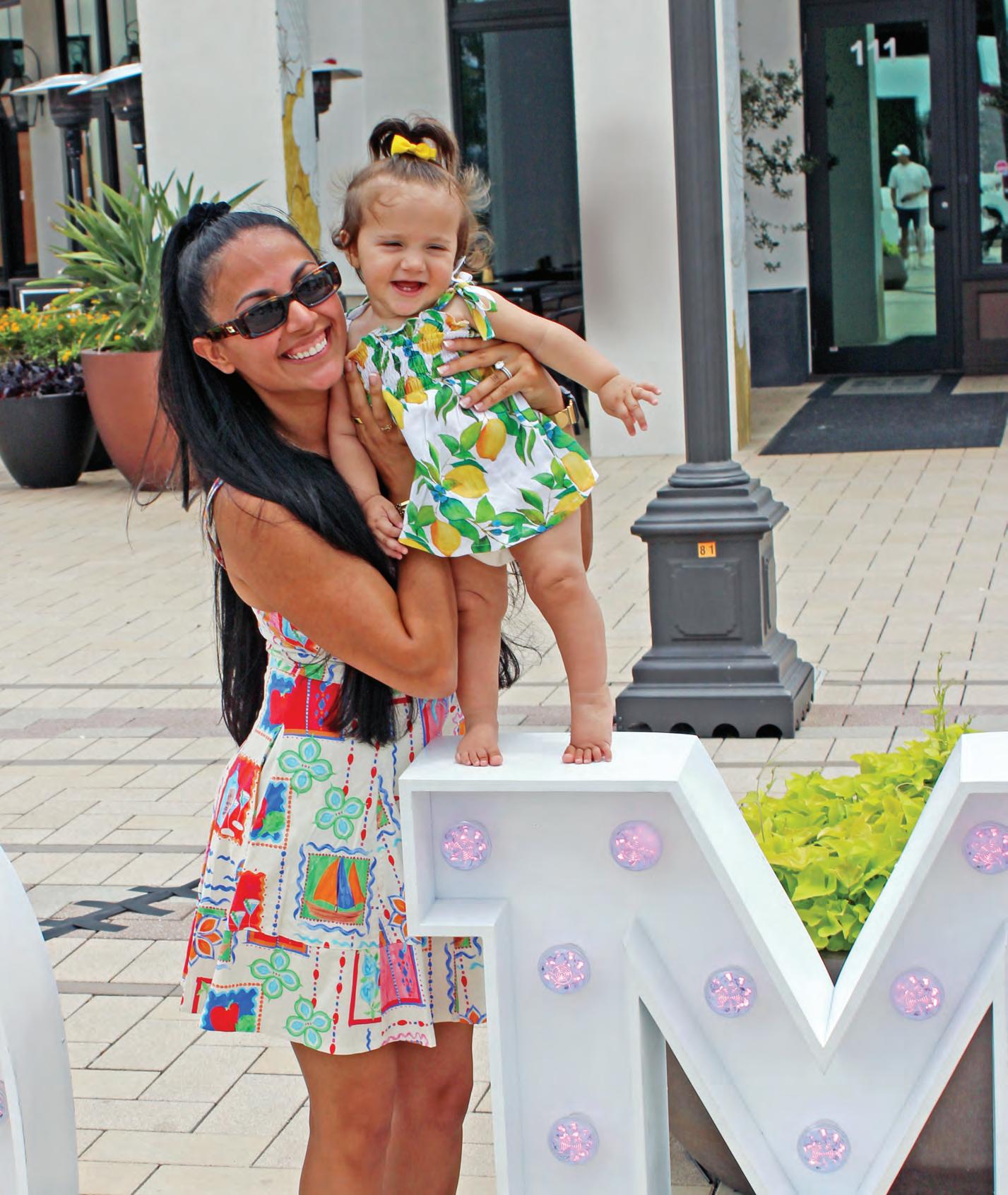
Get out and about with these community events this spring. PAGE 54
Kelly Gilliland’s heart for Lakewood Ranch is long-lasting. It stems, partially, from a mother’s love.
BY MARK GORDON DEPARTMENTS EDITOR
Acall Kelly Gilliland received one day from SchroederManatee Ranch in 1995 could have been quite the blow to her ego.
The young professional had then been out of college for two years. She had a degree in economics and international relations from Florida State, and a year of experience working at a local bank. And the human resources team at SMR, which then was so early in the development of Lakewood Ranch only the first houses had been built, had a question for Gilliland: We realize you are way overqualified for this, the HR manager told her, but would you be willing to take a job as a receptionist for us?
Turns out Gilliland had applied for a job at SMR in real estate a year earlier, but there were no openings. Yet she left such a good impression, the leadership team wanted her to be the person who answered the phone calls and greeted people at the front door. Gilliland took the job — with no ego bruise. “I thought it would be a good opportunity to make some good contacts,” she says, noting not many people in her network in Sarasota, where she grew up, had a clue where Lakewood Ranch was or what it could or would become.
Gilliland took the role, and soon earned several promotions. She ultimately was an executive assistant for the company’s current CEO, Rex Jensen, before he was in the role, and worked closely, too, with John Swart, a top commercial real estate executive with SMR. While she hasn’t worked for
Continued on Page 48
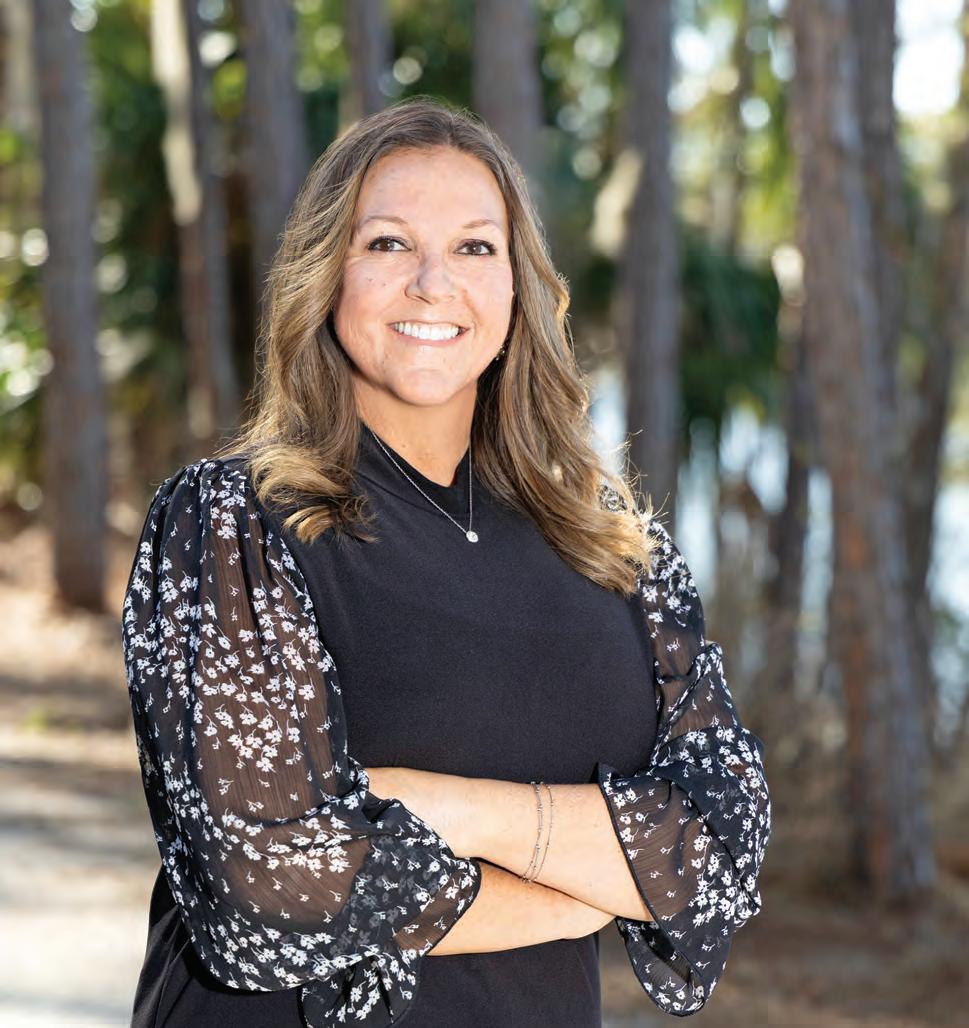






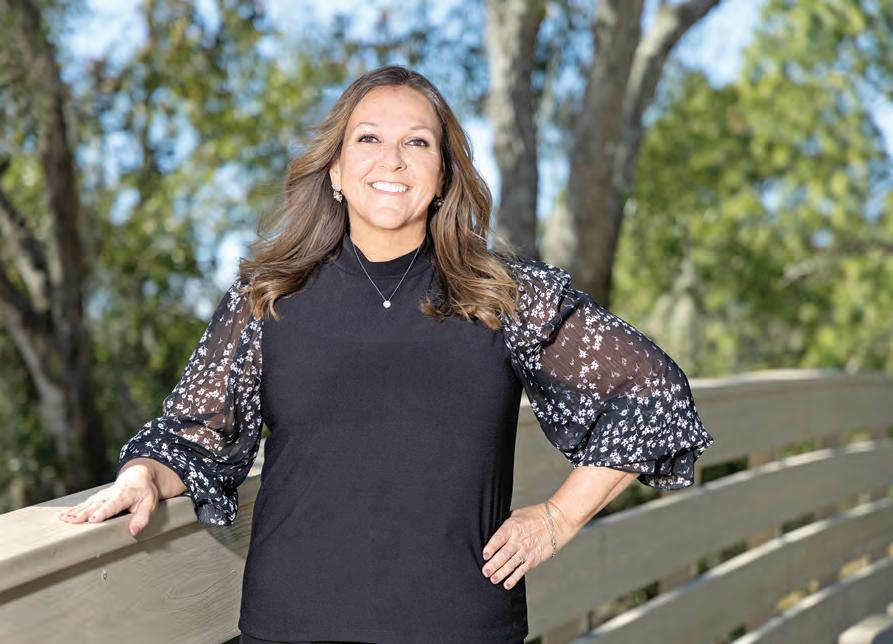
SMR in 25 years, Gilliland remains both a champion of the community — serving on multiple boards and volunteering for organizations — and a key person in making it a great place to live. (She would know: she’s lived in the same home in Summerfield since 2000, where she raised her two sons, who are now in college.)
Gilliland’s volunteer efforts to make Lakewood Ranch a better place culminated late last year, when she received the Don O’Leary Lifetime Achievement Award at the Lakewood Ranch Community Activities 25th Anniversary Appreciation Awards. “From helping shape Market Street and Corporate Park to her continued civic involvement today, Kelly embodies the spirit that makes Lakewood Ranch thrive,” the LWRCA team posted on social media the night of the event.
LWRCA President and CEO Keith Pandeloglou quipped at the event when introducing Gilliland that her email signature, of all the places she’s volunteered or served with, should be seven lines deep. “The longevity, and breadth and diversity, of her involvement is impressive,” he says in an interview.
Pandeloglou notes how Gilliland, 54, balanced some of her volunteer efforts, like the labor-intensive time on the Lakewood Ranch Community Foundation grants committee, with being a single mom and running her own business. “Even when it was maybe not easy or convenient to volunteer, she made it a priority,” he says.
Gilliland was born in Wilmington, Delaware; her family moved to the Sarasota area when she was a baby. She initially thought she would study chemistry at Florida State and maybe become a pharmacist. “But I really enjoyed my economics classes and decided to do something in finance,” she says.
That field was closer to what her father, who founded Horizon Mortgage Corp. in Sarasota in 1979, was doing. But she wanted to work on her own after college. Her first stop: a local bank. “I got a job as a teller,” she says. “But in the first year we were robbed and then bought by a bigger bank. So I thought, ‘I’m done with this.’”
Next was SMR. She gained some important experience in dealmaking and navigating the complex development process while there, she says, and left as commercial sales manager. In that role she helped broker land deals to developers who built the Market Street Publix and several buildings in the corporate park, among other projects.
Much as she loved living, working and — later when her sons were born — playing in Lakewood Ranch, the work at SMR led Gilliland to want to chase her own thing.
While mulling over her options, her father, running a mortgage firm amid a surge in the real estate market, made her a job offer, too. Gilliland debated the offer — she was home for the holidays at the end of 1999, rehabbing after foot surgery — with the knowledge she and her dad “had butted heads somewhat growing up.”
Like she did with SMR, Gilliland took the job and made it her own. She recalls her dad was a transactional broker, while she was more of a relationship broker. “I knew when I went in, I had to be myself,” she says. “I had to be me and not him. I knew if I was going to do this long-term I would have to have my own clients, my own book.”
Over the next two decades, Gilliland helped grow Horizon Mortgage into one of the largest residential lenders in the Sarasota-Manatee region. In 2021, Gilliland launched her own company: Integrity Mortgage Capital. It’s a bou-
tique firm, where, she says, it handles everything from a garage condo for one client to a $50 million construction loan for a developer. “I never really specialize in one thing,” she says. “I finance everything and anything commercial.”
Gilliland is motivated mostly by two factors to give back in the ways she does.
One is her mom, Linda Williams. On some Saturdays growing up, Williams took Gilliland and her sister to Clothes Closet, a nonprofit in Sarasota with slightly used clothes and toys for children in need. “We’d go with her and help straighten the shelves and organize the store,” Gilliland writes in the questionnaire form for the LWRCA award. “It taught me what giving back looked like and meant.”
A second reason is paying it forward for all the help Gilliland received from her community in Lakewood Ranch through raising her two children. “When my boys were pretty young, I became a single mom and it wasn’t easy,” she writes in the questionnaire. From teachers and other parents to neighbors and coaches, Gilliland says the community “supported me and my family in ways that are too many to list and explain.”
All that, combined with her work, and home, explains Gilliland’s why. “It sounds corny that I love Lakewood Ranch as much as I do,” she says in an interview, “but I really just do love it.”


Big Brothers Big Sisters of the Sun Coast pairs caring adults with kids who need guidance, stability and someone in their corner.
BY ERIC SNIDER | CONTRIBUTOR
It would come as little surprise to anyone that of the nearly 300 young people being mentored by Big Brother Big Sisters in Manatee County, fewer than 30 live in Lakewood Ranch.
Kamala Martinez, president and CEO of Big Brothers Big Sisters of the Sun Coast, acknowledges that an affluent community such as Lakewood Ranch is far more likely to have stable families and fewer at-risk youngsters than in other parts of the county. But — not to preach — it’s good to pause
and consider the types of crises, trauma and tragic circumstances that kids are enduring within just a few miles. Take, for instance, Brian.
Martinez changed the boy’s name when telling his story. “He came to us when he was about 7 and his world had fallen apart,” she says. Brian’s mother, who struggled with drug addiction, turned to prostitution. He was intermittently homeless, sometimes living off food scraps. His mother’s boyfriend sexually abused him. Brian shuttled from his biological father to his moth-
Continued on Page 52


by Individual Sales Volume Nationally - RealTrends Verified 2025
NEARLY $300 MILLION SOLD SINCE 2020**
Top producer for the past six consecutive years “I
Led by Gloria, The Bracciano Group brings together a dynamic blend of expertise in relationship building, negotiation, public relations, marketing, and research. Gloria quickly became a top producer at one of the leading Gulf Coast brokerages. Proud of the trust and confidence she has gained through her experiences with buyers and sellers, Gloria is known for offering a personal touch and gaining a deep understanding of her customers’ unique needs and desires. Together, the team delivers tailored guidance across Sarasota and Lakewood Ranch, serving both domestic and international clients with professionalism and discretion.
er’s sister to his grandmother, who became his legal guardian. She found Brian a therapist, who recommended the mentoring program at Big Brothers Big Sisters.
In stepped Travis, a first-time Big Brother (or “Big,” to use the organization’s argot). “Brian was pretty nonverbal,” Martinez says. “He really didn’t want to talk or say much.” But Travis persisted, ultimately gaining his young charge’s trust. “Travis just wouldn’t give up on him,” Martinez says. “He kept encouraging Brian to pursue his interests and helped him with his schoolwork.”
You probably know where this anecdote ends up. Five-or-so years later, Brian “is a thriving pre-teen with A’s in school,” Martinez says. “He continues to work through the trauma with therapy, but he’s a bright, happy, healthy kid.”
Brian’s story may be among the more dramatic within the Big Brother Big Sisters caseload, but it’s not unusual. Of the mentored kids in Manatee County:
n 51% live at or below the federal poverty level.
n 73% live in a single-parent household. Of those, 13% live in foster care or with someone other than a mom or dad.
n 92% receive free or reduced-price lunch.
n 40% have a history of incarceration in the family.
So, yes, the vast majority of children served in Manatee County — as well as throughout the 10 counties that the Sun Coast chapter covers — are “atrisk” in some form or another.
Big Brothers Big Sisters of the Sun Coast encompasses a hefty portion of the southwestern part of Florida. It’s the 11th largest chapter in the U.S. As of June 2025, 1,618 kids were matched with a Big. That’s the good news. Not so good: The waiting list was 384. “We always have an abundance of Littles,” Martinez says. “My biggest thing is trying to attract Bigs. Sometimes a kid will have to wait up to a year to find the right match.”
It’s a meticulous process. Parents or guardians can request certain criteria, often wanting to match their child with
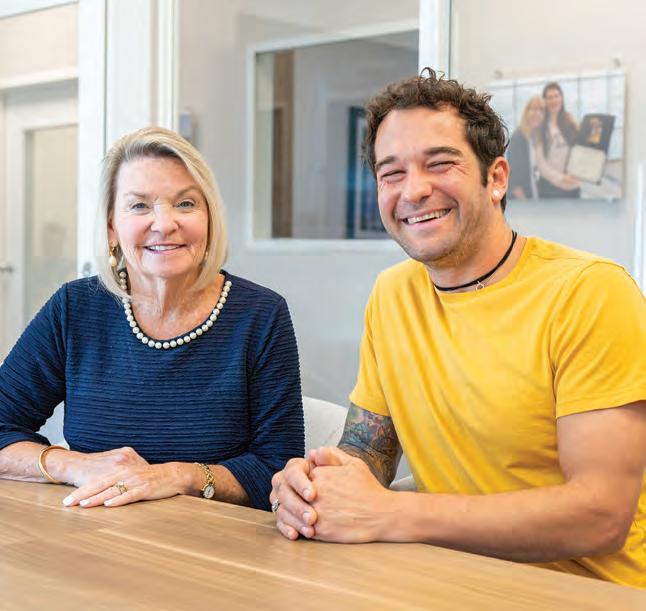
a Big of the same race or ethnicity. Incoming Bigs are subject to an FBI background check. They’re assigned a mentor manager, who works to pair them with a youngster with similar interests. The new Bigs go through safety and health training and are given communication tools that enable them to connect with their Littles.
The organization tries to align Bigs and Littles of the same gender, but that’s not always possible — because the Sun Coast Bigs are 63% women. (About 54% of children matched with a Big are female; 46% male.) Mentors can be as young as high school age or as old as they come. Martinez estimates that the chapter’s most senior Bigs are in their late 70s. The majority are retirees, she adds.
Being a Big does not require an enormous time commitment. The organization asks that a mentor spend at least an hour a month with their mentee, augmented by a 15- or 20-minute phone call once a week. Of course, Bigs are free to spend more time, and often do.
Sounds pretty easy, right? OK — imagine you’re a sullen, disenfranchised 11-year-old with a dysfunctional home life who’s getting in trouble at
The Spring Soiree, one of Big Brothers Big Sisters of the Sun Coast’s key fundraisers, is 6p.m. April 24 at the Lakewood Ranch Golf & Country Club. For more events, go to BBBSSun.org/Events.
$7,821,792
In-kind value of Bigs’ mentoring time
$2,411,741 Programs (education, workforce readiness, healthcare and wellness)
school. In walks an adult you’ve never met who’s been assigned to you. She’s now your “Big Sister.” Might you be just a tad wary? “In the beginning, there is often resistance,” Martinez allows. “So the Big has to be very patient and keep working to build that trust.”
When that occurs, the result is, over time, a far healthier kid and a gratified adult. It’s often said that Bigs get more out of the program than Littles. And it’s not uncommon for these relationships to last well into the Little’s adulthood.
The success of Big Brother Big Sisters of the Sun Coast is measurable on a macro level as well. According to the organization’s 2025 Impact Report, 100% of graduating seniors continued their education, joined the military or entered the workforce (99% in Manatee); 100% remained arrest-free; (same in Manatee); 99% avoided risky behavior (97% in Manatee).
And while a relatively few of those youngsters live within the comfortable confines of Lakewood Ranch, it’s reassuring to know that so much good is taking place close by.
For more information, visit BbBsSun.org.
$408,000 Education (scholarships & educational essentials)
$92,112 Basic needs (food insecurity, utilities, rent, counseling)
$10,733,645
Total impact
91%
Funds spent on programs
4%
Funds spent on fundraising 5%
Funds spent on administration








THROUGH MARCH 8
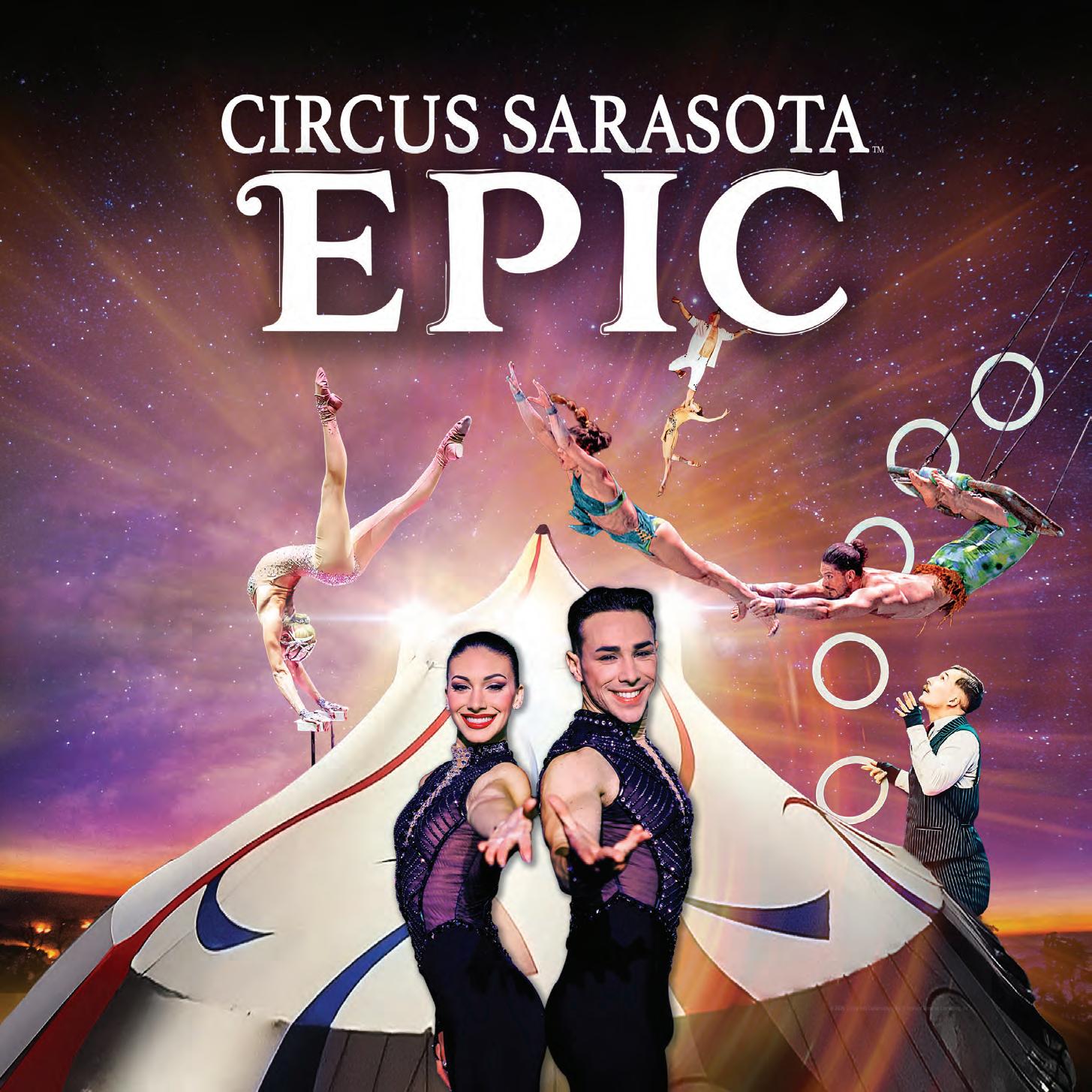
CIRCUS SARASOTA
Circus Arts Conservatory presents its Circus Sarasota 2026 show, “Epic.”
See award-winning international artists perform under an iconic red and white big top at Nathan Benderson Park, 5851 Nathan Benderson Circle, Sarasota. Tickets are $40-$100; parking is included in the $18 order fee. n Visit CircusArts.org.
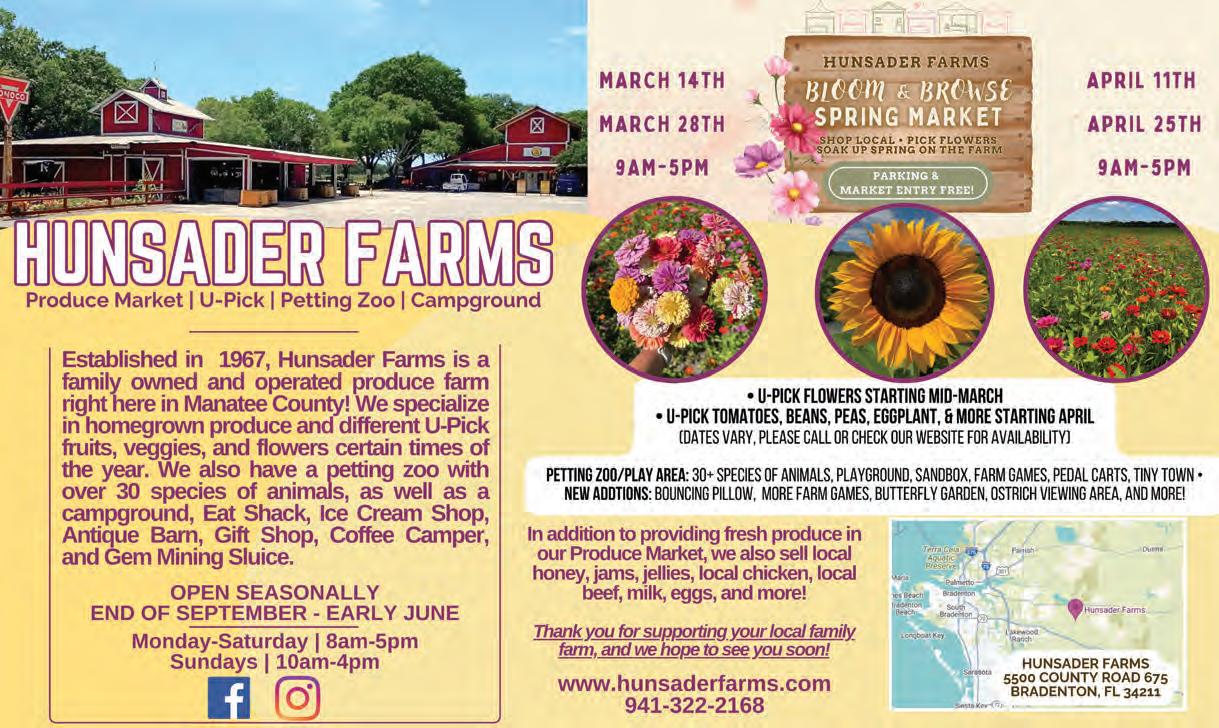
MARCH 1 FARMERS MARKET
The Farmers Market at Lakewood Ranch is a curated gathering of the best flavors in the region. Visitors can purchase produce, meat, poultry, seafood, breads, pasta and other prepared foods from more than 100 vendors from 10 a.m. to 2 p.m. at Waterside Place, 1561 Lakefront Drive, Lakewood Ranch. The event runs every Sunday. n Visit TheMarketLWR.com.
SARASOTA POLO
Come out to enjoy an afternoon of tailgating and polo. Gates open at 10 a.m., and matches start at 1 p.m. at the Sarasota Polo Club, 8201 Polo Club Lane, Lakewood Ranch. Tickets start at $20; children 12 and under are free. Polo matches are held at 1 p.m. every Sunday and at 5:30 p.m. every Thursday through April 16. n Visit SarasotaPolo.com.
‘AROUND THE WORLD IN MUSIC’
The Lakewood Ranch Wind Ensemble presents “Around the World in Music” at 2 p.m. at Peace Presbyterian Church, 12705 E. S.R. 64., Lakewood Ranch. The concert features international trumpet artist Caleb Hudson. Admission is $15 or $5 for students. n Visit LWRWindEnsemble.org.
MARCH 2
Celebrate Purim with Chabad of Bradenton & Lakewood Ranch at a masquerade party starting at 7 p.m. at the Chabad House, 5712 Lorraine
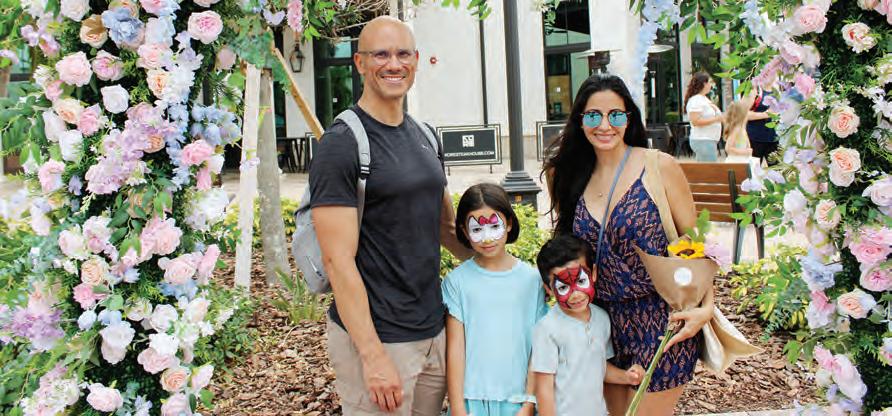
Road, Lakewood Ranch. Enjoy Megillah readings, drinks, music and a masquerade. Admission is free. n Visit ChabadOfBradenton.com.
MARCH 3
THE MARKET AT NBP
Nathan Benderson Park hosts a new market from 9 a.m. to 2 p.m. featuring a variety of local vendors as well as a kids zone, food trucks and live music. The market will continue every Tuesday through April 28 at 5851 Nathan Benderson Circle, Sarasota. n Visit NathanBendersonPark.org.
PURIM IN JAPAN
Chabad of Bradenton & Lakewood Ranch’s celebration of Purim continues with a gourmet Japanese dinner buffet and sushi bar, a kumi-daiko performance, a chopstick competition and more. The event begins at 5:30 p.m. at the Chabad Tent, 5712 Lorraine Road, Lakewood Ranch. Admission in advance is $25 for adults and $18 for children and at the door is $36 for adults and $25 for children. n Visit ChabadOfBradenton.com
MARCH 4
CLASSIC CAR SHOW
Come to Lakewood Ranch Main Street from 5-8 p.m. for a car show celebrating the “classics.” All are welcome to participate for just $10 per vehicle, and there are no restrictions
on year, make or model. Continues April 1 and May 6. n Visit CollectorCarsTV.com.
RANCH NITE WEDNESDAYS
This mid-week community Ranch Nite event features food trucks, cornhole, live music and a mobile bar. The event is 6-9 p.m. at Waterside Place, 1561 Lakefront Drive, Lakewood Ranch, every Wednesday through May. n Visit LakewoodRanch.com.
MARCH 6
TROPICAL NIGHTS
Join Meals on Wheels Plus for its annual Tropical Nights fundraiser, this year themed “Tropical Nights in the Wild West.” Guests will enjoy live and silent auctions, gourmet cuisine, cocktails and dancing. The fun starts at 6 p.m. at The Grove Ballroom, 10670 Boardwalk Loop, Lakewood Ranch. Ticket information to come. n Visit MealsOnWheelsPlus.org.
MUSIC ON MAIN
This monthly event returns on Lakewood Ranch’s Main Street from 6-9 p.m. Enjoy a free concert by Mixed Signal, food vendors, beer trucks and kids activities. Will feature a LWR home builder showcase and proceeds will benefit Keep Manatee Beautiful. n Visit LakewoodRanch.com.
Continued on Page 56

MARCH 7
SIGHTS + SOUNDS: THE SARASOTA BALLET STUDIO CO.
The March event of the Sights and Sounds cultural series features The Sarasota Ballet Studio Co., which blends traditional ballet and contemporary dance. The free concert begins at 4 p.m. at Waterside Park, 1560 Lakefront Drive, Lakewood Ranch. Seating is limited.
n Visit LakewoodRanch.com.
For those of Irish Celtic descent or those who just want to be Irish for the day, this event features the luck of the Irish with traditional food, craft beers, hard ciders, live music and dance performances from 11:30 a.m. to 3 p.m. at Greenbrook Adventure Park, 13010 Adventure Place, Lakewood Ranch. Admission is free; parking is $5. n Visit myLWR.com.
MARCH 7-8
FESTIVAL OF THE ARTS
Runs from 10 a.m. to 5 p.m. at Main Street at Lakewood Ranch. Shop a free outdoor gallery of handmade fine arts and crafts including paintings, glasswork, woodworking and more. n Visit ParagonFestivals.com.
MARCH 13
MOVIE IN THE PARK: ‘COCO’
The family-friendly free movie night runs the second Friday of each month at Waterside Park, 7301 Island Cove Terrace, Lakewood Ranch. The March showing will be “Coco.” The movie will begin approximately at 8 p.m. and is sponsored by Grace Community Church, which will provide a free empanada or churros from Charrua’s Food Truck to the first 200 attendees. Seating is available on a first-come, first-served basis. Bring a blanket or lawn chairs. Concessions will be available from We B’Poppin Popcorn and Kettle Corn. Inflatables will be available for the kids. n Visit LakewoodRanch.com.
MARCH 14
SARASOTA CARS AND COFFEE
Join fellow car enthusiasts from 8-10 a.m. every second Saturday of the month at the West District at UTC, 125 N. Cattlemen Road, Sarasota. Contin-
ues April 11 and May 9. n Visit SarasotaCarsAndCoffee.com.
MAIN STREET MARKET
From 10 a.m. to 2 p.m. on Lakewood Ranch Main Street, more than 70 small and local businesses will be out with gifts, candles, baked goods, hand-crafted jewelry and more at the boutique market, hosted by Main Street Market LWR. Continues April 11.
n Visit MainStreetMarketLWR.com.
SPRING ART SHOW AND SALE
Creative Arts Association of Lakewood Ranch presents its annual Spring Art Show and Sale from 9 a.m. to 4 p.m. at Lakewood Ranch Town Hall, 8175 Lakewood Ranch Blvd., Lakewood Ranch. Browse art from a variety of mediums including acrylics, jewelry, ceramic and mixed media. Admission and parking are free.
n Visit CAALR.com.
MARCH 19
UTC NIGHT MARKET
University Town Center’s monthly night market is 6:30-9:30 p.m. in the West District at UTC, 125 N. Cattlemen Road, Sarasota. Enjoy live music and more than 35 local vendors selling gifts, jewelry, art, handmade goods and more.
n Visit UTCSarasota.com.
MARCH 21
WALK MS
Advocate for additional MS research, funding and other steps toward a cure with National Multiple Sclerosis Society’s fundraising walk. The program starts at 7:30 a.m. at the Nathan Benderson Park pavilion, 700 N. Cattlemen Road, Sarasota. Details to come.
n Visit NathanBendersonPark.org.
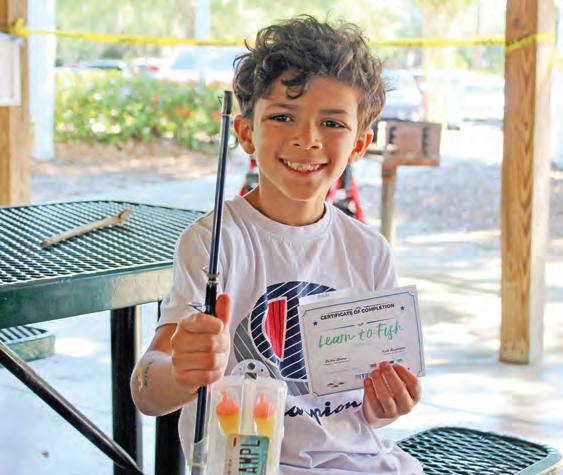
LEARN TO FISH
From 10-11 a.m. at James Patton Park, 5725 White Eagle Blvd., Lakewood Ranch. Lakewood Ranch Community Activities hosts the event, which offers casting and knot-tying instruction followed by fishing on Lake Patton. Registration is free for residents and $10 for nonresidents.
n Visit myLWR.com.
MY HOMETOWN FEST
This regional food and craft beer sampling event at Nathan Benderson Park, 5851 Nathan Benderson
Circle, Sarasota, features food, beer, children’s activities, vendor booths, exhibits and live music. Gates are open from noon to 5 p.m. Admission including food, craft beer and spirits samples is $40; admission with food only is $30; kids 12 and under are free. Parking is $10. Proceeds benefit Sertoma Club of Greater Sarasota and Sertoma Kids.
n Visit MyHometownFest.com.
MARCH 28
EGGSTRAVAGANZA
Bring your baskets and kids to Lakewood Ranch’s longest-running egg hunt from 9:30 a.m. to noon at Waterside Park, 7301 Island Cove Terrace, Lakewood Ranch. More than 25,000 eggs will be spread across the field and separated by age to maximize the excitement. Ticket information to come.
n Visit LakewoodRanch.com.
APRIL 2
SIGHTS + SOUNDS: NEW HORIZONS - MUSIC COMPOUND
The April event of the Sights and Sounds cultural series features musicians from Music Compound. The free concert begins at 6 p.m. at Waterside Park, 1560 Lakefront Drive, Lakewood Ranch. Seating is limited. n Visit LakewoodRanch.com.
Continued on Page 58
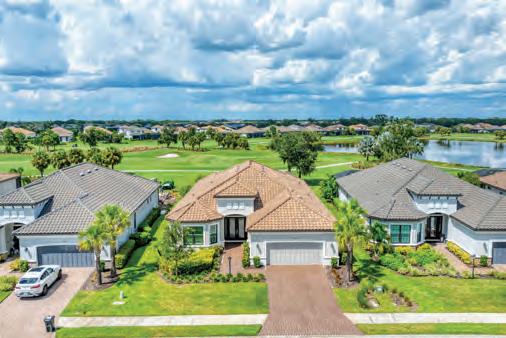
Third grader Aksel Soares learned how to tie knots for the first time during the Learn to Fish seminar. He earned both a Learn to Fish certificate and a new fishing pole for his efforts.

APRIL 2-5
LECOM SUNCOAST CLASSIC
Begins at 8 a.m. each day at Lakewood National Golf Club, 17605 Lakewood National Parkway, Lakewood Ranch. The Korn Ferry Tour’s LECOM Suncoast Classic offers golf fans an opportunity to see future PGA Tour stars. Enjoy Lakewood National Golf Club’s views and watch some of the world’s best golfers compete for a $1 million purse. Activities, food trucks and vendors will be on site throughout the weekend. Ticket information to come. n Visit LECOMSuncoastClassic.com.
APRIL 3
MUSIC ON MAIN
This monthly event returns on Lakewood Ranch’s Main Street from 6-9 p.m. Enjoy a free concert by Silver Thunder Band, food vendors, beer trucks and kids activities. Proceeds will benefit Lakewood Ranch Community Foundation. n Visit LakewoodRanch.com.
APRIL 10
BLOCK PARTY & CLUB DAY
The Lakewood Ranch Business Alliance hosts a block party from 6-9 p.m. on Lakewood Main Street with live music, food trucks and familyfriendly activities while showcasing local businesses and clubs. n Visit MyLWR.com.
APRIL 11
SPRING CELEBRATION
IN THE GARDEN
Craft, learn and celebrate Earth Day from 10 a.m. to 1 p.m. at the Braden River Branch Library, meeting room 205, 4915 53rd Ave. E., Bradenton. n Visit ManateeLibrary.libcal.com/ calendar.
APRIL 17
MOVIE IN THE PARK: ‘ZOOTOPIA’
The family-friendly free movie night runs monthly at Waterside Park, 7301 Island Cove Terrace, Lakewood Ranch. The March showing will be “Zootopia.” The movie will begin approximately at 8 p.m. and is sponsored by Grace Community Church, which will provide a free quesadilla (cheese or chicken) from El Indio Tacos y Snacks to the first 216 attendees. Seating is
available on a first-come, first-served basis. Bring a blanket or lawn chairs. Concessions will be available from We B’Poppin Popcorn and Kettle Corn. Inflatables will be available for the kids. n Visit LakewoodRanch.com.
APRIL 18
WOOFSTOCK
Enjoy a groovy, dog-themed event from 4-8 p.m. on Lakewood Main Street with live music, vendors, adorable photo ops and nonstop fun for every four-legged friend. Benefits Nate’s Honor Animal Rescue.
n Visit LakewoodRanch.com.
‘THE MAGIC OF MUSIC’
The Lakewood Ranch Wind Ensemble presents “The Magic of Music” at 2 p.m. at Peace Presbyterian Church, 12705 E. S.R. 64., Lakewood Ranch. The concert features clarinetist John Fullam in Rimsky-Korsakov’s “Clarinet Concerto.” Admission is $15 or $5 for students.
n Visit LWRWindEnsemble.org.
MAY 1
MUSIC ON MAIN
This monthly event returns on Lakewood Ranch’s Main Street from 6-9 p.m. Enjoy a free concert by Fleming Co., food vendors, beer trucks and kids activities. Proceeds will benefit SRQ Vets.
n Visit LakewoodRanch.com.
MAY 2
YOUTH & TEEN FISHING SEMINAR
Children can learn the basics of fishing with the help of the Lakewood Ranch Angler’s Club in preparation for the Youth Fishing Tournament in October. The seminar will be held at Summerfield Park, 6402 Lakewood Ranch Blvd., Lakewood Ranch. Hourlong sessions are at 10 a.m. or noon. n Visit LakewoodRanch.com.
SUP & RUN 5K
Dine and drink rum in a libation lounge after this SUP and Run 5K event benefiting veterans group Operation Second Chance and RUCK9. Admission is $50; ages 14 and younger are $28. Paddleboards are available for a $55 rental fee. The handcycle and wheelchair division
is free admission. All races start at 8 a.m. at Nathan Benderson Park, 5851 Nathan Benderson Circle, Sarasota. n Visit PaddleSignup.com.
MAY 8
MOVIE IN THE PARK: ‘ZOOTOPIA 2’
The family-friendly free movie night runs the second Friday of each month at Waterside Park, 7301 Island Cove Terrace, Lakewood Ranch. The May showing will be “Zootopia 2.” The movie will begin approximately at 8 p.m. and is sponsored by Grace Community Church. Seating is available on a first-come, first-served basis. Bring a blanket or lawn chairs. Concessions will be available from We B’Poppin Popcorn and Kettle Corn. Inflatables will be available for the kids. n Visit LakewoodRanch.com.
MAY 9
PETALS & POSES MOTHER’S DAY FASHION SHOW
From noon to 3 p.m. at Waterside Place, 1560 Lakefront Drive, Sarasota, celebrate Mother’s Day with a gift market, pamper zone and kids zone. Local boutiques will showcase the latest trends at the 2 p.m. fashion show. n Visit LakewoodRanch.com.
MAY 25
MEMORIAL DAY CONCERT
The Lakewood Ranch Wind Ensemble presents a Memorial Day concert at 5 p.m. at Sarasota National Cemetery, 9810 State Road 72, Sarasota. Admission is free.
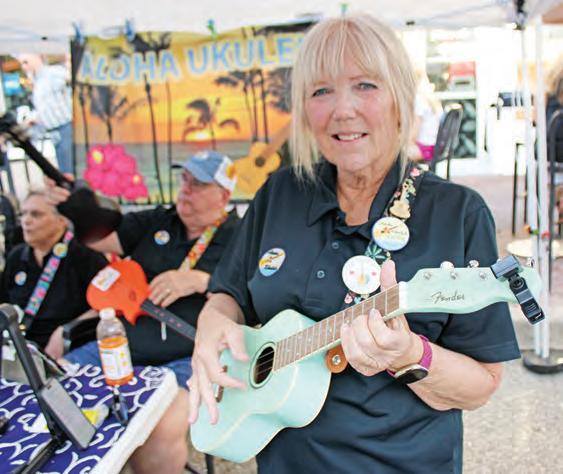
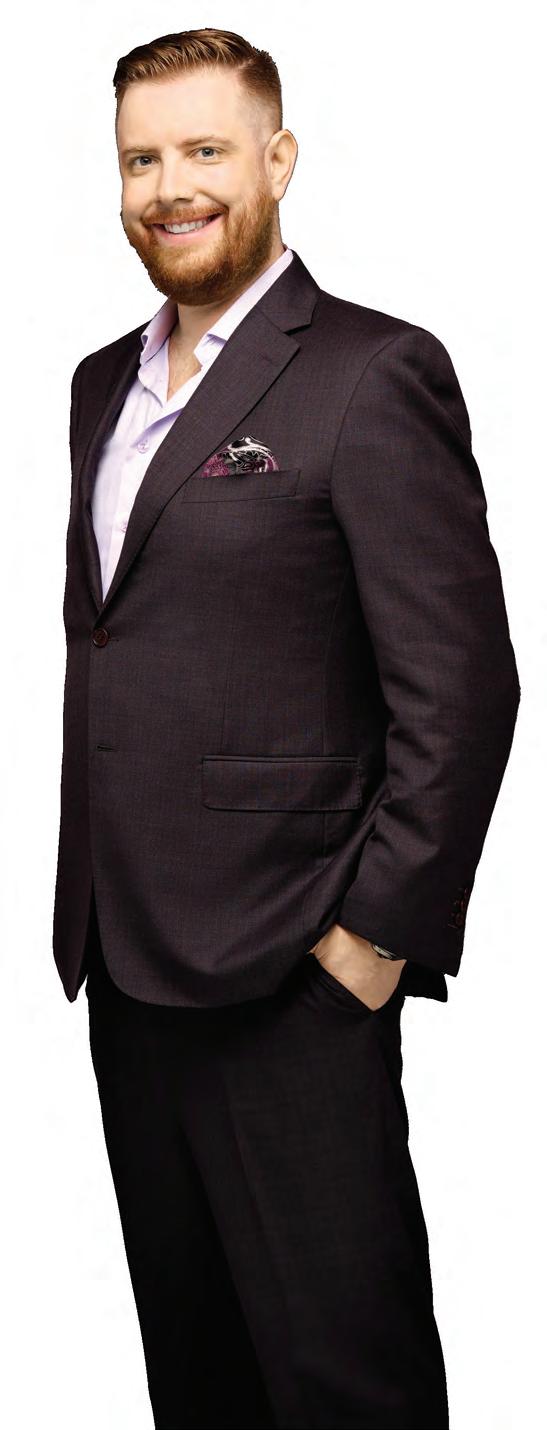
strums a tune as a member of Aloha Ukulele of Lakewood Ranch during the 2025 Block Party and Club Day.




BY EMILY LEINFUSS | CONTRIBUTOR
Marmalade Lifestyle 1561 Lakefront Drive, Unit 108 941-362-0276, MarmaladeLifestyle.com
Beachy, bold, beautifully fun. A seashell clutch delivers glossy color and instant polish, while bold, graphic statement earrings channel vintage motifs with swing, shine and boho flair — transforming even the simplest outfit into a mood-lifting flight of fashion.

$17



Malibu Fox
140 University Town Center Drive, Suite 209
941-667-5170
MalibuFoxShop.com
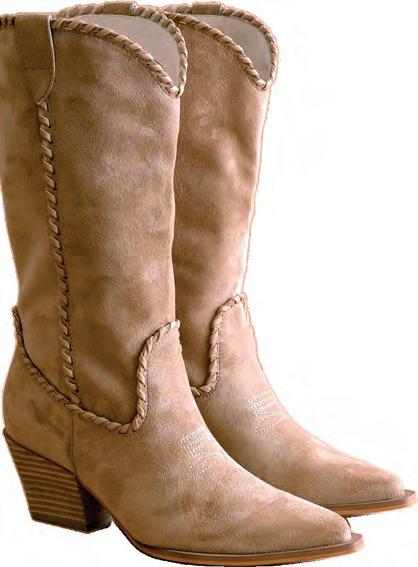
Instant confidence, zero overthinking. Ride high with western flair and sculpted suede swagger in knee-high cowgirl boots, while a stylized trucker hat delivers personal power and feel-good savvy. It’s cool-girl casual that’s effortless and inspiring — from head to toe.
Vanessa Fine Jewelry
8131 Lakewood Main St. #104 941-373-6311, VanessaFineJewelry.com
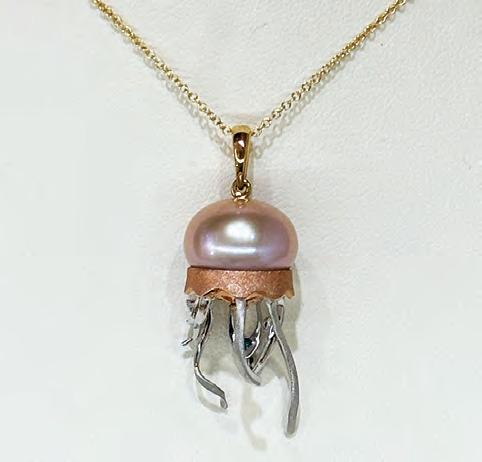
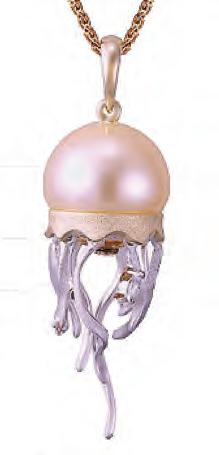
Wearable creatures with luxurious color and panache. A vibrant toucan enamel bangle dangles with playful polish, while a pink pearl and multicolored diamond jellyfish pendant adds luminous movement. These standout pieces don’t whisper — they shine, sparkle and lift your mood from the get-go.


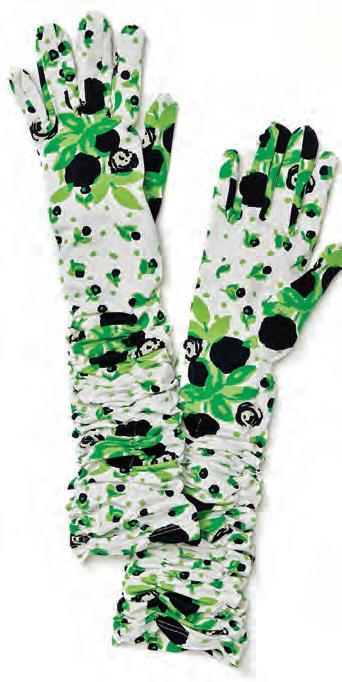
Anna Sui Rosebuds gloves: $185



140 University Town Center Drive, Unit 246 941-893-1175, FreePeople.com
Go from understated to unforgettable in seconds — step into super-studded, spicy mahogany clogs for an instant lift in height and mood, or pull on glamorous, opera-length gloves for instant, artful, poolside-tostreet drama. Elevated. Expressive. Statement-making.
Continued on Page 62
Continued from Page 61
Village Bikes
8111 Lakewood Main St. 941-388-0550
VillageBikes.com
Happy feet, instant lift. Artistinspired stripes with heart meet aquatic ombré hues in standout cycling socks packed with personality-plus. Graphic, energetic, joy-sparking — proof that small accessories can make a big impact, whether you’re riding, walking or lounging.













Burr Bakke, DDS
• Fellow of the American Dental Implant Association
• Fellow of International Congress of Oral Implantologists
• Fellow of the American Academy of Dental Facial Esthetics
• Member of American Academy of Implant Dentistry
• Post Doctoral Instructor of Full Mouth Reconstruction
Jill Morris, DMD
• Accredited Member of the American Academy of Cosmetic Dentistry (only 550 accredited dentists worldwide)
• Fellow of the American Academy of Dental Facial Esthetics
• Post Doctoral Instructor of Full Mouth Reconstruction
• Member International Academy of Oral Biological Dentistry and Medicine
• Practicing dentistry for 33 years

Cameron Johnson, DMDSydney Johnson, DMD
• Member of North American Association of Facial Orthotropics
• Member of the American Orthodontic Society
• Member of the International Association of Orthodontics
• Member of American Academy of Dental Sleep Medicine
• International Academy of Oral Medicine and Toxicology
• Member of International Academy of Oral Medicine and Toxicology
• Member of International Academy of Biological Dentistry and Medicine
• Member of Academy of Holistic Dental Association
• RG Recognized Dental Laboratory Technician








Although it may seem relatively new, Lakewood Ranch’s beginning is rooted in a founding family that came to the area more than 100 years ago.
As Lakewood Ranch residents, we’re more focused on looking ahead. The next development, the new restaurant, the next road project.
But, to help celebrate Lakewood Ranch’s roots, Schroeder-Manatee Ranch, the company behind it all, has published a book sharing how this all came to be, and the people behind it.
The following are some sections of “Lakewood Ranch: A Legacy of Living with the Land,” to give you a taste of Lakewood Ranch’s start.
Although these are just a few edited excerpts, the book, available at the Lakewood Ranch New Home Center, recounts the community’s evolution in a hard-cover, coffee table-style book.
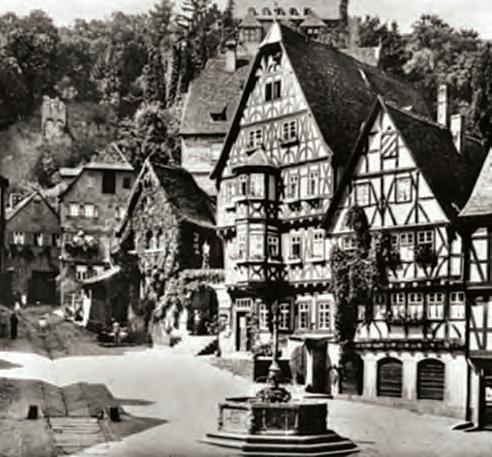
The story of Lakewood Ranch begins almost like a Hollywood movie. According to family legend, the year is 1850. The setting is a small, family-run inn called Gasthaus zur Krone in Bavaria, Germany. A boy by the name of August Ühlein works there with his six brothers and two sisters, until one day the Tauber River overflows its banks and fills the basement.
At the age of 8, August accepts his grandfather’s invitation to go with him to America to be educated rather than stay and help restore the inn. His childless uncle, August Krug, had immigrated to Milwaukee, Wisconsin, in 1840 and opened the Krug Brewery along with an inn. He offered to fund the boy’s education so that August could later work at the brewery and keep the business in the family.
The story goes on to tell how August and his grandfather boarded the Helena Sloman, the first German steamship to sail the transatlantic route to America, with $800 in gold to invest in the Krug Brewery. As they sailed
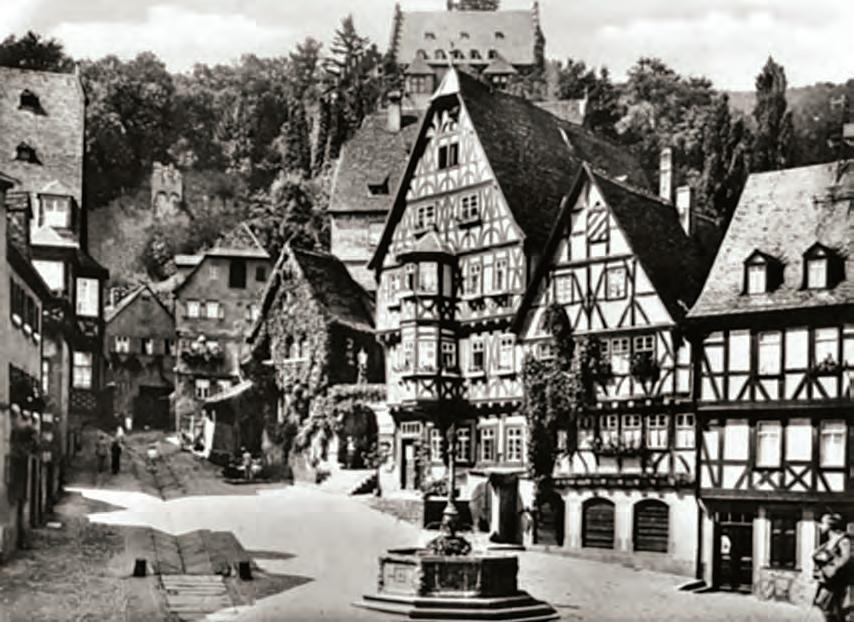
across the Atlantic, the ship caught fire, and Grandfather Krug grabbed his grandson in one hand and the gold in the other as the boat sank off the coast of Newfoundland. The two survived by holding on to a wooden box and floating in the chilly ocean until they were rescued, along with 173 other passengers, by the American ship Devonshire.
Krug was born in Bavaria, the son of a brewmaster, and immigrated to the United States in 1840 to open a small restaurant/saloon in Milwaukee. He added a small brewery — what we would call a microbrewery today. In 1856, Krug had a bad fall and died a couple days after.
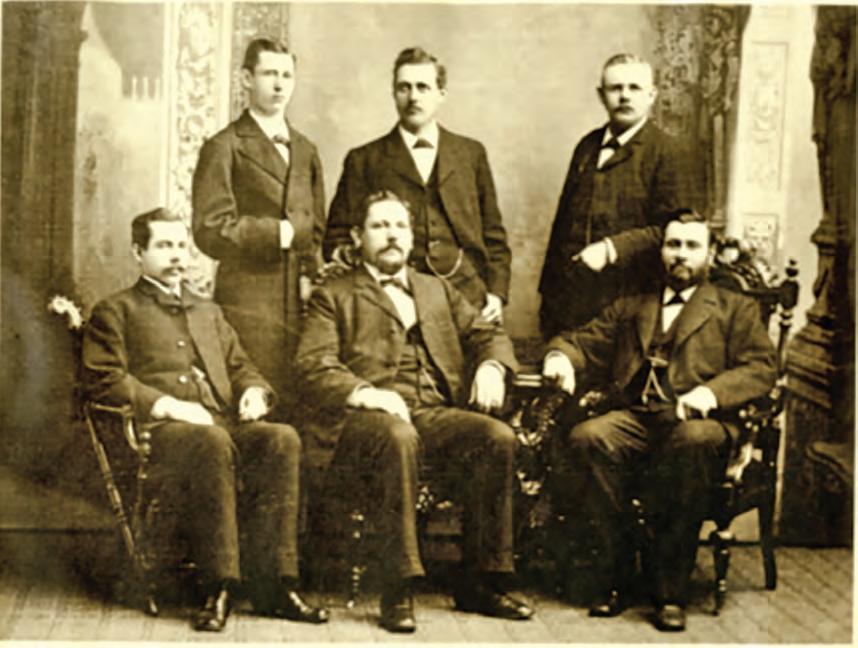
At this time, the population in the United States had exploded by more than 40% in a decade. Mass migration came from Germany, whose citizenry was making an effort to leave the political instability in their country. In the United States, the spelling of the Ühlein surname was changed to Uihlein (pronounced Ee-line), and eventually all six of August’s brothers and one sister left Germany to be educated in America.
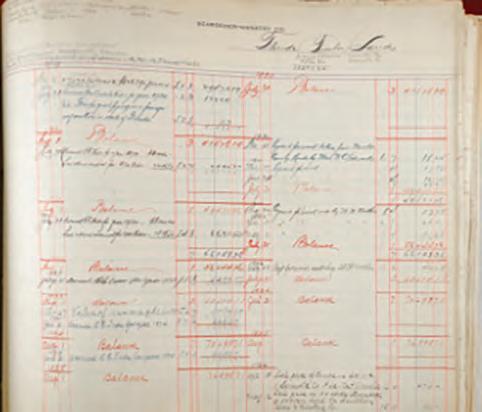
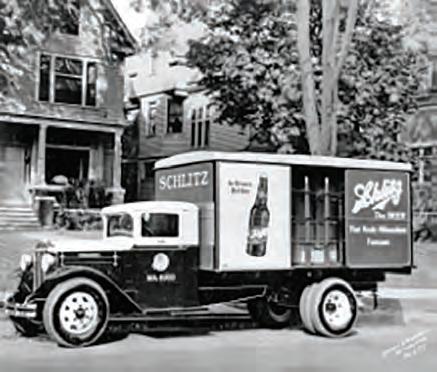
Tragically, in 1856, their uncle Krug fell through a hatchway and died, leaving their aunt Anna Maria with roughly $8,000 of debt — the equivalent of about $250,000 today. The brewery’s bookkeeper, fellow German immigrant Joseph Schlitz, was the son of a cooper and wine trader and had come to America in 1849 seeking a business career. He was determined to keep the brewery afloat, stepping in to run it after Krug’s death. A deeply ambitious man respected for his shrewdness, he changed the name to Schlitz Brewery and hired the then 16-year-old August Uihlein to fill his previous role as bookkeeper, likely to keep peace with the family. Two years later, Schlitz married Krug’s widow, Anna Maria, 27 years his senior, thus cementing his position at the company.
Continued on Page 70
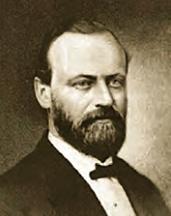
His leadership began during a tumultuous time in United States history. Three years after their marriage, the American Civil War began. Schlitz, above-right, noted a rising preference for German lager over British ale among German-immigrant soldiers, so they ramped up production to meet the growing demand. Then in 1871, Mrs. O’Leary’s cow famously kicked over a lantern, starting the Great Chicago Fire that burned over 17,000 structures, including most of the breweries there. This tragedy greatly decreased the competition for neighboring Milwaukee brewers. Schlitz used this to his advantage, moving quickly to create new trade within the devastated city.
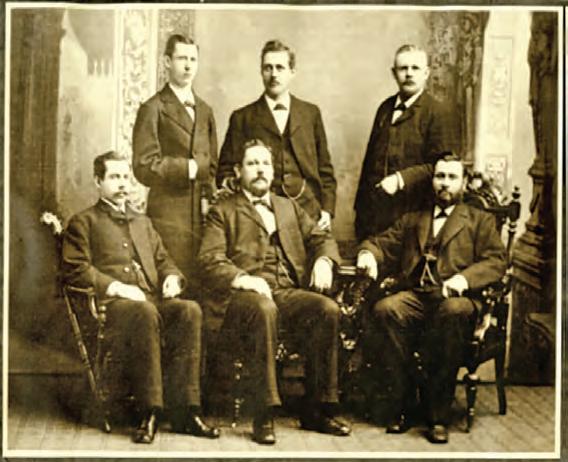
The demand for lager continued to increase, and seeking a process that could create a more shelf-stable product, Schlitz left Milwaukee in 1875 to travel to Europe for research. His steamship, the Schiller, got caught in a storm on May 7, 1875, smashing into the rocks off the shore of Cornwall. He was among 335 casualties, including many other prominent Milwaukee residents, in one of the largest shipping disasters of the late 19th century. His body was never recovered, despite the $25,000 reward offered by Anna Maria. The brewery was once again without a leader. In his will, Schlitz bequeathed Anna Maria a 50% stake in the brewery. He then honored August Krug’s wishes by passing ownership of the company to Krug’s seven Uihlein nephews in his will. Five of them stepped in to take charge of the company’s management: Henry as president, Edward as vice president, Charles as brewmaster, William as assistant brewer, and of course August, who continued there, as he owned the largest block of stock. He moved into the role of chief operating officer and secretary. Alfred, who came to the United States in 1867, had just joined Schlitz in 1871. After Schlitz’s death, he became superintendent of the plant, and then in 1917 he was named president, a post he held during Prohibition (1920–1933).
The brothers chose to maintain the Schlitz name for the brewery as a way to return the honor to their step-uncle and likely to avoid the very common confusion about how to pronounce Uihlein. August’s brother William com-

The formation of the Schroeder-Manatee Co. marked a pivotal chapter in the storied history of the Schroeder family and its extensive involvement in the land that would one day become Lakewood Ranch. This transition signified not just a change in ownership but also a shift in focus, heralding a new era in the family’s legacy.
pleted the research mission that took Schlitz’s life. While in Copenhagen, he discovered a pure yeast culture that entirely changed the game for beer makers in America. This discovery kicked off more than a hundred years of brewery success, defined by innovation and quality. For example, Schlitz was the first brewery to put the beer in a brown bottle to protect it from light deterioration.
As the Uihlein family was building a brewing empire in the midst of America’s bustling industrial age, a 10-yearold German immigrant named Christian Ferdinand Schroeder was also making his way in a new land.
The son of a carpenter and a laundress, Schroeder (who preferred to be called John) embraced the spirit of opportunity that defined his new home, picking up any work he could find. He left his home in St. Louis at the age of 19 to take work as a grocery store clerk in Milwaukee. His entrepreneurial spirit and industrious nature led him to the purchase of a wagon and team of horses just a few months later. He then started a business with a friend, taking work building roads and moving immigrants around the Midwest. They gained a reputation for integrity and quality, standards that he never lost.
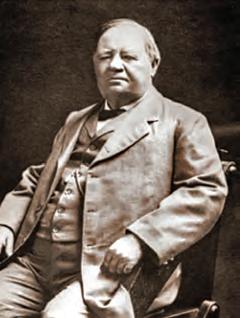
The Schroeder name continues to stand for the quality in everything they do. Betty (Schroeder) King, granddaughter of the late lumber baron John Schroeder, raised and donated the money needed to construct a facility called the John Schroeder Renewable Resource Building, serving southern Minnesota, northern Iowa, and western Wisconsin. Dedicated in 1992, it is still used today as part of the Eagle Bluff Environmental Learning Center, an outdoor educational institution working to remedy “nature-deficit disorder” for thousands of school children, families, and adults.
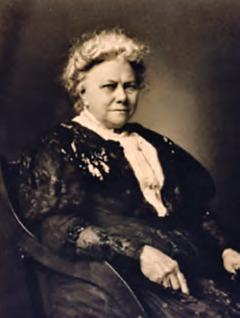
In 1859, John married his 19-year-old sweetheart, Margaretha Luehring, despite their 13-year age gap. This happy union resulted in 12 children and 27 grandchildren. Seven years after his marriage, John joined an established lumber business as a partner with Martin Seyfried to form the Schroeder & Seyfried Lumber Co.. When Martin retired in 1872, John dropped the Seyfried name and continued the business as John Schroeder & Co.
By this time, the lumber industry was the backbone of America’s burgeoning towns and cities. The company continued to grow, and in 1881, the John Schroeder Lumber Co. was incorporated as a joint stock company equally owned by John and his three sons Henry, Fred, and William. Their enterprise developed into one of

the largest lumber companies in the Midwest, with timber holdings initially in the upper Midwest, including Wisconsin, Minnesota, and Michigan’s Upper Peninsula.
In 1904, a town named Schroeder was organized in Cook County, Minnesota, to support the lumberjacks that had flooded into the region. Lumber records show that this operation

cut approximately 200 million feet of lumber between 1895 and 1905, and the Schroeder Lumber Co. offices in that location reportedly had one of the first telephone systems in Minnesota.
The Schroeder family became a name synonymous with the American dream — a tale of hard work, family values, and a deep connection to the land. With access to dock facilities on Lake Superior as well as a thriving rail system, the company grew throughout the West, all the way to the Pacific Northwest and into Canada, and reinforced its reputation for fair dealing and superior products, in particular high-quality millwork and graded lumber. Aside from the purchase of tracts of land, they began building railroads, developing towns to support their mills, and amassing a fleet of ships to move all the lumber.
As his family grew, his home did as well. Still a carpenter’s son at heart, John took advantage of his unlimited access to lumber and transformed
what had been a relatively modest house into one of the finest mansions in Milwaukee, incidentally located in the Uihlein Hill neighborhood.
As the 20th century dawned, the Schroeders faced a dwindling timber supply in the Midwest. Resourceful as ever, they cast their eyes on other parts of the country, seeking new forests to meet the growing demand for lumber. In 1910, two years after John Schroeder’s passing at the age of 81, his sons continued the family’s visionary approach under several variations of the company name, including Schroeder Land and Timber Co. and Schroeder Mills & Timber Co. They expanded the family land holdings into the state of Florida, purchasing approximately 127,000 acres northeast of Tampa in Hernando and Pasco counties — now
Continued on Page 72











was the future site of Lakewood Ranch.
part of the Withlacoochee State Forest. Florida was attractive to Schroeder because of its longleaf pine (sold as “yellow pine”), which was perfect for lumber, and cypress trees. Frederick G. Schroeder, below-right, said, “Florida is now the leading state for red cypress, known as the wood everlasting, because of its enduring qualities.”
The town of Richloam is part of the 127,000 acres in west-central Florida.
The company built a clubhouse and demonstration farm near Richloam, in a town called Riverland.
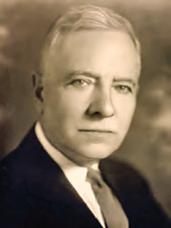
The Schroeder legacy in Florida was further cemented in 1915, when the Schroeder Mills and Timber Co. acquired an additional 23,000 acres 50 miles south of Tampa in Manatee County. This parcel was also rich in longleaf pine and natural beauty and
The Schroeders were more than just lumbermen; they were keen investors who could see potential where others didn’t. They didn’t let any value go to waste, first using the pine trees as a source of pine resin that was distilled and sold. The process of gathering that sap, called “catfacing,” was done by making deep slits into the tree, which eventually resembled the whiskers of a cat. The sap was then cooked down and used in waterproofing products that were highly valued by the navy. It was also used to make turpentine, a widely used solvent, fuel and medicinal product. Once all the resin was harvested, they would harvest the trees for lumber. Cedar trees were smaller and had softer wood, so they were harvested and sent to pencil factories. Nothing went to waste.
After much of the timber was uti-
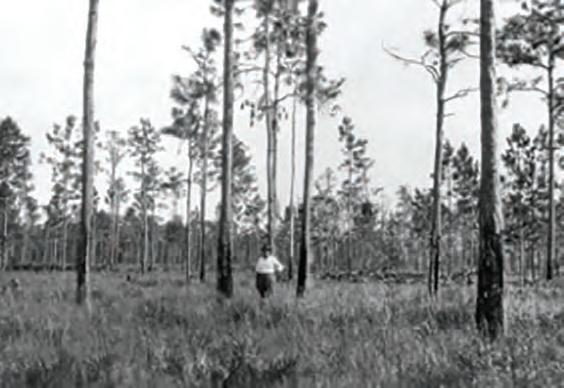
The early Florida settlers and the land they cultivated have a storied past that traces back to when Florida was primarily wild and largely untamed — harsh in places, lush and impenetrable in others. Around 1915, a small community called Lorraine Township was built, with little more than a train station for the East & West Coast Railroad, to support the logging activities on Schroeder land. Standing near what is currently the intersection of S.R. 70 and Lorraine Road was a post office, general store and a handful of homes.






The Schroeders were more than just lumbermen; they were keen investors who could see potential where others didn’t. They didn’t let any value go to waste.
lized on the 127,000-acre parcel around Richloam, they cleared the land of any remaining underbrush so that it could take on new life as fertile farmland. The company constructed homes on these cut-over tracts and sold the new houses along with the farmland, offering approved applicants an appealing deal. Hoping to attract would-be farmers and ranchers who could not afford the higher land prices and cost of living in the north, the Schroeder Land and Timber Co. came up with a plan. They published and distributed a long and compelling ad in 1916 titled “A Square Deal in Florida Lands.” Using the company train, affectionately called “The Goat,” they would bring prospective buyers to Riverland to show them around the lush Florida landscape.
There were promises that farms in Florida could be started with “less money. And have more to show … with far less chances of failure” than states up north and out west. If prospective buyers would agree to clear 5 acres per year for five years and put the land into cultivation, they would get 25 acres for no money down, no interest, and no taxes for that first five years.
Advertised as an “exceptional opportunity to the industrious man who wants a farm of his own,” they restricted this privileged offer to those who the company judged to be “qualified to become successful Florida farmers.” They even offered to assist these new landowners in developing their farms, allowing them to use the money they might have used to pay down debt to instead purchase the machines and other resources they needed to get started. Once the five-year term was up, the company promised that “liberal terms” would be arranged for the repayment of the loans. This unusual proposition was explained like this: “We bought these lands originally for the timber that was on them, but also recognized the remarkable agricultural possibilities in the land itself and are intensely interested in seeing these fully developed … We believe in the ‘Back-to-theLand’ doctrine and are offering the most practical solution to the problem.”
Acknowledging the fact that the reputation of Florida as a farming state was tenuous at best, the company sponsored an innovative 65-acre demonstration farm nearby, 18 months
Continued on Page 74






before they offered the land for sale. With healthy fields of cowpeas, potatoes, corn, and other plantings, it became a testament to their commitment, showing settlers how to thrive on the land with crops suitable for the local climate and soil.
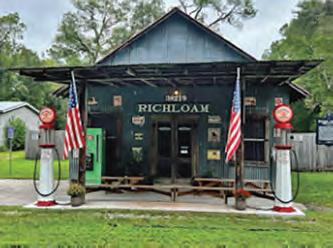
Unfortunately, the timing was terrible. Florida's land bust in the mid1920s meant the Schroeder Land and Timber Co. was not able to fully realize the goal of enticing new landowners to come, so the tract was sold to a real estate interest in Tampa. The oncepromising town of Richloam is little more than a ghost town today, with a single lovingly restored general store that was listed on the National Register of Historic Places on Oct. 12, 2017.
As the Roaring 20s ushered in an era of rapid development and prosperity, the Schroeder family likely watched with wonder the massive transformation of its neighboring town of Sarasota. The once sleepy town blossomed into the largest city on the Gulf Coast south of St. Petersburg, and Sarasota County emerged as one of the wealthiest in the United States. Sarasota County was formed from the southern part of Manatee County in 1921 as the population in the area around Sarasota skyrocketed from 3,000 in 1920 to over 15,000 by 1926, reflecting the nation’s broader economic boom.
Amid this period of growth, the company began to broaden its business horizons.
News of their activities was of great interest. In an article published in 1916, a “train siding” was announced at a stop named Lorraine, expressly for the Schroeder Mill and Timber Co. This low-speed station was built to serve a future sawmill that would have a “capacity of 75,000 feet daily.”
Three years later, another article was published 130 miles east of Manatee County, in the St. Lucie County Tribune, that reported the Schroeder company was constructing a sawmill with the capacity to mill “60,000 feet of lumber daily” that would “employ 300 men.” Then, two months later, the endeavor was lauded once again in the local newspaper to be “one of the

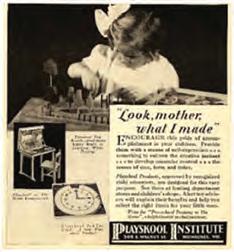
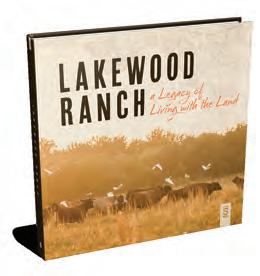
largest sawmills in south Florida” in the heart of the company’s “big timber holdings.” The articles describe the “most modern, labor-saving machinery;” a stateof-the-art system of transporting logs to a conveyor belt, where they were sprayed with a hydraulic sprayer to remove dirt and debris and drawn up a 108-foot incline before being sawed into specified dimensions for shipping. The estimated price, not including the cost of lumber to build this immense sawmill, was $500,000 (nearly $10 million in 2024 dollars), and with the required housing and ancillary support for the new workers, the article concluded excitedly that the little town of Manatee would “soon be on the map in large letters.”
The next year, an article ran in the Bradenton Manatee River Journal on March 25, 1920, reporting that the Schroeder company was taking over the lumber operations of an unnamed smaller company, planning to run all the “logging, railroad and sawmill operations.”
By the late 1920s, the Schroeder lumber company had fully come into its own and was expanding its interests, diversifying into the J.S. Refrigeration Division, where the company began making and selling refrigerators. Then they saw an opportunity to capitalize on the educational sector’s rapidly increasing demand. Eager to take advantage of changing consumer demands, executives began researching what it would mean to manufacture and sell small desks and other educational products for children. This marked a significant strategic shift from their traditional lumber business. This evolved into a “Home Kindergarten” concept, in which a desk-and-chair combination was constructed to hold crayons, toys, and other items that a child would want on hand. By October 1927, the John Schroeder Lumber Co. created a Playskool Division to mass produce it. A large Playskool promotional push soon followed, and something new had been added to the campaign. The Playskool desk was now backed by a council of educators known as the Playskool Institute. It was purported to sell for “less than the cost of a week’s tutorage.” However, the dawn of the 1930s
brought with it the Great Depression, a period that drastically altered the economic landscape of the United States. The Schroeder family’s lumber business was not immune to these harsh realities. The challenges of the era necessitated a series of tough decisions. Total lumber production plummeted from 35 billion board feet in 1920 to a mere 10 billion board feet in 1932. This drastic decline was further compounded by the increased consumption of alternative building materials like cement and steel, signaling a paradigm shift in the construction industry.
The Schroeder family, faced with the economic turmoil of the times, began a process of strategic reorientation. With these unprecedented challenges, the Schroeders began liquidating assets to satisfy creditors and sustain operations. The patchwork of ownership in Florida grew as eager investors continued to snap up land in the rough and wild wilderness of Florida. The Schroeder lumber company had assembled its purchases into larger and larger tracts of land. By 1915, it had collected much of the land that became the Schroeder-Manatee Ranch, but after 15 years, circumstances changed drastically.
In 1930, in a strategic move, the property was transferred to the Schroeder-Manatee Co., now under the control of the Uihlein family. This transfer marked a significant realignment in the family’s business strategy, reflecting the need to adapt to the rapidly changing economic environment.
Despite these efforts, the economic downturn’s severity forced the Schroeder family to make more drastic decisions. The company continued its operations in the upper Midwest, focusing on raising cash through various means. One such measure was the sale of the Playskool Division to Thornecraft Inc., a Chicago-based toy company. By 1936, the depths of the Depression led to the liquidation of the lumber company. However, the Uihlein family, now heavily involved in the Schroeder family business, continued to manage the property, initially focusing on agricultural operations before transitioning to land management. This period marked a significant shift in the Schroeder family’s business focus, from lumber and educational products to land and property management.
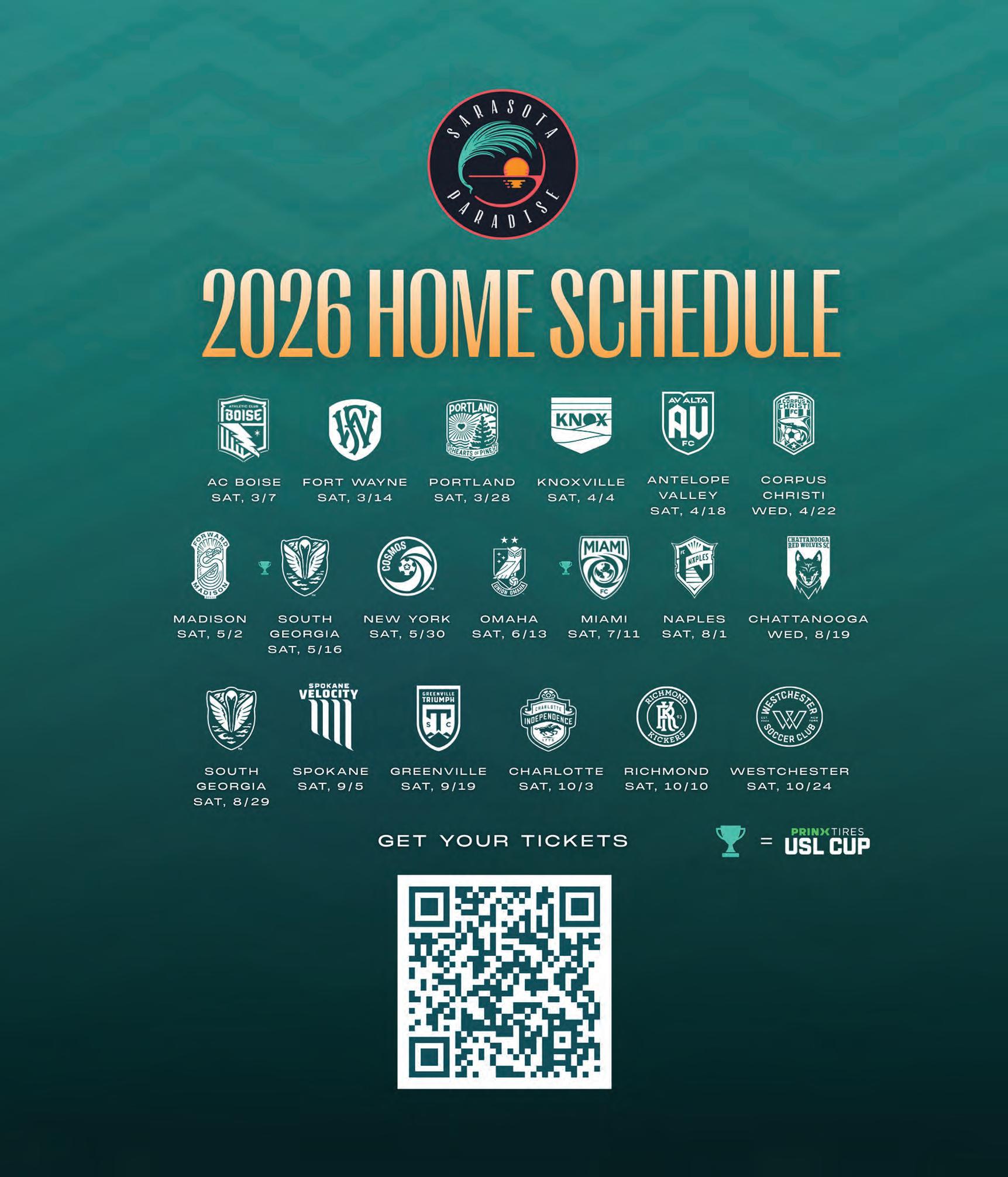
At Manatee Technical College, the next generation of barbers finds skill, confidence and a career with staying power.
BY ERIC SNIDER | CONTRIBUTOR
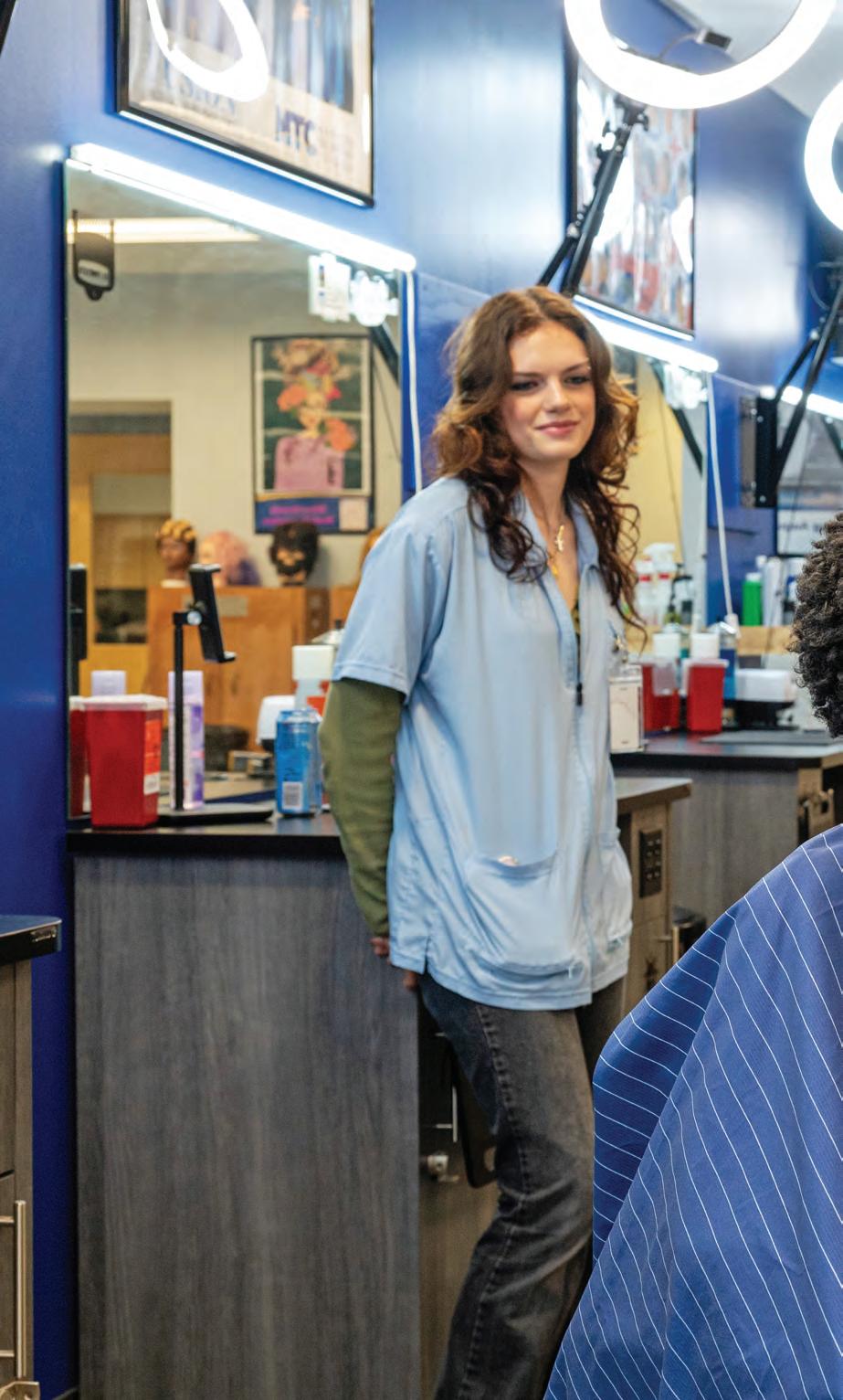
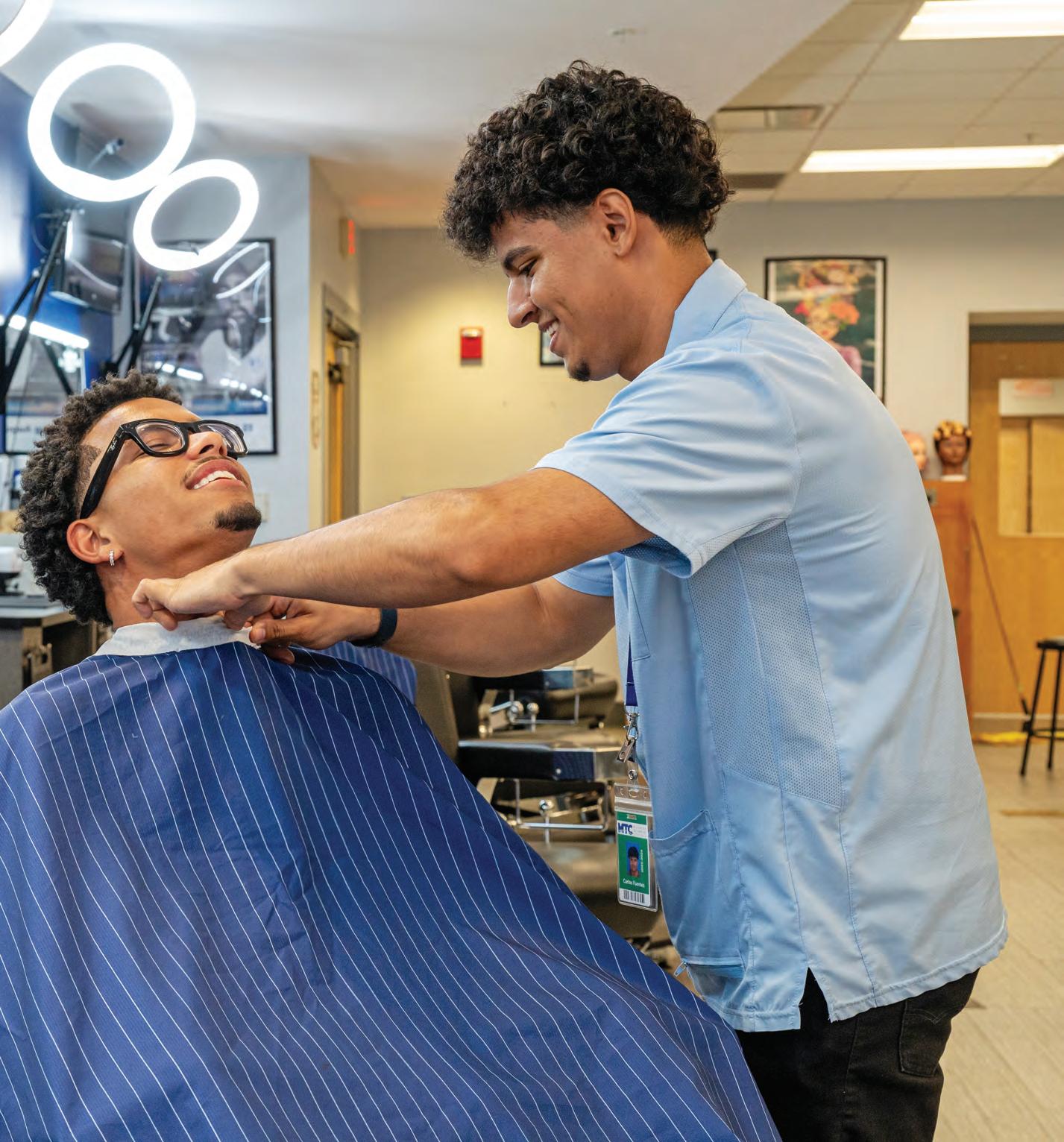
The silver-haired man facing toward the ceiling wears a blissful expression. A young guy carefully shaves his neck with a straight razor, intent on making the skin as smooth as baby cheeks. Ross Mangus is already well coiffed, the beneficiary of a free haircut, goatee trim and hot towel by a student barber. That would be his son, Luka, who’s about halfway through the eight-month barbering program at Manatee Technical College.
“Do you like it, Dad?” Luka asks Ross, who’s now sitting upright in the barber chair. “Yeah, I do,” Ross replies. “Be honest with me,” Luka probes. “Don’t say so just ‘cause the [reporter] is here.”
“I like it a lot,” the father replies, grinning at his son through the mirror. Ross Mangus, 54, has an enviable head of hair. His fresh cut sweeps upward at an angle, the ends slightly disheveled. Modern, but age appropriate.
“He was my first test dummy,” Luka, 19, says of his father. The son is tall, gregarious, quick with a smile. He wears his dark hair short, unstyled. Like so many of his classmates, Luka started barbering the heads of friends and family. “I really liked it, even though I wasn’t good at it,” he says. “I used to give my Dad regular old-man cuts.”
And like many of his classmates, Luka passed on the four-year college track. “I knew I needed to do something where I stand up, use my hands, talk to people,” Luka says, as Dad nods approvingly. Barbering provides all three. Cutting hair runs in the Mangus family, which migrated from Indiana to Bradenton three years ago. Luka’s mother and both of his sisters are hairdressers.
Fusion Barbershop hums with activity on this Wednesday afternoon in early January. The well-lit space is located in a capacious hallway at MTC’s main campus on State Road 70, a couple miles west of I-75. A small barber pole swirls red, white and blue atop the door.
Students and staff stop in for free haircuts — locals pay a fiver — ensuring that the MTC barbering students have no shortage of heads to work on. A gaggle of young guys, all wearing light-
Continued on Page 80
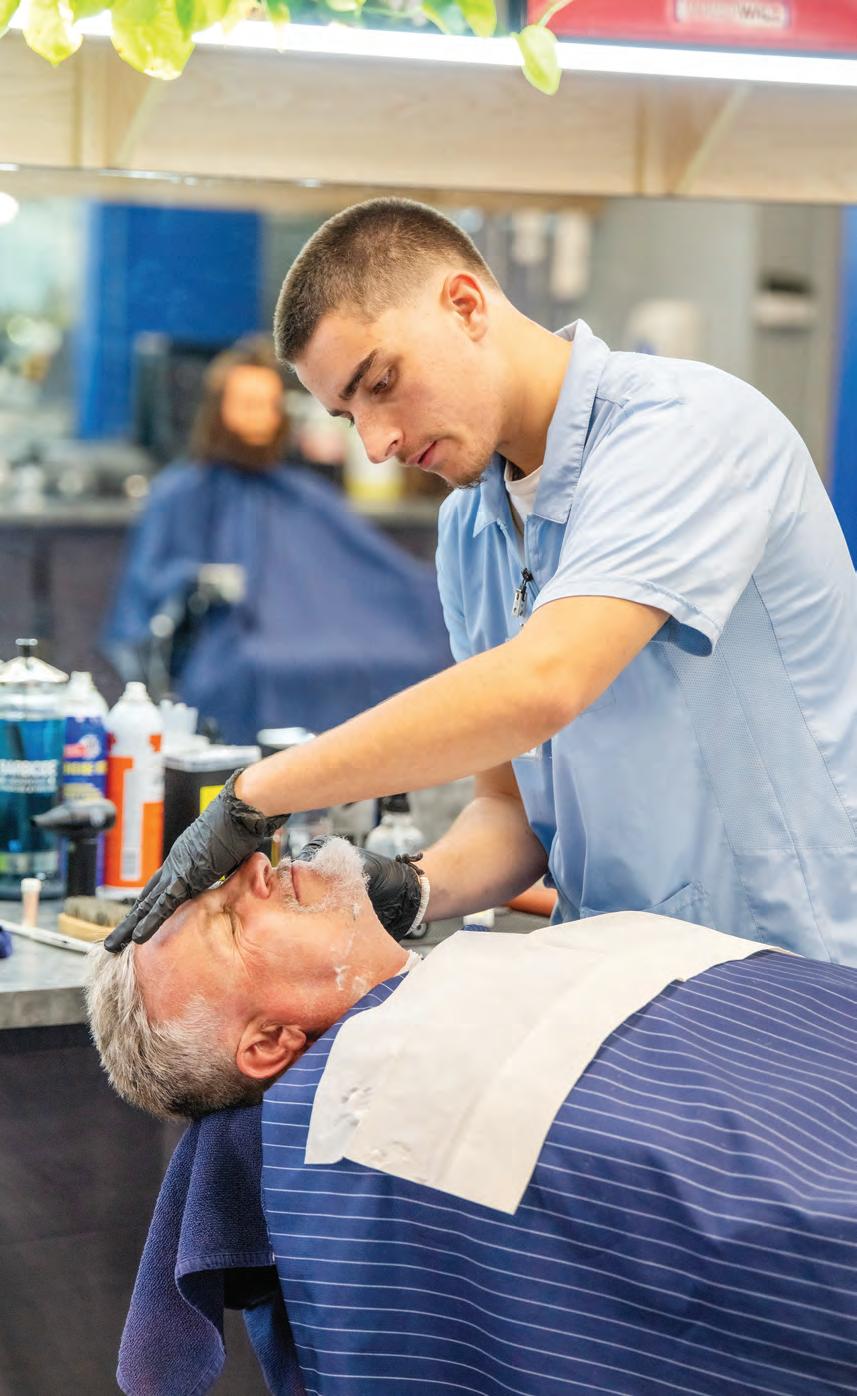
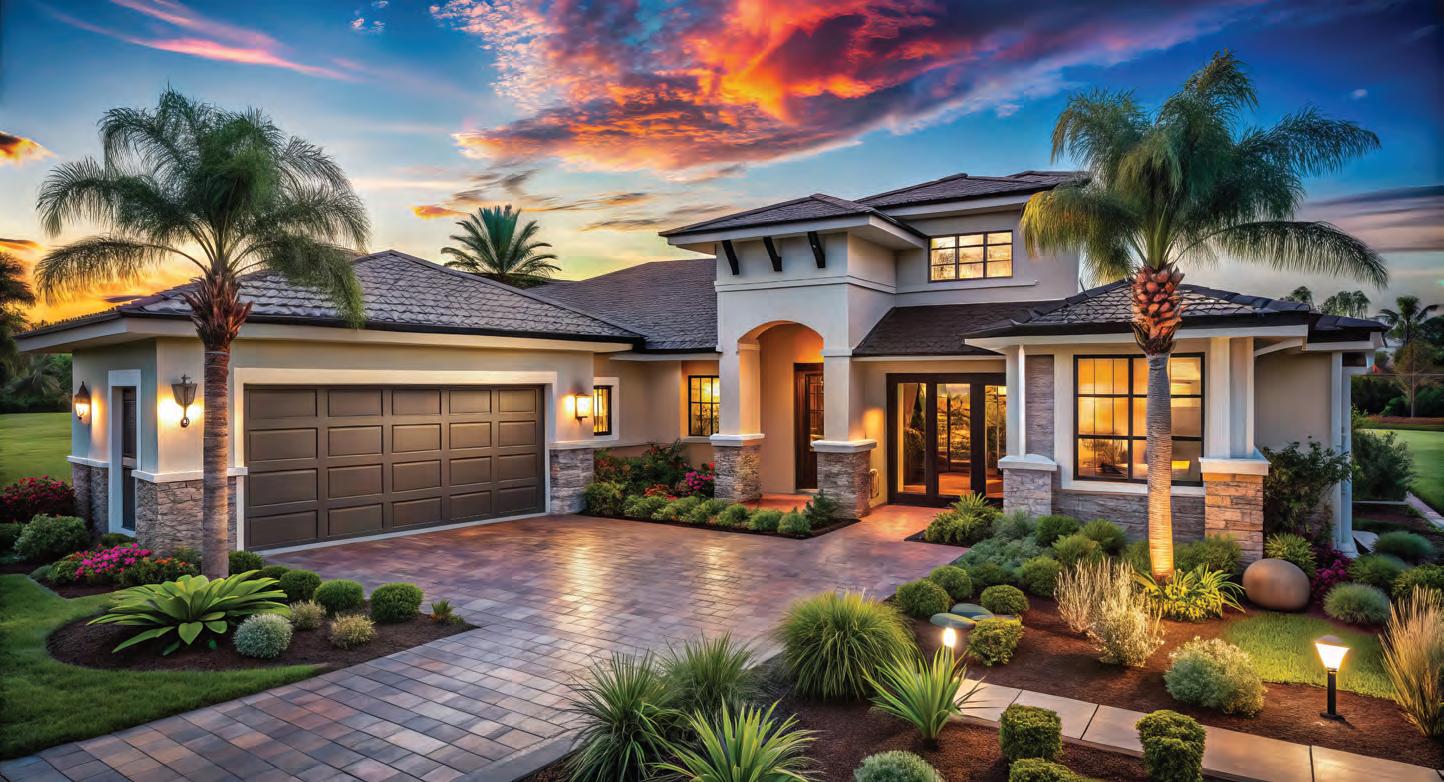


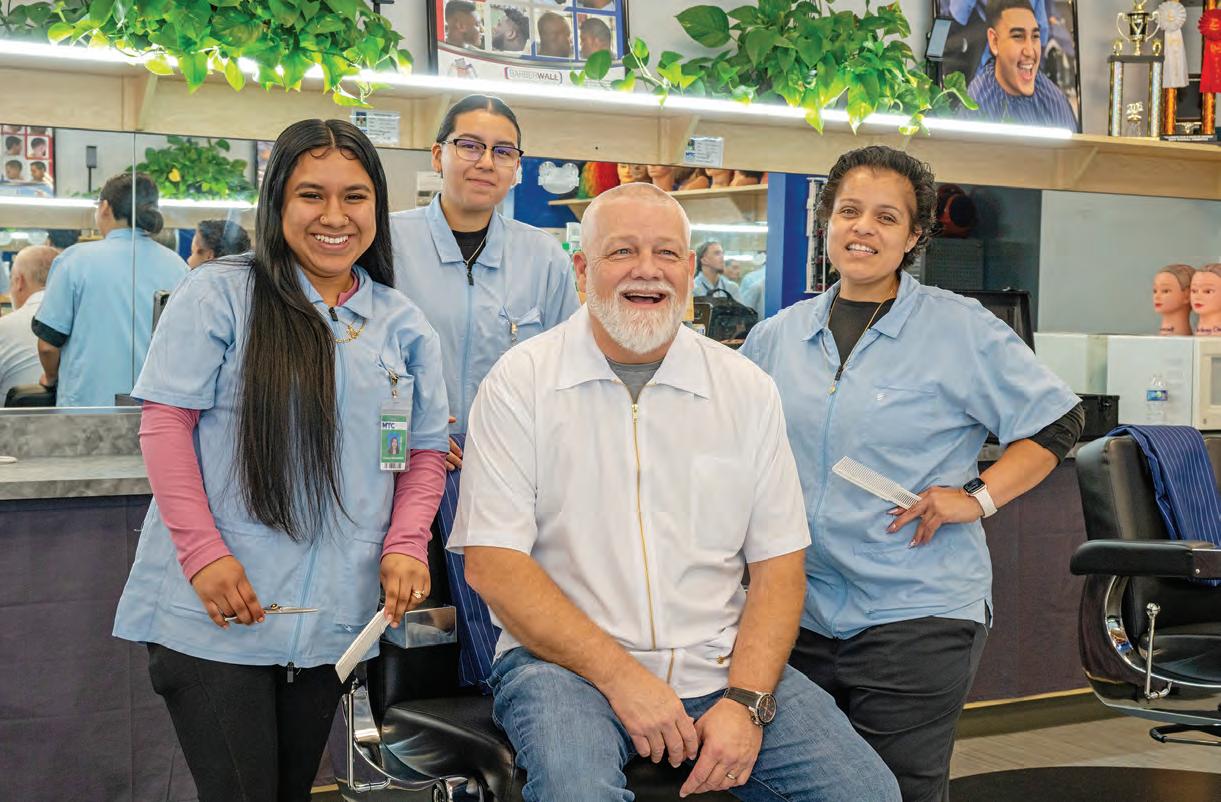
Continued from Page 78
blue smocks, banter and laugh while the ever-present zzzz of clippers plays background to reggae on the sound system. Sprays of aftershave imbue the room with a faint perfumed aroma.
Lording over it all is Shane Lindergren, 52, the program’s instructor, who’s clad in a pristine white smock and jeans. His hair is cropped short, his white beard neatly shaped. He casts a benevolent presence as he mingles among his charges. It’s clear the students — 20 men, six women — like him. Lindergren is the reason Luka Mangus is studying to become a barber. “I was planning on going into the electrician program here,” he says. “But then I met Mr. Shane, and I liked what he said, and I liked how he was as a person.”
Lindergren, a Bradenton native and married father of two, says his fascination with barbering dates back to his
early years. He showed some talent as an artist and earned a few credits at Ringling School of Art and Design. But he soon came to realize that “sculpture wasn’t going to pay the bills.” Lindergren left college and went to work at Home Depot, where he stayed 20 years, rising to the level of general manager. “I made a successful career out of that, and I enjoyed what I did, but I was falling out of love with retail,” he says. “Working nights, holidays, it got to be too much.”
Lindergren enrolled at MTC at age 40 and, determined to run his own small business, opened Locals Barber Shop in Bradenton before he finished the barbering program. By the time he passed the state exam and earned his license, he already had haircutters keeping five chairs busy.
Locals remains a thriving concern, but teaching at MTC has trimmed Lindergren’s visits to his shop way back.
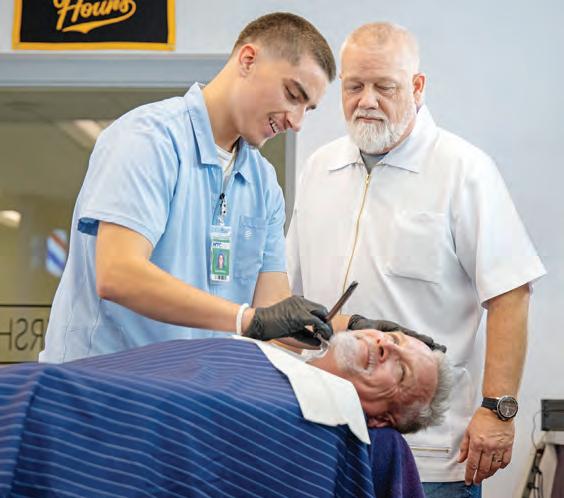
He rarely gives haircuts anymore. Teaching the craft has taken center stage. Lindergren smiles when he tells me that some of his students come in with the wrong impression of the program. They think it’s going to be easy, he says, that it will consist of honing the haircutting skills they’ve already begun to develop as amateurs. The instructor seems to enjoy disabusing them of the notion.
The 900-hour program includes plenty of classroom work, something that most incoming students had hoped to avoid. It calls for a state-required 225 hours dedicated to Florida Laws and Rules, 270 hours of Safety, Sanitation and Sterilization, 90 hours of Hair Structuring and Chemistry. (One can imagine a new barbering student’s reaction to the mere mention of “chemistry.”) There are quizzes and tests.
Most of his students are dismayed at first, Lindergren says, but they adjust. A few drop out. Luka Mangus sees it like this: “You’re learning things in the classroom that you actually need, not knowledge you’ll never use.”
The remainder of the syllabus is mostly hands-on stuff involving shears, clippers, shampoo, color and perming. And straight razors. Perhaps surprisingly, the barbershop shave has not gone the way of the Oldsmobile. “Our license covers everything a cosmetologist does, except we have to use a razor,” Lindergren says with a trace of pride.
The instructor also weaves in knowledge that’s not strictly part of the curriculum. “I teach them a lot of soft skills that employers would like,” Lindergren explains, including social and leadership savvy. The barber shop remains a vital community hub, and the person holding the clippers should know how to connect with the customer.
The program also delves into contemporary marketing techniques (a robust Instagram presence is a must) and other pathways to becoming a successful barber. That includes a business plan, which is required. And Lindergren helps students with job placement. Just prior to my visit, he had opened the door for Luka Mangus to land an entry-level position at Modern Gents in Lakewood Ranch, setting
the young man up for a barbering gig once he’s licensed.
Lindergren stresses to his students that — contrary to popular belief — barbering need not consign them to a life of modest means. These days a haircut runs around $30, he says, so a barber who builds and maintains a clientele can make low six figures without owning a shop.
On this Wednesday afternoon, the MTC barbering students are not contemplating future income as much as sharpening their craft — and having fun doing it. Jose Camacho is cutting the hair of Caden Campbell, whose wavy red mop comes down into his eyes. Camacho meticulously carves out a hairless halfinch rim around one ear, part of a “low fade.” The fade is a common hairstyle for young men these days. A medium fade takes the hairless strip higher, a high fade higher still. What baby boomers used to mock as “white walls” are now the height of fashion.
will speak with a trusted advisor who will comprehensively review your situation and design solutions that creatively and compassionately meet your needs.

Behind the Fusion shop, in a large room shared with cosmetology students — nearly all of them women — Carlos Fuentes, 19, works on a head with an eerily blank countenance. That’s because it’s a mannequin, a key starter tool that allows students to refine skills without fear of mistakes. Like most of his peers, Fuentes started by giving haircuts to friends and family — and figured he was pretty good at it. But he quickly discovered that such was not the case. “Yeah, I’m learning to be professional here, to not just have it as a hobby,” he says. “It’s being committed, not just being OK with however [the haircut] turns out.”
Fuentes never considered pursuing a four-year degree. “I already knew I wanted to do something with hair,” he says. “Going to college would be a waste of time and money.”
Not for nothing, most of Lindergren’s students are debt-free and will join the workforce within a year.
And then there’s the matter of job security. While many professionals, especially those in tech, worry about the looming impact of AI, the topic never comes up as I circulate among these barbers-to-be. The day a robot can give a haircut and kibitz with the customer should be a long way off.
I’m so envious of Ross Mangum’s look of serenity in the barber chair that I ask Luka if he’ll give me a quick beard trim. He gladly agrees. It’s the most I can request, seeing as I don’t have hair to cut. But the school day is winding down and I reconsider. “Don’t worry about the trim, Luka,” I tell him. “I know it’s getting late.”
“Thanks,” he replies. “But come back. Really, come back in.”
As class begins to break up, I’m heartened by this tableau: a group of young men buzzing with enthusiasm and joy while refining a craft that some of us — especially those who use “stylists” — may regard as antiquated, even pedestrian.
Don’t tell these dudes that. Don’t even try. They’ll scoff, turn a deaf ear — and besides, they have many sharp instruments nearby.
For more information, visit ManateeTech.edu.
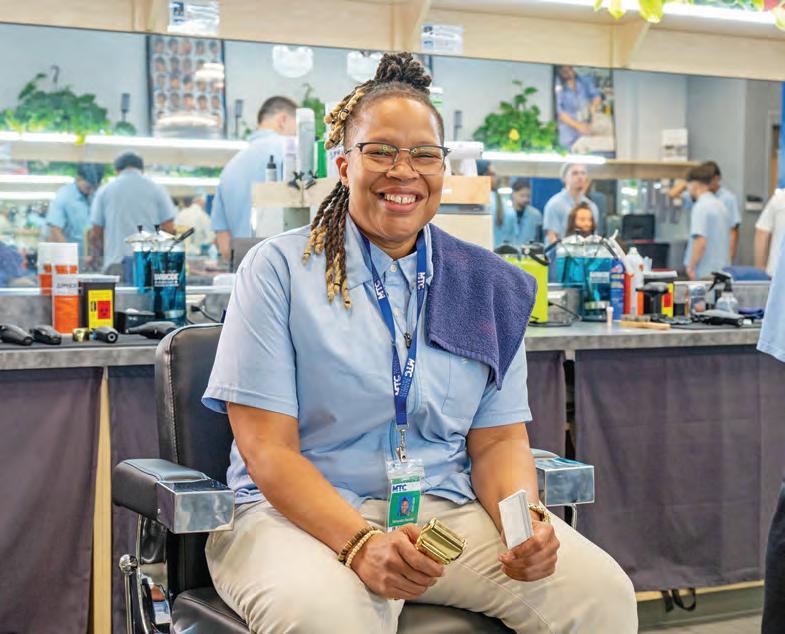
Kiki Daniel will never forget how the kid’s face beamed. She was in her early 20s, living in a trailer park in her native Raleigh, N.C., with plenty of young folk in the neighborhood. She cut her little brother’s hair because her parents couldn’t afford to take him to the barber shop.
Youngsters in nearby trailers would stop by. “This one kid, he was complaining about his hair,” Daniel recalls. So she picked up her “dinky pair of clippers,” and went to work.
“I loved the feeling I gave him from having a nice fresh cut,” she says, “just the look on his face — to be able to make somebody feel good about themselves.”
Soon, other neighborhood kids came by and she’d obliged them with their own fresh cuts — no charge. A love of barbering was born.
Daniel, now 48, moved to the Suncoast about three years ago to take a job as a regional manager with notfor-profit MCR Health. She signed up for MTC’s night-school barbering program, which lasts 15 months. Daniel quickly learned how far she
had to go to become a legit barber.
“I realized that what I’d been doing [in Raleigh] was mediocre,” she says, sitting in a break room not far from MTC’s Fusion Barber Shop.
Daniel graduated, passed the state test, got licensed and the following week was renting a chair at Clipper Cove in Bradenton. Her day job finishes around 5 p.m., after which she hustles over to the shop to cut hair until 9, then hits the gym for an hour and heads home to Wimauma. Rinse, repeat — five days a week. Daniel also works at Clipper Cove a full day on Saturdays and a few hours on Sunday.
Asked about her imposing work schedule, she shrugs and says, “I’m fine. I’ve had plenty of time for fun. I’m older now, and I’m trying to succeed.”
Daniel is not yet making a profit but is toiling hard to build a roster of regulars and make barbering her full-time career, which she figures is at least a couple years off.
Daniel keeps in touch with some of those kids from Raleigh. “I told them I’m a barber now,” she says, smiling brightly. “And they were like, ‘What took you so long?”
Barbering student Kiki Daniel graduated from MTC’s barbering program and now cuts hair as a side gig, with hopes of one day making it her full-time profession.

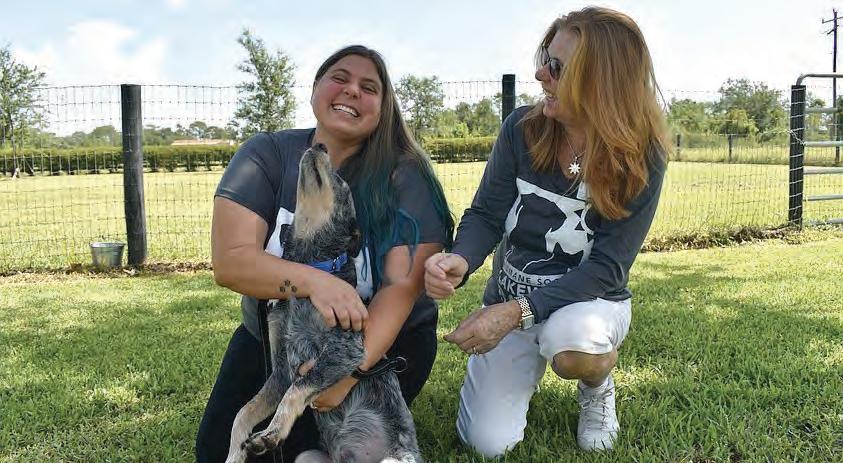





A short list of cool pleasures, delightful encounters and only-in-the-Ranch moments.
BY SU BYRON AND MARTY FUGATE | CONTRIBUTORS
How do you capture the character of Lakewood Ranch? It’s a big question. Our answer starts small — in the moments we return to, the rhythms we fall into and the everyday experiences that quietly shape the pace of life here. These are the touchstones that reveal the Ranch’s personality and the neighbors who give it heart. This isn’t a typical things-to-do list. It’s a portrait — a glimpse of the community through scenes that speak to how life is lived here. And, of course, there are countless more.
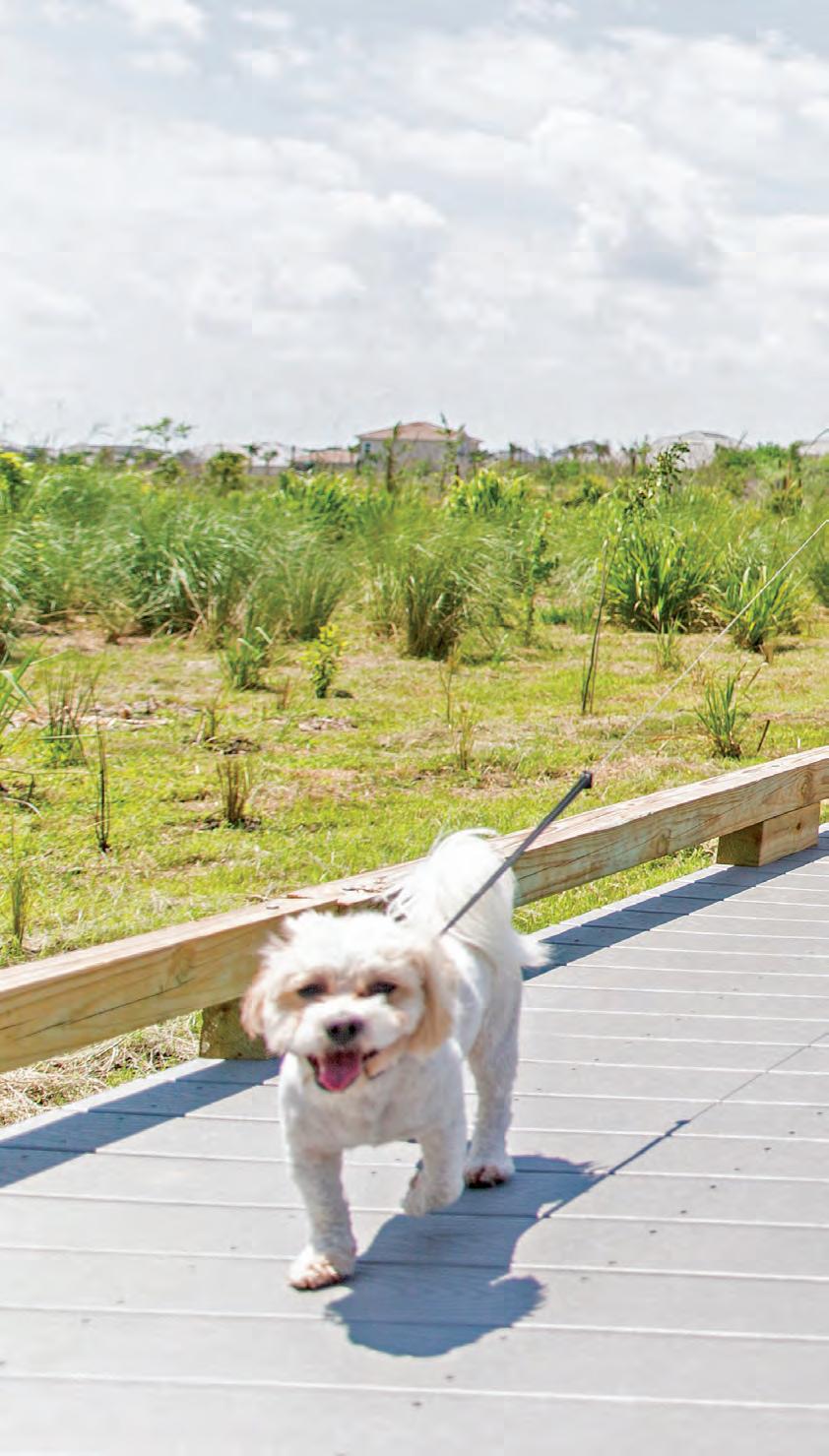
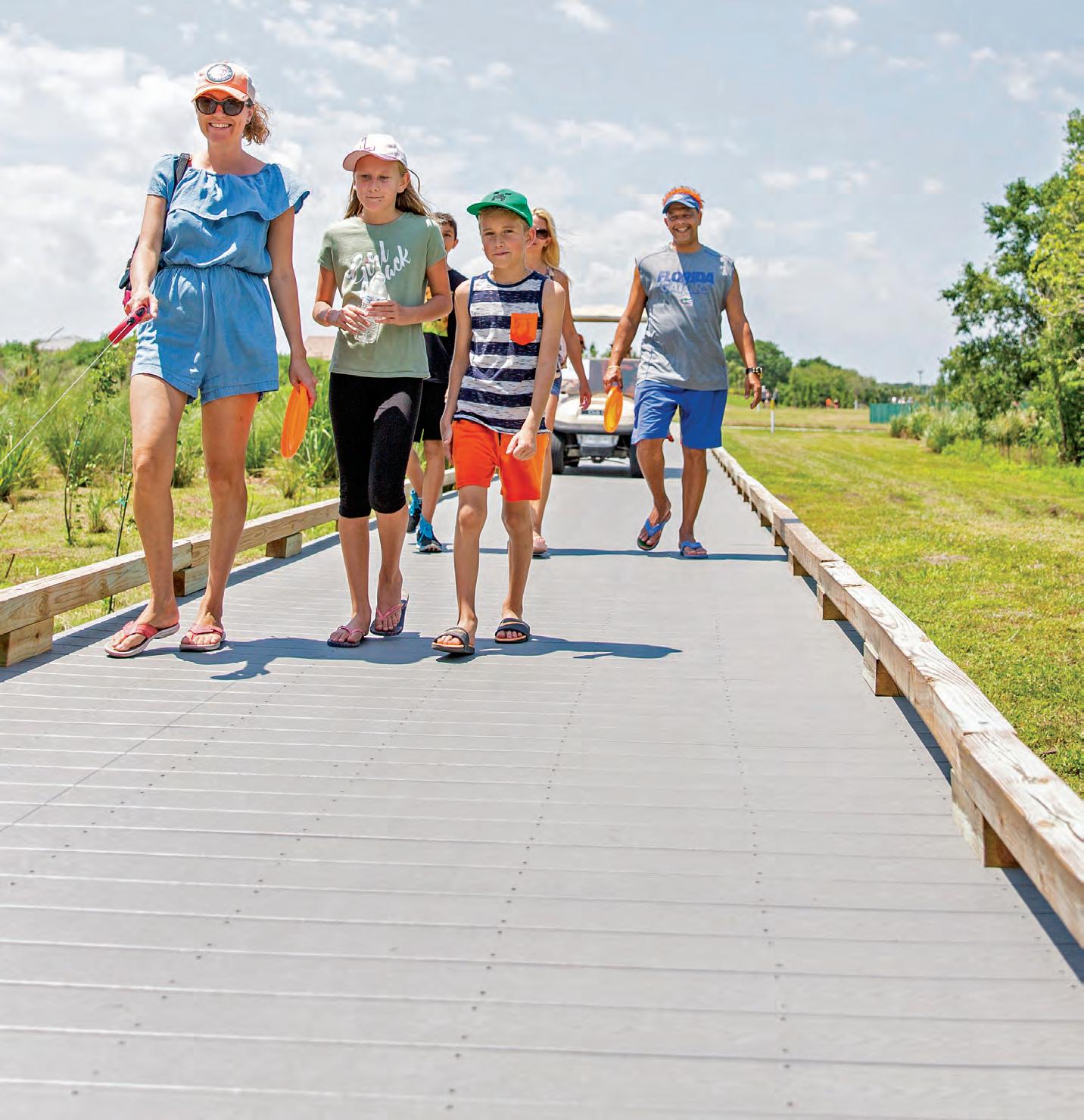
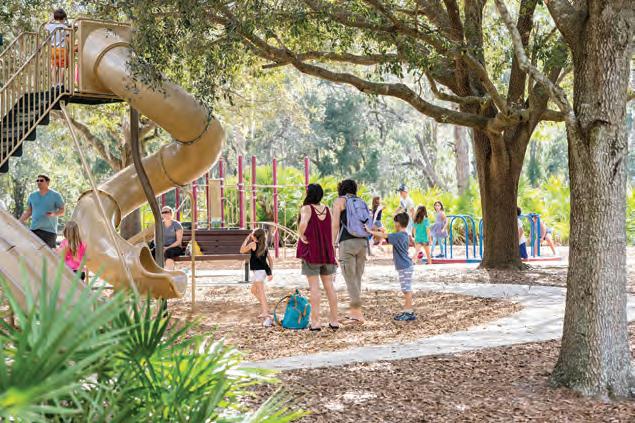
Boasting 15,000+ acres of lakes, parks, and nature preserves, Lakewood Ranch makes the outdoors an extension of home. Miles of trails wind through wetlands and pine woods. Each step is perfect for walking, biking, birding or simply catching your breath. It’s all part of a community that dedicates 46% of its land to open space. Going outside isn’t an escape from everyday life here. It is everyday life.
Movies in the Park brings back the simple pleasure of watching a film under the stars. On the second Friday of each month at Waterside Park, families spread out blankets and lawn chairs as the sun drops and the screen lights up with favorites like “Zootopia” and “How to Train Your Dragon.” It’s relaxed, low-tech and wonderfully communal — an evening where the sky is your ceiling and the only lobby is the great outdoors. Visit LakewoodRanch.com.
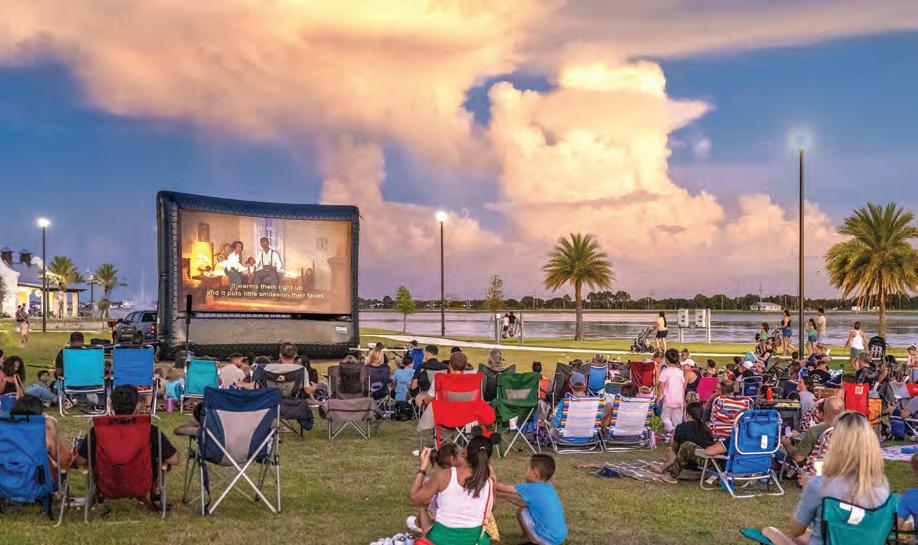
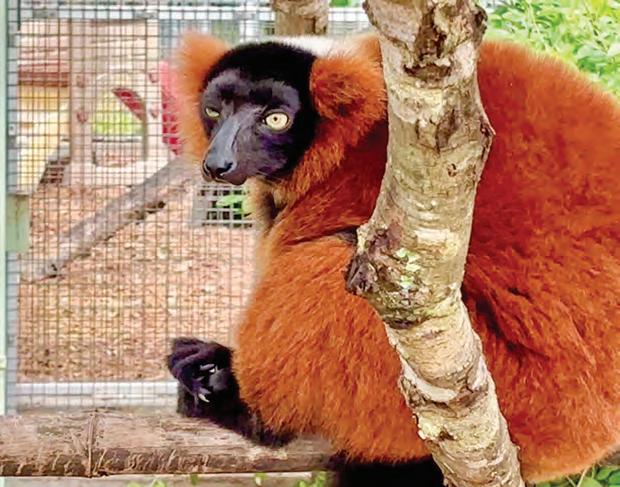
You don’t have to voyage to Madagascar to encounter lemurs in our midst; just down the road in Myakka City is a wildlife haven. The Lemur Conservation Foundation offers guided behind-the-scenes tours that bring you face-to-face with these expressive, wide-eyed primates. This reserve shelters ra-
re and endangered lemur species while supporting global conservation, research and education. It’s an unforgettable, close-to-home adventure that deepens your wildlife connection. Every visit helps protect these remarkable creatures and the habitats they depend on. Visit LemurReserve.org.
The Lakewood Ranch Library is a community living room — bright, modern and designed for discovery. Families drift in for story time, teens claim their corners of the sleek new space and adults settle into sunlit reading nooks overlooking peaceful ponds. Makerspace workshops, book clubs and hands-on programs keep the calendar lively. Quiet rooms invite you to linger with a good book. It’s learning, leisure and community all under one welcoming roof. Want to get more involved? Join the Friends of the Lakewood Ranch Library. Visit FriendsOfLakewoodRanchLibrary.org.
Families and friends spread out under the stars for Movies in the Park, a monthly Waterside tradition where the great outdoors becomes the perfect open-air cinema.
n The library opened in 2024 after residents had waited more than 25 years for a local branch.
n The building spans roughly 25,000 square feet and includes flexible spaces for events, study, meetings and more.
n There’s a “makerspace” called The Workshop that encourages hands-on creativity — from 3D printing and robotics to crafts and design.
n A podcast/recording studio is available by appointment.
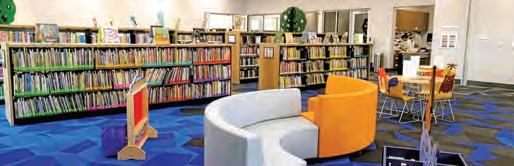
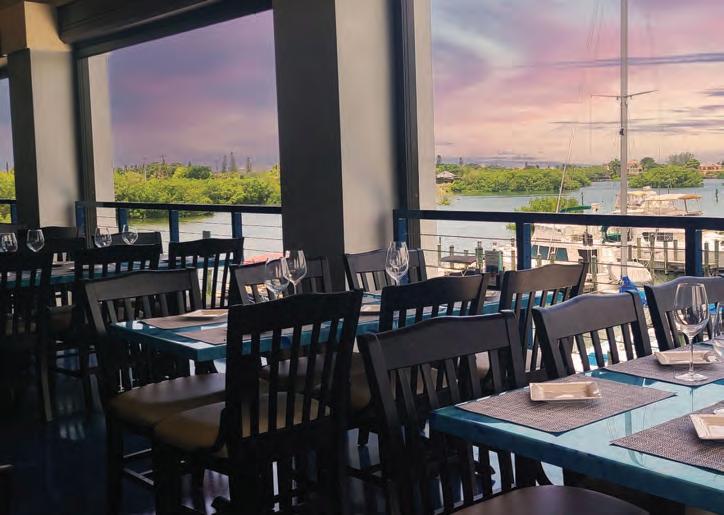

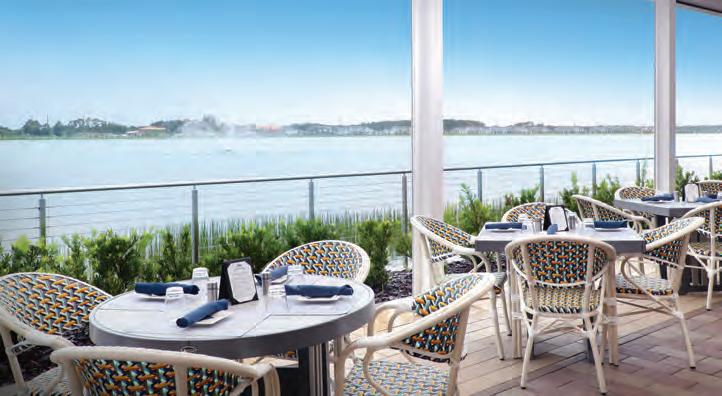
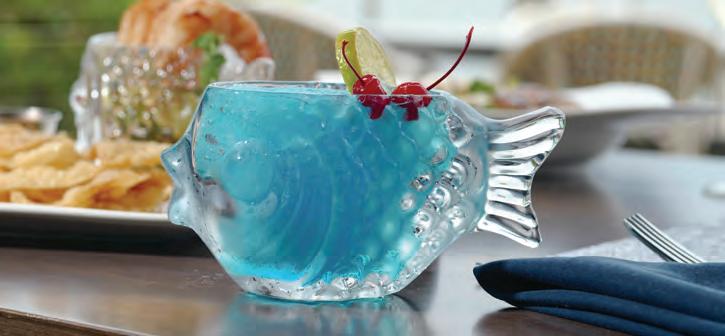


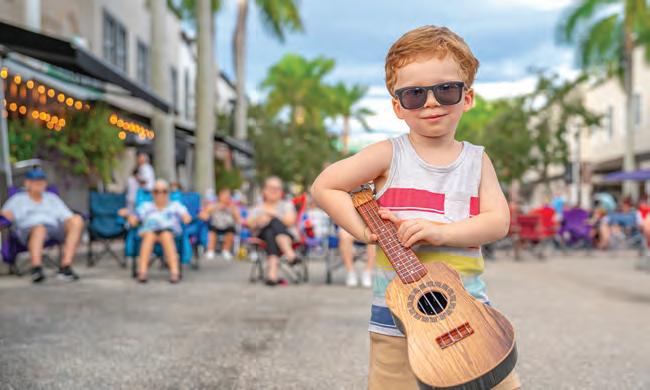
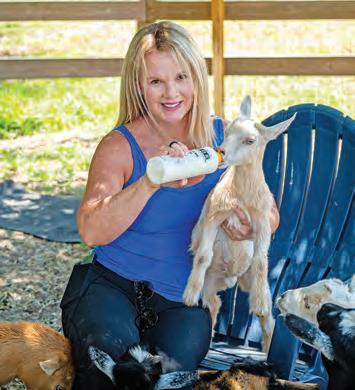
At Blissful Goat Yoga, balance is optional and laughter is inevitable. Classes take place on a five-acre farm just outside the Ranch, where curious goats wander freely — often climbing into poses right alongside you. Created by Navy veteran Corinn Smith, these sessions blend gentle movement, fresh air and the pure delight of unexpected goat encounters. No yoga expertise required, just a willingness to play. Smith also hosts goat yoga pop-ups at Good Liquid Brewing Co. at Waterside. Visit BlissfulGoatYoga.org.
Sunday mornings at the Farmers’ Market at Lakewood Ranch are a weekly reset for Ranchers. Coffee in hand, neighbors wander the stalls, eyeing fresh produce, artisanal foods, flowers and locally crafted treasures. Conversations spark easily, dogs tug happily and familiar faces reappear as reliably as the sunrise. What could be a simple shopping trip becomes a grounding ritual — one shaped by the season, the weather and the people who show up. Visit LakewoodRanch.com.
On the first Friday of every month, Lakewood Ranch Main Street transforms into a free, open-air, live music block party. Music on Main has been a Ranch tradition since 2006, raising more than $5 million for local nonprofits through its monthly concerts. A live band
sets the tone while food vendors, a bustling beer trailer, and the Grace Community Church Kids’ Zone keep things lively and family friendly. It’s the perfect snapshot of what living on the Ranch feels like — easygoing, social and rooted in giving back. Visit LakewoodRanch.com.
Left: A young Music on Main fan tunes into the beat on Lakewood Ranch Main Street, where monthly block parties mix live music with pure community charm.
n The Farmers’ Market at Lakewood Ranch was recently voted the No. 1 farmers market in America. n Some of the area’s best small businesses get their start here, including Camelot Breads, where baker Michael Top mills his own flour, sources organic ingredients and still hands out free loaves to customers over 90 and invites local kids to help at his booth.


On a serene stretch of water in Nathan Benderson Park, sleek model sailboats glide, pivot and race — guided not by tiny sailors but by the skilled members of the Sarasota Model Yacht Club. Spectators are quickly drawn into the sport’s mix of precision, calm and quiet intensity. It’s part meditation, part competition and a charming reminder that small can be every bit as beautiful. Visit SarasotaMYC.com.
of hope for cancer patients and their families. Today, as our population grows, so does the need for cancer care. The new outpatient Milman-Kover Cancer Pavilion will expand critical patient programs and services. Many are fully supported through philanthropy.
You can play a vital role in ensuring that families continue to find the hope and healing they deserve.
Learn how you can make an impact, call 941.917.1286 or visit smhf.org.









Photo by Lori Sax
A Lipizzaner stallion rises in a dramatic “Airs Above the Ground” leap at Herrmann’s Royal Lipizzans.
Just outside Lakewood Ranch, Herrmann’s Royal Lipizzans delivers one of the area’s most jaw-dropping experiences. Watching the legendary Lipizzaner stallions leap, rear and glide through their classical routines is pure “did you see that?” excitement. The arena is intimate, the energy electric and every airborne leap feels inches away. It’s a living tradition with real thrills — an unforgettable spectacle in our own backyard. Visit HerrmannsRoyalLipizzans.com.
Bred for royalty and battle, the noble Lipizzan is a creature of power, poise and rare grace. They’re celebrated for their intelligence and ability to perform the soaring, balletic movements of classical dressage. Fewer than 15,000 of these horses remain in the world today — living testaments to beauty, discipline and enduring legacy.
Ranch Nite Wednesdays turns the midweek slump into a midweek lift. From October through May, Waterside Place fills with food trucks, live music, cornhole and the easy buzz that happens when neighbors gather. Something’s always happen-
ing — cornhole leagues, popup fitness classes — even goat yoga. Just grab a bite, catch a song, toss a cornhole bag and linger as long as you like. No wonder so many Ranchers say, “Thank goodness it’s Wednesday.” Visit LakewoodRanch.com.
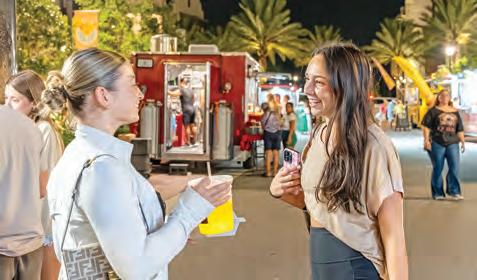


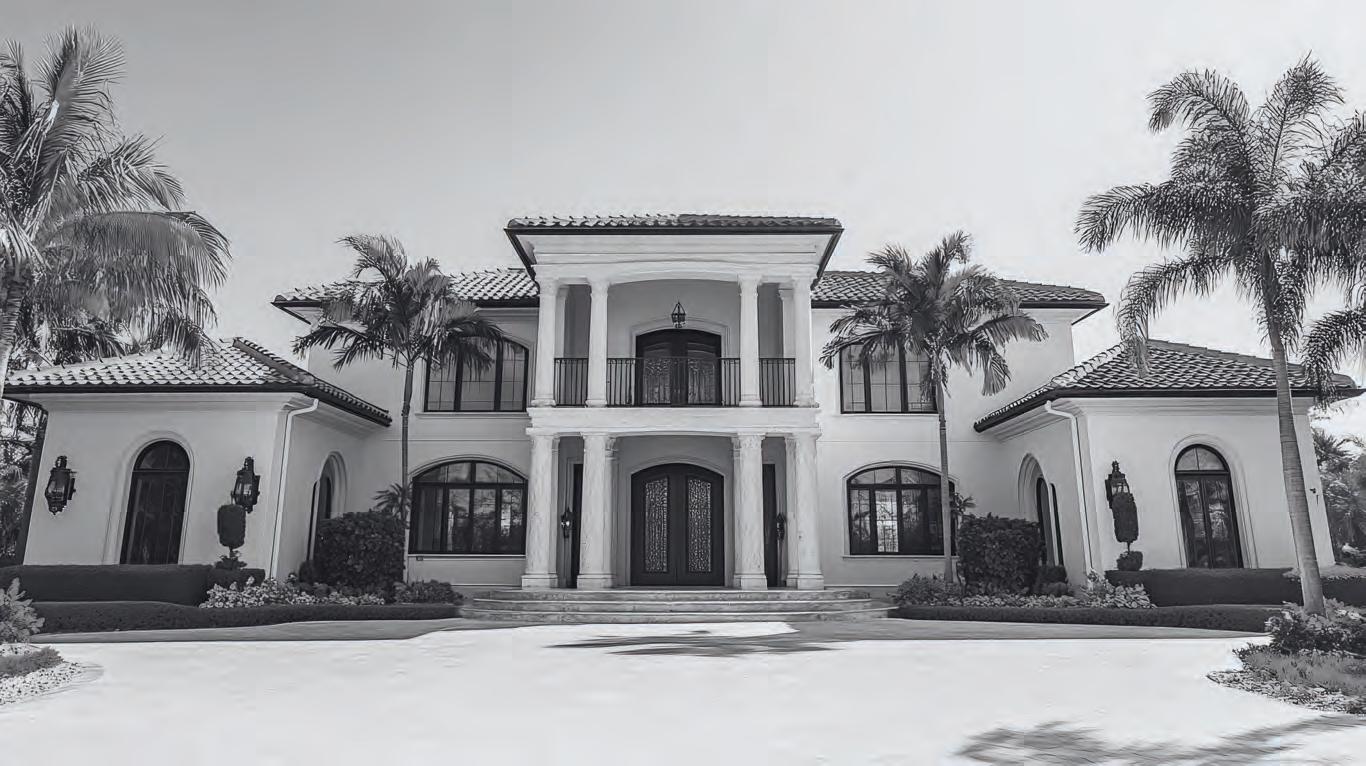








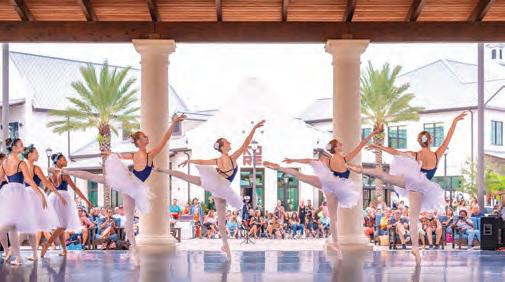
Performers from local arts organizations take the stage at Waterside Place during Sights & Sounds, the Ranch’s pop-up evening of worldclass, open-air arts.
Once a month, Waterside Place turns into a pop-up cultural district with its Sights and Sounds program. Talents from the Sarasota Opera, Sarasota Ballet, West Coast Black Theatre Troupe and other hometown heavyweights
step out of their theaters and onto the plaza, filling the evening with music, movement and surprise performances. Performances are world-class, free and right in your own backyard. Visit LakewoodRanch.com.
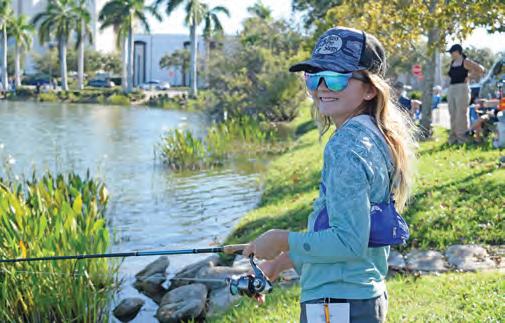
has been casting lines in Lakewood Ranch since she was big enough to hold a rod — proof that the love of fishing starts early here.
Lakewood Ranch is made for fishing, with lakes and waterways woven through nearly every neighborhood. Largemouth bass, catfish, and tilapia are common catches and many lakes are public and fishable — an open invitation to grab a rod and wander waterside.
For folks who need a little direction, the Lakewood Ranch Anglers Club offers monthly Fishing Saturdays with gear, guidance, and easy camaraderie. It’s a relaxed, close-to-home way to get outside and let the water work its magic. Visit MyLWR.com.
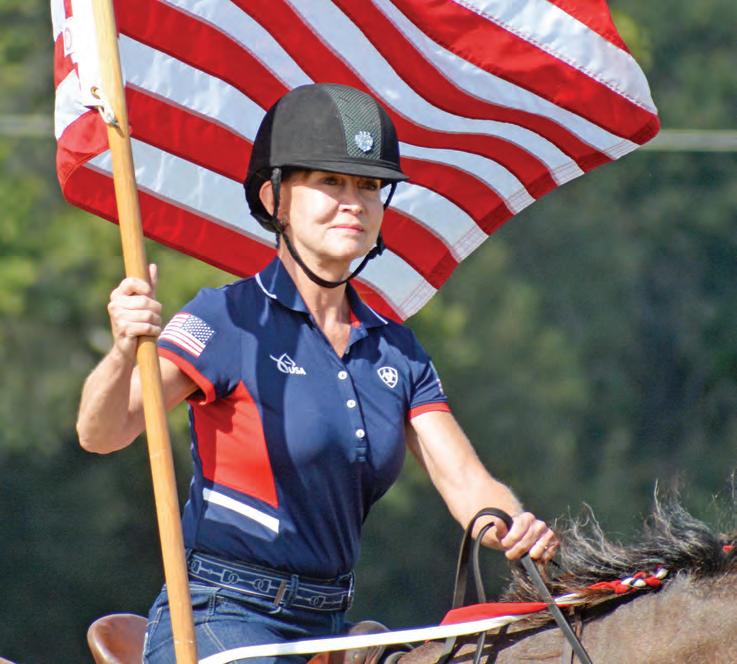
Polo takes the field with thunderous pageantry at the Sarasota Polo Club. Crowds flock to its Sunday matches for fastpaced action, tailgating, food, drinks and the beloved, divotstomping halftime ritual. Gates open mid-morning; by the 1 p.m. match, the field crackles with energy. Thursday’s Sunset Polo Happy Hour has a more laid-back vibe. Whether you’re a first-time visitor or a die-hard fan, the club is always welcoming. Visit SarasotaPolo.com.
The Sarasota Polo Club stretches across roughly 170 acres with multiple worldclass facilities, including seven Bermuda grass polo fields, a regulation-size arena, stickand-ball fields and a half-mile all-weather exercise track.
IF YOU GO
Visit Lakewood Ranch. com for community events and activities. Residents and guests can also use MyLWR, the community’s official app, to access local events, services and lifestyle information throughout Lakewood Ranch.


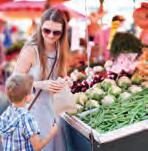

















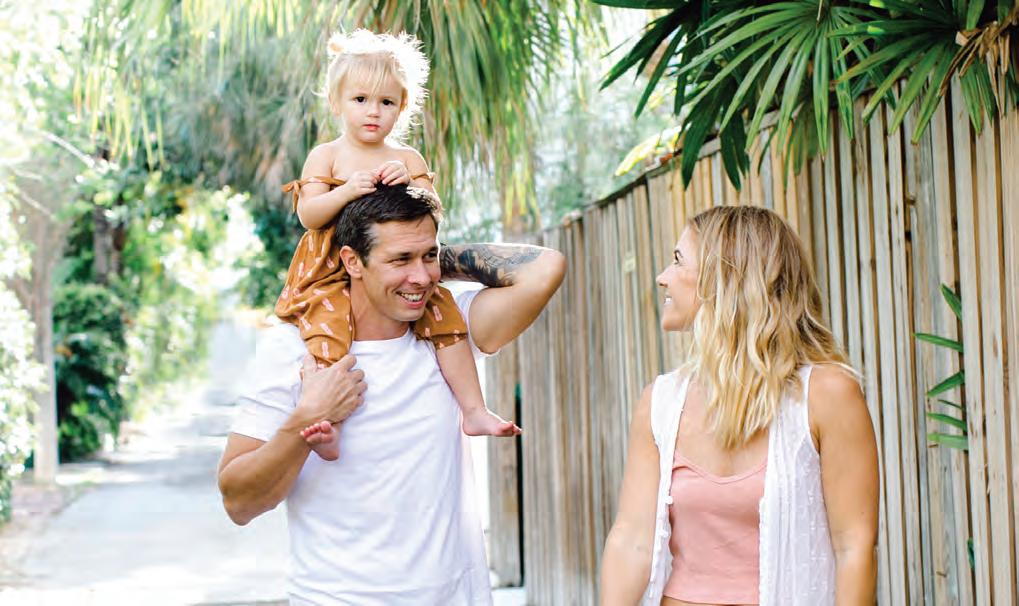
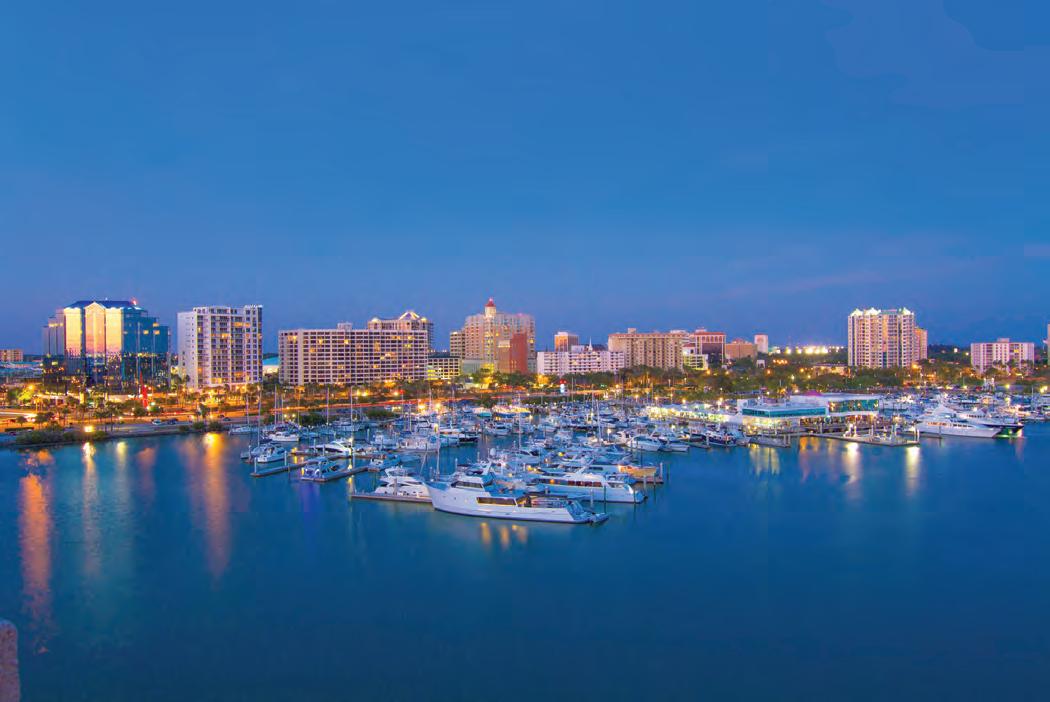










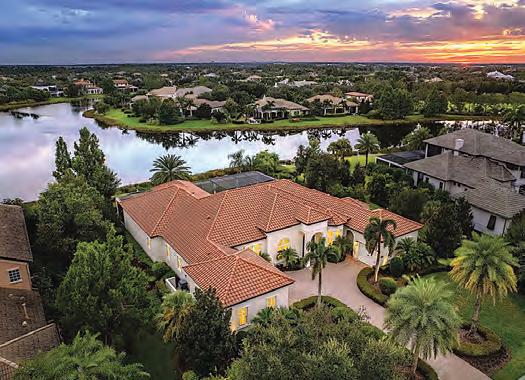
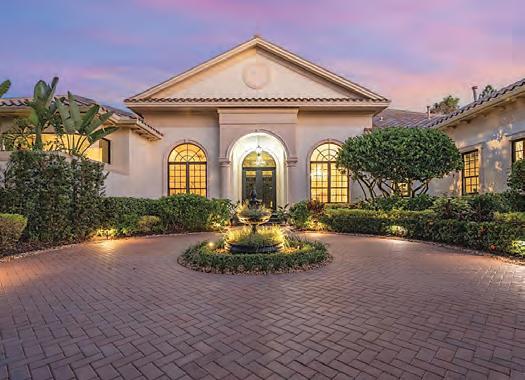
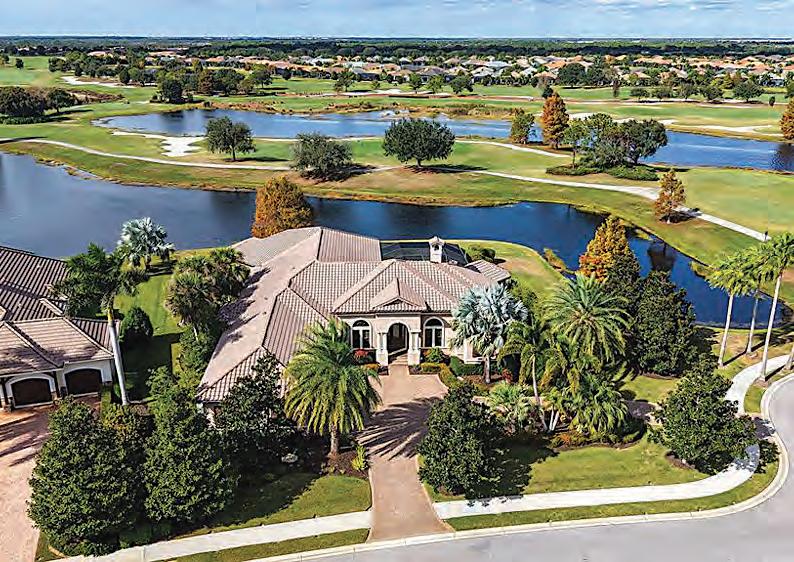
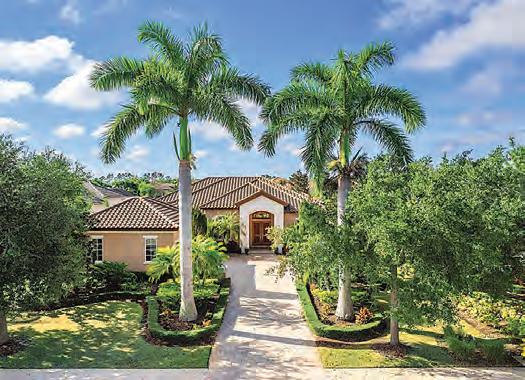
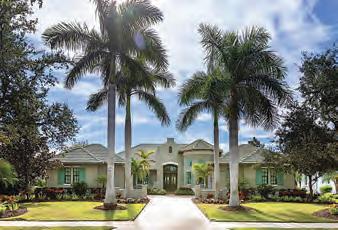
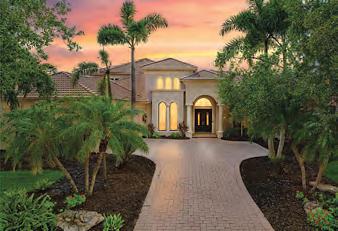
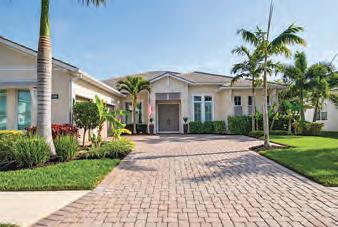

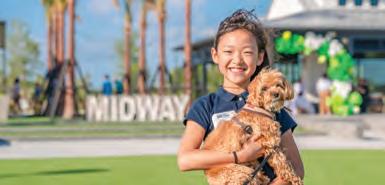

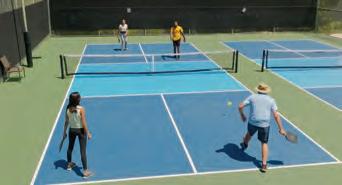

Lakewood Ranch’s premier waterfront community offers exceptional resort-style living with stunning single-family homes by the region’s most sought-after builders. In response to phenomenal demand, Wild Blue at Waterside has released new premium homesites.
The spectacular 30,000-square-foot clubhouse, opening Fall 2026, will feature resort pools, dining, putting course, golf simulator, cinema, and fitness center. Residents are already enjoying Midway Sports Park, now open with tennis, pickleball, and basketball courts.
Secure your place in Sarasota’s most distinctive waterfront address.
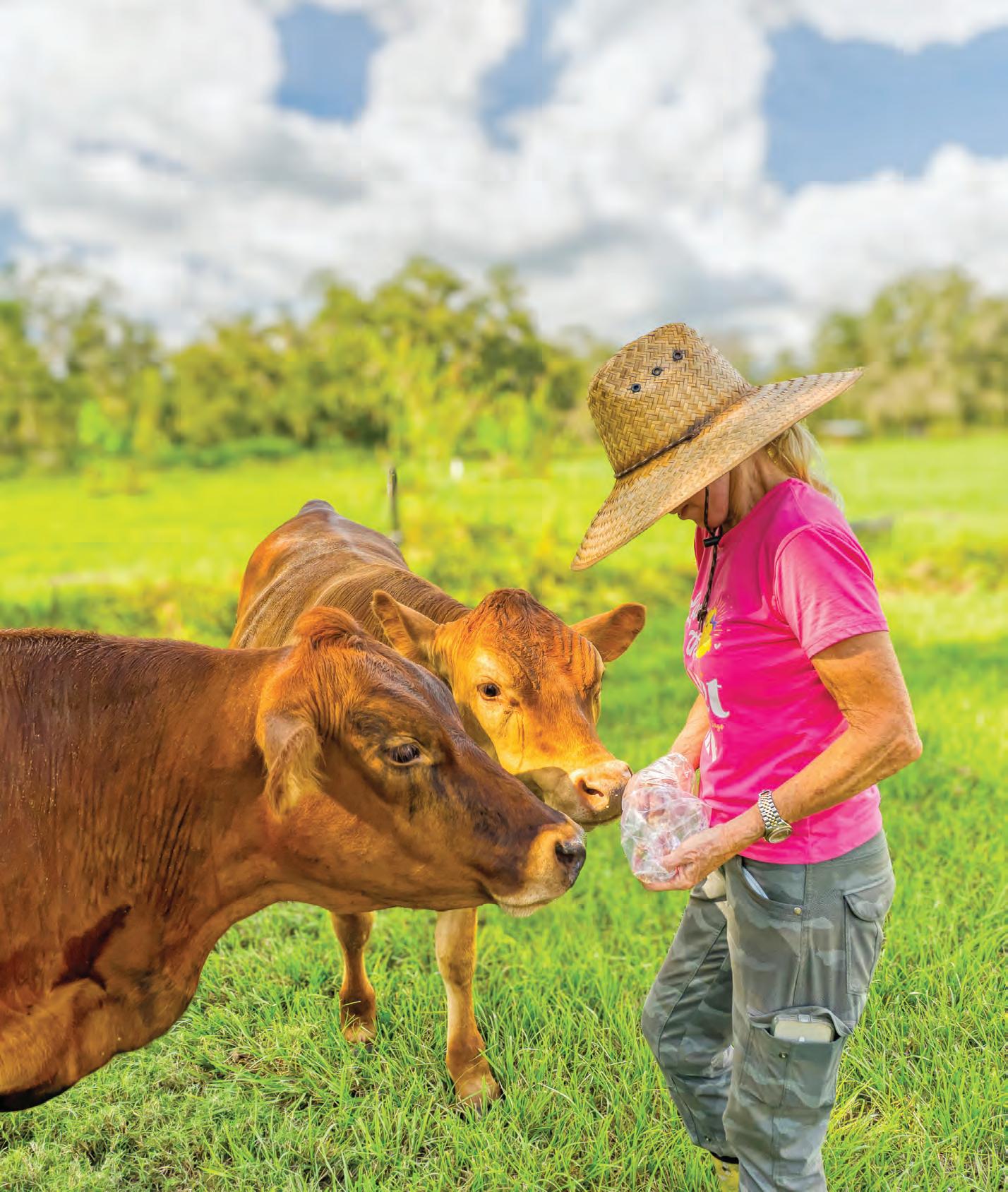
An organic farm highlights the pleasures of life in the country. PAGE 98
Long rooted in the region, Lee and Caroline Wetherington create a new chapter on 30 acres near Myakka.
BY ROBERT PLUNKET | CONTRIBUTOR
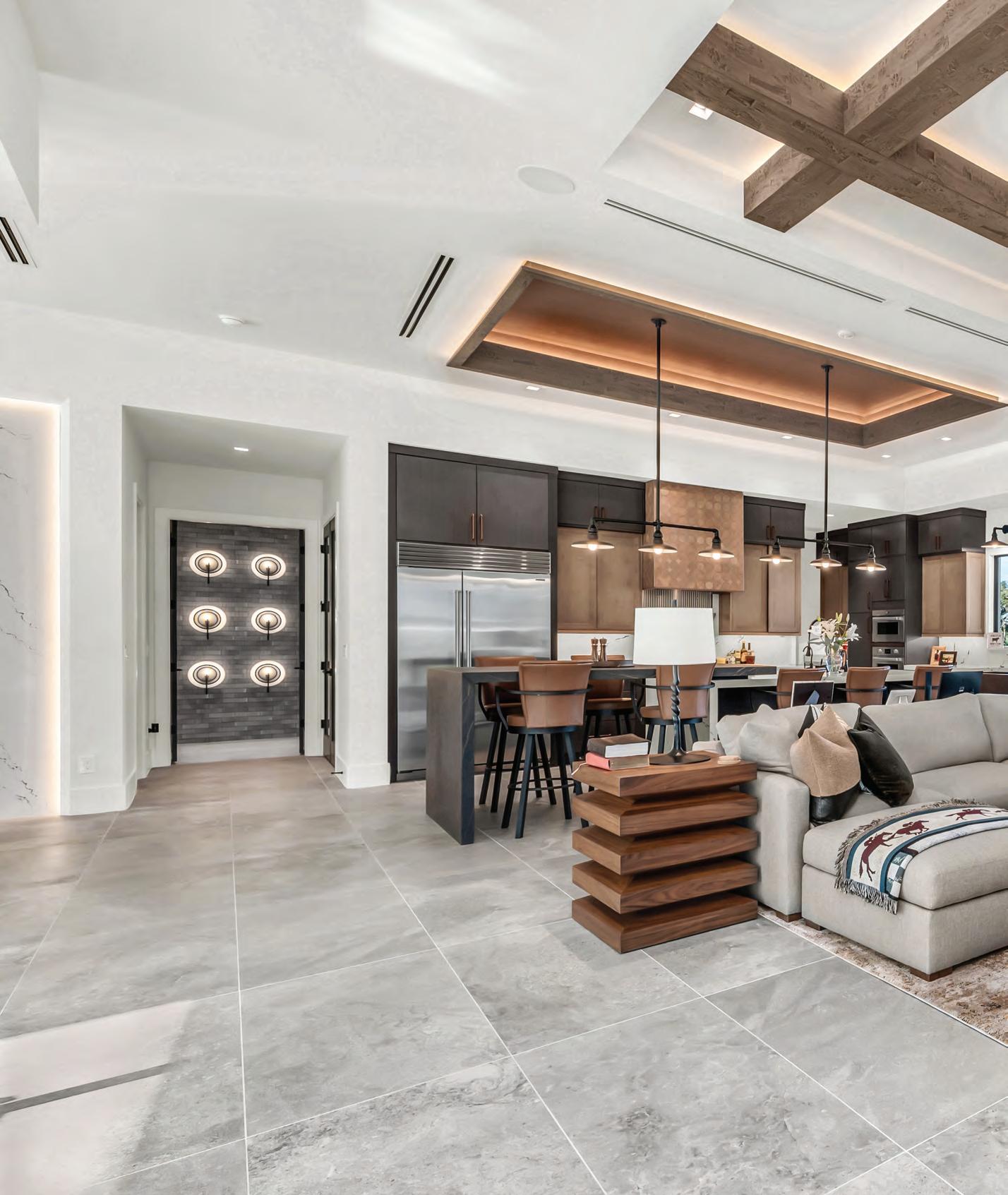
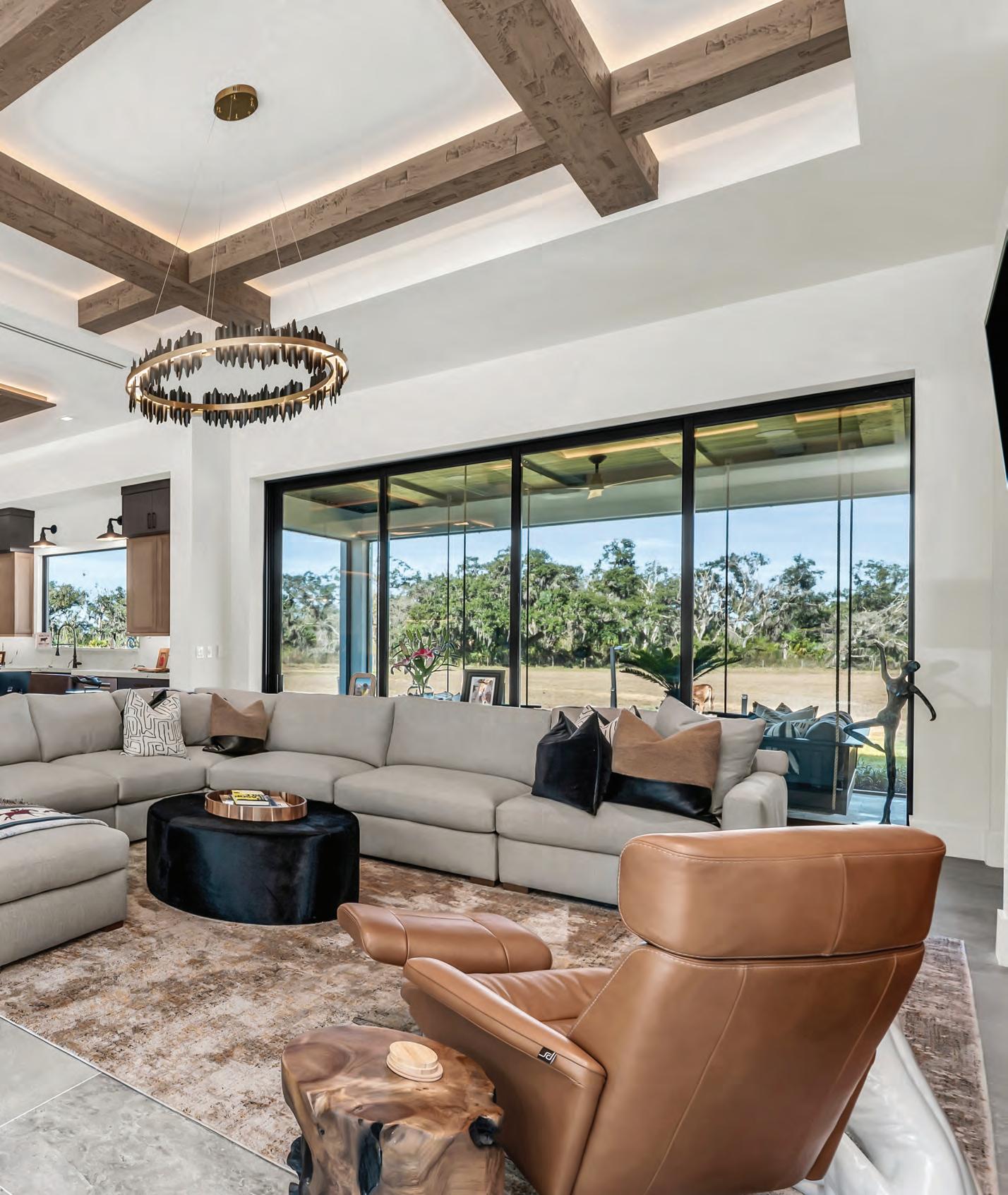
Lee and Caroline Wetherington’s new living room has a view you’re not expecting. Given Lee’s reputation as one of the area’s leading builders, one of the men who created the look of a modern, affluent Sarasota, you’re thinking of carefully manicured gardens or perhaps a nature preserve. But no, it’s a cow, a very pleasant-looking cow about 40 feet away, lying on her belly and staring right back at you. Turn the other way and you see a big flock of white chickens living happily under a grove of enormous oak trees.
The home anchors the Wetheringtons’ new chapter: a 30-acre farm near Myakka. Using the highest organic
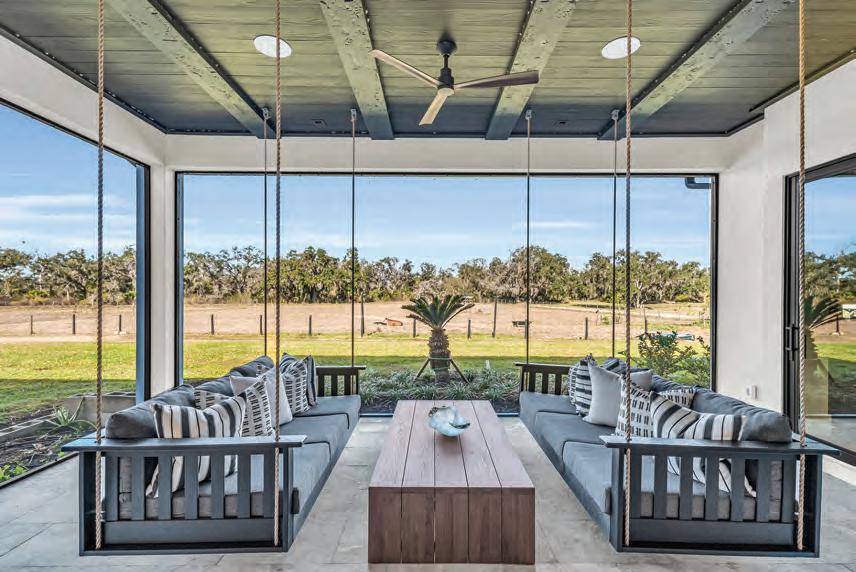
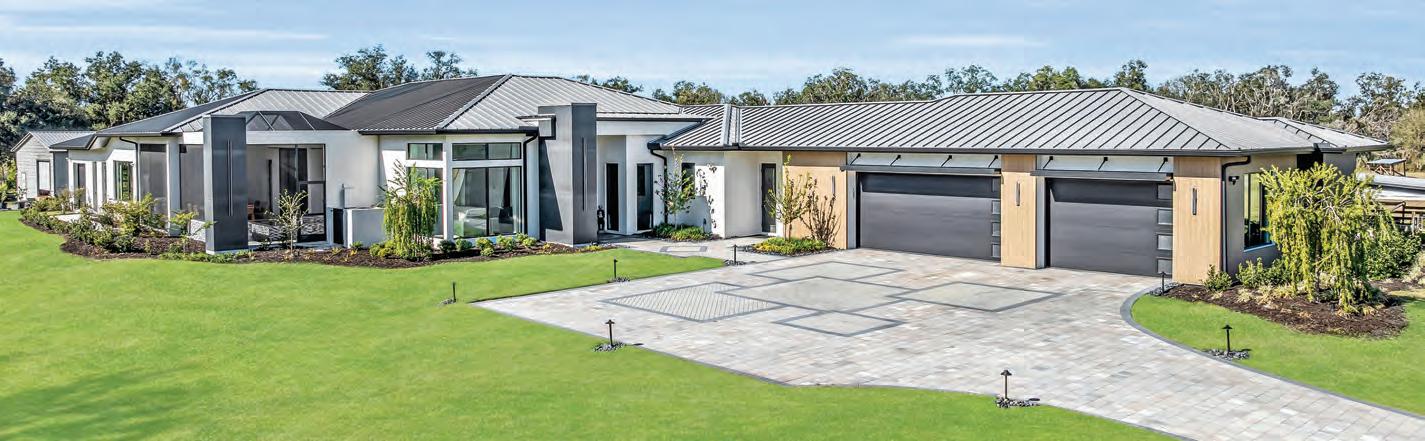
standards, they have put together a remarkable operation, with many lessons of sustainability, reuse and state-of-theart ecology. It’s farming done right.
The main house, which Lee designed himself, is the centerpiece of several buildings on the property. It has a calm, light-filled interior, with high ceilings and wide views to the outside. The style is “modern ranch” Lee explains, and a look around shows what he means. There is a rustic touch everywhere — wood, stone, wool, leather — but it is set in an elegant layout, with vast windows and wide-open spaces.
But that’s just the start. It’s time to visit the farm. This is Caroline’s realm, Lee is the first to admit. “We found a place to keep her bees,” he says.
Continued on Page 102
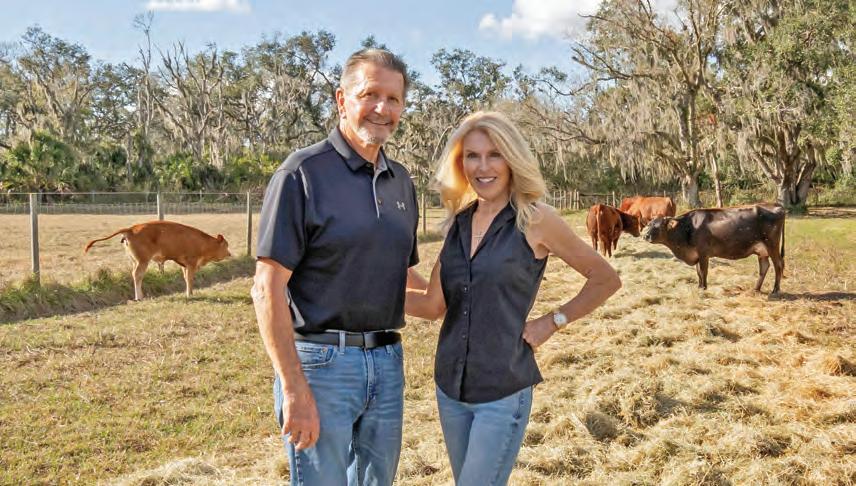


Continued from Page 100
The bees have given the farm its name — Bee Lovely Farms — but the raw honey they produce is just a small part of the operation. You’ll find a herd of nine cattle (the breed is South Poll, known for thriving on grass and their calm dispositions), plus a flock of Katahdin sheep.
You’ll also find chickens of all varieties; some are egg producers, others, the American Bresse and Freedom Ranger are famous for their meat. They are raised in a completely different way than commercially run chicken farms, in lush, chemically free pastures and fed nutrient rich organic grains. The result is leaner, more flavorful meat with lower cholesterol and sodium levels.
Caroline is a firm believer in providing a harmonious atmosphere in which to raise her animals, and the entire farm has a familial atmosphere. Many of the animals have names. They are friendly and inquisitive, approaching the visitor to see what’s up and, not
Continued on Page 104
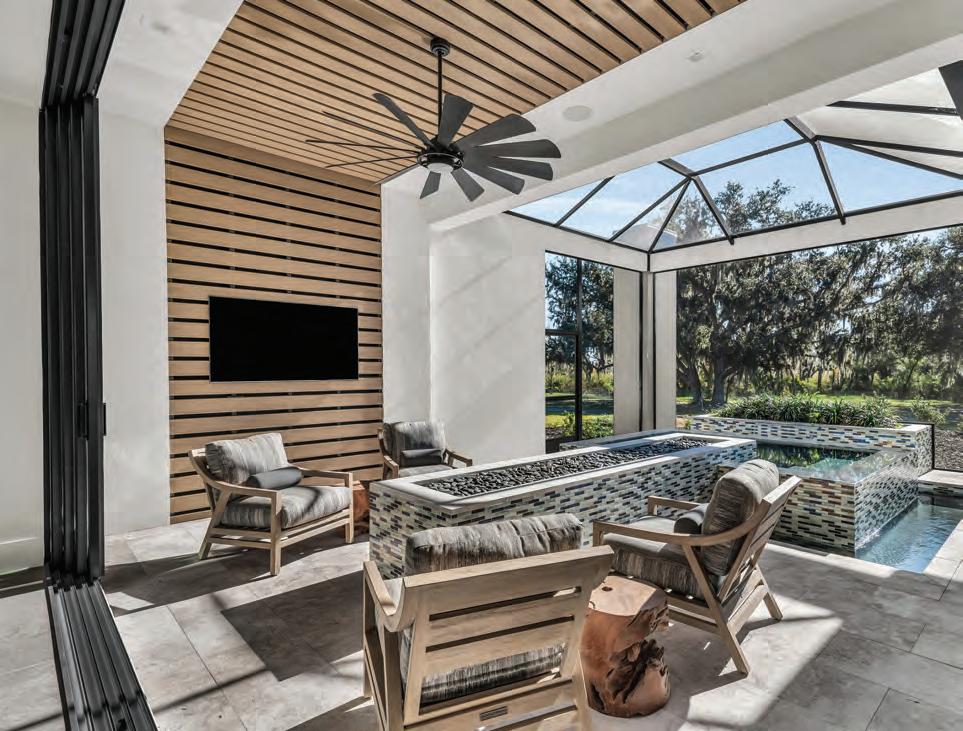
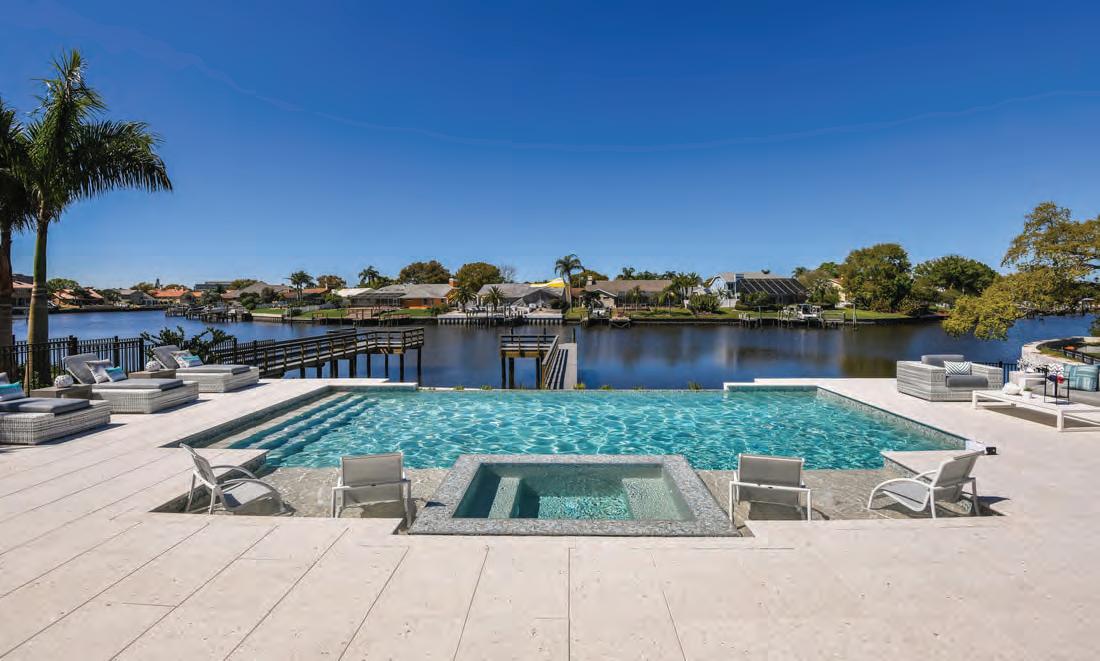


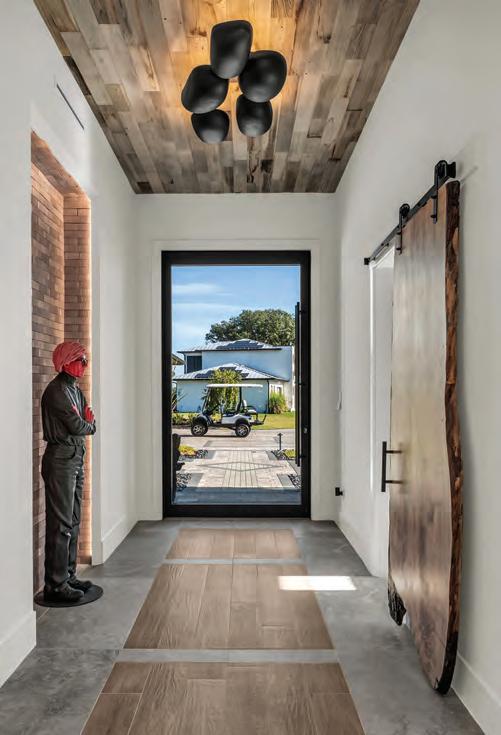






941.351.8000









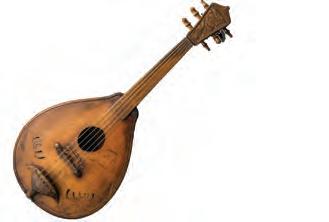


















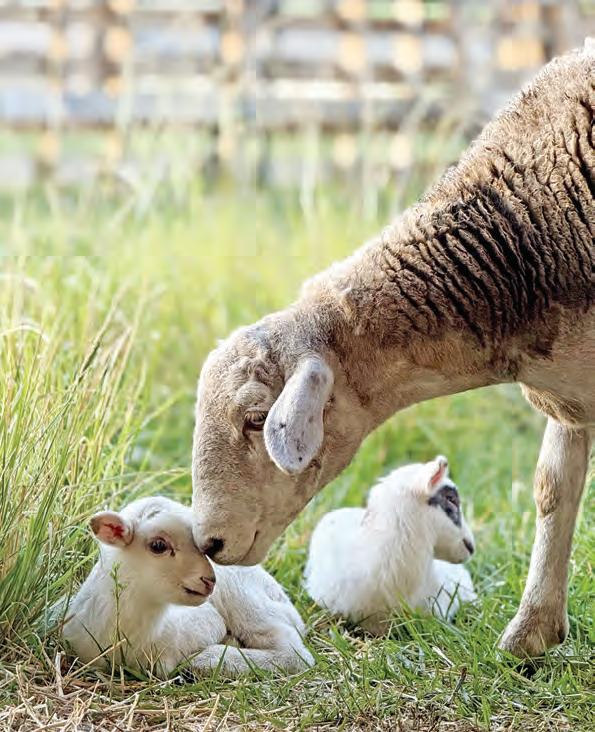


Continued from Page 103
Based on SHOLEM ALEICHEM stories, by special permission of ARNOLD PERL
Book by JOSEPH STEIN
Music by JERRY BOCK
Lyrics by SHELDON HARNICK
Produced on the New York Stage by HAROLD PRINCE
Original New York Stage Production Directed & Choreographed by JEROME ROBBINS
Directed by PETER ROTHSTEIN
Choreography by DANNY PELZIG
Music Direction by MATTHEW MECKES
11 - MAY 24
incidentally, hoping to get a section of an orange as a special treat. Being out in the country presents a security problem for livestock. Coyotes and bobcats are always a threat to the animals, and deer can wander in and wreak havoc in the gardens. The Wetheringtons have come with the perfect solution — four Anatolian shepherds, a dog breed originally from Turkey. They are specially bred to protect livestock, and they do their job well, patrolling the farm at night, their massive size and intimidating presence scaring off any hungry intruder. Not surprisingly, the dogs — Lilly, Beau, Titus and Brutus — are pussy cats when they’re not working, always hoping to get their stomachs rubbed. Lee reports they refuse to come in the house; they are totally focused on their job outdoors. Lilly, by the way, may have broken some sort of record recently when she gave birth to 12 puppies.
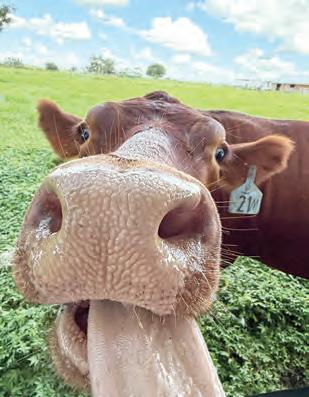
“I’ve always dreamed of owning land to establish a farm and ranch,” Caro -
Continued on Page 106
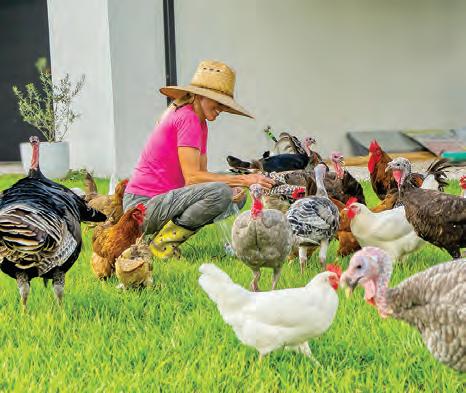

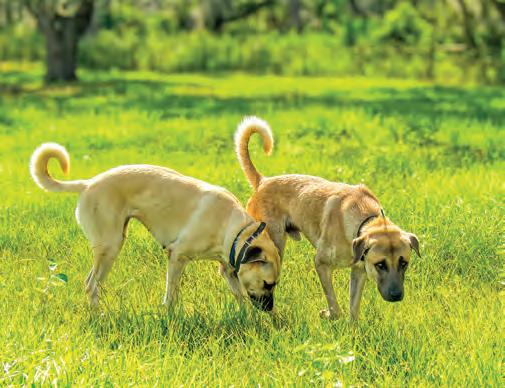
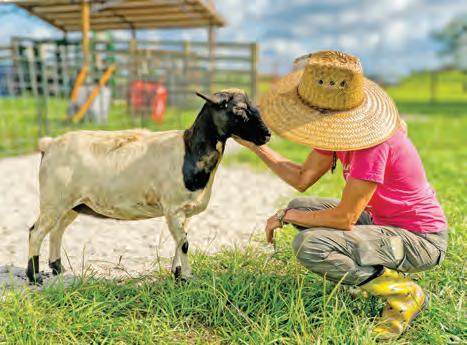

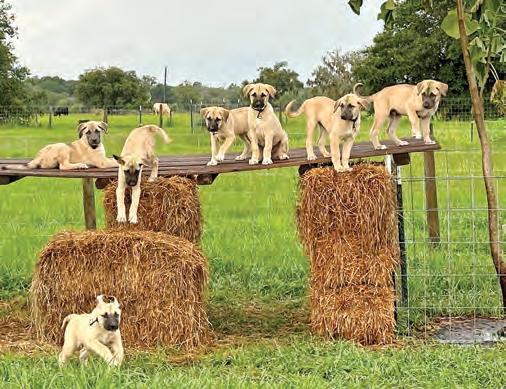
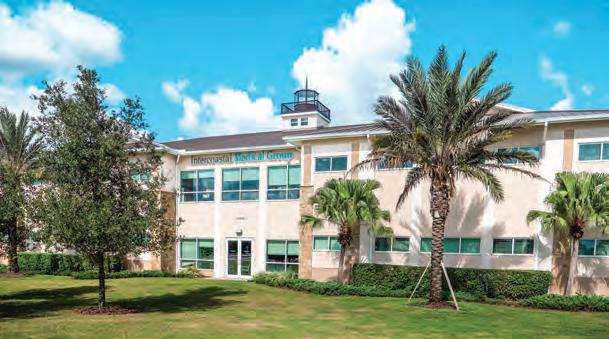
•
•
Continued from Page 105
line says. In 2021 she and Lee found the perfect spot: 30 acres bordered by a creek, secluded but well located. “It was 10 minutes from my office,” Lee says. The land had been used for cattle grazing, so the soil wasn’t contaminated by chemical pesticides and herbicides.
Lee describes the farm as “regenerative.” Nothing is wasted, virtually everything finds a second use. There are compost piles and burn piles, electricity is produced by a solar field, and there are three wells on the property.
It’s a lot of work. Caroline is usually up by 5:30 a.m., making sure everything is running right. There is one full-time farmhand — Jose — with other labor brought in when necessary. A new “barndominium” stands near the main house. It’s technically defined as a barn with a living space attached. For the Wetheringtons it provides storage for farm machinery and workspace to prepare the farm’s bounty for sale. Upstairs is a chic apartment with two
Continued on Page 108
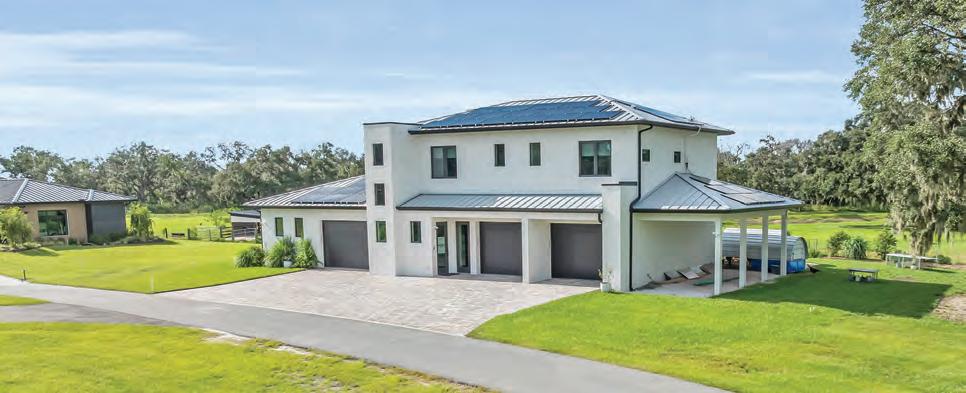
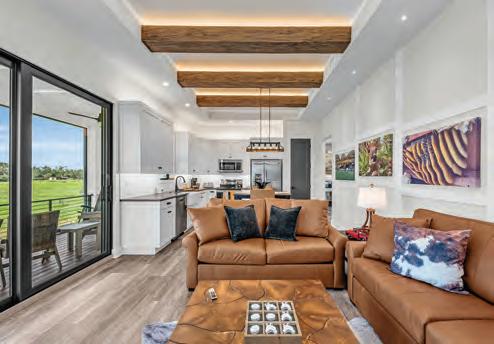
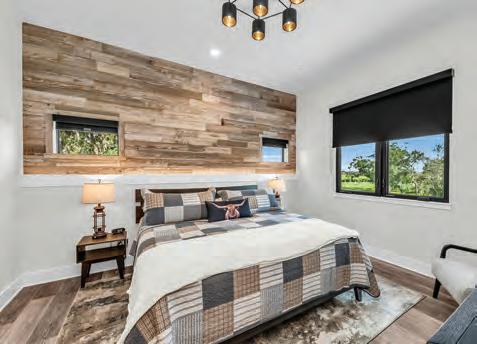
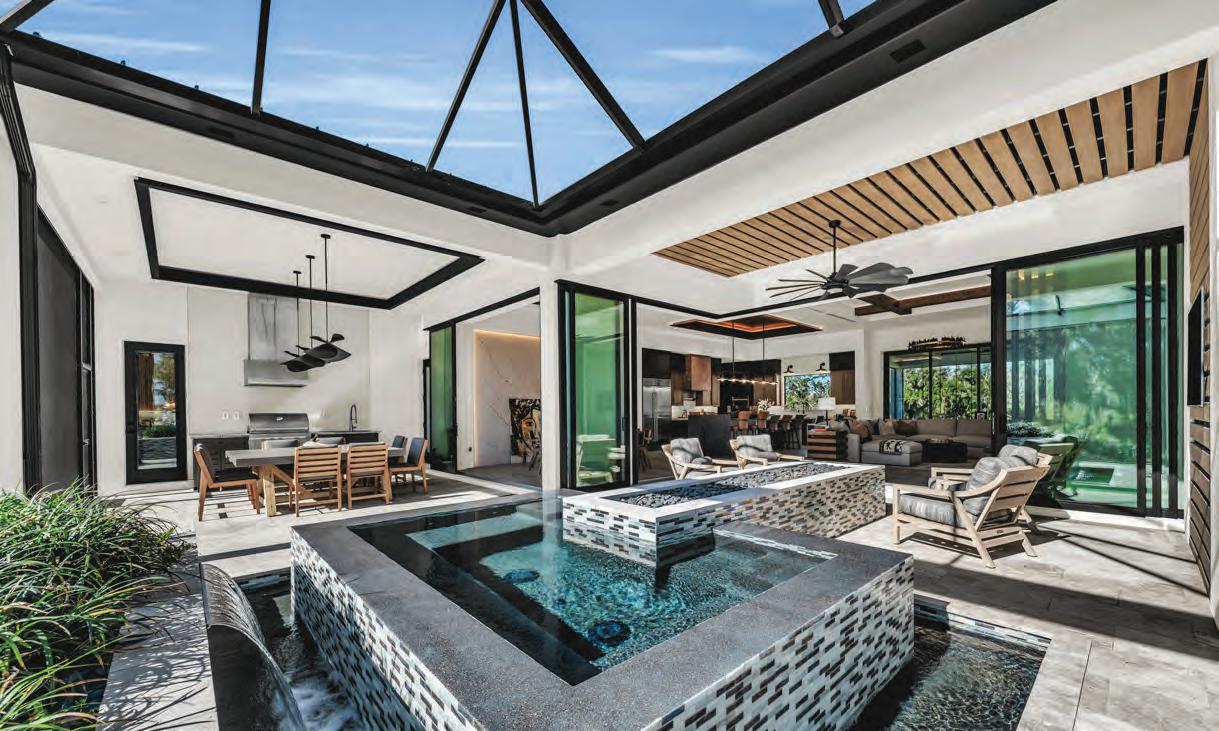


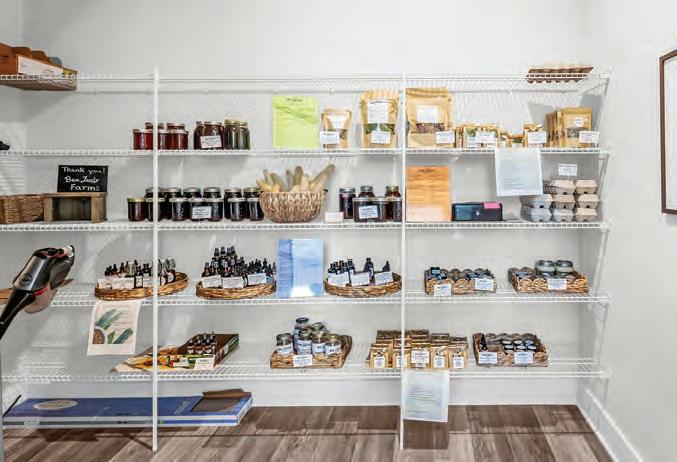
Continued from Page 106
bedrooms and views out to the pasture. It’s used to accommodate visiting friends and family or an occasional worker. Lee and Caroline have even rented it out on Airbnb.
For all the activity involving the cows, chickens and sheep, the centerpiece of the farm is the gardens Caroline has carefully organized and cultivated. Over the years she has become an expert when it comes to the creation of natural organic skincare, health and wellness products.
The gardens grow a vast diversity of herbs, fruits and vegetables. Everything from pumpkins and melons to sunflowers and marigolds, even bananas and tobacco. Particularly notable is the moringa, a “superfood” from India. From these items Caroline fashions a variety of cremes and potions. You’ll find calendula oil, mullein syrup, tallow-based skin balm, organic tobacco tincture — the list goes on and on.
These items, along with the farm produce and the raw honey (Caroline is a state-licensed beekeeper) are sold online and at occasional crafts fairs.

Late in the afternoon, as the winter sun starts to set and the cows come in from the pasture (yes, cows really do “come home”) Lee has a chance to relax in front of his new home and look back on his remarkable career. Caroline has just disappeared behind the barn to make sure the animals have been fed. It’s clearly a transitional moment in the everyday life of the farm.
Lee’s career began when he built his first house in Gulf Gate in 1976. He went from success to success during
Continued on Page 110
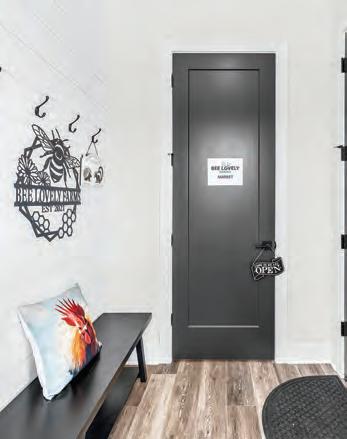
The bees have given the farm its name — Bee Lovely Farms — but the raw honey they produce is just a small part of the operation.


Facing cancer is never easy, but you’re not alone.
Stacey South, MD, board-certified gynecologic surgical oncologist of Manatee Physician Alliance, is pleased to accept new patients. With more than 25 years of experience in women’s medicine, her patients rely on her for advanced treatments and personalized care.
Dr. South specializes in an integrative approach to the diagnosis and management of cancerous and non-cancerous (benign) conditions of the female reproductive system, including:
• Vulvar cancer
Endometrial/uterine cancer
• Abnormal pap smears
• Peritoneal cancer
• Tubal cancer

As a Master Surgeon in Robotic Surgery, Dr. South is recognized for consistently delivering superior patient results and for exceptional skills and experience in minimally invasive robotic surgery.
Continued from Page 108
his 50 years in the construction business and won hundreds of awards, both for the quality of design of his homes and their relationship to the environment. But what he’s proudest of is his work in giving back to the community he helped build. Over the years the Lee Wetherington Foundation has given millions to the Boys & Girls Clubs (one of their facilities is named after him) and he has also been generous with many other local charities, particularly those that help disadvantaged children and reinforce his deeply held Christian values.
These days that even extends to Bee Lovely Farms. Schoolchildren come for visits on field trips; it’s the perfect experience to show today’s tech-savvy kids that there is world beyond scrolling. In fact, visitors are welcome, by appointment. It’s an experience that’s both educational and inspirational.
“You’ve been very lucky,” I say.
“No,” he says, looking around at the giant oaks, the pasture, the dogs making sure the cattle get into their pens for the night. “Not lucky. I’ve been blessed.”
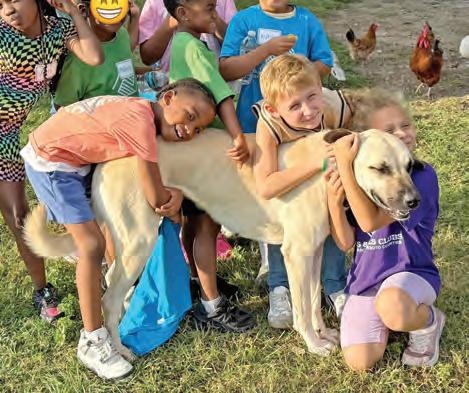
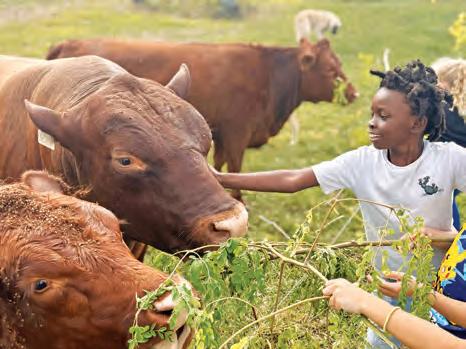
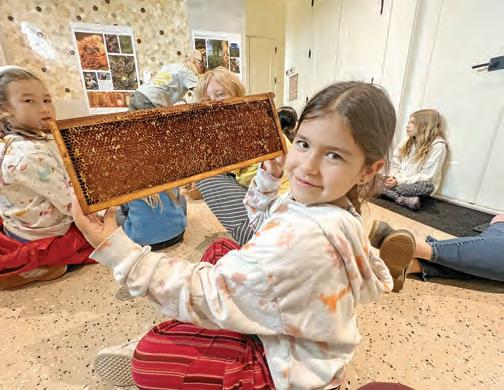
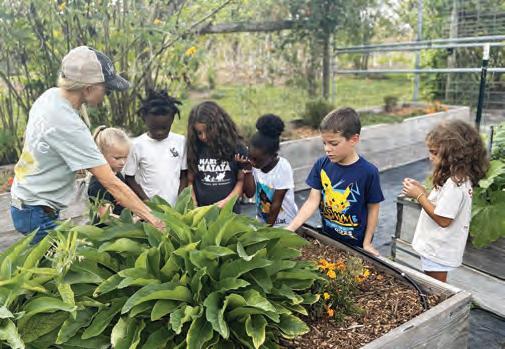

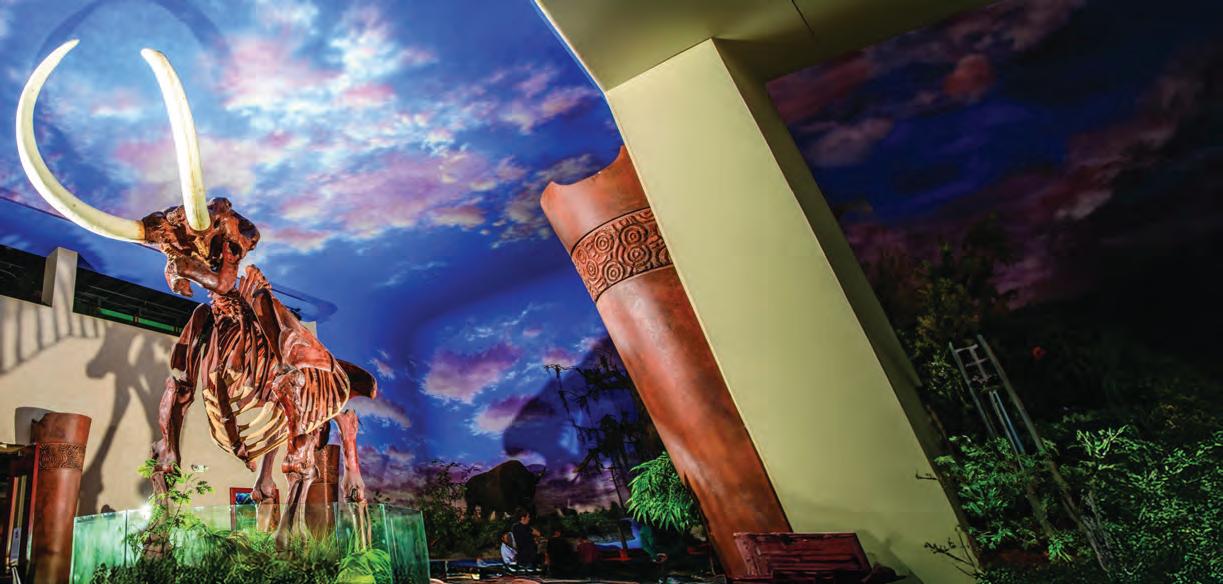



JOE THEISMANN
This year, the 17th Annual Signature Luncheon reaches for a new level of excellence at The Ritz-Carlton, Sarasota. Joining us is Super Bowl champion and inspirational speaker Joe Theismann, who will share his powerful story. Your generosity makes it possible for us to continue providing Hospice care along with programs and services that brighten the lives of patients, family and community members. Driven by compassion, we support and advance the mission of full life care to those who need it most.
For tickets and information please contact us at 941.552.7546, or scan the QR code.
THANK YOU TO OUR SPONSORS
EXCLUSIVE SIGNATURE SPONSOR
SUSTAINING SPONSOR
JAN MILLER AND JIM CULTER

CORPORATE SPONSOR

VISIONARY SPONSORS



JUDITH T. BERLOW AND FAMILY
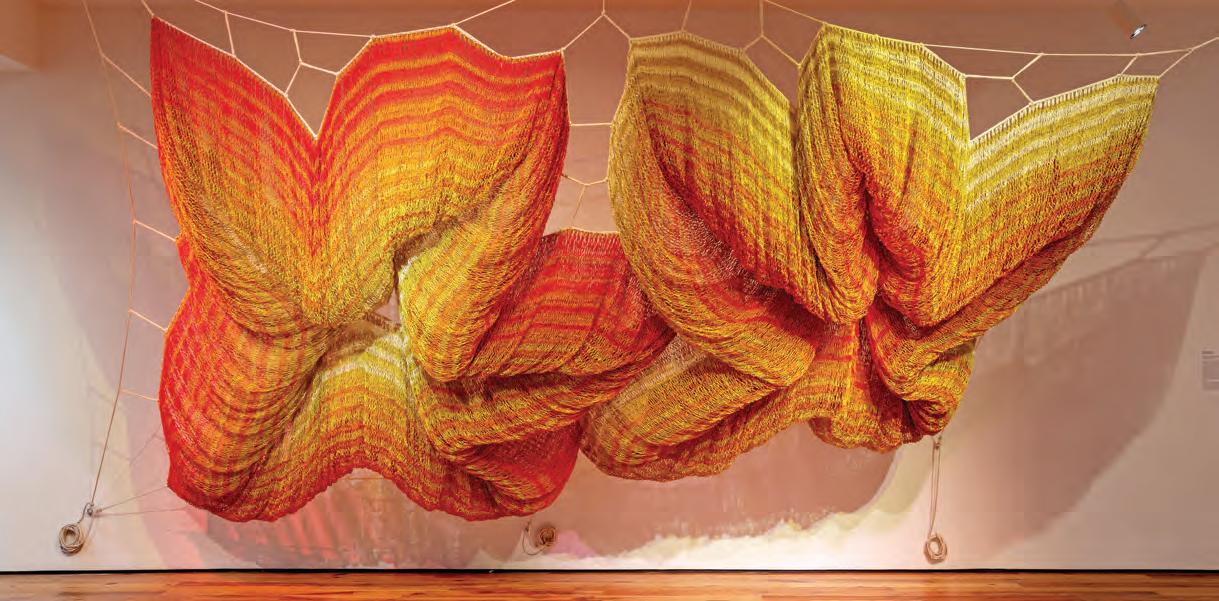
BY SU BYRON MANAGING EDITOR
Sarasota Art Museum’s “Janet Echelman: Radical Softness” is a sweeping retrospective of the celebrated artist’s four-decade career. Her recent work includes massive, outdoor net-sculptures like “Butterfly Rest Stop” and “Remember the Future.” These floating, multicolored webs seem to sculpt the sky. The artist’s latest series of cyanotypes is also on display. Created from 3D digital models and photos of Echelman’s installations, these prints translate her massive, netted forms into evanescent imagery. This show also traces the artist’s first steps in paintings, intimate textile works and sculptural studies. From Echelman’s
earliest work to her latest, it connects her love of soft materials with her tough artistic credo. It’s a joyful celebration of interconnectedness, resilience and humanity’s impact on each other and the planet. Through April 26. Visit: SarasotaArtMuseum.org.
The Ringling’s “Nuestro Vaivén (Our Sway)” is its first major exhibition devoted to contemporary Latinx art. Representing 11 Latin American nations and 11 Florida counties, the show pairs four of Sarasota’s community leaders with exhibiting artists. Their
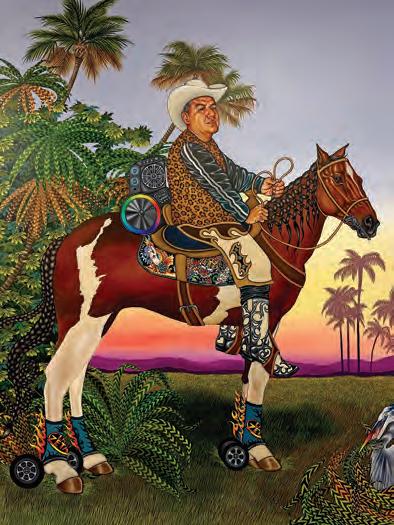

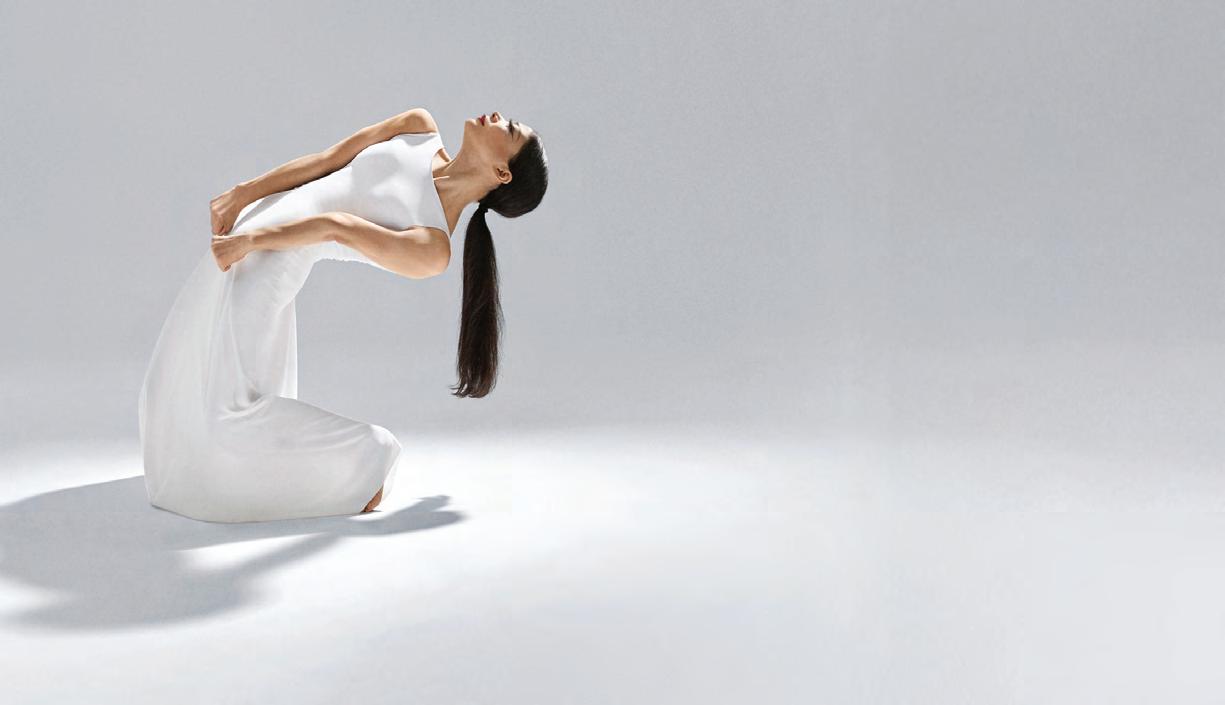


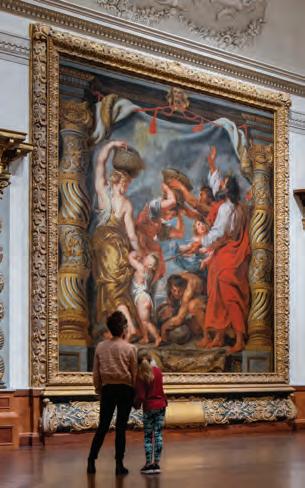
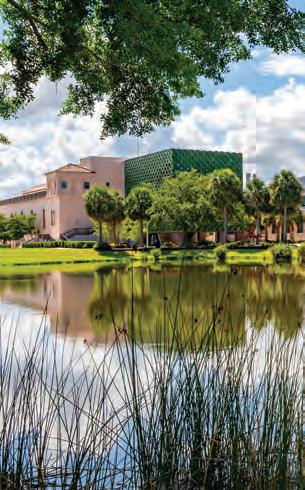
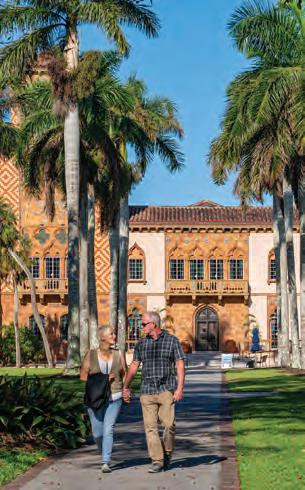



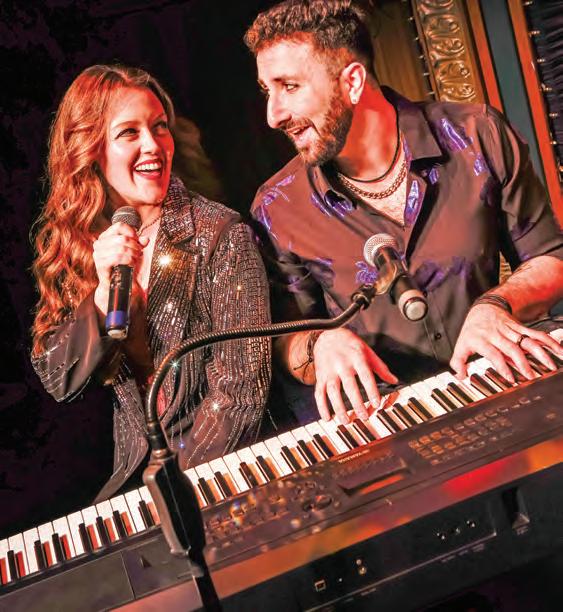
Continued from Page 112
resulting collaboration sparked these socially engaged installations, each informed by shared stories and lived experiences. A companion exhibition also celebrates work by 14 other Latinx artists with a vast range of voices and styles. Both shows offer moving artistic tributes to their artists’ communities and heritage. Through March 8. Visit: Ringling.org.
Florida Studio Theatre presents “Three Pianos,” an original musical revue created by Rebecca Hopkins, Richard Hopkins and Sarah Durham, with arrangements by Jim Prosser. Their electrifying cabaret celebrates the keyboard legends who reshaped popular music, including Ray Charles, Alicia Keys, Fats Domino and Freddie Mercury. Iconic hits include “Crocodile Rock,” “Great Balls of Fire,” “I’m Still Standing” and “Beautiful,” performed with FST’s trademark energy and pizzazz. Through March 29 in FST’s Goldstein Cabaret. Visit: FloridaStudioTheatre.org.
The Sarasota Jazz Festival is coming back to the Sarasota Municipal Auditorium, March 9-14. Based on this year’s talent, the return engagement looks like a triumph. The festival’s stellar lineup of jazz greats includes Arturo Sandoval, John Pizzarelli, Terell Stafford, Sammy Figueroa and Danny Sinoff. If you feel like a moving musical feast, there’s also a lively 12-stop Trolley Pub Crawl. It adds up to six days of rhythm, improvisation and world-class artistry. Visit: SarasotaJazzFestival.com.





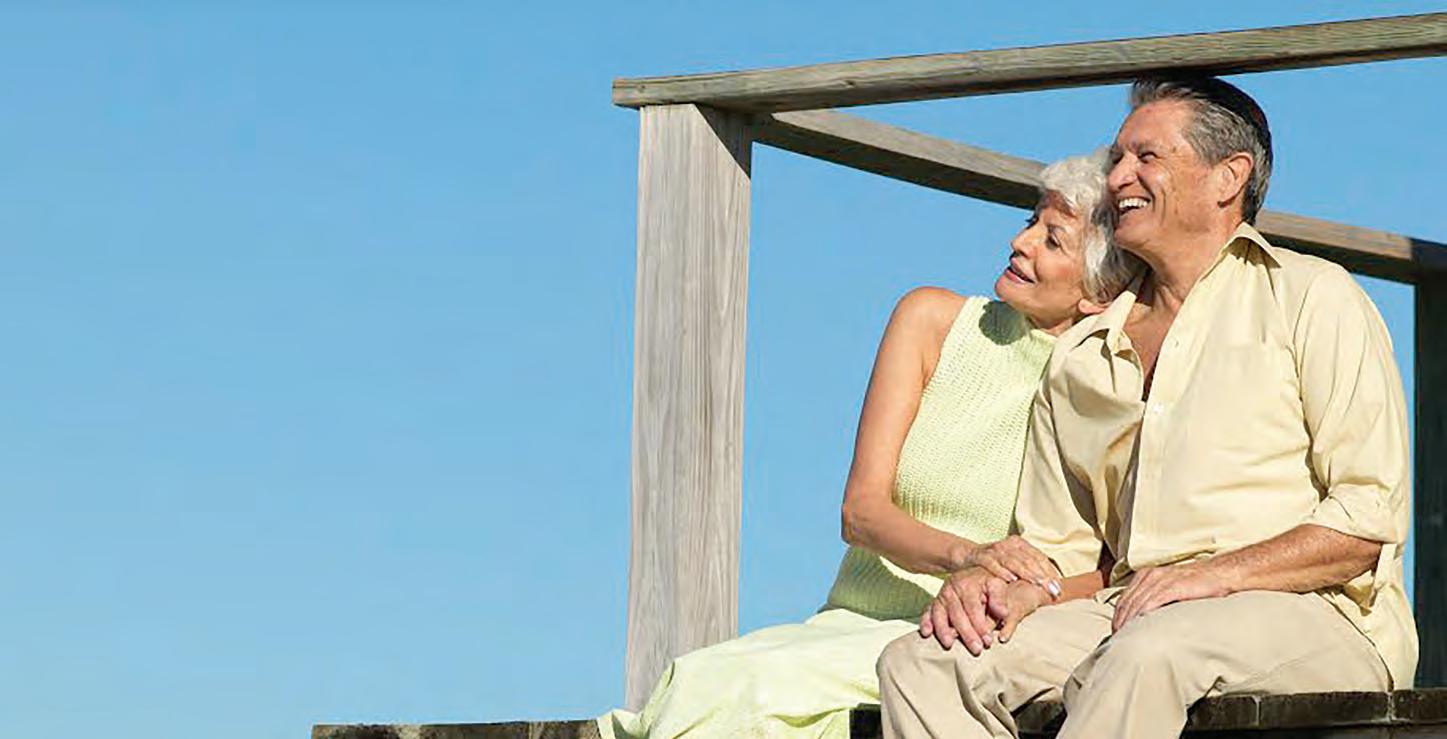
BY MARTY FUGATE | CONTRIBUTOR
Lucky Pelican Bistro has long been one of Lakewood Ranch’s most popular destinations for coastal comfort food. This crowd-pleasing appeal is no accident. It’s the product of a strong leadership team: general manager Desmond Hill and manager Petro Demko, whose influence is woven into the restaurant’s design, atmosphere and overall success. Thanks to their guidance, Lucky Pelican’s warm, easygoing spirit shines through in its cuisine and service. This seafood-centric restaurant blends laid-back charm, first-rate cuisine and mindful hospitality. In this conversation, Hill shares a few more secrets of Lucky Pelican’s enduring appeal — and why diners keep flocking back.
Lucky Pelican Bistro’s personality is … … cozy, vibrant and a little rustic. We’re not snobby or super elegant but we’re still very charming. It all adds up to a warm, welcoming feel.
Our great menu begins with … … the vetting process for our staff — kitchen staff, especially. We hire professionals who love their job and care
about our customers. People like that do their best work, and customers love it. People who don’t enjoy this job won’t send out the best product, and customers don’t like that. If you wouldn’t eat a meal or serve it to your family, why would you serve it to a guest? Our staff wouldn’t dream of it.
I want our guests to feel … … a warm environment that’s out of the ordinary and makes them feel welcome and relaxed. We want to make our guests feel comfortable. From the moment they walk in through our doors, they do. They know this is a place where they can bring their family, come on a date or celebrate a birthday. Our customers know we’re here for them. They can feel it.
We build customer loyalty with … … consistent quality. The food coming out of our kitchen is always the best. Our customers rely on that. If they didn’t, they’d go someplace else. With so many local dining options, why wouldn’t they? But Lucky Pelican has no bad days. We’re not just good; we’re always good. That’s what sets us apart. Our customers know it, and it keeps them coming back.
My definition of great hospitality is … … pleasing customers and avoiding the word “no,” if possible. A guest might have an unusual request. Within limits, we always try to say “yes.” We do whatever we can to make a night out at Lucky Pelican unforgettable.
Continued on Page 118
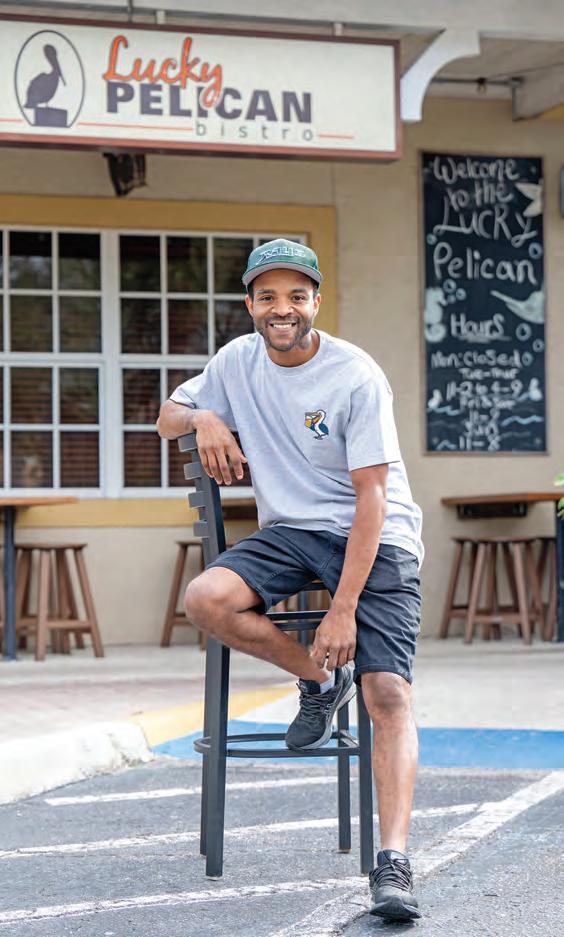
















Your wellness should never wait. As a patient with LernerCohen Concierge Healthcare, you have the full attention of your private, board-certified doctor who knows you personally, can see you at any time and is committed to delivering the level of care you deserve.
Don’t just think of us as your Primary Doctor. Consider yourself our Primary Patient.
Schedule a meet and greet to see if concierge care is right for you.
Our guests made me smile that time when … … on the day before Christmas Eve, one guest brought in stockings with the names of the people working at our bar. Other guests had filled them up with gifts. I’d never seen customers give back like that — not in any of the places where I’d worked. It says a lot about the Lakewood Ranch community.
My top two commandments for hospitality leaders are … … stay calm and keep cool. Cooler heads prevail in this industry. Something always goes wrong — don’t lose your head when it does. And you can’t lead your team without getting into the real action. Don’t delegate all the time. Work alongside your team. That’s how you earn respect.
Don’t leave Lucky Pelican without trying … … the lobster roll. Period. No question. End of story.
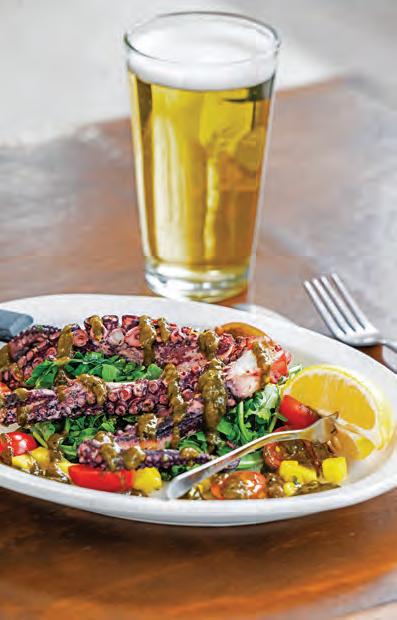
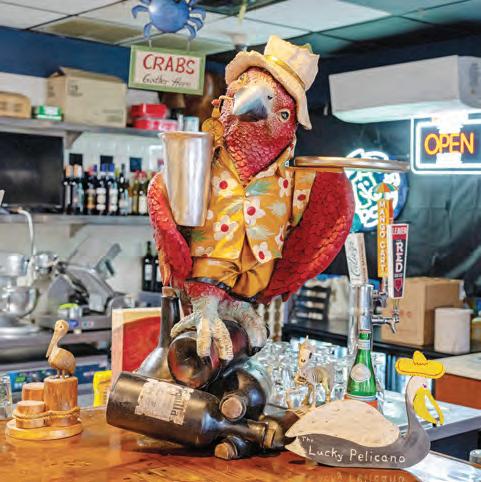
Lucky Pelican Bistro 6239 Lake Osprey Drive, Suite 119, Lakewood Ranch 941-907-0589; LuckyPelicanBistro.com



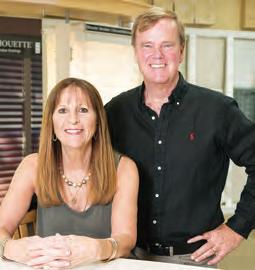


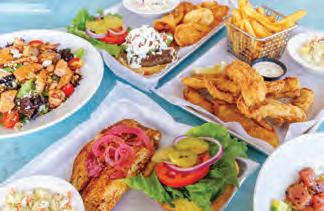
Serving
FIVE STAR FUN FIVE STAR FUN at

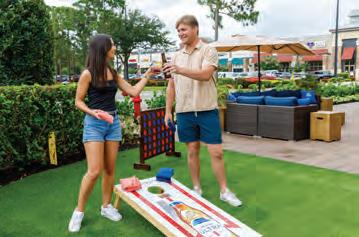

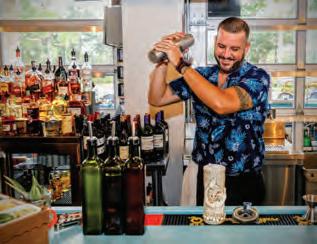
Our UTC location brings serious flavor and fun, featuring a 40-seat indoor and outdoor raw bar anchored by our crown jewel, the shucking station, where boutique oysters are freshly shucked to order from the best family-owned farms. From tropical Tiki Drinks and our craft cocktail lineup to a wine list full of crowd favorites and hidden gems, there is something for every connoisseur. Our bold menu features fresh dishes like Cajun Cobia, Sushi Stack, Churrasco Skirt Steak, and Crab Mac & Cheese.

The space is a stunner, and the deals are just as exciting. Enjoy Happy Hour daily from 3 to 6 pm and from 9 pm to close on Fridays and Saturdays. BOGO half-off starters are available every day from 2 to 4 pm. Add in Five Star Fun and daily deals, and you have your new favorite spot on the Ranch. Come see what the buzz is about!
5405 University Pkwy #110 941-491-2662 | OysterBar.net
Locally owned and operated by Christophe and Geraldine Coutelle, this award-winning local favorite opened in 1997. Experience an authentic French café for breakfast, lunch, coffee, house-made French dessert, or a glass of wine! The Downtown Sarasota location is open seasonally for dinner starting in December; hours are posted on cestlaviesarasota.com. Featuring monthly wine-pairing dinners on select evenings, C’est La Vie is also available for creating party platters and customized cakes and desserts!
9118 Town Center Pkwy, Lakewood Ranch 941.961.0111 • Open Tue-Sat 7:30a-5p, Sun 8a-4p
1553 Main St, Sarasota • 941.906.9575
Open Mon-Tues 7:30a-6p cestlaviesarasota.com
Restaurant, Tiki Bar, Fine Dining & Ballroom
Chef Rolf offers the perfect location at the CASEY KEY RESORTS MAINLAND for your private event and can accommodate up to 200+ people.
Enjoy all of Chef Rolf’s Amazing Dining Experiences:
• The TIKI BAR serving lunch and dinner daily from 12-9pm, happy hour & live music.
• INSIDE DINING ROOM open daily for dinner and Sunday brunch.
• CORAL ROOM FINE DINING open daily for dinner.
• THE OSPREY CAFE serving breakfast daily 8-11am and Sunday brunch 11-2pm.
21660 S. Tamiami Trail, Osprey 941.966.2121 | www.ChefRolf.us
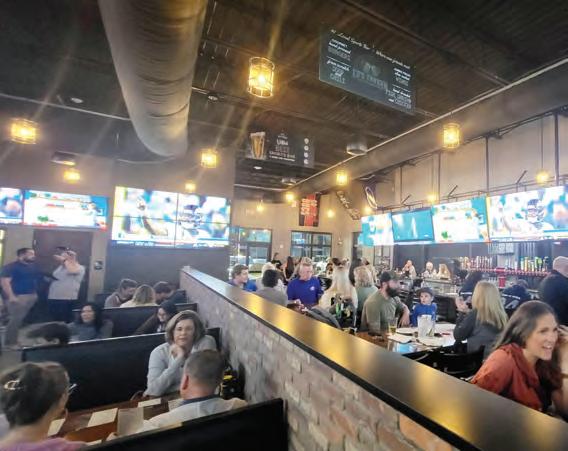




Lakewood Ranch’s Premier Sports Bar and Restaurant with two locations! We are a perfect blend of local neighborhood sports bar and a family friendly restaurant. Both locations have a full-service bar including 26 ice cold draft selections plus over 31 flat screen TVs. Daily Events and specials. Check out the lineup at EdsTavernFL.com.
Happy Hour Every Day 4pm-7pm.
Live Music Friday + Saturday nights. Kitchen Open Late!
New Location: 1305 108th St E, Bradenton 941-329-1010
10719 Rodeo Drive, LWR 941-907-0400
Discover chef-driven Contemporary American cuisine at GROVE. Enjoy house-made dishes crafted from fresh, seasonal ingredients in a warm, welcoming atmosphere. Located in the heart of Lakewood Ranch, GROVE offers a variety of spaces - including a patio, dining room, modern bar, private rooms, and a grand ballroom - making it a premier destination for private dining and events.
Whether you’re planning an intimate dinner or a large-scale event, GROVE offers the perfect fusion of sophistication and hospitality.
10670 Boardwalk Loop, Lakewood Ranch 941.893.4321 | www.GroveLWR.com
Where Every Guest Will Find Something They Love.
At Oar & Iron, we didn’t set out to change the world. We just want a world where everyone can order what they want.
Refined, relaxed, and full of options to please everyone, Oar & Iron lets you have it all. Because sometimes you don’t know you’ve been settling for less until you stop settling.
Made from Scratch Menu - Inspired by Land and Sea.
8710 US 301-N, Unit 120 | Parrish, FL 34219 941-280-5598 | www.oarandiron.com


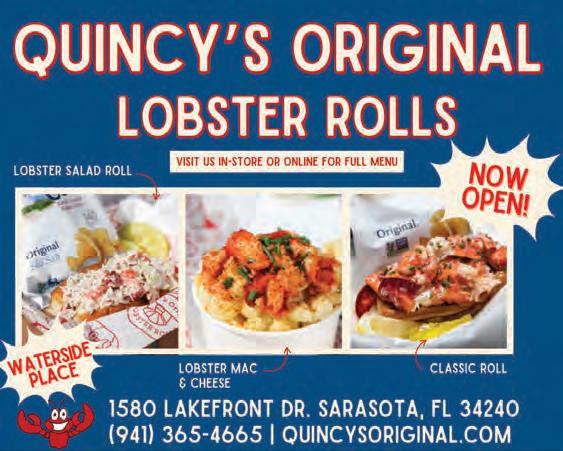
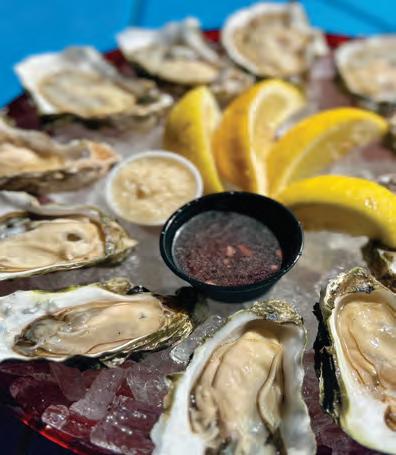



Bringing the authentic taste of New England straight to Lakewood Ranch, Quincy’s Original Lobster Rolls serves up buttery, golden rolls piled high with 100% wild-caught lobster.
Whether you’re a longtime lobster lover or trying your first roll, Quincy’s makes every bite feel like a trip to the Maine coast. Head on over to Waterside Place to experience all Quincy’s has to offer.
1580 Lakefront Dr. Sarasota, FL 34240 941.365.4665 | QuincysOriginal.com
Welcome to Siesta Key Oyster Bar (or SKOB, as the locals call it), your ultimate beachy hangout where the Island vibes are always flowing! We’re #1 on the Key for a reason-our mouthwatering menu! Whether you’re craving fresh oysters, seafood, all-natural burgers, or crispy chicken wings, we’ve got you covered. Sip on one of 21+ beers on tap, from local craft brews to imports, or try one of our creative specialty cocktails. Don’t miss our happy hour, $12 a dozen oysters from 3-6 PM daily! With live music every day and night from the best local musicians, SKOB is your go-to spot. And hey, we’re serving up brunch Sundays from 9-11:30 AM. Stop by, chill out, and enjoy the good times!
5238 Ocean Blvd, Siesta Key 941.346.5443 | skob.com
Station 400 is your local family owned & operated breakfast & lunch restaurant. Offering chef inspired twists on your favorite brunch items. With the best local ingredients and always above & beyond service. Specialty Mimosas, Seasonal Menu, GF & Vegan options.
Voted 2025 Best Local Breakfast Spot
LWR Ranch 8215 Lakewood Main St.
Downtown Sarasota 400 N. Lemon Ave
www.Station400.com
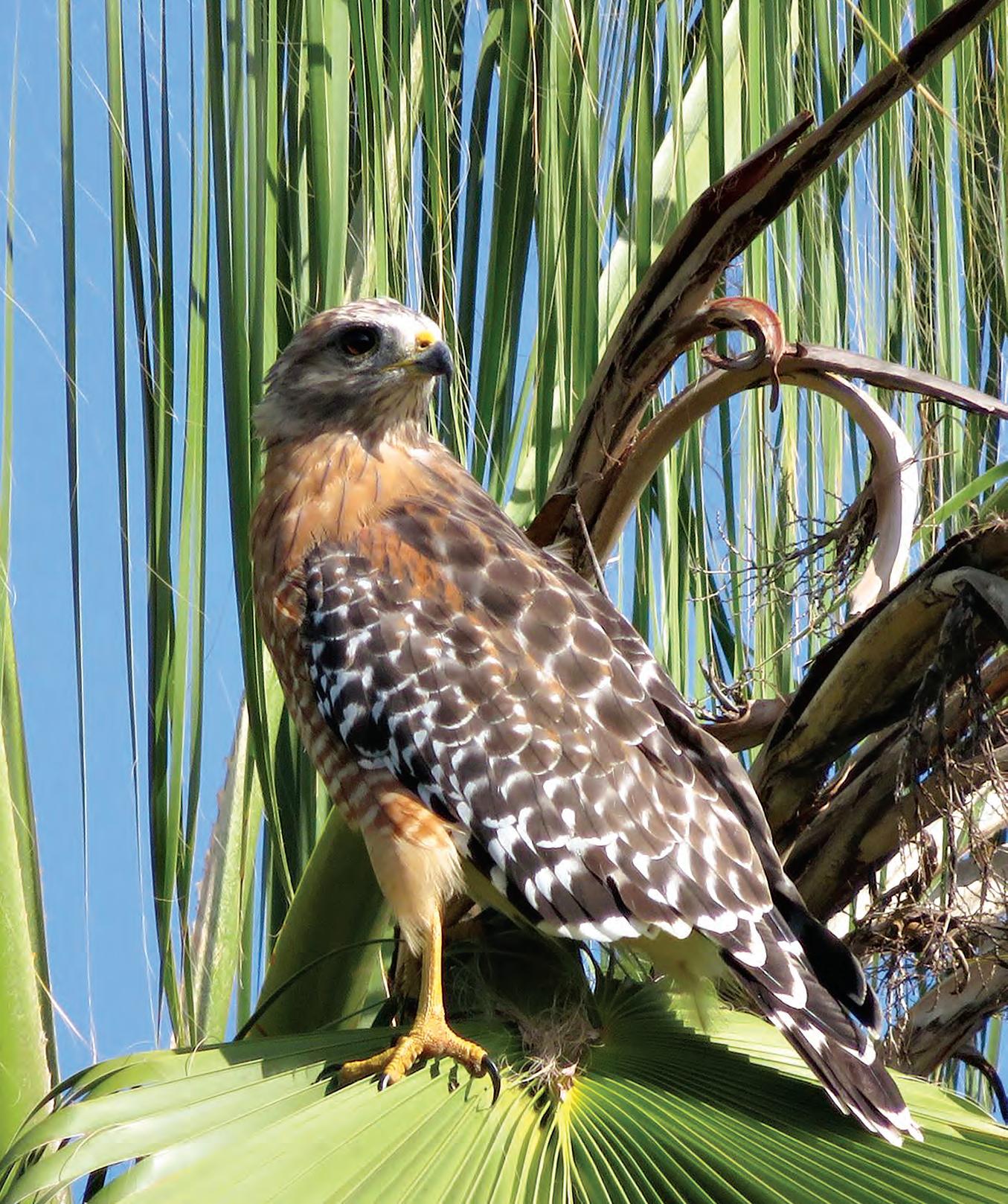
Ranked as one of America’s Best Realtors® in the Top 0.05% Nationwide for 4 Years in a Row, and ranked a Top 5 Agent in Lakewood Ranch for 12 Years in a Row. Specializing in luxury properties in Sarasota & Manatee, Stacy’s award-winning service gives you the results you require and the professional experience you expect.
Connect with Stacy Haas today to discuss your real estate goals.
• #1 Individual Agent in Sarasota & Manatee in 2025
• Over $97 Million in Sales Volume in 2025
• Five Star “Best in Client” Award Winner 2007 to 2026
• Certified Luxury Home Marketing Specialist & Guild Elite Recognition for Top Luxury Sales
• Master Certified Negotiation Expert
• Over 30 Years of Real Estate and Interior Design Experience
• Proud Lakewood Ranch Resident & Real Estate Expert for Nearly 20 Years

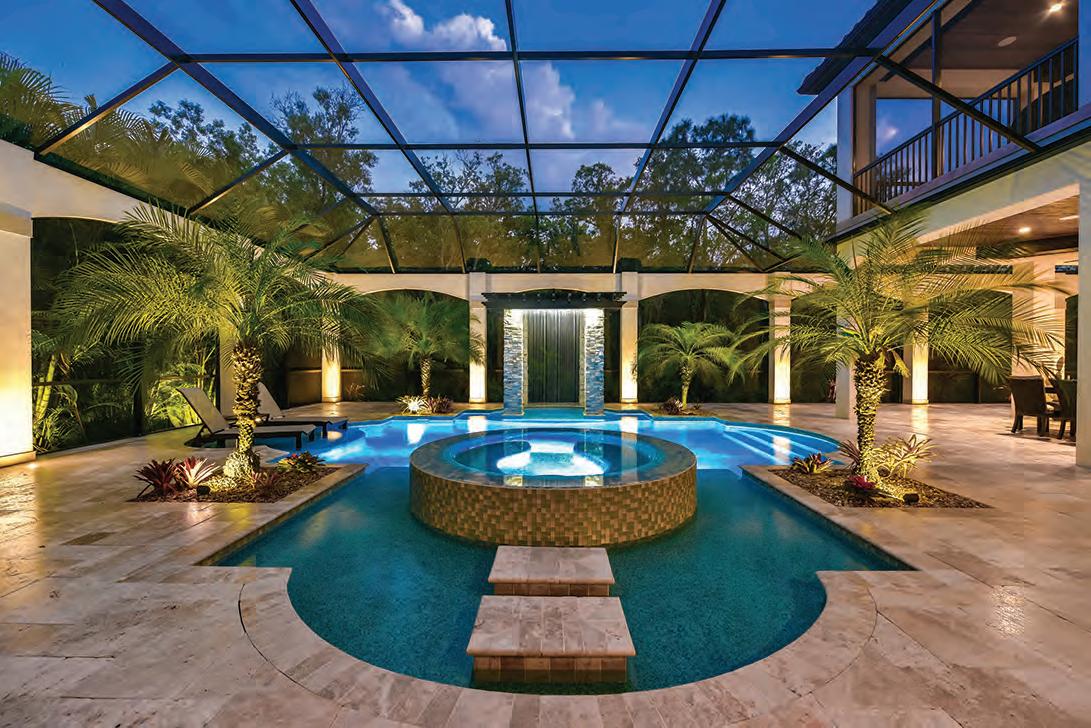

At Pascarella Luxury Group, we help clients achieve their real estate goals-whether buying or selling – by combining deep local expertise, luxury market insight, and a personalized, family-first approach to deliver exceptional results with confidence, care, and integrity.
• #1 Lakewood Ranch Agent for Coldwell Banker
• Top 1% of all Sarasota and Manatee Realtors
• Over $500 million in Lifetime Sales
• Mother-daughter real estate team proudly serving the Lakewood Ranch community