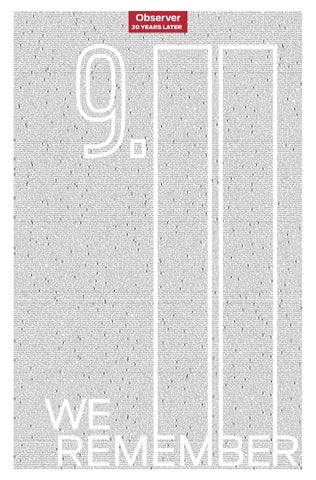
“It was deserted, with soot, debris and random fires. I remember walking right past all these car fires that normally we would try to put out.” || “(My friend says): ‘Where are you? A plane just came down Sixth Avenue,’” he said. “As we keep going, we can see a building burning, … and everyone’s phones just start going off.” “We got up less than 10 floors. Then we heard the evacuation order.” || “Everyone started to get nervous. We knew it was a terrorist attack. We knew it was going to be the job of all jobs.” || “You wanted to go and save them. You wanted to help them. There was nothing you could do. You could only try to do the best you can with what you knew how to do.” || “I feel the younger generations should know what this country, my friends, my brothers, went through. It is a tough thing to talk about. But it’s history, and we should get the different stories.” || “I think that 9/11 was a seminal event in this country and that our lives are forever changed because of what happened. It’s important to examine why we are where we are in this country, and some of that is directly traceable to what happened on that day.” || “I remember he had this smell like earth, fire and smoke. He was black. He was (covered) in soot.” || “It was a scary time, so to share with them what it was like to wonder if there was going to be a tomorrow or if there was going to be an economic collapse was surreal.” || “We gave whatever we could. We were together, and we were going to do our best.” || “Unfortunately, history tends to repeat itself, and it’s important that kids are aware of what’s happened in the past so they can be on the lookout for what might be happening in the future.” || “I found out about the towers probably even before the Secret Service.” || “The Secret Service, by the expressions on their face, you knew. We were sitting there watching on little 12-inch TVs. Once you saw that second one hit, we knew we were under attack.” || “We were a very small team, and I’ll never forget all of us huddled into the conference room with a little TV and just not moving.” || “Some of them were there for months. Fire stations were empty. They were running calls, and all the firemen were gone. There was a whole shift that was gone from several stations, and what they did is they got the ones who knew the area, and then they filled in with other firemen from all over the U.S. It was quite a feat, to say the least. … You just became another firefighter up there.” || “Your adrenaline takes over. It’s something you’ve never experienced before, and you just move into doing the best you can to serve all of the people you now have responsibility for.” || “One of the other airport directors came out and said: ‘You need to call your office. Something very bad is happening.’” || “It was all finding out where people were, how to get them home, making sure they were safe. I don’t think it was really until the next day, as the shock wore off, that the implications for the travel industry (became clear).”|| “You were watching this television screen, and you were just incredulous about it, and then you’re just very sad.” || “We try not to forget and make sure we stay vigilant.” || “As soon as we saw the television, we understood there was something much greater happening.” || “I still remember his exact response: ‘There is more firepower on this property than you want to know.’” || “It was deserted, with soot, debris and random fires. I remember walking right past all these car fires that normally we would try to put out.” || “(My friend says): ‘Where are you? A plane just came down Sixth Avenue,’” he said. “As we keep going, we can see a building burning, … and everyone’s phones just start going off.” || “We got up less than 10 floors. Then we heard the evacuation order.” || “Everyone started to get nervous. We knew it was a terrorist attack. We knew it was going to be the job of all jobs.” || “You wanted to go and save them. You wanted to help them. There was nothing you could do. You could only try to do the best you can with what you knew how to do.” || “I feel the younger generations should know what this country, my friends, my brothers, went through. It is a tough thing to talk about. But it’s history, and we should get the different stories.” || “I think that 9/11 was a seminal event in this country and that our lives are forever changed because of what happened. It’s important to examine why we are where we are in this country, and some of that is directly traceable to what happened on that day.” || “I remember he had this smell like earth, fire and smoke. He was black. He was (covered) in soot.” || “It was a scary time, so to share with them what it was like to wonder if there was going to be a tomorrow or if there was going to be an economic collapse was surreal.” || “We gave whatever we could. We were together, and we were going to do our best.” || “Unfortunately, history tends to repeat itself, and it’s important that kids are aware of what’s happened in the past so they can be on the lookout for what might be happening in the future.” || “I found out about the towers probably even before the Secret Service.” || “The Secret Service, by the expressions on their face, you knew. We were sitting there watching on little 12-inch TVs. Once you saw that second one hit, we knew we were under attack.” || “Some of them were there for months. Fire stations were empty. They were running calls, and all the firemen were gone. There was a whole shift that was gone from several stations, and what they did is they got the ones who knew the area, and then they filled in with other firemen from all over the U.S. It was quite a feat, to say the least. … You just became another firefighter up there.” || “Your adrenaline takes over. It’s something you’ve never experienced before, and you just move into doing the best you can to serve all of the people you now have responsibility for.” || “One of the other airport directors came out and said: ‘You need to call your office. Something very bad is happening.’” || “It was all finding out where people were, how to get them home, making sure they were safe. I don’t think it was really until the next day, as the shock wore off, that the implications for the travel industry (became clear).”|| “You were watching this television screen, and you were just incredulous about it, and then you’re just very sad.” || “We try not to forget and make sure we stay vigilant.” || “As soon as we saw the television, we understood there was something much greater happening.” || “I still remember his exact response: ‘There is more firepower on this property than you want to know.’” || “It was deserted, with soot, debris and random fires. I remember walking right past all these car fires that normally we would try to put out.” || “(My friend says): ‘Where are you? A plane just came down Sixth Avenue,’” he said. “As we keep going, we can see a building burning, … and everyone’s phones just start going off.” || “We got up less than 10 floors. Then we heard the evacuation order.” || “Everyone started to get nervous. We knew it was a terrorist attack. We knew it was going to be the job of all jobs.” || “You wanted to go and save them. You wanted to help them. There was nothing you could do. You could only try to do the best you can with what you knew how to do.” || “I feel the younger generations should know what this country, my friends, my brothers, went through. It is a tough thing to talk about. But it’s history, and we should get the different stories.” || “I think that 9/11 was a seminal event in this country and that our lives are forever changed because of what happened. It’s important to examine why we are where we are in this country, and some of that is directly traceable to what happened on that day.” || “I remember he had this smell like earth, fire and smoke. He was black. He was (covered) in soot.” || “It was a scary time, so to share with them what it was like to wonder if there was going to be a tomorrow or if there was going to be an economic collapse was surreal.” || “We gave whatever we could. We were together, and we were going to do our best.” || “Unfortunately, history tends to repeat itself, and it’s important that kids are aware of what’s happened in the past so they can be on the lookout for what might be happening in the future.” || “I found out about the towers probably even before the Secret Service.” || “You were watching this television screen, and you were just incredulous about it, and then you’re just very sad.” || “The Secret Service, by the expressions on their face, you knew. We were sitting there watching on little 12-inch TVs. Once you saw that second one hit, we knew we were under attack.” || “Some of them were there for months. Fire stations were empty. They were running calls, and all the firemen were gone. There was a whole shift that was gone from several stations, and what they did is they got the ones who knew the area, and then they filled in with other firemen from all over the U.S. It was quite a feat, to say the least. … You just became another firefighter up there.” || “We were a very small team, and I’ll never forget all of us huddled into the conference room with a little TV and just not moving.” || “Your adrenaline takes over. It’s something you’ve never experienced before, and you just move into doing the best you can to serve all of the people you now have responsibility for.” || “One of the other airport directors came out and said: ‘You need to call your office. Something very bad is happening.’” || “It was all finding out where people were, how to get them home, making sure they were safe. I don’t think it was really until the next day, as the shock wore off, that the implications for the travel industry (became clear).”|| “We try not to forget and make sure we stay vigilant.” || “As soon as we saw the television, we understood there was something much greater happening.” || “I still remember his exact response: ‘There is more firepower on this property than you want to know.’” || “We were a very small team, and I’ll never forget all of us huddled into the conference room with a little TV and just not moving.” || “It was deserted, with soot, debris and random fires. I remember walking right past all these car fires that normally we would try to put out.” || “(My friend says): ‘Where are you? A plane just came down Sixth Avenue,’” he said. “As we keep going, we can see a building burning, … and everyone’s phones just start going off.” ||“We got up less than 10 floors. Then we heard the evacuation order.” || “Everyone started to get nervous. We knew it was a terrorist attack. We knew it was going to be the job of all jobs.” || “You wanted to go and save them. You wanted to help them. There was nothing you could do. You could only try to do the best you can with what you knew how to do.” || “I feel the younger generations should know what this country, my friends, my brothers, went through. It is a tough thing to talk about. But it’s history, and we should get the different stories.” || “I think that 9/11 was a seminal event in this country and that our lives are forever changed because of what happened. It’s important to examine why we are where we are in this country, and some of that is directly traceable to what happened on that day.” || “I remember he had this smell like earth, fire and smoke. He was black. He was (covered) in soot.” || “It was a scary time, so to share with them what it was like to wonder if there was going to be a tomorrow or if there was going to be an economic collapse was surreal.” || “We gave whatever we could. We were together, and we were going to do our best.” || “Unfortunately, history tends to repeat itself, and it’s important that kids are aware of what’s happened in the past so they can be on the lookout for what might be happening in the future.” || “I found out about the towers probably even before the Secret Service.” || “The Secret Service, by the expressions on their face, you knew. We were sitting there watching on little 12-inch TVs. Once you saw that second one hit, we knew we were under attack.” || “Some of them were there for months. Fire stations were empty. They were running calls, and all the firemen were gone. There was a whole shift that was gone from several stations, and what they did is they got the ones who knew the area, and then they filled in with other firemen from all over the U.S. It was quite a feat, to say the least. … You just became another firefighter up there.” || “We were a very small team, and I’ll never forget all of us huddled into the conference room with a little TV and just not moving.” || “Your adrenaline takes over. It’s something you’ve never experienced before, and you just move into doing the best you can to serve all of the people you now have responsibility for.” || “One of the other airport directors came out and said: ‘You need to call your office. Something very bad is happening.’” || “It was all finding out where people were, how to get them home, making sure they were safe. I don’t think it was really until the next day, as the shock wore off, that the implications for the travel industry (became clear).”|| “You were watching this television screen, and you were just incredulous about it, and then you’re just very sad.” || “We try not to forget and make sure we stay vigilant.” || “As soon as we saw the television, we understood there was something much greater happening.” || “I still remember his exact response: ‘There is more firepower on this property than you want to know.’” || “It was deserted, with soot, debris and random fires. I remember walking right past all these car fires that normally we would try to put out.” || “(My friend says): ‘Where are you? A plane just came down Sixth Avenue,’” he said. “As we keep going, we can see a building burning, … and everyone’s phones just start going off.” || “We got up less than 10 floors. Then we heard the evacuation order.” || “Everyone started to get nervous. We knew it was a terrorist attack. We knew it was going to be the job of all jobs.” || “You wanted to go and save them. You wanted to help them. There was nothing you could do. You could only try to do the best you can with what you knew how to do.” || “I feel the younger generations should know what this country, my friends, my brothers, went through. It is a tough thing to talk about. But it’s history, and we should get the different stories.” || “I think that 9/11 was a seminal event in this country and that our lives are forever changed because of what happened. It’s important to examine why we are where we are in this country, and some of that is directly traceable to what happened on that day.” || “I remember he had this smell like earth, fire and smoke. He was black. He was (covered) in soot.” || “It was a scary time, so to share with them what it was like to wonder if there was going to be a tomorrow or if there was going to be an economic collapse was surreal.” || “We gave whatever we could. We were together, and we were going to do our best.” || “Unfortunately, history tends to repeat itself, and it’s important that kids are aware of what’s happened in the past so they can be on the lookout for what might be happening in the future.” || “I found out about the towers probably even before the Secret Service.” || “The Secret Service, by the expressions on their face, you knew. We were sitting there watching on little 12-inch TVs. Once you saw that second one hit, we knew we were under attack.” || “Some of them were there for months. Fire stations were empty. They were running calls, and all the firemen were gone. There was a whole shift that was gone from several stations, and what they did is they got the ones who knew the area, and then they filled in with other firemen from all over the U.S. It was quite a feat, to say the least. … You just became another firefighter up there.” || “Your adrenaline takes over. It’s something you’ve never experienced before, and you just move into doing the best you can to serve all of the people you now have responsibility for.” || “One of the other airport directors came out and said: ‘You need to call your office. Something very bad is happening.’” || “It was all finding out where people were, how to get them home, making sure they were safe. I don’t think it was really until the next day, as the shock wore off, that the implications for the travel industry (became clear).”|| “You were watching this television screen, and you were just incredulous about it, and then you’re just very sad.” || “We try not to forget and make sure we stay vigilant.” || “As soon as we saw the television, we understood there was something much greater happening.” || “I still remember his exact response: ‘There is more firepower on this property than you want to know.’” || “It was deserted, with soot, debris and random fires. I remember walking right past all these car fires that normally we would try to put out.” || “(My friend says): ‘Where are you? A plane just came down Sixth Avenue,’” he said. “As we keep going, we can see a building burning, … and everyone’s phones just start going off.” || “We got up less than 10 floors. Then we heard the evacuation order.” || “Everyone started to get nervous. We knew it was a terrorist attack. We knew it was going to be the job of all jobs.” || “You wanted to go and save them. You wanted to help them. There was nothing you could do. You could only try to do the best you can with what you knew how to do.” || “I feel the younger generations should know what this country, my friends, my brothers, went through. It is a tough thing to talk about. But it’s history, and we should get the different stories.” || “I think that 9/11 was a seminal event in this country and that our lives are forever changed because of what happened. It’s important to examine why we are where we are in this country, and some of that is directly traceable to what happened on that day.” || “I remember he had this smell like earth, fire and smoke. He was black. He was (covered) in soot.” || “It was a scary time, so to share with them what it was like to wonder if there was going to be a tomorrow or if there was going to be an economic collapse was surreal.” || “We gave whatever we could. We were together, and we were going to do our best.” || “Unfortunately, history tends to repeat itself, and it’s important that kids are aware of what’s happened in the past so they can be on the lookout for what might be happening in the future.” || “I found out about the towers probably even before the Secret Service.” || “The Secret Service, by the expressions on their face, you knew. We were sitting there watching on little 12-inch TVs. Once you saw that second one hit, we knew we were under attack.” || “Some of them were there for months. Fire stations were empty. They were running calls, and all the firemen were gone. There was a whole shift that was gone from several stations, and what they did is they got the ones who knew the area, and then they filled in with other firemen from all over the U.S. It was quite a feat, to say the least. … You just became another firefighter up there.” || “We were a very small team, and I’ll never forget all of us huddled into the conference room with a little TV and just not moving.” || “Your adrenaline takes over. It’s something you’ve never experienced before, and you just move into doing the best you can to serve all of the people you now have responsibility for.” || “One of the other airport directors came out and said: ‘You need to call your office. Something very bad is happening.’” || “It was all finding out where people were, how to get them home, making sure they were safe. I don’t think it was really until the next day, as the shock wore off, that the implications for the travel industry (became clear).”|| “You were watching this television screen, and you were just incredulous about it, and then you’re just very sad.” || “We try not to forget and make sure we stay vigilant.” || “As soon as we saw the television, we understood there was something much greater happening.” || “I still remember his exact response: ‘There is more firepower on this property than you want to know.’” || “We were a very small team, and I’ll never forget all of us huddled into the conference room with a little TV and just not moving.” || “It was deserted, with soot, debris and random fires. I remember walking right past all these car fires that normally we would try to put out.” || “(My friend says): ‘Where are you? A plane just came down Sixth Avenue,’” he said. “As we keep going, we can see a building burning, … and everyone’s phones just start going off.” || “We got up less than 10 floors. Then we heard the evacuation order.” || “Everyone started to get nervous. We knew it was a terrorist attack. We knew it was going to be the job of all jobs.” || “You wanted to go and save them. You wanted to help them. There was nothing you could do. You could only try to do the best you can with what you knew how to do.” || “I feel the younger generations should know what this country, my friends, my brothers, went through. It is a tough thing to talk about. But it’s history, and we should get the different stories.” || “I think that 9/11 was a seminal event in this country and that our lives are forever changed because of what happened. It’s important to examine why we are where we are in this country, and some of that is directly traceable to what happened on that day.” || “I remember he had this smell like earth, fire and smoke. He was black. He was (covered) in soot.” || “It was a scary time, so to share with them what it was like to wonder if there was going to be a tomorrow or if there was going to be an economic collapse was surreal.” || “We gave whatever we could. We were together, and we were going to do our best.” || “Unfortunately, history tends to repeat itself, and it’s important that kids are aware of what’s happened in the past so they can be on the lookout for what might be happening in the future.” || “I found out about the towers probably even before the Secret Service.” || “The Secret Service, by the expressions on their face, you knew. We were sitting there watching on little 12-inch TVs. Once you saw that second one hit, we knew we were under attack.” || “Some of them were there for months. Fire stations were empty. They were running calls, and all the firemen were gone. There was a whole shift that was gone from several stations, and what they did is they got the ones who knew the area, and then they filled in with other firemen from all over the U.S. It was quite a feat, to say the least. … You just became another firefighter up there.” || “We were a very small team, and I’ll never forget all of us huddled into the conference room with a little TV and just not moving.” || “Your adrenaline takes over. It’s something you’ve never experienced before, and you just move into doing the best you can to serve all of the people you now have responsibility for.” || “One of the other airport directors came out and said: ‘You need to call your office. Something very bad is happening.’” || “It was all finding out where people were, how to get them home, making sure they were safe. I don’t think it was really until the next day, as the shock wore off, that the implications for the travel industry (became clear).”|| “You were watching this television screen, and you were just incredulous about it, and then you’re just very sad.” || “We try not to forget and make sure we stay vigilant.” || “I still remember his exact response: ‘There is more firepower on this property than you want to know.’” || “It was deserted, with soot, debris and random fires. I remember walking right past all these car fires that normally we would try to put out.” || “(My friend says): ‘Where are you? A plane just came down Sixth Avenue,’” he said. “As we keep going, we can see a building burning, … and everyone’s phones just start going off.” || “We got up less than 10 floors. Then we heard the evacuation order.” || “Everyone started to get nervous. We knew it was a terrorist attack. We knew it was going to be the job of all jobs.” || “You wanted to go and save them. You wanted to help them. There was nothing you could do. You could only try to do the best you can with what you knew how to do.” || “As soon as we saw the television, we understood there was something much greater happening.” || “I feel the younger generations should know what this country, my friends, my brothers, went through. It is a tough thing to talk about. But it’s history, and we should get the different stories.” || “I think that 9/11 was a seminal event in this country and that our lives are forever changed because of what happened. It’s important to examine why we are where we are in this country, and some of that is directly traceable to what happened on that day.” || “I remember he had this smell like earth, fire and smoke. He was black. He was (covered) in soot.” || “It was a scary time, so to share with them what it was like to wonder if there was going to be a tomorrow or if there was going to be an economic collapse was surreal.” || “We gave whatever we could. We were together, and we were going to do our best.” || “Unfortunately, history tends to repeat itself, and it’s important that kids are aware of what’s happened in the past so they can be on the lookout for what might be happening in the future.” || “I found out about the towers probably even before the Secret Service.” || “The Secret Service, by the expressions on their face, you knew. We were sitting there watching on little 12-inch TVs. Once you saw that second one hit, we knew we were under attack.” || “Some of them were there for months. Fire stations were empty. They were running calls, and all the firemen were gone. There was a whole shift that was gone from several stations, and what they did is they got the ones who knew the area, and then they filled in with other firemen from all over the U.S. It was quite a feat, to say the least. … You just became another firefighter up there.” || “Your adrenaline takes over. It’s something you’ve never experienced before, and you just move into doing the best you can to serve all of the people you now have responsibility for.” || “One of the other airport directors came out and said: ‘You need to call your office. Something very bad is happening.’” || “It was all finding out where people were, how to get them home, making sure they were safe. I don’t think it was really until the next day, as the shock wore off, that the implications for the travel industry (became clear).”|| “You were watching this television screen, and you were just incredulous about it, and then you’re just very sad.” || “We try not to forget and make sure we stay vigilant.” || “As soon as we saw the television, we understood there was something much greater happening.” || “I still remember his exact response: ‘There is more firepower on this property than you want to know.’” || “It was deserted, with soot, debris and random fires. I remember walking right past all these car fires that normally we would try to put out.” || “(My friend says): ‘Where are you? A plane just came down Sixth Avenue,’” he said. “As we keep going, we can see a building burning, … and everyone’s phones just start going off.” || “We got up less than 10 floors. Then we heard the evacuation order.” || “Everyone started to get nervous. We knew it was a terrorist attack. We knew it was going to be the job of all jobs.” || “You wanted to go and save them. You wanted to help them. There was nothing you could do. You could only try to do the best you can with what you knew how to do.” || “I feel the younger generations should know what this country, my friends, my brothers, went through. It is a tough thing to talk about. But it’s history, and we should get the different stories.” || “I think that 9/11 was a seminal event in this country and that our lives are forever changed because of what happened. It’s important to examine why we are where we are in this country, and some of that is directly traceable to what happened on that day.” || “I remember he had this smell like earth, fire and smoke. He was black. He was (covered) in soot.” || “It was a scary time, so to share with them what it was like to wonder if there was going to be a tomorrow or if there was going to be an economic collapse was surreal.” || “We gave whatever we could. We were together, and we were going to do our best.” || “Unfortunately, history tends to repeat itself, and it’s important that kids are aware of what’s happened in the past so they can be on the lookout for what might be happening in the future.” || “I found out about the towers probably even before the Secret Service.” || “The Secret Service, by the expressions on their face, you knew. We were sitting there watching on little 12-inch TVs. Once you saw that second one hit, we knew we were under attack.” || “Some of them were there for months. Fire stations were empty. They were running calls, and all the firemen were gone. There was a whole shift that was gone from several stations, and what they did is they got the ones who knew the area, and then they filled in with other firemen from all over the U.S. It was quite a feat, to say the least. … You just became another firefighter up there.” || “We were a very small team, and I’ll never forget all of us huddled into the conference room with a little TV and just not moving.” || “Your adrenaline takes over. It’s something you’ve never experienced before, and you just move into doing the best you can to serve all of the people you now have responsibility for.” || “One of the other airport directors came out and said: ‘You need to call your office. Something very bad is happening.’” || “It was all finding out where people were, how to get them home, making sure they were safe. I don’t think it was really until the next day, as the shock wore off, that the implications for the travel industry (became clear).”|| “You were watching this television screen, and you were just incredulous about it, and then you’re just very sad.” || “We try not to forget and make sure we stay vigilant.” || “As soon as we saw the television, we understood there was something much greater happening.” || “I still remember his exact response: ‘There is more firepower on this property than you want to know.’” || “We were a very small team, and I’ll never forget all of us huddled into the conference room with a little TV and just not moving.” || “It was deserted, with soot, debris and random fires. I remember walking right past all these car fires that normally we would try to put out.” || “(My friend says): ‘Where are you? A plane just came down Sixth Avenue,’” he said. “As we keep going, we can see a building burning, … and everyone’s phones just start going off.” ||“We got up less than 10 floors. Then we heard the evacuation order.” || “Everyone started to get nervous. We knew it was a terrorist attack. We knew it was going to be the job of all jobs.” || “You wanted to go and save them. You wanted to help them. There was nothing you could do. You could only try to do the best you can with what you knew how to do.” || “I feel the younger generations should know what this country, my friends, my brothers, went through. It is a tough thing to talk about. But it’s history, and we should get the different stories.” || “I think that 9/11 was a seminal event in this country and that our lives are forever changed because of what happened. It’s important to examine why we are where we are in this country, and some of that is directly traceable to what happened on that day.” || “I remember he had this smell like earth, fire and smoke. He was black. He was (covered) in soot.” || “It was a scary time, so to share with them what it was like to wonder if there was going to be a tomorrow or if there was going to be an economic collapse was surreal.” || “We gave whatever we could. We were together, and we were going to do our best.” || “Unfortunately, history tends to repeat itself, and it’s important that kids are aware of what’s happened in the past so they can be on the lookout for what might be happening in the future.” || “I found out about the towers probably even before the Secret Service.” || “The Secret Service, by the expressions on their face, you knew. We were sitting there watching on little 12-inch TVs. Once you saw that second one hit, we knew we were under attack.” || “Some of them were there for months. Fire stations were empty. They were running calls, and all the firemen were gone. There was a whole shift that was gone from several stations, and what they did is they got the ones who knew the area, and then they filled in with other firemen from all over the U.S. It was quite a feat, to say the least. … You just became another firefighter up there.” || “We were a very small team, and I’ll never forget all of us huddled into the conference room with a little TV and just not moving.” || “Your adrenaline takes over. It’s something you’ve never experienced before, and you just move into doing the best you can to serve all of the people you now have responsibility for.” || “One of the other airport directors came out and said: ‘You need to call your office. Something very bad is happening.’” || “It was all finding out where people were, how to get them home, making sure they were safe. I don’t think it was really until the next day, as the shock wore off, that the implications for the travel industry (became clear).”|| “You were watching this television screen, and you were just incredulous about it, and then you’re just very sad.” || “We try not to forget and make sure we stay vigilant.” || “As soon as we saw the television, we understood there was something much greater happening.” || “I still remember his exact response: ‘There is more firepower on this property than you want to know.’” || “It was deserted, with soot, debris and random fires. I remember walking right past all these car fires that normally we would try to put out.” || “(My friend says): ‘Where are you? A plane just came down Sixth Avenue,’” he said. “As we keep going, we can see a building burning, … and everyone’s phones just start going off.” || “We got up less than 10 floors. Then we heard the evacuation order.” || “Everyone started to get nervous. We knew it was a terrorist attack. We knew it was going to be the job of all jobs.” || “You wanted to go and save them. You wanted to help them. There was nothing you could do. You could only try to do the best you can with what you knew how to do.” || “I feel the younger generations should know what this country, my friends, my brothers, went through. It is a tough thing to talk about. But it’s history, and we should get the different stories.” || “I think that 9/11 was a seminal event in this country and that our lives are forever changed because of what happened. It’s important to examine why we are where we are in this country, and some of that is directly traceable to what happened on that day.” || “I remember he had this smell like earth, fire and smoke. He was black. He was (covered) in soot.” || “It was a scary time, so to share with them what it was like to wonder if there was going to be a tomorrow or if there was going to be an economic collapse was surreal.” || “We gave whatever we could. We were together, and we were going to do our best.” || “Unfortunately, history tends to repeat itself, and it’s important that kids are aware of what’s happened in the past so they can be on the lookout for what might be happening in the future.” || “I found out about the towers probably even before the Secret Service.” || “The Secret Service, by the expressions on their face, you knew. We were sitting there watching on little 12-inch TVs. Once you saw that second one hit, we knew we were under attack.” || “Some of them were there for months. Fire stations were empty. They were running calls, and all the firemen were gone. There was a whole shift that was gone from several stations, and what they did is they got the ones who knew the area, and then they filled in with other firemen from all over the U.S. It was quite a feat, to say the least. … You just became another firefighter up there.” || “Your adrenaline takes over. It’s something you’ve never experienced before, and you just move into doing the best you can to serve all of the people you now have responsibility for.” || “One of the other airport directors came out and said: ‘You need to call your office. Something very bad is happening.’” || “It was all finding out where people were, how to get them home, making sure they were safe. I don’t think it was really until the next day, as the shock wore off, that the implications for the travel industry (became clear).”|| “You were watching this television screen, and you were just incredulous about it, and then you’re just very sad.” || “We try not to forget and make sure we stay vigilant.” || “As soon as we saw the television, we understood there was something much greater happening.” || “I still remember his exact response: ‘There is more firepower on this property than you want to know.’” || “Your adrenaline takes over. It’s something you’ve never experienced before, and you just move into doing the best you can to serve all of the people you now have responsibility for.” || “It was deserted, with soot, debris and random fires. I remember walking right past all these car fires that normally we would try to put out.” || “(My friend says): ‘Where are you? A plane just came down Sixth Avenue,’” he said. “As we keep going, we can see a building burning, … and everyone’s phones just start going off.” || “We got up less than 10 floors. Then we heard the evacuation order.” || “Everyone started to get nervous. We knew it was a terrorist attack. We knew it was going to be the job of all jobs.” || “You wanted to go and save them. You wanted to help them. There was nothing you could do. You could only try to do the best you can with what you knew how to do.” || “I feel the younger generations should know what this country, my friends, my brothers, went through. It is a tough thing to talk about. But it’s history, and we should get the different stories.” || “I think that 9/11 was a seminal event in this country and that our lives are forever changed because of what happened. It’s important to examine why we are where we are in this country, and some of that is directly traceable to what happened on that day.” || “I remember he had this smell like earth, fire and smoke. He was black. He was (covered) in soot.” || “It was a scary time, so to share with them what it was like to wonder if there was going to be a tomorrow or if there was going to be an economic collapse was surreal.” || “We gave whatever we could. We were together, and we were going to do our best.” || “Unfortunately, history tends to repeat itself, and it’s important that kids are aware of what’s happened in the past so they can be on the lookout for what might be happening in the future.” || “The Secret Service, by the expressions on their face, you knew. We were sitting there watching on little 12-inch TVs. Once you saw that second one hit, we knew we were under attack.” || “Some of them were there for months. Fire stations were empty. They were running calls, and all the firemen were gone. There was a whole shift that was gone from several stations, and what they did is they got the ones who knew the area, and then they filled in with other firemen from all over the U.S. It was quite a feat, to say the least. … You just became another firefighter up there.” || “We were a very small team, and I’ll never forget all of us huddled into the conference room with a little TV and just not moving.” || “Your adrenaline takes over. It’s something you’ve never experienced before, and you just move into doing the best you can to serve all of the people you now have responsibility for.” || “One of the other airport directors came out and said: ‘You need to call your office. Something very bad is happening.’” || “It was all finding out where people were, how to get them home, making sure they were safe. I don’t think it was really until the next day, as the shock wore off, that the implications for the travel industry (became clear).”|| “You were watching this television screen, and you were just incredulous about it, and then you’re just very sad.” || “I found out about the towers probably even before the Secret Service.” || “As soon as we saw the television, we understood there was something much greater happening.” || “We try not to forget and make sure we stay vigilant.” || “I still remember his exact response: ‘There is more firepower on this property than you want to know.’” || “We were a very small team, and I’ll never forget all of us huddled into the conference room with a little TV and just not moving.” || “It was deserted, with soot, debris and random fires. I remember walking right past all these car fires that normally we would try to put out.” || “(My friend says): ‘Where are you? A plane just came down Sixth Avenue,’” he said. “As we keep going, we can see a building burning, … and everyone’s phones just start going off.” || “We got up less than 10 floors. Then we heard the evacuation order.” || “Everyone started to get nervous. We knew it was a terrorist attack. We knew it was going to be the job of all jobs.” || “You wanted to go and save them. You wanted to help them. There was nothing you could do. You could only try to do the best you can with what you knew how to do.” || “I feel the younger generations should know what this country, my friends, my brothers, went through. It is a tough thing to talk about. But it’s history, and we should get the different stories.” || “I think that 9/11 was a seminal event in this country and that our lives are forever changed because of what happened. It’s important to examine why we are where we are in this country, and some of that is directly traceable to what happened on that day.” || “I remember he had this smell like earth, fire and smoke. He was black. He was (covered) in soot.” || “It was a scary time, so to share with them what it was like to wonder if there was going to be a tomorrow or if there was going to be an economic collapse was surreal.” || “We gave whatever we could. We were together, and we were going to do our best.” || “Unfortunately, history tends to repeat itself, and it’s important that kids are aware of what’s happened in the past so they can be on the lookout for what might be happening in the future.” || “I found out about the towers probably even before the Secret Service.” || “The Secret Service, by the expressions on their face, you knew. We were sitting there watching on little 12-inch TVs. Once you saw that second one hit, we knew we were under attack.” || “Some of them were there for months. Fire stations were empty. They were running calls, and all the firemen were gone. There was a whole shift that was gone from several stations, and what they did is they got the ones who knew the area, and then they filled in with other firemen from all over the U.S. It was quite a feat, to say the least. … You just became another firefighter up there.” || “We were a very small team, and I’ll never forget all of us huddled into the conference room with a little TV and just not moving.” || “One of the other airport directors came out and said: ‘You need to call your office. Something very bad is happening.’” || “It was all finding out where people were, how to get them home, making sure they were safe. I don’t think it was really until the next day, as the shock wore off, that the implications for the travel industry (became clear).”|| “You were watching this television screen, and you were just incredulous about it, and then you’re just very sad.” || “We try not to forget and make sure we stay vigilant.” || “As soon as we saw the television, we understood there was something much greater happening.” || “I still remember his exact response: ‘There is more firepower on this property than you want to know.’” || “It was deserted, with soot, debris and random fires. I remember walking right past all these car fires that normally we would try to put out.” || “(My friend says): ‘Where are you? A plane just came down Sixth Avenue,’” he said. “As we keep going, we can see a building burning, … and everyone’s phones just start going off.” || “We got up less than 10 floors. Then we heard the evacuation order.” || “Everyone started to get nervous. We knew it was a terrorist attack. We knew it was going to be the job of all jobs.” || “You wanted to go and save them. You wanted to help them. There was nothing you could do. You could only try to do the best you can with what you knew how to do.” || “I feel the younger generations should know what this country, my friends, my brothers, went through. It is a tough thing to talk about. But it’s history, and we should get the different stories.” || “I think that 9/11 was a seminal event in this country and that our lives are forever changed because of what happened. It’s important to examine why we are where we are in this country, and some of that is directly traceable to what happened on that day.” || “I remember he had this smell like earth, fire and smoke. He was black. He was (covered) in soot.” || “It was a scary time, so to share with them what it was like to wonder if there was going to be a tomorrow or if there was going to be an economic collapse was surreal.” || “We gave whatever we could. We were together, and we were going to do our best.” || “Unfortunately, history tends to repeat itself, and it’s important that kids are aware of what’s happened in the past so they can be on the lookout for what might be happening in the future.” || “I found out about the towers probably even before the Secret Service.” || “The Secret Service, by the expressions on their face, you knew. We were sitting there watching on little 12-inch TVs. Once you saw that second one hit, we knew we were under attack.” || “Some of them were there for months. Fire stations were empty. They were running calls, and all the firemen were gone. There was a whole shift that was gone from several stations, and what they did is they got the ones who knew the area, and then they filled in with other firemen from all over the U.S. It was quite a feat, to say the least. … You just became another firefighter up there.” || “Your adrenaline takes over. It’s something you’ve never experienced before, and you just move into doing the best you can to serve all of the people you now have responsibility for.” || “One of the other airport directors came out and said: ‘You need to call your office. Something very bad is happening.’” || “It was all finding out where people were, how to get them home, making sure they were safe. I don’t think it was really until the next day, as the shock wore off, that the implications for the travel industry (became clear).”|| “You were watching this television screen, and you were just incredulous about it, and then you’re just very sad.” || “We try not to forget and make sure we stay vigilant.” || “As soon as we saw the television, we understood there was something much greater happening.” || “I still remember his exact response: ‘There is more firepower on this property than you want to know.’” || “It was deserted, with soot, debris and random fires. I remember walking right past all these car fires that normally we would try to put out.” || “(My friend says): ‘Where are you? A plane just came down Sixth Avenue,’” he said. “As we keep going, we can see a building burning, … and everyone’s phones just start going off.” || “We got up less than 10 floors. Then we heard the evacuation order.” || “Everyone started to get nervous. We knew it was a terrorist attack. We knew it was going to be the job of all jobs.” || “You wanted to go and save them. You wanted to help them. There was nothing you could do. You could only try to do the best you can with what you knew how to do.” || “I feel the younger generations should know what this country, my friends, my brothers, went through. It is a tough thing to talk about. But it’s history, and we should get the different stories.” || “I think that 9/11 was a seminal event in this country and that our lives are forever changed because of what happened. It’s important to examine why we are where we are in this country, and some of that is directly traceable to what happened on that day.” || “I remember he had this smell like earth, fire and smoke. He was black. He was (covered) in soot.” || “It was a scary time, so to share with them what it was like to wonder if there was going to be a tomorrow or if there was going to be an economic collapse was surreal.” || “We gave whatever we could. We were together, and we were going to do our best.” || “Unfortunately, history tends to repeat itself, and it’s important that kids are aware of what’s happened in the past so they can be on the lookout for what might be happening in the future.” || “I found out about the towers probably even before the Secret Service.” || “The Secret Service, by the expressions on their face, you knew. We were sitting there watching on little 12-inch TVs. Once you saw that second one hit, we knew we were under attack.” || “Some of them were there for months. Fire stations were empty. They were running calls, and all the firemen were gone. There was a whole shift that was gone from several stations, and what they did is they got the ones who knew the area, and then they filled in with other firemen from all over the U.S. It was quite a feat, to say the least. … You just became another firefighter up there.” || “We were a very small team, and I’ll never forget all of us huddled into the conference room with a little TV and just not moving.” || “Your adrenaline takes over. It’s something you’ve never experienced before, and you just move into doing the best you can to serve all of the people you now have responsibility for.” || “One of the other airport directors came out and said: ‘You need to call your office. Something very bad is happening.’” || “It was all finding out where people were, how to get them home, making sure they were safe. I don’t think it was really until the next day, as the shock wore off, that the implications for the travel industry (became clear).”|| “You were watching this television screen, and you were just incredulous about it, and then you’re just very sad.” || “We try not to forget and make sure we stay vigilant.” || “As soon as we saw the television, we understood there was something much greater happening.” || “I still remember his exact response: ‘There is more firepower on this property than you want to know.’” || “We were a very small team, and I’ll never forget all of us huddled into the conference room with a little TV and just not moving.” || “It was deserted, with soot, debris and random fires. I remember walking right past all these car fires that normally we would try to put out.” || “(My friend says): ‘Where are you? A plane just came down Sixth Avenue,’” he said. “As we keep going, we can see a building burning, … and everyone’s phones just start going off.” ||“We got up less than 10 floors. Then we heard the evacuation order.” || “Everyone started to get nervous. We knew it was a terrorist attack. We knew it was going to be the job of all jobs.” || “You wanted to go and save them. You wanted to help them. There was nothing you could do. You could only try to do the best you can with what you knew how to do.” || “I feel the younger generations should know what this country, my friends, my brothers, went through. It is a tough thing to talk about. But it’s history, and we should get the different stories.” || “As soon as we saw the television, we understood there was something much greater happening.” || “I think that 9/11 was a seminal event in this country and that our lives are forever changed because of what happened. It’s important to examine why we are where we are in this country, and some of that is directly traceable to what happened on that day.” || “I remember he had this smell like earth, fire and smoke. He was black. He was (covered) in soot.” || “It was a scary time, so to share with them what it was like to wonder if there was going to be a tomorrow or if there was going to be an economic collapse was surreal.” || “We gave whatever we could. We were together, and we were going to do our best.” || “Unfortunately, history tends to repeat itself, and it’s important that kids are aware of what’s happened in the past so they can be on the lookout for what might be happening in the future.” || “I found out about the towers probably even before the Secret Service.” || “The Secret Service, by the expressions on their face, you knew. We were sitting there watching on little 12-inch TVs. Once you saw that second one hit w ww w S m mw m w m T w m w T w w w m w w w w m m US w …Y m W w m m mw TV m Y m m w O m Y ffi S m w w w w m m m w w w ff m m Y w w w W m w m m T m w w w w w m m m w m w w M W A m w S A A w w … ff W 0 fl T w W w w W w w Y w mY w mT w Y w w w w ww m m w B w ff 9 w m w m m w w w w m w m m m m H w H w w m w mw w w w m w w m w W w w W w w w U m w w w m w S S T S S wW w w TV O w w ww w S m mw m w m T w m w T w w w m w w w w m m US w …Y m Y m m w O m Y ffi S m w w w w m m m w w w ff m m Y w w w W m w A w w w w m m m m T m w w w w w m m m w m w w M W A m w S A A w w … ff W 0 fl T w W w w W w w Y w mY w mT w Y w w w w ww m m w B w ff 9 w m w m m w w w w m w m m m m H w H w w m w mw w w w m w w m w W w w W w w w U m w w w m w S S T S S wW w w TV O w w ww w S m mw m w m T w m w T w w w m w w w w m m US w …Y m W w m m mw TV m Y m m w O m Y ffi S m w w w w m m m w w w ff m m Y w w w W m w A w w w w m m m m T m w w w W w m m mw TV m w w m m m w m w w M W A m w S A A w w … ff W 0 fl T w W w w W w w Y w mY w mT w Y w w w w ww m m w B w ff 9 w m w m m w w w w m w m m m m H w H w w m w mw w w w m w w m w W w w W w w w U m w w w m w S S T S S wW w w TV O w w ww w S m mw m w m T w m w T w w w m w w w w m m US w …Y m W w m m mw TV m Y m m w O m Y ffi S m w w w w m m m w w w ff m m Y w w w W m w A w w w w m m m m T m w w w w w m m m w m w w M W A m w S A A w w … ff W 0 fl T w W w w W w w Y w m Y w mT w Y w w w w ww m m w B w ff 9 w m w m m w w w w m w m m m m H w H w w m w mw w w w m w w m w W w w W w w w U m w w w m w S S T S S wW w w TV O w w ww w S m mw m w m T w m w T w w w m w w w w m m US w …Y m Y m m w O m Y ffi S m w w w w m m m w w w ff m m Y w w w W m w A w w w w m m m m T m w w w w w m m m w m w w M W A m w S A A w w … ff W 0 fl T w W w w W w w Y w mY w mT w Y w w w w ww m m w B w ff 9 w m w m m w w w w m w m m m m H w H w w m w mw w w w m w w m w W w w W w w w U m w w w m w S S T S S wW w w TV O w w ww w S m mw m w m T w m w T w w w m w w w w m m US w …Y m W w m m mw TV m Y m m w O m Y ffi S m w w w w m m m w w w ff m m Y w w w W m w A w w w w m m m m T m w w w W w m m mw TV m w w m m m w m w w M W A m w S A A w w … ff W 0 fl T w W w w W w w Y w mY w mT w Y w w w w ww m m w B w ff 9 w m w m m w w w w m w m m m m H w H w w m w mw w w w m w w m w W w w W w w w U m w w w m w S S T S S wW w w TV O w w ww w S m mw m w m T w m w T w w w m w w w w m m US w …Y m W w m m mw TV m Y m m w O m Y ffi S m w w w w m m m w w w ff m m Y w w w W m w A w w w w m m m m T m w w w w w m m m w m w w M W A m w S A A w w … ff W 0 fl T w W w w W w w Y w m Y w mT w Y w w w w ww m m w B w ff 9 w m w m m w w w w m w m m m m H w H w w m w mw w w w m w w m w W w w W w w w U m w w w m w S S T S S wW w w TV O w w ww w S m mw m w m T w m w T w w w m w w w w m m US w …Y m Y m m w O m Y ffi S m w w w w m m m w w w ff m m Y w w w W m w A w w w w m m m m T m w w w w w m m m w m w w M W A m w S A A w w … ff W 0 fl T w W w w W w w Y w mY w mT w Y w w w w ww m m w B w ff 9 w m w m m w w w w m w m m m m H w H w w m w mw w w w m w w m w W w w W w w w U m w w w m w S S T S S wW w w TV O w w ww w W w m m mw TV m m m T m w w w O m Y ffi S m W m w
Observer
9.
20 YEARS LATER
WE REMEMBER