Video Urodynamics Study (VUDS)
What is a Video Urodynamics Study (VUDS)?
A video urodynamics study is a test performed to obtain more information about your bladder function and urinary tract. It aims to identify the cause(s) of your symptoms to help in further management of your condition.
Why do I need this procedure? This test has been recommended to evaluate your urinary symptoms. The information obtained from this procedure helps us to plan appropriate treatments for you.
How is the procedure performed?
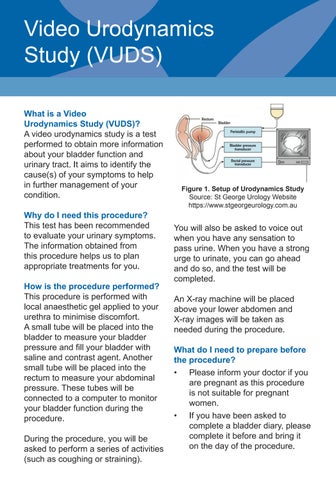
This procedure is performed with local anaesthetic gel applied to your urethra to minimise discomfort. A small tube will be placed into the bladder to measure your bladder pressure and fill your bladder with saline and contrast agent. Another small tube will be placed into the rectum to measure your abdominal pressure. These tubes will be connected to a computer to monitor your bladder function during the procedure.
During the procedure, you will be asked to perform a series of activities (such as coughing or straining).
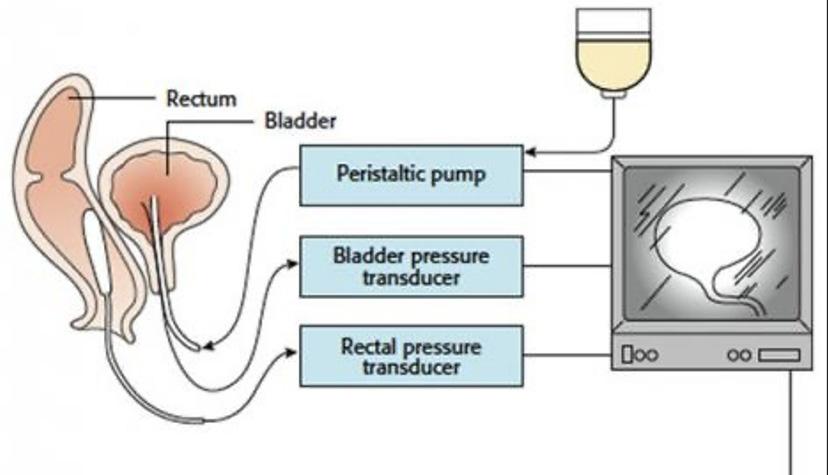
Figure 1. Setup of Urodynamics Study Source: St George Urology Website https://www.stgeorgeurology.com.au
You will also be asked to voice out when you have any sensation to pass urine. When you have a strong urge to urinate, you can go ahead and do so, and the test will be completed.
An X-ray machine will be placed above your lower abdomen and X-ray images will be taken as needed during the procedure.
What do I need to prepare before the procedure?
• Please inform your doctor if you are pregnant as this procedure is not suitable for pregnant women.
• If you have been asked to complete a bladder diary, please complete it before and bring it on the day of the procedure.
• Oral laxatives will be prescribed to be taken one day before the procedure to help empty your bowels.
• If you have a urinary tract infection, you will be treated with antibiotics prior to the procedure. If necessary, a urine test will be conducted on the day of procedure to ensure there is no active infection.
• If instructed by your doctor, you may need to stop some of the medications taken for your urinary symptoms before the test.
Are there any risks involved?
Complications from video urodynamics studies are rare, but the risks of the procedure include the following:
• Mild burning sensation upon urination after the procedure
• Blood in the urine (haematuria)
• Urinary tract infection
• Some patients with neurological conditions (e. g. spinal cord conditions) have a risk of sudden high blood pressure (autonomic dysreflexia) during UDS, please do let your doctor know if you have any spinal injuries or concerns
What are the alternatives?
There are no other scans or investigations that could offer a thorough evaluation of your bladder and urinary tract function.
Post-procedure advice
You will be able to continue your daily activities after the procedure. You may experience some burning sensation during and after urination for up to 6 hours. Drink plenty of fluids for the next 24 hours to flush your bladder to prevent urinary tract infection.
When should I seek medical attention after the procedure?
Please seek medical attention if you experience:
• Fever or chills
• Difficulty passing urine/unable to pass urine
• Worsening blood/blood clots in the urine
Contact Information
Please contact our Customer Contact Centre at 6555 8828 for an urgent appointment to return to the Urology Clinic during Office Hours.
For any emergency after office hours, please proceed to the KTPH Acute and Emergency Care Centre (A&E).