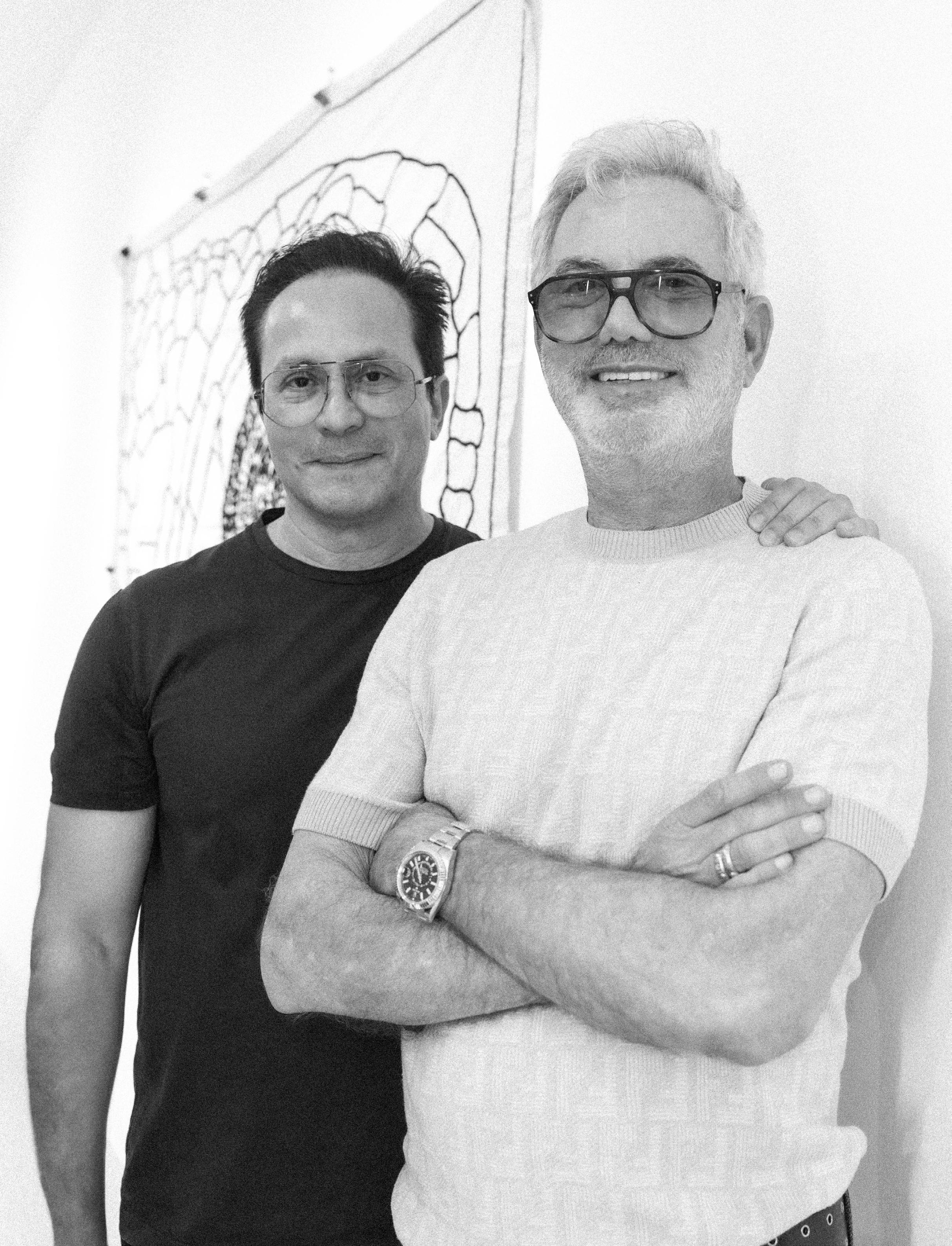
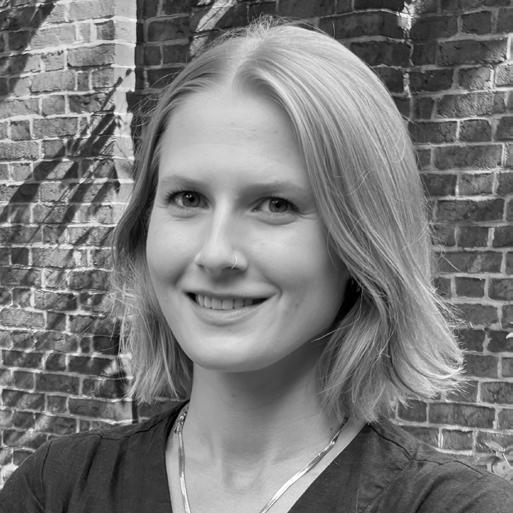
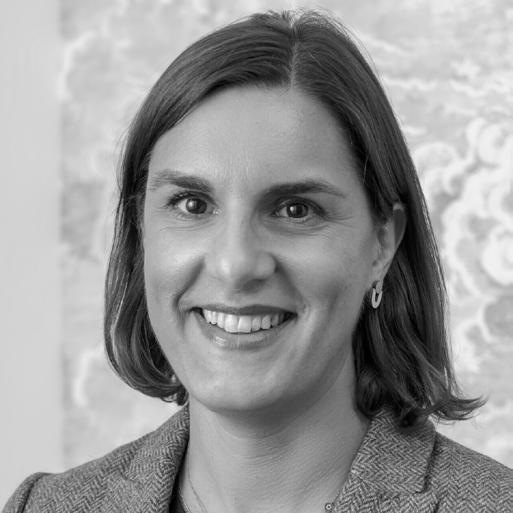
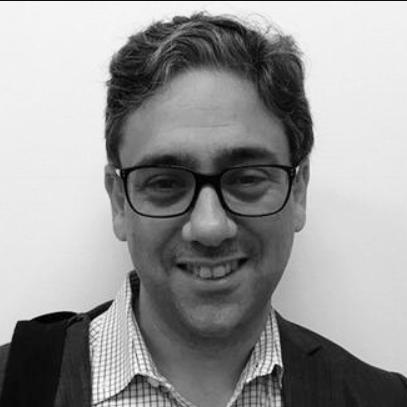
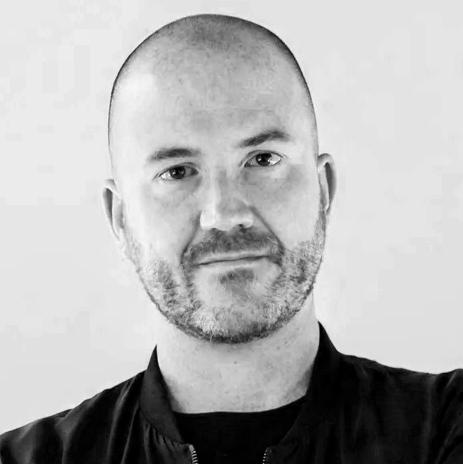
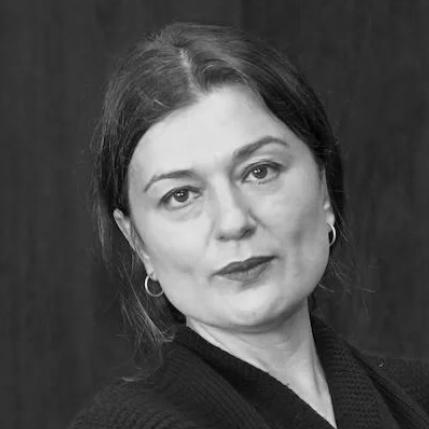
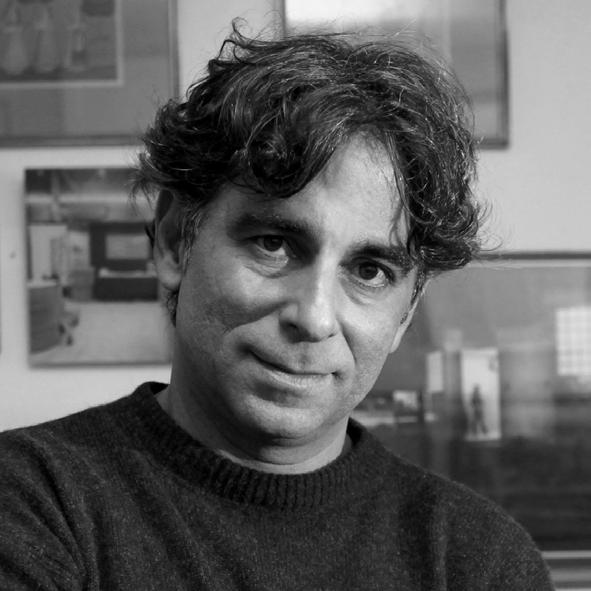
Image: Y.ES Contemporary founders, Mario Cader-Frech and Robert Wennett. Photo by Lucy Tomasino.
2025 was a pivotal year for Y.ES Contemporary. In addition to consolidating its work, the organization broadened its vision: from a platform primarily focused on El Salvador, it moved toward a wider commitment to Central American art. This transition marks a significant moment in its development and in how it projects itself both within and beyond the region.
The Art Trip program continued to grow, bringing together professionals mainly from Spain and the United States, including representatives from the Reina Sofía Museum, the Harvard Art Museums, the Institute for Studies on Latin American Art in New York and the Institute of Contemporary Art in Miami. These encounters strengthened the exchange between Central America and leading international spaces, generating new connections and opportunities for participating artists. For this trip, YES brought together more than 50 artists from Central America and its diasporas, and co-produced several exhibitions, reflecting the diversity of creative practices in Central America. These projects contributed to consolidating an active regional network in constant dialogue.
Over the past eleven years, Y.ES Contemporary has reached important milestones, yet we understand our work as part of a broader ecosystem of cultural agents whose contributions are equally vital. The most meaningful achievements are collective ones. In this spirit, 2025 stands out for the founding of the Cader Institute of Central American Art (ICAC) at the Museo Nacional Centro de Arte Reina Sofía. I am deeply grateful for the trust and support of the Museum and its Foundation in realizing such an ambitious initiative. While Y.ES Contemporary’s sustained efforts have been instrumental to this outcome, the Institute’s creation is also the result of years of collaborative work across the region. ICAC marks a decisive step toward establishing a sustainable academic infrastructure for Central American art, expanding its international presence and opening new avenues for research and artistic production. It is an honor to contribute to both initiatives.
While the creation of ICAC by the Reina Sofía Museum marks a significant achievement, YES’s work does not stop. At Y.ES Contemporary, for 2026 and beyond, it is our commitment to continue thinking and acting from within the local context, responding to the needs of art professionals in El Salvador and across Central American and its diasporas. The establishment of ICAC strengthens our resolve to continue building in collaboration with colleagues throughout Central America and beyond. In this sense, 2025 was a year of consolidation and expansion, reaffirming our regional focus while deepening an international network dedicated to advancing the visibility and study of Central American art globally.
Just Say Y.ES
JANUARY 20-24
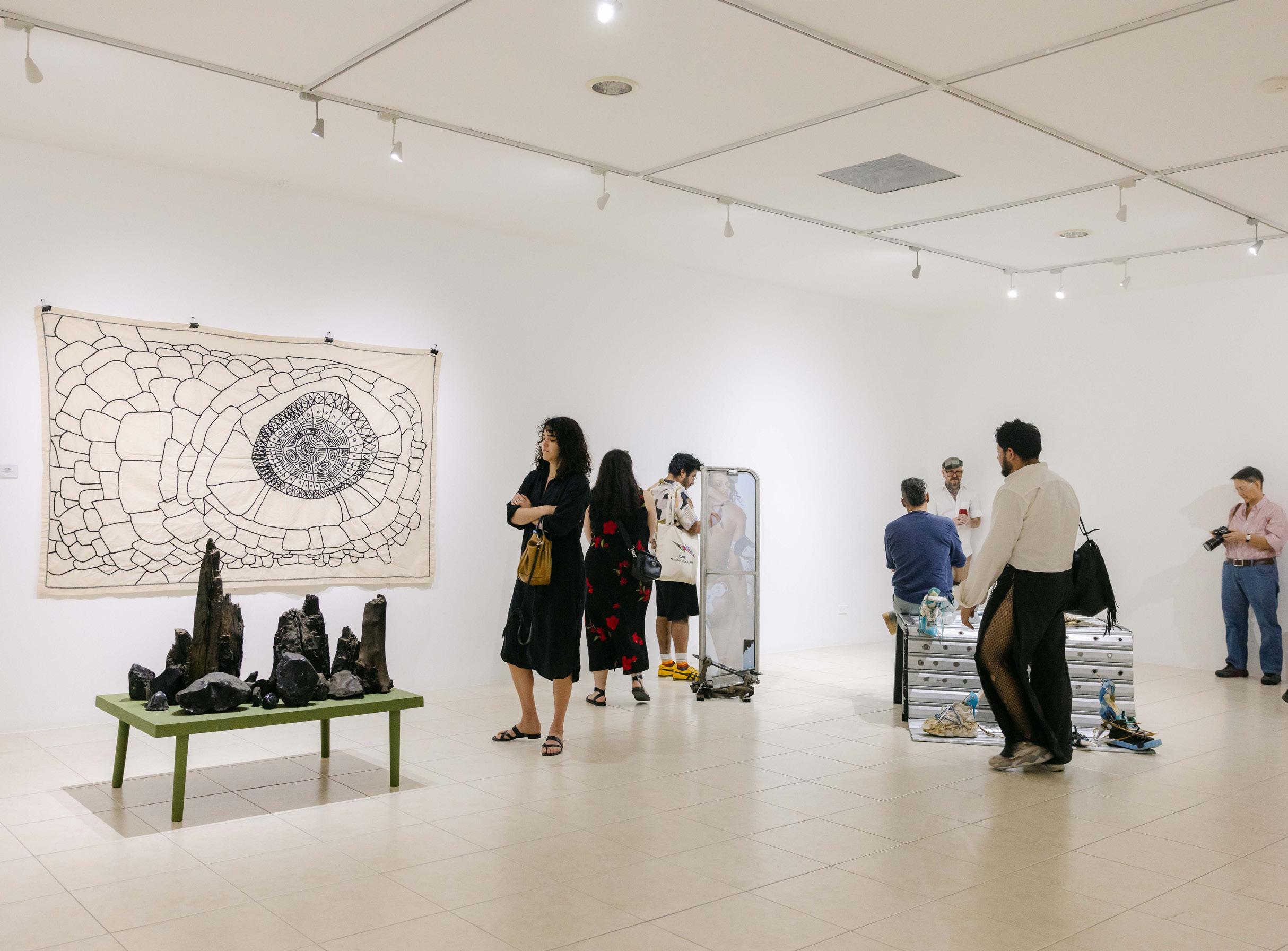
Image: Eclipse exhibition view. Photo by Lucy Tomasino.
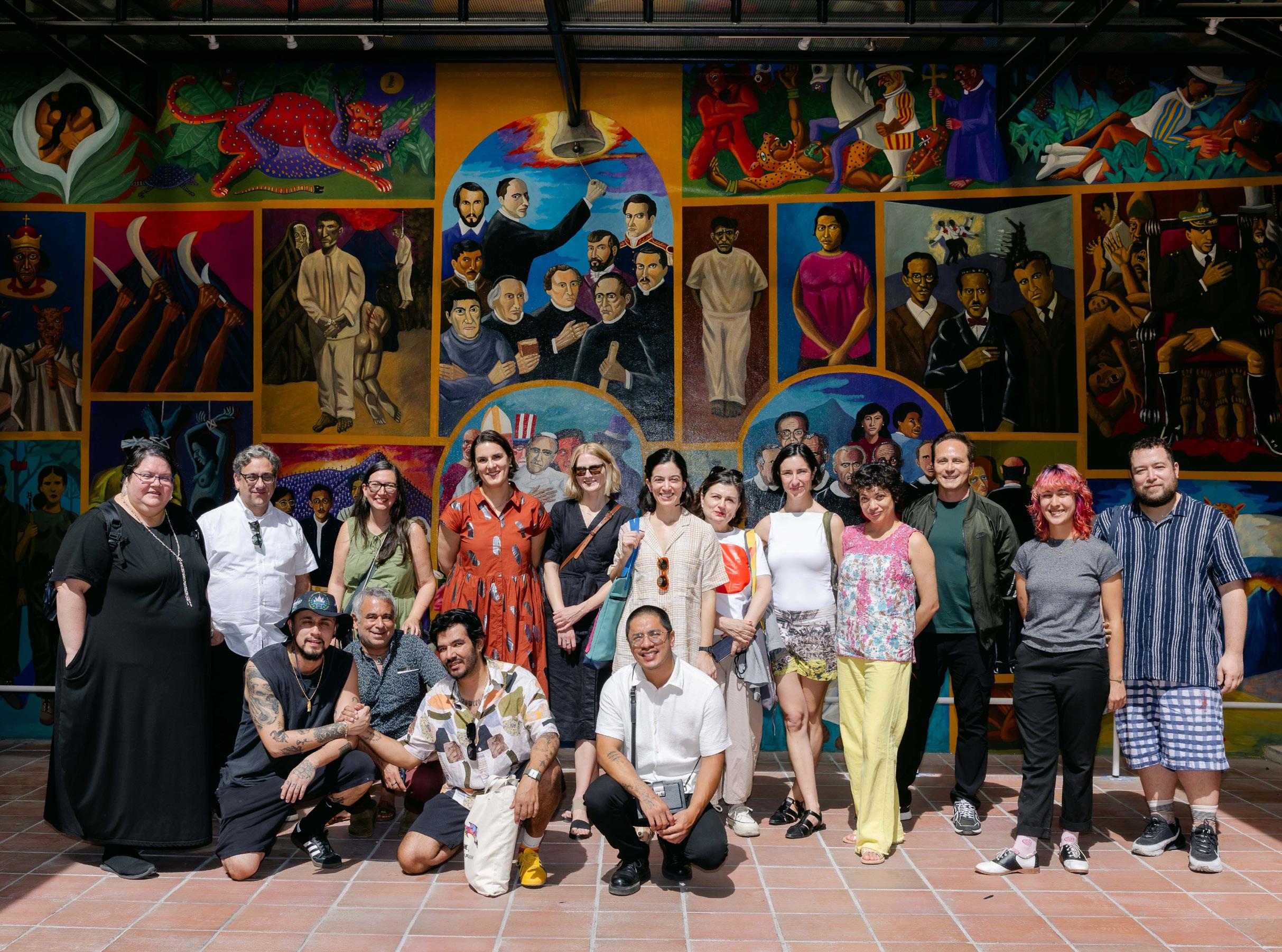
In 2024, Y.ES Contemporary’s Art Trip took place from January 20 to 24, welcoming international museum leaders and cultural professionals from three major institutions: the Museo Nacional Centro de Arte Reina Sofía in Madrid, the Harvard Art Museums in Cambridge, and the Institute of Contemporary Art in Miami. Across five days of studio visits, conversations, and shared experiences, the program created space for sustained dialogue, critical exchange, and meaningful institutional connection.
EL SALVADOR ART TRIP
JANUARY 20-24
Image: Art Trip group at David Guzmán Museum of Anthropology. Mural by Antonio Bonilla. Photo: Lucy Tomasino.
9 GUESTS
Mitra Abbaspour
Curator of Modern and Contemporary Art at Harvard Art Museums
Madeline Murphy Turner
Curatorial Fellow in Contemporary Drawings at the Harvard Art Museums
Gean Moreno
Program Curator at ICA Miami
Blanca Serrano
Co-Director at Banana Craze
Formerly Project Director at the Institute for Studies on Latin American Art
Manuel Segade
Director at Reina Sofía Museum
Amanda de la Garza
Deputy Artistic Director at Reina Sofía Museum
Julia Morandeira
Studies Director and ICAC Director at Reina Sofía Museum
Rosario “Charo” Peiró Head of Collections at Reina Sofía Museum
Suset Sánchez
Latin American Collection Manager at Reina Sofía Museum
Carolina González Castro Director of the Fundación Museo Reina Sofía
Y.ES CONTEMPORARY EXHIBITIONS
MARTE MUSEUM
ARTISTS: VERÓNICA VIDES (SV), EDGAR CALEL (GT), ADÁN VALLECILLO (HN), ELYLA (NIC),
LA CHOLLA JACKSON (CR), CISCO MEREL (PAN)
CURATED BY PATRICIO MAJANO AND GEAN MORENO
Image: La Cholla Jackson performing. Ph oto by Lucy Tomasino.
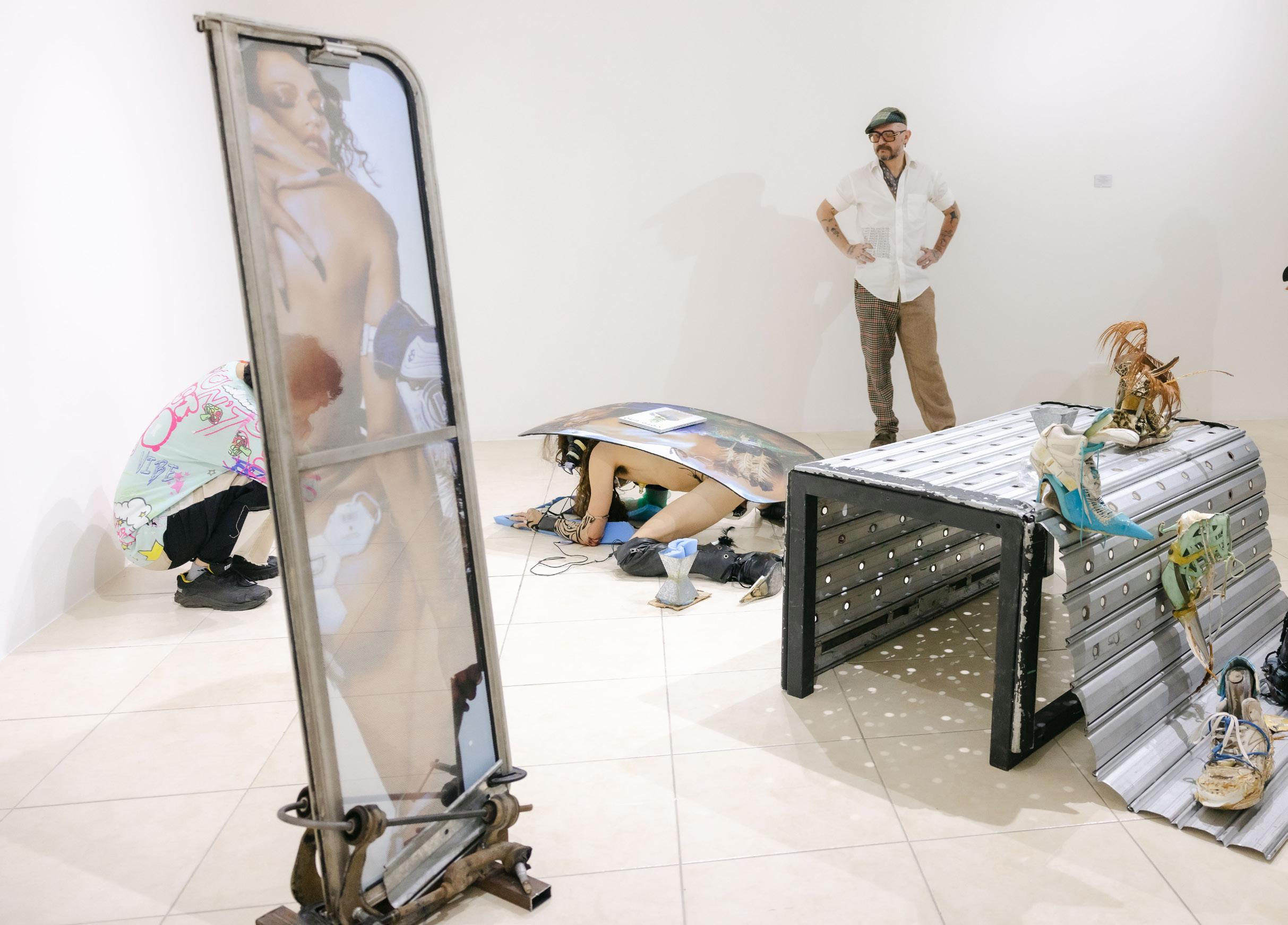
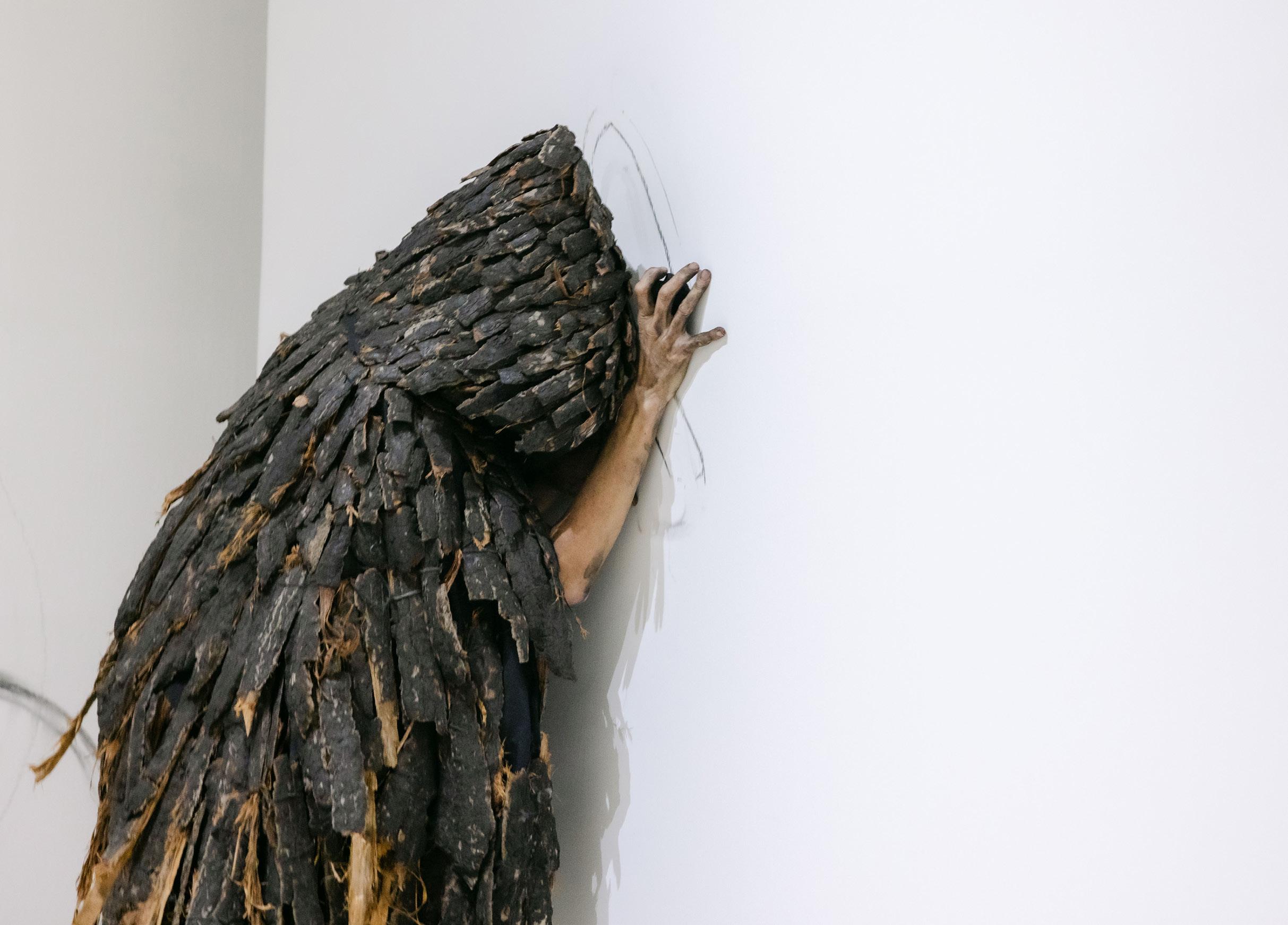
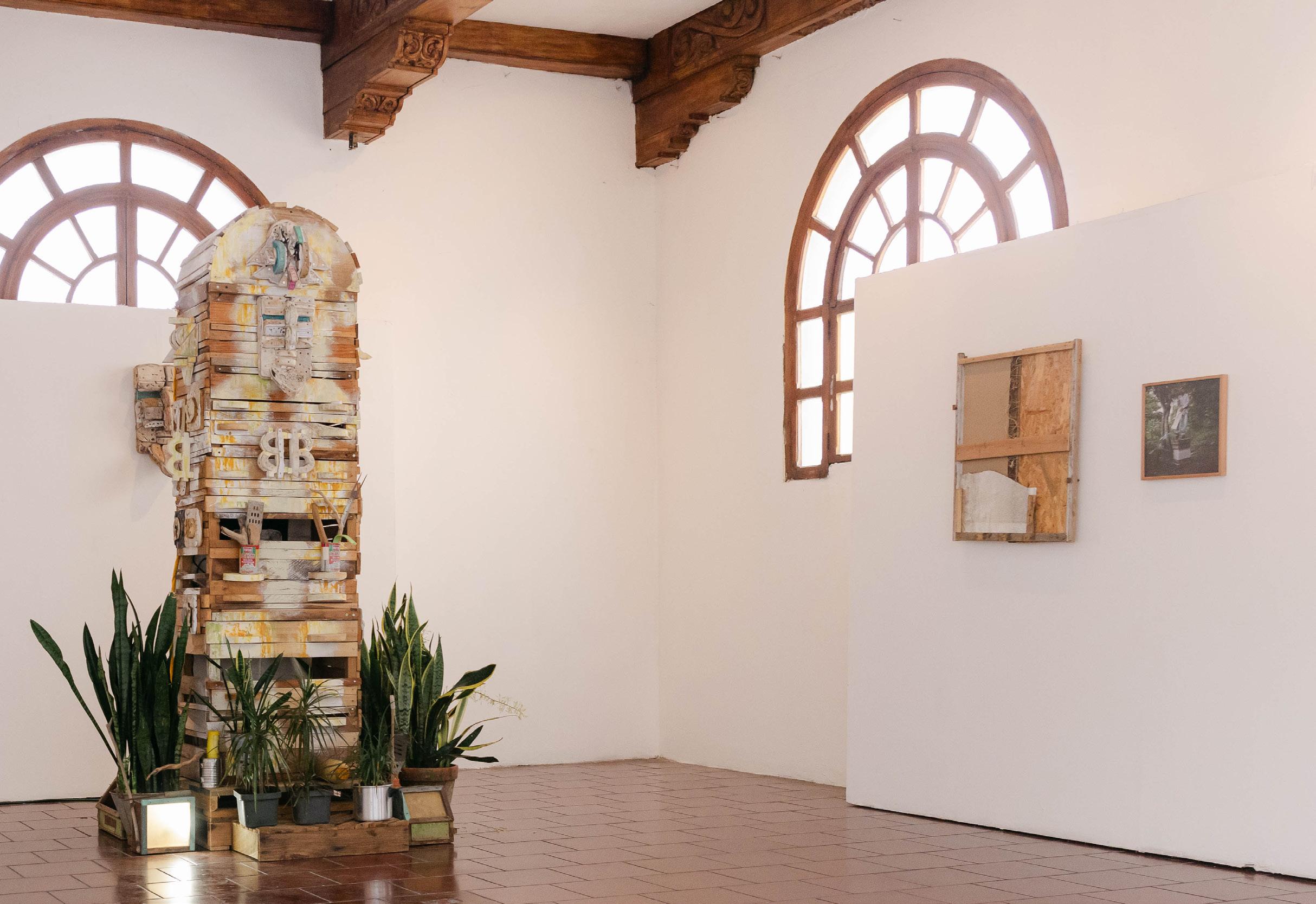
Eclipse is an exhibition that presents new artistic voices emerging in the Central American isthmus, alongside parallel voices of first- and second-generation members of the Central American diasporas produced by the Cold War, regional armed conflicts, and the hemispheric rearrangement of economic orders beginning in the mid-1990s.
The massive political changes in Central American countries since the turn of the millennium, often marked by conservative shifts, have been met by an upswell of social and epistemic resistance that struggles for more inclusive social arrangements. Along the way, a revalorization of indigenous cosmologies, nonbinary structures of gender, and rural-proletarian ways of life has come to the fore, and has found an important outlet in artistic projects. The direct critiques of power and corruption, often enacted through different modes of performance, that characterize the generation of artists that came of age in Central America in the 1990s and early 2000s, has been supplemented by projects that no longer wish to function within (even if always against) the parameters of status quo, but that, instead, wish to articulate other worlds and other ways of being in the world. They negate the mainstream’s understanding of things by turning to once-marginalized epistemic structures and emergent forms of life, which often draw on and rethink ancestral traditions.
Text excerpt by Gean Moreno
Image: Verónica Vides performing. Photo by Lucy Tomasino.
NOTIONS OF EROSION
FORMA MUSEUM
ARIA XYX, ANA LILIAN HENRÍQUEZ, CARLOS CAÑAS, CARMEN ELENA TRIGUEROS, DENISSE GRISELDA REYES, DOMINGA HERRERA, JULIA DÍAZ, MAURICIO KABISTÁN, MAURICIO ESQUIVEL, MAYRA BARRAZA, OSVALDO CASTILLO, SIMÓN VEGA, SOFÍA BAUSSAN, STUDIO LENCA, TERESA CRUZ, VÍCTOR CRUZ & HUGO PORTILLO, MUSEO DE LA PALABRA Y LA IMAGEN, MUSEO DE ARTE POPULAR.
CURATED BY PATRICIO MAJANO
Image: Simón Vega (left). Víctor Cruz & Hugo Portillo (right).
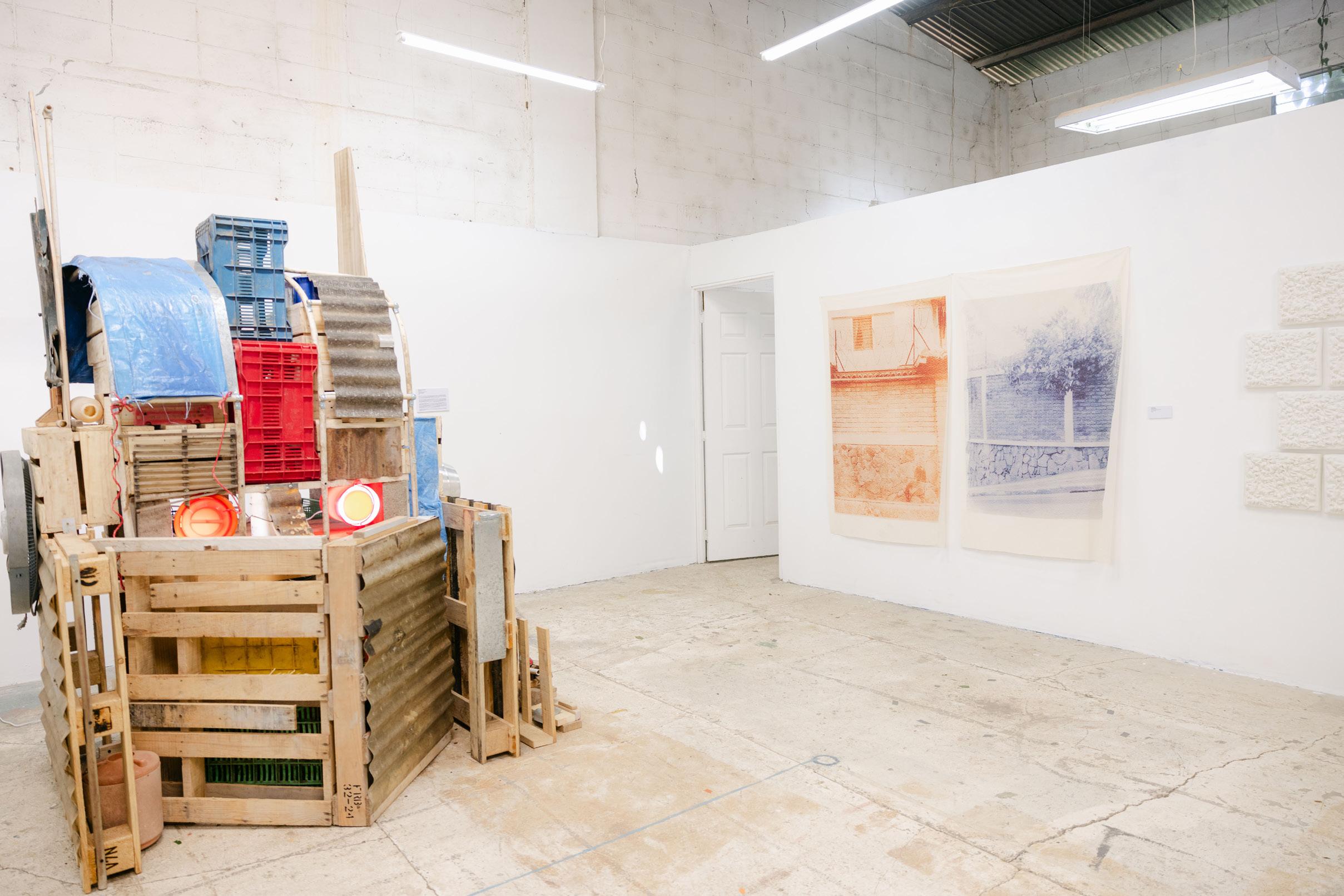
Notions of Erosion is an exhibition that examines the entangled dynamics of memory and erasure through an extended geological metaphor. Drawing an analogy between oblivion and processes of erosion, the project positions remembrance as a counterforce: an active, generative resistance to the gradual wearing away of memory.
Within the Salvadoran context, erosion is understood not as a neutral or natural phenomenon, but as the cumulative effect of structurally embedded violence. Two events in particular mark the twentieth century with enduring force: the 1932 Indigenous massacre and the civil war of 1980 to 1992. Rather than treating these moments as closed historical chapters, the exhibition situates them in continuity with the present, establishing intergenerational dialogues among artworks produced from the 1980s to today.
The selected works are articulated through three interrelated axes. First, the exhibition considers artistic strategies of resistance that emerge in response to recurring cycles of violence in Salvadoran history. Second, it foregrounds practices of affection and care, particularly within migrant communities, as forms of embodied and relational resistance. Third, it engages critical reflections on gender identities and subjectivities that exist beyond socially normalized frameworks, approaching these normative structures themselves as subtle yet pervasive forms of violence.
Text by Patricio Majano
Image: Mauricio Kabistan . Photo by Lucy Tomasino.
Additionally, we thank our collaborators who coordinated shows and special events to coincide with Y.ES Art Trip:
CASA 510 / MATIA BORGONOVO
Volver exhibition. Erick Benitez, Studio Lenca, Osvaldo Castillo, John Rivas, Mau Samayoa, Kevin Umaña.
LFBK
Territorio Especulativo exhibition. Verónica Vides, Gabriela Novoa, Ronald Morán, Simón Vega, Sofía Mena, Antonio Romero, Ricardo Clement “Alecus”. Rodrigo Guardado, Luna Andrés Paz.
CULTURAL CENTER OF SPAIN
Special presentation of Invernadero Project. Rodrigo Guardado, Menly González, Madeline Salamanca, Jazz Flores, Jorge Medrano, Lissania Zelaya, Ariel Luna.
LABERINTO PROJECTS
Special presentation by Muriel Hasbun about her practice and Galería Laberinto.
GALERÍA 123
Special presentation by Walterio Iraheta.
Image: John Rivas. Photo by Lucy Tomasino.
Y.ES CONTEMPORARY ACTIVATIONS
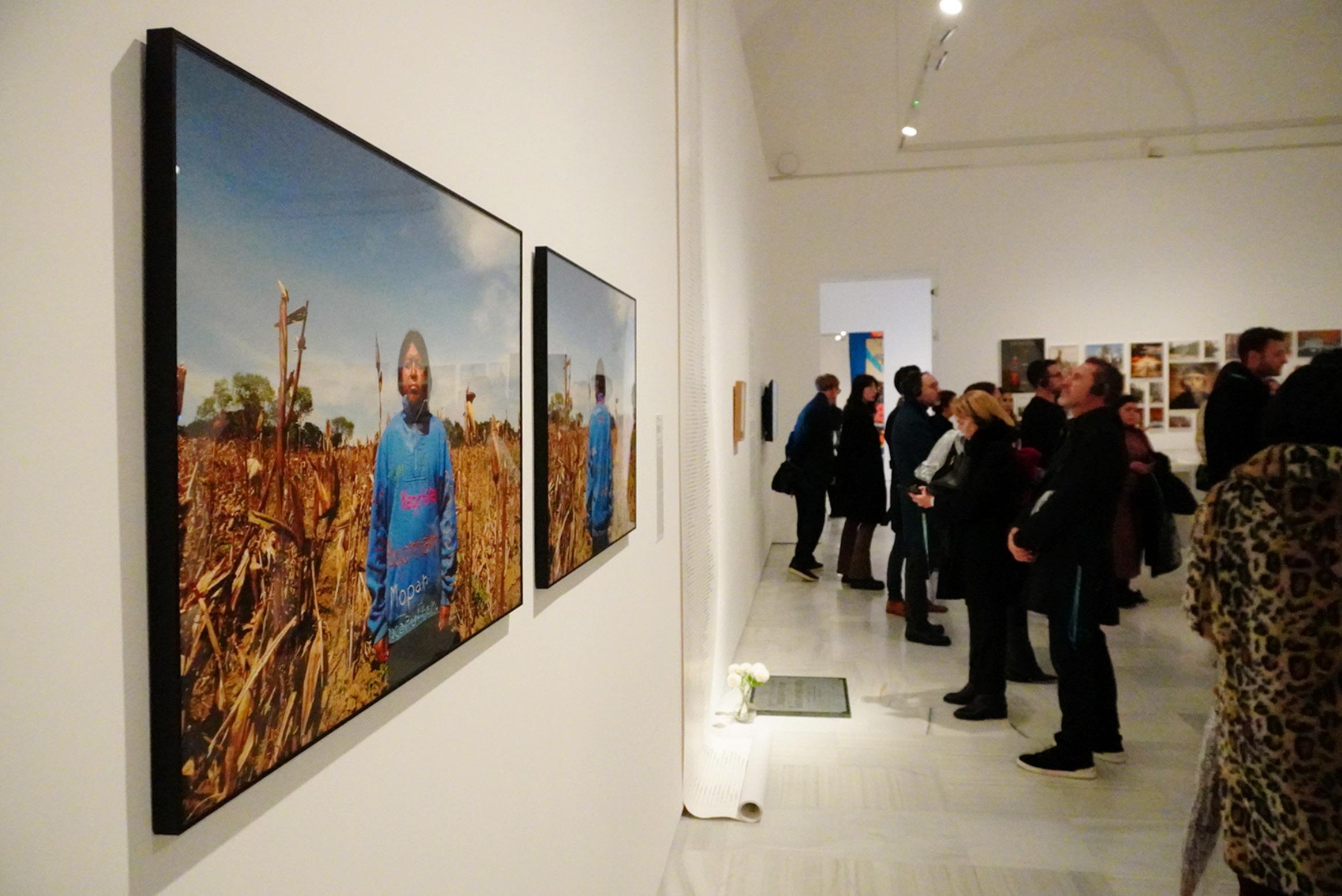
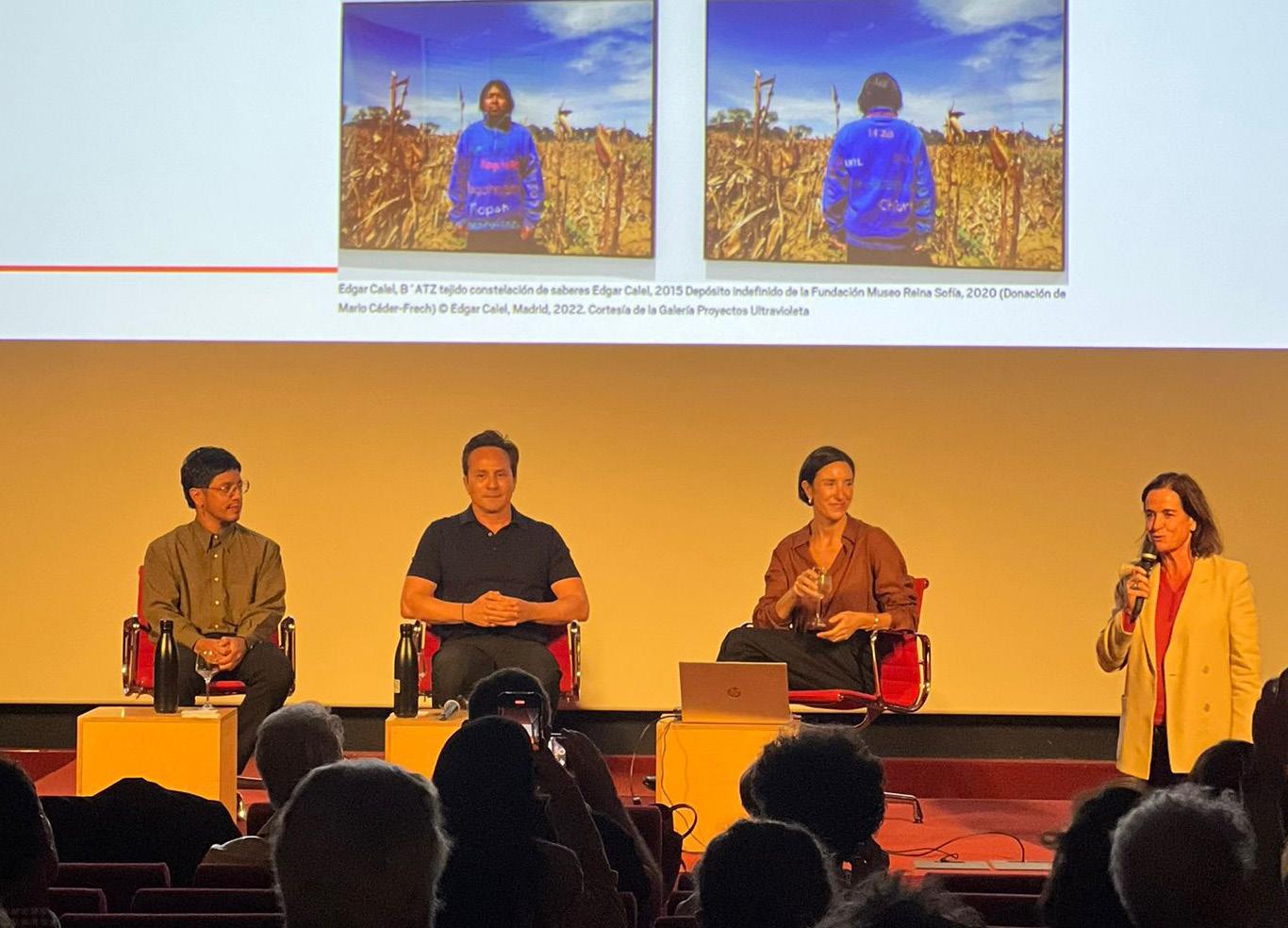
On March 6, during Arco Madrid 2026, YES Contemporary hosted a visit to the Central American halls that were part of the exhibition Dispositivo ‘92 at Reina Sofía Museum. The visits featured commentaries by Reina Sofía’s curator, Suset Sánchez, Salvadoran artist Antonio Romero, YES Directors Omar Lopez-Chahoud and Patricio Majano, and YES alumni Alejandro de Villota. The visit concluded with a reception that brought together 170 guests whose professional practices are connected to Central America, marking a collective acknowledgment of the museum’s sustained commitment to the region through its programming.
Image: YES visit to Reina Sofía Museum. Artwork on the left by Edgar Calel.
Image: Public announcement of ICAC’s launching.
THE CADER INSTITUTE OF CENTRAL AMERICAN ART
A DEFINING MOMENT FOR CENTRAL AMERICAN ART HIGHLIGHTS FROM Y.ES PARTNER, REINA SOFÍA MUSEUM
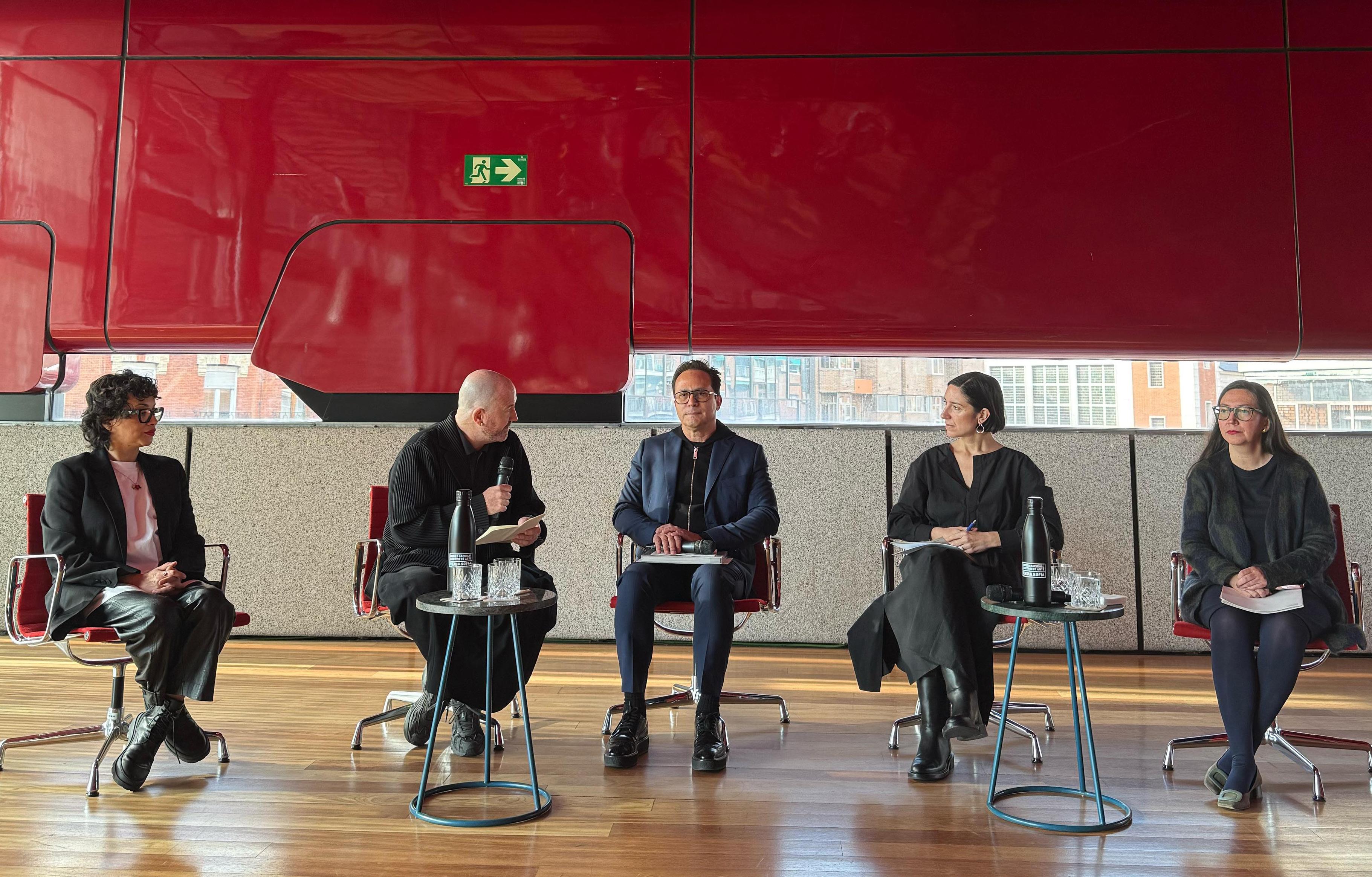
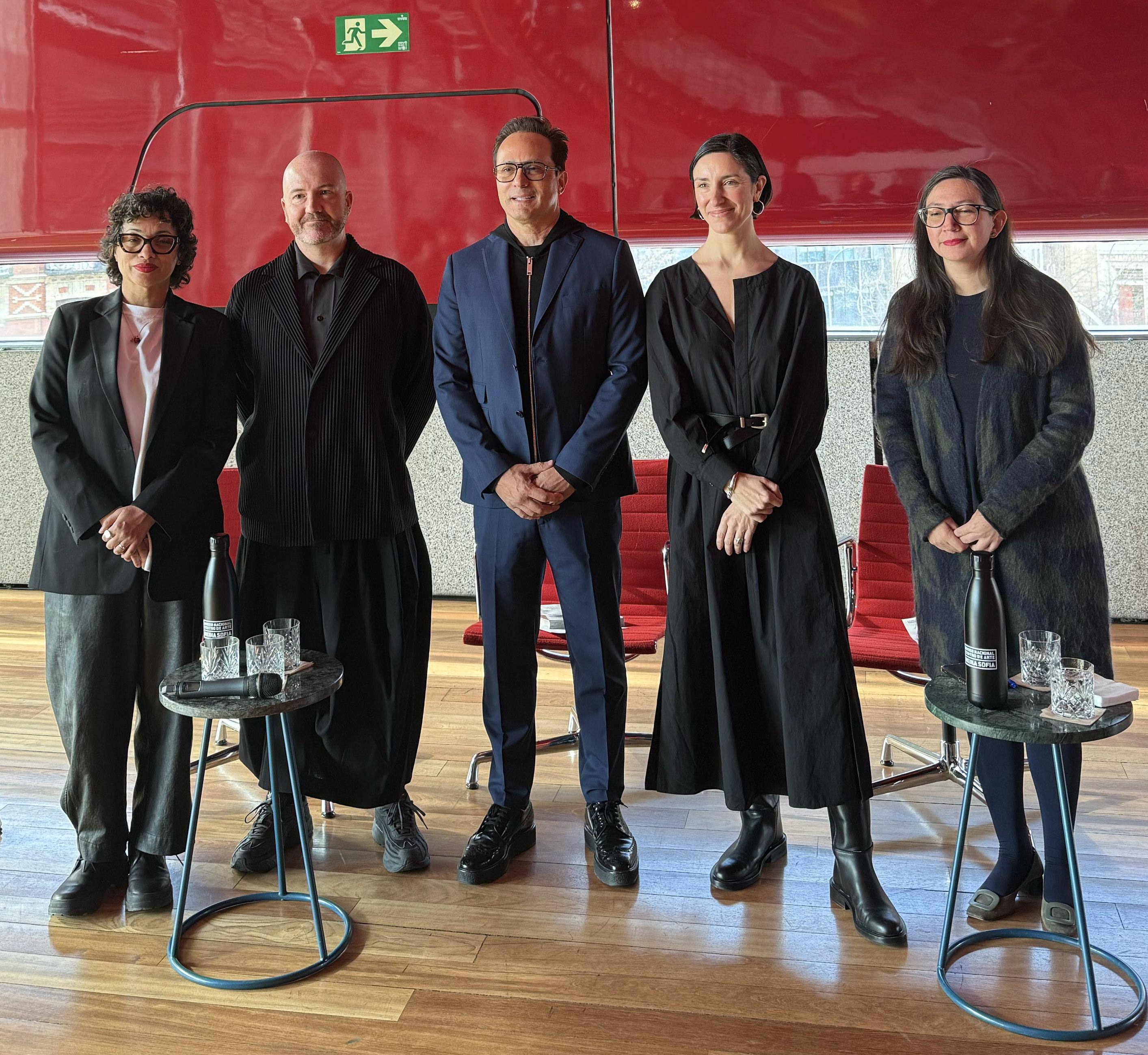
On February 28, 2025, the Director of Reina Sofía Museum, Manuel Segade, along with Deputy Artistic Director Amanda de la Garza, Studies Director Julia Moranderia, Reina Sofía Museum Foundation Director Carolina González and YES Contemporary President and Founder Mario Cader-Frech, presented the Cader Institute for Central American Art (ICAC) at the Museo Reina Sofía in Madrid.
The Cader Institute for Central American Art (ICAC) is a pioneering - and first of its kindinitiative dedicated to elevating the artistic voices of Central America on a global stage. Located at one of the world’s most prestigious contemporary art museums, the ICAC’s goal is to promote critical thinking and research about Central American Contemporary Art.
Founded through the vision and generosity of Mario Cader-Frech, the Institute responds to the need to give greater visibility and appreciation to the art of the region, to consolidate its place in global cultural narratives and to create a bridge between these countries and the international artistic community.
While the ICAC is a program of the Reina Sofía Museum and operates independently from Y.ES Contemporary, its establishment is closely linked to Mario Cader-Frech’s sustained commitment to advancing the visibility and critical study of the region’s artistic production. We recognize this milestone as an important moment for Central American art, and acknowledge with pride Mario Cader-Frech’s role as President and Founder of the Institute, as well as Y.ES Contemporary Director Patricio Majano as the recipient of the inaugural ICAC Research Grant.
From left to right: Amanda de la Garza, Manuel Segade, Mario Cader-Frech, Julia Morandeira, Carolina González
Throughout 2025, members of the Y.ES Contemporary team took part in various ICAC initiatives. The following highlights offer a selection of their contributions.
INTERVIEW: REINA SOFÍA MUSEUM RADIO
Episode 1: Mario Cader Frech
INTERVIEW: REINA SOFÍA MUSEUM RADIO
Episode 2: Omar Lopez-Chahoud.
FILM SCREENING: LOS REYES DE LA PÁGINA ROJA
Curated by Patricio Majano. June 19-21,26-28. Featured films by Marcela Zamora, Brenda Camina Vanegas, Lucy Tomasino, Gabriela Novoa, Denisse Griselda Reyes, Public Display of Professionalism (domingo castillo flores, Patricia M. Hernández, Natalia C. Zuluaga), Elyla and Milton Guillén. With special performances by Delia and Laura Pacas.
Image: September 30 conference. Photo by Stephanie Williams.
MIRAR DE CERCA. DE VISU. CENTRAL AMERICAN PUBLICATIONS RECENTLY ACQUIRED BY THE REINA SOFÍA MUSEUM LIBRARY
Workshop hosted by Patricio Majano. October 23, 2025.
CONFERENCE: ICAC, A PLACE FOR RESEARCH AND DIALOGUE
Presented by Mario Cade-Frech, Patricio Majano, and Julia Morandeira. Organized by Amigos del Museo Reina Sofía Foundation. September 30, 2025.
CONFERENCE: CON EL PASO CAMBIADO IV
Presented by Patricio Majano. Organized by Amigos del Museo Reina Sofía Foundation. November 4, 2025.
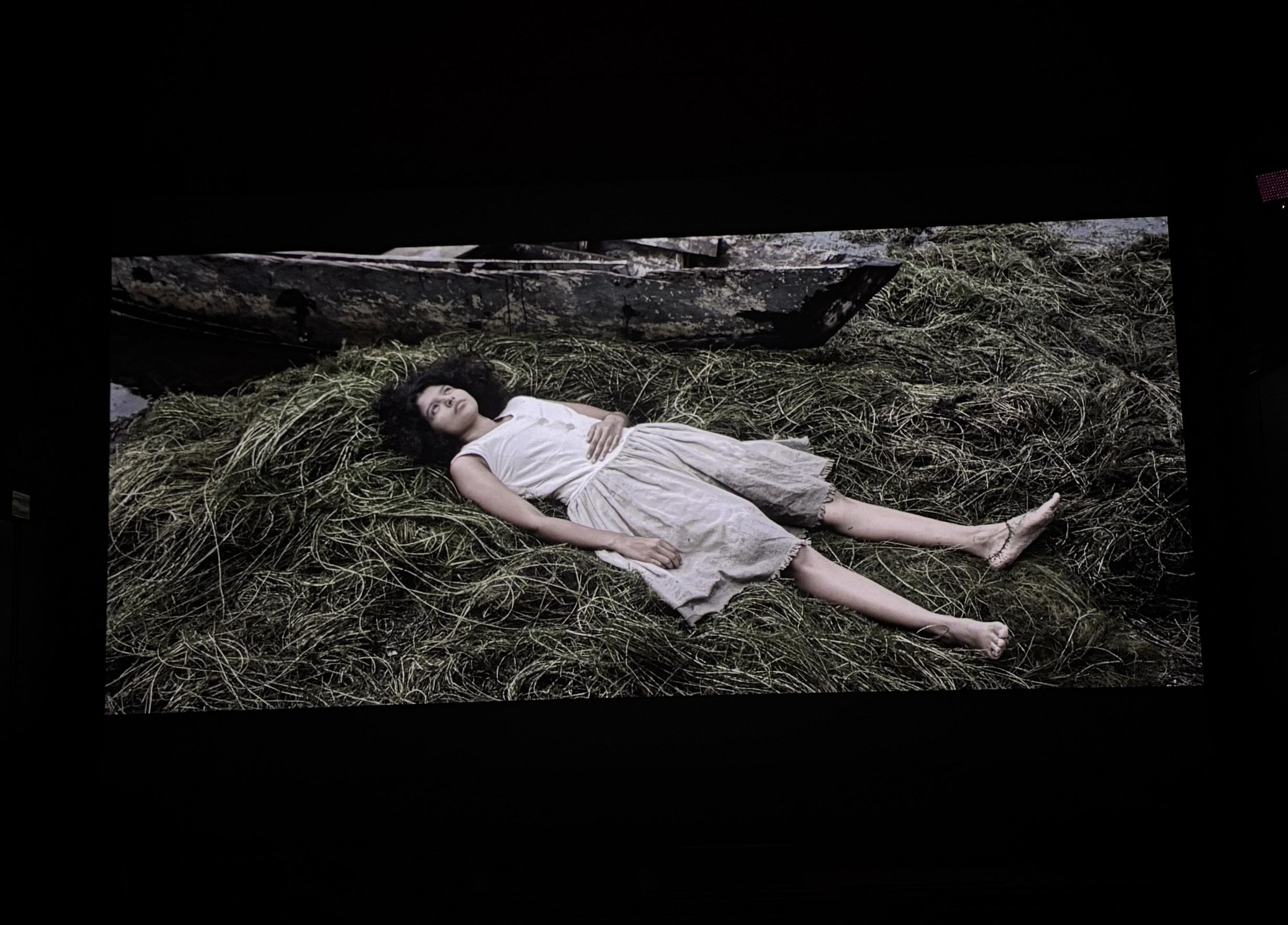
Image: Todos los peces film by Brenda Vanegas screened at Reina Sofía Museum.
CONFERENCE: ESPANTAR LA HISTORIA
November 28, 2025.
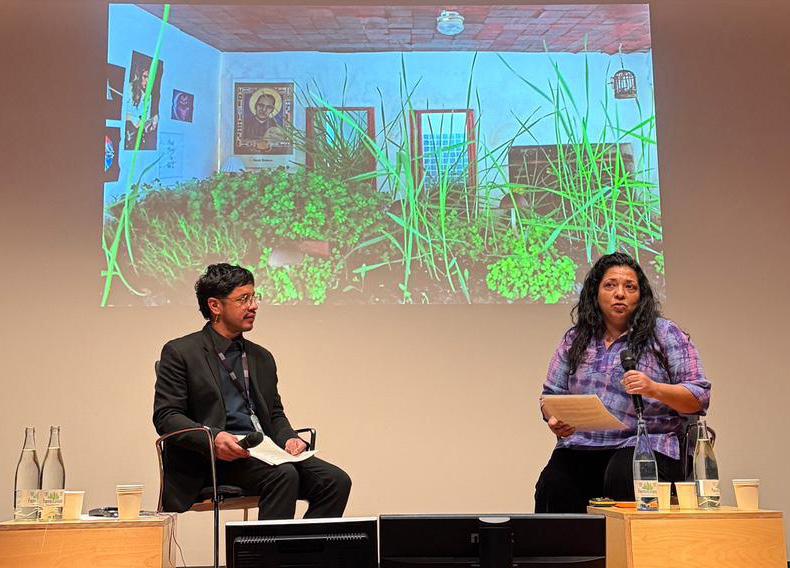
To conclude a 9 month residency in Madrid as part of the ICAC Research Grant, Patricio Majano presented its ongoing research: Amputated Identities, ghosts in Salvadoran art. The presentation took place at Reina Sofía Museum and included presentatios by artists and scholars Elena Salamanca (El Salvador/Mexico), Beatriz Cortez (El Salvador/USA) and Olivier Marboeuf (Guadeloupe, France).
Majano’s research traces genealogies and resonances between contemporary Salvadoran art, the 1932 indigenous massacre, and the civil war (1980–1992), questioning how these unresolved forms of violence operate as artistic material. This event aimed to open the research process to collective reflection, inviting the sharing of questions, tensions, and unresolved challenges — not as definitive outcomes, but as propositions still in formation.
Image: Patricio Majano and Beatr iz Cortez. Photo by Joss Pinto
Y.ES TEAM
DEEPENING OUR COMMITMENT TO EL SALVADOR
In 2025, cultural manager Ana Elizabeth López joined Y.ES Contemporary as Project Manager. In this role, she has played a key part in strengthening the organization’s artistic outreach across the region, fostering connections with artists and cultural agents while developing new opportunities for collaboration.
López is also manager at LFBK in San Salvador. During the 2025 YES Art Trip, she co-curated the exhibition Territorio Especulativo, along with Ronald Morán and Y.ES Councilmember Simón Vega. She has been involved with several projects at LFBK, such as the one month residency by LA-based Salvadoran artist Erick Benitez, that culminated with an exhibition at LFBK space.
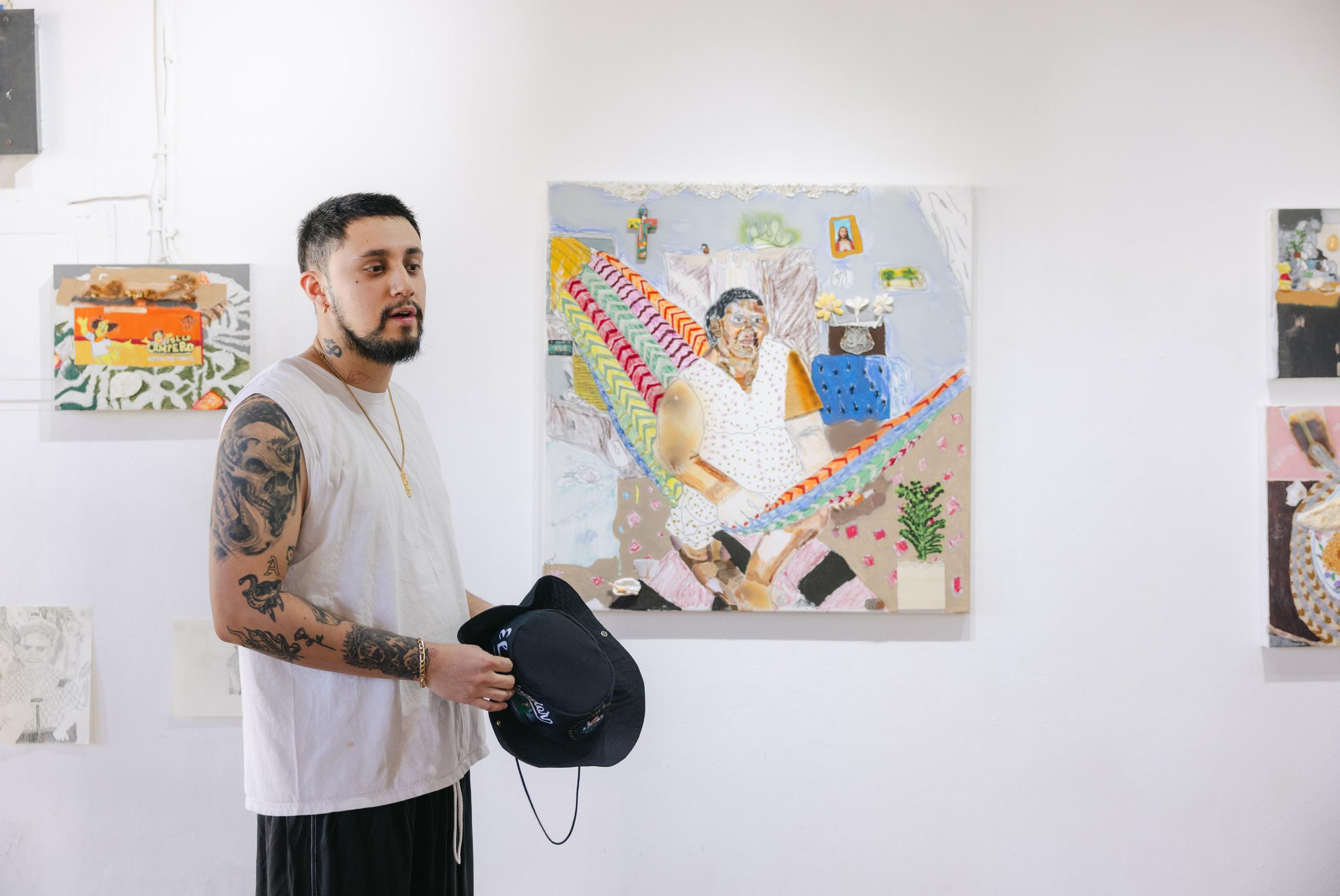
Image: Te rritorio Especulativo exhibition view. Simón Vega (left) and Lucy Tomasino (right) Photo: Lucy Tomasino.
ABIGAIL REYES IN MIAMI, CURATED BY Y.ES
INTERNATIONAL DIRECTOR OMAR LOPEZ-CHAHOUD
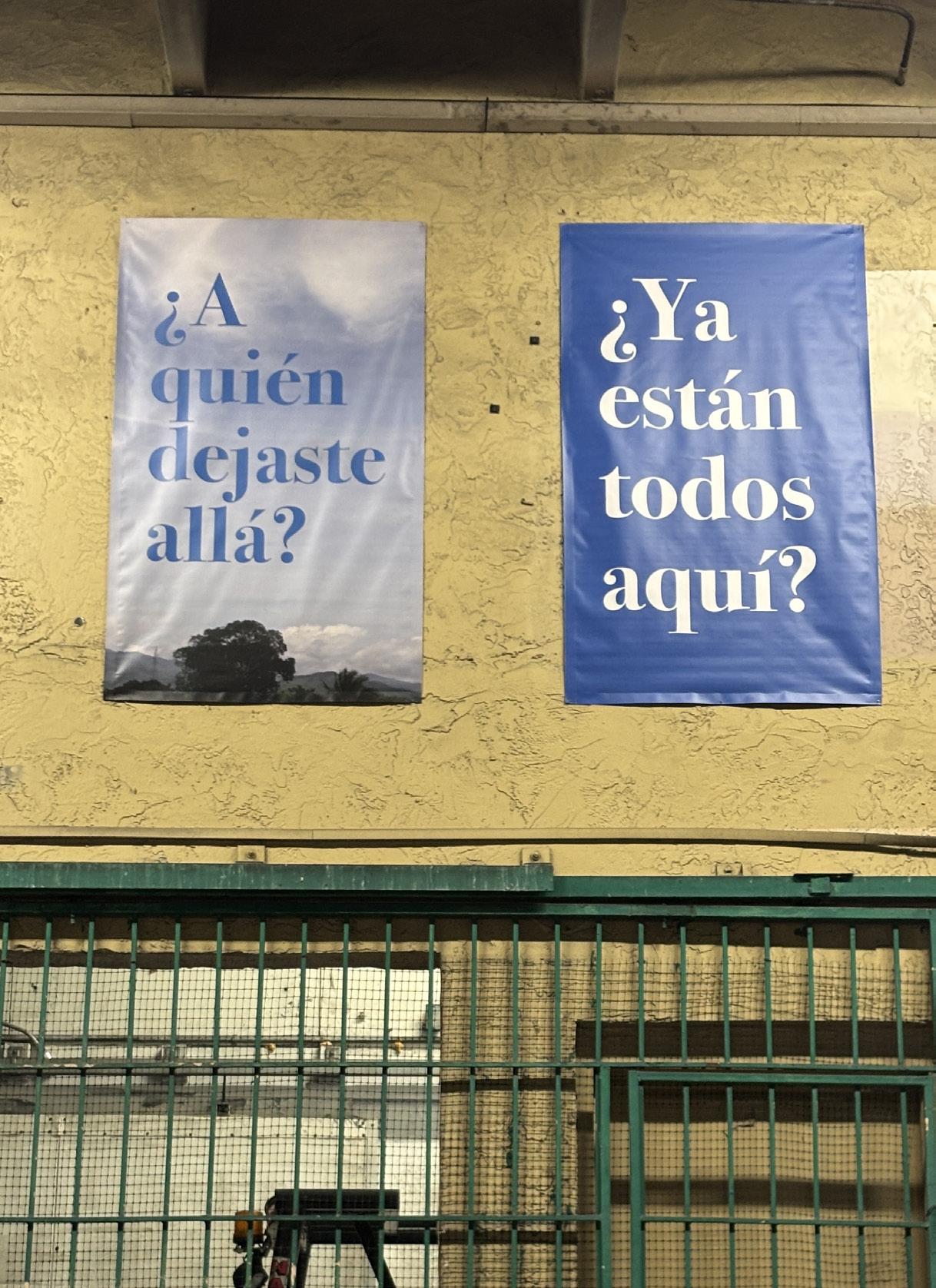
Y.ES International Curator Omar Lopez-Chahoud continued his involvement with El Salvador beyond his role at Y.ES Contemporary. On December 2, 2025 during Miami art week, he opened the group exhibition Fragments of Displacement , an outstanding show at a refreshing and alternative space: the Miami Produce Center.
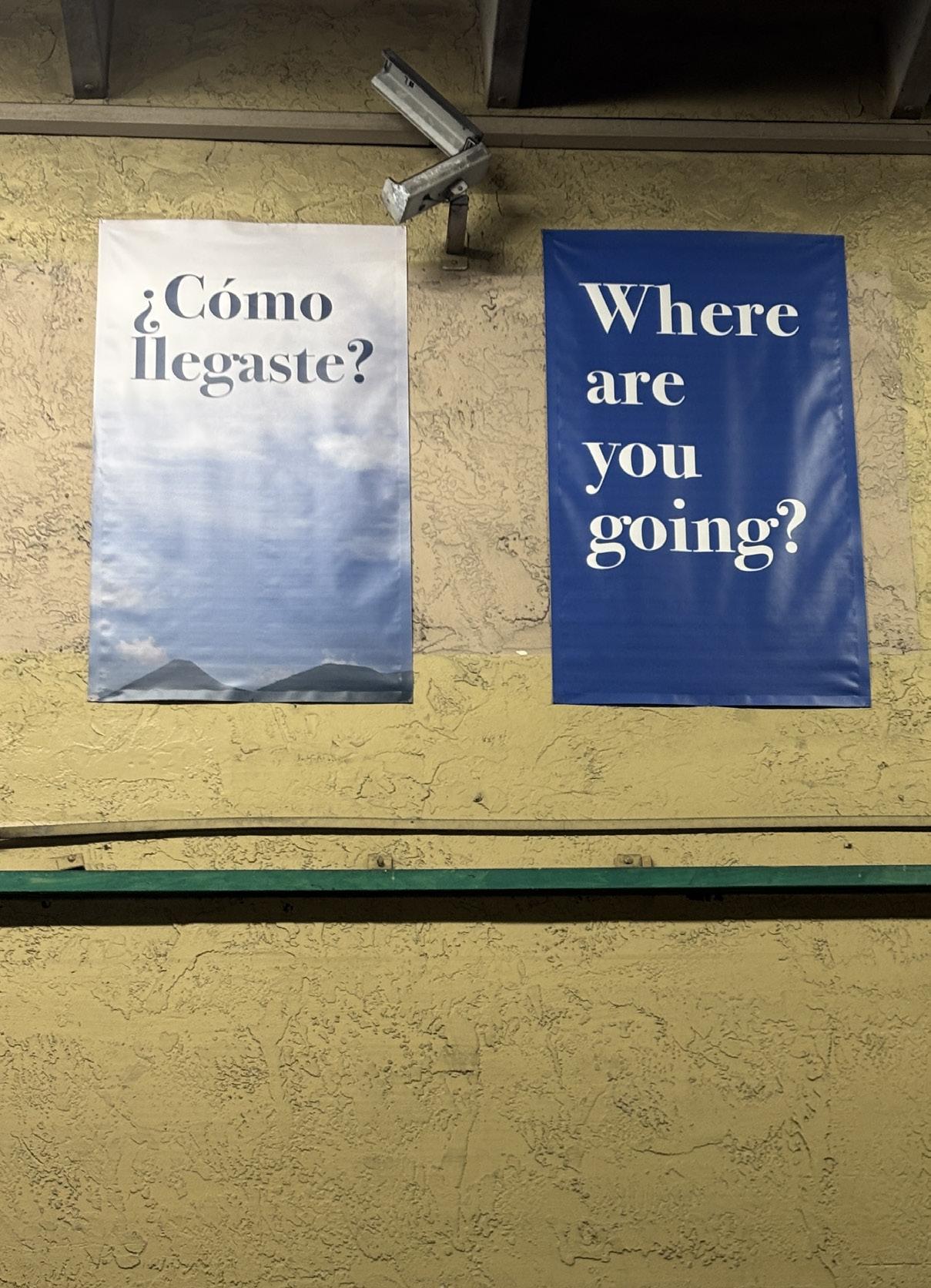
The exhibition featured Questions , a work by Salvadoran artist Abigail Reyes that reflects on the journeys and lived experiences of families shaped by migration to the United States. In the current context, Reyes’s practice resonates with particular urgency and depth. The realization of this exhibition was made possible through the curatorial sensibility and vision of Lopez-Chahoud, whose thoughtful approach and knowledge of Salvadoran art was instrumental to its development.
Y.ES
IS
AN
INITIATIVE OF THE ROBERT S. WENNETT AND MARIO CADER-FRECH FOUNDATION