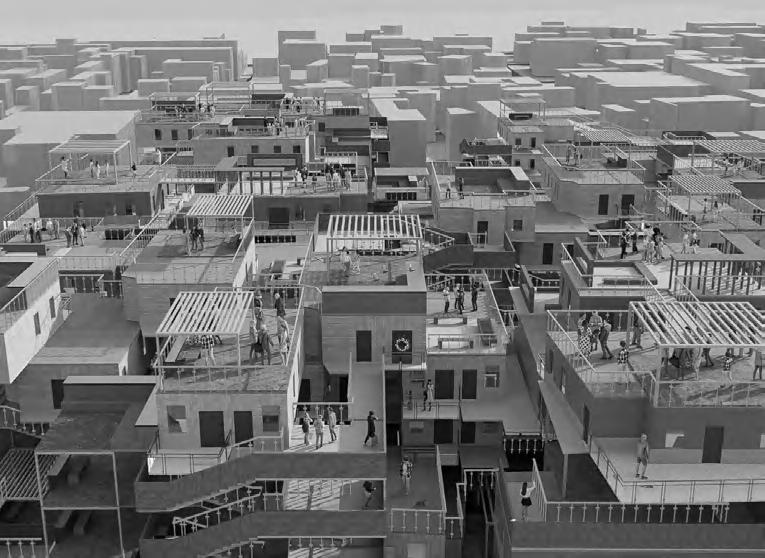
Deep learning and WFC design for immigrant communities
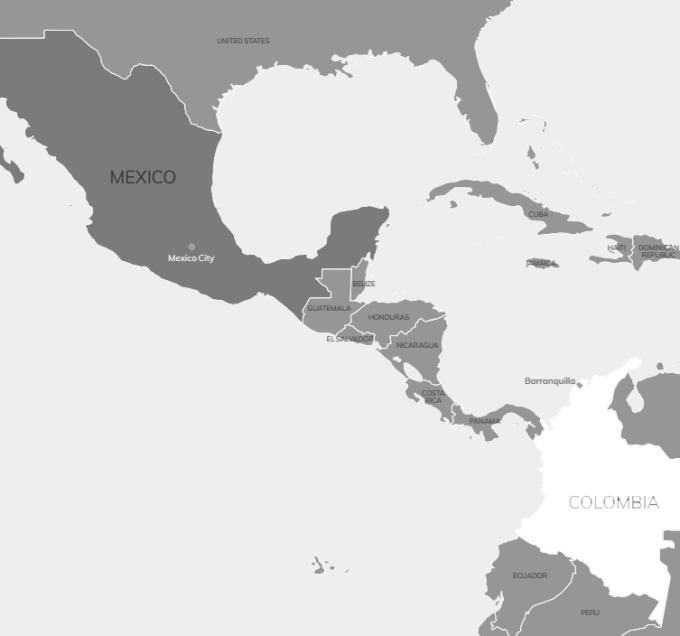
Site:Buenos Aires,Medellín,Columbia
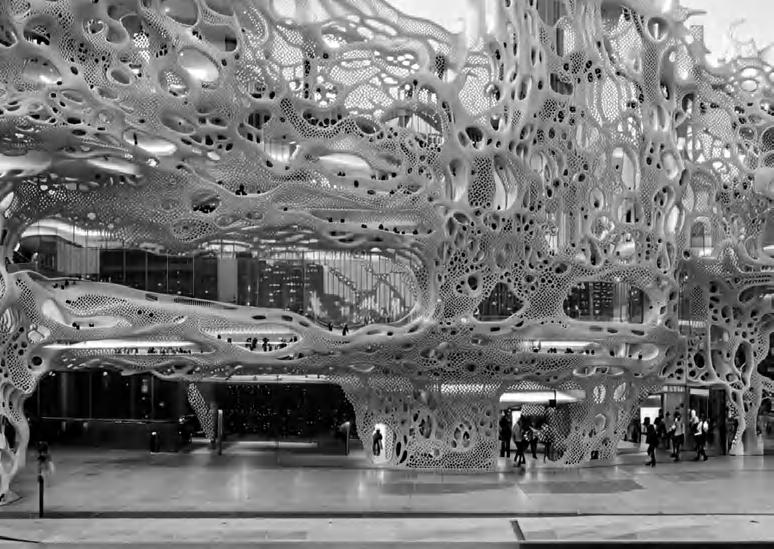
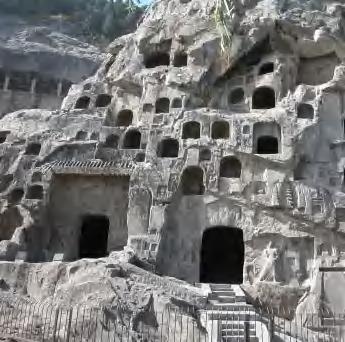
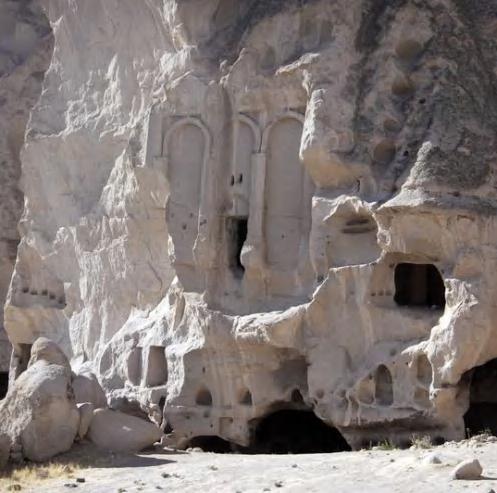
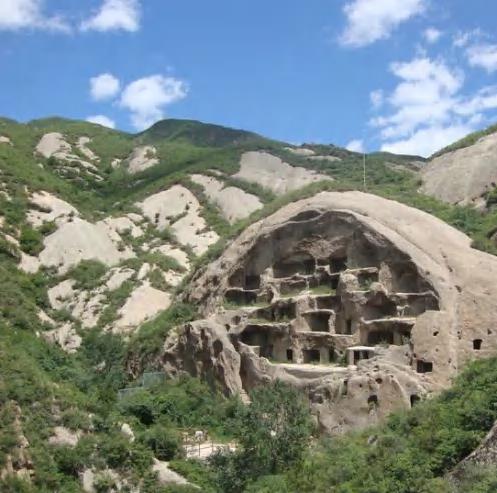
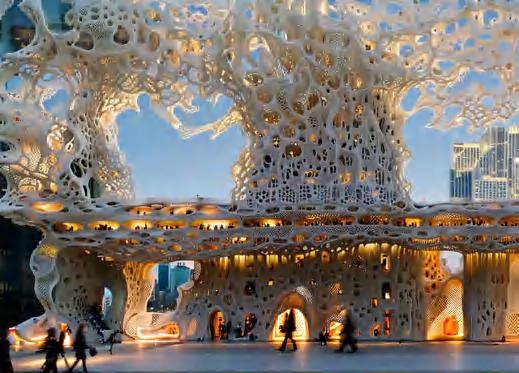
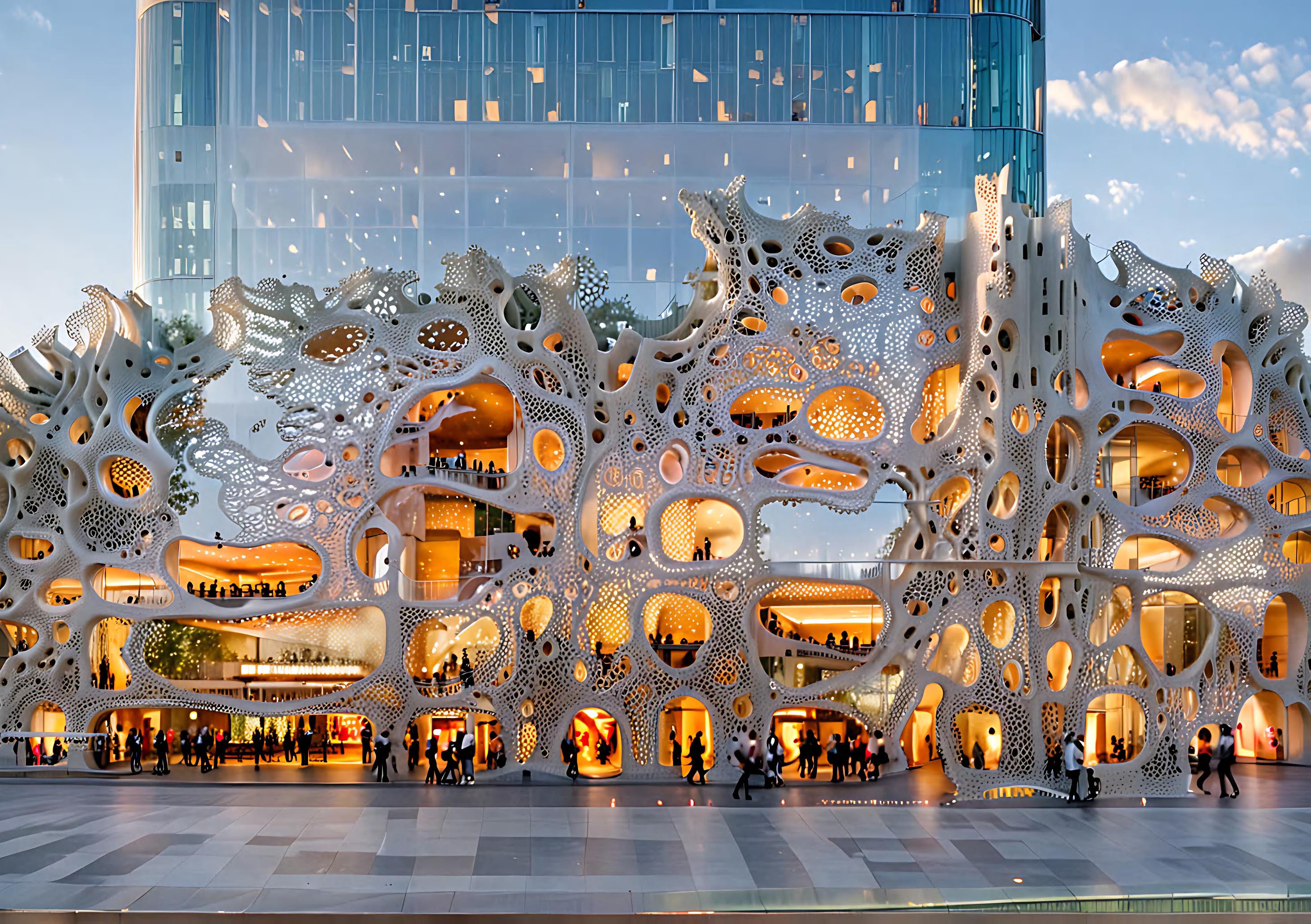
Modern cave based on hybrid intelligence
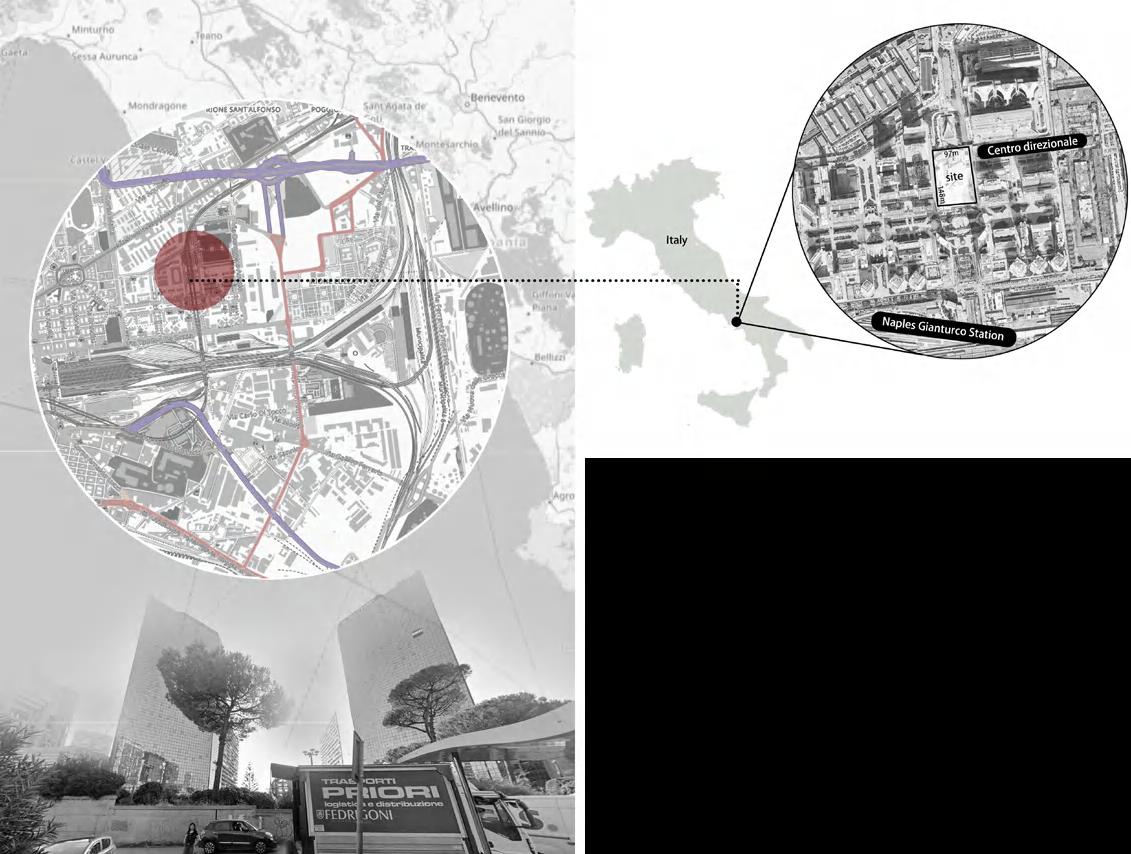
Site:The Centro Direzionale,Naples,Italy
01 02
Solid Spiritual Fortress
Memory-awakening theatre in Hangzhou
Site:Changjiang Road,Hangzhou,China
Algae Building
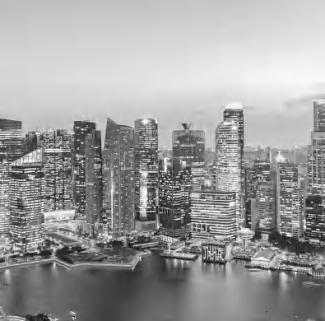
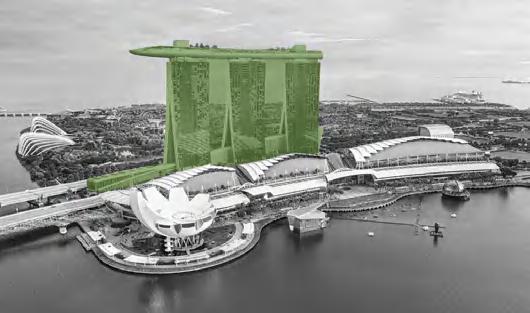
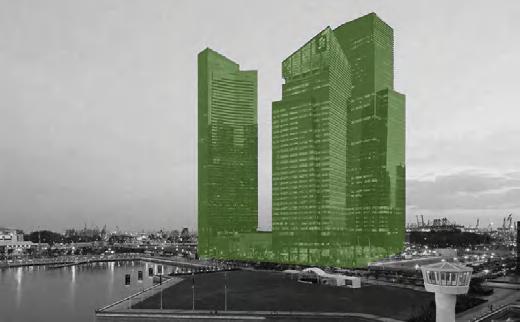
Algae-powered skyscraper in Singapore
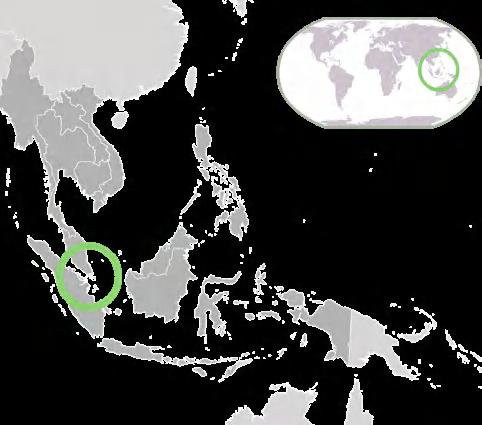
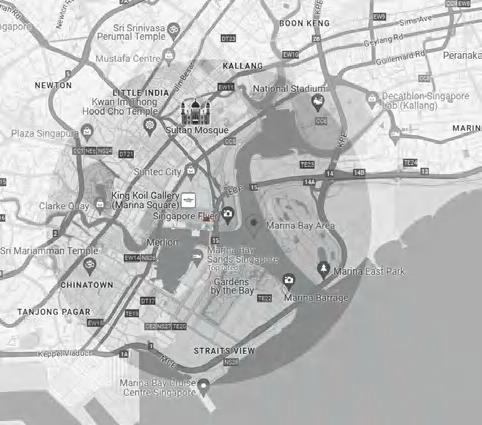
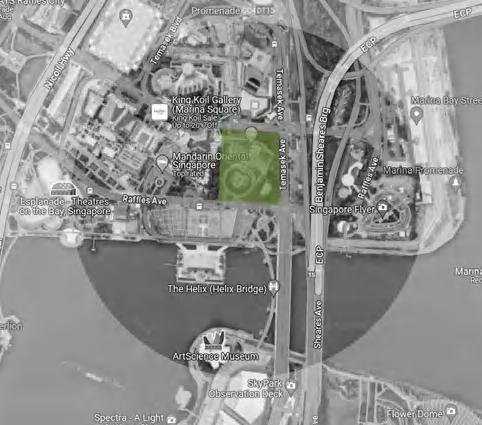
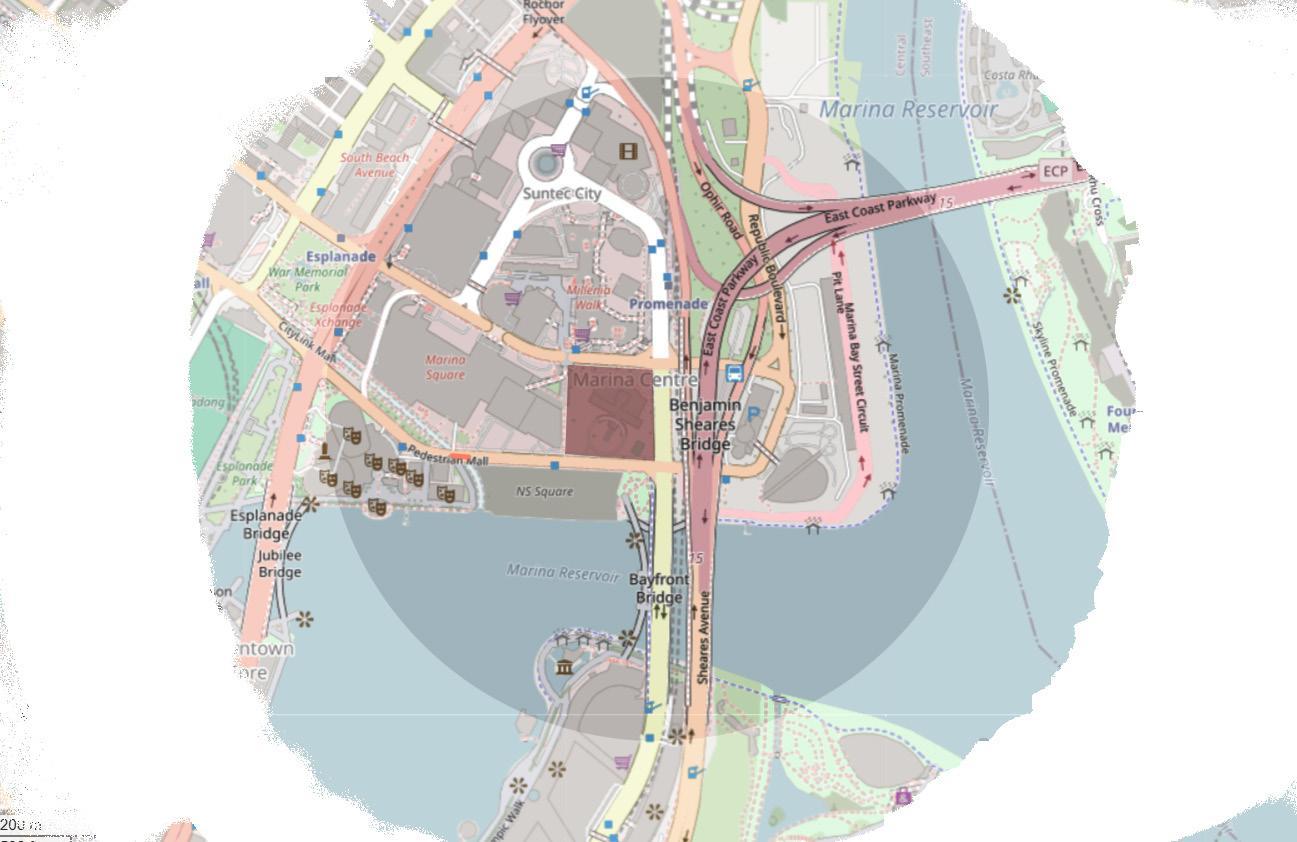
Site:Raffles Ave,Marina Bay area,Singapore
House of Bamboo Hustle
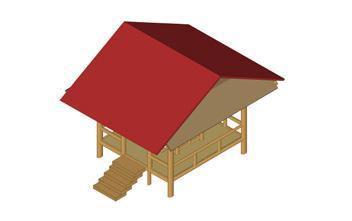
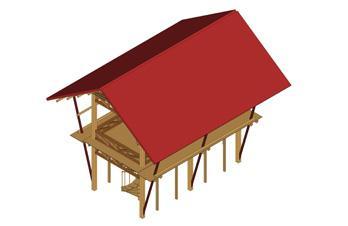
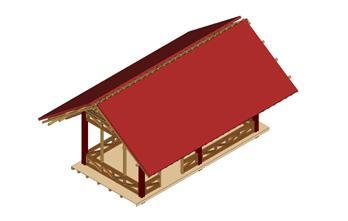
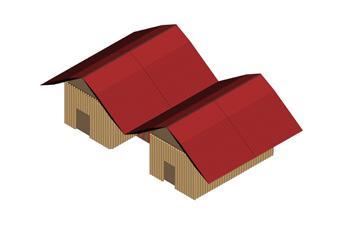
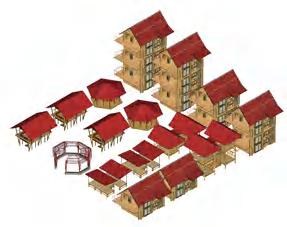
Bamboo House Community in Bangladesh
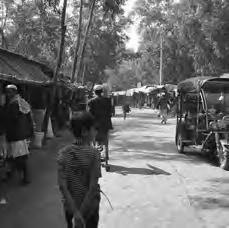
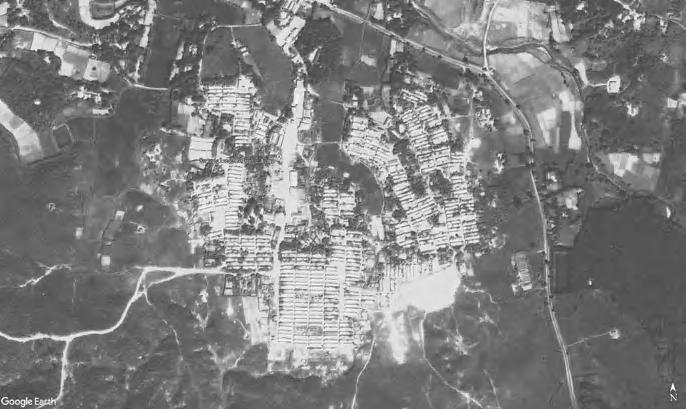
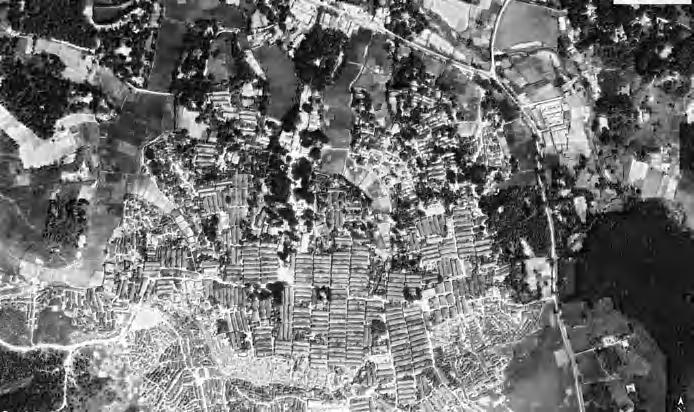
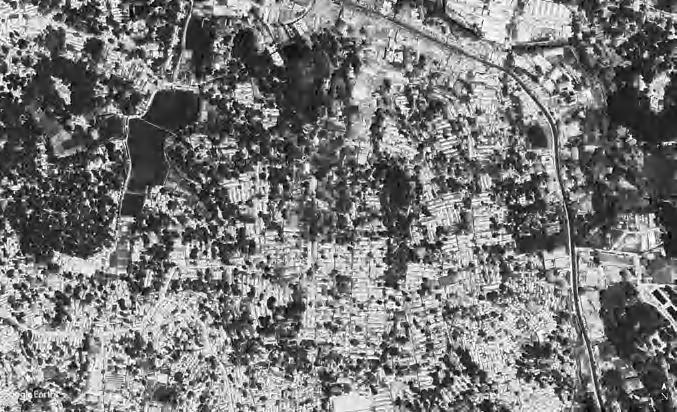
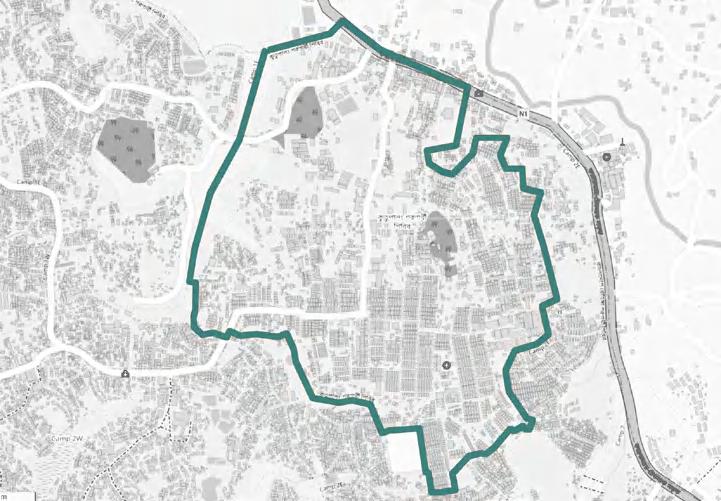
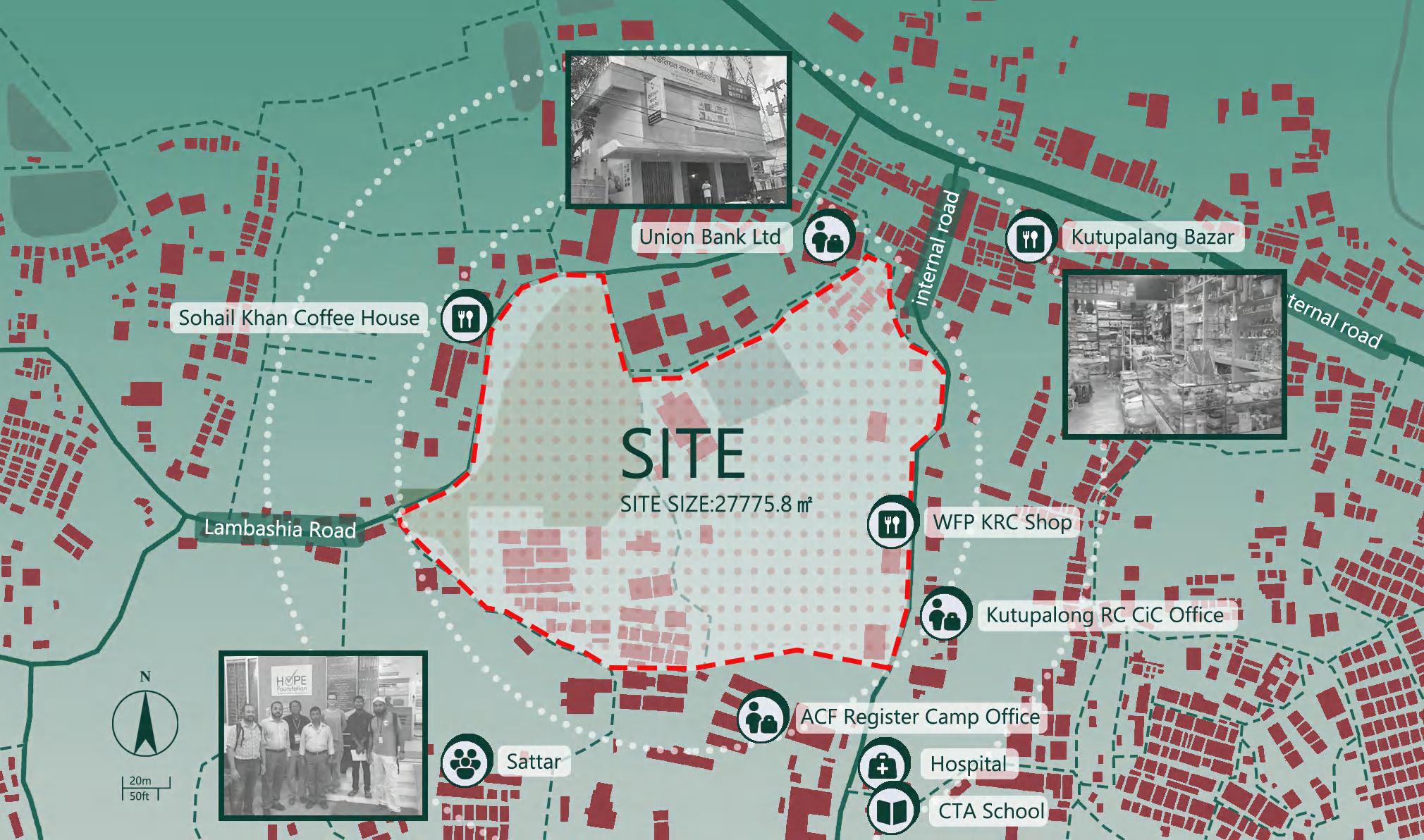
Site:Kutupalong refugee camp, Cox's Bazar District,Bangladesh
01/Back
Home -Deep learning and WFC design for immigrant communities
"We see this new way of living as a way to build stronger, more connected communities."
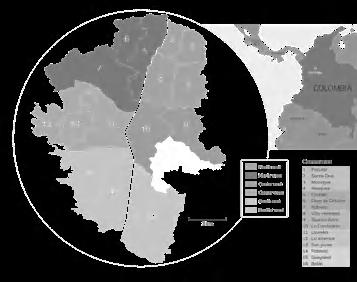
Site Location:Buenos Aires,Medellín,Columbia
Individual work
Project duration:2024.11-2024.12
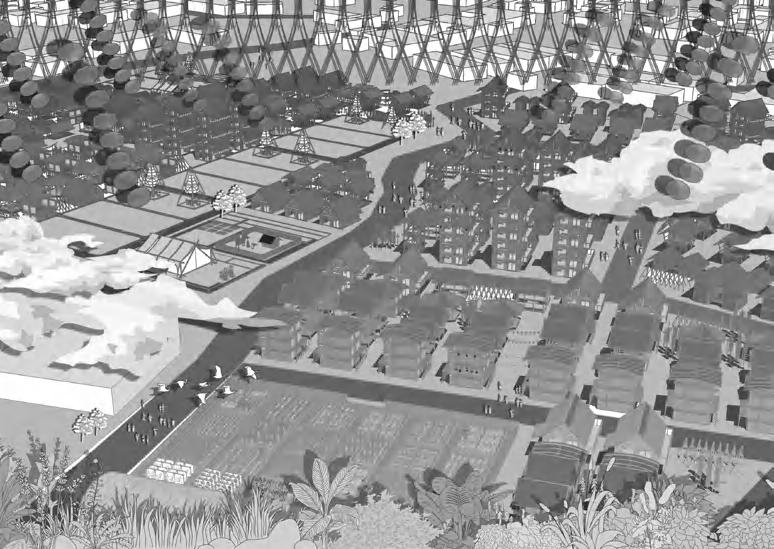
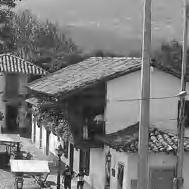
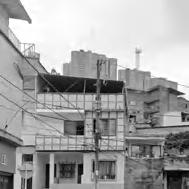
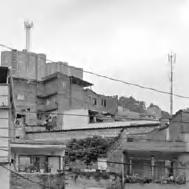
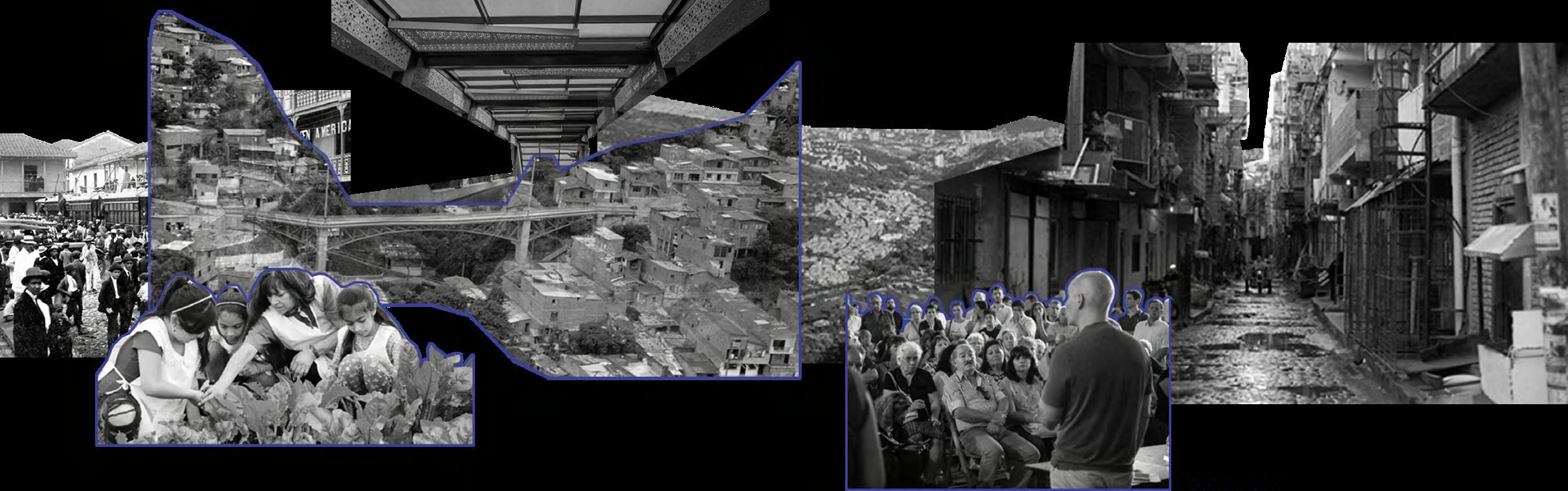
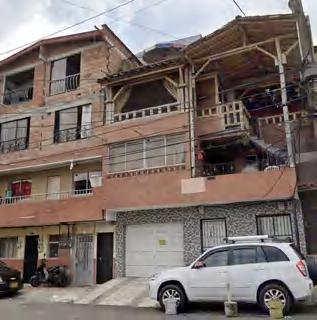
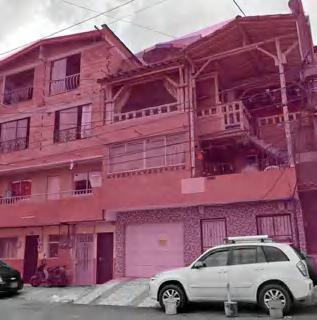
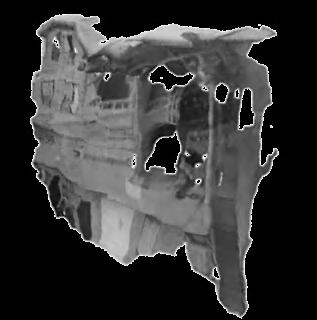
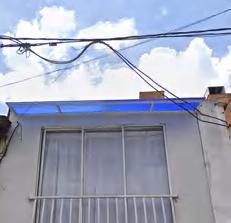
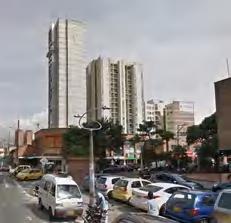
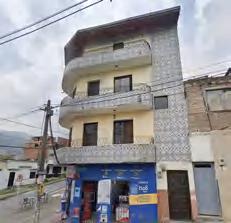
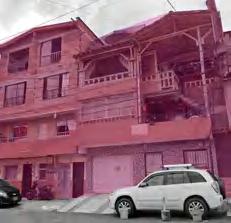
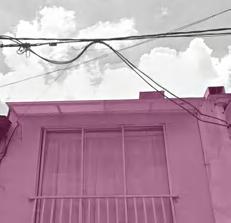
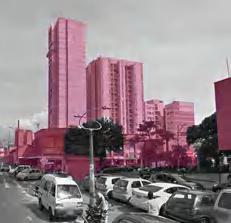
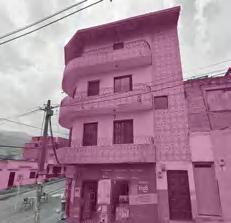
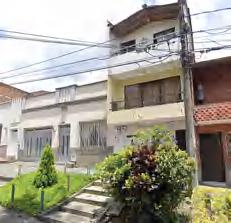
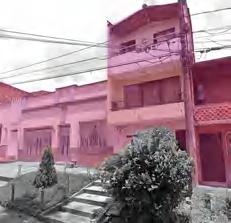
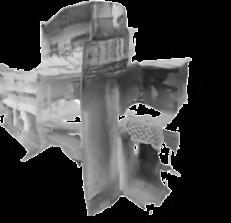
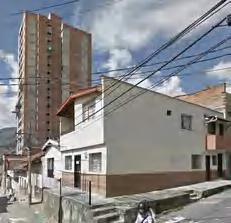
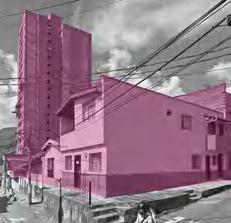
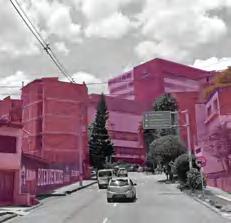
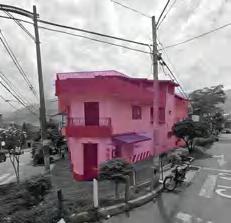
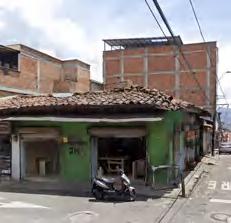
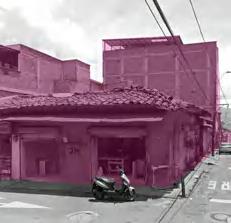
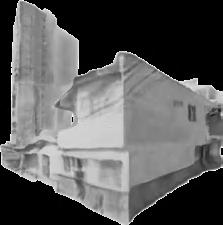
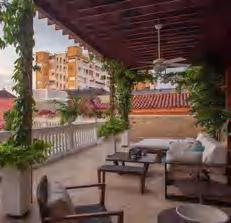
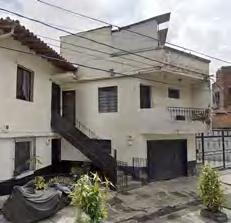
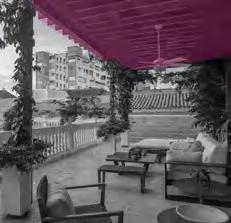
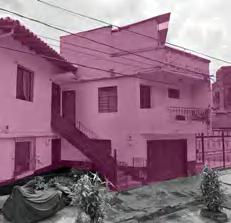
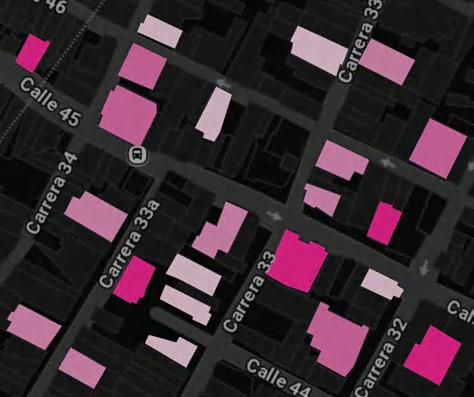
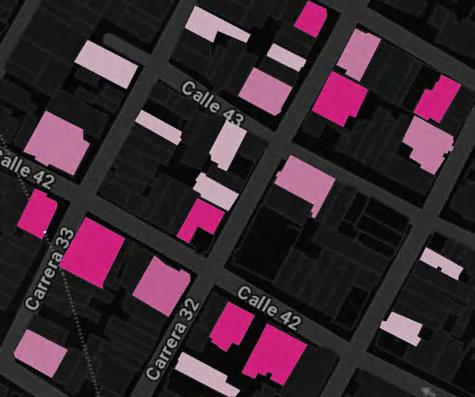
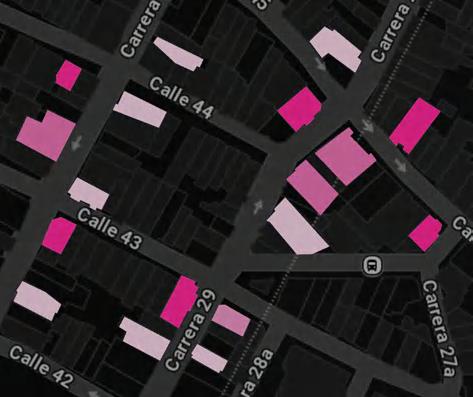
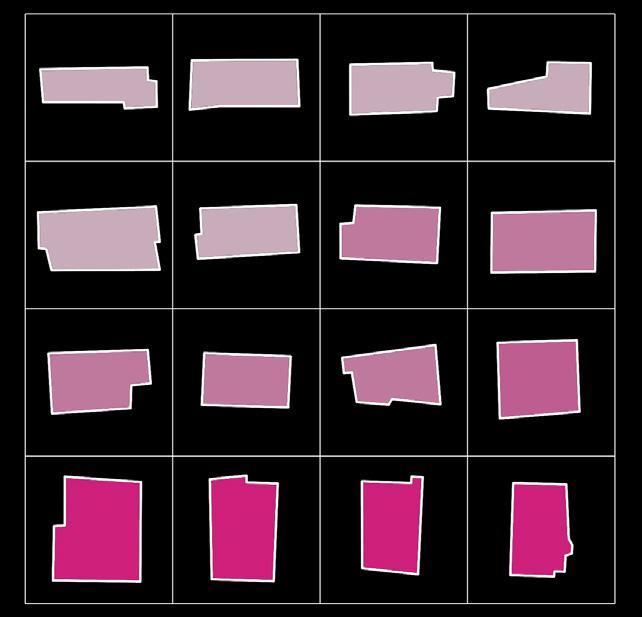
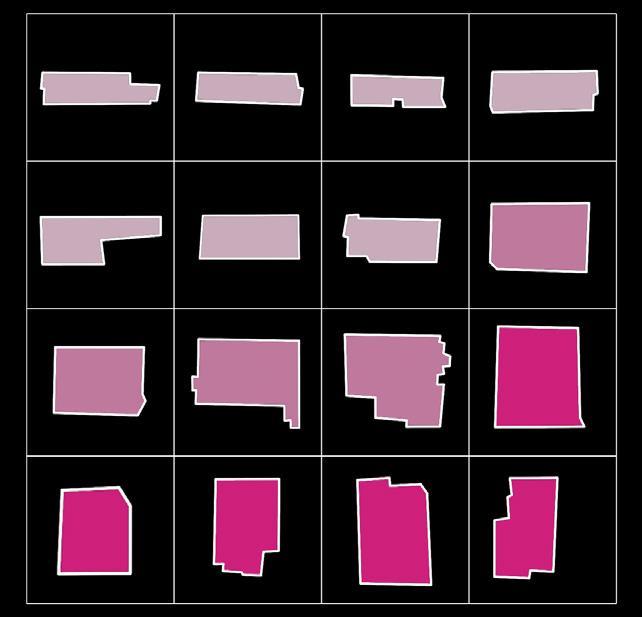
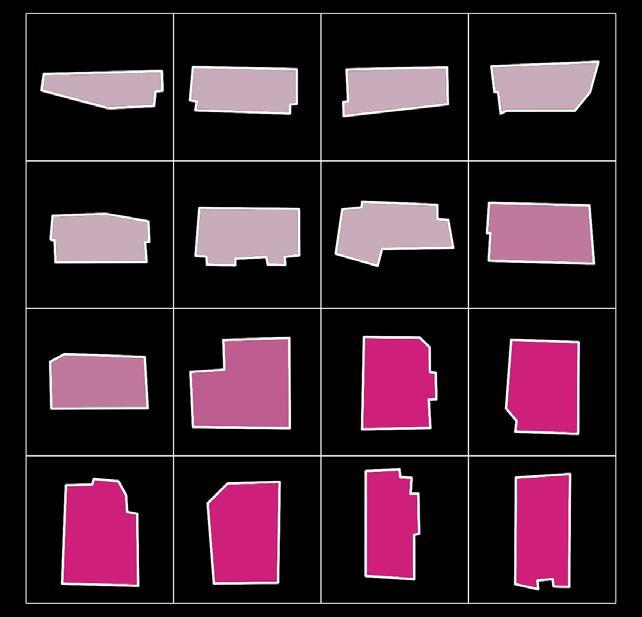
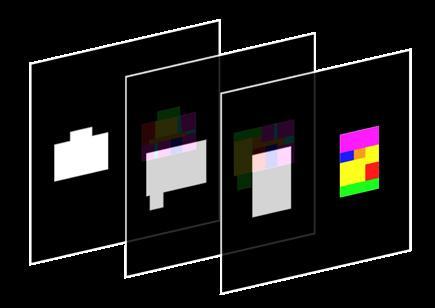
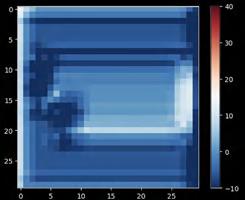
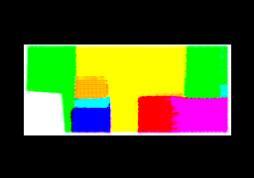
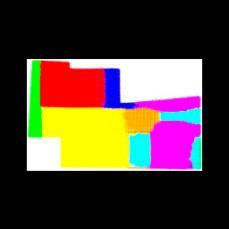
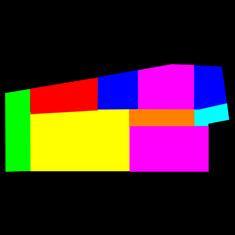
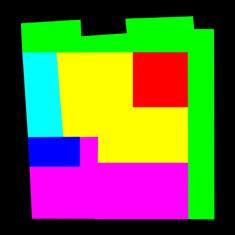
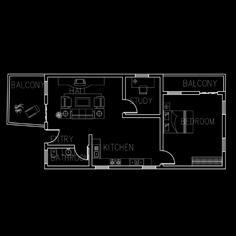
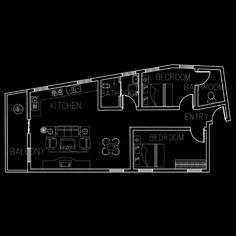
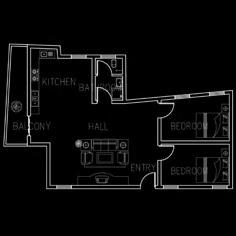
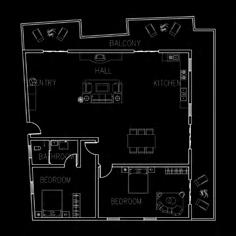
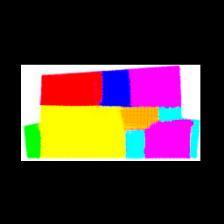
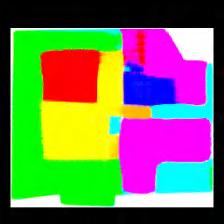
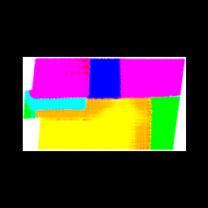
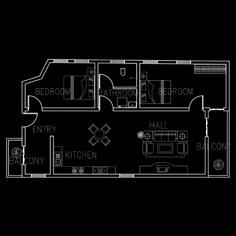
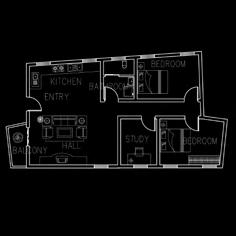
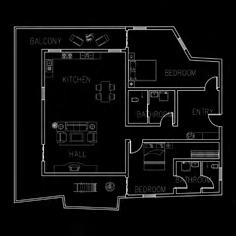
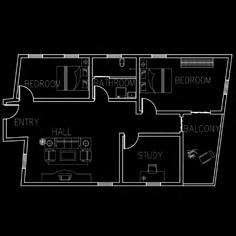
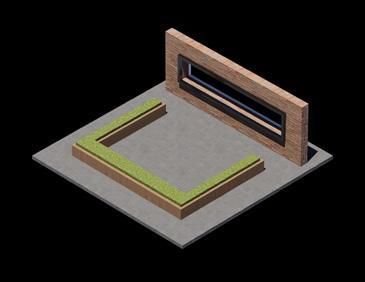
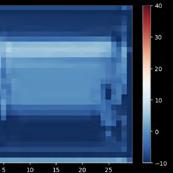
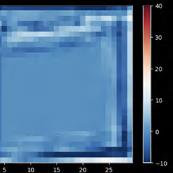
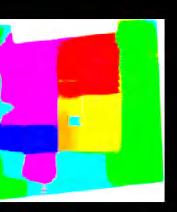
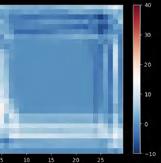
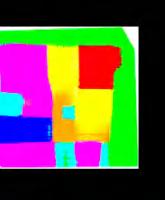
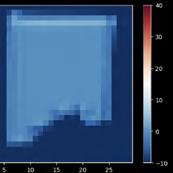
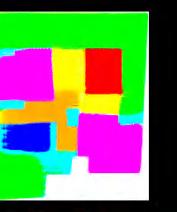
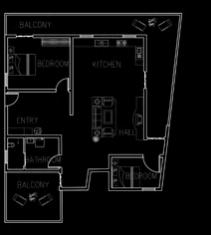
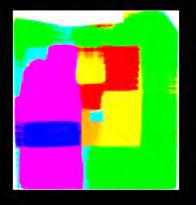
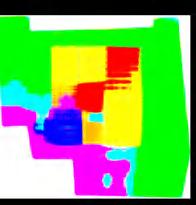
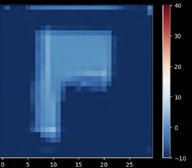
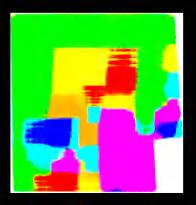
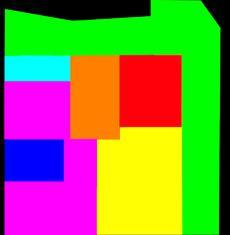
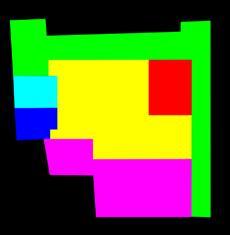
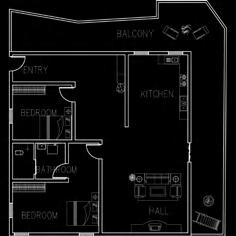
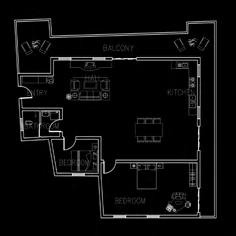
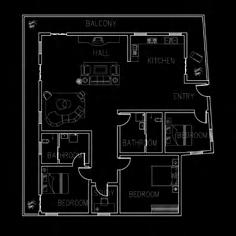
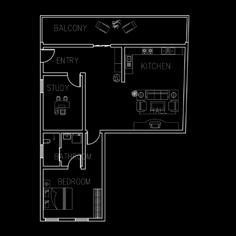
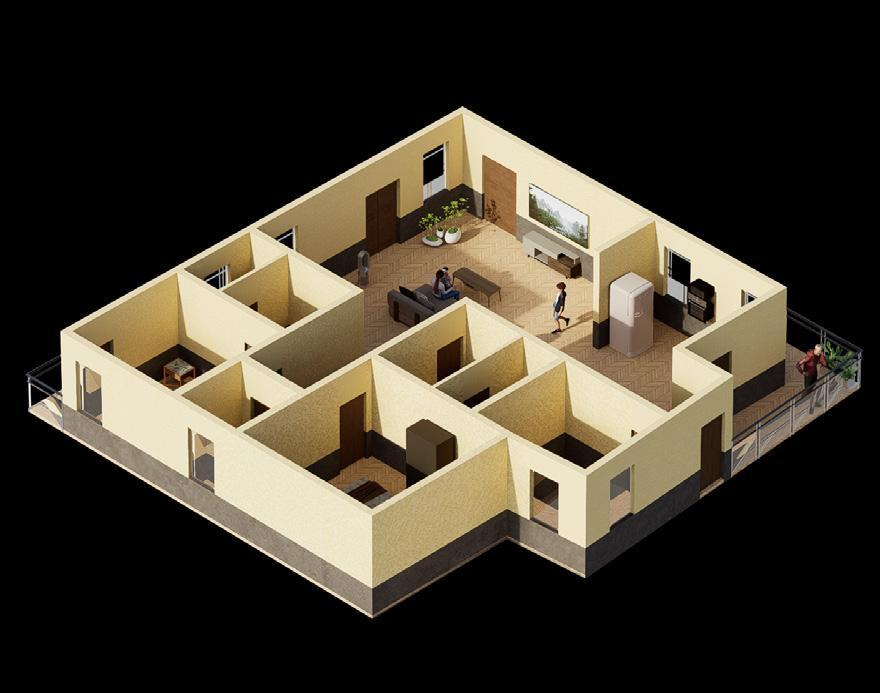
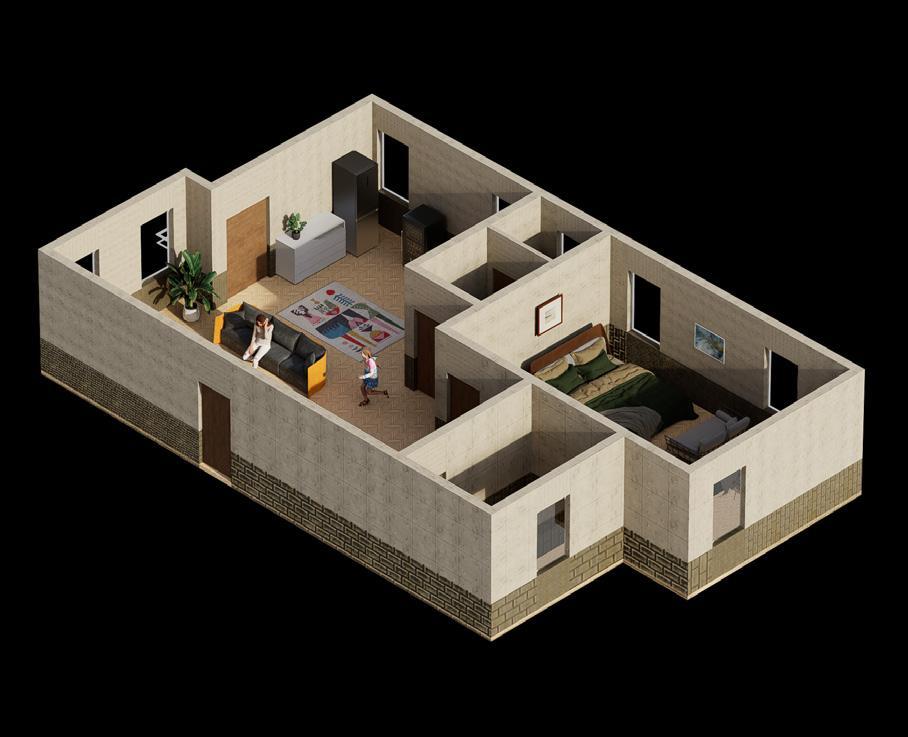
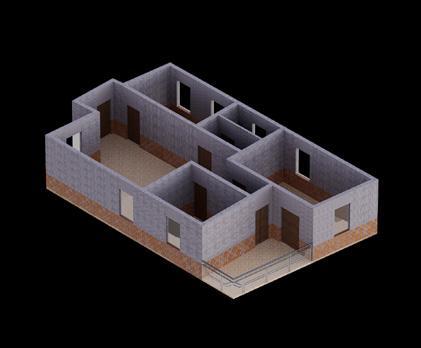
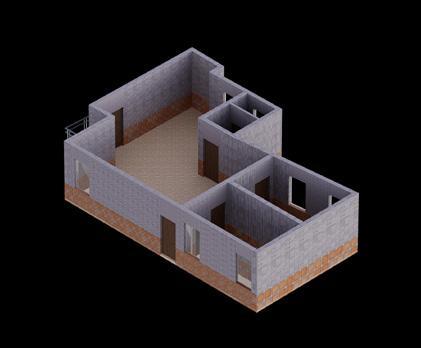
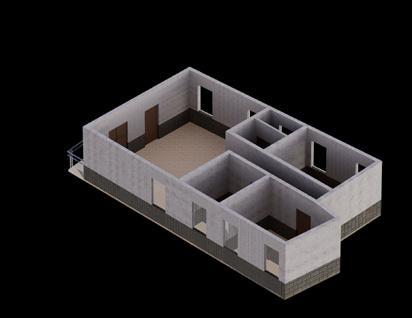
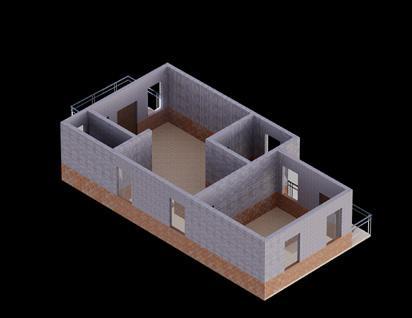
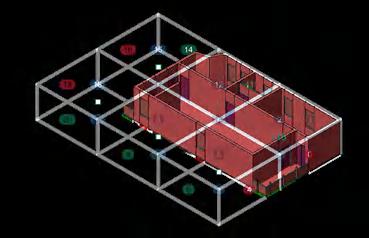
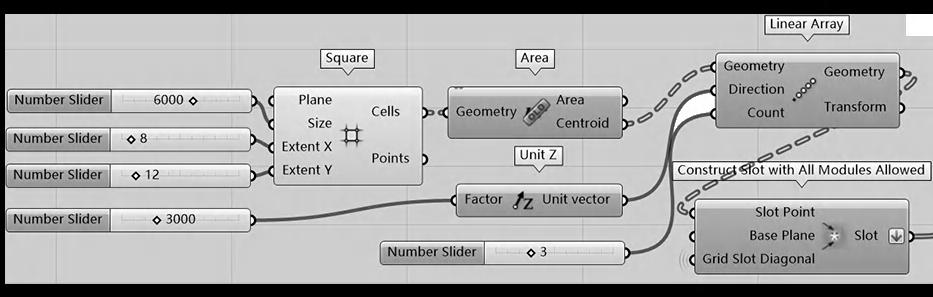
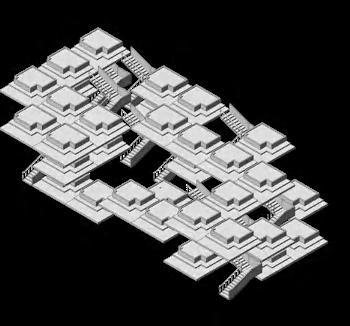
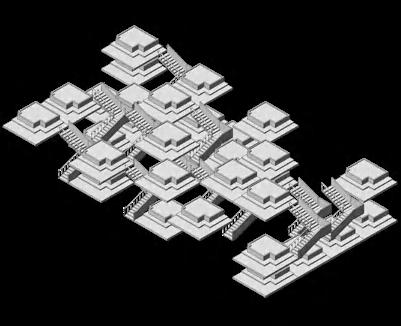
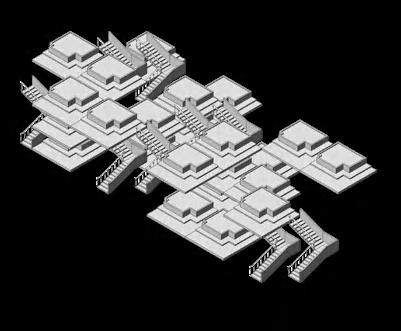
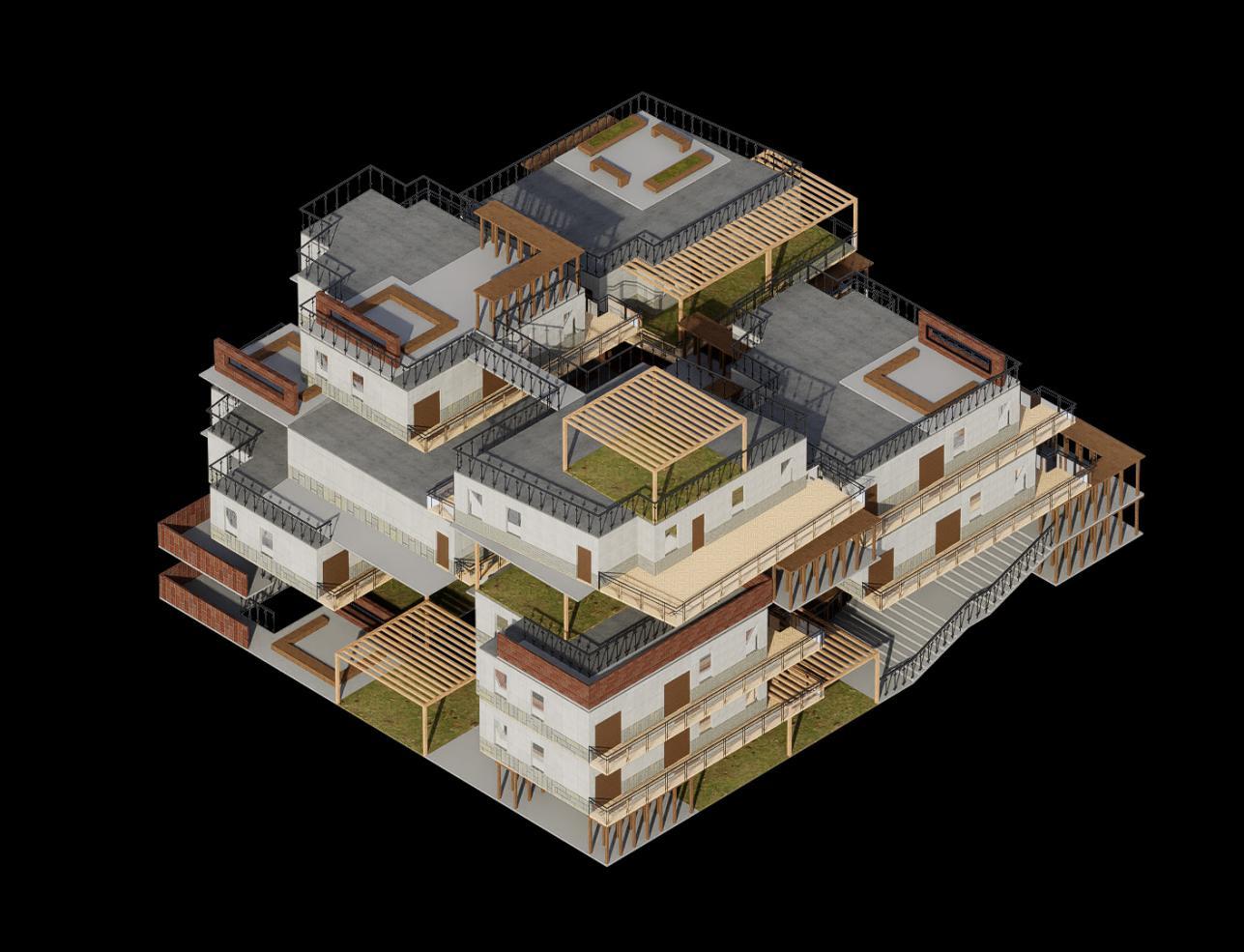
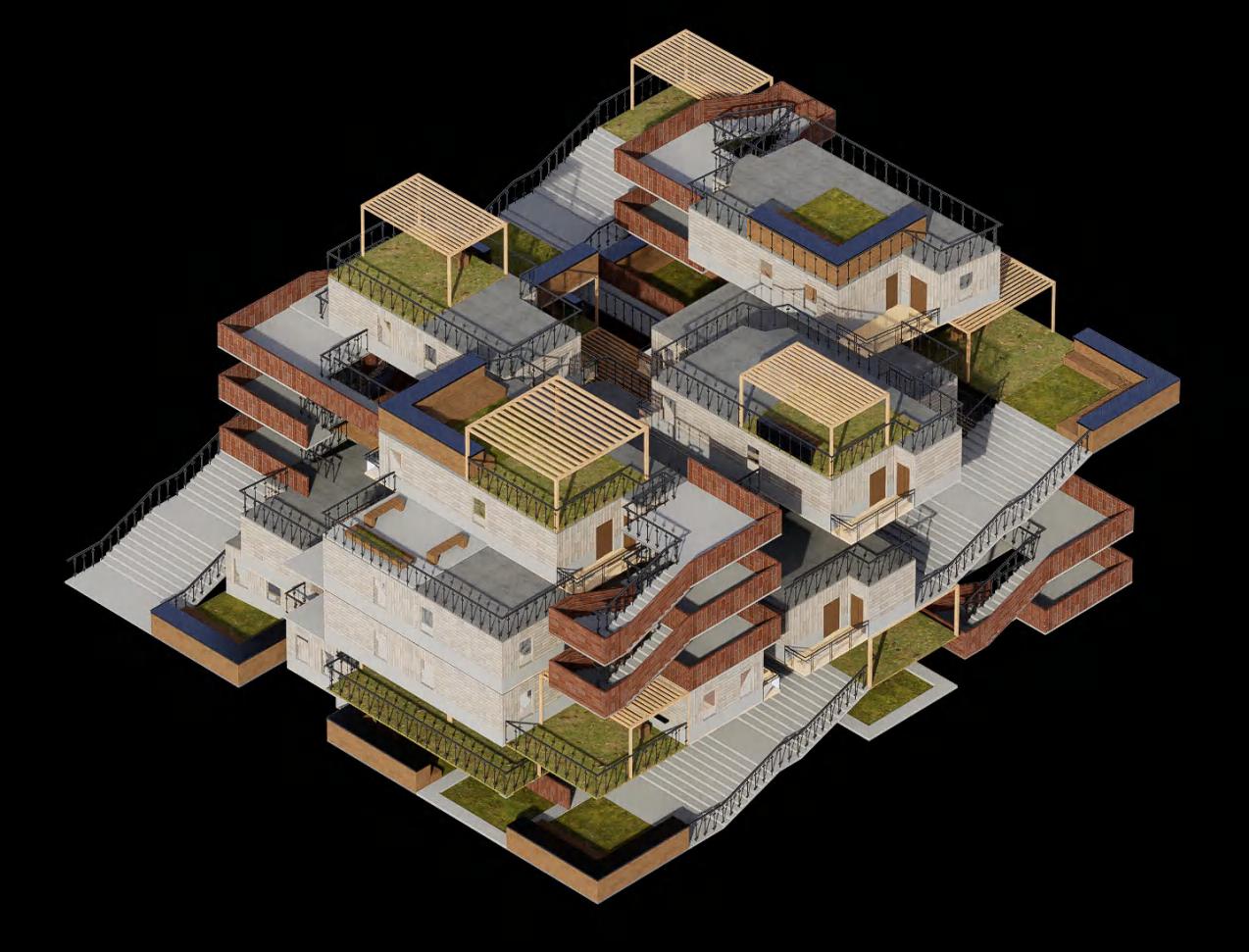
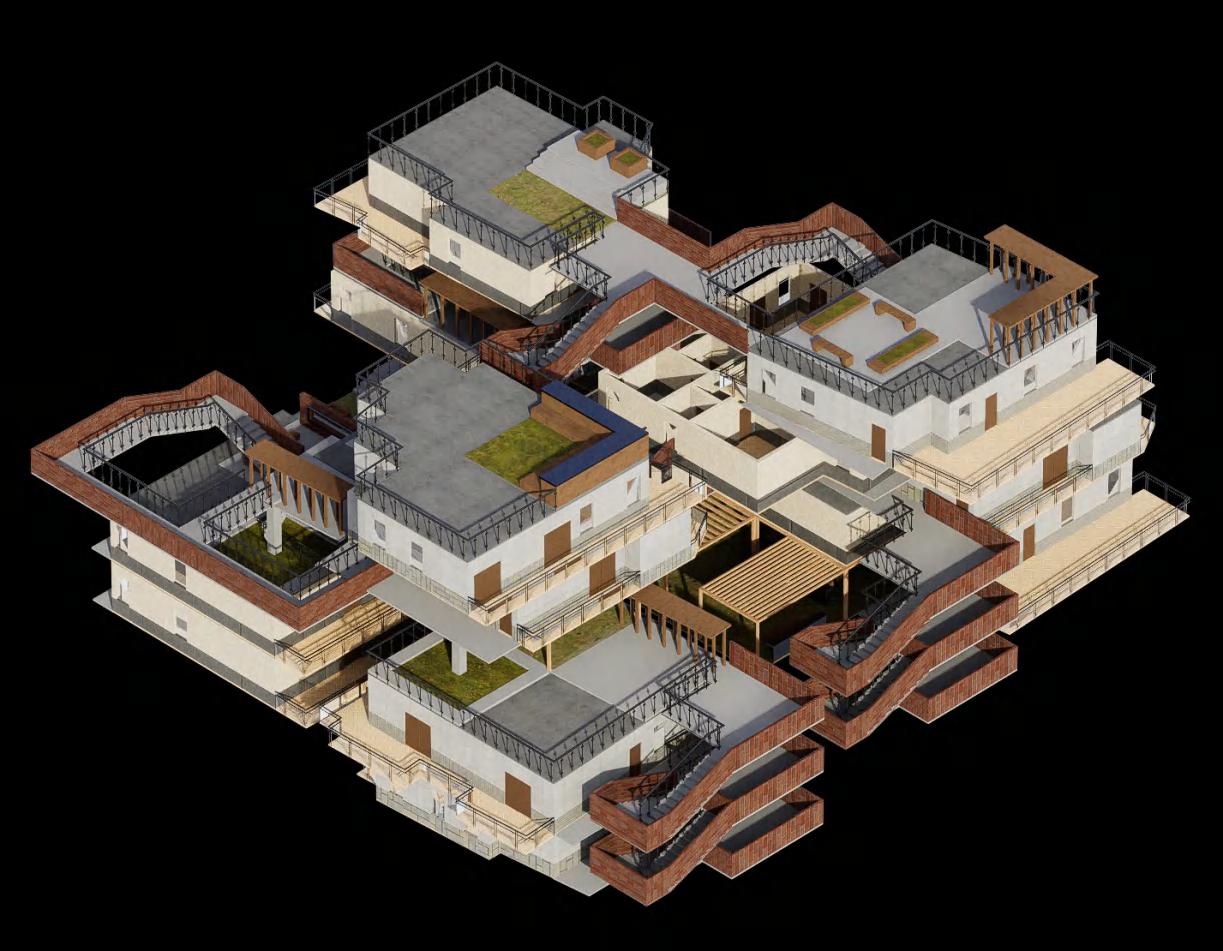
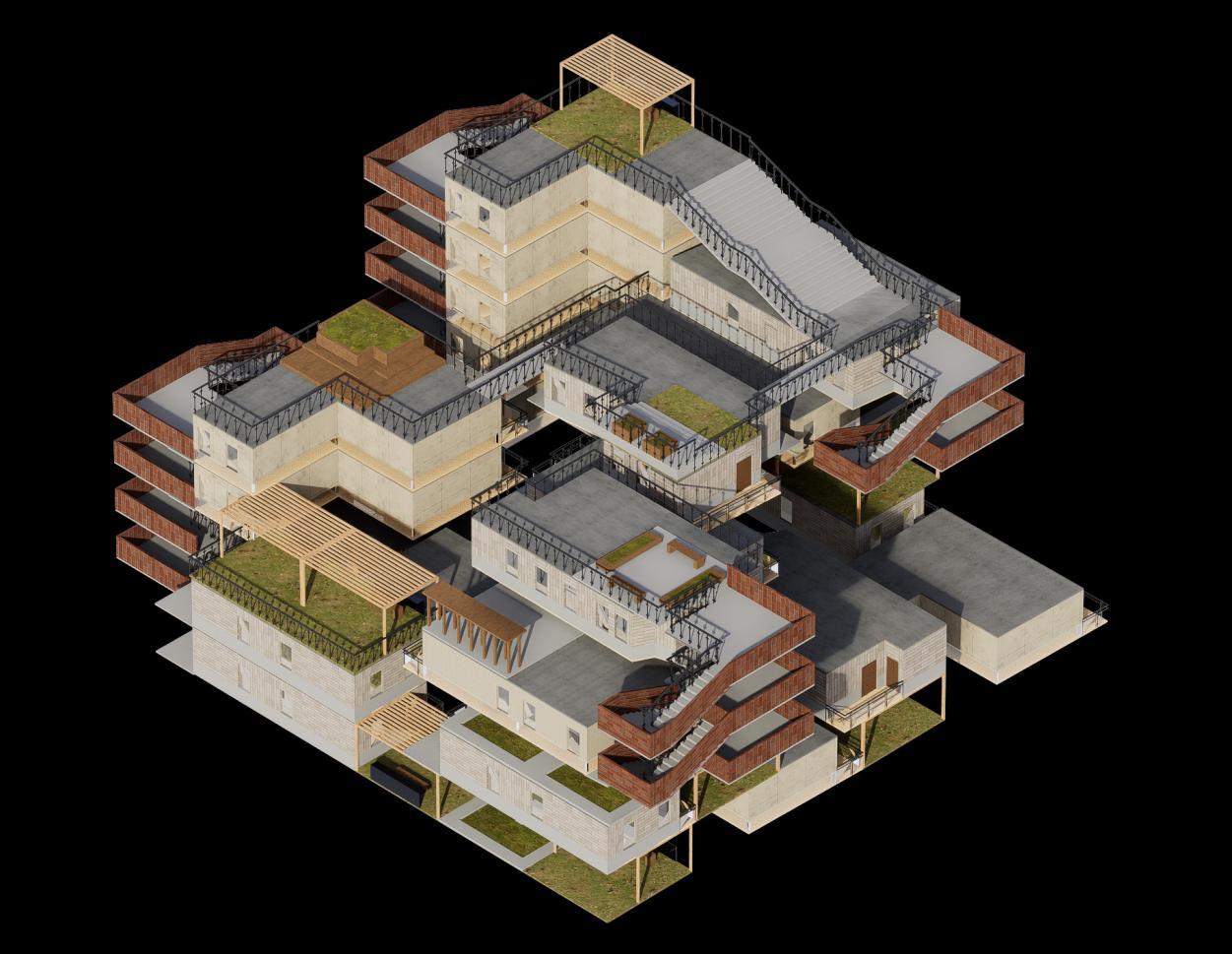
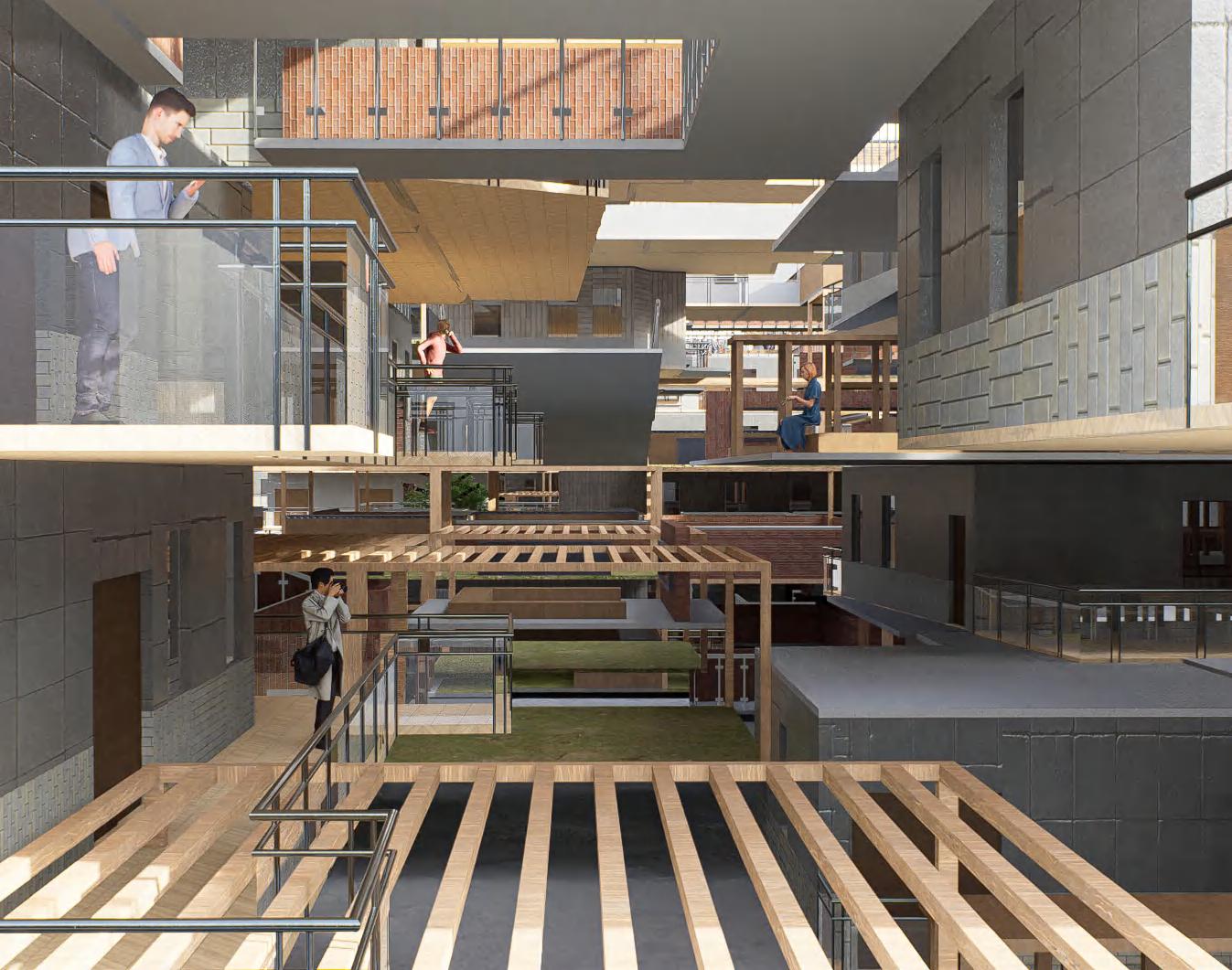
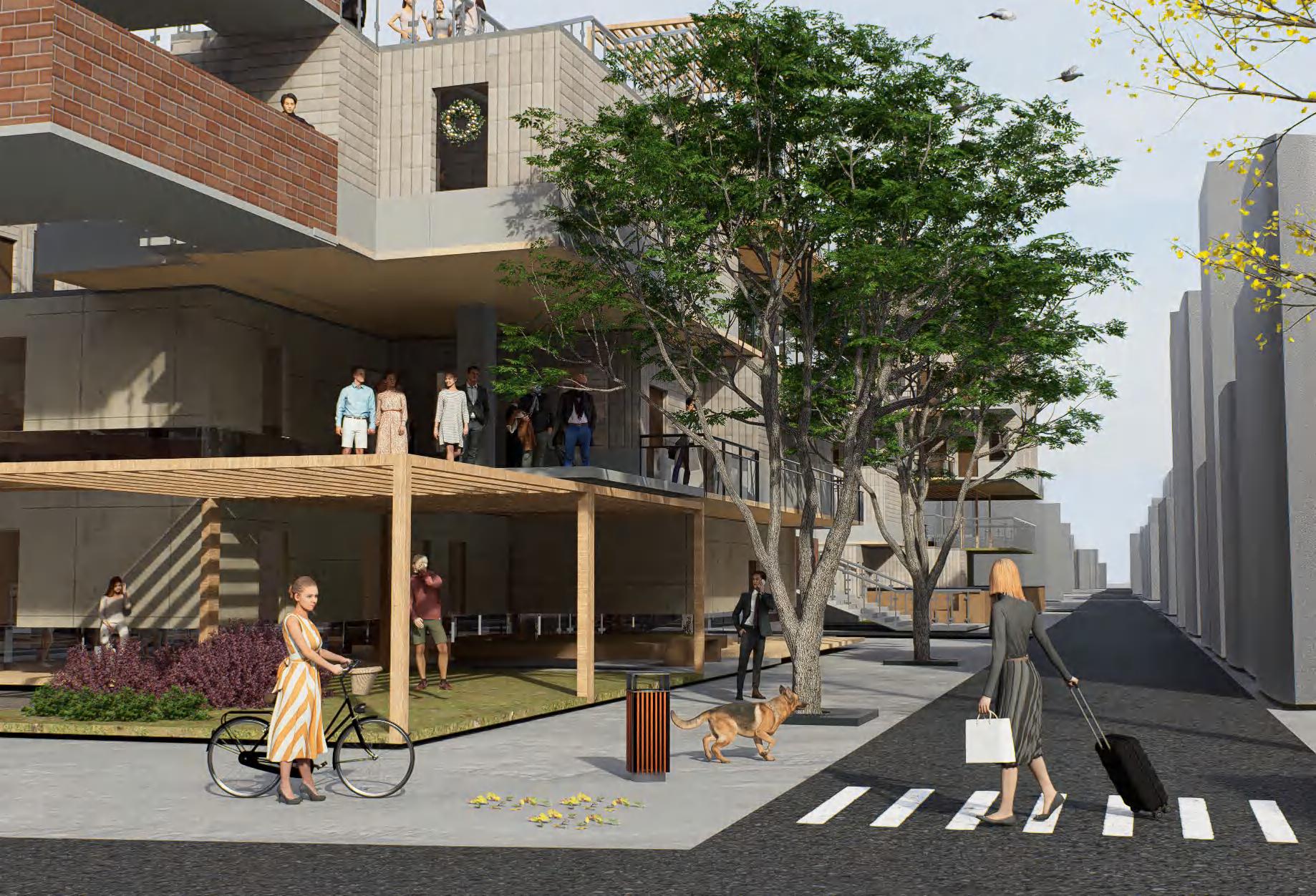
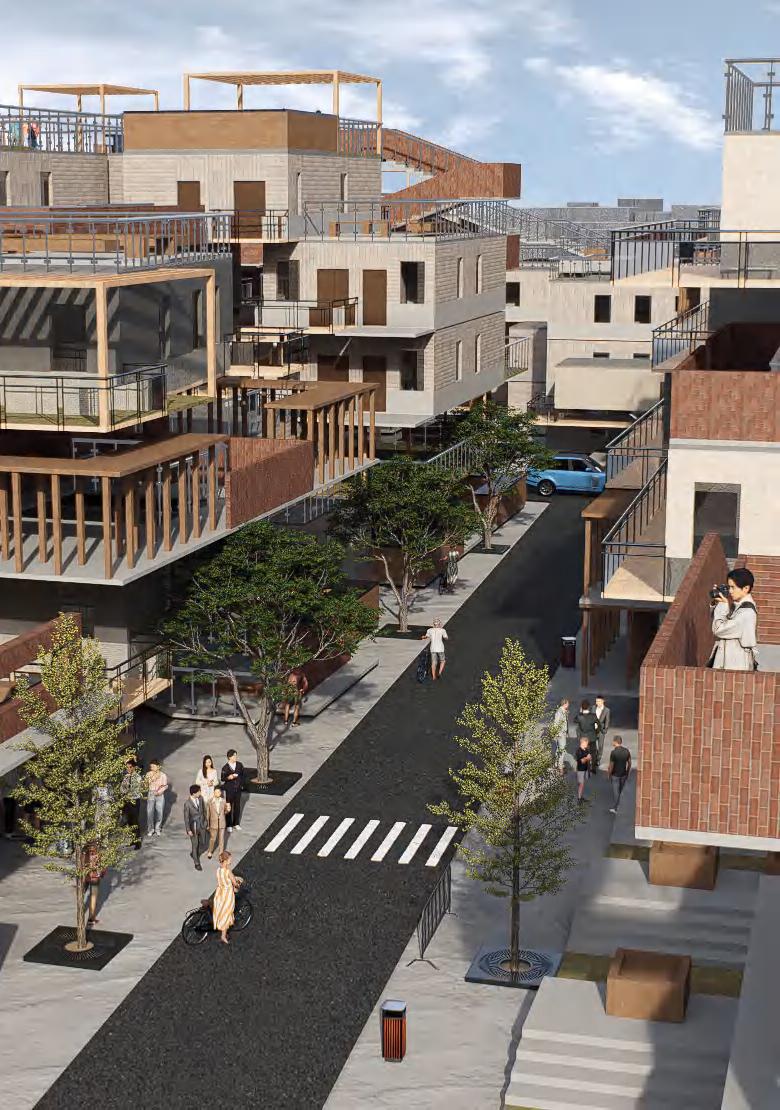
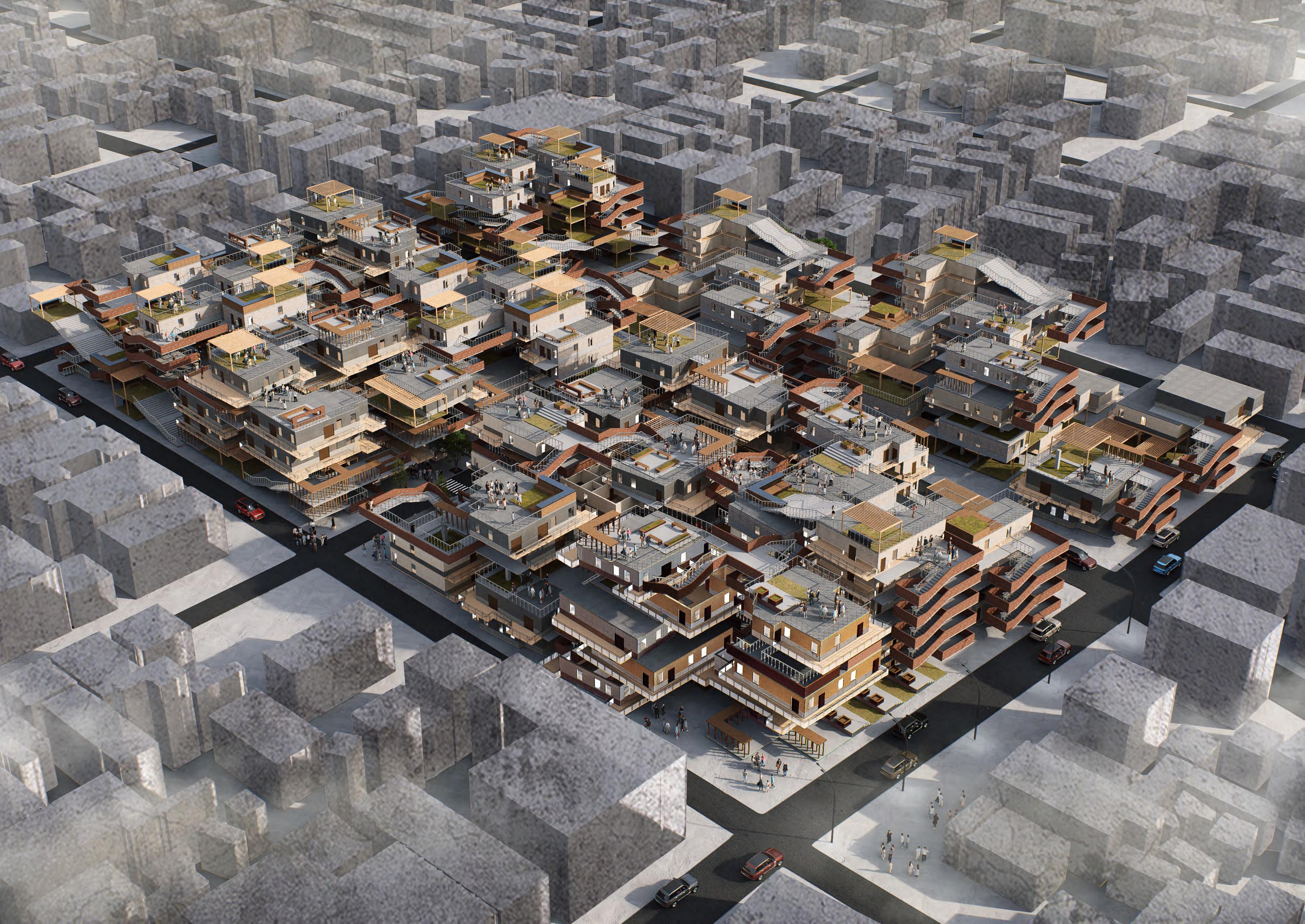
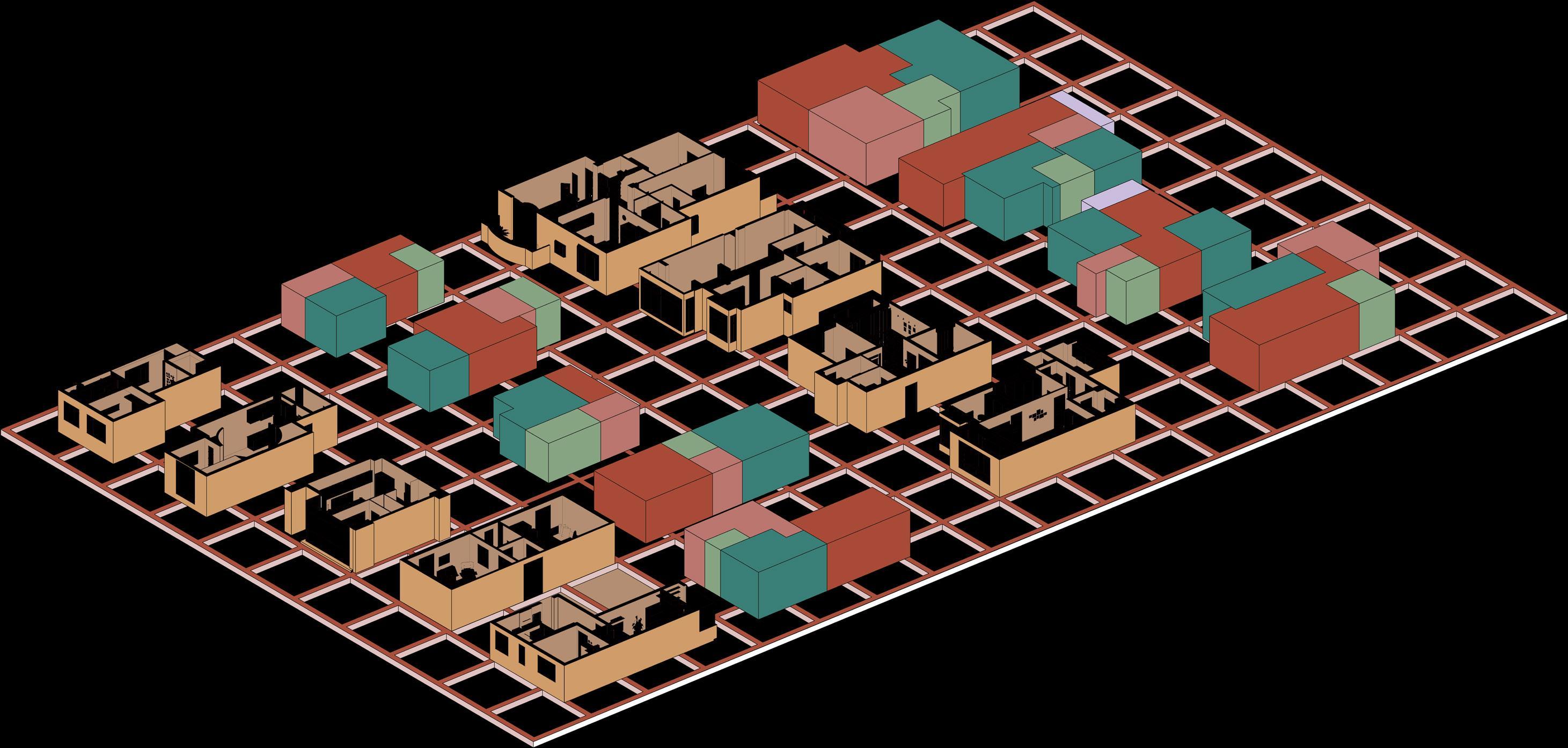
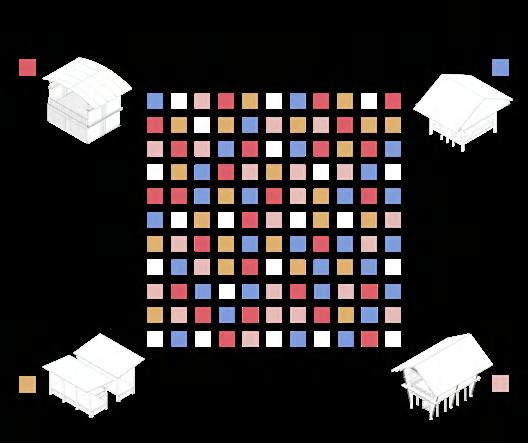
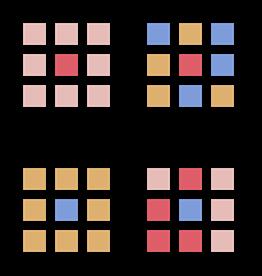
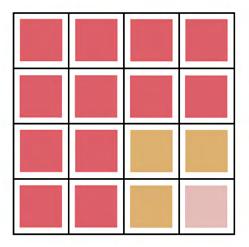
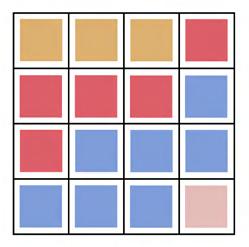
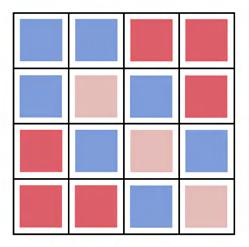
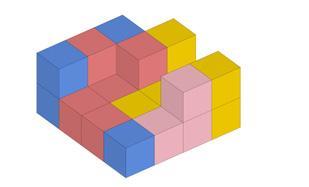
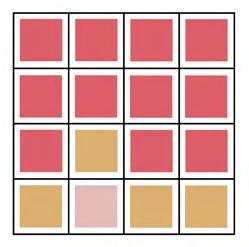
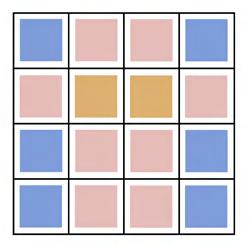
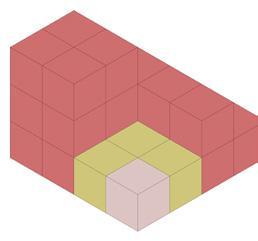
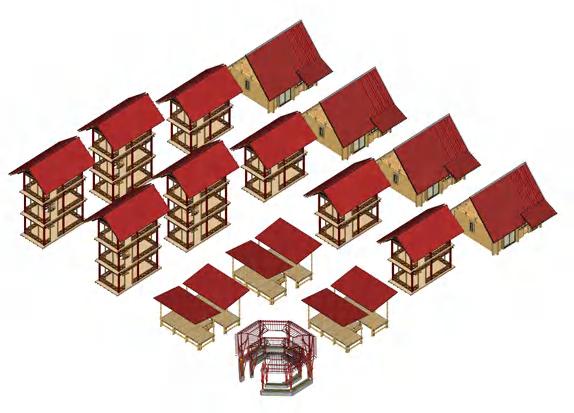
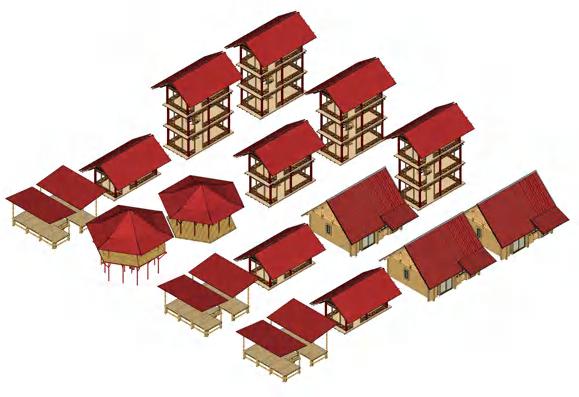
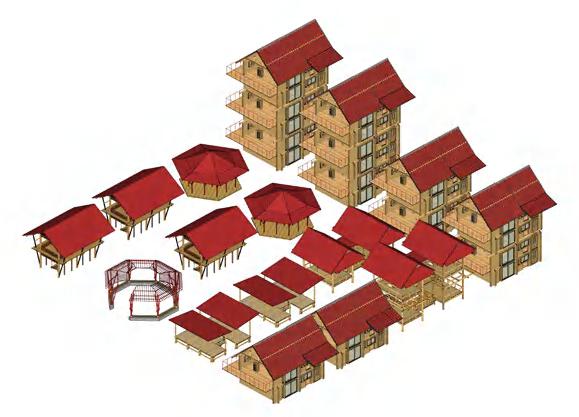
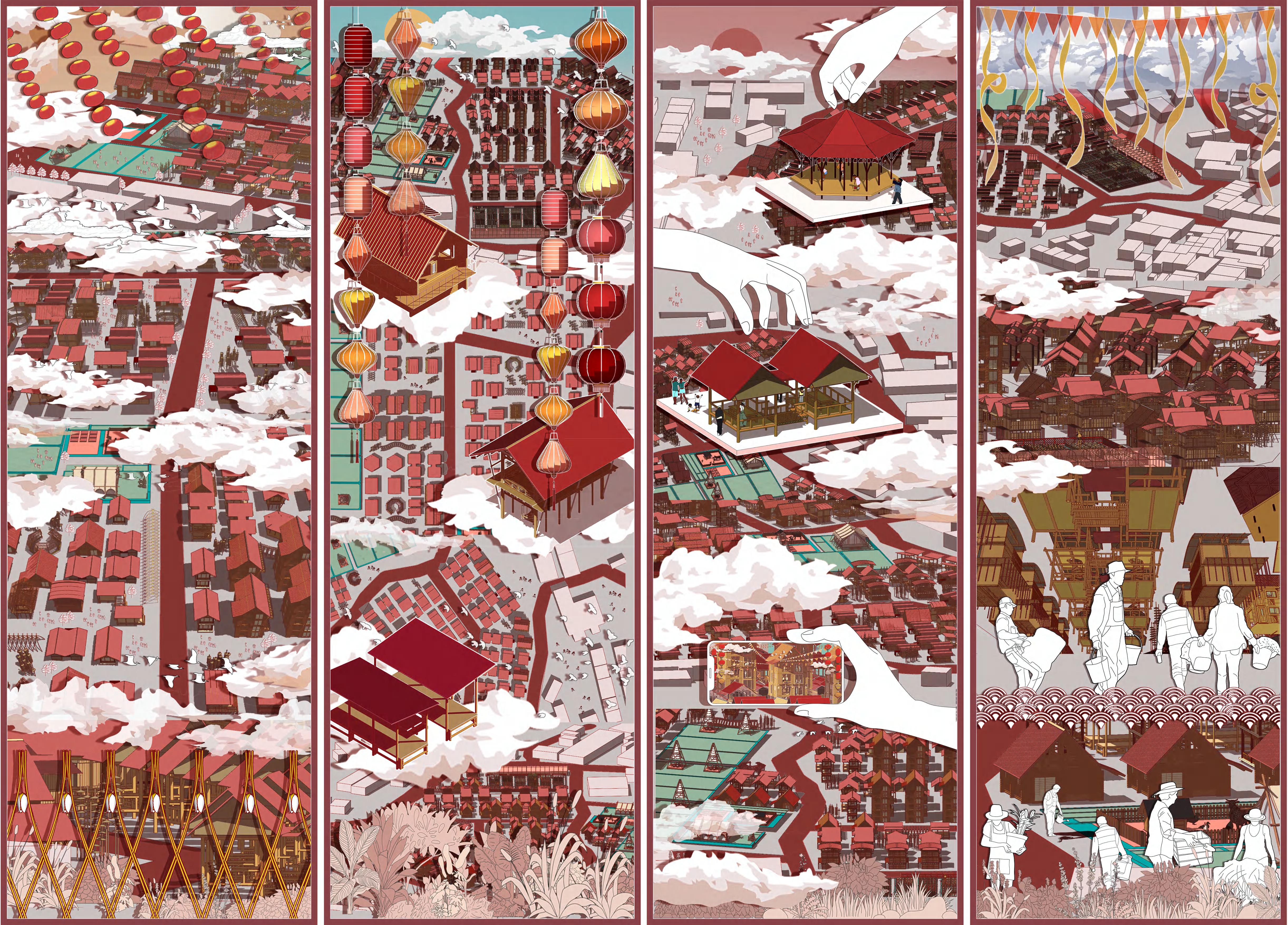
Thesis:The design is for a migrant community in Medellín, Colombia. First, machine learning was used to analyze local architectural styles and materials, creating a comprehensive material library. Then, the outlines of community buildings were extracted and categorized by their aspect ratios into 16 main housing types. A pix2pix-trained model was employed to generate rough floor plans, which were then refined and modeled. The design integrates 16 housing modules, 8 transportation modules, and 8 public space modules, which are connected using Wave Function Collapse (WFC). The community is organized into 6 clusters based on the distribution of different functional areas. The final community design uses materials from the pre-established library.
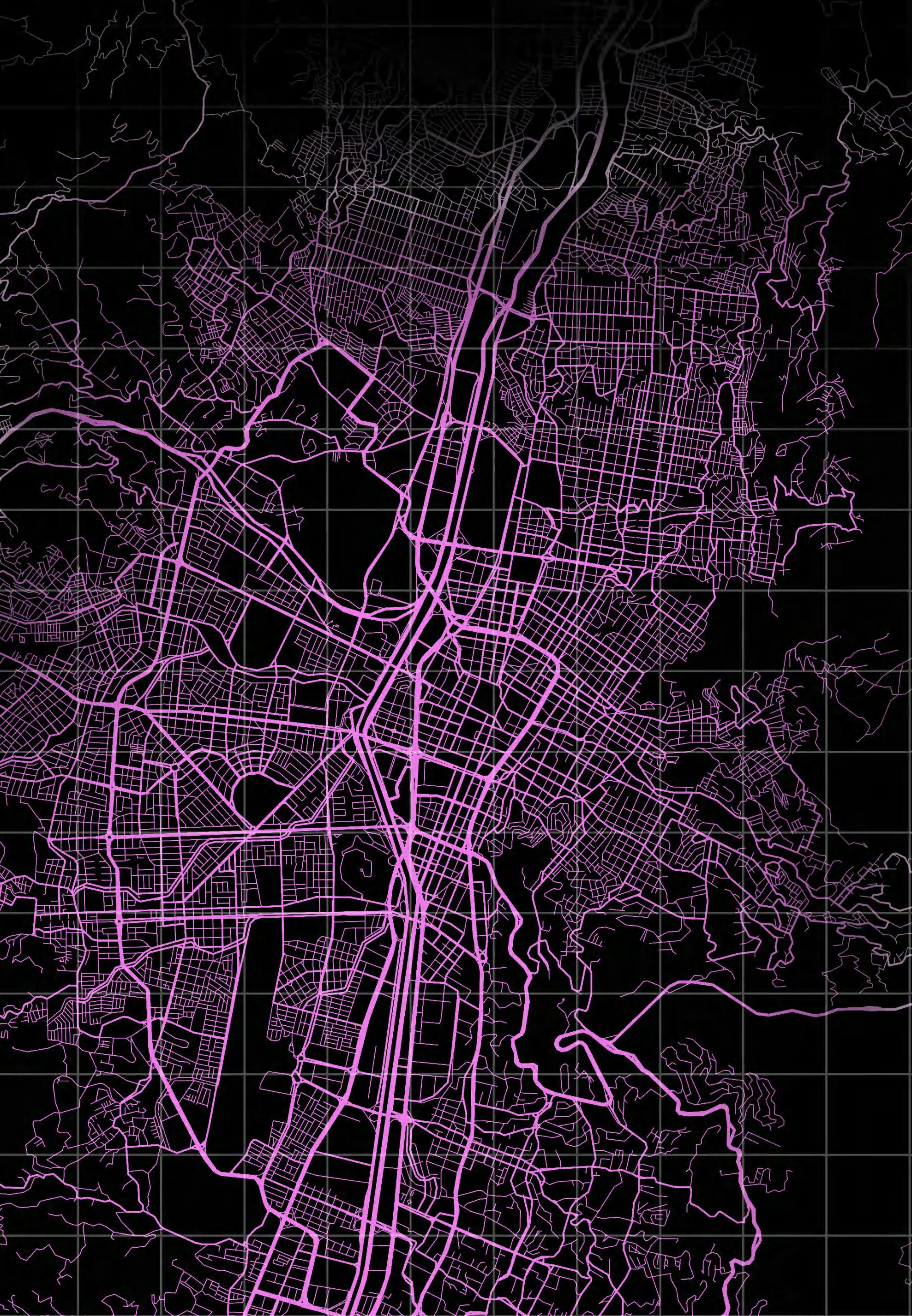
Mapping
Buenos Aires
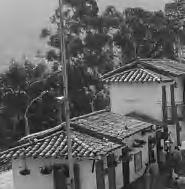
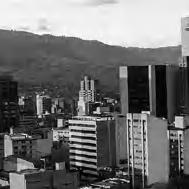
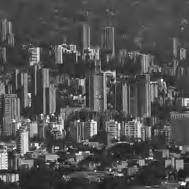
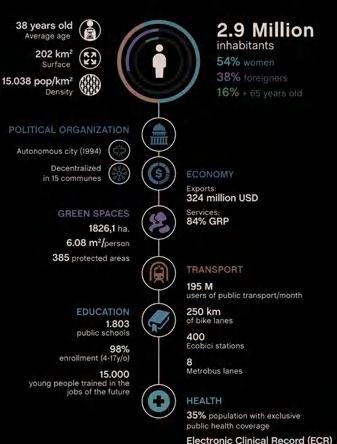
Medellín,Antioquia,Colombia
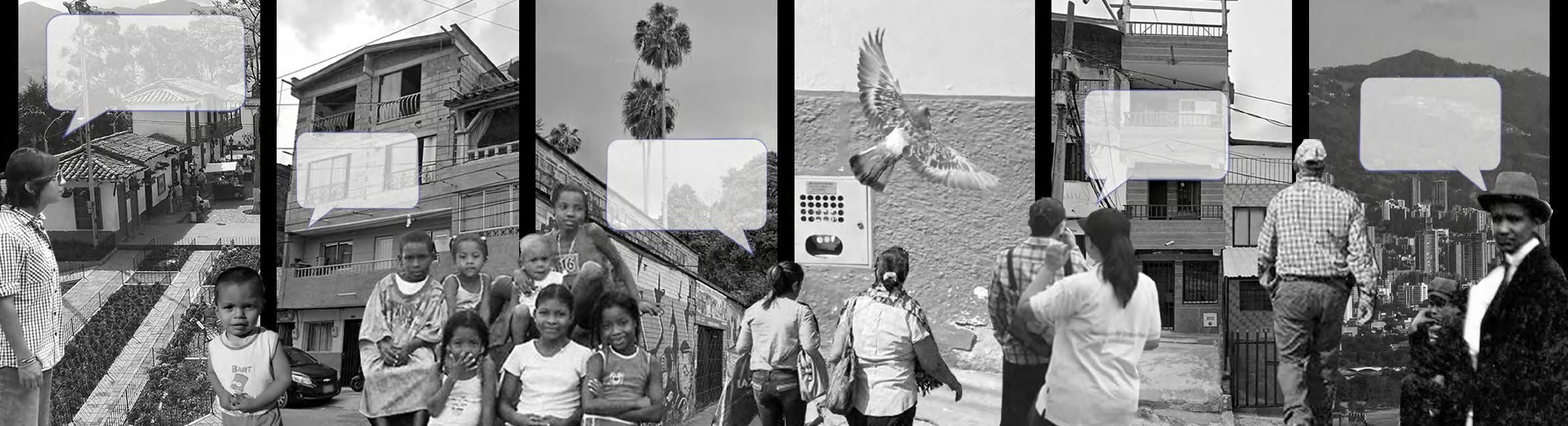
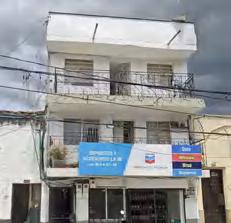
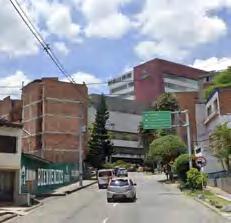
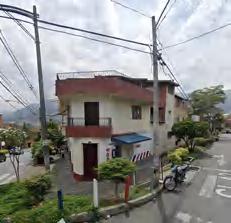
To address the multifaceted challenges faced by immigrant communities in Medellín’s Buenos Aires, innovative design strategies are essential. Using machine learning to analyze and reorganize local materials can create sustainable solutions for housing and infrastructure, while integrating public spaces tailored to community needs. These public areas can foster a sense of belonging and promote resident participation, addressing overcrowding, poor sanitation, and social inequality. By combining data-driven approaches with localized urban design, these interventions can transform marginalized neighborhoods into inclusive, resilient communities that support better living standards and social cohesion
Housing and Overcrowding
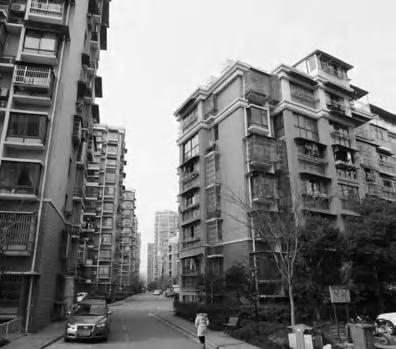
Many immigrants live in informal settlements or selfbuilt housing with limited access to utilities. These areas often have small per capita living spaces and lack regularized land tenure, contributing to precarious living conditions.
Sanitation and Health
Poor access to clean water and sanitation significantly impacts residents. Many neighborhoods lack proper sewage systems, increasing exposure to health risks like waterborne diseases. Informal water access solutions, such as wells or tanker trucks, are expensive and inconsistent.
Population Density and Distribution
This areas experience high population densities due to informal housing expansions. These neighborhoods often lack sufficient infrastructure to support the growing population, leading to social fragmentation and limited public space.
Current Situation of the Immigrants in Buenos Aires
and Social Challenges
Limited job opportunities and inadequate public services deepen poverty in immigrant areas. Marginalization and inequality persist, with some neighborhoods facing low quality of life and higher violence rates.
Group Residents Tourists
Analysis of Local Architecture(Deep Learning Process1-CRM)
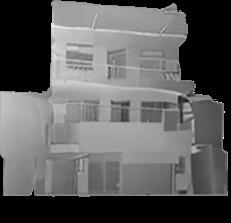
Extraction of Local Residential Building Floorplan Outlines
Analysis of Floorplans(Deep Learning Process2-pix2pix)
Floorplans(Deep
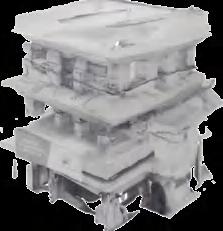
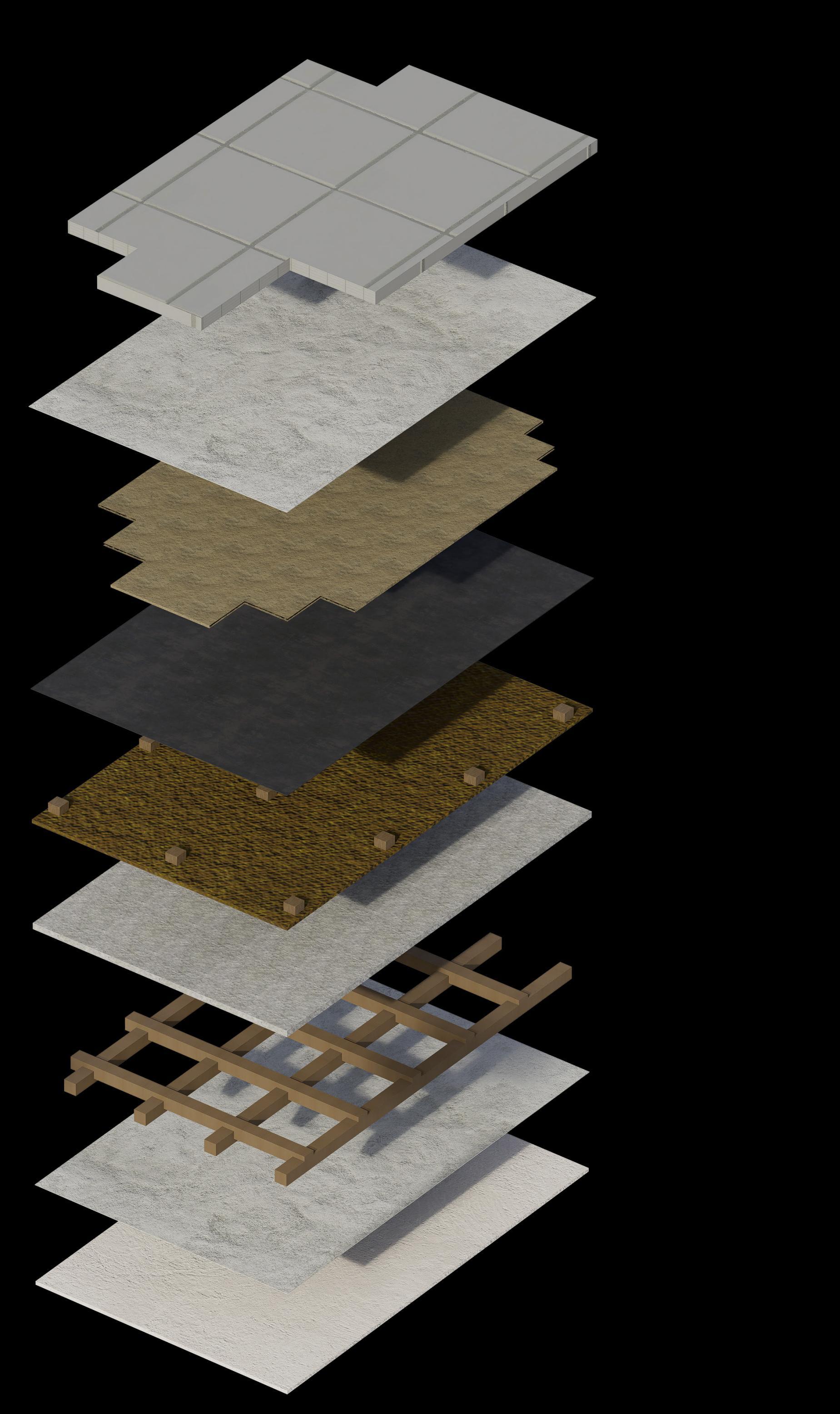
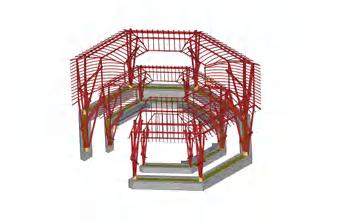
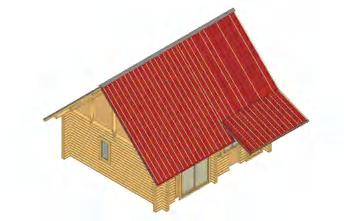
Roof structure diagram (Recycled material)
Human Perspective Rendering 2
02/Cave X.0 -Modern cave based on hybrid intelligence
What are modern caves like? Does it also provide a sense of security?
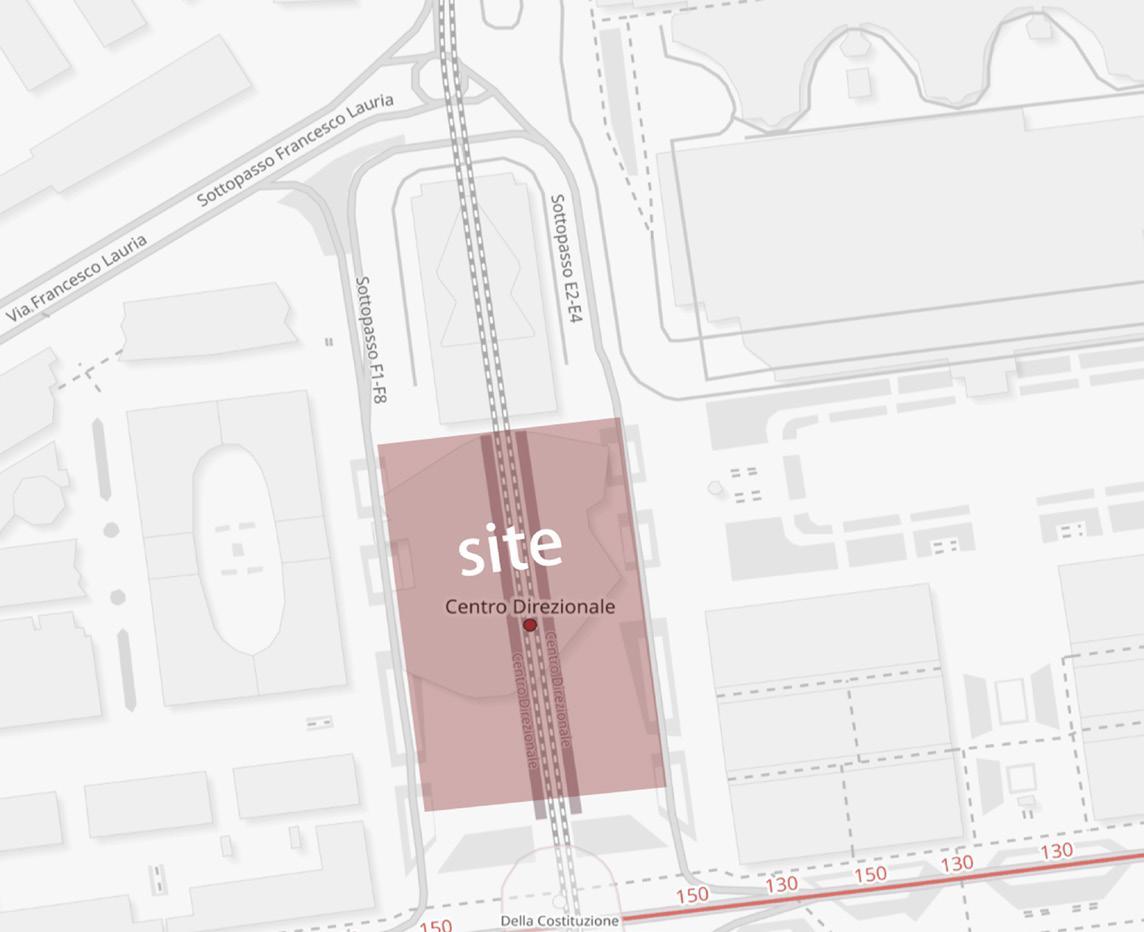
Site Location : The Centro Direzionale,Naples,Italy
Individual work
Project duration : 2024.7-2024.8
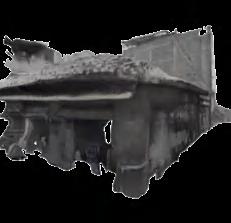
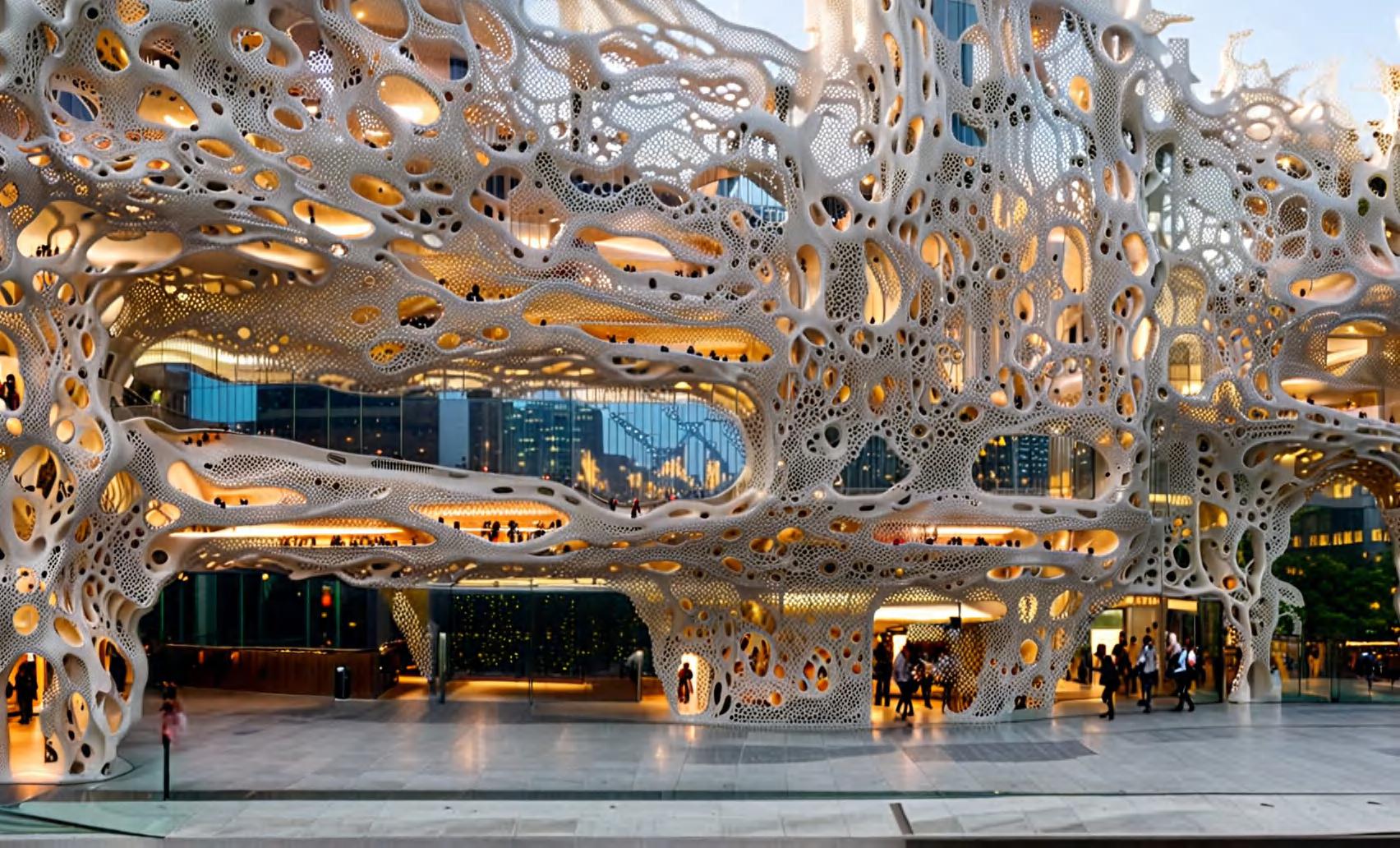
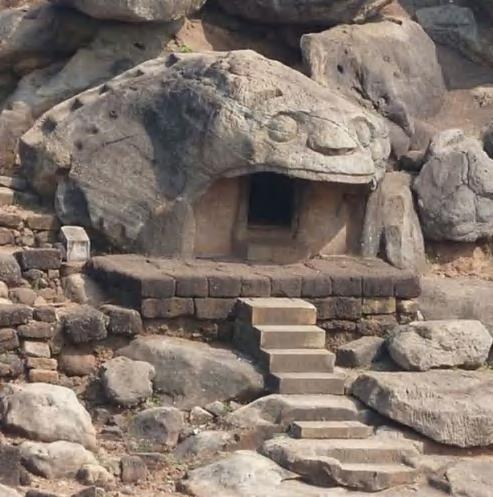
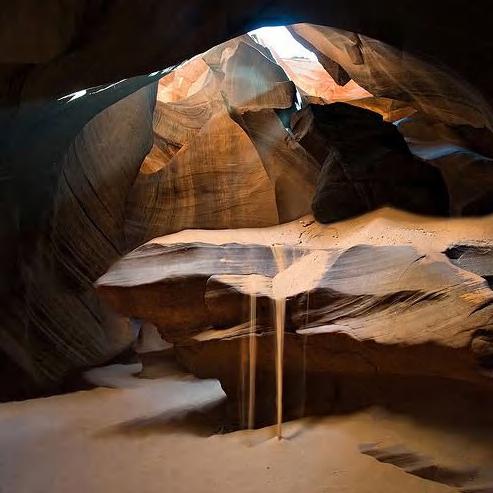
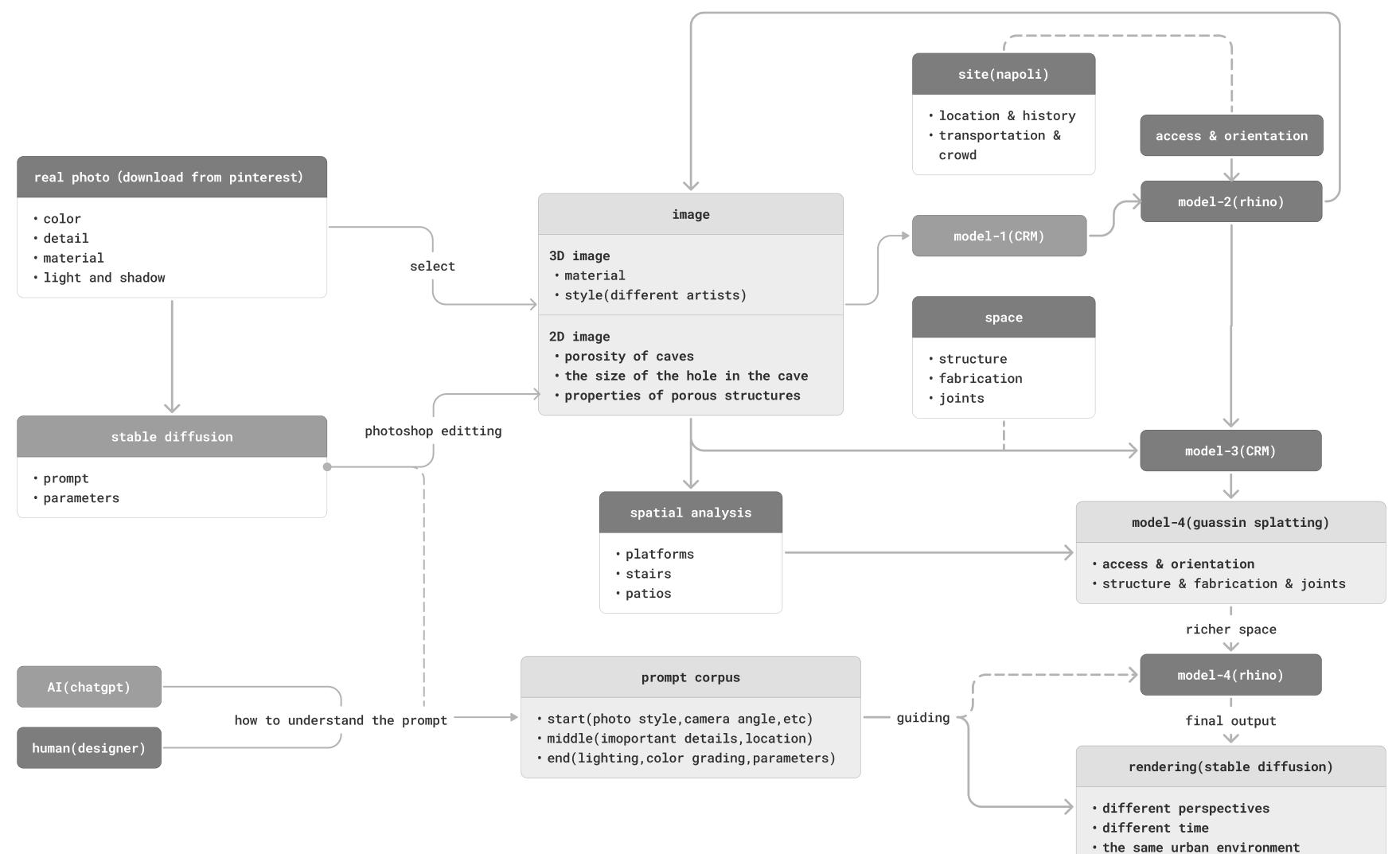
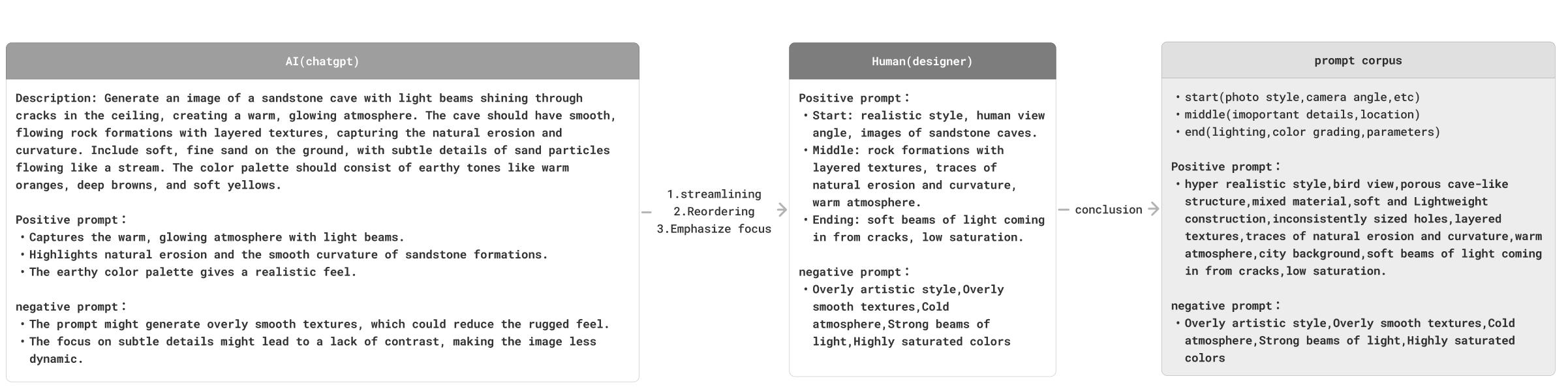
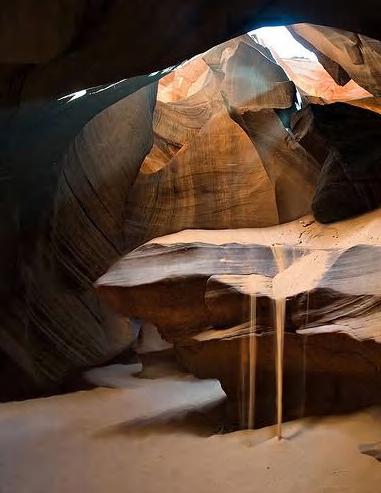
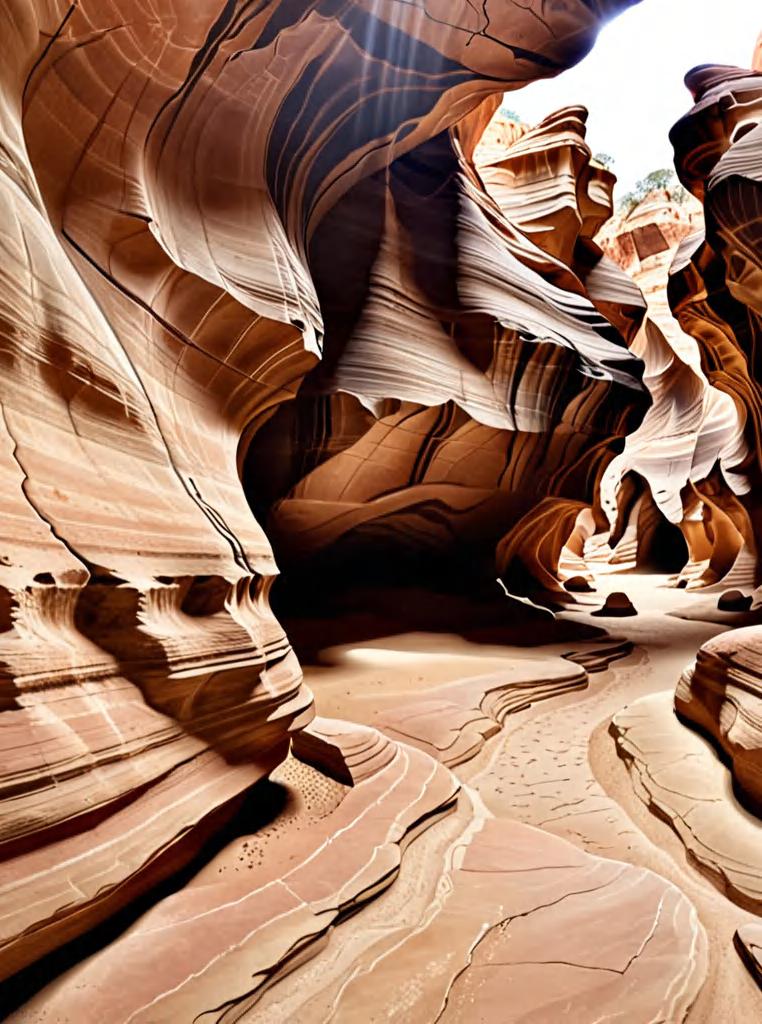
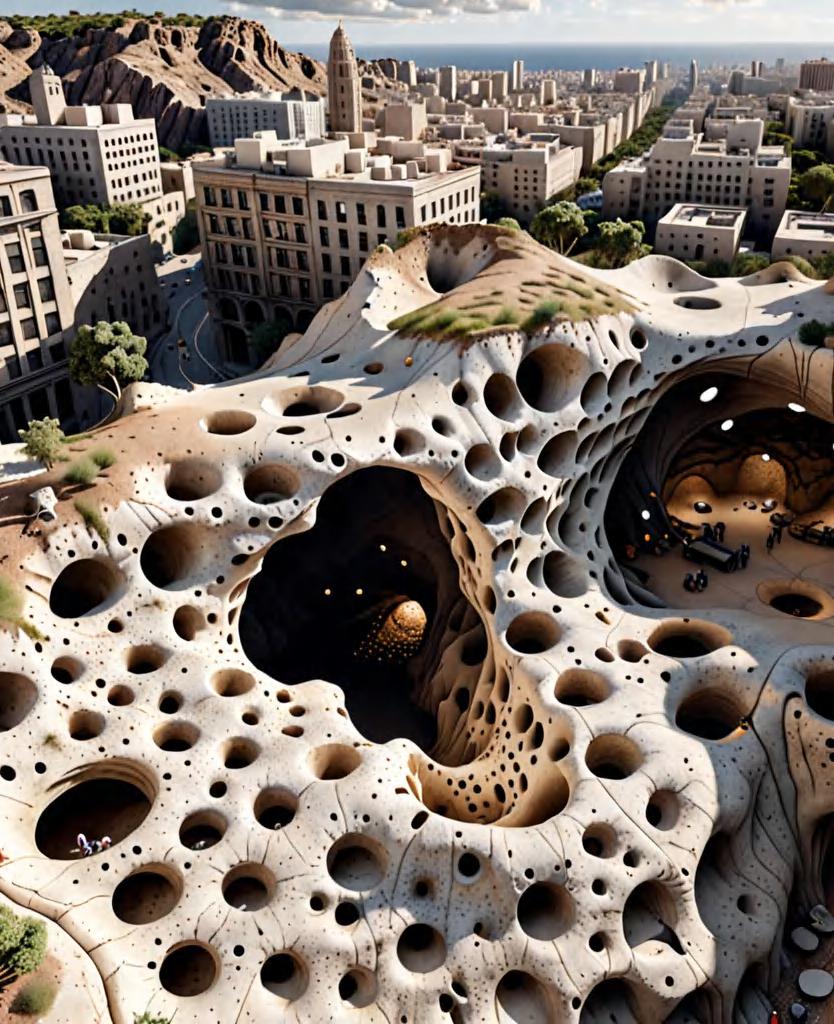
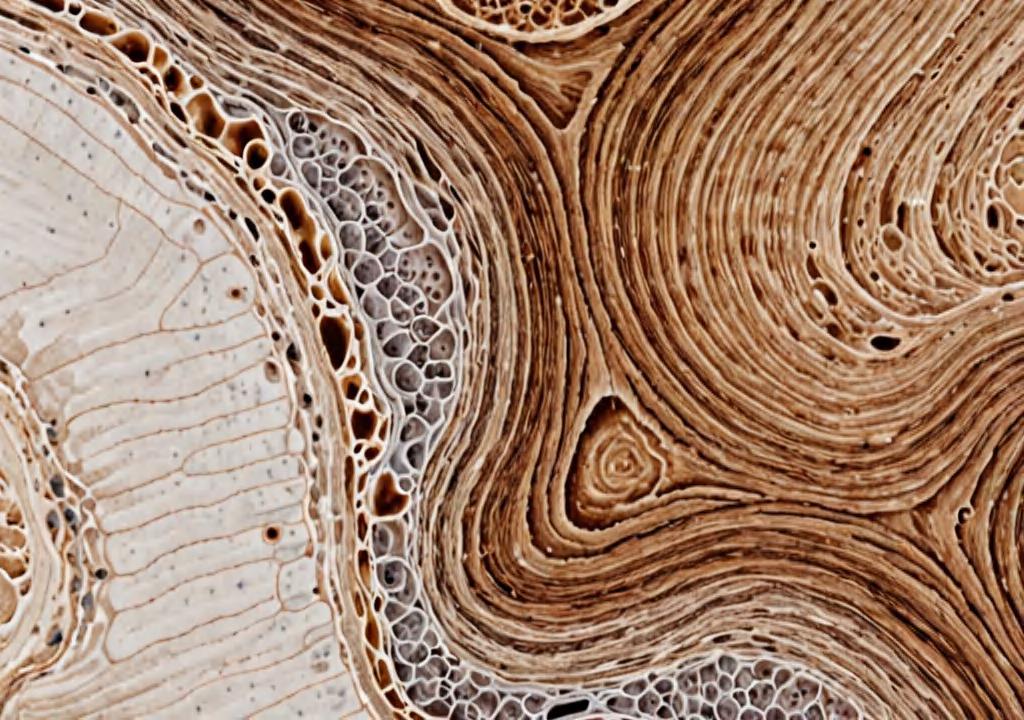
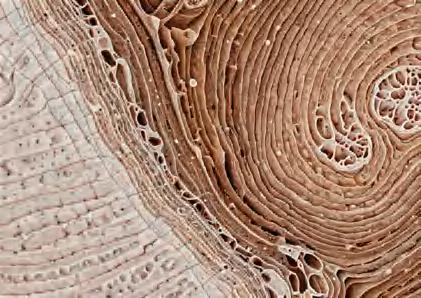
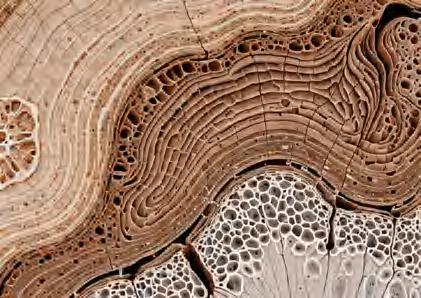
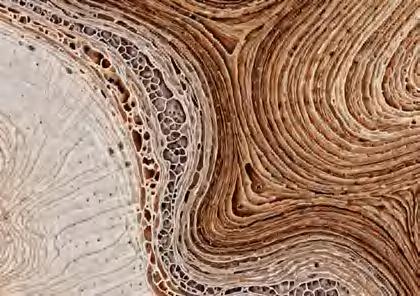
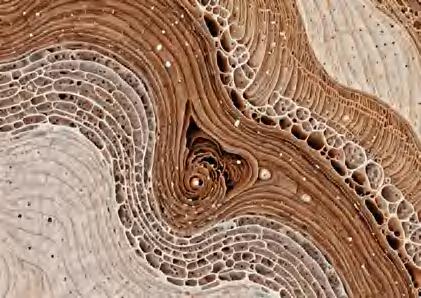
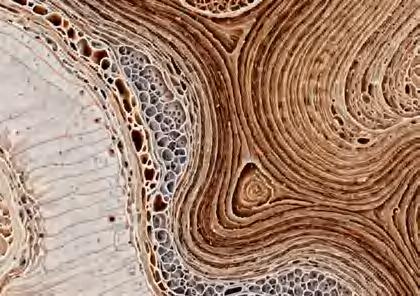
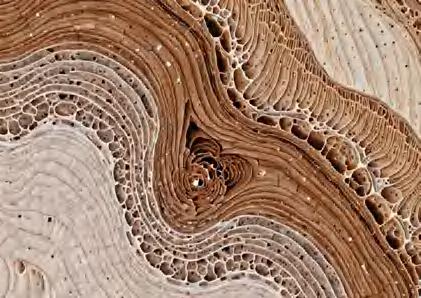
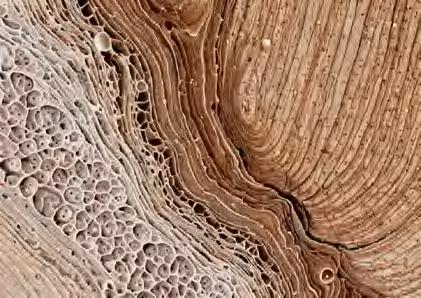
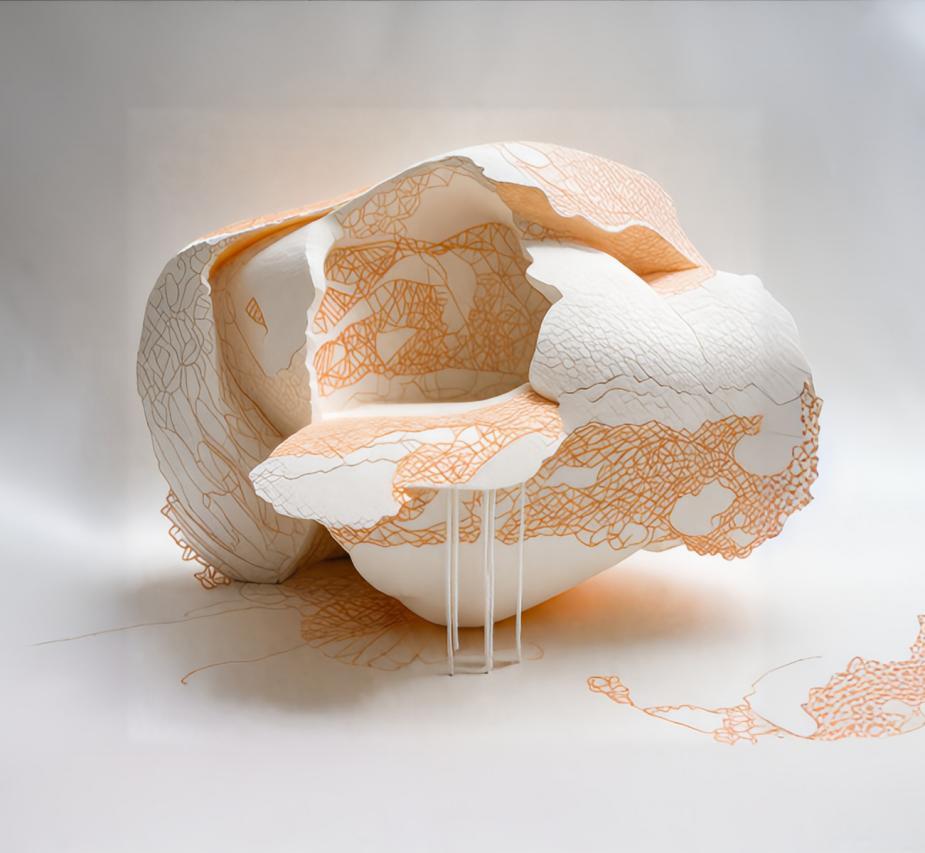
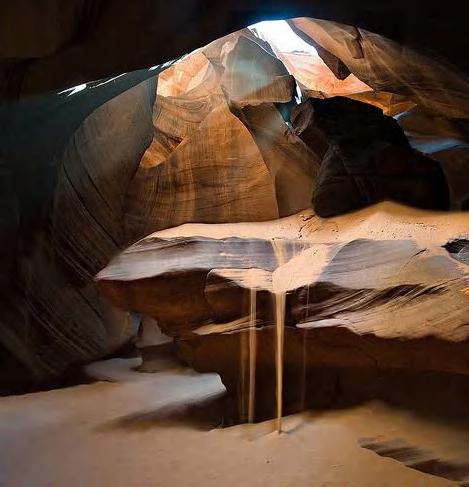
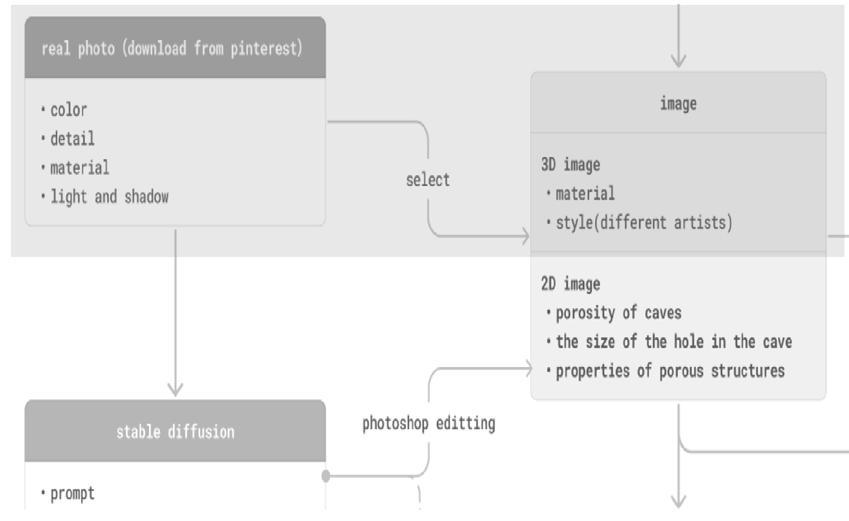
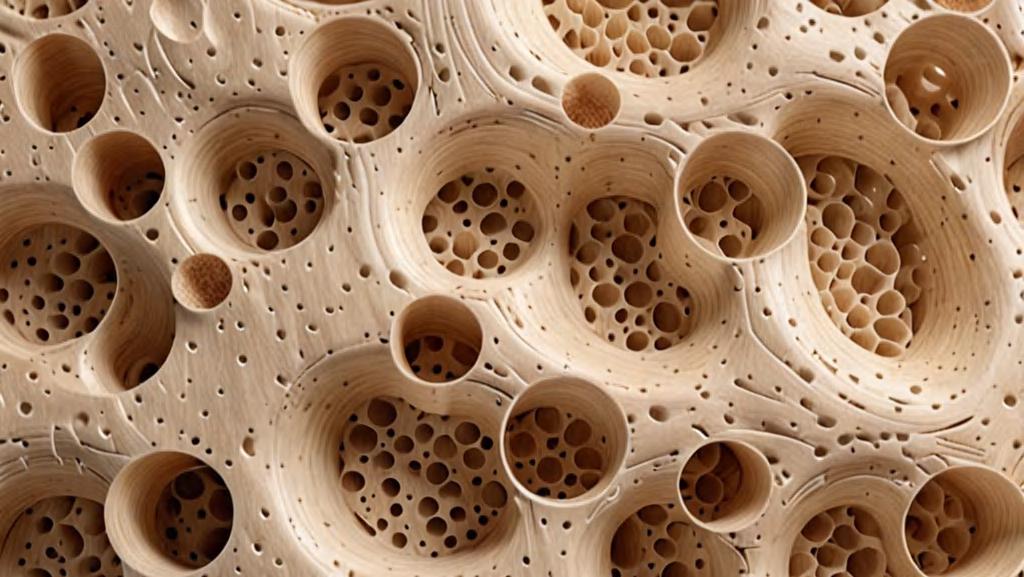
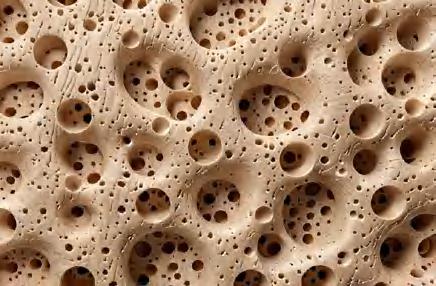
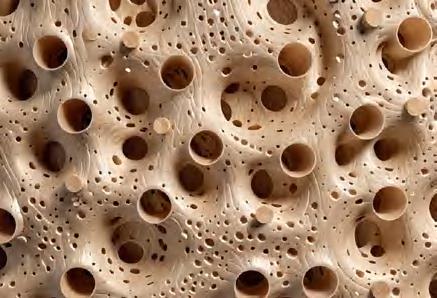
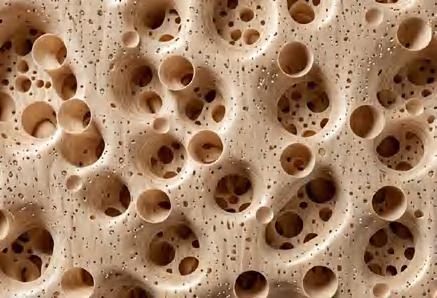
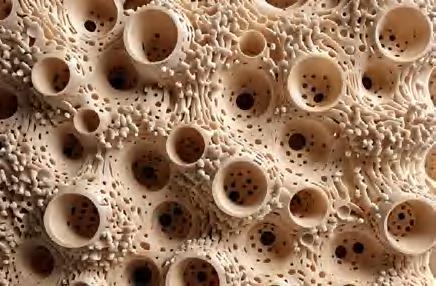
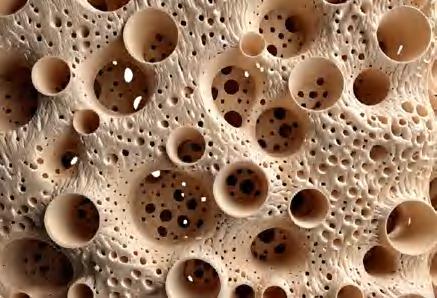
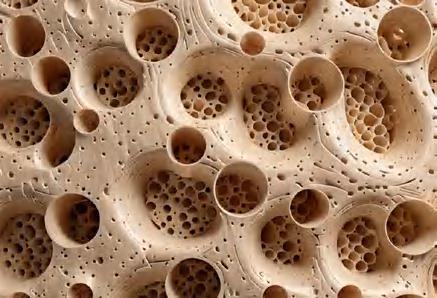
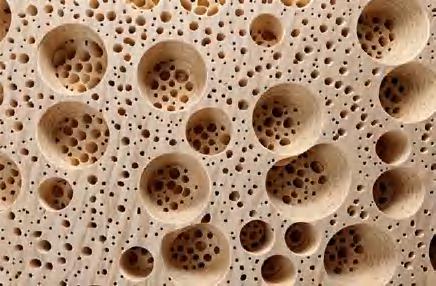
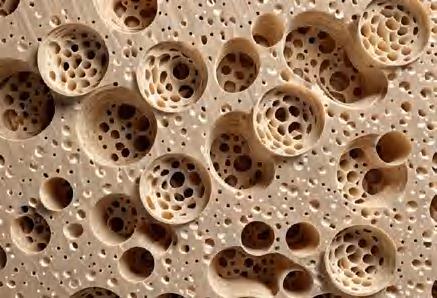
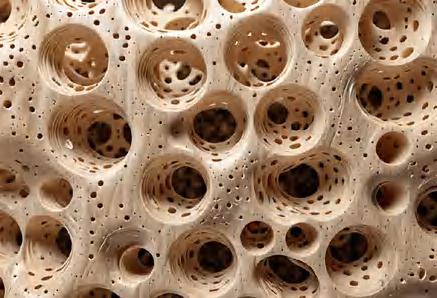
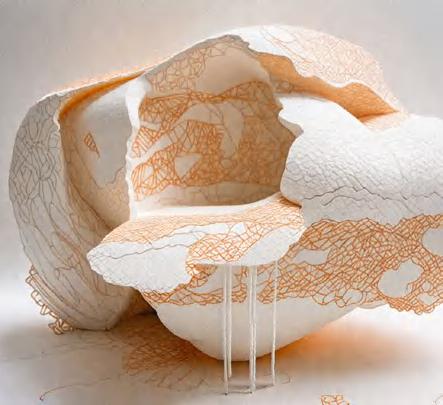
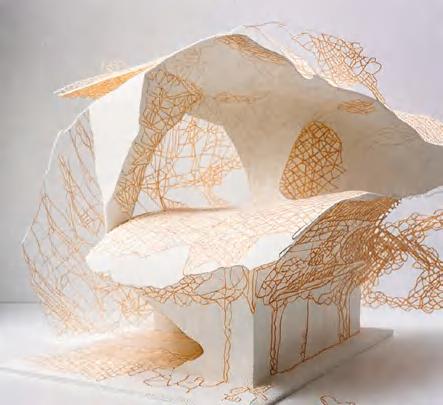
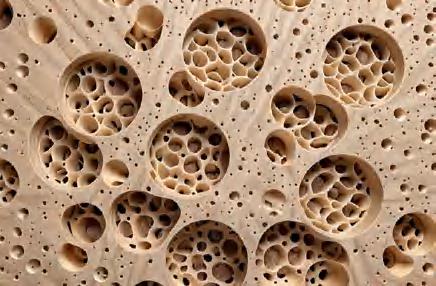
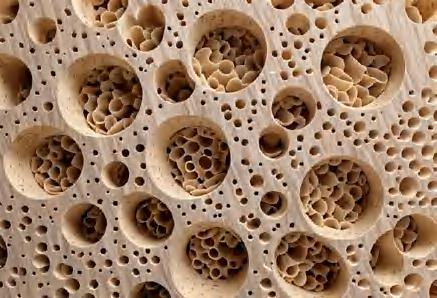
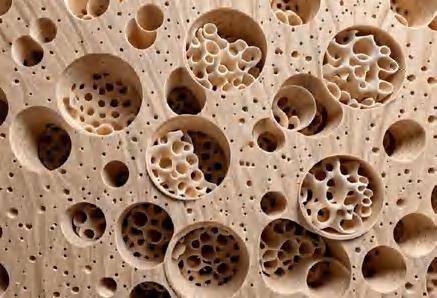
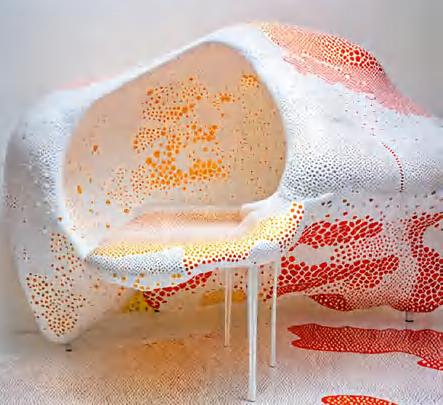
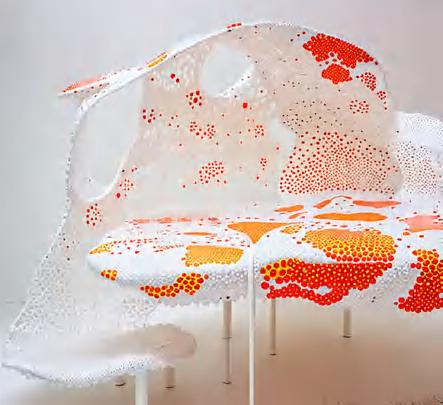
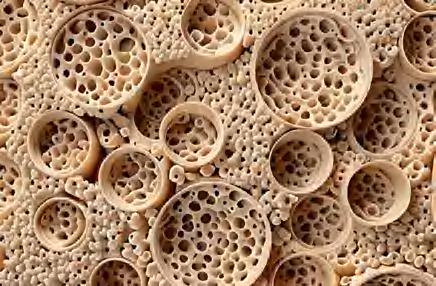
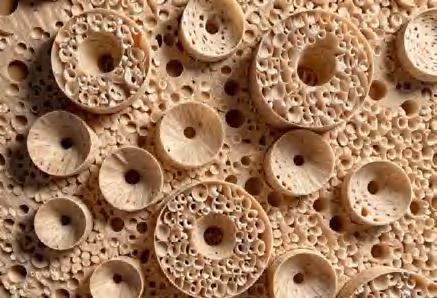
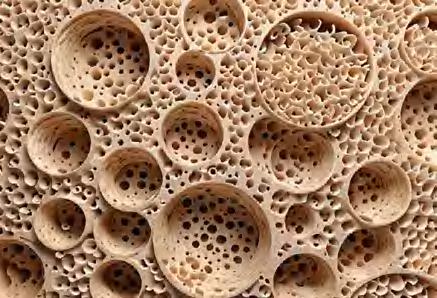
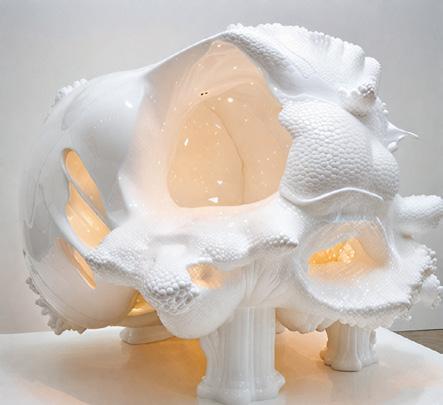
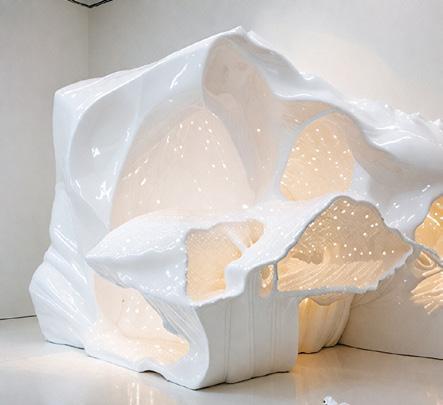
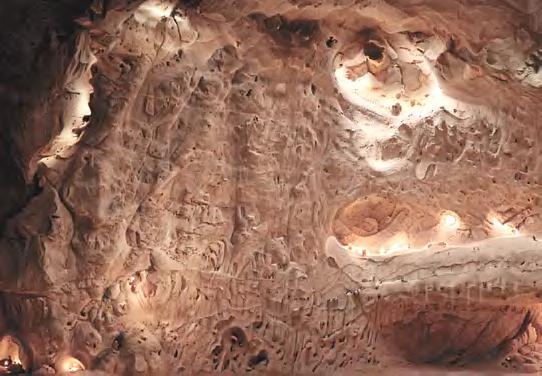
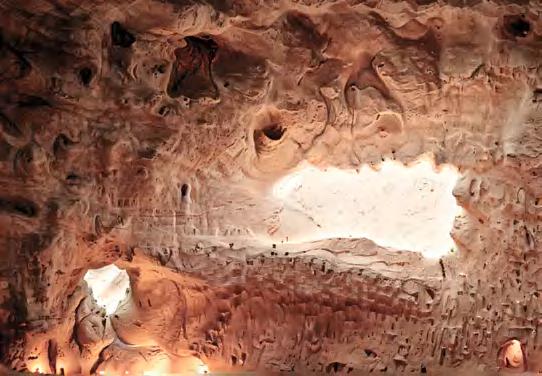
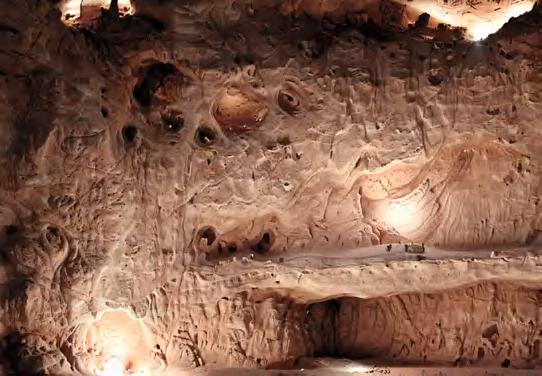
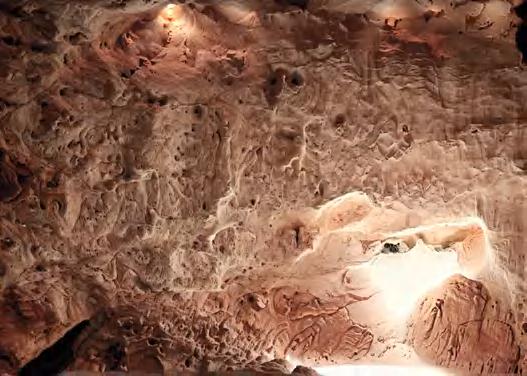
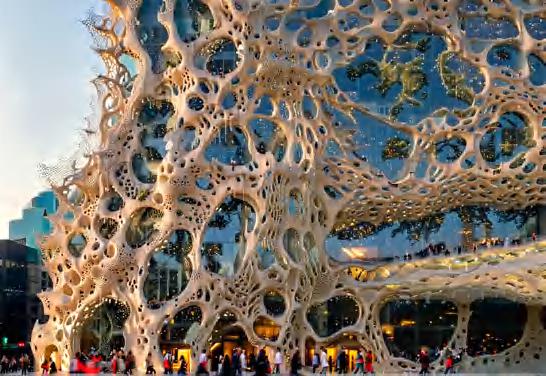
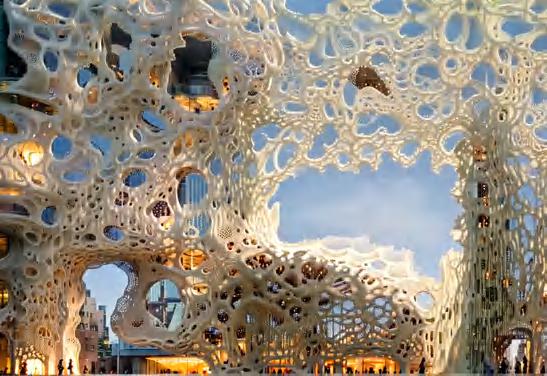
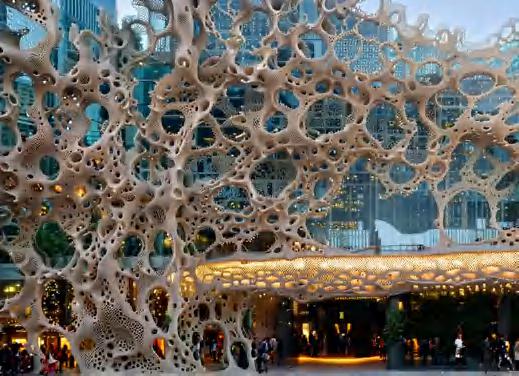
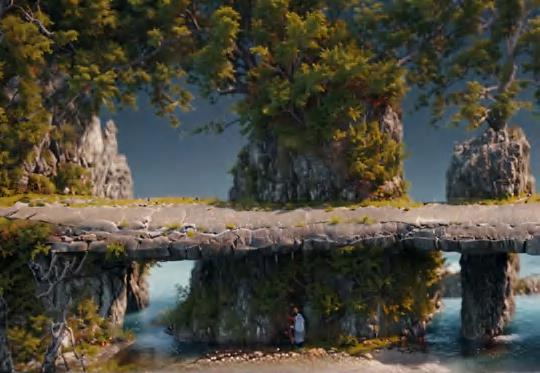
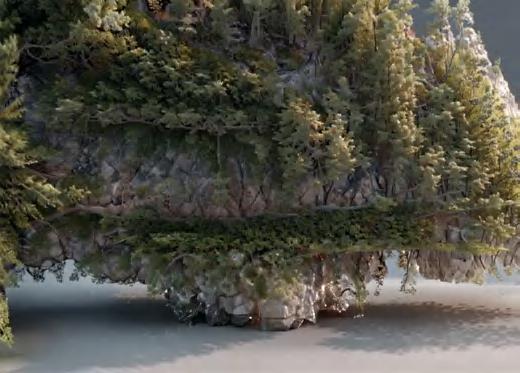
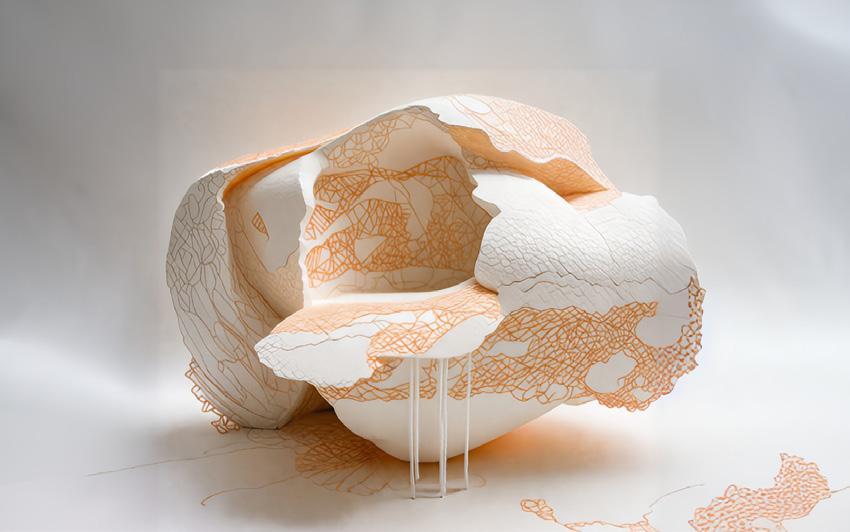
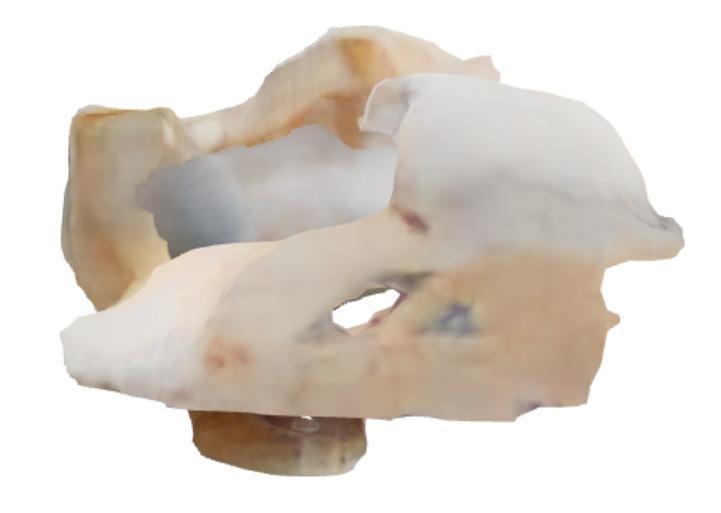
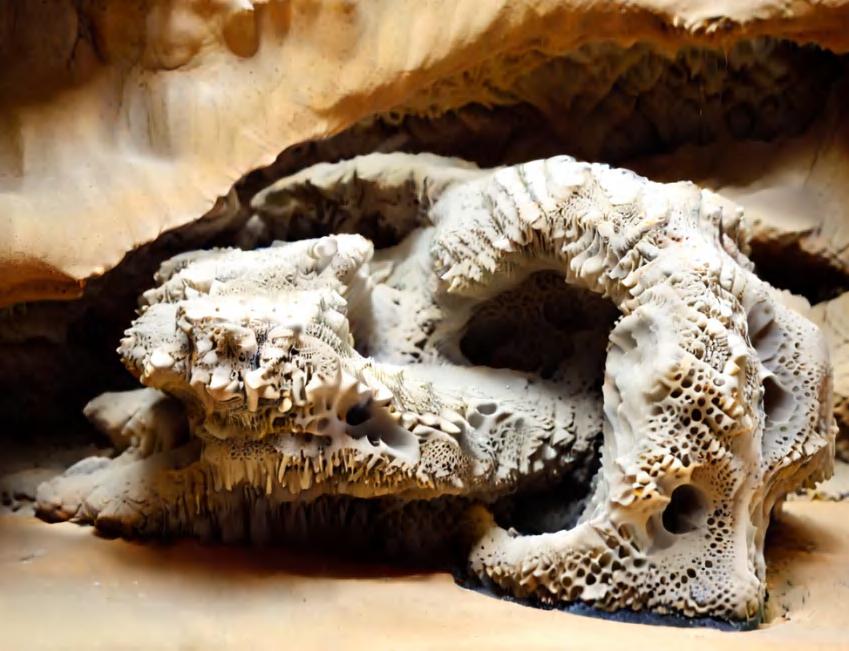
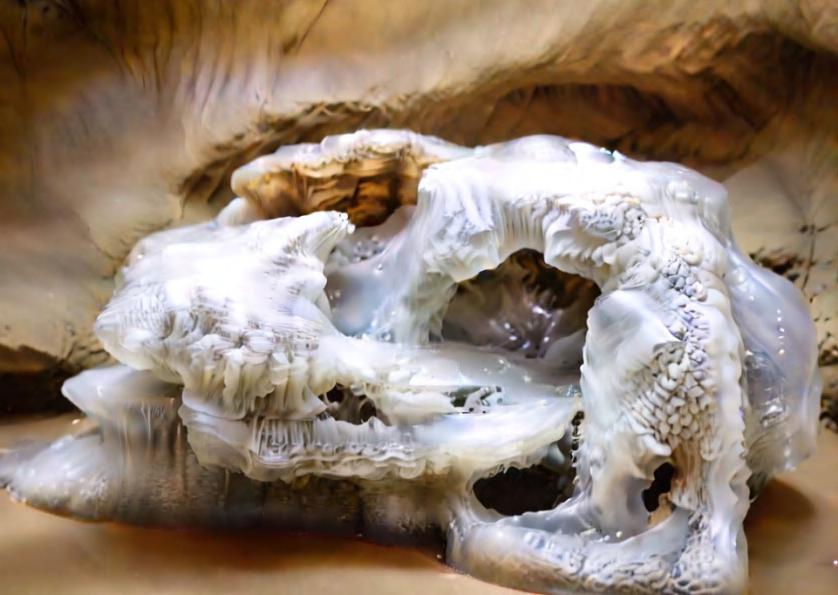
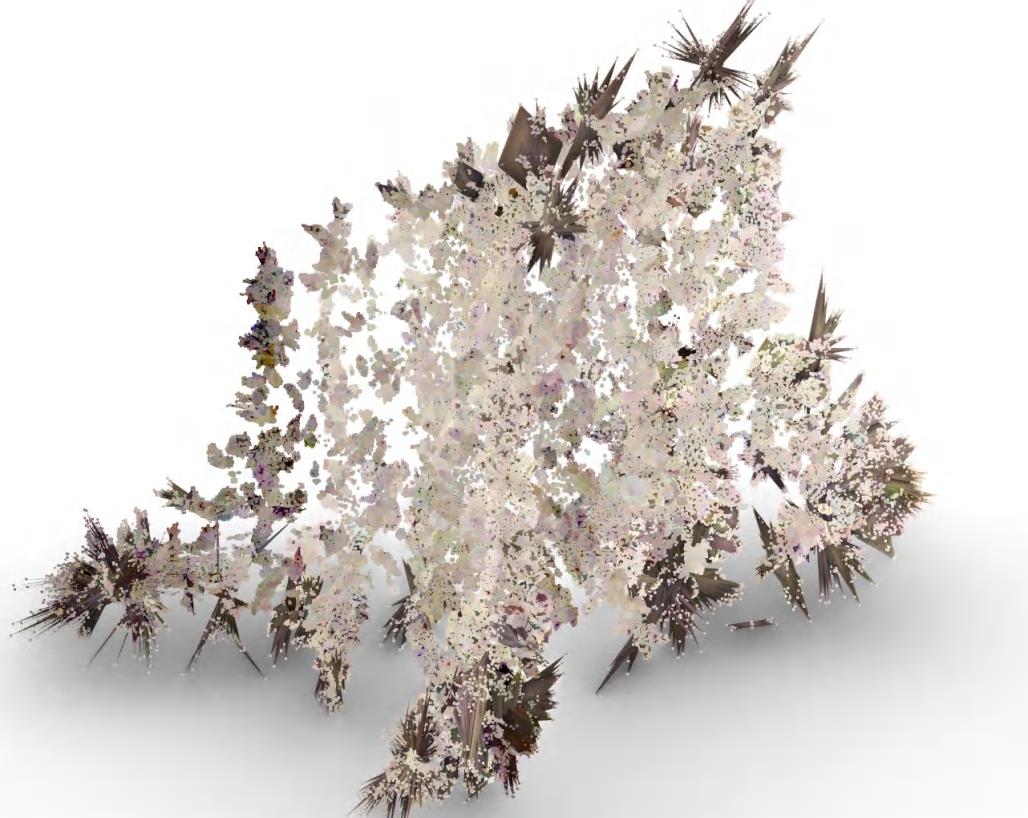
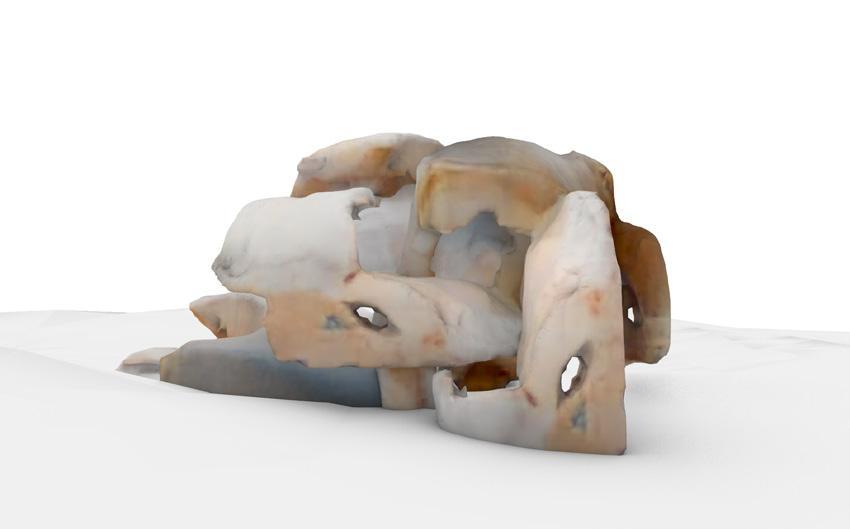
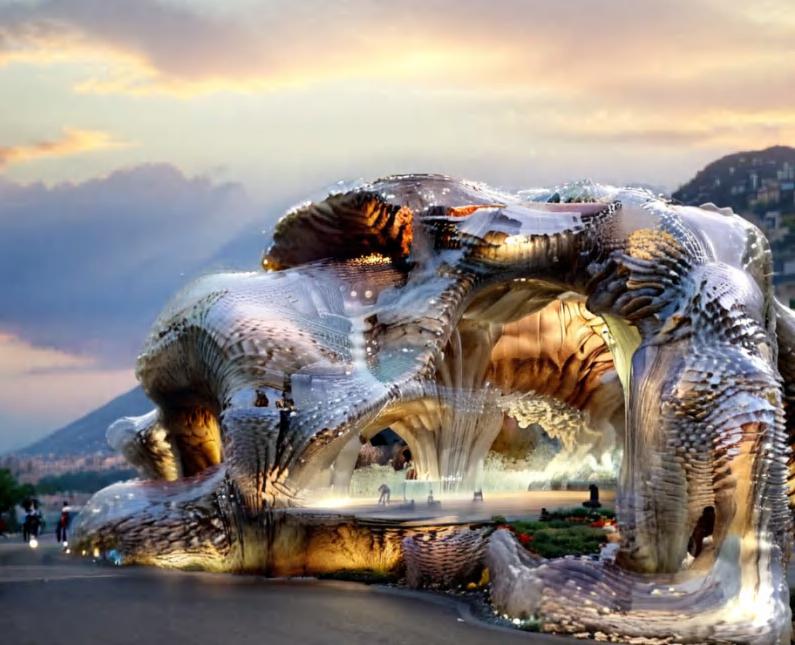
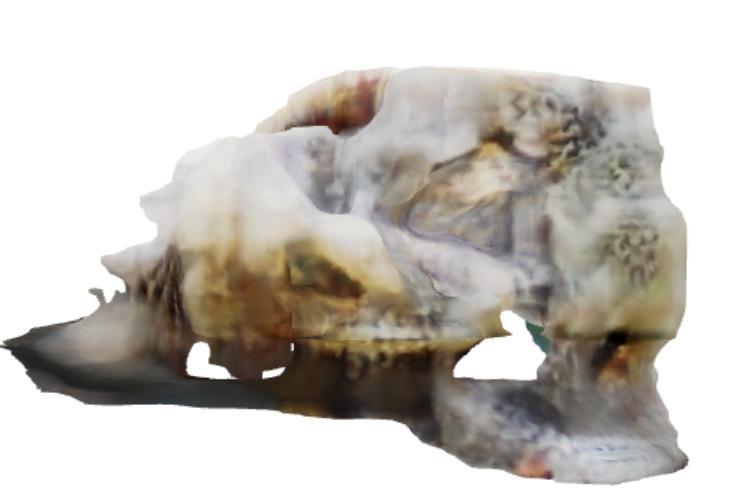
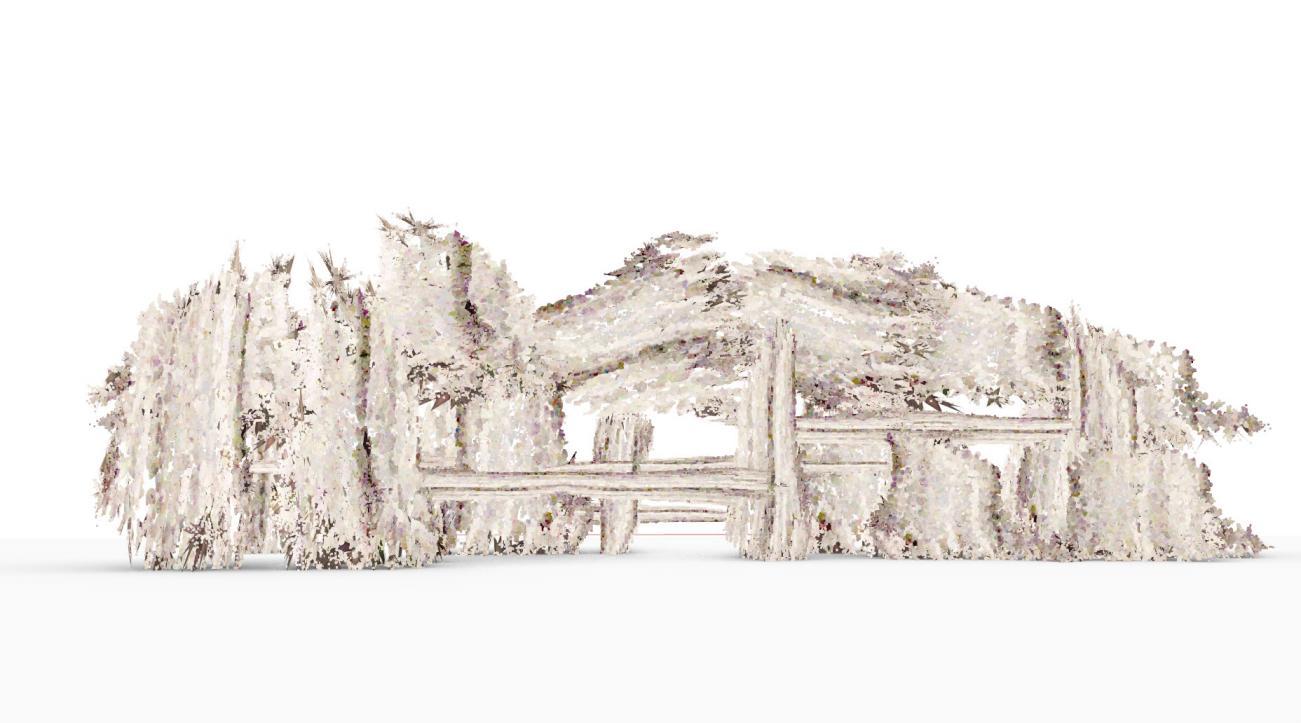
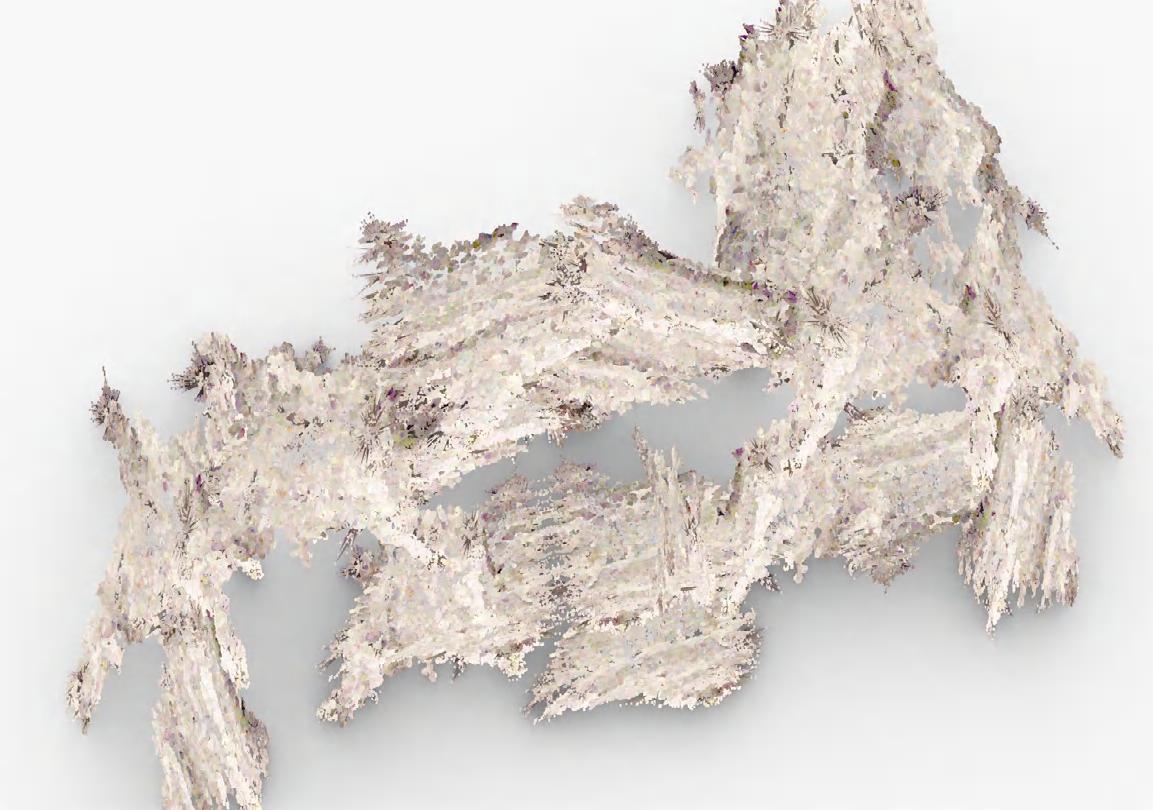
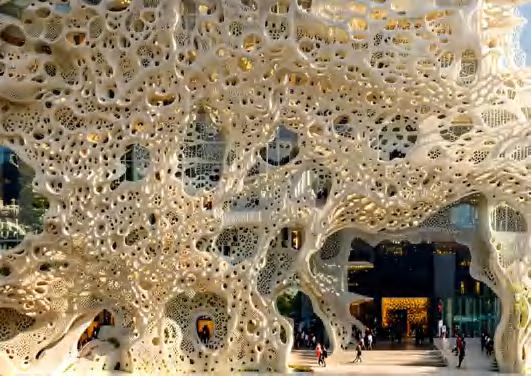
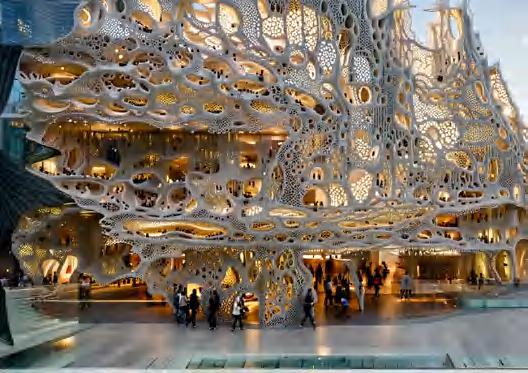
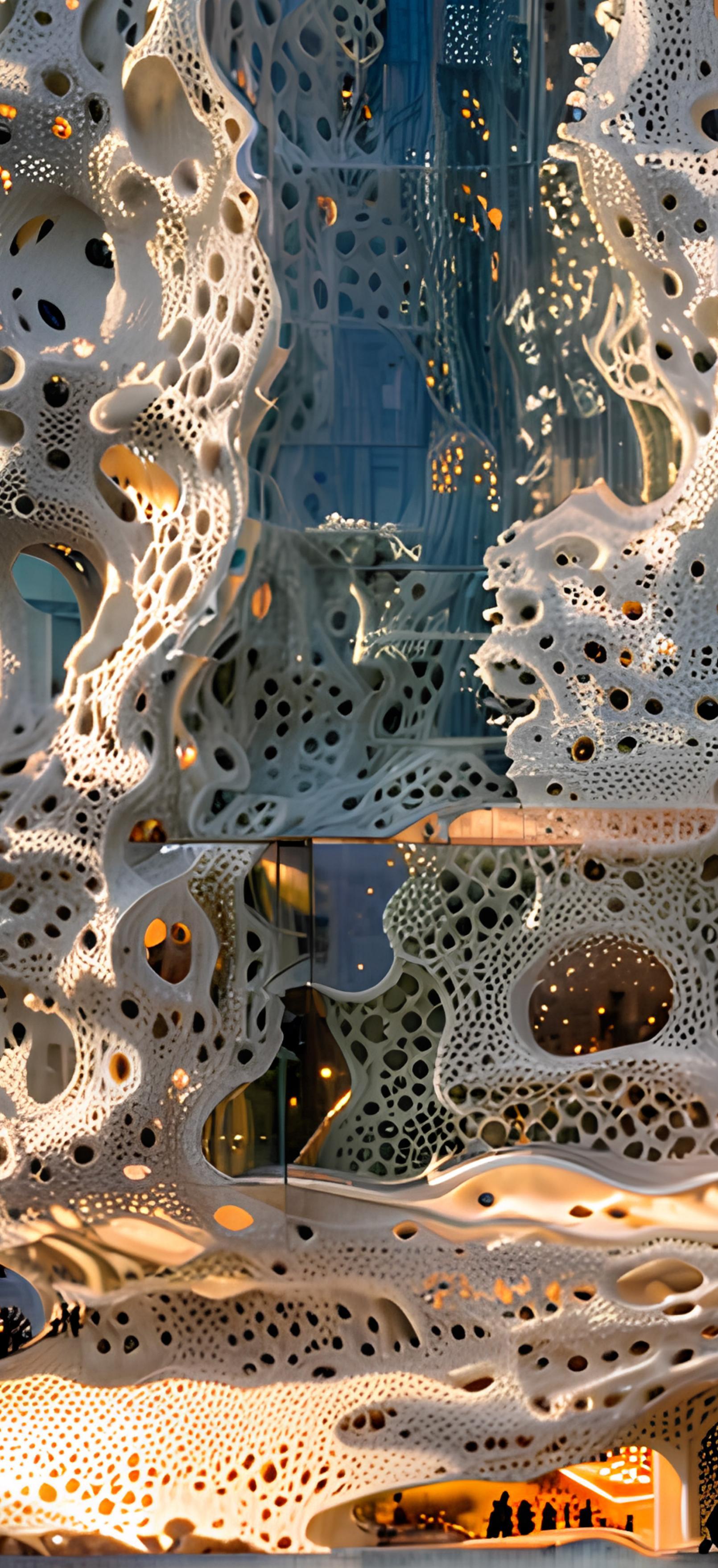
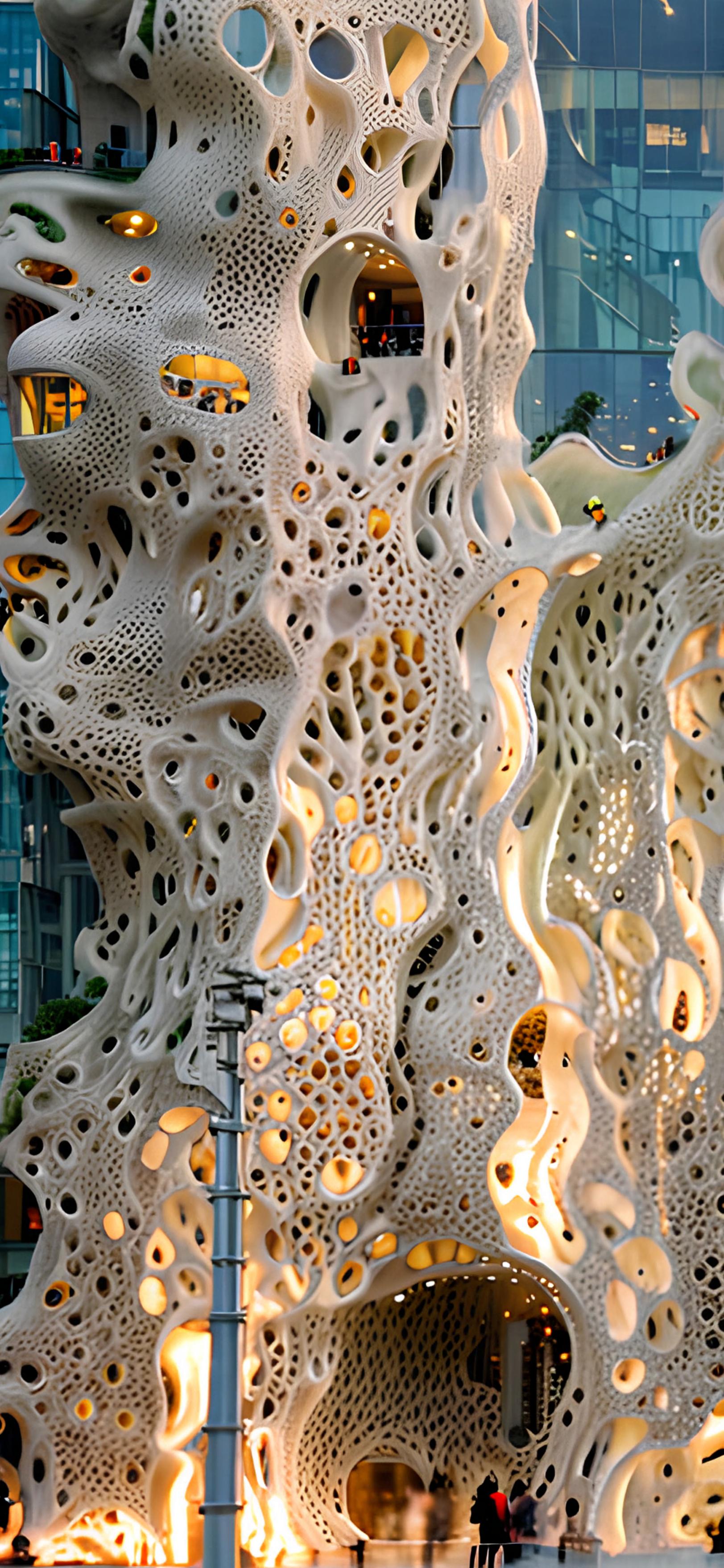
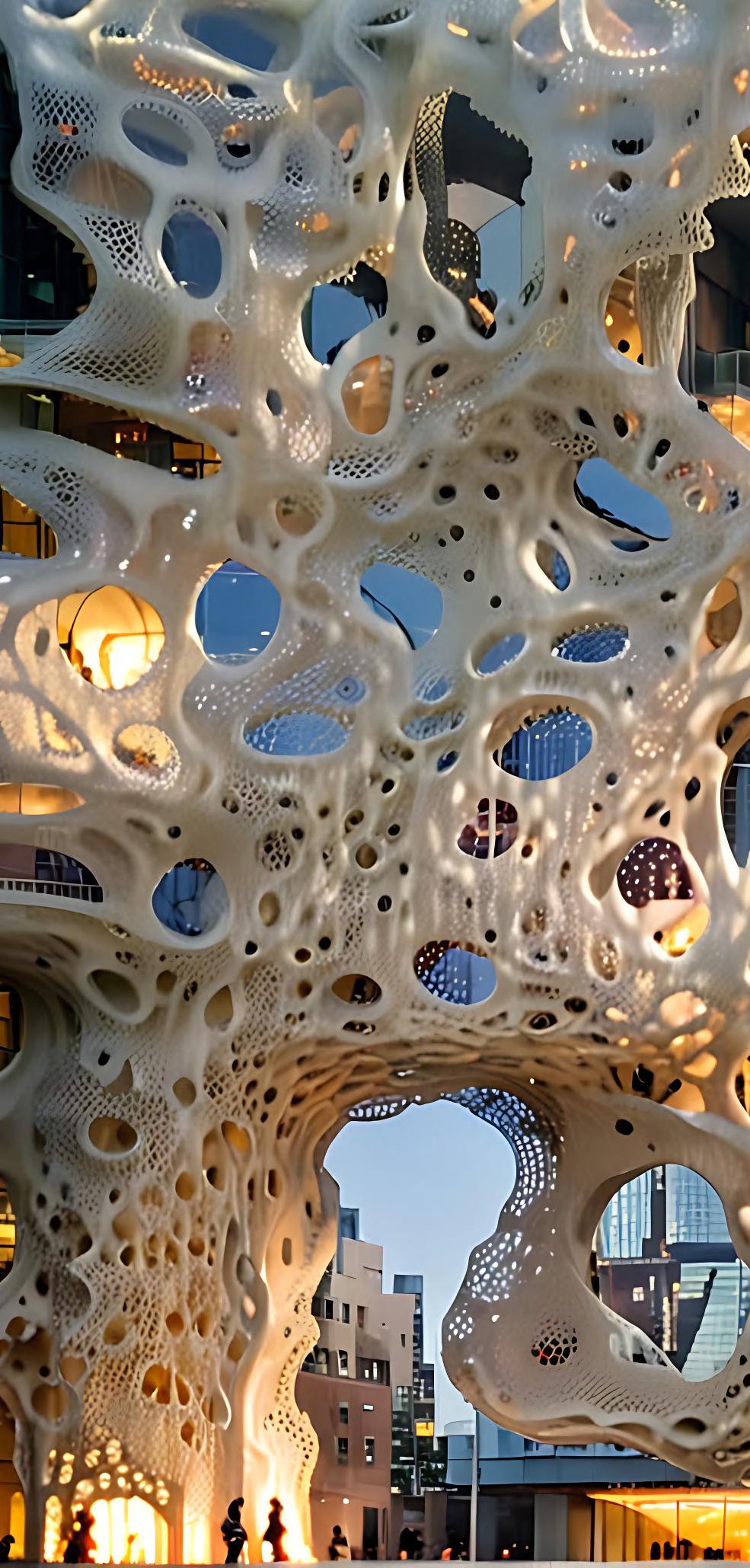
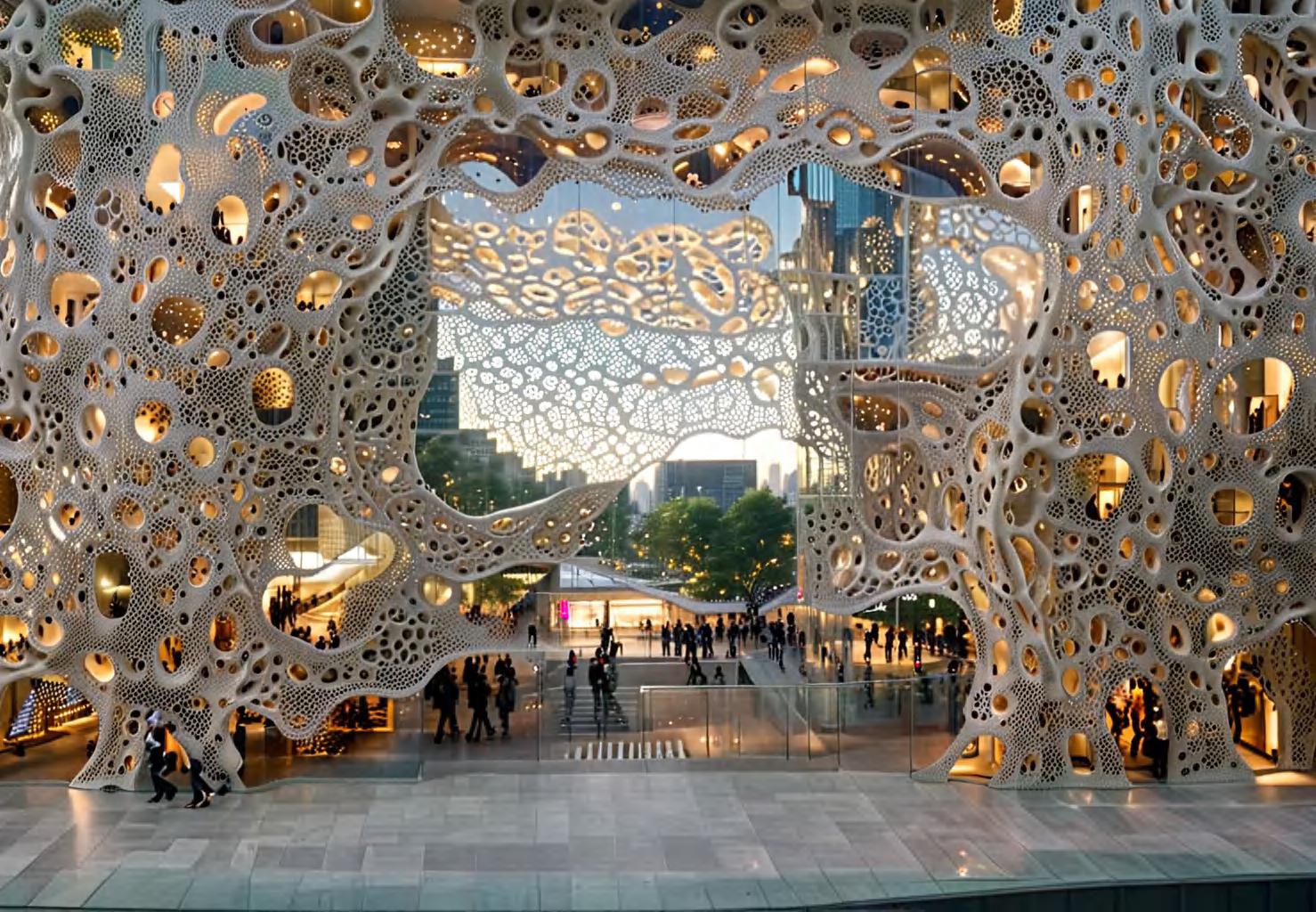
Thesis : This project is inspired by caves. In ancient times, caves provided shelter for people, but in modern times, I hope to create a New Age cave through new technology to provide a space for people in urban life to relax their minds. The work is presented in the form of paintings, AI-generated images and 3D models. I combined AI and human creations by generating images using Stable Diffusion, investigating parameters such as porosity and pore size through the controlled variable method, and editing the model form using Rhino after image generation. By working with ChatGPT and other tools, I formed a corpus, controlling the creative process with logical cue words, so that the design blends natural and man-made environmental factors and reflects porous structural properties.
Cave, a new spatial experience. It is the earliest dwelling place of human beings, which not only provides shelter for us, but also provides reference for us to build our own houses. With the theme of caves, experience the time spent with nature.
Using hybradized intelligence, the design attempts to create richer spaces.
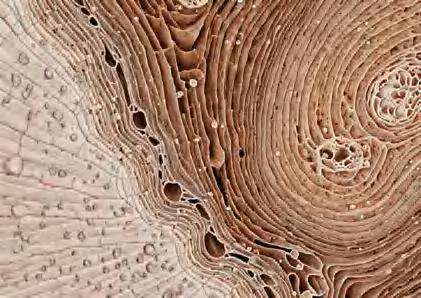
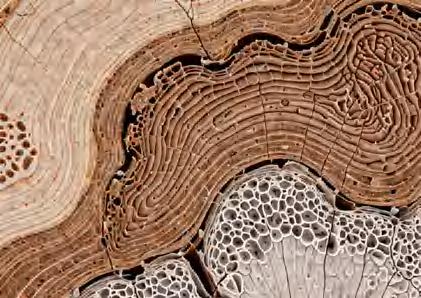
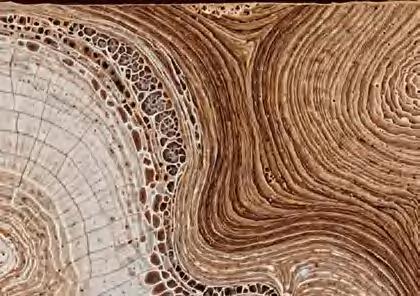
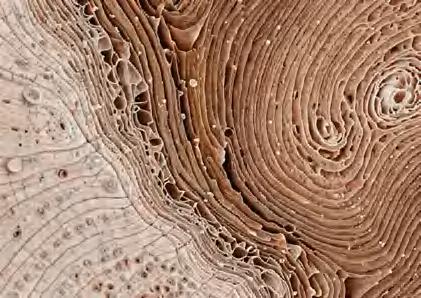
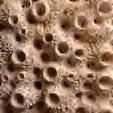
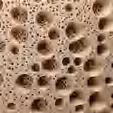
Positive prompt:A detailed 2D cross-sectional view of a wooden structure with a porosity of 0.1/0.3/0.5/0.7/0.9.The wood grain and texture should be clearly visible, with evenly distributed pores throughout the material. The color palette is lowsaturation, featuring muted browns, beige, and light grey tones. The image should emphasize the porous nature of the wood, with small, round, and irregularly shaped pores that are distinctly noticeable. The overall look is clean, precise, and scientifically accurate, suitable for educational or technical purposes.Fine wood grain, small and consistent pore sizes, subtle light shading to highlight the texture, a natural and organic appearance, precise and clear demarcation of the porous areas, no other distractions in the background.
Negative prompt:vibrant or bright colors,rough or unfinished wood textures,knots, cracks,or imperfections in the wood,overly large or irregular pores that deviate from the 0.1/0.3/0.5/0.7/0.9 porosity,3D effects or depth,abstract or artistic interpretations,surrealistic or exaggerated designs,high contrast,excessive darkness or shadows,unrealistic or stylized wood textures,nonwooden materials or elements.
Cfg:7;Step:40;scheduler:karras
PHOTO(MATERIAL & STYLE)
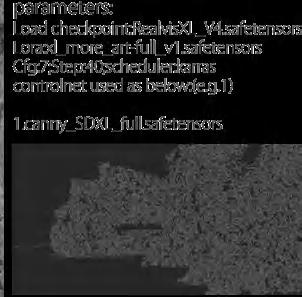
Load checkpoint:RealvisXL_V4.safetensors
Positive prompt:structure made of more than three materials,white background,style of Mr doodle
Positive prompt:2D,woody porous structure,organic material,soft edges,epic details,evenly distributed and transparent pores,rich and penetrating space,lowsaturation,beige tones,subtle light,no other distractions in the background.
Negative prompt:uneven distribution of pores,cracks,steep edges,bright colors,polished surfaces,exaggerated or cartoonish features, any man-made structures or objects,surrealistic or abstract representations,exaggerated fantasy elements,high contrast or overly saturated images,symmetrical patterns.
Cfg:7;Step:40;scheduler:karras
controlnet:control-lora-canny-rank256.safetensors
MODEL-ACCESS AND ORIENTATION/STRUCTURE & FABRICATION & JOINTS
Image generated by SD model1-generated by CRM
structure-image-generated by SD fabrication-image-generated by SD
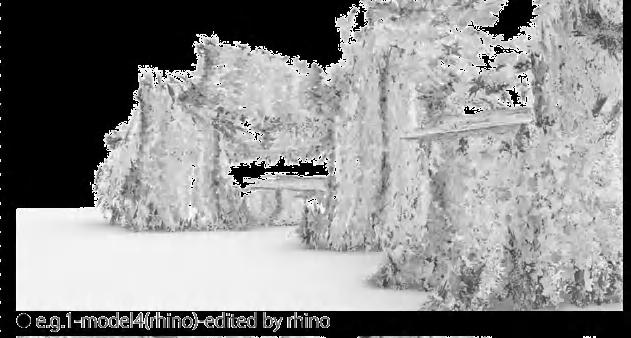
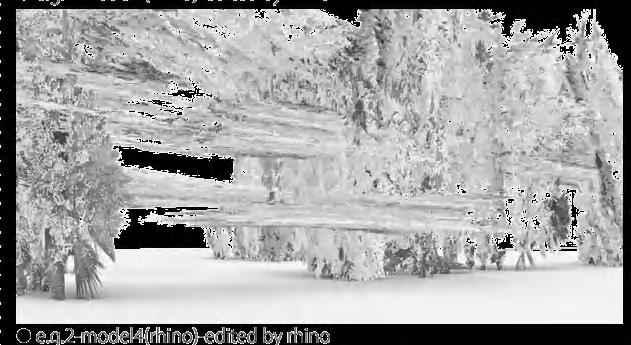
MODEL-GUASSIN SPLATTING(MORE DETAILS)
model4-generated by Guassin Splatting model4(rhino)-editted by rhino
model2-edited by rhino image-generated by SD joints-generated by SD model3-generated by CRM
ANALYSIS-PLATFORMS/BEAMS artificial platforms(within models) -Image generated by Stable Diffusion
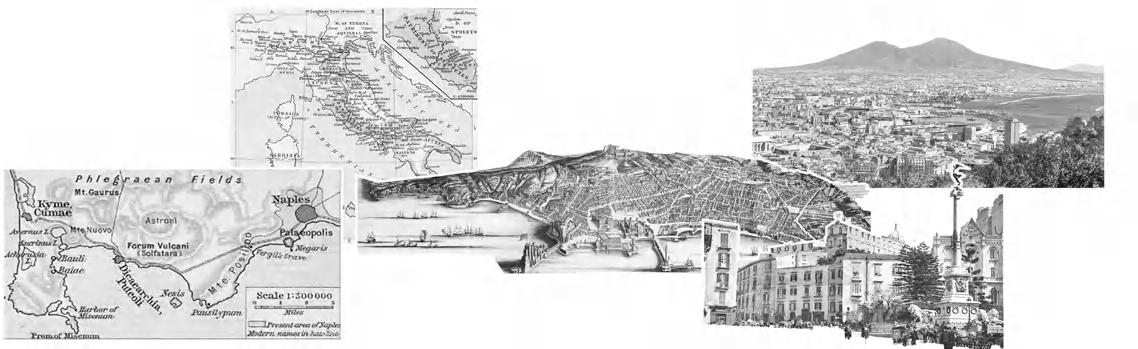
SITE & HISTORY OF TERRAIN
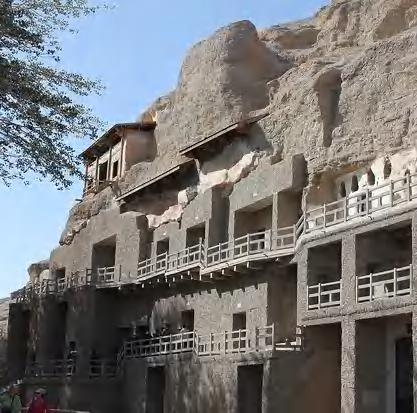
Naples is located in an area where human activity has been present since the Neolithic period. Volcanic activity created many natural caves in the area especially those made of volcanic rock and tuff. Originally formed by natural wind and water erosion, these caves served as shelters and dwellings for the early inhabitants.
Secondary Entrance
03/Solid Spiritual Fortress -Memory-awakening theatre in Hangzhou Theatre should be the spiritual castle of the city.
Site Location:Changjiang Road,Hangzhou,China
Individual work
Project duration:2024.10-2024.12
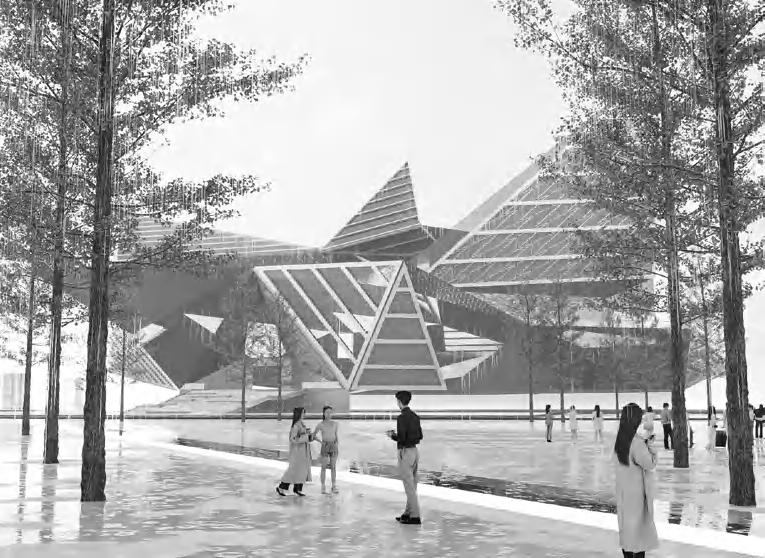
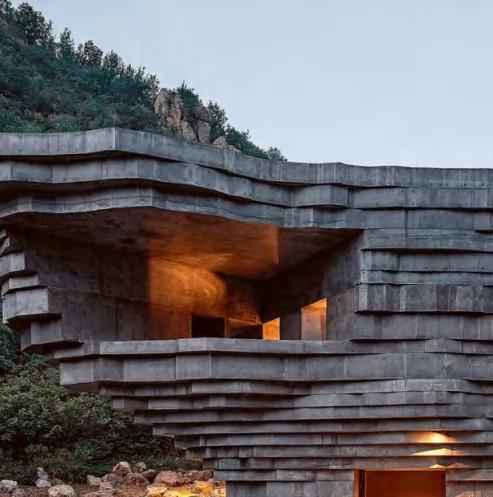
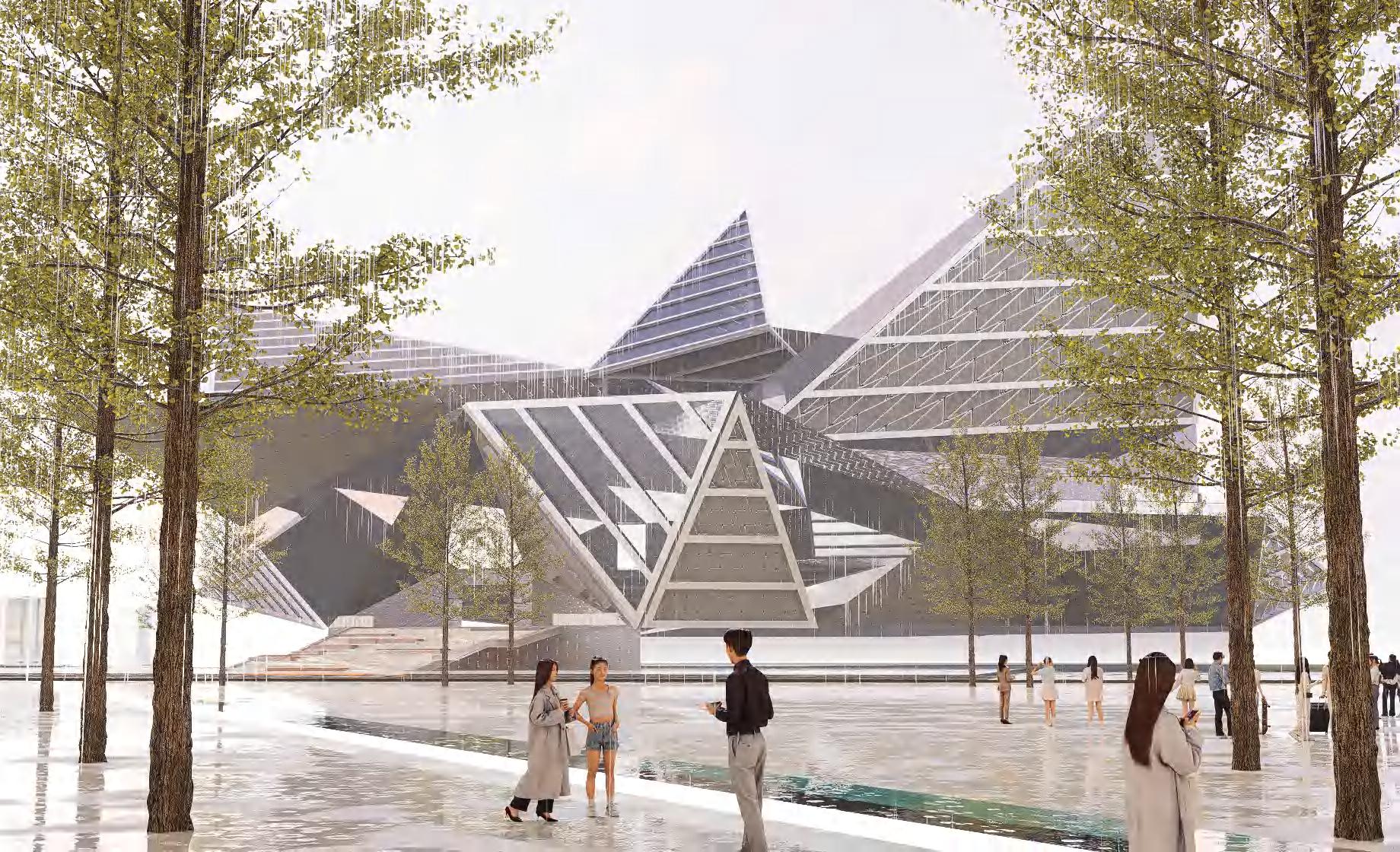
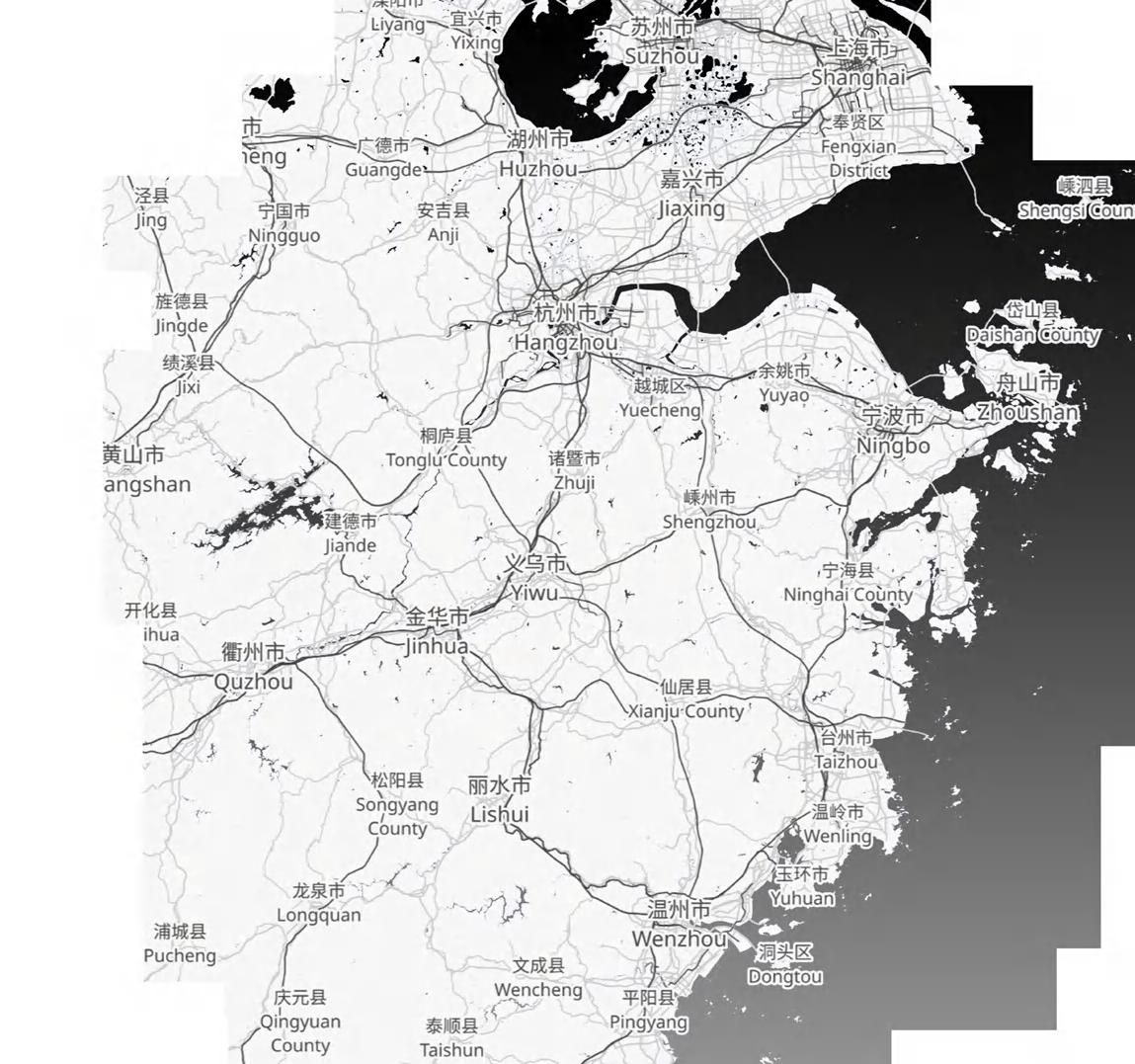
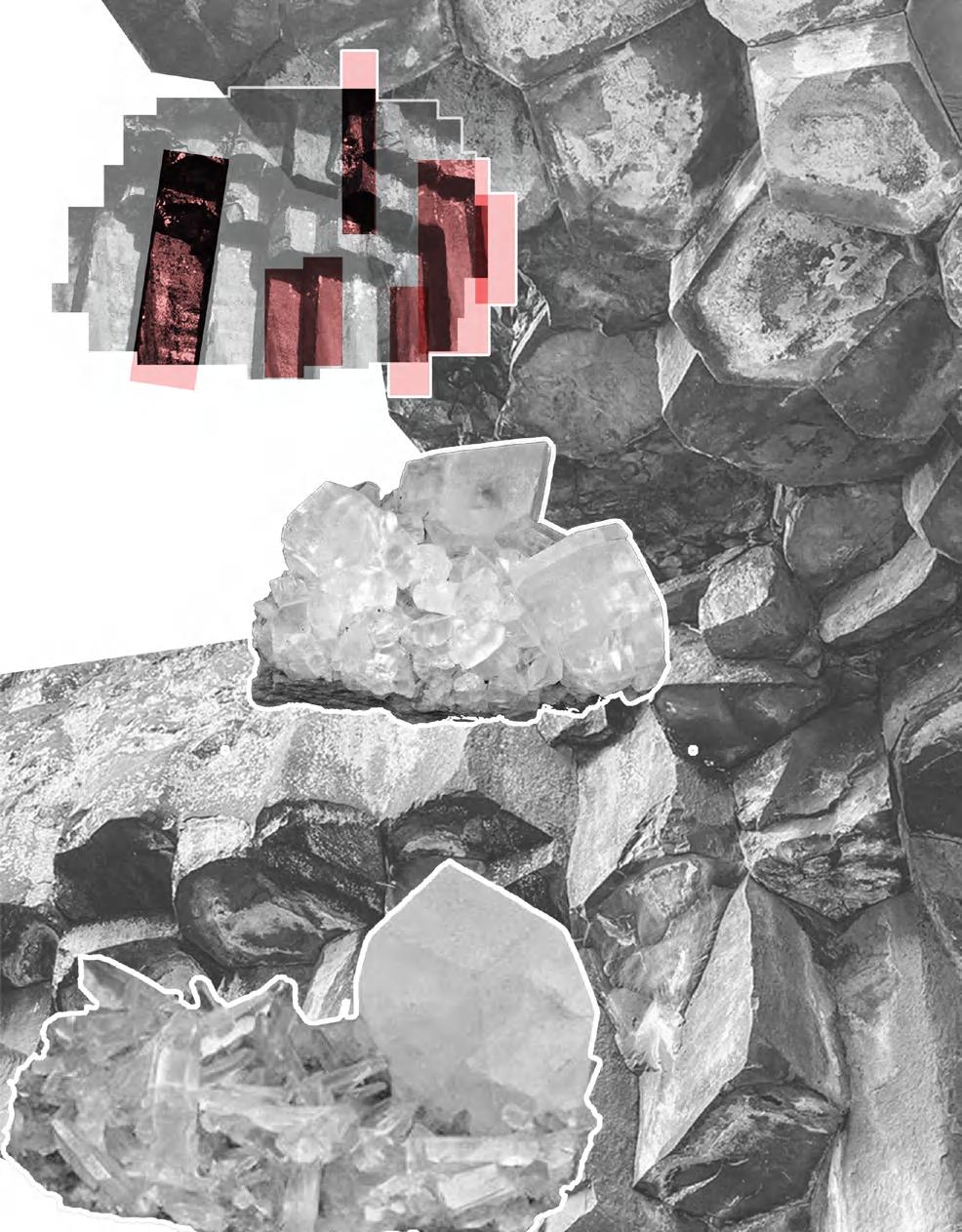
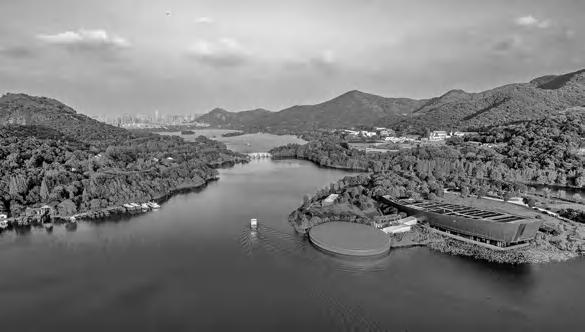
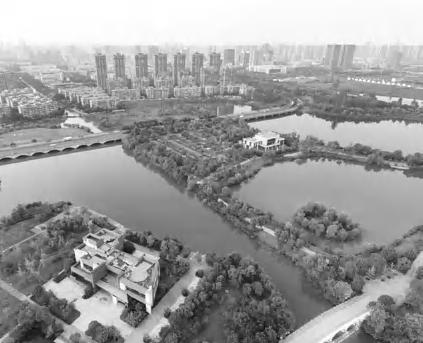
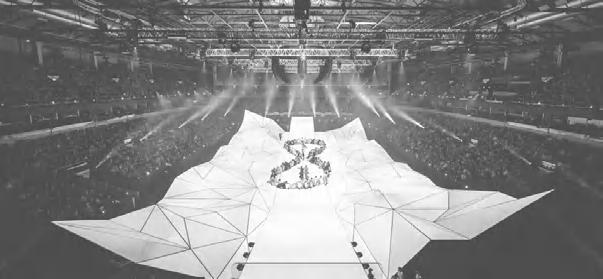
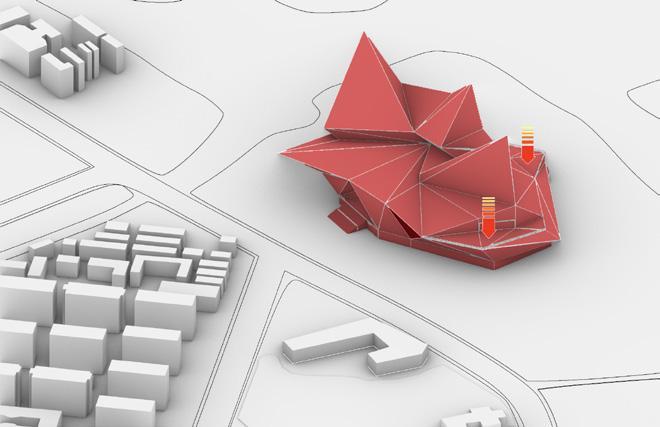
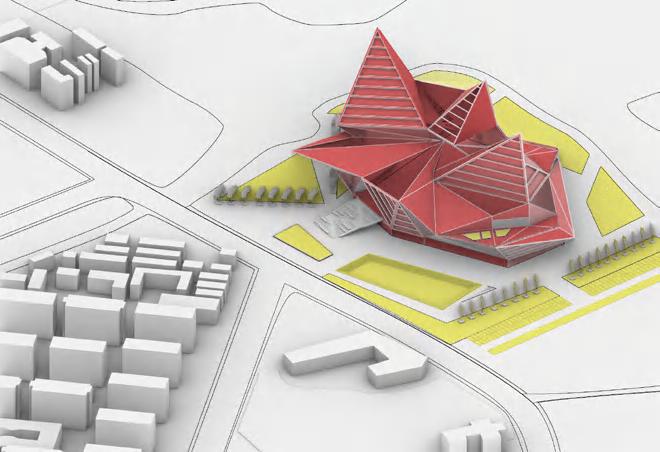
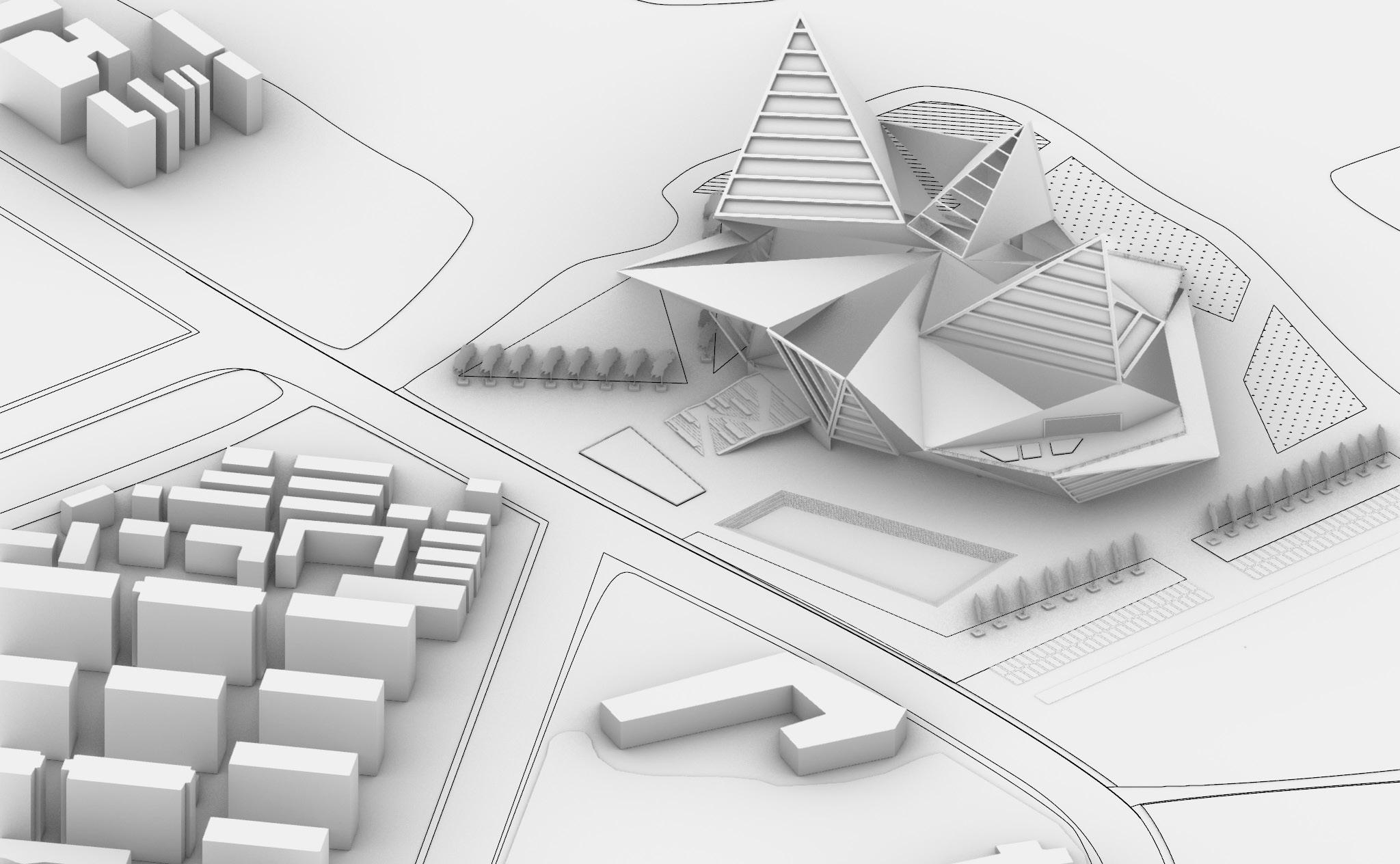
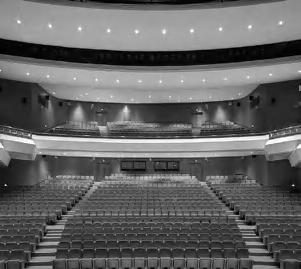
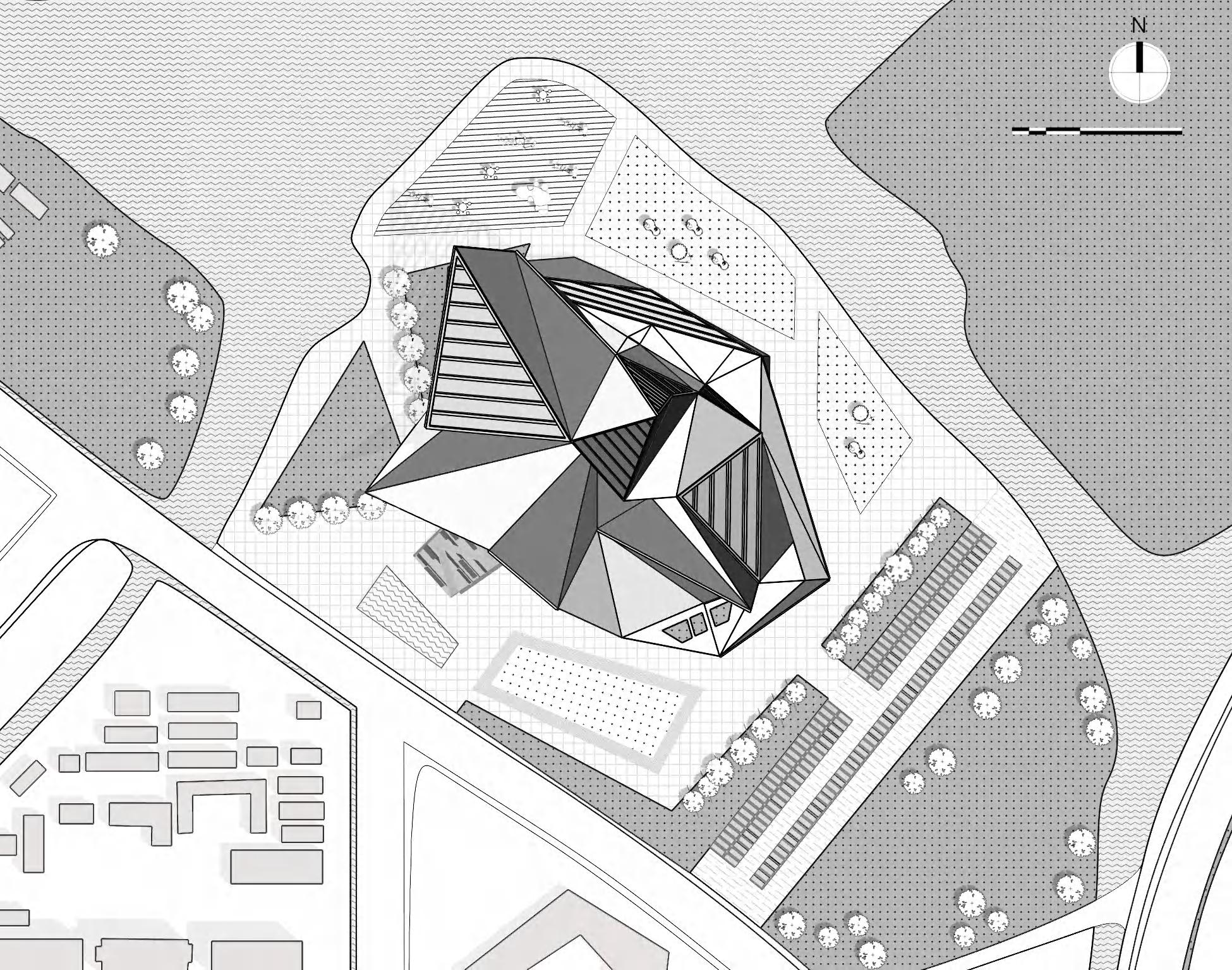
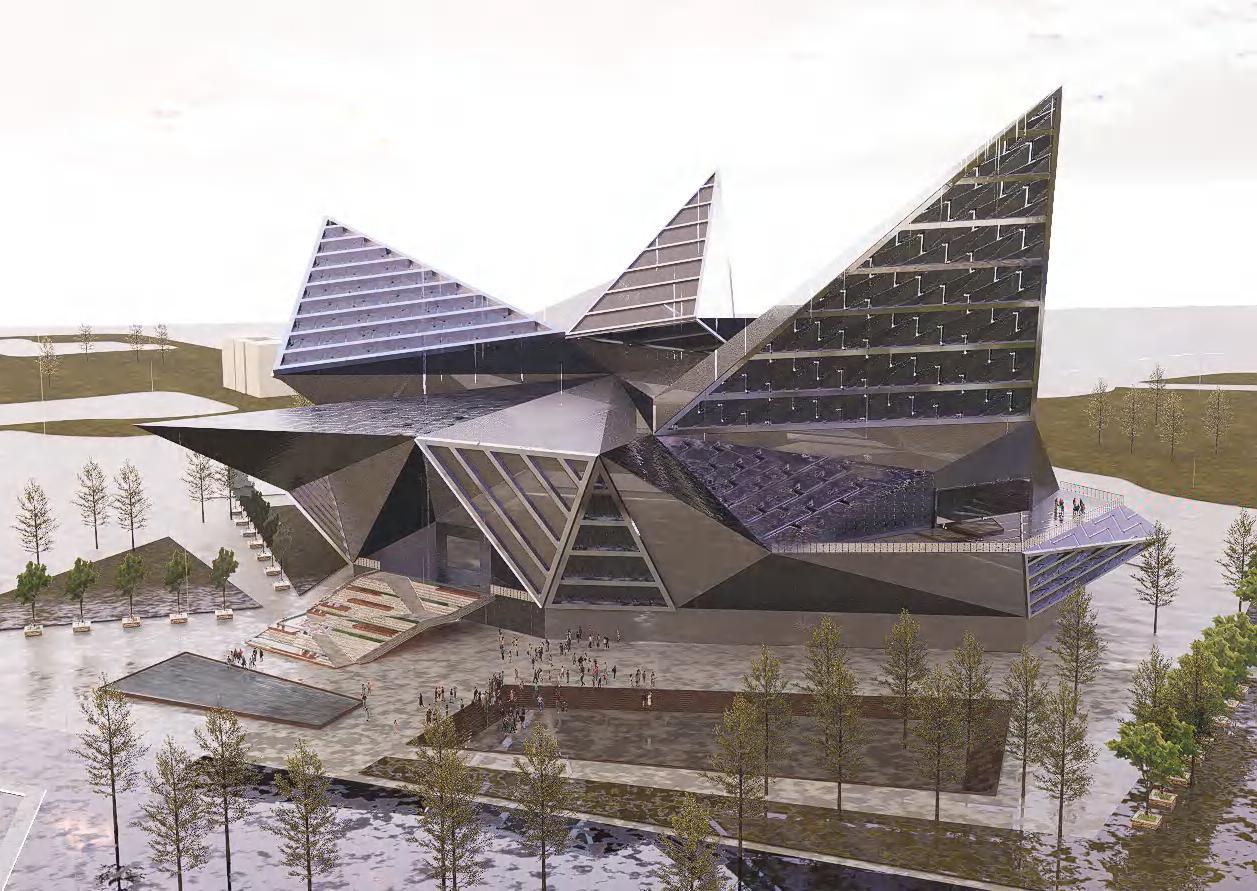
Thesis:This theatre design embodies the concept of the theatre as the spiritual stronghold of the city. Inspired by Zhejiang's mineral resource, calcite, the form of the building reflects the unique geometric structure and natural beauty of the mineral. Calcite’s crystalline shape symbolizes both resilience and purity, representing the timeless value of culture and art.The theatre is located near Bai Ma Lake Park in Hangzhou, an area with a favorable geographical setting. The surrounding natural landscape, green spaces, and water features create an ideal backdrop for the building. The design seeks to integrate art, culture, and nature, creating a landmark that not only serves as a hub for artistic expression but also as a symbol of the city’s spiritual identity
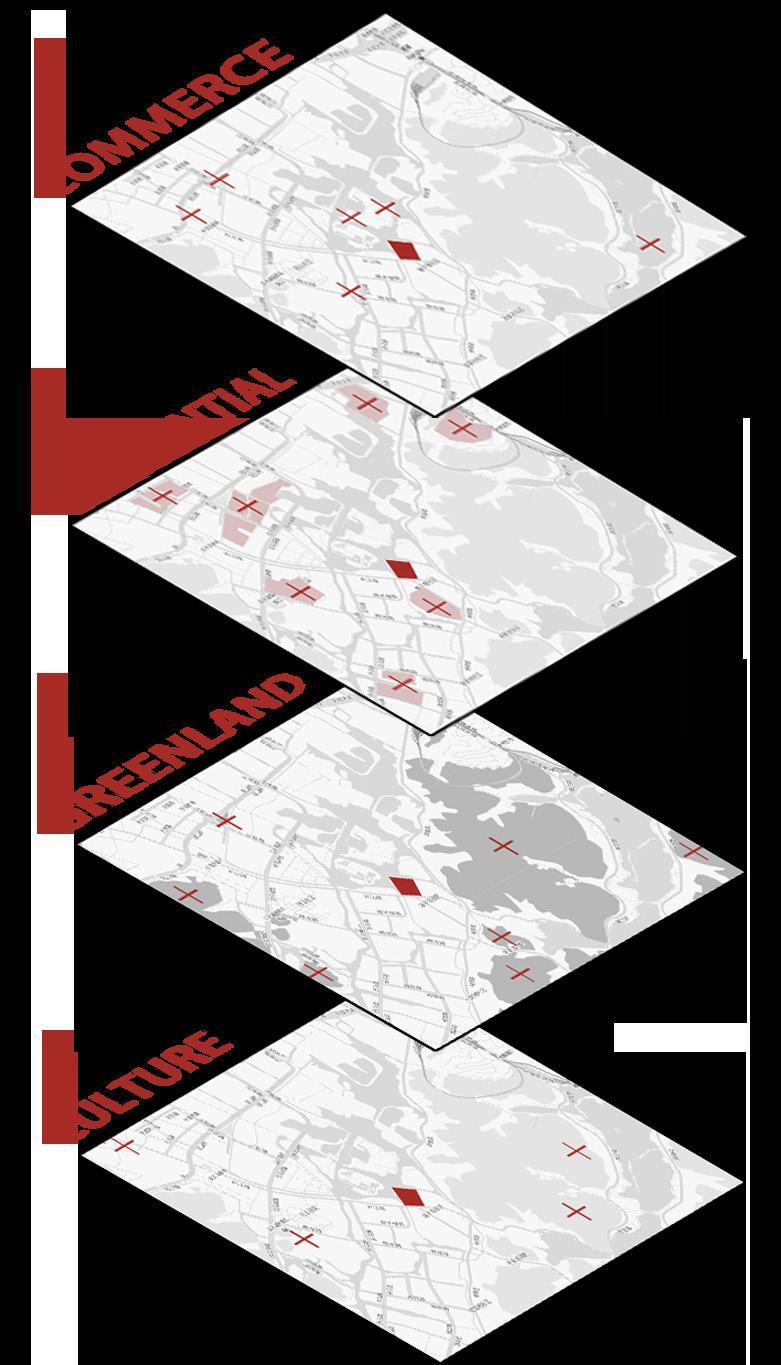
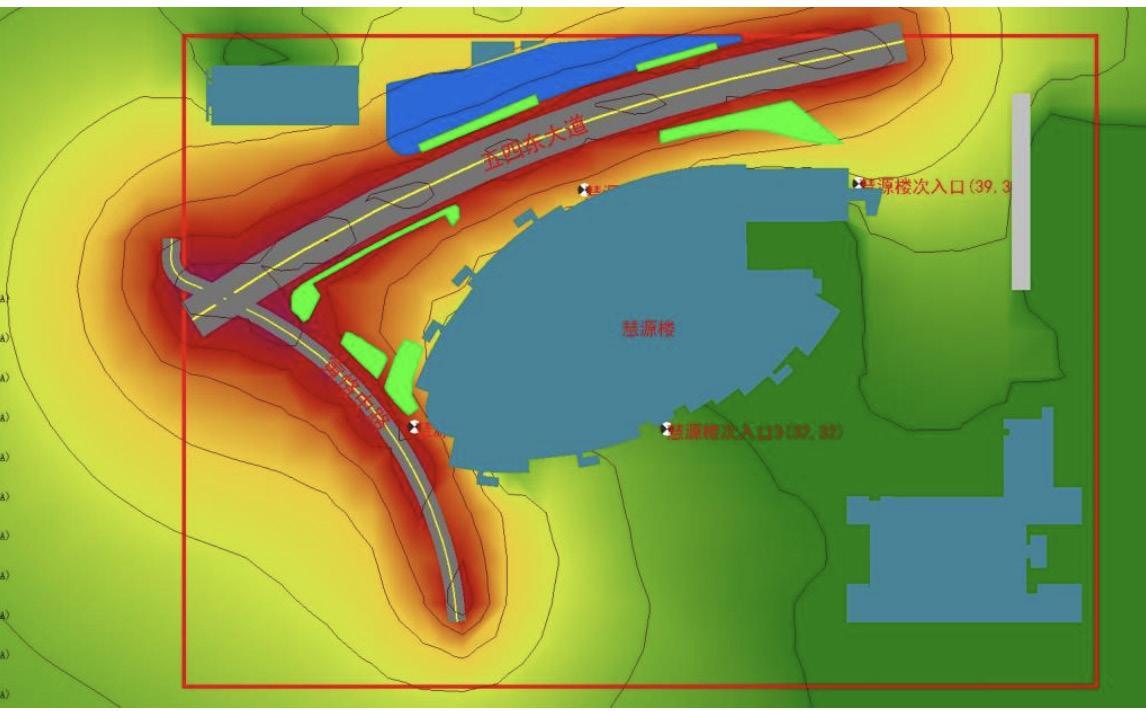
Peripheral Analysis
Site Analysis
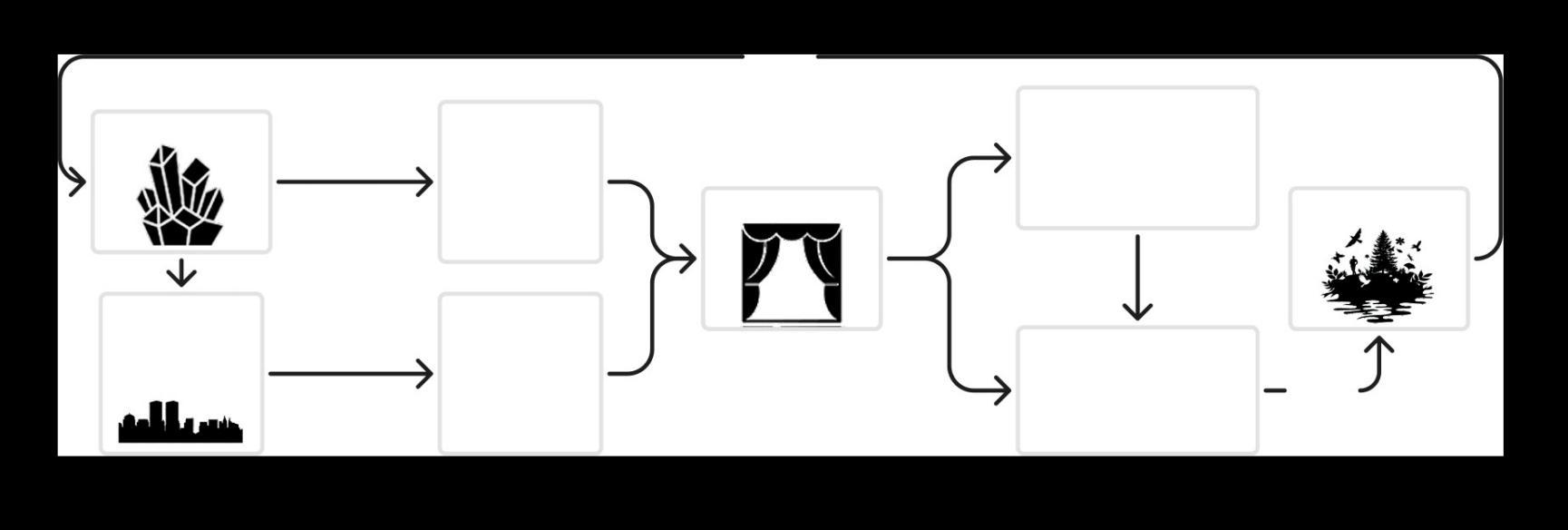
Whereas minerals are extracted, refined, and utilized from nature to advance society, theatre embodies and elevates the spirit and culture of the city. Both originate from their environments and, in turn, enrich and transform them.
Hangzhou’s long theater history, from Kunqu and Yueju operas to modern theatre, will be abstractly reflected in the rhythm, emotion, and spatial design of the building. This allows the theatre to serve not only as a performance space but also as a cultural symbol of Hangzhou's theatre tradition.
Architectural Element Extraction
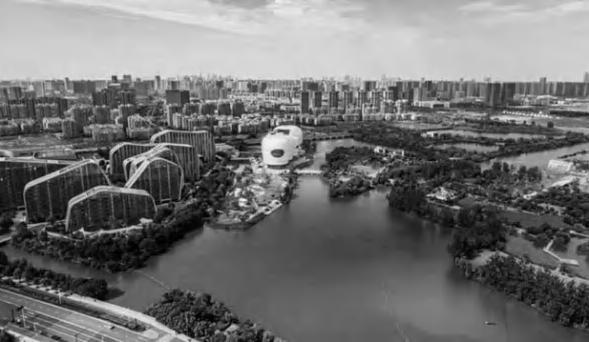
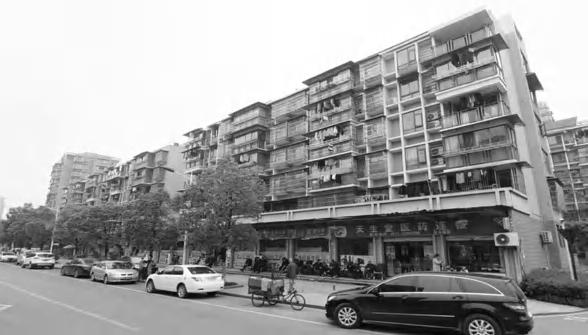
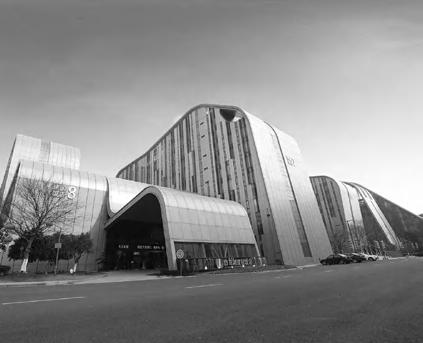
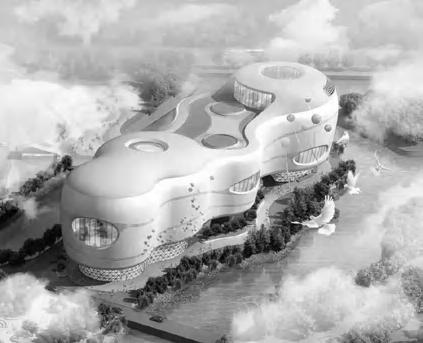
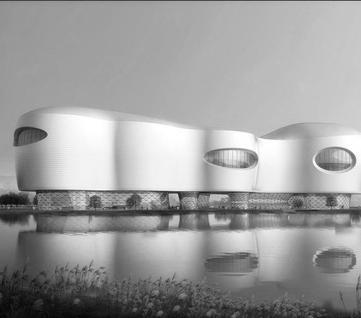
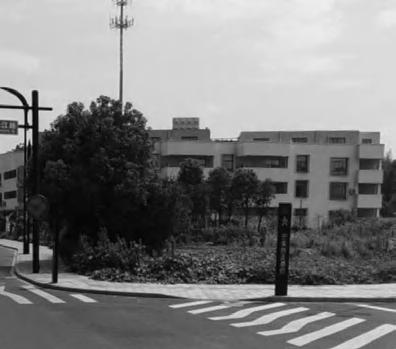
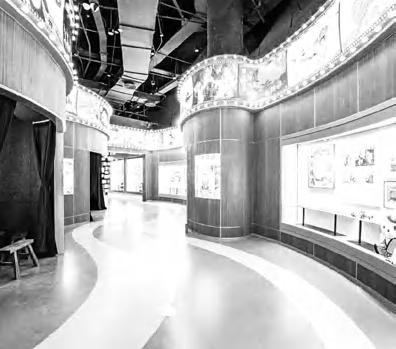
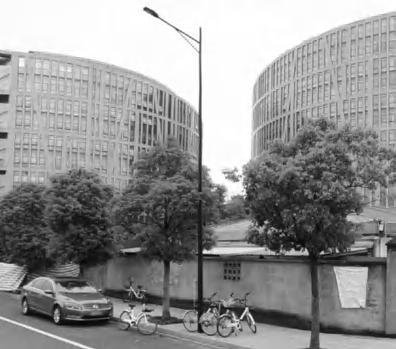
The architectural styles around the site are varied. The Convention and Exhibition Centre and the Animation Museum are unique in shape, using circles and curves, with transparent and modern facades and an emphasis on a sense of flow in the interior spaces. The Baimahu neighbourhood is more traditional, with a square layout and simple façade, emphasising practicality and integration with the surrounding landscape.
Hangzhou Baima Lake Park
Hangzhou Baima Lake community
Hangzhou Xianghu Scenic Area
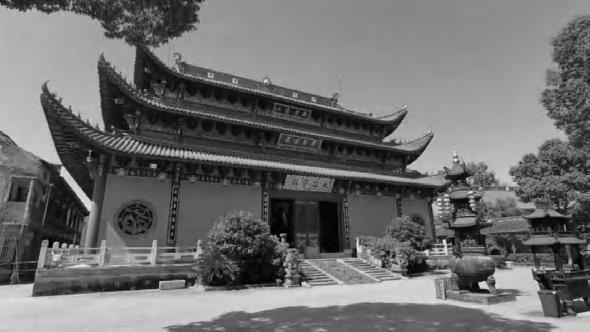
Hangzhou Guanshan Temple
History of The Performance Space
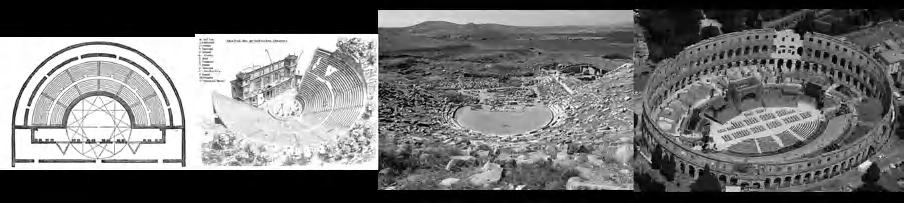
As early as in ancient Rome and ancient Greece, people have been using their ingenuity to build a majestic amphitheatre. In the Renaissance, the invention of perspective and the prosperity of architectural science promoted the formation of modern theatres, and in the 15th and 16th centuries, the framed stage was born in Italy, and in the 19th and 20th centuries it gradually spread to the rest of the world, and is still in use as the mainstream form of theatre.
The Relationship Between Spatial Form And Human Psychology In The Theatre
Thesis:This design is an algae-powered skyscraper located at Raffles Ave, Marina Bay area, Singapore. Rapid urbanization and high energy demands are common here due to a growing population and industrial activities.
Design Process
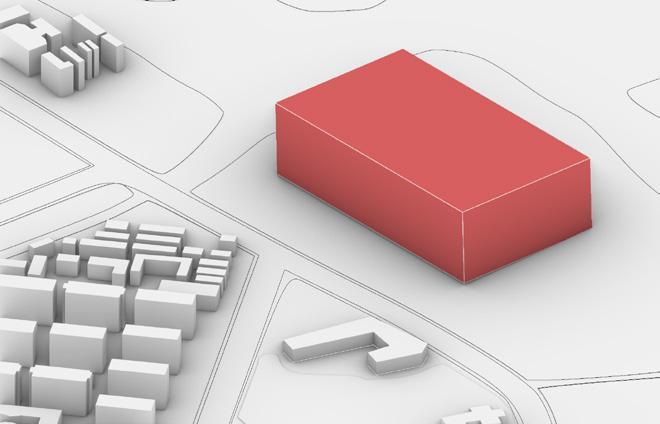
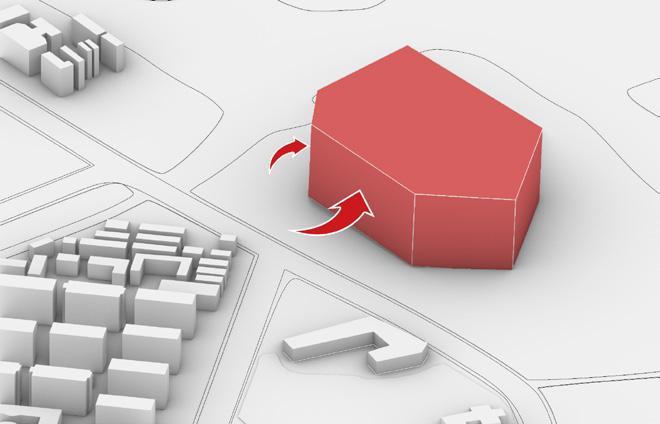
1.Form Generation: Building a block of suitable size in the center of the site.
2.Entrance Placement: Entrances are positioned based on traffic flow and crowd movement.
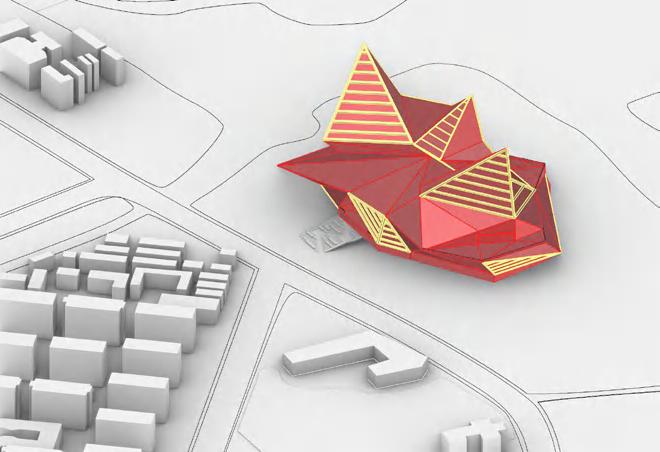
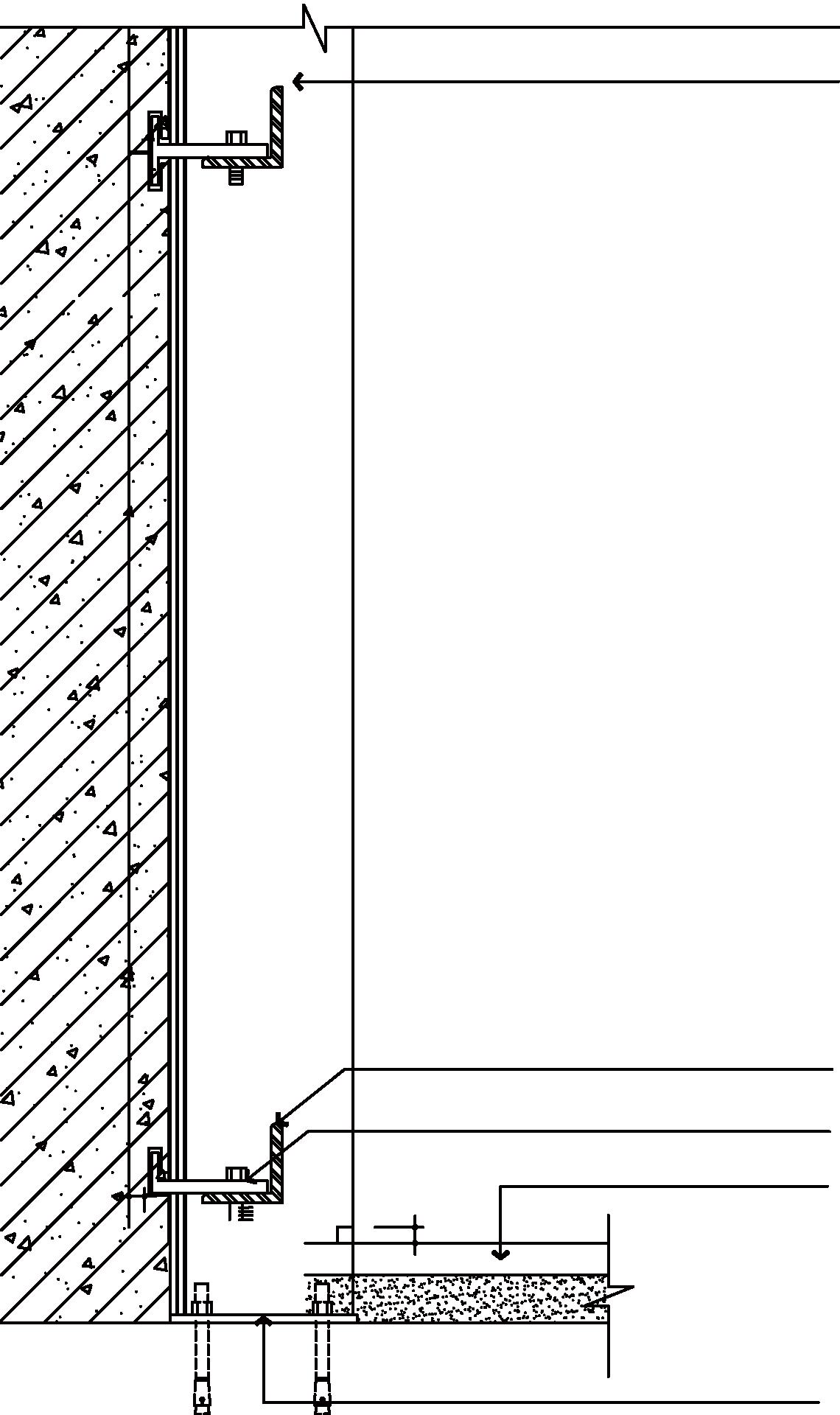
8.Façade design:The modern metal frame enriches the facade effect and echoes the mineral design elements.
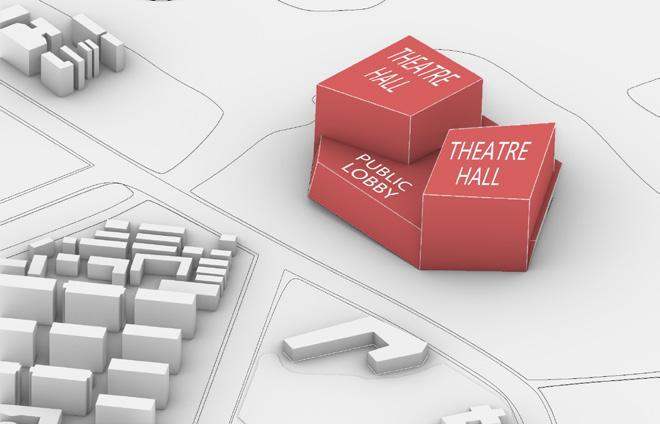
3.Zoning: roughly dividing functional areas, creating height differences in the vertical direction
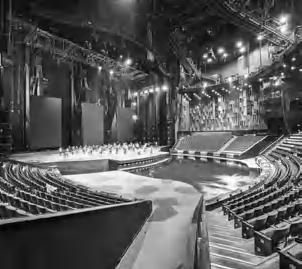
The traditional performance space is based on a framed stage, where the acts of watching and acting are separated by a fixed interface, and information is exchanged within the limited interface. A performance space with ‘fusionality’ has a better sense of neighbourhood and territory.
The Completed Architecture
Audience Stage
(When actors are in different positions on stage.)
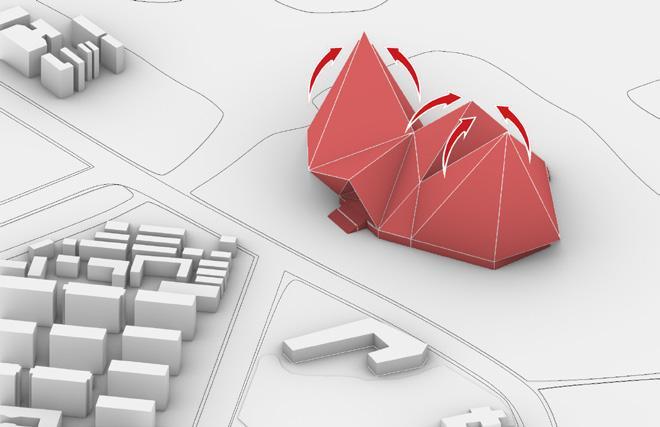
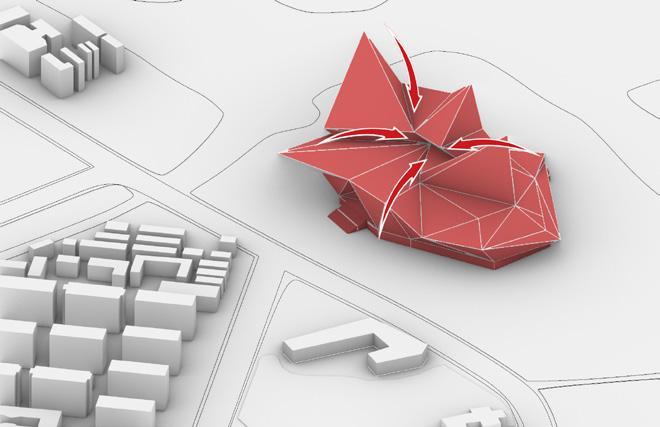
4.Form shaping: introducing triangular elements to refine the building form and deepen the main entrance.
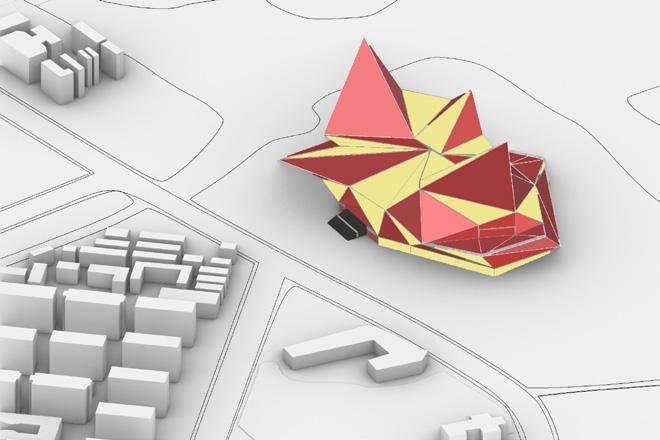
5.Model Refinement: The massing is further refined, optimizing space connections and enhancing visual appeal.
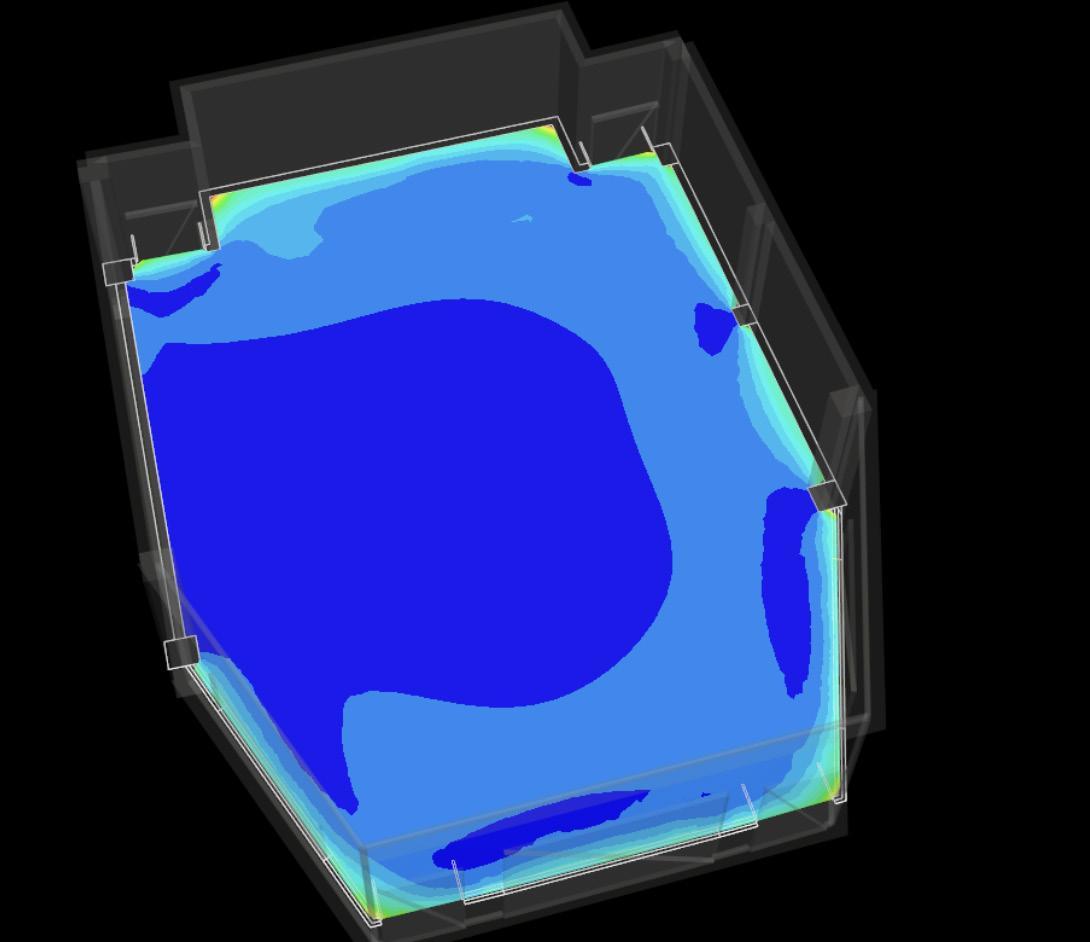
7.Lighting design: Replacement of materials and introduction of skylight with glass panels to improve the interior lighting environment.
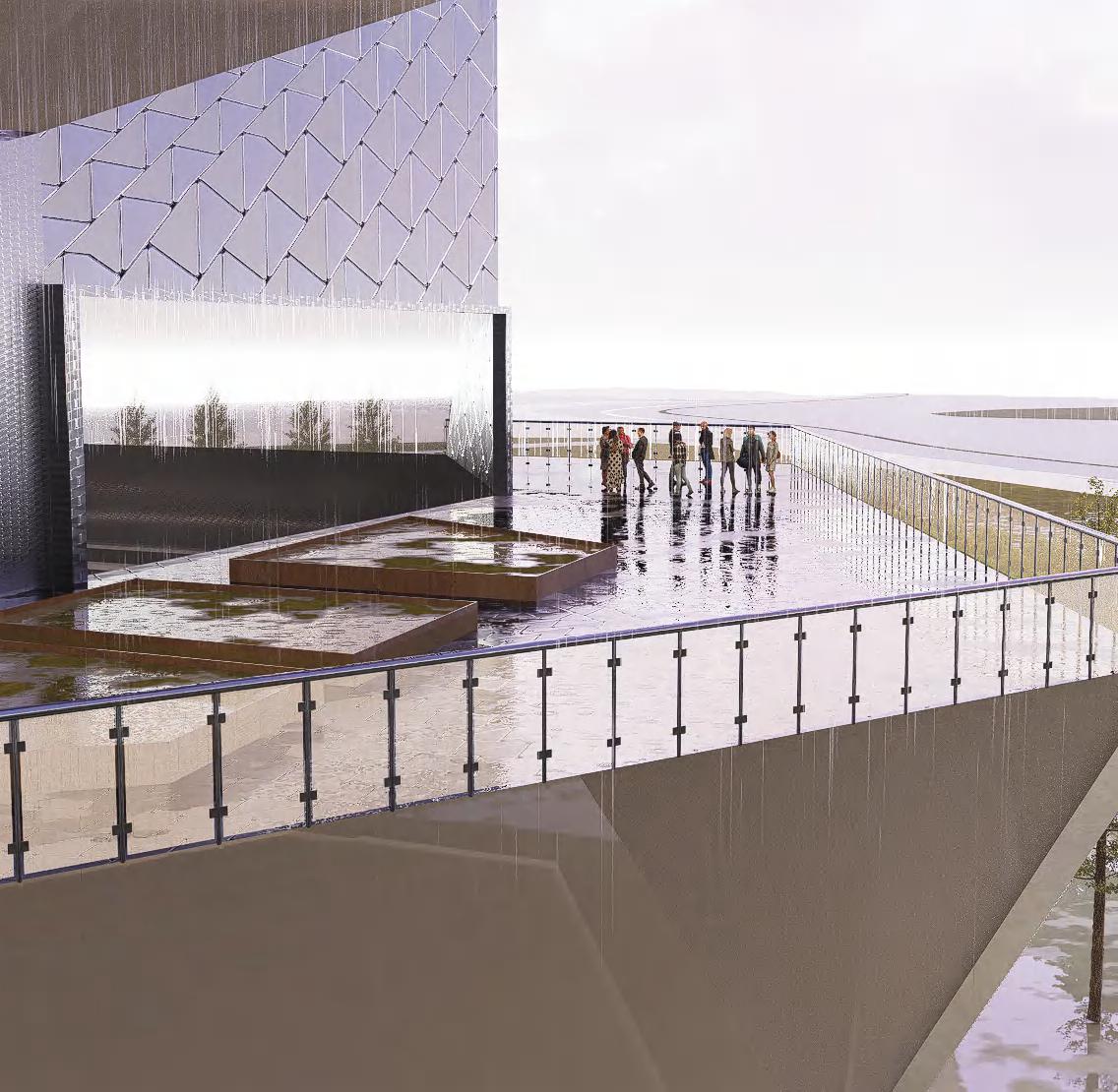
6.Public Space Design: Optimise the view layout by creating outdoor platforms to provide a better viewing experience.
9.Landscape design: The green design complements the architecture, and the sunken square provides rich landscapes.
Ancient Greek and Roman Periods - Origins in the Amphitheatre
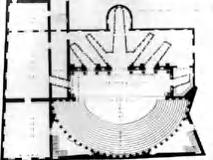
Renaissance and Baroque - The Birth of the Framed Stage
Into the Modern Age - Proscenium Stage
Into the Modern Age - Thrust Stage
Looking to the Future - Multi-Purpose Theatre and Amphitheatre
entrance
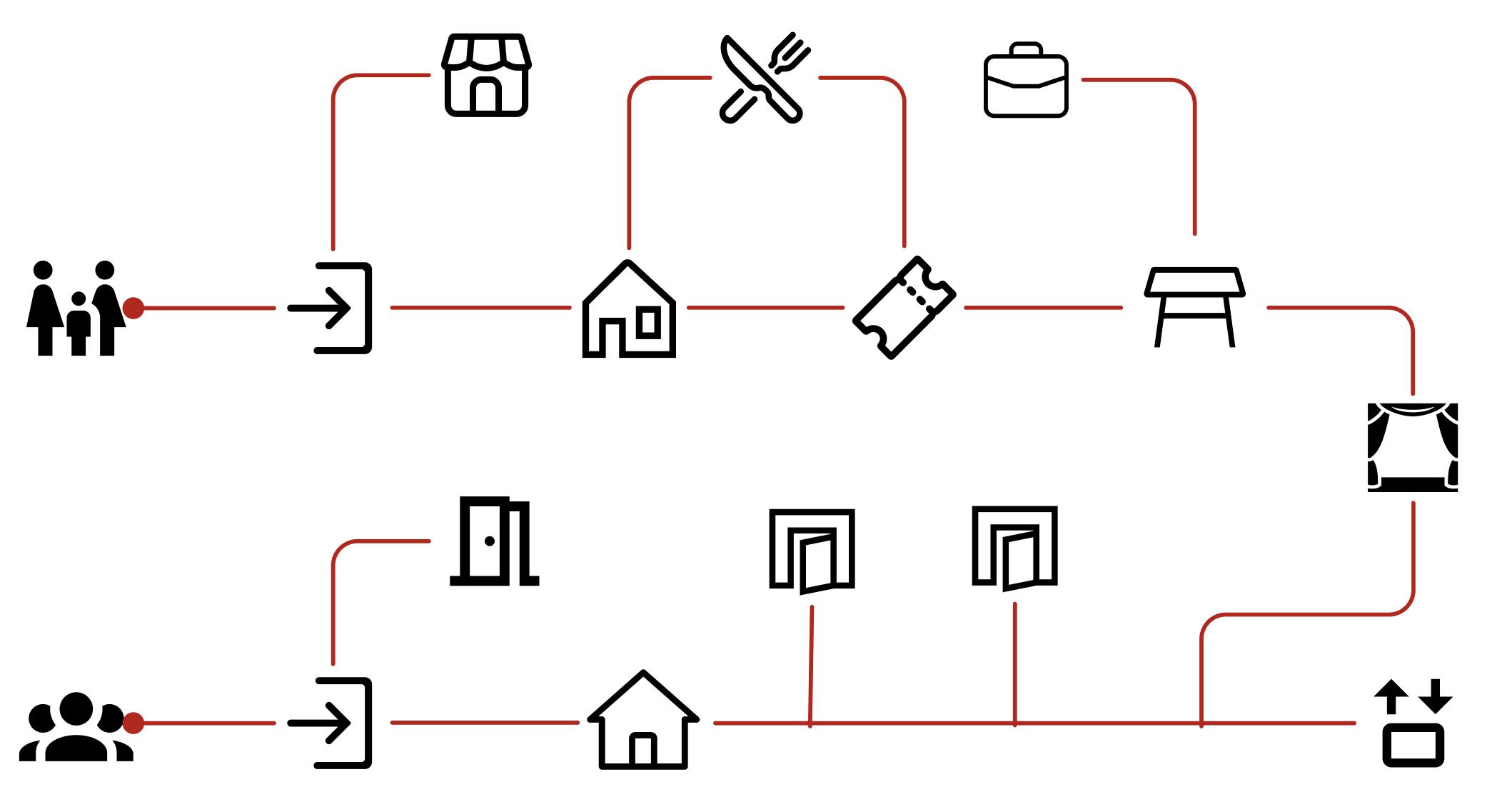
Vistors & Performers Journey Map
The image below outlines the distinct pathways for visitors and performers within the theater. Visitors flow from the main entrance through the lobby to the auditorium, while performers enter backstage, passing through dressing rooms and lounges to reach the stage, ensuring smooth, purpose-driven circulation.
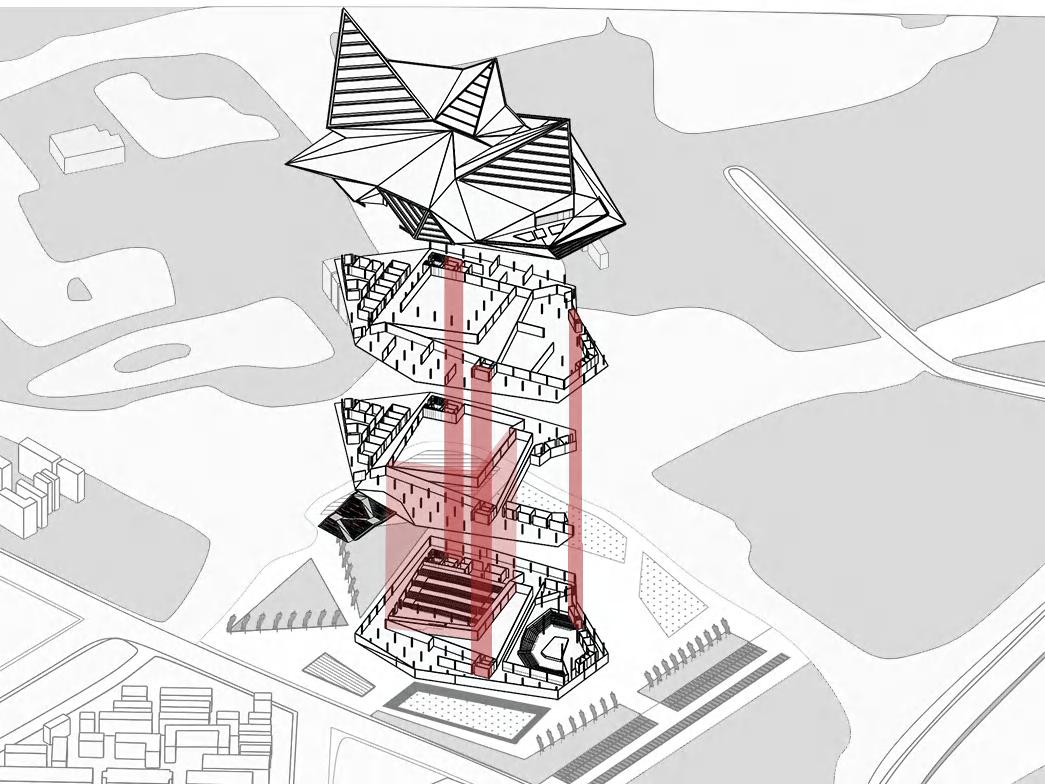
Explosive View(Functional Layout)
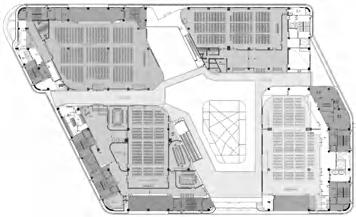
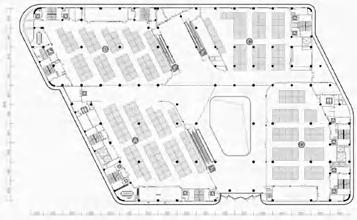
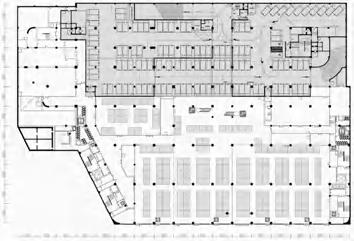
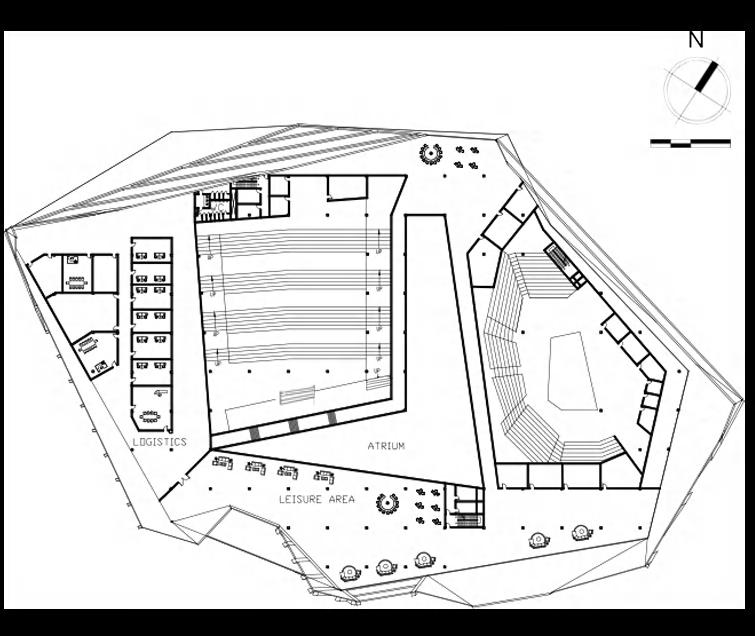
Floor Plan
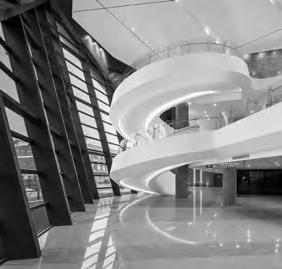
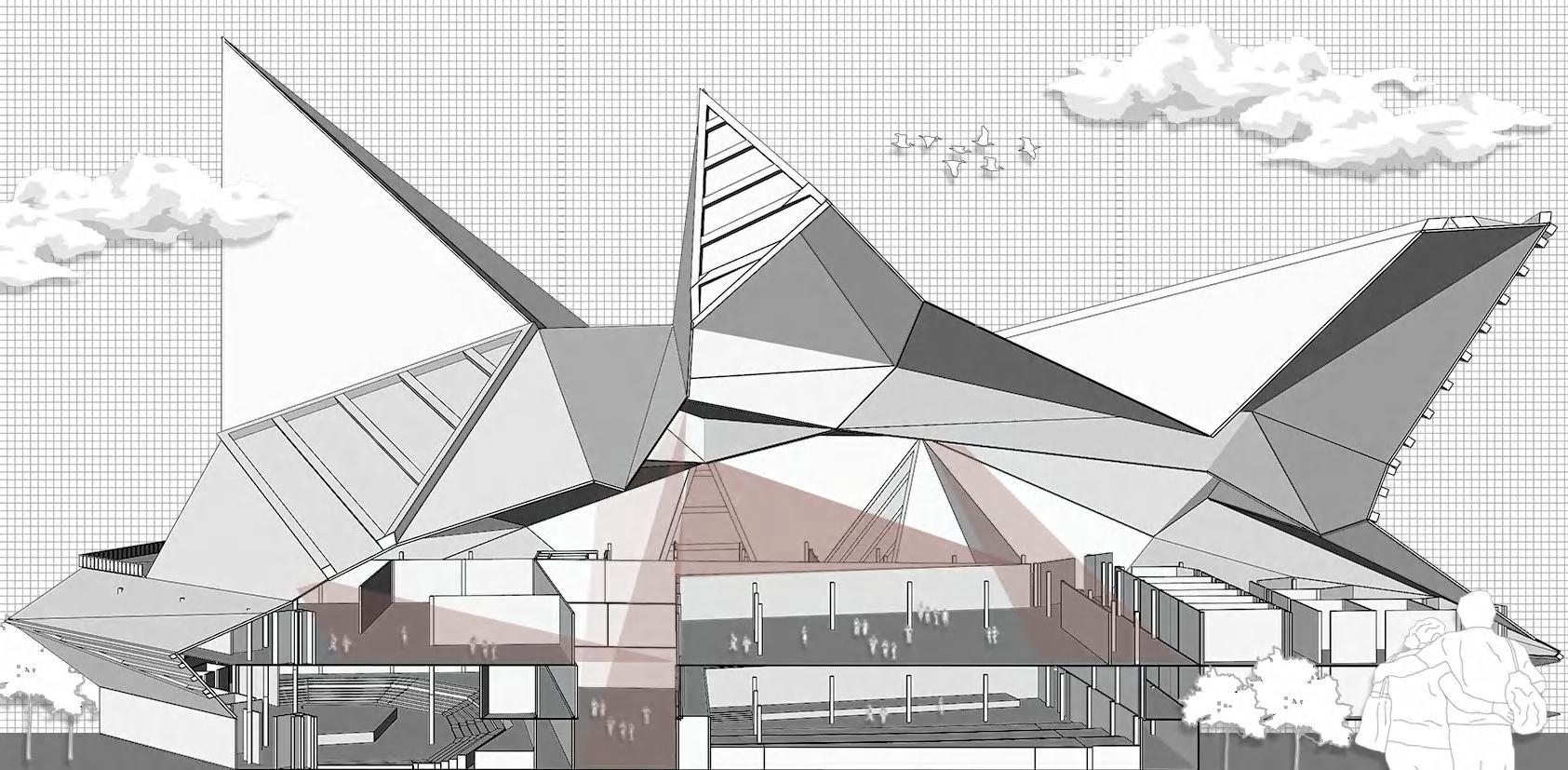
The architectural language is primarily inspired by the triangular forms of mineral crystals. At the heart of the theatre is a vast atrium that allows natural light to flood the space. The main concert hall and performance area are double-height, spanning two storeys. Along the edge of the atrium, a viewing ramp connects the first and second floors, offering an elevated perspective of the interior.
Yingcui
Baimahu Lake
Cui Ya Yuan (residential area)
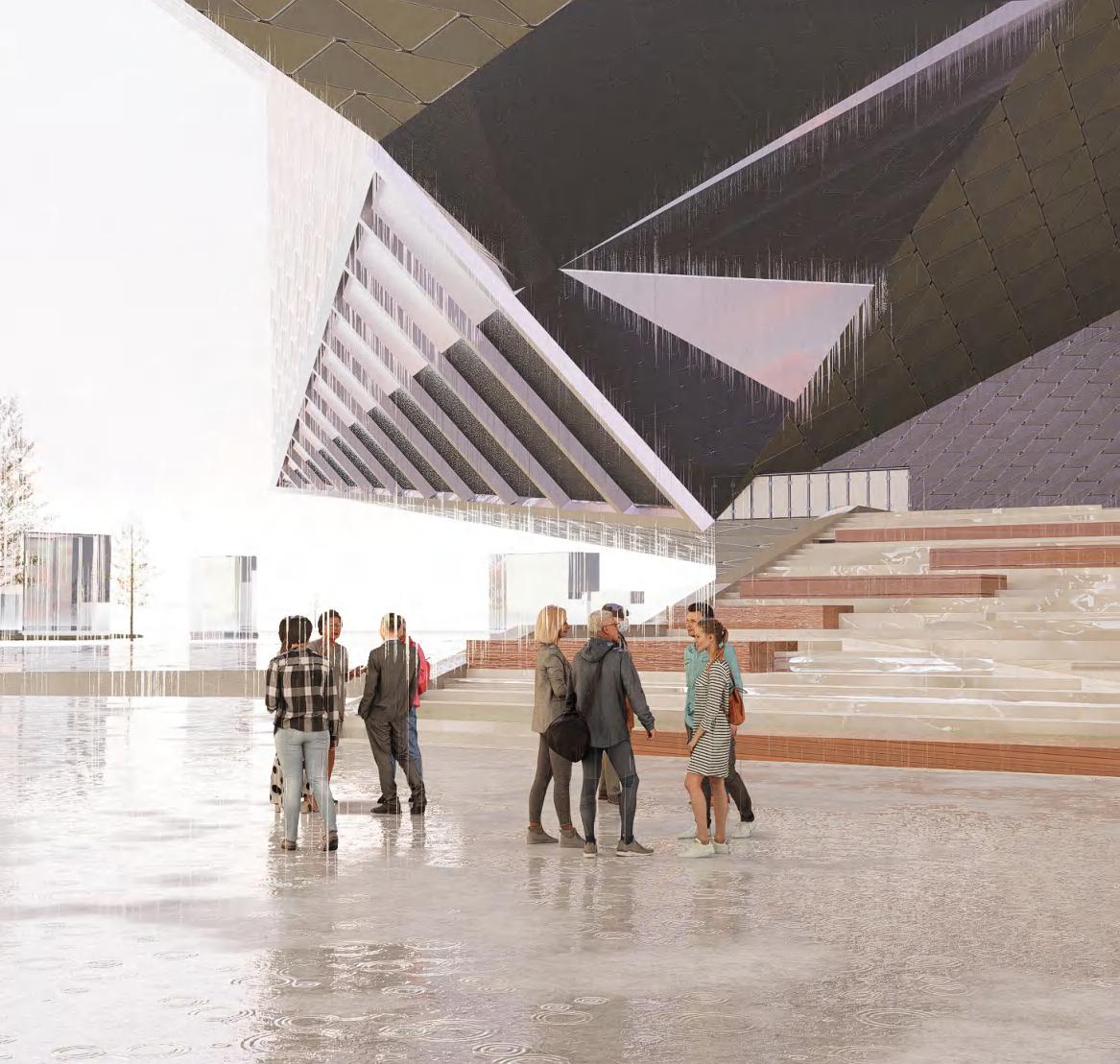
Indoor Scene
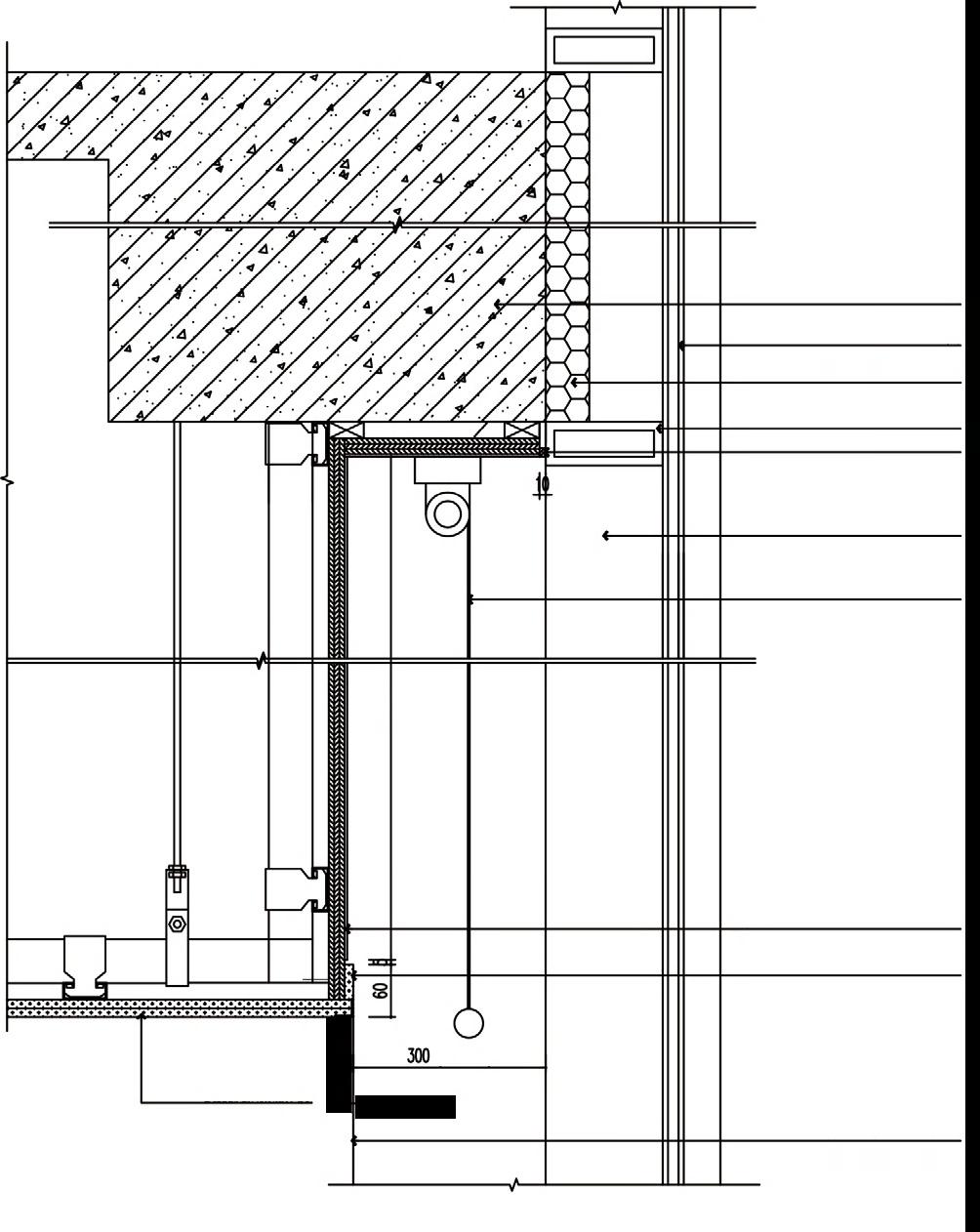
From a sectional view, the design highlights a central atrium that allows natural light to flood the space, enhancing the sense of openness. The main concert hall and performance areas, spanning two storeys, are framed by vertical walls that emphasize height A viewing ramp, gently sloping along the atrium’s edge, connects the first and second floors, offering both a physical and visual link across the space. This combination of angular forms and smooth, flowing lines creates a balanced and dynamic spatial experience.
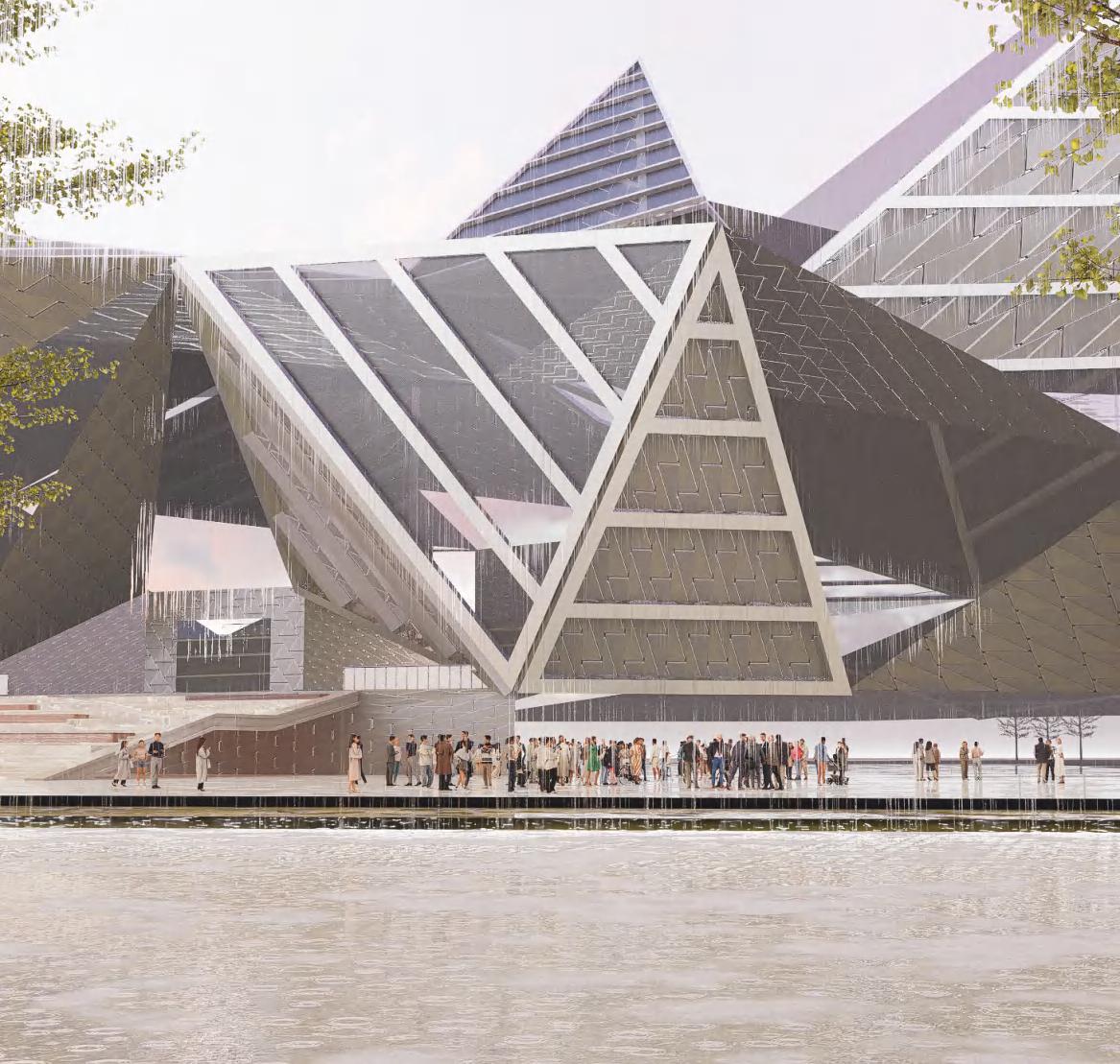
Outdoor Scene
04/Algae Building -Algae-powered skyscraper in Singapore
What would a skyscraper that relies on algae to generate electricity look like?
Site Location:Raffles Ave,Marina Bay area,Singapore
Individual work
Project duration : 2024.7-2024.8
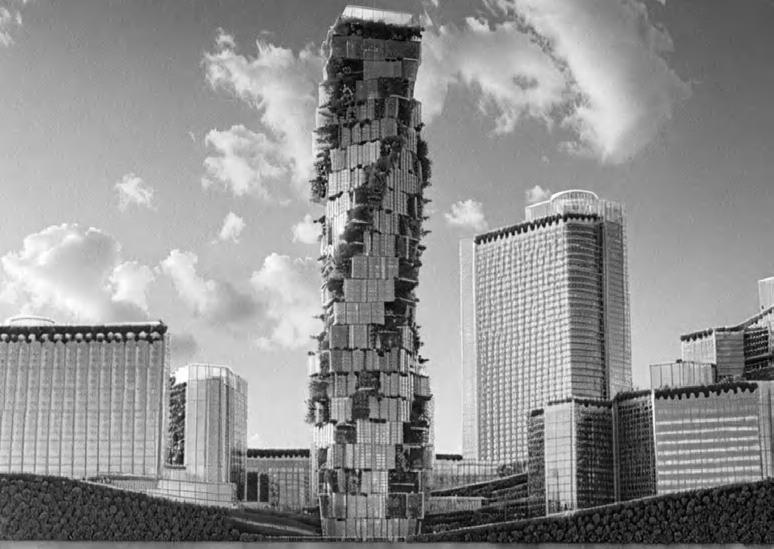
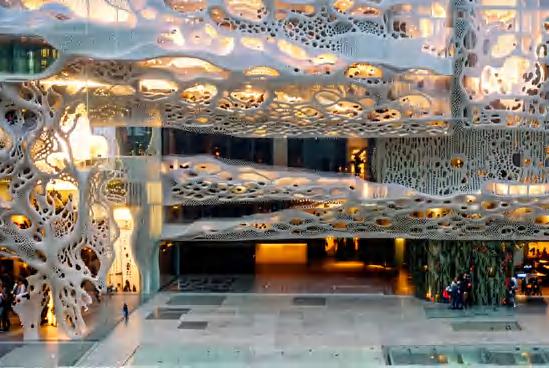
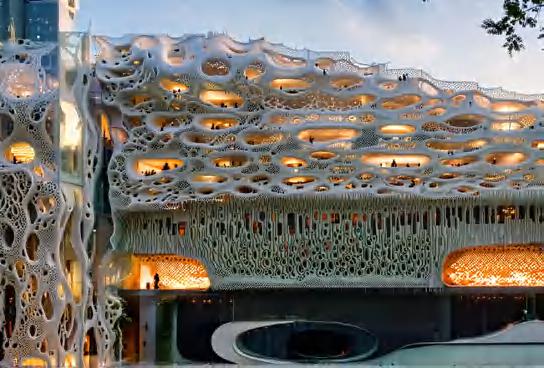
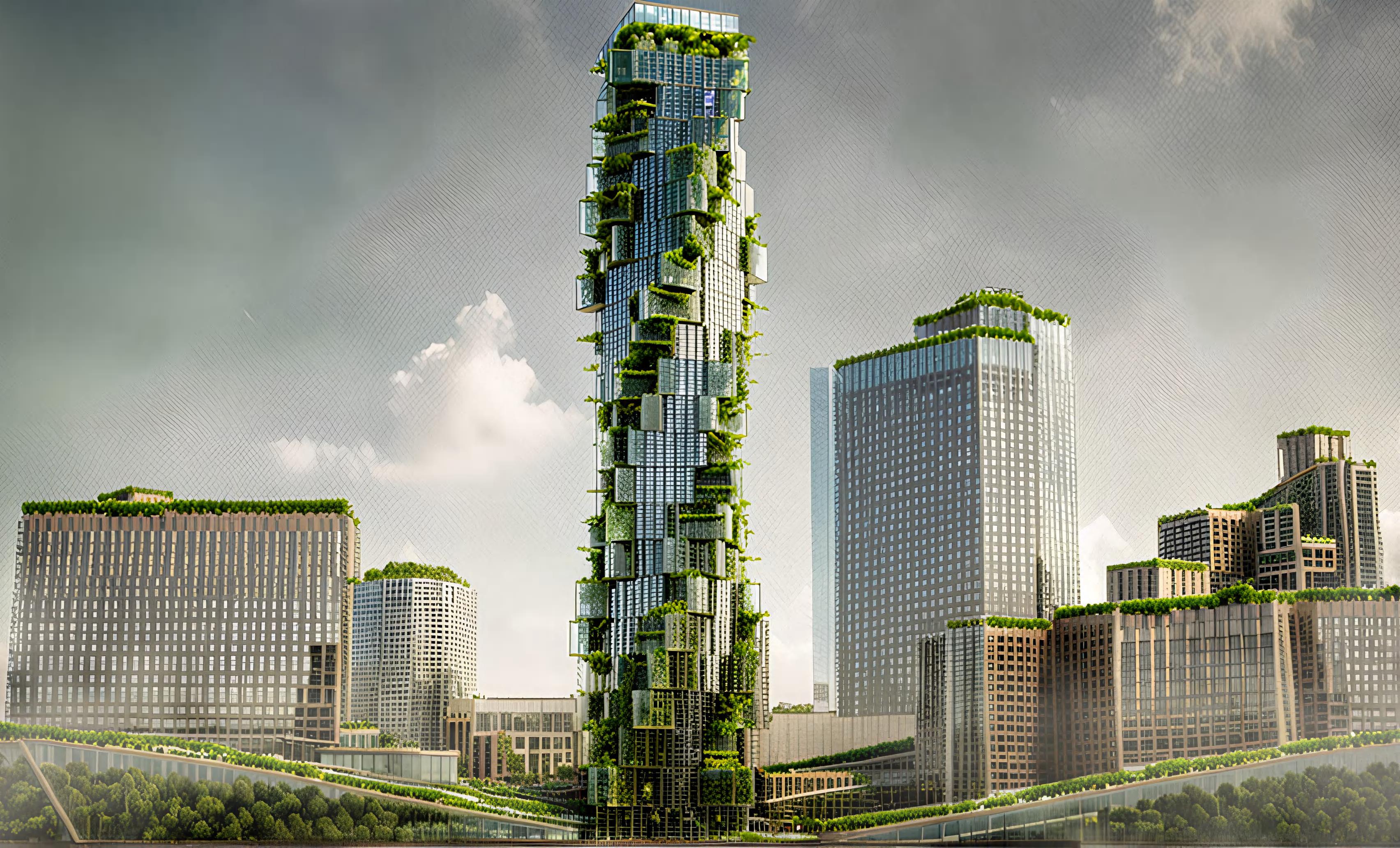
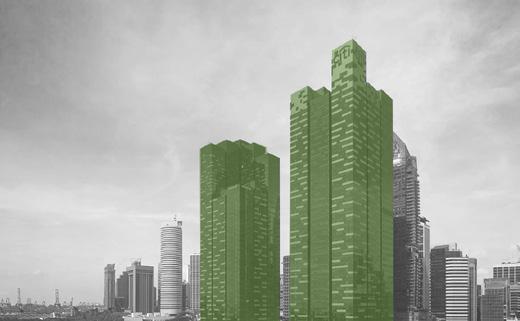
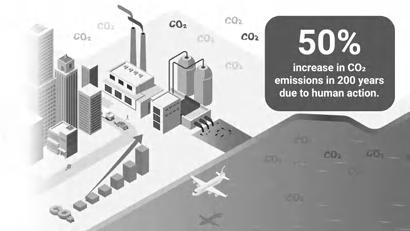
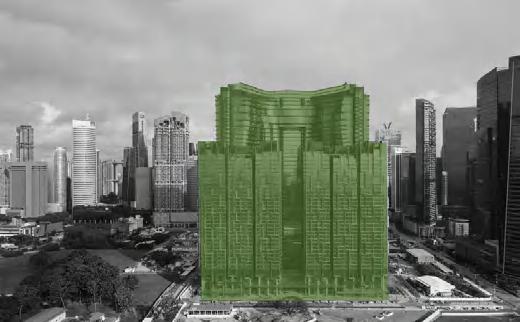
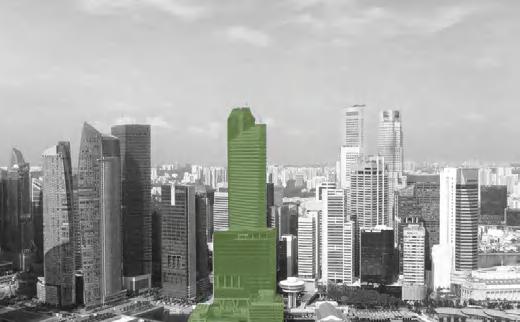
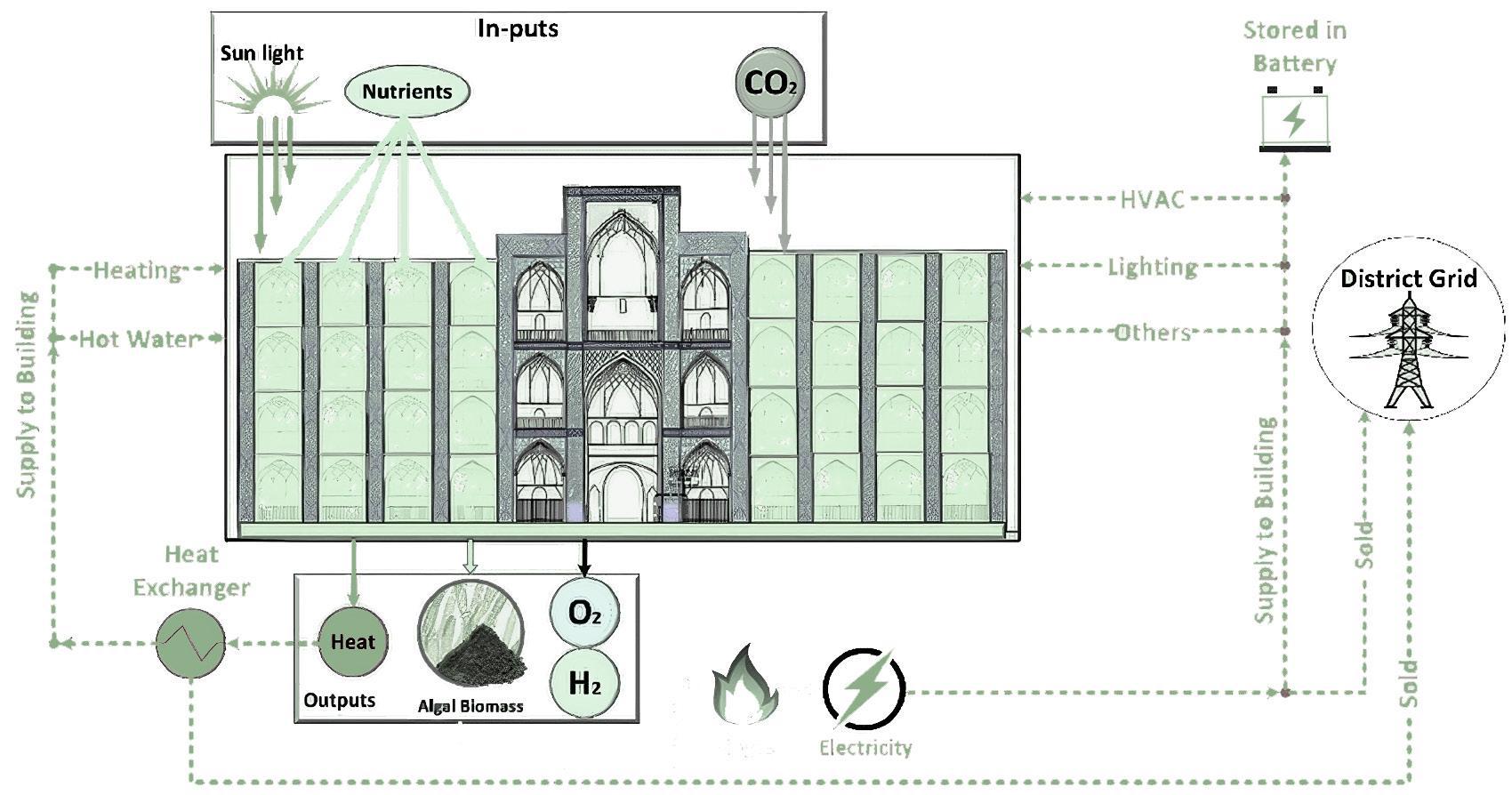
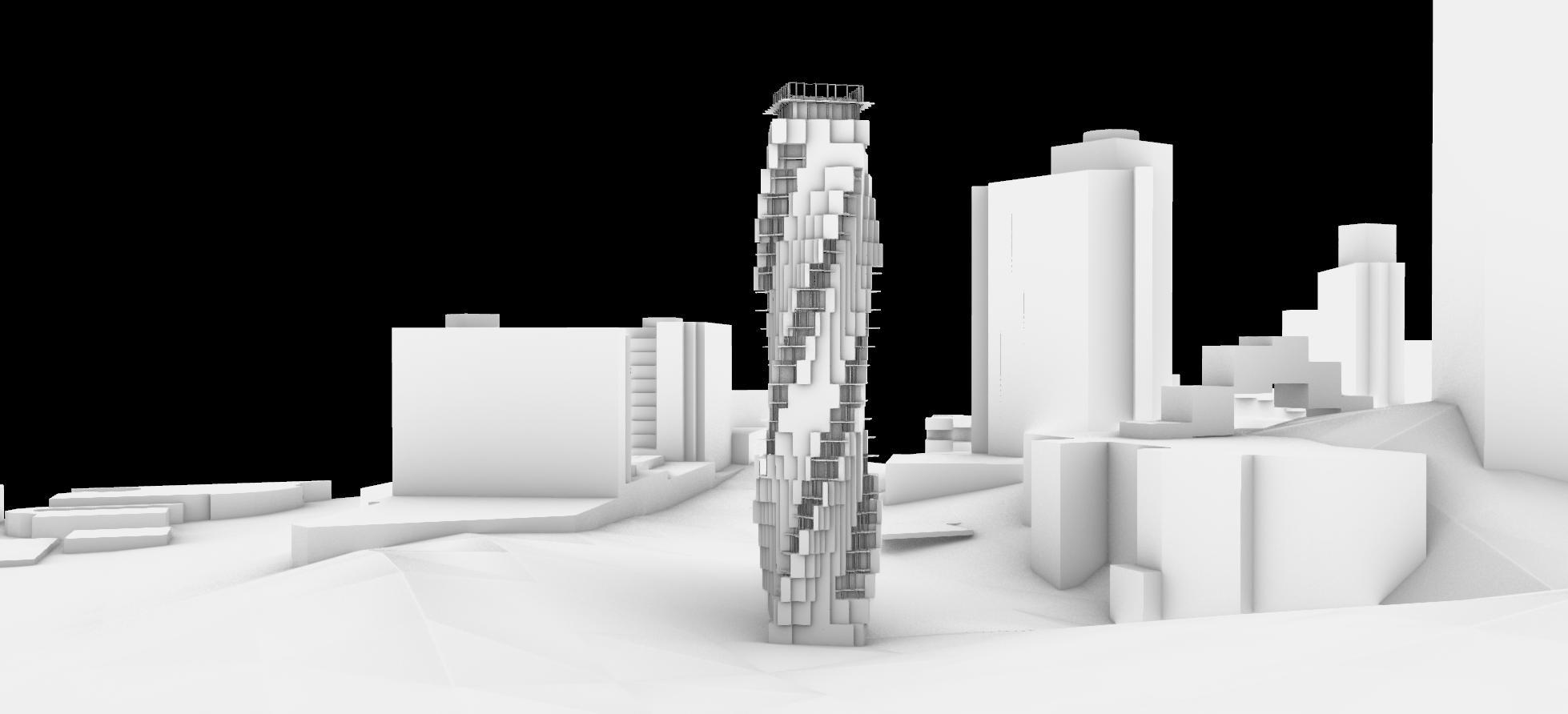
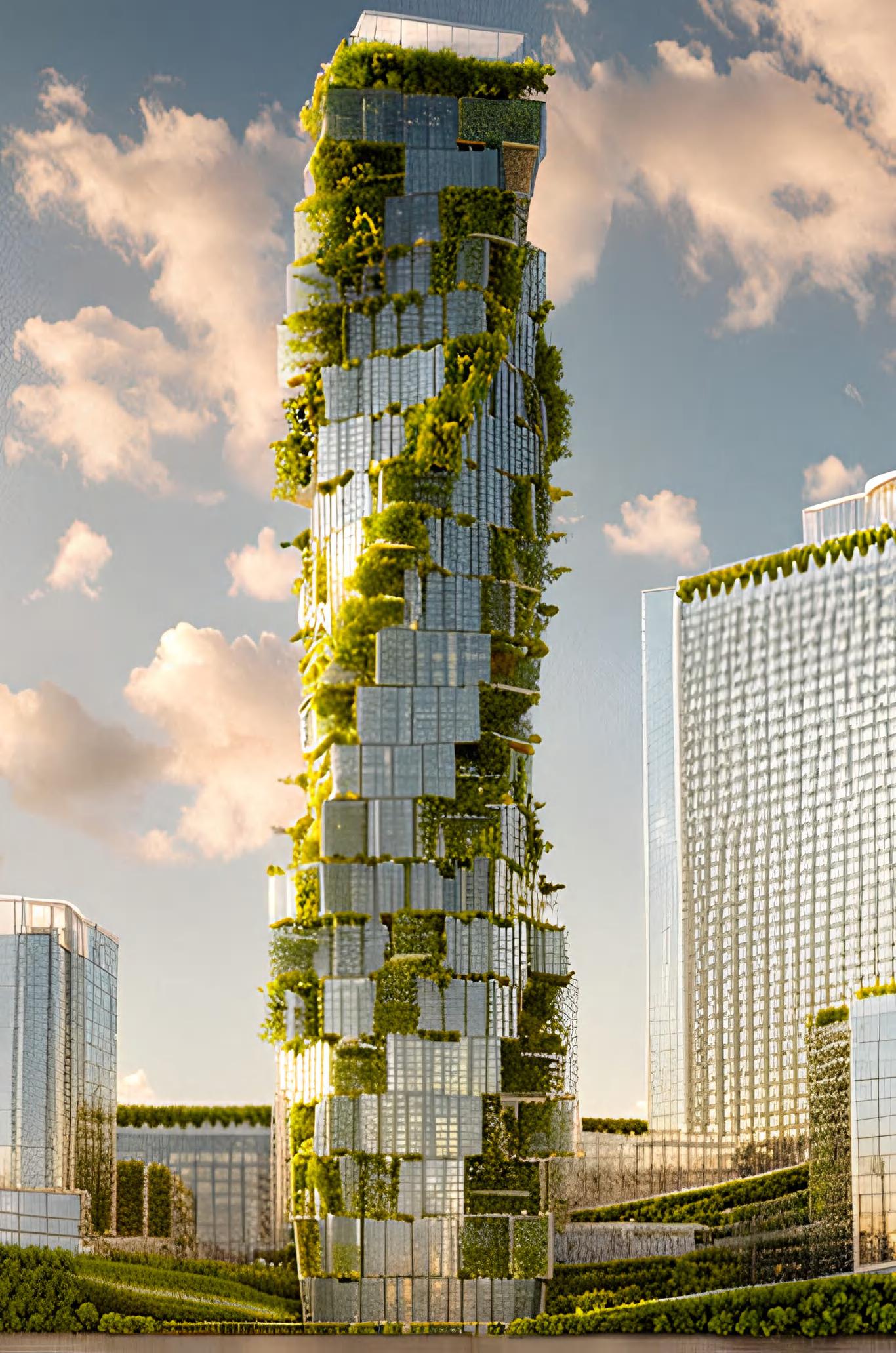
Thesis:This design is an algae-powered skyscraper located at Raffles Ave, Marina Bay area, Singapore. Rapid urbanization and high energy demands are common here due to a growing population and industrial activities. The reliance on non-renewable energy sources has caused significant environmental challenges, including pollution and greenhouse gas emissions. Integrating algae bioreactor technology into the building facade offers a sustainable solution by generating clean energy and improving air quality.
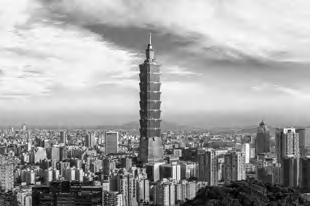
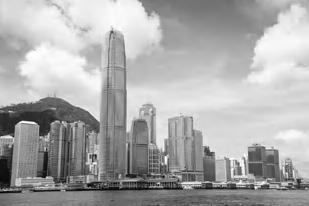
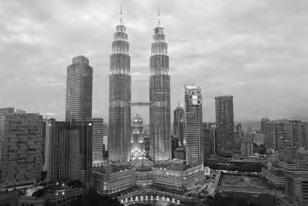
Cities With High Electricity Consumption From Skyscrapers Worldwide
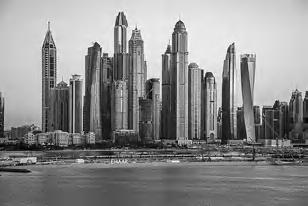
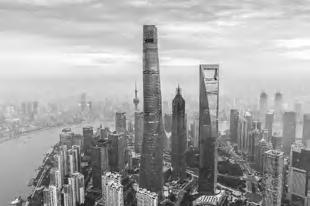
High electricity consumption in skyscrapers is a global issue, especially in cities like
activities
efficiency solutions and sustainable practices are needed to reduce environmental impacts and costs.
Geographical Factors
Marina Bay's high energy demands stem from its tropical climate, constant economic activity, dense skyscrapers, advanced infrastructure, and luxury amenities. Yearround heat and humidity increase air conditioning needs, while 24/7 operations, modern technology, and high-end facilities like pools and gyms further drive up electricity consumption.
Electricity Consumption In Skyscrapers Worldwide
Background:Status
Commercial buildings account for about 30% of Singapore's total energy consumption, with Marina Bay's skyscrapers having even higher demand due to concentrated commercial activities and luxury facilities.
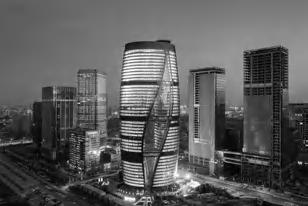
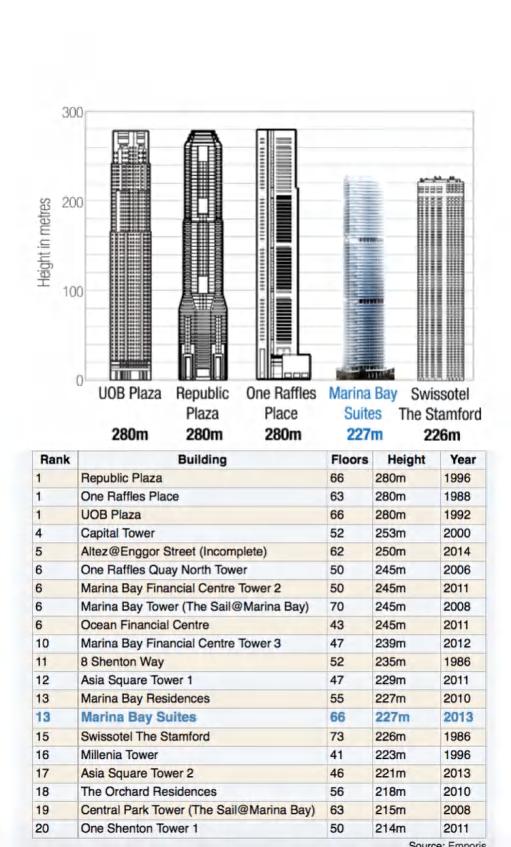
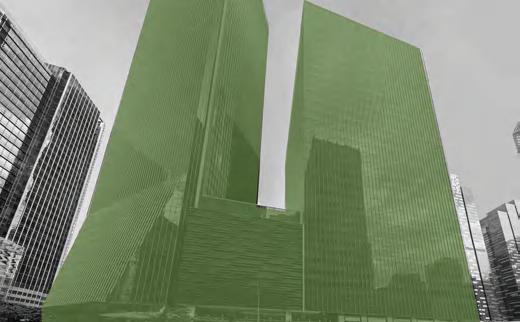
The skyscrapers in Singapore's Marina Bay area have significant electricity consumption, particularly in commercial and residential buildings. The seven highest energy-consuming skyscrapers in this area are:
Saving Potential
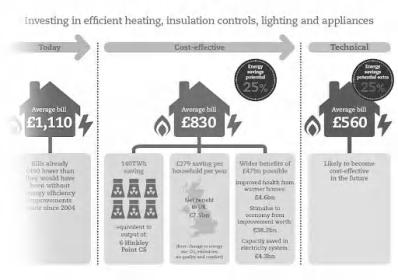
Implementing energy-efficient designs and technologies can cut skycrapers energy consumption by
Key Aspects Of High Electricity Consumption In Skyscrapers In Singapore's Marina Bay Area
High Energy Consumption
Status Quo Of Marina Bay
Photos of the current situation
Raffles
REASONS FOR CHOOSING ALGAE POWER
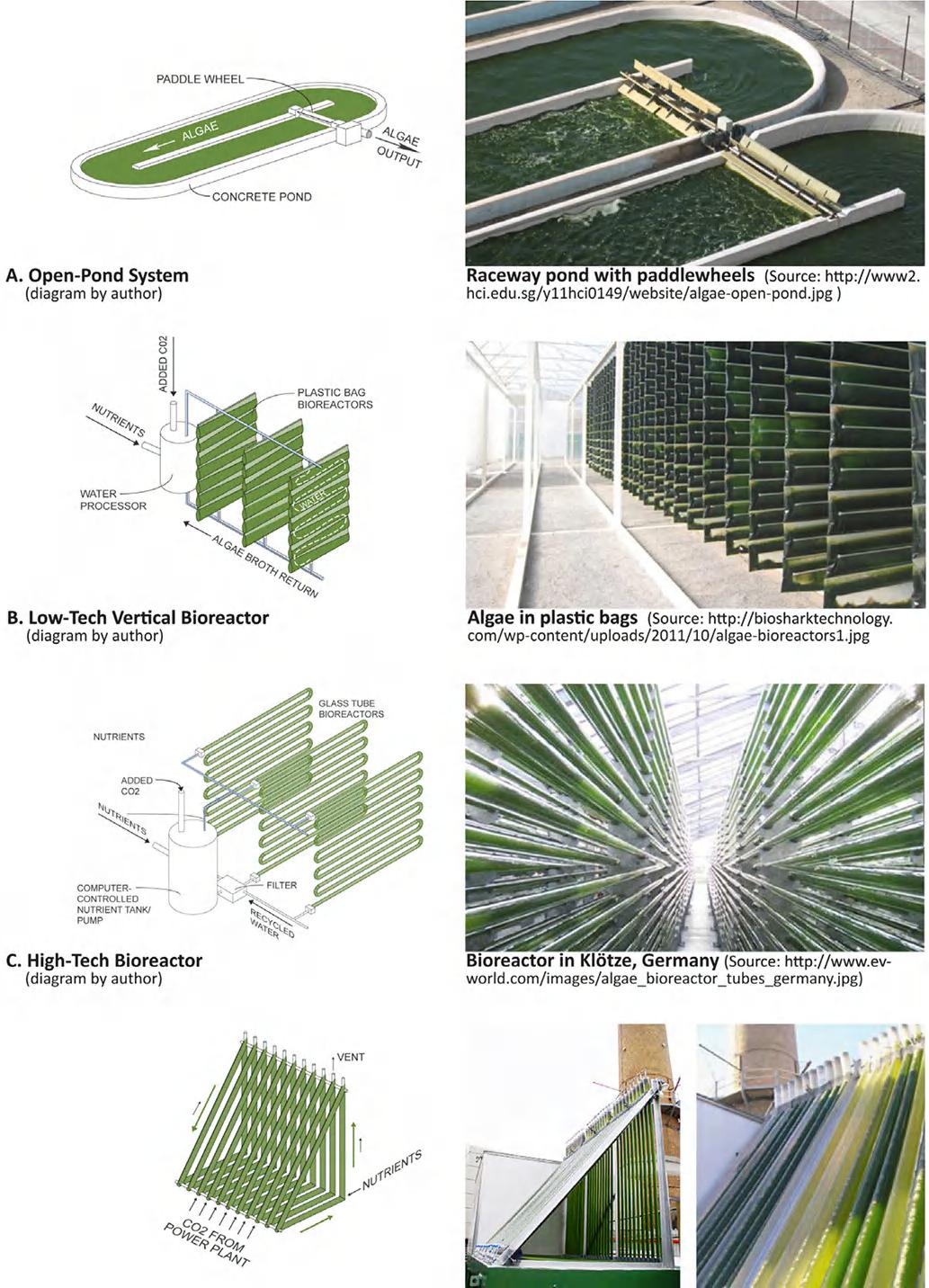
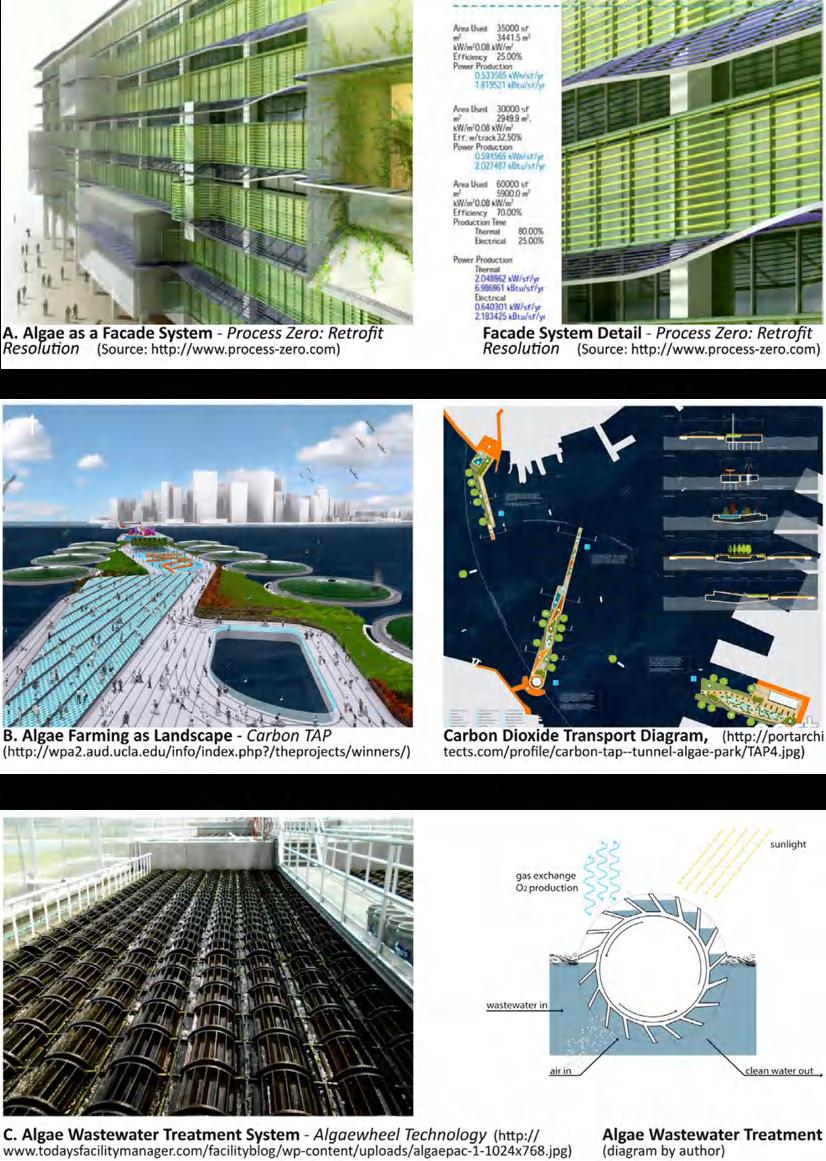
“This paper accesses the current state of algae farming methods, reviews emerging architectural applications and cases on how architects, engineers and designers start to integrate those as sustainability strategies in the built environment. Algae cultivation and its architectural integration promises to revolutionize ecological design and become a powerful tool to address the causes of climate change.” Growing Sustainability - Integrating Algae Cultivation into the
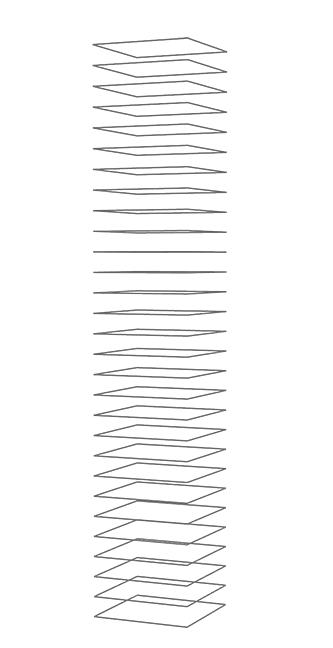
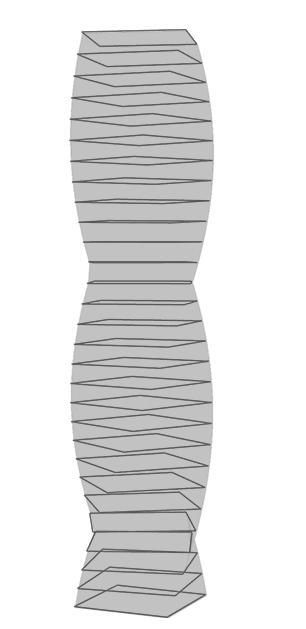
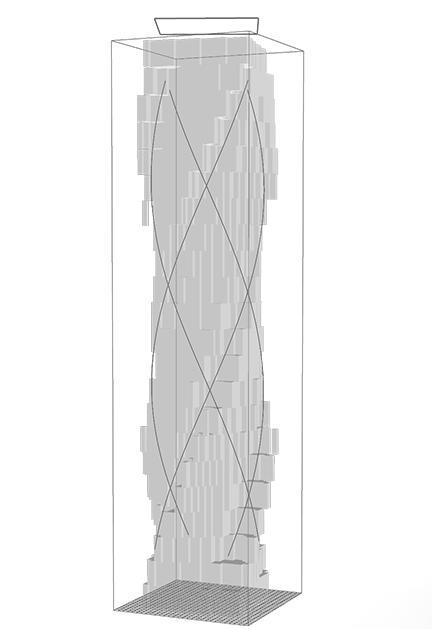
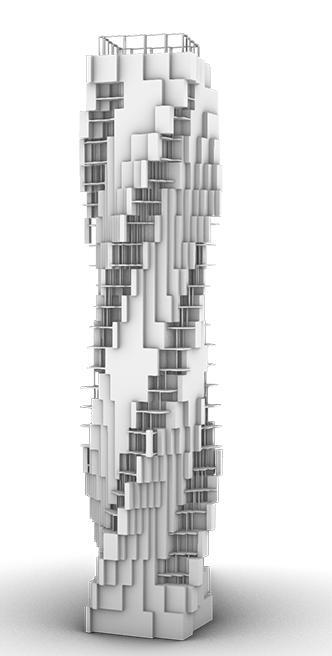
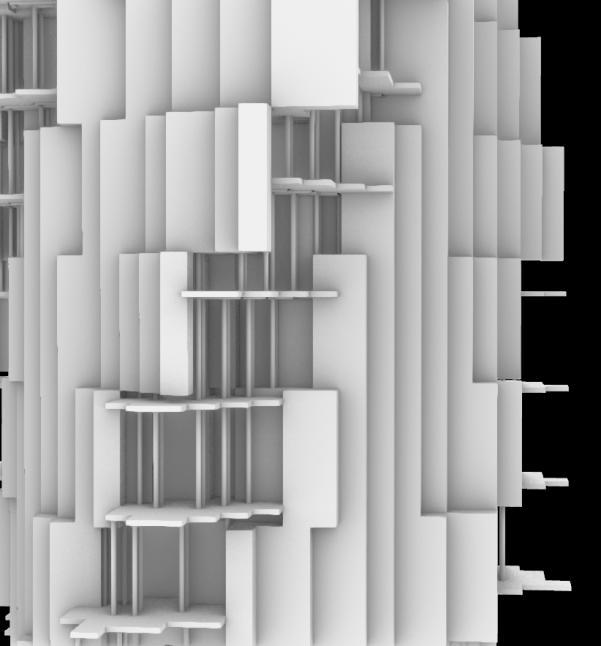
Firstly,the basic form of the skyscraper consists of an array of 29 rectangles,with each floor having a height of 4m.
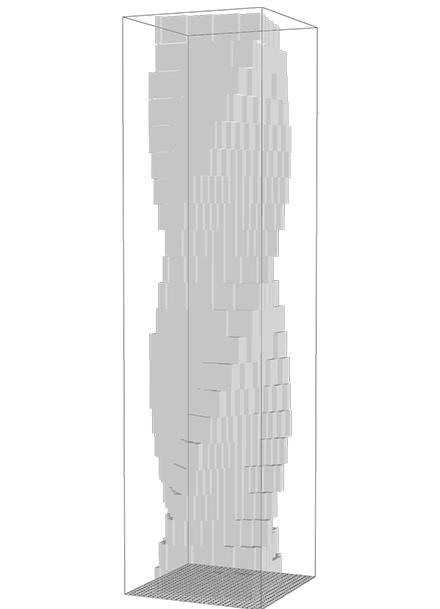
Generate monomers
Add interference
Thirdly,according to the effect of sunshine and other factors on the growth of algae, adding disturbing factors to make the distribution of panels more reasonable.
Filling in components
Finally,
The skyscraper evolves from a simple array of rectangular floors into a dynamic structure. Twisting forms and voxel-generated monomers add an organic quality, while strategic placement of algae panels optimizes sustainability.
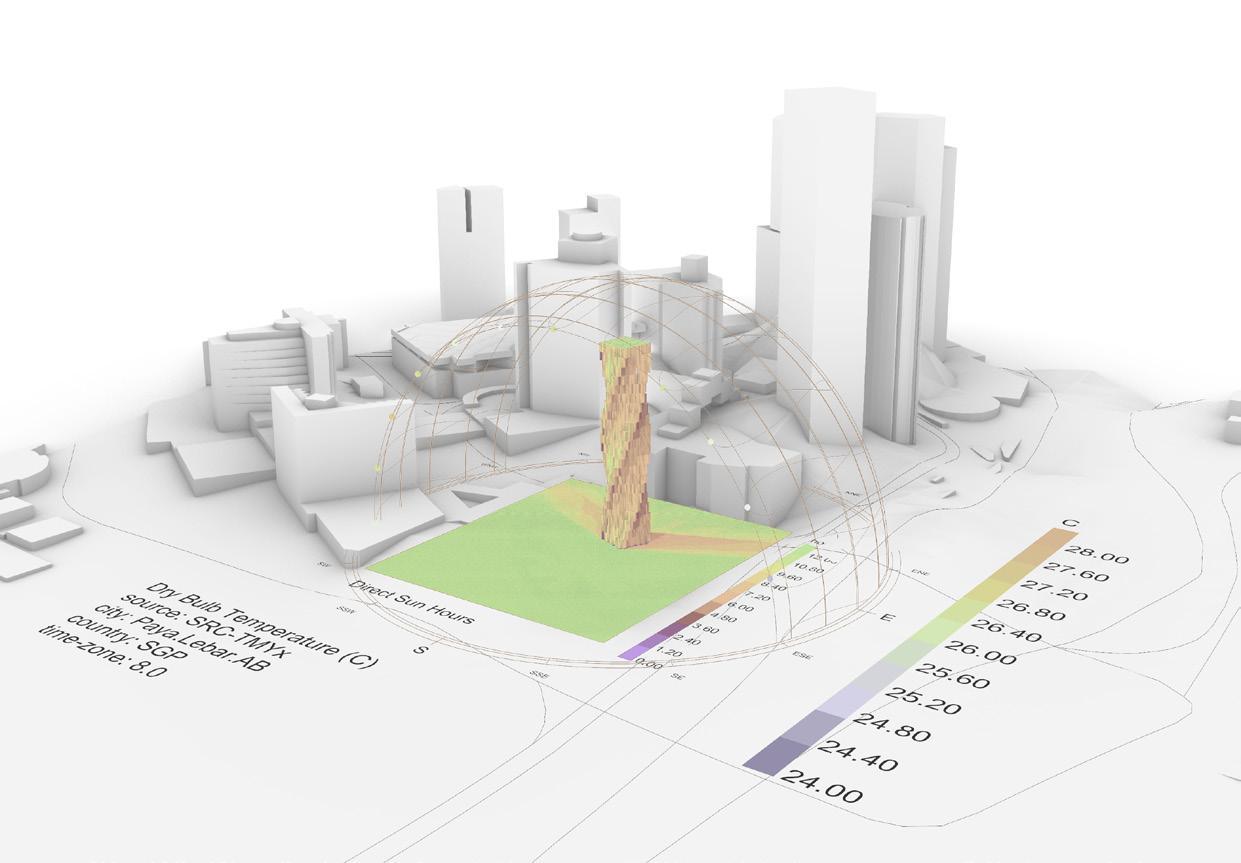
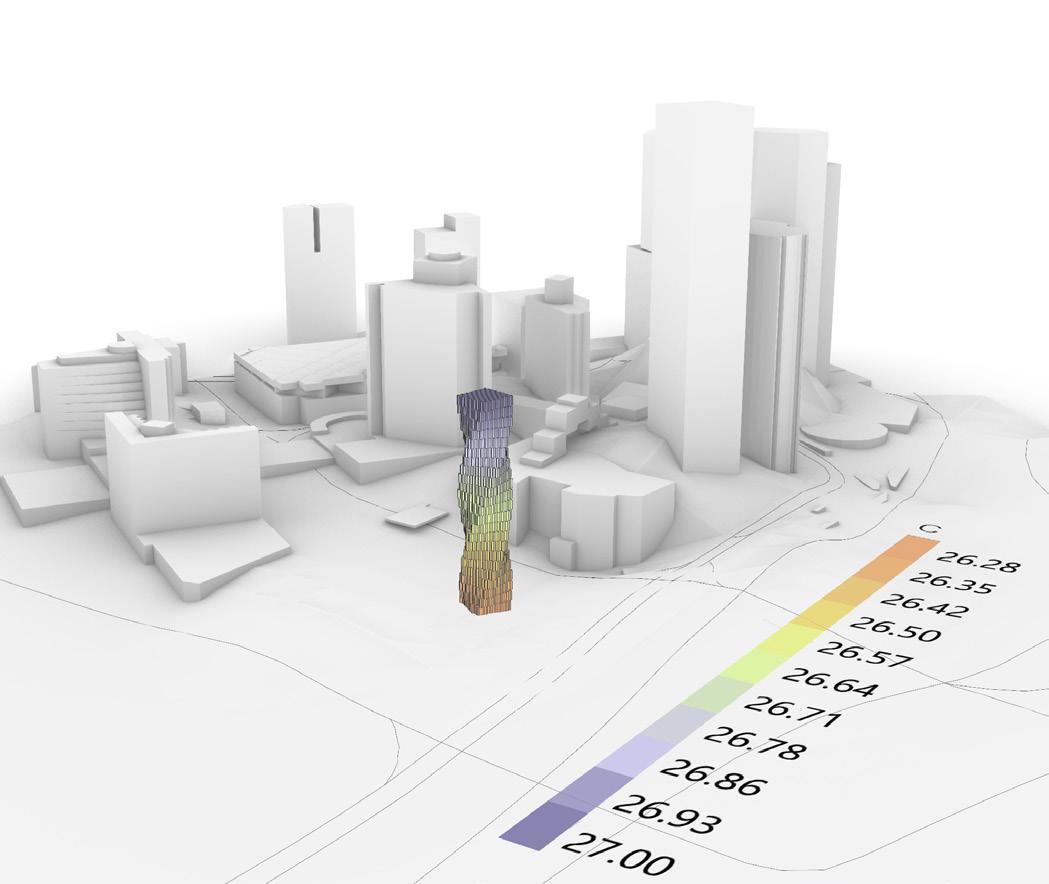
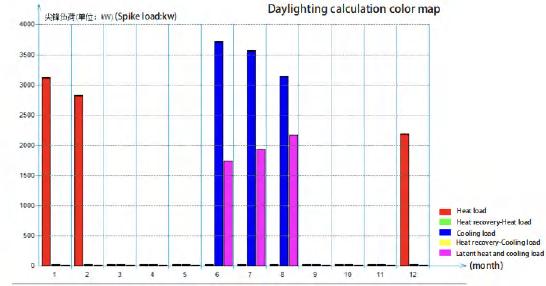
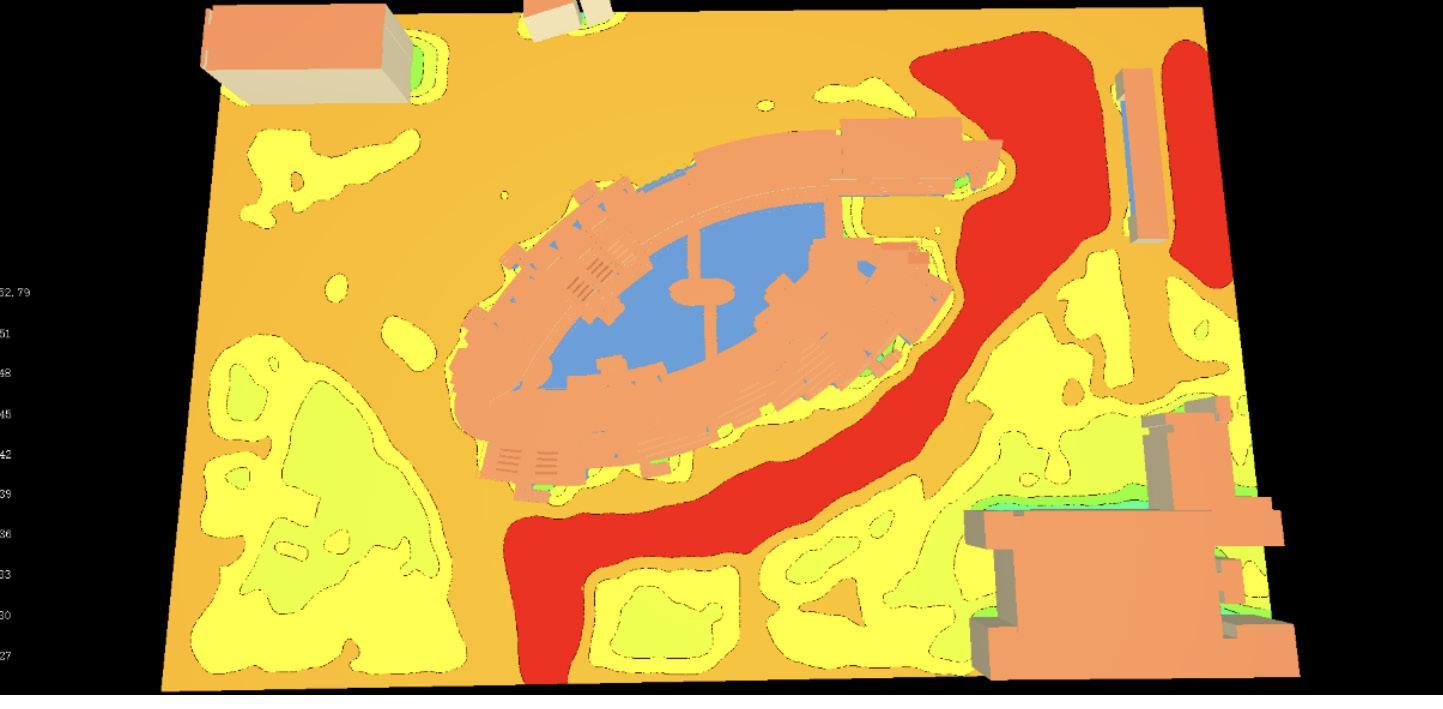
SUNLIGHT & TEMPERATURE ANALYSIS
1.Sunlight Analysis
2.Temperature Analysis
ALGAE POWER GENERATION PROCESSES
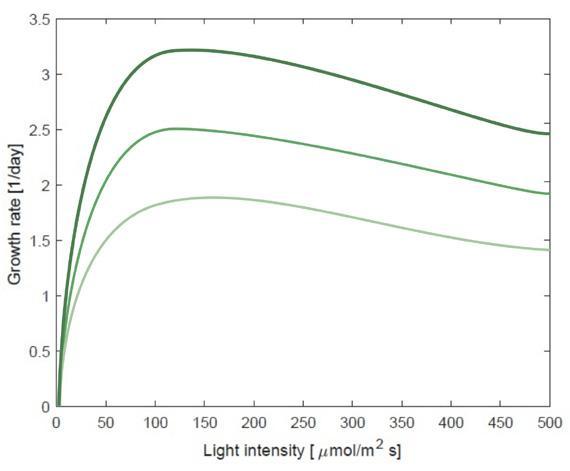
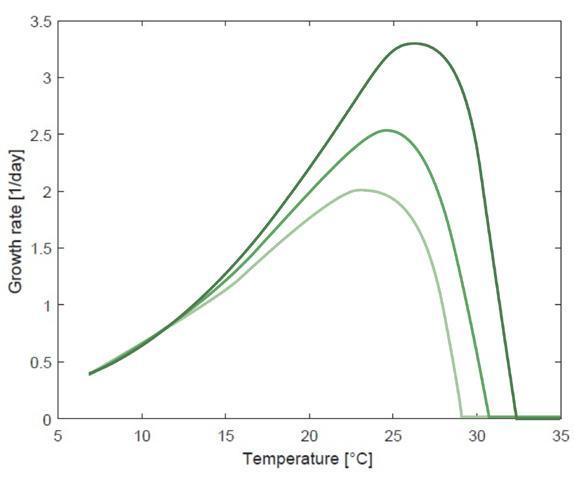
T = 25℃ for different light intensities
CHARACTERISTICS
I=150 µmol/㎡·s for different temperatues
Reference:Modeling the Influence of Temperature, Light Intensity and Oxygen Concentration on Microalgal Growth Rate-by Ignacio López Muñoz and Olivier Bernard;Influence of Light Conditions on Microalgae Growth and Content of Lipids, Carotenoids, and Fatty Acid Composition-by Yevhen Maltsev,Kateryna Maltseva,Maxim Kulikovskiy and Svetlana Maltseva. Optimal Light Intensity for Lipid Synthesis
oxygen concentration
Conclusion:The light intensity that stimulates lipid synthesis in different types of microalgae is different.
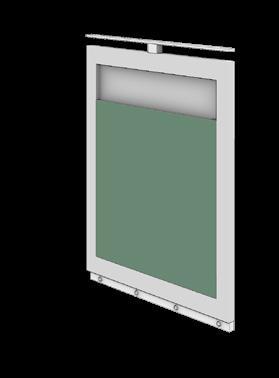
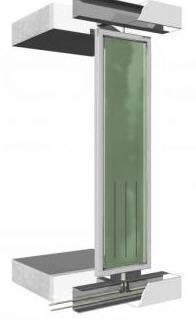
Each biopanel can generate up to 328 kWh/ m2 of electricity per year, plus save up to 90 kWh/m2 of energy per year as it provides thermal comfort to the building.
2.Environmental Protection
Improve air quality by reducing 200kg CO2 /year, and promote circular economy by monitoring environmental data.
3.Good development trend
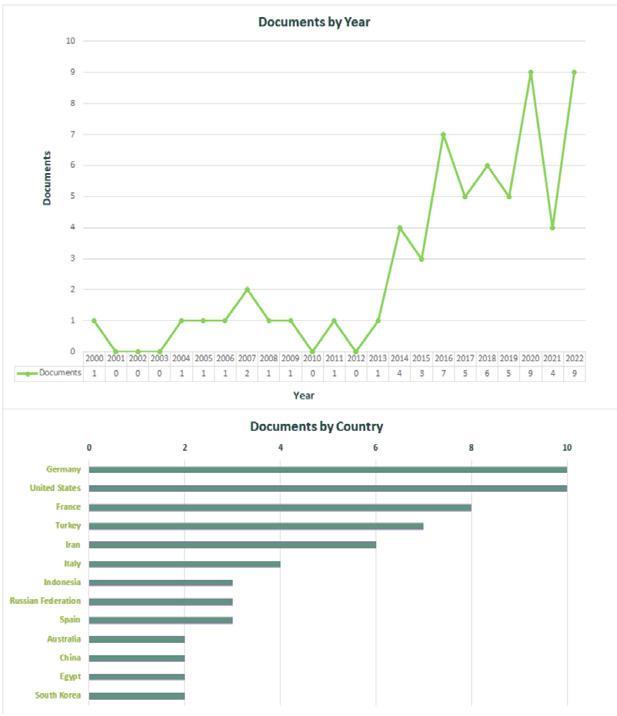
The bibliographic analysis shows that these systems are an increasingly active and rapidly growing area of research and practice.
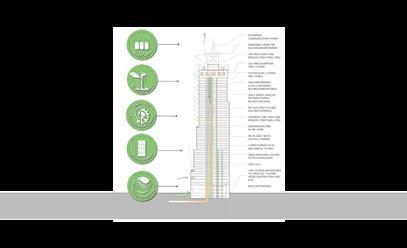
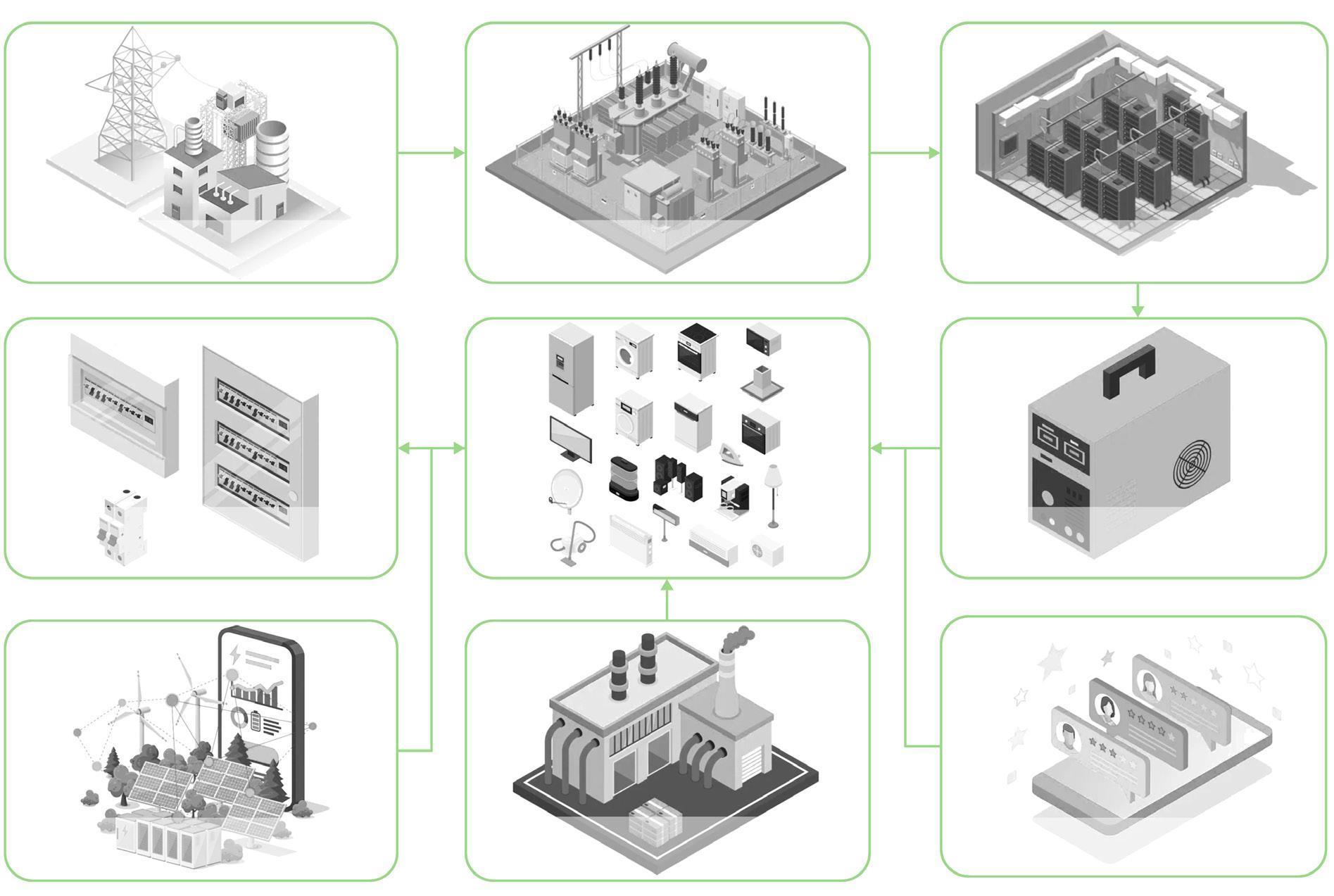
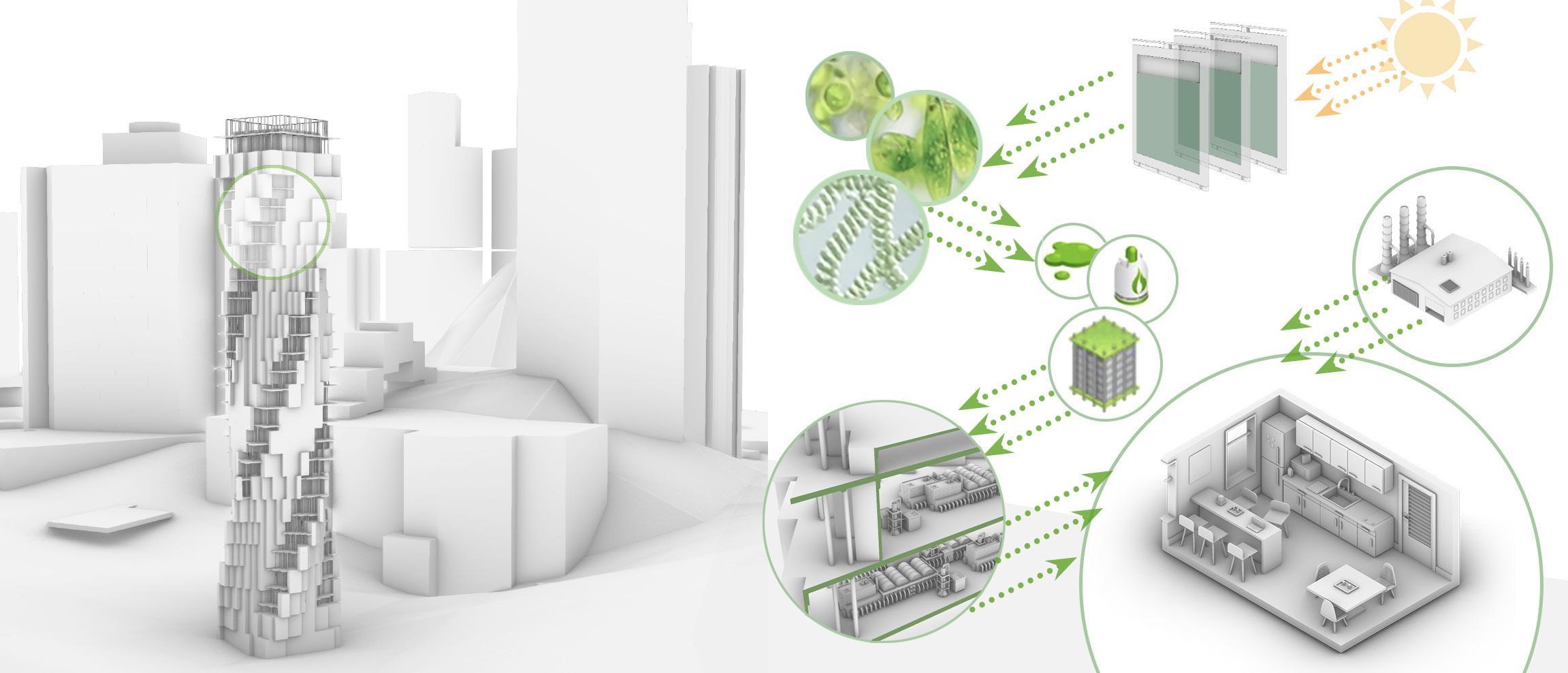
ENERGY PATHWAYS FOR ALGAE POWER APPLICATIONS IN SKYCRAPER
search results of
05/House of Bamboo Hustle
-Bamboo House Community in Bangladesh
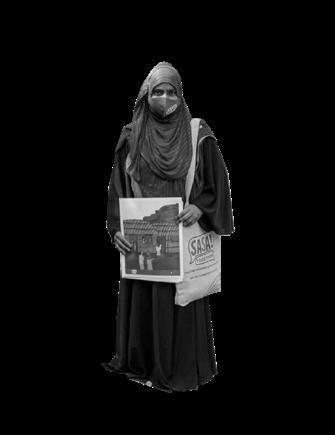
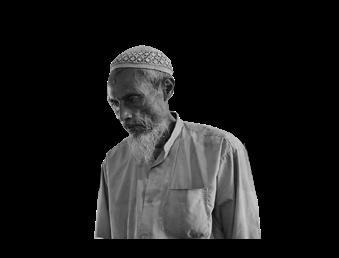
"Being refugees, it’s not happy for us to live in this kind of situation - there is no proper shelter, no proper food, there is no proper education and no proper facilities that a human being deserves."
Site Location : Kutupalong refugee camp, Cox's Bazar District,Bangladesh
Individual work
Project duration : 2024.8-2024.11
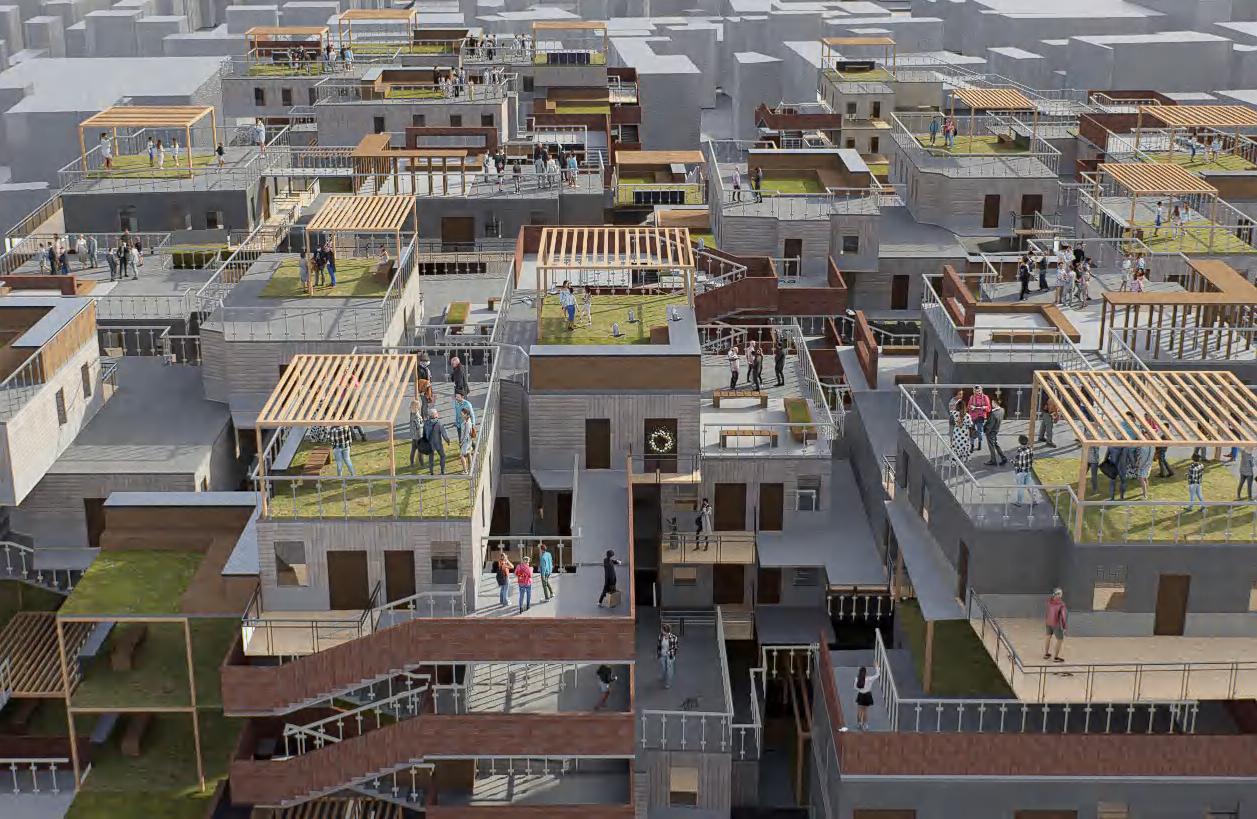
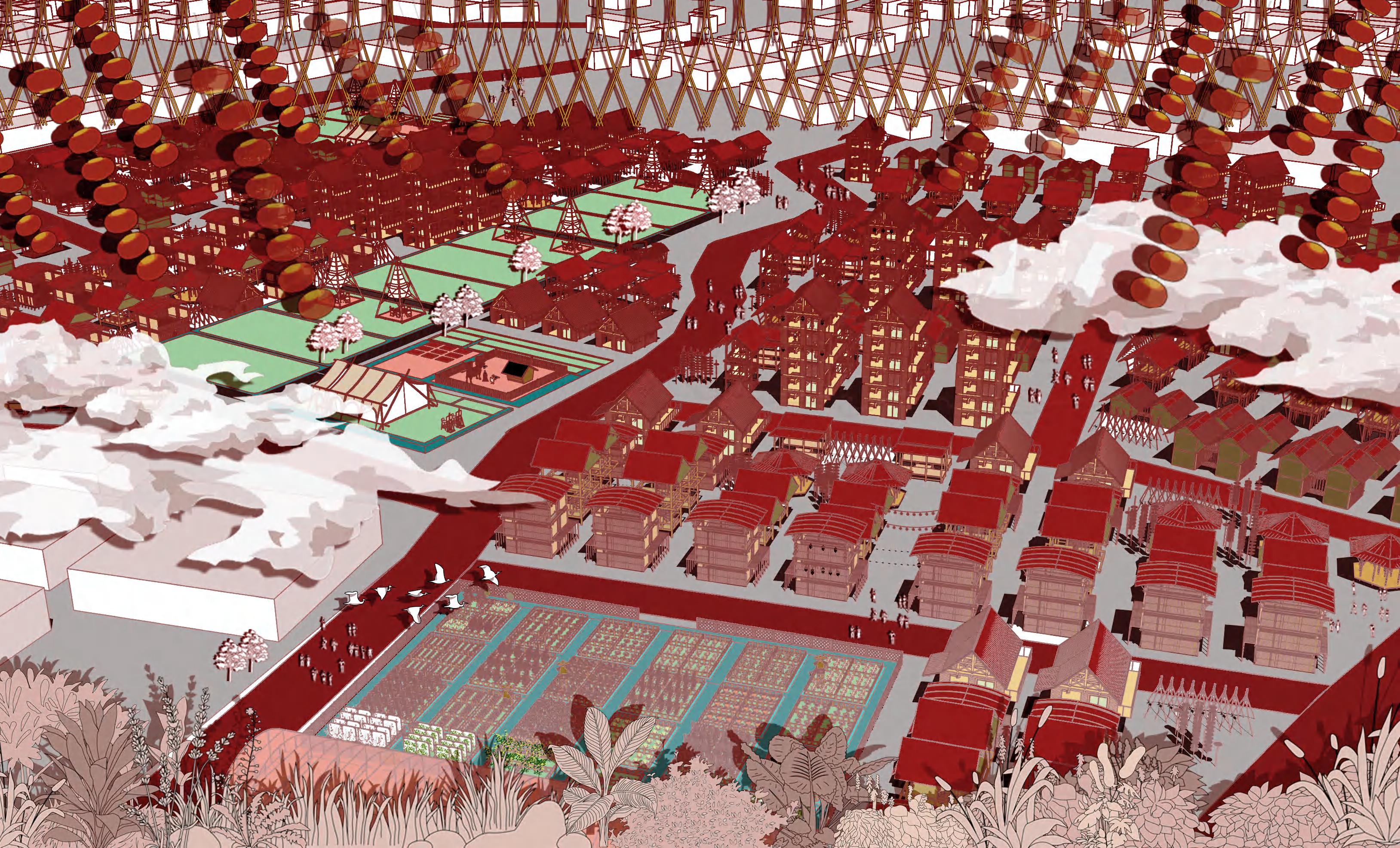
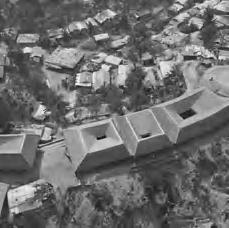
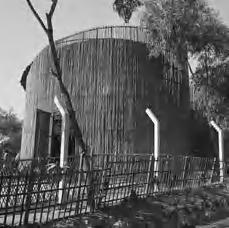
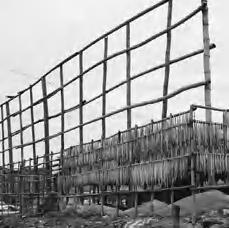
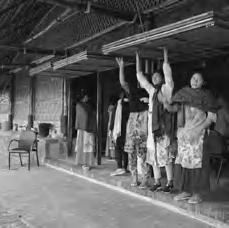
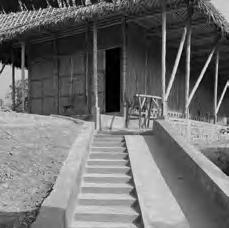
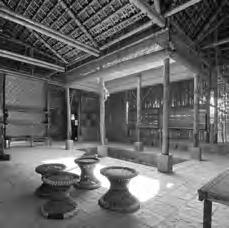
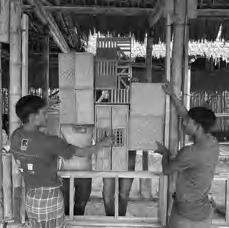
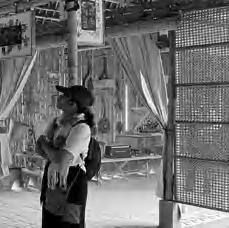
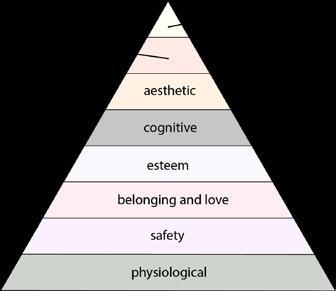
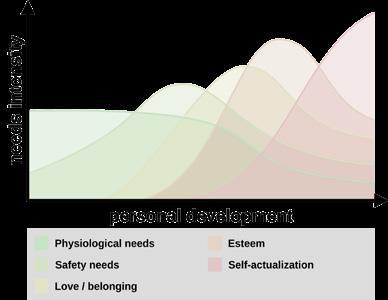
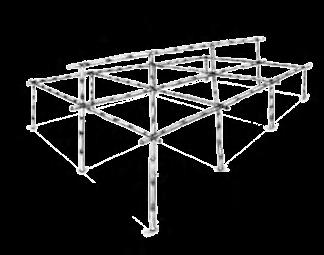
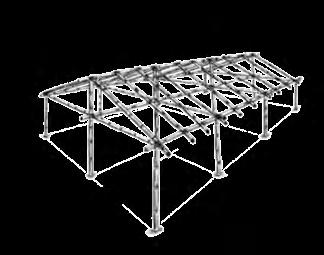
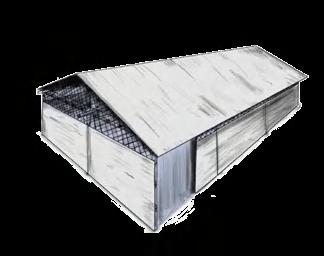
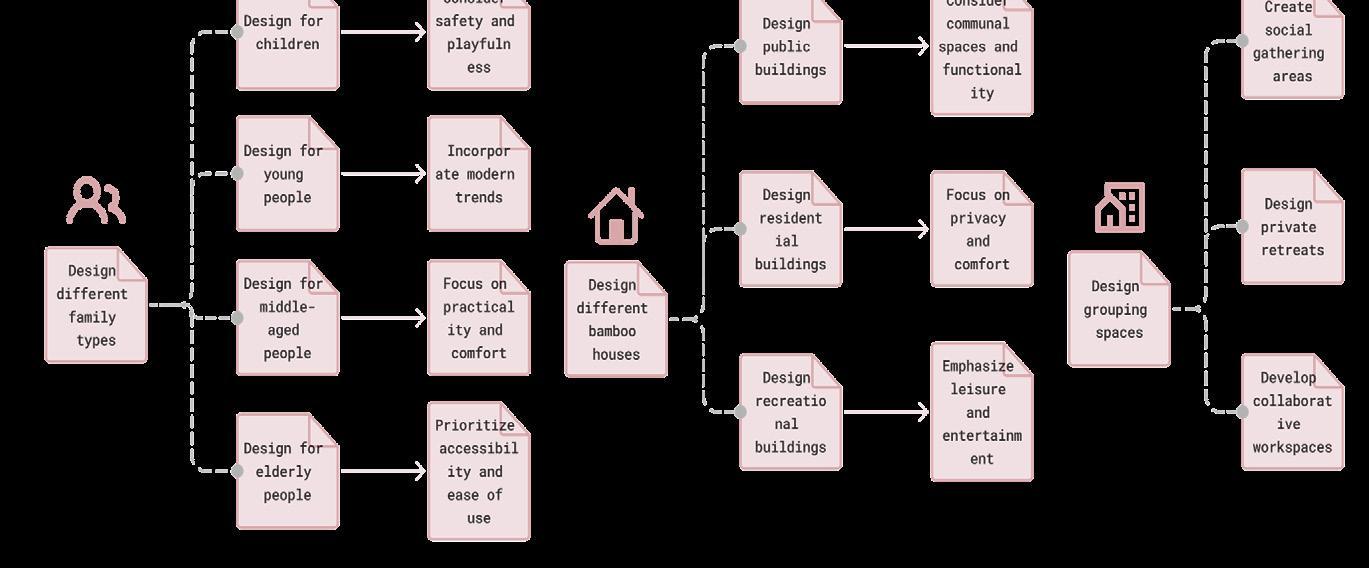
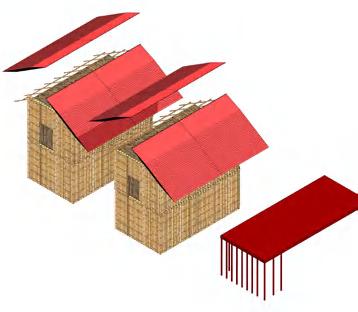
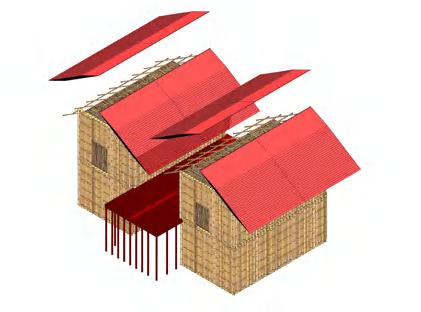
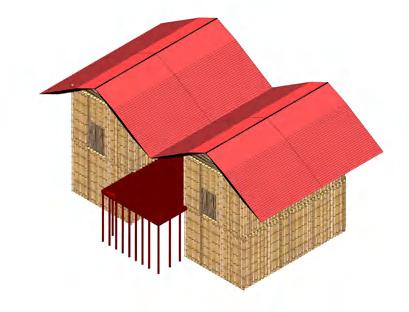
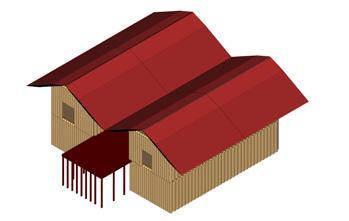
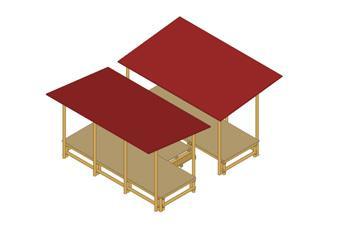
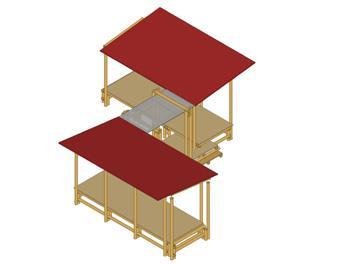
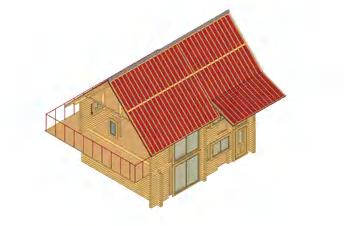
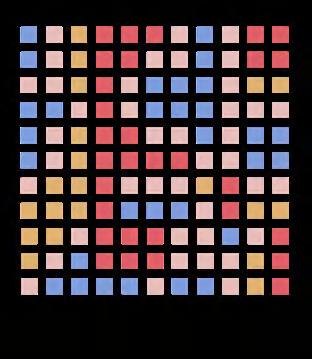
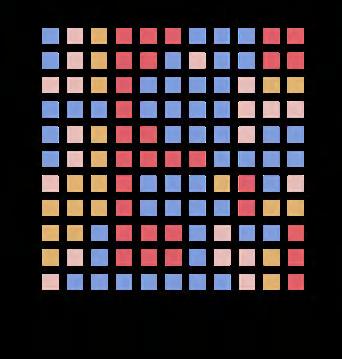
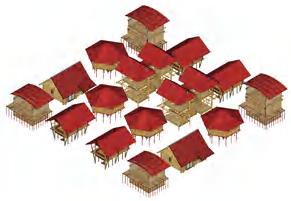
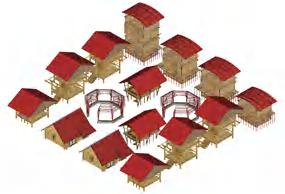
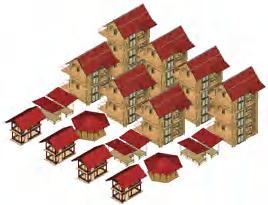
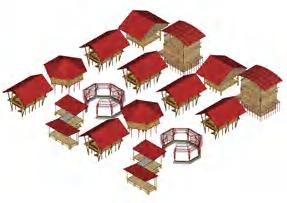
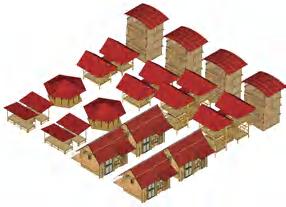
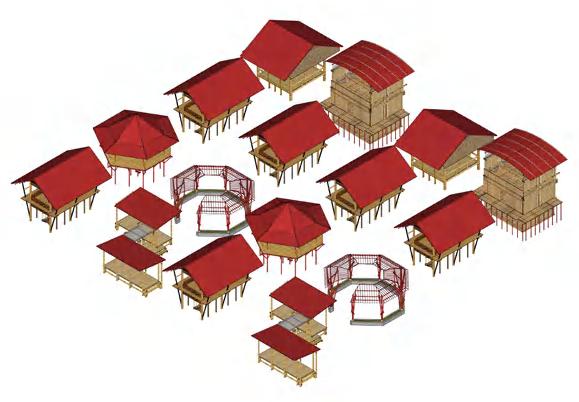
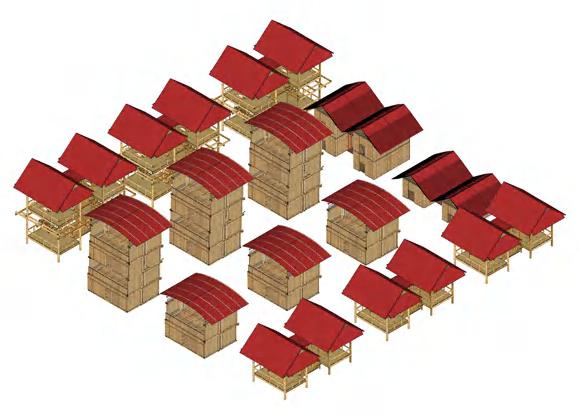
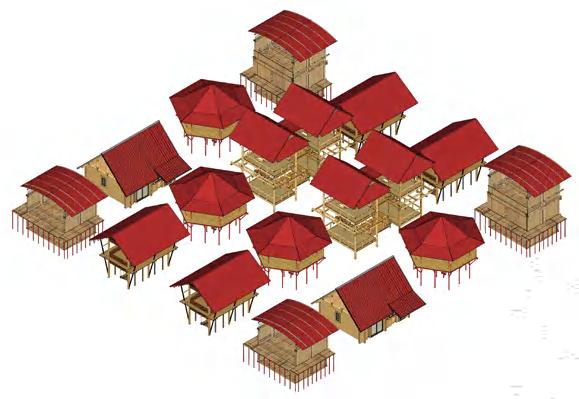
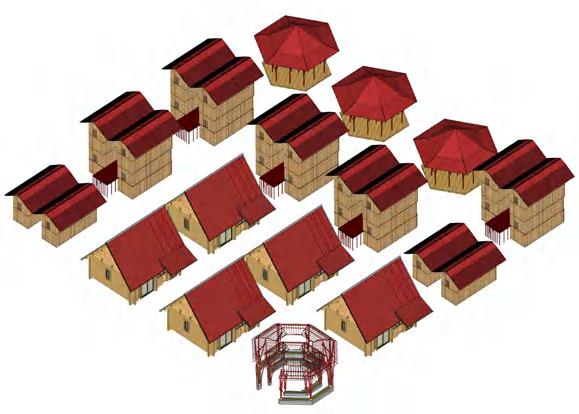
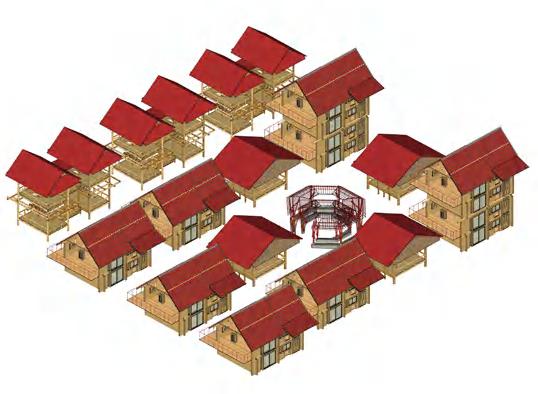
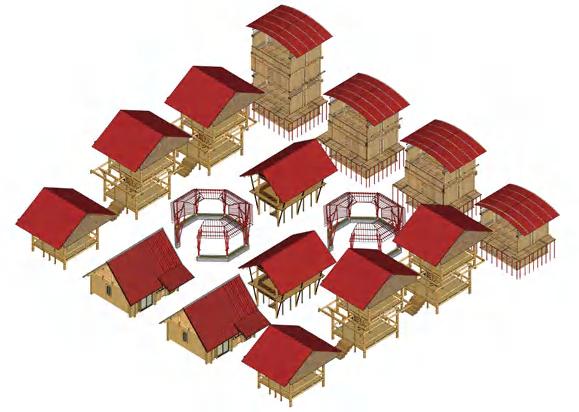
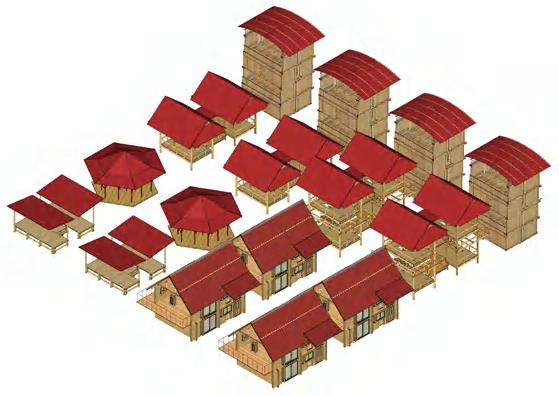
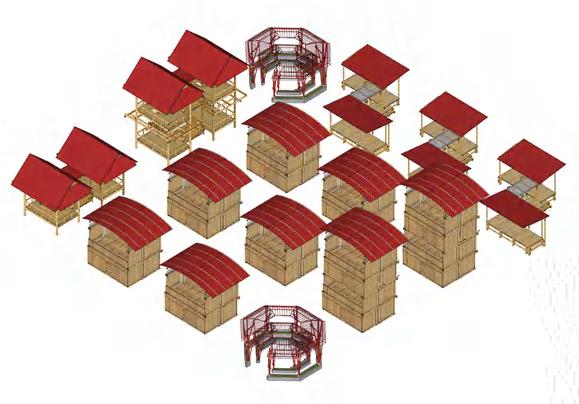
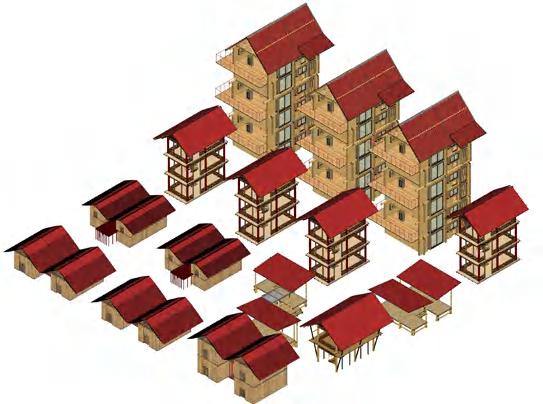
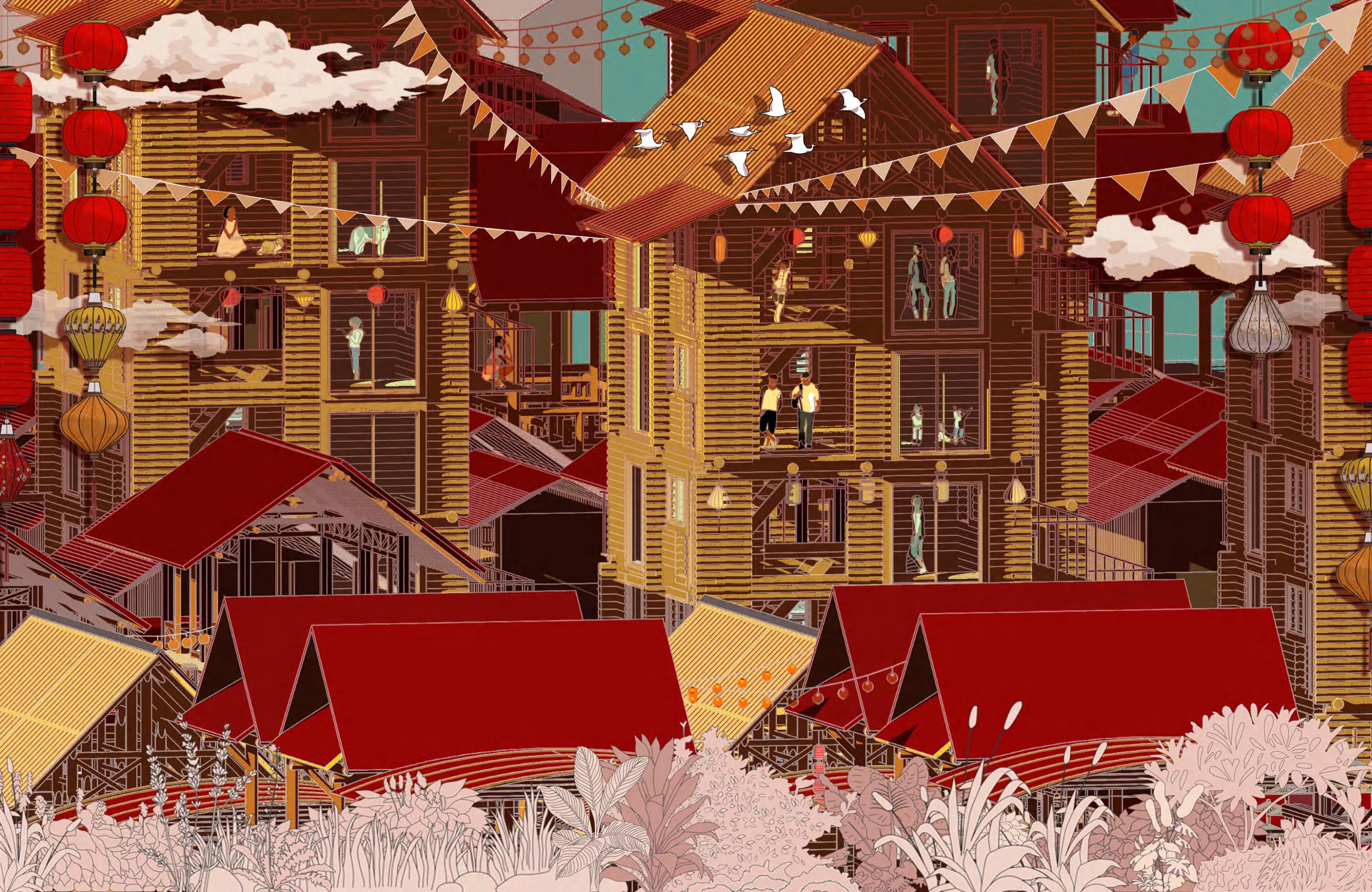
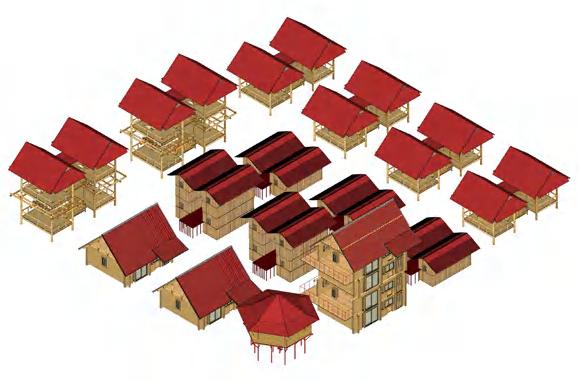
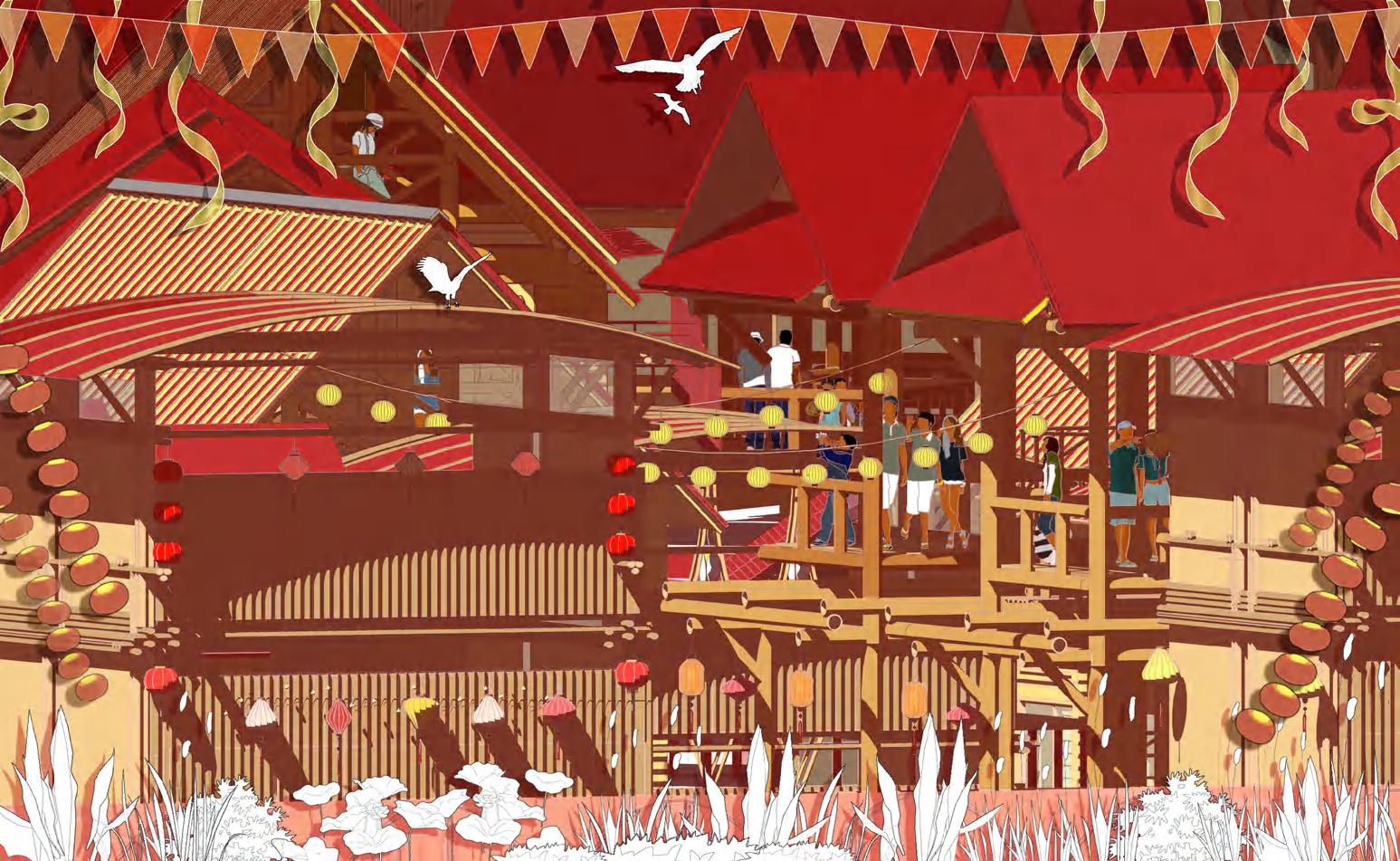
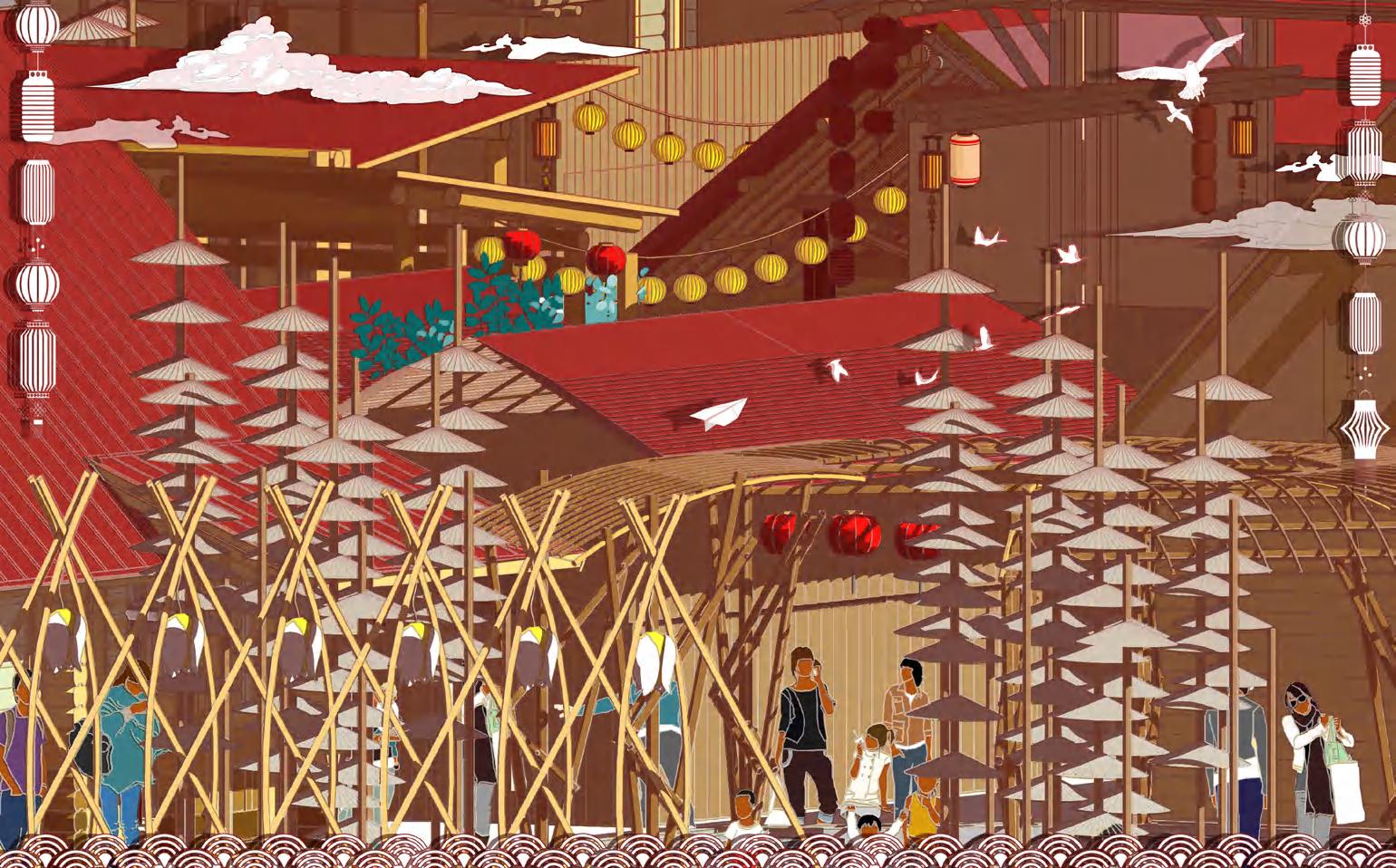
Thesis : “House of Bamboo Hustle” is a bamboo-based community design in the Kutupalong refugee camp, Bangladesh. Inspired by the struggles refugees face, including the lack of proper shelter, food, education, and facilities, the project addresses these needs through the lens of Maslow’s hierarchy of needs. It creates spaces tailored to different age groups, leading to individual building designs. The design of the community's clusters is based on specific rules, with a focus on improving the sense of place and enhancing well-being.
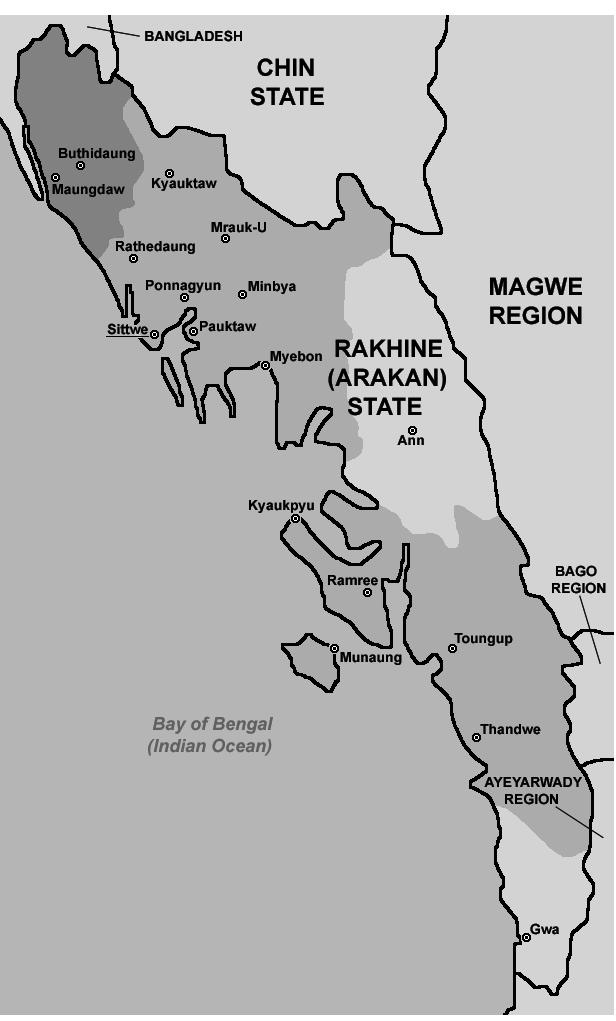
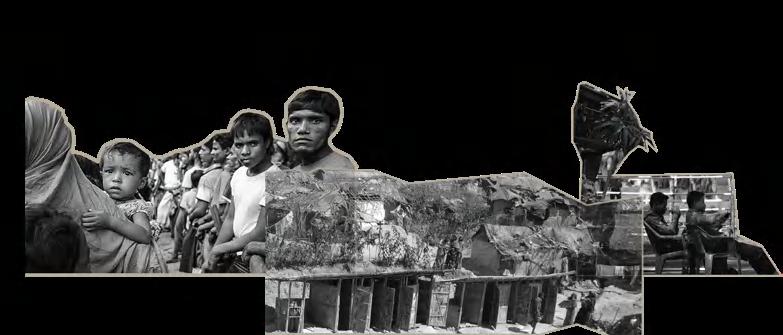
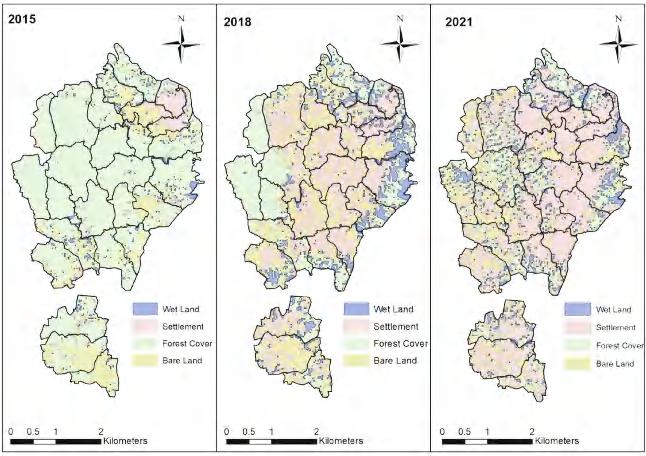
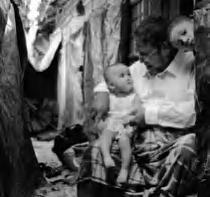
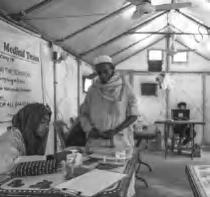
The Rohingya refugee crisis stems from disputes over the nationality and identity of the Rohingya people in Myanmar.
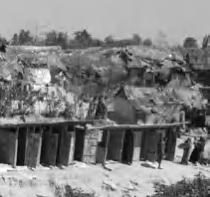
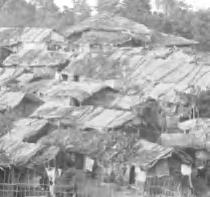
In 2017, military actions in Myanmar's Rakhine State led to a mass exodus of Rohingya refugees to Bangladesh, where they primarily settled in the Cox's Bazar district This district now hosts one of the world's largest refugee camps, facing challenges such as overcrowding, limited resources, and difficult living conditions, drawing significant international attention and aid.
LOCAL ARCHITECTURAL ELEMENT
1.Traditional Space Patterns
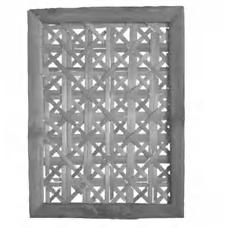
2.Traditional Architectural Decorations
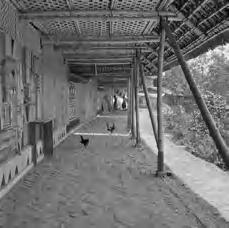
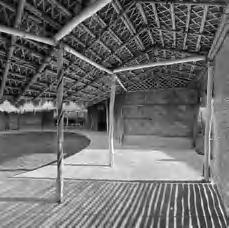
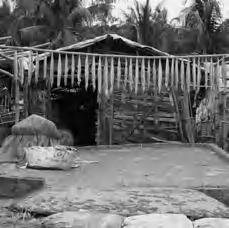
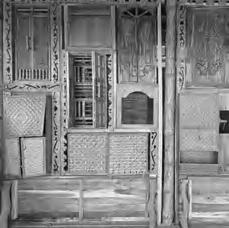
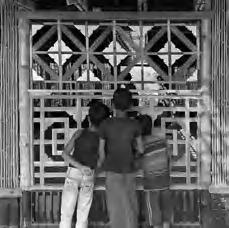
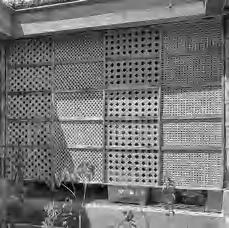
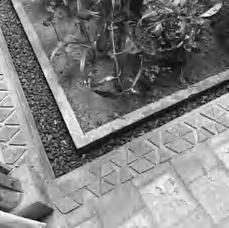
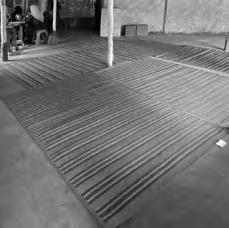
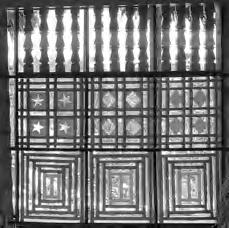
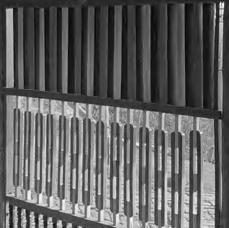
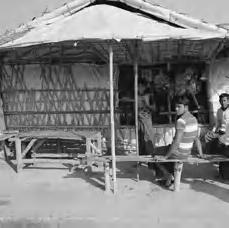
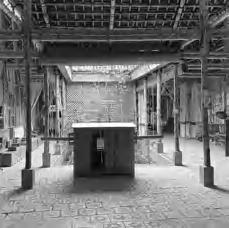
Rohingya traditional architecture emphasizes functionality and practicality using local materials like bamboo and wood, with a compact layout to maximize space efficiency. The decoration is minimal and simple, often featuring geometric patterns or symbolic designs that reflect their cultural and religious beliefs. This approach highlights the Rohingya's adaptability to their environment and resource constraints.
CHANGES IN LIFESTYLE
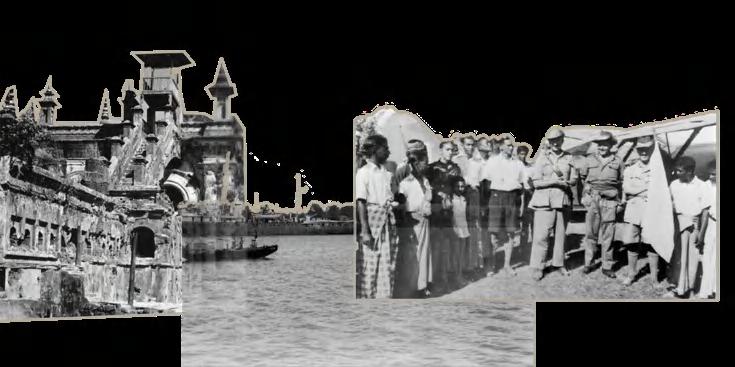
Historically, the Rohingya lived in the Rakhine State of Myanmar, where they practiced a mix of agriculture, fishing, and small-scale trade.
decades of conflict and the
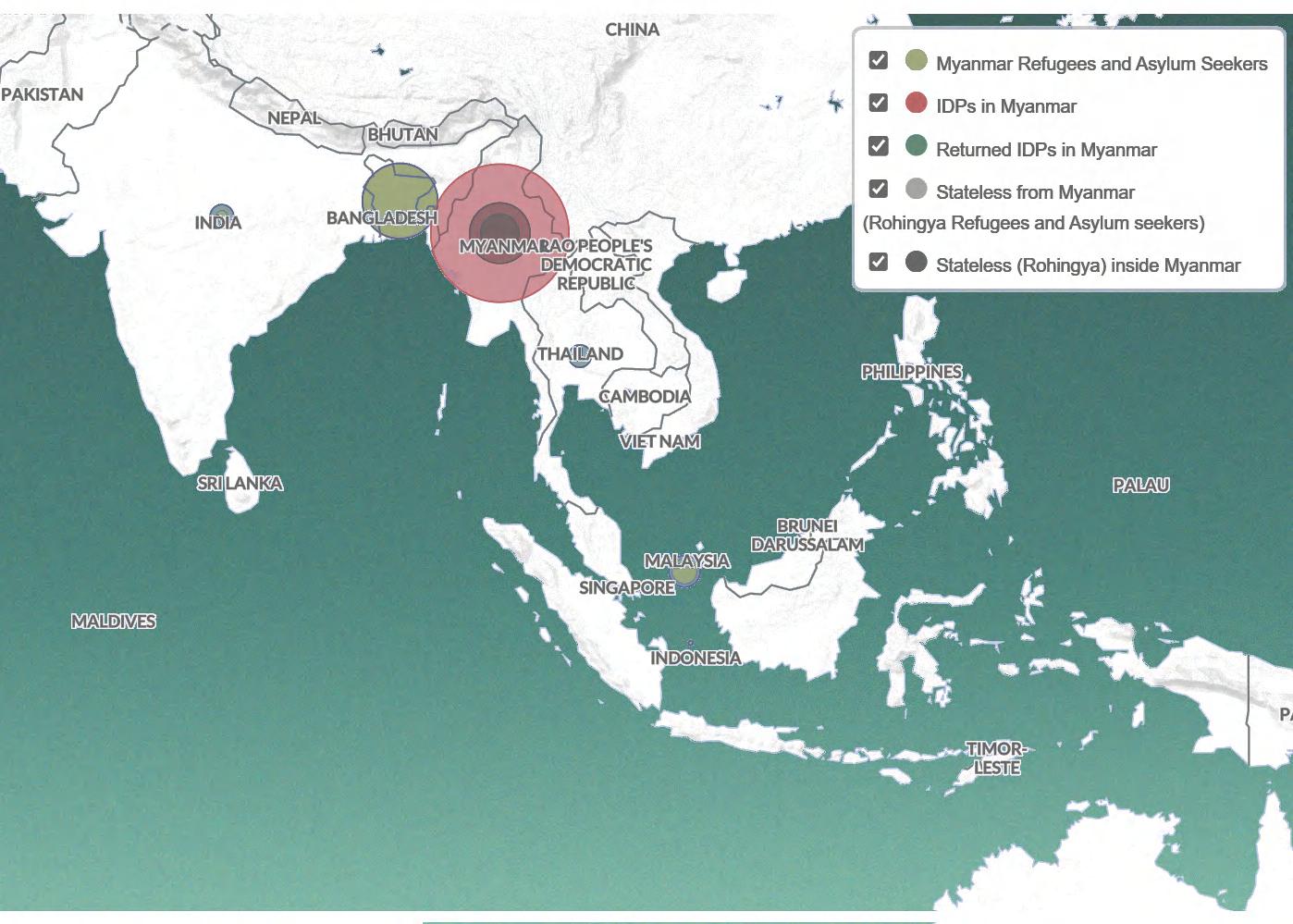
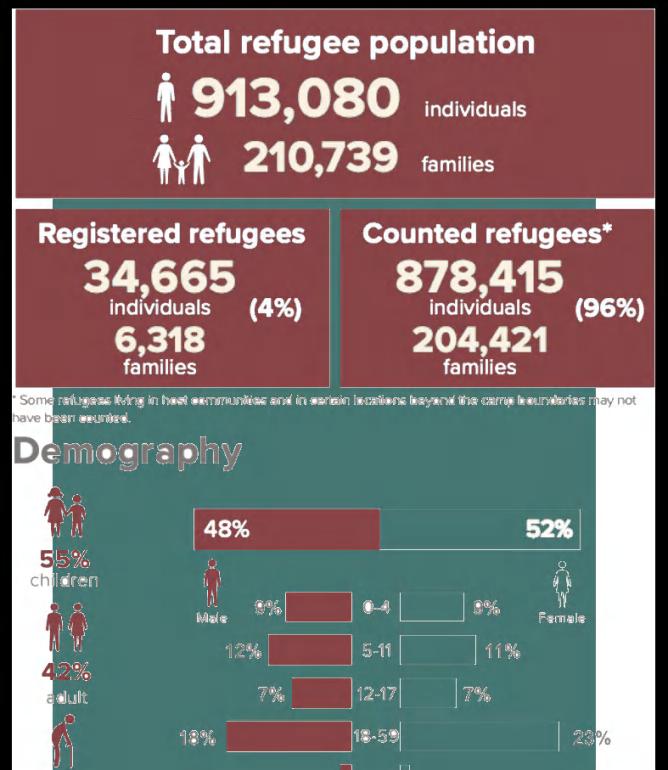
According to UN sources, millions are displaced internally within Myanmar, with the majority in the Northwest, in Rakhine State and in the Southeast, as well as in Kachin state in the Northeast.In addition to a growing number of IDPs in Myanmar, thousands of refugees are estimated to have sought safety in neighbouring countries since 1 February 2021.Refugees from Rakhine State’s Rohingya community, of whom majority are currently protected in Bangladesh with smaller numbers in Malaysia and India.
HISTORIC CHANGES TO THE SITE
Kutupalong Refugee Camp
SPATIAL ANALYSIS (for physiological needs and safety needs)
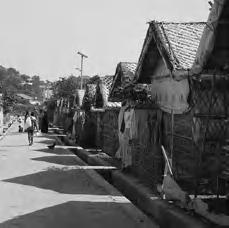
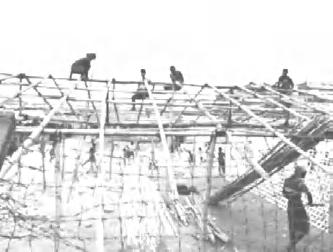
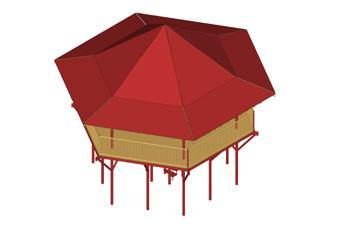
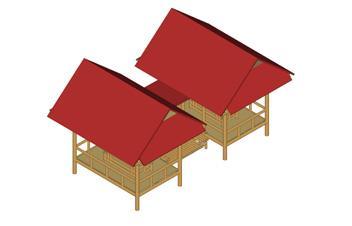
1.Bamboo shelters
2.Small spaces
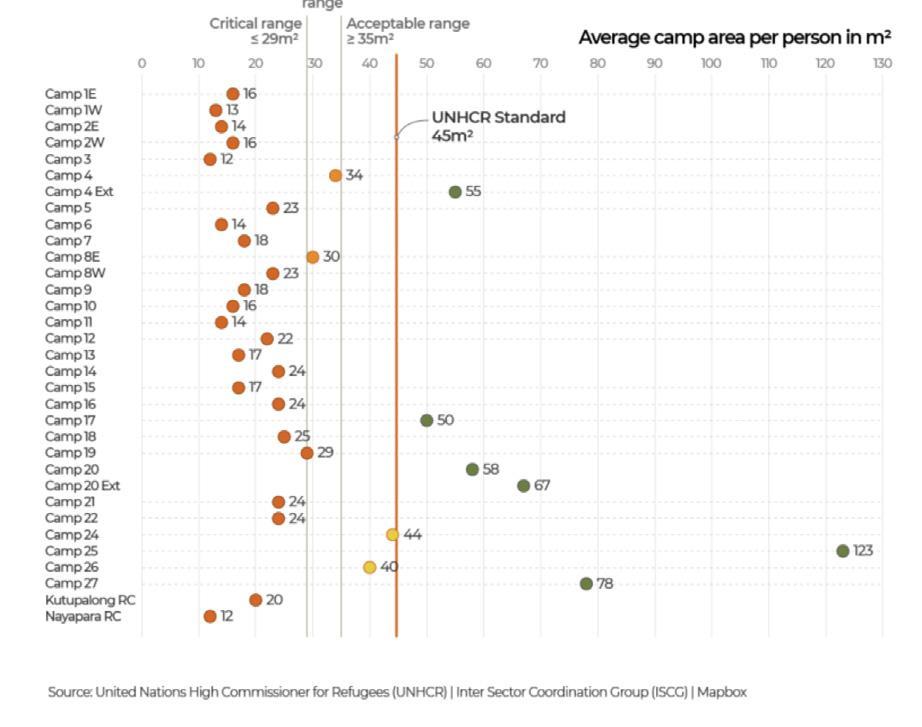
The UN recommends the refugee camps should provide a minimum living area of 45 square metres (484 square feet) per person. This measures the entire living area including housing and sanitation.But according to the UN’s refugee agency, UNHCR, only six of the 33 camps in Cox's Bazar meet this standard with 24 of those camps falling in a critical range of 29 square metres or less per person. But according to the UN’s refugee agency, UNHCR, only six of the 33 camps in Cox's Bazar meet this standard with 24 of those camps falling in a critical range of 29 square metres or less per person.
3.Basic sanitation(latrine and washroom)
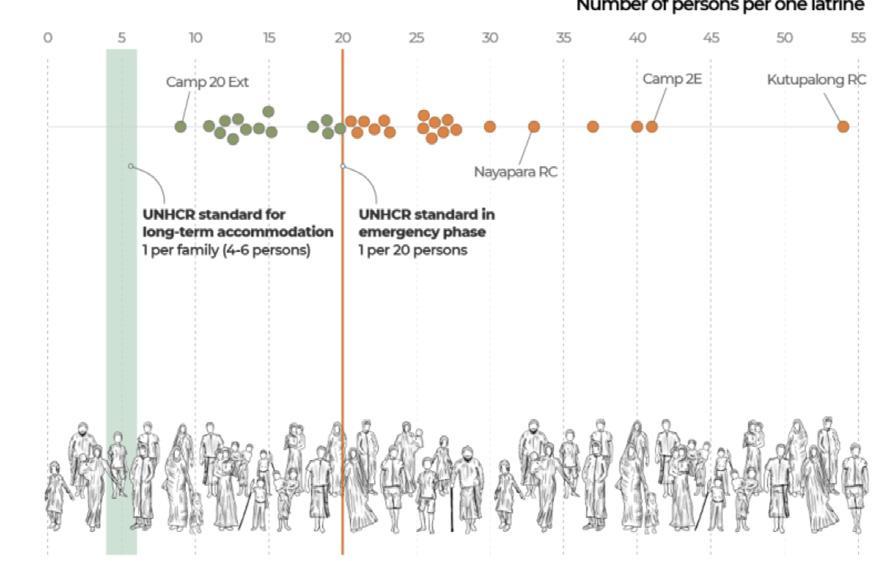
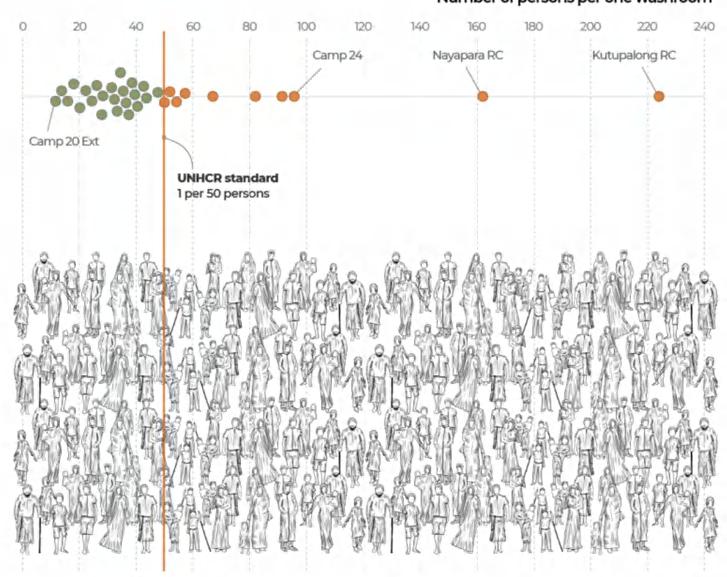
Nineteen out of 33 camps in Cox’s Bazar are operating beyond the UN guideline.The Kutupalong refugee camp has it the worst. There each toilet is shared by an average of 54 people. Once again, the Kutupalong refugee camp with some 17,768 inhabitants remains in the most dire situation where an average of 224 people share the same washroom.
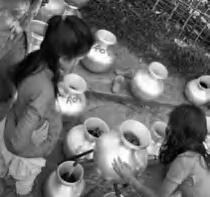
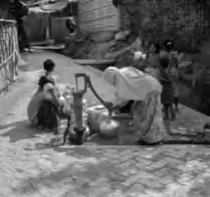
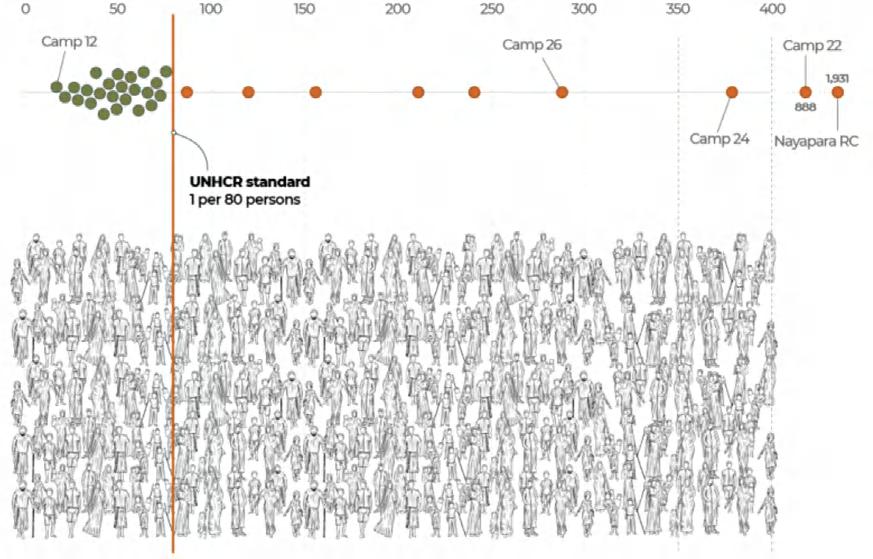
When it comes to water sources, 22 out of the 33 camps are operating within the UN standard of one water supply for every 80 people. However, two camps in particular, namely Camp 22 and the Nayapara camp, surpass this standard by a factor greater than 10.
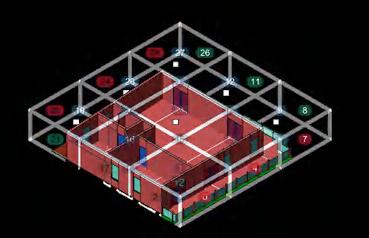
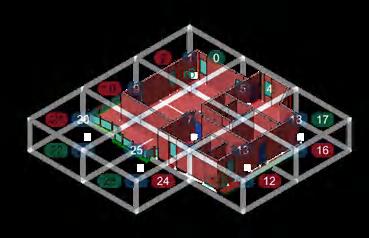
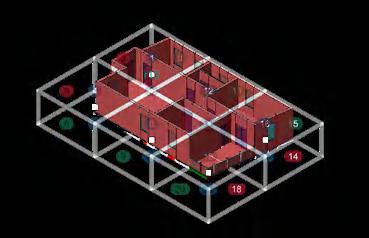
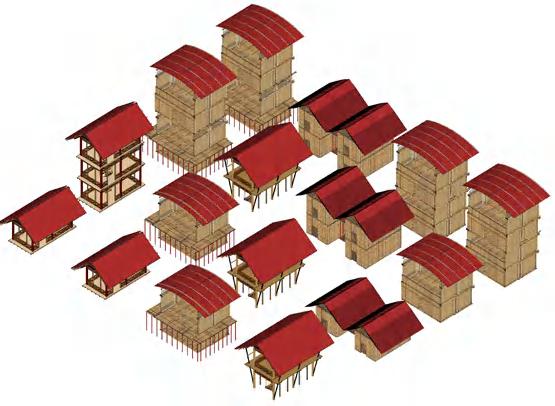
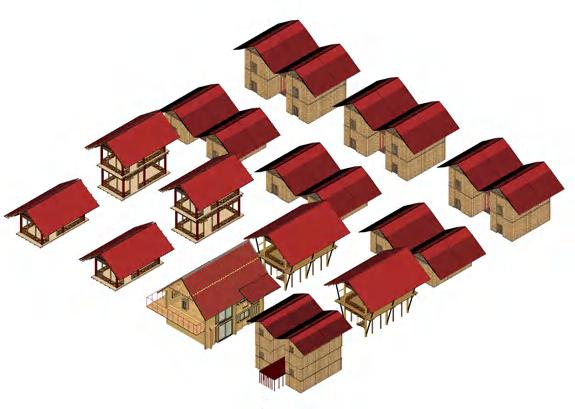
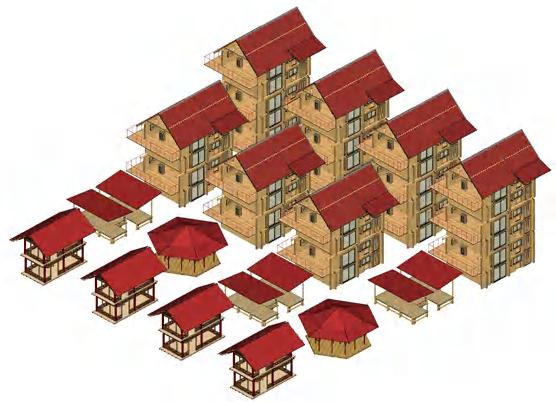
RULES OF COMBINATION
Theory:
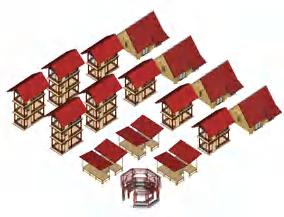
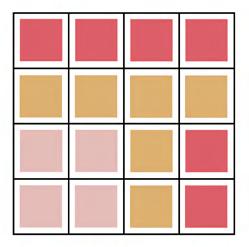
12Residence+3Production+1Recreational
Primarily residential with production support and limited leisure space.
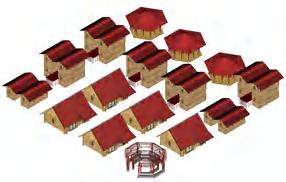
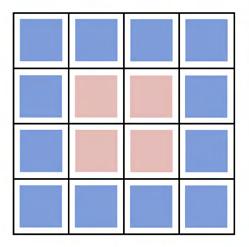
11Residence+4Production+1Recreational
Residential focus with production support and limited recreation.
RENDERING
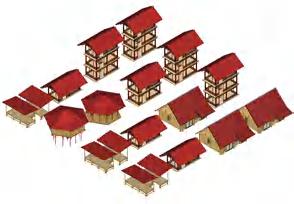
6Residence+6Production+4Recreational Balanced focus on living, production, and leisure for a vibrant community.
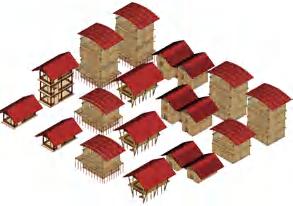
2Production+10Recreational+4Commercial
Recreation-driven with commercial and production elements.
6Residence+6Production+2Commercial
Equally emphasizes residential, production, and commercial integration.
2Production+8Recreational+6Commercial Recreation-centric, with commercial and production functions.
5Residence+3Production+1Recreational+7Commercial
Primarily commercial with supporting residential, production, and leisure functions.
7Residence+3Production+1Recreational+4Com mercial
Balanced mix with residential focus and commercial support.
4Recreational+12Commercial Strong commercial presence with significant leisure opportunities.
8Residence+8Production Equal emphasis on living and production needs.
8Residence+4Production+2Recreational Residential-centric with production and recreational support.
9Residence+2Production+1Recreational+3Co mmercial
Primarily residential, with integrated commercial, production, and leisure spaces.
6Residence+3Recreational+7Commercial Focus on residential, leisure, and robust commercial offerings.
5Residence+3Production+2Recreational+6Com mercial
Strong commercial base with residential, production, and leisure balance.
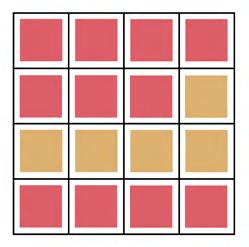
11Residence+5Production Predominantly residential with strong production support.
6Residence+6Production+1Recreational+2Commer cial
Balanced residential and production with limited recreation and commercial functions.
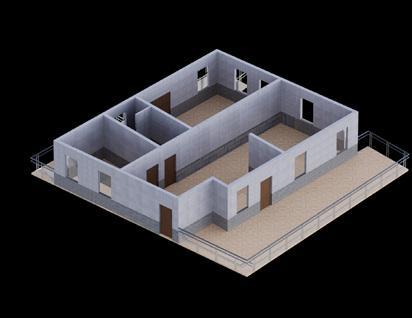
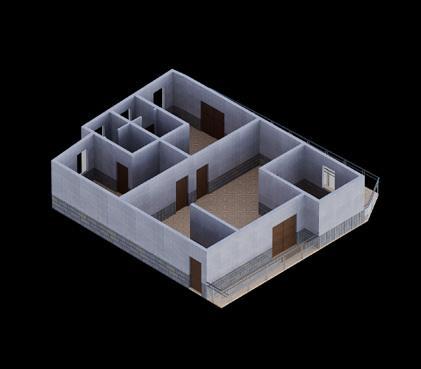
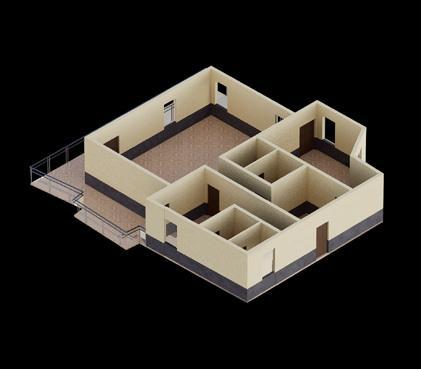
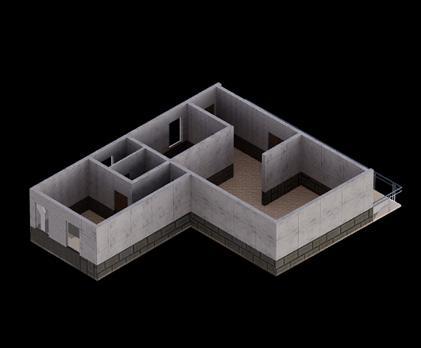
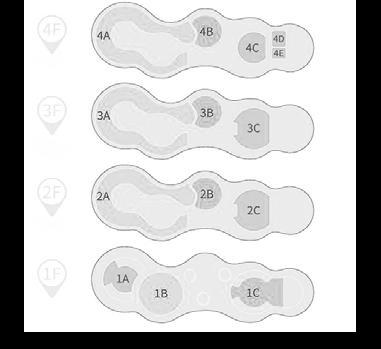
Leisure Bar Model, Total Building Area 130
Small Lecture Hall Model, 0.14m(Length)*0.09m(Width)*0.03m(Height)