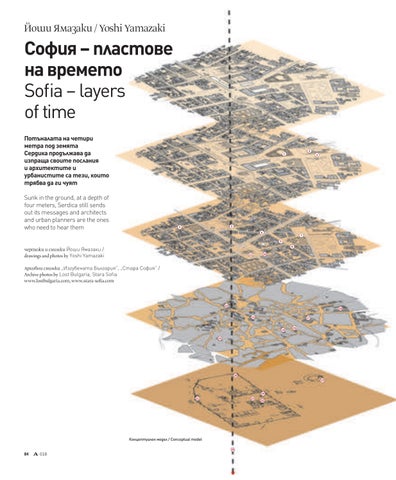
времето
Sofia – layers of time
Sunk in the ground, at a depth of four meters, Serdica still sends out its messages and architects and urban planners are the ones who need to hear them
чертежи
снимки
Ямазаки / drawings and photos by Yoshi Yamazaki
Архивни
Archive photos by Lost Bulgaria, Stara Sofia www.lostbulgaria.com, www.stara-sofia.com
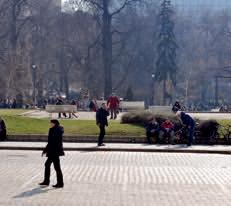
3.
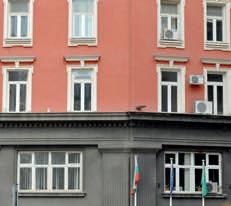
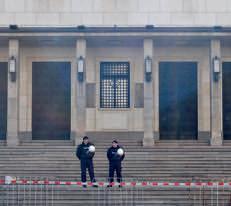
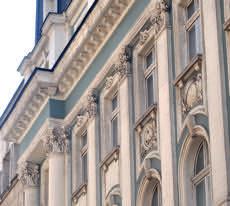
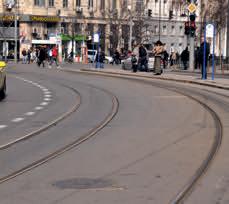
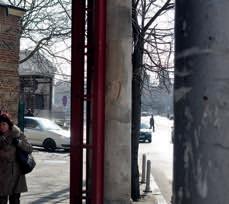
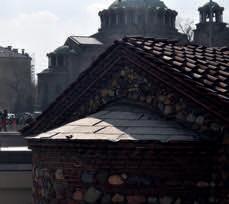
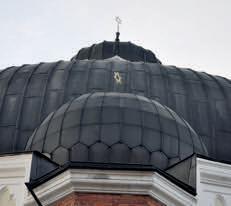
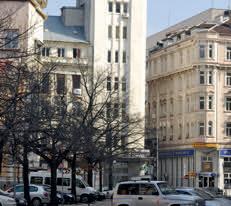
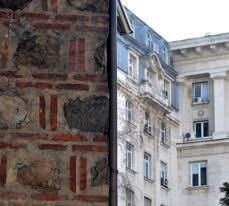
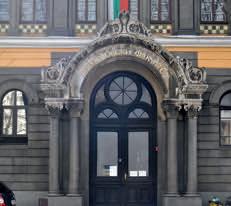
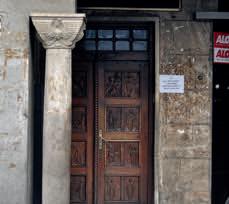
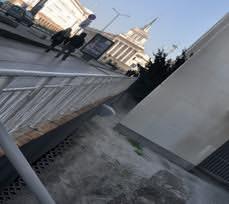
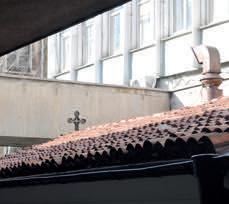
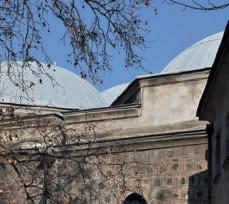
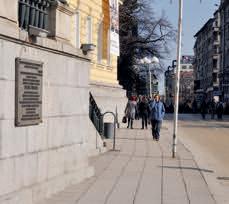
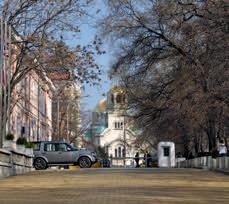
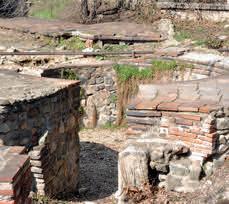
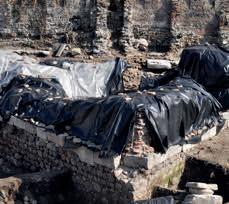
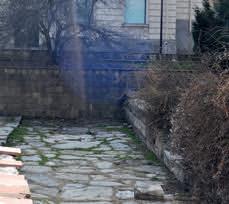
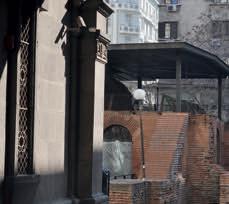

“square”: Sveta Nedelya Square
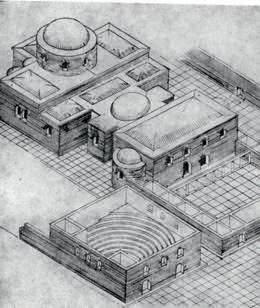
/ The mosque obstructing pedestrians: Banya Bashi
Museum (former Byuyuk mosque)
Cut-off road: behind the St. George rotunda
Sunken church: St. Petka Samardzhiyska
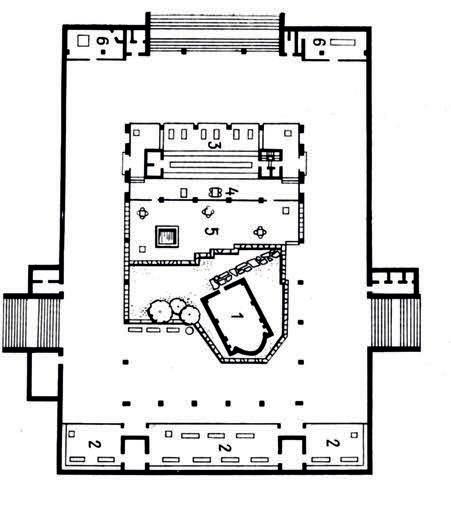
The yard
Jewish zone: The Synagogue
in the basement: St. Petka
Spas
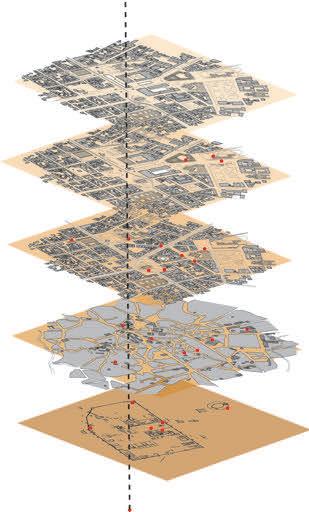
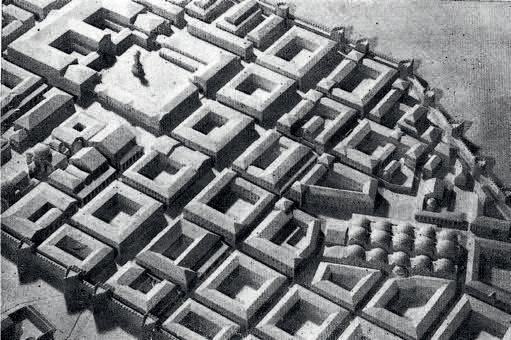
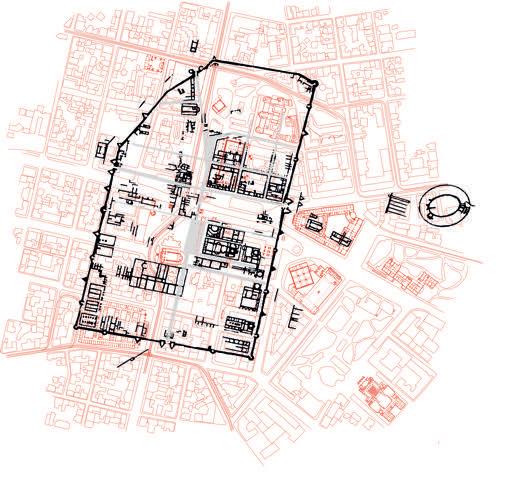
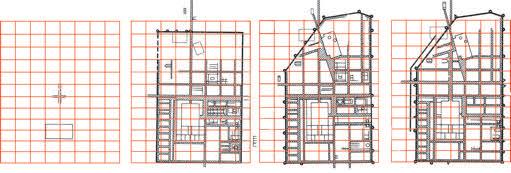
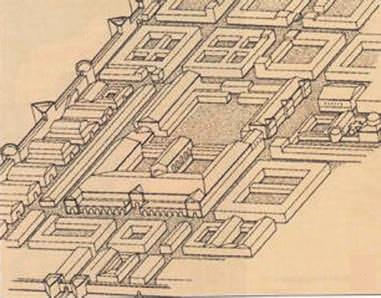
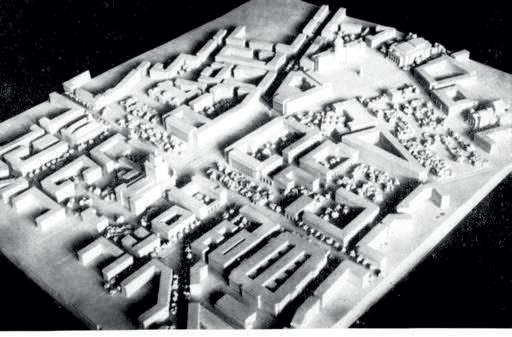
Макет на Сердика / Model of Serdica
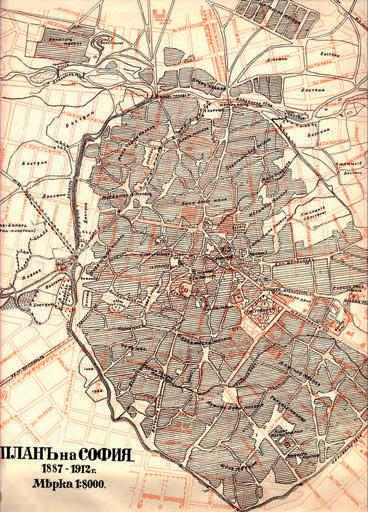
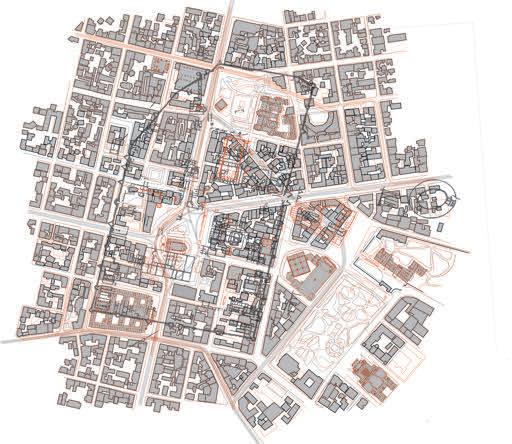
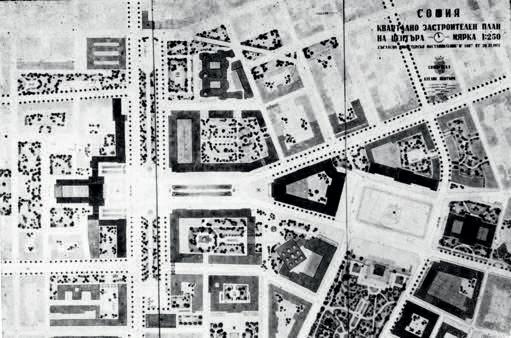
План на София 1887–1912 / Plan of Sofia, 1887–1912
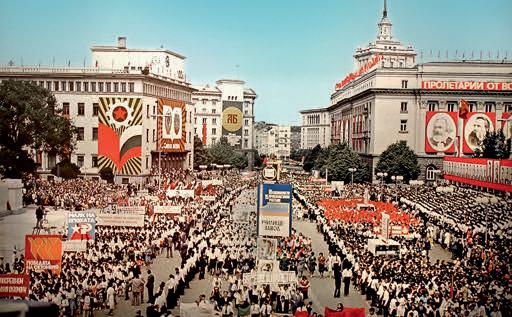
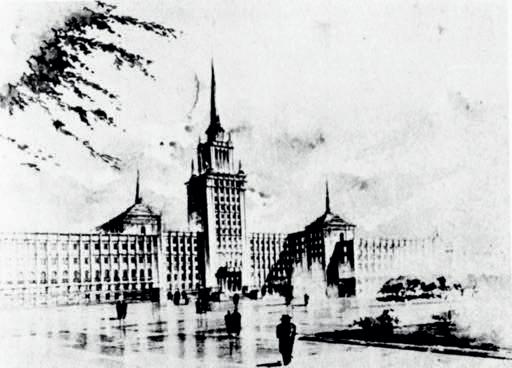
II visited Sofa for the frst time twenty-two years ago. I still clearly remember a particular place in the city – the pedestrian underpass at the former Party House. Te red fve-pointed star had already been removed from the top of the bastion of socialism, there were fresh traces of fre around the windows, but, despite the atempts at its destruction, the complex stood there in its entirety.
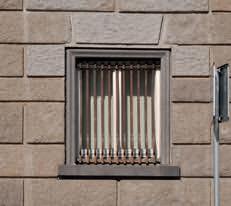
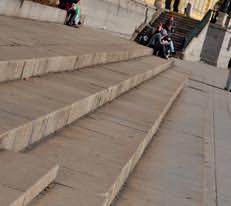
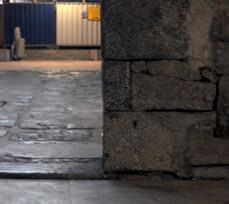
Descending the stairs, I expected another murky and grimy underpass and that was almost the case. Most of the lamps were broken and there was a strong stench of urine, but in the gleam of the poor neon light one could see walls made of stone and bricks. Tere was no information to be seen around and, not knowing the city, I assumed these were archaeological remains from Roman times. Hurrying pedestrians were treading on the very fagstones that the Romans had stepped on two thousand years ago! I was wondering whether that was the best solution for the preservation of architectural monuments, but my experience was truly exceptional and very diferent from that in Athens or Rome where the ruins are fenced and exhibited as museums. It was obvious that the walls in the underpass in central Sofa were not looked afer properly, but the special feeling of brushing against a secret and mysterious part of the city has stayed with me. Tis, of course, was an intuitive reaction, but, my feeling is that my frst impression was the right one.
In an article I wrote for Abitare a while ago I suggested that “the city is like a human body” (A, issue 2, 2009), and that present-day Sofa is like a person sufering from thrombosis. If we look at the city again, through the prism of this analysis of mine, we could probably say, that then, twenty-two years ago, the mysterious feeling caused by the remains of the Roman fortifcation wall, was caused by my encounter with the DNA of the city.
Te fact that the remains of the ancient Roman setlement of Serdica are to be found under Sofa, is well-known to the inhabitants of the capital city, but for most citizens this does not relate to the present life of the city. Tey interpret it only as an opportunity for the growth of tourism. I believe, however, that Serdica is of exceptional importance
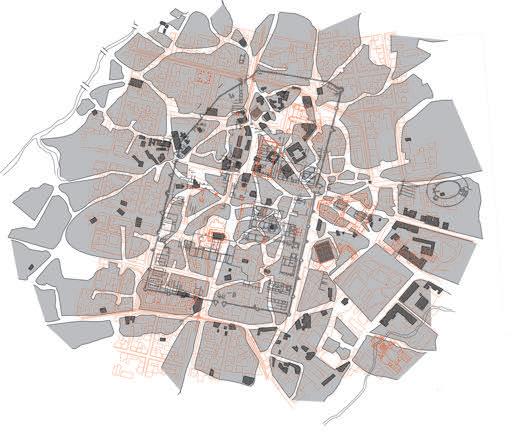
and has played a major role in the formation of the construction of the present city. Te central part of Sofa afer the liberation from the Otoman rule (1878) was positioned on top of the central parts of Serdica and the rectangular network of the Roman setlement has been transformed into the perpendicular structure of the present-day capital. When this urban system was being set in the 19th century, the Roman setlement was invisible, buried long ago beneath layers of more recent history; Serdica’s heredity, however, has held against time and is still present in the DNA code of today’s Sofa.
All over the world there are examples of new towns being built on top of old half-demolished ones. Tere are Roman remains underneath many European cities, and, two thousand years afer the fall of the Roman Empire, they are continually developing, growing and changing. A city is like a history book. Te elements forming the previous setlement can be traced in its contemporary personal appearance. Sofa is a wonderful example of how time leaves its traces in layers, elements of which can be found everywhere in the city. Here, however, there is
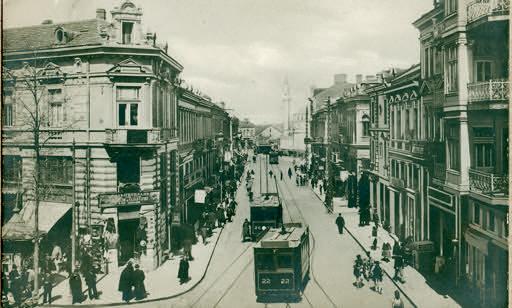
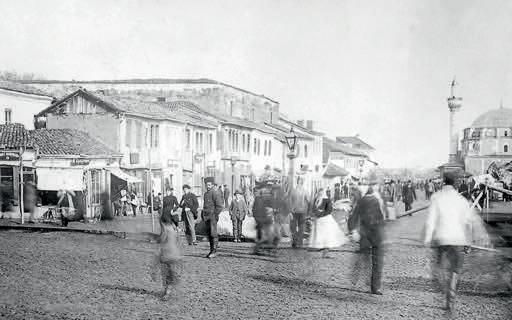
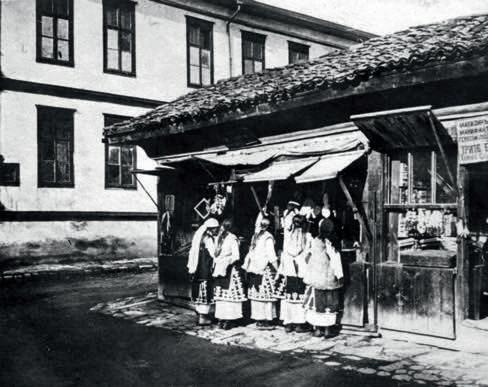
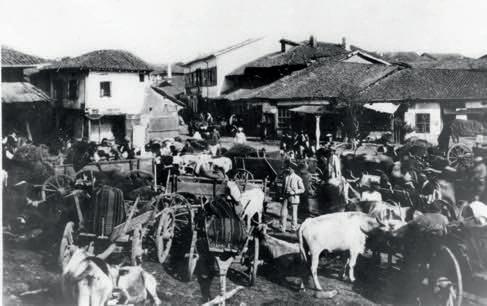
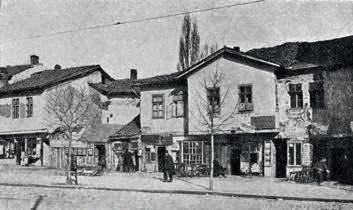
Trade Street to Banya Bashi, with the bezistan, end of 19th century
Trade Street to Banya Bashi, the 1920s
Yoshi Yamazaki (Tokyo, 1966) architect. Lives in Sofia, Bulgaria, since 2007. After receiving master’s degree at Waseda University. In Tokyo, he has researched Russian avant-garde and post-socialist architecture in Moscow after the end of the USSR Era. In a method created by this research and analysis he has written articles, lectured and presented the creation of architectures. Published in a+u, World Architecture, kenchiku bunka. Recently he moved his main studio to Sofia and started work on Bulgarian projects.
a phenomenon at play that is expressed in the tendency for every new epoch to carefully and deliberately obliterate the traces of the previous one. Maybe the reason for this can be found in the dynamic history of Bulgaria and the desire to erase and forget a tragic part of the past such as the Otoman rule, for example. History, however, is a mater that will always retain time, and although its traces can be dimmed in general, certain elements remain and become part of the texture of the city. At the moment, these elements of Sofa’s past exist unsystematically; they simply co-habit. Still, despite it is four meters beneath the current city, Serdica continues to send its messages and architects and urban planners are the ones who need to hear them.
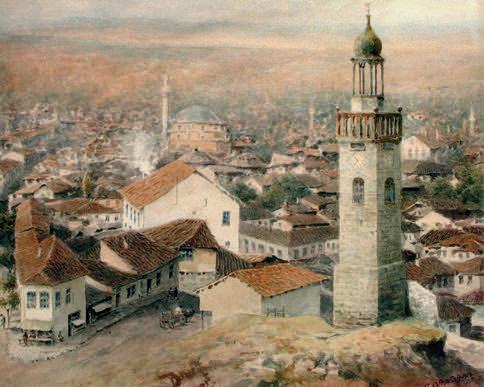
Although they are familiar with Bulgaria’s history in general, most citizens of Sofa are unaware of the history of their city and ofen get confused by the simplest questions. A few would be able to locate the place where the monument of Lenin used to stand until recently, and even fewer are those who remember Ulitsa Targovska (“Trade Street”) – the busiest street in pre-war years. Only specialists know of the forest of minarets that existed here in Otoman times or of the structure of Serdica. Children at school do not study the history of
their city and this could be the reason for the lack of knowledge and interest. Unfortunately this afects the city’s appearance. Te city and its history go hand in hand and when we are not aware of it, we lead our city to ruin.
Tinking about Sofa and analyzing its history, I was quite disappointed by the recent infantile architectural solutions in its centre. It seems that the authors of these solutions are not taking into account the signifcance of the city. Would these solutions become part of the layer of postsocialism? Most probably that would be the case, much to my regret.
Before this article goes to print, we would most probably have heard the results of the competition for the new urban planning solution for Sveta Nedelia Square. I hope that there are many good quality ideas. An important criterion when evaluating the projects should be their atitude towards urban artefacts – they should not become tombs, but be part of the present city’s life.
Te urban landscape is a mirror of its citizens’ culture and if we only keep complaining when we look at our image, we will never be able to live in a city whose beauty we can enjoy.
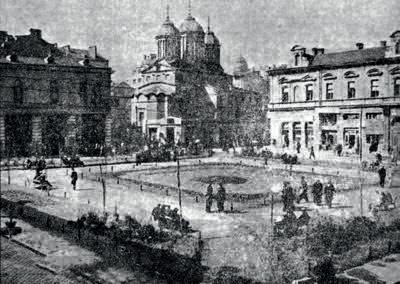
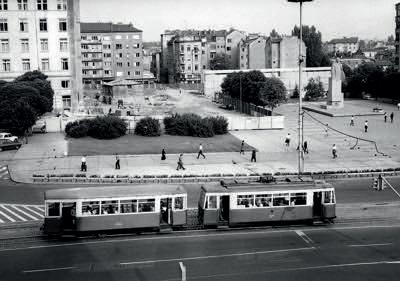
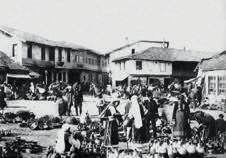
Trapezitsa Square and the St. Spas Church, 1930s
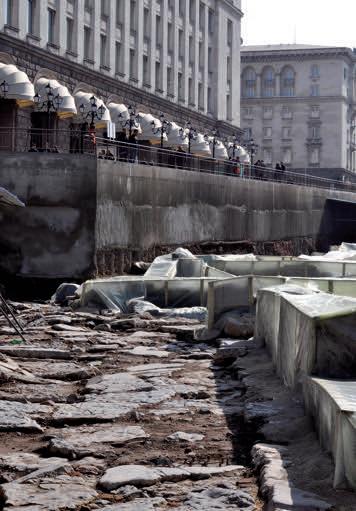
Archaeological excavations in front of TSUM, 2012
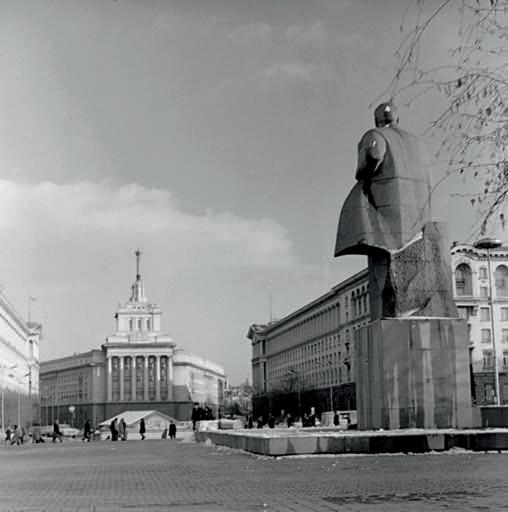
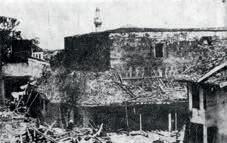
Remains of the St. Spas Church and Lenin Square, 1970s
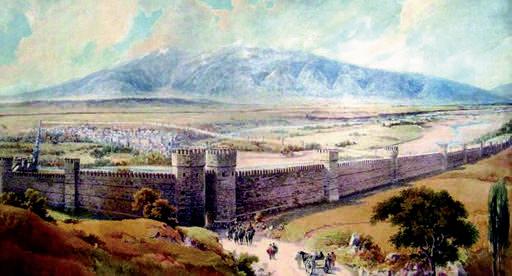
Serdica, Joseph Oberbauer, 1877
2.
3.
5.
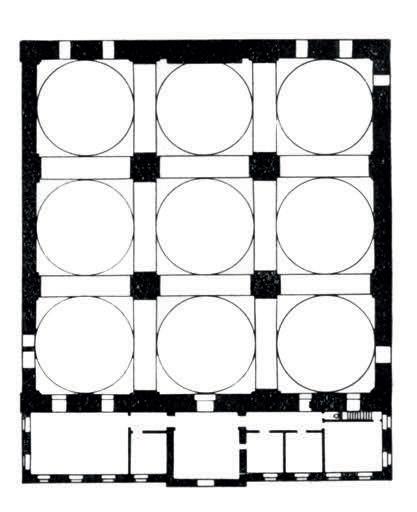
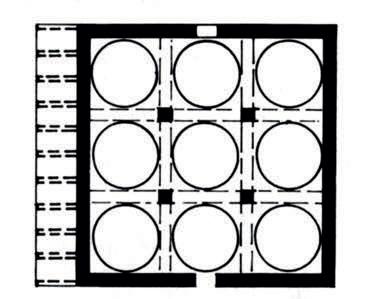
(1451–1494),
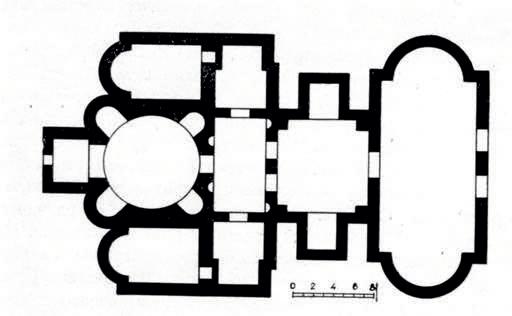
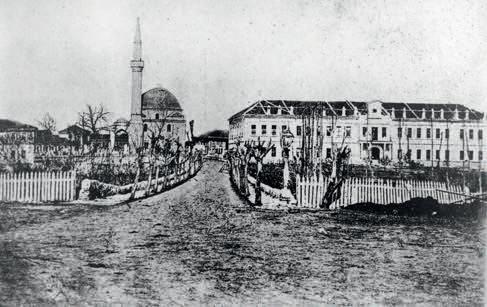
/ Byuyuk Mosque (1451–1494), plan
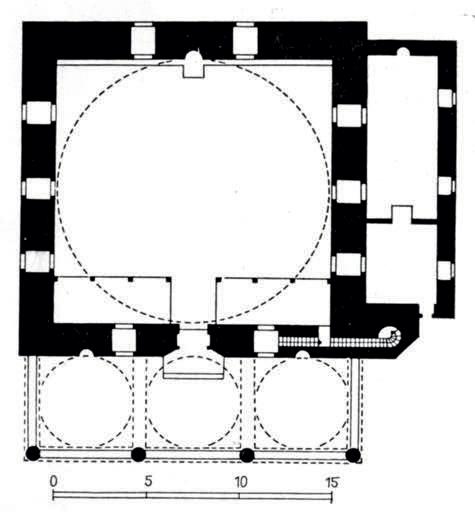
(1567),
/ Banya Bashi Mosque (1567),
Layer from the post-liberation times up to 1944
2.
5.
/ St. Nikolay Church
St. Petka Church
Trapezitsa Square
Knyaginya Klementina Street
/ Vitosha Street
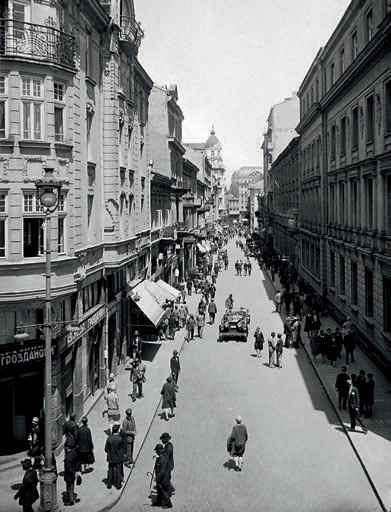
Le Gay Street
1930s. At the end of the street you can see Phoenix Building
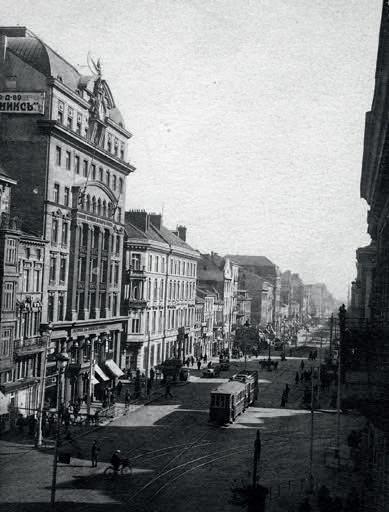
Crossroads at Dondoukov Boulevard and Trade Street, to the left –the Phoenix Building in the beginning of the 20th century
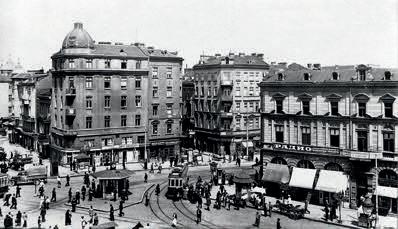
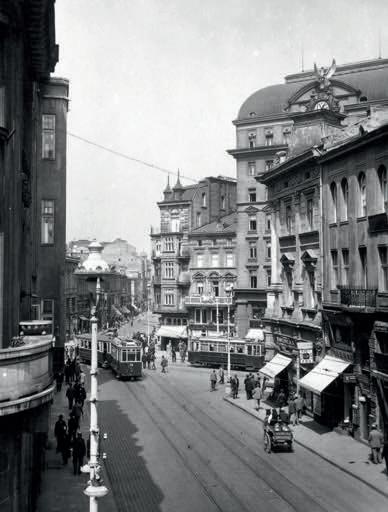
The crossroads at Trade Street and Dondukov Boulevard. To the right at the far side of the street you can see Phoenix Building
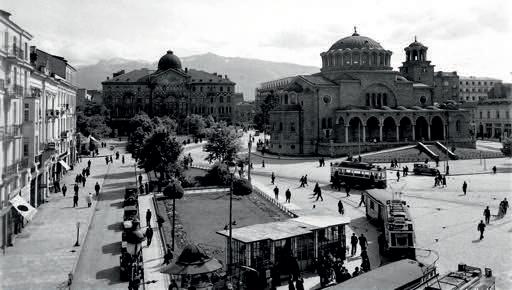
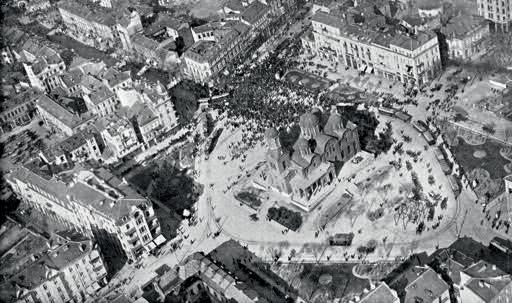
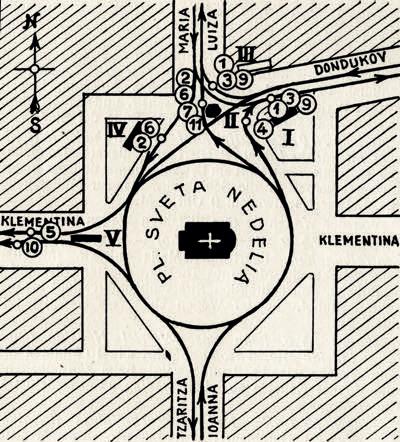
Sveta Nedelya Sq. and
/ The crossroads at Dondukov Boulevard and Maria Luiza Boulevard – the 1930s.
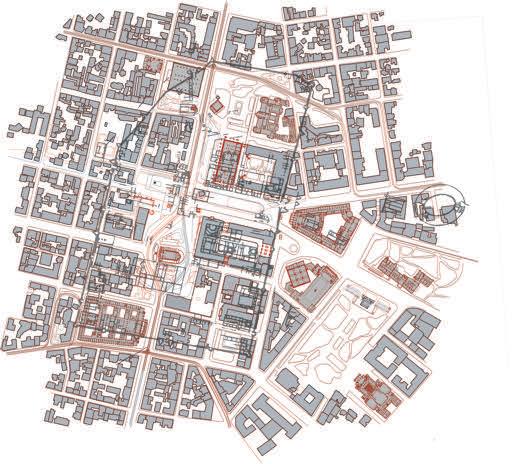
2.
3.
/ Rotunda St. George
Archaeological Museum
Banya Basi Mosque 4.
5.
6.
/ St. Petka Samardzhiyska Church
Sveta Nedelya Church
St. Spas Church 7.
/ Party House
Knyaz Dondukov Boulevard
/ Balkan Hotel
Al. Stamboliyski Boulevard
Vitosha Boulevard
/ National Art Gallery
St. Nikolay Church
/ Sveta Petka
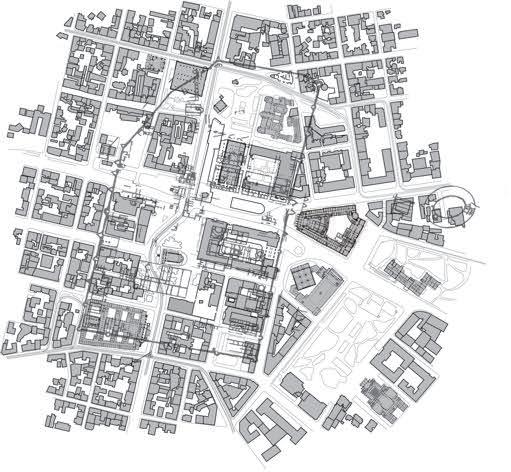
2.
3.
4.
5.
6.
7.
/ Rotunda St. George
/ Archaeological museum
/ Banya Basi Mosque
/ St. Petka Samardzhiyska Church
/ “Sveta Nedelya” Church
Spas” Church
/ Party House
Knyaz Dondukov Boulevard
Sheraton Hotel
Stamboliyski Boulevard
/ Vitosha Boulevard
Sveta Petka Church
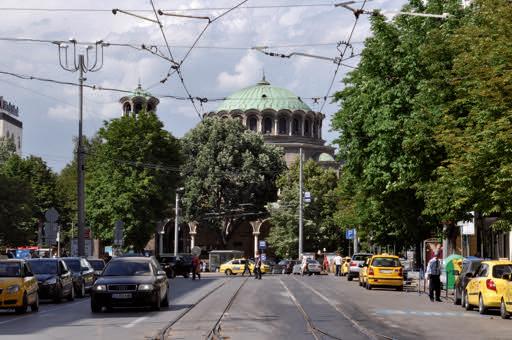
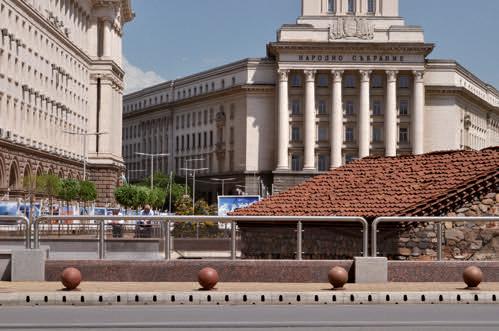
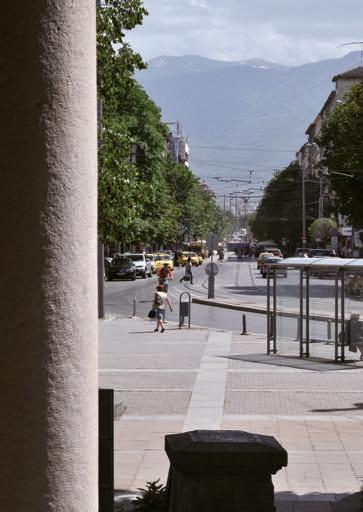
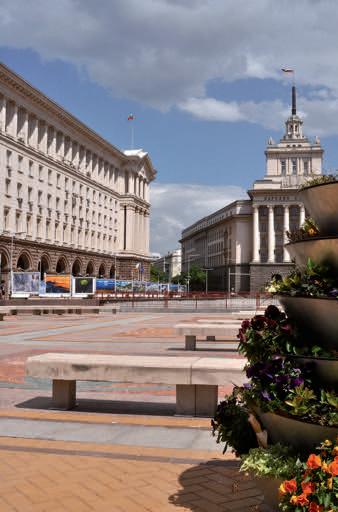
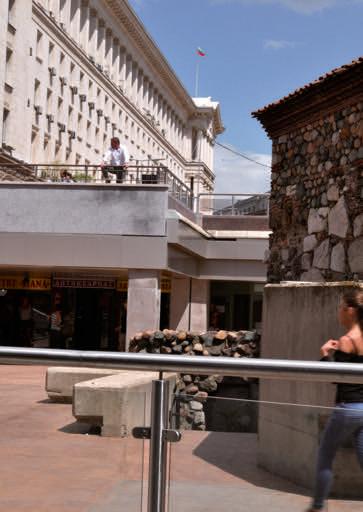
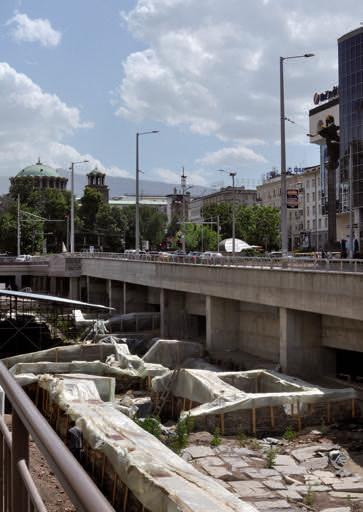
/ The Largo: a clear space with no people
important urban axis from Sveta Nedelya Church toward Vitosha Mountain