My battle – an architectural experiment in the Balkan Mountains
Iam renovating my second home,” I reply when asked in Japan about my latest projects. And I see a slight sign of envy in the eyes of the person answered. Having a second home is an almost unachievable dream for the ordinary Japanese person; a l uxury far more expensive than buying a new car. “Some ten years ago I bought a house for the amount I would pay for a computer”, I continue to amaze the person and leave them speechless. “Only recently it has become possible to live in the place. When I calculate what has gone into it, I don’t think you can put a price on it now.”
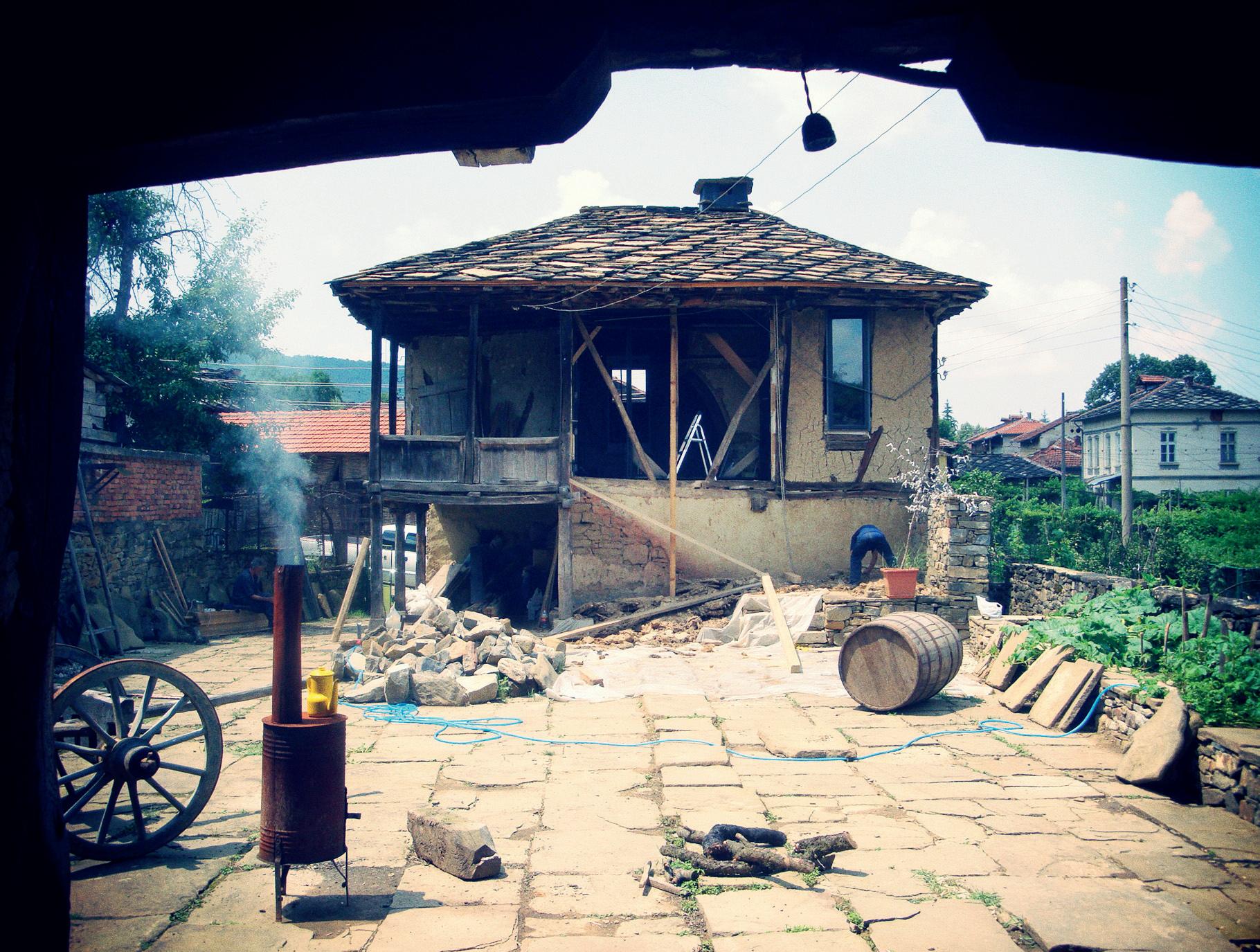
The house I am referring to is located in a village in the Balkan Mountains and is more than a hundred years old. If you look at it from the street, you would see a house, a yard, a hayloft, and a small vegetable garden. This used to be the home of the village shepherd. Modernity had obviously bypassed this place and it had no running water, and respectively, no toilet or bathroom. Our idea was to transform it into a contemporary living space.
So far, so good, but the lack of an appropriate solution made us leave it to the mercy of the weather for over five years. The house slowly started to crumble; the roof was rotting because of the leaks. The yard
and the garden slowly turned into a jungle and it was impossible to enter through the gate.
“You are an architect, why don’t you do something! Old houses like this are becoming more and more rare, we can’t leave it to collapse”, my wife started scolding. “You are an architect as well!” I wanted to reply, but I patiently kept silent. There were a few family rows in this vein.
So, this is how five years ago I decided: it was time to act! Although I have to admit I did not see much sense or logic at the time. We started to examine the house from all sides. It felt like being part of an archaeological expedition. Before I knew it, the tools of my trade – the pencil and ruler – were replaced by a hoe and a shovel. We did not find any treasure, but the joy of seeing the original flagstones covering the yard again, was enormous. Turning this lovely yard into an impressive space was my first task which gave an impetus to the whole project. That was going to be our living room, a living room-cum-square, with the house and the barn opening onto it – this was the initial master plan. We wanted to keep the old house as a more isolated area and have the bedrooms there.
World Architecture, kenchiku
Yoshi Yamazaki (Tokyo, 1966) architect. Lives in Sofia, Bulgaria, since 2007. After receiving master’s degree at Waseda University. In Tokyo, he has researched Russian avant-garde and post-socialist architecture in Moscow after the end of the USSR Era. In a method created by this research and analysis he has written articles, lectured and presented the creation of architectures. Published in a+u, World Architecture, kenchiku bunka. Recently he moved his main studio to Sofia and started work on Bulgarian projects.
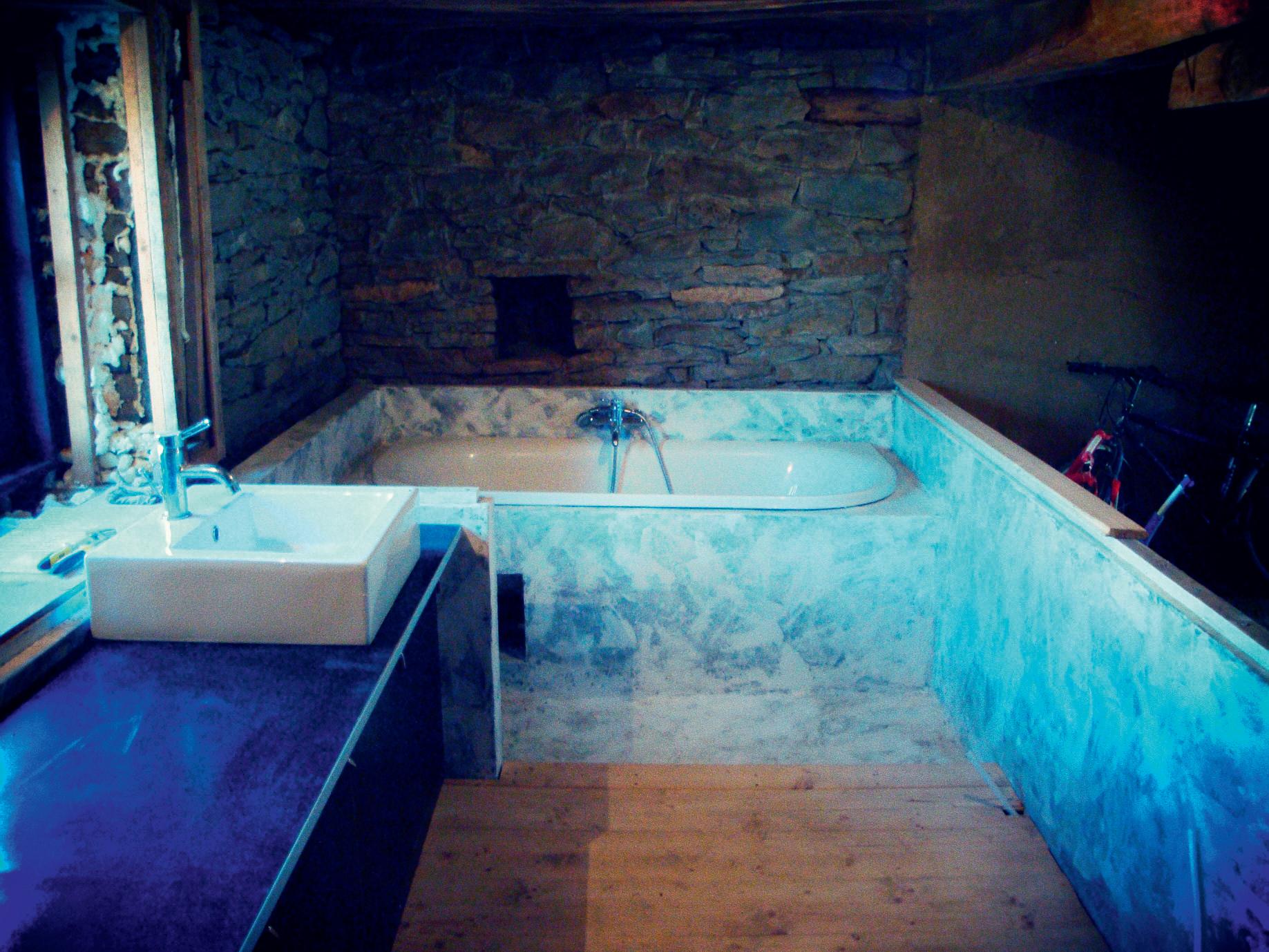
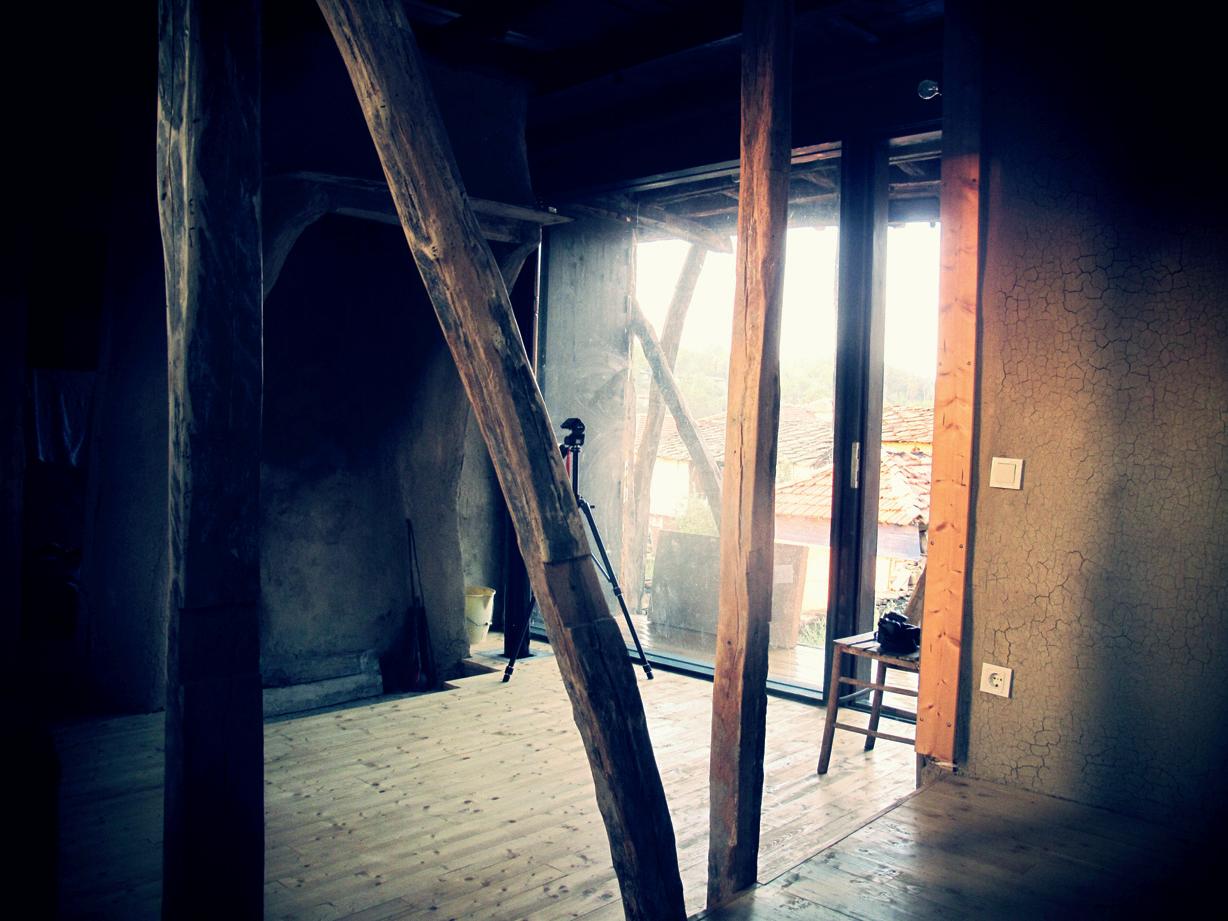
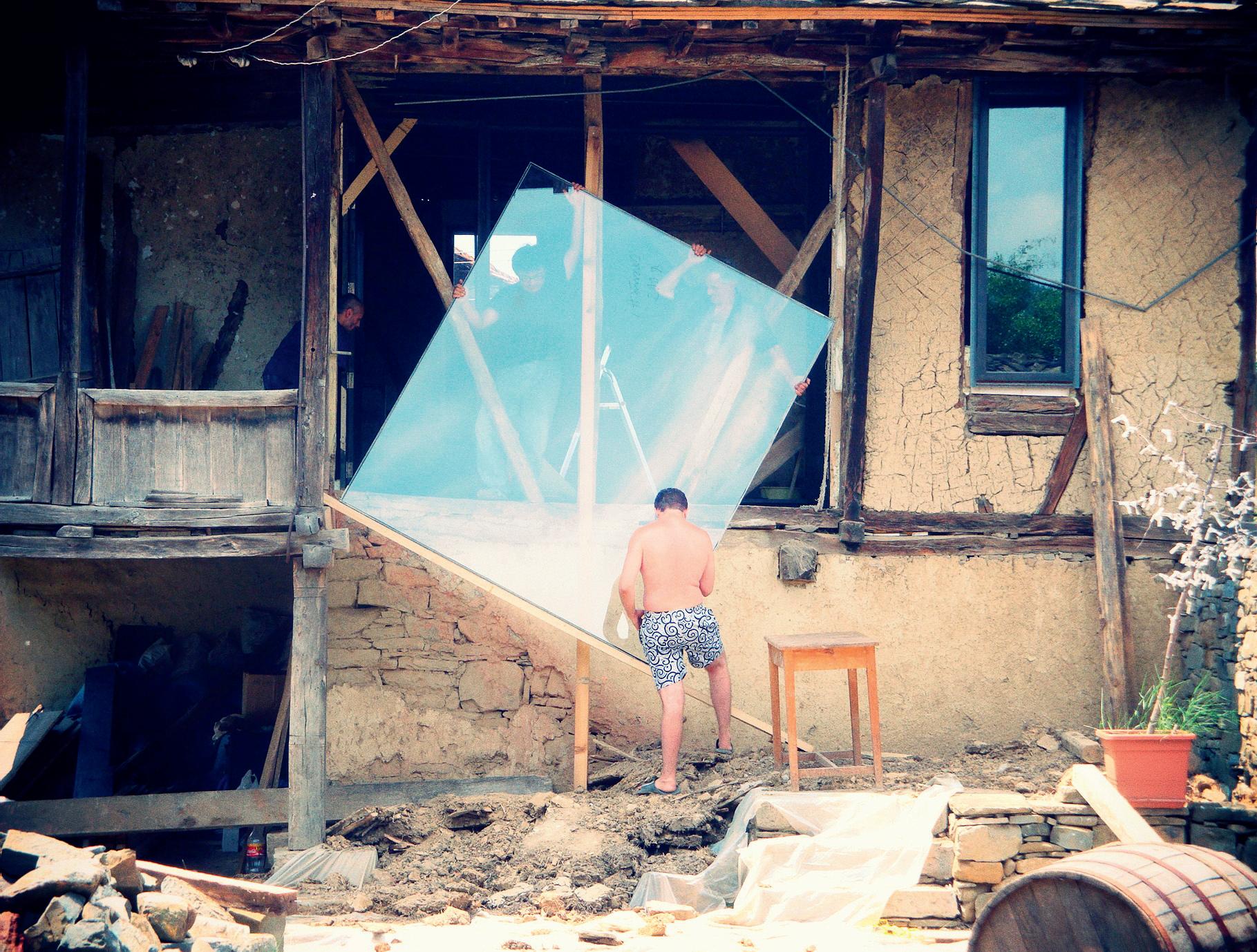
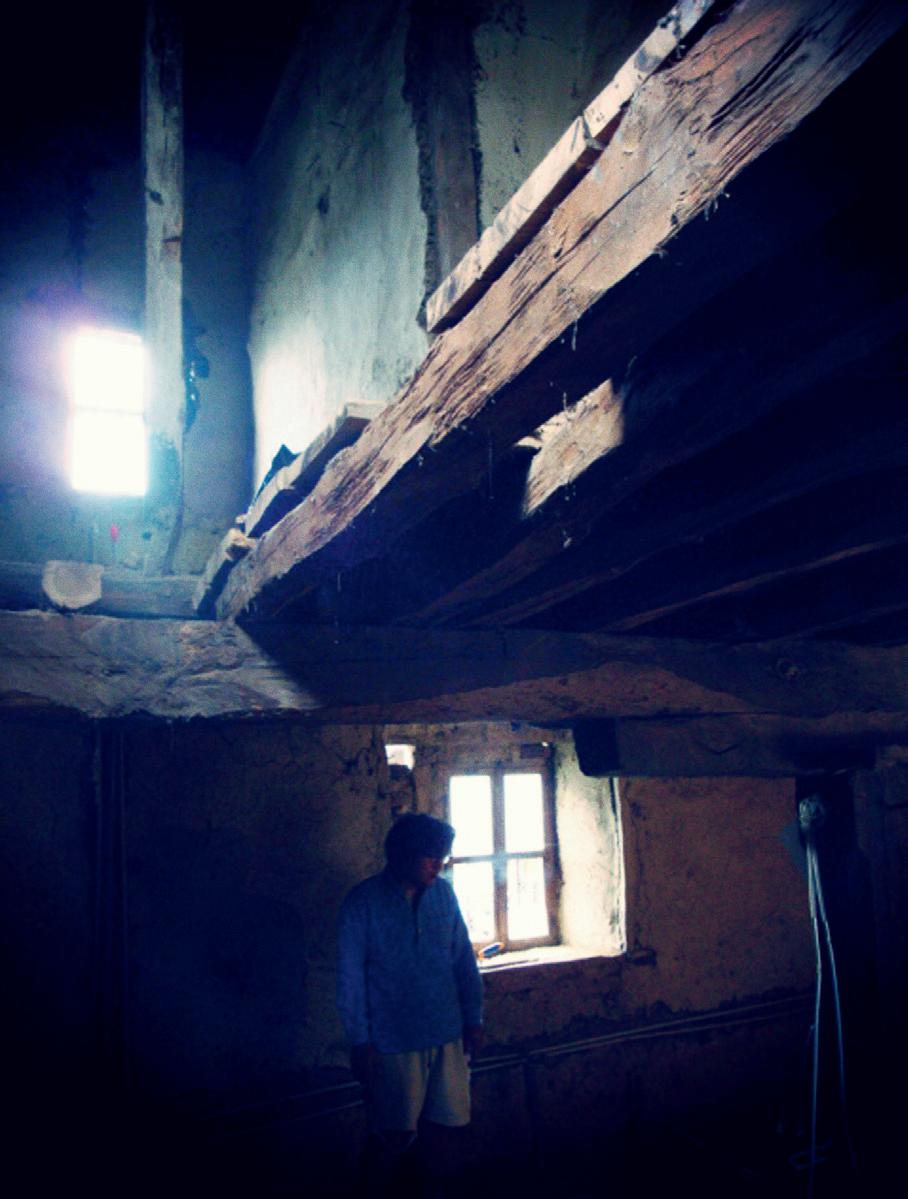
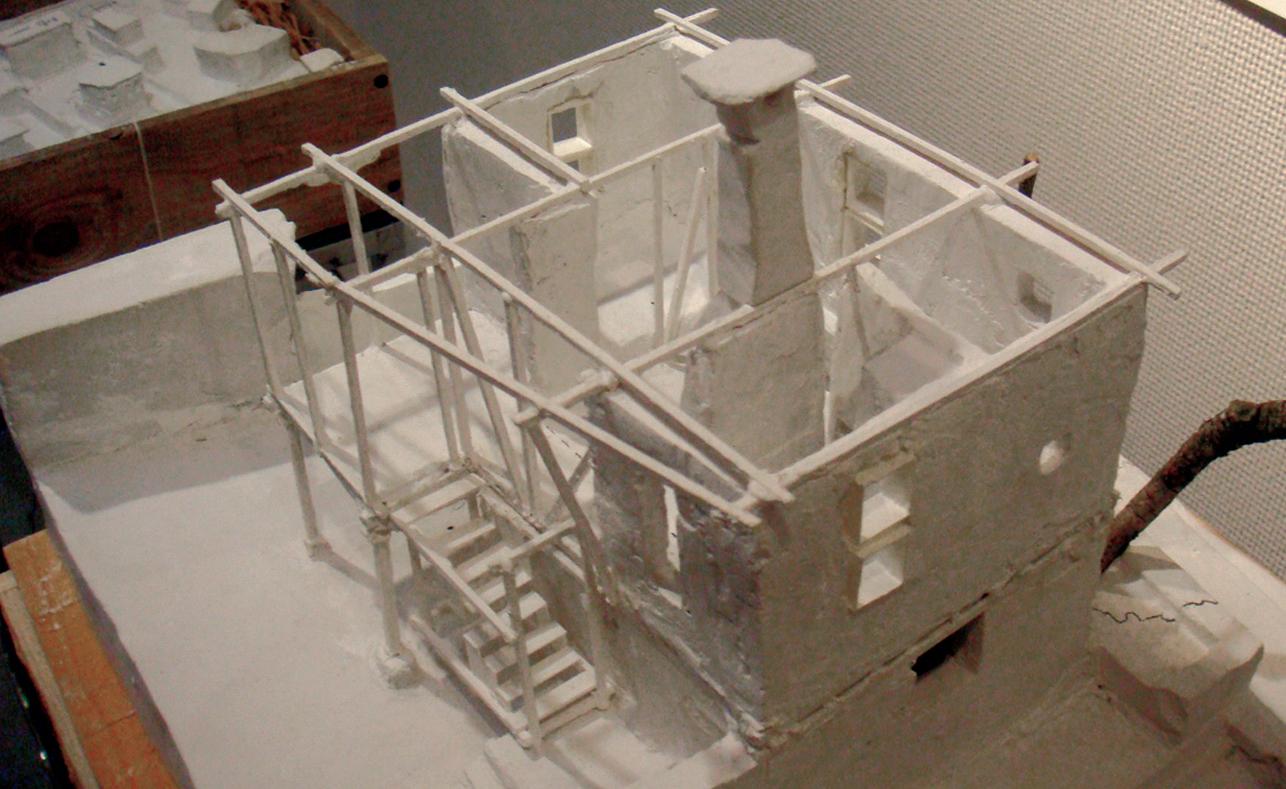
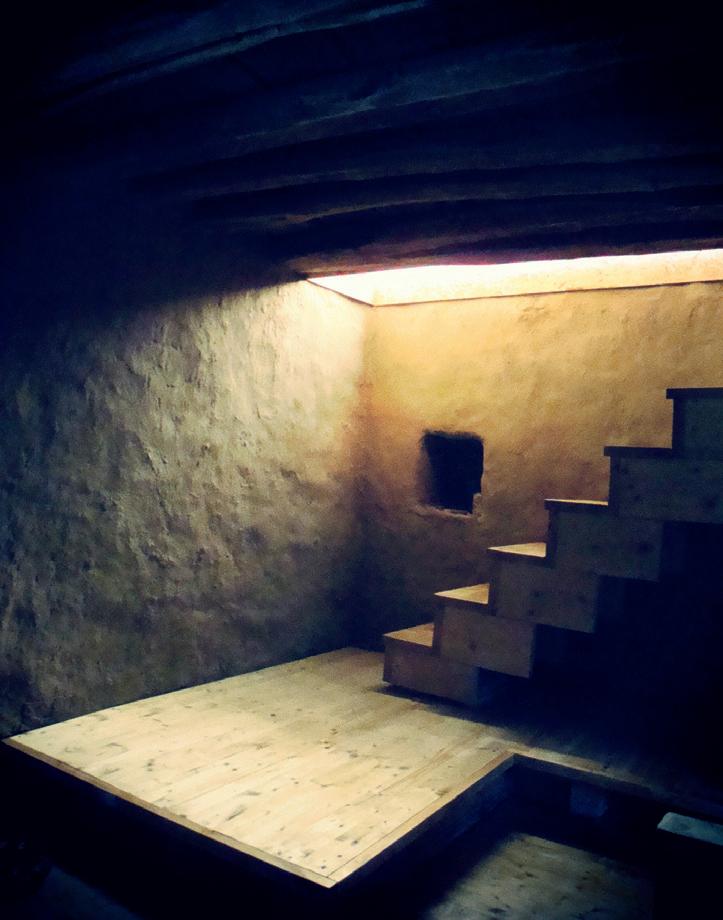
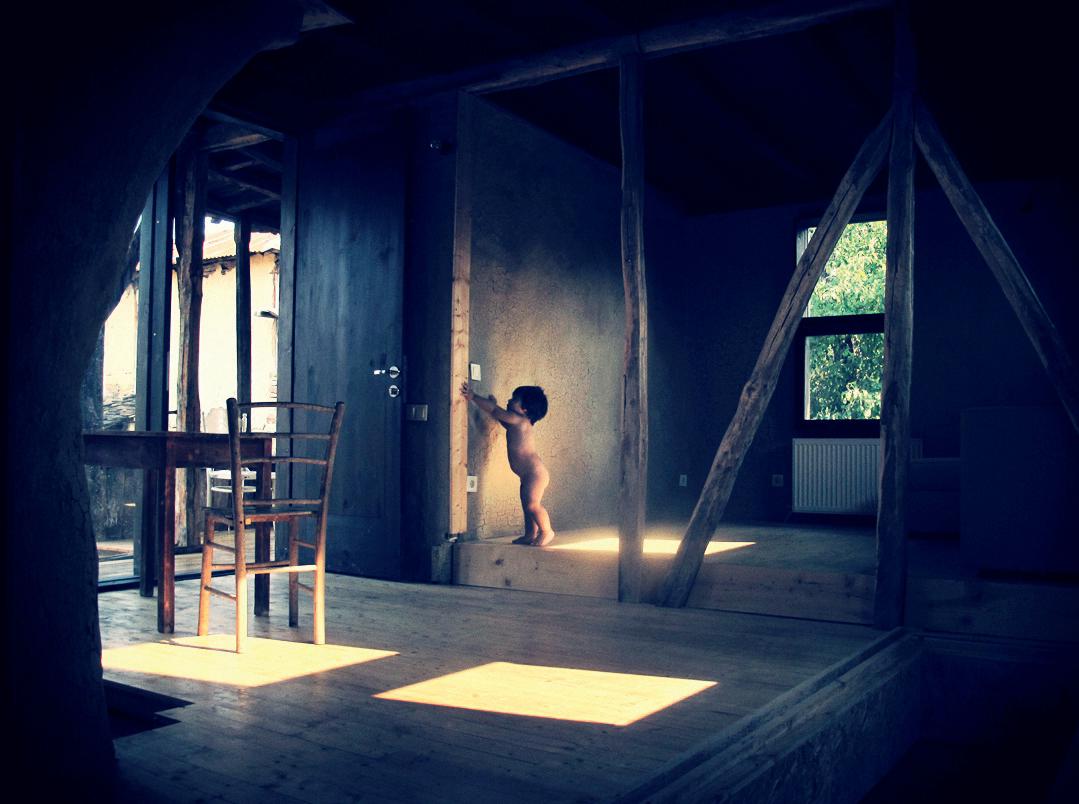
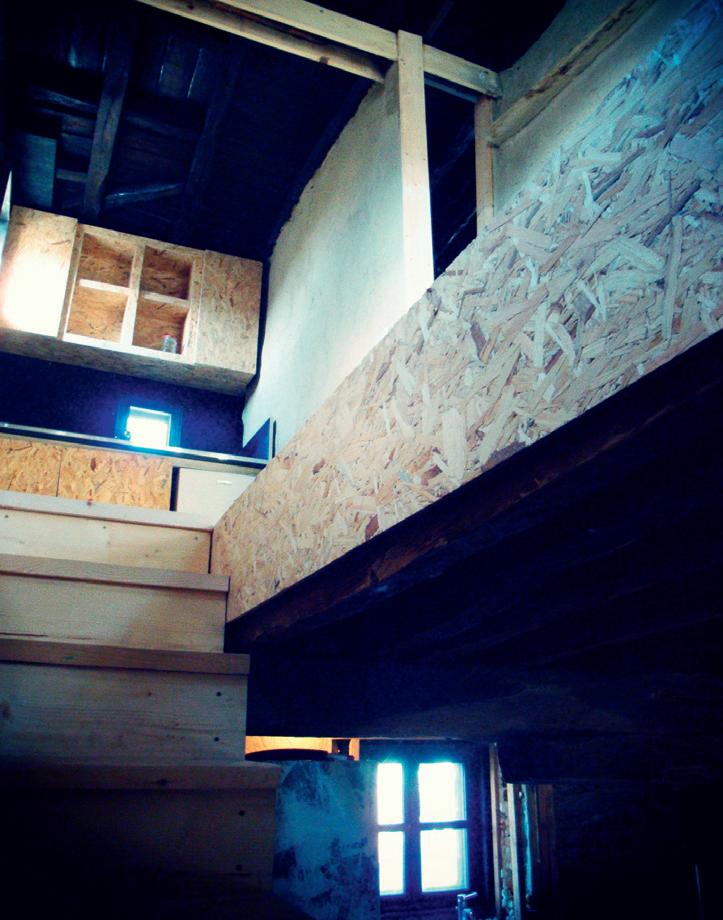
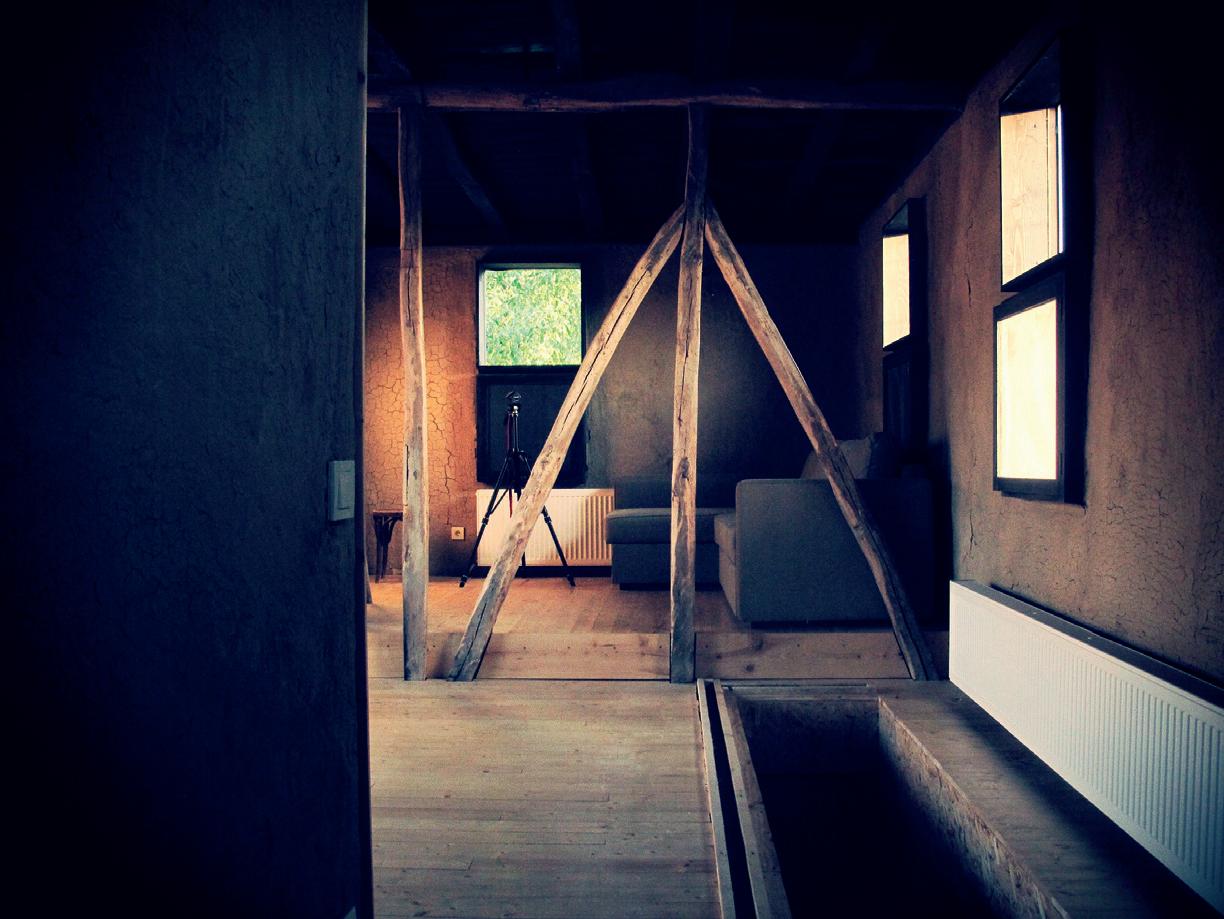
In its original form, the house was a two-storey building typical for the region, including a basement on the first level and several small rooms on the second level. We decided to combine the two levels so that we achieve a sense of oneness of the space. We kept the main structure and carefully removed the unnecessary partition walls. Like a surgeon equipped with an operating knife, all covered in dust and sweat, I cut openings which let the light in and I felt it moving around the space. This phenomenon motivated me even further.
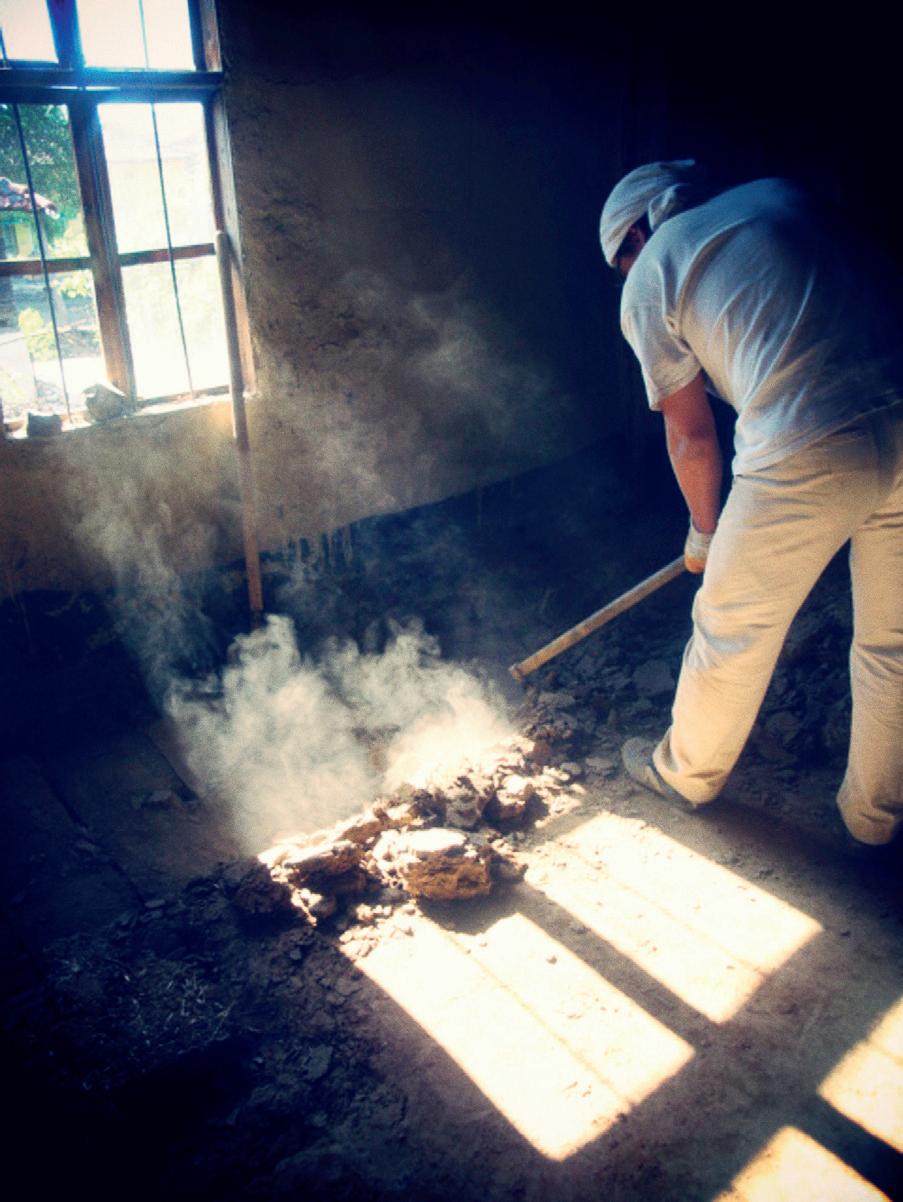
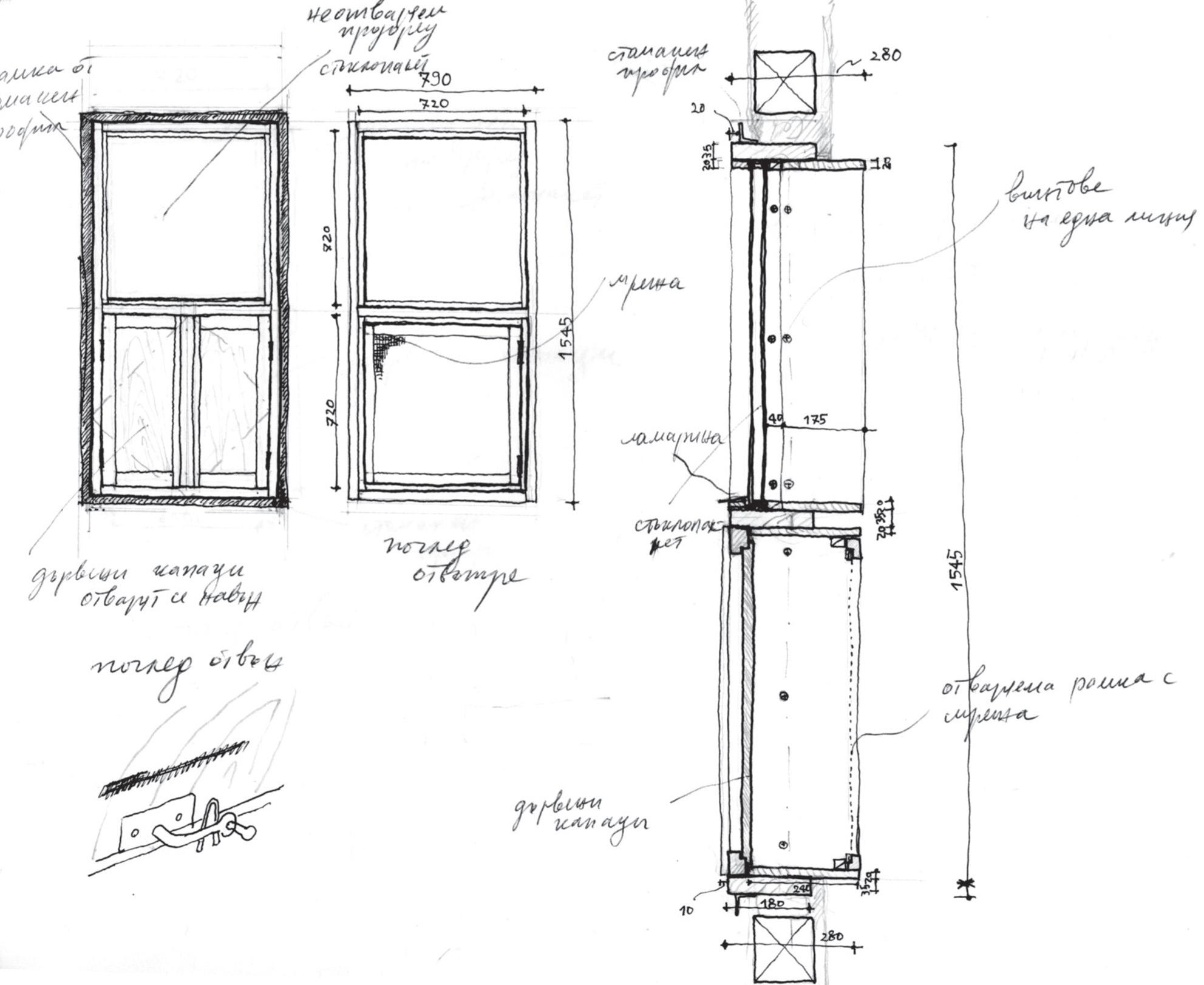
From here on I had to deal with the new design, but was somewhat challenged. Not a single straight horizontal or vertical line was to be found in the house; all the beams and columns were askew. It was impossible to have a proper surveying or an accurate plan. So, using what was easily available, armed with a hose pipe, I started levelling, thus laying the frame in which the new design elements would fit. I had planned for all of them to be independent and implanted into the house’s flesh. That was the method I decided to use. The other condition was for me to do everything by myself, without any plans. Thus the new space was being born in the dialogue between me and the house. The earth we took off the walls that we tore down was soaked into water and then used as plaster. The hundred-year-old straw, mud, and manure were resurrected and once again became part of the house.
“This project is going to finish me”, I was thinking in the beginning, but gradually everything started to make sense to me in a big way. Without me noticing, this house has become part of my body. Not only did I grew physically strong and discovered a meaningful type of exercise, but my instincts grew stronger and I came closer to nature.
My battle – this is not a battle with the house or nature, but a battle with my own self.
This autumn my architectural experiment won one of the prizes at the SD Review contest held annually by Kajima – the biggest architecture publishing house in Japan; it is a contest for projects currently under construction. The fifteen selected projects were exhibited in Tokyo and Kyoto. The contest is very popular among the young architects in Japan and is often used as a debut event by most of them. Among those who have won prizes over the years are Tadao Ando, Kazuyo Sejima, Yōji Yamamoto, and Shigeru Ban.
One of the visitors at the exhibition said to me, “The energy that you have put here is very different from that of the rest of the projects.” I was delighted to hear these words. This is exactly what I wanted to show to the young Japanese people