USDA expands NWS response as threat intensifies near Southern Border
Federal and state animal health officials are ramping up defense efforts against the New World screwworm (NWS) as cases continue to spread across northeastern Mexico.
In an effort to create a buffer zone against the pest’s northward spread, USDA’s Animal and Plant Health Inspection Service (APHIS) announced on Jan. 30 it will shift its sterile NWS fly dispersal program to include areas inside the state of Texas, in which approximately 100 million sterile flies will be released each week.
“At U.S. Secretary of Agriculture Brooke Rollins’ direction, our highest priority is protecting the U.S. from NWS,” says USDA Under Secretary for Marketing and Regulatory Programs Dudley Hoskins.
“The northernmost active case of NWS in Mexico is still about 200 miles away from the border, but we’ve seen cases continue to spread in Tamaulipas, Mexico and further south in Mexico, so we are proactively shifting our polygon as we make every effort to prevent NWS from reaching our border.”
Expanding efforts
According to a Jan. 16 Southwest Farm Press article by Senior Editor Shelley Huguley, NWS cases have increased rapidly in Tamaulipas, Mexico, a northeastern state bordering Texas, where eight new cases were confirmed in January.
This brings the total number of cases in Tamaulipas, Mexico to 11 since Dec. 30, 2025.
In its Jan. 30 press release, USDA notes the sterile insect technique (SIT), first used against NWS in the 1930s, remains the cornerstone of eradication efforts today.
The department’s recent announcement notes its dispersal program will expand nearly 50 miles into Texas along the border it shares with Tamaulipas, Mexico
According to USDA, the SIT process involves massproducing male flies and sterilizing them using ionizing radiation before release. Because female screwworm flies only mate once in their lifetime, mating with a sterile male results in unfertilized eggs which do not hatch, sharply reducing the population over time.
The agency explains releasing sterile flies north of known outbreak areas helps ensure flies moving into new regions will likely only encounter sterile mates, preventing reproduction and establishment.
In addition to sterile fly releases, USDA says it will continue to lead extensive surveillance and monitoring along the U.S.-Mexico border.
The department reports more than 120 NWS specific traps are placed in
high-risk areas across border states, supplemented by thousands of additional insect traps already in place for other pests.
Through the end of January, more than 42,000 flies captured in these traps were submitted for identification, with no NWS detections. APHIS’s Wildlife Services also inspected more than 9,300 wild animals representing 39 species across 131 U.S. counties, with no signs of infestation.
Texas has further expanded its own surveillance efforts, activating a comprehensive trapping plan to target ports of entry, livestock export facilities and other high-risk locations. Traps are monitored daily by the Texas Department of Agriculture, with samples assessed quickly to ensure rapid response if needed.
“Because it is important to continue ongoing surveillance efforts while releasing sterile insects, it is possible sterile NWS flies could be caught and/or reported within Texas,” USDA notes. “To ensure officials can tell the difference between sterile and wild NWS flies, USDA will dye sterile pupae, and the dye will transfer to the sterile flies when they hatch.”
“The fluorescent dye will glow under ultraviolet light and may also be visible to the naked eye,” USDA adds. “If a sterile fly is captured in a trap, this dye will allow animal health officials to quickly rule the fly out as a threat.”
Finding success
In its seemingly endless fight against the ongoing threat of NWS, USDA reports it has seen some success.
In its Jan. 30 press release, USDA cites a recent detection at an equine import quarantine facility in Florida as evidence its existing import safeguards are working as intended.
“Earlier this week, a horse from Argentina was presented for routine importation at an equine import quarantine facility in Florida. Upon examination, APHIS identified an open wound with larvae on the animal and promptly collected and shipped samples to the National Veterinary Services Laboratories (NVSL) in Ames, Iowa,” USDA explains.
NVSL was able to confirm the larvae were NWS, and the animal was placed in quarantine where it will remain until it has been reexamined and officials confirm it is free of the pest.
“This is an example of long-standing import protocols working as designed,” USDA states. “While this situation does not appear to be associated with the NWS outbreak in Mexico USDA is currently fighting, it underscores the need for
For more information on the U.S. Department of Agriculture’s New World screwworm efforts, visit screwworm.gov.
vigilance in all of USDA’s coordinated efforts to fight NWS.”
Additionally, the department has received praise for its expanded effort to eradicate NWS, especially from livestock organizations.
The National Cattle-
men’s Beef Association and R-CALF USA thanked the agency for taking swift, science-based action to protect animal health and prevent economic harm.
“This is great news for U.S. livestock and wildlife,”
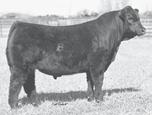
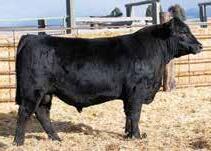
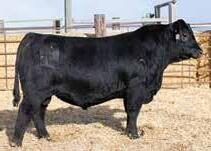
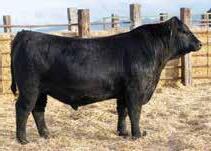
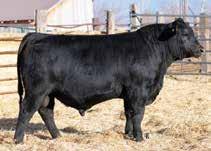
OX BOW RANCH Spring Bull Sale MARCH
SALE HELD AT THE RANCH
Continued on next page SCAN TO VIEW SALE
Adobe Stock photo
CoBank data reveals farmers were aggressive sellers of soybeans in fall 2025
U.S. farmers were aggressive sellers of soybeans during the fall of 2025 as prices climbed after trade relations eased between the U.S. and China.
With higher prices and a swifter pace of sales, commercial ownership of soybeans rose sharply while use of delayed pricing (DP) programs and basis contracts fell.
Meanwhile, corn and wheat markets saw the opposite trend amid depressed prices.
Farmers increased their use of DP programs and basis contracts for corn and wheat,
leaving pricing open in hopes of future market recoveries.
According to a new report from CoBank’s Knowledge Exchange, off-farm grain storage hit record levels last fall with farmers shifting more soybeans and wheat to commercial storage to free up on-farm space for the record corn harvest.
The report draws on CoBank’s proprietary data set, which includes grain companies from around the U.S. providing monthly borrowing base position reports. The surveys do not include farmers’ marketing positions for com-
modities stored on farm.
“CoBank’s data reveals farmers have been patient sellers of corn and wheat,” said Tanner Ehmke, lead grains and oilseeds economist at CoBank. “Any material increase in corn and wheat prices will likely be met with heavier selling pressure compared to soybeans, which already experienced a higher level of farmer selling last fall.”
“The increase in on-farm storage for corn implies there is more corn in the countryside also waiting to be priced, which will pressure both
flat price and basis,” Ehmke added.
Grain company ownership
Grain company ownership of soybeans in commercial storage jumped to 73.6 percent as of Nov. 30, 2025, up from 66.3 percent the year prior as farmers sold soybeans at a faster pace.
The share of soybean bushels in commercial storage enrolled in DP programs and basis contracts also fell last fall as farmers priced soybeans during the market rally following the partial trade truce between the U.S. and China.
Under a DP program, the farmer transfers title to the elevator with the option for the farmer to set futures and basis later while paying the elevator a monthly service fee. In a basis contract, the farmer locks in local basis when the contract is signed but leaves the futures price open to be set later.
“Participation in DP and basis contracts in soybeans also fell as a result of farmers’ concerns about market uncertainty ahead of the trade truce on Oct. 30, 2025,” said Ehmke. “Elevators also limited DP programs due to the risk of owning unpriced bushels in a carry market.”
according to the U.S. Department of Agriculture. The share of corn stored off-farm fell to 34.5 percent, down from 37 percent the year prior. Off-farm corn stocks were tallied at 4.58 million bushels, a 3.9 percent increase year-over-year and the highest level in seven years, while on-farm storage increased 13.5 percent to reach 8.69 billion bushels.
Grain company ownership of corn in commercial storage fell to 73 percent as of Nov. 30, 2025, down from 77 percent the previous year. Company ownership of wheat in storage fell to 72 percent, down from 75 percent last year.
The use of DP and basis contracts increased for both corn and wheat as farmers left prices open in hopes of future recoveries in price.
“Lack of farmers selling corn and wheat has supported cash basis in some regions, but the increase in the amount of bushels waiting to be priced implies greater selling pressure lies ahead for corn and wheat,” said Ehmke.
Total grain stocks
Total U.S. corn stocks on Dec. 1, 2025 reached a record high at 13.3 billion bushels, up 10 percent year-over-year,
U.S. wheat stocks on Dec. 1, 2025 were tallied at 1.67 billion bushels, up 6.5 percent year-over-year and the highest in six years. Off-farm storage accounted for 73.4 percent of the crop, rising from 70.3 percent last year and the highest level in four years.
U.S. soybean stocks rose to 3.29 billion bushels, up 6.1 percent year-over-year to reach the highest level in seven years with off-farm stocks tallied at 1.71 billion bushels, an increase of 9.9 percent over last year.
CoBank is a cooperative bank serving vital industries across rural America. The bank provides loans, leases, export financing and other financial services to agribusinesses and rural power, water and communications providers in all 50 states. Headquartered outside of Denver, CoBank serves customers from regional banking centers across the U.S. and also maintains an international representative office in Singapore. For more information, visit cobank.com
Continued from previous page
R-CALF USA Chief Executive Officer Bill Bullard tells DTN in a Feb. 2 article by Senior Livestock Editor Jennifer Carrico. “Rollins is demonstrating her absolute commitment to preventing this devastating pest from entering our country.”
Staying ahead
While no NWS cases have been confirmed in the U.S., USDA emphasizes early detection and aggressive prevention are critical, particularly given the pest’s history and destructive potential.
Federal and state officials continue urging livestock producers nationwide to remain vigilant.
“Now NWS may be moving closer on its own, with no apparent link to commercial animal movement,” says Texas Agriculture Commissioner Sid Miller. “Producers must act now – stay informed, stay vigilant and prepare immediately. We cannot drop our guard for even a moment.”
USDA reminds producers NWS larvae infest living tissue and typically enter animals through open wounds, surgical sites, navels of newborns or natural body openings. Signs of infestation may include irritated behavior, head shaking, draining or enlarging wounds, foul odors or visible larvae.
“Adult screwworm flies are about the size of a common housefly or slightly larger, with a metallic green or blue body, orange eyes and three dark stripes down the back,” USDA explains. “NWS maggots can infest livestock and other warm-blooded animals, including people, and they most often enter an animal through an open wound and feed on the animal’s living flesh.”
“While NWS is not common in people, if a person notices a suspicious lesion on their body or suspect they may have contracted screwworm, they should seek immediate medical attention,” the department continues.
Although NWS remains hundreds of miles south of the U.S. border, officials say current response efforts reflect lessons learned from past outbreaks and the high cost of complacency.
“Early detection and aggressive surveillance are how we protect livestock,” Miller said. “With preparation and rapid action, we will stop NWS.”
Hannah Bugas is the managing editor of the Wyoming Livestock Roundup. Send comments on this article to roundup@wylr.net.
According to U.S. Department of Agriculture (USDA), 2025 U.S. sunflower production totaled 2.32 billion pounds, up 103 percent from the recordlow production of 2024.
Sunflower yields
The average U.S. yield of 1,863 pounds per acre increased 193 pounds from 2024 and was the highest on record for the U.S. Planted area at 1.29 million acres was 79 percent more than the previous year. Area harvested increased 82 percent from 2024 to 1.25 million acres.
North Dakota maintained its status as the leading sunflower-producing state during 2025 with total production of 1.09 billion pounds, an increase of 111 percent from 2024. Compared with 2024, planted area in North Dakota increased 89 percent, and yield increased 206 pounds to 1,958 pounds per acre.
Meanwhile, production in South Dakota increased 86 percent from 2024 to 866 million pounds.
Planted acreage in South Dakota, at 449,000 acres, increased 61 percent from the previous year. The average yield in South Dakota increased 228 pounds from 2024 to a record-high 1,974 pounds per acre.
Factors driving the increase
USDA estimated U.S. production of oil-type sunflower varieties at 2.13 billion pounds, representing an increase of 126 percent from 2024.
Compared with last year, harvested acres were up 104 percent, and the average yield increased by 184 pounds to a recordhigh 1,848 pounds per acre.
Production of confection sunflower varieties was estimated at 189 million pounds, a decrease of four percent from 2024. Area harvested at 92,200 acres was down 21 percent from 2024. The average yield increased by 354 pounds from 2024 to 2,054 pounds per acre.
In its January grain stocks report, USDA pegged old-crop sunflower stocks in all positions at 209 million pounds, down 63 percent from a year ago. All stocks stored on farms totaled 21.2 million pounds, and off-farm stocks totaled 187.8 million pounds.
Stocks of oil-type sunflower seed are 170.6 million pounds. Of this total, 15.4 million pounds are onfarm stocks and 155.2 million pounds are off-farm
stocks. USDA left old-crop oil-type sunflower stocks unchanged from its September report.
Oil-type sunflower seed stocks are 66 percent lower than last year and were in line with trade expectations. USDA left old-crop non-oil sunflower stocks unchanged from its September report as well.
Non-oil sunflower stocks totaled 38.4 million pounds, with 5.9 million pounds stored on the farm and 32.5 million pounds stored off the farm. Non-oil stocks are down 44 percent from last year and in line with industry estimates.
The main market mover from April onward will be USDA’s March Prospective Plantings Report. Trade expectations about planted acreage will likely be in a wide range, and the competition for acres will be intense before planting gets underway.
New-crop sunflower prices are penciling out well, as crushers and confection processors are out with attractive 2026 production contracts.
John Sandbakken is the executive director of the National Sunflower Association. This article was originally published by the Dakota Farmer on Jan. 23.
Top yields – While sunflower yields and production across the U.S. were up in 2025, North Dakota saw the highest increase, with a 111 percent jump in production from 2024. Adobe Stock Image photo
CLASSIFIEDS
YEARLING ANGUS BULLS:
These bulls are grown, not fattened, will get out and cover cows. Many will work on heifers. We will deliver. Call Joe Buseman, 605-351-1535 2/7
Red Angus
RED ANGUS HIGH-ELEVATION YEARLING BULLS FOR SALE IN NORTHEASTERN UTAH: Out of AI and bull-bred sires. Will be trich, semen tested and fed for free until April 15. $3,500/head. Bar Lazy TL Ranch, David, 435-828-1320, barlazytlranch@gmail.com 6/13
Come
Riders for their feedyard in Red Cloud, NE. The main focus of the Cowboy/Pen Riders are spotting, pulling, diagnosing and taking cattle to the hospital and shipping fat cattle. This person will need to be a team player who is seeking a long-term position. You will have the opportunity to work with and learn from some of the best in the industry. We offer a benefits package that includes health insurance, dental, vision, 401(k), health savings, life insurance and paid vacation. Retention bonus offered to full-time employees. Incentives paid out at 6 months and 1 year of employment. If you are interested stop by and fill out an application or visit our website at
Call Mike Faimon at 406-469-1585 or Davin Arnold 970-301-3098 for more information.
background check. Buy, sell, trade. Adults $6, children 12 and under free (when accompanied by an adult). For more information, contact Lisa, 208-420-2295 2/14 WYOMING SUGAR COMPANY IS LOOKING FOR A CONTROLLER, responsible for overseeing the accounting department and ensuring the accuracy and integrity of financial reporting. Requirements: Bachelor’s degree in accounting, finance or related field, minimum of 5 years’ experience, salary $60,000$80,000 DOE. Please apply online at wyomingsugar. com/job-openings/ 2/21
LOOKING FOR RANCH ASSISTANT PROPERTY MANAGER: Full-time position for large ranch located in Park County, WY. Responsibilities include: Lawn care, irrigation, agricultural equipment maintenance and general residential, building and property maintenance. Salary range of $45-$60K depending on experience. Living on property is required for employment. House and vehicle will be provided. Property is located 10 minutes from downtown Cody, WY. Position is available for immediate hire. Please send resumes to hbeirne@acpg. com and mgiliati@acpg.com 2/21
AGRI-ONE FINANCIAL: Farm/ ranch and all commercial loans. RATES AS LOW AS 5%. We have been helping with all aspects of agricultural, commercial financing and management for years. LET US HELP YOU on a consulting level with management to increase profitability, deal with and fix credit problems and for all your financing needs. WE CARE AND HAVE WORKING PROGRAMS designed for the farmer/rancher and not the banker. Please call Steve, 303-773-3545 or check out our website, www. agrionefinancial.com. I will come to you and get the job done!! 2/21
SALE * CHRISTENSEN RED ANGUS * SALE: Registered, vaccinated and fertility tested bulls. We have a deep carcass, high ADG packaged with moderate to low birthweights available. Call 406-208-4315 or e-mail criters64@gmail. com 2/14
Hereford
TWO-YEAR-OLD POLLED HEREFORD BULLS: Top bloodlines Historic and Gold Rush. Call Donald, 208-2016213 3/14
TWO-YEAR-OLD HEREFORD BULLS: Canadian registered. Fertility checked. View photos at www.workingherefords. com. Estermann Herefords, 308-340-4159 or 308-963-4473 2/7
2 sets of hot irons and 2 sets of electric irons. $3,000. Calls only, 307899-3737 2/7
REGISTERED WYOMNG BRAND:
REGISTERED WYOMING BRAND, LRC, LSS, LSH, LRB, For sale or trade, best offer accepted. Call 307-760-5976 2/14
ENGLISH SHEPHERD PUPPIES: Ready now. Farm raised, working dogs, red and brown tri-colored, $400. For more information, call 402641-8842 2/14
LOOKING FOR PASTURE FOR THE SUMMER GRAZING SEASON FOR 100 PAIRS OF EXCELLENT BLACK COWS in central or northeastern Wyoming. Call Richard Leavitt, 307-214-2200 2/7
SUMMER PASTURE WANTED FOR YEARLINGS: Seeking summer grass for 2026. For 500-1,500 head. Wyoming, Colorado, Nebraska, South Dakota. Prefer longterm potential, competitive rates offered. Call Jon, 831240-5795 TFN
LOOKING TO LEASE A RANCH FOR APPROXIMATELY 150-200 HEAD OF COWS. Prefer area in Johnson and Sheridan counties. Call 307290-1643 2/28
FOR SALE THREE 2-YEAROLD GELDINGS, grade horses, all half brothers. These young geldings have had lots of groundwork, including saddling and 3 rides each in the
pen. Gentle, willing and ready to continue their training. $2,700 each OBO. Call for more details, 605-350-0495 2/28
CHECK OUT SKB STABLES CONSIGNMENTS at www.lollibros.com SELLING MARCH 6,
Saddles
Tack
has over 50,000 acres and supports an irrigated hay base with BOR water rights. Carrying capacity is 700 animal units year-round with hay production. Willing to split the hay ground and grazing. Please e-mail Honora Beirne (hbeirne@acpg.com) and Melanie Giliati (mgiliati@ acpg.com) for details 2/7 WEANER PIGS FOR SALE. ALSO, butcher hogs. Located in Powell, WY. For more information, call 307-271-1014 1/16
ship!! Shop Moss Saddles, Boots and Tack, 4648 West Yellowstone Highway, Casper, WY, 307-472-1872. Our family serving yours for 50 years!! Check us out on Facebook or our website 2/7
Hay & Feed
CERTIFIED WEED-FREE PURE ALFALFA HAY: 2025 third and first cutting available in small squares, averaging 70-80 lbs. Will load trucks and any open trailer. MONIDA OATS: $16/cwt. Combine run, great for seed or feed. Will auger into truck, trailer or large totes/ag bags. Located between Powell and Cody, WY. Certified scales on site. Call or text Knopp Farms for details, 307-254-0554 3/28
HAY FOR SALE: Grass and alfalfa hay. ALSO, grass/alfalfa
VERY GOOD QUALITY 50/50
ALFALFA/GRASS HAY FOR
SALE: Fifty 1,200 lb. round bales, net wrapped, no rain when put up, stored outside. West of Baggs, WY. $175/bale take all. Text or call for price on smaller lots, Paul Anderson, 970-620-1568 2/7
QUALITY HAY FOR SALE: Grass, grass/alfalfa mix and straight alfalfa, net-wrapped large round bales, no rain. Western Nebraska location. Pick up or delivery available for fee. Call or text 303-9062691 2/14
CERTIFIED BARLEY STRAW FOR SALE, 3x4 bales. Cody, WY. Call 307-899-1952 TFN
HAY FOR SALE: Triticale, barley, pea blend with alfalfa, nice hay. ALSO, ALFALFA WITH SOME RAIN, 3x3 bales, shed stored, $170/ton. ALSO, CERTIFIED TRITICALE STRAW, long stem round bales, $130/bale. ALSO, TRITICALE GRAIN $0.35/lb. bulk or totes. Farson, WY. Call 307-350-0350 2/7
ROUND-BALED GRASS:
2025 crop 1,000 lb. netwrapped bales, $50/bale. Cody, WY area. Call, don’t text, Anthony at 307-2542645 2/7
FEED/GRAIN FOR SALE:
Alfalfa, cane and millet hay. Large squares and rounds. Semi loads only. Will deliver. Call 970-227-2760 2/14
ALFALFA AND ALFALFA/ GRASS HAY FOR SALE:
Can deliver. Have three sets of doubles. Can haul 45 bales a load. We can help with your hay hauling!! Call Dave, 605520-6341 or Telly, 605-5200236 2/14
GOLDEN GERMAN MILLET
HAY FOR SALE: Not combined, really nice hay, no nitrates, 8% protein, 4x4x8 big square bales, $110/ton. Call 970-630-0336 2/14
FOR SALE: 2025 MILLET
HAY IN LARGE ROUNDS, approximately 1,100 lbs., 150 tons available at $155/ton. Gooseneck delivery possible. Call 307-259-5485 2/14
VALLEY VIDEO HAY MARKETS, LLC: Representing 40 of the best growers in eastern Wyoming and western Nebraska. Call now for your winter needs, Barry McRea, 308-235-5386, www.valleyvideohay.com 2/7
Trucks & Trailers
Equipment
FOR SALE: 2017 Freightliner Cascadia 125 day cab semi, Detroit DD13 engine, DT12 automatic transmission, air ride, aluminum wheels, 574,392 miles, very nice. Bale King 3000 bale processor. Vermeer BP 7000 bale processor. John Deere 714A and 716A chuckwagons with John Deere tandem running gear. H&S 7+4 18’ and 20’ chuckwagons with bunk feeding extensions and tandem 14 ton running gear. J&M 385 gravity box with 12 ton gear, truck tires. Landoll 36’ cushion gang disc with 3 bar mulcher. Gehl 1410 bushel manure spreader with slop gate, double floor chains, tandem axle. Meridian 240 seed tender, all hydraulic and roll tarp. Burns portable loading chute. 12’ and 14’ HD box scrapers with tilt. Farm King 8’ snowblower with hydraulic spout. Erskine model 1812 skid loader 60” hydraulic snow blower. All in very nice condition!! Call 605-999-5482 2/7
Equipment
Larry’s Seed is proud to sell Legend Seed which includes Corn Grain • Corn Silage • Soybeans Alfalfa • Sorghum • Canola We have biological products through Yield Master solutions. We carry Millborn Seed products which include grains both for grain or forage, cover crops, alfalfa and AlfaGrass, annual forages including Triticale/pea mixes, grass seed and others. Wyoming Division – Larry French 307-272-9194 Larryjfrench1950@gmail.com
Montana Division – Jeremy Robertus 406-853-8554 triangle6livestock@outlook.com PO Box 191 • Powell, WY 82435
Trucks & Trailers
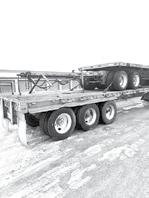
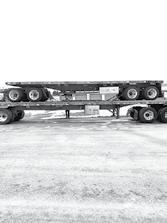
WESTERN B-TRAINS ALU-
PIPE FOR SALE!! 2 7/8”, 3 1/2” tubing, 4” drill pipe, 4 1/2” casing, 5” casing, 7” casing. Rods 3/4”, 7/8” and 1” located in Montana, can ship anywhere. Call Mike, 602-758-4447. To view photos, go to www.wylr.net in the classifieds 5/30
786A BEET DEFOLIATOR: Six row 22 inch, 1 steel, 2 rubber drums. Scalpers, rear steerable wheels, extra parts. Very good working condition. Call 406-5910797 2/21
$170,500, CUTE, QUIET AND HOMEY!! 301 D St., Bushnell, NE 69128, just north of Hwy. 30, straight shot to Cheyenne, WY or Sidney, NE. Four bed/2 bath, 2 up, 2 down with bath 1 up and 1 down. 1,172 sq. ft. upstairs, 864 sq. ft. finished basement, attached garage, newer roof, fireplace, lots more. This house is very cute!! In a nice village of friendly folks, sits on a fenced .34 acre lot with lots of room for your dogs. Quiet living, nice views, very safe place, move-in ready, lots of elbow room. We have a Village office, great water!! Post office and volunteer fire department. For more information, pictures or a walk through call Colleen at 970-631-5649. YOU WILL LOVE IT HERE!! To view photos, go to www.wylr.net in the classifieds 2/14
PREMIER PIVOT AND GRASS PASTURE IN GOSHEN COUNTY, WY: This well designed 368+ acres hay and pasture property features an 86+ acre Reinke center pivot contiguous to native grass pasture with a stock well. The entire property is fully enclosed with perimeter fencing, with the center pivot separately fenced. Pivot Is planted to alfalfa. Property can be split. $759,000. HIGHWAY 92 HIGH PRODUCTION FARM: Prime 200+ acre farm featuring 2 Zimmatic center pivots, excellent soils, 2 older, livable homes and 191 acres of reliable water rights from the Goshen Irrigation District. Unbeatable location along Highway 92, 6 miles south of Torrington, WY, for convenient access. A strong producer and solid investment at $1,250,000. Pictures at www.buyaranch.com. Call Casey Essert, Land Broker, 307-532-1750 TFN
Security System
Indoor/outdoor solar wireless alarm, half mile range, weatherproof motion sensor. One year warranty. DEALER INQUIRIES welcomed. For more information or to order, call Mountain View Variety, 719-490-8871 2/14
FEB. 11-15: PETSKA FUR WILL BE BUYING ALL RAW/ DRY FUR DEER/ELK HIDES AND ANTLER IN THE FOLLOWING TOWNS AND LOCATIONS: FEB. 11: Bill 6:15-6:30 p.m., Bill’s Store (drive thru, call/text Greg). FEB. 12: Wright 6:50-7:20 a.m., Rest Area; Newcastle 8:30-9 a.m., Voelker’s Body Shop; Upton 10:1510:30 a.m., Joe’s Food Center (drive thru, call/text Greg); Moorcroft 11 a.m.-11:30 a.m., The Coffee Cup; Gillette 11:50 a.m.-12:10 p.m., T&T Guns and Ammo; Gillette 12:30-1 p.m., Rocky Mountain Sports. FEB. 13: Sheridan 7-7:40 a.m., Sportsman’s Warehouse; Buffalo 8:50-9:20 a.m., Good 2 Go; Ten Sleep 10:50-11:20 a.m., Pony Express; Worland 11:50 a.m.-12:20 p.m., Bighorn One Stop; Manderson 12:50-1:10 p.m., Hiway Bar (drive thru, call/text Greg); Basin 1:301:45 p.m., Overland Express Mart (drive thru, call/text Greg); Greybull 2-2:15 p.m., Overland Express Mart (drive thru, call/ text Greg); Lovell 2:40-3 p.m., Good 2 Go; Powell 3:30-3:50 p.m., Murdoch’s; Cody 4:154:45 p.m., Nature’s Design Taxidermy; Meeteetse 5:305:45 p.m., Elk Horn Bar (under lights in front of fire hall, drive thru, call/text Greg). FEB. 14: Thermopolis 7-7:30 a.m., Renegade Guns; Shoshoni 8:158:30 a.m., Fast Lane (NW corner, drive thru, call/text Greg); Riverton 9:15-10 a.m., Vic’s Body Shop (behind the Dollar Tree); Lander 10:30-11 a.m., Zander’s One Stop; Jeffrey City 12-12:20 p.m., Split Rock Café (drive thru, call/text Greg); Muddy Gap 12:30-12:40 p.m., truck stop (drive thru, call/text Greg); Casper 1:45-2:15 p.m., Wagner Outdoor Sports; Glenrock 3:30-3:50 p.m., east exit on interstate (drive thru, call/ text Greg); Douglas 4:15-4:30 p.m., Douglas Feed (drive thru, call/text Greg). FEB. 15: Orin Junction 6:45-7 a.m., truck stop (drive thru, call/text Greg); Lost Springs 7:15-7:30 a.m., Main St. (drive thru, call/text Greg); Lusk 8-8:30 a.m., Decker’s Grocery; Alliance, NE 11:30-11:50 a.m., Bomgaars (drive thru, call/text Greg). For more information, call Greg, 308-750-0700 or visit www.petskafur.net 2/7
Wanted to Buy
BUYING 200-300 JACKRABBITS PER MONTH AT $10/ EACH: I pay shipping. E-mail ohminocat@gmail.com or call Dave at 406-529-1080 for further details 2/28
WE WILL PICK UP SCRAP IRON: On-site processing and removal. Receive $$$ top dollar $$$ for your junk!! Call for details, Pacific Steel and Recycling, 307-234-6006. Casper/ Central Wyoming 2/7
WY • (307) 332-3044
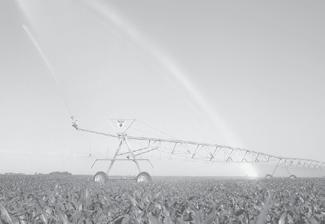
Good time management is essential to farming success. That’s why more farmers are turning to T-L center pivot irrigation systems. Hydrostatically powered, T-L’s simple design gives you the low maintenance time, cost, safety and reliability to let you manage your farm instead of calling electricians or replacing gearboxes. Simplify your
The Johnson County War Tour is scheduled for Aug. 22 and allows attendees to travel by bus the approximate route of the “invaders” in their fateful attack on the “rustlers” in April 1892 to learn about the war and stop at various sites of historical significance along the way.
Stops include the KC cabin fight site where Nate Champion made a heroic stand against overwhelming odds, Plunkett’s Horse Ranch where the invaders changed horses, the Smith homestead site where a near ambush of the invaders almost occurred, the historic 28 Ranch where invaders rested their horses and the TA Ranch where the final battle occurred.
The tour will also stop at the assassination sites of John Tisdale and Ranger Jones, whose murders occurred in the months leading up to the war, foreshadowing the events of 1892.
The historical guides narrating the journey are Brock Hanson, fourth-generation local historian whose family lived through the war and documented the historic events with interviews of the various people involved, and Laurel Foster, director of the Hoofprints of the Past Museum.
The tour will begin in Kaycee at 9 a.m., with a morning check-in time of 8:30 a.m. and ends at approximately 4 p.m. Lunch is included, and the ticket price is $100, which must be purchased in advance due to limited space on the bus.
For more information, visit hoofprintsofthepast. org/2021/07/johnson-county-war-tour/, call 307-738-2381 or e-mail info@hoofprintsofthepast.org.
MOU signed
On Feb. 2, the Public Lands Council (PLC) and the Bureau of Land Management (BLM) announced the signing of a memorandum of understanding (MOU) to promote cooperative monitoring of grazing allotments on National Forest System lands.
The MOU will help public lands ranchers and local BLM officials cooperate to collect and analyze data on rangeland health to ensure higher quality management of federal rangeland.
The MOU provides a clear path for more efficient data collection and information sharing between grazing permittees and BLM.
PLC signed a similar MOU with the U.S. Forest Service in 2022, and these monitoring activities have proven to be integral factors in the decisions grazing permittees make to keep rangelands healthy and resilient through grazing activities.
The data collected by permittees through approved and agreed upon methods will provide the agency with a larger set of reference points when evaluating rangeland health and resource management and clear records of the positive results from producers’ investments in resilient rangelands, healthy wildlife habitat and robust watersheds.
The MOU is in effect from 2026 until January 2031.
TAMU research team identifies species of brucellosis-causing bacteria in Cameroon
As part of its ongoing efforts to combat brucellosis, a serious and often neglected disease endemic to many low- and middle-income countries around the world, a team of researchers from the Texas A&M University (TAMU) College of Veterinary Medicine and Biomedical Sciences (VMBS) has identified the specific species of the Brucella bacteria causing illness in animals in Cameroon, Central Africa.
The VMBS research team, led by Associate Professor Dr. Angela Arenas, studied more than 4,600 livestock animals and found the only Brucella species present was Brucella abortus, a species primarily associated with cattle causing pregnancy loss and infertility.
The team’s recent article, published in Nature Communications, suggests a substantial number of cattle and goats in Cameroon – likely exceeding one million animals –are infected, which indicates a significant potential impact on human health through zoonotic transmission, with several million chronic human infections potentially occurring in the population.
“This study is critical because it provides the first molecular confirmation of which Brucella species is endemic in Cameroon. We found only Brucella abortus is present, and its strain is genetically distinct from those outside of Africa,” said Dr. Christopher Laine, an assistant research scientist and epidemiologist in Arenas’ lab. “This was unexpected, as previous assumptions suggested multiple species might circulate.”
“Understanding the strain’s origin and uniqueness is essential for designing targeted control measures, particularly since Brucella abortus primarily infects cattle rather than small ruminants or pigs,” Arenas said.
“Focused surveillance and prevention strategies are critical for controlling this disease,” she continued. “By mapping genetic relationships, we can strengthen surveillance and implement region-specific strategies to reduce transboundary transmission.”
Challenges in fighting brucellosis
Brucellosis is a zoonotic disease which can spread to people who handle infected tissues from major livestock species, including cattle, pigs, sheep and goats, as well as through consumption of unpasteurized dairy products.
In humans, it can cause chronic
fever, joint pain, neurological issues, cardiovascular issues and potentially death. Because many of its symptoms mimic malaria, typhoid or even food poisoning, affected individuals are often misdiagnosed, sometimes even for years.
One of the biggest challenges in fighting brucellosis is a lack of awareness among doctors, veterinarians and policymakers in affected countries.
“Lack of awareness among health professionals and policymakers is a major barrier,” Arenas said. “This knowledge gap was a key motivator for our work – without accurate data and awareness, effective control programs cannot be implemented.”
Learning more about which species of bacteria cause brucellosis in affected countries is an important step in developing plans to reduce transmission, as it can indicate how the disease is spreading and support the development of control and prevention approaches, including diagnostics and vaccines.
Diving into the data
For the recent study in Cameroon, Arenas’ research team analyzed tissue samples taken from seemingly healthy animals in the Far-North, North and West regions of Cameroon between February 2021 and May 2023.
Through a series of diagnostic tests, the team determined approximately 8.3 percent of cattle and 7.3 percent of goats were infected with Brucella abortus. Because cattle serve as the primary host of this Brucella species, these results indicate they are likely the main livestock species driving brucellosis transmission in Cameroon.
“These findings show control measures need to focus primarily on cattle,” Laine said. “This is a major step forward and highly significant for Cameroon because the government now has a specific livestock target rather than speculating goats or sheep are the primary source.”
“Even small percentages of infected animals can have an outsized impact on disease spread,” Laine continued. “Brucella abortus is easily transmitted, and a single infected cow can expose many other animals through shared markets and grazing. The risk to people is even greater. Because milk from multiple cows is routinely mixed and sold raw, one infected animal’s milk can reach hundreds of consumers each week.”
Next-generation DNA sequencing showed the Brucella abortus strain circulating in Cameroon is genetically related to strains found in Uganda and Sudan but distinct from those present on other continents, which suggests the strain likely spread to Cameroon from within Africa rather than being introduced from outside the region.
“This finding underscores the need for control strategies centered on regional collaboration and enhanced border surveillance, as neighboring countries are likely facing similar epidemiological patterns,” Laine said. Ongoing work
This study, which was funded by the U.S. Department of Defense’s Defense Threat Reduction Agency, is part of a series of projects Arenas’ team has been conducting to fight brucellosis in several countries, including Uganda, Tanzania, Kenya, South Africa and Armenia.
The work has also included measuring the rates of misdiagnosis, developing new diagnostic tests, training researchers in affected countries and providing educational resources for local health professionals, officials and community members.
“Brucellosis is a leading cause of economic loss and human suffering in low-resource settings, with global estimates reaching up to seven million new cases annually,” Laine said. “The disease reduces livestock productivity and poses a serious public health threat.”
“Our work spans multiple countries to strengthen diagnostic capacity, minimize misdiagnosis and advance One Health strategies,” he added. “Ultimately, our goal is to provide evidence-based tools which enable policymakers to implement sustainable control programs and reduce the overall burden of disease.”
Their work has a global impact, not only because of the disease’s current widespread reach and the speed at which it can spread, but also because of its potential use as a bioweapon.
“Beyond its natural spread, Brucella is a potential bioweapon due to its ease of aerosolization and high infectivity,” Arenas said. “This underscores the need for international collaboration and investment in surveillance and control.”
Megan Bennett is the assistant director of media and public relations for TAMU VMBS. This article was originally published in TAMU Newswire on Jan. 21.
Research team – Pictured from left to right are Visiting Scholar Gaelle Kamdjo, Associate Professor Dr. Angela Arenas, Cameroon National Veterinary Laboratories Director General Dr. Abel Wade and Postdoctoral Research Associate Dr. Sonia Vection who were part of a team of researchers identifying the species of Brucella bacteria causing illness in animals in Cameroon, Central Africa. Texas A&M University College of Veterinary Medicine and Biomedical Sciences photo
Exports of U.S. pork remained relatively strong in November 2025 but were below the large total reported in November 2024, according to data released by the U.S. Department of Agriculture and compiled by the U.S. Meat Export Federation (USMEF).
Beef exports were significantly lower year-overyear, due in large part to the ongoing lockout by China.
Lamb exports were a bright spot, posting the largest volume since July and highest value since May.
Pork exports
Exports of U.S. pork totaled 254,085 metric tons (mt) in November 2025, down seven percent from a year ago but the third largest of 2025. Exports were valued at $720.8 million, down eight percent year-over-year but also the third highest of 2025.
November exports increased year-over-year to Mexico, South Korea and the Dominican Republic and were record large to Guatemala, but these results were offset by lower shipments to China, Japan, Canada and Colombia.
For January through November 2025, pork exports totaled 2.68 million mt, down three percent from the record pace of 2024, while value also fell three percent to $7.65 billion.
With most of this decline being due to lower variety meat shipments to China, where U.S. pork faces retaliatory duties, January through November
exports of pork muscle cuts were just one percent below 2024’s record pace in both volume at 2.19 million mt and value at $6.57 billion.
“The pork export numbers continue to be impressive, with broad-based growth mostly offsetting the obstacles in China,” said USMEF President and Chief Executive Officer Dan Halstrom. “It was especially gratifying to see per-head export value topping $70 in November, which is excellent news for U.S. producers and for the entire pork supply chain.”
While down slightly from a year ago, November pork export value per head slaughtered was outstanding at $70.26. The January through November average was $65.54, down less than one percent from the record pace of 2024.
Beef exports
Following an encouraging rebound the previous month, November beef exports took a step back, falling 19 percent from a year ago to 88,139 mt. Export value was down 16 percent to $736.7 million.
The decline was driven primarily by China, where exports remain minimal due to China’s failure to renew registrations for U.S. beef plants and other market-closing factors, but beef exports also trended lower yearover-year to Korea, Mexico, Canada and Taiwan.
November exports increased year-over-year to Indonesia, Chile, the United
Arab Emirates, Singapore and Colombia and were fairly steady to Japan.
For January through November 2025, beef exports totaled 1.04 million mt, down 12 percent from the same period in 2024. Export value was $8.52 billion, down 11 percent, but when excluding China from these results, exports were down three percent year-over-year in volume and were just one percent lower in value.
“With each day U.S. beef is locked out of the world’s largest import market, our industry misses out on millions of dollars and our competitors reap the benefits,” Halstrom said. “It’s also frustrating this impasse overshadows the fact global demand for U.S. beef remains resilient, even in the face of tight supplies.”
Lamb exports
November 2025 exports of U.S. lamb muscle cuts totaled 237 mt, up 87 percent from a year ago and the
largest since July. Export value increased 65 percent to $1.45 million, the highest since May.
Growth was driven by Mexico, the Netherlands Antilles and the Bahamas, as well as larger shipments to Central America and Japan.
For January through November, lamb muscle cut exports increased 44 percent year-over-year to 2,577 mt, while value climbed 31 per-
cent to $14.1 million.
With December results still to be added, exports have already posted the largest annual volume since 2014 and the highest value since 2017.
USMEF collects and analyzes market intelligence, implements promotional programs and collaborates with industry stakeholders and governmental agencies to increase U.S. red meat exports. For more information, visit usmef.org
By Paul Dykstra
CAB Market Update
Starting with the Martin Luther King Jr. holiday, the federally-inspected cattle harvest suffered a big setback, with the total reflecting a 10,000-head deficit compared to Jan. 20-23 totals.
The winter storm in the South is noted as a slaughter-reduction impact on Jan.
23, but the head count was just a few thousand short of recent Jan. 30 production totals, reflecting 35-hour week schedules.
Tyson’s published intention to close the Lexington, Neb. plant and remove one shift from the Amarillo, Texas plant by Jan. 20 caused another shift in the supply chain.
Day uptick. Also, there is often seen a shift in consumer preference away from holiday middle meat roasts toward end cuts for comfort food meals.
Price adjustments across a variety of beef cuts are quite dramatic from the fourth quarter into the first quarter of the year. For instance, the wholesale price of the CAB lip-on ribeye roll has been 20 percent cheaper in the first quarter than it has been in the fourth quarter for the past five years.
Fed cattle prices reported
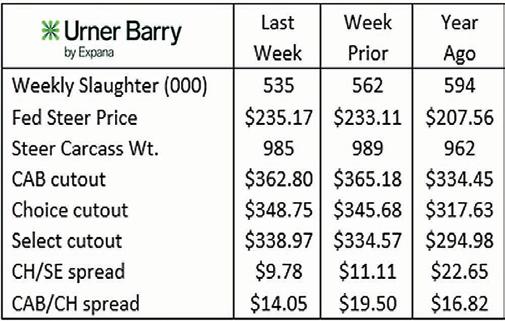
In fed cattle prices, the last week of January values were slightly stronger, with the top end of reported prices in the $236 per hundredweight (cwt) range.
The January ribeye roll price downshift has been substantial with a 25 percent decline from the December average. This action has placed ribeye values slightly lower than in the previous three Januarys.
The seasonal downturn for tenderloins is similarly sharp, with an 18 percent price decline from December to January.
The February Live Cattle Contract was valued at $235 per cwt early in the week and consequently provides no directional guidance beyond current spot market news.
Compared to analyst expectations, the Jan. 23 Cattle on Feed Report held no surprises, as the Jan. 1 head count was 3.2 percent below a year ago.
The ninth consecutive month of year-on-year declines in placements saw December 2025 placements 5.4 percent smaller than in December 2024. This larger December marketing number, 1.8 percent higher than a year ago, reflects an additional marketing day in the month but a net daily marketing volume smaller than a year ago.
So far, the characteristic January increase in demand for end cuts has occurred with all of the round primals either maintaining an elevated price or undergoing sharp increases. Roasting cuts from the chuck have also posted big increases, aligning with the expected January trend.
These shifts in demand affect price spreads based on carcass quality, as the cuts commanding the highest per-pound premiums lose some seasonal demand through the first quarter.
As cattlemen observe the current market there are questions about the decline in the ChoiceSelect spread and further premiums for CAB and Prime cutout values.
Carcass cutout values have primarily increased in January, although the last week of January’s average Certified Angus Beef (CAB) cutout value is shown as a few dollars cheaper as the quality spreads narrowed.
It should be noted Urner Barry’s $9.78 per cwt Choice-Select spread is double that of the U.S. Department of Agriculture’s reported value for the week.
Some have suggested demand for premium Choice CAB and Prime carcasses is possibly waning.
However, it’s perfectly natural this time of year as the total rib primal price drops from 170 percent of the cutout price to 125 percent, and the loin drops from 132 to 126 percent.
This is due to nuances in how the two entities capture and have the data weighted in weekly information.
Seasonal demand shifts
As January wraps up, it’s apparent the month’s carcass cutout values have held up quite well in relation to December values.
Through the last week of January, the CAB cutout price was just three dollars per cwt cheaper than a month ago by less than one percent.
Evaluating the steer and heifer harvest totals shows much smaller weekly totals in January than in early December, creating a significant supply difference relative to demand.
It is often said January is the lowest beef demand month of the year, while February likely vies for the second lowest, with the exception of a Valentine’s
Meanwhile, the chuck has increased from 82 to 92 percent of the cutout price and the round elevated from 79 to 84 percent of the cutout in the December to January price changes.
Looking ahead to March, carcass quality grades should build toward the annual high percentages for the share of CAB and Prime carcasses. Potential to test or break recent records for high-quality grades is possible late in the first quarter.
However, a very limited fed cattle harvest is at the top of the issues list during this period, so the likelihood of an overabundance of quality carcasses may very well be countered by small head counts. It promises to be an interesting season for premium beef supply.
Paul Dykstra is the director of supply management and analysis at CAB.