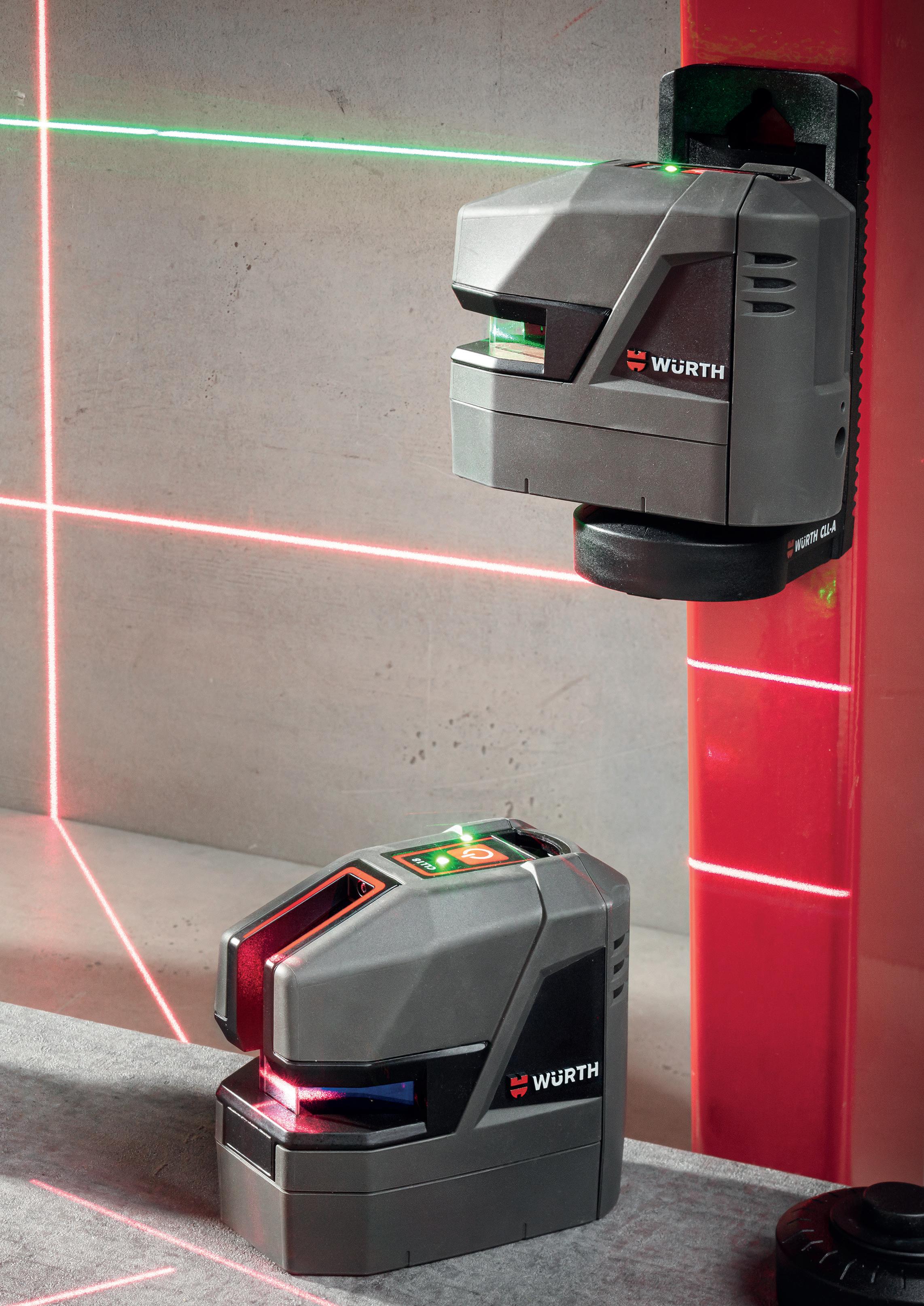
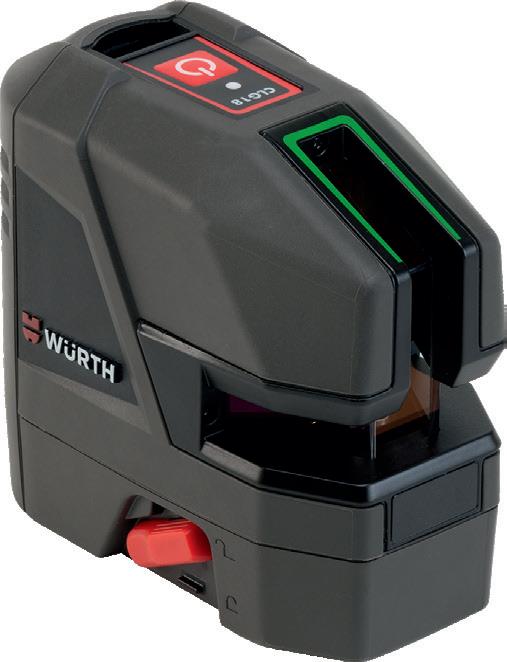
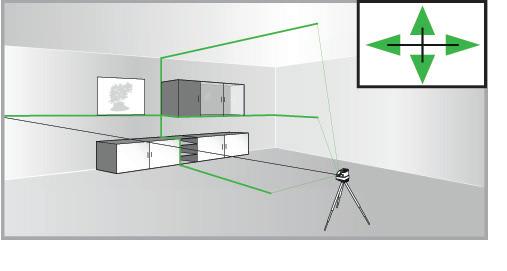
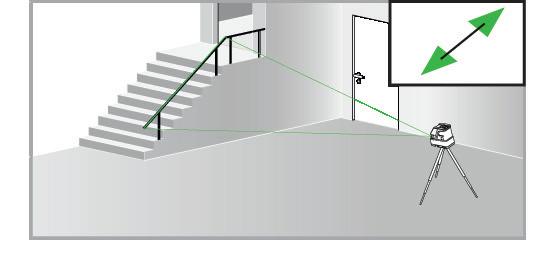
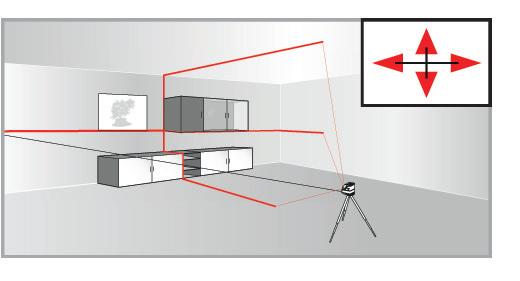
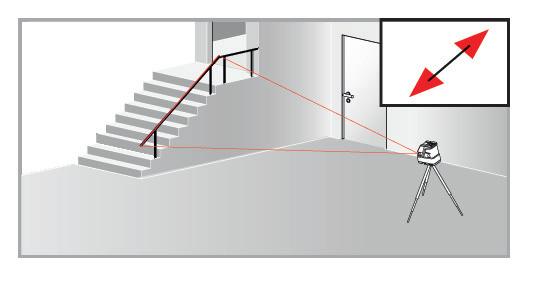
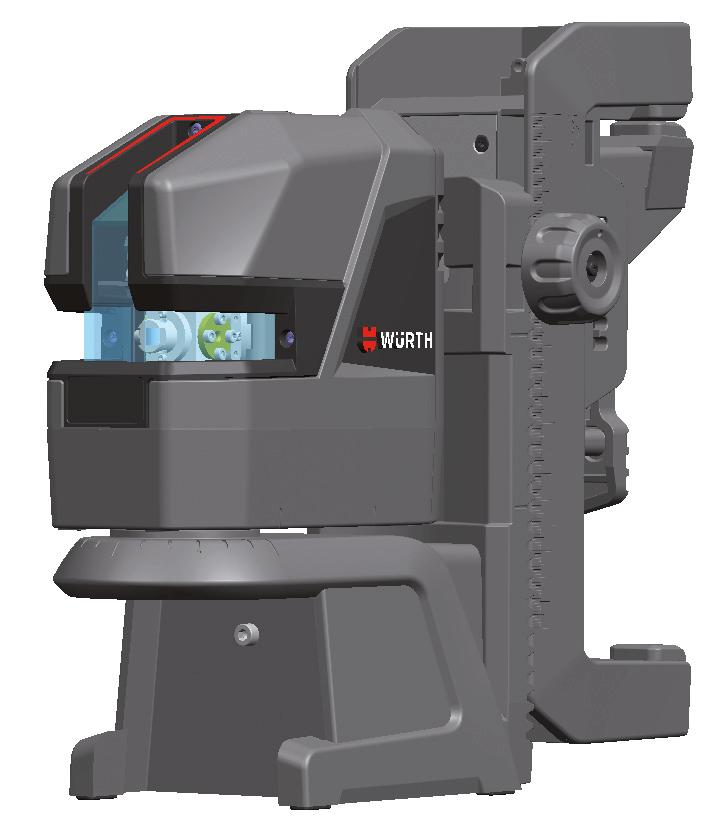
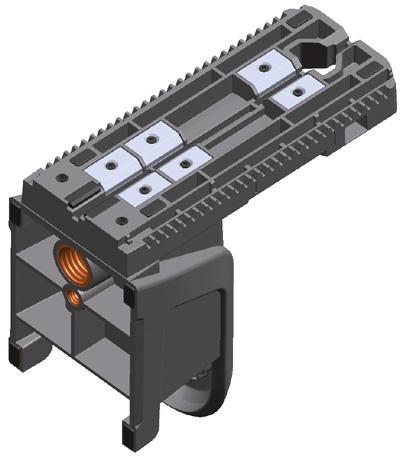
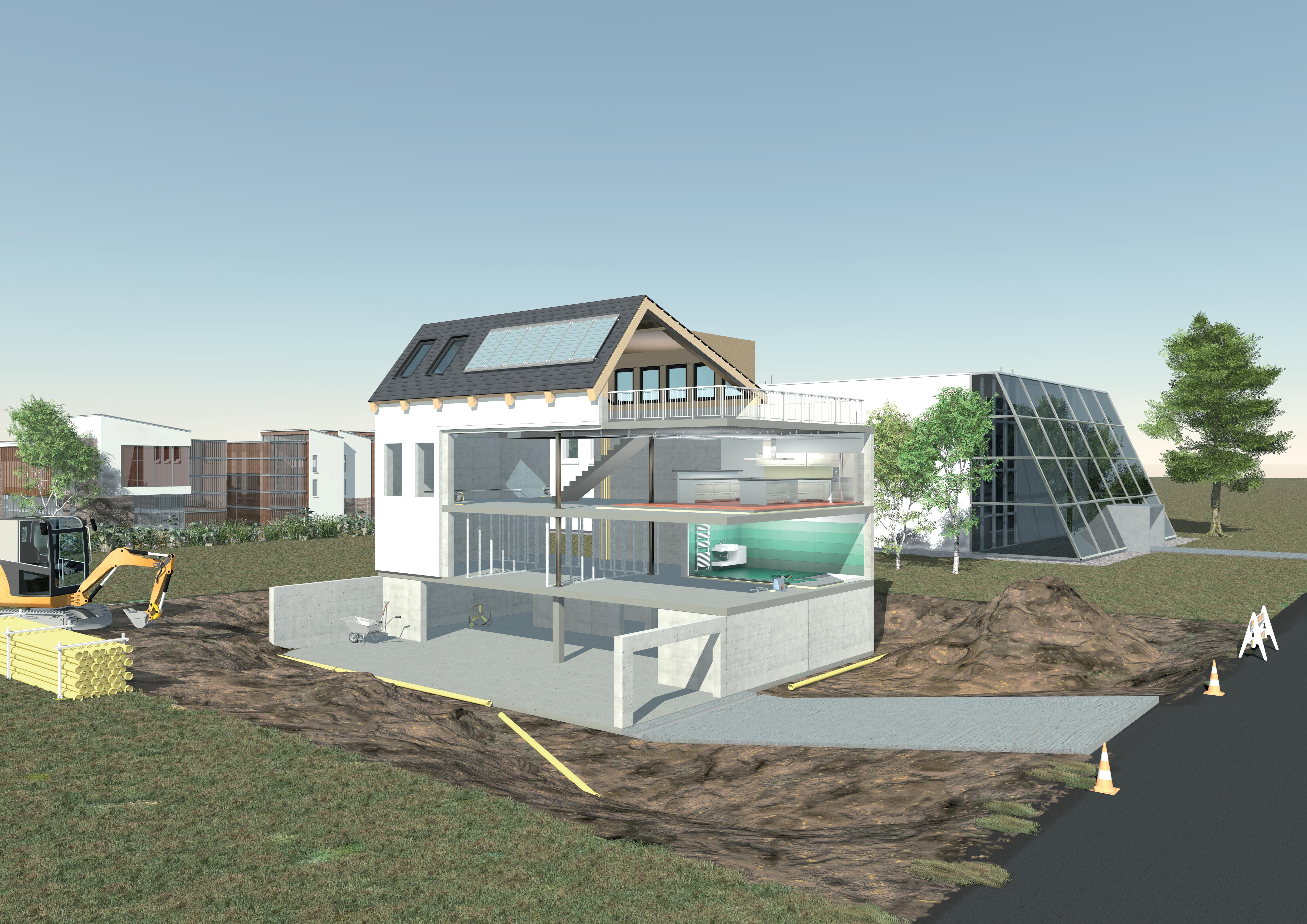
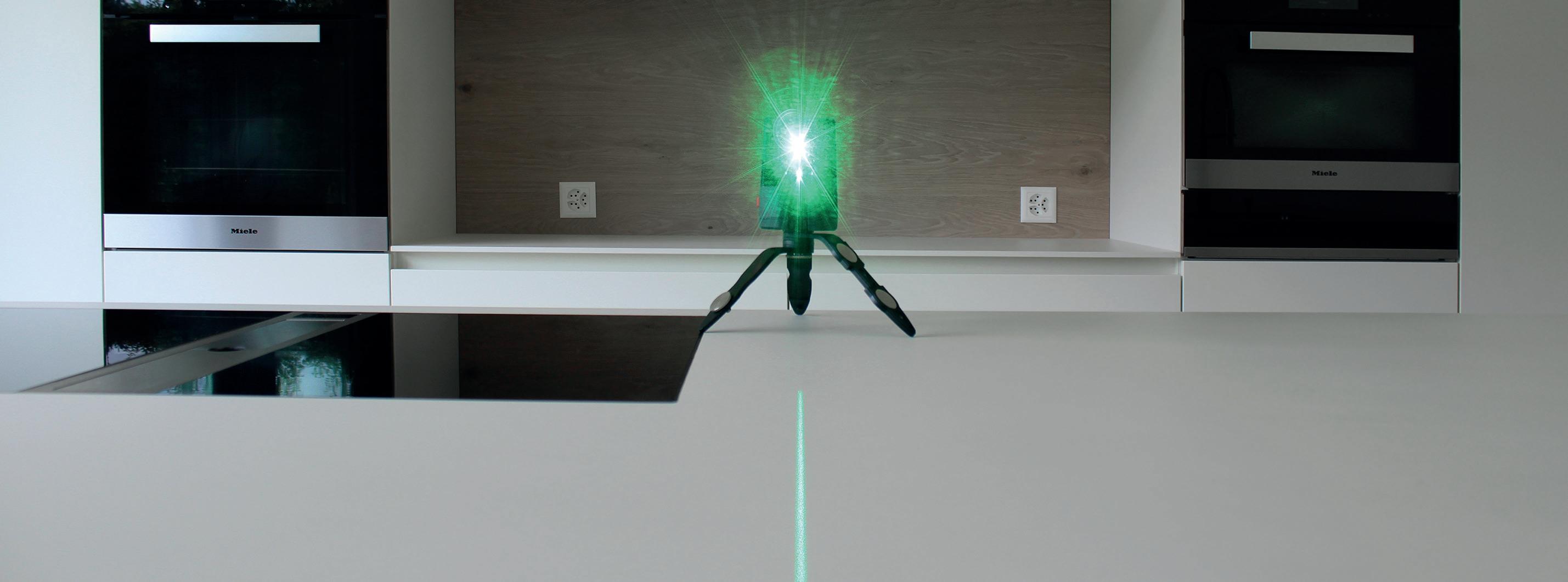
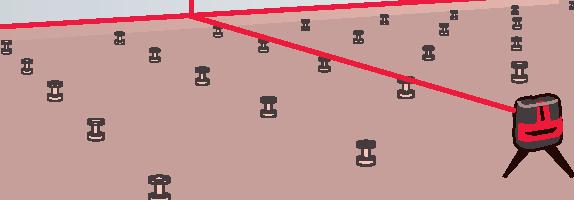
Laser is an internationally recognised term, and is an acronym for Light Amplification by Stimulated Emission of Radiation. The laser principle works both in the visible wavelength range and in the two adjacent invisible UV and IR wavelength ranges.
But why do we need lasers?
A laser can be used wherever a strong, highly concentrated, very straight and extremely sharp-focussed light beam is required. For example, a laser beam scans the grooves on a CD. Even barcodes on items in the supermarket are usually scanned at the till using a laser beam. Depending on the way it is reflected, the computer in the till knows which barcode and therefore which item is being scanned. Furthermore, lasers are now used in marine research. Laser beams are sent underwater and researchers observe the way they change to find out information about the substances present in the water. All this would not be possible with normal light.
But lasers can of course also be used in cutting applications. However, this requires much stronger lasers, which are based on an entirely different principle.
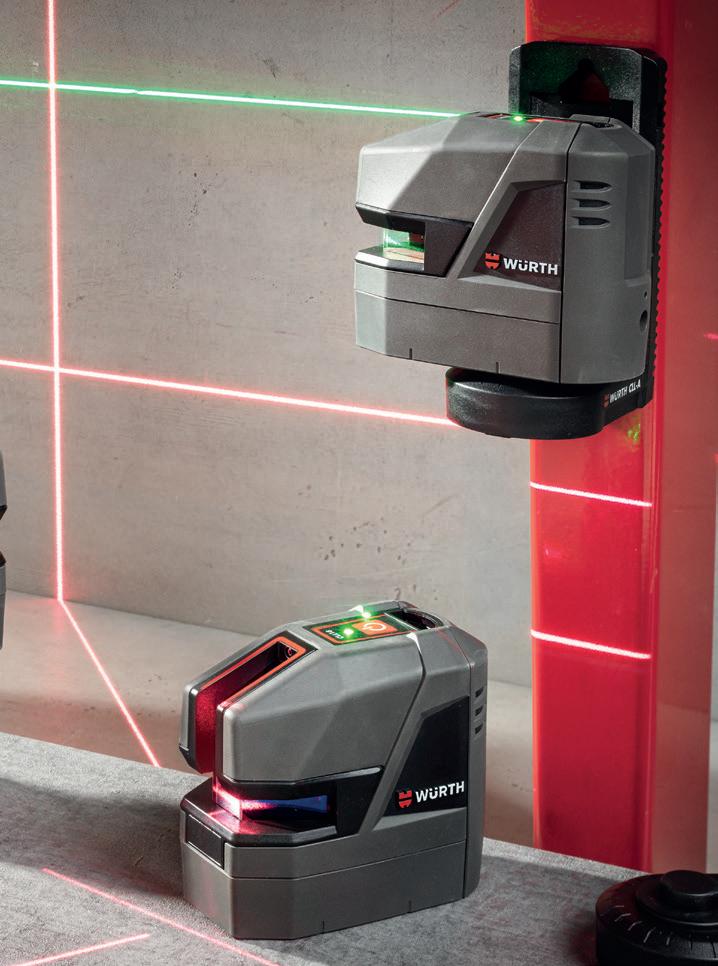
The Würth laser (Laser Class 2):
The human eye possesses a natural protective mechanism against light stimuli — the eyelid closure reflex. This means the eyelid closes within 0.25 seconds of a stimulus appearing. For lasers up to Class 2, the eyelid closure reflex prevents the retina against damage if the laser beam accidentally hits the eye directly, as the radiation time is only 0.25 seconds and the output does not exceed 1 mW. However, if the eyelid closure reflex is suppressed or does not work, the retina can also be damaged by laser pointers up to Class 2.
Laser classification and safety precautions:*
Class 1 ● None
Class 1M ● Specifically warn people who may use optical instruments
(magnifiers, microscopes, telescopes).
Class 2 ● Do not look into the beam.
● Do not intentionally direct the beam towards people.
Class 2M ● Do not look into the beam.
● Do not intentionally direct the beam towards people.
● Specifically warn people who may use optical instruments (binoculars, levelling instruments, theodolites, etc.).
Class 3R ● Only used in justified cases.
● To be used only by qualified and trained personnel. These personnel must be aware that the beam must not be at the eye level of people who are sitting or standing, and that lasers that are not currently in use must be protected against unauthorised access.
Class 3A ● Invisible radiation: See Class 1M.
● Visible radiation: See Class 2M. If the beam has not expanded, the rules for Class 3R apply; i.e. the use of laser pointers >1 mW is not justified and should be prohibited.
Class 3B Lasers in Classes 3B and 4 must be operated only in a + Class 4 delimited and monitored laser area. The operator must ensure that the beam cannot unintentionally hit anyone. To do so, they must take the necessary safety precautions. Access to the laser area must be controlled.
Personnel working with lasers in Classes 3R, 3B and 4 must be informed of the risks by a laser safety officer and instructed on correct behaviour before commencing their tasks. The use of a laser safety officer as recommended by the laser standard is an obligation based on the general occupational health and safety regulations (verification of a safety organisation in the case of special risks, EKAS guideline no. 6508). The laser safety officer and their duties must be specified in writing by the company management.
* Source: SUVA information sheet on lasers "Caution: laser beam!"; Author: Bruno J. Müller, Physics
DISTANCE METERS
What does it mean to be ISO 16331-1 tested?
The range and accuracy of laser distance meters heavily depends on the lighting conditions and reflection behaviour of the measuring target. At Würth, it is important that the devices not only perform well under perfect lab conditions, but above all that the performance can be maintained during everyday use on the construction site. Devices that have been tested in line with ISO 16331-1 deliver what they promise.
Why are laser distance meters better than ultrasonic measuring devices?
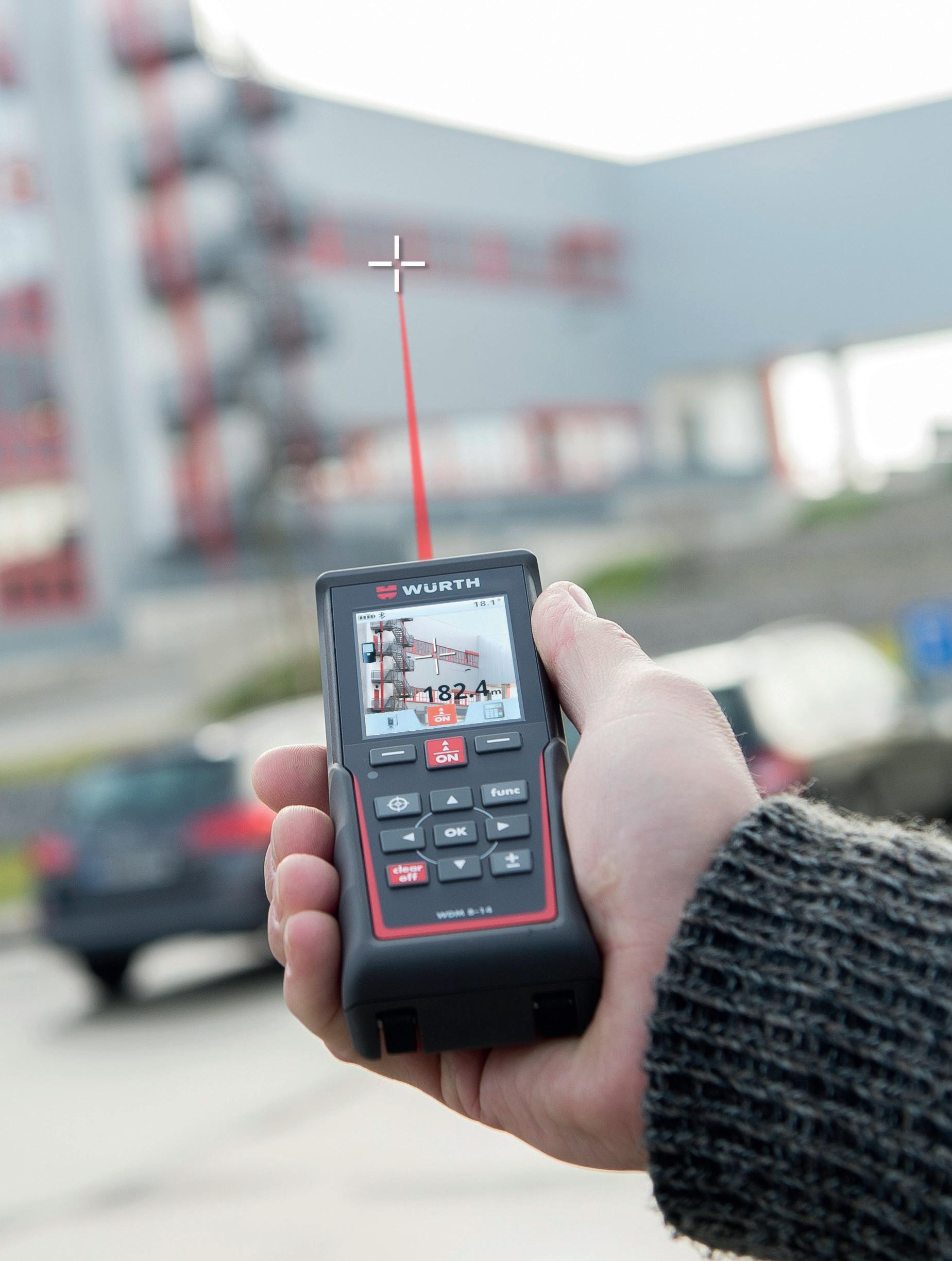
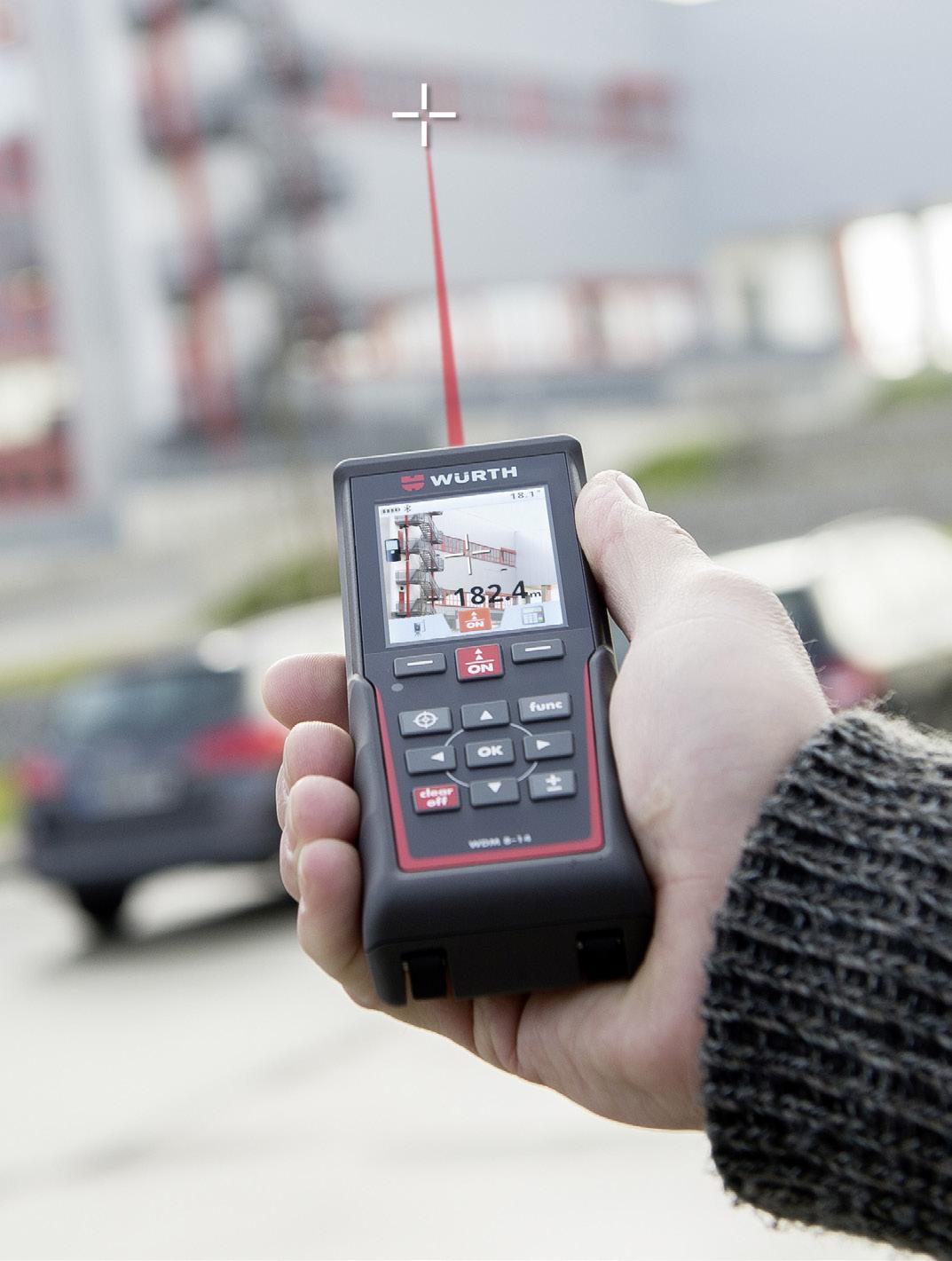
Würth WDM uses laser light to measure with precision and unrestricted by obstacles. Ultrasonic devices measure using sound waves that spread out from the instrument in a conical shape and do not produce a precise measurement result. The sound waves are deflected by objects or columns.
An ultrasonic device usually has a range of 20 metres, while a Würth WDM measures up to 200 m with greater accuracy!
Functions:
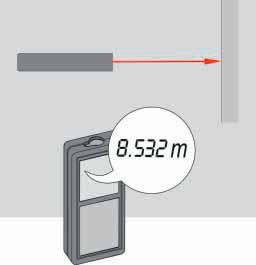
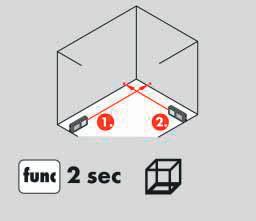
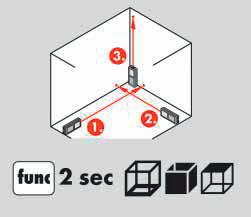
Distance measurement, area measurement, volume measurement, Tracking (continuous measurement)
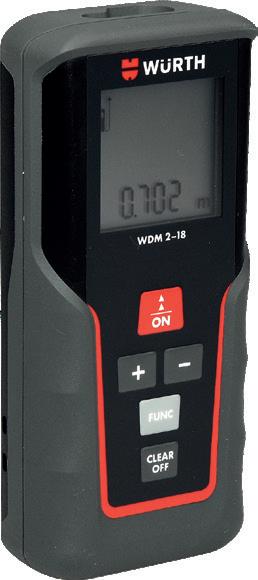
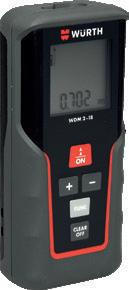
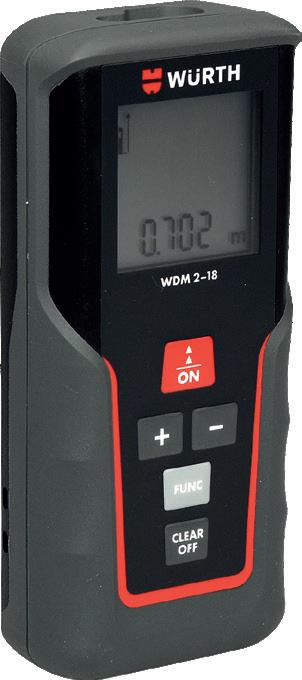
Laser distance meter WDM 2-18
The WDM2-18 is a practical, precise laser rangefinder for measuring lengths and calculating areas.
• Extremely lightweight and practical device
→ Simple and fast operation
• Large soft components
→ Highly robust
• Measuring range of 0.20–50 m
→ Accurate measurement of distances with only one person
• Illuminated three-line display
→ Very easy to read
• Special functions
→ Area, volume, continuous measurement, addition and subtraction
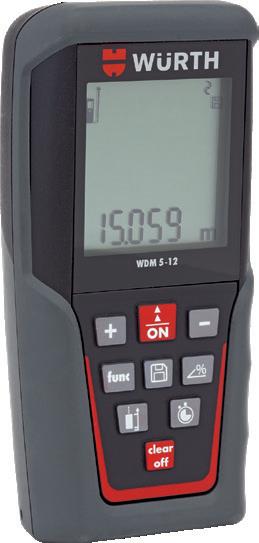
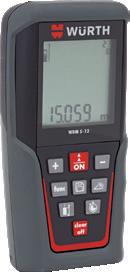
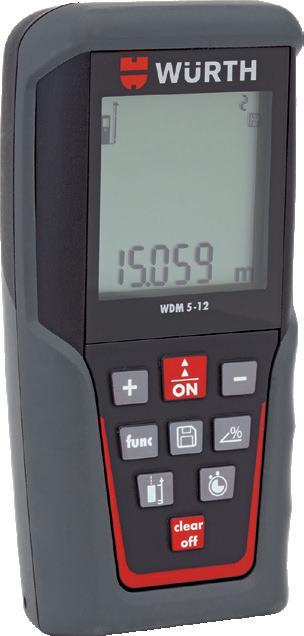
The WDM 5-12 is a high-precision laser rangefinder whose technical specifications (accuracy ± 1.0 mm, range 100 m) fully correspond to ISO standard 16331-1.
Additional features such as the ergonomic, extremely robust housing design make the WDM 5-12 particularly user-friendly.
• Large illuminated display
→ Very easy to read
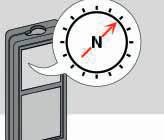
• Compass
→ Enables precise orientation
• 360° inclinometer
→Levelling, measuring of roof pitches or gradients
• Room dimensions function
→ Lateral surface, ceiling or room size
• Extremely robust, practical device
→ Shock protection through extra-thick soft components
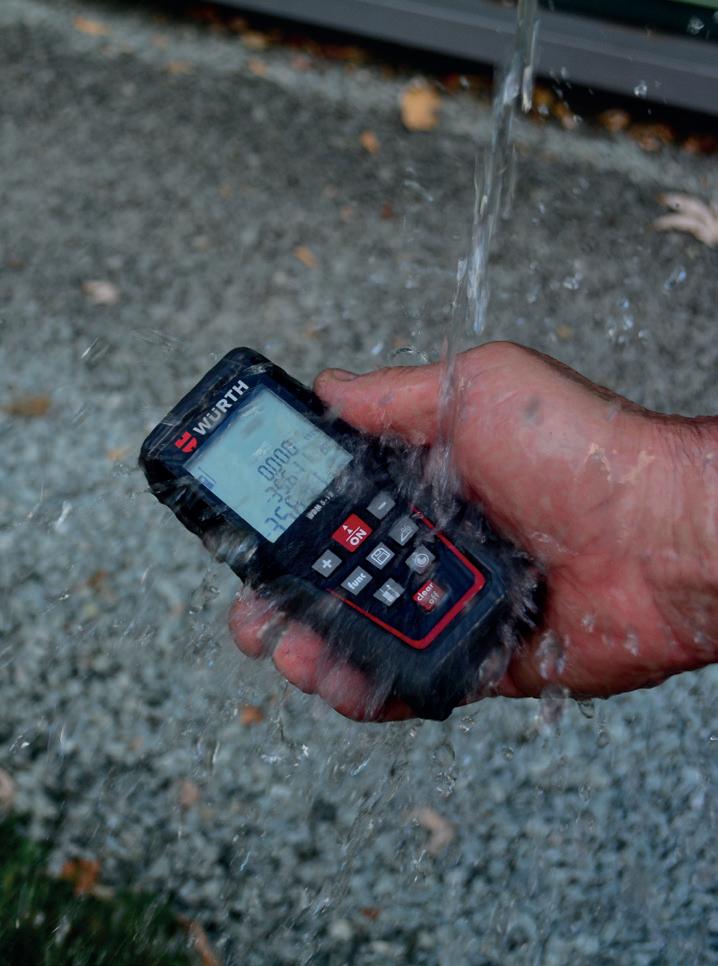
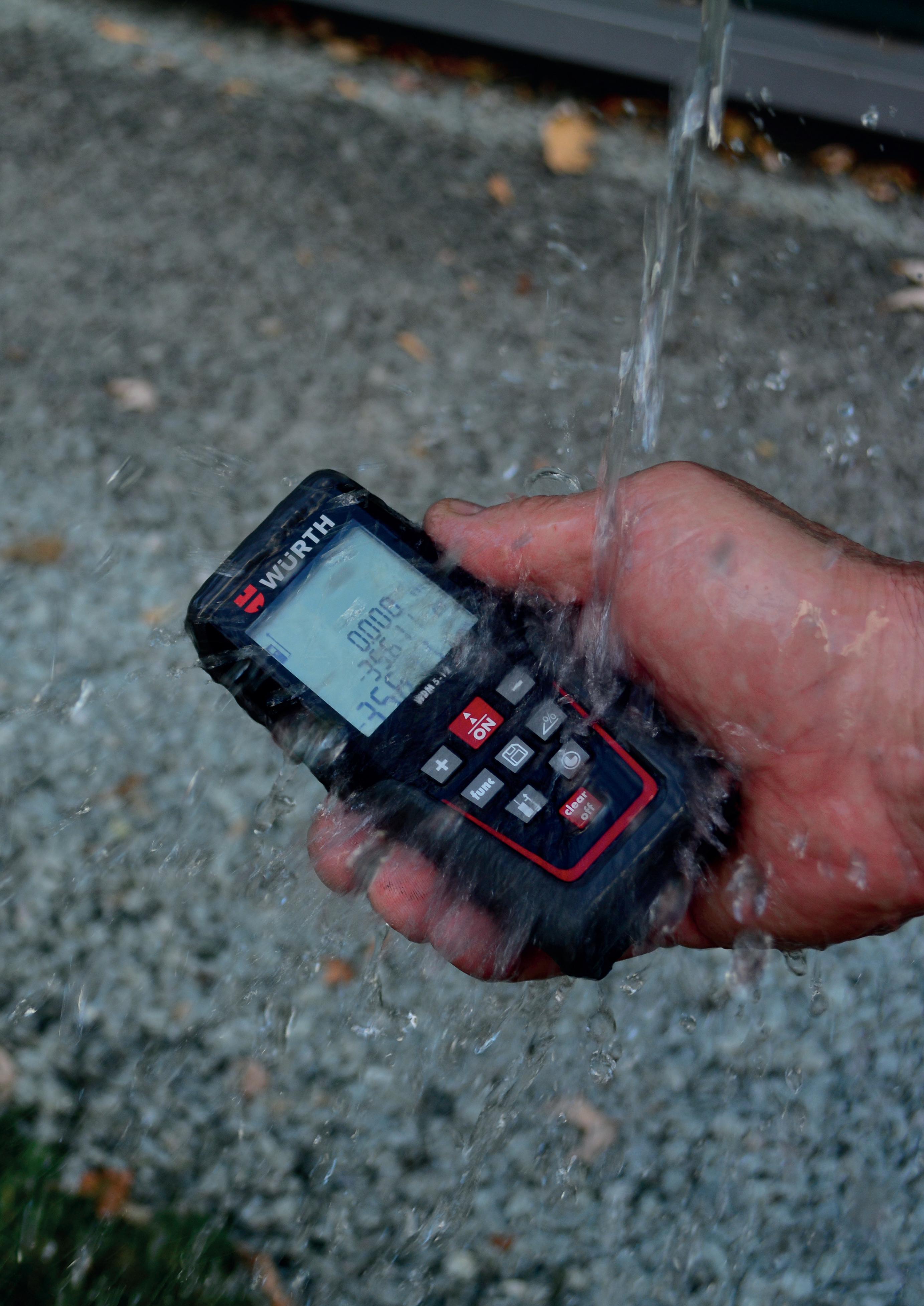
→ IP65 (dustproof and protected against water jets from all directions)
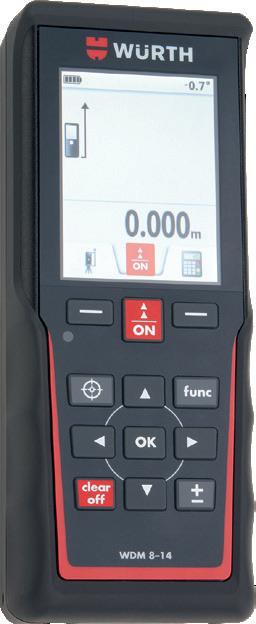
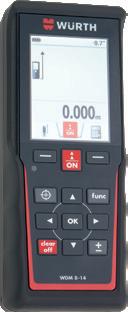
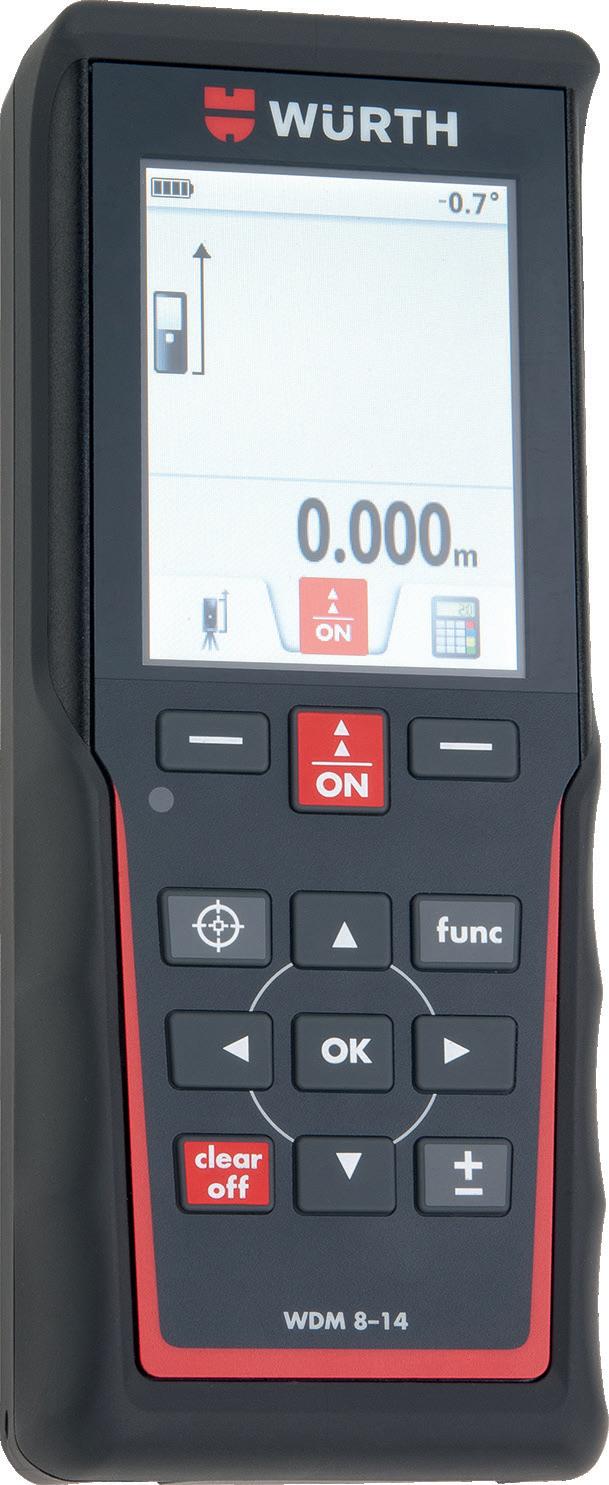
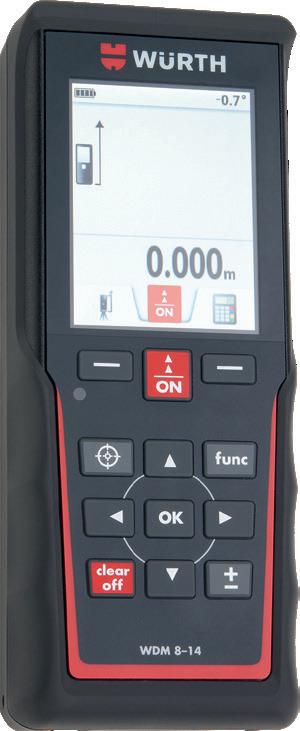
1x laser rangefinder, WDM 8-14, belt pouch, operating instructions on CD, quick start guide, 2x lithium batteries AA 1.5 V
Note:
Data transmission to iPhone and iPad
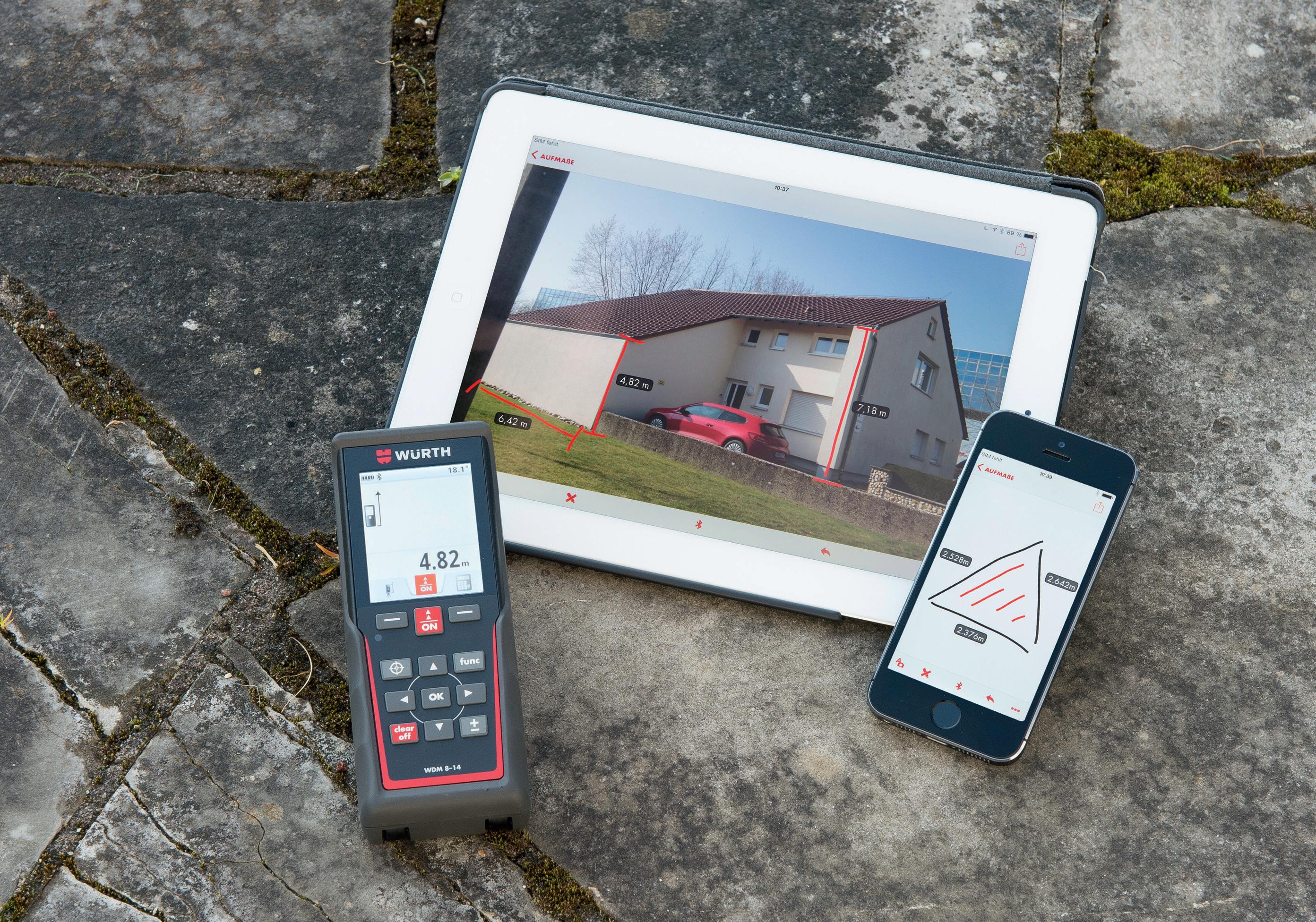
The measured values can be transferred to an iPad or iPhone via the Bluetooth smart function using the free Würth App.
(Also compatible with most Android devices)
Art. no. 5709 300 515
PU/Qty. 1
Technical data (acc. to ISO 16331-1)
Measuring accuracy: ± 1 mm
Range: 200 m
Incline sensor: 360°
View finder with zoom: 4x
Memory: 30
Data interface: Smart Bluetooth® v4.0
Laser Class: 2
Measurements per battery set: Approx. 5000
Batteries: Type AA, 2x 1.5 V
Tripod thread: ¼ inch
Protection class: IP 54 (dust, splash water)
Dimensions: 143 x 58 x 32 mm / 5.6 x 2.28 x 1.26 in
Weight with batteries: 198 g
THE WÜRTH APP
Bring your office to the construction site
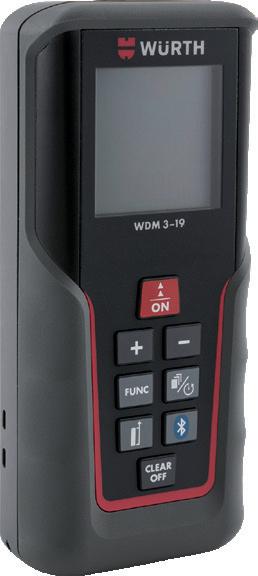
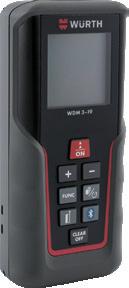
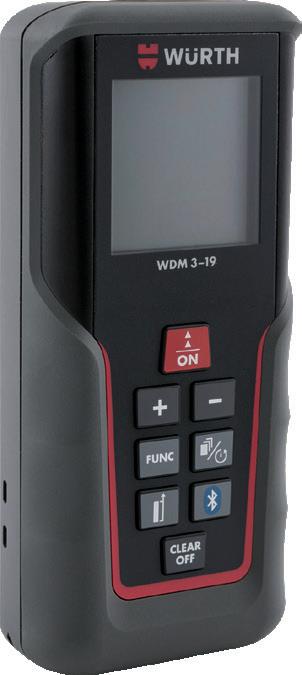
The clever, free Würth app is the ideal way to link the WDM 3-19 and WDM 8-14 with Bluetooth® Smart to a smartphone or tablet. It can be used to quickly create sketches and photos and accurately measure them. The data can then be sent directly to the office. This simplifies and accelerates the workflow.
Create
a scaled plan
Simply draw a sketch on the touchscreen of your smartphone or tablet using your finger. The freehand lines are then straightened automatically. The measurement results can be assigned to the corresponding lines just
as easily.
Dimension
objects in the photo
Take a photo with your smartphone or tablet, transfer the measurements from the WDM 3-19 or WDM 8-14 using Bluetooth® Smart, and assign it to the appropriate distance in the photo. All measurement results are documented and can then be correctly assigned back in the office.
Check construction drawings
Compare a PDF drawing on your smartphone or tablet to reality and add measurement results, notes, sketches or photos. This allows you to always have all information together in one document.
The WDM series
AT A GLANCE
Technical data Designation
View finder with 4x zoom
trigger (timer)
illumination
app
interface
Measurements per battery set
Multi-purpose end piece
Tripod thread
Accessories
Homing board
for difficult measuring situations
Art. no. 0714 640 612
PU/Qty. 1
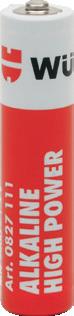
Alkaline battery AAA 1.5 V
Art. no. 0827 111
PU/Qty. 4
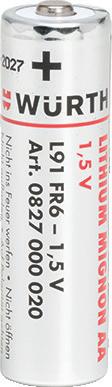
Lithium battery AA 1.5 V
Art. no. 0827 000 020
PU/Qty. 2
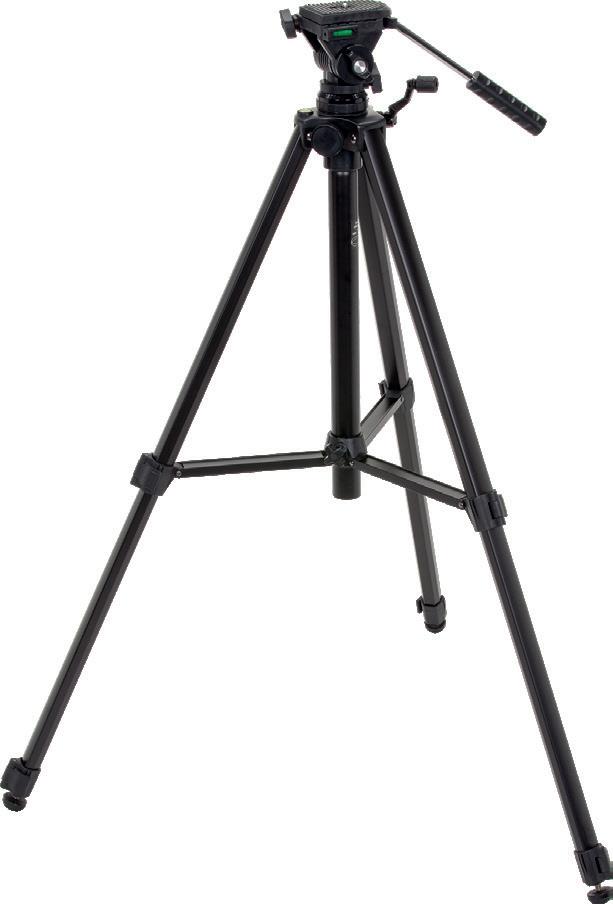
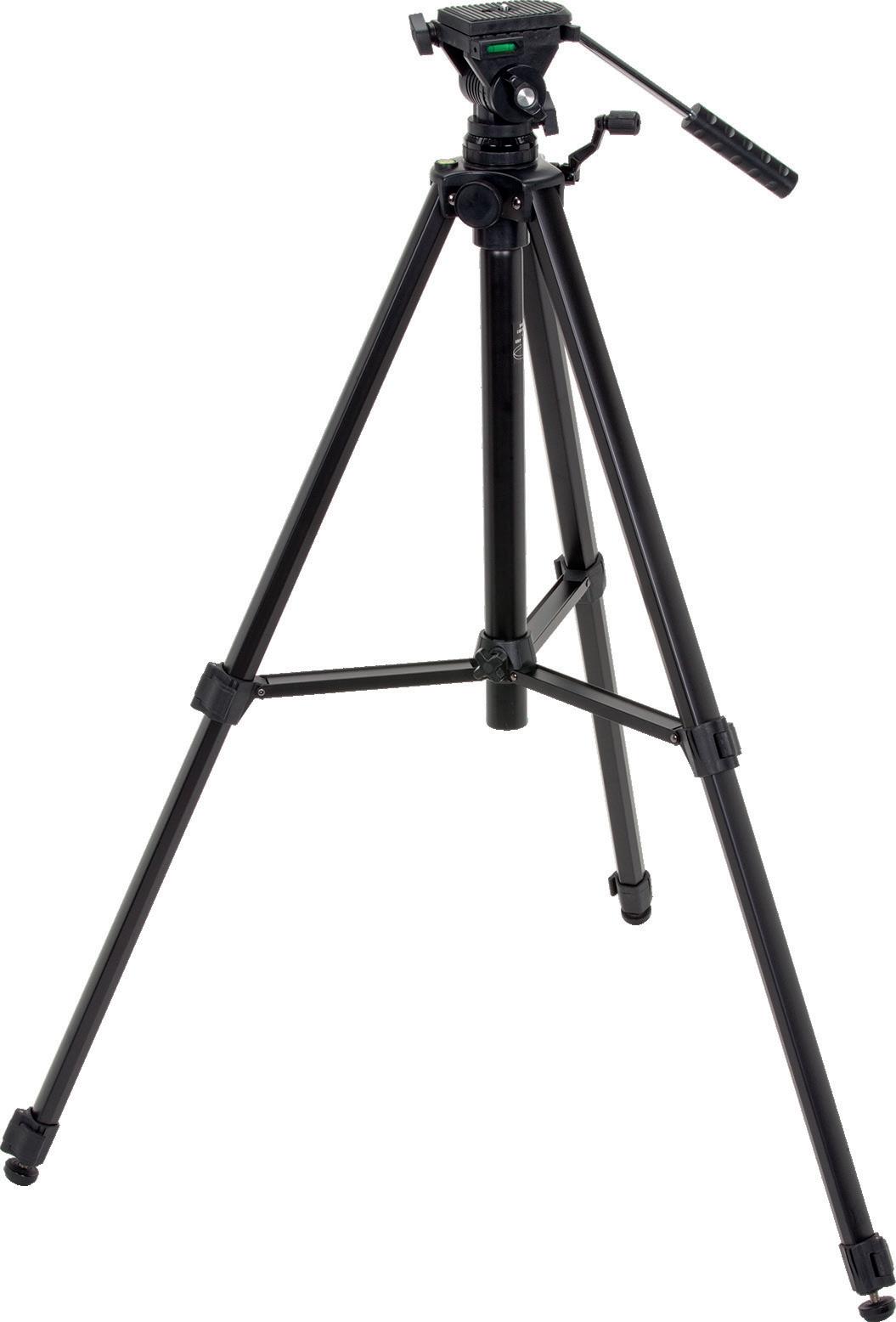
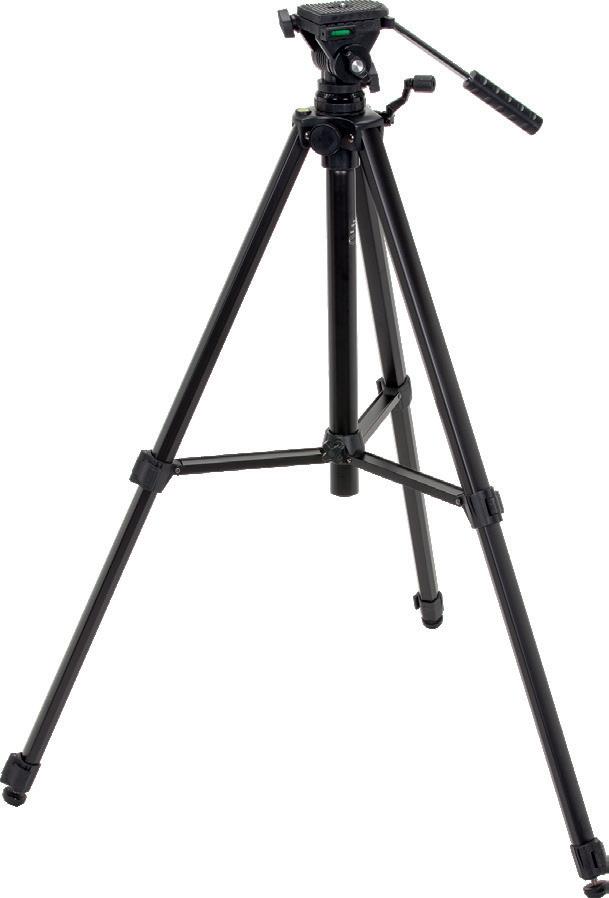
Aluminium elevator tripod ¼ inch
• Made of aluminium with plastic tripod head
• Robust tilt head; fast and reliable fine adjustment
• Tripod screw: can be secured quickly by hand
• Clamp closure with solid tripod height
• ¼ inch connecting thread
• Maximum working height 170 cm
• Minimum working height 70 cm
• Metal feet
• Size of individual packaging: 700 x 130 x 130 mm
• Weight: 2.9 kg
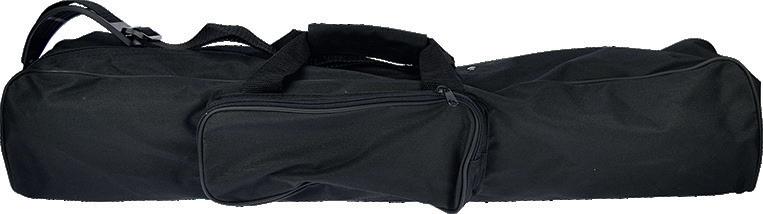
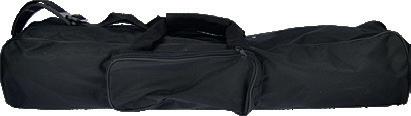
• Practical carry case with shoulder strap
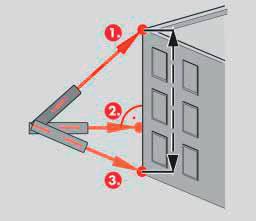
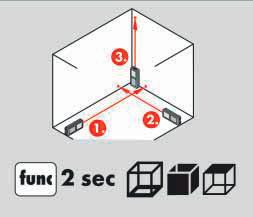
Application: Pythagoras function WDM, cross line laser
Art. no. 0714 649 210 PU/Qty. 1
LINE LASERS
CROSS AND DOT LASERS
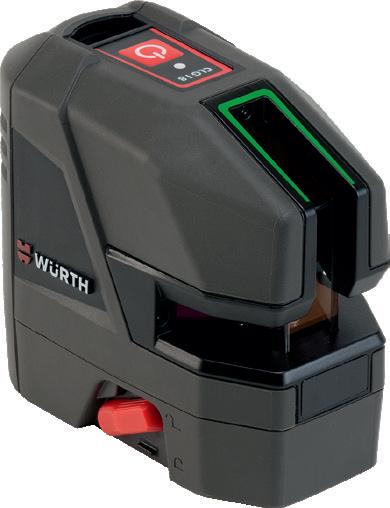
Cross line laser CLG 18
• Best visibility of green laser lines in the industry
• Projects clear and razor-sharp lines
• Over 180° laser beam angle
• Tripod thread screw for ¼-inch tripods
• CL-A adapter with power magnets
• Can be swivelled with ¼-inch and ⅝-inch thread suitable for photo and construction tripods
Art. no. 5709 300 041
PU/Qty. 1
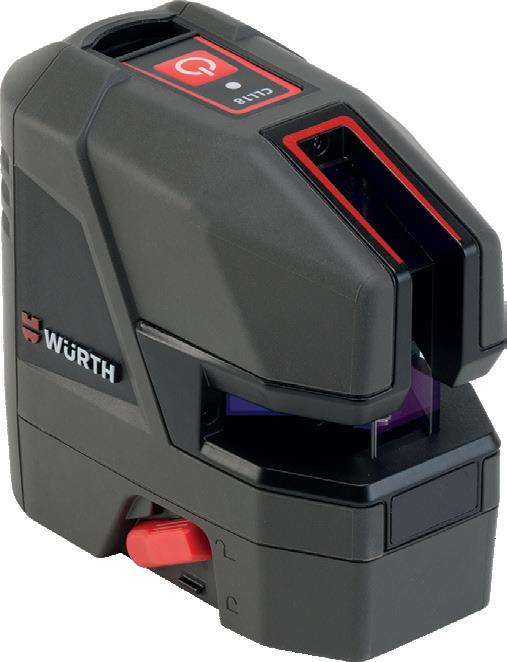
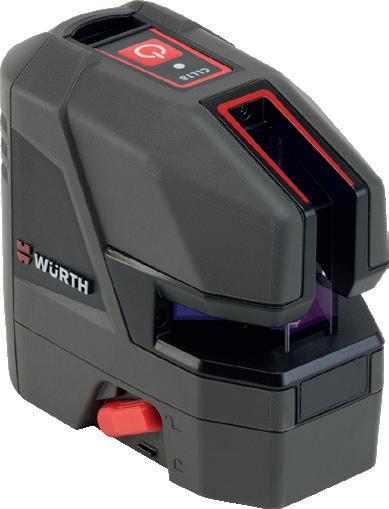
Cross line laser CLL 18
• Best visibility of red laser lines in the industry
• Projects clear and razor-sharp lines
• Over 180° laser beam angle
• Tripod thread screw for ¼-inch tripods
• CL-A adapter with power magnets
• Can be swivelled with ¼-inch and ⅝-inch thread suitable for photo and construction tripods
Art. no. 5709 300 021 PU/Qty. 1
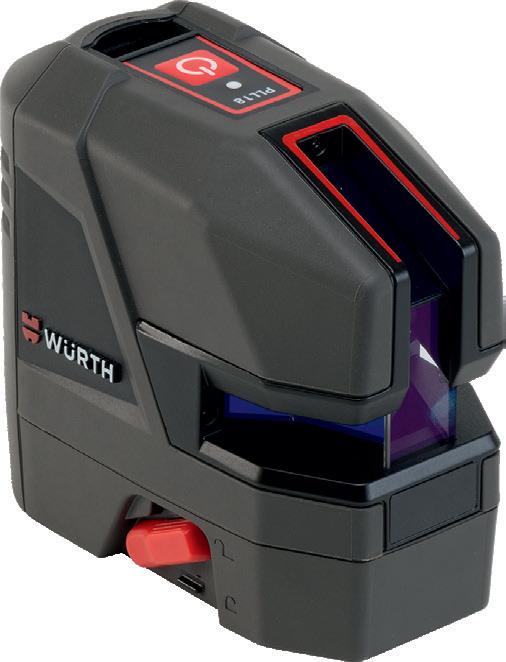
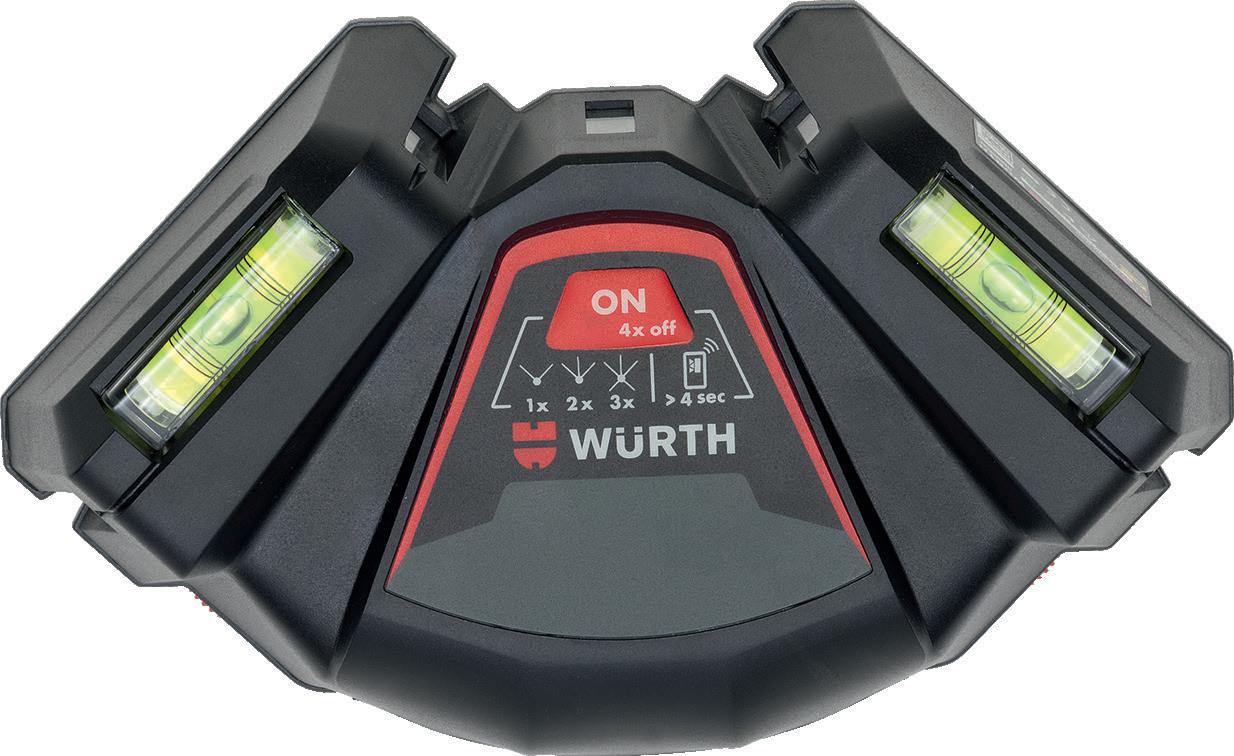
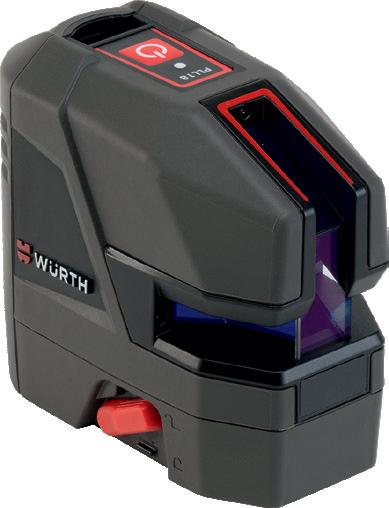
Dot and line laser PLL 18
• Best visibility of red laser lines in the industry
• Projects clear and razor-sharp lines
• Over 180° laser beam angle
• 4 plummet and delimiting dots
• Tripod thread screw for ¼-inch tripods
• PLL-A adapter with power magnets and stop for drywall profiles
• Swivelling for transferring measuring dots and delimiting dots, ¼-inch and ⅝-inch threads suitable for photo and construction tripods
Art. no. 5709 300 222
PU/Qty. 1
Line lasers
Energy supply options
Lithium-ion battery, alkaline battery or 100–240 V ~ 50/60 Hz
(The rechargeable Li-ion battery can also be charged while working!)
Intelligent adapter design
A solution for every work situation!
The adapters can be used both on photo tripods (¼ inch) and construction tripods (⅝ inch).
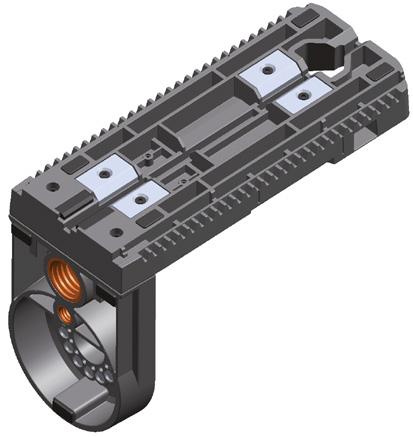
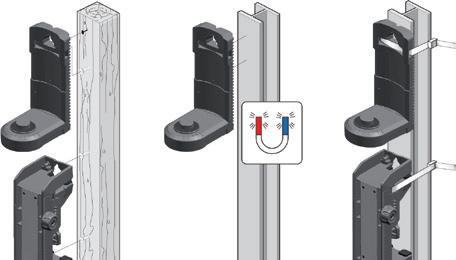
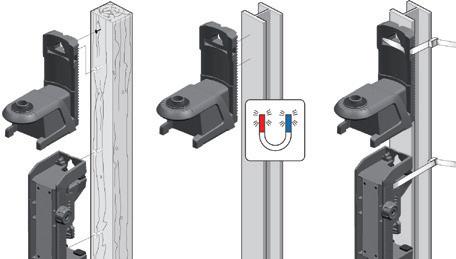
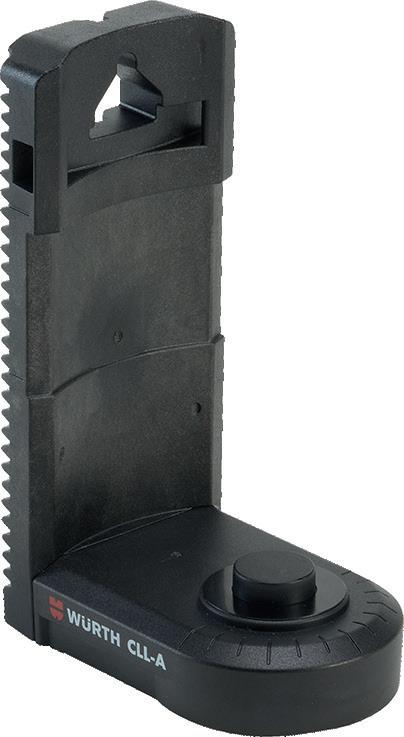
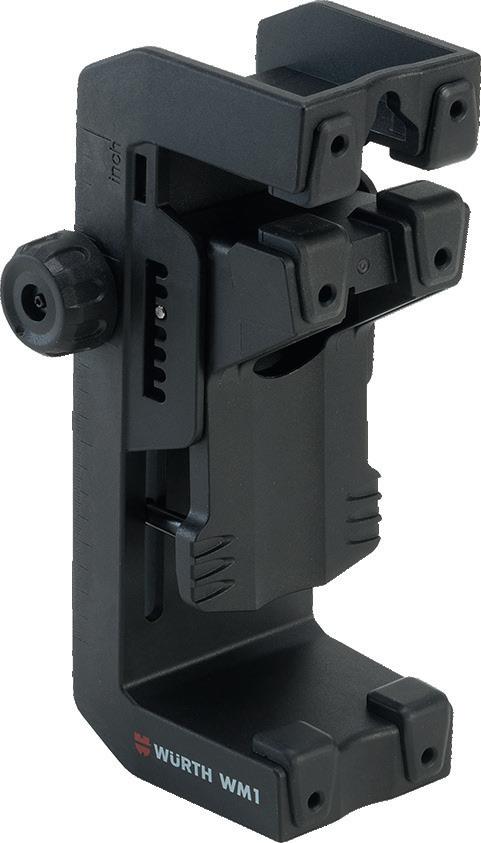
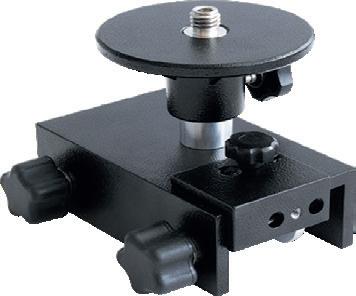
The CLL-A and PLL-A adapters included in the scope of delivery can be attached to the optional WM-1 wall bracket (art. no. 5709 300 908) using power magnets.
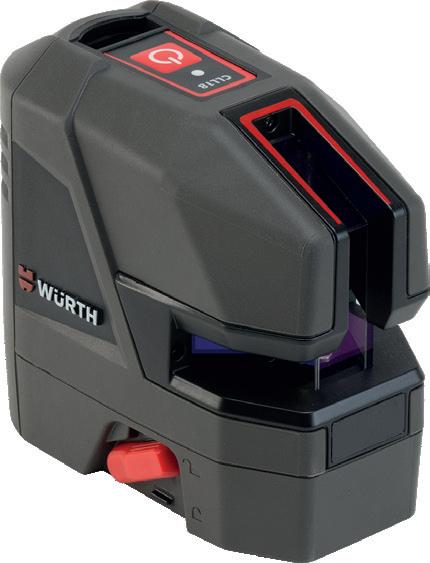
Cross line laser CLL 18
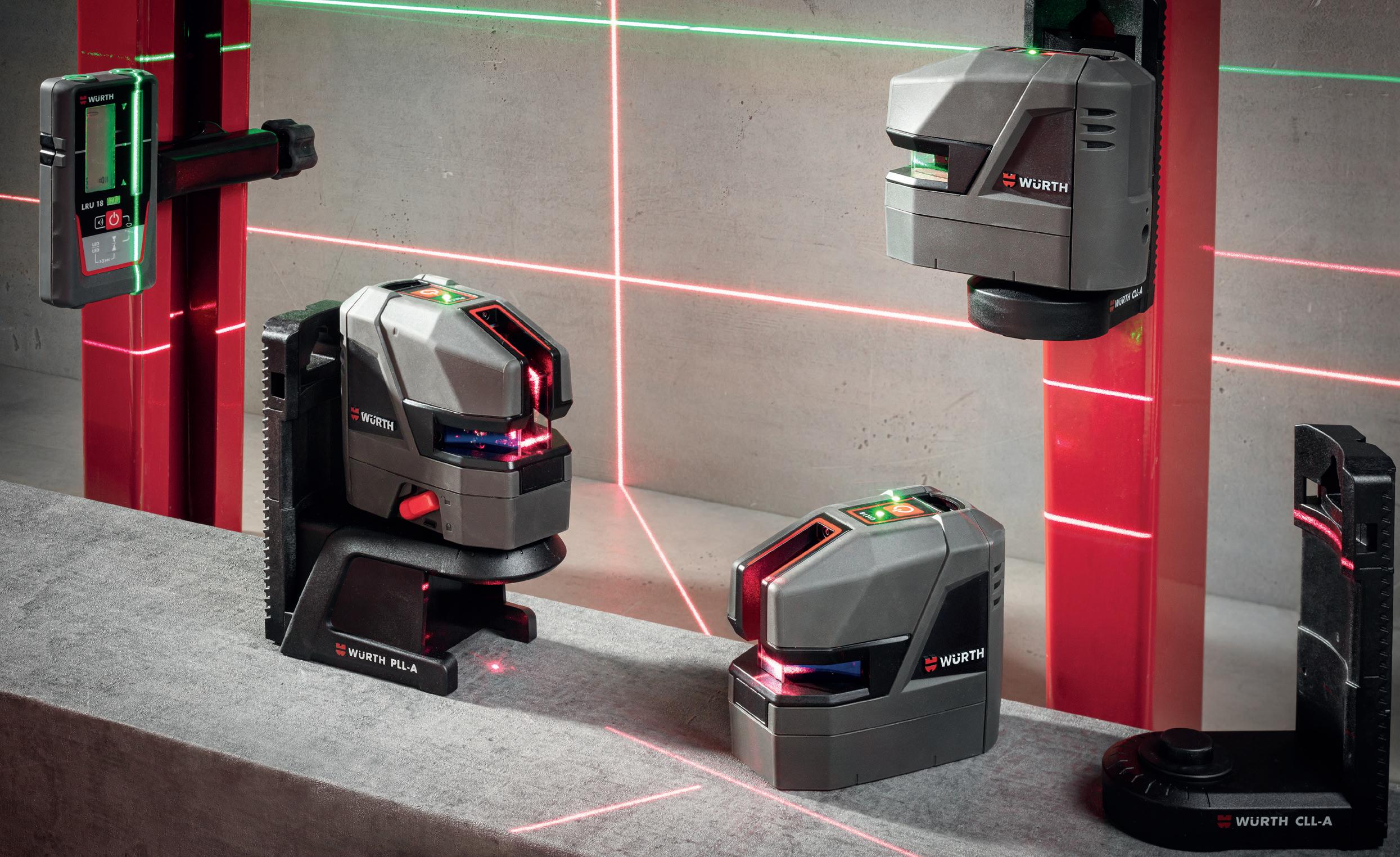
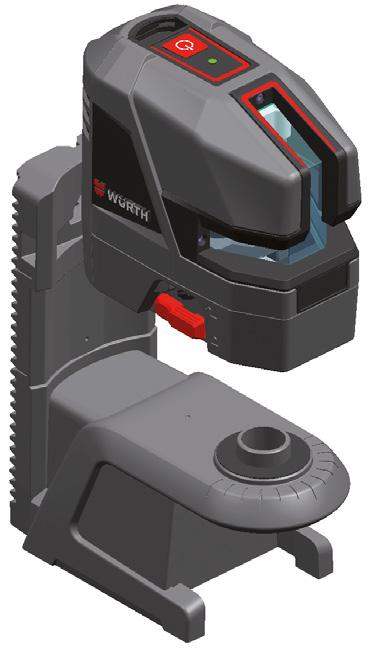
Self-levelling cross line laser for indoor and outdoor use with highly visible red laser lines.
Highly visible laser lines
• The large outlet openings in the laser create particularly long lines
• Fine, yet clear lines
Saves time
Self-levelling takes just seconds.
Simple one-button operation
All lines can be quickly and easily connected and disconnected with a single button.
Can be used over longer distances
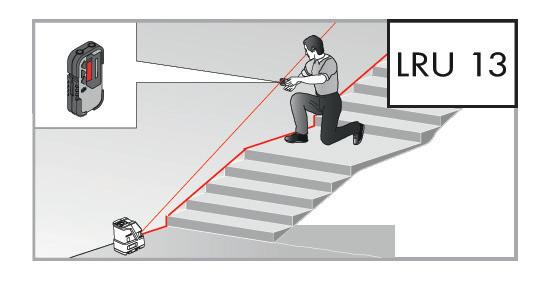
Can also be used for levelling over longer distances with the LRU 18 handheld receiver.
Level monitoring
If the self-levelling range is exceeded, the laser lines start flashing. Levelling errors are therefore eliminated.
Flexible mounting
• The laser can be attached to ceiling profiles, ¼ and ⅝ inch tripods using the optional WM 1 universal wall mount.
• A strong magnet system supplied with the CLL-A adapter easily holds the laser on steel surfaces
Ecological and economical
• The lithium-ion battery pack enables the device to be used while it is charging
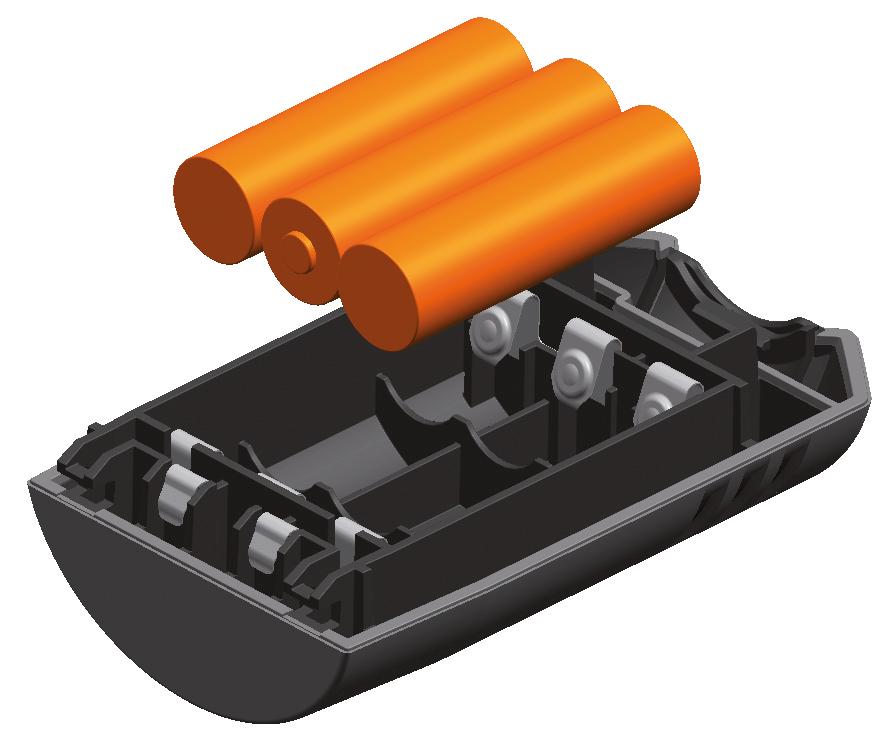
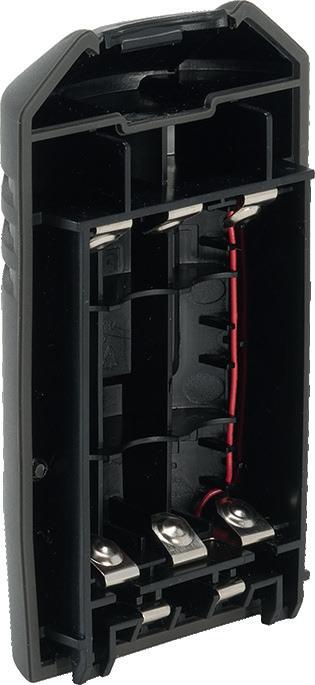
• Alkaline batteries can also be used (battery holder included in scope of delivery).
Type of rechargeable battery/battery: Li-ion or alkaline
Rechargeable battery/battery life: Up to 44 hours (44 hours [1 beam] continuous)
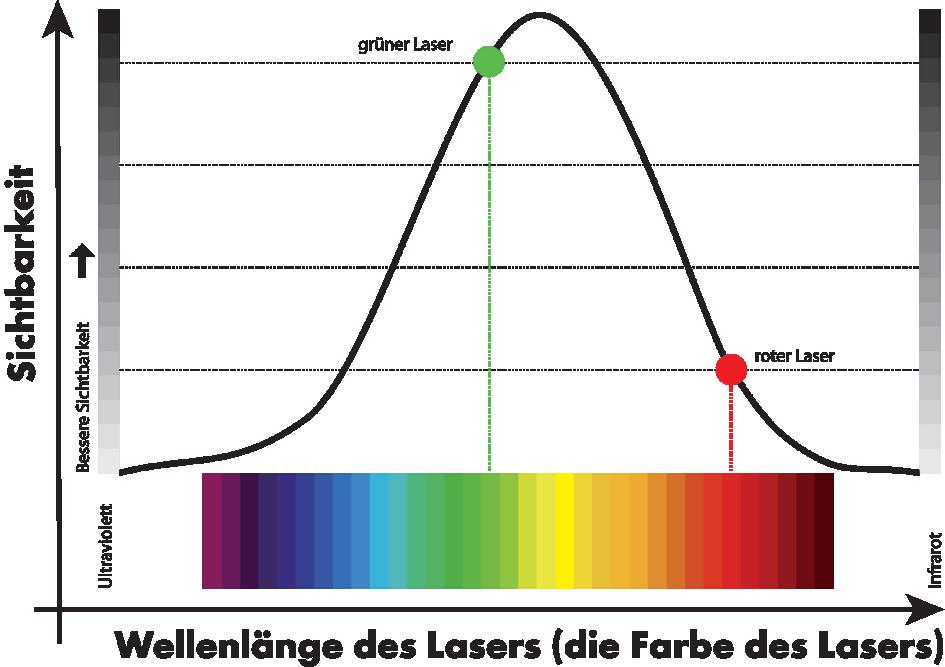
CLG 18 — up to 4x better visibility of the green laser line!
The V-lambda curve:
The light sensitivity curve describes the spectral light sensitivity of the human eye in natural light.
Standardised in accordance with DIN 5031.
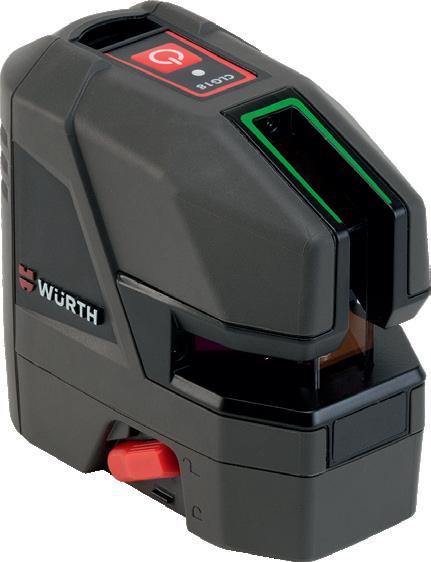
Cross line laser CLG 18
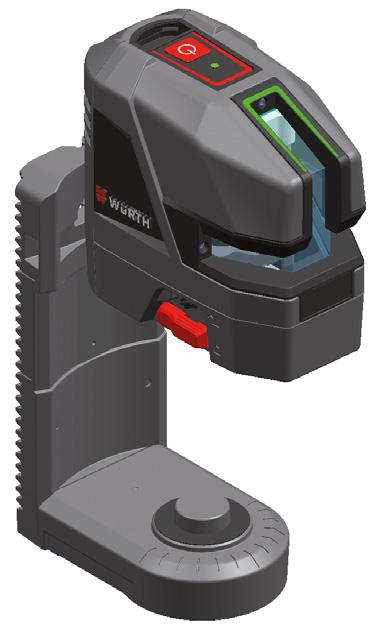
Self-levelling cross line laser for indoor and outdoor use with highly visible green laser lines.
Highly visible laser lines
• Significantly better visibility with green laser lines when compared to red lines, especially in bright light
• The large outlet openings in the laser create particularly long lines
• Fine, yet clear lines
Saves time
Self-levelling takes just seconds
Simple one-button operation
All lines can be quickly and easily connected and disconnected with a single button.
Can be used over longer distances
Can also be used for levelling over longer distances with the LRU 18 handheld receiver.
Levelling monitoring
If the self-levelling range is exceeded, the laser lines start flashing. Levelling errors are therefore eliminated.
Flexible mounting
• The laser can be attached to ceiling profiles, ¼ and ⅝ inch tripods using the optional WM 1 universal wall mount.
• A strong magnet system supplied with the CLL-A adapter easily holds the laser on steel surfaces
Ecological and economical
• The lithium-ion battery pack enables the device to be used while it is charging
• Alkaline batteries can also be used (battery holder included in scope of delivery)
Scope of delivery:
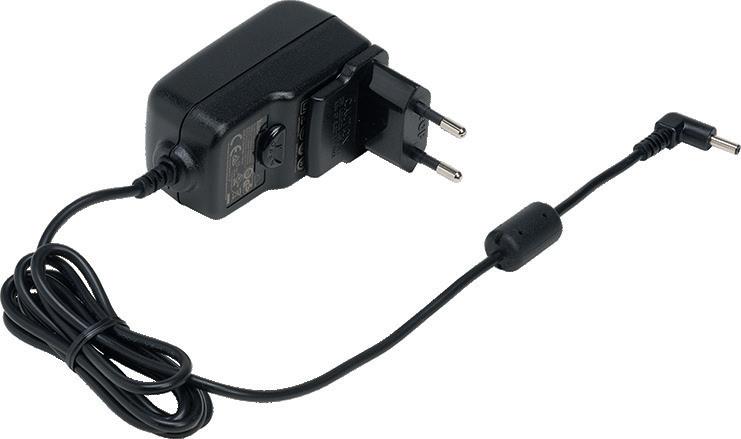
Green homing board, alkaline battery holder, universal holder CLL-A, rechargeable battery, charging cable, plastic bag
Art. no. 5709 300 041 PU/Qty. 1
Technical data
Laser Class: 2
Measuring accuracy of levelling (±): 2 mm/10 m
Self-levelling range (±): 4 degrees
Range without receiver: 35 m
Range with receiver: 80 m
Min. temperature application range: -10°C
Max. temperature application range: 50°C
Dimensions (H x D x W): 110 x 60 x 100 mm / 4.33 x 2.36 x 3.93 in
Degree of protection: IP 54
Type of rechargeable battery/battery: Li-ion or alkaline
Rechargeable battery/battery life: Up to 28 hours (28 hours [1 beam] continuous)
Line lasers
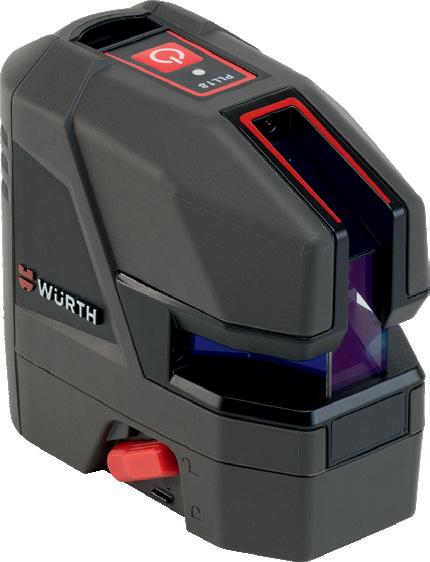
Dot and line laser PLL 18
Self-levelling dot and line laser for indoor and outdoor use with highly visible red laser lines and dots.
Excellent visibility of laser lines and laser dots
• The large outlet openings in the laser create particularly long lines
• Fine, yet clear lines
Saves time
Self-levelling takes just seconds
Simple one-button operation
All lines can be quickly and easily connected and disconnected with a single button.
Can be used over longer distances
Can also be used for levelling over longer distances with the LRU 18 handheld receiver.
Suitable for making perpendicular lines and separating rooms
4 laser dots, which are adjusted to 90° degrees, can be used to make perpendicular lines and separate rooms.
Levelling monitoring
If the self-levelling range is exceeded, the laser lines start flashing. Levelling errors are therefore eliminated.
Flexible mounting
• The laser can be attached to ceiling profiles, ¼ and ⅝ inch tripods using the optional WM 1 universal wall mount.
• A strong magnet system supplied with the PLL-A adapter easily holds the laser on steel surfaces
Ecological and economical
• The lithium-ion battery pack enables the device to be used while it is charging
• Alkaline batteries can also be used (battery holder included in scope of delivery).
Scope of delivery:
Red homing board, alkaline battery holder, universal holder CLL-A, rechargeable battery, charging cable, plastic bag
Art. no. 5709 300 222 PU/Qty. 1
Technical data
Laser Class: 2
Measuring accuracy of levelling (±): 2 mm/10 m
Self-levelling range (±): 4 degrees
Range without receiver: 25 m
Range with receiver: 80 m
Min. temperature application range: -10°C
Max. temperature application range: 50°C
Dimensions (H x D x W): 110 x 60 x 100 mm/ 4.33 x 2.36 x 3.93 in
Degree of protection: IP 54
Type of rechargeable battery/battery: Li-ion or alkaline
Rechargeable battery/battery life: Up to 44 hours (1 beam + 2 dots continuous)
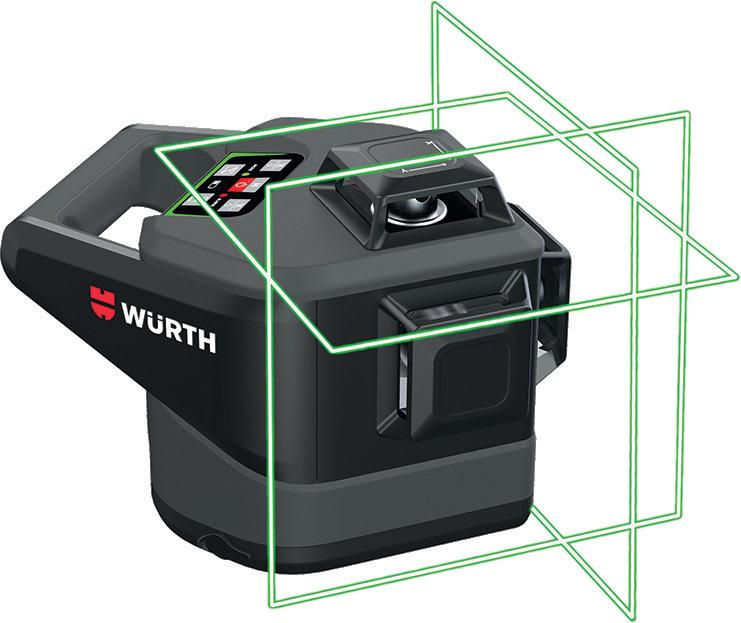
Multi-line laser MLLG 18
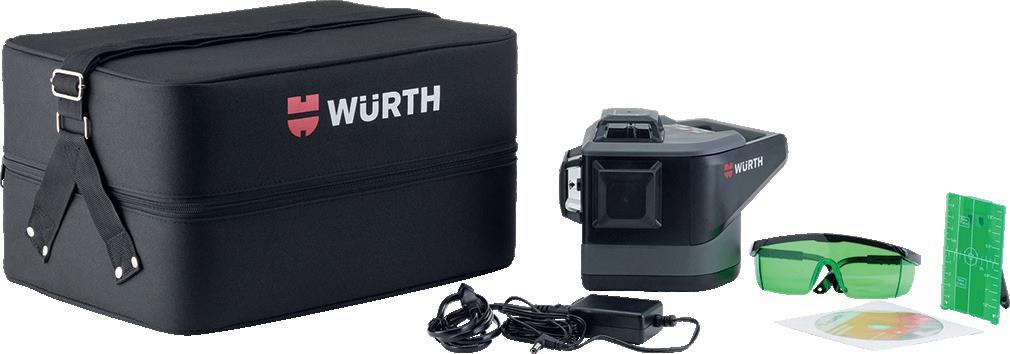
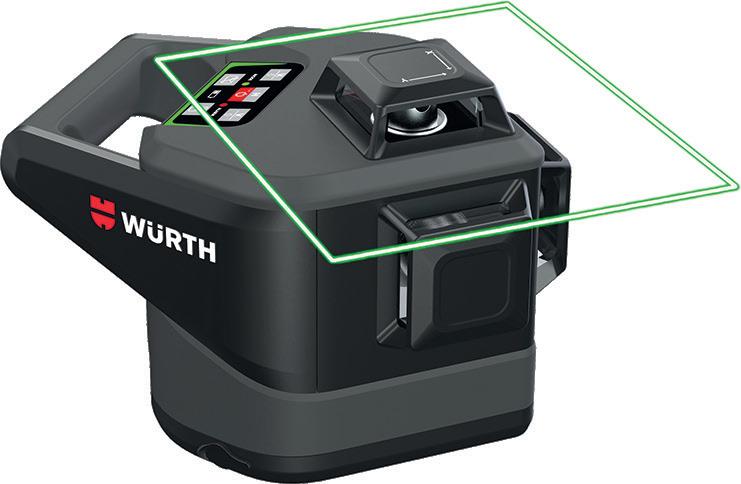
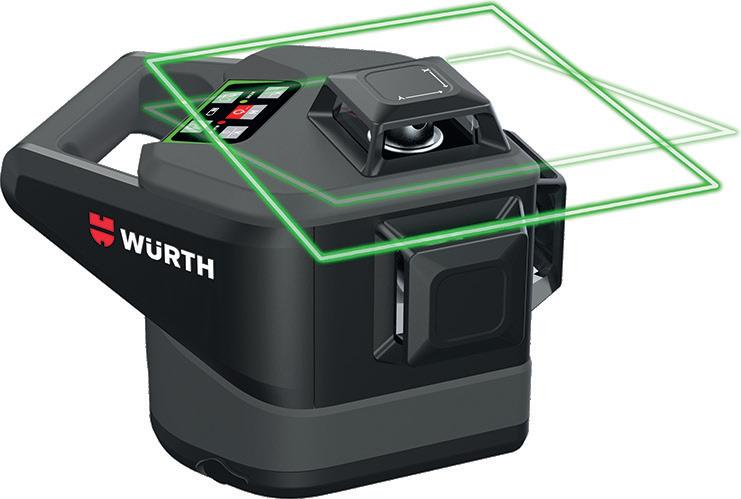
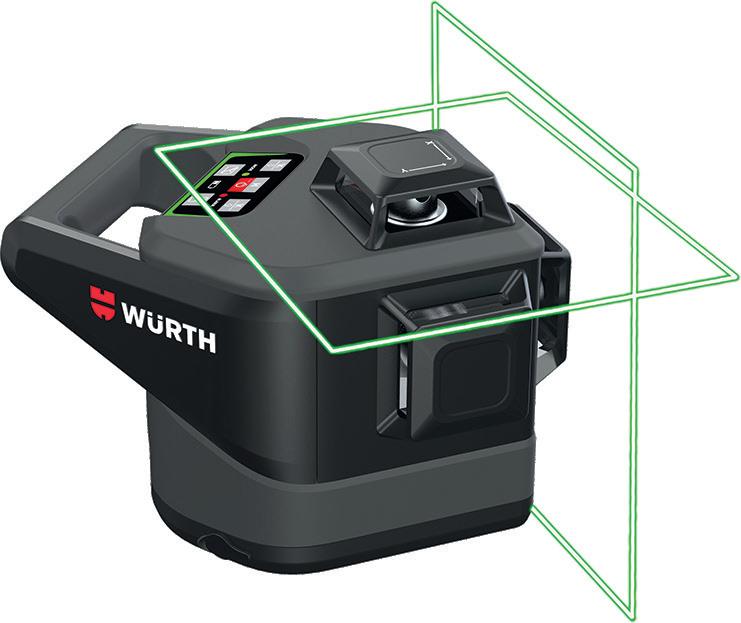
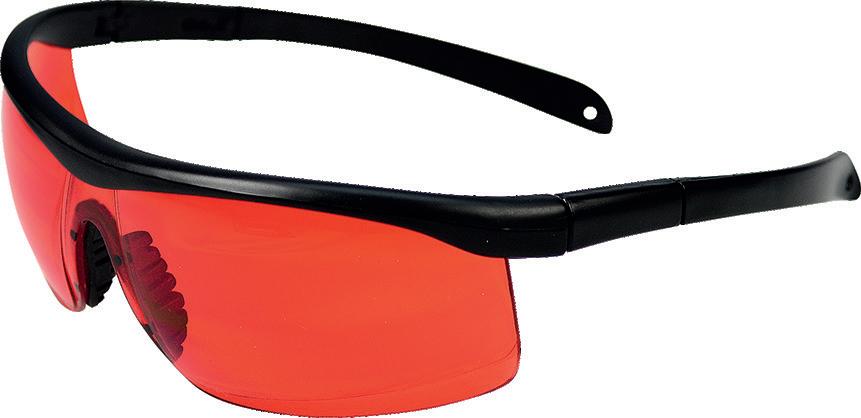
High-quality, electronic, self-levelling line laser with highly visible green laser lines. Including laser vision goggles and rechargeable battery.
• Innovative splitting and reflection of the laser point to a 360° line, resulting in a very long service life and excellent accuracy
• No complex moving of the laser: all references visible at the touch of a button
• Use indoors with easily visible lines
• Very high outdoor range with handheld receiver
• Precise, electronic levelling
• With manual tilt function
• With upwards and downwards plummet dot
• Can be used with universal handheld receiver LRU 18
• Easy to operate and quick alignment
Scope of delivery:
Green homing board, charger, rechargeable battery
Art no. 5709 300 110 PU/Qty. 1
Technical data
Laser Class: 2 M
Levelling accuracy (±): 1 mm/10 m
Self-levelling range (±): 4°C
Range: 50 m
Range with receiver: 200 m
Min. temperature application range: -10°C
Max. temperature application range: 45°C
Protection class: IP55
Dimensions (L x W x H): 215 x 150 x 156 mm
Type of rechargeable battery/battery: Li-ion
Line lasers
Tile layer laser FLL 13
High-quality line laser with highly visible laser lines for floor layers.
Wide range of applications
• 4 laser lines at 90° angle
• An additional line can be connected
Extremely easy to use
One-button operation
Laser lines can be pulsated
Laser lines can be localised, even in direct sunlight
Rapid detection of the laser beam
Large reception window
Precise levelling
Thanks to high-quality levels
Protection class IP 55
Protection against dust and moisture
Scope of delivery:
Red homing board, protective pouch, AA batteries 1.5 V
Art. no. 5709 300 030
PU/Qty. 1
Technical data
Laser type: 635 nm
Laser Class: 2 m
Number of lines: 5
Visibility: 10 m (depending on ambient light) 40 m (with handheld receiver)
Levelling accuracy: ± 1 mm/m
Angle accuracy: 2.5 mm/10 m
Power supply: 3x 1.5 V AA batteries, art. no. 0827 112
Protection class: IP 55
Operating temperature: -10°C to +40°C
Line lasers
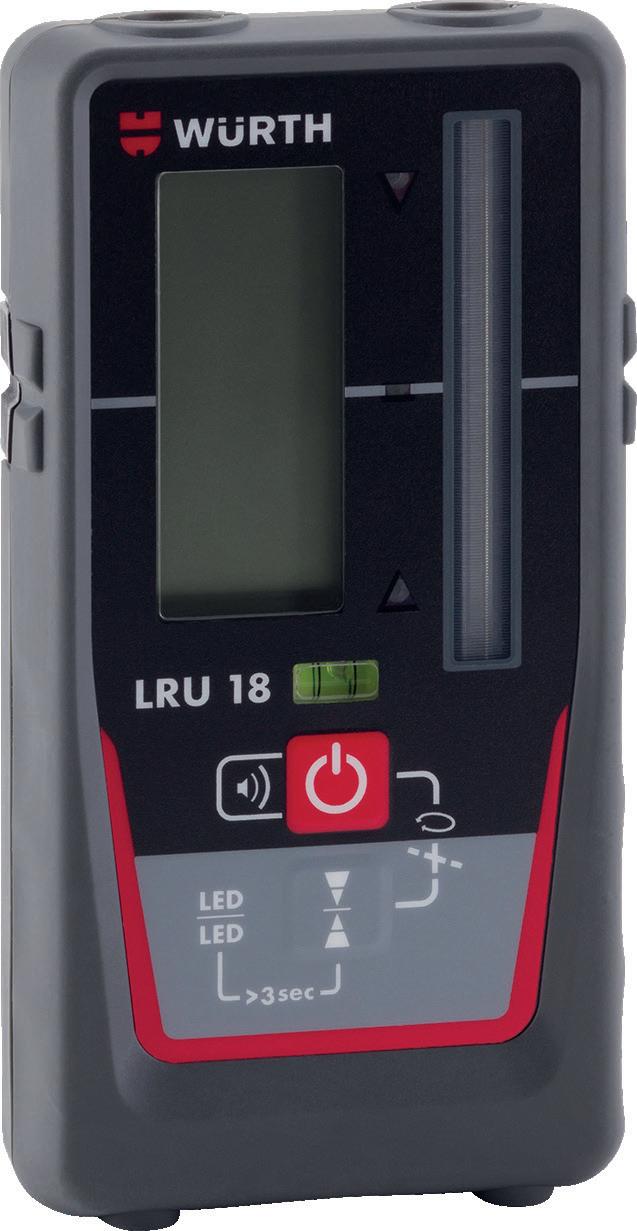
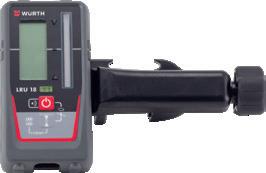
Universal laser receiver LRU 18
Universal receiver for red and green rotation and line lasers.
• Long range up to 400 m
• Maximum reading quality thanks to LCD and switchable LED display
• The receiver can be read from the front and back
• Adjustable acoustic signal
• Degree of protection IP 67 (watertight and dustproof)
• Two strong retaining magnets on the top enable attachment to metallic surfaces
• With battery level indicator
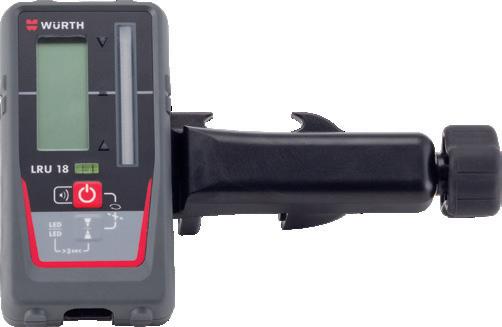
• Measuring rod holder and battery included in scope of delivery
Scope of delivery:
Measuring rod holder with screw connection, AA batteries 1.5 V
Art. no. 5709 300 452
PU/Qty. 1
Technical data
Max. working range: 400 m
Reception range: 45 mm
Display: LED, LCD
IP protection class: IP 67
Rechargeable battery/battery life: 50 h
Type of rechargeable battery/battery: Mignon AA
Min./max. temperature application range: -10 to 50°C
Rechargeable battery/battery designation: Mignon AA
Number of rechargeable batteries/batteries: 1
Which is the RIGHT LASER FOR YOU?
Technical data
Designation
General important aspects
Green laser for greater dot and line visibility
Recommended maximum working range
Levelling accuracy
Horizontal Alignment
Transfer heights
Fine alignment, e.g. for suspending ceilings
Vertical Alignment
Plumbing
Tilting
Transfer of dots from the floor to the ceiling
Determine laser pendulum for the alignment of inclines
Delimiting Right angle
Extra-long operation thanks to Li-ion battery
Can be used while charging
Userfriendly
Can also be operated with alkaline batteries
Easy mounting of adapter using magnets
Range extension with receiver
* Accessories required
Line lasers
Cross and dot line lasers
AT A GLANCE
Technical data
Designation
Direction
Tripod thread ¼ inch (⅝ inch with adapter)
Scope of delivery
PERFECT ALIGNMENT AND ARRANGEMENT
Raised floors
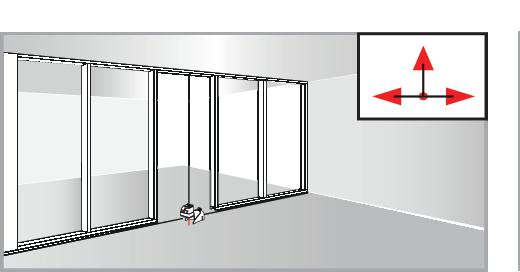
When raising floors, the components must be aligned at a defined level. The supplied homing board helps you to find the desired reference quickly and reliably.
Delimiting walls and right-angled arrangement
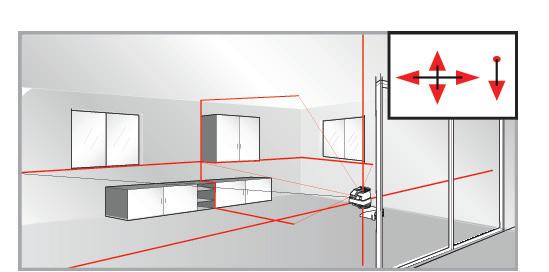
The four laser dots and lines of the Würth PLL 18 are at a right angle to each other. Alignment work, such as drawing 90° angles, can be performed at the touch of a button. The alignment of windows, partitions and other components is therefore incredibly easy.
Alignment of windows and tiles
Spirit levels and guide cords are no longer required — the Würth line laser very easily transfers reference lines from one wall onto an opposite wall, and when laying tiles it ensures that the joints between the floor and wall tiles are precisely aligned.
Vertical alignment (plumbing)
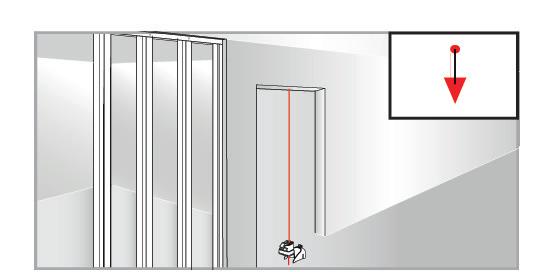
The Würth PLL 18 and MLLG 18 is the perfect assistant during plumbing. The plumb beam is emitted above and below the device. This allows reference points to be transferred quickly and efficiently, for example from the floor to the ceiling. Pipes, cable ducts and much more are thus always precisely aligned.
Line lasers
Accessories
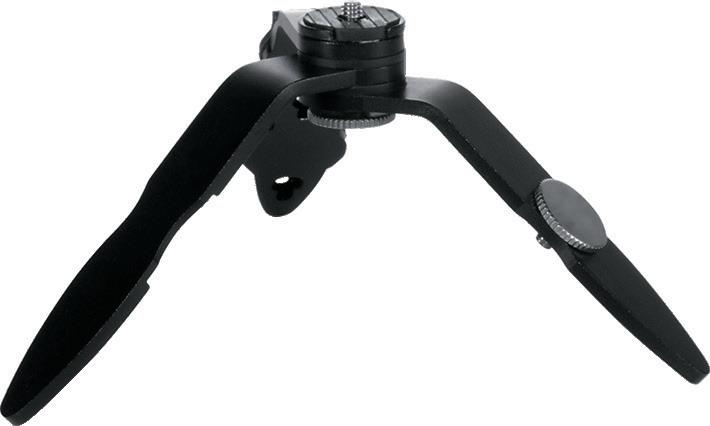
Mini tripod
The laser can be fastened to the wall, mounted on the tripod or simply placed on the ground with the tripod. A strong magnet system effortlessly holds the laser on steel surfaces (e.g. drywall profiles).
For all type CLL, PLL and CLG line lasers.
• Made of aluminium
• 2 magnets
• Tripod screw: can be secured quickly by hand
• Threaded connection ¼ inch
• Maximum working height 95 mm
• Minimum working height 95 mm
• Dimensions (L x W x H): 165 x 52 x 25 mm
• Weight: 220 g
Art. no. 5709 300 911
PU/Qty. 1
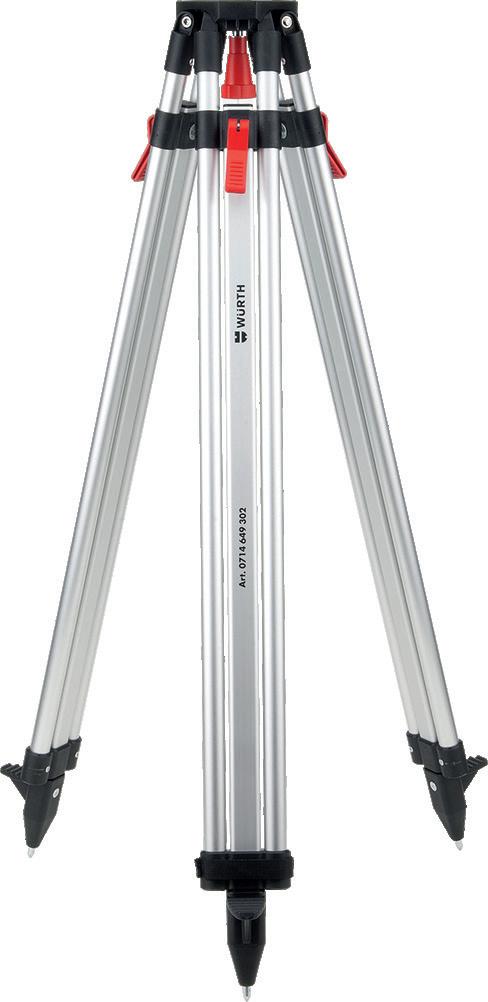
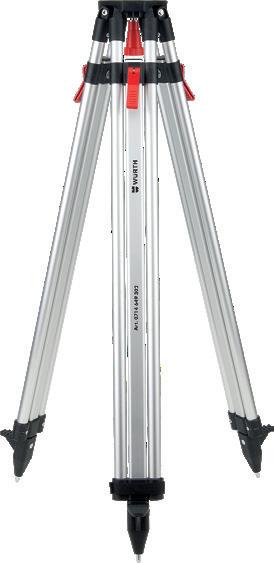
Flat head construction tripod
90–170 cm
• Working range at 1 m peak distance: 90–170 cm
• Transport length: 105 cm
• Threaded connector: ⅝ inch
• Clamp: Eccentric
• Crank type: Self-locking
• Crank stroke: 50 cm
• Includes rubber caps for secure standing on smooth floors and for protecting sensitive surfaces
• Weight: 3700 g
Art. no. 0714 649 302 PU/Qty. 1
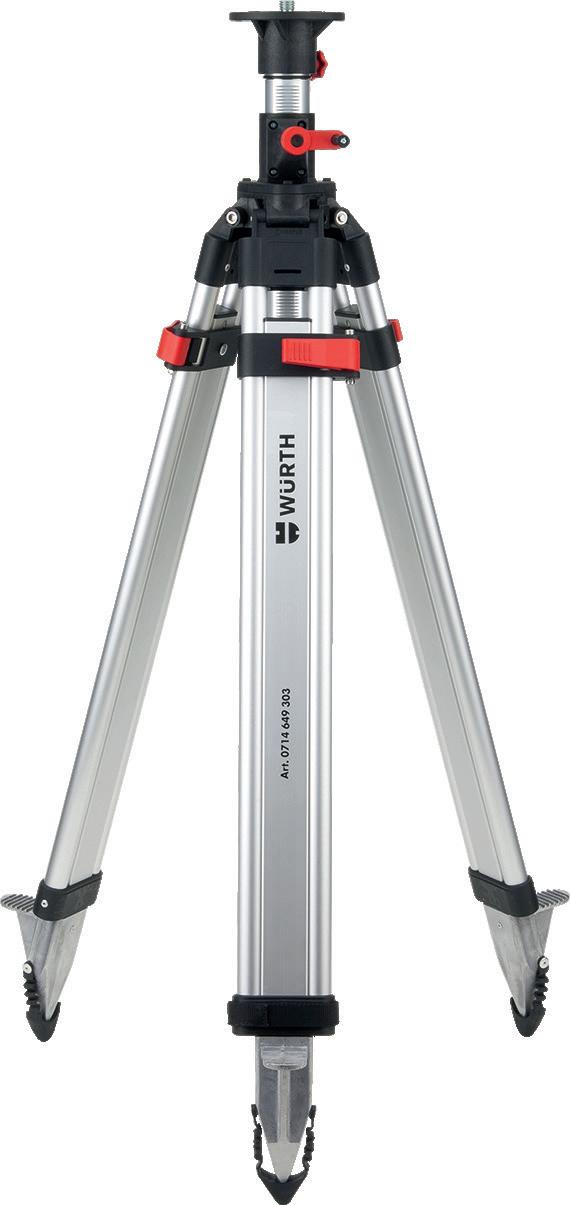
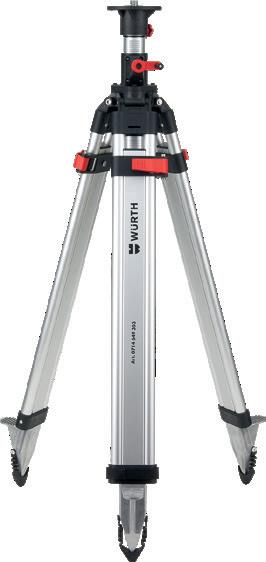
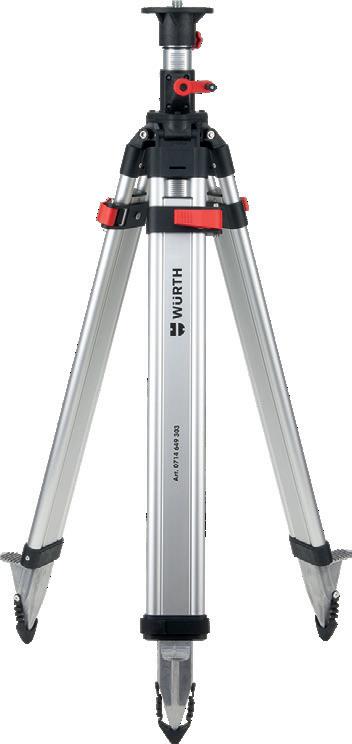
Aluminium telescopic tripod
95–269 cm
• Working range at 1 m peak distance: 95–269 cm
• Transport length: 110 cm
• Threaded connector: ⅝ inch
• Clamp: Eccentric
• Crank type: Self-locking
• Crank stroke: 50 cm
• Includes rubber caps for secure standing on smooth floors and for protecting sensitive surfaces
• Weight: 5000 g
Art. no. 0714 649 303 PU/Qty. 1
Aluminium elevator tripod ¼ inch
• Made of aluminium with plastic tripod head
• Robust tilt head; fast and reliable fine adjustment
• Tripod screw: can be secured quickly by hand
• Clamp closure with solid tripod height
• ¼ inch connecting thread
• Maximum working height 170 cm
• Minimum working height 70 cm
• Metal feet
• Weight: 2.9 kg
• Practical carry case with shoulder strap
Art. no. 0714 649 210
PU/Qty. 1
Line lasers Accessories
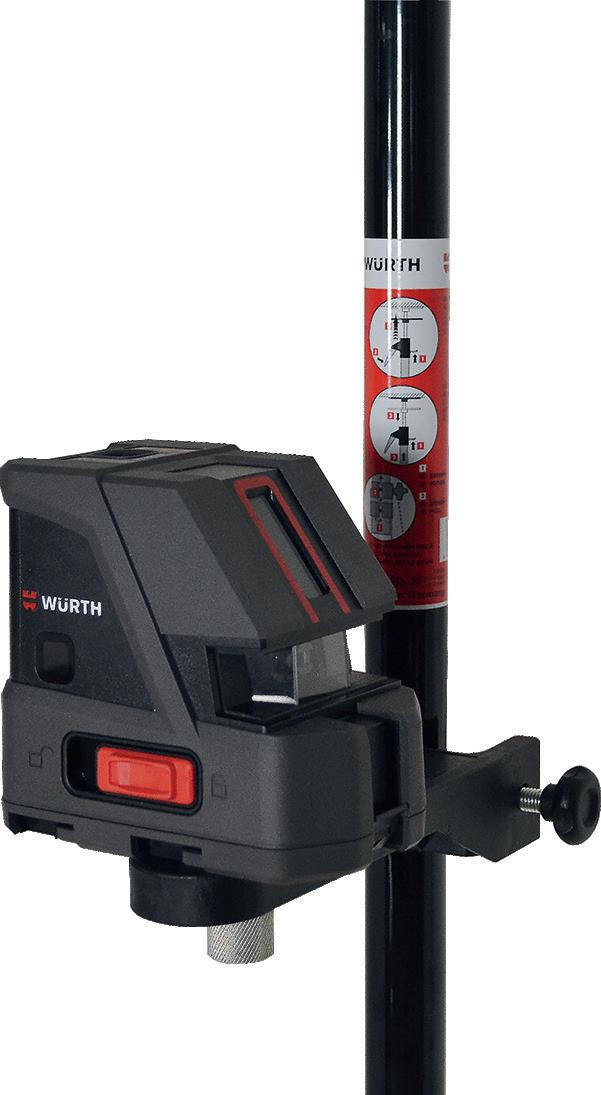
Clamping tripod/single-leg tripod 145–290 cm
Clamping tripod including mounting platform for the use of line, dot and rotation lasers.
• For stepless positioning of the laser at various heights up to 2.90 m
• Easy to mount, e.g. between the floor and ceiling
• Telescopic aluminium rods
• Easy to use
• Robust design
• One-hand operation
• Steplessly adjustable
• Automatic feed
• Ball joint and non-slip rubber pads enable diagonal positioning
• Supplied with adapter, ¼-inch and ⅝-inch screw
• Load-bearing capacity up to 45 kg
• Length adjustment: 145–290 cm
• Thread adapter: ¼ inch and ⅝ inch
• Weight: 2.45 kg
Art. no. 0962 980 851 (including adapter)
PU/Qty. 1
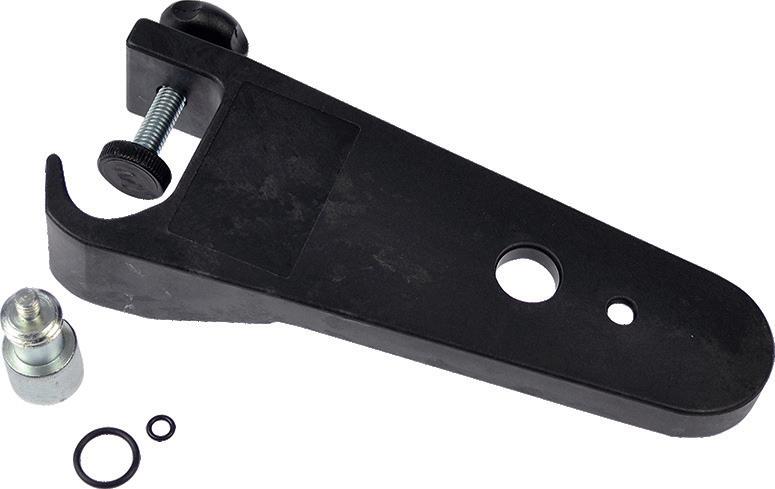
Spare part
Art. no. 0962 980 853
PU/Qty. 1
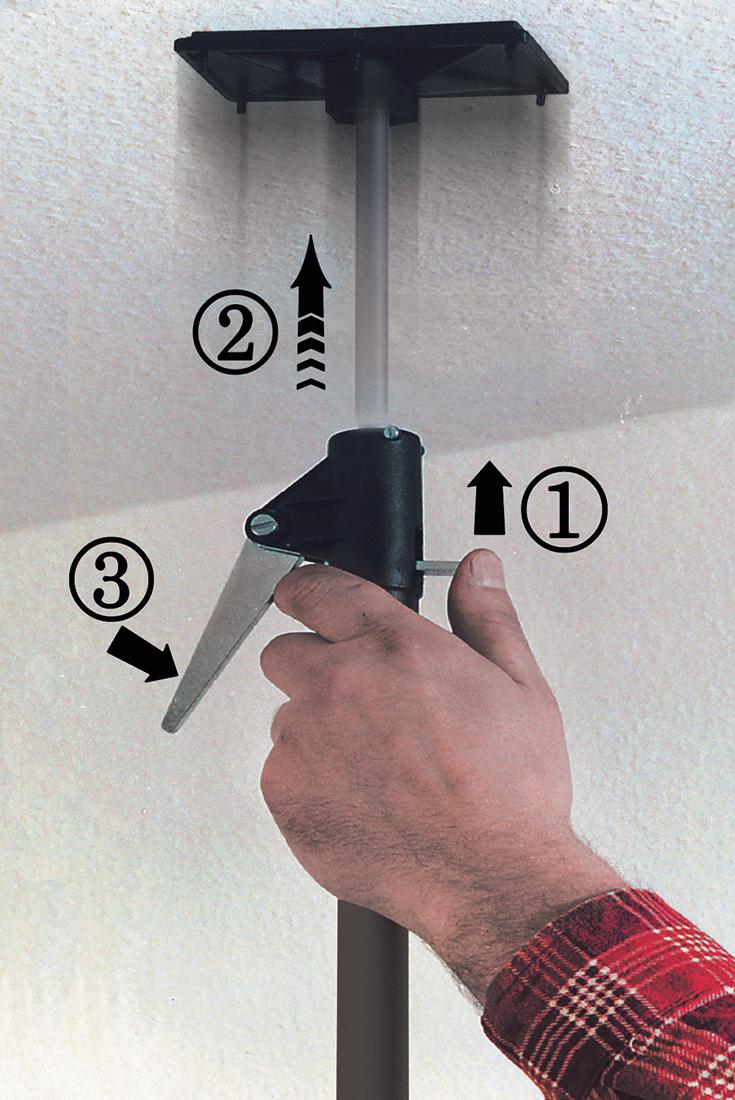
Pressing the lever (1) automatically moves the support to the ceiling level (2). Lever (3) generates the necessary contact pressure
Line lasers
Accessories
Telescopic levelling staff
Art. no. 0714 64 425 PU/Qty. 1
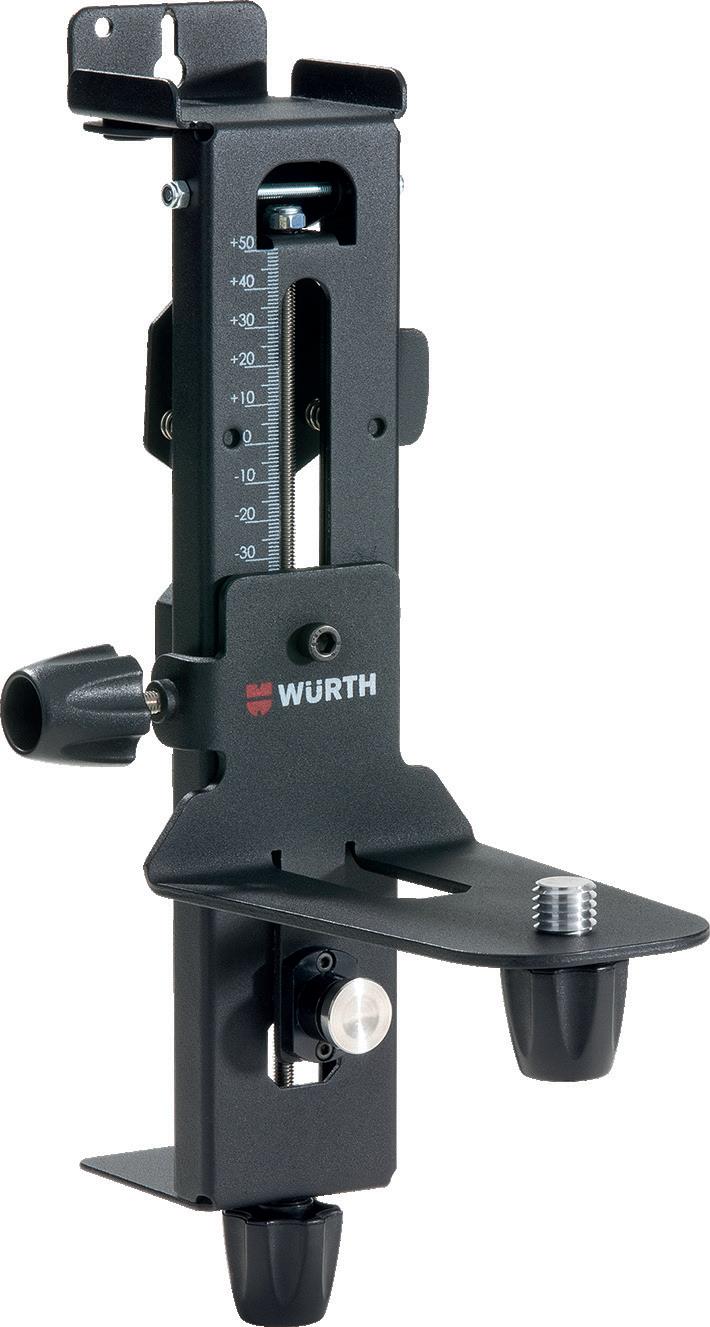
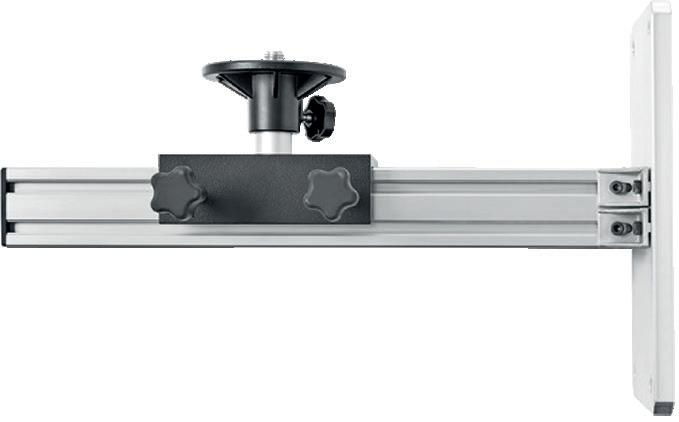
Wall bracket
Art. no. 5709 300 900 PU/Qty. 1
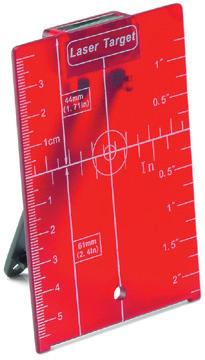
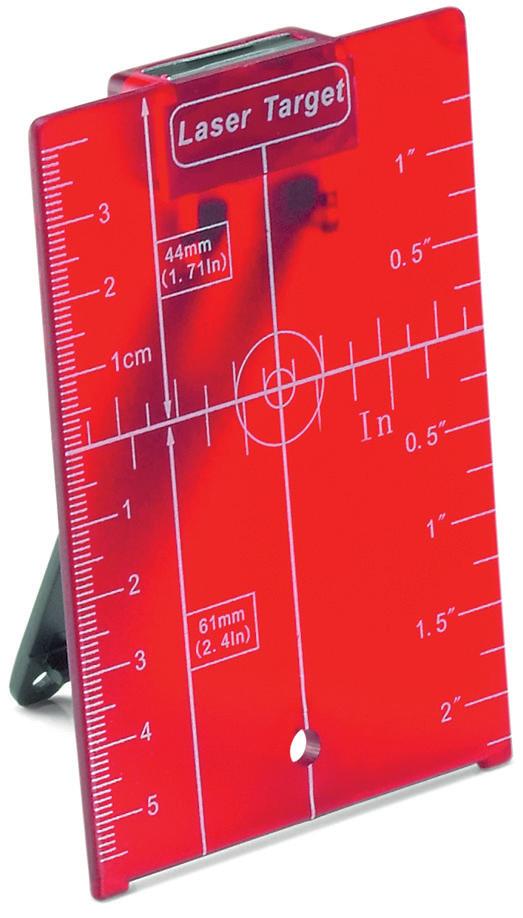
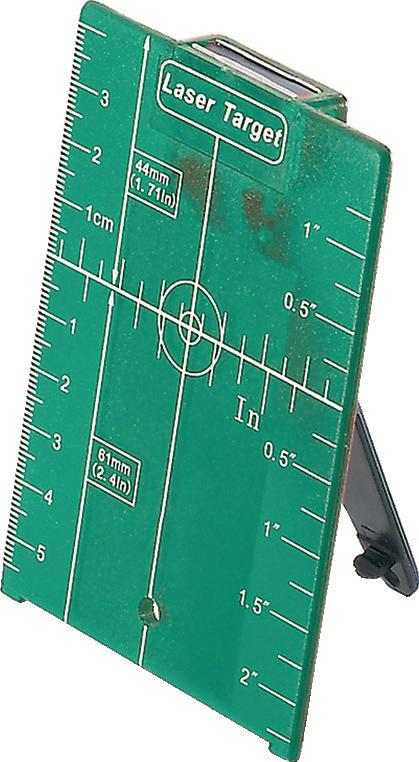
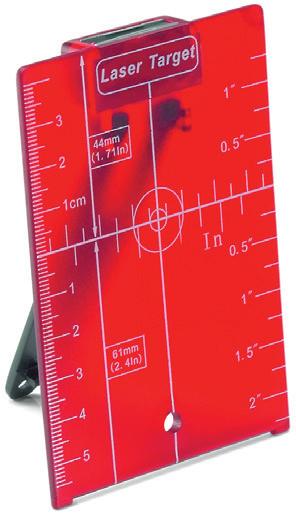
Homing board magnetic, red
Art. no. 5709 300 102 PU/Qty. 1
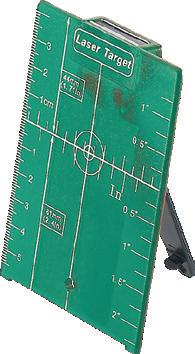
Homing board magnetic, green
Art. no. 5709 300 916 PU/Qty. 1
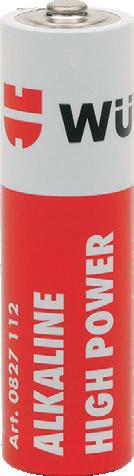
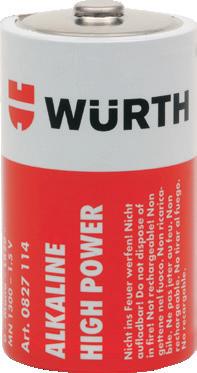
Alkaline battery AA 1.5 V
Art. no. 0827 112 PU/Qty. 4
Line lasers
Accessories for CLL 18, PLL 18 and CLG 18
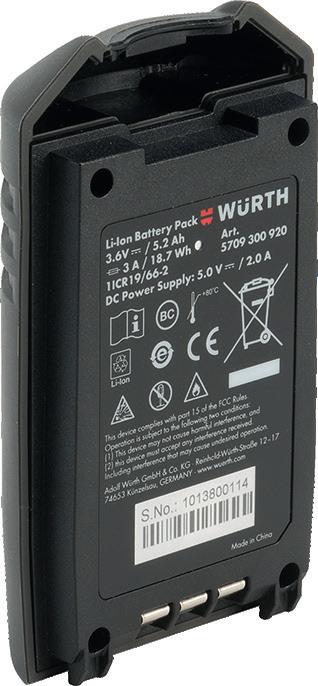
Lithium-ion battery
Art. no. 5709 300 920
PU/Qty. 1
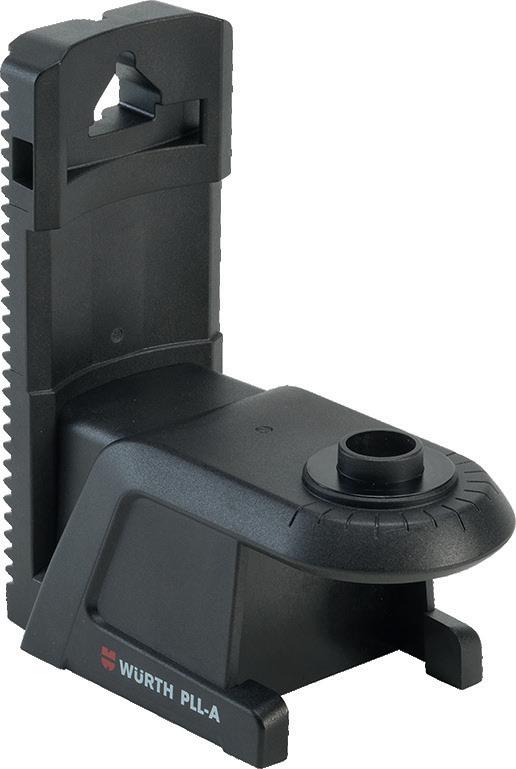
PLL adapter (PLL-A) for PLL 18
Art. no. 5709 300 907
PU/Qty. 1
Measuring rod holder for LRU 13 and LRU 18
Art. no. 5709 300 910
PU/Qty. 1
Alkaline battery holder
Art. no. 5709 300 905
PU/Qty. 1
CLL adapter (CLL-A) for CLL 18 and CLG 18
Art. no. 5709 300 906
PU/Qty. 1
Charger
Art. no. 5709 300 921
PU/Qty. 1
Wall mount (WM-1)
Art. no. 5709 300 908
PU/Qty. 1
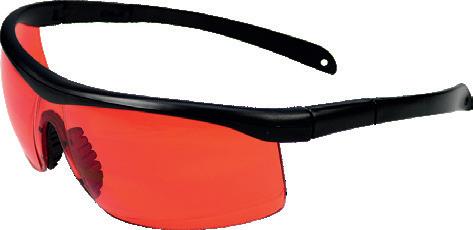
Laser safety goggles
Art. no. 5709 300 915
PU/Qty. 1
ROTATION LASERS
MAXIMUM AND WATER
ISO 17123-6:2012 stipulates the procedures to be used on site to determine and evaluate the precision (repeatability) of rotating lasers and their auxiliary equipment for construction measurements and surveying tasks. The primary purpose of these tests is to verify on site that a particular device is suitable for the next task to be performed and that it meets the requirements of other standards.
ISO 17123-6:2012 distinguishes between different accuracy measurements and test targets, such as repeatability and reproducibility (repeatability on different days) and provides sound assessment of all possible sources of error.
In view of the increasing number of orders requiring this internationally recognised ISO certificate, Würth has a calibration system which allows you to test, calibrate and have your laser certified in line with ISO.
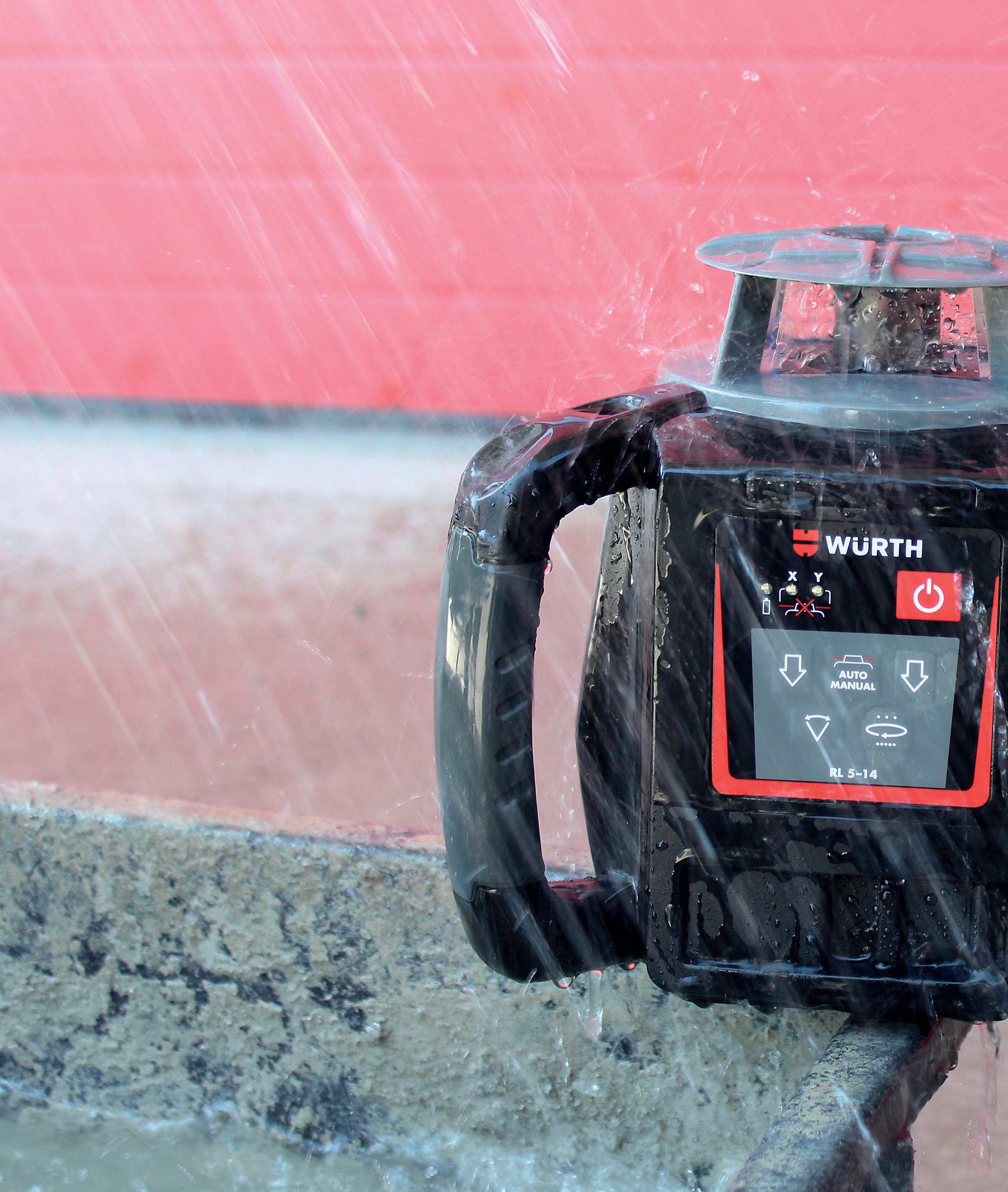
IP67 protection class — what is it?
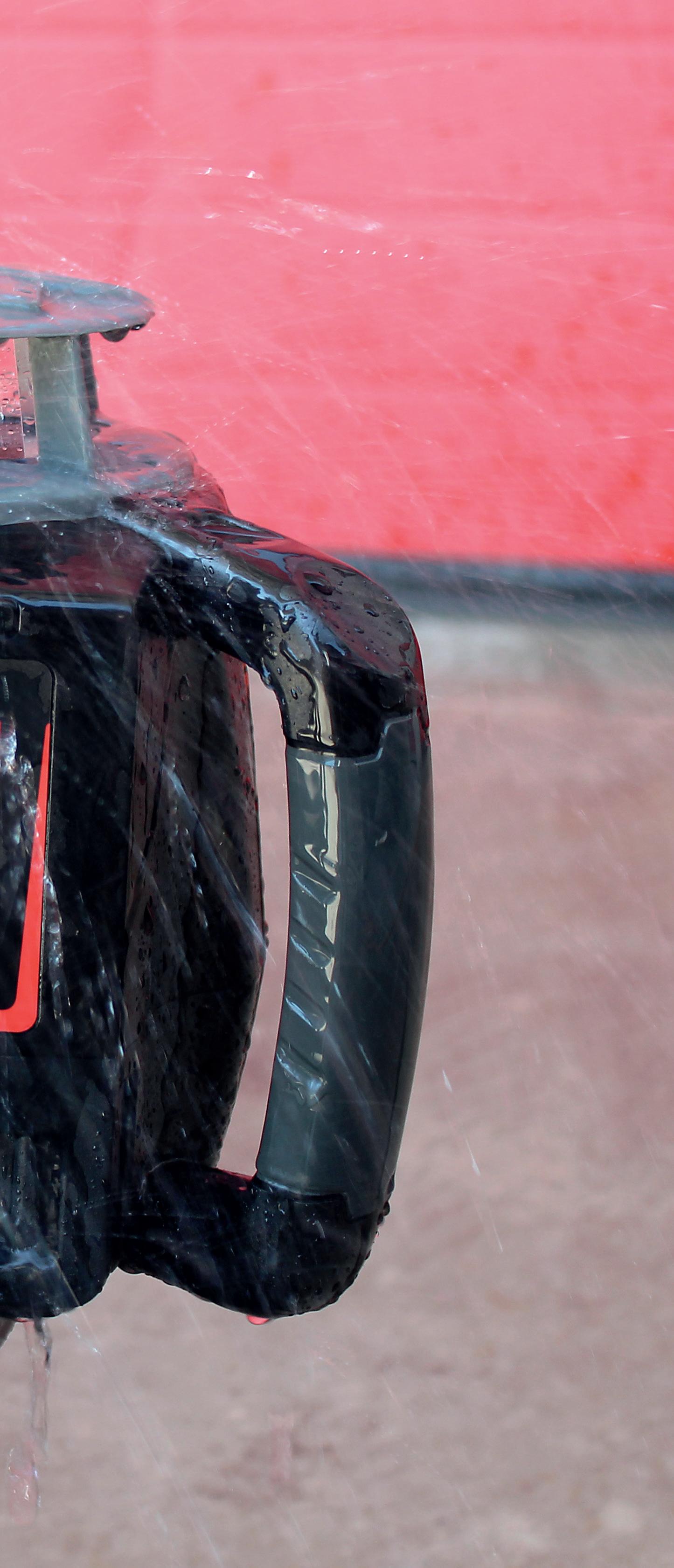
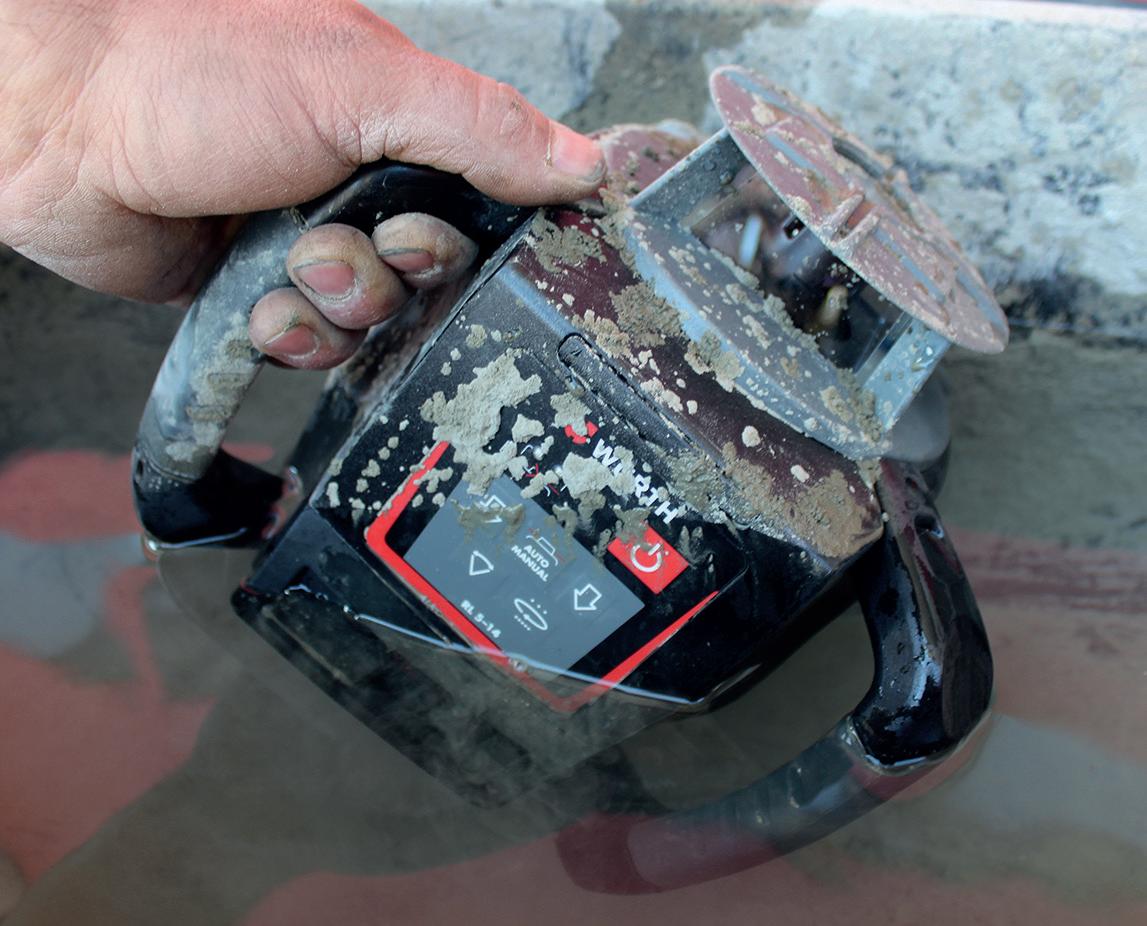
The protection class defines the ingress of water or foreign bodies (dirt). The first number represents protection against the ingress of foreign bodies. The 6 in this case means that the device is dustproof. The second number, in this case the 7, refers to protection against water. This means the corresponding device can be temporarily submerged without being damaged. Devices with the IP67 degree of protection are therefore dustproof and withstand water when the device is submerged for a certain period of time. As a result, rain is no problem at all for the Würth rotation laser RL2-14, RL5-14 and the laser receiver LR5-14.
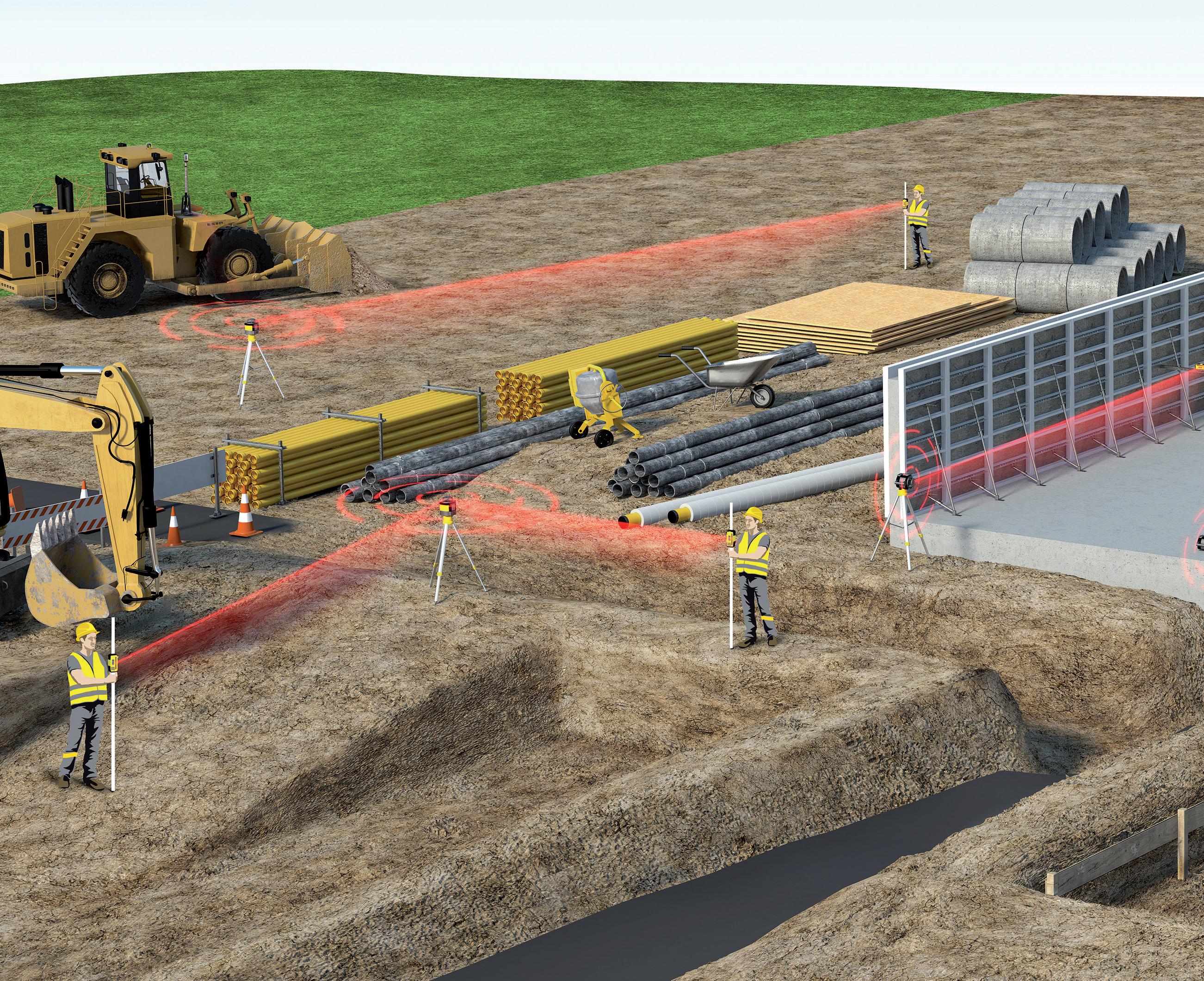
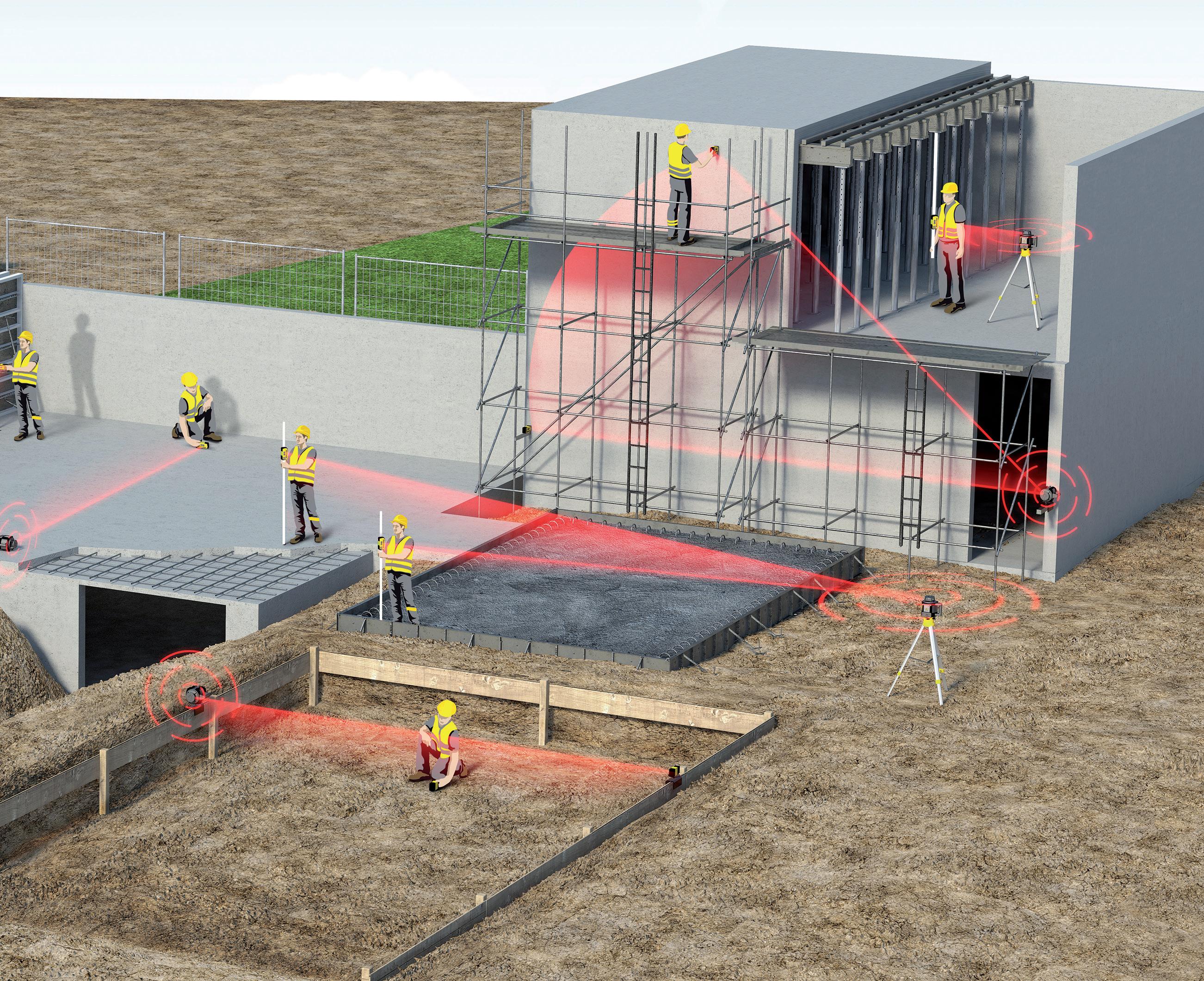
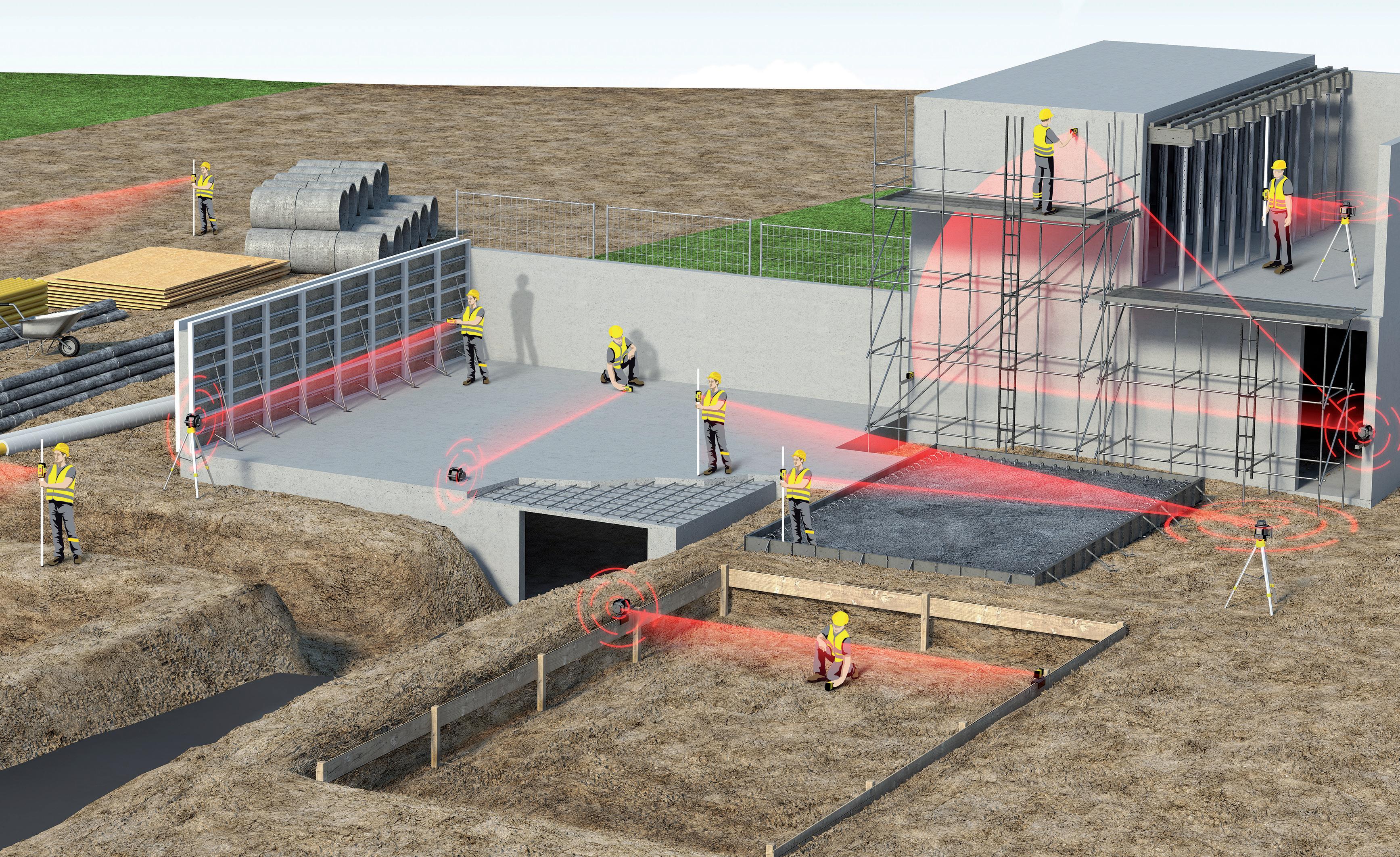
1 Geländeni vellierung
Zur genauen Nivellierung von z.B. landwirtschaftlicher Flächen
2 Überprüfung von Gefälle einfache und zuverlässige Überprüfung des Gefälles über grosse Ent fernungen
3 Neig ung bei Rampen und Zufahr ten mit Smar t Targeting Neigungen in ein oder z wei Achsen automatisch ausrichten
4 Senk rechte s Au srichten von Schalungen mit Smar t Targeting automatisch parallel zur Bezugsebene ausrichten und Lotrechte der Schalung kontrollieren
5 A bsteck ung von Wänden mit Smar t Targeting z wei Punk te automatisch ausrichten und die Position der Wand/Schalung markieren
6 Beton schüt tung Höhe des Betons kontrollieren und digitale Ablesung für eindeutige Angaben zu Abweichungen nutzen
7 Schnur gerü st
Schnurgerüstmarkierungen ausrichten und Gebäudeachsen abstecken
8 Ni vellieren von Schalungen
Bezugshöhe über tragen und Schalungen nivellieren
9 Fa ss adenau srichtung
Fassadenbefestigungen auf der gesamten Ebene ausrichten
10 Decken und Plat ten ni vellieren
Decken und Plat ten einfach und ef fizient nivellieren Die digitale Ablesung liefer t k lare Angaben zu Abweichungen
Rotation lasers
PERFECT TECHNICAL PROPERTIES
Designation
Features
Smart targeting
Self-levelling range
Rotation speed
Scan mode
Type/class of laser diode
Dimensions (H x W x D)
Batteries (alkaline/rechargeable batteries)
Battery life (alkaline/rechargeable battery)
Degree of protection
Remote control RC5-14
Range RC5-14
Designation
Numeric reading height
Automatic horizontal self-levelling. Indoor and outdoor alignment. Manual tilt function in one axis possible
Horizontal self-levelling and manual inclination in two axes
Horizontal and vertical self-levelling. Manual inclination in two axes. Automatically via radio with laser receiver LR5-14
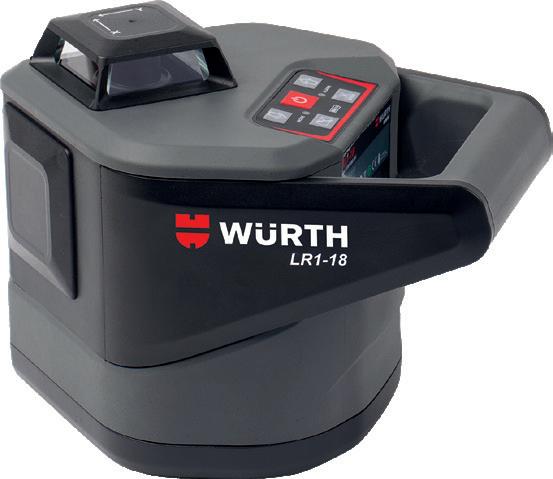
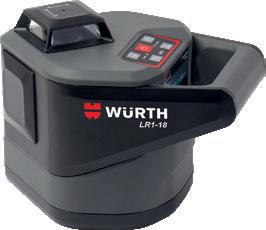
Rotation laser RL1-18
Robust horizontal/vertical rotation laser, durable and easy to use. Thanks to its compact and lightweight design, it is ideal for suspended ceilings in interior design. Also suitable for outdoor use.
• For indoor and outdoor work performed horizontally
• Manual tilt function in one axis possible
• Maximum rotation speed 2000 rpm
→ The rotating beam becomes a precise line on the wall
• Scan mode for increased visibility under adverse conditions
• Automatic level monitoring
→ Prevents levelling errors caused by wind, soft surfaces and impacts against the tripod
• Saves time
→ Automatic self-levelling takes just seconds
• Protection class IP 55
→ Dustproof, protected against water jets
• Battery life 30 hours (Li-ion battery)
→ Can be recharged on the device thanks to the charger socket
Application area:
• Height transmissions
• Horizontal alignment indoors and outdoors
• Monitoring the excavation of foundation pits
• Suspending ceilings
Art. no. 5709 300 301
PU/Qty. 1
Technical data
Working range (diameter): 400 m
Accuracy: ± 0.75 mm at 10 m
Self-levelling range: ± 4°
Rotation speed: 450, 800, 2000 rpm
Laser diode: 635 nm
Laser Class: Class 2
Temperature range: -10°C to +45°C
Storage temperature: -20°C to +70°C
Degree of protection: IP 55
Approx. dimensions: 215 (L) x 150 (W) x 156 (H) mm
Approx. weight with batteries: 2.0 kg
Battery life (Li-ion): Approx. 30 hours (20°C)
Tripod screw: ⅝ inch
Accessories
Art. no.
Aluminium telescopic tripod ⅝ inch 0714 649 303
Telescopic levelling staff 0714 640 425
Laser receiver LRU 18 5709 300 452
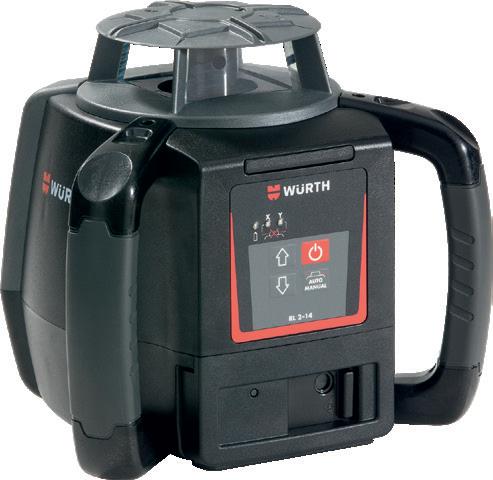
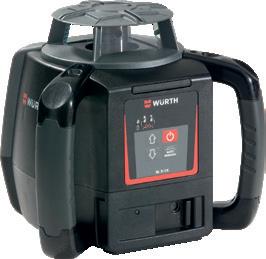
Rotation laser RL2-14
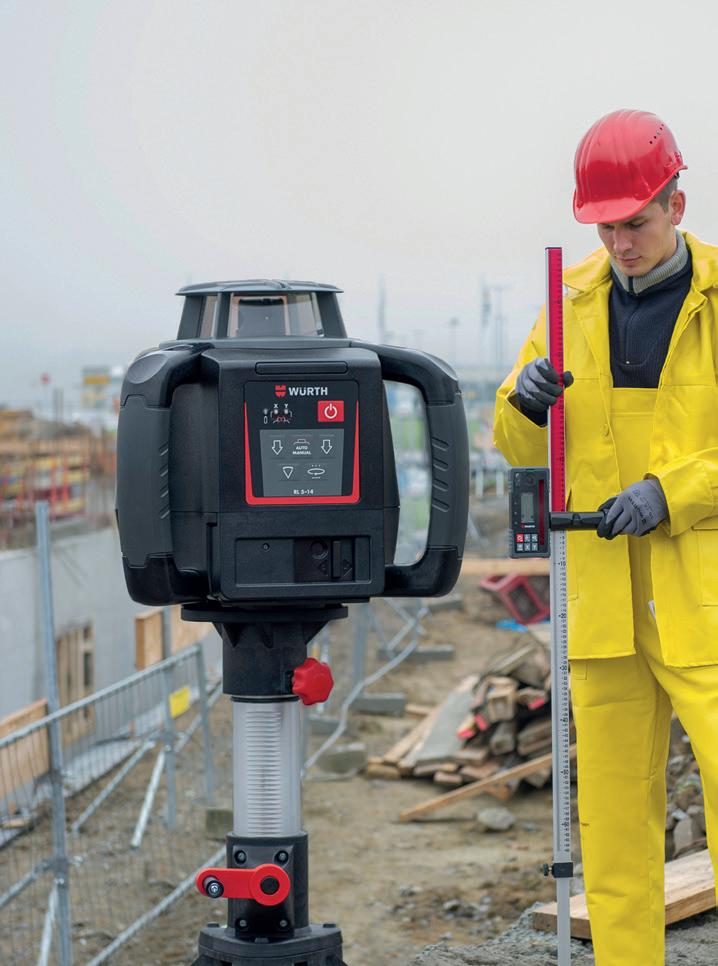
Specially designed for horizontal outdoor applications. Extremely robust with a long service life and easy to operate. The fibreglass-reinforced composite housing makes the RL2-14 perfect for use on construction sites.
• Fulfils ISO 17123-6
→ Very high accuracy, even in adverse weather conditions
• Automatic self-levelling takes just seconds
→ Huge time savings
• For indoor and outdoor work performed horizontally
• Automatic level monitoring
→ Prevents levelling errors caused by wind, soft surfaces and impacts against the tripod
• IP67 degree of protection
→ Complete protection against dirt and water
• Battery life 60 hours (alkaline batteries)
Application area:
• Height transmissions
• Horizontal alignment
• Monitoring the excavation of foundation pits
• Suspending ceilings
Note:
Batteries not supplied.
Art. no. 5709 300 302
PU/Qty. 1
Technical data
Laser Class: 2
Range: 400 m
Measuring accuracy (per length): ± 1 mm/10 m
Self-levelling range: ± 5°
IP protection class: IP 67
Type of rechargeable battery/battery: Alkaline D-cell monobloc
Number of rechargeable batteries/batteries: 4 pieces
Min./max. storage temperature: -40 to 70°C
Min. application temperature: -10°C
Max. application temperature: 50°C
Max. rechargeable battery/battery life: 60 h
Accessories
Art. no.
Telescopic levelling staff 0714 640 425
Flat head tripod 90–170 cm 0714 649 302
Universal laser receiver LRU 18 5709 300 452
Laser receiver LR5-14 5709 300 451
Wall bracket 5709 300 900
Li-ion battery 5709 300 902
Charger 5709 300 903
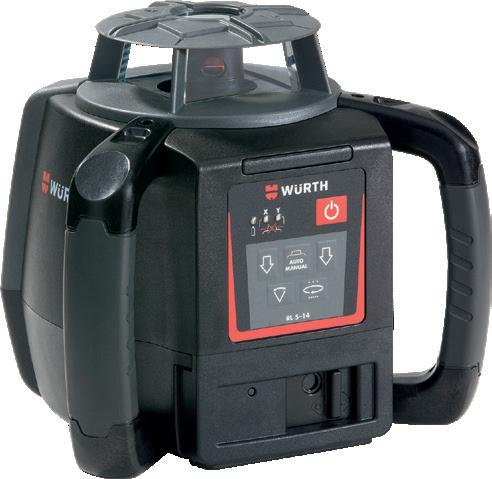
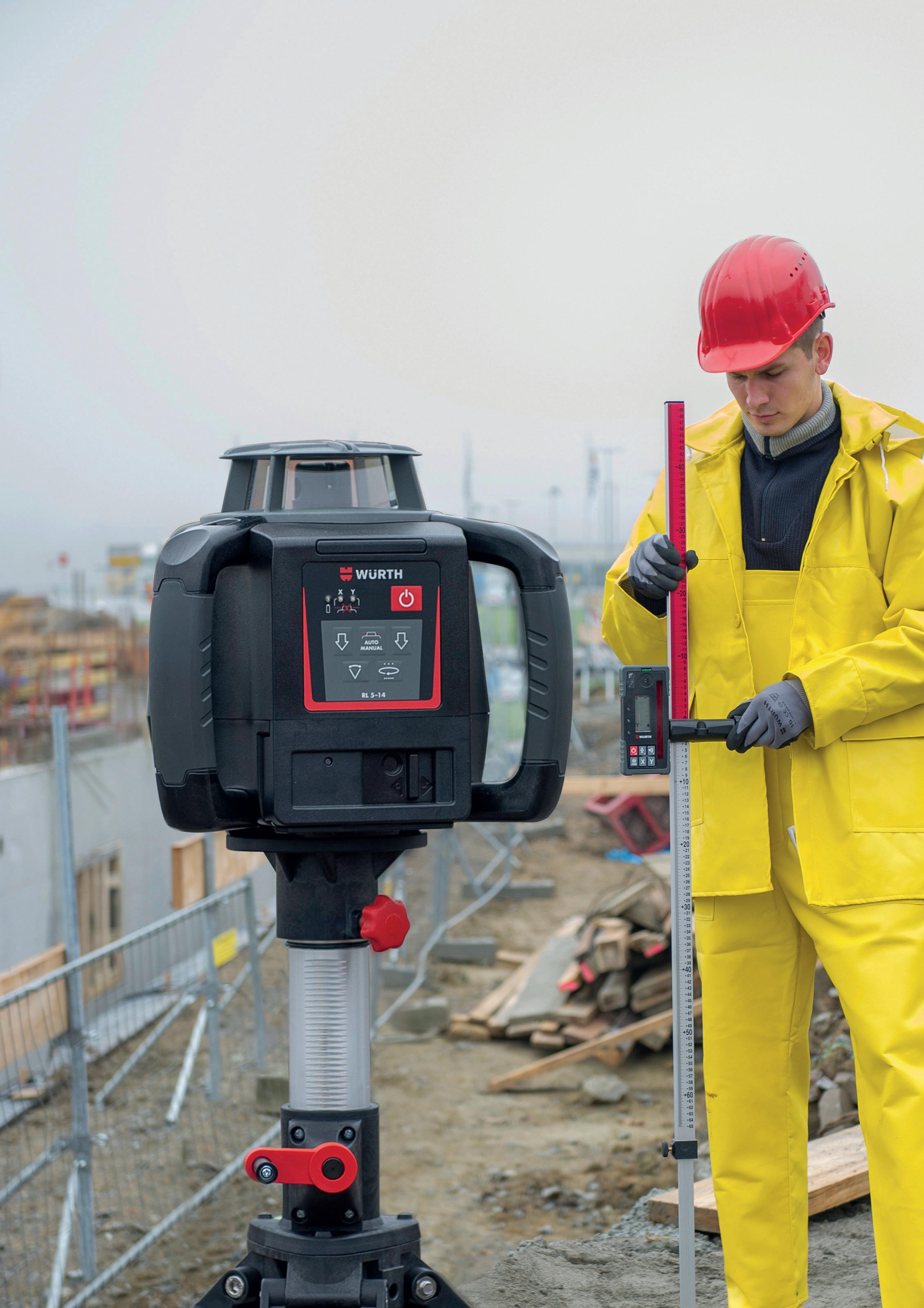
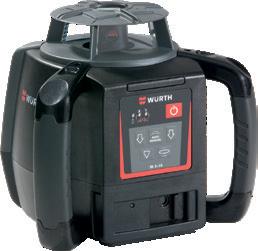
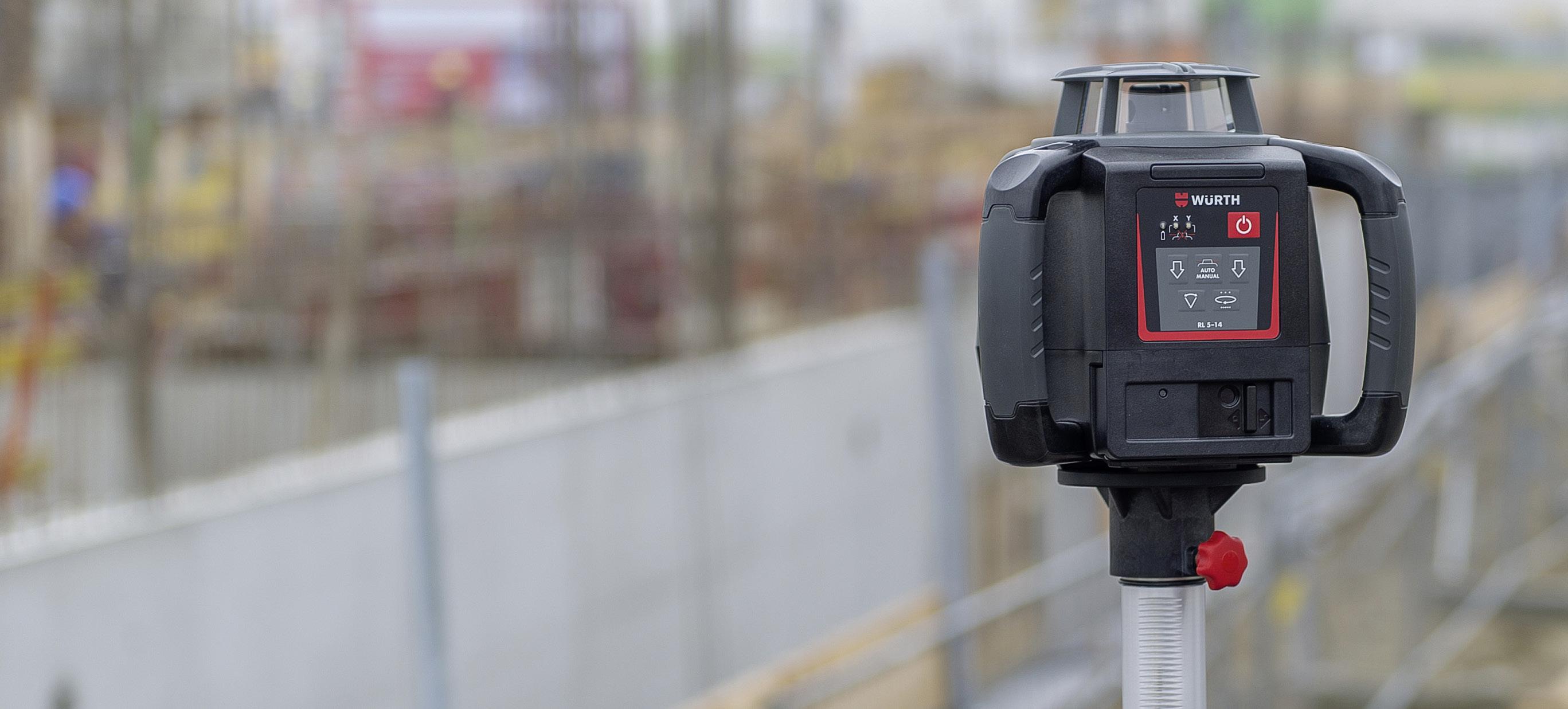
Rotation laser RL5-14
Specifically designed for indoor and outdoor use. For horizontal and vertical applications. The fibreglassreinforced composite housing makes the RL5-14 the perfect device for construction sites.
• Fulfils ISO 17123-6
→ Very high accuracy, even in adverse weather conditions
• Automatic self-levelling takes just seconds
→ Huge time savings
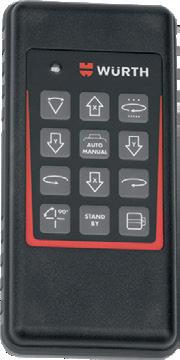
• With remote control for controlling the laser lines
• For horizontal and vertical work
• Automatic level monitoring
→ Prevents levelling errors caused by wind, soft surfaces and impacts against the tripod
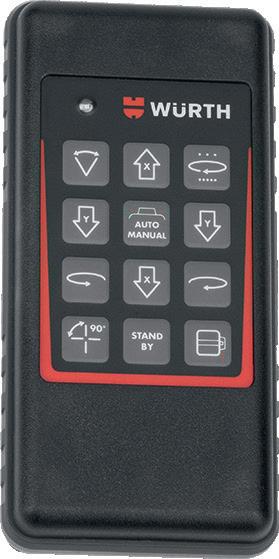
• IP67 degree of protection
→ Complete protection against dirt and water
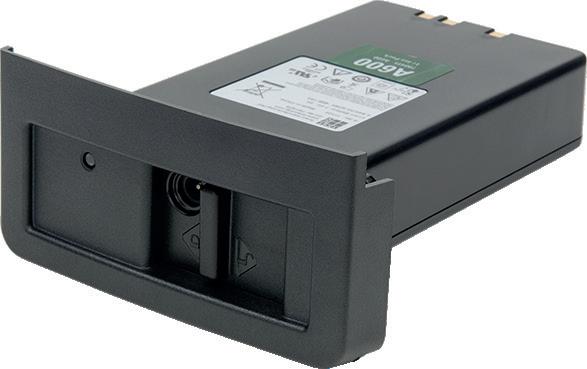
• Includes Li-ion battery pack
→ Can be recharged on the device thanks to the charger socket
Application area:
• Height transmissions
• Horizontal and vertical alignment
• Transmission of right angles
• Transmission of plummet dots from the ground
• Monitoring the excavation of foundation pits
• Measurement of batter boards
• Alignment of formwork
• Suspending ceilings
• Placing intermediate walls
Scope of delivery:
Remote control, Li-ion battery, charger, battery holder for alkaline batteries
Art. no. 5709 300 305
PU/Qty. 1
Technical data
Laser Class: 2 Range: 600 m
Measuring accuracy (per length): ± 0.75 mm/10 m
Self-levelling range (±): 6 degrees
IP protection class: IP 67
Type of rechargeable battery/battery: Li-ion
Number of rechargeable batteries/batteries: 1 pieces
Min./max. storage temperature: -40 to 70°C
Min. application temperature: -20°C
Max. application temperature: 50°C
Max. usage duration: 40 h
Accessories
Ground hoop
Telescopic levelling staff
Art. no.
0714 640 127
0714 640 425
Aluminium elevator tripod 105–269 cm 0714 649 303
Laser receiver LR5-14 5709 300 451
Wall bracket 5709 300 900
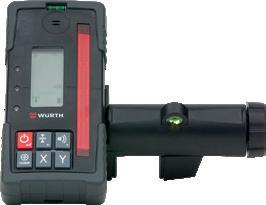
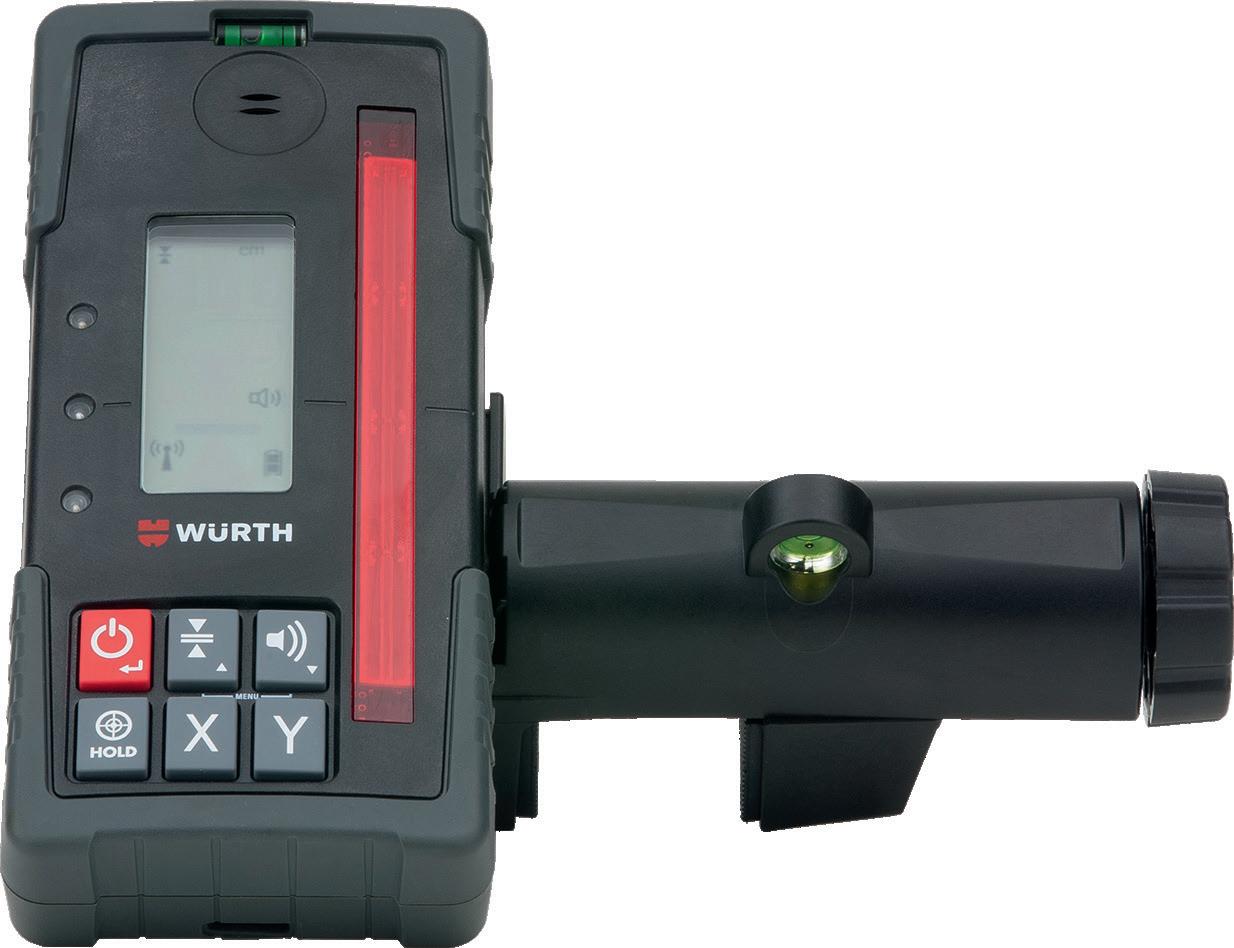
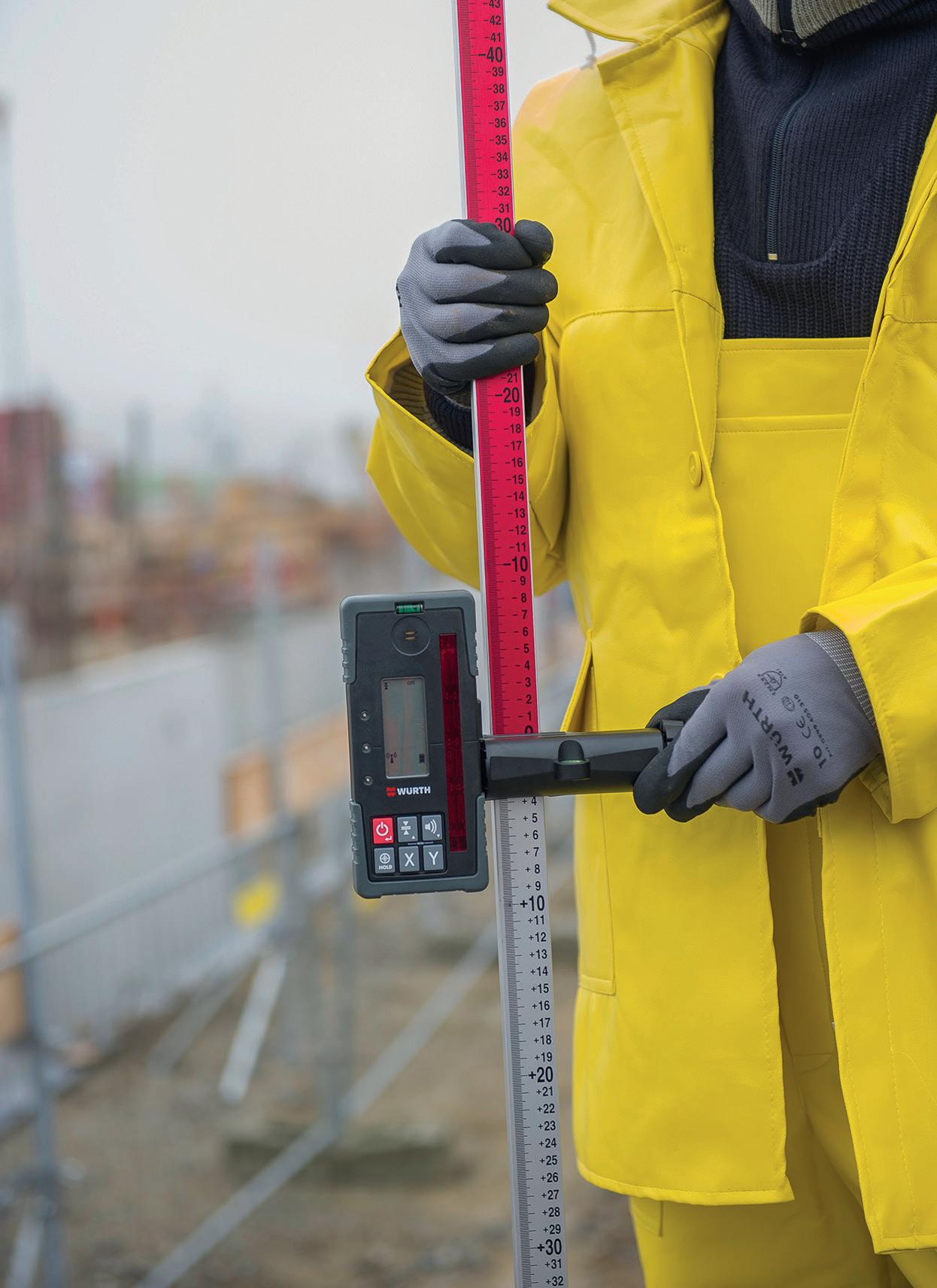
Laser receiver LR5-14
High-quality laser receiver with millimetre indicator for rotation laser. Scope of delivery includes holder for measuring rod, batteries not included.
• 600-m working area
→ Suitable for any construction site
• Setting of inclines (smart target)
→ Radio control of the RL5-14
• Complete protection against dirt and water
→ IP67
• Rapid detection of the laser beam
→ Large reception window
• 5 sensitivity levels
• Levelling instrument as alignment tool
• Easy reading of values/digital in mm
→ 2 LCD displays front and back
• Receiver holder for application with a rod
• Three acoustic signal levels
• Scan catch function
→ The laser scans at the point where you are working
Special functions:
• Stroboscope protection — Detects flashes from powerful stroboscopes used on the construction site and ignores them so that they do not affect the receiver function
• Beam detection — When the laser beam is detected by the receiver, it emits two signal tones in rapid succession
• Laser loss indicator — If the receiver is outside the laser range, the arrow indicates in which direction the device must be moved in order to detect the laser beam again
• Battery status indicator — A small laser icon on the receiver display indicates an alarm when the battery is low
Scope of delivery:
Laser receiver LR5-14, measuring rod holder with screw connection, operating instructions on CD
Art. no. 5709 300 451
PU/Qty. 1
Technical data
Min. working range: 600 m
Reception range: 120 mm
Display: Double-sided/LCD, LED
IP protection class: IP 67
Rechargeable battery/battery life: 50 h
Type of rechargeable battery/battery: Alkaline
Number of rechargeable batteries/batteries: 2x AA batteries
Storage temperature: -40°C to +70°C / -40°F to 158°F
Min. temperature application range: -20°C
Max. temperature application range: 50°C
Rotation lasers
Universal laser receiver LRU 18
Universal receiver for red and green rotation and line lasers.
• Long range up to 400 m
• Maximum reading quality thanks to LCD and switchable LED display
• The receiver can be read from the front and back
• Adjustable acoustic signal
• Degree of protection IP 67 (watertight and dustproof)
• Two strong retaining magnets on the top enable attachment to metallic surfaces
• With battery level indicator
• Measuring rod holder and battery included in scope of delivery
Scope of delivery:
Measuring rod holder with screw connection, AA batteries 1.5 V
Art. no. 5709 300 452
PU/Qty. 1
Technical data
Max. working range: 400 m
Reception range: 45 mm
Display: LED, LCD
IP protection class: IP 67
Rechargeable battery/battery life: 50 h
Type of rechargeable battery/battery: AlMn
Min./max. temperature application range: -10 to 50°C
Rechargeable battery/battery designation: Mignon AA
Number of rechargeable batteries/batteries: 1
Accessories
RC5-14
Replacement remote control for RL5-14.
Art. no. 5709 300 306
PU/Qty. 1
Li-ion battery
RL2-14 and RL5-14.
Art. no. 5709 300 902
PU/Qty. 1
Li-ion charger for Li-ion battery RL2-14 and RL5-14.
Art. no. 5709 300 903
PU/Qty. 1
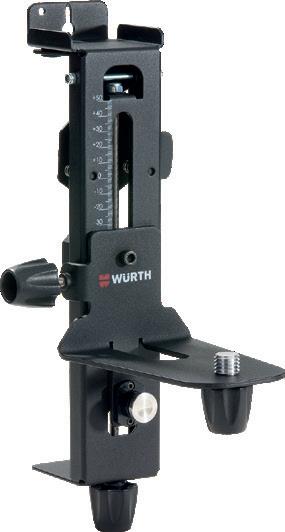
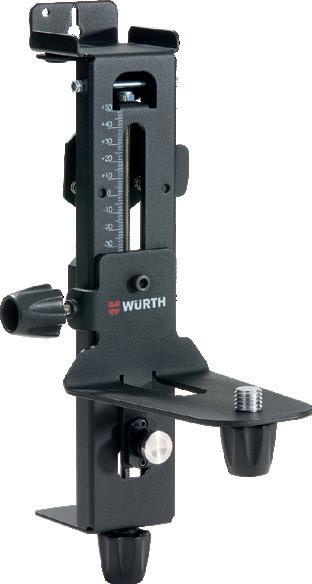
Wall bracket
Art. no. 5709 300 900
PU/Qty. 1
Rotation lasers
Accessories
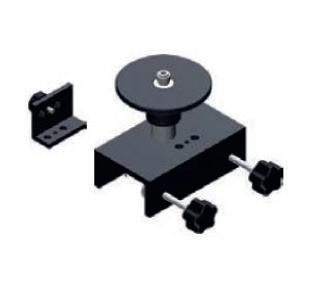
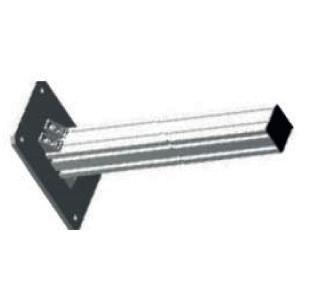
Enables easy and practical setup of the laser for façade applications (without batter board holder).
Art. no. 5709 300 913
PU/Qty. 1
Telescopic levelling staff
Art. no.
0714 64 425
PU/Qty. 1
Alkaline battery
AA 1.5 V
Art. no. 0827 112
PU/Qty. 4
Batter board holder with adapter
Easy cordless attachment to batter boards. When not in use, the 90° receiver adapter is attached to the main chamber for easy storage.
Art. no. 5709 300 914 PU/Qty. 1
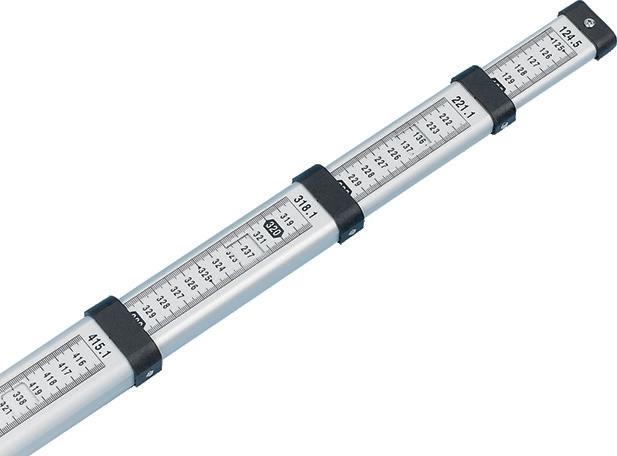
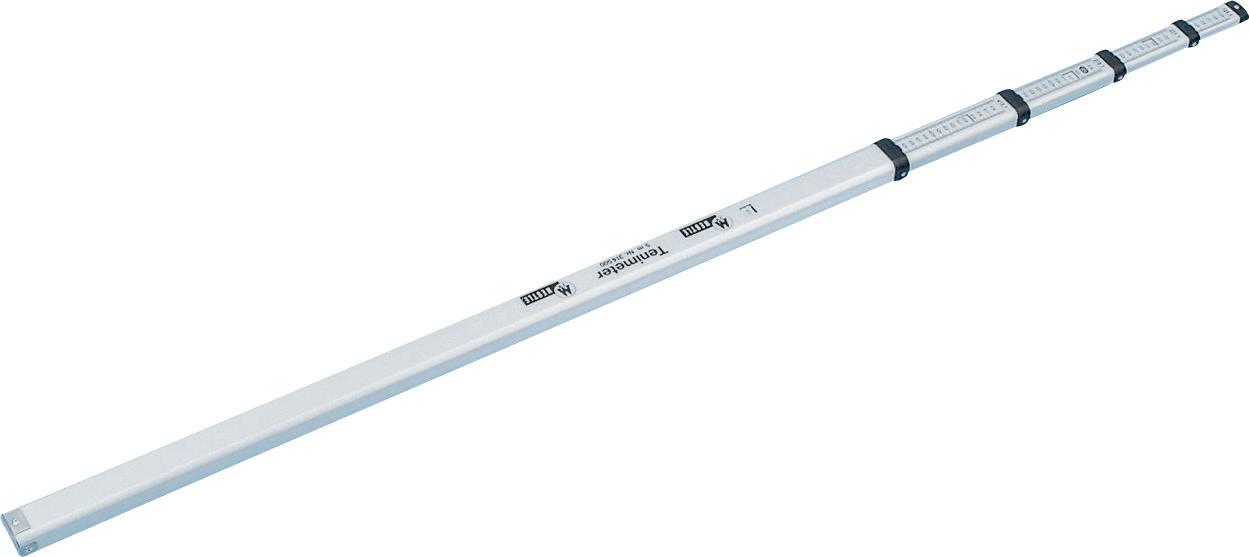
Telescope levelling meter
Homing board, magnetic
Art. no. 5709 300 102 PU/Qty. 1
• Aluminium profiles: Anodised, telescopically extending Easy and precise guidance of the individual elements
Push button screen.
→ Easy and fast operation
→ Fuse
• Graduation: both sides, protected by protruding edges and anodic coating
Our general terms and conditions of sale, delivery and payment apply. They can be found at eshop.wuerth.com.mt
Reprint only with prior permission MP033.21
We reserve the right to make any changes we deem necessary to improve the quality of a product, even without prior announcement or notification. Illustrations include sample illustrations and may differ in appearance from the actual goods delivered. Errors excepted. We do not accept any liability for printing errors.