Kansas Photo Gallery Submissions by students:
Perspectives of native Kansans
Kansas politics challenge status quo
Aquifer depletion sparks environmental debates
Kansas Photo Gallery Submissions by students:
Perspectives of native Kansans
Kansas politics challenge status quo
Aquifer depletion sparks environmental debates
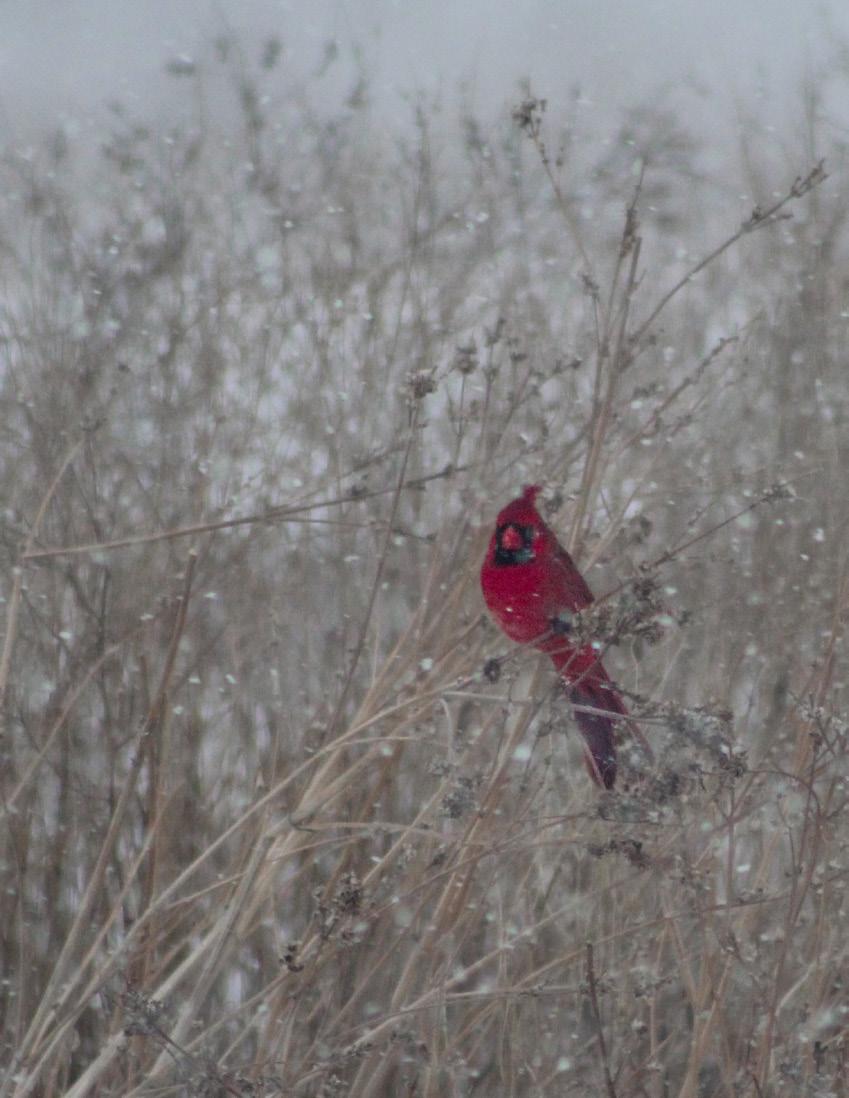
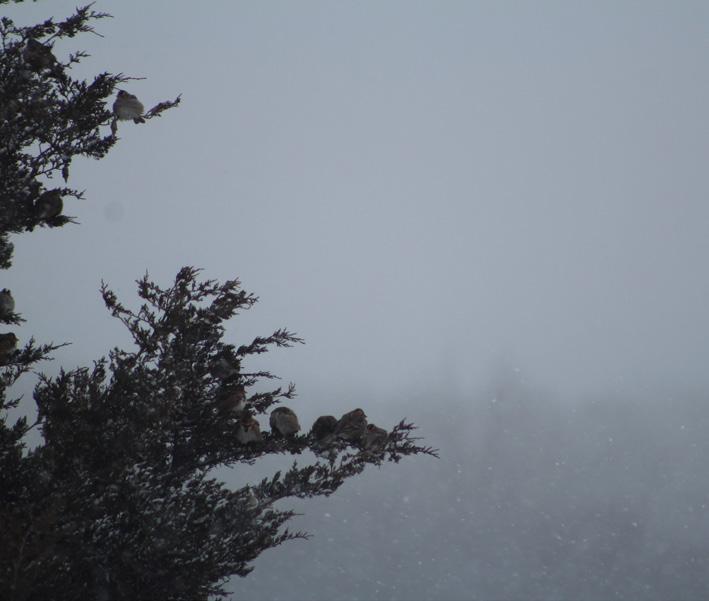
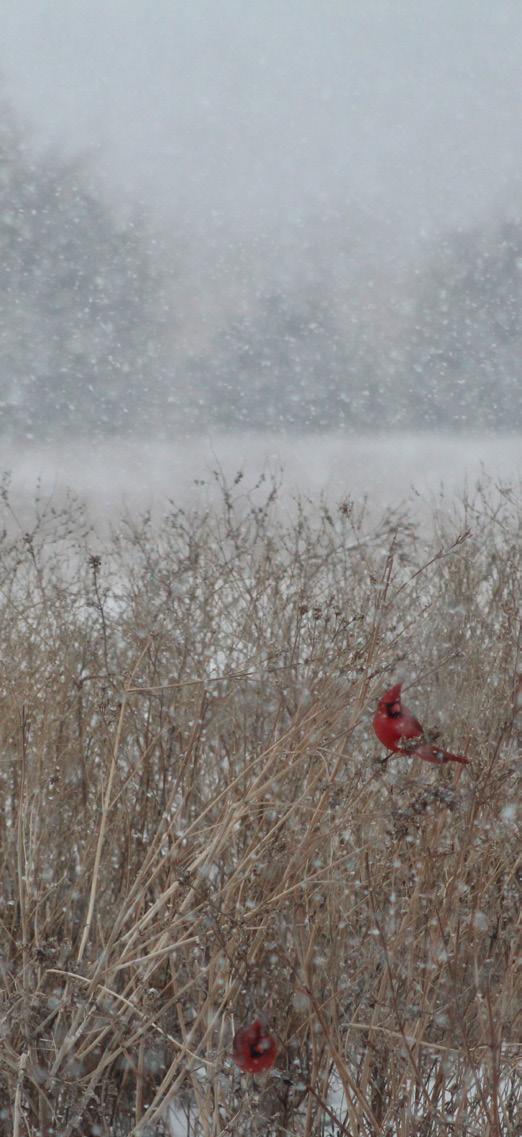
The Indigo cover photo was taken by Cheyenne Hittle. It displays a cardinal in a snowstorm in Kansas.
EDITOR-IN-CHIEF
Cheyenne Hittle
DESIGNERS
Malik Arafat
Eden Conrad
Rubina Ghimire
Cheyenne Hittle
Anson Appelhanz
Malik Arafat
Kellis Bayless
Jaema Bordelon
Wyatt Boggs
Eden Conrad
Anushma Dahal
Rubina Ghimire
Cheyenne Hittle
Stuti Khadka
COPY EDITORS
Anson Appelhanz
Eden Conrad
Anushma Dahal
Jeremy Ford
Cheyenne Hittle
Stuti Khadka


Arohi Rai
Bidhya Sapkota
ILLUSTRATORS
Eden Conrad
Cheyenne Hittle
Stuti Khadka
PHOTOGRAPHERS
Brenda Andrade
Malik Arafat
Eden Conrad
Ayva Darmento
Cheyenne Hittle
Ojashwi Shrestha
Addison Vest
ADVERTISING
Brenda Andrade
Lexi Hittle
Ojashwi Shrestha
FACULTY ADVISORS
Regina Cassell
Kristen Grimmer
Welcome to Kansas, the heartland of America. This issue of the Indigo is all about Kansas and what makes our home state special.
During the process of creating this magazine I was able to dig deeper into the fascinating history, culture and beauty of the state, and learn things every local ought to know. Coming from a small town I have always enjoyed the rural aspect of the state and have found beauty in it, especially the famous Kansas sunrises. I was excited to take that passion and expand it to truly showcase Kansas.
In the pages of this magazine you will find where we did our best to capture the beauty of the landscape by collecting photos that show off the different seasons, researching numerous
events that are happening throughout the year and spotlighting ongoing issues that could harm our strong agriculture industry and the residents. Taking care of the land that takes care of us is the most important piece of appreciating what we have.
I am truly thankful that I had the opportunity to lead production of this magazine and for the people who helped make my vision come to life. I want to give a huge shout out to Eden Conrad, our Design Editor, for staying late to work on and bring this magazine to life.
I hope as you flip through these pages you see Kansas through a new lens and discover a new place or event you would have fun traveling to. Enjoy the magazine!

Sincerely,
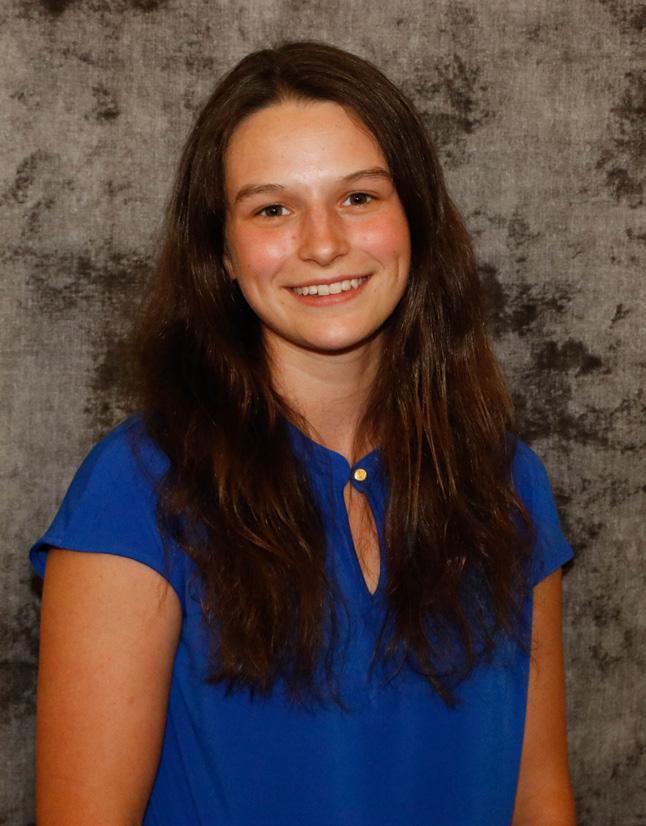
Cheyenne Hittle Editor-in-Chief
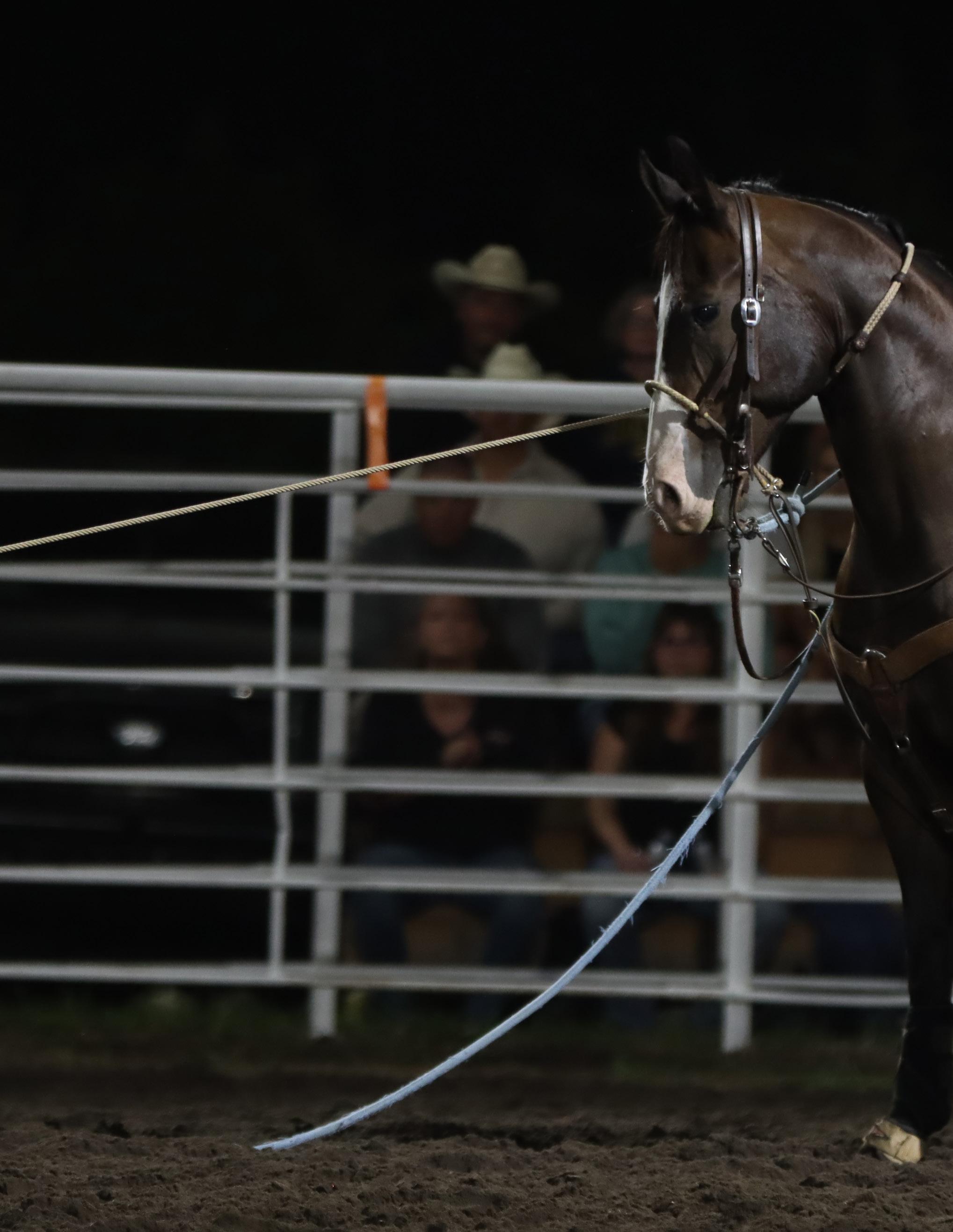
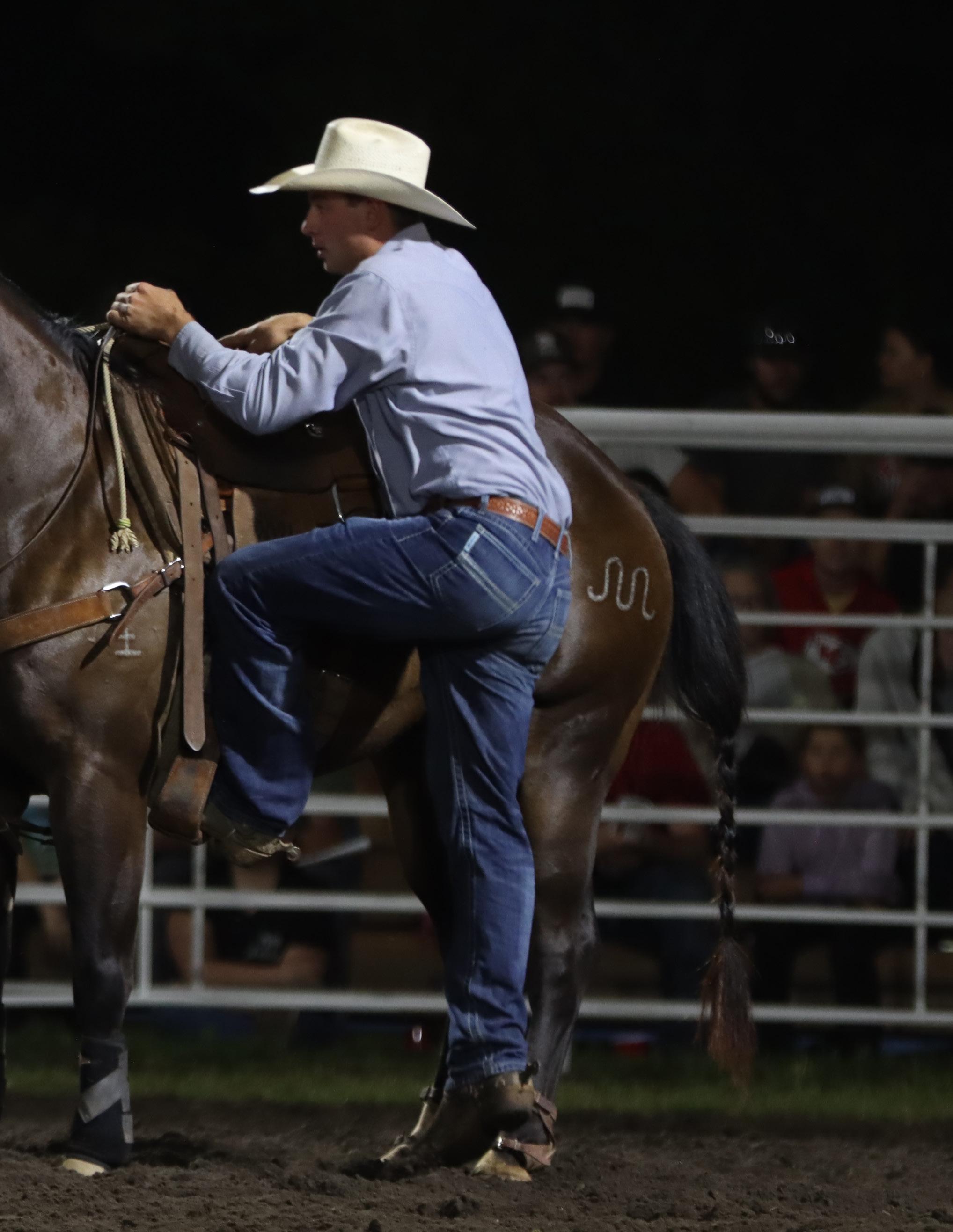
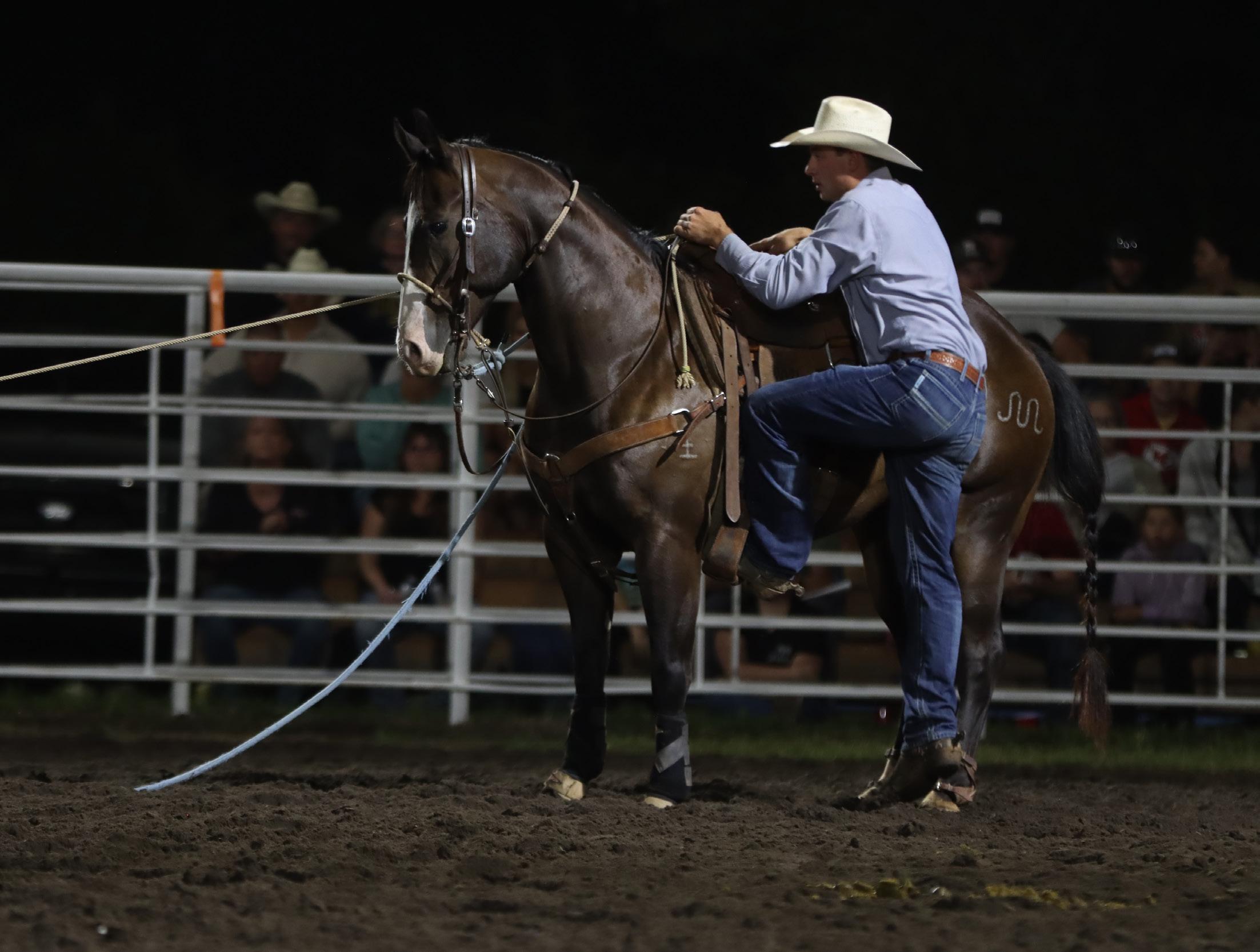
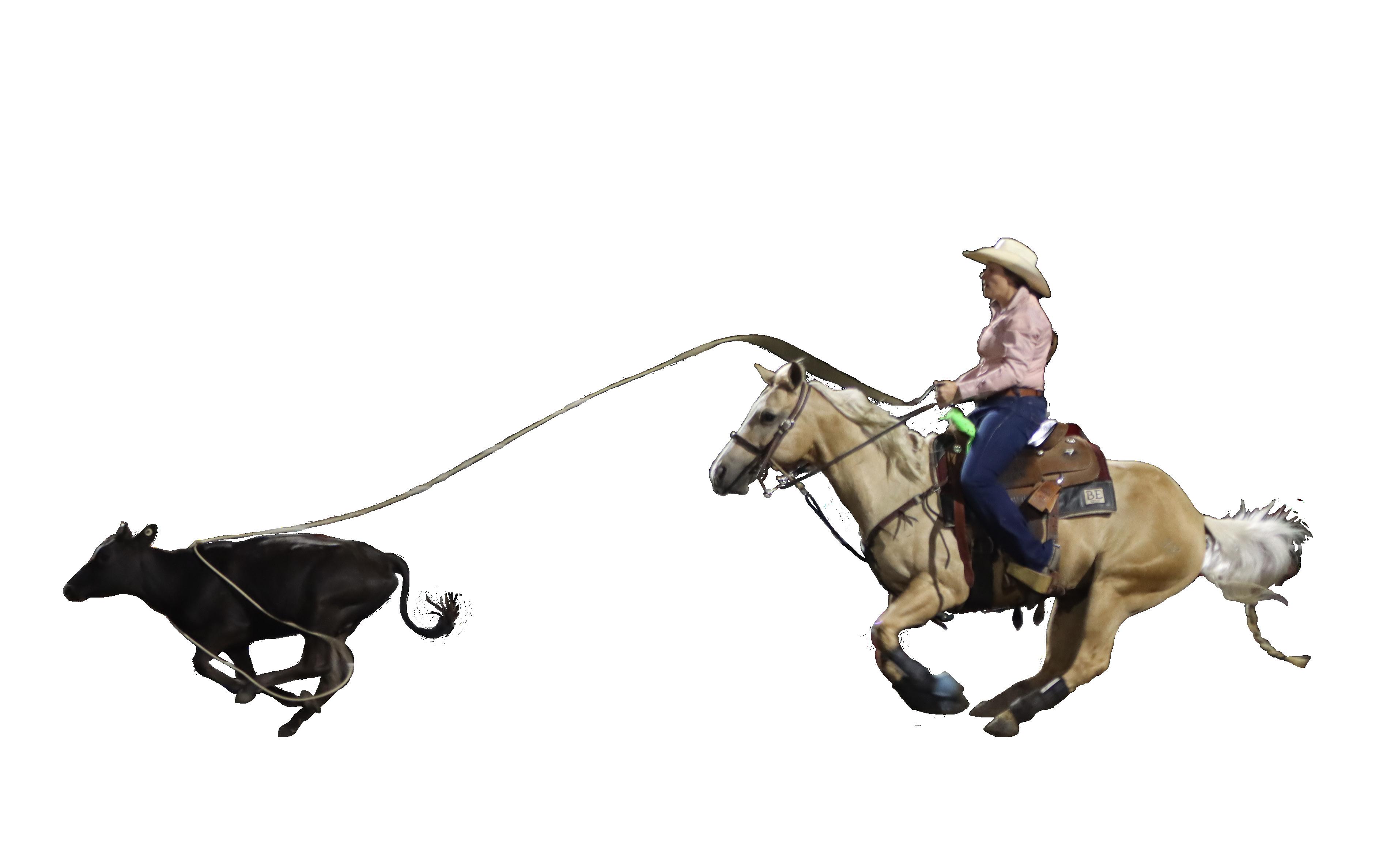
Mason Stueve, from Newton, Kansas, competes in the tie down roping event at the Big 94.5 Country Topeka PRCA rodeo. Tie down roping requires competitors to rope a calf, throw the calf down to the ground and tie its legs together so it is unable to run away. Historically, the skills for this event were used by cattle drivers to vaccinate or brand calves.
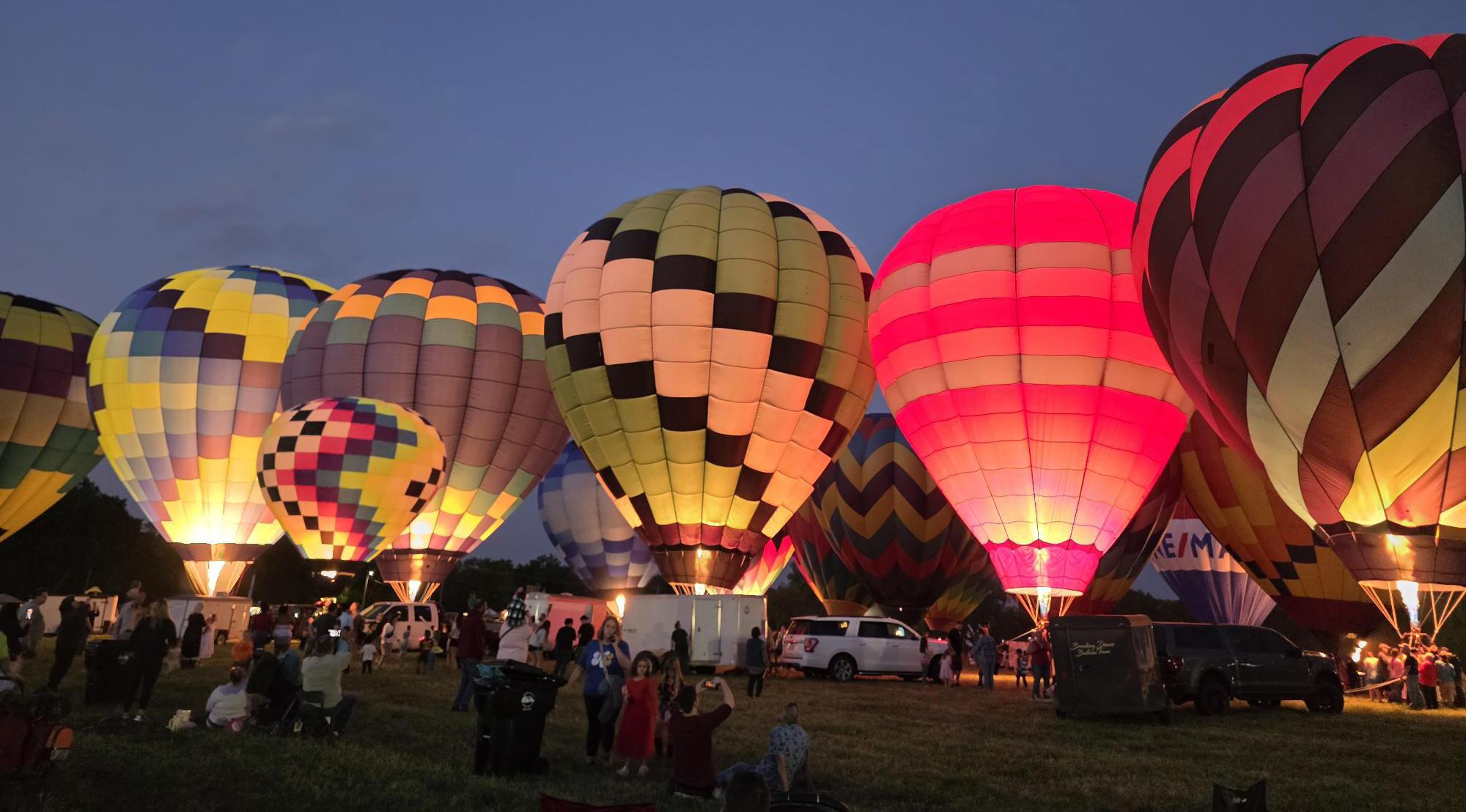
Hot air balloons of all colors and sizes light up the night. Topeka, Kansas hosts the annual Huff 'n Puff Rally hot air baloon festival around the month of September.
Kansas culture is more than art or achievement as defined in the dictionary. It is a mix of an understanding and appreciation for people, land and hometown pride.
Traditionally, the state has been made up of rural communities with many farmers and ranchers. There is a diverse mix of individuals beyond this standard who have traveled far beyond the state lines to interact with the nation as a whole. Their achievements have put Kansas on the map and improved existing local
pride in the process.
Kansans are proud of the place they call home. The land filled with vibrant sunsets, rolling hills, prairies and hundreds of tiny towns with friendly folks builds community and belonging.
There are never ending opportunities to get involved and meet new individuals in nearly every community.
While Kansas is not the most popular or populated state, it is home to 3 million people who value it just the way it is.
Hometown heroes from the Heart of America.
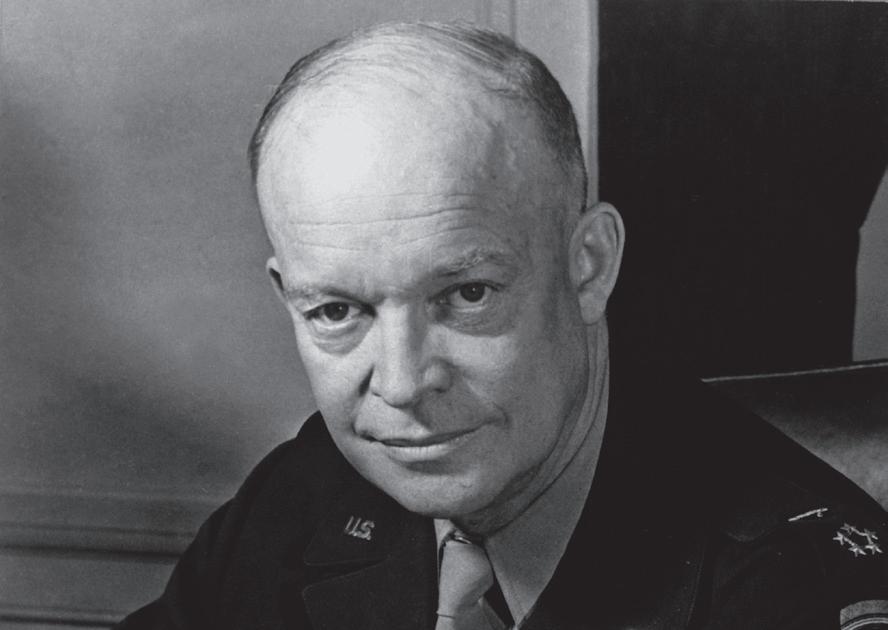
(Oct. 14, 1890–March 28, 1969)
Eisenhower was born in Texas but grew up in Abilene. He served as the Supreme Commander of Allied Forces during World War II. In 1953, he became the 34th President of the United States, where he launched the Interstate Highway System, expanded civil rights enforcement and encouraged economic growth in the early years of the Cold War.
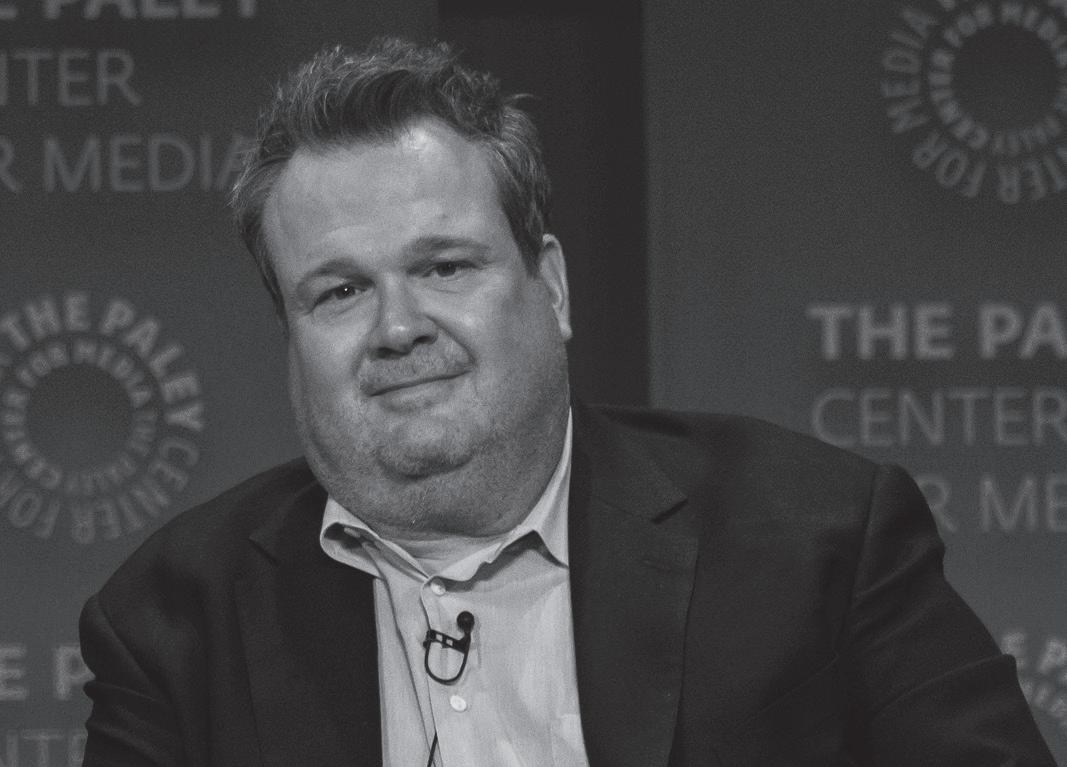
(July 16, 1968–present)
Designed by: Rubina Ghimire
(Sept. 9, 1971–present)
Born and raised in Kansas City, Stonestreet is well known for his Emmy-winning role as Cameron “Cam” Tucker in the TV sitcom “Modern Family.” He also voiced the character Duke in 2016 for the animated movie, “The Secret Life of Pets.”
Hall of Fame running back Sanders, from Wichita, played for the Detroit Lions for 10 seasons. He is considered one of the greatest running backs in NFL history. His key achievements include winning the Heisman Trophy in 1988 and leading the NFL in rushing yards four times.
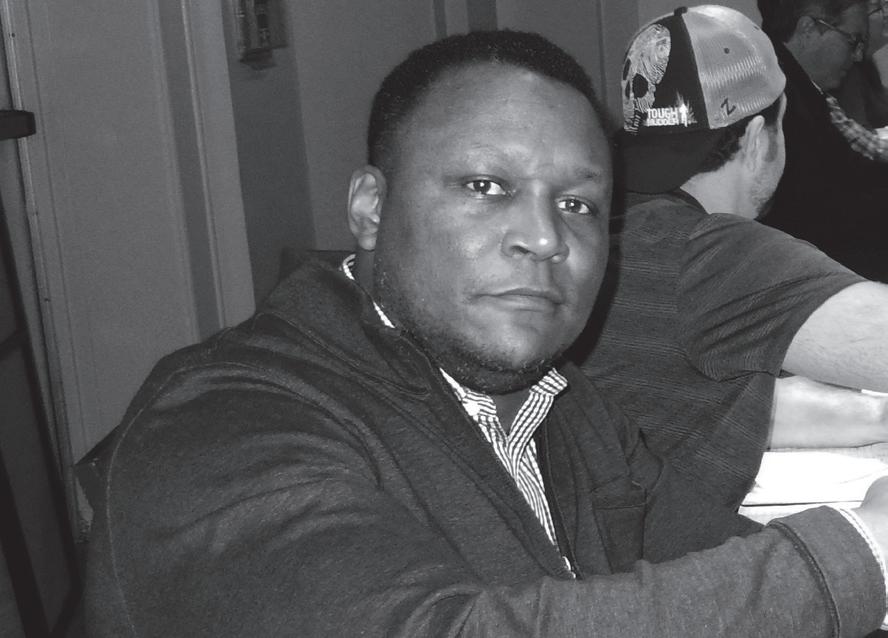
(July 22, 1923–Dec. 5, 2021)
Dole was born in Russell, and became a prominent figure when he enlisted in the U.S. Army and became an officer. In 1953, he became the county attorney for his hometown. He was elected to the U.S. Senate in 1969 and served as Republican Leader during his last 11 years of service, including three nonconsecutive years as Majority Leader.
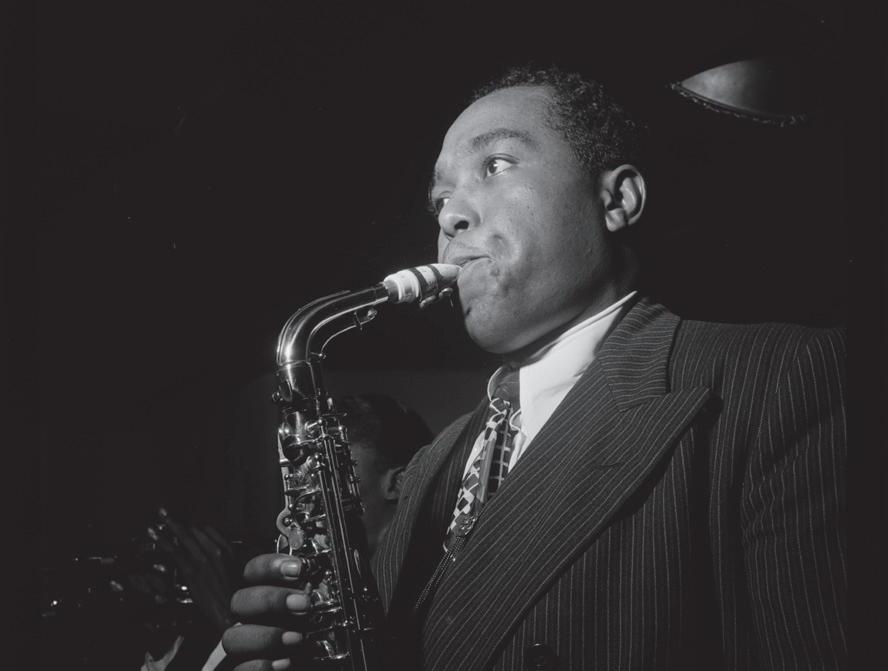
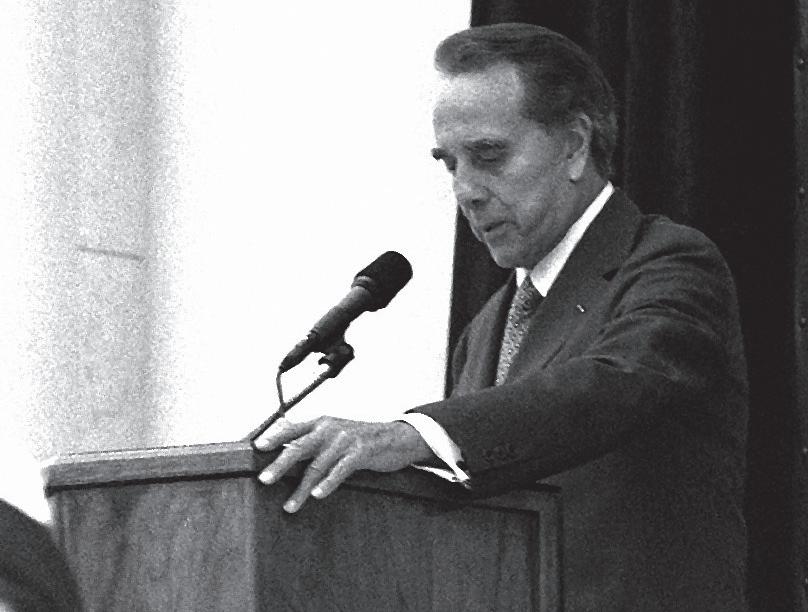
(Aug. 29, 1920–March 12, 1955)
Parker was raised in Kansas City, a popular hub for jazz musicians. He was an American jazz saxophonist, bandleader and composer, recognized as a virtuoso. He introduced revolutionary rhythmic and harmonic ideas into jazz, including rapid passing chords, new variants of altered chords and chord substitutions.
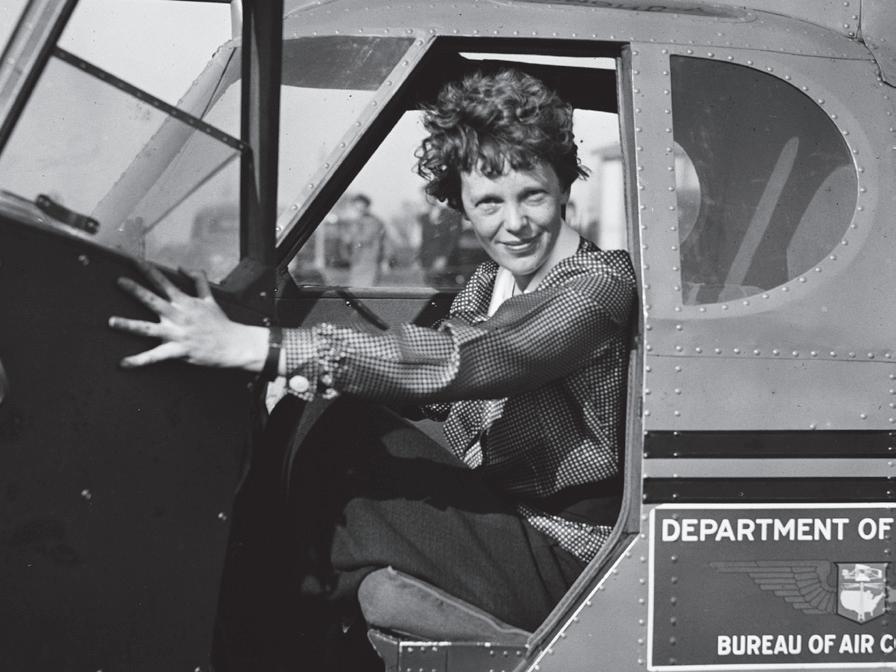
(July 24, 1897–missing July 2, 1937; declared dead Jan. 5, 1939)
From Atchison, Earhart was an American aviation pioneer. As the first female pilot to fly solo across the Atlantic ocean, she had ambitions to become the first female pilot to fly around the world. However, her disappearance while flying over the Pacific Ocean cut her journey short.


(Dec. 1, 1985–present)
Monáe is a singer, songwriter, rapper and actress from Kansas City. She is popular for her genre-blending music and futurist concepts. Her biggest hit on Billboard’s Adult R&B Airplay chart was “I Like That” in 2018. She has also made appearances in dozens of movies and TV shows.

Bonds between horses and riders create a spectacle of grit and determination.
Story by Cheyenne Hittle
On a rodeo night in Kansas, spectators fill the stands to watch riders cling to untamed bulls in an eight second battle. Rodeos across the state attract visitors of all backgrounds and professions.
Rodeo is a unique sport that allows people and animals to create a bond and work together to achieve tasks. Every event has a backstory and a purpose before it was gamified in the arena. According to flinthillsrodeo.org, rodeo in Kansas started as simply riding unbroken horses in an open pasture. Over time the Flint Hills Rodeo that began in Chase County expanded to include associations with the Cowboy Turtle Association (CTA) and the Professional Rodeo Cowboy Association (PRCA). These associations allowed the rodeo to include more events
Photo by Cheyenne Hittle
Designed by: Cheyenne Hittle
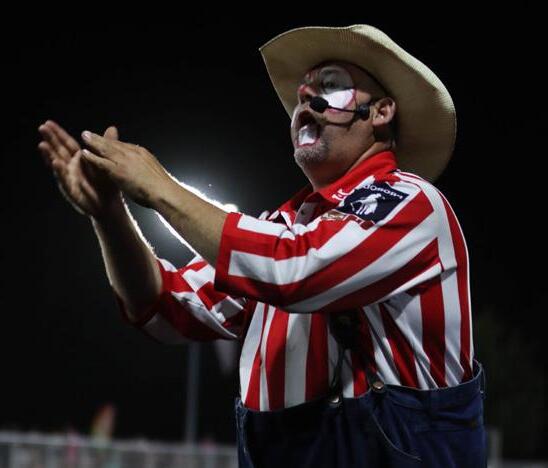
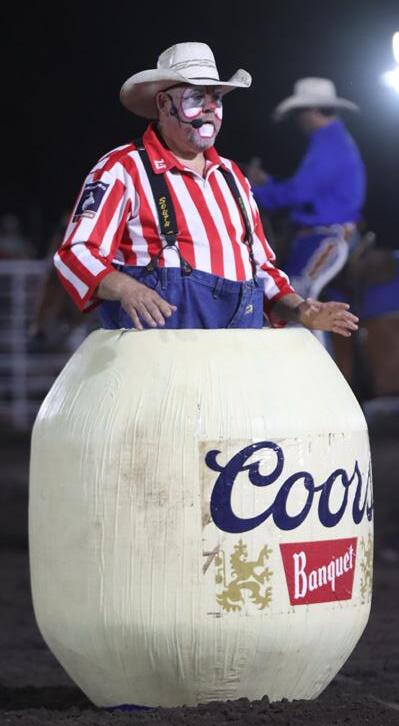
Shawn "Boom Boom" Thompson entertains the crowd between events. The rodeo had a barrel man to distract bulls to give the riders a chance to get out of the arena safely.
as well as invite more people to watch.
The Big 94.5 Country Topeka PRCA Rodeo held at the North Topeka Saddle Club, is another popular rodeo in Kansas. This rodeo includes traditional events such as: bareback riding, steer wrestling, tie down roping, team roping, bronc riding, barrel racing and bull riding.
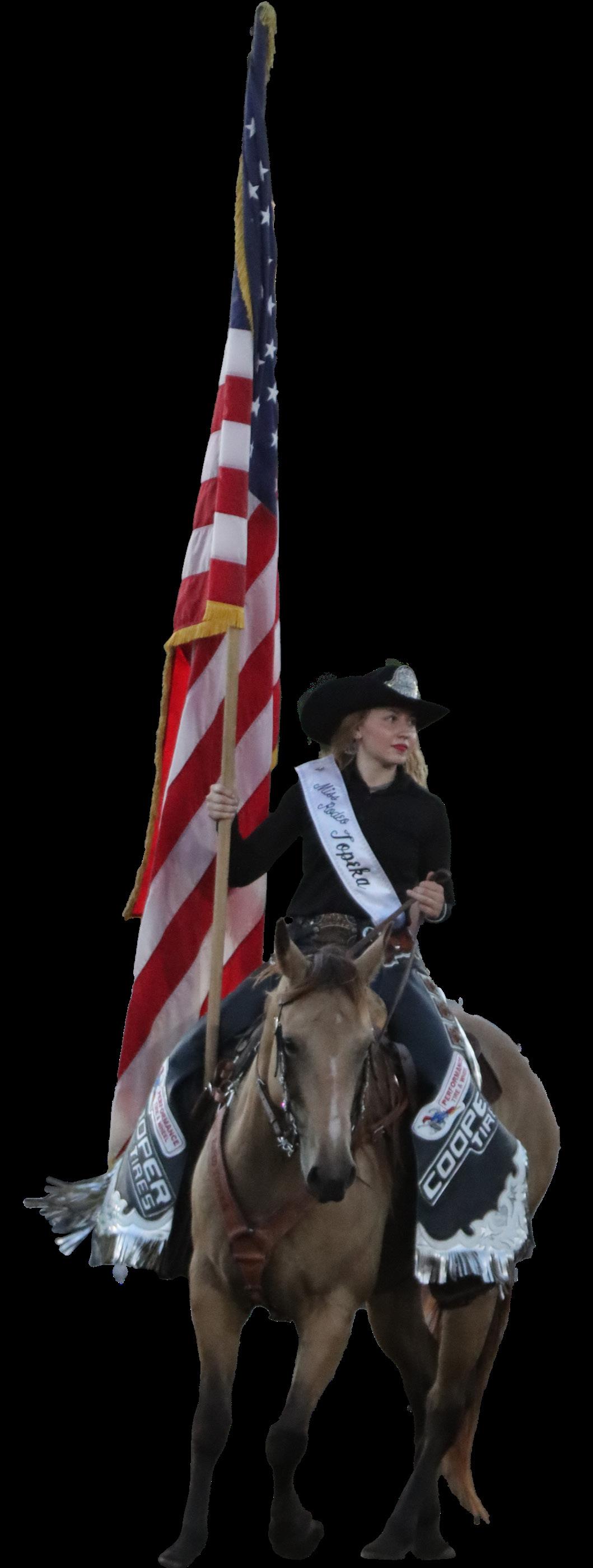
Kyndall Sextro, Miss Rodeo Topeka, carries the flag during the national anthem. Sextro was the 2024 rodeo queen and she was handing off her responsibilities as queen to Emmy Gibson, Miss Rodeo Topeka 2025.
Topeka’s rodeo also holds a Miss Rodeo Topeka pageant for young women who demonstrate good horsemanship, public speaking skills and a desire to learn more about the western world. 2024's Miss Rodeo Topeka was Kyndall Sextro of Sabetha, Kansas, animal science pre-vet major at Kansas State University. For Sextro, being a rodeo queen has allowed her to be an ambassador for the sport and the people who are involved in it. She was inspired to get involved with
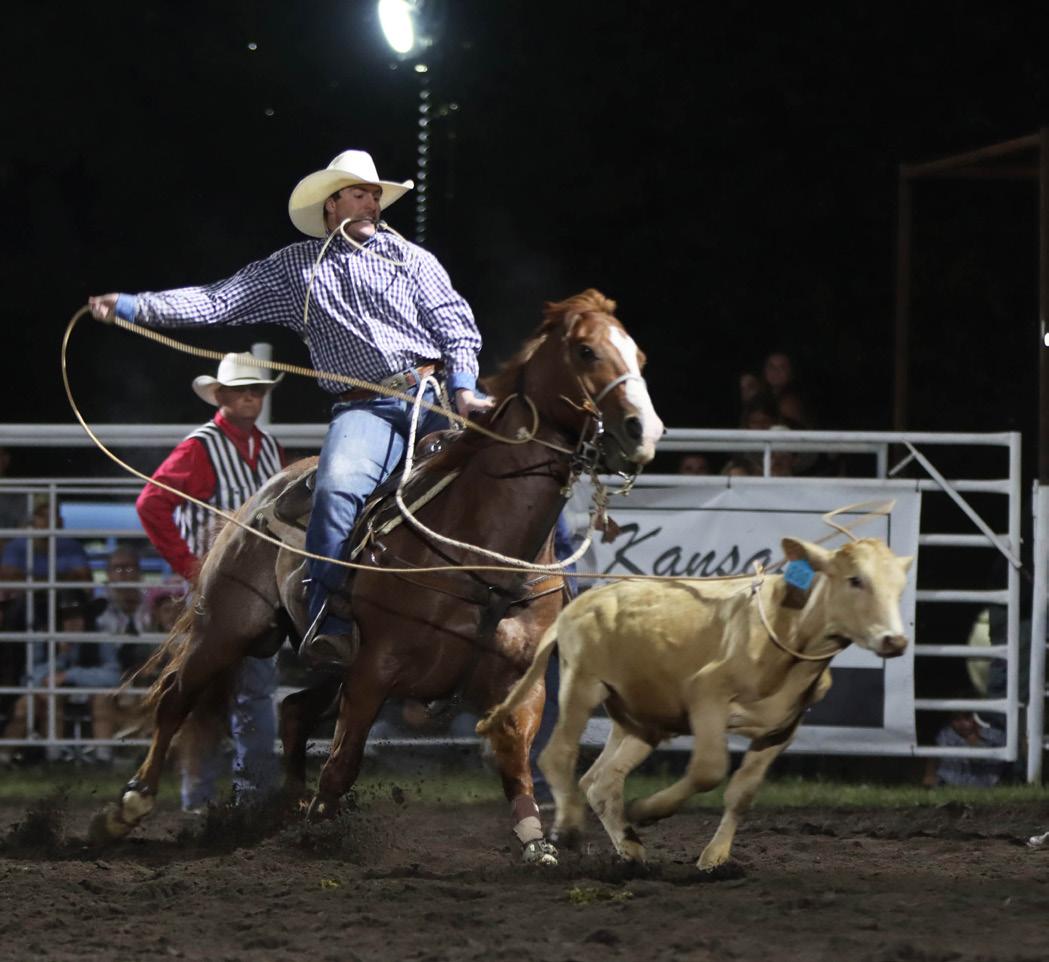
Left: Tie down roping requires the rider to catch a steer and hold it down by tying its legs. Kason Dyer of Ottawa, Kansas completed the task in 19 seconds.
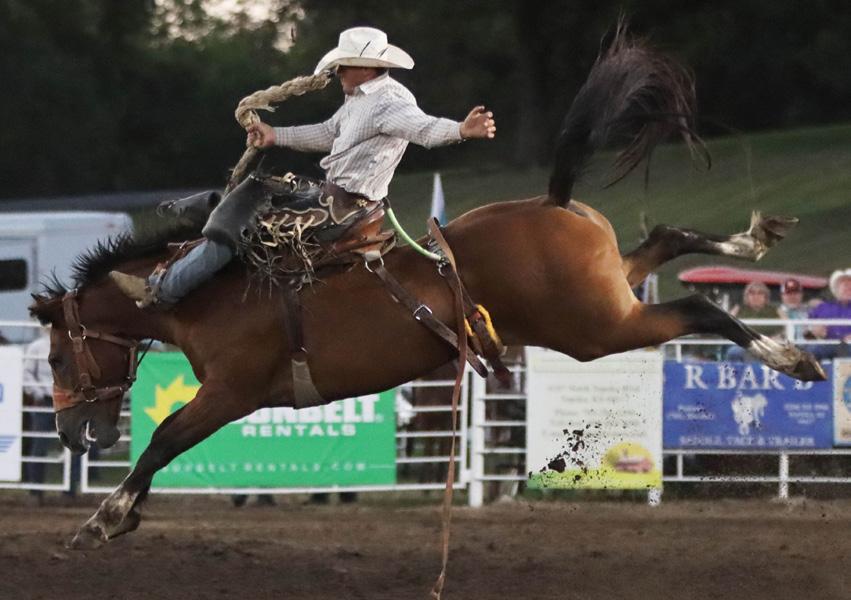
Middle: Tanner Hayes of Elkhart, Kansas rides Game Changer. In the saddle bronc event Hays earned a score of 75.5 on his ride.
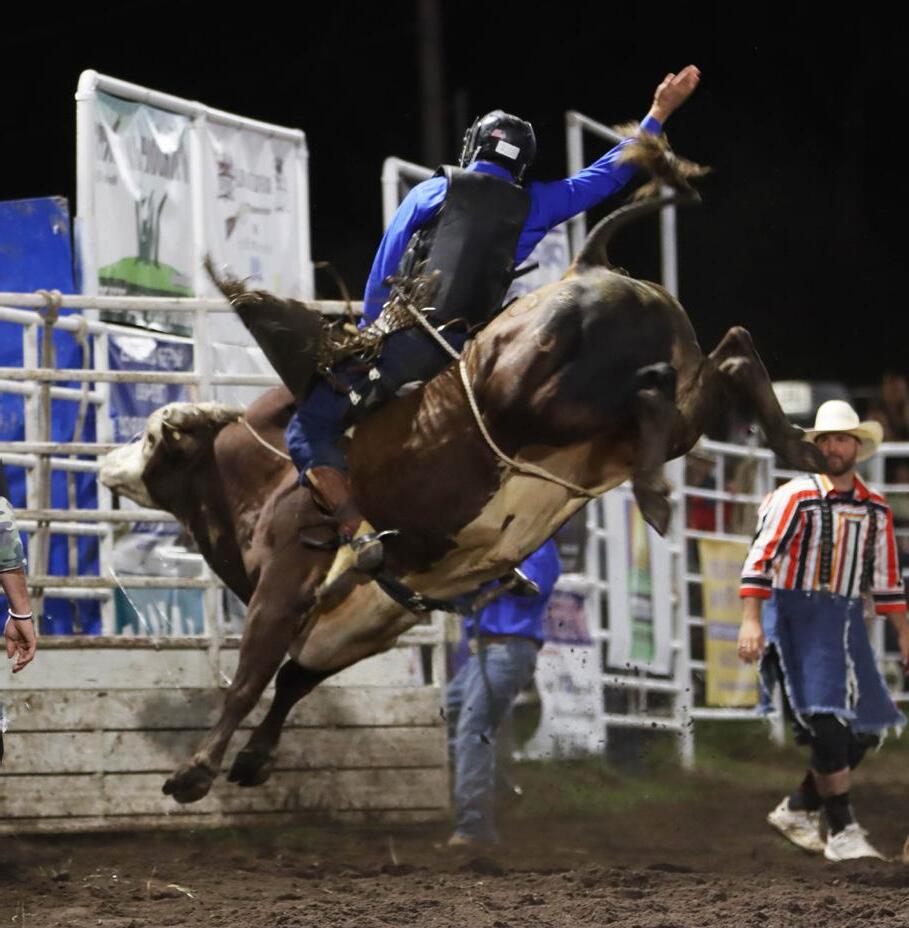
Right: Bull riding is the final event of the night and one of the crowd favorites. Brandon Ballard of New Hope, Kentucky defeated the bull Inamorata in his eight second ride. Ballard took home the cash purse with the best ride of the night.
rodeo at a young age after attending local rodeos.
Bonds built between the horse and rider also play a part in the success of some competitors. Sextro said that the horse and rider
Hannah Hughes of Adrian, Missouri competes in break away roping. Hughes tied for first in the event at the Big 94.5 Topeka Rodeo with a time of 2.3 seconds.
Designed by: Cheyenne Hittle
Resource depletion has gone too far. Kansans need to step up to protect what remains.
Story by Kellis Bayless
There are many natural resources which we rely on to provide necessary materials for the way we live. Take, as an example, lumber for building materials. One of the bedrock principles of modern environmental science is to identify sustainable practices. These would include living in such a way as to not deplete resources over human generational timeframes. In the case of lumber, this would entail being sure to replant trees to replace the ones harvested so that future generations continue to have that resource available in the future.
Our current use of fossil fuels to provide energy are clearly unsustainable as we consume them at a much faster rate than nature can replenish them. One example of fossil fuel use is for electricity generation. Kansas provides an excellent
example of recently changing the majority of electricity generation towards a much more sustainable future by relying heavily on wind electricity generation. The
majority of electricity generated in this state is now provided by wind. We should continue to promote this as a way of increasing the sustainability of our electricity supply.
Another example of currently unsustainable resource use in Kansas is our consumption of water. We rely on fresh water to grow our crops, raise our livestock and for hydraulic fracturing of oil and natural gas wells. For many decades, we have seen a decrease in both surface water availability as well as dramatic declines in underground aquifer levels. We must address this issue and implement ways of reducing our water use if we intend to provide future generations with available water to continue living the way we have in the past.
-
Kellis Bayless, senior lecturer of biology at Washburn University
All undergraduate degrees are accepted.
Enjoy the convenience of taking online classes in eight-week segments.
You do not need to take the Graduate Record Examination (GRE).

This program consists of 30 hours of interdisciplinary coursework. You’ll take a variety of courses to expand your skills.
A master’s degree may help you not only advance in the workplace, but earn you a higher wage.
Kansas history is a story of people, land and the events that have shaped. Beginning in 1854, there’s been constant progress and advancement that’s allowed the state to stay a step ahead.
Constant pressure has been put on Kansans for dozens of years, but they continue to persevere and outshine others. The people are able to directly talk to the highest level of governance in the state and voice their concerns.
Their voices are heard and responded to through funding and initiatives that protect the land and
resources available. Protecting those resources is one of the important goals of politicians and residents for longevity of the land and the people living on it. Learning from the past, taking initiative in the present and protecting the future are the strategies that have made the state successful.
Legacies crafted in Kansas tell a part of a greater story of perseverance, politics and stewardship of the land.
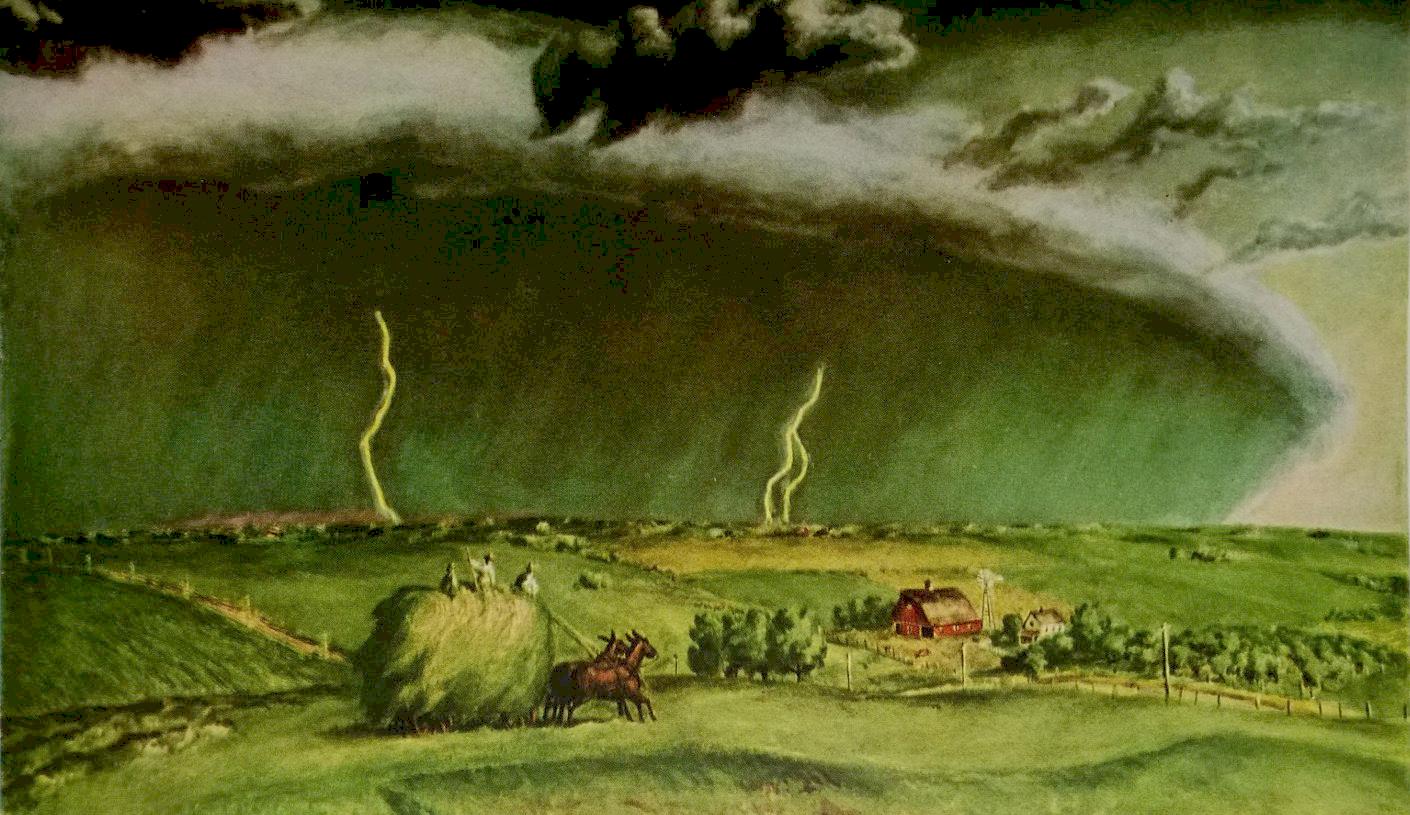
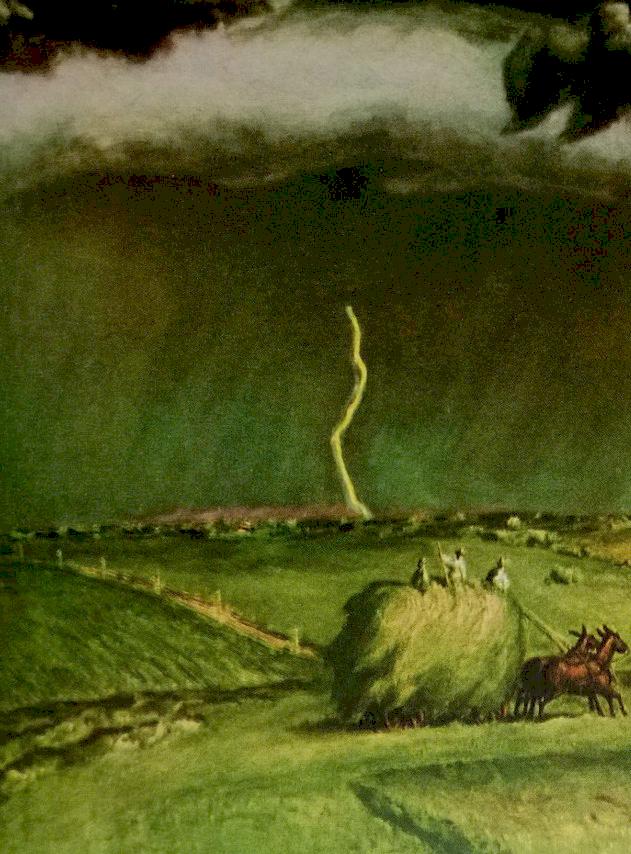
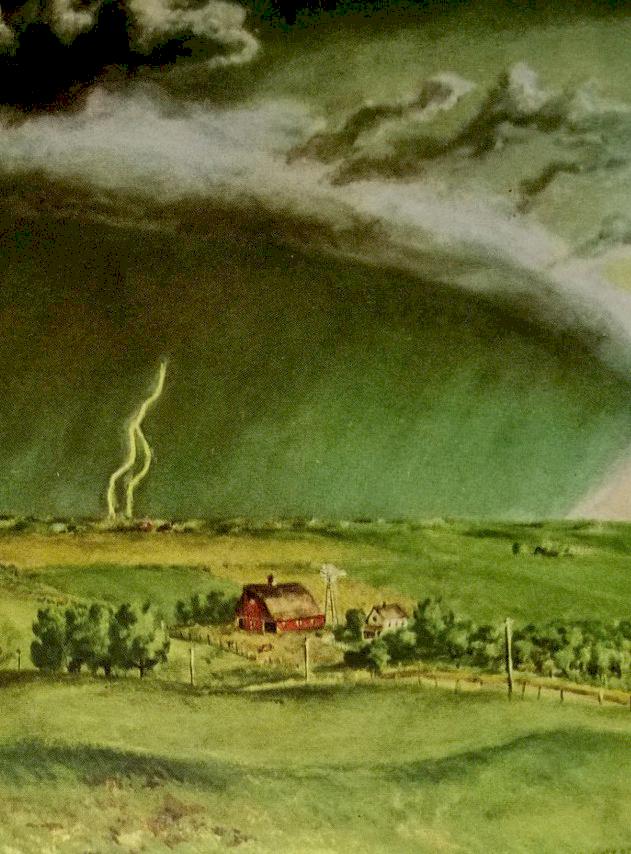
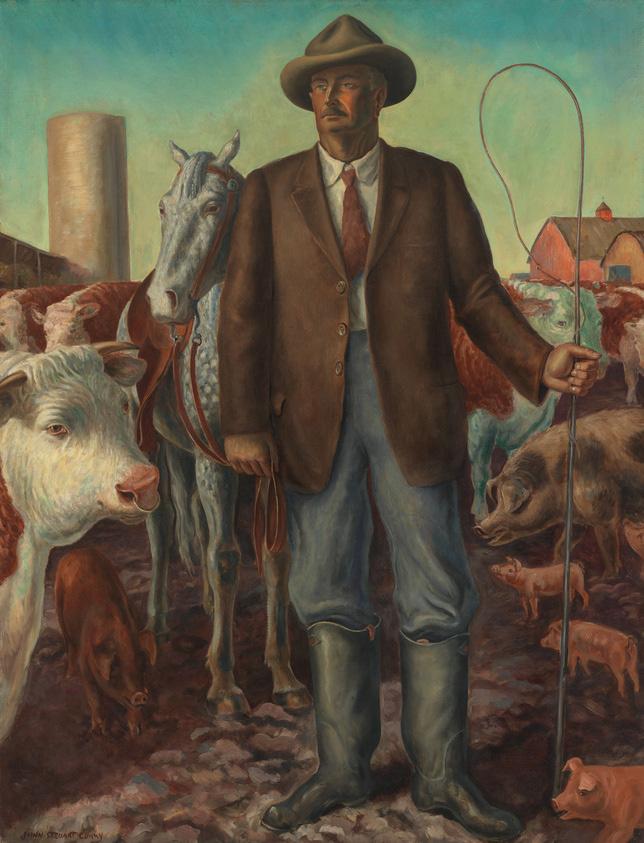
by John Steuart Curry | Wikimedia Commons
The Stockman, 1929, displays livestock behind their farmer. Kansas is a breadbasket state, so it is wellknown for its agriculture production and its output of wheat and beef.
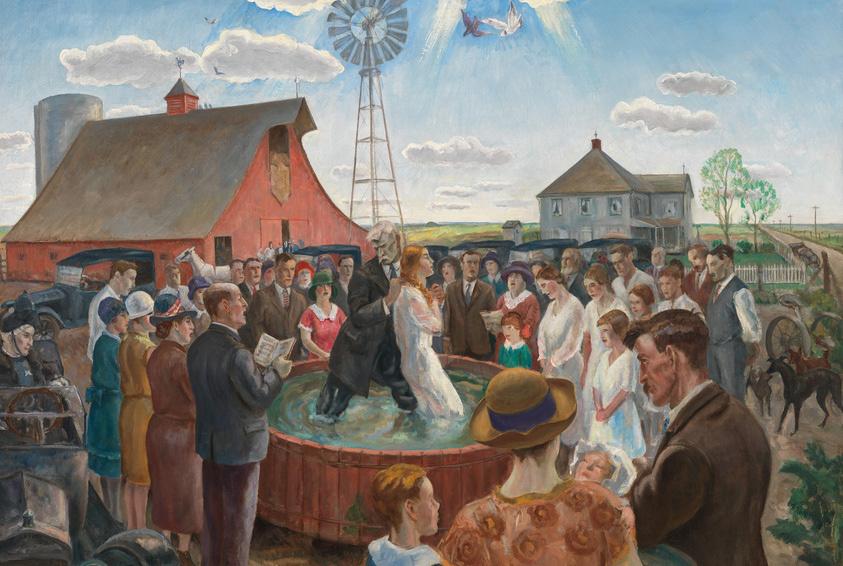
Baptism in Kansas, 1928, captures the states longstanding religious traditions. Many of the state's earliest settlers were religious.
Kansas-Nebraska Act organizes Kansas as a territory. 1854 •
1854 •
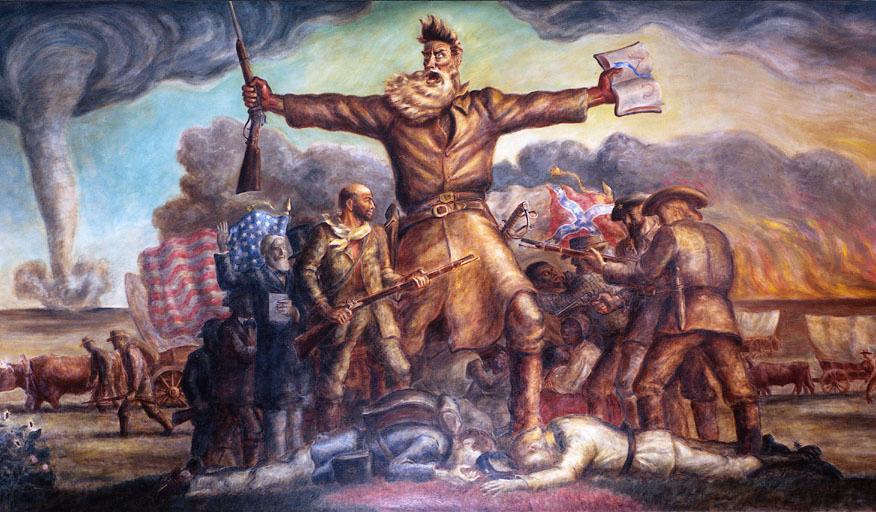
Bleeding Kansas, a crucial factor that led up to the Civil War.
Lecompton became the de facto capital of pro-slavery Kansas.
1857 •
1855 • Lawrence became the de facto capital of anti-slavery Kansas.
Kansas admitted to the Union as a free state.
Kansas State Agricultural College (now Kansas State University) created as the first land-grant college under the Morrill Act. This college is now the oldest operating in the state.
1879 •
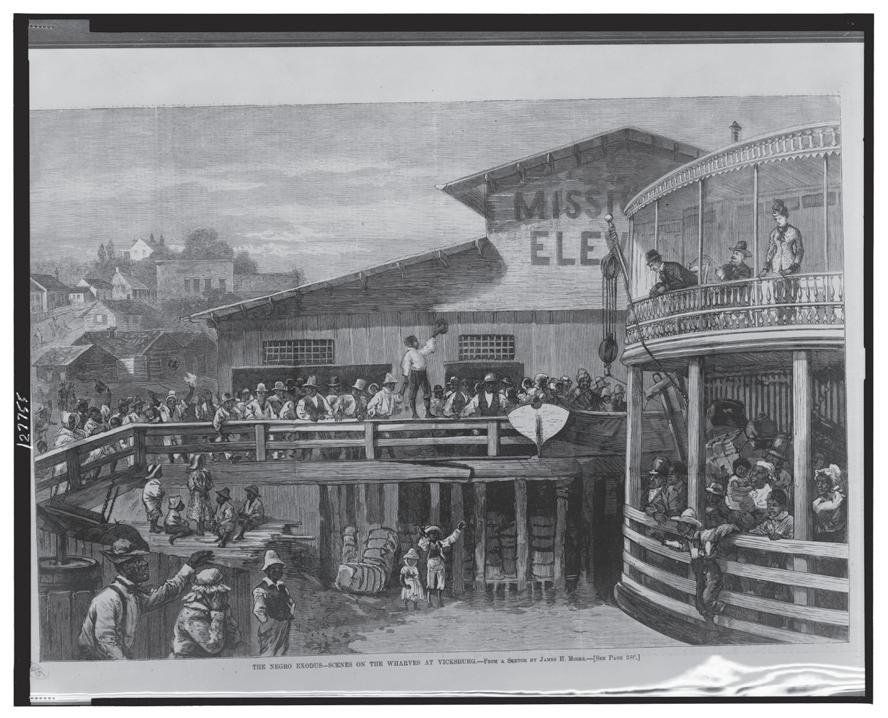
According to archives.org thousands of former slaves (exodusters) migrated to Kansas for better opportunities and political freedom.
Mass migration from predominately Germanic peoples to Kansas. 1880 •
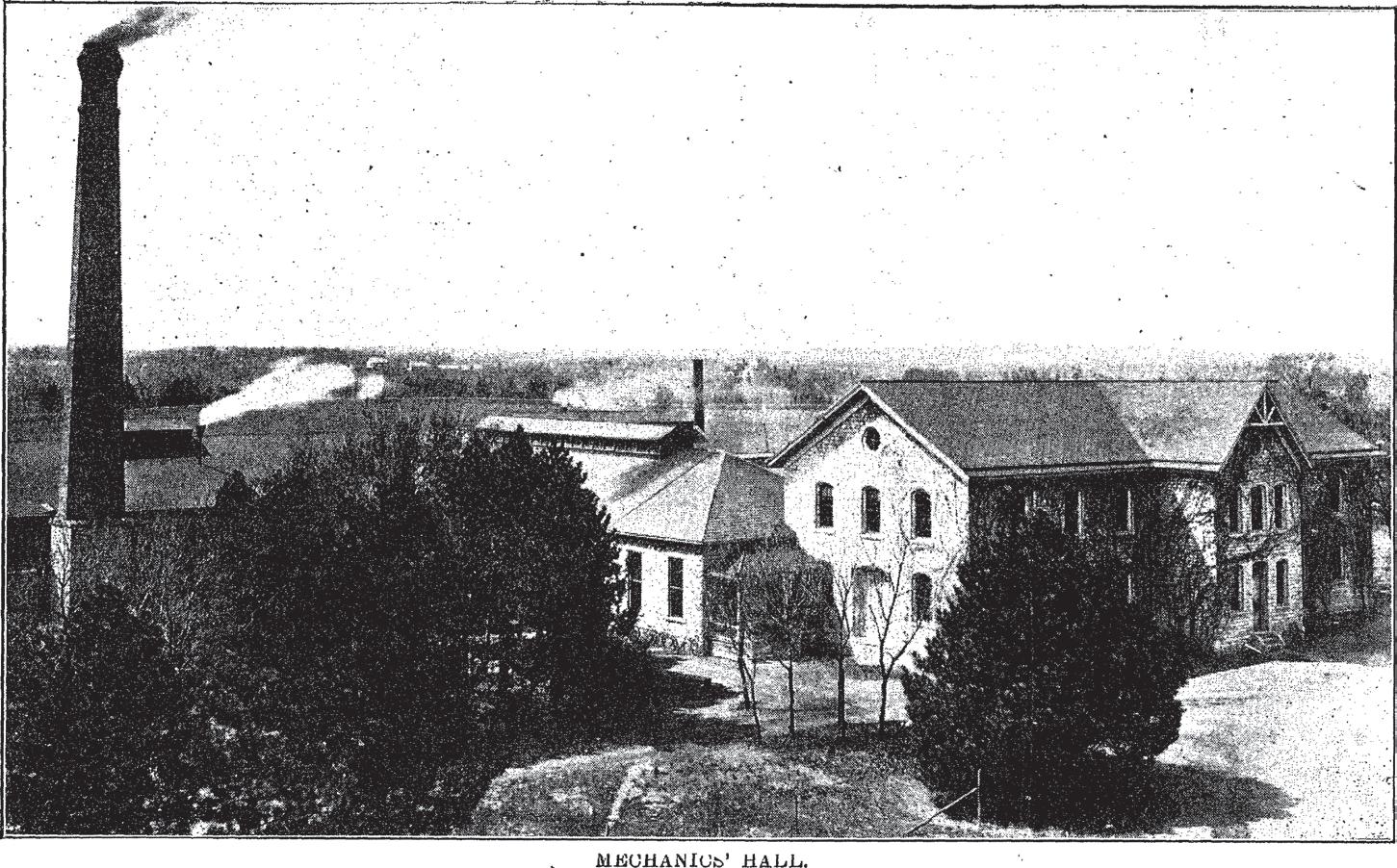
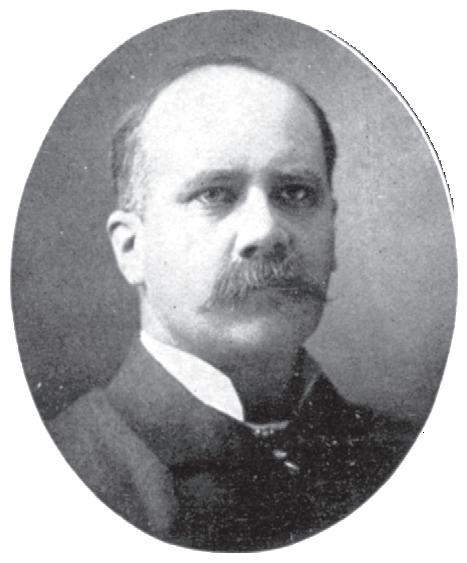
1881
Charles Sheldon, a preacher primarily based in Topeka, coined the term “What would Jesus do?” in his book “In His Steps: What Would Jesus Do?”
The El Dorado Oil Field developed using the geologic mapping method.
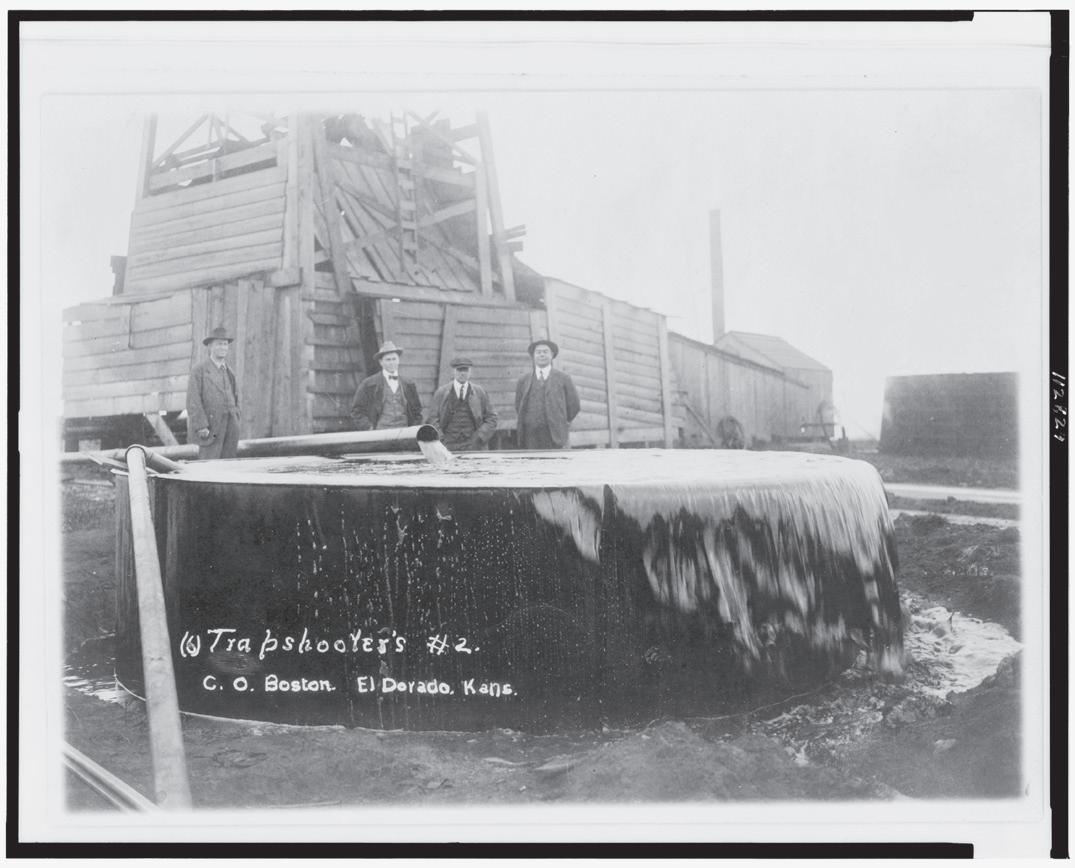
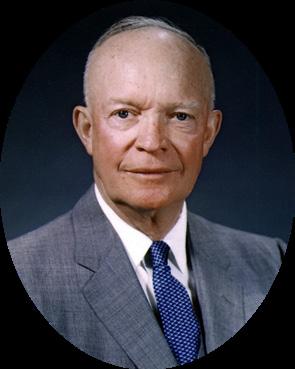
Kansas native Dwight D. Eisenhower elected as president. 1950 •
Kaw River flooded in eastern Kansas cities. 1951 •
Tuttle Creek Dam built in response to the flood of '51.
•


•

Kansas flag design officially accepted.


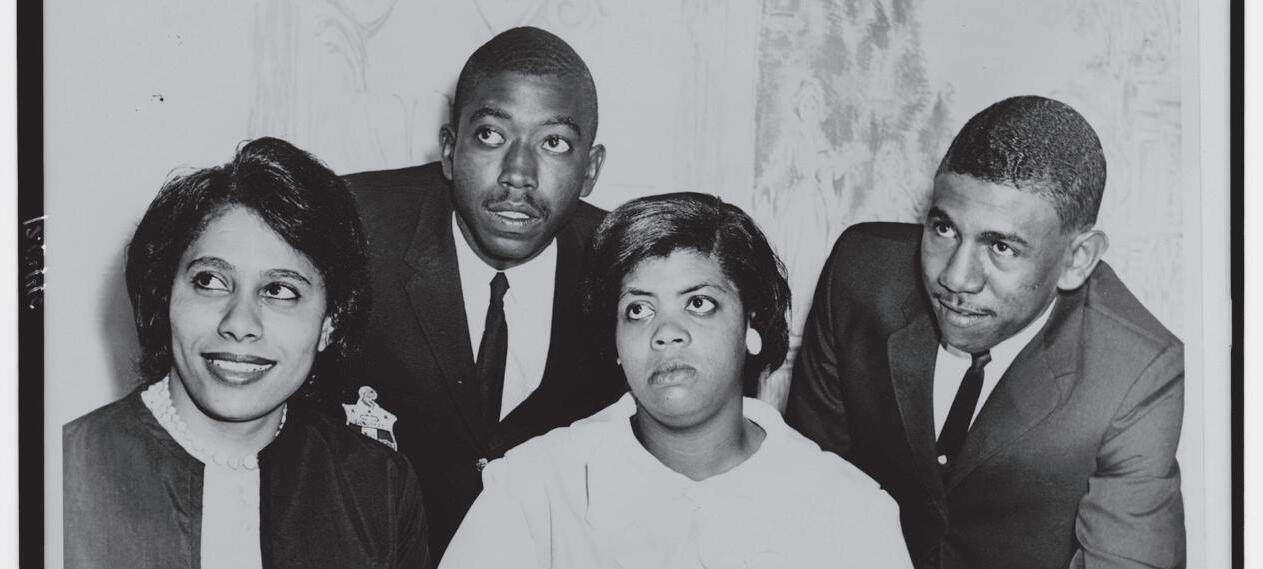
The supreme court heard the Oliver Brown v Board of Education case. Brown won the case and the court ordered that all public schools must be desegregated.
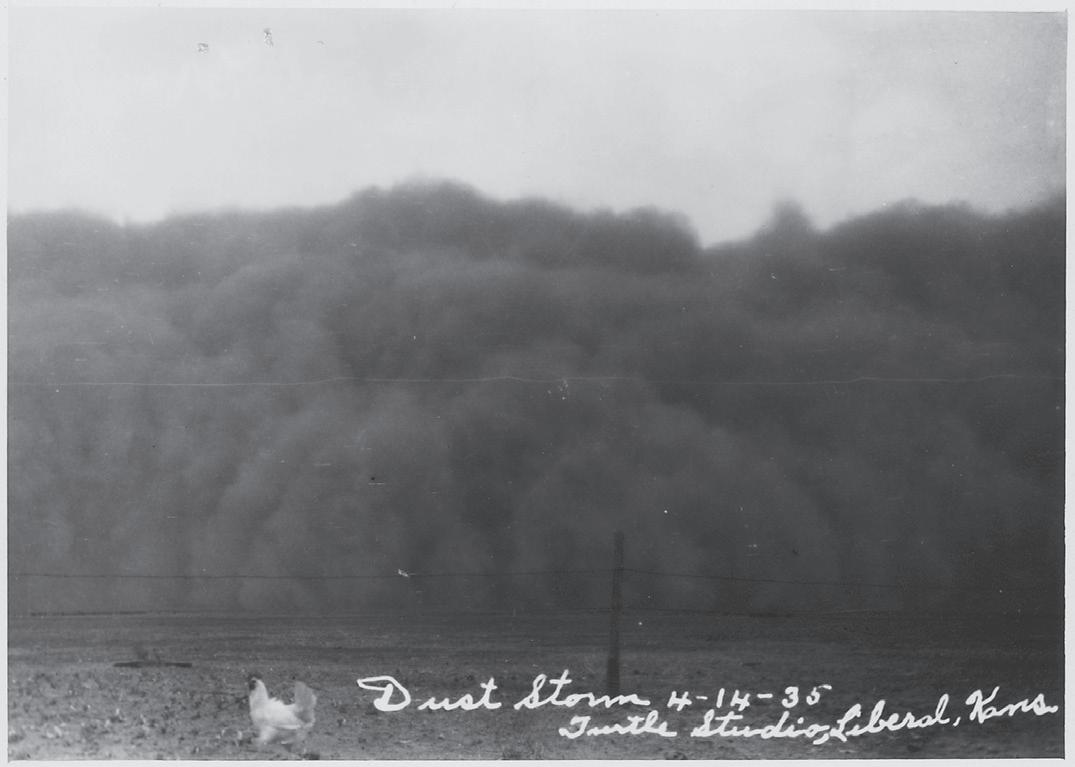
First stages of the Dust Bowl began in Kansas.
Kansas Turnpike opened.
•
Milford reservoir built in response to the flood of ‘51.
•
President Gerald Ford visited Topeka.
•
Kansas, the red state, has had long trends of political conflict, which seems to be picking up steam in Washington.
Story by Cheyenne Hittle
Kansas voters routinely defy political predictions, making the Sunflower State a symbol of electoral unpredictability in America. That unpredictability becomes clearer when examining how Kansans vote at different levels of government.
About 45% of Kansas voters are registered Republicans, 26% are Democrats and 28% are independents, Bob Beatty, chair of Washburn University’s political science department, said. Kansas is considered a Republican state overall because of voter registration trends and federal-level election results.
“Kansans will not elect a Democratic senator, U.S. senator ... the last one was in the 1930s, so it’s the longest streak by any state of one party,” said Beatty. This trend sets Kansas apart.
Kansans often vote along party lines for federal elections, but geography plays a role.
Kansas shows a clear urbanrural divide. Urban areas tend to vote more
Designed by: Cheyenne Hittle
moderately while rural areas are much more conservative. Despite conservative values, Kansans often vote more moderately in statewide elections.
“In the last 65 years since 1960, 35 of those years have had Democratic governors, and 30 have had Republican governors,” said Beatty.
Kansans tend to vote Democratic more often when elections are local.
According to KansasHistory. gov, the state has a long history of populism dating back to the creation of the People’s Party. Scholars link that legacy to the state’s split voting behavior, in which voters tend to favor conservative policies nationally but support moderate leadership locally.
People often spend more time considering what the candidate is promising when the position they are voting for has more direct local impact while national races tend to trigger more partisan voting. As local leaders become more nationally involved, voter approval rates often decline.
Even one of the most popular governors, Kathleen Sebelius, for example, saw her approval ratings decline after she joined President Barack Obama at the national level, Beatty said.
Kansans also surprise political forecasters with their votes on amendments.
For example, the abortion amendment included on the 2022 ballot, that would have removed constitutional protections for abortion and allowed lawmakers to impose additional restrictions was voted down by Kansans.
“...that’s a good barometer of what the state of Kansas thinks. Yet, time and time again, there will be legislation to further ratchet down the ability of Kansans to have abortions, making it harder and harder, whether it’s on the doctors or the actual patients,” said Bill Fiander, political science lecturer.
That gap between voter behavior and
government outcomes becomes more visible inside the Kansas Legislature.
“We are becoming the abortion capital of the Midwest. I am good to work with others to find compromise in what those reasonable restrictions should be,” said Senate President Ty Masterson in an interview with KSNT News.
Republican legislators argue their role is to represent their districts. They continue to follow party lines and implement abortionrelated policies, even as statewide votes and polling suggest divided public opinion.
“Voters will vote much more heavily Republican, even if the legislature is not doing what they want on a few
issues,” said Beatty.
The 2025 legislature includes 120 House members, 88 of whom are Republicans, and 40 senators, 31 of whom are Republicans.
“[Legislators] all represent pieces of Kansas. None of them are elected statewide. Yet there are two people who come out of that, one in the Senate, one in the house that lead the majority party,” said Fiander.
Senate President Masterson, and the House leader Daniel Hawkins have significant backing from their corresponding chambers because they are both considered to be a supermajority. A supermajority occurs when more than two-thirds of the members are of one party.
Having a majority in the legislature impacts the bill making process.
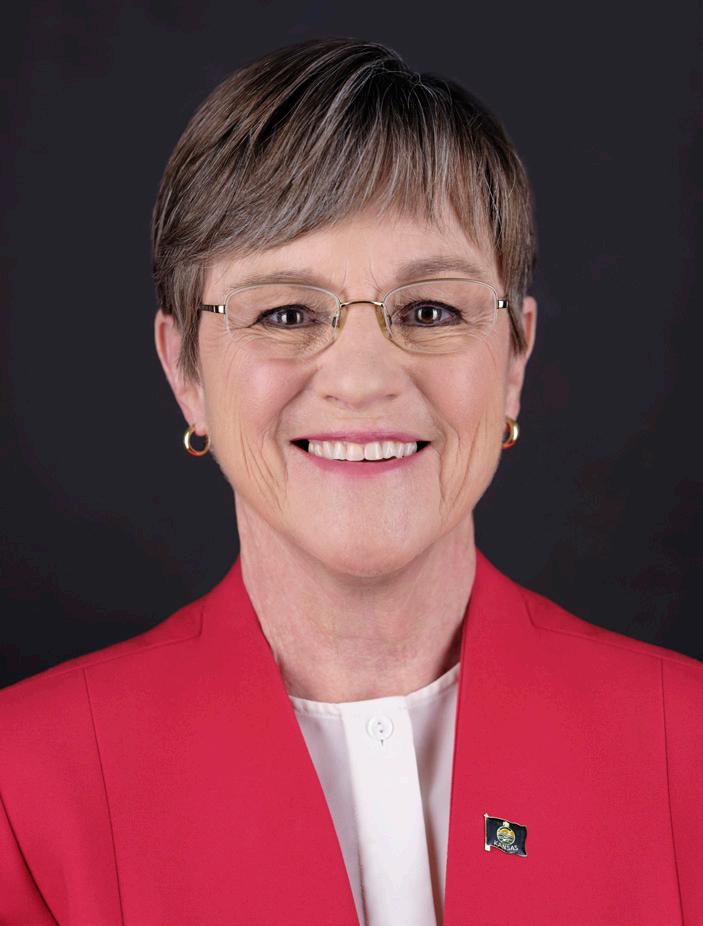
Gov. Laura Kelly official
has served as the governor of Kansas for eight years.
According to kslegislature. gov, a bill becomes law in Kansas if it survives the long journey through the Statehouse. The process starts as introduction of the bill, then committee approval, two chamber approvals and it finally lands on the governor’s desk.
The governor is able to either sign the bill into law or veto it. A veto sends the bill back to the legislators for them to take a vote. If they have a two-thirds majority vote in both chambers they are able to override the veto and make the bill into law regardless of the governor's decision.
Since there are
supermajorities in both chambers all it takes to override a governor’s veto is party-line votes.
“There’re going to be a lot of vetoes, there’s going to be a lot of veto overrides, there’s going to be tension, and democracy is supposed to be that way,” said Beatty.
With the power the majority leaders hold they are able to gatekeep which bills advance and which committees hear them, Fiander said.
The majority leaders from both chambers have influence over the state legislative agenda. This agenda can disagree with what Kansans want at times.
In the 2024 Kansas Speaks survey conducted by Fort Hays State University, 645 respondents statewide reported that over 50% strongly support legalizing medical marijuana. Legislature addressing the issue has repeatedly stalled in the Statehouse.
you’ve seen the disaster in Oklahoma… you’re seeing a lot of gang activity…”
Review outcomes from actions in other states have made Republican lawmakers hesitant to pass bills that could result in similar negative outcomes.
The divide between voter priorities and legislative actions is visible when the Kansas budget bill makes an appearance at the beginning of the legislative session annually. Historically, the governor has proposed the budget, which is then approved by the Legislature.
For the first time in the fall of 2024 the legislature created a special committee on the state budget, which was a joint committee between the House and the Senate. The committee created its own 2025 budget that would pass through the chambers the same way as a bill while the governor's budget also went through the same process.
There’re going to be a lot of vetoes, there’s going to be a lot of veto overrides, there’s going to be tension, and democracy is supposed to be that way,
“I can tell you the bill that’s in our committees right now is a non-starter,” Masterson said in an interview with KSNT News. “Part of that is
“What the legislature did last year, which was kind of hold these little more closed sessions, the [special] committee that came up with a budget, their own parallel budget to the governor’s budget, for the first time…and they did not extend the same invite to the
public or those agencies,” said Fiander.
Gov. Laura Kelly’s new initiative, the People’s Budget, aims to reduce the divide between priorities and actions. Kelly and her staff traveled across the state to eight different regions to discover underlying issues in every community.
“[Kelly] was out there listening to people and it gives her some more political weight when they’re battling over the budget in the spring,” said Beatty.
According to kslegislature. gov, major topics in the 2026 legislative session include water resources, property tax and potential redistricting, issues that have historically fueled partisan conflict.
The Republican supermajority opposing a Democratic governor creates additional tension between the legislative and executive branches.
“If you have a Democratic governor, and you have a… Republican legislature, it can be… very contentious,” said Beatty.
The tension between the branches has been occurring for many years in Kansas politics. Governors typically come into office with an agenda, but they rely on legislative cooperation to successfully implement all of their goals.
“[Gov.] Sam Brownback, with a Republican legislature,

he got a lot of what he wanted done,” said Beatty. “A lot of it was big, big, huge tax cuts, and the money stopped coming in and so there was a crisis because the state didn’t have enough money.”
The Brownback era serves as an example of how unified party control can rapidly advance an agenda without providing long-term stability. While Brownback’s policies show the effects of legislative alignment, recent elections show how voter behavior shapes Kansas politics, especially when it is time to draw boundaries.
Voter behavior and political powers often clash in Kansas, creating ongoing tensions. Johnson County, which is the primary area for the 3rd Congressional District in Kansas, has become a focal point for the tension.
“It’s a very Republican district, but they have
moderate Republicans. They like Sharice Davids,” said Beatty. “In 2022, they added more Republicans to her district to try to get her out, and she won by the same amount. They added more Republicans. She still wins by 10 points...”
Davids has caused friction in Congress and some Republican leaders have prioritized efforts to redraw the district in an attempt to remove her from Congress, Beatty said.
Republican lawmakers have argued that redistricting should reflect statewide voting patterns, while critics say the change aims to increase Republican representation in Congress.
The debate reflects Kansas’s traditions of conservative values and shifting voter priorities. As younger and more diverse voters come to the front of the line the tensions will shape the future of Kansas politics.
Story by Eden Conrad
The wheat state, the sunflower state, the windy state and the flat state: Kansas has many names and many resources. From small towns to big cities, there are over 2.97 million people that depend on Kansas’s natural resources.
According to the Kansas Department of Commerce, wind is the, “#1 source of electricity in Kansas, [with] 6100 megawatts of installed wind generating electricity.” Kansas is ranked third in the U.S. for share of wind power generation and within the top five in total wind energy generation.
Water, energy and agriculture make Kansas bountiful in resources. Numerous resources can be found in the state from the Ogallala Aquifer to millions of acres of land cultivated by Kansan hands.
Water is a required source for all farming and with Kansas being the nation’s leading wheat producer, farmers use water from various aquifers, rivers, lakes and reservoirs in the state to maintain their crops.
Many nonrenewable resources are also found in Kansas, including oil and natural gas. These resources remain common in the state’s energy infrastructure, but have been on the decline with wind and hydropower taking the frontlines.
Kansas delivers many homegrown professionals in the art of agriculture and according to kansas. gov, “There are currently over 45 million acres of farmland and more than 27,000 cattle ranches in operation.” Agriculture in Kansas accounts for 40% of the state’s economy, making it the state’s largest industry.
Being home to many resources has also made Kansas home to many environmental controversies, with one being the depletion of the Ogallala Aquifer.
The Ogallala Aquifer is one of the largest aquifers in the world spanning 174,000 square miles across South Dakota, Nebraska, Wyoming, Colorado, Kansas, Oklahoma, New Mexico and Texas, according to the High Plains Underground
Designed by: Eden Conrad
Water Conservation District (HPWD). However, when the agriculture industry boomed in the midwest, the waters were utilized for crop irrigation and by the 1930s the aquifer was heavily depleted to cope with the rising concerns of the Dust Bowl.
“I think the big challenge that we're all facing with the Ogallala is we are running out,” said Burke Griggs, associate director of the Oil and Gas Law Center at Washburn University School of Law. “It's not because people are breaking the law. It's because between about 1945 and about 1980 we issued more water rights than there is water to supply those rights.”
With the Ogallala running out, Kansas and many other states are in a crisis. Can Kansas still be the wheat state without the Ogallala’s direct support? With the state’s economy being directly linked to agriculture, and agriculture being linked to the Ogallala, what will happen to Kansans when the aquifer is all used up?
Kansas is home to many different species of native and nonnative wildlife. Organizations such as the Kansas Department of Wildlife and Parks (KDWP) dedicate many hours to conservation and upholding Kansas’s fish, wildlife,

One such conservation plan within the state is that of the monarch butterfly. In recent years, the monarchs were proposed for threatened status, but according to journeynorth. org, on Sept. 22, 2025, Konza Prairie Biological Station estimated sightings of over 4000 monarchs during their migration season. These sightings show first hand the productivity of Kansas’s 20-year plan that started in 2019.
Being a nonrenewable resource, the stakes are even higher for the Ogallala and for the rest of Kansas. The depletion of this resource is not just a farmer problem. It's an everyone problem. There are, means of conservation being put into act now such as the Ogallala Land & Water Conservancy (OLWC), a 501(c) (3) nonprofit based in New Mexico. This nonprofit is determined to protect the aquifer for future generations.
While based in New Mexico, the OLWC is doing revolutionary work by paying
Story by Eden Conrad
With the world catching on fire, living sustainably is more important than ever before. But how do we live sustainably?
Remember this key phrase: Reduce, Reuse, Recycle.
What does it mean to reduce? Cut back on items you don't need. Small actions here can be unplugging electronics, buy things in bulk and taking shorter showers.
farmers for the value of the water beneath their land. According to the OLWC, by paying 10 landowners to shut down the pumping of their wells, they preserve 12 years of water in only three years.
New Mexico’s lead is inspiring change and opportunity to protect nonrenewable resources and Kansas’s way of living.
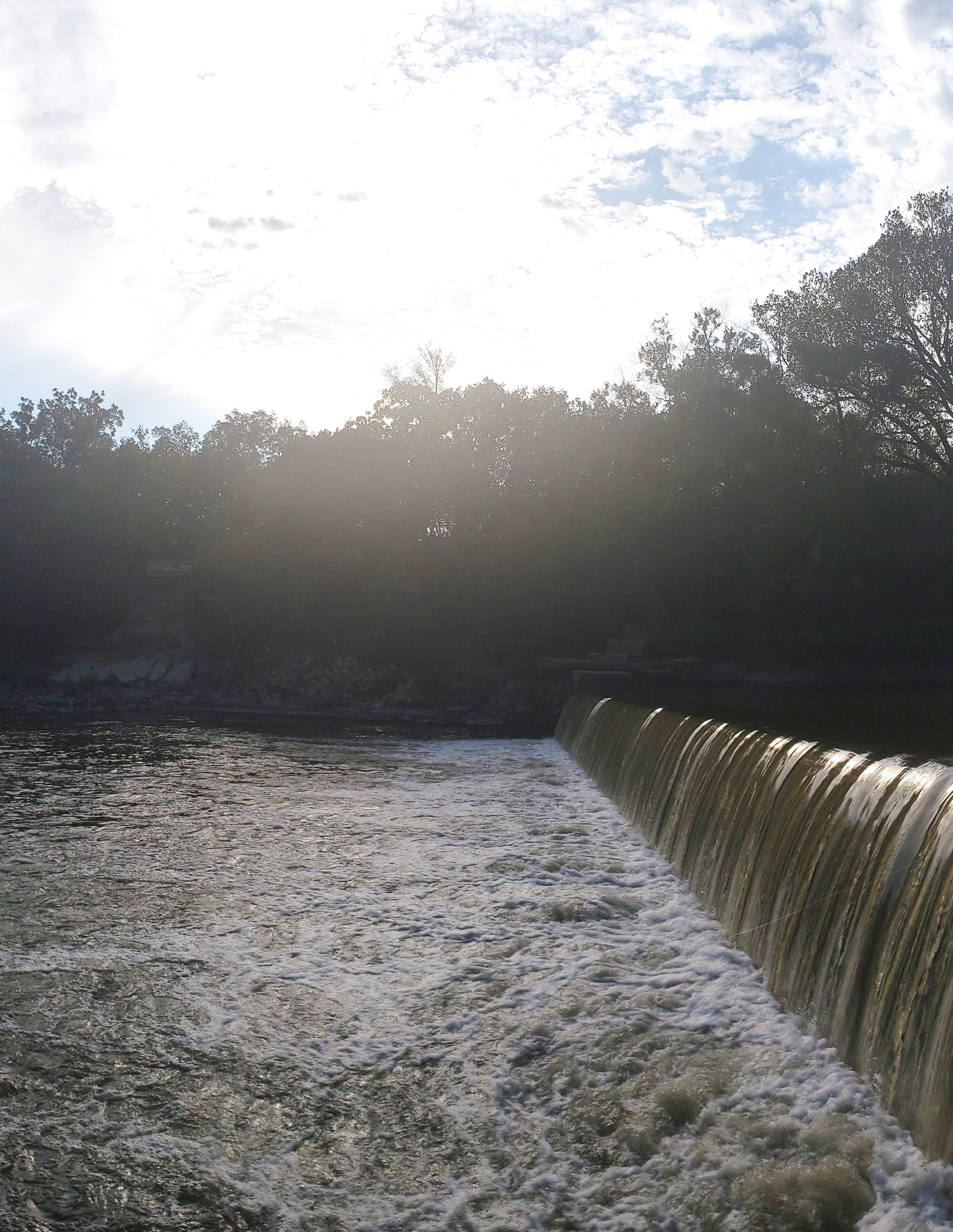
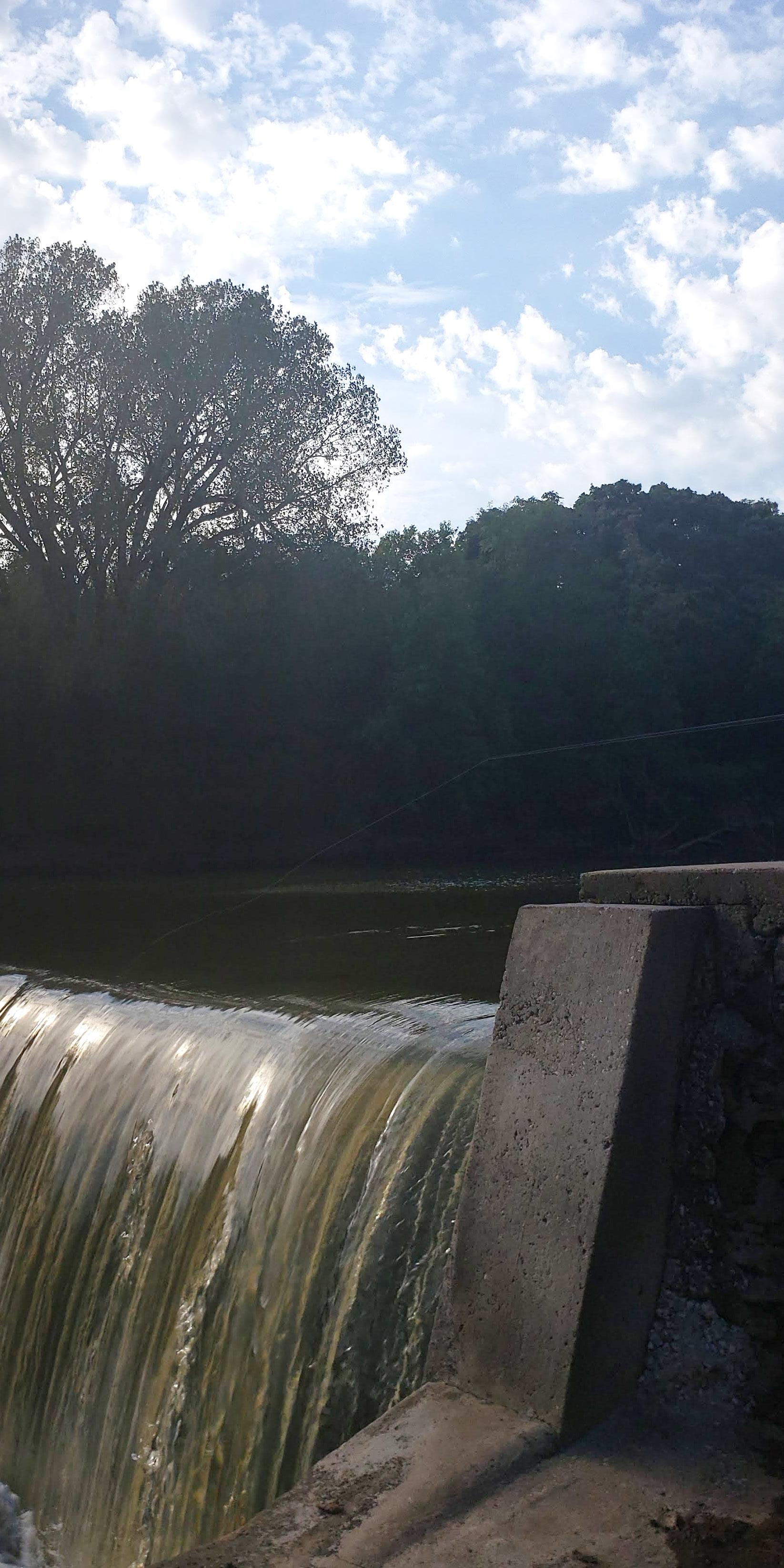
The Tunnel Mill Dam Falls in Winfield Kansas allow overflow from the Walnut River. Water is a precious resource in Kansas with many dams used to preserve it.
What does it mean to reuse? Find new uses for already used items. Small actions here can be washing glass bottles for drinking, sewing holes in clothing and using scrap paper for notes.
What does it mean to recycle? Convert waste into new materials. A small, but big action here is making sure containers are empty, clean, and dry before placing them into the recycling bin.
These actions not only protect the planet, but can protect your wallet too! By making thoughtful choices now, we can help build a healthier world for the future.
Nature in Kansas is unique and diverse. One side of the state has rolling flint hills and tall native prairie grasses while the other side has sandy dunes and rocky plateaus.
Native Kansans have learned how to live off the land over time and found efficient ways to partner with the soil to raise livestock, farm crops and grow families.
Kansas farmers and ranchers are a significant part of feeding the nation and make Kansas unique from other states. Agriculture productivity in the state is made up of both small and large farms that feed communities
locally and nationwide.
Small and large communities across the state work to protect the beauty and functionality of their land to ensure longevity for future generations. Teaching the craft of maintaining the land will allow Kansas to continue being a hidden gem.
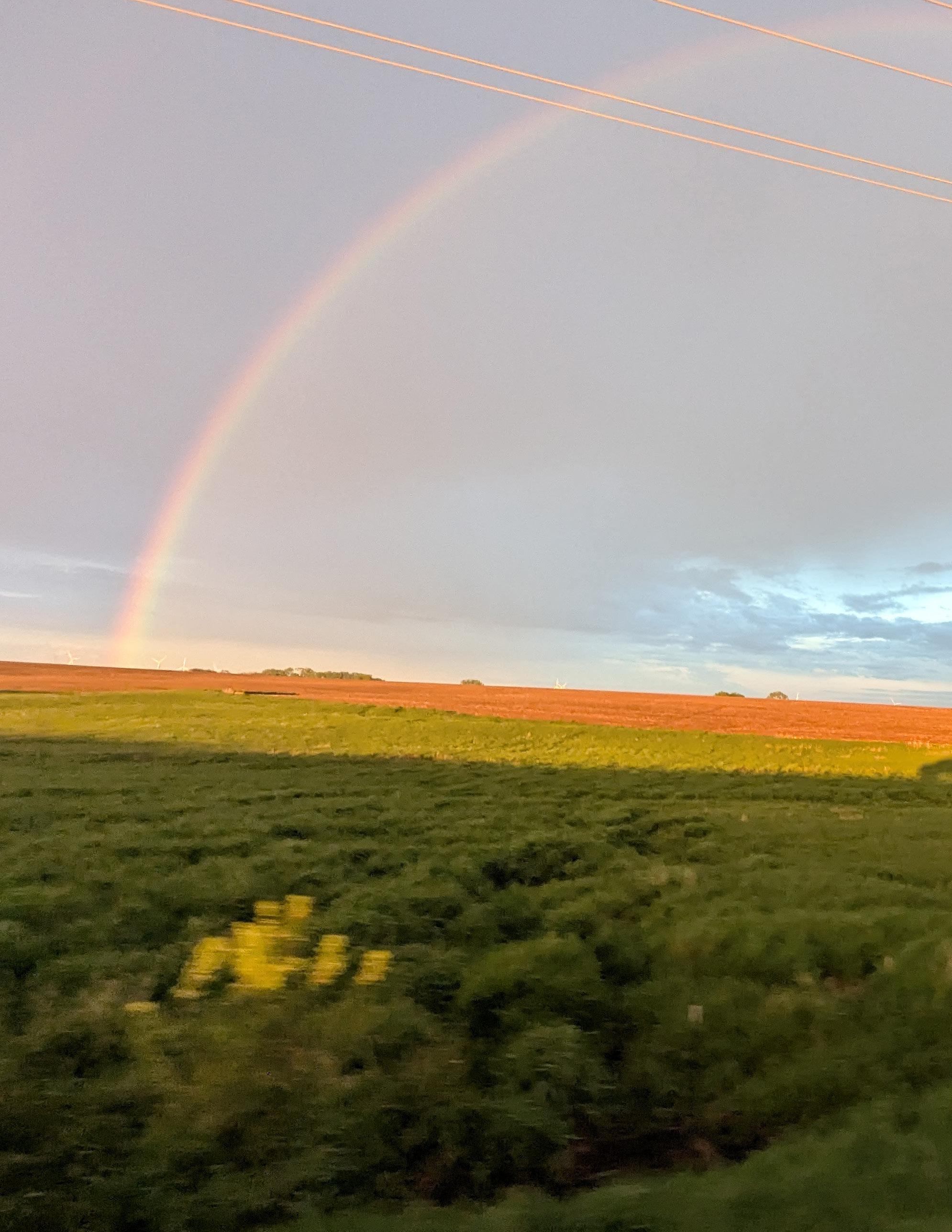
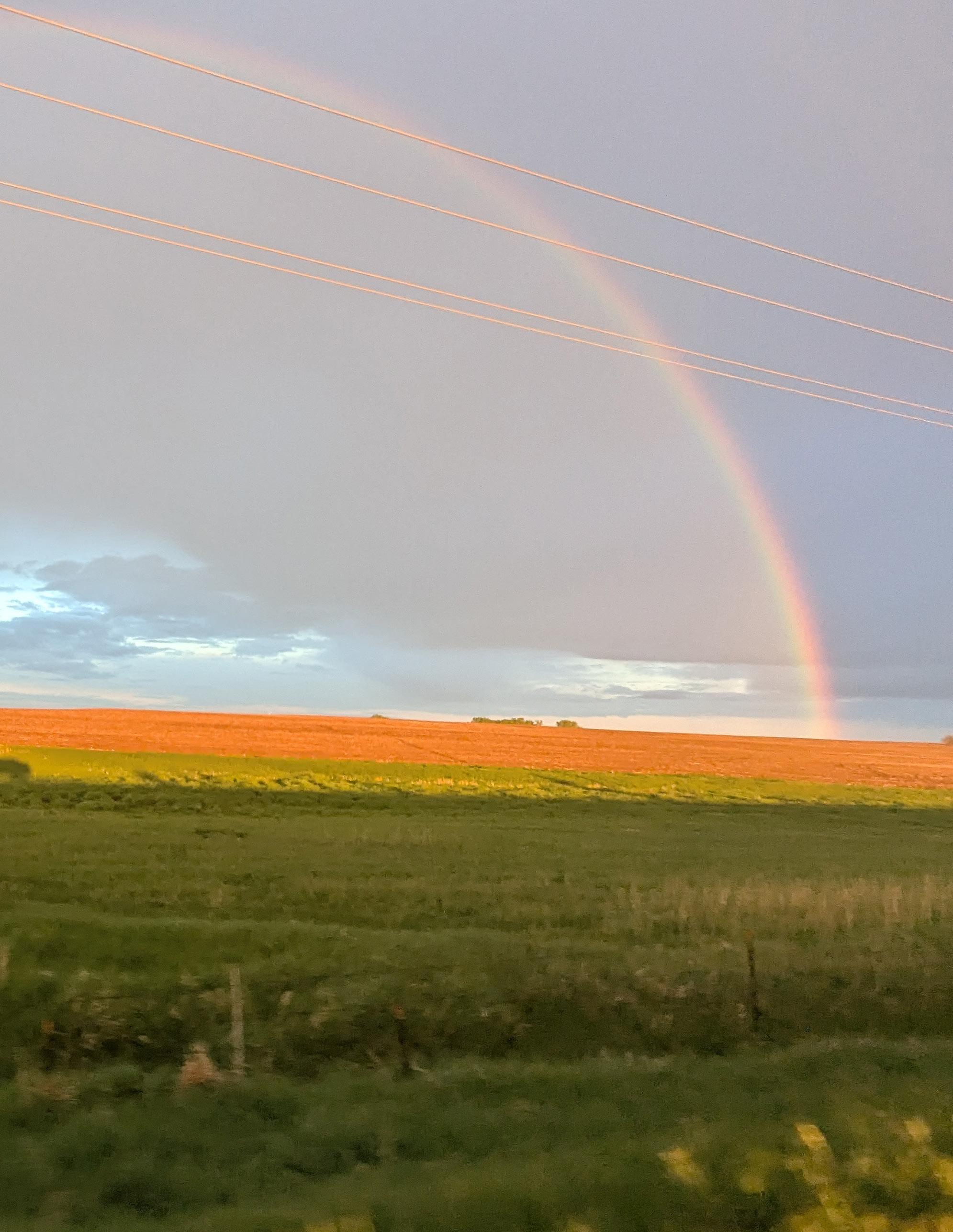
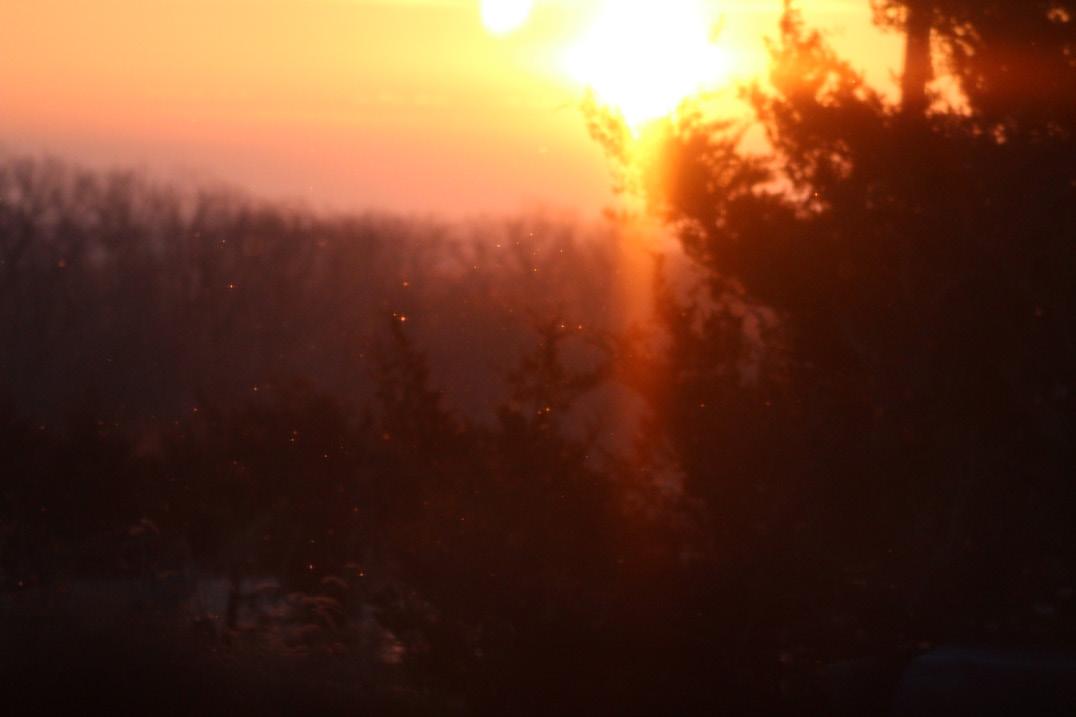
Kansas’ breathtaking landscapes enchant visitors and offer an escape for the locals.
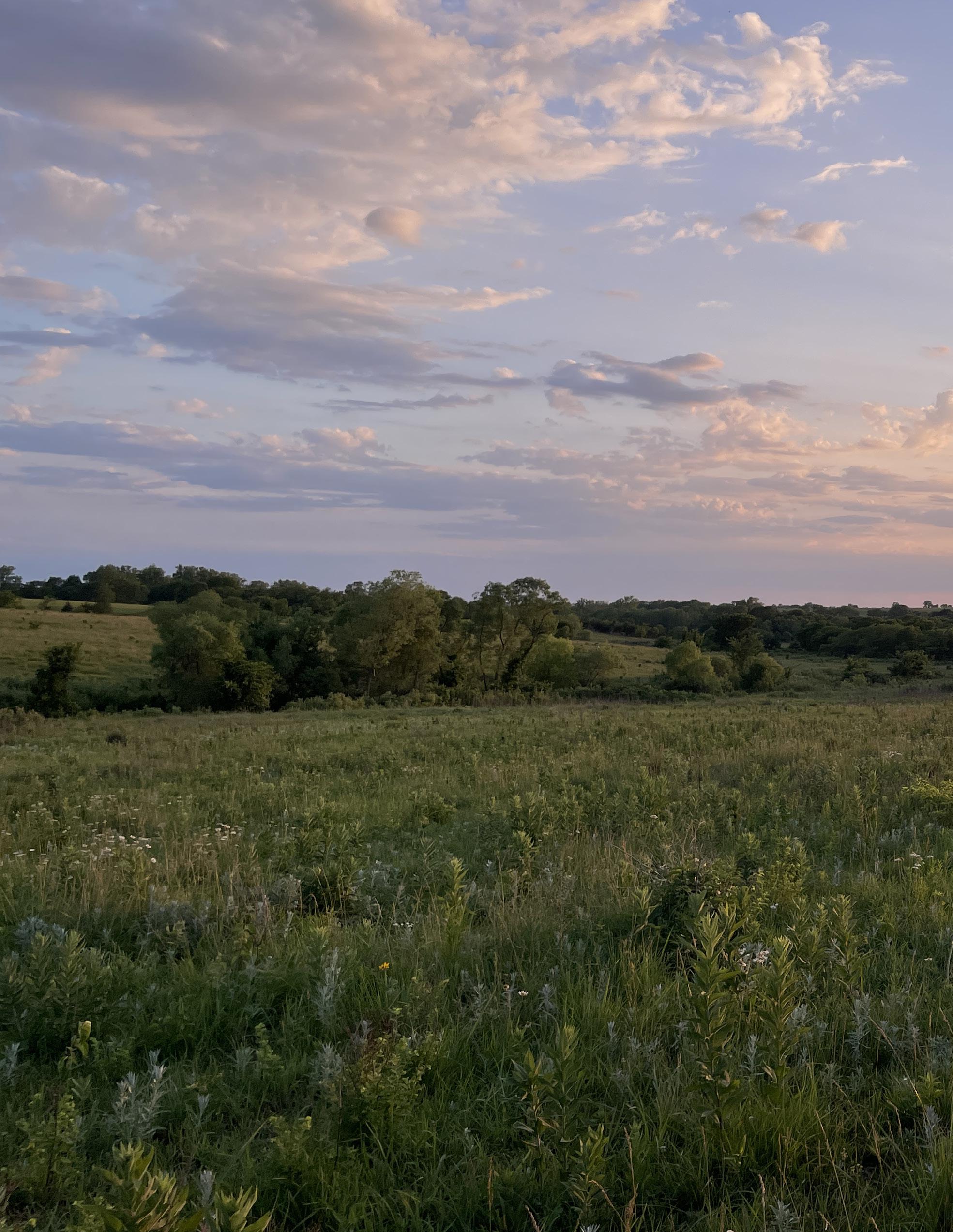
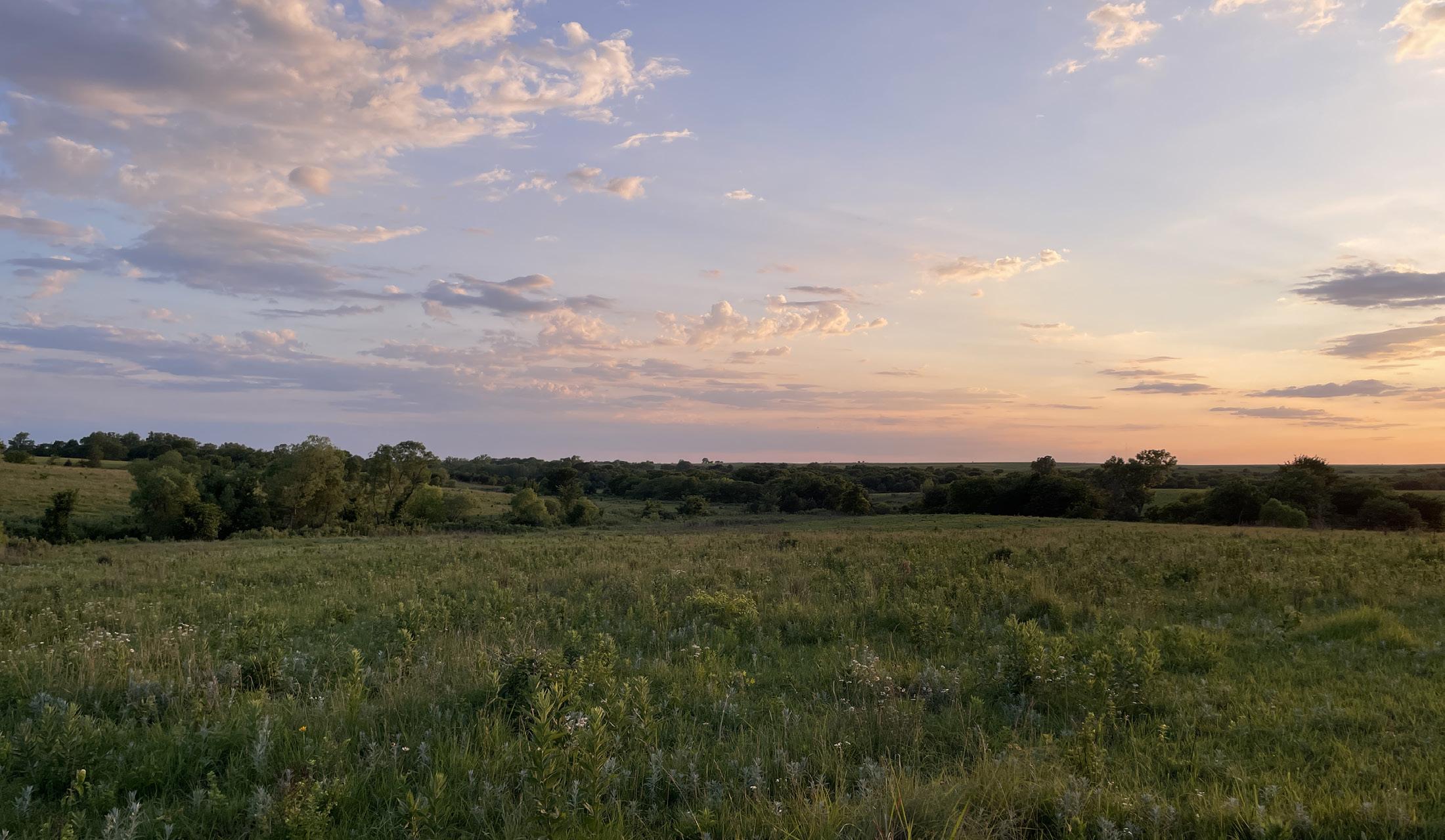
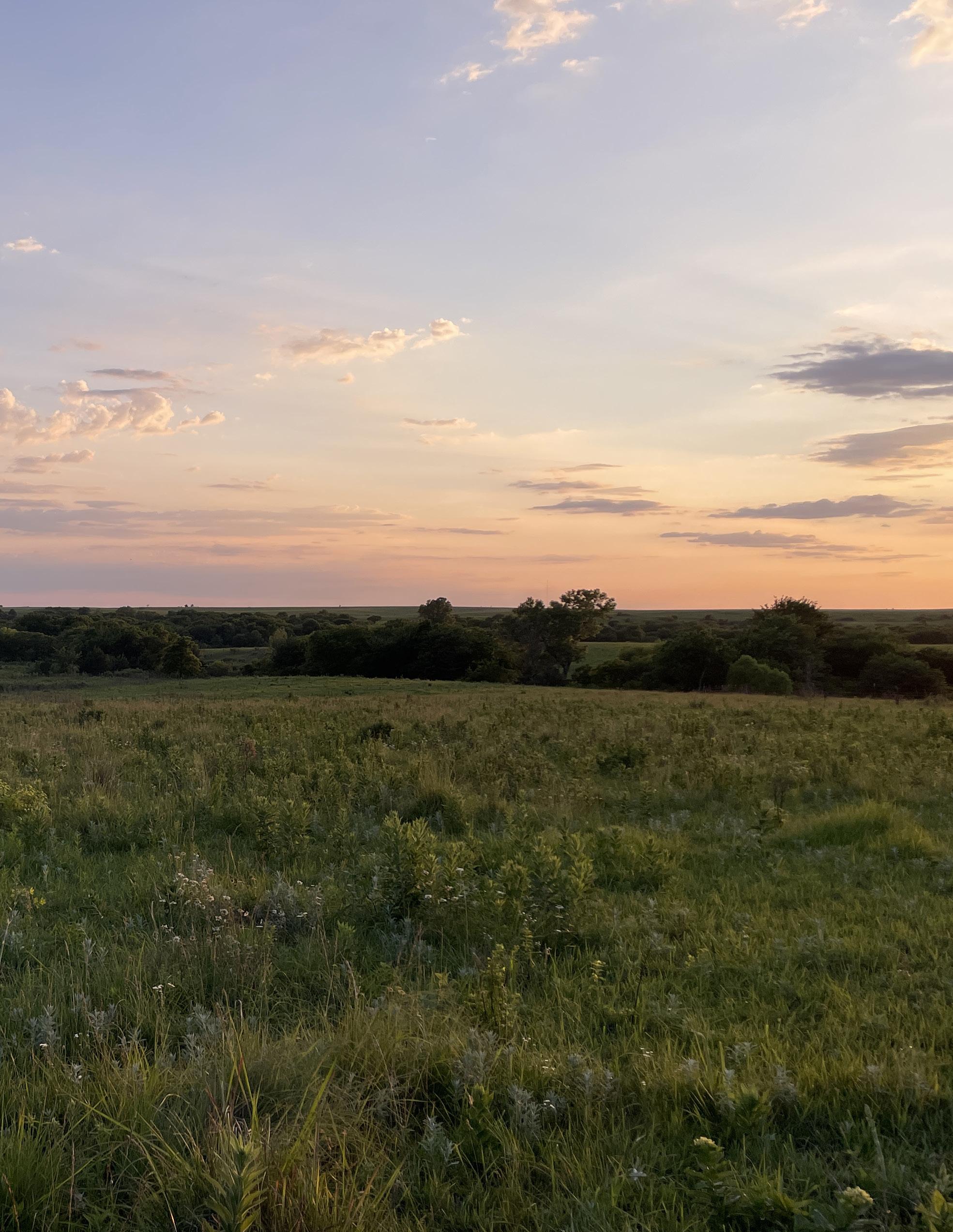
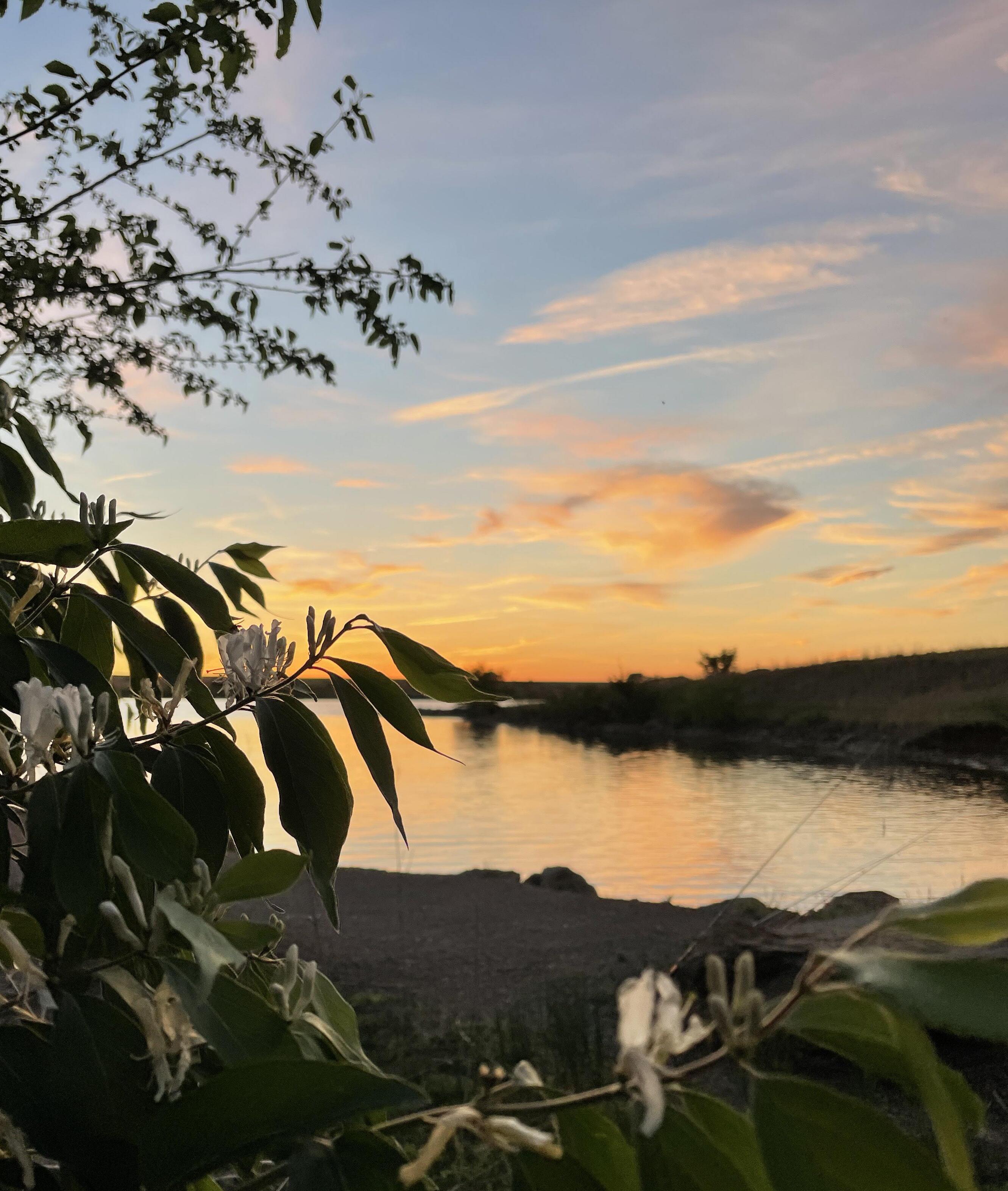
Popular hobbies among Kansans is fishing and hunting.
Designed by: Cheyenne Hittle
Growing up on a farm and going to college are both challenging tasks, but this Washburn Student makes the most of it and shares her story.
Story by Stuti Khadka
What does growing up mean for a student who is a fourth generation farm kid, coming all the way from Paxico, Kansas? For Maddy Heigert, growing up on a farm is “probably one of the coolest things.”
Heigert, junior political science major, comes from a family who started farming around the 1940s. Her great grandfather began their family's story with a dairy cattle operation. Later, her father bought the land and transformed it into a beef cattle farm. As of present, managing a herd of 200 animals, as challenging as it sounds, comes with memories for Heigert.
“My parents would bring me and my brother along with the cows to be able to see them so I was never scared of cattle or anything,” Heigert said. “My parents always made sure to teach us safety, especially around large farm equipment…So I learned from a very young age, ever since I was able to really comprehend anything on what is safe to be around and what to watch for.”
Heigerts famr is a family
farm with opportunities for each family member to learn the business well.
Not all farms have the same structure, there are also corporate farms, hobby farms and small business farms. Heigert shares about someone who owns a small business and sells products locally.
“I know a lady who has a goat dairy and she mostly sells all of her stuff locally, so it’s not as big of a business but she has all of her FDA certifications to be able to do that,” Heigert said. “So, she will sell her goat milk and chicken eggs to the grocery store. So it really kind of depends on the size of the operation and really just what the intent of the farmer is.”
Owning a farm comes with its challenges. Heigert said having livestock is like raising kids; you have to make sure they are taken care of and give them proper medication when they are sick. But living on a family farm also gives Heigert support during difficult times.
While Heigert’s dad and boyfriend help most with the family farm. She mentions how she still gets to help in her own ways.
“...when I get home from college, helping with the animals or sitting in the tractor bringing them food,” Heigert said. “I am really, really close with my dad. He is one of my best friends. We hang out all the time and we get to talk about farming and things like that.”
Heigert's family doesn't spend all of their time talking, they have to prioritize harvesting their corn and beans. After harvesting their cash crops, they go back and plant rye or sedan grass through the winter to improve soil health and reduce erosion. Through this process, Heigert has found her way of making the activity fun.
“Harvest season means lots of long hours spent in a tractor in a combine. So after I get home from college, I go and I sit in the tractor with my dad or with my boyfriend and I kind of just keep them
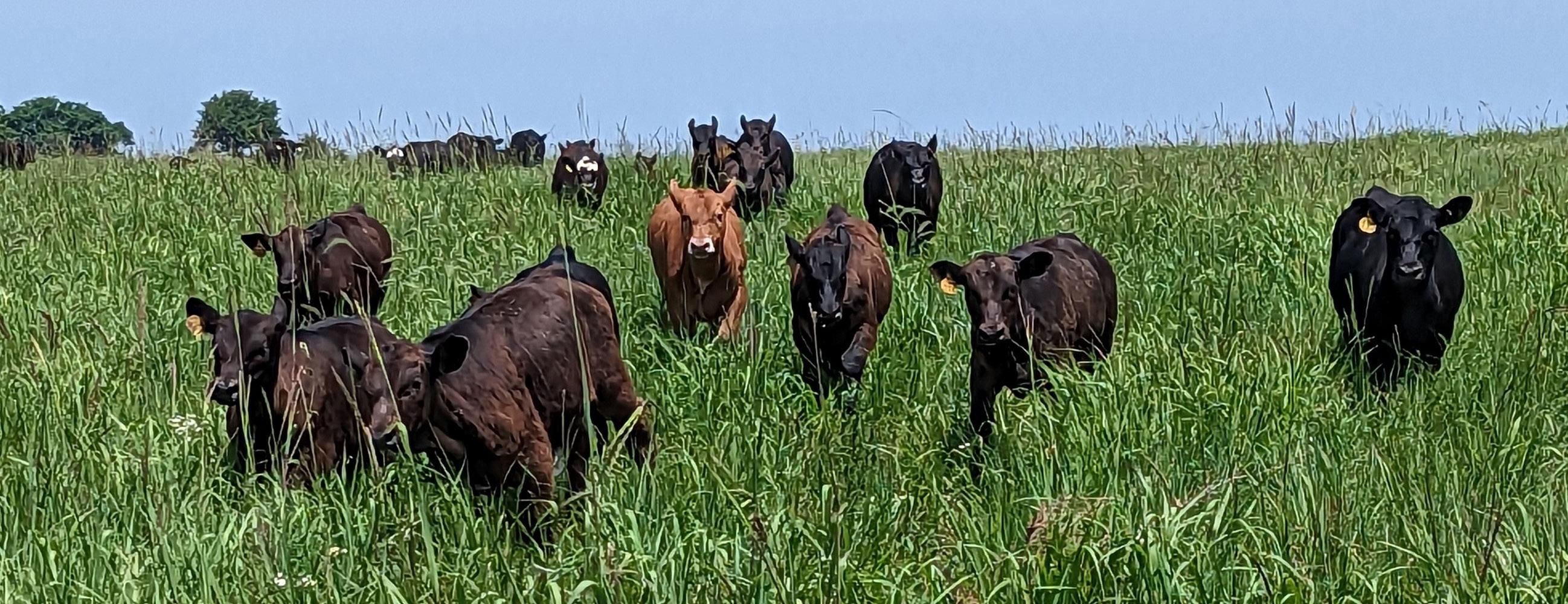
Cattle coming in from grazing in their summer pasture. Heigert's family owns over 200 animals in their beef cattle operation.
company,” Heigert said.
Keeping them company helps with the seemlingly endless rows in the field. It also gives reassurance when the weather starts to turn.
Kansas weather can be unpredictable farmers often gamble with starting times for harvest and planting each year. Heigert said when it comes to crops and large equipment, you will have insurance to reimburse losses. However, for beef cattle, there are not any specific licenses to sell to certain entities.
During unpredictable weather, Heigert lends hand to her family and spends a lot of time with them. She shares her tradition during those times.
“One thing that we always do, usually is I’ll bring lunch out to the field so we can all take a break for an hour or
so and enjoy lunch together,” Heigert said. “And then during the winter, when it’s taking care of the cattle […] we don’t go out by ourselves because… you always want to have somebody with you.”
For safety in winter weather it is best to have another person present for farm chores.
In winter months Heigerts family feeds their cattle corn as part of their farm chores.
“We have large grain bins so we are able to keep some of the crops on hand, especially corn because we are able to feed that to our cattle,” Heigert said. “But if we have an excess, we just take it to the local Co-op and then they will keep track of how many bushels you’ve brought. Then at the end of the season they'll send you a check based on whatever the current market.”
Taking grain to the co-op usually provides income to help operations.
Additionally, The Heigert family has a contract with Cargill located in Schuyler, Neb. where they sell their cattle. Usually, twice a year, they have an average sale of 45 head with proper consultation of the current market beforehand.
Growing up on a farm has helped Heigert understand the business better, but she has also, formed bonds with the animals. Heigert mentioned owning a cattle operation is like having kids and raising them. Among the cattle, she has a pet cow, Tinkerbell. Growing up, Heigert had the option of raising calves if a cow had twins or trouble calving.
Heigert has raised around 10 bottle calves in her life, two of which she got to keep since they were heifers.
“Tinkerbell was kind of an exception,” Heigert said. “She was really, really small
for a normal calf when she was born. Hence the name Tinkerbell. She was kind of my baby and she’s had two babies now but she is like the calmest cow we have met.”
Keeping heifers, young female cattle, is important for continuing operations. The current cows in the herd don't live forever, so farmers keep young ones to replenish them.
For farmers that have both cattle operations and crops, they can use their herd in more than just one way. Among many methods of following this practice, she mentions her family also following the trend. They cultivate crops like rye or
sedan grasses when they don’t have major cash crops in the ground. This keeps the soil covered all year long.
The main benefit of regenerative agriculture is to help improve water saturation into the soil. Heigert uses a “brownie analogy” to explain the process of it.
Heigert said if you bake a can of brownies and then leave them out all night and don’t put anything over them, when you get up the next morning the top will be hard. If you were to pour water on it, most of the water would roll off and not soak into the brownies. But if you bake them and then put a lid over the top of them, you would wake up in the morning and pull the lid off and it will still be soft.
“It is the same thing with
the soil,” Heigert said. “So cover crops, which are those crops that you plant when your cash crops are not on the soil, will build up organic matter and they’ll cover the soil and it will act as like that lid for the brownies.”
Farmers can graze cattle on cropland during winter, providing a natural fertilizer. Both Heigert and their neighbors participate in this practice which is a type of regenerative agriculture.
Heigert said as of last year about 2% of land in the U.S. was farmed fully regeneratively. She mentions how it has a lot of potential to spread.
Heigert talks about the agricultural development around her area over the years.
“For the most part, there is

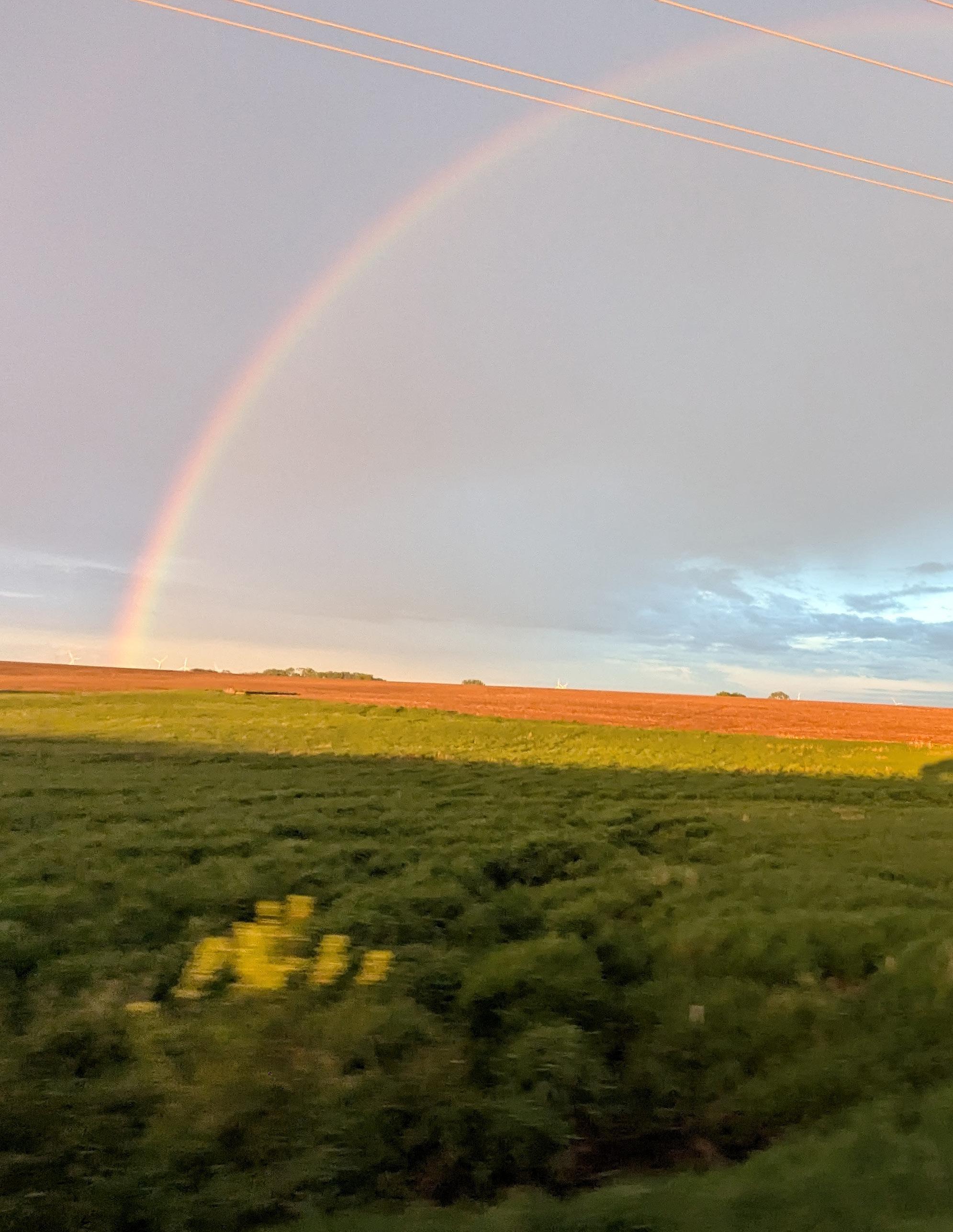
not a lot of new equipment because new equipment is highly expensive but farmers are definitely starting to update their equipment,” Heigert said. “There is not really any cool technology that I have seen around our area. As you know, there are drones now that people use to survey in their fields. A lot of your soil companies, or seed companies, they’ll take drones out to be able to survey the land…But the drone market really isn't quite affordable yet for your everyday consumers.”
Heigert is also an advocate for agriculture education. She said there is room for improvement to be able to build resources and shows
interest in helping fill the gap. She gives spotlight to government programs that offer subsidies or help cover certain costs.
“I think the big problem is, there are a lot of regulations that come with those programs and a lot of the farmers don't really want to get involved in that mess,” Heigert said. “The policy is good and having policy is good but I think that it could have a lot of work on making it more efficient into where the farmers are actually benefitting from it.”
Heigert also breaks stereotypes on how people view farmers. She said she is open about being a farm girl who plays in the dirt and loves cows but there is a stereotype when it comes to farming, especially when it comes to education.
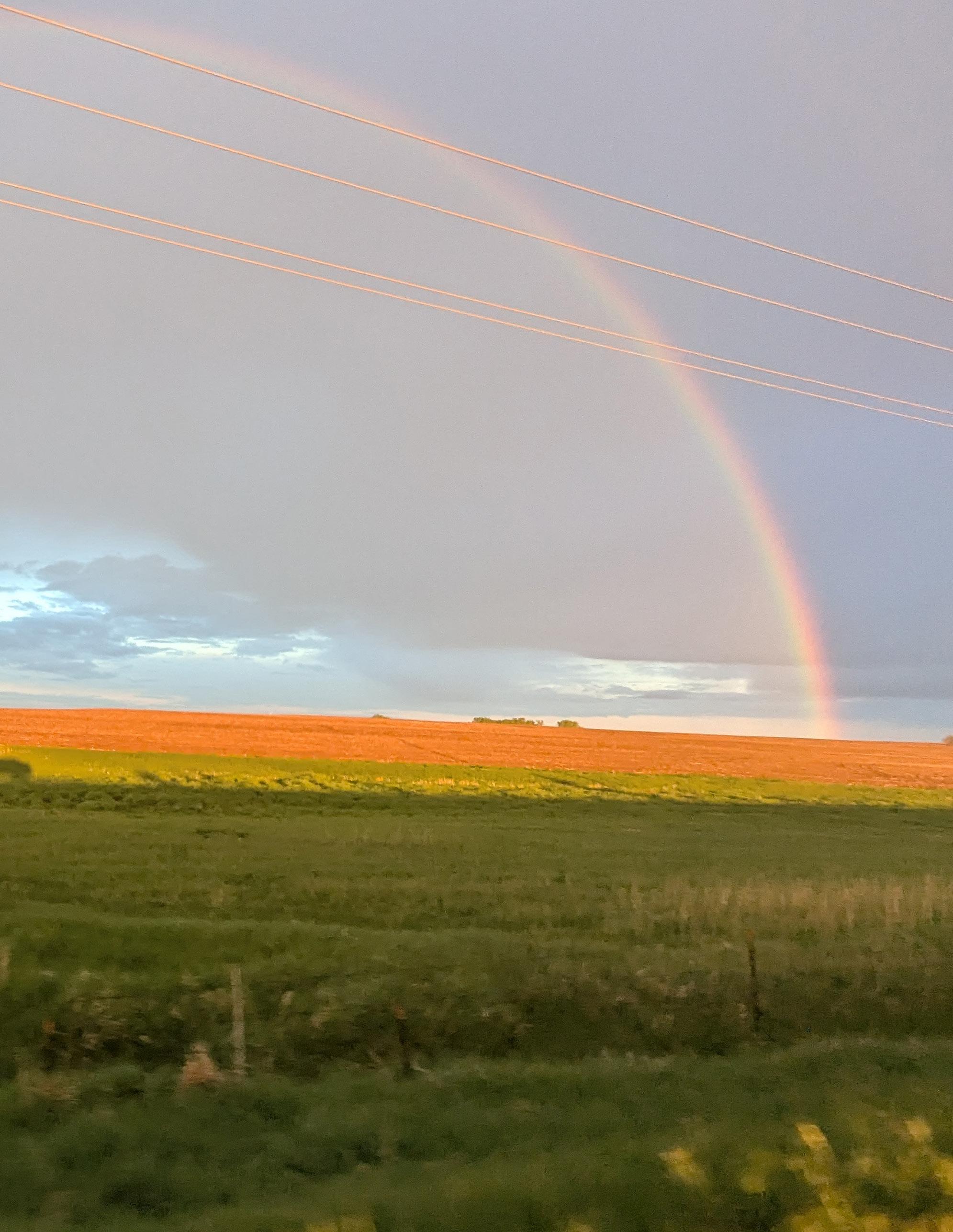
they are able to handle a business,” Heigert said. “They are able to manage the unmanageable like the weather and unpredictable things…Some don’t have access to [school] but it’s not because they are stupid, it is because they think that the experience that they need they won’t get from sitting in a classroom. They get it from actually being out and doing the things that they enjoy.”
Heigert plans to live on the family farm and raise her future kids on the farm. With her education, she wants to lobby for regenerative agriculture. She said it is a solution to a lot of our problems.
“A lot of people think that farmers, many of them don’t go to college— ‘Oh, they are just dumb farmers,’ when in reality farmers are some of the most intelligent people I have ever met because
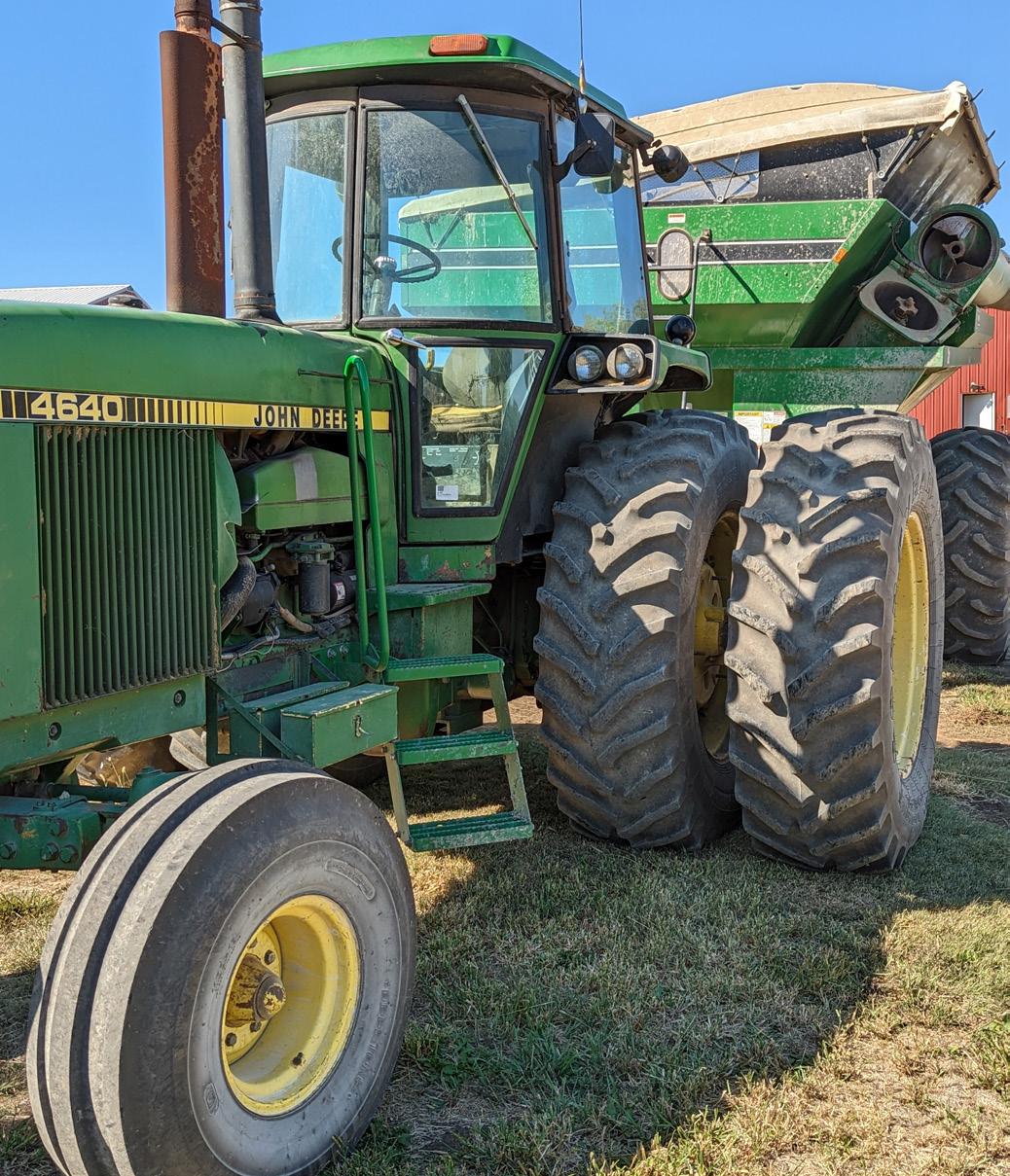
John Deere is a popular brand of equipment for farmers and has been for decades. Apart from the Heigert family's beef cattle operations, they also harvest corn, beans and other cash crops.
“It is a solution to the water problem that we have in Kansas,” Heigert said. “We are running low. Our aquifers are running low. We are getting things tilled in, we are getting bad water.”
Heigert's family has gone out their way to talk to individuals to provide resources.
Heigert hopes that by lobbying for policy, it will help make regenerative agriculture more affordable and attainable for a wide variety of farmers. She is hoping it will help the farm community advance.
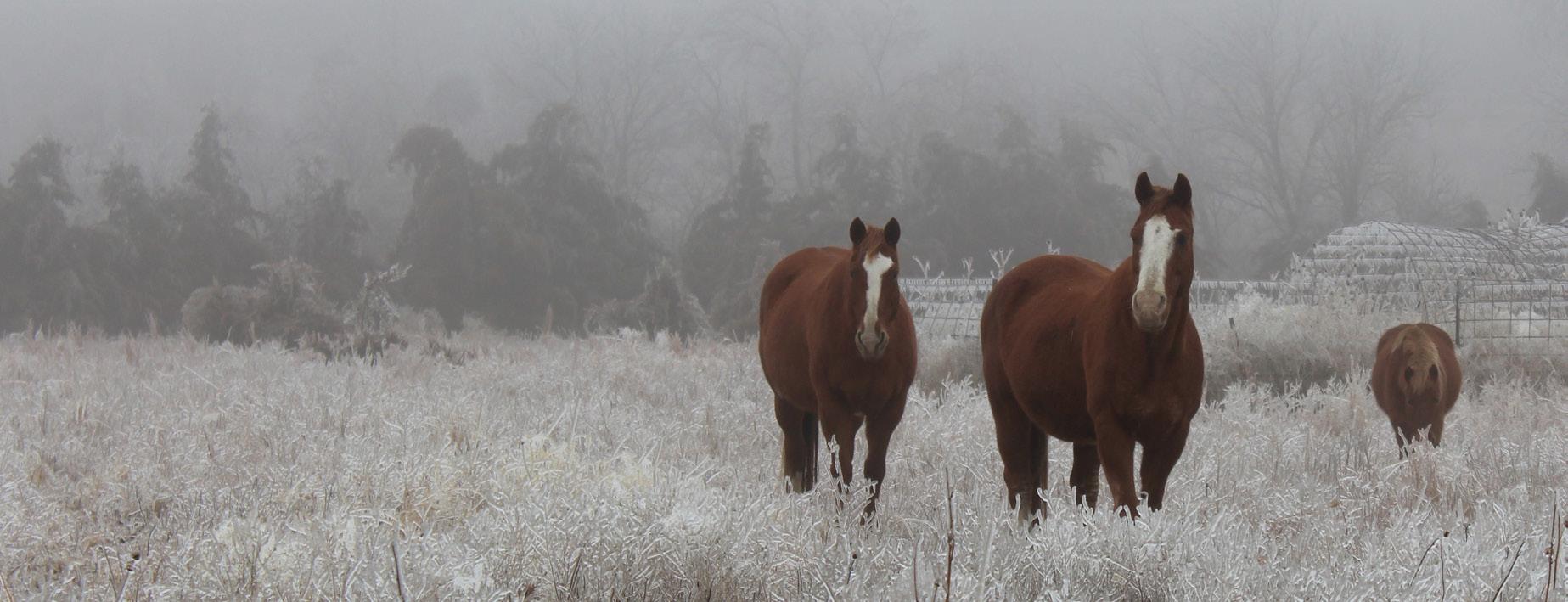
Designed by: Cheyenne Hittle
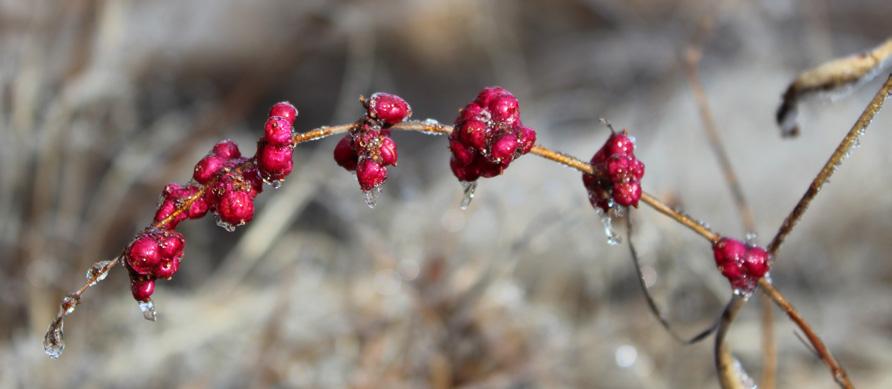
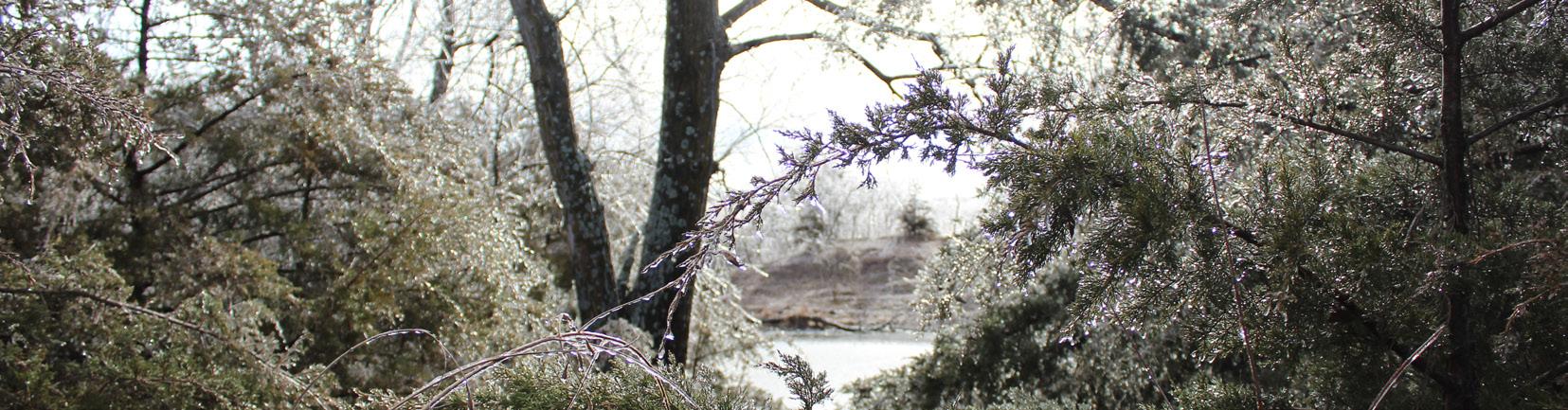
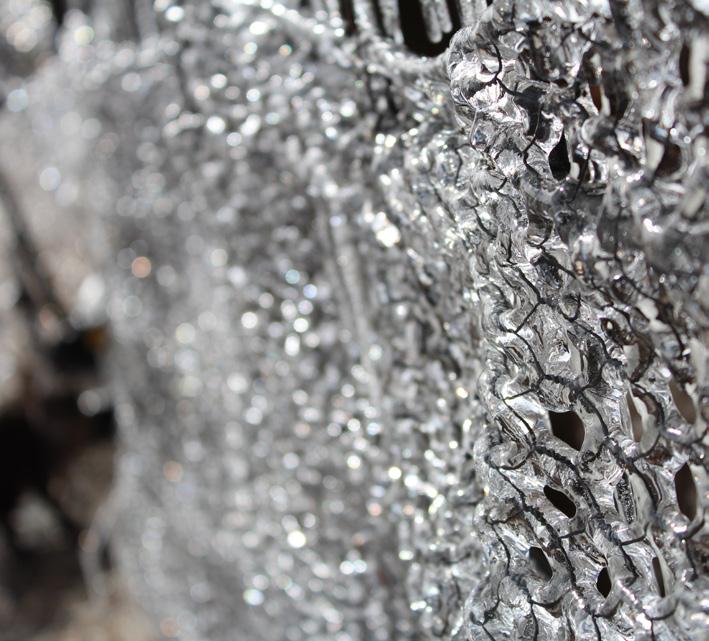
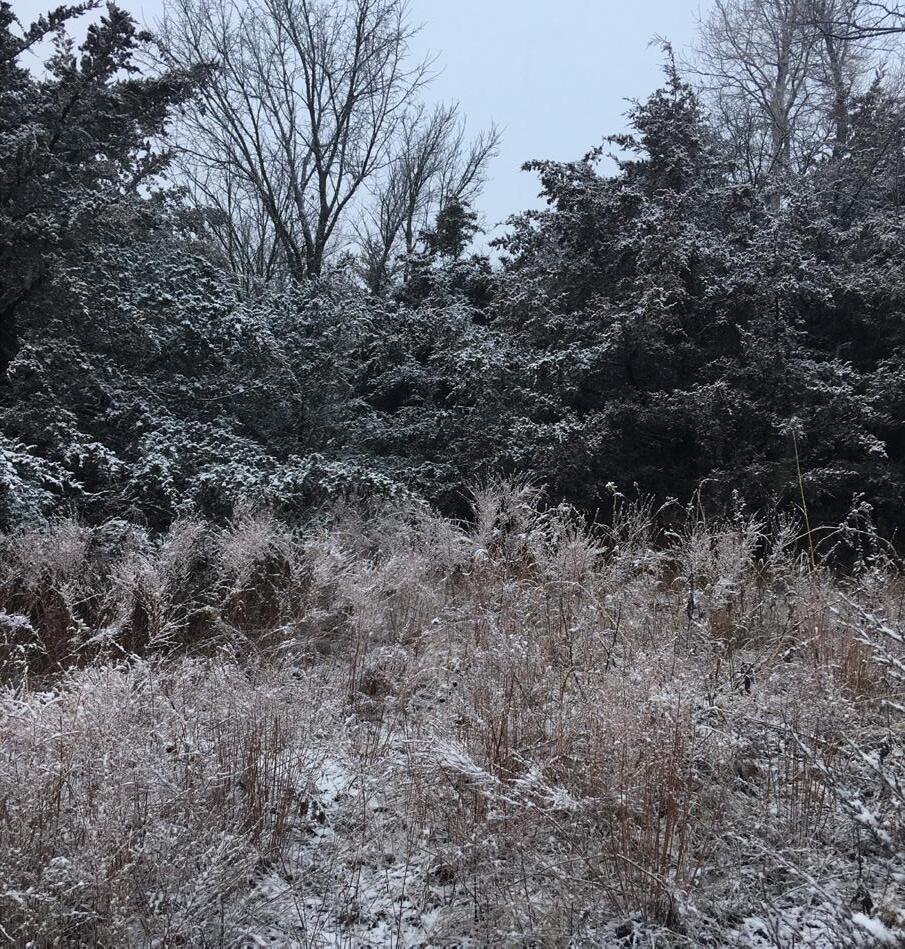
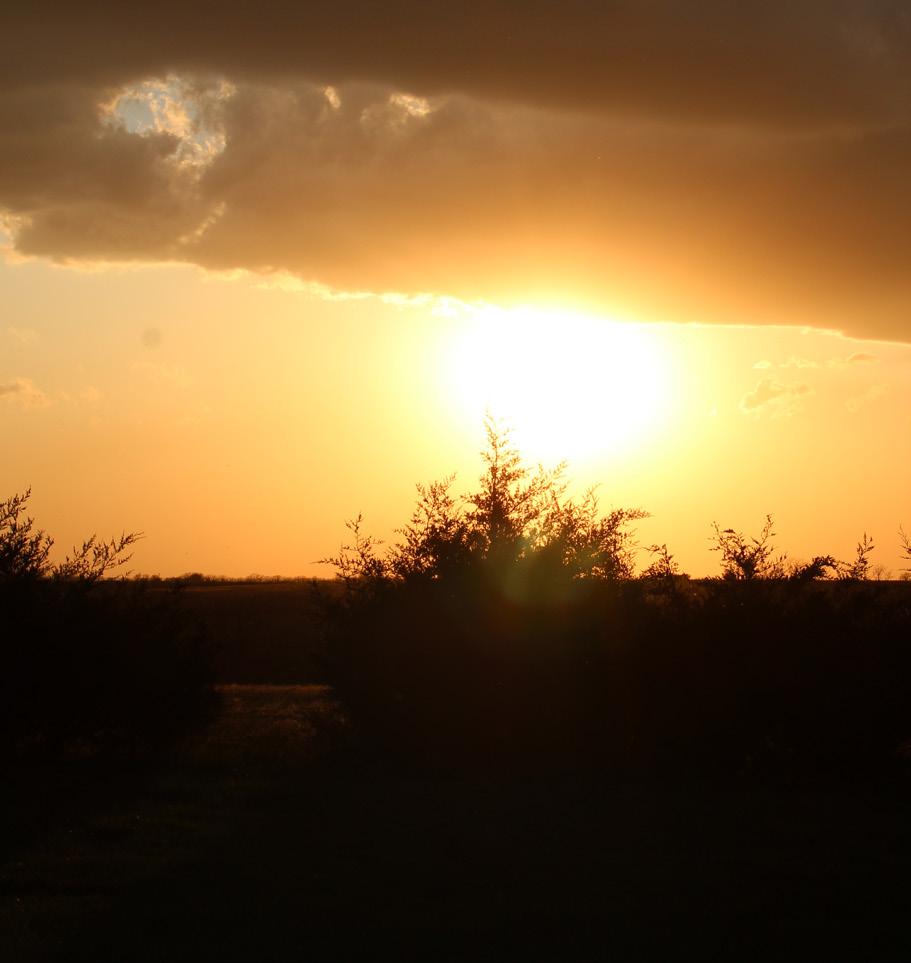
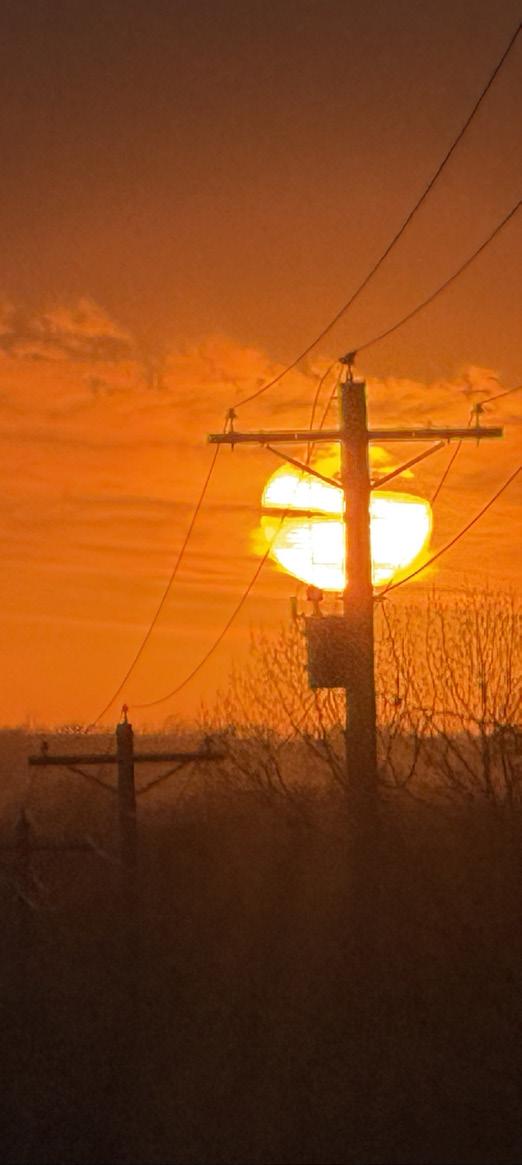
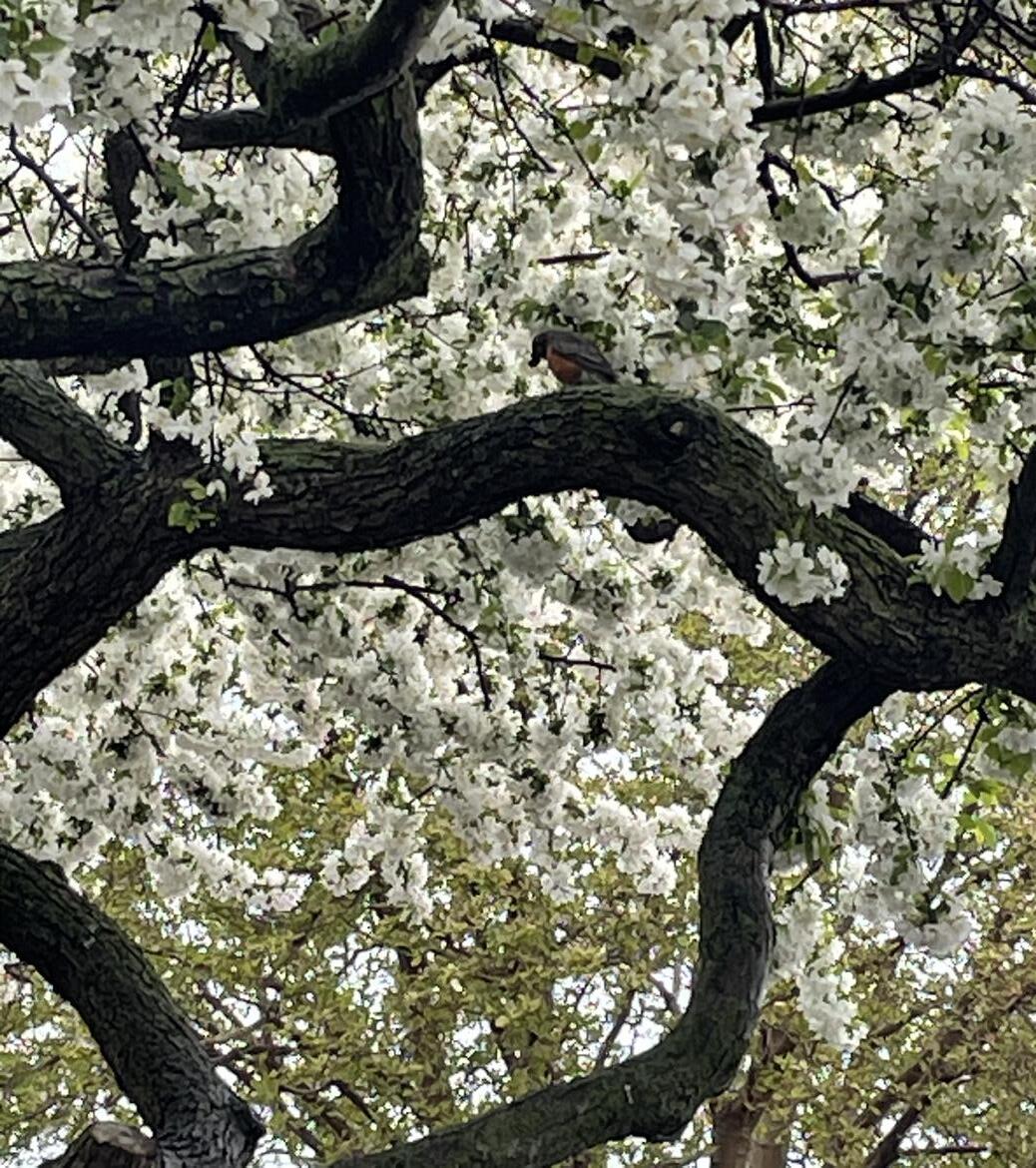
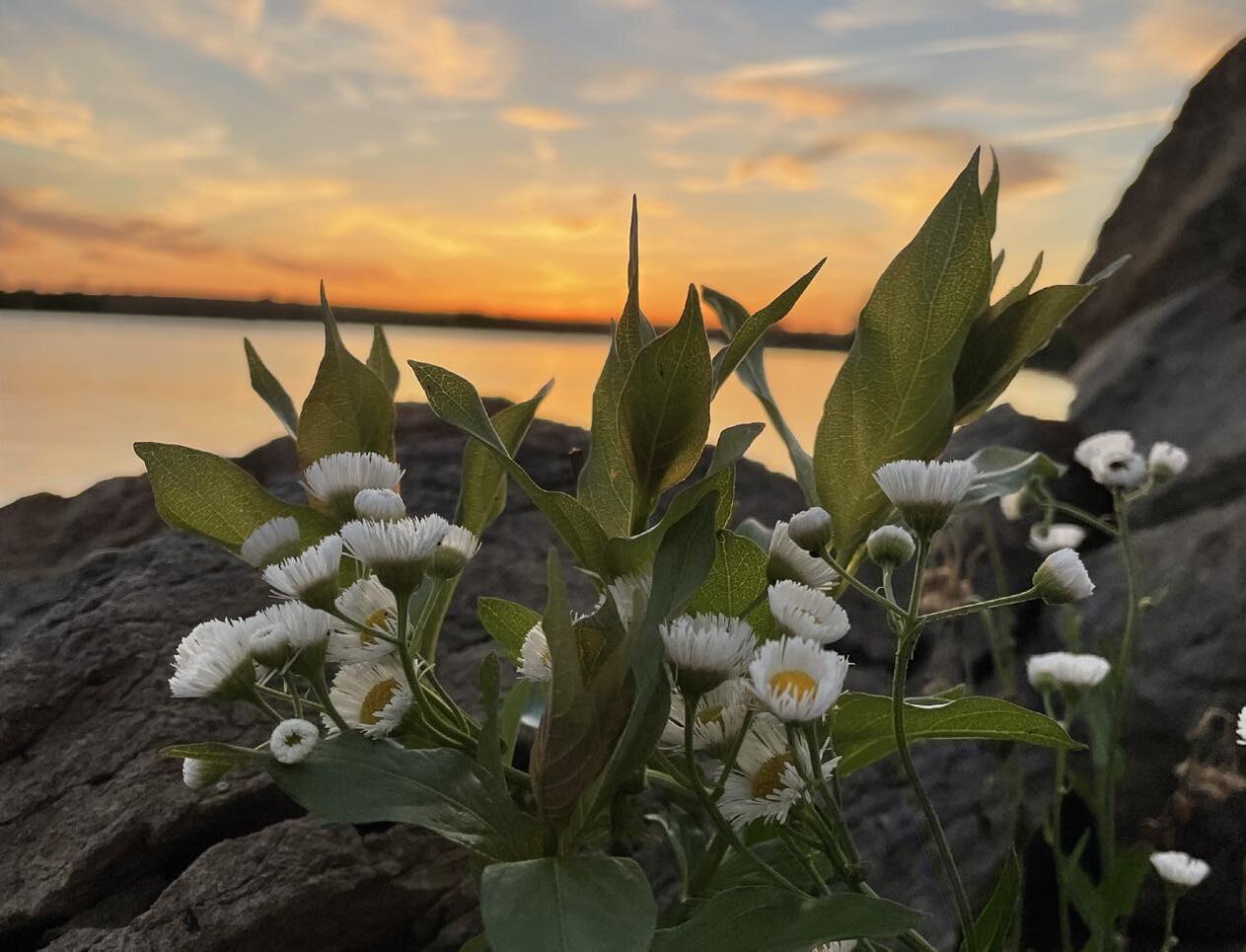
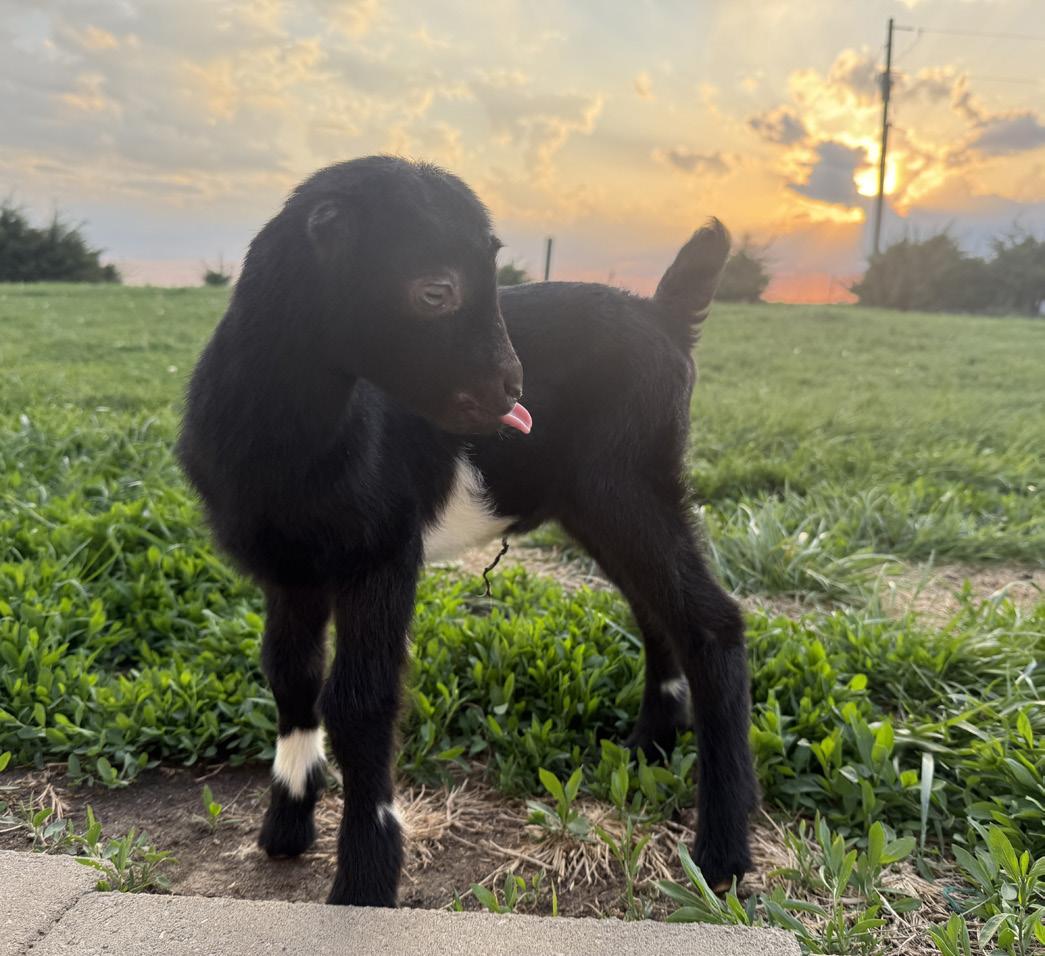
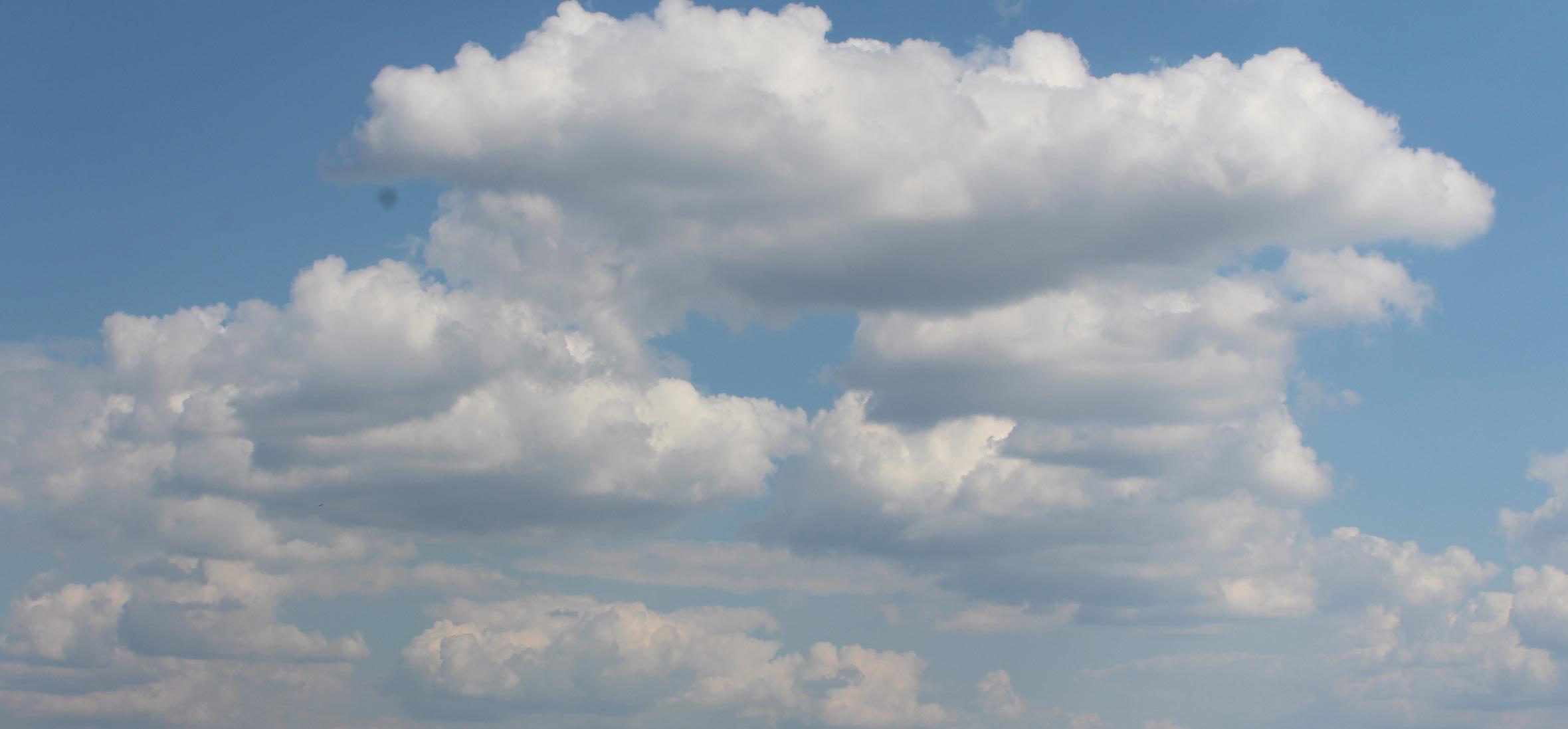
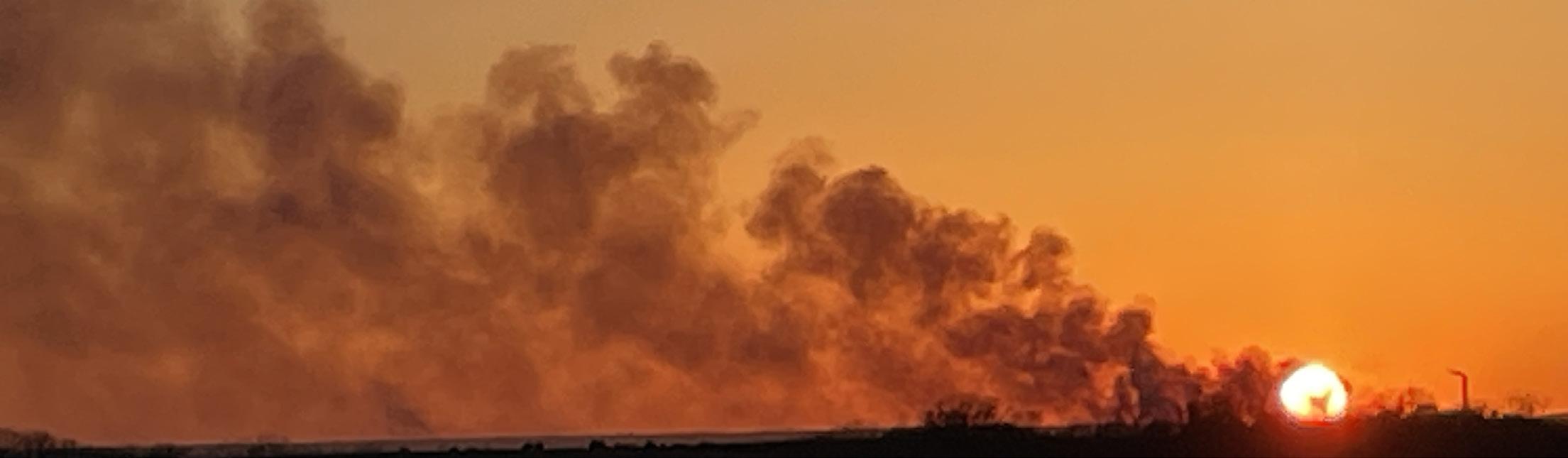
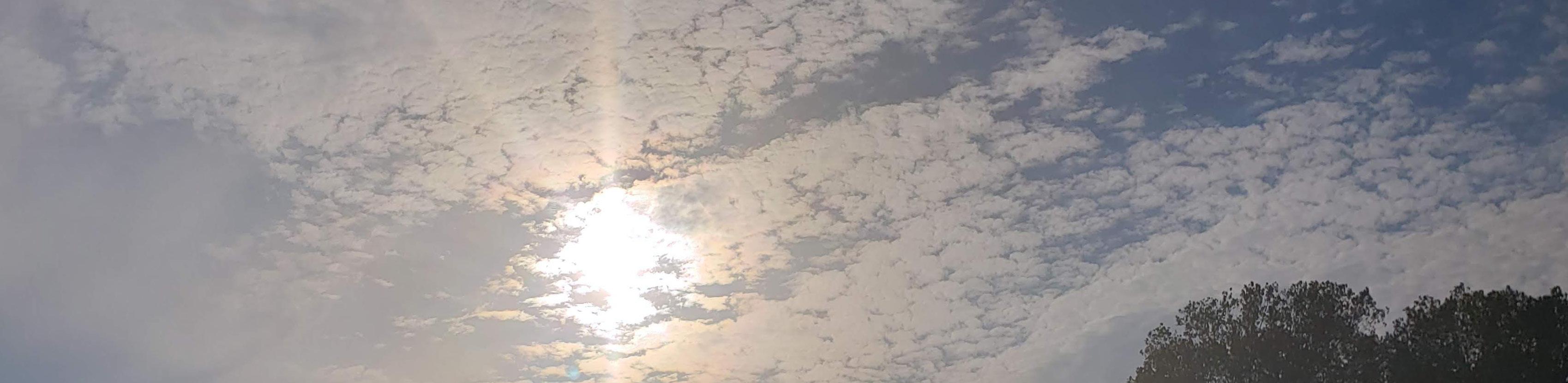
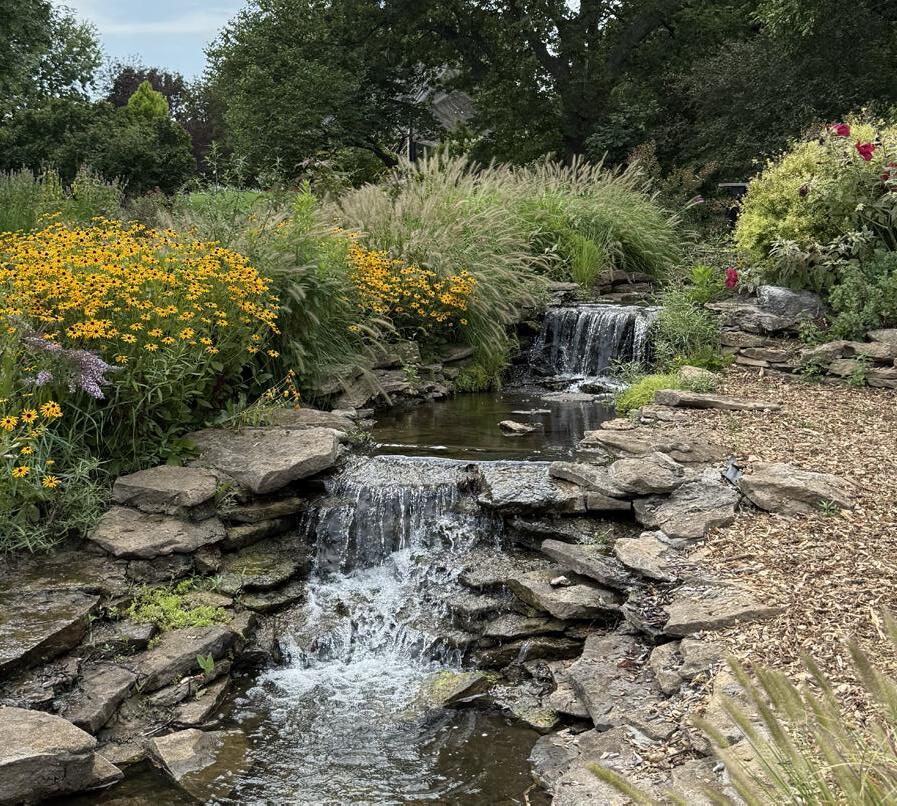
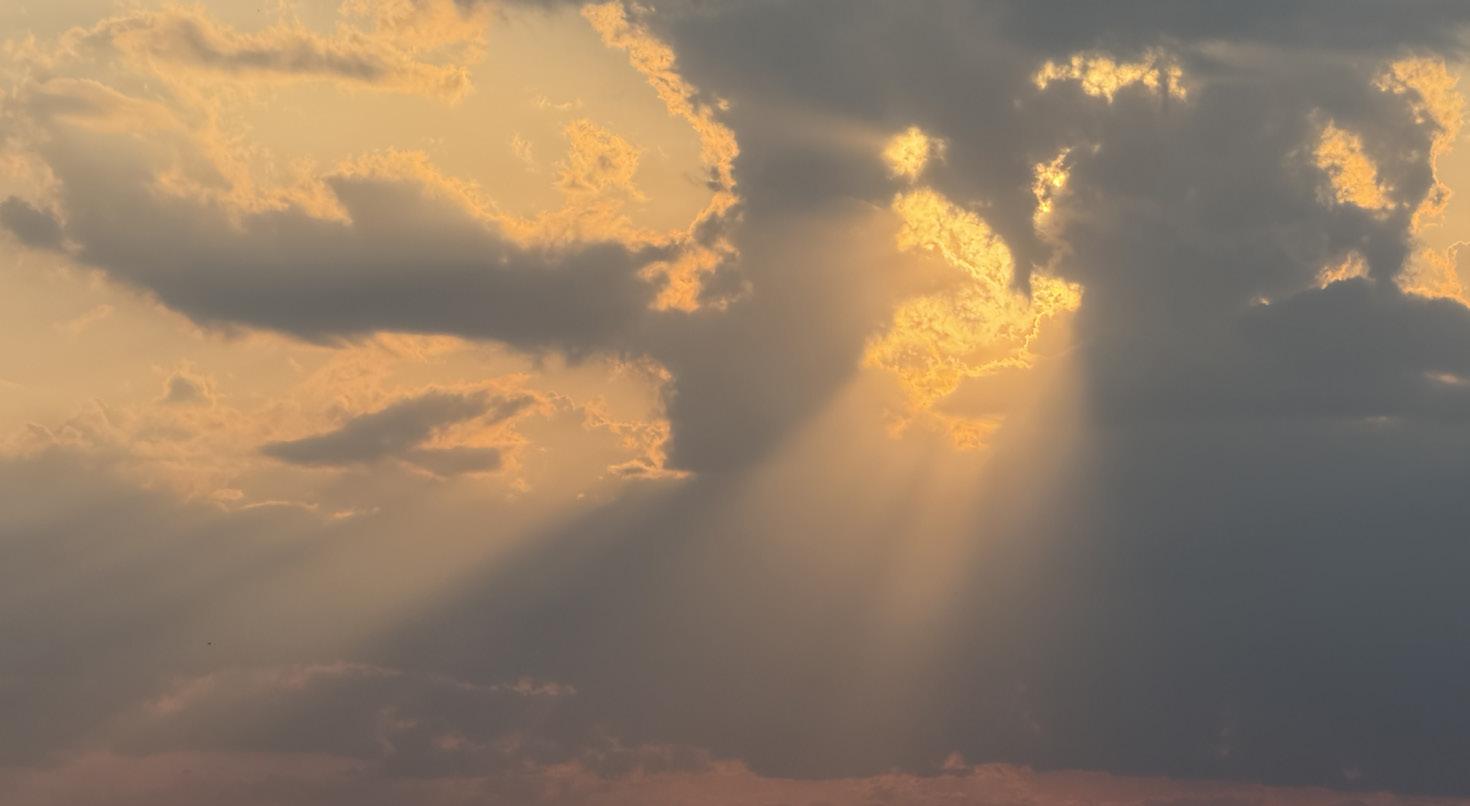
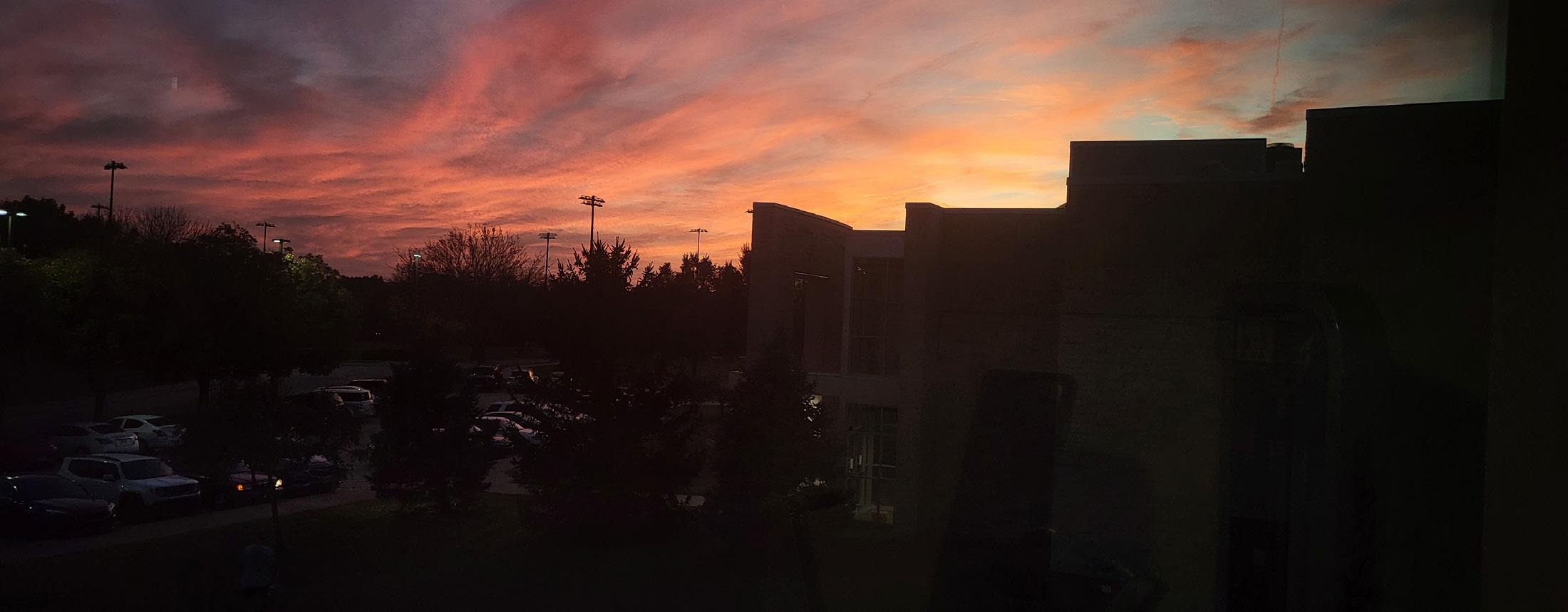
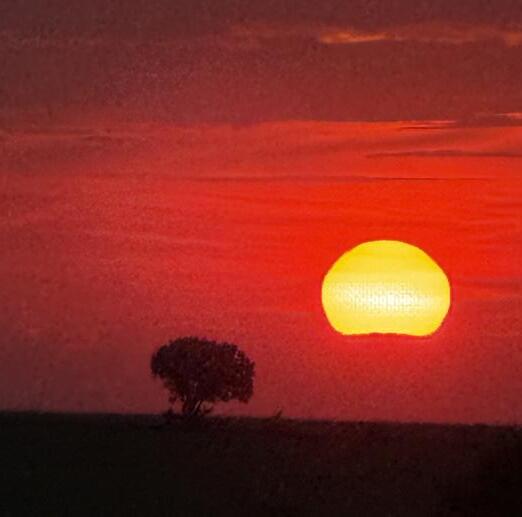
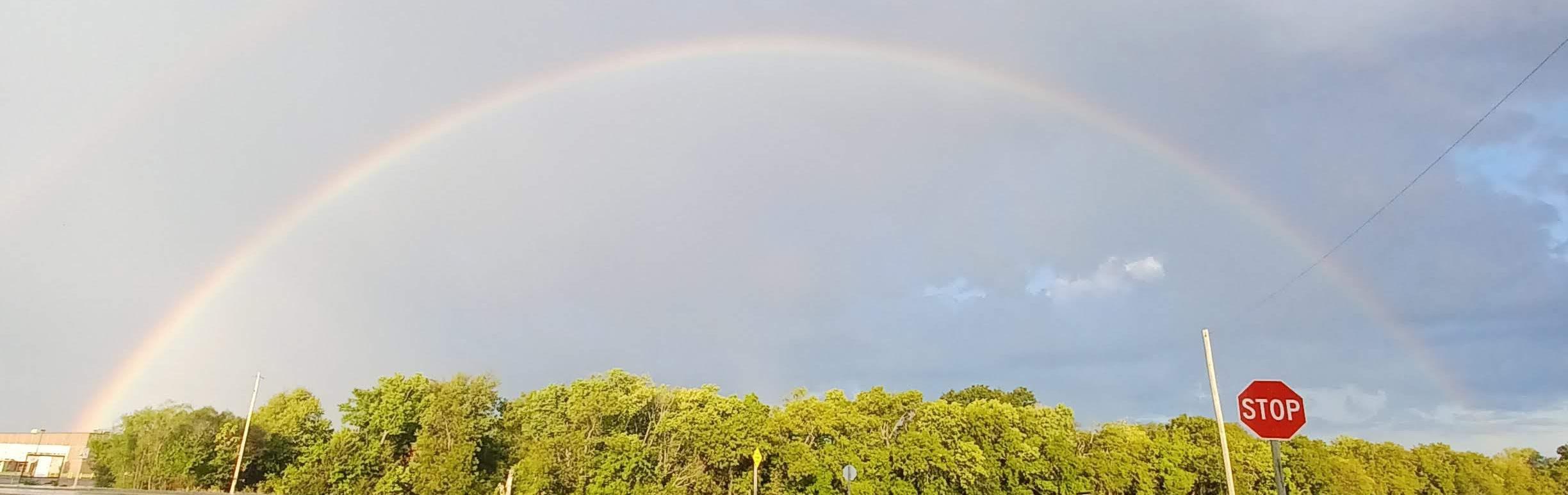
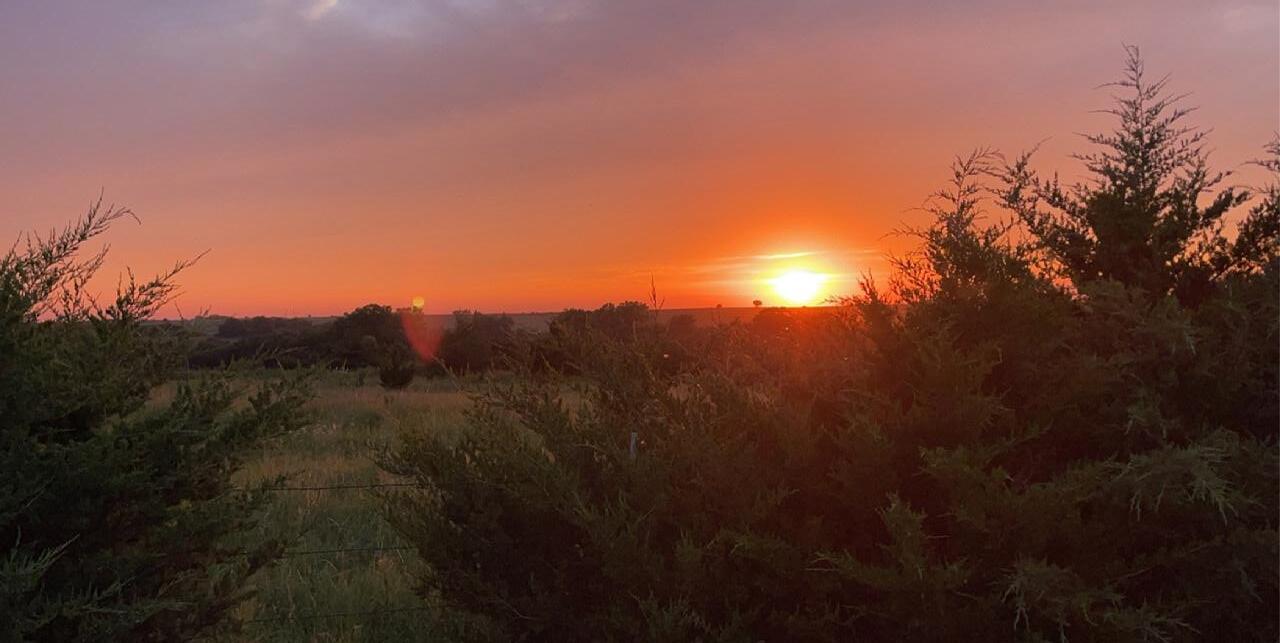
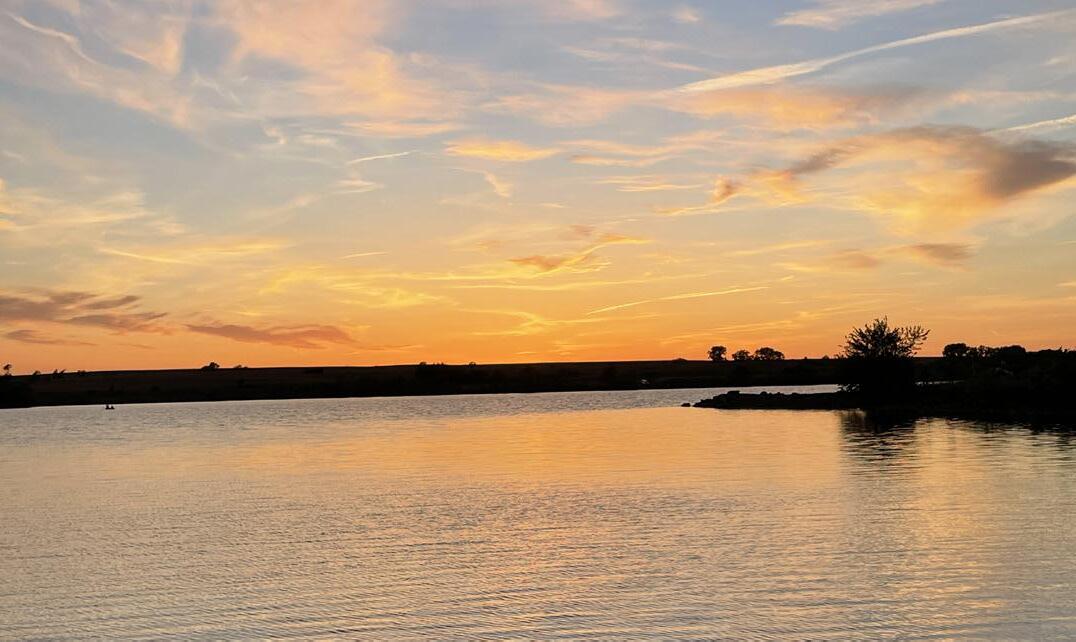
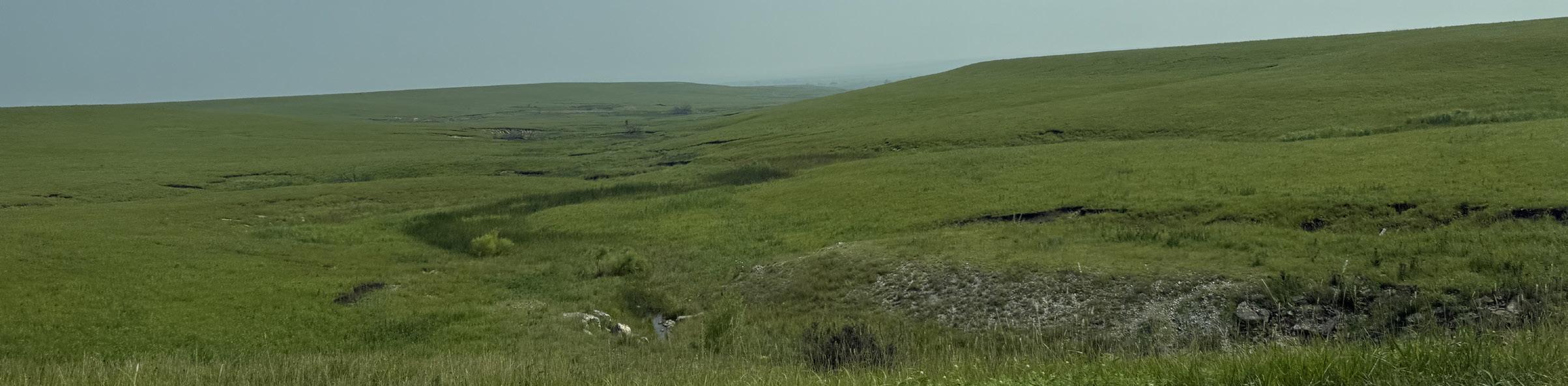
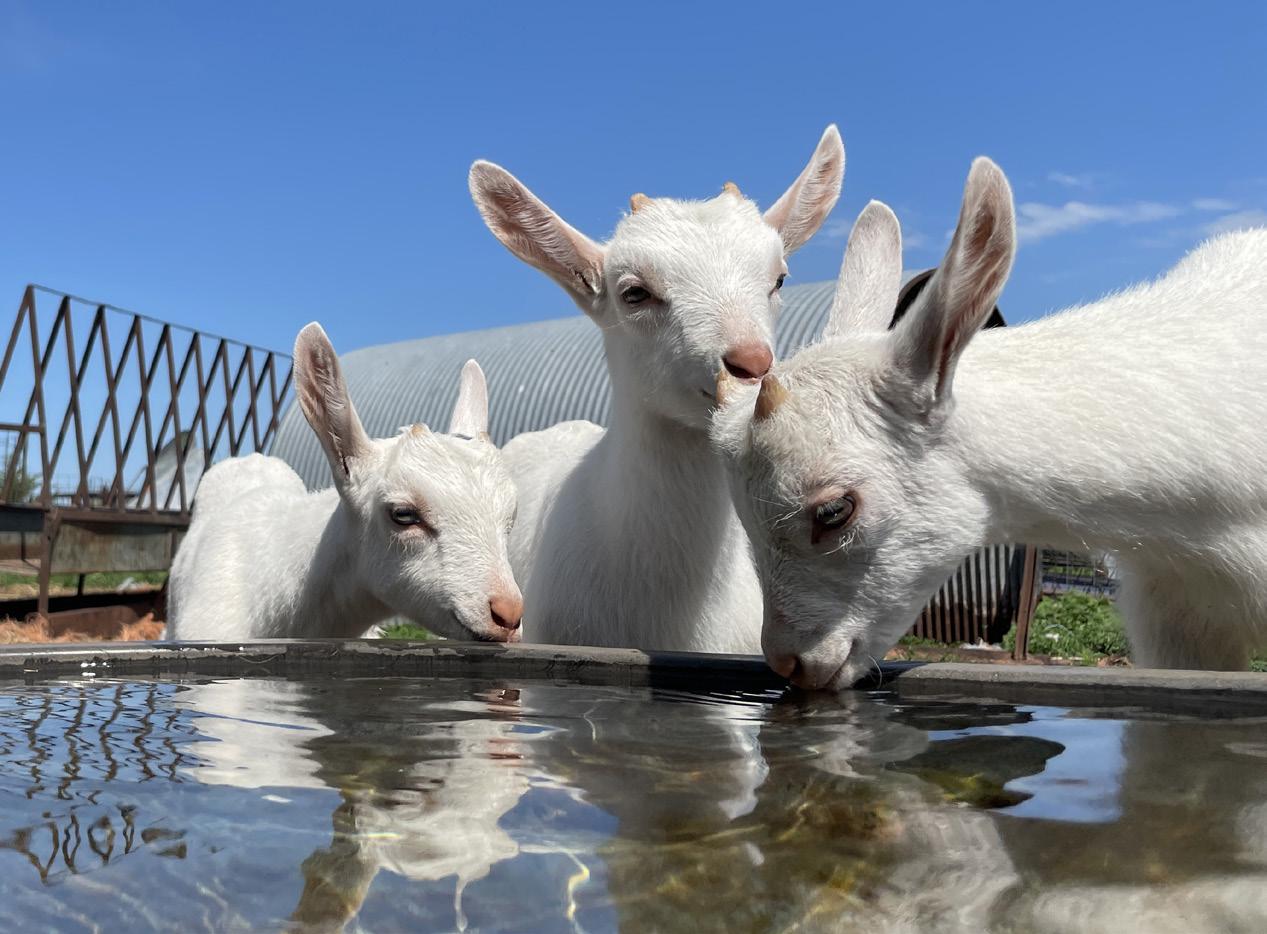
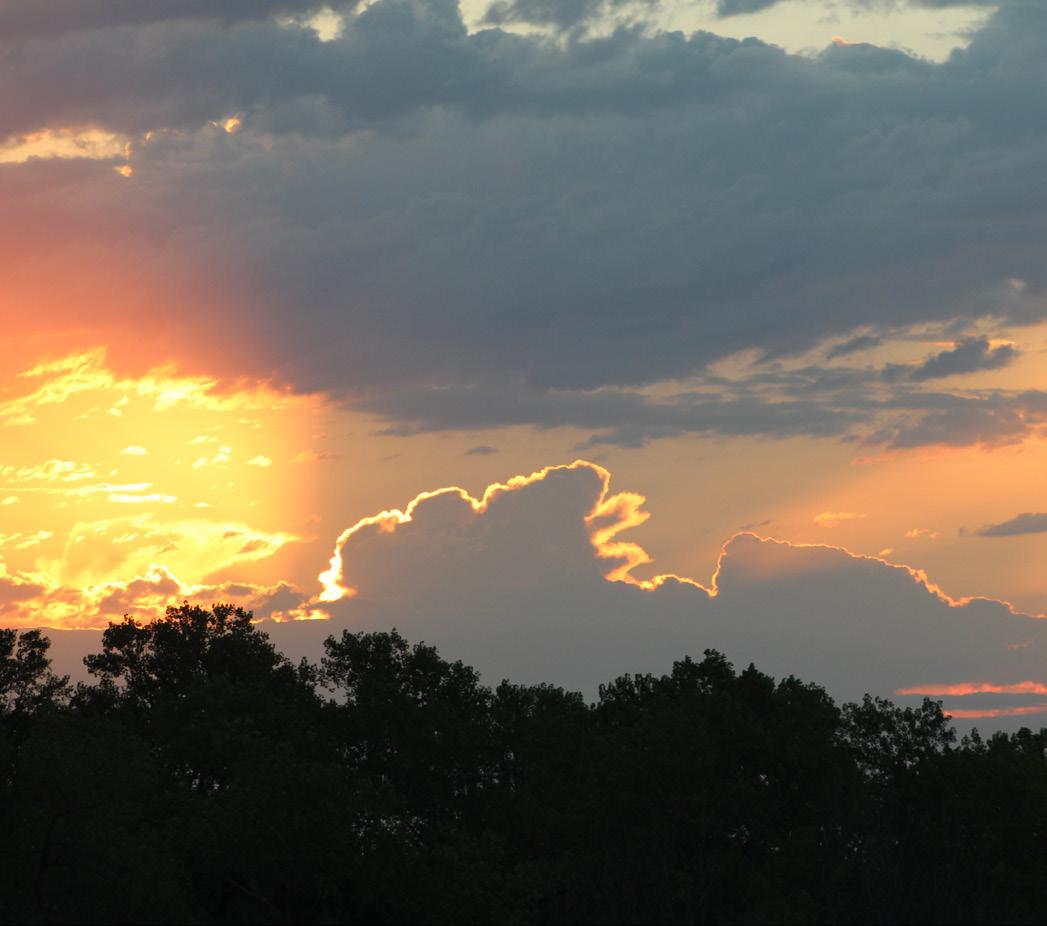
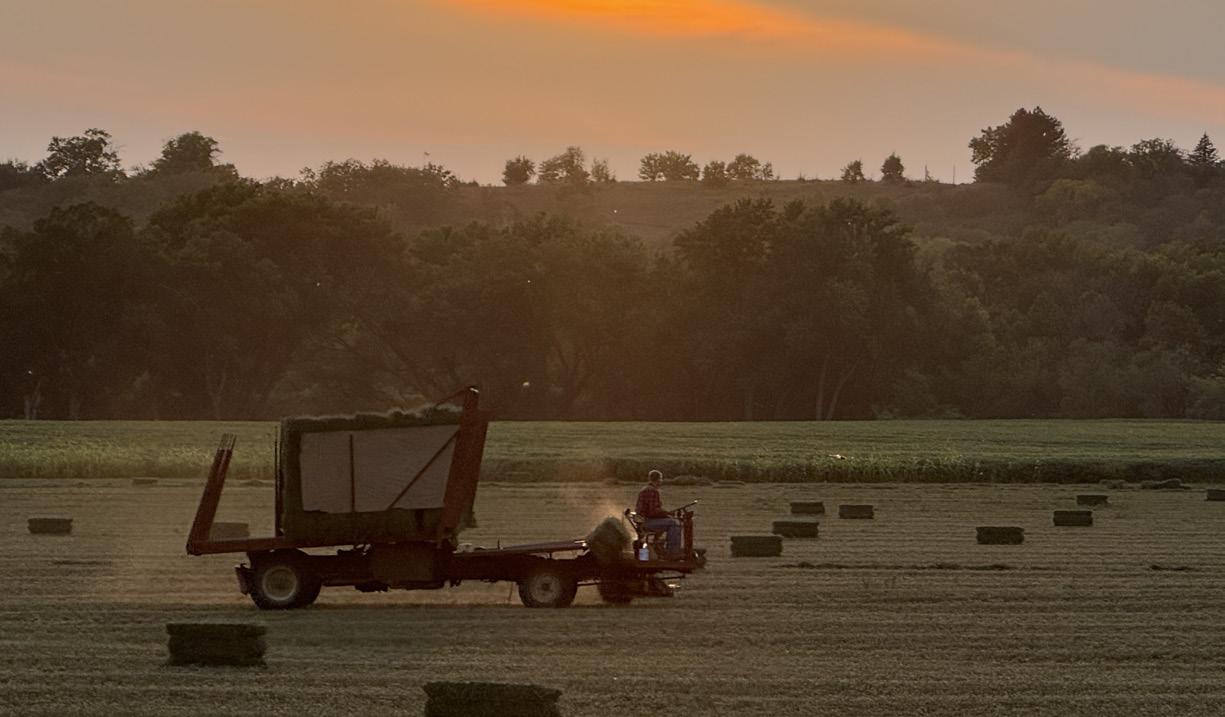
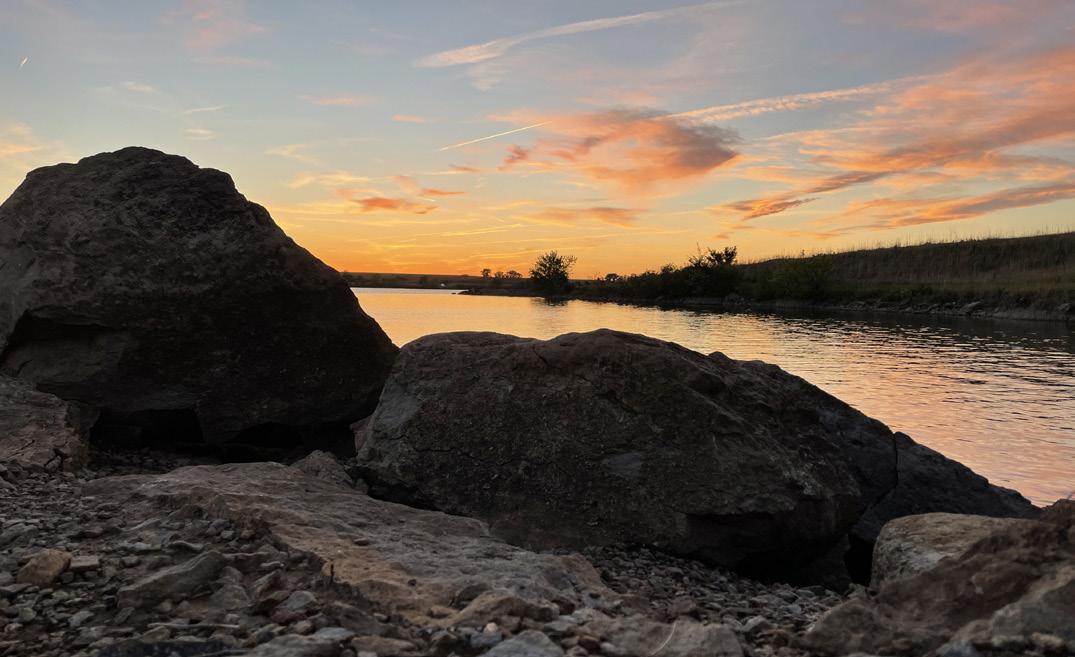
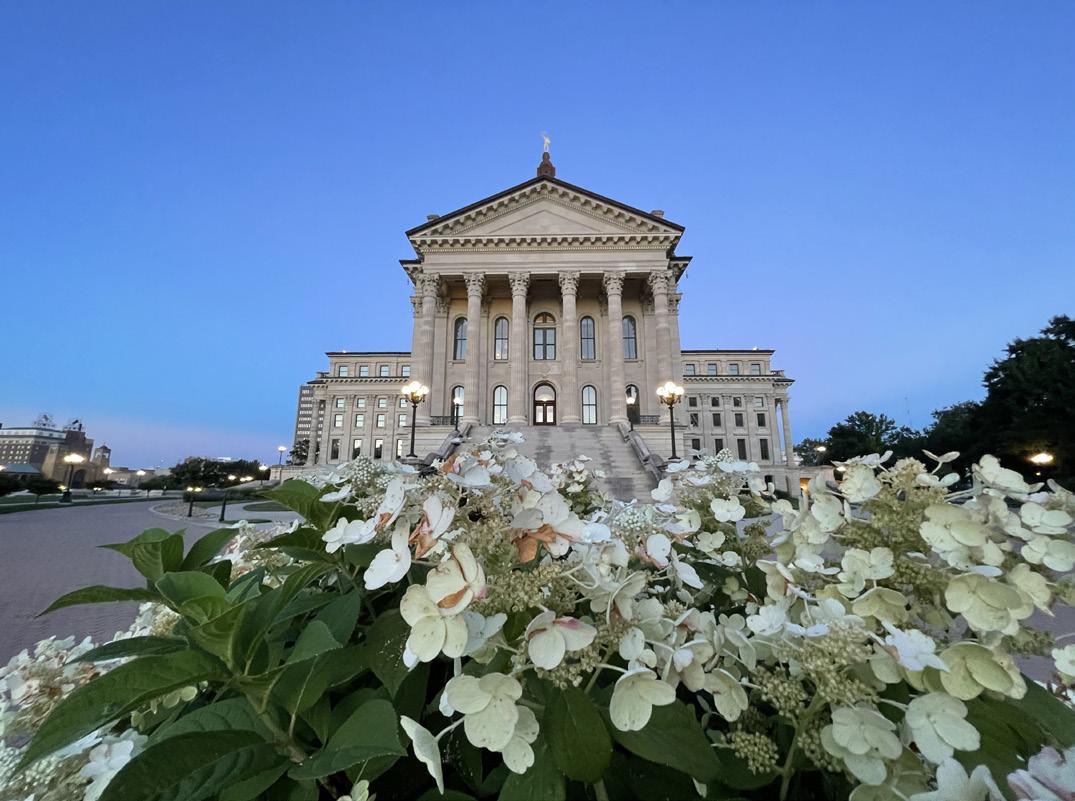
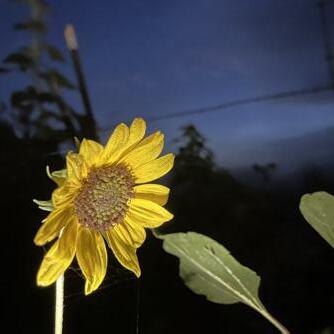
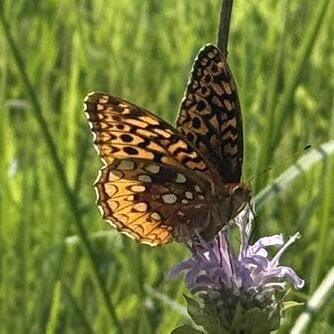
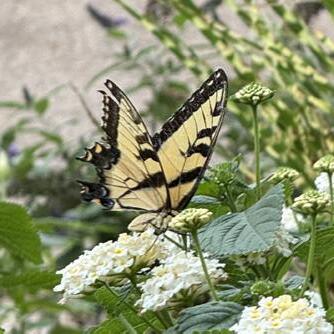
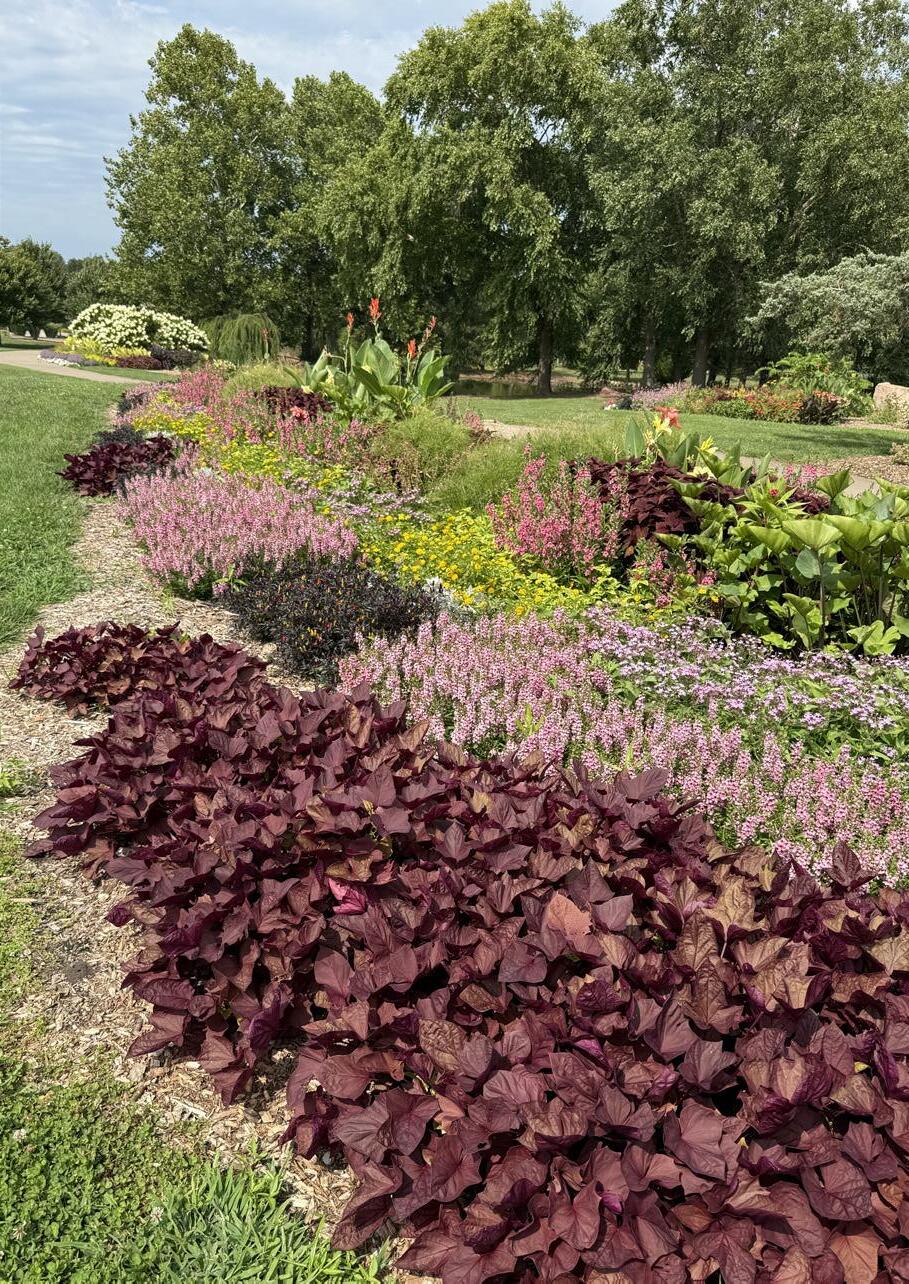
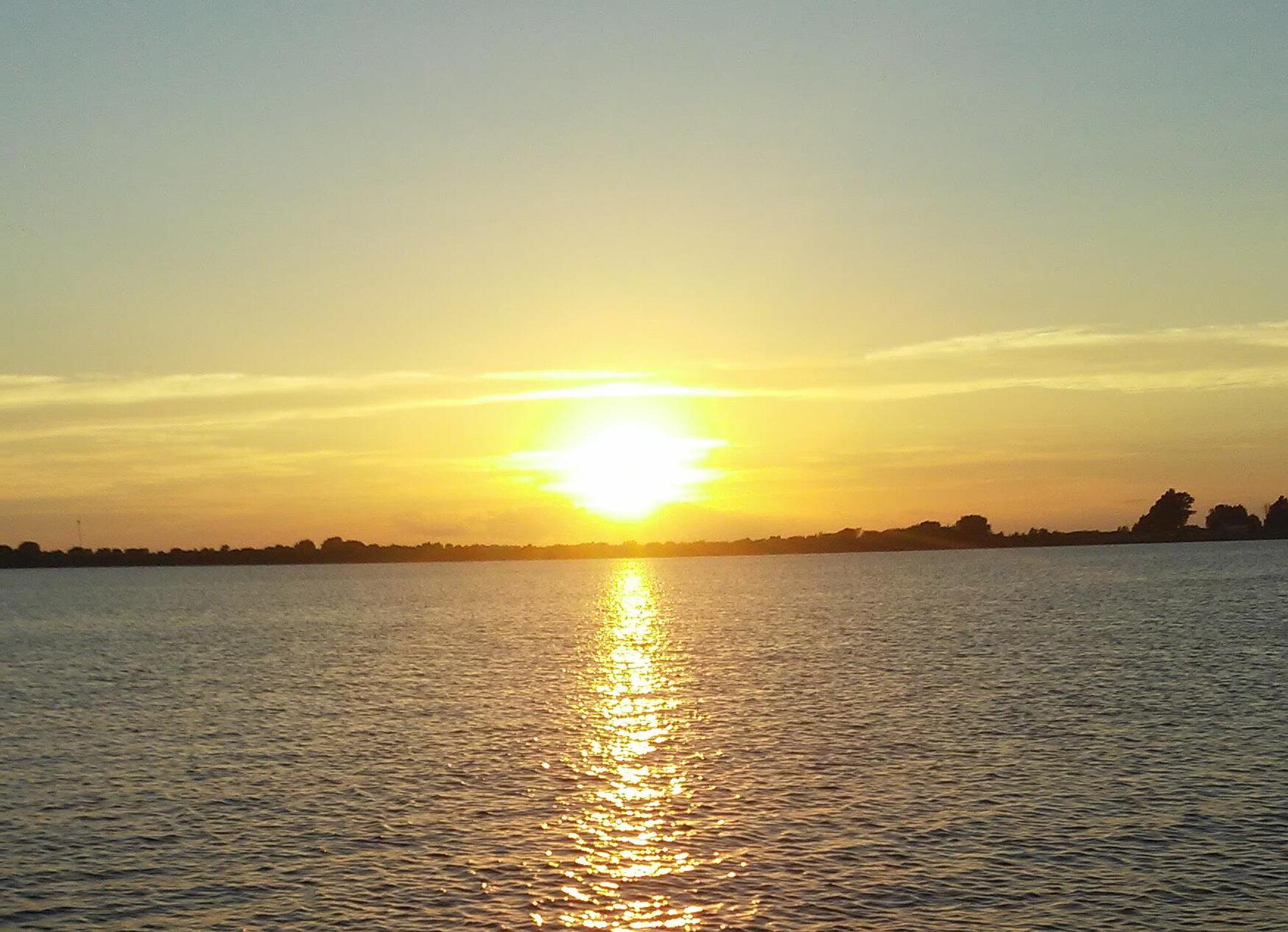
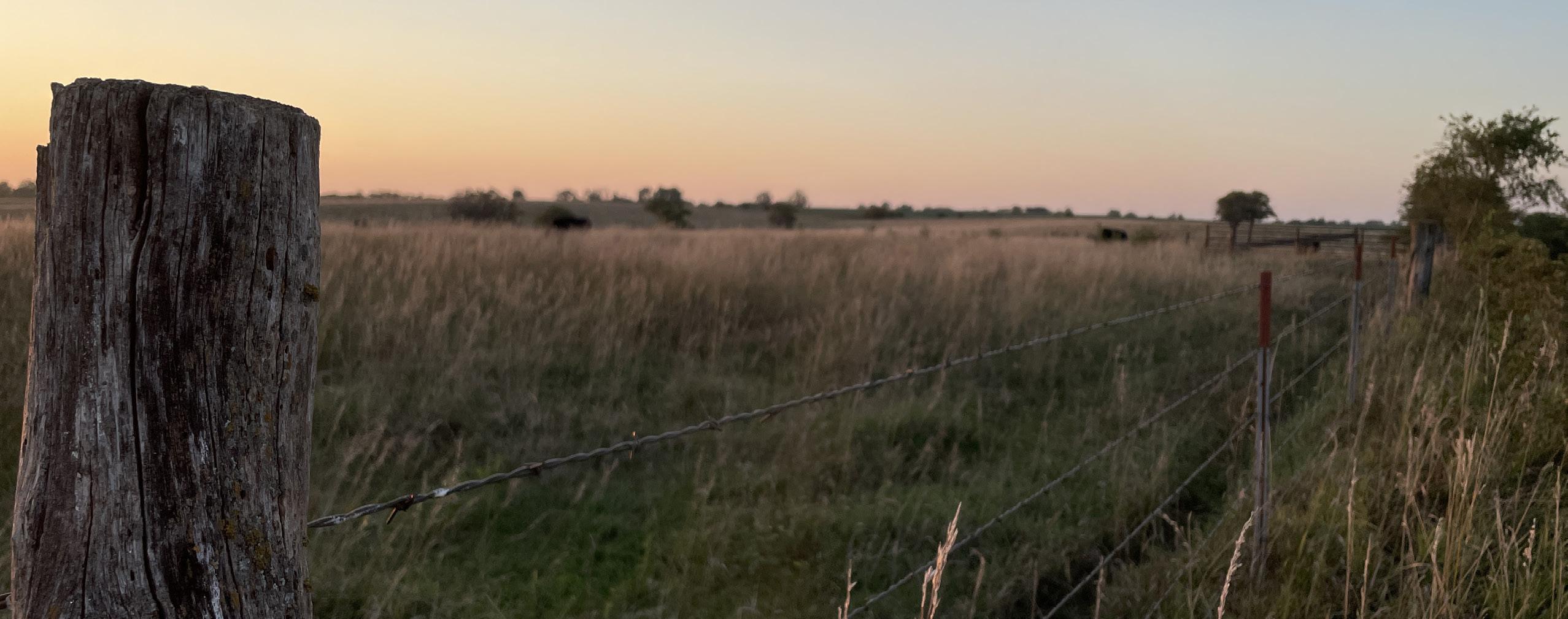
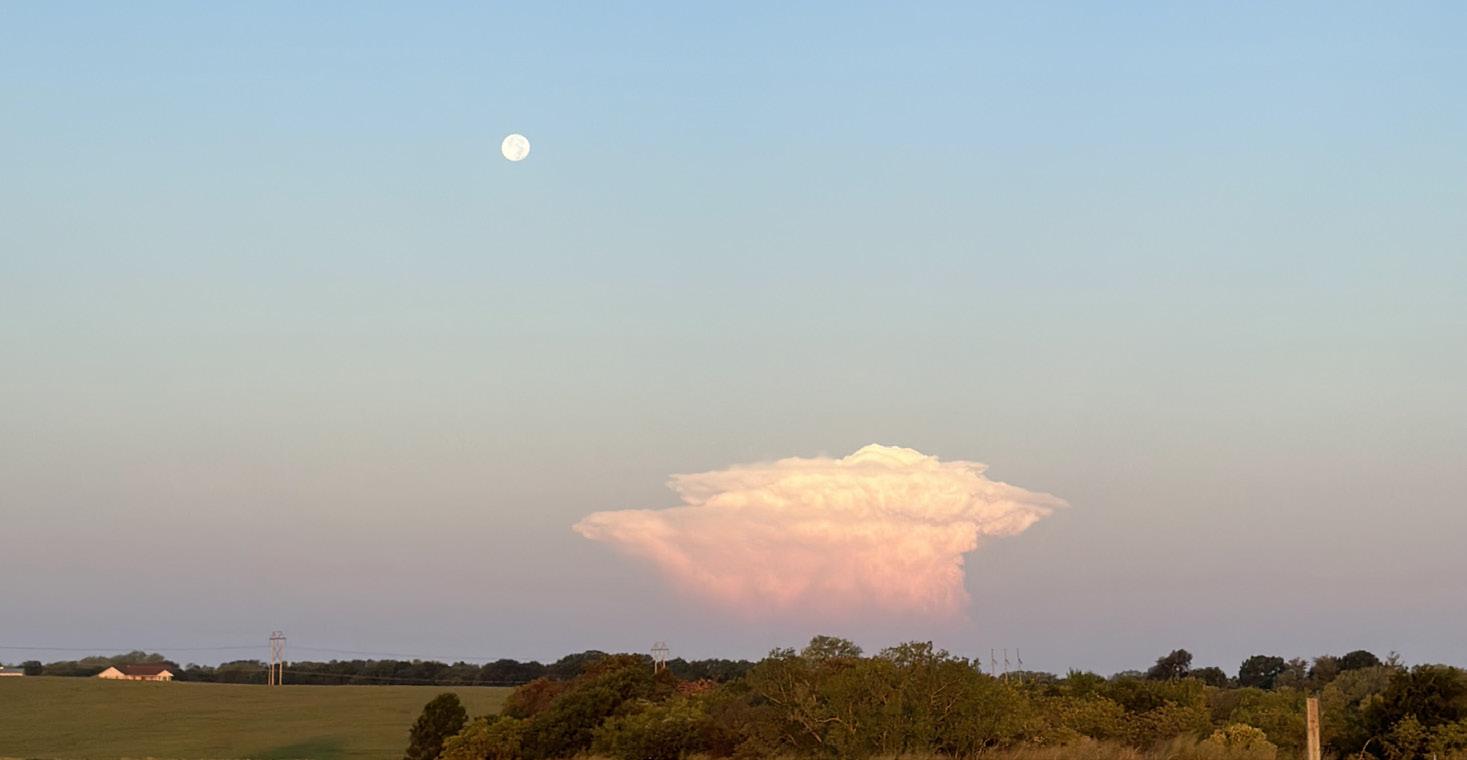
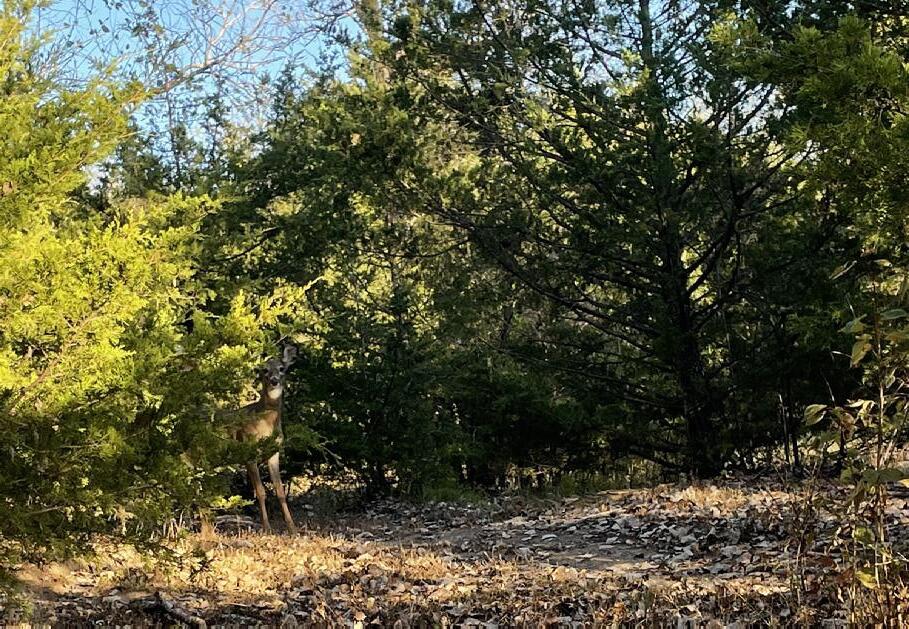
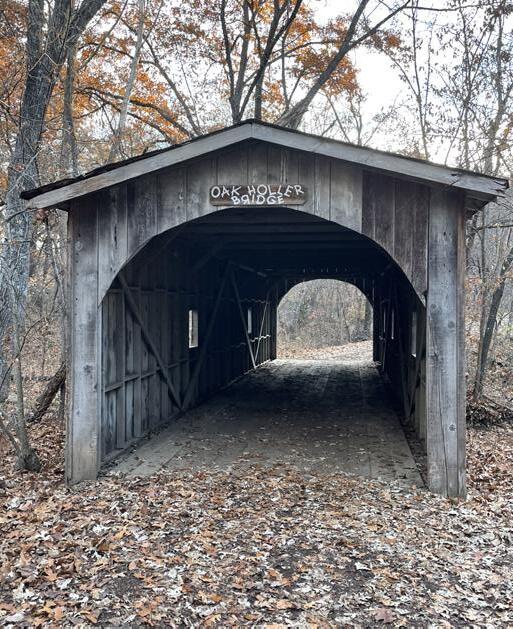
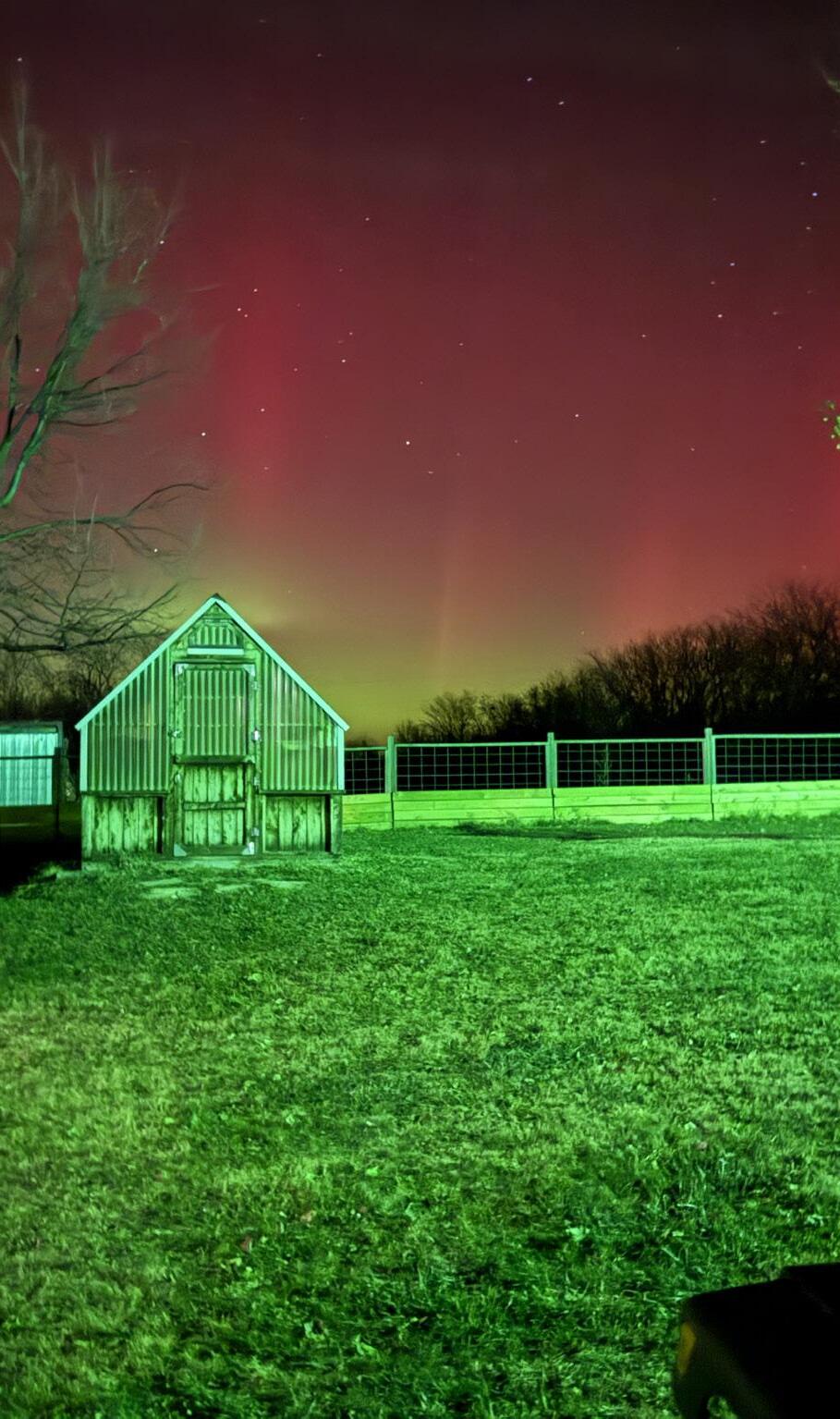
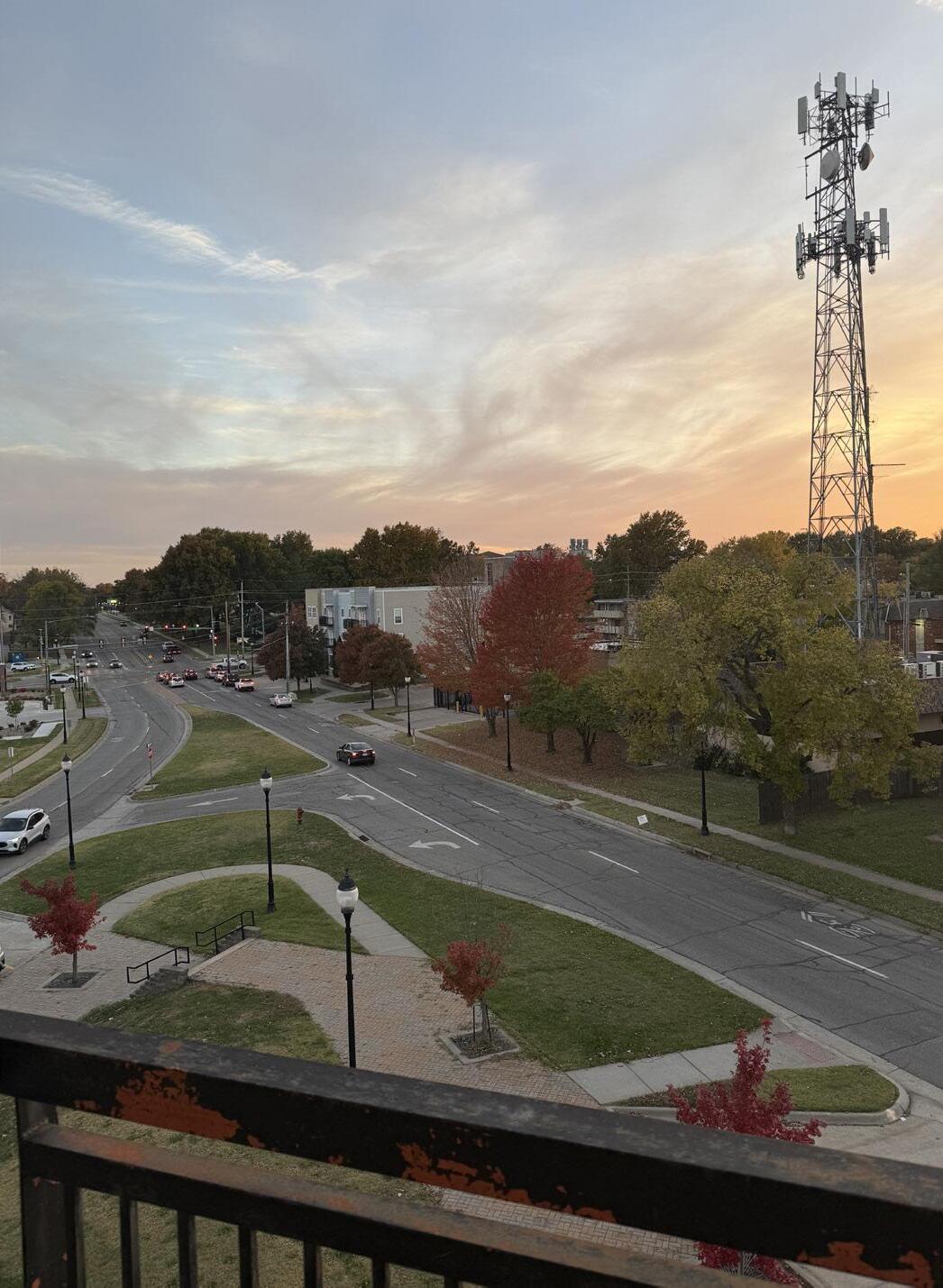
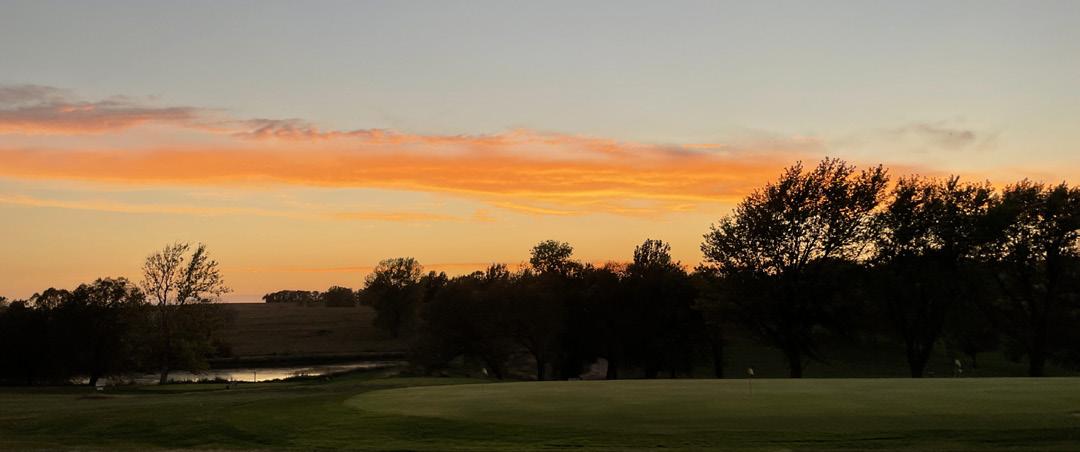
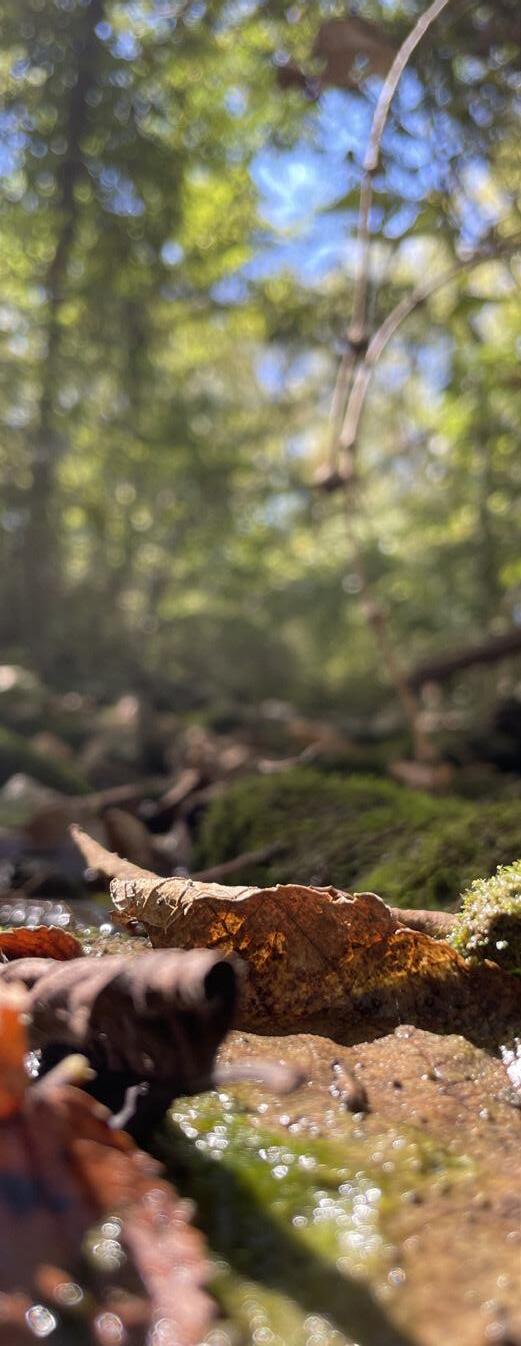
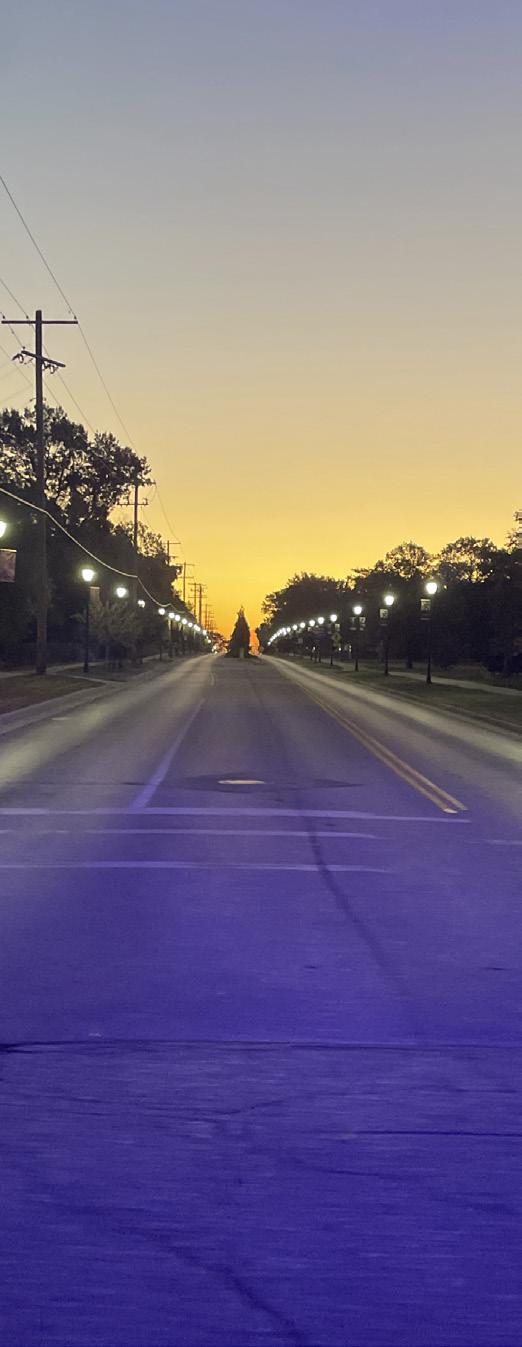

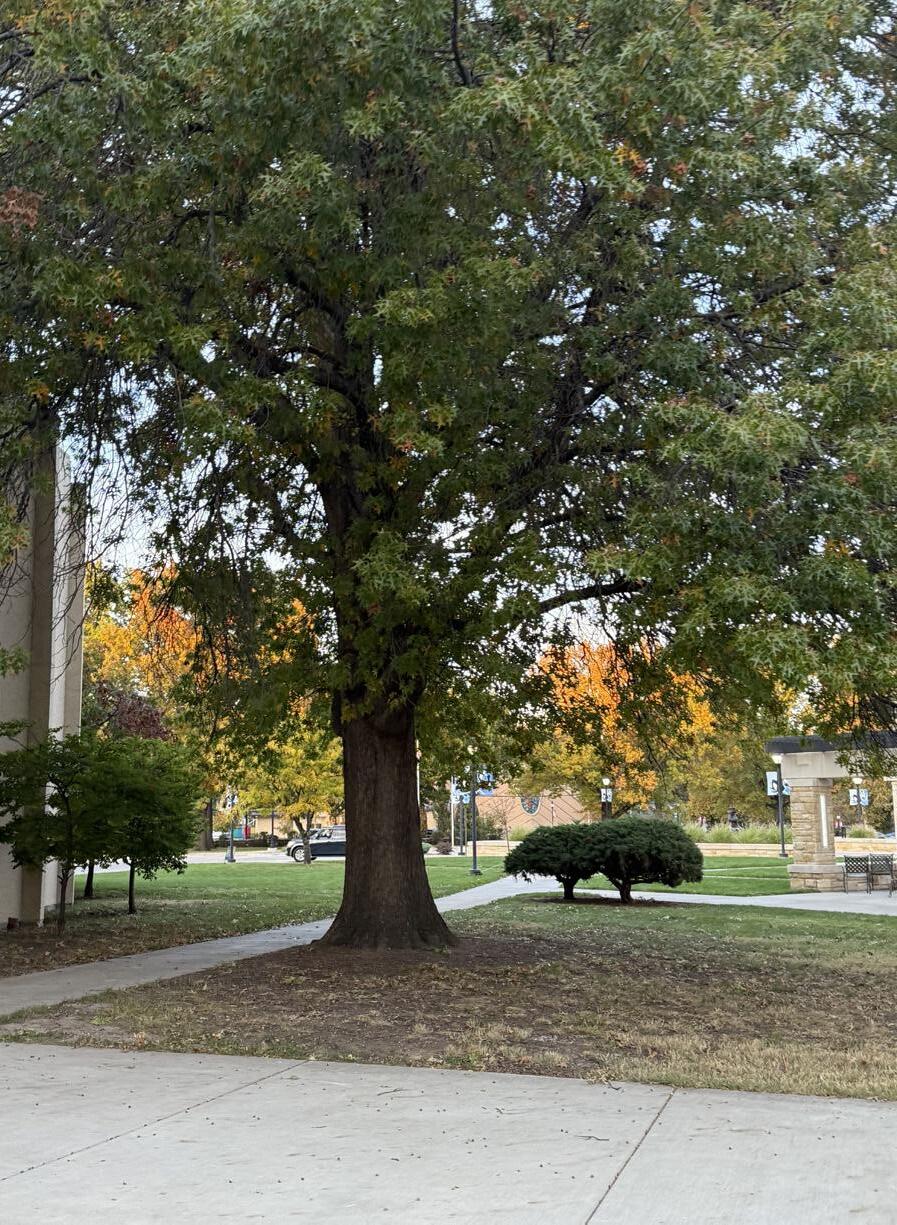
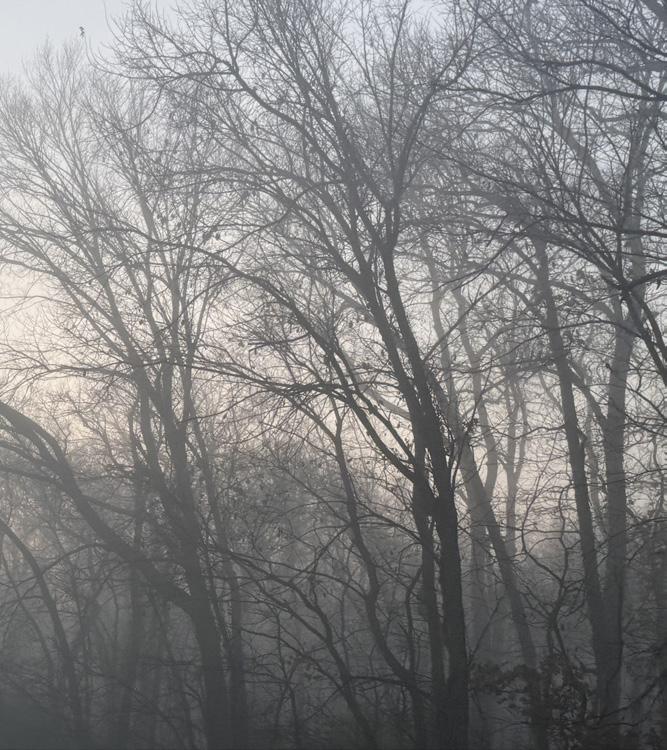
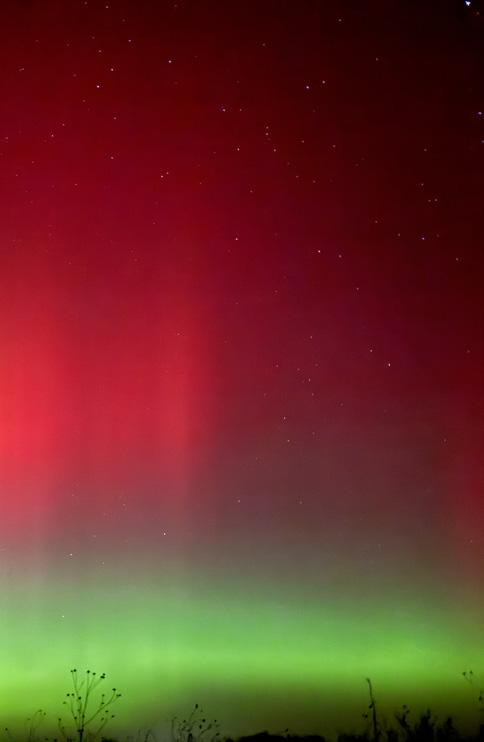
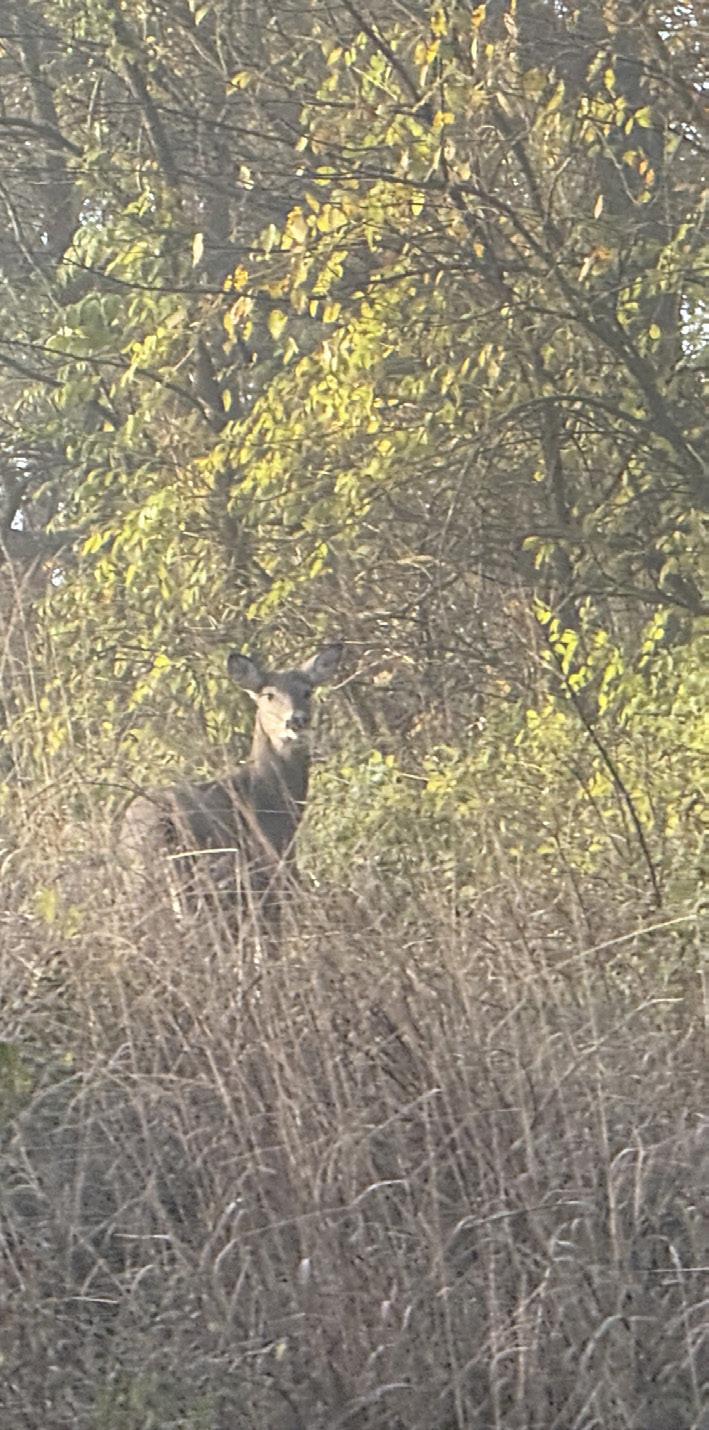
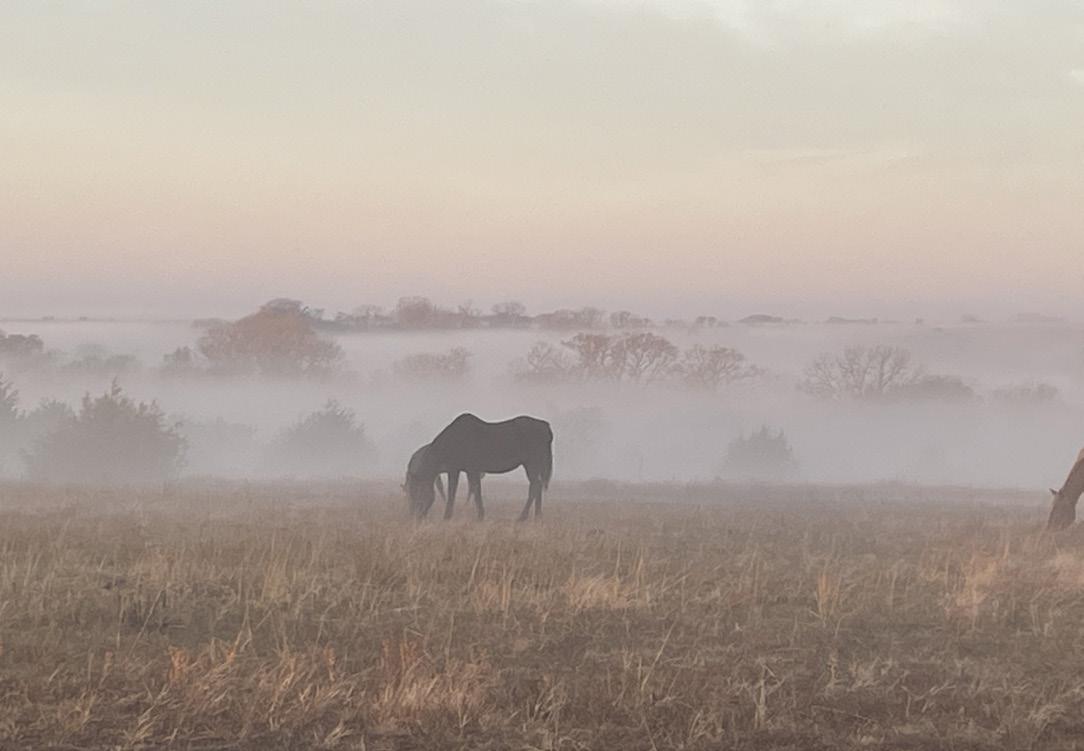
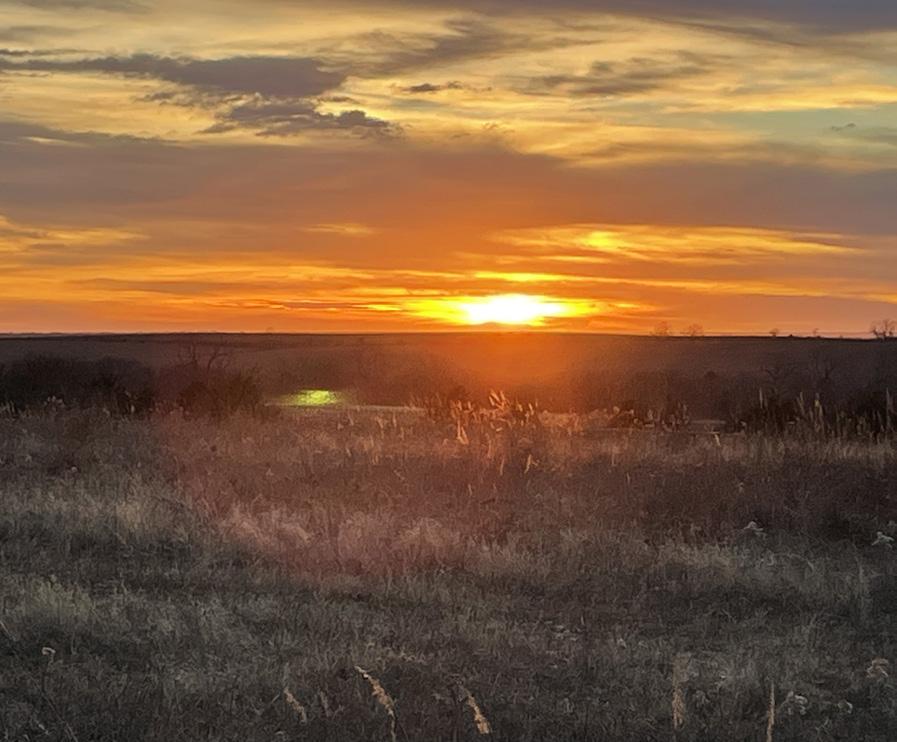
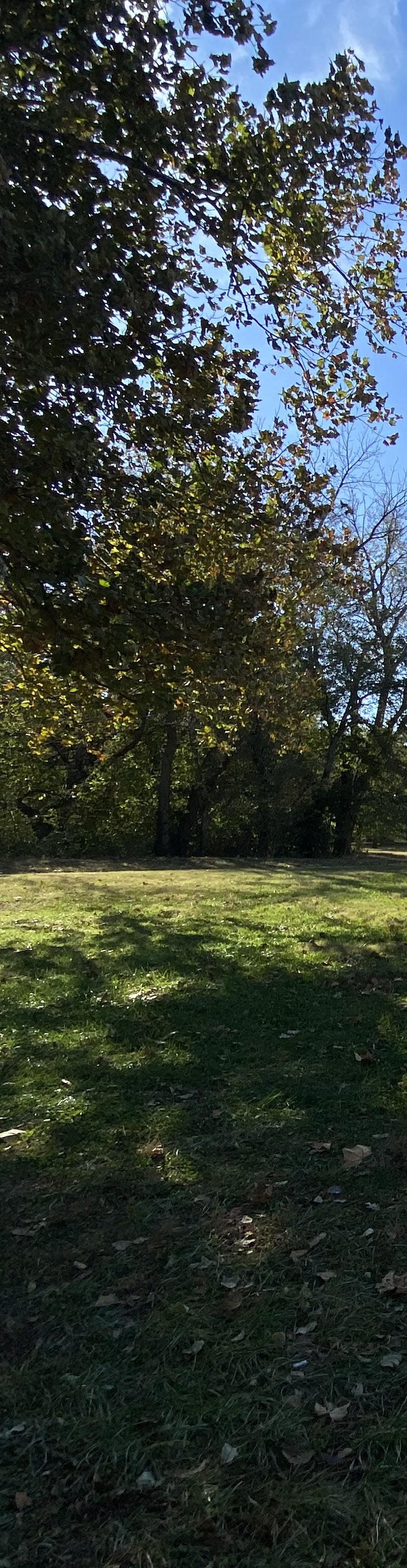
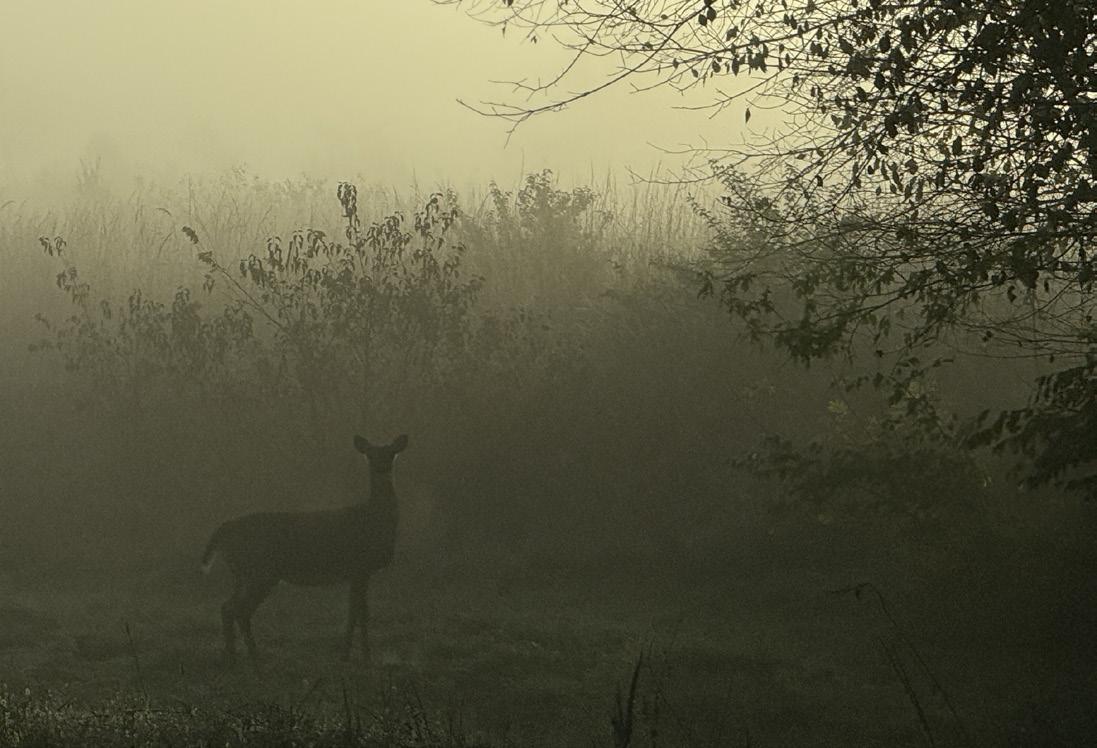

What living on the prairie truly means to those who call Kansas home.
Story by Anushma Dahal
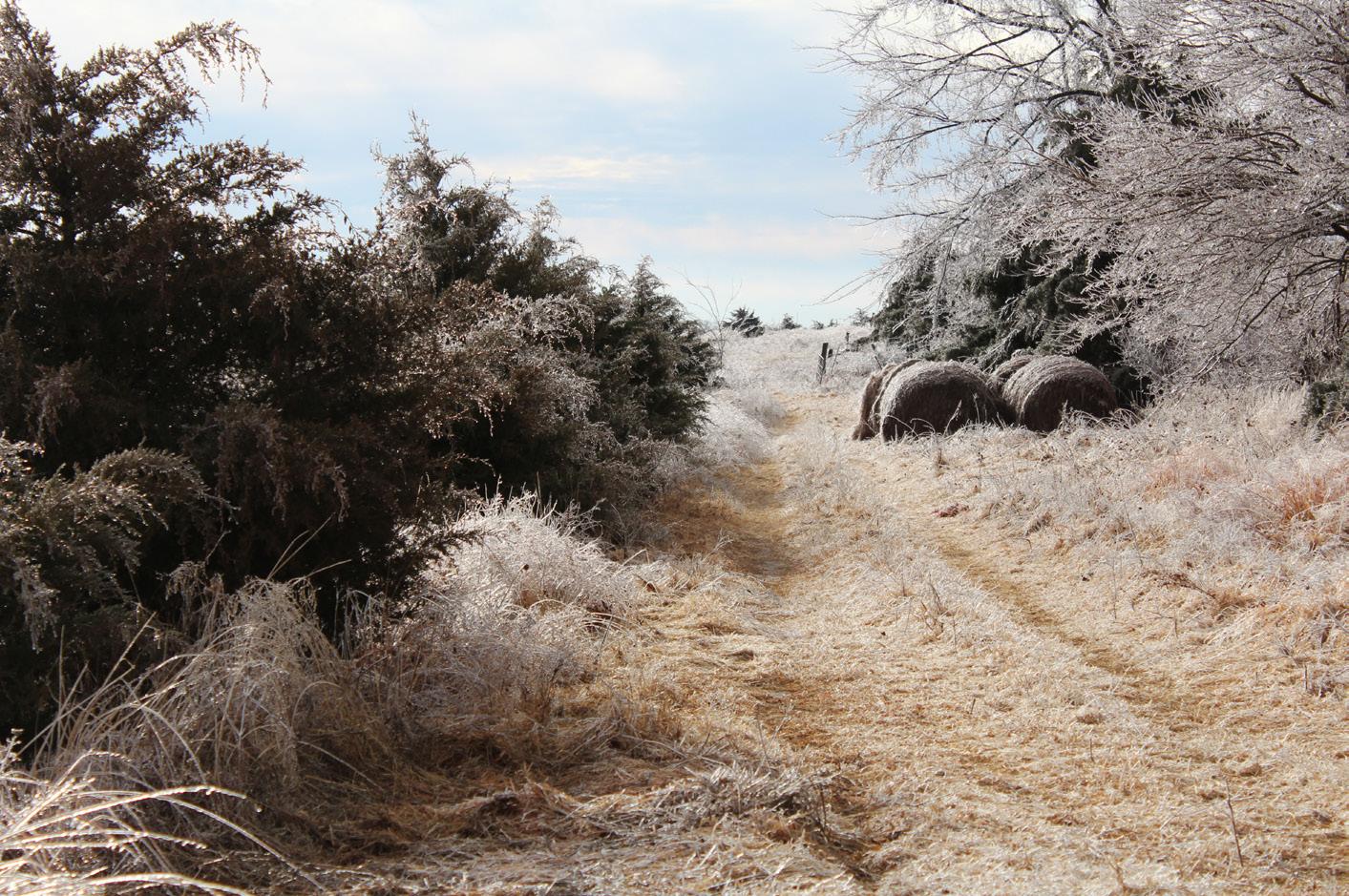
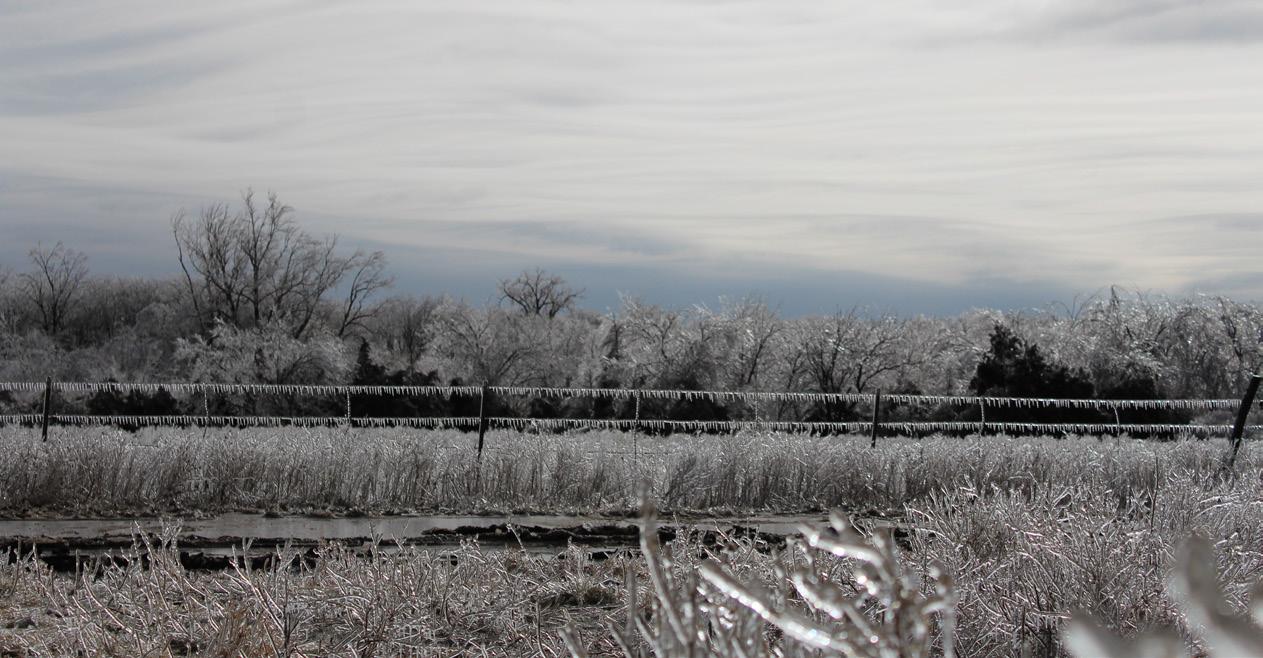
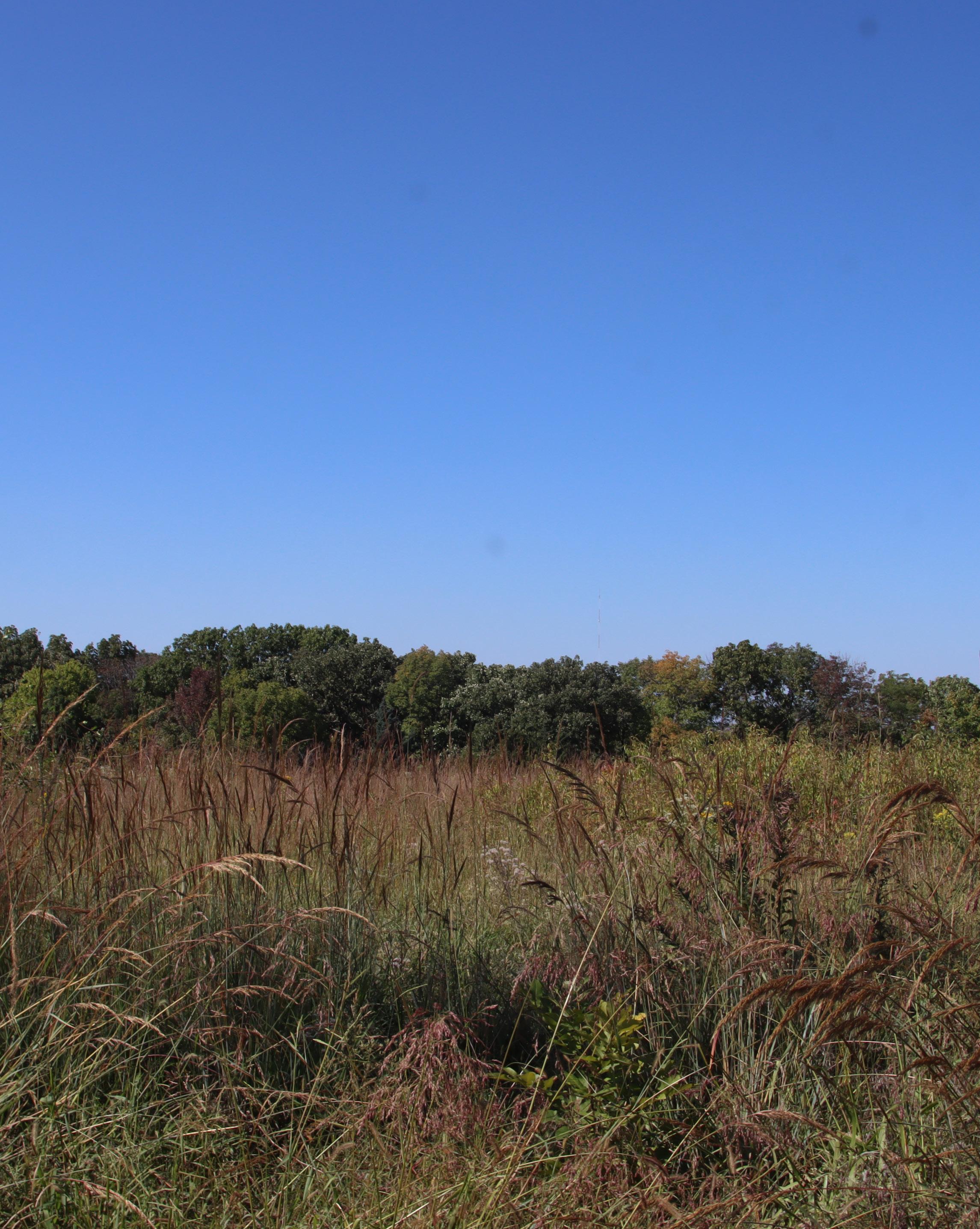
Kansas is a place many people think of as empty or boring — just a flat space in the middle of the country. However, the people who live here see it differently. Kansas has a calm rhythm, like a slow breath under a big sky. Life here often means moving between towns: Topeka, Kansas City, Lawrence and small places in between. The long drives and open roads become a normal part of life. You see fields stretching far in every direction. The sky feels huge and almost endless. Kansas is comfortable. It has a low cost of living, friendly
38• Fall 2025 • Indigo
people and a simple, peaceful way of life. Families stay close and neighbors usually know each other. Things are quiet, but in a steady, comforting way.
Still, Kansas can feel slow. Sometimes there isn’t much to do and the open land can feel repetitive. People sometimes wish for more excitement, like what you find in bigger cities. Regardless, Kansas has its own charm.
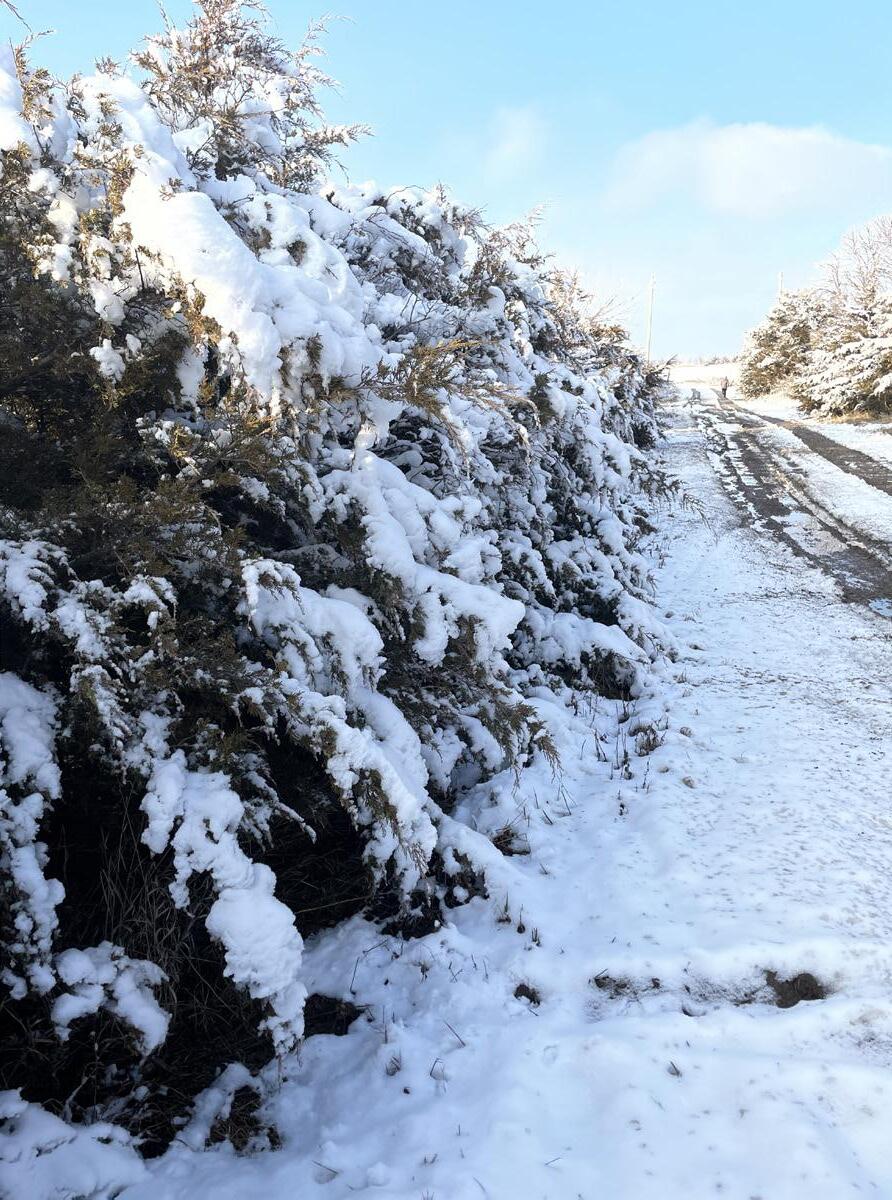
The seasons bring small but meaningful changes. Fall is especially important, when the trees and crops change color and families gather for
Thanksgiving. The whole state feels connected to the land during these times.
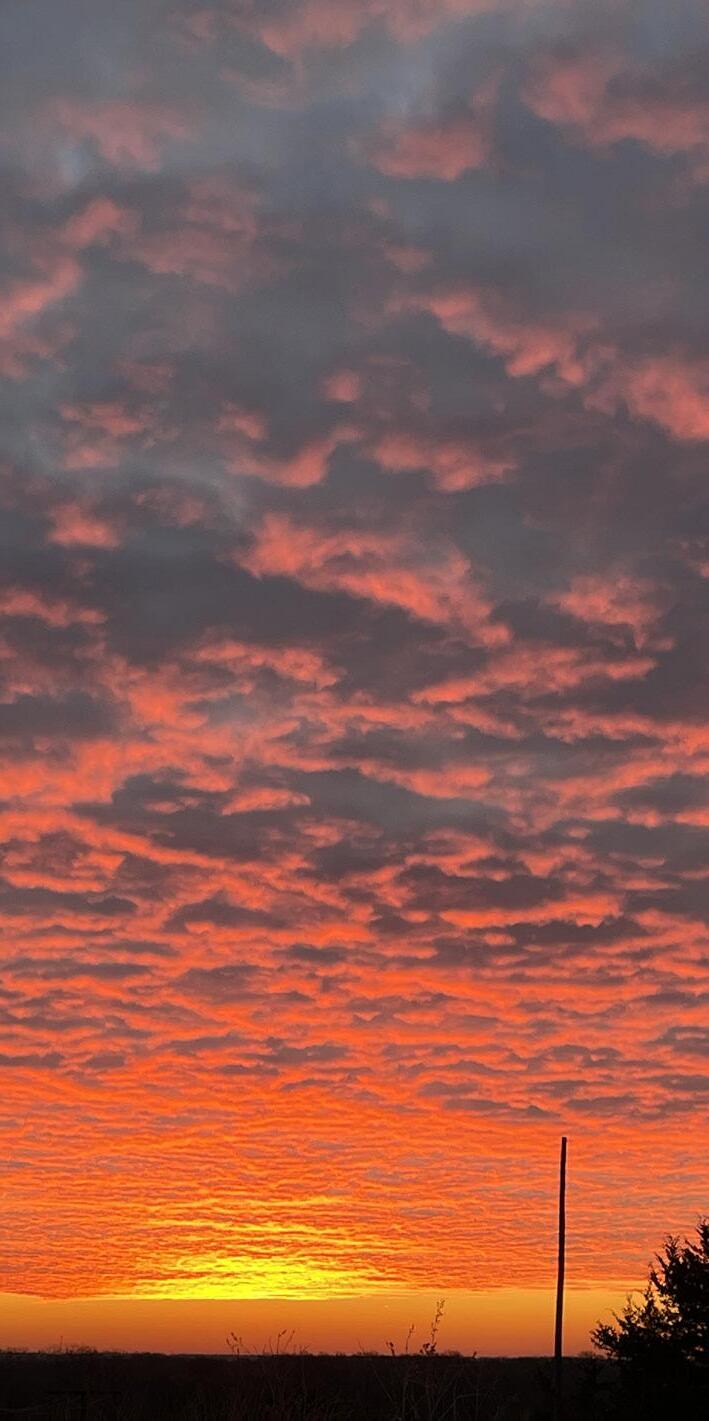
For outsiders, Kansas may seem plain. But for those who live here, the beauty is in the small details: the smell of the farm, the calm wind, the peaceful roads and the signature sunsets. Kansas teaches people to slow down and notice things.
This state isn’t loud or crowded. It’s a place where people can think, rest and grow.
• African American &
African Diaspora Studies
• Artificial Intelligence (AI)
• Cybersecurity
• Game Design
• Great TEXTS
• Kansas Studies
• Latin American, Caribbean

PAIR THESE MINORS WITH ANY WASHBURN MAJOR!
• Sport & Health Psychology
• Sports & Media
• STEM
• Storytelling & Narrative Arts
• Sustainability &
• Technical Communication
• Women’s & Gender Studies Environmental Studies

• Multidisciplinary Studies
• Museum & Curatorial Studies
• Peace, Justice & & Latino/a Studies Conflict-Resolution Studies
LEARN MORE!

WHY CHOOSE AN INTERDISCIPLINARY MINOR OR CERTIFICATE?
• Pursue your passions by taking courses from multiple disciplines.
• Experience travel, service, creative projects or conferences.
• Broaden your understanding of the world.
• Stand out to employers and graduate programs.


Living in Kansas is certainly full of surprises, from its ever-changing weather patterns to the small moments that shape everyday routines. It’s unwise to leave without a light jacket and possibly an umbrella even on the warmest, sunniest days of the year. At the same time, life in Kansas has many consistencies that give the residents the comfort they rely on.
Home-cooked midwestern meals are a consistent occurrence. These meals o er comfort and restoration after long days of hard work. For some work is a day in the hot sun or

cold wind; for others, it means long days in an o ce taxing the eyes and mind from the computer screens.
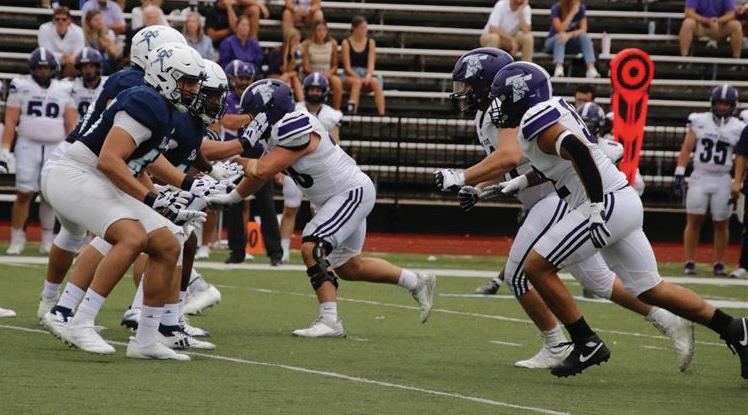
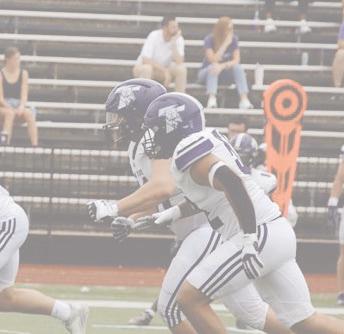
After a hard day of work people often embrace comfort in many di erent ways. Some might even go to their high school teams football game to see friends, watch football and eat concession food for a night.
There is a charm to living in Kansas that keeps residents stationary. Both the expected and unexpected occurrences keep people on their toes and ready for the challenge of a new day.





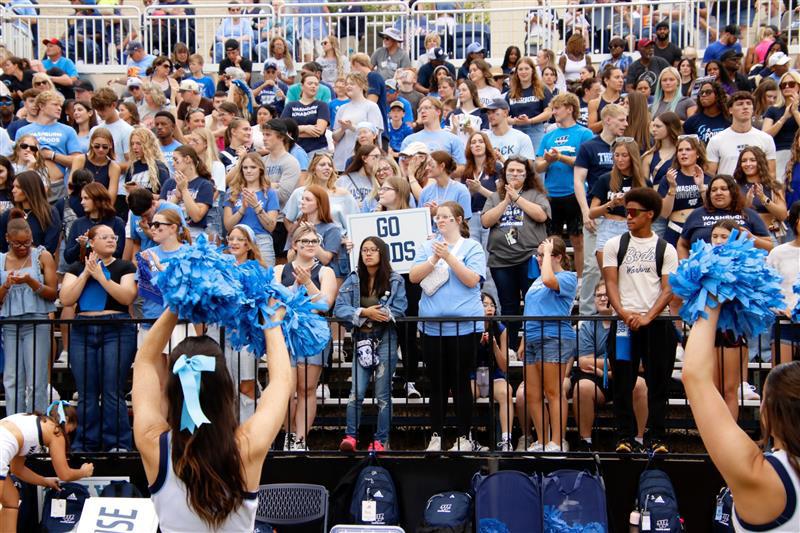
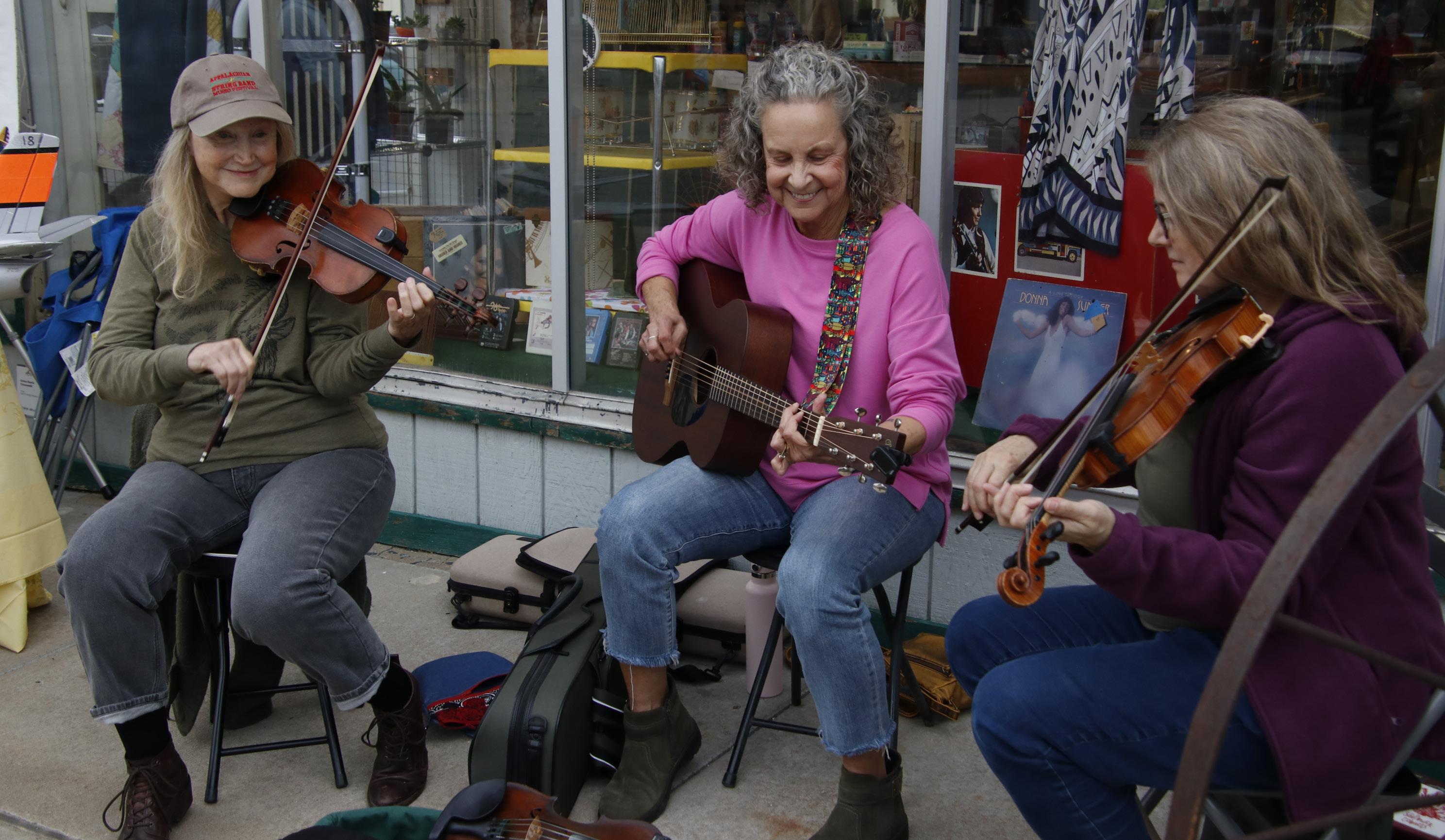
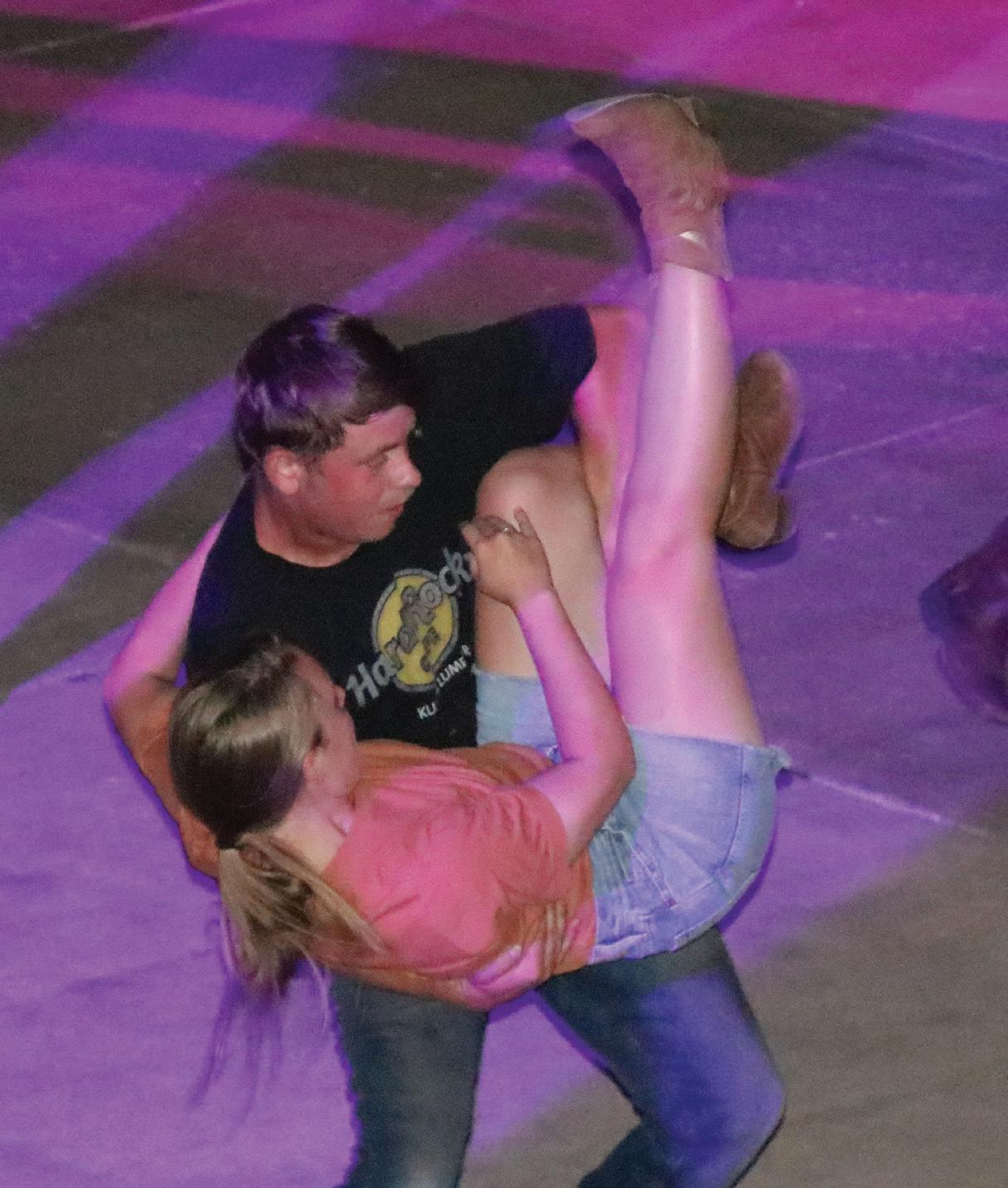
Christian Challenge partners with Swing Dancing club to host a dance party. People of all ages enjoy dancing every now and then. Some varieties of popular dances in Kansas are line dancing, swing dancing, square dancing and others.

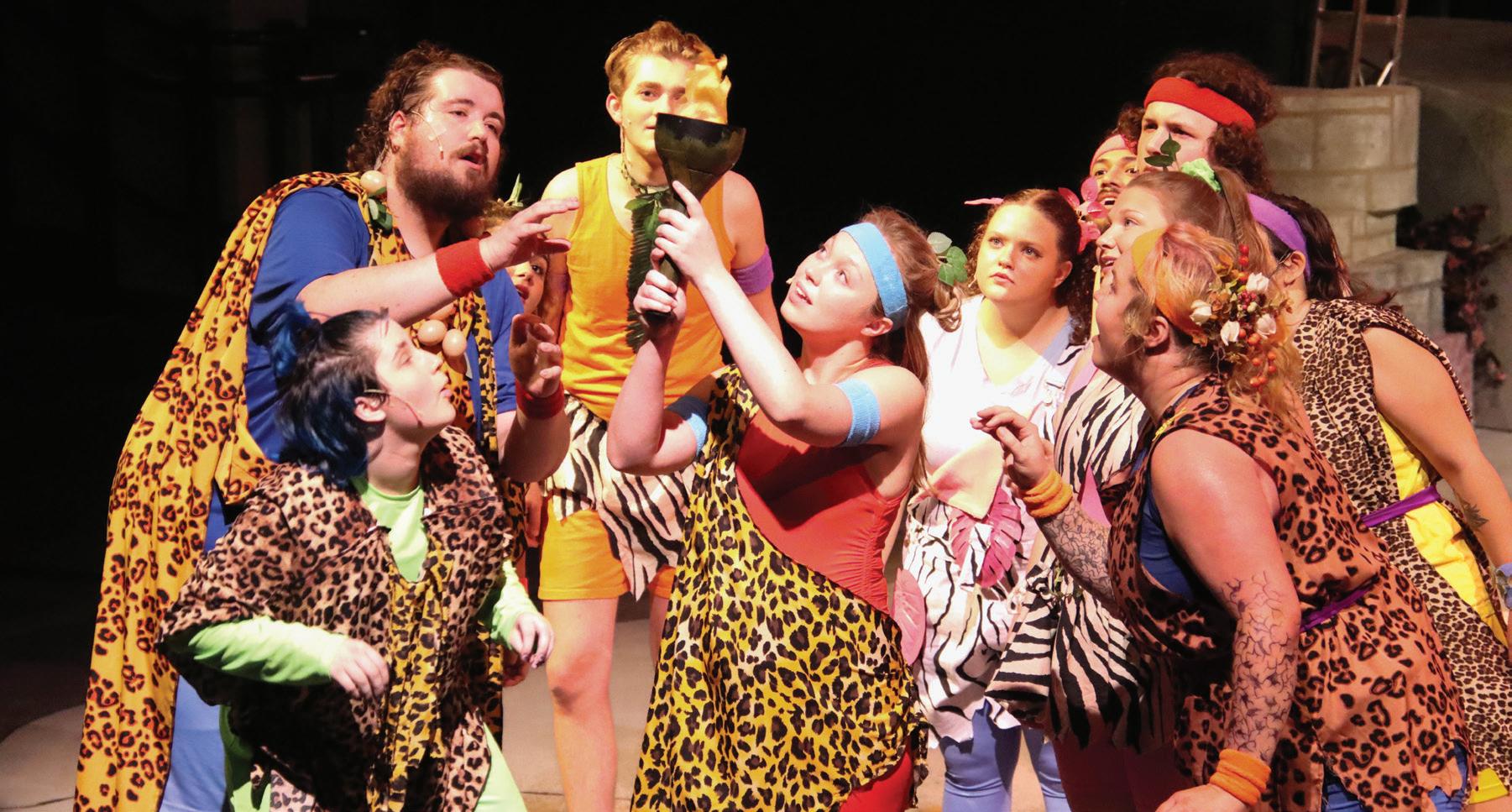



a play hosted

Plays are a way for people to watch a show they can connect directly with because they know some actors.
Reporting by Rubina Ghimire
Park City PRCA Rodeo
Jan. 23–Jan.24, Park City, Kan. Park City will host PRCA athletes for a rodeo. An opportunity to watch the battle of the bulls and riders first hand.
Equifest 2026
Jan. 23–Jan. 25, Topeka, Kan. Experience various displays of horse power, educational guests and hundreds of vendors for all your equine and western needs.
Topeka LEGO Brick Convention
Feb. 21–Feb. 22, Topeka, Kan. LEGO fans from across town will join in on the fun. The event will bring together creative minds for a new experience.
2026 Topeka Home Show
Feb. 27–March 1, Topeka, Kan. View various exhibitions of home improvement products and renovations in one space.
The Harlem Globetrotters 100 Year Tour
March 20, Topeka, Kan. The Harlem Globetrotters will play against the Washington Generals at the Stormont Vail Events Center.
Tulip Time
April 10–April 26, Topeka, Kan.
Old Prairie Town, Ted Ensley, and Gage parks will have a variety of tulips in full bloom. A great chance to take fun photos with friends and family.
Wichita Riverfest
May 29–June 6, Wichita, Kan. Music, food, games, helicopter rides and water races. Riverfest has been active for 50 years. Come to spend time with family and friends at what is considered the biggest outdoor party in Kansas.
Biking Across Kansas
June 6—June 13, Johnson City, Kan.
Dust off your bike and ride 500 miles across Kansas over an eight day period.
Great Ideas in Education Conference
July 27—July 29, Wichita, Kan. Educators from across the state come together to listen to speakers, join in on workshops, network and showcase products.
Huff 'n Puff Hot Air Balloon Rally
Sept. 5–Sept. 7, Topeka, Kan. Hot air balloons take to the skies in the mornings and evenings that the rally takes place. There will also be a glow session to display
balloons colors. Kansas State Fair
Sept. 11–Sept.20, Hutchiston, Kan.
View projects created by locals from across the state. There will be displays, food and carnival rides.
Walnut Valley Festival
Sept. 16–Sept.20, Winfield, Kan. The event will have music stages, competitions and camping available.
Oztoberfest
October, Wamego, Kan. Love the Wizard of Oz movies? Come to Oztoberfest in Wamego to celebrate the movie about the girl from Kansas.
Kansas Comic Con
Oct. 31–Nov. 1, Wichita, Kan. Join in on a costume contest, Q&As with featured stars, gaming and more. There will be vendors present to buy t-shirts, comic books, swords and art. There will also be displays devoted to fandoms and franchises.
Topeka Zoo Lights
December, Topeka, Kan. Enjoy christmas light displays with friends and families at the Topeka Zoo.











Designed by: Malik Arafat
Story by Malik Arafat
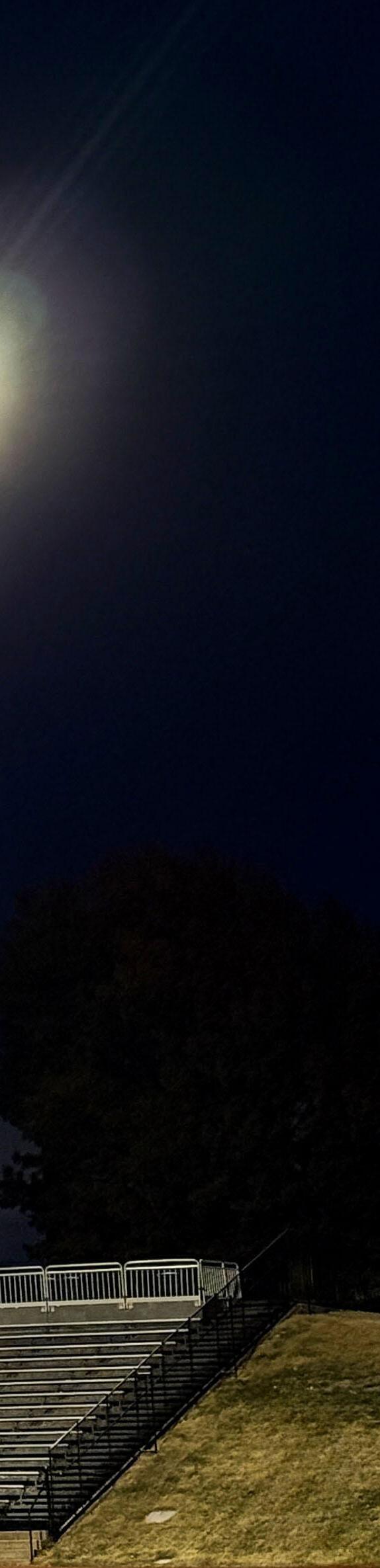
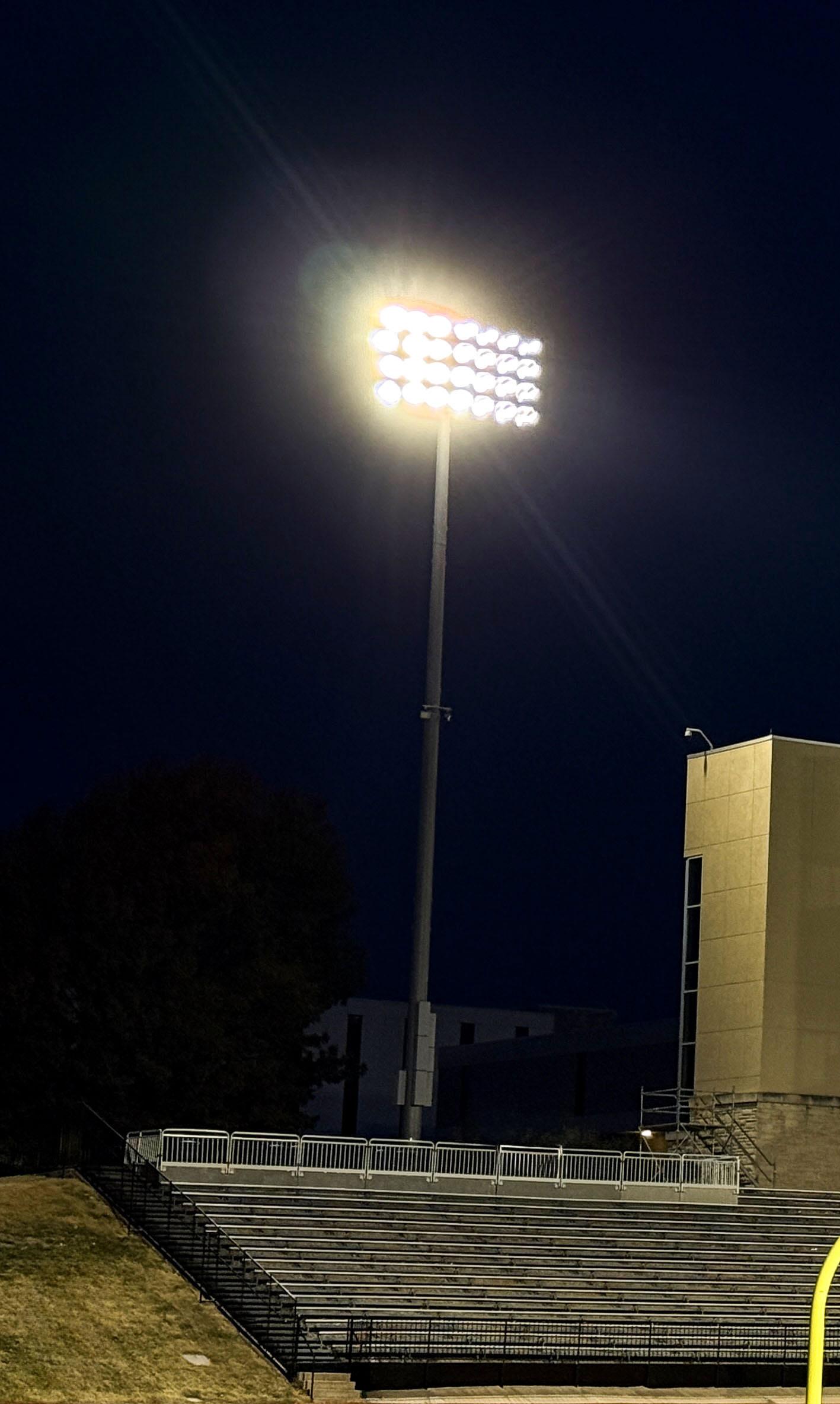
Throughout my time at Topeka West, I attended every home football game because I played trumpet in the band. Our home games were held at Hummer Sports Park in Topeka. On Friday nights, the band played fight songs, cheer songs and the big halftime show. Hummer became a meaningful place to me because of how often I was there.
Being in the band made those nights more enjoyable because, even though I wasn’t a football player, I was still part of the game. Our football team at the time wasn’t the greatest, but that didn’t change my outlook. Senior year, our team was playing better, and the games
naturally became more exciting, no matter which team you were cheering for.
Barry Evans, the Topeka West director of bands, was always on top of everything, watching the game and making sure the band was on standby. Some games, the football team would make a crazy play, and we would perform a cheer song. When our team scored, we played our fight song. Every game left us guessing what the team was going to do next. Were they going to try to steal the ball? Would they go for a touchdown? No one knew. All we knew
was that the games were exciting to watch.
We also joined our fellow students in the spirit team, cheering on our football team.
Some of the cheerleaders would come in front of the band and cheer with us.
However, my favorite part of going to every home game was performing our halftime show. It was a chance to perform for fun, not for competition.
Imagine all the eyes from both teams and the home and away crowds
watching, waiting for you to begin. The spotlights shine down as the band gets into position. You feel the cool instrument in your hands, the chilly autumn breeze and hear the quiet chatter of the crowd right before the announcer introduces the band and the show being performed.
Once the drum majors start conducting, you hear only instruments. After the first movement ends, the crowd begins cheering, but you know it’s not over. There’s more to perform.
The music came naturally after
rehearsing it numerous times, but during my senior year, I kept track of high Cs, scared of messing up and playing that detrimental, embarrassing and distinctly jarring sound.
At the end of the final movement, the crowd roars in applause as you remain in final position, waiting for the drumline to play you off the field.
During those shows, I counted the steps in my head and made sure I wasn’t bouncing, but most importantly, I always kept my eyes on the drum major to maintain my tempo.
Reflecting on those Friday
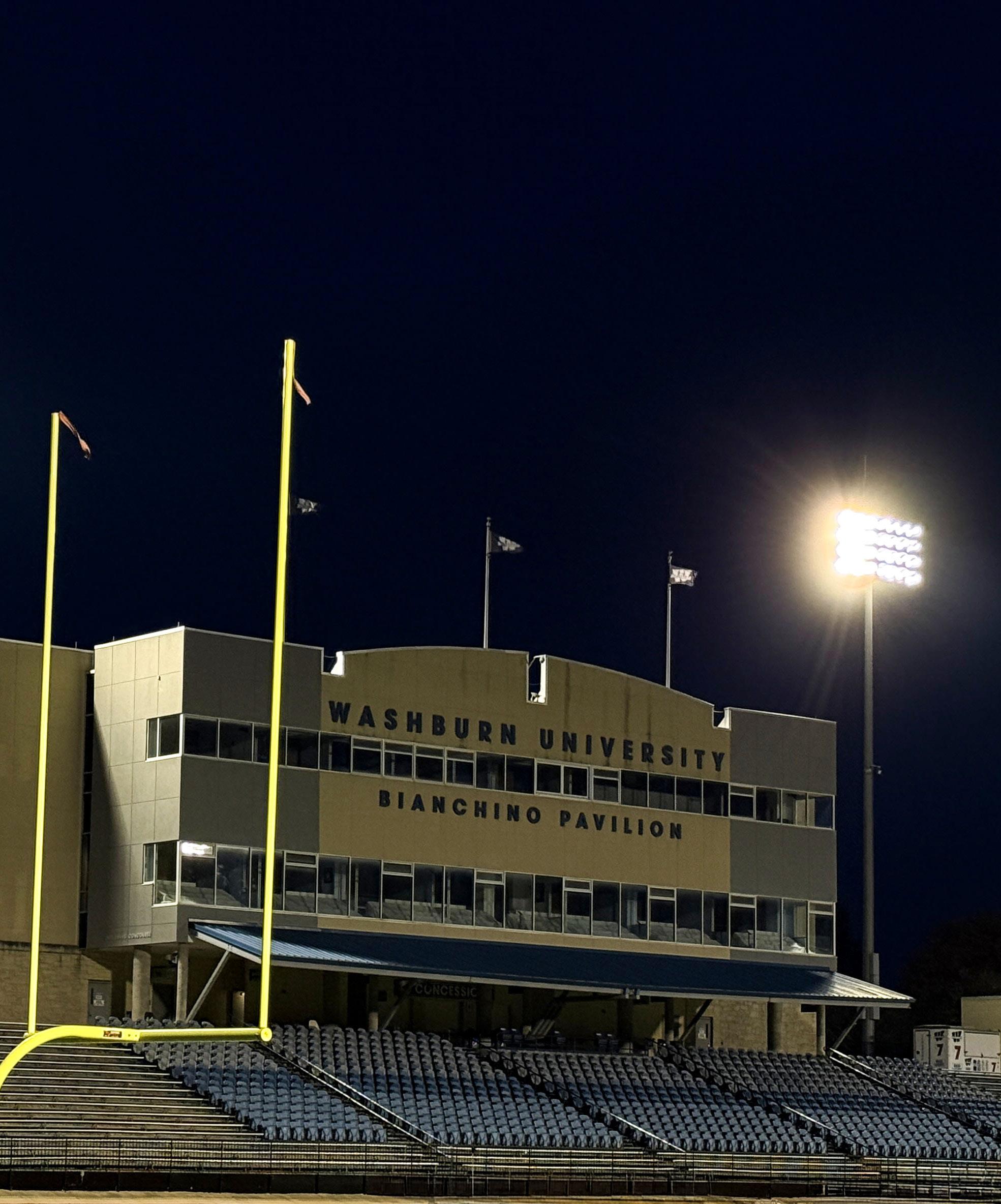

Yager Stadium sits empty as the lights shine down onto the field. Topeka West and other high school bands perform in front of judges at Yager toward the beginning of the marching season.
night football performances reminds me why marching band was so special to me.
Reporting by Jaema Bordelon
Samantha
Henderson - Freshman Nursing
"A sweatshirt, because it's always different weather between the hours."
Ira
Tiongson - Sophomore Political Science
"My phone because it has all my contacts and information that I need throughout the day."
Brennen Ross - Sophomore Political Science
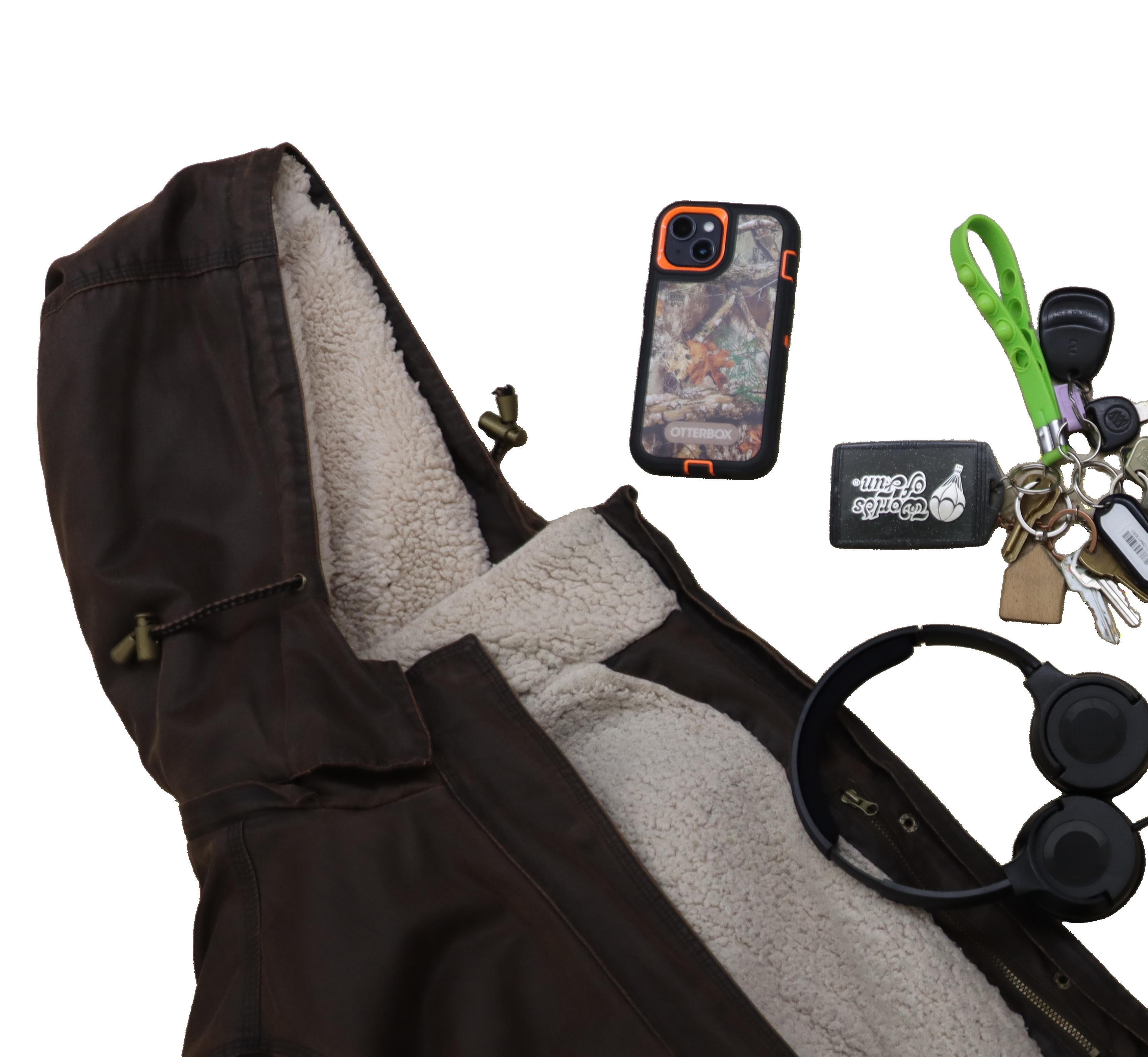
"Your keys, because you can't get anywhere in Kansas without a car. It's terribly unwalkable."
Nabeel Adem - Sophomore Biology
"My headphones because I can't live without music [and] I would never leave [the house] without deodorant."
Gavin Ahrens - Freshman Exploratory
"The only thing I can really think of is not really a physical item but it’s more preparation: that whatever I saw the weather might be, it probably isn't."
Maddisan Bowleg - Junior Marketing Data Analytics and Management
"Hand sanitizer, because we touch a lot of things."
Logan Wadley - Junior Computer Information Science
"A
hat. It's bright in Kansas."
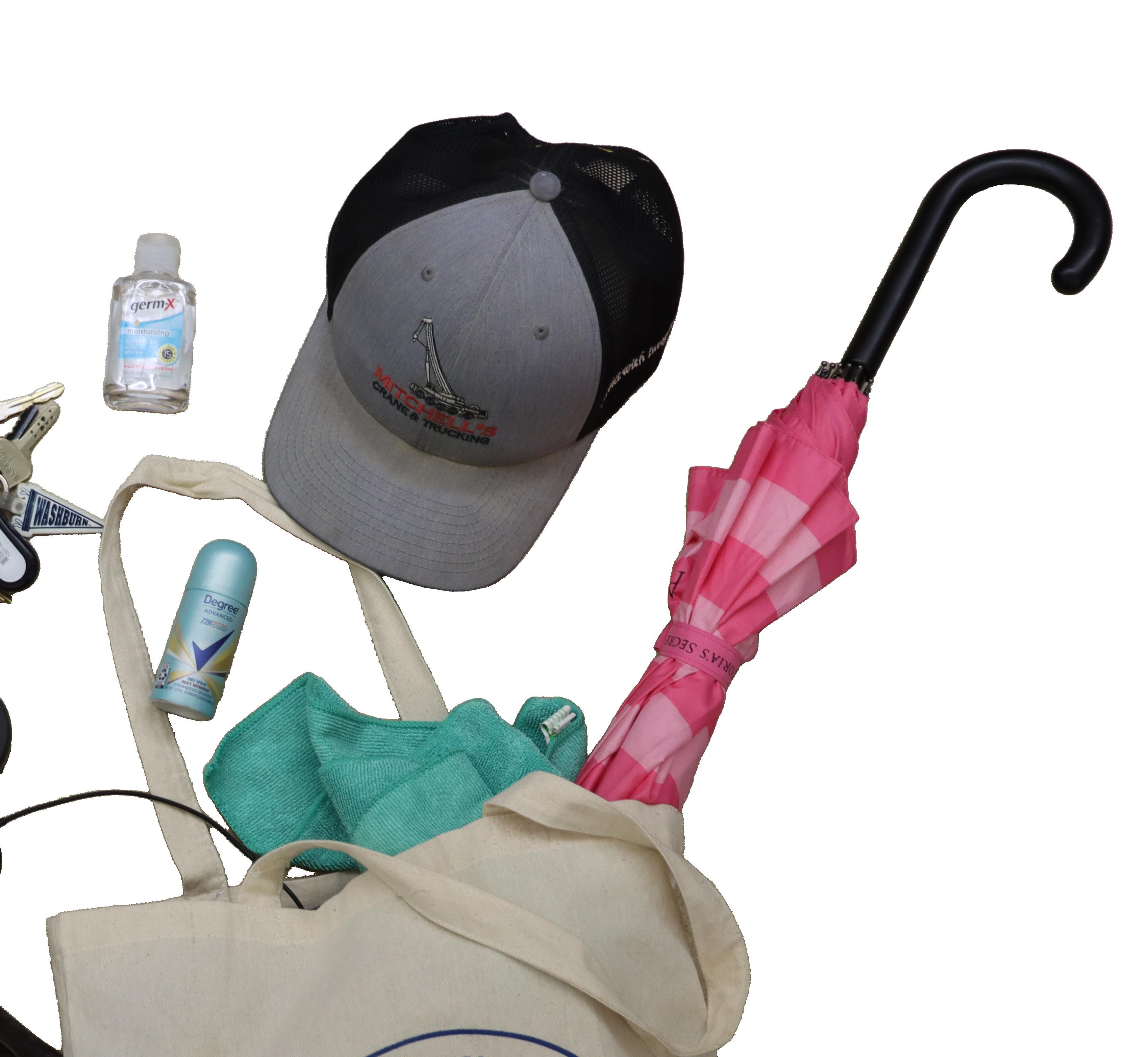
Kailey Hill - Senior Psychology
"An umbrella, because you never know what the weather is going to be like."
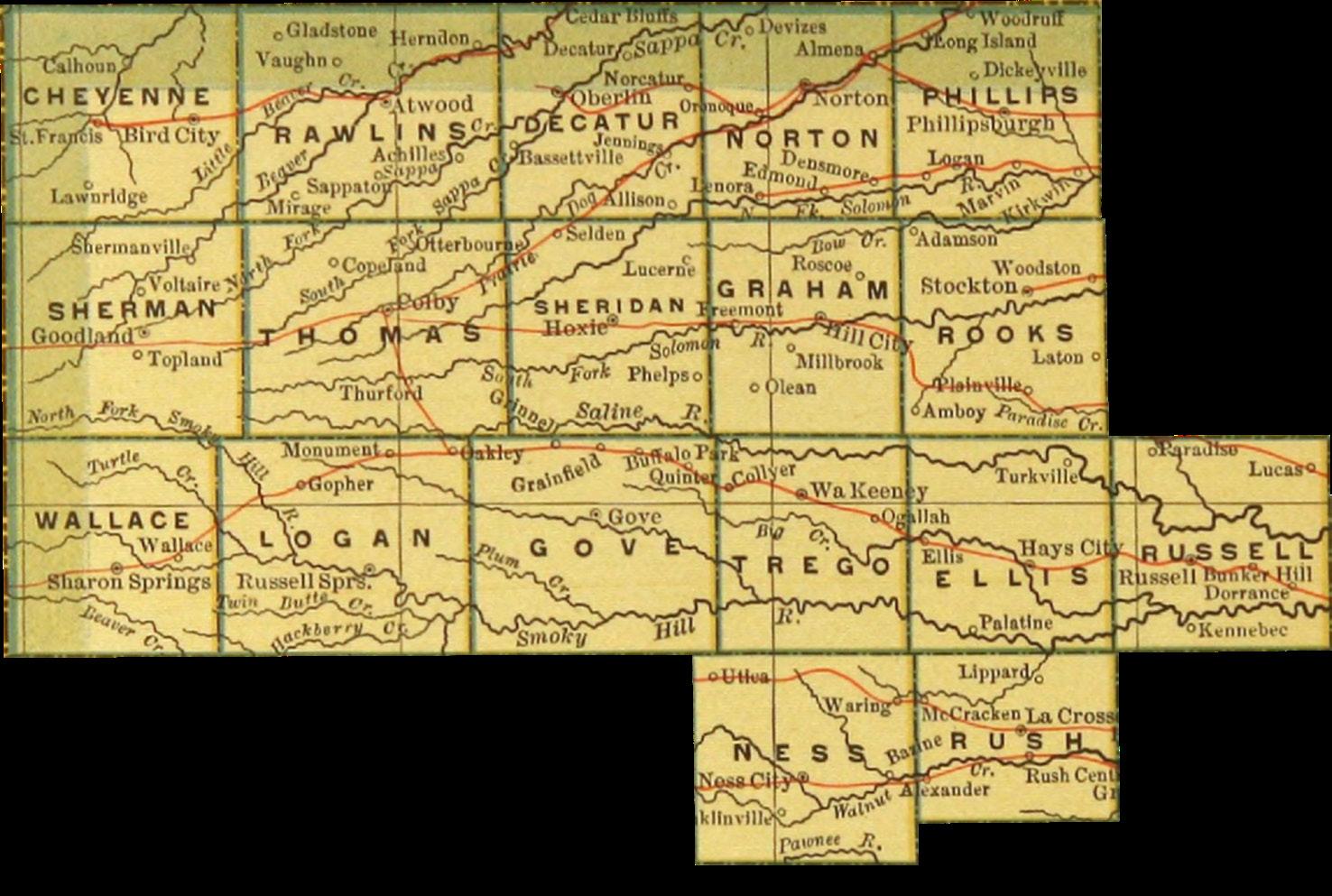
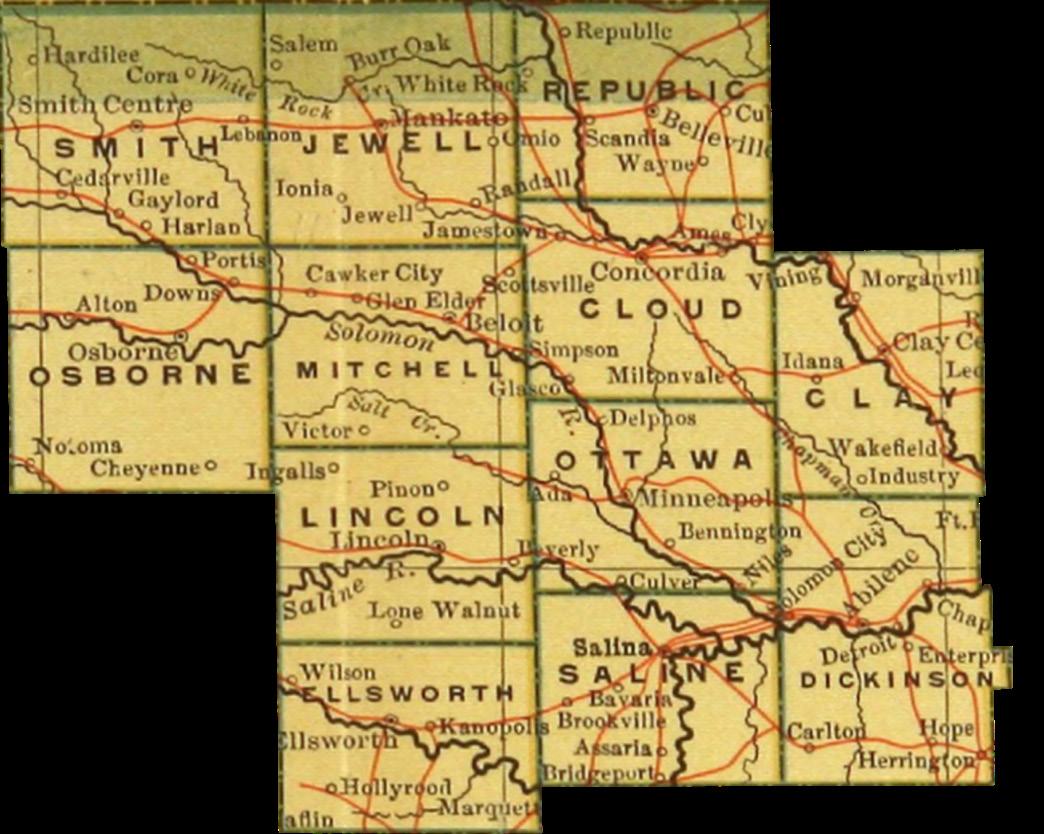
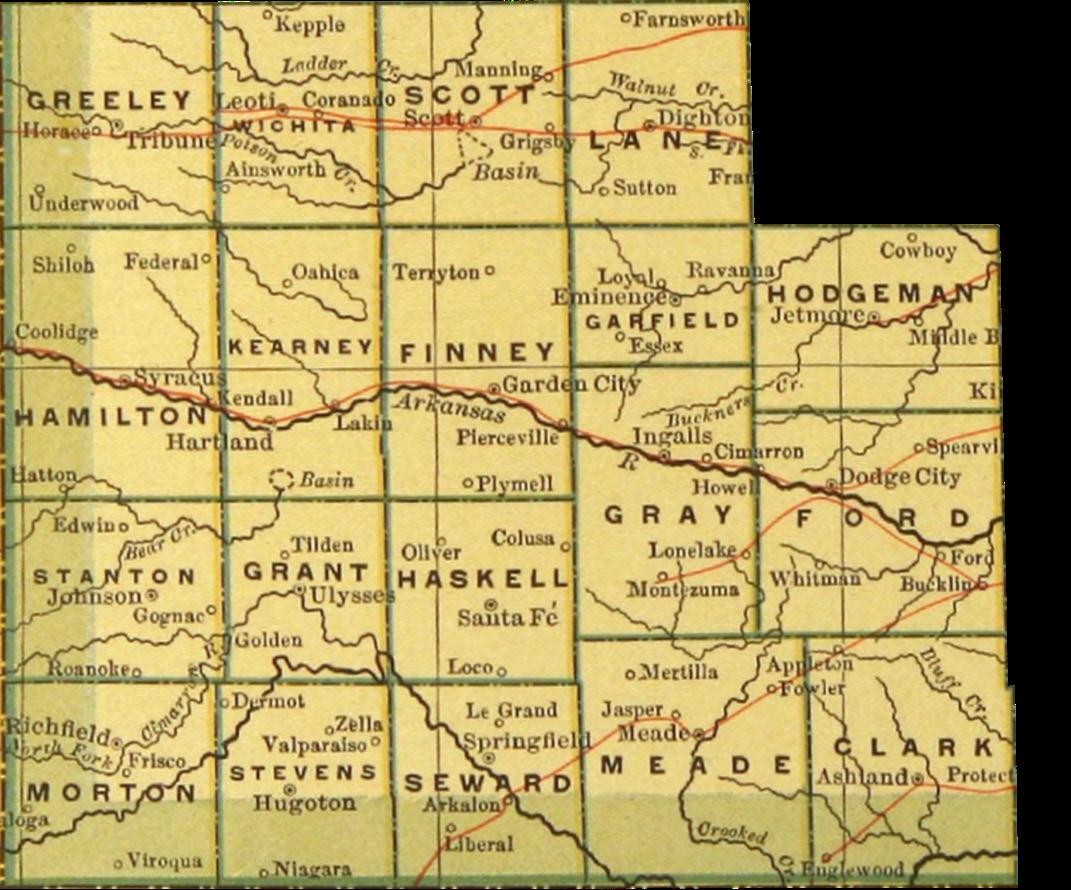
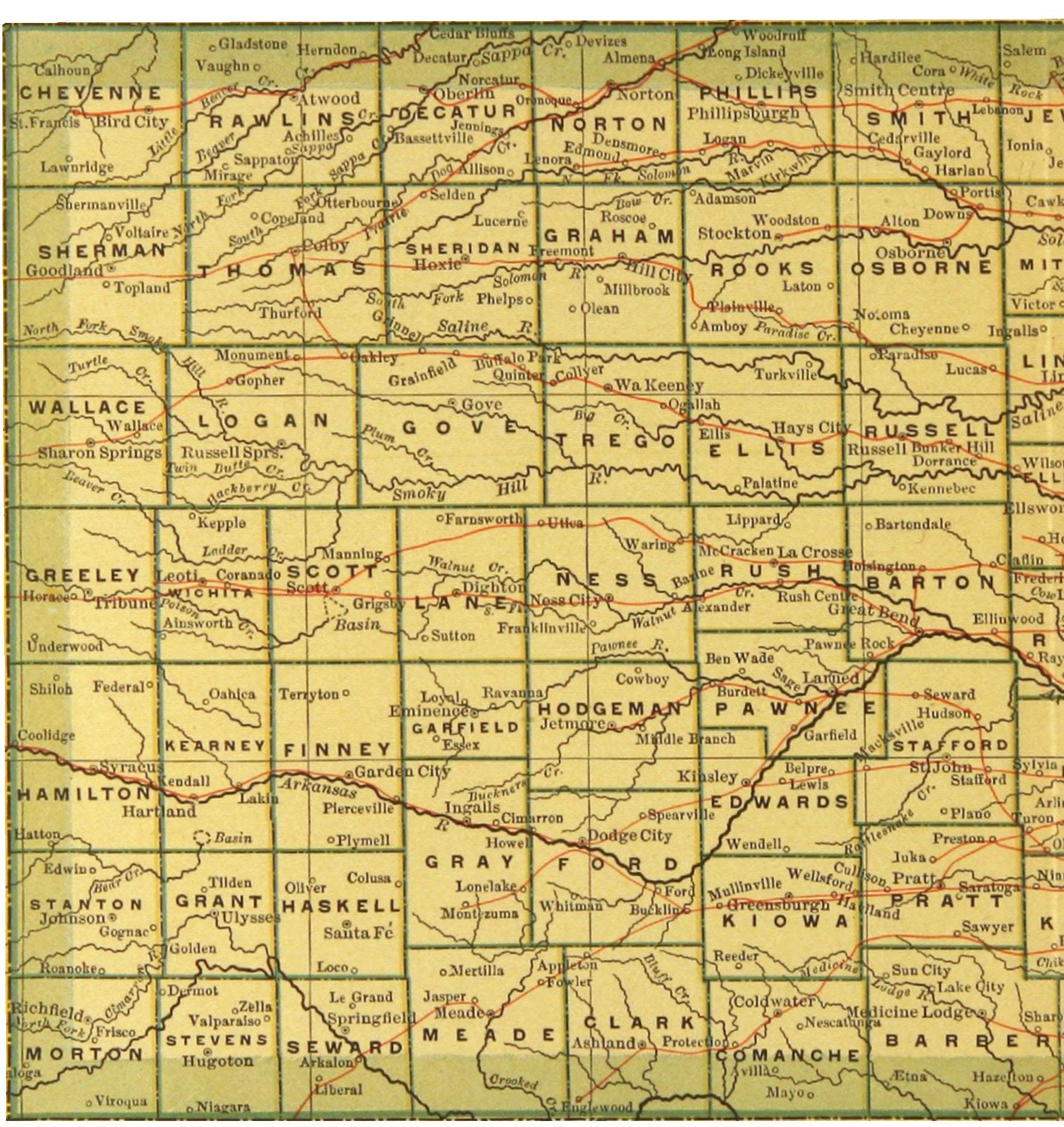
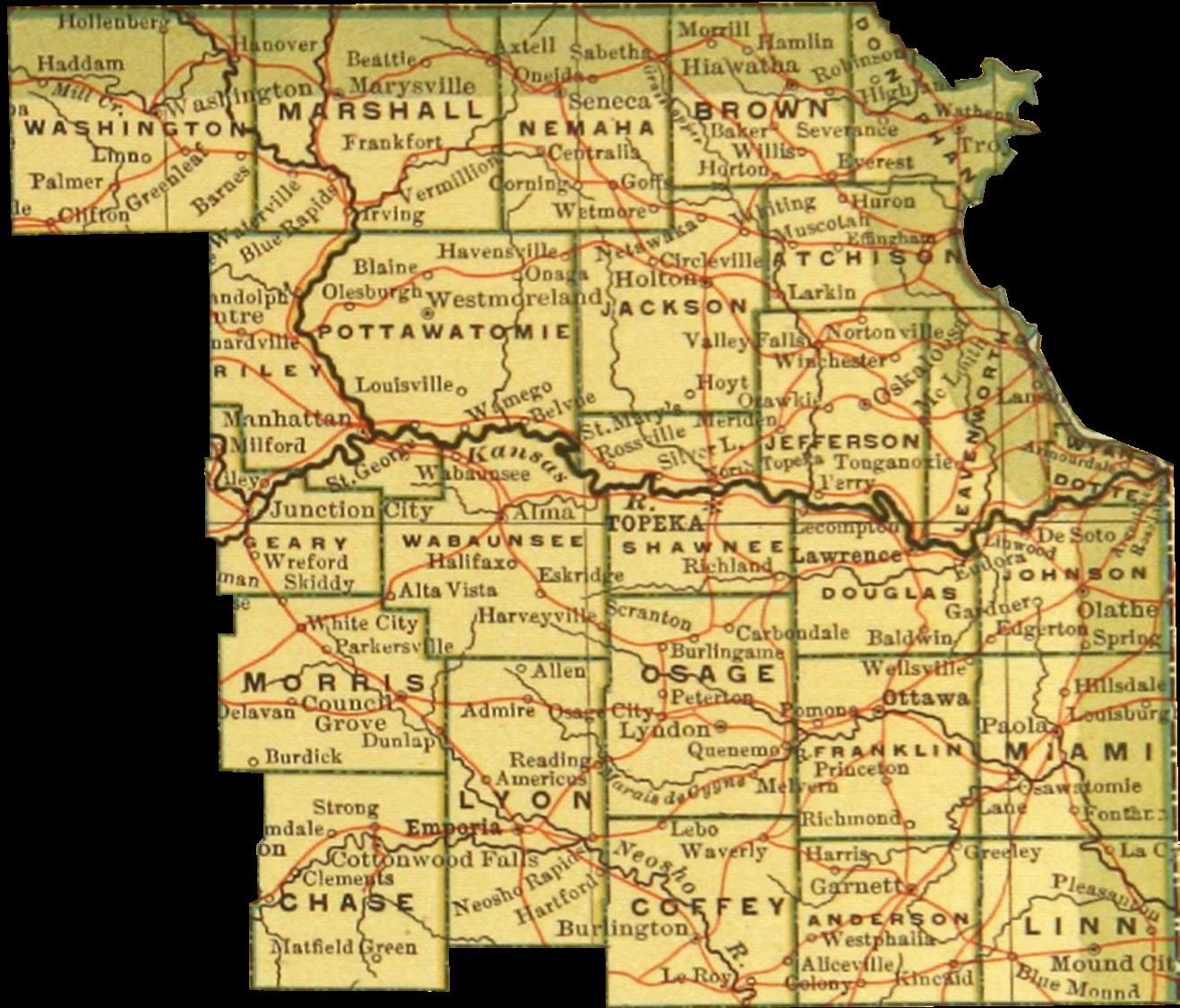
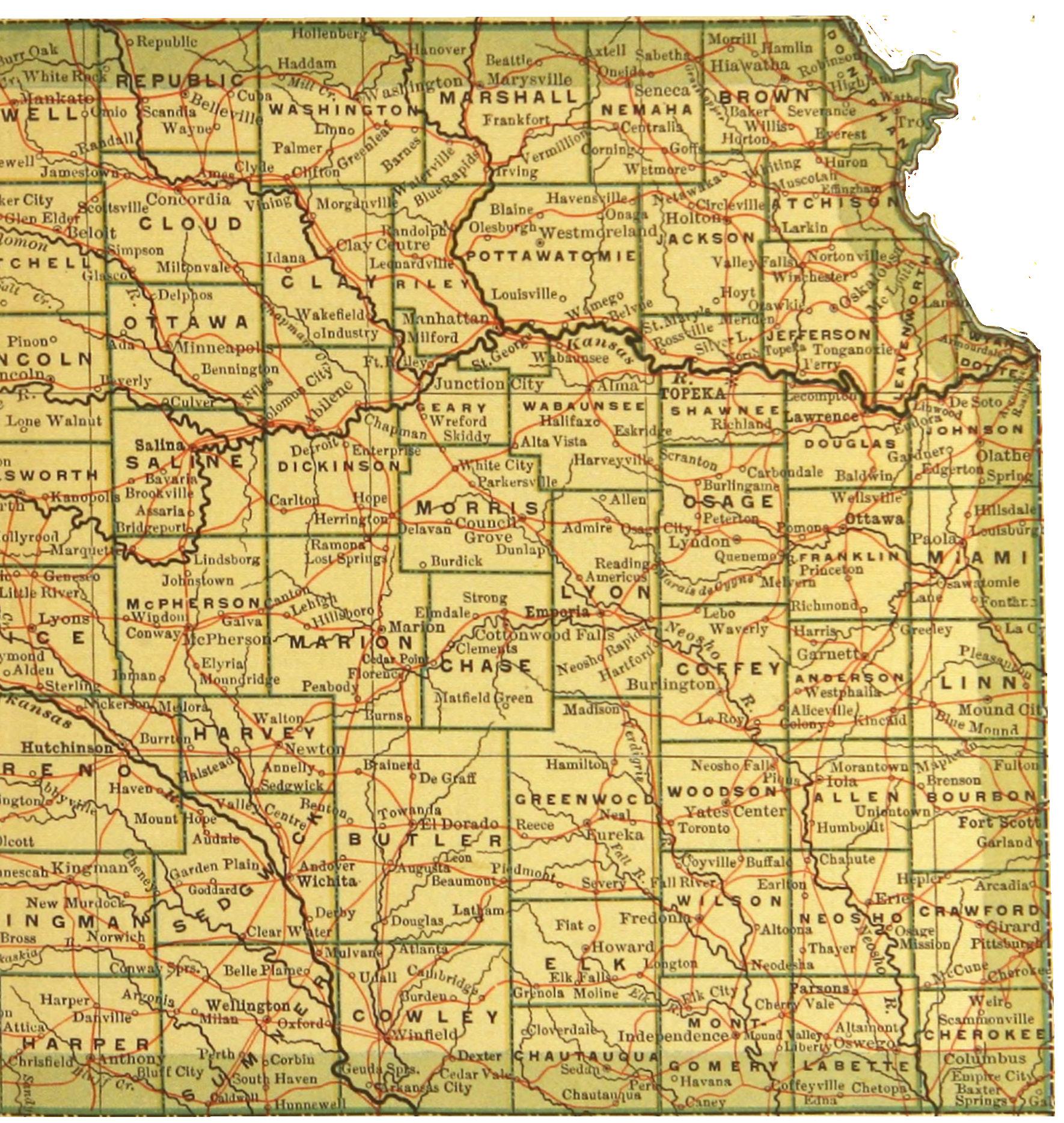
take a roadtrip ACROSS
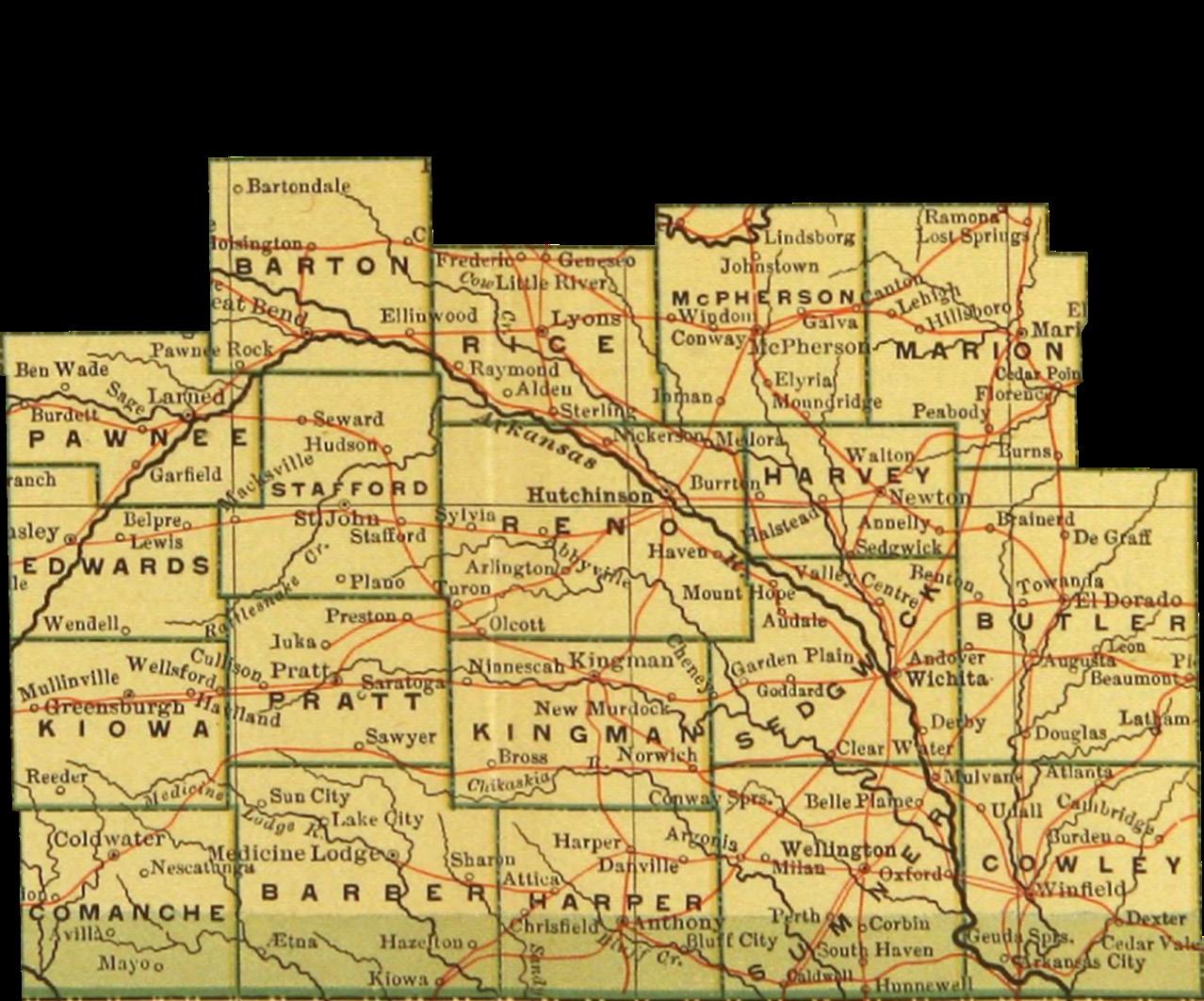
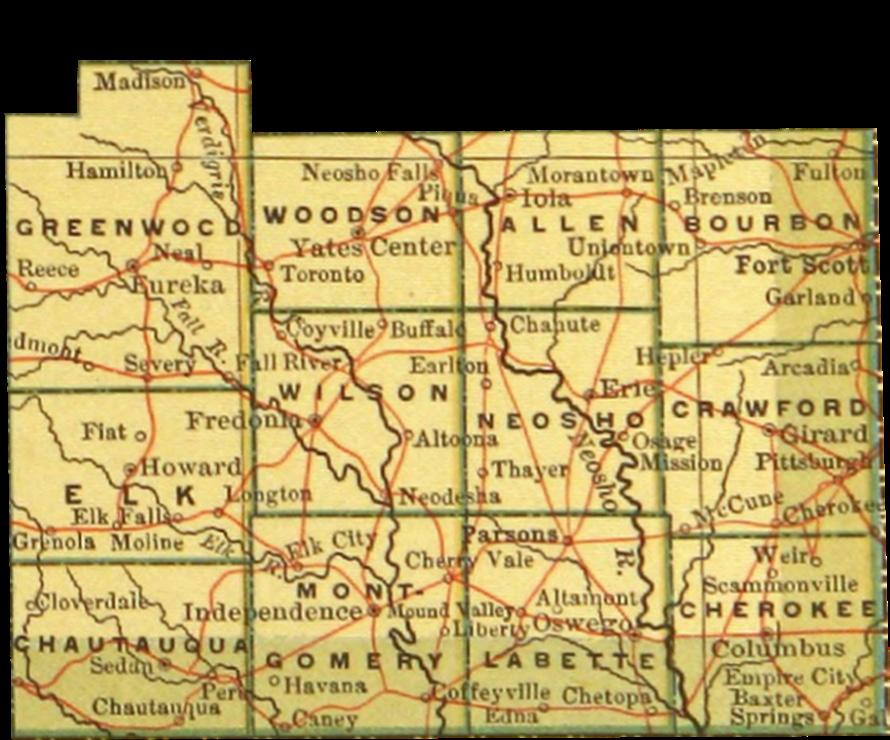


Arikaree Breaks - Cheyenne County
Mount Sunflower - Wallace County
Fick Fossil and History Museum - Oakley
Monument Rocks - Gove County
Nicodemus - Graham County
Cathedral of the PlainsVictoria
Garden of Eden - Lucas
World's Largest Ball of TwineCawker City
WWII German Pow Camp Museum - Concordia
Lincoln County Historical Museum - Lincoln
Dwight D. Eisenhower
Presidential Library - Abilene
Mushroom State ParkBrookville
Rolling Hills Zoo - Salina
Cozy Inn - Salina
El Quartelejo Museum - Scott City
Battle of Punished Woman's Fork - Scott City
Sand Dune Park - Syracuse
Boot Hill Museum - Dodge City
Dalton Gang Hideout - Meade
Big Well - Greensburg
Fort Larned National Historic Site - Larned
Strataca Underground Salt Museum - Hutchison
Cosmosphere - Hutchison
Tanganyika Wildlife ParkGoddard
Keeper of the PlainsWichita
KS Oil Museum - El Dorado
Brown Mansion - Coffeyville
Little House on the Prarie Museum - Independence
Big Brutus - West Mineral
Bowlus Fine Arts - Iola
Fort Scott National
Historic Site - Fort Scott
Marais des Cygnes
Wildlife Refuge - Pleasanton
Kansas Speedway - Kansas City
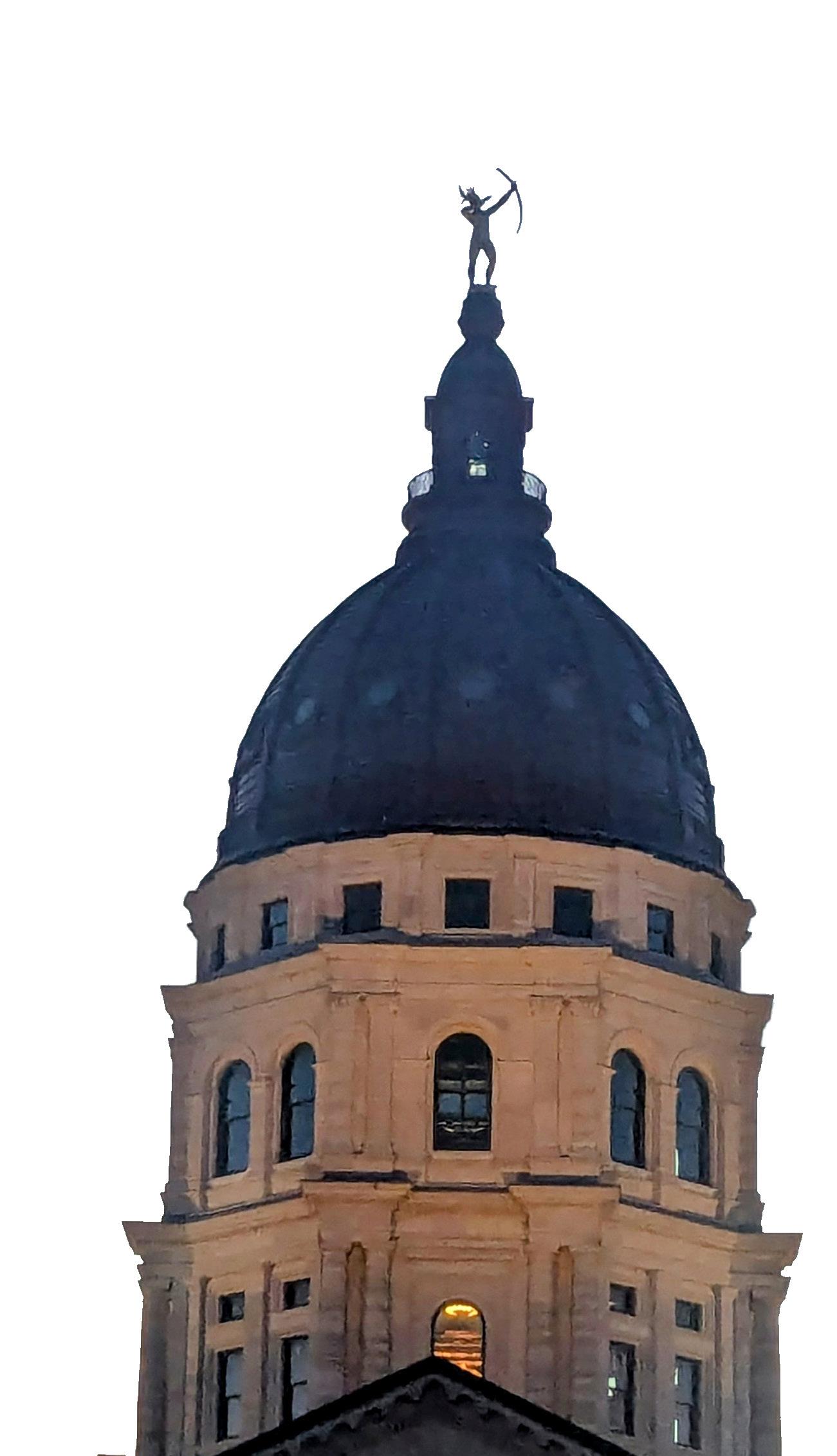
Kansas State Capitol Building - Topeka
Alma Creamery - Alma
Oz Museum - Wamego
Stor y by Jaema B ordelon
When making the
an exciting adventure, like a hike, it is crucial to be well prepared and well packed. This guide will help you prepare for wherever the trail leads!

REI.com says you should bring 16 oz of water per hour of hiking.
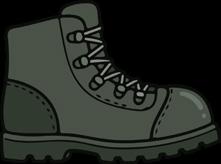
Wear protective shoes with good support.
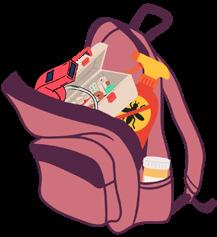

Medicine, bug spray, bandages, whistle and other essentials.

Flint Hills Discovery CenterManhattan
Hat, sunglasses, a breathable long sleeve shirt and pants to protect from UV rays.
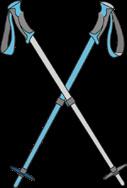
For balance on tough terrain.
For safety, take a friend or tell a friend where you are going and when you will be back.

Topeka is full of local sellers that call this city their home. Read about who they are and how they came to be in Kansas's capital city.
Reporting by Eden Conrad
Chef's Kiss Ristorante
Dustin Pfamatter, co-owner of Chef's Kiss Ristorante: " I and my best friend Kelli...[have] been best friends for a decade, and we used to travel a lot,. Everywhere we went, we looked for a great little Italian hole in the wall family owned restaurant. That's where you can traditionally get really good food. What we found out was that there really wasn't a place like that in Topeka, so we decided to come home and open our own."
Tarwater Farm & Home Supply
Rick Huffman: "Tarwater [was] started in 1978 [by Dick Tarwater.]. We're now in our third generation of family ownership...The store started out very small...in an old gas station. It was a limestone rock building and we've been very blessed as we've grown. Our motto is: Quality products for quality people."
Paisano's Ristorante
"The word Paisano means friend. We were established in 91...Since then, we've been through two different owners...and we continue to make some of the same from scratch Italian food that Topeka has been accustomed to for the past 34 years."
Cafe Barnabas
Kevin Christiainsen: "Cafe Barnabas grew out of a response to student suicide. Our passion was to connect with kids to hope, using a product that would give us an opportunity for comfortable conversation. 14 years later, we have had over
800 volunteers, 10s of 1000s of comfortable conversations about hope, about peace all over a cup of tea."
Cookies by Gayla
Gayla, owner: "I used to just make cookies for my kids when they were growing up, for their school functions, their carnivals, their parties, and then friends and family started asking me to make them and then it grew into helping neighbors, and I started selling things at the school for bake sales ... '07 I joined the downtown farmers market. And then it grew from there. Then I was no longer doing friends and family. I'm doing customers. In 2012 I believe I had to quit my full time job so I could go full time into cookies. And then we opened the store downstairs [in the Westridge mall] in 2014, moved up here in July.
Foundry & Iron Works
Founded in 1876, Topeka Foundry & Iron Works runs a machine and fabrication shop with services to manage large capacity, high production, processing, welding and fabrication machines to meet customer needs.
More than just a printing and IT services company, Century Business Technologies is a home for knowledgable experts in cybersecurity needs.
Justin Glasglow, owner of Performance Tire & Auto: "For over 75 years we have been serving loyal customers and have been a trusted name in the automotive industry, Performance Tire and Auto is here for you."
Goodell Stratton Edmonds & Palmer LLP
Since its founding in 1881 this law firm has experienced growth and activity in state development. They pride themselves on their involvement with national cases like Brown v. Board of Education as well as their involvement with urban renewal projects.
Cody Foster and David Callanan founded Advisors Excel in 2005. The company's original goal was to shakeup the industry and create a place for financial advisors to have independence. The startup was a success and has built a large background in Topeka. They make an effort to benefit the community they are based in by volunteering regularly and investing in properties to revitalize areas in the city.
Originally opened in Topeka, Kansas by Dr. Mark Morris Sr. when he was helping a blind man's service dog. He created the first veterinarian-prepared food to manage the dogs kidney failure and extend its lifespan. Hill's Pet Nutrition has expanded to become a leader in pet food products.

Designed by: Eden Conrad
1. What is the state amphibian?
A. Italian Wall Lizard
B. Torrent Salamander
C. Barred Tiger Salamander
D. Mudpuppy
2. What is the state reptile?
A. Garter Snake
B. Snapping Turtle
C. Pond Slider
D. Ornate Box Turtle
3. What is the state bird?
A. Blue Jay
B. Meadowlark
C. Whooping Crane
D. Northern Cardinal
4. What is the state animal?
A. Cottontail Rabbit
B. American Bison
C. Coyote
D. Prairie Dog
5. What is the state motto?
A. Ad Astra Per Aspera
B. Esto Perpetua
C. In God We Trust
D. Equality Before the Law
6. When did Kansas become a state?
A. 1869
B. 1876
C. 1861
D. 1854
7. What was the original capital of Kansas?
A. Topeka
B. Wichita and Manhattan
C. Kansas City
D. Lawrence and Lecompton
8. What Kansas court case eliminated "seperate but equal?"
A. Kansas v. Cheever
B. Brown v. Board of Education
C. Atchison, T. & S.F.R Co v. United States
D. Williams v. Board of Education
9. Where did the name Topeka come from?
A. Kansa-Osage language
B. Lenape Native Americans
C. Latin
D. Potawatomi Native
Americans
10. Who was John Brown?
A. Governor
B. Abolitionist
C. Railroad Worker
D. Army General
11. What movie was NOT filmed in Kansas?
A. Paper Moon
B. In Cold Blood
C. The Wizard of Oz
D. The Day After
12. Which fictional character is NOT from Kansas?
A. Dorothy
B. Clark Kent
C. Marmaduke
D. The Flash
13. Which pizza chain started in Kansas?
A. Dominos
B. Papa John's
C. Pizza Hut
D. Little Ceaser's
14. How many cows are there per person in Kansas?
A. 2 per person
B. 4 per person
C. 1 per person
D. 5 per person
15.Which song is NOT about Kansas?
A. Seven Nation Army
B. Home On The Range
C. Wichita Lineman
D. Carry On Wayward Son
16. Which of the following are Kansas counties?
A. Sherlock, Sioux, Thomas, Logan
B. Sedgwick, Jackson, Shawnee, Butler
C. Barry, Barton, Cedar Dade
D. Garfield, Park, El Paso, Baca
17. What states border Kansas?
A. Illinois, South Dakota, Colorado, Texas
B. Arkansas, Missouri, Nebras ka, Idaho
C. Nebraska, Missouri, Oklaho ma, Colorado
D. Oklahoma, Arkansas, Iowa, Missouri
18. What are the three biggest cities in Kansas?
A. Mayetta, Mulvane, Onaga
B. Wichita, Overland Park, Kansas City
C. Wichita, Topeka, Lawrence
D. Wichita, Kansas City, Topeka
19. Where is the Kansas salt mine?
A. Hutchinson
B. Hays
C. Wichita
D. Scranton
20. Why are there seashells in Kansas?
A. They were a gift from Georgia
B. Tornados brought them inland
C. Kansas was once under an ancient sea
D. Airplanes dropped them in Kansas during WWII
21. What is the only musuem in Kansas affiliated with the Smithsonian?
A. Kansas Museum of History
B. Cosmosphere
C. OZ Museum
D. Exploration Place
22. Who created the Keeper of the Plains?
A. Weshoyot Alvitre
B. Brad Kahlhamer
C. Wendy Red Star
D. Blackbear Bosin
23. How big is the world's largest ball of twine in Kansas?
A. 14.6ft diameter
B. 20.1ft diameter
C. 9.8ft diameter
D. 17.3ft diameter
24. When was Coronado Heights castle built?
A. 1789
B. 1541
C. 1936
D. 1892
25. What is NOT one of the eight wonders of Kansas?
A. Big Well, Greensburg
B. Dwight D. Eisenhower Presidential Library
C. Tallgrass Prairie National Preserve
D. Little Jerusalem
WE'RE NOT IN KANSAS ANYMORE
0-7 Correct Answers
Kansas definitely is not your "Home on the Range," but you've got the spirit.
...YOU'RE FROM KCMO AREN'T YOU?
8-16 Correct Answers
You hop the border every now and then and probably watch the chiefs religiously.
17-25 Correct Answers
Okay, we get it! You've lived in a tiny town no one has ever heard the name of, but you're one of us.
Graphic by Eden Conrad using crosswordlabs.com
1. What is the biggest city in Kansas?
4. What was the conflict over slavery that foreshadowed the Civil War? (___ Kansas)
5. What is the capital of Kansas?
6. What city is known for it's Sand Dune Park?
8. What "alley" is Kansas part of?
10. What is the state tree?
13. Where is the geographical center of the U.S?
15. Who was first person to fly nonstop solo across the U.S?
16. Which president was from Kansas?
17. What pizza chain was started at Wichita State University?
18. What is the state flower?
2. What city had the first female mayor?
3. What is the state flying fossil?
4. What is our biggest agricultural export?
7. Where is the world's largest ball of twine?
9. What is the state insect?
10. What NFL team does Kansas share with Missouri?
11. Who said "Toto, I've a feeling we're not in Kansas anymore."
12. "And the skies are not ______ all day."
14. "Ad _____ per aspera"

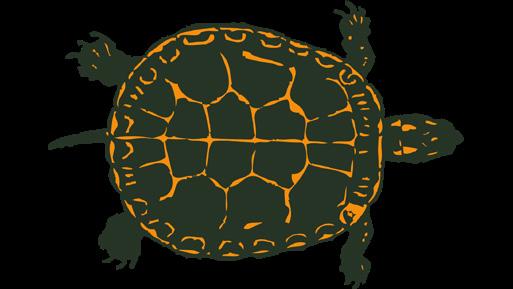
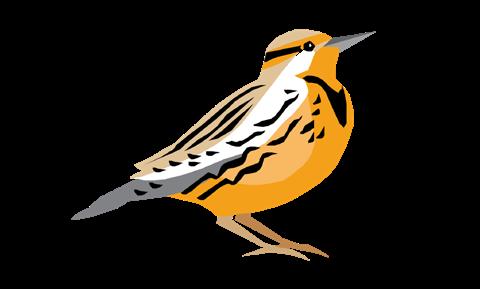
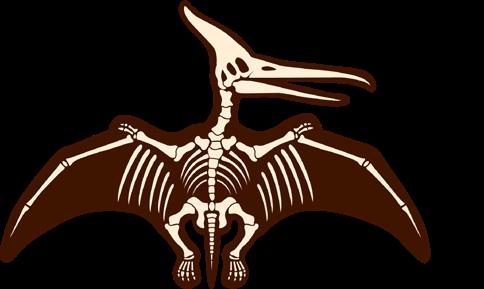
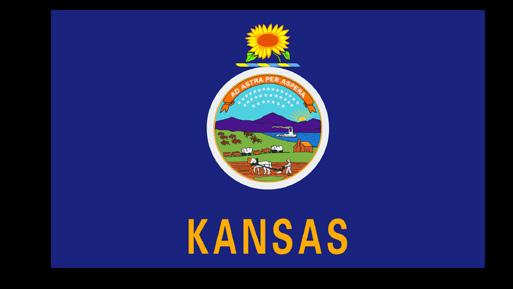
Throughout the magazine, we hid 13 different graphics of our favorite Kansas symbols. Can you find them all?

Kansas's State Insect:
The Honeybee
Kansas's state insect was designated in 1978 after 2000 children signed a petition to make it our state insect.
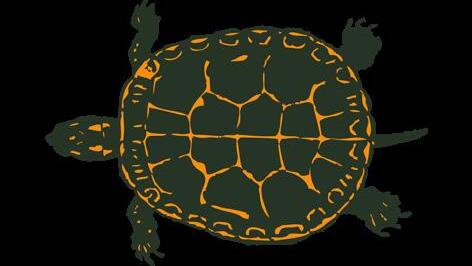
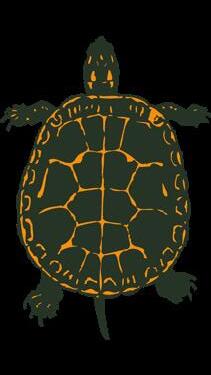
Kansas's State Reptile: The Ornate Box Turtle
The state reptile was nominated by a sixth-grade class in Caldwell in 1986.
Kansas's State Bird: The Western Meadowlark
Our state bird was designated in 1937.
Kansas's State Flying Fossil: The Pteranodon
Our state flying fossil was designated in 2014 With the fossil first found in Kansas in 1871.
Kansas's State Flag:
A blue background featuring the state seal and motto was adopted in 1927.
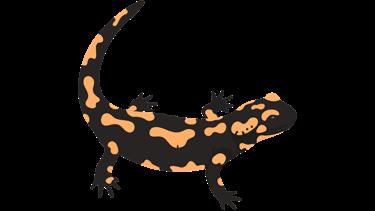
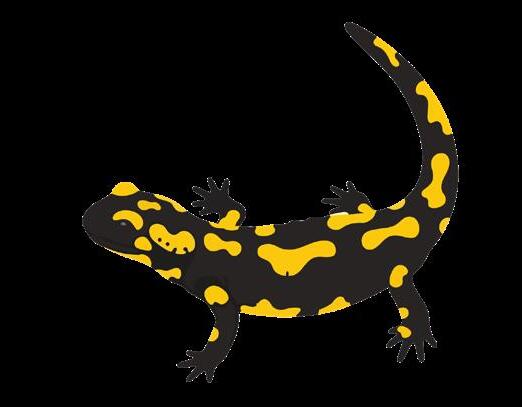
Kansas's State Amphibian: The Barred Tiger Salamander
Our state amphibian was officially designated in 1994.
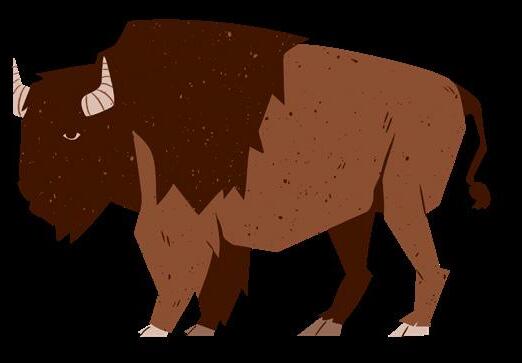
Kansas's State Animal: The American Buffalo Kansas's state mammal was recognzed in 1955.
Kansas's State Flower: The Wild Native Sunflower
The sunflower was designated Kansas's state flower in 1903.

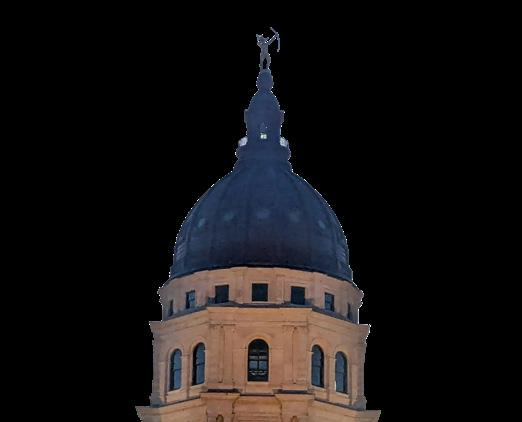
Kansas's State Capital: Topeka
Kansas's capital city is actually the state's third capital.
Inventory of statewide cattle including calves on Jan. 1, 2025, according to nass.usda.gov.
Designed by: Cheyenne Hittle
2.9 MILLION 6.0 MILLION
Population of residents in Kansas updated 2025, according to portal.kansas.gov.
86,600,466
Average daily vehicle miles on kansas roads and highways, according to ksdot. gov.
$203,400
Median cost of homes, according to census.gov.
138,993
Total miles of highways in all of the state, according to ksdot.gov.
Square miles of area in the state, according to portal. kansas.gov.
82,000 520 19.8 $72,639 55,500
Number of farms still in operations, according to agriculture.ks.gov.
Median income statewide according to census.gov.
Stor y by Anushma Dahal
Put one end of your fishing line in the hook hole.
1
Number of square miles covered in water, according to portal.kansas.gov
Average number of minutes it takes for a Kansan to comute to work, according to census.gov.
2 3 4 6 5
Pull some line (6-8 inches) through so you have a short tail Make a small loop with the line. Wrap the tail around the main line five to seven times. Put the tail back through the loop. Pull the ends to tighten and cut the extra.
Yourbusiness journey begins with Brenneman.