

By Frank Neill
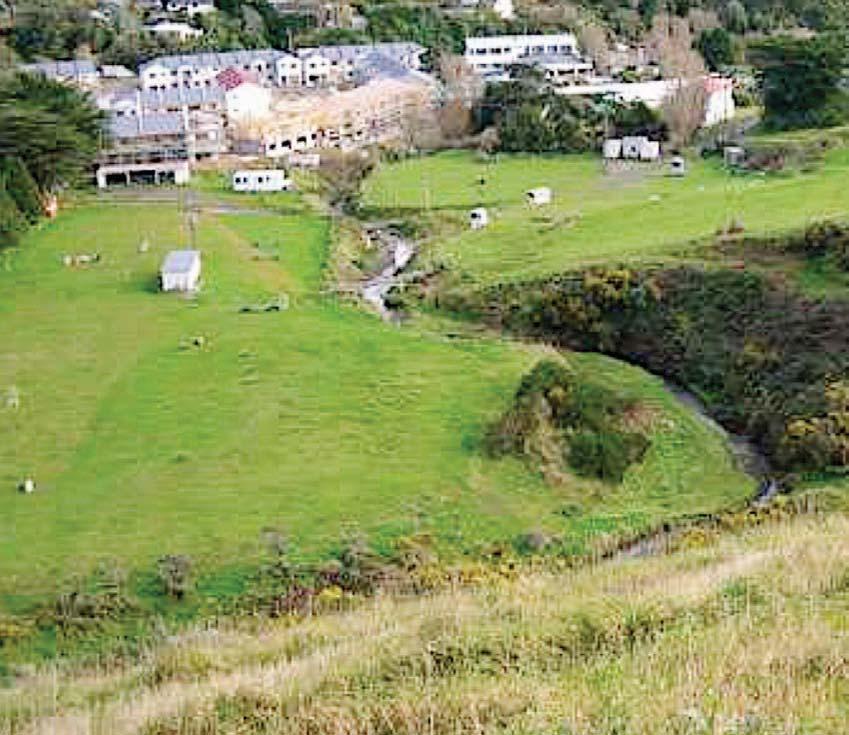
Community members are invited to visit the historic Halfway House on two open days in early March to share ideas to restore birds to the Glenside Reserve. The open days are to gather community input into a project entitled the “Safe Haven for Birds in Glenside Reserve”.
Continued on page 2.

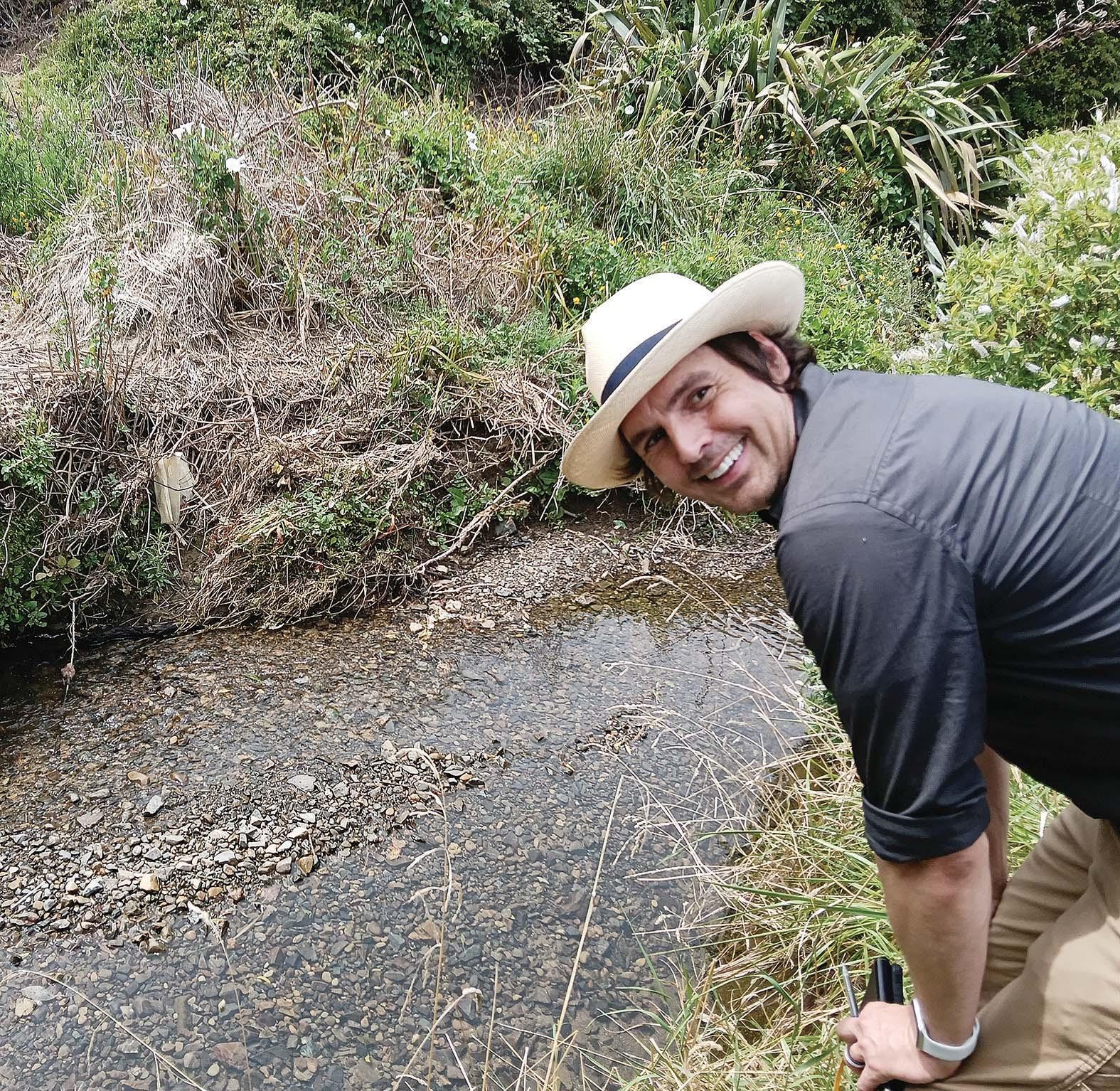

Joakim Liman, biodiversity specialist for Wellington City Council on a site visit to Glenside Reserve. Photo: Supplied.






Phone (04) 587 1660
www.independentherald.co.nz




REPORTER
Frank Neill
herald@wsn.co.nz 027 490 3916
NATIONAL
SALES
Les Whiteside
les@wsn.co.nz 021 360 008
SALES
Steve Maggs steve@wsn.co.nz 027 765 8303
SALES
Brenda Ingram-Johnson brenda@wsn.co.nz 021 640 152

CLASSIFIED SALES
classifieds@wsn.co.nz
Continued from page 1.
The project aims to restore the local ecosystem for native fauna and flora as well as improve recreational usage of the area for the community to enjoy.
The open days are “a great opportunity for people who love fresh water fish, insects, lizards, butterflies and birds to share their thoughts with the planners,” says Claire Bibby, who is the President of the Glenside Progressive Association and who leads the team of Heritage Gardeners, who tend Halfway House’s gardens.
Wildlife Management International Ltd, an internationally renowned bird restoration company have been funded to develop the strategy and landscape plan for the reserve, in a community led partnership between the Glenside Progressive Association and Wellington City Council.
“The area currently locked up for horse grazing will be made accessible on the open days as we would like people to go for a walk over the land, and take a look at the stream, the pond, and the viewing points, and discuss their thoughts with the planners at the Halfway House community rooms,” Claire days.
The key questions we are asking the community are:
for restoring natural wildlife?
you like to hear?
into a natural habitat for birds?
“The whole site is about 13 hectares.
“There is a bus stop outside Thyme Café, and with two railway lines and 26 bus pick-up points between Johnsonville and Porirua on the old main road, we hope that people will make use of public transport to come and visit.”
The open days and workshops are on Thursday, 5 March and Saturday 7 March. People can drop in any time between 10am and 3pm. The Glenside Progressive Association is putting historic and current information about the Glenside Reserve on the webpagewww.glenside.org. nz/reserves.html.




St Benedict's School is participating in an innovative youth development programme, the William Pike Challenge.
This challenge inspires youth to step outside of their comfort zone and develop crucial 21st-century skills.
William Pike, a survivor of the 2007 Mt Ruapehu volcanic eruption, motivational speaker, and director of the William Pike Challenge, visited St Benedict's School yesterday, 18 February, and presented a speech at 6pm.
William shared his remarkable story of survival and messages of inspiration to students.
He relived defining moments in his life, such as relearning to walk, climbing in Antarctica, and establishing the William Pike Challenge.
These stories were all centred around one theme: “the importance of stepping outside of your comfort zone”.
The William Pike Challenge is a well-being programme that is run in 136 schools around Aotearoa.
To complete the challenge, students are required to participate in five outdoor activities, 20 hours of community service, and 20 hours of passion projects over a school year.
In doing so, students are given opportunities to step outside of their comfort zone, develop and strengthen 21st-century skills and have extraordinary experiences.
“We’re at a point in time where our world is fast-paced and changing,” William says.
“What works today won’t work tomorrow.
“I believe our young people need to be equipped with the life skills and life experiences to prepare them for whatever life throws at them.”



William knows first hand the importance of being able to step outside your comfort zone to face and overcome big challenges.
He was one of two young climbers caught in a volcanic eruption on the slopes of Mount Ruapehu in 2007.
He suffered numerous life-threatening injuries, and his right leg was amputated below the knee.
William is passionate about passing on his life experiences to ensure the next generation develop essential life skills and are prepared to thrive in the future.
“This is our first year running the William Pike Challenge at St Benedict's School,” St Benedict's School’s Principal Tania Savage says.
“We are really keen for our students to engage in the outdoors beyond the camp experience, connect with their local community and develop a new passion.
“To have William join us to inspire our young people and community is the icing on the cake.”
“I am thrilled to have 60 students take part in the programme this

year,” William says.
“ I’m really excited about the impact that these students will
have on their community as well as their own personal development by taking part in the WPC.”
Reading can be a sociable experience.
People who would like to discuss their reading can come along to one of Wellington City Libraries regular book discussion events.
These include the following. Tea and Tales (Mandarin) will be held on Friday 20 February from 10am to noon at Waitohi Johnsonville Library.
This event will cater for lovers of Mandarin literature and reading, who wish to learn or share



its cultural history and stories. It will be an opportunity to connect with like-minded people.
This session is held on the third Friday of the month.
Literally a literary book quiz will be held on Friday 20 February from 11am to 11:30am at Tari-k k Khandallah Library.
This session will give people the opportunity to put their knowledge to the test for half an hour of community bibliotherapy (well-being through people
and books).
The Karori Library book group is a community-run group that meets upstairs on the last Thursday of each month at Te M hanga Karori Library.
The next Karori Library book group meeting is on Thursday 26 February from 5:30pm to 6:50pm.
The book group explores and discusses a chosen book genre at each meeting.
Nau mai r t tou katoa. Everybody is welcome.



24 Moorefield Road, Johnsonville Your local medical centre
Great people, great hours www.johnsonvillemedical.co.nz





























People can now drive at up to 110km/h on Transmission Gully.
The speed limit was increased from 100km/h to 110km/h at 12.01am on Monday 16 February.
Transmission Gully is a critical transport link for Wellington and Kāpiti, carrying around 22,000 vehicles a day.
“Since opening in 2022, Transmission Gully has recorded low crash rates, with no deaths despite more than 150 barrier strikes,” Transport Minister, Chris Bishop says.
“Safety features including two lanes in each direction and a flexible median barrier between opposing lanes help reduce the risk of death or serious injury in a crash.”
The new higher speed limit applies between the Linden and Paekākāriki interchanges.
Heavy vehicles and vehicles towing trailers will continue to have a 90km/h limit.


The Karori Lions are looking forward to providing another great family-friendly fun day out this Sunday at Ben Burn Park – the 55th annual Karori Lions Karnival and Fair.
The Karnival will begin at 10am and run until 3pm at Ben Burn Park, Campbell Street, Karori.
There will be a wide variety of great Kiwi, ethnic and homebaked food, super rides for kids, many craft stalls, books, BBQ, White Elephant and more, and of course the very popular all day on-stage entertainment.
“The last few years have had a significant impact on people who sell via stalls but it is good to see that this year it is still a strong industry, with 24 (or just about a third) of our stalls being new to the event,” the Karnival convenor Joanne Knight says.
“We have had 77 stalls register plus amusements and entertain-



ment. 35 will be selling food with a lot of variety in cuisines, 12 of our stalls are supporting charities.
“Our stallholders come from near and far afield – Hamilton in the North and Kaiapoi in the South.
“With the weather gods playing ball it is looking like it will be a great family day out.”
“It’s great to once again see the enthusiastic response from the community,” the club treasurer Jo Cameron adds.
“Income from the fair needs to cover all costs associated with the event. Any funds left over, along with the proceeds from the Lions activities on the day, are donated to our charities of choice.
“As with all our projects, net proceeds all go back into the community to support health, youth, environment, community assets and disaster relief.
“Apart from raising some funds, our main objective for the Karni-



val is to provide a wonderful day out for our community.”
Over the years major beneficiaries have included a mix of local community groups, greater Wellington regional charities, national charities and Lions initiatives – including The Lions Den at Ronald McDonald House, The Lions ‘Playscape’ therapeutic playground at the new Wellington Regional Children’s hospital, Lions fundraising for Life Flight Trust’s new aircraft, Lions-led projects at Zealandia, The Lions Otari Plant Conservation Laboratory at Otari-Wilton’s Bush and many more.
Karori Lion Vaughan Crimmins, in charge of the entertainment, observes:”‘Entertainment at Karori Karnival focuses on providing a great mix of music, songs and dancing for all Karnival Visitors.
“Firstly the Lions Club of Karori ‘Pop Up Village’ transforms
Ben Burn Park into a cauldron of colour, sound and activity.
“Music sets the theme and mood of the day, starting with the popular Wellington Red Hackle Pipe Band, whose sound fills the park and surrounds, inviting all to join ‘the Karnival’.
“Take and enjoy the chance to be a folk dancer; watch bold drumming and colourful dancers. And help make the biggest Hula dance group in Wellington.
“Sing your heart out with the Doubtful Sound choir, dance to the swing style music of the Porirua Youth Band and bold guitar playing of Status Five, Rock and Roll Dancing and end the day watching the spectacular dancers, from Elements Rhythmic, show their dancing skills and gymnastic routines.” It will be, Vaughan says, “a great day of live entertainment for you, your family and friends.”



By Frank Neill
Earthworks for the new Campbell Village have begun.
Campbell Village will see new homes built on the site once occupied by the Wellington Teachers’ College.
The new “village”, developed by Gibbons and Co in collaboration with leading architects Designgroup Stapleton Elliott, is nestled between Donald and Campbell Streets in the heart of Karori.
It will feature 142 freehold residences.
“Each is a stand-alone dwelling, designed with quality, lifestyle and longevity in mind,” the Campbell Village website says.
“Campbell Village offers a diverse range of
homes to suit every stage of life.
“From dual-key studio homes offering flexible living or rental opportunities, to spacious two-bedroom homes perfect for first and last home buyers and generous three-bedroom homes with secure parking, every detail has been crafted for comfort, convenience and enduring value.
“Options are available for drive-to-door car pads and private garages.”
One-bedroom homes will cost from $599,000, two-bedroom homes from $789,000, two-bedroom homes with a garage from $899,000, and three-bedroom homes with a garage from $999,000. More information is available on the Campbell Village website, www.campbellvillage.co.nz.
Aimée Thorne’s cabaret show ‘Cursed’ will debut at the Fringe Festival from 26 to 28 February at The Gods.
Aimée Thorne is a stand-up comedian with a dark acerbic wit. Picture Morticia Adams with a microphone.
Blending stand-up, storytelling, and song, ‘Cursed’ explores what it means to find and use your voice in a world that wants to keep you silent.
‘Cursed’ is a cabaret show about the transformative power of finding humour in the darkest of corners.
Aimée Thorne will comedically dismantle the double standards and expectations women are cursed with.
Aimée Thorne is not only a comedian and singer – she is also a survivor.
Through her story, she demonstrates what it means to reclaim your voice after it has nearly been taken away.































The public can expect to see activity in the coming weeks on the preferred route for the Petone to Grenada Road of National Significance, NZ Transport Agency Waka Kotahi says.
Geotechnical works for the project will begin next week in Seton Nossiter Park. This follows ongoing work at Waihinahina Park and the Gilberd Bush Reserve.
Kesh Keshaboina, Regional Manager System Design, says contractors will be preparing sites for the work with vegetation clearing and trimming.
“This is necessary to ensure the specialist equipment being used can be put in place properly.”
He says the geotechnical investigations are temporary, and steps are being taken to minimise the impact.
“Contractors will manage the sites in a way that leaves the roots of trees intact to allow regrowth, and replanting will be done if sites do not re-establish naturally,” Mr Keshaboina says.
For Gilberd Bush and Seton Nossiter Park, 10 borehole sites and 20 window sampler sites are planned.
Borehole drilling :
underground. These can be up to 100 metres deep and drilling usually takes between 1 to 14 days, depending on the site.
Window sampling:
samples, using small steel tubes driven up to 10 metres into the ground. Each test usually takes a few hours.
Mr Keshaboina says the work is critical for
the project and has to be done.
“It is essential that we get an accurate picture of the local geology.
“For a project of this scale, the information is invaluable for its design and planning. It allows us to develop the most efficient and cost-effective approach.”
He says that to manage safety risks it is important that people stay away from the sites while the work is under way.
“We appreciate that the local parks where contractors will be working are well-loved by the community.
“We are absolutely trying to minimise the impact of these investigations as much as we can. Arborists and ecologists will be on site to monitor these works.”
The geotechnical investigations will require the use of helicopters to deliver equipment to sites. They will avoid flying over properties and the public while carrying loads.
Track closed from the beginning of March for around two weeks.
Mr Keshaboina says, for safety reasons, people are asked to keep clear of geotechnical work sites and to respect track closures.
“These are work sites and heavy equipment will be used. With helicopters operating as well, we want to ensure everyone is kept safe – both our contractors and the public.”
Updates will be provided as the work progresses.
More details about the nature of the geotechnical work, ecological investigations, and surveying work can be found on the project website: www.nzta.govt.nz/projects/petoneto-grenada/investigations.




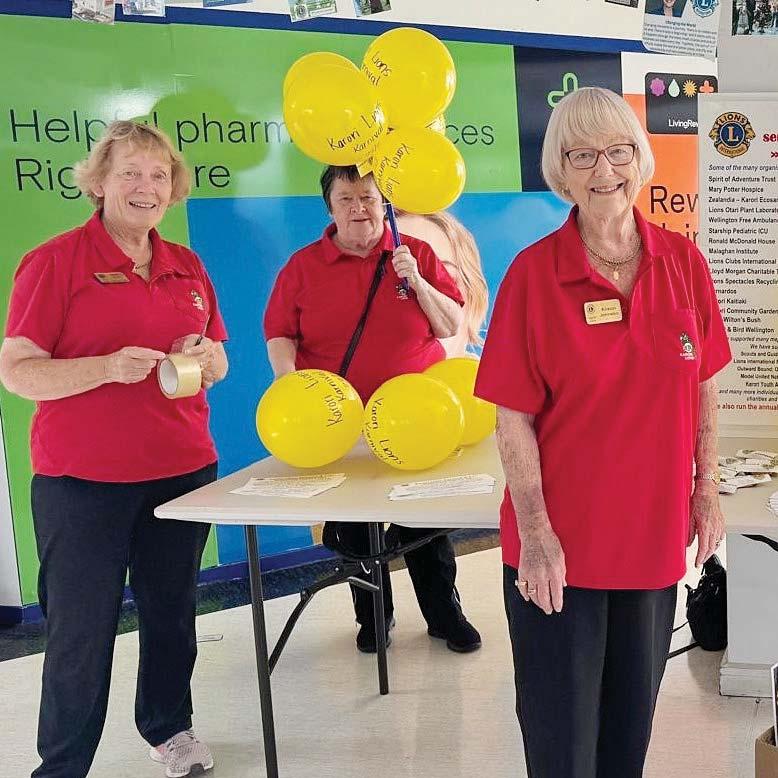
Lions held their annual “Visibility

Lisa Theron spoke on behalf ofDress for Success,home oftheYes for Successprogrammes at last month’s Khandallah REBUS club meeting.
Dress for Success supports people preparing for employment by providing professional clothing, confidence building support, and access to practical career focused services.
Within Dress for Success sitsYes for Success, a suite of programmes designed to build skills and confidence so all participants can achieve economic independence and thrive in work.
These programmes include interview styling, career coaching, mentoring and workplacement experience.
Revenue from the organisation’s preloved boutiques helps fund this work, while donated clothing ensures clients have highquality options for interviews and workwear.
Dress for Success and Yes for Success are powered by a volunteer board, a small team of part-time staff, and around 150 volunteers, alongside partners MSD, Corrections and a number of corporate supporters. Together, they are making a positive difference in people’s lives across the region.
On Friday 27 February Mary O’Keefe from Heritage Solutions will speak to Rebus members about archaeological and historic heritage matters. The meeting is at 10am at the Khandallah Bowling Club, 24 Woodmancote Road.
REBUS is a social club for seniors, which meets on the last Friday of the month. Visitors are welcome.
For More information about the club, internet search “Khandallah REBUS" or go directly to the website https://khandallahrebus.wixsite.com/khandallahrebusclub.
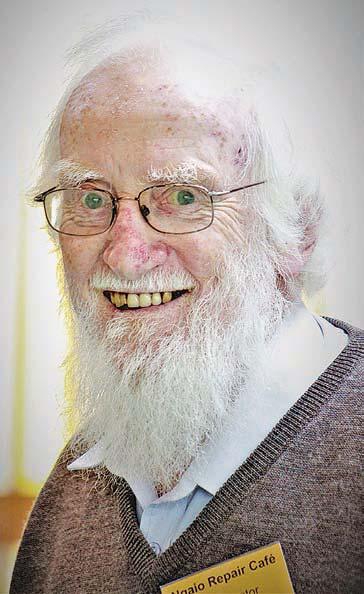
Ngaio Repair Café, which opens in Ngaio Union Church this Saturday 21 February, is offering opportunities to local musicians.
Ngaio Repair Café is a gathering place where people bring household items to be repaired for free. Don’t chuck it. Fix it.
As people wait to take their turn with a repairer they are offered morning tea.
To entertain them while they drink, eat and chat, the café’s co=ordinator, John McInnes, says: “We are trialling having local musicians come and play short gigs.
“Background music – say 15 or 20 minutes.
“No big groups. Just solos or twos and threes.
“We think there must be quite few instrumentalists and singers who’d like to try themselves out with a sympathetic audience.
“In the church we’ve rearranged the café layout so that the musicians can use the stage and play to the whole café.”
Ngaio Repair Café opens monthly, every third Saturday morning in the month, from February through to November.
People who would like to respond to this invitation can send John McInnes an email at john4kenya@gmail.com. He says he will be glad to respond.
Greater Wellington Regional Council (GWRC) is urging the Government to strengthen the Natural Environment and Planning Bills, warning that – without vital amendments – the proposals risk weakening environmental safeguards, undermining Treaty obligations and imposing costs on communities.
GWRC’s Deputy Chair Adrienne Staples says there is broad support for resource management reform across the regional council, whose submission “reflects decades of experience working with iwi and communities to protect the environment”.
“We support meaningful reform but only if it creates a system backed by both sides of Parliament that safeguards the environment and communities, and upholds the Treaty,” Cr Staples says.
“We endorse the use of regional spatial planning and commend changes that emphasise compliance and enforcement – as long as they’re workable for councils, iwi and the community.
“But we are deeply concerned for the future of freshwater and native ecosystems without adequate involvement of Treaty partners in resource management.”
The submission sets out solutions to strengthen safeguards that arrest environmental decline and avoid costly litigation to uphold Treaty settlements, including:
1. Uphold Te Tiriti o Waitangi at every level
A direct requirement to give effect to Te Tiriti and recognise M ori customary rights and relationships with ancestral lands and waters must be added to the Bills and applied to all decision-making.
“Regional councils with hapŪ and iwi have spent decades building enduring partnerships, including through Treaty settlement obligations, which must be strengthened – not undermined – by reform,” says Shamia Makarini, Deputy Chair of Greater Wellington’s Te Tiriti o Waitangi Committee.
“To support better outcomes for our people and te taiao, and avoid undermining existing and upcoming settlements, Te Tiriti should shape the new system from the top, not be left to the bottom where most decisions have already been made without M ori involvement,” Cr Makarini says.
“We are also asking for the new system

to only commence in regions where the Crown has renegotiated settlement redress with iwi to align with the new legislation – that must uphold Te Tiriti.”
2. Prioritise environmental protection and climate resilience
The new system would benefit from having clear priorities for environmental safeguards and restoration goals, as well as climate change mitigation and adaptation requirements.
“Climate change is a reality and must be built expressly into system goals for us to minimise impact and cost for communities and the environment,” says Quentin Duthie, Chair of Greater Wellington’s Environment and Climate Committee.
“Regulatory relief, as proposed in the Bills, will strongly deter councils from fulfilling core obligations to identify and protect high-value environments such as wetlands, native forests and outstanding landscapes,” Cr Duthie says.
“This will have a chilling effect on councils and hamper the effective implementation of the new laws and national direction.
“Our nature and people need planning and environmental laws that put environmental protection at the centre, not treat it as an optional extra.”
3. Provide sustainable funding and support system readiness
Additional funding streams should accompany the new system, which will impose extra responsibilities on councils, whose budgets may be restrained by a rates cap.
“If the reform is to succeed, central government must invest in local government capacity, capability and system transition,” Cr Staples says.
“Currently, councils simply can’t absorb the cost of implementing a completely new resource management system without dedicated government support.
“If a rates cap is introduced, the level of taxpayer funded support for system implementation will need to be even higher.
“We want a system that protects the environment for future generations, honours Te Tiriti and gives communities confidence in long-term planning.
“Only with the right changes supported by both sides of Parliament – will the Bills bring about meaningful reform.”











The opening of Puku Pies and Kai in Johnsonville has found huge local support since it opened late last month. Staff say their opening day “smashed” expectations and they’ve been thrilled with the support they’ve had from local people.
Located at 22 Broderick Road, the Johnsonville shop is the third the business has opened and a fourth will open soon in the Wellington central business district.
Jamie Williams and his family opened
the first Puku Pies and Kai in Lyall Bay in February last year. They then opened their second shop in Petone.
Johnsonville came next and the CBD store will open before the business even reaches its first birthday.
“We have had a surprisingly massive response,” says Maia Williams, who looks after marketing for the business and also works in the store in the weekend.
“It has been really awesome. Everyone has been excited.





“It’s started to become a big business.” Puku Pies and Kai, as its name suggests, specialises in pies.
Their pies are big too, at around 350 grams. This compares with most pies which are in the 220 to 250 gram range.
A range of different fillings are available, including the more traditional pies such as beef brisket, and meat and cheese.
They also sell paua pies, which is their second most popular pie and sees people travelling some distance to make a purchase.
Along with the pies, Puku Pies and Kai stocks a variety of eats, including sweets, croissants, doughnuts and sandwiches.






The opening included “an intimate dawn blessing with Taranaki Whanui and the family run business of Puku Pies.



John Bertrand Collectables Are Buying in Wellington & Hutt Valley Next Week
Once again, the gold and collectables buyers from Wellington company John Bertrand Collectables are visiting Wellington and Hutt Valley next week. Mr. Kevin George from the company says, “If you are downsizing or wanting to dispose of things because they no longer serve any purpose to you or your family bring them in”. “Next week will be a great opportunity to have any items you want to sell assessed by our buyers” said Mr. George. Particularly wanted are Gold and Silver (in any of its forms) and Collectables such as Coins, Banknotes, War Medals, Old Wind-up Watches and other interesting Small Collectables.
“We are keen buyers, especially of the items in the list below” said Mr. George. “Nothing is too small for our consideration. We are just as happy buying 1 item as we are buying 1,000 items” he said. The buyers will be in Wellington and Hutt Valley next week. (see details below). As Kevin George points out “If you are in doubt about any items you may wish to sell, bring them along for an instant appraisal.”

Mr Kevin George Senior Buyer John Bertrand (Collectables) Ltd
During these uncertain times

we have seen a sharp increase in the price of precious metals. The gold price in New Zealand is at near record levels so gather up all your unwanted items and take them along to the buyers. Kevin George says “We can buy gold items in all forms, including Jewellery (Rings, Chains, Brooches etc), Coins (Sovereigns and the like), Alluvial (River Gold), virtually anything, even Gold Teeth! We also need all Sterling Silver including Cups, Tea Services, Cutlery and Old Coins” he said.
The buyers from John Bertrand (Collectables) Ltd, visiting Wellington and Hutt Valley next week, are happy to look at any interesting items, for example vintage pocket and wristwatches such as Rolex, Men’s Omega, Breitling and gold watches etc. Also wanted, pre 1920’s picture postcards, Maori and Pacific artefacts, old fountain pens and other small antique or historical items.
“If you have something unusual which you would like to sell, please bring it into one of our venues, we would like the chance to at least have a look at it” said Kevin George, buyer for the Company. “We will consider anything which may be of interest to a collector” he said.
Early New Zealand Banknotes dated before 1932 are currently fetching big money! This is according to Mr. Kevin George, Senior Buyer.
Mr. George is in Wellington and Hutt Valley next week on a buying trip for John Bertrand (Collectables) Ltd and would be very keen to see any of these issues. “We will pay at least $300 for any undamaged Ten Shilling or One Pound banknote from a New Zealand
trading bank dated 1932 or before. Denominations of five pounds and higher would be worth from $700. “Any banknote dated prior to 1900 would be worth at least $1000” said Mr. George. Also purchased are any Reserve Bank of New Zealand pre-decimal issues, especially 50 Pound notes. All overseas banknotes are also wanted, especially early Pacific Island issues.
Currently, throughout NZ and the world there is a big demand by collectors for war medals. These cover all wars right through from the New Zealand Land Wars and the Boer War, to the First and Second World Wars and the later Korea and Vietnam conflicts. New Zealand Servicemen and Women first served overseas in the Boer War in South Africa around 1900 and the war medals awarded for this service are needed by the buyers, as are any other Medals from early New Zealand and the New Zealand Wars. General service medals from both the First and Second World Wars will also be purchased, but as can be imagined these were awarded in fairly large numbers. “If a group of medals has any special award for bravery such as the Military Medal, Military or Flying Cross or other medals for Distinguished Conduct or Meritorious Service, these can add great value to a group” stated Mr. Kevin George, buyer for John Bertrand (Collectables) Ltd. “Many families have old medals, some dating back to early Imperial days, that they are not sure what to do with. These are better off in the hands of collectors who will look after them. We will be happy to look at any war medals whatsoever, just bring them in to venues” he said.
Old Coins Can Toss Up a Rarity
Do you have a bunch of old coins sitting around in your drawers and cupboards? You just never know what rarities may be lurking there. The advice from Kevin George from John Bertrand (Collectables) Limited is to “bring them in and let us have a look”. “No need to sort anything out just bring them in ‘as is’ and please don’t clean them! We can go through coin accumulations and collections fairly quickly” he said. The buyers are particularly keen to buy pre 1946 New Zealand Silver Coins and World Silver Coins. “In any event we will buy All Coins,” said Mr. George.




















Tips & tricks to keep your garden looking great all year round!

March is an epic month in the garden. After a hot summer, it’s the best time for planting and there’s heaps to get on with.
Spring bulbs
Flowering plants
Potted colour
Winter vege seedlings
Summer carrot & parsnip seeds
Shrubs
Hedges
Re-sow lawn

Fertilise lawn
Spray lawn for weeds
Rake leaves
Harvest potatoes, onions & kumara
Harvest basil & coriander
Pick tamarillos
Prune fruit trees
Feed citrus trees & remove small fruit
Cover grapes with bird netting
Keep an eye on feijoas
Take Fuchsia
Cuttings
Water Regularly
Check
Irrigation Systems
Plant now for a display of spring flowering bulbs. March is the best month for selecting and planting spring bulbs.
Start planting your vegetable garden for harvesting in the winter.
For colour during the winter months sow seeds of winter annuals.
Re-plant pots with new seasons annuals.
March is the best time for lawn maintenance and preparing to sow seed.
Start planning your landscaping project, now is the time to plant trees and shrubs.
Tidy up and cut back summer flowering perennials and shrubs.
Keep on top of watering if the weather is still dry. Prepare empty spaces for new crops by turning over the soil and adding compost and sheep pellets. Blood and bone can be worked in to the top layer before you plant.
Plant lupin, mustard or oats for green manure if you are leaving the garden empty for a season.
Sow seeds: carrots, parsnips, kohlrabi, radish, leeks, spinach, silverbeet, beetroot, broccoli, onions, cabbage, cauliflower and brussels sprouts.
Transplant to the garden when they are showing at least two sets of true leaves.
Plant seedlings: cauliflower, broccoli, cabbage, carrots, beetroot, silver beet, kale, radish.
Salad greens can still be planted in warmer regions. Onions can be planted now; they can go in the same place year after year.
Plant peas and snow peas before autumn sets in, the seeds can be planted straight in to the ground. Finish harvesting passionfruit. Then prune back, feed with citrus fertiliser and water this in to the soil. Spray with copper oxychloride and a pyrethrum spray to take care of passion vine hoppers, mealy bug and brown spot.
Continue to feed vegetable crops with a general purpose liquid fertiliser.
Finish tidying strawberry beds, remove old or diseased plants. Cut off runners unless you are using them for next season’s plants.
Feed citrus with citrus fertiliser, water well as the fruit starts to develop.
Spray citrus with spraying oil and copper oxychloride to protect against scale and verrucosis. osis


Water Conservation:
Although conditions can vary, Kiwi summers are becoming hotter and drier, usually leading to water restrictions in Wellington. A rainwater tank allows you to collect and store rainwater for later use, reducing reliance on mains water and helping conserve this valuable resource.
Environmentally Friendly:
Rainwater harvesting reduces demand on local water supplies, crucial in droughtprone regions. It also lessens the energy needed to treat and pump mains water to your property. Plants also prefer rainwater.
Cost Saving:
Using rainwater for tasks like garden
can lower your water bills, particularly during drought periods when mains water costs may rise.
Emergency Water Supply: With natural disasters, burst pipes, droughts, and other water outages having access to rainwater stored in a tank enables when installed with a First Flush unit you can even drink it if needed.
They also have an easy to set tank for bulk storage of drinking water – that is it’s not connected to your downpipe.
For a full range of tank options and setup advice for your situation give the Tank Guy a call – 0508 326 8888 – or visit their website – https://thetankguy.co.nz/ product-category/garden-tanks/
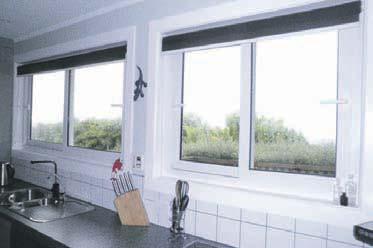
Combining uPVC’s natural insulating properties with double-glazing means Eco Doors & Windows achieve thermal insulation levels that far exceed even thermally broken aluminium – and at a very competitive price. Their uPVC doors also offer these same thermal benefits.
Eco Doors & Windows specialise in uPVC glazing. And when the cooler months return you’ll find just the advice and look you’re after at their showroom. Their windows are ideal for helping keep your house cooler in summer and warmer in winter.
As the city has awoken to the benefits of uPVC windows and doors, the company has grown. They have a number of teams of installers with plenty of experience backed by LBPs (Licensed Building Practitioners). uPVC windows are perfect for heat and coolness insulation. uPVC is not a thermal conductor and by combining it
with double glazing, windows can achieve
As the uPVC joinery uses a double rubber gasket engaged by a multi-point locking system, windows and doors seal tightly and evenly against their frames, unlike legacy products like timber and aluminium joinery. Enjoy lower heating costs next winter with uPVC joinery.
Eco Doors and Windows are located at 405 Hutt Road, Alicetown, Lower Hutt.






Whether you’re looking for garden design, construction services, plant advice, or drainage that works well for your property, our Groundplanz team can help, we have many years of expertise in all aspects of residential landscaping.
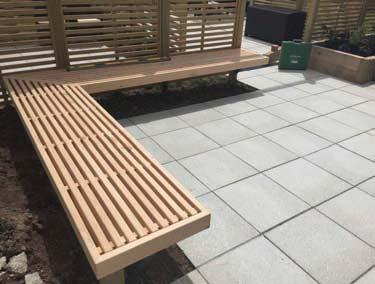
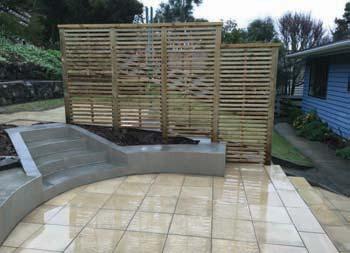
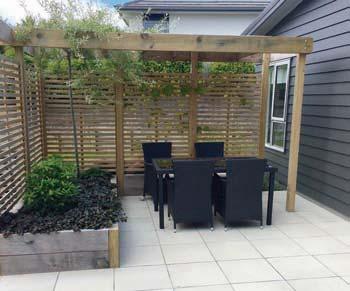
Our timber work includes pergolas, screens, seating, BBQ cabinetry, fences, decks and steps, even curved steps! We also do concrete work including steps, paths and driveways, and our team is great at laying pavers too. Laurie provides the design services and has expertise in planting, construction and drainage – there’s usually some design work needed before construction can begin.
If you need help with landscaping you r property, Groundplanz can assist – we will work with you to find a solution that addresses your needs, and is suitable for the environment you live in.
Garden
Paving, Decks, Planters, Pergolas
Decks, pergolas, joinery
Retaining walls, Fences, Gates
Screening, fences, gates
Shelter and screening
Courtyards, patios, paving
Courtyards and patios
Retaining walls, planters, planting
Planting
For professional service and attention to detail www.groundplanz.co.nz






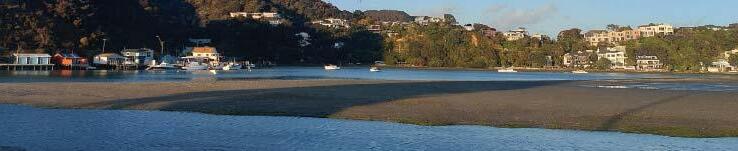
The Royal Albatross Centre is nestled at the tip of the Otago Peninsula, ŌtepotiDunedin. Here visitors have the unique opportunity to view the only mainland nesting site of one of the greatest seabirds in the world.






The Northern Royal Albatross – with an impressive three metre wingspan is definitely an extraordinary bird to watch. The Albatross colony can be viewed from our observatory, which is located a short walk uphill from the Albatross Centre on a guided tour. has a big range of New Zealand and locally made treasures.


Waterloo School Tuesday, Thursday, Saturday, Sunday Udy Street Mondays and Wednesdays

33 Johnsonville Road 021 979 999 region21nz@gkrkarate.com
Boutique accommodation and all the action in the Ruapehu Region
Tongariro Suites is set in 1 hectare of native landscaped gardens and is one of the highest-rated properties in the Ruapehu Region.
While we are in the middle of an optionrich recreational activities area, you will be surrounded by peace and quiet while admiring the views towards Mt Ruapehu from your suite across landscaped gardens.
Our suites are furnished with contemporary flair and touches of bold colours that bring life to the property.
All suites have generous living areas and full bathrooms including a free-standing bath in three of the four suites so you can relax after a busy day exploring the Tongariro National Park or after completing the Tongariro Alpine Crossing. After a busy day outdoors you can relax in the guest lounge with wood burning fire or use the BBQ on the large guest private deck that also features a cedar hot tub! Book now and see the fresh snow!
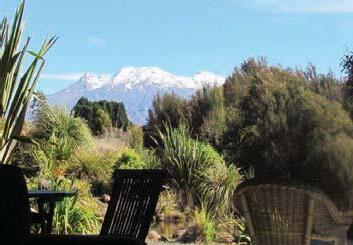

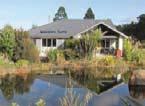
The Wairere Nature Park in Northland is a 143ha (353 acres) farm and native bush setting for the many house-sized boulders that give Wairere Boulders its name.

These very large basalt (volcanic) boulders are heavily fluted by the special conditions found at Wairere. This geology is globally significant, and according to some experts, unique. While the boulders are spread throughout the property, many are concentrated in the Wairere stream floor.
Well-marked walks of from one to three hours allow you to explore under, over, and around the boulders at your leisure while taking in the beautiful subtropical rainforest and cascading stream setting. While walking, keep an eye out for the endearing Scottish Highland Cattle and ‘black face’ sheep in the adjacent paddocks.
The boulders are ideal for ‘bouldering’, with 50 boulders currenty mapped by enthusiasts and many more waiting to be discovered. Expect to see boulderers outside of the boulder reserve in the valley.
The stream terminates on the property at an estuary of the Hokianga Harbour, providing an idyllic setting for kayaking around the boulders. Kayaking is tidal, so aim for high tide.
If you want to experience the Wairere Boulders for more than a few hours; or spend time contemplating our ultra-dark night sky; or try a night walk (using red lights) to see the many glow worms or kiwi. They provide a low cost, basic campground with toilets, showers, water, and wifi.
The aim at Wairere Boulders is to provide a mix of adventure and tranquillity in a unique setting. The perfect camping weekend can easily embrace walking / hiking, bouldering, swimming and kayaking. Their near neighbours also provide bikes and shuttles for the Twin Coast Bike Trail.
By Felicity Wong
Wellington sewage has been a centuries old problem.
Between 1885 and 1891 some 550 Wellingtonians died of typhoid or cholera.
The lethal water borne diseases are rare in communities with good sanitation, managed toilets, pipes and safe disposal.
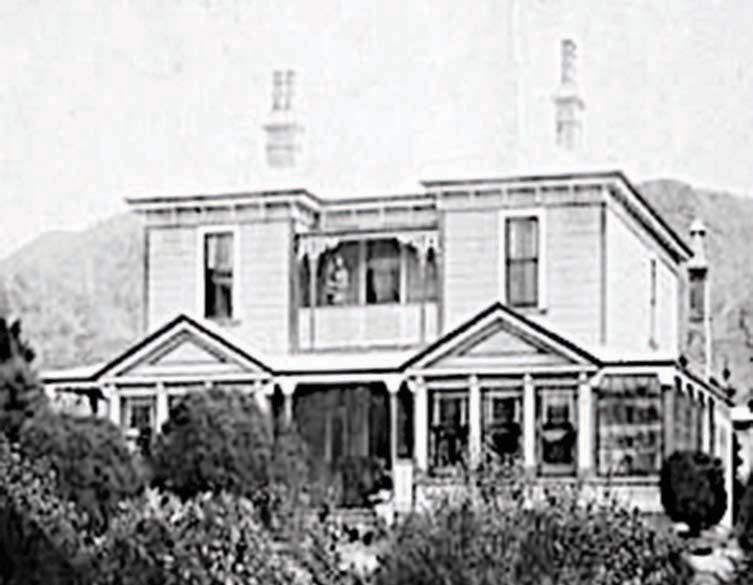
In 1893 Harold Beauchamp, a successful local businessman, moved his growing family from their comfortable home at 11 Tinakori Road, Thorndon to “Chesney Wold”, a large house and grounds at the far end of Karori.
In Thorndon, one of his children, Gwendoline, had died of cholera aged three months in 1890.
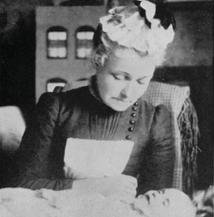
A photo of grandmother (granny Dyer) holding dead baby Gwendoline is displayed in the Tinakori Road house museum.
The photo is also notable as the only known one of the interior of the fascinating Katherine Mansfield House and Garden in Thorndon.
Behind granny Dyer and baby Gwendoline can be seen a large dolls house, later to become the title of a memorable story by one of the world’s most celebrated writers.
When Kathleen Mansfield Beauchamp was born in the house in 1888, the city’s streams were polluted and sewage was emptied into gullies and backyards, spreading illness and disease.
Mansfield later wrote: “As he crossed the suspension bridge a strong stench of fennel and decayed refuse streamed from the gully… scraps of newspaper, hay and fruit skins strewed the pavement; the gutters were choked with the leavings of Saturday night …”
In shifting his family so far from Thorndon, and from his business pursuits, Mansfield’s father was likely seeking a healthier environment with clean water.
“Chesney Wold” in Karori was built in 1866 for Stephen Lancaster who later became the first Mayor of Karori, which in those days was a separate borough council.
Mansfield described the house her father leased as “a great old rambling house planted lonesomely in the midst of huge gardens, orchards and paddocks”.
While at Chesney Wold, Mansfield began attending Karori School and in 1897 won a school competition with a story called “Sea Voyage”.
It was apparently based on a ferry trip across Cook Strait to visit Beauchamp relatives in Picton and Anakiwa.
With its many fruit trees and very large gardens, Chesney Wold featured in several of Mansfield’s later stories.
“The Dolls House” is set directly at the house and in some editions the story was titled “At Karori”.
“Prelude” is a story based on the Beauchamp family’s move to rural Karori.
“The Wind Blows” includes references to the house and the surrounding Karori area.
“The wind – the wind!
There’s a funny smell of soot blowing down the chimney.
Hasn’t anyone written poems to the wind?”
The story “A Birthday” also draws on memories of the Karori house at 372 Karori Road.
Chesney Wold’s history is recognised by its heritage listing, despite its appearance being much changed and the extensive grounds long since subdivided and surrounded by suburban housing.
In 1898 Mansfield and her elder sisters transferred to Wellington Girls College in Thorndon and soon after her first published work “Enna Blake” appeared in the school’s magazine (which is still called “The Reporter”).
Another of her stories was published the following year.
By that time the family had moved from “Chesney Wold” back to Thorndon. First to a grand house at 75 Tinakori Road, then another at 47 Fitzherbert Terrace. Both houses were later demolished for the motorway and American Embassy.
The move reflected the increase in wealth and status of Harold Beauchamp who had become a member of the Wellington Harbour Board and the board of the Bank of New Zealand (both of which he was later to chair), and director of numerous companies.
From 1900 to the end of 1902 the Beauchamp girls attended Mary Anne Swanson’s exclusive Fitzherbert Terrace School, now the Katherine Mansfield Memorial Park, and often filled with Queen Margaret College girls.
Mansfield’s memories associated with living in Wellington appear in her stories.
“They cannot walk fast enough.
“Their heads bent, their legs just touching, they stride like one eager person through the town, down the zigzag where the fennel grows wild, and on to the esplanade.
“The wind is so strong that they have to fight their way through it, rocking like two old drunkards.
“All the poor little p hutukawas on the esplanade are bent to the ground …
“A fine spray skims from the water right across the esplanade.
“They are covered with drops; the inside of her mouth tastes wet and cold.” The Katherine Mansfield House and Garden museum is open Tuesday to Sunday 10-4pm ($10 entry).














The Community Noticeboard is for non-profit organisations. For $15.00 you can publish up to 25 words. No AGMS, sporting notices or special meetings. Community Notices must be pre-paid. phone (04) 587 1660 or email classifieds@wsn.co.nz
By Frank Neill
This week’s very strong winds and heavy rain had a series of big impacts in Wellington’s northern and western suburbs.
The winds caused widespread damage to property, brought down trees – including trees that blocked roads – and cut power to around 1,000 homes in the northern and western suburbs.
Fire brigades responded to more than 80 calls from Thorndon to just south of Tawa, with most of the calls being for what Fire and Emergency New Zealand (FENZ) says were a “natural event”.
Newlands-Paparangi and Johnsonville appeared to be hardest hit by the storm, judging from the number of calls logged on the FENZ website.
There were 17 fire brigade callouts from Newlands-Paparangi and Johnsonville householders made 16 calls during the two days of the storm
Northland people logged eight calls and Karori people logged seven calls.



The other calls were spread around all the northern and western suburbs.
FENZ received 804 calls from around New Zealand that related to storm damage between 6pm on 14 February and 8am on 15 February when the storm was at its peak.
More than half of the calls came from people in the Wellington Region as the storm moved south, FENZ’s Assistant National Commander Ken Cooper said.
However every part of the North Island except Northland reported storm damage or flooding.
"We had a very busy night, and our firefighters are continuing to respond to calls,” he said on 15 February.
“We appreciate the work they are doing to support their communities and we urge people to follow the advice from civil defence to prepare and keep themselves safe, wherever they may be."
When life or safety is threatened, people should call 111 immediately.
Staying off the roads, avoiding floodwater and watching for flying debris are simple actions people should take to keep themselves safe, Commander Cooper said.
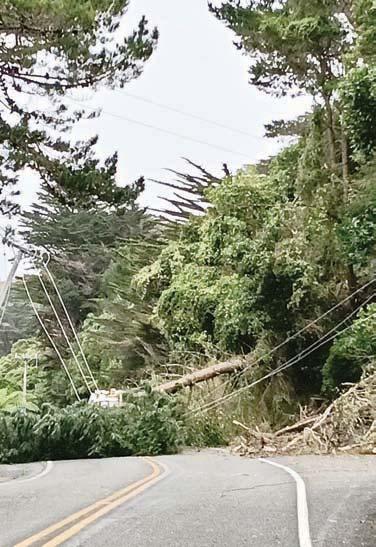
A very largetree came down in the wind, blocking Middleton Road between Tawa and Johnsonville and damaging power lines.
Ohariu Valley Road between Johnsonville and Ohariu Valley was also completely blocked by a downed tree.
A third tree in Glenmore Street was also blown down by the wind.
Because of the power cuts to around 1,000 homes, Wellington City Council made a series of services free to affected people on 17 February.

Enrolment at Bellevue School is governed by an enrolment scheme, details of which are available from our website: www. bellevue-newlands.school.nz.
The Johnsonville Pool was available for people to have showers between 6am and 9pm and the Johnsonville Library was available for power and kitchen use between 10am and 7pm.
The Churton Park Community Centre was available for power and hot drinks between 9am and 2pm.
The Karori Recreation Centre was open for power and kitchen use between 8:30am on 10pm and the Karori Pool was available for showers between 6am and 9pm.




The board has determined that up to five (5) places are likely to be available for out of zone students for the third enrolment period in 2026 (Saturday 4 July 2026 to Friday 25 September 2026). The exact number of places will depend on the number of applications received from students who live within the school’s home zone. For students seeking enrolment within the third enrolment period of 2026, the deadline for receipt of applications for out of zone places is 9am, Friday 27 March 2026.
If the number of out of zone applications exceeds the number of places available, students will be selected by ballot. If a ballot for out of zone places is required, this will be held on Friday 27 March 2026. Parents will be informed of the outcome of the ballot within three school days of the ballot being held. Details of how applications from out of zone students are processed are available on the school website.
Parents of students who live within the home zone and intend enrolling their child at any time during the next year should notify the school by as soon as possible to assist the school to plan appropriately for next year. Students who live in the home zone are entitled to enrol at the school.
Enrolment packs are available online at www.bellevue-newlands.school.nz.
One “Independent Herald” reader, who said they did not want to be named, said the storm was the worst they had experienced since the Wahine storm in April 1968.
(3)
Friend(Sp) (5)
Taps (7)
Incite (5)
Begged (9)
Prevented (9)
1. Tasted (7)
Unclear (10) 51. Confusion (8)
Theme (5)

By Frank Neill
Onslow’s premier Cricketers scored a massive outright victory over Victoria University in their division one match on 14 February.
Batting first on Nairnville Park Onslow declared their first innings at 370 for six on day one of the two-day division one match.
They then bowled Victoria University out for 153 and enforced the follow on.
The visitors were then bowled out for a second time after they scored 140 runs, giving Onslow a win by an innings and 77 runs.
William Julian top scored for Onslow with 92 runs, scored from exactly the same number of deliveries.
Devan Vishvaka, who scored 85, and Micah Conroy, who scored 82, also batted well, as did Logan Malthus who had reached his half century and was 51 not out when Onslow declared.
Seven Onslow bowlers took wickets.
After taking four wickets for 49 runs in Victoria University’s first innings, Matthew Scoble took one wicket for 33 runs in their second innings.
Ryan Tsourgas also took wickets in both innings, with figures of 2 wickets for 13 runs and one wicket for 14 runs, as did Yash Vagadia, with one wicket for one run and one wicket for 18 runs.
George Holmes was the other bowler to take wickets in Victoria’s
first innings and he finished with figures of three wickets for 49 runs.
Micah Conroy took three second innings wickets at a cost of just 12 runs and Elliot Seddon took three wickets for 39 runs.
Beck Cattermole was Onslow’s other second innings wicket taker and he finished with one wicket for 20 runs.
Onslow’s next match is against Petone Riverside at the Petone Recreation Ground on 21 and 28 February, starting at 10:30am.
The Karori premiers were well on top of Petone Riverside at the end their division one match on 14 February, and took out first innings points.
Batting first on the Petone Recreation Ground, Karori declared their first innings closed at 413 for the loss of five wickets.
Karori then bowled Petone Riverside out for 248 and enforced the follow on, and the home team reached 178 for five wickets when stumps were drawn.
Two Karori players scored centuries.
Dimithri Gallage scored 126 runs and Shivang Choudhary scored 101 runs.
Two other Karori players notched up half centuries.
Kevin Weerasundara scored 66 from only 63 deliveries and Anirudh TP was 51 not out when Karori declared. Anirudh has faced just 27 deliveries to have the very high strike rate of 188.88.
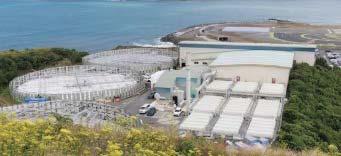
Local Government Minister, Simon Watts, announced on Monday 16 February that a Crown Review Team will conduct an independent review into failures at Wellington Water’s Moa Point sewage plant.
The plant suffered a complete failure earlier this month, causing raw sewage to flood the plant and flow into the capital’s South Coast beaches. Wellington Water advised that a further failure in the early hours of 16 February also led to a discharge of partially treated wastewater into the ocean at Rukutane Point.
The Minister said the failures are a key part of the capital city’s critical wastewater infrastructure and the
Puvin Anthony bowled outstandingly for Karori, taking four first innings wickets for 87 runs and three second innings wickets for 80 runs.
Louis Ayres took three first innings wickets for 50 runs and Anirudh TP two wickets for 31 runs.
Karori’s next match is against Victoria University at Karori Park on 21 and 28 February, starting at 10:30am.
The Johnsonville premier men’s team took out first innings points in their division two match against Wellington Collegians Cricket Express on 14 February.
After bowling Collegians out for 176 on Anderson Park, Johnsonville scored 301 before declaring their innings with the loss of eight wickets.
Collegians then reached 204 for four wickets at stumps.
Three Johnsonville players scored half centuries.
Andrew Moir top scored with 70 from just 39 deliveries, notching up a highly impressive strike rate of 179.48.
Ben Stephen scored 57 and Will Martin scored 52.
Connor Lusty took four first innings wickets for 31 runs and two second innings wickets for 46 runs.
Maximus Petrie took three first innings wickets for 31 runs and two second innings wickets for 58 runs.
Ben Stephen claimed three first

Matthew Scoble, who bowled outstandingly in Onslow’s outright victory over Victoria University. Photo: Supplied.
innings wickets for 32 runs.
Johnsonville’s next match is against North City at Alex Moore Park on 21 and 28 February, starting at 10:30am.
The Johnsonville premier wom-
en’s match against North City, due to be played on 14 February was abandoned.
Their next match is against Collegians at Anderson Park on 21 February, starting at 11am.

ensuing impact on communities, the local economy and environment was “completely unacceptable”.
“After discussions with Wellington Mayor Andrew Little we have agreed an independent and transparent investigation is required to determine the causes of this failure,” Mr Watts says. “The public is owed the assurance that we understand what led to this failure and that we are taking steps to prevent it from happening again.” The review team will comprise independent senior water services sector figures with relevanttechnical engineering, governance,commercial and legal expertise.
Police are appealing for anyone who may have information on offending by Father Rowan Donoghue to come forward.
This comes after all suppressions for Father Donoghue, who worked at St Patrick’s College, Silverstream from 1982 to 1992, were lifted on 28 January.
Father Donoghue pleaded guilty in the Christchurch District Court on 13 November 2025 in relation to a number of historical offences against former students at St Be-
de’s College in Christchurch, and is set for sentencing later this year.
Following the lifting of all suppression, Police have been made aware that former students at St Patrick’s College Silverstream have alleged similar offending by Father Donoghue, Detective Senior Sergeant Karen Simmons says.
“We know it can be incredibly difficult and at times distressing to talk about these matters, but we would like to reassure any
victims of offending that we will take them seriously.
“Police has a number of officers and detectives dedicated to these cases, and we provide a safe space to report offending in confidence.
“If you have any information or would like to report similar offending, please contact us online at 105.police.govt.nz or call 105.
“We can then contact you to make appropriate arrangements to discuss matters in an appropriate and safe way.”





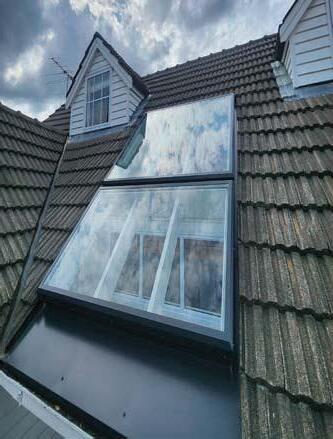
Skylight Specialists have been specialising in skylights for 25+ years. We have yet to come across a brand/make/type or configuration of skylight that we do not know everything about.
Skylight Specialists is LBP (Government approved licensed building and roofing practitioners) , with 30+ years in the building industry and employ a highly skilled team which consists of trade qualified glaziers, roofers and builders.
When we come and assess your skylight/s we will provide you with a free, no
obligation quotation. We will also provide you with a detailed report including photos that will include our findings and recommendations whether it be for general maintenance, repairs or replacement. At this time of year everyone is concerned about insulation of their homes, trying to keep warm and retain heat. Unfortunately, skylights are often overlooked, even when they can be sometimes the main factor of heat loss. Older skylights are sometimes full-time venting without the homeowner even being aware of this, which is no


different from leaving a window open 24/7. Others are only single glazed or just plastic. By upgrading to double glazing you can retain up to 70% more of your heat. A lot of skylights we come across is simply a piece of glass glued to the roof structure of your home – This is by far inadequate for many reasons including thermal properties and condensation issues, as the moisture has no where to go but get absorbed by the structure of your home. We will assess the entire skylight including the flashings (roof flashings
are what connects the skylight to your roof and keeps all watertight). This will cover if you have adequate condensation channels, drainage, seals, condition of flashings, thermal properties and of course longevity of the skylight/s and the surrounding areas.
So if you’d like to add A LOT more light into your home and want the job done well, contact them on 0800 85 86 87, 04 938 0721 or 027 595 4448.
“We are tradespeople not sales people”